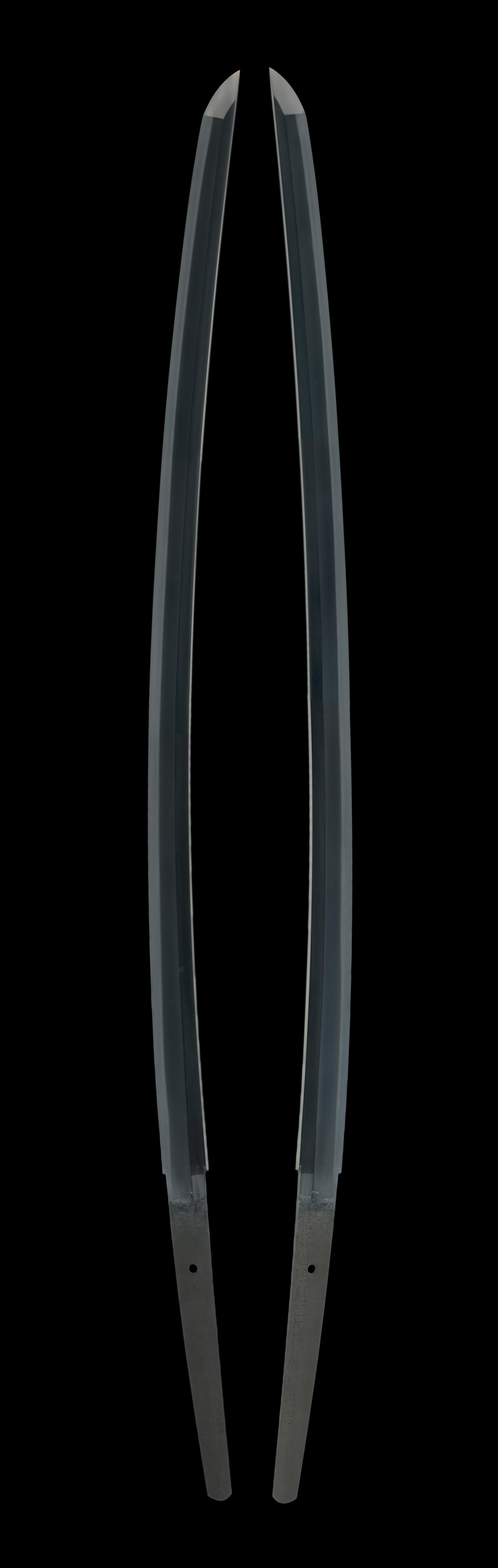
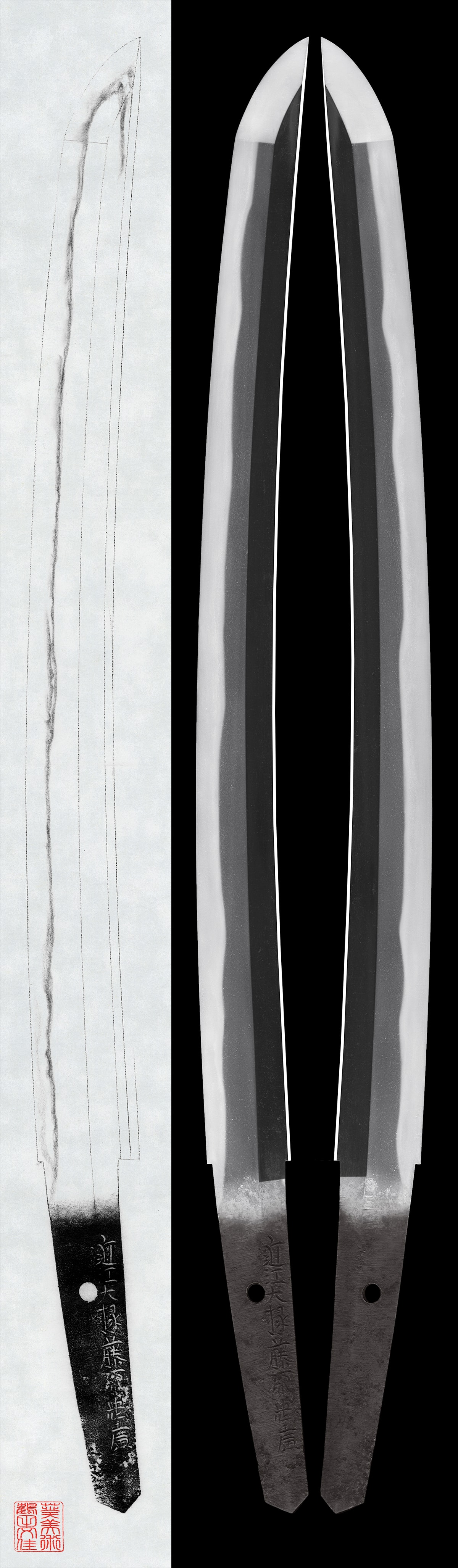
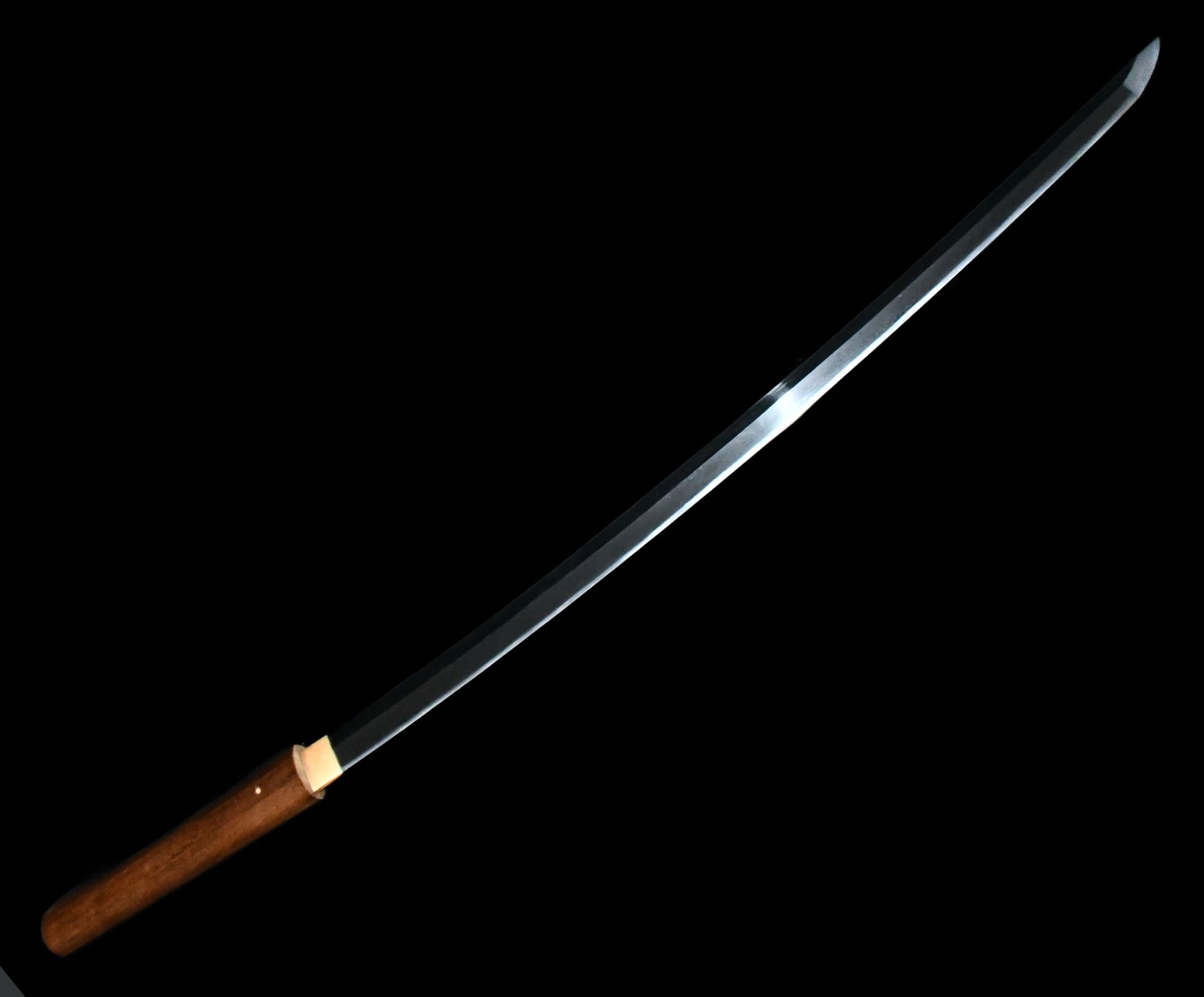
肥前刀は藩営の産業である。鍋島家は1596年頃、忠吉を京の埋忠明寿のもとに学ばせ、帰国したその工を核に公認の一門を築いた。小糠肌で名高いその作は、九代にわたり明治まで続いている。
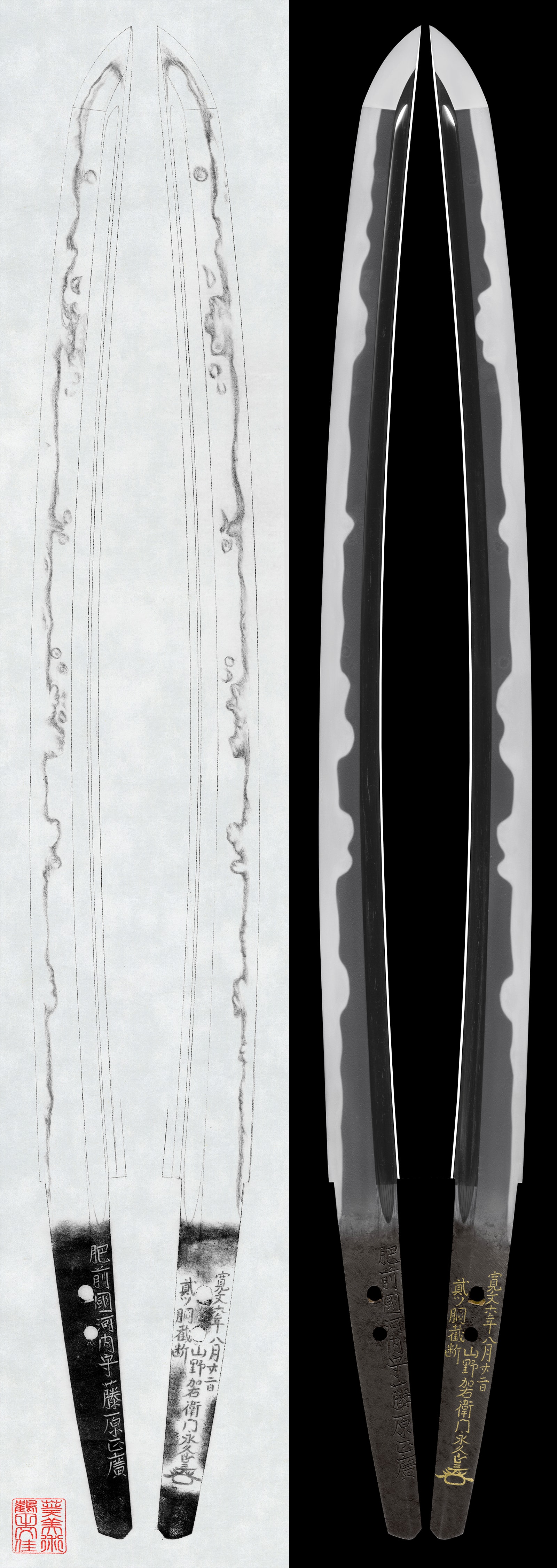
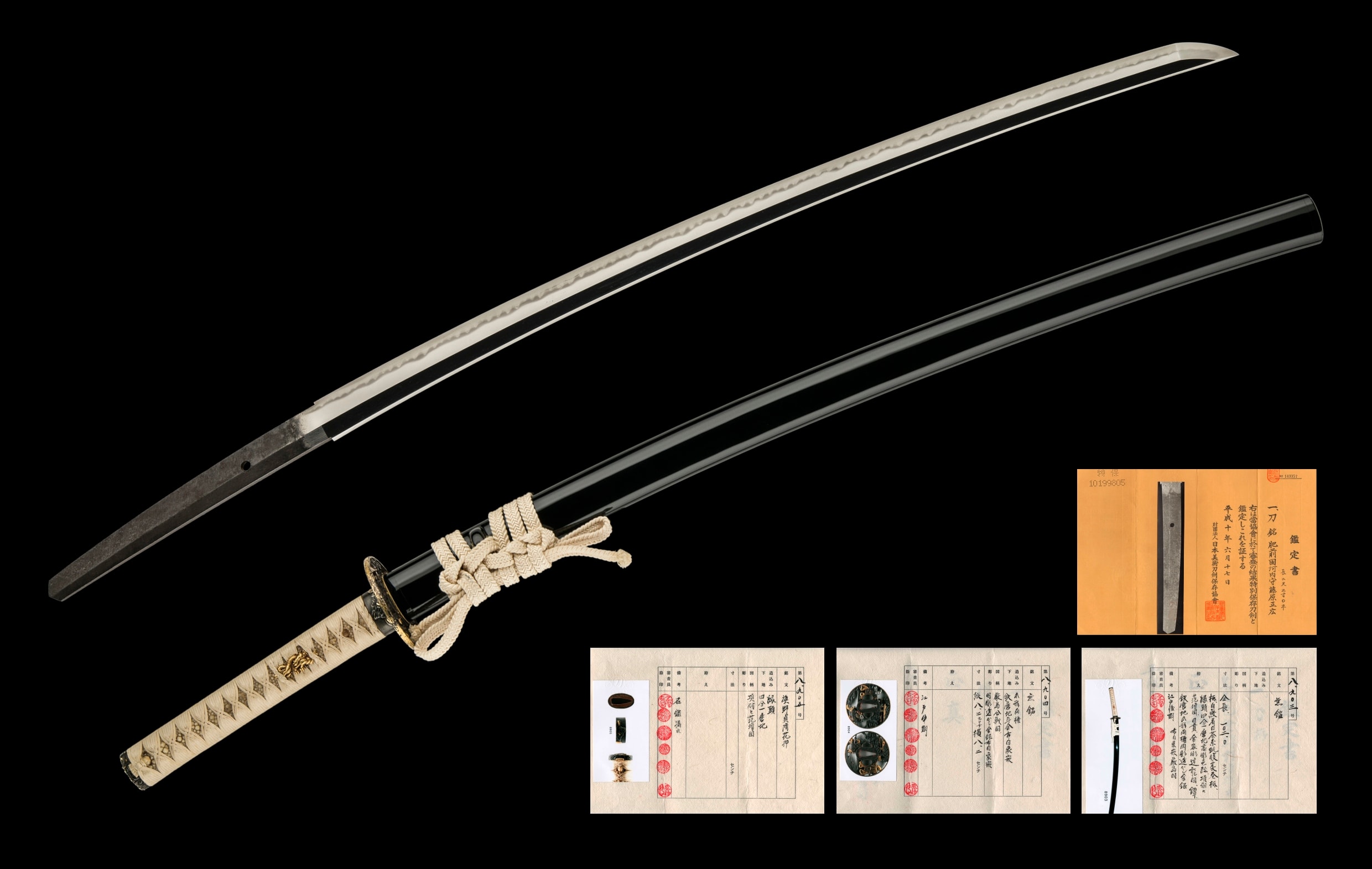
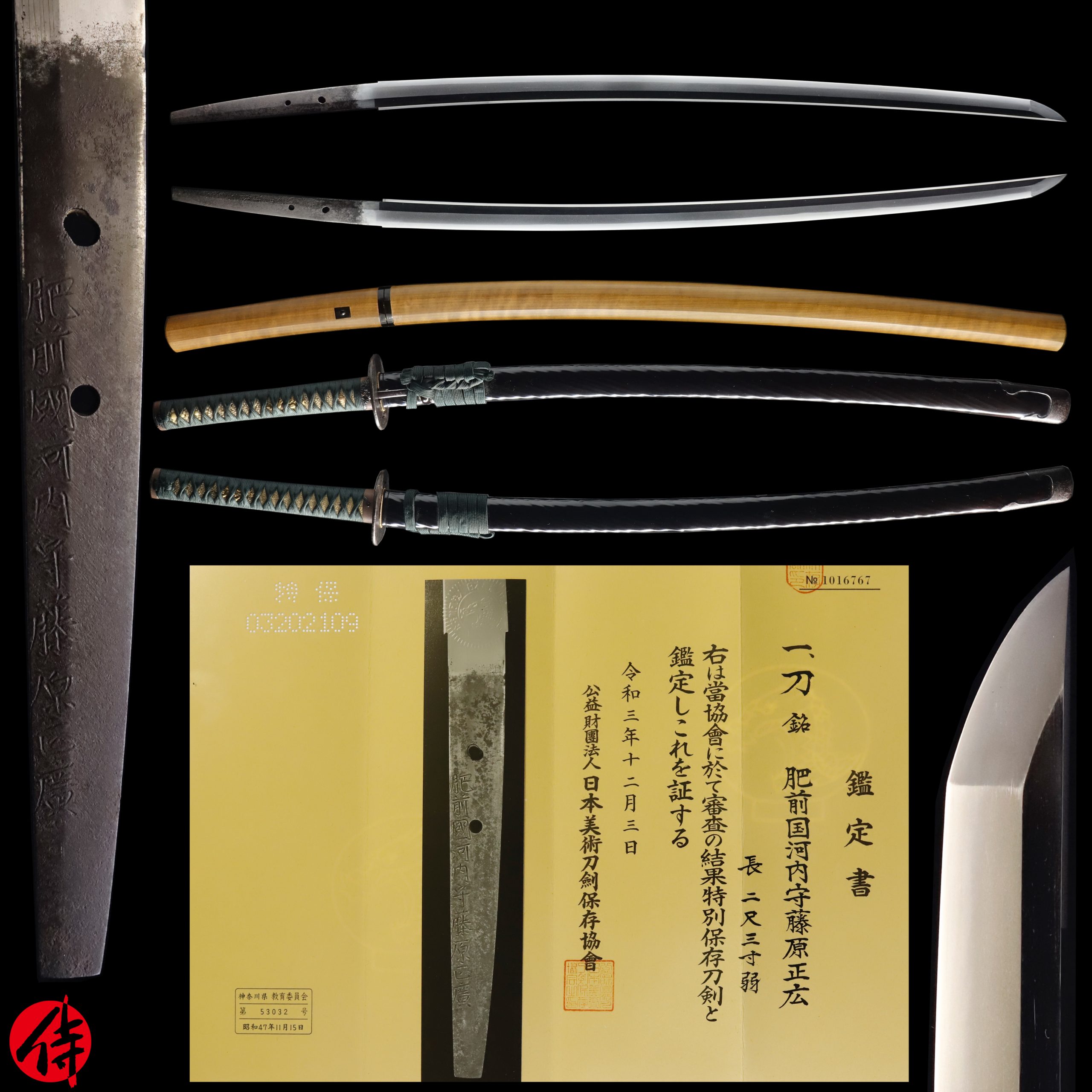
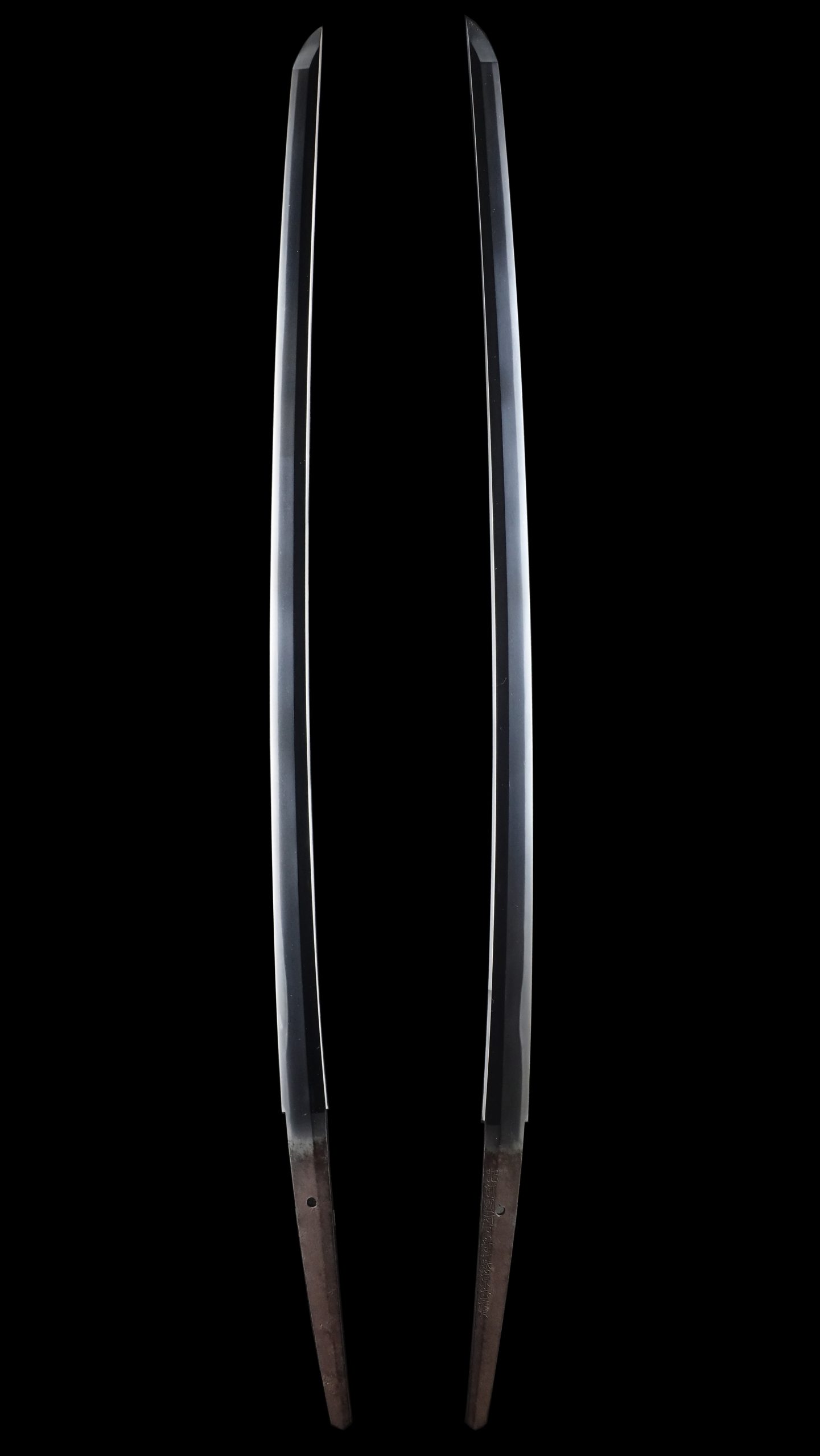
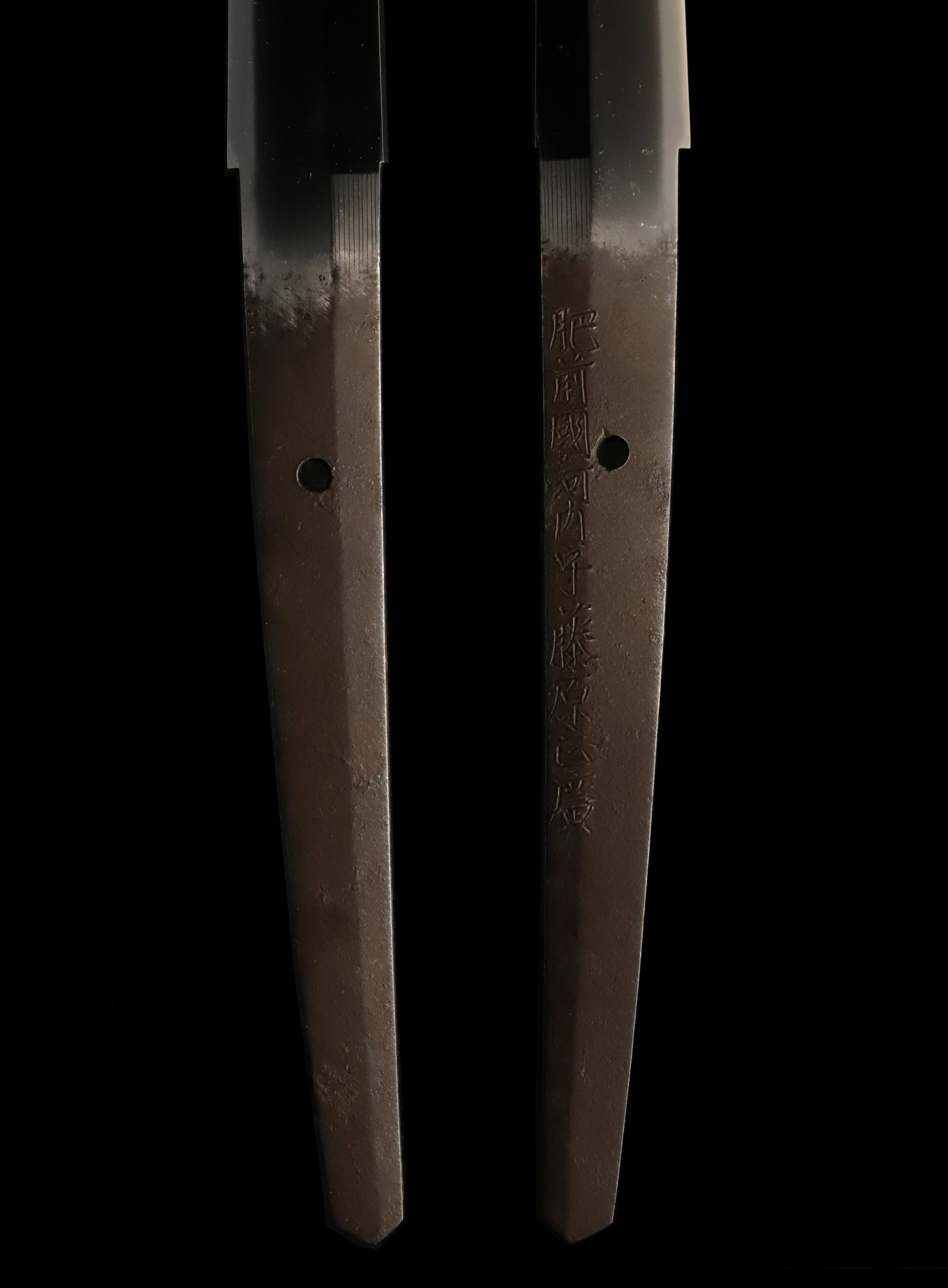
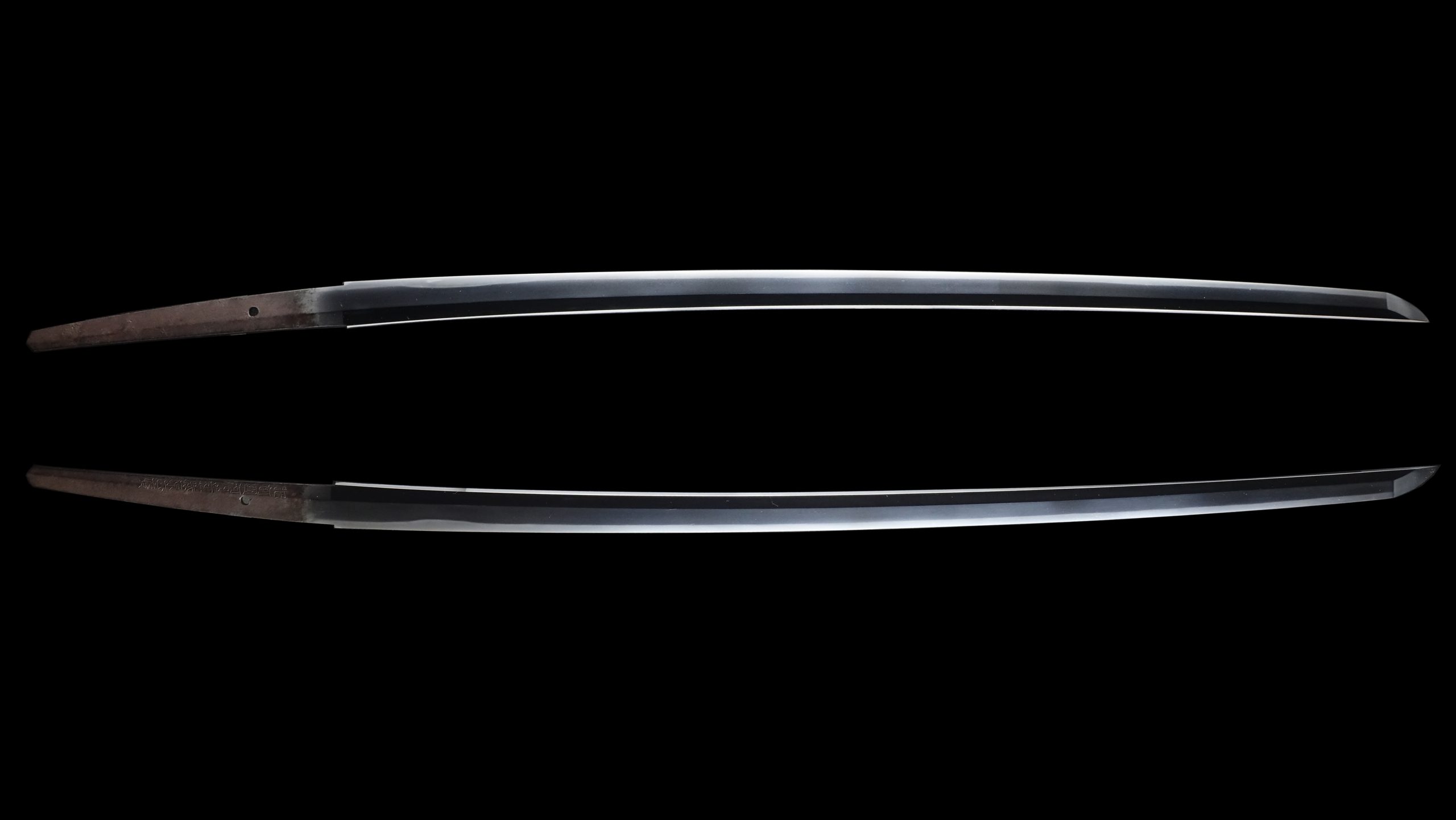
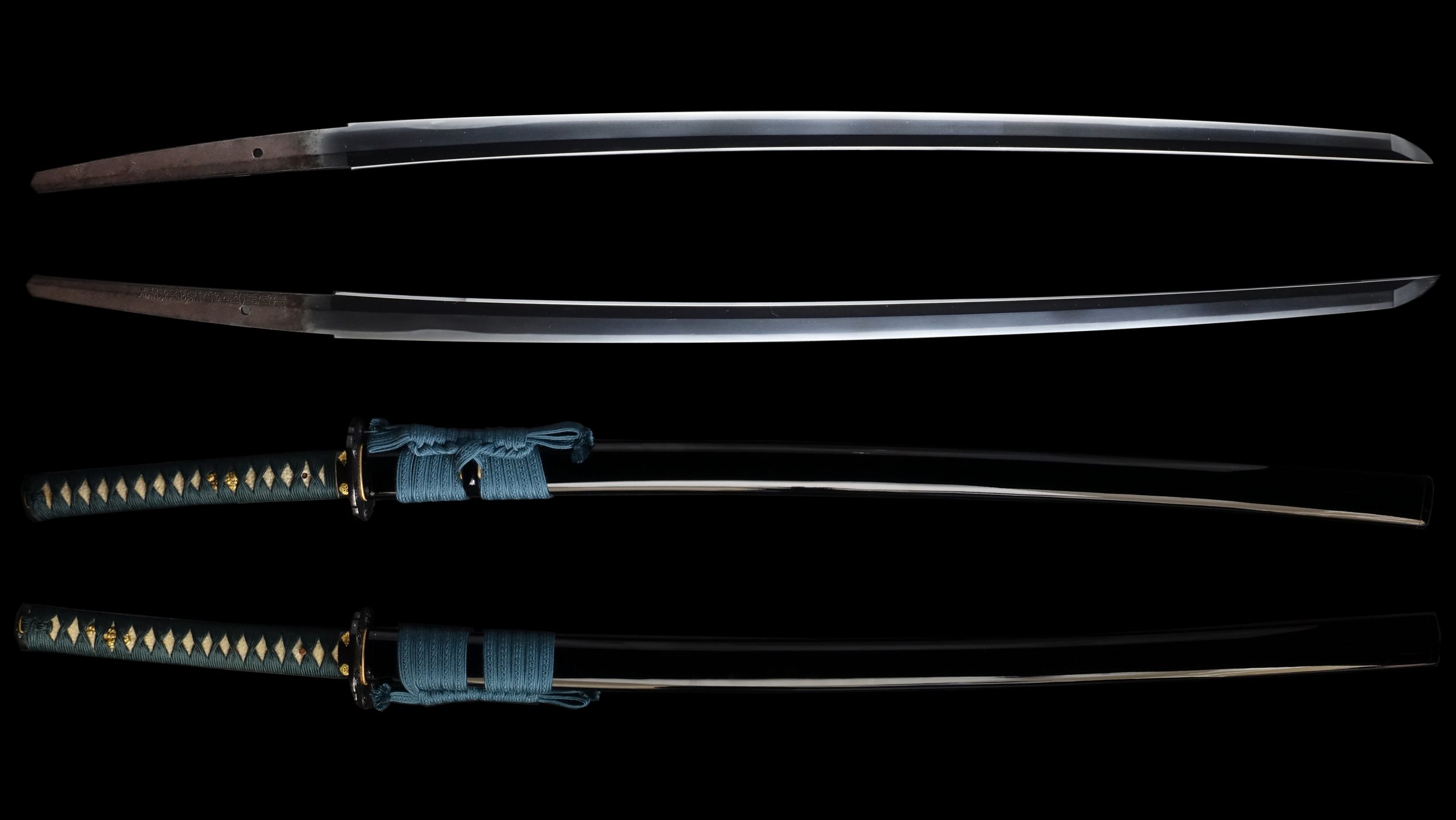
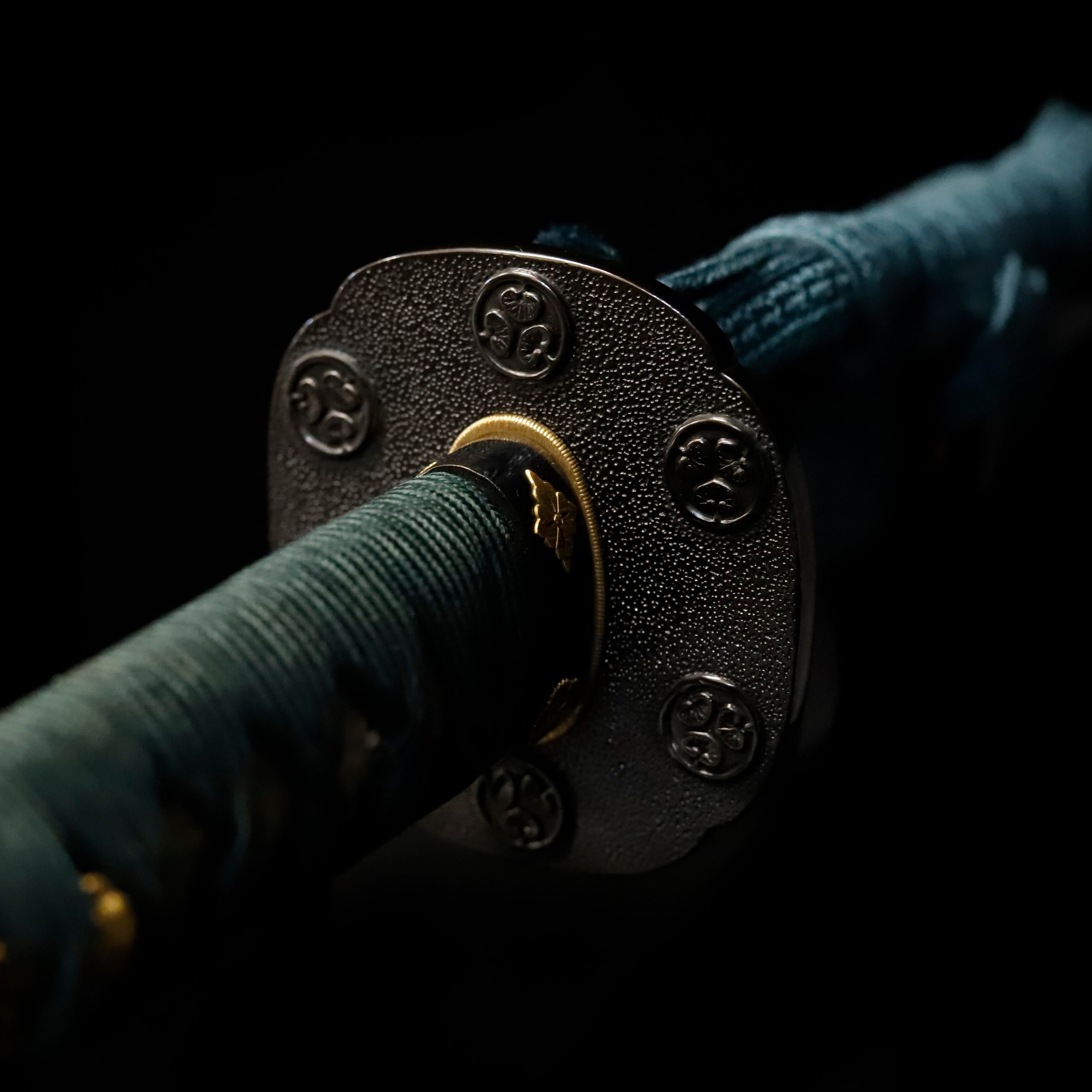
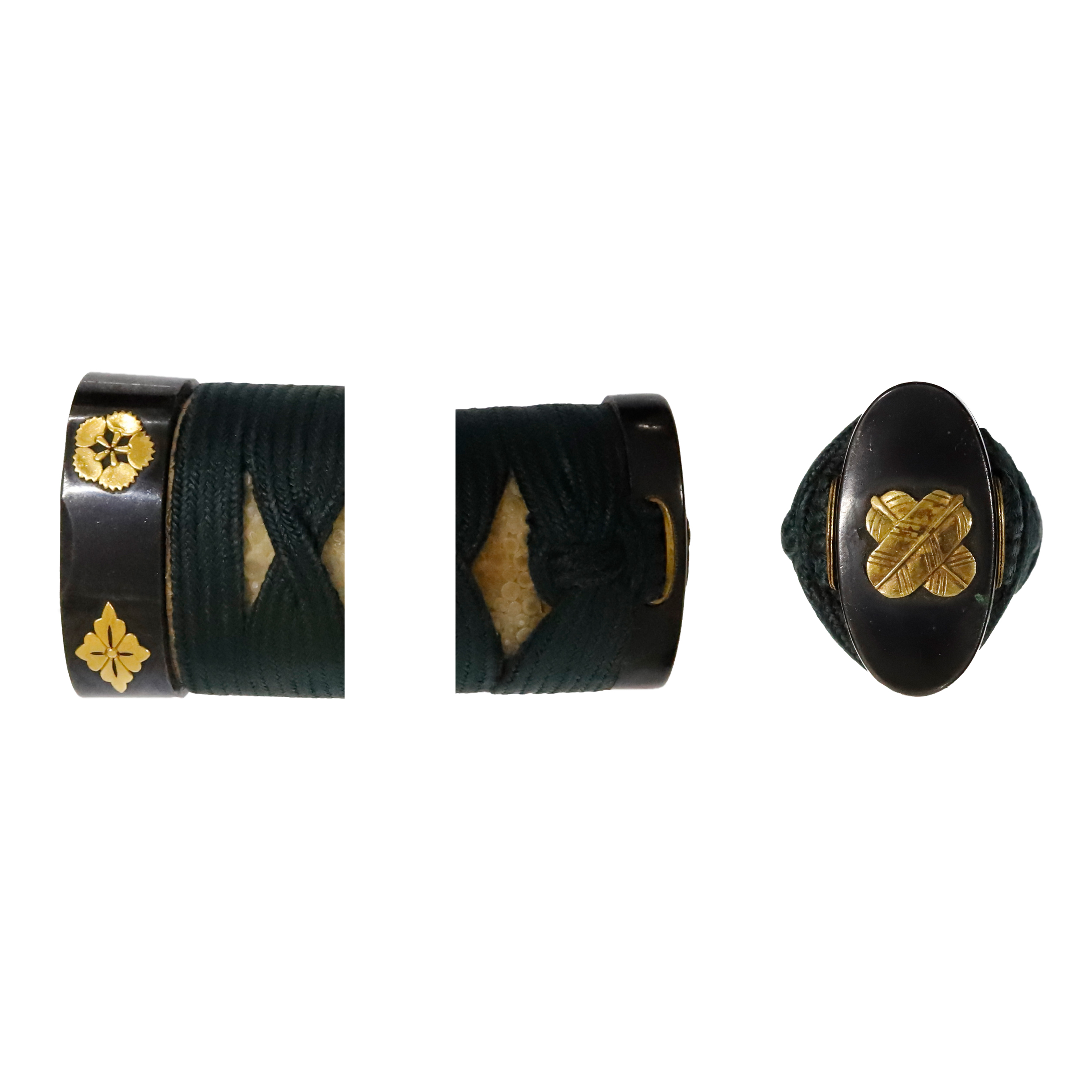
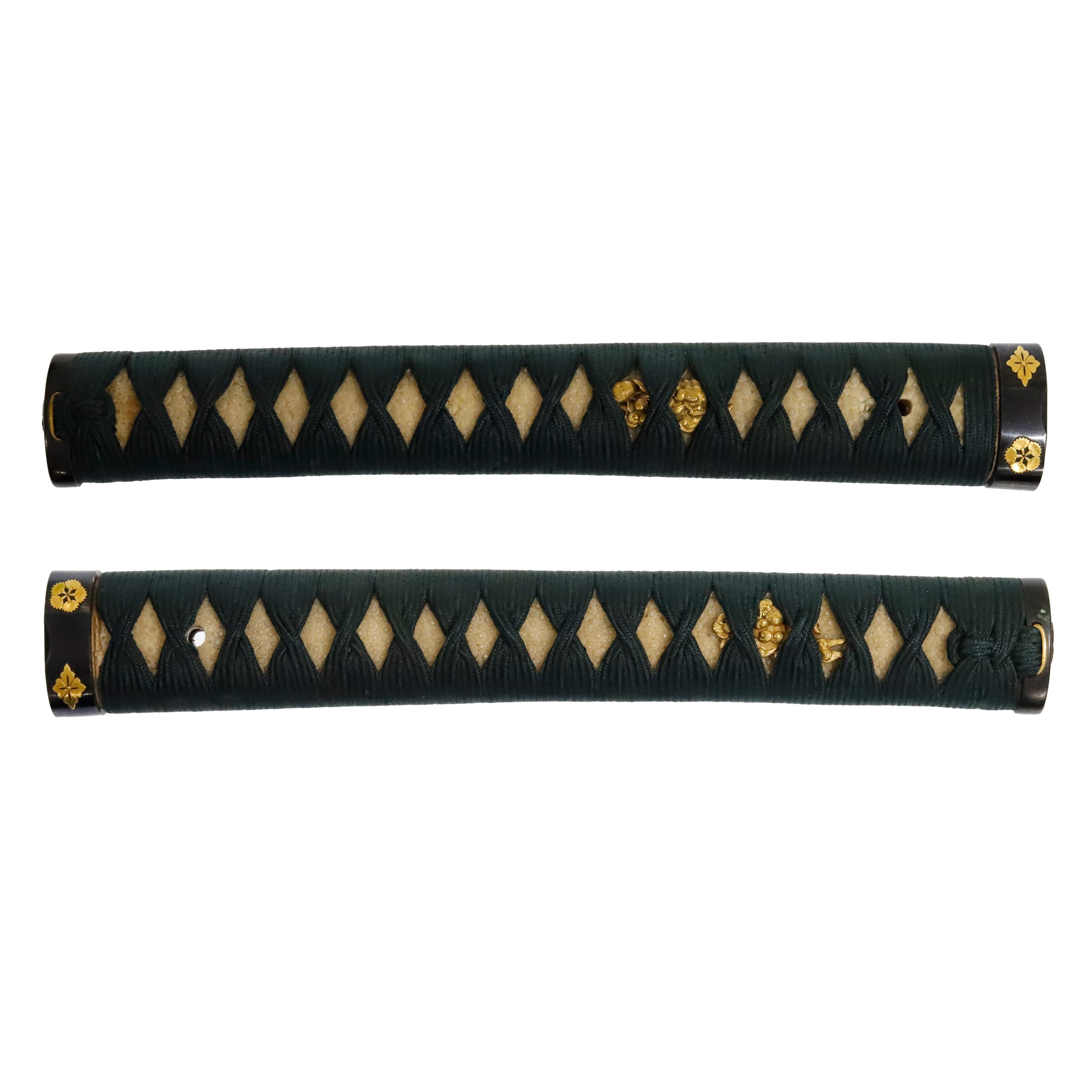
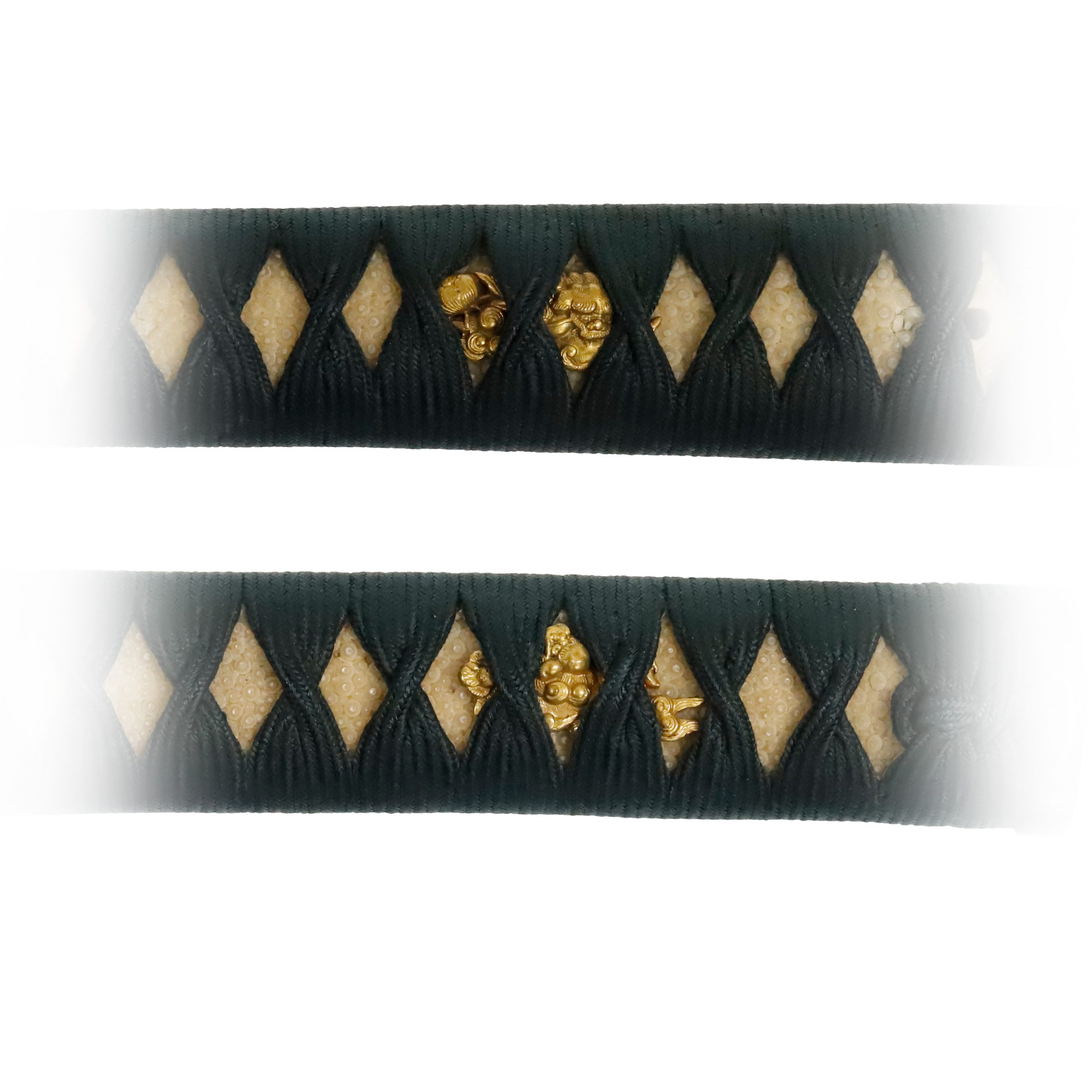
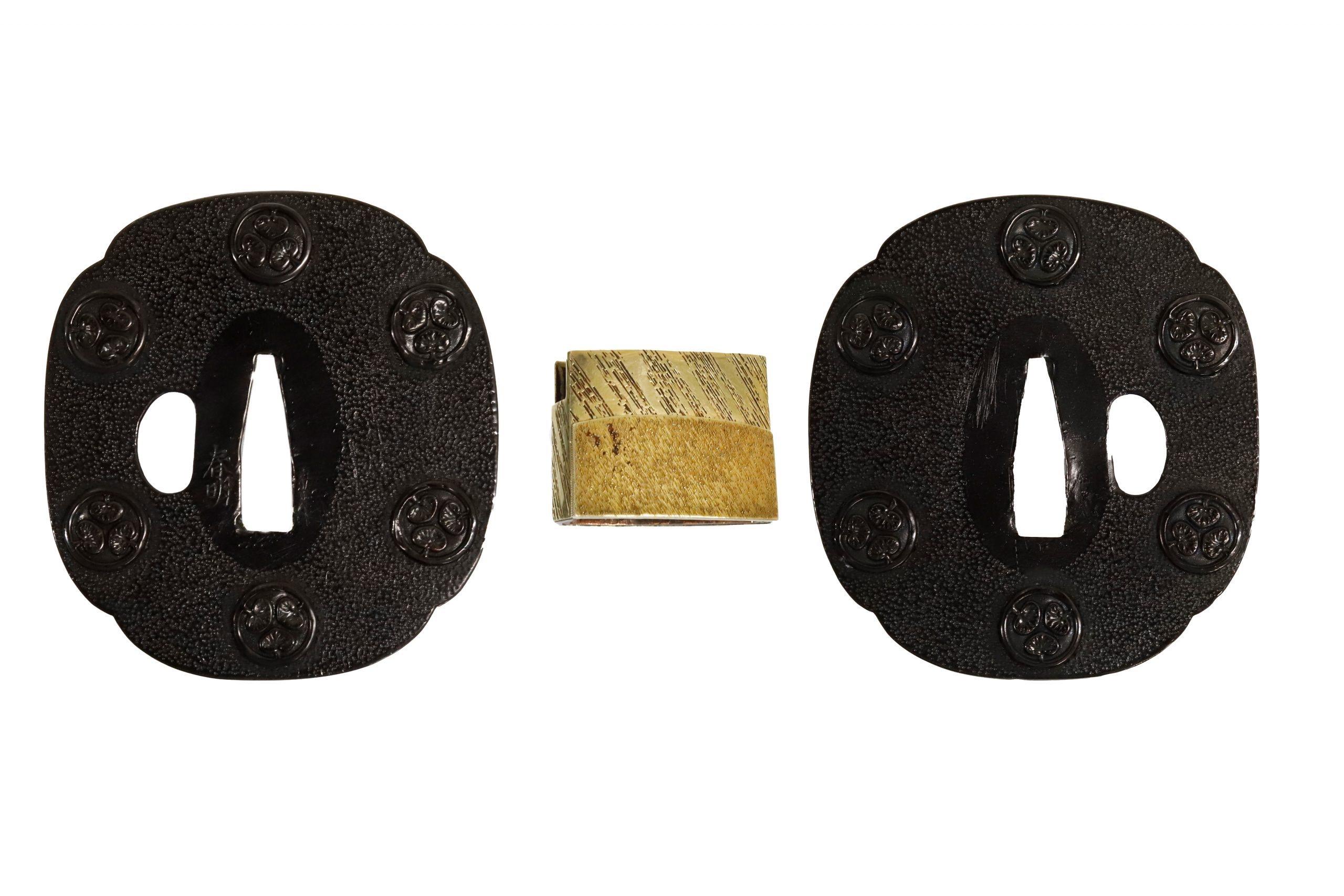
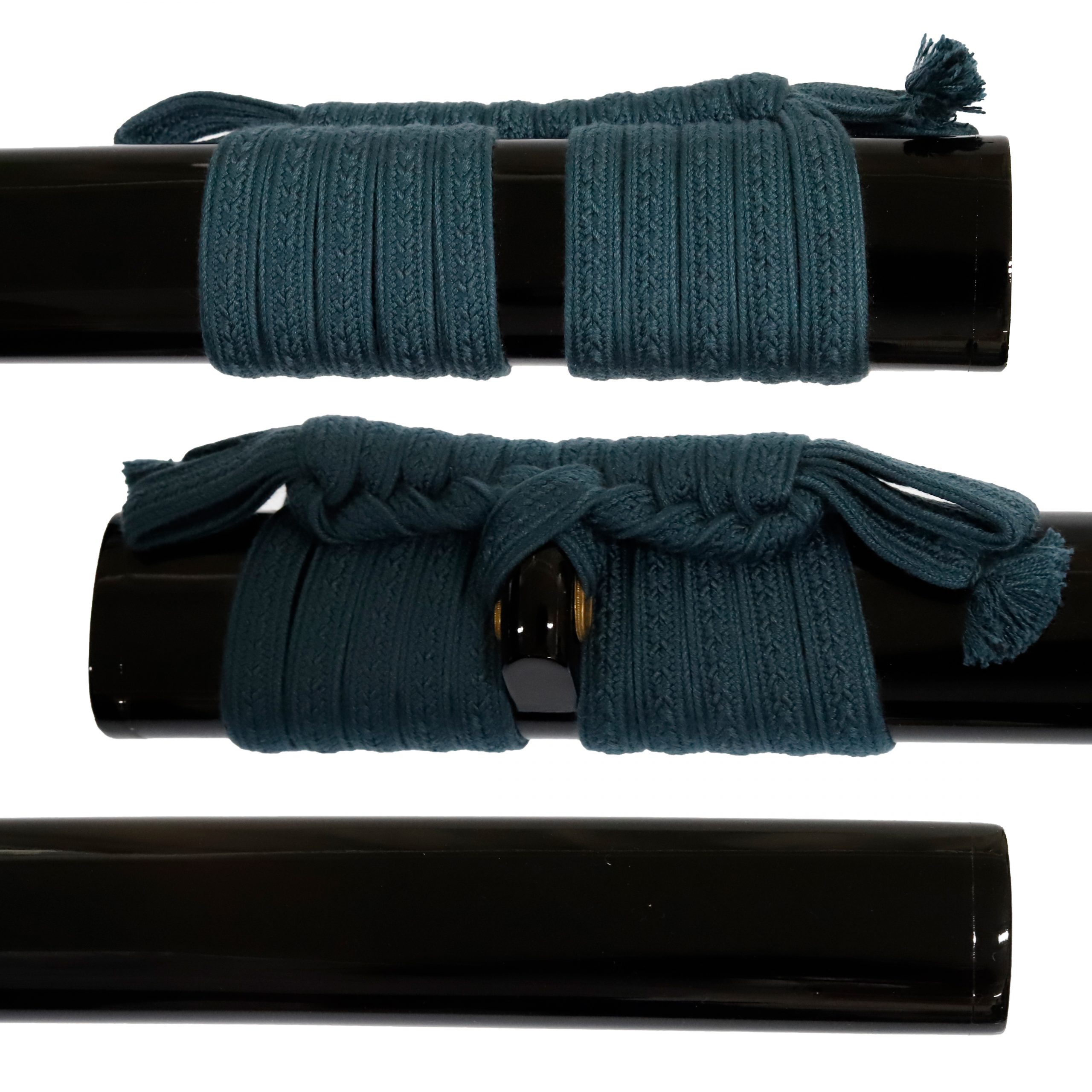
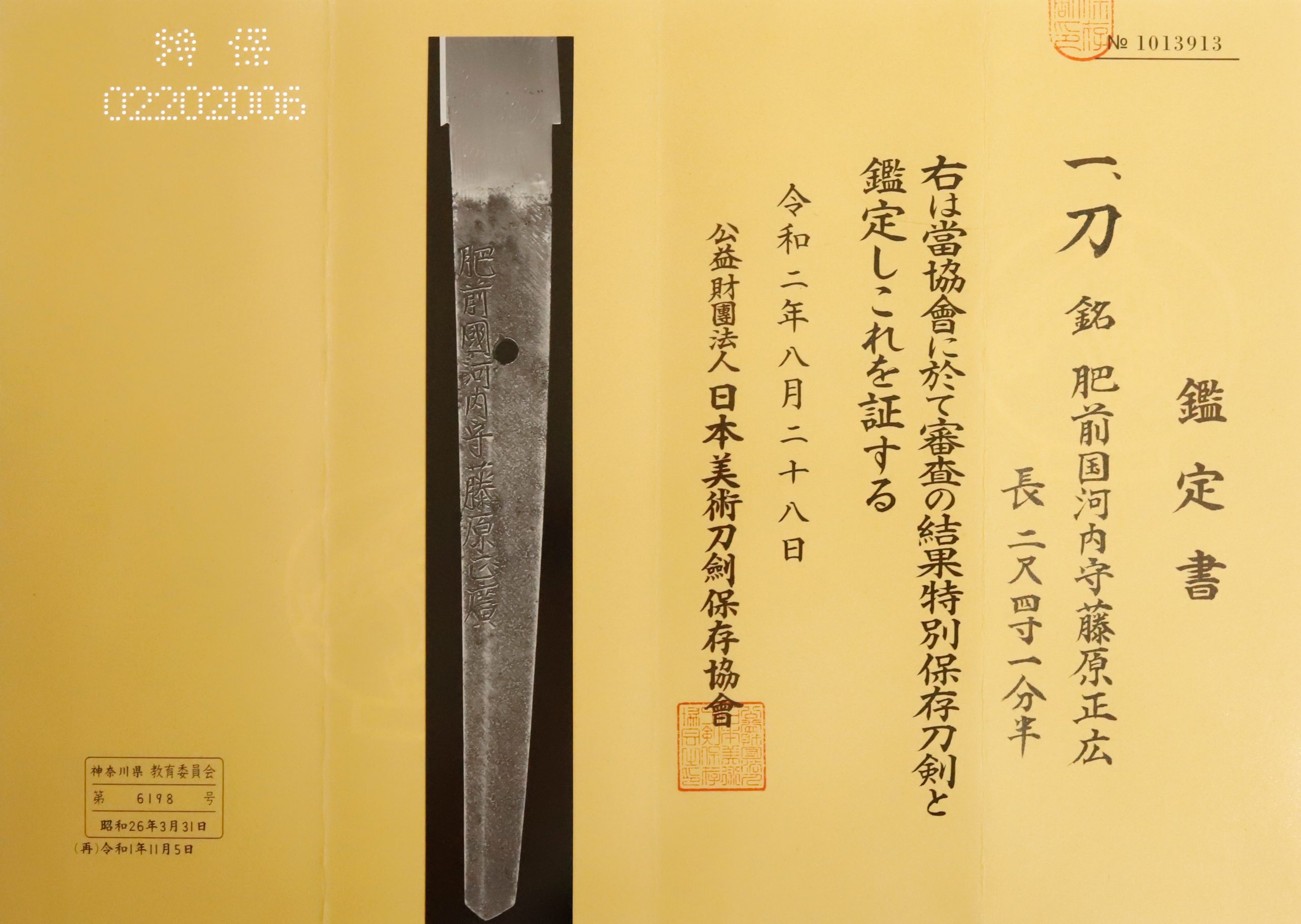
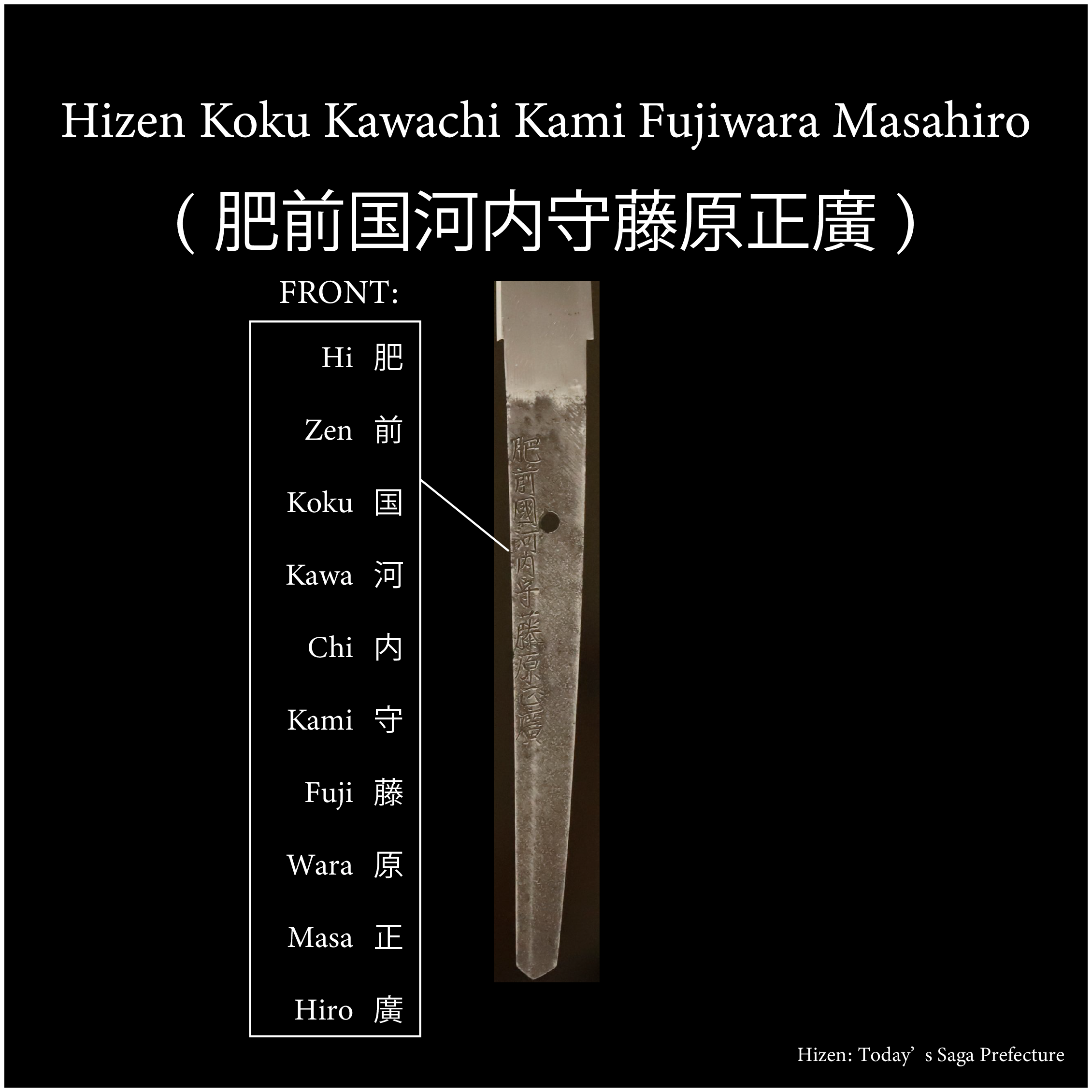
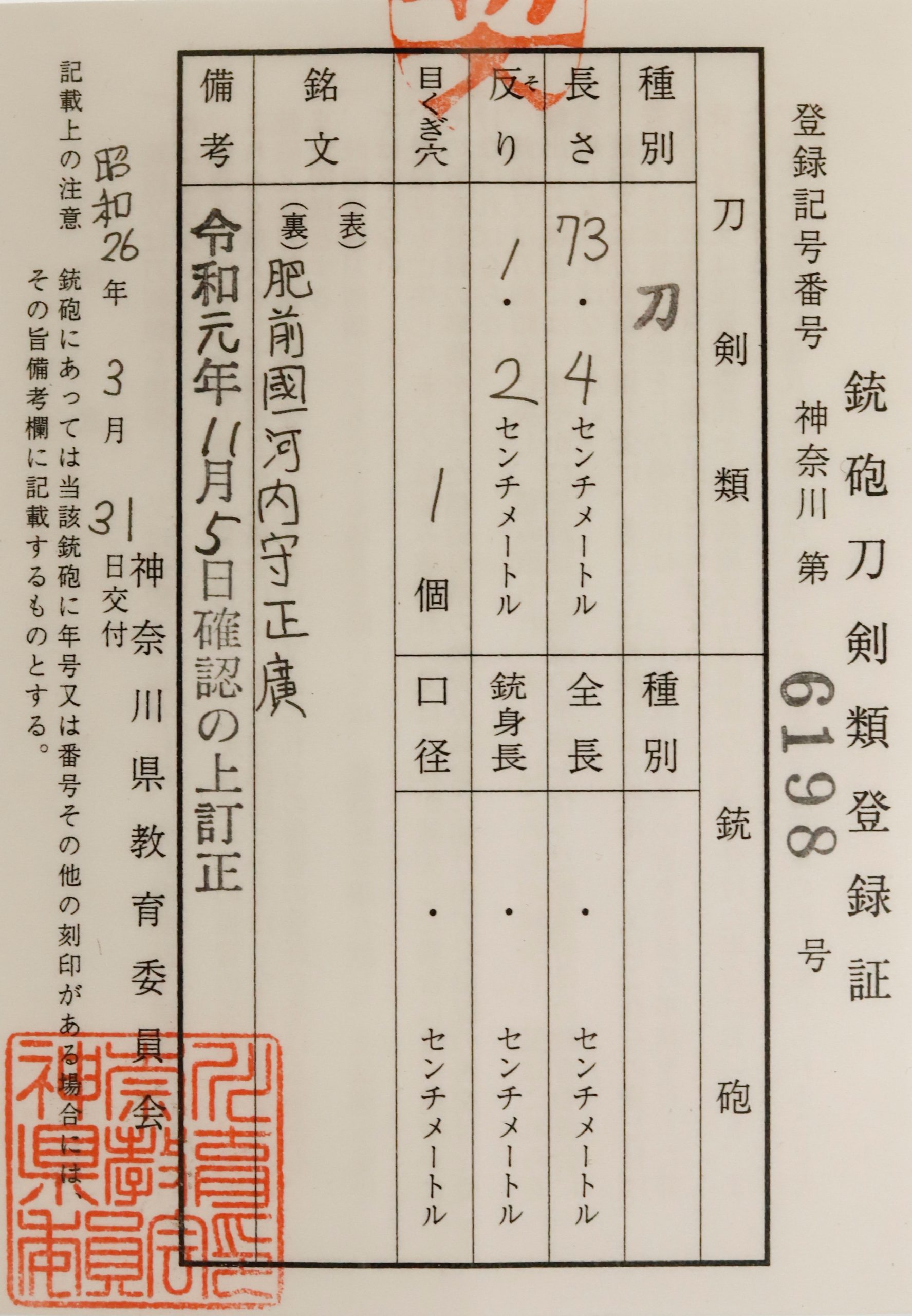
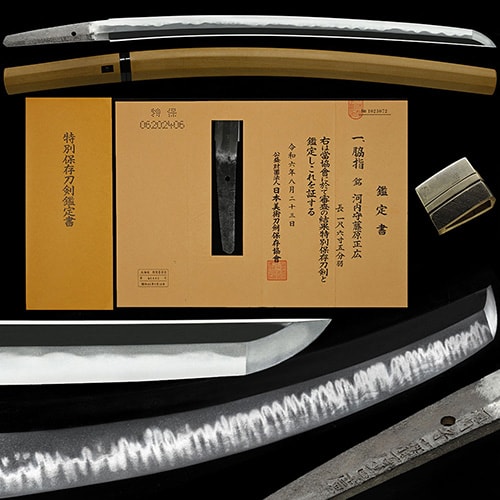
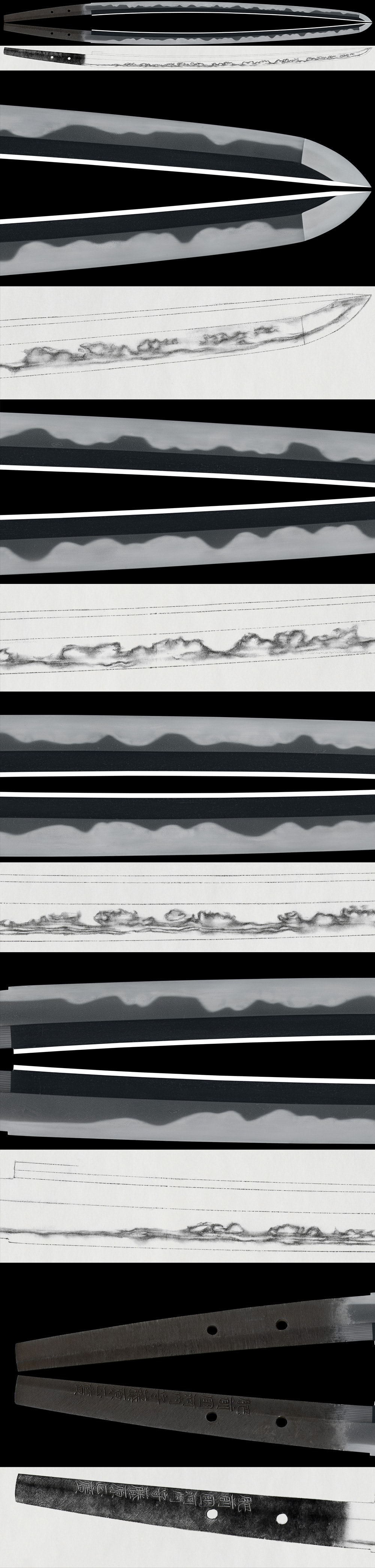
日本刀 刀 銘 肥前国河内守藤原正廣(二代) 日本美術刀剣保存協会(NBTHK) 特別保存刀剣鑑定書付 【解説】 本作は、江戸時代前期(17世紀後半)に活躍した肥前国河内守藤原正廣(二代正廣)による一振りです。二代正廣は寛永4年(1626年)、初代正廣の子として生まれました。 万治3年(1660年)に武蔵大掾を受領、翌年には武蔵守へと進み、寛文5年(1665年)に父である初代の没後、その名跡を継いで河内守を受領しました。元禄12年(1699年)に73歳で没するまで、肥前刀の隆盛を支えました。 本作の銘には、彼が最後に受領した官位である「河内守」が切られていることから、寛文5年から元禄12年の間に鍛錬された円熟期の作と推測されます。 肥前国(現在の佐賀県)は、二代正廣が拠点を置いた地です。彼の家系は、江戸時代初期に肥前刀の開祖である忠吉(曾祖父)によって築かれました。忠吉は日本刀史上、江戸初期を代表する名工の一人として知られています。 父である初代正廣もまた同国を代表する名工であり、17歳で佐賀藩主・鍋島勝茂公に召し抱えられました。初代以来、正廣の家系は鍋島家の「御抱え鍛冶」として、藩のために専属で刀を打つ特権的な地位にありました。二代正廣も同様に御抱え鍛冶を務めており、有力大名である鍋島家に重用された高い技術力が伺えます。 二代正廣をはじめとする肥前鍛冶は、鍋島藩の強力な庇護のもとで活動しました。当時、海外貿易の拠点に近かった肥前国では、西洋から輸入された鉄(南蛮鉄)をいち早く取り入れることが可能でした。これらを和鉄に組み合わせて鍛錬することで、肥前刀特有の「小糠肌」とも称される緻密で美しい地鉄が生み出されました。 本作は、正廣の卓越した技量を示す芸術的な出来映えであり、さらに華やかな拵(外装)が付属しております。 日本美術刀剣保存協会(NBTHK)による「特別保存刀剣」の鑑定を受けており、その真作であることはもちろん、保存状態が極めて良く、高い美術的価値を有することが証明されています。 【刀身】 長さ(Nagasa):73.4 cm 反り(Sori):1.2 cm 刃文(Hamon):焼入れによって刃先に現れる結晶構造 地紋(Jihada):折り返し鍛錬によって現れる地鉄の模様 茎(Nakago):銘「肥前国河内守藤原正廣」。茎に宿る黒錆は、柄内部での赤錆の発生を防ぐ重要な役割を果たします。この錆色や経年変化は、専門家が製作年代を特定する上での貴重な指標となります。 【拵(外装)】 拵とは、鞘、柄、鍔などで構成される日本刀の外装一式を指します。 縁頭(Fuchi-Kashira):柄の両端を保護する一対の金具で、本作には金象嵌が施されています。 意匠には「鷹の羽紋」「花菱紋」、そして撫子と思われる花紋など、複数の家紋が配されています。鷹は鋭く空を舞う姿から強さと威厳の象徴とされ、多くの武家に愛好されました。また、その羽は武士の主要な武器である矢の「矢羽根」として用いられたことから、武徳を尊ぶ象徴としても重用されました。
 NihontoWatch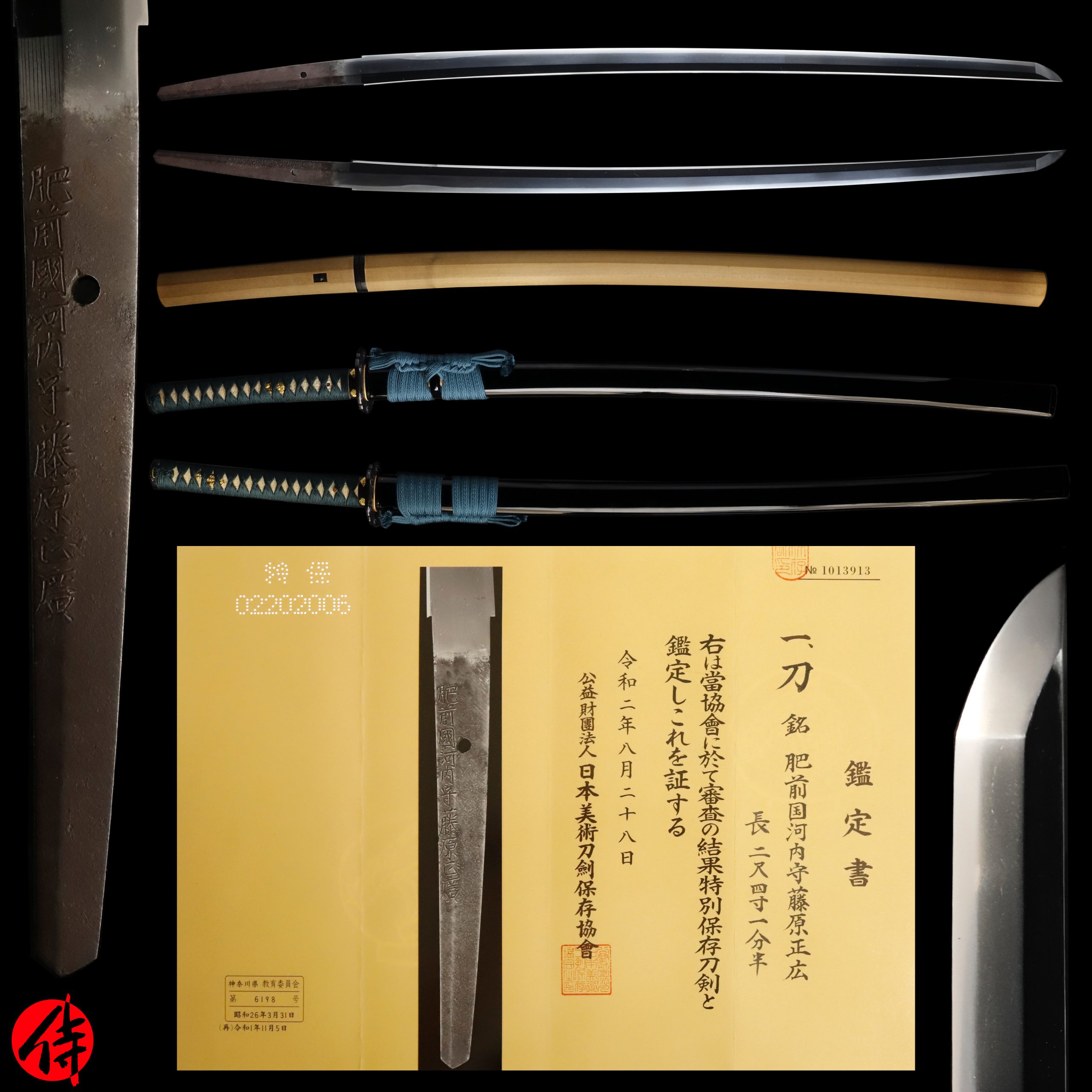
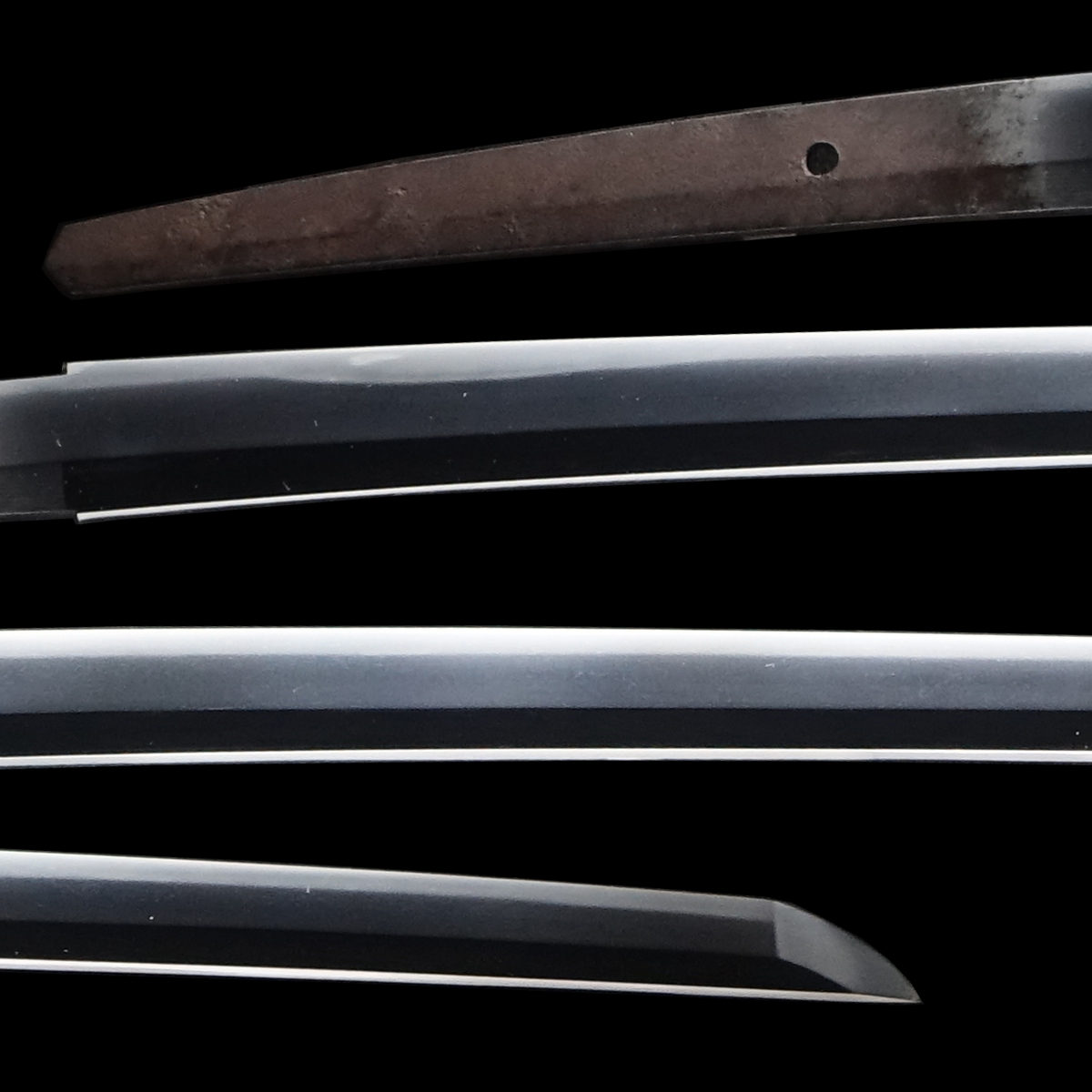
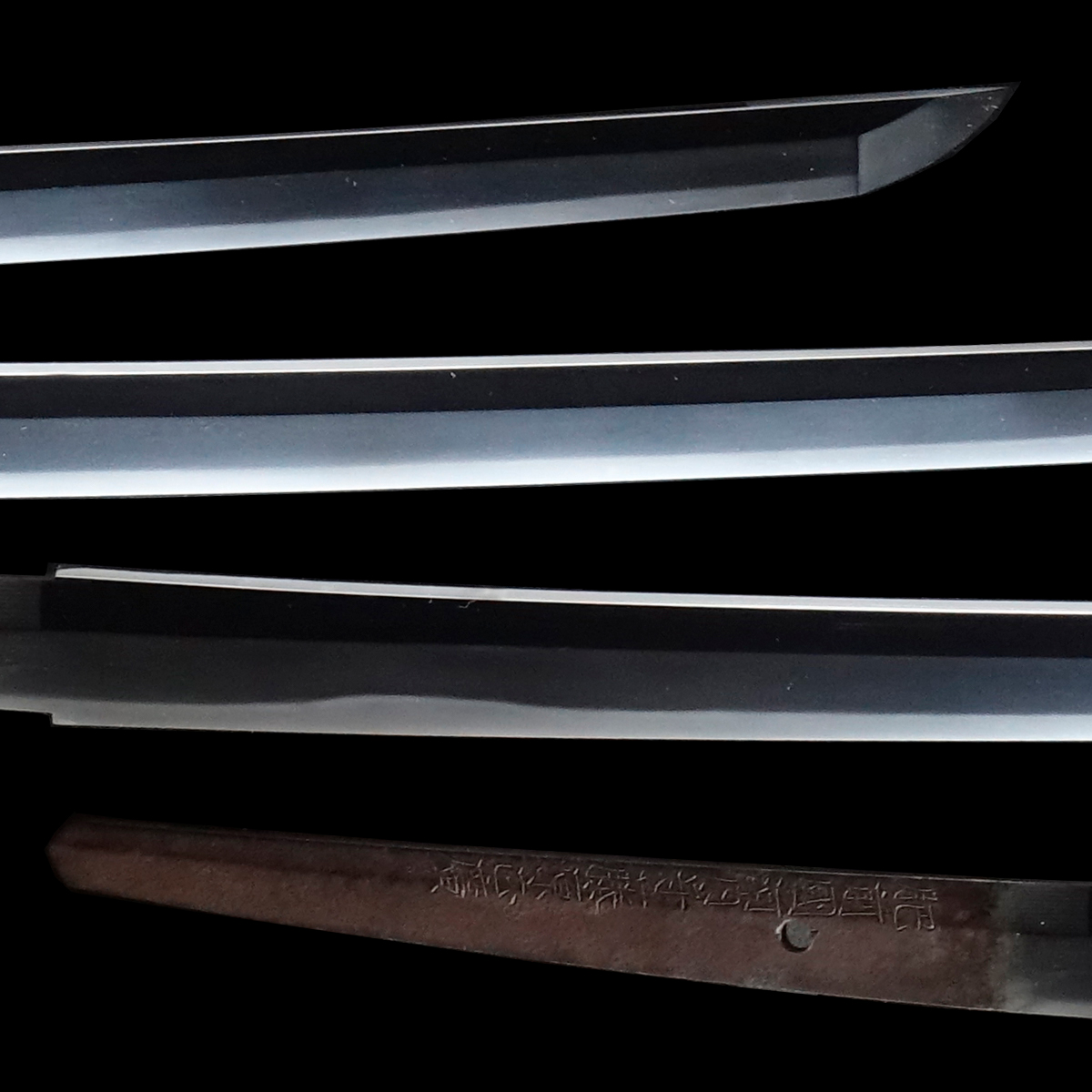
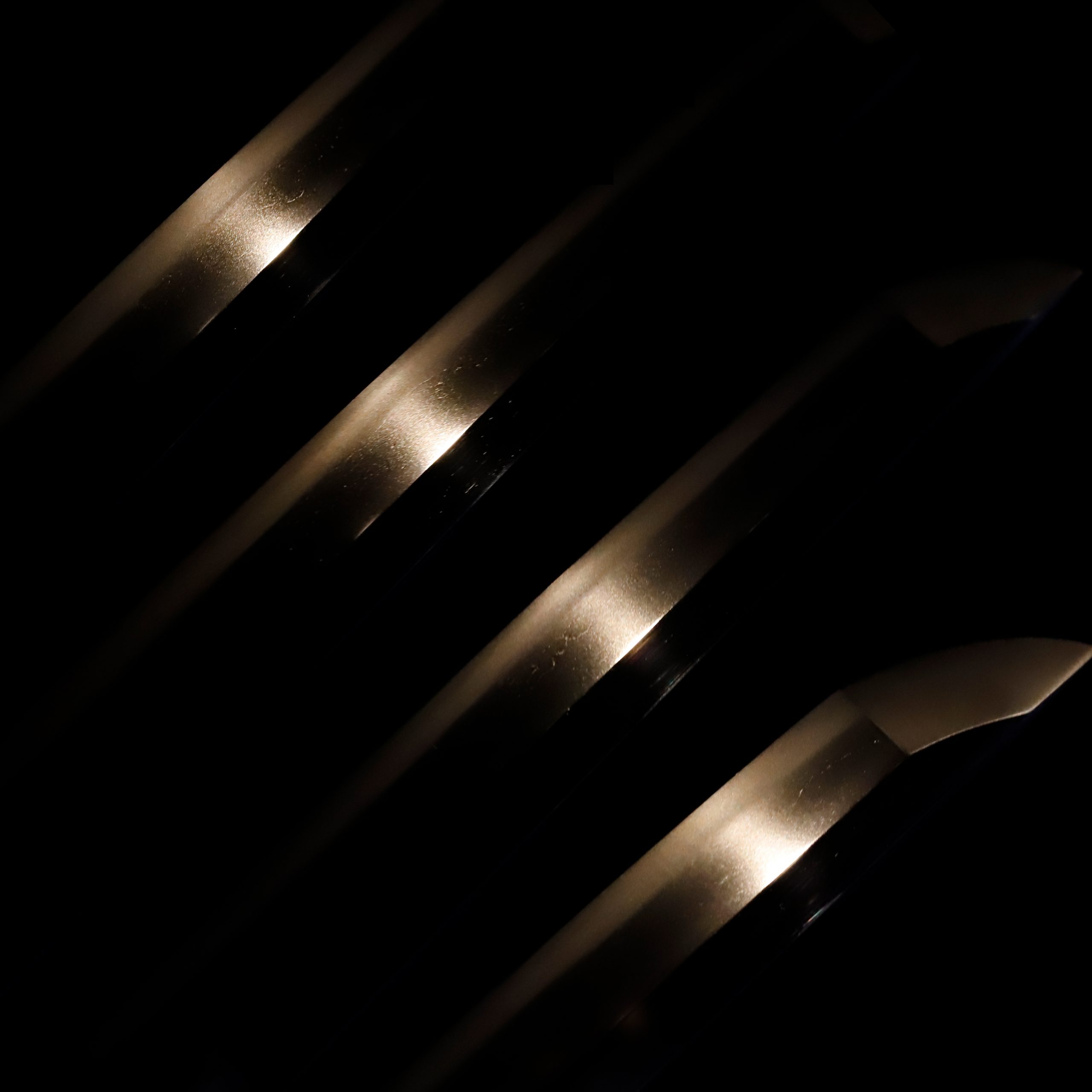
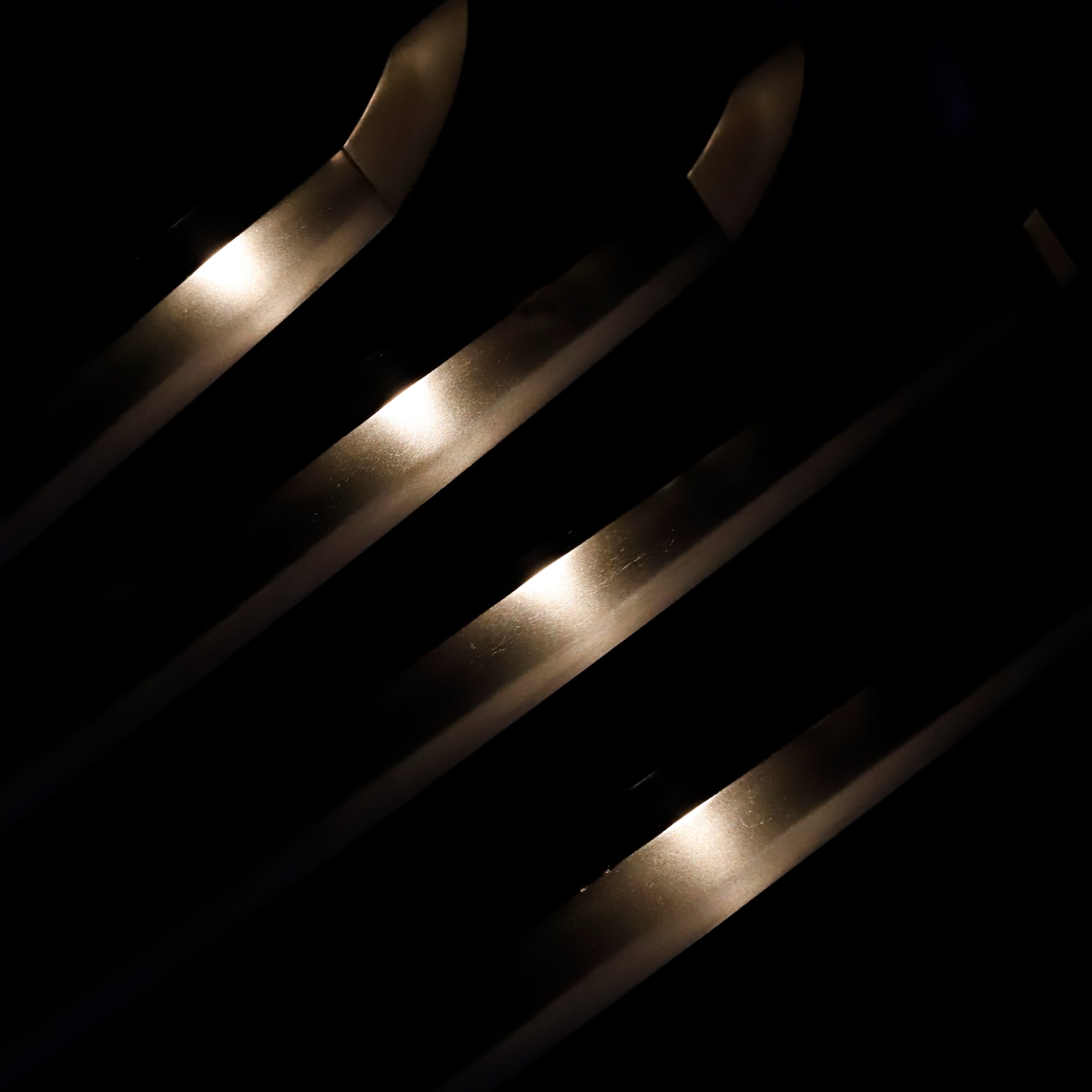
Hizen Tadayoshi main line, second-generation Masahiro (Saga) · 肥前 · 1658-1661頃
藤代 Jo saku · 刀剣大鑑 上位26%
現在5点販売中
肥前二代正広は寛永四年(一六二七)に生まれ、初代河内大掾正広の子にしてその直系の後継者であり、元禄十二年(一六九九)に七十三歳で歿した。佐伝次と称し初め正永と銘し、万治三年(一六六〇)に武蔵大掾、ついで武蔵守を受領し、寛文五年(一六六五)父の死に際し三十九歳のとき河内守に転じて正広を襲名した。佐賀の肥前忠吉本流に働き、説明書はその技量を父に迫る後継者と読み、多くの作で両者の手を分かち難く、直刃・乱れ刃ともにその出来は「殆んど甲乙つけがたい」[[c:1]]とする。精良な肥前の地鉄と明るい刃を直に継ぎ、その記録は二つの作域に明らかに分かれる。
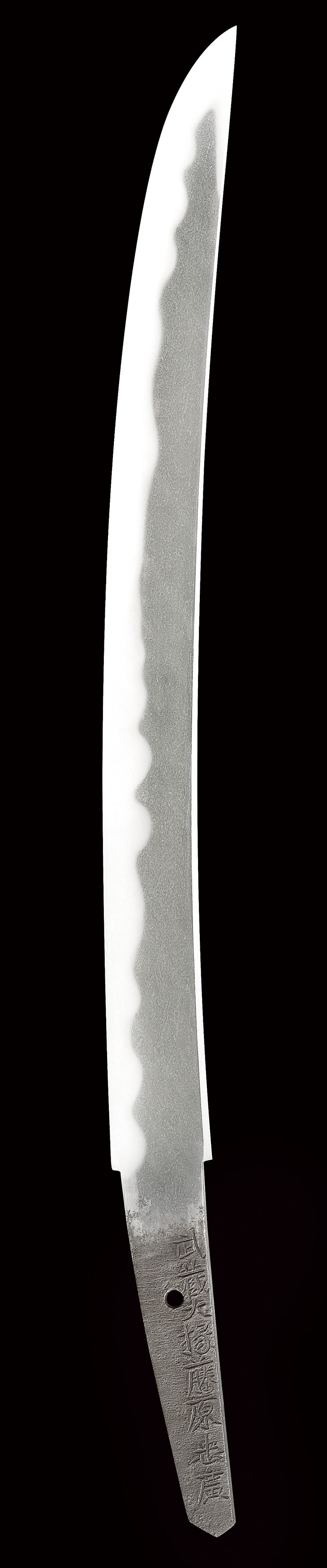
本工の典型は、説明書が何より得意としたとする華やかな乱れ刃で、すなわち「特に乱れ刃を得意としている」[[c:2]]。地鉄の上へ丁子を主調とした乱れを焼き、互の目・頭の丸い互の目・大互の目に浅い小のたれを交え、時に矢筈風・角張る刃を帯び、時に腰元を僅かに焼出し風として乱れの群落を静かな小のたれ状で繋ぐ。焼に高低を表し、足しきりに長く入り葉を交え、匂口深く小沸厚くついて乱れの谷に凝り、その上に飛焼が現れ、砂流しよくかかり長い金筋が入り、匂口明るく冴える。説明書はこの華やかな丁子乱れを焼幅広く展開するところを「正に彼の独壇場」とし、刃中に交えた矢筈風の刃や頭の丸い互の目を、その刃取りの特徴と読む。
地鉄は両作域の下に終始変わらぬところである。小板目のよくつんだもので時に肌目立ち、極めて微塵の地沸が厚く敷かれて肥前特有の米糠肌となり、地景の細かに入って地は明るい。これは肥前本家が持つのと同じ精良な地鉄で、二代正広はこれを忠実に鍛え、華やかな刃を静かで澄んだ地の上に置く。帽子はいずれの作にも直ぐに小丸となって掃きかけ深く返り、時に小さく乱れ込み或いは大丸に開く。姿は頑健で堂々とし、しばしば身幅広く重ね厚目で中鋒延び、時に大鋒に至る。
記録のもう一つの面は中直刃で、説明書が初代より多く能くしたとする作域であり、「初代正広よりも直刃の作品が多く見られる」[[c:4]]と記す。処々浅くのたれごころをおび、小足・互の目足を交え、時に喰違刃風と物打辺の小互の目を帯び、匂口深く小沸厚くつき、処々に荒めの沸を交え、砂流しかかり長い金筋が入って、同じ米糠肌の地の上に総じて明るく冴える。説明書はその直刃を出来むらなく揃ったものとし、常々見る同工の直刃より一際匂深く沸厚くついた一口を挙げ、その手を本家が得意とした直刃を見るようと読む。在銘は肥前国河内守藤原正広、時に河内守藤氏正広と切り、寛文七年・寛文十二年の年紀を有する作は作刀年代の定点を与える。
一門の中で本工を分かつのは、まず地鉄ではなく銘である。その手が父にあまりに近いゆえで、説明書は両代の見分けどころを、藤の字の中の字形が初代と二代で異なること、廣の字の該当する字画が二代では一画多いこと、そして刀を常に指裏に銘する習いとし、その相違を偽作への注意とする。作風の違いは種類ではなく比率にあり、父が乱れ刃を好み子が同じ華やかな丁子乱れを継ぐ一方、子にとってより多い直刃が、本家本領の静かな直刃へと立ち返る。
収集の観点では、本工は寛文期の肥前の名工で、その記録はすべて重要刀剣の位にあり二十四口が指定されている。藤代の極めは上々作。国宝・重要文化財はなく、その指定の記録はこの重要刀剣の群に拠り、新刀の工としては相応に密度の高いものである。説明書はその一刀を「肥前刀を代表する一刀」[[c:5]]と称え、別の一刀を「同作中最も華やかな出来」[[c:6]]とし、また截断銘が肥前刀には稀であること、「肥前力に試し銘のあるものは極めて稀」[[c:7]]であることを記す。数口は山野勘十郎久英の截断金象嵌銘とそれに伴う号を帯び、継小袖・荒波・剪風と、いずれも刃味を称えた号である。指定の作には所持来歴の記録がなく、ゆえに正直には、それらは所在の知れた私蔵・公蔵の間を静かに伝わると言うべきで、乱れ刃なり中直刃なりの重要刀剣が世に出るのは折にふれてのことであり、出れば相応の収穫であって、肥前本家二代の最盛の作を収集家が手にする最も直截な道である。
正廣の位置づけを、日本刀全体および伝統・時代・時期ごとに示します。各位(随一・屈指・有数・著名)は、NBTHK および文化庁による指定に加え、三作や名物帳などの歴史的栄誉を加味したものです。
各項目を選ぶと評価方法が表示されます。
新刀 · 肥前
現在137点販売中
肥前忠吉派は、肥前佐賀の城下を中心に興った新刀期の一流であり、その祖は橋本新左衛門と称した初代忠吉である。資料によれば、初代は鍋島家の抱え工として、慶長元年に藩命により彫工宗長とともに上洛して京の埋忠明寿の門に入り、忠吉は鍛刀を、宗長は彫技を学んだという。同三年に帰国して佐賀城下に住し、鍋島藩の庇護のもとに一門は大いに栄えた。年紀は慶長五年に始まり、元和十年には再び上洛して武蔵大掾を受領し、名を忠吉から忠広に、氏を源から藤原に改めている。この改名は同一の手の変遷であって別人ではない。初代の嫡子たる二代近江大掾忠広は六十有余年に及ぶ作刀生活を送って肥前最多作の工となり、本家の忠吉銘は土佐守家を経て三代陸奥守忠吉へと返上襲名されて、上三代の本流を成した。これと並んで、初代の門人や身内から、播磨大掾忠国の系、河内大掾正広に発する正広の系、出羽守行広の系といった分家、すなわち傍肥前と汎称される諸工が興り、代を重ねて佐賀の工房は確立された。 一門の共通する作風は、まずその地鉄に表れる。よく約んだ小板目を緻密に鍛え、地沸が微塵に厚く均しくつき、地景が細かに頻りに入って、かね明るく冴える。資料はこれを肥前特有の米糠肌と名指し、他派の出さない細かく明るい肌であるとする。この精良な地の上に、本家の本領たる中直刃を焼く。浅くのたれごころを帯び、処々に小互の目を交え、小足・葉が入り、匂深く小沸が細かについて締まり明るく、帽子は直ぐに小丸へ静かに返る。本来狙った来一門の直刃に対しては、匂口がより締まって明るく、鍛えに覇気がある点で分かれると説く。一方、初代の初期作には直江志津・古作大和物・来一門・鎌倉名工を狙った多様な写し物があり、掃きかけの帽子など本家の通則の例外も見える。代や系統による差異も資料の支持する範囲で明らかである。二代忠広と三代忠吉は本家本領の静かな直刃を継ぎ、なかでも三代は祖父初代を想わせる強く精美な鍛えを身上とする。これに対し傍肥前の諸工は華やかな乱れ刃を好み、正広は丁子を主調とした乱れに互の目を交え、行広は竪長の足長丁子乱れを焼き、忠国は一門の中で最も砂流しが目立つ足長丁子をあらわした。本家が直刃で読まれるのに対し、傍系はその精良な地を覇気ある乱刃へ運んだのである。 肥前刀の鑑定の勘所は、何よりこの米糠肌にある。明るく冴えた小糠肌の上に締まった直刃を焼くという組合せこそ、収集家が肥前刀を求める核心であり、地鉄と刃文が相俟って同派同定の眼目を成す。さらに銘振りもまた鑑定の一部をなし、本家は刀に指裏すなわち太刀銘に切るのを常とし、五字銘・住人銘・受領銘の別が時期を語る。主要刀工の格は資料の伝える通りで、初代忠吉は藤代の極めで最上作、二代忠広・三代忠吉や正広・行広は上々作ないし上作に位置づけられる。代表作には鍋島家伝来の作が多く、来歴には尾張徳川家・佐竹家・皇室などの名が録され、初代の一口には師明寿の添銘が遺り、忠国・正広の作には山野加右衛門ら截断銘を金象嵌に帯びるものがあって、手のみならず刃味の証となる。指定を受けた作の多くは旧蔵家や公の収蔵に永く蔵されて市に現れることは少なく、傍系の作も折にふれて世に出るにとどまる。されば在銘の肥前忠吉は手の届かぬものではないが、祖その人の作や、最も精美な米糠肌に直刃を焼いた一口が現れることは時折のことであり、現れれば肥前刀の一里塚というべきものである。 詳しく見る →
肥前 藩営の刀
肥前刀は藩営の産業である。鍋島家は1596年頃、忠吉を京の埋忠明寿のもとに学ばせ、帰国したその工を核に公認の一門を築いた。小糠肌で名高いその作は、九代にわたり明治まで続いている。
保存刀剣のうち、出来が一層優れ、保存状態も良好と認められたものです。再刃や、室町・江戸期の多くの無銘作は対象外となり、保存刀剣より高い基準が課されます。
日本美術刀剣保存協会(NBTHK)は、1948年に設立され、文化庁の監督を受ける公益財団法人で、東京・刀剣博物館に本部を置きます。専門の審査員が出品作を直接審査し、美術的・歴史的価値に応じた鑑定書を発行します。NBTHKの鑑定書は、日本刀および刀装具の真正性を示す最も広く認知された基準です。
NBTHK公式サイトReturns/exchanges limited to defects caused by shipping (except willful misconduct or gross negligence by the company); customers must contact within 72 hours of receiving the product.
日本刀 刀 銘 肥前国河内守藤原正廣(二代) 日本美術刀剣保存協会(NBTHK) 特別保存刀剣鑑定書付 【解説】 本作は、江戸時代前期(17世紀後半)に活躍した肥前国河内守藤原正廣(二代正廣)による一振りです。二代正廣は寛永4年(1626年)、初代正廣の子として生まれました。 万治3年(1660年)に武蔵大掾を受領、翌年には武蔵守へと進み、寛文5年(1665年)に父である初代の没後、その名跡を継いで河内守を受領しました。元禄12年(1699年)に73歳で没するまで、肥前刀の隆盛を支えました。 本作の銘には、彼が最後に受領した官位である「河内守」が切られていることから、寛文5年から元禄12年の間に鍛錬された円熟期の作と推測されます。 肥前国(現在の佐賀県)は、二代正廣が拠点を置いた地です。彼の家系は、江戸時代初期に肥前刀の開祖である忠吉(曾祖父)によって築かれました。忠吉は日本刀史上、江戸初期を代表する名工の一人として知られています。 父である初代正廣もまた同国を代表する名工であり、17歳で佐賀藩主・鍋島勝茂公に召し抱えられました。初代以来、正廣の家系は鍋島家の「御抱え鍛冶」として、藩のために専属で刀を打つ特権的な地位にありました。二代正廣も同様に御抱え鍛冶を務めており、有力大名である鍋島家に重用された高い技術力が伺えます。 二代正廣をはじめとする肥前鍛冶は、鍋島藩の強力な庇護のもとで活動しました。当時、海外貿易の拠点に近かった肥前国では、西洋から輸入された鉄(南蛮鉄)をいち早く取り入れることが可能でした。これらを和鉄に組み合わせて鍛錬することで、肥前刀特有の「小糠肌」とも称される緻密で美しい地鉄が生み出されました。 本作は、正廣の卓越した技量を示す芸術的な出来映えであり、さらに華やかな拵(外装)が付属しております。 日本美術刀剣保存協会(NBTHK)による「特別保存刀剣」の鑑定を受けており、その真作であることはもちろん、保存状態が極めて良く、高い美術的価値を有することが証明されています。 【刀身】 長さ(Nagasa):73.4 cm 反り(Sori):1.2 cm 刃文(Hamon):焼入れによって刃先に現れる結晶構造 地紋(Jihada):折り返し鍛錬によって現れる地鉄の模様 茎(Nakago):銘「肥前国河内守藤原正廣」。茎に宿る黒錆は、柄内部での赤錆の発生を防ぐ重要な役割を果たします。この錆色や経年変化は、専門家が製作年代を特定する上での貴重な指標となります。 【拵(外装)】 拵とは、鞘、柄、鍔などで構成される日本刀の外装一式を指します。 縁頭(Fuchi-Kashira):柄の両端を保護する一対の金具で、本作には金象嵌が施されています。 意匠には「鷹の羽紋」「花菱紋」、そして撫子と思われる花紋など、複数の家紋が配されています。鷹は鋭く空を舞う姿から強さと威厳の象徴とされ、多くの武家に愛好されました。また、その羽は武士の主要な武器である矢の「矢羽根」として用いられたことから、武徳を尊ぶ象徴としても重用されました。
NihontoWatchHizen Tadayoshi main line, second-generation Masahiro (Saga) · 肥前 · 1658-1661頃
藤代 Jo saku · 刀剣大鑑 上位26%
現在5点販売中
肥前二代正広は寛永四年(一六二七)に生まれ、初代河内大掾正広の子にしてその直系の後継者であり、元禄十二年(一六九九)に七十三歳で歿した。佐伝次と称し初め正永と銘し、万治三年(一六六〇)に武蔵大掾、ついで武蔵守を受領し、寛文五年(一六六五)父の死に際し三十九歳のとき河内守に転じて正広を襲名した。佐賀の肥前忠吉本流に働き、説明書はその技量を父に迫る後継者と読み、多くの作で両者の手を分かち難く、直刃・乱れ刃ともにその出来は「殆んど甲乙つけがたい」[[c:1]]とする。精良な肥前の地鉄と明るい刃を直に継ぎ、その記録は二つの作域に明らかに分かれる。
本工の典型は、説明書が何より得意としたとする華やかな乱れ刃で、すなわち「特に乱れ刃を得意としている」[[c:2]]。地鉄の上へ丁子を主調とした乱れを焼き、互の目・頭の丸い互の目・大互の目に浅い小のたれを交え、時に矢筈風・角張る刃を帯び、時に腰元を僅かに焼出し風として乱れの群落を静かな小のたれ状で繋ぐ。焼に高低を表し、足しきりに長く入り葉を交え、匂口深く小沸厚くついて乱れの谷に凝り、その上に飛焼が現れ、砂流しよくかかり長い金筋が入り、匂口明るく冴える。説明書はこの華やかな丁子乱れを焼幅広く展開するところを「正に彼の独壇場」とし、刃中に交えた矢筈風の刃や頭の丸い互の目を、その刃取りの特徴と読む。
地鉄は両作域の下に終始変わらぬところである。小板目のよくつんだもので時に肌目立ち、極めて微塵の地沸が厚く敷かれて肥前特有の米糠肌となり、地景の細かに入って地は明るい。これは肥前本家が持つのと同じ精良な地鉄で、二代正広はこれを忠実に鍛え、華やかな刃を静かで澄んだ地の上に置く。帽子はいずれの作にも直ぐに小丸となって掃きかけ深く返り、時に小さく乱れ込み或いは大丸に開く。姿は頑健で堂々とし、しばしば身幅広く重ね厚目で中鋒延び、時に大鋒に至る。
記録のもう一つの面は中直刃で、説明書が初代より多く能くしたとする作域であり、「初代正広よりも直刃の作品が多く見られる」[[c:4]]と記す。処々浅くのたれごころをおび、小足・互の目足を交え、時に喰違刃風と物打辺の小互の目を帯び、匂口深く小沸厚くつき、処々に荒めの沸を交え、砂流しかかり長い金筋が入って、同じ米糠肌の地の上に総じて明るく冴える。説明書はその直刃を出来むらなく揃ったものとし、常々見る同工の直刃より一際匂深く沸厚くついた一口を挙げ、その手を本家が得意とした直刃を見るようと読む。在銘は肥前国河内守藤原正広、時に河内守藤氏正広と切り、寛文七年・寛文十二年の年紀を有する作は作刀年代の定点を与える。
一門の中で本工を分かつのは、まず地鉄ではなく銘である。その手が父にあまりに近いゆえで、説明書は両代の見分けどころを、藤の字の中の字形が初代と二代で異なること、廣の字の該当する字画が二代では一画多いこと、そして刀を常に指裏に銘する習いとし、その相違を偽作への注意とする。作風の違いは種類ではなく比率にあり、父が乱れ刃を好み子が同じ華やかな丁子乱れを継ぐ一方、子にとってより多い直刃が、本家本領の静かな直刃へと立ち返る。
収集の観点では、本工は寛文期の肥前の名工で、その記録はすべて重要刀剣の位にあり二十四口が指定されている。藤代の極めは上々作。国宝・重要文化財はなく、その指定の記録はこの重要刀剣の群に拠り、新刀の工としては相応に密度の高いものである。説明書はその一刀を「肥前刀を代表する一刀」[[c:5]]と称え、別の一刀を「同作中最も華やかな出来」[[c:6]]とし、また截断銘が肥前刀には稀であること、「肥前力に試し銘のあるものは極めて稀」[[c:7]]であることを記す。数口は山野勘十郎久英の截断金象嵌銘とそれに伴う号を帯び、継小袖・荒波・剪風と、いずれも刃味を称えた号である。指定の作には所持来歴の記録がなく、ゆえに正直には、それらは所在の知れた私蔵・公蔵の間を静かに伝わると言うべきで、乱れ刃なり中直刃なりの重要刀剣が世に出るのは折にふれてのことであり、出れば相応の収穫であって、肥前本家二代の最盛の作を収集家が手にする最も直截な道である。
正廣の位置づけを、日本刀全体および伝統・時代・時期ごとに示します。各位(随一・屈指・有数・著名)は、NBTHK および文化庁による指定に加え、三作や名物帳などの歴史的栄誉を加味したものです。
各項目を選ぶと評価方法が表示されます。
新刀 · 肥前
現在137点販売中
肥前忠吉派は、肥前佐賀の城下を中心に興った新刀期の一流であり、その祖は橋本新左衛門と称した初代忠吉である。資料によれば、初代は鍋島家の抱え工として、慶長元年に藩命により彫工宗長とともに上洛して京の埋忠明寿の門に入り、忠吉は鍛刀を、宗長は彫技を学んだという。同三年に帰国して佐賀城下に住し、鍋島藩の庇護のもとに一門は大いに栄えた。年紀は慶長五年に始まり、元和十年には再び上洛して武蔵大掾を受領し、名を忠吉から忠広に、氏を源から藤原に改めている。この改名は同一の手の変遷であって別人ではない。初代の嫡子たる二代近江大掾忠広は六十有余年に及ぶ作刀生活を送って肥前最多作の工となり、本家の忠吉銘は土佐守家を経て三代陸奥守忠吉へと返上襲名されて、上三代の本流を成した。これと並んで、初代の門人や身内から、播磨大掾忠国の系、河内大掾正広に発する正広の系、出羽守行広の系といった分家、すなわち傍肥前と汎称される諸工が興り、代を重ねて佐賀の工房は確立された。 一門の共通する作風は、まずその地鉄に表れる。よく約んだ小板目を緻密に鍛え、地沸が微塵に厚く均しくつき、地景が細かに頻りに入って、かね明るく冴える。資料はこれを肥前特有の米糠肌と名指し、他派の出さない細かく明るい肌であるとする。この精良な地の上に、本家の本領たる中直刃を焼く。浅くのたれごころを帯び、処々に小互の目を交え、小足・葉が入り、匂深く小沸が細かについて締まり明るく、帽子は直ぐに小丸へ静かに返る。本来狙った来一門の直刃に対しては、匂口がより締まって明るく、鍛えに覇気がある点で分かれると説く。一方、初代の初期作には直江志津・古作大和物・来一門・鎌倉名工を狙った多様な写し物があり、掃きかけの帽子など本家の通則の例外も見える。代や系統による差異も資料の支持する範囲で明らかである。二代忠広と三代忠吉は本家本領の静かな直刃を継ぎ、なかでも三代は祖父初代を想わせる強く精美な鍛えを身上とする。これに対し傍肥前の諸工は華やかな乱れ刃を好み、正広は丁子を主調とした乱れに互の目を交え、行広は竪長の足長丁子乱れを焼き、忠国は一門の中で最も砂流しが目立つ足長丁子をあらわした。本家が直刃で読まれるのに対し、傍系はその精良な地を覇気ある乱刃へ運んだのである。 肥前刀の鑑定の勘所は、何よりこの米糠肌にある。明るく冴えた小糠肌の上に締まった直刃を焼くという組合せこそ、収集家が肥前刀を求める核心であり、地鉄と刃文が相俟って同派同定の眼目を成す。さらに銘振りもまた鑑定の一部をなし、本家は刀に指裏すなわち太刀銘に切るのを常とし、五字銘・住人銘・受領銘の別が時期を語る。主要刀工の格は資料の伝える通りで、初代忠吉は藤代の極めで最上作、二代忠広・三代忠吉や正広・行広は上々作ないし上作に位置づけられる。代表作には鍋島家伝来の作が多く、来歴には尾張徳川家・佐竹家・皇室などの名が録され、初代の一口には師明寿の添銘が遺り、忠国・正広の作には山野加右衛門ら截断銘を金象嵌に帯びるものがあって、手のみならず刃味の証となる。指定を受けた作の多くは旧蔵家や公の収蔵に永く蔵されて市に現れることは少なく、傍系の作も折にふれて世に出るにとどまる。されば在銘の肥前忠吉は手の届かぬものではないが、祖その人の作や、最も精美な米糠肌に直刃を焼いた一口が現れることは時折のことであり、現れれば肥前刀の一里塚というべきものである。 詳しく見る →
肥前 藩営の刀
肥前刀は藩営の産業である。鍋島家は1596年頃、忠吉を京の埋忠明寿のもとに学ばせ、帰国したその工を核に公認の一門を築いた。小糠肌で名高いその作は、九代にわたり明治まで続いている。
保存刀剣のうち、出来が一層優れ、保存状態も良好と認められたものです。再刃や、室町・江戸期の多くの無銘作は対象外となり、保存刀剣より高い基準が課されます。
日本美術刀剣保存協会(NBTHK)は、1948年に設立され、文化庁の監督を受ける公益財団法人で、東京・刀剣博物館に本部を置きます。専門の審査員が出品作を直接審査し、美術的・歴史的価値に応じた鑑定書を発行します。NBTHKの鑑定書は、日本刀および刀装具の真正性を示す最も広く認知された基準です。
NBTHK公式サイトReturns/exchanges limited to defects caused by shipping (except willful misconduct or gross negligence by the company); customers must contact within 72 hours of receiving the product.



![Katana - Tokuho - 作 正廣 - 刀[肥前国河内守藤原正広][NBTHK]特別保存刀剣](/_next/image?url=https%3A%2F%2Fitbhfhyptogxcjbjfzwx.supabase.co%2Fstorage%2Fv1%2Fobject%2Fpublic%2Flisting-images%2Fworld-seiyudo%2FL31979%2F00.jpg&w=2560&q=90)