NihontoWatch Mon

NihontoWatch

マーケット
事典
鑑定
NihontoWatch Mon

NihontoWatch

マーケット
事典
鑑定

説明

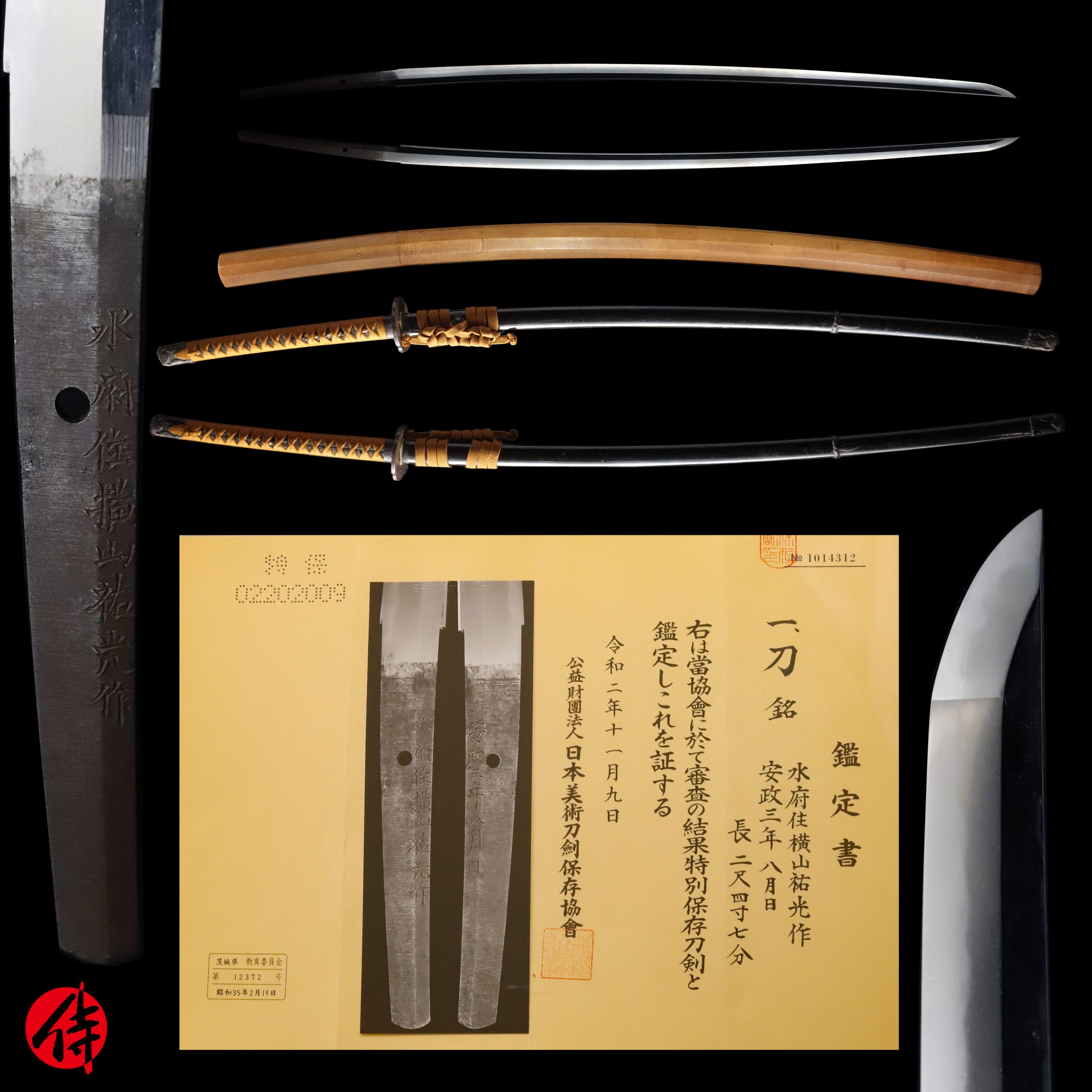
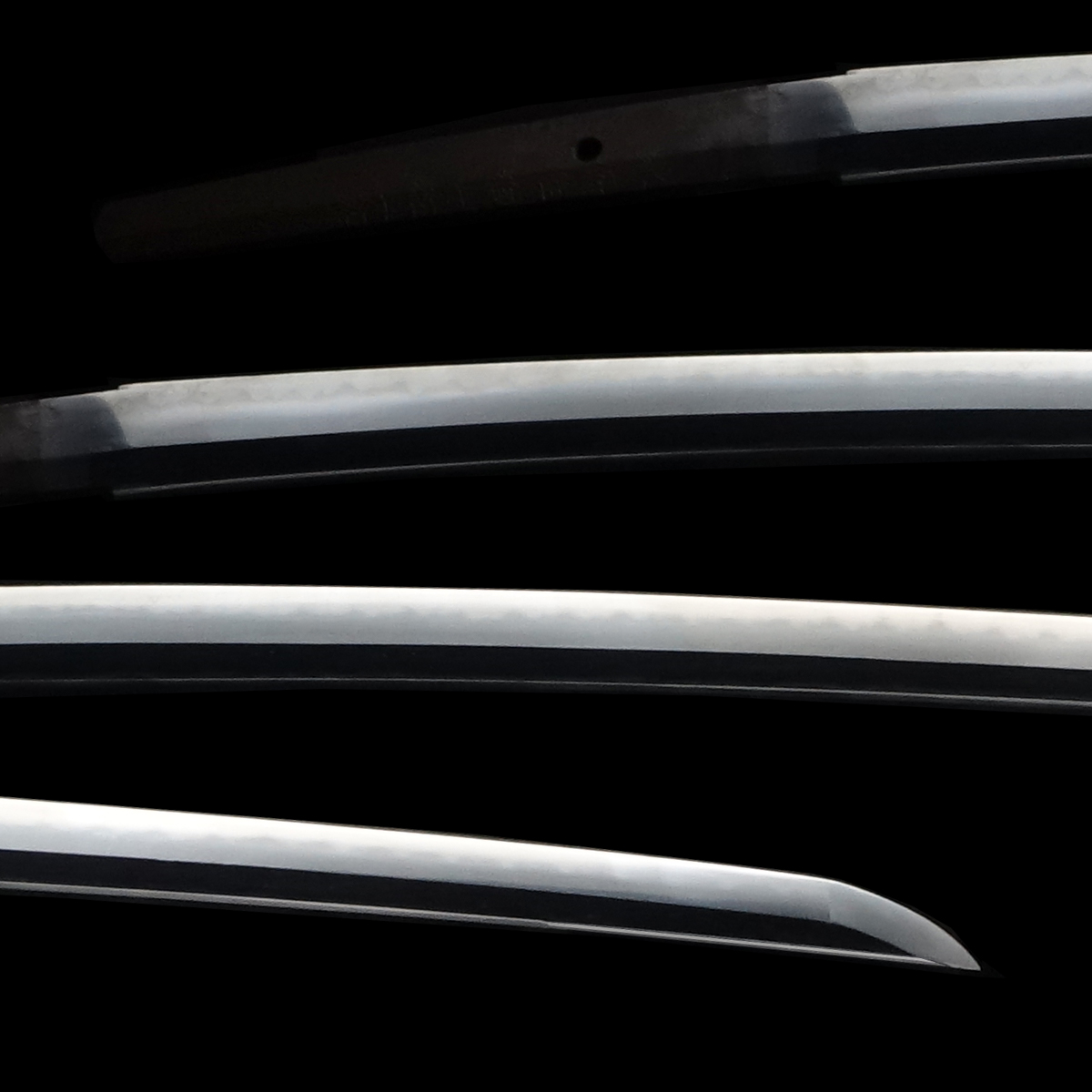
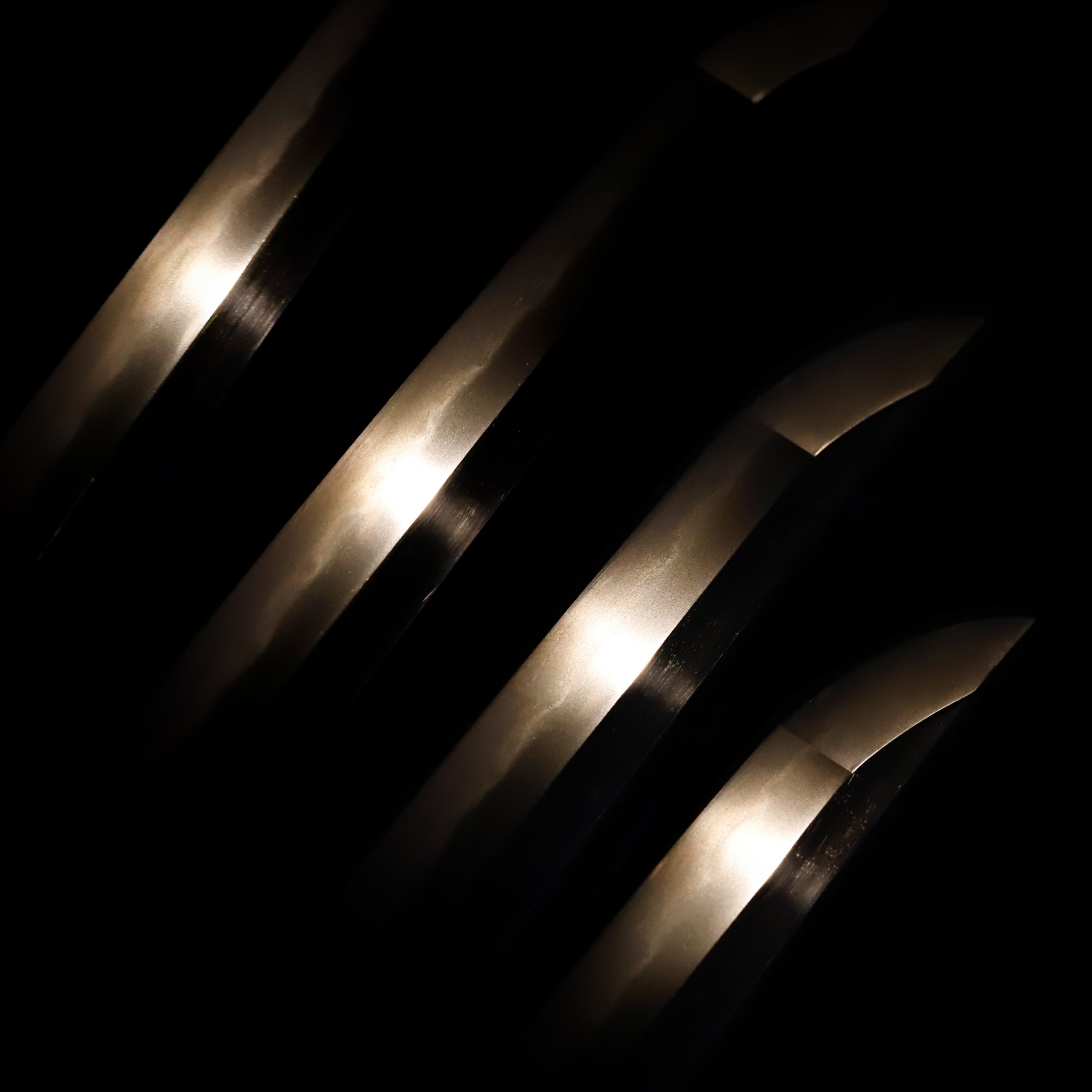
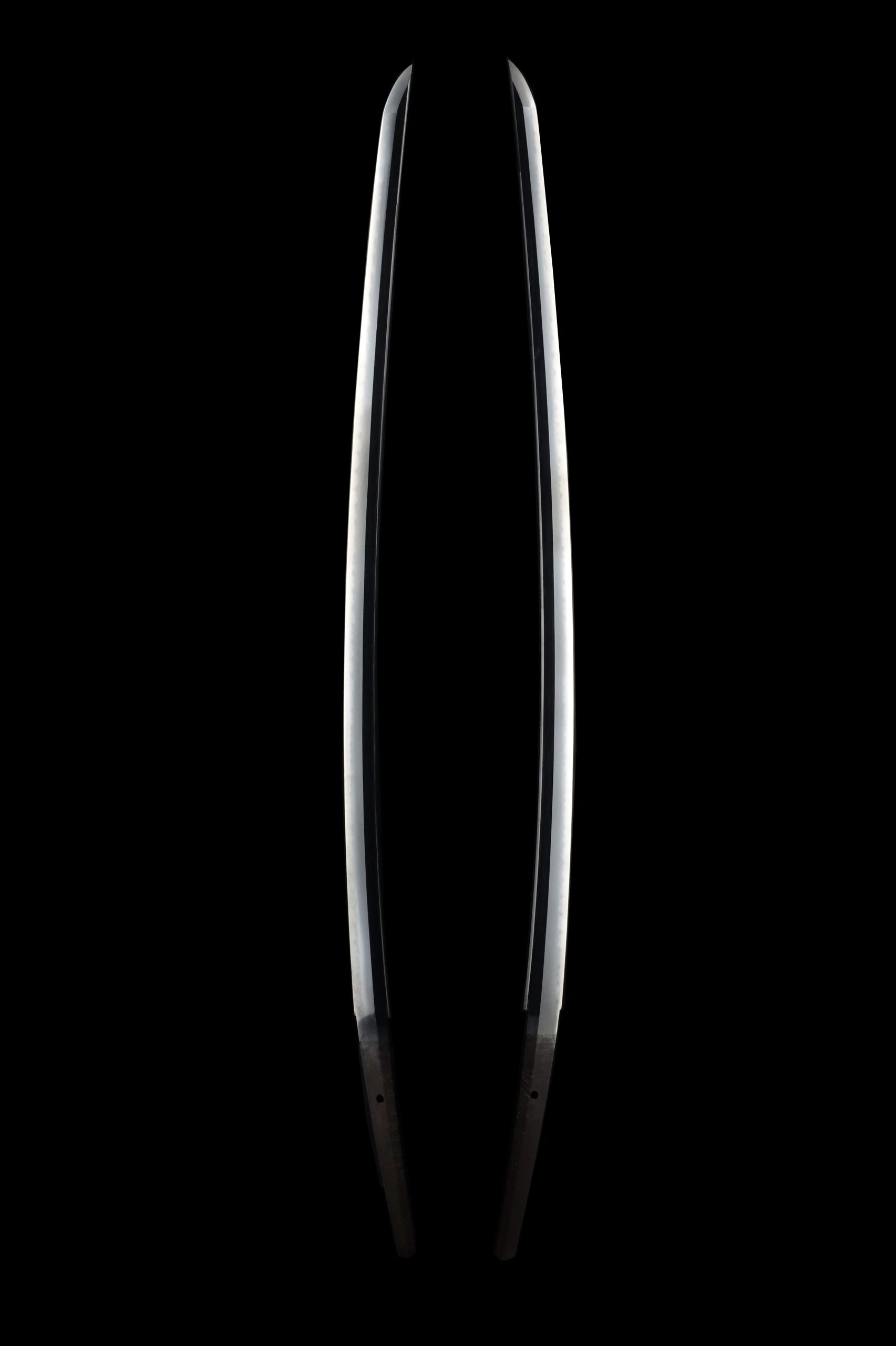
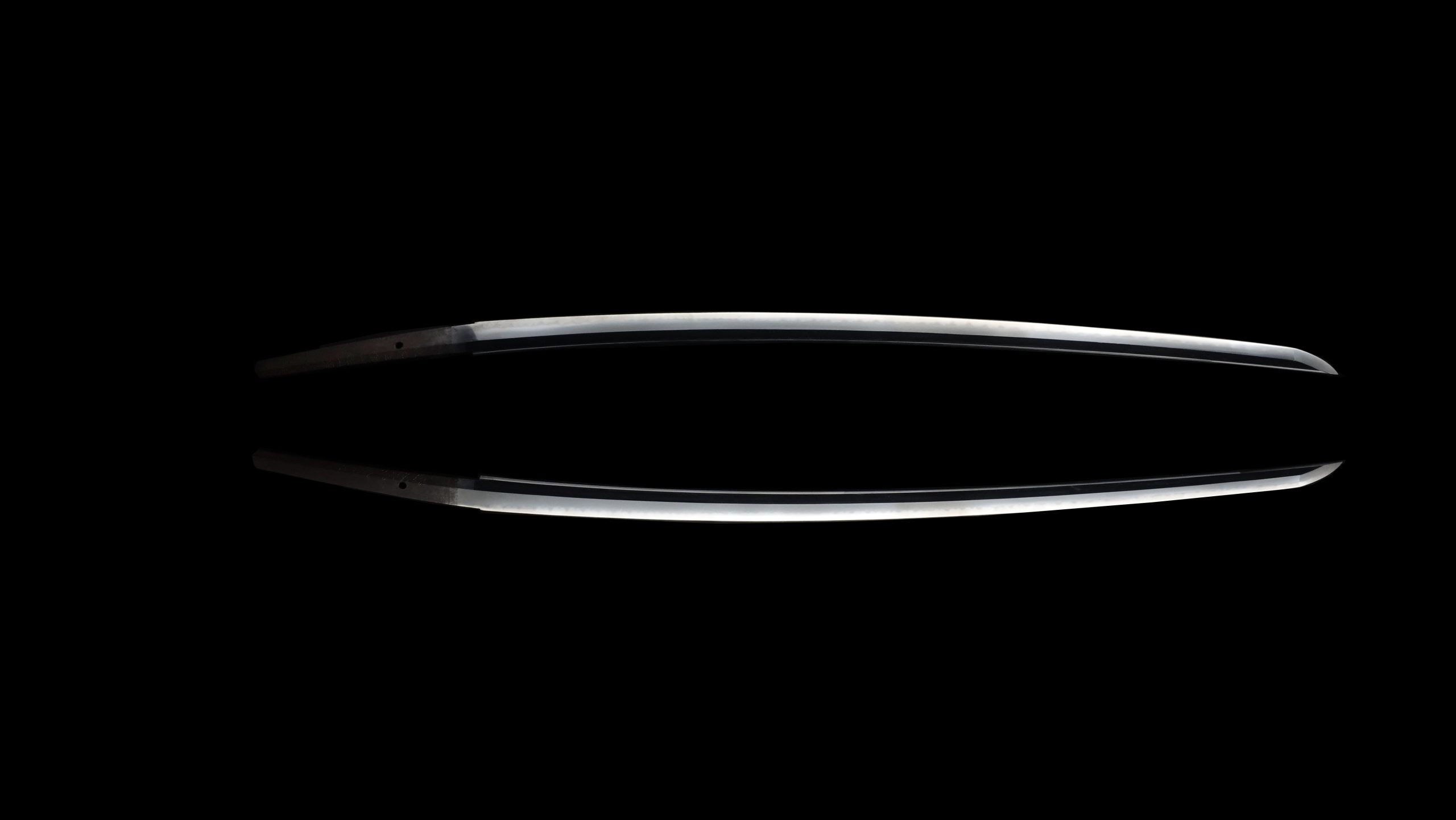
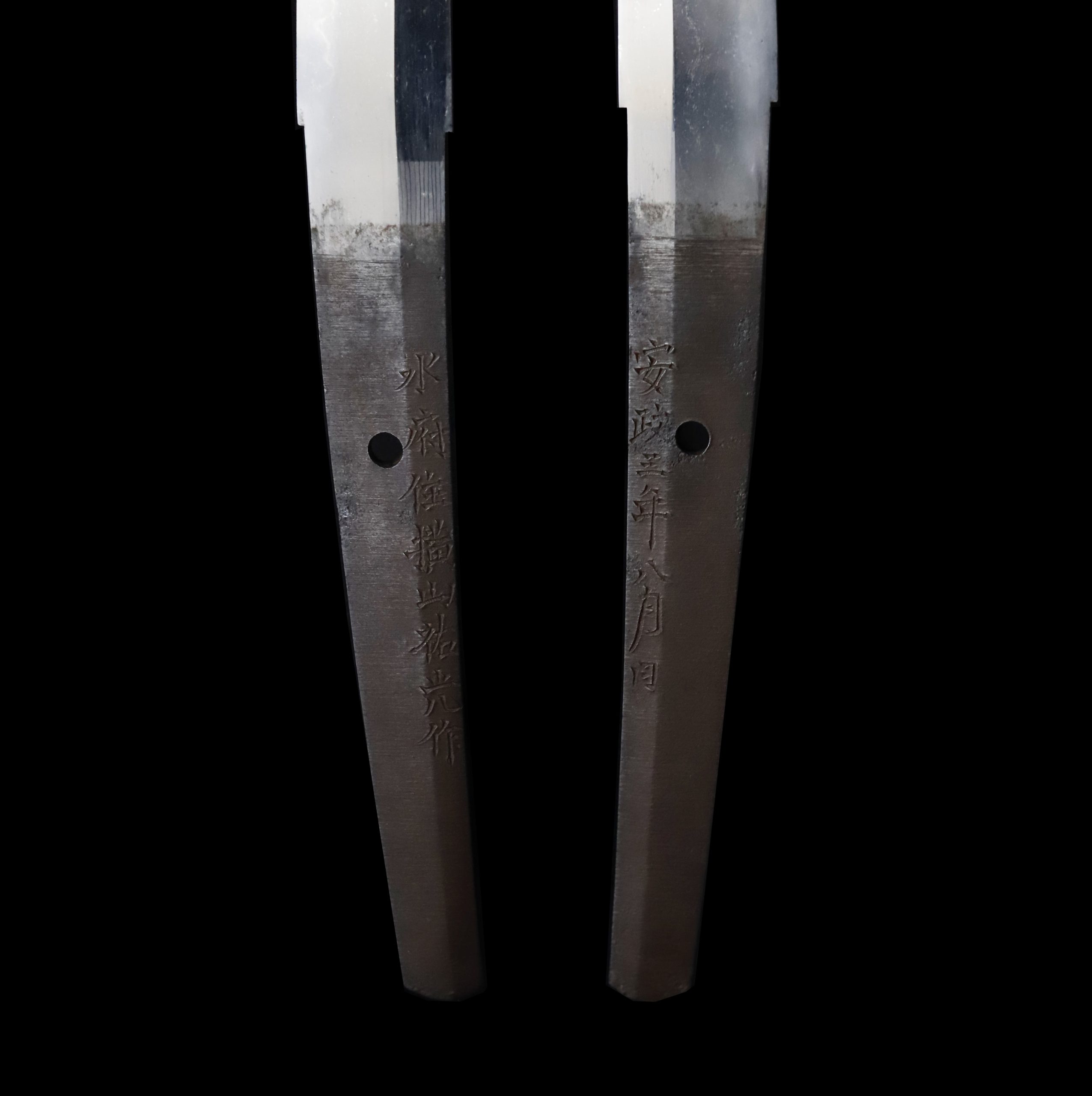
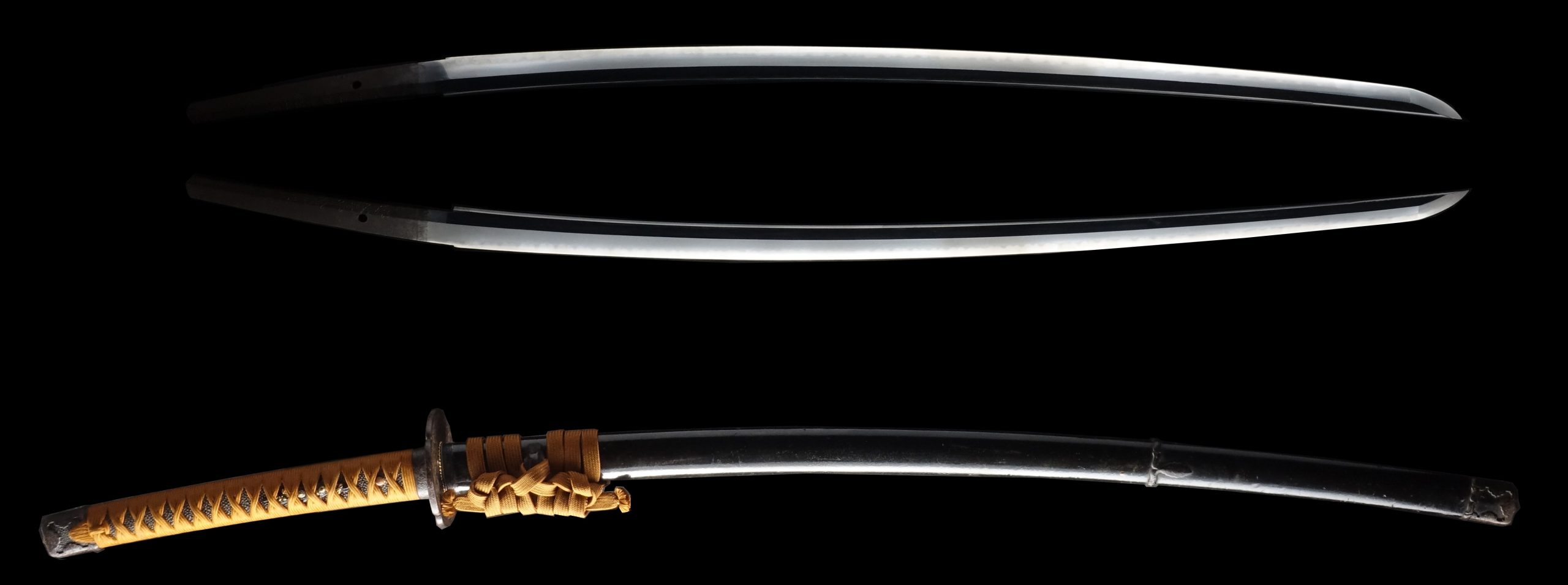
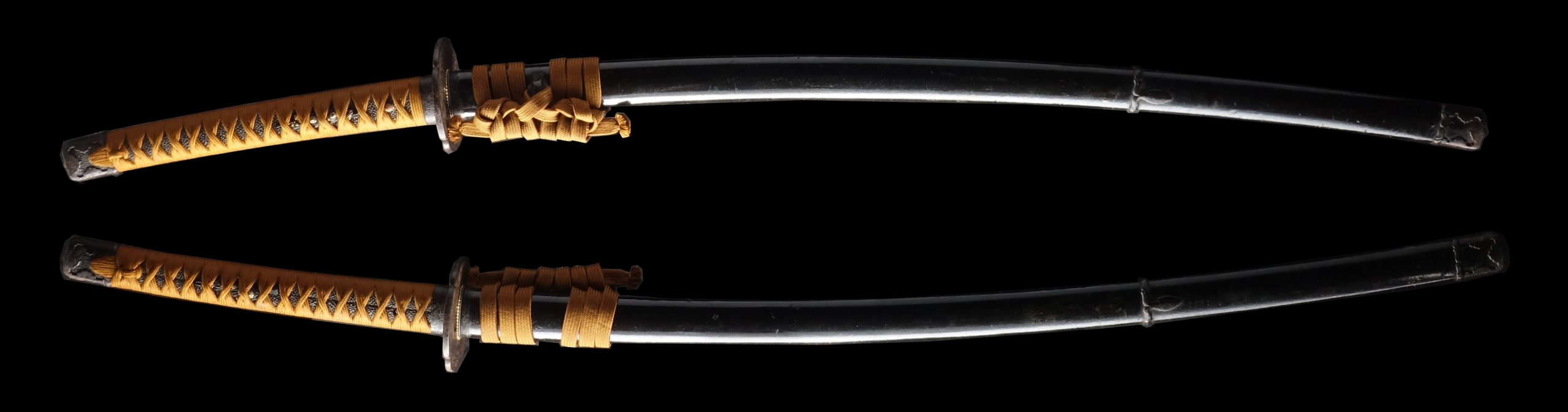
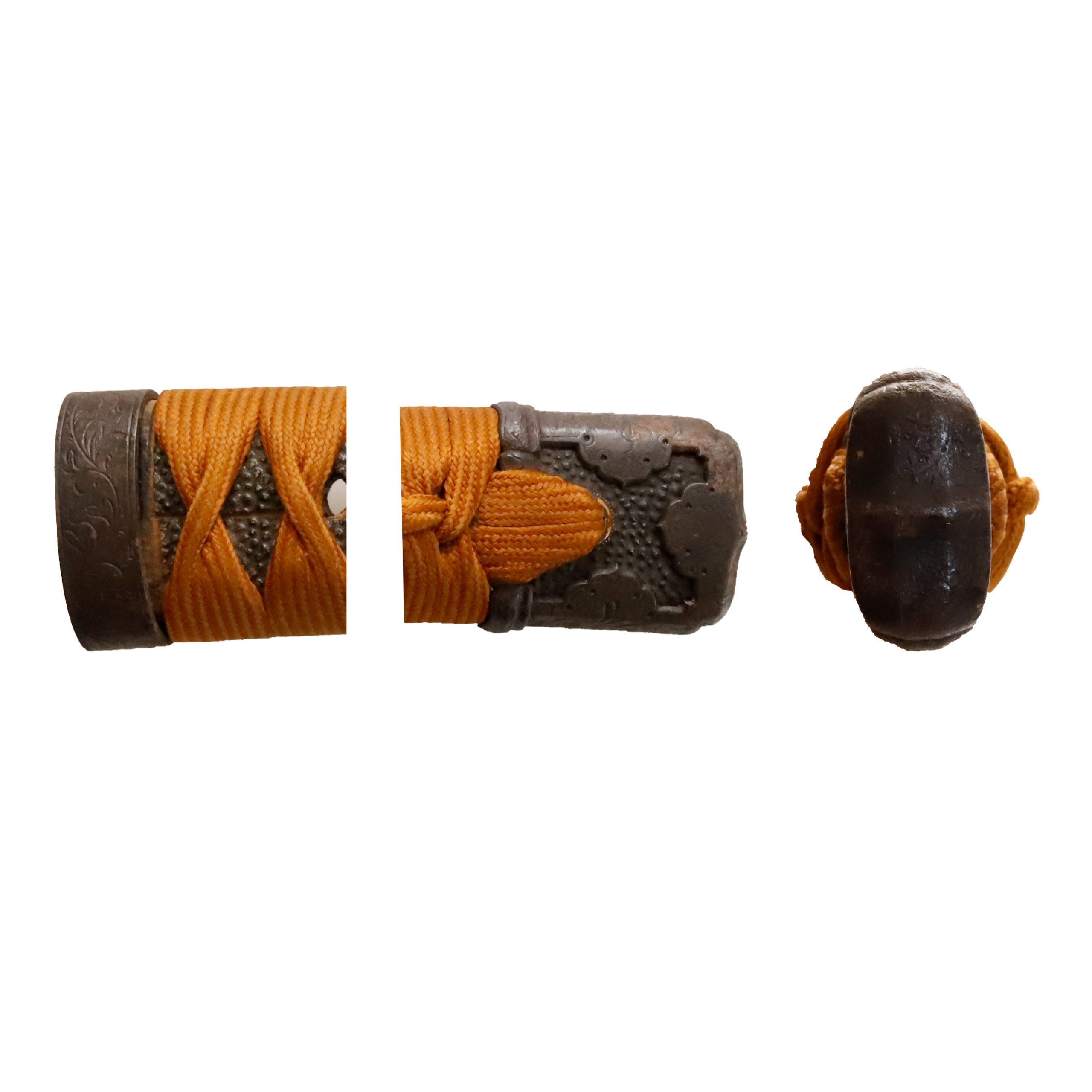
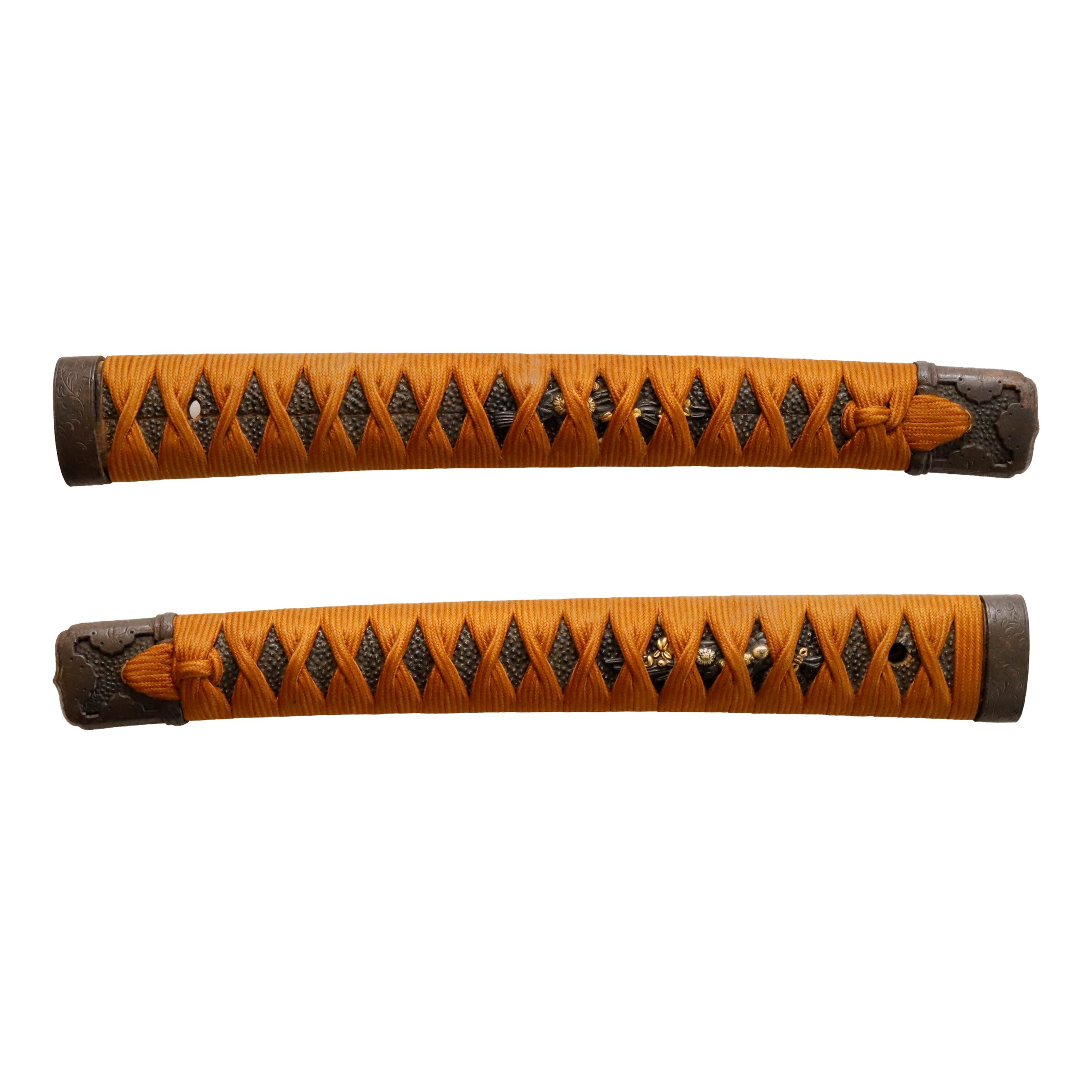
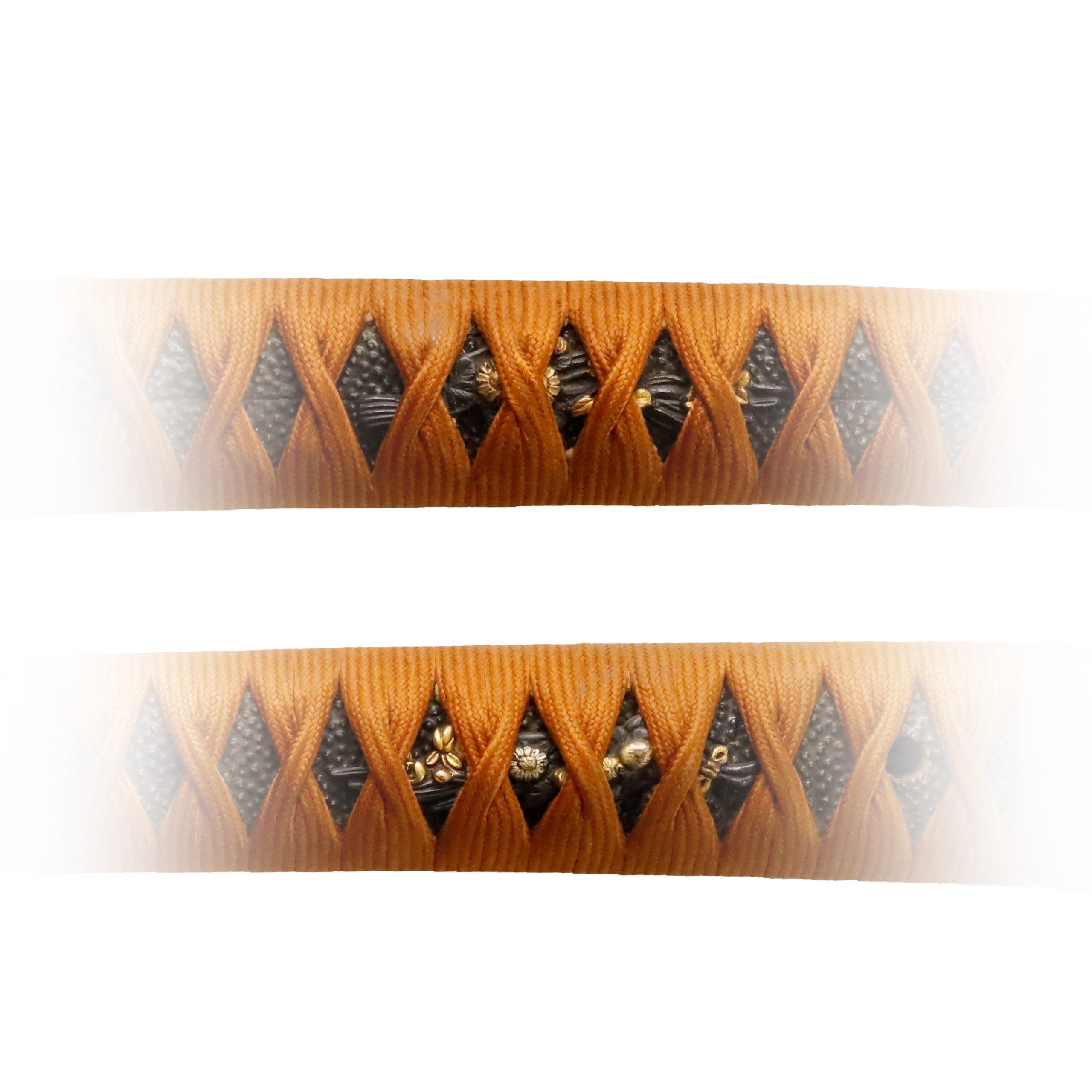
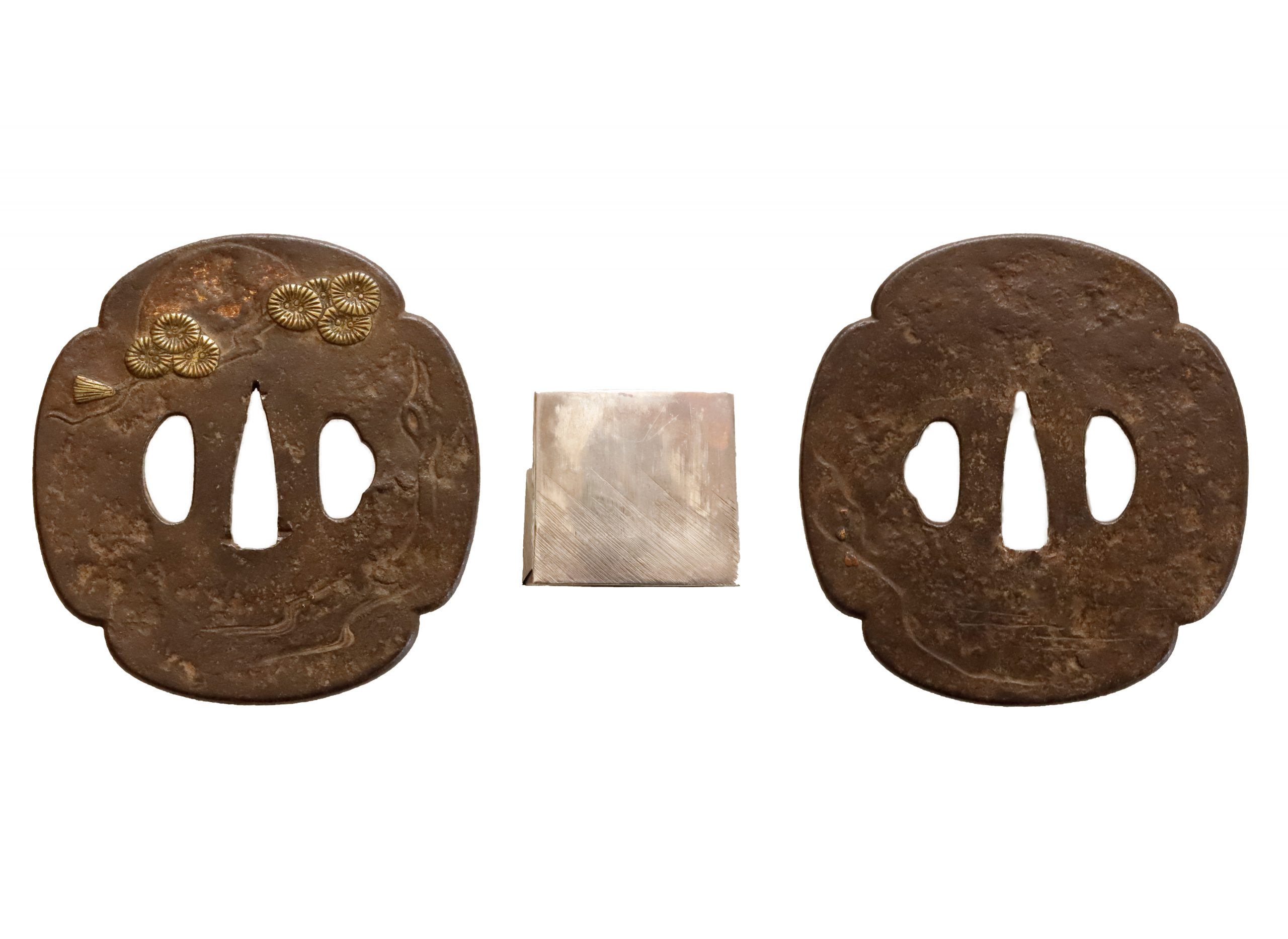
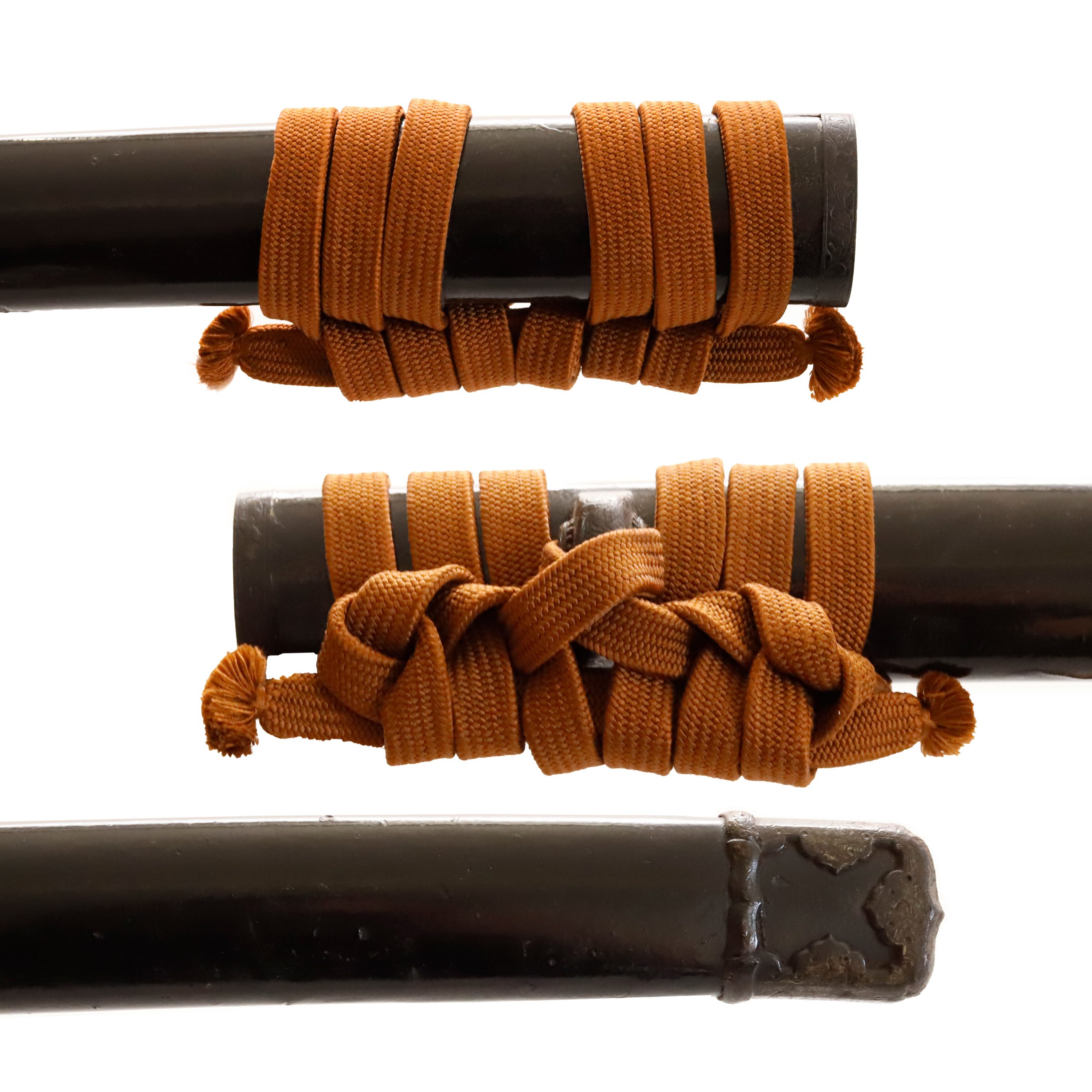
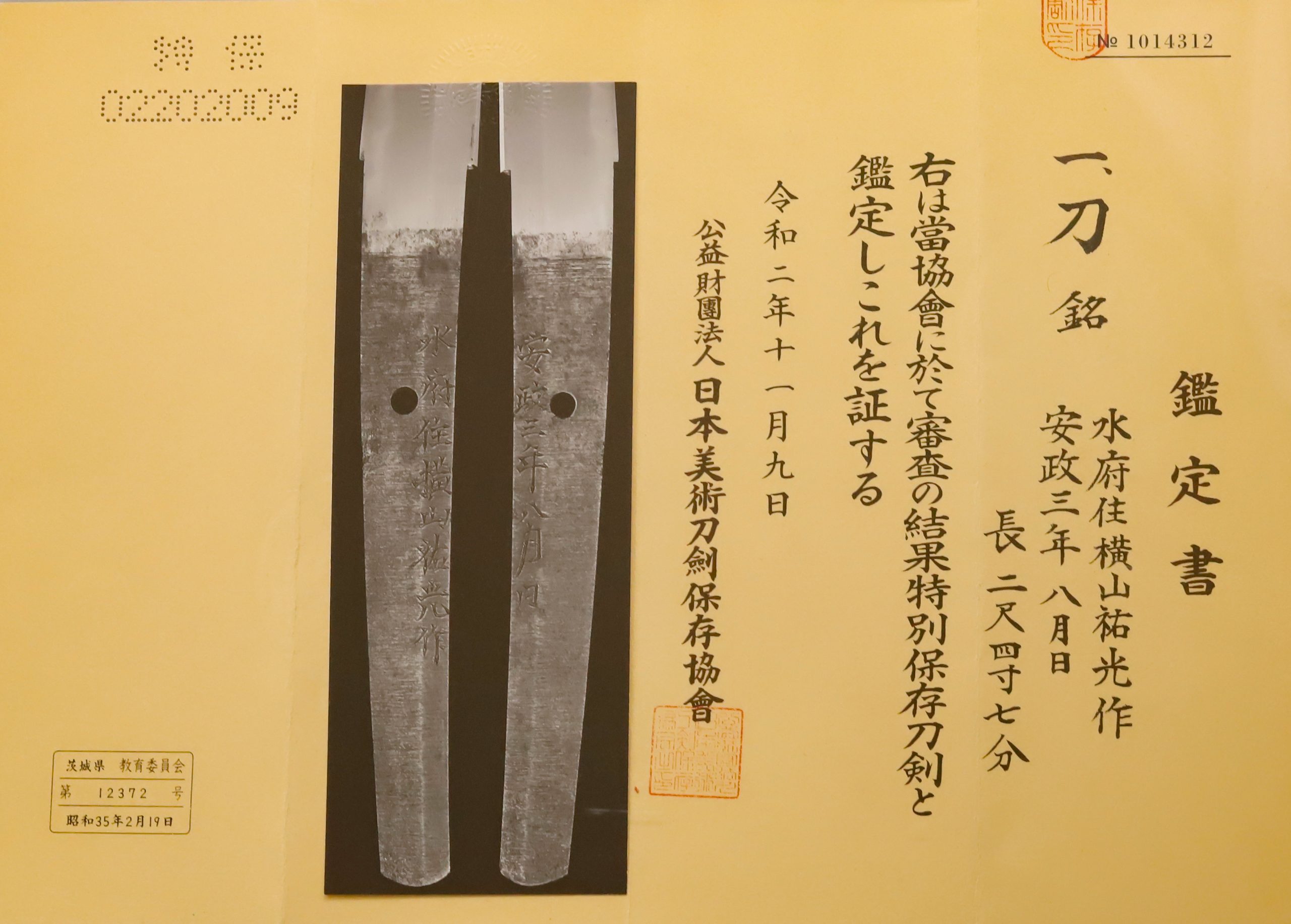
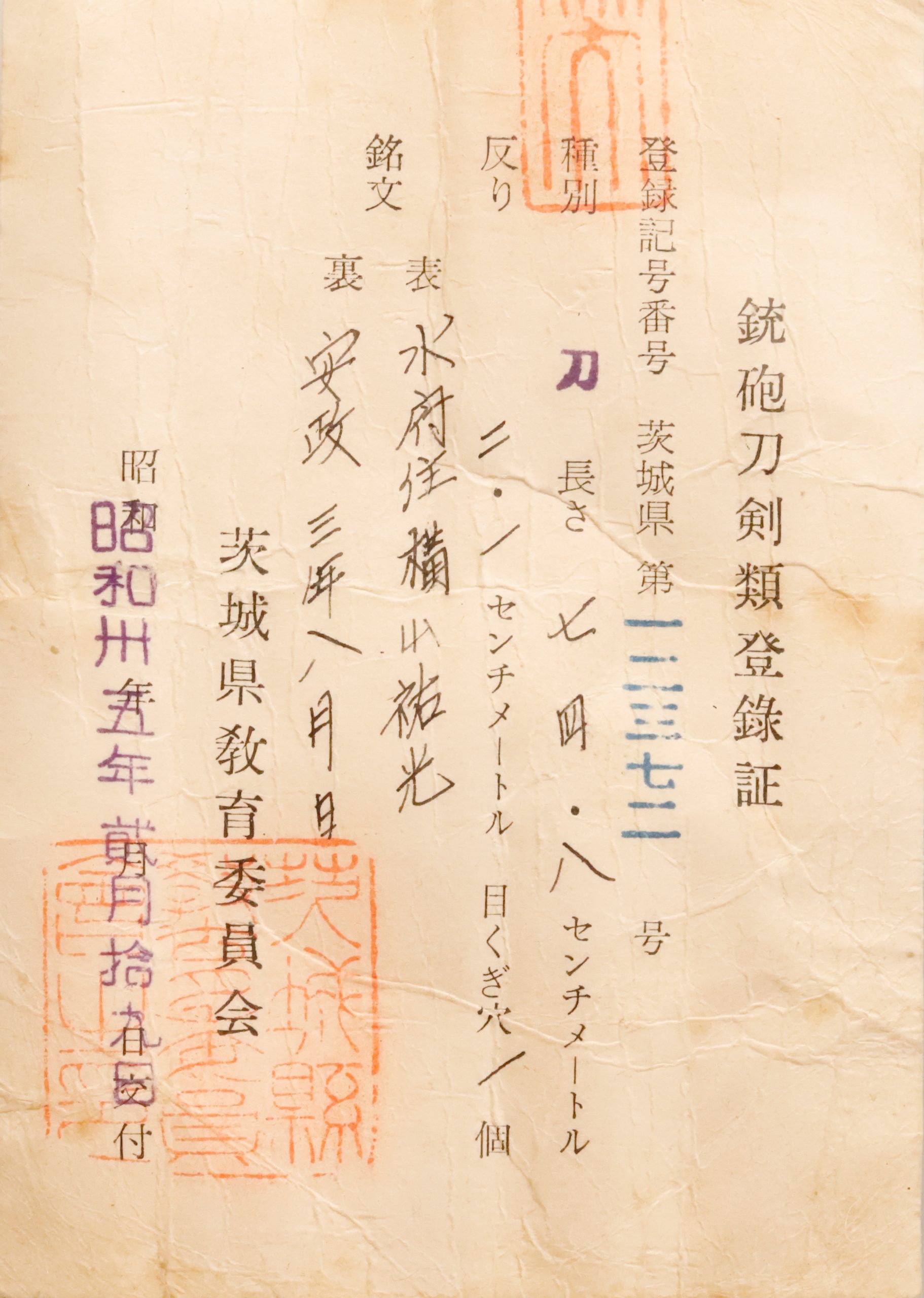
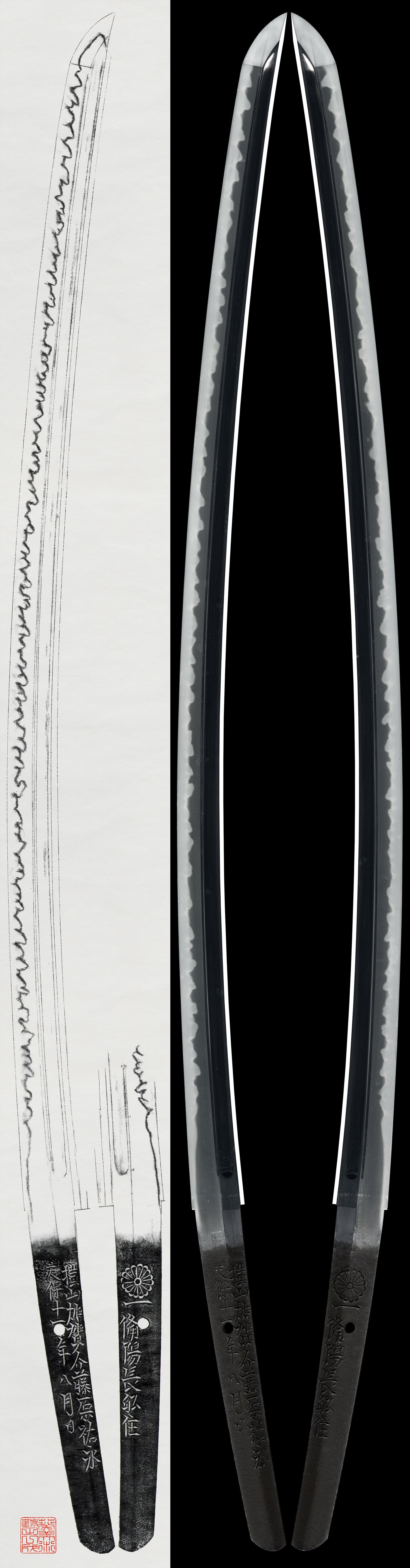
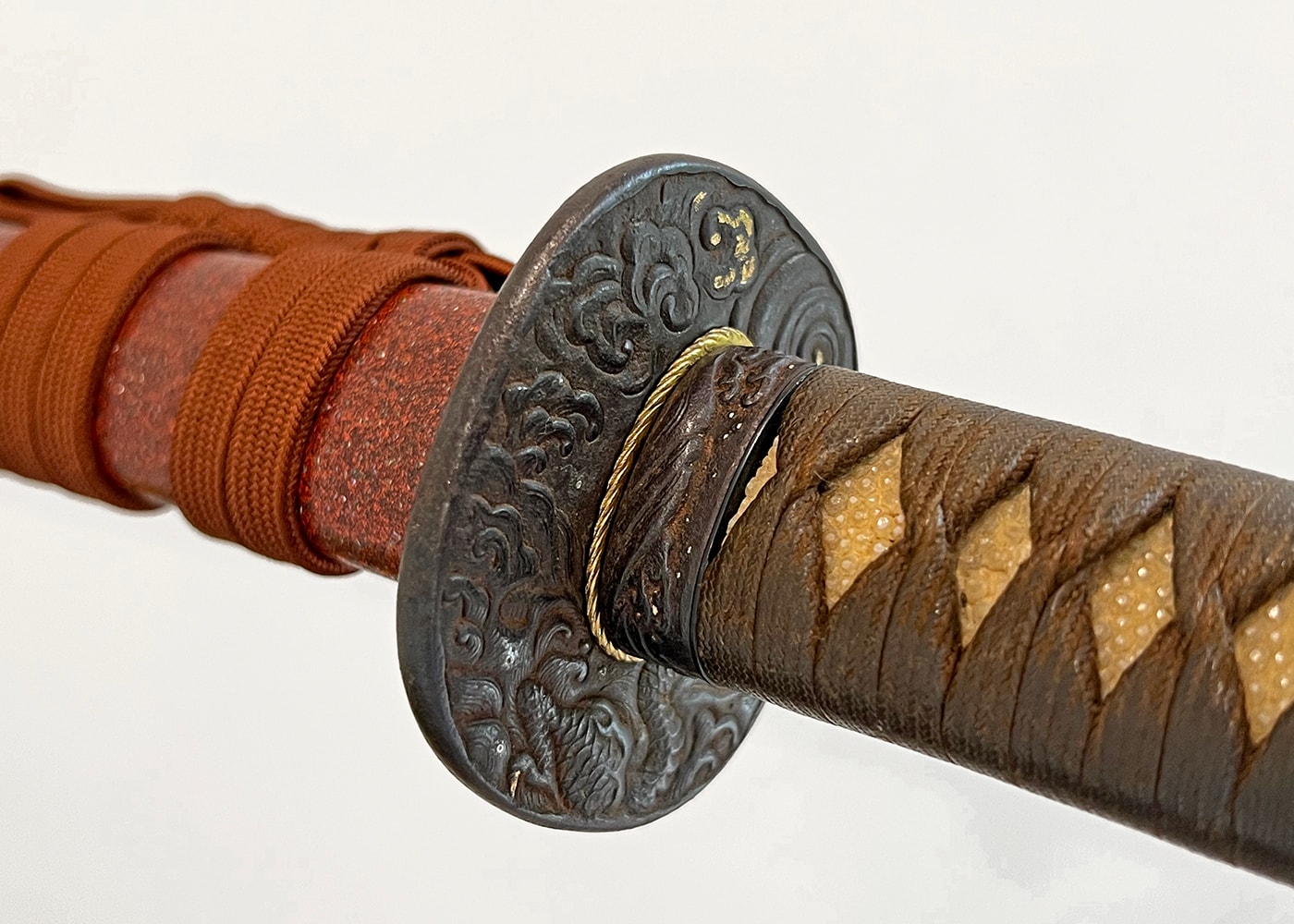
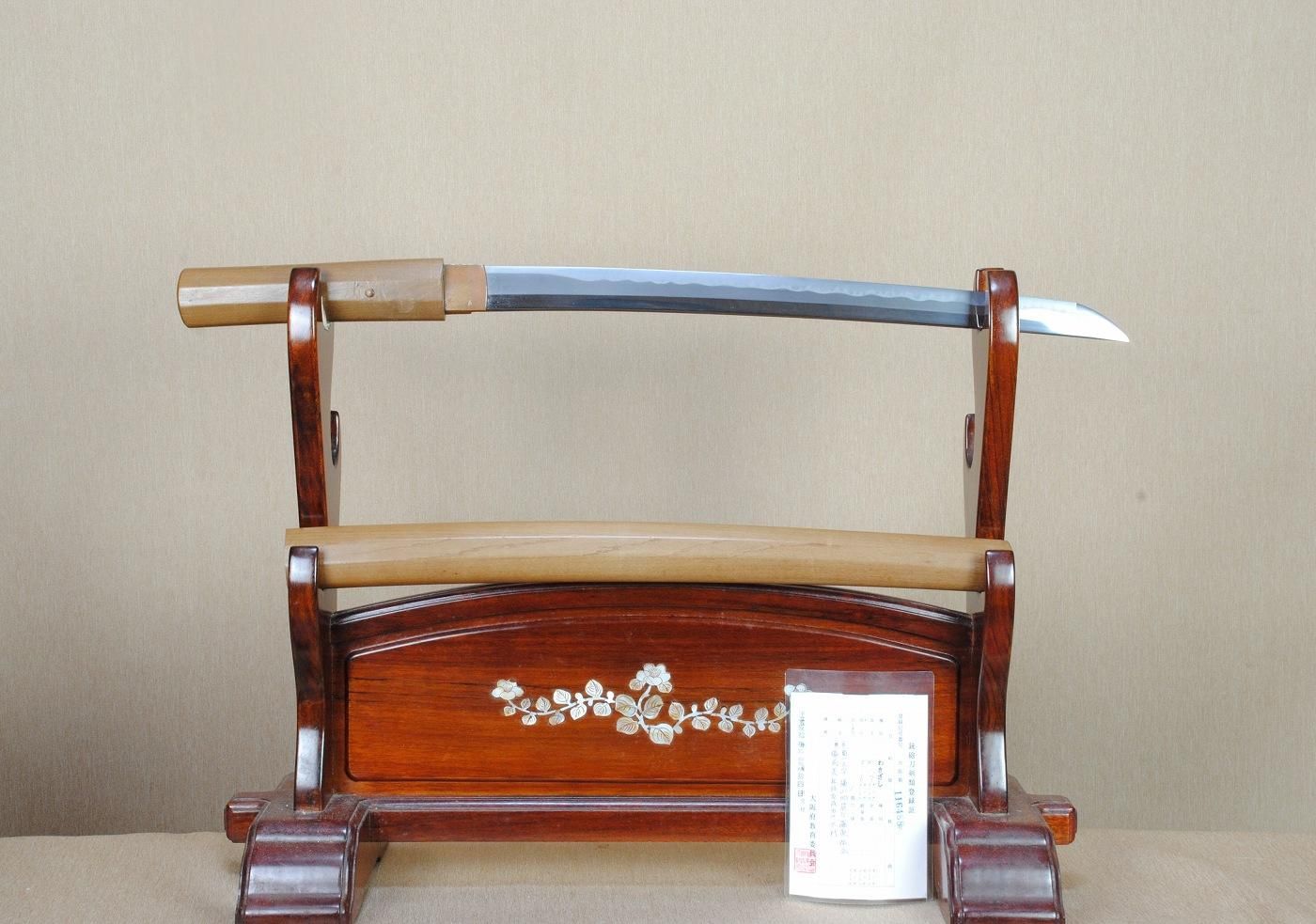
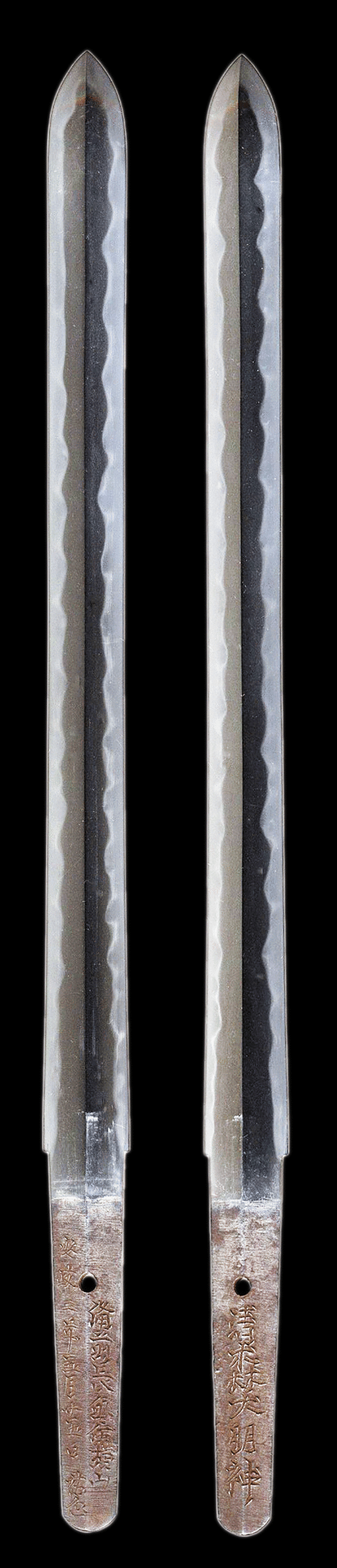
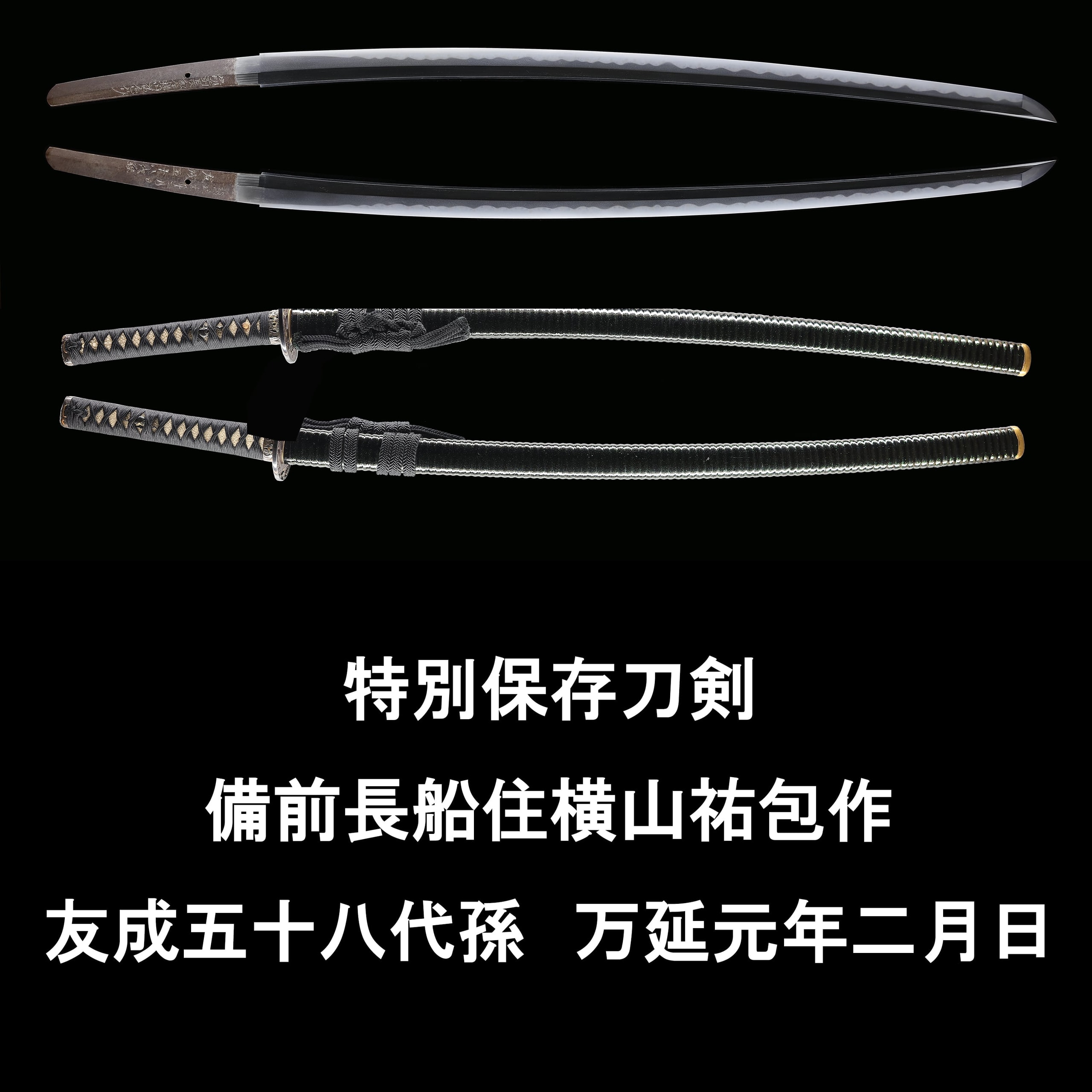
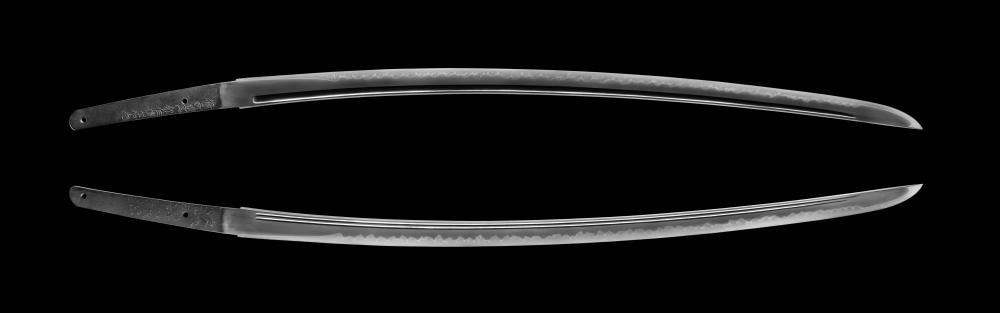
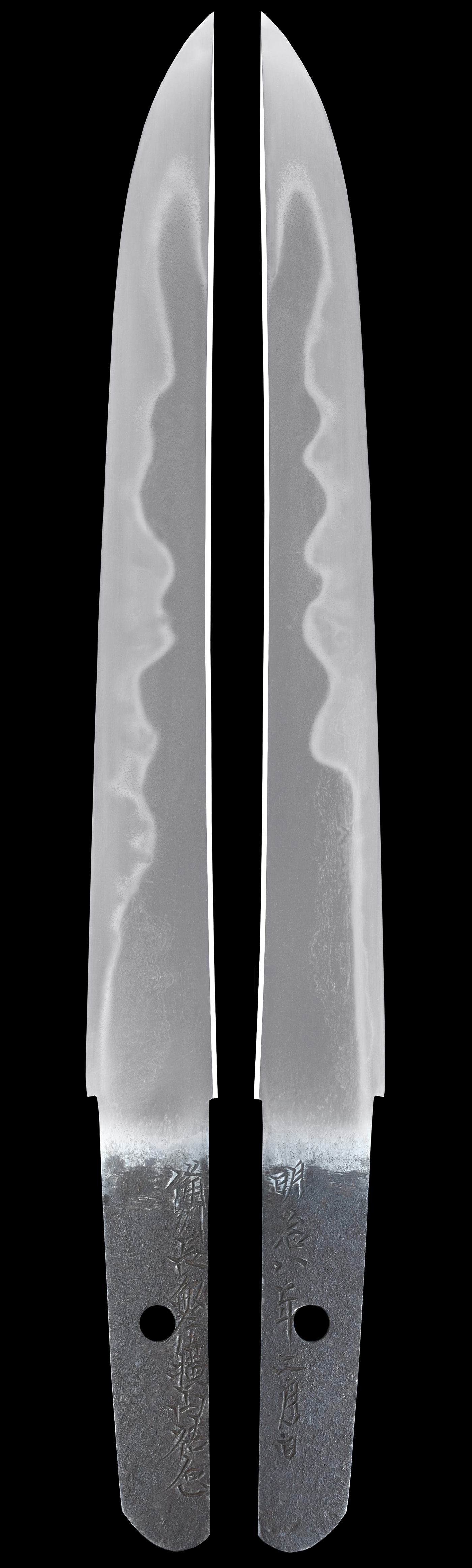
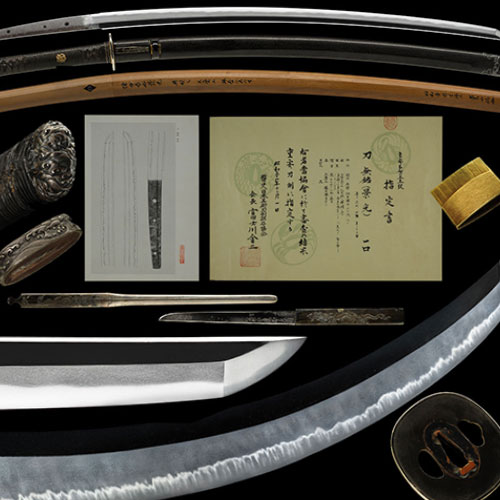
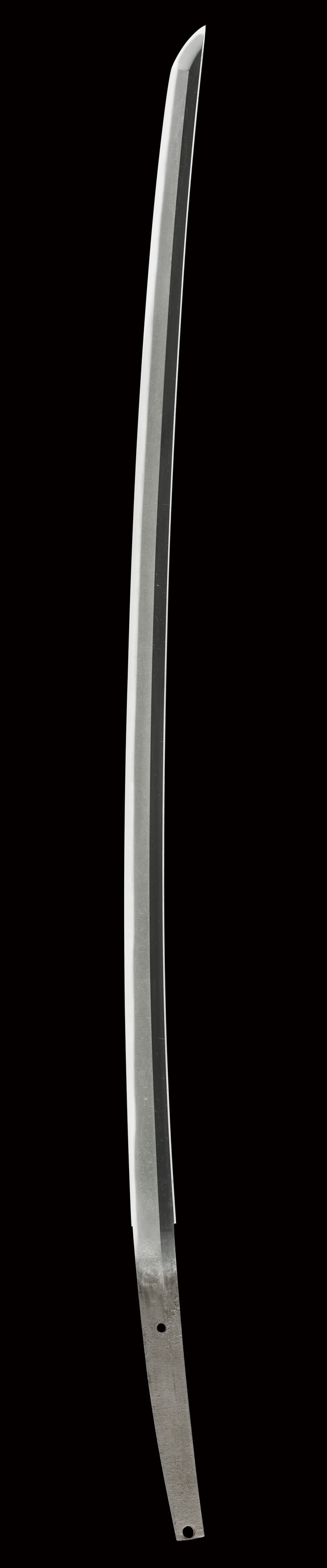
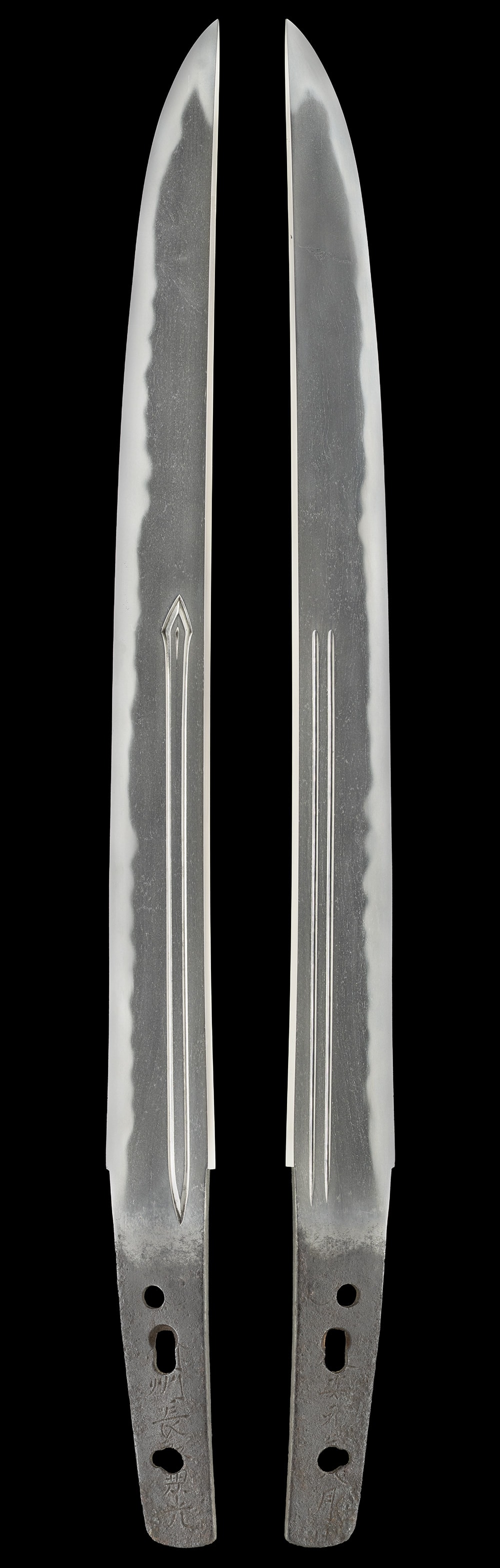
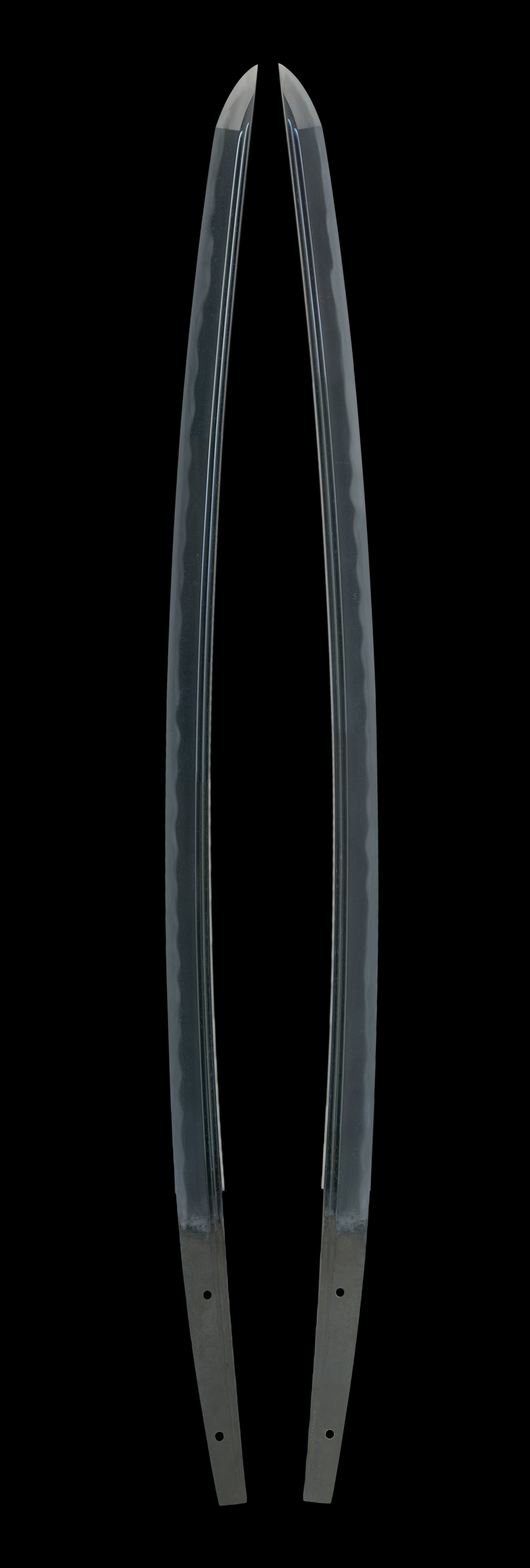
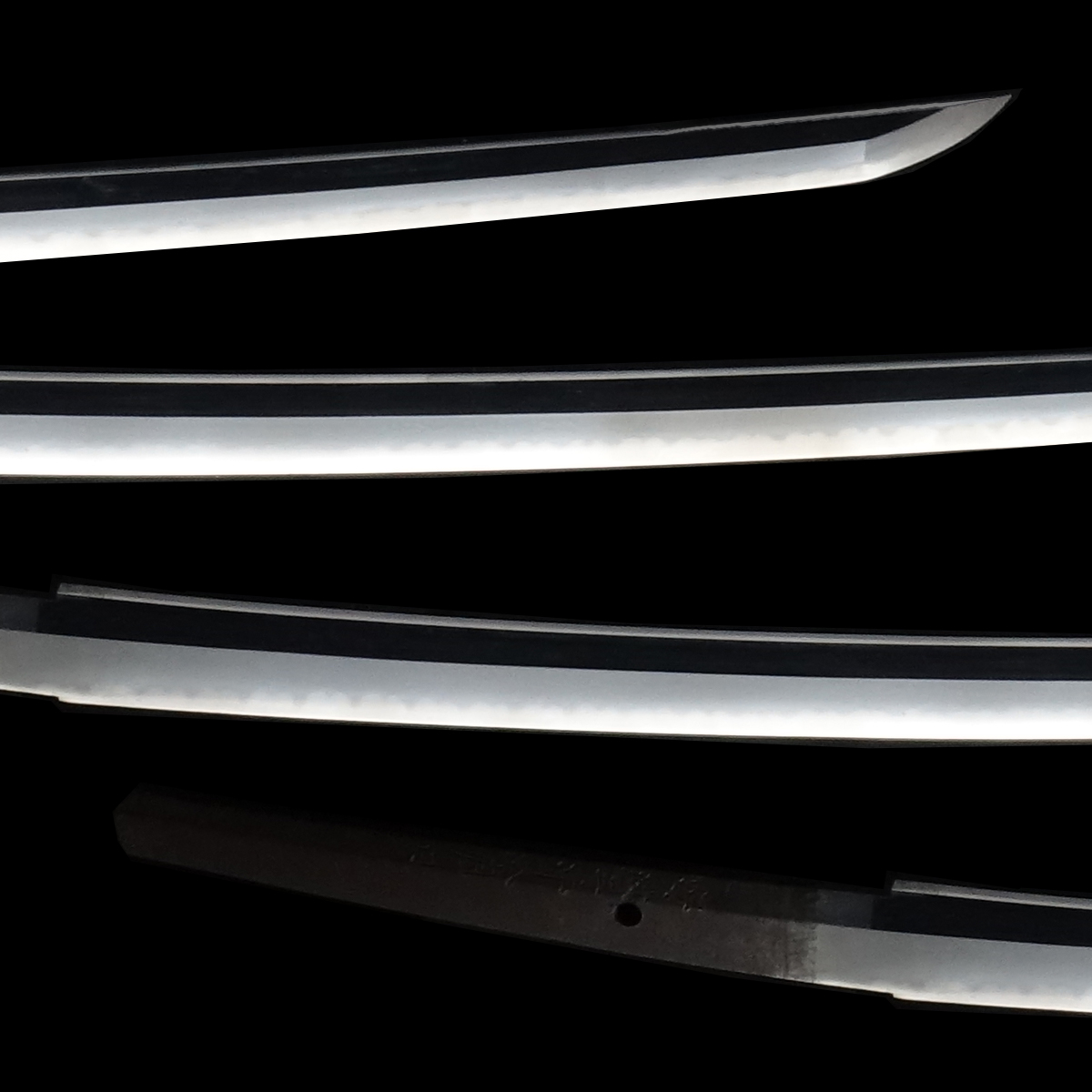
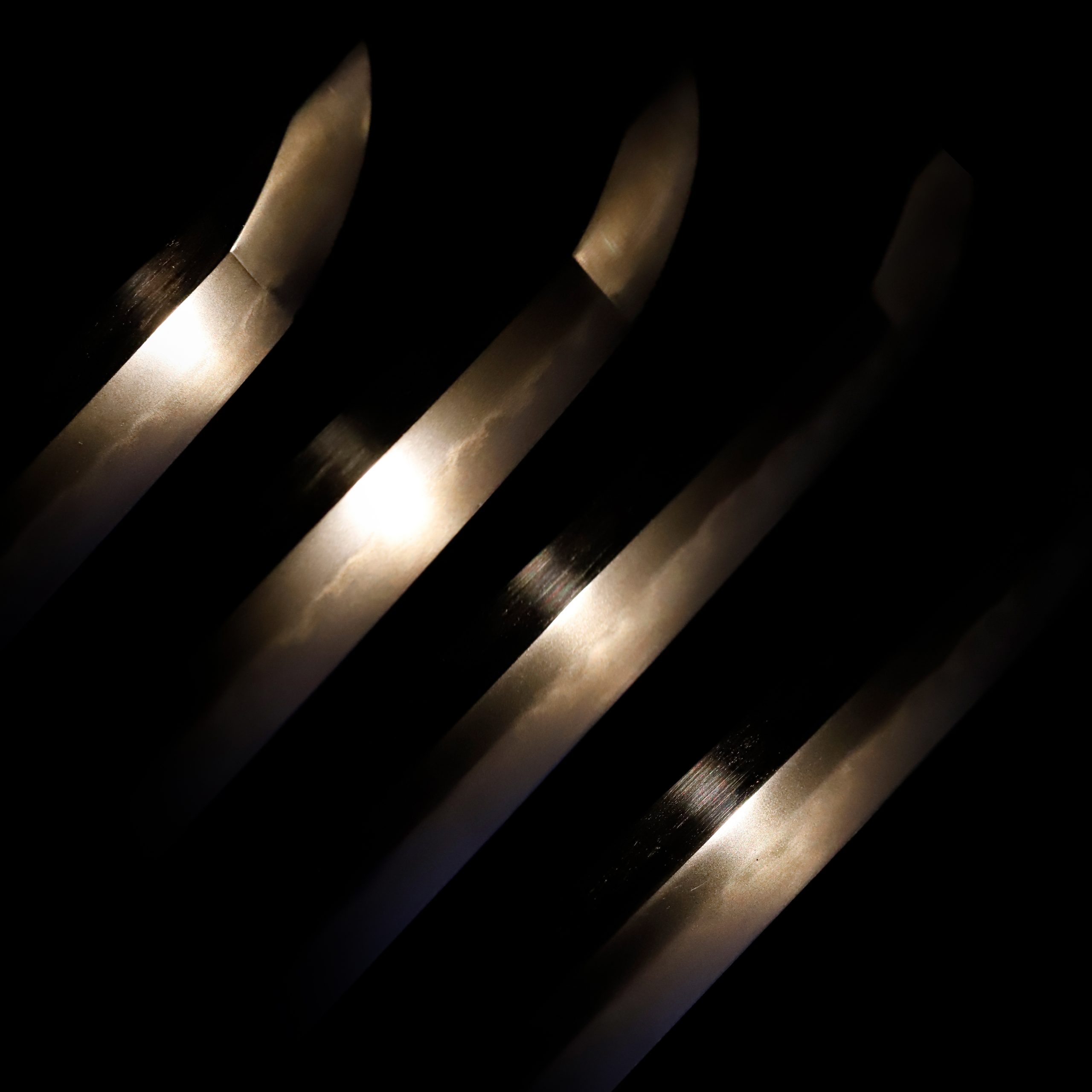
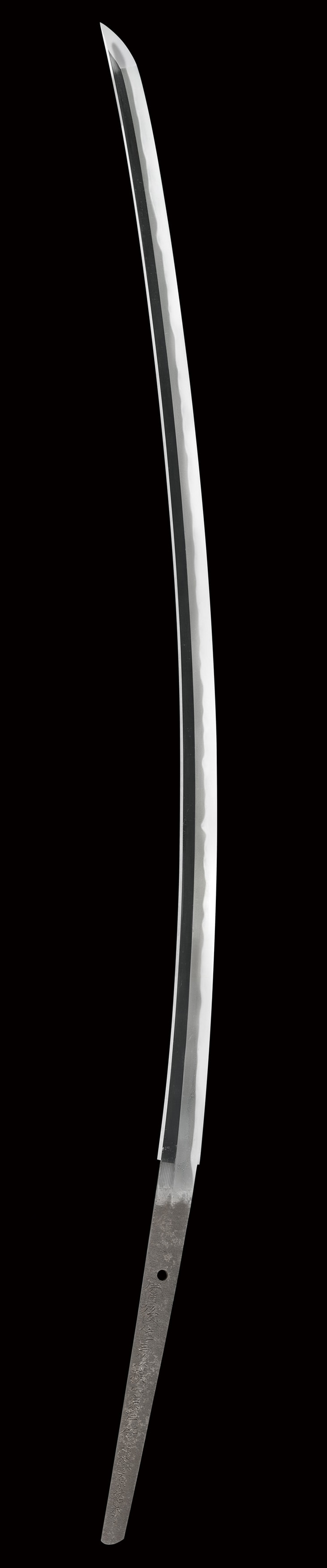
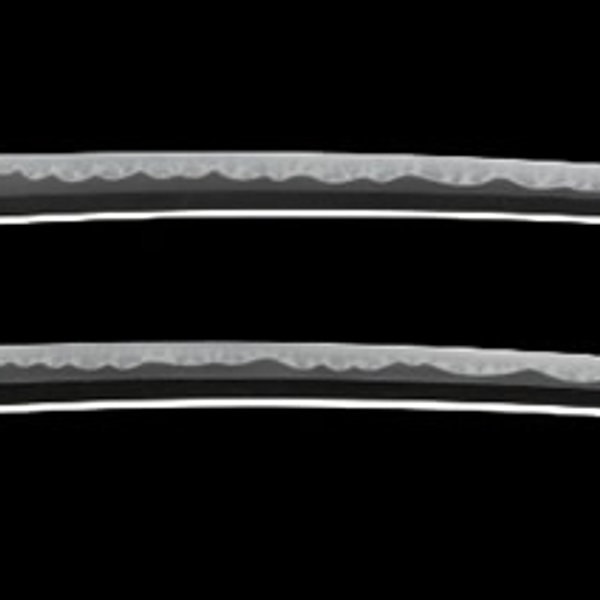
Antique Japanese Sword Katana Signed by Sukemitsu with NBTHK Tokubetsu Hozon Certificate 【Description】 Based on the signature and the authentication paper issued by NBTHK, this blade was forged by Suifu Jyu Yokoyama Sukemitsu in the third year of Ansei(1856). Suifu Jyu means living in Mito domain(today’s Ibaraki prefecture). Yokoyama Sukemichi(横山祐光) was born in 1820 in Edo as the third son of Taguchi Gon-Emon. He enrolled in the school of Osafune Yokoyama to become a swordsmith in Edo city. In 1849, when he was late 20’s, he started to serve Mito clan after he was recommended by Katsumura Tokkatsu, a famous swordsmith in Mito domain. Sukemitsu kept forging swords for this clan and died at the age of 54. (the fourth year of Meiji; 1874.) The Japanese swords made after the mid-Edo period towards the end of the Edo period are called Shin-Shin-To in Japanese. Shin-Shin-To were likely to be made more practical and robust. The Shin-Shin-To movement initially took place when Suishinshi Masahide began to bring back the old-school Japanese swords forged around the mid-to-late Kamakura period. Their swords rapidly gained popularity as the Edo regime had fallen into an unstable political state. As opposed to most swords of the previous era that were essentially more like luxury properties, the Shin-Shin-To spoke louder to the Samurais’ minds mourning the sad state of Edo. This blade has approx 74.8 cm long and must have been practical to use at the end of the Edo period. You can appreciate Sukemitsu’s craftmanship very well by looking at the beautiful Hamon and Jigane. If you are interested in an antique Japanese sword related to the Bakumatsu era, when Samurai’s life changed forever, it is a nice piece of history. It is appraised as a Tokubetsu Hozon certificate issued by NBTHK. This authentication paper was only given to Japanese swords, especially worth preserving by Nihon Bijutsu Touken Hozon Kyokai(the Society for the Preservation of the Japan Art Sword). It accompanies by gorgeous sword mountings. 【 Blade】 Cutting Edge Length(Nagasa) : 74.8 cm(29.4 inches) Curvature(Sori) : 2.1 cm( 0.82 inches) Hamon : The crystalline structure which forms along the cutting edge of a blade as a result of the hardening process Jimon(Jihada) : visible steel surface pattern created by folding and hammering during forging process Nakago : Nakago is the tang of the Japanese sword. Japanese swordsmiths left the black rust on the tang because it prevents red rust while the tang is in its handle. And the discoloration of the tang was created over time, and it is a great indicator for a Japanese sword specialist to estimate when the sword was forged. Koshirae: Koshirae is the mounting of the Japanese sword. There are several parts that consist of Koshirae such as Saya(Sabbard), Tsuka( Handle), Tsuba(Handguard). Fuchi-Kashira : A pair of matching sword fittings that cover the upper and bottom parts of its sword hilt. A kind of plant’s leaves is engraved for this Fucji Kashira. Several plant patterns were used as motifs for sword mountings. For example, ivy is one of the popular designs. As ivy has a strong vitality and grows up without interruption, people regarded this motif as a symbol of prosperity and longevity. In this way, each design was sometimes used with specific meanings or whishes. Tsuka and Menuki : Tsuka is the handle of the Japanese sword and Menuki is its decoration. It might be chrysanthemums that are designed for this Menuki. The gold colored metal is plated on some petals and leaves. Chrysanthemum is one of the symbolic flowers of autumn, and people appreciate it very much since ancient times. As its petals form radially, the chrysanthemum has been likened to the sun. That is why this flower pattern is treated as the symbol of perpetual youth and longevity or good health. Tsuba and Habaki : Tsuba is the handguard for the Japanese Sword and Habaki is the equipment to make the blade not touch its scabbard inside. It prevents the blade from

NihontoWatch MonNihontoWatch
MarketEncyclopediaKantei
刀剣›祐光›Antique Japanese Sword Katana Signed by Sukemitsu NBTHK Tokubetsu Hozon Certificate
刀特別保存
祐光

Antique Japanese Sword Katana Signed by Sukemitsu NBTHK Tokubetsu Hozon Certificate

在銘 · Osafune Yokoyama · 安政 · 長さ 74.8cm · 反り 2.1cm
売却済
祐光 — 1 of 17
祐光 — 2 of 17
祐光 — 3 of 17
祐光 — 4 of 17
祐光 — 5 of 17
祐光 — 6 of 17
祐光 — 7 of 17
祐光 — 8 of 17
祐光 — 9 of 17
祐光 — 10 of 17
祐光 — 11 of 17
祐光 — 12 of 17
祐光 — 13 of 17
祐光 — 14 of 17
祐光 — 15 of 17
祐光 — 16 of 17
祐光 — 17 of 17
1 / 17
1 / 17
祐光 — 1 of 17祐光 — 2 of 17祐光 — 3 of 17祐光 — 4 of 17祐光 — 5 of 17祐光 — 6 of 17祐光 — 7 of 17祐光 — 8 of 17祐光 — 9 of 17祐光 — 10 of 17祐光 — 11 of 17祐光 — 12 of 17祐光 — 13 of 17祐光 — 14 of 17祐光 — 15 of 17祐光 — 16 of 17祐光 — 17 of 17
法量・詳細
刀工
祐光
種別
刀
活動期
1854–1860年頃(Ansei)
国
Mito
銘
在銘
法量
長さ 74.8cm反り 2.1cm
説明

Antique Japanese Sword Katana Signed by Sukemitsu with NBTHK Tokubetsu Hozon Certificate 【Description】 Based on the signature and the authentication paper issued by NBTHK, this blade was forged by Suifu Jyu Yokoyama Sukemitsu in the third year of Ansei(1856). Suifu Jyu means living in Mito domain(today’s Ibaraki prefecture). Yokoyama Sukemichi(横山祐光) was born in 1820 in Edo as the third son of Taguchi Gon-Emon. He enrolled in the school of Osafune Yokoyama to become a swordsmith in Edo city. In 1849, when he was late 20’s, he started to serve Mito clan after he was recommended by Katsumura Tokkatsu, a famous swordsmith in Mito domain. Sukemitsu kept forging swords for this clan and died at the age of 54. (the fourth year of Meiji; 1874.) The Japanese swords made after the mid-Edo period towards the end of the Edo period are called Shin-Shin-To in Japanese. Shin-Shin-To were likely to be made more practical and robust. The Shin-Shin-To movement initially took place when Suishinshi Masahide began to bring back the old-school Japanese swords forged around the mid-to-late Kamakura period. Their swords rapidly gained popularity as the Edo regime had fallen into an unstable political state. As opposed to most swords of the previous era that were essentially more like luxury properties, the Shin-Shin-To spoke louder to the Samurais’ minds mourning the sad state of Edo. This blade has approx 74.8 cm long and must have been practical to use at the end of the Edo period. You can appreciate Sukemitsu’s craftmanship very well by looking at the beautiful Hamon and Jigane. If you are interested in an antique Japanese sword related to the Bakumatsu era, when Samurai’s life changed forever, it is a nice piece of history. It is appraised as a Tokubetsu Hozon certificate issued by NBTHK. This authentication paper was only given to Japanese swords, especially worth preserving by Nihon Bijutsu Touken Hozon Kyokai(the Society for the Preservation of the Japan Art Sword). It accompanies by gorgeous sword mountings. 【 Blade】 Cutting Edge Length(Nagasa) : 74.8 cm(29.4 inches) Curvature(Sori) : 2.1 cm( 0.82 inches) Hamon : The crystalline structure which forms along the cutting edge of a blade as a result of the hardening process Jimon(Jihada) : visible steel surface pattern created by folding and hammering during forging process Nakago : Nakago is the tang of the Japanese sword. Japanese swordsmiths left the black rust on the tang because it prevents red rust while the tang is in its handle. And the discoloration of the tang was created over time, and it is a great indicator for a Japanese sword specialist to estimate when the sword was forged. Koshirae: Koshirae is the mounting of the Japanese sword. There are several parts that consist of Koshirae such as Saya(Sabbard), Tsuka( Handle), Tsuba(Handguard). Fuchi-Kashira : A pair of matching sword fittings that cover the upper and bottom parts of its sword hilt. A kind of plant’s leaves is engraved for this Fucji Kashira. Several plant patterns were used as motifs for sword mountings. For example, ivy is one of the popular designs. As ivy has a strong vitality and grows up without interruption, people regarded this motif as a symbol of prosperity and longevity. In this way, each design was sometimes used with specific meanings or whishes. Tsuka and Menuki : Tsuka is the handle of the Japanese sword and Menuki is its decoration. It might be chrysanthemums that are designed for this Menuki. The gold colored metal is plated on some petals and leaves. Chrysanthemum is one of the symbolic flowers of autumn, and people appreciate it very much since ancient times. As its petals form radially, the chrysanthemum has been likened to the sun. That is why this flower pattern is treated as the symbol of perpetual youth and longevity or good health. Tsuba and Habaki : Tsuba is the handguard for the Japanese Sword and Habaki is the equipment to make the blade not touch its scabbard inside. It prevents the blade from

作者について

祐光

常陸 · 1854-1860頃

藤代 Chu saku · 刀剣大鑑 上位95%

現在3点販売中

›
祐光の作 3点が現在販売中→
祐光 — 詳細

歴史的背景

二世紀半の泰平のあいだ、刀は武器である以上に武士の身分の標章であった。江戸の実証と大坂の華やぎのように都市ごとの作風が育ち、時代の末には需要も細っていく。

江戸時代 →

NBTHK鑑定書
Tokubetsu Hozon Tōken特別保存刀剣
Sword Especially Worthy of Preservation
›

保存刀剣のうち、出来が一層優れ、保存状態も良好と認められたものです。再刃や、室町・江戸期の多くの無銘作は対象外となり、保存刀剣より高い基準が課されます。

NBTHKについて›

日本美術刀剣保存協会(NBTHK)は、1948年に設立され、文化庁の監督を受ける公益財団法人で、東京・刀剣博物館に本部を置きます。専門の審査員が出品作を直接審査し、美術的・歴史的価値に応じた鑑定書を発行します。NBTHKの鑑定書は、日本刀および刀装具の真正性を示す最も広く認知された基準です。

NBTHK公式サイト→
販売店
サ
サムライミュージアム
🇯🇵日本から発送
›
✓認証販売店samuraimuseum.jp
✓海外発送可✓英語対応PayPalクレジットカード
返品ポリシー

Returns/exchanges limited to defects caused by shipping (except willful misconduct or gross negligence by the company); customers must contact within 72 hours of receiving the product.

サムライミュージアムの出品一覧を見る→販売店サイトでこの商品を見る→

祐光の他の作

すべて見る →
銀座誠友堂
保存
Tanto - Hozon - by Sukemitsu - 短刀[助光(水戸)][日本美術刀剣保存協会]保存刀剣Tanto - Hozon - by Sukemitsu - 短刀[助光(水戸)][日本美術刀剣保存協会]保存刀剣

短刀

作祐光
26.6cm·明治
¥400,000
美術刀剣松本
保存
Wakizashi - Hozon - by Sukemitsu - 祐光 安政三年辰二月日Wakizashi - Hozon - by Sukemitsu - 祐光 安政三年辰二月日

脇差

作祐光
39.4cm·Ansei (1854-1860)
¥400,000
Tozando
Tanto - by Sukemitsu - 新々刀 刀剣販売 短刀 無銘(日本美術刀剣保存協会 貴重刀剣認定書付)| 東山堂Tanto - by Sukemitsu - 新々刀 刀剣販売 短刀 無銘(日本美術刀剣保存協会 貴重刀剣認定書付)| 東山堂

短刀

作祐光
26.5cm·Ansei (1854-1860)
¥320,000

祐光の売約済み

刀剣杉田
特別保存
Katana - Tokuho - by Sukemitsu - 水戸住祐光 明治二年二月 (常陸)(東海道)Katana - Tokuho - by Sukemitsu - 水戸住祐光 明治二年二月 (常陸)(東海道)
売切れ

刀

作祐光
現代刀
売却済
美術刀剣松本
特別保存
Katana - Tokuho - by Sukemitsu - 日本刀・刀装具の販売・買取 (株)美術刀剣松本 千葉県野田市Katana - Tokuho - by Sukemitsu - 日本刀・刀装具の販売・買取 (株)美術刀剣松本 千葉県野田市
売切れ

刀

作祐光
76.9cm
売却済
銀座長州屋
Katana - by Sukemitsu - 銘 水戸住横山藤原祐光作 文久二年八月日Katana - by Sukemitsu - 銘 水戸住横山藤原祐光作 文久二年八月日
売切れ

刀

作祐光
Ansei (1854-1860)
売却済
儀平屋
特別保存
Katana - Tokuho - by Sukemitsu - (02-1627)特別保存刀剣 水府住横山祐光作 二尺三寸九分 打刀拵入Katana - Tokuho - by Sukemitsu - (02-1627)特別保存刀剣 水府住横山祐光作 二尺三寸九分 打刀拵入
売切れ

刀

作祐光
72.6cm·Ansei (1854-1860)
売却済
丸英刀剣
特別保存
Katana - Tokuho - by Sukemitsu - 刀 水戸住横山祐光造Katana - Tokuho - by Sukemitsu - 刀 水戸住横山祐光造
売切れ

刀

作祐光
69.1cm·江戸
売却済
銀座長州屋
Tanto - by Sukemitsu - 生ぶ茎無銘 水戸祐光Tanto - by Sukemitsu - 生ぶ茎無銘 水戸祐光
売切れ

短刀

作祐光
Ansei (1854-1860)
売却済
Tokyo Sword
Tanto - by Sukemitsu - 水戸祐光 短刀 茶変塗鞘拵 小柄・割笄付 江戸時代Tanto - by Sukemitsu - 水戸祐光 短刀 茶変塗鞘拵 小柄・割笄付 江戸時代
売切れ

短刀

作祐光
27.2cm·江戸
売却済
銀座誠友堂
保存
Tanto - Hozon - by Sukemitsu - Tanto [Sukemitsu (Mito)][N.B.T.H.K] Hozon TokenTanto - Hozon - by Sukemitsu - Tanto [Sukemitsu (Mito)][N.B.T.H.K] Hozon Token
売切れ

短刀

作祐光
26.6cm·明治
売却済

刀剣

  • 刀
  • 脇差
  • 短刀
  • 太刀
  • 薙刀
  • 槍

刀装具

  • 鍔
  • 縁頭
  • 小柄
  • 目貫

甲冑武具

  • 兜
  • 甲冑

鑑定別

  • 特重
  • 重要
  • 特別保存
  • 保存

リソース

  • 刀剣商一覧
  • 刀工一覧
  • 誌上鑑定
  • すべて見る
Nihontowatch© 2026
利用規約プライバシーCookie運営者情報

説明

Antique Japanese Sword Katana Signed by Sukemitsu with NBTHK Tokubetsu Hozon Certificate 【Description】 Based on the signature and the authentication paper issued by NBTHK, this blade was forged by Suifu Jyu Yokoyama Sukemitsu in the third year of Ansei(1856). Suifu Jyu means living in Mito domain(today’s Ibaraki prefecture). Yokoyama Sukemichi(横山祐光) was born in 1820 in Edo as the third son of Taguchi Gon-Emon. He enrolled in the school of Osafune Yokoyama to become a swordsmith in Edo city. In 1849, when he was late 20’s, he started to serve Mito clan after he was recommended by Katsumura Tokkatsu, a famous swordsmith in Mito domain. Sukemitsu kept forging swords for this clan and died at the age of 54. (the fourth year of Meiji; 1874.) The Japanese swords made after the mid-Edo period towards the end of the Edo period are called Shin-Shin-To in Japanese. Shin-Shin-To were likely to be made more practical and robust. The Shin-Shin-To movement initially took place when Suishinshi Masahide began to bring back the old-school Japanese swords forged around the mid-to-late Kamakura period. Their swords rapidly gained popularity as the Edo regime had fallen into an unstable political state. As opposed to most swords of the previous era that were essentially more like luxury properties, the Shin-Shin-To spoke louder to the Samurais’ minds mourning the sad state of Edo. This blade has approx 74.8 cm long and must have been practical to use at the end of the Edo period. You can appreciate Sukemitsu’s craftmanship very well by looking at the beautiful Hamon and Jigane. If you are interested in an antique Japanese sword related to the Bakumatsu era, when Samurai’s life changed forever, it is a nice piece of history. It is appraised as a Tokubetsu Hozon certificate issued by NBTHK. This authentication paper was only given to Japanese swords, especially worth preserving by Nihon Bijutsu Touken Hozon Kyokai(the Society for the Preservation of the Japan Art Sword). It accompanies by gorgeous sword mountings. 【 Blade】 Cutting Edge Length(Nagasa) : 74.8 cm(29.4 inches) Curvature(Sori) : 2.1 cm( 0.82 inches) Hamon : The crystalline structure which forms along the cutting edge of a blade as a result of the hardening process Jimon(Jihada) : visible steel surface pattern created by folding and hammering during forging process Nakago : Nakago is the tang of the Japanese sword. Japanese swordsmiths left the black rust on the tang because it prevents red rust while the tang is in its handle. And the discoloration of the tang was created over time, and it is a great indicator for a Japanese sword specialist to estimate when the sword was forged. Koshirae: Koshirae is the mounting of the Japanese sword. There are several parts that consist of Koshirae such as Saya(Sabbard), Tsuka( Handle), Tsuba(Handguard). Fuchi-Kashira : A pair of matching sword fittings that cover the upper and bottom parts of its sword hilt. A kind of plant’s leaves is engraved for this Fucji Kashira. Several plant patterns were used as motifs for sword mountings. For example, ivy is one of the popular designs. As ivy has a strong vitality and grows up without interruption, people regarded this motif as a symbol of prosperity and longevity. In this way, each design was sometimes used with specific meanings or whishes. Tsuka and Menuki : Tsuka is the handle of the Japanese sword and Menuki is its decoration. It might be chrysanthemums that are designed for this Menuki. The gold colored metal is plated on some petals and leaves. Chrysanthemum is one of the symbolic flowers of autumn, and people appreciate it very much since ancient times. As its petals form radially, the chrysanthemum has been likened to the sun. That is why this flower pattern is treated as the symbol of perpetual youth and longevity or good health. Tsuba and Habaki : Tsuba is the handguard for the Japanese Sword and Habaki is the equipment to make the blade not touch its scabbard inside. It prevents the blade from

NihontoWatch MonNihontoWatch
MarketEncyclopediaKantei
刀剣›祐光›Antique Japanese Sword Katana Signed by Sukemitsu NBTHK Tokubetsu Hozon Certificate
刀特別保存
祐光

Antique Japanese Sword Katana Signed by Sukemitsu NBTHK Tokubetsu Hozon Certificate

在銘 · Osafune Yokoyama · 安政 · 長さ 74.8cm · 反り 2.1cm
売却済
祐光 — 1 of 17
祐光 — 2 of 17
祐光 — 3 of 17
祐光 — 4 of 17
祐光 — 5 of 17
祐光 — 6 of 17
祐光 — 7 of 17
祐光 — 8 of 17
祐光 — 9 of 17
祐光 — 10 of 17
祐光 — 11 of 17
祐光 — 12 of 17
祐光 — 13 of 17
祐光 — 14 of 17
祐光 — 15 of 17
祐光 — 16 of 17
祐光 — 17 of 17
1 / 17
1 / 17
祐光 — 1 of 17祐光 — 2 of 17祐光 — 3 of 17祐光 — 4 of 17祐光 — 5 of 17祐光 — 6 of 17祐光 — 7 of 17祐光 — 8 of 17祐光 — 9 of 17祐光 — 10 of 17祐光 — 11 of 17祐光 — 12 of 17祐光 — 13 of 17祐光 — 14 of 17祐光 — 15 of 17祐光 — 16 of 17祐光 — 17 of 17
法量・詳細
刀工
祐光
種別
刀
活動期
1854–1860年頃(Ansei)
国
Mito
銘
在銘
法量
長さ 74.8cm反り 2.1cm
説明

Antique Japanese Sword Katana Signed by Sukemitsu with NBTHK Tokubetsu Hozon Certificate 【Description】 Based on the signature and the authentication paper issued by NBTHK, this blade was forged by Suifu Jyu Yokoyama Sukemitsu in the third year of Ansei(1856). Suifu Jyu means living in Mito domain(today’s Ibaraki prefecture). Yokoyama Sukemichi(横山祐光) was born in 1820 in Edo as the third son of Taguchi Gon-Emon. He enrolled in the school of Osafune Yokoyama to become a swordsmith in Edo city. In 1849, when he was late 20’s, he started to serve Mito clan after he was recommended by Katsumura Tokkatsu, a famous swordsmith in Mito domain. Sukemitsu kept forging swords for this clan and died at the age of 54. (the fourth year of Meiji; 1874.) The Japanese swords made after the mid-Edo period towards the end of the Edo period are called Shin-Shin-To in Japanese. Shin-Shin-To were likely to be made more practical and robust. The Shin-Shin-To movement initially took place when Suishinshi Masahide began to bring back the old-school Japanese swords forged around the mid-to-late Kamakura period. Their swords rapidly gained popularity as the Edo regime had fallen into an unstable political state. As opposed to most swords of the previous era that were essentially more like luxury properties, the Shin-Shin-To spoke louder to the Samurais’ minds mourning the sad state of Edo. This blade has approx 74.8 cm long and must have been practical to use at the end of the Edo period. You can appreciate Sukemitsu’s craftmanship very well by looking at the beautiful Hamon and Jigane. If you are interested in an antique Japanese sword related to the Bakumatsu era, when Samurai’s life changed forever, it is a nice piece of history. It is appraised as a Tokubetsu Hozon certificate issued by NBTHK. This authentication paper was only given to Japanese swords, especially worth preserving by Nihon Bijutsu Touken Hozon Kyokai(the Society for the Preservation of the Japan Art Sword). It accompanies by gorgeous sword mountings. 【 Blade】 Cutting Edge Length(Nagasa) : 74.8 cm(29.4 inches) Curvature(Sori) : 2.1 cm( 0.82 inches) Hamon : The crystalline structure which forms along the cutting edge of a blade as a result of the hardening process Jimon(Jihada) : visible steel surface pattern created by folding and hammering during forging process Nakago : Nakago is the tang of the Japanese sword. Japanese swordsmiths left the black rust on the tang because it prevents red rust while the tang is in its handle. And the discoloration of the tang was created over time, and it is a great indicator for a Japanese sword specialist to estimate when the sword was forged. Koshirae: Koshirae is the mounting of the Japanese sword. There are several parts that consist of Koshirae such as Saya(Sabbard), Tsuka( Handle), Tsuba(Handguard). Fuchi-Kashira : A pair of matching sword fittings that cover the upper and bottom parts of its sword hilt. A kind of plant’s leaves is engraved for this Fucji Kashira. Several plant patterns were used as motifs for sword mountings. For example, ivy is one of the popular designs. As ivy has a strong vitality and grows up without interruption, people regarded this motif as a symbol of prosperity and longevity. In this way, each design was sometimes used with specific meanings or whishes. Tsuka and Menuki : Tsuka is the handle of the Japanese sword and Menuki is its decoration. It might be chrysanthemums that are designed for this Menuki. The gold colored metal is plated on some petals and leaves. Chrysanthemum is one of the symbolic flowers of autumn, and people appreciate it very much since ancient times. As its petals form radially, the chrysanthemum has been likened to the sun. That is why this flower pattern is treated as the symbol of perpetual youth and longevity or good health. Tsuba and Habaki : Tsuba is the handguard for the Japanese Sword and Habaki is the equipment to make the blade not touch its scabbard inside. It prevents the blade from

作者について

祐光

常陸 · 1854-1860頃

藤代 Chu saku · 刀剣大鑑 上位95%

現在3点販売中

›
祐光の作 3点が現在販売中→
祐光 — 詳細

歴史的背景

二世紀半の泰平のあいだ、刀は武器である以上に武士の身分の標章であった。江戸の実証と大坂の華やぎのように都市ごとの作風が育ち、時代の末には需要も細っていく。

江戸時代 →

NBTHK鑑定書
Tokubetsu Hozon Tōken特別保存刀剣
Sword Especially Worthy of Preservation
›

保存刀剣のうち、出来が一層優れ、保存状態も良好と認められたものです。再刃や、室町・江戸期の多くの無銘作は対象外となり、保存刀剣より高い基準が課されます。

NBTHKについて›

日本美術刀剣保存協会(NBTHK)は、1948年に設立され、文化庁の監督を受ける公益財団法人で、東京・刀剣博物館に本部を置きます。専門の審査員が出品作を直接審査し、美術的・歴史的価値に応じた鑑定書を発行します。NBTHKの鑑定書は、日本刀および刀装具の真正性を示す最も広く認知された基準です。

NBTHK公式サイト→
販売店
サ
サムライミュージアム
🇯🇵日本から発送
›
✓認証販売店samuraimuseum.jp
✓海外発送可✓英語対応PayPalクレジットカード
返品ポリシー

Returns/exchanges limited to defects caused by shipping (except willful misconduct or gross negligence by the company); customers must contact within 72 hours of receiving the product.
サムライミュージアムの出品一覧を見る→販売店サイトでこの商品を見る→

祐光の他の作

すべて見る →
銀座誠友堂
保存
Tanto - Hozon - by Sukemitsu - 短刀[助光(水戸)][日本美術刀剣保存協会]保存刀剣Tanto - Hozon - by Sukemitsu - 短刀[助光(水戸)][日本美術刀剣保存協会]保存刀剣

短刀

作祐光
26.6cm·明治
¥400,000
美術刀剣松本
保存
Wakizashi - Hozon - by Sukemitsu - 祐光 安政三年辰二月日Wakizashi - Hozon - by Sukemitsu - 祐光 安政三年辰二月日

脇差

作祐光
39.4cm·Ansei (1854-1860)
¥400,000
Tozando
Tanto - by Sukemitsu - 新々刀 刀剣販売 短刀 無銘(日本美術刀剣保存協会 貴重刀剣認定書付)| 東山堂Tanto - by Sukemitsu - 新々刀 刀剣販売 短刀 無銘(日本美術刀剣保存協会 貴重刀剣認定書付)| 東山堂

短刀

作祐光
26.5cm·Ansei (1854-1860)
¥320,000

祐光の売約済み

刀剣杉田
特別保存
Katana - Tokuho - by Sukemitsu - 水戸住祐光 明治二年二月 (常陸)(東海道)Katana - Tokuho - by Sukemitsu - 水戸住祐光 明治二年二月 (常陸)(東海道)
売切れ

刀

作祐光
現代刀
売却済
美術刀剣松本
特別保存
Katana - Tokuho - by Sukemitsu - 日本刀・刀装具の販売・買取 (株)美術刀剣松本 千葉県野田市Katana - Tokuho - by Sukemitsu - 日本刀・刀装具の販売・買取 (株)美術刀剣松本 千葉県野田市
売切れ

刀

作祐光
76.9cm
売却済
銀座長州屋
Katana - by Sukemitsu - 銘 水戸住横山藤原祐光作 文久二年八月日Katana - by Sukemitsu - 銘 水戸住横山藤原祐光作 文久二年八月日
売切れ

刀

作祐光
Ansei (1854-1860)
売却済
儀平屋
特別保存
Katana - Tokuho - by Sukemitsu - (02-1627)特別保存刀剣 水府住横山祐光作 二尺三寸九分 打刀拵入Katana - Tokuho - by Sukemitsu - (02-1627)特別保存刀剣 水府住横山祐光作 二尺三寸九分 打刀拵入
売切れ

刀

作祐光
72.6cm·Ansei (1854-1860)
売却済
丸英刀剣
特別保存
Katana - Tokuho - by Sukemitsu - 刀 水戸住横山祐光造Katana - Tokuho - by Sukemitsu - 刀 水戸住横山祐光造
売切れ

刀

作祐光
69.1cm·江戸
売却済
銀座長州屋
Tanto - by Sukemitsu - 生ぶ茎無銘 水戸祐光Tanto - by Sukemitsu - 生ぶ茎無銘 水戸祐光
売切れ

短刀

作祐光
Ansei (1854-1860)
売却済
Tokyo Sword
Tanto - by Sukemitsu - 水戸祐光 短刀 茶変塗鞘拵 小柄・割笄付 江戸時代Tanto - by Sukemitsu - 水戸祐光 短刀 茶変塗鞘拵 小柄・割笄付 江戸時代
売切れ

短刀

作祐光
27.2cm·江戸
売却済
銀座誠友堂
保存
Tanto - Hozon - by Sukemitsu - Tanto [Sukemitsu (Mito)][N.B.T.H.K] Hozon TokenTanto - Hozon - by Sukemitsu - Tanto [Sukemitsu (Mito)][N.B.T.H.K] Hozon Token
売切れ

短刀

作祐光
26.6cm·明治
売却済

刀剣

  • 刀
  • 脇差
  • 短刀
  • 太刀
  • 薙刀
  • 槍

刀装具

  • 鍔
  • 縁頭
  • 小柄
  • 目貫

甲冑武具

  • 兜
  • 甲冑

鑑定別

  • 特重
  • 重要
  • 特別保存
  • 保存

リソース

  • 刀剣商一覧
  • 刀工一覧
  • 誌上鑑定
  • すべて見る
Nihontowatch© 2026
利用規約プライバシーCookie運営者情報
NihontoWatch Mon

NihontoWatch

マーケット
事典
鑑定
NihontoWatch Mon

NihontoWatch

マーケット
事典
鑑定