肥前刀は藩営の産業である。鍋島家は1596年頃、忠吉を京の埋忠明寿のもとに学ばせ、帰国したその工を核に公認の一門を築いた。小糠肌で名高いその作は、九代にわたり明治まで続いている。
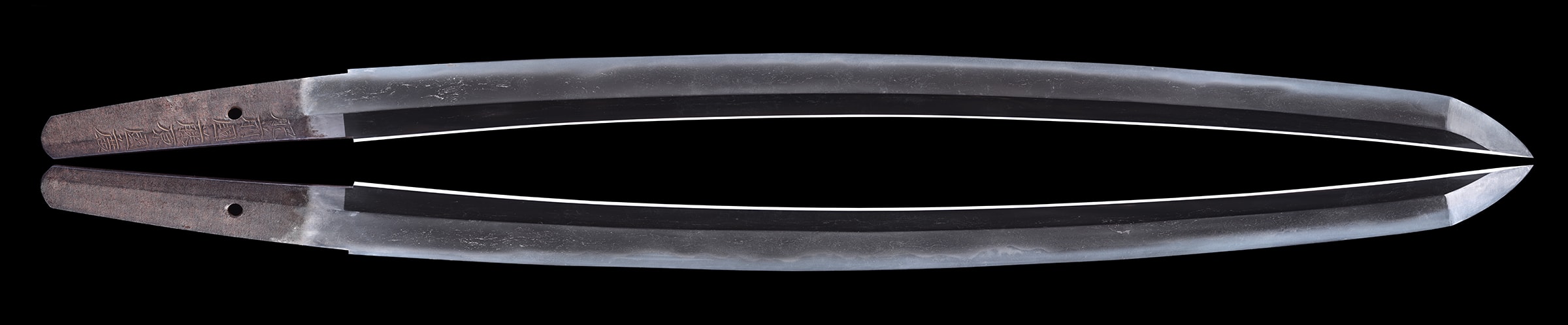
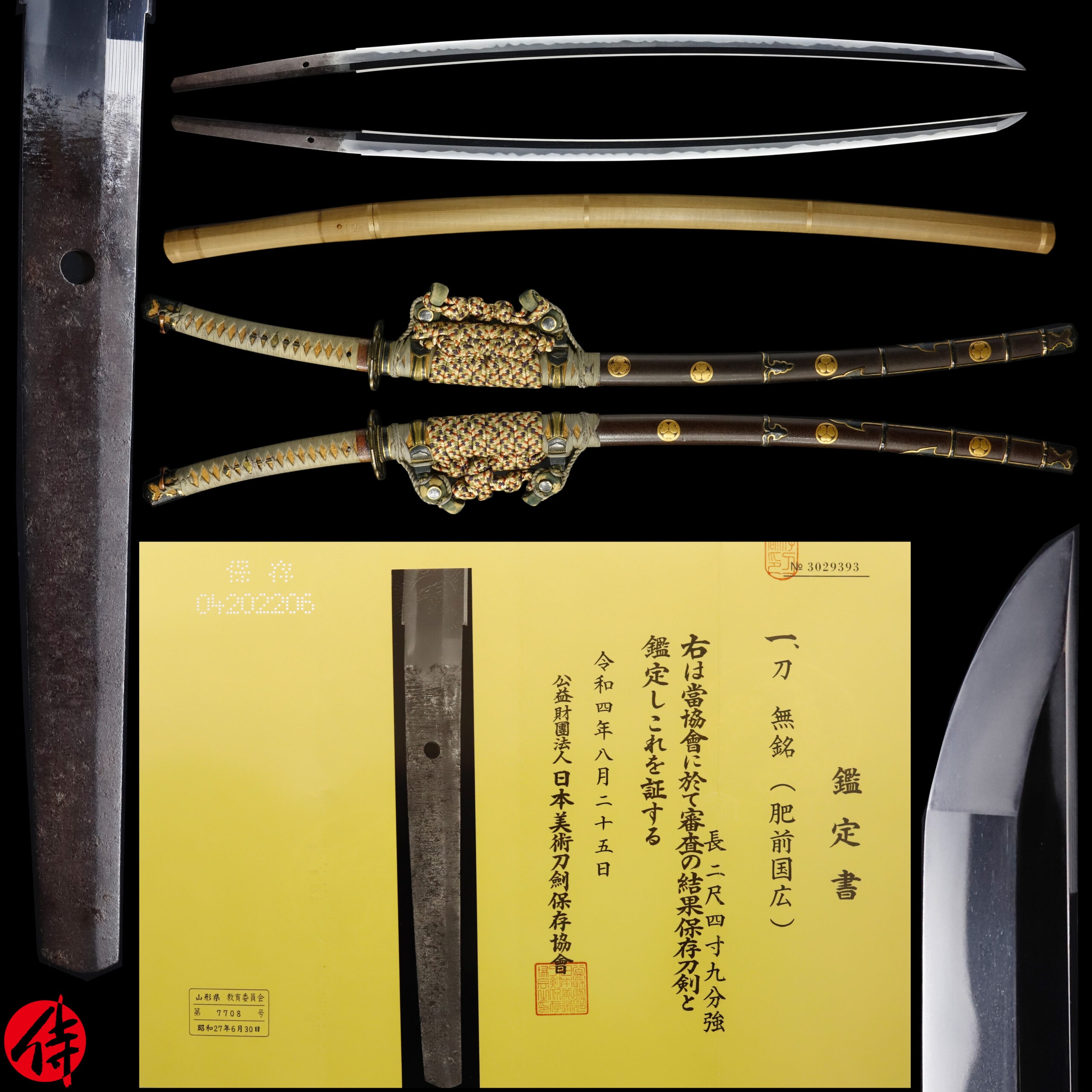
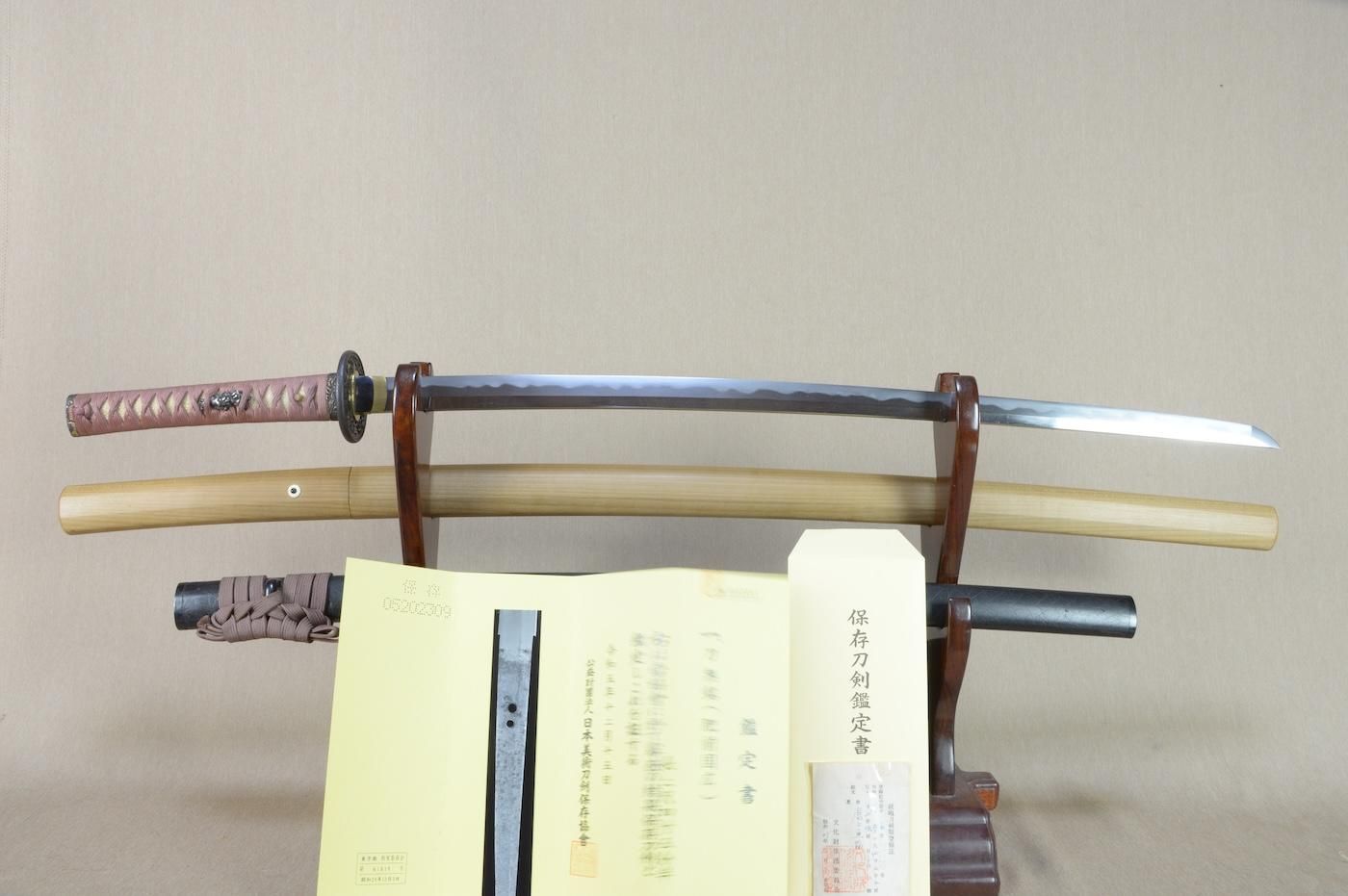
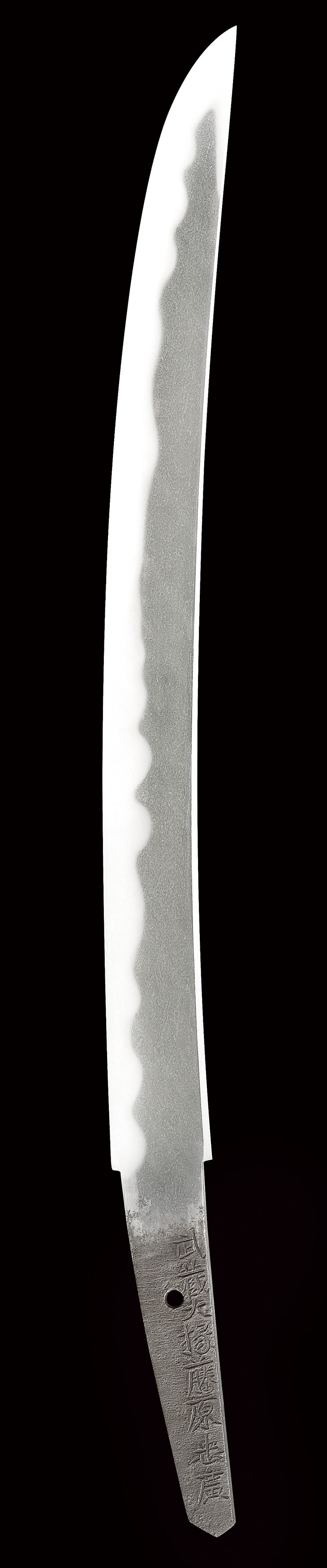
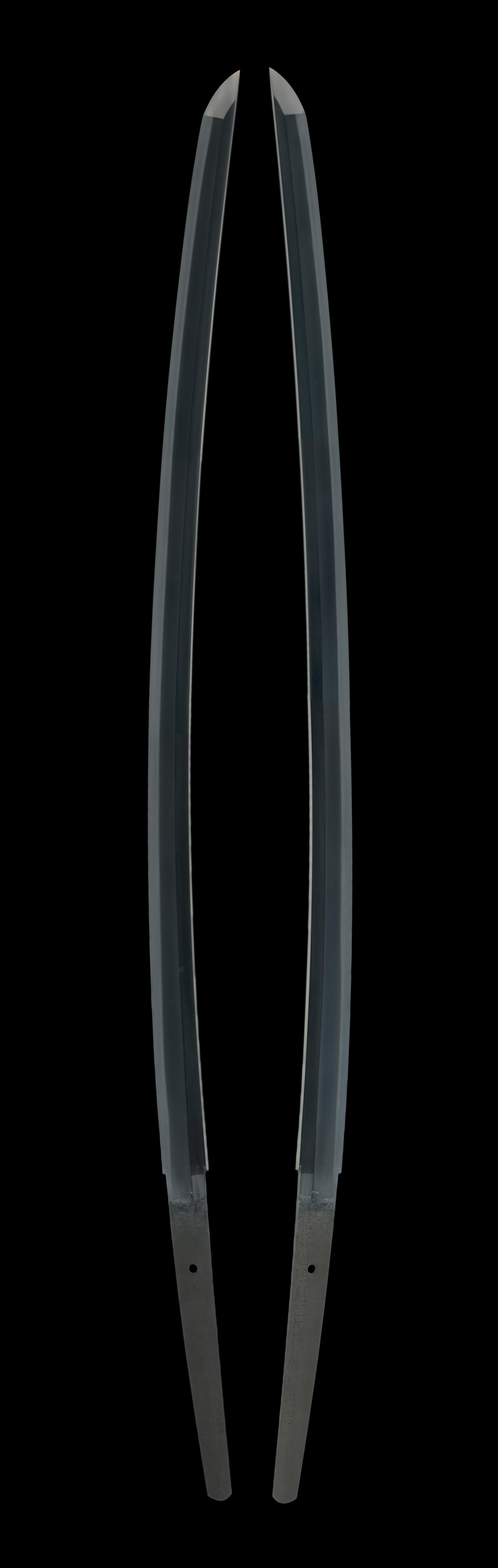
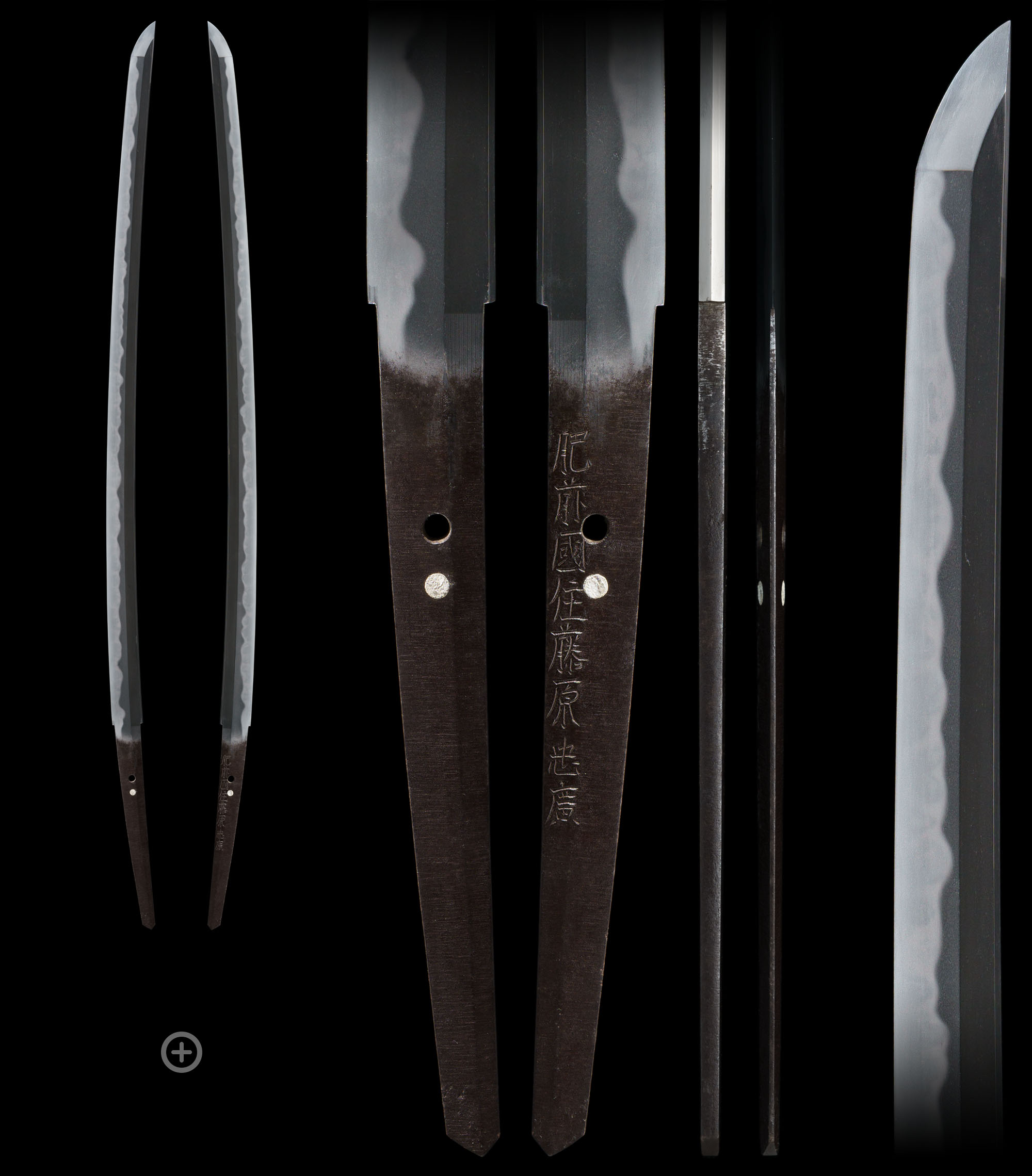
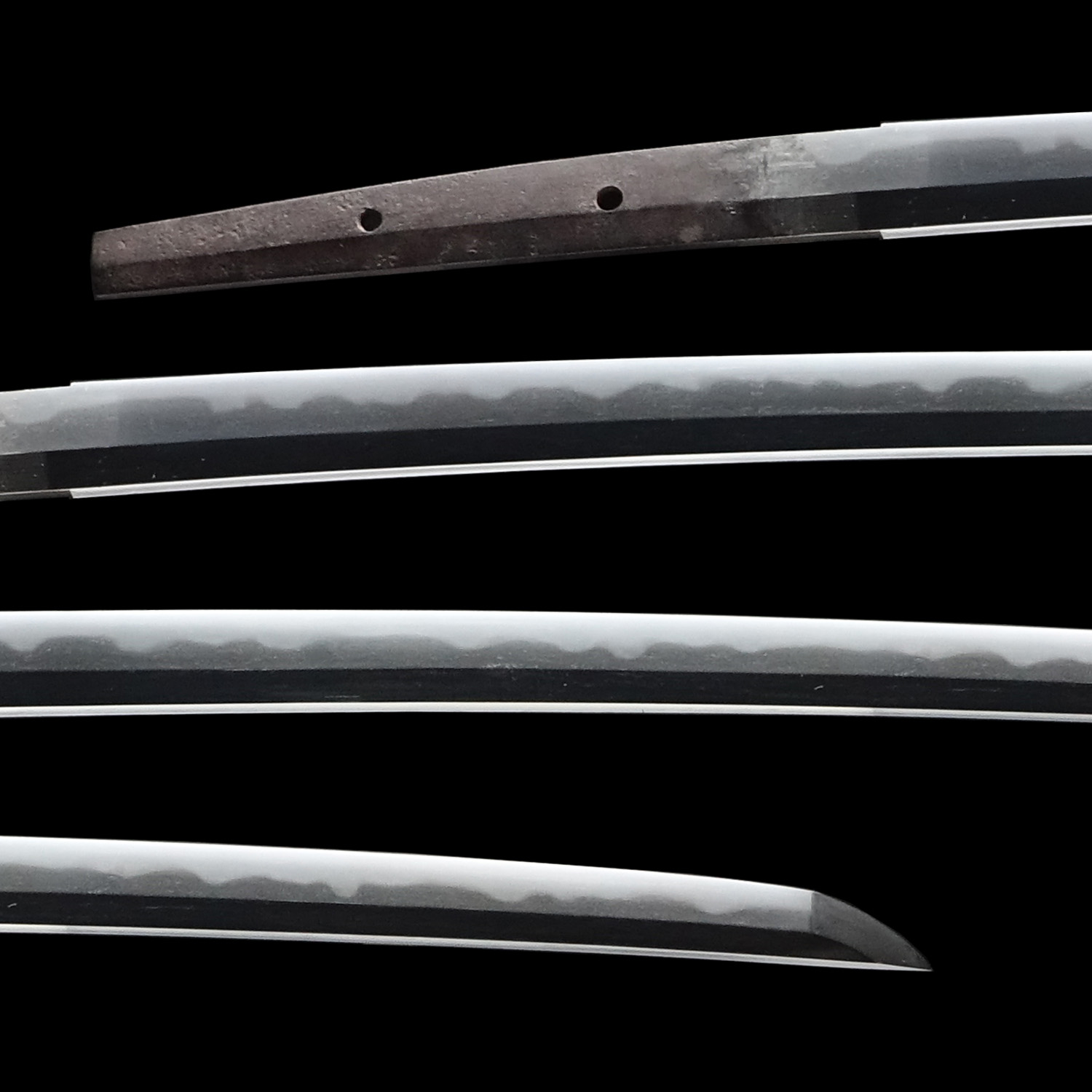
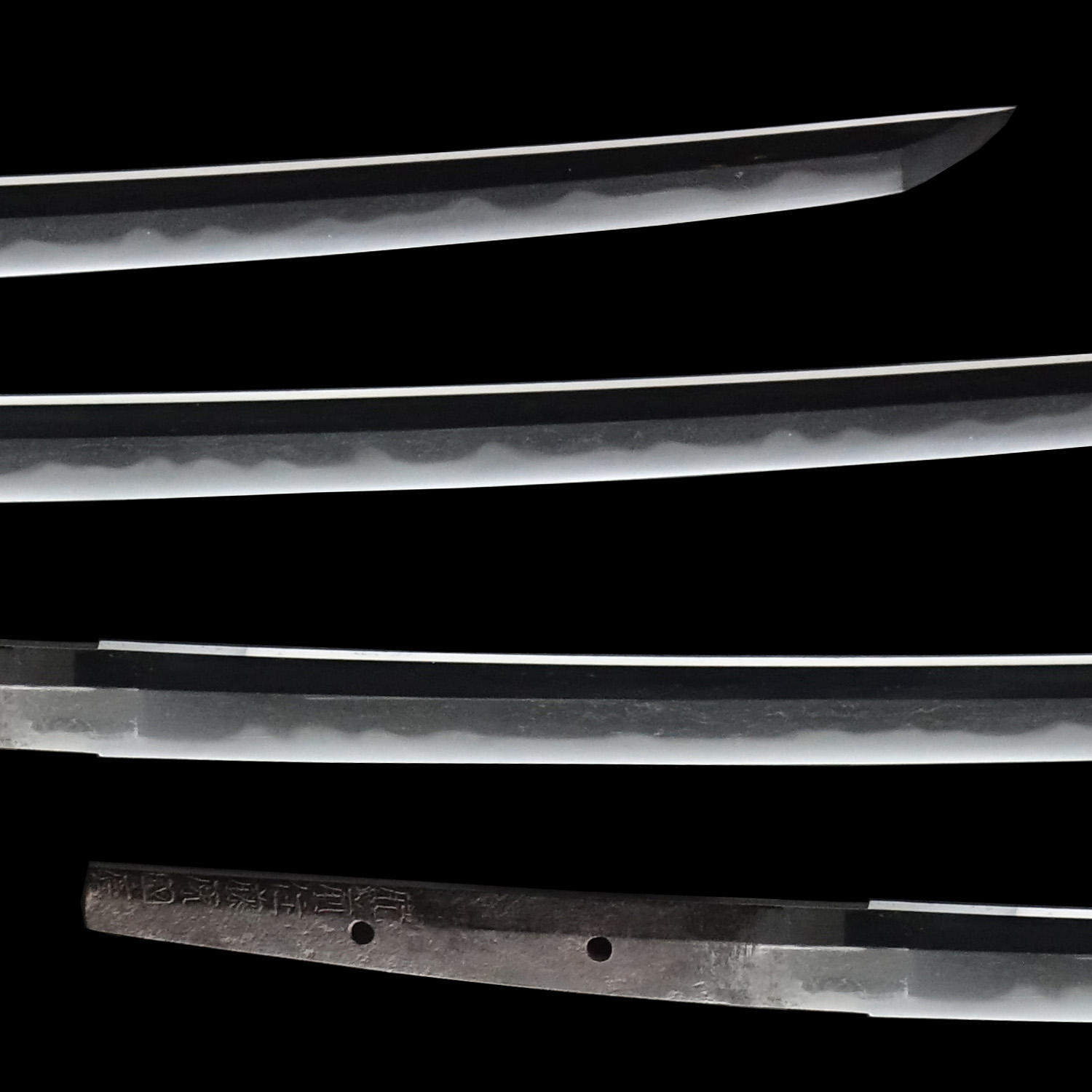
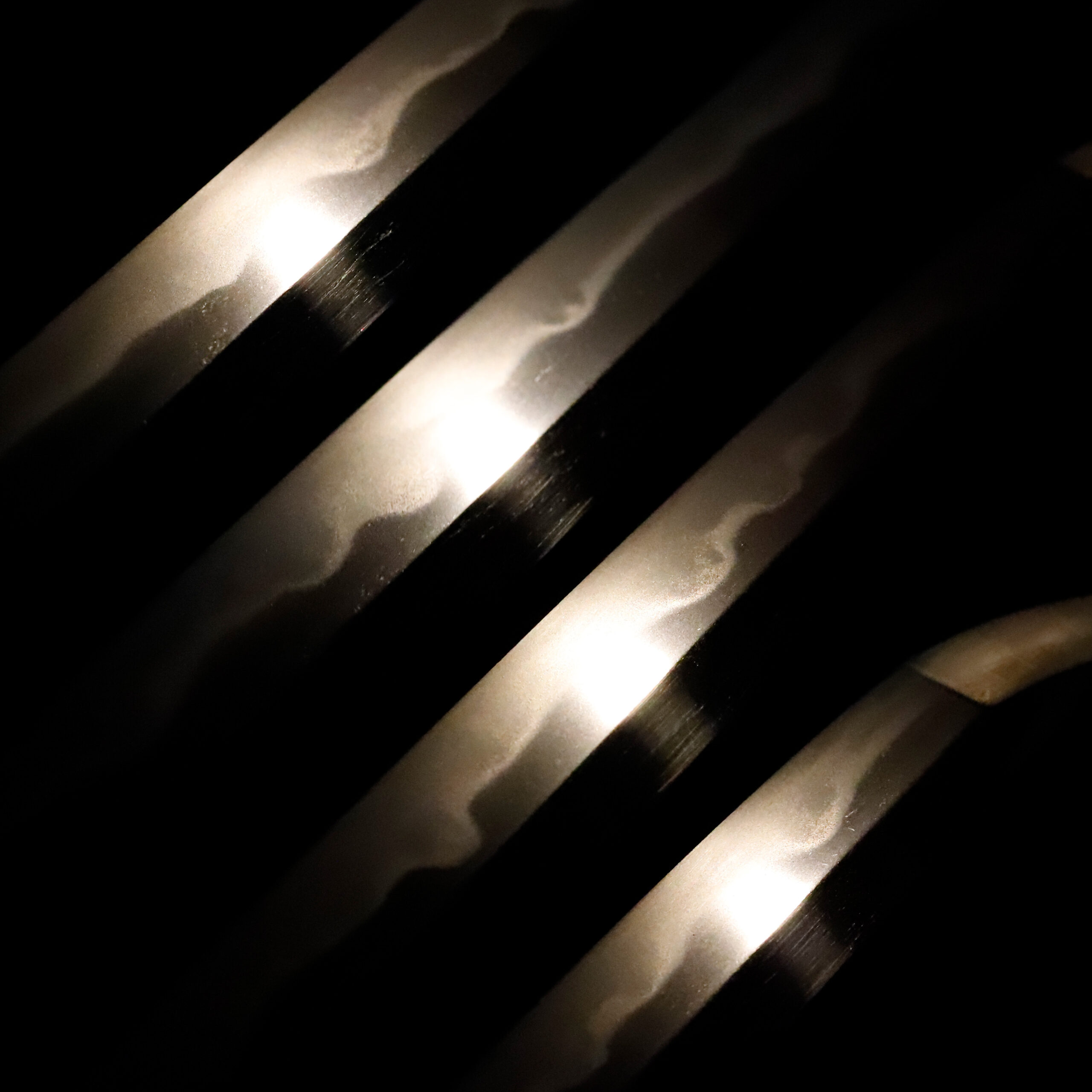
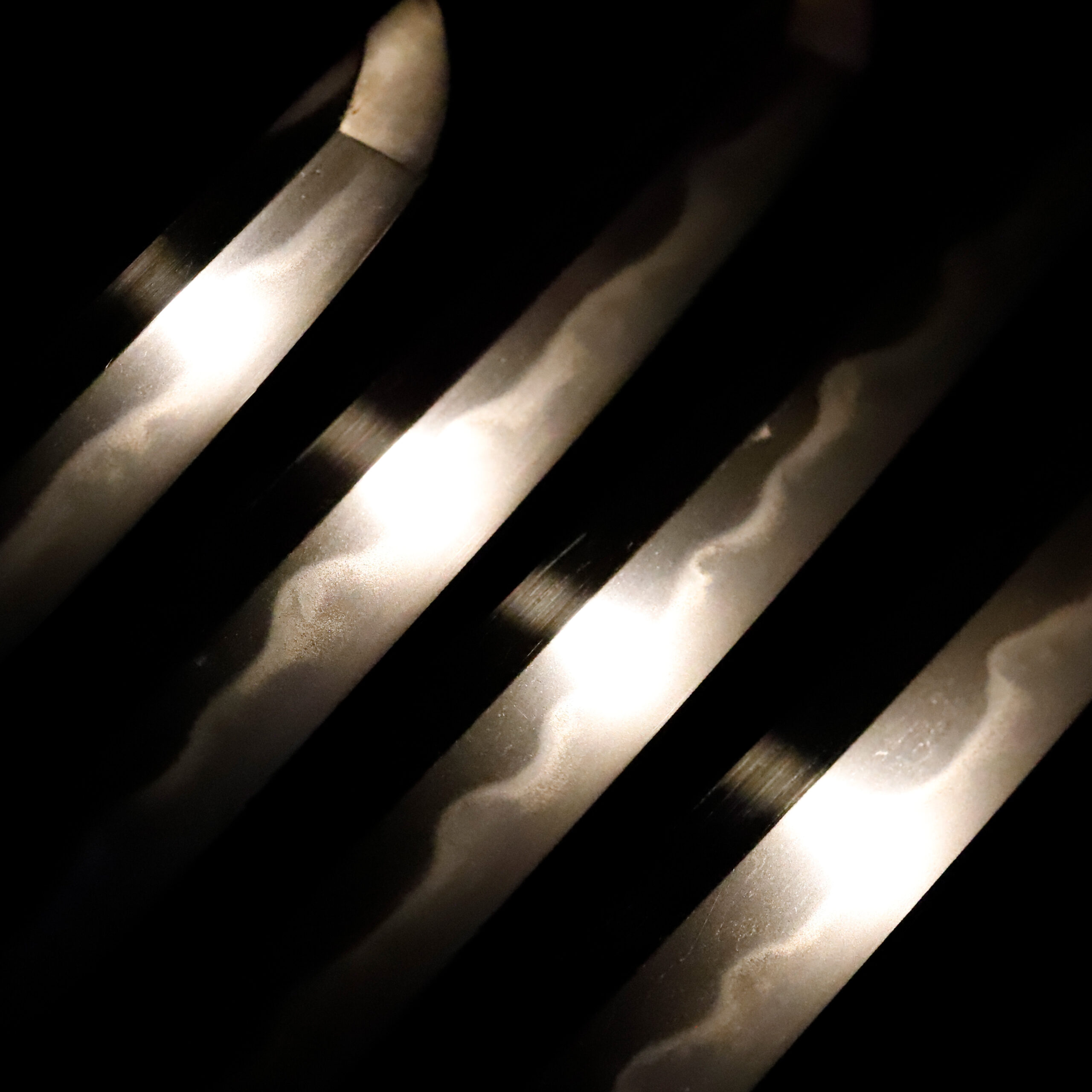
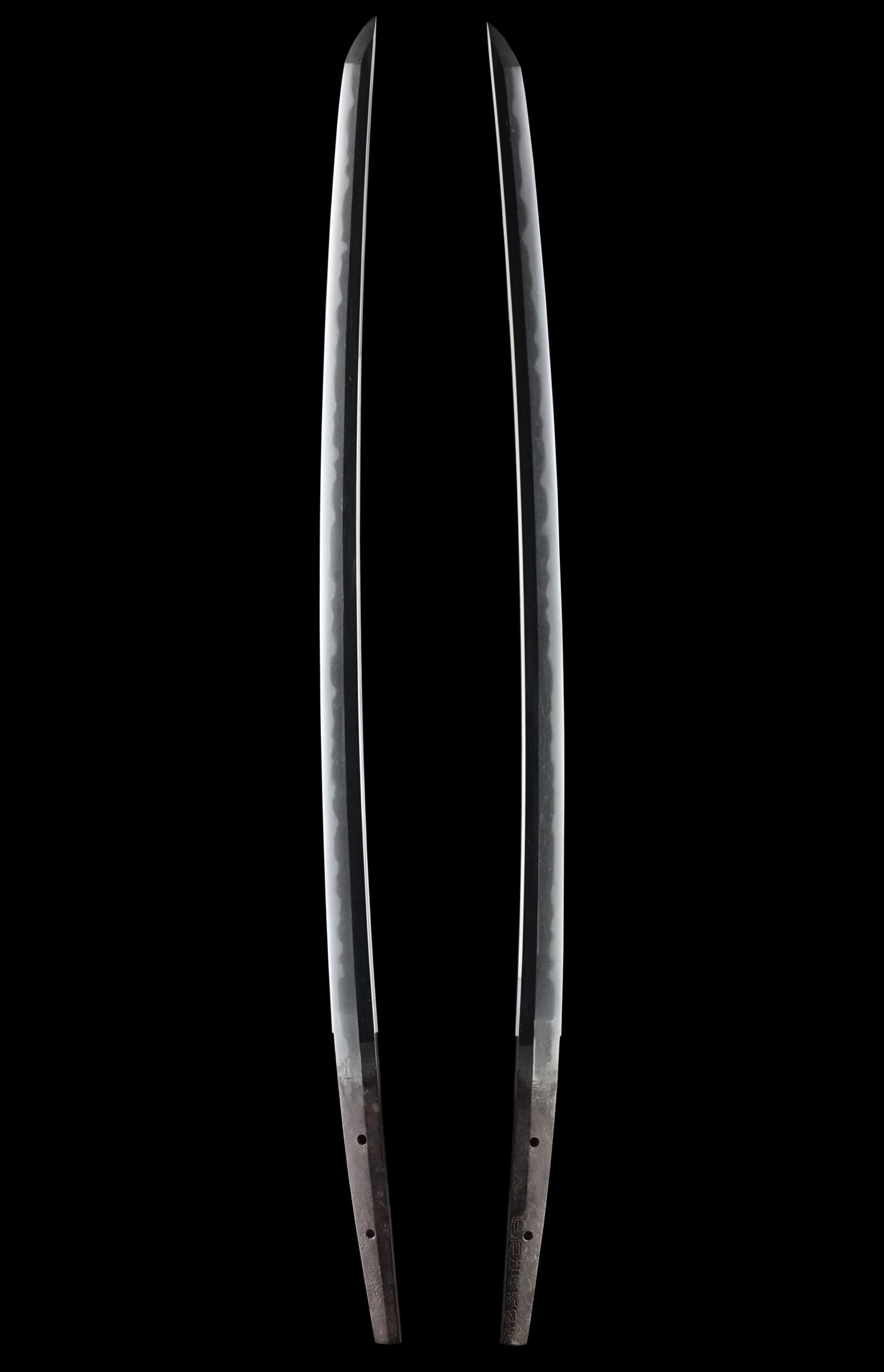
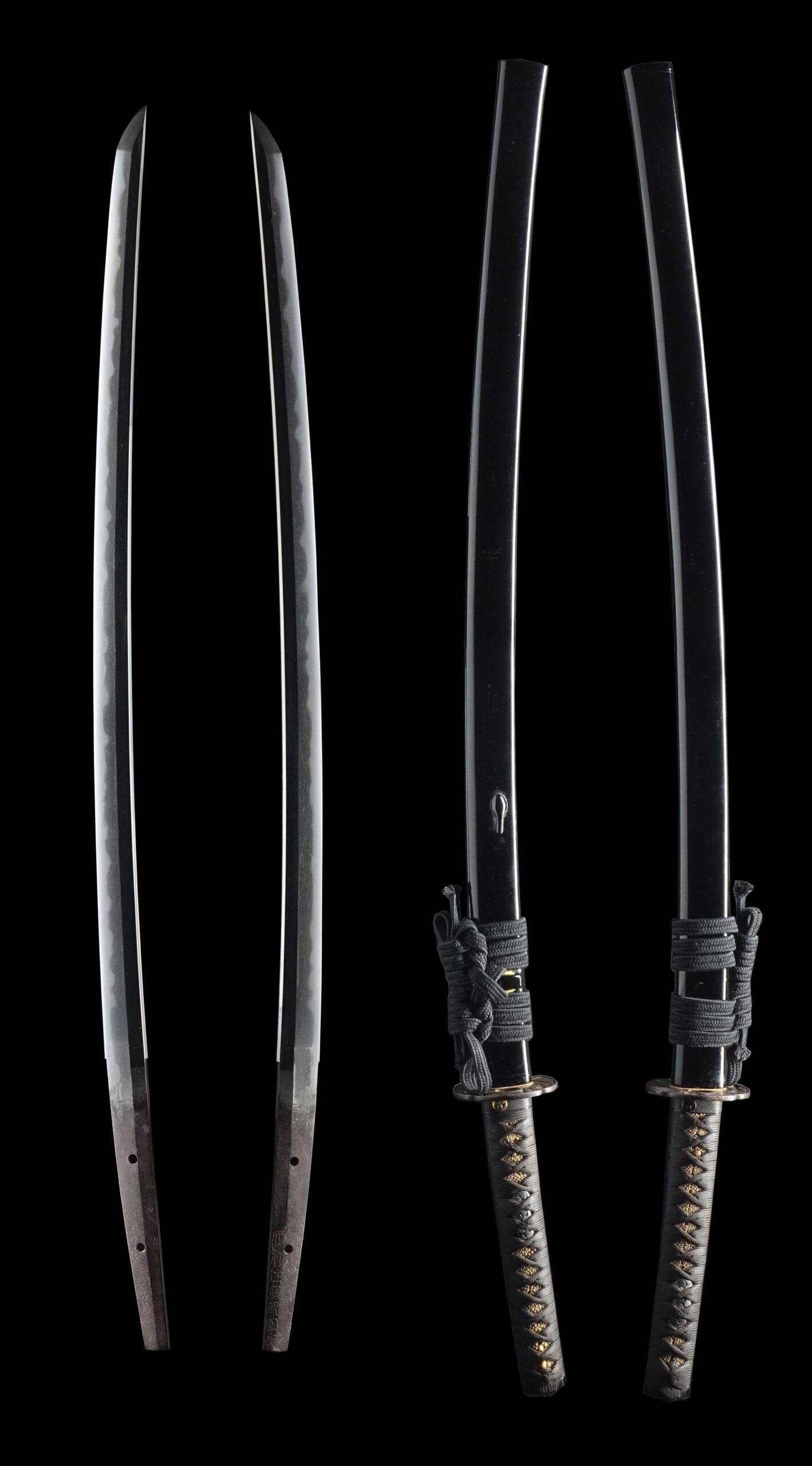
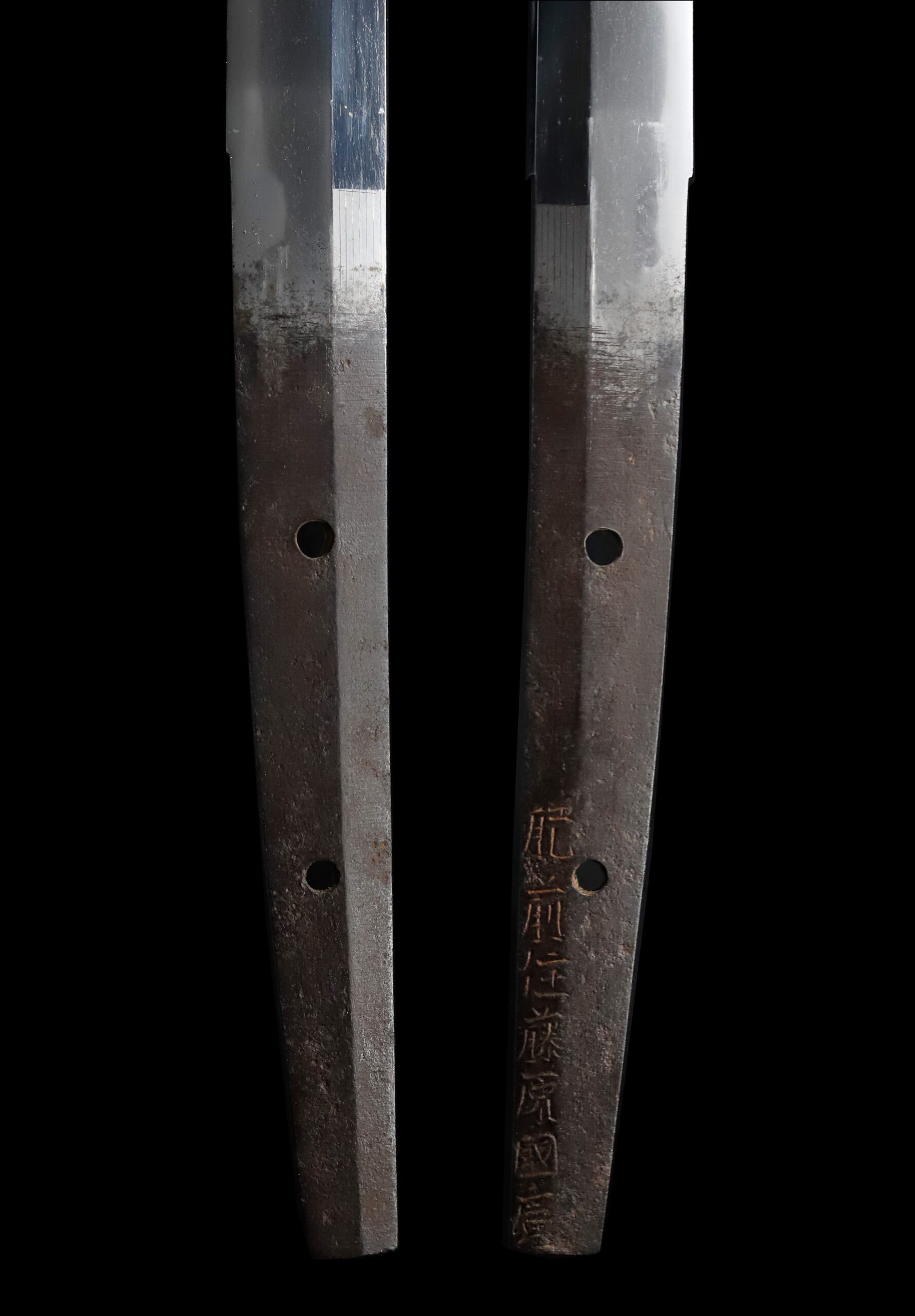
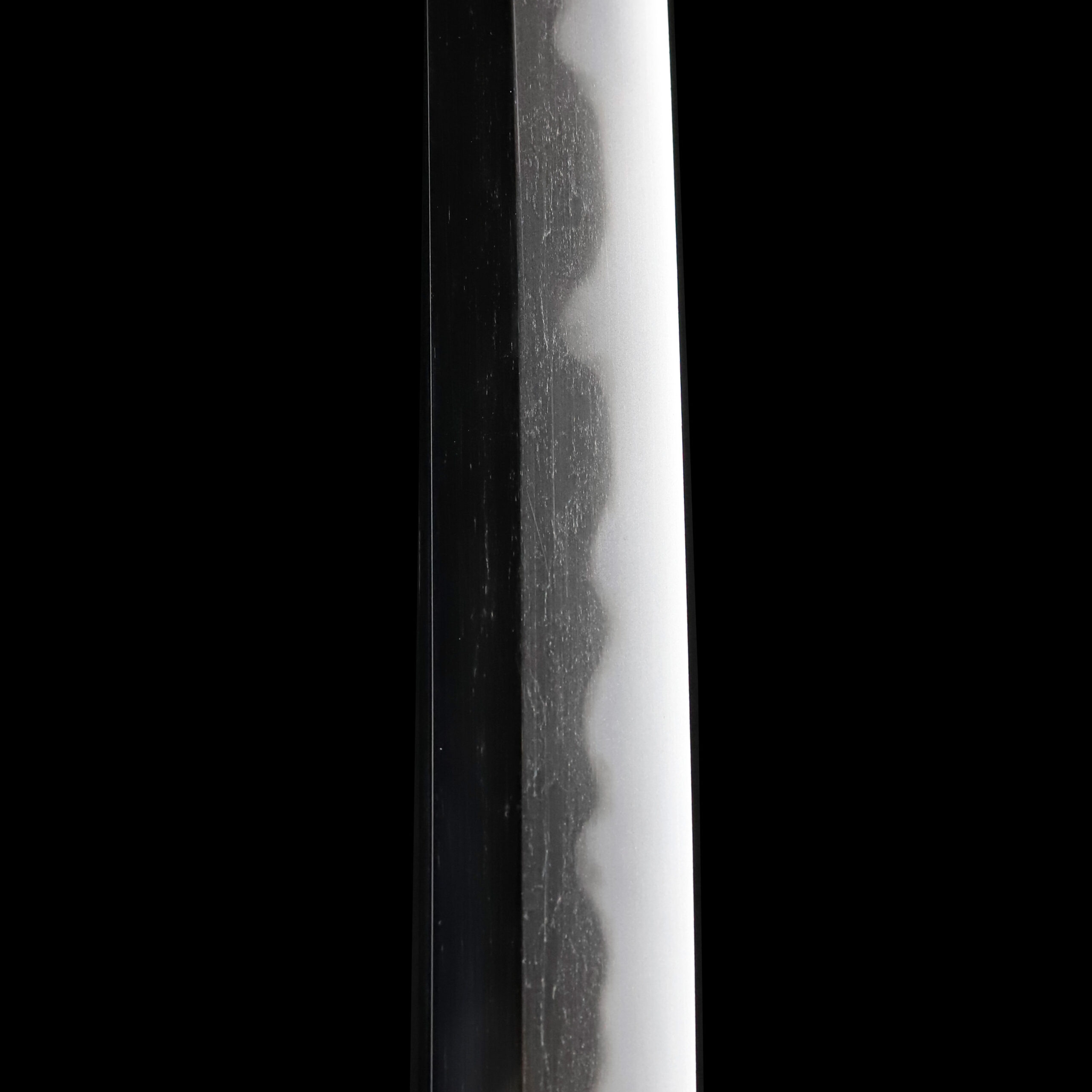
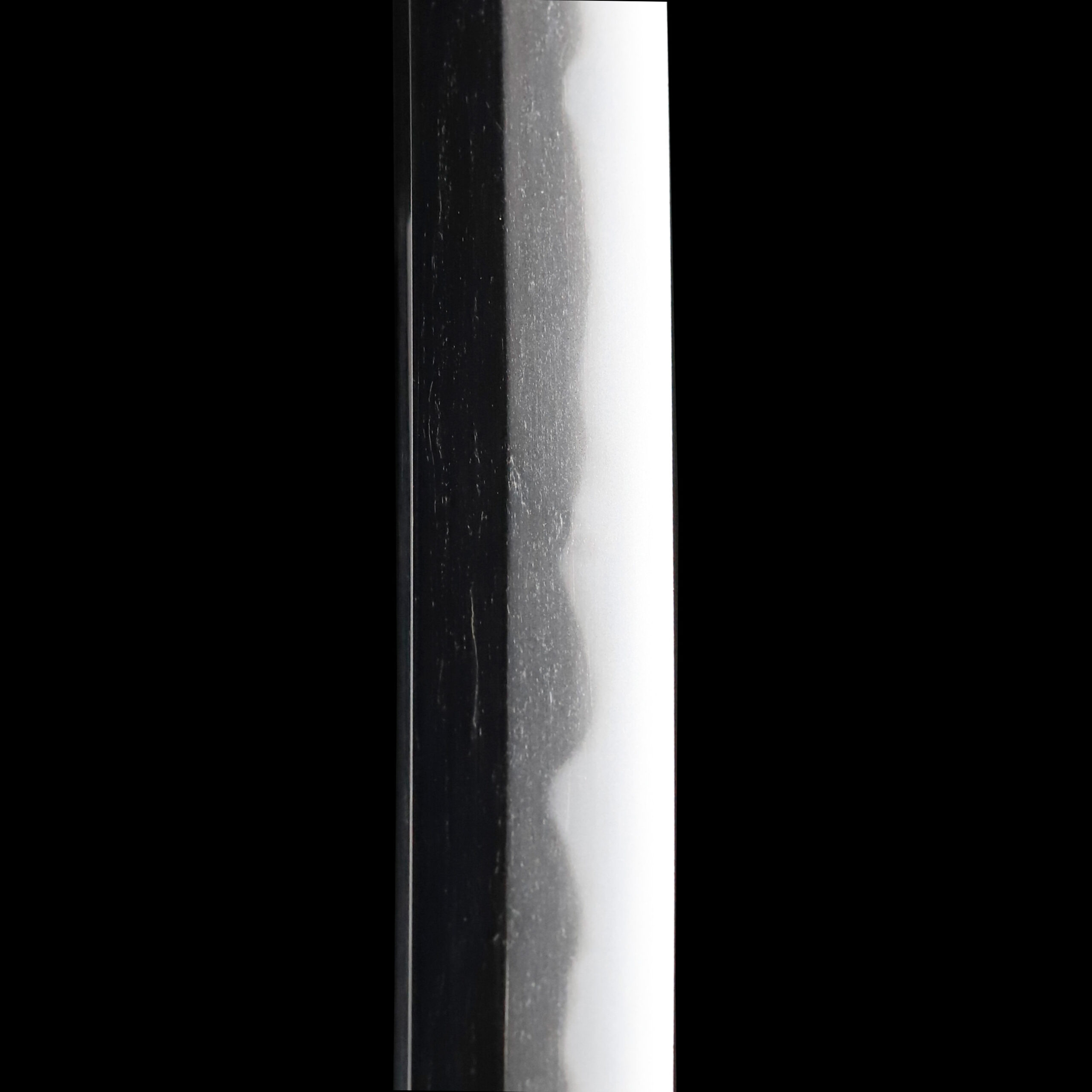
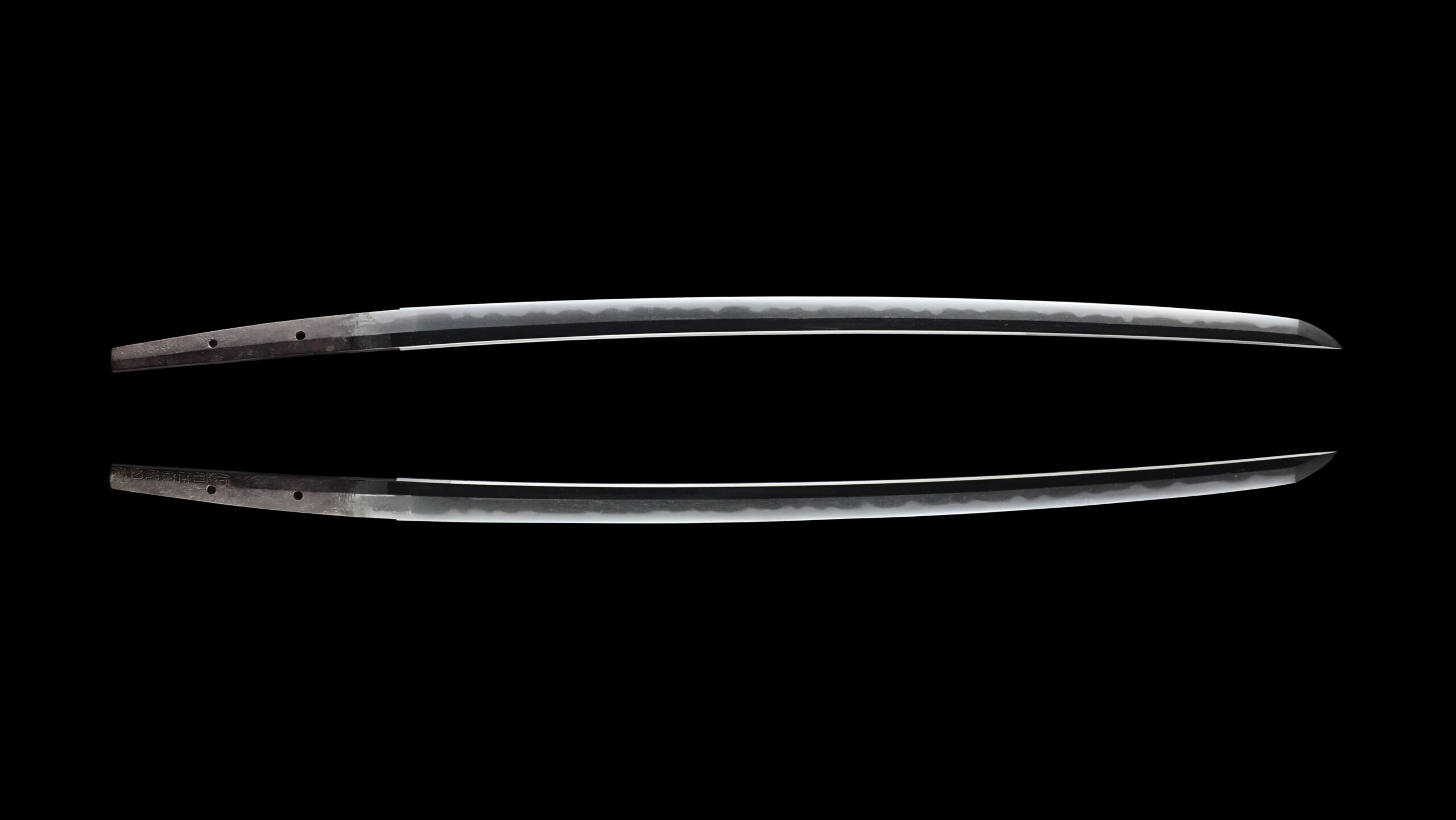
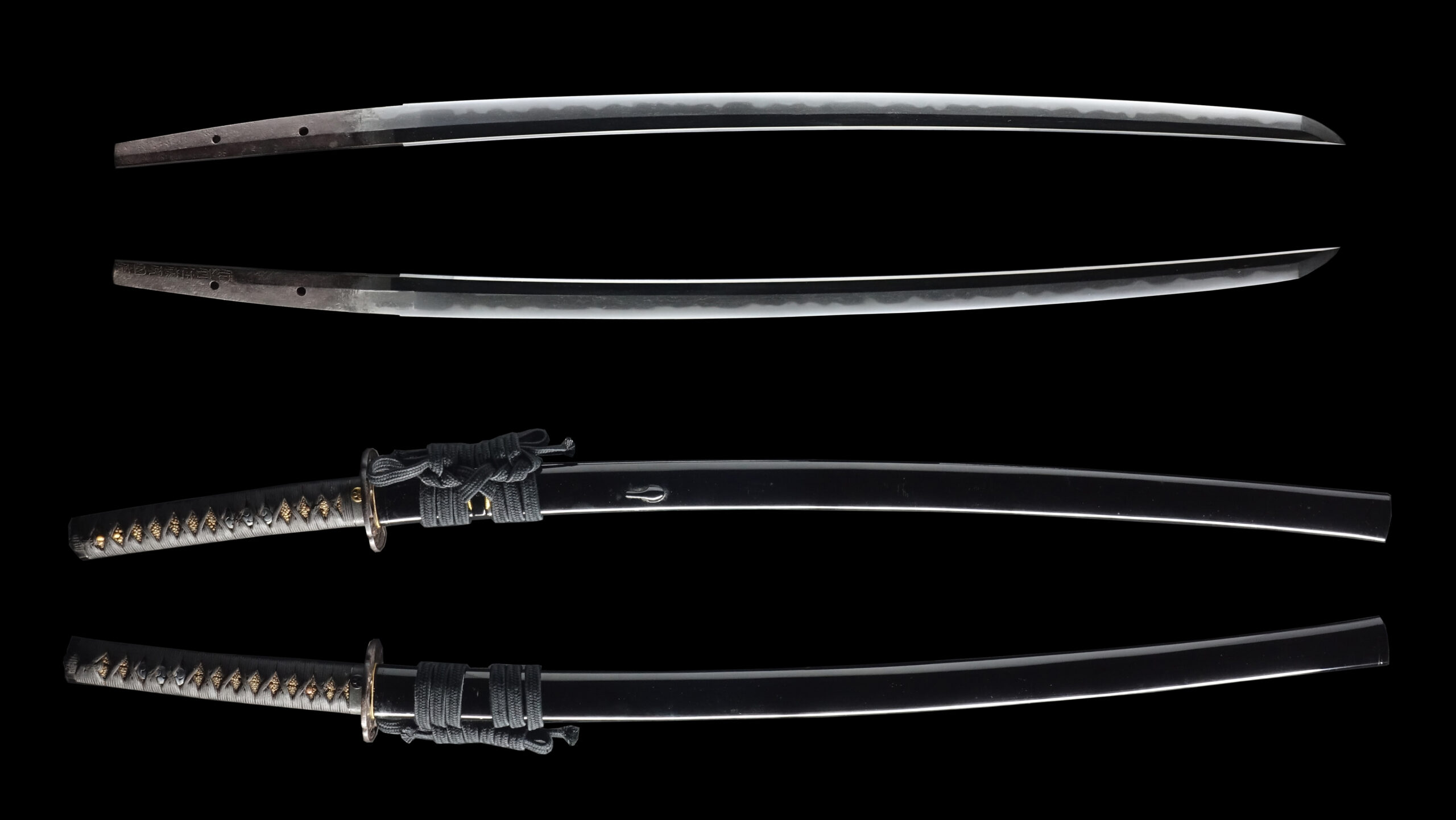
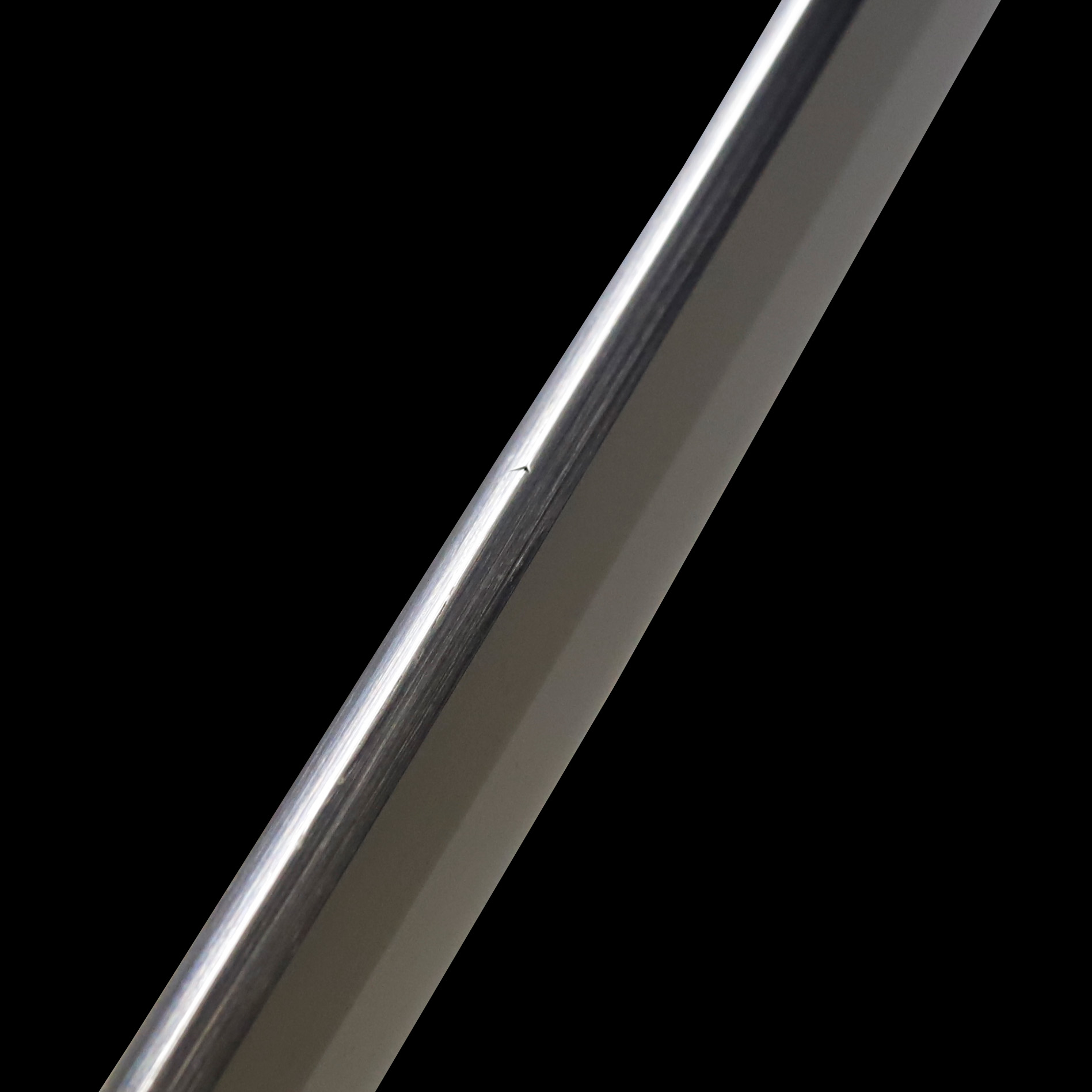
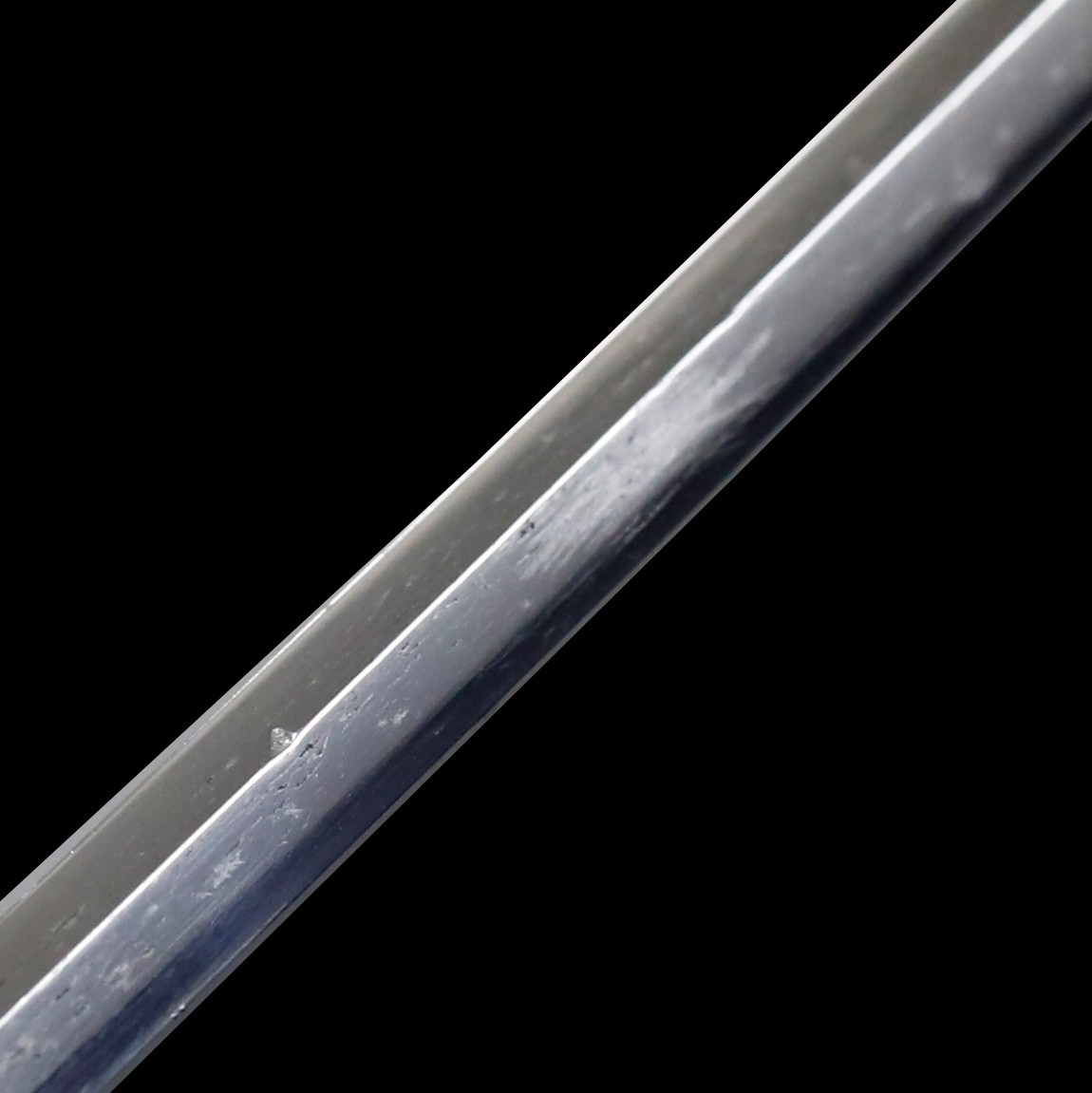
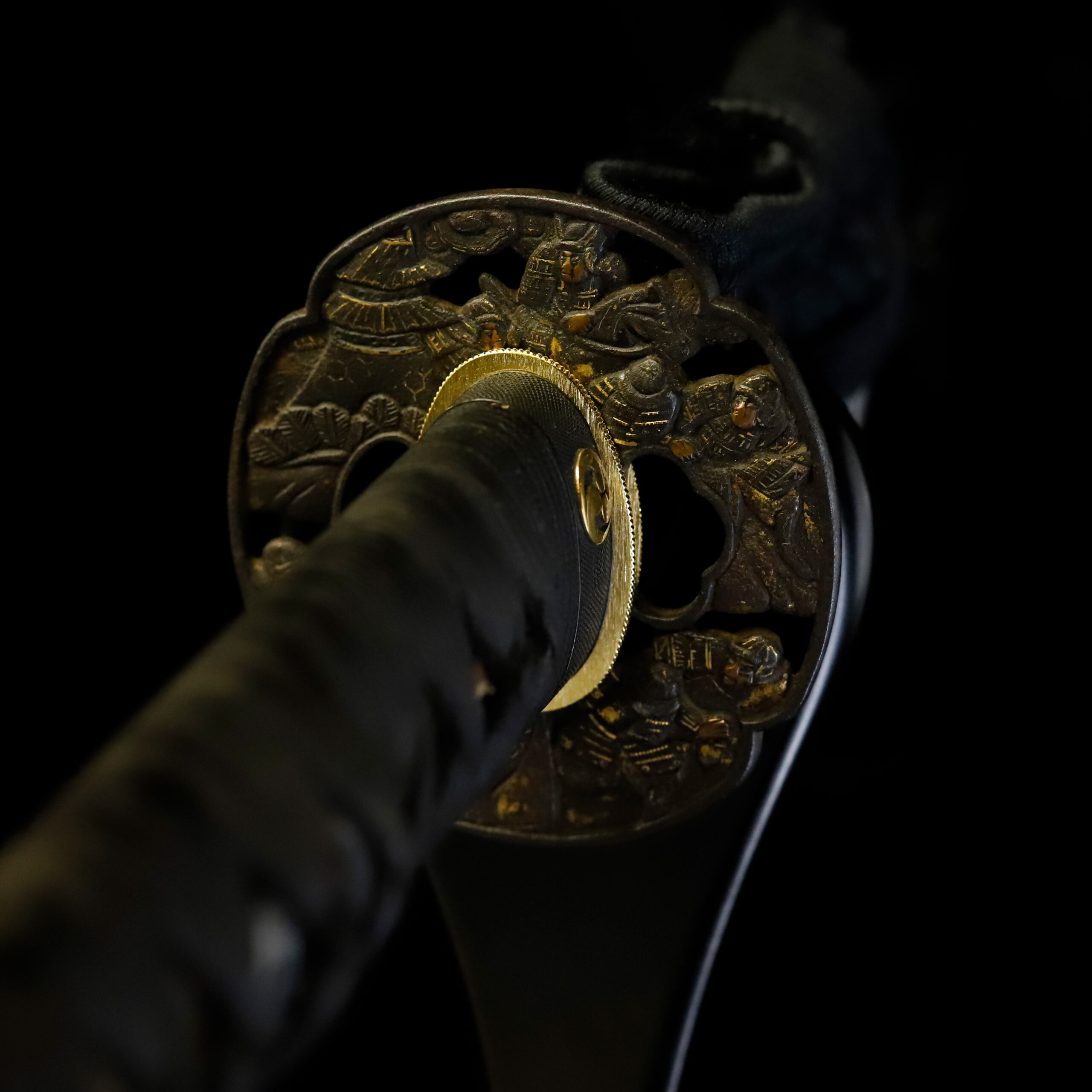
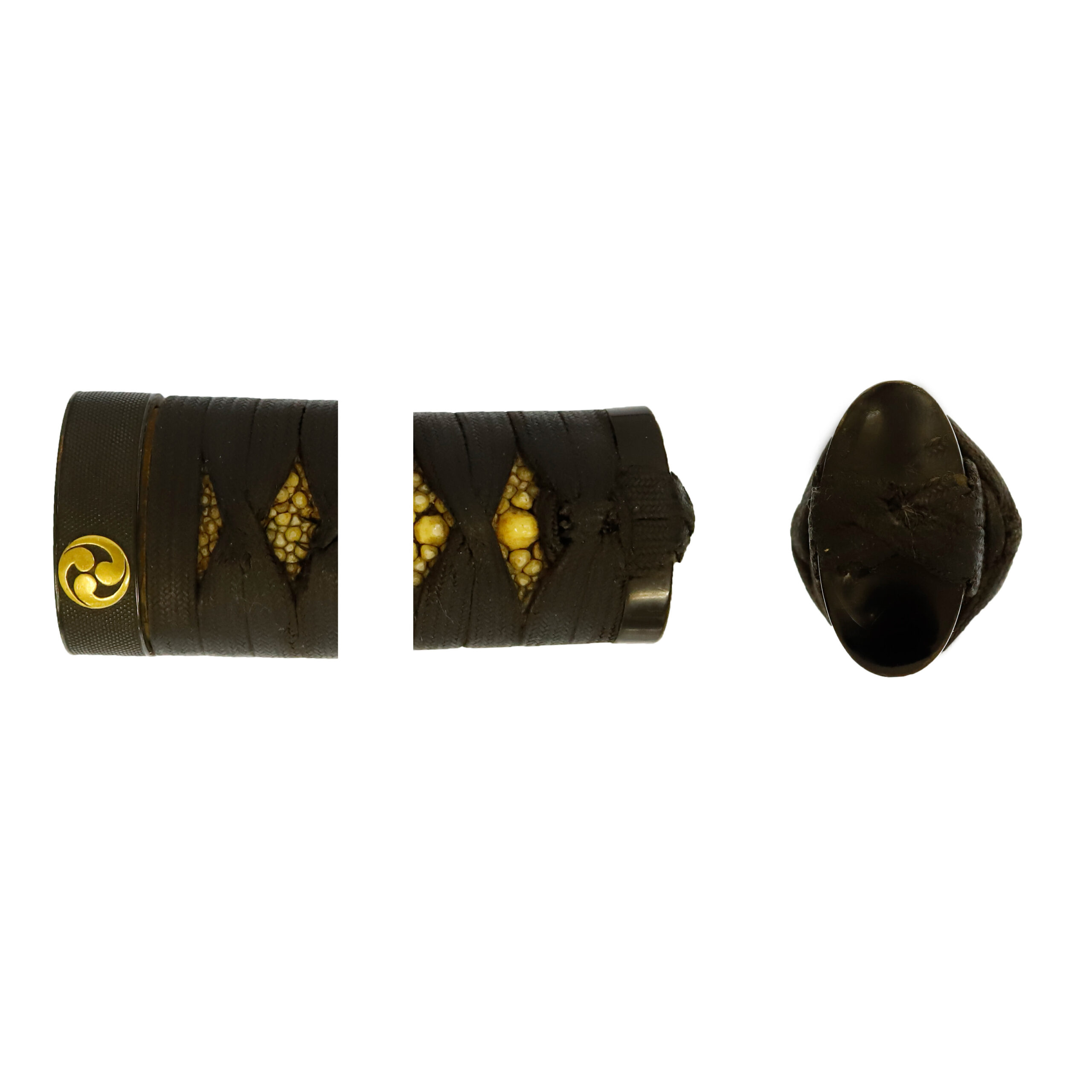
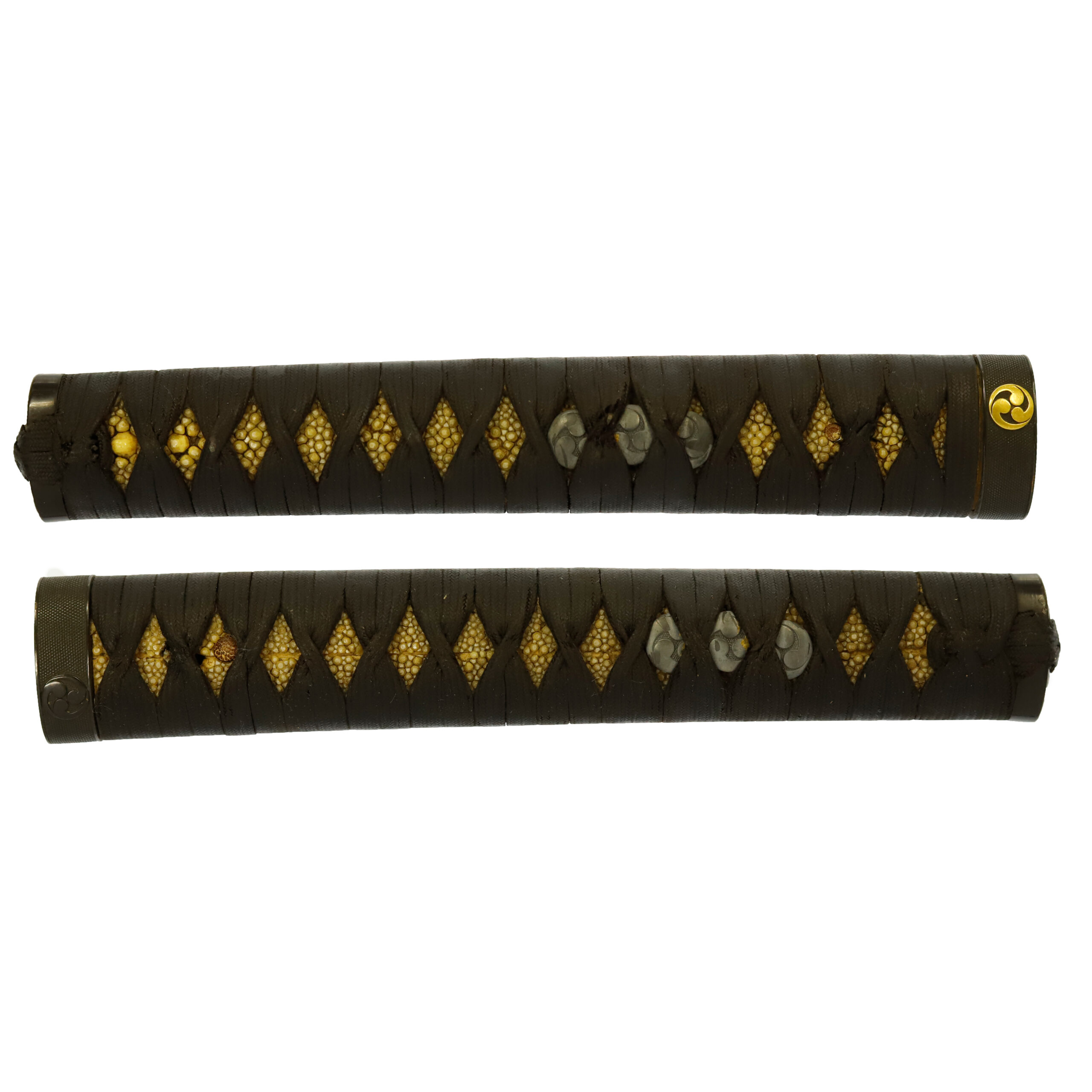
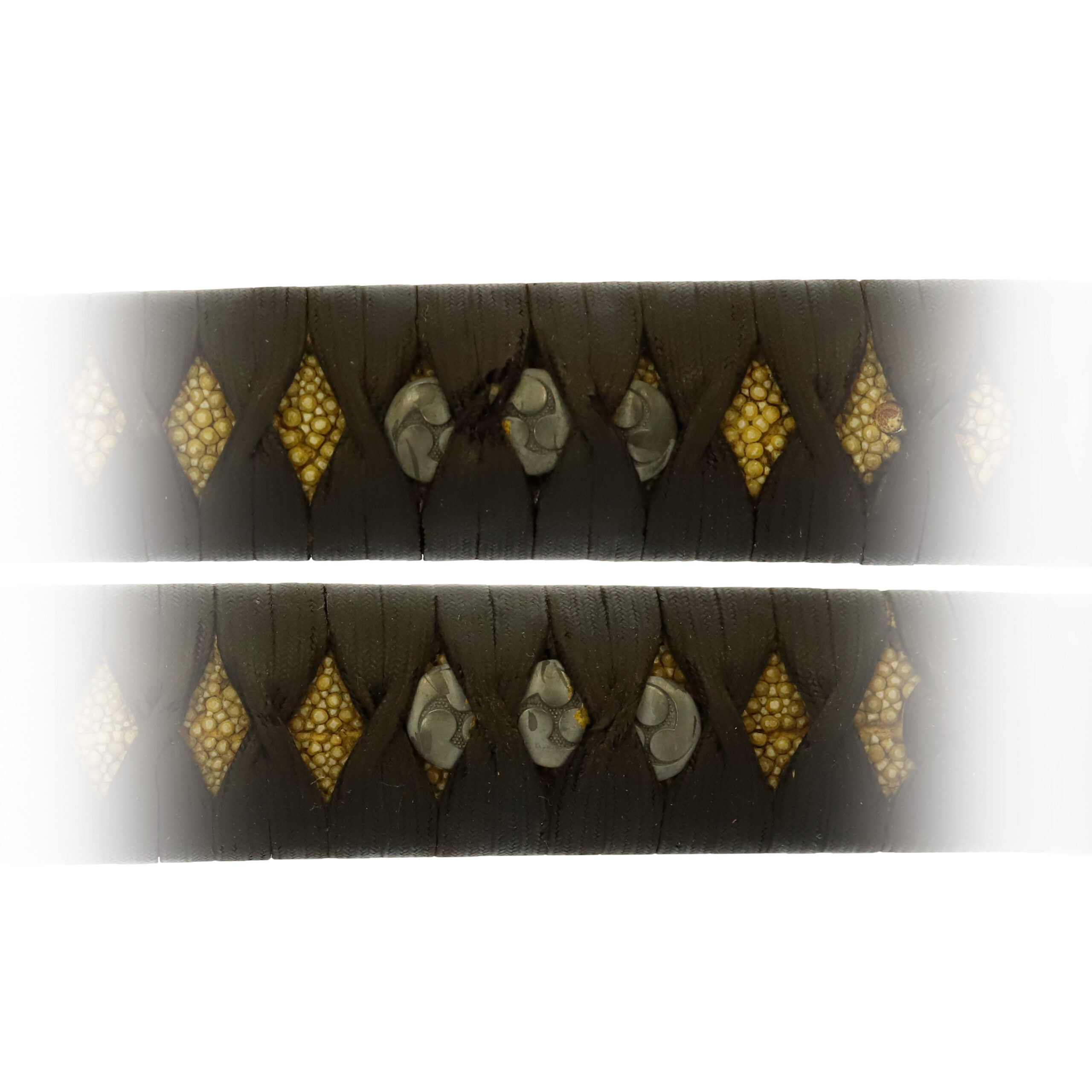
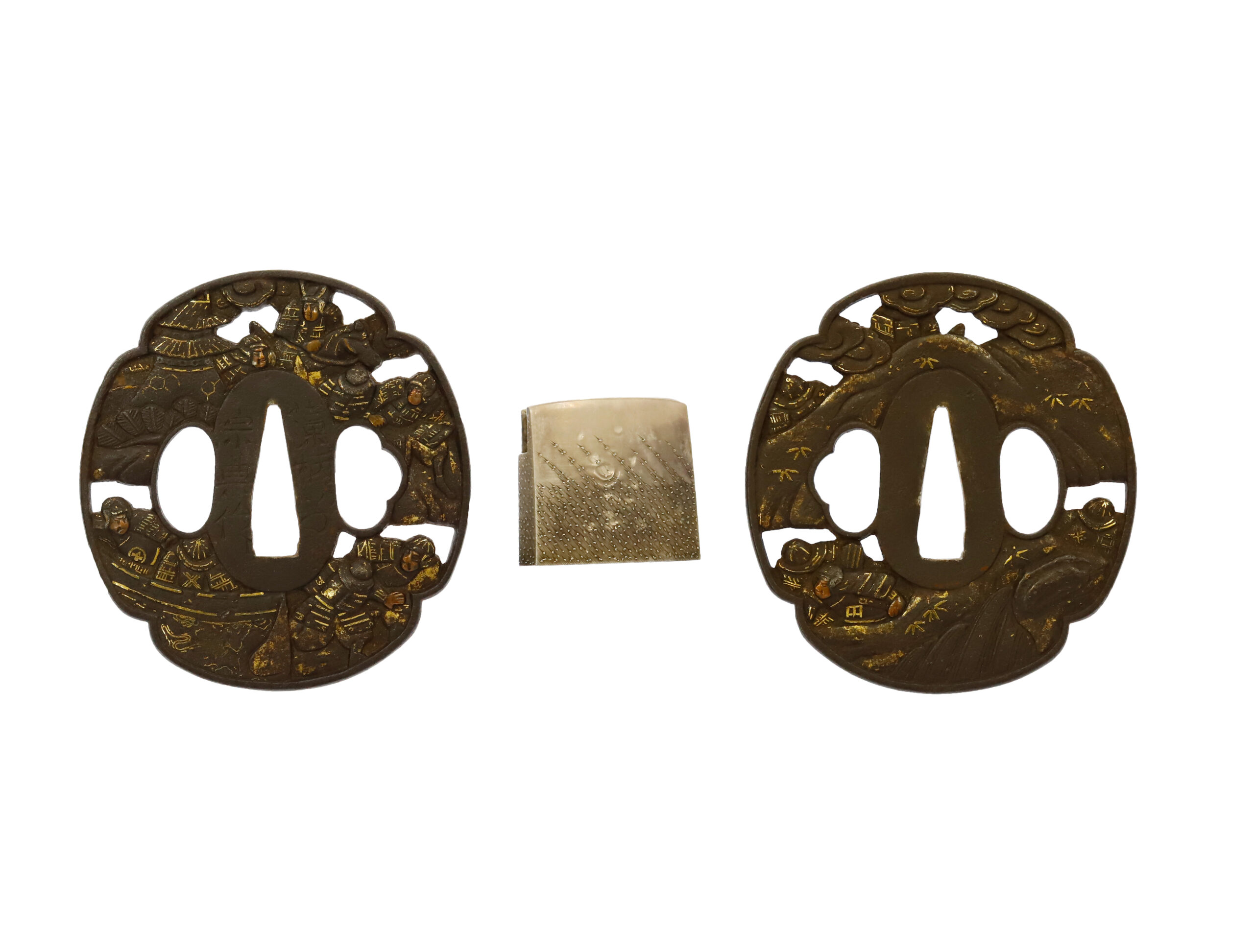
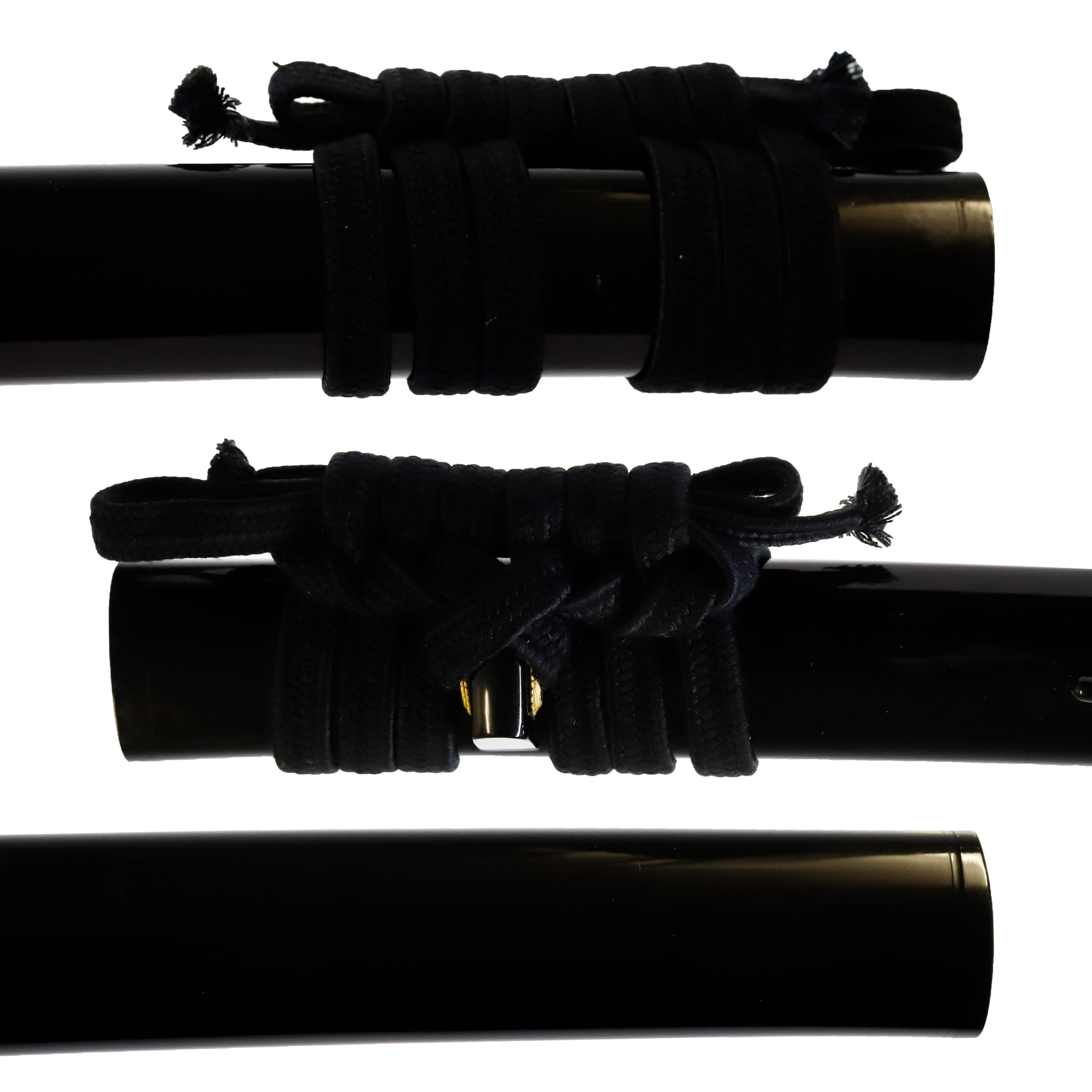
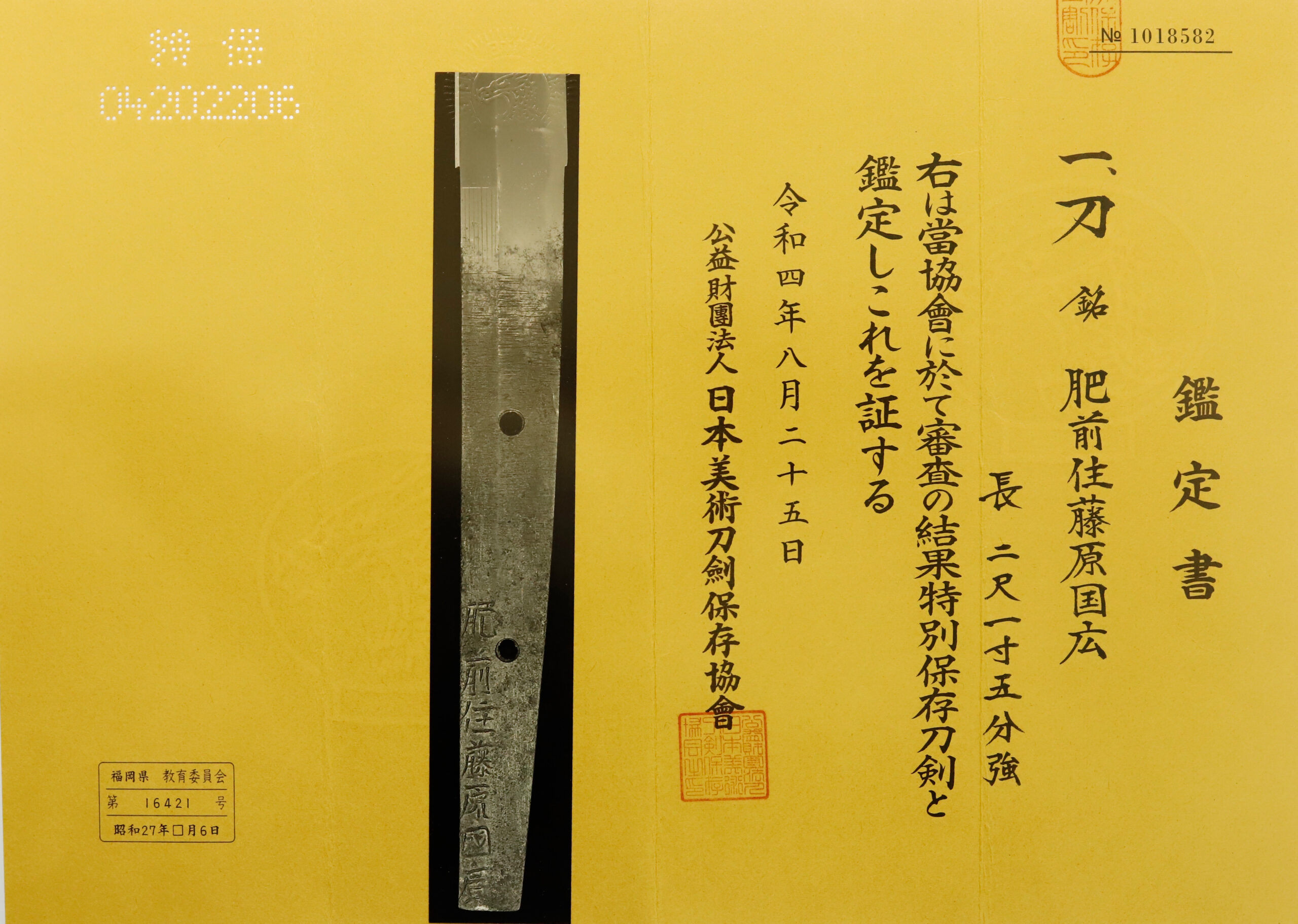
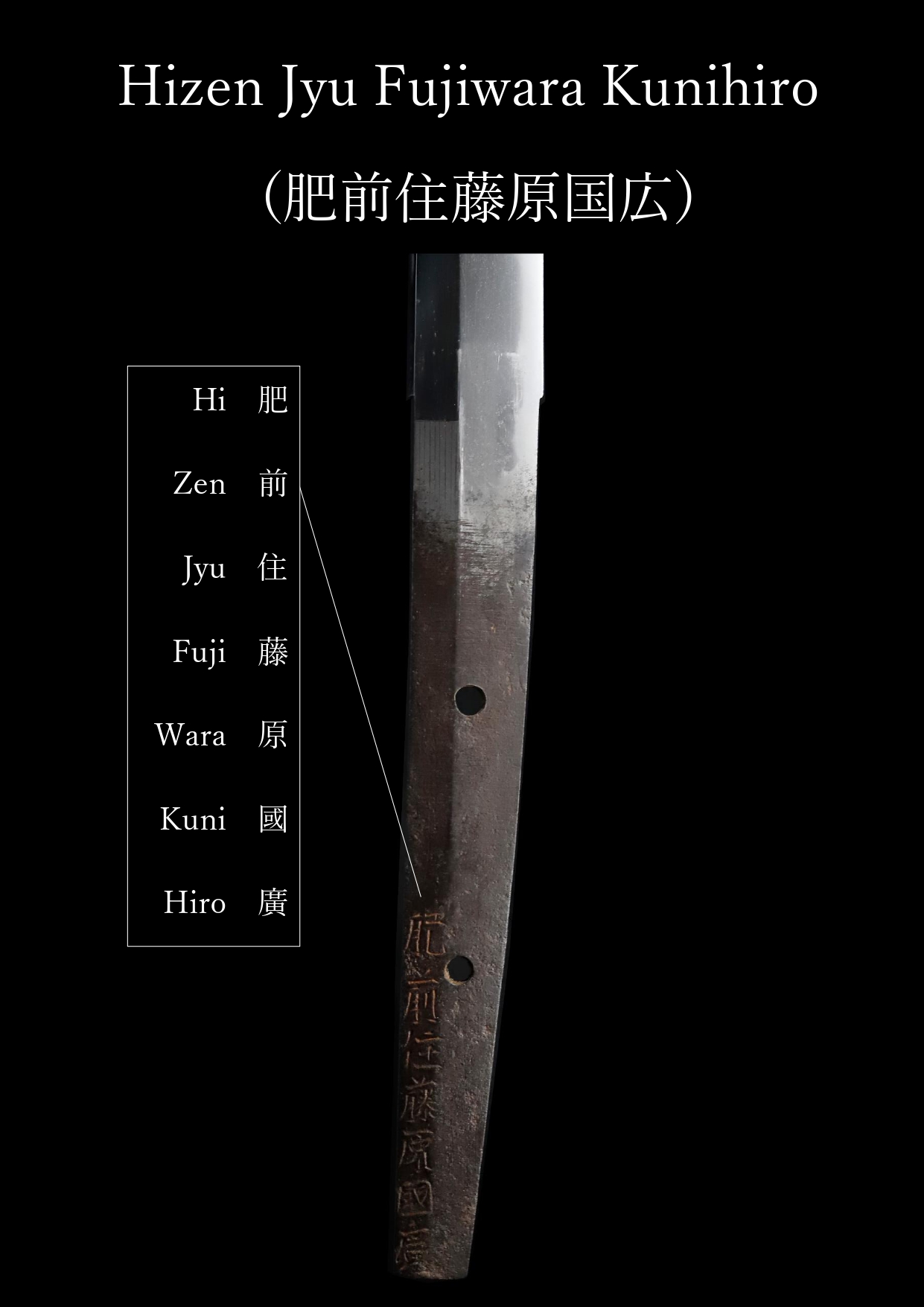
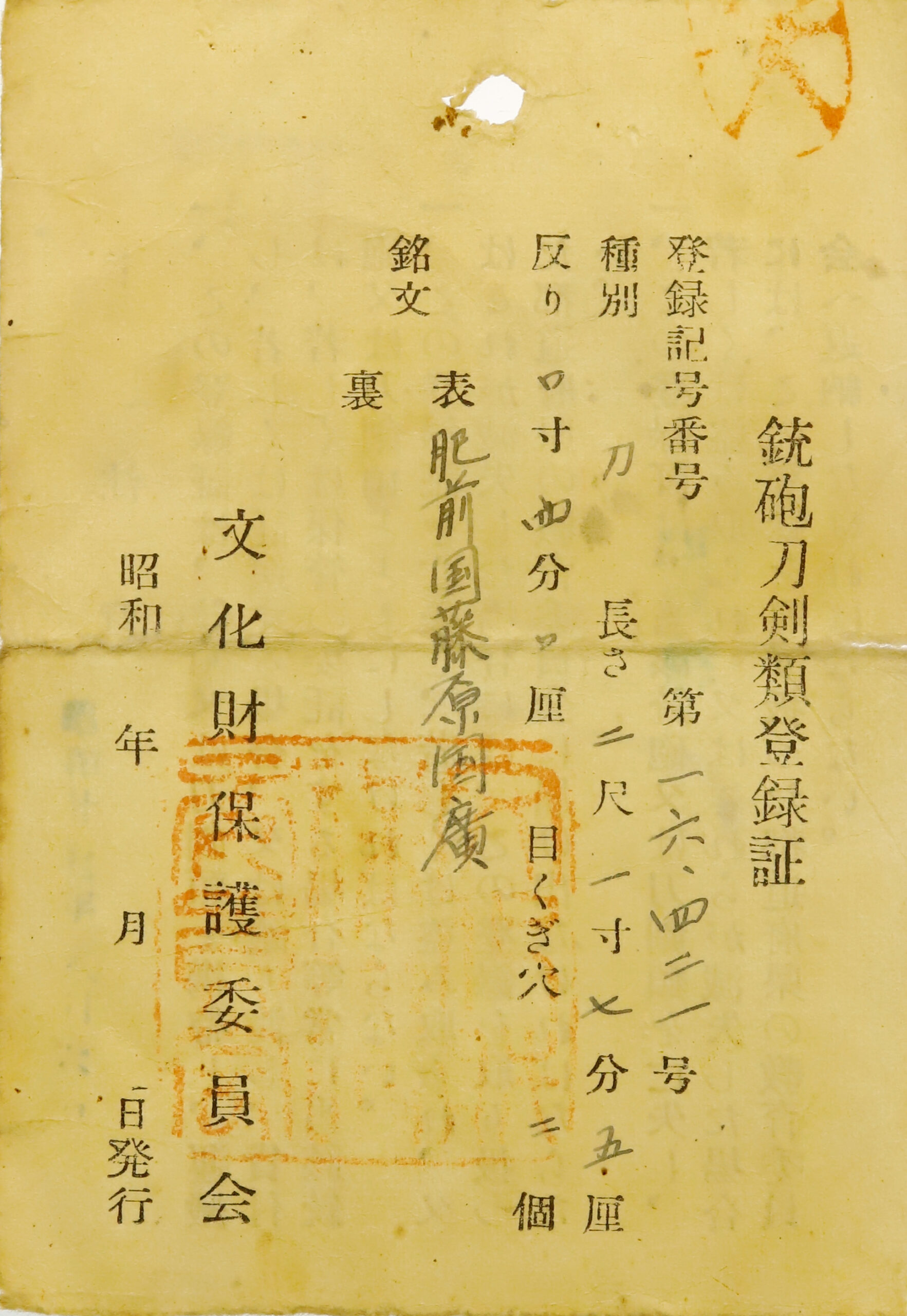
日本刀 肥前住藤原国広 銘 特別保存刀剣鑑定書付 【解説】 本作は「肥前住藤原国広」と銘がある一振りです。国広は現在の佐賀県にあたる肥前国で活躍した刀工です。 国広は江戸時代初期の寛永から万治(1624-1661年)頃にかけて特に活躍しました。本名は橋本六郎左衛門。同国の名工である広貞の長男として生まれました。広貞は、江戸初期を代表する名工である初代忠吉の弟にあたります。 江戸時代後期に山田浅右衛門によって著された『懐宝剣尺』において、国広の刀は「業物(わざもの)」に列せられています。幕府の御用試斬役であった浅右衛門は、名だたる刀工たちの斬れ味を評価し、本書にまとめました。 肥前刀工は鍋島藩の庇護のもとで発展しました。その最大の特徴は、非常にきめ細やかで美しい「小糠肌(こぬかはだ)」と呼ばれる地鉄にあります。また、肥前国は海外貿易の拠点として栄えていたため、阿蘭陀鉄(南蛮鉄)を入手しやすく、これらを組み合わせて独自の精良な地鉄を作り上げました。 (初代忠吉について) 国広の叔父にあたる初代忠吉は佐賀藩に生まれました。慶長元年(1596年)、藩命により京都へ上り、江戸初期の巨匠・埋忠明寿の門下で修行を積みました。二年後の慶長三年(1598年)に帰郷。藩主・鍋島勝茂公にその腕を高く評価され、御抱え鍛冶として佐賀城下に居住を許されました。以後、江戸時代を通じて百名以上の刀工を輩出する「肥前忠吉家(肥前刀派)」の礎を築き、国広もその一派として腕を振るいました。 本作の棟(むね)には「誉疵(ほまれきず)」と思われる跡が見受けられ、実戦を経た歴史を物語っています。誉疵は武士にとっての名誉な証とされ、刀の歩んできた背景を示す見どころの一つです。江戸初期という制作年代と肥前という土地柄を鑑みれば、当時の上級武士が注文した一振りである可能性が高いでしょう。 本作は日本美術刀剣保存協会(NBTHK)により「特別保存刀剣」に鑑定されています。保存状態が極めて良く、かつ美術的価値の高い真作の日本刀にのみ与えられる格付けです。 【刀身】 長さ(Nagasa):62.9 cm 反り(Sori):1.21 cm 刃文(Hamon):焼入れによって刃先に現れる結晶構造 地文(Jihada):鍛錬の折り返しによって現れる地鉄の模様 茎(Nakago): 刀身の柄に収まる部分です。刀工はあえてこの部分に黒錆を残すことで、柄内部での赤錆の発生を防ぎました。経年による茎の錆色は、専門家が制作年代を特定する際の重要な指標となります。 【外装(Koshirae)】 拵(こしらえ)は、鞘、柄、鍔などの装具一式を指します。 縁頭(Fuchi-Kashira): 柄の両端を保護する一対の金具です。 本作の縁頭には円形の紋が意匠化されており、一方は黒、もう一方は金で彩られています。これらは家紋として施されたもので、「左三つ巴」紋と思われます。
 NihontoWatch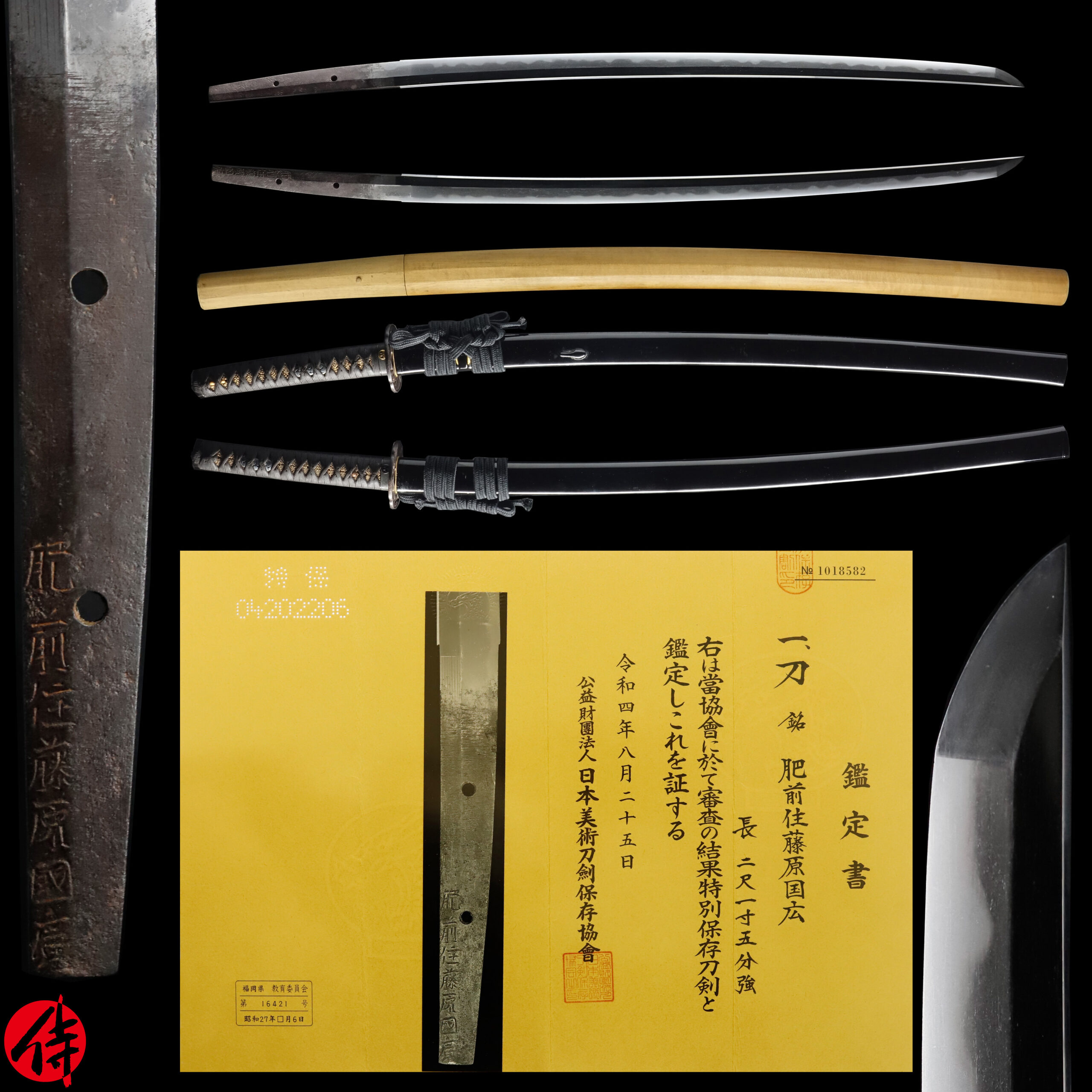
新刀 · 肥前 · 1644-1648頃
藤代 Chu-jo saku · 刀剣大鑑 上位76%
現在4点販売中
新刀 · 肥前
現在134点販売中
肥前忠吉派は、肥前佐賀の城下を中心に興った新刀期の一流であり、その祖は橋本新左衛門と称した初代忠吉である。資料によれば、初代は鍋島家の抱え工として、慶長元年に藩命により彫工宗長とともに上洛して京の埋忠明寿の門に入り、忠吉は鍛刀を、宗長は彫技を学んだという。同三年に帰国して佐賀城下に住し、鍋島藩の庇護のもとに一門は大いに栄えた。年紀は慶長五年に始まり、元和十年には再び上洛して武蔵大掾を受領し、名を忠吉から忠広に、氏を源から藤原に改めている。この改名は同一の手の変遷であって別人ではない。初代の嫡子たる二代近江大掾忠広は六十有余年に及ぶ作刀生活を送って肥前最多作の工となり、本家の忠吉銘は土佐守家を経て三代陸奥守忠吉へと返上襲名されて、上三代の本流を成した。これと並んで、初代の門人や身内から、播磨大掾忠国の系、河内大掾正広に発する正広の系、出羽守行広の系といった分家、すなわち傍肥前と汎称される諸工が興り、代を重ねて佐賀の工房は確立された。 一門の共通する作風は、まずその地鉄に表れる。よく約んだ小板目を緻密に鍛え、地沸が微塵に厚く均しくつき、地景が細かに頻りに入って、かね明るく冴える。資料はこれを肥前特有の米糠肌と名指し、他派の出さない細かく明るい肌であるとする。この精良な地の上に、本家の本領たる中直刃を焼く。浅くのたれごころを帯び、処々に小互の目を交え、小足・葉が入り、匂深く小沸が細かについて締まり明るく、帽子は直ぐに小丸へ静かに返る。本来狙った来一門の直刃に対しては、匂口がより締まって明るく、鍛えに覇気がある点で分かれると説く。一方、初代の初期作には直江志津・古作大和物・来一門・鎌倉名工を狙った多様な写し物があり、掃きかけの帽子など本家の通則の例外も見える。代や系統による差異も資料の支持する範囲で明らかである。二代忠広と三代忠吉は本家本領の静かな直刃を継ぎ、なかでも三代は祖父初代を想わせる強く精美な鍛えを身上とする。これに対し傍肥前の諸工は華やかな乱れ刃を好み、正広は丁子を主調とした乱れに互の目を交え、行広は竪長の足長丁子乱れを焼き、忠国は一門の中で最も砂流しが目立つ足長丁子をあらわした。本家が直刃で読まれるのに対し、傍系はその精良な地を覇気ある乱刃へ運んだのである。 肥前刀の鑑定の勘所は、何よりこの米糠肌にある。明るく冴えた小糠肌の上に締まった直刃を焼くという組合せこそ、収集家が肥前刀を求める核心であり、地鉄と刃文が相俟って同派同定の眼目を成す。さらに銘振りもまた鑑定の一部をなし、本家は刀に指裏すなわち太刀銘に切るのを常とし、五字銘・住人銘・受領銘の別が時期を語る。主要刀工の格は資料の伝える通りで、初代忠吉は藤代の極めで最上作、二代忠広・三代忠吉や正広・行広は上々作ないし上作に位置づけられる。代表作には鍋島家伝来の作が多く、来歴には尾張徳川家・佐竹家・皇室などの名が録され、初代の一口には師明寿の添銘が遺り、忠国・正広の作には山野加右衛門ら截断銘を金象嵌に帯びるものがあって、手のみならず刃味の証となる。指定を受けた作の多くは旧蔵家や公の収蔵に永く蔵されて市に現れることは少なく、傍系の作も折にふれて世に出るにとどまる。されば在銘の肥前忠吉は手の届かぬものではないが、祖その人の作や、最も精美な米糠肌に直刃を焼いた一口が現れることは時折のことであり、現れれば肥前刀の一里塚というべきものである。 詳しく見る →
肥前 藩営の刀
肥前刀は藩営の産業である。鍋島家は1596年頃、忠吉を京の埋忠明寿のもとに学ばせ、帰国したその工を核に公認の一門を築いた。小糠肌で名高いその作は、九代にわたり明治まで続いている。
保存刀剣のうち、出来が一層優れ、保存状態も良好と認められたものです。再刃や、室町・江戸期の多くの無銘作は対象外となり、保存刀剣より高い基準が課されます。
日本美術刀剣保存協会(NBTHK)は、1948年に設立され、文化庁の監督を受ける公益財団法人で、東京・刀剣博物館に本部を置きます。専門の審査員が出品作を直接審査し、美術的・歴史的価値に応じた鑑定書を発行します。NBTHKの鑑定書は、日本刀および刀装具の真正性を示す最も広く認知された基準です。
NBTHK公式サイトReturns/exchanges limited to defects caused by shipping (except willful misconduct or gross negligence by the company); customers must contact within 72 hours of receiving the product.
日本刀 肥前住藤原国広 銘 特別保存刀剣鑑定書付 【解説】 本作は「肥前住藤原国広」と銘がある一振りです。国広は現在の佐賀県にあたる肥前国で活躍した刀工です。 国広は江戸時代初期の寛永から万治(1624-1661年)頃にかけて特に活躍しました。本名は橋本六郎左衛門。同国の名工である広貞の長男として生まれました。広貞は、江戸初期を代表する名工である初代忠吉の弟にあたります。 江戸時代後期に山田浅右衛門によって著された『懐宝剣尺』において、国広の刀は「業物(わざもの)」に列せられています。幕府の御用試斬役であった浅右衛門は、名だたる刀工たちの斬れ味を評価し、本書にまとめました。 肥前刀工は鍋島藩の庇護のもとで発展しました。その最大の特徴は、非常にきめ細やかで美しい「小糠肌(こぬかはだ)」と呼ばれる地鉄にあります。また、肥前国は海外貿易の拠点として栄えていたため、阿蘭陀鉄(南蛮鉄)を入手しやすく、これらを組み合わせて独自の精良な地鉄を作り上げました。 (初代忠吉について) 国広の叔父にあたる初代忠吉は佐賀藩に生まれました。慶長元年(1596年)、藩命により京都へ上り、江戸初期の巨匠・埋忠明寿の門下で修行を積みました。二年後の慶長三年(1598年)に帰郷。藩主・鍋島勝茂公にその腕を高く評価され、御抱え鍛冶として佐賀城下に居住を許されました。以後、江戸時代を通じて百名以上の刀工を輩出する「肥前忠吉家(肥前刀派)」の礎を築き、国広もその一派として腕を振るいました。 本作の棟(むね)には「誉疵(ほまれきず)」と思われる跡が見受けられ、実戦を経た歴史を物語っています。誉疵は武士にとっての名誉な証とされ、刀の歩んできた背景を示す見どころの一つです。江戸初期という制作年代と肥前という土地柄を鑑みれば、当時の上級武士が注文した一振りである可能性が高いでしょう。 本作は日本美術刀剣保存協会(NBTHK)により「特別保存刀剣」に鑑定されています。保存状態が極めて良く、かつ美術的価値の高い真作の日本刀にのみ与えられる格付けです。 【刀身】 長さ(Nagasa):62.9 cm 反り(Sori):1.21 cm 刃文(Hamon):焼入れによって刃先に現れる結晶構造 地文(Jihada):鍛錬の折り返しによって現れる地鉄の模様 茎(Nakago): 刀身の柄に収まる部分です。刀工はあえてこの部分に黒錆を残すことで、柄内部での赤錆の発生を防ぎました。経年による茎の錆色は、専門家が制作年代を特定する際の重要な指標となります。 【外装(Koshirae)】 拵(こしらえ)は、鞘、柄、鍔などの装具一式を指します。 縁頭(Fuchi-Kashira): 柄の両端を保護する一対の金具です。 本作の縁頭には円形の紋が意匠化されており、一方は黒、もう一方は金で彩られています。これらは家紋として施されたもので、「左三つ巴」紋と思われます。
NihontoWatch新刀 · 肥前 · 1644-1648頃
藤代 Chu-jo saku · 刀剣大鑑 上位76%
現在4点販売中
新刀 · 肥前
現在134点販売中
肥前忠吉派は、肥前佐賀の城下を中心に興った新刀期の一流であり、その祖は橋本新左衛門と称した初代忠吉である。資料によれば、初代は鍋島家の抱え工として、慶長元年に藩命により彫工宗長とともに上洛して京の埋忠明寿の門に入り、忠吉は鍛刀を、宗長は彫技を学んだという。同三年に帰国して佐賀城下に住し、鍋島藩の庇護のもとに一門は大いに栄えた。年紀は慶長五年に始まり、元和十年には再び上洛して武蔵大掾を受領し、名を忠吉から忠広に、氏を源から藤原に改めている。この改名は同一の手の変遷であって別人ではない。初代の嫡子たる二代近江大掾忠広は六十有余年に及ぶ作刀生活を送って肥前最多作の工となり、本家の忠吉銘は土佐守家を経て三代陸奥守忠吉へと返上襲名されて、上三代の本流を成した。これと並んで、初代の門人や身内から、播磨大掾忠国の系、河内大掾正広に発する正広の系、出羽守行広の系といった分家、すなわち傍肥前と汎称される諸工が興り、代を重ねて佐賀の工房は確立された。 一門の共通する作風は、まずその地鉄に表れる。よく約んだ小板目を緻密に鍛え、地沸が微塵に厚く均しくつき、地景が細かに頻りに入って、かね明るく冴える。資料はこれを肥前特有の米糠肌と名指し、他派の出さない細かく明るい肌であるとする。この精良な地の上に、本家の本領たる中直刃を焼く。浅くのたれごころを帯び、処々に小互の目を交え、小足・葉が入り、匂深く小沸が細かについて締まり明るく、帽子は直ぐに小丸へ静かに返る。本来狙った来一門の直刃に対しては、匂口がより締まって明るく、鍛えに覇気がある点で分かれると説く。一方、初代の初期作には直江志津・古作大和物・来一門・鎌倉名工を狙った多様な写し物があり、掃きかけの帽子など本家の通則の例外も見える。代や系統による差異も資料の支持する範囲で明らかである。二代忠広と三代忠吉は本家本領の静かな直刃を継ぎ、なかでも三代は祖父初代を想わせる強く精美な鍛えを身上とする。これに対し傍肥前の諸工は華やかな乱れ刃を好み、正広は丁子を主調とした乱れに互の目を交え、行広は竪長の足長丁子乱れを焼き、忠国は一門の中で最も砂流しが目立つ足長丁子をあらわした。本家が直刃で読まれるのに対し、傍系はその精良な地を覇気ある乱刃へ運んだのである。 肥前刀の鑑定の勘所は、何よりこの米糠肌にある。明るく冴えた小糠肌の上に締まった直刃を焼くという組合せこそ、収集家が肥前刀を求める核心であり、地鉄と刃文が相俟って同派同定の眼目を成す。さらに銘振りもまた鑑定の一部をなし、本家は刀に指裏すなわち太刀銘に切るのを常とし、五字銘・住人銘・受領銘の別が時期を語る。主要刀工の格は資料の伝える通りで、初代忠吉は藤代の極めで最上作、二代忠広・三代忠吉や正広・行広は上々作ないし上作に位置づけられる。代表作には鍋島家伝来の作が多く、来歴には尾張徳川家・佐竹家・皇室などの名が録され、初代の一口には師明寿の添銘が遺り、忠国・正広の作には山野加右衛門ら截断銘を金象嵌に帯びるものがあって、手のみならず刃味の証となる。指定を受けた作の多くは旧蔵家や公の収蔵に永く蔵されて市に現れることは少なく、傍系の作も折にふれて世に出るにとどまる。されば在銘の肥前忠吉は手の届かぬものではないが、祖その人の作や、最も精美な米糠肌に直刃を焼いた一口が現れることは時折のことであり、現れれば肥前刀の一里塚というべきものである。 詳しく見る →
肥前 藩営の刀
肥前刀は藩営の産業である。鍋島家は1596年頃、忠吉を京の埋忠明寿のもとに学ばせ、帰国したその工を核に公認の一門を築いた。小糠肌で名高いその作は、九代にわたり明治まで続いている。
保存刀剣のうち、出来が一層優れ、保存状態も良好と認められたものです。再刃や、室町・江戸期の多くの無銘作は対象外となり、保存刀剣より高い基準が課されます。
日本美術刀剣保存協会(NBTHK)は、1948年に設立され、文化庁の監督を受ける公益財団法人で、東京・刀剣博物館に本部を置きます。専門の審査員が出品作を直接審査し、美術的・歴史的価値に応じた鑑定書を発行します。NBTHKの鑑定書は、日本刀および刀装具の真正性を示す最も広く認知された基準です。
NBTHK公式サイトReturns/exchanges limited to defects caused by shipping (except willful misconduct or gross negligence by the company); customers must contact within 72 hours of receiving the product.