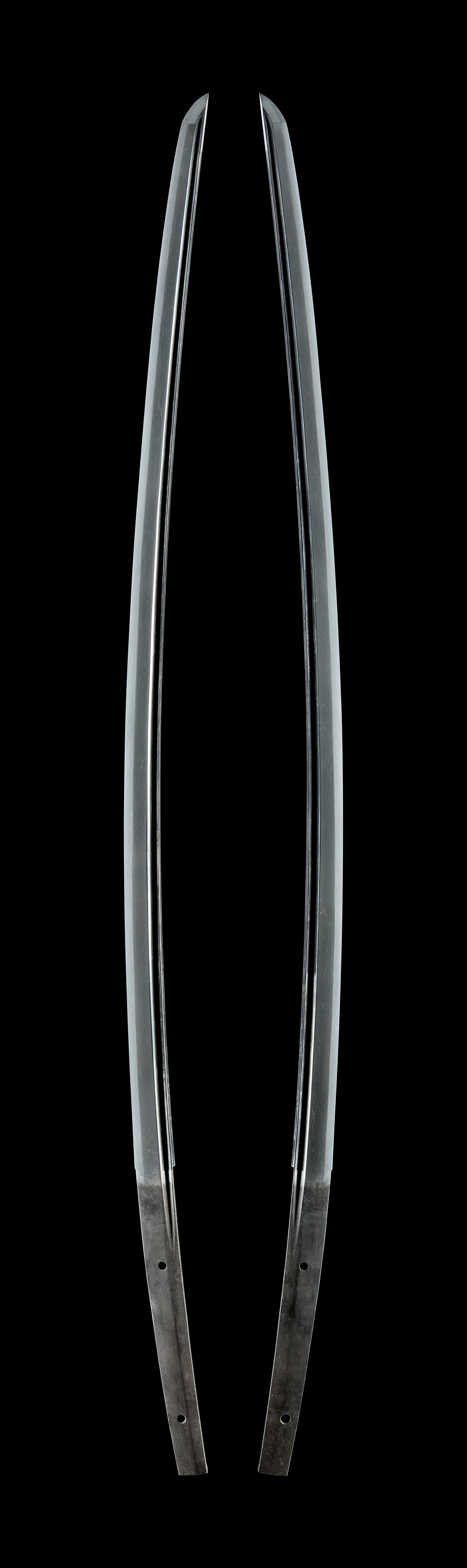
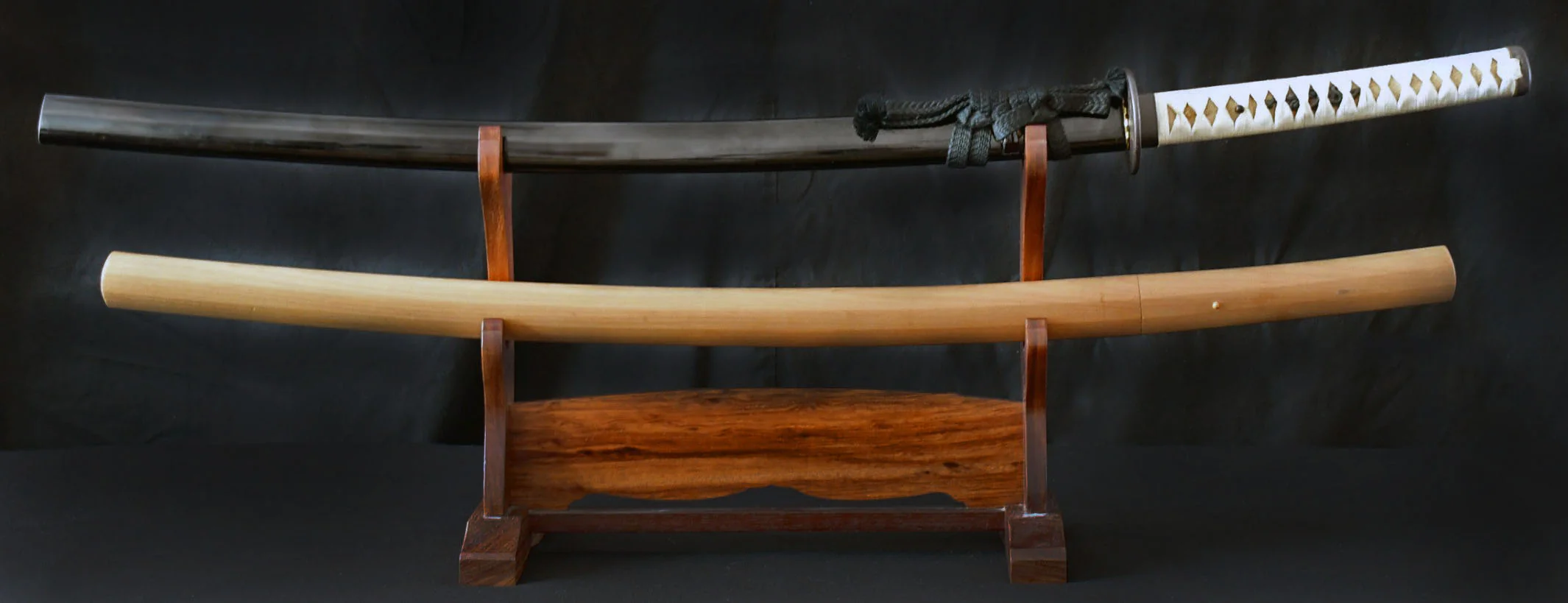
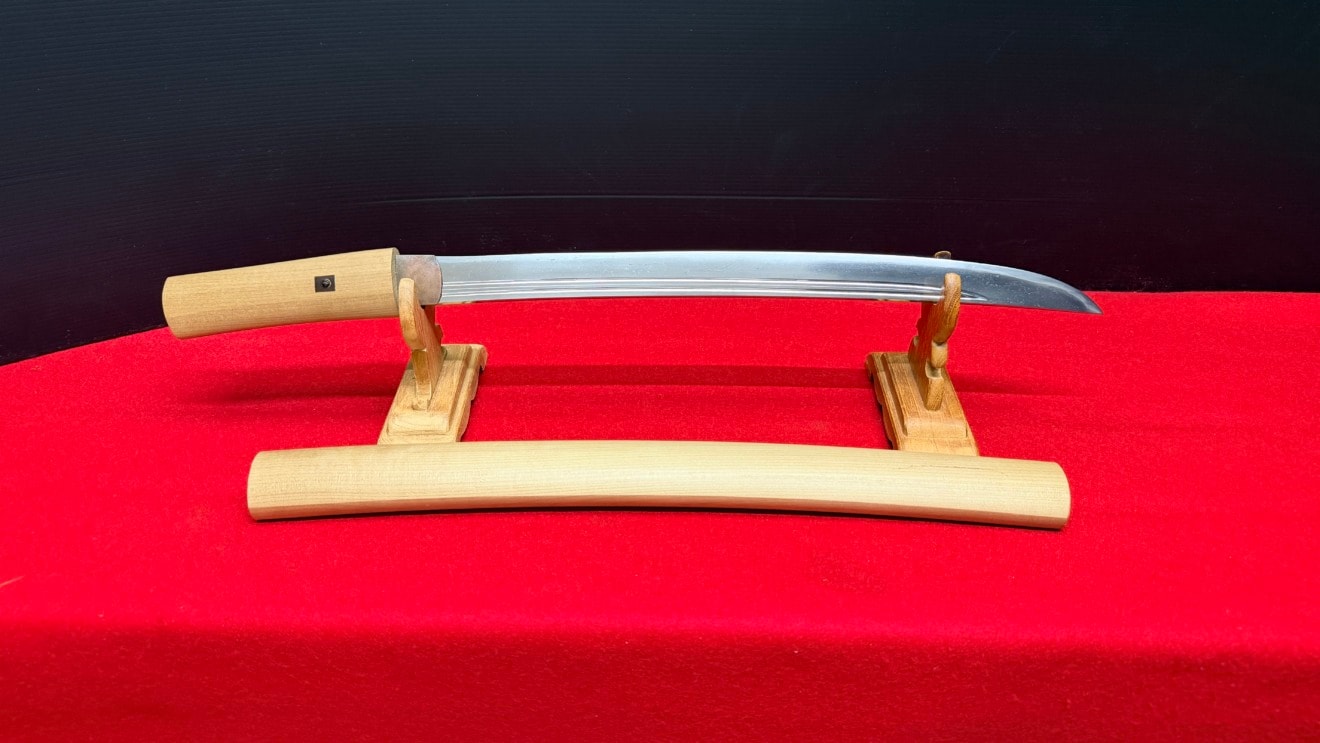
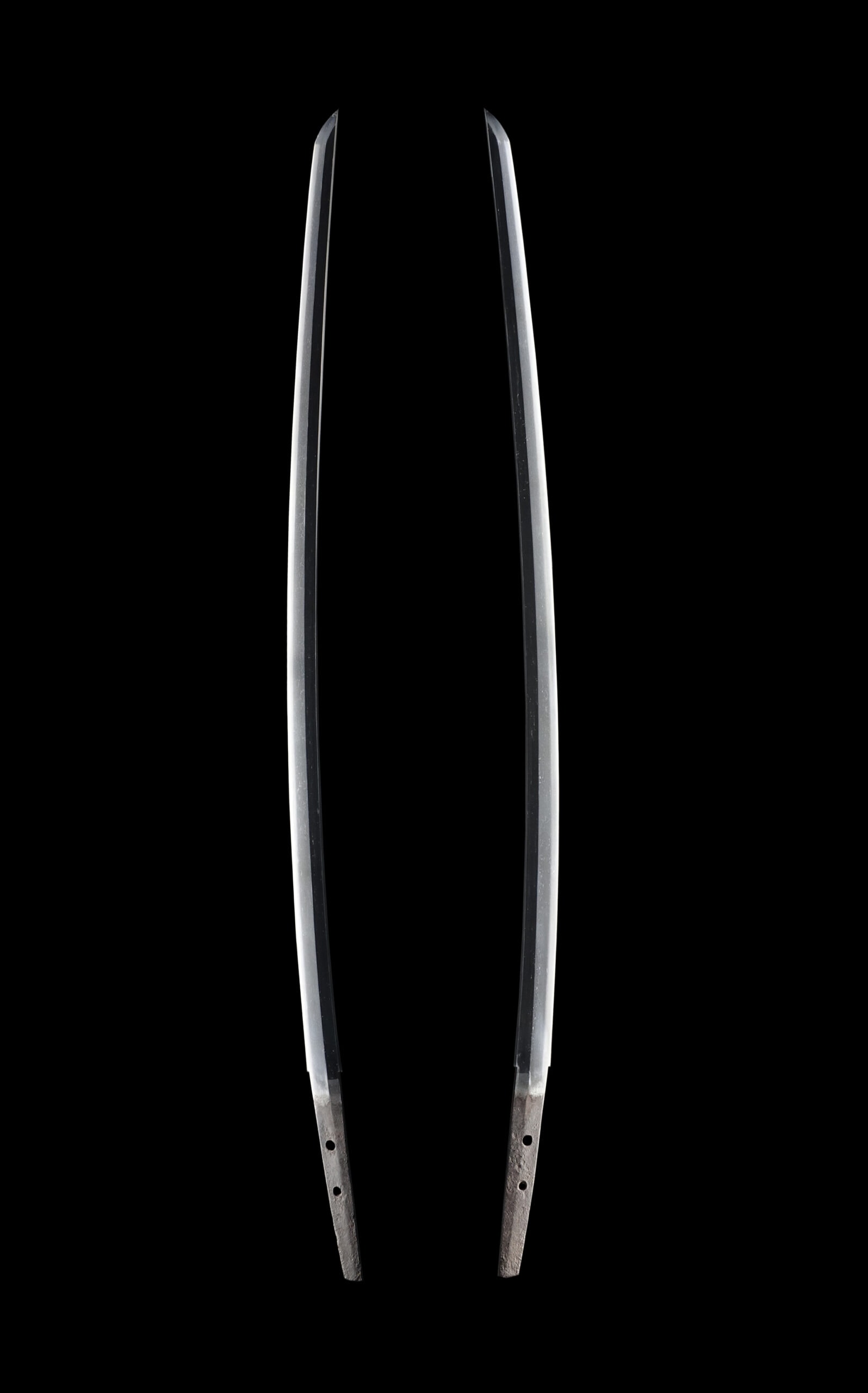
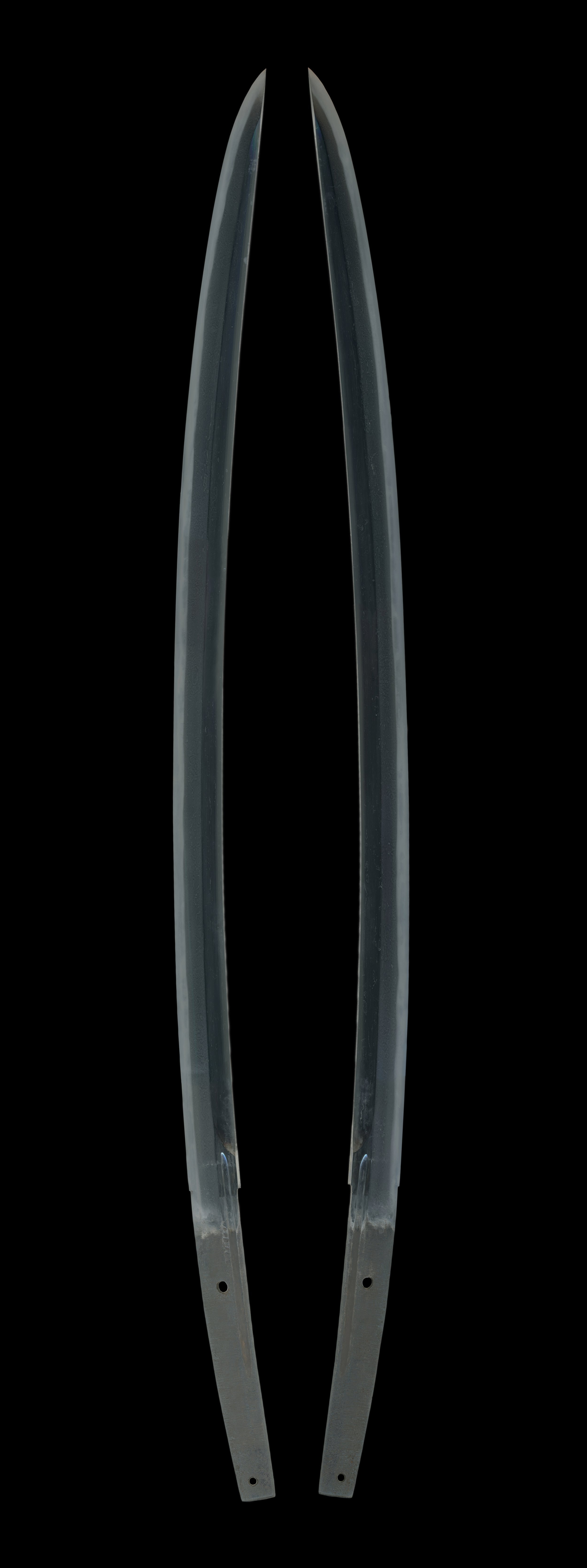
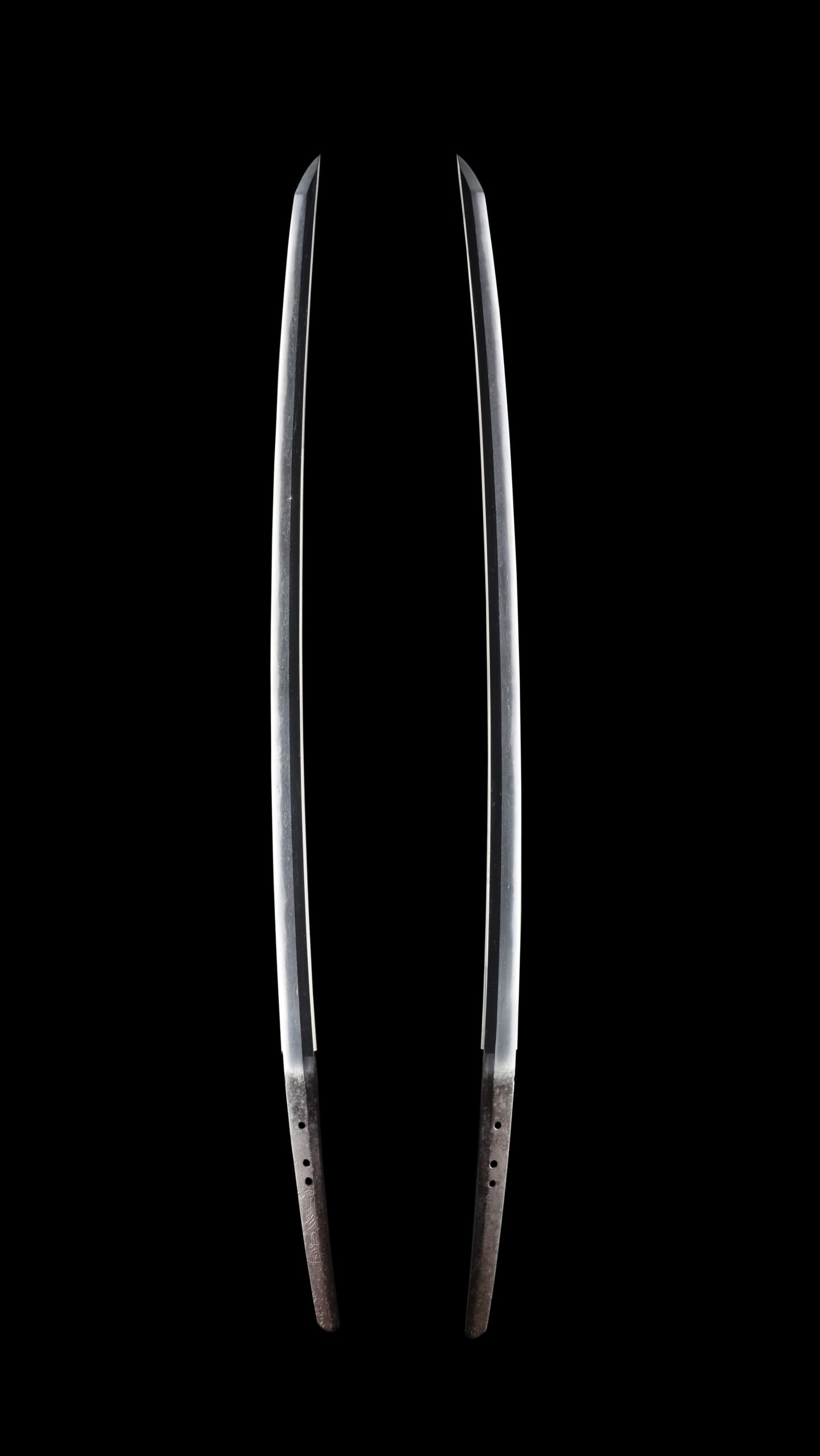
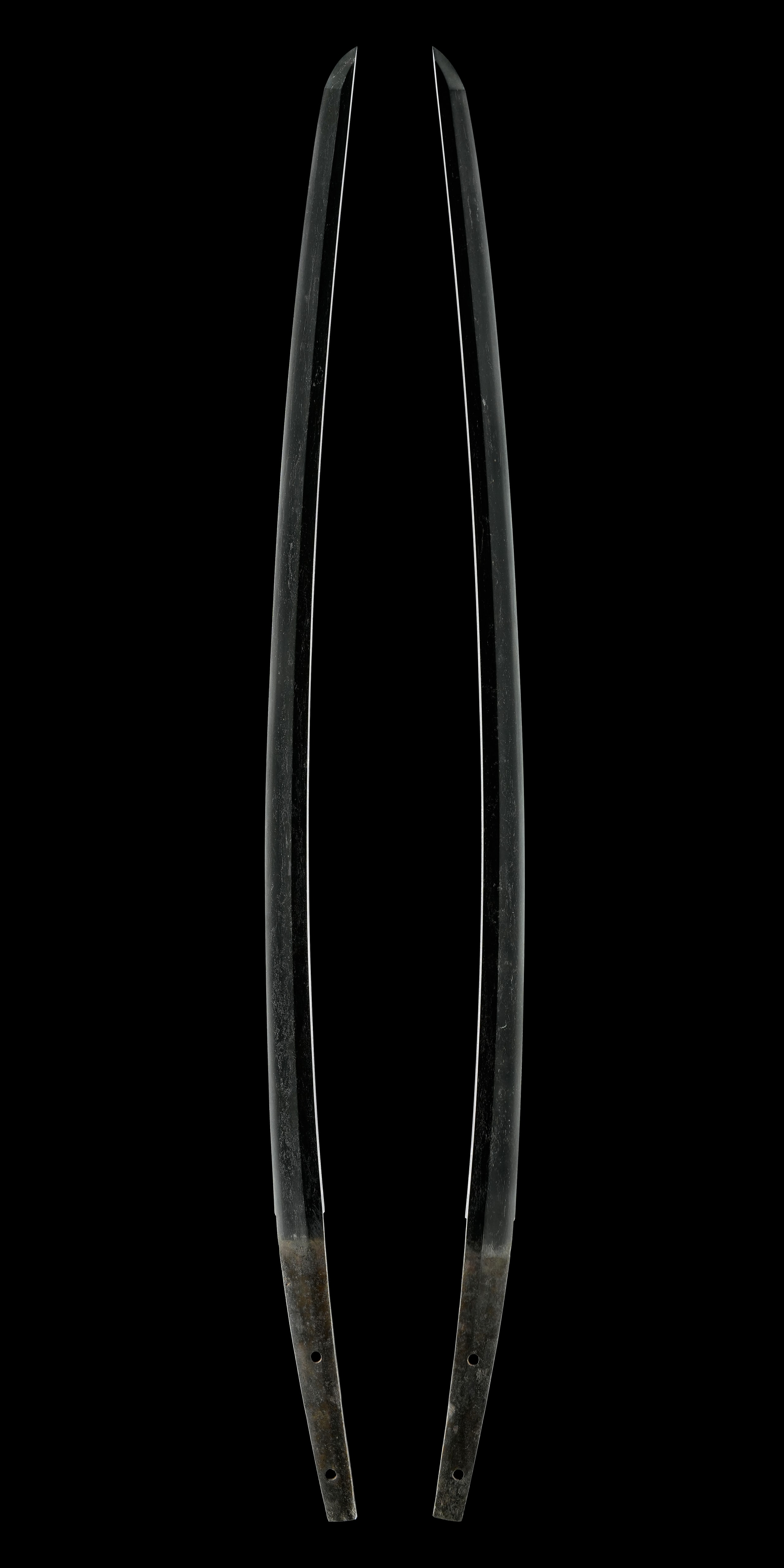
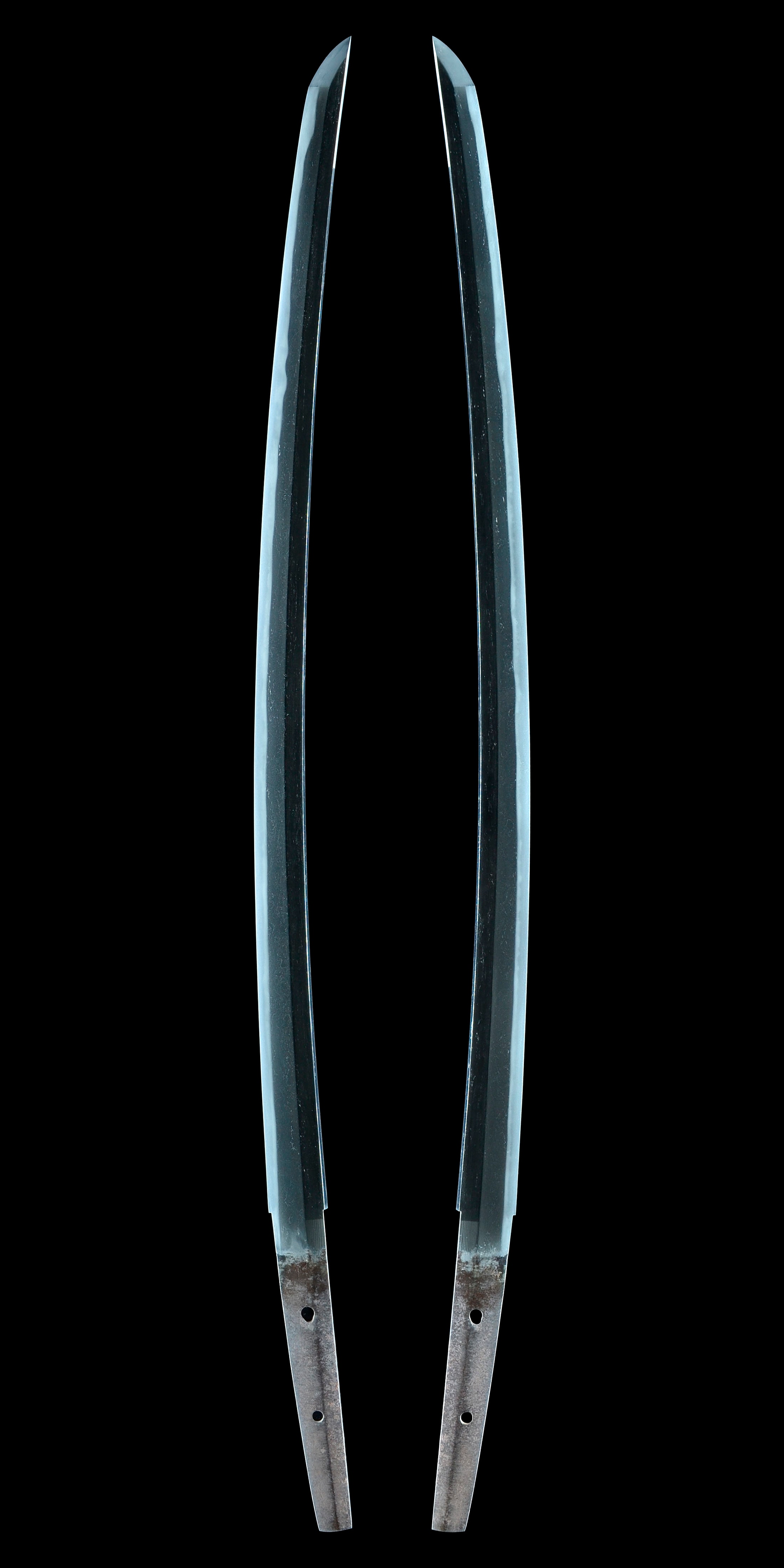
後世のほとんどの権威が、鎌倉を日本刀の黄金時代と呼ぶ。最初の武家政権が注文主となり、諸伝統が同時に最盛期を迎え、伝えでは諸国の名工が後鳥羽上皇の御所に月番で伺候した。
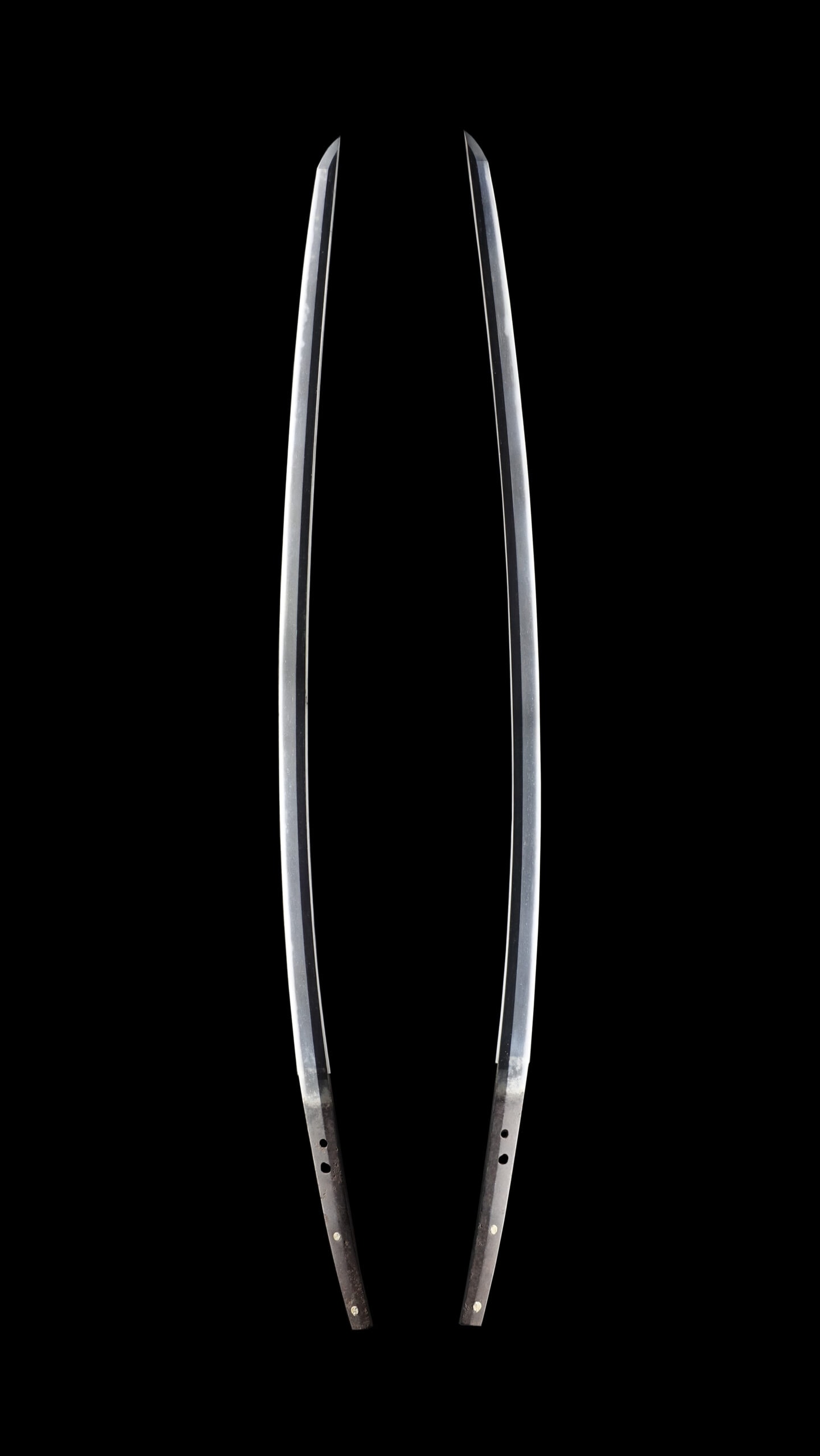
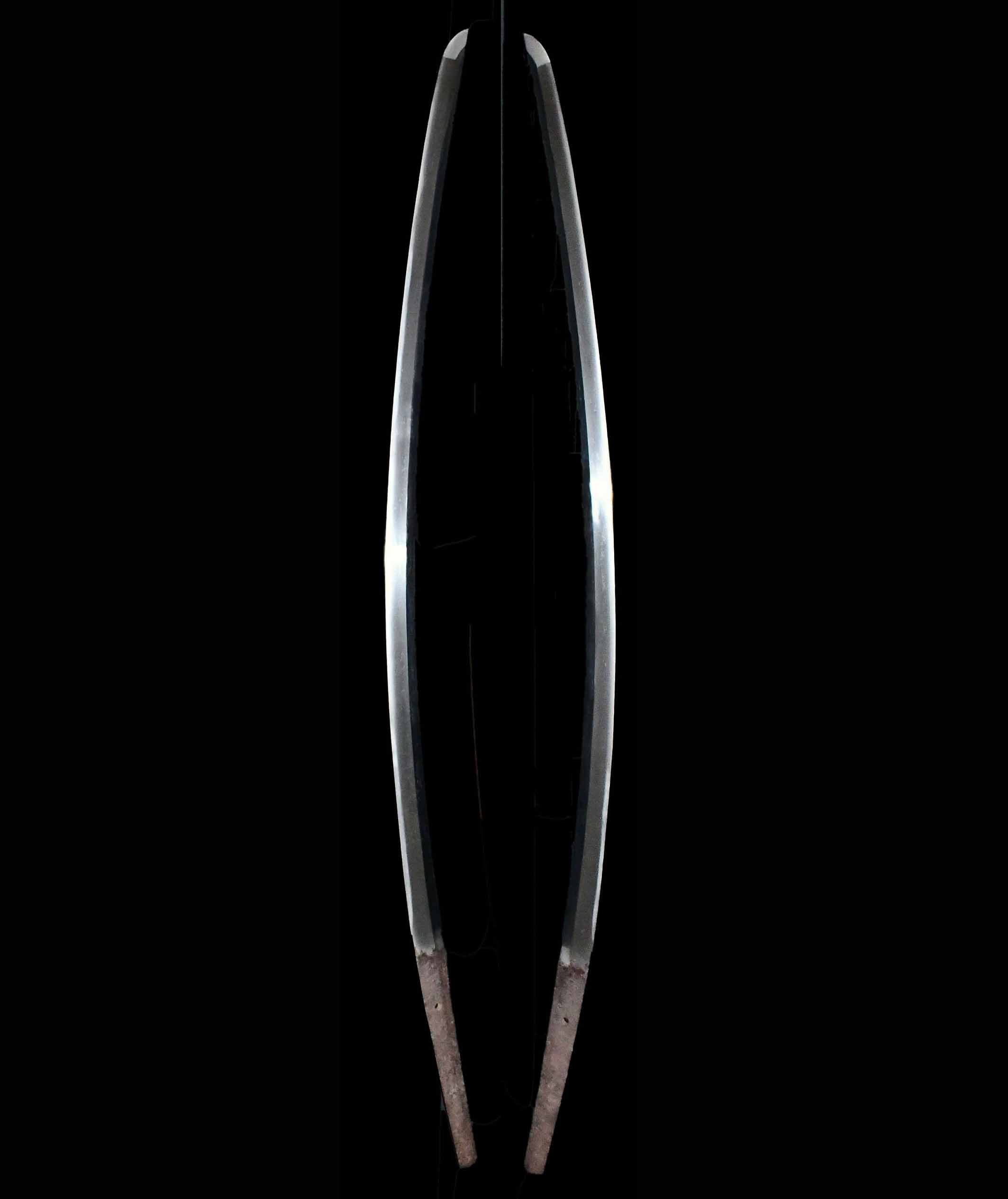
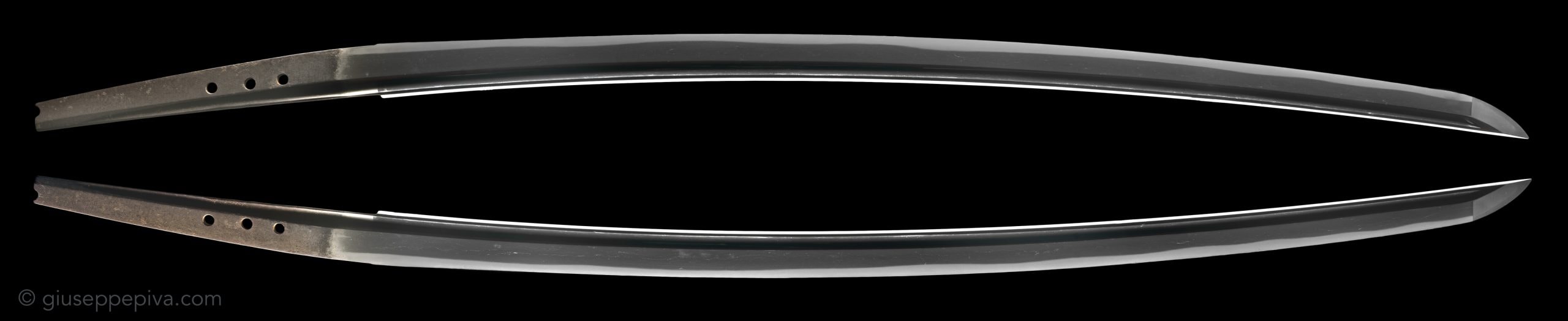
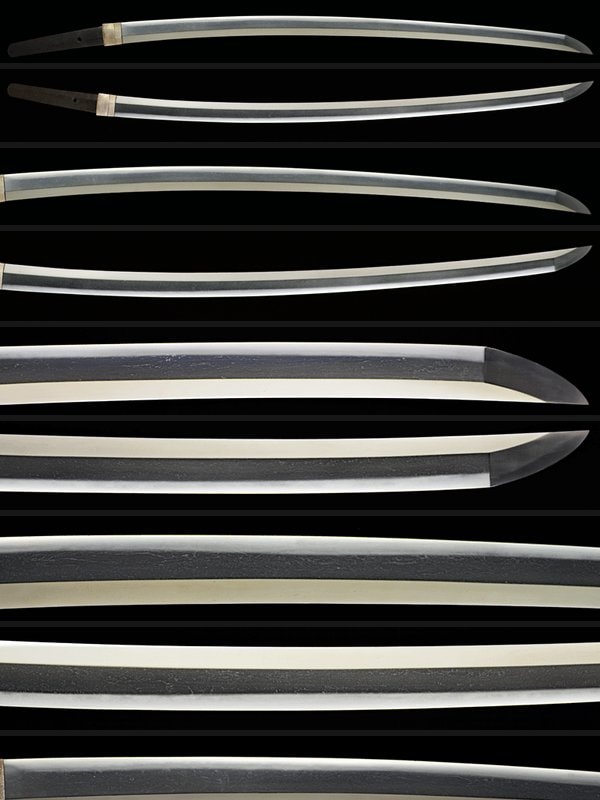
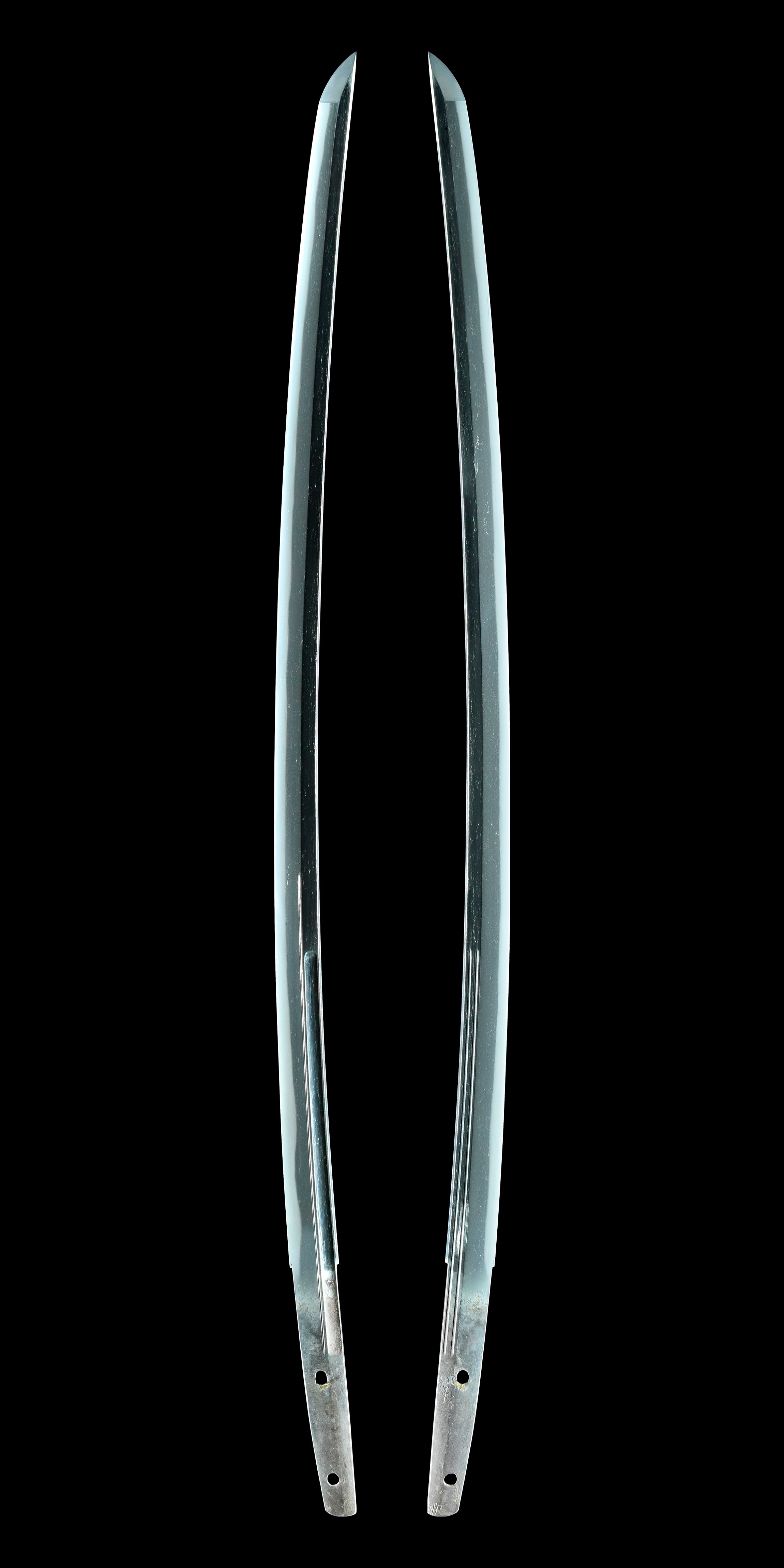
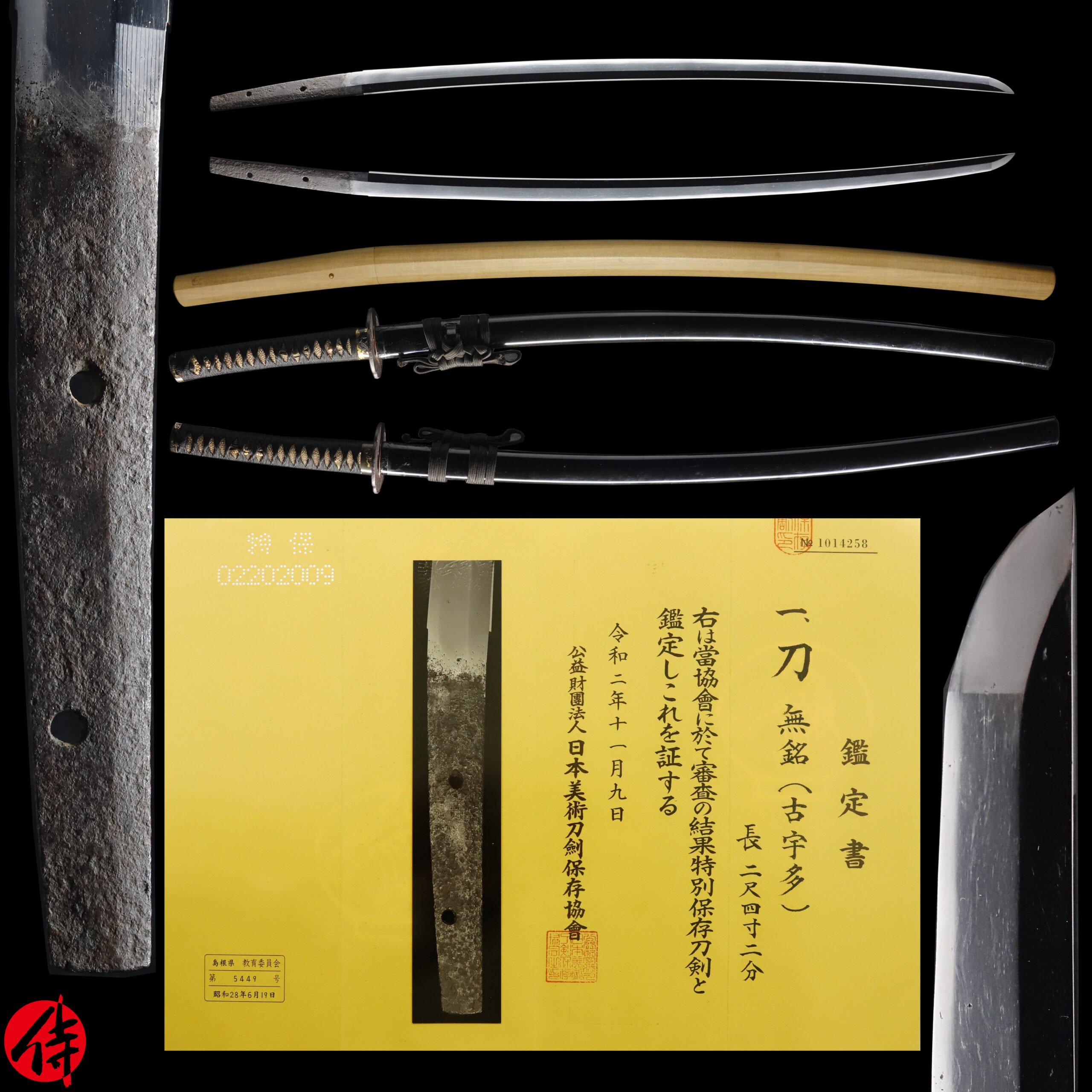
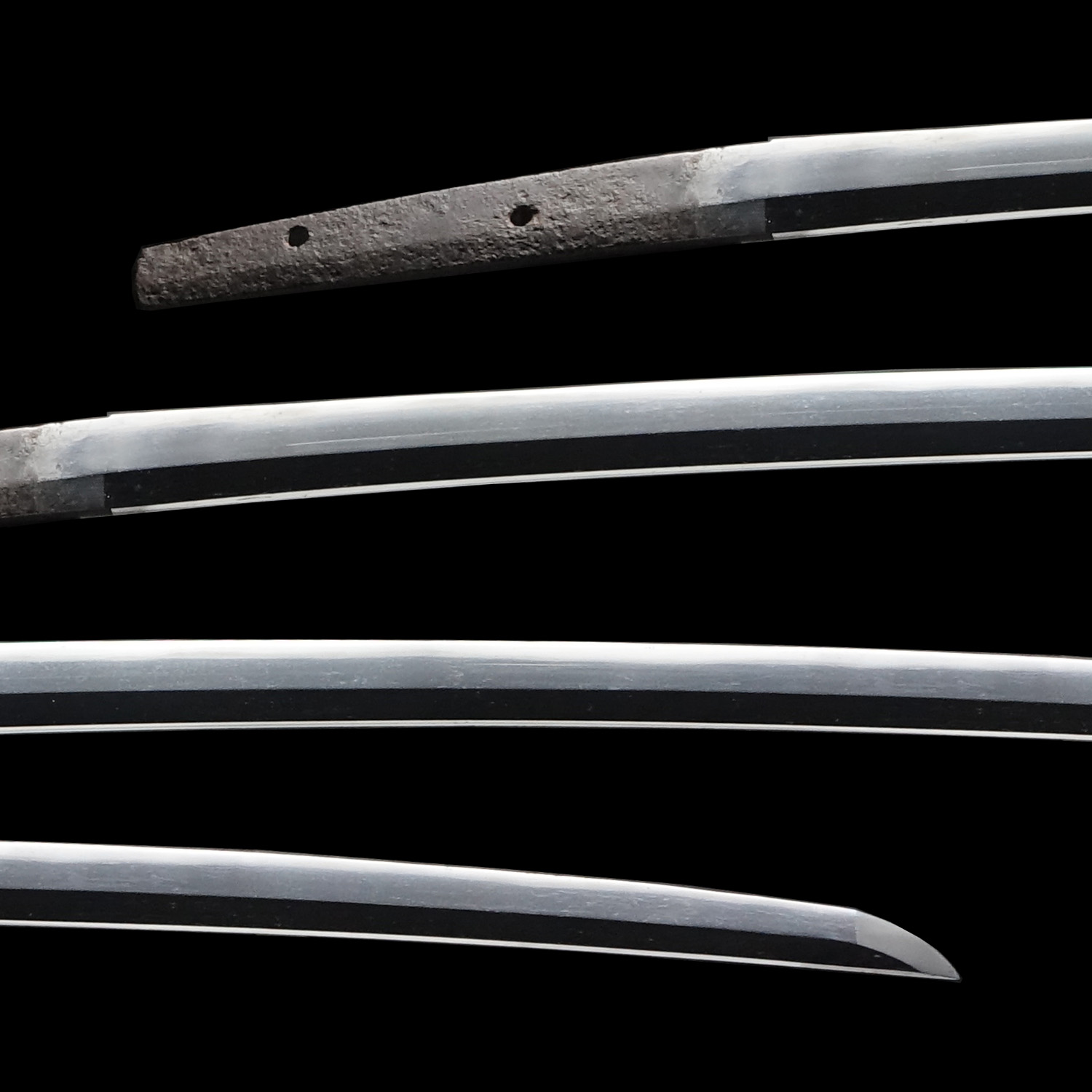
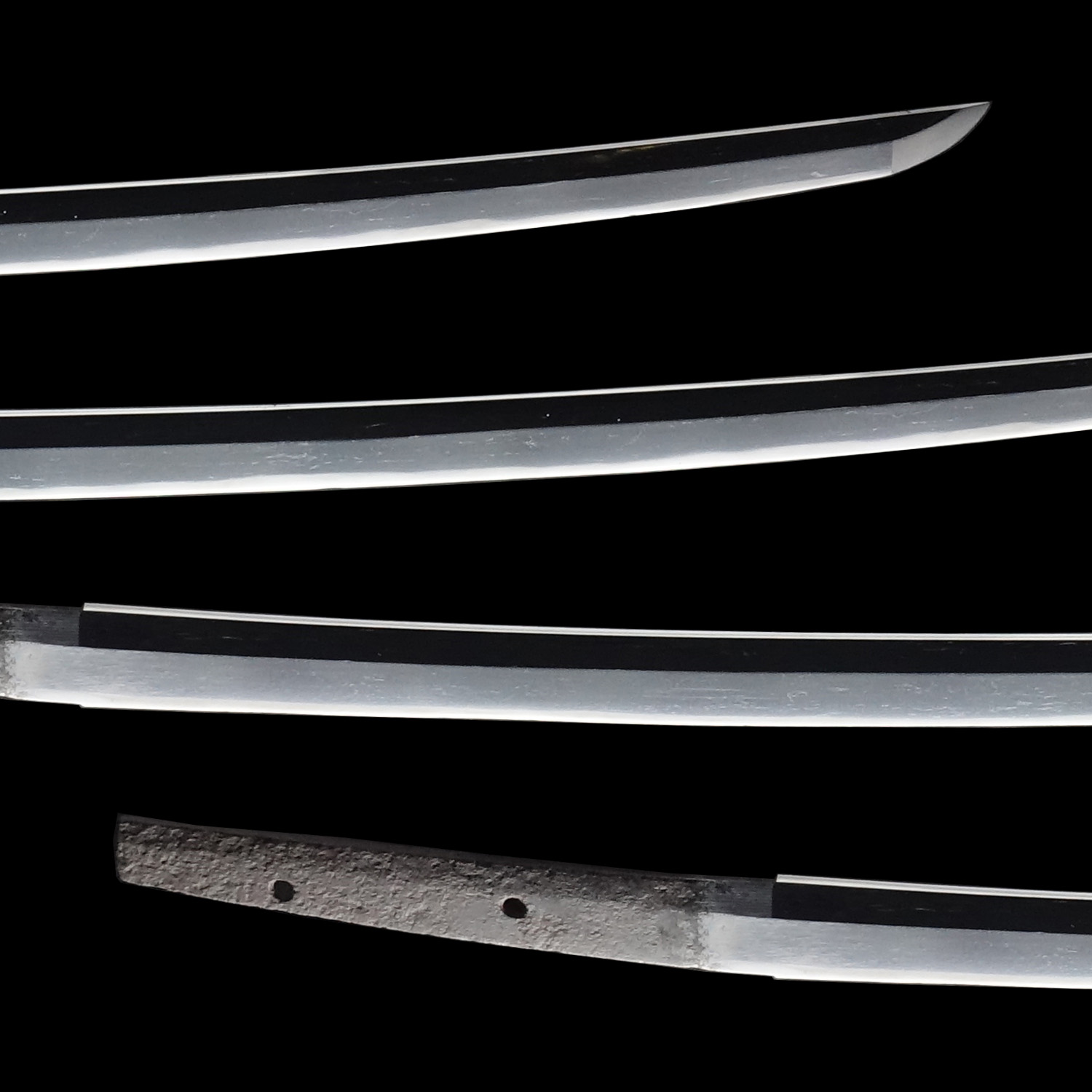
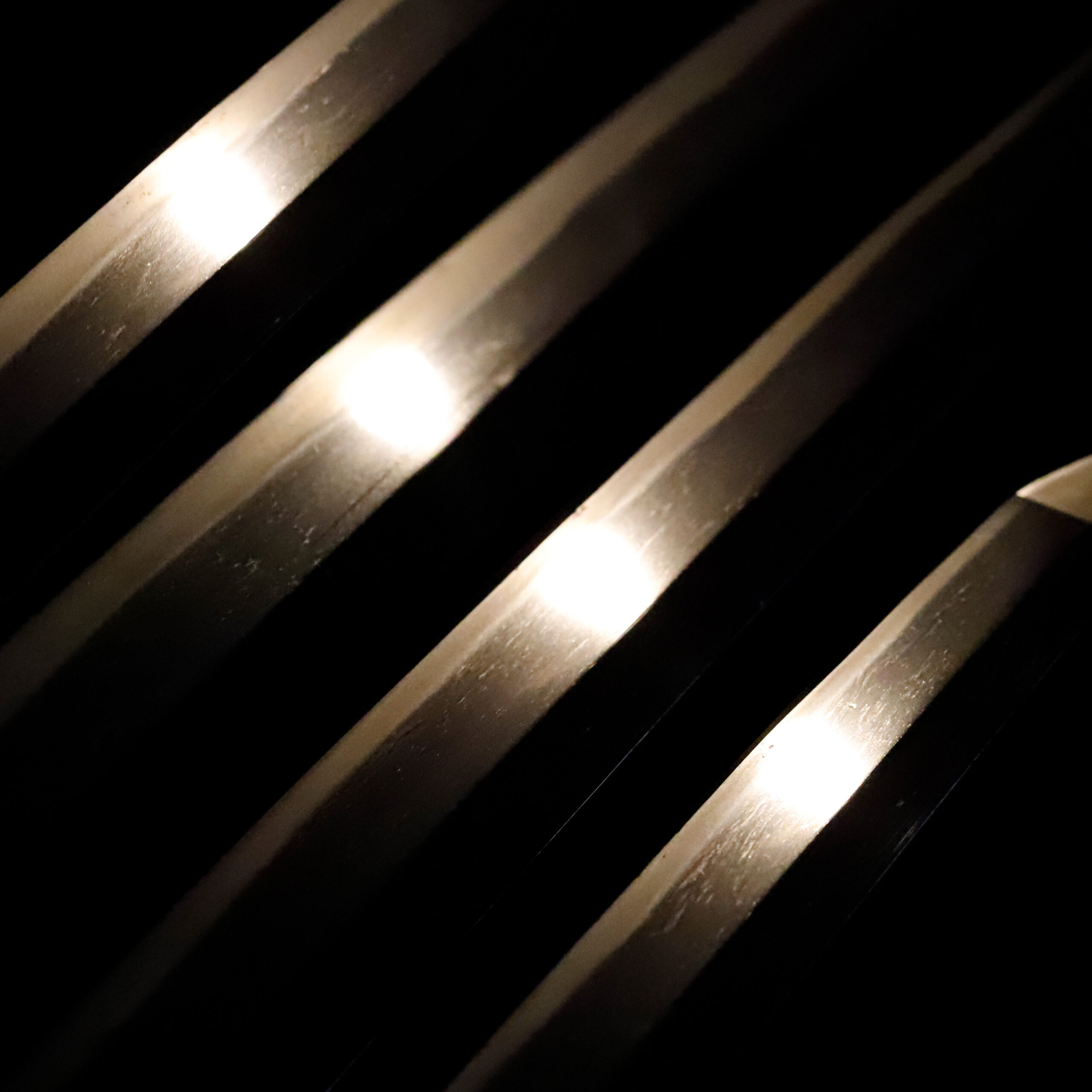
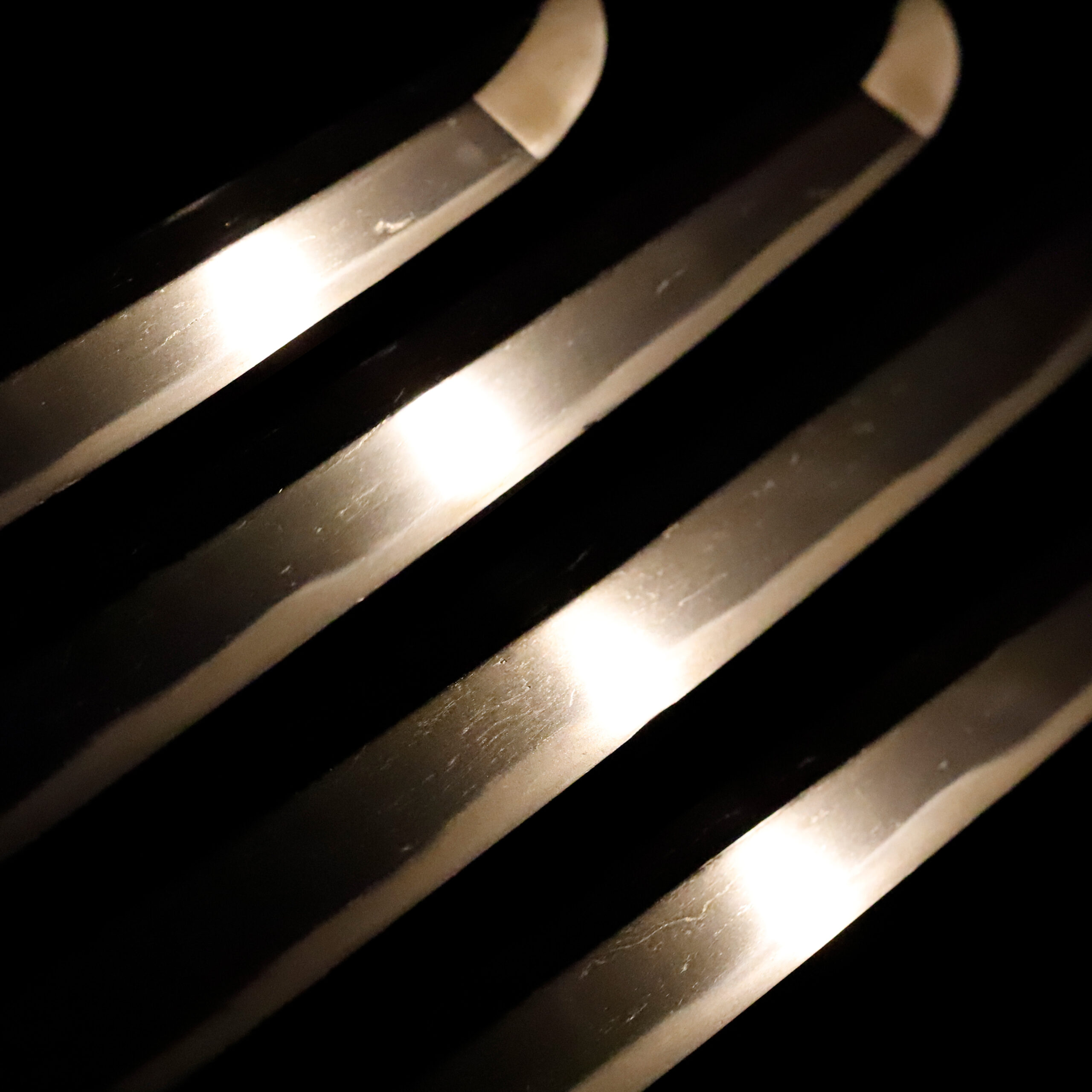
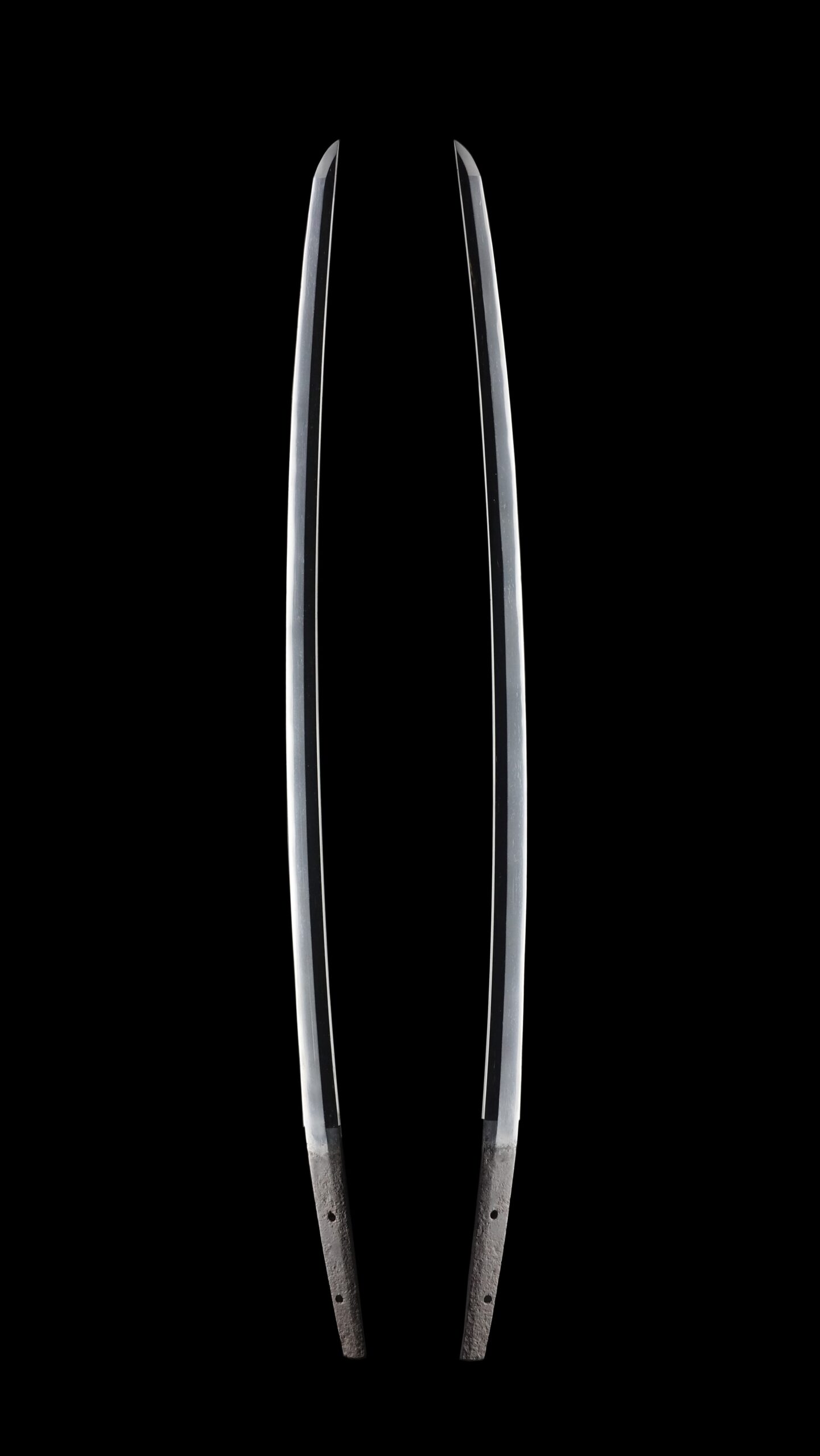
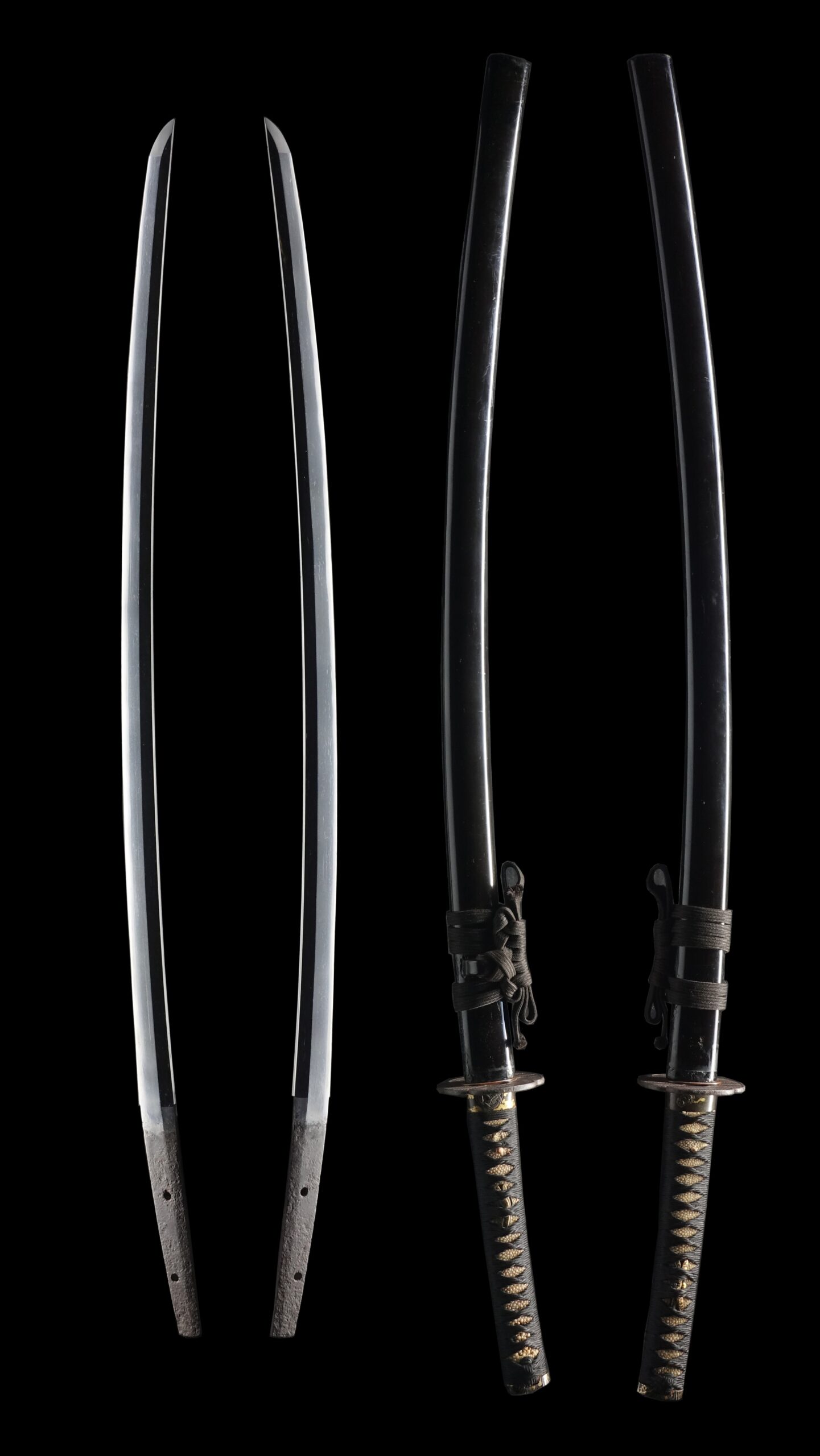
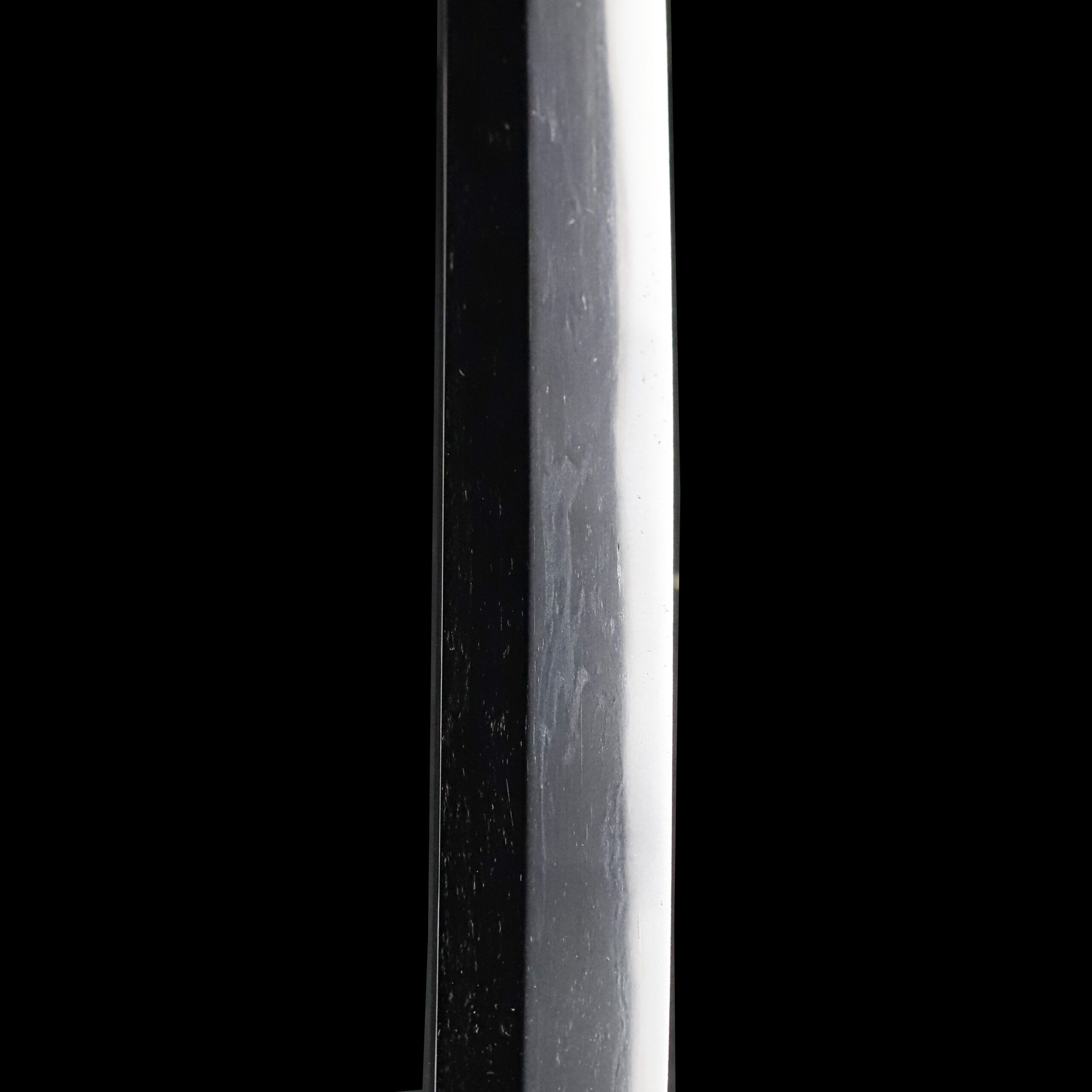
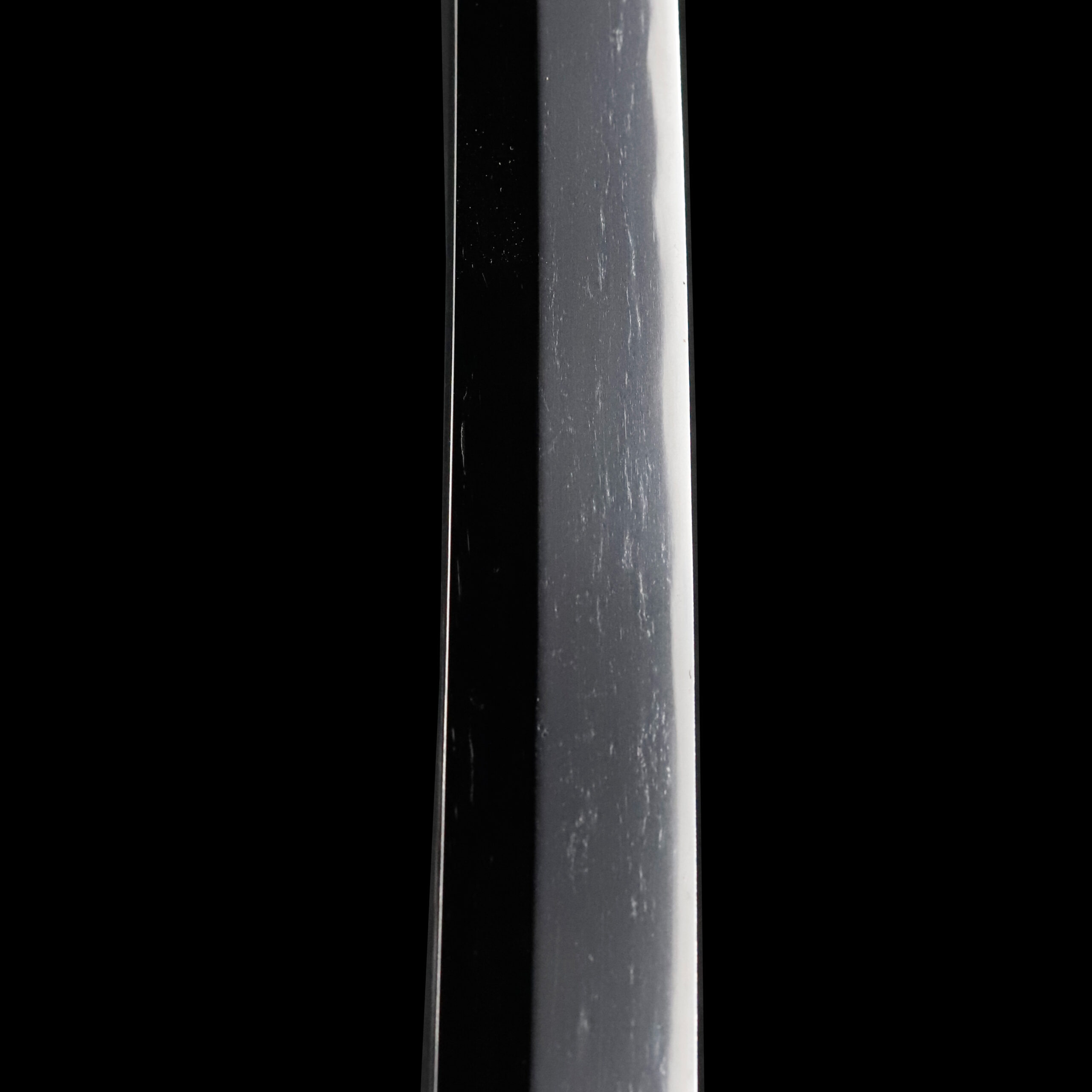
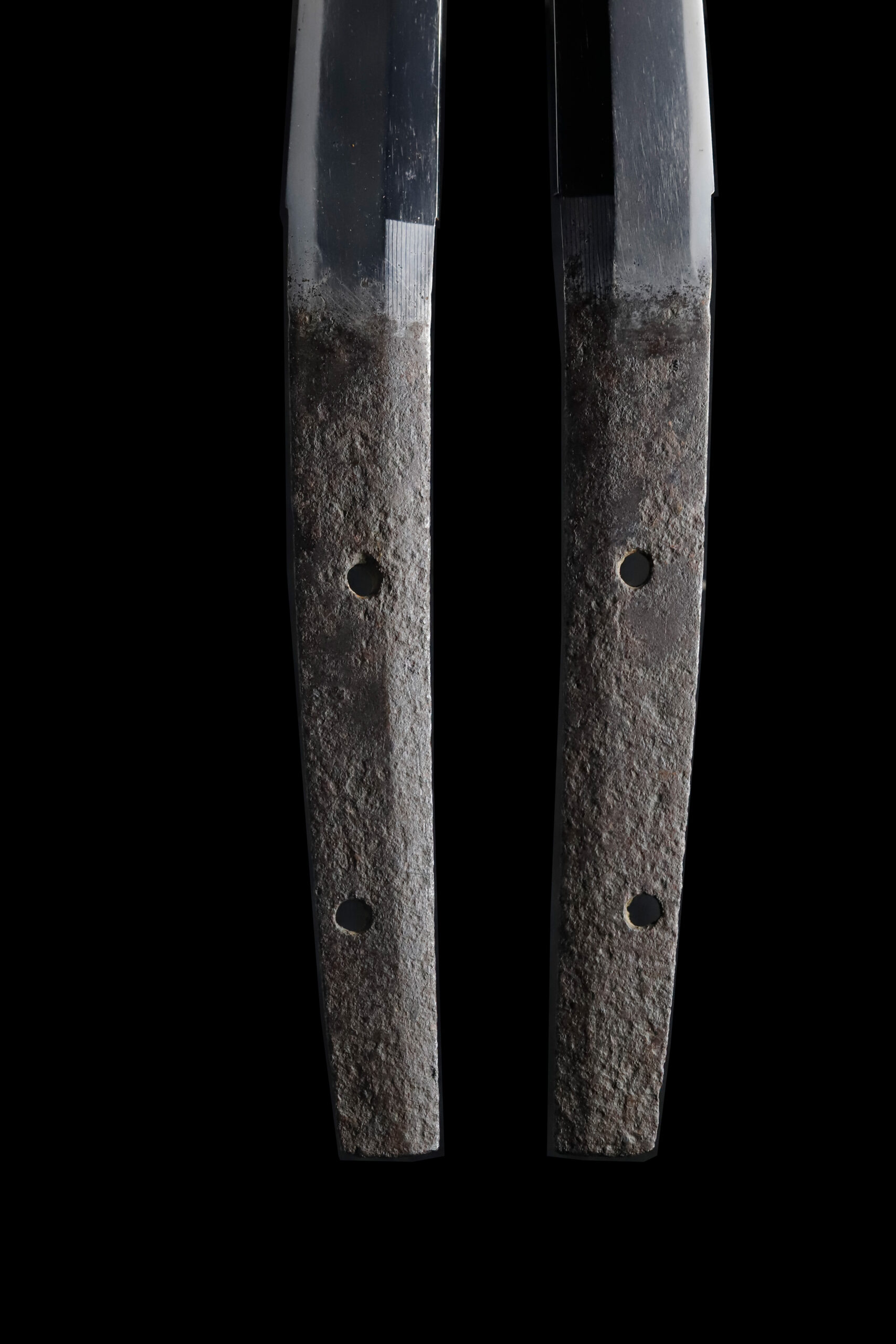
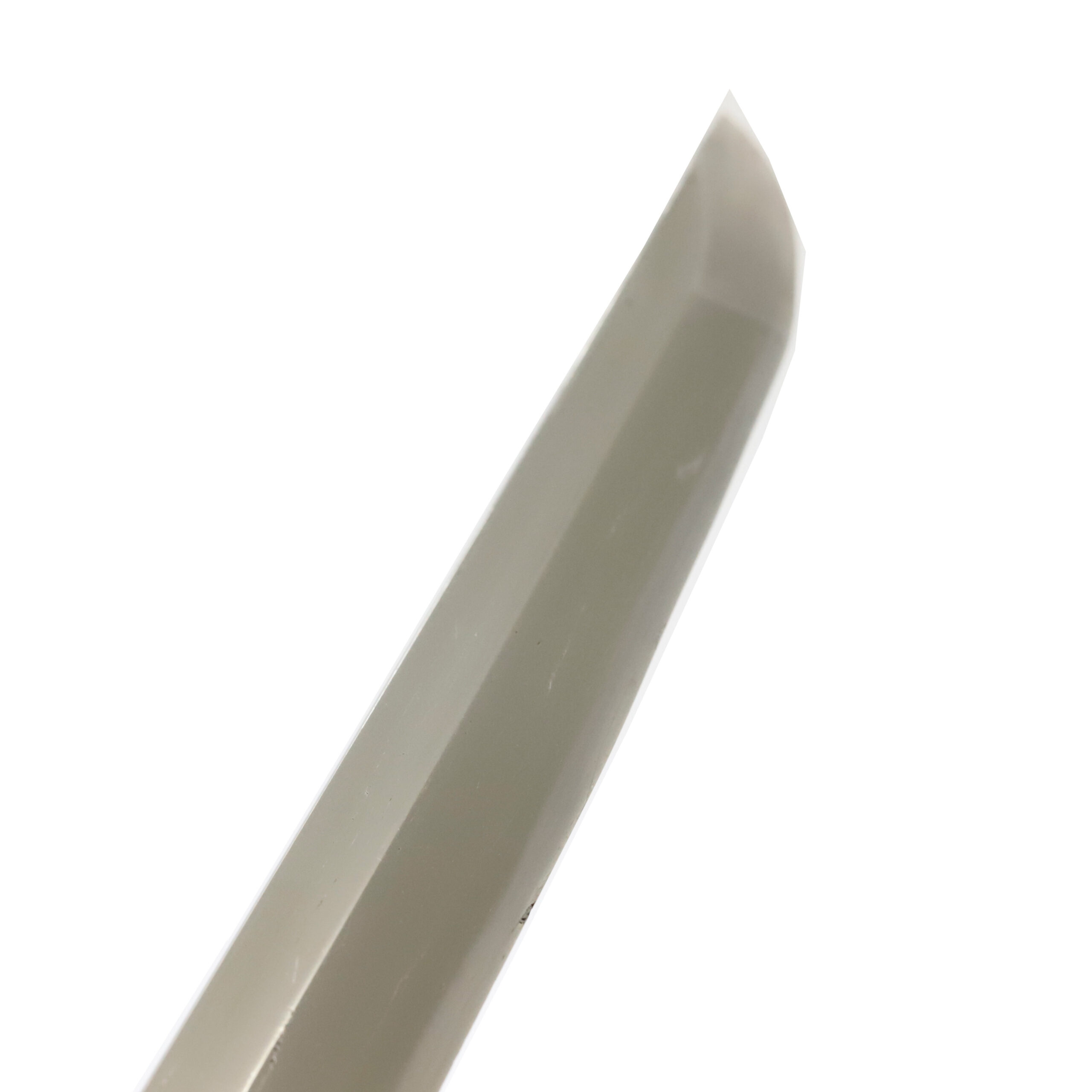
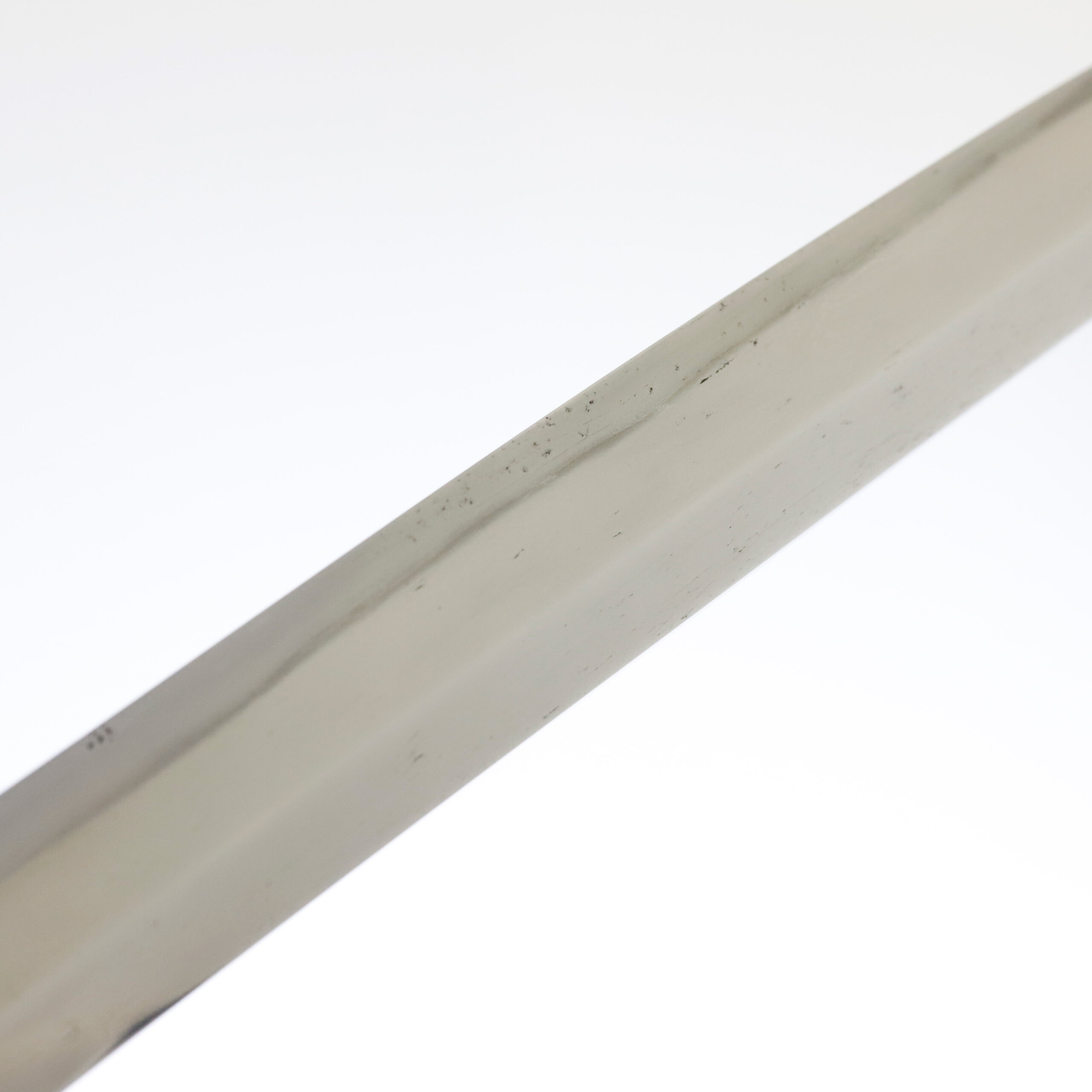
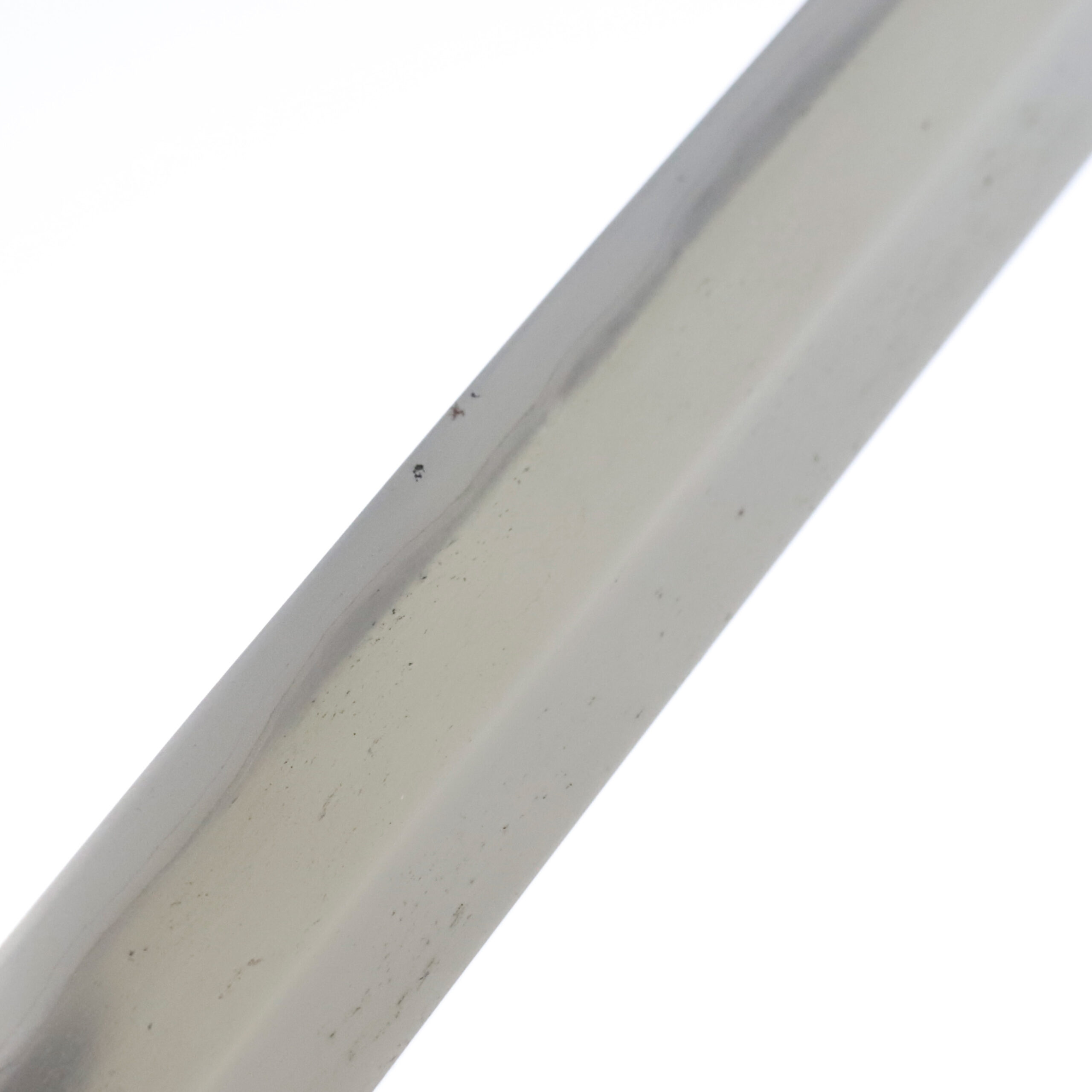
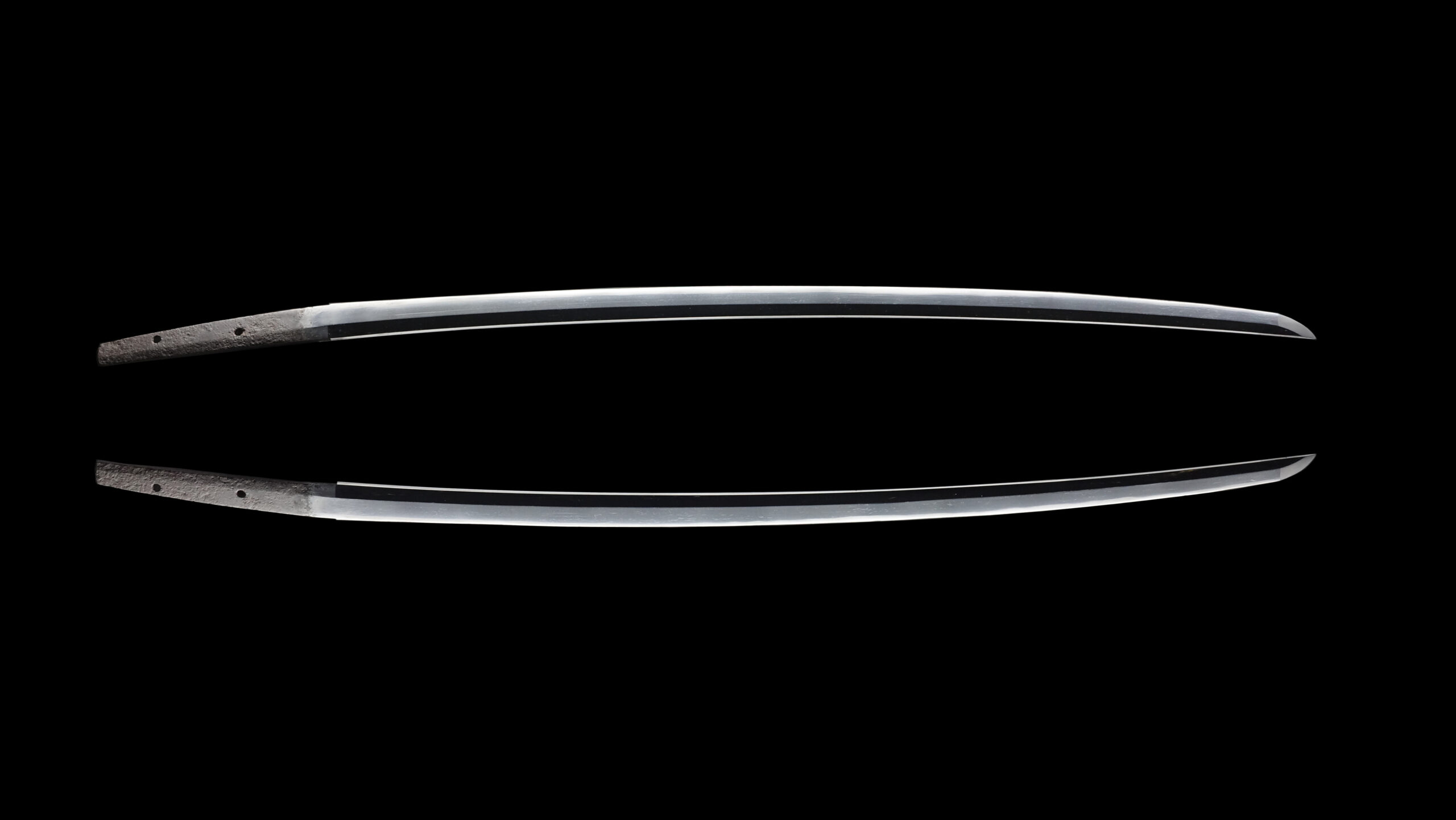
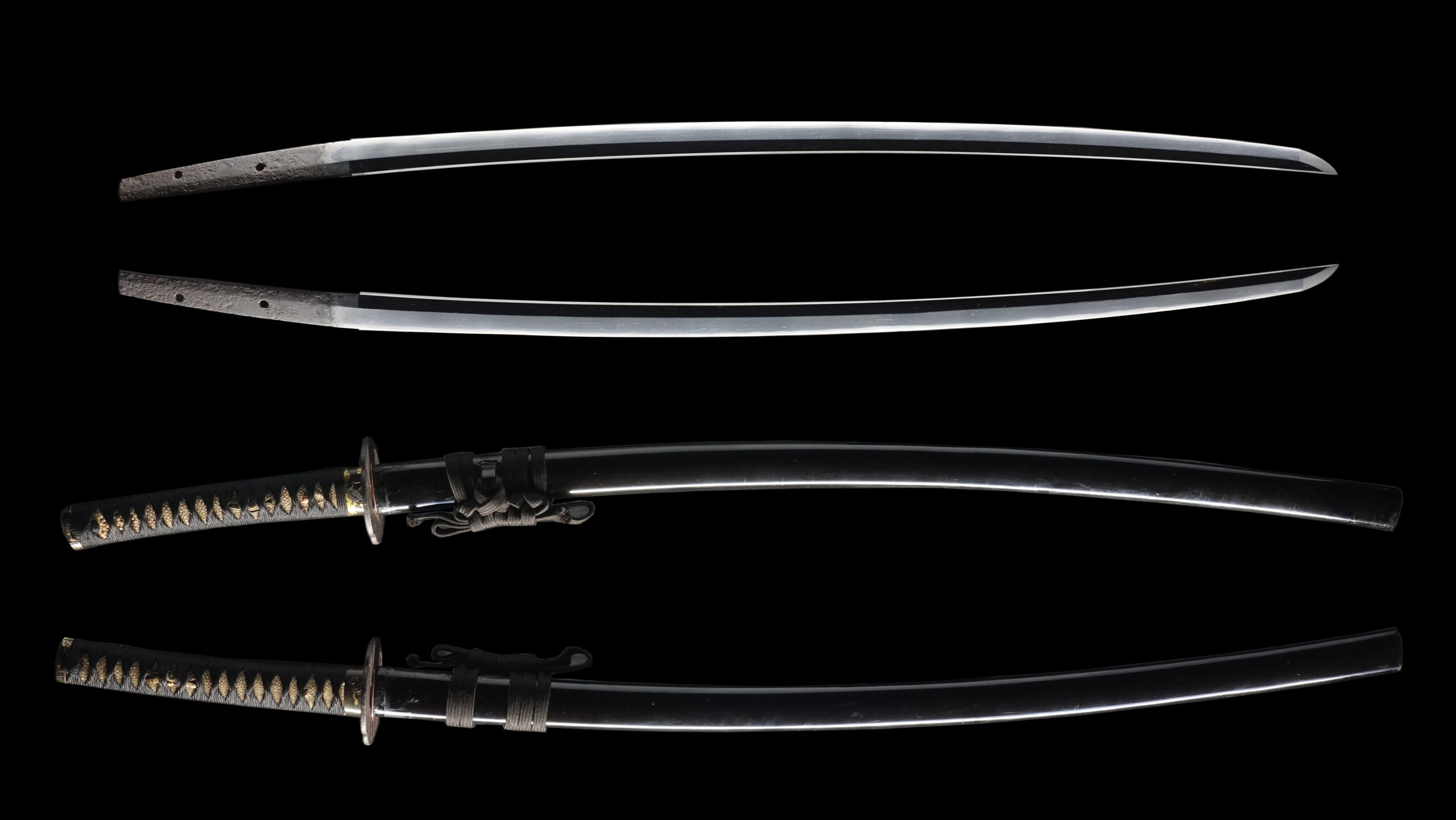
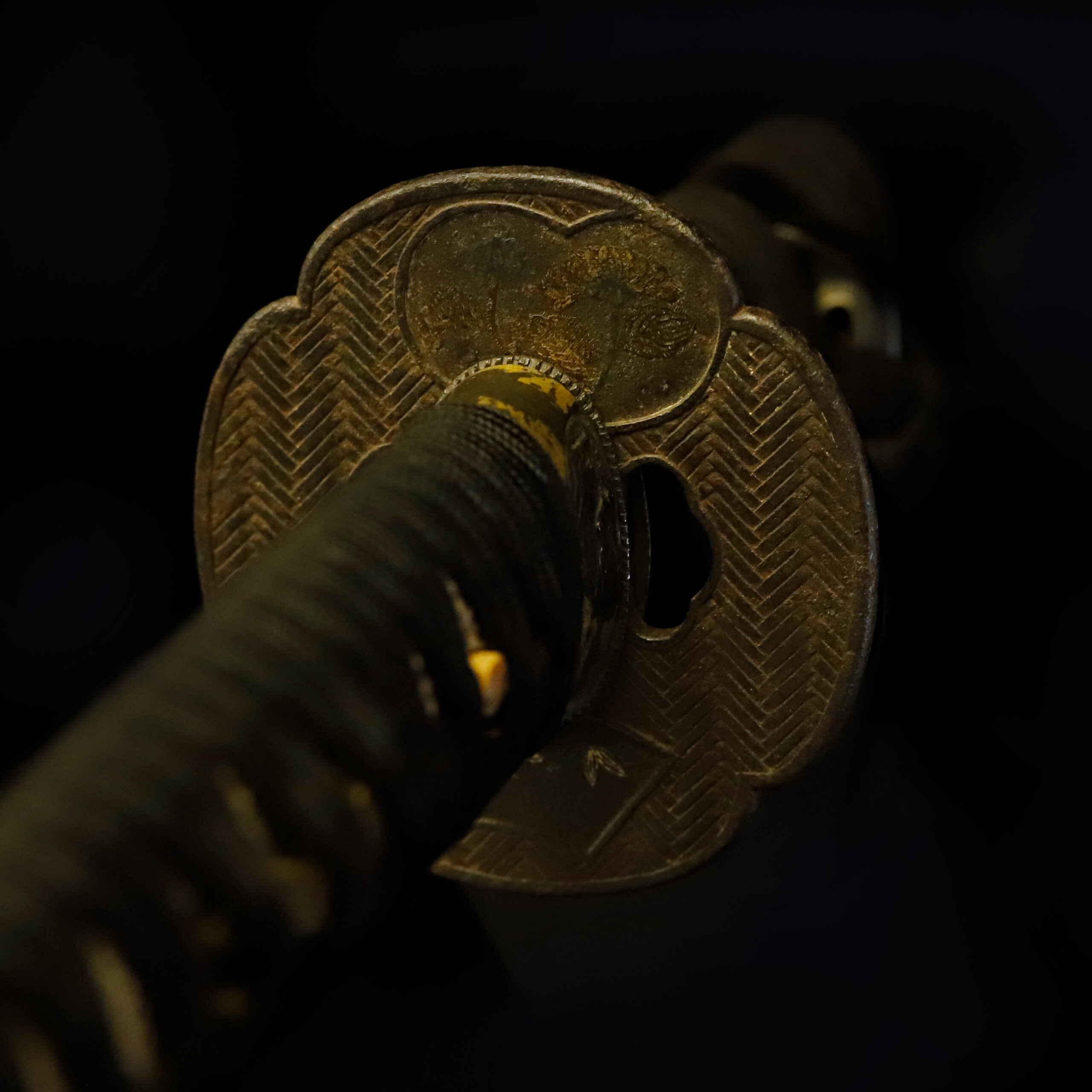
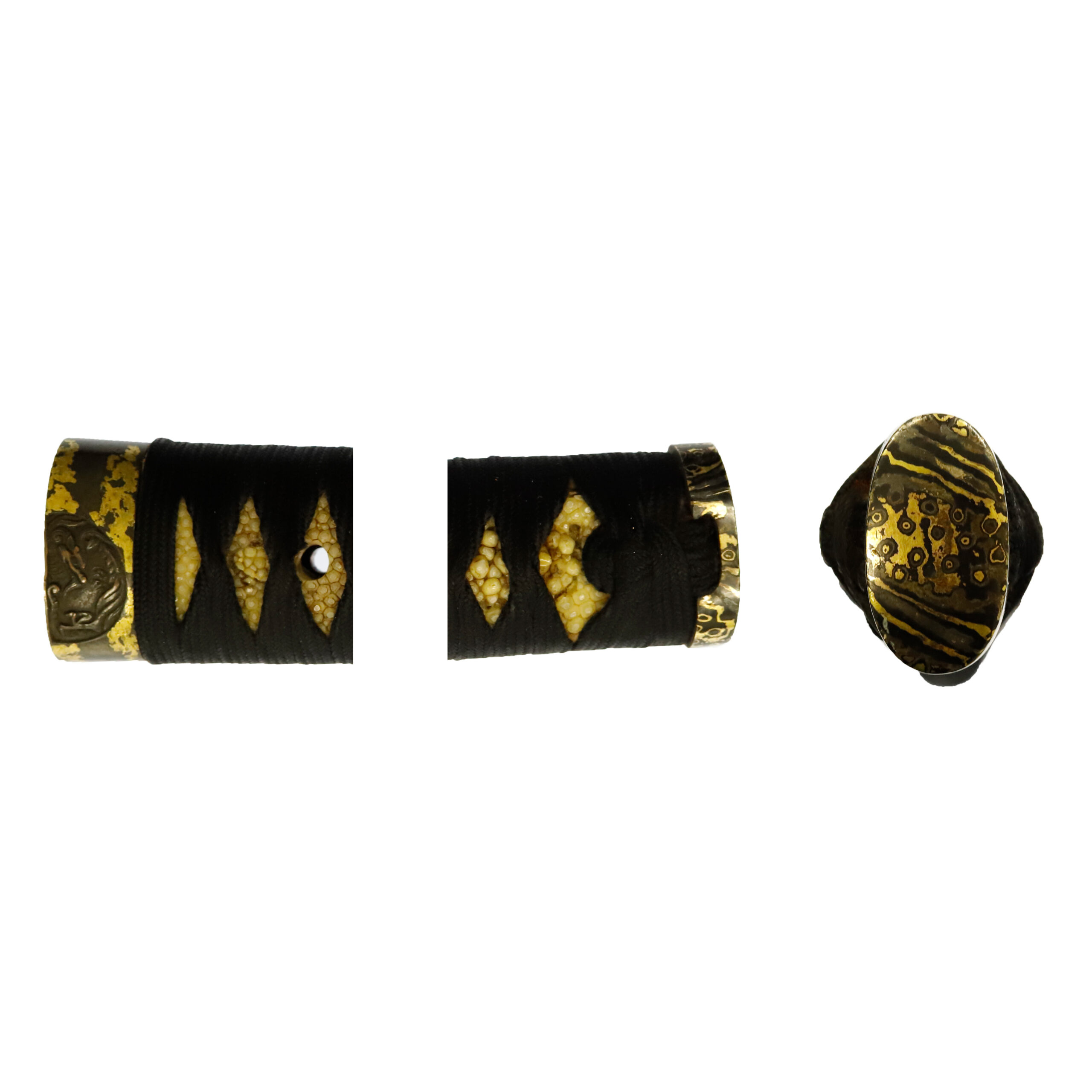
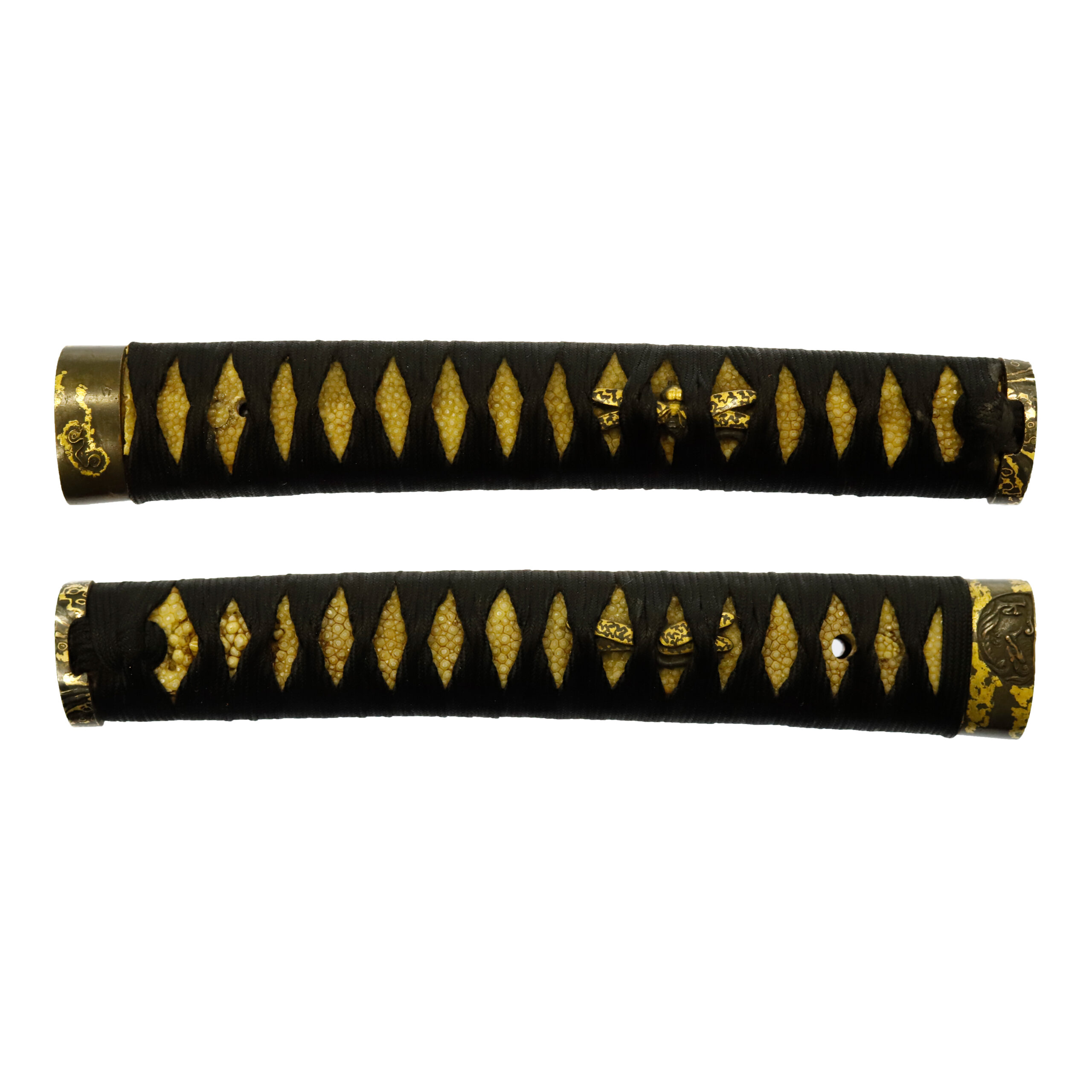
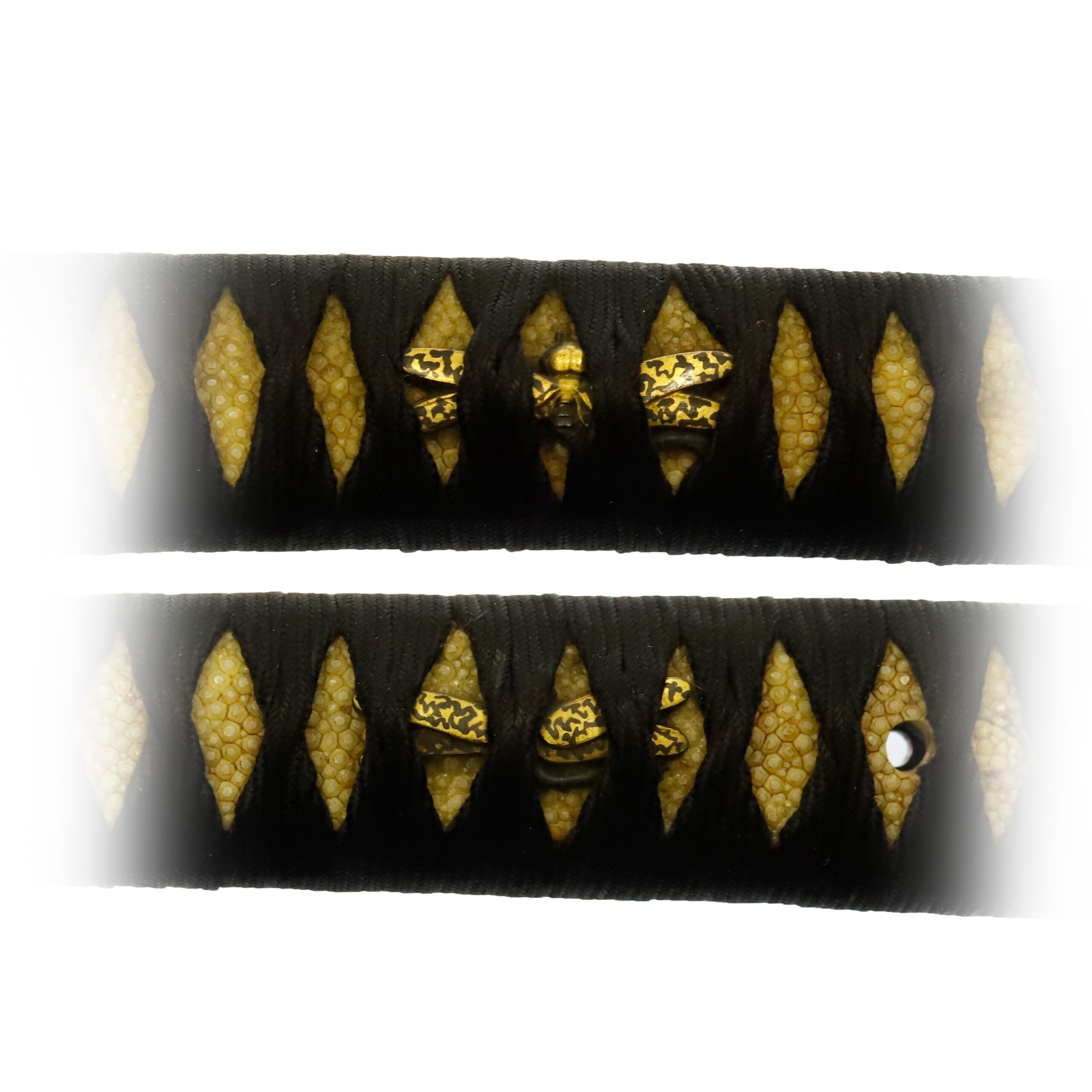
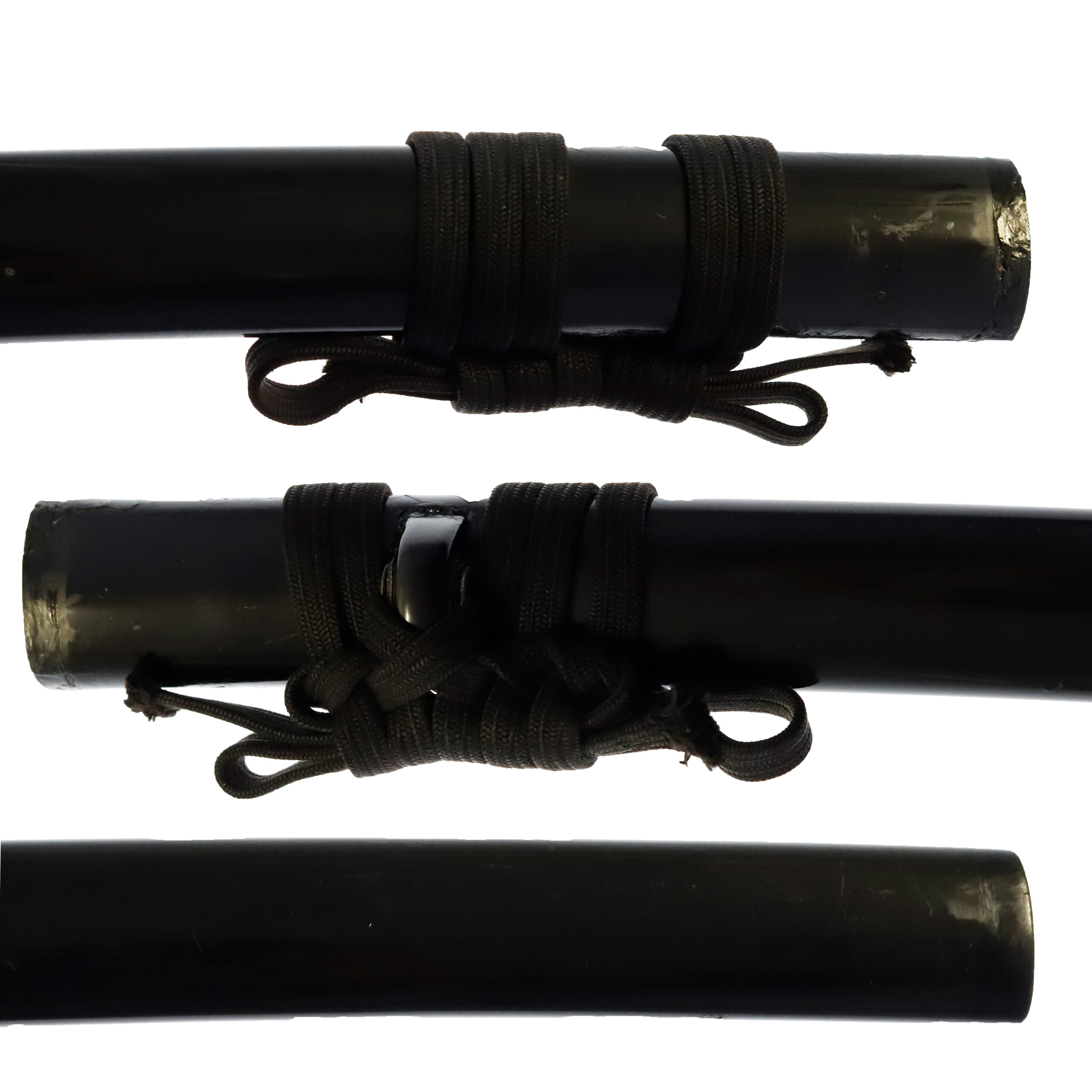
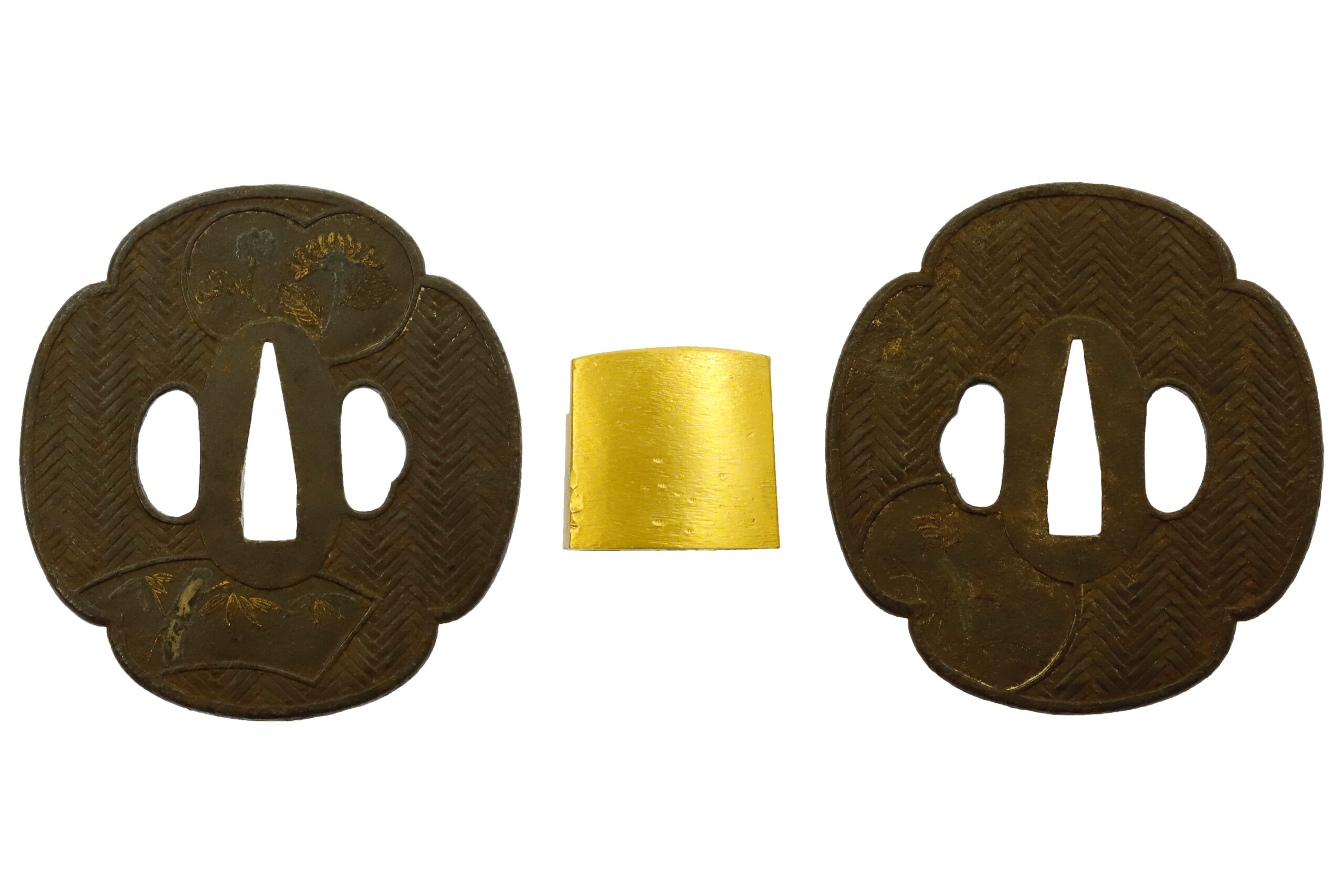
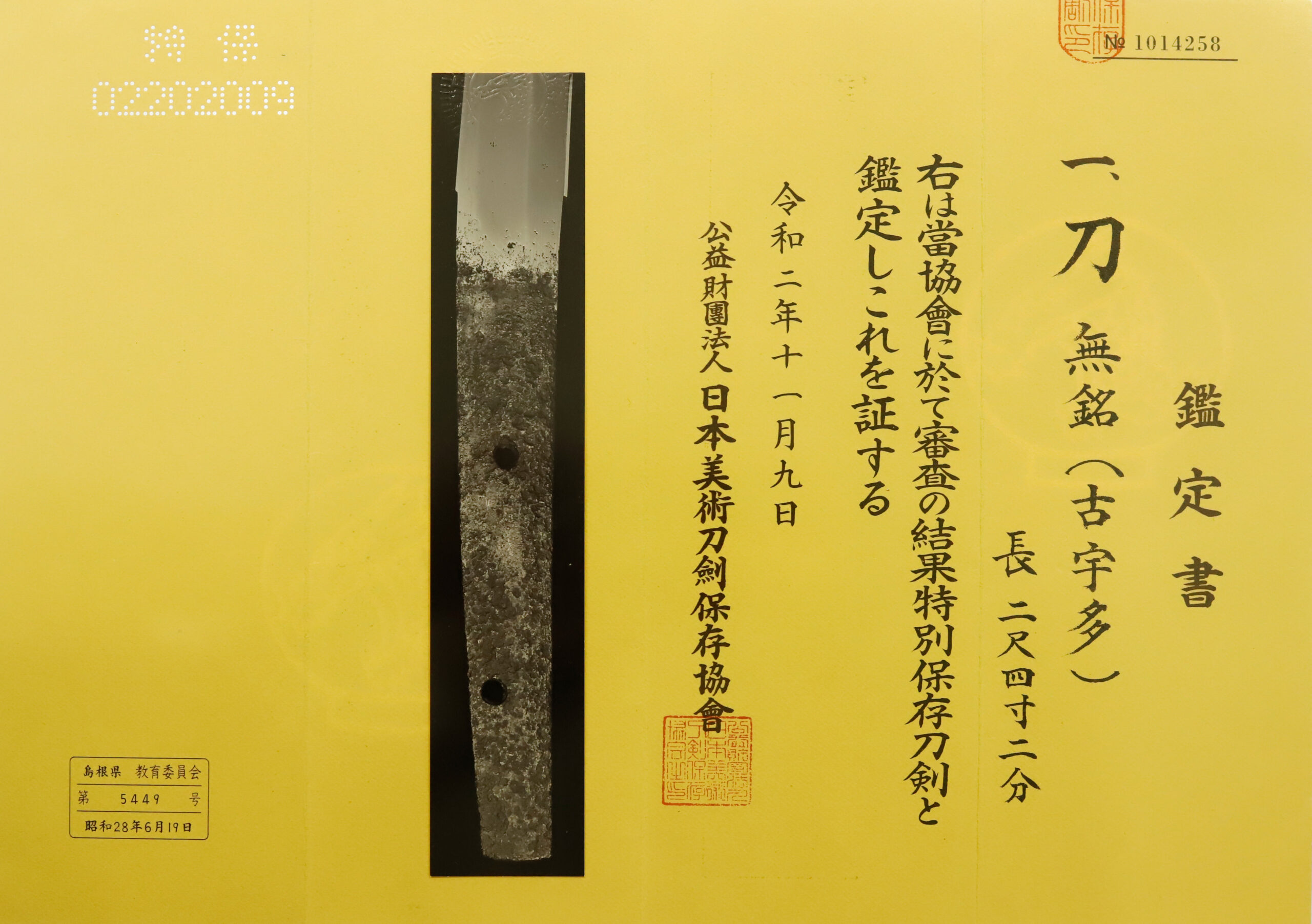
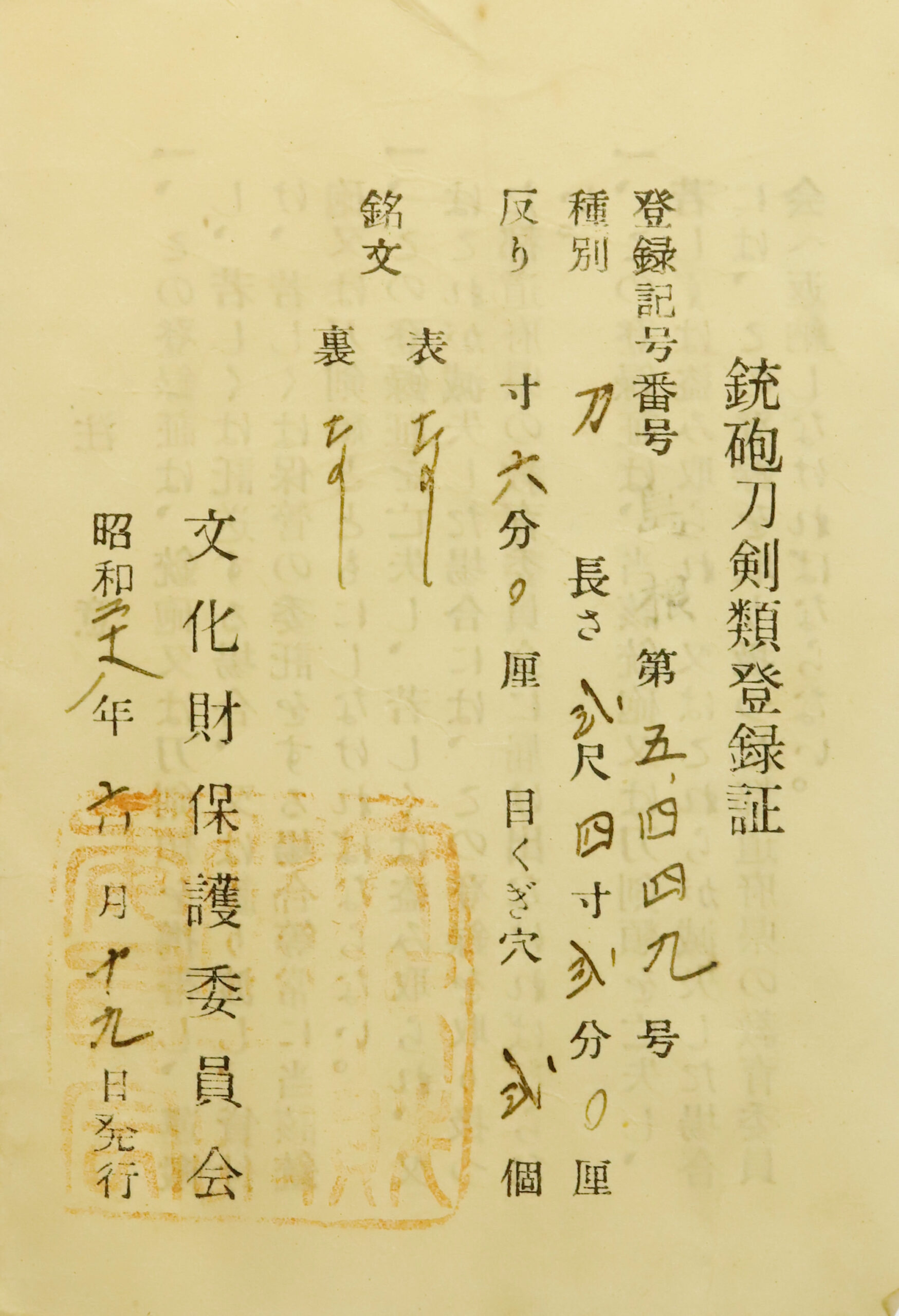
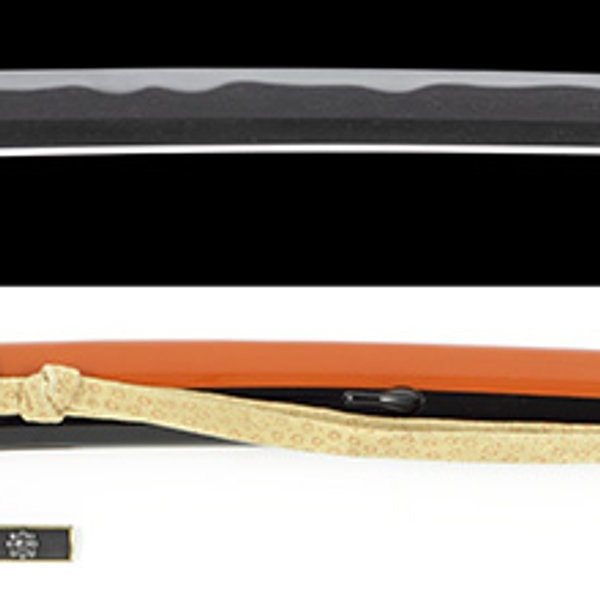
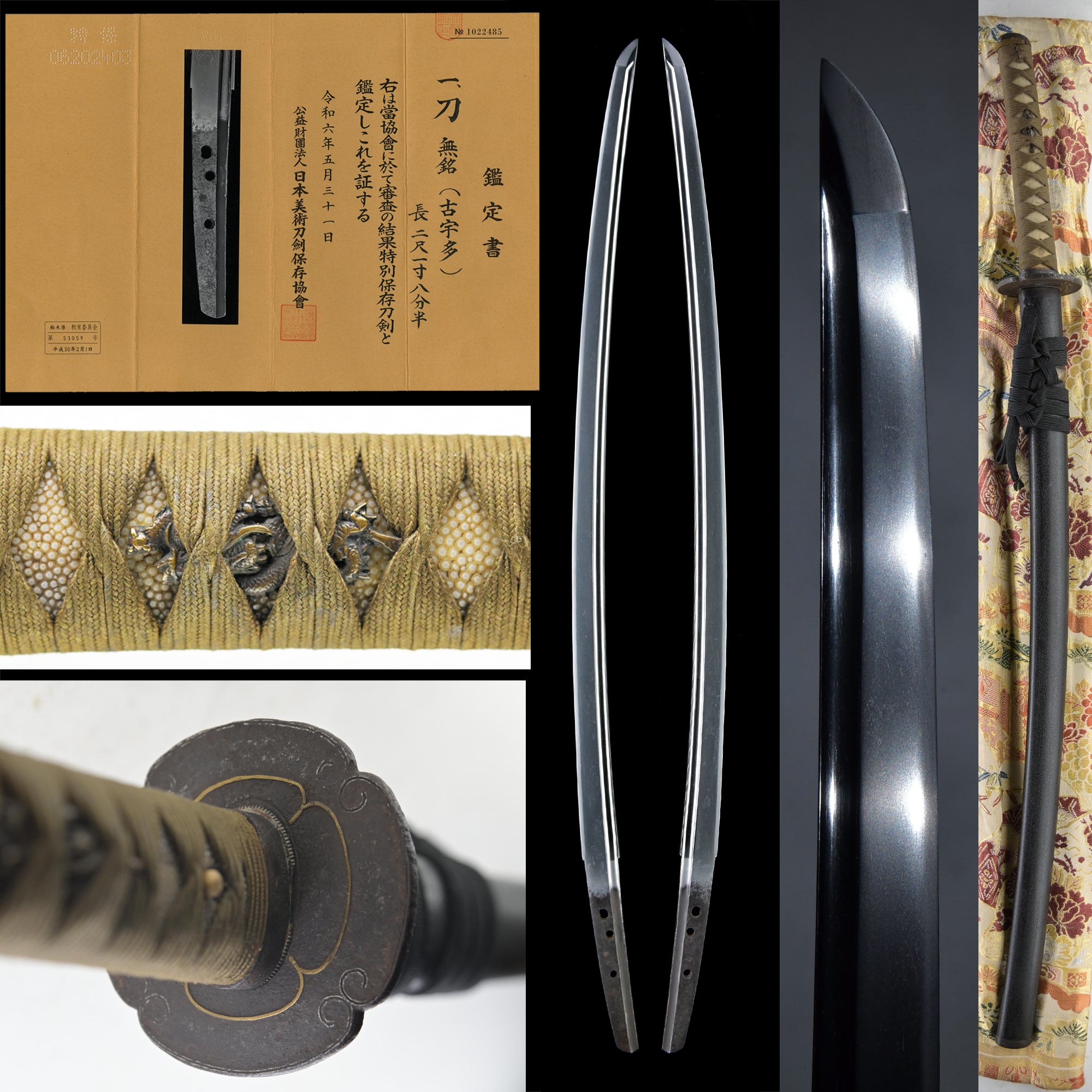
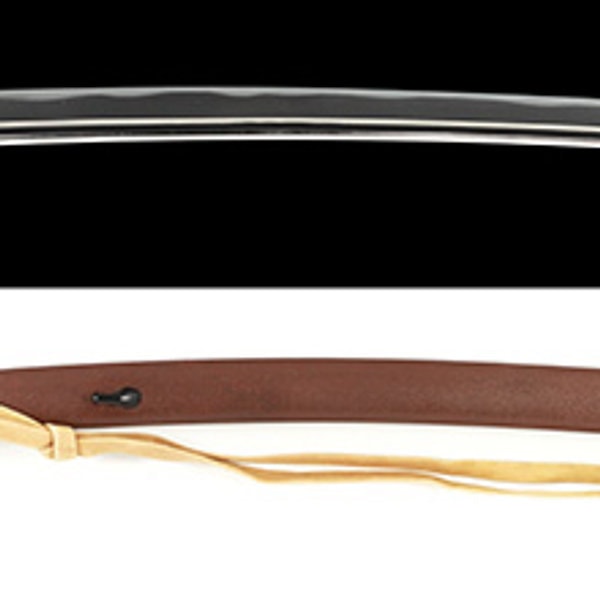
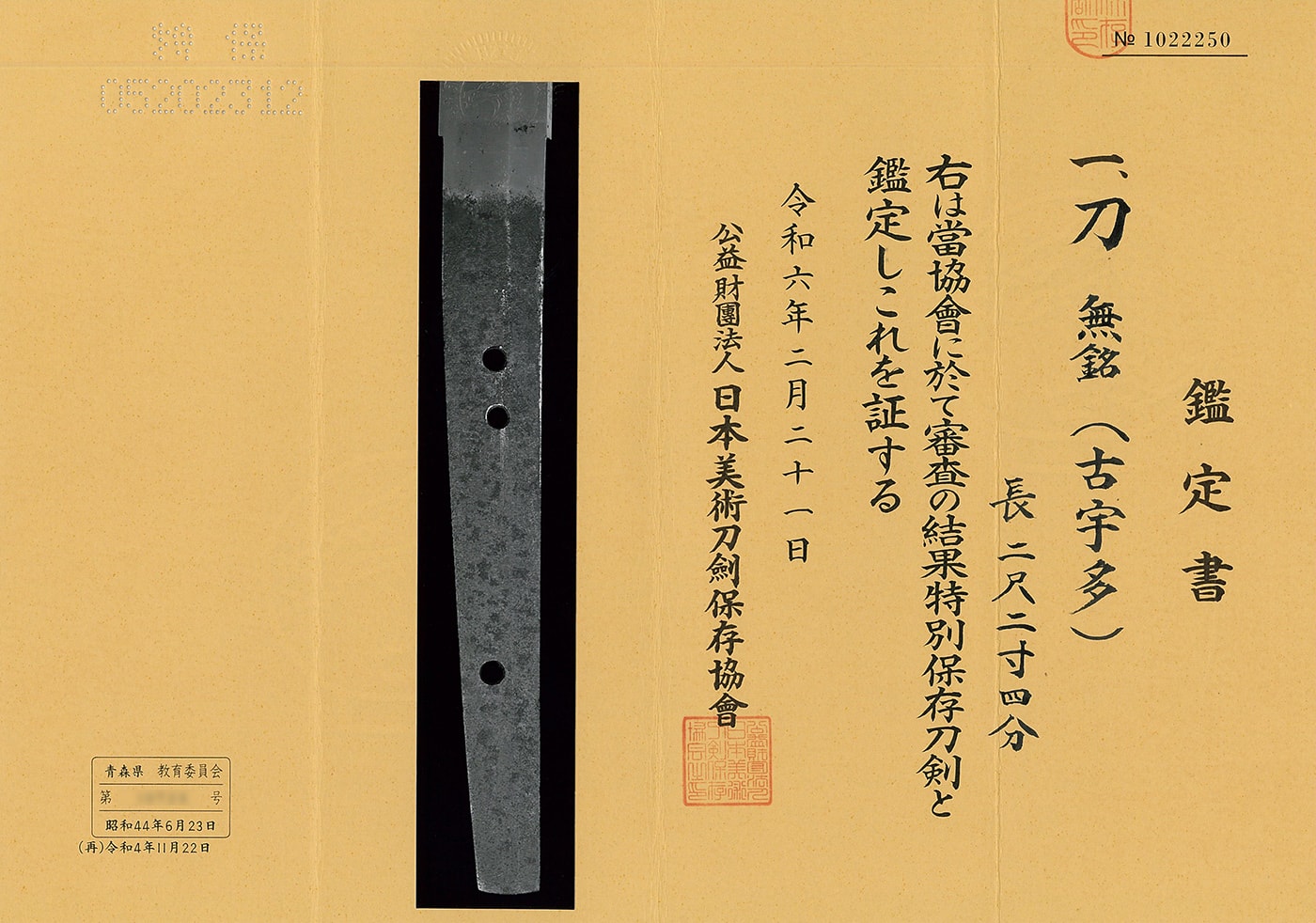
Antique Japanese Sword Katana attributed to Kouda with Tokubetsu Hozon Certificate 【Description】 Summary This blade is attributed to the work of Uda school by NBTHK, which authenticated this blade. While the certificate doesn’t mention when it was forged, NBTHK appraises it was made in the Kamakura-Nanbokucho period (Approx. 1299 – 1393). We made a phone call to NBTHK to confirm it. Uda is a prestigious school that flourished during the Nanbokuchoto-mid Muromachi period(approx. 1334-1491). It was founded by Kunimitsu(国光) in the late Kamakura period. The school was located in Etchu province in Toyama prefecture today. Kunimitsu was originally from Yamato Uda Gun(大和宇多郡), located in Nara prefecture but moved to Etchu in the late Kamakura period(1299-1333) with his apprentices including Kunifusa(国房), and Kunimune(国宗). Uda school was famous for producing practically designed blades, which were desirable during Nanbokucho- Muromachi period. Among other schools in the Hokuriku region(the northwestern part of Honshu), Uda school was the most prominent school. When the Uda school flourished in the Nanbokucho period, Japan had a tumultuous time because the imperial court was split into two sides(south and north). There were so many conflicts, and many Samurai were deployed. The trend in battlefields was to use a surprisingly long sword. This trend continued until the early-mid Muromachi period. This blade doesn’t look long now, but we assume it used to be quite a long sword based on the tang’s shape, meaning it was shortened a few times in the past. There are two categories in the work of Uda school. One is called Ko Uda(Old Uda), and the other is called Uda. Ko Uda swords were forged during the late Kamakura period to the Nanbokucho period. Uda blades were forged during the Muromachi period. This blade is categorized as a Ko-Uda blade. It is appraised as a Tokubetsu Hozon Token (特別保存刀剣) issued by NBTHK(Nihon Bijutsu Touken Hozon Kyokai:日本美術刀剣保存協会). This authentication paper was only given to authentic Japanese swords, especially well preserved and high quality with artistic value. *Please keep in mind that there are a few visible Kitae Kizu on this blade. If you like to know the detailed condition, please feel free to contact us. 【 Blade】 Cutting Edge Length(Nagasa) : 73.3 cm ( 28.8 inches) Curvature(Sori) : 1.8 cm ( 0.7 inches) Hamon : The crystalline structure which forms along the cutting edge of a blade as a result of the hardening process Jimon(Jihada) : visible steel surface pattern created by folding and hammering during forging process Nakago : Nakago is the tang of the Japanese sword. Japanese swordsmiths left the black rust on the tang because it prevents red rust while the tang is in its handle. And the discoloration of the tang was created over time, and it is a great indicator for a Japanese sword specialist to estimate when the sword was forged. Koshirae: Koshirae is the mounting of the Japanese sword. There are several parts that consist of Koshirae such as Saya(Scabbard), Tsuka(Handle), Tsuba(Handguard). Fuchi-Kashira : A pair of matching sword fittings that cover the upper and bottom parts of its sword hilt. This Fuchi Kashira has a unique design. It has irregular patterns with a complex mixture of stripes and spots. It seems to be that multiple layers of different metals are folded on each other, creating a design that looks like the cross-section has been carved out. Tsuka and Menuki : Tsuka is the handle of the Japanese sword and Menuki is its decoration. The Tonbo (蜻蛉, dragonfly) is the motif of this Menuki. The mottled pattern on the wings is somewhat similar to the design of the Fuchi Kashira. This insect has been inhabited for a long time ago in Japan. As they bag preys quickly, its heroic figure was sometimes the object of belief. During the Warring States period, the dragonfly was called the Kachimushi (勝ち虫, winning insect) because of its fearless character; it moves only forward, not backward. Above all, the
 NihontoWatch
無銘 · Uda · 鎌倉 · 長さ 73.3cm · 反り 1.8cm
脇物 · 越中
時期区分: 古宇多· 1310–1394
現在7点販売中
古宇多は、越中宇多派の草創にあたる一群を指す。宇多派は元来大和国宇陀郡の出身で、鎌倉時代末期の文保頃に古入道国光が大和より越中国宇津の地へ来住して開祖となったと伝える。国光の子に国房・国宗があり、さらに国次らが続いて、南北朝期にかけて一派の基礎を築いた。同名は一代限りではなく、国光・国房ともに後代まで襲名する工が数代を数え、室町時代を経て新刀期にまで及んでいる。このうち南北朝期を下らぬ作を特に古宇多と汎称し、開祖国光以下、大和の根を色濃く残した最初の世代がここに含まれる。国光在銘の確実な遺品は少なく、国房も南北朝後期ないし康応元年の年紀を有するものを最古とするため、この区分の在銘作はもとより数が限られる。 作風は地鉄に最もよく現れる。鍛えは板目に杢目・流れ肌を交えて柾がかり、肌立ちごころとなって地沸つき、地景が入り、地鉄が黒みをおびて処々粕立つところに北国物の持味を見せる。映りは白け映りまたは沸映りとして立つことが多い。刃文は細直刃を基調とし、処々に小互の目・小乱れや浅いのたれを交え、小足入り、小沸つき、刃縁が細かにほつれ、喰違刃や打のけを交えて、金筋・砂流しがかかる。帽子は直ぐに小丸、掃きかけて浅く返るものが目立つ。鎬の高い造込みは本国大和の影響によるもので、大和味の濃さがこの区分の根幹をなすが、一方で越中の先達である則重や江に倣ったとみられる相州伝風の作も含み、上工になると沸が強く働き、地刃ともに変化に富む。後代の宇多が次第に北国色を強め荒みを増すのに対し、古宇多は大和物を見るような澄んだ出来に近く、模範への距離が短い点で隔たりがある。 鑑定にあたっては、黒みをおびて肌立つ地鉄に白け映りの立つ点と、刃縁のほつれ・喰違刃に金筋・砂流しの加わる大和系の働きを併せ読むことが要となる。沸の強い作は一見相州上工を想わせるが、黒く粕立つ地鉄と、輝くというより締まる匂口によって宇多に引き戻される。主要工は開祖の古入道国光と、その子と伝える初代国房であり、国房には黒川古文化研究所・日枝神社所蔵の重要美術品の太刀が遺例として著名で、「国」字のクニ構えを井桁の如く崩す独特の銘字が初代の手がかりとなる。ほかに国宗・国次、また友則・友重らの名も伝わる。在銘作が乏しいため、評価はおのずと地鉄と刃の働きによる無銘極めに多くを負い、地刃の健やかな上作は滋味掬すべき優品として遇される。伝来は寺社や旧蔵家に長く留まる例が多く、宇多物研究上の資料として重んじられている。 詳しく見る →
鎌倉時代
後世のほとんどの権威が、鎌倉を日本刀の黄金時代と呼ぶ。最初の武家政権が注文主となり、諸伝統が同時に最盛期を迎え、伝えでは諸国の名工が後鳥羽上皇の御所に月番で伺候した。
保存刀剣のうち、出来が一層優れ、保存状態も良好と認められたものです。再刃や、室町・江戸期の多くの無銘作は対象外となり、保存刀剣より高い基準が課されます。
日本美術刀剣保存協会(NBTHK)は、1948年に設立され、文化庁の監督を受ける公益財団法人で、東京・刀剣博物館に本部を置きます。専門の審査員が出品作を直接審査し、美術的・歴史的価値に応じた鑑定書を発行します。NBTHKの鑑定書は、日本刀および刀装具の真正性を示す最も広く認知された基準です。
NBTHK公式サイトReturns/exchanges limited to defects caused by shipping (except willful misconduct or gross negligence by the company); customers must contact within 72 hours of receiving the product.
Antique Japanese Sword Katana attributed to Kouda with Tokubetsu Hozon Certificate 【Description】 Summary This blade is attributed to the work of Uda school by NBTHK, which authenticated this blade. While the certificate doesn’t mention when it was forged, NBTHK appraises it was made in the Kamakura-Nanbokucho period (Approx. 1299 – 1393). We made a phone call to NBTHK to confirm it. Uda is a prestigious school that flourished during the Nanbokuchoto-mid Muromachi period(approx. 1334-1491). It was founded by Kunimitsu(国光) in the late Kamakura period. The school was located in Etchu province in Toyama prefecture today. Kunimitsu was originally from Yamato Uda Gun(大和宇多郡), located in Nara prefecture but moved to Etchu in the late Kamakura period(1299-1333) with his apprentices including Kunifusa(国房), and Kunimune(国宗). Uda school was famous for producing practically designed blades, which were desirable during Nanbokucho- Muromachi period. Among other schools in the Hokuriku region(the northwestern part of Honshu), Uda school was the most prominent school. When the Uda school flourished in the Nanbokucho period, Japan had a tumultuous time because the imperial court was split into two sides(south and north). There were so many conflicts, and many Samurai were deployed. The trend in battlefields was to use a surprisingly long sword. This trend continued until the early-mid Muromachi period. This blade doesn’t look long now, but we assume it used to be quite a long sword based on the tang’s shape, meaning it was shortened a few times in the past. There are two categories in the work of Uda school. One is called Ko Uda(Old Uda), and the other is called Uda. Ko Uda swords were forged during the late Kamakura period to the Nanbokucho period. Uda blades were forged during the Muromachi period. This blade is categorized as a Ko-Uda blade. It is appraised as a Tokubetsu Hozon Token (特別保存刀剣) issued by NBTHK(Nihon Bijutsu Touken Hozon Kyokai:日本美術刀剣保存協会). This authentication paper was only given to authentic Japanese swords, especially well preserved and high quality with artistic value. *Please keep in mind that there are a few visible Kitae Kizu on this blade. If you like to know the detailed condition, please feel free to contact us. 【 Blade】 Cutting Edge Length(Nagasa) : 73.3 cm ( 28.8 inches) Curvature(Sori) : 1.8 cm ( 0.7 inches) Hamon : The crystalline structure which forms along the cutting edge of a blade as a result of the hardening process Jimon(Jihada) : visible steel surface pattern created by folding and hammering during forging process Nakago : Nakago is the tang of the Japanese sword. Japanese swordsmiths left the black rust on the tang because it prevents red rust while the tang is in its handle. And the discoloration of the tang was created over time, and it is a great indicator for a Japanese sword specialist to estimate when the sword was forged. Koshirae: Koshirae is the mounting of the Japanese sword. There are several parts that consist of Koshirae such as Saya(Scabbard), Tsuka(Handle), Tsuba(Handguard). Fuchi-Kashira : A pair of matching sword fittings that cover the upper and bottom parts of its sword hilt. This Fuchi Kashira has a unique design. It has irregular patterns with a complex mixture of stripes and spots. It seems to be that multiple layers of different metals are folded on each other, creating a design that looks like the cross-section has been carved out. Tsuka and Menuki : Tsuka is the handle of the Japanese sword and Menuki is its decoration. The Tonbo (蜻蛉, dragonfly) is the motif of this Menuki. The mottled pattern on the wings is somewhat similar to the design of the Fuchi Kashira. This insect has been inhabited for a long time ago in Japan. As they bag preys quickly, its heroic figure was sometimes the object of belief. During the Warring States period, the dragonfly was called the Kachimushi (勝ち虫, winning insect) because of its fearless character; it moves only forward, not backward. Above all, the
NihontoWatch無銘 · Uda · 鎌倉 · 長さ 73.3cm · 反り 1.8cm
脇物 · 越中
時期区分: 古宇多· 1310–1394
現在7点販売中
古宇多は、越中宇多派の草創にあたる一群を指す。宇多派は元来大和国宇陀郡の出身で、鎌倉時代末期の文保頃に古入道国光が大和より越中国宇津の地へ来住して開祖となったと伝える。国光の子に国房・国宗があり、さらに国次らが続いて、南北朝期にかけて一派の基礎を築いた。同名は一代限りではなく、国光・国房ともに後代まで襲名する工が数代を数え、室町時代を経て新刀期にまで及んでいる。このうち南北朝期を下らぬ作を特に古宇多と汎称し、開祖国光以下、大和の根を色濃く残した最初の世代がここに含まれる。国光在銘の確実な遺品は少なく、国房も南北朝後期ないし康応元年の年紀を有するものを最古とするため、この区分の在銘作はもとより数が限られる。 作風は地鉄に最もよく現れる。鍛えは板目に杢目・流れ肌を交えて柾がかり、肌立ちごころとなって地沸つき、地景が入り、地鉄が黒みをおびて処々粕立つところに北国物の持味を見せる。映りは白け映りまたは沸映りとして立つことが多い。刃文は細直刃を基調とし、処々に小互の目・小乱れや浅いのたれを交え、小足入り、小沸つき、刃縁が細かにほつれ、喰違刃や打のけを交えて、金筋・砂流しがかかる。帽子は直ぐに小丸、掃きかけて浅く返るものが目立つ。鎬の高い造込みは本国大和の影響によるもので、大和味の濃さがこの区分の根幹をなすが、一方で越中の先達である則重や江に倣ったとみられる相州伝風の作も含み、上工になると沸が強く働き、地刃ともに変化に富む。後代の宇多が次第に北国色を強め荒みを増すのに対し、古宇多は大和物を見るような澄んだ出来に近く、模範への距離が短い点で隔たりがある。 鑑定にあたっては、黒みをおびて肌立つ地鉄に白け映りの立つ点と、刃縁のほつれ・喰違刃に金筋・砂流しの加わる大和系の働きを併せ読むことが要となる。沸の強い作は一見相州上工を想わせるが、黒く粕立つ地鉄と、輝くというより締まる匂口によって宇多に引き戻される。主要工は開祖の古入道国光と、その子と伝える初代国房であり、国房には黒川古文化研究所・日枝神社所蔵の重要美術品の太刀が遺例として著名で、「国」字のクニ構えを井桁の如く崩す独特の銘字が初代の手がかりとなる。ほかに国宗・国次、また友則・友重らの名も伝わる。在銘作が乏しいため、評価はおのずと地鉄と刃の働きによる無銘極めに多くを負い、地刃の健やかな上作は滋味掬すべき優品として遇される。伝来は寺社や旧蔵家に長く留まる例が多く、宇多物研究上の資料として重んじられている。 詳しく見る →
鎌倉時代
後世のほとんどの権威が、鎌倉を日本刀の黄金時代と呼ぶ。最初の武家政権が注文主となり、諸伝統が同時に最盛期を迎え、伝えでは諸国の名工が後鳥羽上皇の御所に月番で伺候した。
保存刀剣のうち、出来が一層優れ、保存状態も良好と認められたものです。再刃や、室町・江戸期の多くの無銘作は対象外となり、保存刀剣より高い基準が課されます。
日本美術刀剣保存協会(NBTHK)は、1948年に設立され、文化庁の監督を受ける公益財団法人で、東京・刀剣博物館に本部を置きます。専門の審査員が出品作を直接審査し、美術的・歴史的価値に応じた鑑定書を発行します。NBTHKの鑑定書は、日本刀および刀装具の真正性を示す最も広く認知された基準です。
NBTHK公式サイトReturns/exchanges limited to defects caused by shipping (except willful misconduct or gross negligence by the company); customers must contact within 72 hours of receiving the product.

![Wakizashi - Tokuho - 作 古宇多派 - 脇差[古宇多]業物 日本美術刀剣保存協会 特別保存刀剣](/_next/image?url=https%3A%2F%2Fitbhfhyptogxcjbjfzwx.supabase.co%2Fstorage%2Fv1%2Fobject%2Fpublic%2Flisting-images%2Fworld-seiyudo%2FL32079%2F00.jpg&w=2560&q=90)