二十世紀は二度この工芸を殺しかけた。戦時の歪みと、占領下の禁令である。1948年の日刀保設立と1953年の作刀再開が刀を美術として再建し、人間国宝と無鑑査がその頂に立つ。
 NihontoWatchNihontoWatch
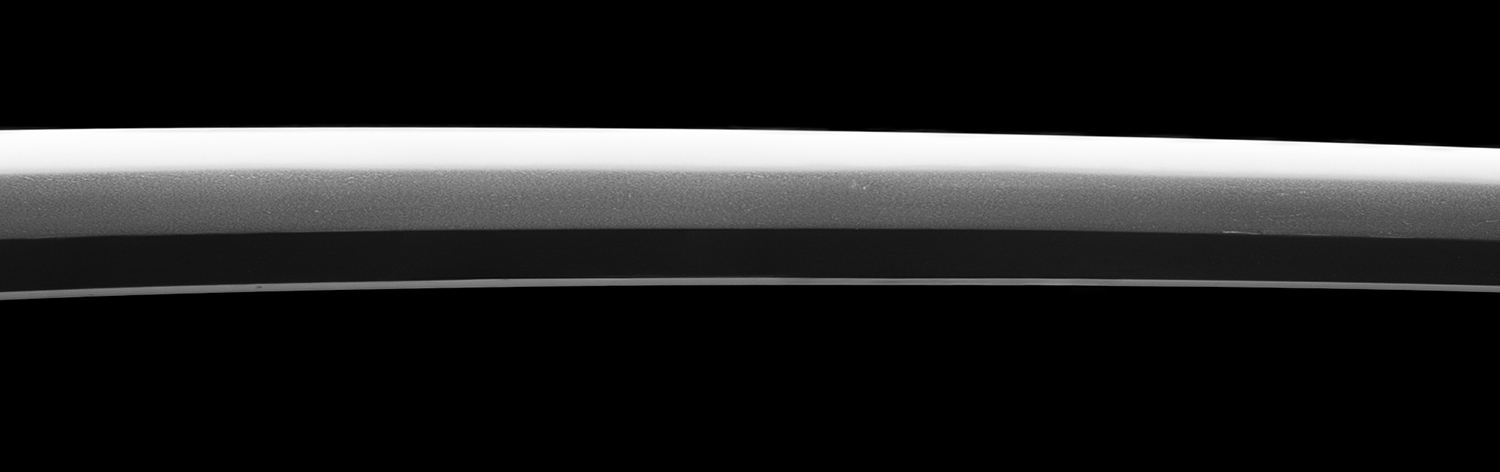
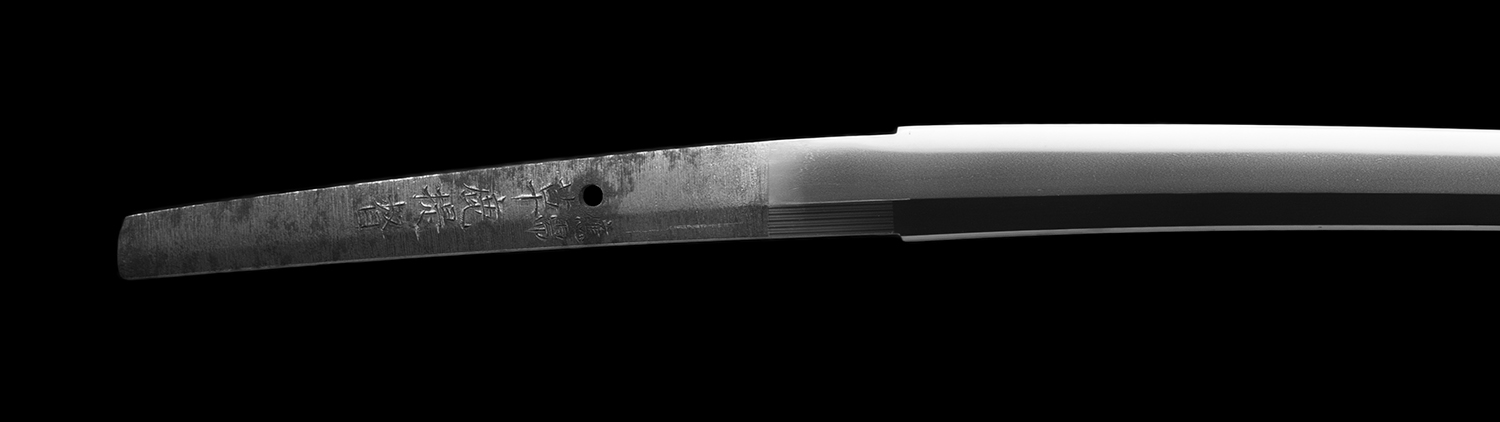
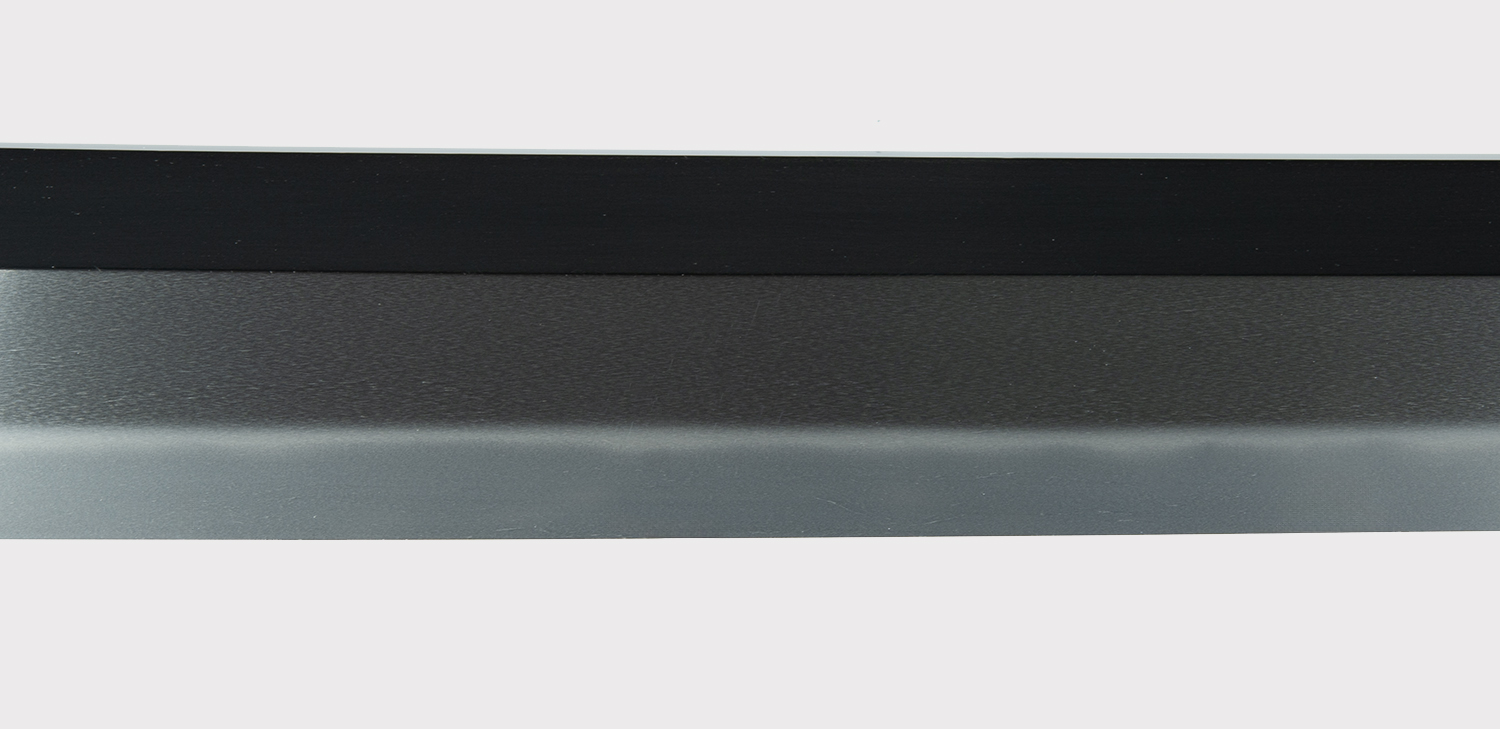
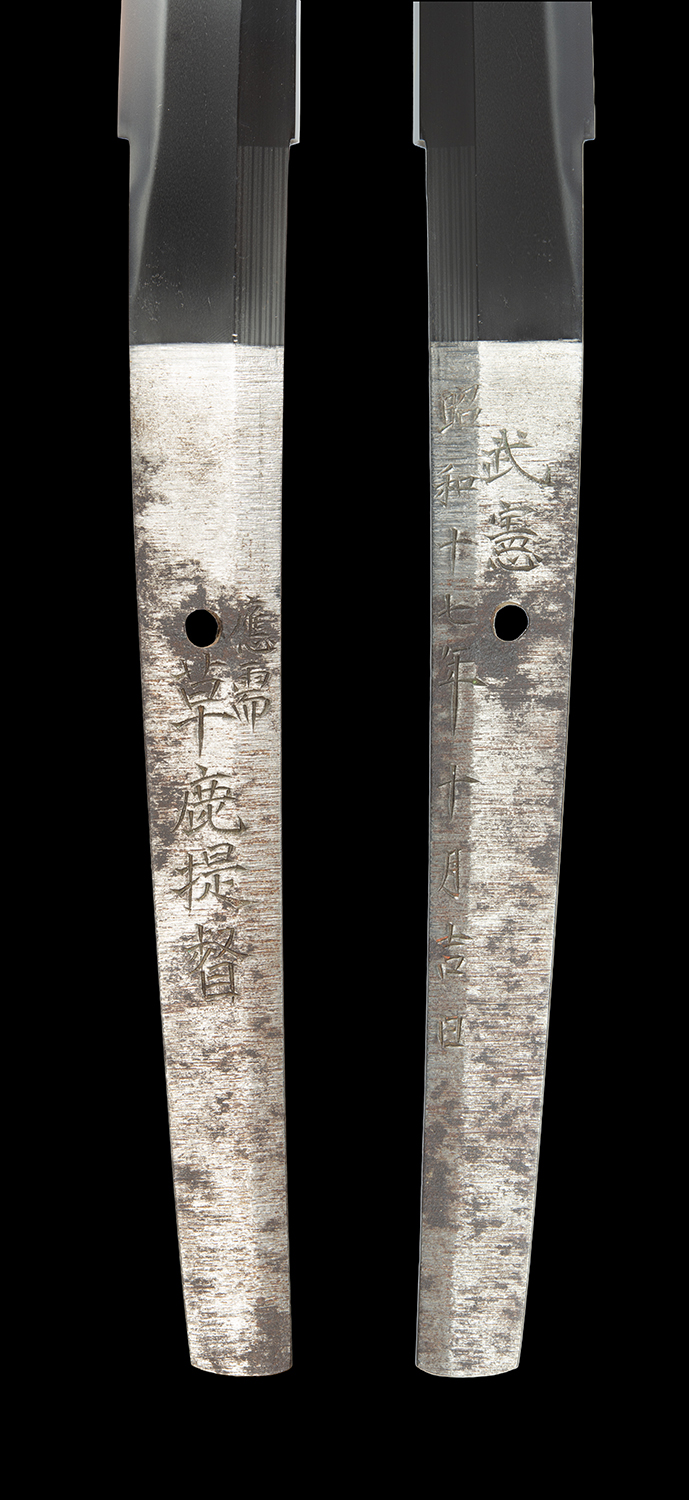
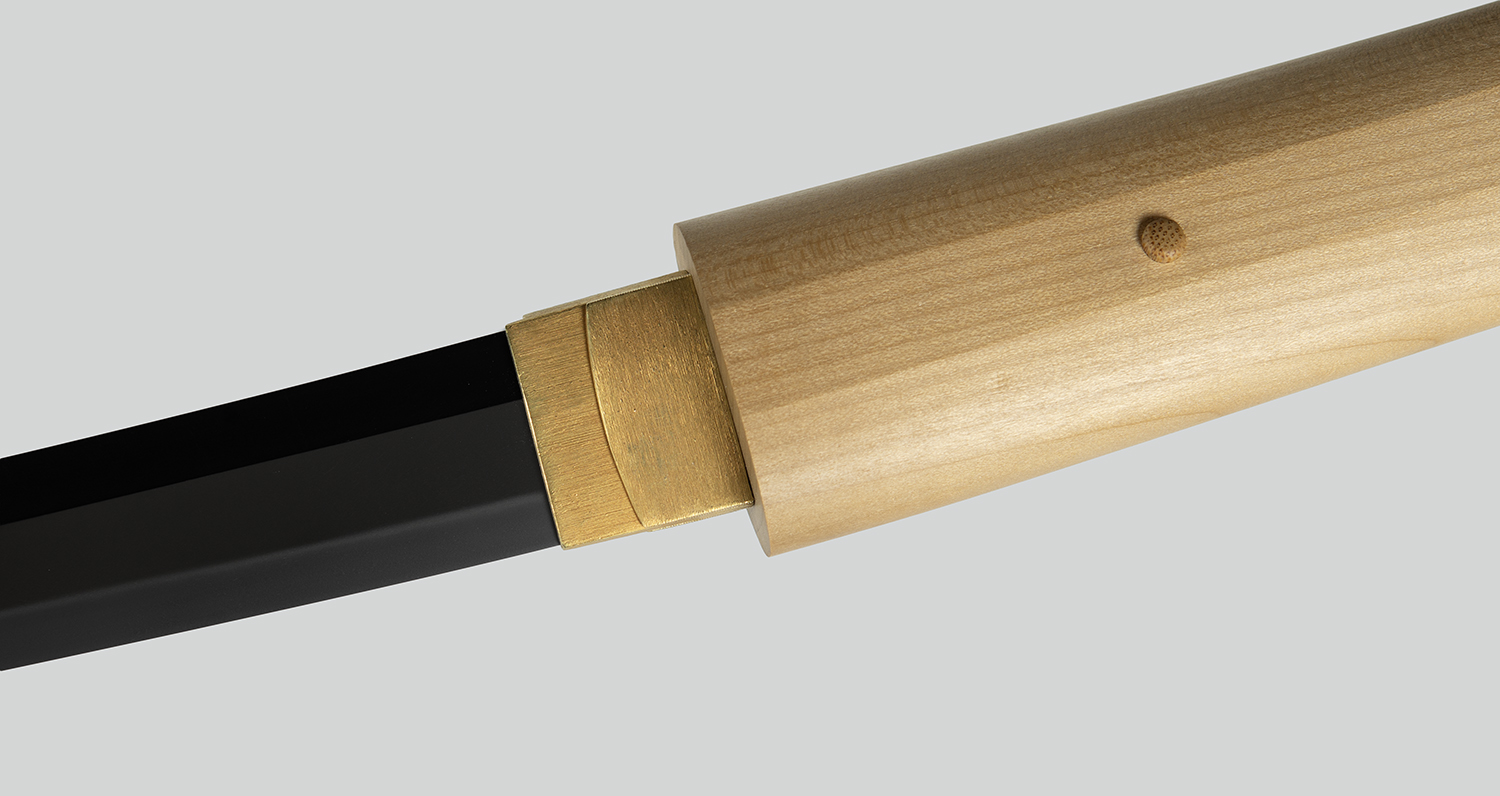
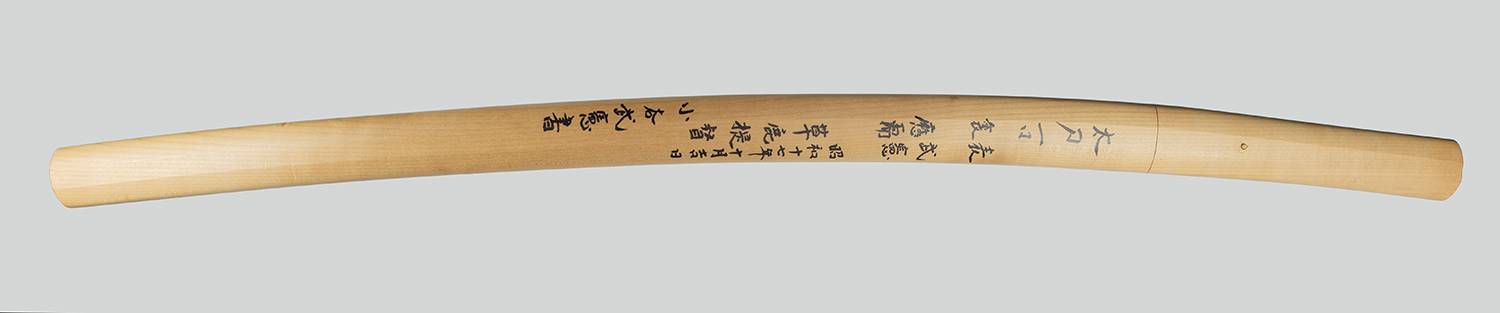
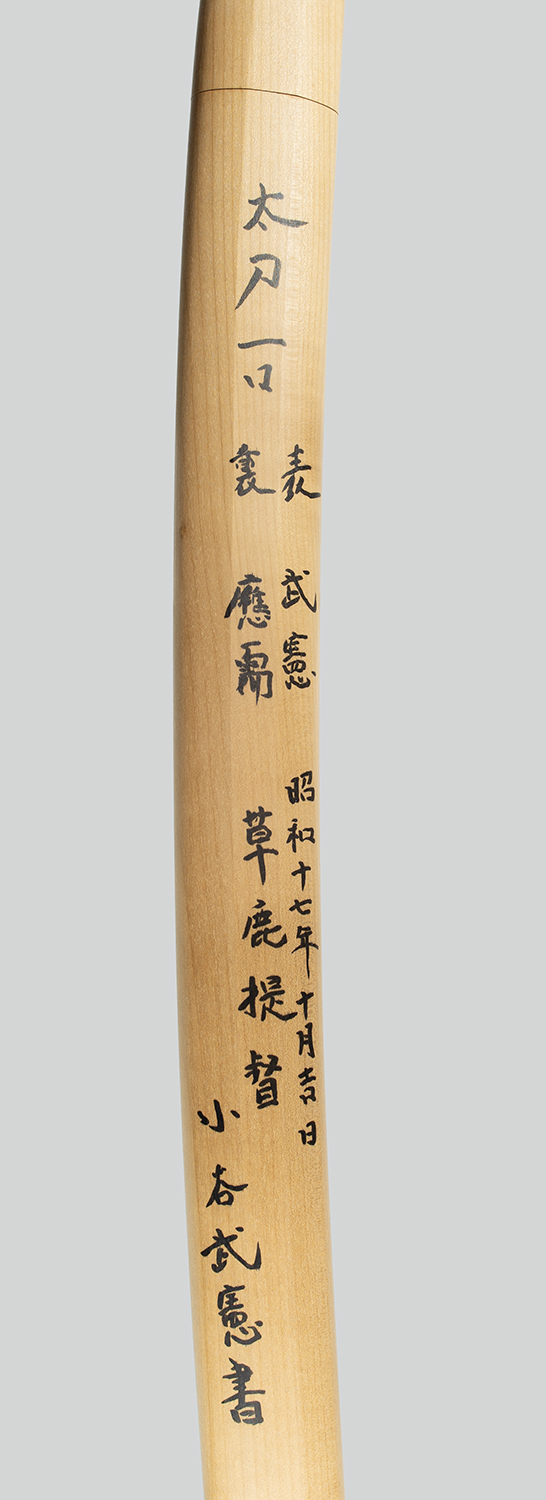
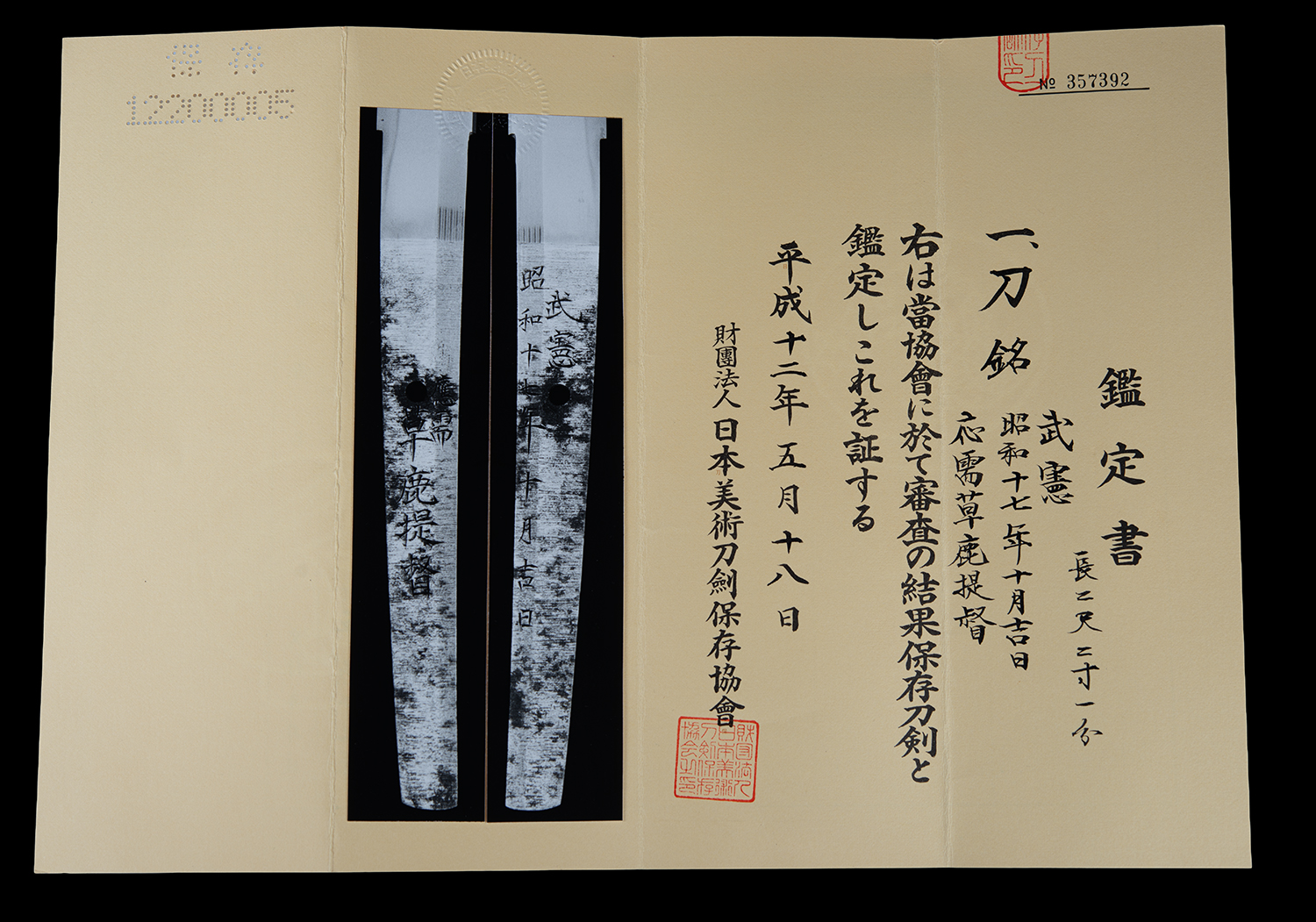
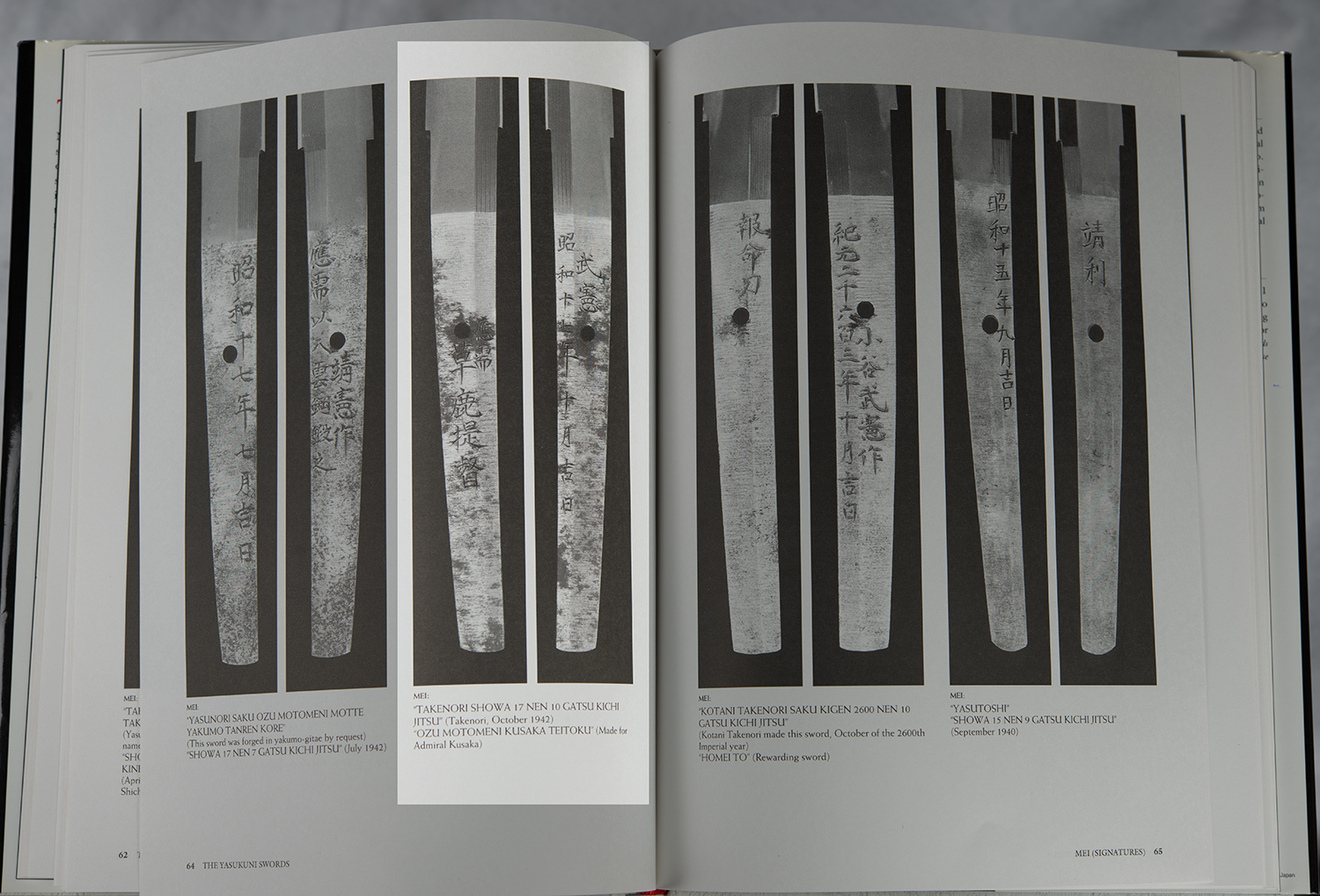
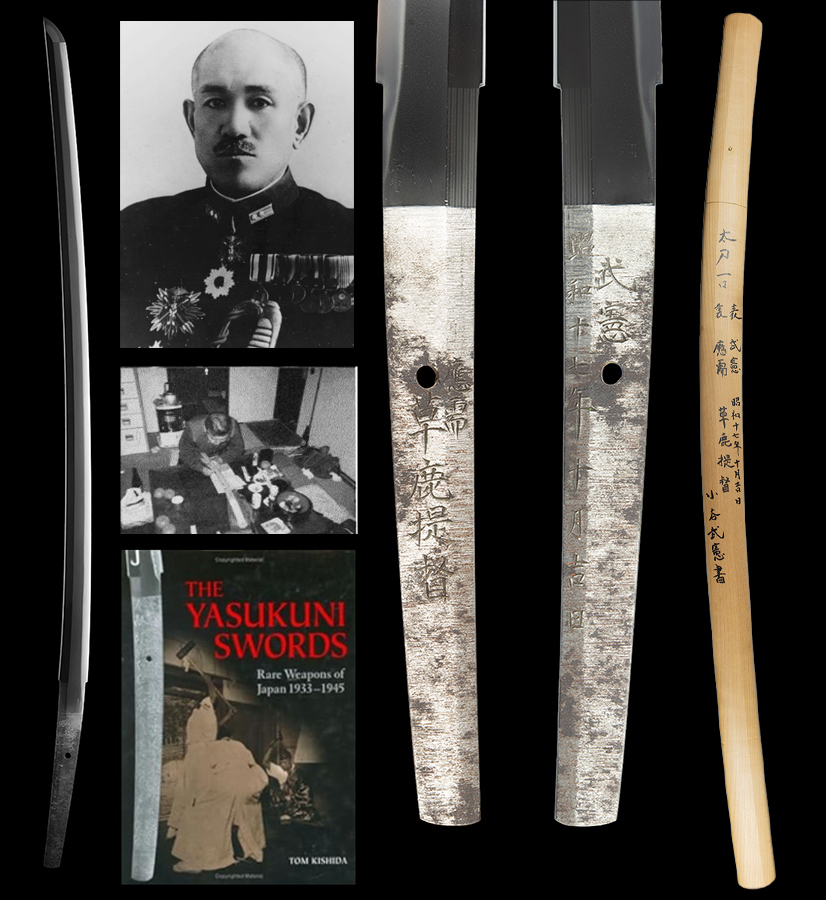
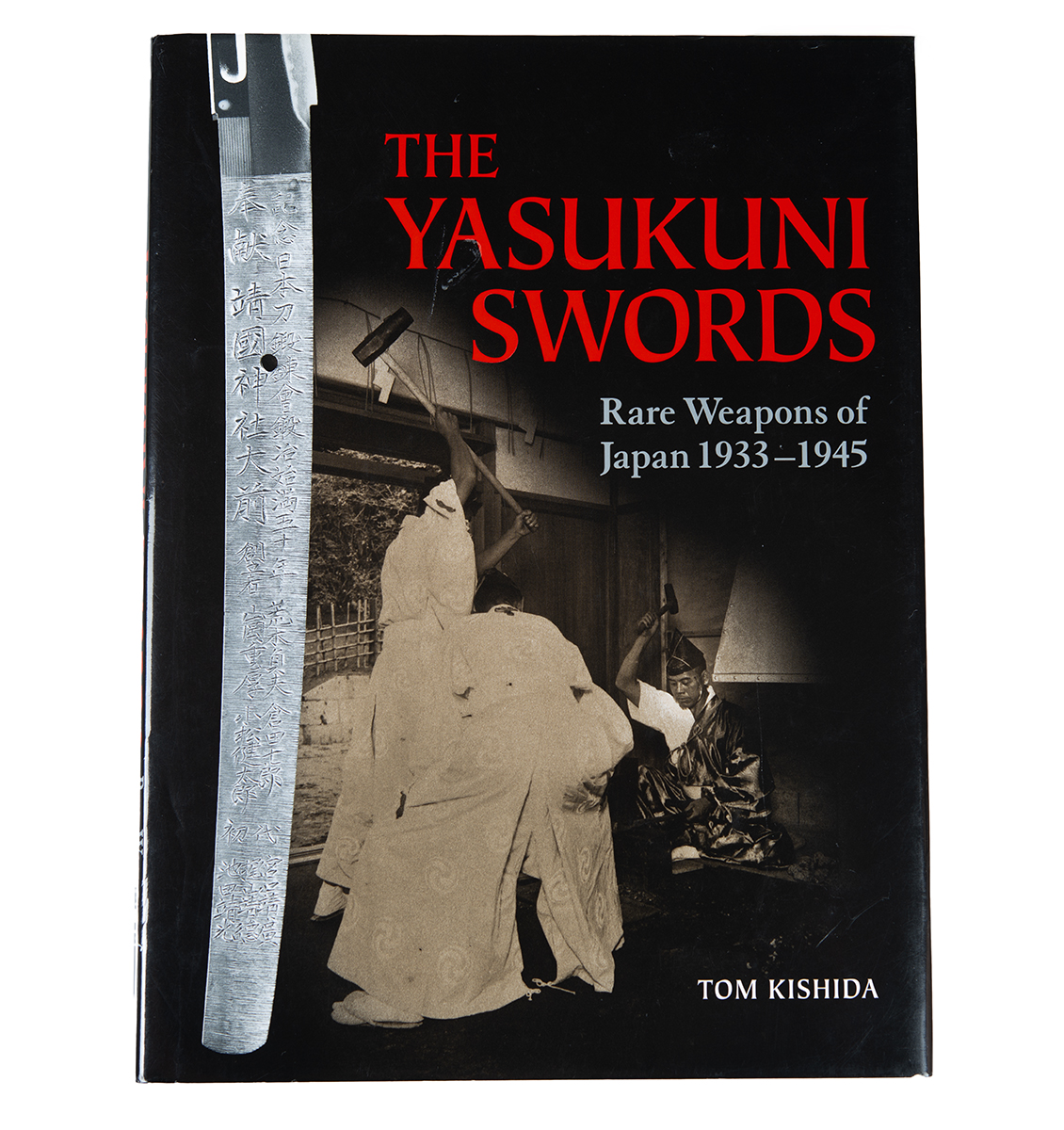
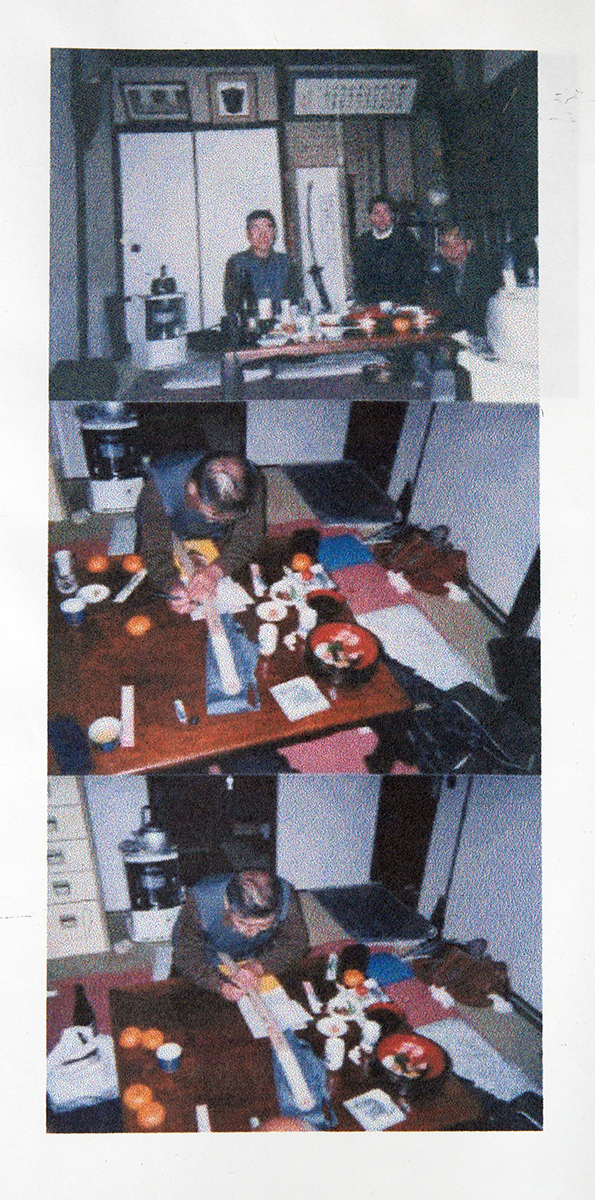
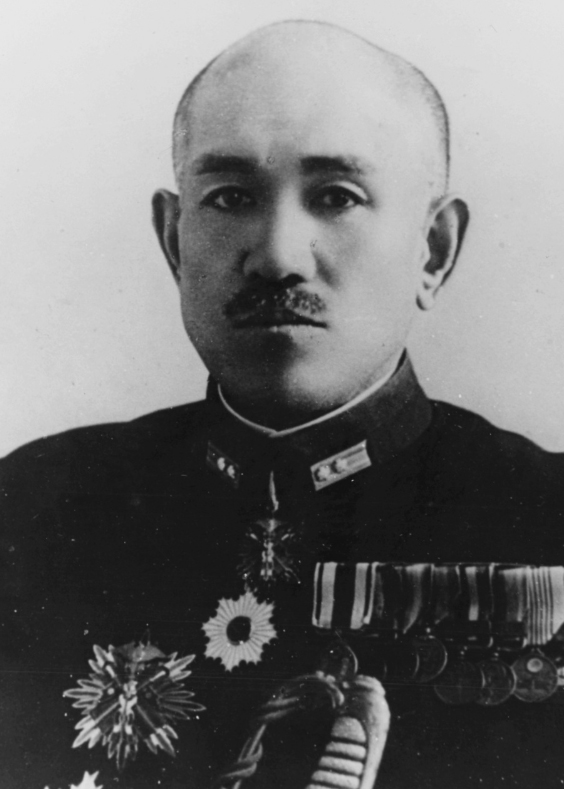
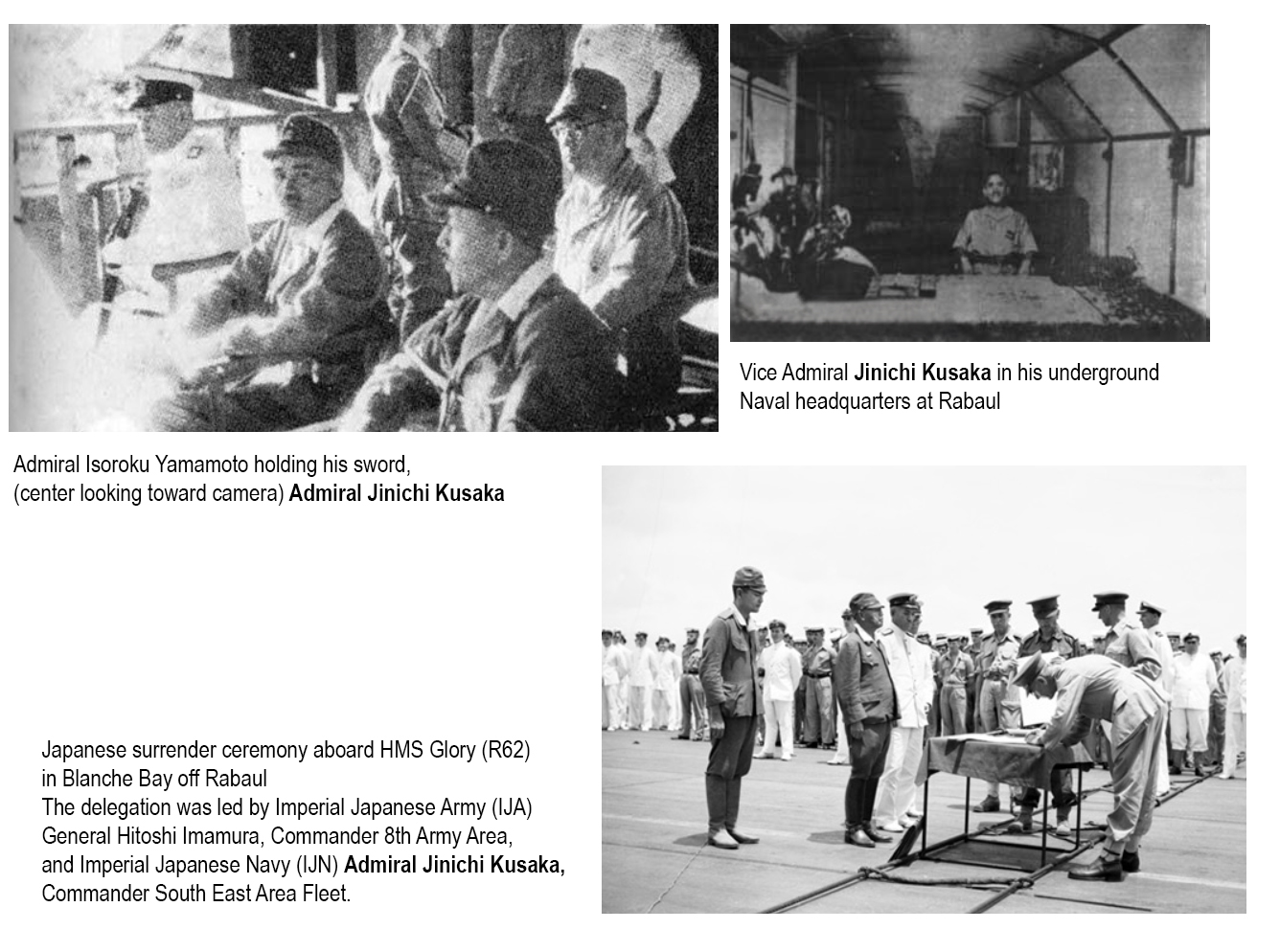
Yasukuni Shrine Tosho Special Order at the request of Vice Admiral Jinichi Kusaka, Commander of the 11th Air Fleet and Commander of the Southeast Area Fleet. October, 1942 Sayagaki by Kotani Yasunori Published in "The Yasukuni Swords" by Tom Kishida Kitae : Ko-itame with misty ji-nie. Hamon : Nioi-deki sugu-based ko gunome. The nioi-guchi is uniform and dense. The are many ko-ashi and they are distributed evenly throughout the hamon. Boshi : Ko-maru with clear nioi-guchi and an elegant kaeri on both sides. About this sword : An outstanding Yasukuni-to by Takenori (Kotani Yasunori). This blade was made in 1942 for Vice Admiral Jinichi Kusaka, Commander of the 11th Air Fleet and Commander of the Southeast Area Fleet. This is an important sword and it was published by Tom Koshida in his book, "The Yasukuni Swords - Rare Weapons of Japan". The saya-gaki for this blade was done by the smith himeslf, late in his life after the blade was restored. Circa late 1990's. The photo above and below is non other than Kotani Yasunori, recording the saya-gaki on this very blade. He passed away in 2003 and was the last living Yasukuni-tosho. Yasunori was born in 1909. His father was a tool maker and they lived in Hiroshima. In his early years, he became an student of his uncle, Kajiyama Yasunori. His civilian name was Kotani Kenzo. He went to Tokyo in 1933 with his uncle and cousin where they entered the Yasukuni Jinja. Kotani Yasunori served as his uncle's sakite (hammer man) during his initial time at the shrine. He received his name of Yasunori from General Hayashi Senjuro in 1935. While at the Jinja, he made blades for some important individuals and events. The war sword of Field Marshall Terauchi was by Kotani Yasunori. Records state that he made about 1600 swords at the Yasukuni Jinja. He passed away in 2003 in Kure Hiroshima. In 1938 he and his uncle received the smith name "Takenori" from General Nara Takeji. From this time onwards, he signed blades made for the Yasukuni forge with "Yasunori" and privately made blades with "Takenori", such as this special order work for Vice Admiral Jinichi Kusaka. The blade is finely crafted. The misty ji-nie makes the steel look "wet". The hamon shows the classic model of Bizen Nagamitsu and Kagemitsu clearly. The dense nioi-guchi and plentiful ko-ashi are a delight to study. The polish of this blade has crisp geometry and the hadori is excellent. There are some slight scratches on the polish. A master-work gendatio and ideally representative katana of the Yasukuni tradition. This blade was made for Admiral Jinichi Kusaka: This blade was made at the request of Vice Admiral Jinichi Kusaka. There were actually two important figures in the Imperial Japanese Navy with the family name of Kusaka during WWII . These men were Ryunosuke Kusaka and Jinichi Kusaka. They were cousins and both achieved the rank of Vice Admiral in the Imperial Japanese Navy. This blade's nakago records that it was made at the request of 草鹿 提督 Kusaka Teitoku. The term Teitoku is used for a fleet commander. Jinichi Kusaka was given command of the 11th Air Fleet (Imperial Japanese Navy) in September of 1942. Three months later, in December of 1942, a new fleet was formed; The Southeast Area Fleet, and Jinichi Kusaka was appointed as this fleet commander as well. Jinichi Kusaka was the commander of two fleets simultaneously. This sword was made in October of 1942, the same time the Jinichi Kusaka was given command of the 11th Air Fleet. We can be sure that this blade was requested by Jinichi Kusaka because Ryunosuke Kusaka was never given a command. Ryunosuke Kusaka was the chief of staff for several air fleets, a staff officer, but never given a command position of Teitoku. Jinichi Kusaka and Chuichi Nagumo were Isoroku Yamamoto's right hand men and the top Japanese Naval Commanders of WWII. Jinichi Kusaka ordered this blade himself in celebration of his amazing achievement. He became Kusaka Teitoku, the commander of two Imperial Navy Fleets. Documentation of the special order also accompanies the blade in its saya-gaki and in record from the collector, whom had a friendship with Kotani Yasunori, and arranged the saya-gaki. Please read full details below of Jinichi Kusaka's rise in the Japanese Imperial Navy. Bio: Admiral Kusaka was a native of Ishikawa Prefecture, Kusaka graduated from the 37th class of the Imperial Japanese Navy Academy, ranked 21st in a class of 179 cadets. He served as midshipman on the cruisers "Soya" and "Chiyoda", and after being commissioned as ensign was assigned to the cruiser "Tokiwa" and battleship "Aki". As a lieutenant during World War I, he served on "Asama", followed by "Kashima" and destroyer "Hamakaze", but was not on any combat missions. After the end of the war, he attended the Naval War College (Japan), emerging in 1921 as a lieutenant commander. He was assigned to the battleship "Hiei" as Vice Chief Gunnery Officer, and to "Yamashiro" and "Nagato" as Chief Gunnery Officer. After Kusaka's promotion to captain on 1 December 1930, he was sent overseas to the United States and Europe for one year. After his return, he received his first command, the cruiser "Kitakami". He was subsequently captain of the battleship "Fuso". On 1 December 1936 Kusaka was promoted to rear admiral, and became commandant of the Naval Gunnery School. On 15 November 1940, he was promoted to Vice Admiral. At the beginning of the Pacific War Kusaka commanded the Imperial Japanese Naval Academy. On 28 September 1942 he took command of the 11th Air Fleet located at the major Japanese base of Rabaul on New Britain in the South Pacific. Throughout the Guadalcanal campaign Kusaka's air units battled the Allied Cactus Air Force for control of the air around Guadalcanal, a battle that the Allied air forces eventually won. The 11th Air Fleet also supported Japanese military operations in the New Guinea Campaign. On December 24, 1942 all naval forces in New Guinea and Solomon Islands area were combined into the newly designated Southeast Area Fleet with Kusaka in command. As commander, Kusaka directed the employment of naval ships and combat personnel involved in the fighting against Allied forces advancing up the Solomon Islands chain and New Guinea and New Britain towards Rabaul. On 6 September 1945, Kusaka, acting as the senior officer for Japanese naval forces in the Rabaul area, along with Lieutenant General Hitoshi Imamura, the senior Imperial Japanese Army commander for the area, surrendered Rabaul to Allied forces. As mentioned above, Kotani Kenzo (Yasunori/Takenori) was asked to record the saya-gaki on this tachi, circa late 1990s. Photocopies of the event are included but the original photos are not with the blade. This exact blade is published in Tom Kishida's Yasukuni book - translated by Kenji Mishina. This book has become the standard reference for Yasukuni study. A copy of the book is included with the blade. This also has an NBTHK Hozon paper, top-quality gold foil double habaki and a storage bag. An exceptional gendaito made at the request of Vice Admiral Jinichi Kusaka himself, at the time of his new and crucial command in 1942. The importance of this blade reaches beyond its merit as an outstanding Nihonto. It is a treasure among WWII artifacts and an item which touches immense turning points in the history of WWII.



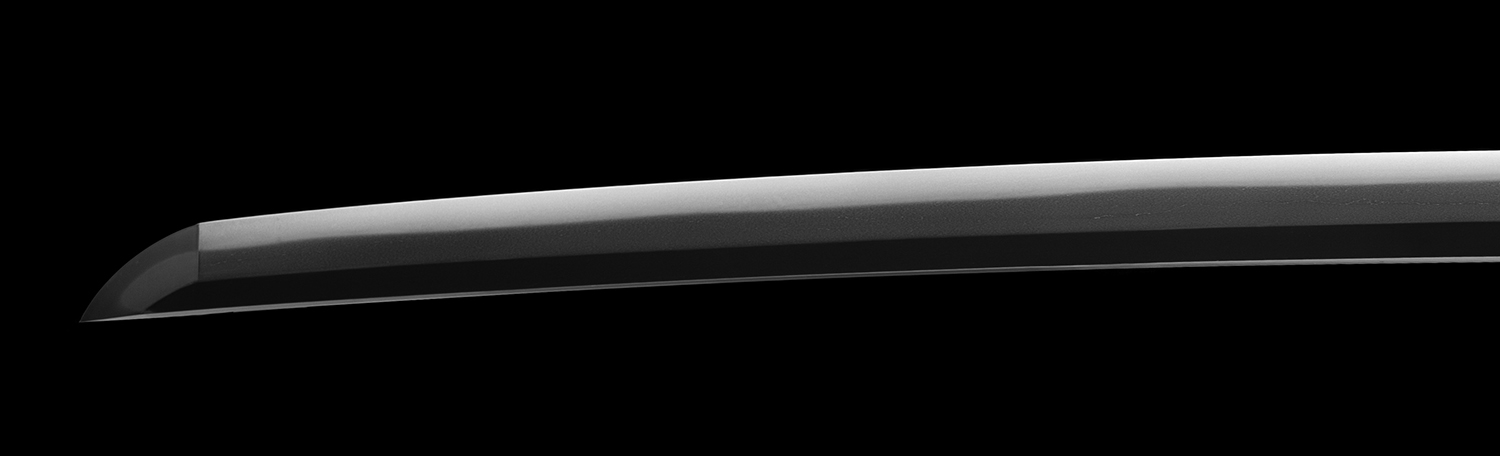
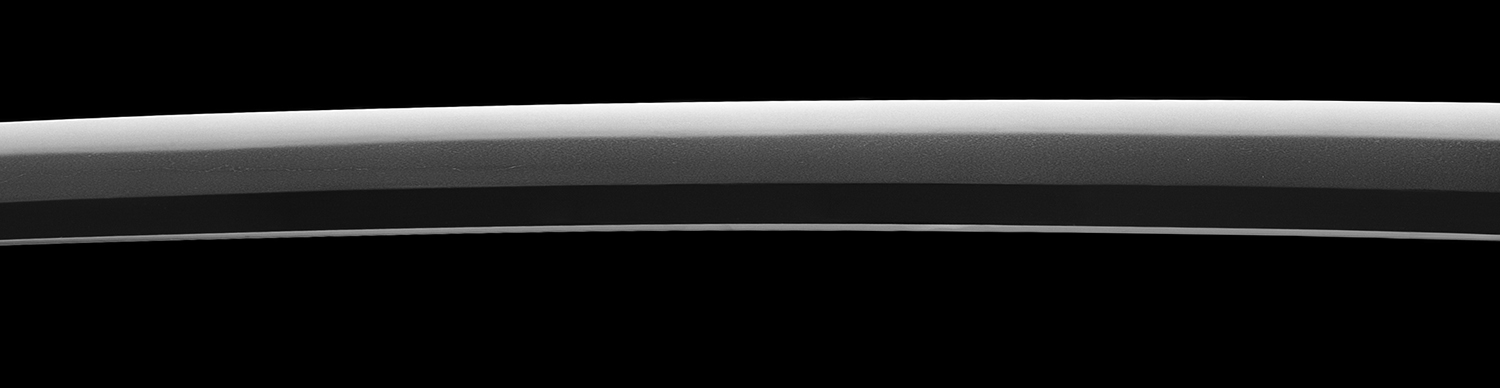
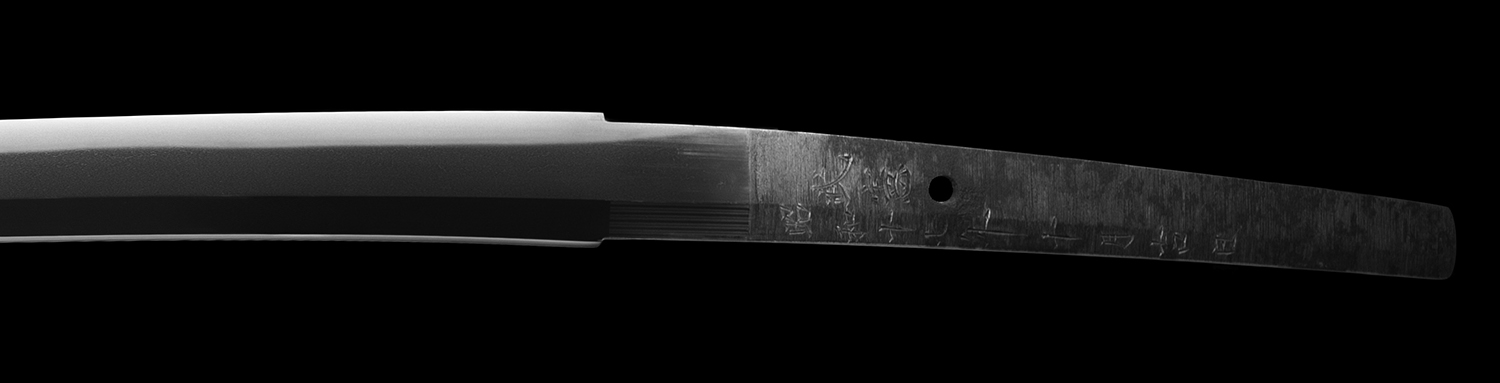
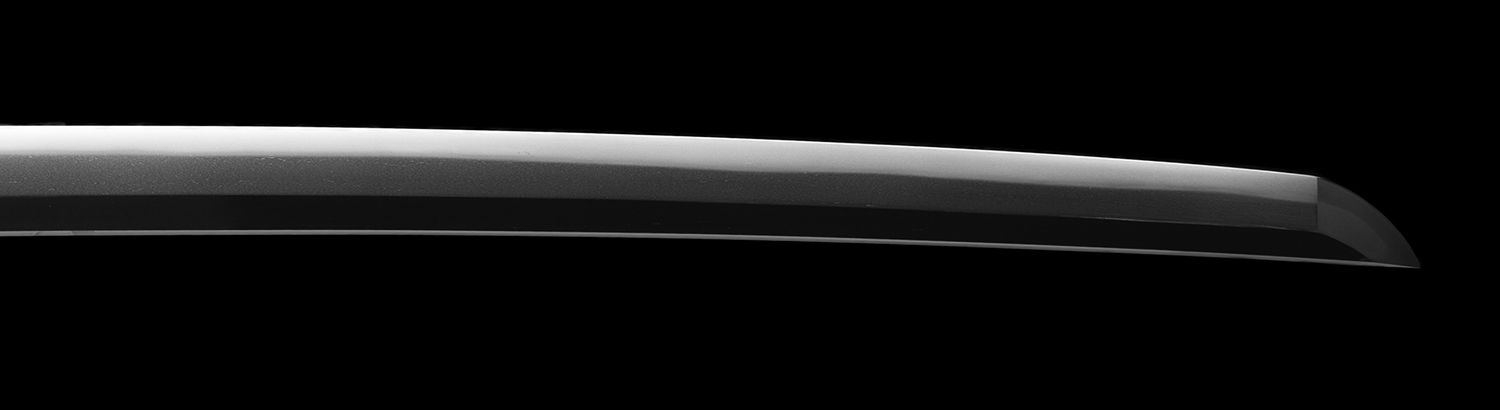
販売店の記載のまま
昭和から現代へ 断絶と再生
二十世紀は二度この工芸を殺しかけた。戦時の歪みと、占領下の禁令である。1948年の日刀保設立と1953年の作刀再開が刀を美術として再建し、人間国宝と無鑑査がその頂に立つ。
銘が正しい、または無銘でも年代・国・系統を確実に指摘できる、保存に値する真正の作と鑑定されたものです。
日本美術刀剣保存協会(NBTHK)は、1948年に設立され、文化庁の監督を受ける公益財団法人で、東京・刀剣博物館に本部を置きます。専門の審査員が出品作を直接審査し、美術的・歴史的価値に応じた鑑定書を発行します。NBTHKの鑑定書は、日本刀および刀装具の真正性を示す最も広く認知された基準です。
NBTHK公式サイト3 day inspection period on all sales. Items can be returned for any reason for a full refund, less return shipping cost. Returned items must be in the same condition as when purchased.
Certificate reading — 銘 武憲 昭和十七年十月吉日 応需草鹿提督