新刀の時代は、その大部分が京都で発明された。埋忠明寿の工房が運動を育て、堀川国広が一世代を鍛え、鎚を持たぬ本阿弥家が名刀の意味を司った。
 NihontoWatchNihontoWatch
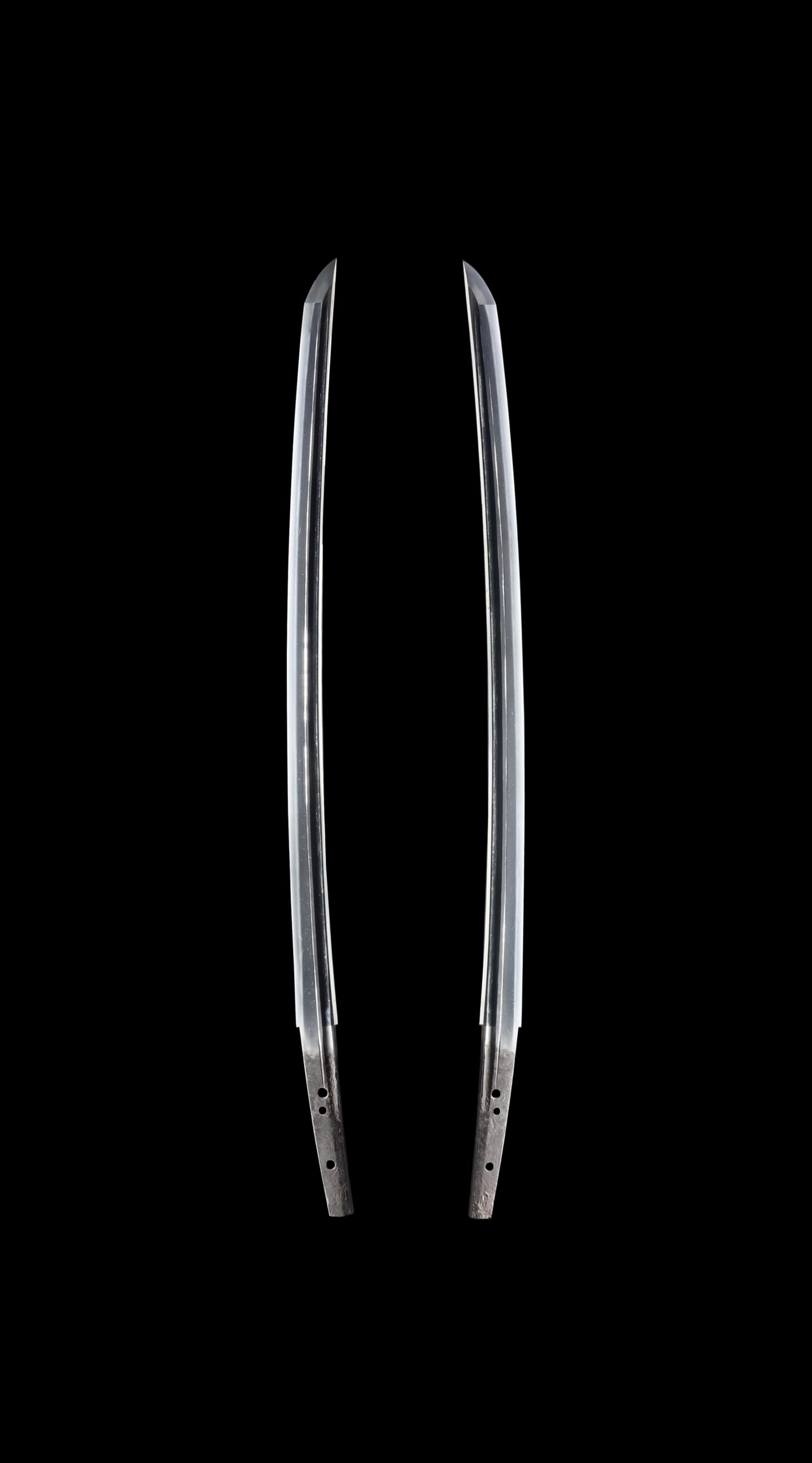
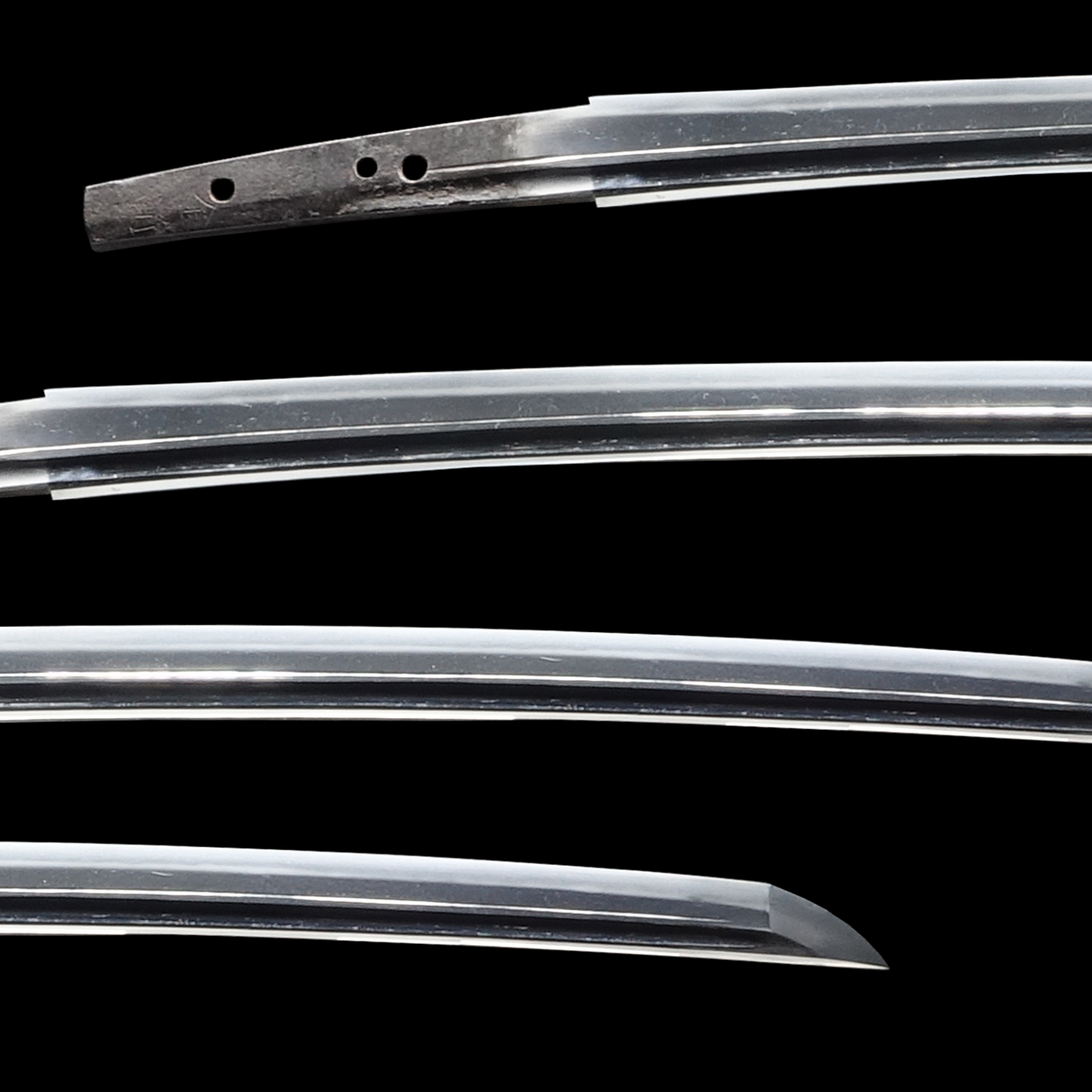
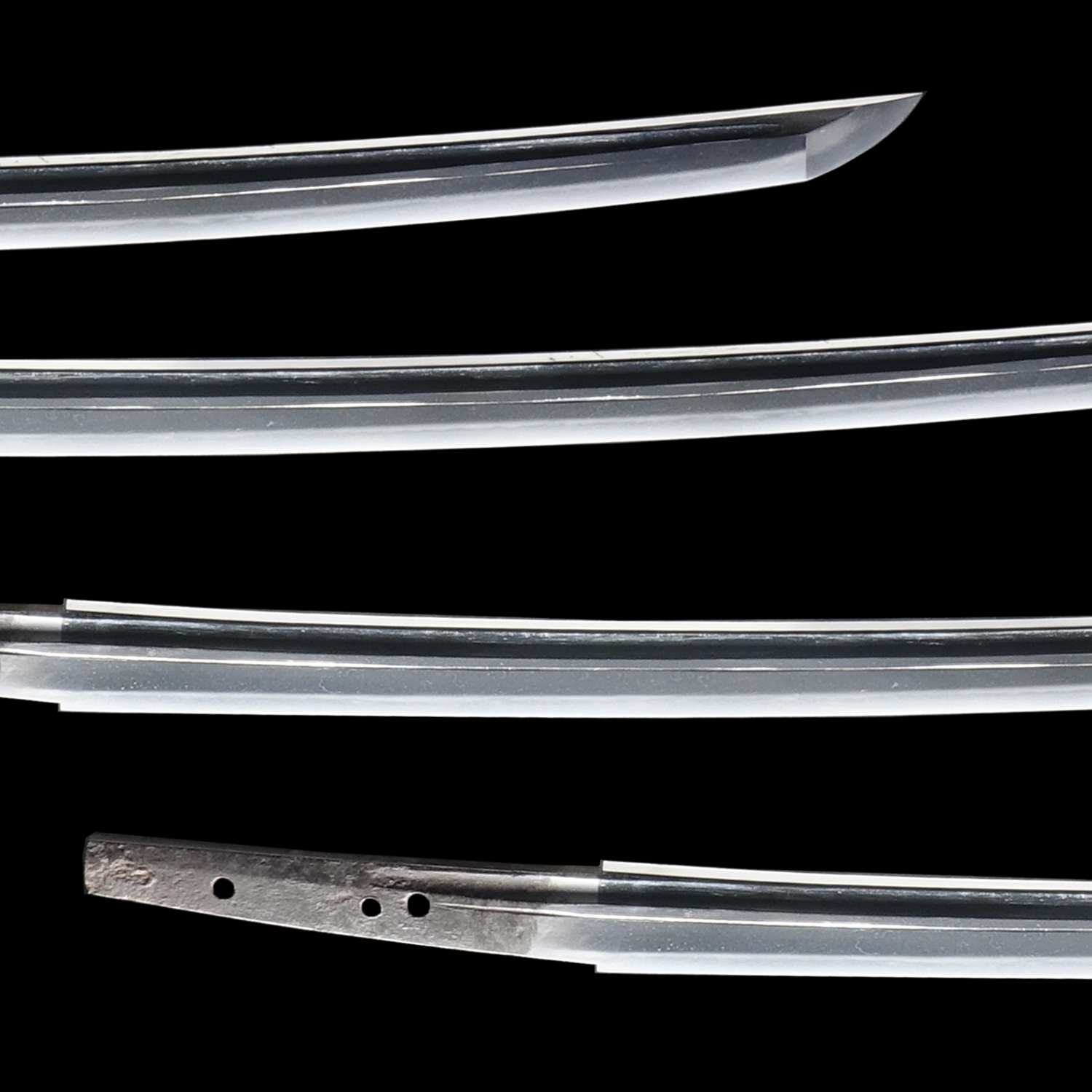
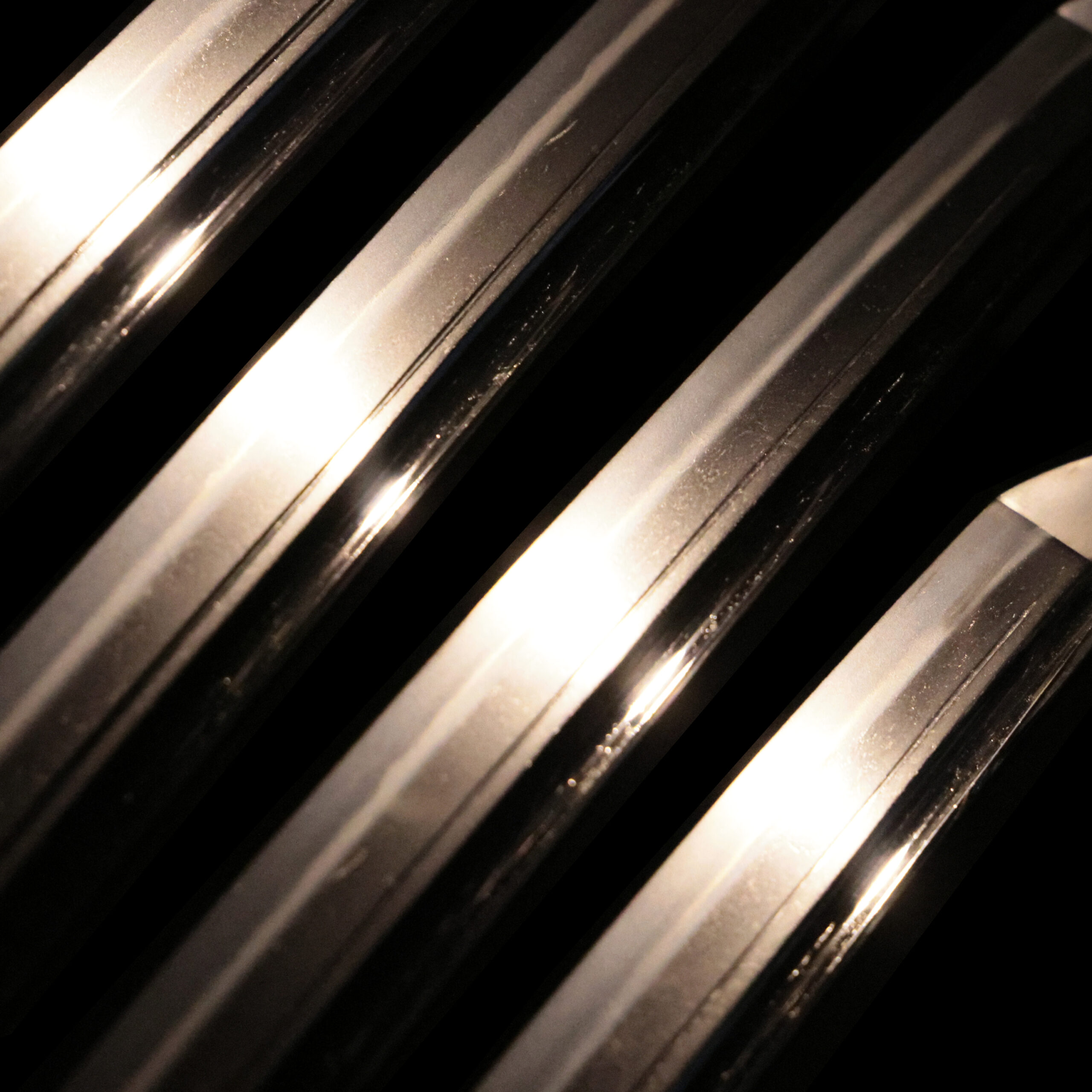
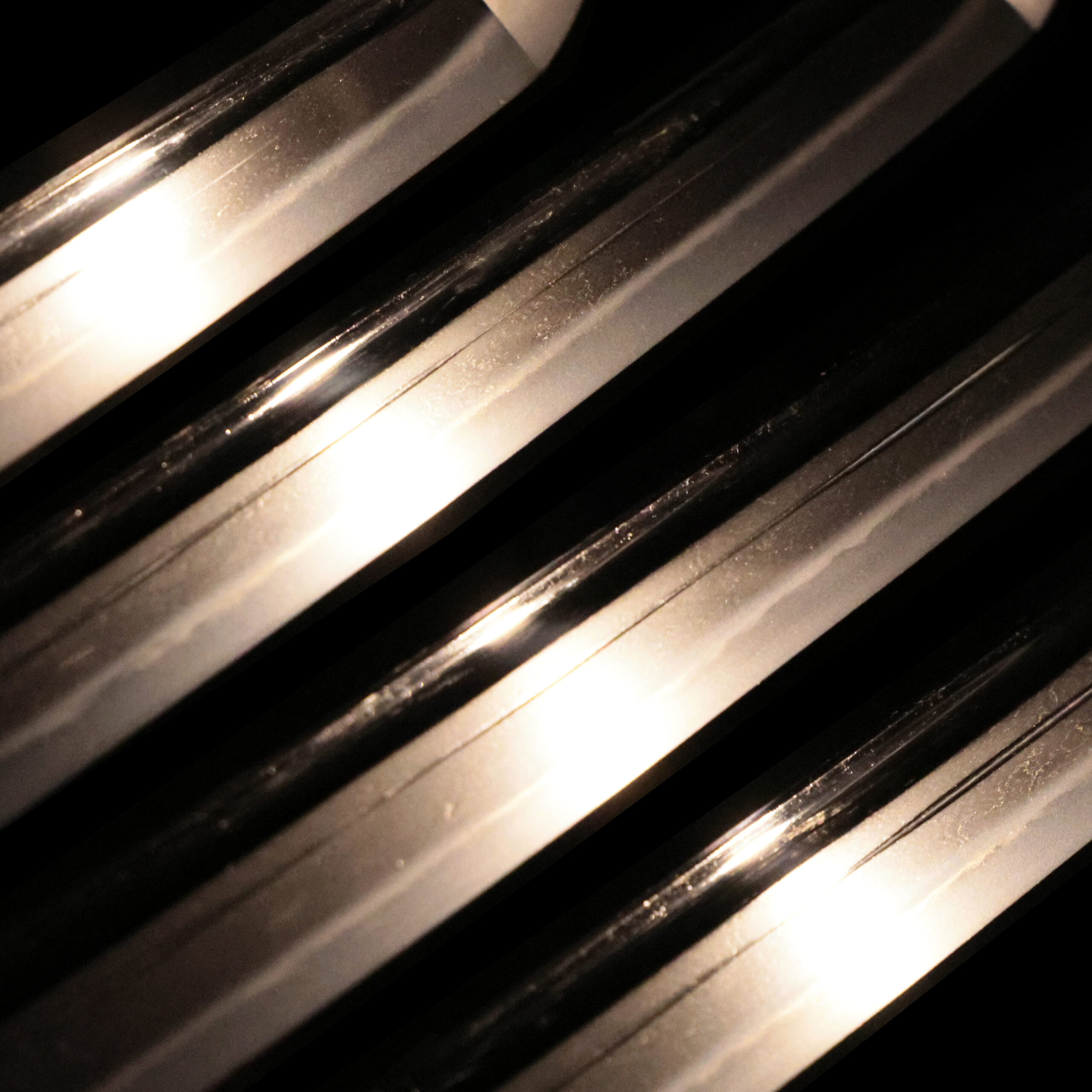
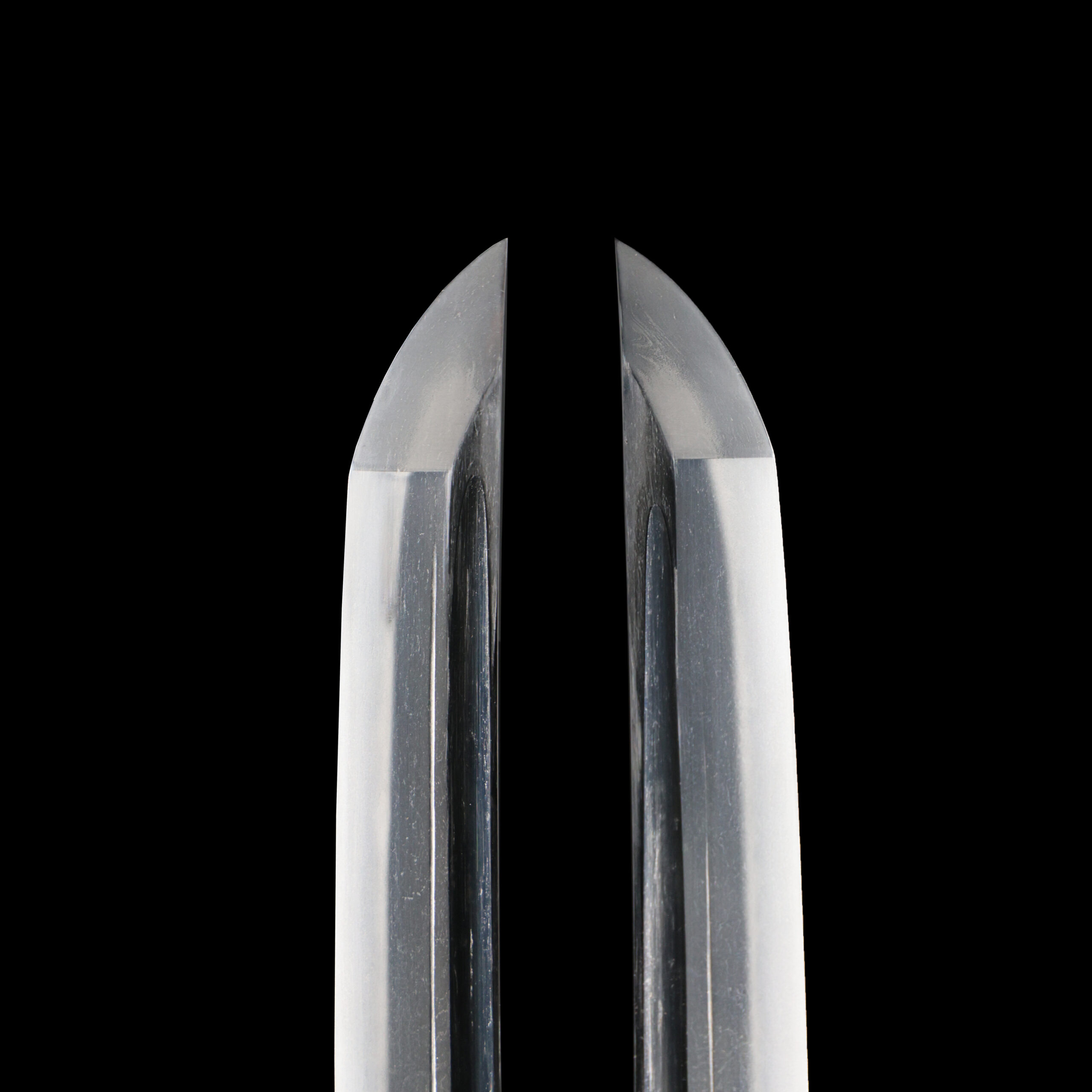
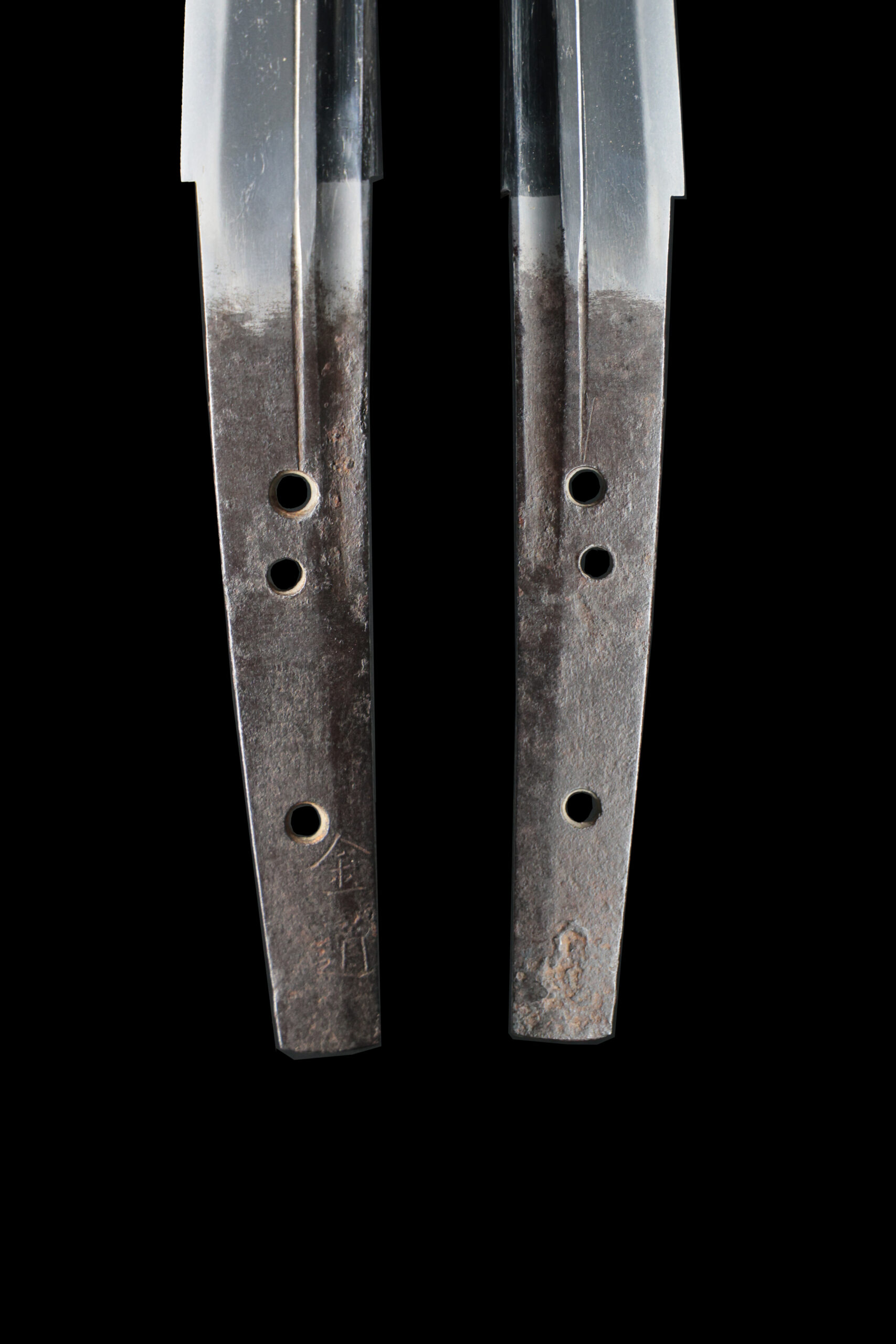
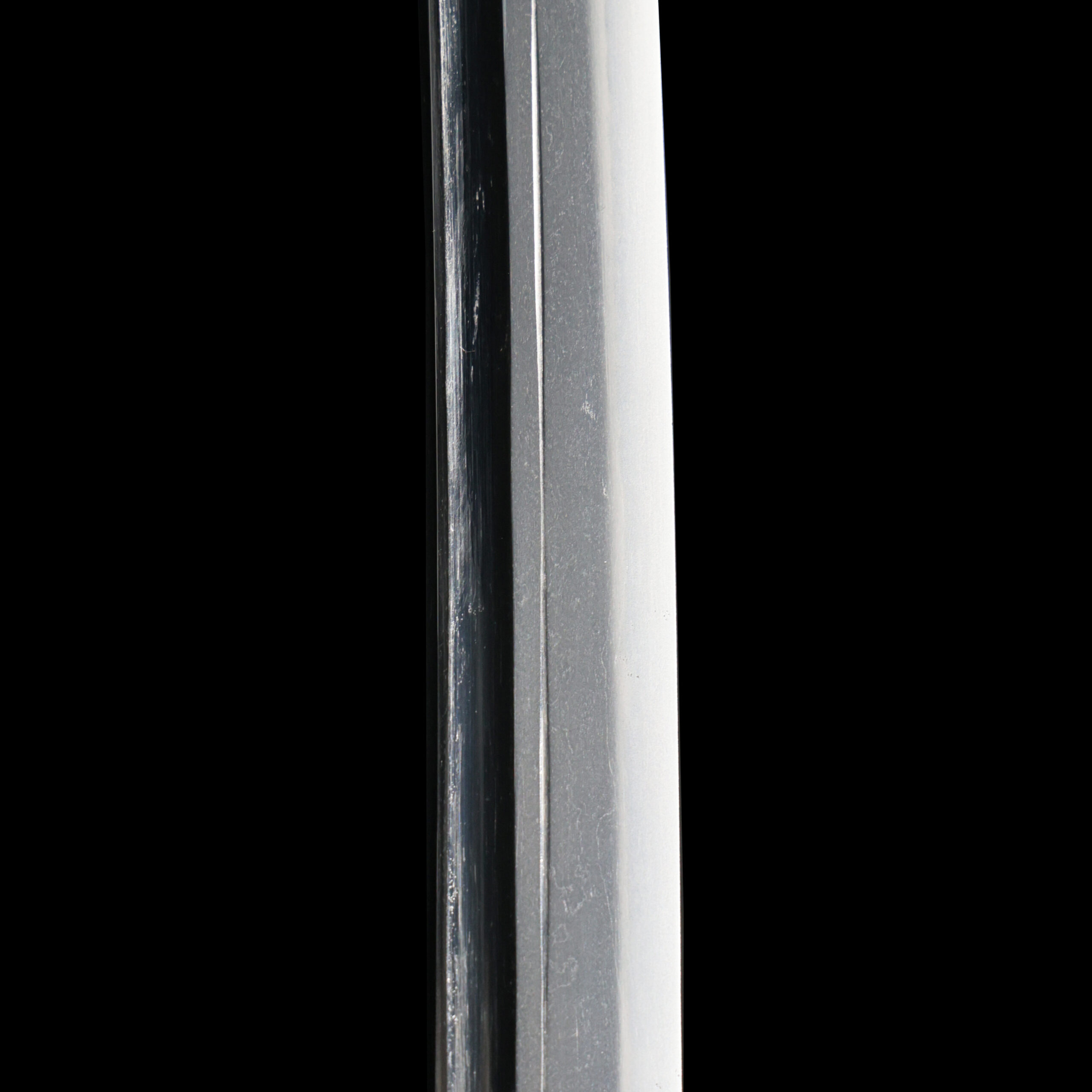
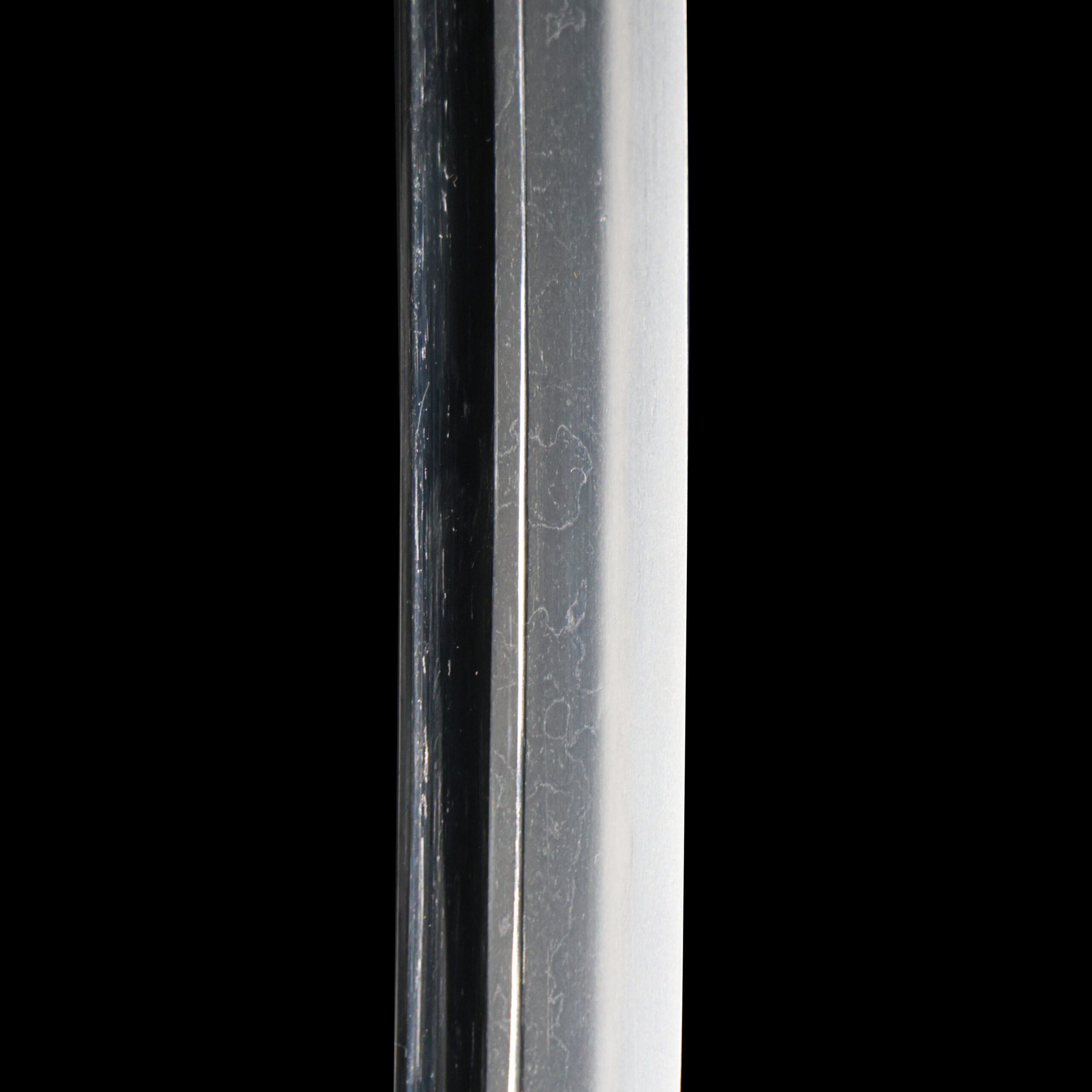
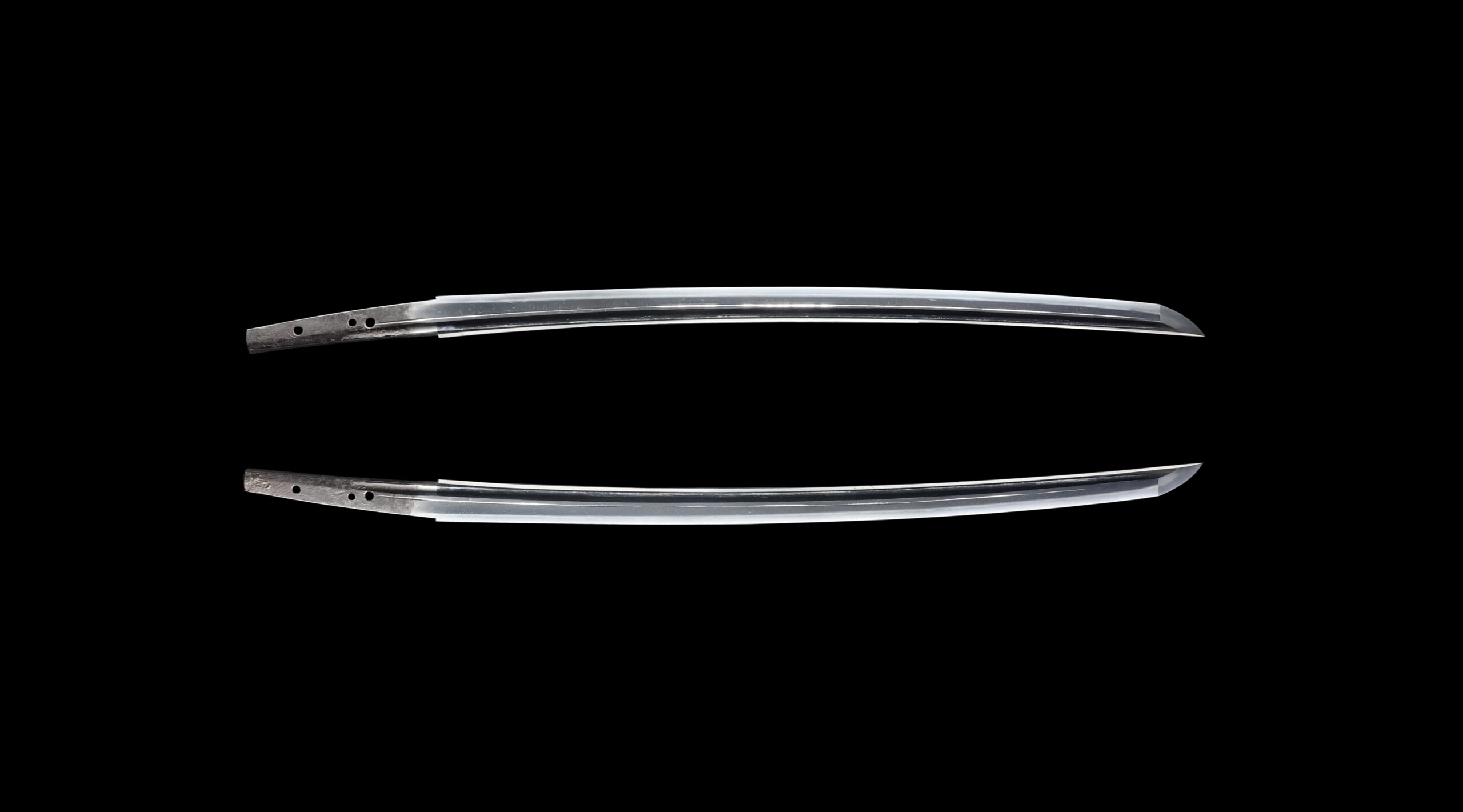
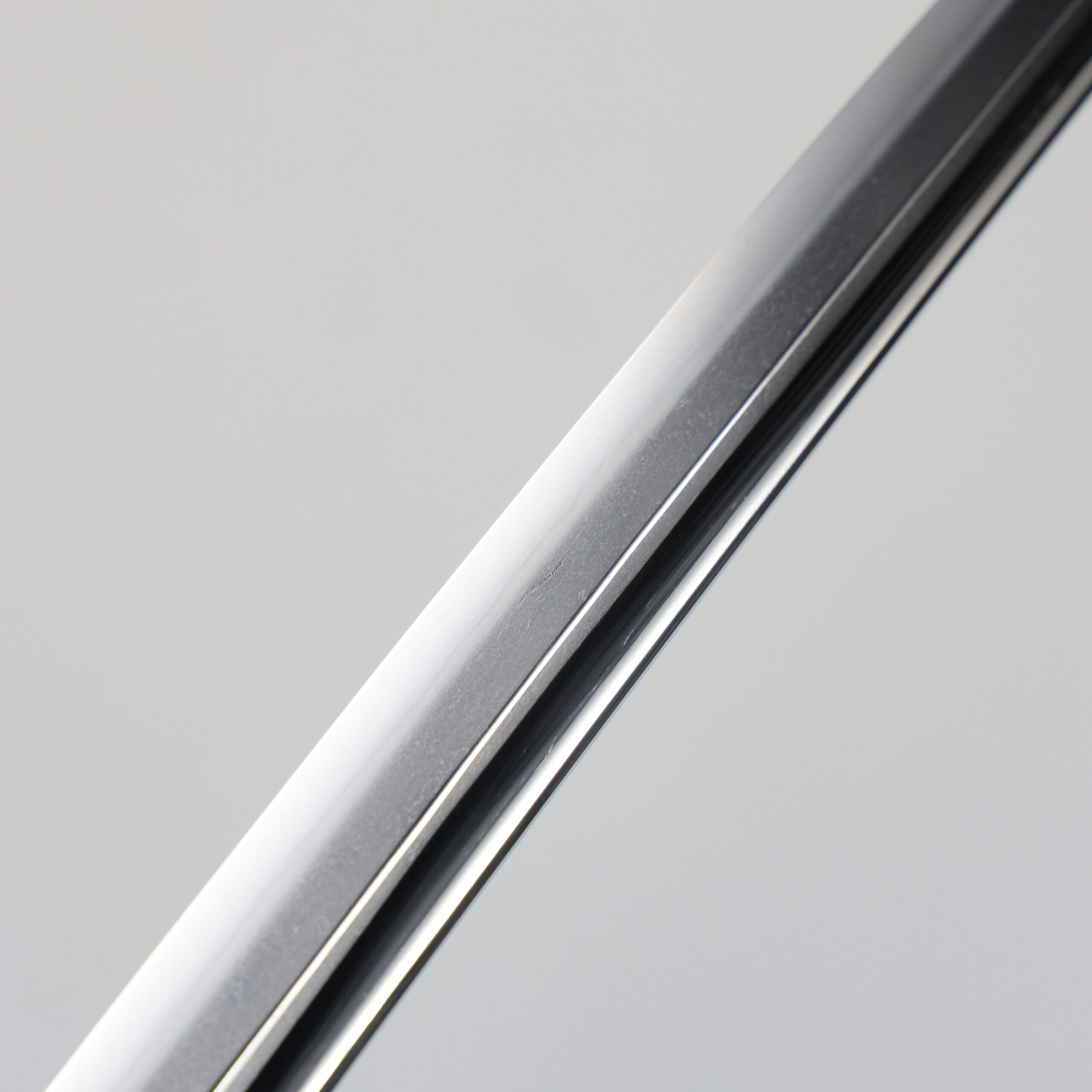
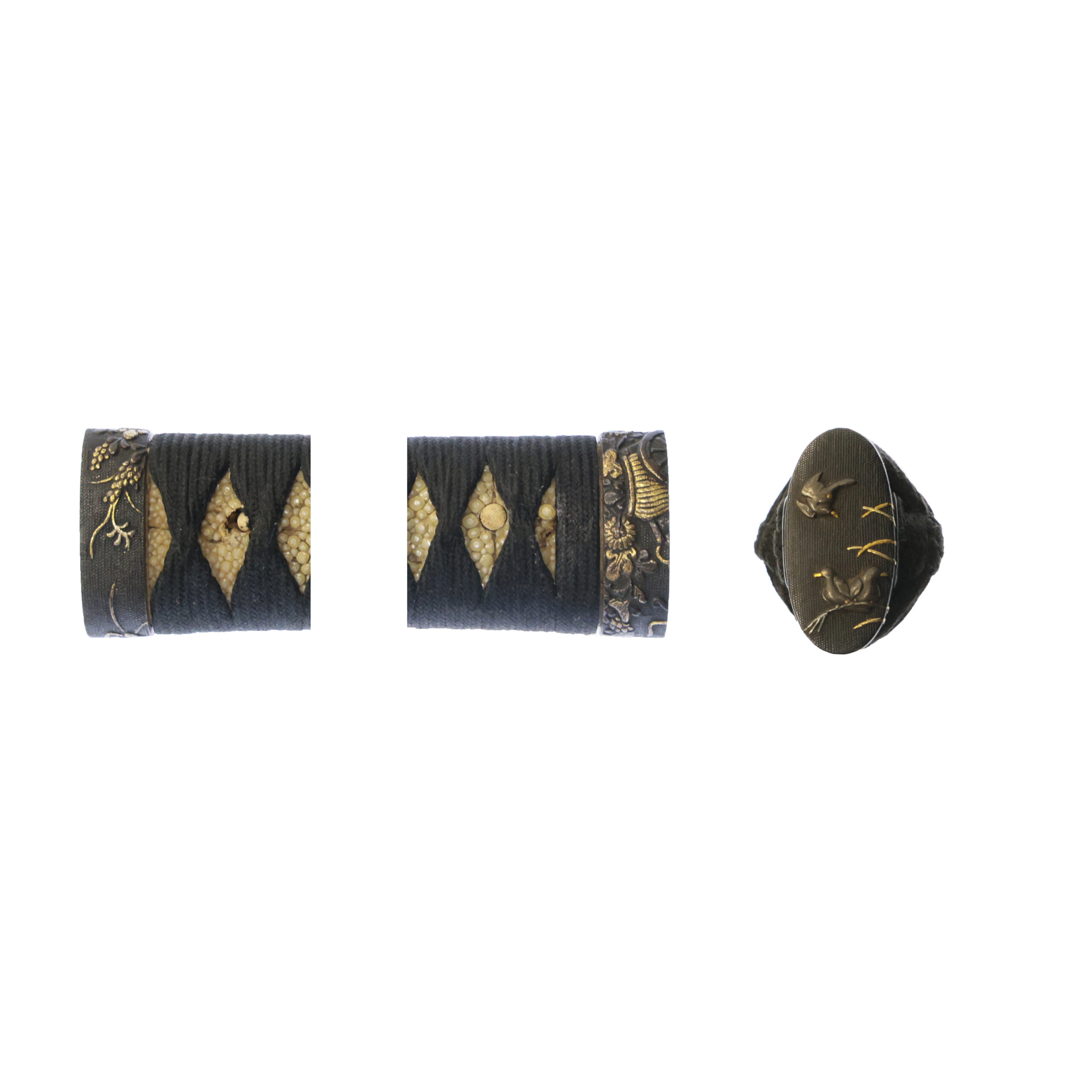
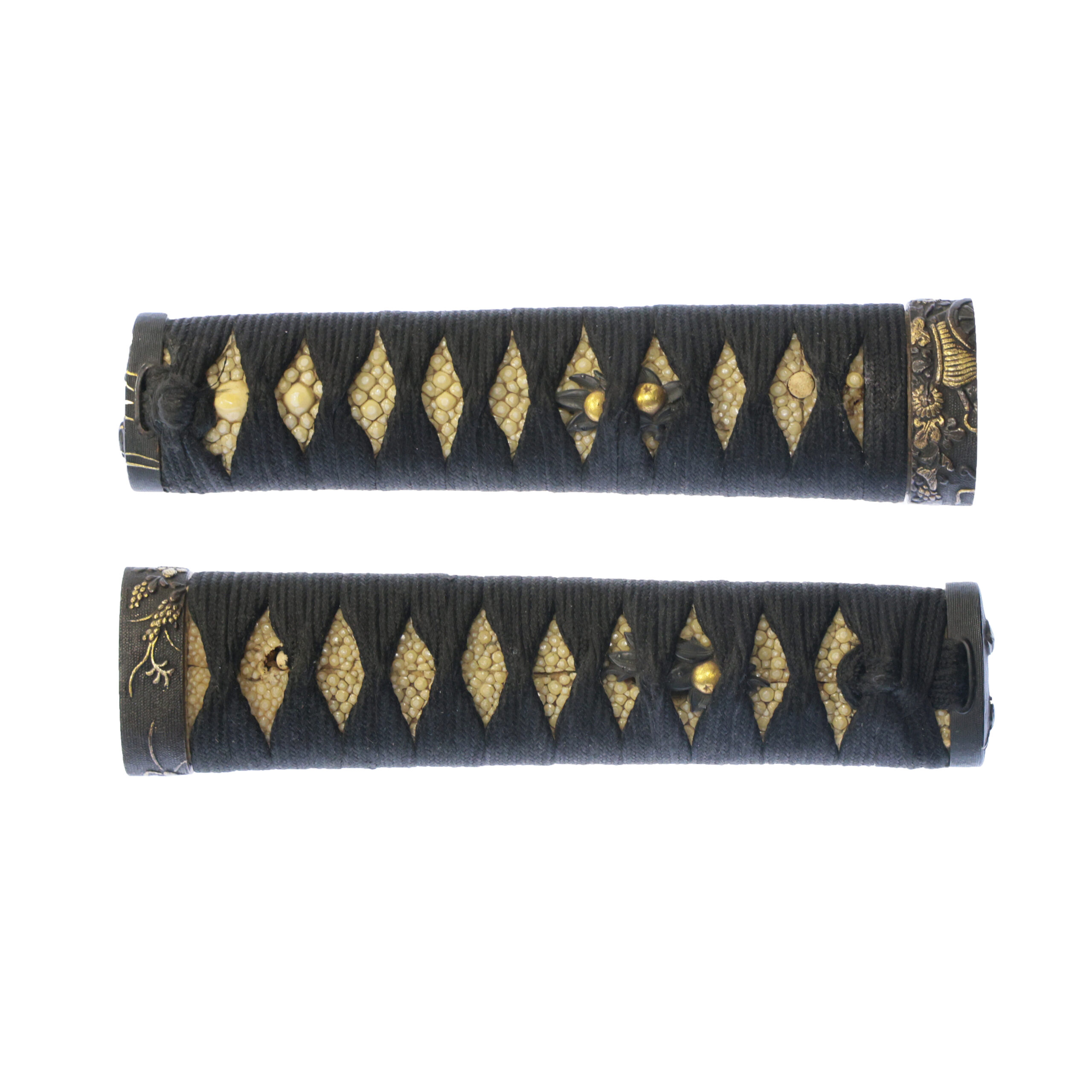
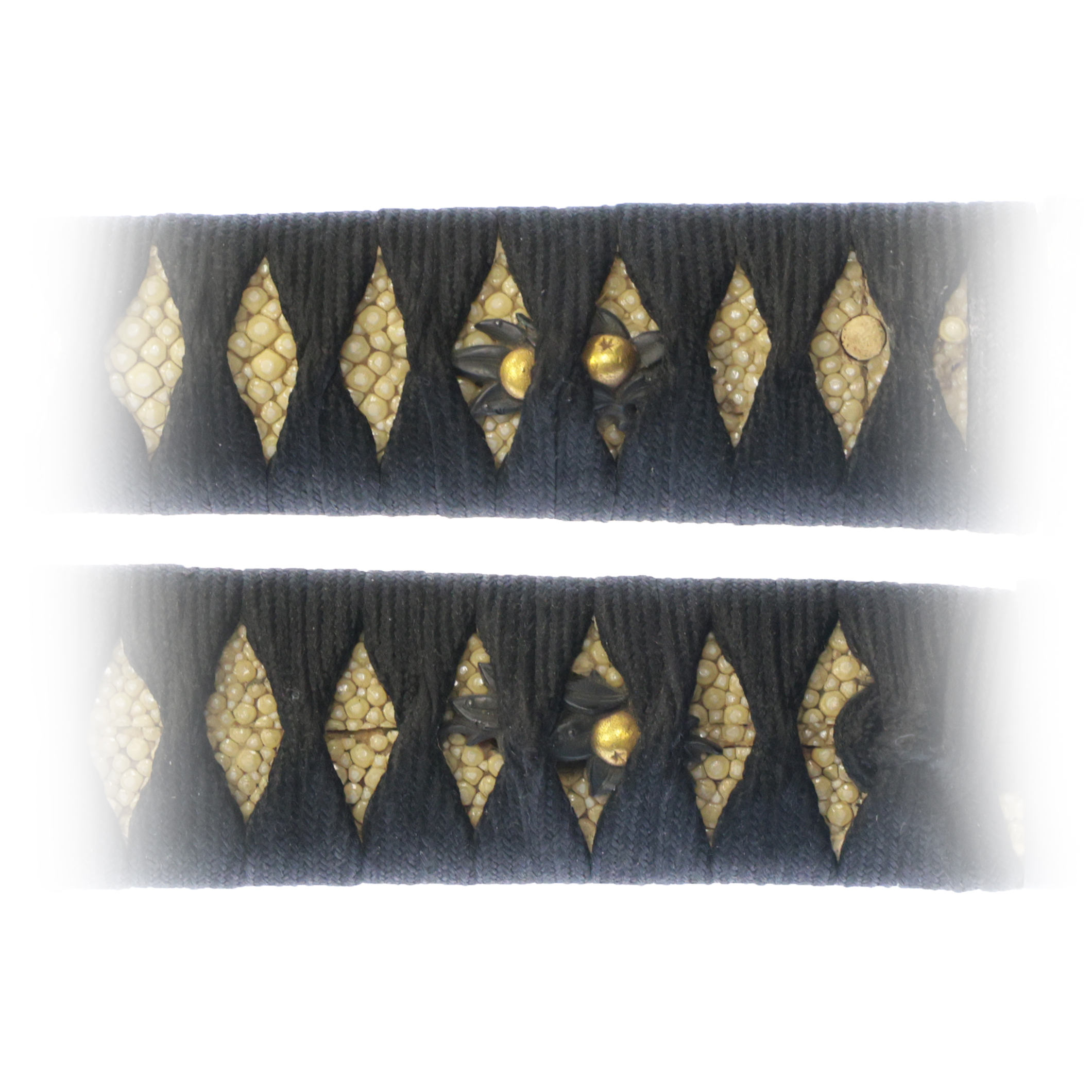
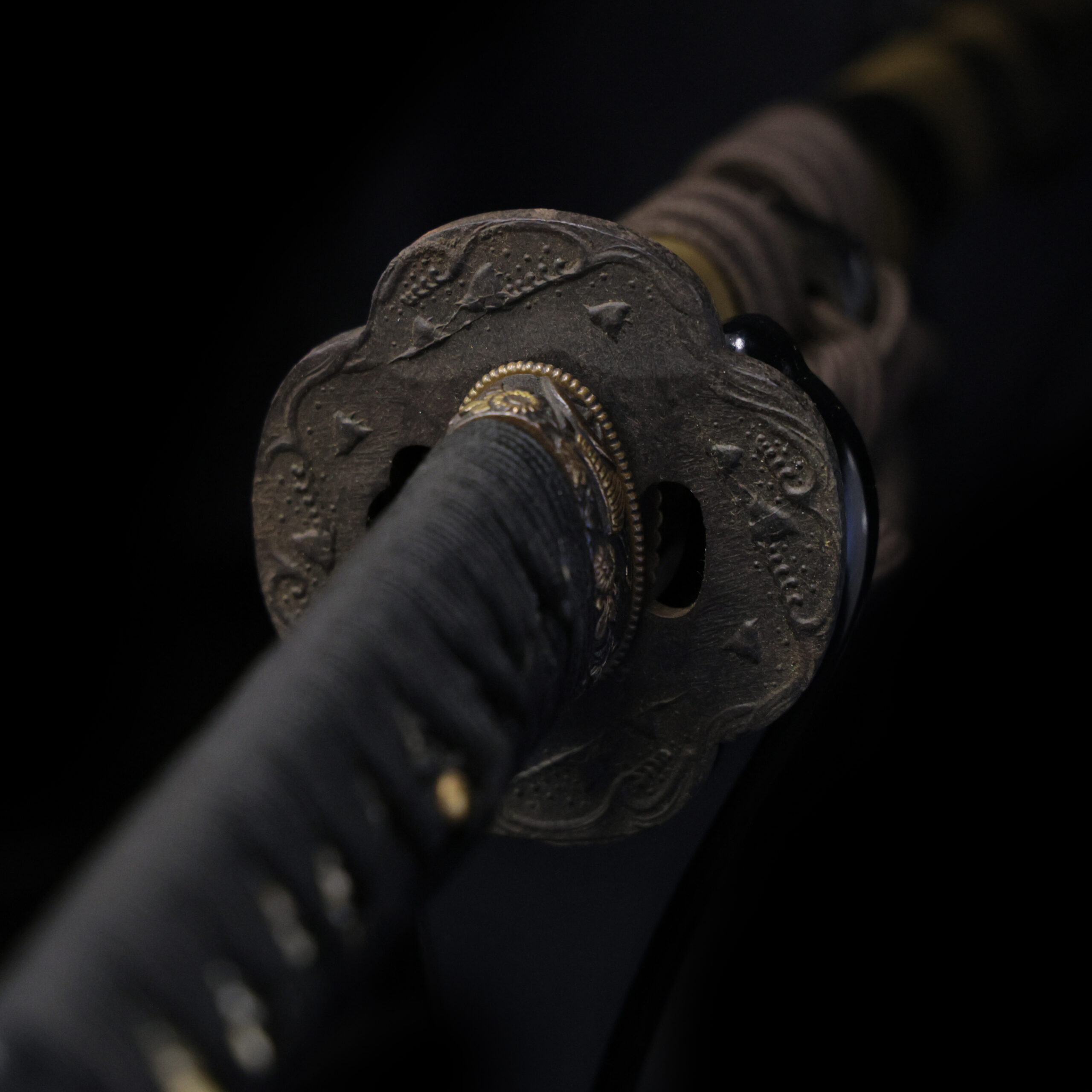
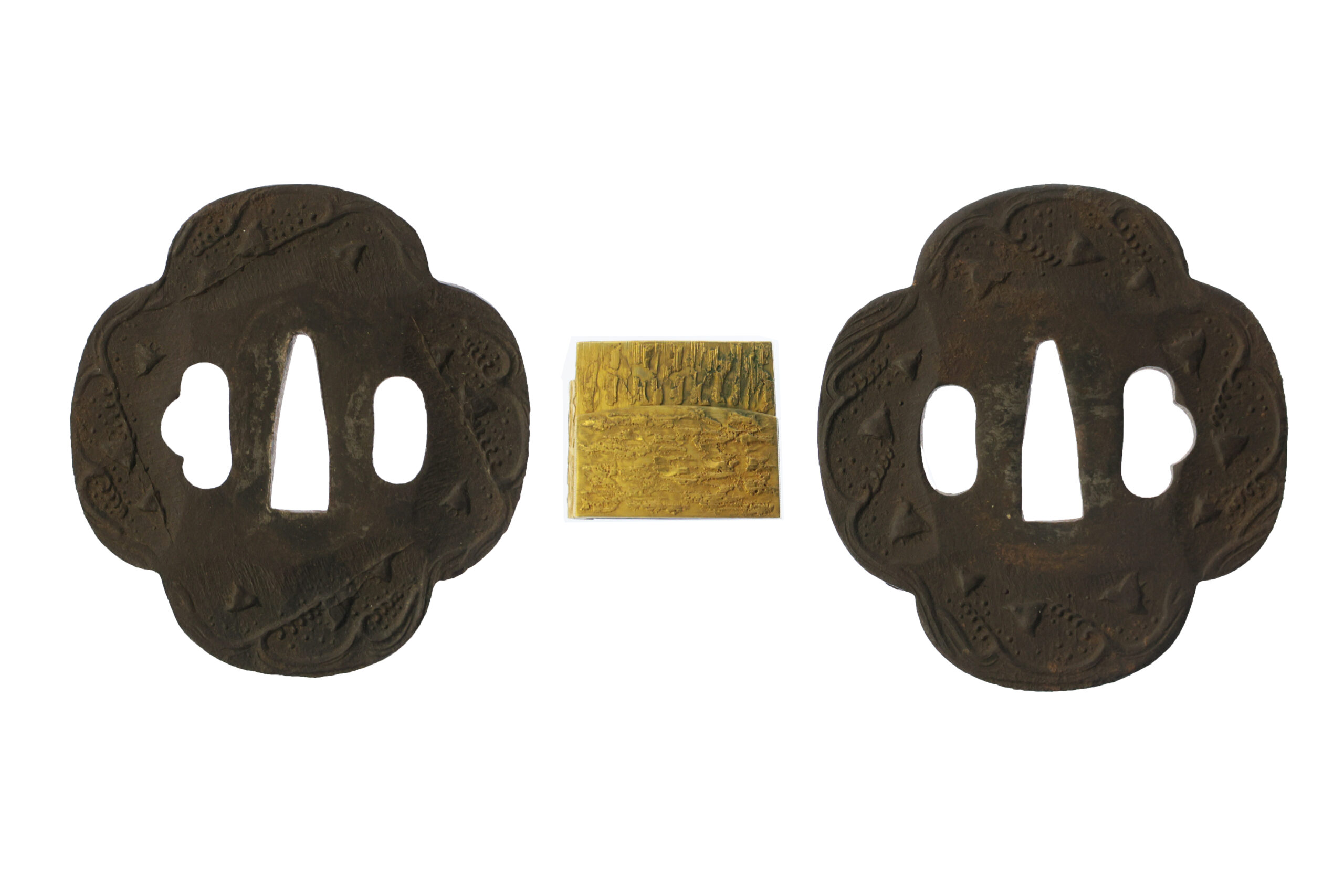
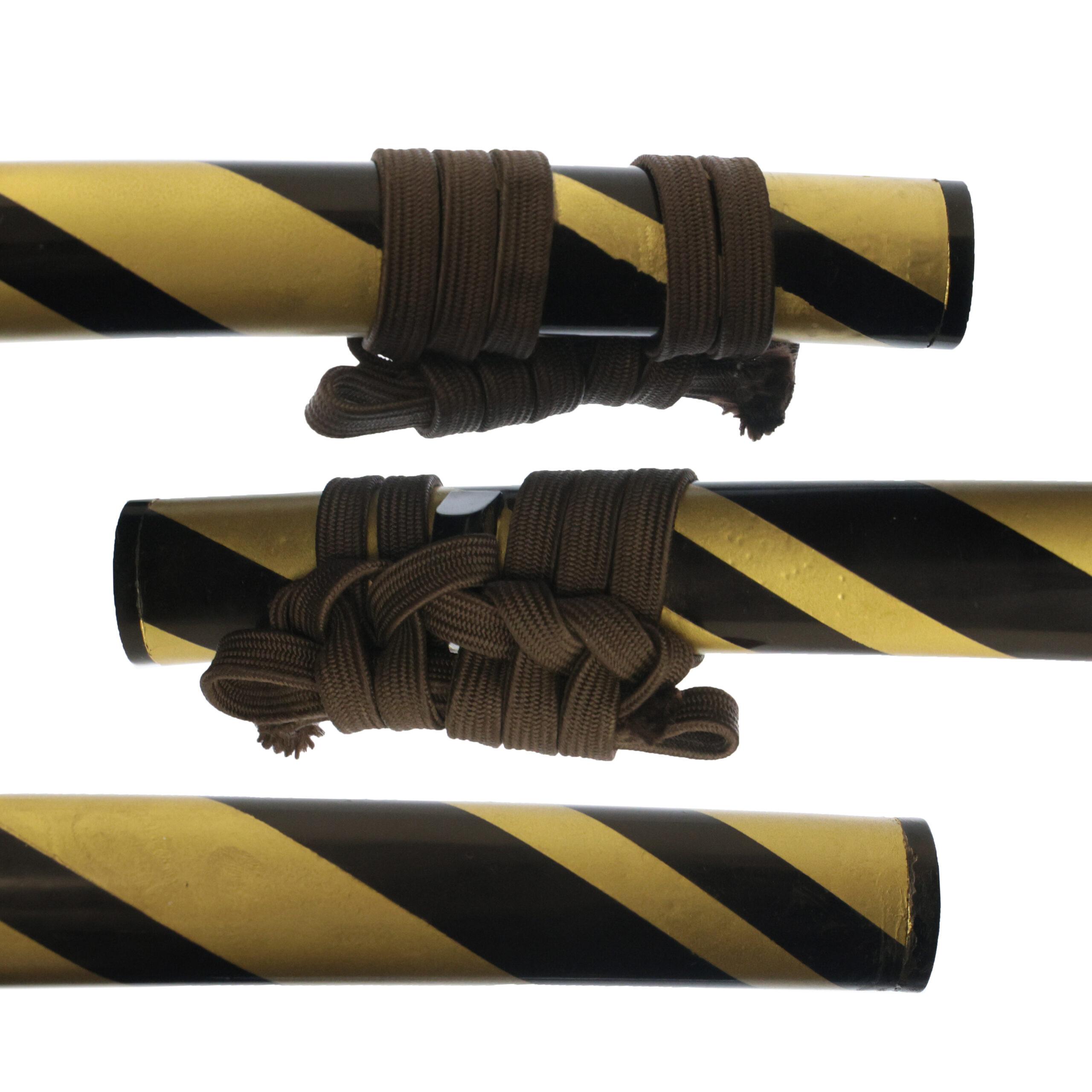
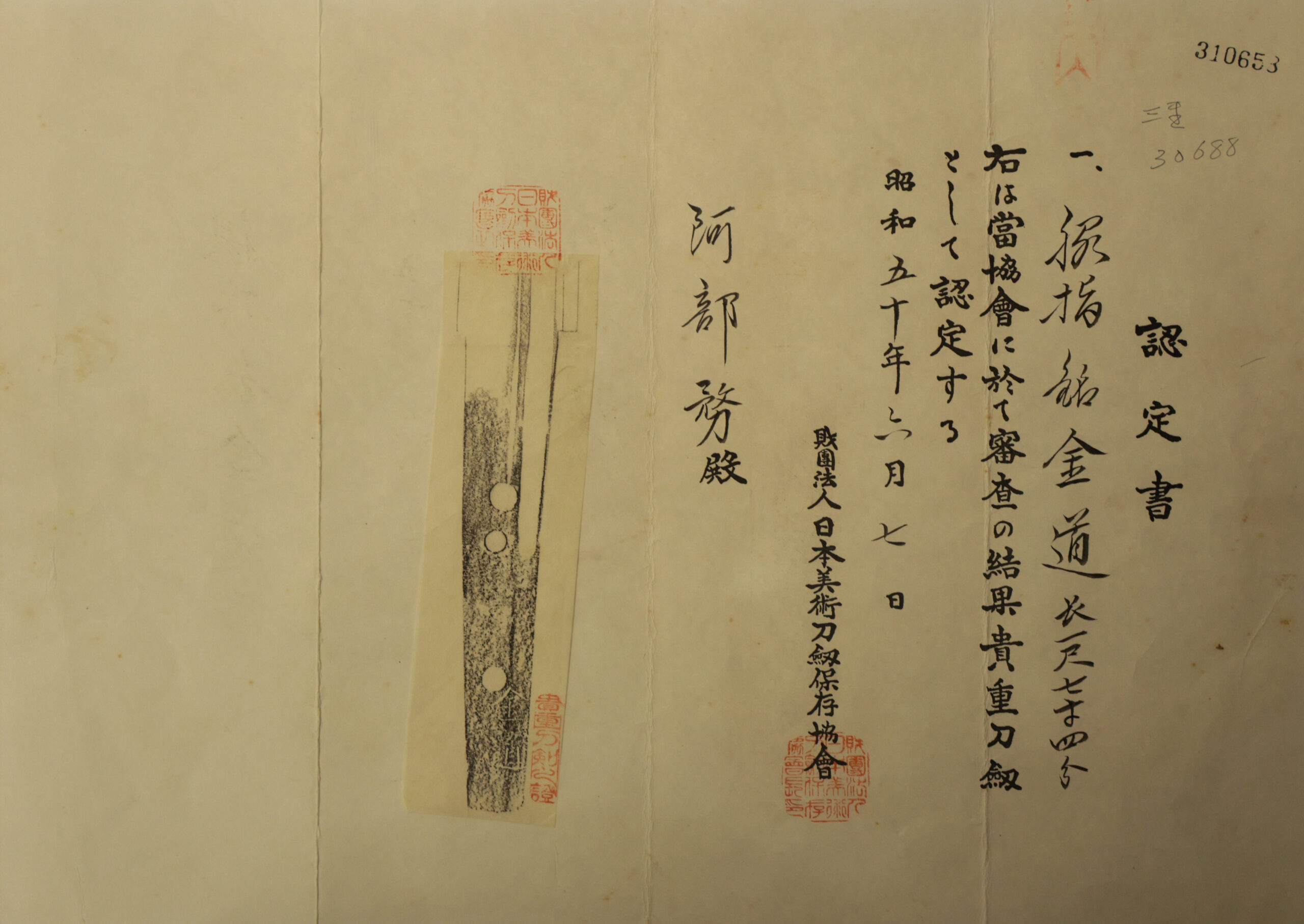
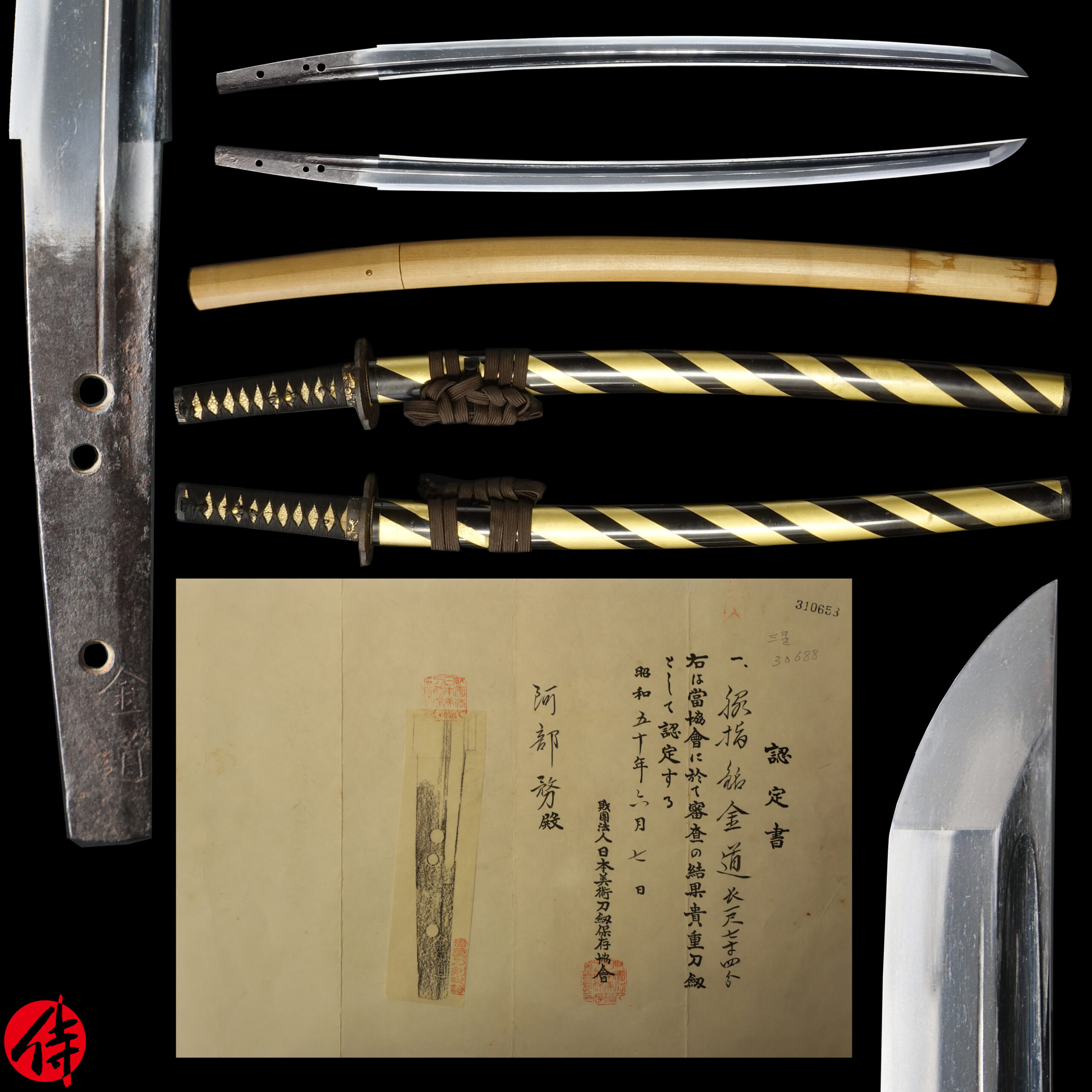
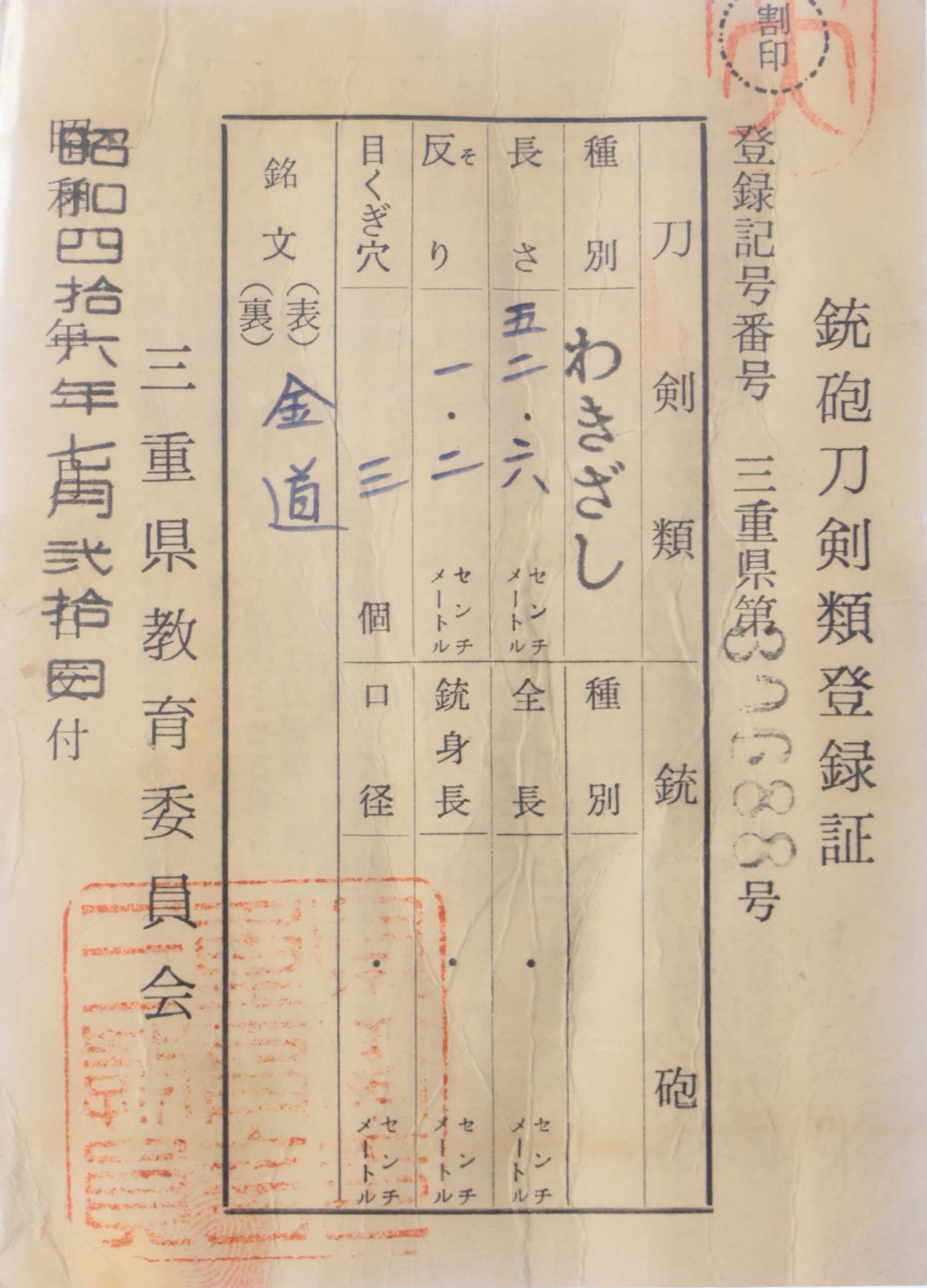
This blade bears the two-character signature Kinmichi (金道) . Its exact date is unknown, but we believe it was probably forged during the Shintō, or “New Sword,” period (approximately 1596–1780). Several generations of swordsmiths in two related Kyoto families used the name Kinmichi. The signature alone does not tell us which branch or generation produced this blade. The Mishina school of Kyoto (三品派) The two branches shared a common founder, Kanemichi (兼道), a swordsmith from Seki in Mino Province, in present-day Gifu Prefecture. According to family tradition, Kanemichi traced his ancestry back nine generations to the medieval swordsmith Shizu Saburō Kaneuji (志津三郎兼氏). In the late sixteenth century, Kanemichi moved to Kyoto with his four sons and established a workshop near the intersection of Nishinotōin and Ebisugawa streets. His sons were Iga no Kami Kinmichi, Izumi no Kami Kinmichi, Tanba no Kami Yoshimichi, and Etchū no Kami Masatoshi. Their family became known as the Mishina school and flourished alongside the Kyoto workshops of Umetada Myōju and Horikawa Kunihiro. It was the two eldest brothers who passed the name Kinmichi down through their respective families. The elder brother’s line — Iga no Kami Kinmichi (伊賀守金道) The eldest son received the honorary title Iga no Kami, meaning “Governor of Iga.” He worked in Kyoto, and the provincial title became part of the name by which he and his successors were known. The family’s standing extended beyond the forge. Beginning with the second generation, its heads held the title Nihon Kaji Sōshō (日本鍛冶宗匠), roughly “Master of Japan’s Swordsmiths.” In that role, they helped other swordsmiths petition the imperial court for honorary titles of their own. The Iga line continued for eleven generations, carrying the Kinmichi name into the late Edo period. The younger brother’s line — Izumi no Kami Kinmichi and Rai Kinmichi (和泉守金道・来金道) The second son, Izumi no Kami Fujiwara Kinmichi (和泉守藤原金道), founded a separate branch of the same Mishina family. Like his elder brother, he received an honorary provincial title, in his case Izumi no Kami, or “Governor of Izumi.” His successors became known as Rai Kinmichi (来金道), and their work is documented through at least five generations. One surviving example is a tachi, a traditional Japanese long sword, bearing the fuller signature Izumi no Kami Rai Kinmichi (和泉守来金道). In 1715, retired Emperor Reigen presented it to the Inner Shrine at Ise to mark the rebuilding of Uji Bridge. The shrine’s museum associates the sword with the third generation based on the shape of its engraved chrysanthemum crest and the way the smith cut his signature. Such details help distinguish individual makers within a family that used the same name for generations. *Please keep in mind that there are a couple of black rust and Kitae Kizu on this blade. Fuchi-Kashira These fuchi-kashira, the metal fittings at either end of the sword’s hilt, feature two distinct motifs. The fuchi, the collar next to the sword guard, depicts a flower cart, while the kashira, the cap at the opposite end of the hilt, depicts a wild goose. The flower cart, or hanaguruma (花車), is a stylized oxcart laden with flowers. Traditionally associated with welcoming deities, it is an auspicious motif that expresses a wish for happiness. Each flower in the arrangement can also carry a symbolic meaning of its own. The wild goose, or kari (雁), has long been a symbol of autumn in Japan. Wild geese arrive from the north in autumn, spend the winter in Japan, and fly north again in spring. Their distinctive calls announce their return, and tradition casts them as messengers bringing good tidings from afar. Their familiar silhouettes appear on sword fittings and in Japanese family crests. Tsuka and Menuki This menuki appears to depict a persimmon (kaki, 柿). Persimmon trees have served many purposes in Japan since ancient times, and their fruit was traditionally associated with the gods. During the Edo period (1603–1867), select varieties were prized as delicacies and presented as gifts to the shogunate and the imperial court. With its rich orange color and distinctive flavor, the ripe persimmon remains one of Japan’s most familiar symbols of autumn. Tsuba and Habaki The theme of this Mokkō shape Tsuba’s design is the Nami ni Chidori (波に千鳥, Plovers over Waves), a traditional Japanese design deeply rooted in classical aesthetics. Frequently depicted in paintings, poetry, and decorative arts, this motif symbolizes harmonious relationships and domestic safety, as plovers are often shown flying together over enduring waves. Through wordplay, chidori (千鳥) can also be read as “sen-tori” (千取り), meaning “to seize a thousand,” and thus the motif is also associated with victory, success, and the achievement of goals. For this reason, it has long been favored as an auspicious design in kimono, Noh costumes, textiles, lacquerware, and ceramics. Saya This saya (scabbard) features hirumaki-nuri (蛭巻塗), a lacquer finish in which bands of gold and black spiral around the scabbard. The name hirumaki comes from the pattern’s resemblance to a leech (hiru, 蛭) coiled around an object. Authentication Paper They authenticated the blade on June 7th in the 50th year of Showa (1975). They appraised the Katana as a Kicho Touken, an old form of the certificate. The purchaser will receive the original certificate as well.
取扱店 サムライミュージアム
鑑定書は旧鑑定書(緑紙・貴重刀剣など)のみで、現在の日刀保ではほとんど認められていません。現在の審査を通っているかを刀剣商にお尋ねください。 — Hoshi


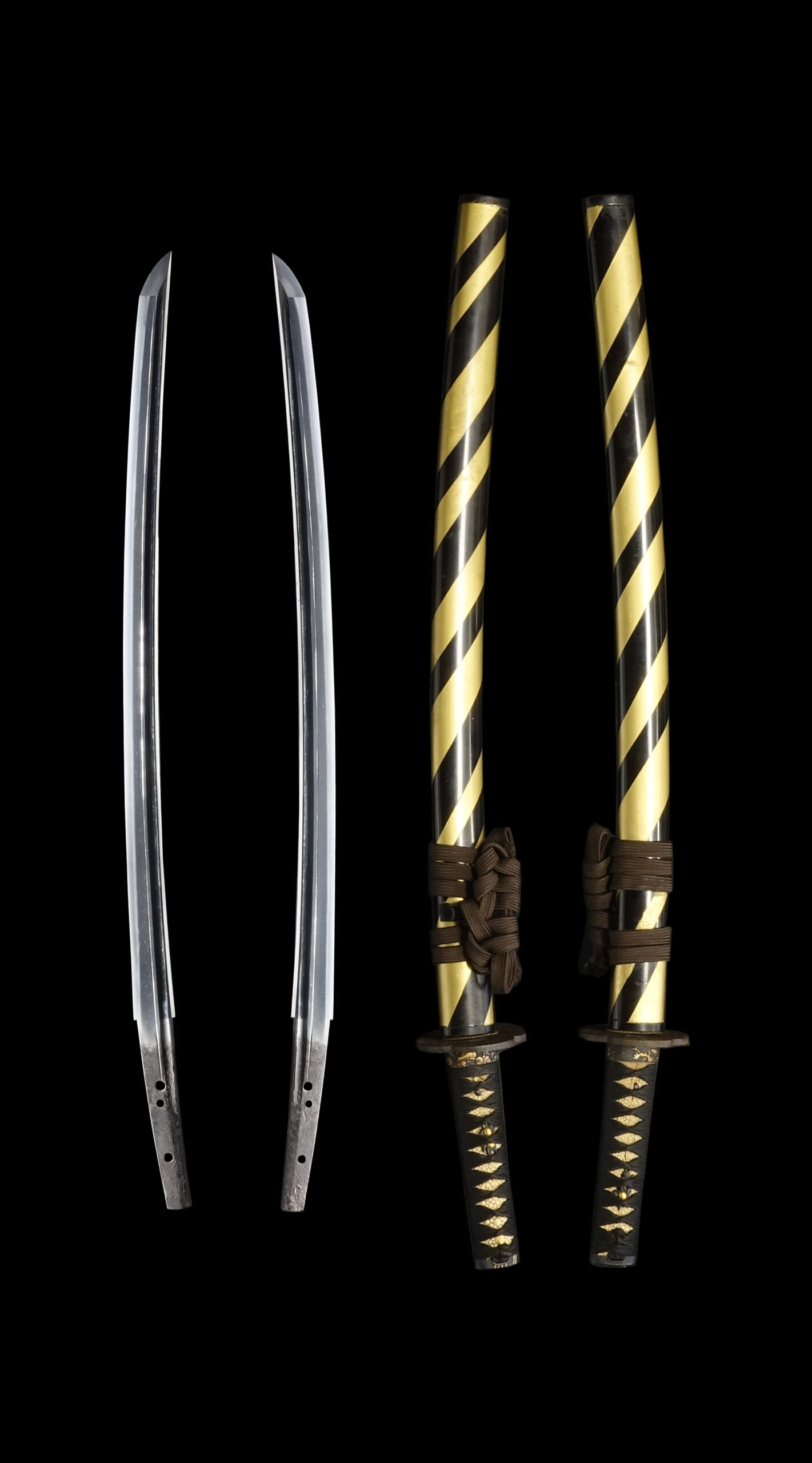
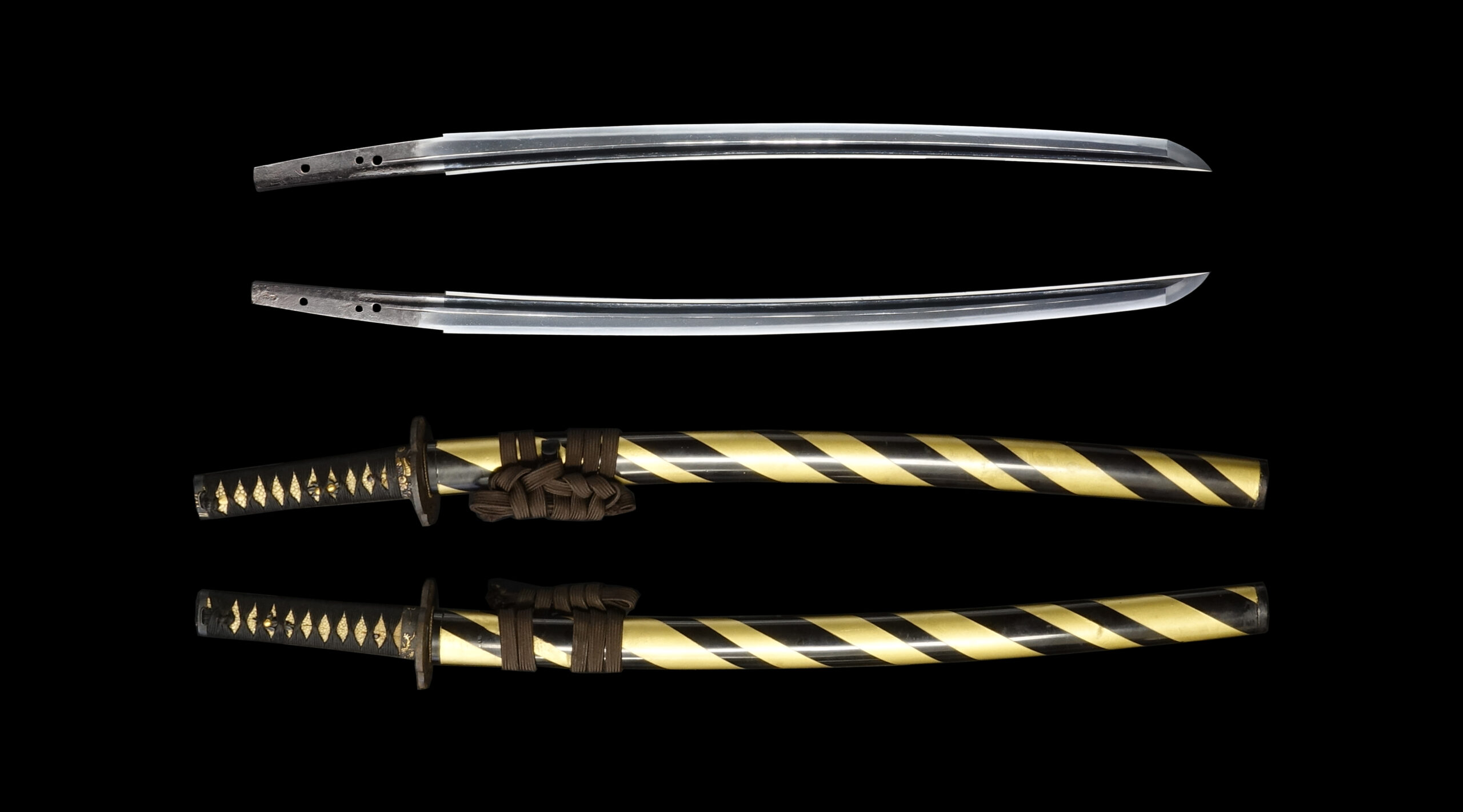
販売店の記載のまま
(翻訳なし) 店主の原文のまま表示しています。正確さの確認を通った翻訳のみを表示します。
新刀 · 山城
現在58点販売中
三品派は、美濃国関の兼道を源流とし、その子らが京へ上って興した新刀の一門である。説明書は、兼道の四子すなわち長兄伊賀守金道、来金道、丹波守吉道、末弟越中守正俊が父と共に美濃より上京し、西洞院夷川に住して三品派の名を大いに高めたと記す。長兄金道は京五鍛冶の頭領にして、その家は刀工の受領を朝廷に推薦する権を世襲し、銘に「日本鍛冶宗匠」と添えて幕末に及んだ。やがて一門は京にとどまらず大坂へも枝を張り、京初代丹波守吉道の子が大坂に移って大坂丹波の祖となり、その周囲に大和守吉道が連なり、丹後守兼道のごとく大坂に住して元禄頃に活躍した工も出た。末関の量産地に発しながら、堀川派と並ぶ京新刀の一大勢力に育ち、さらに大坂へと展開した点に、この一門の歩みがある。 作風を貫くのは、工と世代の差を越えて繰り返される三品の共通語法である。地鉄は板目に杢や流れ肌を交えて棟寄りに強く流れ、刃寄りで柾がかって肌立ち、地沸微塵に厚くつき地景のよく入るもので、美濃関の継承を京の作にまで伝える。京の古い手が肌立つ板目を見せるのに対し、大坂の系では小板目をよくつめ清く澄んだ地に転ずる差がある。刃文は美濃由来の互の目と尖り刃を基調に、これを京風に洗練して小のたれの大乱れに展開し、沸が強く時に荒くむら立ち、砂流しさかんに金筋長く入る。最も明快な見どころは帽子で、のたれ込みに先尖って掃きかける三品帽子は一門の標識をなし、末弟正俊にことに顕著である。いま一つの標識が丹波守吉道の創案した簾刃で、湯走り・飛焼・砂流しが幾重にも縞がかって簾の如く焼かれる。金道と正俊が志津風を共に得意として作域広く、吉道はこの簾刃の一手に己を結び、大坂の系はその簾刃を最もよく継いだ。同じ語法のうちに、各工の手が読み分けられる。 収集の観点では、三品派は新刀草創の格と明快な鑑定の勘所をあわせ持つ一門である。先尖って掃きかける三品帽子と、縞がかって平行に焼かれる簾刃の二つの見どころは、地と刃のいずれにも紛れなく現れて工と作域を定める手懸りとなり、大坂の直ぐで均一の焼出しは京の手と分かつ目印となる。主要工の格は説明書の評にそのまま現れ、初代伊賀守金道は一派中最も優れた手とされ、初代丹波守吉道は初期新刀屈指の名工に数えられ、末弟正俊は器用さ兄弟中第一と評される。一門の作はおおむね在銘で、銘そのものが時の標識となり、由緒の確かさをもって賞翫される。来歴の知られる作は谷干城の愛刀、佐竹家、織田有楽斎、北野天満宮、皇室、大坂城代青山家の蔵を経て伝わり、一口は京都国立博物館に納まる。最上手の在銘作が市に現れるのは折々のことで容易ではないが、一たび相見えれば、三品派が美濃関より京・大坂へいかに展開したかを語る確かな証となる。 詳しく見る →
京 新刀の源流
新刀の時代は、その大部分が京都で発明された。埋忠明寿の工房が運動を育て、堀川国広が一世代を鍛え、鎚を持たぬ本阿弥家が名刀の意味を司った。
本作は日刀保の旧鑑定書(貴重・特別貴重)を有しますが、これらは現在発行されておらず、現在の日刀保ではほとんど認められていません。極めを確認するには、公的な鑑定機関(日刀保・日本刀剣保存会など)に再提出し、現行の鑑定を受けることもご検討ください。
Returns/exchanges limited to defects caused by shipping (except willful misconduct or gross negligence by the company); customers must contact within 72 hours of receiving the product.
¥500,000