新刀の時代は、その大部分が京都で発明された。埋忠明寿の工房が運動を育て、堀川国広が一世代を鍛え、鎚を持たぬ本阿弥家が名刀の意味を司った。
 NihontoWatchNihontoWatch
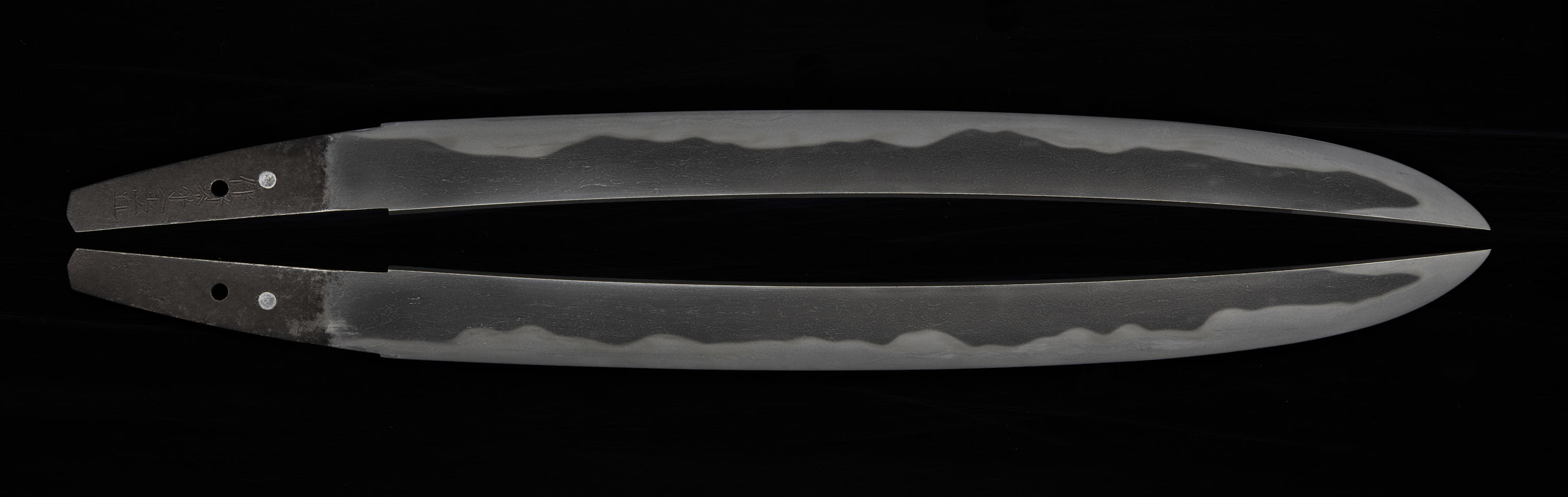
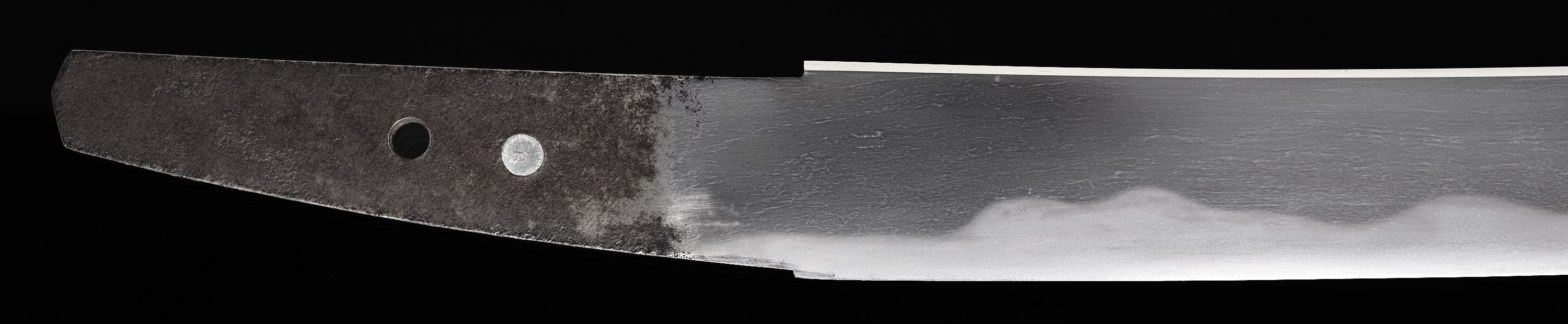
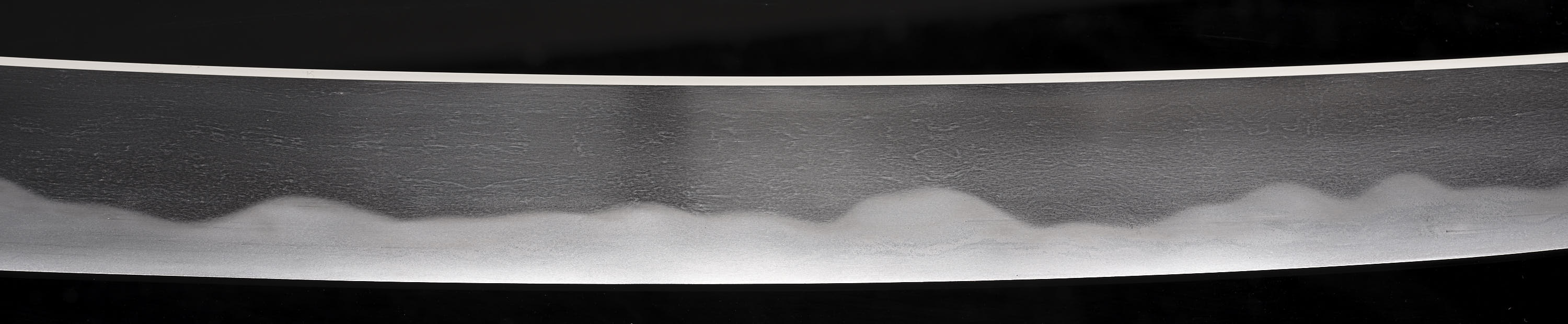
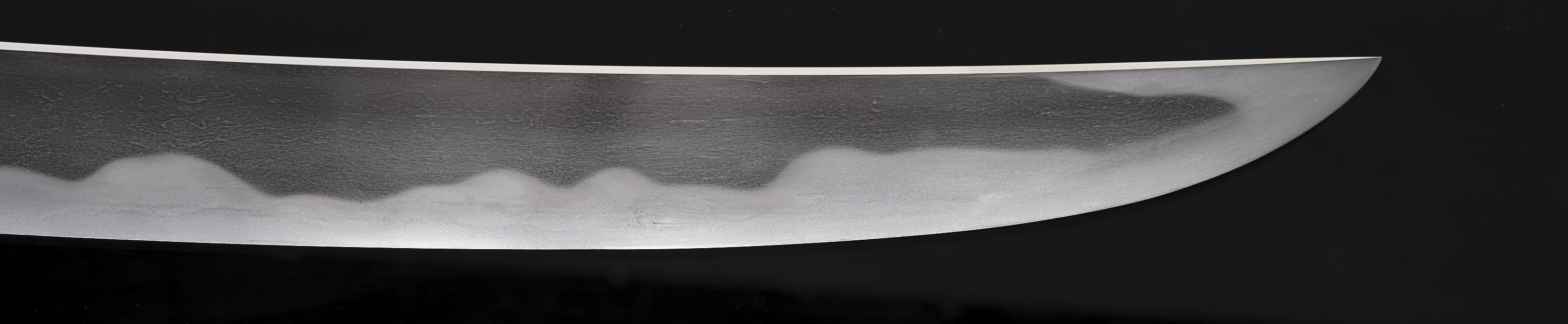
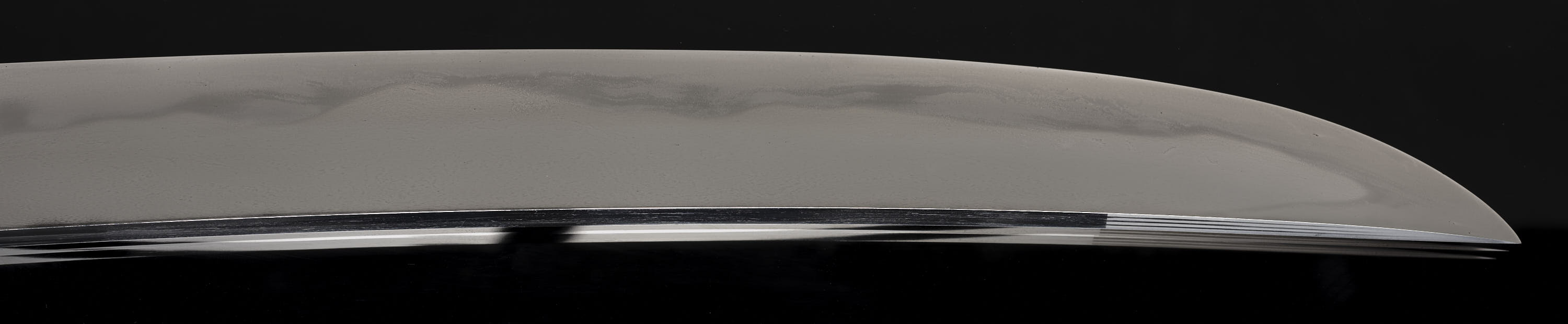
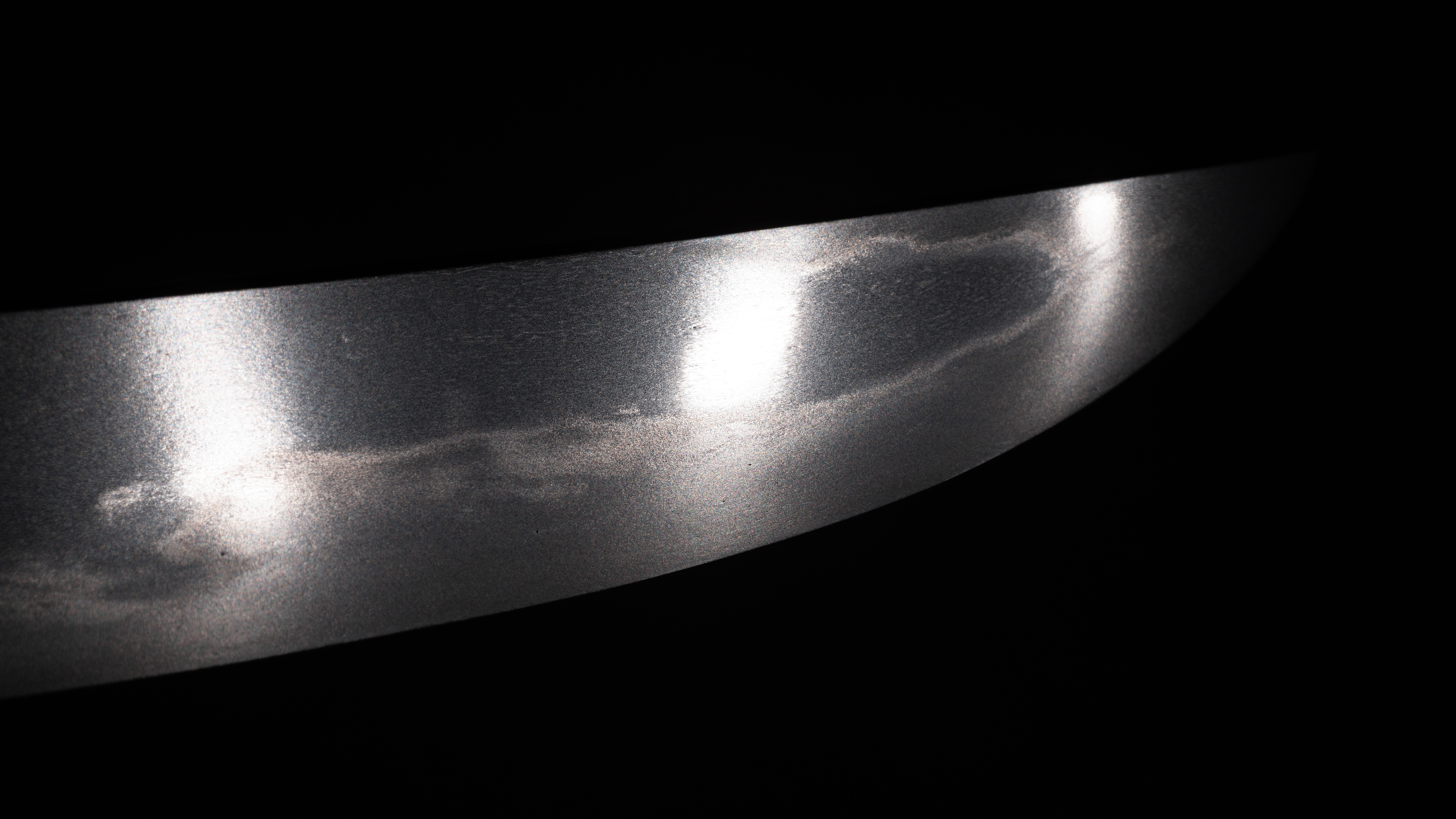
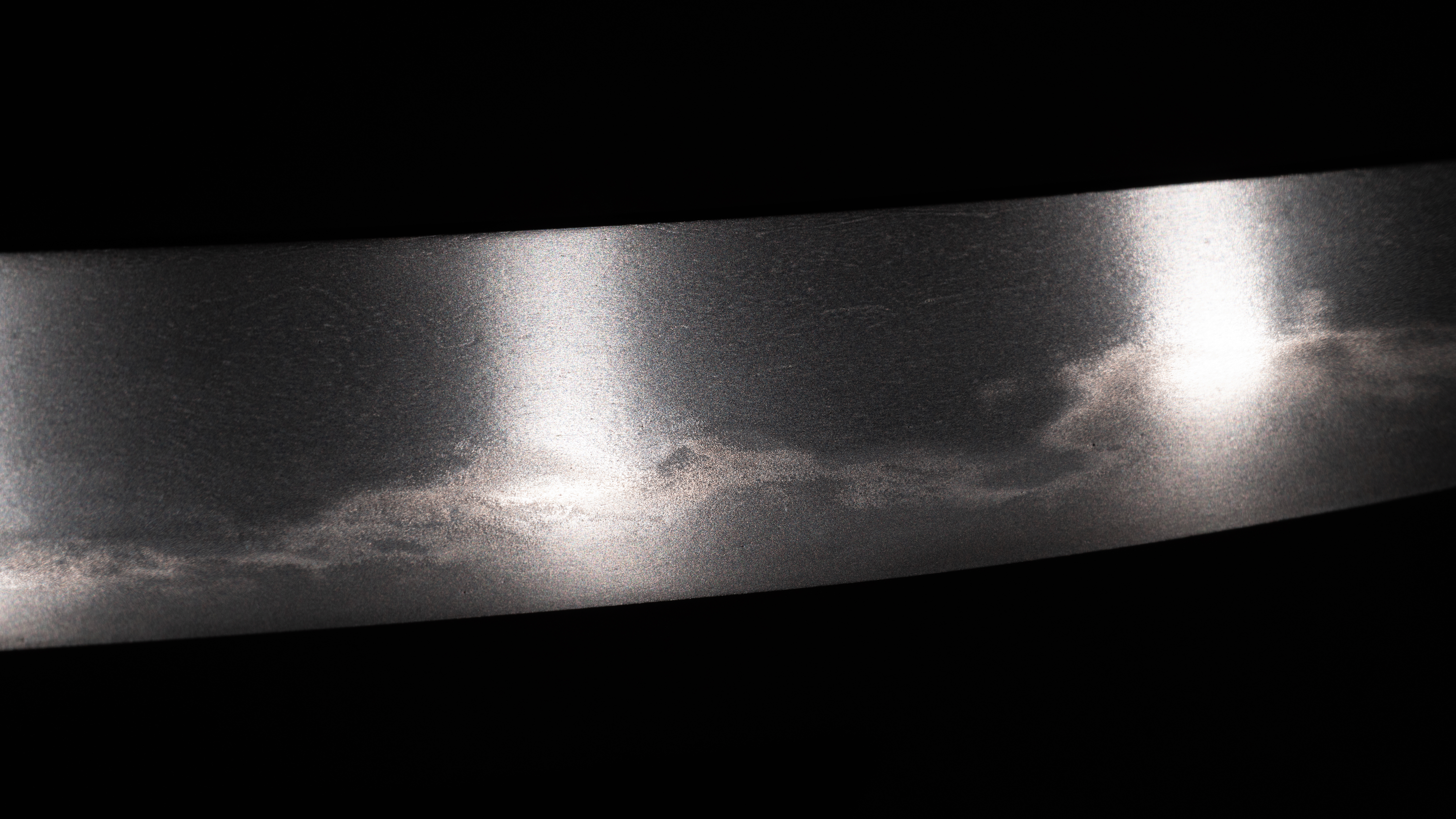
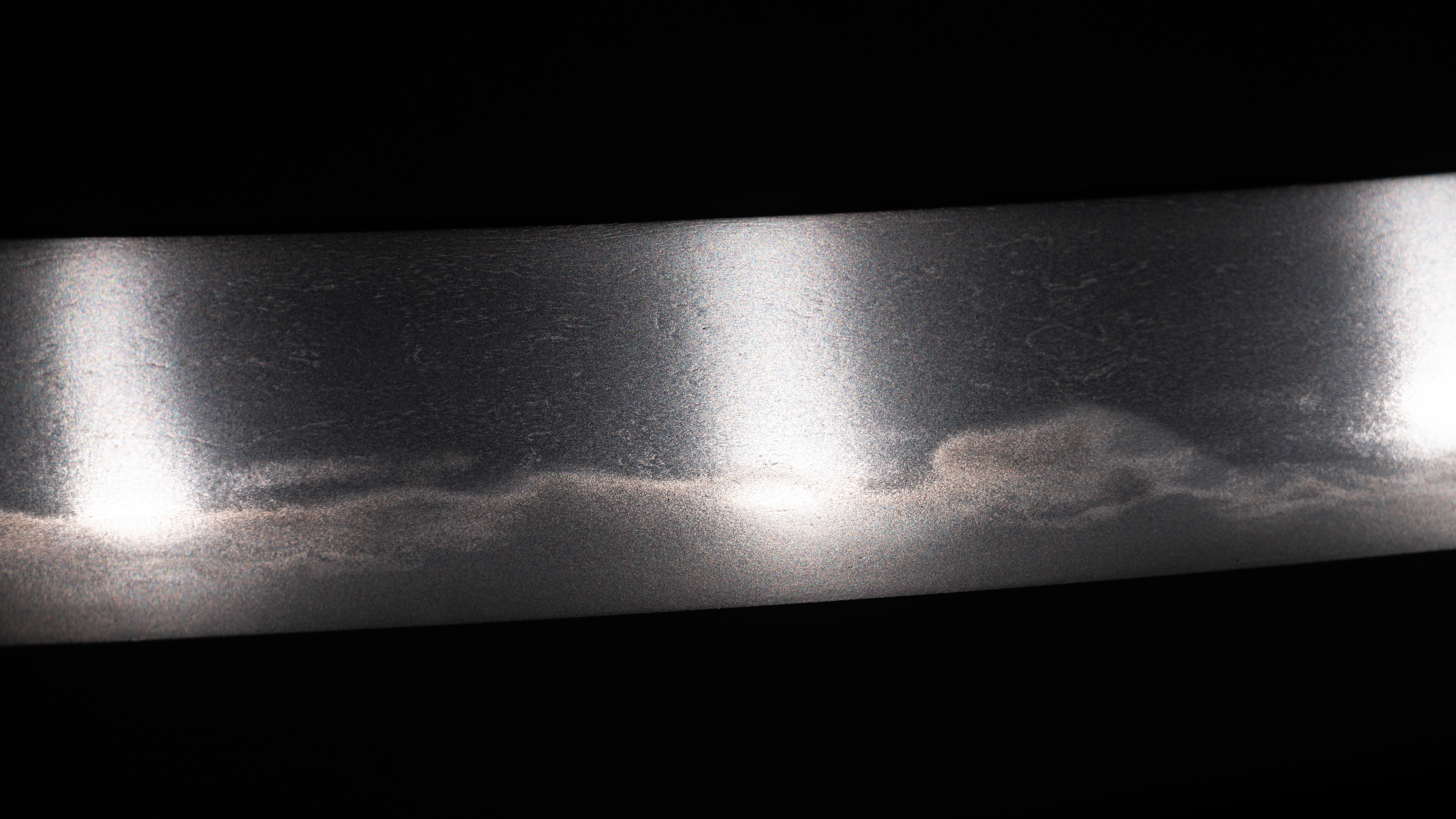
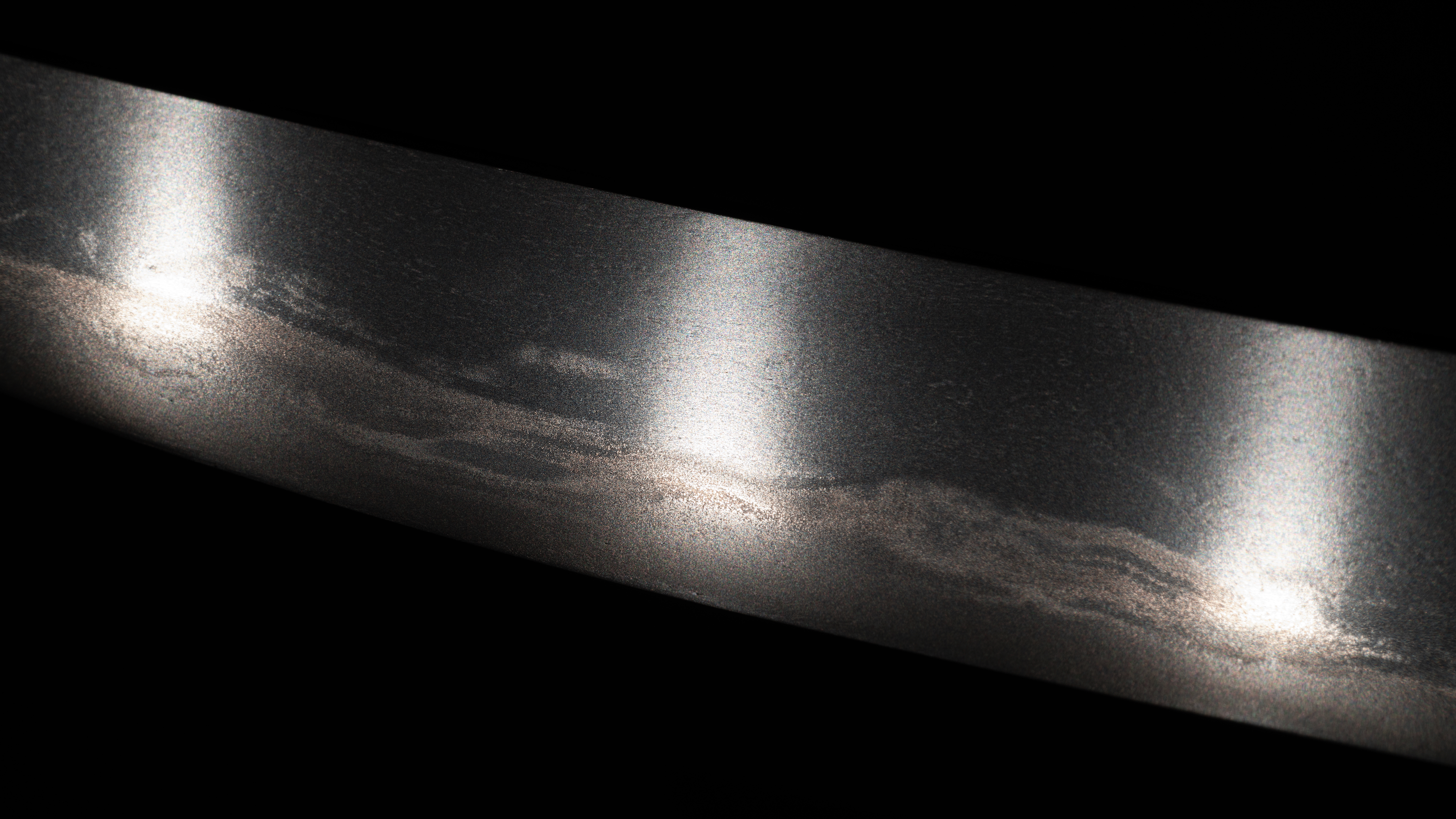
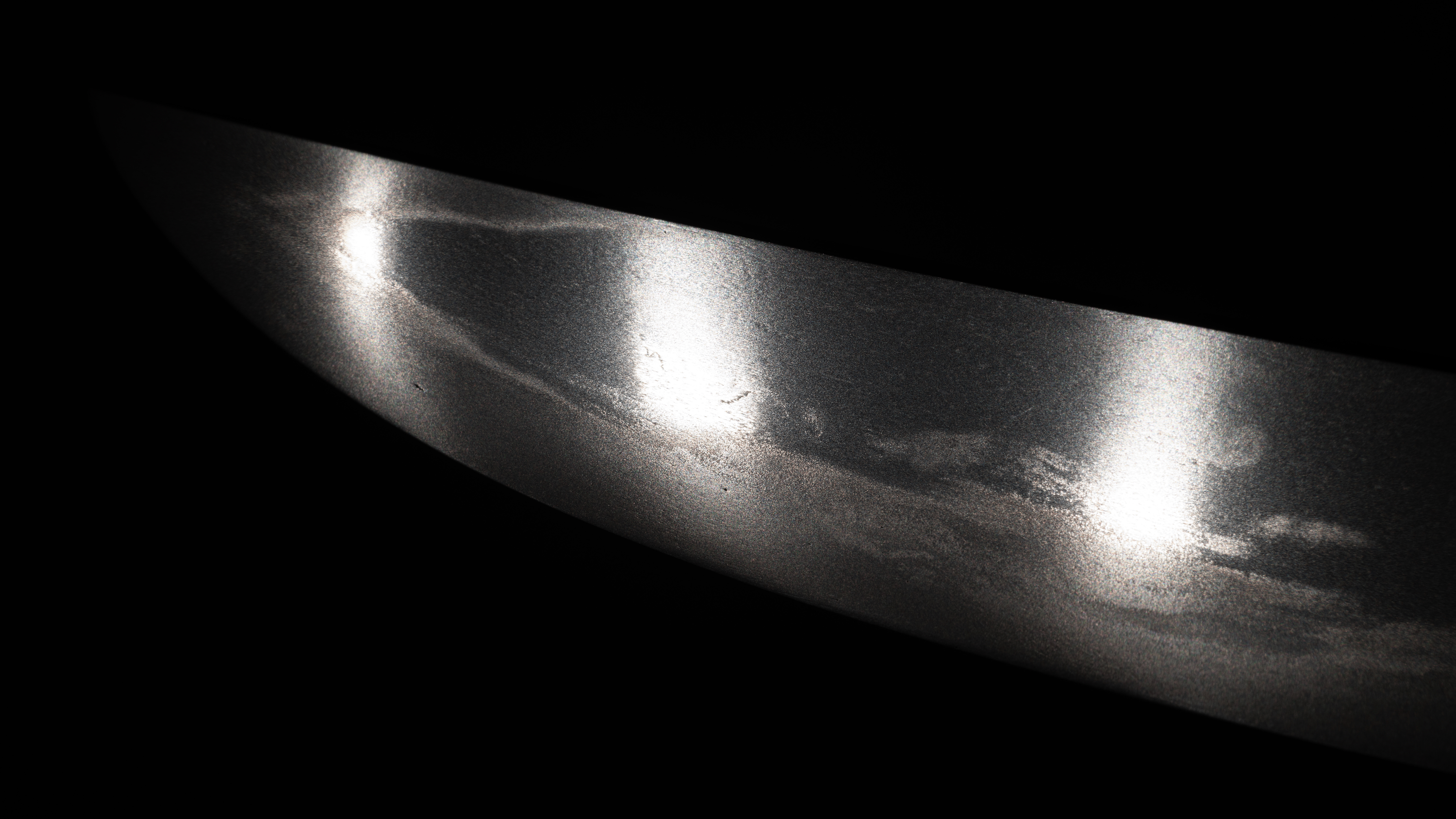
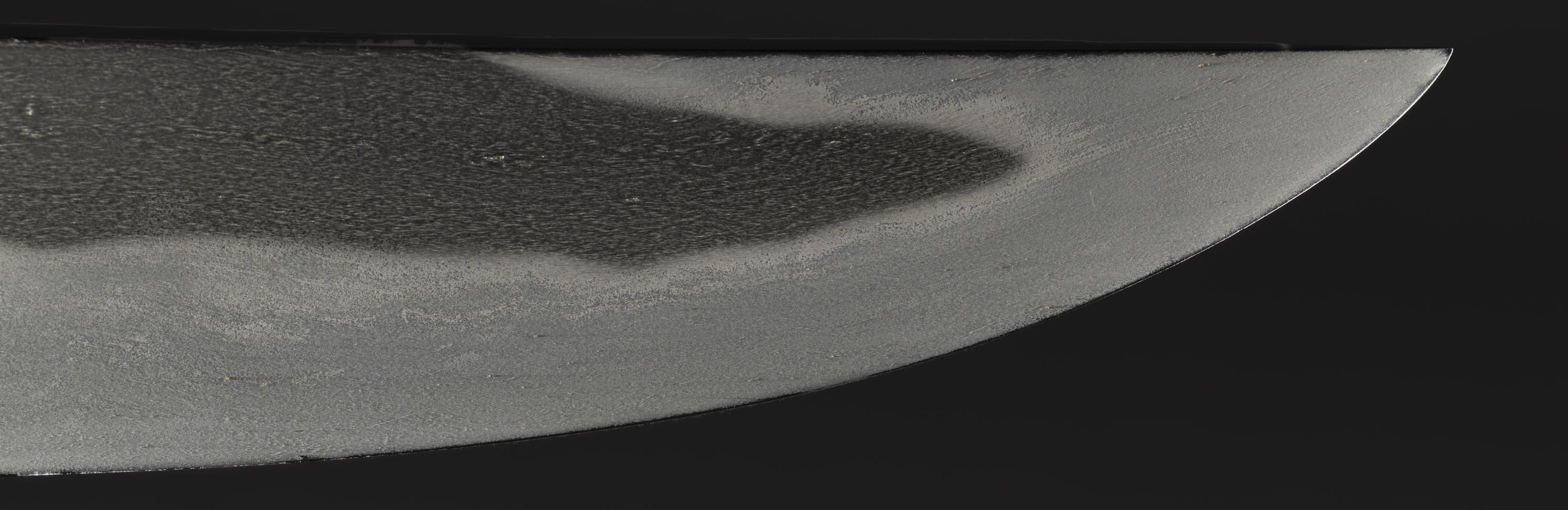
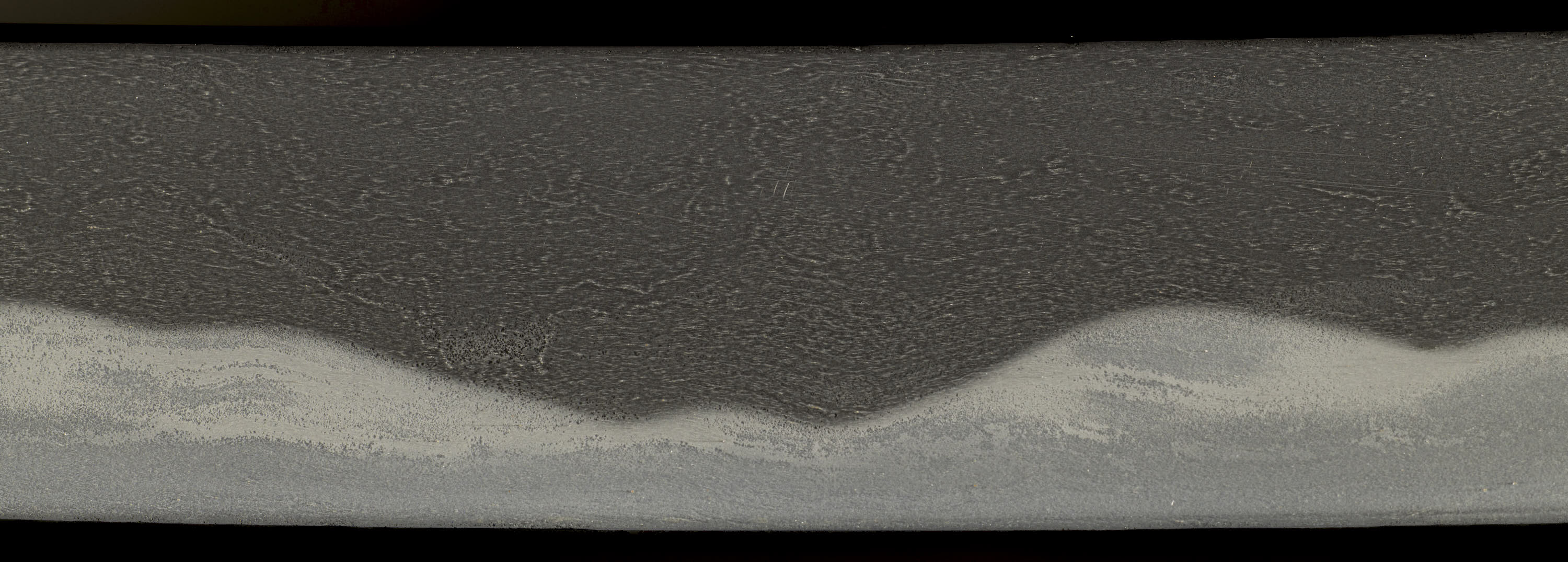
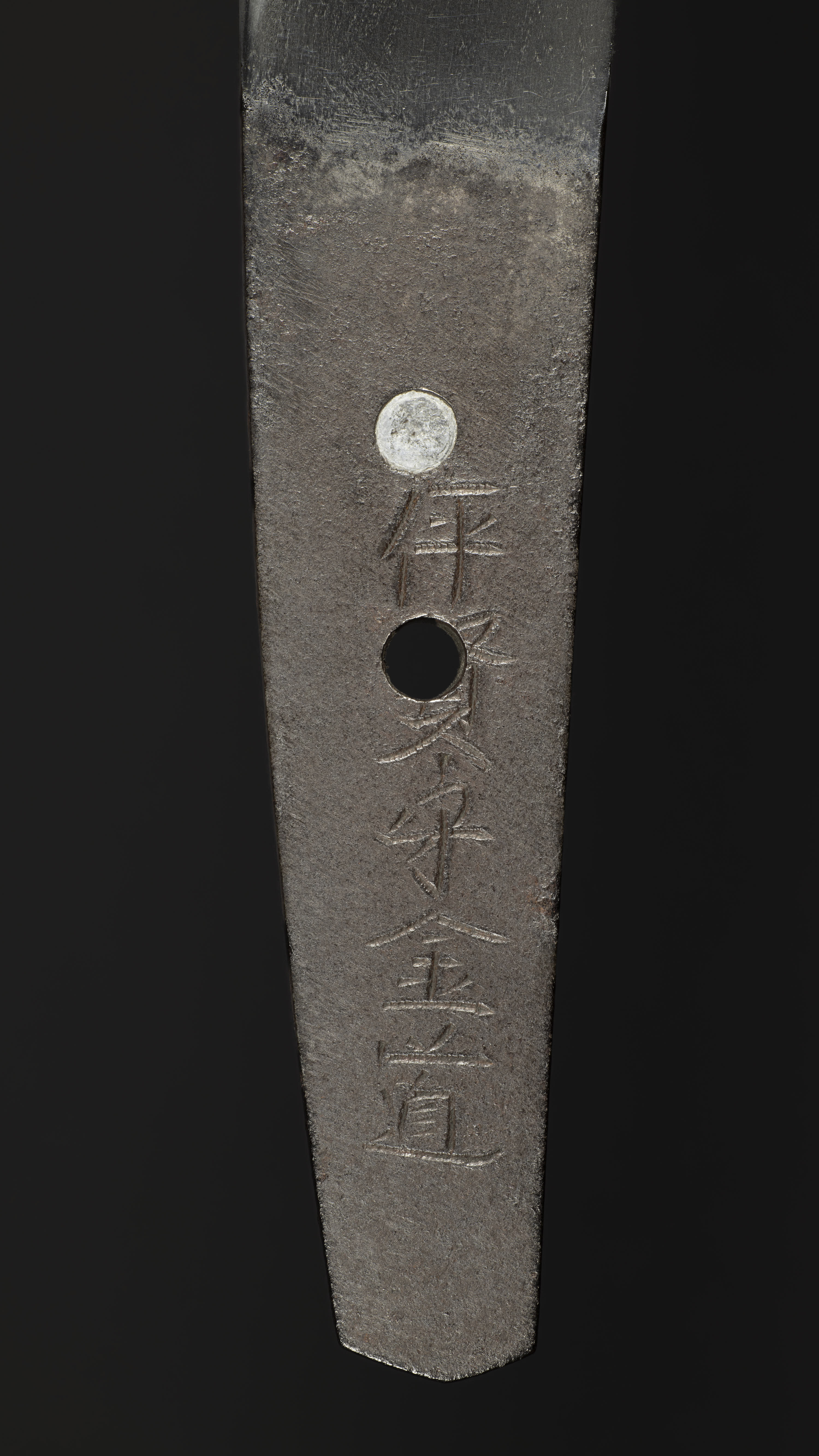
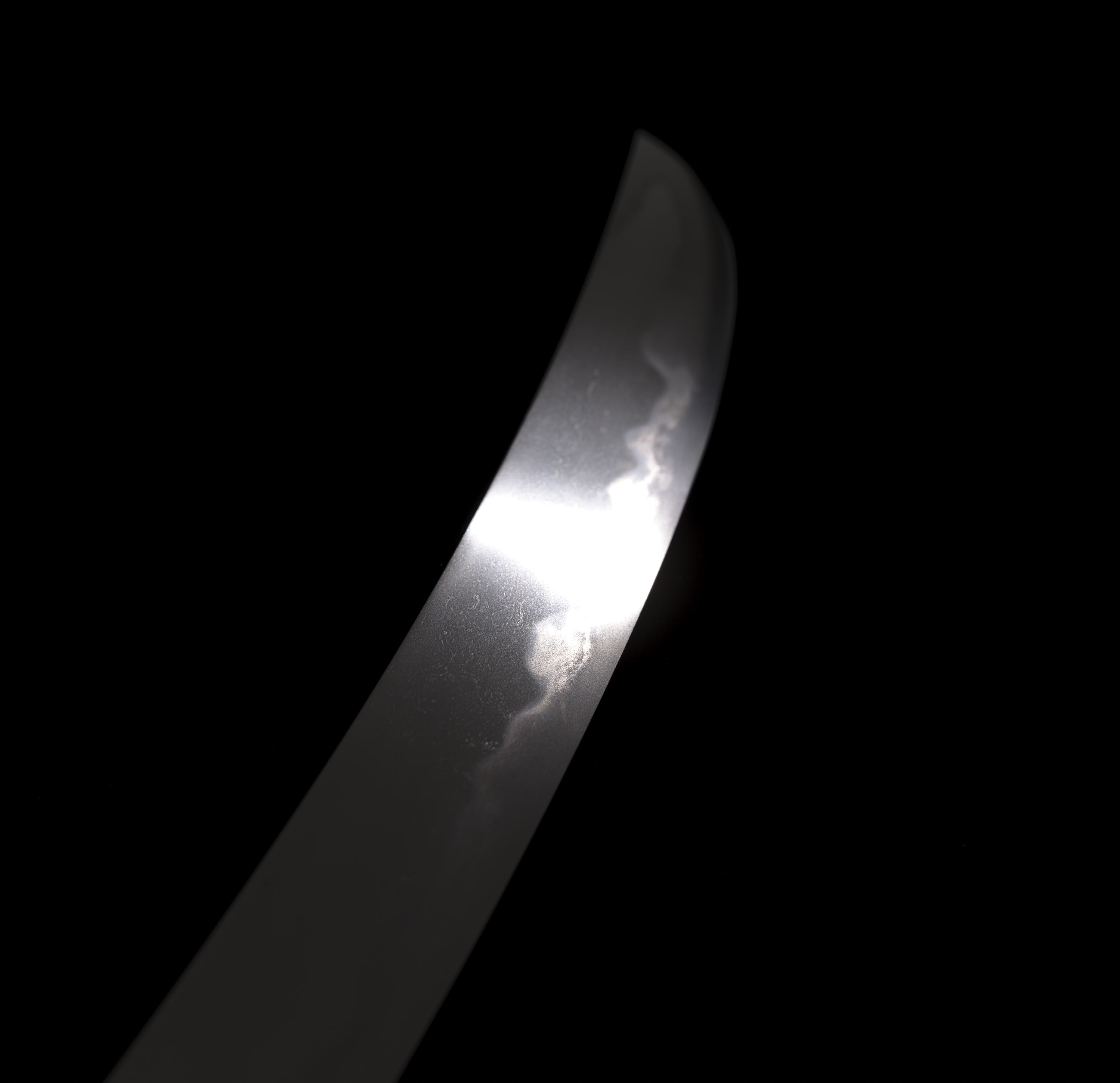
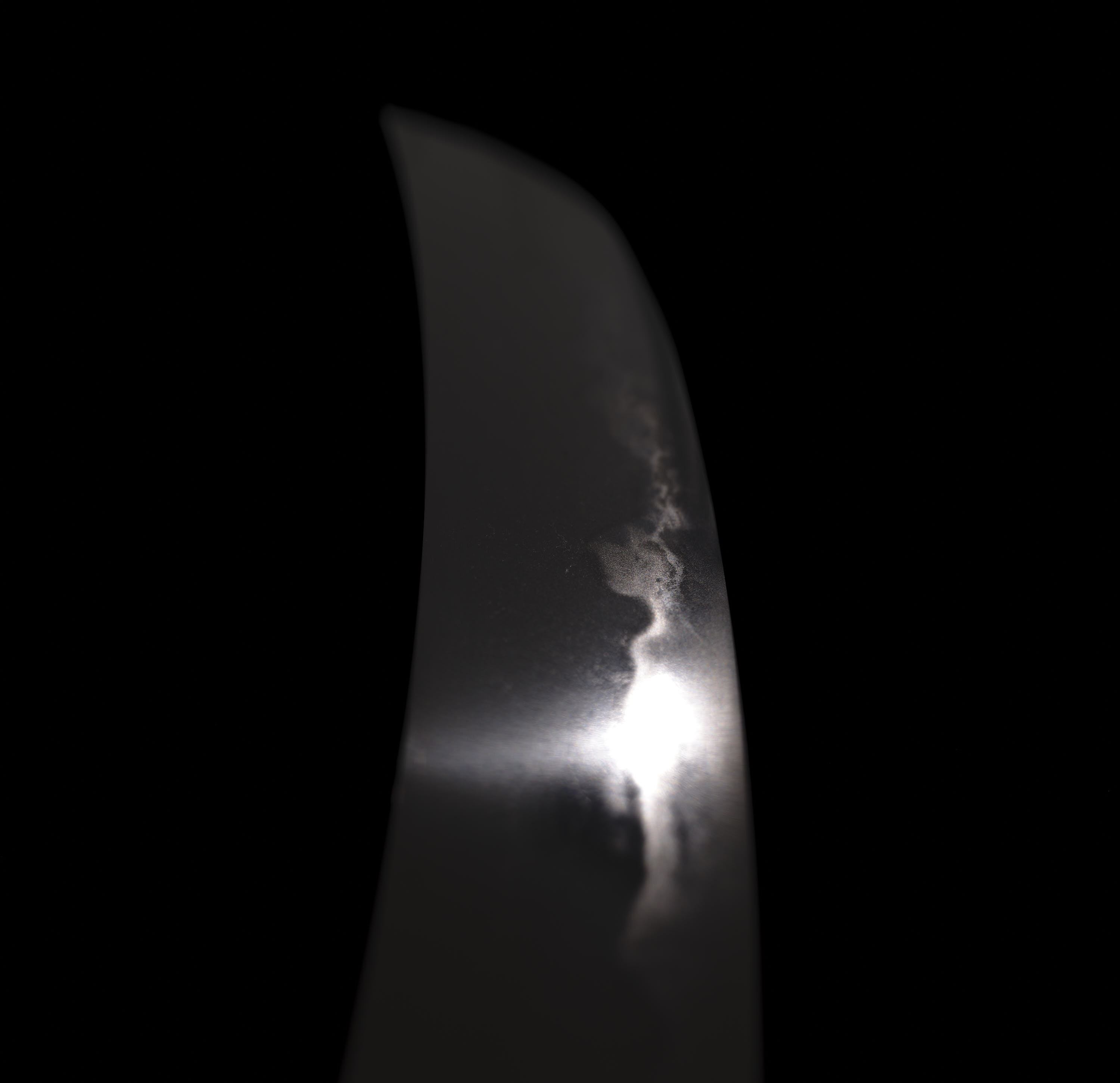
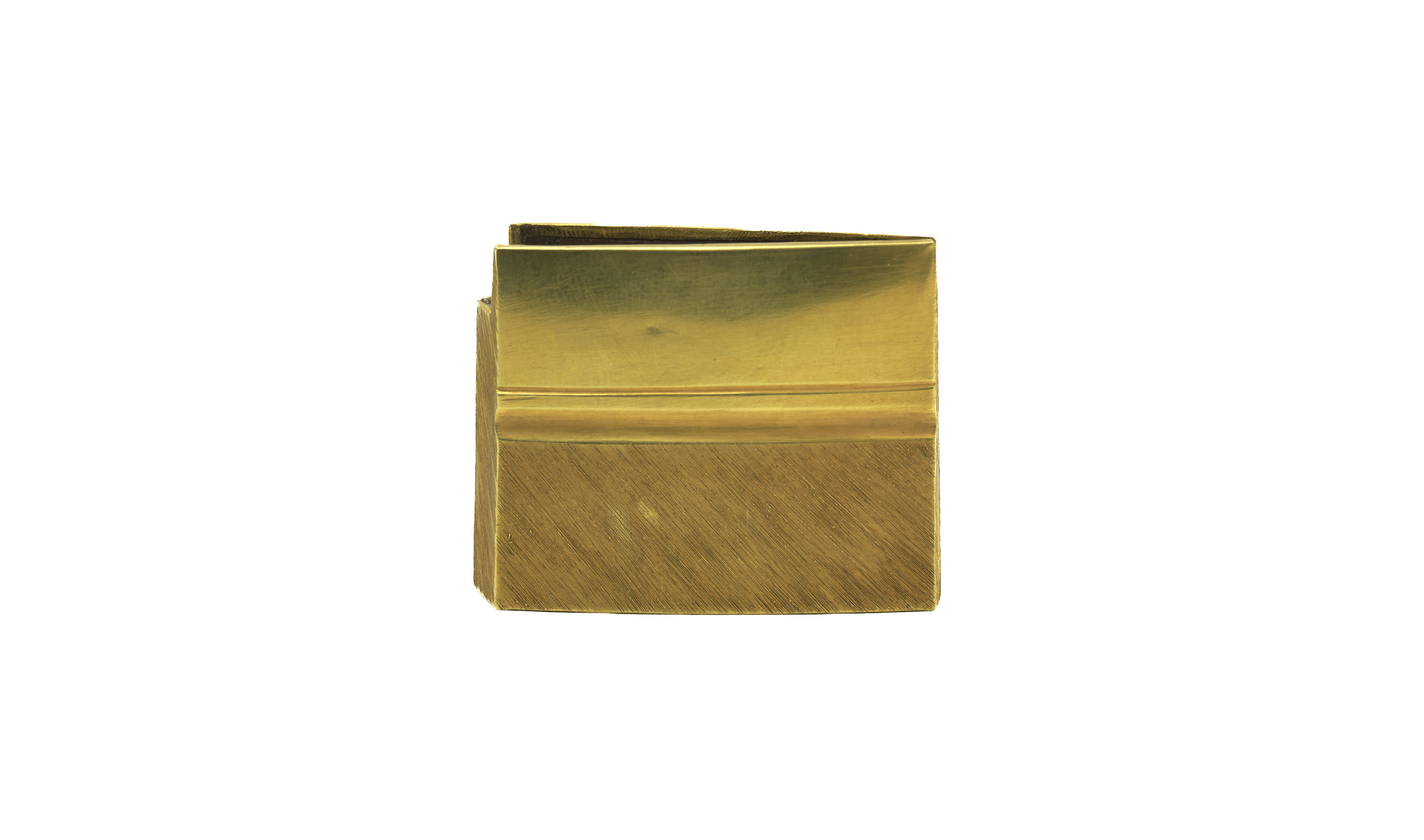
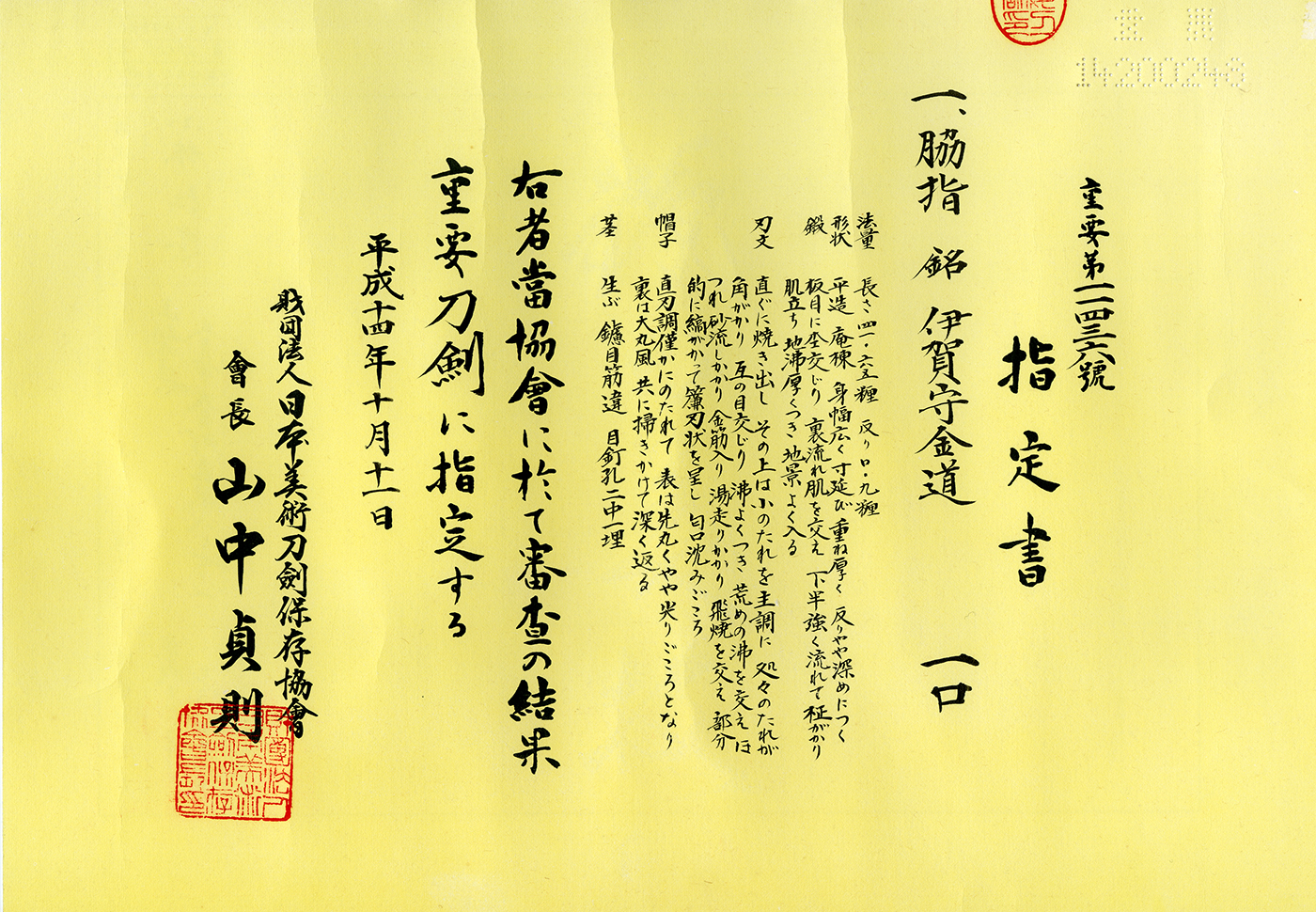
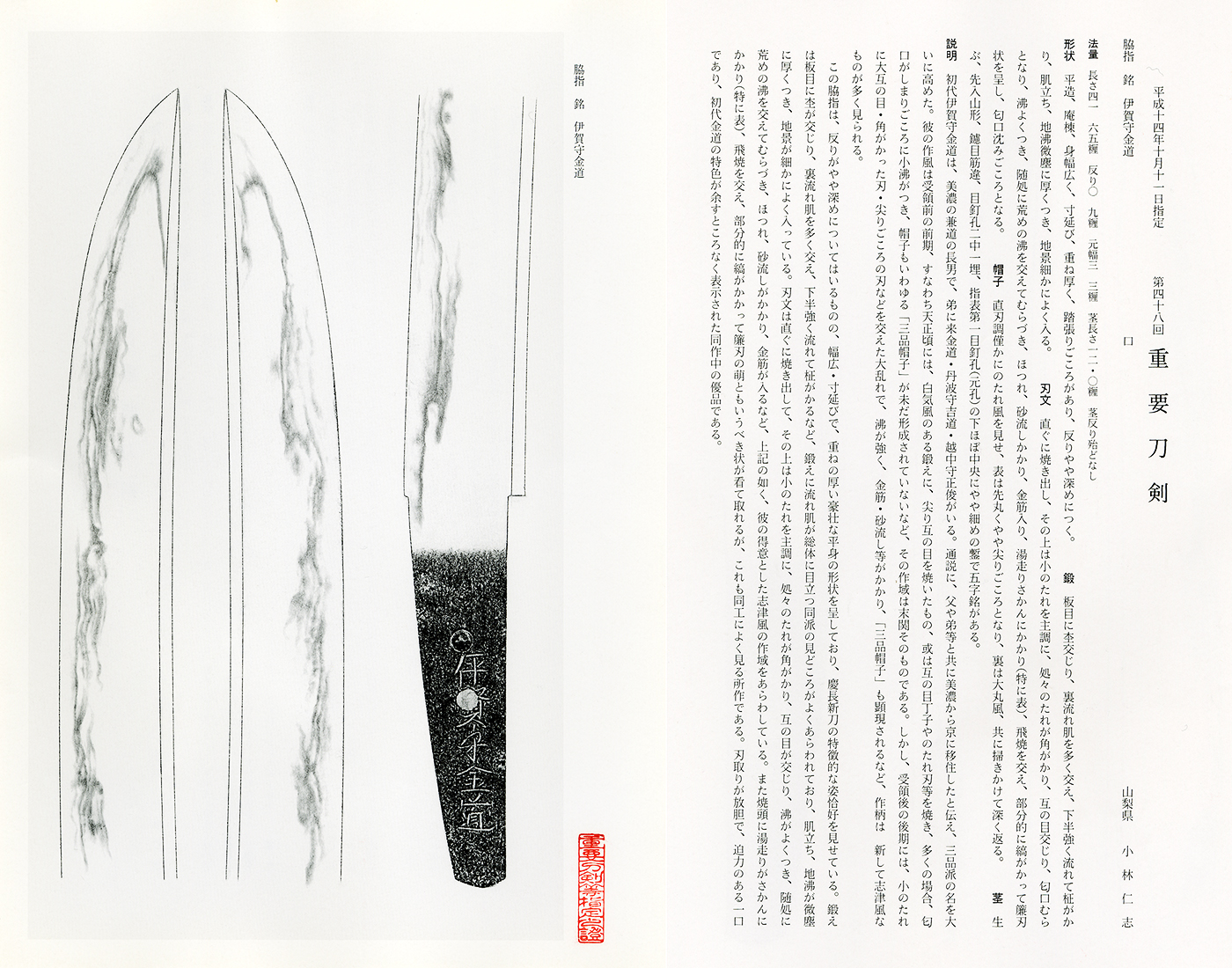
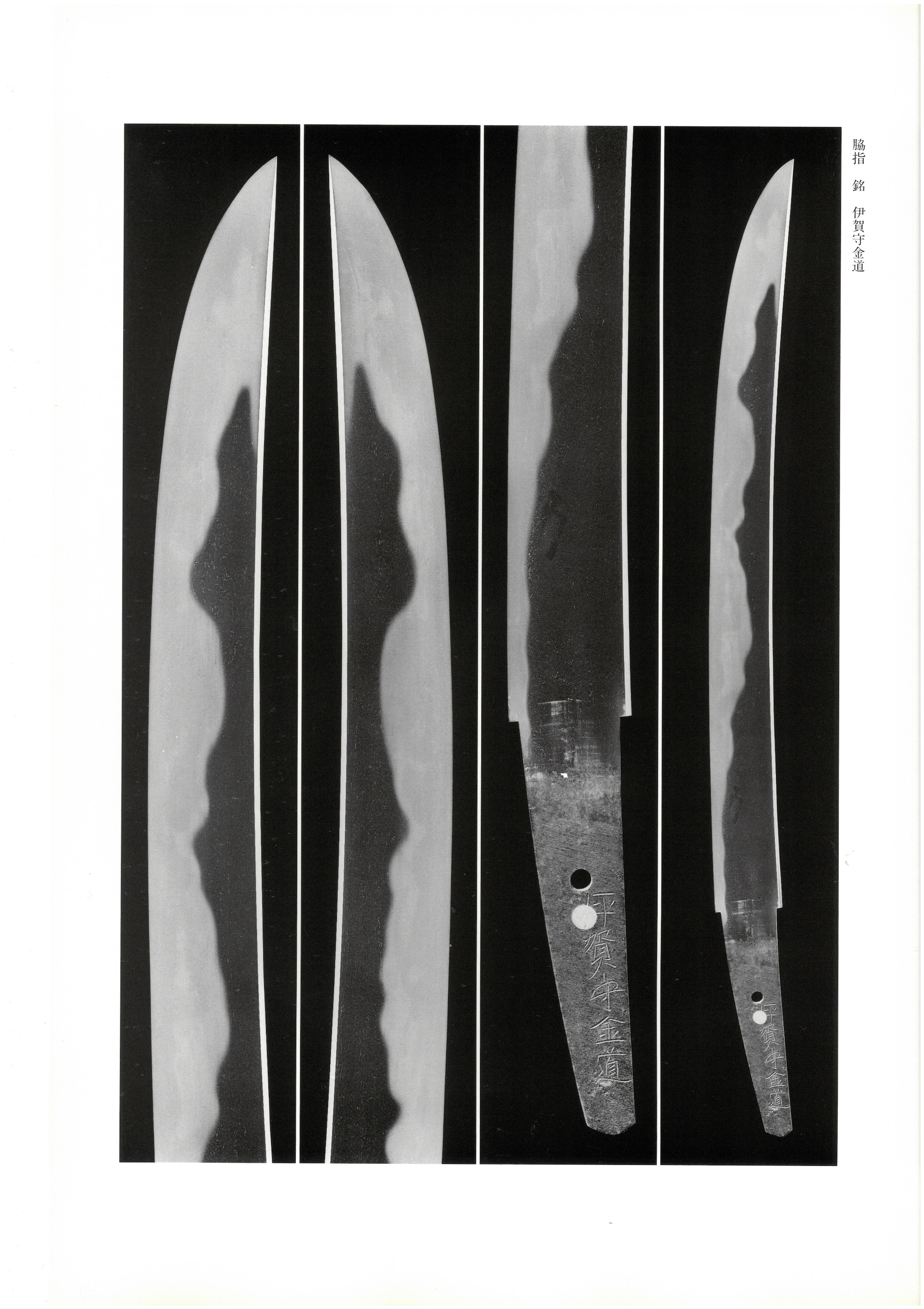
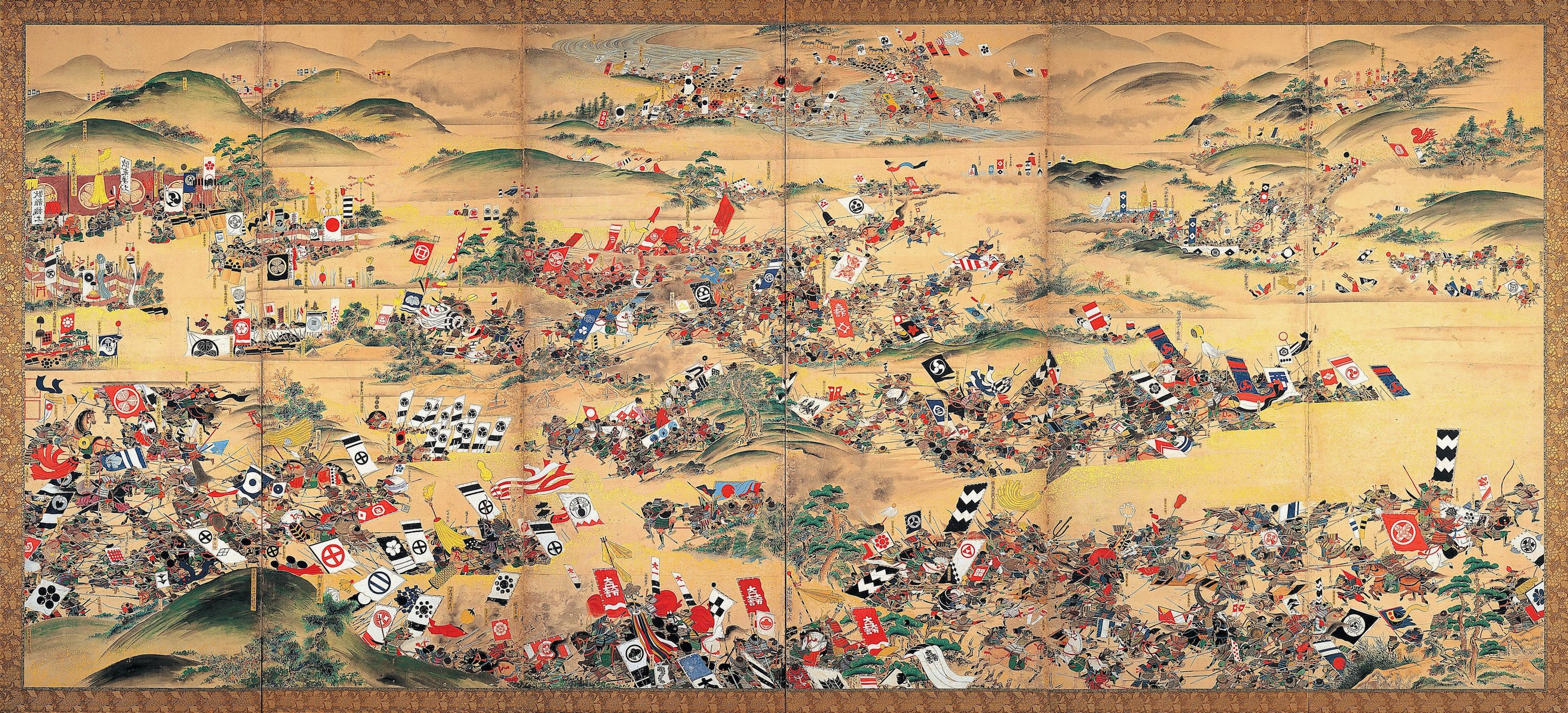
Introduction Shortly before the decisive battle of Sekigahara of 1600 that unified Japan under his rule, Tokugawa Ieyasu ordered 1000 tachi to be made by the swordsmith Iga no Kami Kinmichi. He was the son of Mino smith Kanemichi, founder of the Mishina School in Kyoto who moved to Kyoto in 1593. Kinmichi was granted his Iga no Kami ("Lord of Iga") title a year later in 1594 and made swords for, among others, the imperial house. Screen depicting the Battle of Sekigahara City of Gifu Museum of History The battle resulted in a decisive victory for Tokugawa Ieyasu, after which he became Japan's shogun. He was very impressed with how Kinmichi managed the workers and production of his large order, and so granted him the honorary title Nihon-kaji-sōshō (日本鍛冶惣匠) or “master swordsmith of Japan”. The title gave Kinmichi influence at court and over the granting of honorary titles for smiths, privileges that were passed down his lineage into the Bakumatsu era. Mino origins The family was originally from Gifu in Mino province, and father Kanemichi worked, among others, for Takeda Shingen, a famous samurai warlord, daimyo of Kai Province, and known as the "Tiger of Kai". There is a signature of Kanemichi where he claims to be the 9th generation descendant of Kaneuji himself, one of Masamune's top students and the founder of the Mino tradition. Looking at the work style of both Kanemichi and his son, Kinmichi, whose blade we are looking at here, the similarities are indeed strong. In fact, if unsigned, the blade could easily be mistaken for Naoe Shizu, the school that Kaneuji founded in Mino.1 There was another famous swordsmith named Kanemichi who also forged for the emperor, who granted him the character Dai (大) for his name, so he changed to Daidō (大道). It is unclear whether there are one and the same person, or whether Kinmichi's father was a brother or son of this Daidō (大道). Kinmichi had two brothers, Etchū no Kami Masatoshi (越中守正俊) and Tanba no Kami Yoshimichi (丹波守吉道), all notable swordsmiths in their own right, and together they were called the Three Mishini Brothers.2 Notes 1. Markus Sesko; Swordsmiths of Japan. Lulu, 2015. Page 225. 2. Honma Junji; Nihon Koto Shi. 1963. Translated by Markus Sesko. Lulu Publishing. Page 262. Jūyō Iga no Kami Kinmichi wakizashi A signed, ubu wakizashi by shōdai Kinmichi. It was designated Jūyō at the 48th Jūyō Shinsa held on October 11, 2002. It is only of only two wakizashi by Kinmichi that ever made jūyō. Standards on wakizashi length swords for jūyō are much higher than those for full-length swords, so pieces of this length must be exceptional to pass. I let the jūyō papers speak for themselves: "Jūyō-tōken at the 48th Jūyō Shinsa held on October 11, 2002 Wakizashi, mei: Iga no Kami Kinmichi (伊賀守金道) Yamanashi Prefecture, Kobayashi Hitoshi (小林仁志) Measurements: nagasa 41.65 cm, sori 0.9 cm, motohaba 3.3 cm, nakago-nagasa 12.0 cm, only very little nakago-sori Description: Keijō: hira-zukuri, iori-mune, wide mihaba, sunnobi, thick kasane, some funbari, relatively deep sori. Kitae: standing-out itame that is mixed with mokume and on the ura side with much nagare, in addition, the hada prominently tends to nagare-masame along the lower half of the blade and there is plenty of ji-nie and much fine chikei. Hamon: nie-laden ko-notare-chō that starts with a sugu-yakidashi and that is mixed with some angular notare sections, gunome, ara-nie which acculumate to mura-nie in places, hotsure, sunagashi, kinsuji, many yubashiri (particularly on the omote side), and tobiyaki and so the ha partially appears as sudareba, the nioiguchi varies in width and is rather subdued. Bōshi: sugu-chō with a little bit of notare, on the omote side with a somewhat pointed maru-kaeri and on the ura side with an ō-maru-style kaeri, on both sides hakikake and a long turnback. Nakago: ubu, iriyamagata-jiri, sujikai-yasurime, two mekugi-ana (one of which is plugged), the sashi- omote side bears about centrally below of the first, the ubu-mekugi-ana, a thinly chiseled five character signature." "Setsumei (Explanation): The first generation Iga no Kami Kinmichi was the eldest son of Kanemichi (兼道) from Mino province and his younger brothers were Rai Kinmichi (来金道), Tanba no Kami Yoshimichi (丹波守吉道), and Etchū no Kami Masatoshi (越中守正俊). According to tradition, he accompanied his father and brothers from Mino to Kyōto where their Mishina School (三品) then became famous. In his early years from around Tenshō (天正, 1573-1592), i.e. before receiving his honorary title “Iga no Kami,” Kinmichi forged a kitae which shows a tendency towards shirake and either hardened a togari-gunome, a gunome-chōji, or a notare, mostly in ko-nie-deki with a rather tight nioiguchi. We do not yet see a Mishina-bōshi on these early works, and the style basically follows that of Sue-Seki works. After receiving his honorary title, Kinmichi hardened a nie-laden o-midare that bases on a ko-notare that is mixed with ō-gunome, angular elements, some togariba, kinsuji, and sunagashi, and that is combined with a Mishina-bōshi. Many of these works remind us of Shizu (志津) at first glance. This hira-zukuri wakizashi has a relatively deep sori, a wide mihaba, is sunnobi, and is with its thick kasane of a classical Keichō-shintō-sugata. The kitae is a standing-out itame that is mixed with mokume, on the ura side with much nagare, and along the lower half of the blade with much nagare-masame. A kitae with a prominent amount of nagare is typical for the Mishina School and we also see plenty of ji-nie and much fine chikei. The hamon is a nie-laden ko-notare-chō that starts with a sugu-yakidashi and that is mixed with some angular notare, gunome, ara-nie which accumulate to mura-nie in places, hotsure, sunagashi, and kinsuji and thus we recognize the Shizu style on which Kinmichi often focused. There are many yubashiri above of the yakigashira (particularly on the ura side) and some tobiyaki and so we can partially see the first approaches towards a sudareba, which is another famous feature of this smith. The ha is bold and freely interpreted and a masterwork among all blades of the first-generation Kinmichi which truly reflects all of his typical characteristics." Habaki Comes with a high-quality (hitoe-habaki, 一重鎺) "one-piece collar" made to resemble a two-piece one, a style called Etchū-kise-habaki (越中着せ鎺), made of copper with gold foil. Comparable examples There is a Tokubetsu Jūyō wakizashi that is quite similar to ours, published in the Tokubetsu Jūyō Nadu Zufu 13, #47. For the full description, see my glossary article: Kinmichi Conclusion One of the two wakizashi length blades by Iga no Kami that ever passed jūyō. The smith made blades for the imperial house and Tokugawa Ieyasu; 1000 made under his guidance were successfully employed at the decisive battle of Sekigahara, which consolidated Tokugawa Ieyasu's rule. Stylistically, it is very close to Kaneuji's Naoe Shizu school of the Nanbokucho period with a very lively hamon, full of activity.




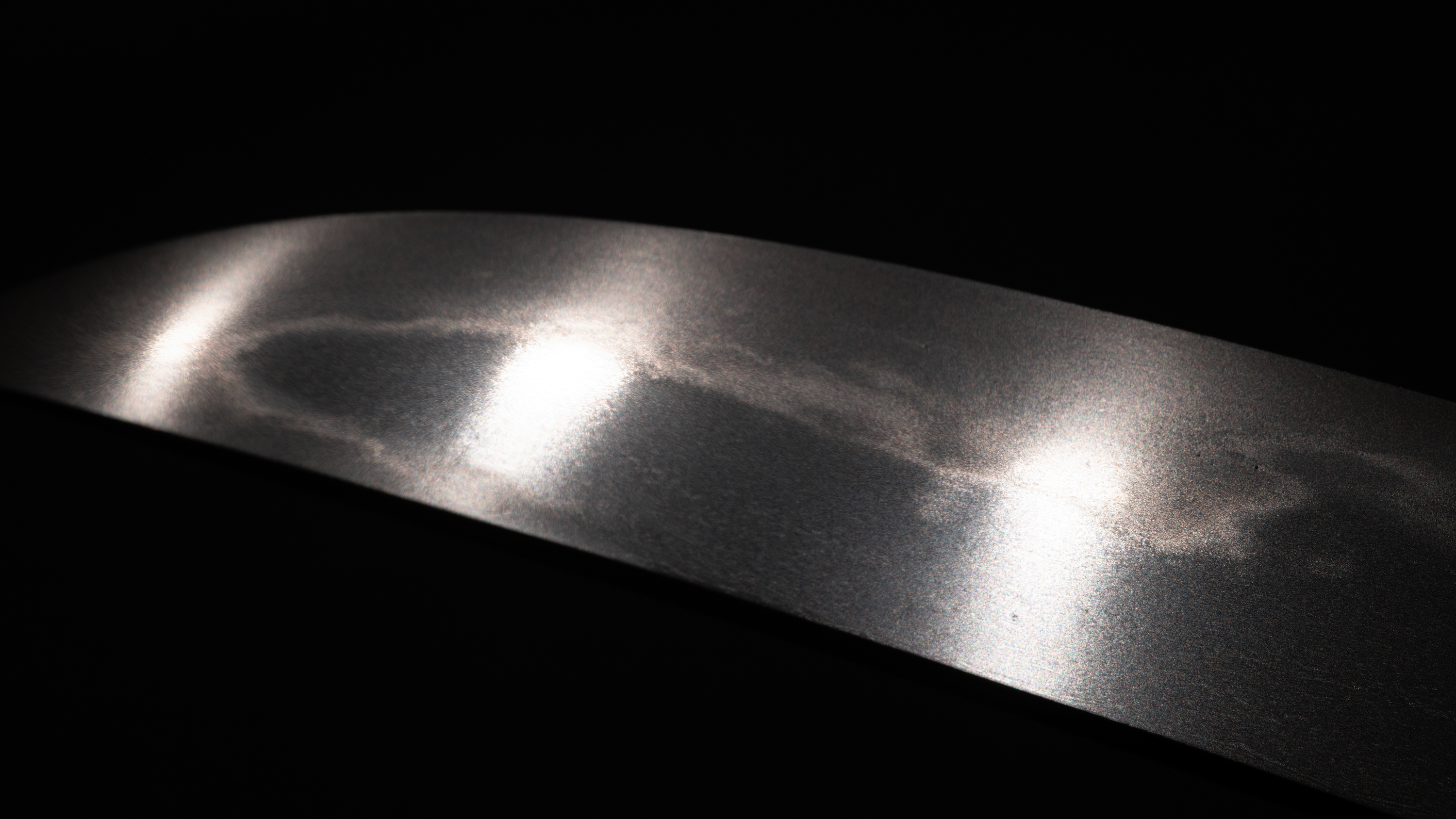
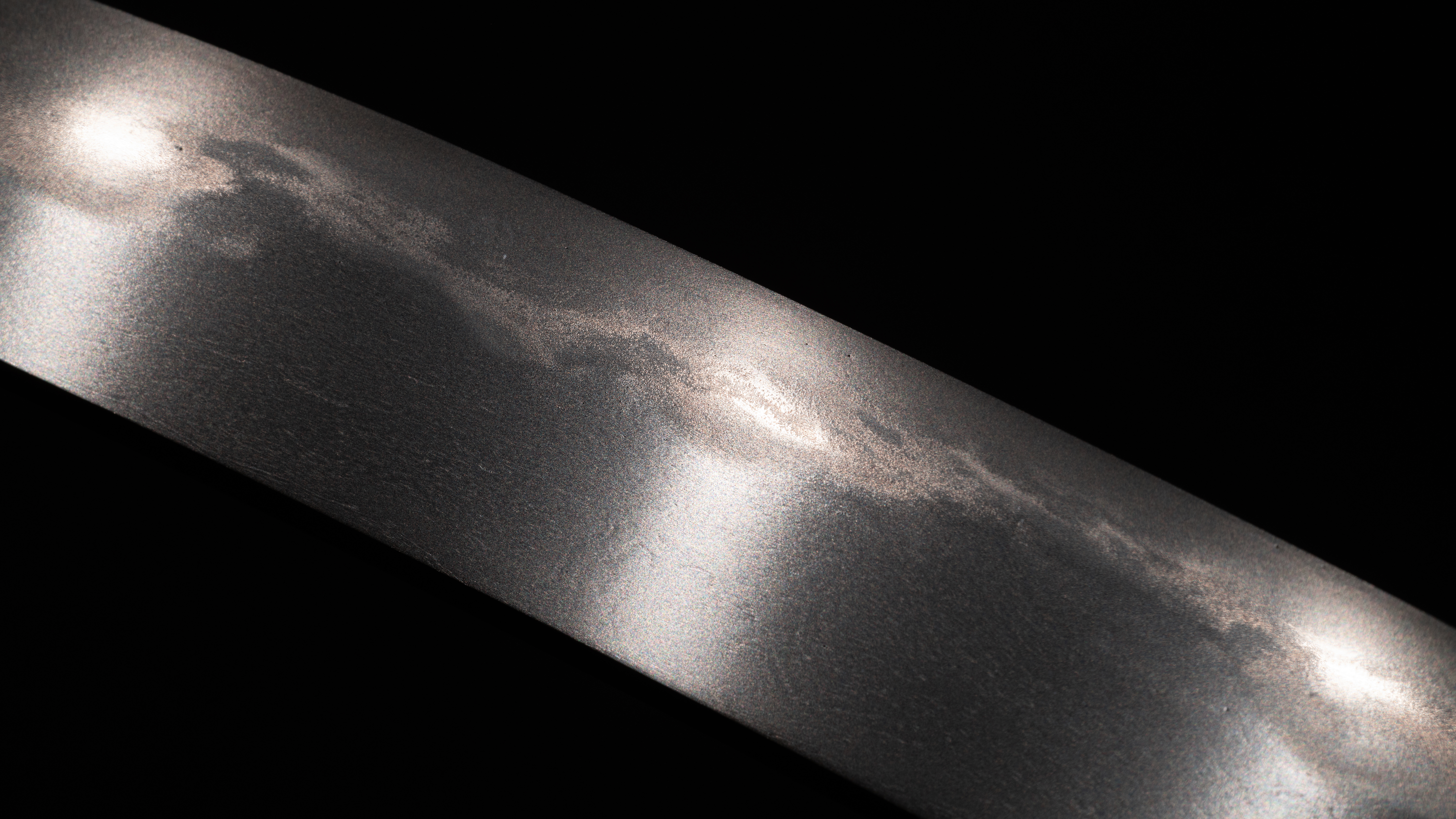
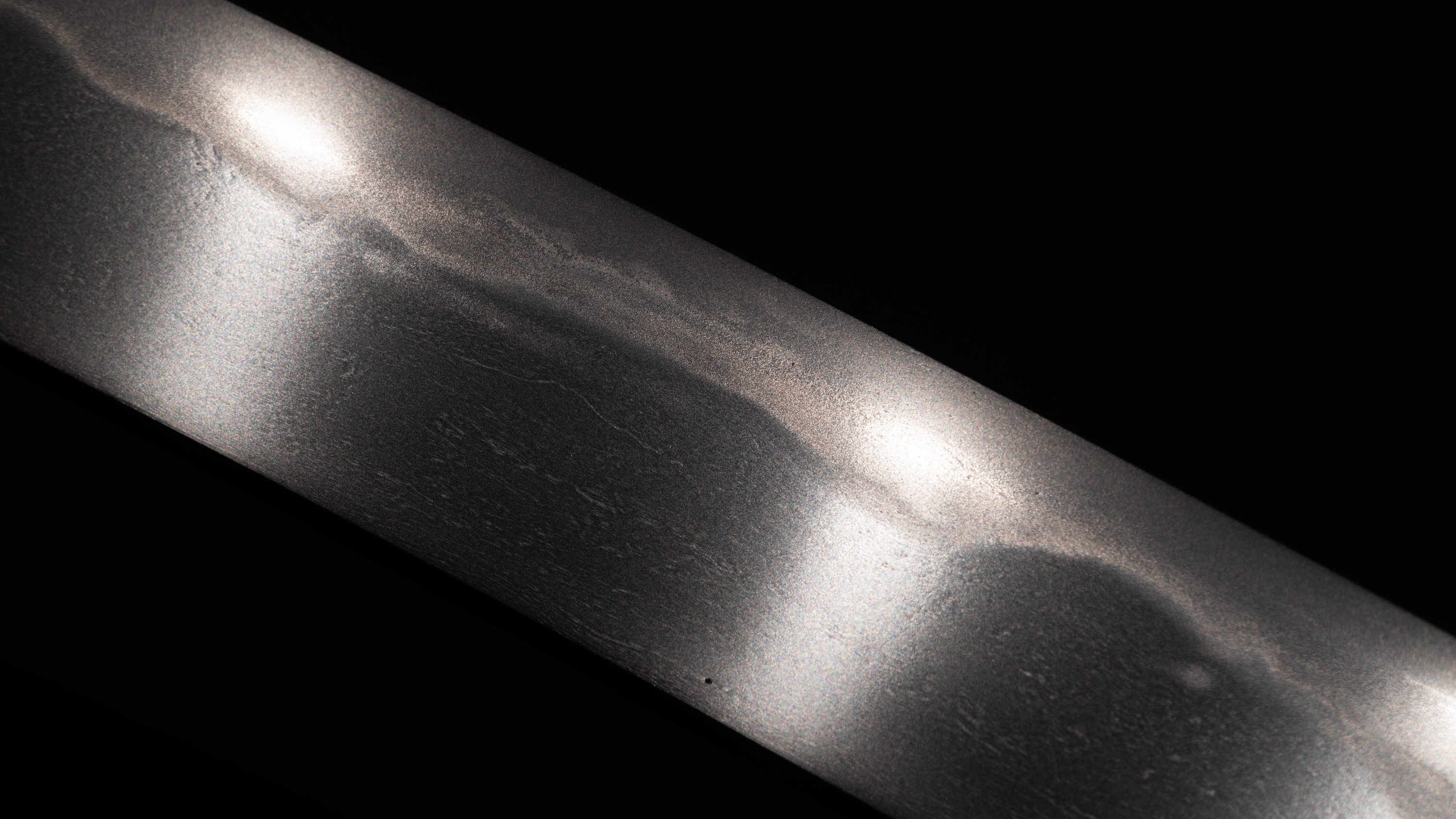
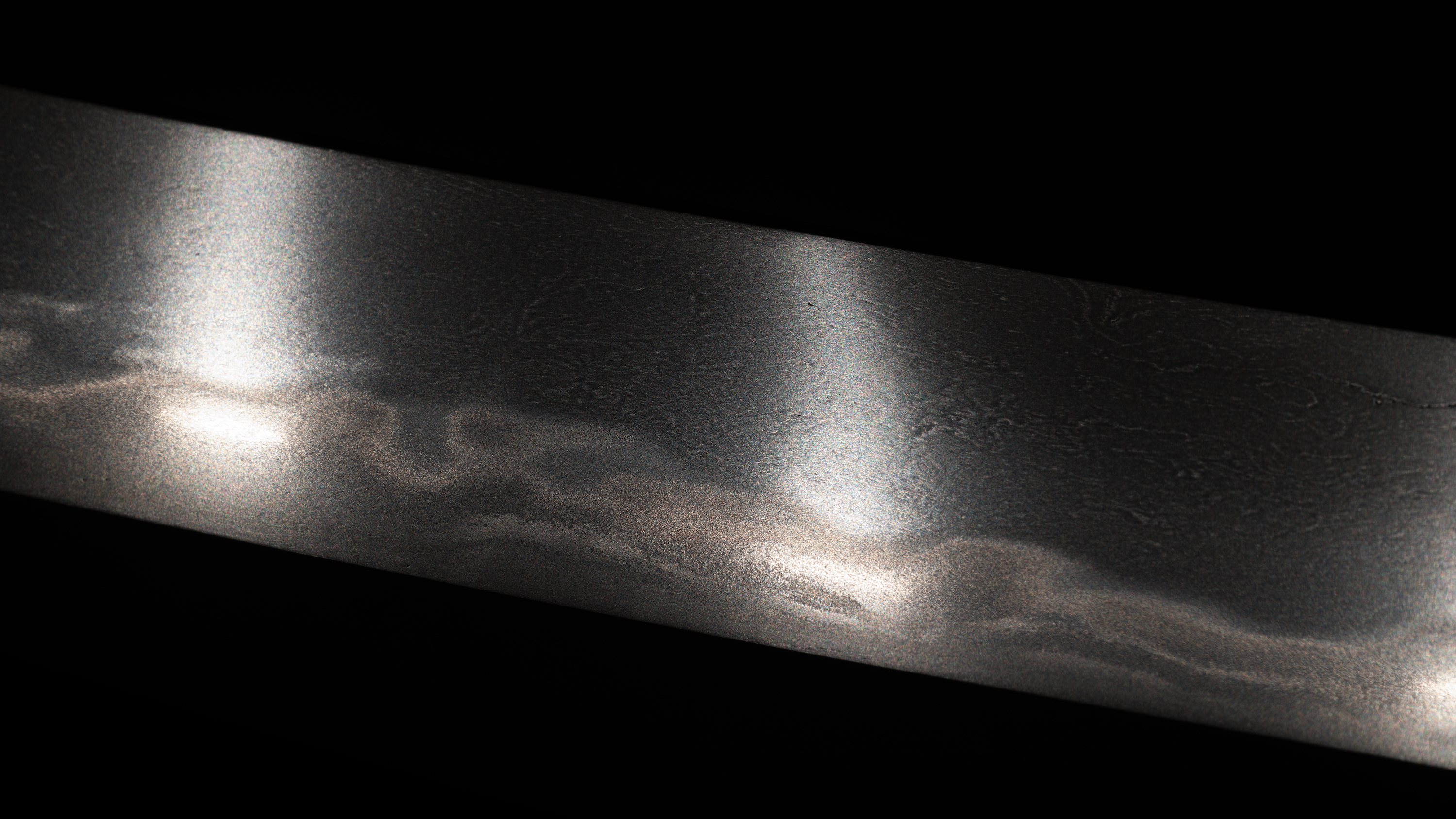
販売店の記載のまま
(翻訳なし)
初代伊賀守金道は、美濃の兼道の長男で、弟に来金道・丹波守吉道・越中守正俊がいる。 通説に、父や弟等と共に美濃から京に移住したと伝え、三品派の名を大いに高めた。彼の作風は受領前の前期、すなわち天正頃には、白気風のある鍛えに、尖り互の目を焼いたもの、或は互の目丁子やのたれ刃等を焼き、多くの場合、匂口がしまりごころに小沸がつき、帽子もいわゆる「三品帽子」が未だ形成されていないなど、その作域は末関そのものである。しかし、受領後の後期には、小のたれに大互の目・角がかった刃・尖りごころの刃などを交えた大乱れで、 沸が強く、金筋・砂流し等がかかり、「三品帽子」も顕現されるなど、作柄は一新して志津風なものが多く見られる。 この脇指は、反りがやや深めについてはいるものの、幅広・寸延びで、重ねの厚い豪壮な平身の形状を呈しており、慶長新刀の特徴的な姿恰好を見せている。鍛えは板目に杢が交じり、裏流れ肌を多く交え、下半強く流れて柾がかるなど、鍛えに流れ肌が総体に目立つ同派の見どころがよくあらわれており、肌立ち、地沸が微塵に厚くつき、地景が細かによく入っている。刃文は直ぐに焼き出して、その上は小のたれを主調に、処々のたれが角がかり、互の目が交じり、沸がよくつき、随処に荒めの沸を交えてむらづき、ほつれ、砂流しがかかり、金筋が入るなど、上記の如く、彼の得意とした志津風の作域をあらわしている。また焼頭に湯走りがさかんにかかり(特に表)、飛焼を交え、部分的に縞がかかって簾刃の萌ともいうべき状が着て取れるが、これも同工によく見る所作である。刃取りが放胆で、迫力のある一口であり、初代金道の特色が余すところなく表示された同作中の優品である。
Mishina (Sanpin) school, Kyoto Shinto · 山城 · 1596-1615頃
藤代 上々作 · 刀剣大鑑 上位18%
現在3点販売中
初代伊賀守金道は美濃関の兼道の四子の長兄で、父および和泉守(来)金道・丹波守吉道・越中守正俊の三弟と共に上京し、西洞院夷川に住した。説明書はその働きを「三品派の名を大いに高めた」[[c:1]]と記す。彼は京新刀三品派の祖であり、いわゆる京五鍛冶の頭領であって、その磨上の太刀を載せる重要美術品の説明は、本工を「日本鍛冶宗匠として活躍」[[c:2]]した日本の名工と称える。二代以下は刀匠の受領を朝廷に推薦する権を世襲し、銘に「日本鍛冶宗匠」と添えた。名は同銘相継いで幕末に及ぶが、説明書は初代を一派中最も優れた手とする。
その作は受領を境に読まれ、この区分が鑑定の背骨をなす。伊賀守受領前、天正頃の作を説明書は本質的な末関とし、「その作域は末関そのもの」[[c:3]]と評する。白気風のある鍛えに尖り互の目を焼いたもの、あるいは互の目丁子やのたれ刃を焼き、匂口が締まりごころに小沸つき、いわゆる三品帽子も未だ形成されていない。この前期の在銘には四兄弟の本国の作風に近いものが数口あり、兼定・氏房に見る互の目丁子や、室町期の打刀を彷彿とさせる小のたれに互の目を交えたものがあって、極めは本工を、美濃の継承を最も真面目に伝えた兄と読む。
受領後、作柄は一新し、その典型の記録の大半はここにある。説明書はこれを「作域は一新して志津風」[[c:4]]と述べ、本工の最も得意とした手とする。板目に杢を交え棟寄りに強く流れた肌を交えて肌立ち、地沸微塵に厚くつき地景のよく入る地に、小のたれを基調とした大乱れを焼く。大互の目・角がかった刃・尖り刃を交え、沸が強く時に荒く、むら立ち、砂流しさかんに金筋長く入り、湯走り・小さな飛焼を交えて匂口沈みごころとなる。美濃の根に相州・志津の働きを接いだ手であり、剣書は本工を志津・関・大和・相州の各伝に通達した上手と記す。
地鉄は前後両期を貫く常である。棟寄りに流れて流れ肌となり肌立つ板目に、地沸厚く地景頻りに入り、美濃関の継承を京の作にまで伝え、最上手の作では区上より水影が立つ。その上の後期の刃は静かというより落ち着かず、沸がむらに凝って処々崩れ、砂流しはしばしば金筋を伴って縞をなす。帽子は最も明快な見どころで、のたれ・乱れ込みに先尖って掃きかけさかんな三品帽子は、前期には明確に欠け後期に顕現する。志津風の刃では中程に強い沸が凝り、簾刃の萌芽を見せる――この種こそ、後代の三品派を特徴づける見どころである。
本工を分かつのは、まさに極めの言うところである。前期の美濃の過去とは、強い沸・金筋・砂流し、そして前期末関作の欠く簾刃の萌芽と三品帽子によって分かたれる。典型をなす志津風は末弟越中守正俊と共有した得意の作であり、大磨上無銘の志津を写したかと思わせる作もある。銘は「金道作」の三字銘、五字銘、「藤原」を冠した七字銘があって年紀作は稀であり、銘振りもまた作風と共に作を一派に位置づける。彼は三品派が京新刀の大家の一つに育つ根である。
収集の観点では、新刀の礎をなす名である。藤代は初代を上々作とする。国宝はなく重要文化財もなく、その記録は戦前の重要美術品と現代の級を通じ、特別重要刀剣に四口、重要刀剣に十八口を数え、説明書はその最上手を傑作・「初代金道の白眉」とし、覇気に溢れ地刃ともに健体の作と称える。記録に残る伝来は乏しいが確かで、ある特別重要刀剣の刀は谷干城の愛刀のうちにあり、重要美術品の作は佐竹家に伝来した。特別重要刀剣・重要刀剣の級に凡そ二十数口が立ち、そのうち市に出るものは僅かであるから、在銘の初代伊賀守金道が世に現れるのは折々のことで、根気をもって相対し得る一口は、三品派いかに始まったかを語る証である。
金道の位置づけを、日本刀全体および伝法・時代・時期ごとに示します。各区分(随一・屈指・有数・著名)は、NBTHK および文化庁による指定に加え、三作や名物帳などの歴史的栄誉を加味したものです。
各項目を選ぶと評価方法が表示されます。
新刀 · 山城
現在55点販売中
三品派は、美濃国関の兼道を源流とし、その子らが京へ上って興した新刀の一門である。説明書は、兼道の四子すなわち長兄伊賀守金道、来金道、丹波守吉道、末弟越中守正俊が父と共に美濃より上京し、西洞院夷川に住して三品派の名を大いに高めたと記す。長兄金道は京五鍛冶の頭領にして、その家は刀工の受領を朝廷に推薦する権を世襲し、銘に「日本鍛冶宗匠」と添えて幕末に及んだ。やがて一門は京にとどまらず大坂へも枝を張り、京初代丹波守吉道の子が大坂に移って大坂丹波の祖となり、その周囲に大和守吉道が連なり、丹後守兼道のごとく大坂に住して元禄頃に活躍した工も出た。末関の量産地に発しながら、堀川派と並ぶ京新刀の一大勢力に育ち、さらに大坂へと展開した点に、この一門の歩みがある。 作風を貫くのは、工と世代の差を越えて繰り返される三品の共通語法である。地鉄は板目に杢や流れ肌を交えて棟寄りに強く流れ、刃寄りで柾がかって肌立ち、地沸微塵に厚くつき地景のよく入るもので、美濃関の継承を京の作にまで伝える。京の古い手が肌立つ板目を見せるのに対し、大坂の系では小板目をよくつめ清く澄んだ地に転ずる差がある。刃文は美濃由来の互の目と尖り刃を基調に、これを京風に洗練して小のたれの大乱れに展開し、沸が強く時に荒くむら立ち、砂流しさかんに金筋長く入る。最も明快な見どころは帽子で、のたれ込みに先尖って掃きかける三品帽子は一門の標識をなし、末弟正俊にことに顕著である。いま一つの標識が丹波守吉道の創案した簾刃で、湯走り・飛焼・砂流しが幾重にも縞がかって簾の如く焼かれる。金道と正俊が志津風を共に得意として作域広く、吉道はこの簾刃の一手に己を結び、大坂の系はその簾刃を最もよく継いだ。同じ語法のうちに、各工の手が読み分けられる。 収集の観点では、三品派は新刀草創の格と明快な鑑定の勘所をあわせ持つ一門である。先尖って掃きかける三品帽子と、縞がかって平行に焼かれる簾刃の二つの見どころは、地と刃のいずれにも紛れなく現れて工と作域を定める手懸りとなり、大坂の直ぐで均一の焼出しは京の手と分かつ目印となる。主要工の格は説明書の評にそのまま現れ、初代伊賀守金道は一派中最も優れた手とされ、初代丹波守吉道は初期新刀屈指の名工に数えられ、末弟正俊は器用さ兄弟中第一と評される。一門の作はおおむね在銘で、銘そのものが時の標識となり、由緒の確かさをもって賞翫される。来歴の知られる作は谷干城の愛刀、佐竹家、織田有楽斎、北野天満宮、皇室、大坂城代青山家の蔵を経て伝わり、一口は京都国立博物館に納まる。最上手の在銘作が市に現れるのは折々のことで容易ではないが、一たび相見えれば、三品派が美濃関より京・大坂へいかに展開したかを語る確かな証となる。 詳しく見る →
京 新刀の源流
新刀の時代は、その大部分が京都で発明された。埋忠明寿の工房が運動を育て、堀川国広が一世代を鍛え、鎚を持たぬ本阿弥家が名刀の意味を司った。
特別保存刀剣の中から、特に出来が優れ、国認定の重要美術品に準ずると判断された名品です。年に一度の重要刀剣審査で選ばれます。
極めて選別的で、日本に登録された約250万口の刀剣のうち、重要刀剣に達したものは12,348口(約202口に1口)にすぎません。
日本美術刀剣保存協会(NBTHK)は、1948年に設立され、文化庁の監督を受ける公益財団法人で、東京・刀剣博物館に本部を置きます。専門の審査員が出品作を直接審査し、美術的・歴史的価値に応じた鑑定書を発行します。NBTHKの鑑定書は、日本刀および刀装具の真正性を示す最も広く認知された基準です。
NBTHK公式サイト
当サイトでご注文いただいた商品が、掲載されている画像や説明と異なる場合、返品を承ります。返品をご希望の際は、商品到着後7日以内にメールにてご連絡ください。返金額は、購入代金から送料、銀行手数料、および通貨換算にかかる費用を差し引いた金額となります。分割払いで購入された商品、および現物を確認された商品の返品・交換は一切お受けできません。
€27,500
初代伊賀守金道は、美濃の兼道の長男で、弟に来金道・丹波守吉道・越中守正俊がいる。 通説に、父や弟等と共に美濃から京に移住したと伝え、三品派の名を大 いに高めた。彼の作風は受領前の前期、すなわち天正頃には、白気風のある鍛えに、尖り互の目を焼いたもの、或は互の目丁子やのたれ刃等を焼き、多くの場合、匂 口がしまりごころに小沸がつき、帽子もいわゆる「三品帽子」が未だ形成されていないなど、その作域は末関そのものである。しかし、受領後の後期には、小のたれ に大互の目・角がかった刃・尖りごころの刃などを交えた大乱れで、 沸が強く、金筋・砂流し等がかかり、「三品帽子」も顕現されるなど、作柄は一新して志津風な ものが多く見られる。 この脇指は、反りがやや深めについてはいるものの、幅広・寸延びで、重ねの厚い豪壮な平身の形状を呈しており、慶長新刀の特徴的な姿恰好を見せている。鍛え は板目に杢が交じり、裏流れ肌を多く交え、下半強く流れて柾がかるなど、鍛えに流れ肌が総体に目立つ同派の見どころがよくあらわれており、肌立ち、地沸が微塵 に厚くつき、地景が細かによく入っている。刃文は直ぐに焼き出して、その上は小のたれを主調に、処々のたれが角がかり、互の目が交じり、沸がよくつき、随処に 荒めの沸を交えてむらづき、ほつれ、砂流しがかかり、金筋が入るなど、上記の如く、彼の得意とした志津風の作域をあらわしている。また焼頭に湯走りがさかんに かかり(特に表)、飛焼を交え、部分的に縞がかかって簾刃の萌ともいうべき状が着て取れるが、これも同工によく見る所作である。刃取りが放胆で、迫力のある一口 であり、初代金道の特色が余すところなく表示された同作中の優品である。