南朝が大和国吉野に都を置いたとき、大和の諸派は最盛期にあった。包永以後の手掻、尻懸則長、そして保昌の純然たる柾目である。その技はすでに諸国へ広がりつつあった。
 NihontoWatchNihontoWatch
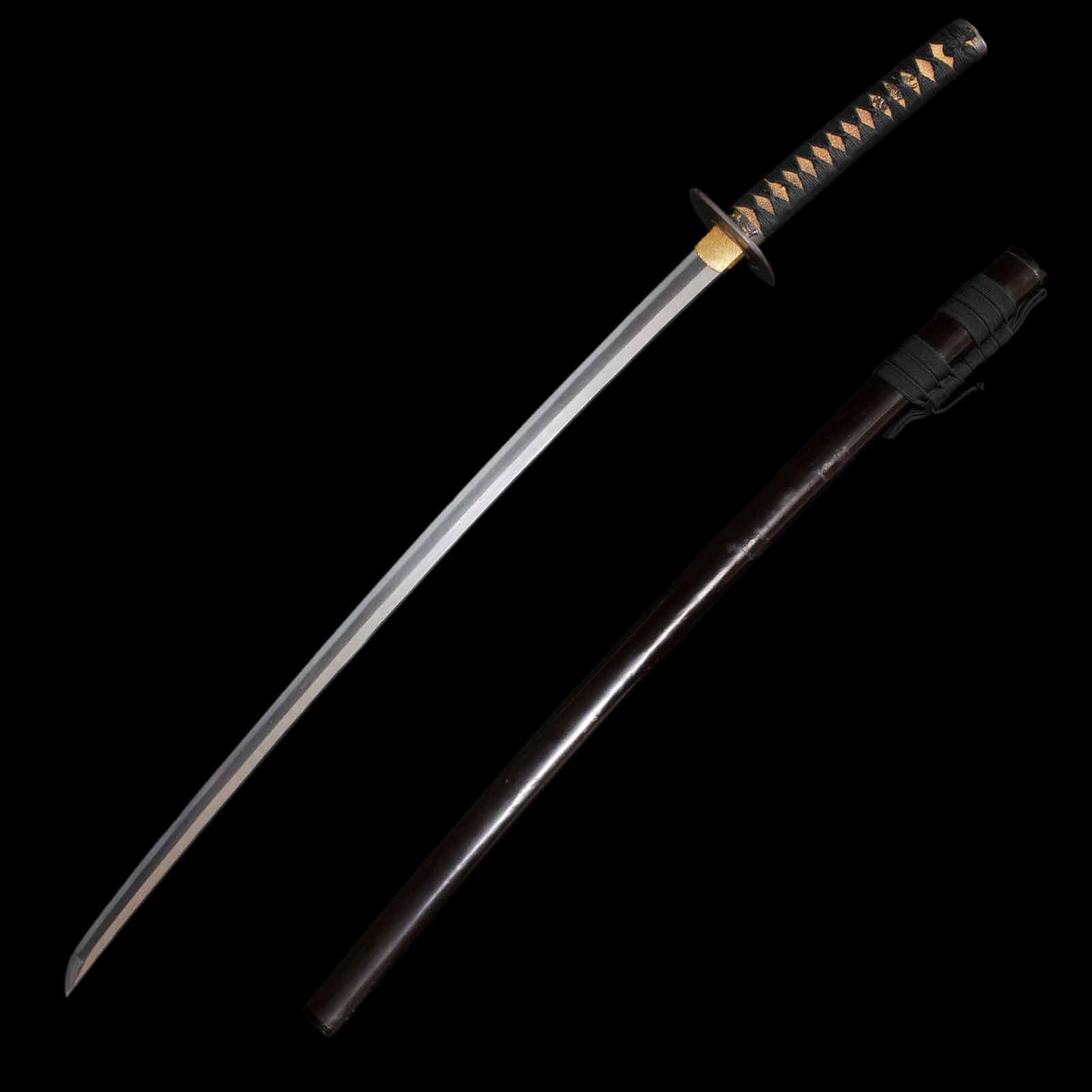
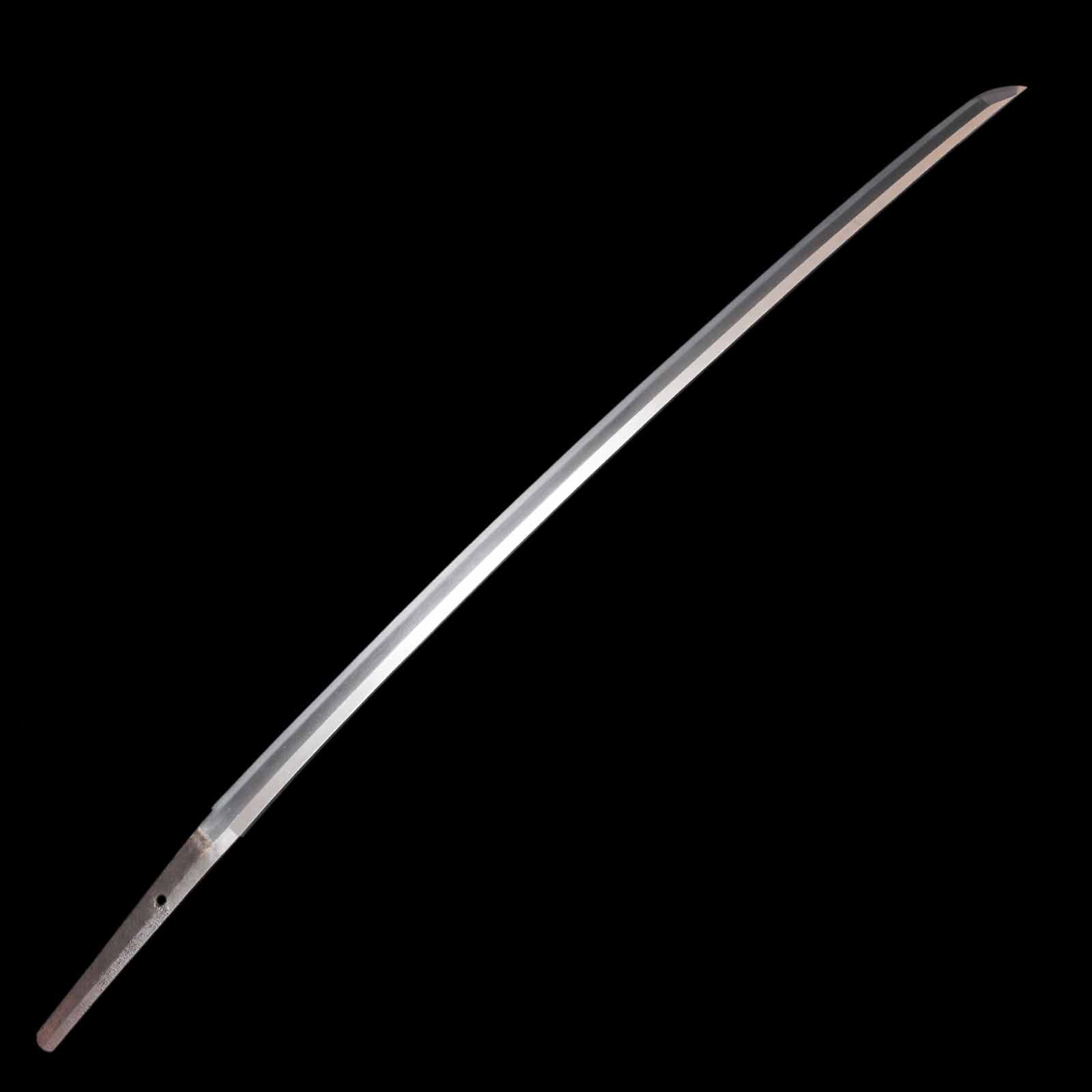
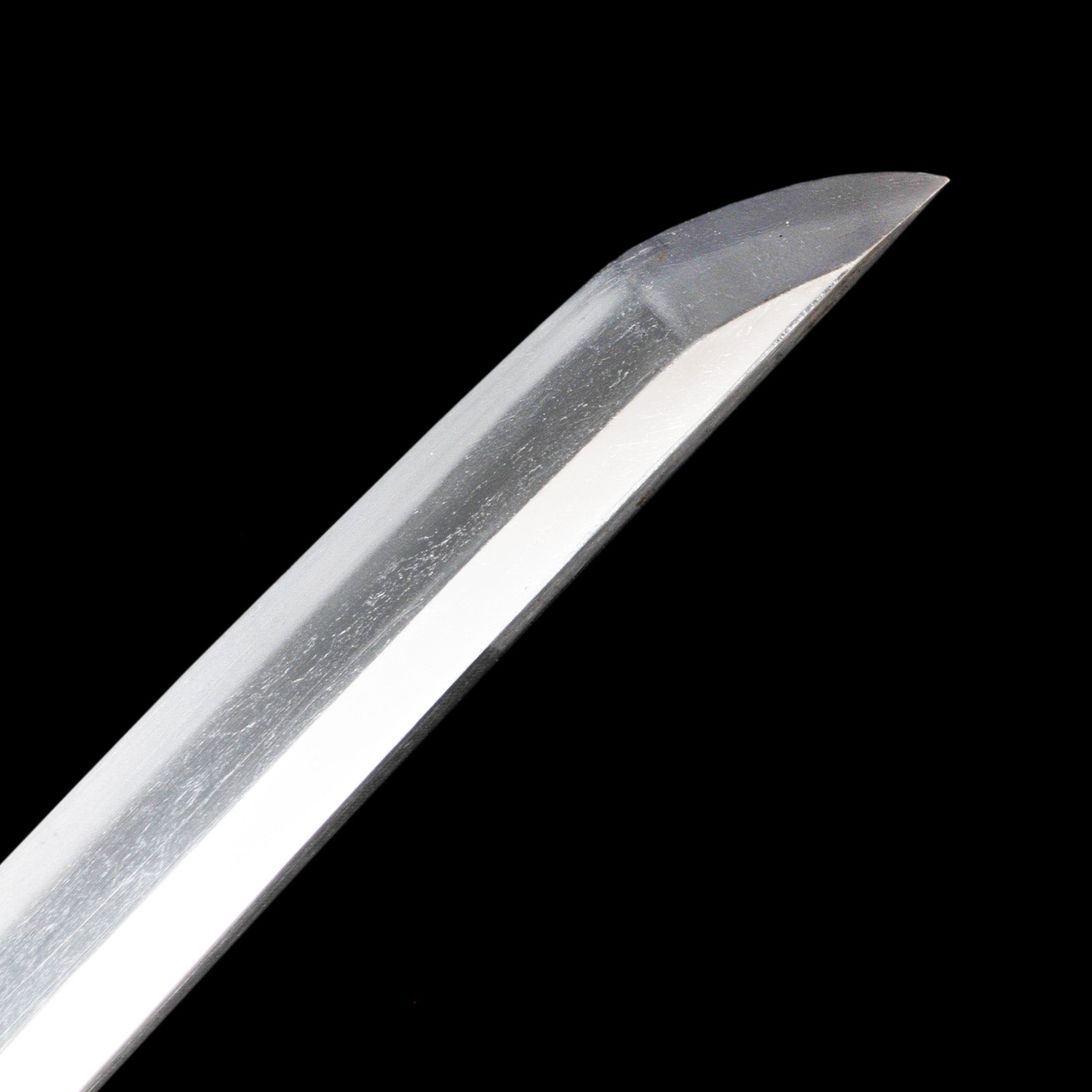
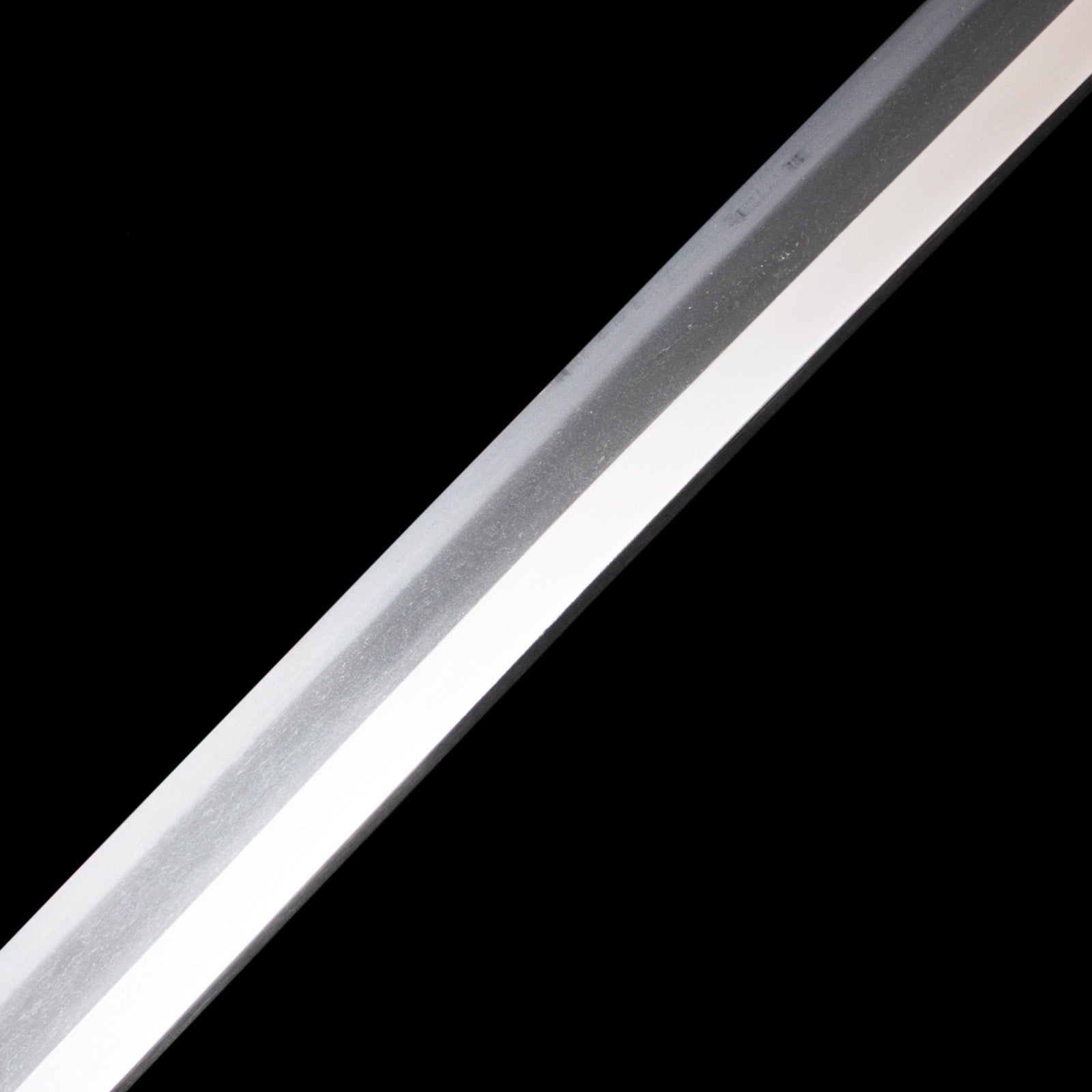
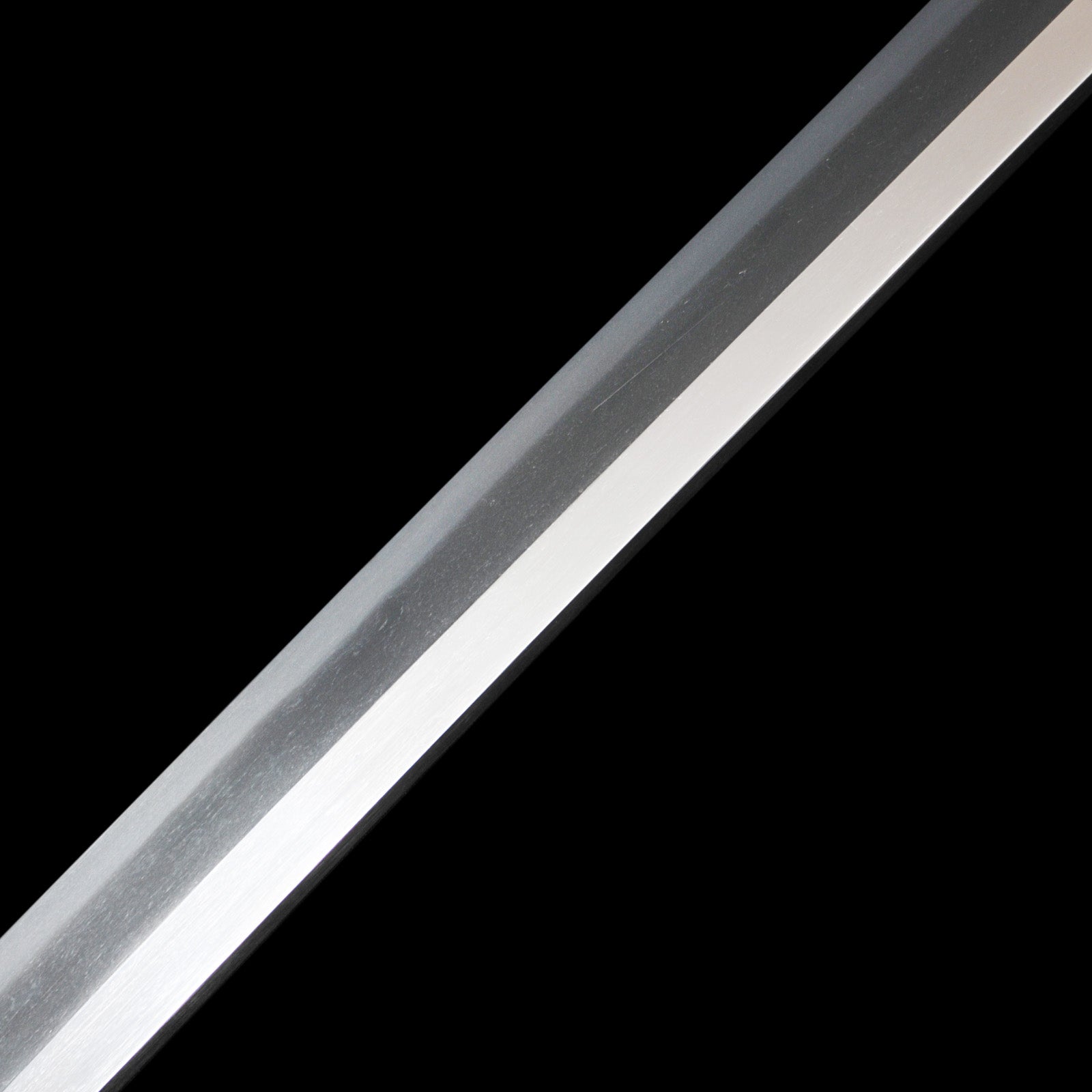
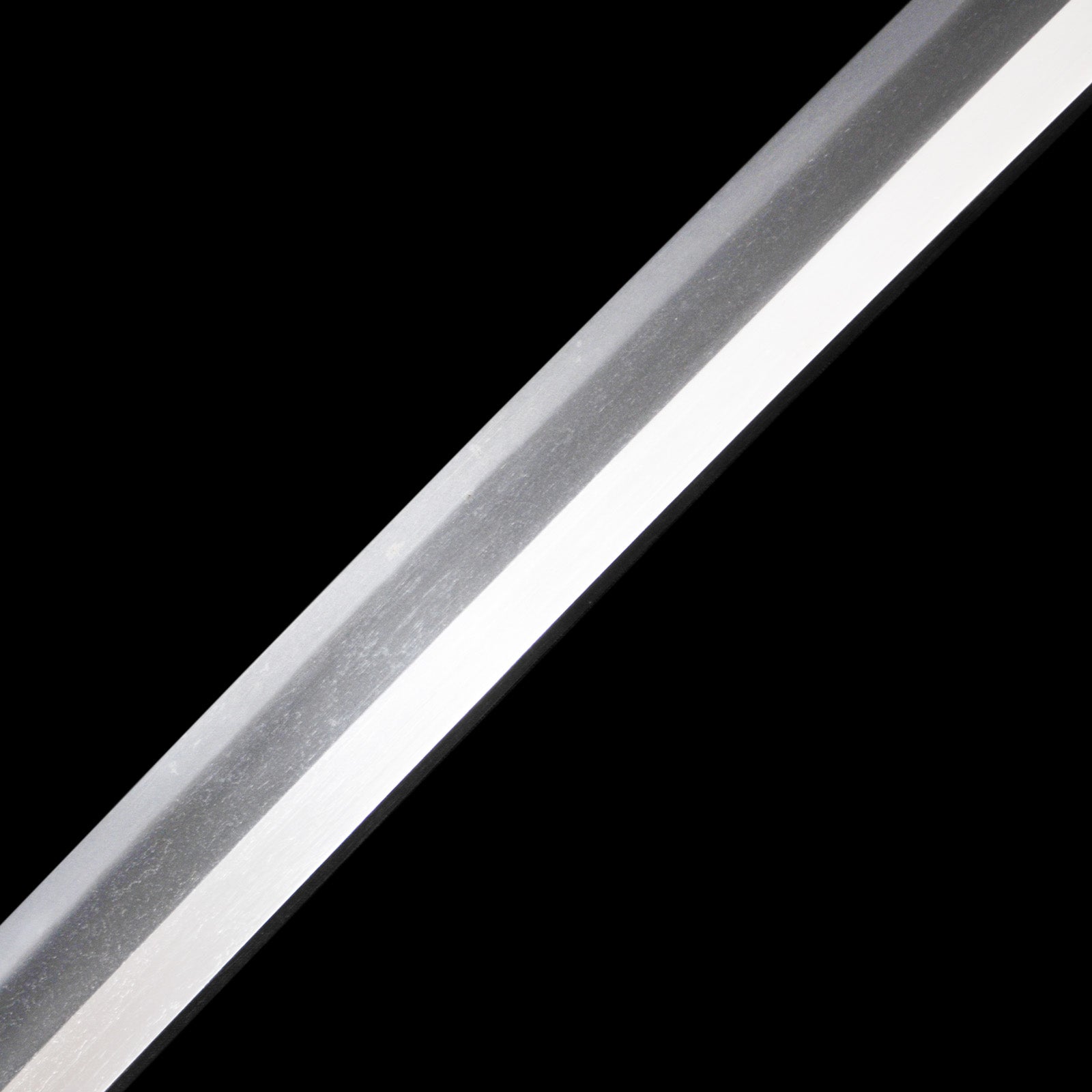
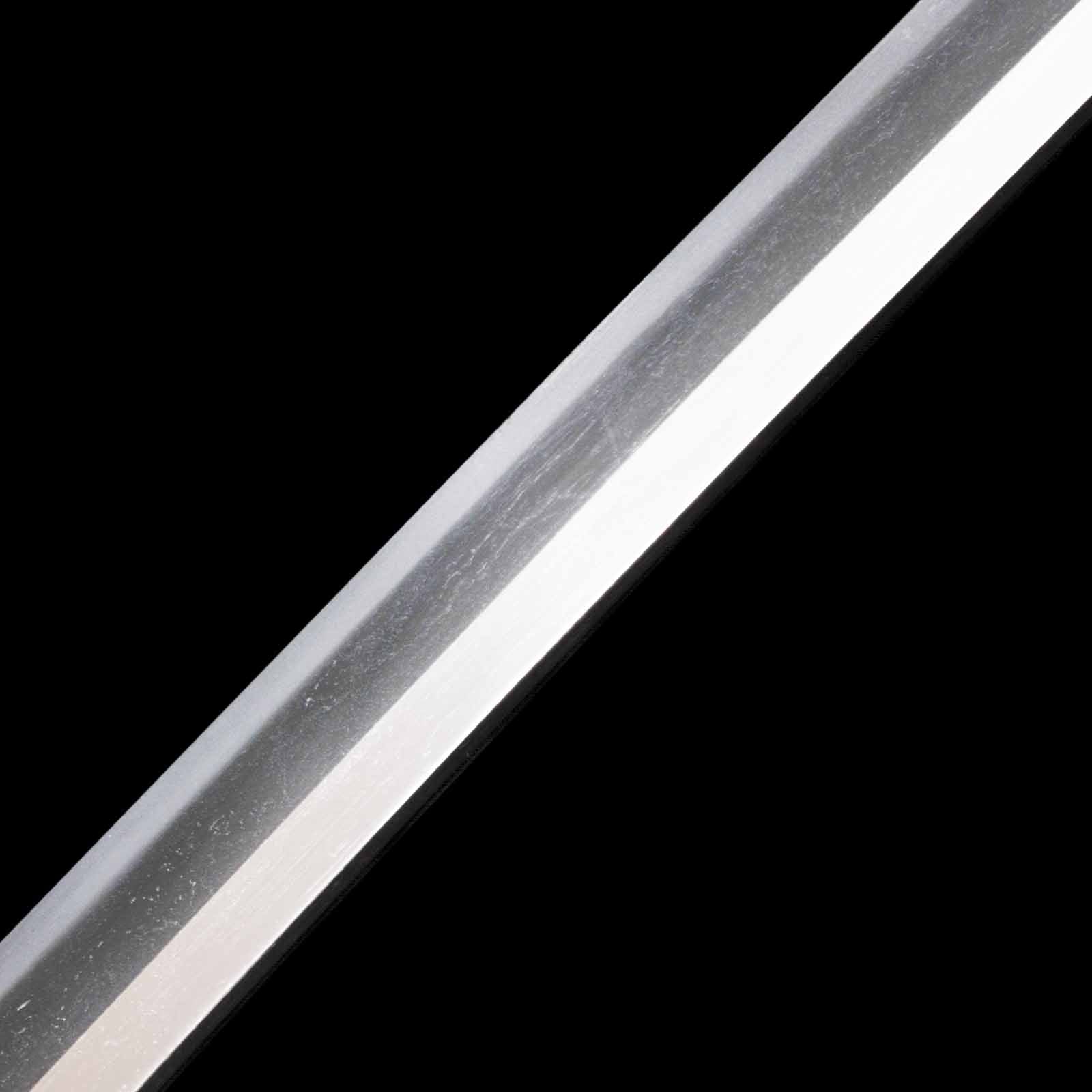
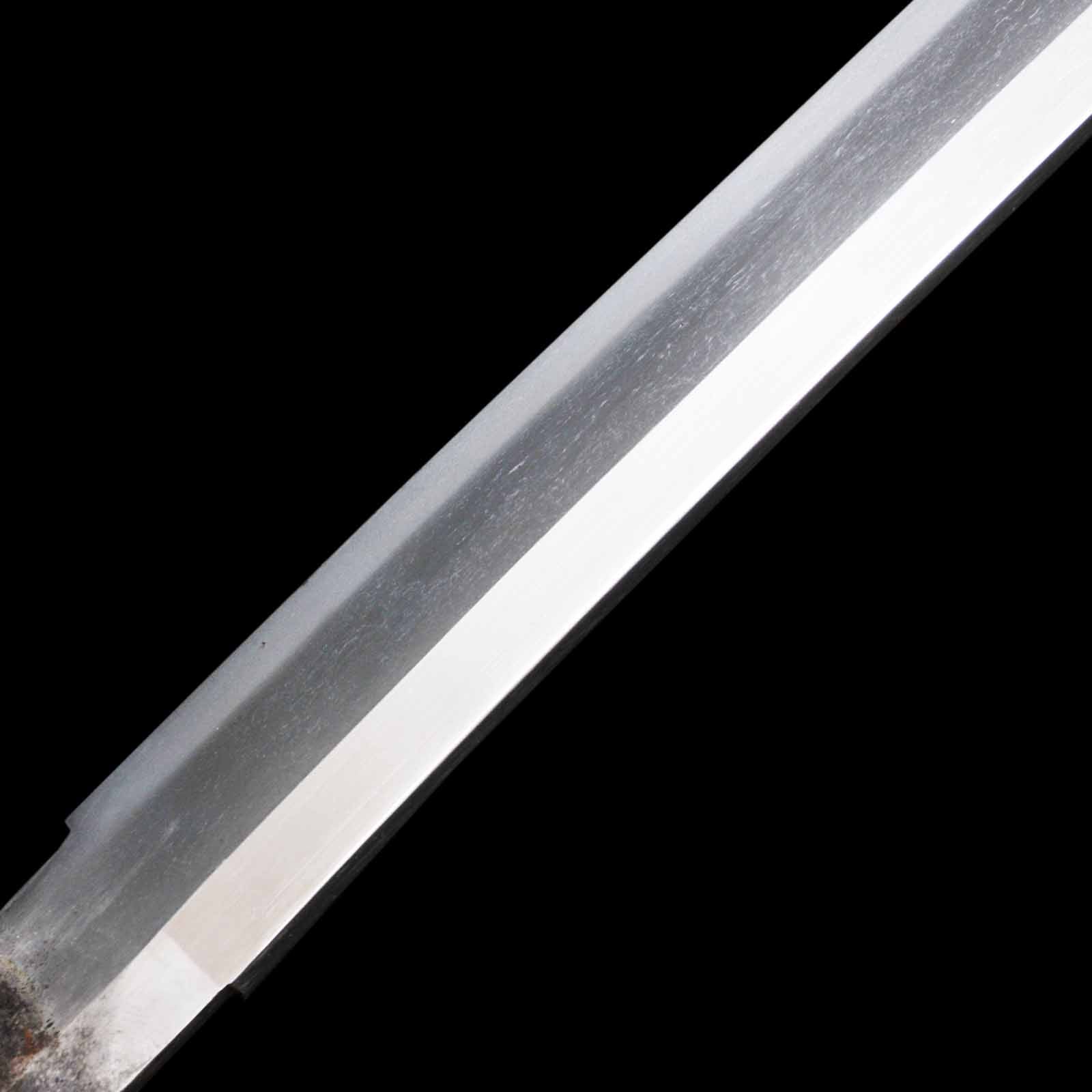
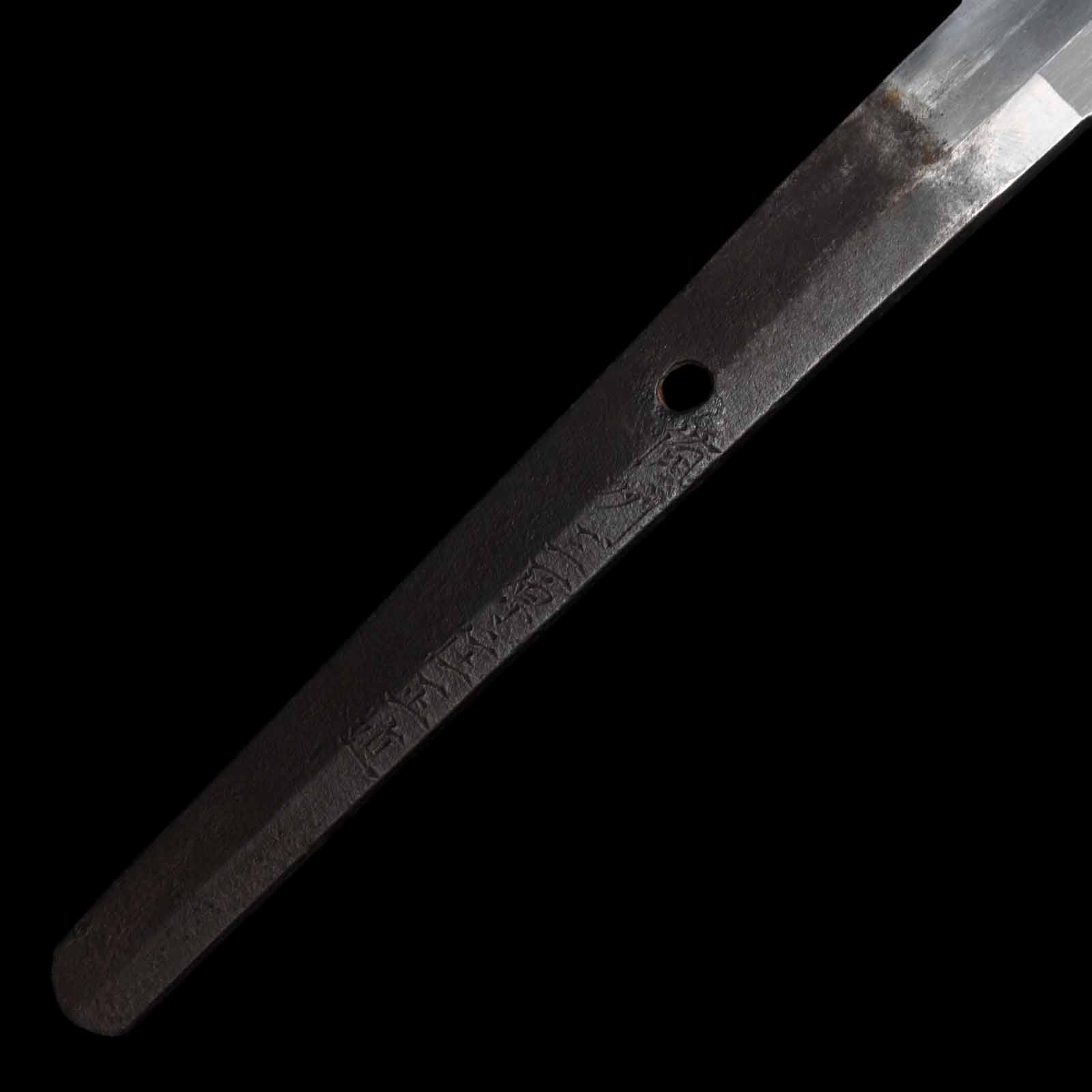
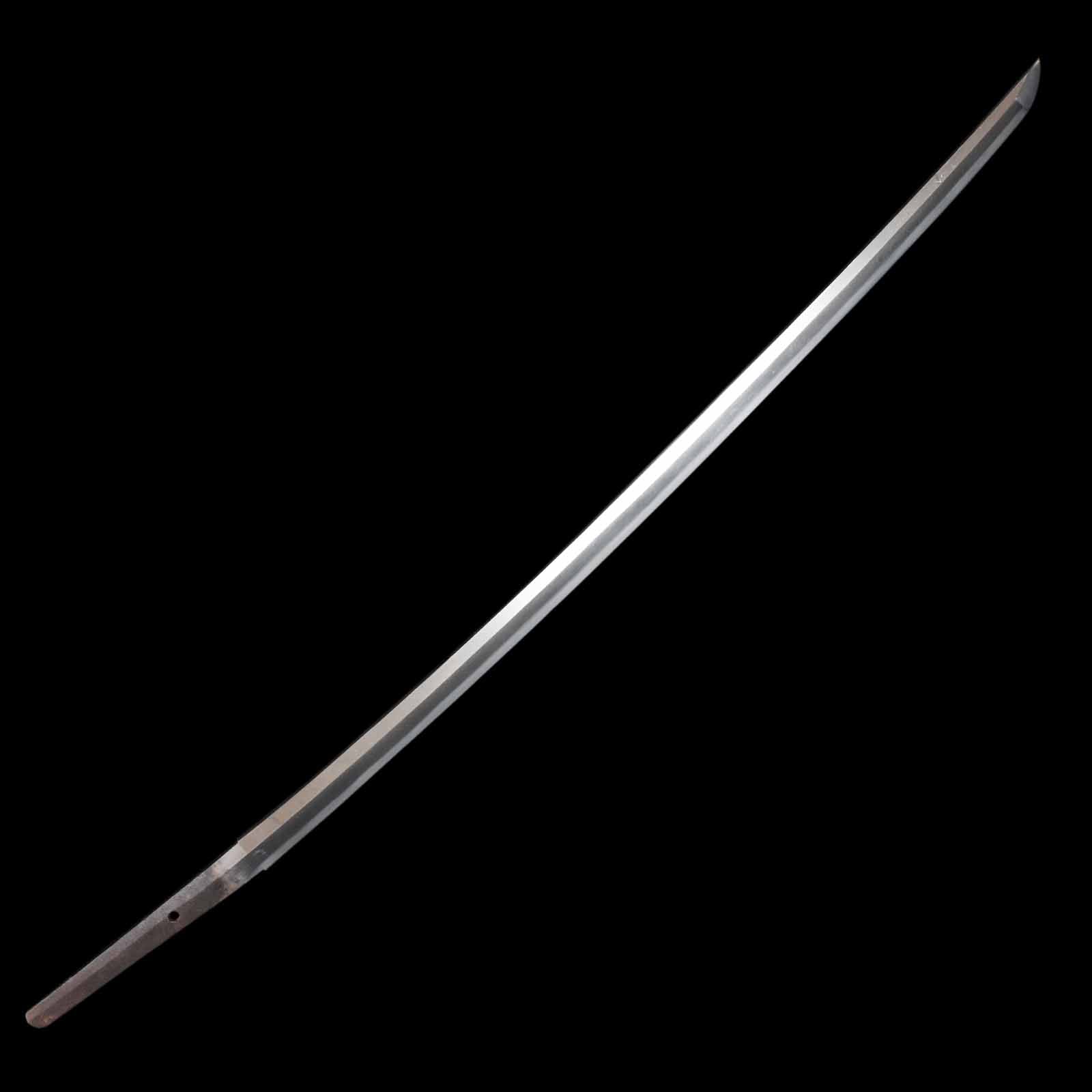
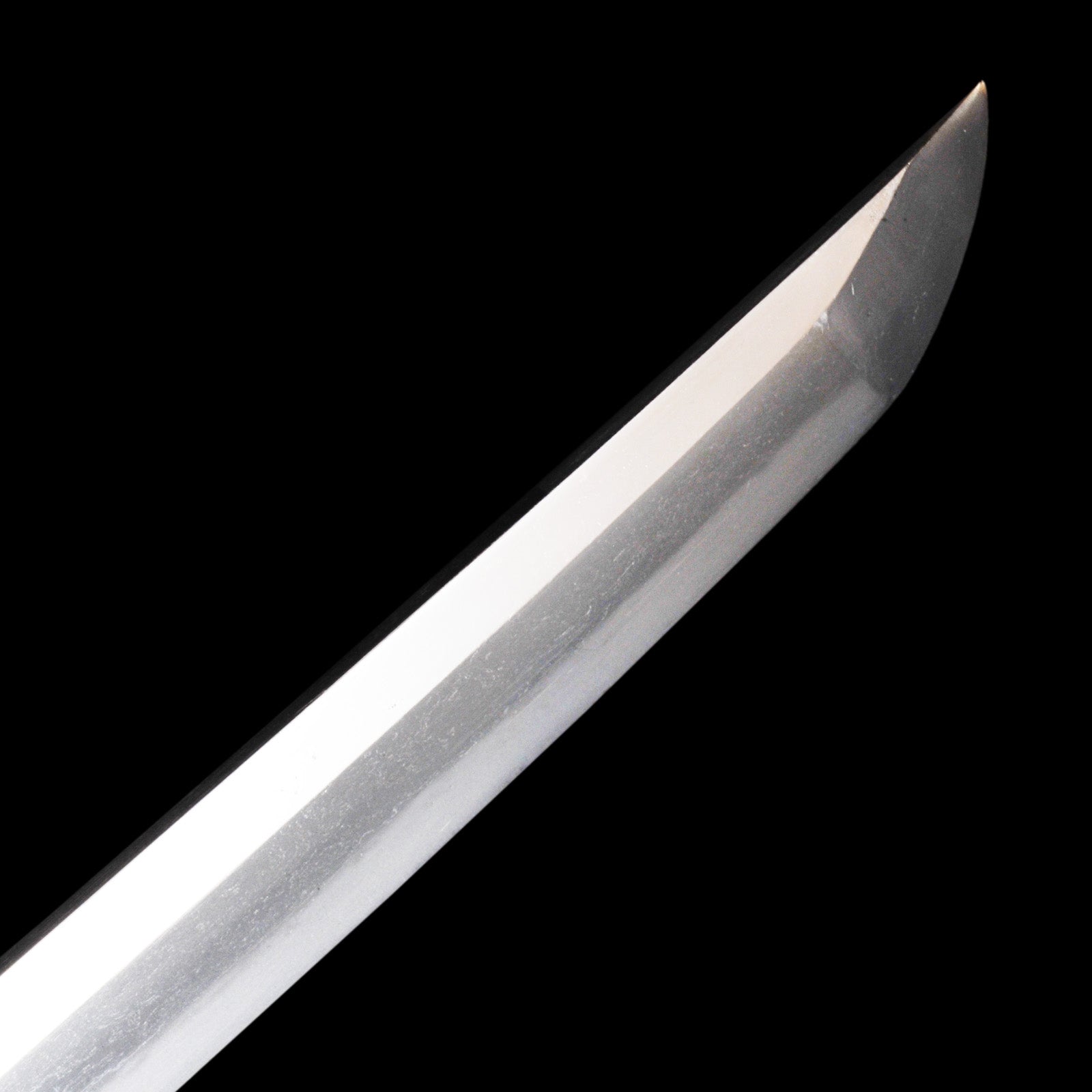
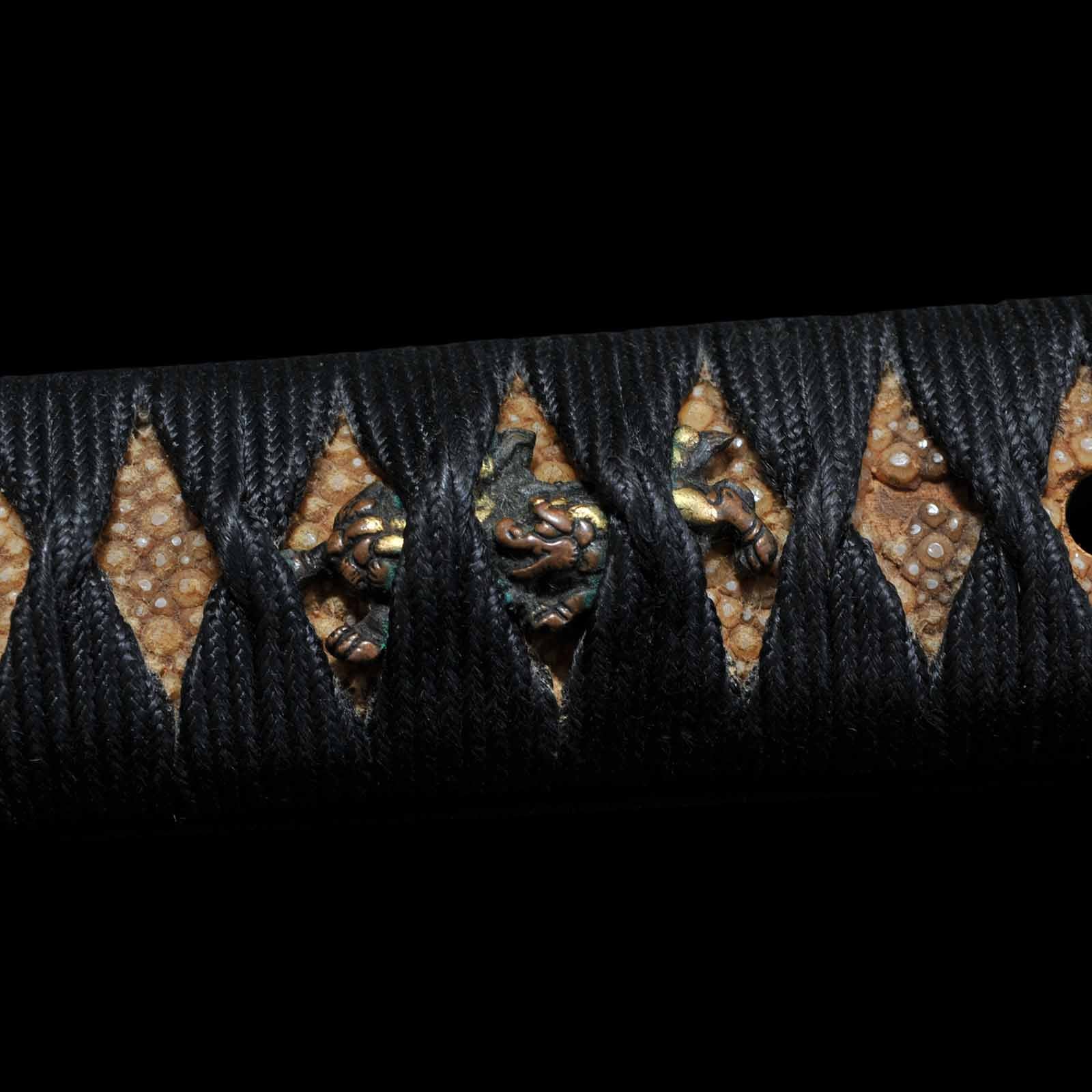
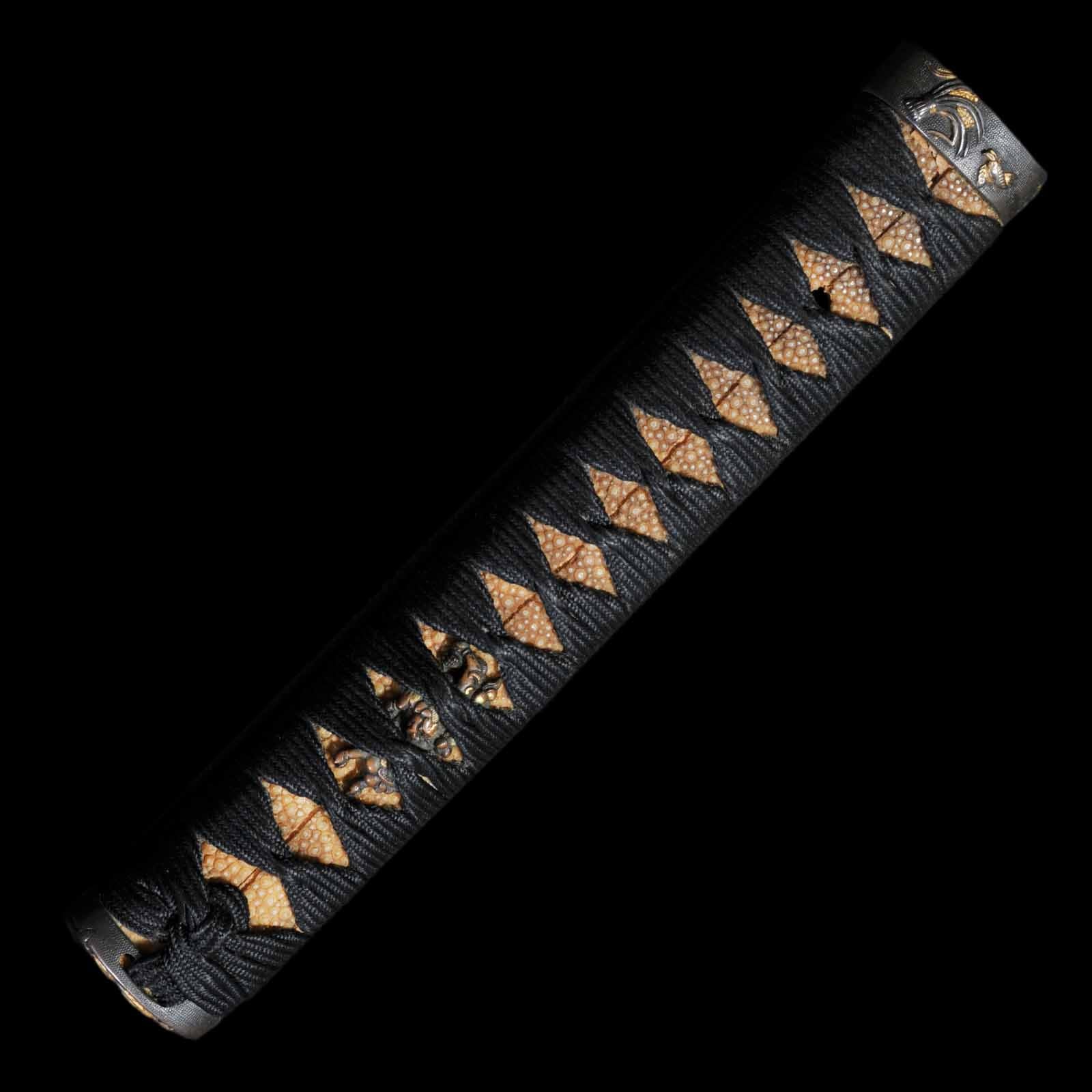
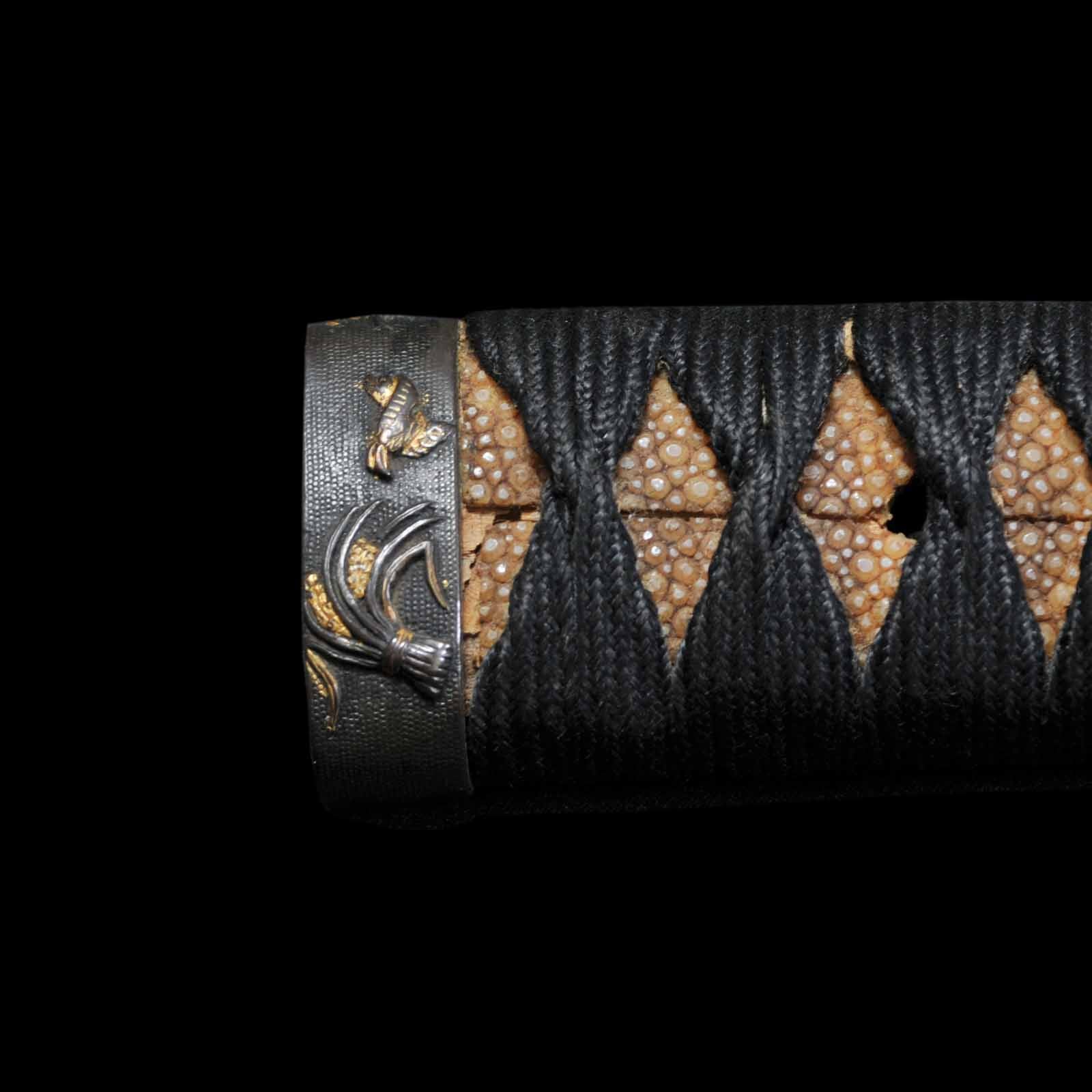
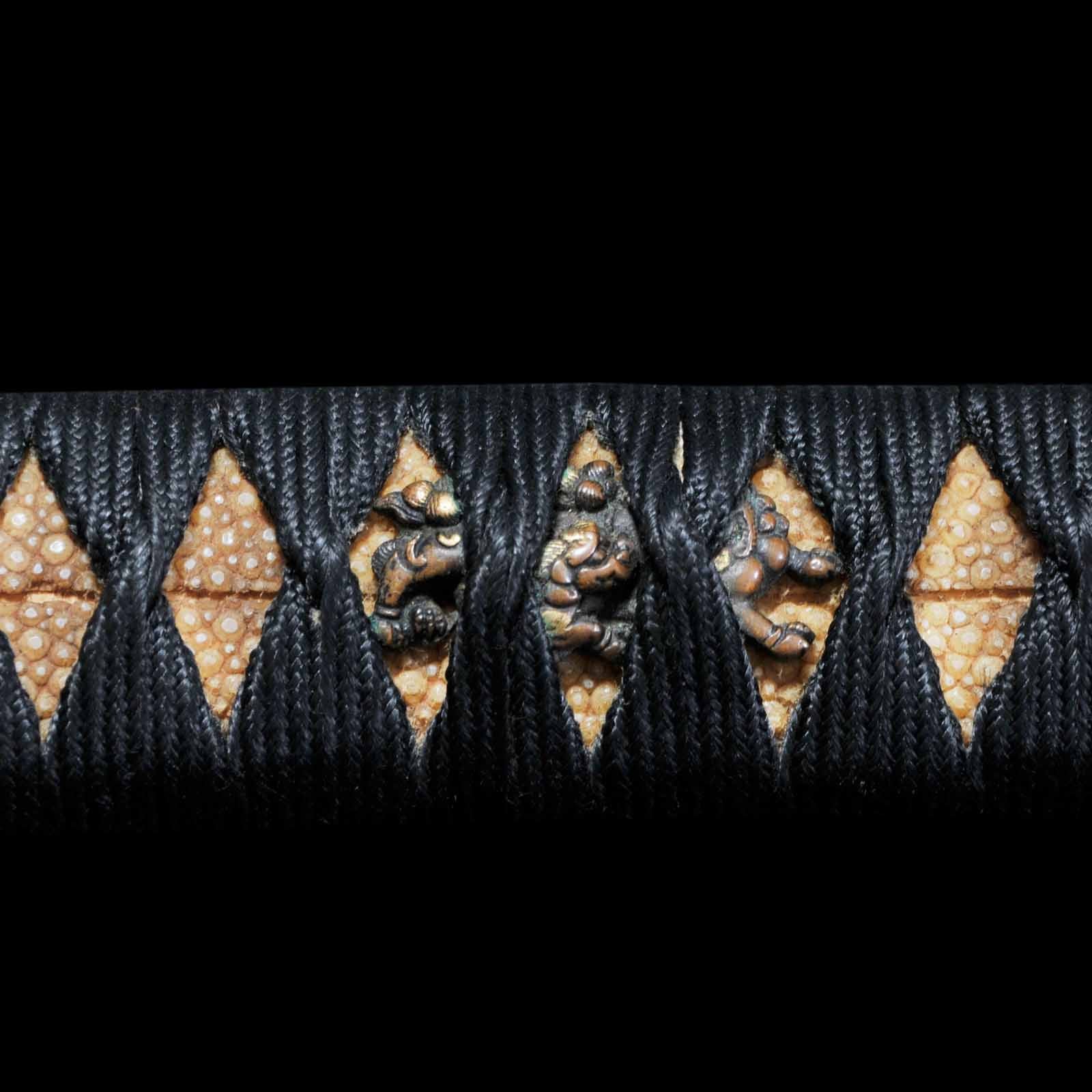
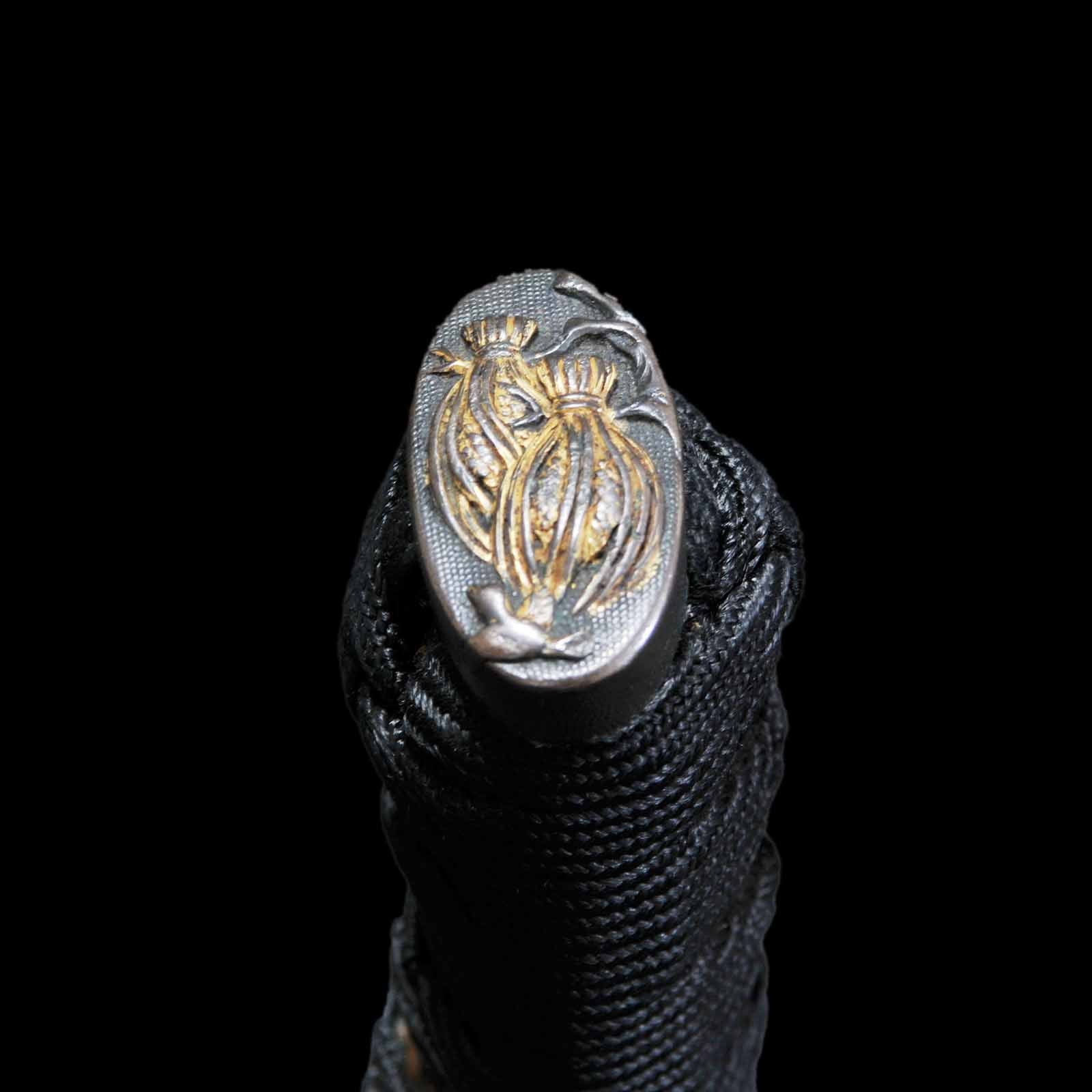
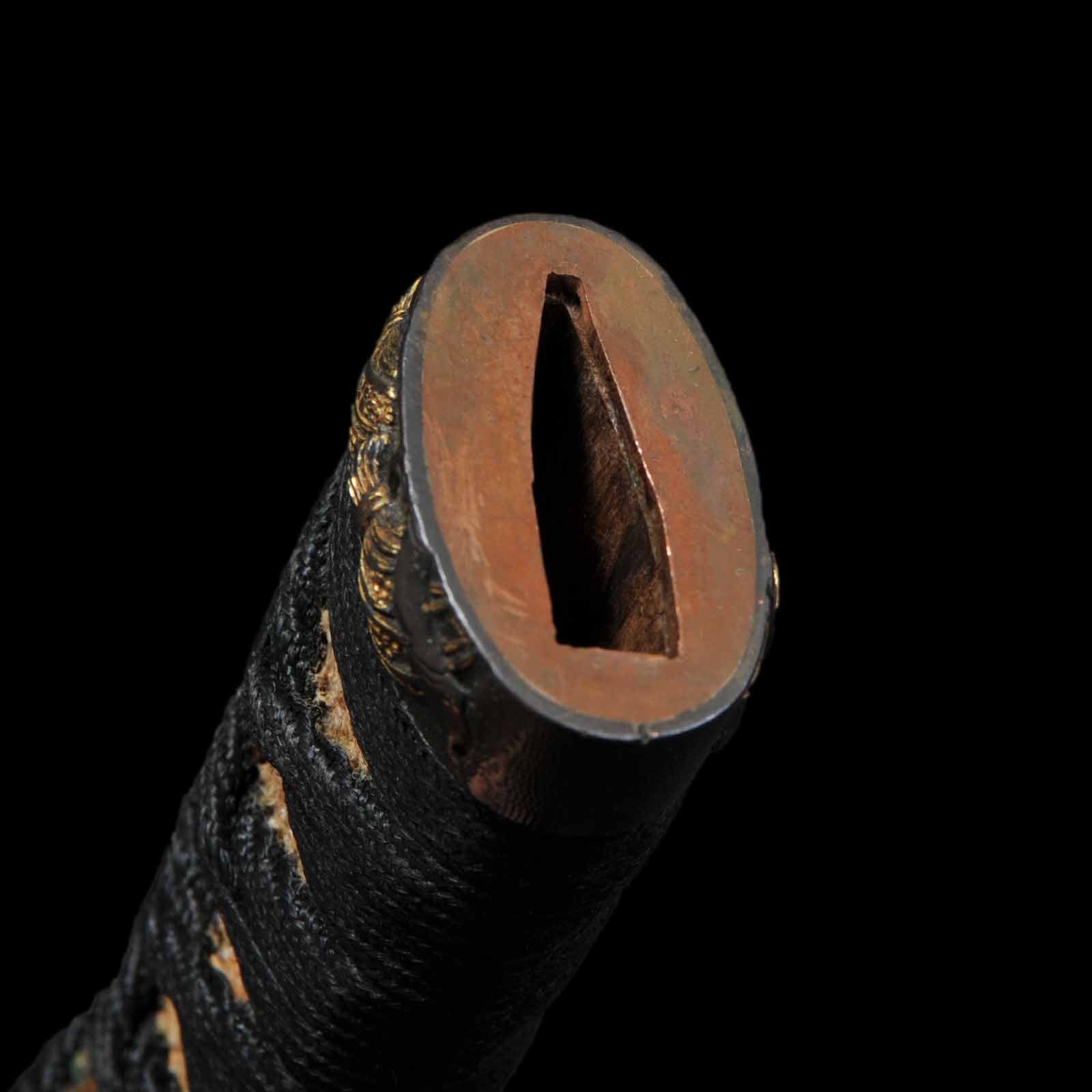
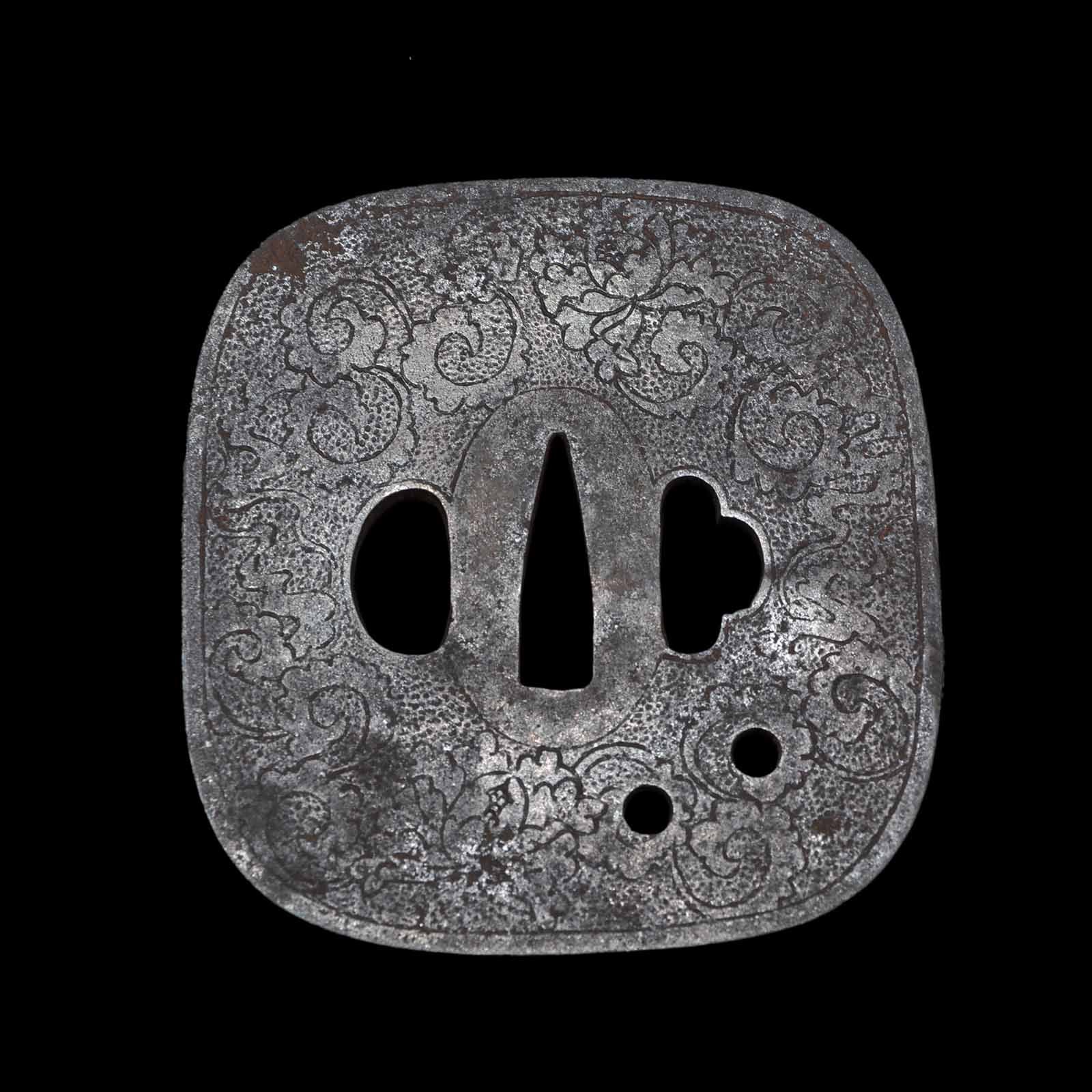
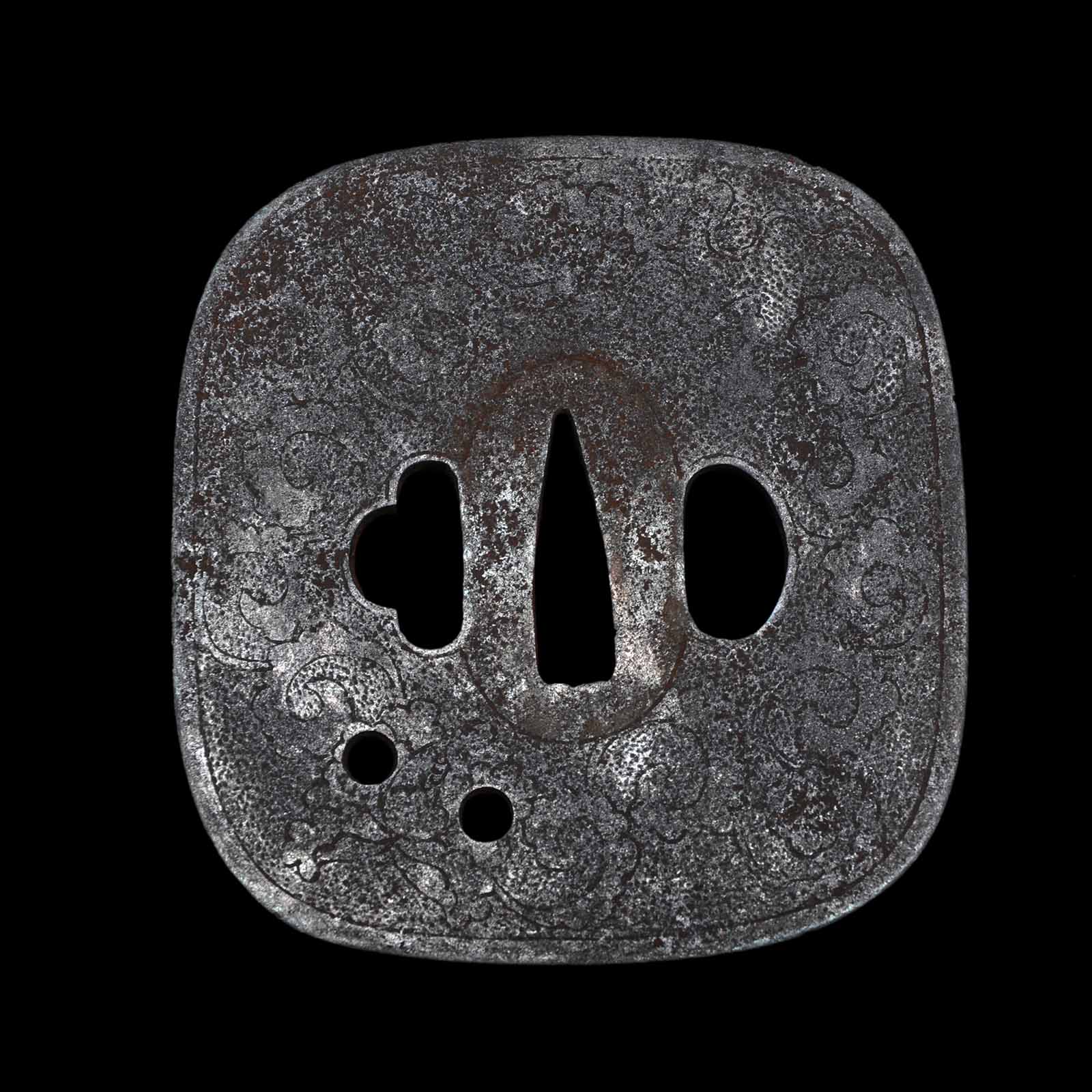
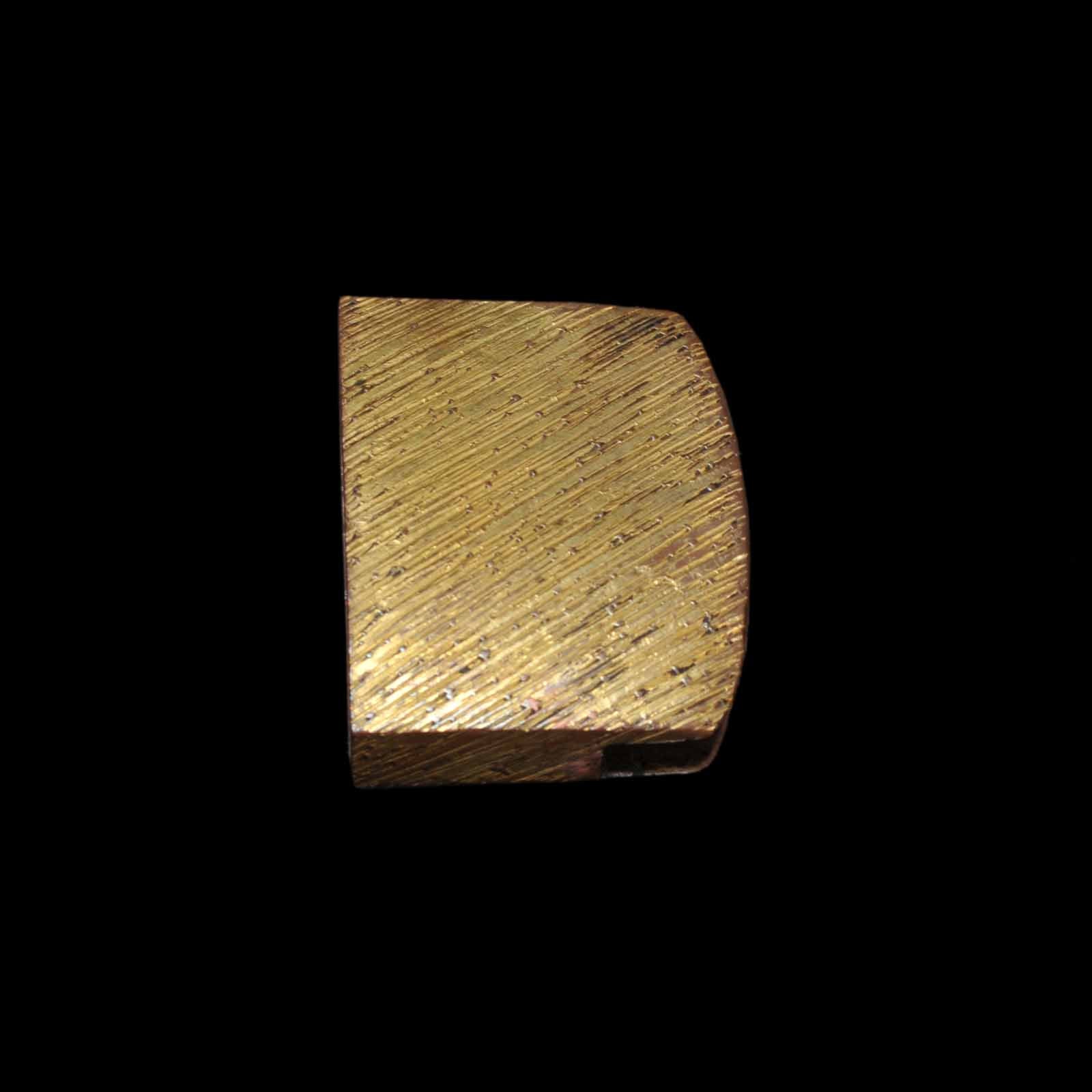
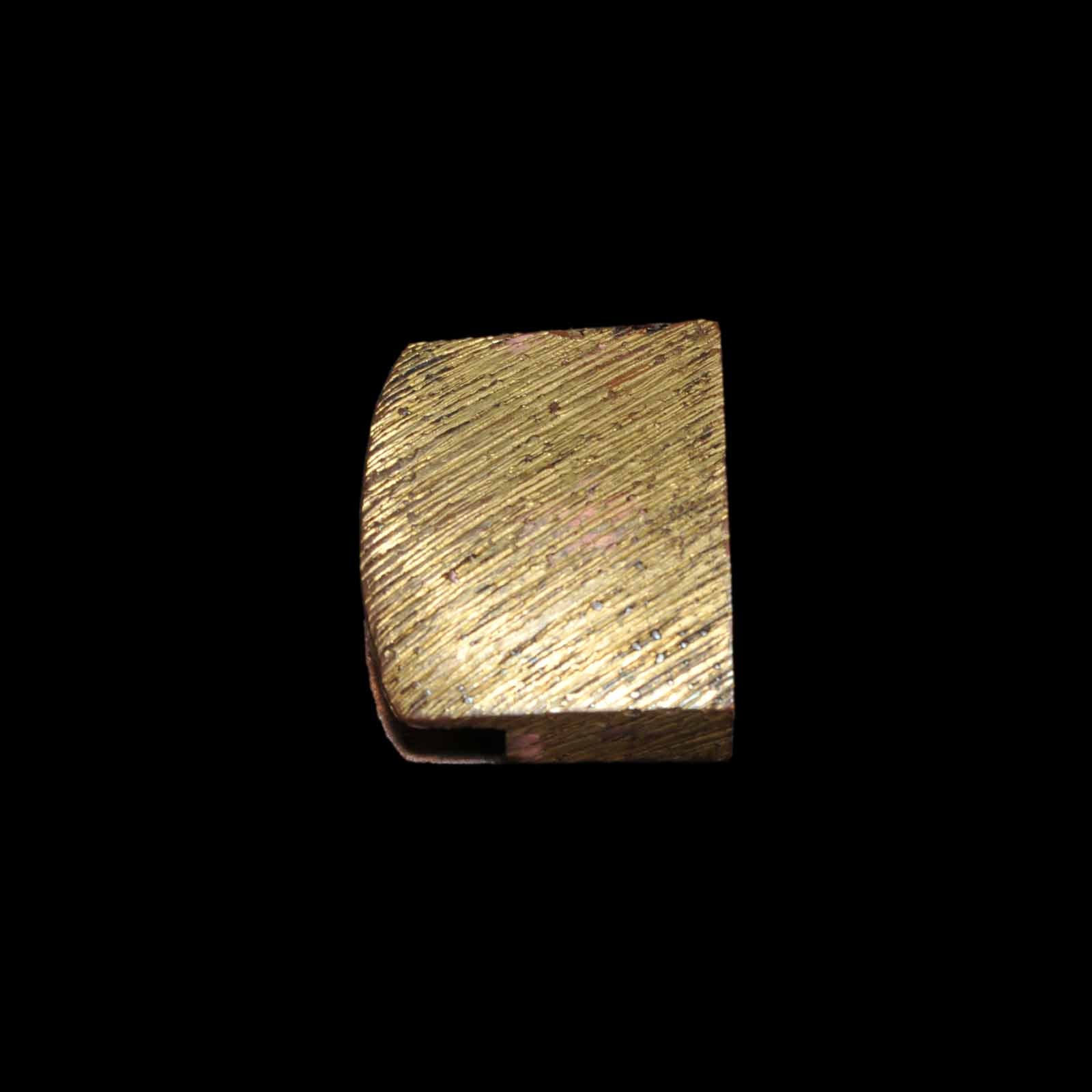
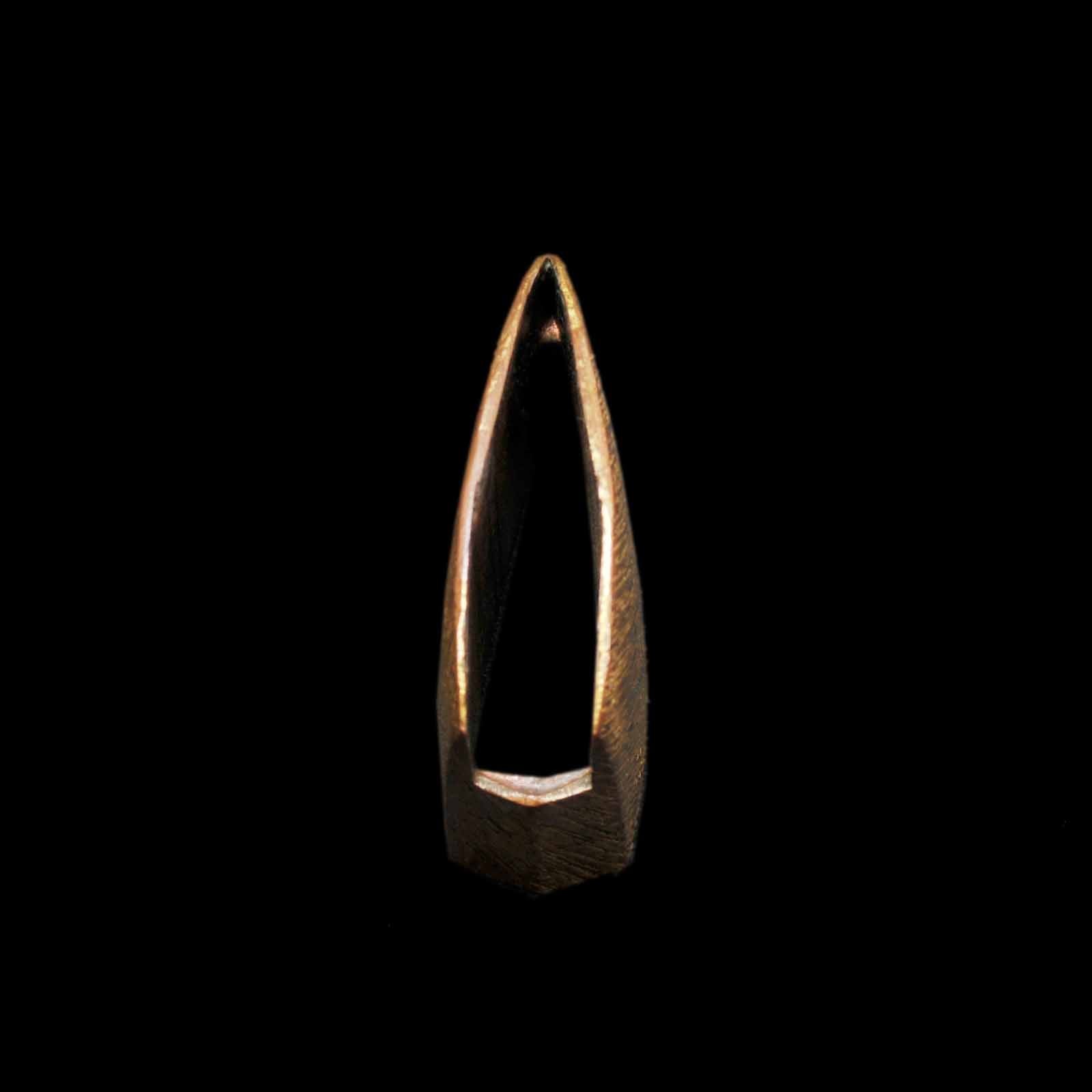
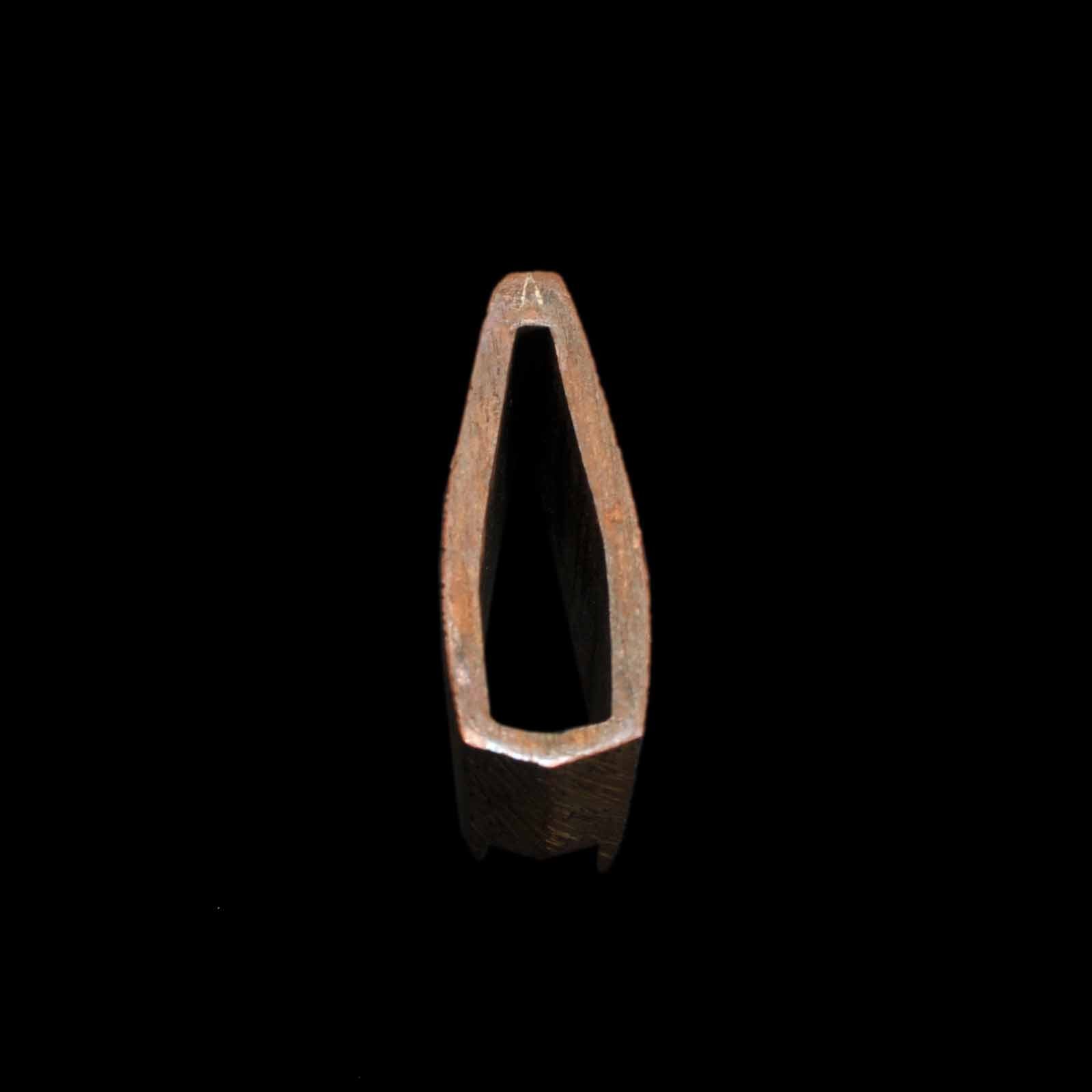
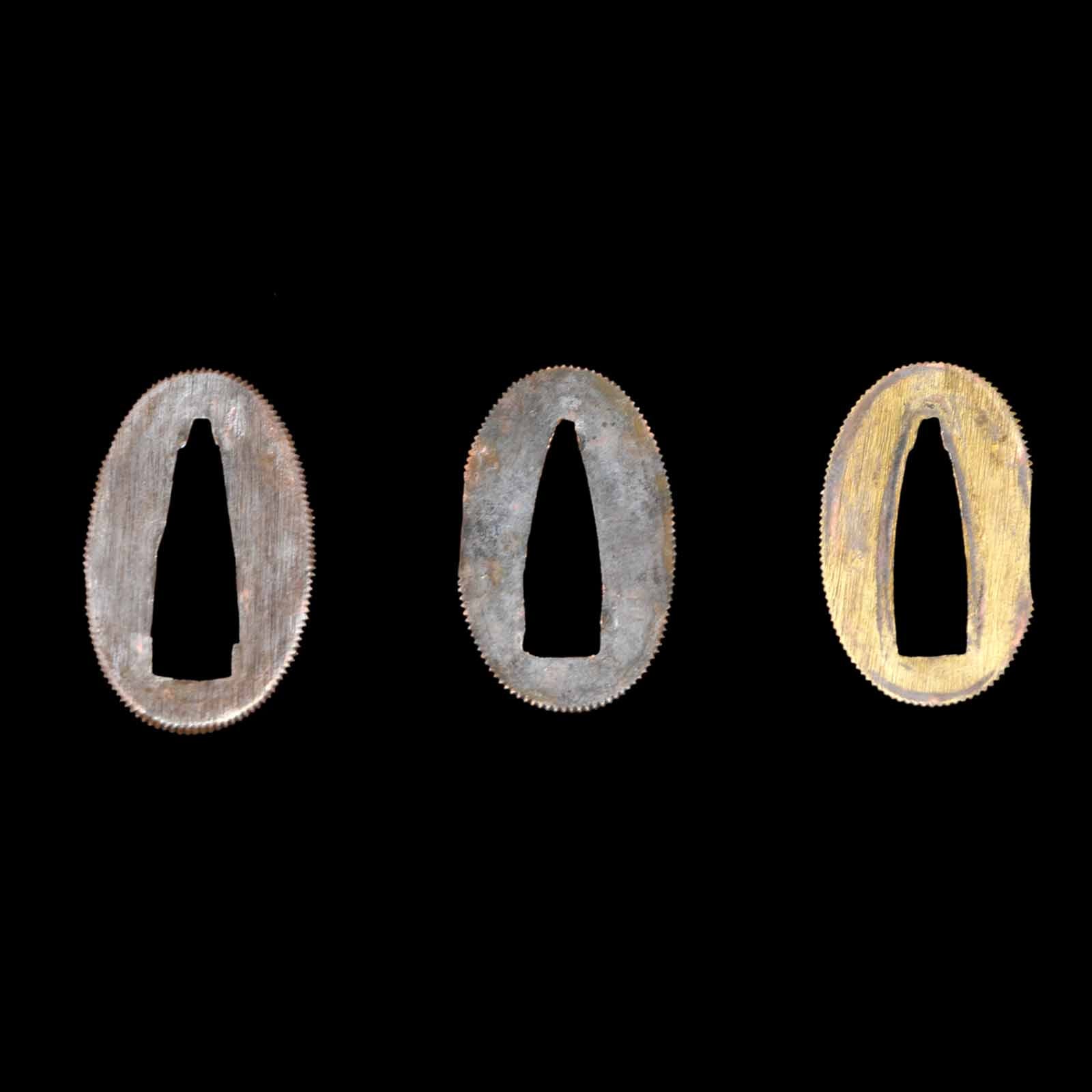
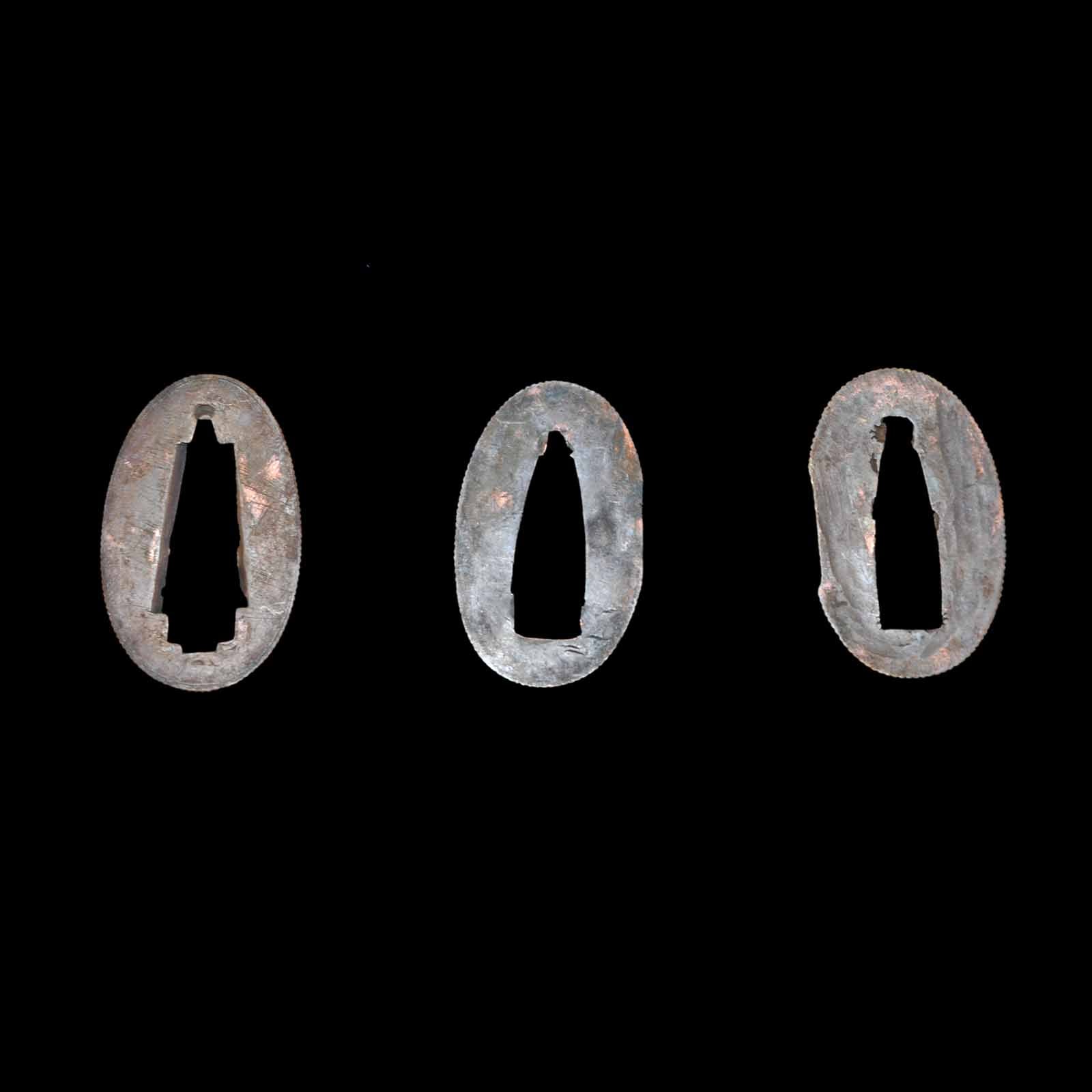
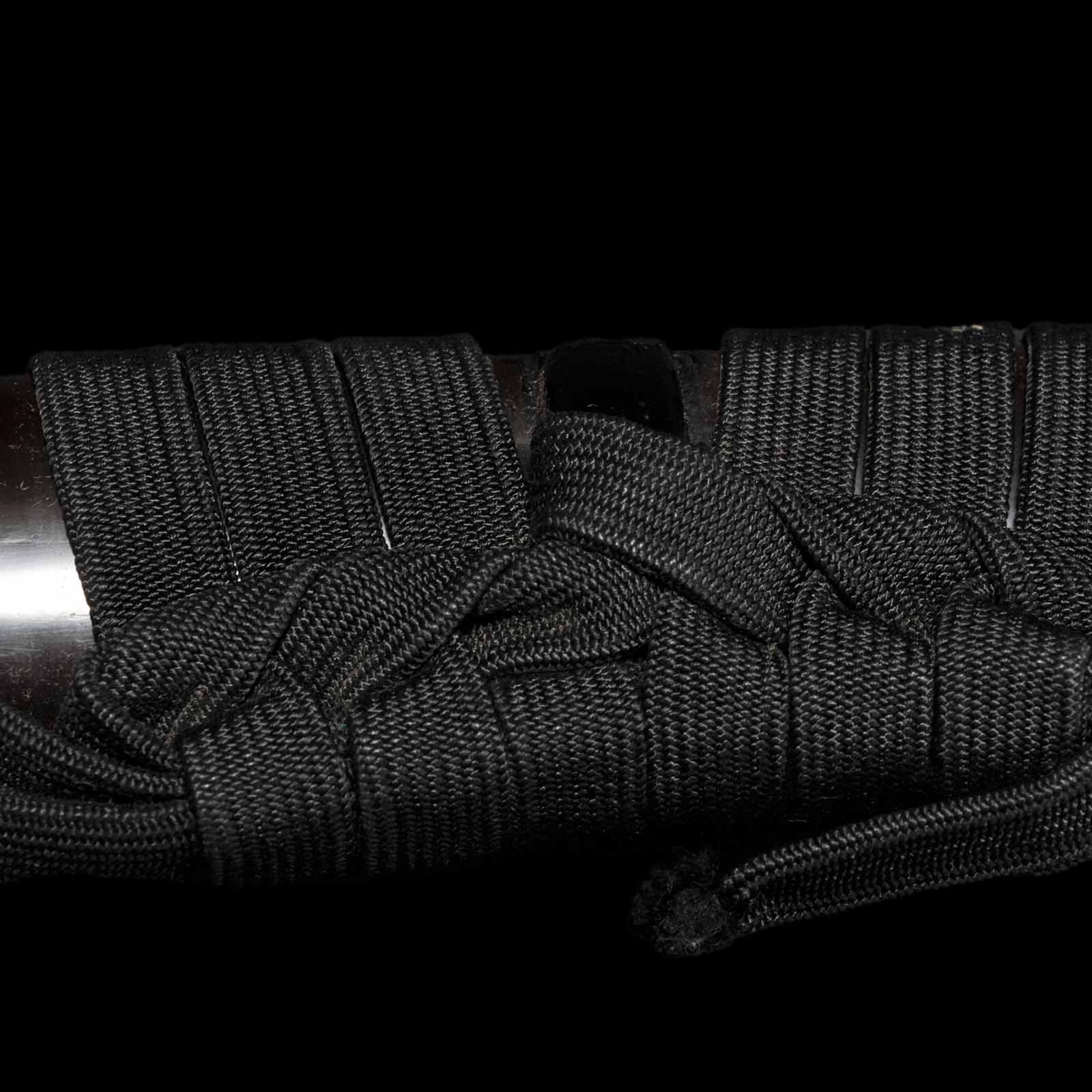
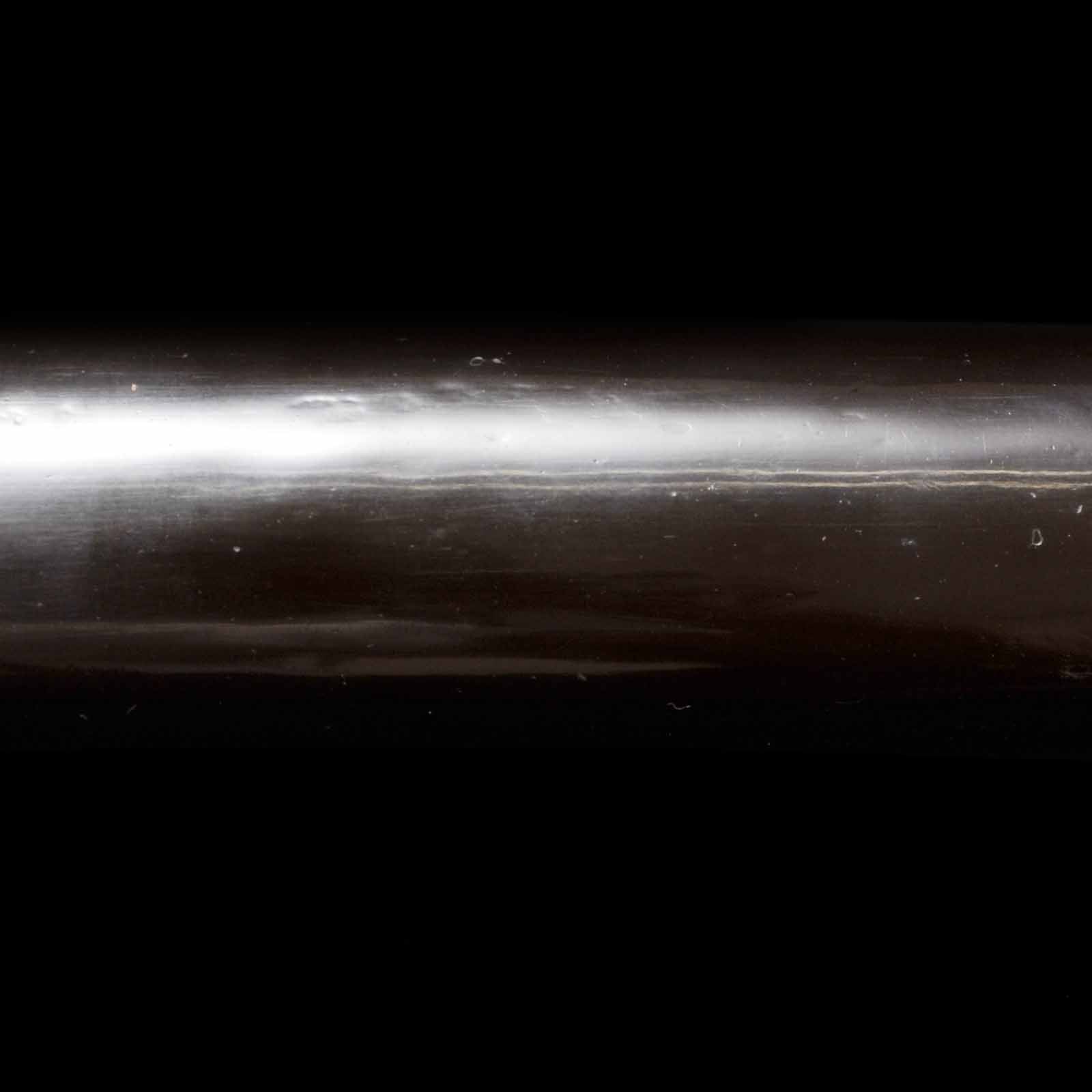
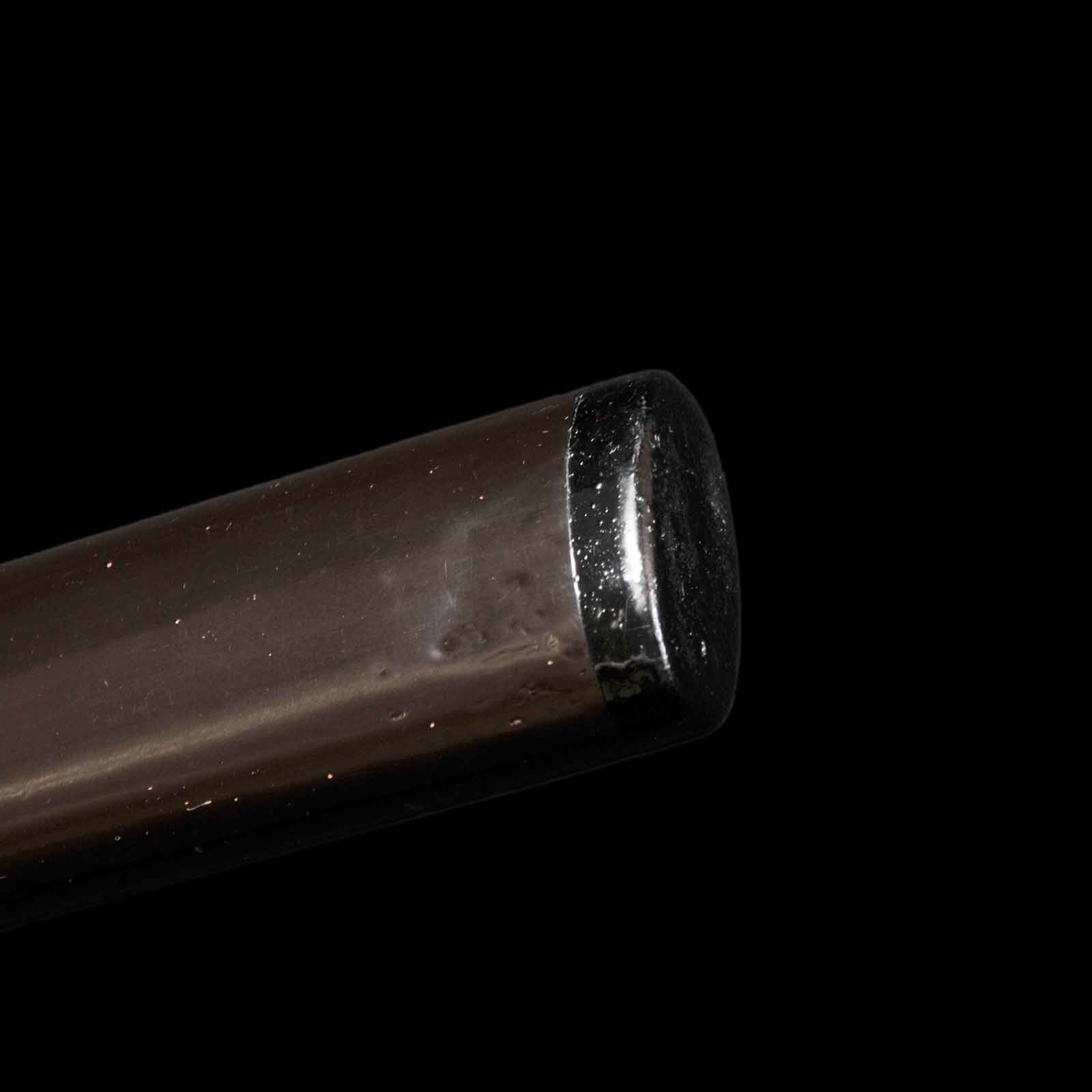
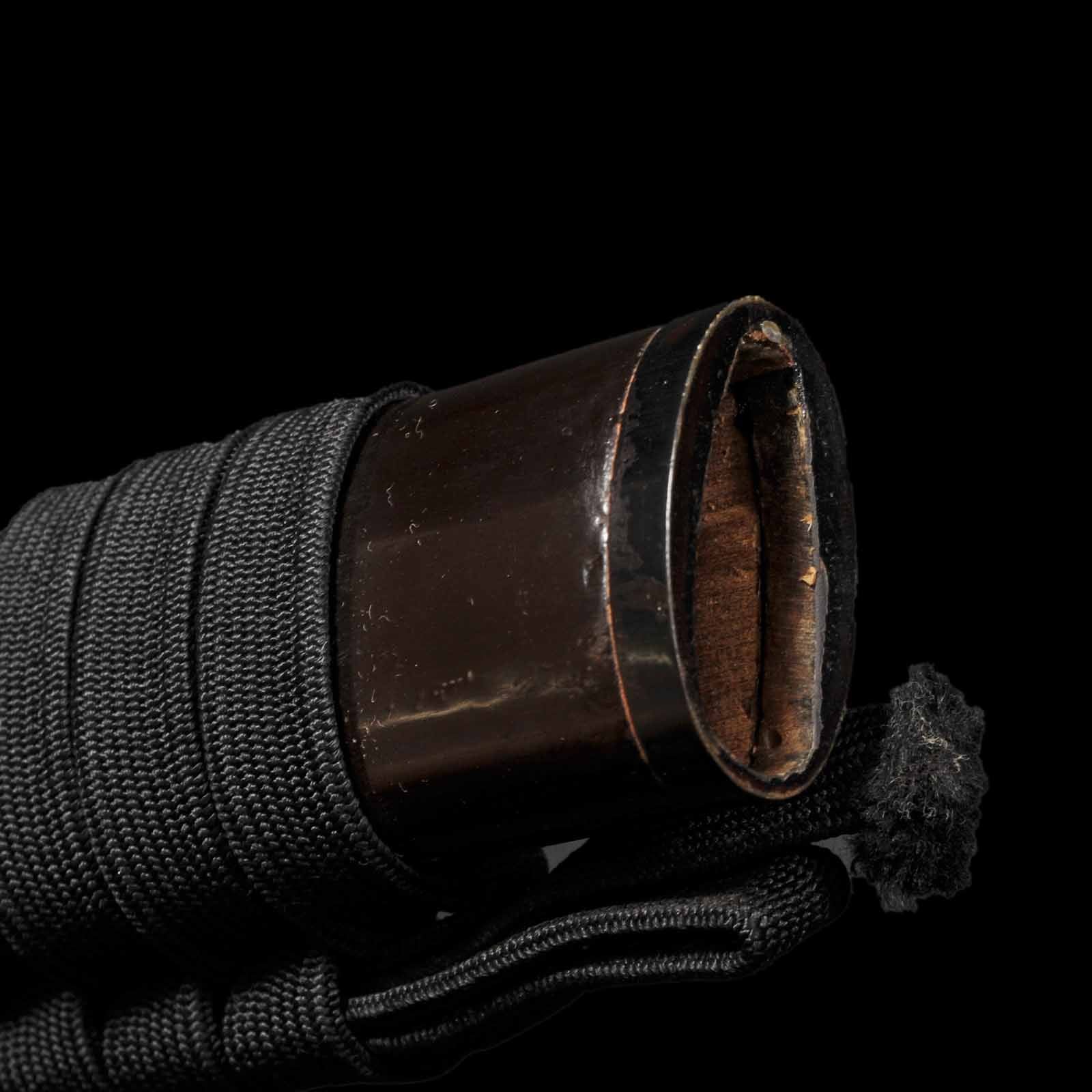
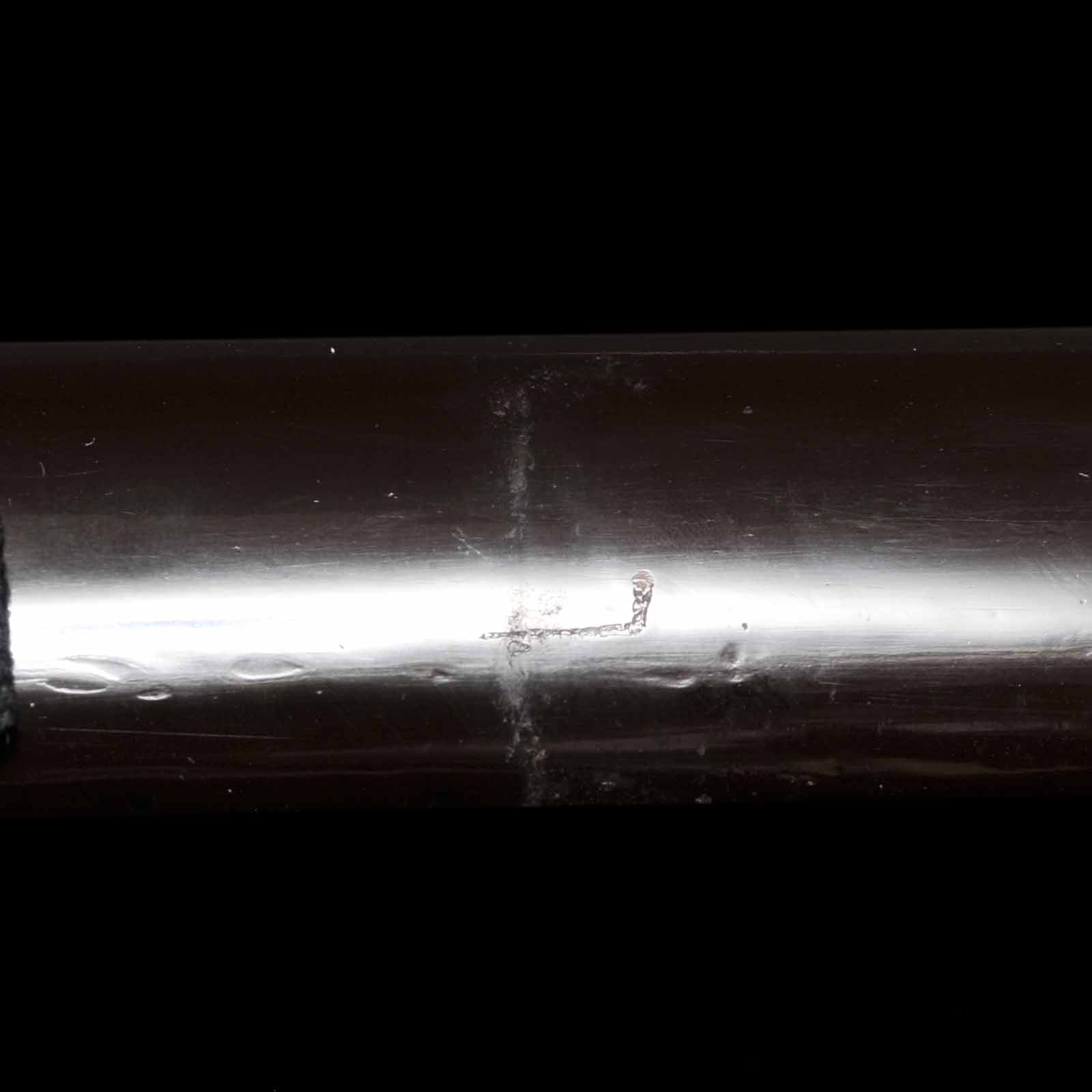
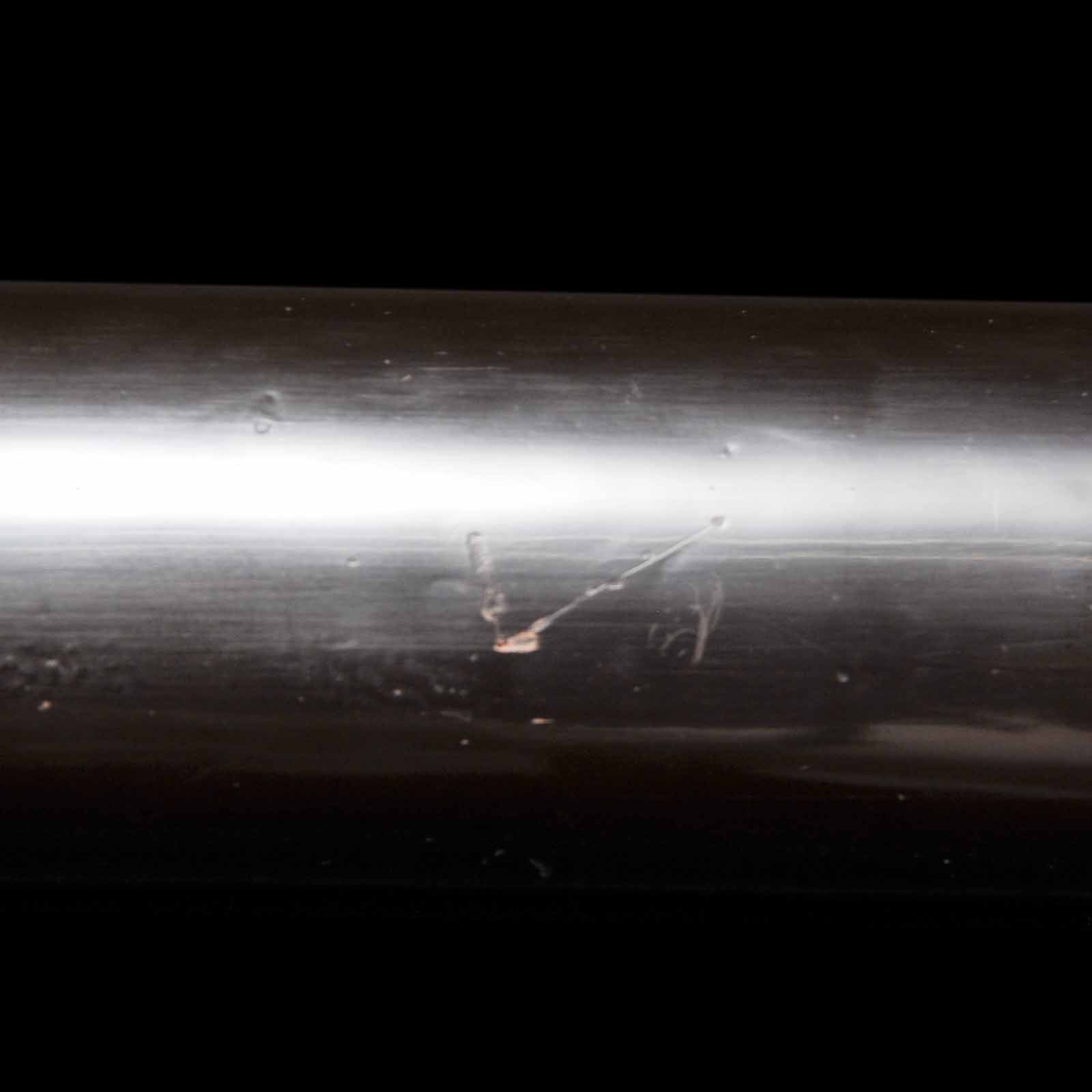
This piece is a sword made by Masachika of Bishu Mihara. Bishu Mihara, now Mihara, Hiroshima Prefecture, is where Masachie emigrated from Yamato during the Nanbokucho period (14th century) and reflected very much in sword making until the late Koto period. Masachika, or Kuroda Sukeroku, was very good at making Kyoto-style swords. This work shows this tendency clearly and has a very elegant appearance. The hada is well packed with itame and has elegant suguha hamon. The sword body is in relatively good condition, but there are some dots of black rust and scratches called hike in some places. The slim body makes it suitable as a practice sword for iai. The koshirae is not original, but antique metal fittings are used. The scabbard lacquer has some dents and dings due to age. This is a very nice katana, but considering its state of preservation, we have reduced the price to make it more affordable, so don't miss this opportunity. Blade length: 73.3 cm Curvature: 1.4 cm Number of Mekugi hole: 1 Sakihaba: 18.9 mm Sakikasane: 4.5 mm Motohaba: 29.0 mm Motokasane: 6.0 mm Signature: Bishu Mihara no Ju Masachika Era: Koto Structure: Shinogi-zukuri, Iori-mune Jigane: Itame Hamon: Suguha Boshi: Massugu Haitte Nakamaru ni Kaeru Nakago: Ubu Weight: 1,030 g(without Saya) Koshirae: Uchigatana Koshirae with silk wrapped Tsuka and dark brown Original Registration No.: Yamaguchi 25475 Please contact us if the katana you are looking for is not listed here.
NihontoWatch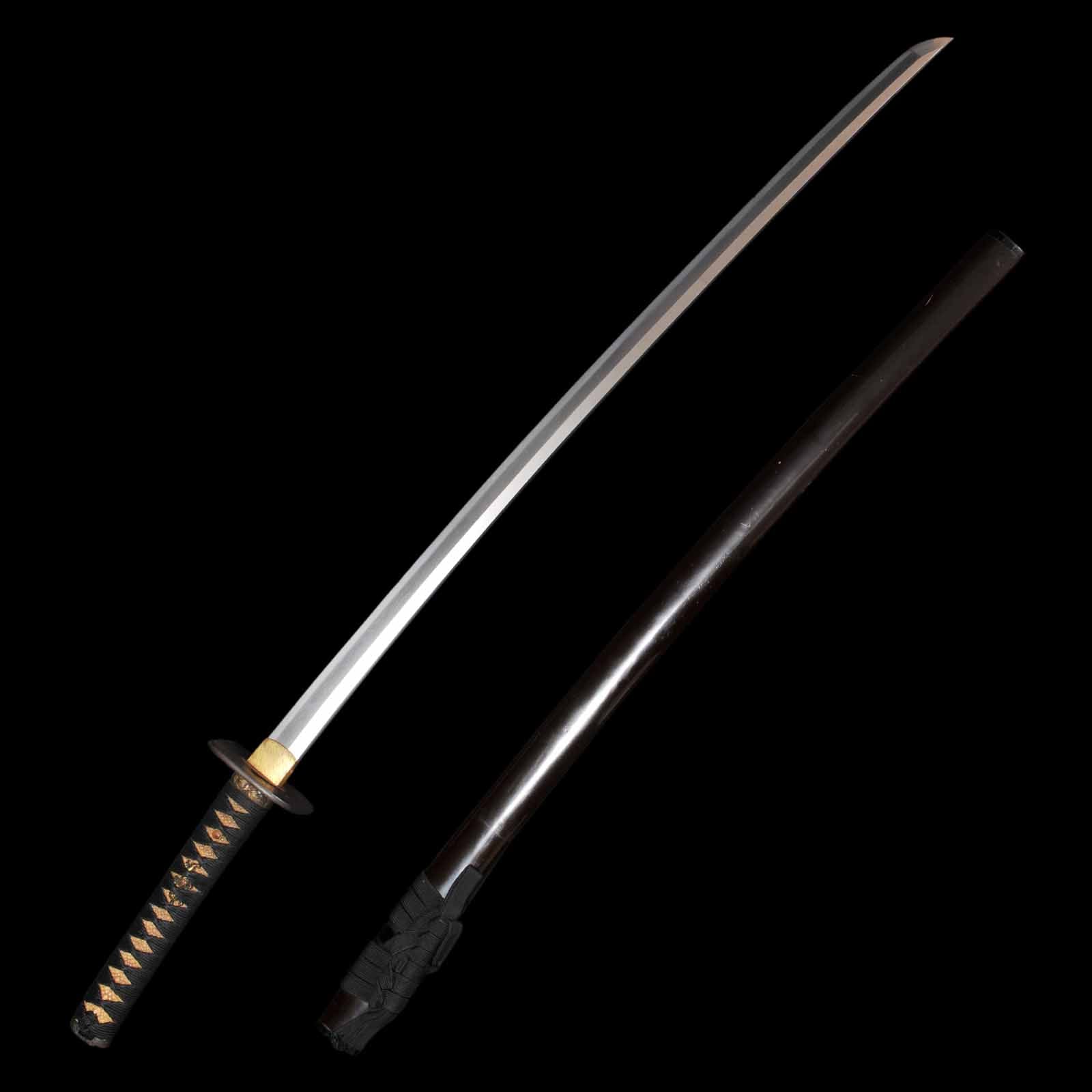
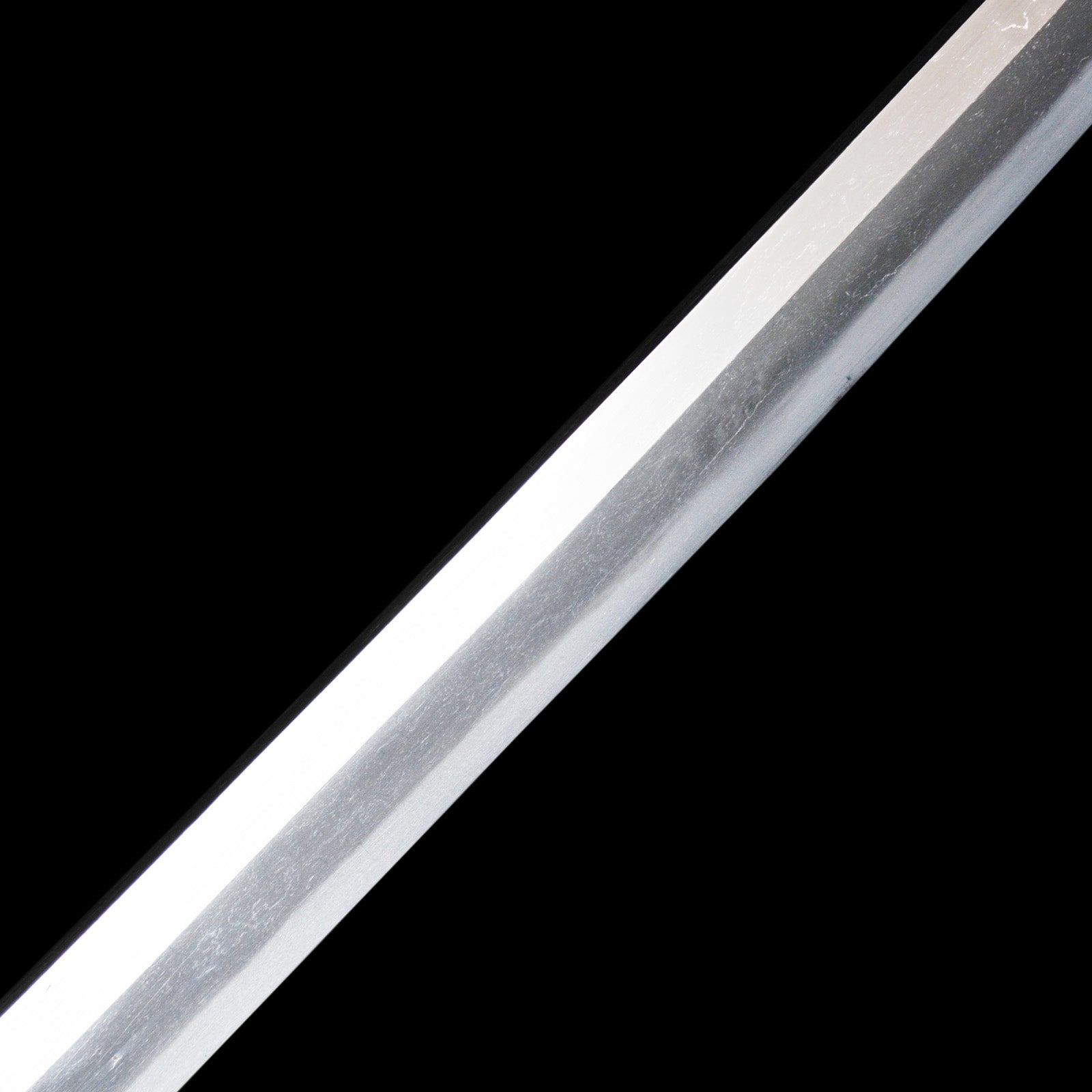
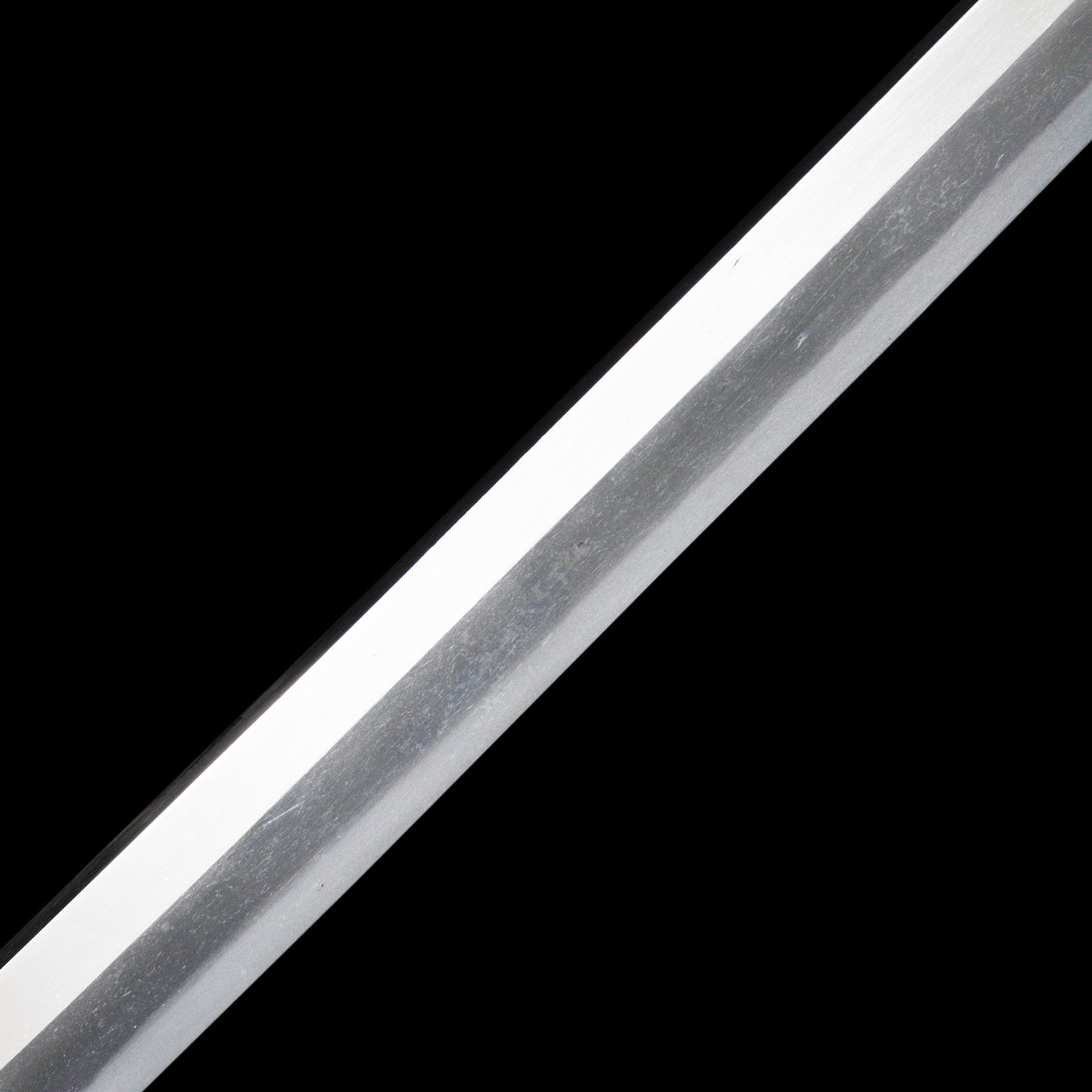
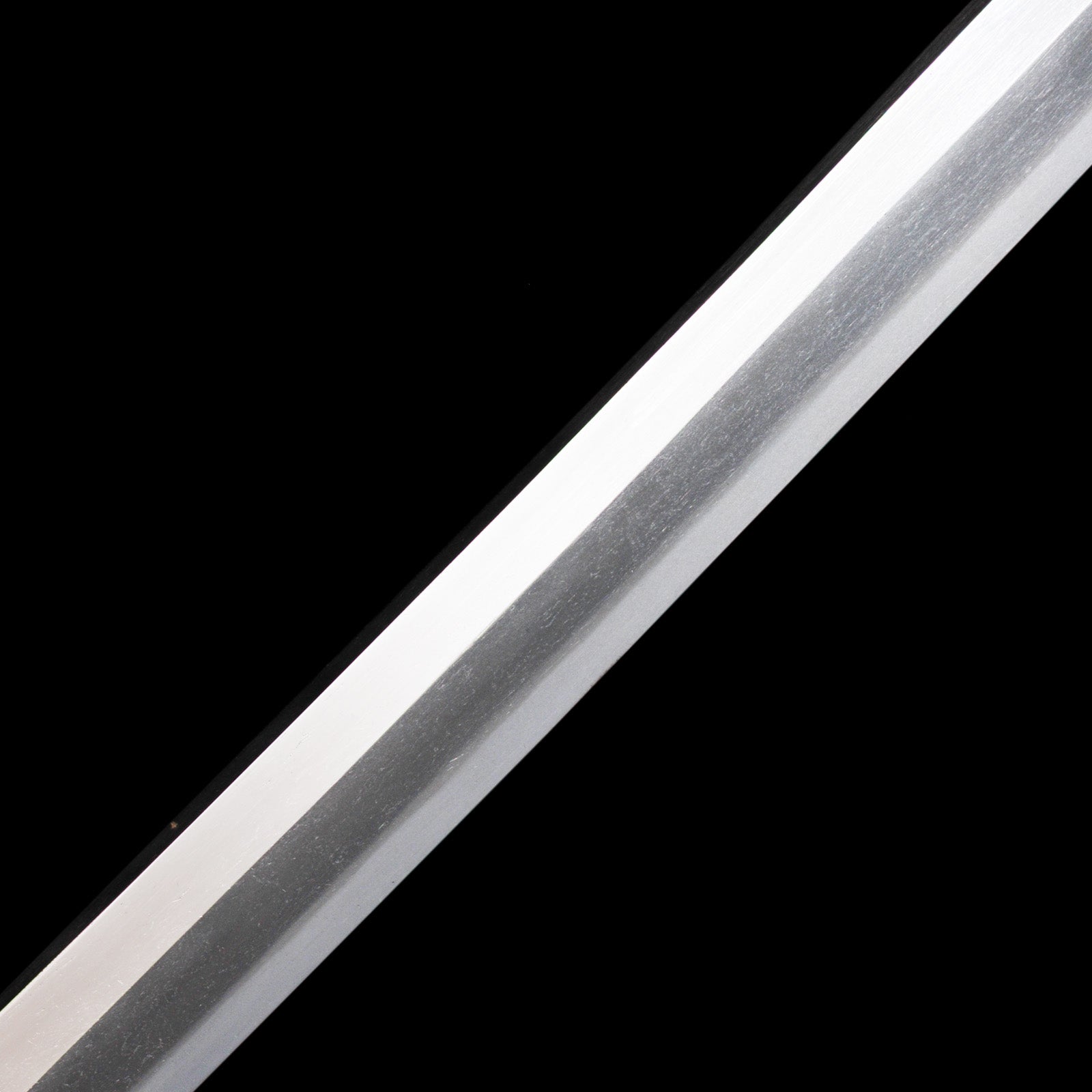
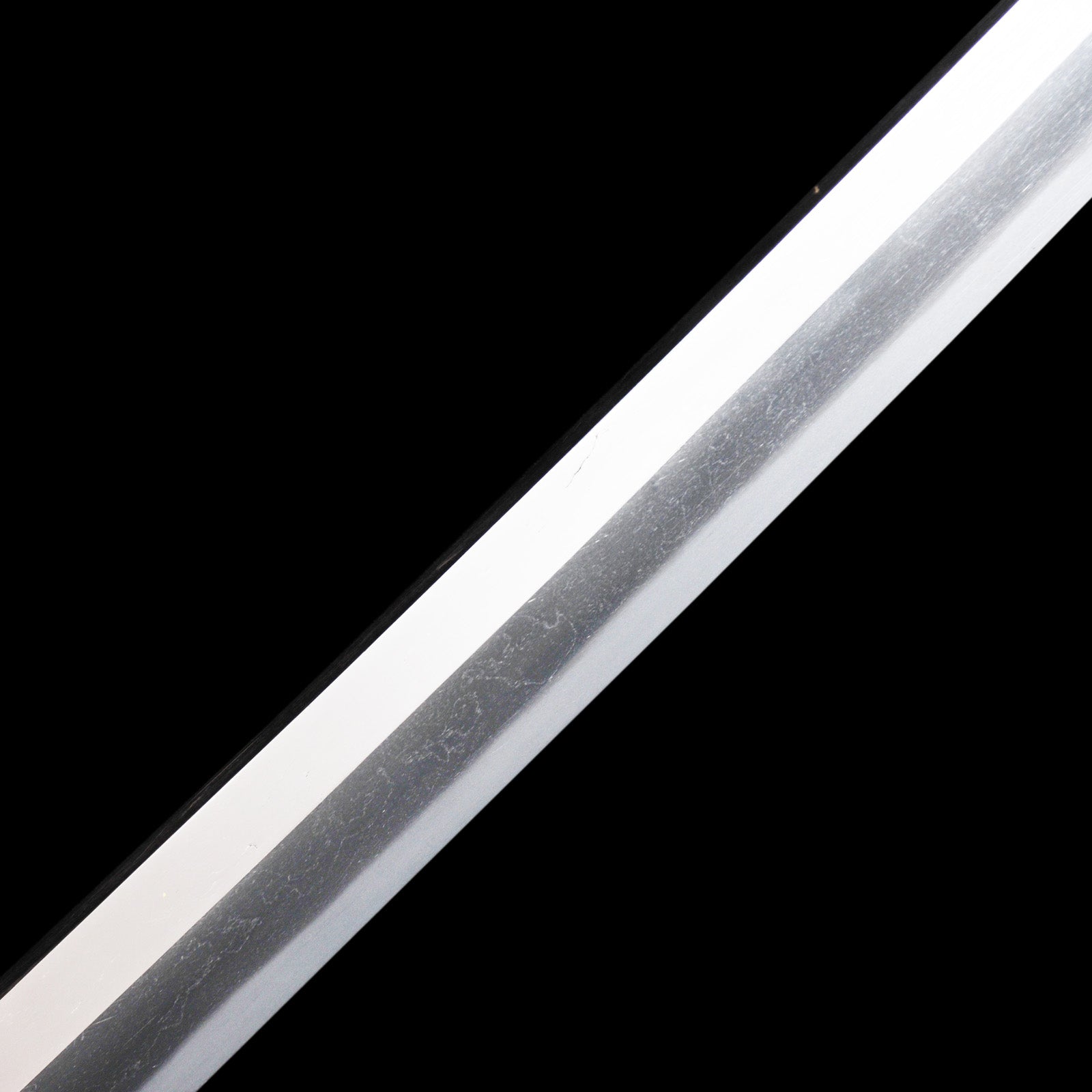
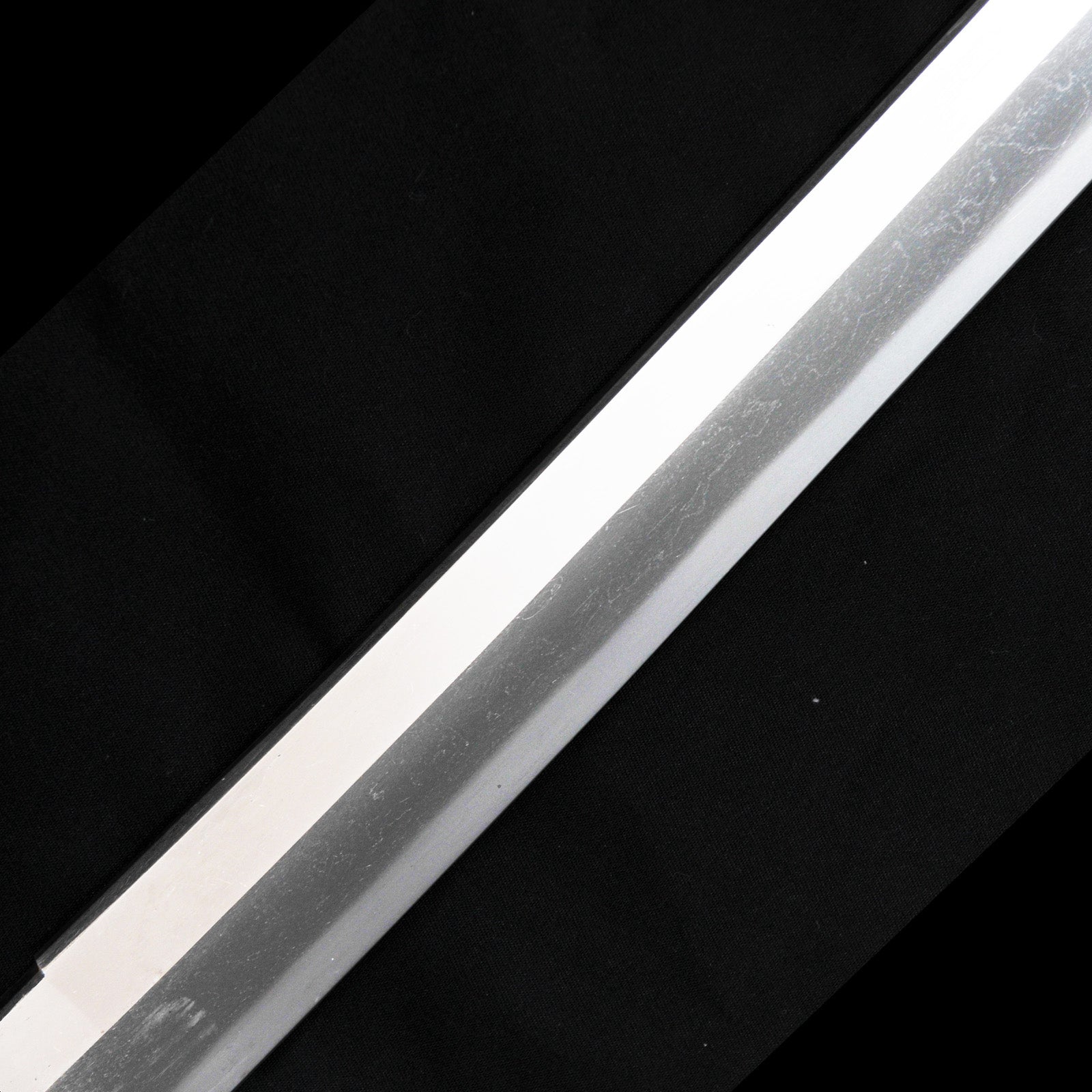
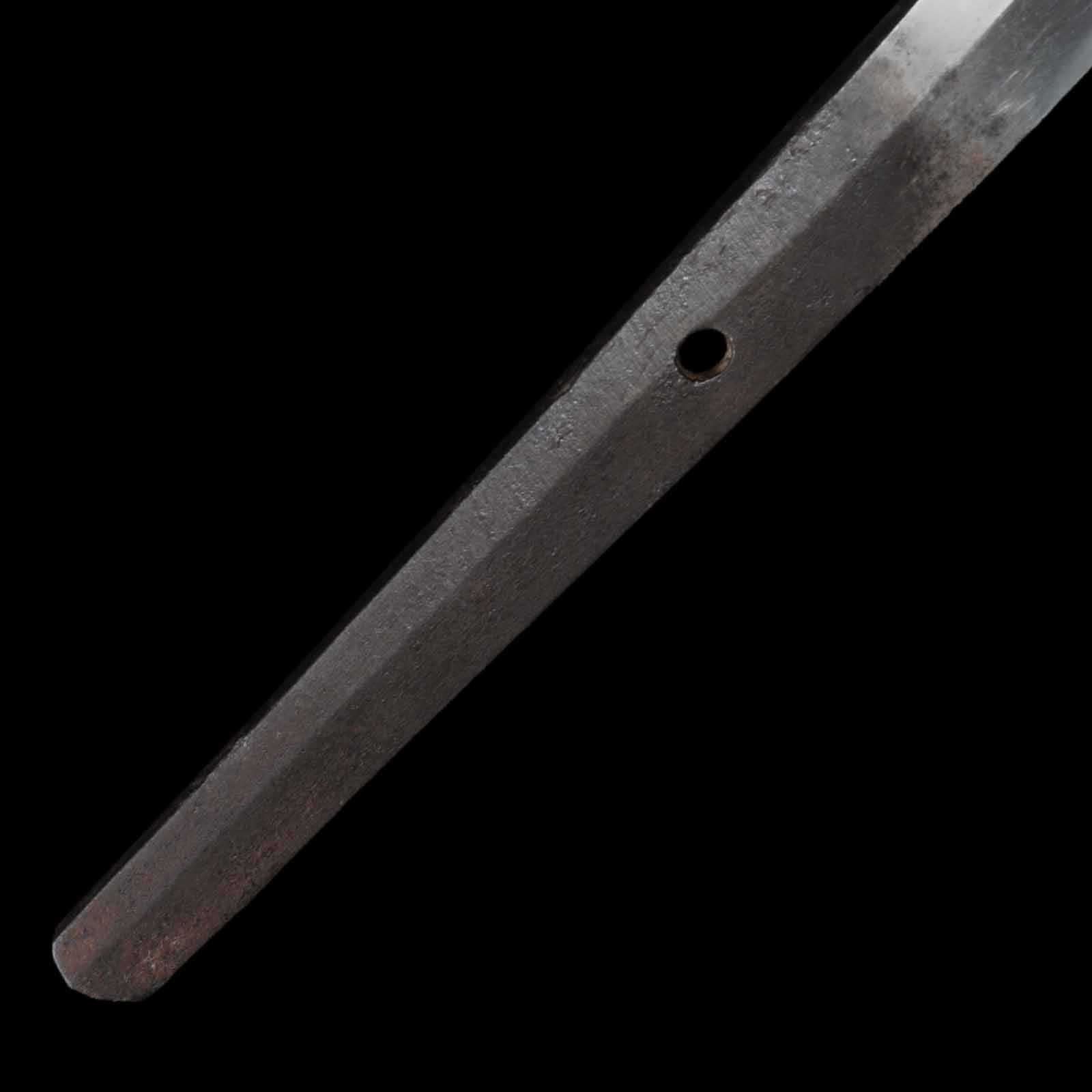
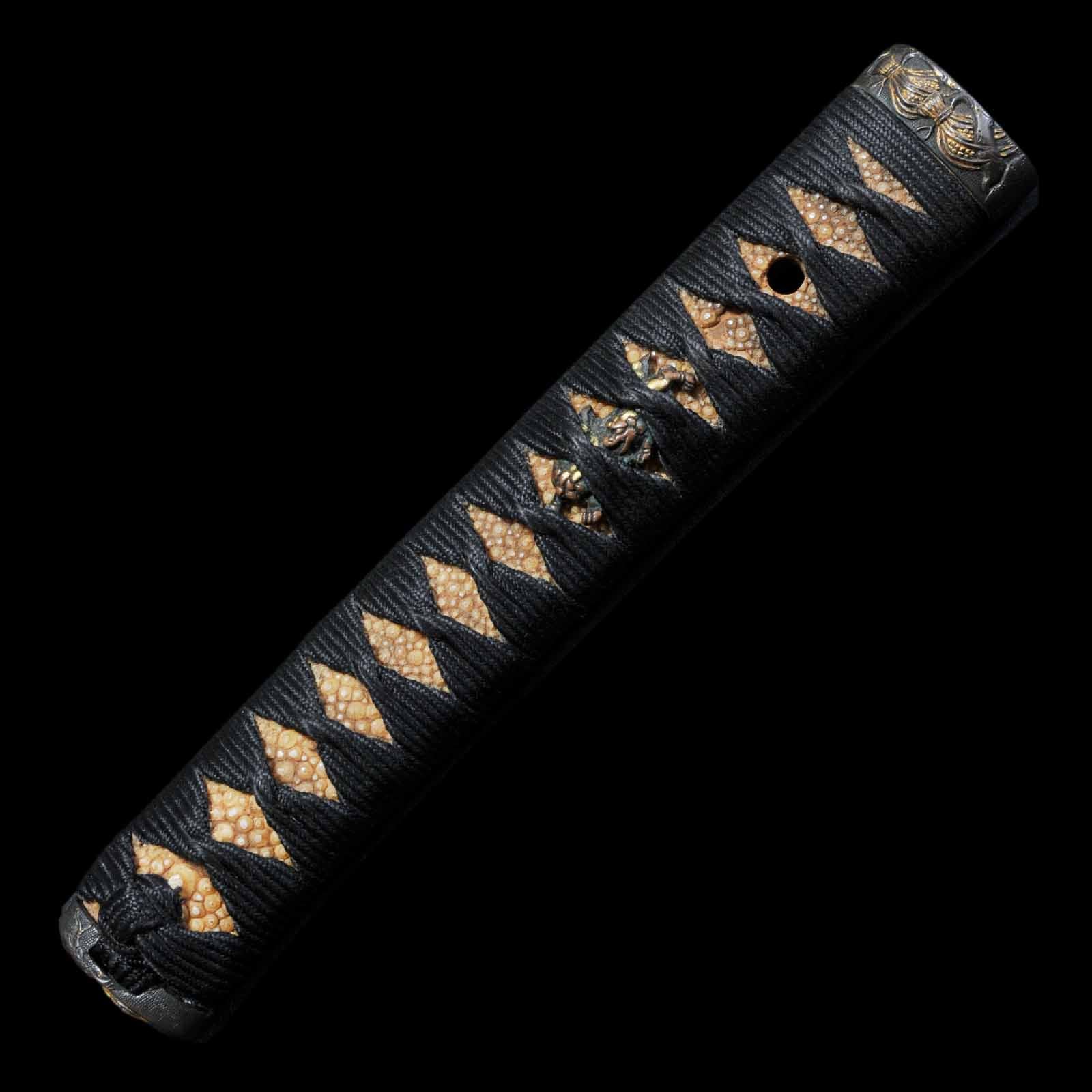
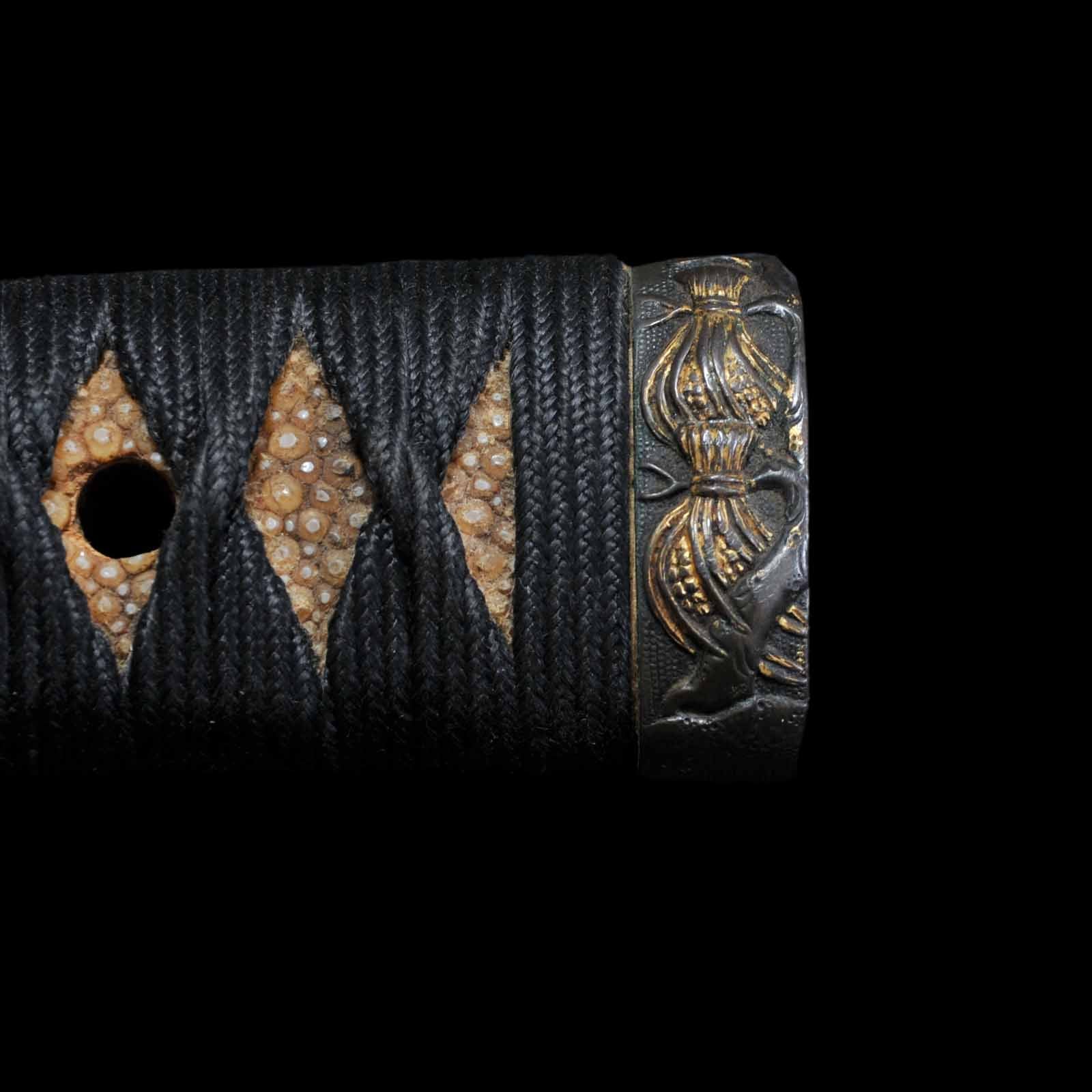
大和伝 · 備後 · 1532-1555頃
藤代 上作 · 刀剣大鑑 上位60%
現在1点販売中
大和伝 · 備後
時期区分: 末三原· 1394–1596
現在4点販売中
末三原は、備後三原派のうち室町時代に下る後期の諸工を汎称するものである。鎌倉末期から南北朝期に正家・正広らを中心として展開した古三原の作風を引き継ぎながら、その系統は室町時代を通じて備後国に存続した。備後国にはこの時期、三原のほか国分寺、法華一乗、鞆、辰房、五阿弥といった諸派が並び立って栄えており、なかでも法華一乗派は三原あるいは国分寺の一派と伝え、応永頃を初代として室町末期に及ぶ同名数代の工を擁した。法華一乗派の作風は概ね三原風を示すと伝えられ、室町期の備後鍛冶のなかで三原系の作域がなお広く受け継がれていたことが窺われる。草戸千軒の地に活躍した金次や、正盛をはじめとする貝三原の工など、この期の作者は地名や姓を冠して銘するものが多い。 末三原の作風は、古三原以来の地刃の特質を残しつつ、室町期相応の姿に移っている。鍛えは板目に杢や流れ肌が交じり、処々柾がかって総体に肌立ちごころとなり、地沸がつき、白け映りが立つ。刃文は直刃調から小互の目の連れて乱れるものまでを焼き、足が入り、小沸がつき、砂流しや金筋のかかるものがあって、焼を低く穏やかに焼くなかに大和気質が窺われる。帽子は乱れ込んで掃きかけ、あるいは焼詰風となるものがある。姿は身幅の割に寸が延びごころとなる短刀や、先反りのついた室町期の太刀姿を示すものが見られ、堂々として精美に整った古三原の体配に比べると、肌合がやや粗く立ち、匂口も沈みごころとなって、全体の調子が緩んでくる点に時代の下降が認められる。資料の限られるなかではあるが、こうした作風の弛緩が古三原と末三原とを分かつ一つの目安となる。 鑑定の上では、白け映りの立つ肌立ちごころの地鉄と、焼の低い直刃調に小互の目を交えた穏やかな刃文、掃きかけや焼詰の帽子といった大和系の名残を捉えつつ、肌の粗さと姿の崩れから室町の所為を読むことが要点となる。この期の主要な工としては、正盛をはじめとする貝三原の諸工、法華一乗の一乗・吉次・信兼ら、また草戸の金次などが知られ、いずれも在銘の遺例が乏しく、年紀作や生ぶ茎の在銘品はとりわけ資料性が高い。伝来の上でも、これらの作は備後鍛冶の一端を伝える遺品として珍重されてきた。 詳しく見る →
南北朝時代の大和
南朝が大和国吉野に都を置いたとき、大和の諸派は最盛期にあった。包永以後の手掻、尻懸則長、そして保昌の純然たる柾目である。その技はすでに諸国へ広がりつつあった。
As a general rule, returns/exchanges are not accepted on Japanese sword orders unless damaged upon delivery. Other items: returns/exchanges accepted within 7 days of delivery. Cancellation for personal reasons incurs a 30% restocking fee (70% refunded). Return shipping must be prepaid and insured by the buyer; shipping/handling fees are non-refundable. Contact katana@tozando.co.jp to initiate a return.