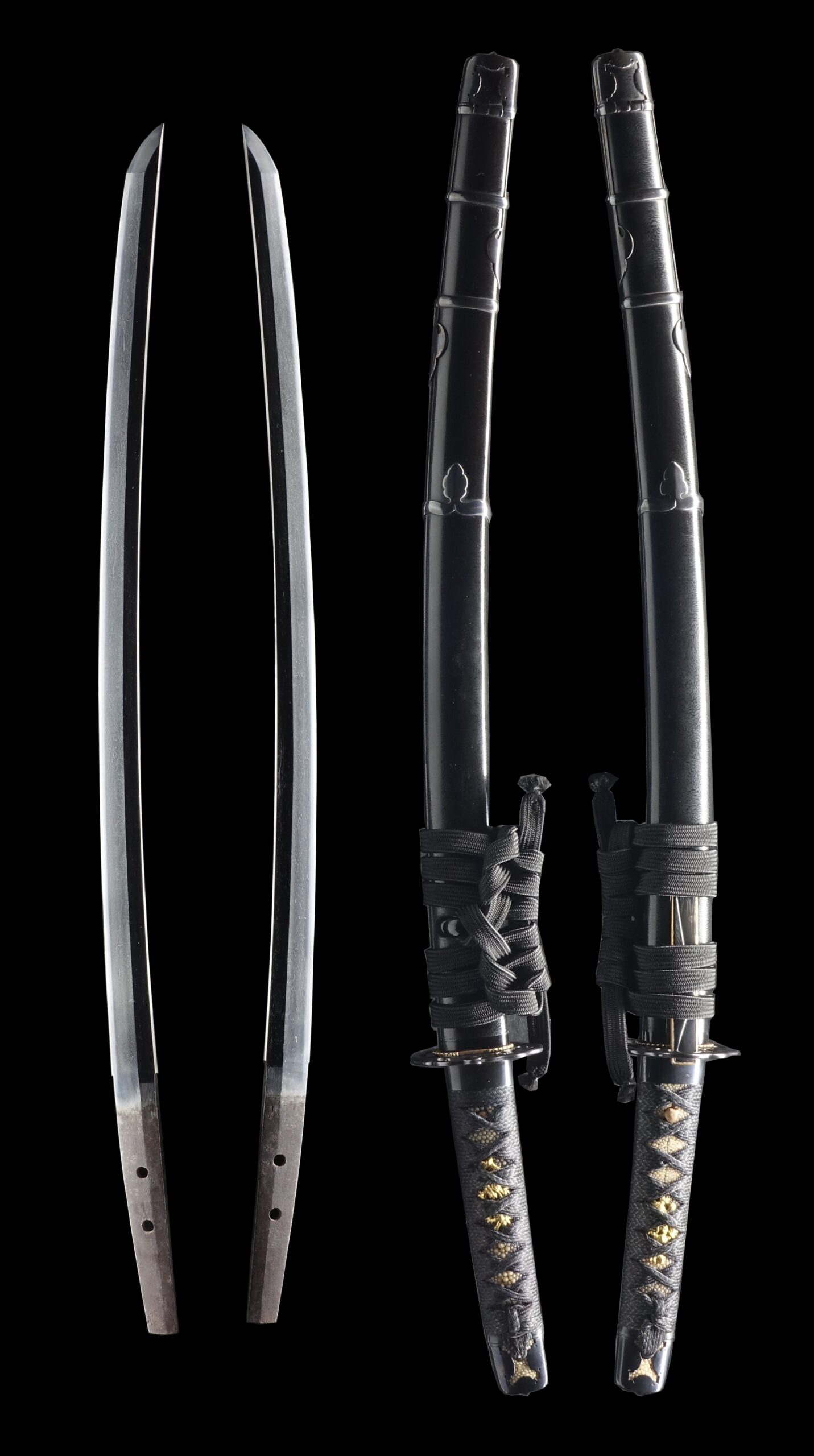
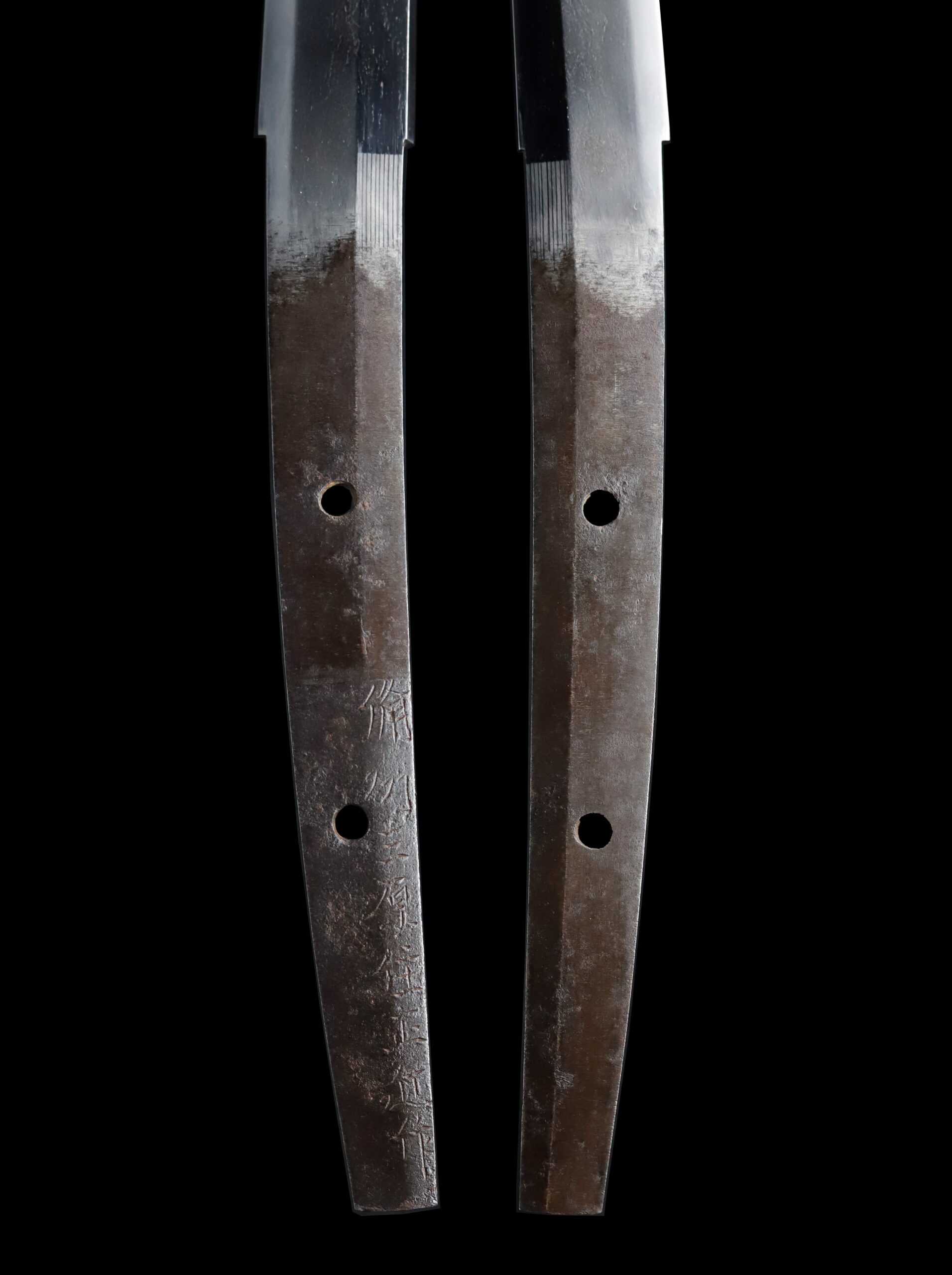
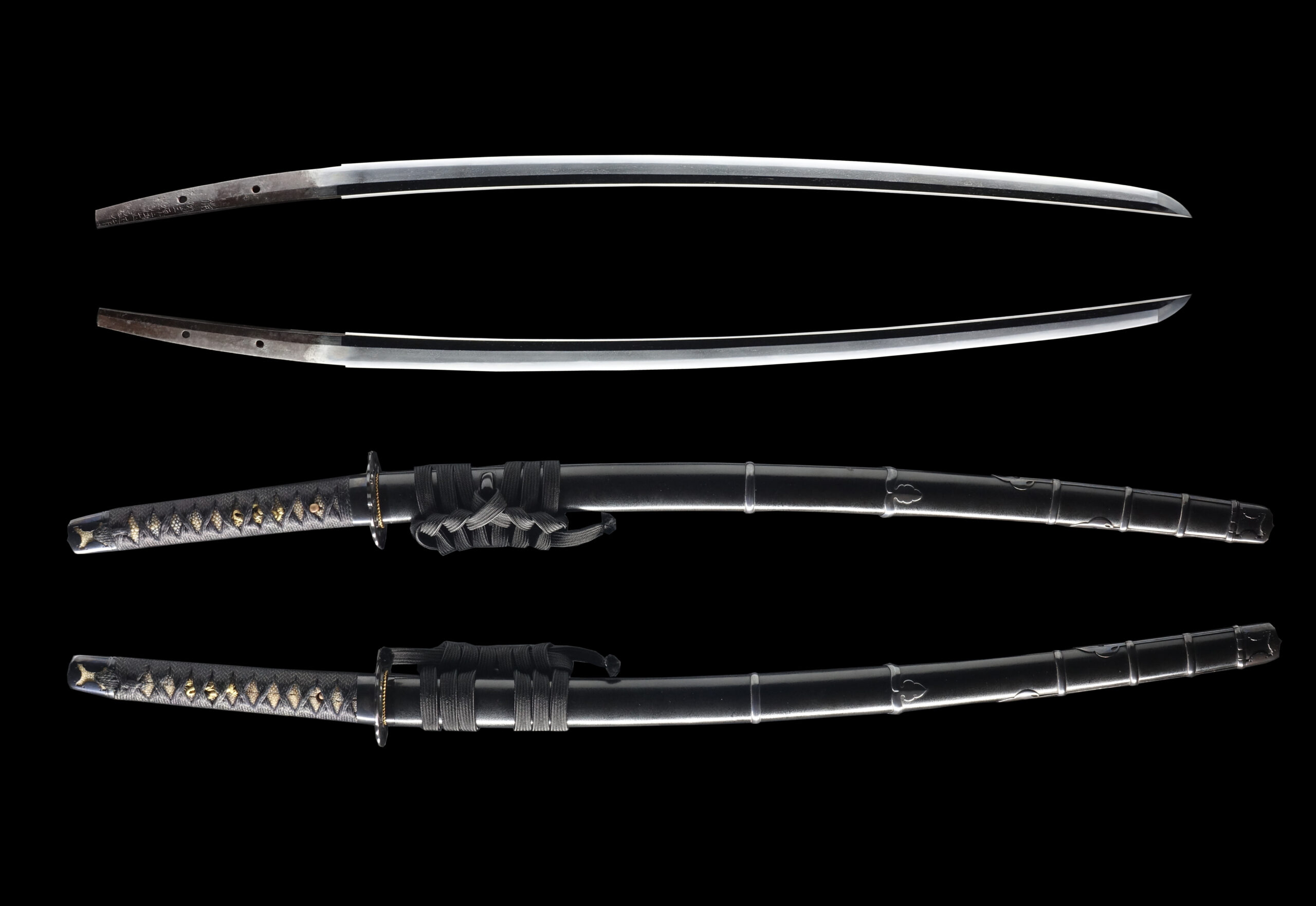
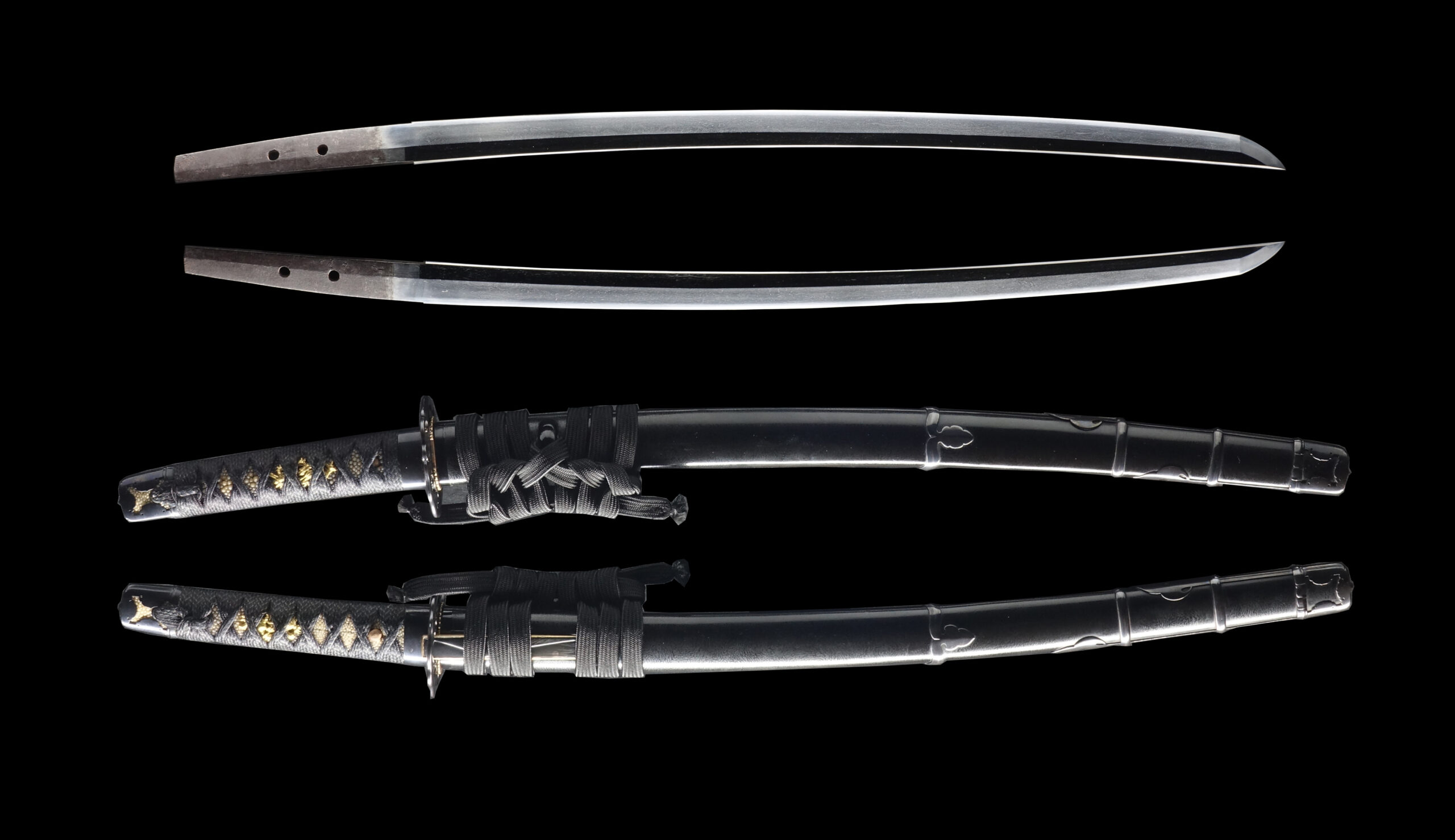
Antique Japanese Sword Daisho Signed by Mihara Masachika/Attributed to Matsu Mihara NBTHK Tokubetsu Hozon Certificate and Hozon Certificate
大小
売却済
世界81社の刀剣商を横断追跡 · 価格履歴 · 売却アーカイブ
仕様
63.6 cm
1.6 cm
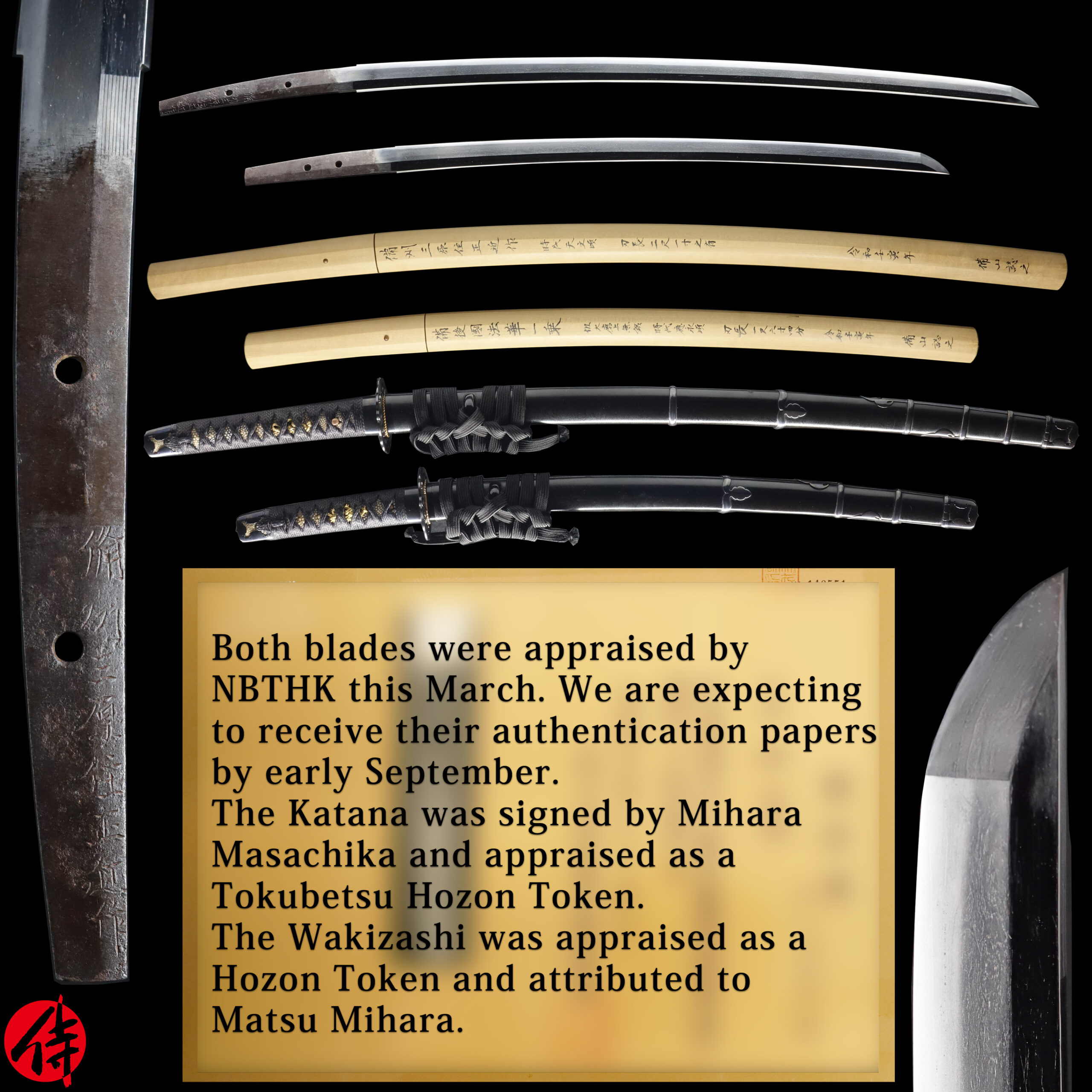
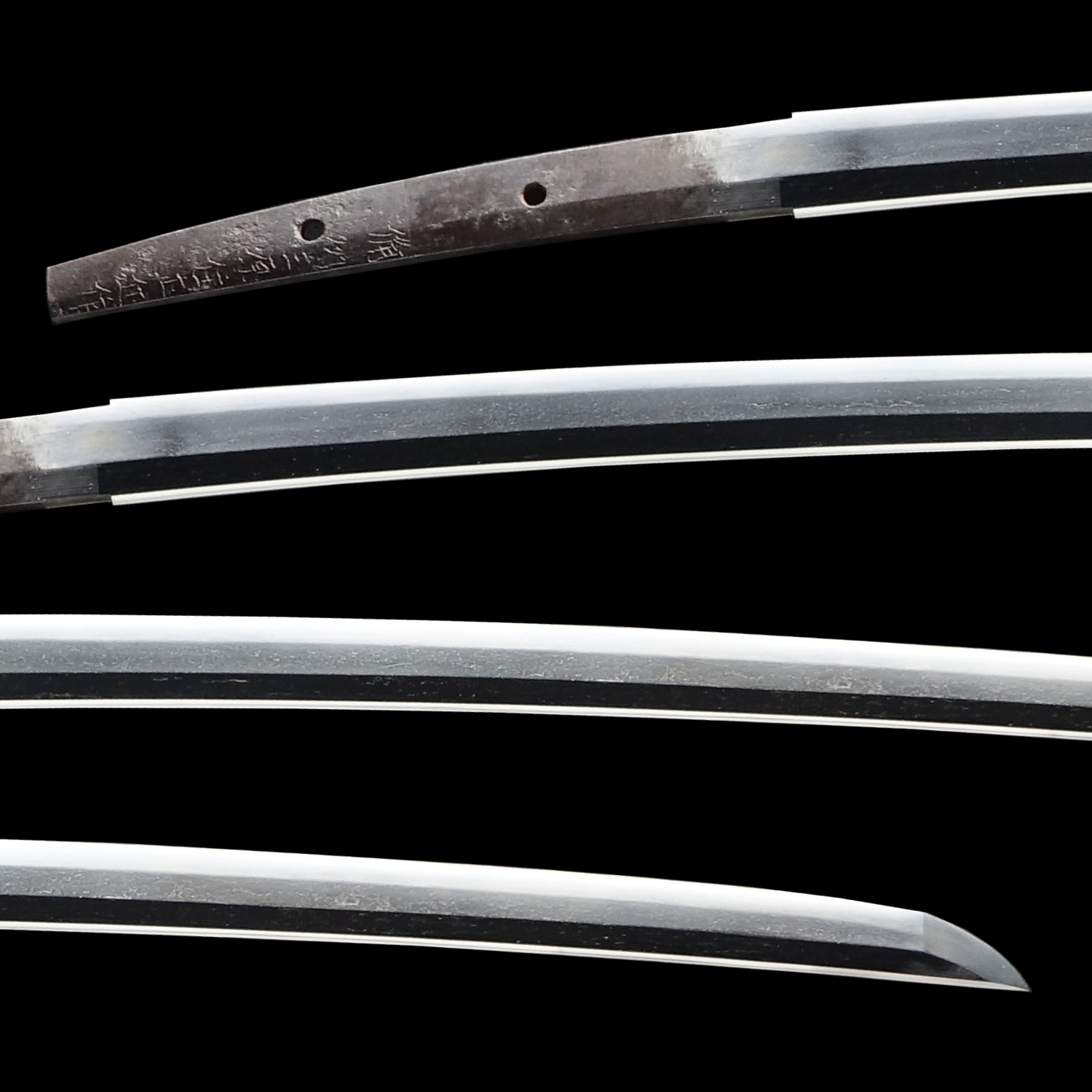
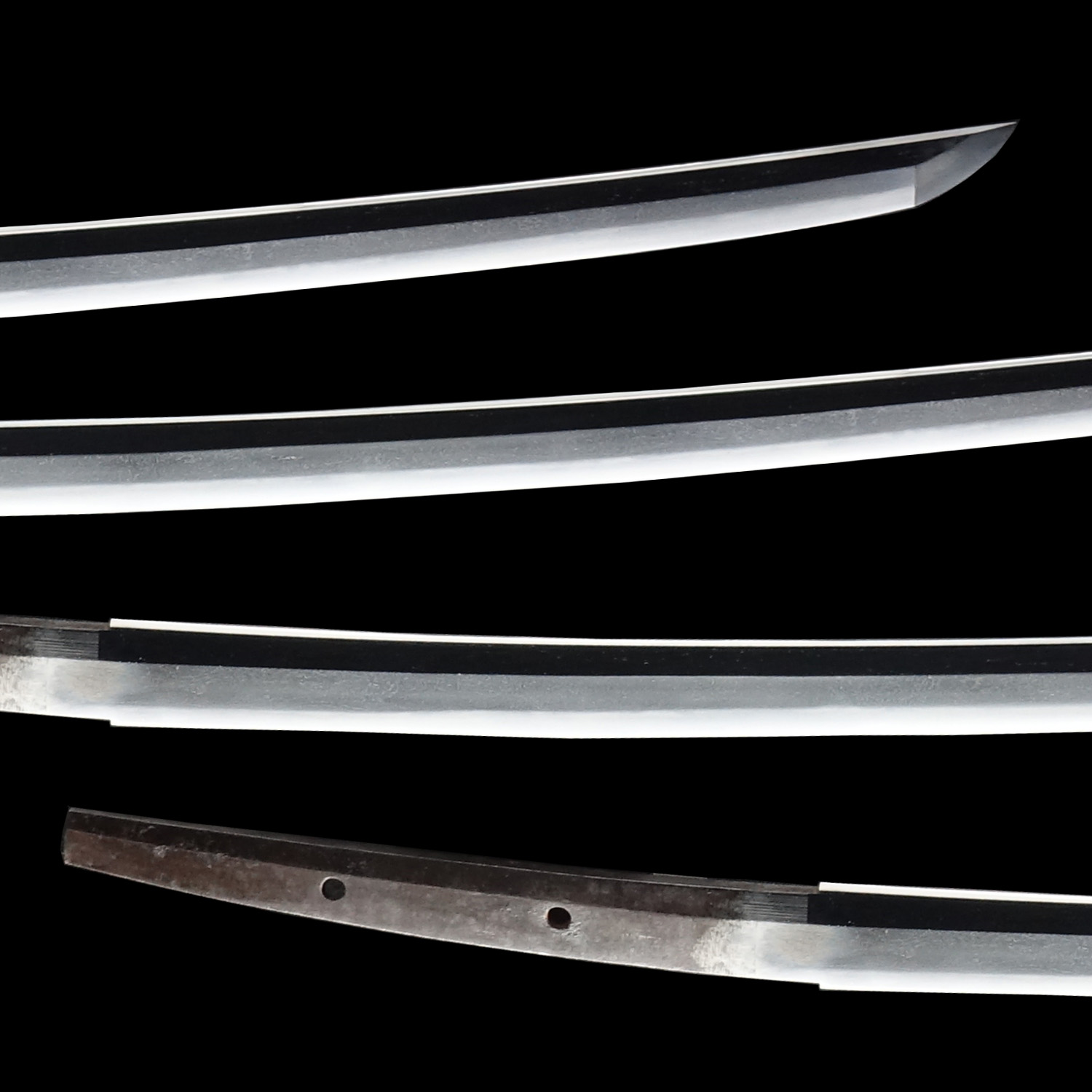
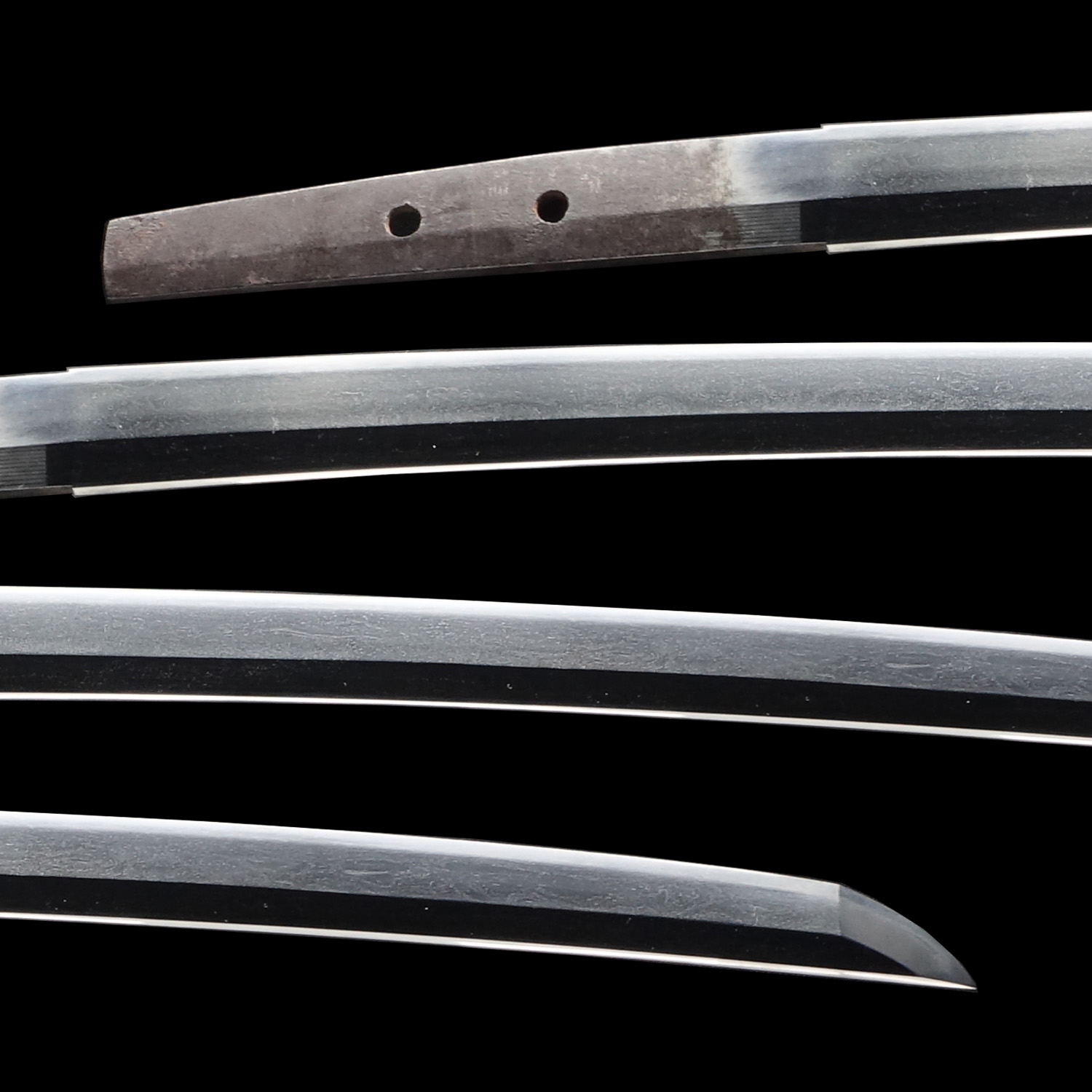
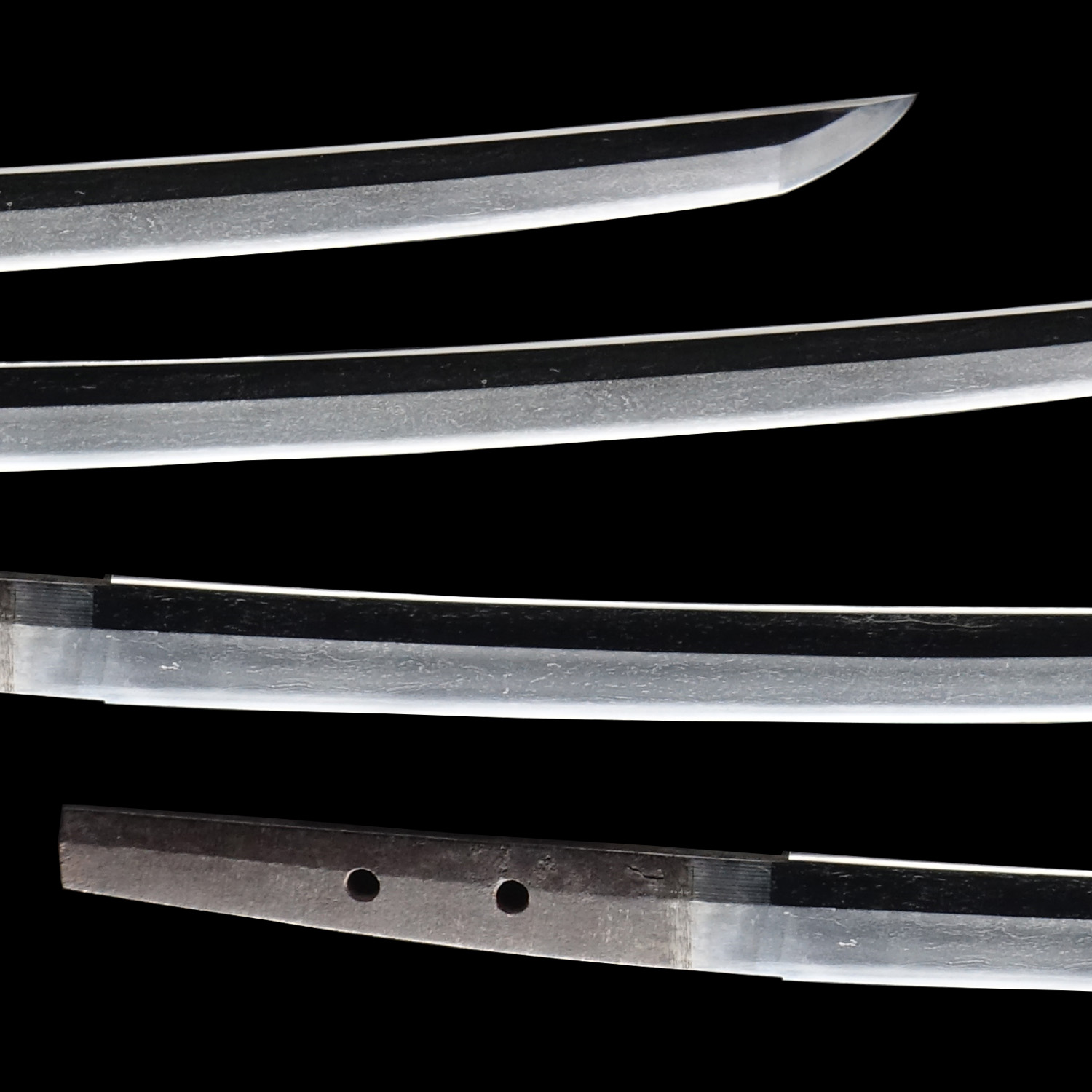
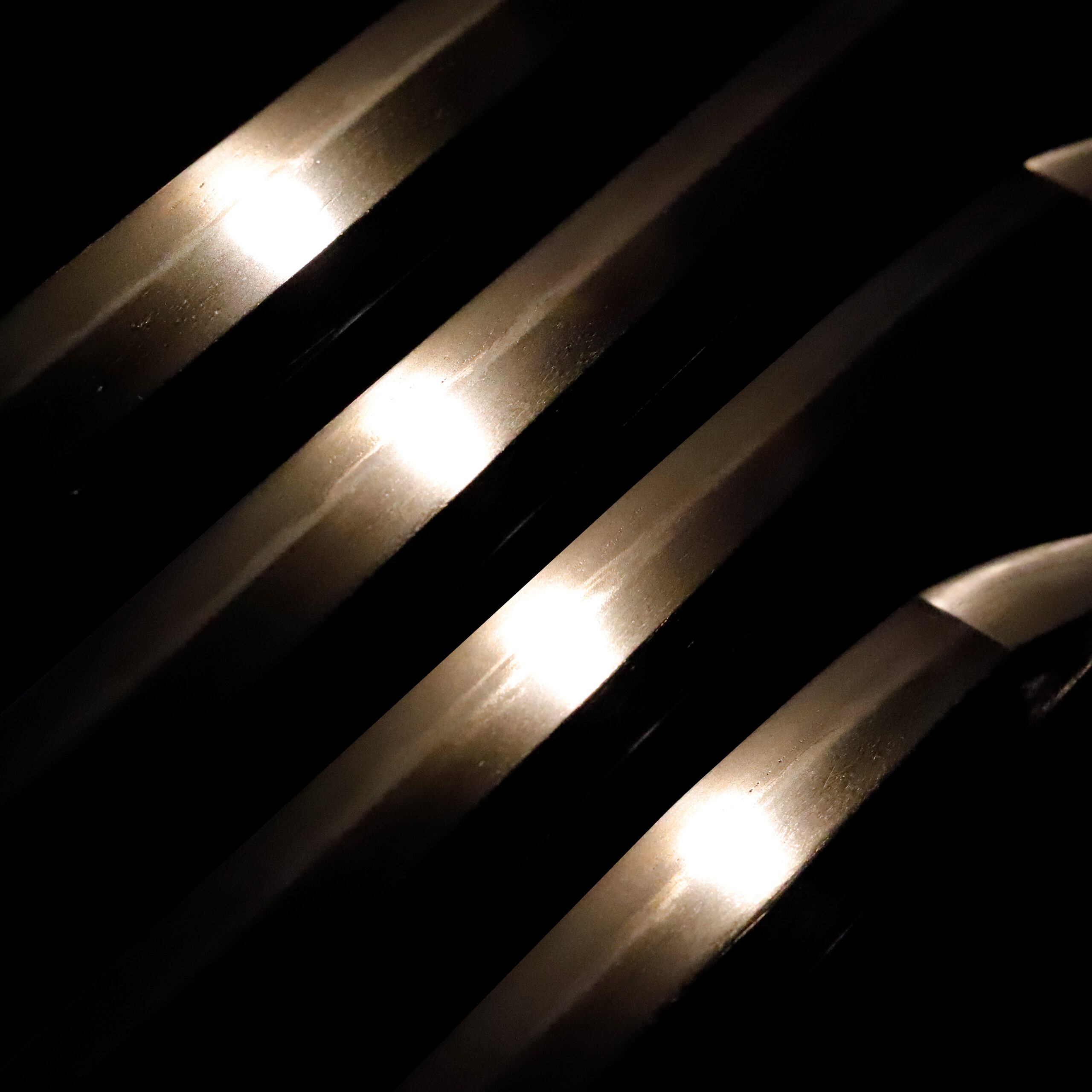
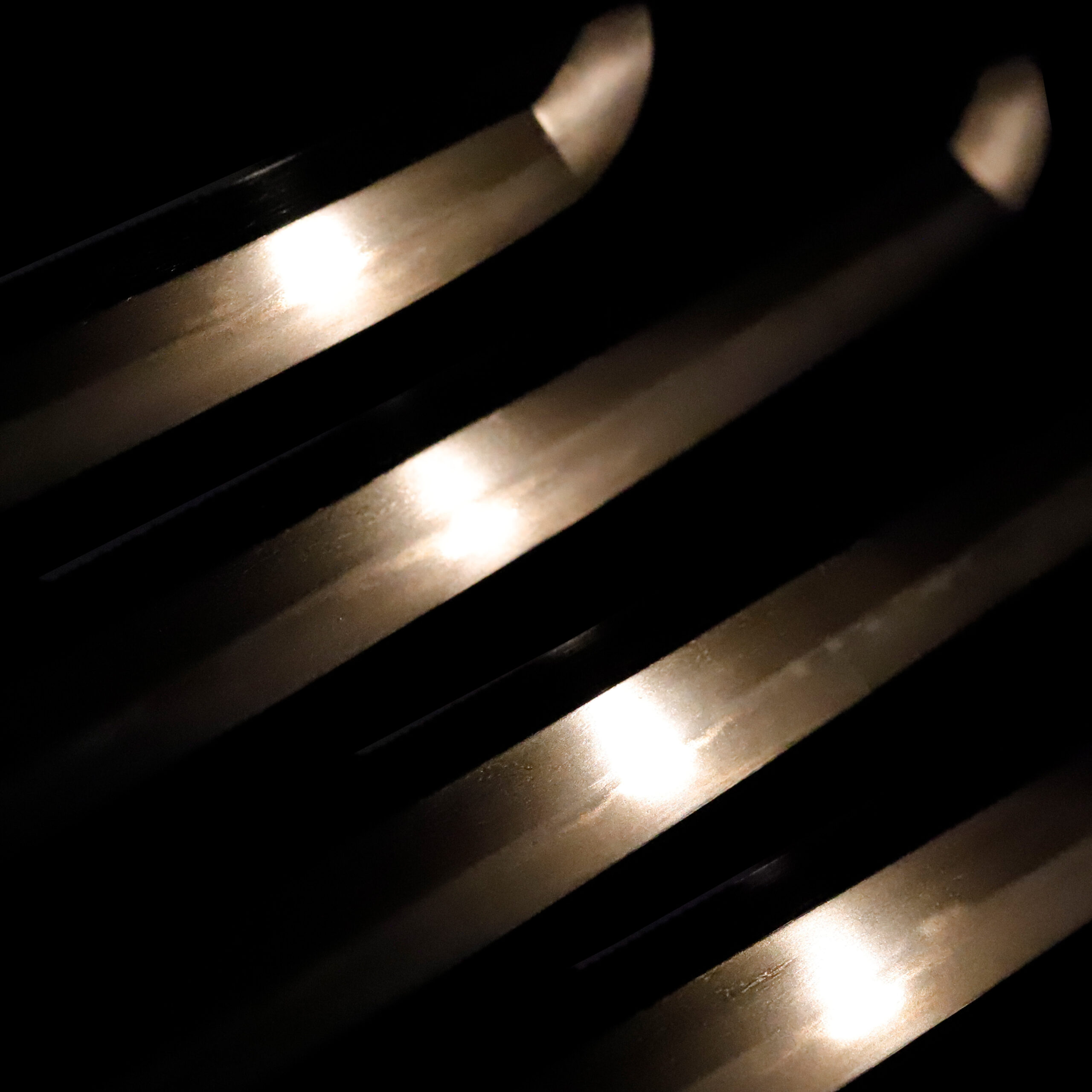
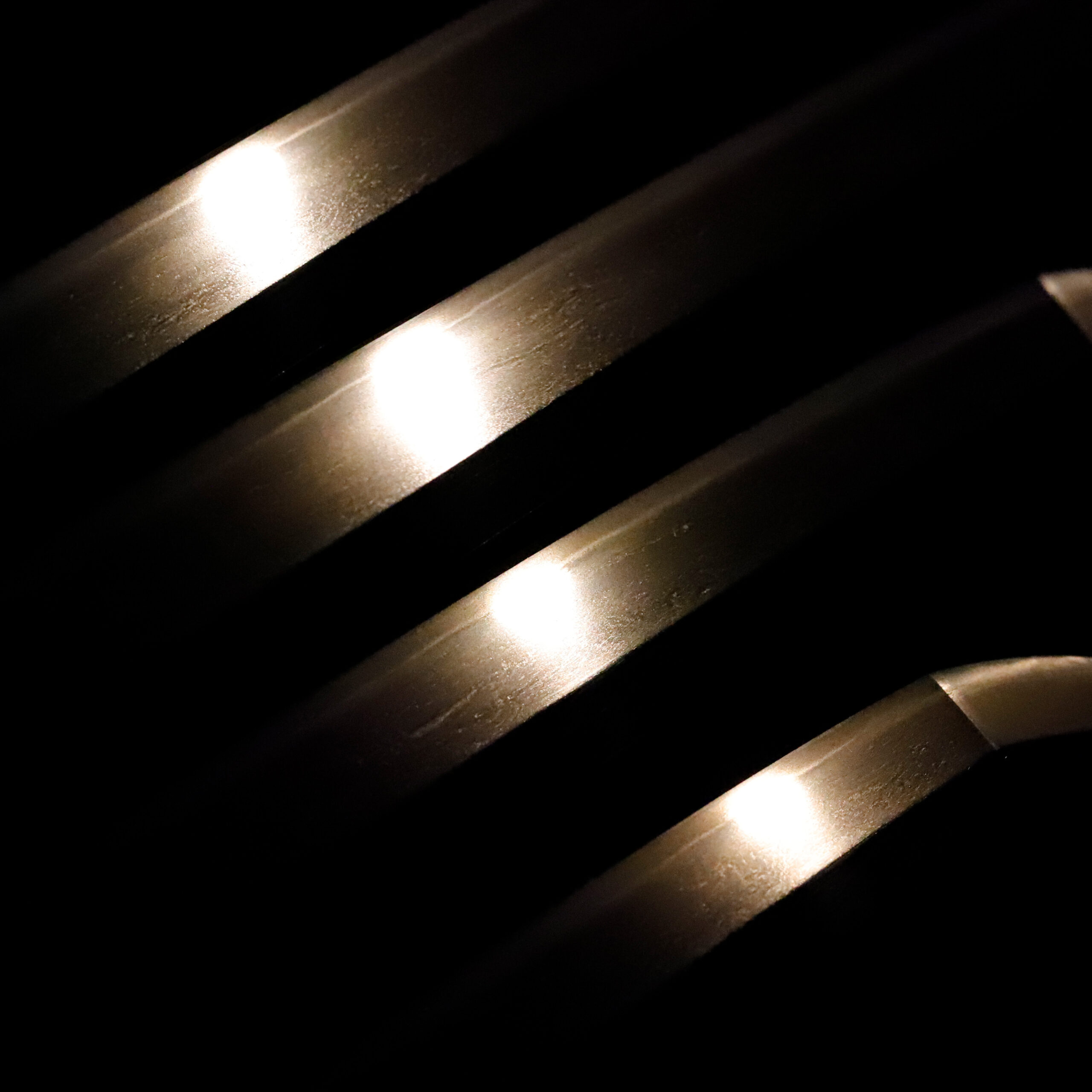
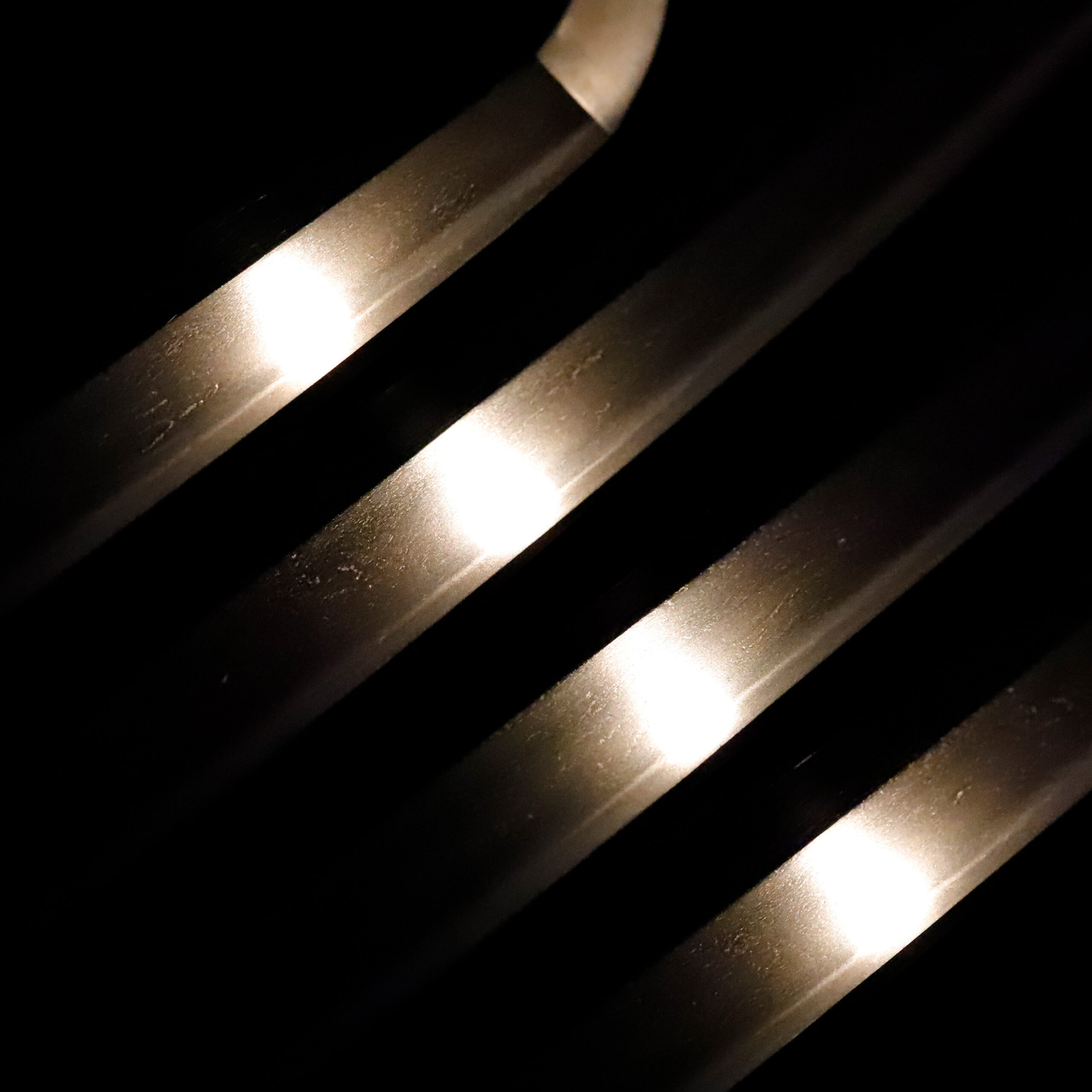
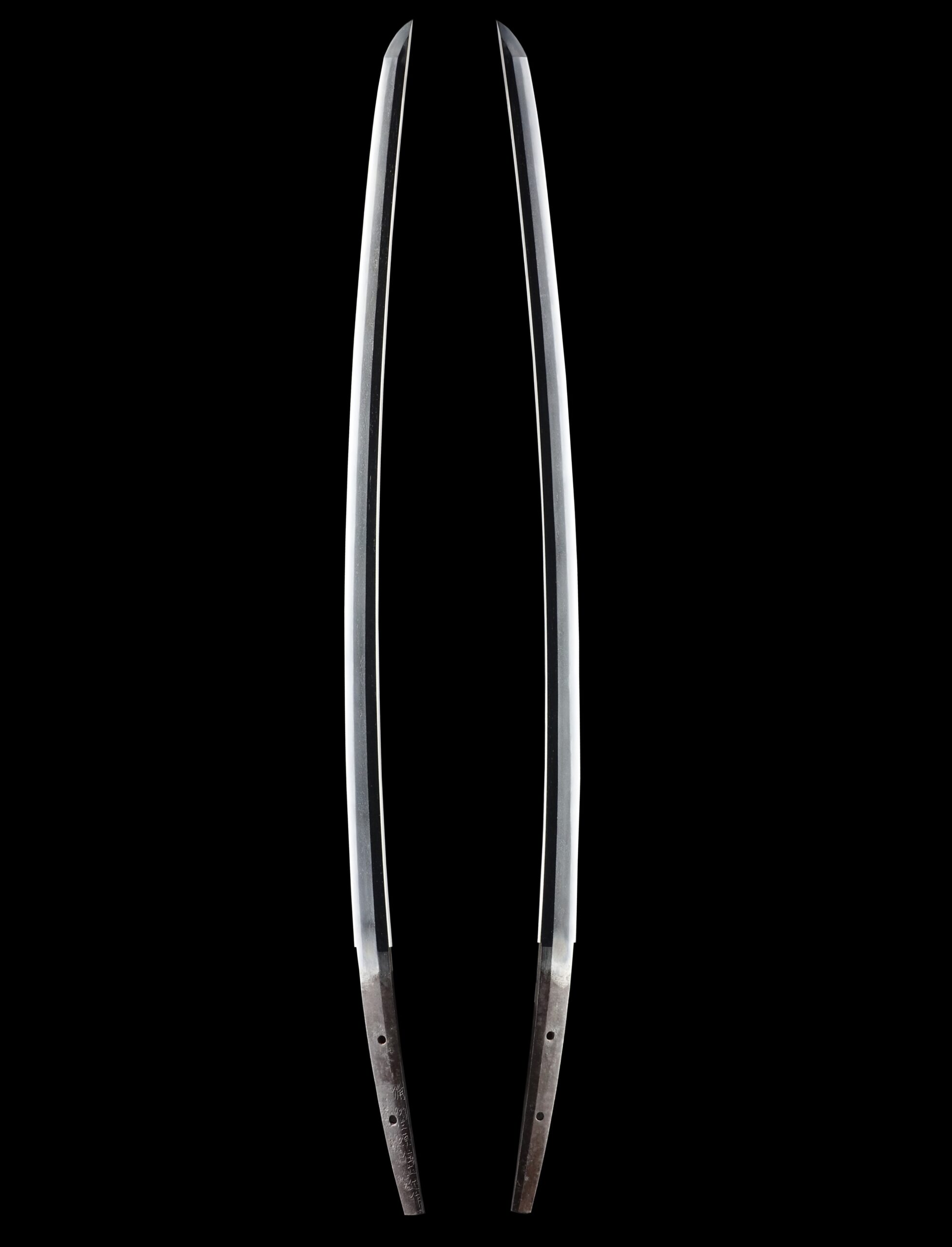
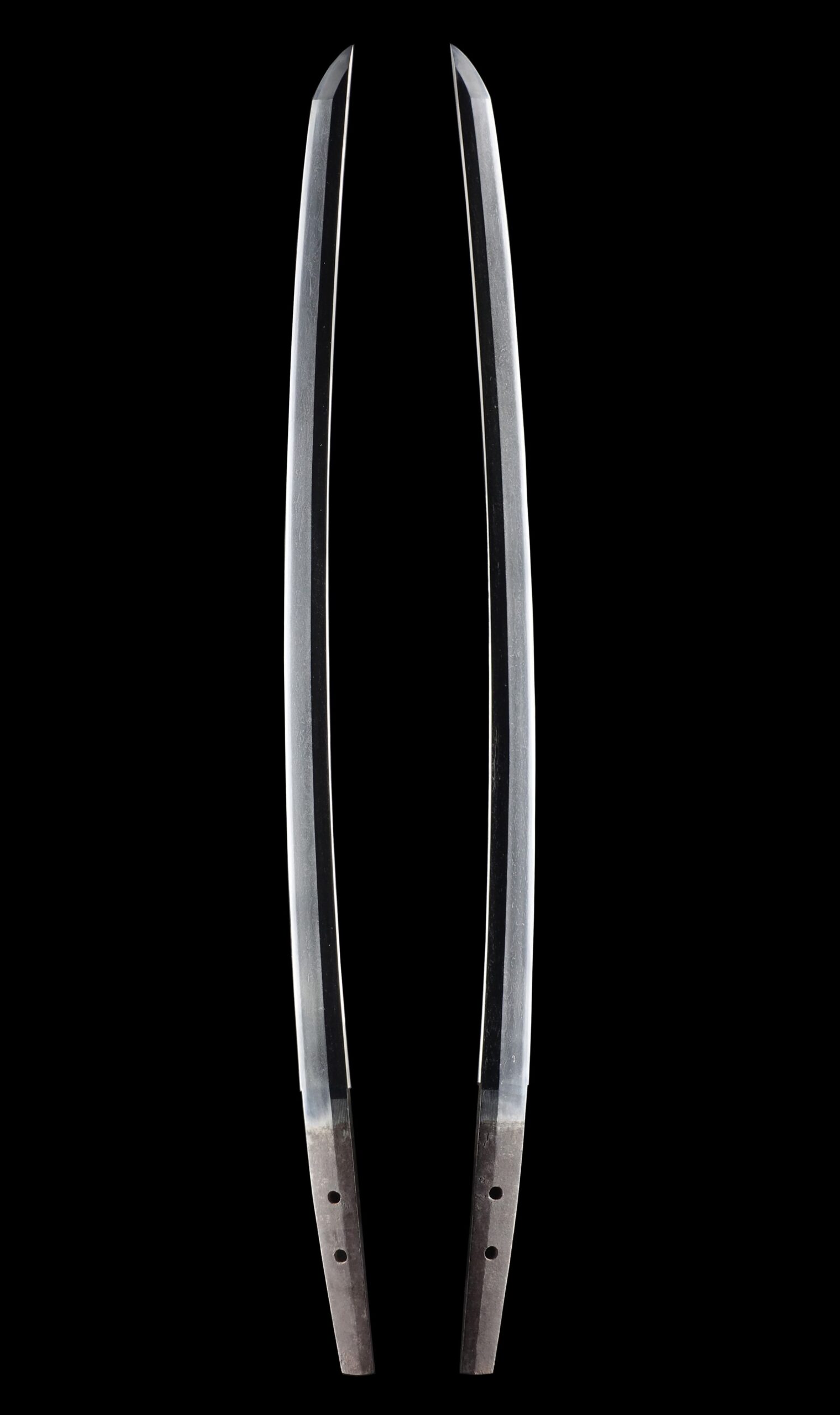
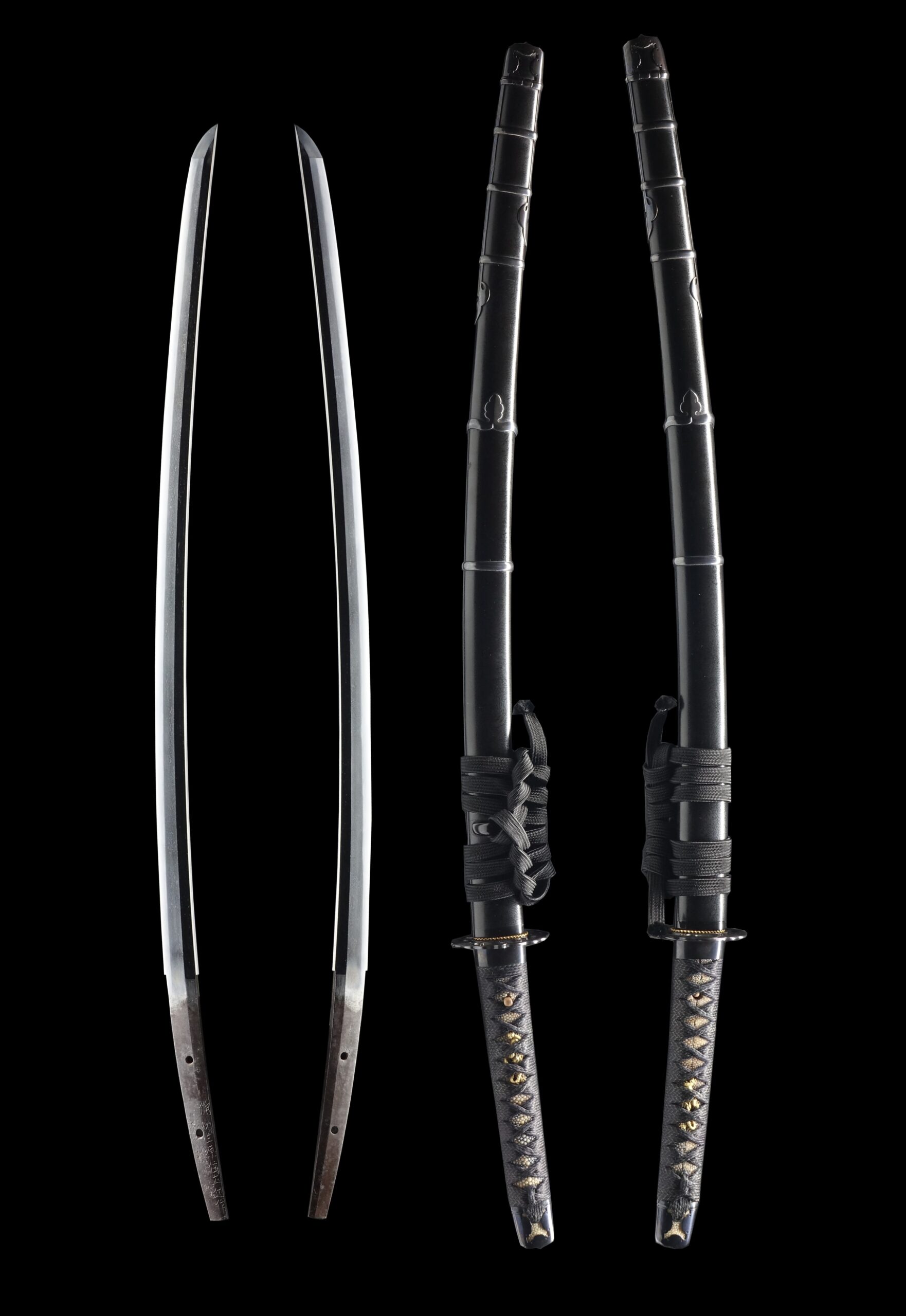
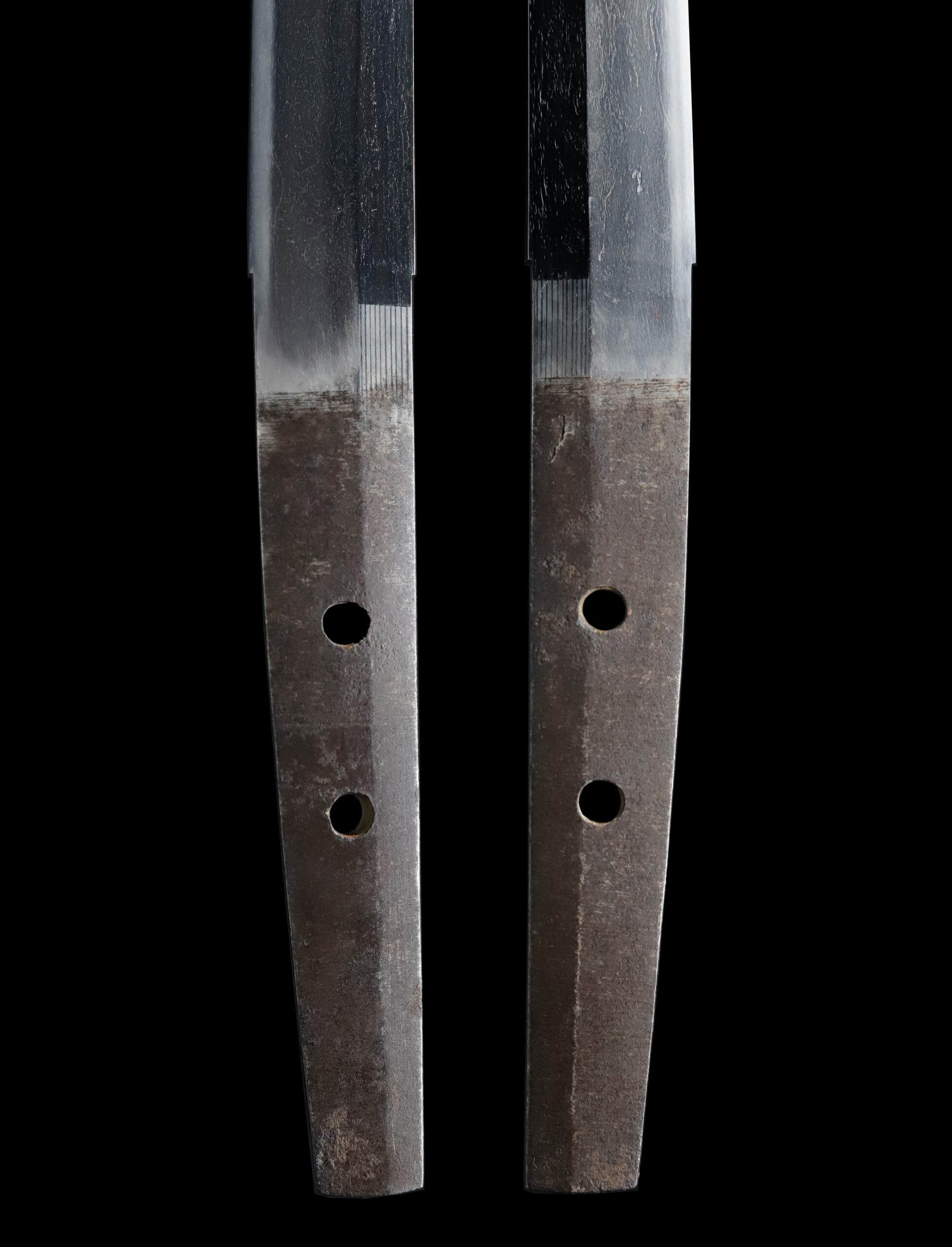
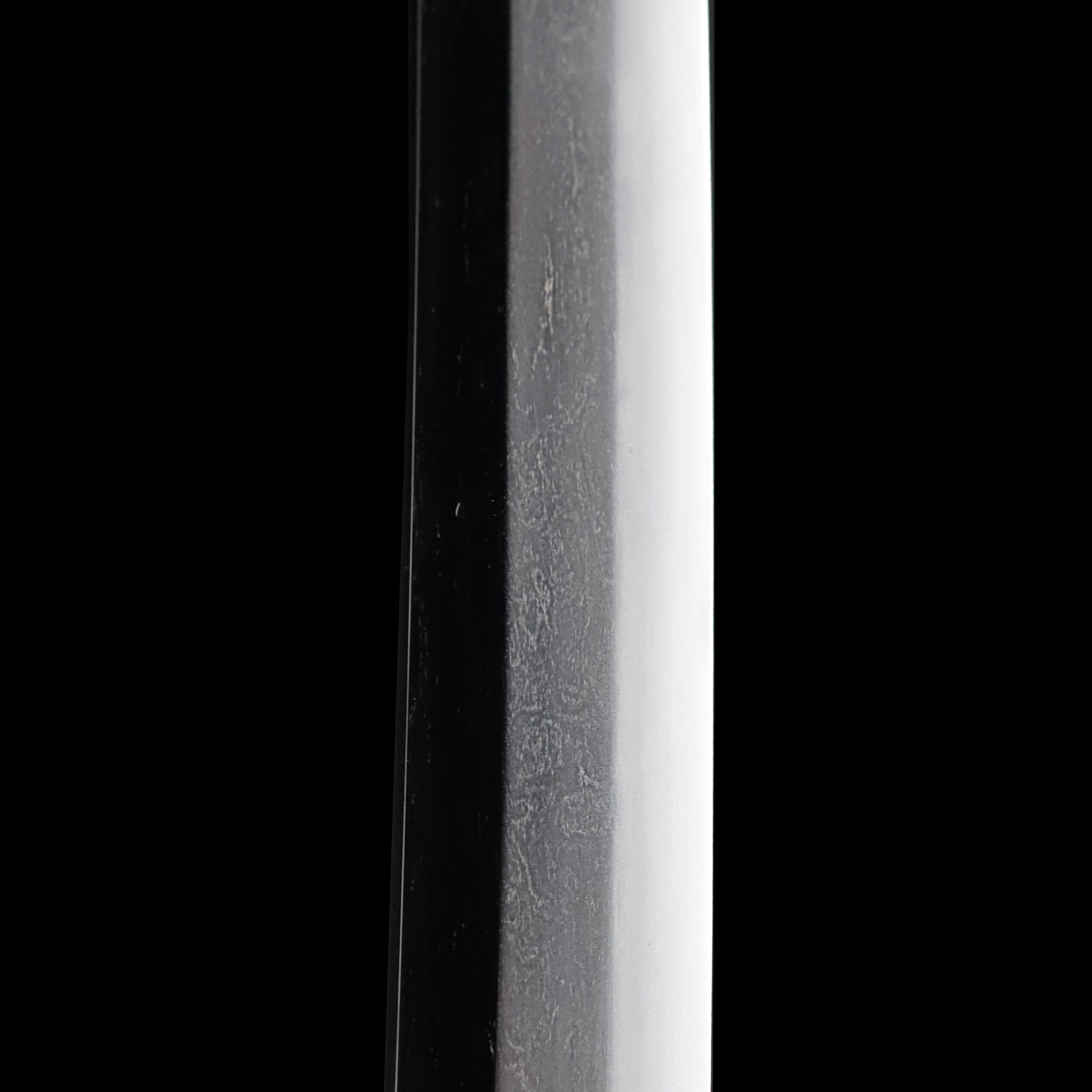
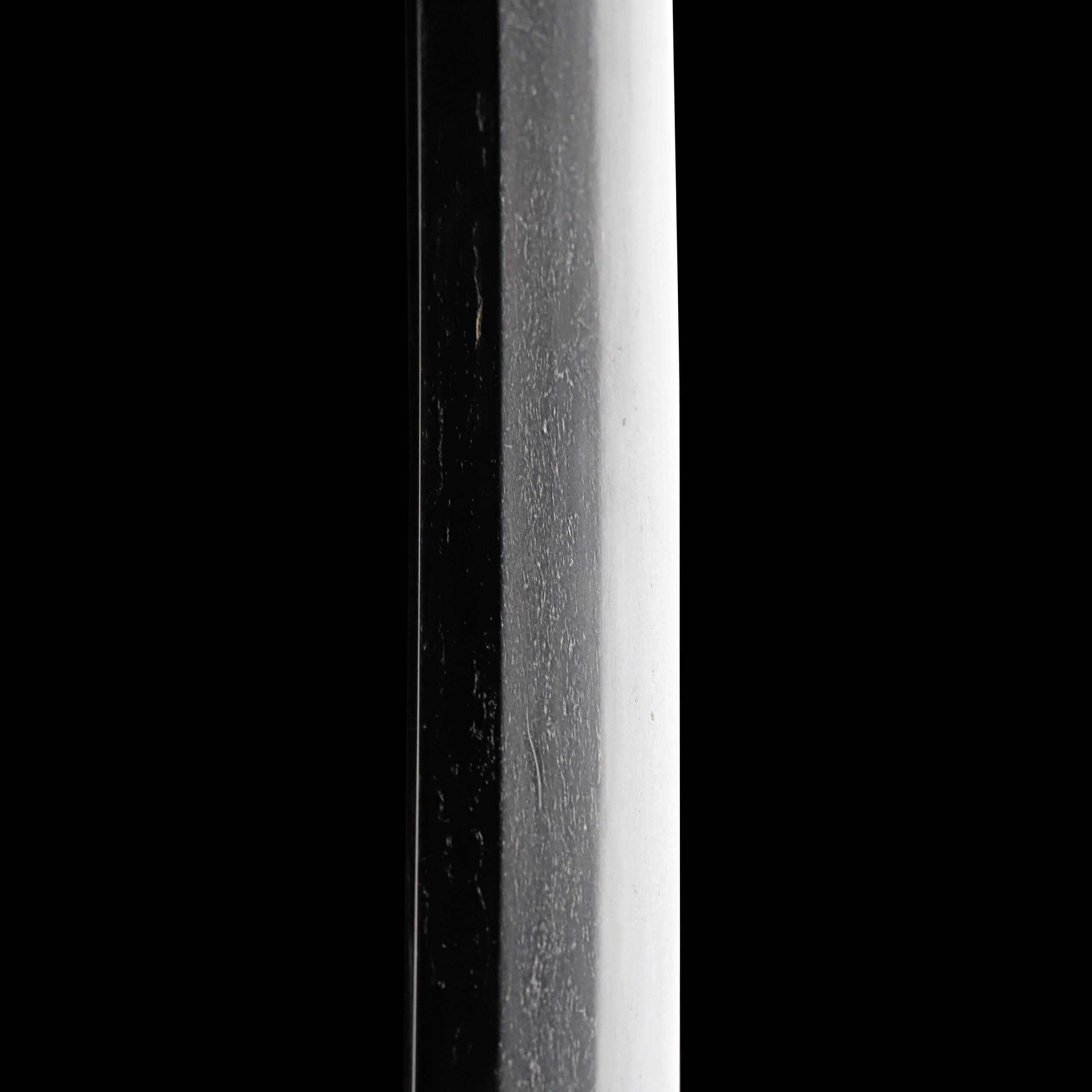
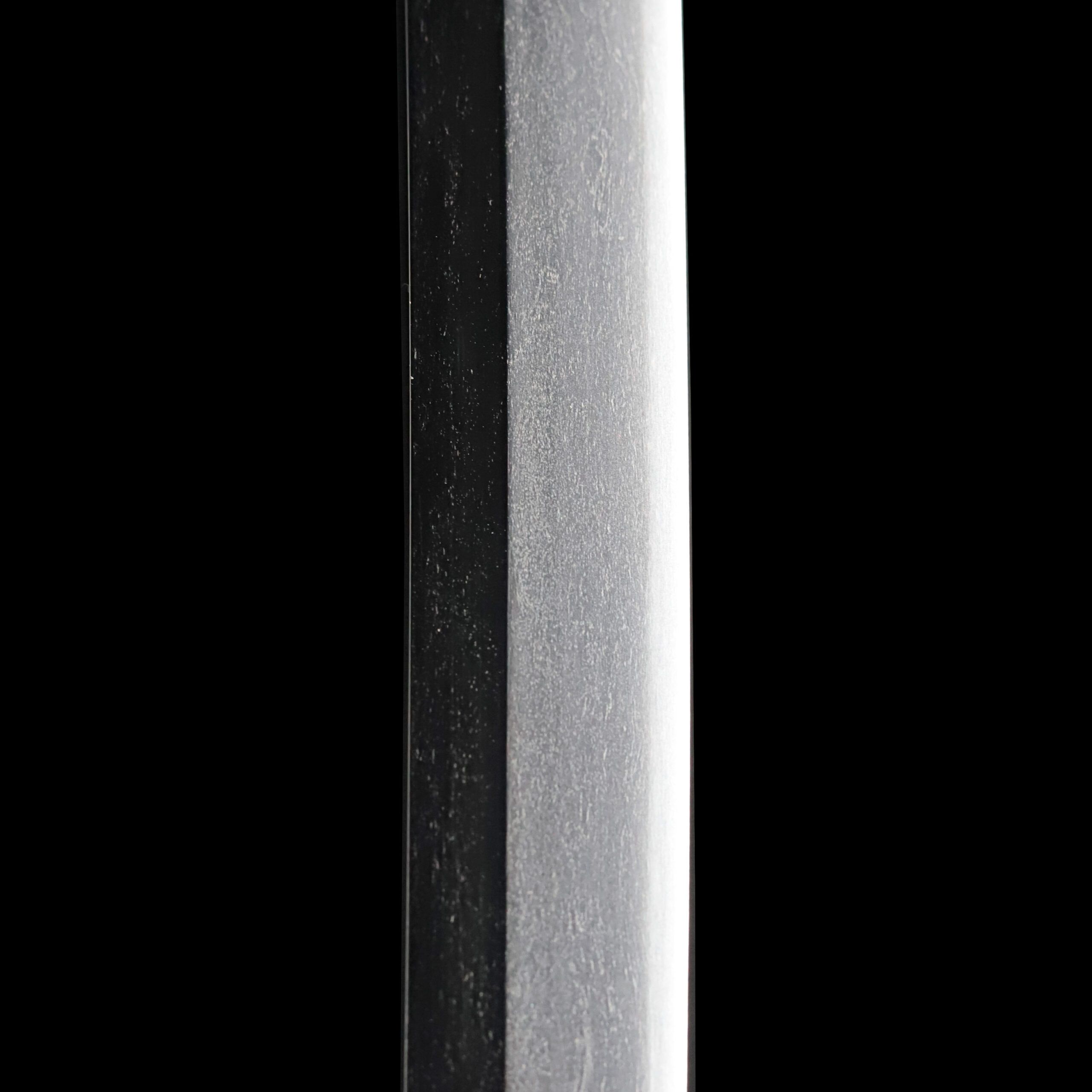
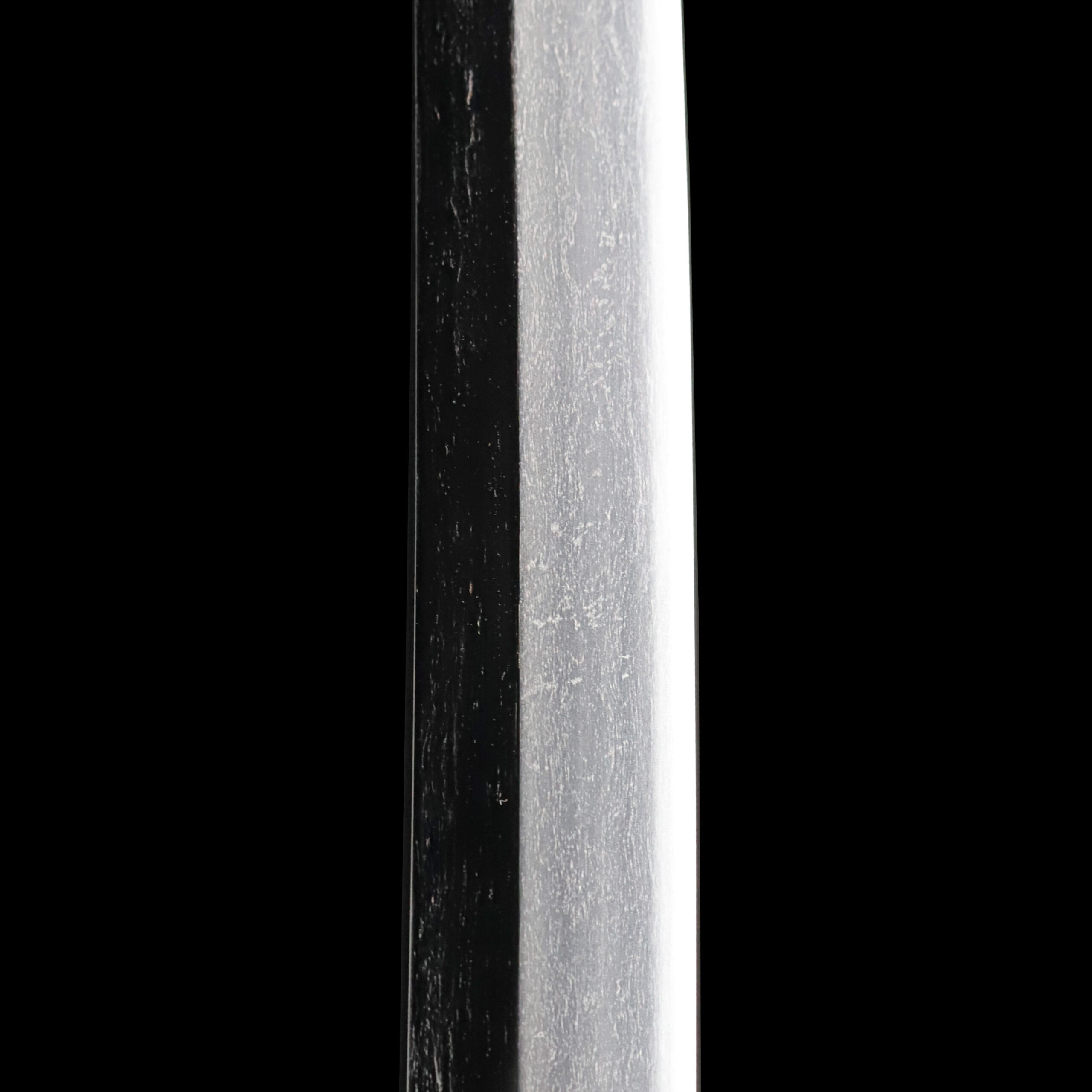
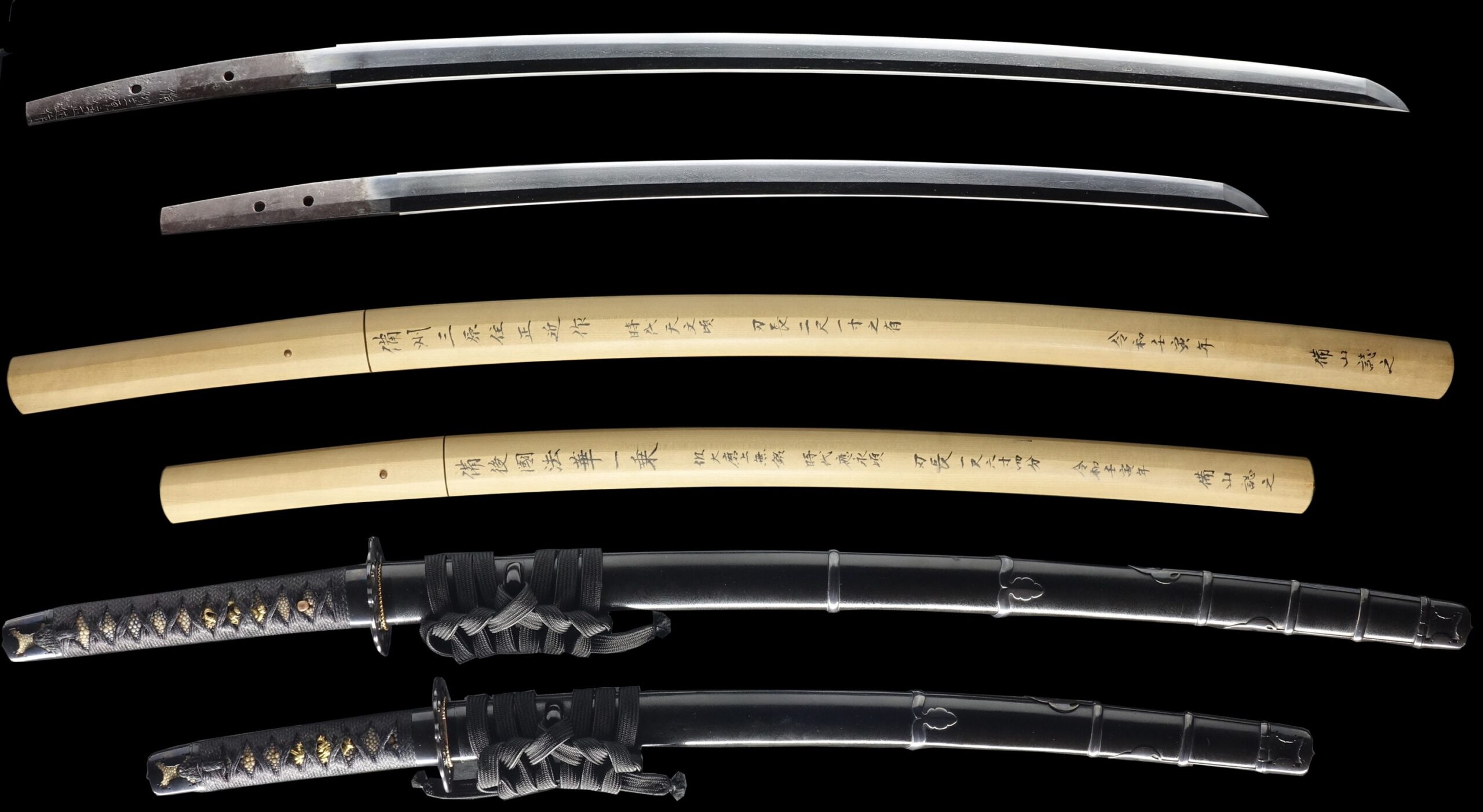
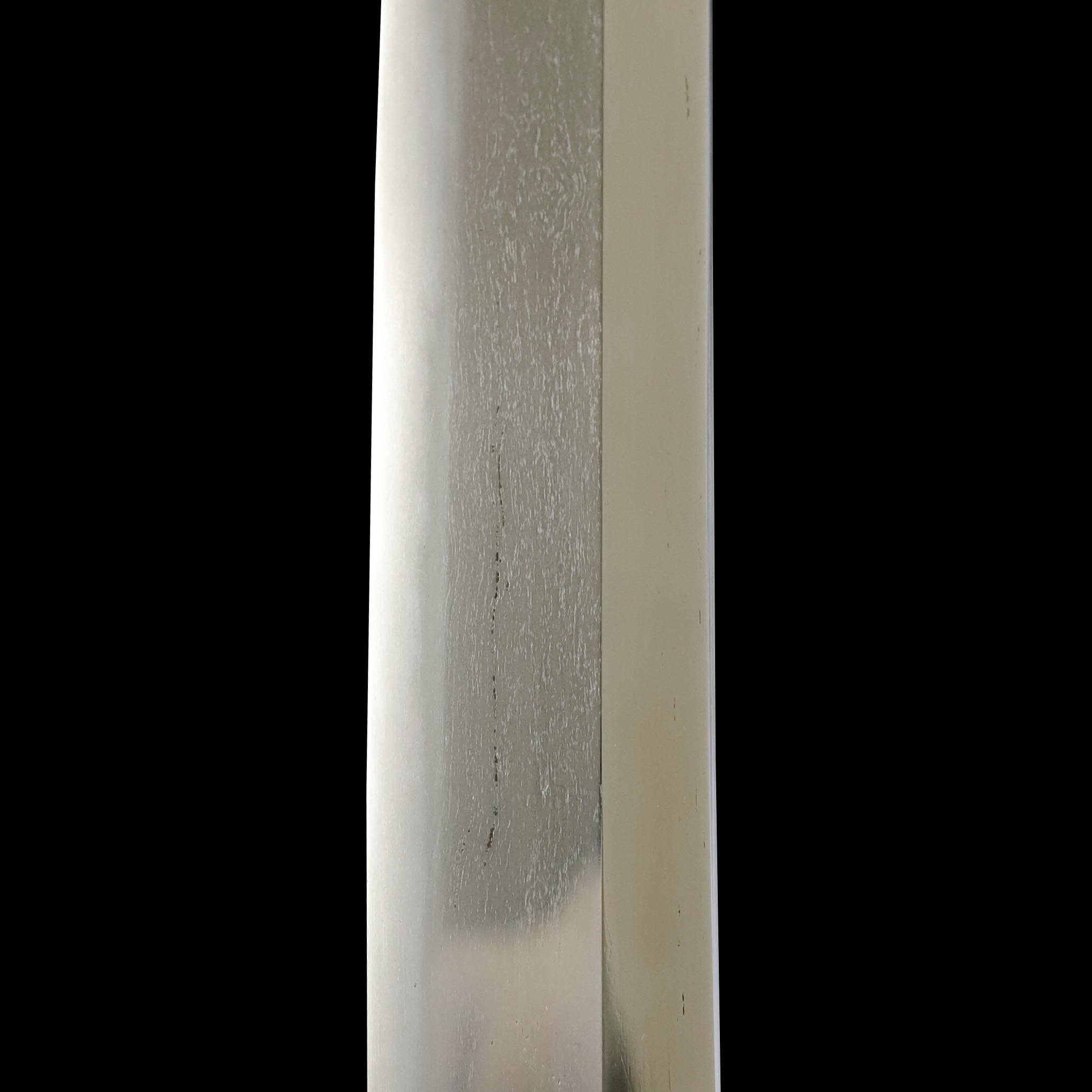
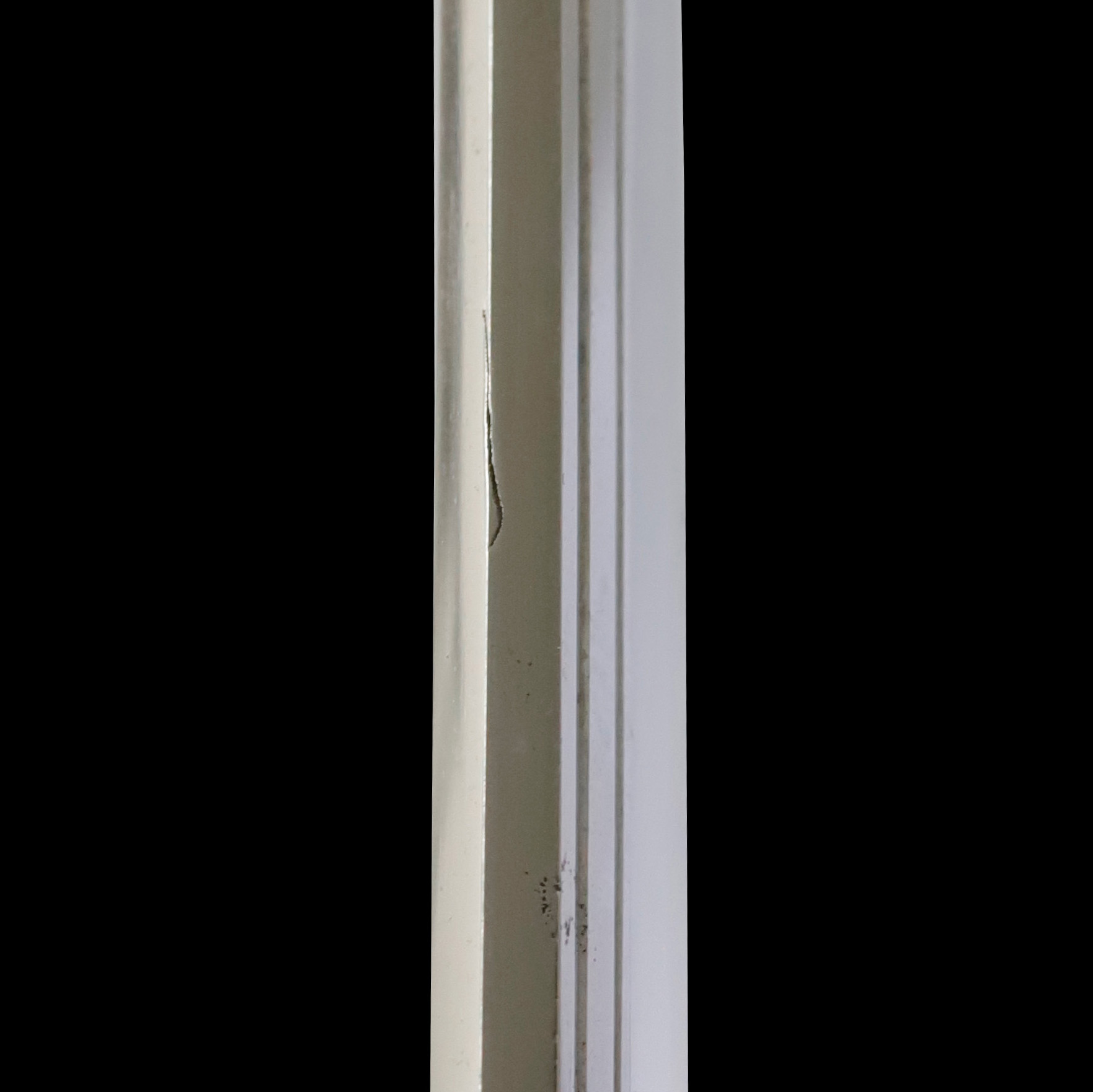
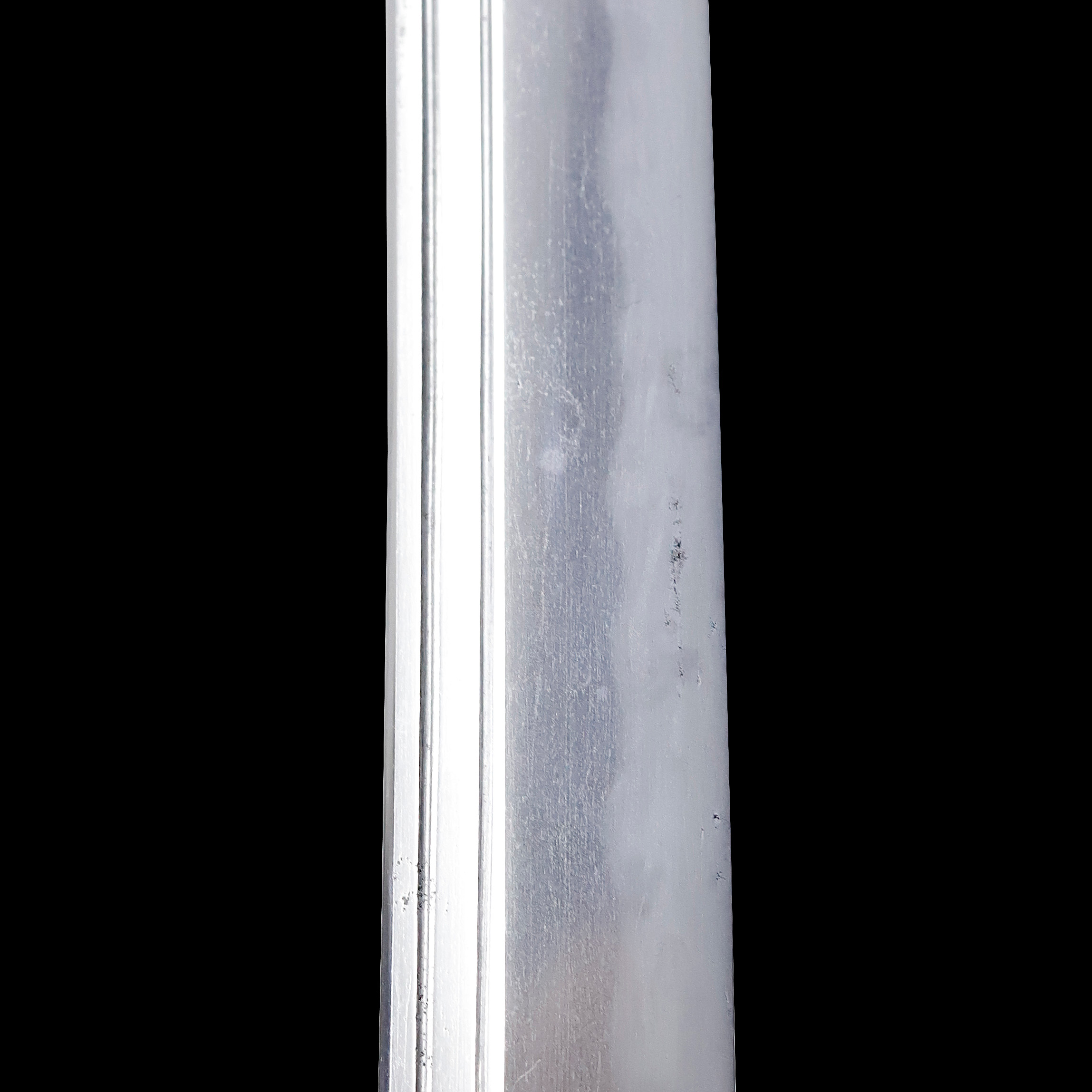
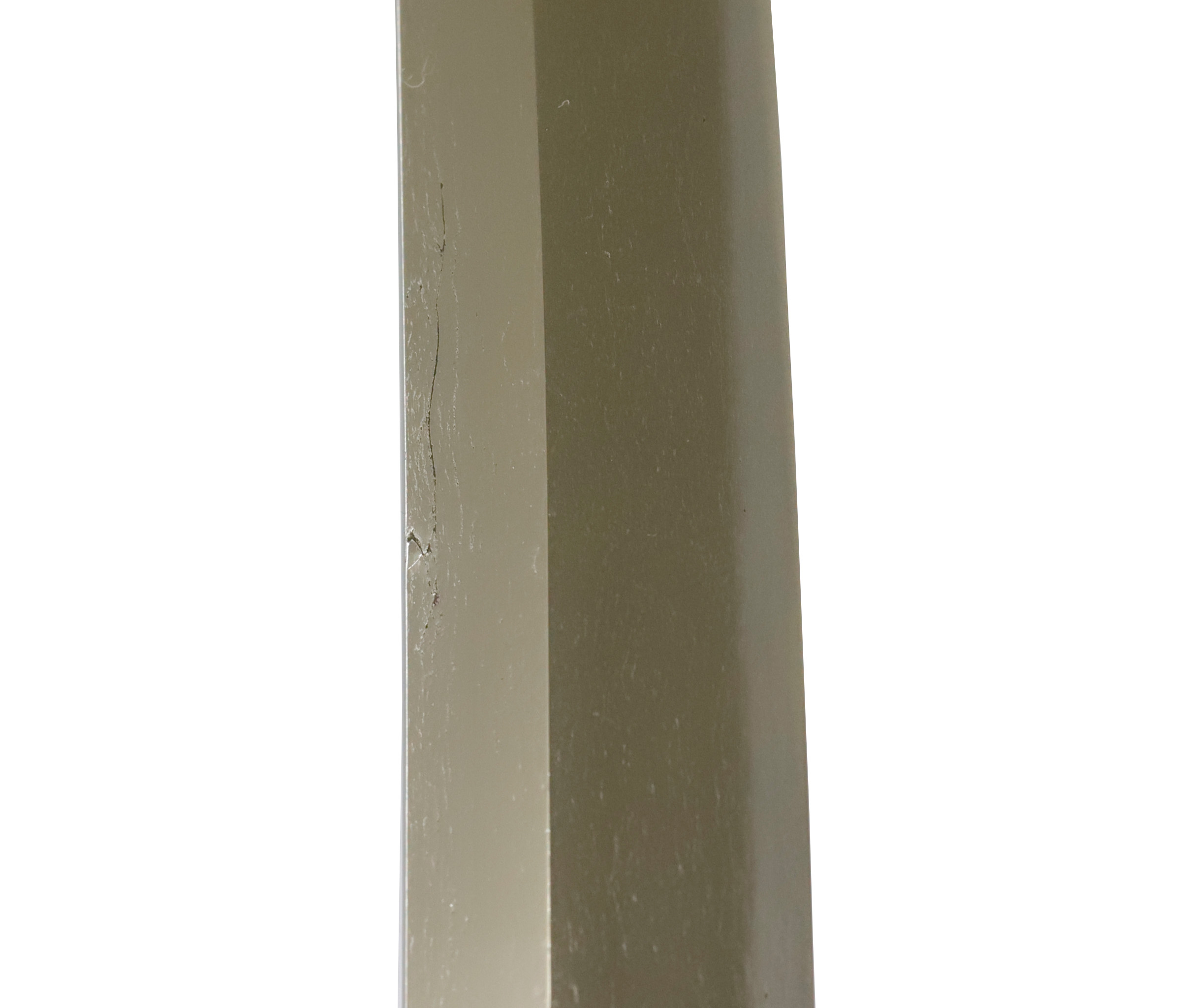
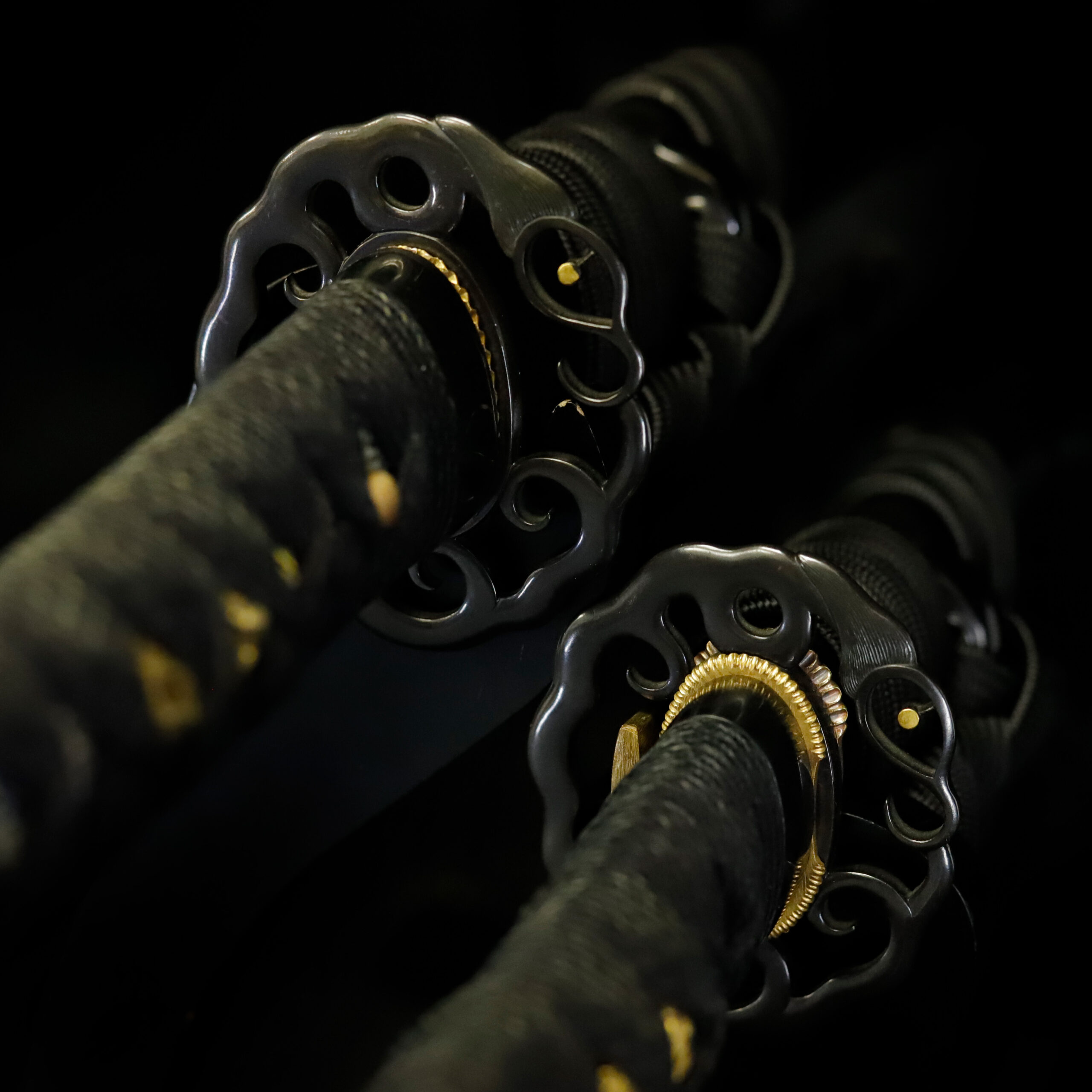
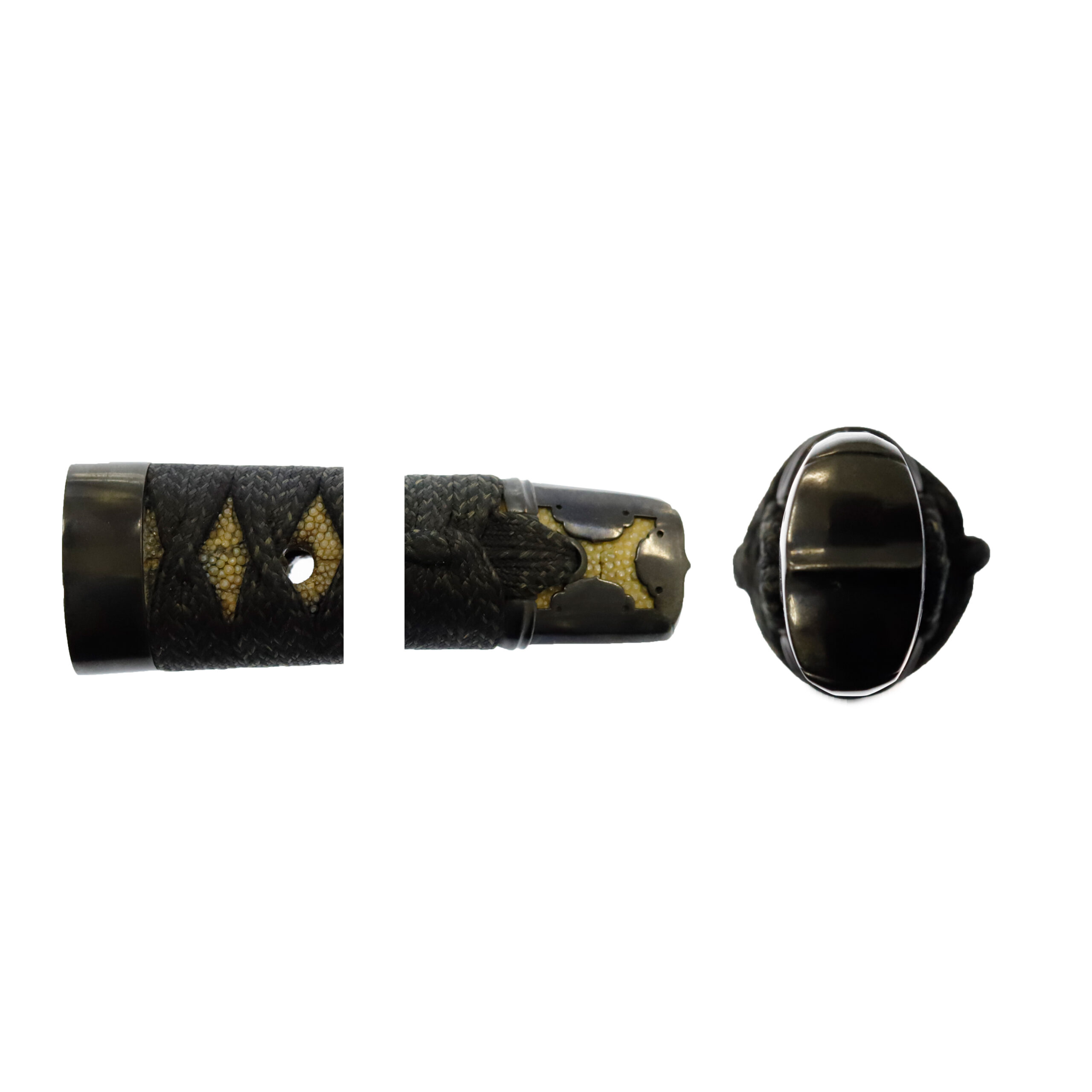
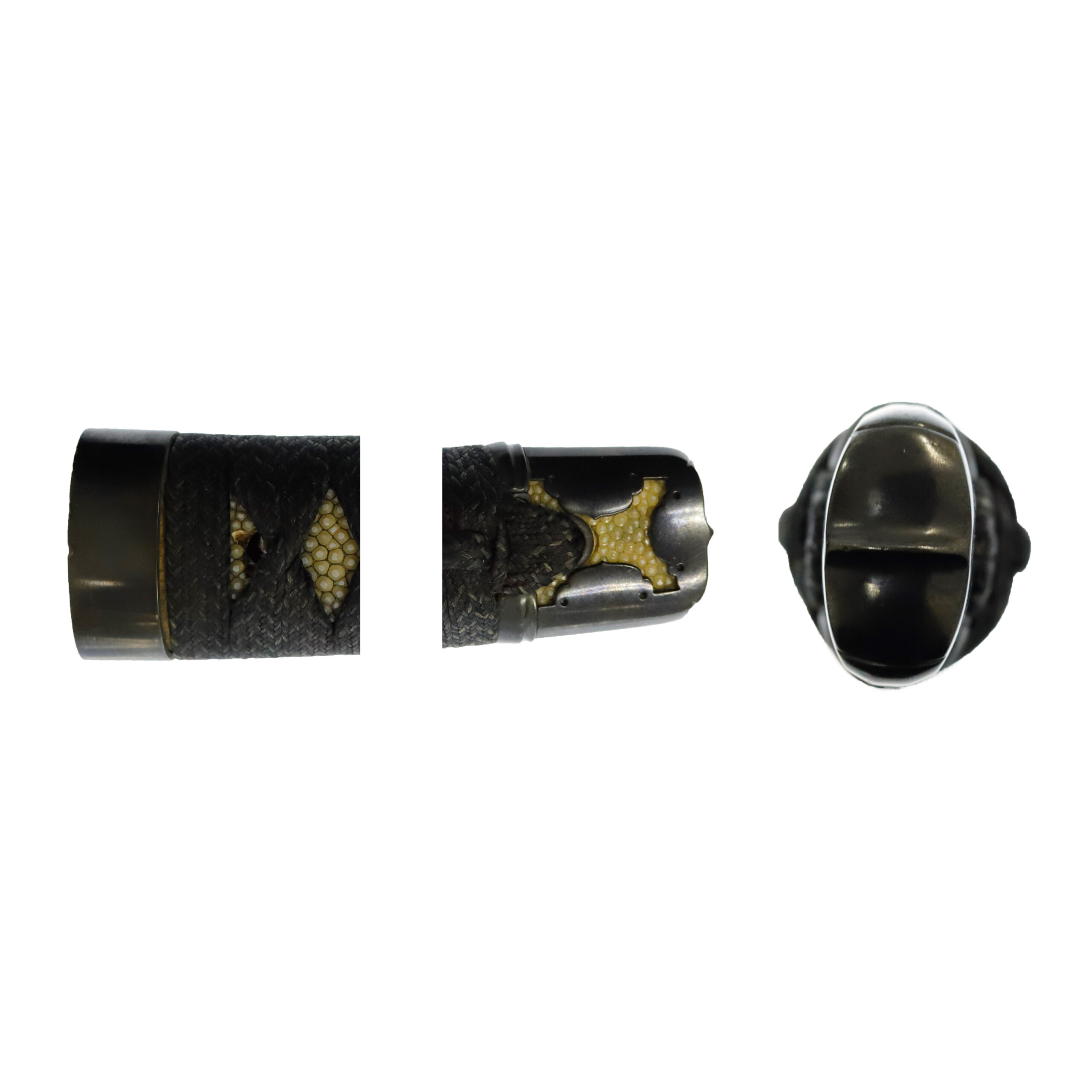
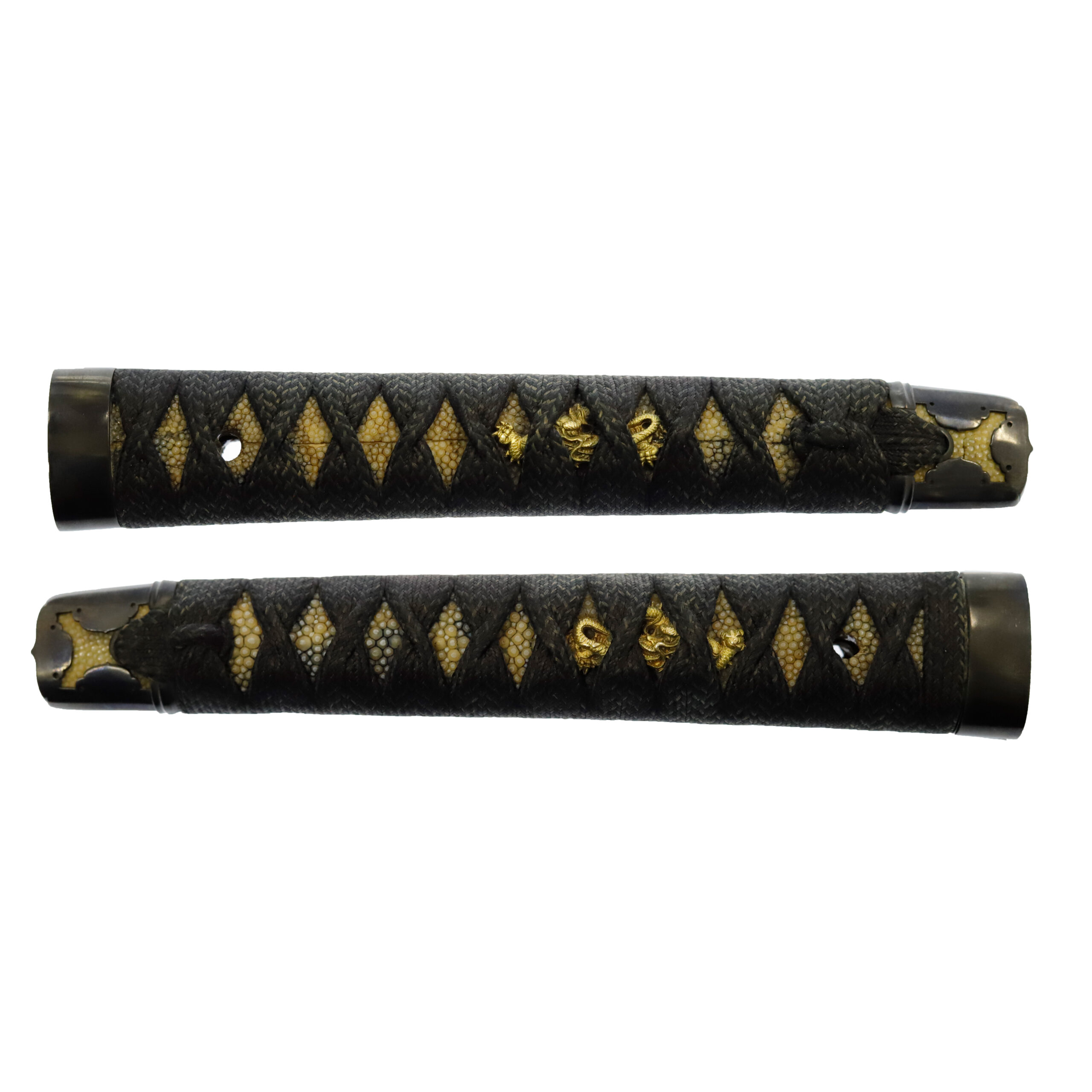
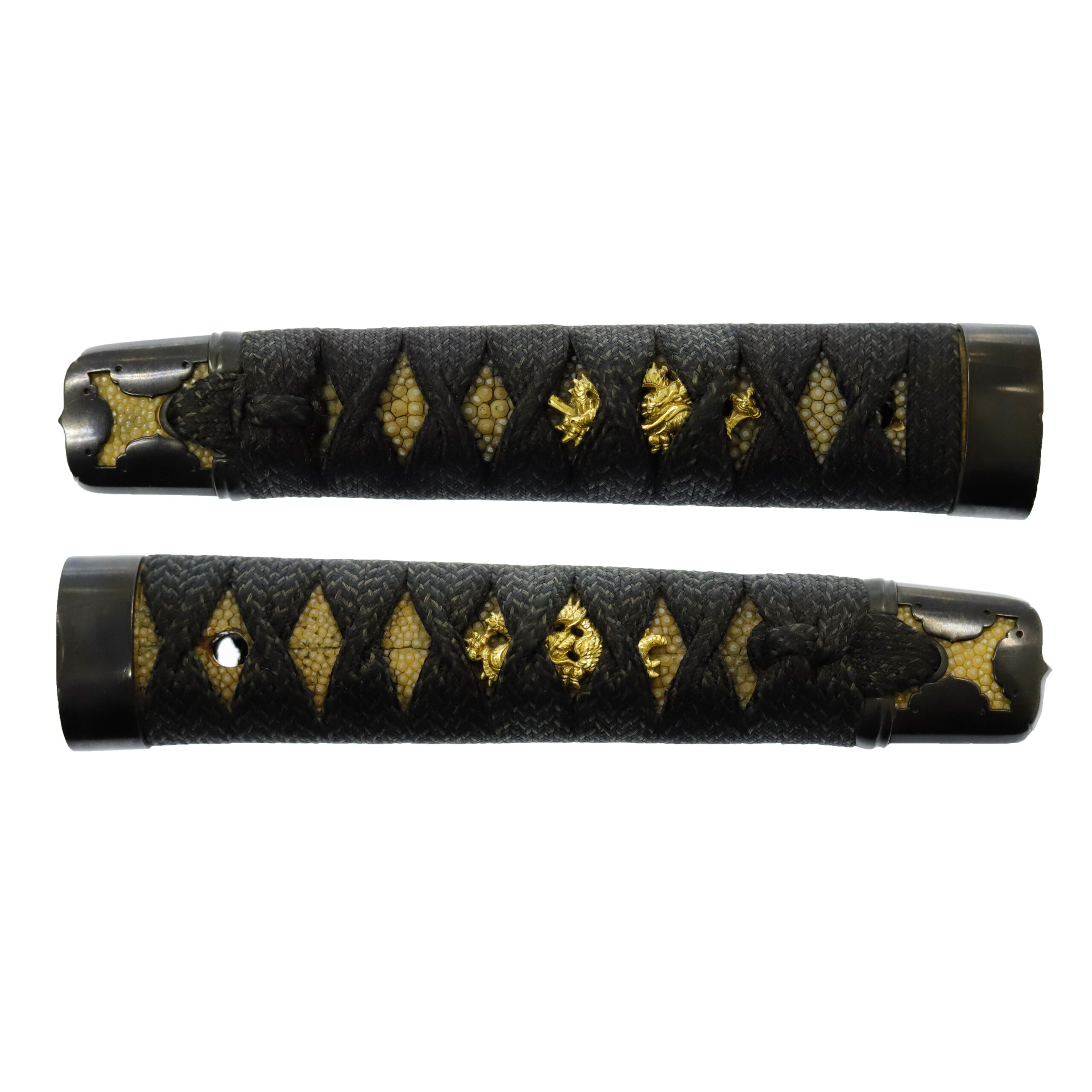
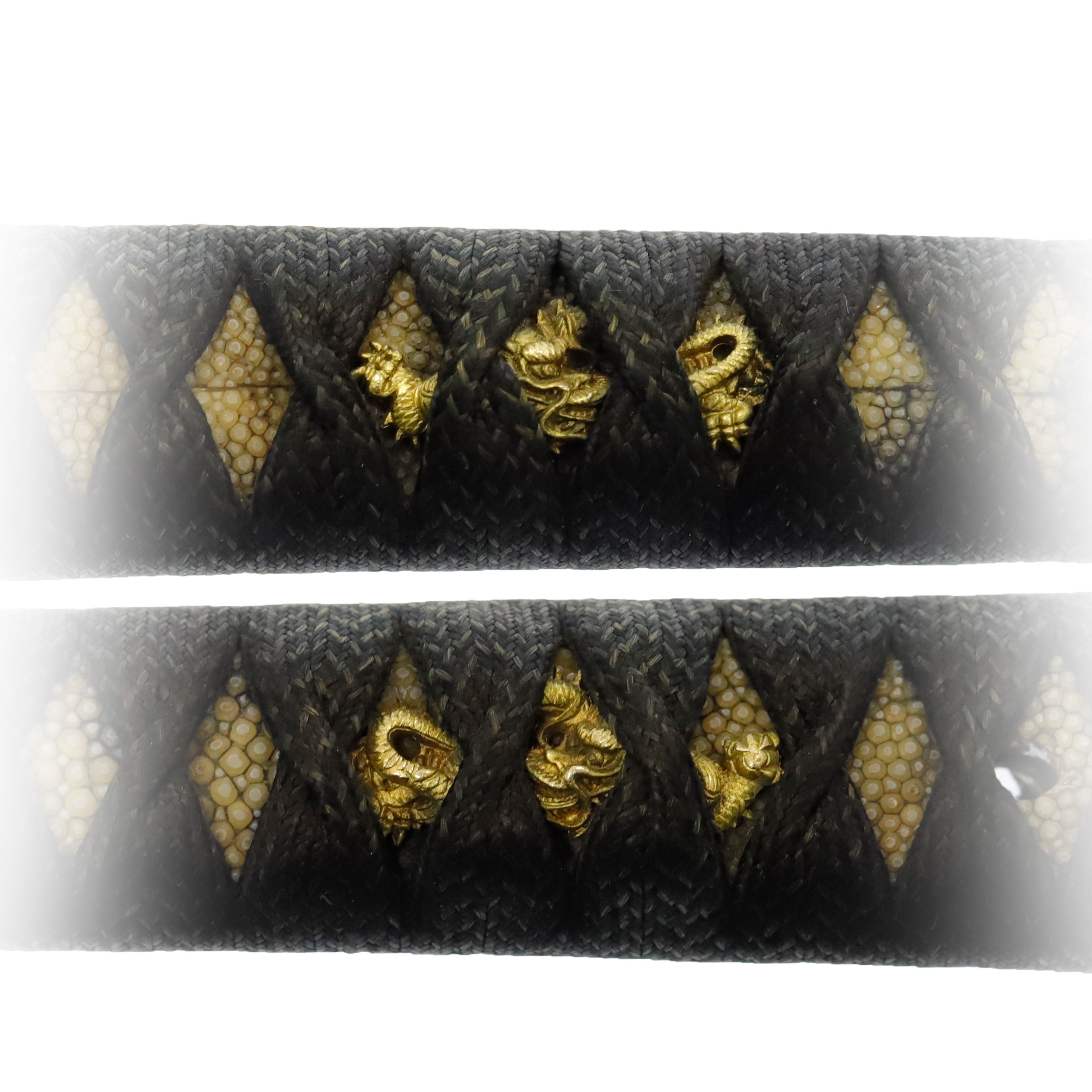
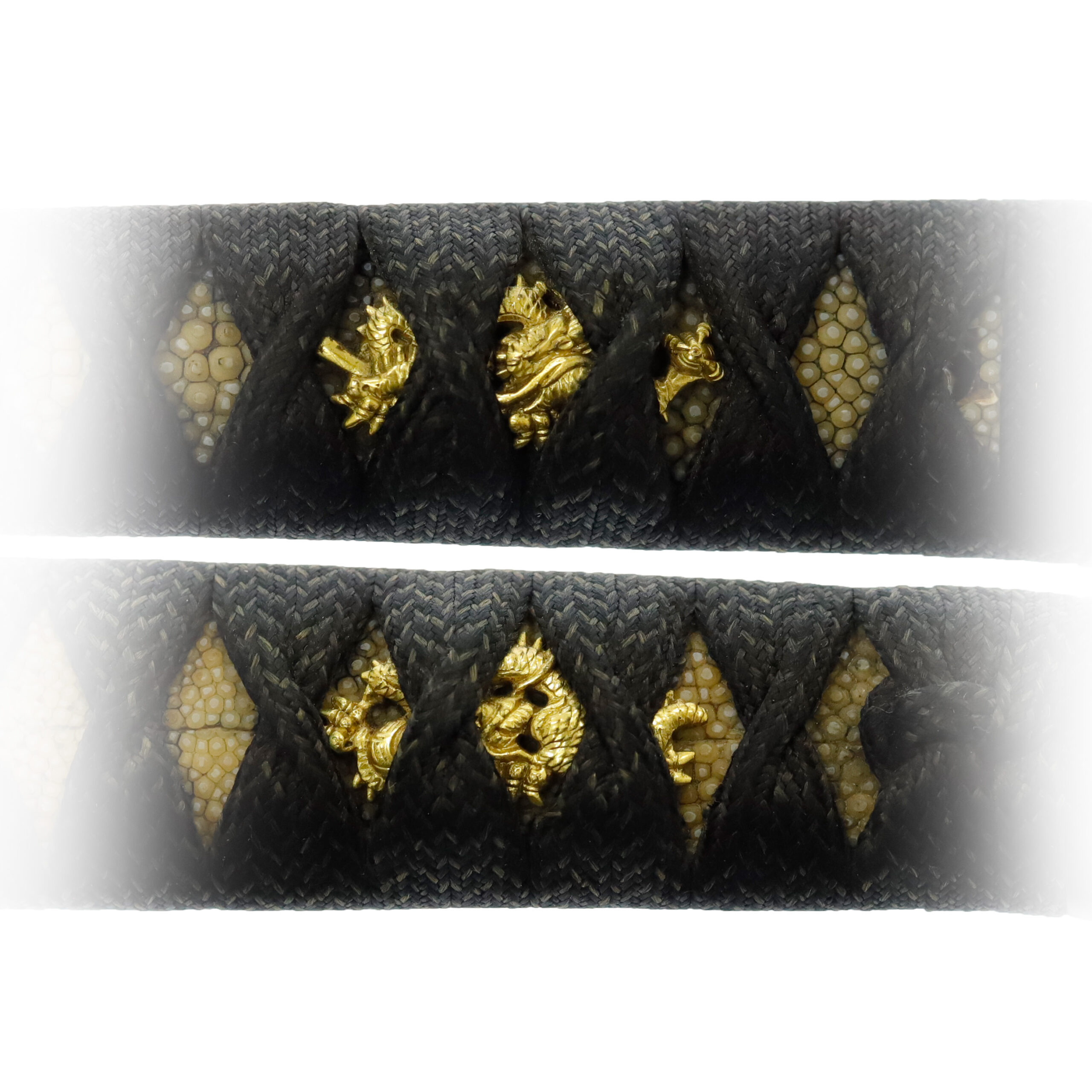
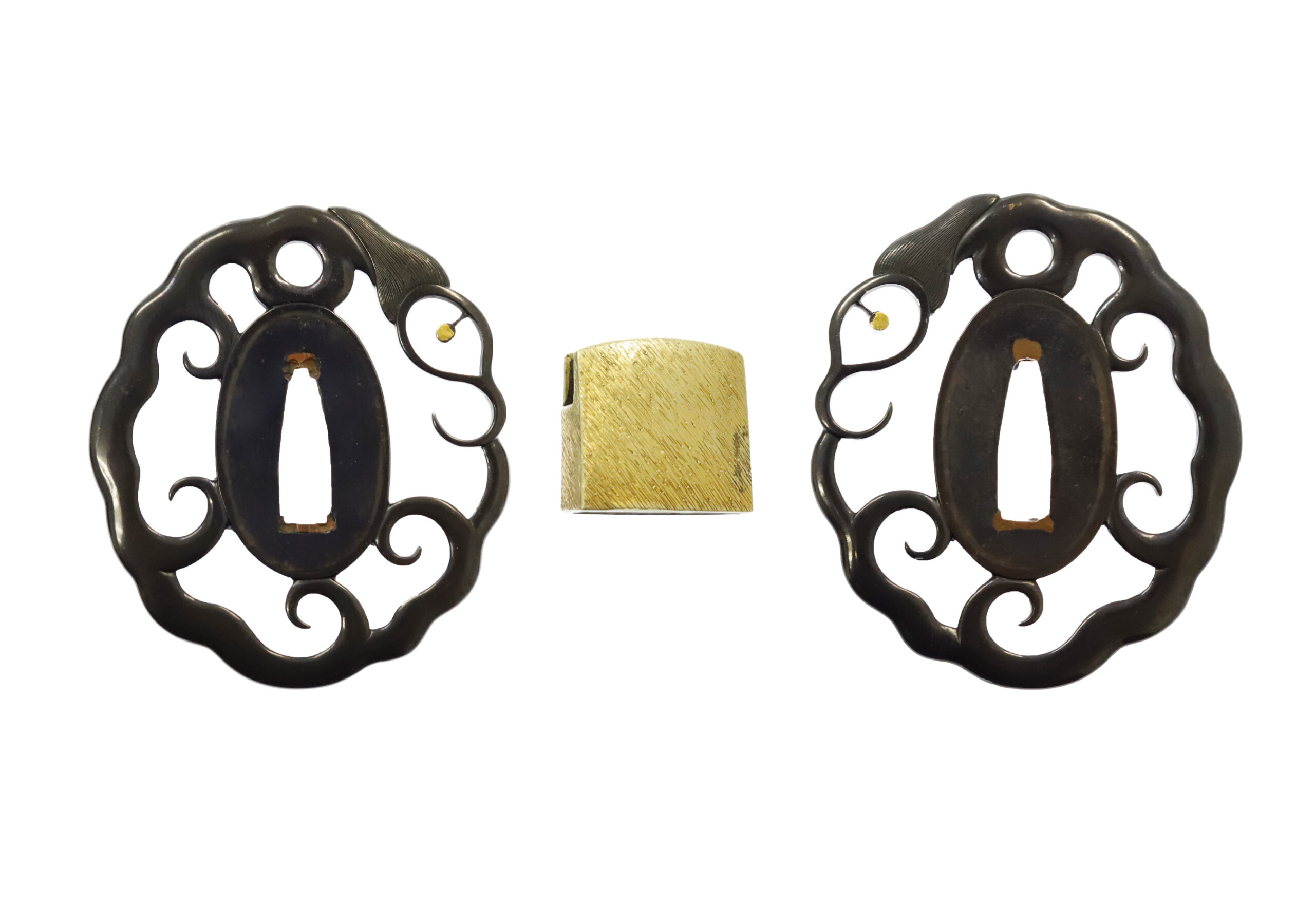
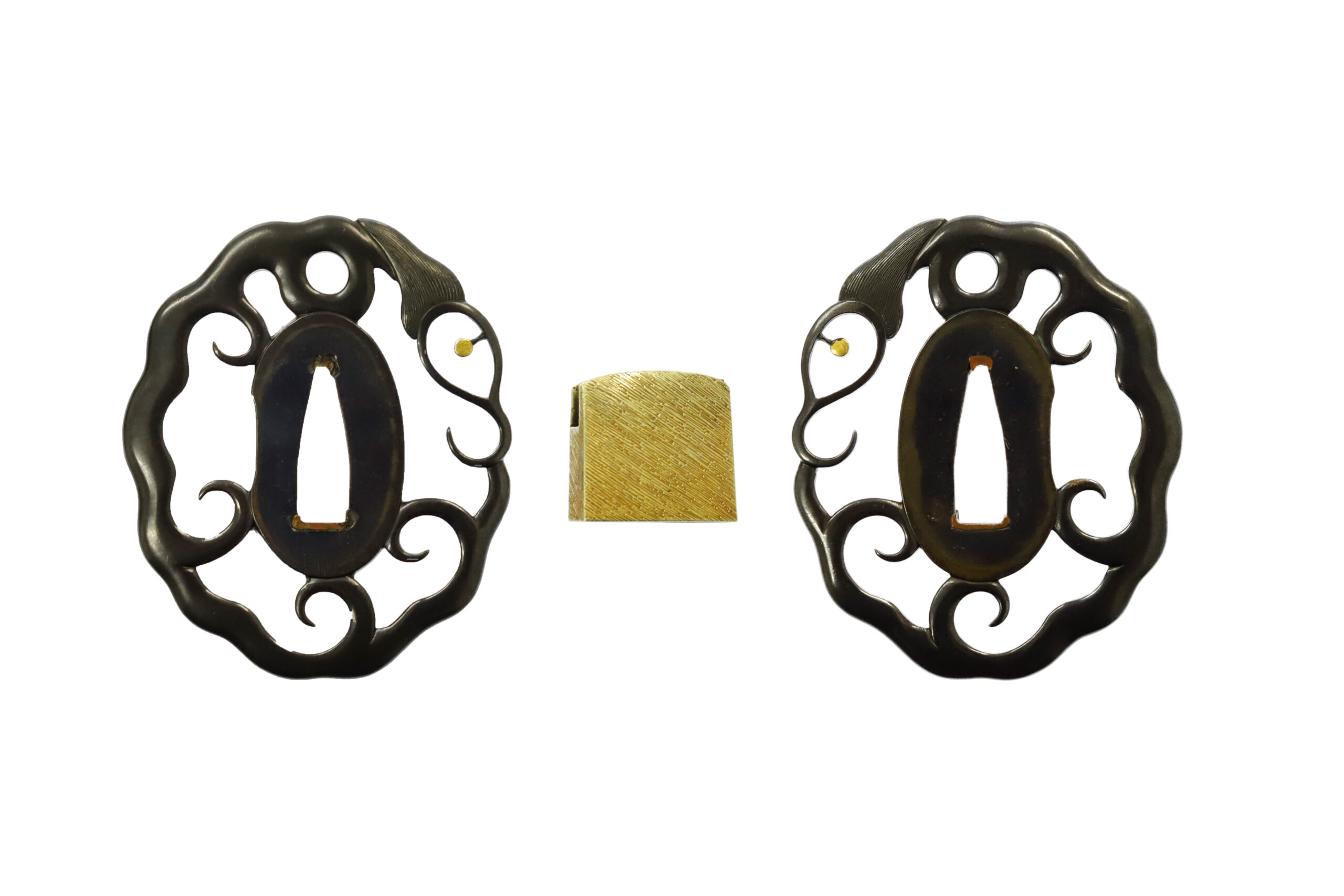
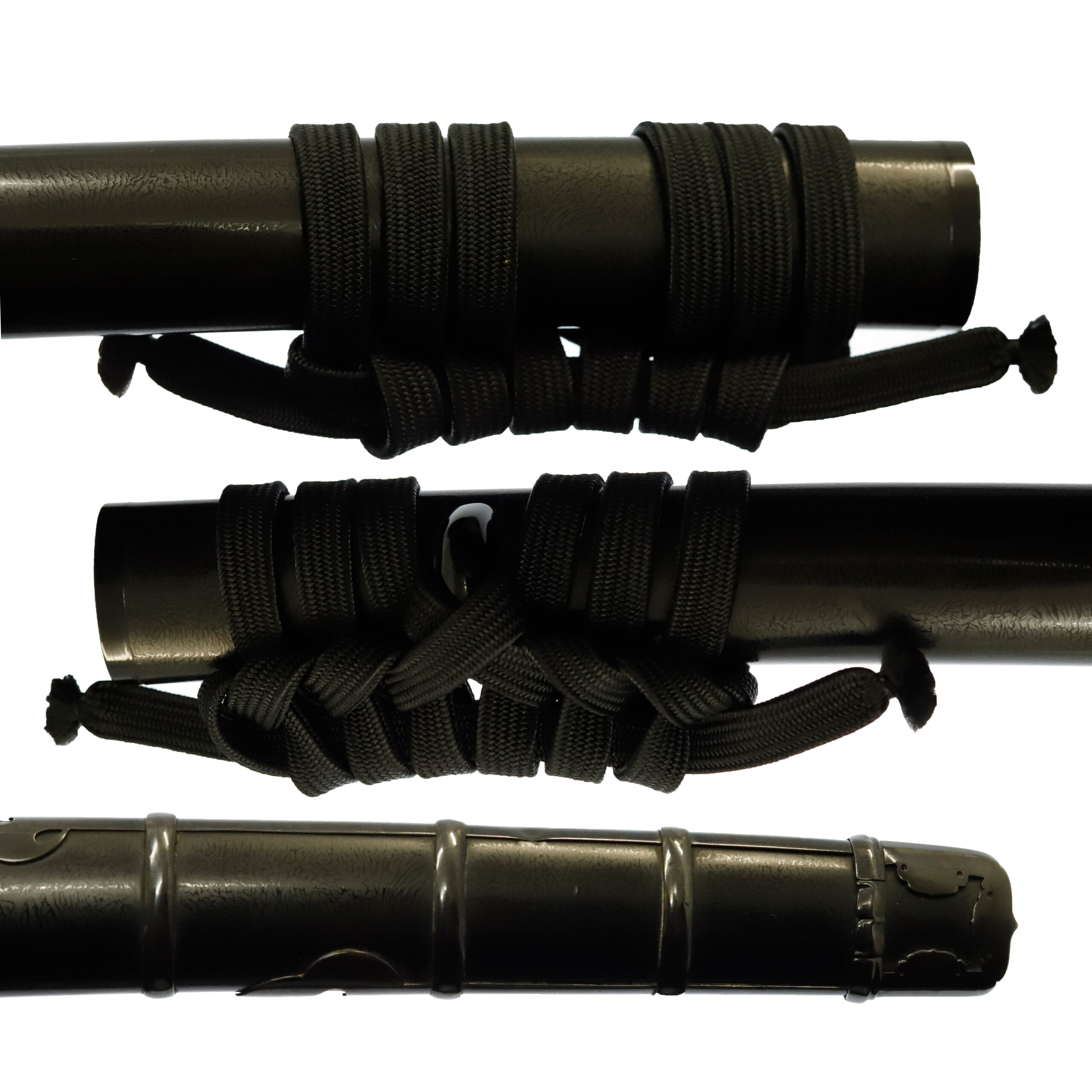
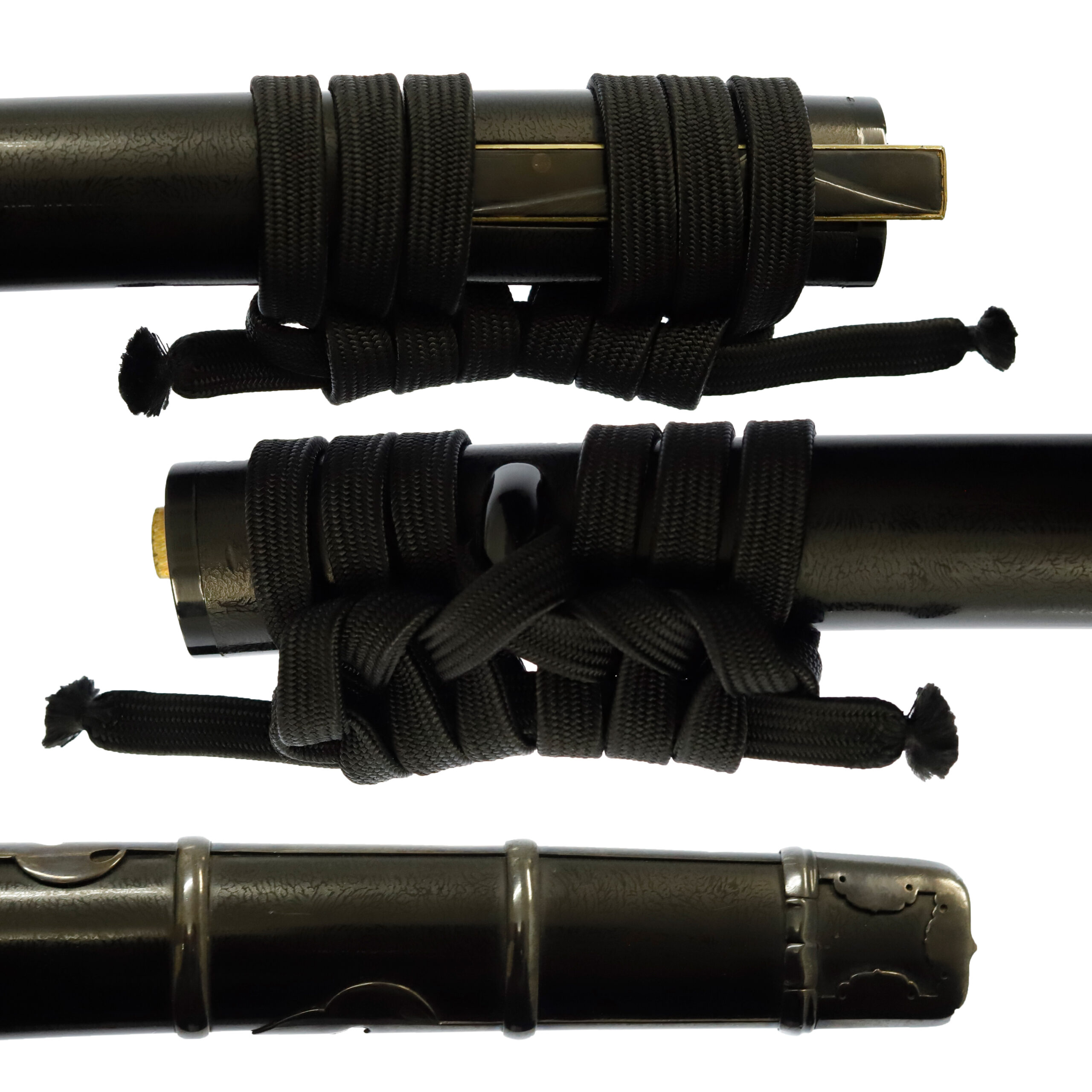
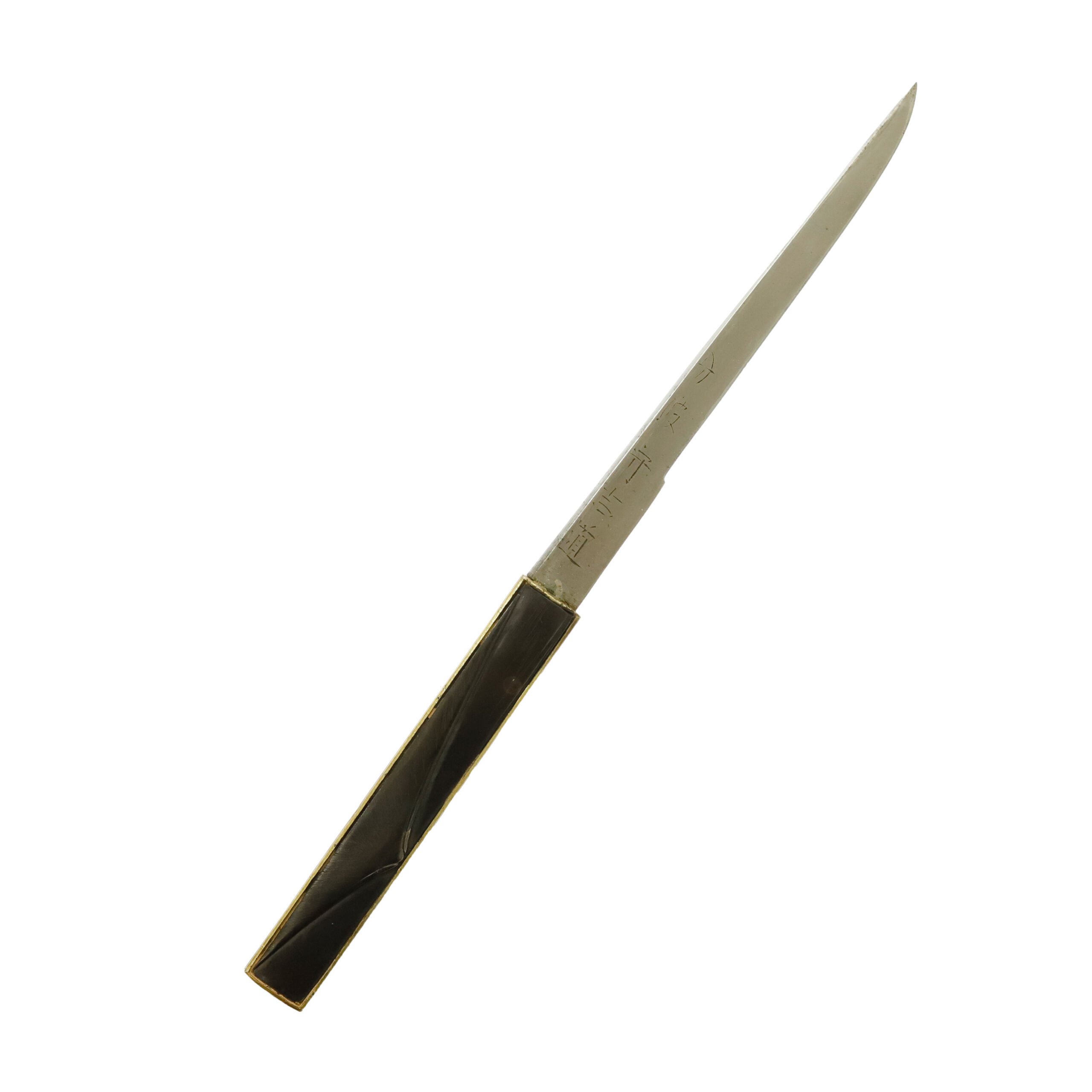
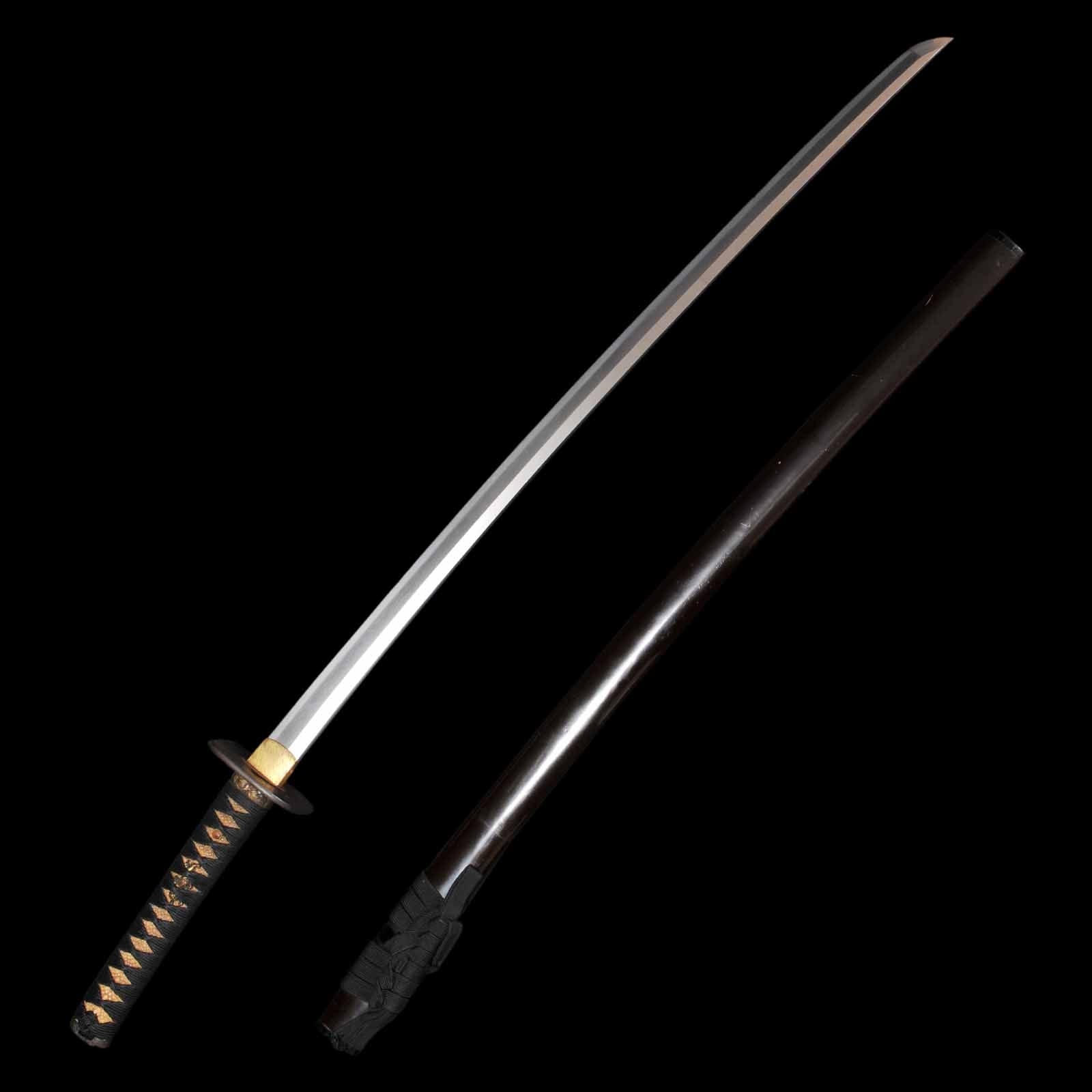
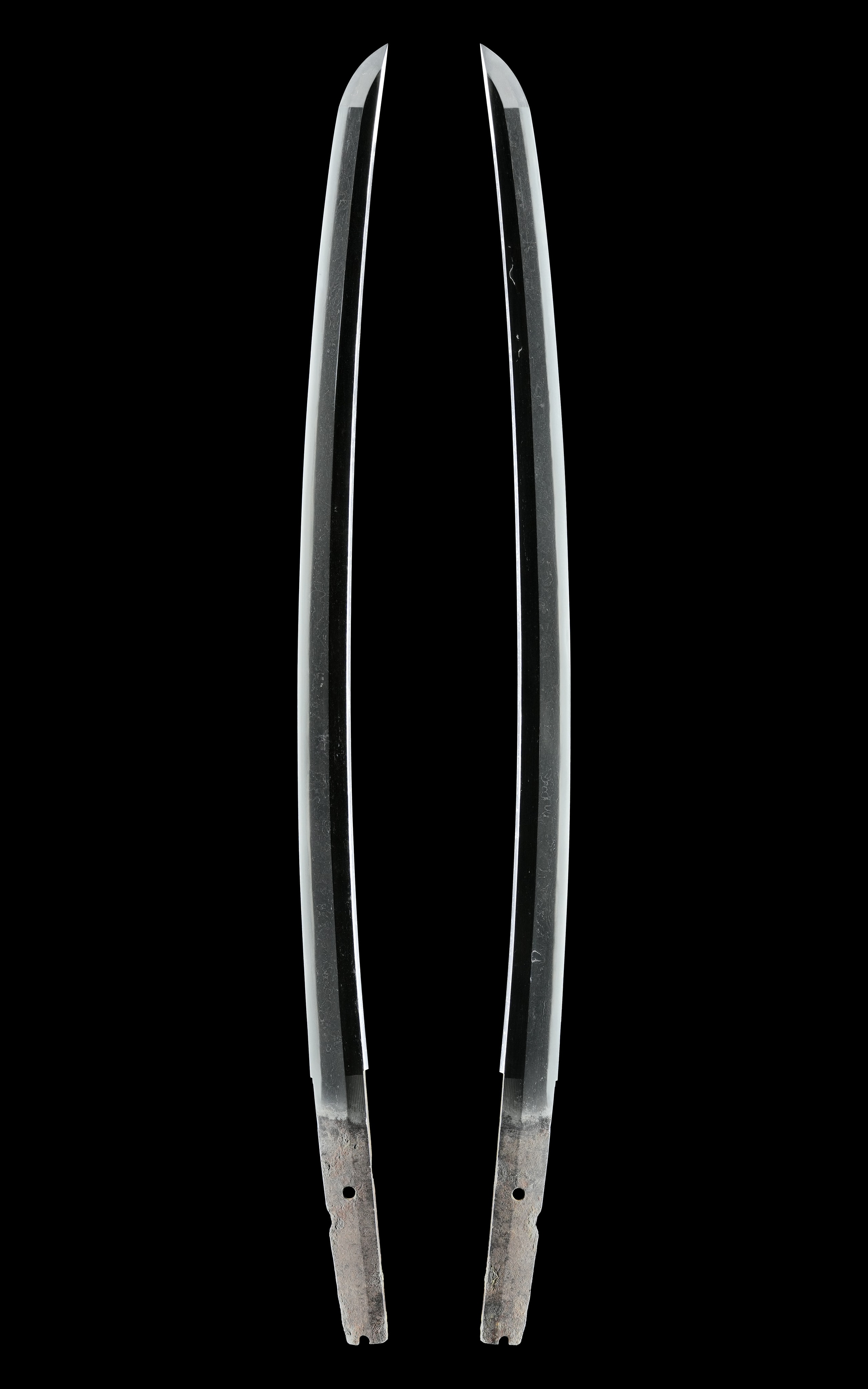
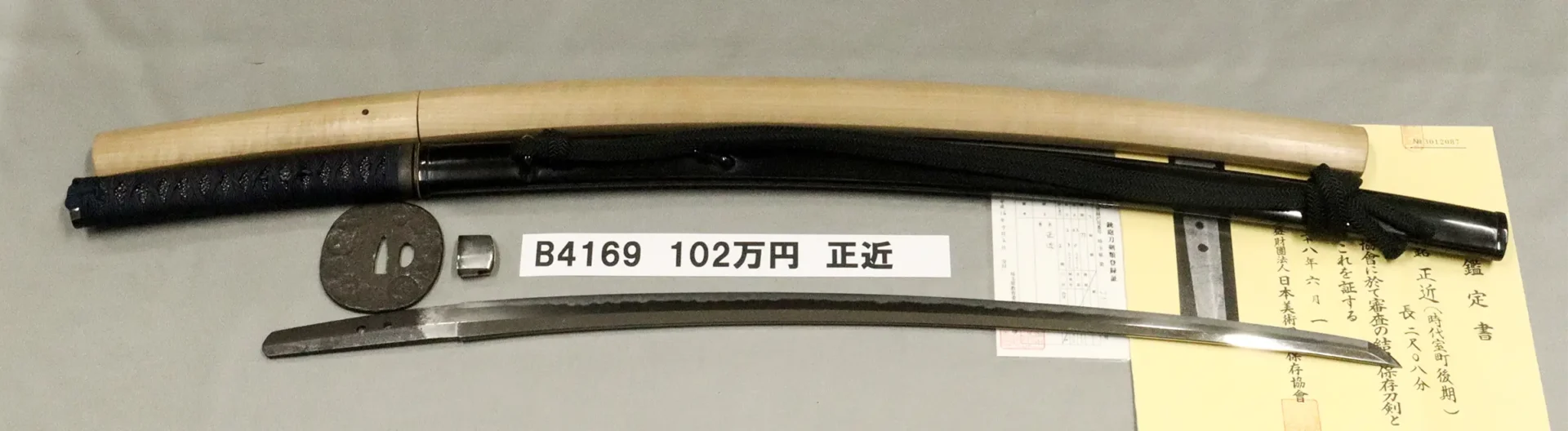
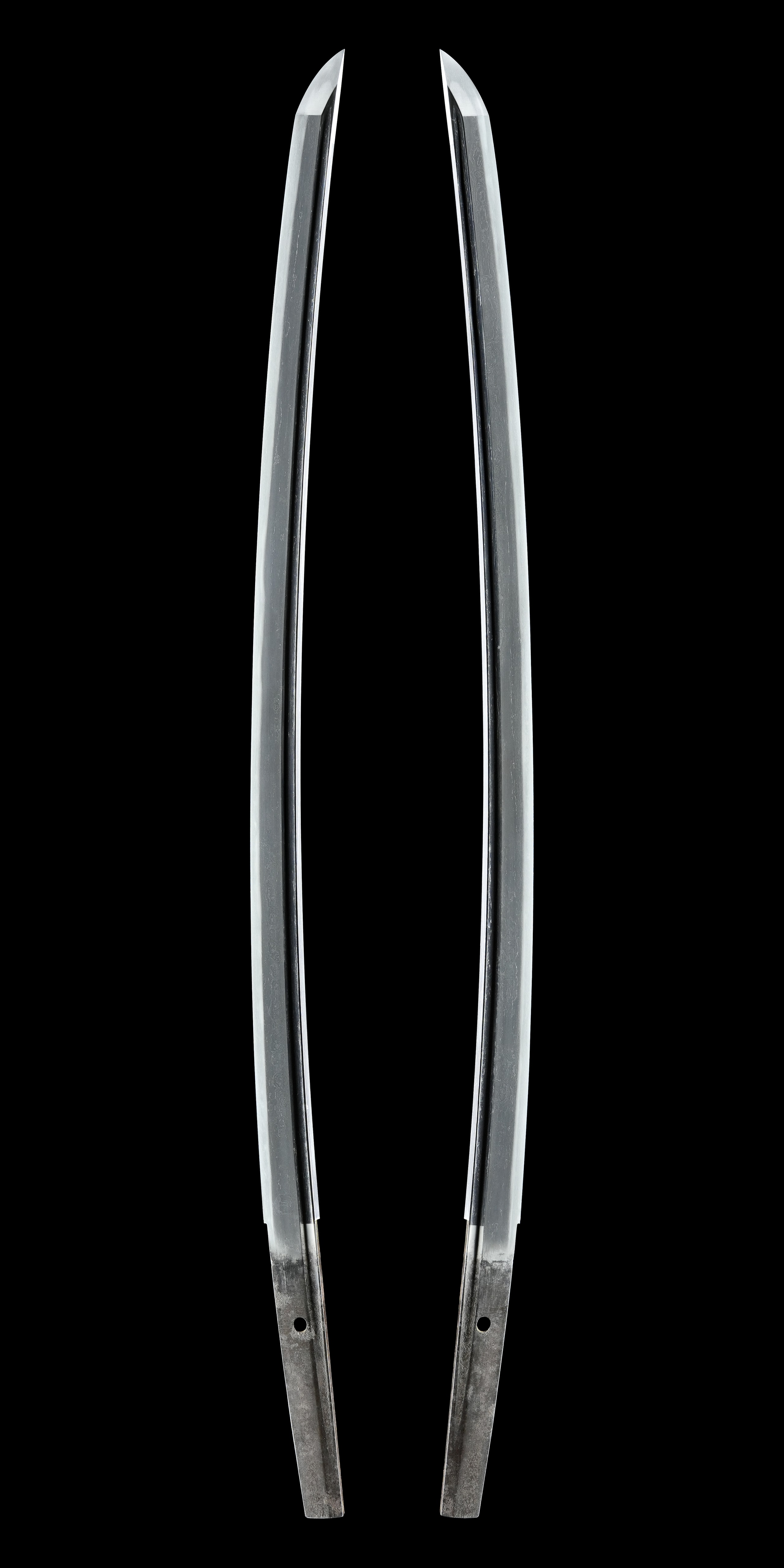
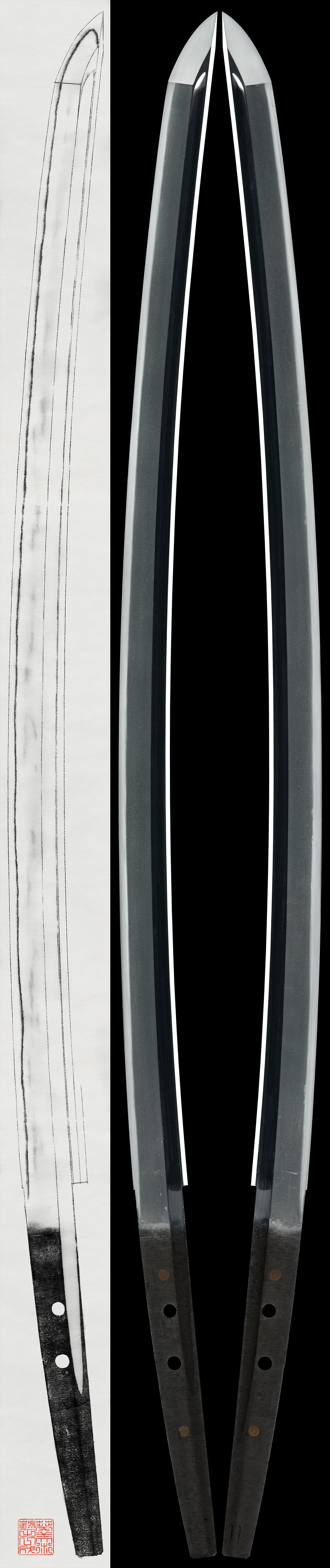
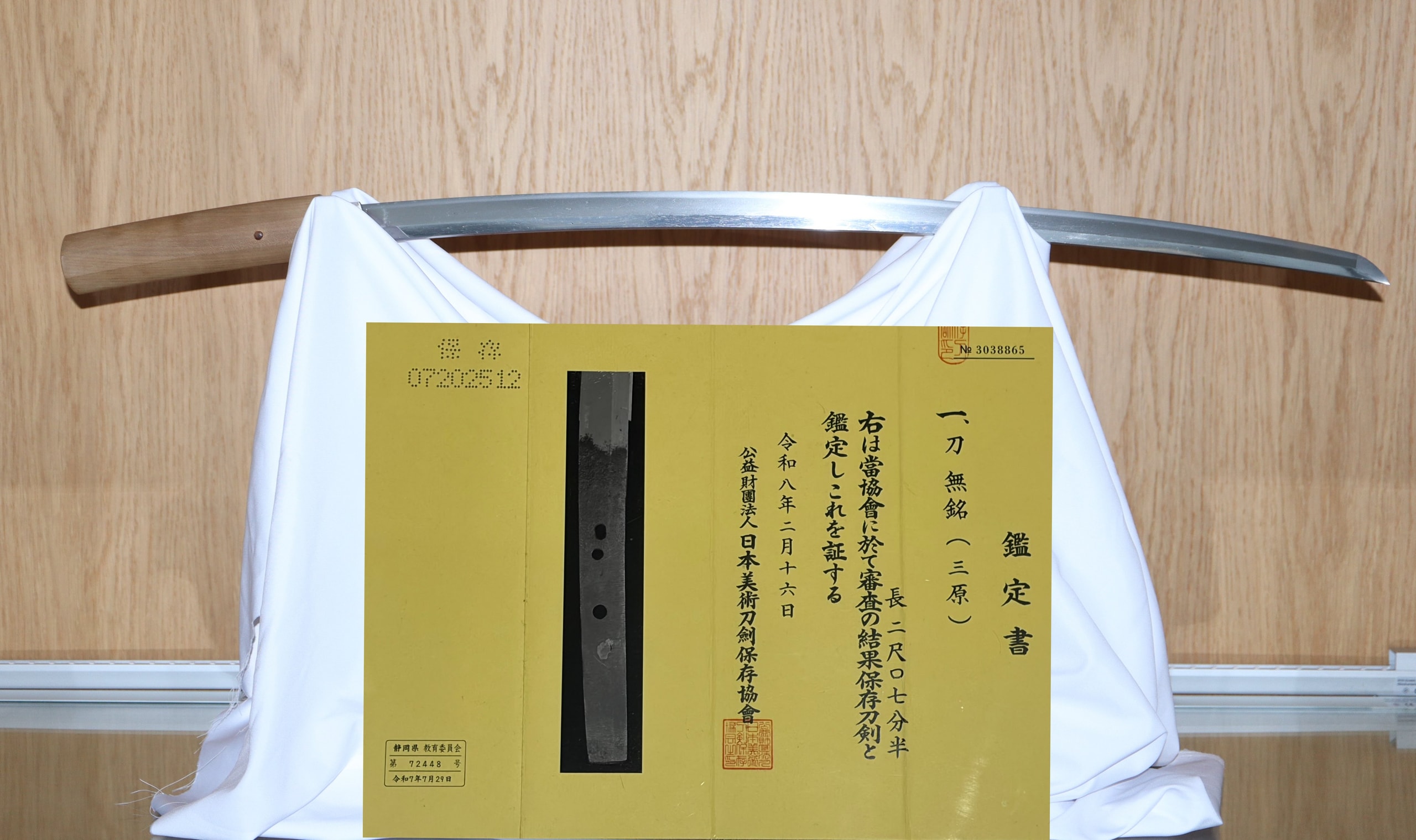
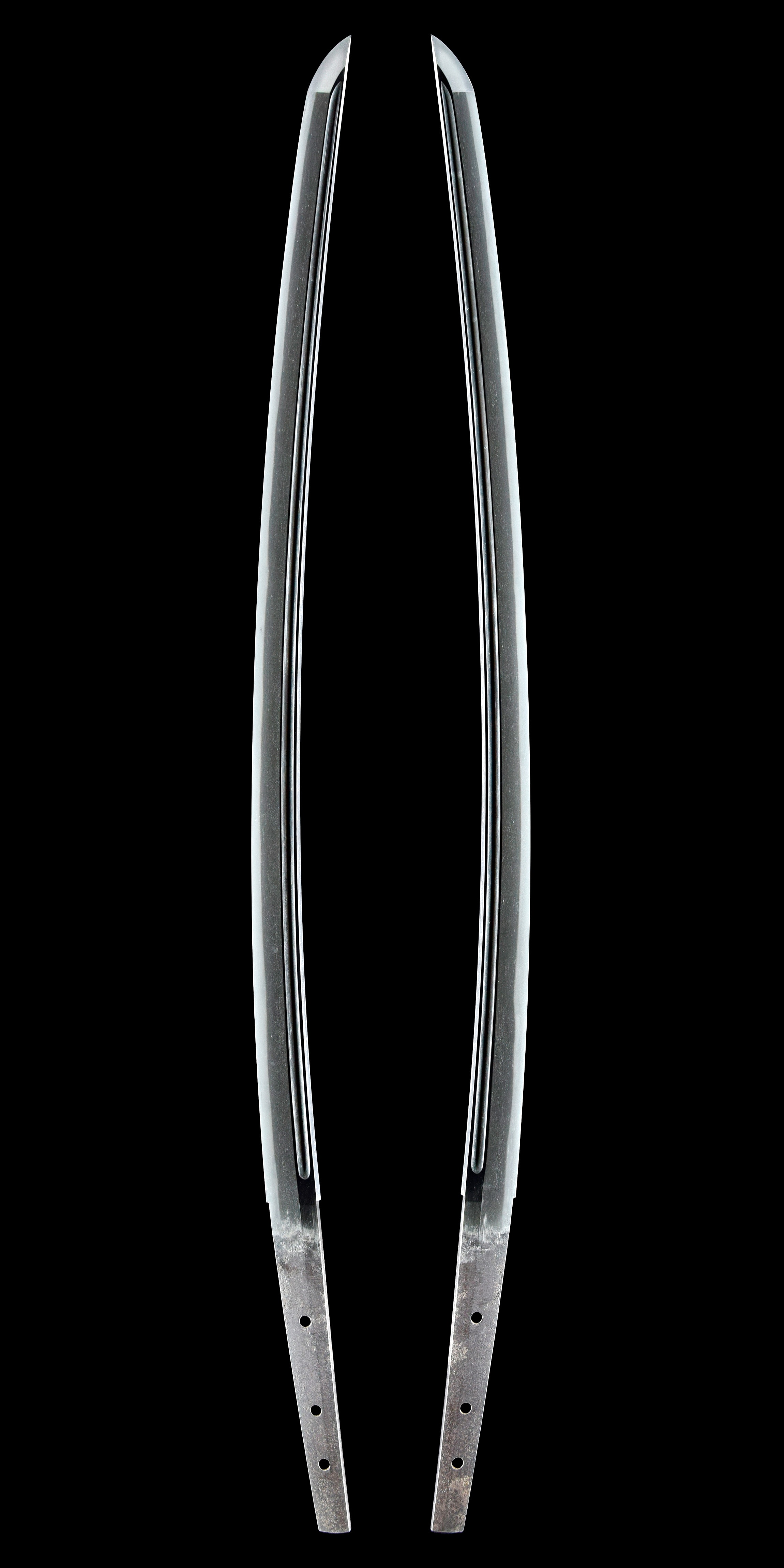
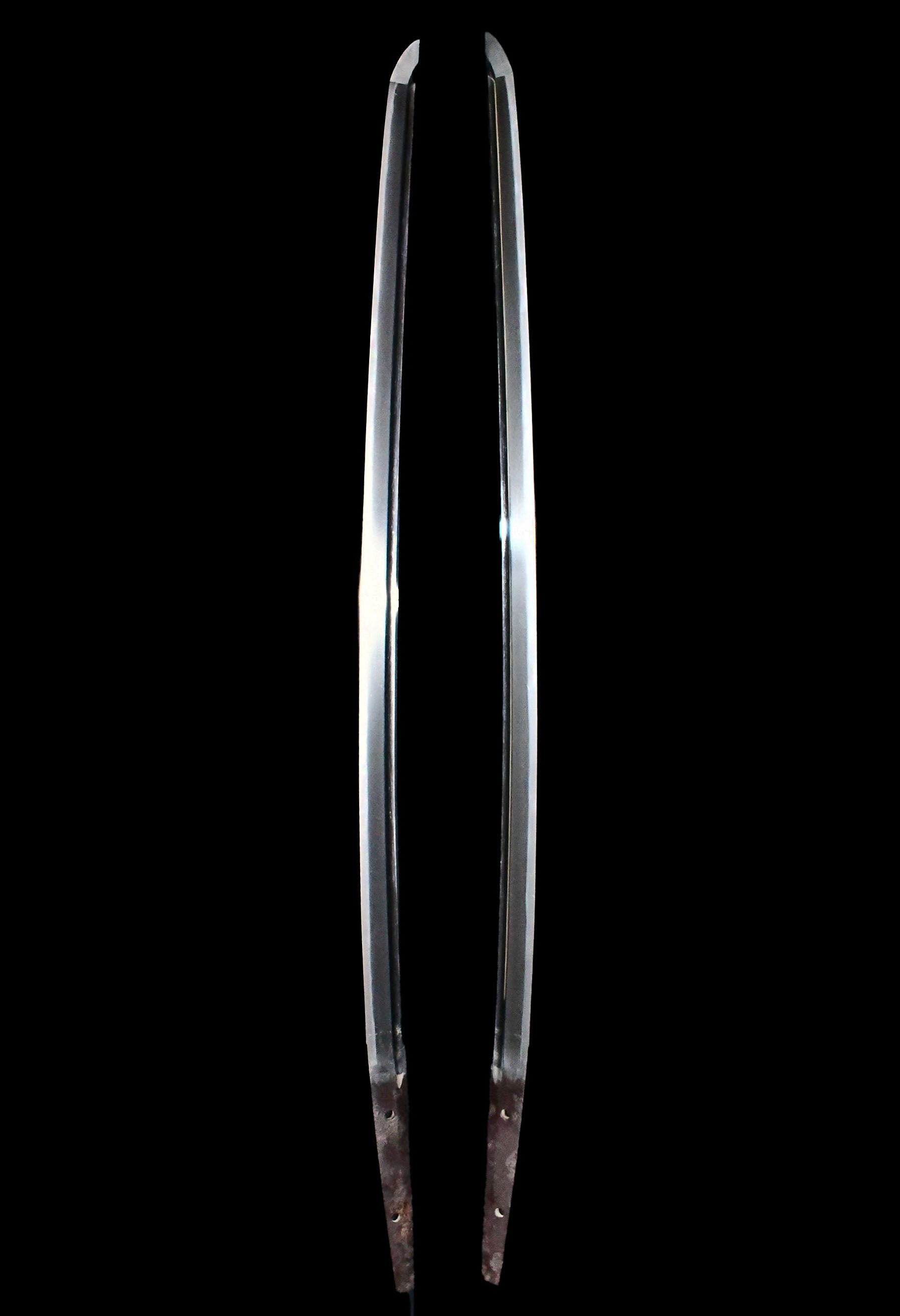
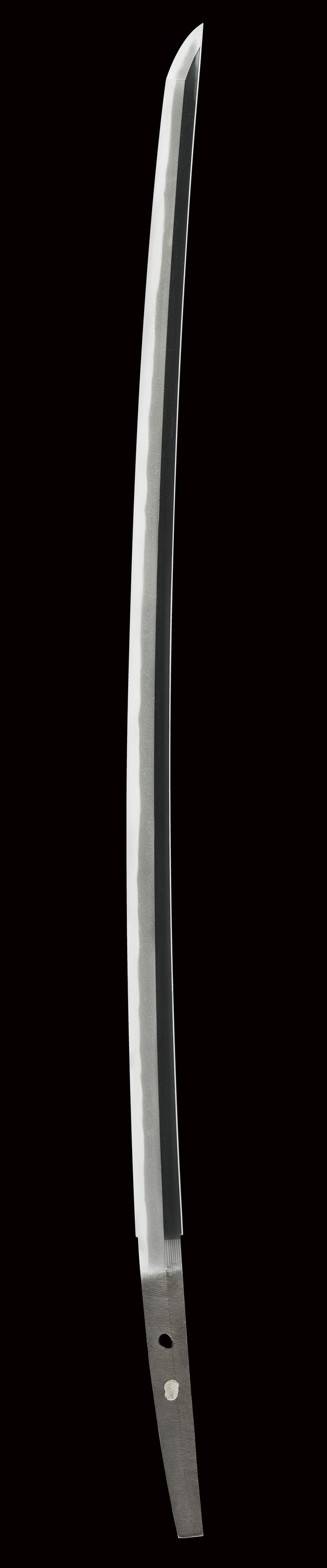
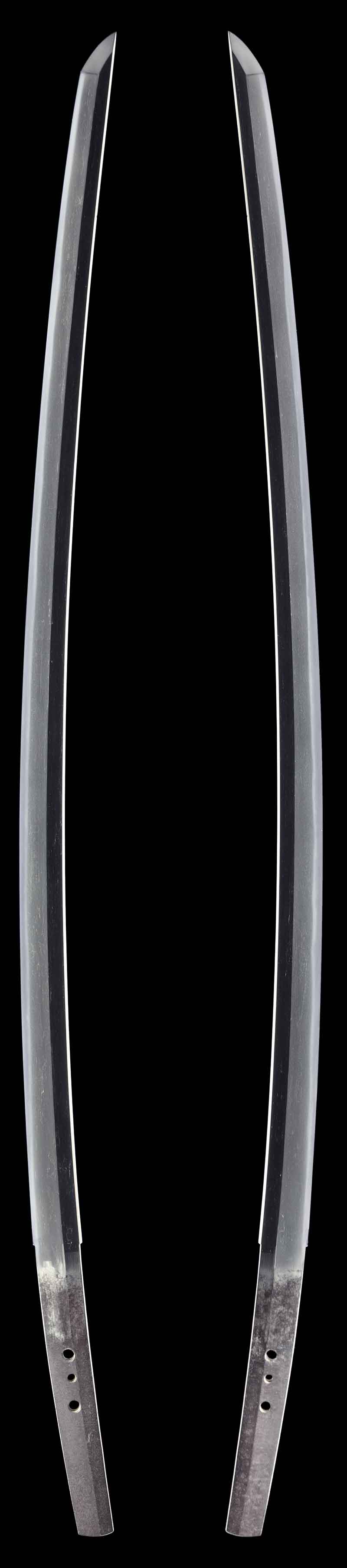
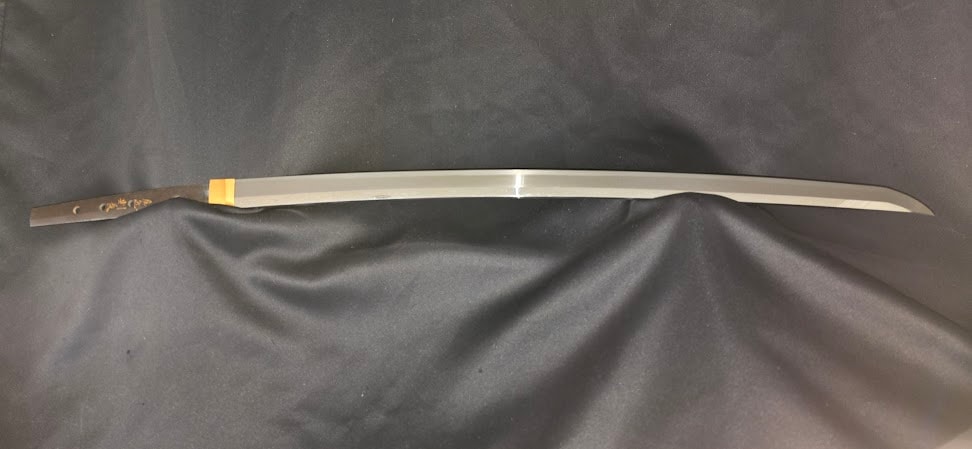
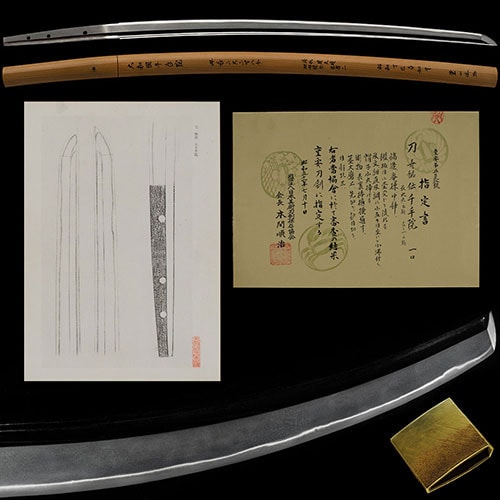
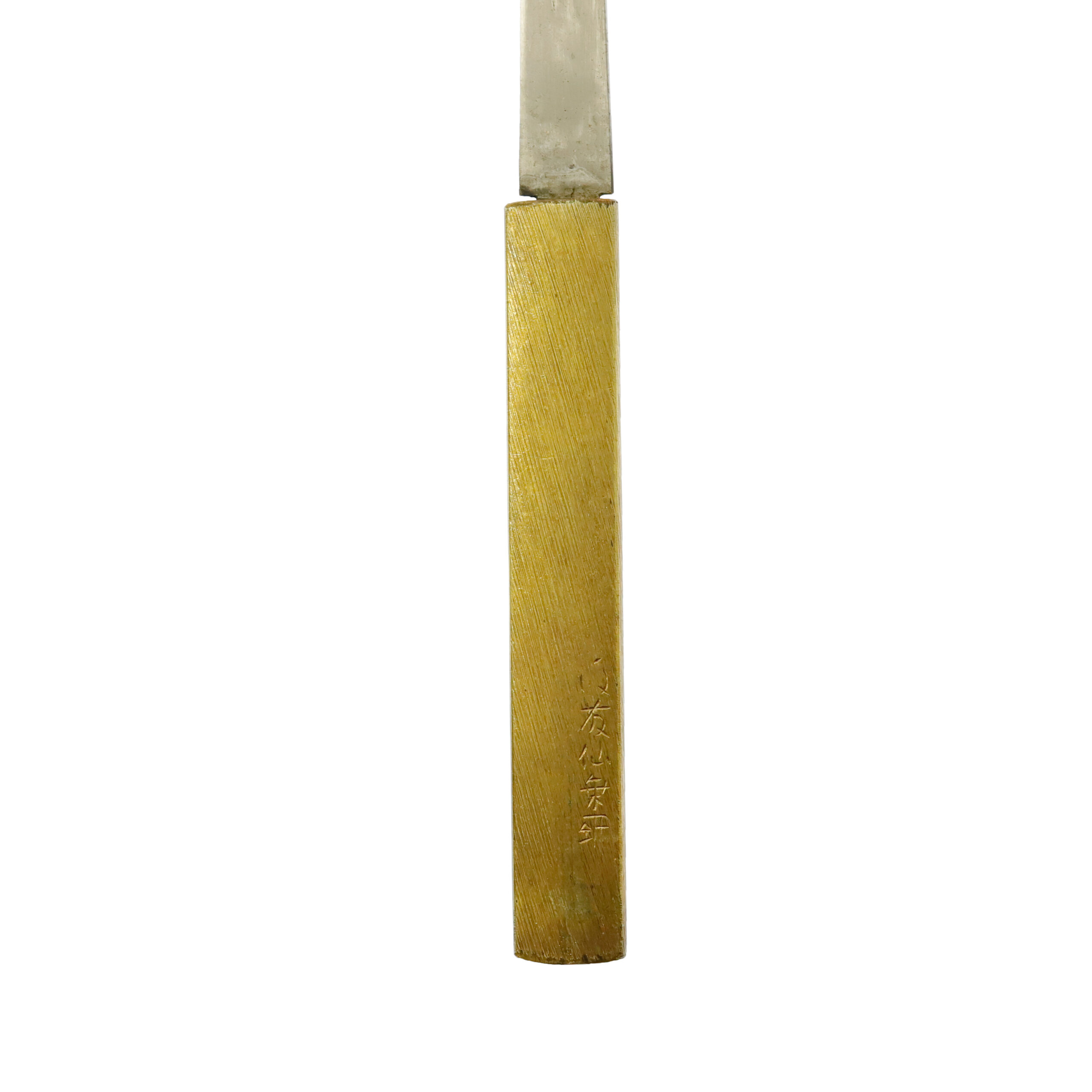
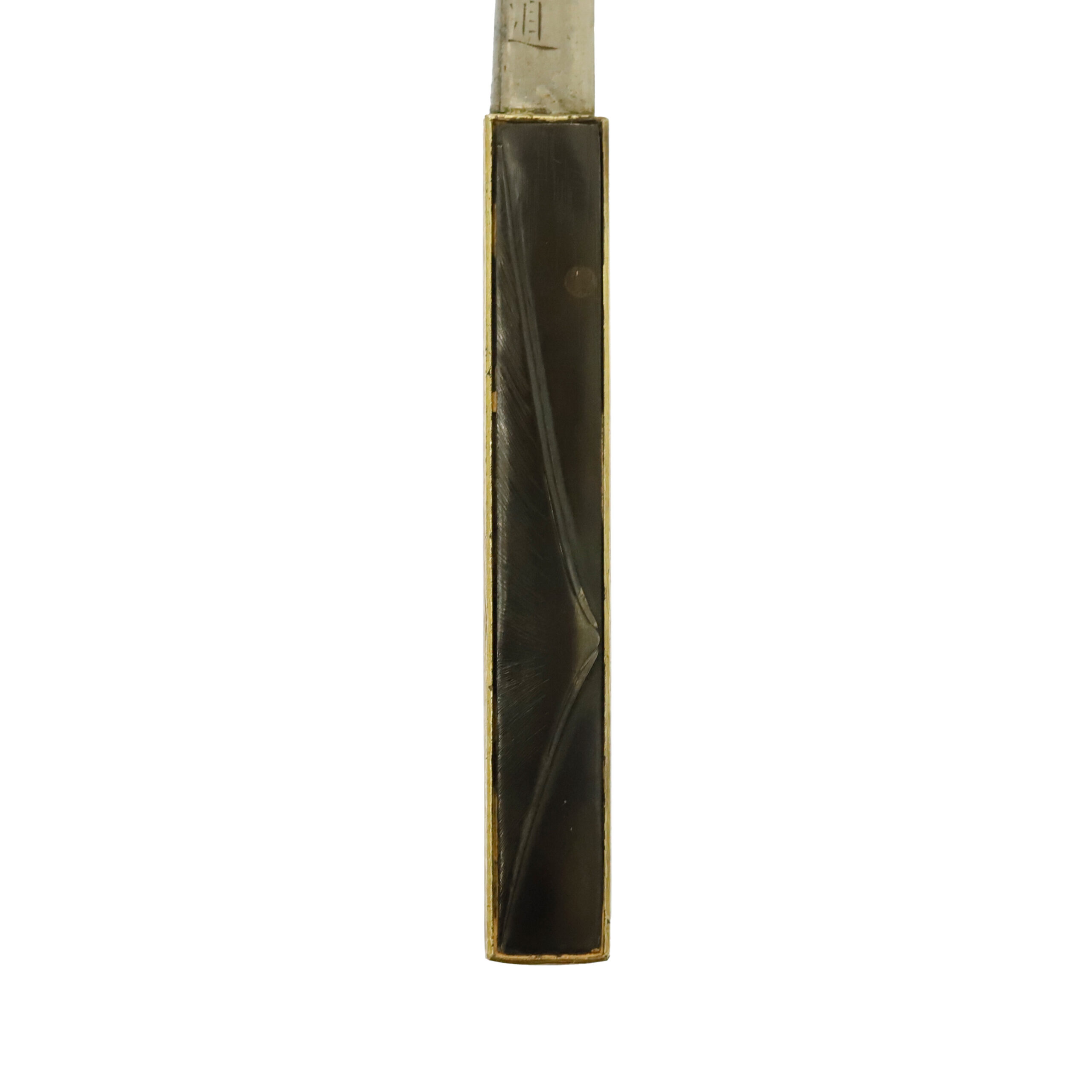
Antique Japanese Sword Daisho Mihara Masachika/Attributed to Matsu Mihara with NBTHK Tokubetsu Hozon Certificate & Hozon Certificate 【Description】 Katana& Wakizashi This Katana blade was signed by Bishu Mihara Jyu Masanori (備州三原住正近) , who was acitve during the end of the Muromachi period (early-mid 16th century). He belonged to Mihara school, one of the most prestigious schools during the late Muromachi period. Bishu(備州)is a larger area in today’s Okayama&Hiroshima prefecture. Bishu consists of Bizen(備前), Bitchu(備中) and Bingo (備後). Mihara school was located in Bingo province (today’s Hioshima prefecture). According to one theory, Mihara school was founded by Kokubunji Sukekuni in the late Kamakura period. Mihara school is divided into three categories depending on the period. When the blade is older than the Nanbokucho era (the 1300s), it is called Ko-Mihara (Old Mihara). And it is called Mihara for those forged in the early-Mid Muromachi period. Finally, Matsu-Mihara(End Mihara) is used for the late Muromachi period. Masachika is categorized as Matsu-Mihara. And the Wakizashi is attributed to Matsu-Mihara. That means these two blades were approximately forged in the same period, according to NBTHK’s appraisal. In Bingo province, many lands were owned by politically powerful temples of the Yamato region (today’s Nara prefecture) from ancient times. And it is said that the swordsmiths in the Yamato region strongly influenced how swords were forged in the Bingo province. The blades forged by the Mihara school had distinctive characteristics of Yamato DEN, one of the five Japanese sword traditions (Gokaden). The swordsmiths in the Bishu area, including Mihara school, produced many swords during the Muromachi period as it was in the middle of the Sengoku period(Warring state period). The demand for weapons increased among strong feudal lords. Bingo is located near the Chugoku Mountains, where iron sands, one of the essential materials for making Japanese swords, were abundant. This geological location contributed to the Mihara swordsmiths forging high-quality refined blades. We presume Bingo was quite active in sword-forging from ancient times. The swords forged in Yamato DEN tradition are famous for their beautiful Jigane, steel surface, and straight tempering line(Suguha). This blade has a beautiful Jigane with a Suguha tempering line, which shows an outstanding characteristic of the Yamato DEN sword. What is Daisho? Daisho is a pair of two Japanese swords Samurai carried. During the Edo period, having Daisho in public places was considered social status for Samurai. Furthermore, Samurai were required to wear them under the law back then. Daisho is written as 大=Big and 小=Small. Dai part means Katana, and Sho part means Wakizashi. We are confident you would like this pair of Daisho Koshirae. And based on the style of the sword mounting, they are categorized as HANDACHI KOSHIRAE (Half Tachi style Sword mountings), which has more ornamental looking than standard Katana style Koshirae. These blades were registered in Hiroshima and the registration numbers are consective. This indicates that the previous owner might have been descendants of Samurai who carried this Daisho for many years. Appraisal This Katana blade is appraised as a Tokubetsu Hozon Token(特別保存刀剣) and this Wakizashi is appraised as a Hozon Token (保存刀剣). They were issued by NBTHK(Nihon Bijutsu Touken Hozon Kyokai:日本美術刀剣保存協会). These authentication papers were only given to authentic Japanese swords well preserved and high quality with artistic value. *Please keep in mind that there are is a couple of tiny Kitae Kizu on the Katana and Wakizashi. If you like to see the detailed condition, please feel free to contact us. 【 Blade】 -Katana Cutting Edge Length(Nagasa) : 63.6 cm ( 25.0 inches) Curvature(Sori) : 1.6 cm (0.63 inches) -Wakizashi Cutting Edge Length(Nagasa) : 49.9 cm ( 19.6 inches) Curvature(Sori) : 1.2 cm ( 0.47 inches) Hamon : The crystalline structure which f
大小
売却済
世界81社の刀剣商を横断追跡 · 価格履歴 · 売却アーカイブ
63.6 cm
1.6 cm
Antique Japanese Sword Daisho Mihara Masachika/Attributed to Matsu Mihara with NBTHK Tokubetsu Hozon Certificate & Hozon Certificate 【Description】 Katana& Wakizashi This Katana blade was signed by Bishu Mihara Jyu Masanori (備州三原住正近) , who was acitve during the end of the Muromachi period (early-mid 16th century). He belonged to Mihara school, one of the most prestigious schools during the late Muromachi period. Bishu(備州)is a larger area in today’s Okayama&Hiroshima prefecture. Bishu consists of Bizen(備前), Bitchu(備中) and Bingo (備後). Mihara school was located in Bingo province (today’s Hioshima prefecture). According to one theory, Mihara school was founded by Kokubunji Sukekuni in the late Kamakura period. Mihara school is divided into three categories depending on the period. When the blade is older than the Nanbokucho era (the 1300s), it is called Ko-Mihara (Old Mihara). And it is called Mihara for those forged in the early-Mid Muromachi period. Finally, Matsu-Mihara(End Mihara) is used for the late Muromachi period. Masachika is categorized as Matsu-Mihara. And the Wakizashi is attributed to Matsu-Mihara. That means these two blades were approximately forged in the same period, according to NBTHK’s appraisal. In Bingo province, many lands were owned by politically powerful temples of the Yamato region (today’s Nara prefecture) from ancient times. And it is said that the swordsmiths in the Yamato region strongly influenced how swords were forged in the Bingo province. The blades forged by the Mihara school had distinctive characteristics of Yamato DEN, one of the five Japanese sword traditions (Gokaden). The swordsmiths in the Bishu area, including Mihara school, produced many swords during the Muromachi period as it was in the middle of the Sengoku period(Warring state period). The demand for weapons increased among strong feudal lords. Bingo is located near the Chugoku Mountains, where iron sands, one of the essential materials for making Japanese swords, were abundant. This geological location contributed to the Mihara swordsmiths forging high-quality refined blades. We presume Bingo was quite active in sword-forging from ancient times. The swords forged in Yamato DEN tradition are famous for their beautiful Jigane, steel surface, and straight tempering line(Suguha). This blade has a beautiful Jigane with a Suguha tempering line, which shows an outstanding characteristic of the Yamato DEN sword. What is Daisho? Daisho is a pair of two Japanese swords Samurai carried. During the Edo period, having Daisho in public places was considered social status for Samurai. Furthermore, Samurai were required to wear them under the law back then. Daisho is written as 大=Big and 小=Small. Dai part means Katana, and Sho part means Wakizashi. We are confident you would like this pair of Daisho Koshirae. And based on the style of the sword mounting, they are categorized as HANDACHI KOSHIRAE (Half Tachi style Sword mountings), which has more ornamental looking than standard Katana style Koshirae. These blades were registered in Hiroshima and the registration numbers are consective. This indicates that the previous owner might have been descendants of Samurai who carried this Daisho for many years. Appraisal This Katana blade is appraised as a Tokubetsu Hozon Token(特別保存刀剣) and this Wakizashi is appraised as a Hozon Token (保存刀剣). They were issued by NBTHK(Nihon Bijutsu Touken Hozon Kyokai:日本美術刀剣保存協会). These authentication papers were only given to authentic Japanese swords well preserved and high quality with artistic value. *Please keep in mind that there are is a couple of tiny Kitae Kizu on the Katana and Wakizashi. If you like to see the detailed condition, please feel free to contact us. 【 Blade】 -Katana Cutting Edge Length(Nagasa) : 63.6 cm ( 25.0 inches) Curvature(Sori) : 1.6 cm (0.63 inches) -Wakizashi Cutting Edge Length(Nagasa) : 49.9 cm ( 19.6 inches) Curvature(Sori) : 1.2 cm ( 0.47 inches) Hamon : The crystalline structure which f

大小
売却済
世界81社の刀剣商を横断追跡 · 価格履歴 · 売却アーカイブ
63.6 cm
1.6 cm