天下統一は大量の市場を閉じ、関の鍛冶は新しい富の在り処へ移った。三品の一門は受領名を得て京に、大道系は諸国の城下町に。美濃は新刀時代の最大の祖先となった。
 NihontoWatchNihontoWatch
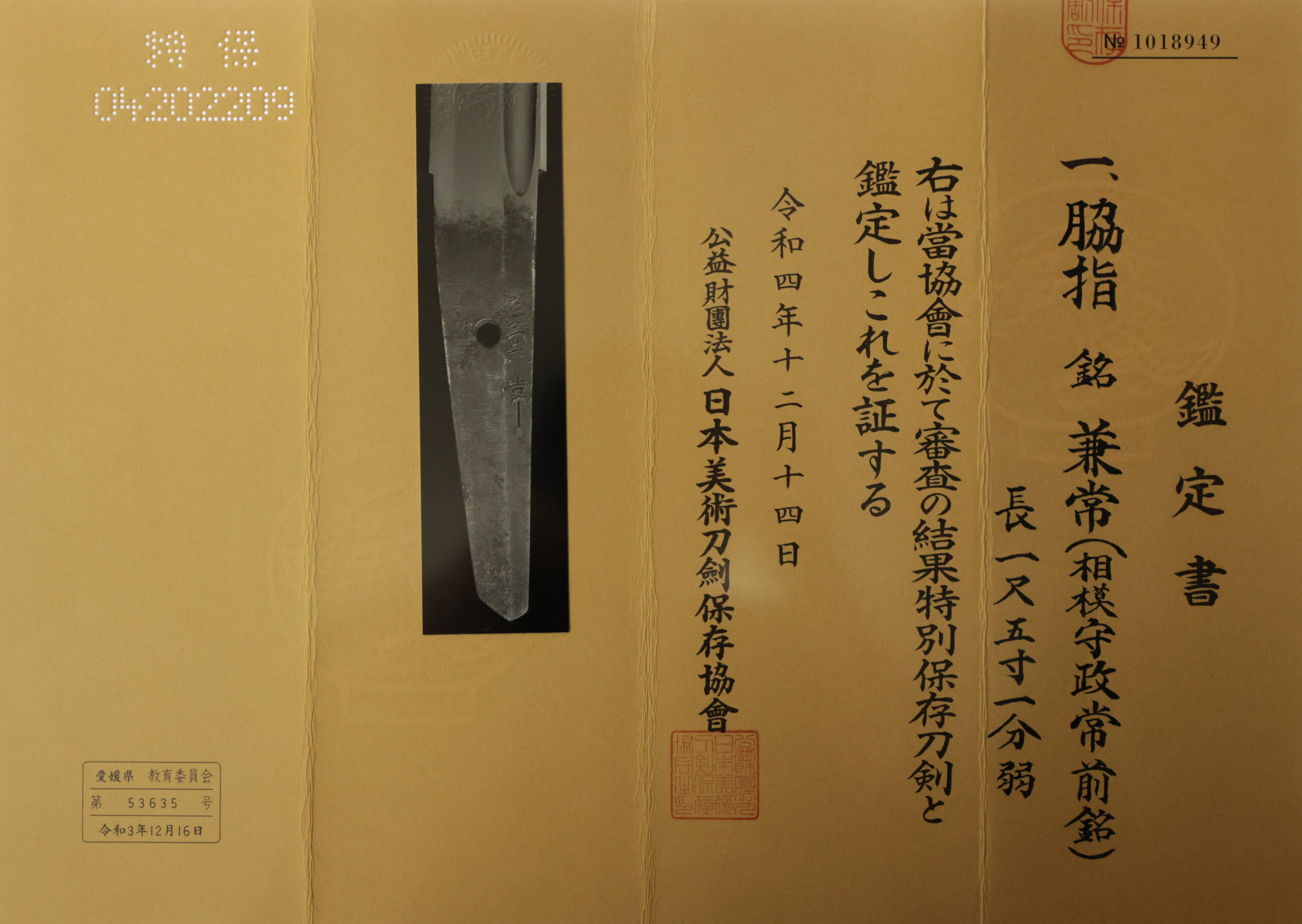
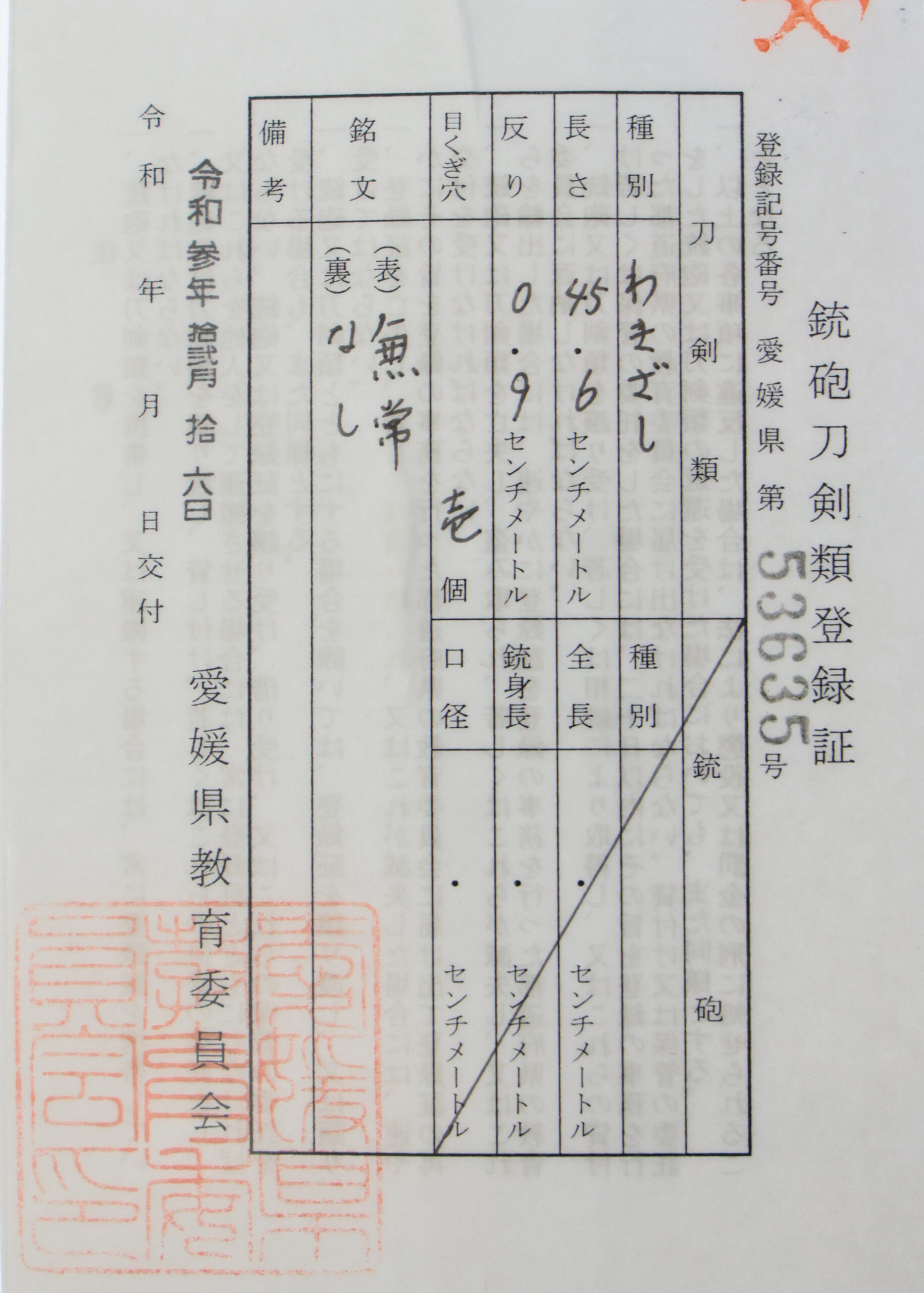
This blade was signed by Kanetsune (兼常), also known as Sagami no Kami Masatsune (相模守政常). Kanetsune was the previous maker’s name used by Masatsune. He was active during 1573-1592 (Azuchi Momoyama period). In this description, we will address him as Kanetsune and Masatsune. Kanetsune was born as the second son of Suke Uemon Kanetsune in the third year of the Tenbun era (1534: Late Muromachi period). His father was also a renowned swordsmith in Mino province (Today’s Gifu prefecture). It is said that he learned sword-forging techniques from his father. And, in 1567, when he was 33 years old, he became an independent swordsmith and signed as Kanetsune (兼常), moving to Komaki village in Owari domain (Today’s Aichi prefecture). According to available records, he and his school forged 100 spear swords, which Tokugawa Ieyasu ordered for Komaki Nagakute Battle in 1584. Masatsune received an honorable official title of Sagami no Kami in 1592 and changed his maker’s name to Masatsune after Ikeda Terumasa (池田輝政), the head of the Kamaki domain, gave one of his letters to Kanetsune. It was common to let a swordsmith use one of the Kanjis in one lord’s first name as a token of great craftsmanship, such as Masatsune (政常). When Masatsune was 66 years old in 1600, Satsuma no Kami Matsudaira Tadayoshi, the 4th son of Tokugawa Ieyasu, became the head of the Kiyosu castle, the headquarter of Owari domain. And, Fukushima Masanori, one of the most famous Samurai who served Hideyoshi Toyotomi, ordered Masatsune to relocate from Komaki village to the castle town near the Kiyosu castle. And, Masatsune started to serve Tadayoshi as an Okakaekaji, exclusively forging blades for his master. In the same year, the head of the Owari domain changed to Tokugawa Yoshinao, 9th son of Tokugawa Ieyasu. And Masatsune and his son started serving Yoshinao. Masatsune once retired in the 12th year of the Keicho era (1607), but he returned to forge blades because his son died unexpectedly. He eventually adopted his heir from Omichi school in Mino province. Masatsune lived until he was 85 years old. As Owari province(today’s Aichi prefecture) was active in martial arts during the early Edo period, there was much demand among high-class Samurai to order swords forged by Masatsune. Masatsune is also known as an Owari Sanketsu, one of the three famous swordsmiths in Owari province. The other two are Hidano Kami Ujifusa and Hoki no Kami Nobutaka. It is appraised as a Tokubetsu Hozon Token (特別保存刀剣) issued by NBTHK (Nihon Bijutsu Touken Hozon Kyokai:日本美術刀剣保存協会). *Please keep in mind that there are a couple of chip, Kitae Kizu and black rust spots on the blade. Authentication Paper They authenticated the blade on December 14th in the 4th year of Reiwa (2022). They appraised it as Tokubetsu Hozon Touken, the blade especially worth preserving for Japanese society.
取扱店 サムライミュージアム

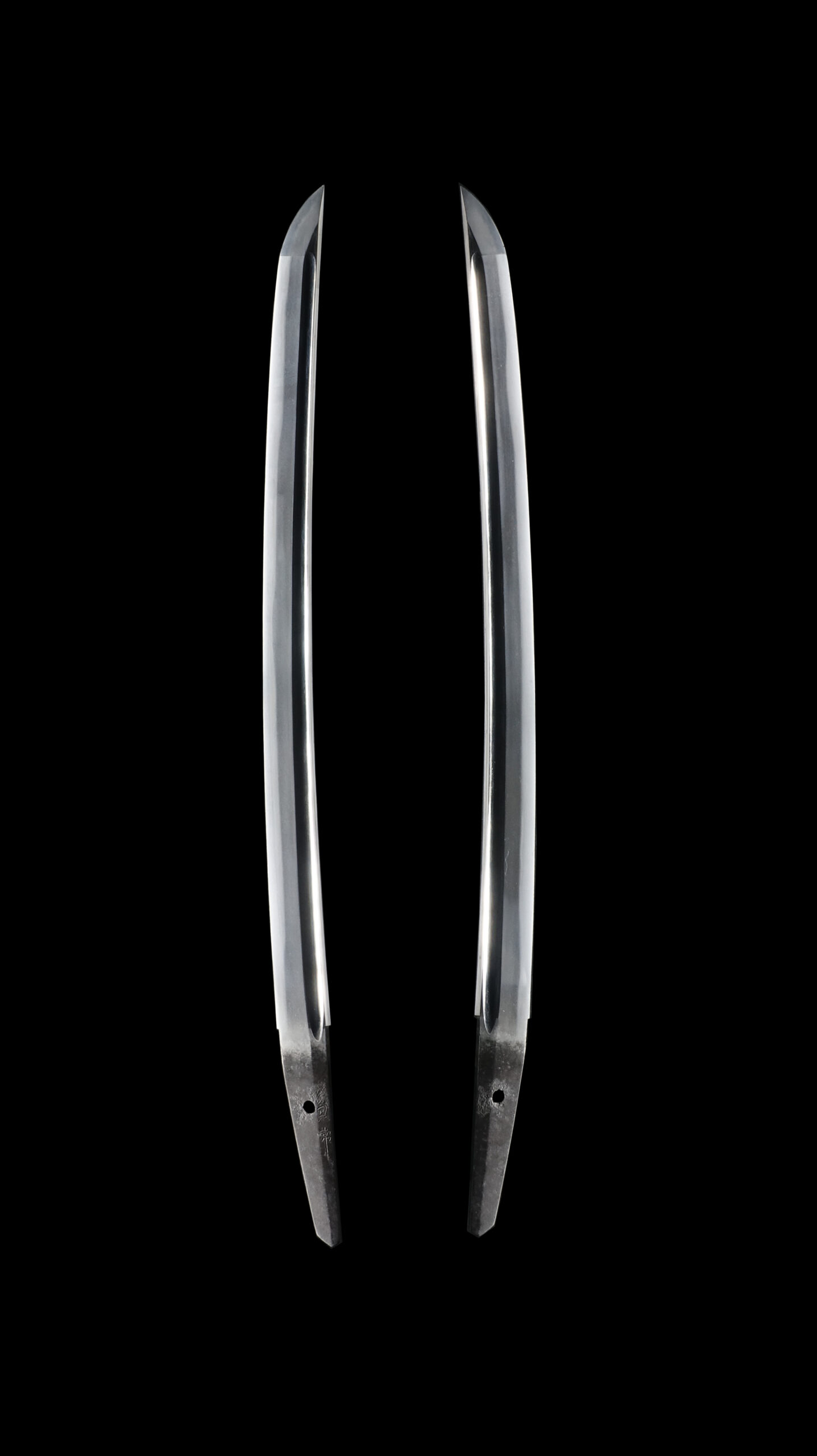
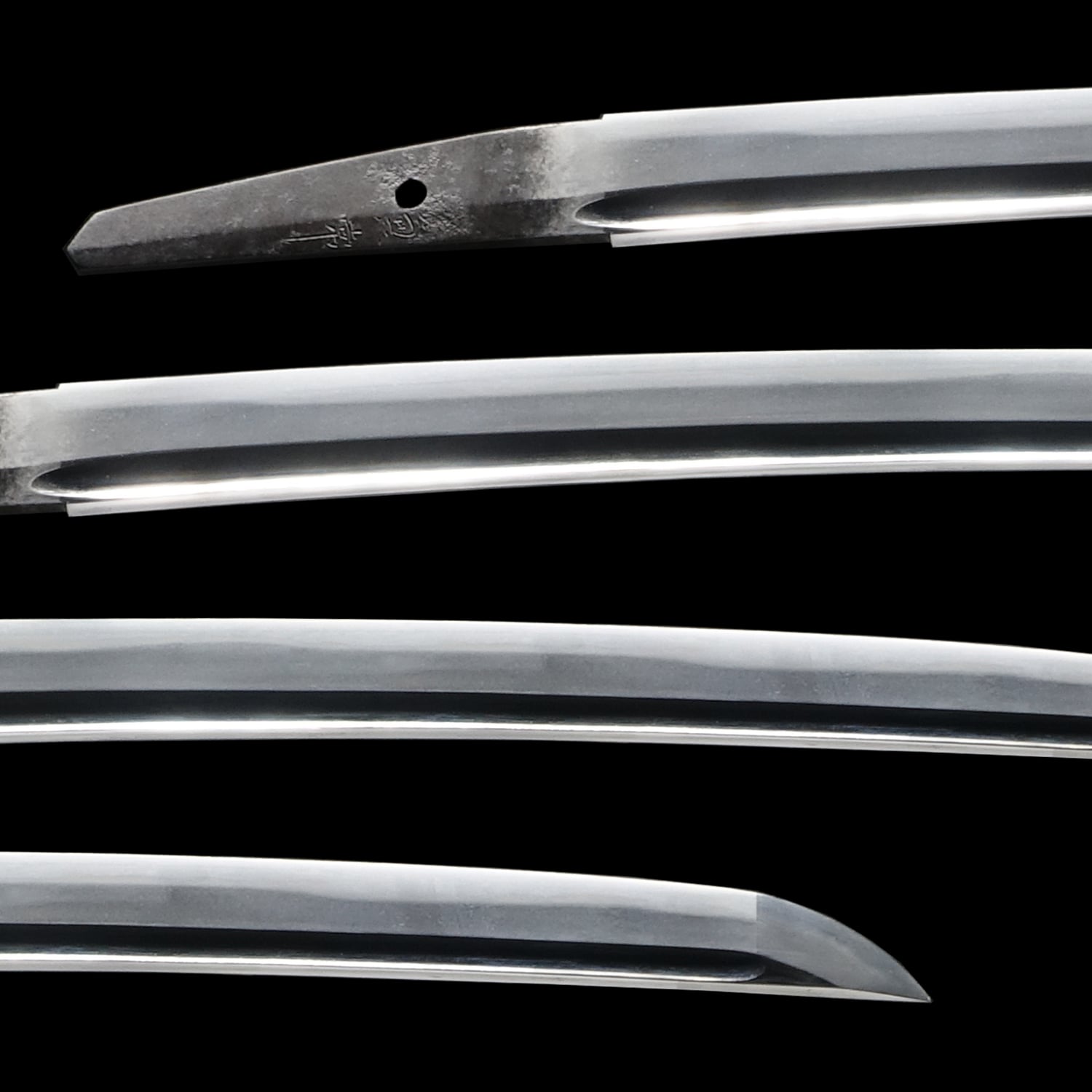
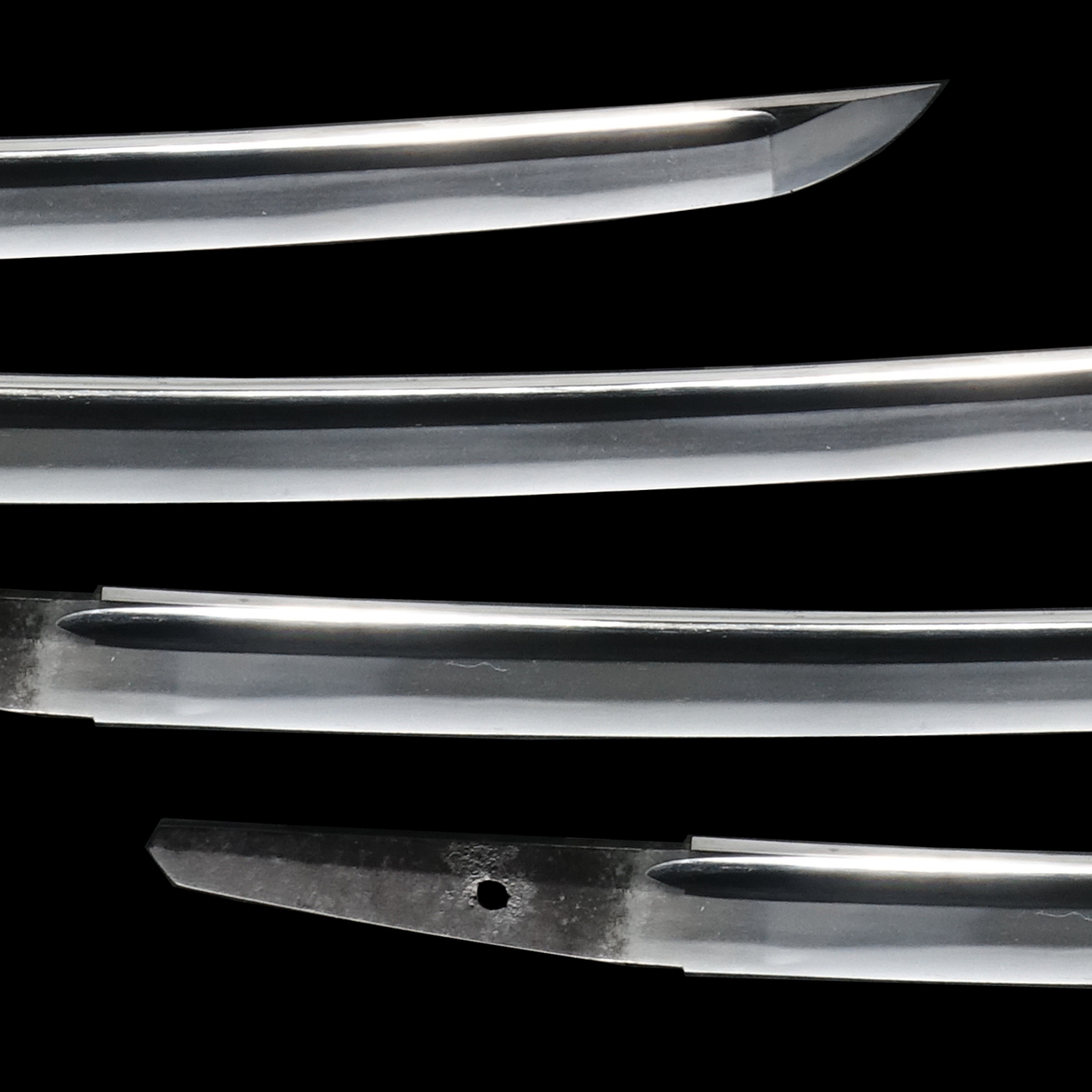
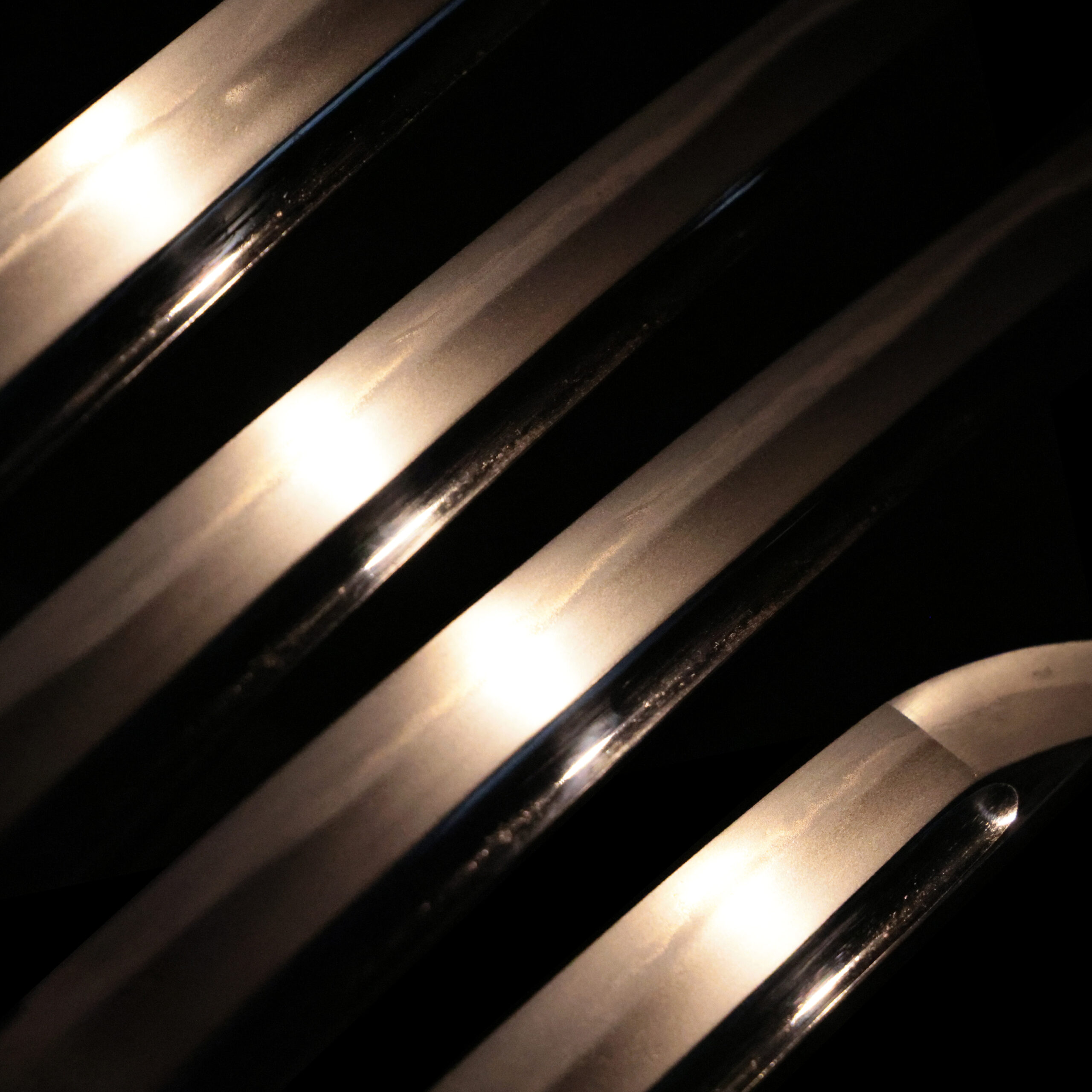
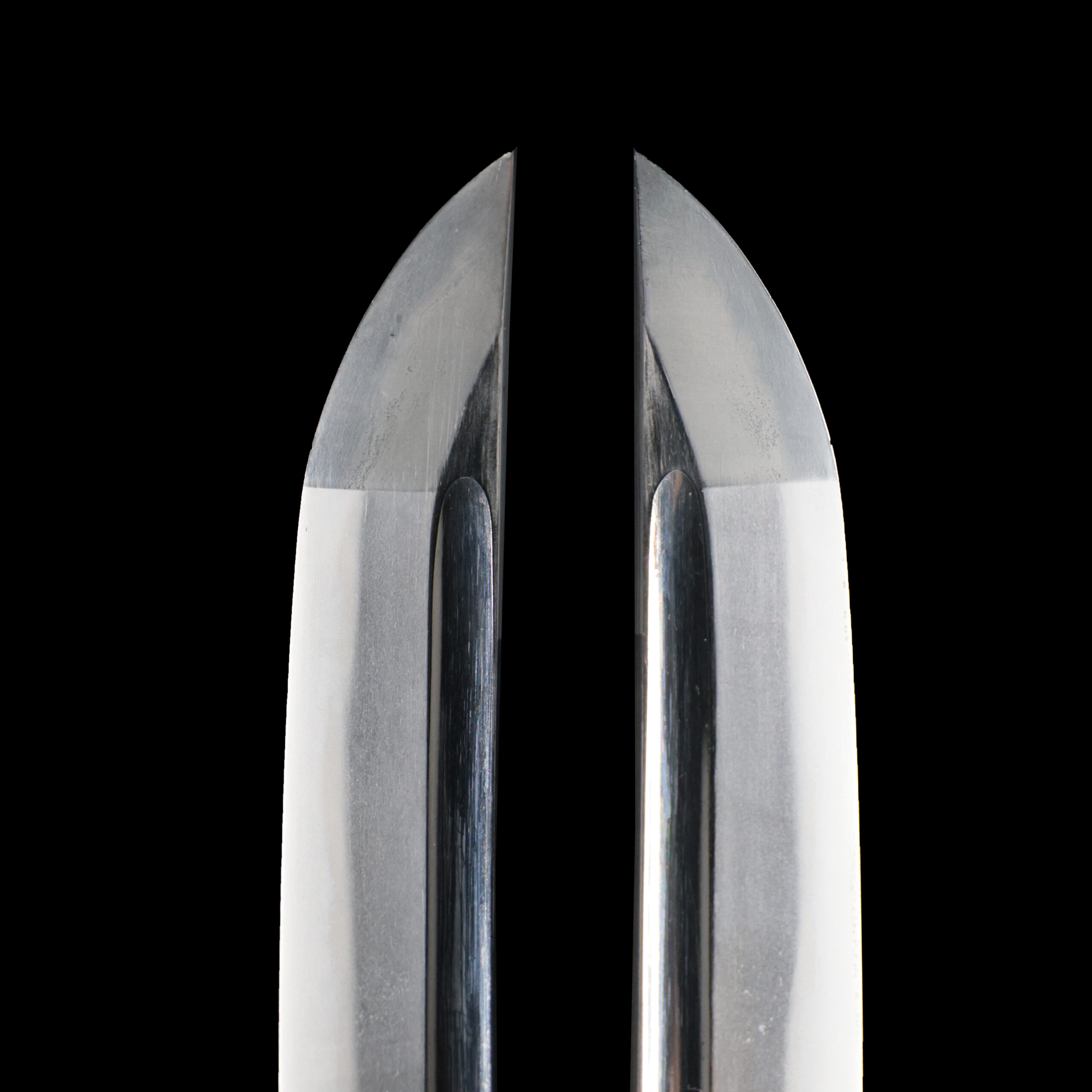
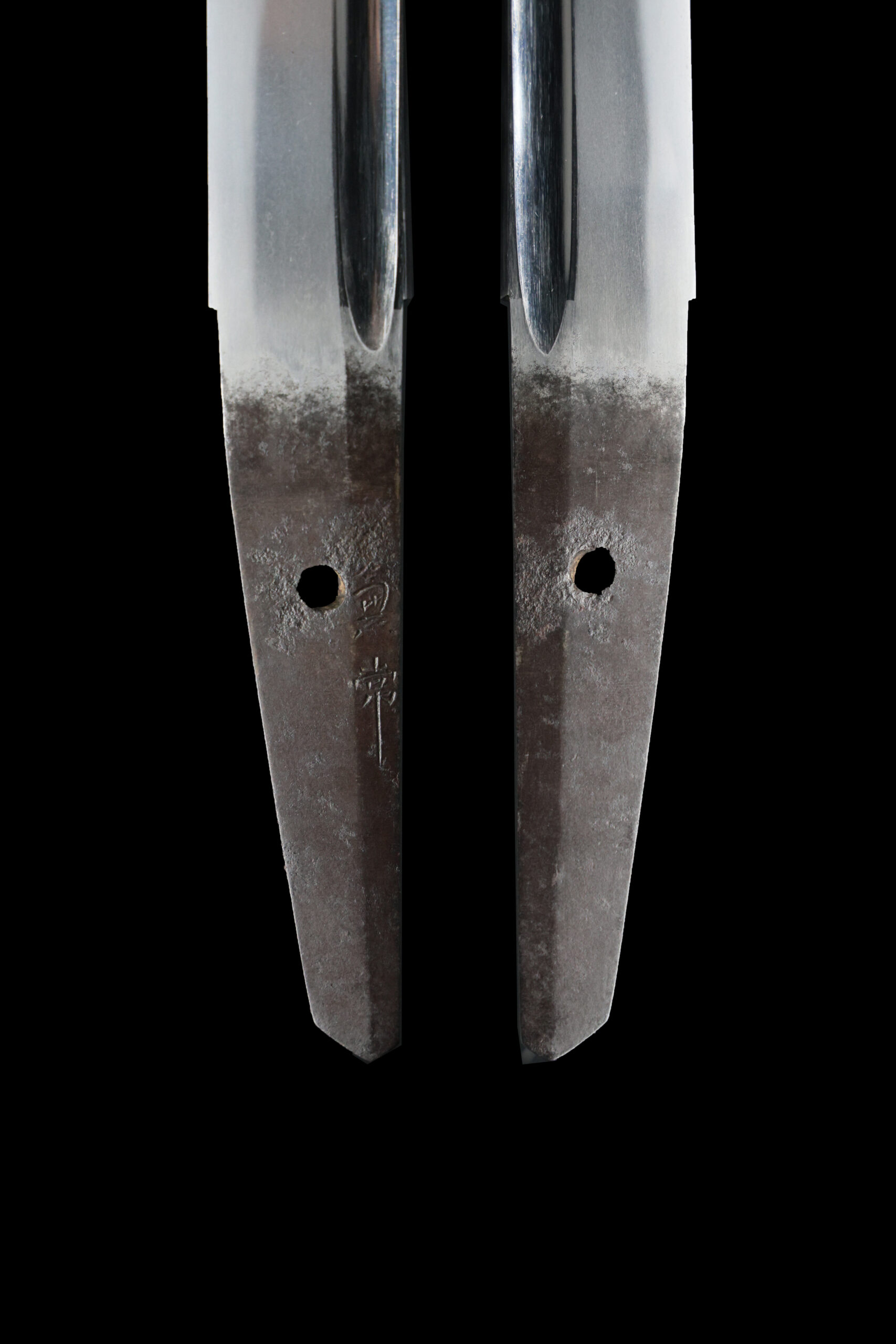
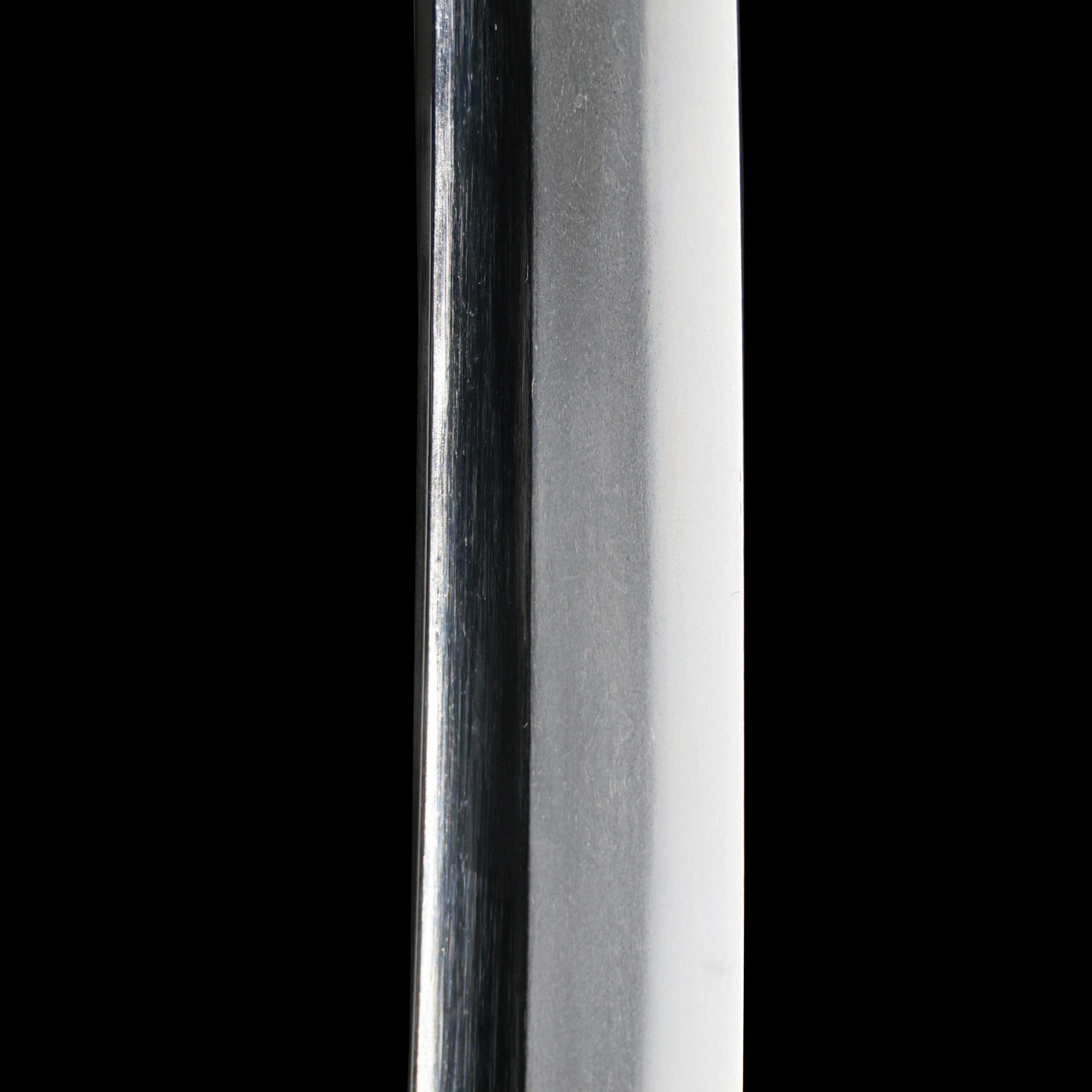
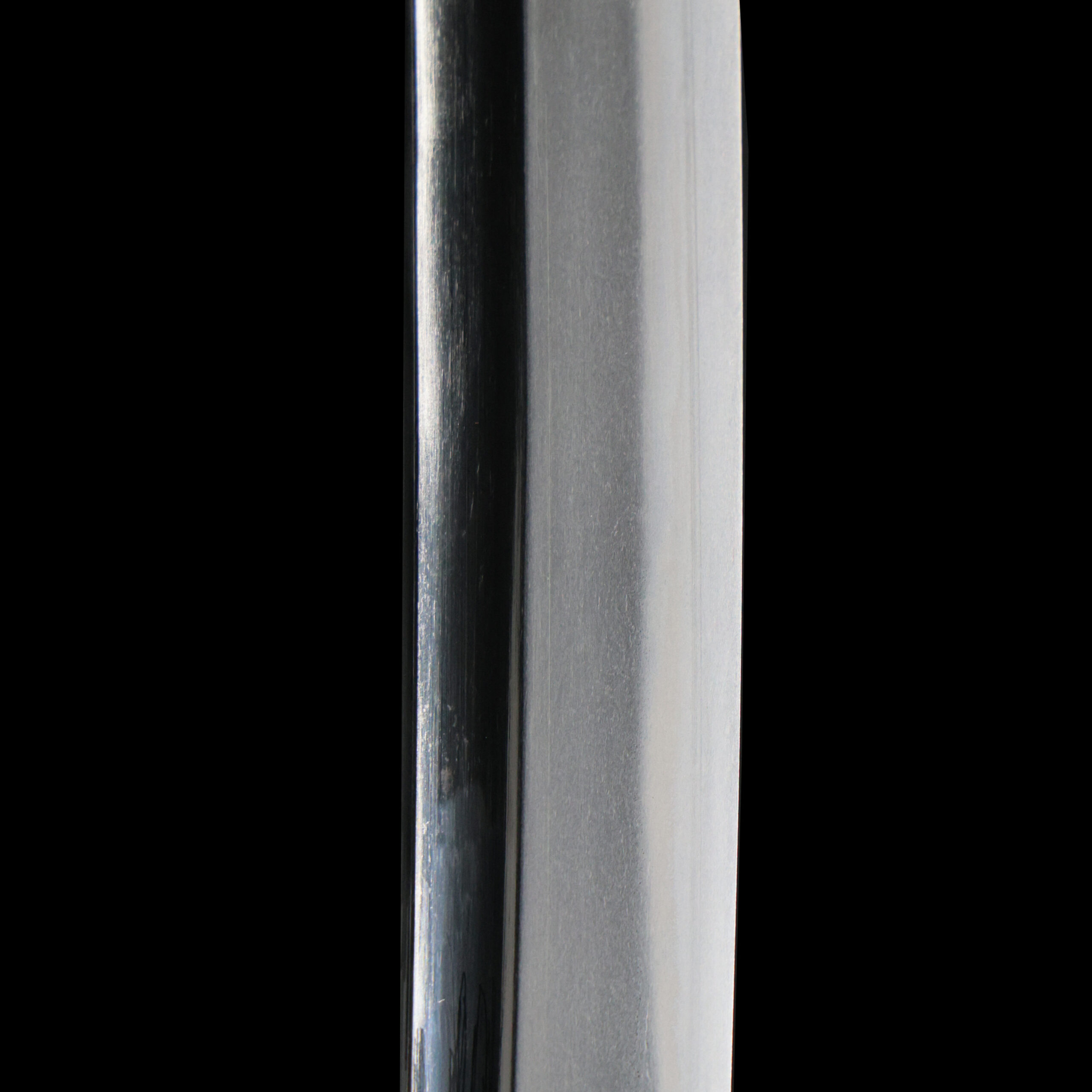
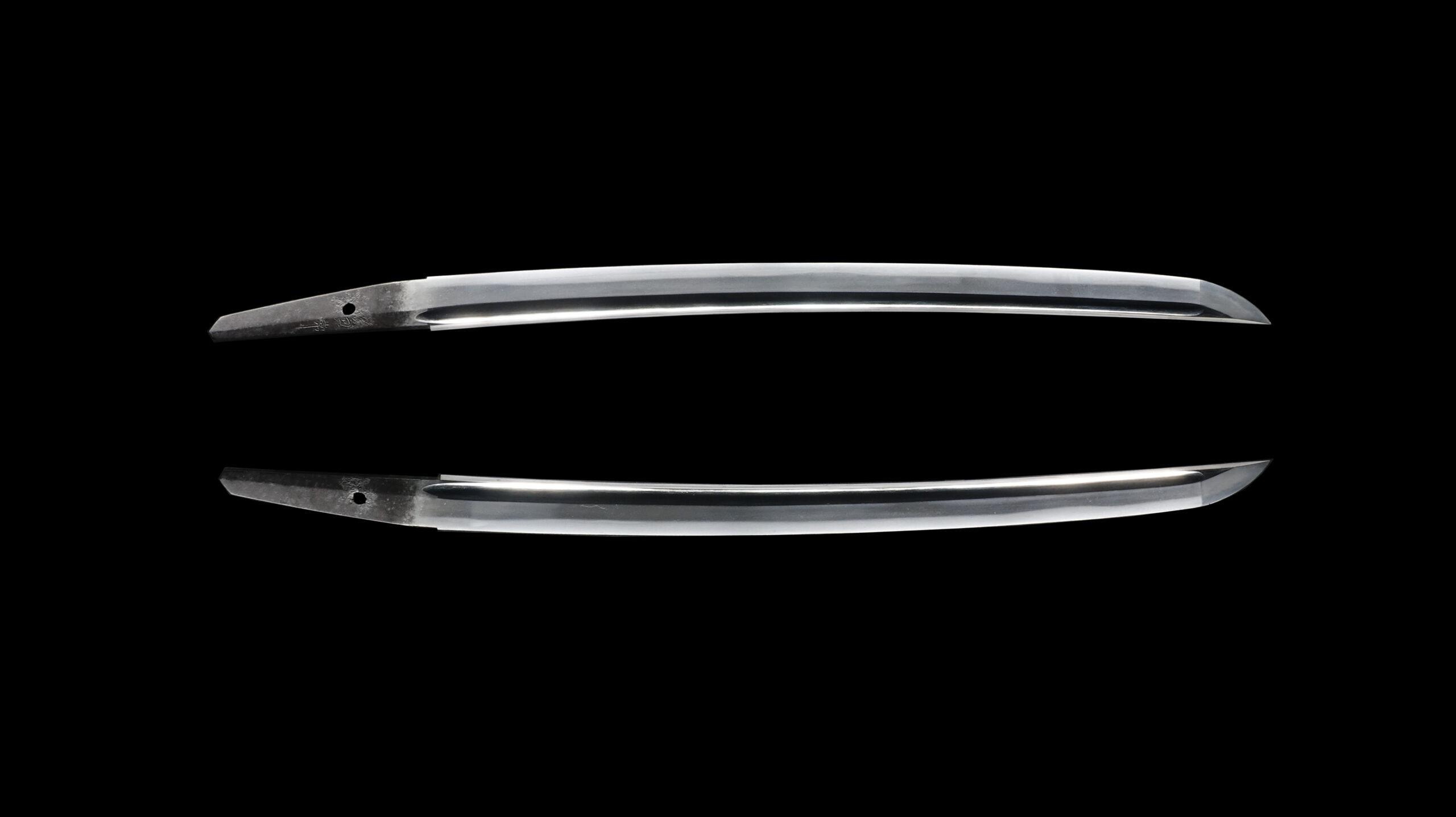
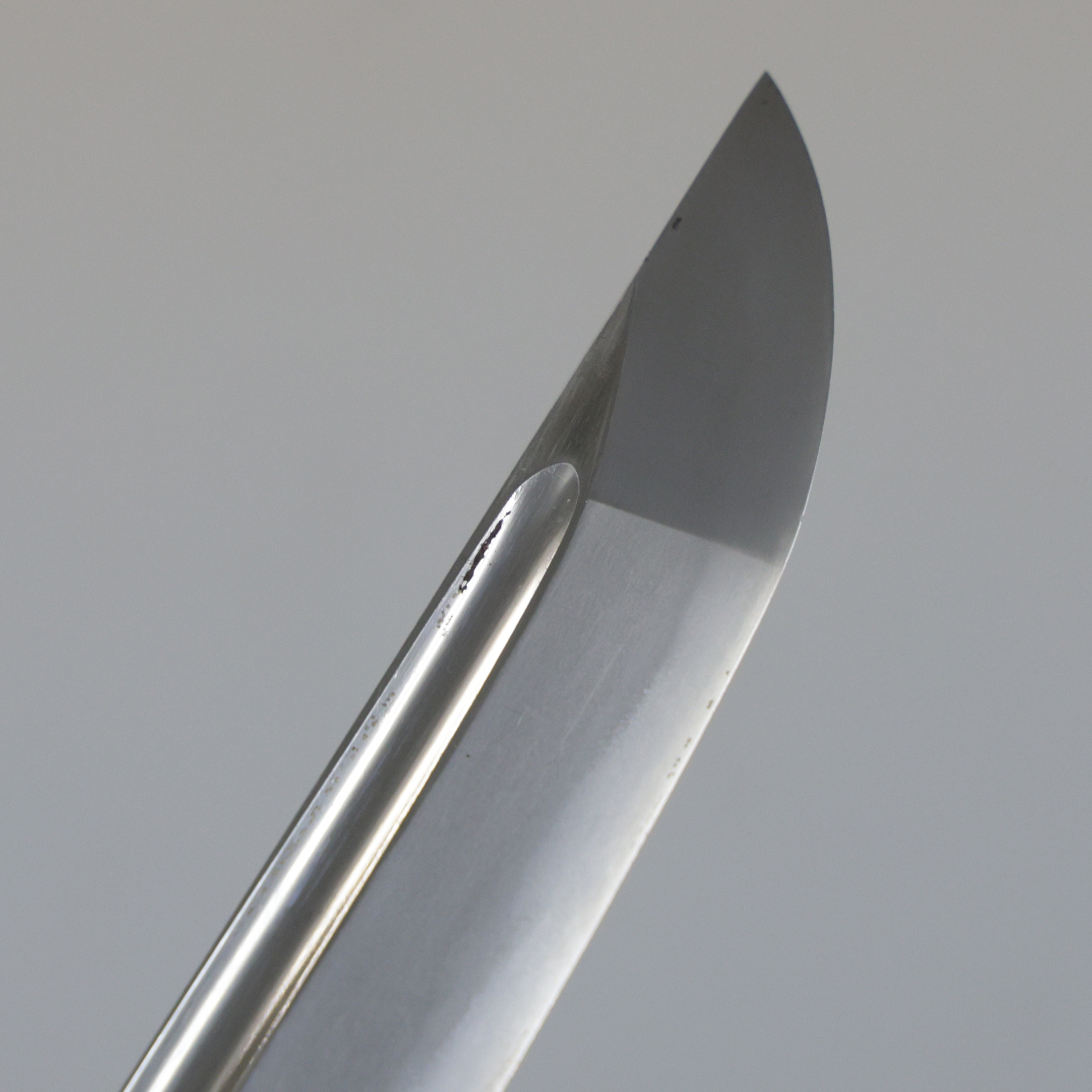
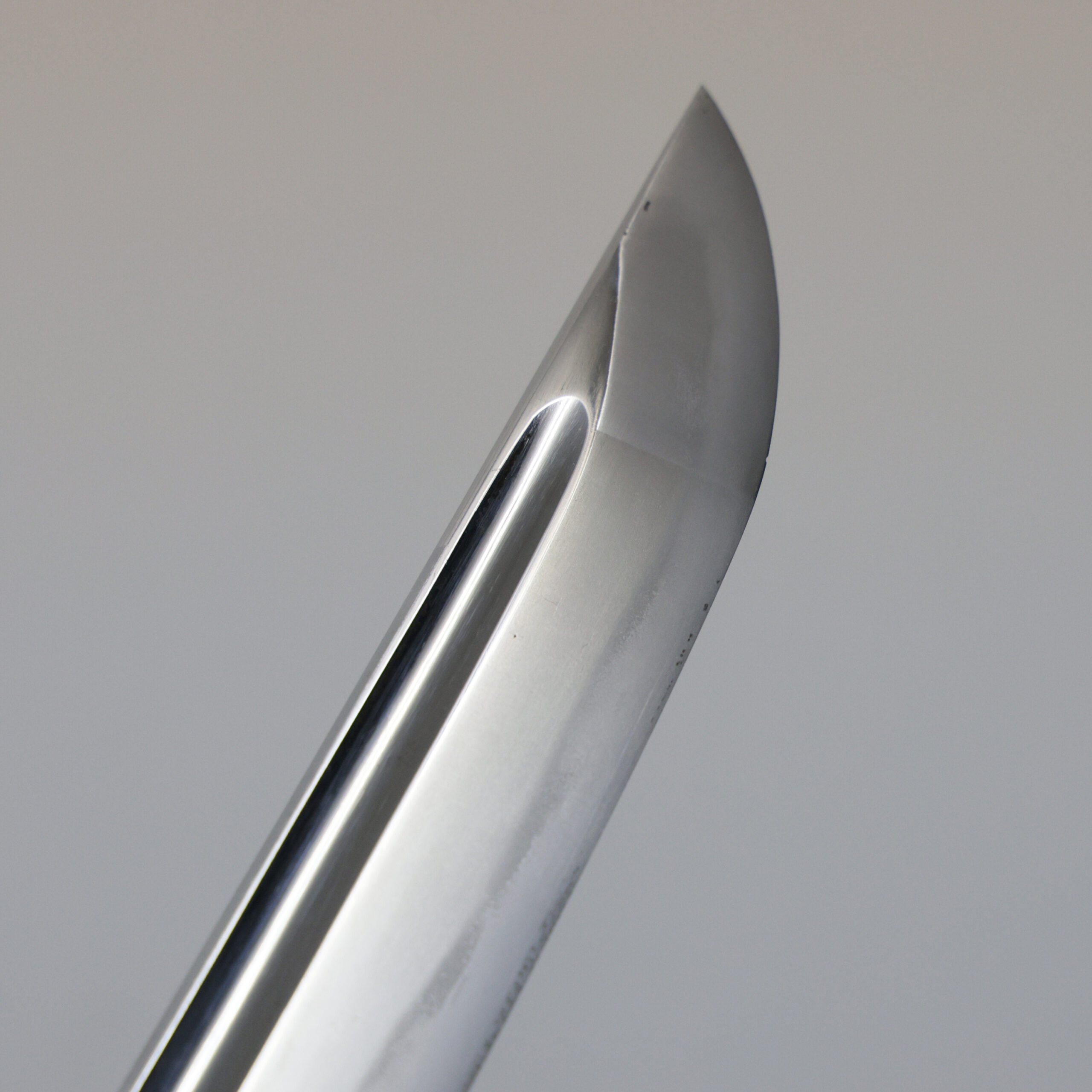
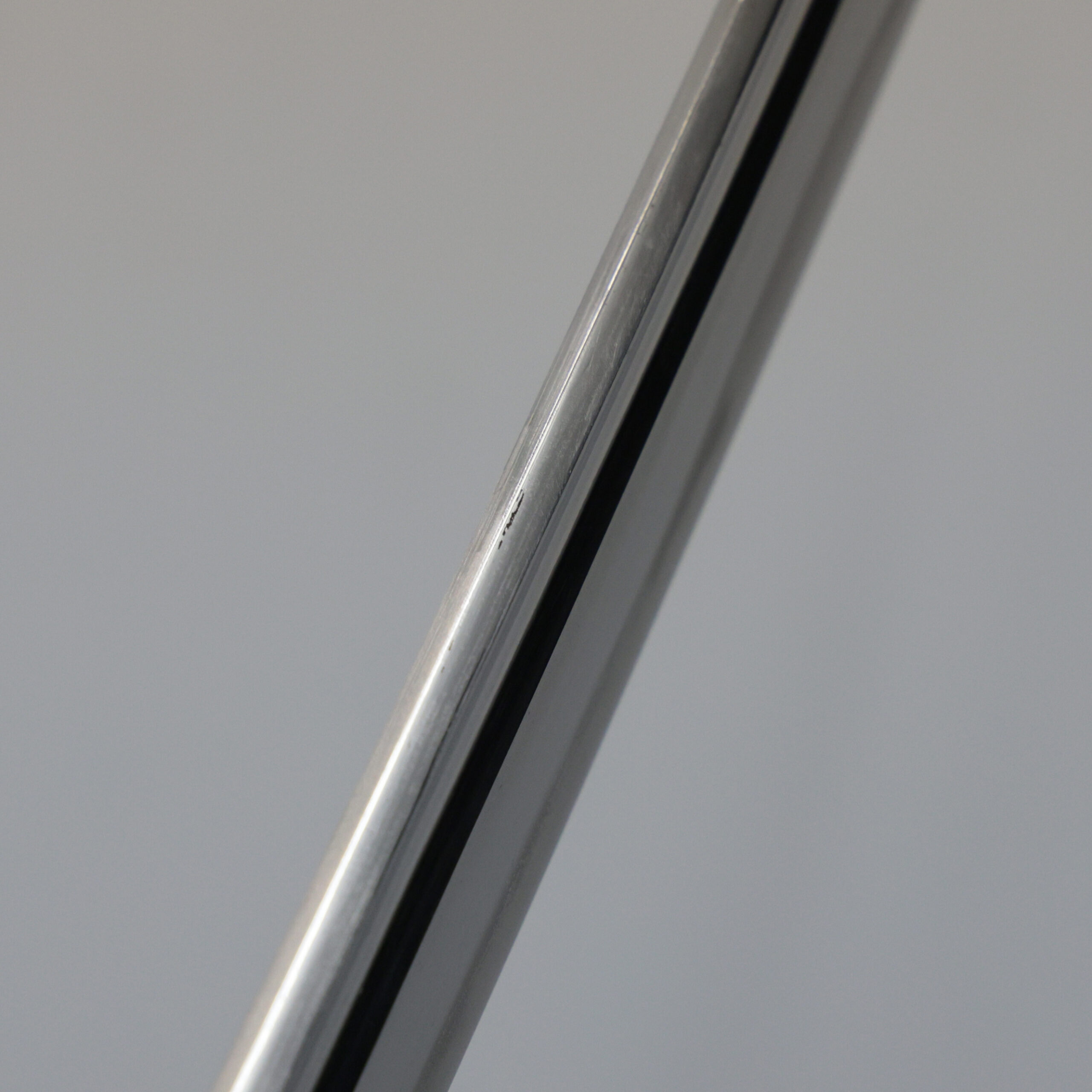
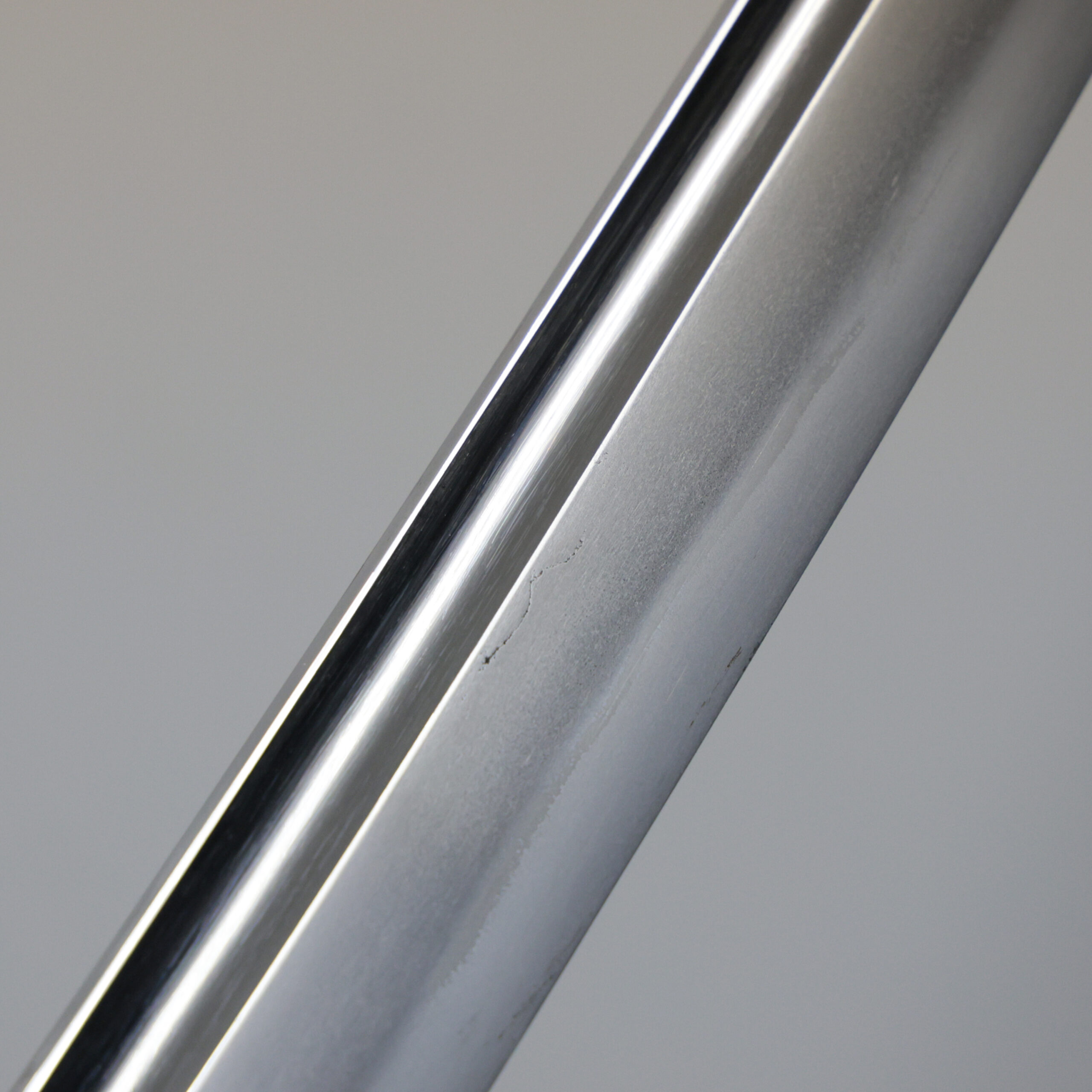
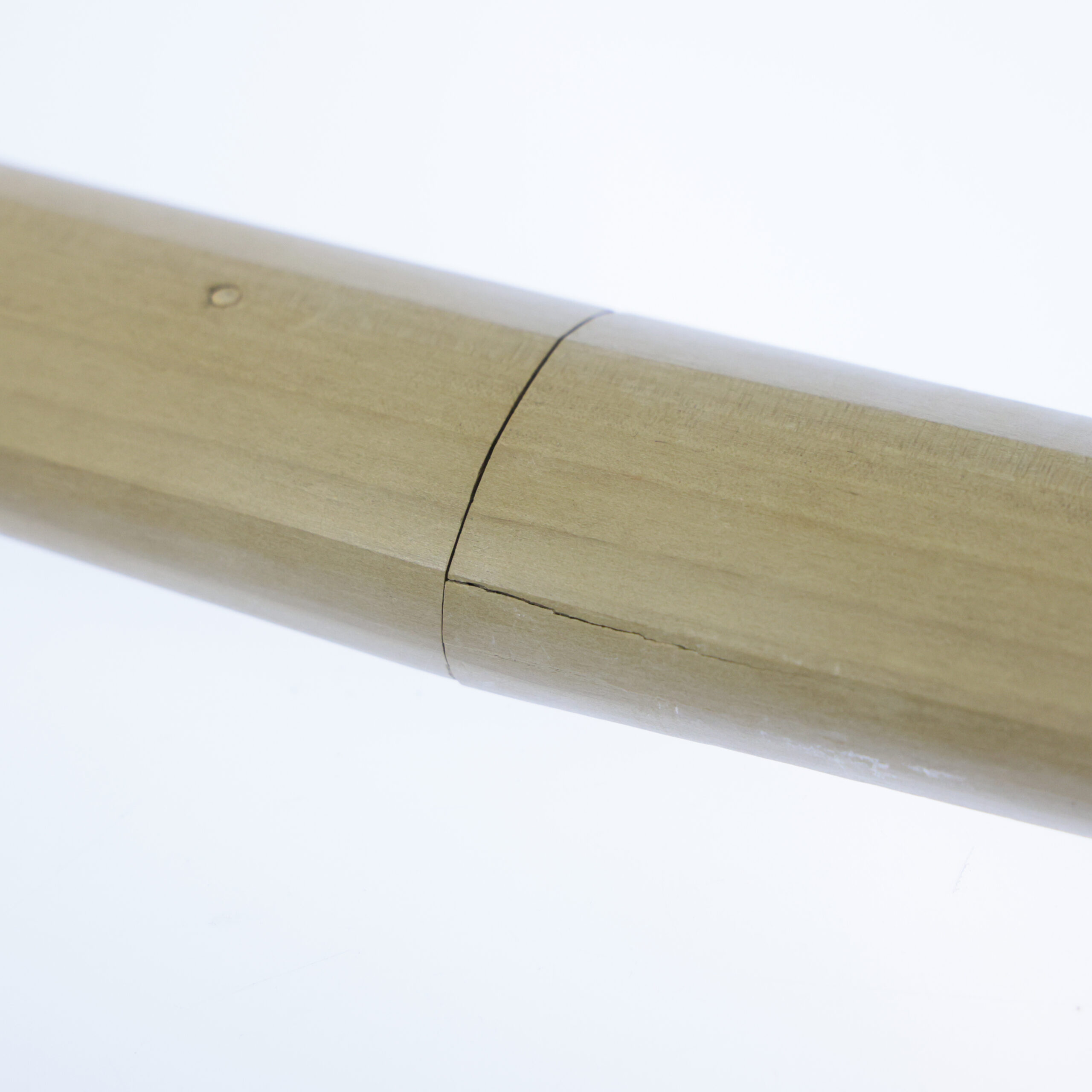
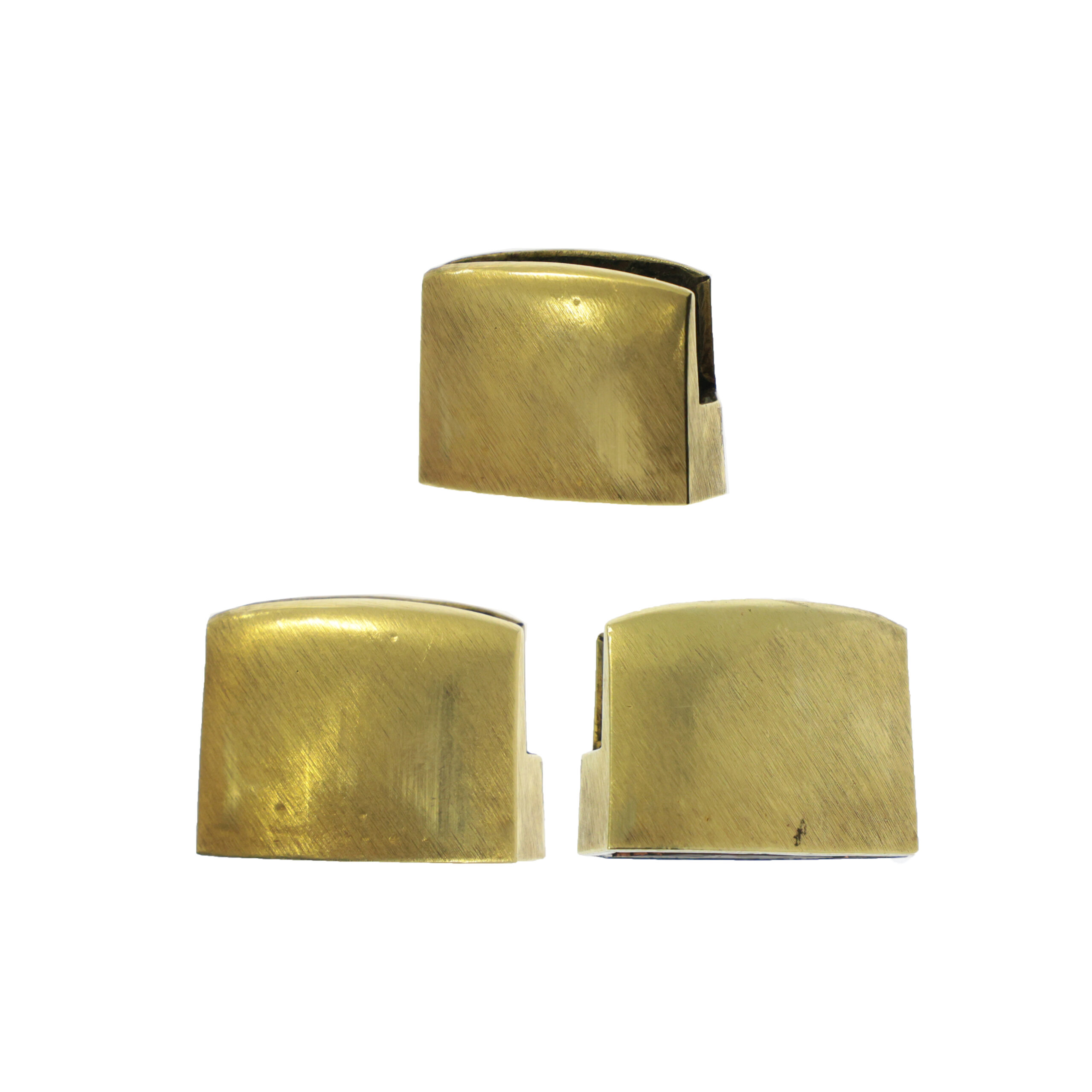
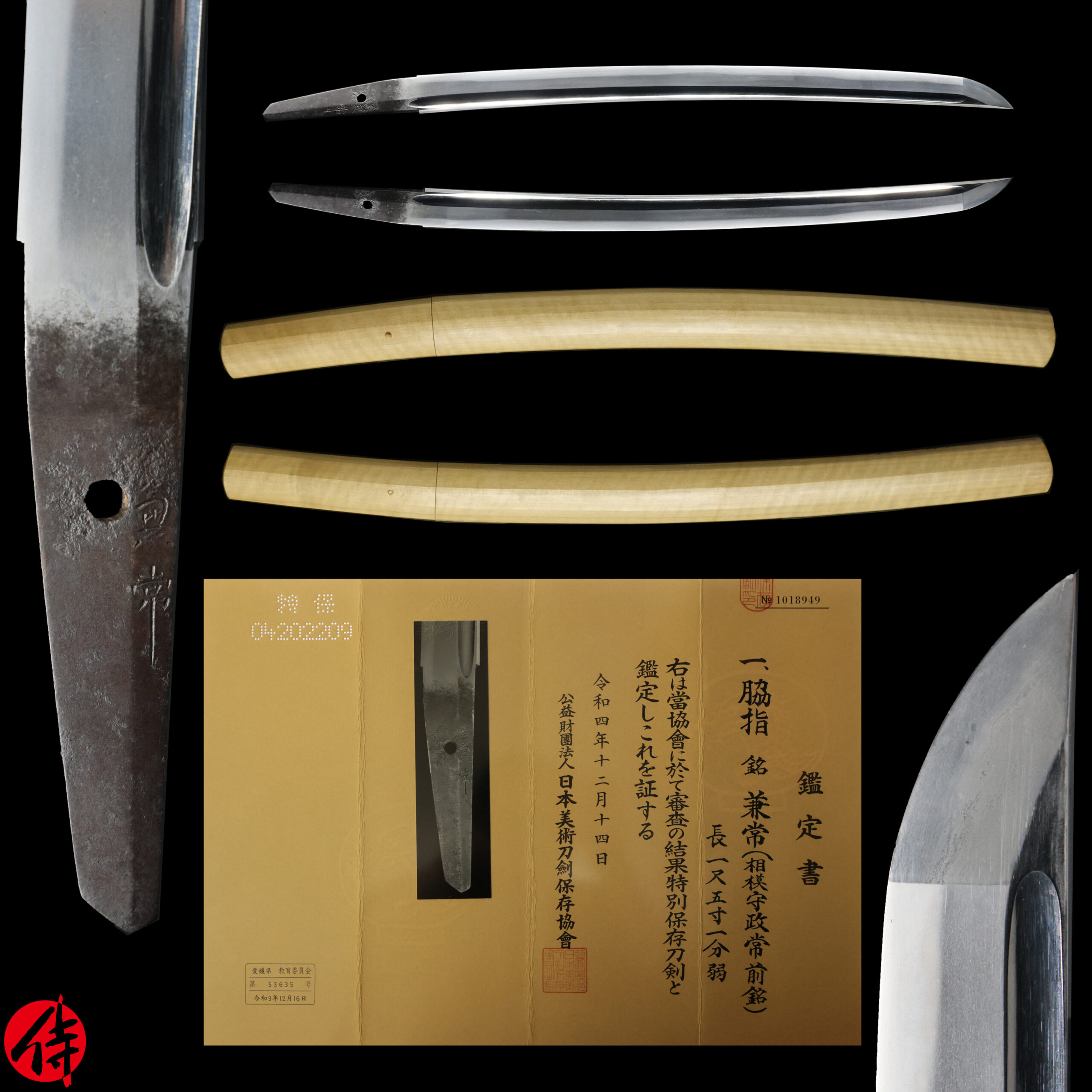
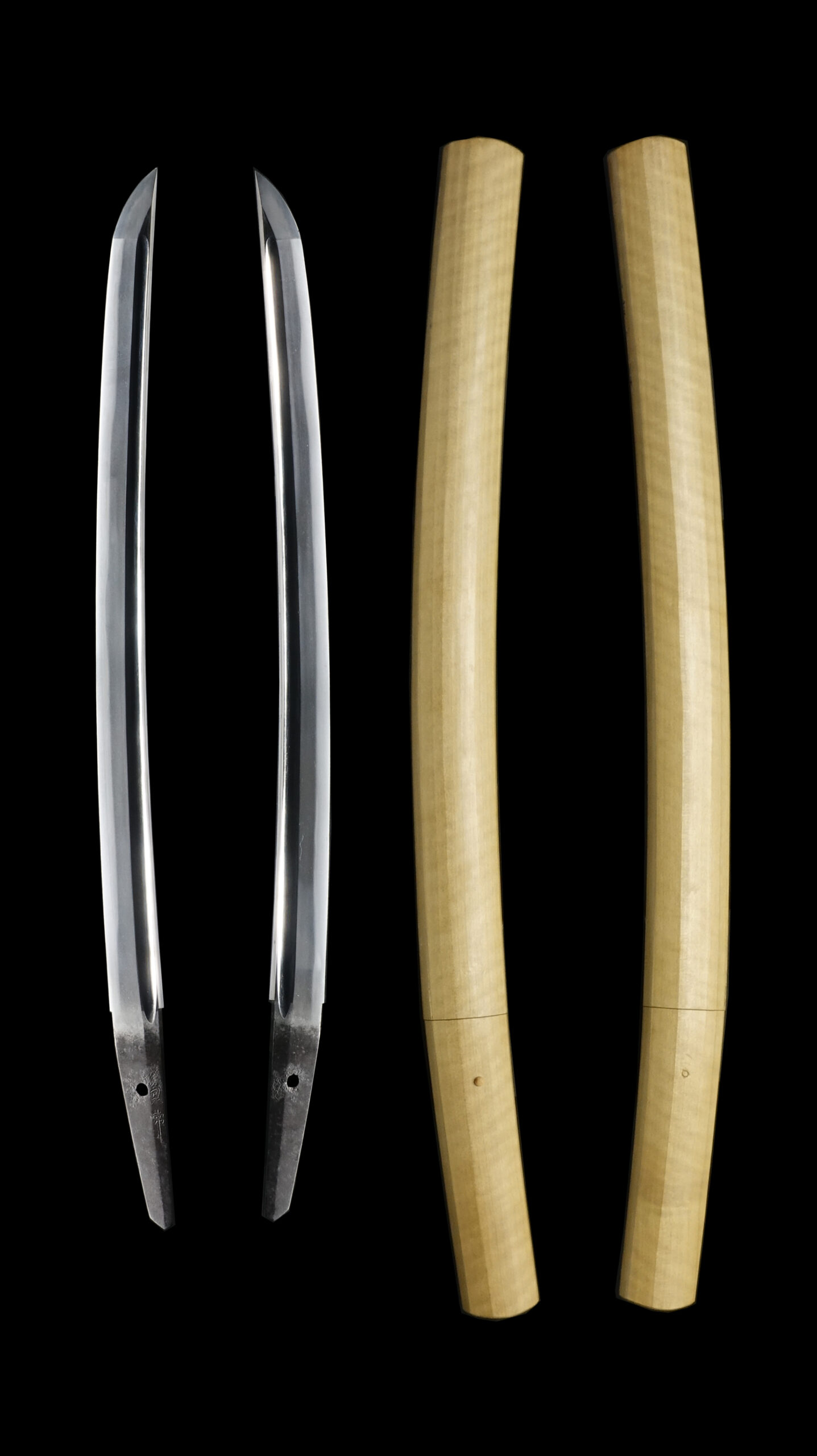
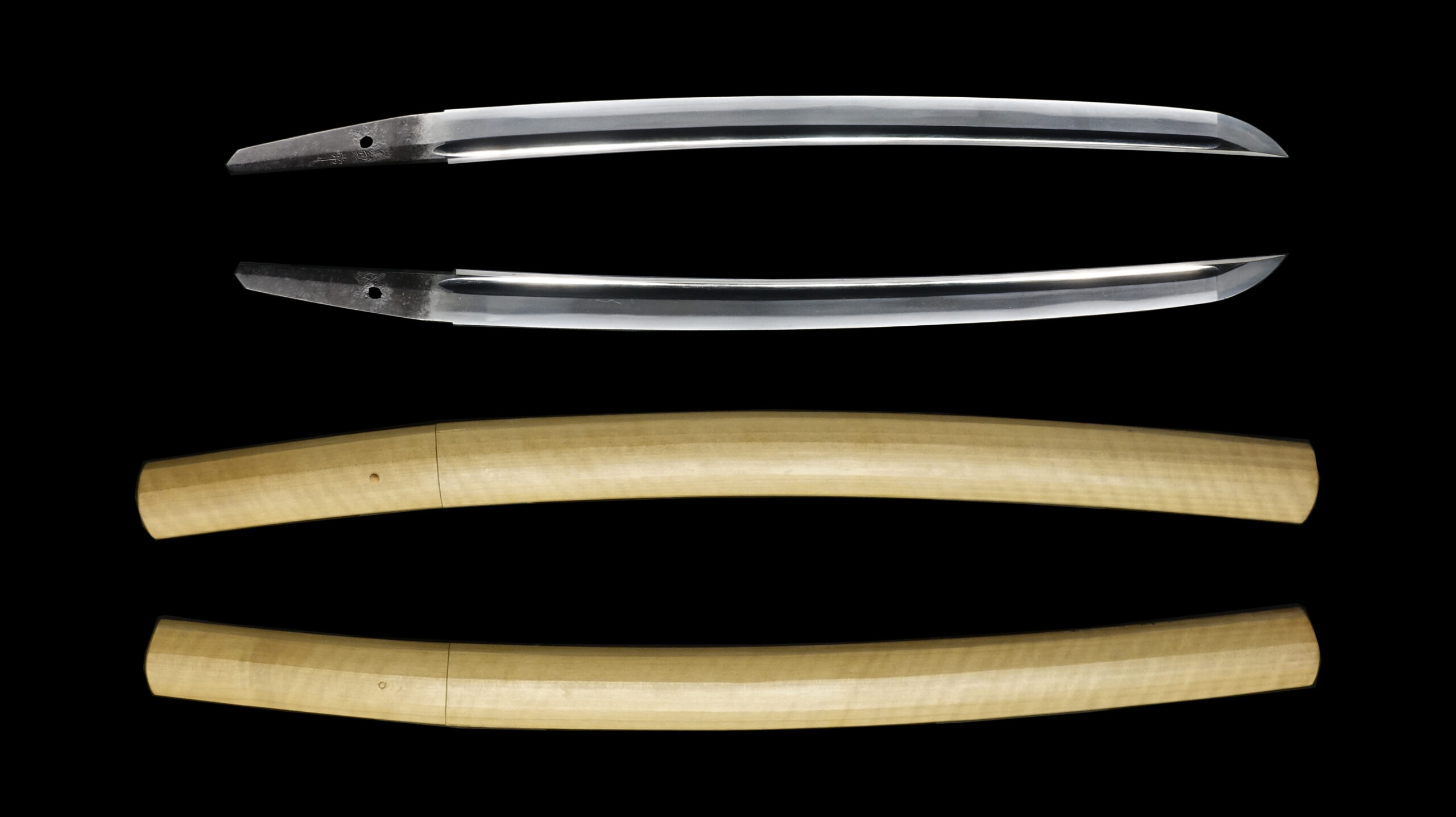
販売店の記載のまま
(翻訳なし) 店主の原文のまま表示しています。正確さの確認を通った翻訳のみを表示します。
美濃伝 · 美濃 · 1573-1592頃
藤代 中上作 · 刀剣大鑑 上位49%
現在2点販売中
兼常の位置づけを、日本刀全体および伝法・時代・時期ごとに示します。各区分(随一・屈指・有数・著名)は、日刀保および文化庁による指定に加え、三作や名物帳などの歴史的栄誉を加味したものです。
各項目を選ぶと評価方法が表示されます。
美濃伝 · 尾張
現在7点販売中
尾張政常は、美濃国納土に生まれた相模守政常を祖とする一系である。政常は初め兼常と銘し、永禄十年に分家独立して小牧村に移り、この頃に名を政常と改めたとみられる。天正十九年五月に相模守を受領し、慶長五年、松平忠吉に従って清洲に移った。清洲では伯耆守信高、飛騨守氏房とともに鍛刀し、後世に尾張三作と称される一人となり、やがて尾張徳川家の抱え工となっている。慶長十二年には入道隠居してその子に相模守政常の名を継がせたが、二代が急逝したため再び現役に復し、以後政常入道と入道銘を用いたといい、元和五年、八十四歳で歿したと伝える。説示が扱う工は、この相模守政常を中心とし、兼常と二字に銘した初期作から、相模守を受領して以後の政常時代、さらに政常入道銘の時期に及ぶ。あわせて、岐阜大道の子で相模守政常の養子となり二代目を継いだ美濃守政常も含まれ、本国美濃の関鍛冶を根に、清洲移住を経て尾張藩の庇護下に展開した一門である。 作風は説示が繰り返し記すところに明瞭である。鍛えは板目に杢を交え、棟寄りに流れて柾がかる傾向を示し、地沸が微塵によくつき、地景がよく入る。区下や区際から水影風の立つ例も認められる。刃文は中直刃を基調とし、処々に小互の目・小丁子を交え、小足・葉が入り、小沸がよくつく。刃縁にはほつれ・二重刃・喰違刃・打のけがあらわれ、金筋・砂流しが細かにかかって匂口は明るい。帽子は直ぐに小丸、あるいは浅くのたれて返り、先を掃きかける。彫物には素剣・護摩箸・梵字・倶梨迦羅などがみられ、刀身によく調和して作を引き締めている。現存する作は平造の脇指・短刀が最も多く、しかも上手であって、刀および鎬造の脇指は極めて少ない。一方で槍・薙刀を得意とし、槍は平三角造の直槍が多く、稀に両鎬造や十文字を見る。見分けの要は、柾がかる地鉄に明るい直刃を主体とする端正な作柄と、刃縁の二重刃・喰違刃や帽子の掃きかけにあり、互の目が箱がかって沸の強まる乱刃の一作風も知られる。 鑑定にあたっては、まず銘の推移を押さえることが肝要である。兼常二字銘は政常受領以前の初期作にあたり、室町後期永禄頃の体配を示すため、同工の作域を知るうえで資料的価値が高い。政常入道銘は二代の急逝後に再び鍛刀した時期のもので、太鏨の長銘や七字銘を指表に切る例が多い。代表的な作には、相州貞宗や信国に範を求めたとみられる乱刃の優品、得意の直刃を端正に焼いた脇指・短刀、笹穂や両鎬の槍、大振りの薙刀があり、藻柄子宗典一作の拵に納められた脇指のように後世まで伝えられた例もある。刀や鎬造脇指の遺例が乏しいことから、これらは政常研究の資料としても重んじられる。尾張三作の一として清洲鍛冶の系譜に位置づけられ、美濃伝を根としながら相州風をも取り入れた点に、桃山から江戸初期の尾張新刀を代表する地位がある。 詳しく見る →
桃山時代の美濃
天下統一は大量の市場を閉じ、関の鍛冶は新しい富の在り処へ移った。三品の一門は受領名を得て京に、大道系は諸国の城下町に。美濃は新刀時代の最大の祖先となった。
保存刀剣のうち、出来が一層優れ、保存状態も良好と認められたものです。再刃や、室町・江戸期の多くの無銘作は対象外となり、保存刀剣より高い基準が課されます。
日本美術刀剣保存協会(日刀保)は、1948年に設立され、文化庁の監督を受ける公益財団法人で、東京・刀剣博物館に本部を置きます。専門の審査員が出品作を直接審査し、美術的・歴史的価値に応じた鑑定書を発行します。日刀保の鑑定書は、日本刀および刀装具の真正性を示す最も広く認知された基準です。
日刀保公式サイトReturns/exchanges limited to defects caused by shipping (except willful misconduct or gross negligence by the company); customers must contact within 72 hours of receiving the product.
¥580,000
Certificate reading — 銘 兼常