江戸は刀の目利きの時代である。本阿弥の鑑定、1719年の享保名物帳、盛んな刀剣書が、戦で抜かれることのなくなった刀を学問の対象へと変えていった。
 NihontoWatchNihontoWatch
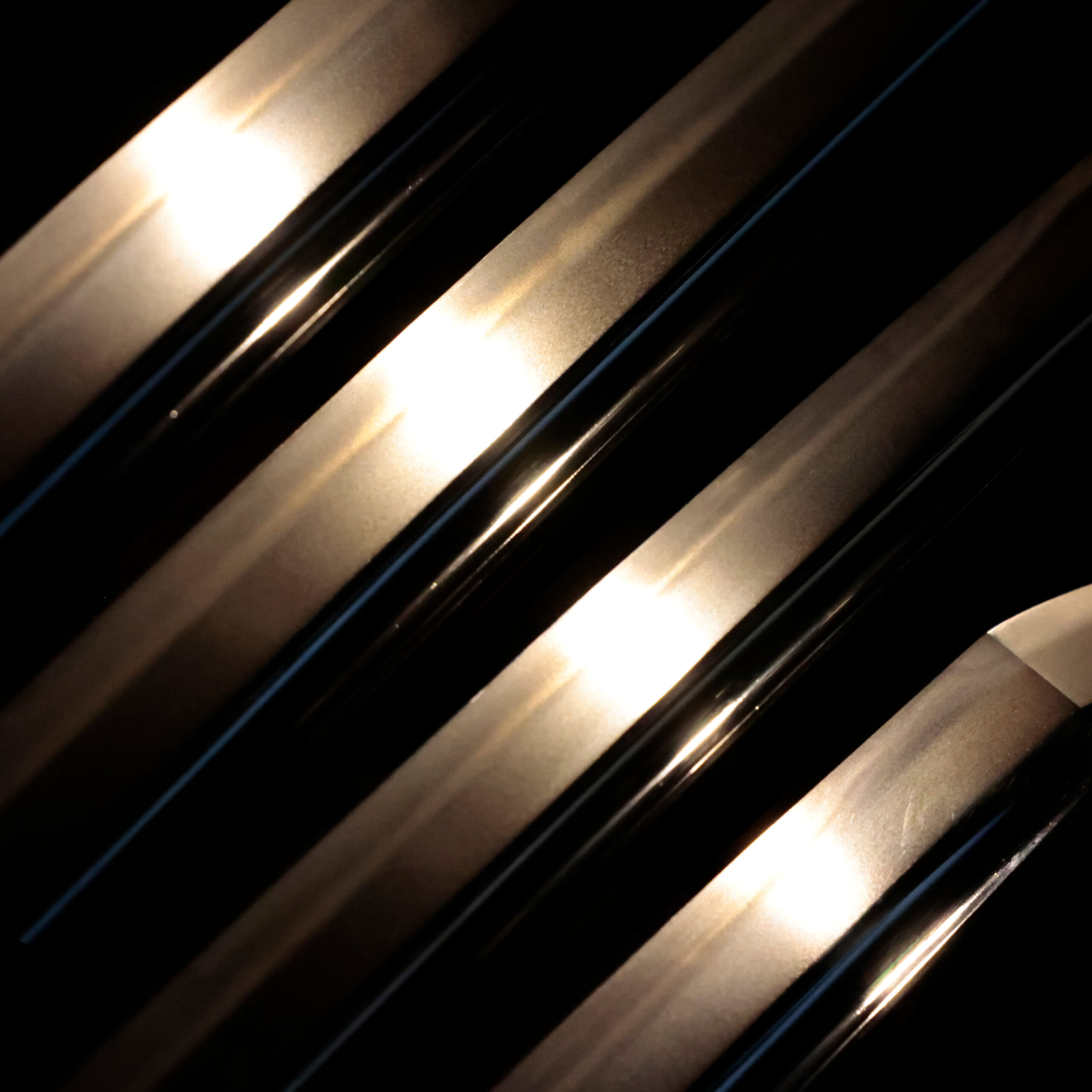
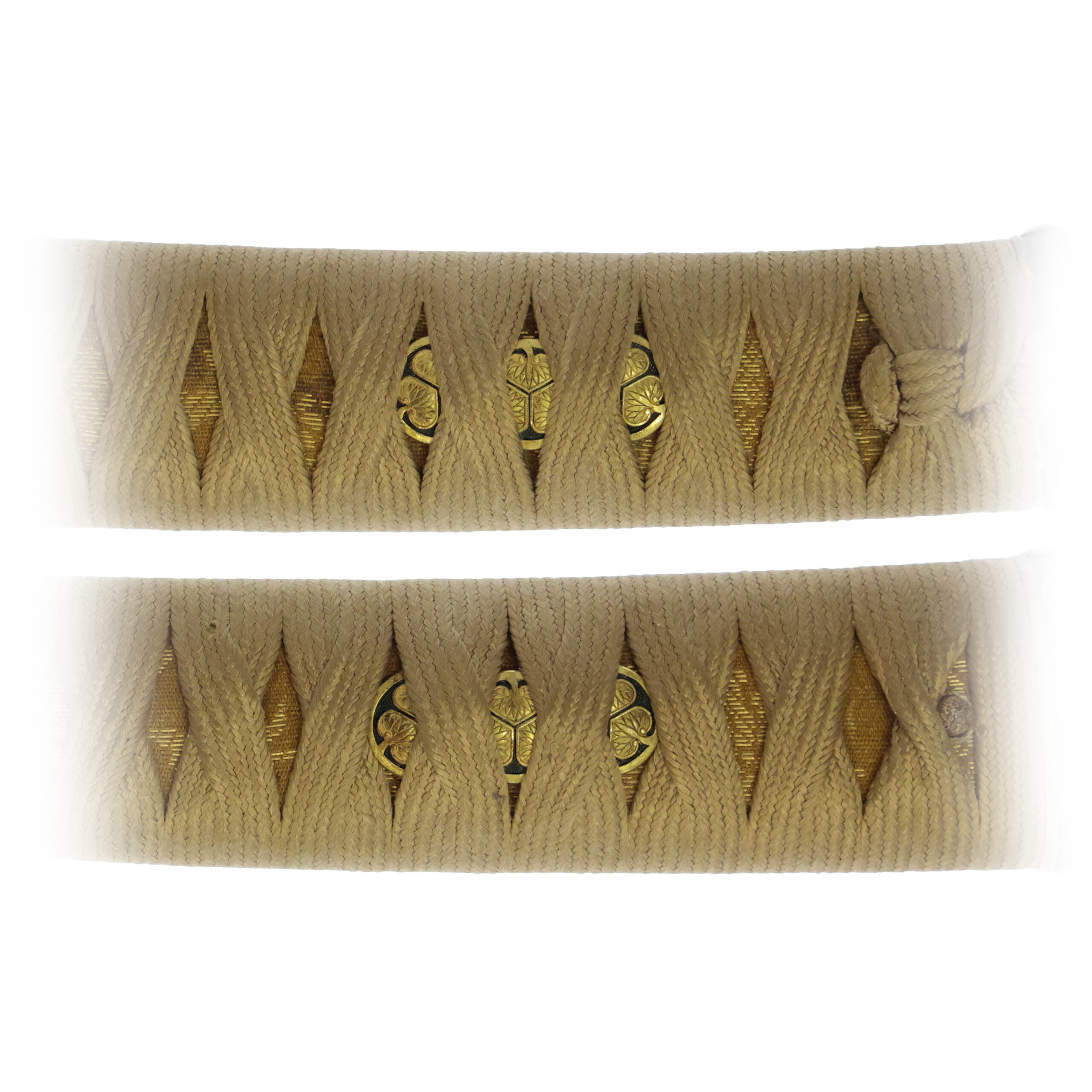
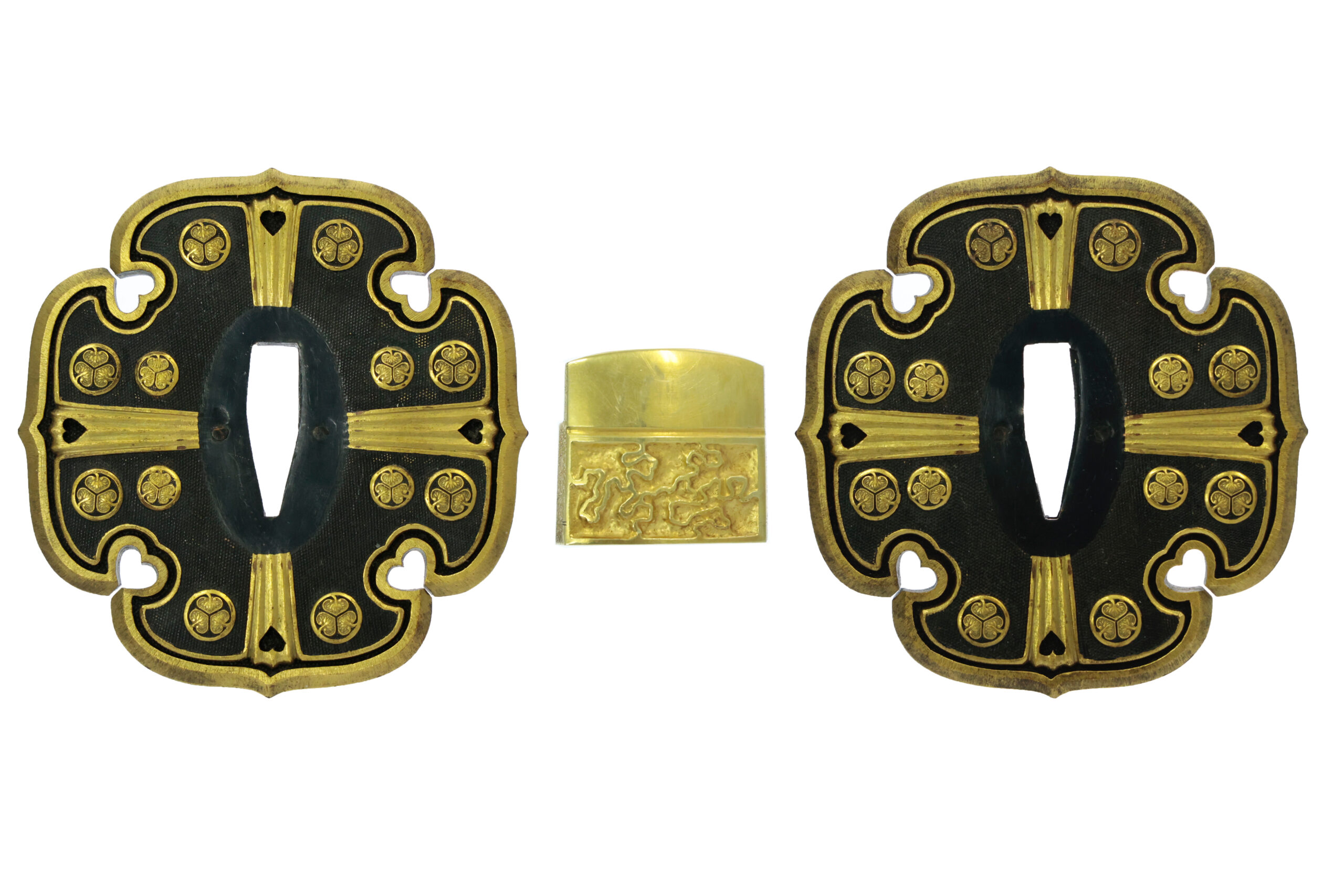
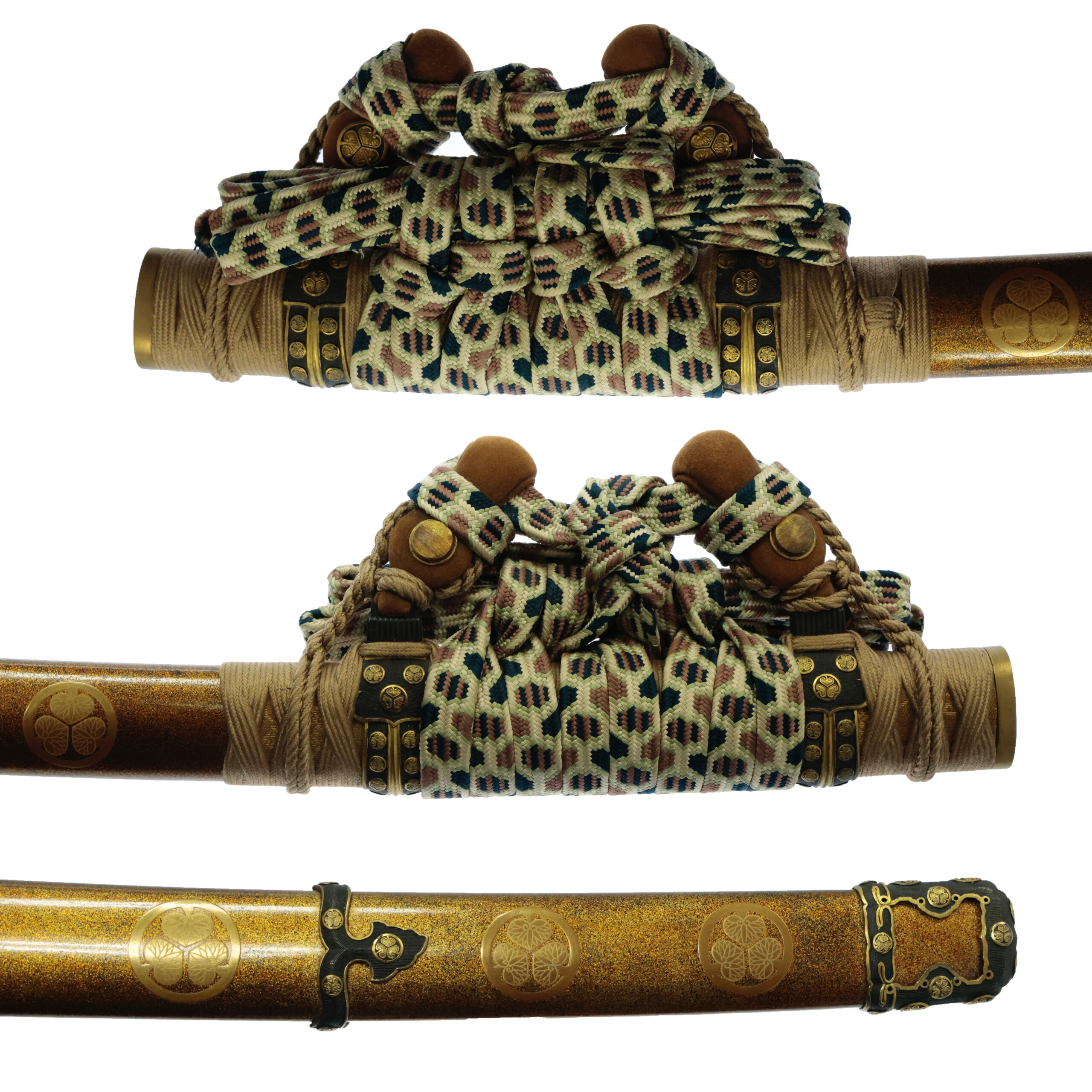
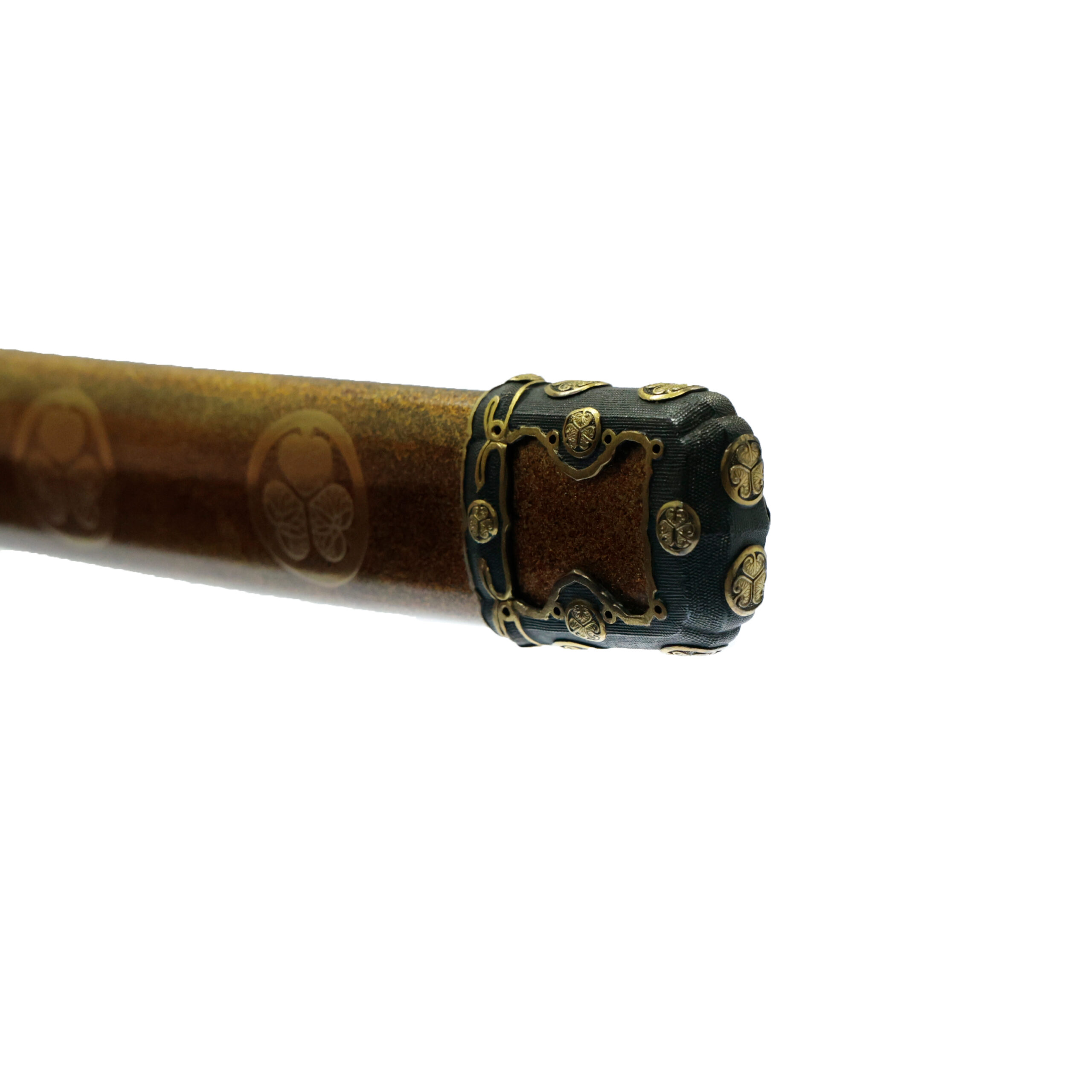
Antique Japanese Sword Katana Attributed to Onizuka Yoshikuni with NBTHK Hozon Certificate 【Description】 This blade is attributed to Onizuka Yoshikuni (鬼塚吉国), who was especially active during the early Edo period (1615-1624) in Chikugo province (today’s Fukuoka prefecture). He was one of the most highly regarded swordsmiths in this area during this period. Yoshikuni was born in the second year of the Tensho era (1574) in Iwayo village in Oshu province (today’s Fukushima prefecture). Some of his works have an engraving of the years the blades were made. This kind of work started from the 17th year of the Kan-Ei era (1640) to the third year of the Keian era (1650). There was a record of him forging a blade when he was 77 years old (1650). It is believed that during 1640-1650, his son, the second-gen Yoshikuni, often did a Daisaku for him. Daisaku is a regular act where an apprentice or a child of the swordsmith signs his master’s name with his master’s permission or forges a blade on behalf of the master. That means that Yoshikuni highly acknowledged his son’s craftsmanship. Yoshikuni resided in Iwayo village in Oshu province (today’s Fukushima prefecture) in his early career but was relocated to Yanagawa domain in Chikugo province (today’s Fukuoka prefecture) by being summoned by Tachibana Muneshige (立花宗茂), who was the head of the domain. Tachibana Muneshige was an influential figure in this domain and one of the most famous warlords during the warring state period (Sengoku Jidai). Tachibana Muneshige used to rule the area where Yoshikuni lived, and we presume this is where Muneshige knew Yoshikuni’s reputation. Yoshikuni is also known for forging very sharp swords, which made him and his work classified as Wazamono Toko (業物刀工). Wazamono is a classification of Japanese swords and swordsmiths used in Japan to identify historic blades of exceptional quality in the book written by Kaiho Kenjaku (懐宝剣尺) in 1797. Fujishiro Yoshio wrote a book called Token Jiten (Japanese Sword Dictionary). He is one of the most reputable Japanese sword experts in modern times. He categorized swordsmiths into five categories (Saijyo Saku, Jyojyo Saku Jyo Saku, Chu Jyo Saku, Chu Saku) regarding the reputation and skill of swordsmiths during the Shinto era (Early-Mid Edo period). Saijyo Saku is in the highest position. This chart often reflects how prominent a Japanese swordsmith is. Yoshikuni is categorized as a Jo Saku swordsmith. Tachi Koshirae This blade is stored in Tachi (太刀) Koshirae. Tachi was mainly used by an armored Samurai with one hand on horseback from the Heian period (794-1185 A.D.) until the early Muromachi period. TACHI was suspended loosely on the left waist with its edge facing the ground so that you could draw it faster to cut down soldiers on the ground. Because of its gorgeous looking, having a Tachi-style sword mounting became a social status among Samurai. This blade is appraised as a Hozon Touken (保存刀剣) issued by NBTHK (Nihon Bijutsu Touken Hozon Kyokai: 日本美術刀剣保存協会). This authentication paper was only given to authentic Japanese swords, well preserved and high quality with artistic value. 【Blade】 Cutting Edge Length (Nagasa) : 68.7 cm (27.0 inches) Curvature (Sori) : 2.0 cm (0.78 inches) Hamon : The crystalline structure which forms along the cutting edge of a blade as a result of the hardening process. Jimon (Jihada) : Visible steel surface pattern created by folding and hammering during forging process. Kissaki : Kissaki is the tip of the Japanese sword. Nakago : Nakago is the tang of the Japanese sword. Japanese swordsmiths left the black rust on the tang because it prevents red rust while the tang is in its handle. And the discoloration of the tang was created over time, and it is a great indicator for a Japanese sword specialist to estimate when the sword was forged. Koshirae : Koshirae is the mounting of the Japanese sword. There are several parts that consist of Koshirae such as Saya (Scabbard), Tsuka (Handle), Tsuba (Ha
NihontoWatch取扱店 サムライミュージアム

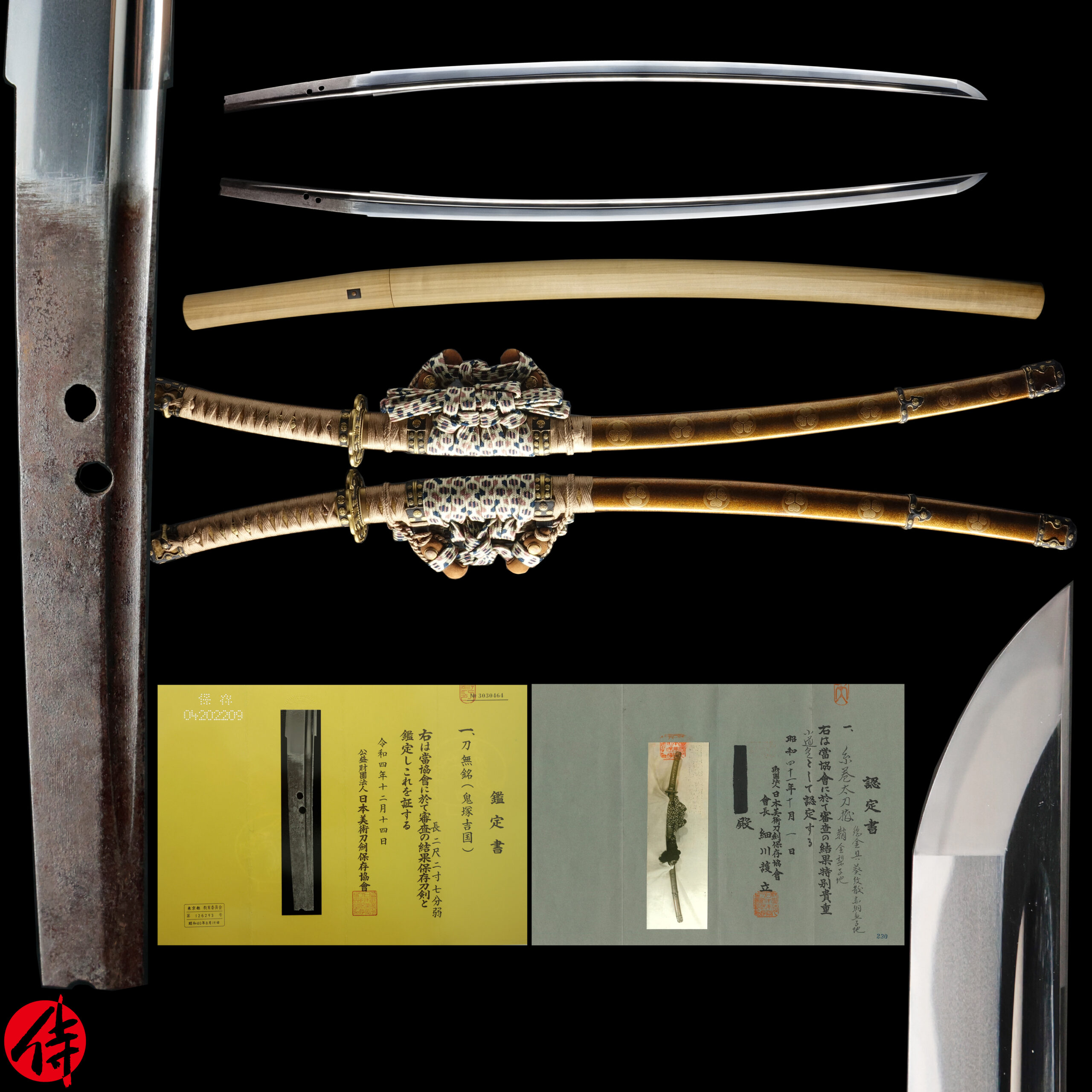
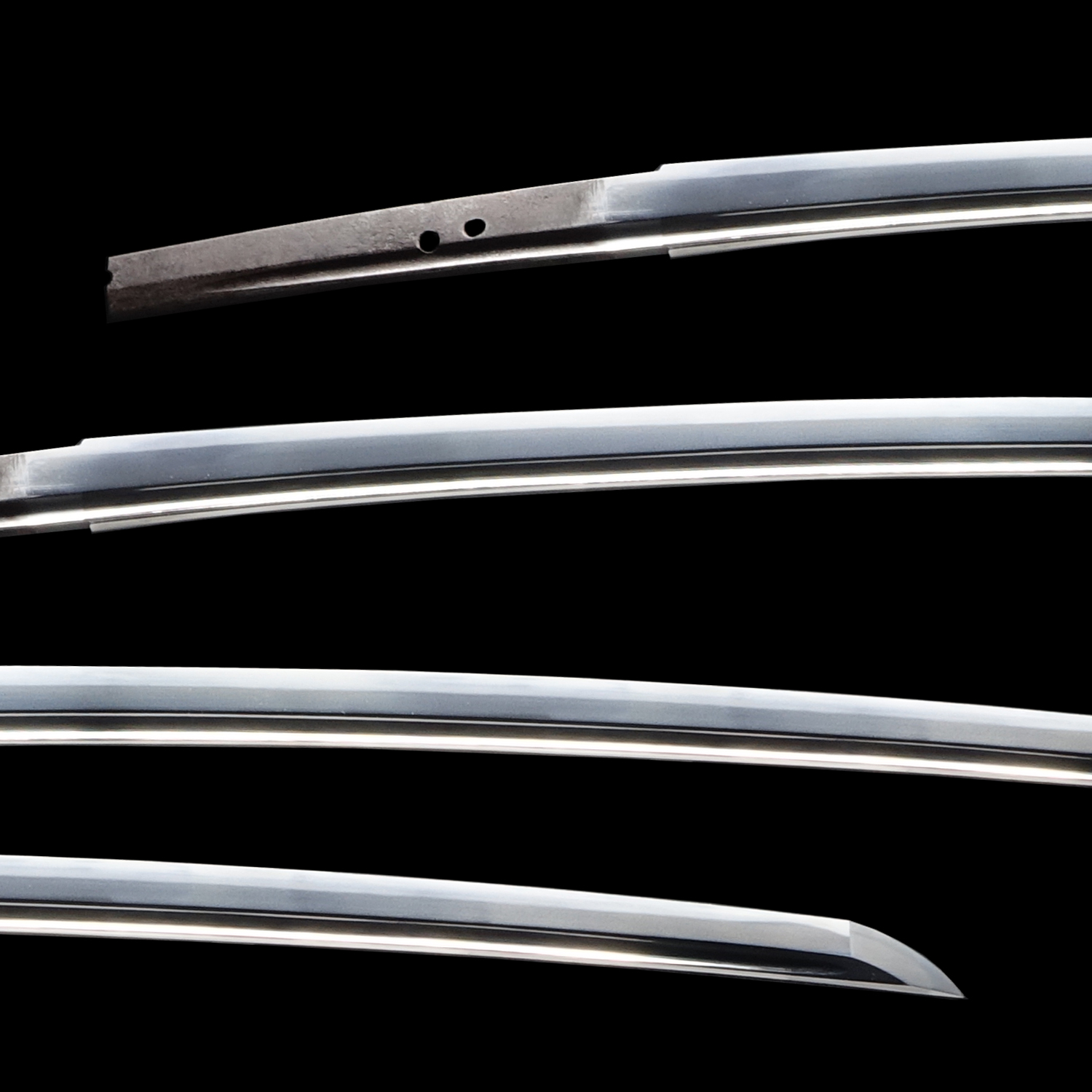
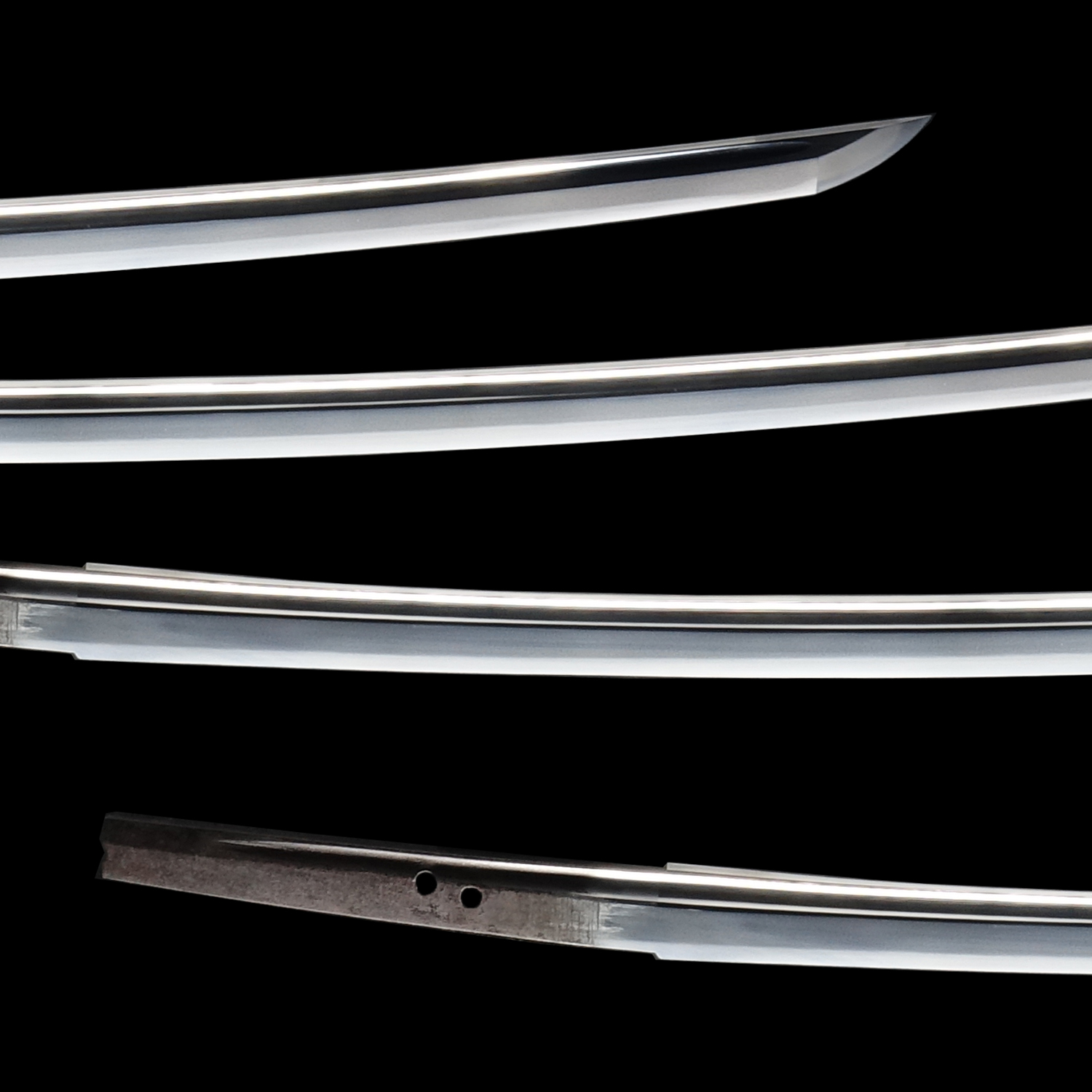
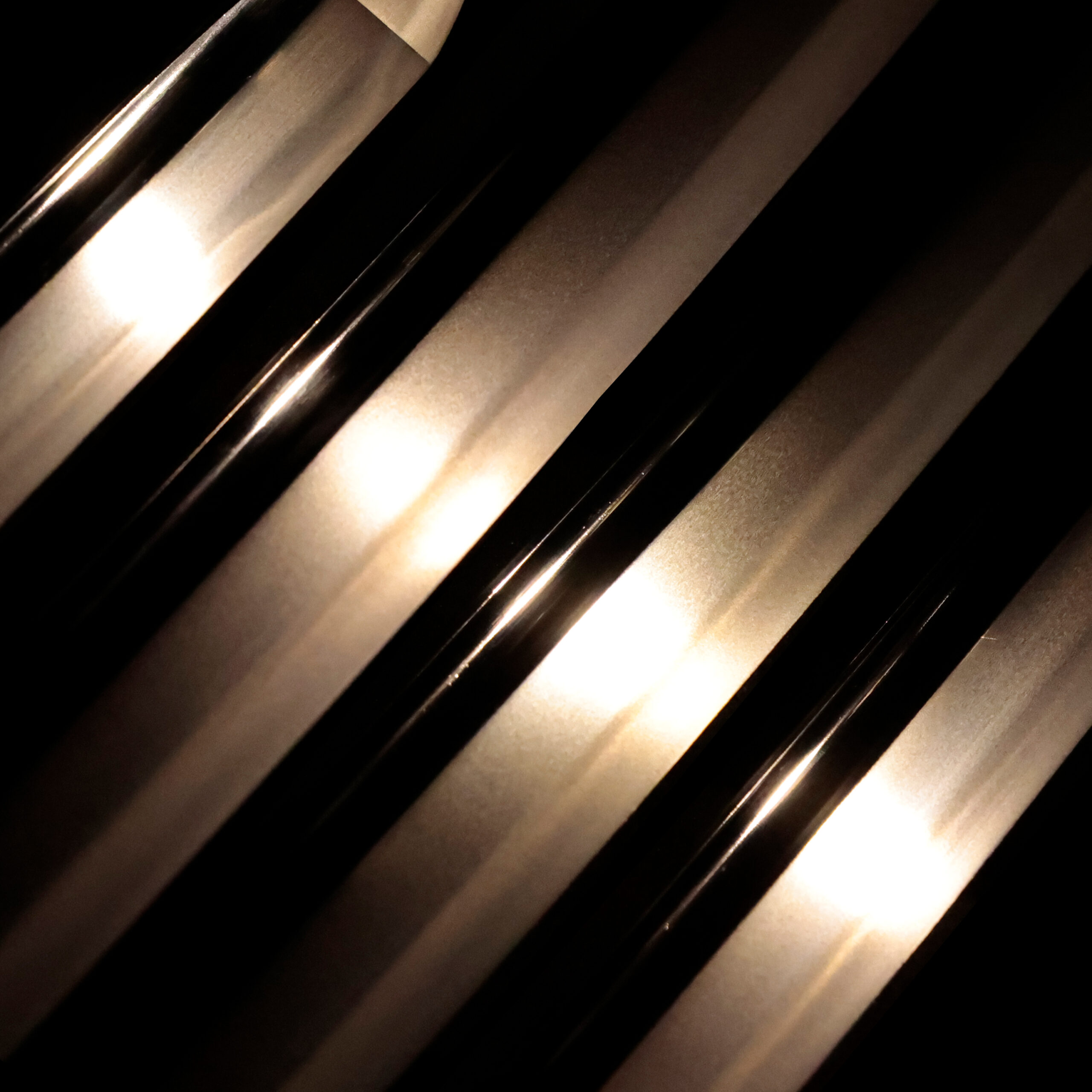
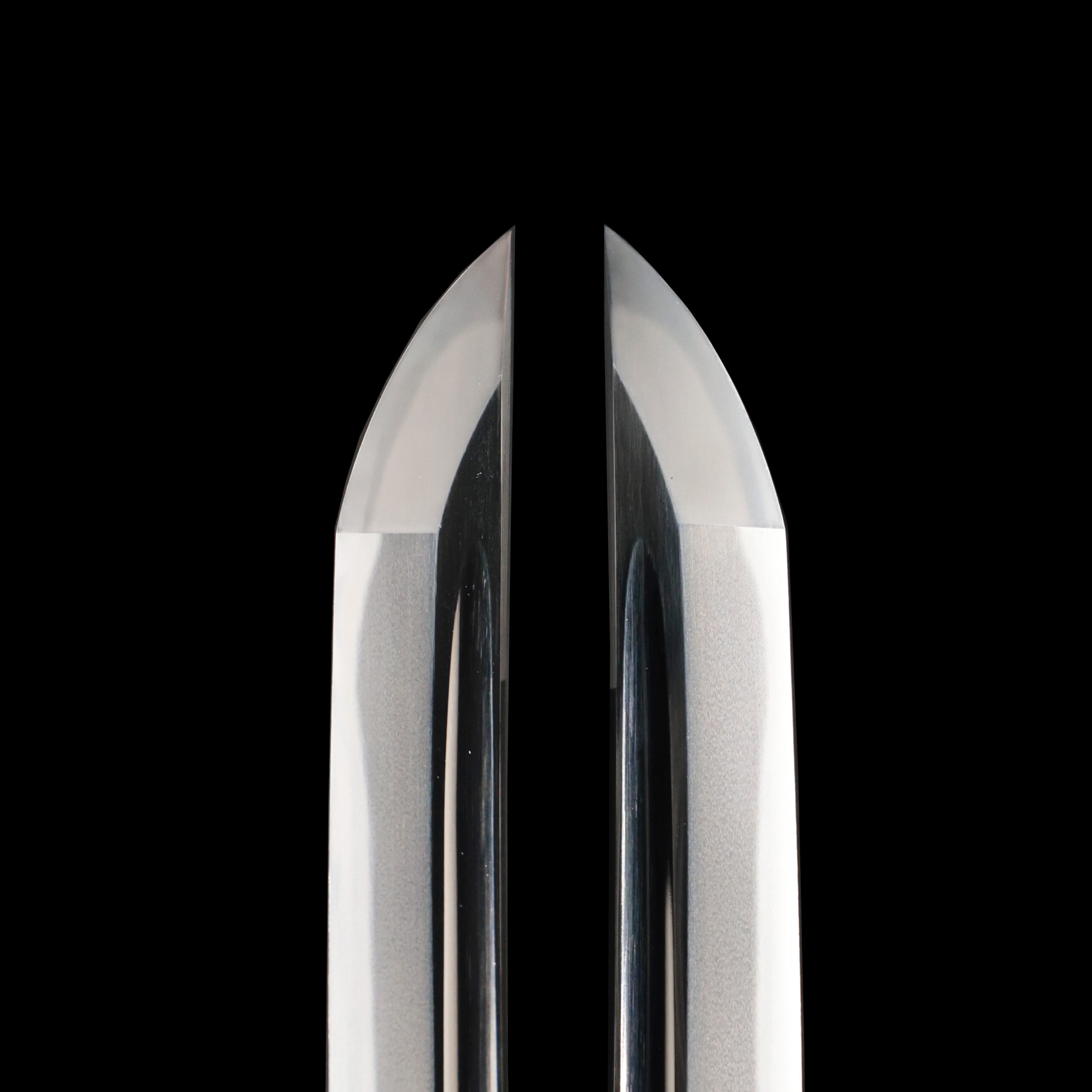
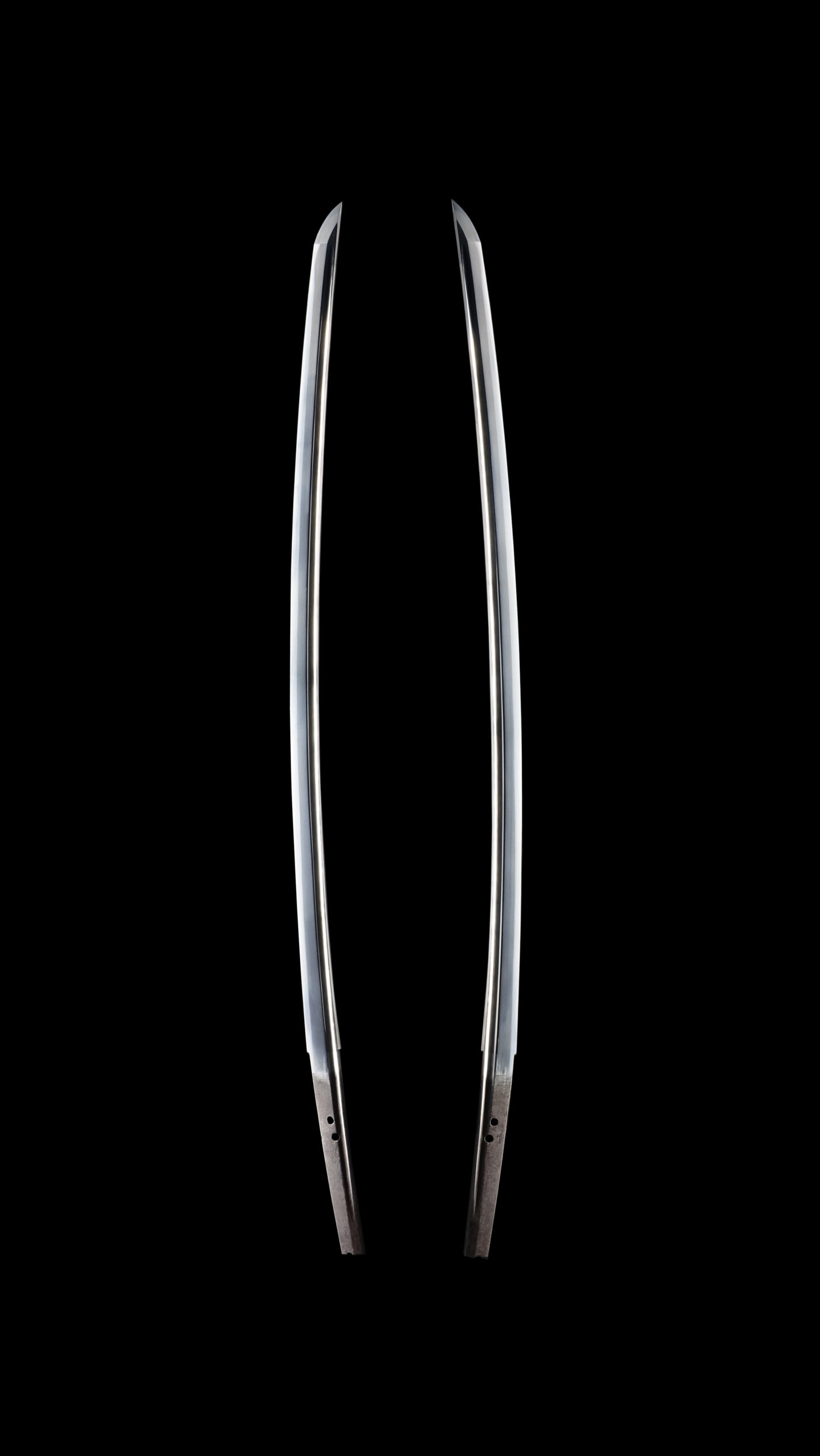
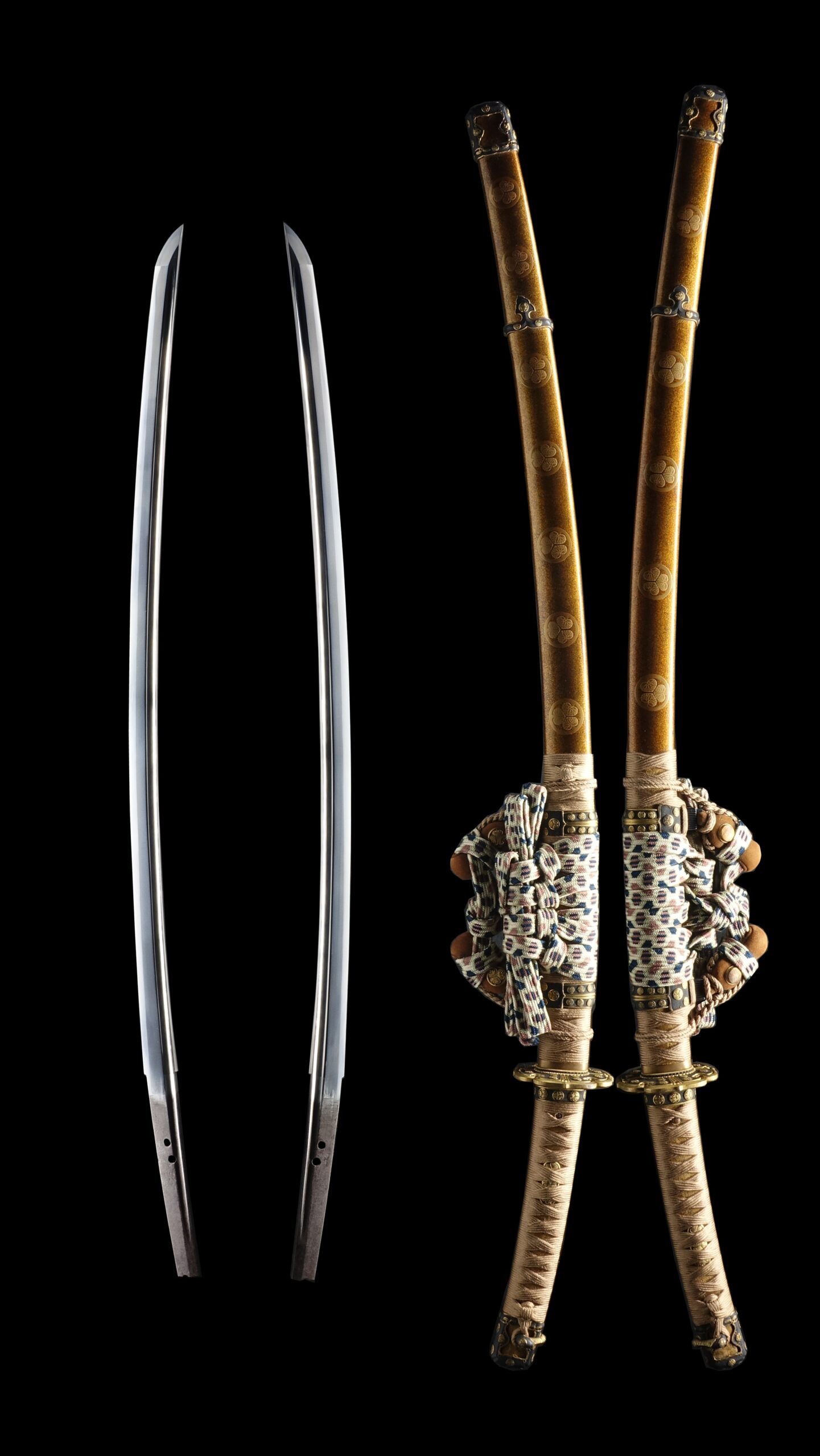
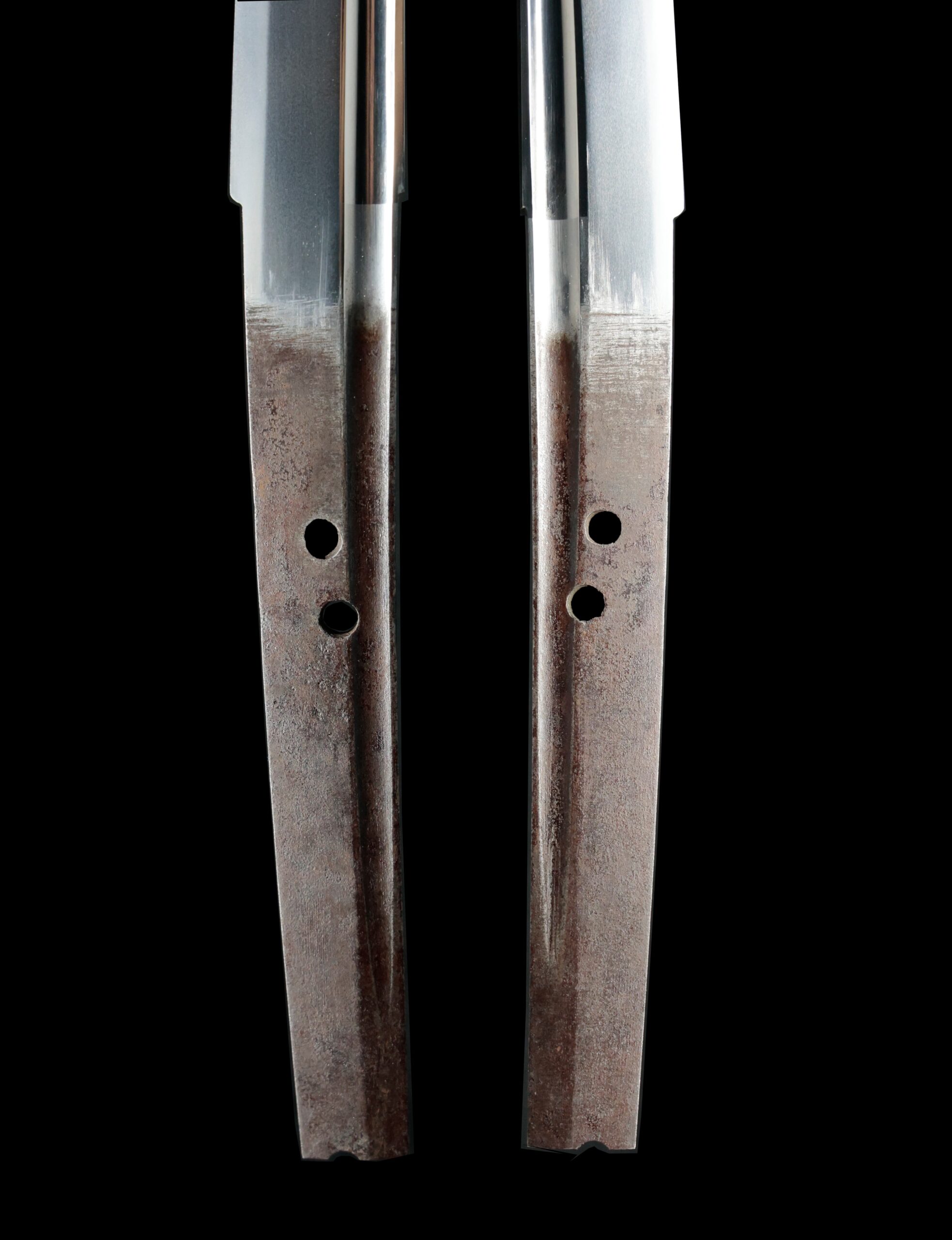
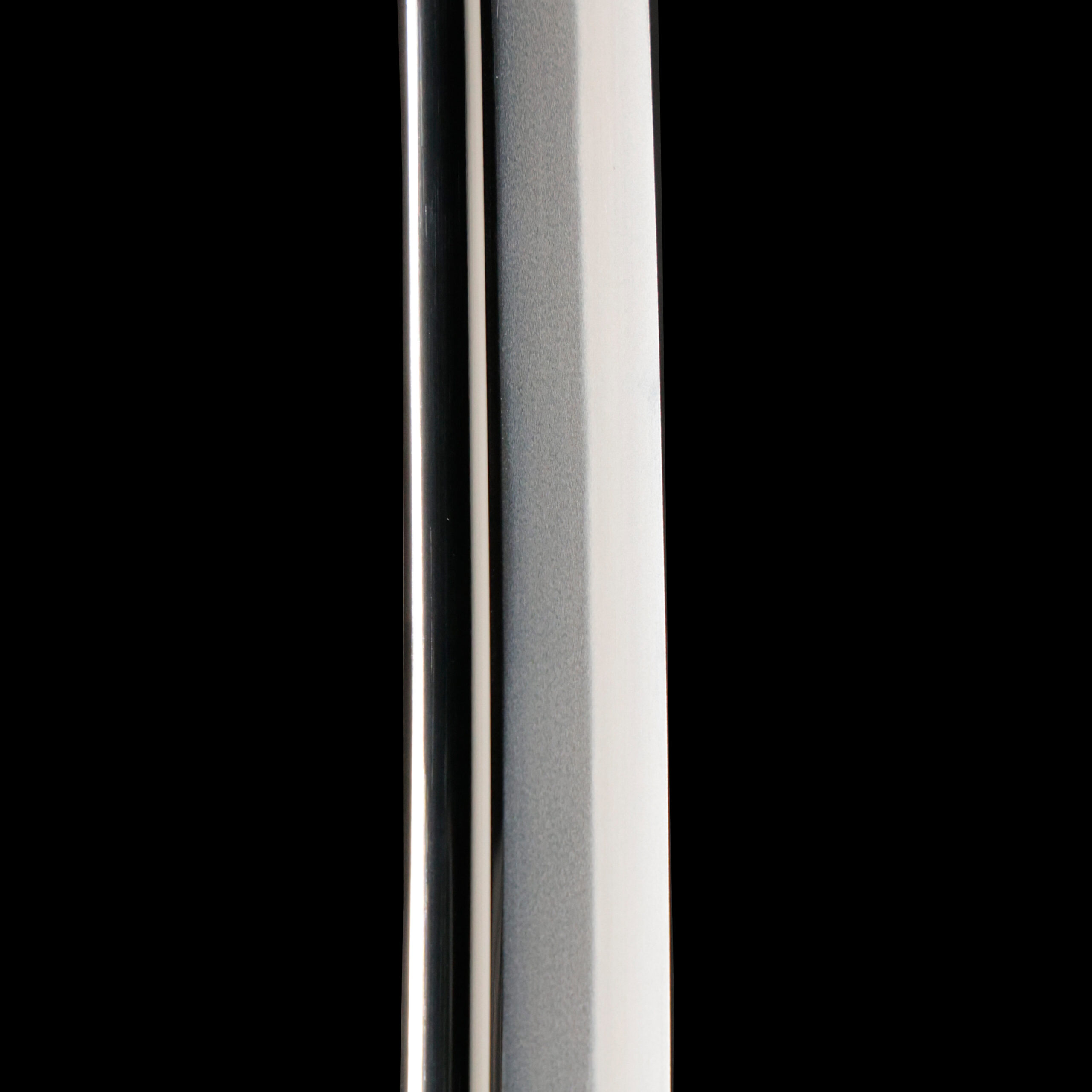
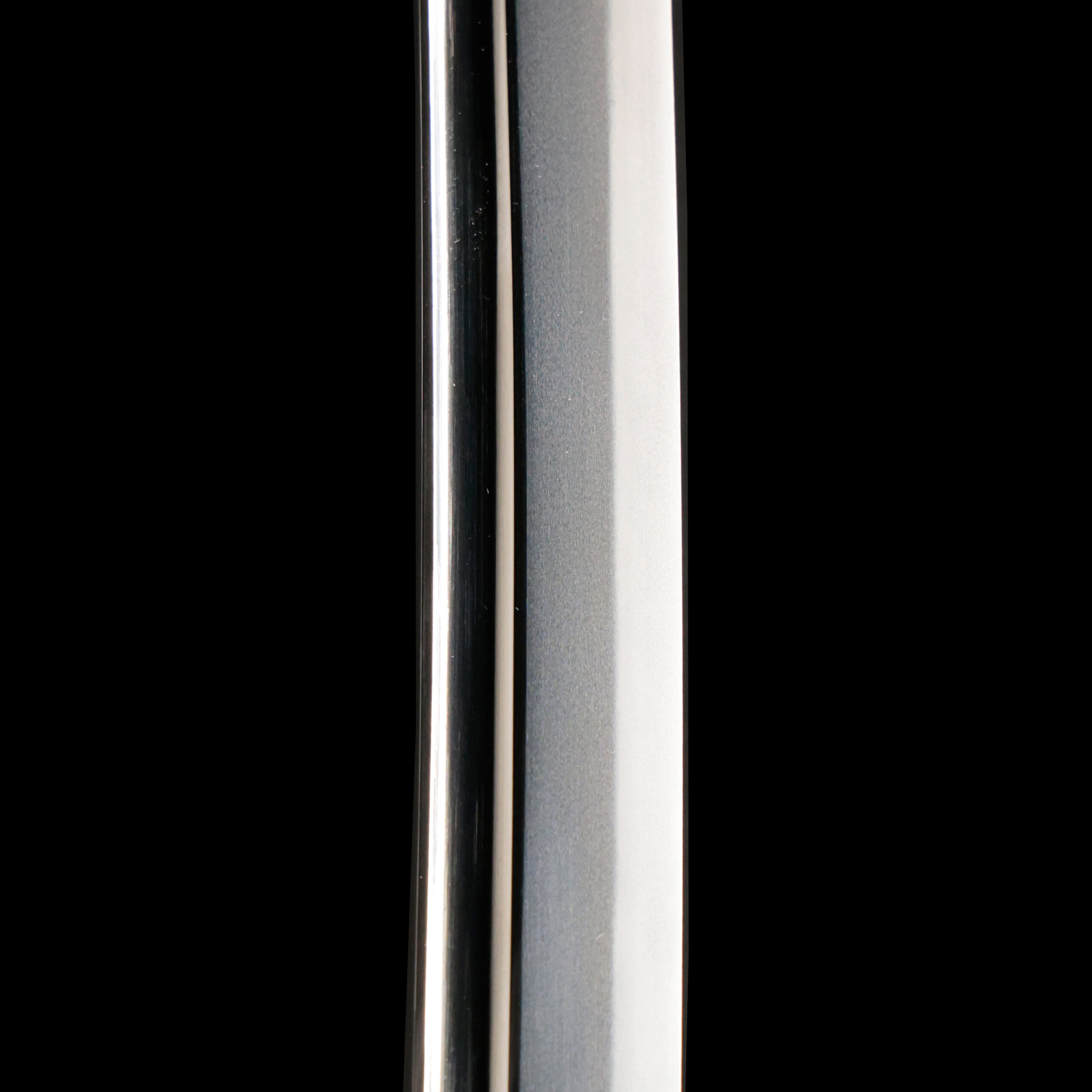
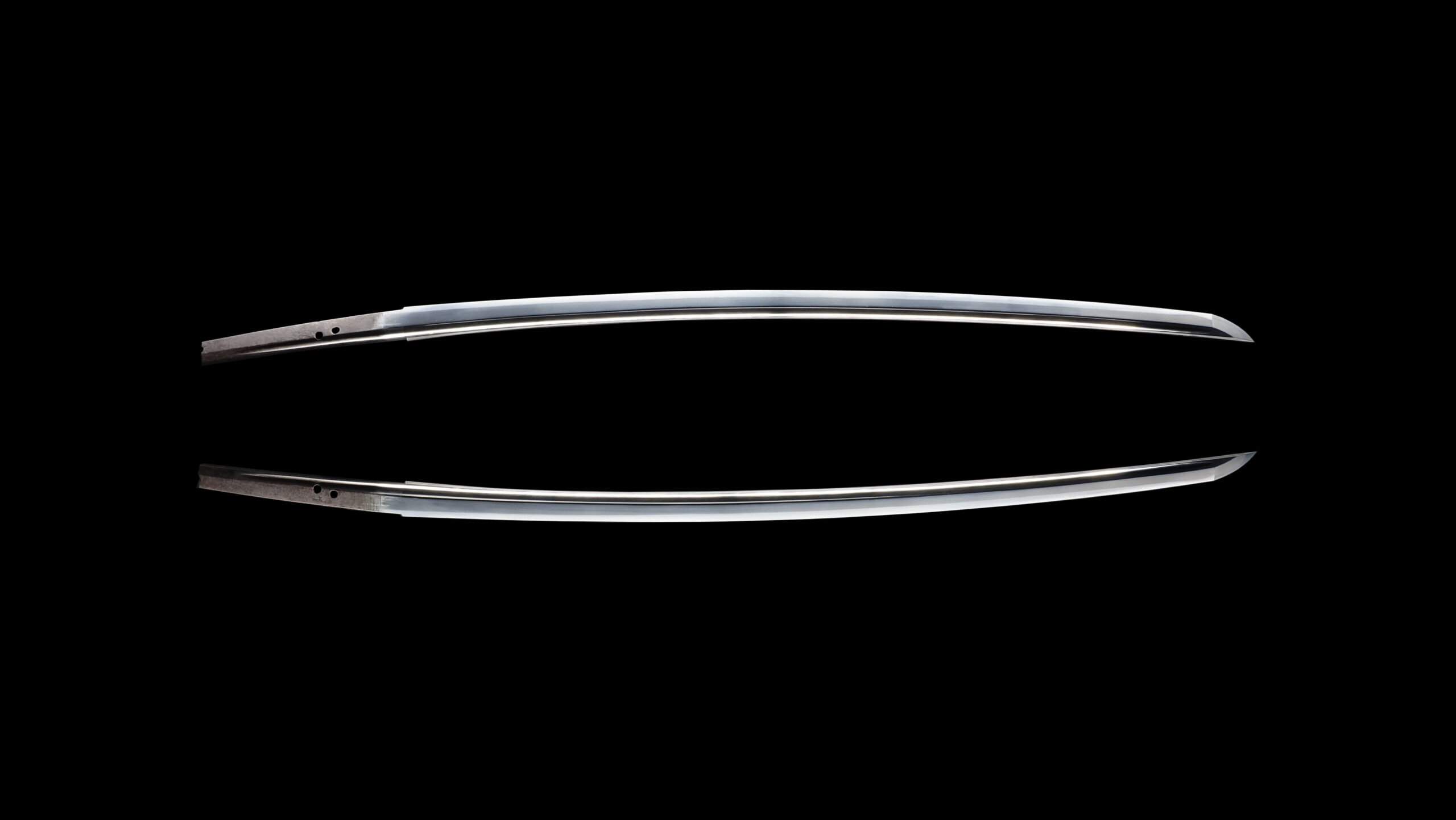
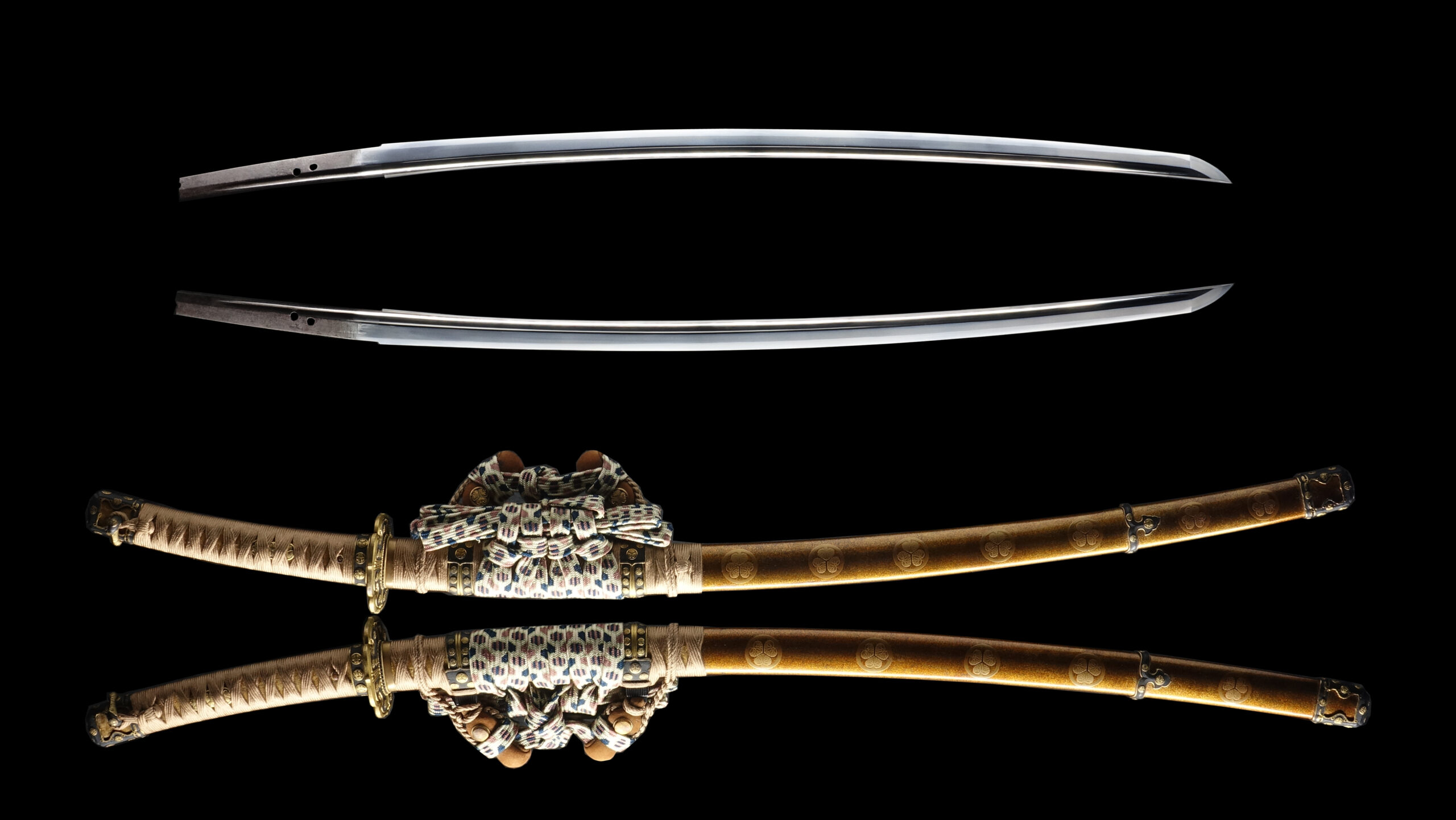
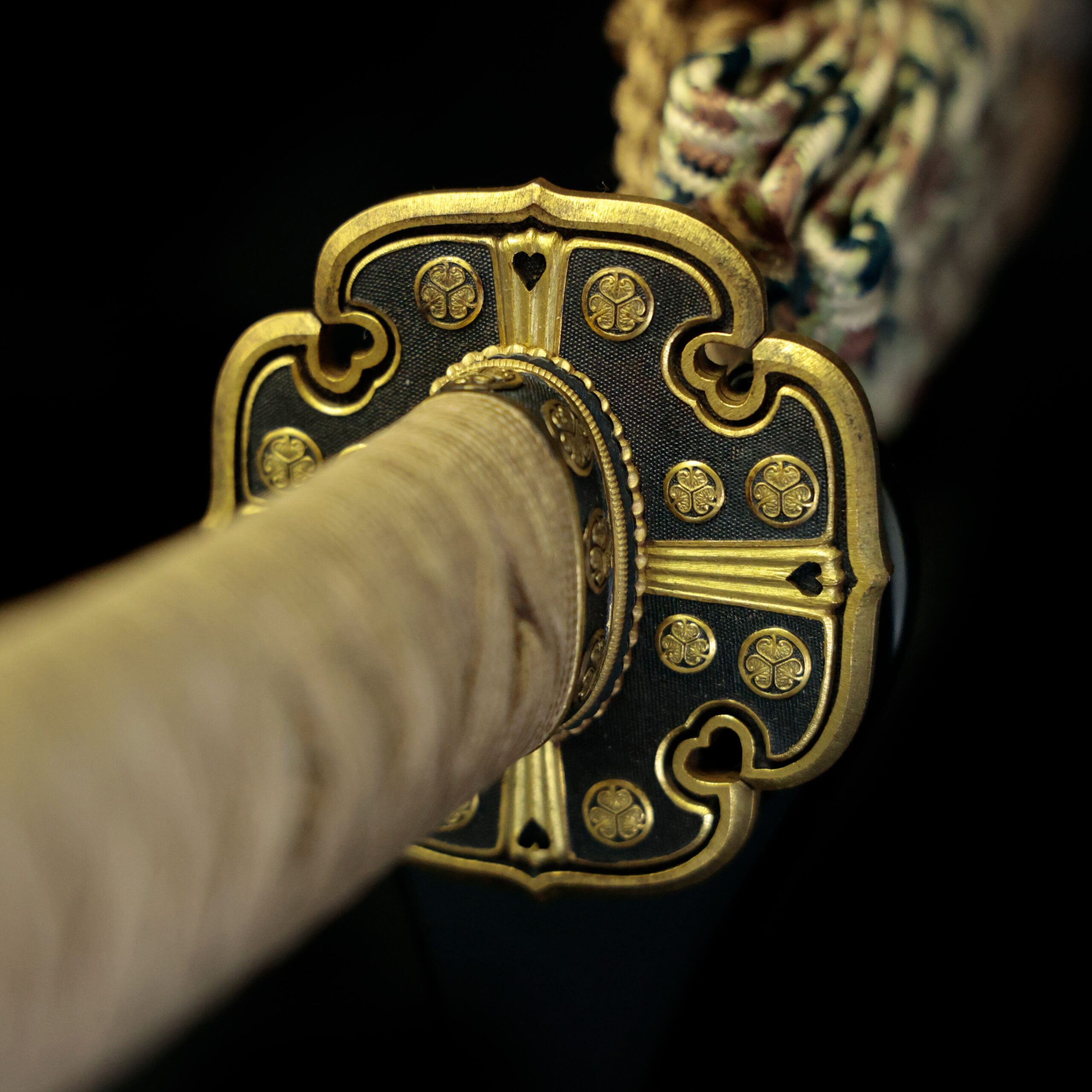
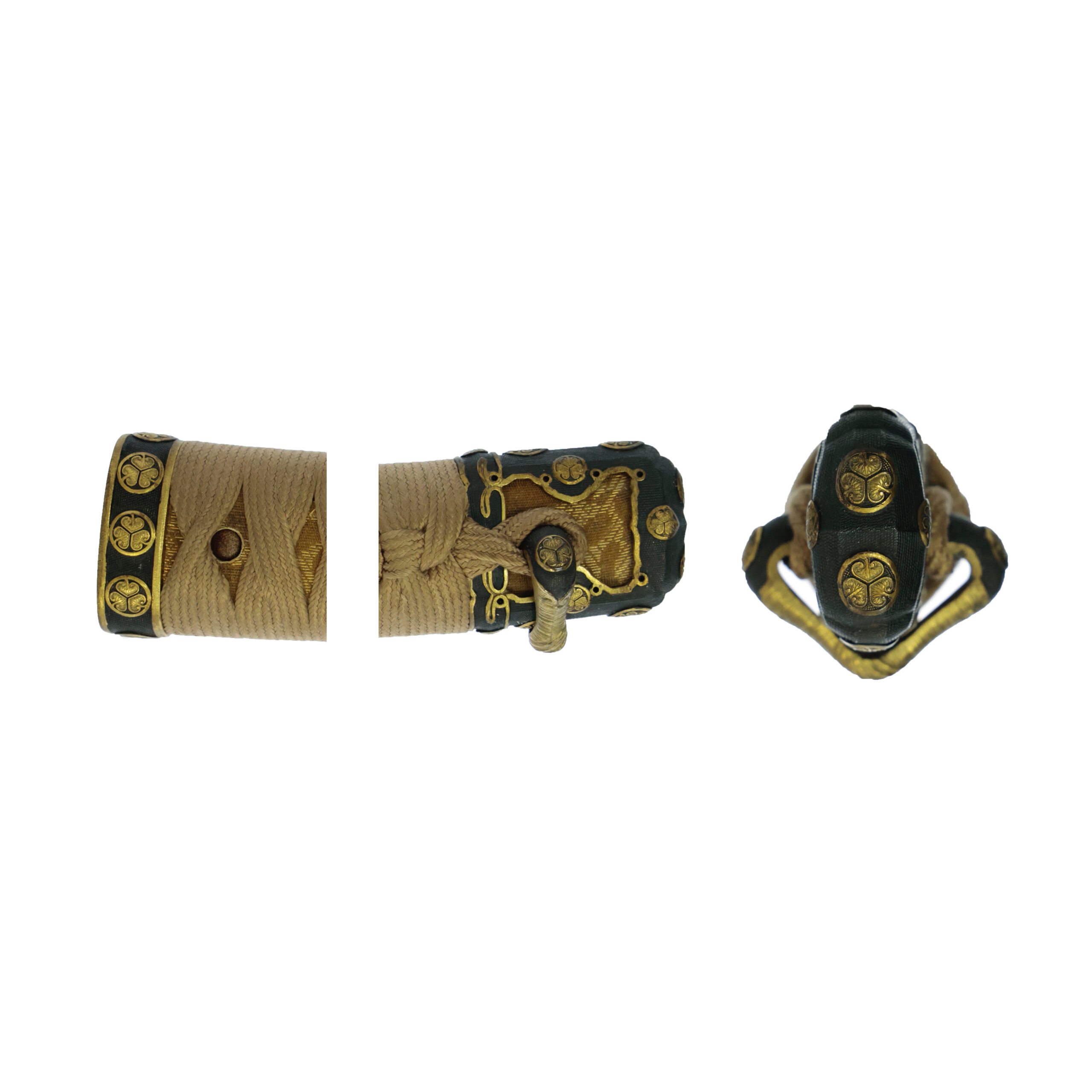
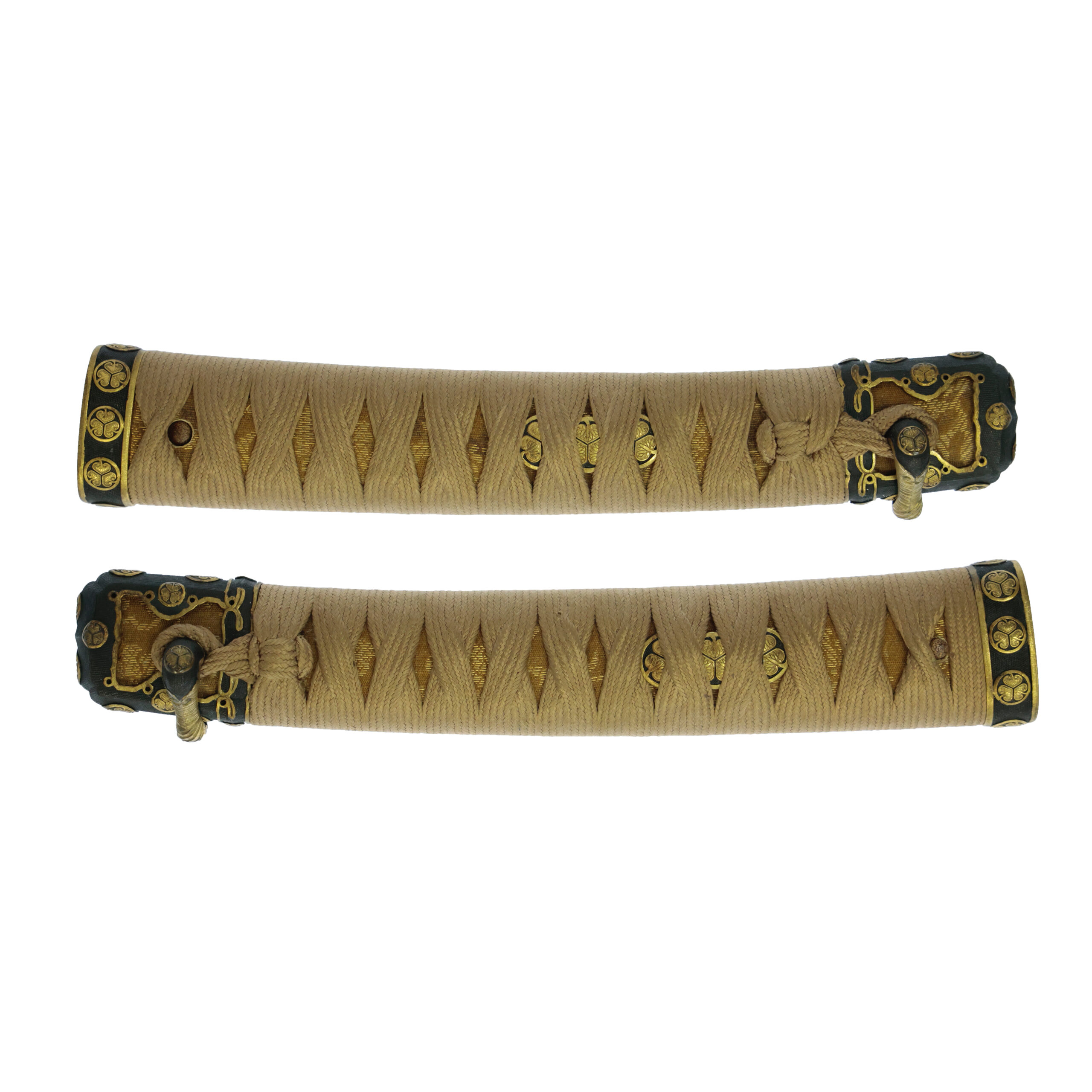
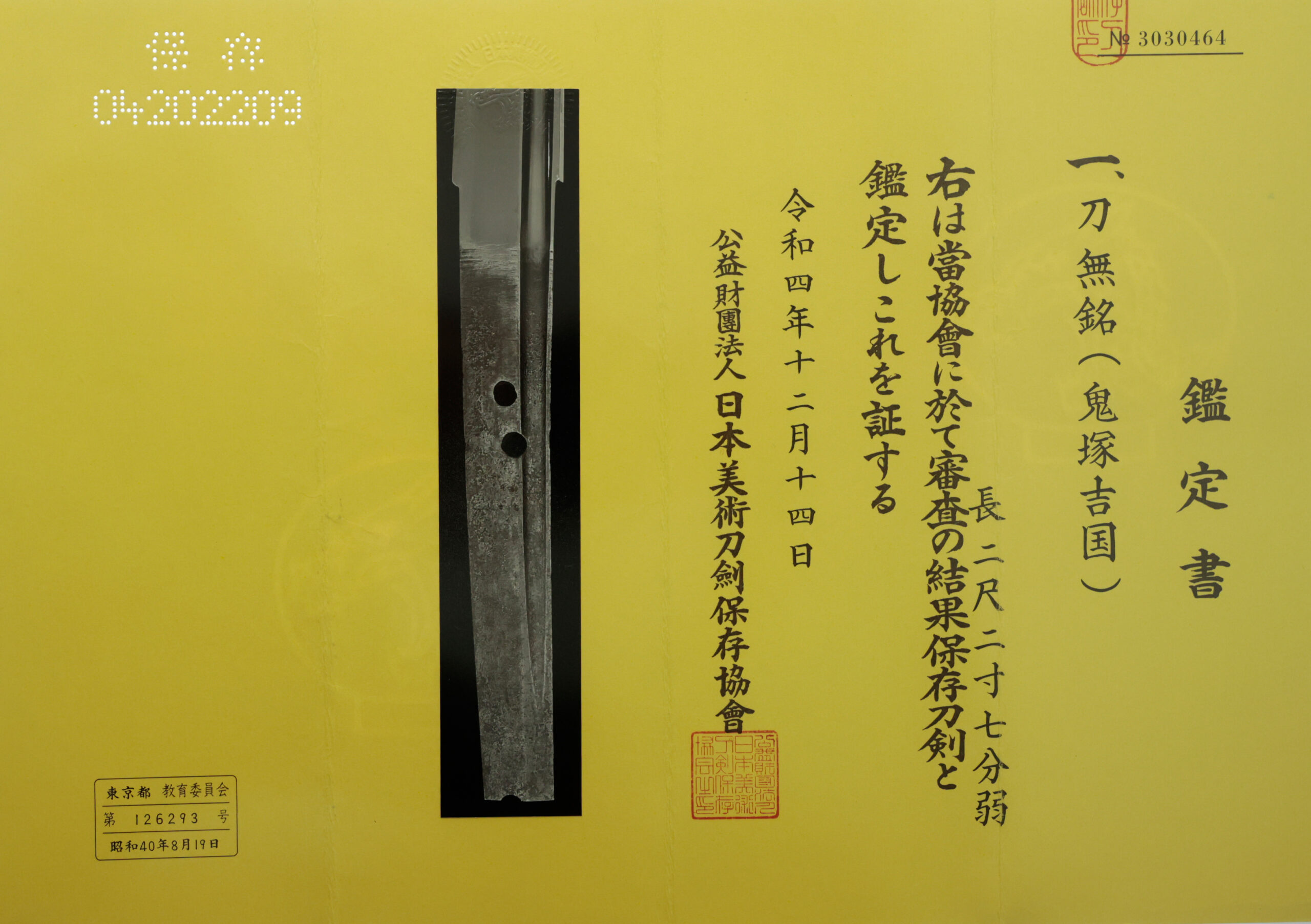
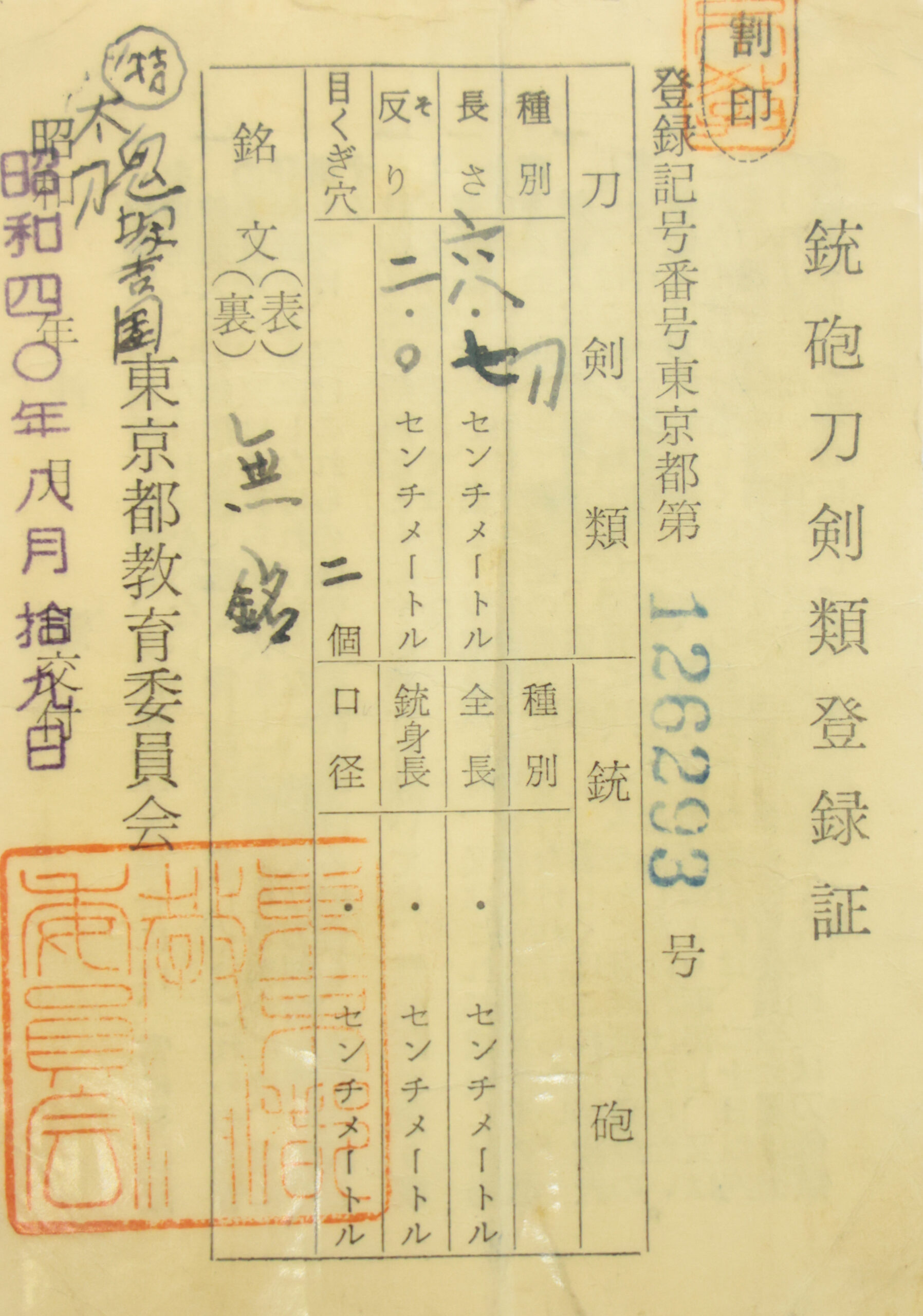
筑後 · 1624-1644頃
刀剣大鑑 上位31%
現在4点販売中
吉國の位置づけを、日本刀全体および伝法・時代・時期ごとに示します。各区分(随一・屈指・有数・著名)は、NBTHK および文化庁による指定に加え、三作や名物帳などの歴史的栄誉を加味したものです。
各項目を選ぶと評価方法が表示されます。
江戸時代
江戸は刀の目利きの時代である。本阿弥の鑑定、1719年の享保名物帳、盛んな刀剣書が、戦で抜かれることのなくなった刀を学問の対象へと変えていった。
銘が正しい、または無銘でも年代・国・系統を確実に指摘できる、保存に値する真正の作と鑑定されたものです。
日本美術刀剣保存協会(NBTHK)は、1948年に設立され、文化庁の監督を受ける公益財団法人で、東京・刀剣博物館に本部を置きます。専門の審査員が出品作を直接審査し、美術的・歴史的価値に応じた鑑定書を発行します。NBTHKの鑑定書は、日本刀および刀装具の真正性を示す最も広く認知された基準です。
NBTHK公式サイトReturns/exchanges limited to defects caused by shipping (except willful misconduct or gross negligence by the company); customers must contact within 72 hours of receiving the product.