NihontoWatch Mon

NihontoWatchBETA

マーケットオークション
事典
NihontoWatch Mon

NihontoWatchBETA

マーケットオークション
事典

説明

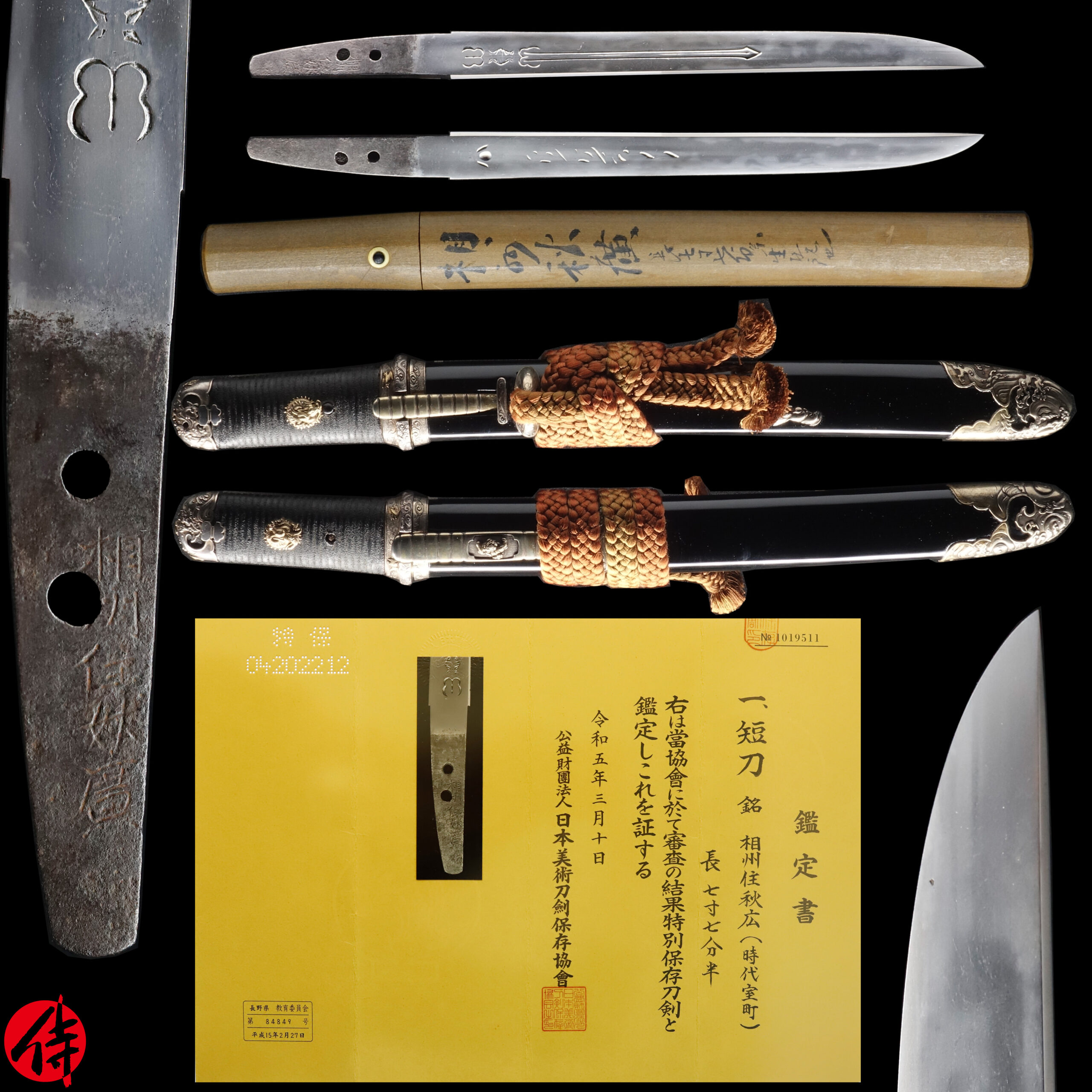
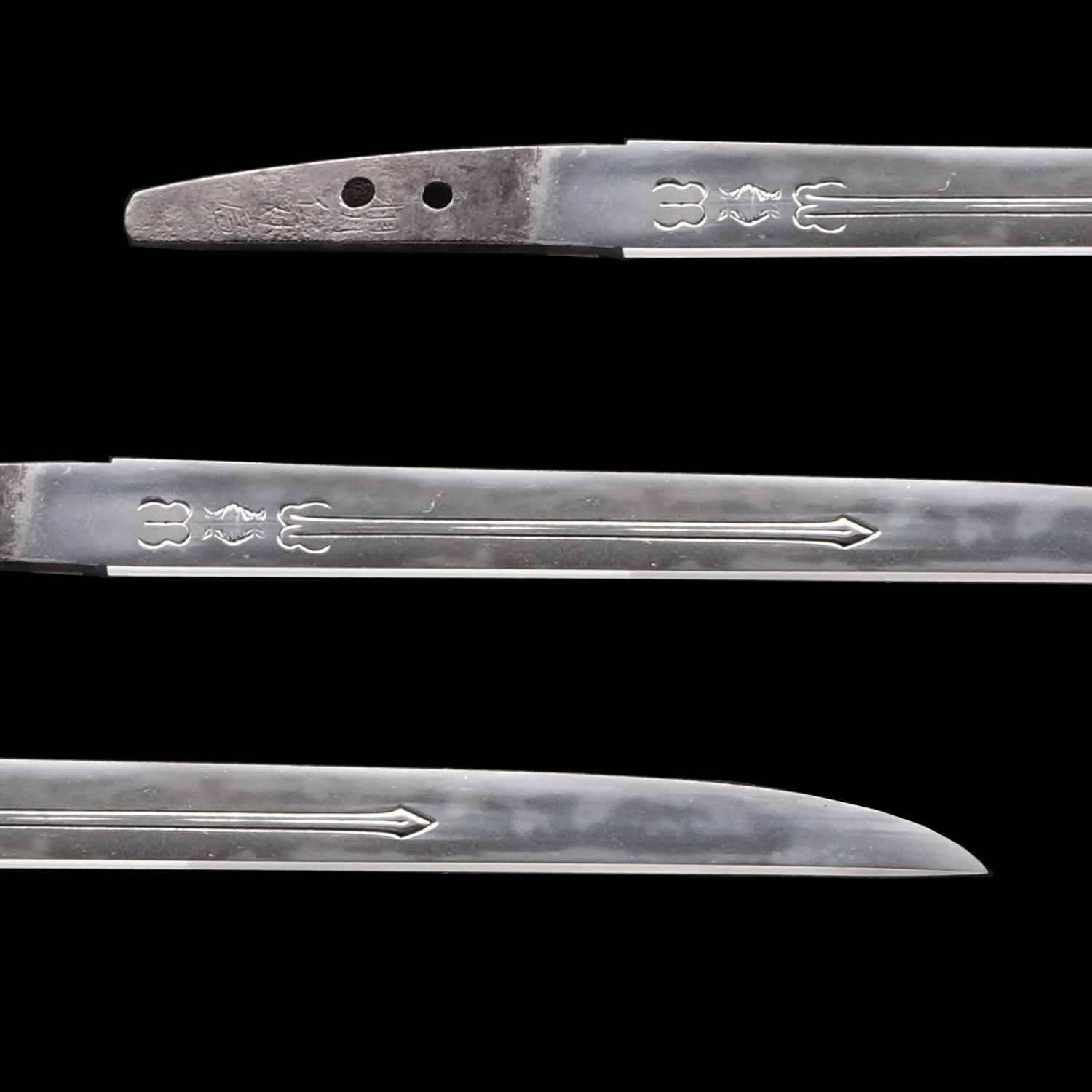
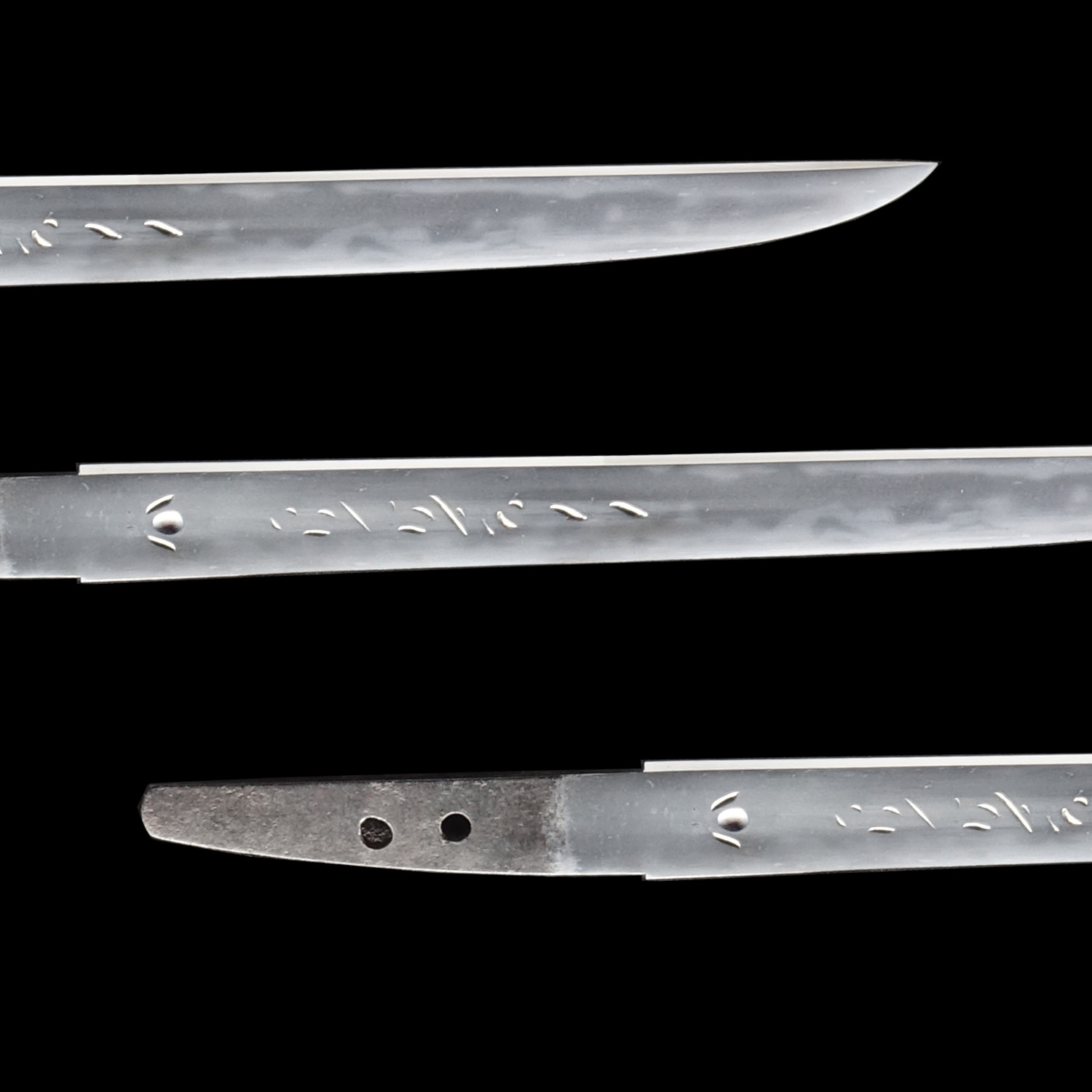
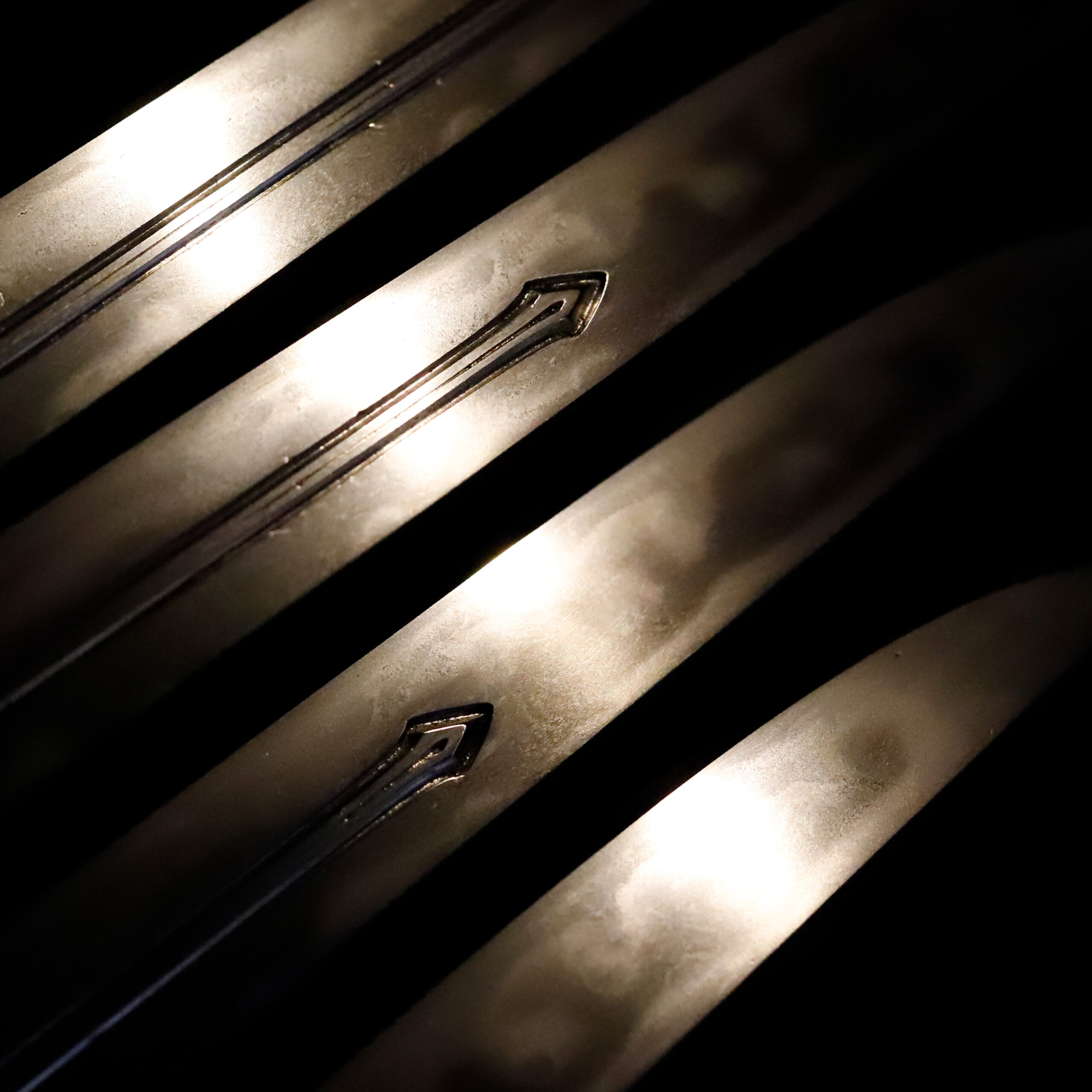
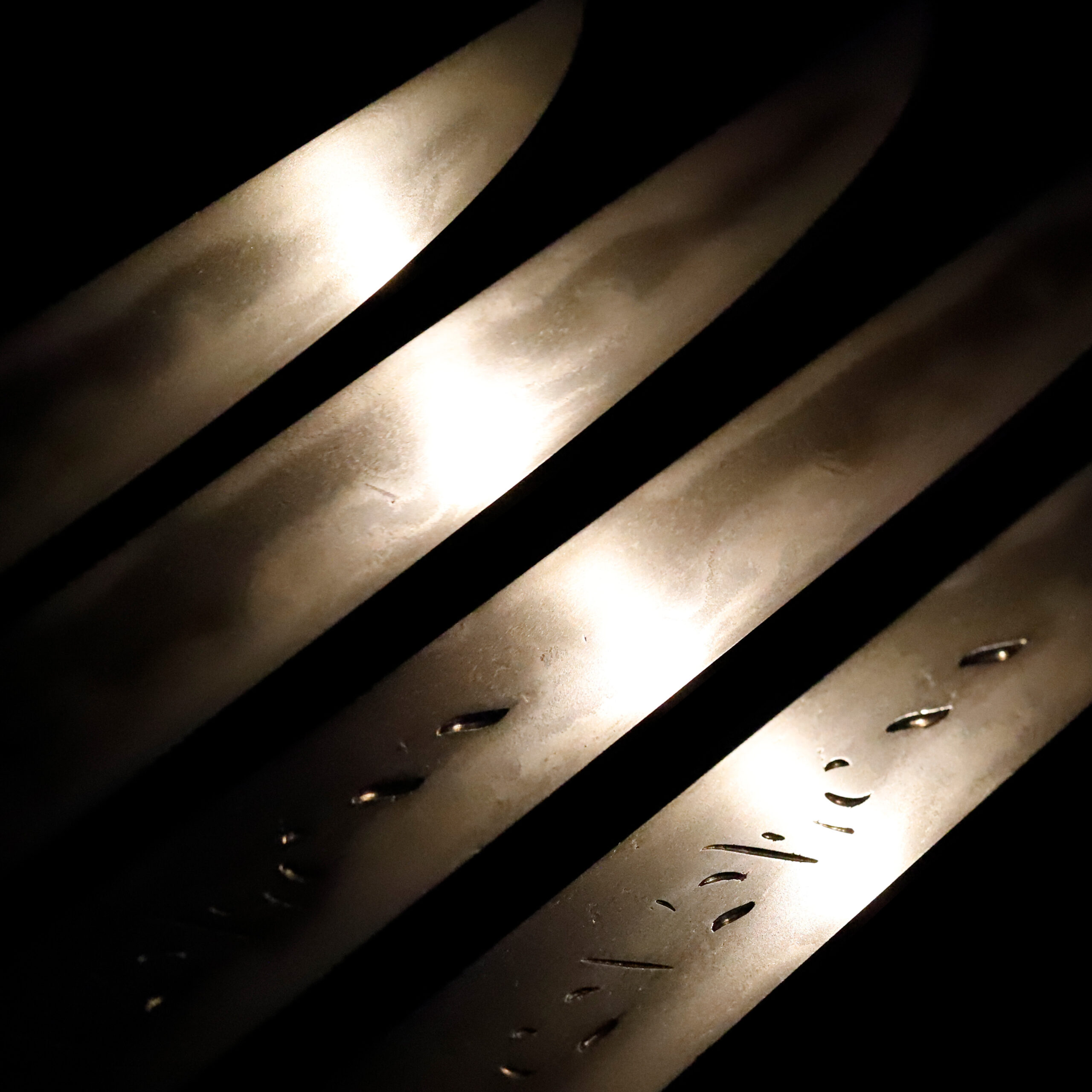
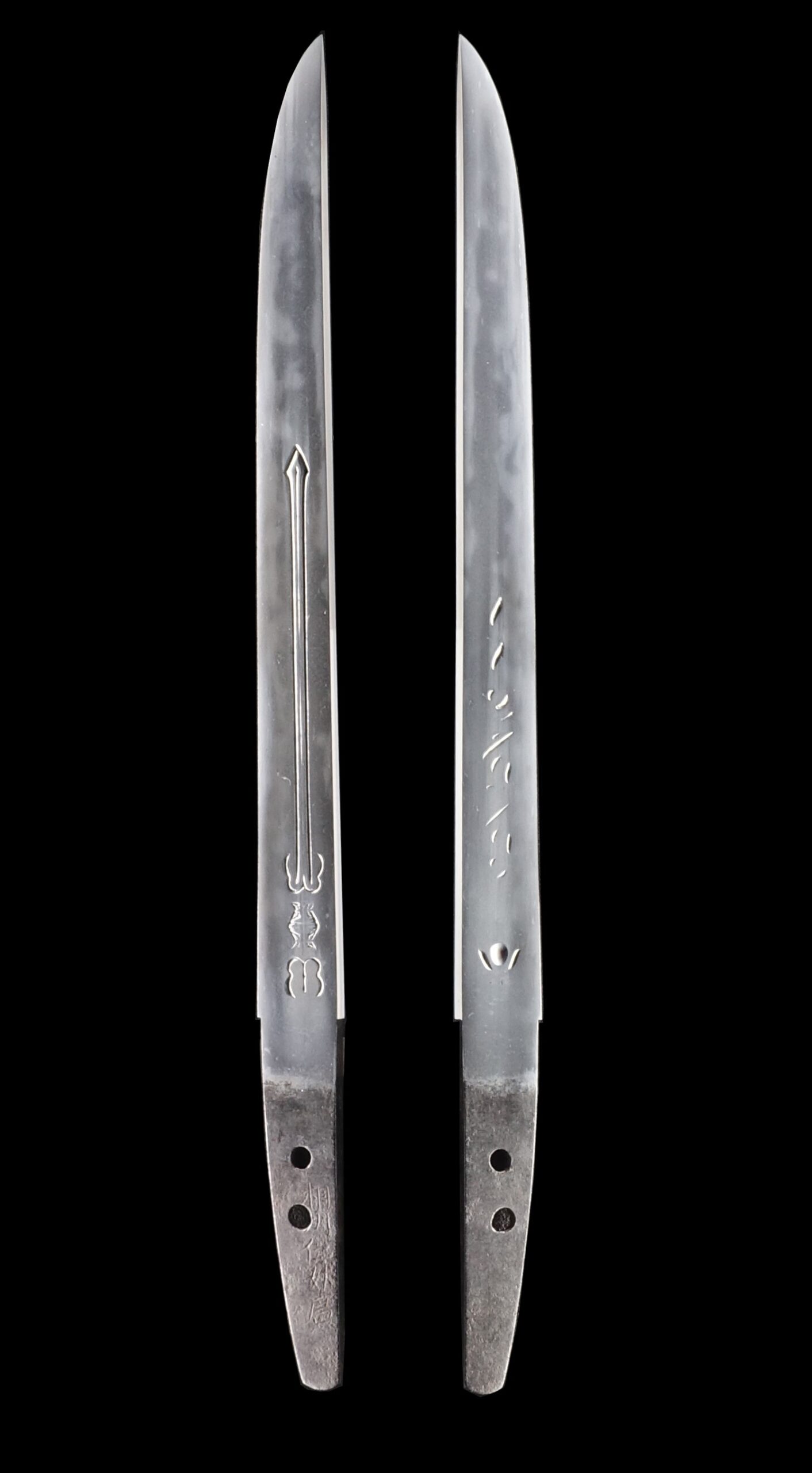
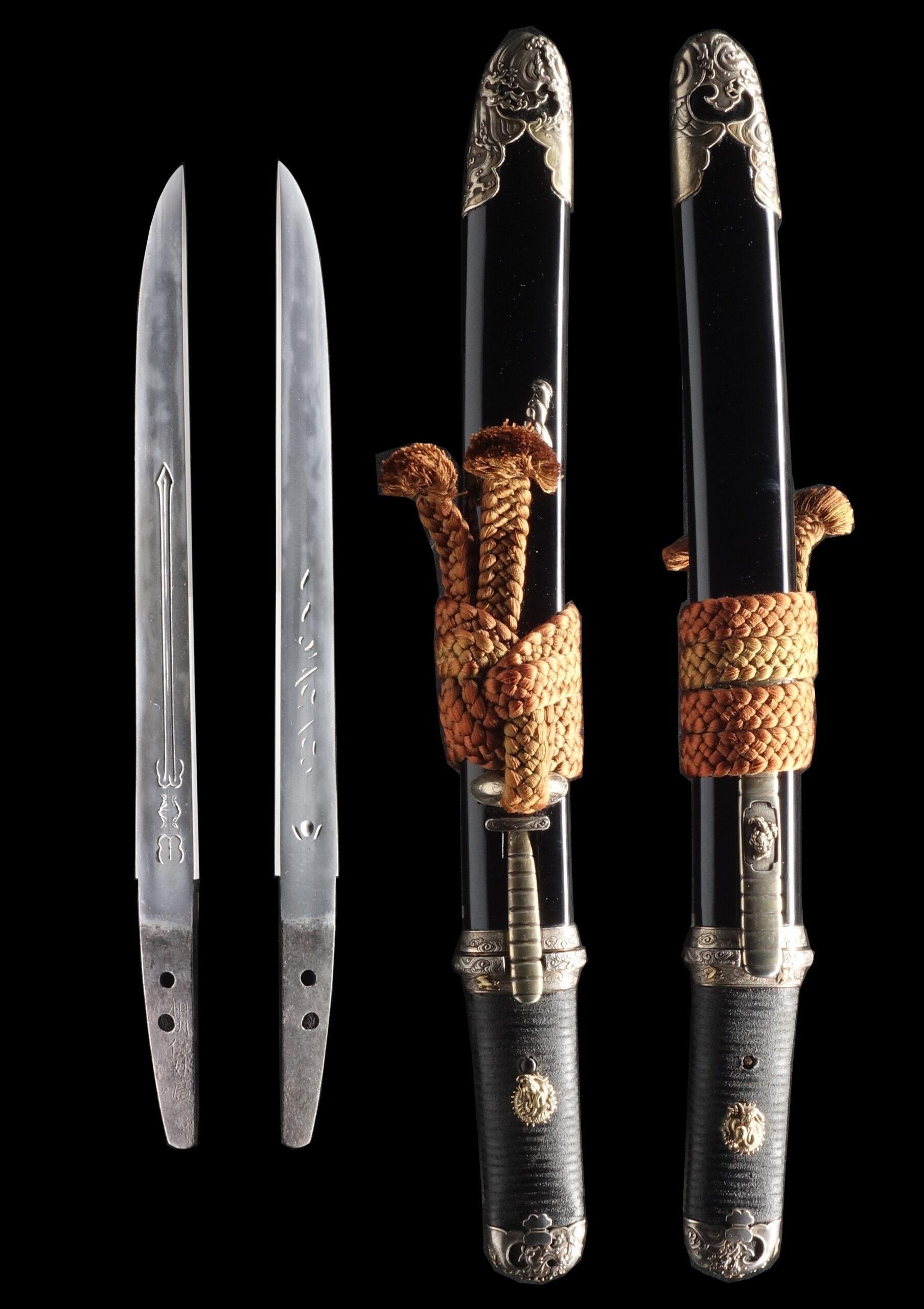
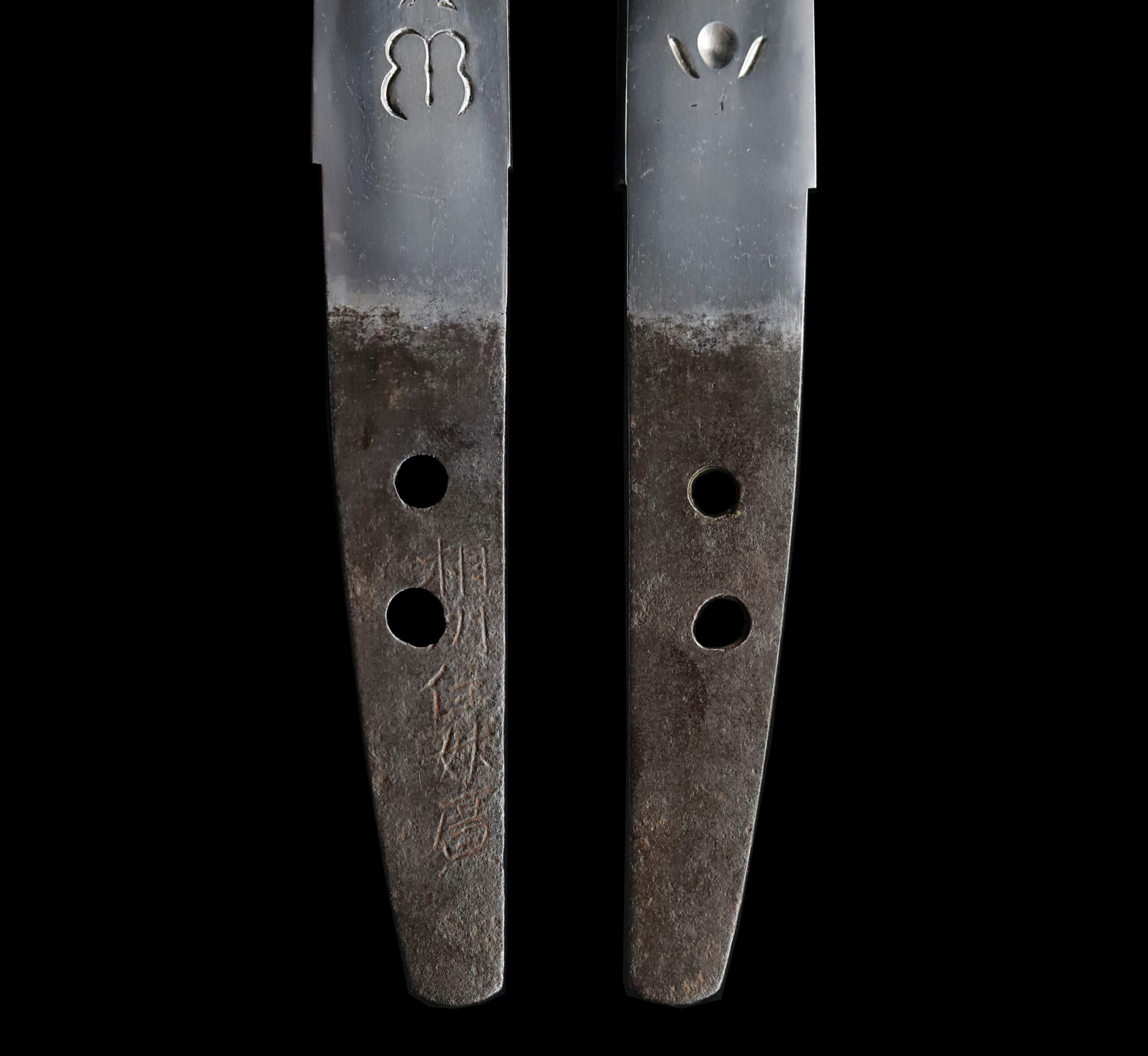
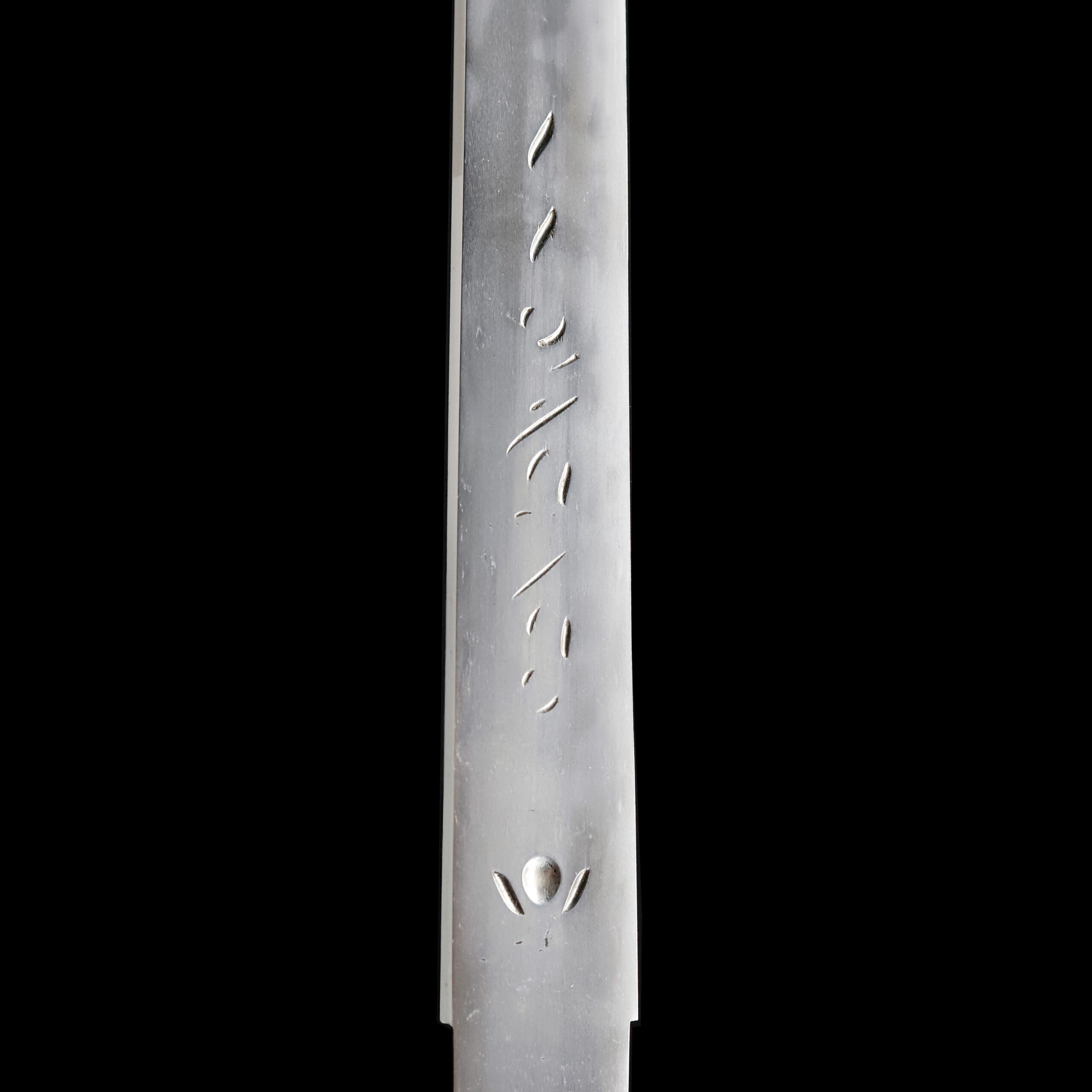
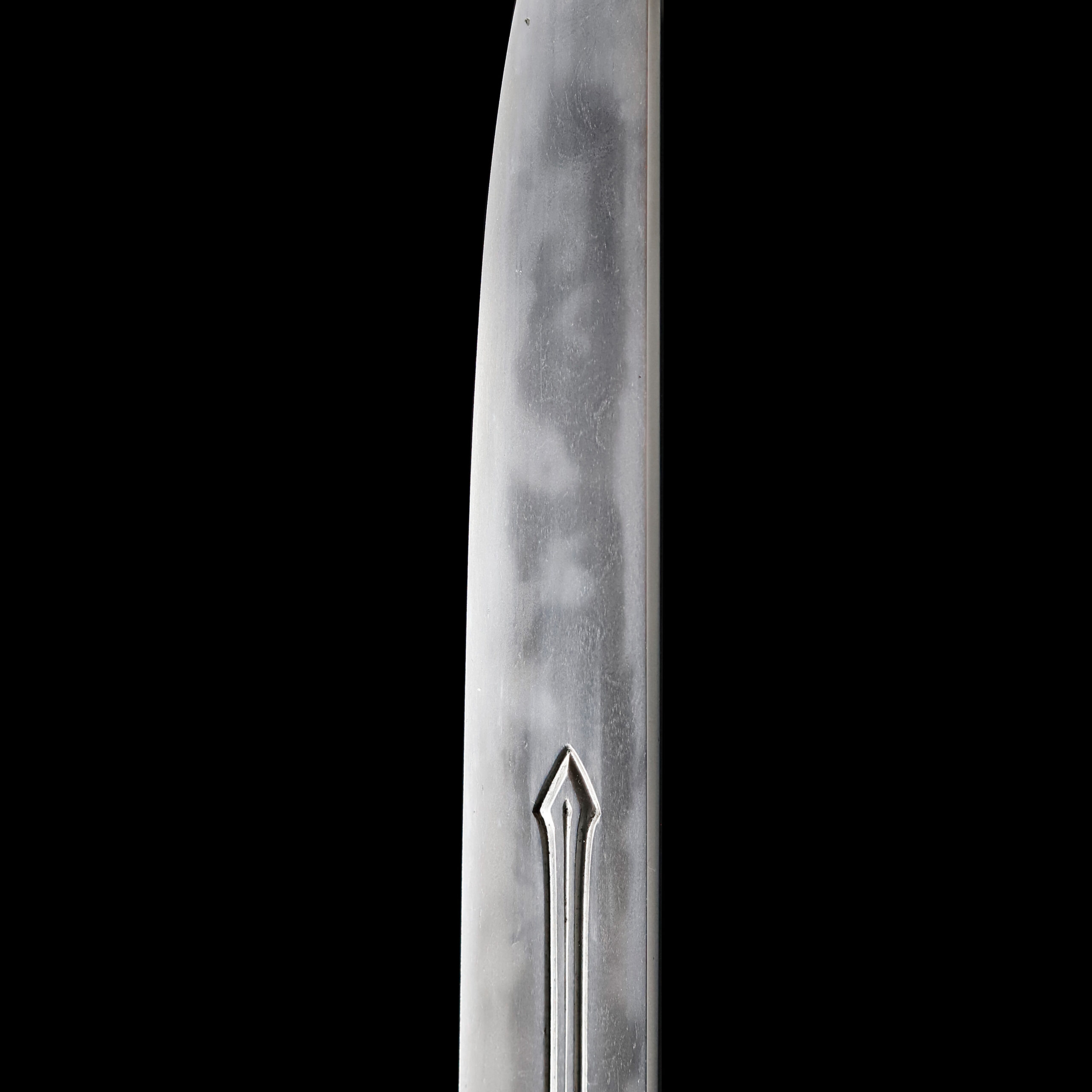
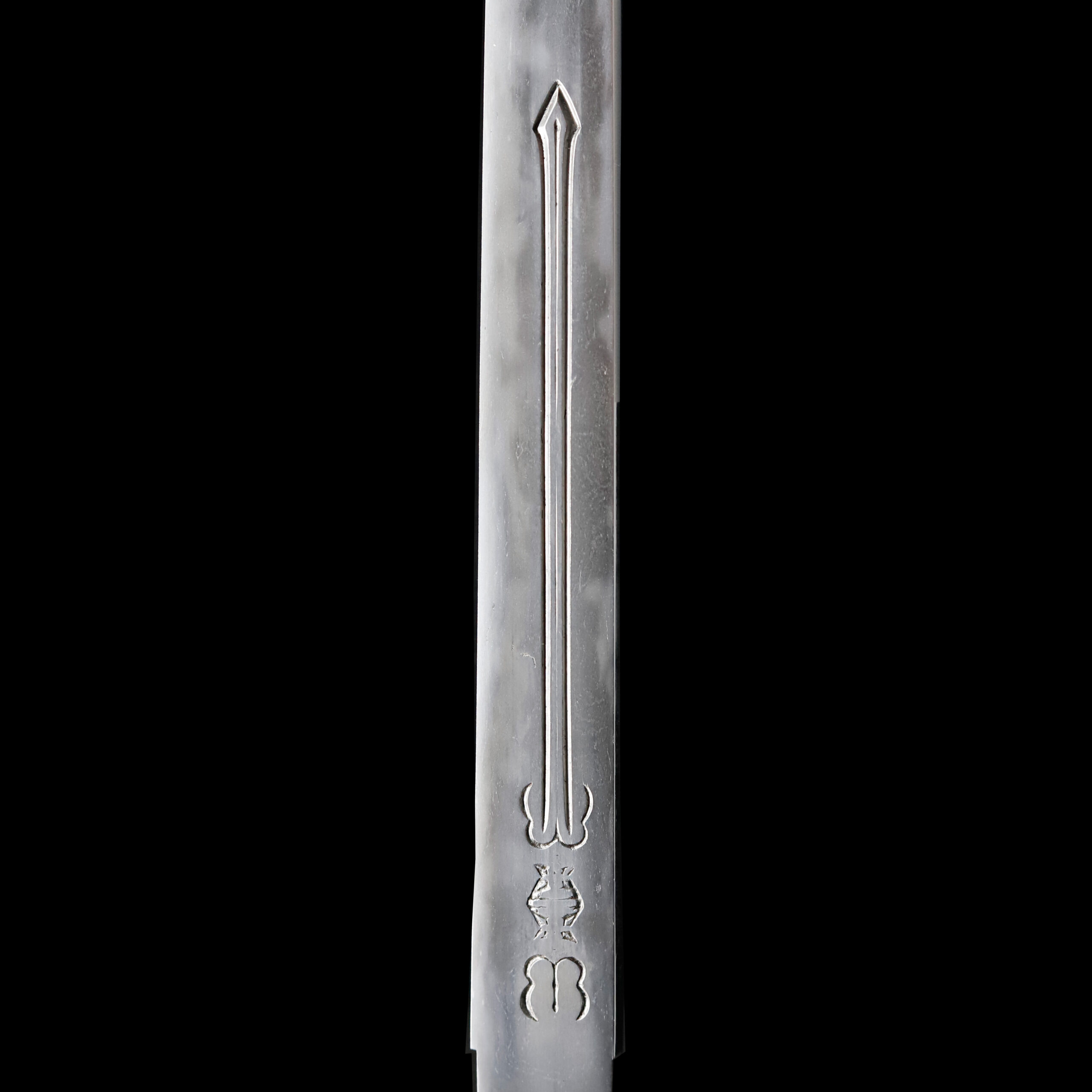
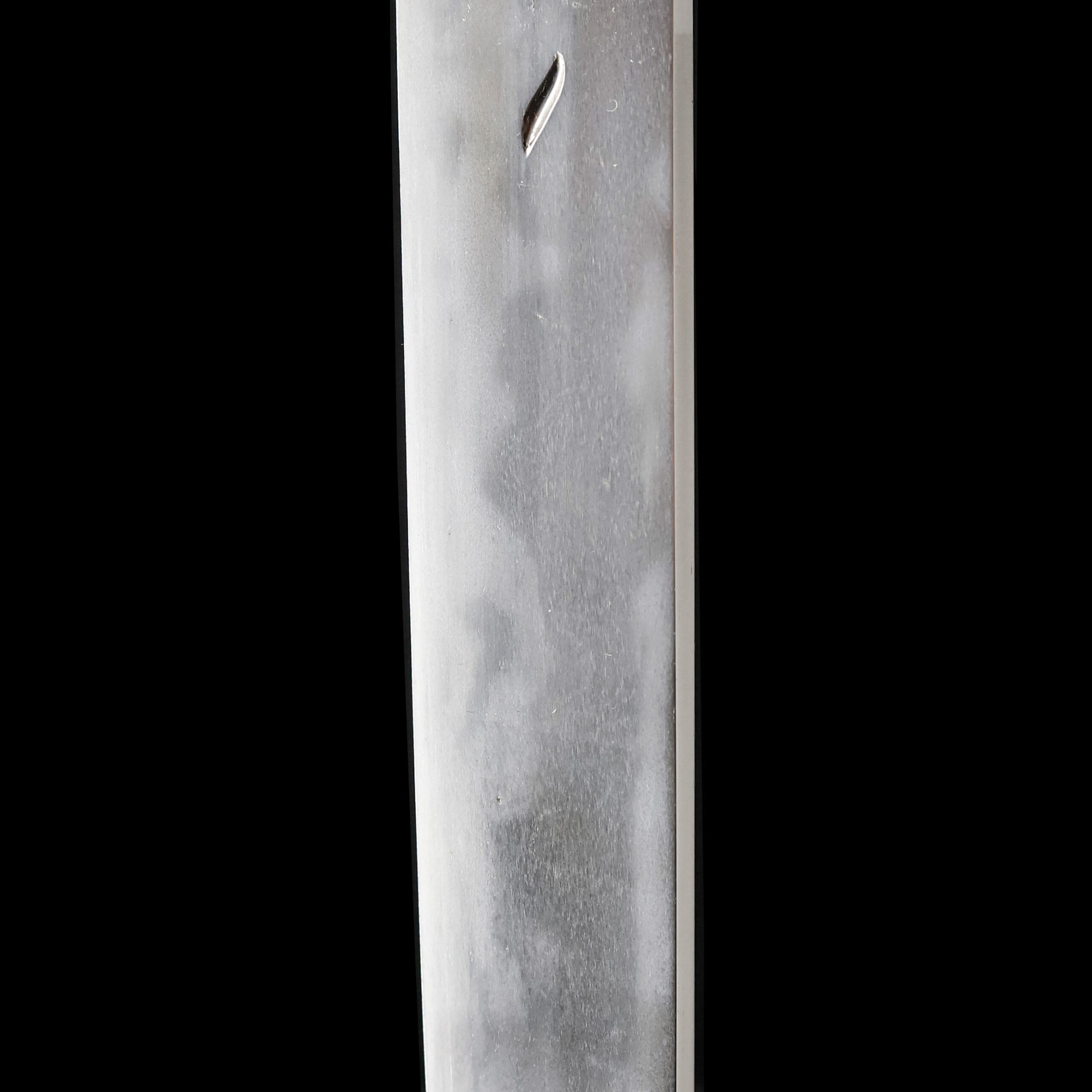
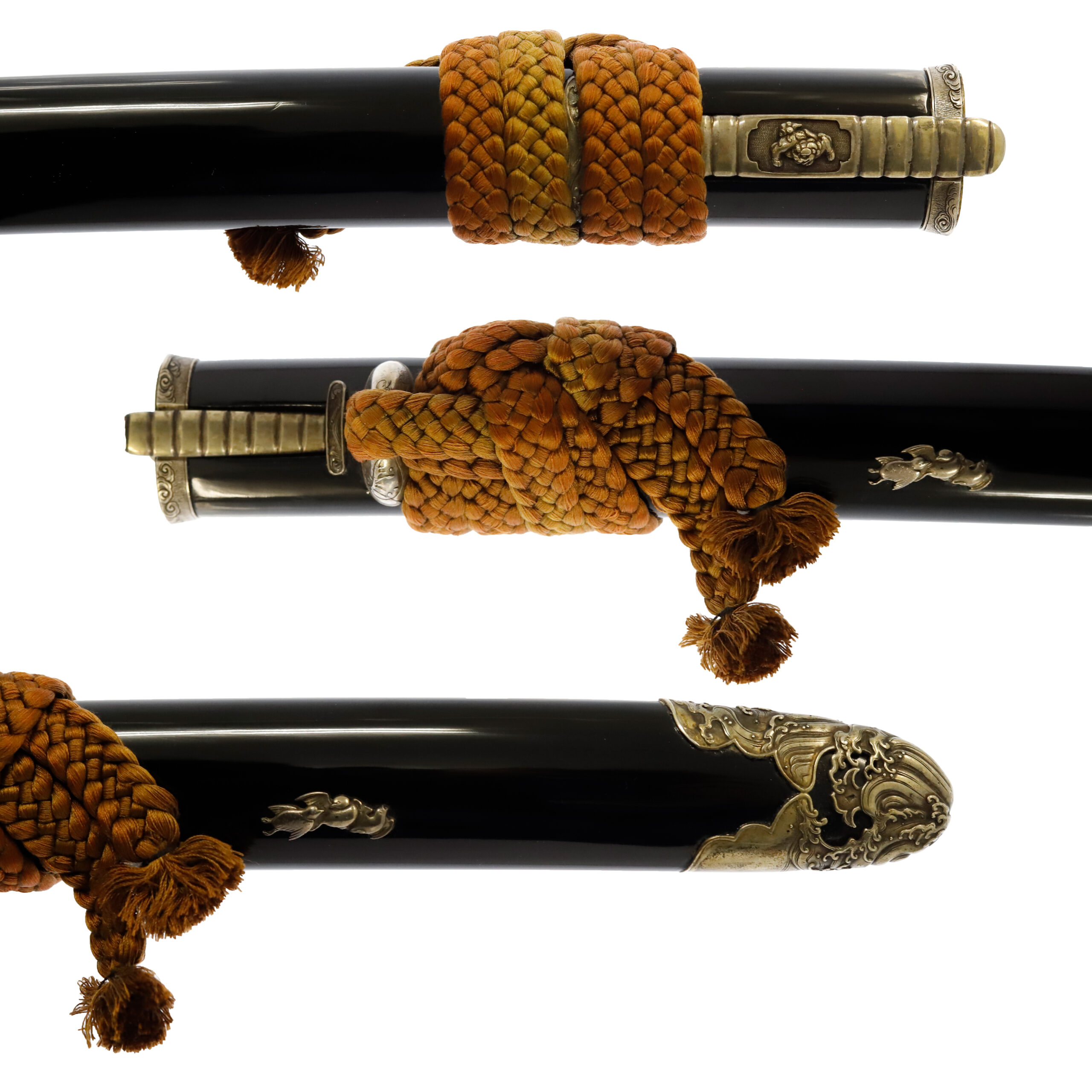
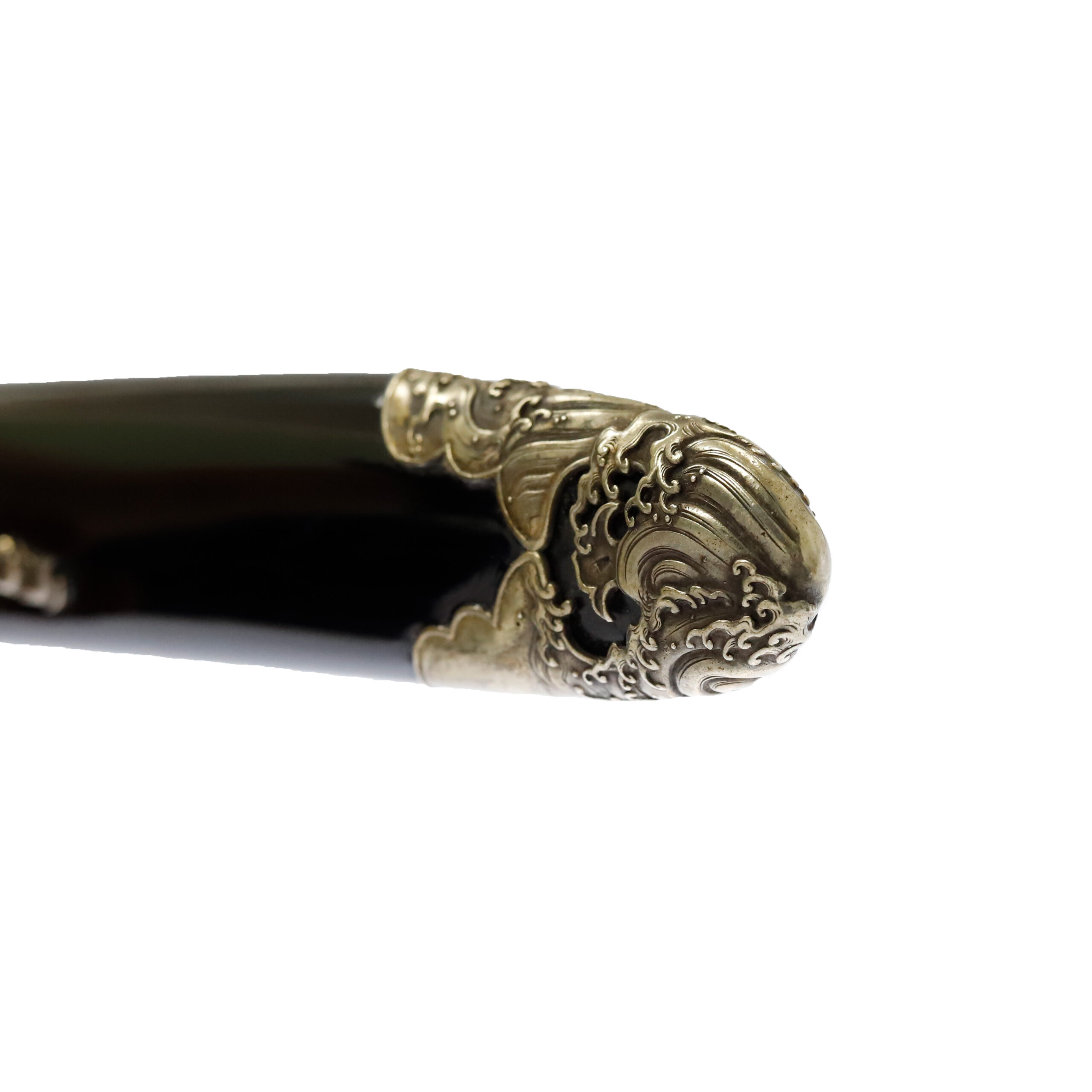
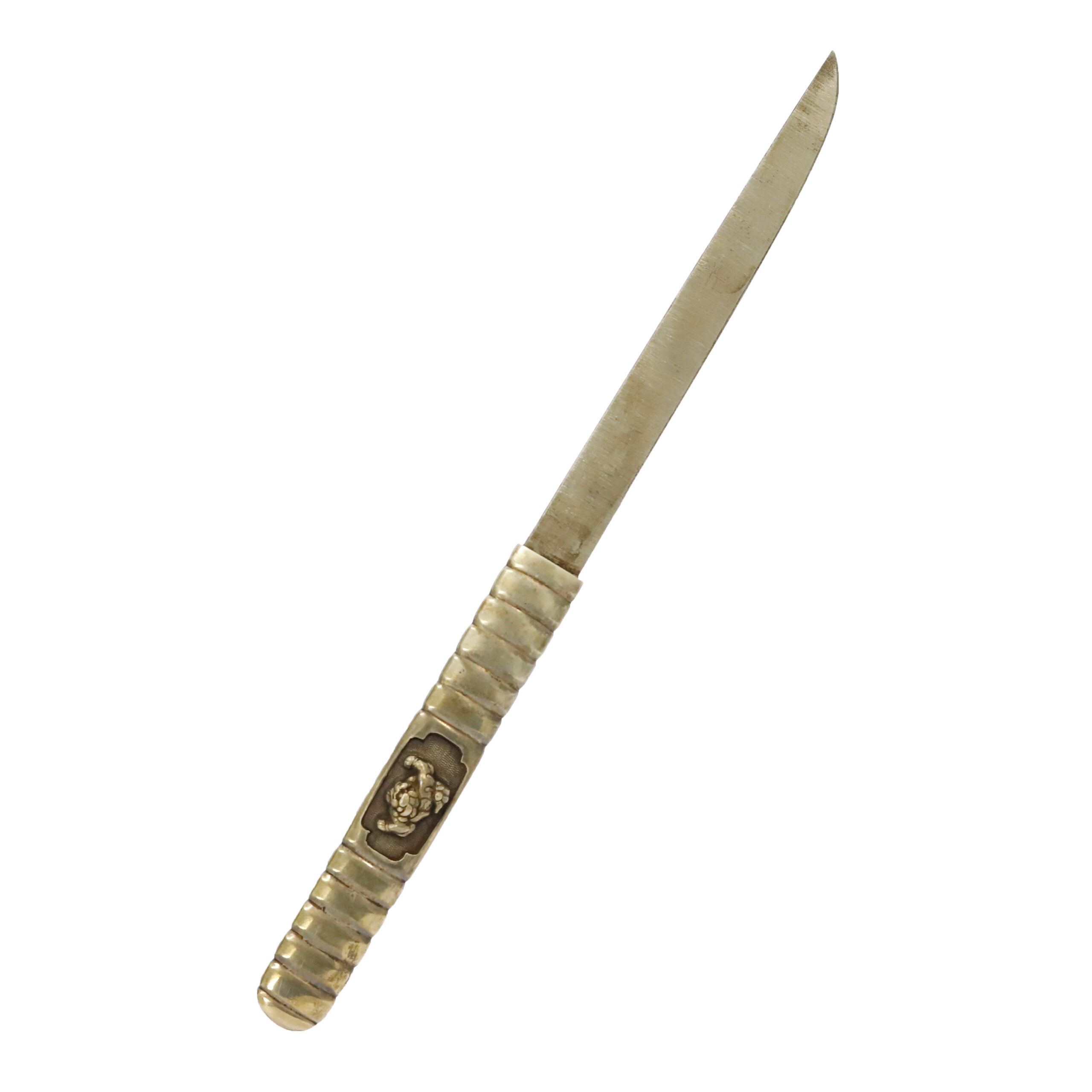
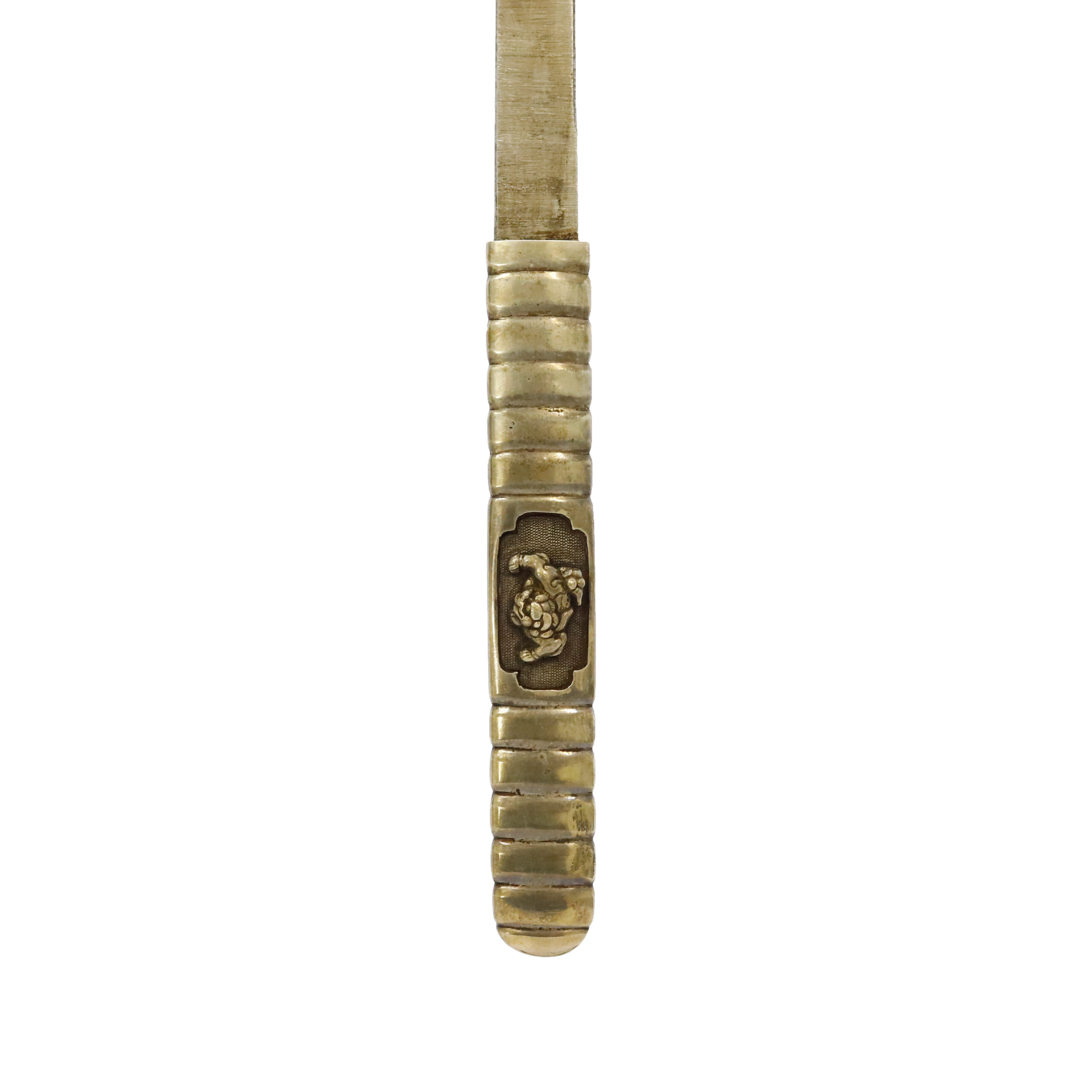
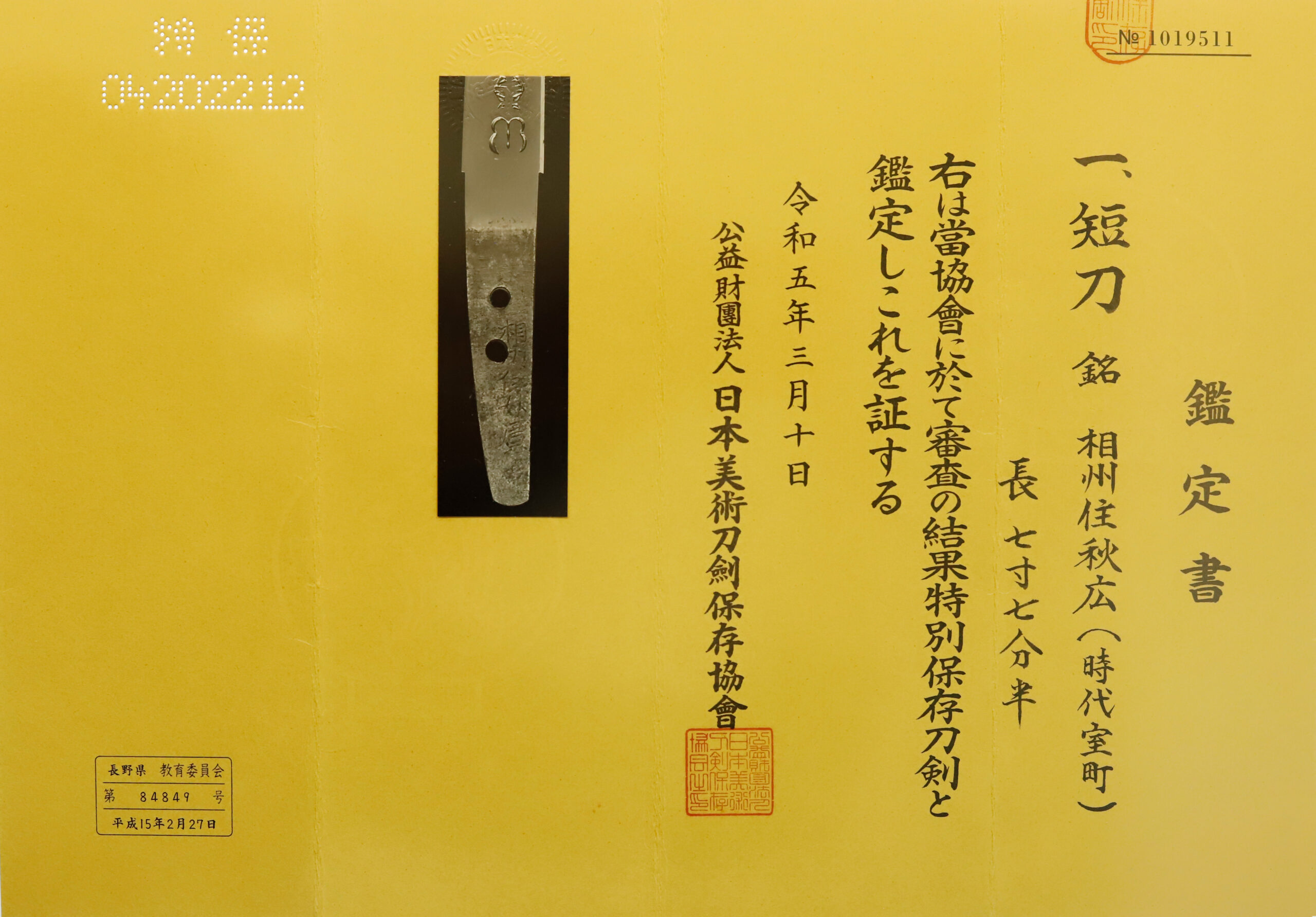
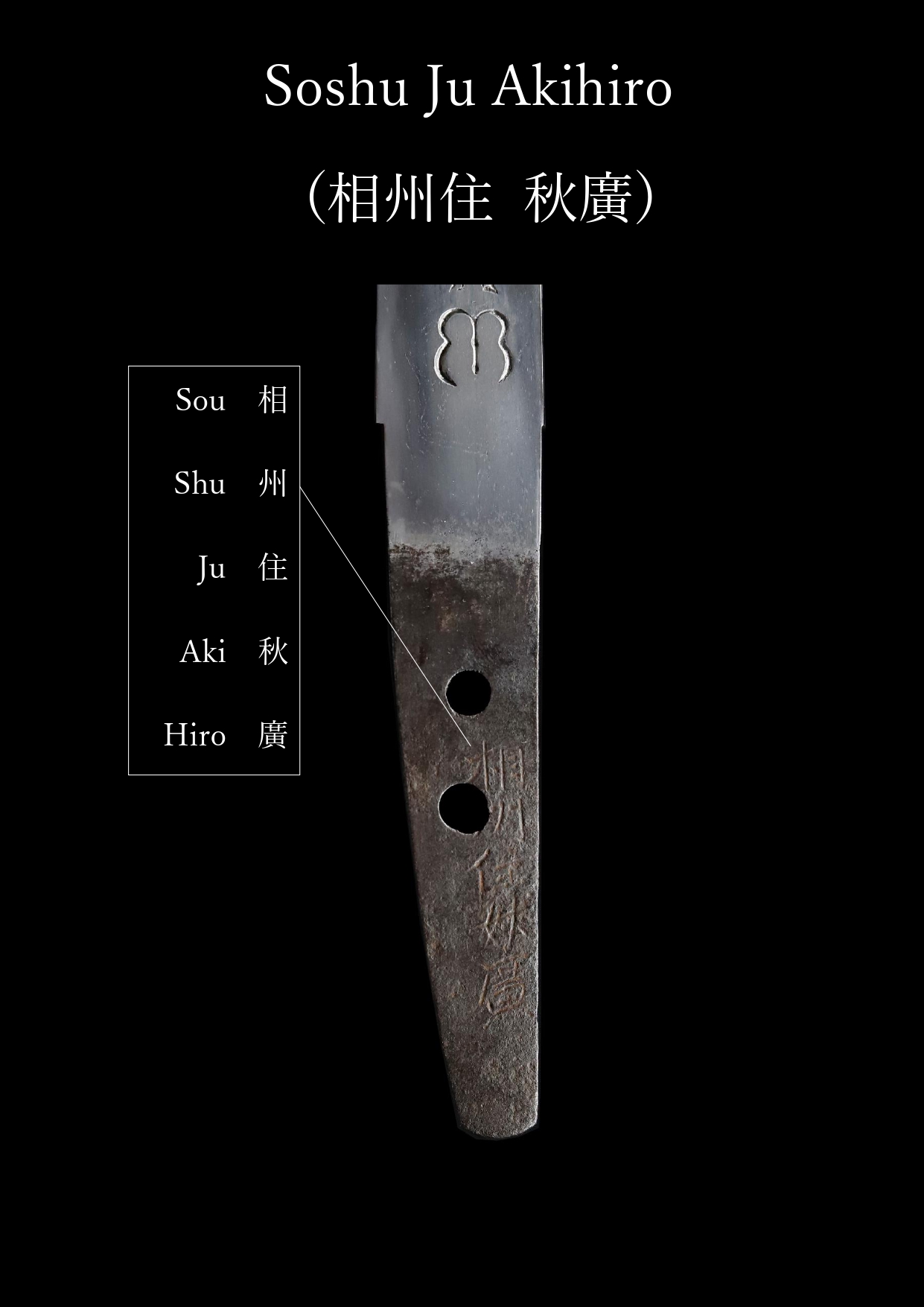
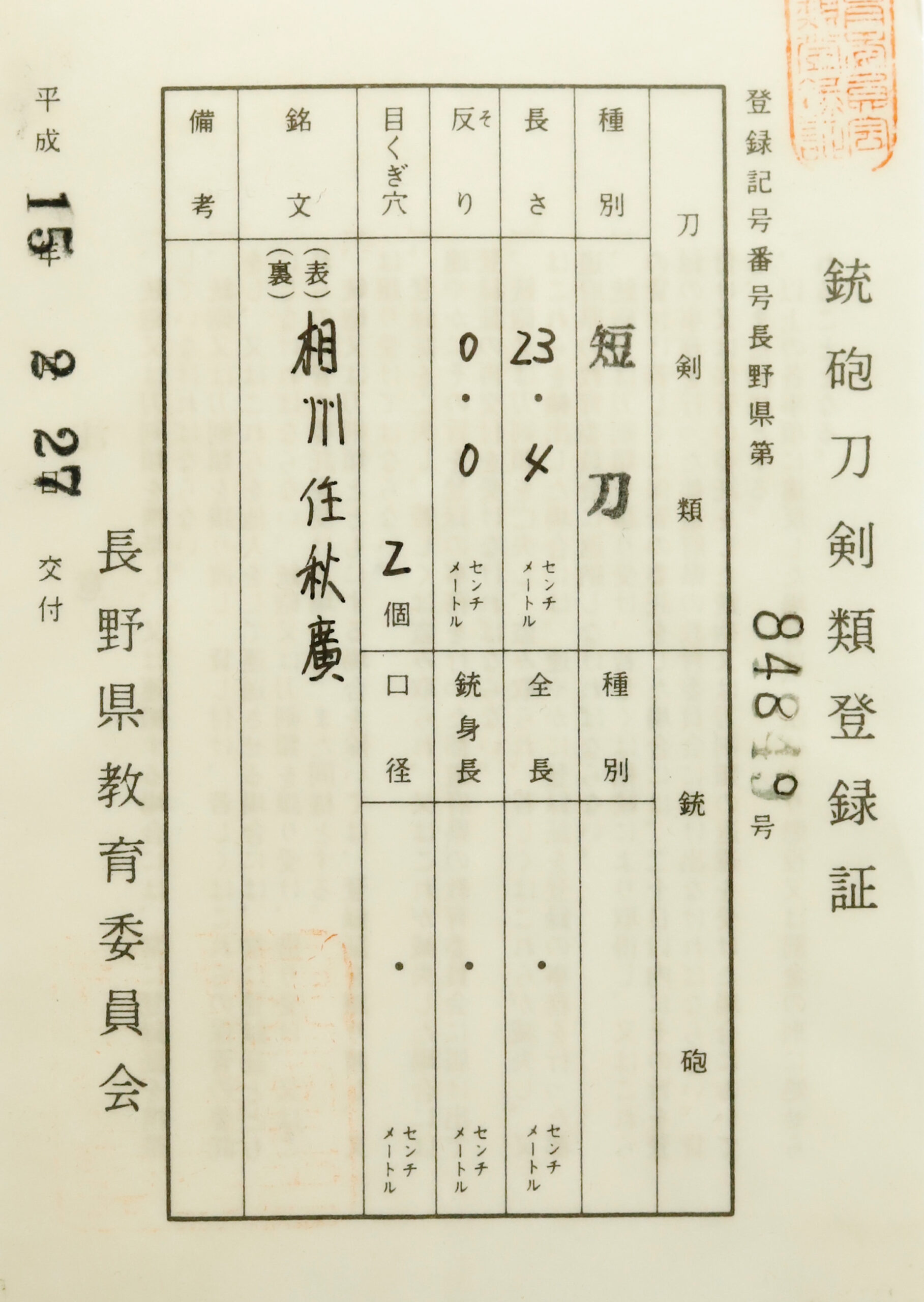
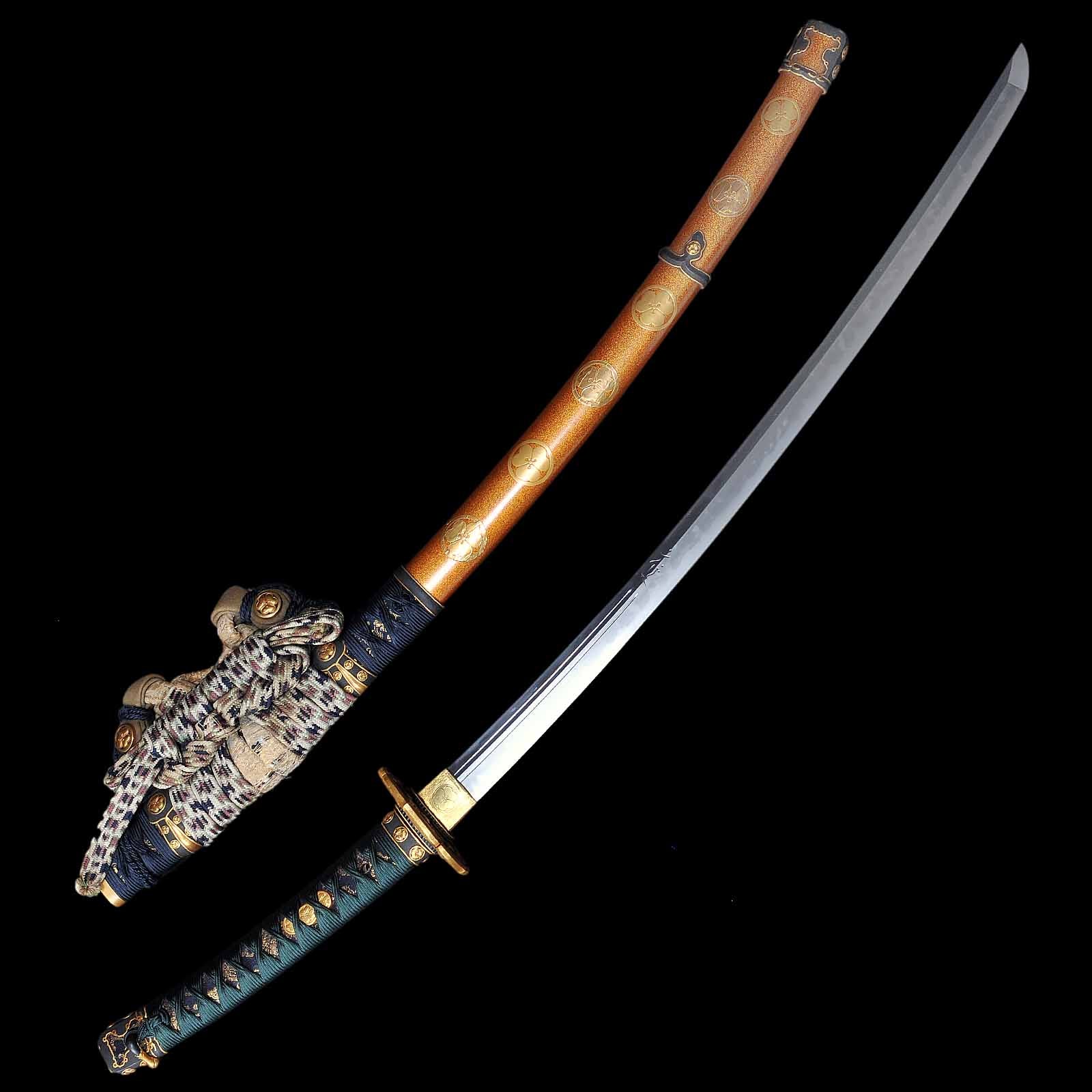
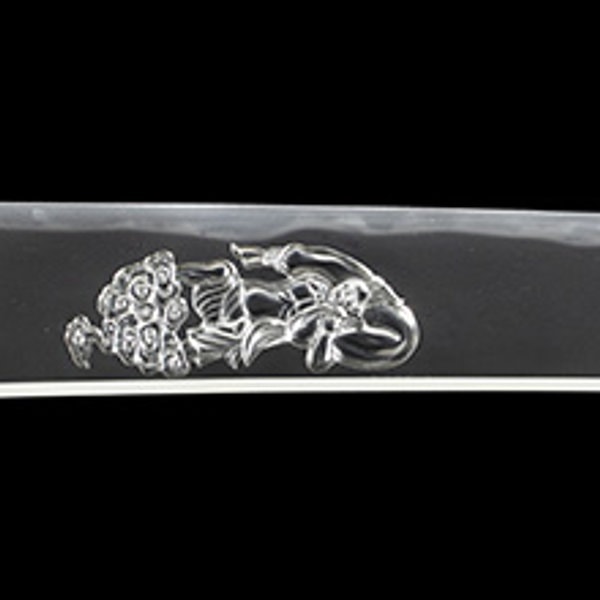
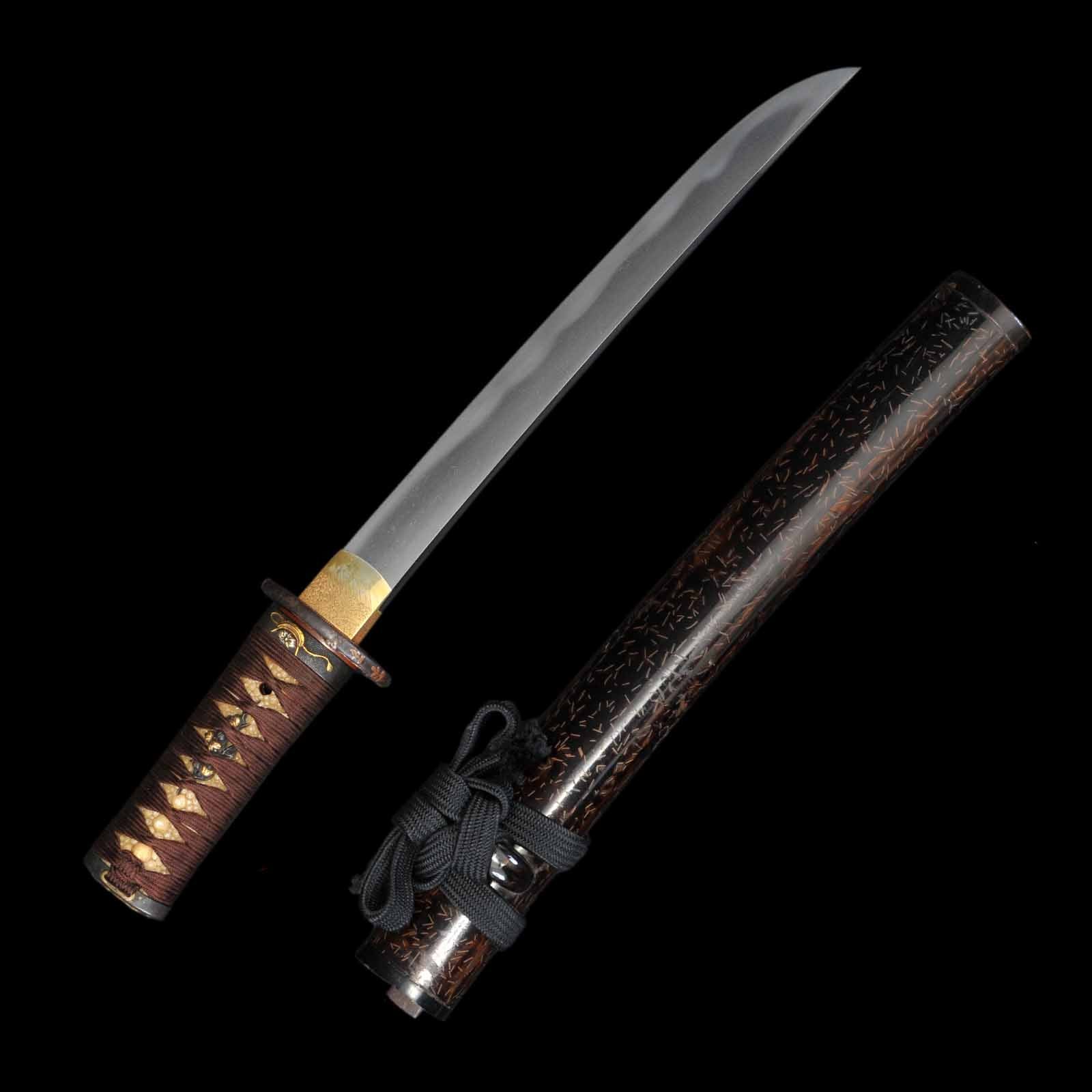
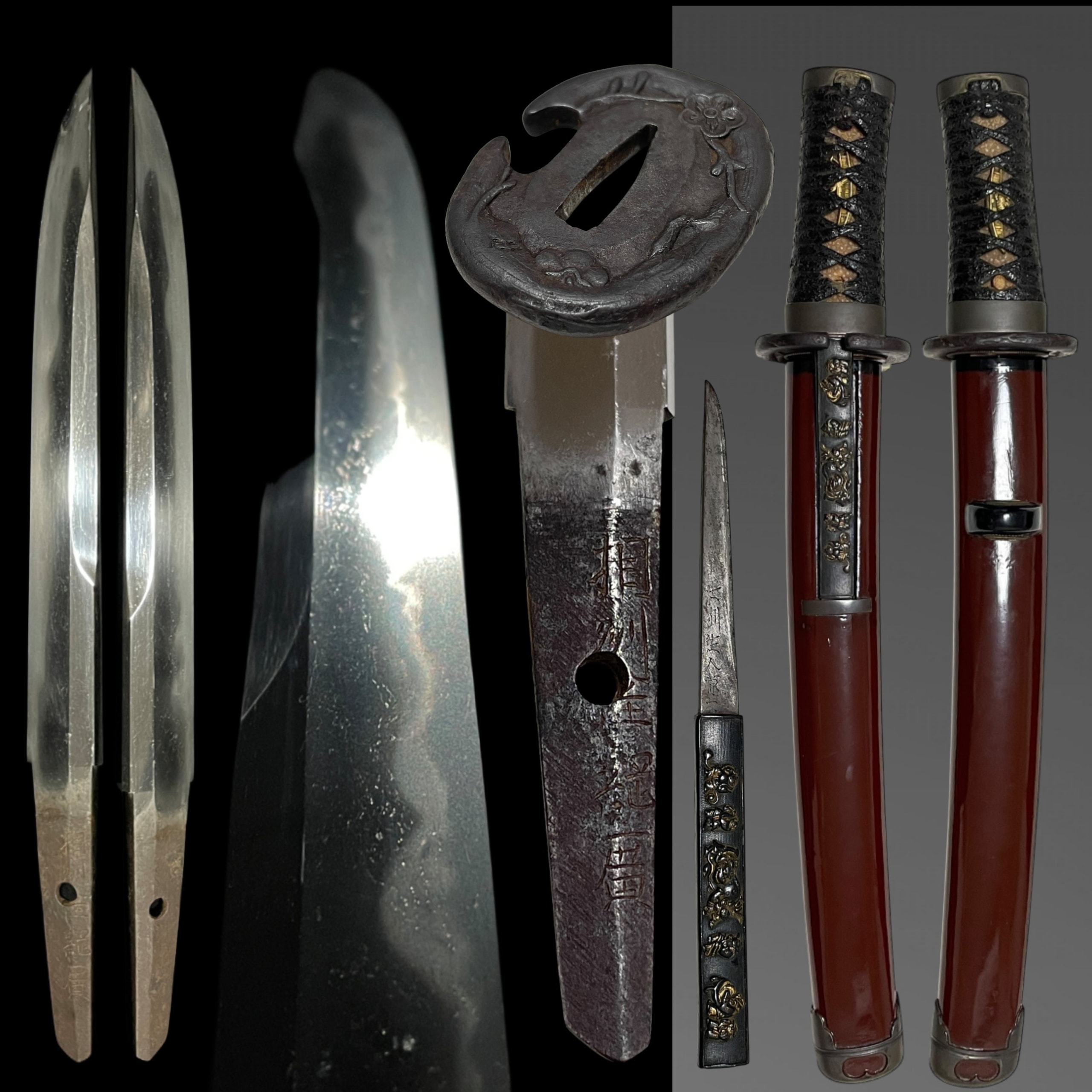
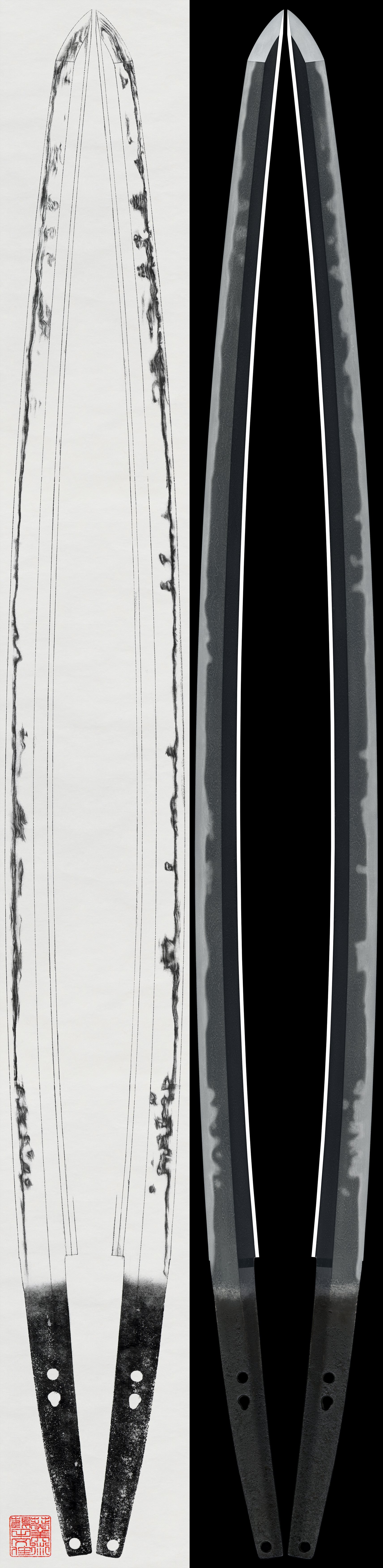
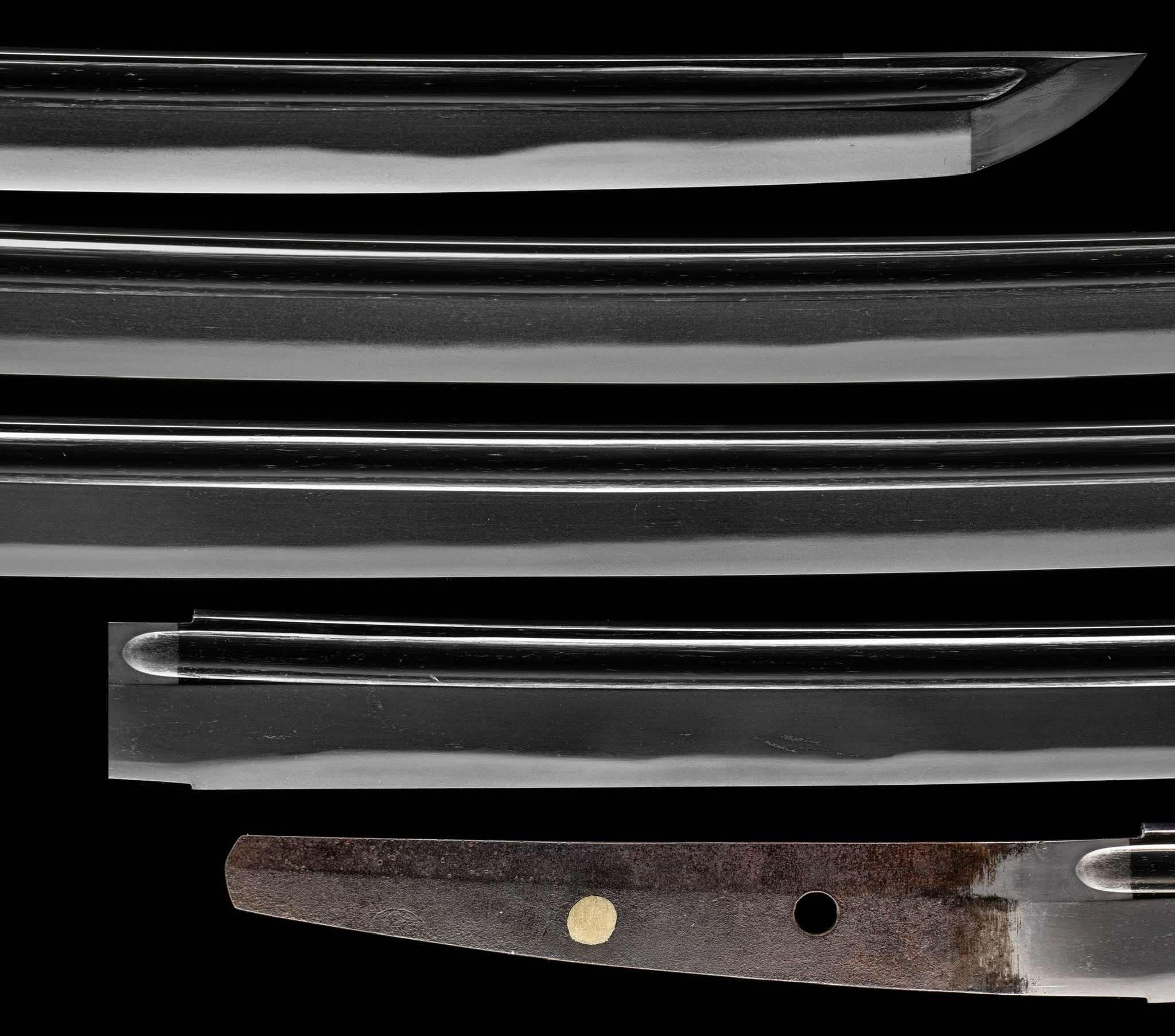
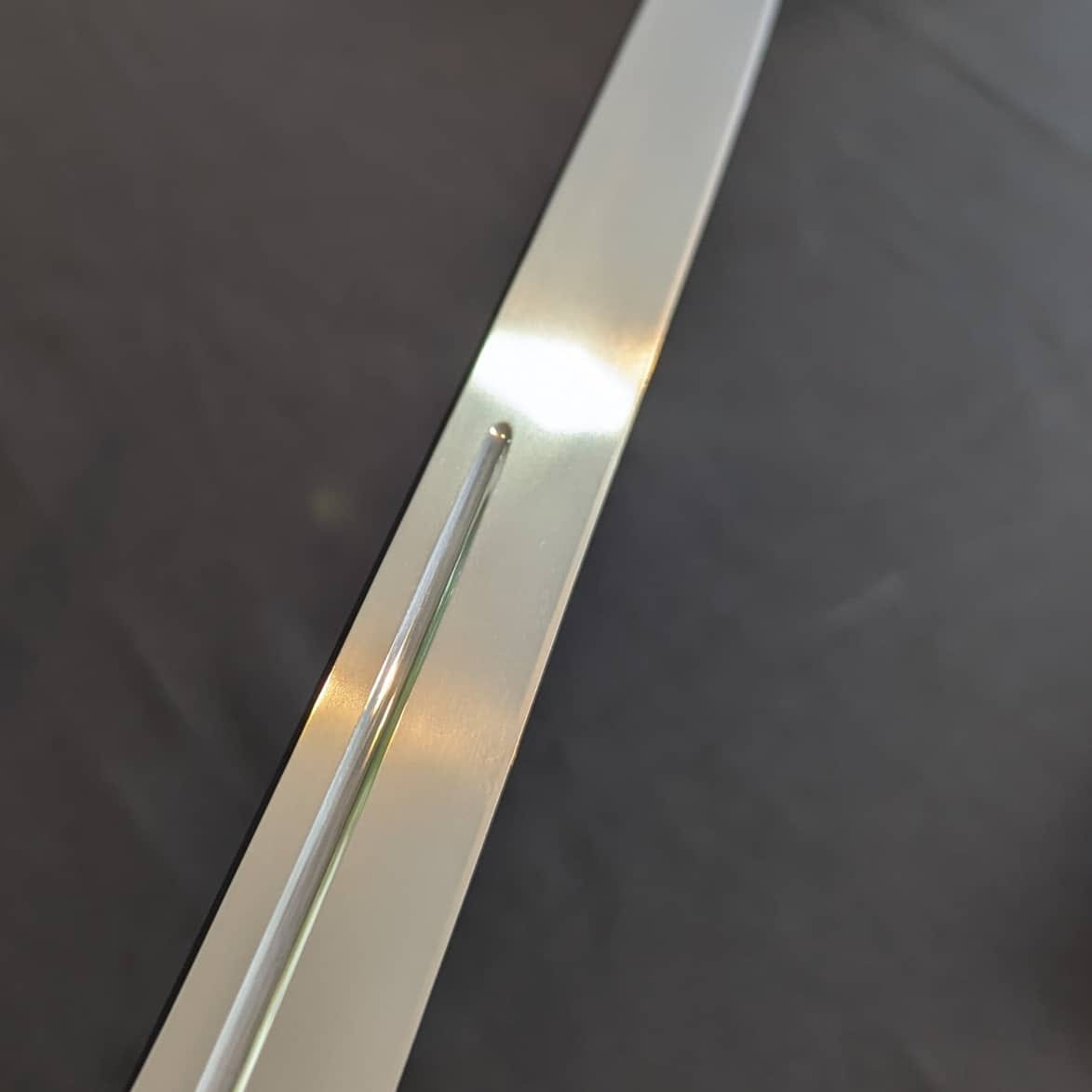
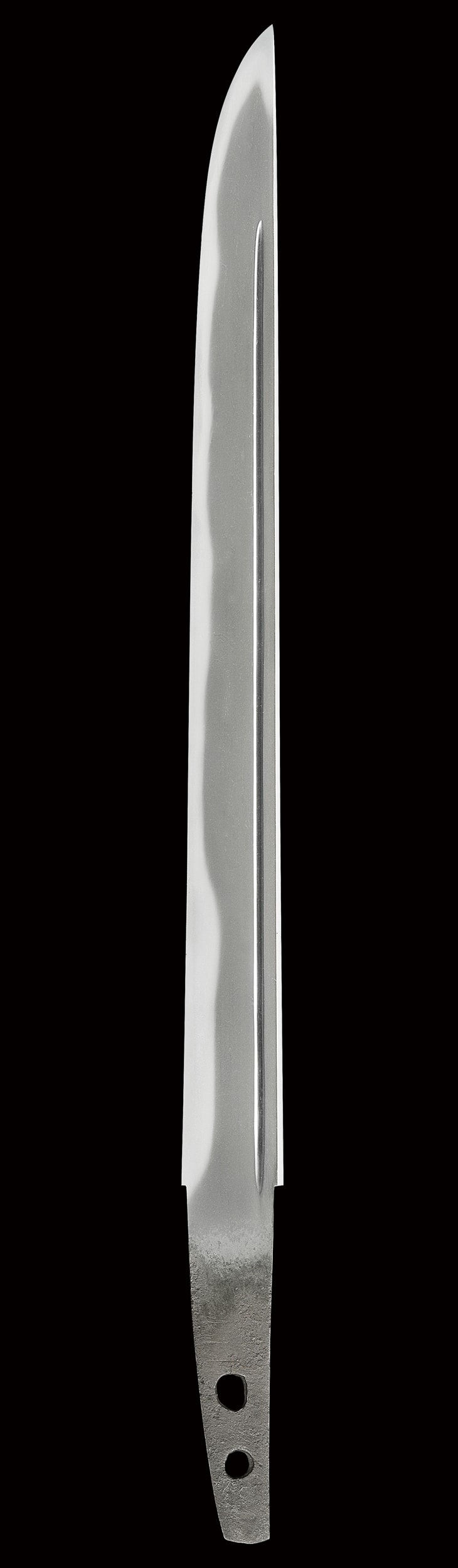
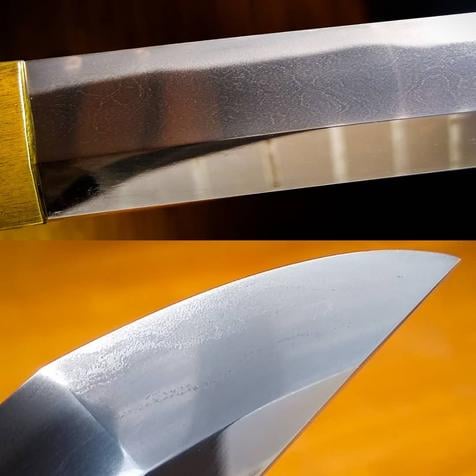
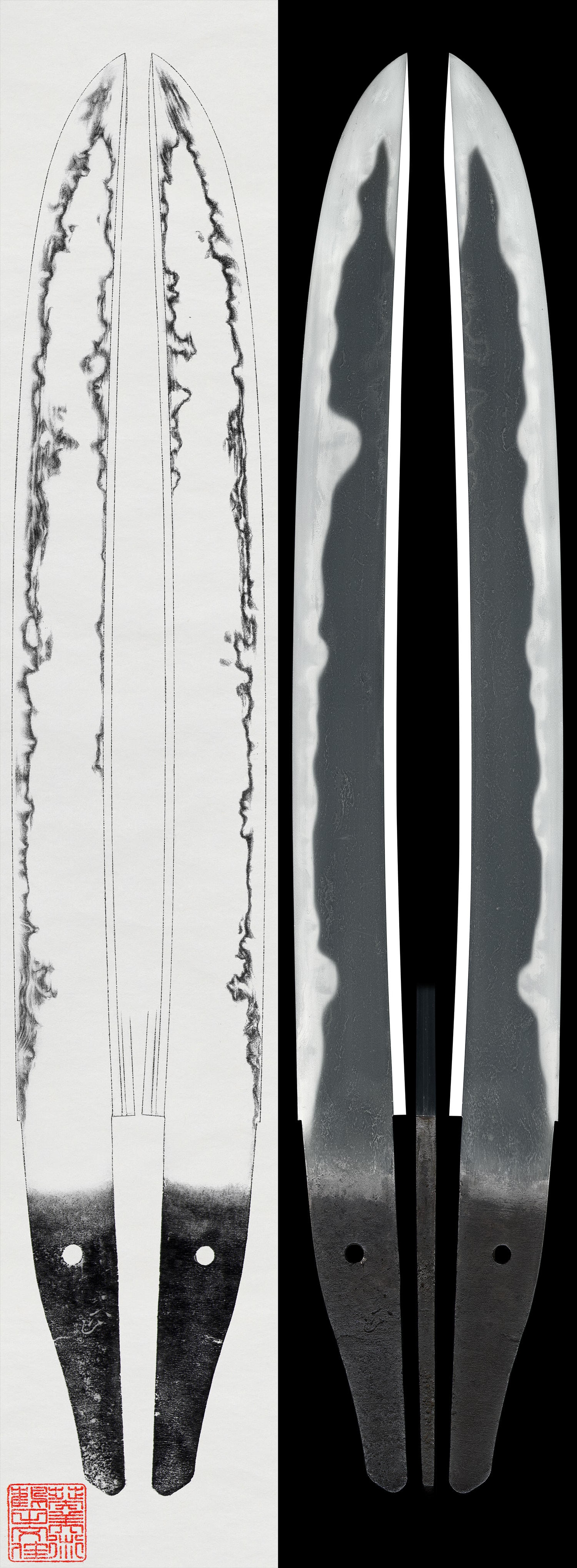
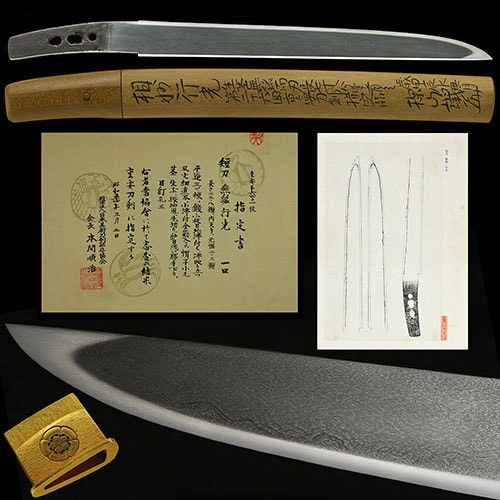
Antique Japanese Sword Tanto Signed by Soshu Jyu Akihiro with NBTHK Tokubestsu Hozon Certificate 【Description】 Summary This blade was signed by Soshu Jyu Akihiro (相州住秋廣) during the Muromachi period (1394-), according to its Tokubetsu Hozon paper. The maker’s name, Akihiro, lasted three generations. According to one historical document, the first-gen was born in 1315 (late Kamakura period) and died when he was 84. We called NBTHK, and they believe either second or third-generation Akihiro created this blade. The first and second lived in Soshu province (Today’s Kanagawa prefecture). However, the third-gen moved to Kazusa province (Today’s Chiba prefecture) in his career. It is said that the first-gen Akihiro was the son of the first-gen Hiromitsu, an apprentice of Masamune, one of the most famous Japanese sword makers in history. Akihiro was famous for forging blades with Hitatsura. Hitatsura is a type of Hamon (tempering line) where Hamon liberally spreads across the width of the blade. Soshu Den Swordsmiths residing in Soshu province (Today’s Kanagawa prefecture) used a particular sword-forging tradition called Soshu Den. Shoshu Den was born in the middle of the Kamakura period (mid 13th century). Back then, the Yamato and Yamashiro traditions were highly developed, and there were a few renowned swordsmiths from those regions. However, the sword-forging practice was in its infancy in the Kanto area, where the Soshu region was located. At the beginning of the Kamakura government, which was established in 1185, the first Shogun, Minamoto Yoritomo, prioritized making a lot of rules to have its political stability. And he couldn’t afford to hire swordsmiths within the same region or train them. Therefore, the Kamakura government originally ordered weapons to the swordsmiths in the other areas, such as Yamato and Yamashiro. But, since the government was established, the demand for weapons increased exponentially in the government, and they had to figure out how to meet those demands from Samurai who served Kamakura shogunate. Then, the 5th head of the Shogun, Hojo Tokiyori, invited two renowned swordsmiths from other parts of Japan. They were Awataguchi Kunitsuna from Yamashiro province and Bizen Saburo Kunimune from Bizen province. And the 7th-gen Shogun Koreyasu Shino also invited Fukuoka Ichimonji Sukezane from Bizen province. It is said that those three swordsmiths played an essential role in creating the Soshu Den and making the foundation of the Soshu Den. Also another famous figure in the Soshu den is Intou Kunimitsu, an adopted son of Awataguchi Knitsuna. And Kunimitsu passed his excellent craftsmanship to Yukimitsu, his apprentice. And Masamune, one of the most famous swordsmiths in Japanese history, was an apprentice of Yukimitsu. And Masamune was the one that brought Shoshuden to nationwide fame. The tradition Masamune completed became an example of other swordsmiths who learned Soshu Den. Also, Soshu Den influenced many renowned swordsmiths during the Koto- Shinto era. One of examples is Inoue Shinkai from Osaka and Suishinshi Masahide from Edo. Horimono (Engraving) You can find the engraving of a Tsurugi (Double-edged blade) on one side. This blade is Kurikaraken, which is the sword that Fudo Myo-O (不動明王, acalanātha) holds with his right hand. Fudo Myo-O is one of the objects of worship in Buddhism. According to a theory, it is the incarnation of Dainichi Nyorai (大日如来, Mahāvairocana, the principal image of esoteric Buddhism). Kurikara-ken was named after its appearance that Kurikara Ryu-O (倶利伽羅龍王, dragon) is winding around the sword. It is believed Kurikara-Ken could cut off worldly desires: Sandoku (三毒). Sandoku is the three fundamental human desires; Ton (貪, greed), Jin (瞋, anger, grudge), Chi (癡, delusion, complaint). The other side shows Sanskrit letter, which symbolizes Fudo Myo-O. Mukansa Togi We had this blade polished by one of the most skilled Japanese sword polishers. He has Mukansa title. Mukansa is one of

NihontoWatch MonNihontoWatchBETA
MarketAuctionsEncyclopedia
刀剣›相州伝›相州›Antique Japanese Sword Tanto Signed by Soshu Jyu Akihiro NBTHK Tokubetsu Hozon Certificate
短刀特別保存
相州派

Antique Japanese Sword Tanto Signed by Soshu Jyu Akihiro NBTHK Tokubetsu Hozon Certificate

在銘 · Soshu · 室町 · 長さ 23.4cm
売却済
相州派 — 1 of 27
相州派 — 2 of 27
相州派 — 3 of 27
相州派 — 4 of 27
相州派 — 5 of 27
相州派 — 6 of 27
相州派 — 7 of 27
相州派 — 8 of 27
相州派 — 9 of 27
相州派 — 10 of 27
相州派 — 11 of 27
相州派 — 12 of 27
相州派 — 13 of 27
相州派 — 14 of 27
相州派 — 15 of 27
相州派 — 16 of 27
相州派 — 17 of 27
相州派 — 18 of 27
相州派 — 19 of 27
相州派 — 20 of 27
相州派 — 21 of 27
相州派 — 22 of 27
相州派 — 23 of 27
相州派 — 24 of 27
相州派 — 25 of 27
相州派 — 26 of 27
相州派 — 27 of 27
1 / 27
1 / 27
相州派 — 1 of 27相州派 — 2 of 27相州派 — 3 of 27相州派 — 4 of 27相州派 — 5 of 27相州派 — 6 of 27相州派 — 7 of 27相州派 — 8 of 27相州派 — 9 of 27相州派 — 10 of 27相州派 — 11 of 27相州派 — 12 of 27相州派 — 13 of 27相州派 — 14 of 27相州派 — 15 of 27相州派 — 16 of 27相州派 — 17 of 27相州派 — 18 of 27相州派 — 19 of 27相州派 — 20 of 27相州派 — 21 of 27相州派 — 22 of 27相州派 — 23 of 27相州派 — 24 of 27相州派 — 25 of 27相州派 — 26 of 27相州派 — 27 of 27
法量・詳細
刀工
相州派
種別
短刀
流派
Soshu
活動期
室町
国
相模
銘
在銘
法量
長さ 23.4cm
説明

Antique Japanese Sword Tanto Signed by Soshu Jyu Akihiro with NBTHK Tokubestsu Hozon Certificate 【Description】 Summary This blade was signed by Soshu Jyu Akihiro (相州住秋廣) during the Muromachi period (1394-), according to its Tokubetsu Hozon paper. The maker’s name, Akihiro, lasted three generations. According to one historical document, the first-gen was born in 1315 (late Kamakura period) and died when he was 84. We called NBTHK, and they believe either second or third-generation Akihiro created this blade. The first and second lived in Soshu province (Today’s Kanagawa prefecture). However, the third-gen moved to Kazusa province (Today’s Chiba prefecture) in his career. It is said that the first-gen Akihiro was the son of the first-gen Hiromitsu, an apprentice of Masamune, one of the most famous Japanese sword makers in history. Akihiro was famous for forging blades with Hitatsura. Hitatsura is a type of Hamon (tempering line) where Hamon liberally spreads across the width of the blade. Soshu Den Swordsmiths residing in Soshu province (Today’s Kanagawa prefecture) used a particular sword-forging tradition called Soshu Den. Shoshu Den was born in the middle of the Kamakura period (mid 13th century). Back then, the Yamato and Yamashiro traditions were highly developed, and there were a few renowned swordsmiths from those regions. However, the sword-forging practice was in its infancy in the Kanto area, where the Soshu region was located. At the beginning of the Kamakura government, which was established in 1185, the first Shogun, Minamoto Yoritomo, prioritized making a lot of rules to have its political stability. And he couldn’t afford to hire swordsmiths within the same region or train them. Therefore, the Kamakura government originally ordered weapons to the swordsmiths in the other areas, such as Yamato and Yamashiro. But, since the government was established, the demand for weapons increased exponentially in the government, and they had to figure out how to meet those demands from Samurai who served Kamakura shogunate. Then, the 5th head of the Shogun, Hojo Tokiyori, invited two renowned swordsmiths from other parts of Japan. They were Awataguchi Kunitsuna from Yamashiro province and Bizen Saburo Kunimune from Bizen province. And the 7th-gen Shogun Koreyasu Shino also invited Fukuoka Ichimonji Sukezane from Bizen province. It is said that those three swordsmiths played an essential role in creating the Soshu Den and making the foundation of the Soshu Den. Also another famous figure in the Soshu den is Intou Kunimitsu, an adopted son of Awataguchi Knitsuna. And Kunimitsu passed his excellent craftsmanship to Yukimitsu, his apprentice. And Masamune, one of the most famous swordsmiths in Japanese history, was an apprentice of Yukimitsu. And Masamune was the one that brought Shoshuden to nationwide fame. The tradition Masamune completed became an example of other swordsmiths who learned Soshu Den. Also, Soshu Den influenced many renowned swordsmiths during the Koto- Shinto era. One of examples is Inoue Shinkai from Osaka and Suishinshi Masahide from Edo. Horimono (Engraving) You can find the engraving of a Tsurugi (Double-edged blade) on one side. This blade is Kurikaraken, which is the sword that Fudo Myo-O (不動明王, acalanātha) holds with his right hand. Fudo Myo-O is one of the objects of worship in Buddhism. According to a theory, it is the incarnation of Dainichi Nyorai (大日如来, Mahāvairocana, the principal image of esoteric Buddhism). Kurikara-ken was named after its appearance that Kurikara Ryu-O (倶利伽羅龍王, dragon) is winding around the sword. It is believed Kurikara-Ken could cut off worldly desires: Sandoku (三毒). Sandoku is the three fundamental human desires; Ton (貪, greed), Jin (瞋, anger, grudge), Chi (癡, delusion, complaint). The other side shows Sanskrit letter, which symbolizes Fudo Myo-O. Mukansa Togi We had this blade polished by one of the most skilled Japanese sword polishers. He has Mukansa title. Mukansa is one of

流派について

相州

相州伝 · 相模

現在42点販売中

›

相模国鎌倉の地に興り、沸を主たる表現とした相州伝を確立した一門である。事実上の創始者は新藤五国光で、粟田口国綱の子と伝え、その地鉄には師仕込みの小板目によく約んだ精良さが残る。永仁元年(一二九三)紀の在銘短刀を最古とし、居住地を銘に明記して年紀を遺す生えぬきの相模刀工の祖と称すべき工である。国光は粟田口の精良な地鉄を承けつつ、地景と金筋を著しく強調する一面を加え、その門下に行光、正宗、則重の三名人を育てた。国光の精到な沸の直刃は、後にこの三者が沸の乱れへと展開する源流となり、ここに相州伝の地盤が据えられた。行光は正宗よりやや先輩とみられ、正宗が頂点に立ち、その門から養子の貞宗が正系二代を継ぐ。則重は越中にあって相弟子として一門を支え、南北朝期には広光と秋広が皆焼を完成させ、越中へは郷義弘が相州伝を西漸させて、一門は諸国へと広がった。 作風の核は、鎌倉後期に始まる沸の表現にある。鍛えは板目に杢を交え、地沸が微塵に厚くつき、太い地景が頻りに入って明るく冴え、刃文はのたれに互の目を交えた沸出来で、匂深く沸厚く、金筋と砂流しが躍動し、帽子は単なる小丸に終わらず盛んに掃きかける。これが一門を貫く共通の語法である。その内部には明瞭な展開がある。国光の抑制された沸の直刃から出発し、行光は師に直結する穏やかな乱れを保ちつつ帽子に火焰風の掃きかけを見せ、正宗に至って炭素量の異なる数種の鋼を駆使した沸の妙が極まり、地にこぼれた沸が湯走りをなし、破墨山水を見る趣の自在な出来口に達する。則重はこの沸の変化をさらに露わにし、太い地景が松皮の如く肌立つ松皮肌を看どころとした。貞宗は正宗より穏やかなのたれ調に持味を移し、梵字、素剣、護摩箸、二筋樋など相州随一の彫物を加えて、これを信国へ伝えた。さらに広光と秋広は、貞宗にわずかに兆していた湯走りを推し進め、飛焼、湯走り、棟焼が地と棟にさかんにかかる本格的な皆焼を完成させた。広光は頭の丸い団子丁子を交え、秋広は地が一段と肌立って荒らびごころを帯び、ここに鎌倉の精良な直刃から南北朝の華麗な皆焼へという内的な展開が完結する。郷義弘は帽子を一枚風に深く焼く点に独自を示し、高木貞宗と新藤五国広は師風を近江と相模に静かに継いだ。 鑑定にあっては、まず明るく冴える鉄、厚い地沸、繁き地景、そして掃きかける帽子で一門を相州と読み、次に世代ごとの看どころで工を分かつ。国光は翁の髭と称する金筋を交えた精良な直刃短刀、行光は穏やかな乱れに掃きかける帽子、正宗はのたれ基調の烈しい沸崩れと垢抜けた地刃、則重は沈みごころの匂口と松皮肌、貞宗は穏やかな互の目と豊かな彫物、広光は団子丁子の皆焼、秋広は肌立つ地の皆焼、郷は一枚風の深い帽子と一段と冴える地刃という具合に、看どころが工と時代を指し示す。国光、行光、正宗、則重、貞宗、郷、広光、秋広はいずれも藤代の最上作に列し、なかでも正宗はその名を負う指定の重みが比類なく、相州伝の頂点に位置する。一門の作には名物陸奥新藤五、太郎作正宗、御堀出貞宗、大久保江、大倶利迦羅広光などが連なり、織田信長、豊臣秀吉、徳川家康をはじめ天下を握った者の手を経て、皇室や諸大名家に伝わった。正宗や郷のごとく在銘の確実作を遺さぬ工が多く、その大半は大磨上無銘の極めとして知られるため、一門の作が市に現れることはこの分野で最も稀な出来事のひとつである。本一門の沸出来は山城来や美濃志津をはじめ諸国の鍛冶に承け継がれ、正宗十哲の名のもとに相州伝は日本刀の作風そのものを規定する規範となった。

34名の刀工指定856口
主要刀工
刀工時代指定
正宗1288-129388
貞宗1329-133187
秋廣1346-137028
義弘1299-130255
國光1293-132272
相州流派を見る →
NBTHK鑑定書
Tokubetsu Hozon Tōken特別保存刀剣
Sword Especially Worthy of Preservation
›

保存刀剣のうち、出来が一層優れ、保存状態も良好と認められたものです。再刃や、室町・江戸期の多くの無銘作は対象外となり、保存刀剣より高い基準が課されます。

NBTHKについて›

日本美術刀剣保存協会(NBTHK)は、1948年に設立され、文化庁の監督を受ける公益財団法人で、東京・刀剣博物館に本部を置きます。専門の審査員が出品作を直接審査し、美術的・歴史的価値に応じた鑑定書を発行します。NBTHKの鑑定書は、日本刀および刀装具の真正性を示す最も広く認知された基準です。

NBTHK公式サイト→
販売店
サ
サムライミュージアム
🇯🇵日本から発送
›
✓認証販売店samuraimuseum.jp
✓海外発送可✓英語対応PayPalクレジットカード
返品ポリシー

Returns/exchanges limited to defects caused by shipping (except willful misconduct or gross negligence by the company); customers must contact within 72 hours of receiving the product.

サムライミュージアムの出品一覧を見る→販売店サイトでこの商品を見る→

相州派の売約済み

銀座長州屋
by Soshu School - 無題by Soshu School - 無題
売切れ

無題

作相州派
現代刀
売却済
Tetsugendo
Wakizashi - by Soshu School - 無銘 脇差Wakizashi - by Soshu School - 無銘 脇差
売切れ

脇差

作相州派
98.78cm·室町
売却済
Tozando
特別保存
Wakizashi - Tokuho - by Soshu School - Wakizashi - Takahiro - NBTHK Tokubetsu Hozon Certificate/NBTHK Juyo Toso - Tachi/Shirasaya Koshirae - Suriage Nakago - Koto Era - Aichi 11328Wakizashi - Tokuho - by Soshu School - Wakizashi - Takahiro - NBTHK Tokubetsu Hozon Certificate/NBTHK Juyo Toso - Tachi/Shirasaya Koshirae - Suriage Nakago - Koto Era - Aichi 11328
売切れ

脇差

作相州派
57.1cm·Kakitsu (1441-1444)
売却済
銀座長州屋
Tanto - by Soshu School - 庖丁正宗写短刀 銘 恵作之 平成七年卯月 風神図刀身彫刻 銘 彫宗寿Tanto - by Soshu School - 庖丁正宗写短刀 銘 恵作之 平成七年卯月 風神図刀身彫刻 銘 彫宗寿
売切れ

短刀

作相州派
Showa (1926-1989)
売却済
銀座長州屋
Katana - by Soshu School - 大磨上無銘 伝行光Katana - by Soshu School - 大磨上無銘 伝行光
売切れ

刀

作相州派
鎌倉
売却済
Tozando
Tanto - by Soshu School - Tanto - Harushige - Tanto Koshirae - Ubu Nakago - Shinto Era - Kyoto 61501Tanto - by Soshu School - Tanto - Harushige - Tanto Koshirae - Ubu Nakago - Shinto Era - Kyoto 61501
売切れ

短刀

作相州派
25.4cm·新刀
売却済
明倫産業
特別保存
Katana - Tokuho - by Soshu School - 伝 則重Katana - Tokuho - by Soshu School - 伝 則重
売切れ

刀

作相州派
61.5cm·鎌倉
売却済
Tokyo Sword
Tanto - by Soshu School - 鵜首造 朱塗鞘短刀 相州住綱廣 銘 厚肉 小柄付Tanto - by Soshu School - 鵜首造 朱塗鞘短刀 相州住綱廣 銘 厚肉 小柄付
売切れ

短刀

作相州派
21.1cm·古刀
売却済

相州派の作

すべて見る →
銀座長州屋
重要
Tanto - Jūyō - by Soshu Norishige - 短刀 生ぶ茎無銘 則重Tanto - Jūyō - by Soshu Norishige - 短刀 生ぶ茎無銘 則重

短刀

作則重
18cm·鎌倉
¥6,500,000
葵美術
特別保存
Katana - Tokuho - by Gō Yoshihiro - 刀:無銘 伝(郷)(日本美術刀剣保存協会 特別保存刀剣)Katana - Tokuho - by Gō Yoshihiro - 刀:無銘 伝(郷)(日本美術刀剣保存協会 特別保存刀剣)

刀

作義弘
73cm·鎌倉
¥35,000,000
永楽堂
特別保存
Katana - Tokuho - by Shintogo Kunimitsu - 新藤五国光 刀 特別保存刀剣Katana - Tokuho - by Shintogo Kunimitsu - 新藤五国光 刀 特別保存刀剣

刀

作國光
63.1cm·鎌倉
¥7,500,000
Nihon Art
特別保存
Wakizashi - Tokuho - by Gō Yoshihiro - 脇差 郷義弘Wakizashi - Tokuho - by Gō Yoshihiro - 脇差 郷義弘

脇差

作義弘
54.1cm·鎌倉
お問い合わせ
Nihon Art
特別保存
Tanto - Tokuho - by Shintogo Kunimitsu - 新藤五国光 短刀Tanto - Tokuho - by Shintogo Kunimitsu - 新藤五国光 短刀

短刀

作國光
27.5cm·鎌倉
お問い合わせ
コレクション情報
重要
Tanto - Jūyō - by Soshu Yukimitsu - 短刀 相州行光(生ぶ無銘) Tanto:Soshu Yukimitsu(Mumei)Tanto - Jūyō - by Soshu Yukimitsu - 短刀 相州行光(生ぶ無銘) Tanto:Soshu Yukimitsu(Mumei)

短刀

作行光
24.4cm·Kagen (1303-1306)
¥6,700,000
つるぎの屋
特重
Katana - Tokuju - by Soshu Yukimitsu - 刀 相州行光Katana - Tokuju - by Soshu Yukimitsu - 刀 相州行光

刀

作行光
72.2cm·鎌倉
お問い合わせ
Nihon Art
重要
Katana - Jūyō - by Soshu Norishige - 重要刀剣 越中則重 刀 本阿弥光忠金象嵌銘Katana - Jūyō - by Soshu Norishige - 重要刀剣 越中則重 刀 本阿弥光忠金象嵌銘

刀

作則重
鎌倉
お問い合わせ

相州の伝統

すべて見る →
葵美術
特別保存
Wakizashi - Tokuho - by Muramasa - AS26199 脇差:村正(特別保存刀剣)Wakizashi - Tokuho - by Muramasa - AS26199 脇差:村正(特別保存刀剣)

脇差

作村正
32.6cm·室町
開始価格¥8,500,000
葵美術
重要
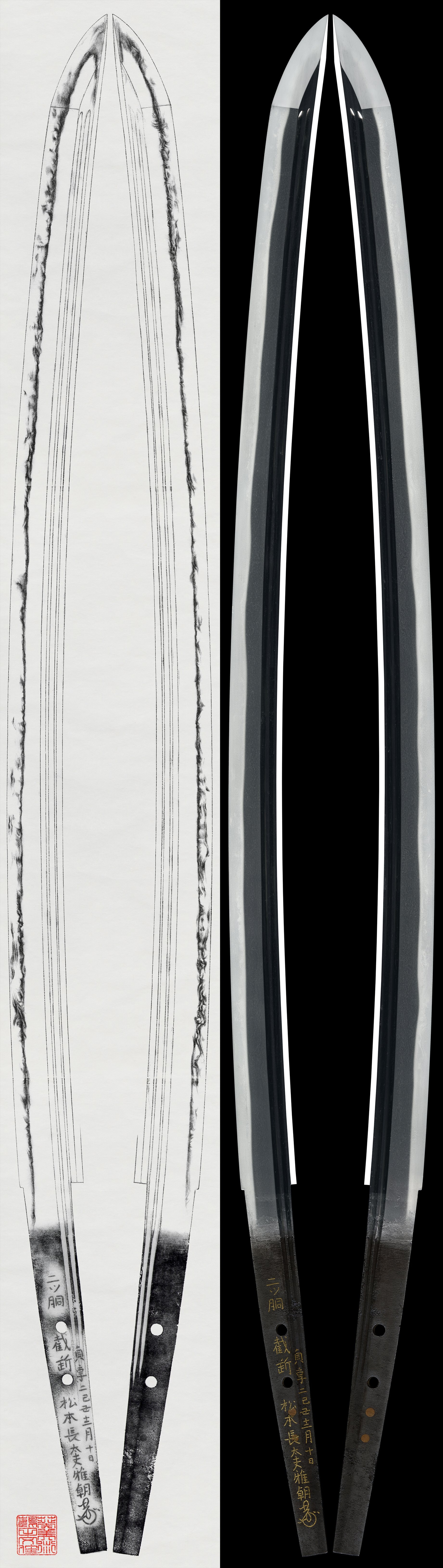
Katana - Jūyō - by Sa Sadayoshi - 刀:無銘(左貞吉)(金象嵌銘)二ツ胴切断 貞享二年乙丑十二月 松本長太夫正倫(花押)(第22回重要刀剣)Katana - Jūyō - by Sa Sadayoshi - 刀:無銘(左貞吉)(金象嵌銘)二ツ胴切断 貞享二年乙丑十二月 松本長太夫正倫(花押)(第22回重要刀剣)

刀

作貞吉
70cm·南北朝
開始価格¥5,500,000
永楽堂
特別保存
Katana - Tokuho - by Soshu Norishige - 則重 刀 特別保存刀剣Katana - Tokuho - by Soshu Norishige - 則重 刀 特別保存刀剣

刀

作則重
67.7cm·鎌倉
¥6,500,000
銀座長州屋
特別保存
Katana - Tokuho - by Soshu Norishige - 刀 大磨上無銘 則重Katana - Tokuho - by Soshu Norishige - 刀 大磨上無銘 則重

刀

作則重
69.2cm·鎌倉
お問い合わせ
Nihontocraft
Tanto - by Soshu Norishige - 則重 短刀 公家拵 鎌倉時代Tanto - by Soshu Norishige - 則重 短刀 公家拵 鎌倉時代

短刀

作則重
15.9cm·鎌倉
お問い合わせ
葵美術
特別保存
Katana - Tokuho - by Shintogo Kunimitsu - 刀:無銘(伝 新藤五)(日本美術刀剣保存協会 特別保存刀剣)Katana - Tokuho - by Shintogo Kunimitsu - 刀:無銘(伝 新藤五)(日本美術刀剣保存協会 特別保存刀剣)

刀

作國光
68.2cm·Einin (1293-1299)
¥7,800,000
永楽堂
重要
Tanto - Jūyō - by Soshu Yukimitsu - 相州行光 短刀 重要刀剣Tanto - Jūyō - by Soshu Yukimitsu - 相州行光 短刀 重要刀剣

短刀

作行光
23.8cm·鎌倉
お問い合わせ
葵美術
特別保存
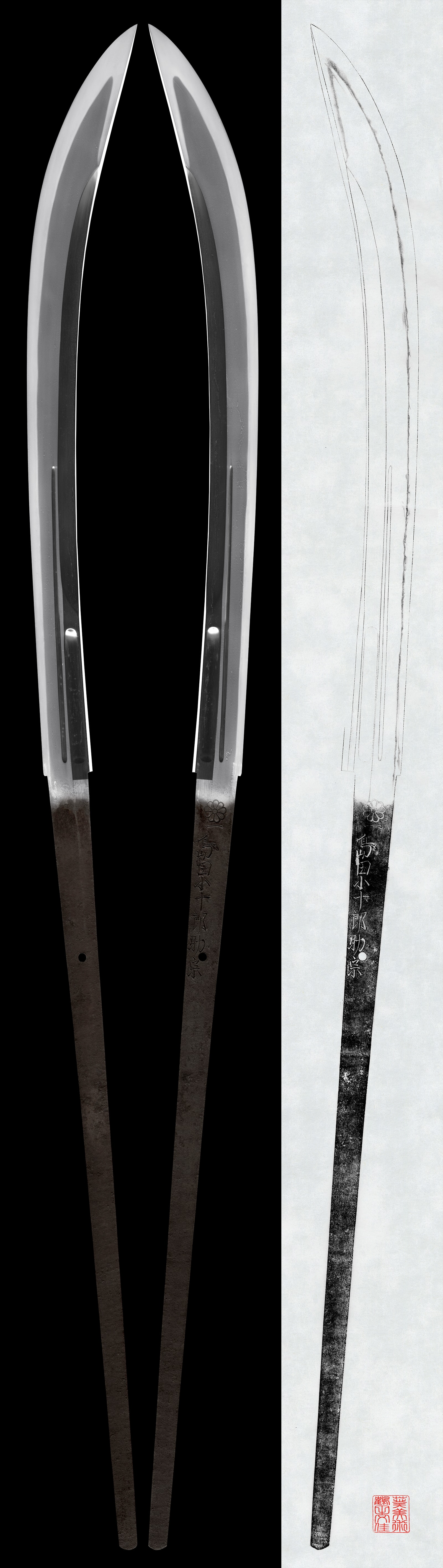
Naginata - Tokuho - by Shimada Sukemune - 薙刀:(菊紋)一島田小十郎助宗(特別保存刀剣)Naginata - Tokuho - by Shimada Sukemune - 薙刀:(菊紋)一島田小十郎助宗(特別保存刀剣)

薙刀

作助宗
48.2cm·江戸
開始価格¥651,000

刀剣

  • 刀
  • 脇差
  • 短刀
  • 太刀
  • 薙刀
  • 槍

刀装具

  • 鍔
  • 縁頭
  • 小柄
  • 目貫

鑑定別

  • 特重
  • 重要
  • 特別保存
  • 保存

リソース

  • 刀剣商一覧
  • 刀工一覧
  • すべて見る
Nihontowatch© 2026
利用規約プライバシーCookie

説明

Antique Japanese Sword Tanto Signed by Soshu Jyu Akihiro with NBTHK Tokubestsu Hozon Certificate 【Description】 Summary This blade was signed by Soshu Jyu Akihiro (相州住秋廣) during the Muromachi period (1394-), according to its Tokubetsu Hozon paper. The maker’s name, Akihiro, lasted three generations. According to one historical document, the first-gen was born in 1315 (late Kamakura period) and died when he was 84. We called NBTHK, and they believe either second or third-generation Akihiro created this blade. The first and second lived in Soshu province (Today’s Kanagawa prefecture). However, the third-gen moved to Kazusa province (Today’s Chiba prefecture) in his career. It is said that the first-gen Akihiro was the son of the first-gen Hiromitsu, an apprentice of Masamune, one of the most famous Japanese sword makers in history. Akihiro was famous for forging blades with Hitatsura. Hitatsura is a type of Hamon (tempering line) where Hamon liberally spreads across the width of the blade. Soshu Den Swordsmiths residing in Soshu province (Today’s Kanagawa prefecture) used a particular sword-forging tradition called Soshu Den. Shoshu Den was born in the middle of the Kamakura period (mid 13th century). Back then, the Yamato and Yamashiro traditions were highly developed, and there were a few renowned swordsmiths from those regions. However, the sword-forging practice was in its infancy in the Kanto area, where the Soshu region was located. At the beginning of the Kamakura government, which was established in 1185, the first Shogun, Minamoto Yoritomo, prioritized making a lot of rules to have its political stability. And he couldn’t afford to hire swordsmiths within the same region or train them. Therefore, the Kamakura government originally ordered weapons to the swordsmiths in the other areas, such as Yamato and Yamashiro. But, since the government was established, the demand for weapons increased exponentially in the government, and they had to figure out how to meet those demands from Samurai who served Kamakura shogunate. Then, the 5th head of the Shogun, Hojo Tokiyori, invited two renowned swordsmiths from other parts of Japan. They were Awataguchi Kunitsuna from Yamashiro province and Bizen Saburo Kunimune from Bizen province. And the 7th-gen Shogun Koreyasu Shino also invited Fukuoka Ichimonji Sukezane from Bizen province. It is said that those three swordsmiths played an essential role in creating the Soshu Den and making the foundation of the Soshu Den. Also another famous figure in the Soshu den is Intou Kunimitsu, an adopted son of Awataguchi Knitsuna. And Kunimitsu passed his excellent craftsmanship to Yukimitsu, his apprentice. And Masamune, one of the most famous swordsmiths in Japanese history, was an apprentice of Yukimitsu. And Masamune was the one that brought Shoshuden to nationwide fame. The tradition Masamune completed became an example of other swordsmiths who learned Soshu Den. Also, Soshu Den influenced many renowned swordsmiths during the Koto- Shinto era. One of examples is Inoue Shinkai from Osaka and Suishinshi Masahide from Edo. Horimono (Engraving) You can find the engraving of a Tsurugi (Double-edged blade) on one side. This blade is Kurikaraken, which is the sword that Fudo Myo-O (不動明王, acalanātha) holds with his right hand. Fudo Myo-O is one of the objects of worship in Buddhism. According to a theory, it is the incarnation of Dainichi Nyorai (大日如来, Mahāvairocana, the principal image of esoteric Buddhism). Kurikara-ken was named after its appearance that Kurikara Ryu-O (倶利伽羅龍王, dragon) is winding around the sword. It is believed Kurikara-Ken could cut off worldly desires: Sandoku (三毒). Sandoku is the three fundamental human desires; Ton (貪, greed), Jin (瞋, anger, grudge), Chi (癡, delusion, complaint). The other side shows Sanskrit letter, which symbolizes Fudo Myo-O. Mukansa Togi We had this blade polished by one of the most skilled Japanese sword polishers. He has Mukansa title. Mukansa is one of

NihontoWatch MonNihontoWatchBETA
MarketAuctionsEncyclopedia
刀剣›相州伝›相州›Antique Japanese Sword Tanto Signed by Soshu Jyu Akihiro NBTHK Tokubetsu Hozon Certificate
短刀特別保存
相州派

Antique Japanese Sword Tanto Signed by Soshu Jyu Akihiro NBTHK Tokubetsu Hozon Certificate

在銘 · Soshu · 室町 · 長さ 23.4cm
売却済
相州派 — 1 of 27
相州派 — 2 of 27
相州派 — 3 of 27
相州派 — 4 of 27
相州派 — 5 of 27
相州派 — 6 of 27
相州派 — 7 of 27
相州派 — 8 of 27
相州派 — 9 of 27
相州派 — 10 of 27
相州派 — 11 of 27
相州派 — 12 of 27
相州派 — 13 of 27
相州派 — 14 of 27
相州派 — 15 of 27
相州派 — 16 of 27
相州派 — 17 of 27
相州派 — 18 of 27
相州派 — 19 of 27
相州派 — 20 of 27
相州派 — 21 of 27
相州派 — 22 of 27
相州派 — 23 of 27
相州派 — 24 of 27
相州派 — 25 of 27
相州派 — 26 of 27
相州派 — 27 of 27
1 / 27
1 / 27
相州派 — 1 of 27相州派 — 2 of 27相州派 — 3 of 27相州派 — 4 of 27相州派 — 5 of 27相州派 — 6 of 27相州派 — 7 of 27相州派 — 8 of 27相州派 — 9 of 27相州派 — 10 of 27相州派 — 11 of 27相州派 — 12 of 27相州派 — 13 of 27相州派 — 14 of 27相州派 — 15 of 27相州派 — 16 of 27相州派 — 17 of 27相州派 — 18 of 27相州派 — 19 of 27相州派 — 20 of 27相州派 — 21 of 27相州派 — 22 of 27相州派 — 23 of 27相州派 — 24 of 27相州派 — 25 of 27相州派 — 26 of 27相州派 — 27 of 27
法量・詳細
刀工
相州派
種別
短刀
流派
Soshu
活動期
室町
国
相模
銘
在銘
法量
長さ 23.4cm
説明

Antique Japanese Sword Tanto Signed by Soshu Jyu Akihiro with NBTHK Tokubestsu Hozon Certificate 【Description】 Summary This blade was signed by Soshu Jyu Akihiro (相州住秋廣) during the Muromachi period (1394-), according to its Tokubetsu Hozon paper. The maker’s name, Akihiro, lasted three generations. According to one historical document, the first-gen was born in 1315 (late Kamakura period) and died when he was 84. We called NBTHK, and they believe either second or third-generation Akihiro created this blade. The first and second lived in Soshu province (Today’s Kanagawa prefecture). However, the third-gen moved to Kazusa province (Today’s Chiba prefecture) in his career. It is said that the first-gen Akihiro was the son of the first-gen Hiromitsu, an apprentice of Masamune, one of the most famous Japanese sword makers in history. Akihiro was famous for forging blades with Hitatsura. Hitatsura is a type of Hamon (tempering line) where Hamon liberally spreads across the width of the blade. Soshu Den Swordsmiths residing in Soshu province (Today’s Kanagawa prefecture) used a particular sword-forging tradition called Soshu Den. Shoshu Den was born in the middle of the Kamakura period (mid 13th century). Back then, the Yamato and Yamashiro traditions were highly developed, and there were a few renowned swordsmiths from those regions. However, the sword-forging practice was in its infancy in the Kanto area, where the Soshu region was located. At the beginning of the Kamakura government, which was established in 1185, the first Shogun, Minamoto Yoritomo, prioritized making a lot of rules to have its political stability. And he couldn’t afford to hire swordsmiths within the same region or train them. Therefore, the Kamakura government originally ordered weapons to the swordsmiths in the other areas, such as Yamato and Yamashiro. But, since the government was established, the demand for weapons increased exponentially in the government, and they had to figure out how to meet those demands from Samurai who served Kamakura shogunate. Then, the 5th head of the Shogun, Hojo Tokiyori, invited two renowned swordsmiths from other parts of Japan. They were Awataguchi Kunitsuna from Yamashiro province and Bizen Saburo Kunimune from Bizen province. And the 7th-gen Shogun Koreyasu Shino also invited Fukuoka Ichimonji Sukezane from Bizen province. It is said that those three swordsmiths played an essential role in creating the Soshu Den and making the foundation of the Soshu Den. Also another famous figure in the Soshu den is Intou Kunimitsu, an adopted son of Awataguchi Knitsuna. And Kunimitsu passed his excellent craftsmanship to Yukimitsu, his apprentice. And Masamune, one of the most famous swordsmiths in Japanese history, was an apprentice of Yukimitsu. And Masamune was the one that brought Shoshuden to nationwide fame. The tradition Masamune completed became an example of other swordsmiths who learned Soshu Den. Also, Soshu Den influenced many renowned swordsmiths during the Koto- Shinto era. One of examples is Inoue Shinkai from Osaka and Suishinshi Masahide from Edo. Horimono (Engraving) You can find the engraving of a Tsurugi (Double-edged blade) on one side. This blade is Kurikaraken, which is the sword that Fudo Myo-O (不動明王, acalanātha) holds with his right hand. Fudo Myo-O is one of the objects of worship in Buddhism. According to a theory, it is the incarnation of Dainichi Nyorai (大日如来, Mahāvairocana, the principal image of esoteric Buddhism). Kurikara-ken was named after its appearance that Kurikara Ryu-O (倶利伽羅龍王, dragon) is winding around the sword. It is believed Kurikara-Ken could cut off worldly desires: Sandoku (三毒). Sandoku is the three fundamental human desires; Ton (貪, greed), Jin (瞋, anger, grudge), Chi (癡, delusion, complaint). The other side shows Sanskrit letter, which symbolizes Fudo Myo-O. Mukansa Togi We had this blade polished by one of the most skilled Japanese sword polishers. He has Mukansa title. Mukansa is one of

流派について

相州

相州伝 · 相模

現在42点販売中

›

相模国鎌倉の地に興り、沸を主たる表現とした相州伝を確立した一門である。事実上の創始者は新藤五国光で、粟田口国綱の子と伝え、その地鉄には師仕込みの小板目によく約んだ精良さが残る。永仁元年(一二九三)紀の在銘短刀を最古とし、居住地を銘に明記して年紀を遺す生えぬきの相模刀工の祖と称すべき工である。国光は粟田口の精良な地鉄を承けつつ、地景と金筋を著しく強調する一面を加え、その門下に行光、正宗、則重の三名人を育てた。国光の精到な沸の直刃は、後にこの三者が沸の乱れへと展開する源流となり、ここに相州伝の地盤が据えられた。行光は正宗よりやや先輩とみられ、正宗が頂点に立ち、その門から養子の貞宗が正系二代を継ぐ。則重は越中にあって相弟子として一門を支え、南北朝期には広光と秋広が皆焼を完成させ、越中へは郷義弘が相州伝を西漸させて、一門は諸国へと広がった。 作風の核は、鎌倉後期に始まる沸の表現にある。鍛えは板目に杢を交え、地沸が微塵に厚くつき、太い地景が頻りに入って明るく冴え、刃文はのたれに互の目を交えた沸出来で、匂深く沸厚く、金筋と砂流しが躍動し、帽子は単なる小丸に終わらず盛んに掃きかける。これが一門を貫く共通の語法である。その内部には明瞭な展開がある。国光の抑制された沸の直刃から出発し、行光は師に直結する穏やかな乱れを保ちつつ帽子に火焰風の掃きかけを見せ、正宗に至って炭素量の異なる数種の鋼を駆使した沸の妙が極まり、地にこぼれた沸が湯走りをなし、破墨山水を見る趣の自在な出来口に達する。則重はこの沸の変化をさらに露わにし、太い地景が松皮の如く肌立つ松皮肌を看どころとした。貞宗は正宗より穏やかなのたれ調に持味を移し、梵字、素剣、護摩箸、二筋樋など相州随一の彫物を加えて、これを信国へ伝えた。さらに広光と秋広は、貞宗にわずかに兆していた湯走りを推し進め、飛焼、湯走り、棟焼が地と棟にさかんにかかる本格的な皆焼を完成させた。広光は頭の丸い団子丁子を交え、秋広は地が一段と肌立って荒らびごころを帯び、ここに鎌倉の精良な直刃から南北朝の華麗な皆焼へという内的な展開が完結する。郷義弘は帽子を一枚風に深く焼く点に独自を示し、高木貞宗と新藤五国広は師風を近江と相模に静かに継いだ。 鑑定にあっては、まず明るく冴える鉄、厚い地沸、繁き地景、そして掃きかける帽子で一門を相州と読み、次に世代ごとの看どころで工を分かつ。国光は翁の髭と称する金筋を交えた精良な直刃短刀、行光は穏やかな乱れに掃きかける帽子、正宗はのたれ基調の烈しい沸崩れと垢抜けた地刃、則重は沈みごころの匂口と松皮肌、貞宗は穏やかな互の目と豊かな彫物、広光は団子丁子の皆焼、秋広は肌立つ地の皆焼、郷は一枚風の深い帽子と一段と冴える地刃という具合に、看どころが工と時代を指し示す。国光、行光、正宗、則重、貞宗、郷、広光、秋広はいずれも藤代の最上作に列し、なかでも正宗はその名を負う指定の重みが比類なく、相州伝の頂点に位置する。一門の作には名物陸奥新藤五、太郎作正宗、御堀出貞宗、大久保江、大倶利迦羅広光などが連なり、織田信長、豊臣秀吉、徳川家康をはじめ天下を握った者の手を経て、皇室や諸大名家に伝わった。正宗や郷のごとく在銘の確実作を遺さぬ工が多く、その大半は大磨上無銘の極めとして知られるため、一門の作が市に現れることはこの分野で最も稀な出来事のひとつである。本一門の沸出来は山城来や美濃志津をはじめ諸国の鍛冶に承け継がれ、正宗十哲の名のもとに相州伝は日本刀の作風そのものを規定する規範となった。

34名の刀工指定856口
主要刀工
刀工時代指定
正宗1288-129388
貞宗1329-133187
秋廣1346-137028
義弘1299-130255
國光1293-132272
相州流派を見る →
NBTHK鑑定書
Tokubetsu Hozon Tōken特別保存刀剣
Sword Especially Worthy of Preservation
›

保存刀剣のうち、出来が一層優れ、保存状態も良好と認められたものです。再刃や、室町・江戸期の多くの無銘作は対象外となり、保存刀剣より高い基準が課されます。

NBTHKについて›

日本美術刀剣保存協会(NBTHK)は、1948年に設立され、文化庁の監督を受ける公益財団法人で、東京・刀剣博物館に本部を置きます。専門の審査員が出品作を直接審査し、美術的・歴史的価値に応じた鑑定書を発行します。NBTHKの鑑定書は、日本刀および刀装具の真正性を示す最も広く認知された基準です。

NBTHK公式サイト→
販売店
サ
サムライミュージアム
🇯🇵日本から発送
›
✓認証販売店samuraimuseum.jp
✓海外発送可✓英語対応PayPalクレジットカード
返品ポリシー

Returns/exchanges limited to defects caused by shipping (except willful misconduct or gross negligence by the company); customers must contact within 72 hours of receiving the product.
サムライミュージアムの出品一覧を見る→販売店サイトでこの商品を見る→

相州派の売約済み

銀座長州屋
by Soshu School - 無題by Soshu School - 無題
売切れ

無題

作相州派
現代刀
売却済
Tetsugendo
Wakizashi - by Soshu School - 無銘 脇差Wakizashi - by Soshu School - 無銘 脇差
売切れ

脇差

作相州派
98.78cm·室町
売却済
Tozando
特別保存
Wakizashi - Tokuho - by Soshu School - Wakizashi - Takahiro - NBTHK Tokubetsu Hozon Certificate/NBTHK Juyo Toso - Tachi/Shirasaya Koshirae - Suriage Nakago - Koto Era - Aichi 11328Wakizashi - Tokuho - by Soshu School - Wakizashi - Takahiro - NBTHK Tokubetsu Hozon Certificate/NBTHK Juyo Toso - Tachi/Shirasaya Koshirae - Suriage Nakago - Koto Era - Aichi 11328
売切れ

脇差

作相州派
57.1cm·Kakitsu (1441-1444)
売却済
銀座長州屋
Tanto - by Soshu School - 庖丁正宗写短刀 銘 恵作之 平成七年卯月 風神図刀身彫刻 銘 彫宗寿Tanto - by Soshu School - 庖丁正宗写短刀 銘 恵作之 平成七年卯月 風神図刀身彫刻 銘 彫宗寿
売切れ

短刀

作相州派
Showa (1926-1989)
売却済
銀座長州屋
Katana - by Soshu School - 大磨上無銘 伝行光Katana - by Soshu School - 大磨上無銘 伝行光
売切れ

刀

作相州派
鎌倉
売却済
Tozando
Tanto - by Soshu School - Tanto - Harushige - Tanto Koshirae - Ubu Nakago - Shinto Era - Kyoto 61501Tanto - by Soshu School - Tanto - Harushige - Tanto Koshirae - Ubu Nakago - Shinto Era - Kyoto 61501
売切れ

短刀

作相州派
25.4cm·新刀
売却済
明倫産業
特別保存
Katana - Tokuho - by Soshu School - 伝 則重Katana - Tokuho - by Soshu School - 伝 則重
売切れ

刀

作相州派
61.5cm·鎌倉
売却済
Tokyo Sword
Tanto - by Soshu School - 鵜首造 朱塗鞘短刀 相州住綱廣 銘 厚肉 小柄付Tanto - by Soshu School - 鵜首造 朱塗鞘短刀 相州住綱廣 銘 厚肉 小柄付
売切れ

短刀

作相州派
21.1cm·古刀
売却済

相州派の作

すべて見る →
銀座長州屋
重要
Tanto - Jūyō - by Soshu Norishige - 短刀 生ぶ茎無銘 則重Tanto - Jūyō - by Soshu Norishige - 短刀 生ぶ茎無銘 則重

短刀

作則重
18cm·鎌倉
¥6,500,000
葵美術
特別保存
Katana - Tokuho - by Gō Yoshihiro - 刀:無銘 伝(郷)(日本美術刀剣保存協会 特別保存刀剣)Katana - Tokuho - by Gō Yoshihiro - 刀:無銘 伝(郷)(日本美術刀剣保存協会 特別保存刀剣)

刀

作義弘
73cm·鎌倉
¥35,000,000
永楽堂
特別保存
Katana - Tokuho - by Shintogo Kunimitsu - 新藤五国光 刀 特別保存刀剣Katana - Tokuho - by Shintogo Kunimitsu - 新藤五国光 刀 特別保存刀剣

刀

作國光
63.1cm·鎌倉
¥7,500,000
Nihon Art
特別保存
Wakizashi - Tokuho - by Gō Yoshihiro - 脇差 郷義弘Wakizashi - Tokuho - by Gō Yoshihiro - 脇差 郷義弘

脇差

作義弘
54.1cm·鎌倉
お問い合わせ
Nihon Art
特別保存
Tanto - Tokuho - by Shintogo Kunimitsu - 新藤五国光 短刀Tanto - Tokuho - by Shintogo Kunimitsu - 新藤五国光 短刀

短刀

作國光
27.5cm·鎌倉
お問い合わせ
コレクション情報
重要
Tanto - Jūyō - by Soshu Yukimitsu - 短刀 相州行光(生ぶ無銘) Tanto:Soshu Yukimitsu(Mumei)Tanto - Jūyō - by Soshu Yukimitsu - 短刀 相州行光(生ぶ無銘) Tanto:Soshu Yukimitsu(Mumei)

短刀

作行光
24.4cm·Kagen (1303-1306)
¥6,700,000
つるぎの屋
特重
Katana - Tokuju - by Soshu Yukimitsu - 刀 相州行光Katana - Tokuju - by Soshu Yukimitsu - 刀 相州行光

刀

作行光
72.2cm·鎌倉
お問い合わせ
Nihon Art
重要
Katana - Jūyō - by Soshu Norishige - 重要刀剣 越中則重 刀 本阿弥光忠金象嵌銘Katana - Jūyō - by Soshu Norishige - 重要刀剣 越中則重 刀 本阿弥光忠金象嵌銘

刀

作則重
鎌倉
お問い合わせ

相州の伝統

すべて見る →
葵美術
特別保存
Wakizashi - Tokuho - by Muramasa - AS26199 脇差:村正(特別保存刀剣)Wakizashi - Tokuho - by Muramasa - AS26199 脇差:村正(特別保存刀剣)

脇差

作村正
32.6cm·室町
開始価格¥8,500,000
葵美術
重要
Katana - Jūyō - by Sa Sadayoshi - 刀:無銘(左貞吉)(金象嵌銘)二ツ胴切断 貞享二年乙丑十二月 松本長太夫正倫(花押)(第22回重要刀剣)Katana - Jūyō - by Sa Sadayoshi - 刀:無銘(左貞吉)(金象嵌銘)二ツ胴切断 貞享二年乙丑十二月 松本長太夫正倫(花押)(第22回重要刀剣)

刀

作貞吉
70cm·南北朝
開始価格¥5,500,000
永楽堂
特別保存
Katana - Tokuho - by Soshu Norishige - 則重 刀 特別保存刀剣Katana - Tokuho - by Soshu Norishige - 則重 刀 特別保存刀剣

刀

作則重
67.7cm·鎌倉
¥6,500,000
銀座長州屋
特別保存
Katana - Tokuho - by Soshu Norishige - 刀 大磨上無銘 則重Katana - Tokuho - by Soshu Norishige - 刀 大磨上無銘 則重

刀

作則重
69.2cm·鎌倉
お問い合わせ
Nihontocraft
Tanto - by Soshu Norishige - 則重 短刀 公家拵 鎌倉時代Tanto - by Soshu Norishige - 則重 短刀 公家拵 鎌倉時代

短刀

作則重
15.9cm·鎌倉
お問い合わせ
葵美術
特別保存
Katana - Tokuho - by Shintogo Kunimitsu - 刀:無銘(伝 新藤五)(日本美術刀剣保存協会 特別保存刀剣)Katana - Tokuho - by Shintogo Kunimitsu - 刀:無銘(伝 新藤五)(日本美術刀剣保存協会 特別保存刀剣)

刀

作國光
68.2cm·Einin (1293-1299)
¥7,800,000
永楽堂
重要
Tanto - Jūyō - by Soshu Yukimitsu - 相州行光 短刀 重要刀剣Tanto - Jūyō - by Soshu Yukimitsu - 相州行光 短刀 重要刀剣

短刀

作行光
23.8cm·鎌倉
お問い合わせ
葵美術
特別保存
Naginata - Tokuho - by Shimada Sukemune - 薙刀:(菊紋)一島田小十郎助宗(特別保存刀剣)Naginata - Tokuho - by Shimada Sukemune - 薙刀:(菊紋)一島田小十郎助宗(特別保存刀剣)

薙刀

作助宗
48.2cm·江戸
開始価格¥651,000

刀剣

  • 刀
  • 脇差
  • 短刀
  • 太刀
  • 薙刀
  • 槍

刀装具

  • 鍔
  • 縁頭
  • 小柄
  • 目貫

鑑定別

  • 特重
  • 重要
  • 特別保存
  • 保存

リソース

  • 刀剣商一覧
  • 刀工一覧
  • すべて見る
Nihontowatch© 2026
利用規約プライバシーCookie
NihontoWatch Mon

NihontoWatchBETA

マーケットオークション
事典
NihontoWatch Mon

NihontoWatchBETA

マーケットオークション
事典