1853年のペリー来航は徳川の泰平をほどき、二世紀ぶりに実用刀の大量需要を生んだ。四谷正宗と呼ばれた清麿はその前夜に世を去り、宗次や行秀が最後の好況を担った。
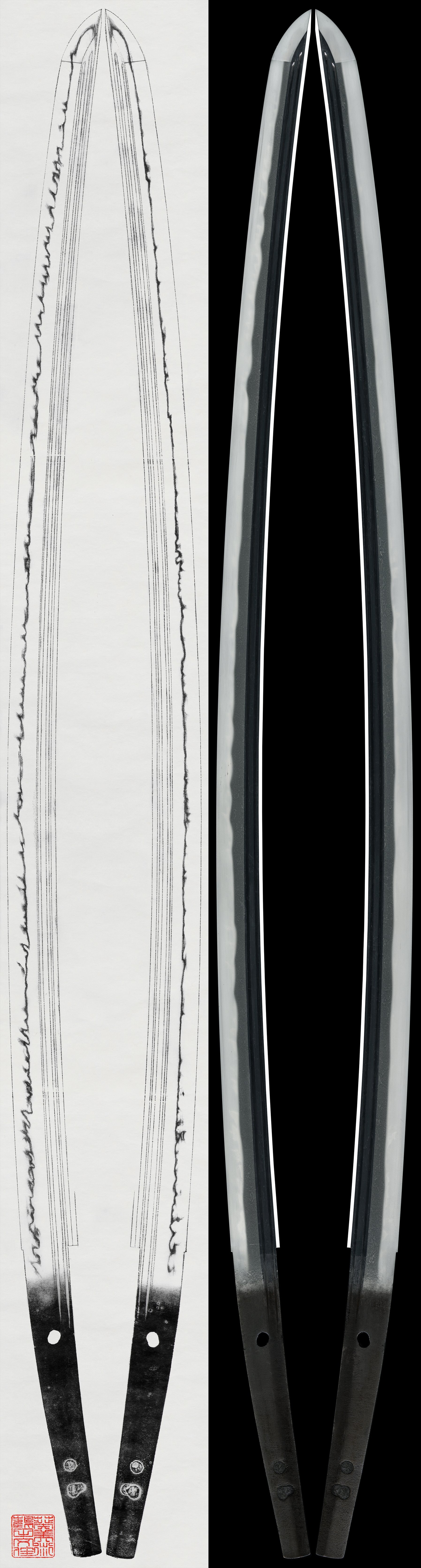
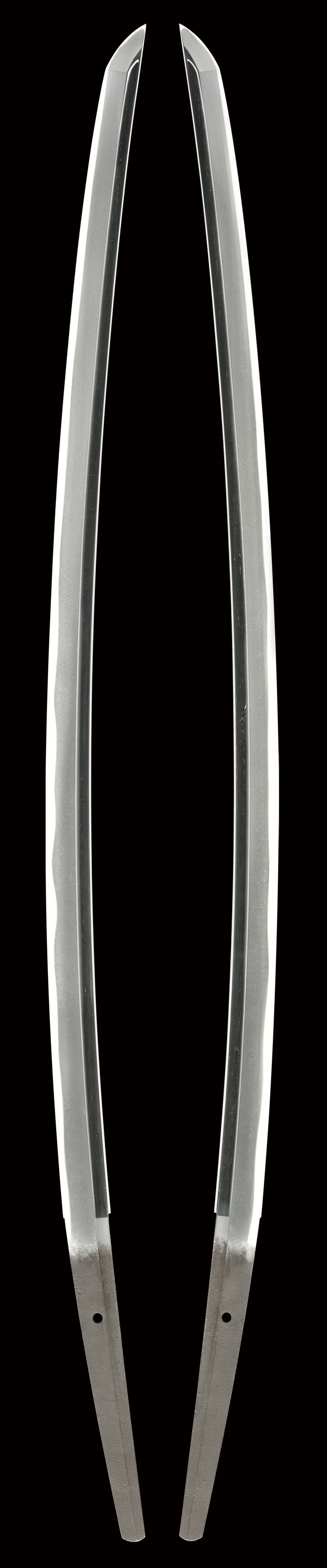
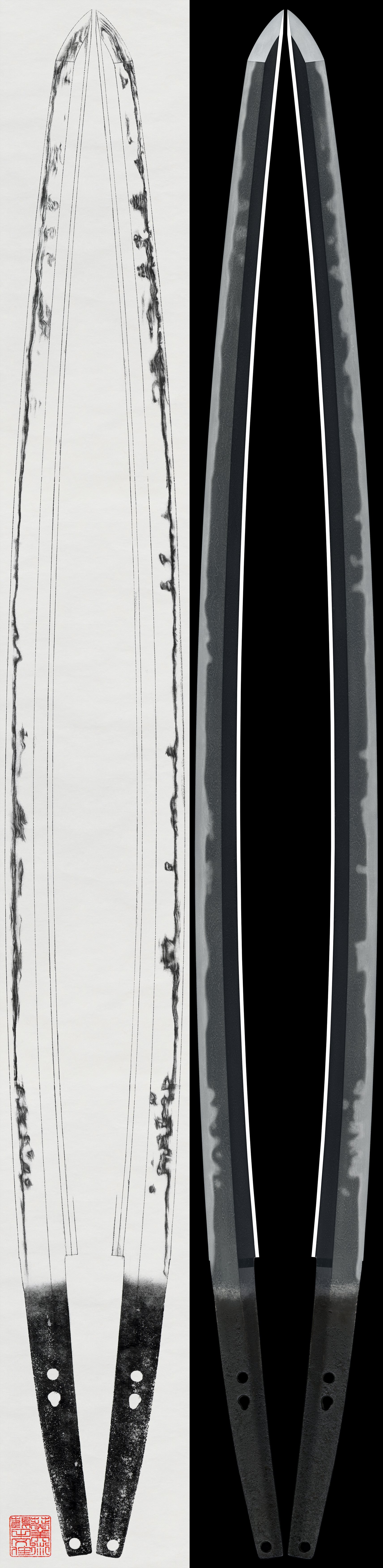
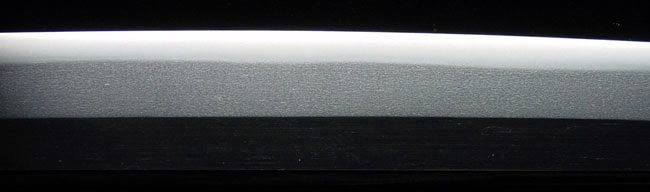
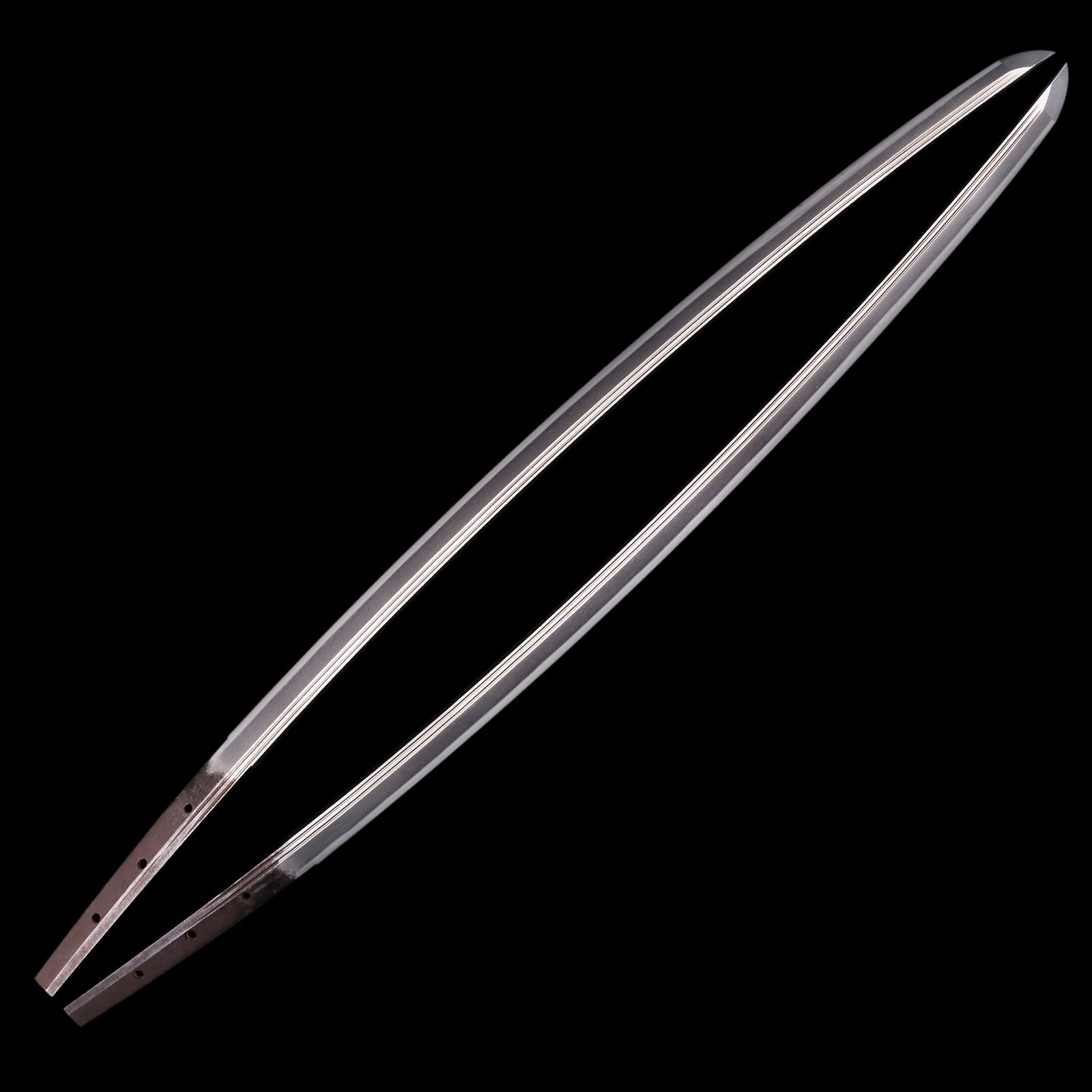
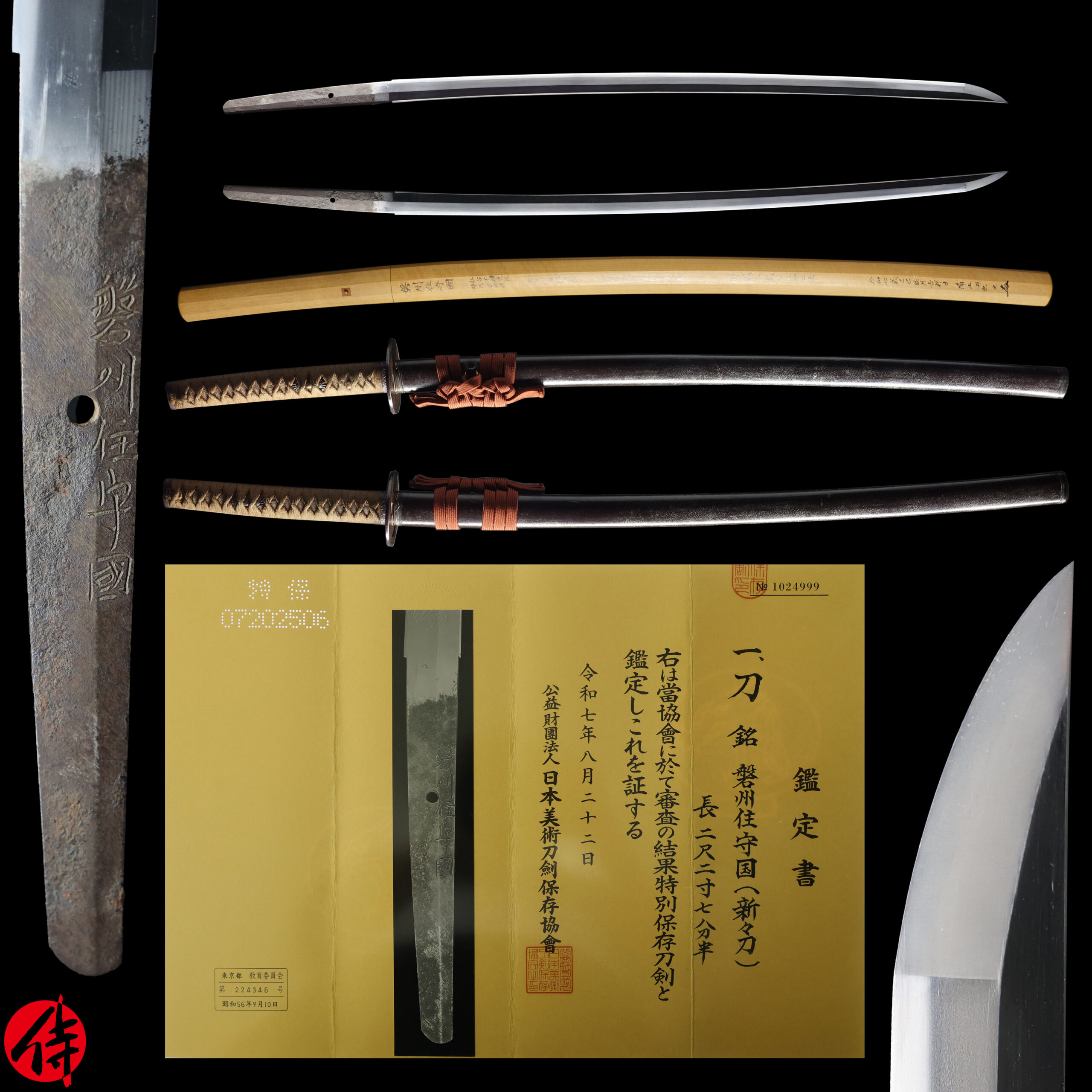
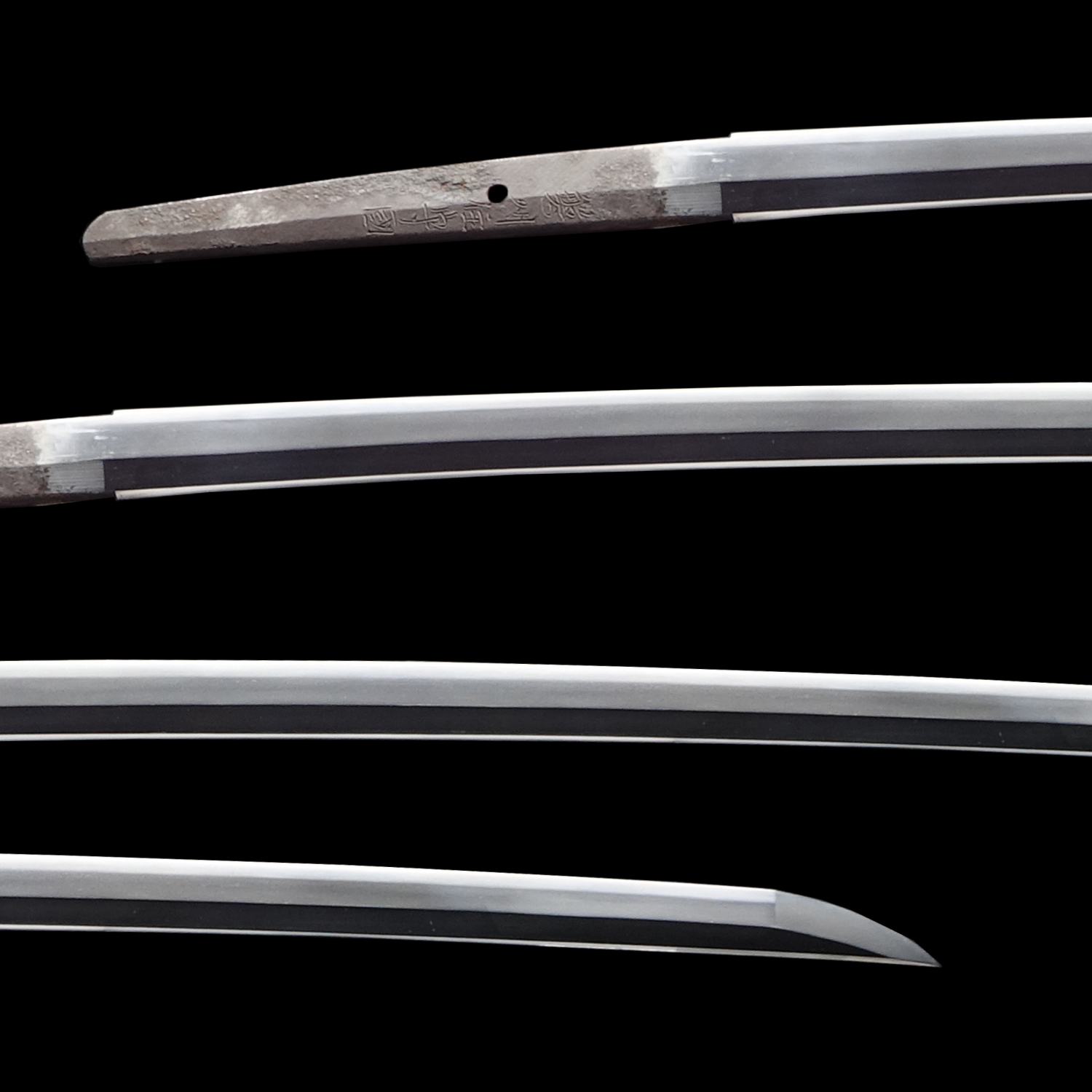
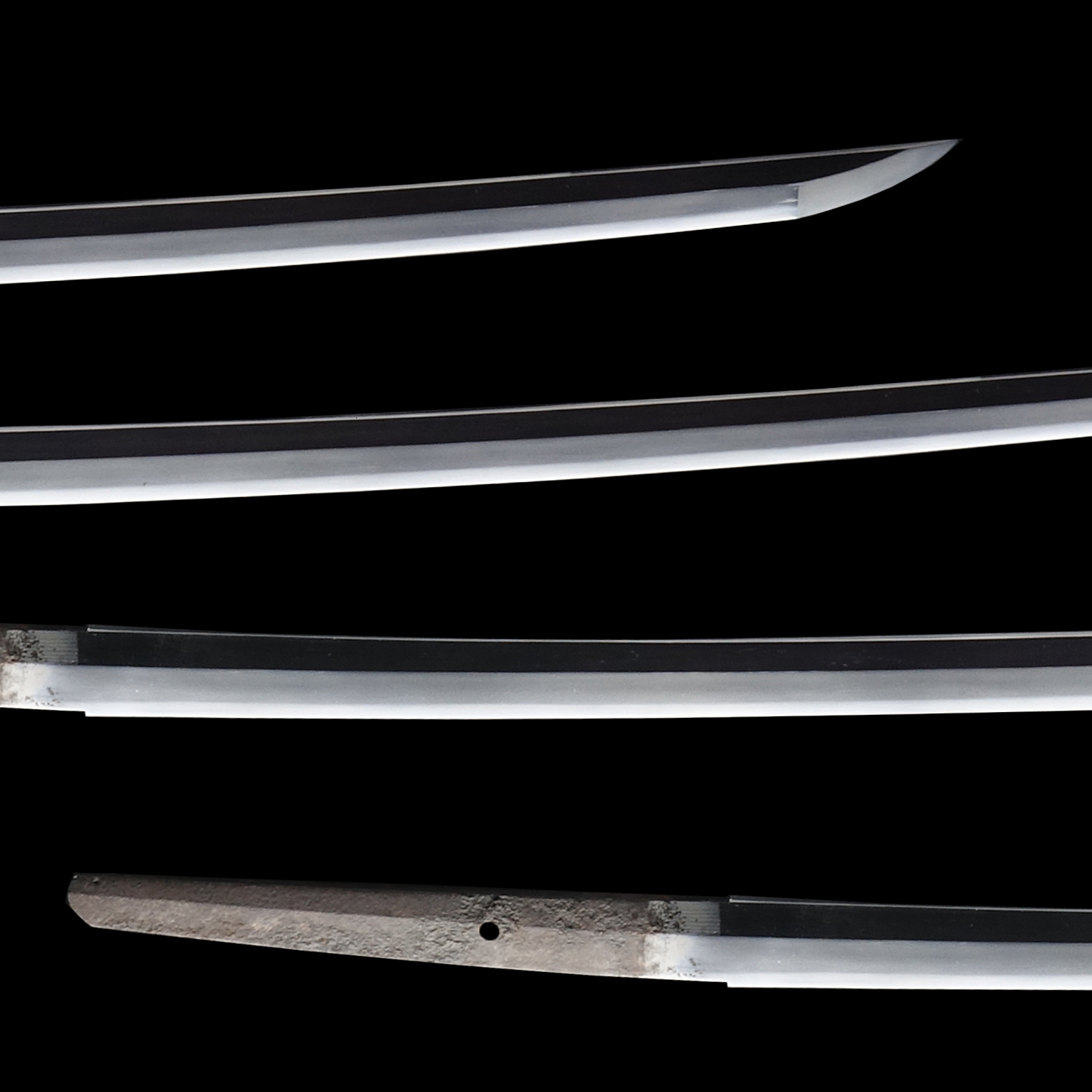
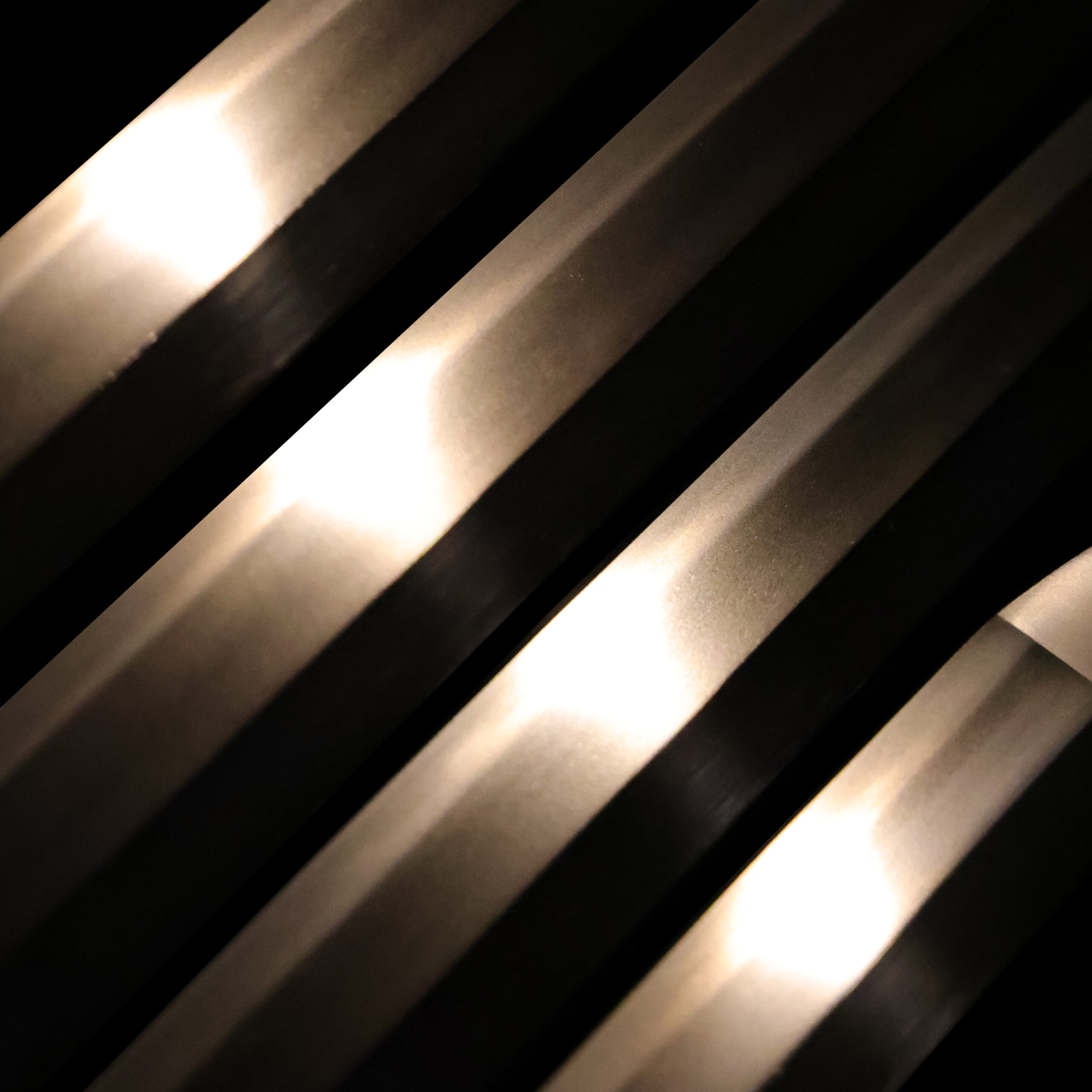
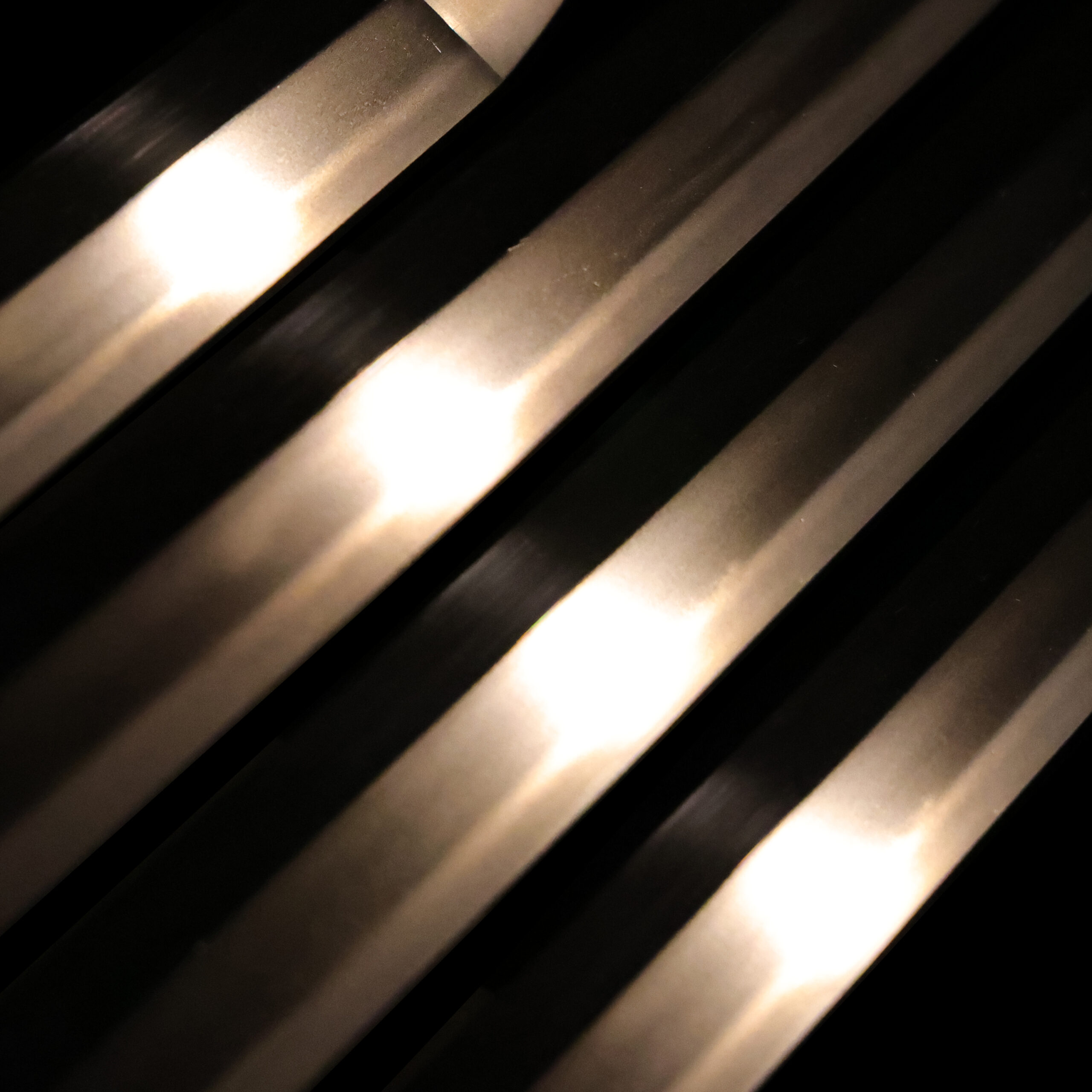
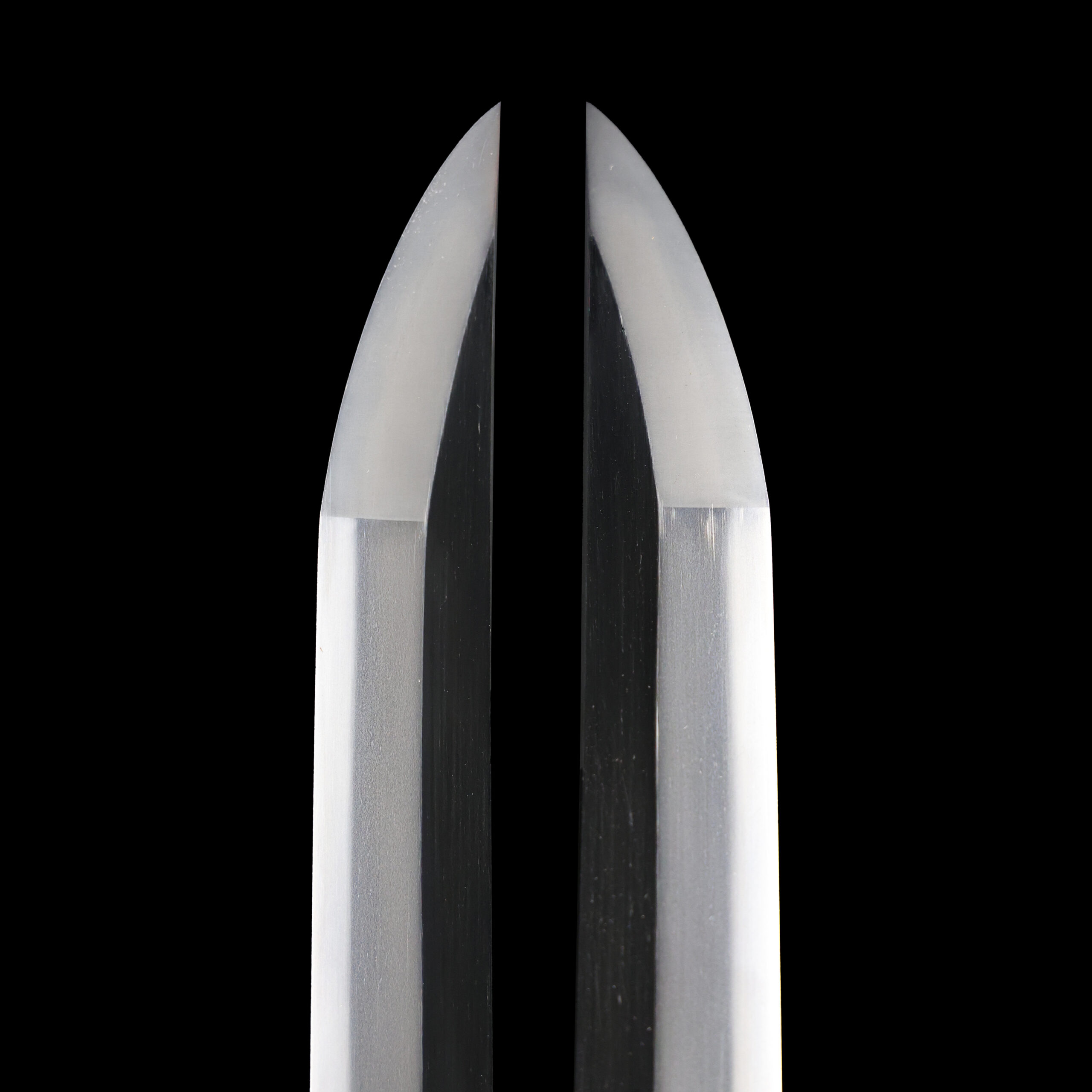
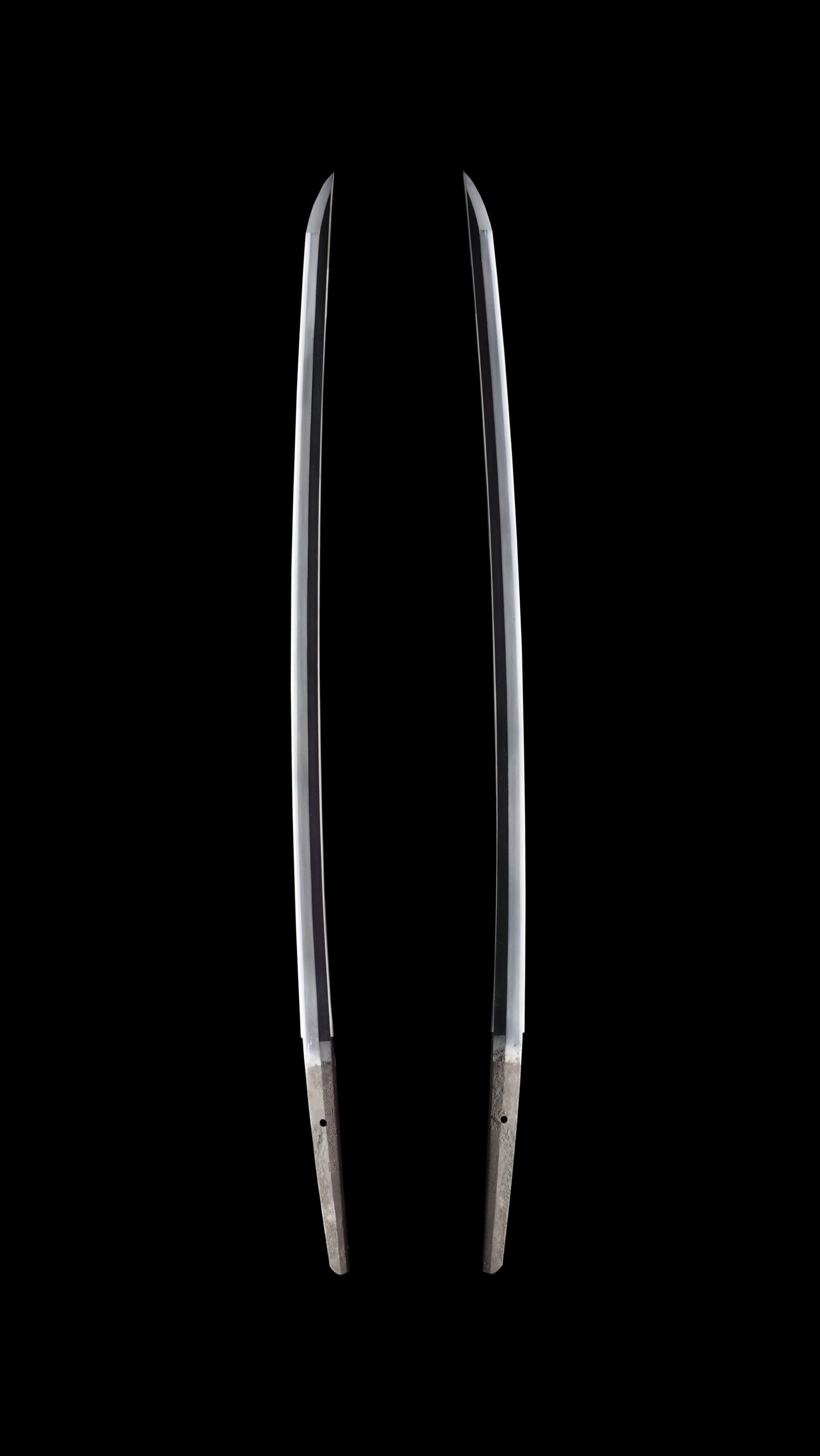
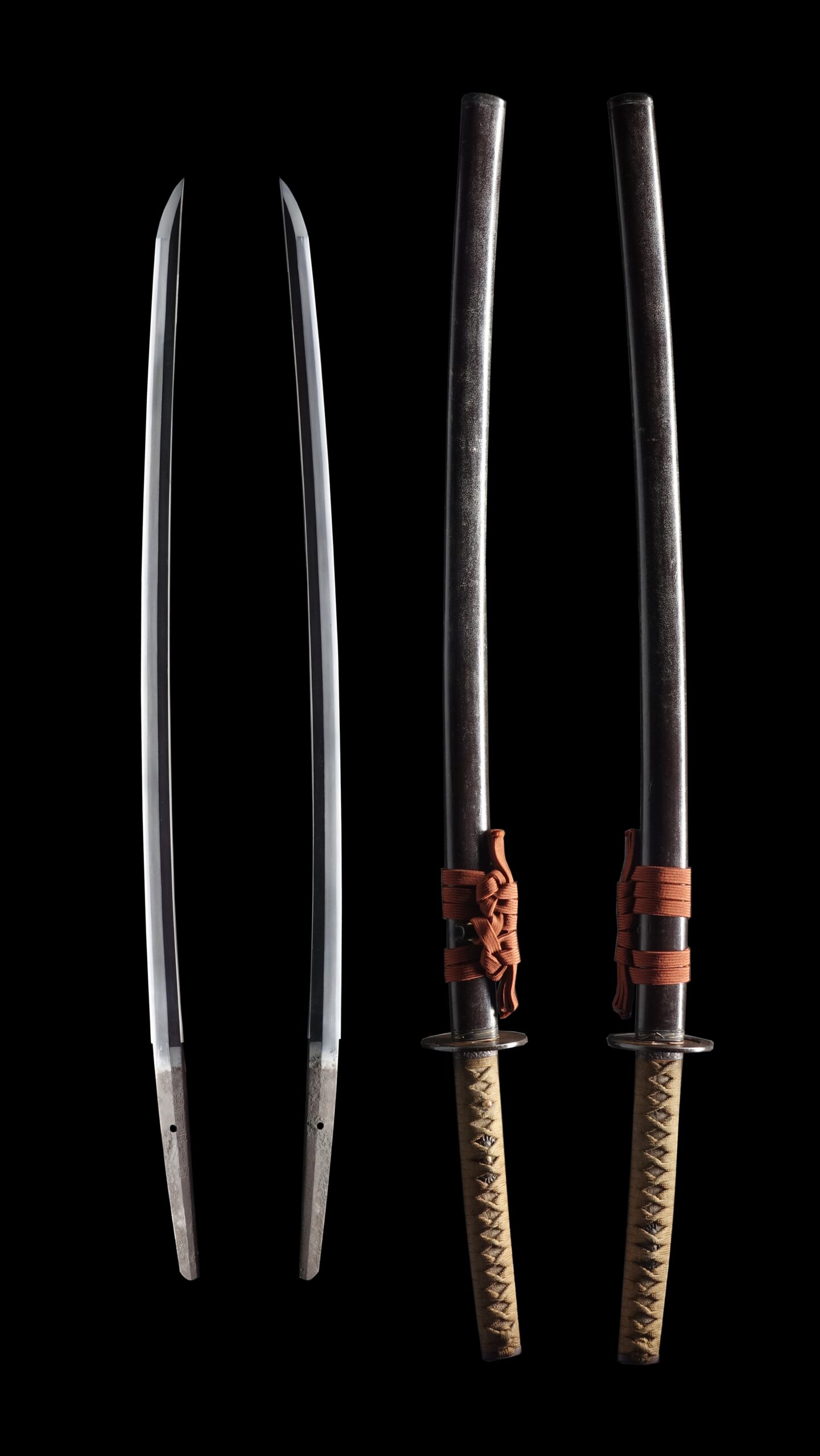
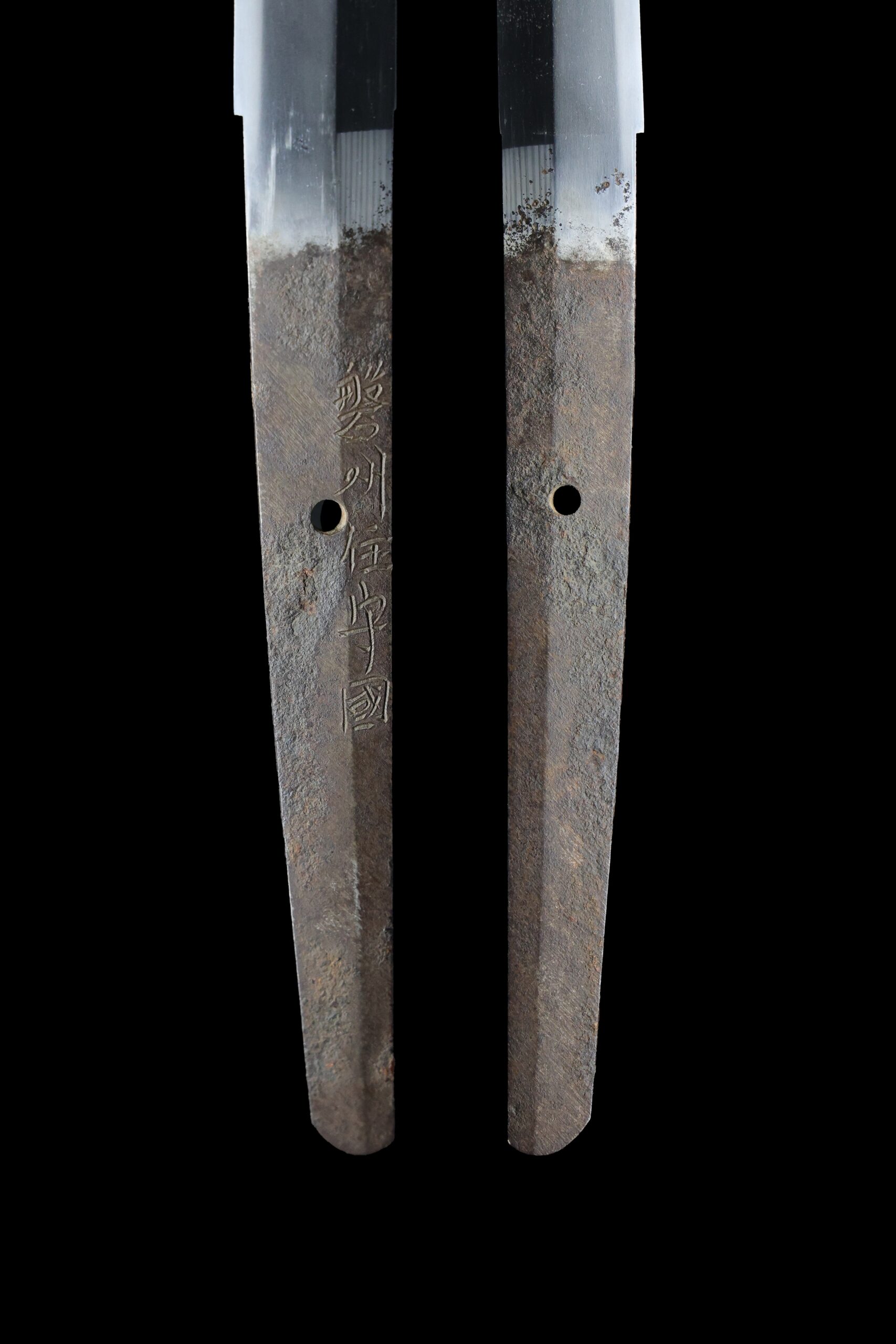
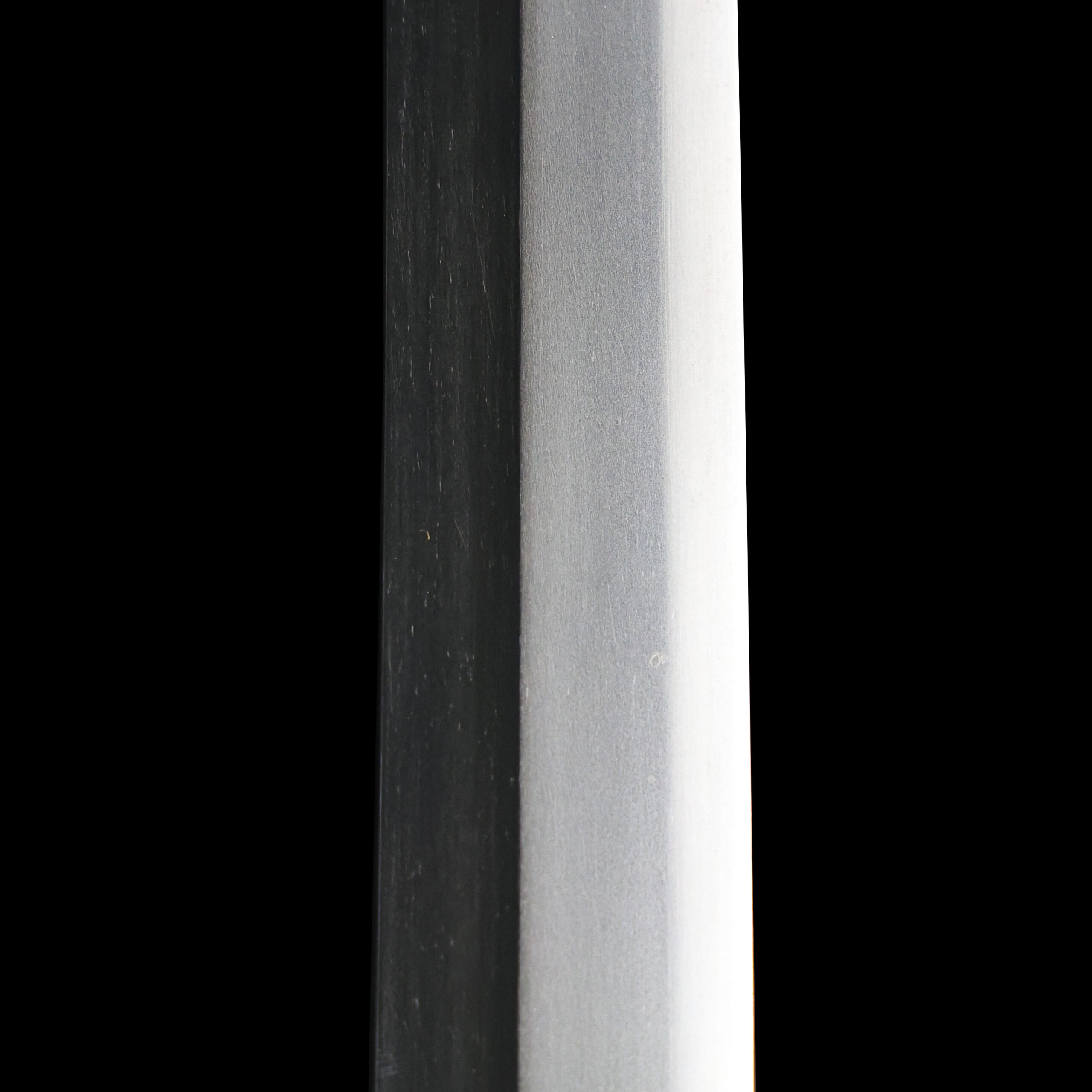
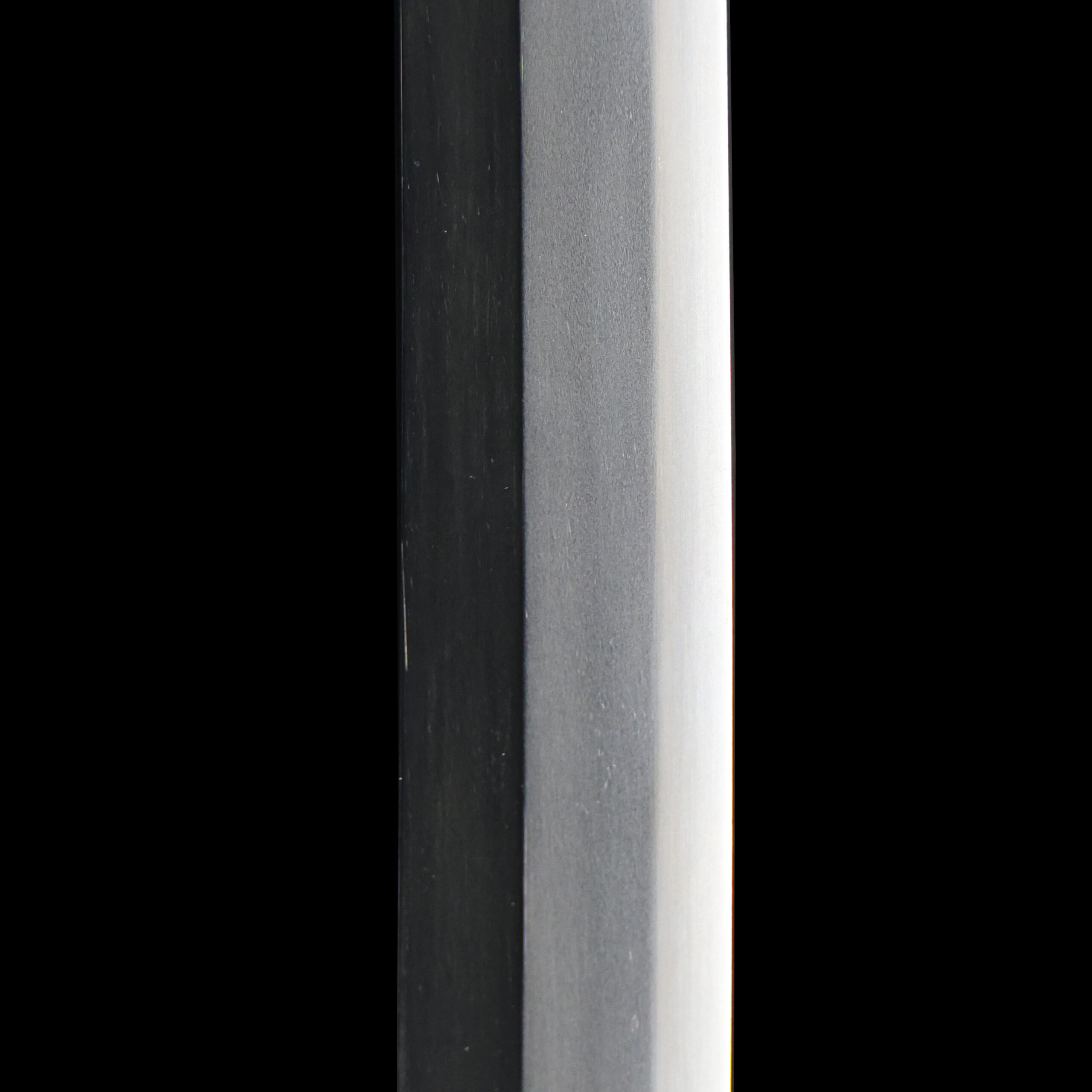
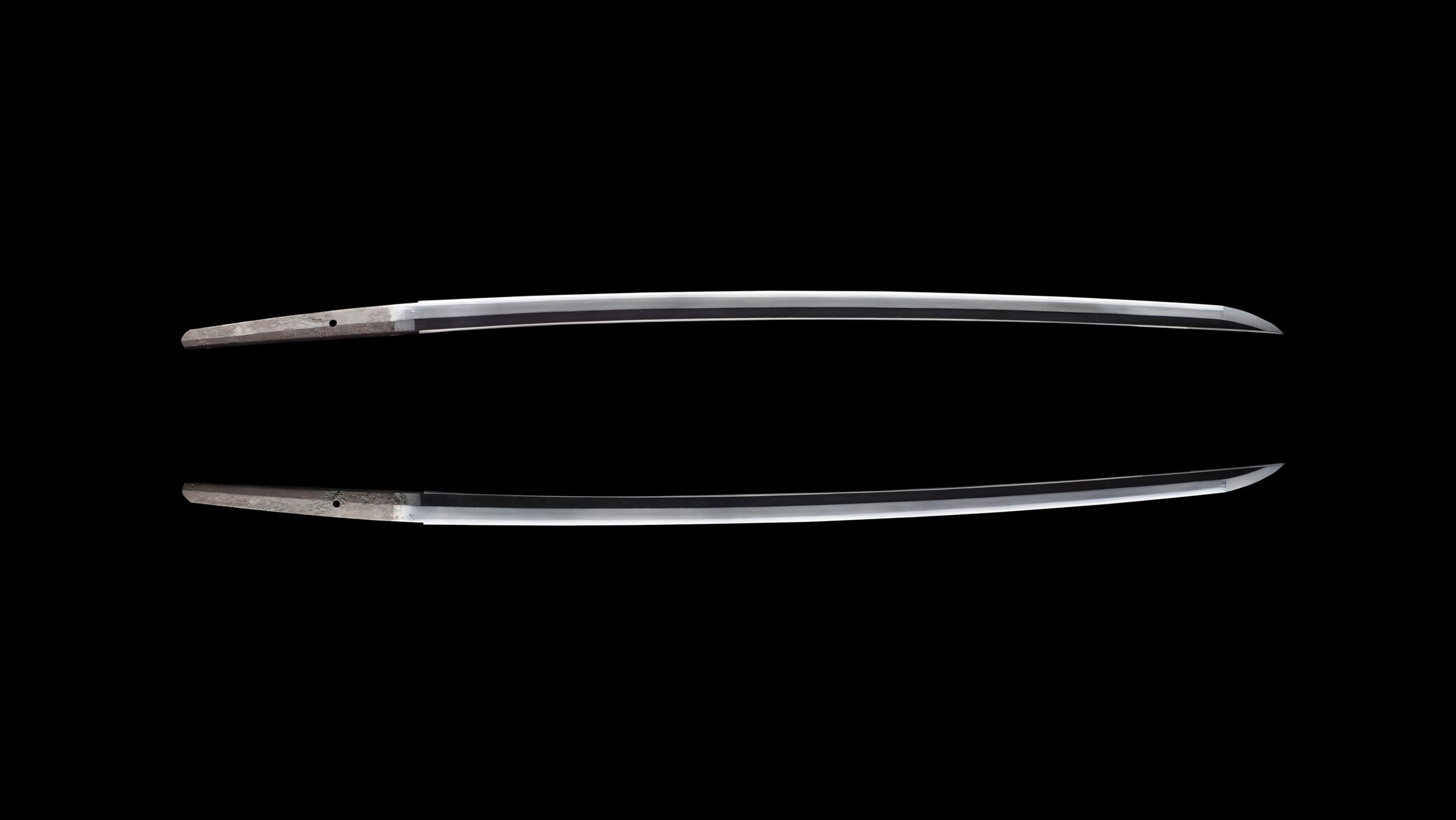
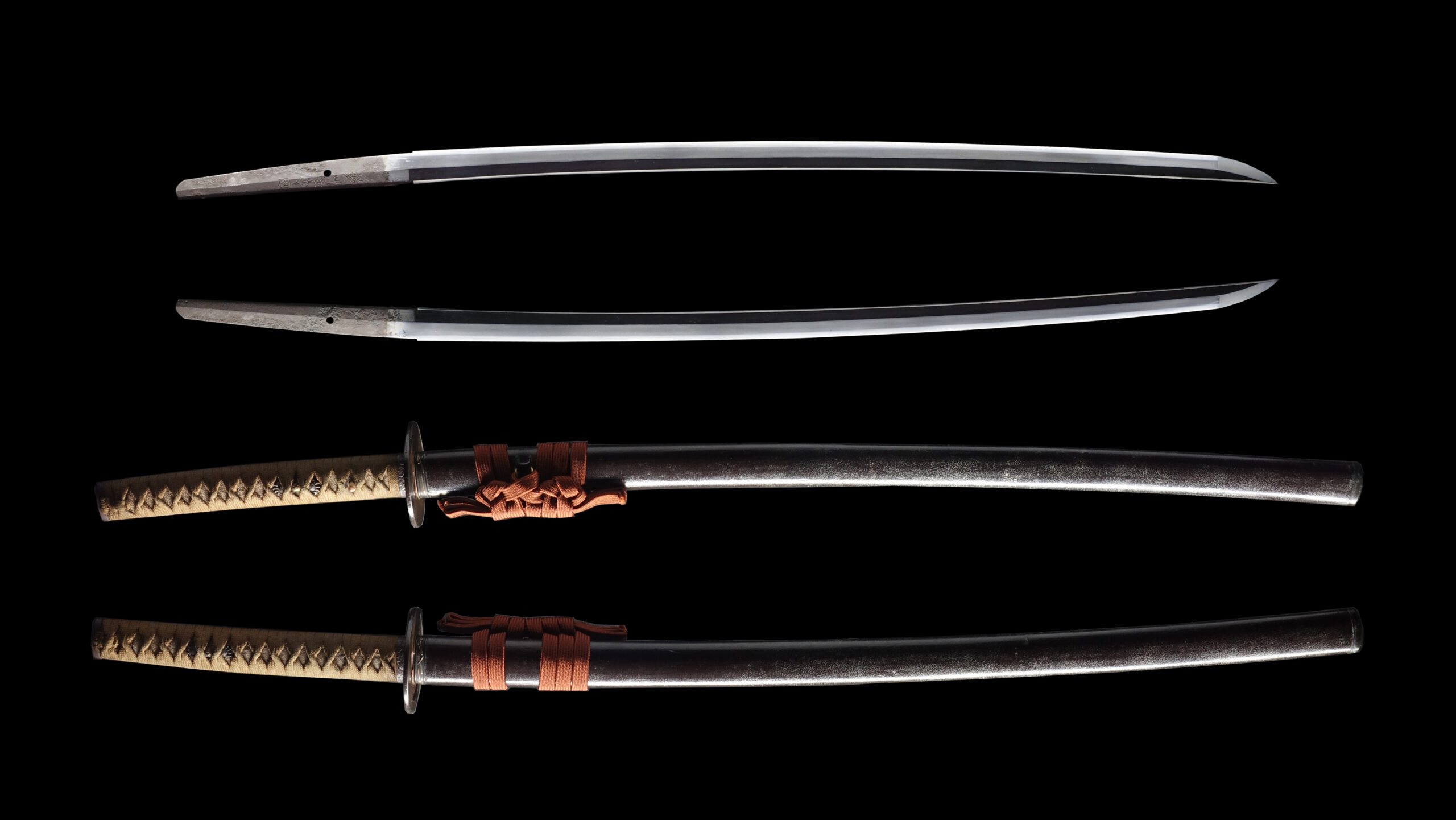
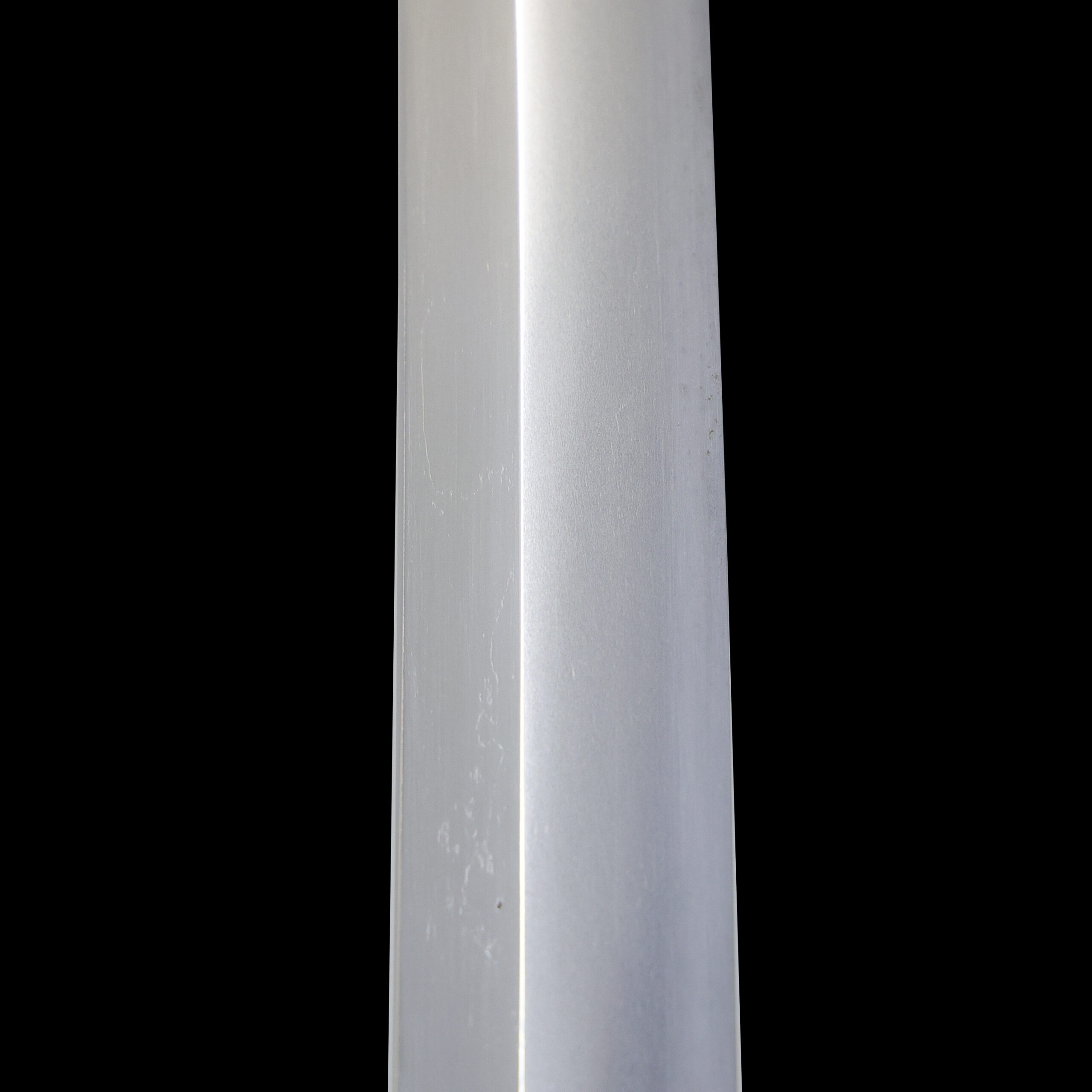
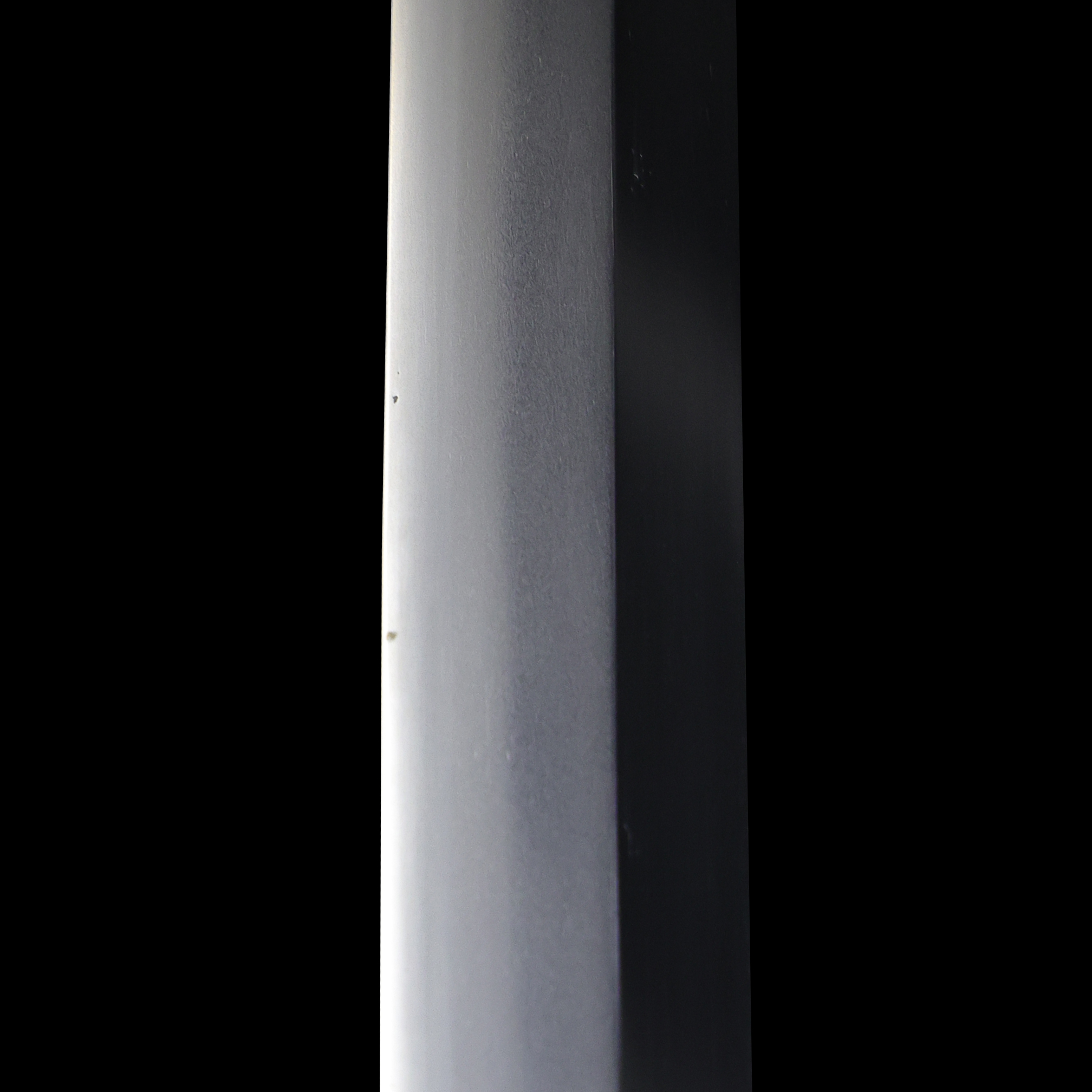
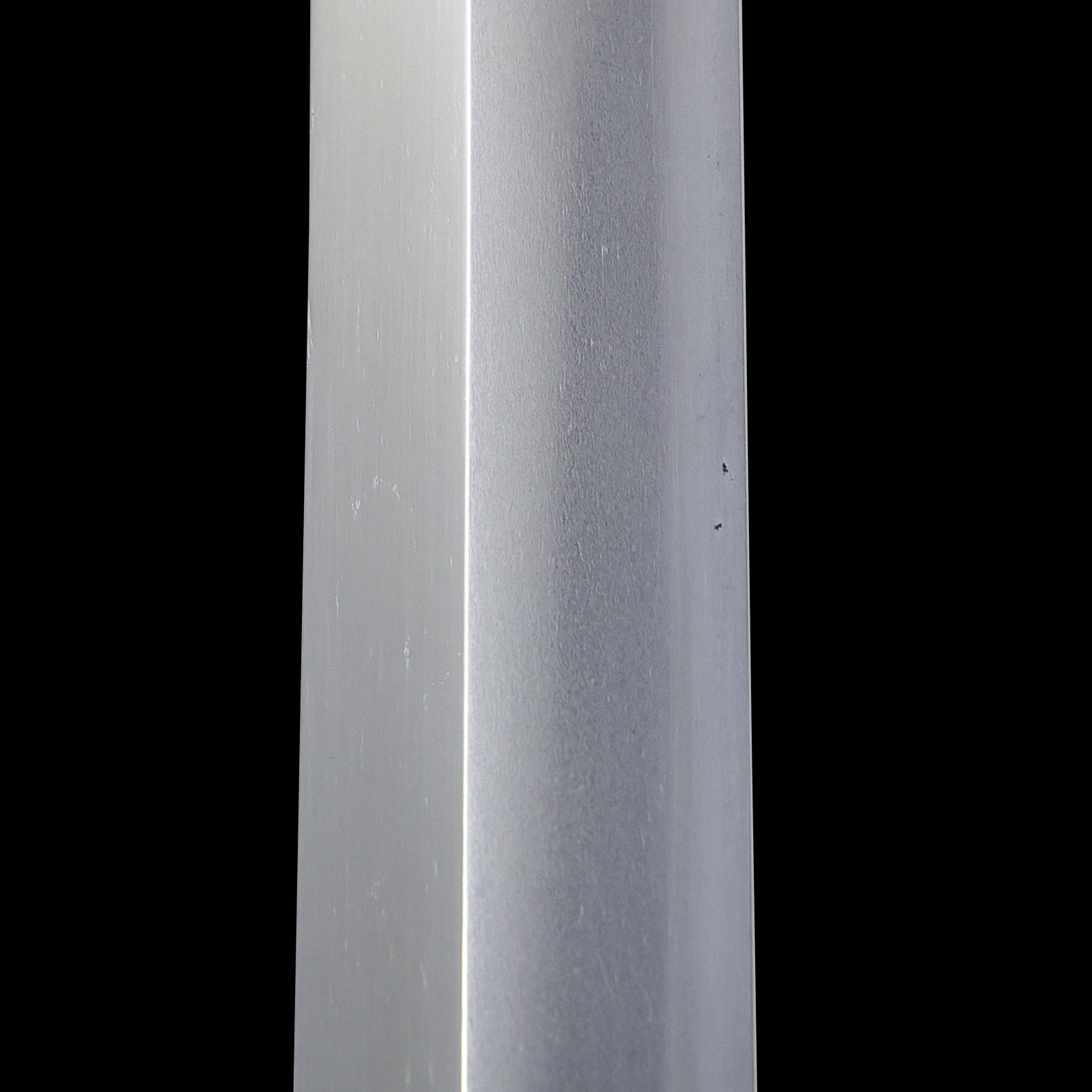
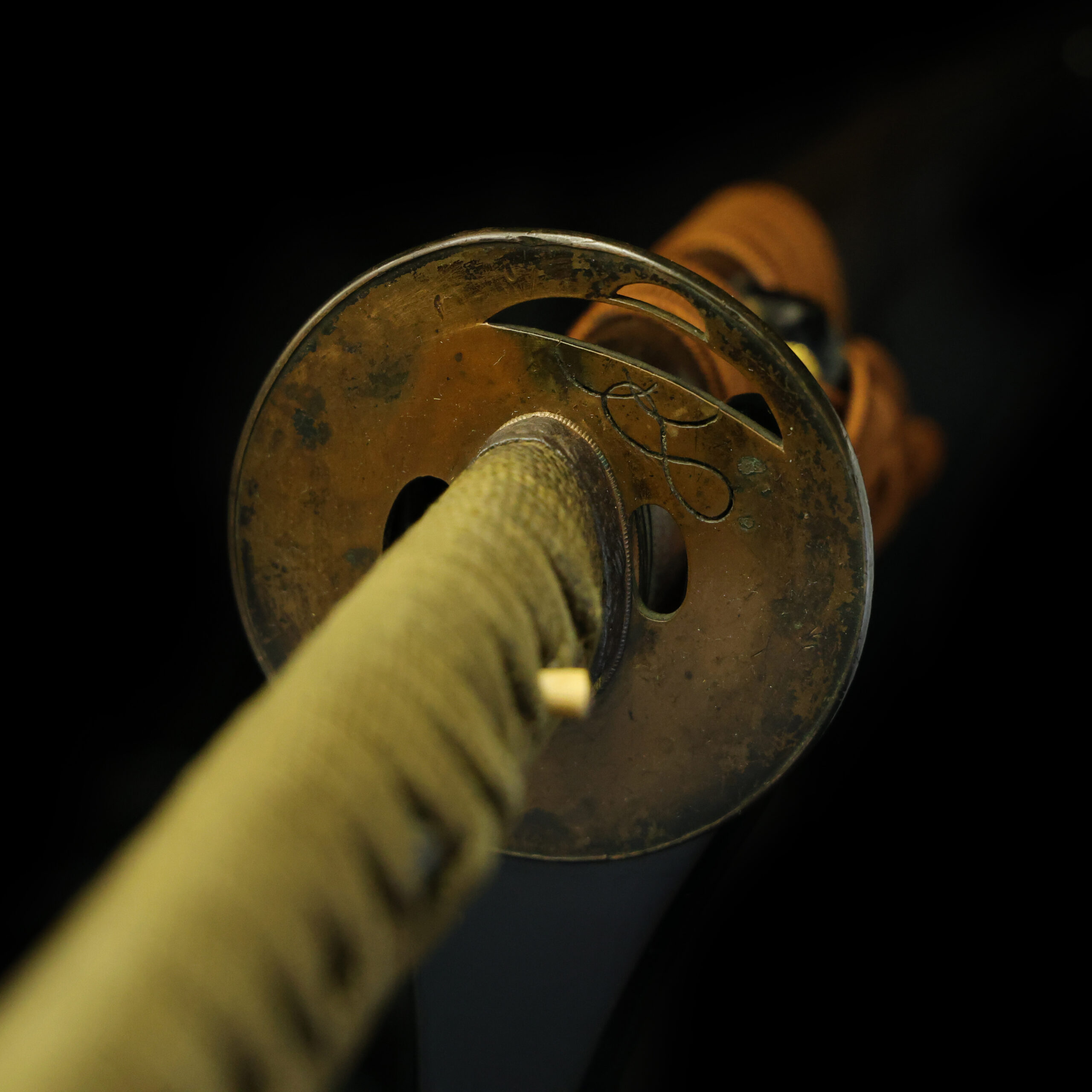
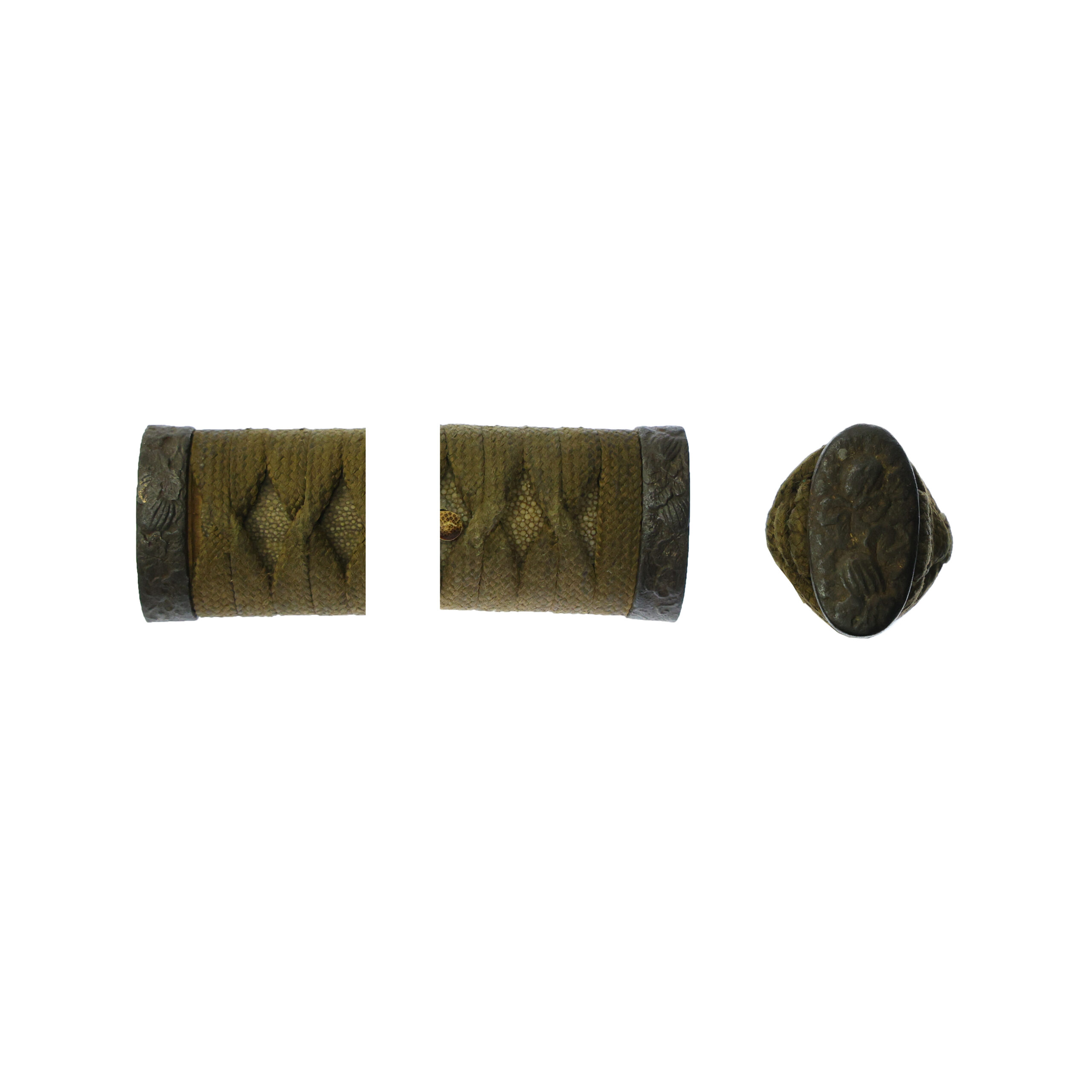
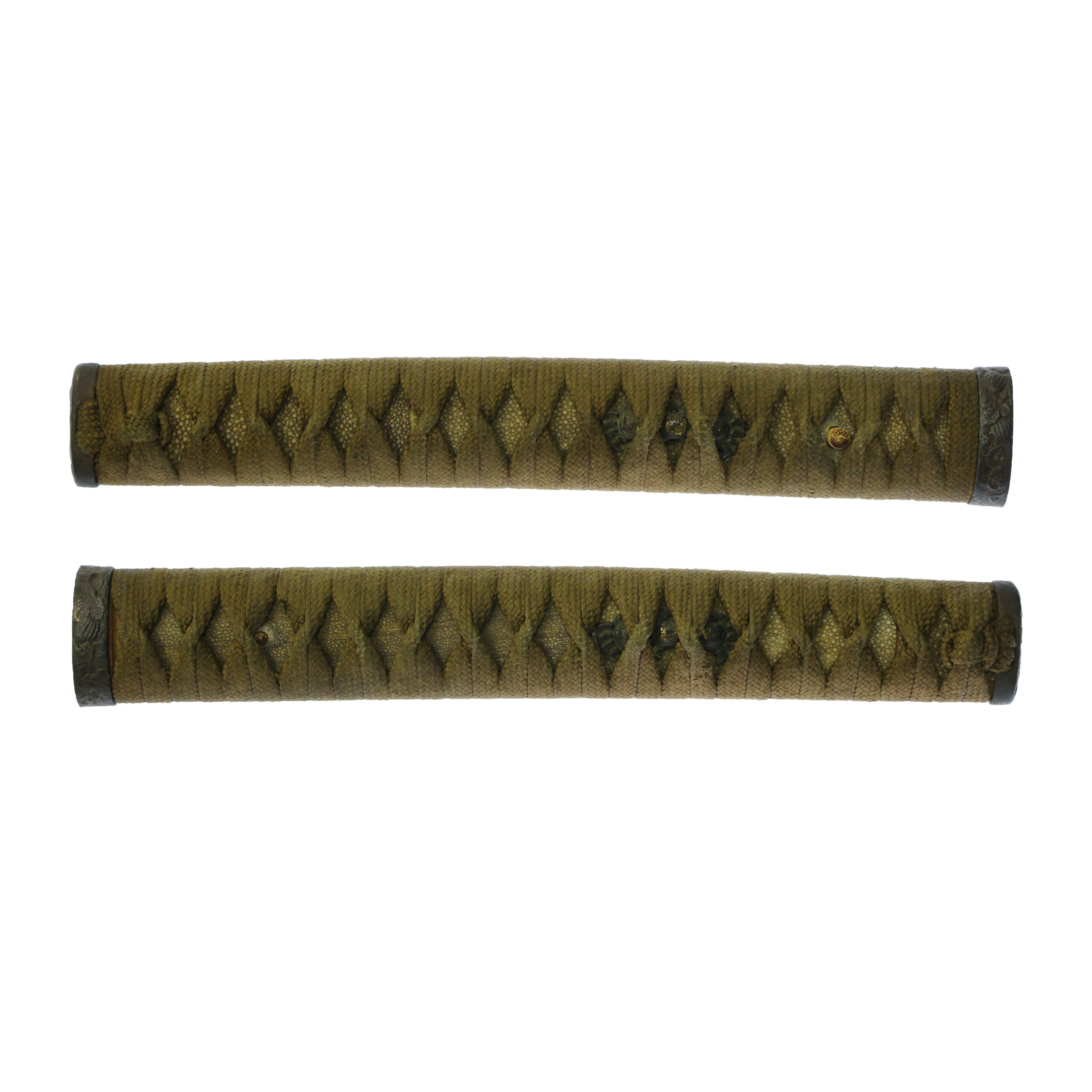
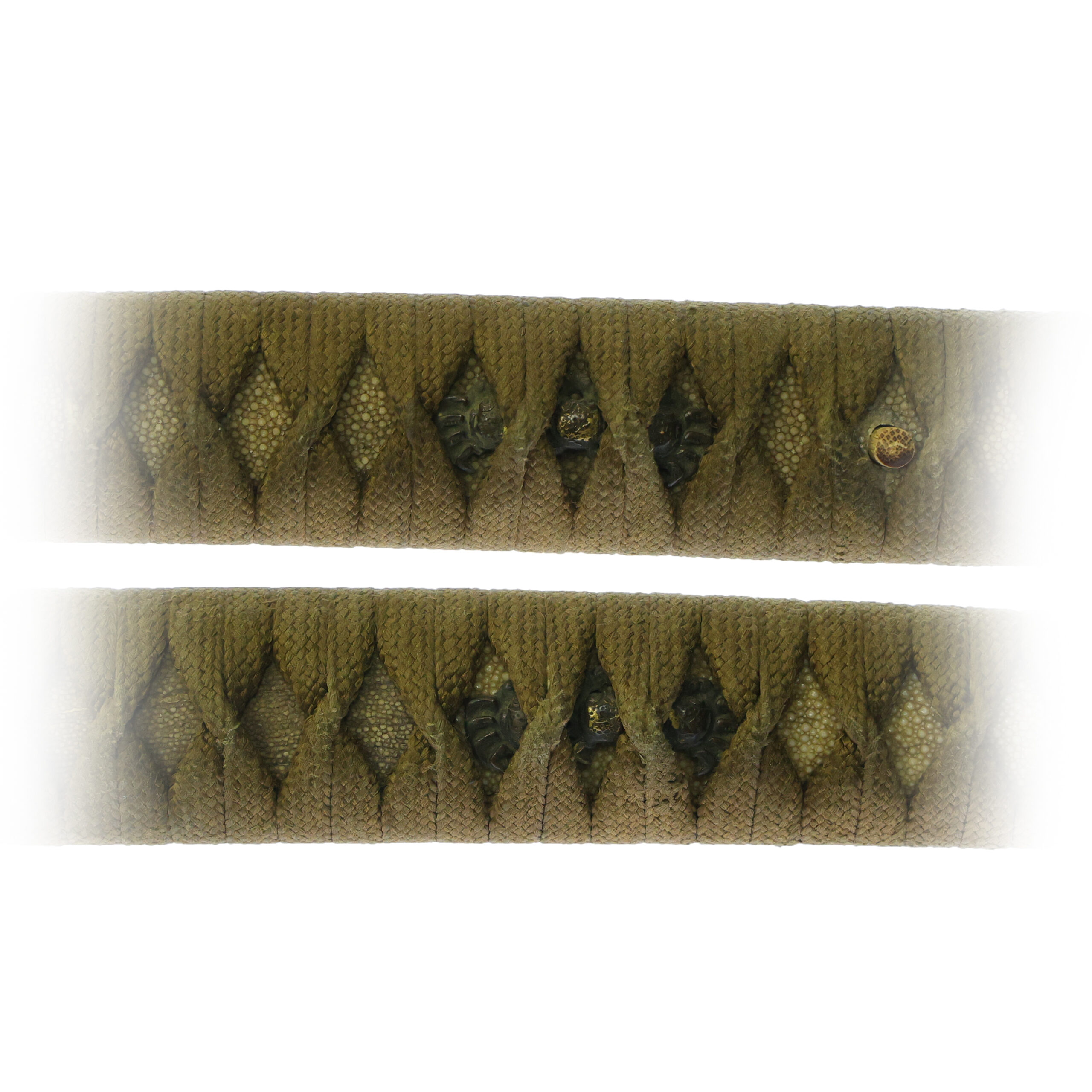
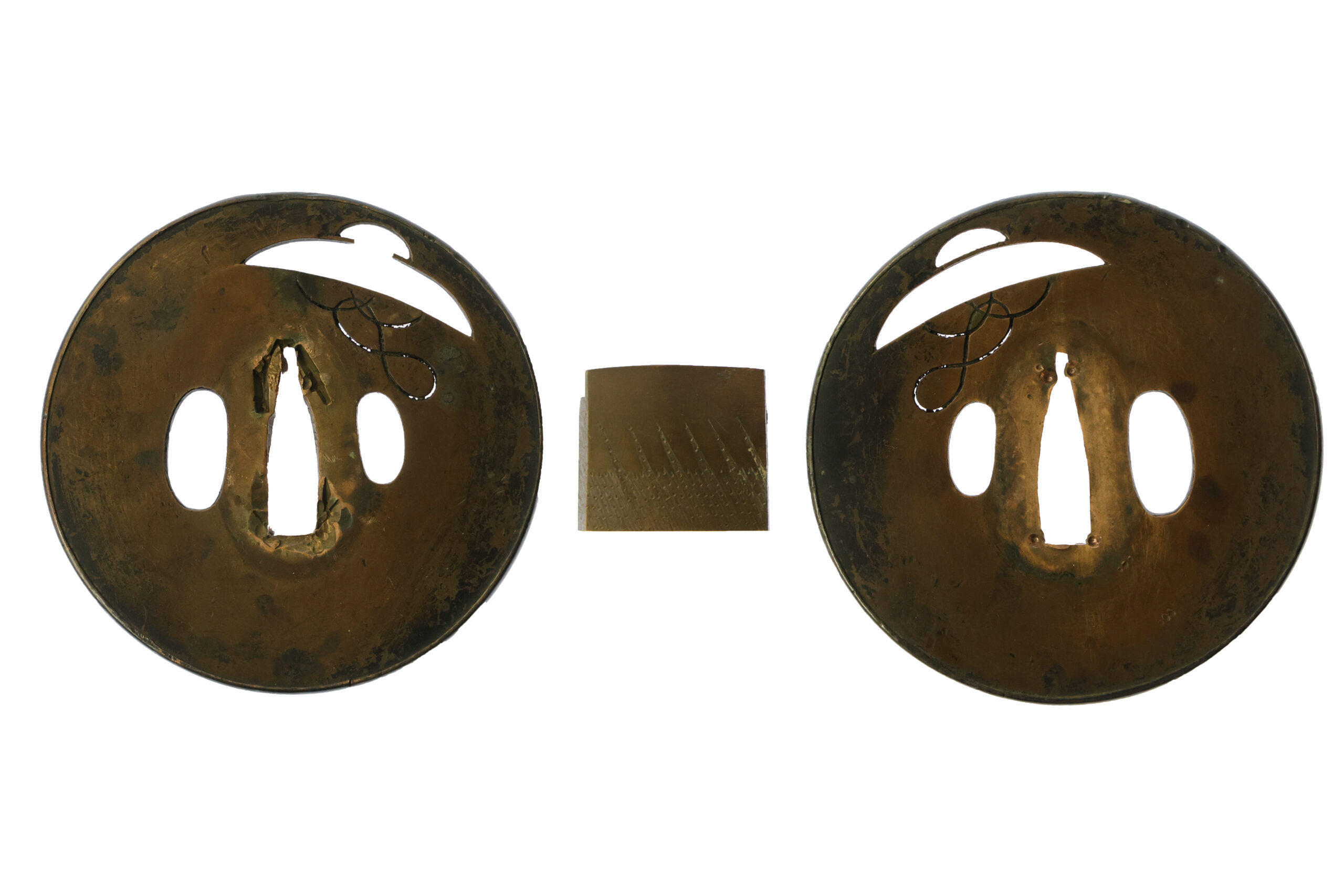
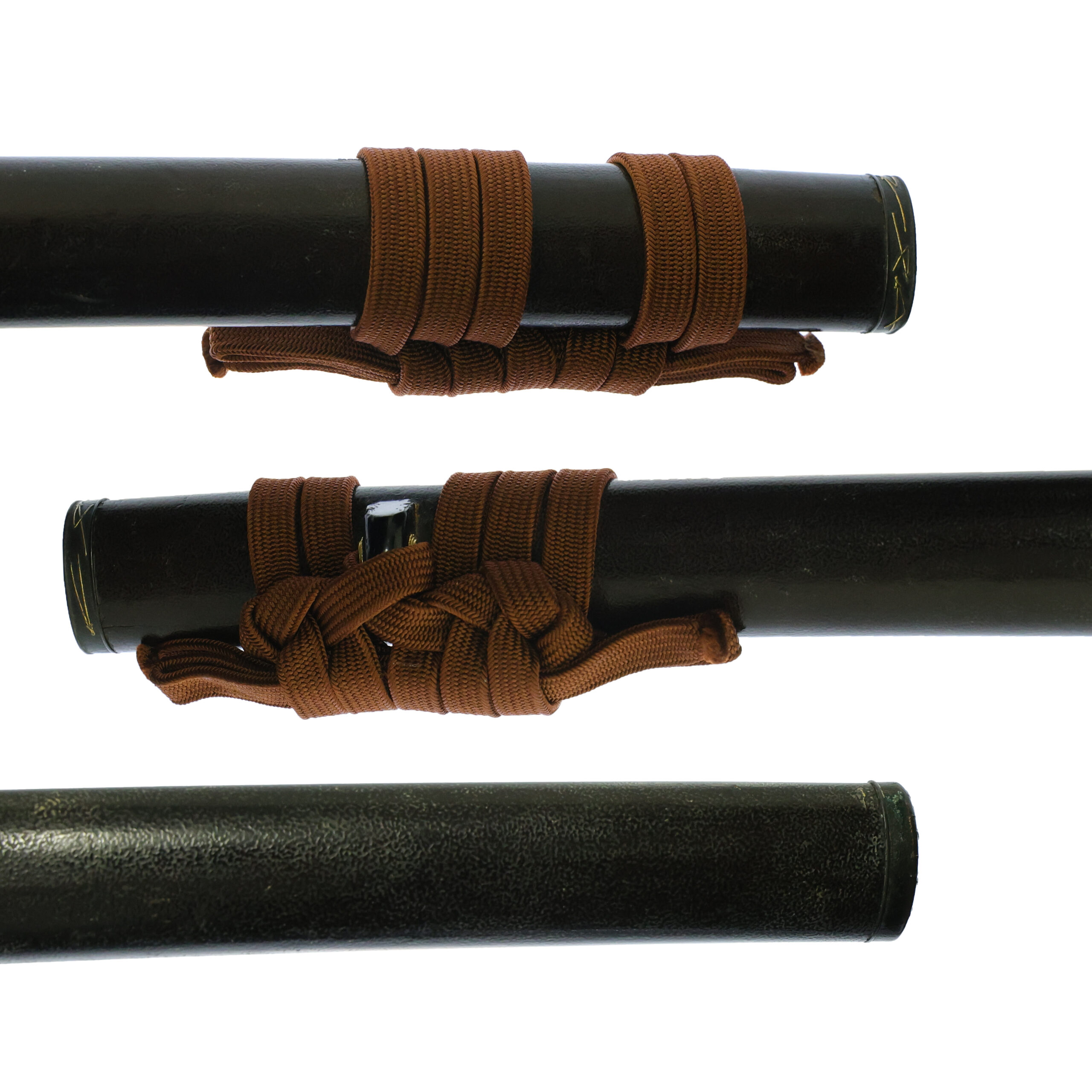
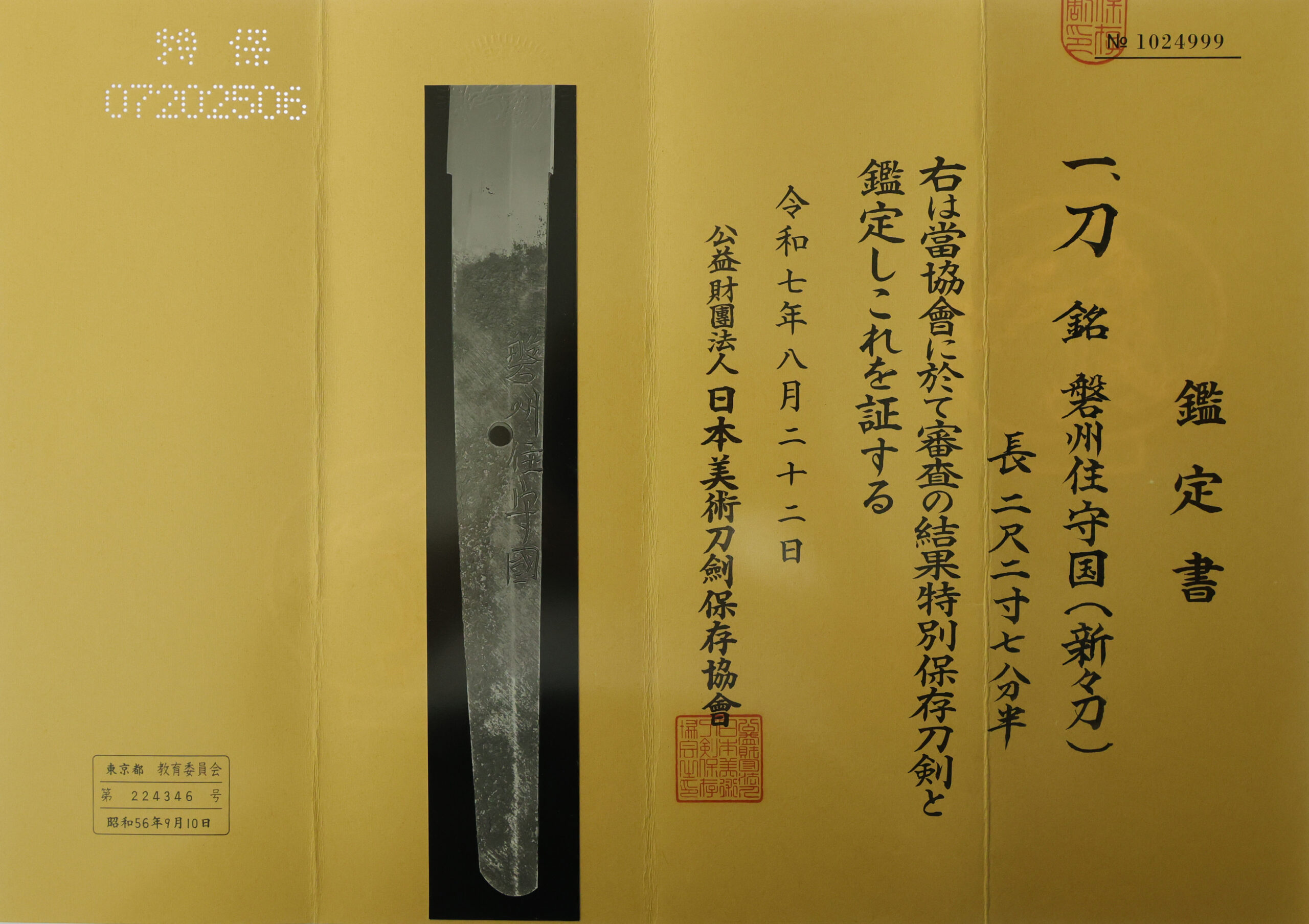
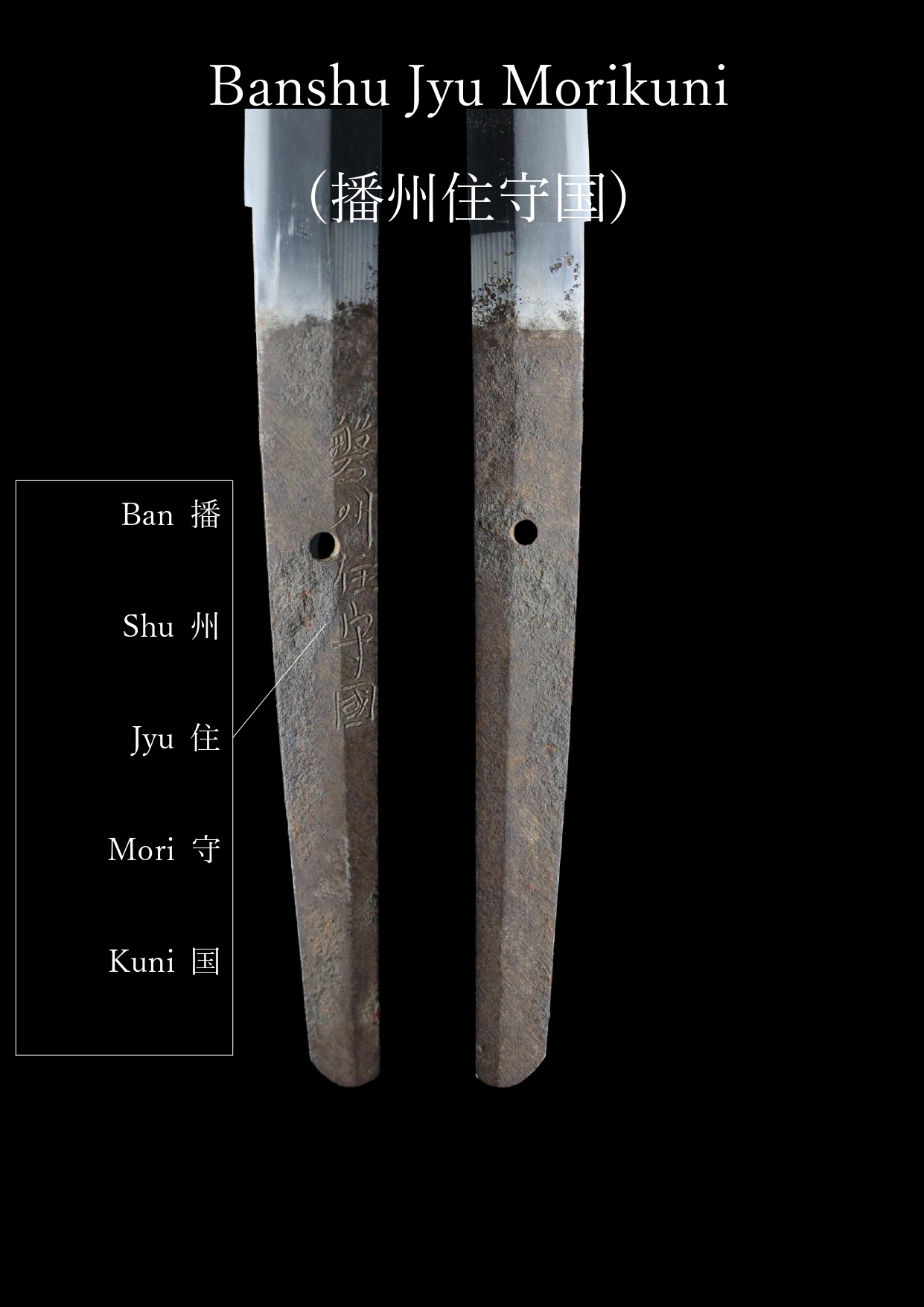
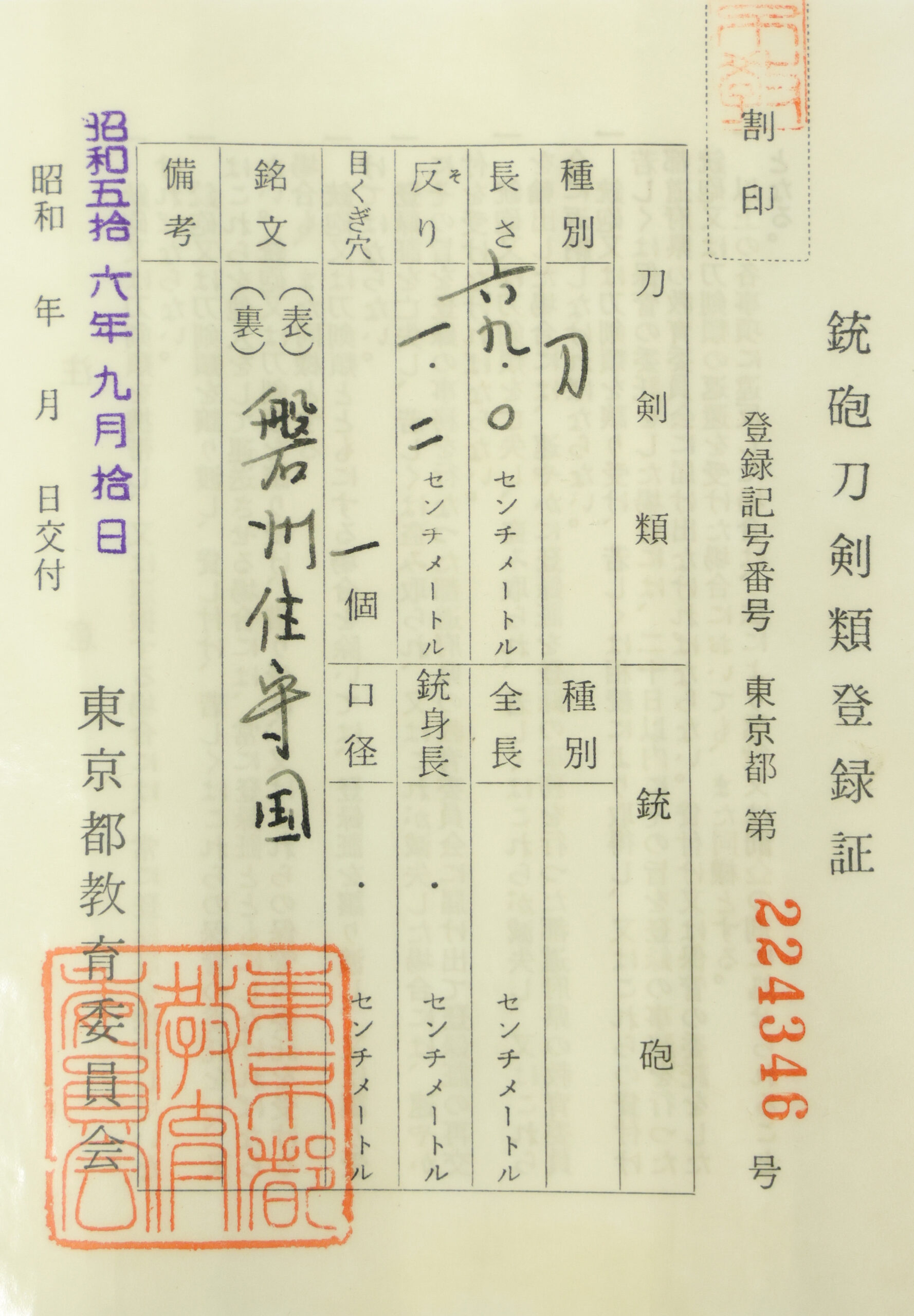
Antique Japanese Sword Katana Signed by Morikuni with Tokubetsu Hozon Certificate 【Description】 This blade is signed by Banshu Jyu Morikuni (播州住守国), a swordsmith who was active during the Shin shintō period (1772–1876, the late Edo period). Banshū is another name for Harima province, located in today’s Hyōgo prefecture. Background Japan enjoyed a relatively peaceful era from the early to mid-Edo period (1600s–1760s), supported by a stable economy and the strong rule of the Tokugawa Shogunate. Because Samurai had few opportunities to use their swords in public or on the battlefield during this time, the Katana was carried mainly as a symbol of social status. As a result, the demand for functional weapons decreased compared with the preceding Warring States period, known as Sengoku Jidai (1467–1600). However, toward the end of the Edo period (1764–1876), the role of the Japanese sword changed significantly. As poverty spread throughout the country, numerous riots broke out among civilians, and the sword once again became vital for maintaining public order. Increasing pressure from foreign nations to open Japan’s borders also led Samurai to commission strong, practical blades to survive the uncertain times. We believe many swordsmiths—including Morikuni—made great efforts to forge high-quality swords for their patrons as preparations for potential conflict. A civil war eventually erupted between the Tokugawa military government and the newly formed Meiji government. It is possible that the original owner of this katana witnessed firsthand the turbulent period in which the Samurai way of life came to an end. It is appraised as a Tokubetsu Hozon Token (特別保存刀剣) issued by NBTHK (Nihon Bijutsu Touken Hozon Kyokai:日本美術刀剣保存協会). This authentication paper was only given to authentic Japanese swords, especially well preserved and high quality with artistic value. *Please keep in mind that there are a couple of Kitae Kizu on the blade. If you like to know the detailed condition, please feel free to contact us. 【Blade】 Cutting Edge Length(Nagasa) : 69.0 cm (27.1 inches) Curvature(Sori) : 1.2 cm (0.47 inches) Hamon : The crystalline structure which forms along the cutting edge of a blade as a result of the hardening process Jimon(Jihada) : visible steel surface pattern created by folding and hammering during forging process Kissaki : Kissaki is the tip of the Japanese sword. Nakago : Nakago is the tang of the Japanese sword. Japanese swordsmiths left the black rust on the tang because it prevents red rust while the tang is in its handle. And the discoloration of the tang was created over time, and it is a great indicator for a Japanese sword specialist to estimate when the sword was forged. Koshirae : Koshirae is the mounting of the Japanese sword. There are several parts that consist of Koshirae such as Saya (Scabbard), Tsuka (Handle), Tsuba (Handguard). Fuchi-Kashira : A pair of matching sword fittings that cover the upper and bottom parts of its sword hilt. Tsuka and Menuki : Tsuka is the handle of the Japanese sword and Menuki is its decoration. This pair of menuki likely depicts a crab (蟹, kani )motifs. As crabs walk sideways, they were compared “Oukou Kunshi (横行君子),” which means to stick to one’s intention against authority. Samurais might have felt the strong will that they would not bow before power from this motif. Tsuba and Habaki : Tsuba is the handguard for the Japanese Sword and Habaki is the equipment to make the blade not touch its scabbard inside. It prevents the blade from getting rusty and chipped. This tsuba features an openwork design of an ichime-gasa (市女笠, a type of traditional conical hat worn by women) combined with snowflake motifs. The ichimegasa was a broad, woven hat typically worn by aristocratic women or female attendants during the Edo period. It not only served as protection from the elements but also functioned as a subtle veil, adding an air of mystery and modesty to the wearer. Saya : Saya is the scabbard f
 NihontoWatch
在銘 · 慶応 · 長さ 69cm · 反り 1.2cm
幕末 最後の需要
1853年のペリー来航は徳川の泰平をほどき、二世紀ぶりに実用刀の大量需要を生んだ。四谷正宗と呼ばれた清麿はその前夜に世を去り、宗次や行秀が最後の好況を担った。
保存刀剣のうち、出来が一層優れ、保存状態も良好と認められたものです。再刃や、室町・江戸期の多くの無銘作は対象外となり、保存刀剣より高い基準が課されます。
日本美術刀剣保存協会(NBTHK)は、1948年に設立され、文化庁の監督を受ける公益財団法人で、東京・刀剣博物館に本部を置きます。専門の審査員が出品作を直接審査し、美術的・歴史的価値に応じた鑑定書を発行します。NBTHKの鑑定書は、日本刀および刀装具の真正性を示す最も広く認知された基準です。
NBTHK公式サイトReturns/exchanges limited to defects caused by shipping (except willful misconduct or gross negligence by the company); customers must contact within 72 hours of receiving the product.
Antique Japanese Sword Katana Signed by Morikuni with Tokubetsu Hozon Certificate 【Description】 This blade is signed by Banshu Jyu Morikuni (播州住守国), a swordsmith who was active during the Shin shintō period (1772–1876, the late Edo period). Banshū is another name for Harima province, located in today’s Hyōgo prefecture. Background Japan enjoyed a relatively peaceful era from the early to mid-Edo period (1600s–1760s), supported by a stable economy and the strong rule of the Tokugawa Shogunate. Because Samurai had few opportunities to use their swords in public or on the battlefield during this time, the Katana was carried mainly as a symbol of social status. As a result, the demand for functional weapons decreased compared with the preceding Warring States period, known as Sengoku Jidai (1467–1600). However, toward the end of the Edo period (1764–1876), the role of the Japanese sword changed significantly. As poverty spread throughout the country, numerous riots broke out among civilians, and the sword once again became vital for maintaining public order. Increasing pressure from foreign nations to open Japan’s borders also led Samurai to commission strong, practical blades to survive the uncertain times. We believe many swordsmiths—including Morikuni—made great efforts to forge high-quality swords for their patrons as preparations for potential conflict. A civil war eventually erupted between the Tokugawa military government and the newly formed Meiji government. It is possible that the original owner of this katana witnessed firsthand the turbulent period in which the Samurai way of life came to an end. It is appraised as a Tokubetsu Hozon Token (特別保存刀剣) issued by NBTHK (Nihon Bijutsu Touken Hozon Kyokai:日本美術刀剣保存協会). This authentication paper was only given to authentic Japanese swords, especially well preserved and high quality with artistic value. *Please keep in mind that there are a couple of Kitae Kizu on the blade. If you like to know the detailed condition, please feel free to contact us. 【Blade】 Cutting Edge Length(Nagasa) : 69.0 cm (27.1 inches) Curvature(Sori) : 1.2 cm (0.47 inches) Hamon : The crystalline structure which forms along the cutting edge of a blade as a result of the hardening process Jimon(Jihada) : visible steel surface pattern created by folding and hammering during forging process Kissaki : Kissaki is the tip of the Japanese sword. Nakago : Nakago is the tang of the Japanese sword. Japanese swordsmiths left the black rust on the tang because it prevents red rust while the tang is in its handle. And the discoloration of the tang was created over time, and it is a great indicator for a Japanese sword specialist to estimate when the sword was forged. Koshirae : Koshirae is the mounting of the Japanese sword. There are several parts that consist of Koshirae such as Saya (Scabbard), Tsuka (Handle), Tsuba (Handguard). Fuchi-Kashira : A pair of matching sword fittings that cover the upper and bottom parts of its sword hilt. Tsuka and Menuki : Tsuka is the handle of the Japanese sword and Menuki is its decoration. This pair of menuki likely depicts a crab (蟹, kani )motifs. As crabs walk sideways, they were compared “Oukou Kunshi (横行君子),” which means to stick to one’s intention against authority. Samurais might have felt the strong will that they would not bow before power from this motif. Tsuba and Habaki : Tsuba is the handguard for the Japanese Sword and Habaki is the equipment to make the blade not touch its scabbard inside. It prevents the blade from getting rusty and chipped. This tsuba features an openwork design of an ichime-gasa (市女笠, a type of traditional conical hat worn by women) combined with snowflake motifs. The ichimegasa was a broad, woven hat typically worn by aristocratic women or female attendants during the Edo period. It not only served as protection from the elements but also functioned as a subtle veil, adding an air of mystery and modesty to the wearer. Saya : Saya is the scabbard f
NihontoWatch在銘 · 慶応 · 長さ 69cm · 反り 1.2cm
幕末 最後の需要
1853年のペリー来航は徳川の泰平をほどき、二世紀ぶりに実用刀の大量需要を生んだ。四谷正宗と呼ばれた清麿はその前夜に世を去り、宗次や行秀が最後の好況を担った。
保存刀剣のうち、出来が一層優れ、保存状態も良好と認められたものです。再刃や、室町・江戸期の多くの無銘作は対象外となり、保存刀剣より高い基準が課されます。
日本美術刀剣保存協会(NBTHK)は、1948年に設立され、文化庁の監督を受ける公益財団法人で、東京・刀剣博物館に本部を置きます。専門の審査員が出品作を直接審査し、美術的・歴史的価値に応じた鑑定書を発行します。NBTHKの鑑定書は、日本刀および刀装具の真正性を示す最も広く認知された基準です。
NBTHK公式サイトReturns/exchanges limited to defects caused by shipping (except willful misconduct or gross negligence by the company); customers must contact within 72 hours of receiving the product.