1800年前後、水心子正秀は著述をもって、鍛刀は古作の法に立ち返るべしと説いた。復古刀の運動である。最大の後継者直胤は、数百年絶えていた備前伝と相州伝を確信をもって再現した。
 NihontoWatchNihontoWatch
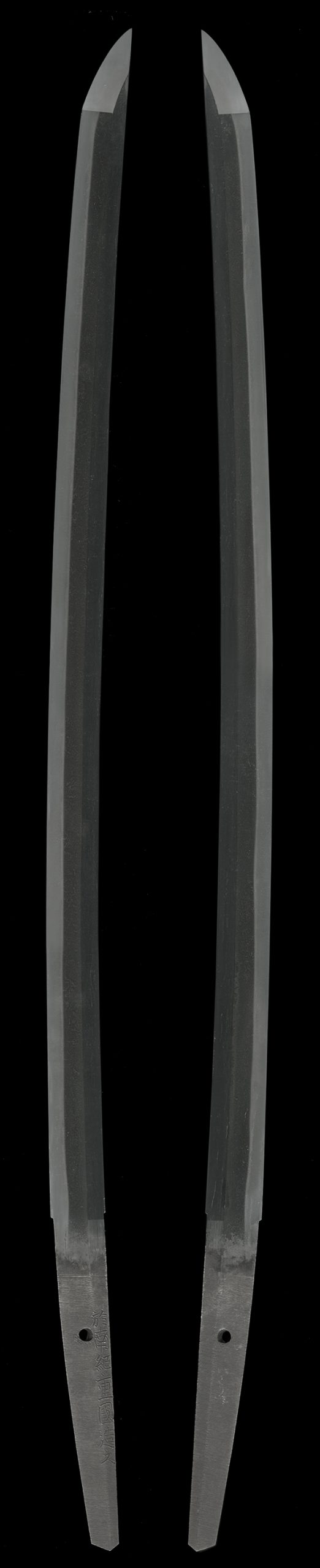
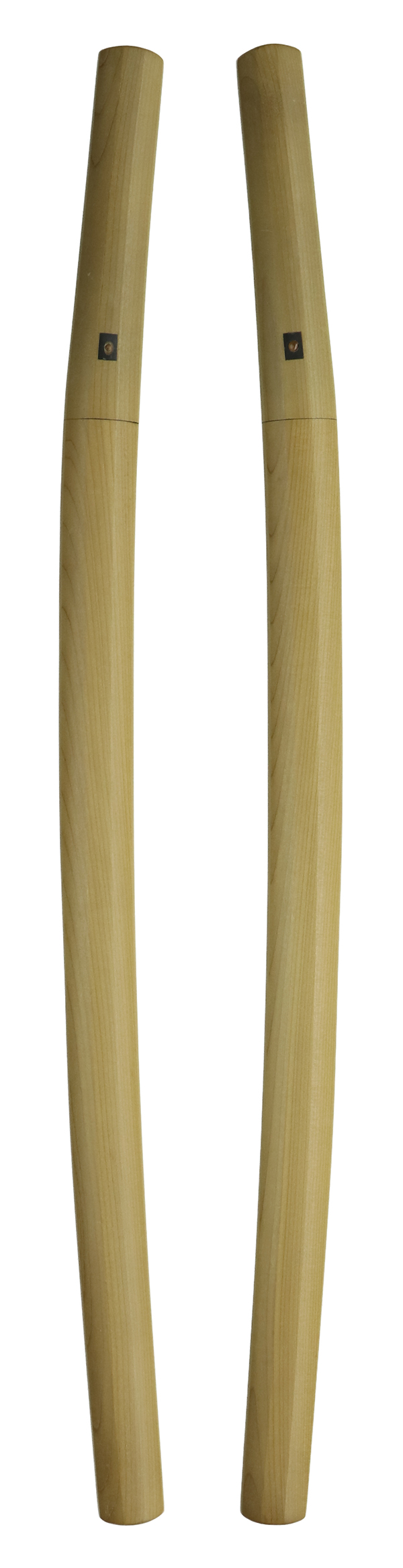
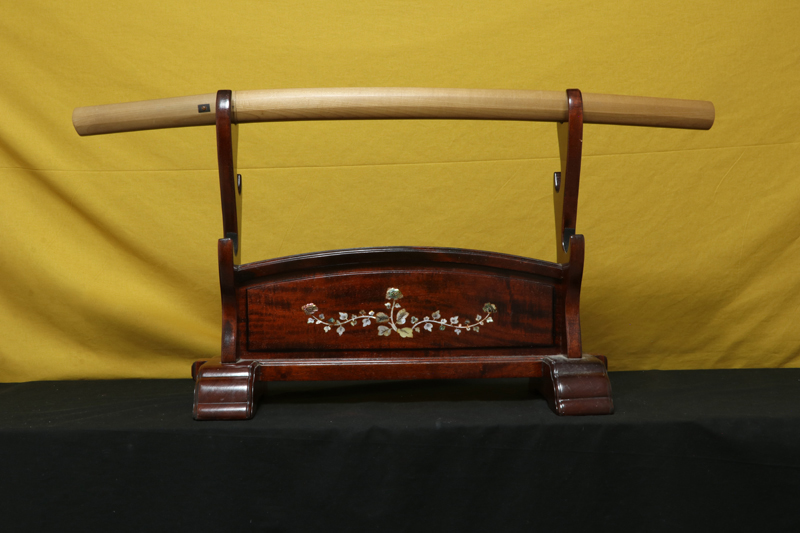
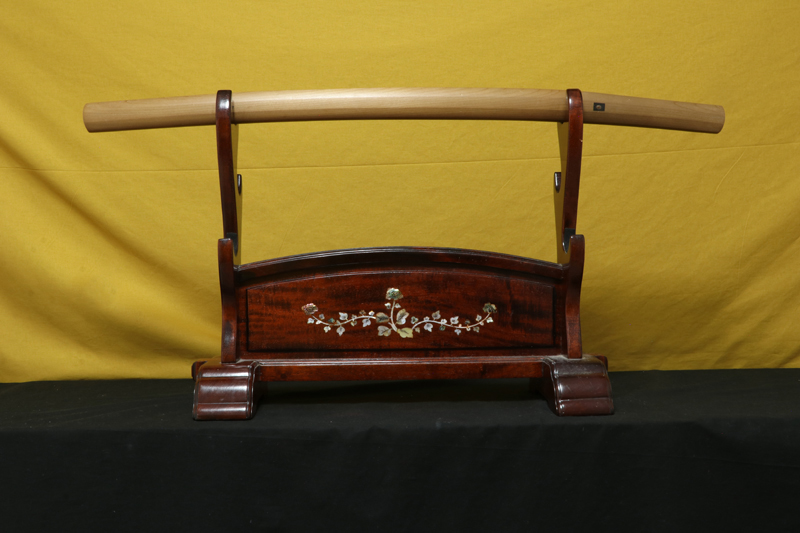
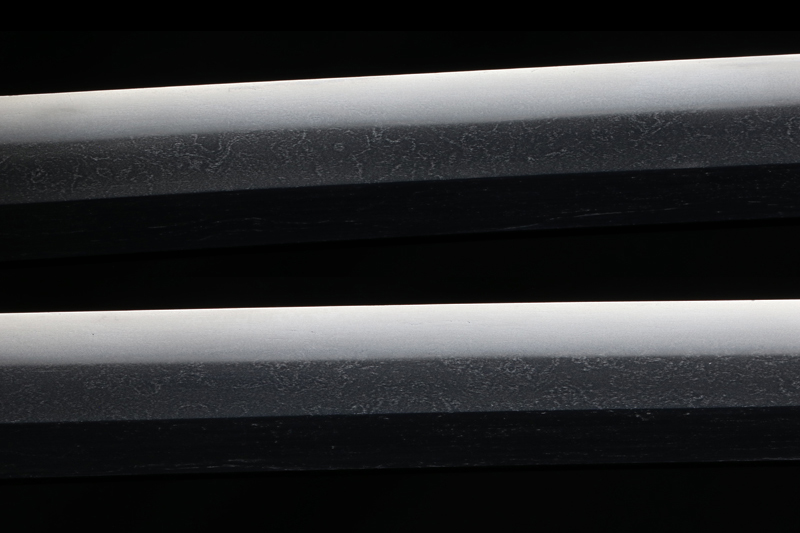
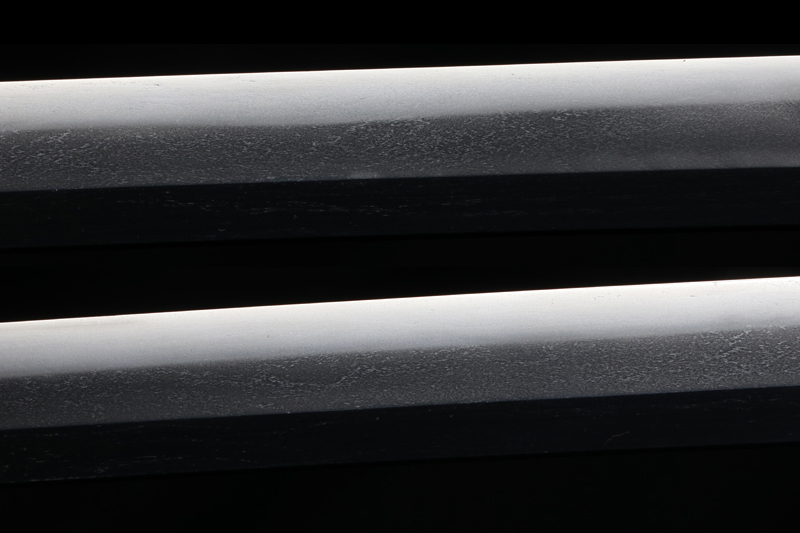
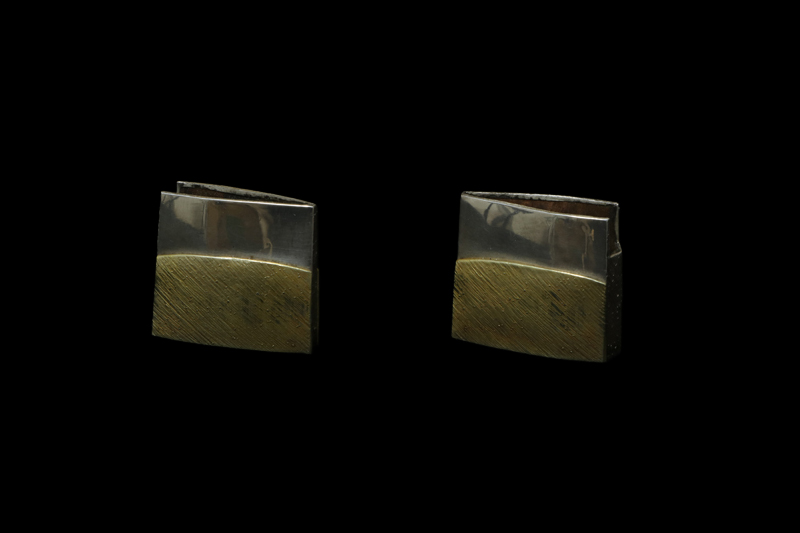
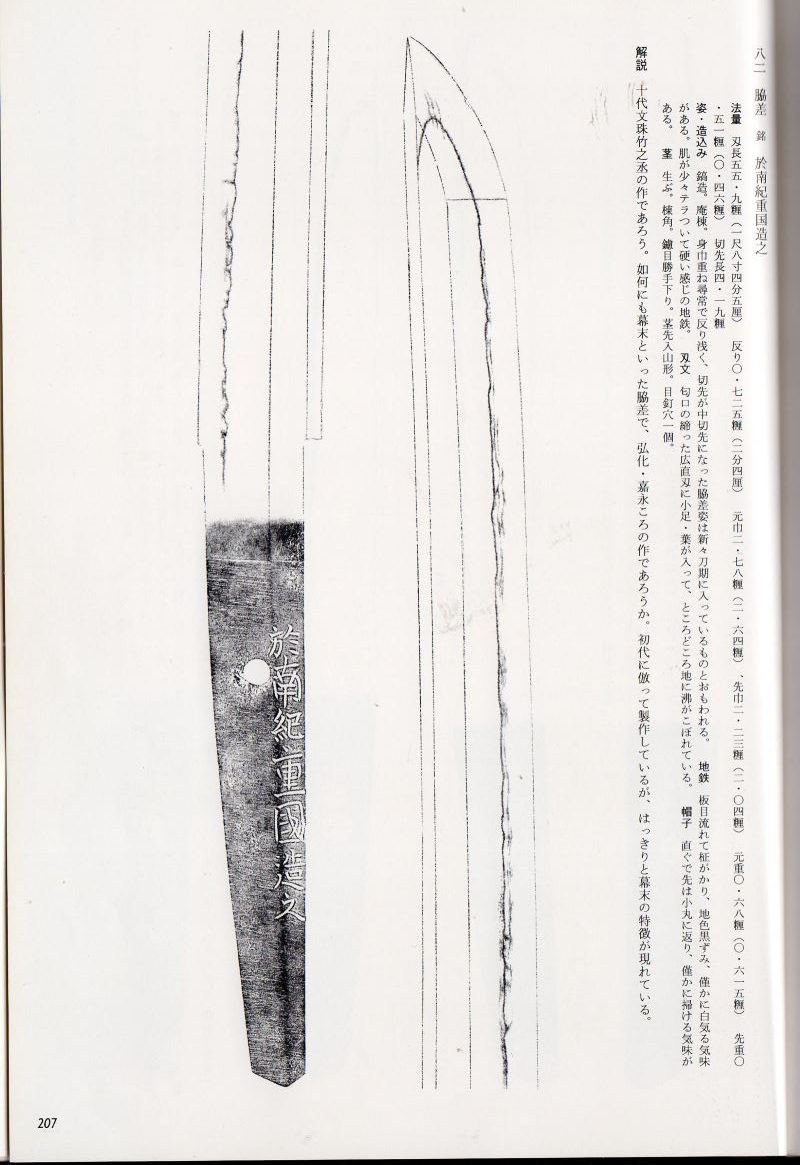
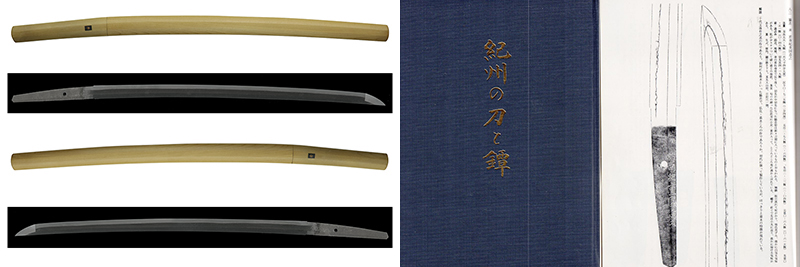
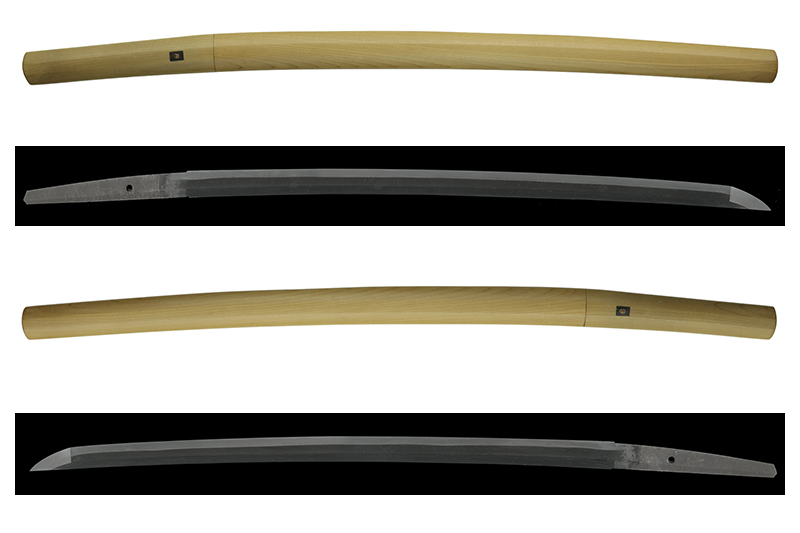
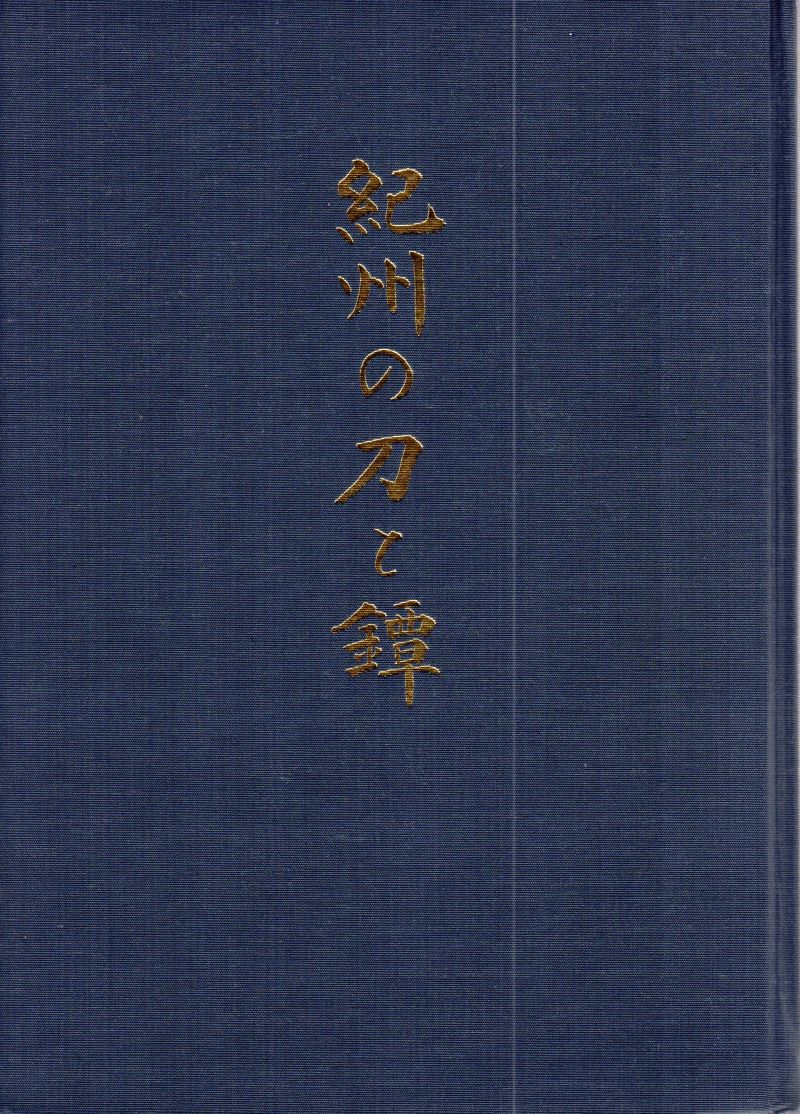
Published in Kishu no Katana to Tsuba (Swords and Tsuba of Kishu) Oite Nanki Shigekuni tsukuru kore(10th Generation Shigekuni) with Shirosaya. 南紀重國は、初代が徳川家康・頼宣に仕えた紀州藩の御用刀匠で、その銘跡は明治時代の十一代まで続きました。 本作は十代・文珠竹乃丞重國の脇差で、流れごころのある板目肌に広直刃を焼いています。 『紀州の刀と鐔』所載品であり、現在確認されている十代重國唯一の現存作です。 資料的・歴史的価値ともに極めて高い、非常に貴重な一振りです。 Nanki Shigekuni was the official swordsmith lineage of the Kishu Domain, beginning with the first generation, who served Tokugawa Ieyasu and Yorinobu. The lineage continued through the eleventh generation in the Meiji period. This wakizashi was made by the 10th-generation Shigekuni, Monju Jono. It features a flowing itame-hada and a wide suguha hamon. Published in Kishu no Katana to Tsuba (Swords and Tsuba of Kishu), this is the only currently known surviving work by the 10th-generation Shigekuni. It is an exceptionally rare and important sword of great historical and documentary value. 「刀姿 sword figure」 鎬造り庵棟、身幅重尋常、反浅くり中鋒。茎は生で筋違い鑢がかかる、茎尻は入山形。 Shinogi-zukuri with an iori-mune, standard mihaba and thickness, shallow curvature, and a chu-kissaki. The nakago is ubu with sujikai yasurime, and the nakago-jiri is iriyamagata. 「地鉄 jigane」 地鉄は板目肌が流れて柾がかり、地色黒ずみ、僅かに白気、ねっとりと強い地肌。 The jitetsu is a flowing itame-hada tending toward masame, with a darkish color and slight shirake, displaying a dense, strong, and well-forged texture. 「刃紋 hamon」 刃紋は匂口の締った広直刃に小足が入り、刃縁砂流しかかり、刃中は葉が入り金筋が働く。釯子は直に入り僅かに掃き掛け小丸に返る。 The hamon is a wide suguha with a tight nioiguchi, with ko-ashi entering the temper line and sunagashi along the habuchi. Within the ha, yo and kinsuji are active. The boshi enters straight, with slight hakikake, and turns back in a ko-maru. 「特徴 detailed」 初代南紀重國は、もとは文珠四郎と称し、のちに九郎三郎重國と名乗った紀州藩の御用刀匠です。大和国手掻派の刀工・文珠四郎重次の子孫と伝えられています。 徳川家康に招かれて駿府に赴き、家康の死後はその十男・徳川頼宣に仕えました。元和5年(1619年)、頼宣の紀州移封に伴い、重國も和歌山へ移住しました。 南紀重國の作風には、相州伝の名工に倣った華やかな乱れ刃と、祖先から受け継いだ大和伝の直刃があり、幅広い作域を誇ります。日光東照宮に伝わる南紀重國の刀には国宝指定品もあり、江戸時代初期を代表する名工の一人として高く評価されています。 南紀重國は、江戸初期の初代から明治時代の十一代まで作品が確認されており、近年では昭和期の重國の作例も見つかっています。 本作は、十代・文珠竹乃丞重國の作になる脇差です。流れごころのある板目肌が柾がかり、広直刃を焼いた一振りです。 さらに本作は『紀州の刀と鐔』の所載品であり、現在その存在が確認されている十代重國唯一の現存作です。 十代重國の作刀を今日に伝える極めて貴重な一振りであり、紀州刀の系譜を研究するうえでも非常に高い資料的価値を有しています。 希少性・歴史的価値ともに特筆すべきこの脇差を、ぜひコレクションに加えてください。 The first-generation Nanki Shigekuni was originally known as Monju Shiro and later took the name Kuro Saburo Shigekuni. He served as an official swordsmith of the Kishu Domain and is said to have descended from Monju Shiro Shigetsugu, a swordsmith of the Tegai school of Yamato Province. Shigekuni was invited to Sunpu by Tokugawa Ieyasu. After Ieyasu’s death, he entered the service of Ieyasu’s tenth son, Tokugawa Yorinobu. In 1619, when Yorinobu was transferred to Kishu, Shigekuni accompanied him and settled in Wakayama. The works of Nanki Shigekuni display a remarkably broad range of styles, including flamboyant midare-ba inspired by renowned masters of the Soshu tradition, as well as suguha in the Yamato tradition inherited from his ancestors. A sword by Nanki Shigekuni preserved at Nikko Toshogu Shrine has been designated a National Treasure, and he is highly regarded as one of the leading swordsmiths of the early Edo period. Works bearing the Shigekuni name are known from the first generation in the early Edo period through the eleventh generation in the Meiji period. In recent years, examples attributed to a Shigekuni of the Showa period have also been discovered. This wakizashi was made by the tenth-generation Shigekuni, Monju Jono. It features an itame-hada with a flowing, masame-like character and a wide suguha hamon. Of particular importance, this wakizashi is published in Kishu no Katana to Tsuba (“Swords and Tsuba of Kishu”) and is the only currently known surviving work by the tenth-generation Shigekuni. It is an exceptionally rare sword preserving the work of this otherwise virtually unknown generation and is also of great documentary and scholarly value for the study of the Kishu swordsmith lineage. With its exceptional rarity and historical significance, this wakizashi would make an important addition to any serious collection. 「拵 Koshirae」 ハバキ(habaki) :素銅地銀着二重。 鞘(saya) :白鞘。 「刀剣の状態 condition of blade」 研:良好です。 傷:欠点に成るような傷は有りません。

大和伝 · 大和
現在13点販売中
文珠派は、説示が一様に「本国は大和、手掻派の末葉」[[c:1]]と伝える系統を出自とする。ここに収める作はいずれも南紀重国、すなわち通称九郎三郎を名のり、紀州明光山に住して文珠を号した初代重国の手になるもので、慶長年間に徳川家康に召し抱えられて駿府に作刀し、元和五年、家康の第十子徳川頼宣が紀州和歌山へ移封されるに従って和歌山へ移った経緯が繰り返し記される。銘も「和州手搔住重国於駿府造之」[[c:2]]から「於南紀重国造之」「於紀州和歌山重国作」[[c:3]]へと住地の推移を映し、駿府打と紀州打の双方が確認される。すなわち本派の説示が実際に扱う範囲は、大和手掻の末流を承けて駿府から紀州へと展開した桃山から江戸初期の一工とその作域であり、所伝として手掻包永を遠祖に置く点で一貫している。 作風について説示は、当工に大別して二様があると記す。一つはのたれに互の目を交えた乱れ刃で、相州上工、就中、郷(江)義弘に私淑したと想われるもの、他は御家芸というべき大和手掻の直刃を焼いて包永を髣髴とさせるものである。そしていずれの場合にも、板目が流れて杢を交え肌立ちごころとなる鍛えに、地沸が厚くつき、地景がよく入ってかねが冴える地鉄が共通し、刃中もよく沸づいて金筋・砂流しがかかり、殊に地刃の明るく冴える点を本領とする。相州伝の作は小のたれに小互の目・尖りごころの刃を交え、足・葉入り、沸厚くつき処々沸崩れ、湯走り状の飛焼を見せて放胆に乱れる。大和伝の作は中直刃を基調に喰違刃・二重刃・ほつれを交え、帽子は焼詰めごころに掃きかける。さらに両伝を加味してその上に独自の作域を樹立した一類があり、流れ肌や喰違刃に大和色を残しつつ強い沸と金筋に相州色を示すもので、文珠風の刃取りに連なる色合いとも評される。姿は身幅広く寸延びて先反りのつく慶長新刀の体配を採り、平造の脇指に先反りの目立つ造込みを当工の特徴とする。 伝承の上では、説示は地刃の沸の強さ、地景・金筋・砂流しの働き、明るく冴える地刃を鑑定の眼目に挙げ、なかでも相州伝の狙うところが郷にあることを繰り返し説く。帽子の掃きかけと返りの浅さ、流れた鍛肌など、相州伝の作にも本来の大和気質が看取される旨も指摘される。代表作には頼宣の重臣蔭山土佐守宗信や都筑藤一の所持銘を帯びた注文打、元和八年紀を有する脇指などがあり、来歴を記した銘文ともども重国研究上の資料として重んじられる。来歴の確かなものに紀州徳川家伝来の刀があり、長大な生ぶ茎の遺例は奉納刀の可能性も説かれる。当工の相州伝作は磨上げられた例が多く、生ぶ茎を残すものは稀少として珍重される。大和の祖法に相州伝を融合させ独自の作域を開いた点に、本派を貫く位置づけが認められる。 詳しく見る →
新々刀 復古の運動
1800年前後、水心子正秀は著述をもって、鍛刀は古作の法に立ち返るべしと説いた。復古刀の運動である。最大の後継者直胤は、数百年絶えていた備前伝と相州伝を確信をもって再現した。
ご購入頂いた商品の到着してから3日以内であれば返金もしくは交換対応をいたします。返品時の送料と返金する際の振込手数料はお客様のご負担とさせていただきます。