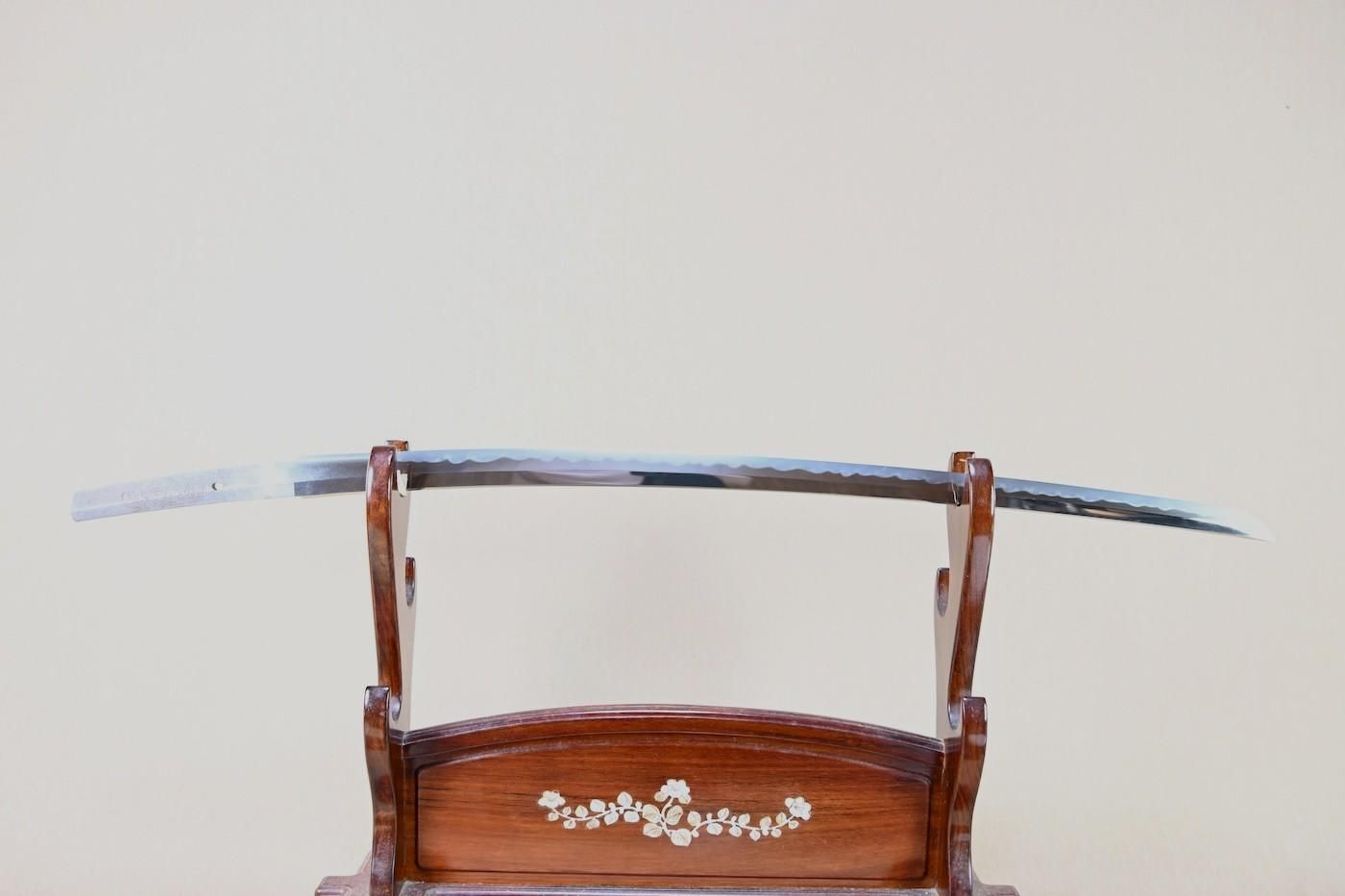
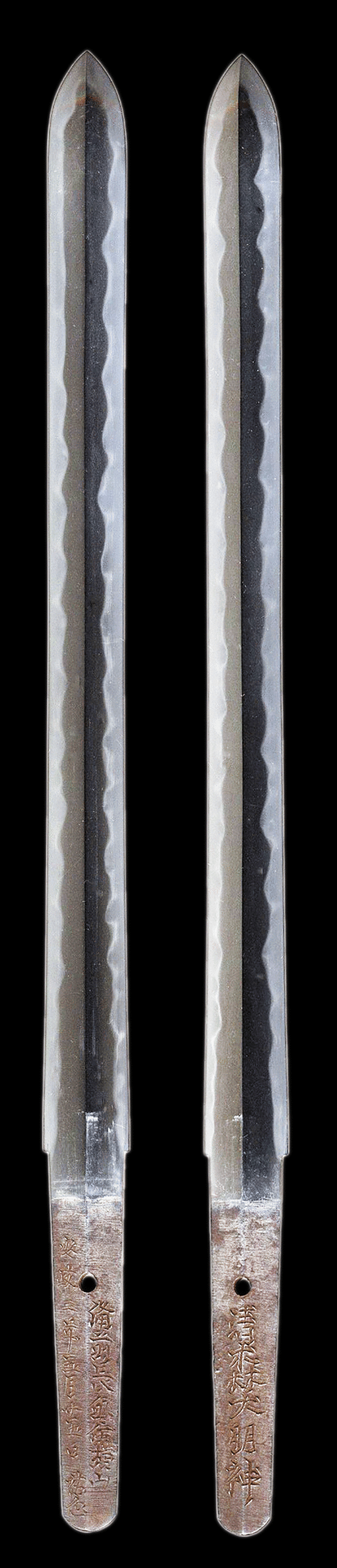
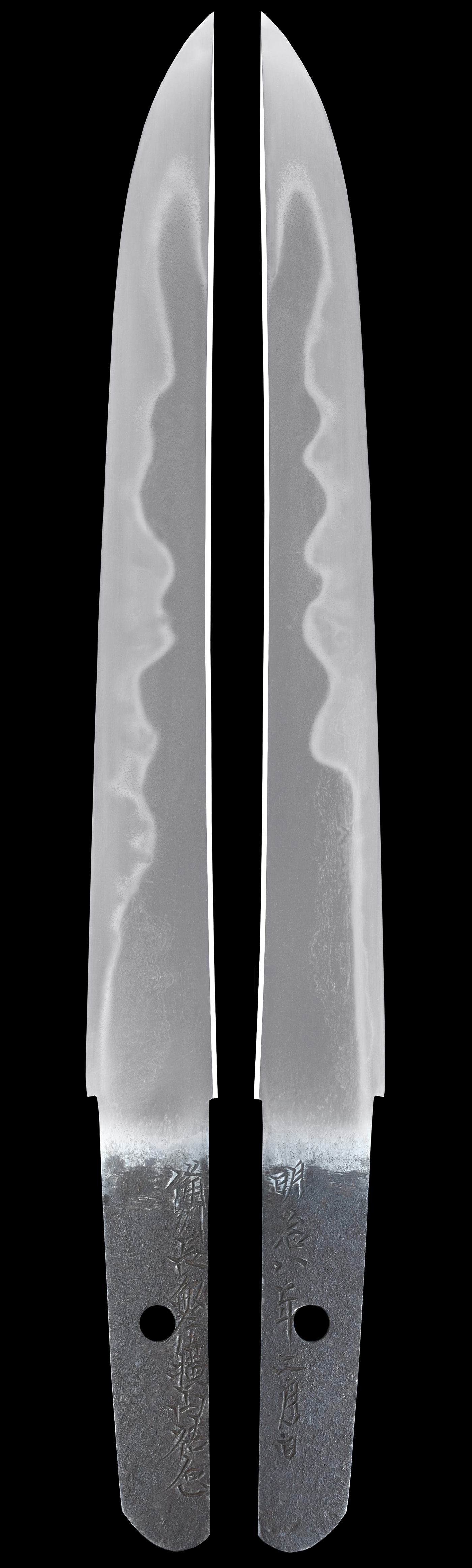
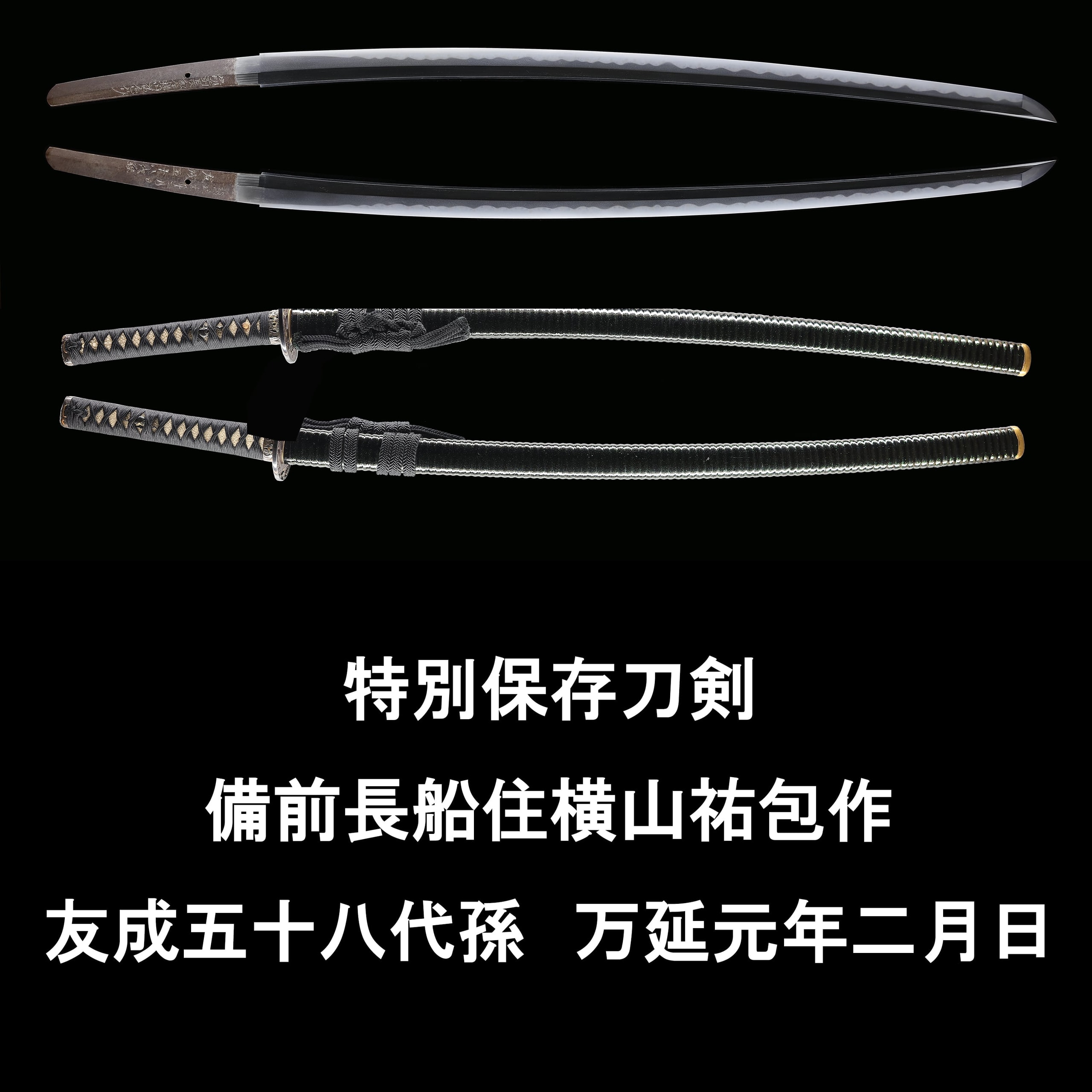
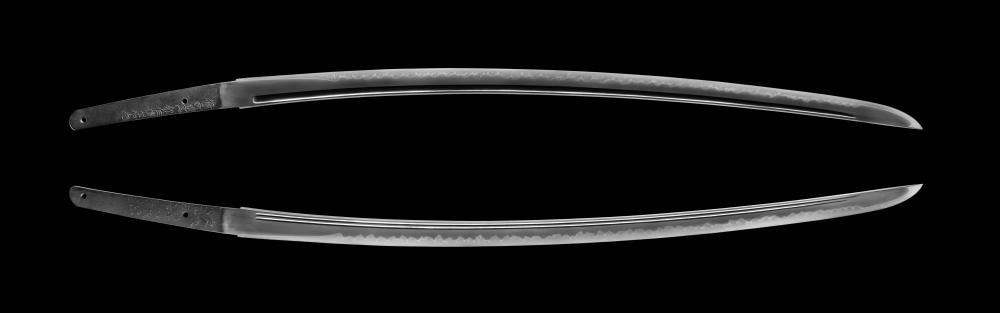
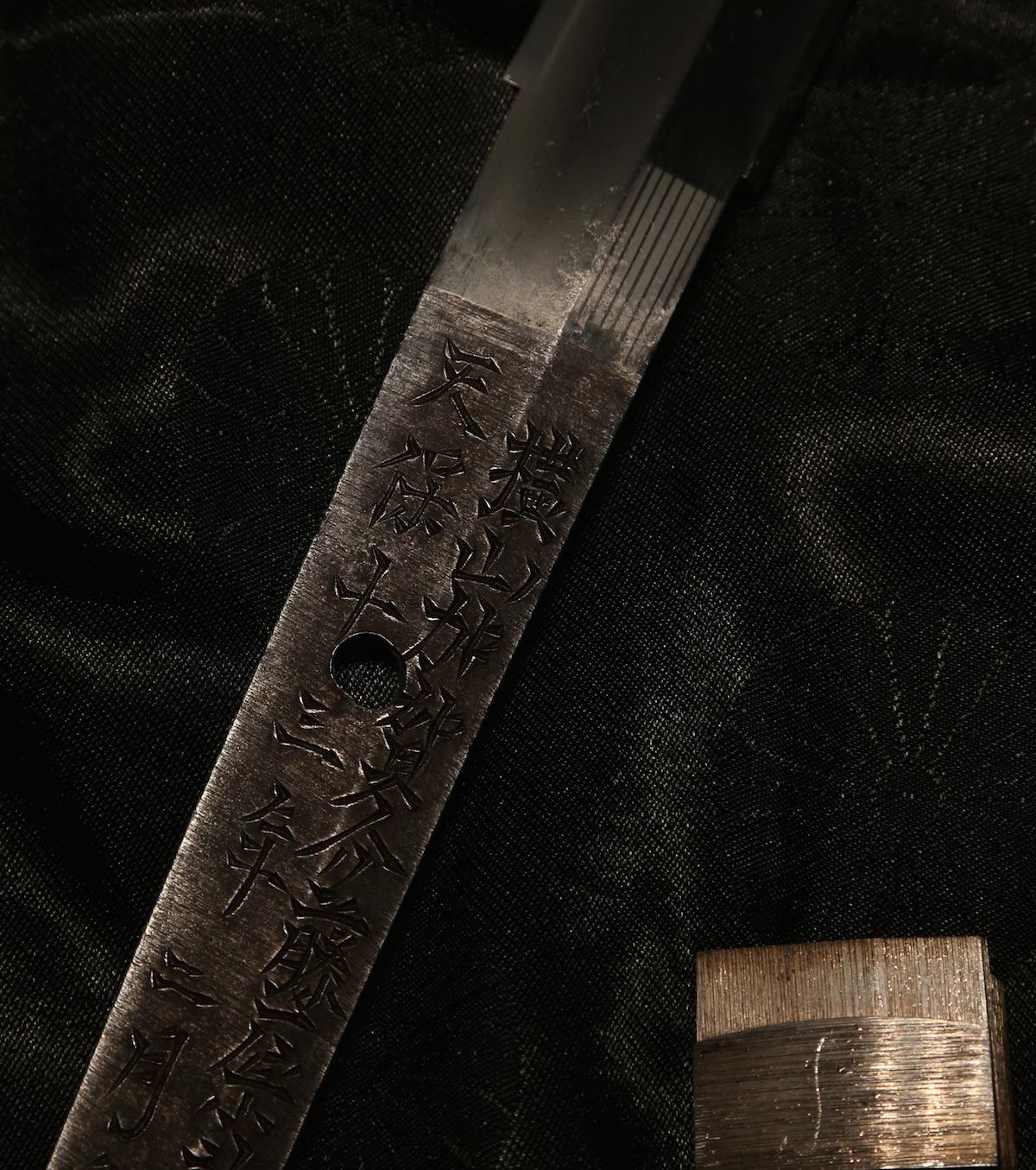
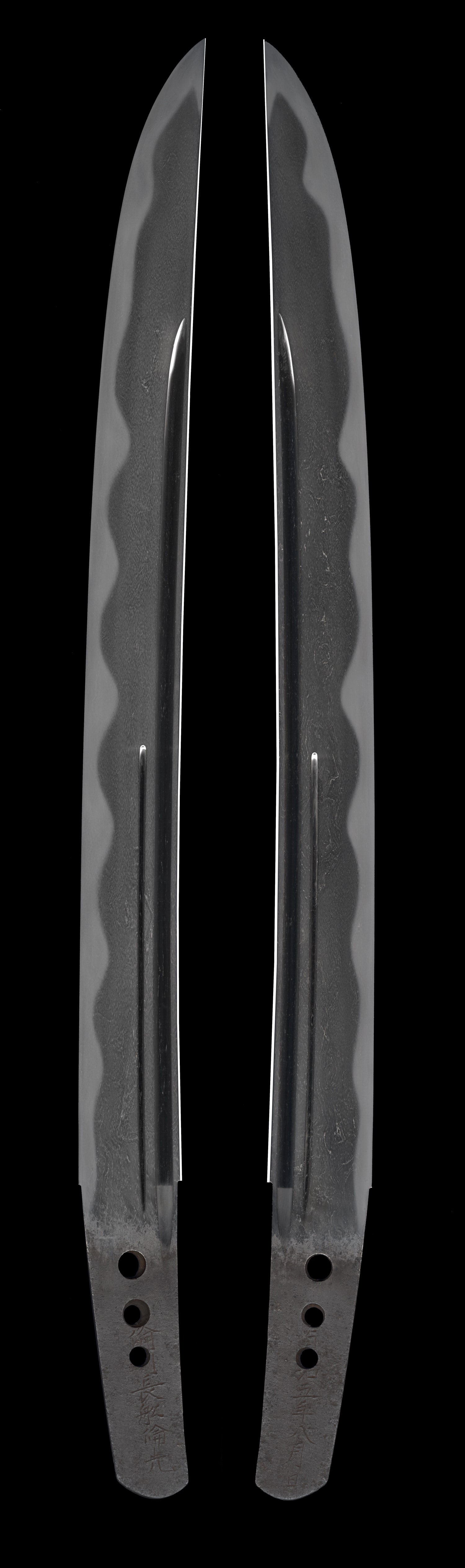
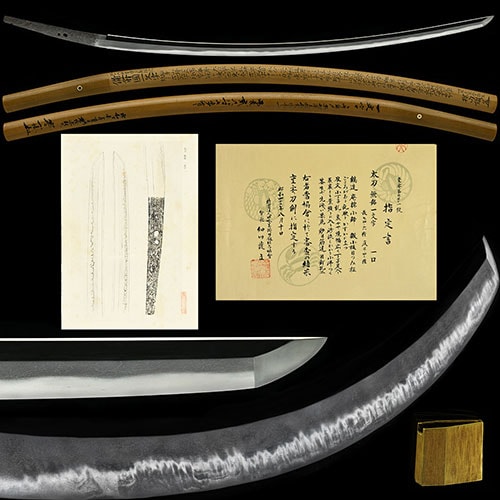
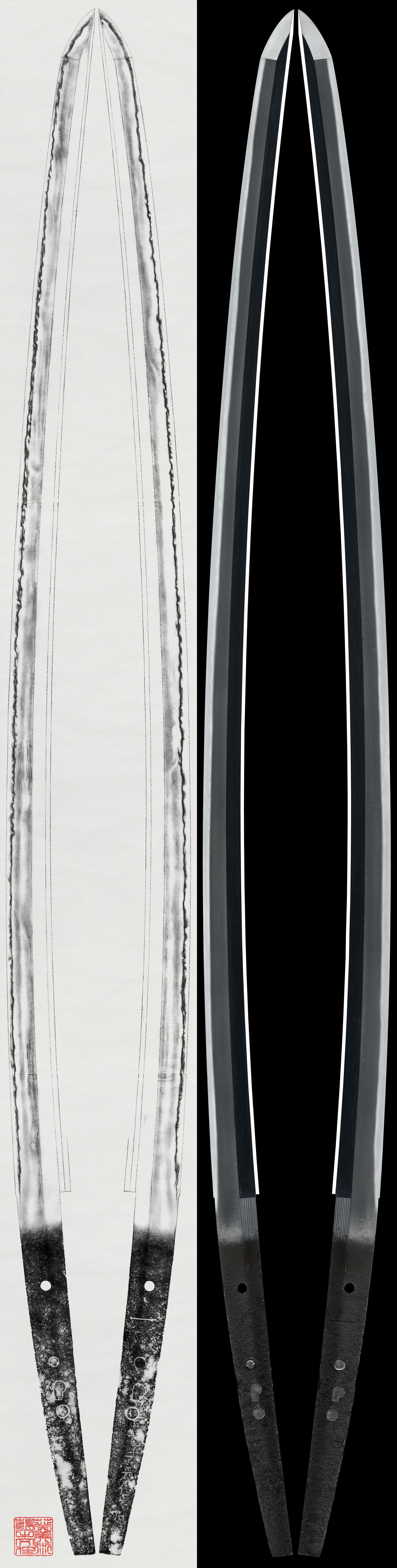
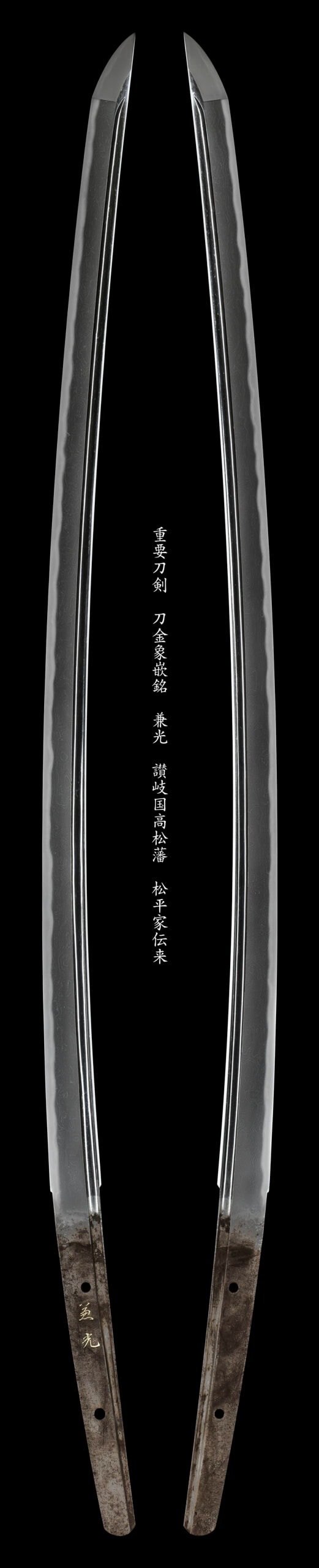
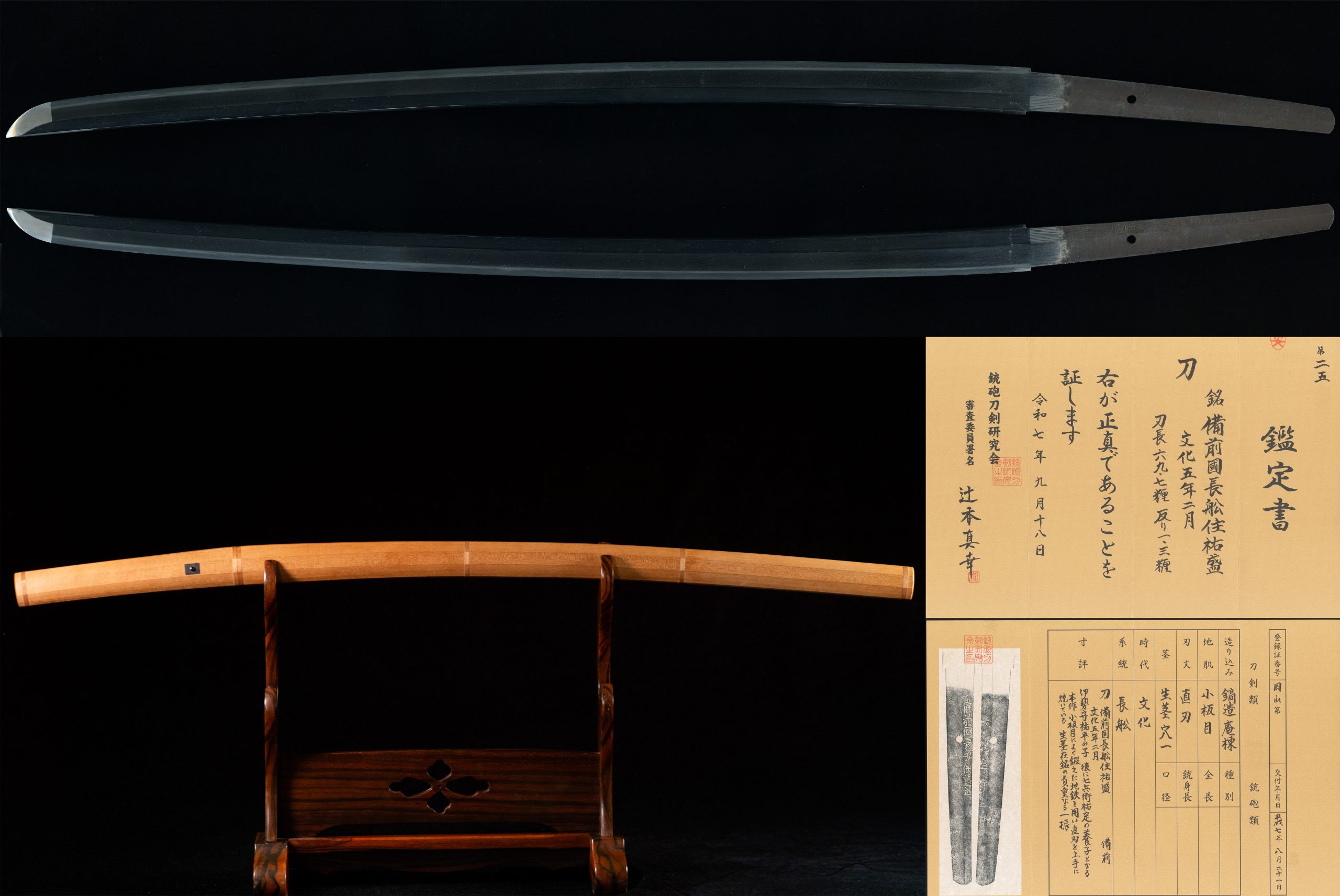
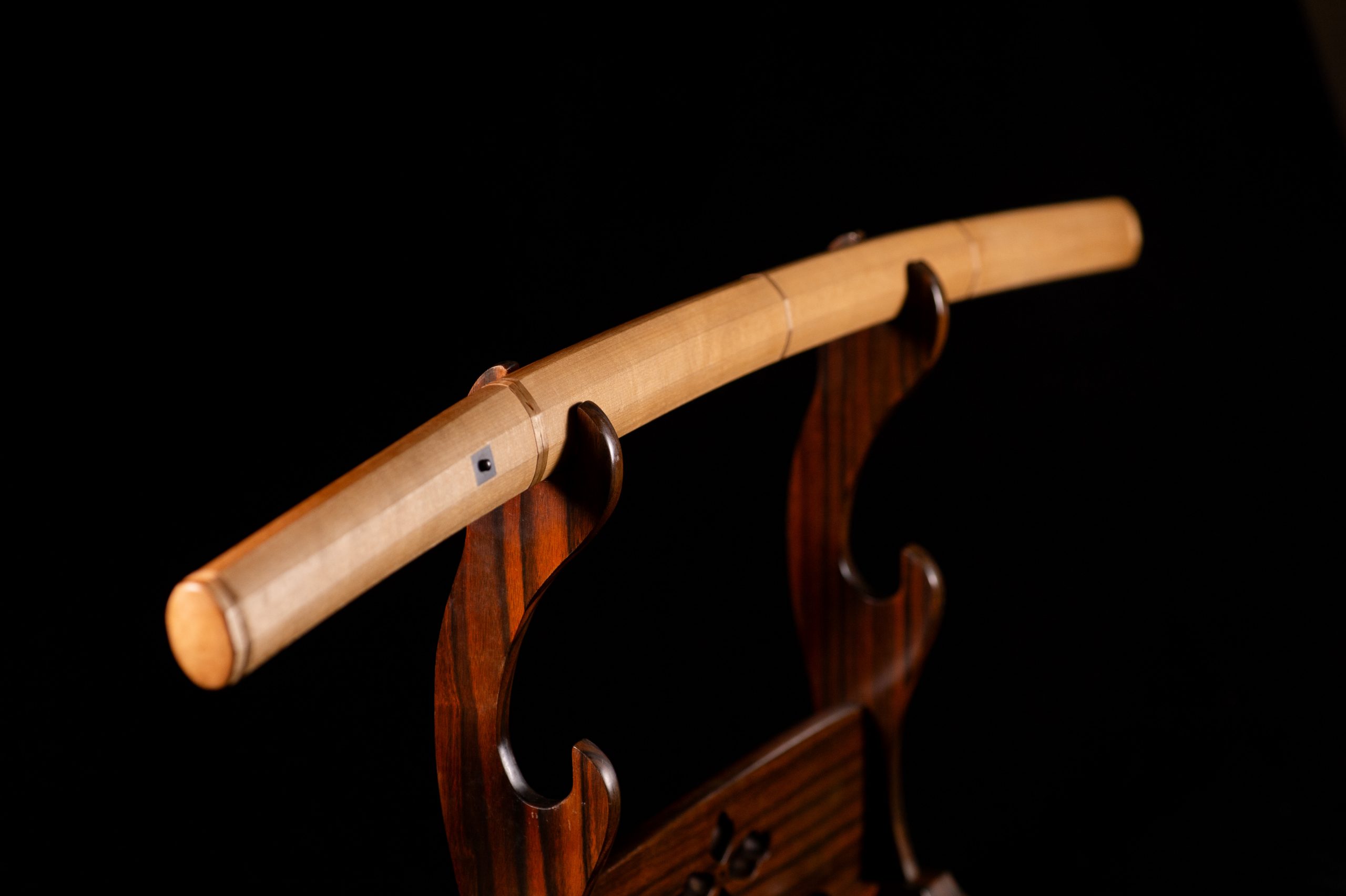
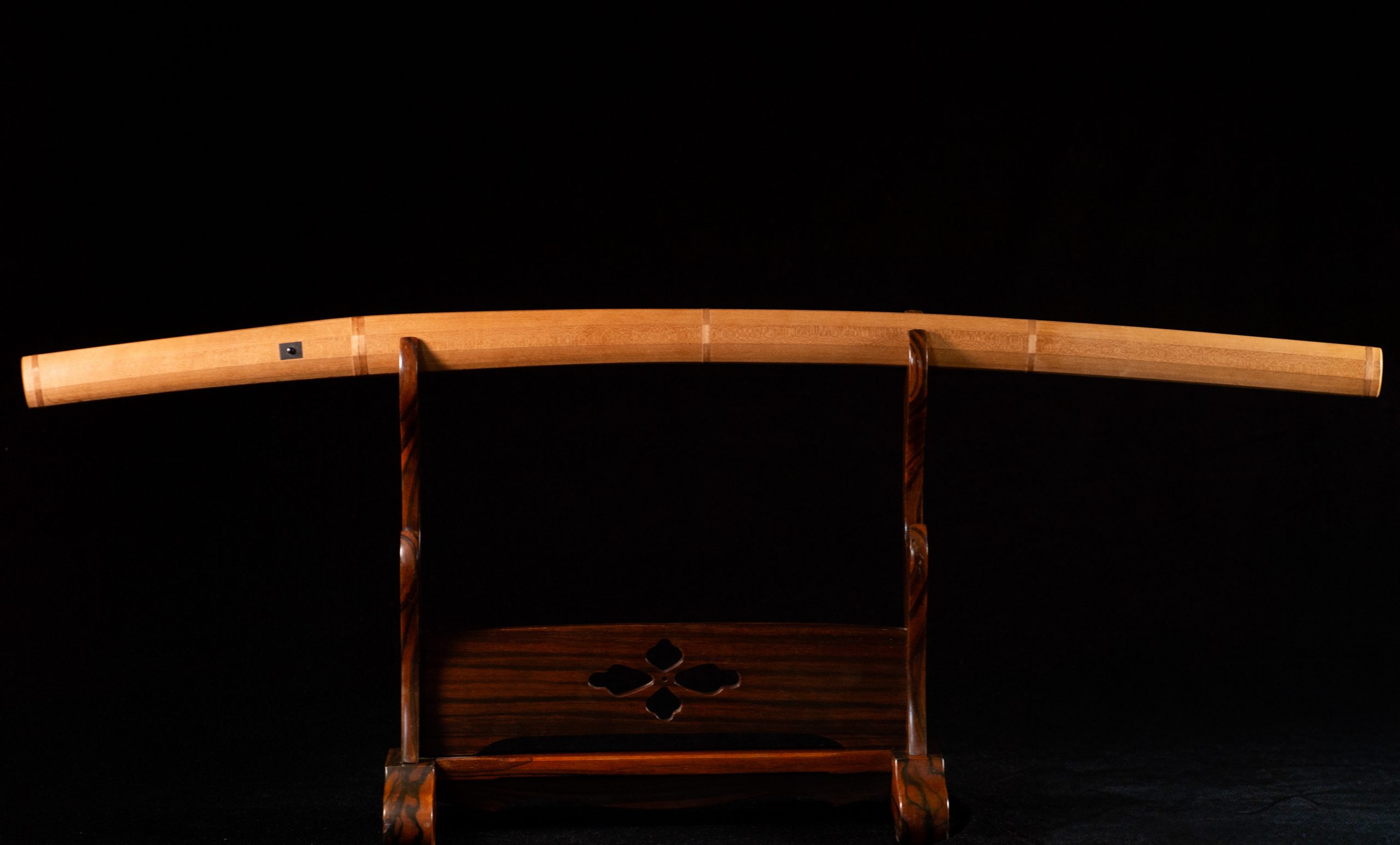
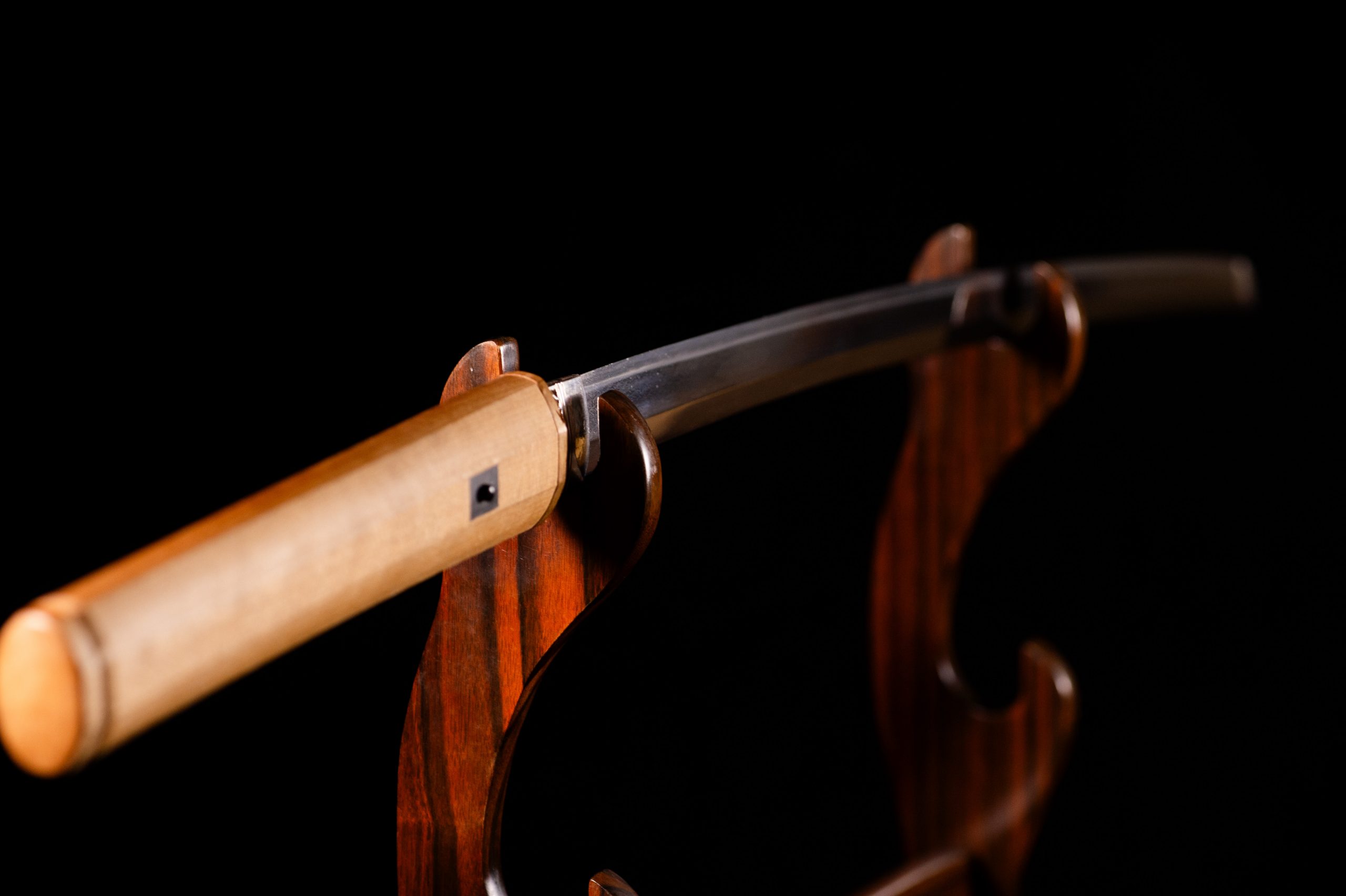
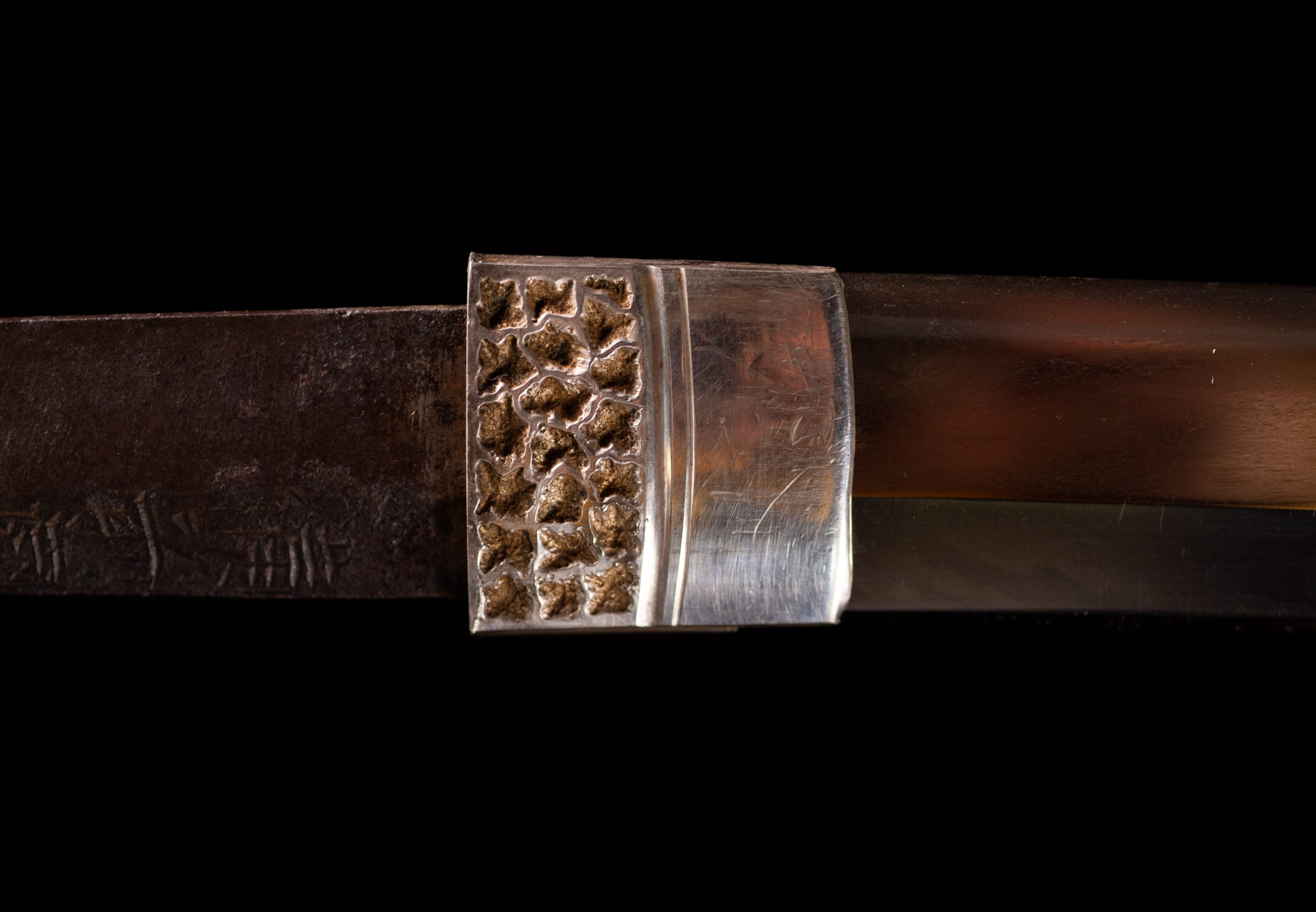
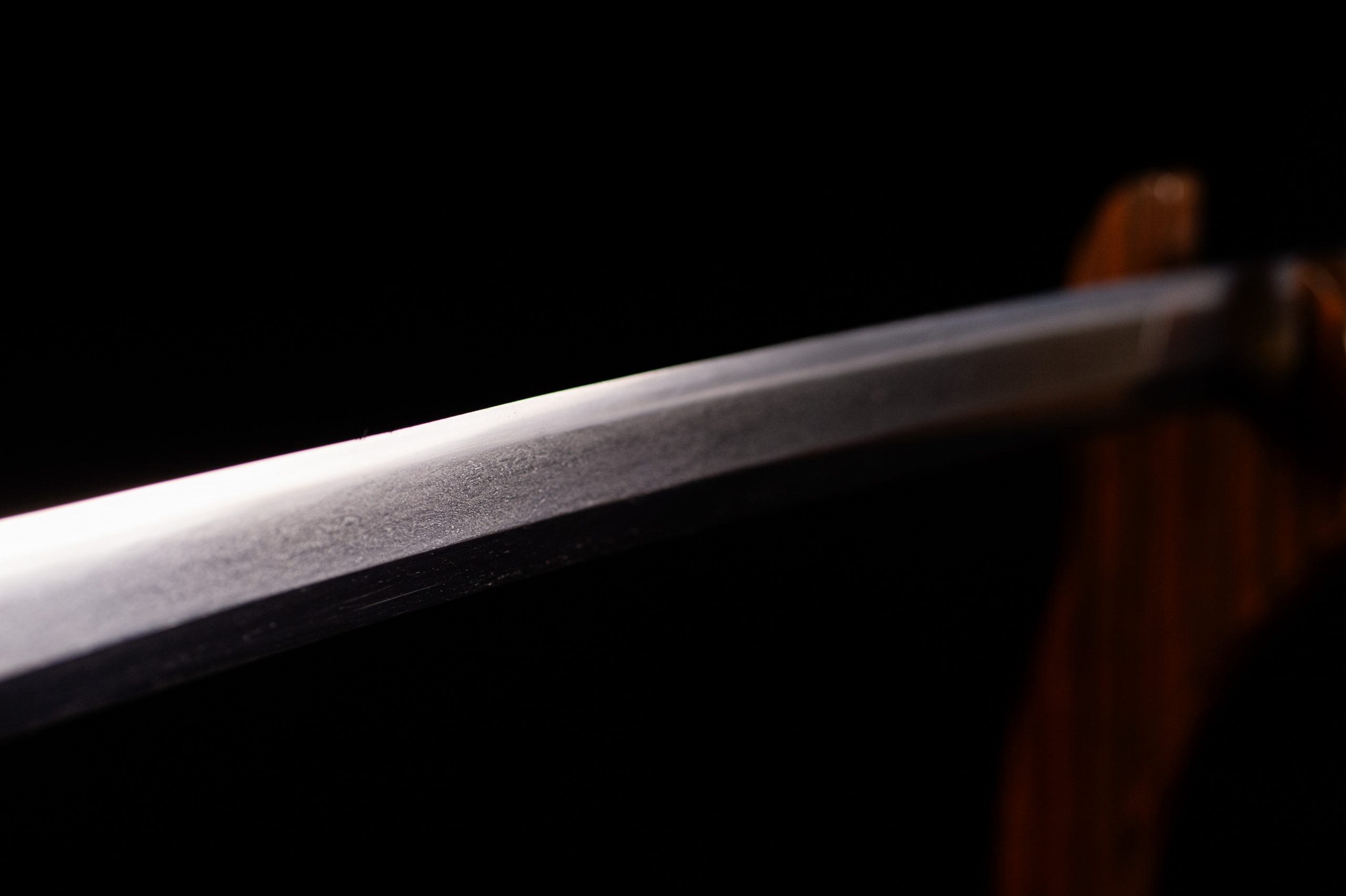
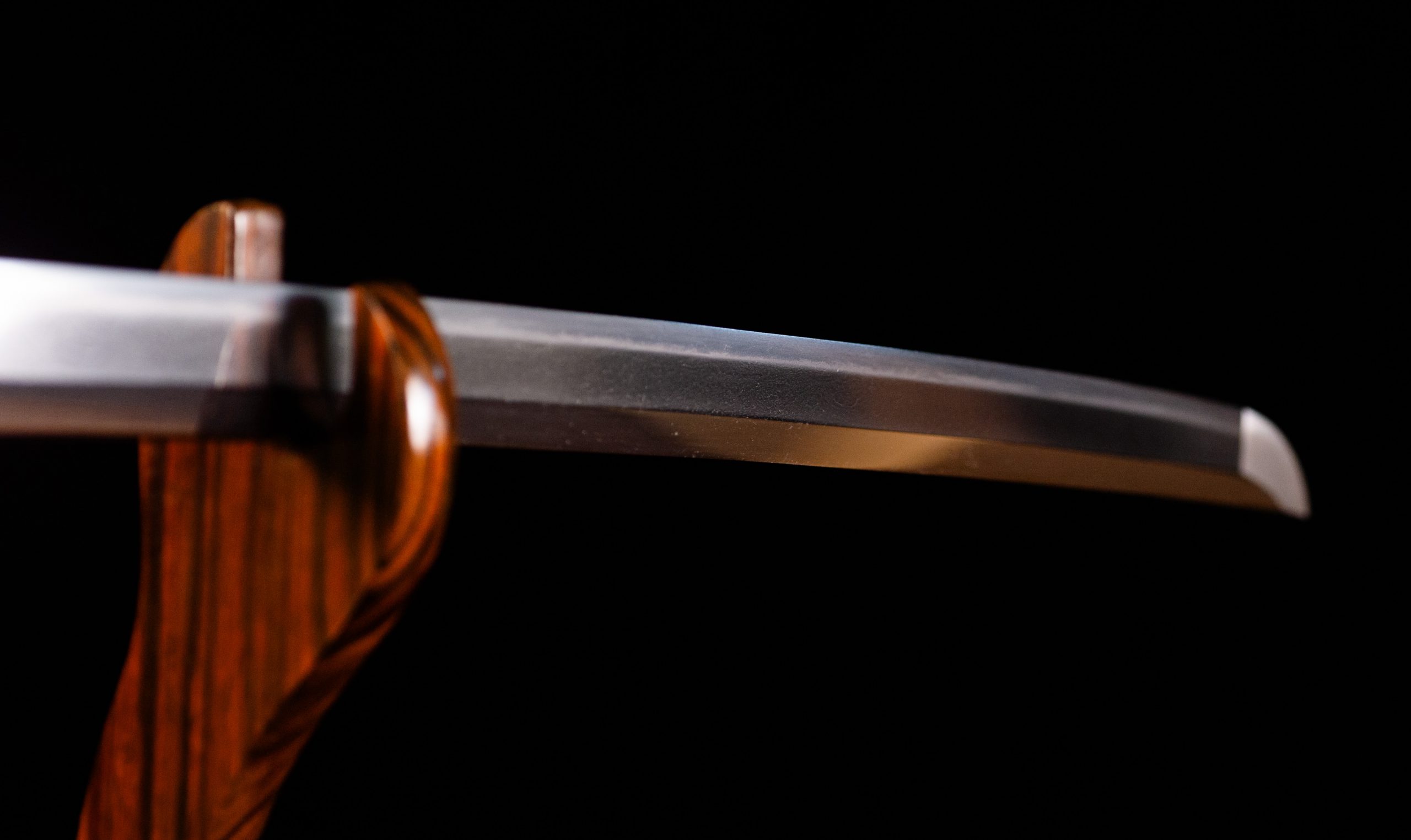
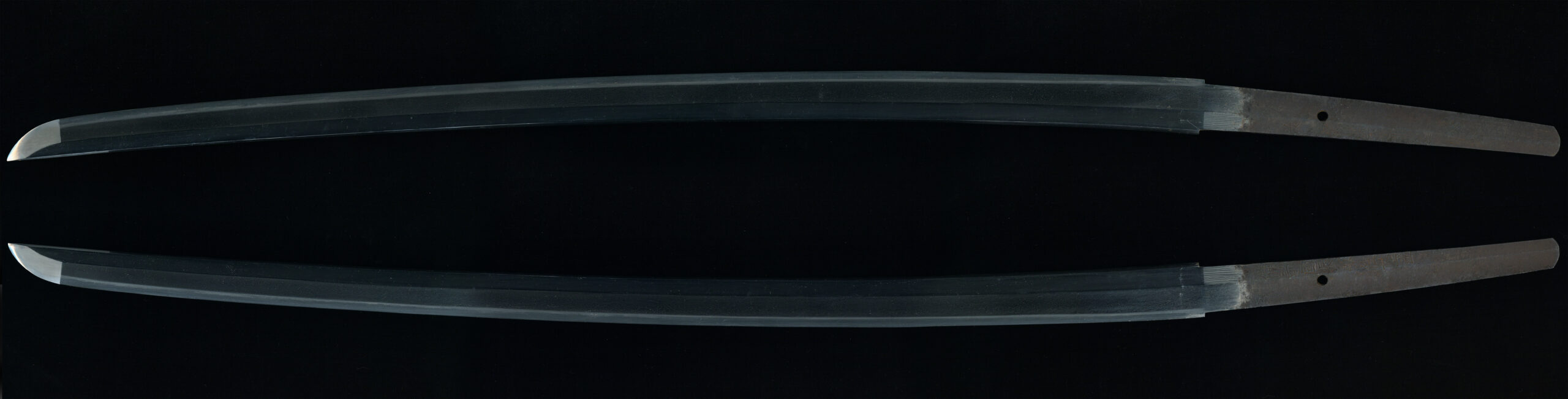
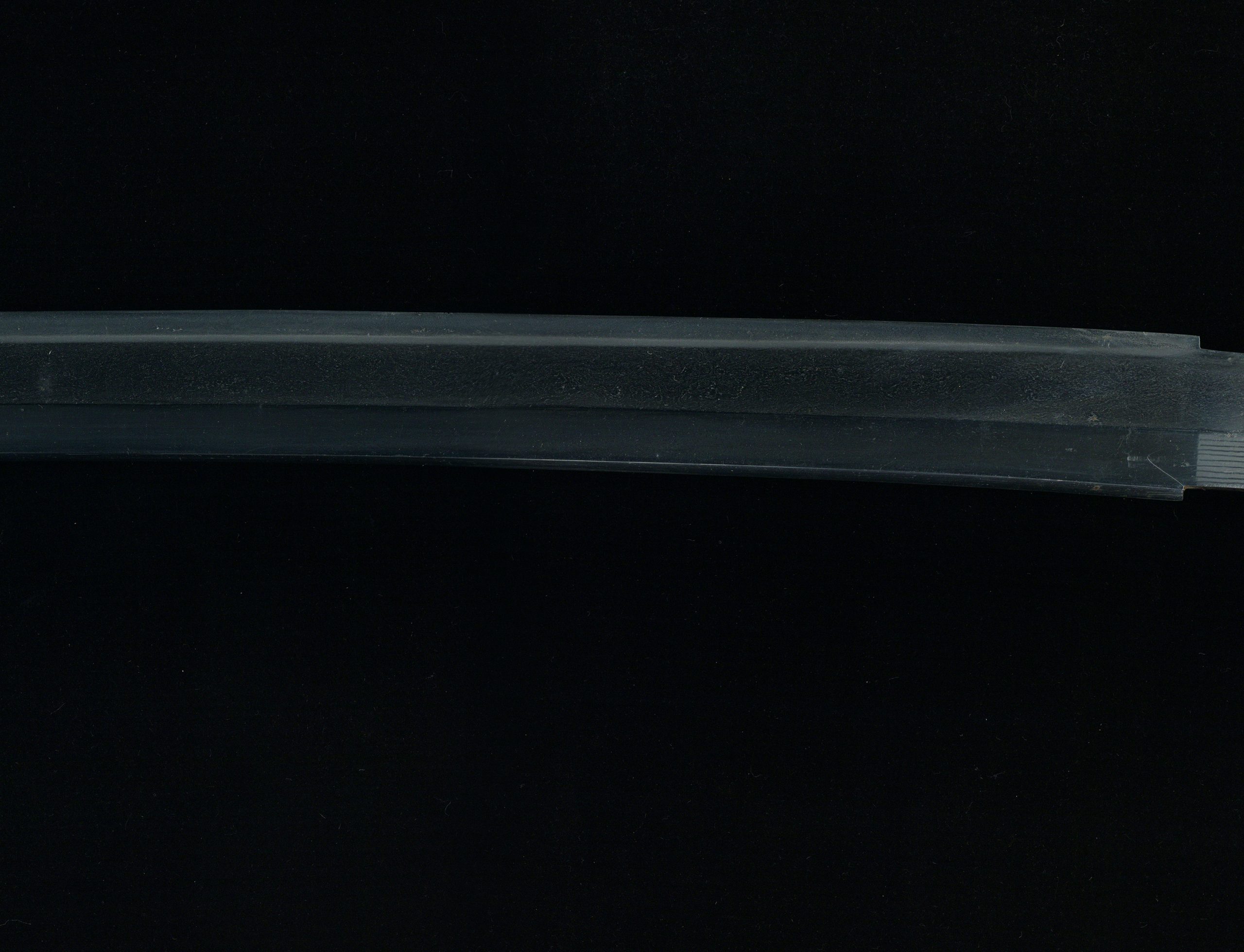
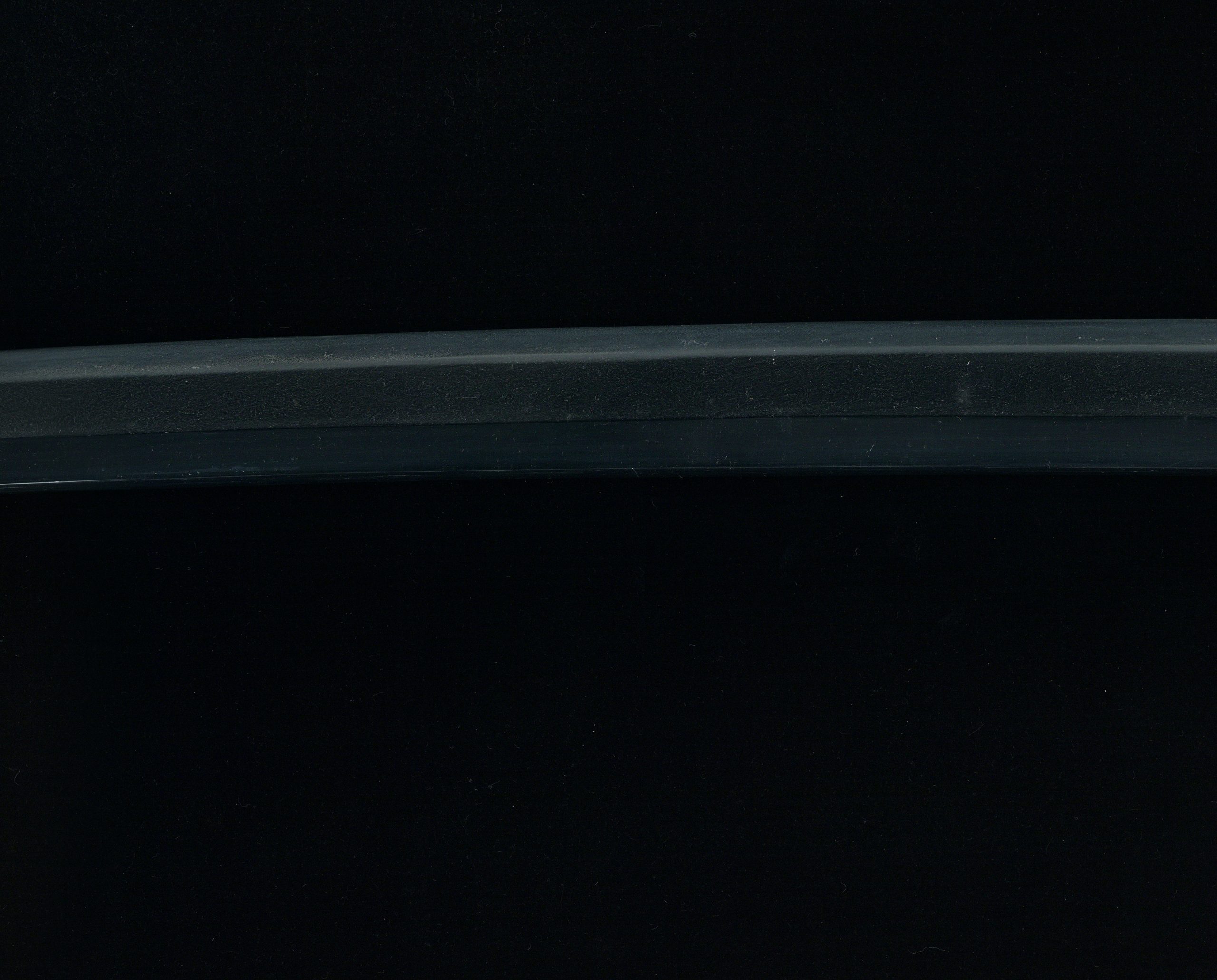
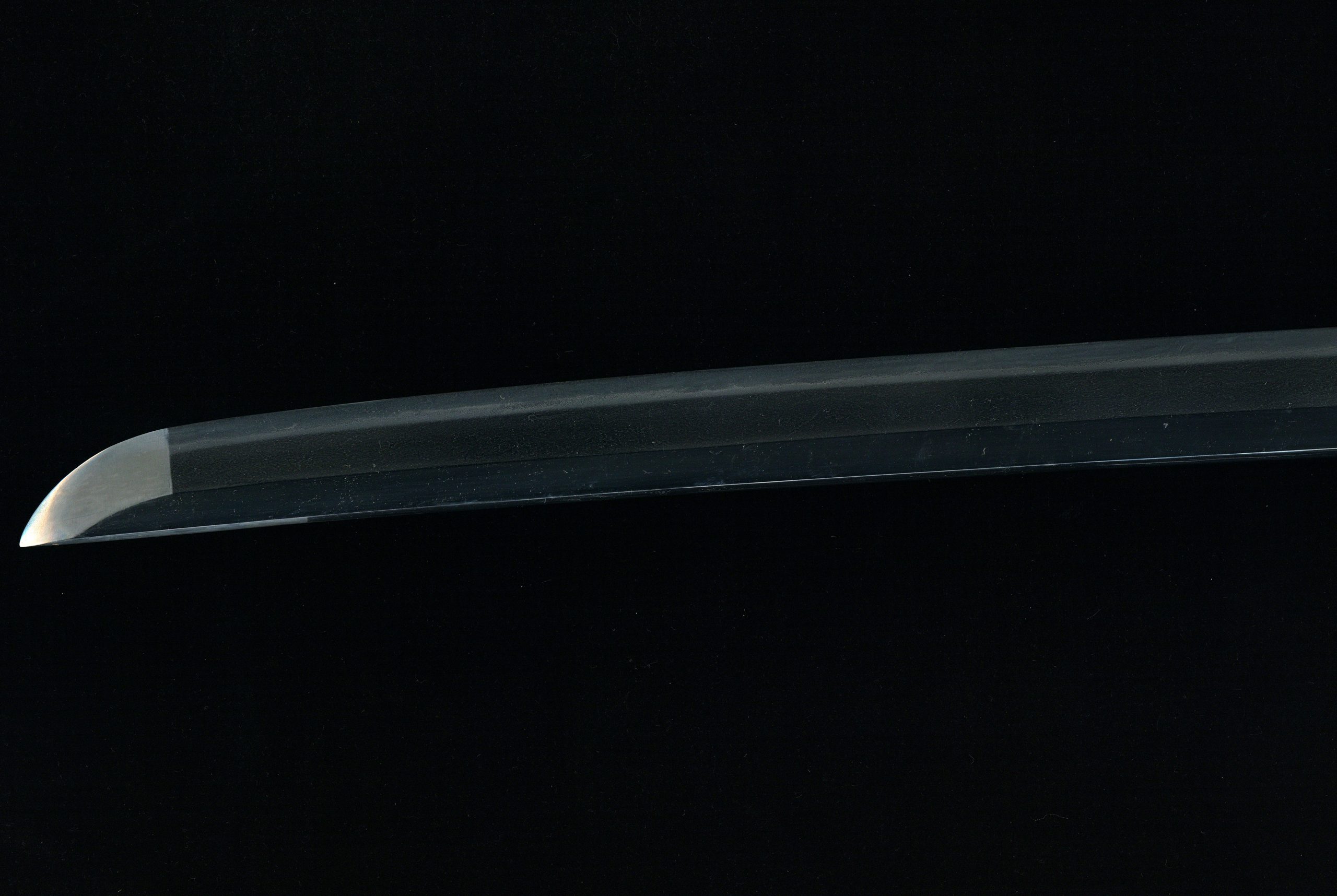
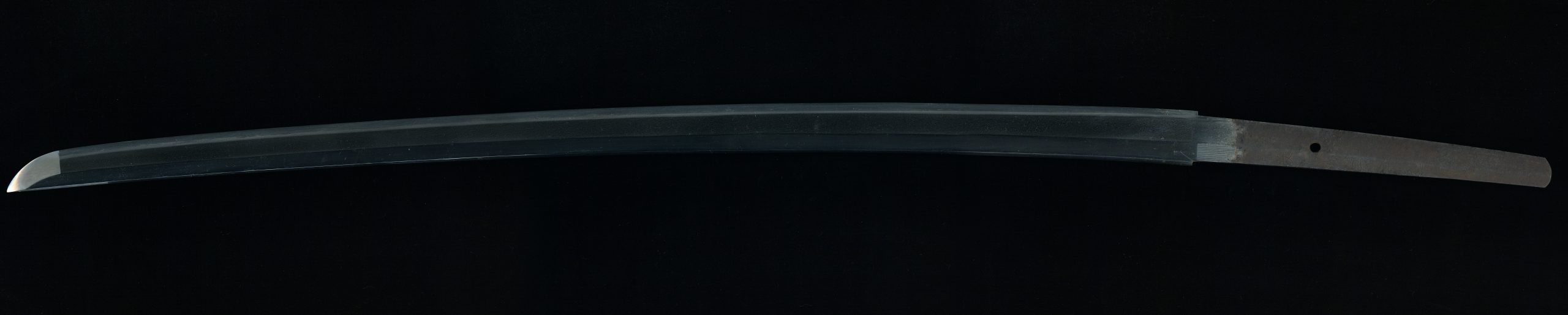
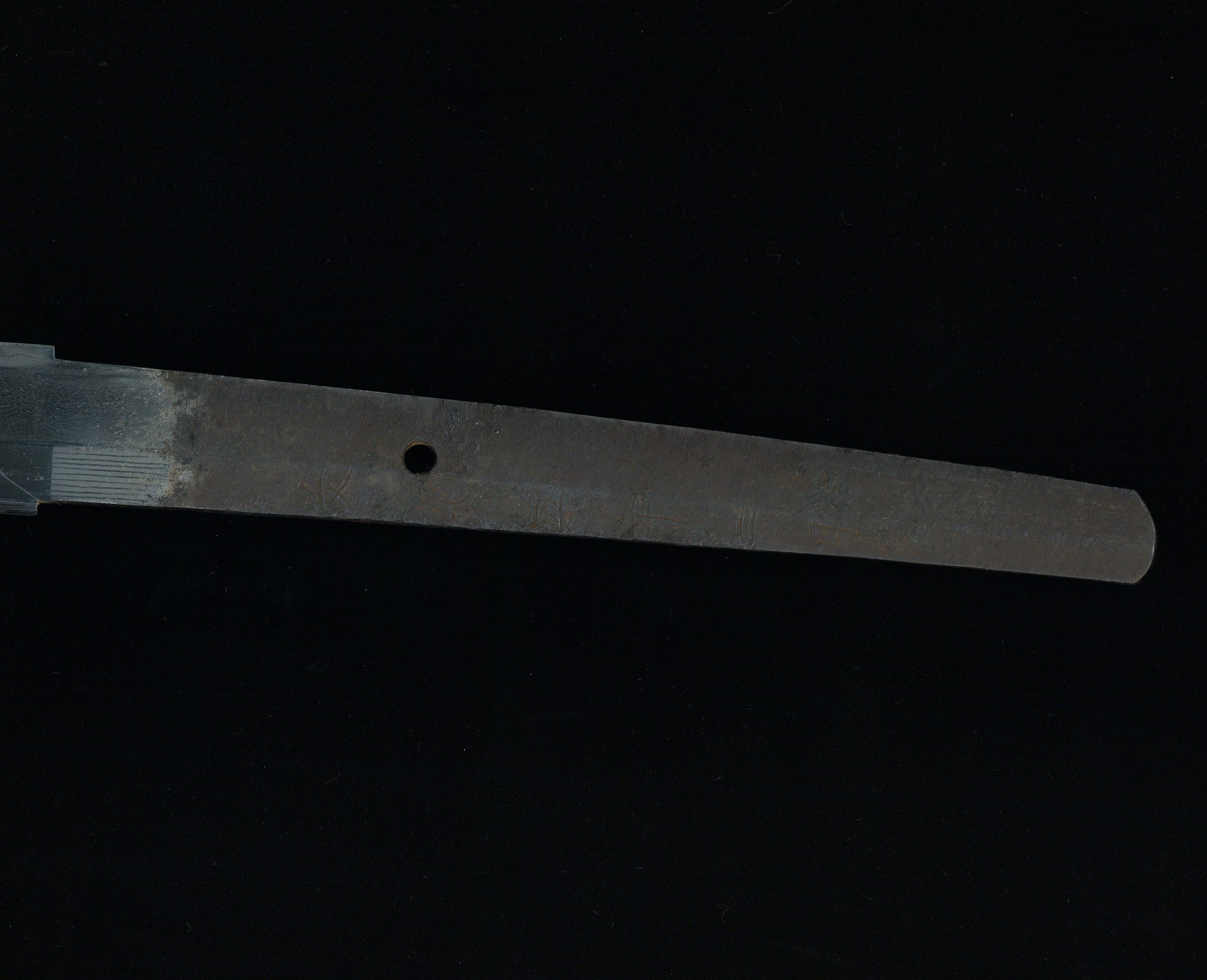
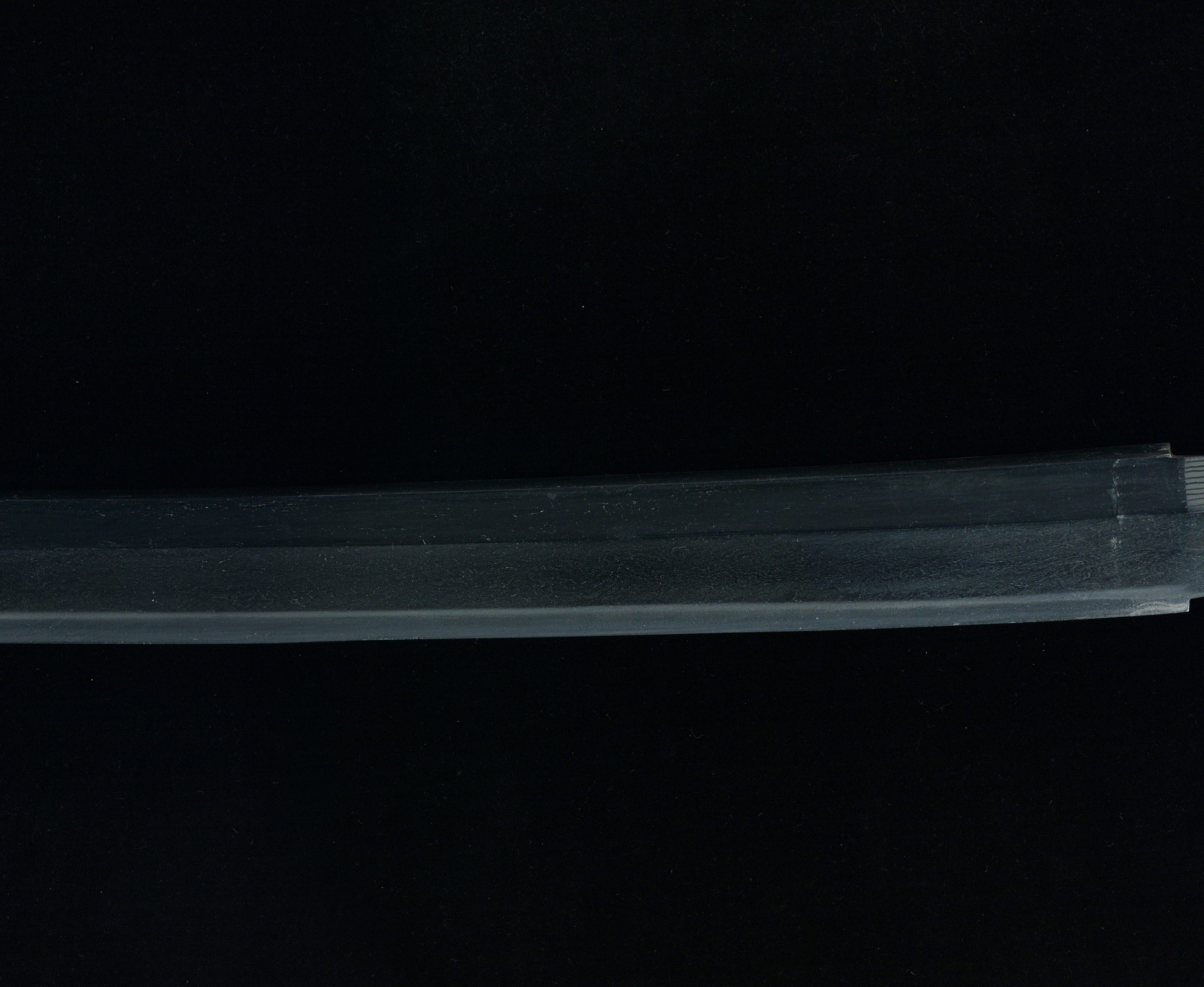
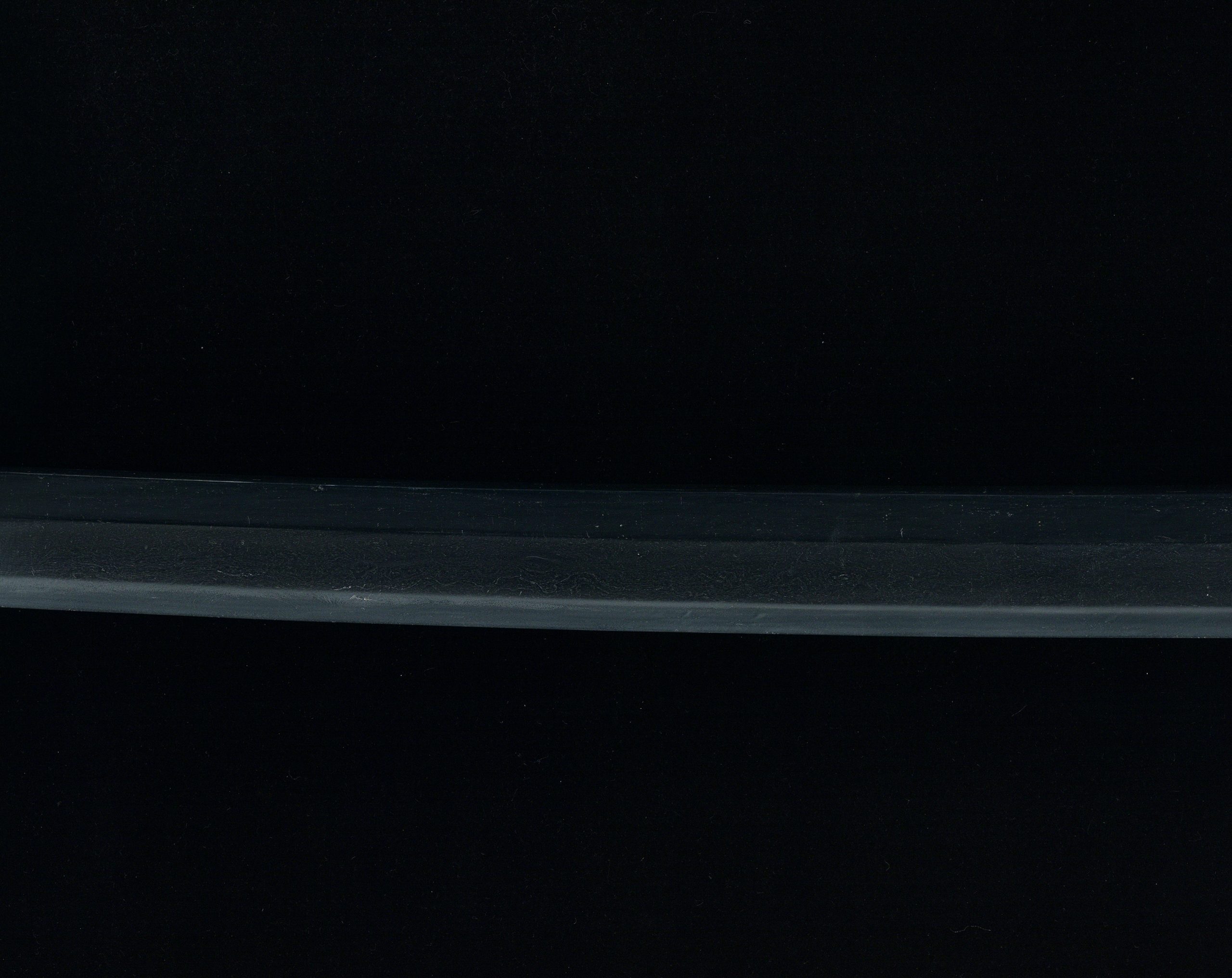
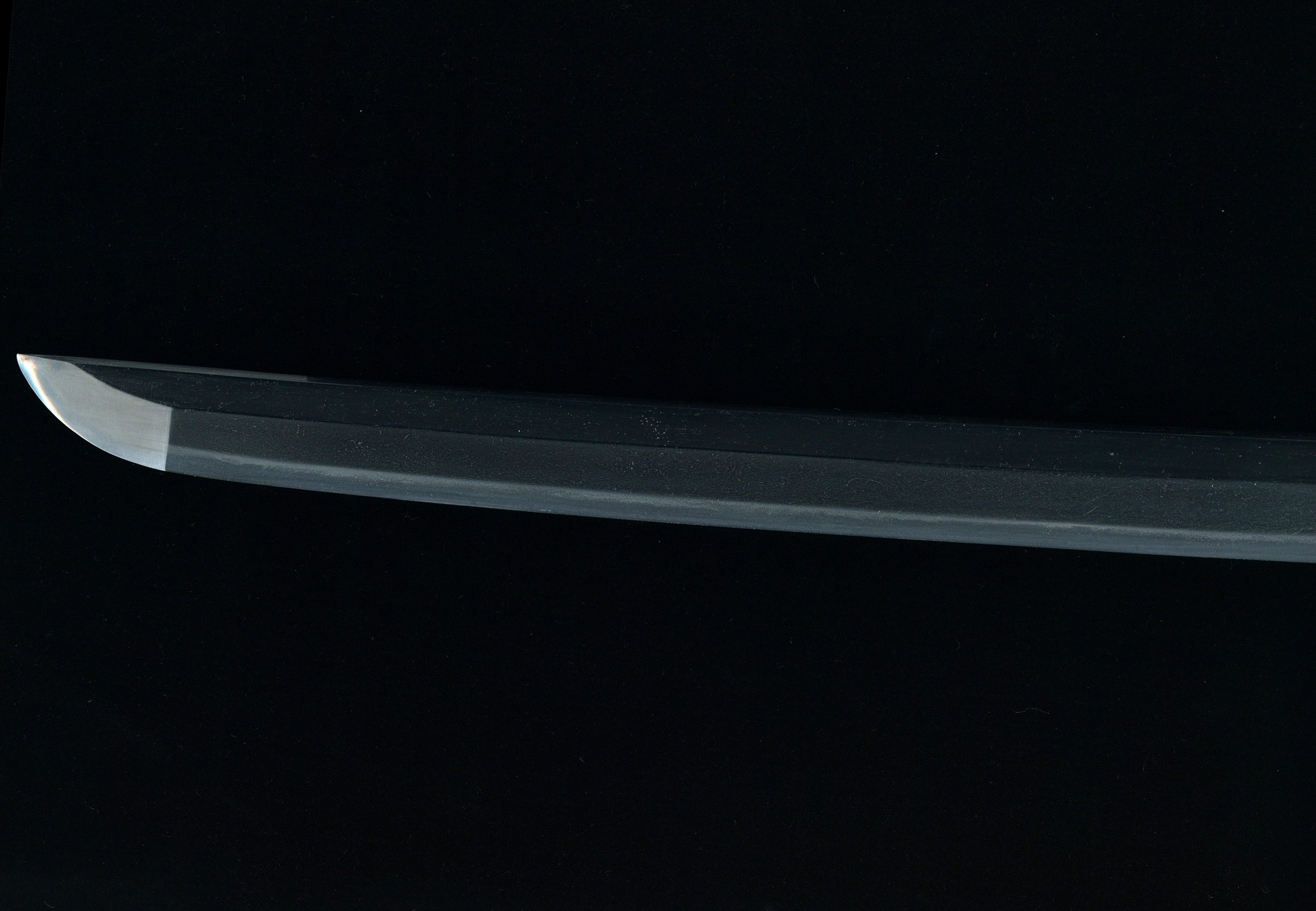
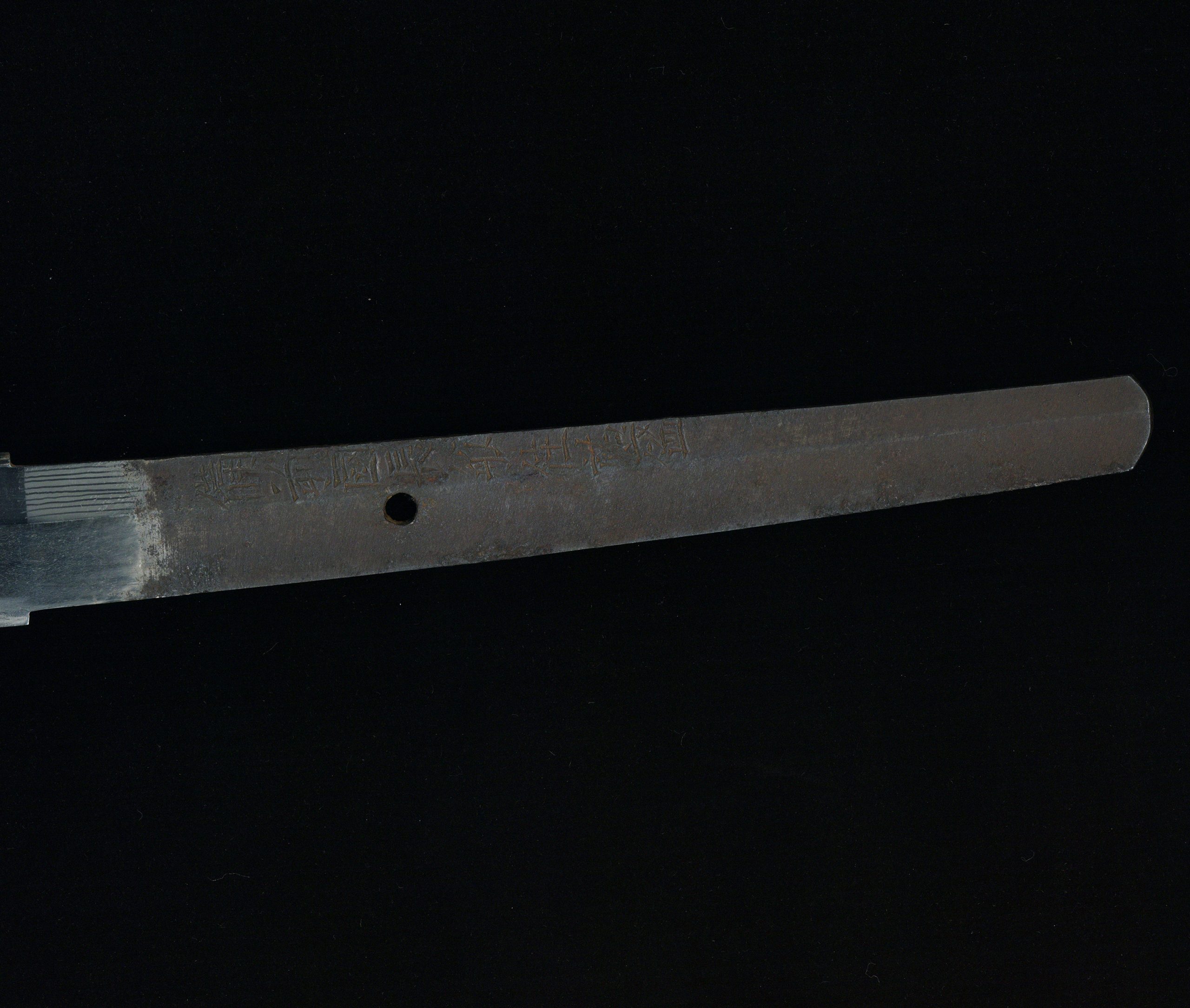
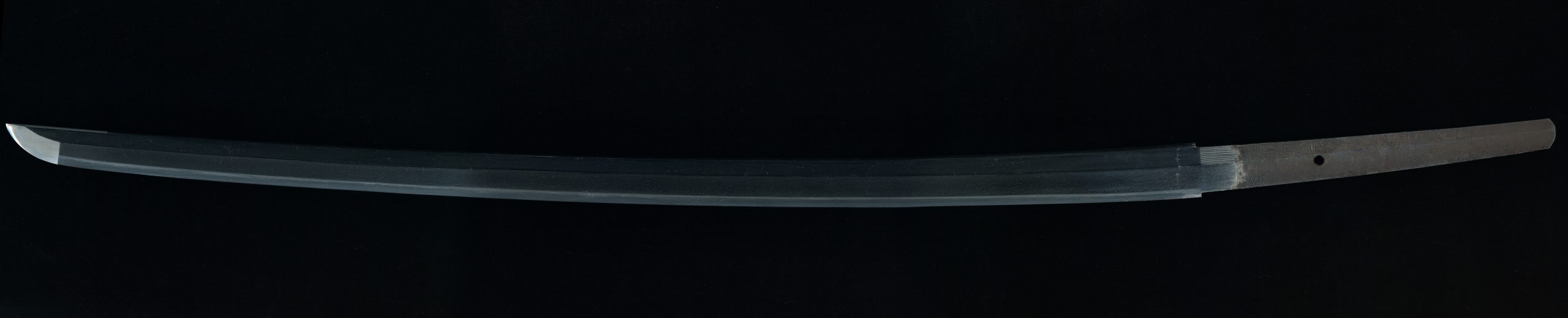
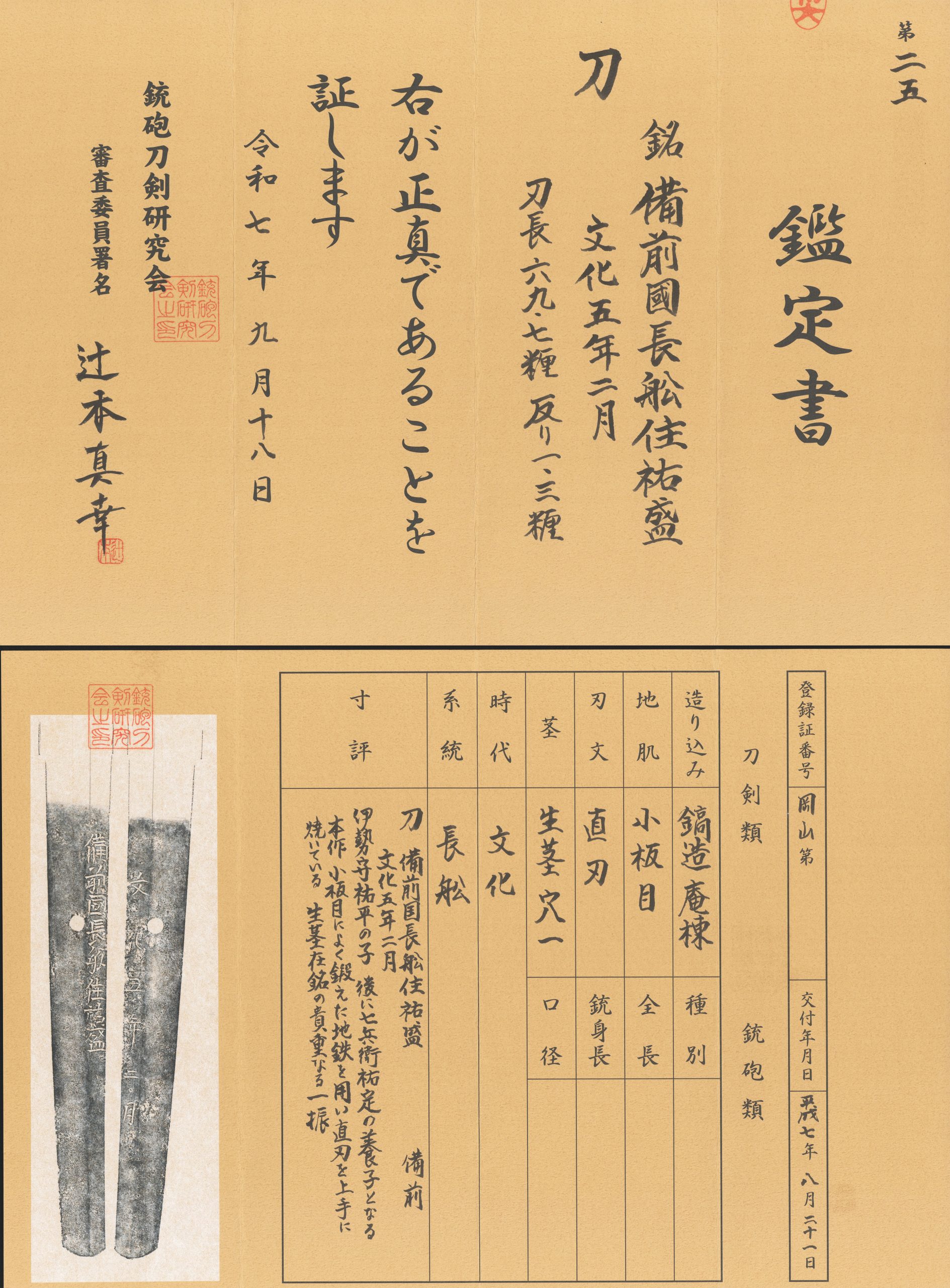
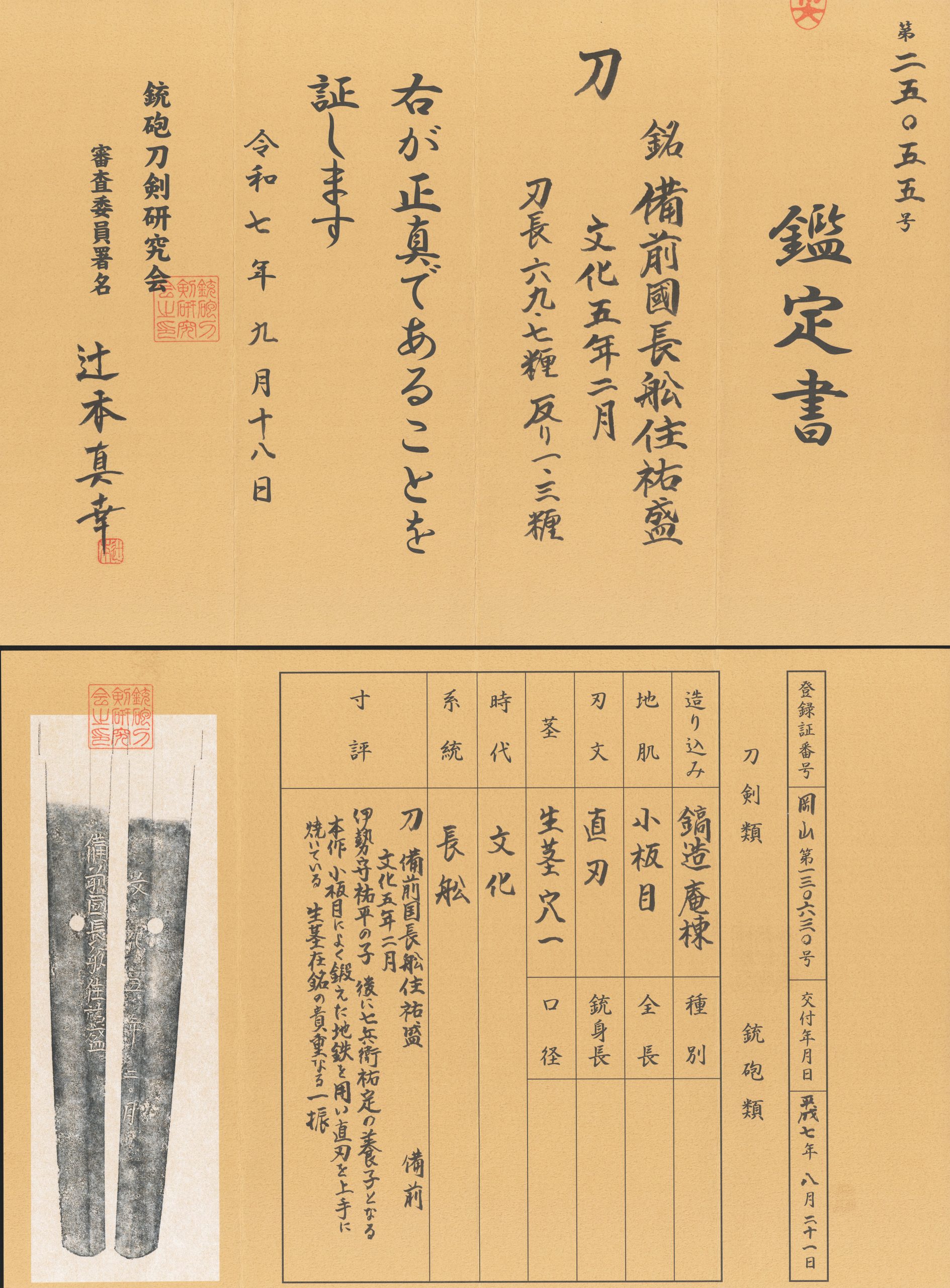
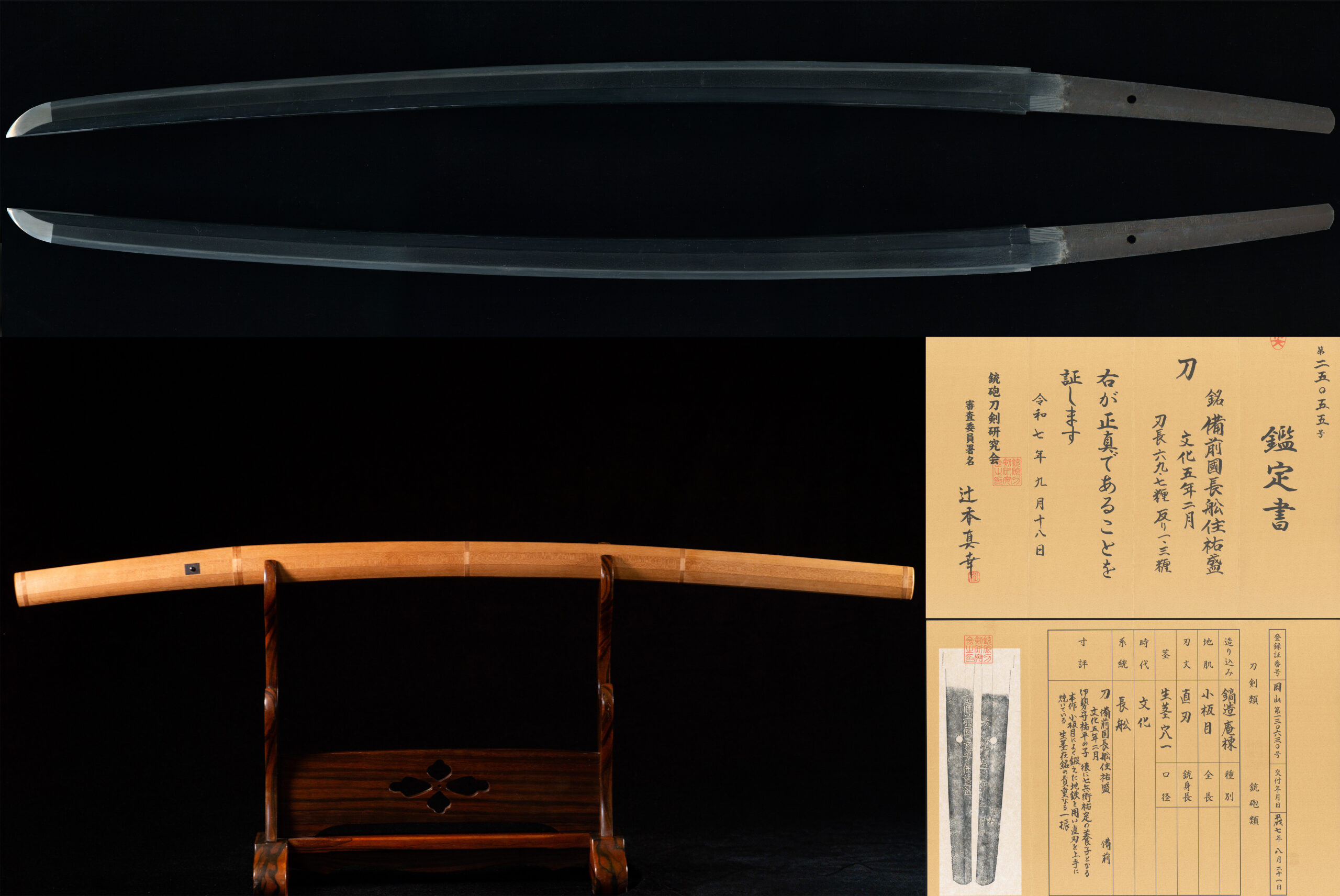
This katana is signed by Sukemori, a smith from the Osafune school in Bizen Province, and dated to the second month of Bunka 5 (1808) during the Edo period. It features a shinogi-zukuri construction with iori-mune, a ko-itame jihada, and a suguha hamon. The blade is housed in a plain wooden shirasaya and comes with a Kanteisho certificate from Juho Token Kenkyūkai.
 NihontoWatch
mei · Osafune · Edo · nagasa 69.7cm · sori 1.3cm
Bizen-den · Bizen · around 1804-1818
2 pieces on the market now
Bizen-den · Bizen
44 pieces on the market now
| Smith | Era | Designated |
|---|---|---|
| Sukenobu祐信 | 1830-1844 | 0 |
| Suketaka祐高 | 1865-1868 | 0 |
| Sukeharu祐春 | 1864-1865 | 0 |
| Sukehiro祐廣 | 1854-1860 | 0 |
| Sukekane祐包 | 1868-1912 | 0 |
The NTHK’s principal certificate, issued for a blade of considerable quality. It confirms a genuine signature, or, for an unsigned (mumei) work, records the judges’ attribution to a smith or school. The paper carries a detailed worksheet with a numerical point score.
The NTHK (Nihon Tōken Hozon Kai, the Society for the Preservation of the Japanese Sword) is the oldest of Japan’s sword-appraisal bodies, founded in 1910, decades before the NBTHK. After the death of its long-serving head it divided into two successor societies, the NTHK and the NTHK-NPO, both of which continue to hold shinsa. NTHK certificates are known for a detailed worksheet that records a numerical point score alongside the judges’ written opinion, and the society is especially respected for its attribution of unsigned (mumei) work.
14-day return if items arrive damaged or in unexpected condition; customer bears return shipping + insurance; items returned in original condition with all accessories; antique armour non-returnable; only regular priced items refundable; shipping costs non-refundable.
This katana is signed by Sukemori, a smith from the Osafune school in Bizen Province, and dated to the second month of Bunka 5 (1808) during the Edo period. It features a shinogi-zukuri construction with iori-mune, a ko-itame jihada, and a suguha hamon. The blade is housed in a plain wooden shirasaya and comes with a Kanteisho certificate from Juho Token Kenkyūkai.
NihontoWatchmei · Osafune · Edo · nagasa 69.7cm · sori 1.3cm
Bizen-den · Bizen · around 1804-1818
2 pieces on the market now
Bizen-den · Bizen
44 pieces on the market now
| Smith | Era | Designated |
|---|---|---|
| Sukenobu祐信 | 1830-1844 | 0 |
| Suketaka祐高 | 1865-1868 | 0 |
| Sukeharu祐春 | 1864-1865 | 0 |
| Sukehiro祐廣 | 1854-1860 | 0 |
| Sukekane祐包 | 1868-1912 | 0 |
The NTHK’s principal certificate, issued for a blade of considerable quality. It confirms a genuine signature, or, for an unsigned (mumei) work, records the judges’ attribution to a smith or school. The paper carries a detailed worksheet with a numerical point score.
The NTHK (Nihon Tōken Hozon Kai, the Society for the Preservation of the Japanese Sword) is the oldest of Japan’s sword-appraisal bodies, founded in 1910, decades before the NBTHK. After the death of its long-serving head it divided into two successor societies, the NTHK and the NTHK-NPO, both of which continue to hold shinsa. NTHK certificates are known for a detailed worksheet that records a numerical point score alongside the judges’ written opinion, and the society is especially respected for its attribution of unsigned (mumei) work.
14-day return if items arrive damaged or in unexpected condition; customer bears return shipping + insurance; items returned in original condition with all accessories; antique armour non-returnable; only regular priced items refundable; shipping costs non-refundable.