Around 1800 Suishinshi Masahide argued in his writings that the craft must return to the old masters’ methods: the fukkotō revival. His greatest successor Naotane worked convincingly in Bizen and Sōshū manners that had been dead for centuries.
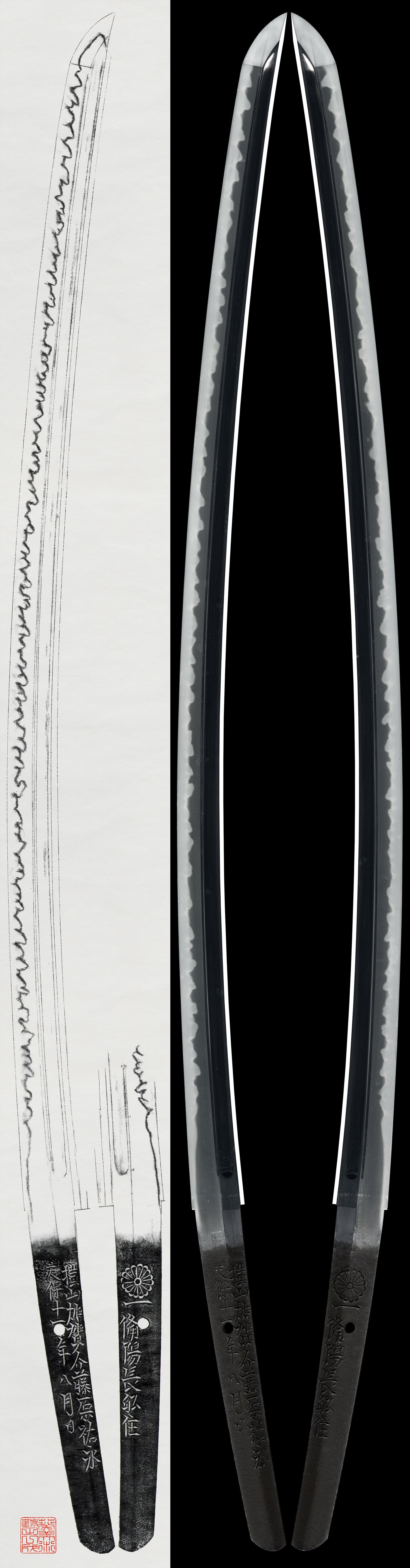
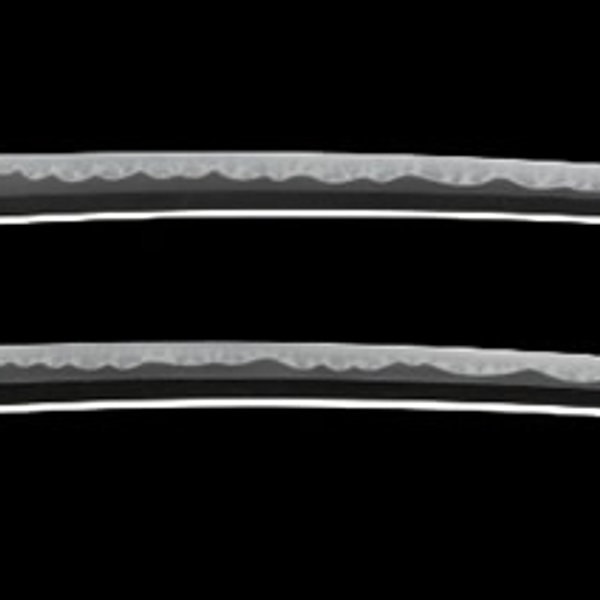
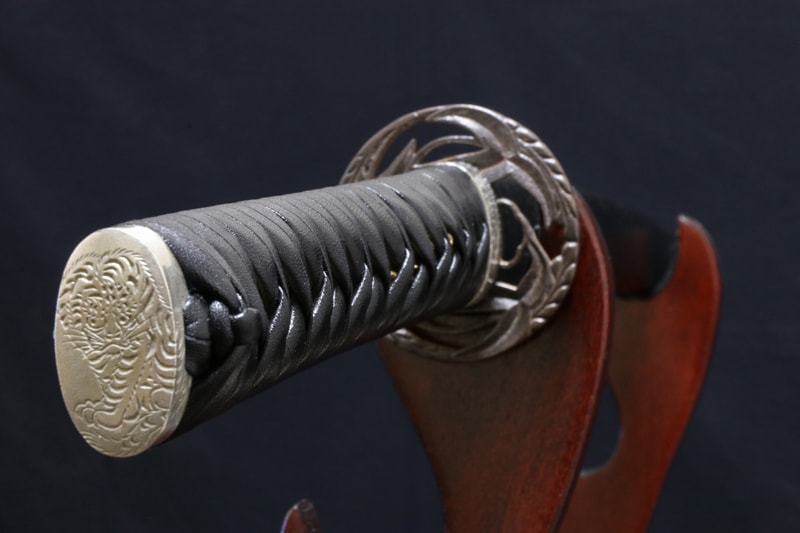
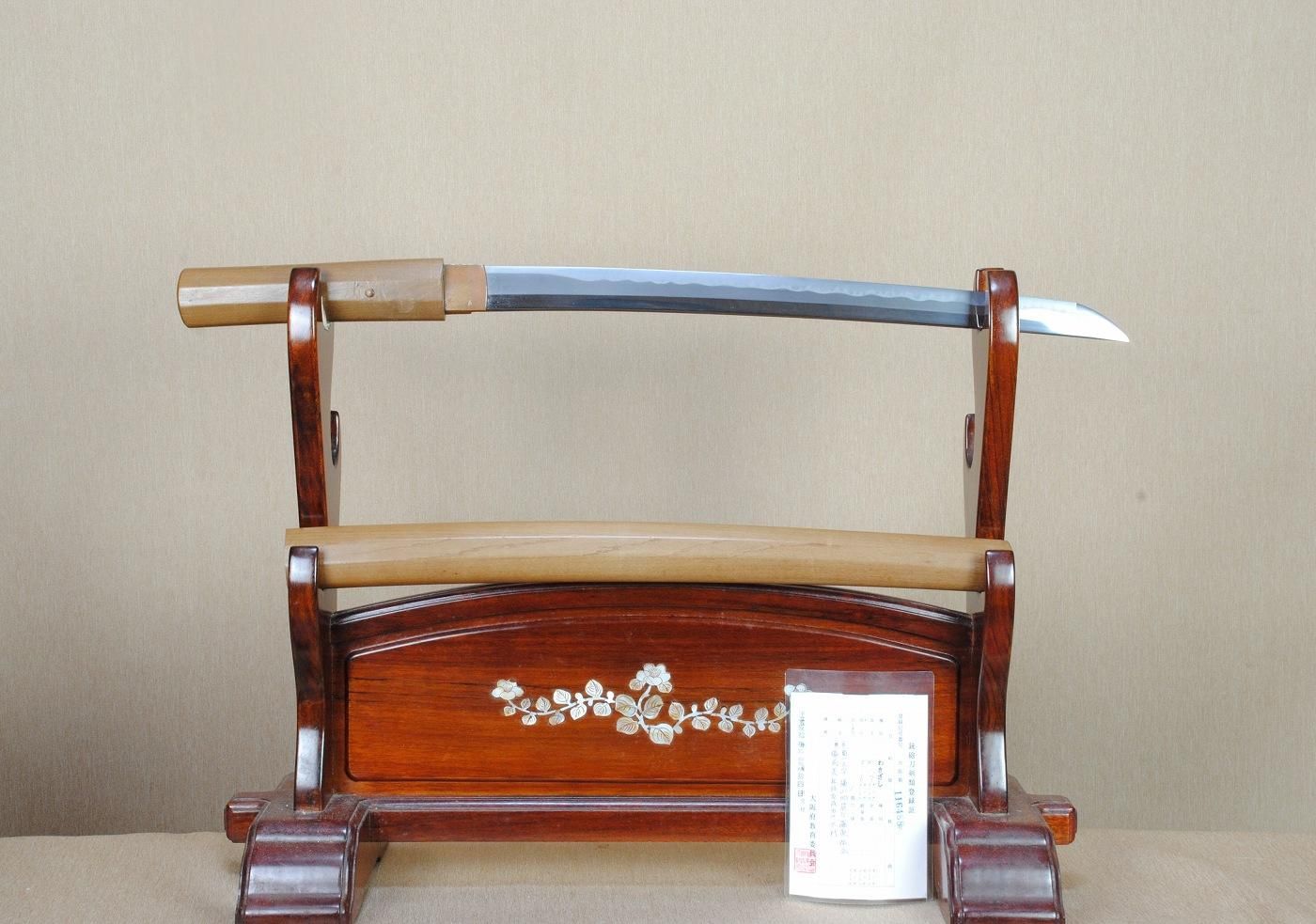
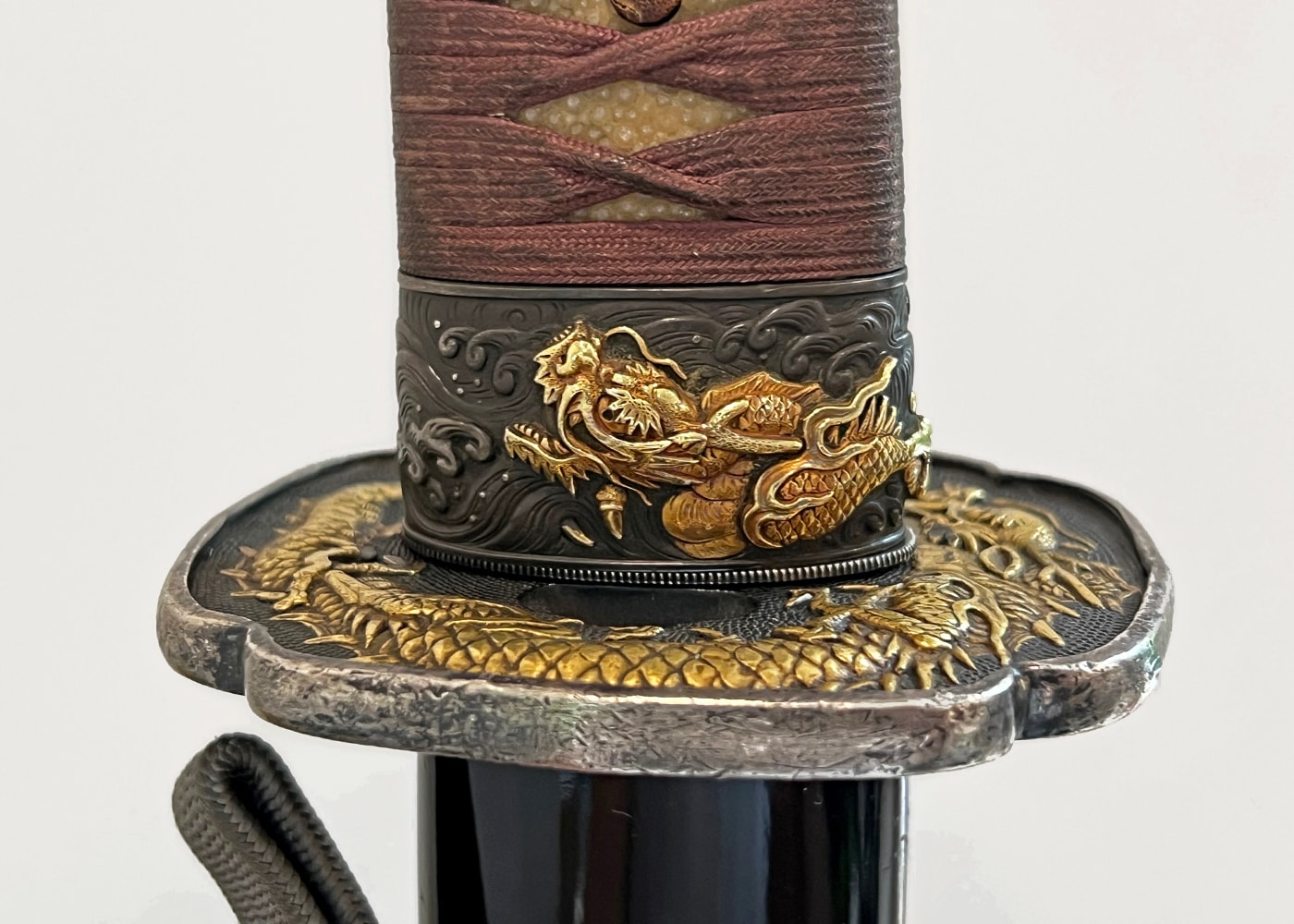
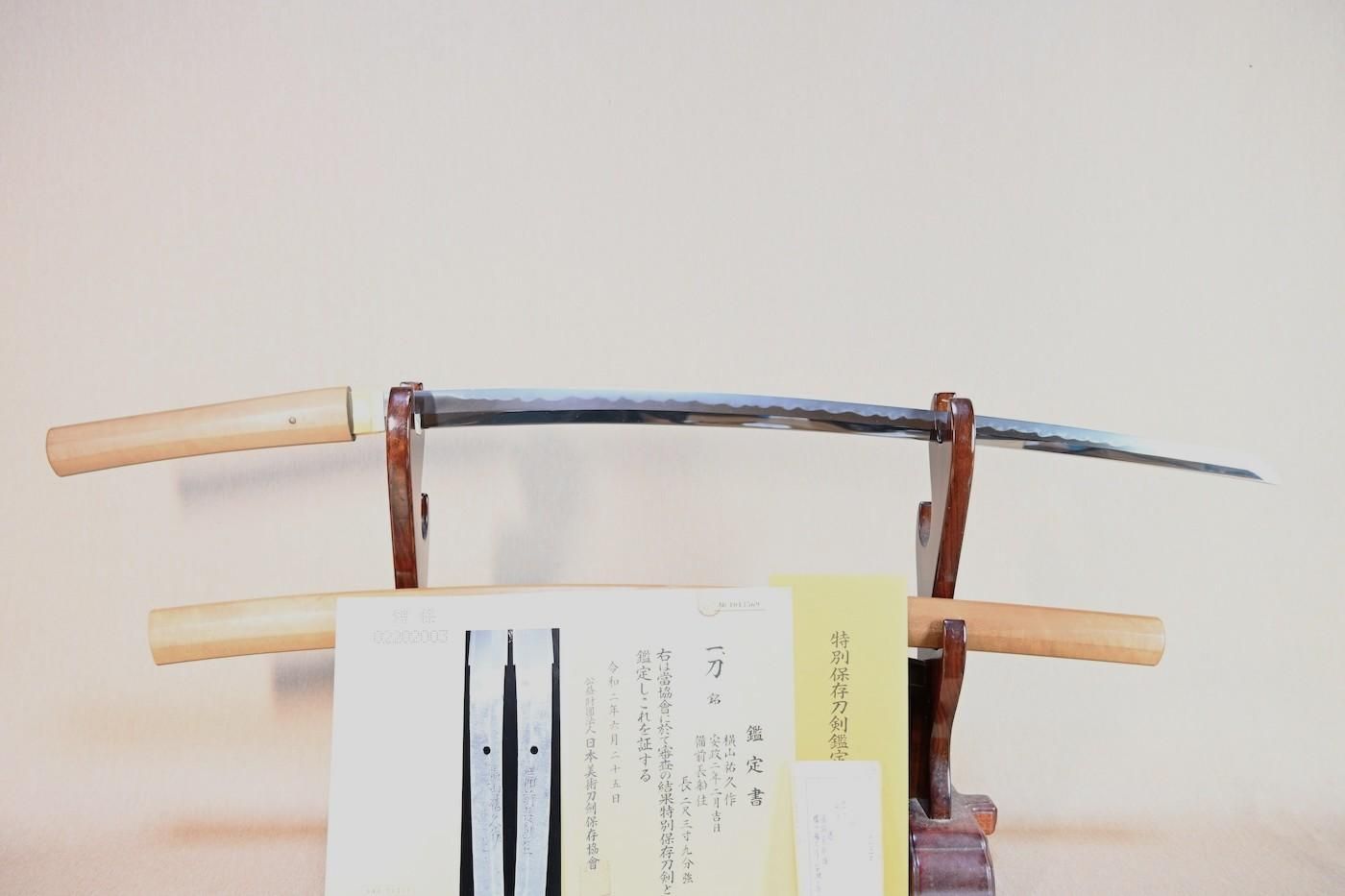
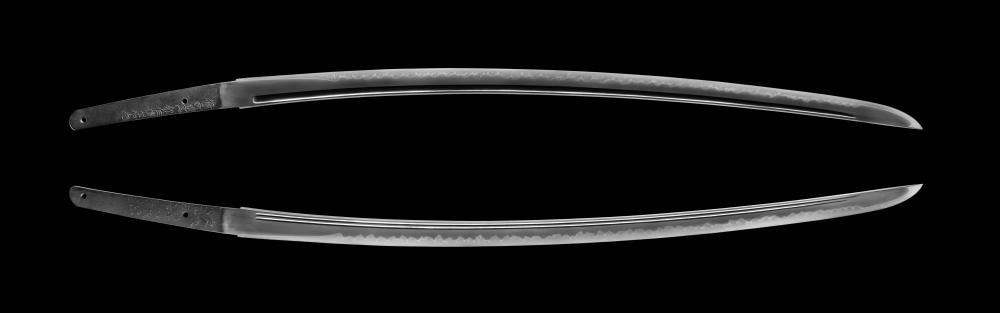
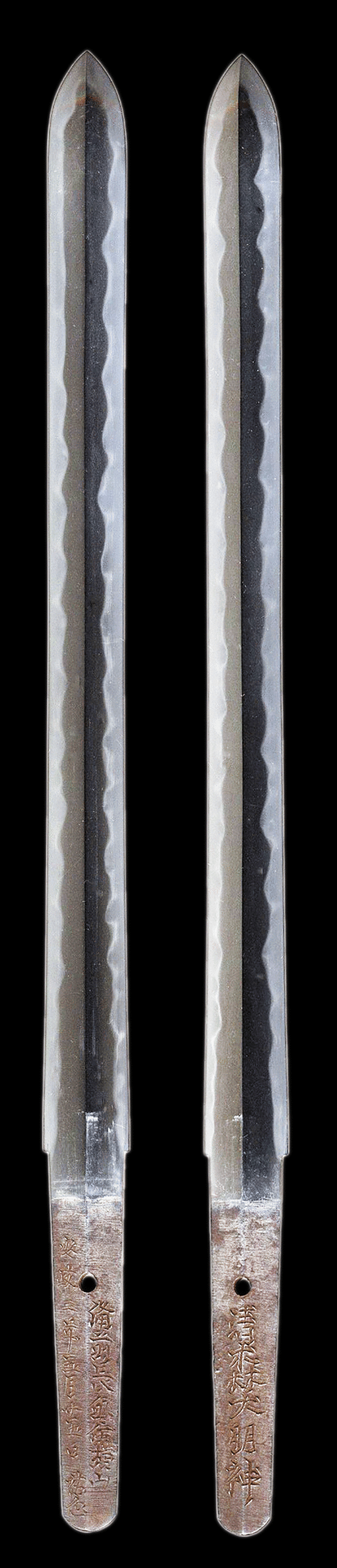
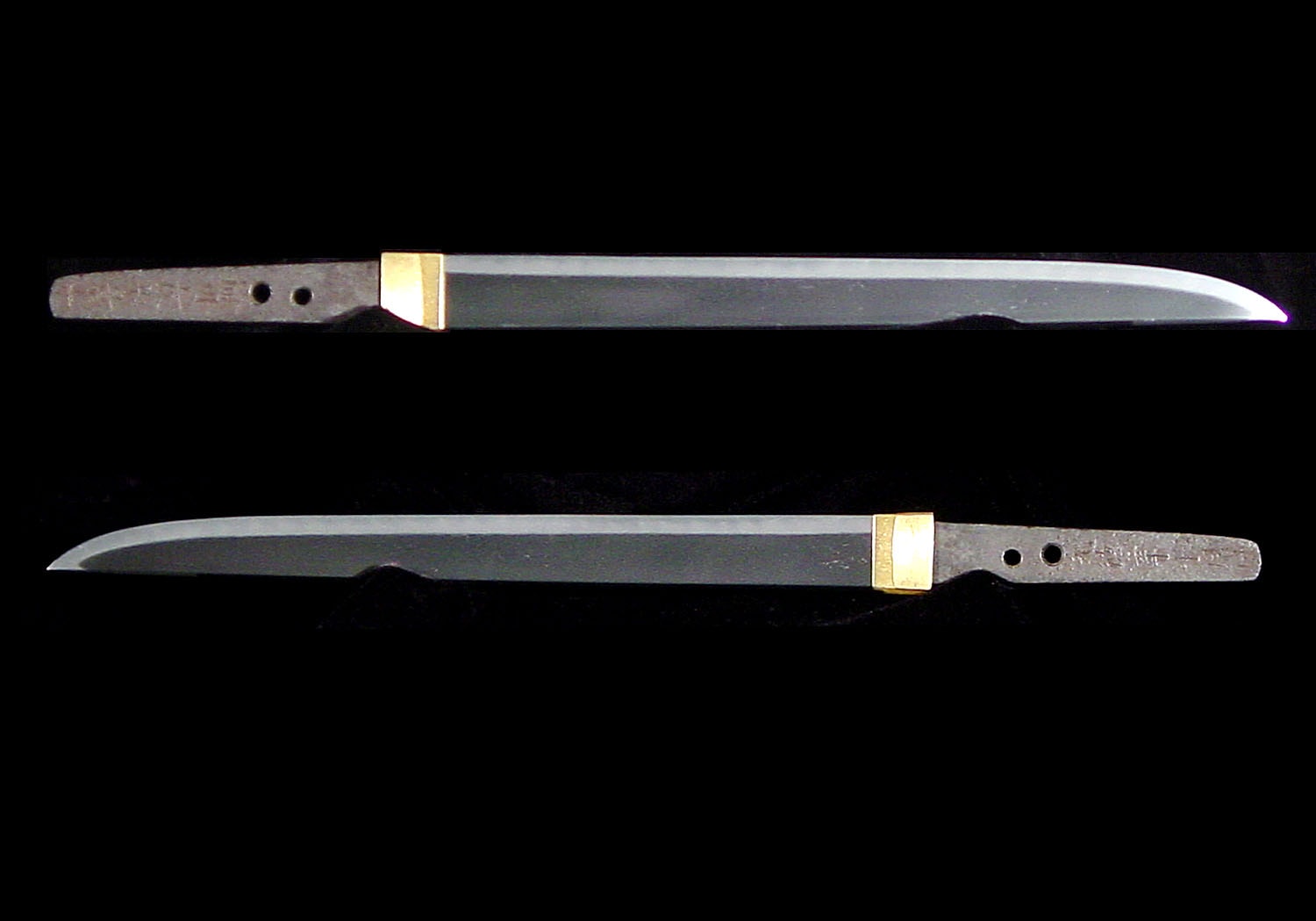
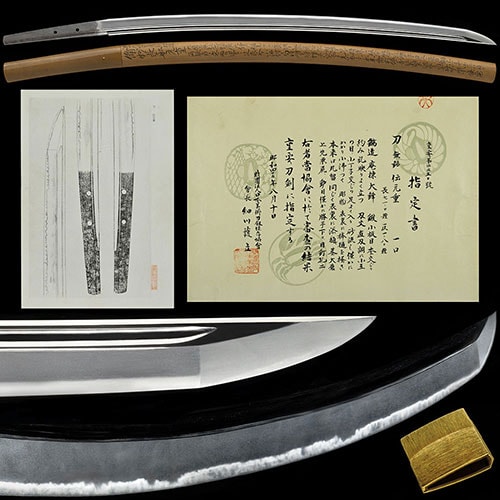
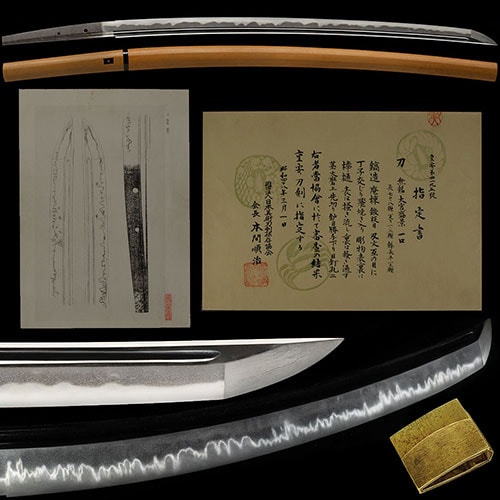
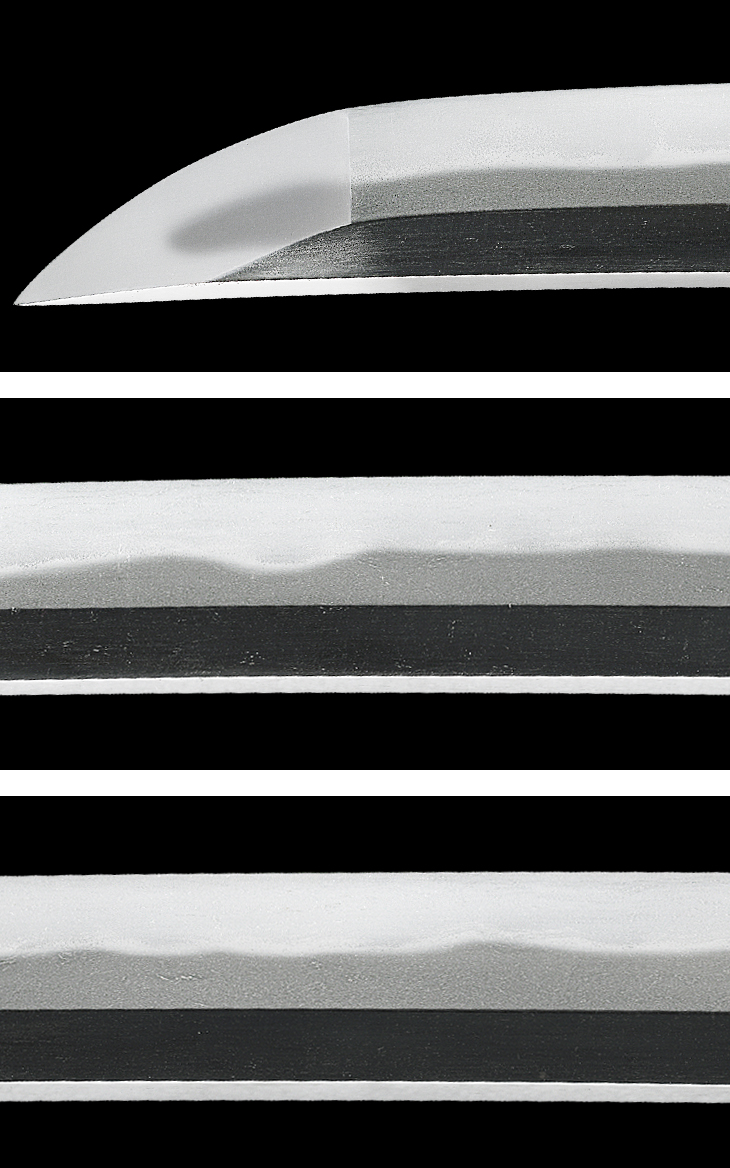
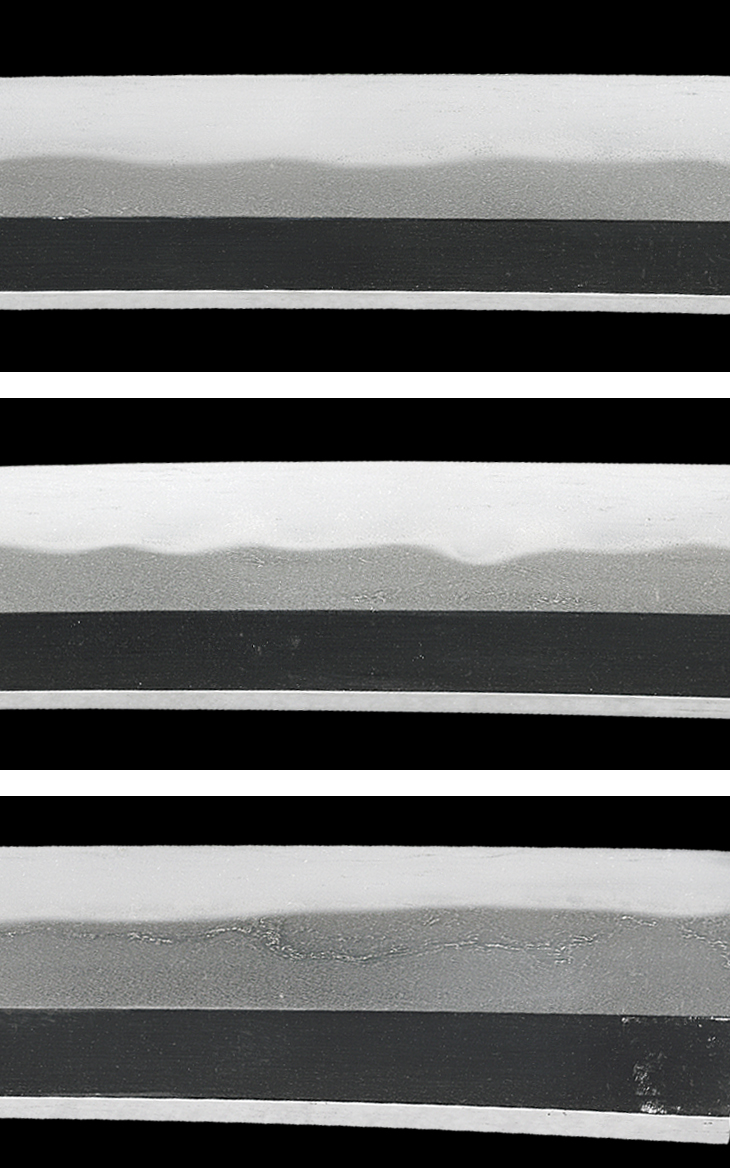
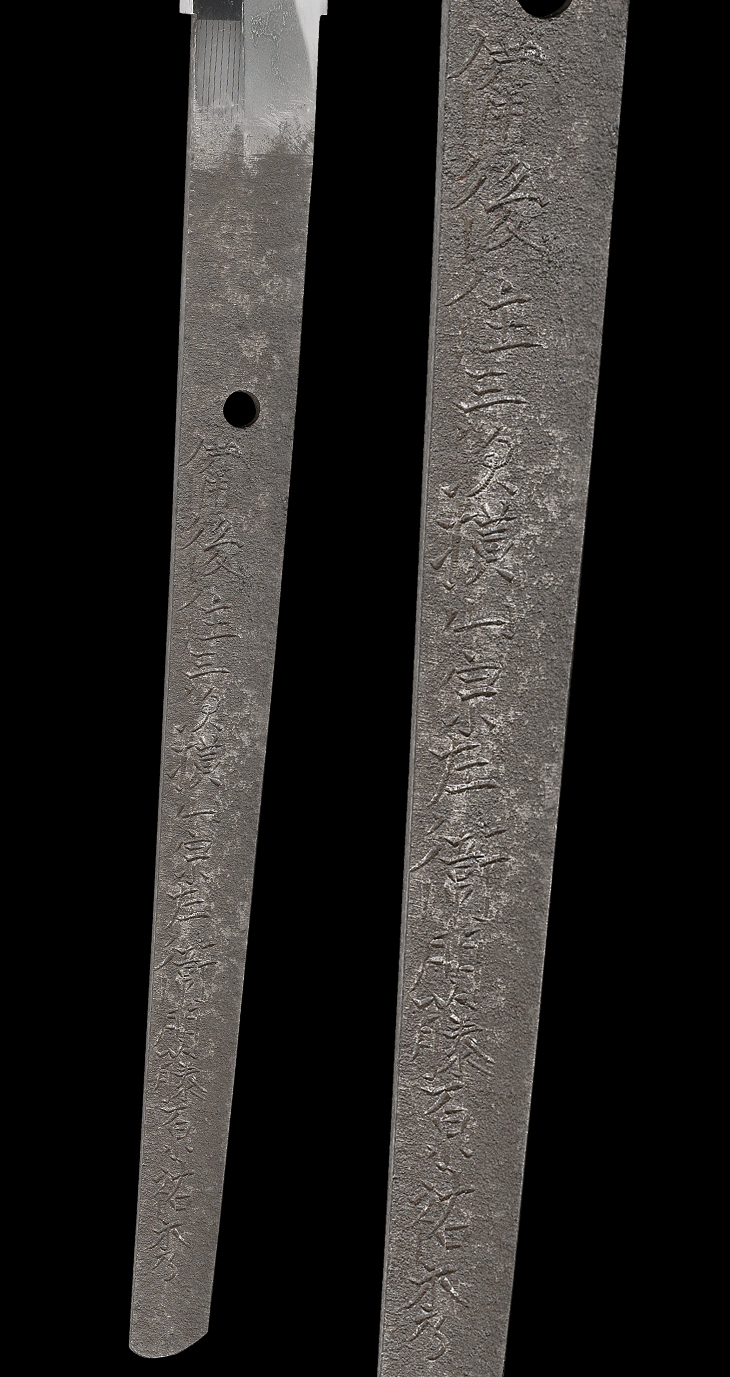
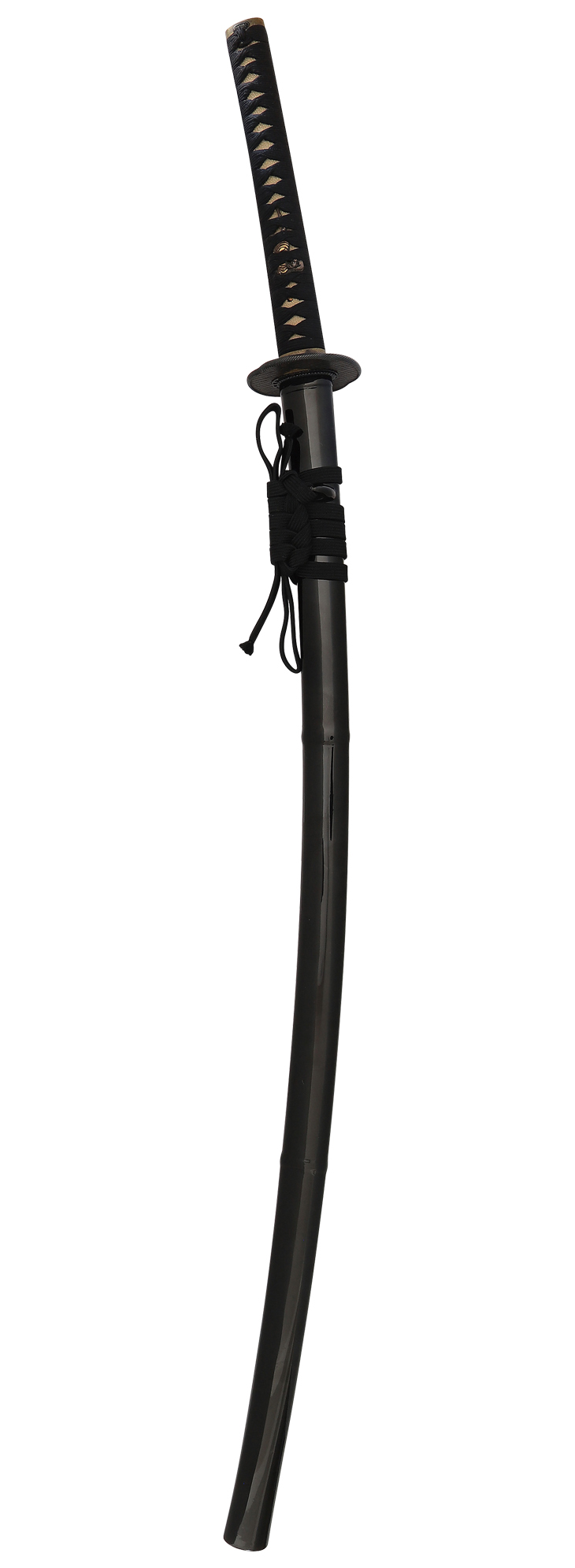
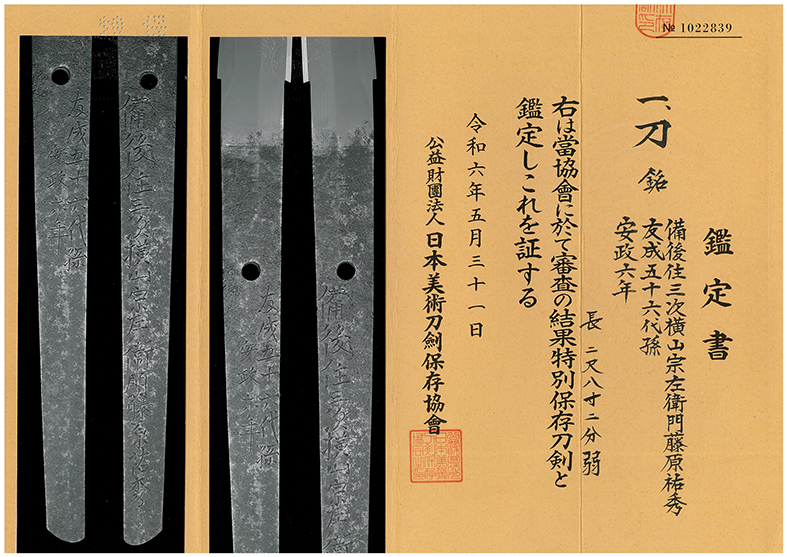
This is a katana made by Yokoyama Sozaemon Fujiwarano Sukehide in Bingo province during the Shin-Shinto period. The blade features a deep sori and a vibrant hamon with elements of gunome, small gunome, and chouji. It comes with a koshirae and has a Tokubetsu Hozon certificate.
 NihontoWatch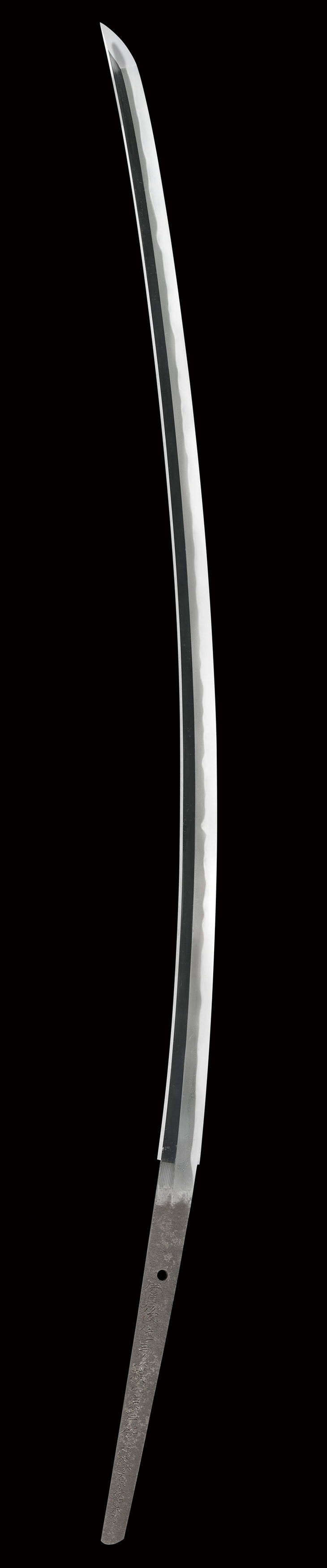
Bizen-den · Bizen
44 pieces on the market now
| Smith | Era | Designated |
|---|---|---|
| Sukenobu祐信 | 1830-1844 | 0 |
| Suketaka祐高 | 1865-1868 | 0 |
| Sukeharu祐春 | 1864-1865 | 0 |
| Sukehiro祐廣 | 1854-1860 | 0 |
| Sukekane祐包 | 1868-1912 | 0 |
The Shinshintō revival
Around 1800 Suishinshi Masahide argued in his writings that the craft must return to the old masters’ methods: the fukkotō revival. His greatest successor Naotane worked convincingly in Bizen and Sōshū manners that had been dead for centuries.
We could not find an authenticity certificate on the seller’s listing. Japanese swords and fittings are normally papered by the NBTHK (or the NTHK). Without one, the attribution is the seller’s own assessment and has not been independently verified — treat it with caution and ask the dealer about certification before buying.
For one-of-a-kind items such as swords, sword fittings, and antiques, please contact us about a return within 3 days of the item's arrival and ship it back within 8 days. Refunds are issued the same day the returned item arrives.


This is a katana made by Yokoyama Sozaemon Fujiwarano Sukehide in Bingo province during the Shin-Shinto period. The blade features a deep sori and a vibrant hamon with elements of gunome, small gunome, and chouji. It comes with a koshirae and has a Tokubetsu Hozon certificate.
NihontoWatchBizen-den · Bizen
44 pieces on the market now
| Smith | Era | Designated |
|---|---|---|
| Sukenobu祐信 | 1830-1844 | 0 |
| Suketaka祐高 | 1865-1868 | 0 |
| Sukeharu祐春 | 1864-1865 | 0 |
| Sukehiro祐廣 | 1854-1860 | 0 |
| Sukekane祐包 | 1868-1912 | 0 |
The Shinshintō revival
Around 1800 Suishinshi Masahide argued in his writings that the craft must return to the old masters’ methods: the fukkotō revival. His greatest successor Naotane worked convincingly in Bizen and Sōshū manners that had been dead for centuries.
We could not find an authenticity certificate on the seller’s listing. Japanese swords and fittings are normally papered by the NBTHK (or the NTHK). Without one, the attribution is the seller’s own assessment and has not been independently verified — treat it with caution and ask the dealer about certification before buying.
For one-of-a-kind items such as swords, sword fittings, and antiques, please contact us about a return within 3 days of the item's arrival and ship it back within 8 days. Refunds are issued the same day the returned item arrives.