The Yamato schools grew up in the shadow of Nara’s great monasteries: Tegai took its name from a gate of Tōdaiji. Their austere masame and quiet suguha are a temple aesthetic, prized ever since for exactly that restraint.
 NihontoWatchNihontoWatch
古刀(鎌倉時代後期 約730年前) 長さ68.2cm 反り2.2cm 目釘穴2個 元幅2.65cm 先幅1.5cm 元重0.65cm 大和伝は古来より寺社勢力との関わりの中で発展した日本刀の一大潮流として知られ、その中にあって保昌派は、手掻・尻懸・千手院・当麻と並ぶ「大和五派」の一つに数えられる名門です。保昌一門は、柾目肌を基調とした鍛えの美しさと、冴え渡る地鉄、そして気品ある直刃調の作域を特色とし、殊に鎌倉期の作においては、古雅にして凛然たる大和伝の真髄を今に伝えている。その作風には実戦刀としての剛健さと、古刀期特有の格調高い美意識が兼ね備わり、古来より刀剣愛好家・研究家の間で高く評価されてきました。 本作は、鎌倉時代における保昌派の典型的特色を顕著に示した、極めて稀有な「生ぶ茎」の太刀です。 姿、鎬造り、庵棟、やや細身にして腰反り高く、中切先となり、優美な太刀姿を今に留めている。 鍛え、柾目肌が精緻によく練れ、地沸(じにえ)厚くつき、地景盛んに入り、さらに地斑を交えて、鉄色はいかにも大和物らしく冴え渡る。 刃文、細直刃調を基調として小互の目を交え、匂やや深く、小沸よくつき、刃縁にはほつれ・打ちのけなどの働きが現れ、匂口はいよいよ明るく冴える。 帽子、直ぐに焼き詰めて先掃き掛け、古雅なる大和伝の趣を色濃く示している。 茎、生茎(うぶなかご)、鑢目勝手下がり、先刃上がり栗尻、目釘穴二。 総じて本刀は、保昌派特有の精緻な柾目鍛えと澄明なる直刃調の美しさを余すところなく伝える優品であり、鎌倉期大和伝の気韻を今日に伝える貴重な遺作というべきです。 とりわけ、市場に流通する保昌の多くが大磨上無銘である中、 鎌倉時代の保昌の太刀で「生ぶ茎」のまま現存する作例は、確認されているものだけでも数振りと極めて少なく、その伝存自体が奇跡的 といえます。古雅なる姿態と健全な出来口を兼備した本刀は、歴史的・資料的価値はもとより、鑑賞刀としても格別の魅力を備えた、生涯の愛刀にふさわしい至高の一口(ひとふり)です。
NihontoWatchOffered by Seikeido
4 on the market



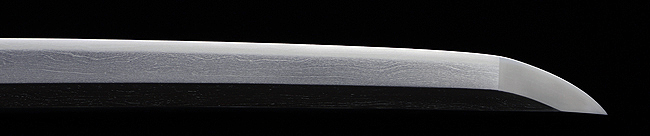
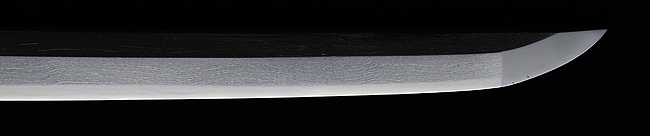
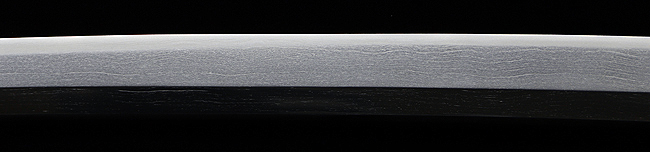
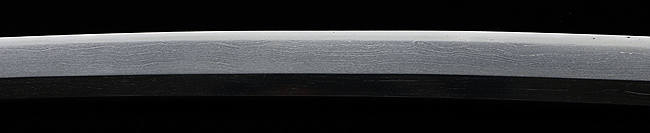
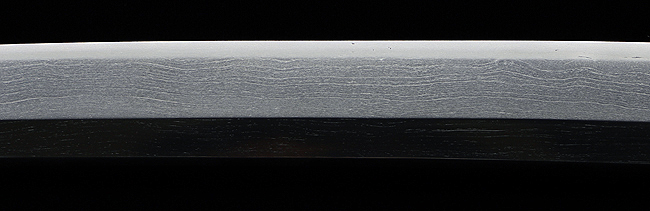
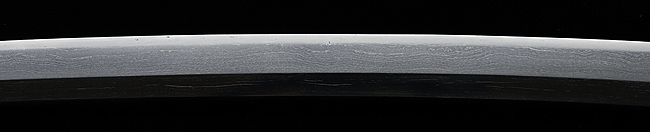
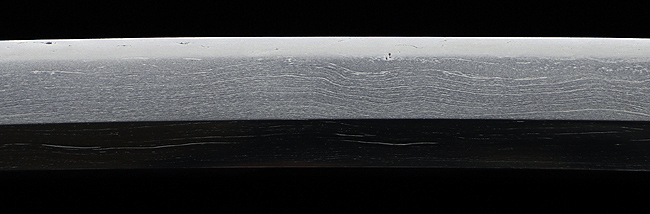
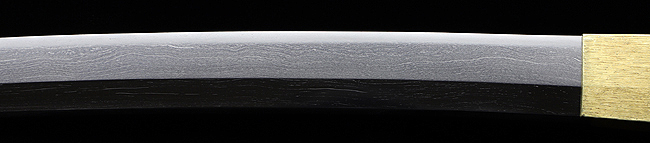
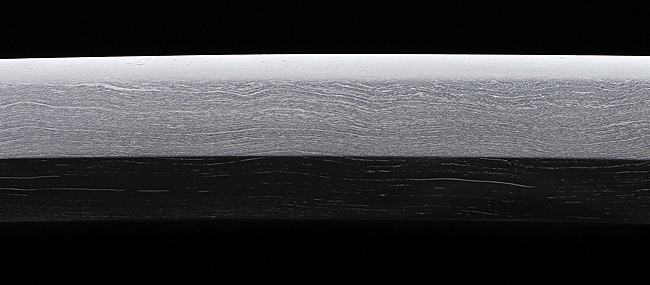
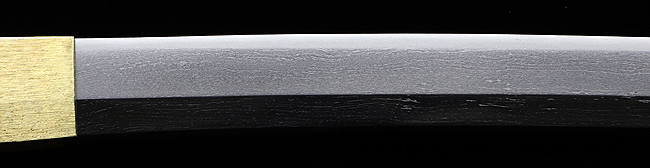

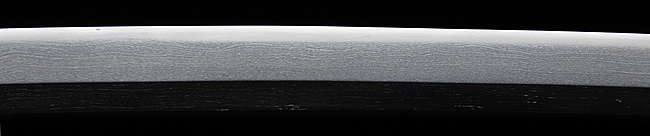
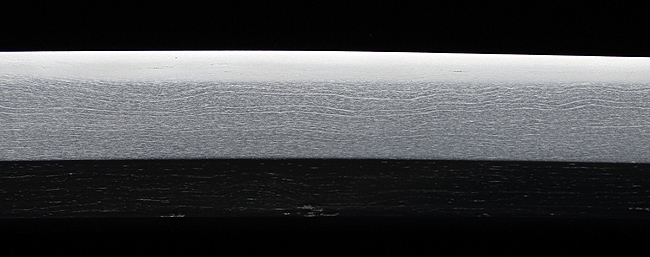
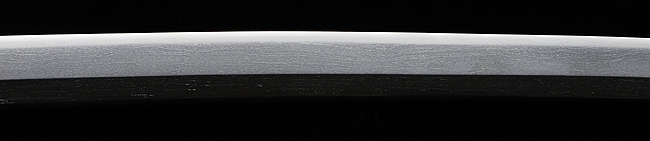
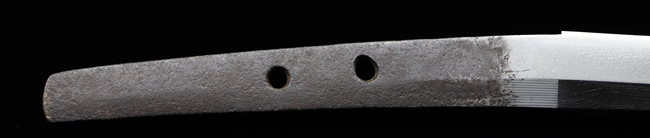
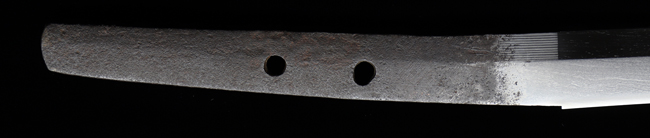
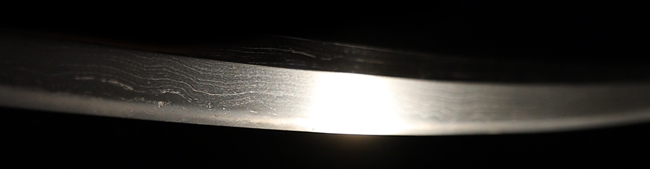
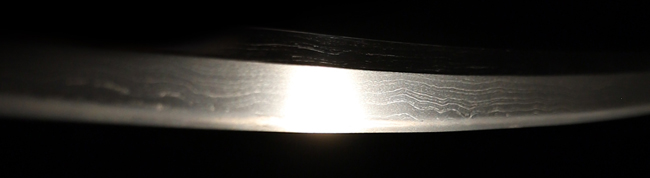
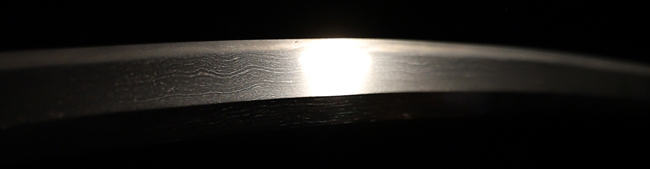
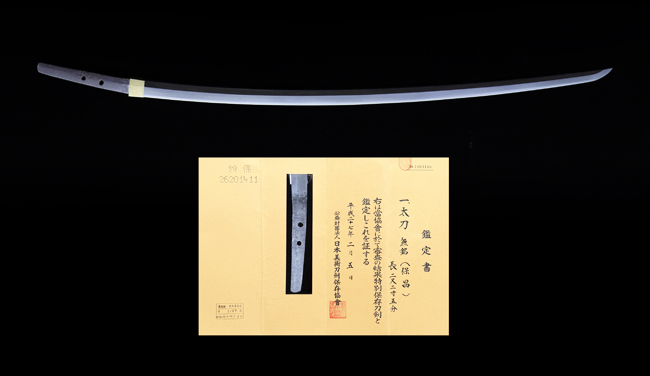
(Translation unavailable)
Yamato-den · Yamato
4 pieces on the market now
From the close of the Kamakura period into the Nanbokucho, the Hosho school worked in Takaichi District of Yamato Province, the old province whose forging traditions grew up around the great temples of Nara and answered to their need for arms. The line belongs to Yamato-den, one of its five schools alongside Tegai, Senjuin, Shikkake and Taima, and like them it carried the conservative temper of a smithing world bound to monastic patronage. Its smiths share the character Sada as the common element of their names, among them Sadatsugu, Sadamune, Sadayoshi, Sadakiyo, Sadaoki and Sadamitsu, and the published sources rank Sadamune and Sadayoshi as the two most knowable hands, recording that both styled themselves Hosho Goro. Sadayoshi is the smith who most often inscribes his residence and a working date, anchoring the school to the very end of Kamakura with eras such as Bunpo, Genko and Karyaku; Sadakiyo and Sadaoki follow as the textbook hands through whom the group manner is read in full, while Sadamitsu carries the masame idiom forward into the Nanbokucho generations. The forging is where every Hosho smith is known. Across the school the jigane becomes an all-over masame-hada, the straight grain running cleanly from machi to point and out onto the mune, frequently with a flowing nagare tendency, the steel dense and refined with ji-nie thickly adhered and chikei entering along the grain; a nie-utsuri stands faintly over the masame on the more tightly forged tanto. Over this grain the smiths temper a quiet suguha, often a suguha-cho carrying a shallow notare with small gunome and ko-midare, the temper not standing apart from the steel but intertwining with it and fraying repeatedly into hotsure, gathering nijuba, kuichigai-ba and uchinoke along the habuchi, with kinsuji and sunagashi running through and the nioiguchi clear. The published commentary names the school habit exactly, that from around the monouchi upward the tempered width broadens while the nie turns one step stronger.
The masame runs into the boshi, which finishes yakizume with vigorous hakikake, at times a flame-like form, at times a small ko-maru turnback, and the same straight grain tends to open into ware. Within this shared vocabulary the hands diverge by degree: Sadayoshi forges the coarser grain with the strongest nie, while the slightly later Sadakiyo and Sadaoki read calmer and cleaner, quieter in both ji and ha. To kantei a Hosho blade is to read that pure, total masame, for the distinction from the rest of Yamato-den is drawn there: Tegai, Senjuin, Shikkake and Taima forge a masame-leaning itame, while Hosho commits to the complete straight grain, the most conspicuously individual manner of the five Yamato schools. The tang carries the second tell, filed in higaki, the cross-hatched cypress-fence pattern, and cut off bluntly at the tip, with a darkish iron color the sources count among Yamato work as a point to be appreciated. Workmanship is uniform enough that the smiths are told apart chiefly by their signatures, so that signed and dated Sadayoshi pieces are the most fixed, while the unsigned o-suriage katana given later gold-inlaid or kiritsuke-mei attribution are read as Hosho from manner and era. Of the best hands Sadayoshi stands highest, graded Sai-jo saku in Fujishiro's ranking, with Sadakiyo and Sadaoki close behind on a thin spine of designated work; tanto predominate throughout the school, the hira-zukuri form of slender width and thick kasane showing the old inward uchizori, with rarer tachi, ken and shobu-zukuri blades among the survivors. Provenance for the group runs through the daimyo houses, the Higo Hosokawa and Date families among them, while the shortened katana preserve in their inlay the names of Hon'ami and Umetada appraisers, a school that made its grain its signature. Learn more →
| Smith | Era | Designated |
|---|---|---|
| Sadayoshi貞吉 | 1317-1327 | 10 |
| Sadakiyo貞清 | 1321-1324 | 9 |
| Sadaoki貞興 | 1362-1368 | 7 |
| Sadamitsu貞光 | 1346-1370 | 3 |
| Sadatsugu貞次 | 1455-1457 | 0 |
Yamato in the Kamakura period
The Yamato schools grew up in the shadow of Nara’s great monasteries: Tegai took its name from a gate of Tōdaiji. Their austere masame and quiet suguha are a temple aesthetic, prized ever since for exactly that restraint.
We accept returns within 3 days counted from the item's arrival date. Items that have been altered cannot be handled. Return shipping is the customer's responsibility. If the destination is overseas, returns are as a rule not possible.
Price on request