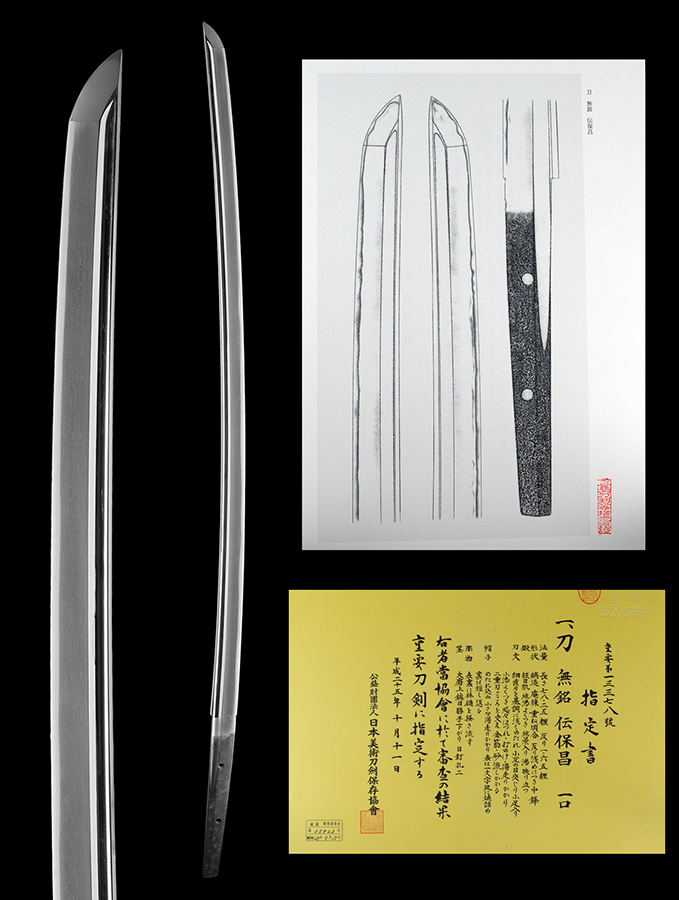
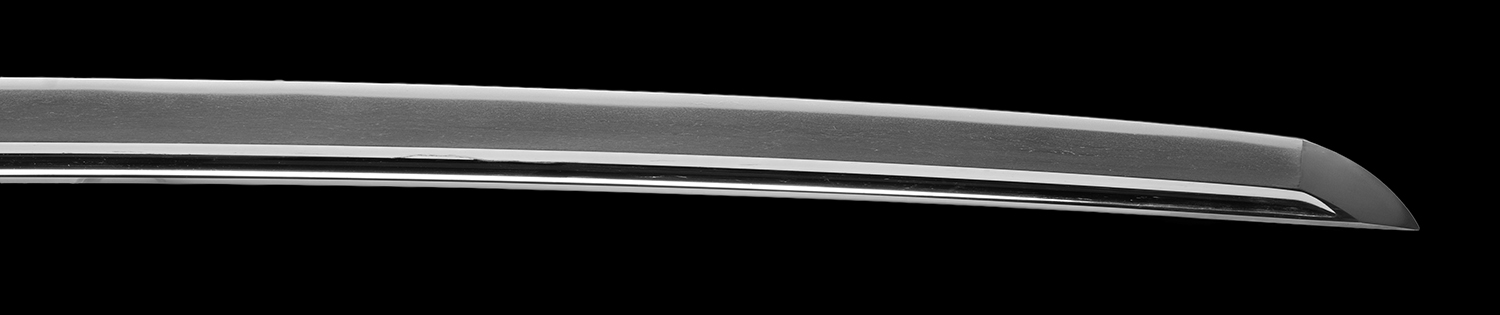
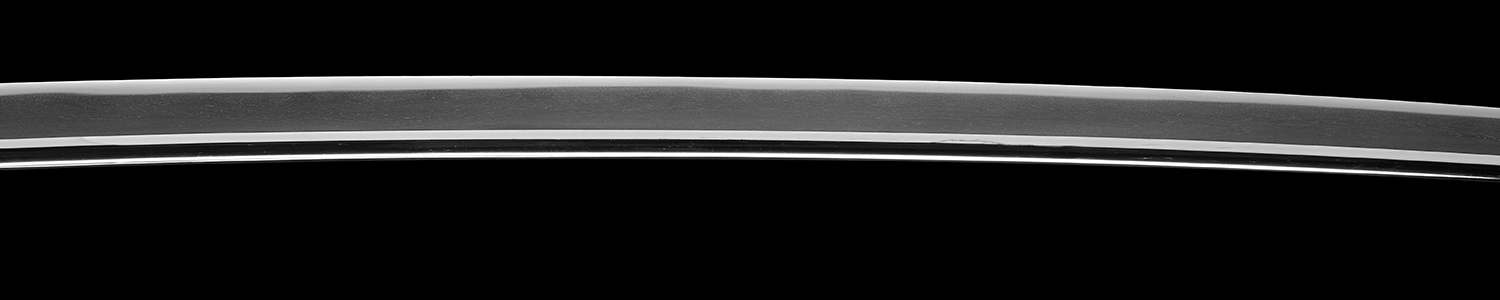
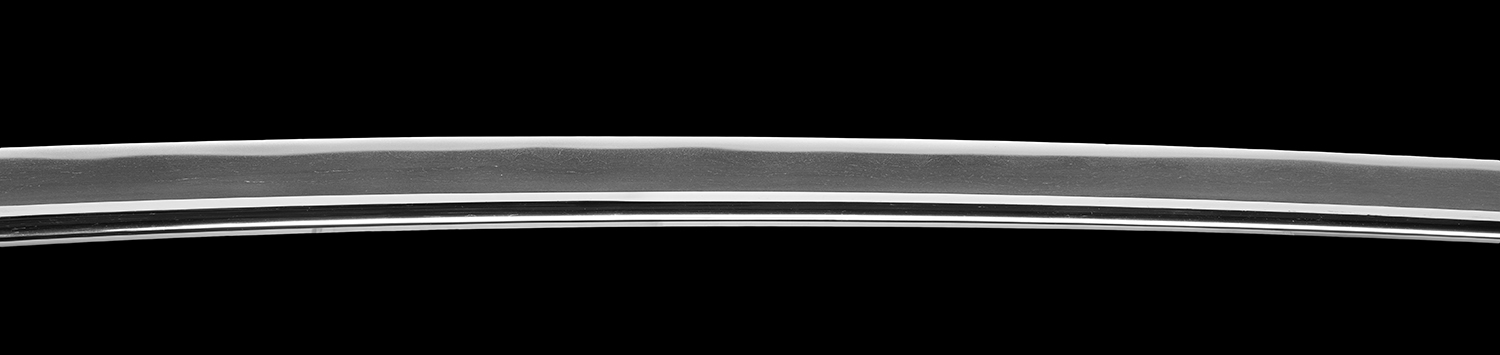
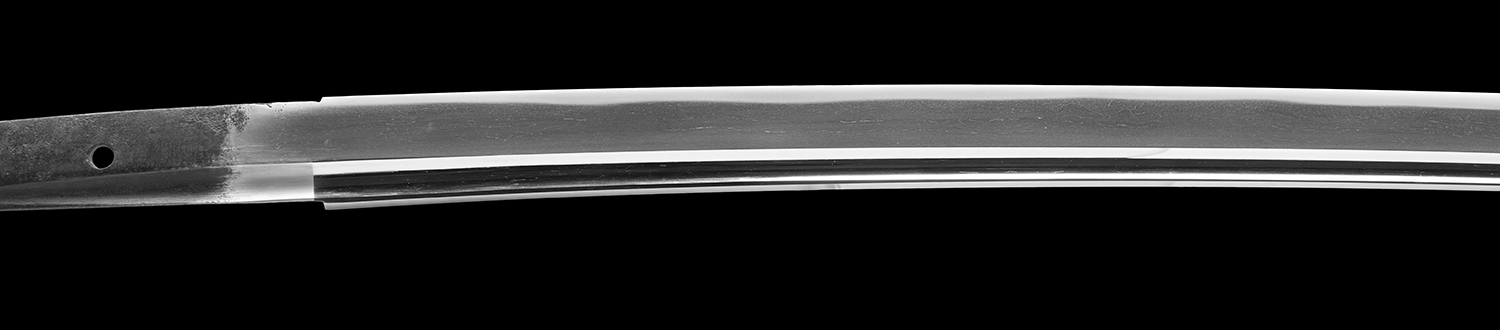
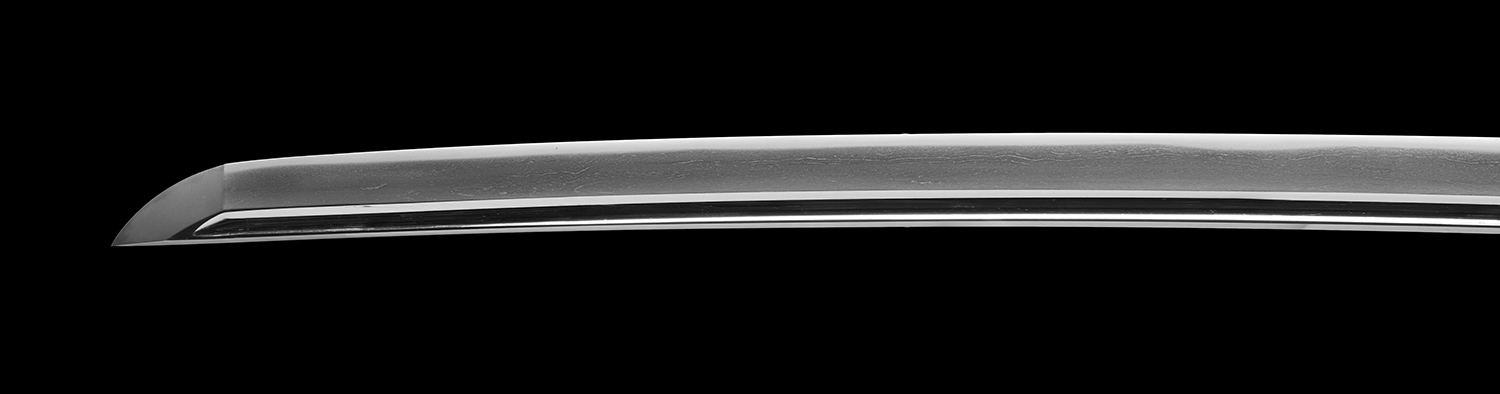
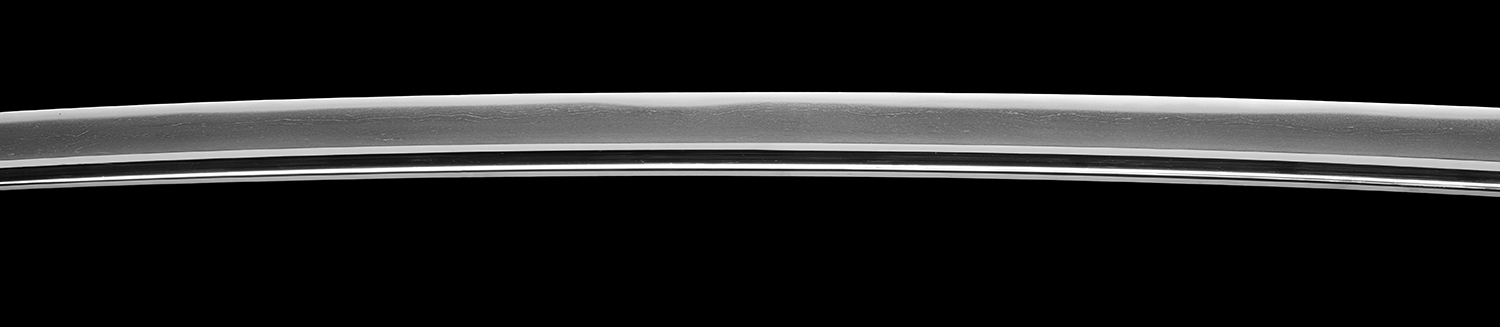
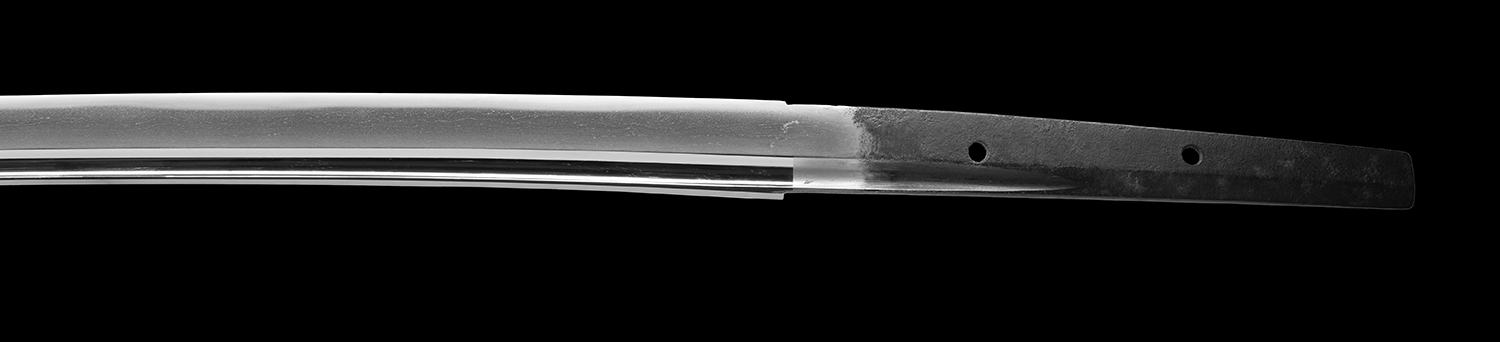
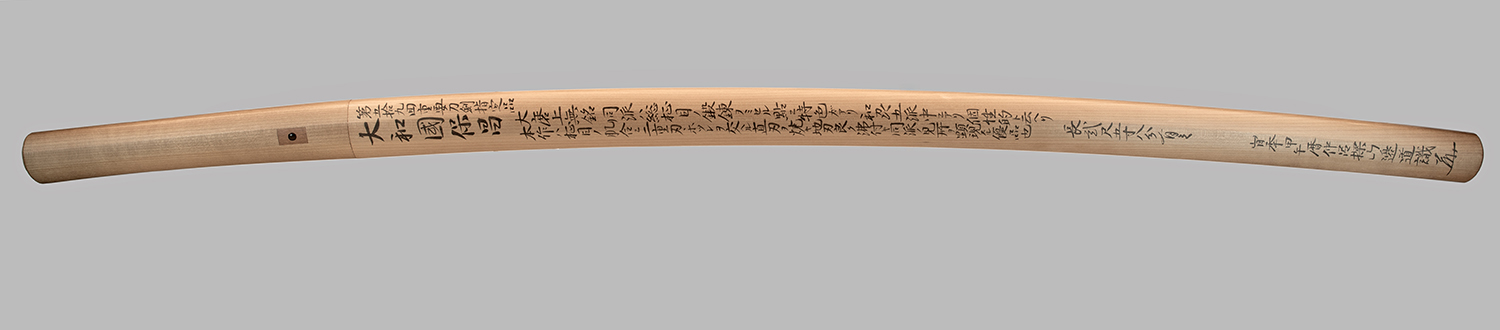
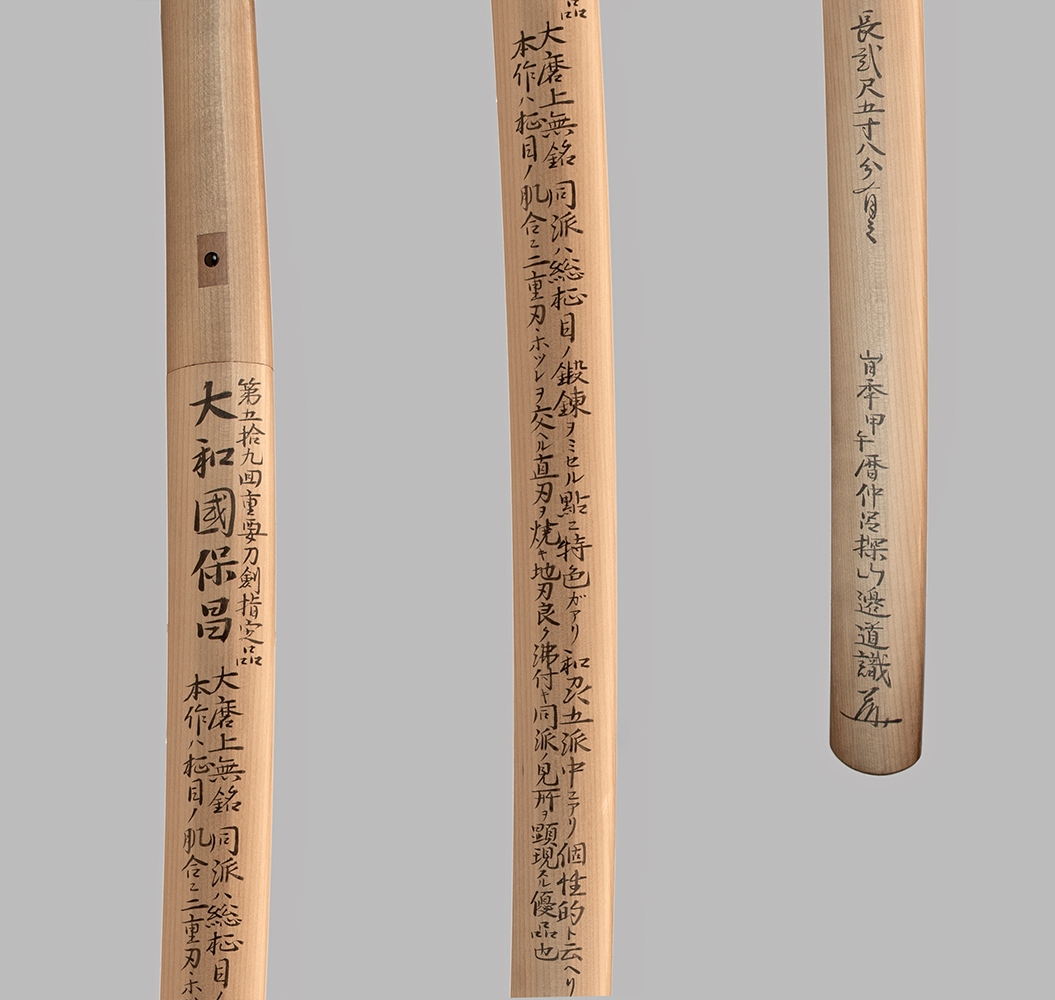
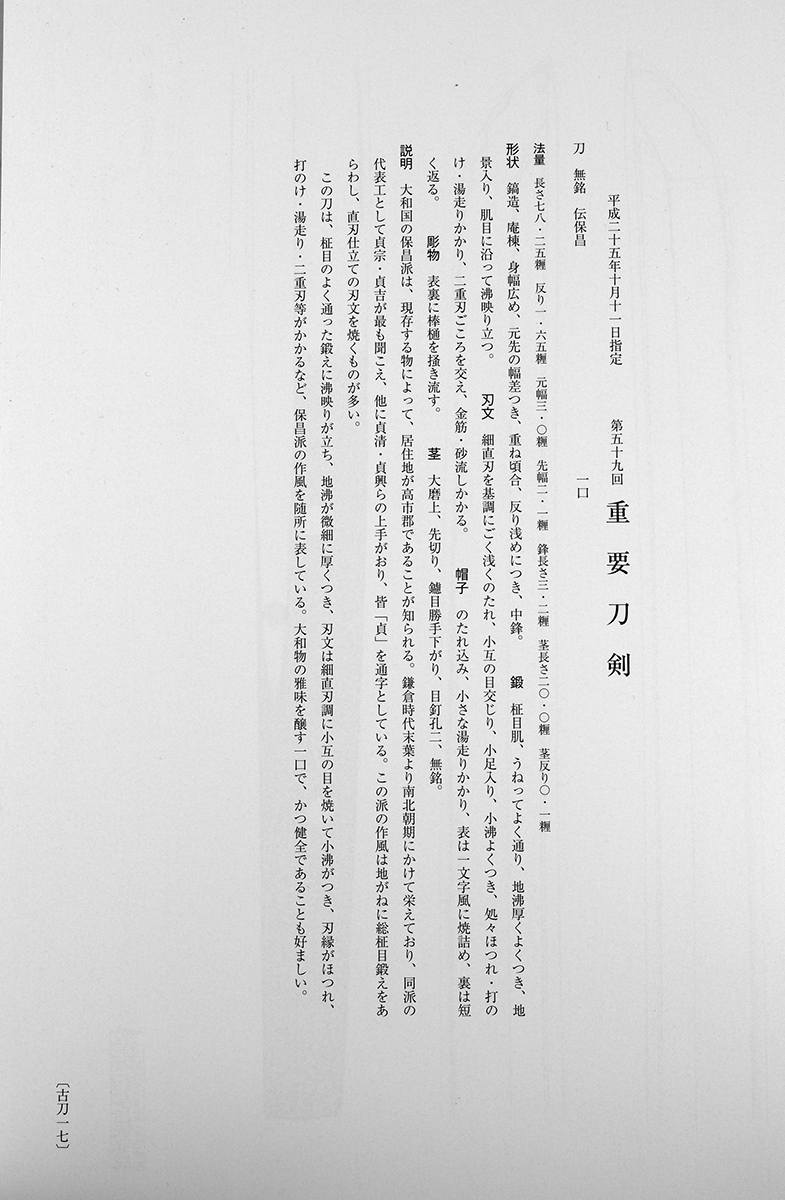
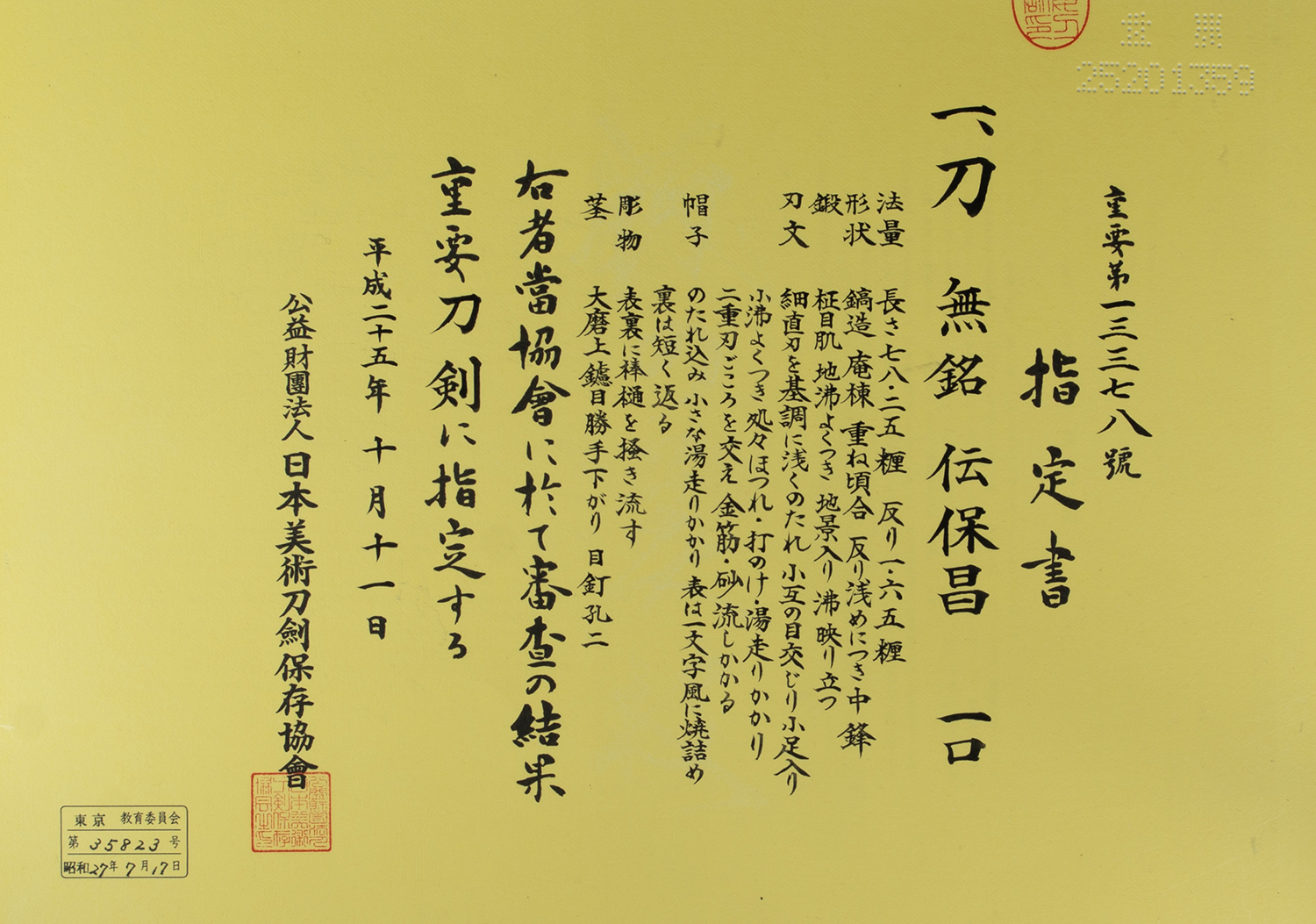
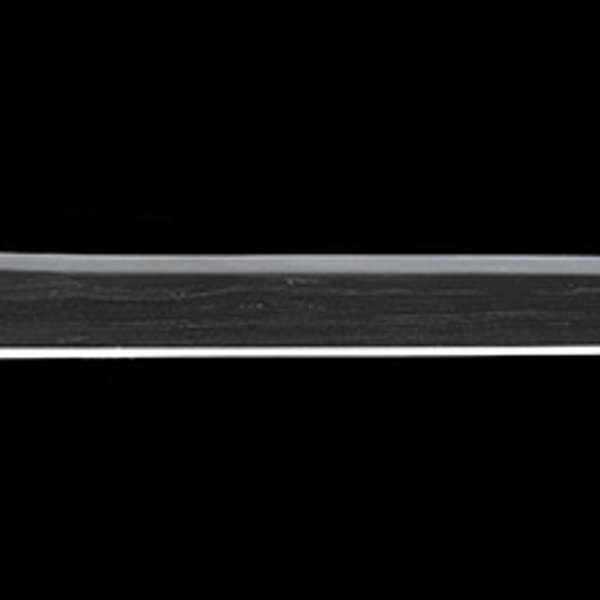
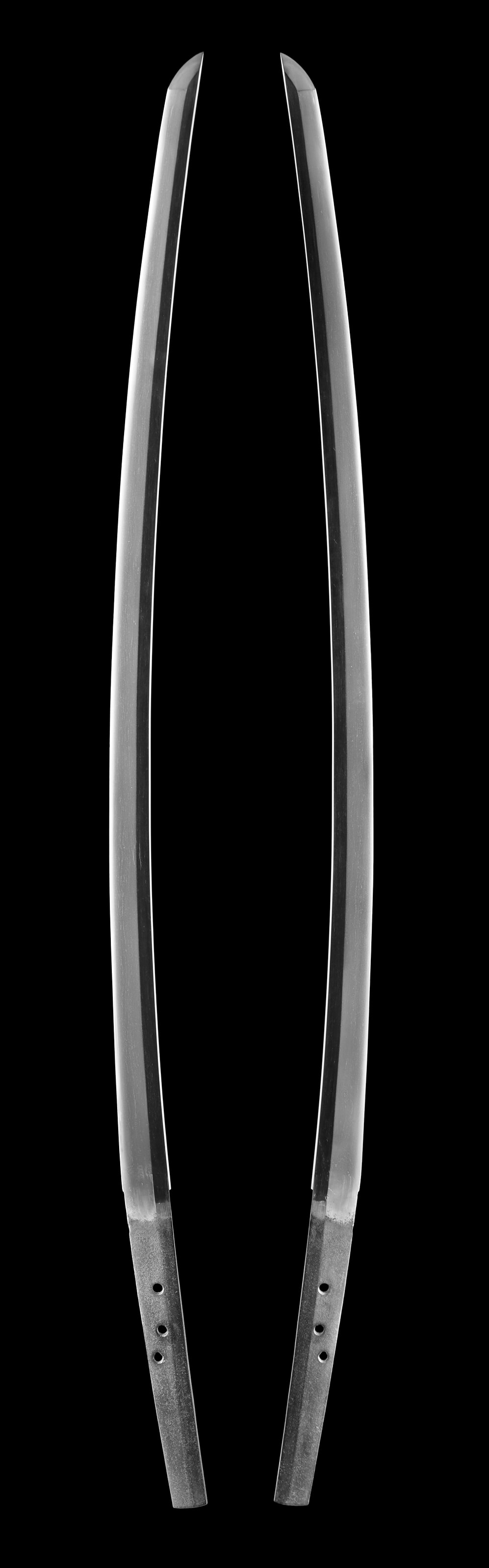
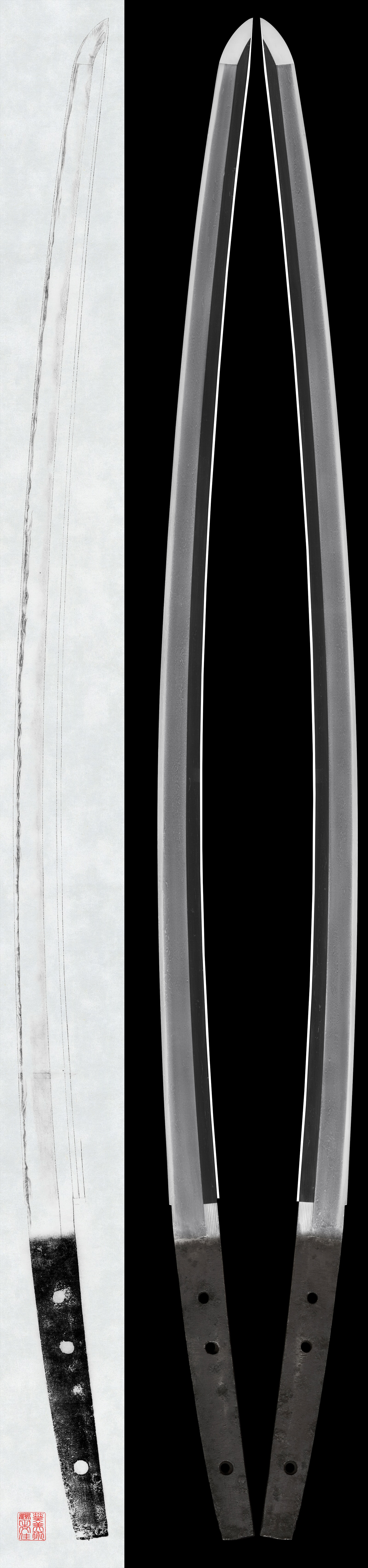
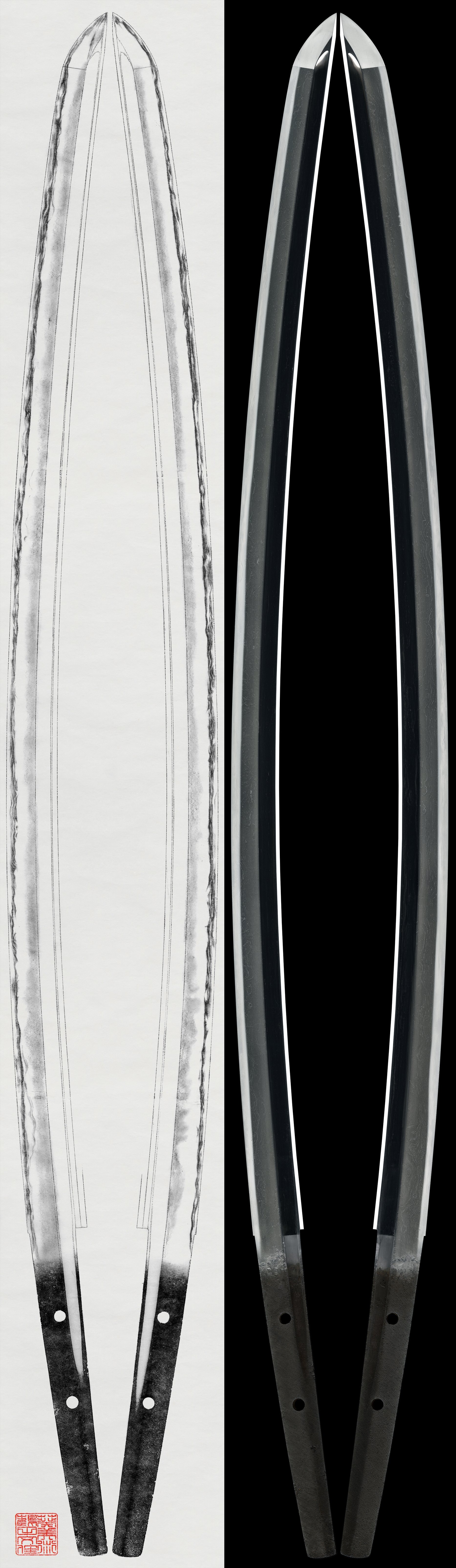
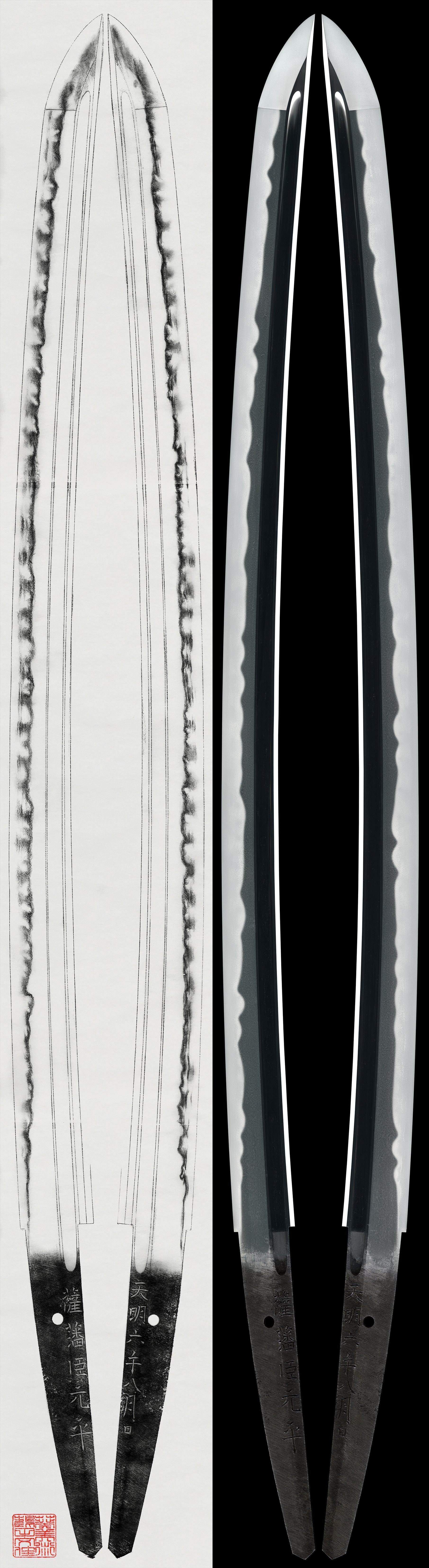
From the close of the Kamakura period into the Nanbokucho, the Hosho school worked in Takaichi District of Yamato Province, the old province whose forging traditions grew up around the great temples of Nara and answered to their need for arms. The line belongs to Yamato-den, one of its five schools alongside Tegai, Senjuin, Shikkake and Taima, and like them it carried the conservative temper of a smithing world bound to monastic patronage. Its smiths share the character Sada as the common element of their names, among them Sadatsugu, Sadamune, Sadayoshi, Sadakiyo, Sadaoki and Sadamitsu, and the published sources rank Sadamune and Sadayoshi as the two most knowable hands, recording that both styled themselves Hosho Goro. Sadayoshi is the smith who most often inscribes his residence and a working date, anchoring the school to the very end of Kamakura with eras such as Bunpo, Genko and Karyaku; Sadakiyo and Sadaoki follow as the textbook hands through whom the group manner is read in full, while Sadamitsu carries the masame idiom forward into the Nanbokucho generations. The forging is where every Hosho smith is known. Across the school the jigane becomes an all-over masame-hada, the straight grain running cleanly from machi to point and out onto the mune, frequently with a flowing nagare tendency, the steel dense and refined with ji-nie thickly adhered and chikei entering along the grain; a nie-utsuri stands faintly over the masame on the more tightly forged tanto. Over this grain the smiths temper a quiet suguha, often a suguha-cho carrying a shallow notare with small gunome and ko-midare, the temper not standing apart from the steel but intertwining with it and fraying repeatedly into hotsure, gathering nijuba, kuichigai-ba and uchinoke along the habuchi, with kinsuji and sunagashi running through and the nioiguchi clear. The published commentary names the school habit exactly, that from around the monouchi upward the tempered width broadens while the nie turns one step stronger.
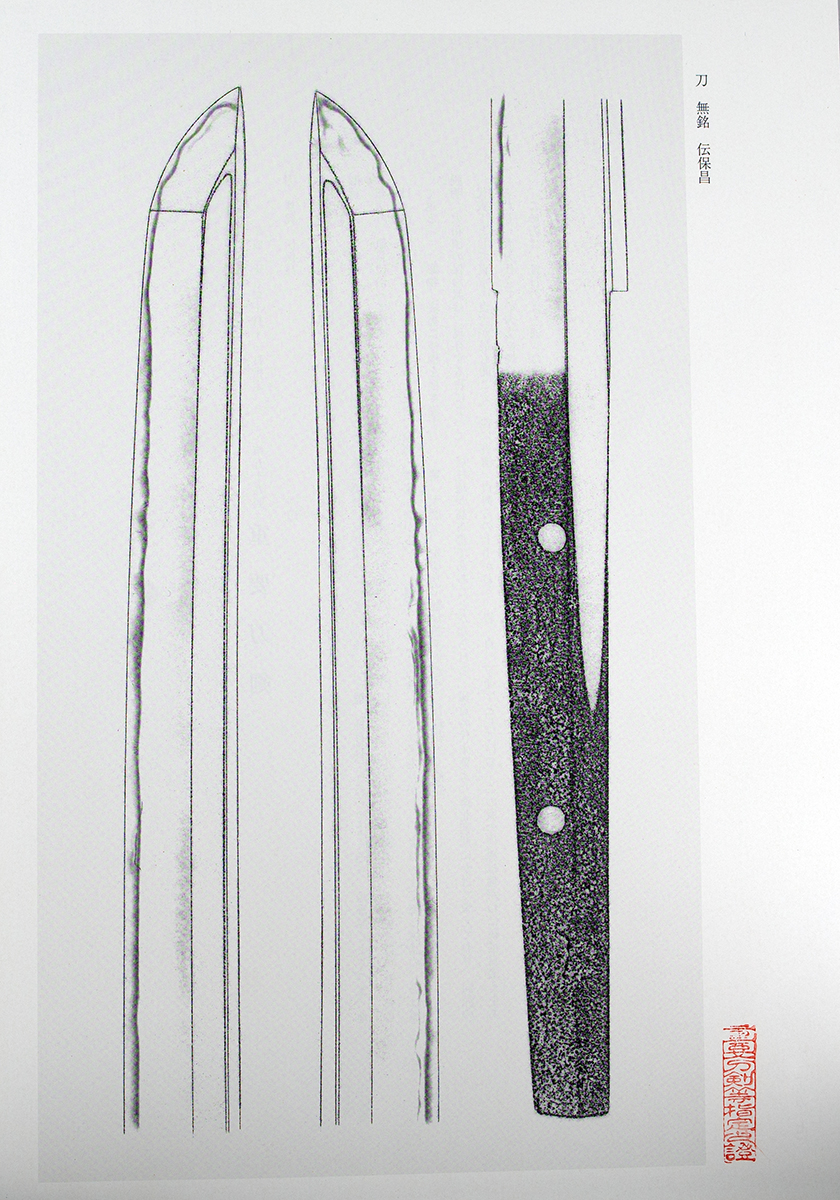
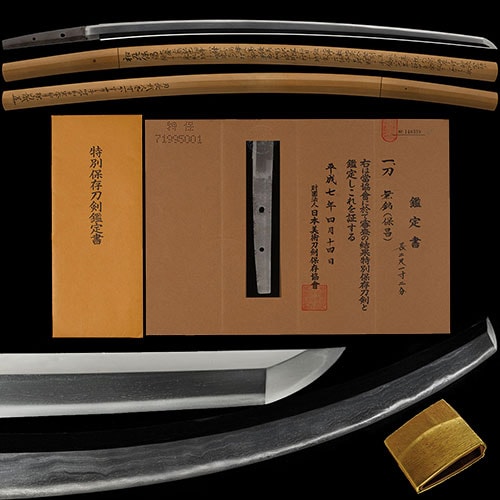
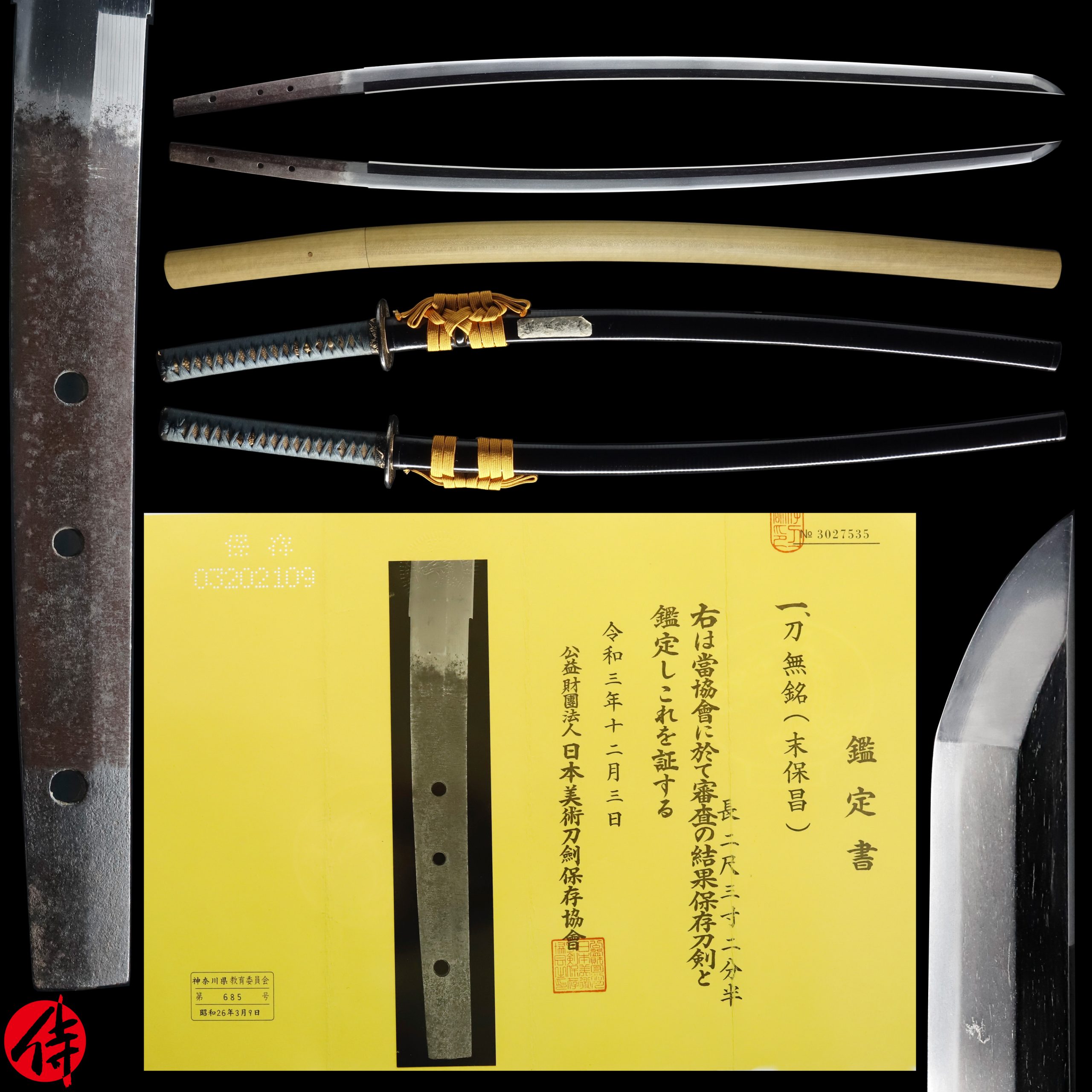
The masame runs into the boshi, which finishes yakizume with vigorous hakikake, at times a flame-like form, at times a small ko-maru turnback, and the same straight grain tends to open into ware. Within this shared vocabulary the hands diverge by degree: Sadayoshi forges the coarser grain with the strongest nie, while the slightly later Sadakiyo and Sadaoki read calmer and cleaner, quieter in both ji and ha. To kantei a Hosho blade is to read that pure, total masame, for the distinction from the rest of Yamato-den is drawn there: Tegai, Senjuin, Shikkake and Taima forge a masame-leaning itame, while Hosho commits to the complete straight grain, the most conspicuously individual manner of the five Yamato schools. The tang carries the second tell, filed in higaki, the cross-hatched cypress-fence pattern, and cut off bluntly at the tip, with a darkish iron color the sources count among Yamato work as a point to be appreciated. Workmanship is uniform enough that the smiths are told apart chiefly by their signatures, so that signed and dated Sadayoshi pieces are the most fixed, while the unsigned o-suriage katana given later gold-inlaid or kiritsuke-mei attribution are read as Hosho from manner and era. Of the best hands Sadayoshi stands highest, graded Sai-jo saku in Fujishiro's ranking, with Sadakiyo and Sadaoki close behind on a thin spine of designated work; tanto predominate throughout the school, the hira-zukuri form of slender width and thick kasane showing the old inward uchizori, with rarer tachi, ken and shobu-zukuri blades among the survivors. Provenance for the group runs through the daimyo houses, the Higo Hosokawa and Date families among them, while the shortened katana preserve in their inlay the names of Hon'ami and Umetada appraisers, a school that made its grain its signature. Learn more →