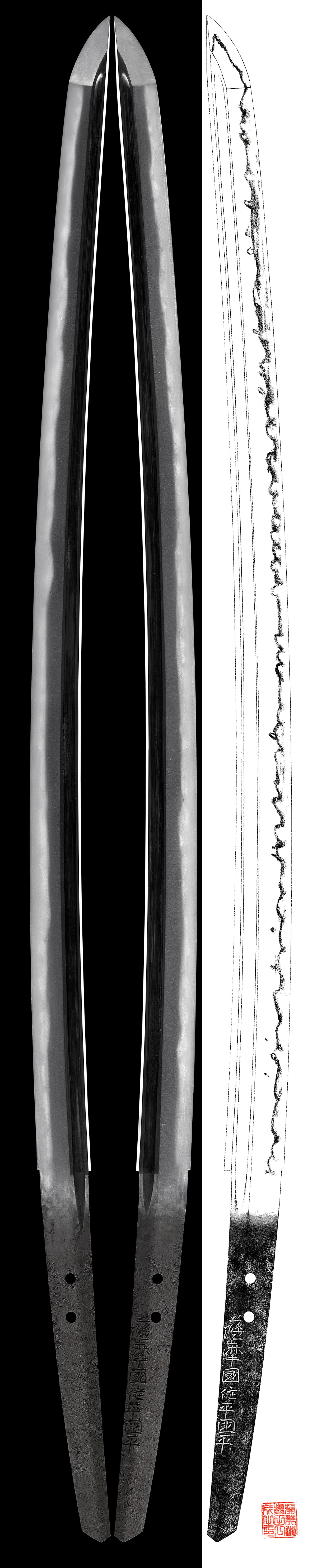
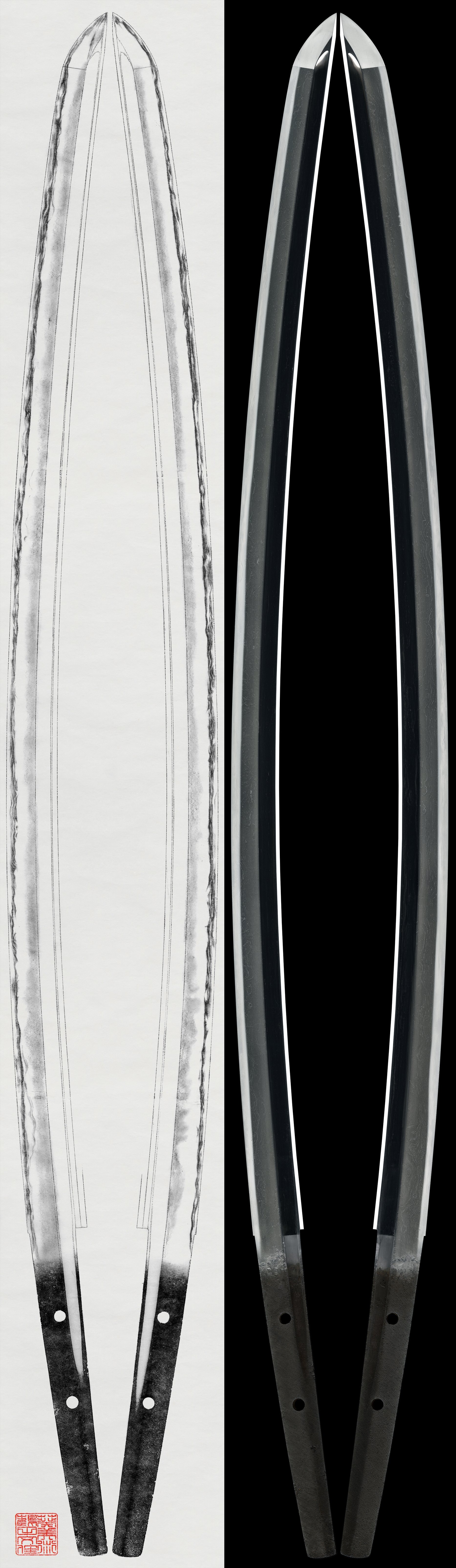
Around 1800 Suishinshi Masahide argued in his writings that the craft must return to the old masters’ methods: the fukkotō revival. His greatest successor Naotane worked convincingly in Bizen and Sōshū manners that had been dead for centuries.
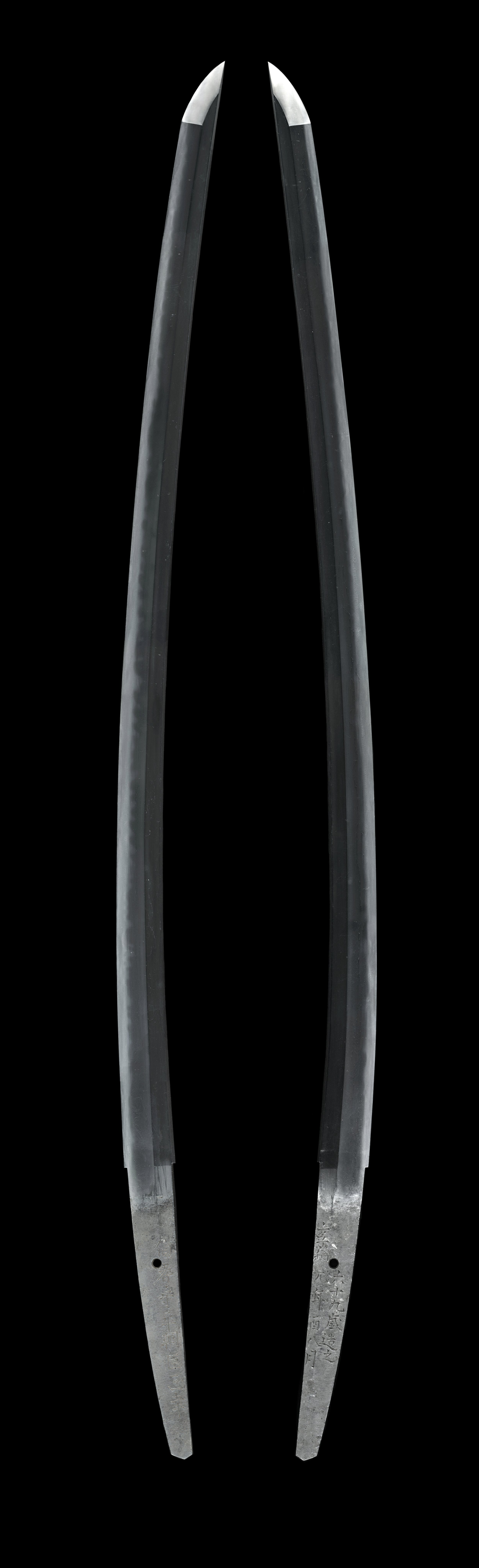
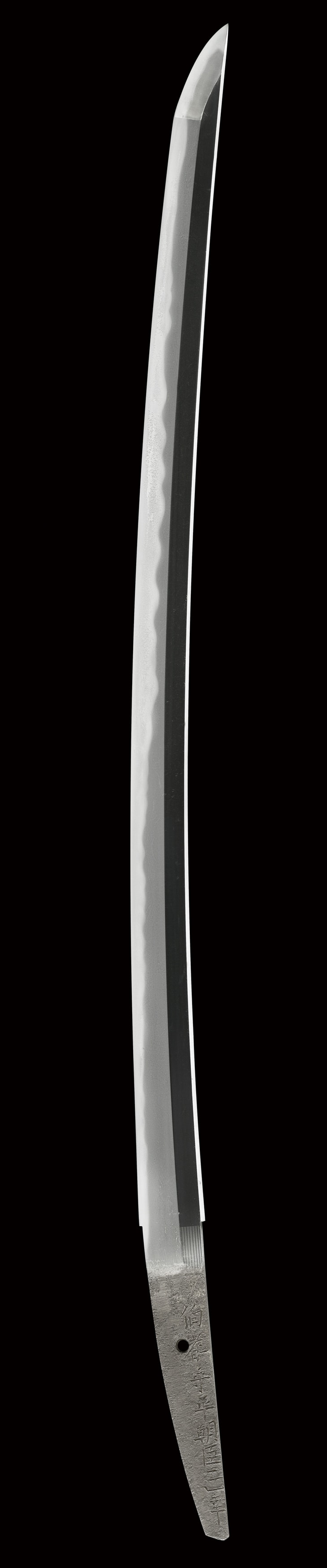
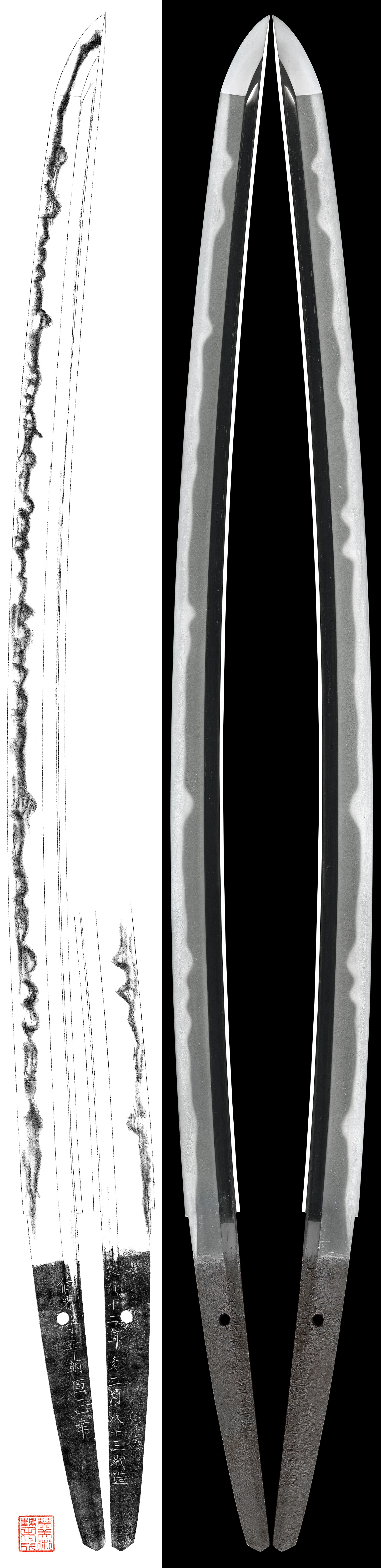
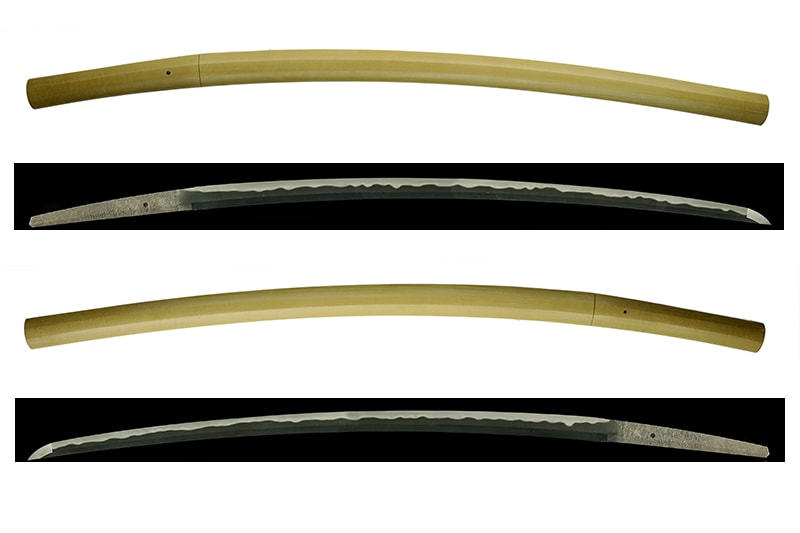
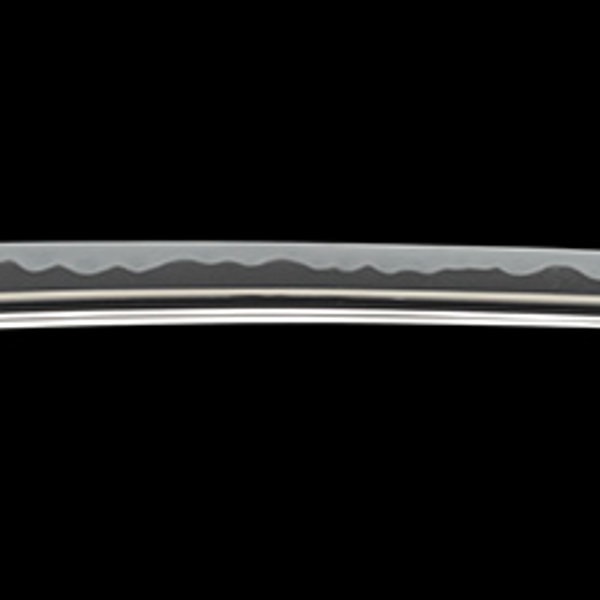
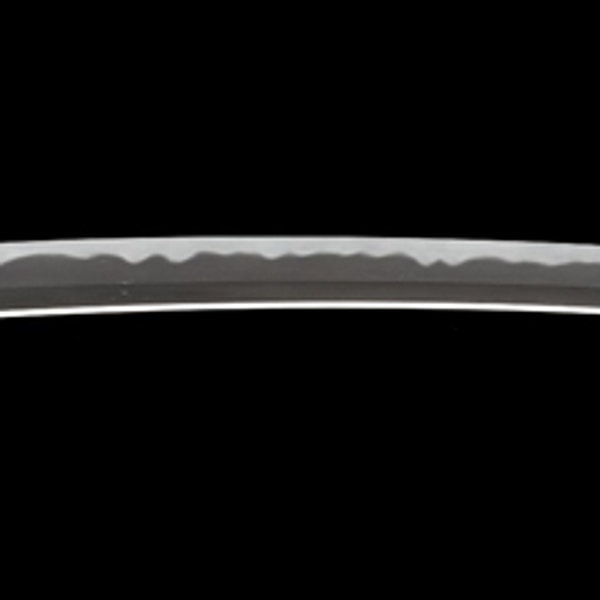
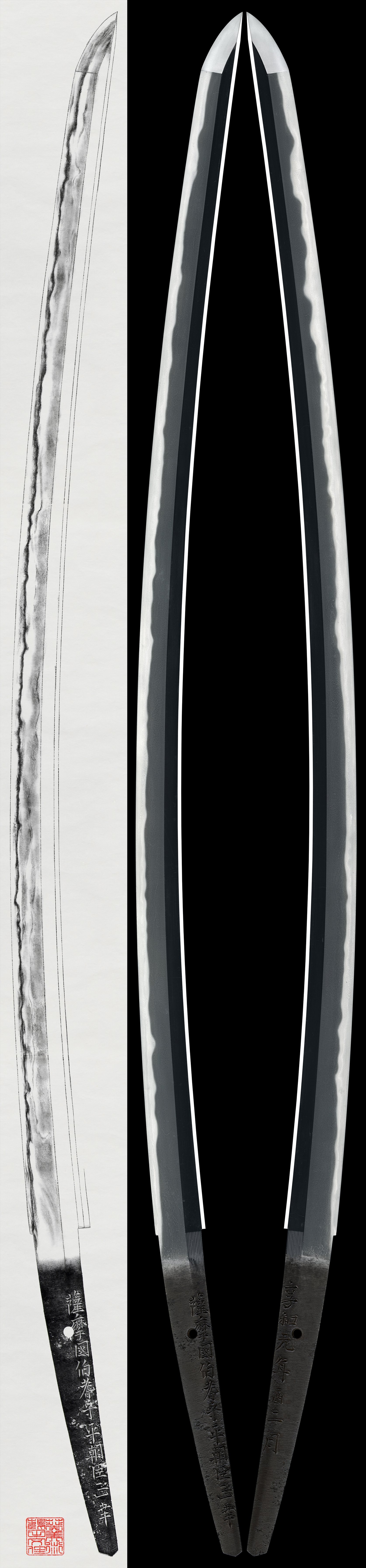
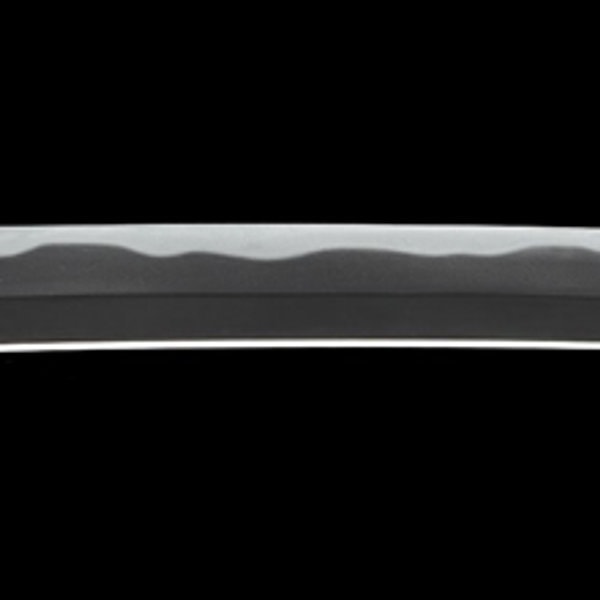
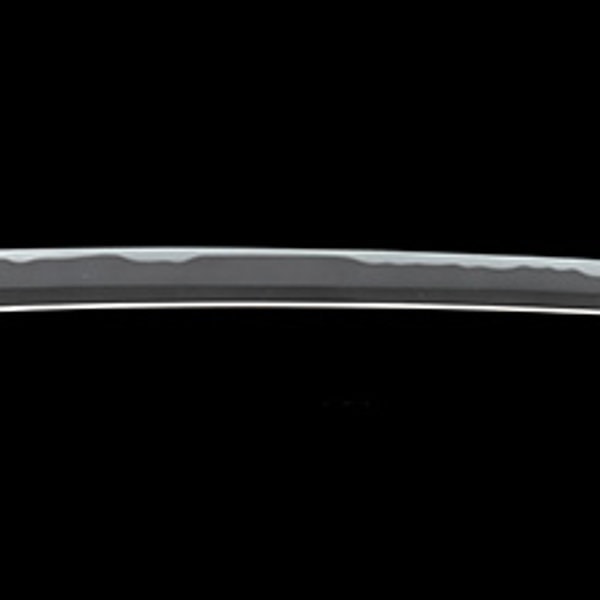
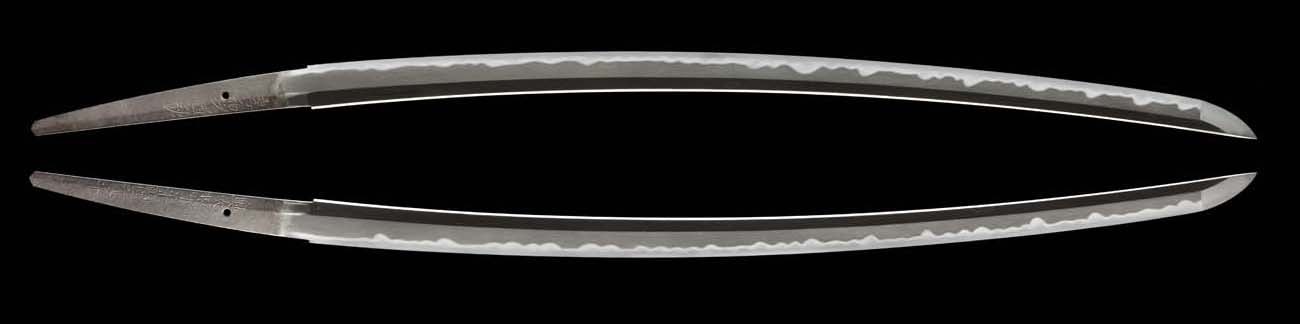
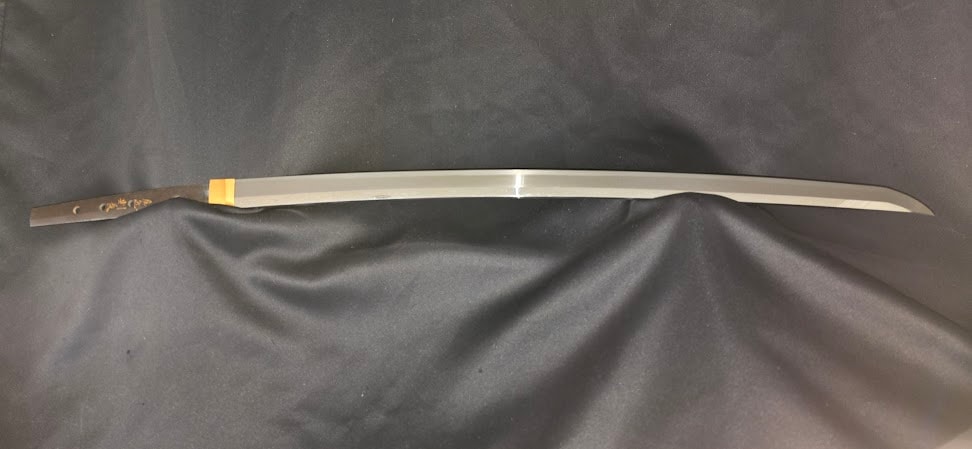
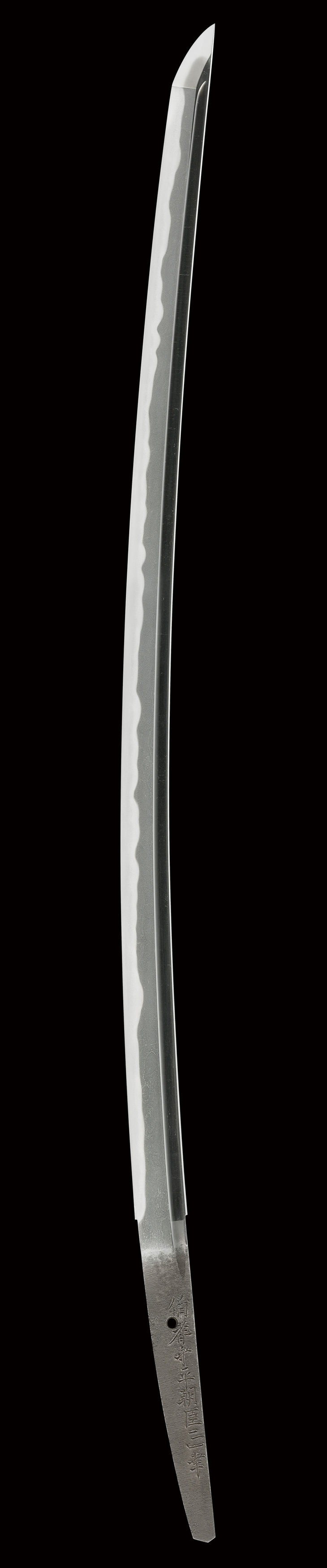
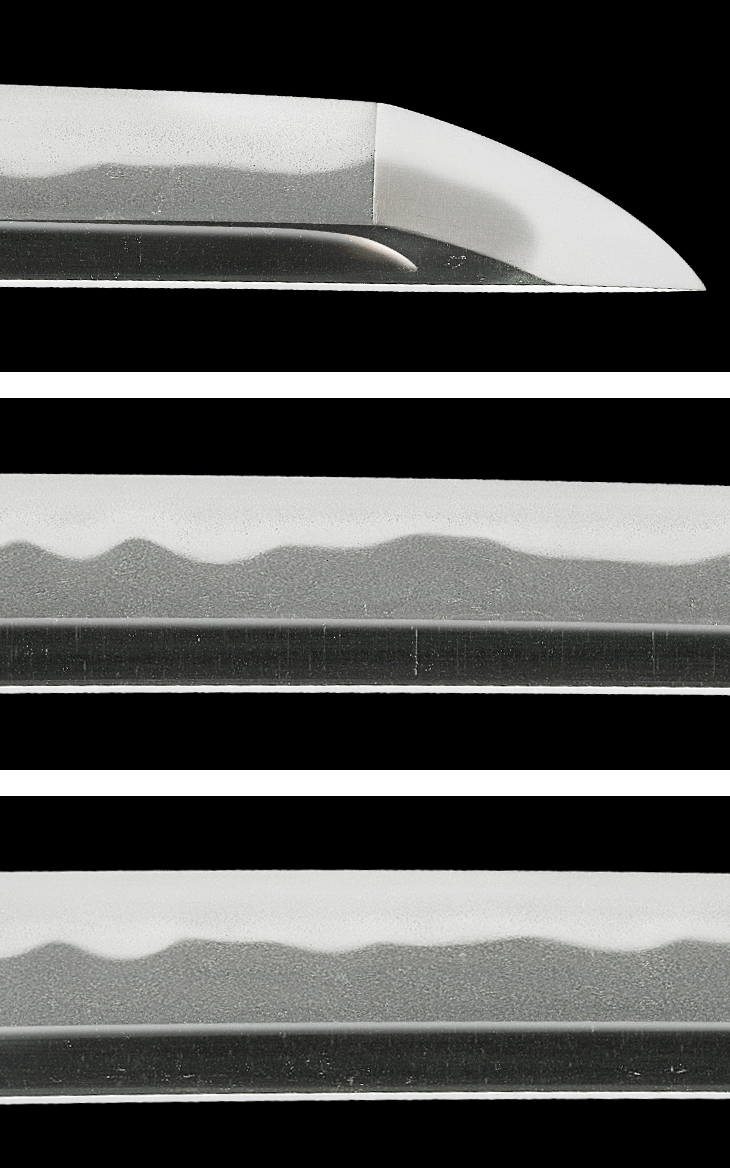
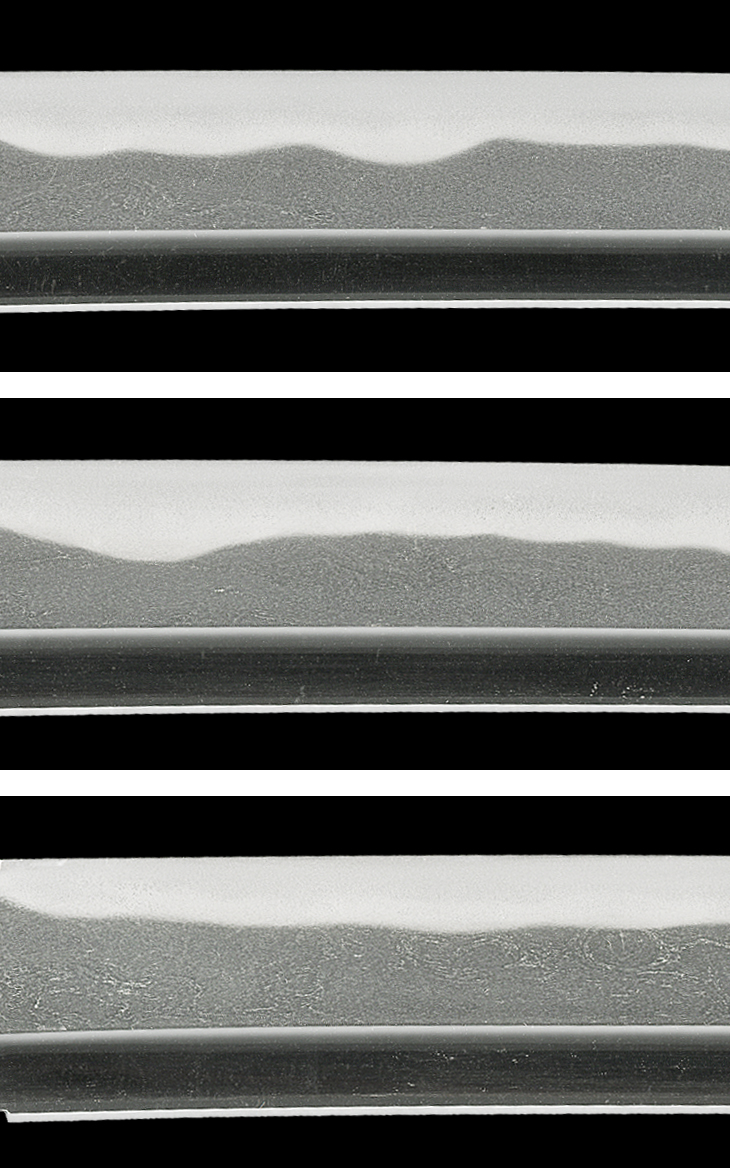
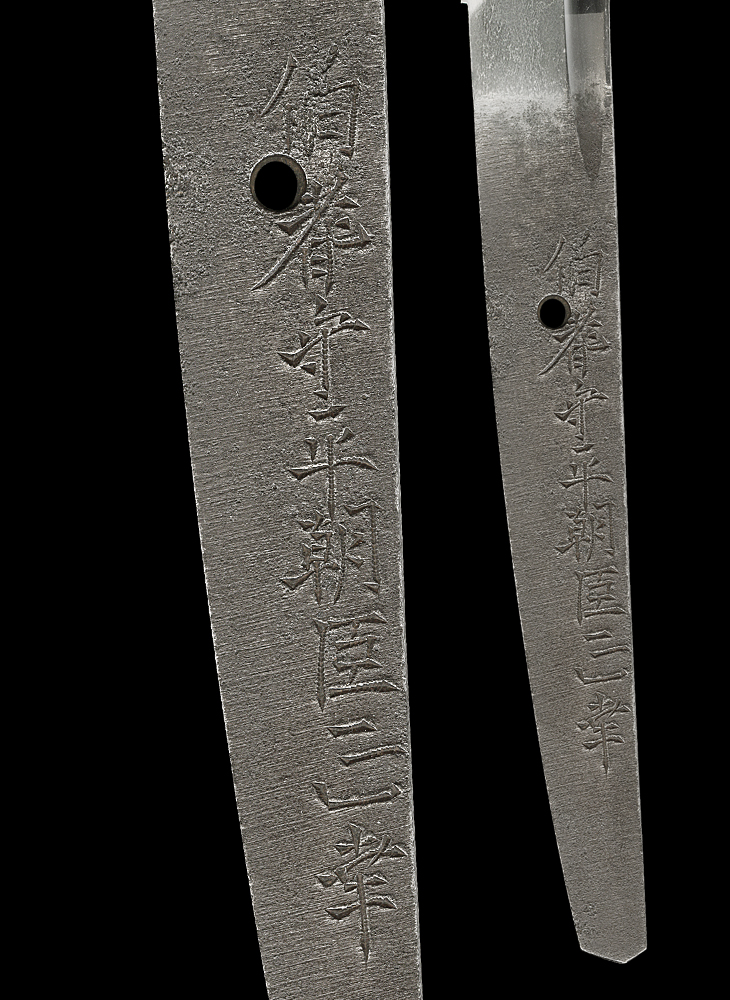
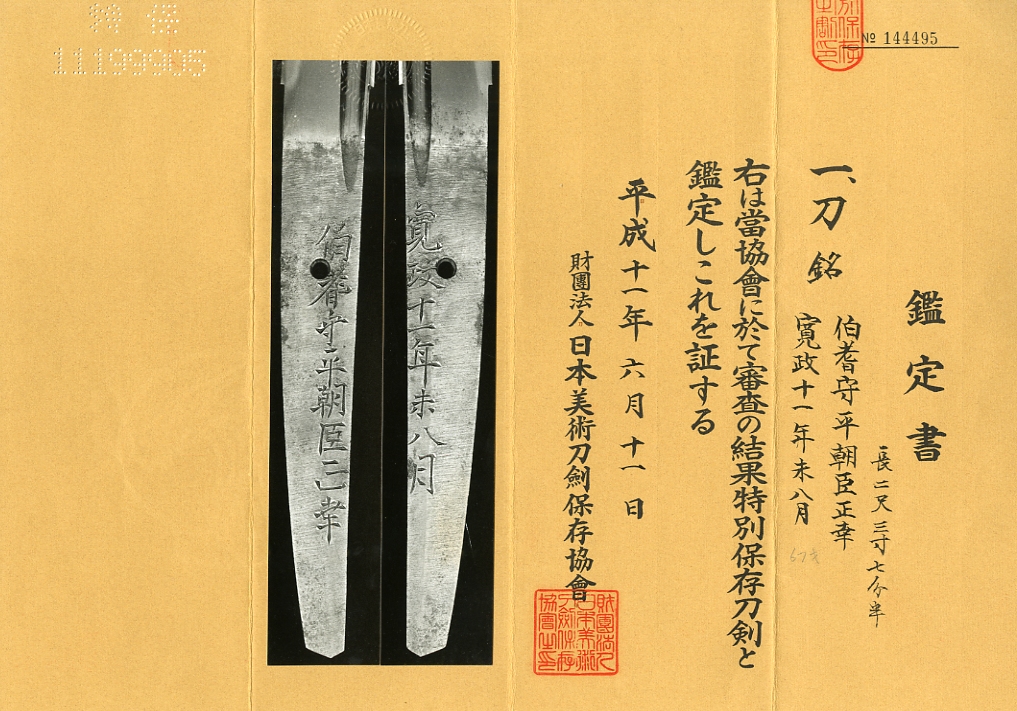
This is a katana made by Hokinokami Tairano Ason Masayuki in the Shin-Shinto period. The blade measures 72.1 cm and has a robust appearance typical of Satsuma swords. It comes with a Tokubetsu Hozon certificate and is housed in a shirasaya.
 NihontoWatch
mei · Shin-shinto · nagasa 72.1cm · sori 1.8cm
Ijichi (Satsuma), shinshinto · Satsuma · around 1772-1817
Fujishiro Jo saku · Tōken Taikan top 23%
5 pieces on the market now
Hōki no Kami Masayuki was the son of the second-generation Ijichi Masayoshi, a smith of the Ijichi house of Satsuma domain artisans, born in Kyōhō 18 (1733). He succeeded as the third generation and at first signed Masayoshi (正良), with works on record from about the Hōreki era; in Kansei 1 (1789), at the same moment that his elder townsman Oku Motohira was made Yamato no Kami, he received the court title Hōki no Kami, ceded the name Masayoshi to his heir, and changed his own name to Masayuki. He worked into great old age, dated and age-inscribed pieces surviving up to his eighty-fifth year, and died in Bunsei 1 to 2 (1818-1819) at eighty-six or eighty-seven. The published sources place him by a single recurring pairing that has held ever since. Together with Oku Motohira he is named one of the twin pillars of Satsuma shinshintō, the published commentary saying of him, in its own words, that with Oku Motohira he stands among 「薩摩新々刀中の双璧」[[c:1]], the twin pillars of Satsuma shinshintō. He is the one the same sources hold to have surpassed his forebears, celebrated as a smith who out-shone his master.
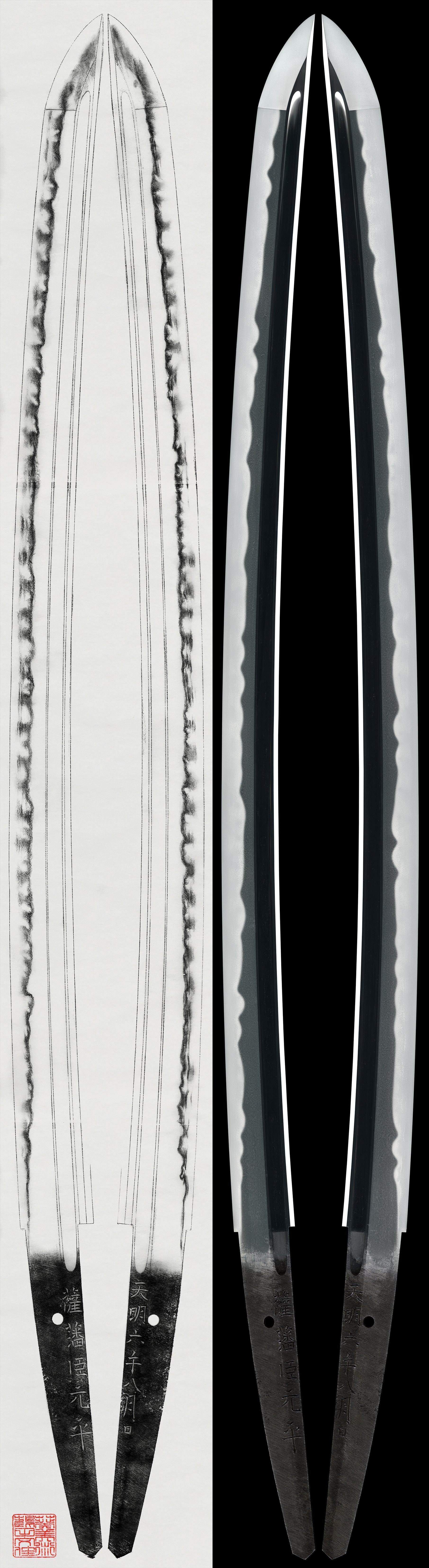
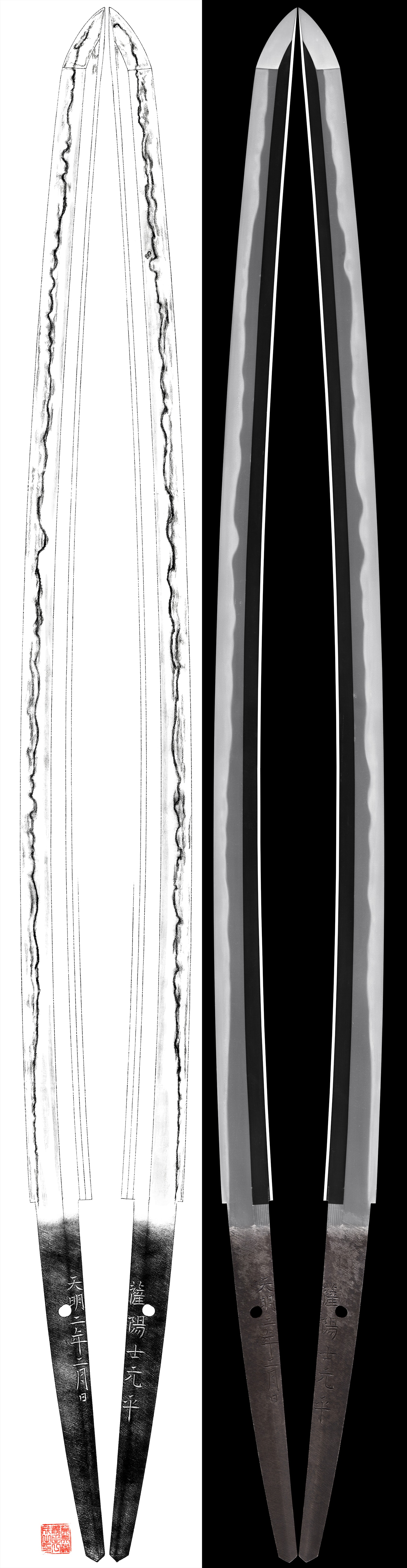
His characteristic hand is a broad, long, robust katana the published sources name his favored Sōshū-den, and which he himself called Sōshū-den, the commentary recording 「自から相州伝という」[[c:2]], that he himself called it so. The body is wide in mihaba, the kasane thick, the kissaki extended, the construction generally sturdy. Over it he tempers a shallow notare-toned gunome-midare into which he sets pointed togariba, the gunome with a pointed tendency being the feature the judges most often single out as his forte, deep in nioi with thick nie that is somewhat coarse and sprinkled on, ara-nie mixed. Through the ha run frequent sunagashi and long kinsuji, the streaming Satsuma nie-lines known as imozuru, the yam-vine. The pointed teeth and the running vine are the spine of his recognition, a Sōshū-den read in coarse nie rather than in clove-flower, and the published sources name its model directly, calling his manner one that 「相州伝, 就中, 志津に倣った作柄を得意としている」[[c:3]], a Sōshū-den excelling above all in imitation of Shizu.
The jigane is the constant beneath. It is a well-forged itame, often packed and mixed with mokume and nagare, carrying thick ji-nie and a dark chikei-like variant steel, on his finest pieces bright and clear. Over it the bōshi runs in midare-komi or straight, turning back in ko-maru or ō-maru, the point swept with hakikake and at times breaking into nie-kuzure. There is one feature the published sources raise as a kantei point on the tang itself. The nakago is almost always ubu, narrowed to a sword-shaped kengyō or iriyama-gata tip with katte-agari file marks, the long signature cut boldly with a thick chisel and frequently carrying his age; and on the great majority of his blades he carves a bō-hi, a habit the sources tie to his wide mihaba and thick kasane, the groove omitted only when a blade is of more standard width.
His record divides by name and by period. The earlier work, signed Masayoshi before the title and the change of name, is read as a quieter register before the full vigorous Sōshū hand emerges: a ko-notare mixed with gunome, ashi and hotsure entering, thick nie with areas of ara-nie and sunagashi, the bōshi tending to ō-maru with the point breaking down in nie-kuzure. The forging beneath that early temper is already the Satsuma steel he carries into his prime, a wide itame with conspicuous ō-itame and flowing grain, so the Masayoshi face is the same hand held quieter rather than a separate school. Among his dated pieces the inscriptions run beyond the date: one katana of Kansei 12 (1800) carries a Kōshin-faith inscription, that a sword forged in a year when the Kōshin day falls seven times secures lasting martial fortune, a text the sources call unusual, and another bears the deity invocation 「南無八幡大菩薩」 carved on the tang.
What sets him within his province is exactly the pairing the judges name and the manner they return to. He is read first against his elder townsman Motohira, the two held together as the twin pillars of Satsuma shinshintō, the one the Oku house and the other the Ijichi, raised to their court titles in the same year. His own grounded traits are what distinguish him, not a borrowed comparison: the broad, robust sugata, the pointed togariba in a deep-nioi gunome-midare, the coarse ara-nie feeding a hakikake bōshi, and the running imozuru. The published sources measure his refinement against that very vine, praising one of his Shimazu-held katana precisely because the 「芋蔓風の金筋・沸筋」[[c:4]], the vine-like kinsuji and nie-suji, do not crowd it, the absence lending it higher grace. He stands at the head of the Ijichi line, the hand by which a Satsuma shinshintō blade of his descent is read.
For the collector he is one of the great names of late Satsuma, and Fujishiro grades him Jō saku. He has no National Treasures and no Important Cultural Properties; his record on the modern designation tiers runs through the Jūyō rank, where twenty-eight of his works are held, all ubu and signed across a working life from the Kansei years to near his death. The provenance among them is distinguished and local to his domain: one katana descends from the Satsuma lord, the Shimazu house, kept as a reserve sword of Tsurumaru castle, and another comes down through the Kabayama house, a Shimazu branch, with a Satsuma koshirae whose fuchi-gashira and kojiri are by Masayuki's own hand. Most designated blades, including those in private hands, are held rather than traded, and a fine signed Masayuki of his characteristic Sōshū-den comes to market only from time to time and with patience. His work is, comparatively, among the more findable of the first-rank shinshintō masters, more so than the locked heritage of the older traditions, but a dated, age-inscribed katana in his full vigorous manner remains a substantial acquisition, a document of how Satsuma forging reached its late summit beside Oku Motohira.
Where Masayuki stands among comparable artisans: across all of nihontō, and within tradition, era, and period. The tiers (Foremost · Leading · Major · Notable) weigh official designations from the NBTHK and Japan's Agency for Cultural Affairs, together with historical honors of lasting repute such as the Sansaku and Meibutsu-chō.
Select a lens to see how it's measured.
Years he was demonstrably active, proven by signed-and-dated blades
Yamato-den · Satsuma
32 pieces on the market now
The Satsuma school gathered the smiths of southern Kyushu under the patronage of the Shimazu, the daimyo house of Satsuma and Osumi, and the published sources read its history in two distinct flowerings rather than one continuous line. Its shinto fountainhead is Izu no Kami Masafusa, a son of the Mino smith Ujifusa who moved to Kagoshima and carried a strongly nie-laden hand into the province; the NBTHK names him the origin of Satsuma forging. From that root the early school rose to its summit in the pair the judges return to whenever they place it, Mondo-no-Sho Masakiyo and Ippei Yasuyo, the twin pillars of Satsuma shinto. Both were summoned in Kyoho 6 (1721) by the eighth shogun Tokugawa Yoshimune to forge in Edo and were granted the single-leaf hollyhock crest of the Tokugawa for their tangs, and the Ippei line continued through Yasuyo's adopted heir Yasuari. A century later a second summit formed in the shinshinto twin pillars, Oku Yamato no Kami Motohira of the Oku house and Hoki no Kami Masayuki of the Ijichi house, raised to their court titles in the same year of Kansei 1 (1789); Masayuki's name had begun as Masayoshi, and his pupil Masakage carried the manner into the Bunka and Bunsei years. The training the members record runs back through the Naminohira and Yamato roots of the early Ippei smiths, but the working idiom the school is known by is its own. That idiom is a Soshu-den read in coarse nie rather than in clove-flower, and the members describe it in a shared vocabulary. The body is broad in mihaba, thick in kasane, full in hiraniku and stoutly built, the imposing Satsuma sugata. Over a well-forged itame, often a tight ko-itame turning toward nagare or masame and carrying thick ji-nie and dark chikei, the smiths temper a notare-toned gunome-midare into which they set pointed togariba, deep in nioi with thick nie and coarse ara-nie mixed through. The feature the commentary names most often is what streams within that temper, the long kinsuji, nie-suji and sunagashi the sources call imozuru, the yam-vine of the province, vine-like nie-lines running unbroken through the ha.
The jigane takes a markedly blackish cast against which the bright nioiguchi and coarse nie stand out, and the boshi runs in midare-komi or straight, swept with hakikake and on the most vigorous work flaring to a flame-like kaen. Within this one settled manner the members divide. Masakiyo handled the varied Shizu-style midare, his yubashiri gathering at the crests of the temper into a nijuba-like, antique appearance, where Yasuyo tempered a calmer notare-toned suguha whose strength lay in the depth of its nioi and the length of its imozuru; Motohira and Masayuki carried the flamboyant gunome with its kaen boshi into the later period, while a small number of blades lean toward masame and recall the Yamato Hosho grain that the early training laid down. To kantei Satsuma work, the judges read three grounded marks together: the pointed togariba riding a notare base, the deep coarse nie with its running imozuru, and the dark, chikei-laden standing jigane, completed by the swept hakikake or kaen boshi and the broad heavy body. The tang offers further constants, almost always ubu with a bold thick-chiseled signature that frequently carries the smith's age, Motohira's funagata-narrowed kengyo point and Masayuki's bo-hi among them. Among the members the standing is high: Masakiyo and Yasuyo hold the early summit, while Motohira and Masayuki lead the shinshinto generation, the latter's pupil Masakage judged to have inherited the master's hand with notable refinement. The cutting reputation of the province, tied to its Jigen-ryu martial tradition, runs through the bold robust construction the sources call decisive in the hand. The provenance is grand for a domain school: blades presented by the Shimazu house upward to the shogun Yoshimune and to Konoe Iehisa, Minister of the Left, who returned silver and poems to the smiths, with pieces descending through the Tokugawa, the Imperial family and Shimazu branch houses such as the Kabayama. Such blades are held in long-established collections rather than traded, and a signed Satsuma work in its full vigorous Soshu-den comes to a collector only with patience. Learn more →
| Smith | Era | Designated |
|---|---|---|
| Yasuyo安代 | 1716-1736 | 19 |
| Motohira元平 | 1778-1789 | 38 |
| Masayuki正幸 | 1772-1817 | 27 |
| Masakiyo正清 | 1714-1736 | 25 |
| Masayoshi正良 | 1764-1786 | 10 |
The Shinshintō revival
Around 1800 Suishinshi Masahide argued in his writings that the craft must return to the old masters’ methods: the fukkotō revival. His greatest successor Naotane worked convincingly in Bizen and Sōshū manners that had been dead for centuries.
A Hozon-certified blade judged to show notably superior workmanship and a better state of preservation. The bar is higher: re-tempered blades and most unsigned Muromachi/Edo works are excluded.
The NBTHK (Nihon Bijutsu Tōken Hozon Kyōkai, the Society for the Preservation of Japanese Art Swords) is a public-interest incorporated foundation founded in 1948 and supervised by Japan’s Agency for Cultural Affairs (Bunkachō); it is based at the Japanese Sword Museum in Tokyo. Its expert panels physically examine each submitted work (shinsa) and issue a certificate (kanteishō) ranking it by artistic and historical merit. NBTHK papers are the most widely recognized standard of authentication for Japanese swords and fittings.
NBTHK official siteFor one-of-a-kind items such as swords, sword fittings, and antiques, please contact us about a return within 3 days of the item's arrival and ship it back within 8 days. Refunds are issued the same day the returned item arrives.
This is a katana made by Hokinokami Tairano Ason Masayuki in the Shin-Shinto period. The blade measures 72.1 cm and has a robust appearance typical of Satsuma swords. It comes with a Tokubetsu Hozon certificate and is housed in a shirasaya.
NihontoWatchmei · Shin-shinto · nagasa 72.1cm · sori 1.8cm
Ijichi (Satsuma), shinshinto · Satsuma · around 1772-1817
Fujishiro Jo saku · Tōken Taikan top 23%
5 pieces on the market now
Hōki no Kami Masayuki was the son of the second-generation Ijichi Masayoshi, a smith of the Ijichi house of Satsuma domain artisans, born in Kyōhō 18 (1733). He succeeded as the third generation and at first signed Masayoshi (正良), with works on record from about the Hōreki era; in Kansei 1 (1789), at the same moment that his elder townsman Oku Motohira was made Yamato no Kami, he received the court title Hōki no Kami, ceded the name Masayoshi to his heir, and changed his own name to Masayuki. He worked into great old age, dated and age-inscribed pieces surviving up to his eighty-fifth year, and died in Bunsei 1 to 2 (1818-1819) at eighty-six or eighty-seven. The published sources place him by a single recurring pairing that has held ever since. Together with Oku Motohira he is named one of the twin pillars of Satsuma shinshintō, the published commentary saying of him, in its own words, that with Oku Motohira he stands among 「薩摩新々刀中の双璧」[[c:1]], the twin pillars of Satsuma shinshintō. He is the one the same sources hold to have surpassed his forebears, celebrated as a smith who out-shone his master.
His characteristic hand is a broad, long, robust katana the published sources name his favored Sōshū-den, and which he himself called Sōshū-den, the commentary recording 「自から相州伝という」[[c:2]], that he himself called it so. The body is wide in mihaba, the kasane thick, the kissaki extended, the construction generally sturdy. Over it he tempers a shallow notare-toned gunome-midare into which he sets pointed togariba, the gunome with a pointed tendency being the feature the judges most often single out as his forte, deep in nioi with thick nie that is somewhat coarse and sprinkled on, ara-nie mixed. Through the ha run frequent sunagashi and long kinsuji, the streaming Satsuma nie-lines known as imozuru, the yam-vine. The pointed teeth and the running vine are the spine of his recognition, a Sōshū-den read in coarse nie rather than in clove-flower, and the published sources name its model directly, calling his manner one that 「相州伝, 就中, 志津に倣った作柄を得意としている」[[c:3]], a Sōshū-den excelling above all in imitation of Shizu.
The jigane is the constant beneath. It is a well-forged itame, often packed and mixed with mokume and nagare, carrying thick ji-nie and a dark chikei-like variant steel, on his finest pieces bright and clear. Over it the bōshi runs in midare-komi or straight, turning back in ko-maru or ō-maru, the point swept with hakikake and at times breaking into nie-kuzure. There is one feature the published sources raise as a kantei point on the tang itself. The nakago is almost always ubu, narrowed to a sword-shaped kengyō or iriyama-gata tip with katte-agari file marks, the long signature cut boldly with a thick chisel and frequently carrying his age; and on the great majority of his blades he carves a bō-hi, a habit the sources tie to his wide mihaba and thick kasane, the groove omitted only when a blade is of more standard width.
His record divides by name and by period. The earlier work, signed Masayoshi before the title and the change of name, is read as a quieter register before the full vigorous Sōshū hand emerges: a ko-notare mixed with gunome, ashi and hotsure entering, thick nie with areas of ara-nie and sunagashi, the bōshi tending to ō-maru with the point breaking down in nie-kuzure. The forging beneath that early temper is already the Satsuma steel he carries into his prime, a wide itame with conspicuous ō-itame and flowing grain, so the Masayoshi face is the same hand held quieter rather than a separate school. Among his dated pieces the inscriptions run beyond the date: one katana of Kansei 12 (1800) carries a Kōshin-faith inscription, that a sword forged in a year when the Kōshin day falls seven times secures lasting martial fortune, a text the sources call unusual, and another bears the deity invocation 「南無八幡大菩薩」 carved on the tang.
What sets him within his province is exactly the pairing the judges name and the manner they return to. He is read first against his elder townsman Motohira, the two held together as the twin pillars of Satsuma shinshintō, the one the Oku house and the other the Ijichi, raised to their court titles in the same year. His own grounded traits are what distinguish him, not a borrowed comparison: the broad, robust sugata, the pointed togariba in a deep-nioi gunome-midare, the coarse ara-nie feeding a hakikake bōshi, and the running imozuru. The published sources measure his refinement against that very vine, praising one of his Shimazu-held katana precisely because the 「芋蔓風の金筋・沸筋」[[c:4]], the vine-like kinsuji and nie-suji, do not crowd it, the absence lending it higher grace. He stands at the head of the Ijichi line, the hand by which a Satsuma shinshintō blade of his descent is read.
For the collector he is one of the great names of late Satsuma, and Fujishiro grades him Jō saku. He has no National Treasures and no Important Cultural Properties; his record on the modern designation tiers runs through the Jūyō rank, where twenty-eight of his works are held, all ubu and signed across a working life from the Kansei years to near his death. The provenance among them is distinguished and local to his domain: one katana descends from the Satsuma lord, the Shimazu house, kept as a reserve sword of Tsurumaru castle, and another comes down through the Kabayama house, a Shimazu branch, with a Satsuma koshirae whose fuchi-gashira and kojiri are by Masayuki's own hand. Most designated blades, including those in private hands, are held rather than traded, and a fine signed Masayuki of his characteristic Sōshū-den comes to market only from time to time and with patience. His work is, comparatively, among the more findable of the first-rank shinshintō masters, more so than the locked heritage of the older traditions, but a dated, age-inscribed katana in his full vigorous manner remains a substantial acquisition, a document of how Satsuma forging reached its late summit beside Oku Motohira.
Where Masayuki stands among comparable artisans: across all of nihontō, and within tradition, era, and period. The tiers (Foremost · Leading · Major · Notable) weigh official designations from the NBTHK and Japan's Agency for Cultural Affairs, together with historical honors of lasting repute such as the Sansaku and Meibutsu-chō.
Select a lens to see how it's measured.
Years he was demonstrably active, proven by signed-and-dated blades
Yamato-den · Satsuma
32 pieces on the market now
The Satsuma school gathered the smiths of southern Kyushu under the patronage of the Shimazu, the daimyo house of Satsuma and Osumi, and the published sources read its history in two distinct flowerings rather than one continuous line. Its shinto fountainhead is Izu no Kami Masafusa, a son of the Mino smith Ujifusa who moved to Kagoshima and carried a strongly nie-laden hand into the province; the NBTHK names him the origin of Satsuma forging. From that root the early school rose to its summit in the pair the judges return to whenever they place it, Mondo-no-Sho Masakiyo and Ippei Yasuyo, the twin pillars of Satsuma shinto. Both were summoned in Kyoho 6 (1721) by the eighth shogun Tokugawa Yoshimune to forge in Edo and were granted the single-leaf hollyhock crest of the Tokugawa for their tangs, and the Ippei line continued through Yasuyo's adopted heir Yasuari. A century later a second summit formed in the shinshinto twin pillars, Oku Yamato no Kami Motohira of the Oku house and Hoki no Kami Masayuki of the Ijichi house, raised to their court titles in the same year of Kansei 1 (1789); Masayuki's name had begun as Masayoshi, and his pupil Masakage carried the manner into the Bunka and Bunsei years. The training the members record runs back through the Naminohira and Yamato roots of the early Ippei smiths, but the working idiom the school is known by is its own. That idiom is a Soshu-den read in coarse nie rather than in clove-flower, and the members describe it in a shared vocabulary. The body is broad in mihaba, thick in kasane, full in hiraniku and stoutly built, the imposing Satsuma sugata. Over a well-forged itame, often a tight ko-itame turning toward nagare or masame and carrying thick ji-nie and dark chikei, the smiths temper a notare-toned gunome-midare into which they set pointed togariba, deep in nioi with thick nie and coarse ara-nie mixed through. The feature the commentary names most often is what streams within that temper, the long kinsuji, nie-suji and sunagashi the sources call imozuru, the yam-vine of the province, vine-like nie-lines running unbroken through the ha.
The jigane takes a markedly blackish cast against which the bright nioiguchi and coarse nie stand out, and the boshi runs in midare-komi or straight, swept with hakikake and on the most vigorous work flaring to a flame-like kaen. Within this one settled manner the members divide. Masakiyo handled the varied Shizu-style midare, his yubashiri gathering at the crests of the temper into a nijuba-like, antique appearance, where Yasuyo tempered a calmer notare-toned suguha whose strength lay in the depth of its nioi and the length of its imozuru; Motohira and Masayuki carried the flamboyant gunome with its kaen boshi into the later period, while a small number of blades lean toward masame and recall the Yamato Hosho grain that the early training laid down. To kantei Satsuma work, the judges read three grounded marks together: the pointed togariba riding a notare base, the deep coarse nie with its running imozuru, and the dark, chikei-laden standing jigane, completed by the swept hakikake or kaen boshi and the broad heavy body. The tang offers further constants, almost always ubu with a bold thick-chiseled signature that frequently carries the smith's age, Motohira's funagata-narrowed kengyo point and Masayuki's bo-hi among them. Among the members the standing is high: Masakiyo and Yasuyo hold the early summit, while Motohira and Masayuki lead the shinshinto generation, the latter's pupil Masakage judged to have inherited the master's hand with notable refinement. The cutting reputation of the province, tied to its Jigen-ryu martial tradition, runs through the bold robust construction the sources call decisive in the hand. The provenance is grand for a domain school: blades presented by the Shimazu house upward to the shogun Yoshimune and to Konoe Iehisa, Minister of the Left, who returned silver and poems to the smiths, with pieces descending through the Tokugawa, the Imperial family and Shimazu branch houses such as the Kabayama. Such blades are held in long-established collections rather than traded, and a signed Satsuma work in its full vigorous Soshu-den comes to a collector only with patience. Learn more →
| Smith | Era | Designated |
|---|---|---|
| Yasuyo安代 | 1716-1736 | 19 |
| Motohira元平 | 1778-1789 | 38 |
| Masayuki正幸 | 1772-1817 | 27 |
| Masakiyo正清 | 1714-1736 | 25 |
| Masayoshi正良 | 1764-1786 | 10 |
The Shinshintō revival
Around 1800 Suishinshi Masahide argued in his writings that the craft must return to the old masters’ methods: the fukkotō revival. His greatest successor Naotane worked convincingly in Bizen and Sōshū manners that had been dead for centuries.
A Hozon-certified blade judged to show notably superior workmanship and a better state of preservation. The bar is higher: re-tempered blades and most unsigned Muromachi/Edo works are excluded.
The NBTHK (Nihon Bijutsu Tōken Hozon Kyōkai, the Society for the Preservation of Japanese Art Swords) is a public-interest incorporated foundation founded in 1948 and supervised by Japan’s Agency for Cultural Affairs (Bunkachō); it is based at the Japanese Sword Museum in Tokyo. Its expert panels physically examine each submitted work (shinsa) and issue a certificate (kanteishō) ranking it by artistic and historical merit. NBTHK papers are the most widely recognized standard of authentication for Japanese swords and fittings.
NBTHK official siteFor one-of-a-kind items such as swords, sword fittings, and antiques, please contact us about a return within 3 days of the item's arrival and ship it back within 8 days. Refunds are issued the same day the returned item arrives.