室町は刀剣業を産業に変えた。徒歩の集団戦とともに打刀が興り、長船と関は数打ち物と注文打ちを並行して産し、勘合貿易は日本刀を数万振の単位で海外へ運んだ。
 NihontoWatchNihontoWatch
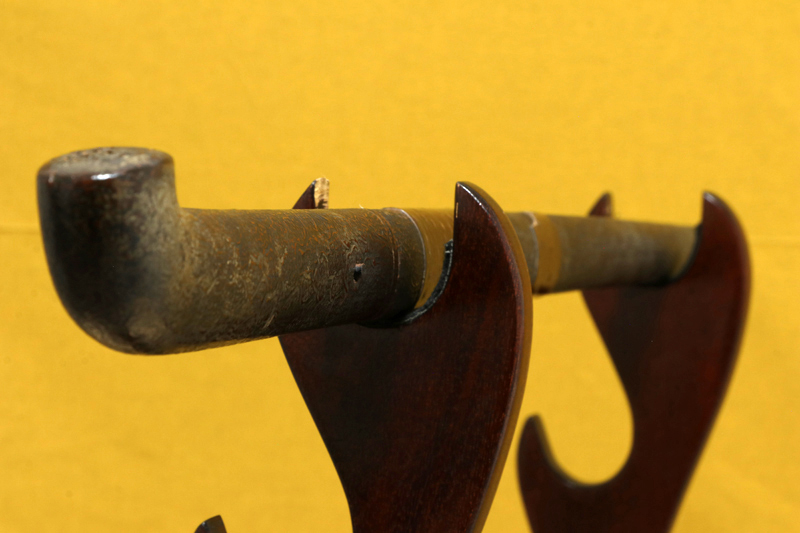
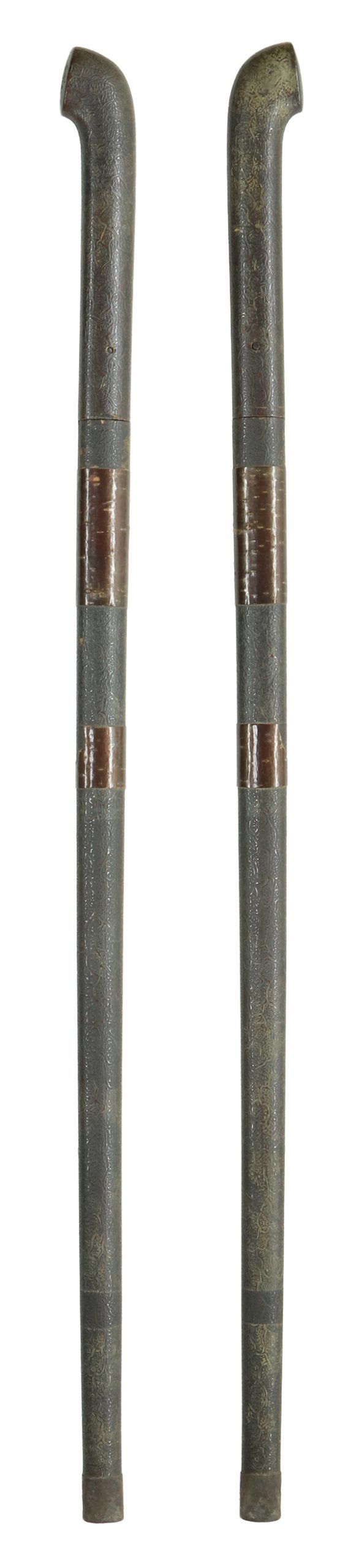
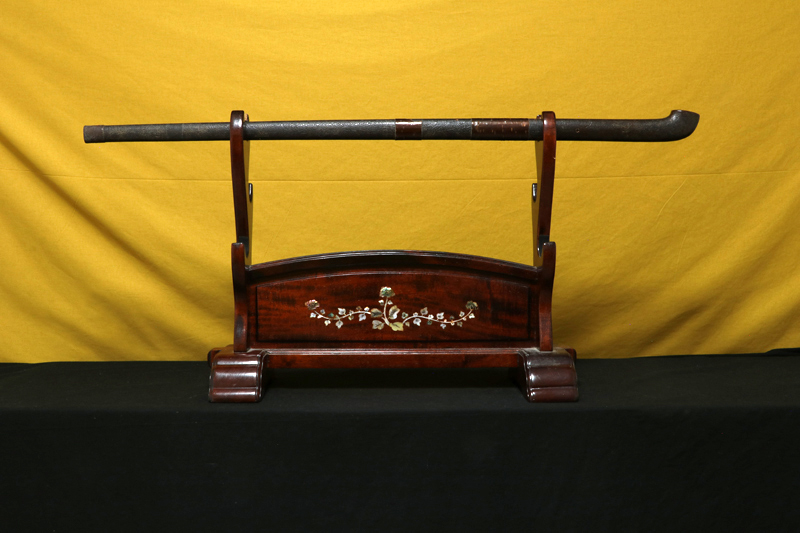
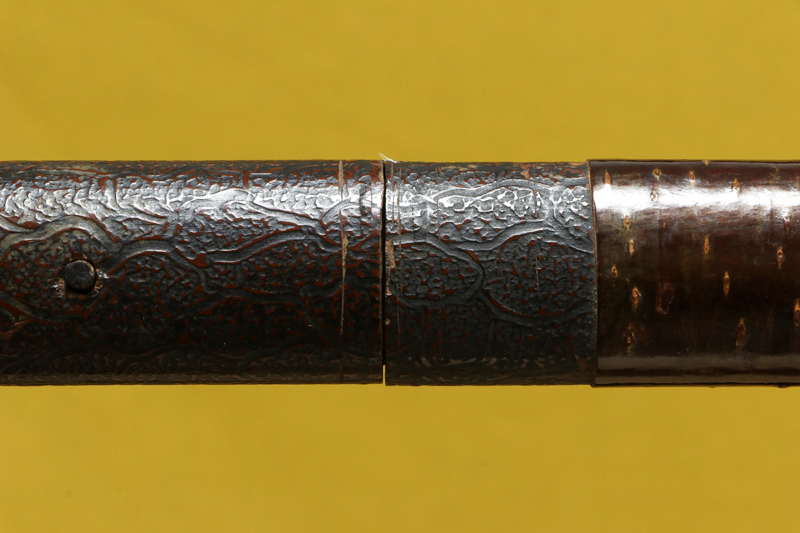
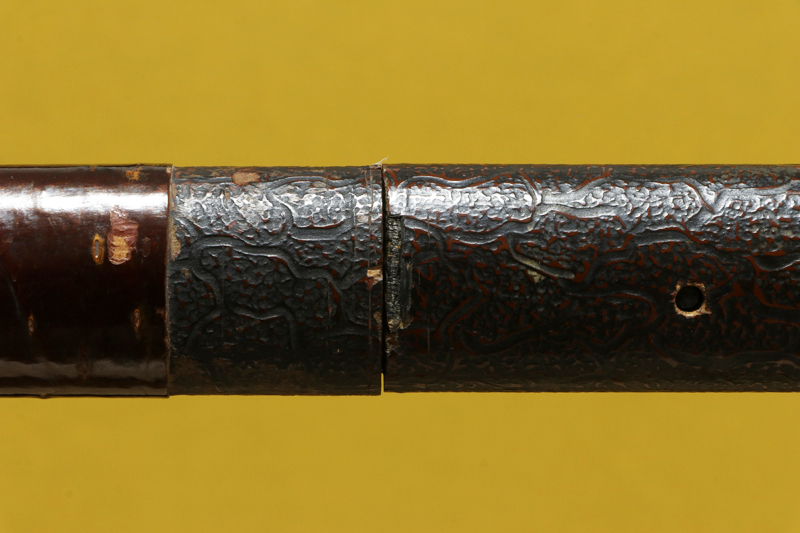
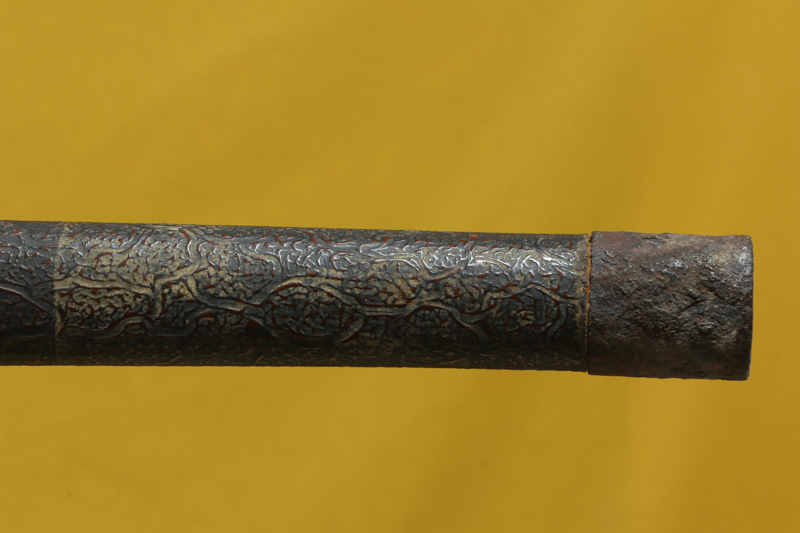
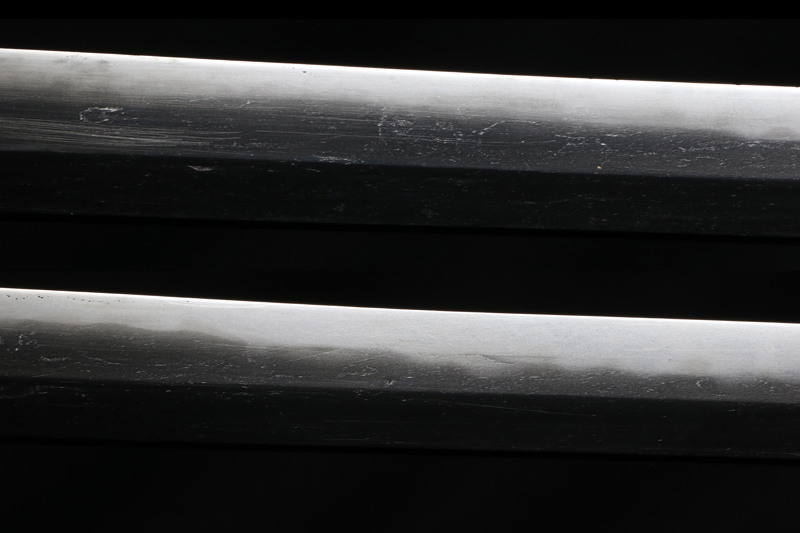
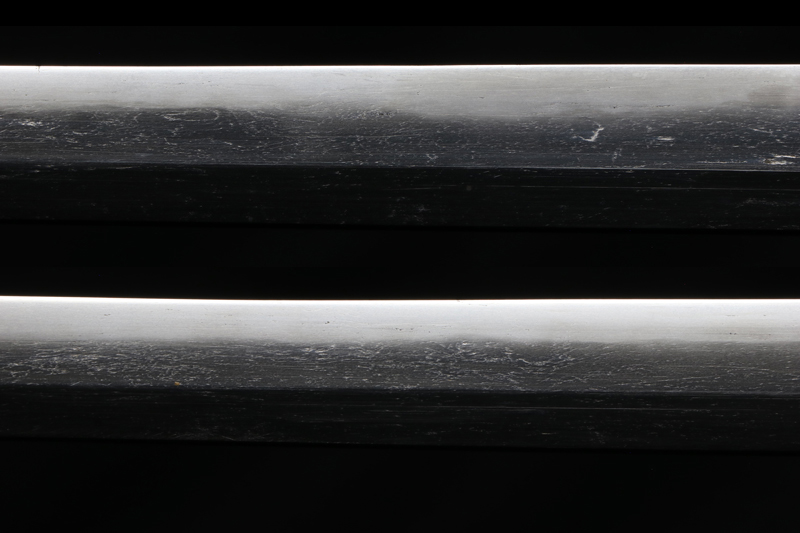
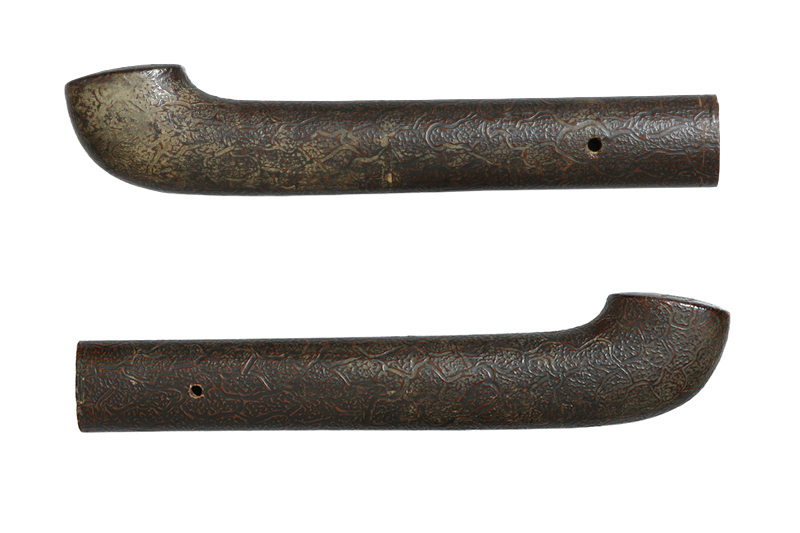
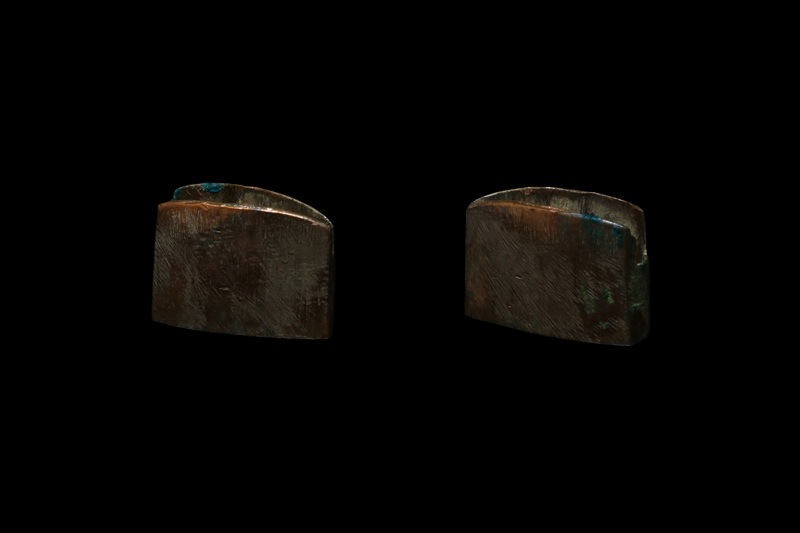
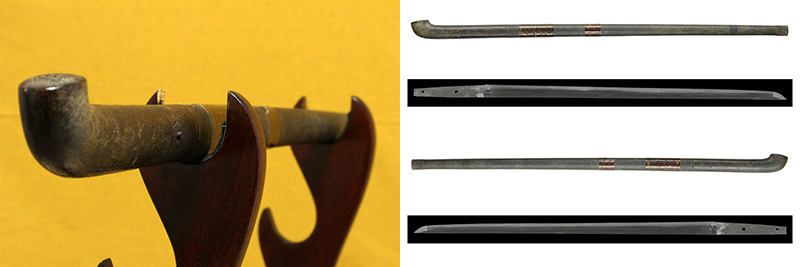
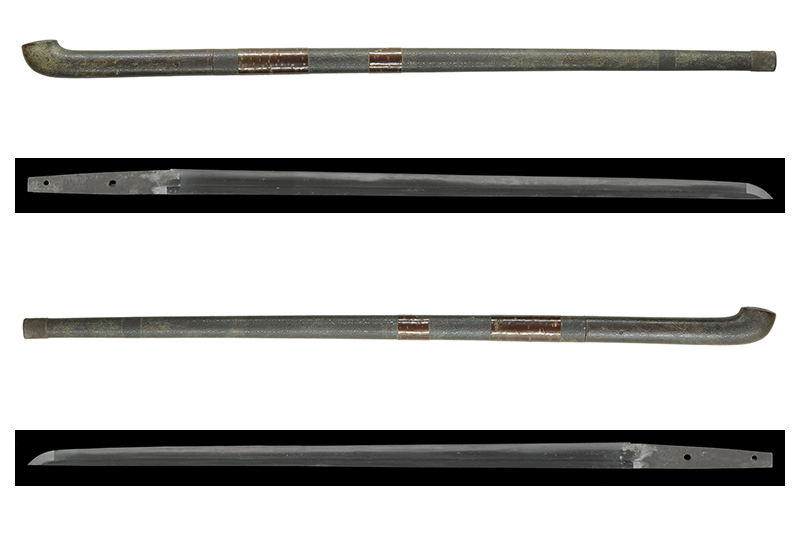
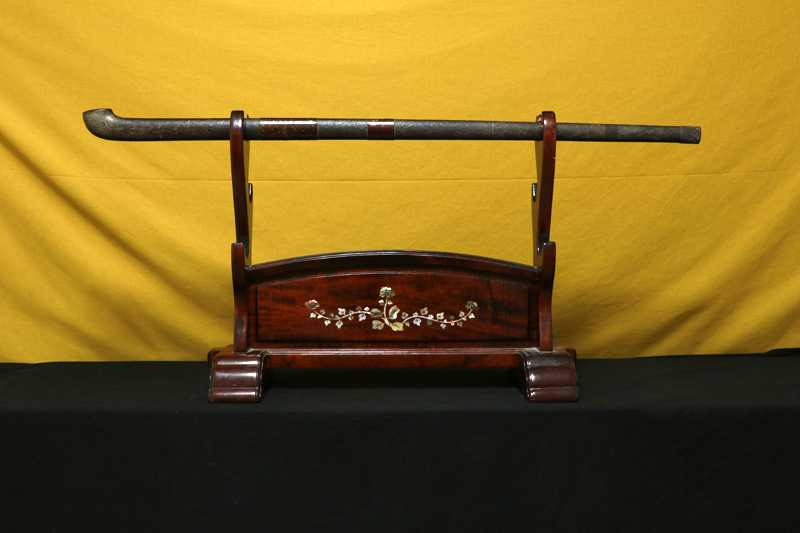
Koto Mumei Shikomi tsue Koshirae 室町時代後期の美濃伝・末関とみられる無銘古刀です。白気映りの立つ板目肌に互の目乱れを焼いています。刀身は古研ぎですが地刃は確認でき、珍しい仕込み杖拵も概ね良好な状態です。 This is an unsigned koto, believed to be a late Muromachi-period work of the Mino tradition, probably Sue-Seki. It features an itame hada with shirake-utsuri and a gunome-midare hamon. Although the blade is in an old polish, the jihada and hamon remain visible. The rare shikomizue koshirae is also in generally good condition. 刀身価格 :100,000 円 仕込杖拵価格 :50,000 円 合計価格 :150,000 円(ばら売りはしません) Blade price:100,000 ¥ Shikomizue mounting price: ¥50,000 Total price: ¥150,000 (not sold separately) 「体配 style」 鎬造り庵棟、身幅細く重尋常、反り僅か中鋒。茎は磨り上げられ筋違い鑢がかかり、茎尻は一文字に切られる。 Shinogi-zukuri with an iori-mune. The blade is relatively narrow with standard thickness, slight curvature, and a medium kissaki. The nakago is suriage, with sujikai yasurime (diagonal file marks), and ends in an ichimonji-jiri. 「地鉄 jigane」 地鉄は板目肌が流れ、白気映りが立つ。 The jigane is a flowing itame hada with prominent shirake-utsuri. 「刃紋 hamon」 刃紋は五の目乱れ尖り刃を交え、刃縁沸が付き砂流しかかる、刃中は金筋が働く。釯子は乱れ込み小丸に返る。 The hamon is gunome-midare mixed with togari-ba. Nie adheres along the habuchi, with sunagashi, while kinsuji works actively within the ha. The bōshi is midare-komi and turns back in a ko-maru. 「特徴 detailed」 無銘の古刀です。地鉄・刃文の特徴から、室町時代後期の美濃伝・末関の作と思われます。 地鉄は板目肌を鍛え、白気映りが立ち、刃文は互の目乱れを焼いています。刀身は古研ぎのため、汚れや薄錆、小傷が見られますが、地刃は十分に確認できます。小傷は研ぎによって除去できる程度と思われます。 拵は仕込み杖拵で、柄頭が曲がった珍しい形状をしています。焦茶色の漆塗りに唐草模様が描かれ、その上に3か所、桜の革が貼られていますが、うち1か所は剥がれています。割れなどの大きな損傷はなく、全体的なコンディションは概ね良好です。 This is an unsigned koto. Judging from the characteristics of the jigane and hamon, it is believed to be a work of the Mino tradition, probably Sue-Seki, dating from the late Muromachi period. The jigane is forged in itame hada with shirake-utsuri, and the hamon is gunome-midare. The blade is in an old polish and shows some staining, light rust, and minor scratches, but the jihada and hamon remain clearly visible. The minor scratches should be removable with professional polishing. The koshirae is in the style of a shikomizue (cane sword), featuring an unusually curved tsukagashira. It is finished in dark brown lacquer with a karakusa arabesque design and decorated with three pieces of cherry-blossom-patterned leather, one of which is missing. There are no cracks or other major damage, and the overall condition is generally good. 「拵 Koshirae」 ハバキ(habaki) :素銅地一重。 鞘(saya) :仕込み杖拵 「刀剣の状態 condition of blade」 研:古研ぎのため、汚れや薄錆が有りますが、地刃は見えます。 傷:少し小傷が有りますが、研ぎで取れるでしょう。 ——————————————————————————————————————————————————————————— ★仕込み杖は 銃砲刀剣類所持等取締法にて、変装銃砲刀剣類として日本国内では所持が禁止されています。そのため販売は刀身と拵は 別々の販売形態とさせていただきます。また保管する際も、刀身と仕込み杖拵は別々保管して下さい(海外は関係無いです)。 Under Japan’s Firearm and Sword Possession Control Law, shikomizue are classified as disguised firearms/swords and are therefore prohibited to possess within Japan. For this reason, the blade and the mounting will be sold separately. In addition, when storing them, please keep the blade and the shikomizue mounting separate as well. (This does not apply outside Japan.) 拵えは竹を用いた仕込み杖で、一見すると竹の杖に見えます。おそらく廃刀令後の明治時代に作られたものと思われます。コンディションは良好です。 The koshirae is a bamboo shikomizue, which at first glance appears to be nothing more than a bamboo walking stick. It is believed to have been made in the Meiji period, likely after the Haitōrei sword prohibition edict. Condition is also good. 刀身価格 : 100,000円 合計価格 : 150,000 円(ばら売りはしません) Blade price: ¥ 100,000 yen Shikomizue mounting price: ¥ 50,000 yen Total price: ¥ 150,000 yen (not sold separately)

脇物 · 薩摩
現在11点販売中
波平派は、平安時代後期に正国なる刀工が大和より薩摩国谷山郡波平の地に来住して開祖となったと伝えられる。その子を行安といい、以後その門流は南北朝時代を経て幕末新々刀期にまで綿々と続いた。同派の中でも南北朝期を降らぬ刀工及びその作刀群を総称して古波平と呼び、波平安次の名跡は鎌倉中期から室町期にかけて継承されている。一説に安次は行安の門とも伝えられ、在銘作は数少なく資料的に極めて貴重である。 古波平の作風は大和気質の強く窺えるものであるが、鍛えは板目に流れ肌が目立って交じり、ねっとりとして軟らか味をおびた肌合を呈し、地沸がよくつき太い地景が随処に入る。刃文は細直刃を基調として匂口がうるみごころとなり、小沸がつき、刃縁にほつれが見られ、腰元を焼き落すなどの諸点に特色がある。帽子は直ぐに焼詰め、或いは丸く浅く返る。姿は腰反りのついた古様な太刀姿を呈し、南北朝期には身幅がやや広く元先の幅差が目立たず大鋒に結ぶなど時代色が現れる。 新刀期に入ると、延宝八年生まれの一平安代が同派の代表工となる。通称を玉置小市といい、初め父安貞について学び、のちに波平本家の大和守安国の門にも学んだ。享保六年正月、同国の正清と共に八代将軍吉宗に召されて江戸で鍛刀し、その技を認められて幕府から一葉葵紋を茎に切ることを許され、さらに帰途朝廷より主馬首に任ぜられた。安代は穏やかな直刃調浅くのたれた刃取りを得意とし、匂が深く沸が厚く強くつき、荒沸を交え、金筋・沸筋・砂流しがさかんに入るなど、働き豊富な作風を示している。 詳しく見る →
室町時代
室町は刀剣業を産業に変えた。徒歩の集団戦とともに打刀が興り、長船と関は数打ち物と注文打ちを並行して産し、勘合貿易は日本刀を数万振の単位で海外へ運んだ。
ご購入頂いた商品の到着してから3日以内であれば返金もしくは交換対応をいたします。返品時の送料と返金する際の振込手数料はお客様のご負担とさせていただきます。