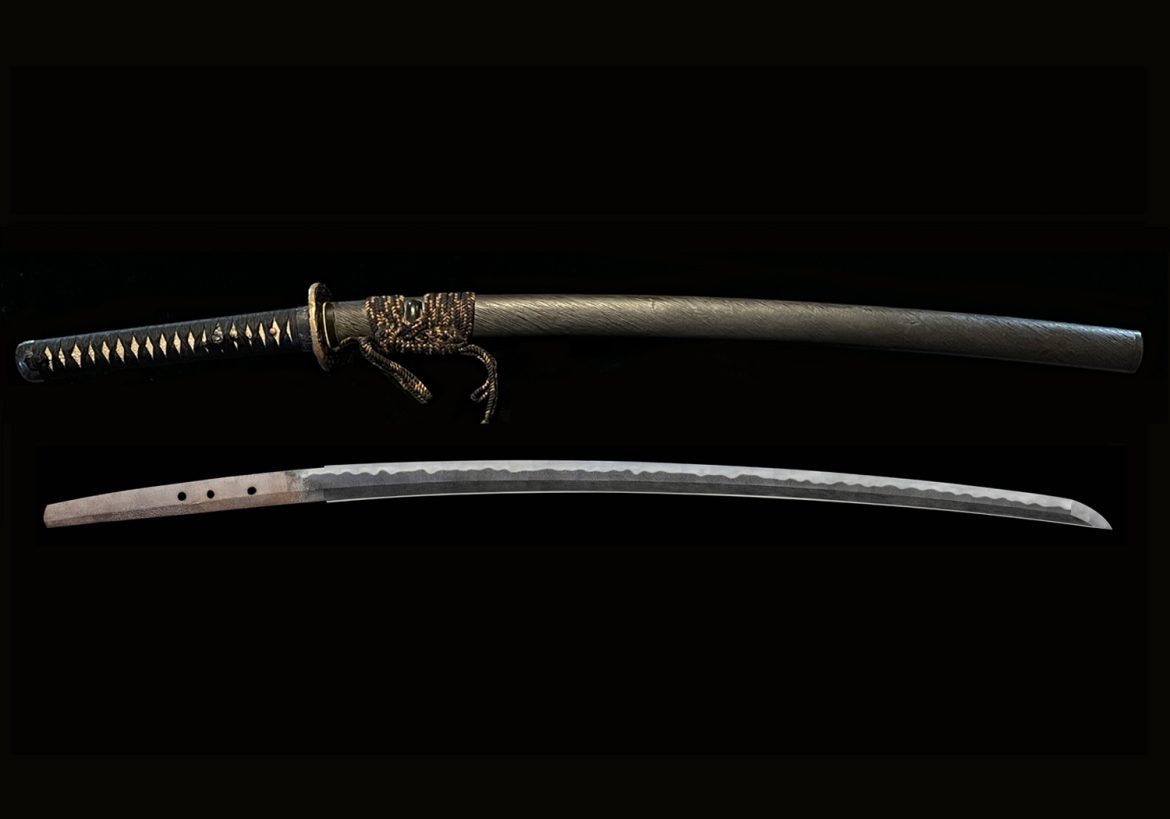
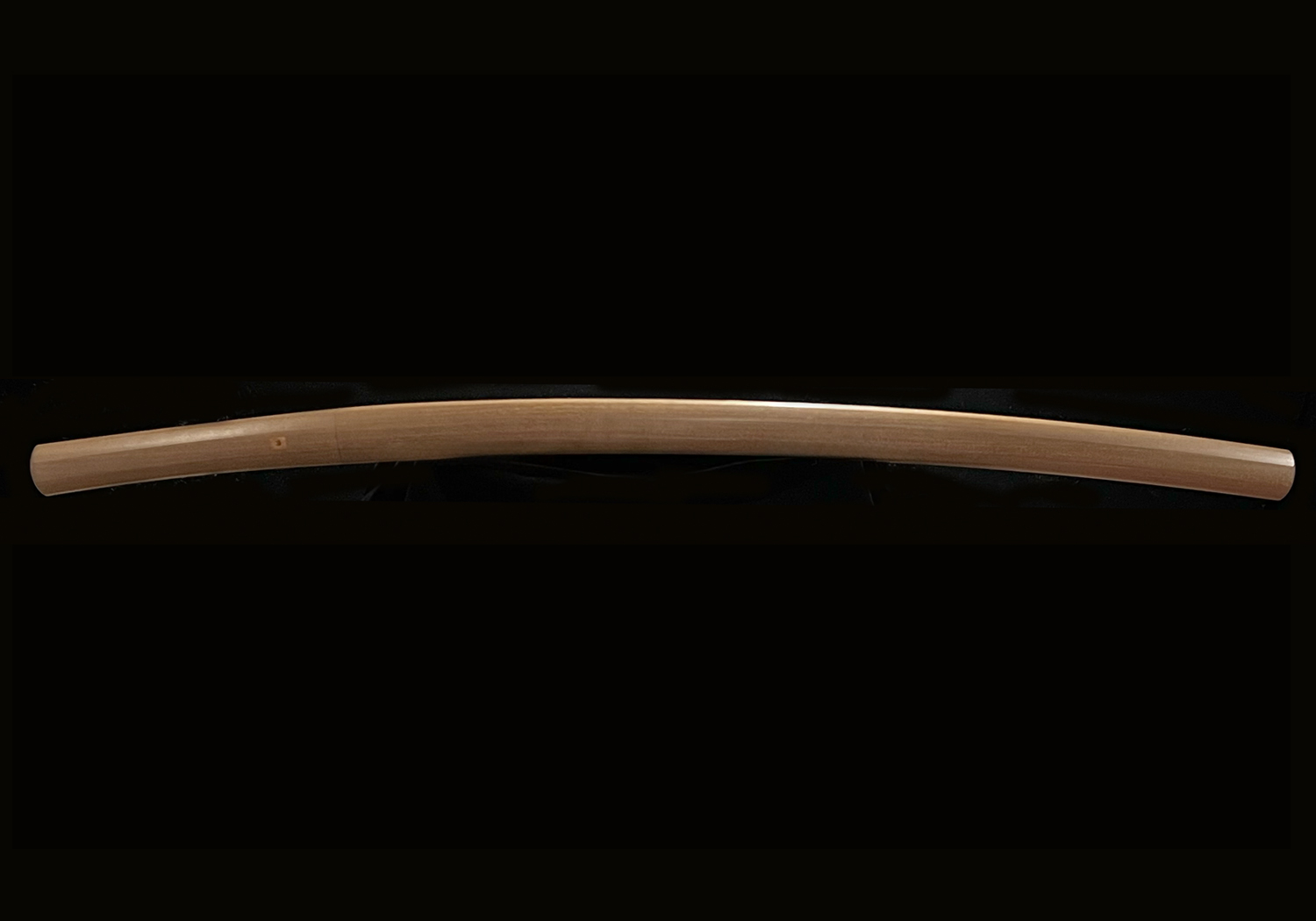
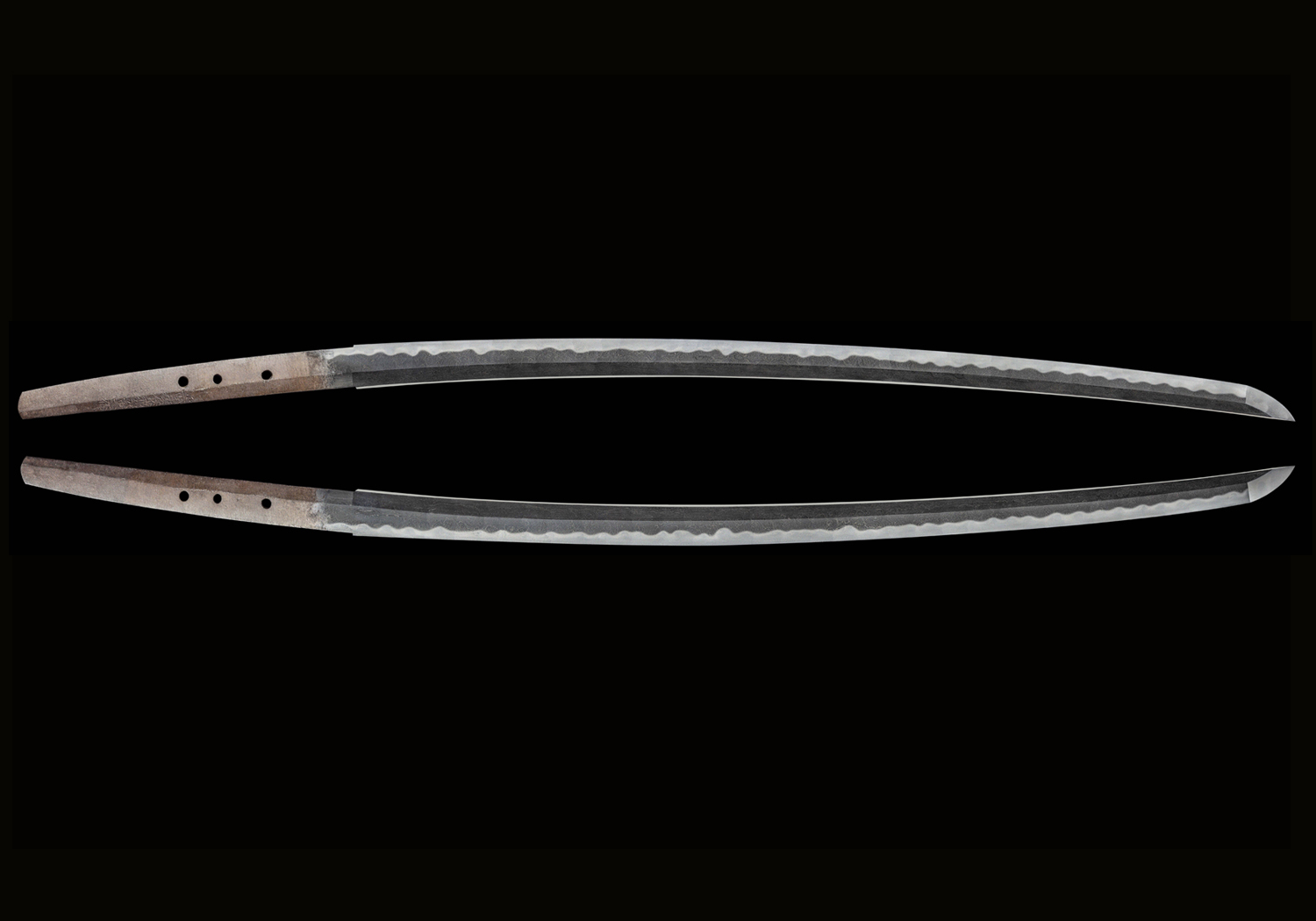
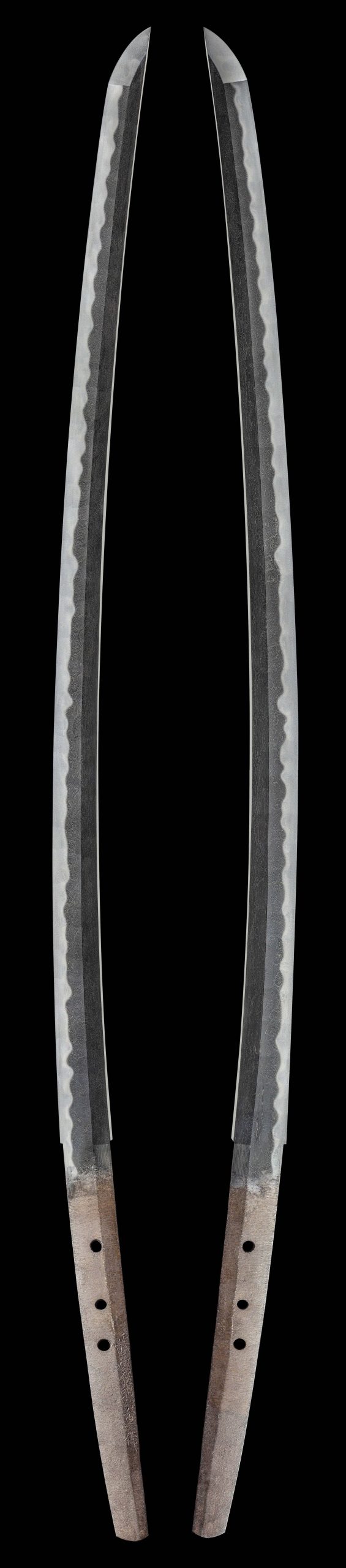
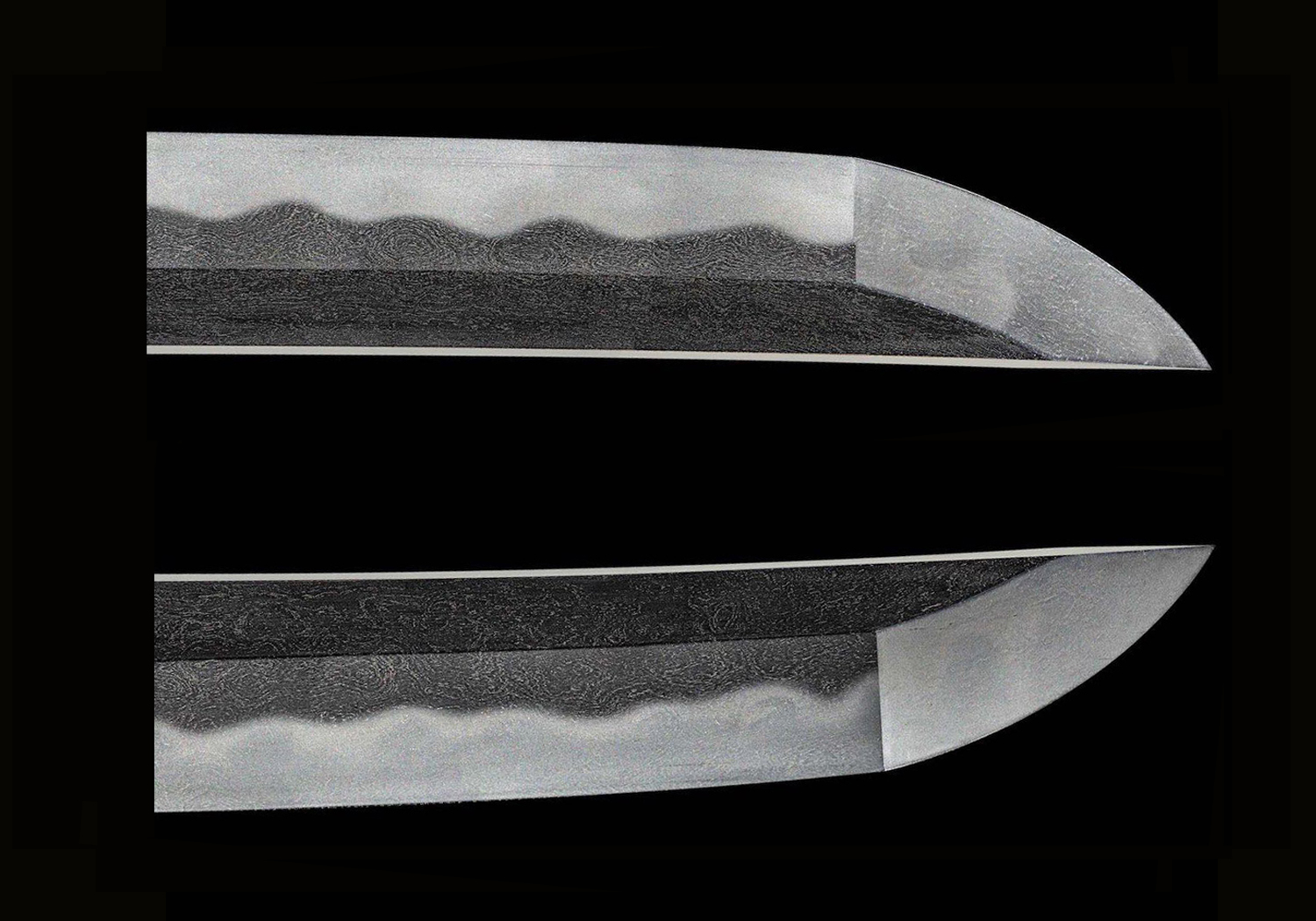
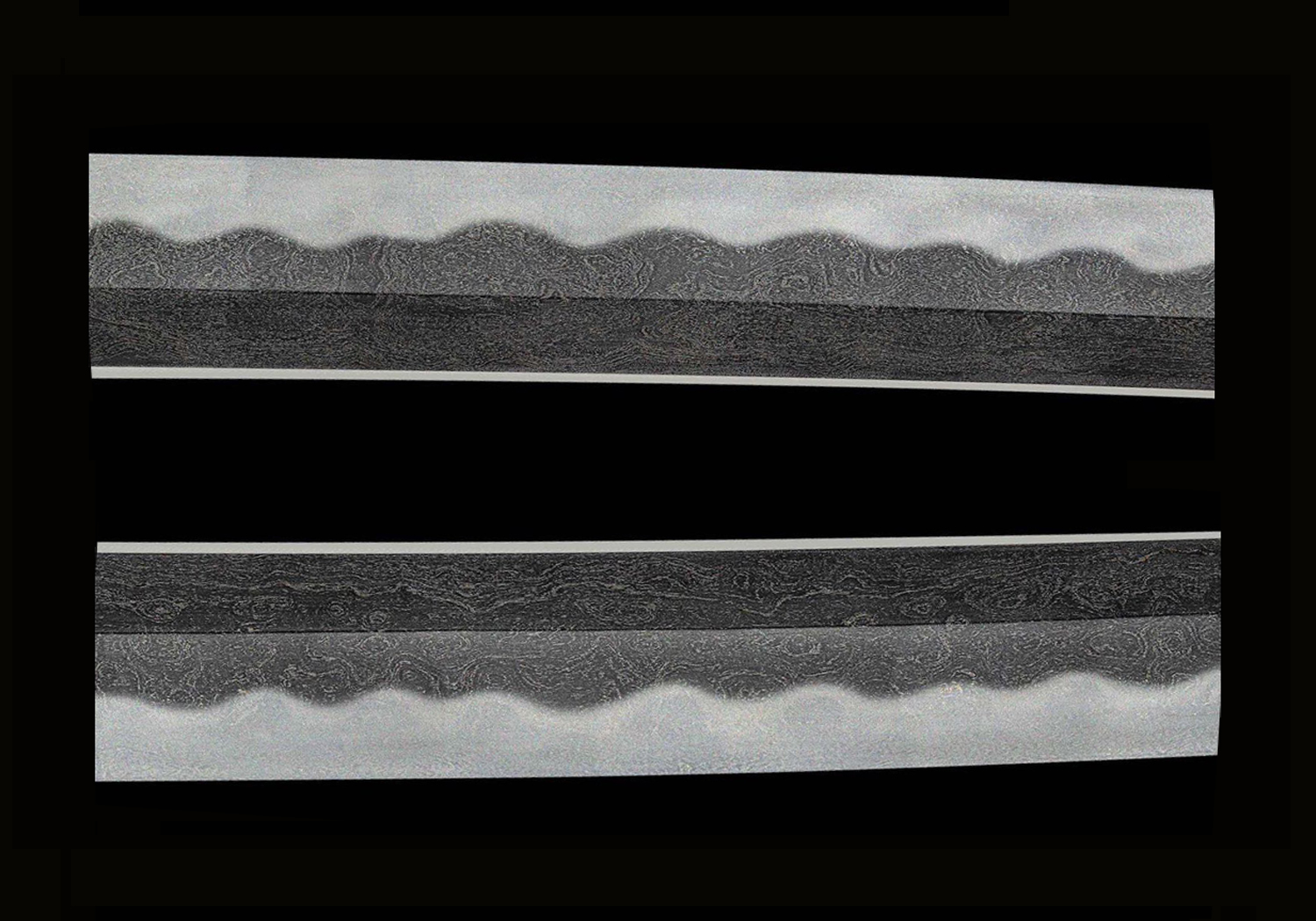
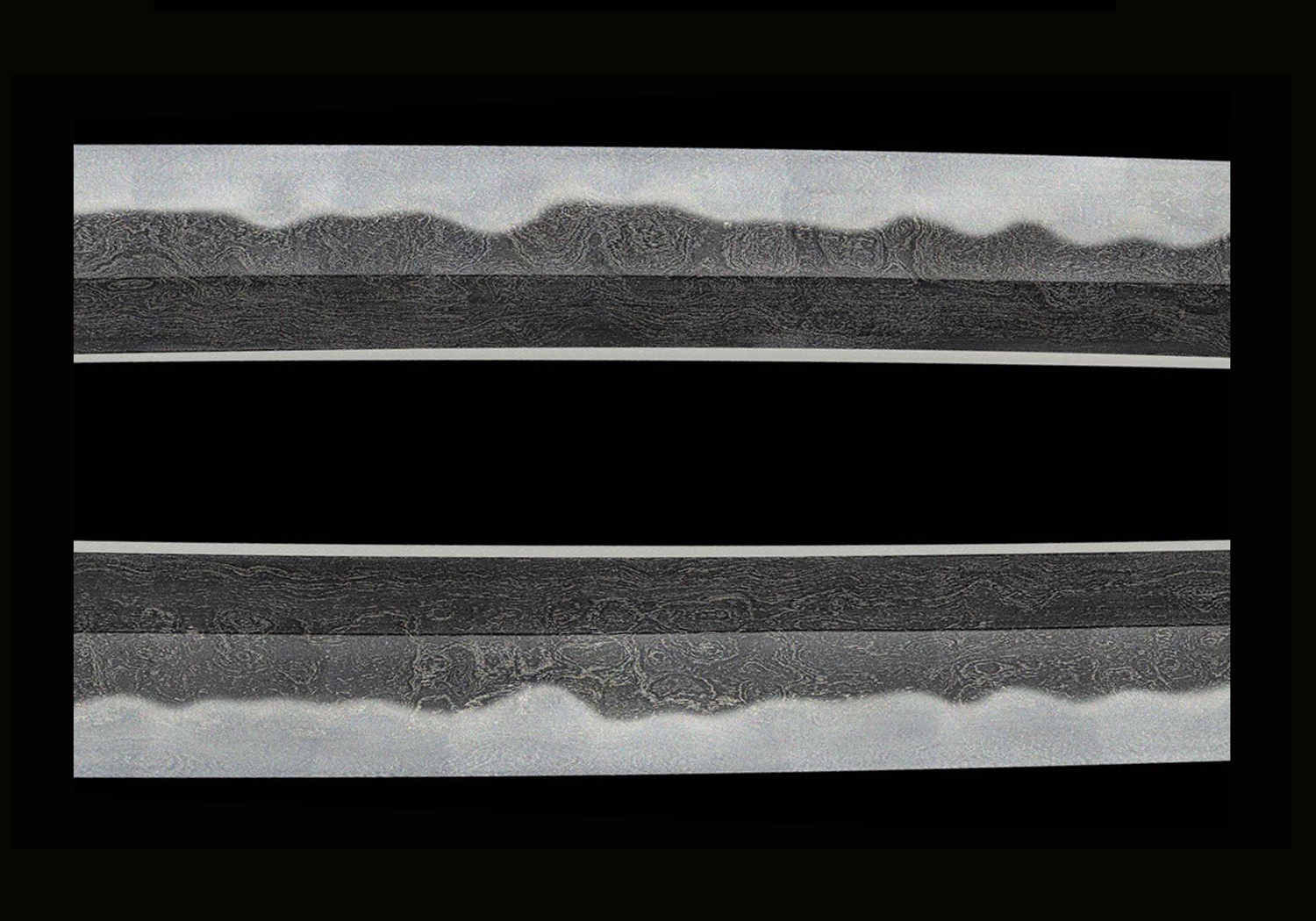
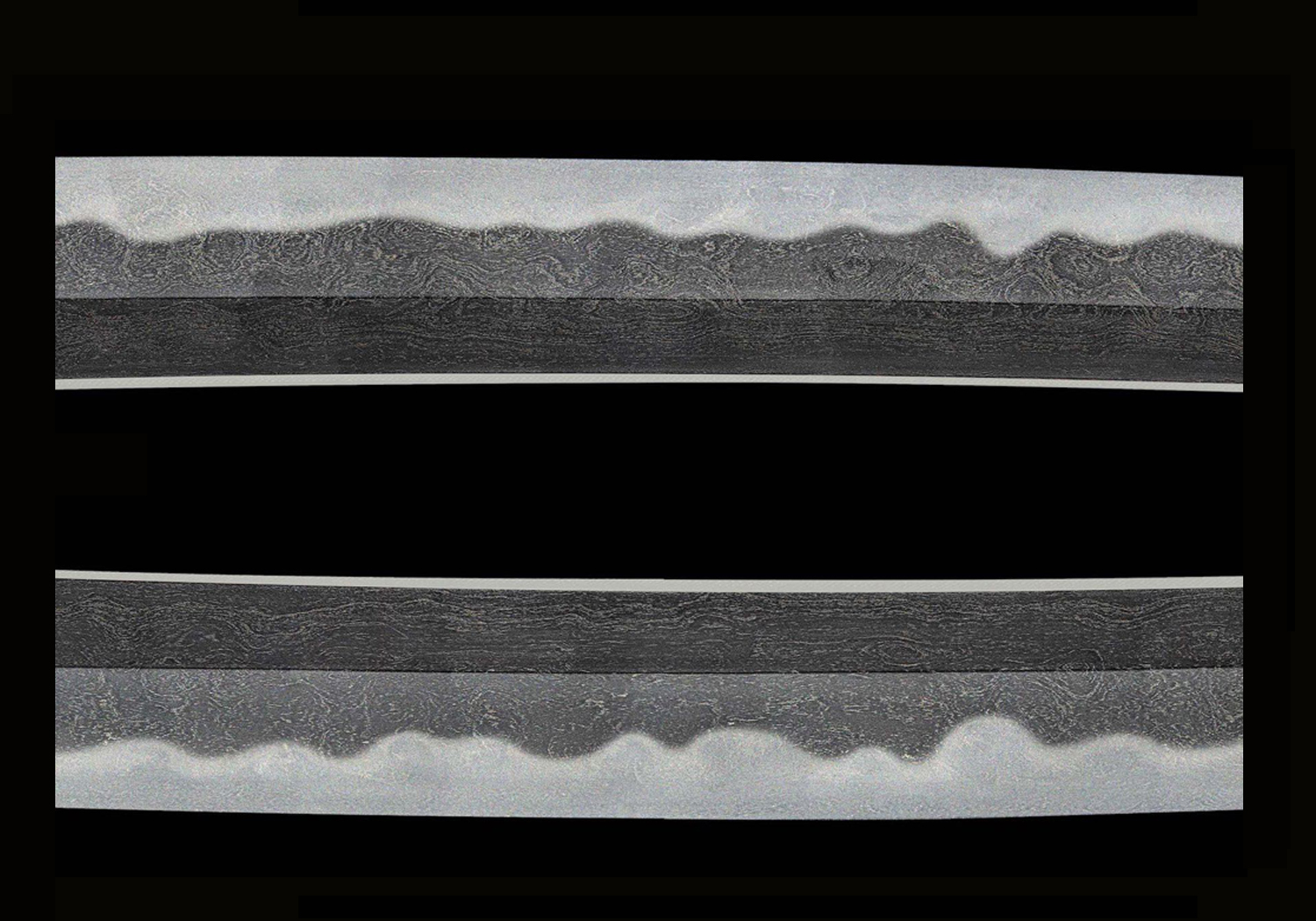
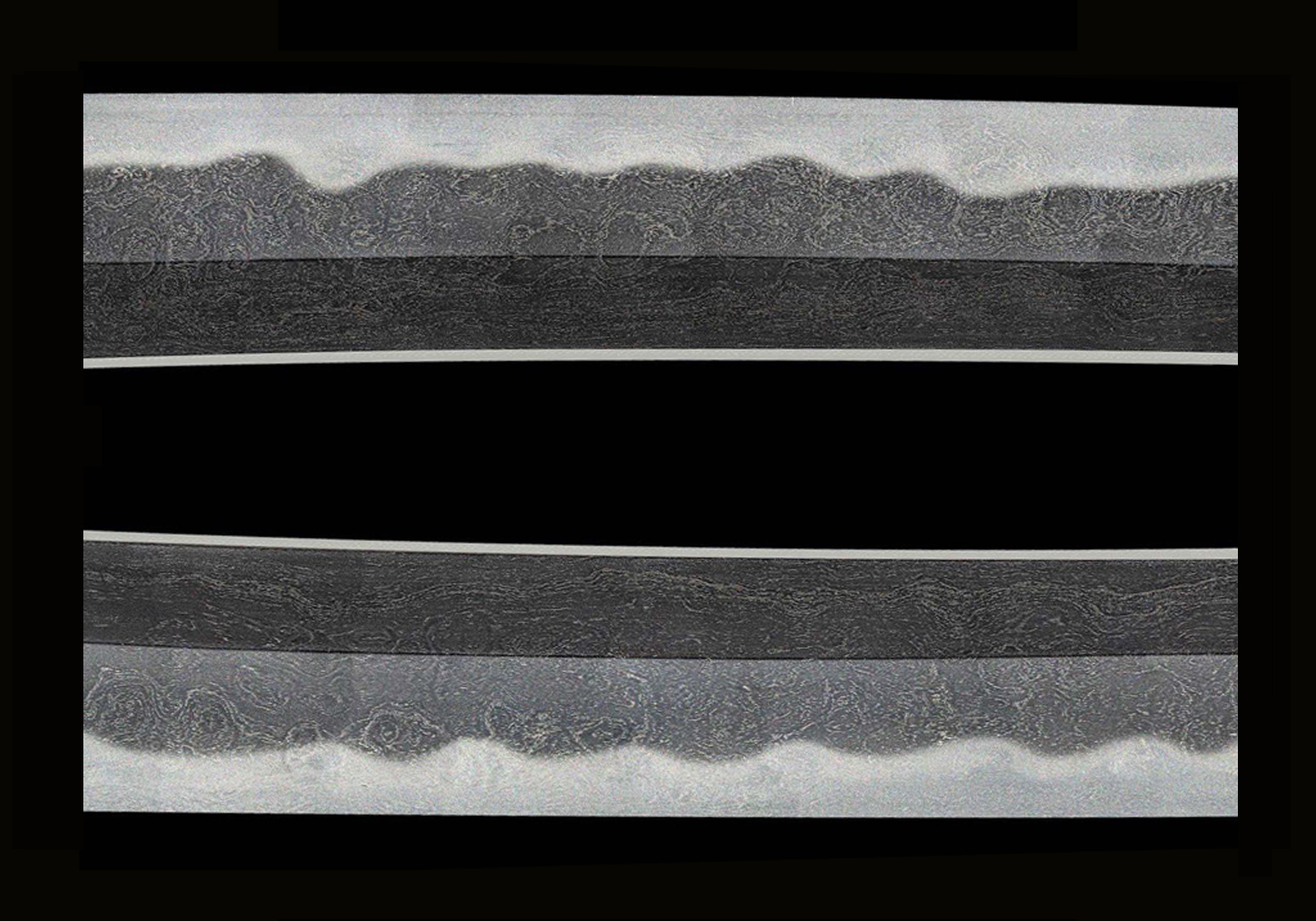
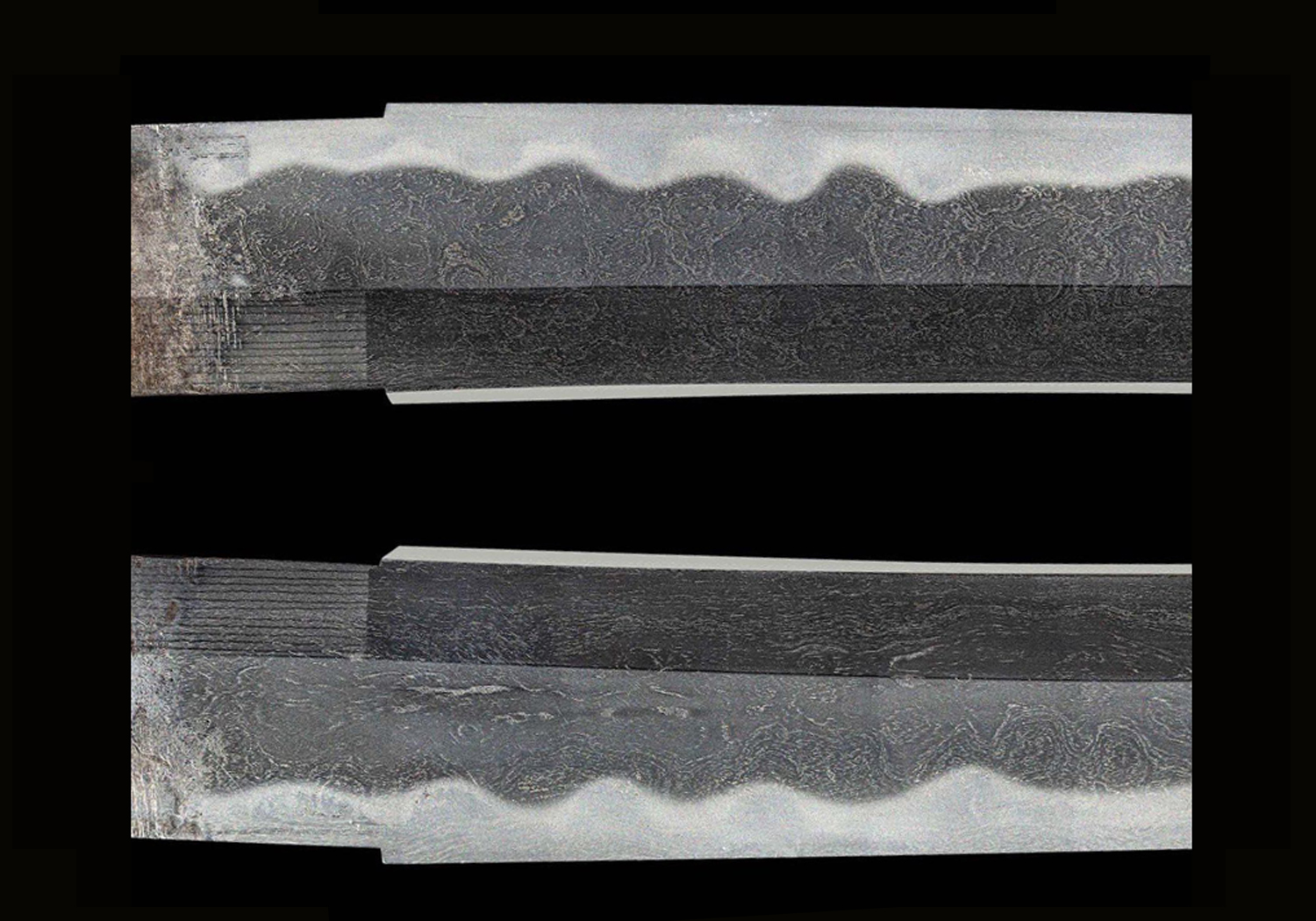
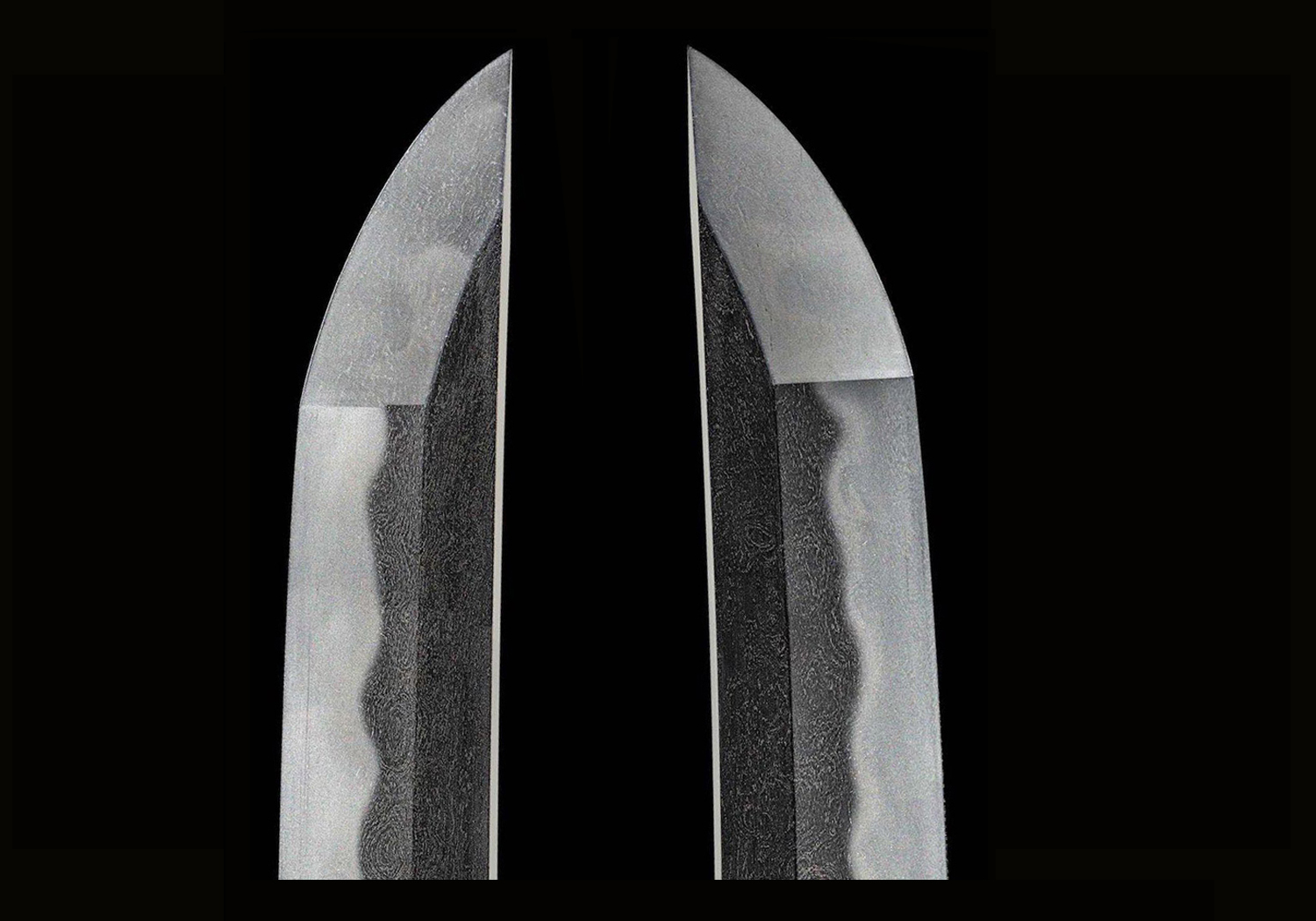
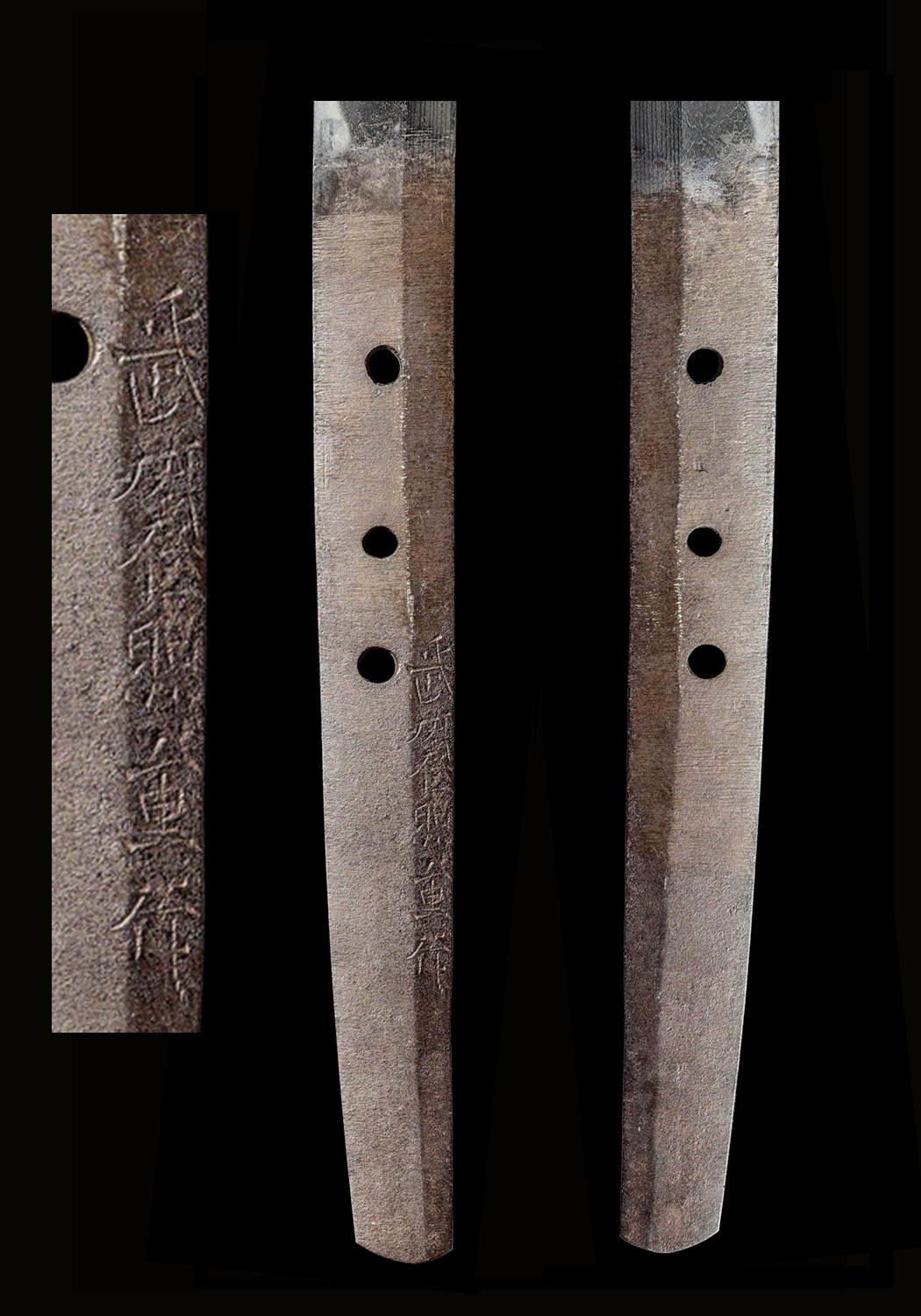
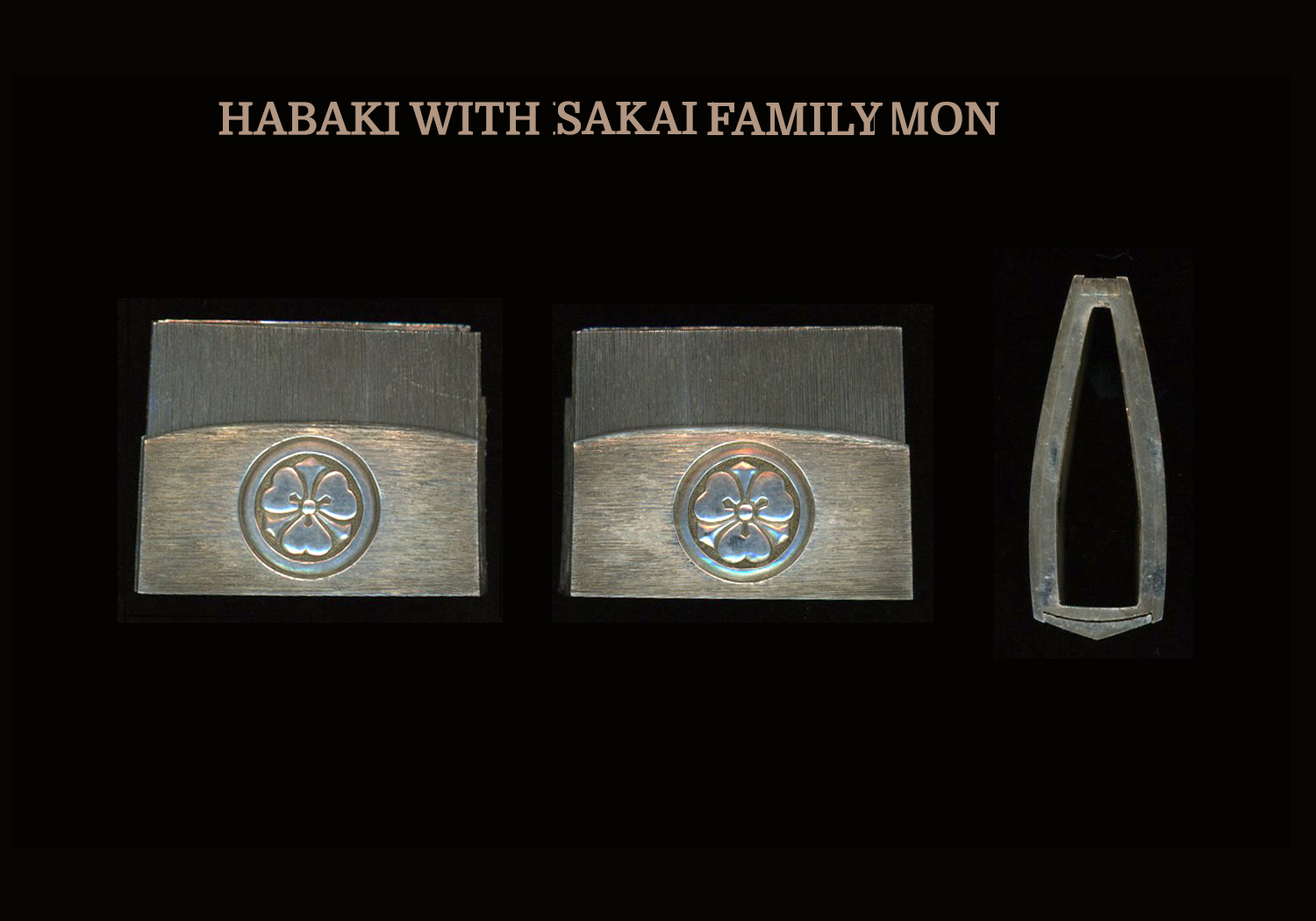
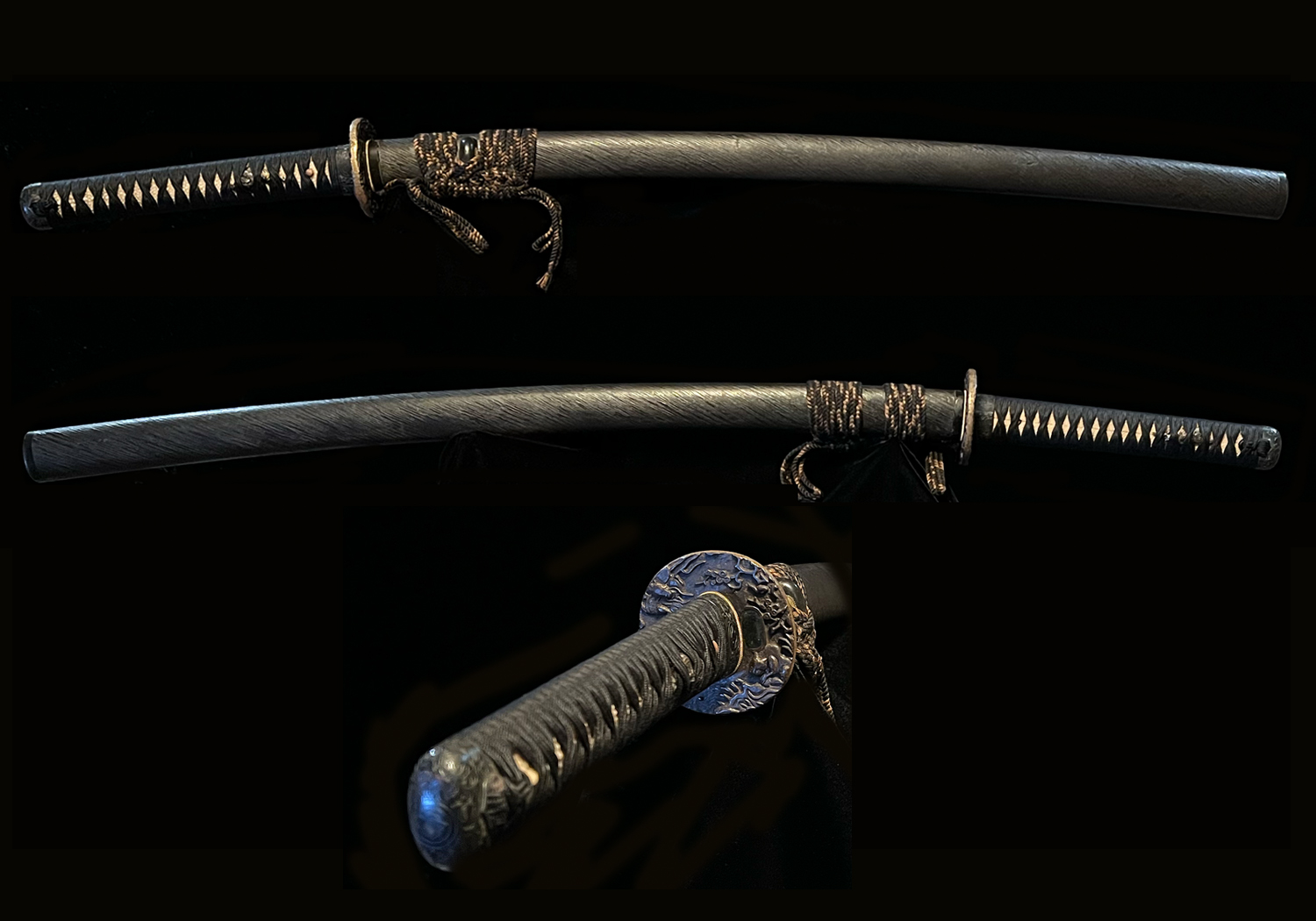
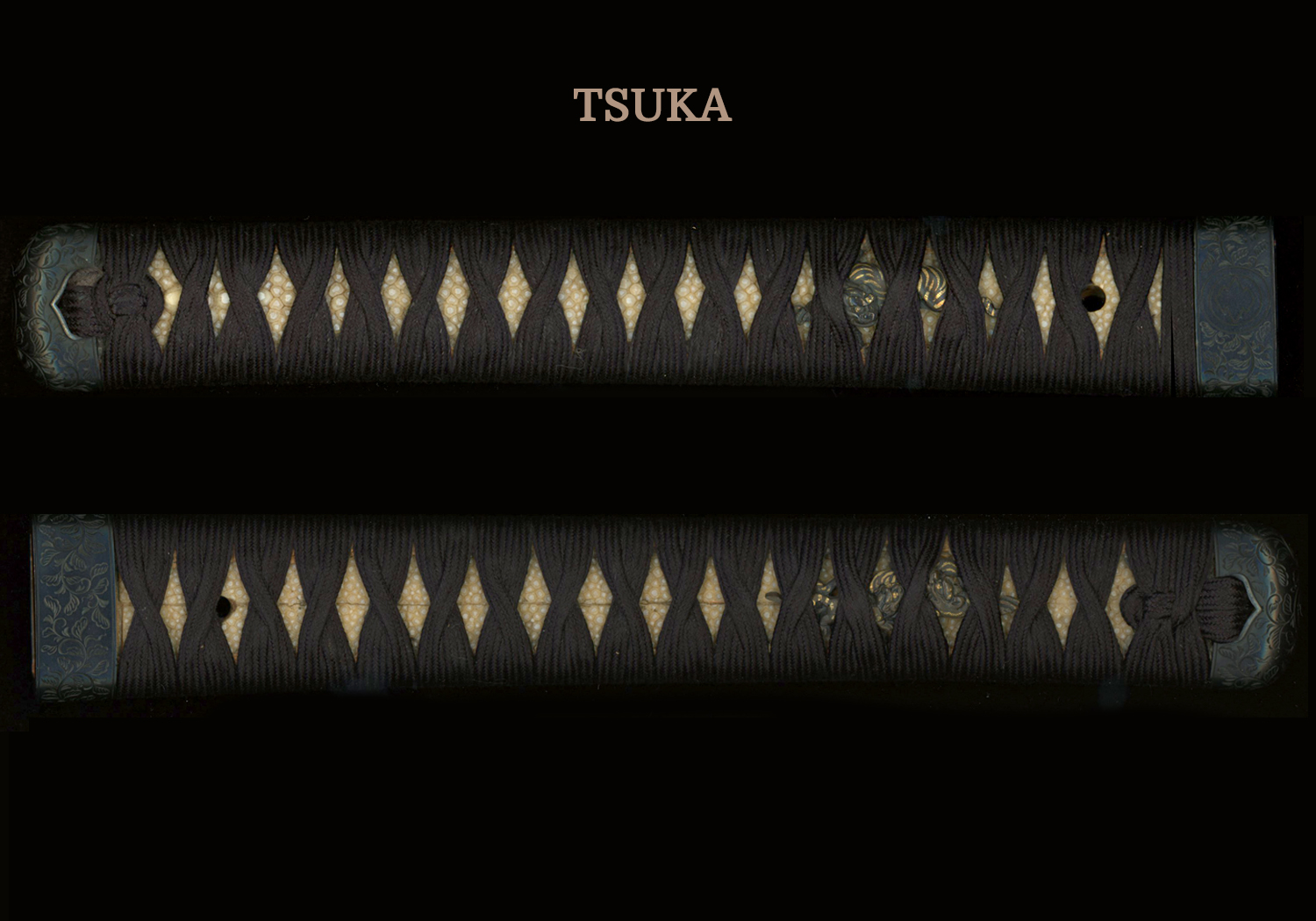
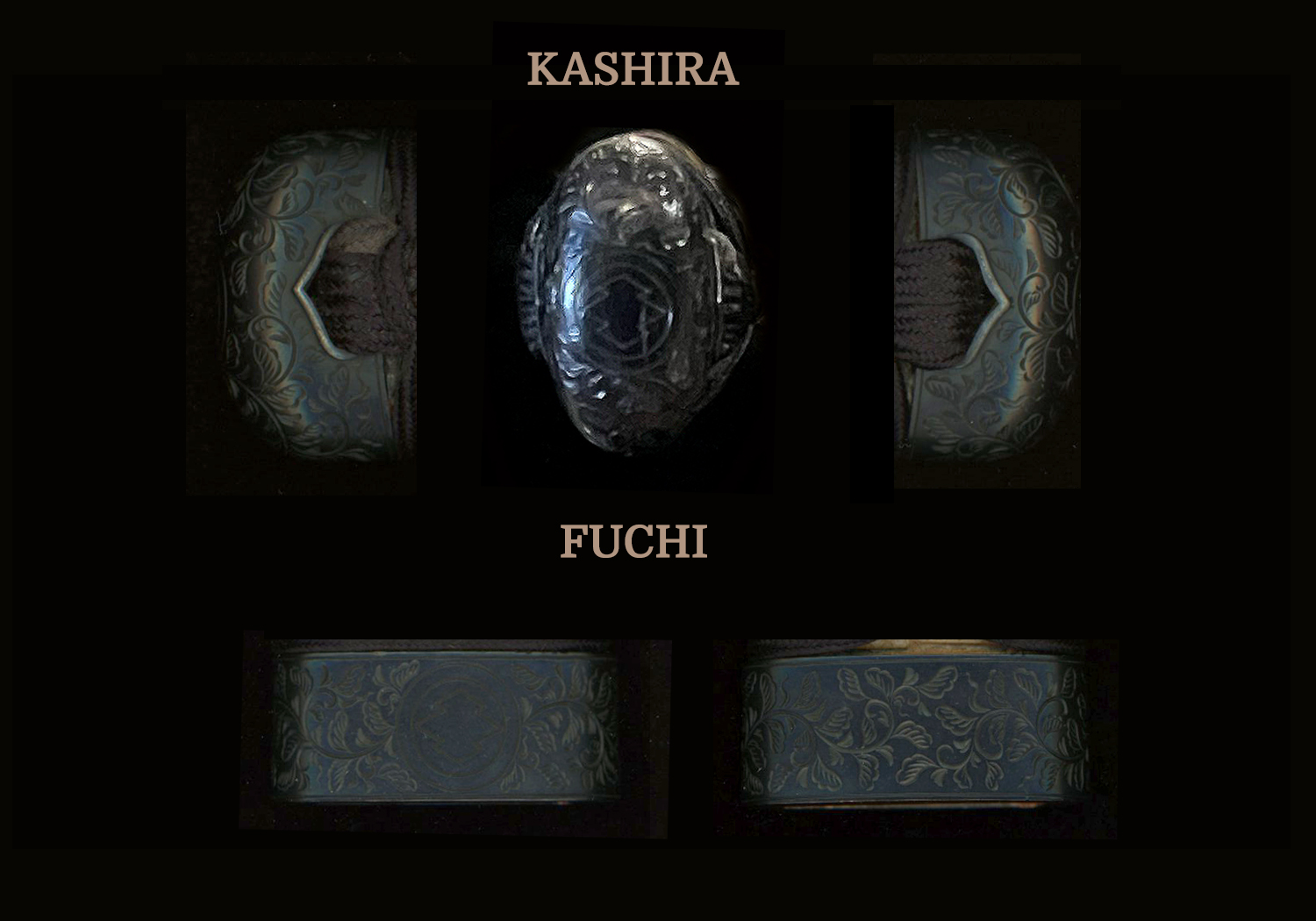
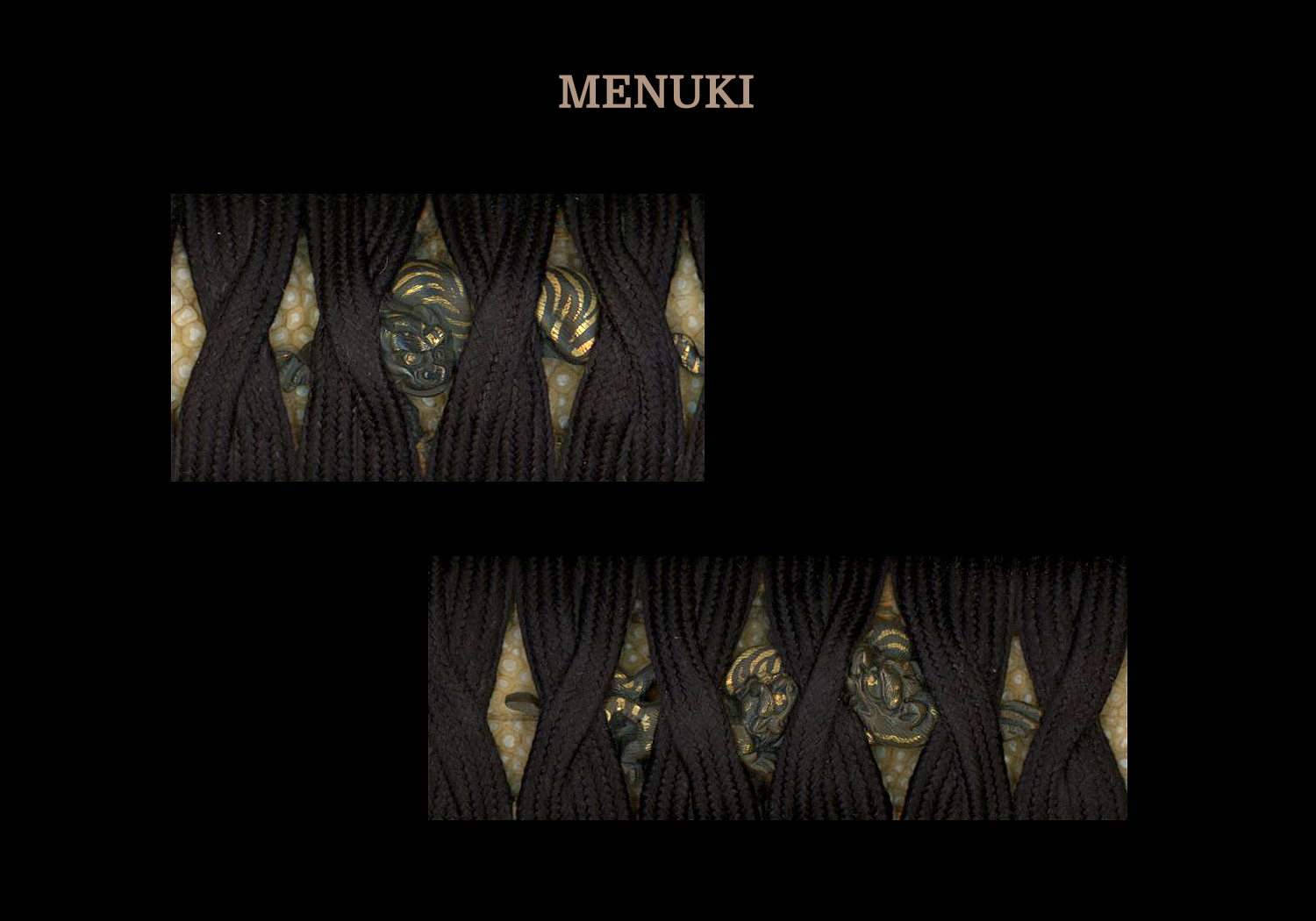
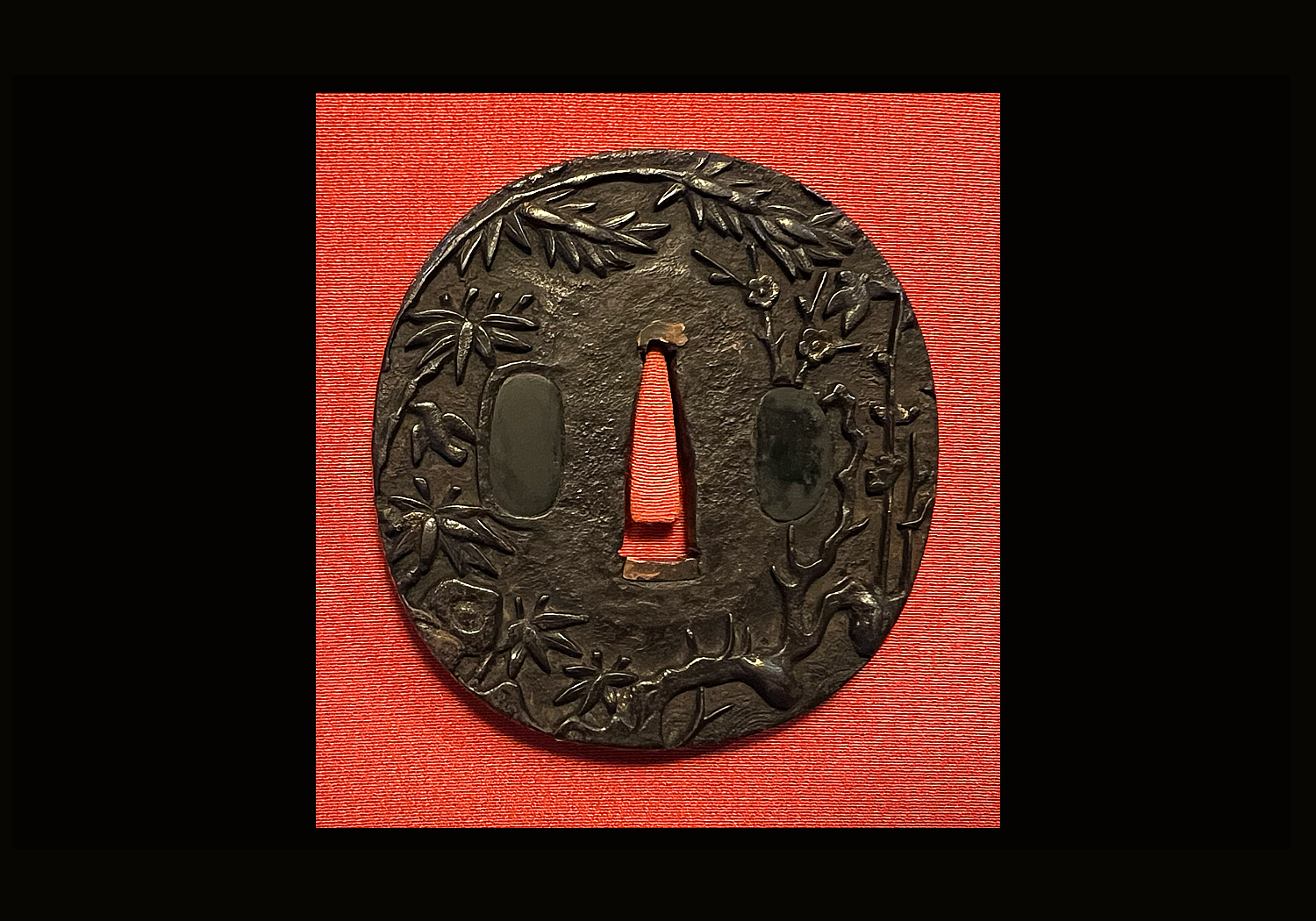
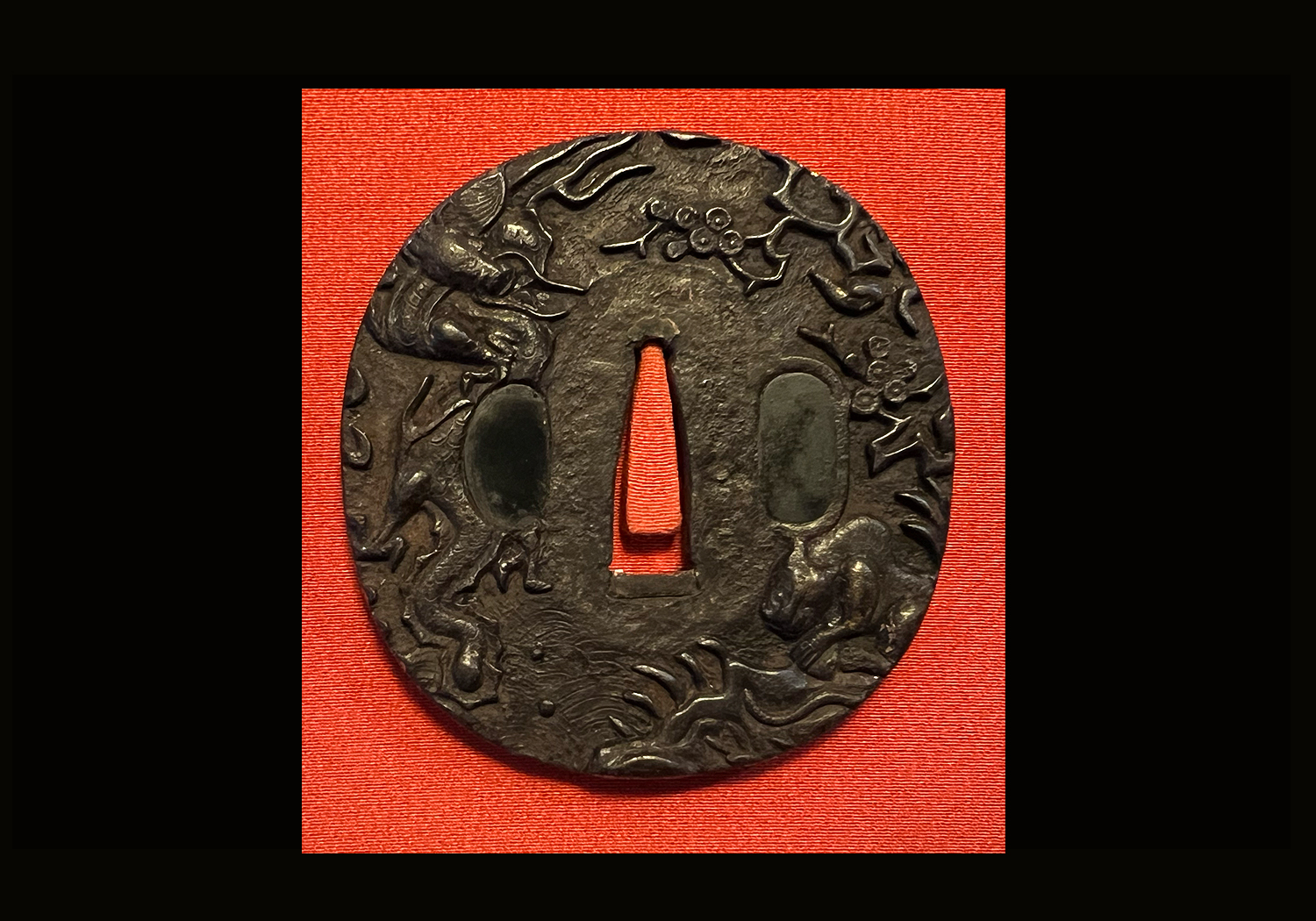
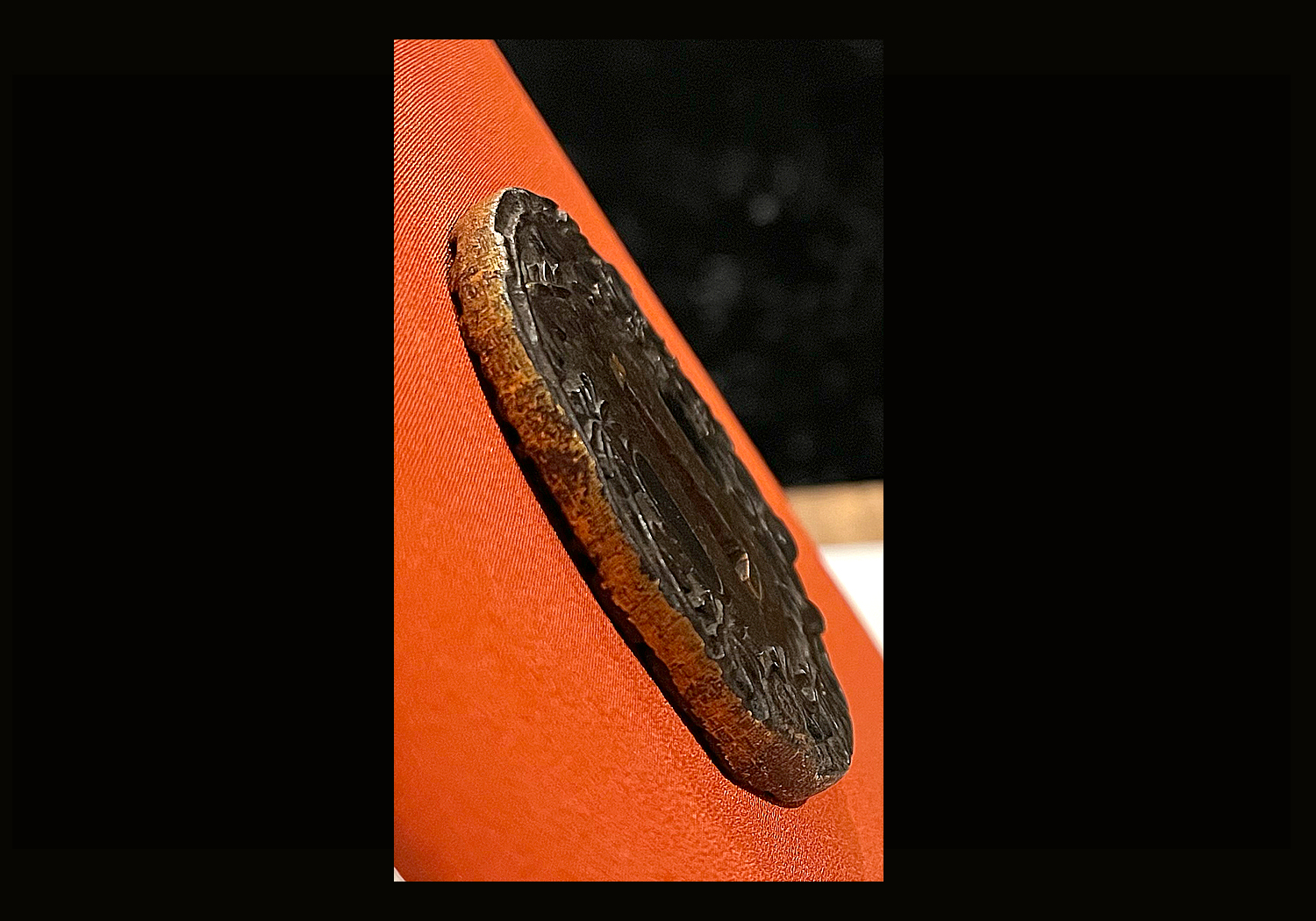
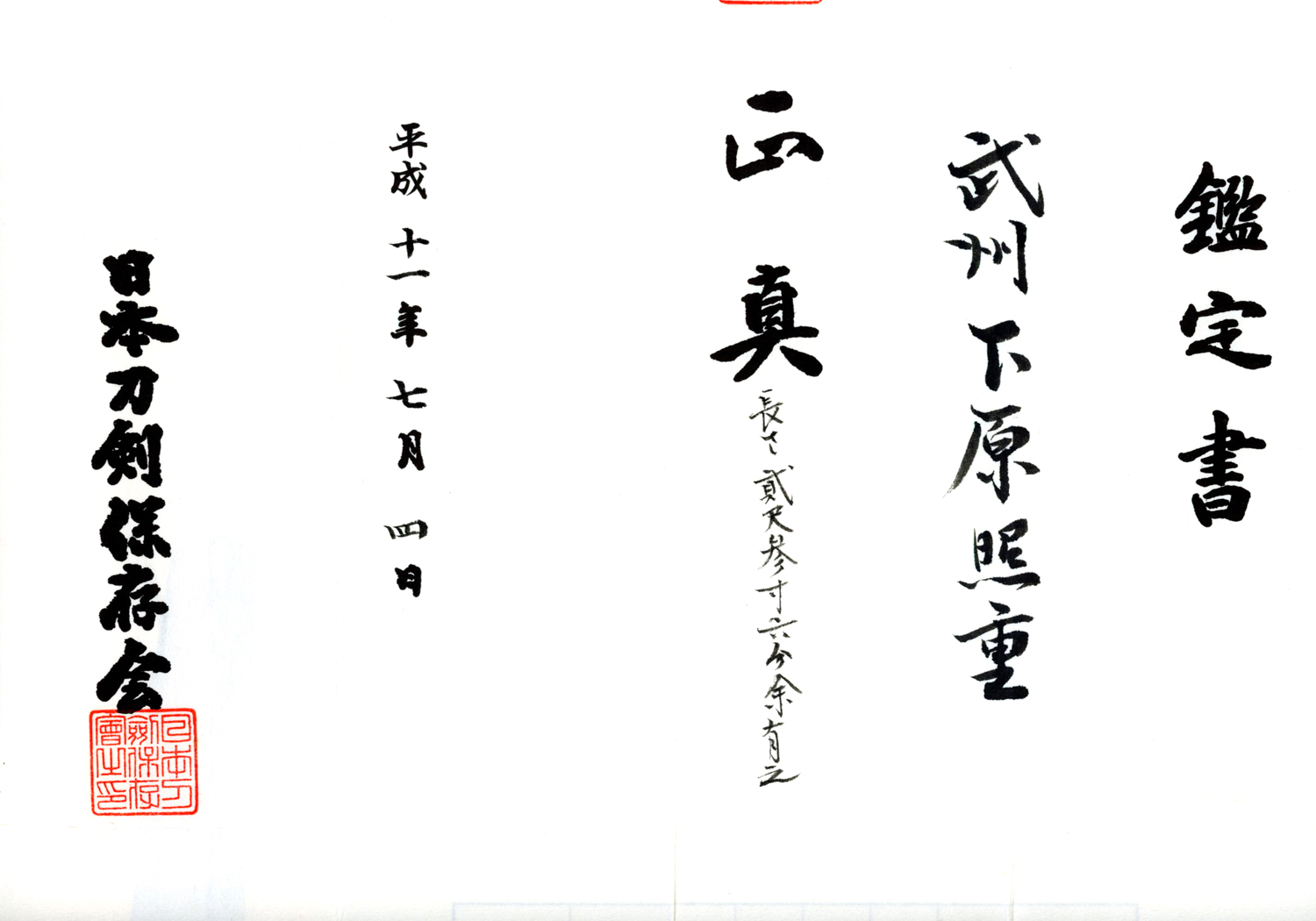
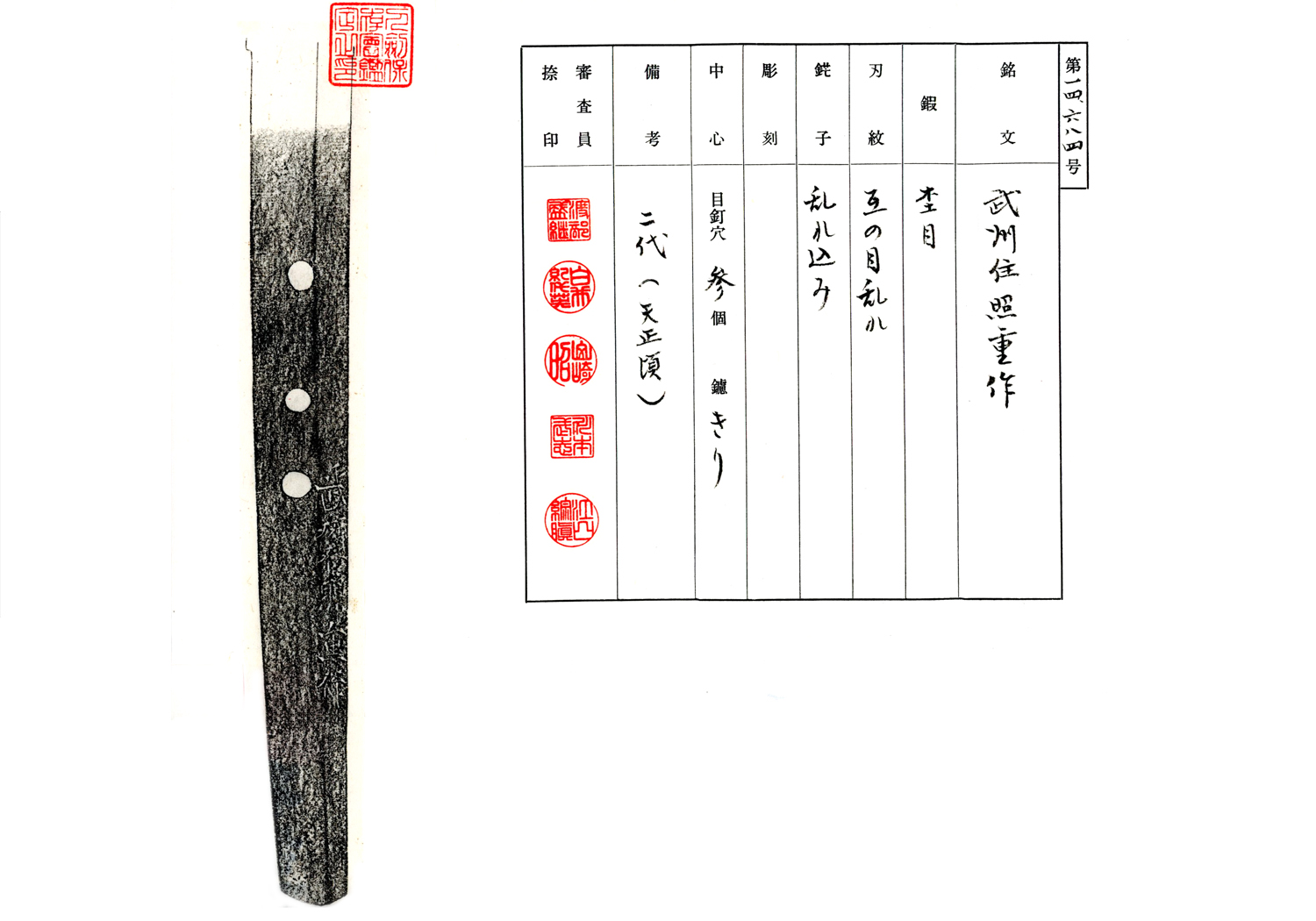
A KATANA BY SHITAHARA TERUSHIGE 照重 090225A KATANA BY SHITAHARA TERUSHIGE 照重 0902259.27.25fred@nihonto.comThis katana by the Shitahara smith, Terushige, is a wonderful combination of grace and sheer power. It dates to the Tensho era (1573-1592), the climax of the Sengoku Period when the country was in a state of constant warfare and swords like this were highly valued.The Shitahara School of Musashi province (Modern day Tokyo area) was founded in the late Muromachi period by Chikashige (周重) (circa Tenbun, 1532-1555) , an Odawara Sôshû smith who moved from Odawara to the Shitahara area of modern Hachiôji city, a suburb of Tokyo. The school first served the Odawara Hôjô Daimyo family until they were destroyed, and then went on to serve the Tokugawa government. There are very few extant works by Chikashige; however, the two representative smiths, Yasushige (康重) and Terushige (照重)have a fairly large number of remaining swords. The school continued to prosper into the Shintô period until the middle of the Edo period.Their style of workmanship includes a construction of shinogi-zukuri katana and wakizashi as well as hira-zukuri wakizashi and tantô. The blades are wide and thin with shallow curvature. The jigane is typically the so-called “Shitahara-hada consisting of powerful mokume (wood burl) that has a swirling appearance down the center of the ji. They also produce a ko-itame that will show Shitahara-hada in some areas of the jigane. The hamon (temper line) are ô-midare, ô-notare, gunome-midare, hitatsura-ba, wide suguha and medium suguha. The habuchi (top edge of the temper line where it meets the un-tempered part of the sword) is nioi based with an uneven scattering of nie, and there is occasionally ashi and sunagashi activity. Bôshi are midare-komi with a kaeri (turn-back). The nakago (tang) are slightly tanago-bara with kiri- or kattesagari-yasuri. The nakago-jiri is kurijiri (end of the tang) are kurijiri (rounded)..The detailed description of this particular sw
在銘 · Shitahara · Eiroku (1558-1570) · 長さ 71.76cm · 反り 1.9cm


Shinto · 武蔵 · 1558-1570頃
藤代 Jo saku · 刀剣大鑑 上位49%
現在1点販売中
照重の位置づけを、日本刀全体および伝統・時代・時期ごとに示します。各位(随一・屈指・有数・著名)は、NBTHK および文化庁による指定に加え、三作や名物帳などの歴史的栄誉を加味したものです。
各項目を選ぶと評価方法が表示されます。
Shinto · 武蔵
現在7点販売中
下原派は武蔵国八王子の地に拠った刀工の一群で、室町末期に興り、以後江戸末期に至るまで作刀を続けた。古刀期の武蔵国を代表する鍛冶とされ、説示では周重・康重・照重・広重の四工を著名な工として挙げる。なかでも照重は康重・広重と並んで一派を代表する存在で、山本源二郎照重、山本与五郎康重のように山本姓を称した工も知られる。照重については銘鑑が初代を享禄、二代を永禄、三代を天正に充てており、永禄から天正の頃の作がもっとも時代の上がるものと鑑せられている。甲州の注文に応じて鍛えた薙刀も伝わり、地方を越えて求められた様子がうかがえる。 作風は末相州および村正一派の風に末関風を加味したものと説かれる。鍛えは板目に杢がしきりに交じって肌立ち、刃寄りが流れて綾杉風となり、渦を巻いたような肌があらわれる点に地がねの特色がある。刃文は湾れを基調に互の目が二つ三つ連れて尖り刃を交え、やや規則的に乱れて小沸がつき、砂流しのかかるものもある。帽子は乱れ込んで丸く返るものや先の尖って返るものがみられる。細かに肌立った杢目の地がねと、規則的に連れる互の目乱れにのたれを交えた刃文の組み合わせが、この一派を見分ける手がかりとなる。 鑑定にあたっては、肌立った地がねに綾杉風の流れと渦巻く肌があらわれること、互の目が規則的に連れて乱れる刃文の調子を要点とする。彫物では表に棒樋を掻き、倶利迦羅竜や不動、梵字を添えるものが多く、倶利迦羅竜の尾の巻き方に一派らしさが出るとされる。茎は栗尻に切鑢を施し、棟寄りに長銘を切るものが多い。室町末期の打刀や薙刀を代表する優品が重要刀剣に列せられており、照重の薙刀は両刃造という珍しい形状を伝える。武蔵国の在地鍛冶として実用に応えつつ、相州と関の風を併せ呑んだ独自の地刃を築いた点に、下原一派の位置づけがある。
販売店の出品ページで鑑定書を確認できませんでした。日本刀および刀装具は通常、NBTHK(または NTHK)の鑑定を受けます。鑑定書がない場合、極めは販売店の見解にとどまり、第三者による確認は行われていません。ご購入前に販売店へ鑑定書の有無をお問い合わせのうえ、慎重にご判断ください。
Three-day inspection period and seven-day return period; buyer notifies by email within three days of receipt, no reason needed; full refund once item returned undamaged and unaltered.
A KATANA BY SHITAHARA TERUSHIGE 照重 090225A KATANA BY SHITAHARA TERUSHIGE 照重 0902259.27.25fred@nihonto.comThis katana by the Shitahara smith, Terushige, is a wonderful combination of grace and sheer power. It dates to the Tensho era (1573-1592), the climax of the Sengoku Period when the country was in a state of constant warfare and swords like this were highly valued.The Shitahara School of Musashi province (Modern day Tokyo area) was founded in the late Muromachi period by Chikashige (周重) (circa Tenbun, 1532-1555) , an Odawara Sôshû smith who moved from Odawara to the Shitahara area of modern Hachiôji city, a suburb of Tokyo. The school first served the Odawara Hôjô Daimyo family until they were destroyed, and then went on to serve the Tokugawa government. There are very few extant works by Chikashige; however, the two representative smiths, Yasushige (康重) and Terushige (照重)have a fairly large number of remaining swords. The school continued to prosper into the Shintô period until the middle of the Edo period.Their style of workmanship includes a construction of shinogi-zukuri katana and wakizashi as well as hira-zukuri wakizashi and tantô. The blades are wide and thin with shallow curvature. The jigane is typically the so-called “Shitahara-hada consisting of powerful mokume (wood burl) that has a swirling appearance down the center of the ji. They also produce a ko-itame that will show Shitahara-hada in some areas of the jigane. The hamon (temper line) are ô-midare, ô-notare, gunome-midare, hitatsura-ba, wide suguha and medium suguha. The habuchi (top edge of the temper line where it meets the un-tempered part of the sword) is nioi based with an uneven scattering of nie, and there is occasionally ashi and sunagashi activity. Bôshi are midare-komi with a kaeri (turn-back). The nakago (tang) are slightly tanago-bara with kiri- or kattesagari-yasuri. The nakago-jiri is kurijiri (end of the tang) are kurijiri (rounded)..The detailed description of this particular sw
在銘 · Shitahara · Eiroku (1558-1570) · 長さ 71.76cm · 反り 1.9cm


Shinto · 武蔵 · 1558-1570頃
藤代 Jo saku · 刀剣大鑑 上位49%
現在1点販売中
照重の位置づけを、日本刀全体および伝統・時代・時期ごとに示します。各位(随一・屈指・有数・著名)は、NBTHK および文化庁による指定に加え、三作や名物帳などの歴史的栄誉を加味したものです。
各項目を選ぶと評価方法が表示されます。
Shinto · 武蔵
現在7点販売中
下原派は武蔵国八王子の地に拠った刀工の一群で、室町末期に興り、以後江戸末期に至るまで作刀を続けた。古刀期の武蔵国を代表する鍛冶とされ、説示では周重・康重・照重・広重の四工を著名な工として挙げる。なかでも照重は康重・広重と並んで一派を代表する存在で、山本源二郎照重、山本与五郎康重のように山本姓を称した工も知られる。照重については銘鑑が初代を享禄、二代を永禄、三代を天正に充てており、永禄から天正の頃の作がもっとも時代の上がるものと鑑せられている。甲州の注文に応じて鍛えた薙刀も伝わり、地方を越えて求められた様子がうかがえる。 作風は末相州および村正一派の風に末関風を加味したものと説かれる。鍛えは板目に杢がしきりに交じって肌立ち、刃寄りが流れて綾杉風となり、渦を巻いたような肌があらわれる点に地がねの特色がある。刃文は湾れを基調に互の目が二つ三つ連れて尖り刃を交え、やや規則的に乱れて小沸がつき、砂流しのかかるものもある。帽子は乱れ込んで丸く返るものや先の尖って返るものがみられる。細かに肌立った杢目の地がねと、規則的に連れる互の目乱れにのたれを交えた刃文の組み合わせが、この一派を見分ける手がかりとなる。 鑑定にあたっては、肌立った地がねに綾杉風の流れと渦巻く肌があらわれること、互の目が規則的に連れて乱れる刃文の調子を要点とする。彫物では表に棒樋を掻き、倶利迦羅竜や不動、梵字を添えるものが多く、倶利迦羅竜の尾の巻き方に一派らしさが出るとされる。茎は栗尻に切鑢を施し、棟寄りに長銘を切るものが多い。室町末期の打刀や薙刀を代表する優品が重要刀剣に列せられており、照重の薙刀は両刃造という珍しい形状を伝える。武蔵国の在地鍛冶として実用に応えつつ、相州と関の風を併せ呑んだ独自の地刃を築いた点に、下原一派の位置づけがある。
販売店の出品ページで鑑定書を確認できませんでした。日本刀および刀装具は通常、NBTHK(または NTHK)の鑑定を受けます。鑑定書がない場合、極めは販売店の見解にとどまり、第三者による確認は行われていません。ご購入前に販売店へ鑑定書の有無をお問い合わせのうえ、慎重にご判断ください。
Three-day inspection period and seven-day return period; buyer notifies by email within three days of receipt, no reason needed; full refund once item returned undamaged and unaltered.