肥前刀は藩営の産業である。鍋島家は1596年頃、忠吉を京の埋忠明寿のもとに学ばせ、帰国したその工を核に公認の一門を築いた。小糠肌で名高いその作は、九代にわたり明治まで続いている。
 NihontoWatchNihontoWatch
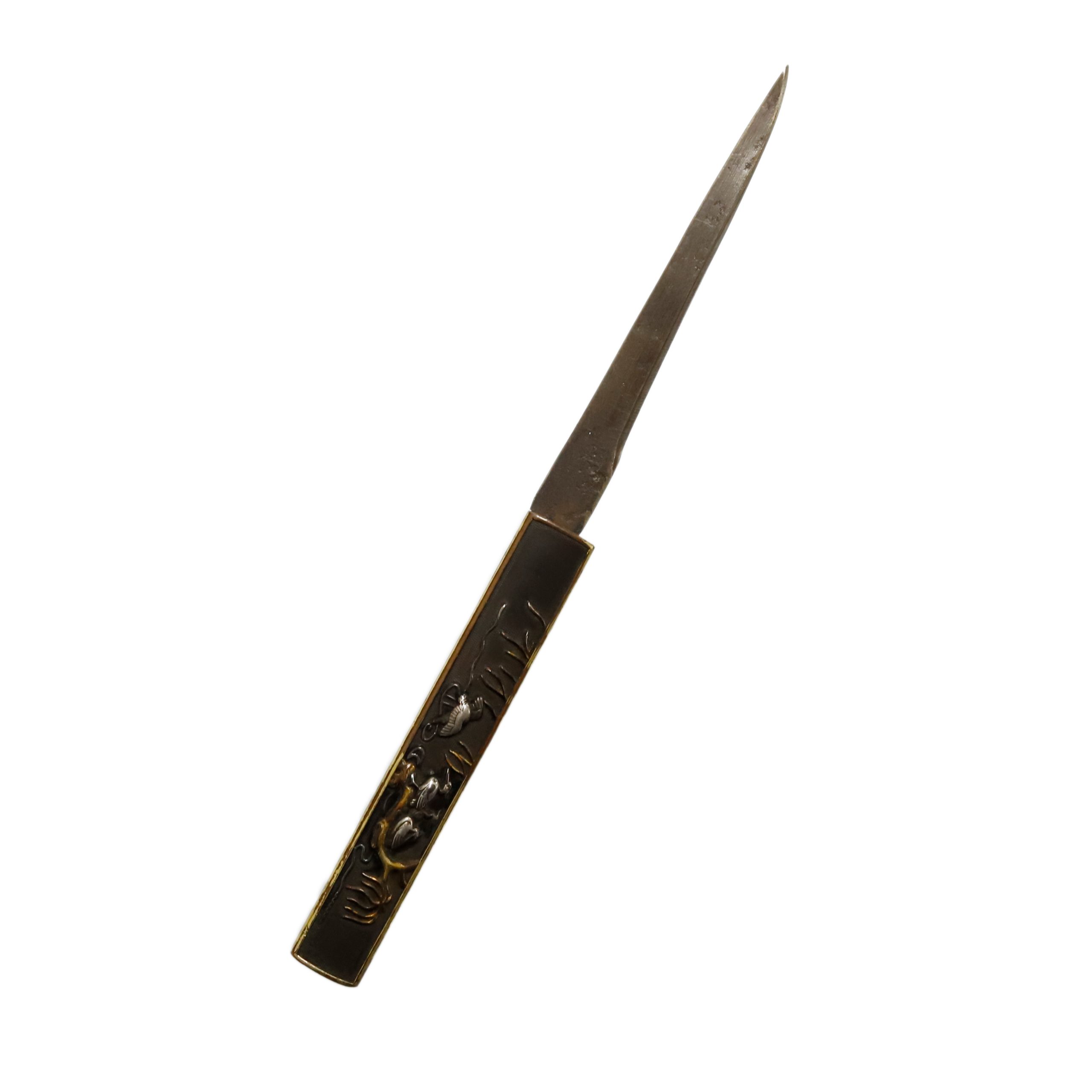
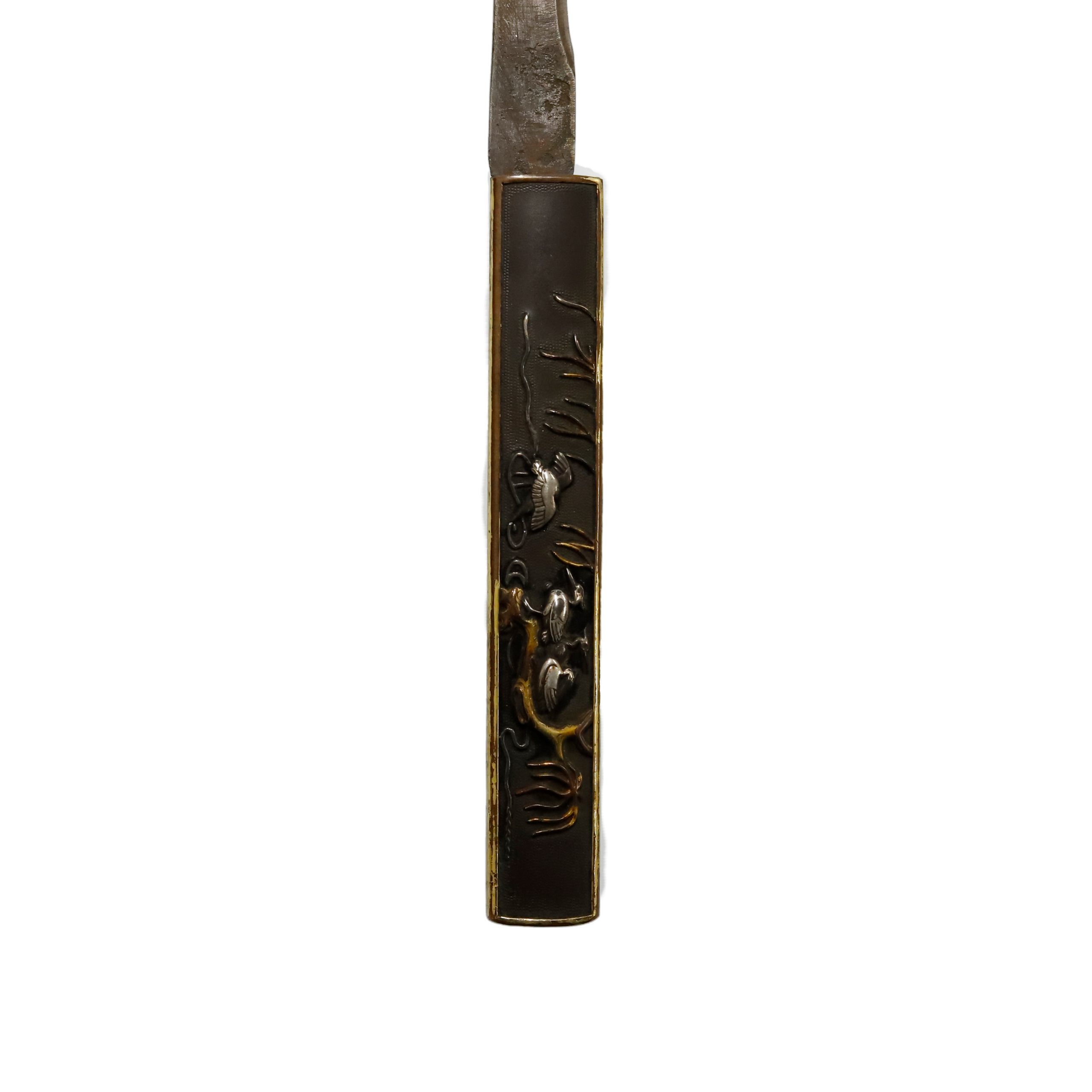
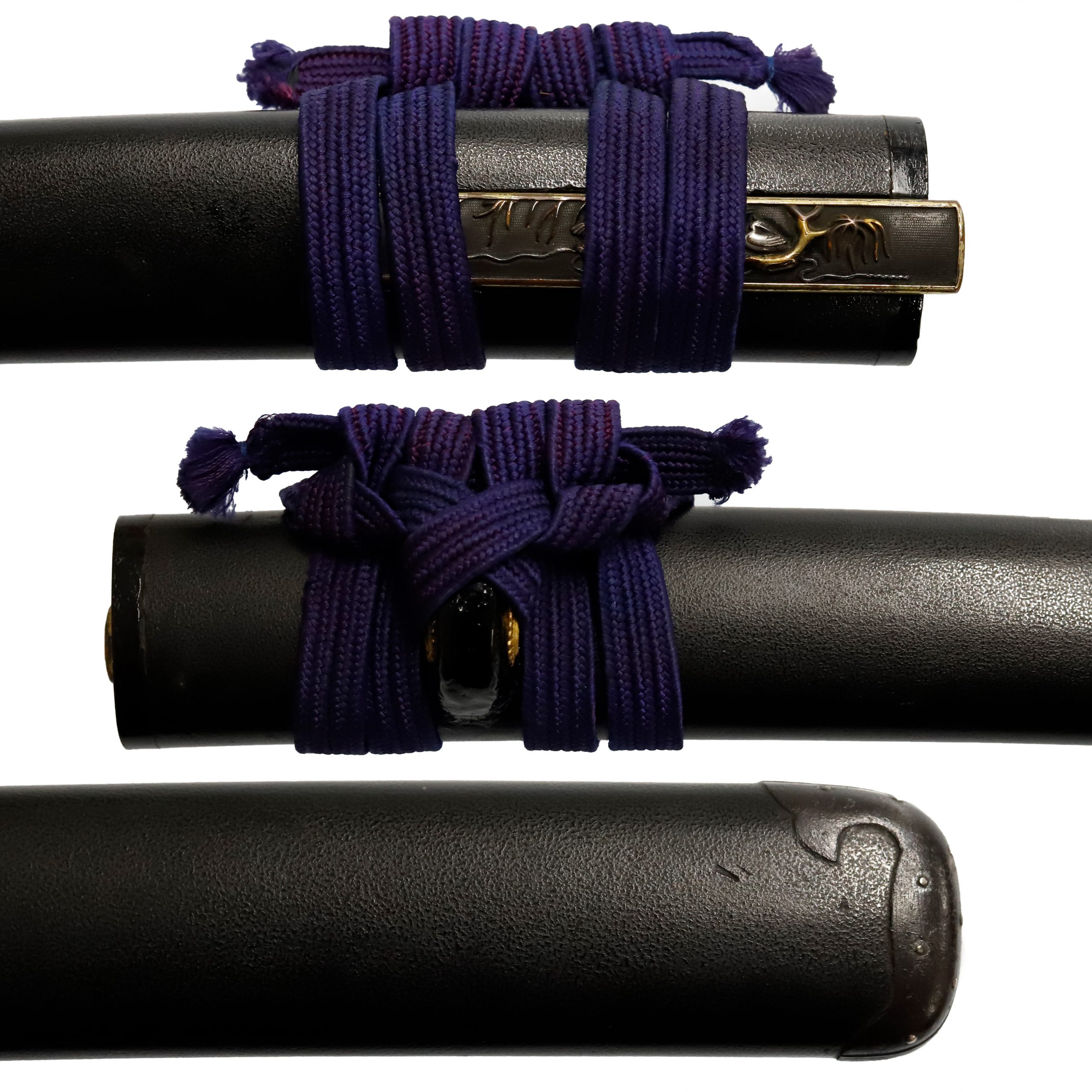
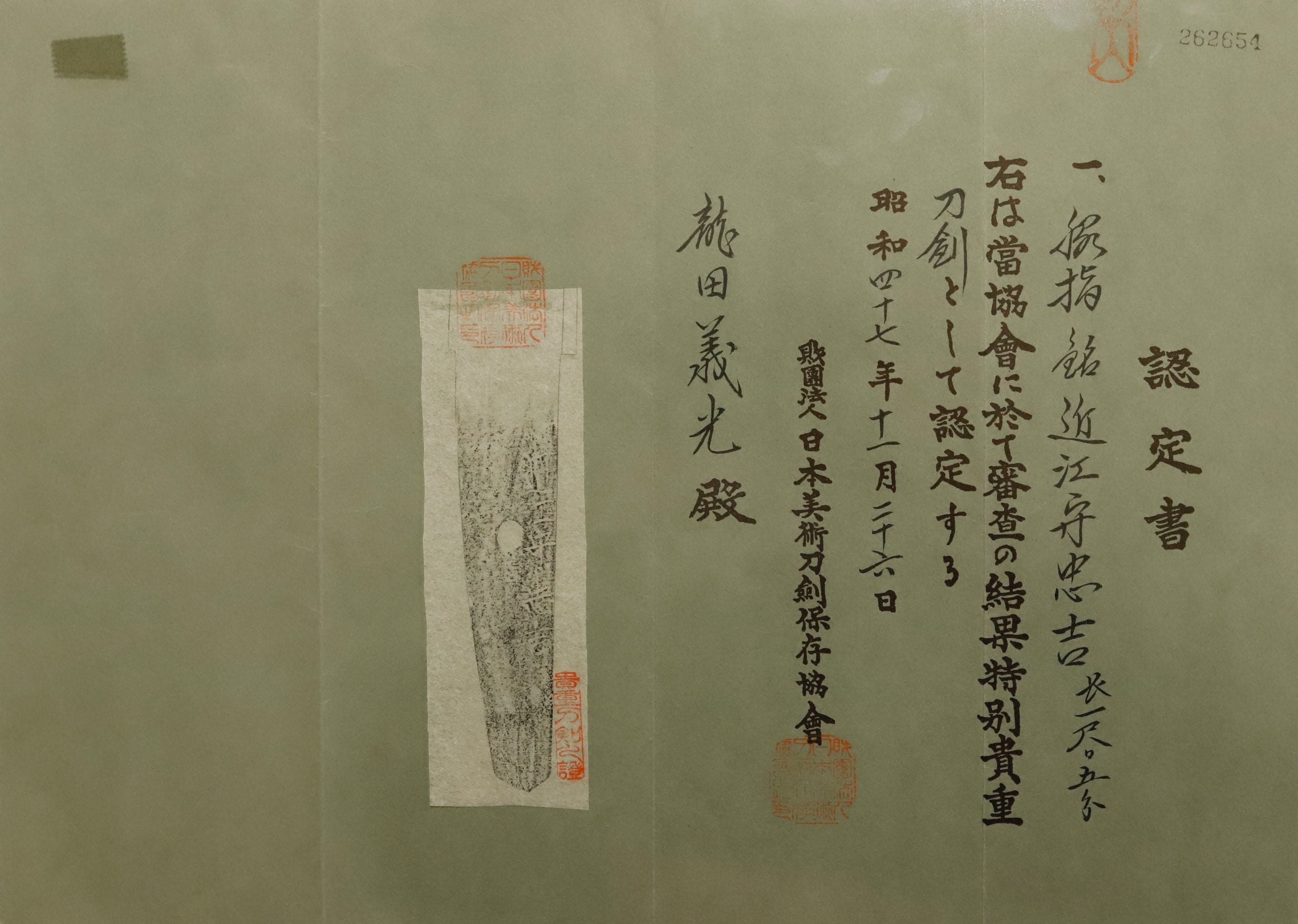
Summary This blade was signed by Omi no Kami Tadayoshi(近江守忠吉). Judging from the title given to this swordsmith(Omi no Kami), we believe the 5th-gen Tadayoshi created this blade during the mid-Edo period in Hizen province(today’s Saga prefecture). The 5th-gen Tadayoshi was active during the Kannen-Horeki era(1748-1764). The swordsmith name Tadayoshi lasted 9th generations from the Azuchi Momoyama-Edo period (1572-1868). During the Edo period, they served the Nabeshima clan, who ruled the Saga domain where Hizen province was located. The First Generation Tadayoshi The first-gen Tadayoshi was born and raised in the Saga domain. In 1596, under the domain’s order, he went to Kyoto to learn the sword-forging technique from Umetada Myojyu(埋忠明寿), one of the greatest swordsmiths in the early Edo period. He improved his craftsmanship and returned to the Saga domain two years later (1598). The first head of the Nabeshima clan, Nabeshima Katsushige, appreciated the work of the first-gen Tadayoshi very much. Then, Katsushige appointed him as his Okakaekaji, a swordsmith who exclusively forged swords for a specific domain or clan. And Tadayoshi started to stay near Saga castle, which is the headquarter of the Nabeshima clan. And, he founded Hizen Tadayoshi school, which trained more than 100 swordsmiths during the Edo period. The generation of Tadayoshi served Nabeshima clan by the end of the Edo period. The 5th Generation Tadayoshi The 5th-gen Tadayoshi was born in 1696 as the first son of the fourth-gen Tadayoshi. He received the honorable title Omi no Kami in 1750 (the third year of Kan-En) when he was 55 years old. He first signed Tadahiro as his maker’s name when his father was alive. And, he changed it to Tadayoshi after his father was deceased in 1747. Since this blade was signed with his title Omi no Kami and Tadayoshi, we can easily assume it was created after 1750. He died at the age of 80 and has been high-regarded among Japanese sword collectors for his excellent craft. Hizen Province The swordsmiths in the Hizen province worked under the auspices of the Nabeshima clan like Tadayoshi. They could produce beautiful Jigane-patterned blades, also known as Hizen To, using and mixing carbon steel made in western countries. Hizenkoku had been flourishing by international trading. The geographic location of this domain made it possible to have easy access to western carbon steel. Fuchi-Kashira The Kiri (桐, paulownia) flower and leaves are designed for this Fuchi Kashira. The gold paint is applied to these plants and makes an elegant contrast with the black and gold color. The Kiri pattern is generally composed of three standing straight inflorescences and three leaves. The number of flowers blooming at each inflorescence represents the ranks of this design. The Gosan-no-Kiri (五三の桐) pattern is a popular design that this flower motif is used. This pattern was once used by the imperial family and people in authority at that time. Today, it is permitted to use by ordinary households and is appreciated as their family crests. According to a theory, the Houou (鳳凰, Fenghuang, a kind of sacred beast) rests its wings at the Kiri tree; therefore, some people have regarded the Kiri as a holy plant. Tsuka and Menuki A kind of plant is the motif of this Menuki. We guess it is probably the Tsukushi (土筆, field horsetail). This plant endures the cold winter and comes into buds in the spring. We would say it is one of the seasonal things of spring. It is a plant with strong vitality that repeatedly grows even if it is cut. It has also been popular as a wild vegetable among Japanese people for a long time. It is a design that would make you feel the coming spring. Tsuba and Habaki It looks like this Tsuba’s shape imitates a chrysanthemum flower. Bamboos are beautifully arranged and imitate chrysanthemum petals. Many chrysanthemums are designed inside the diamond-shaped frame. This Tsuba is composed of the poplar motifs for sword mountings. A long time ago, the chrysanthemum was used as a medicine for obtaining a long life, and it was brought to Japan in the Nara period (648-781). Chrysanthemum symbolizes fall, and people have appreciated it very much since ancient times. As its petals form radially, the chrysanthemum has been likened to the sun. That is why this flower pattern is treated as the symbol of perpetual youth and longevity or good health. About the bamboo, this plant grows neatly towards the sky. It is said that this motif represents nobility and strength. In addition, the bamboo breaks straight, but its content is hollow; people have thought it shows innocence. According to a legend, the Houhou eats bamboo fruits; therefore, bamboo has been considered a sacred plant. Also, as it keeps its green color even in cold winter, it is thought the bamboo pattern shows eternity and longevity. Kozuka The Kogatana (小刀, small knife) is stored in the Kozuka. The figures of birds hanging out on the water’s edge are depicted. These birds might be egrets. This bird design has been popular especially for potteries because of its beautiful white feathers and graceful appearance. In this work, you see their elegant atmosphere. Authentication Paper They authenticated the blade on Nov 26th in the 47th year of Showa era(1972). They appraised it as Tokubetsu Kicho Token, an old form of certificate.

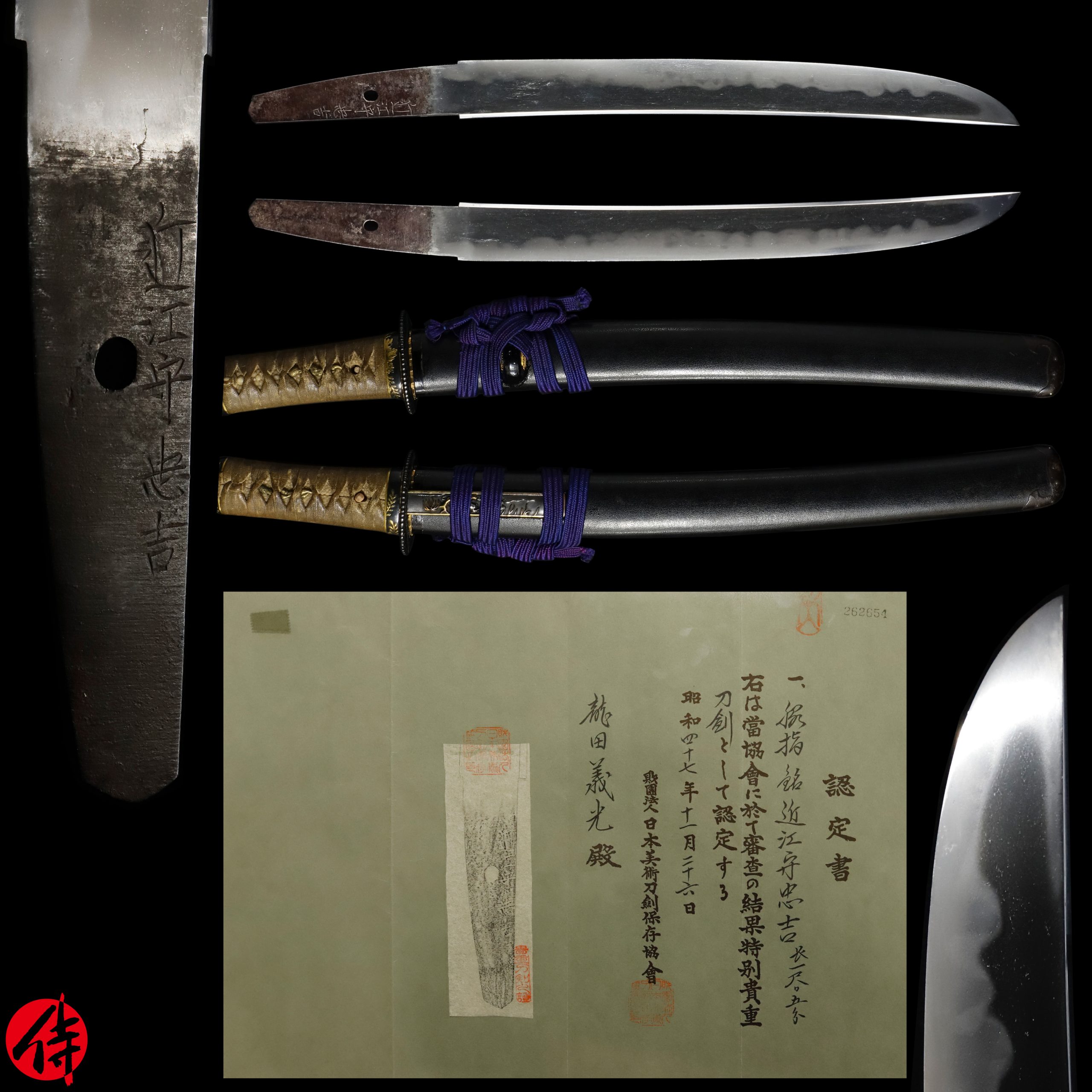
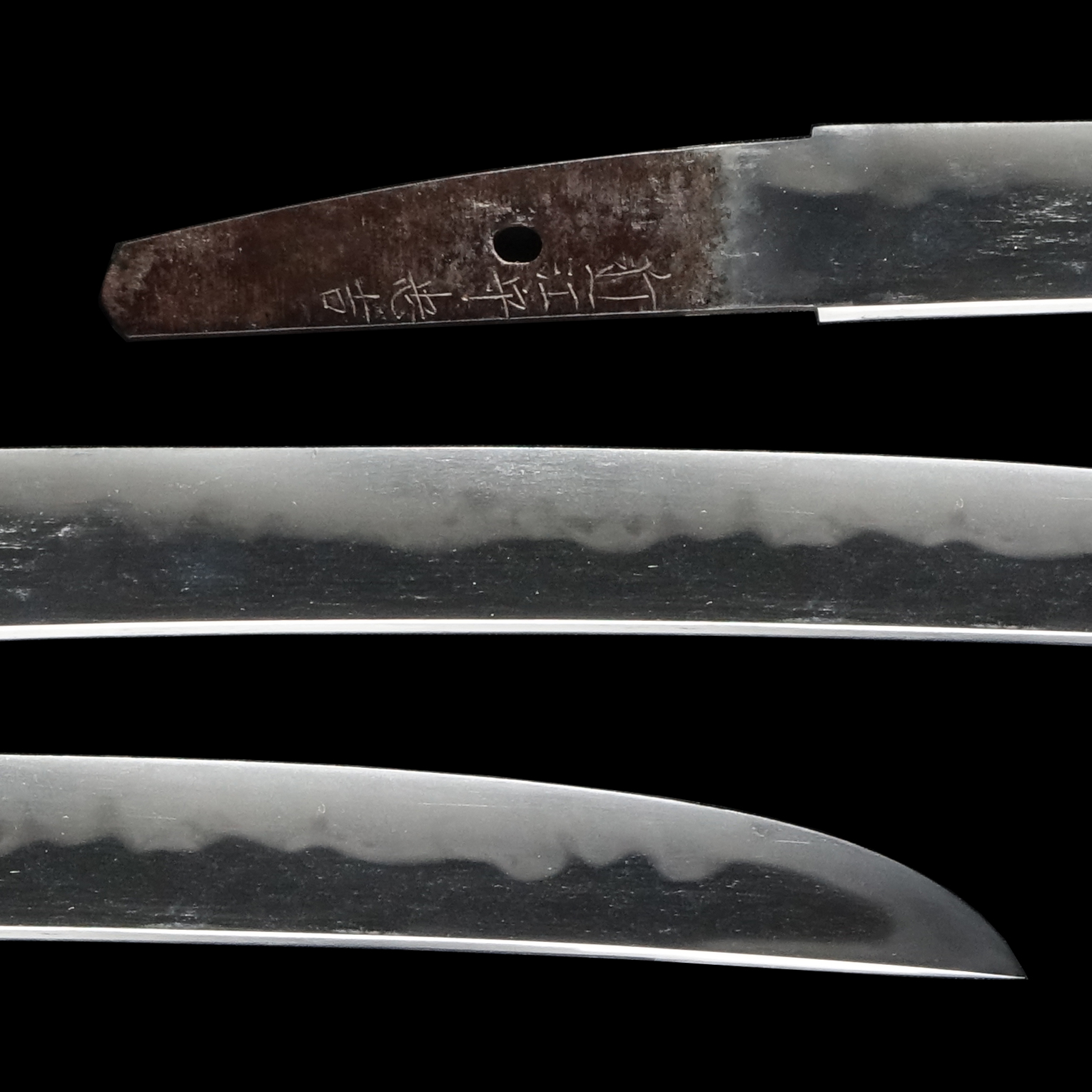
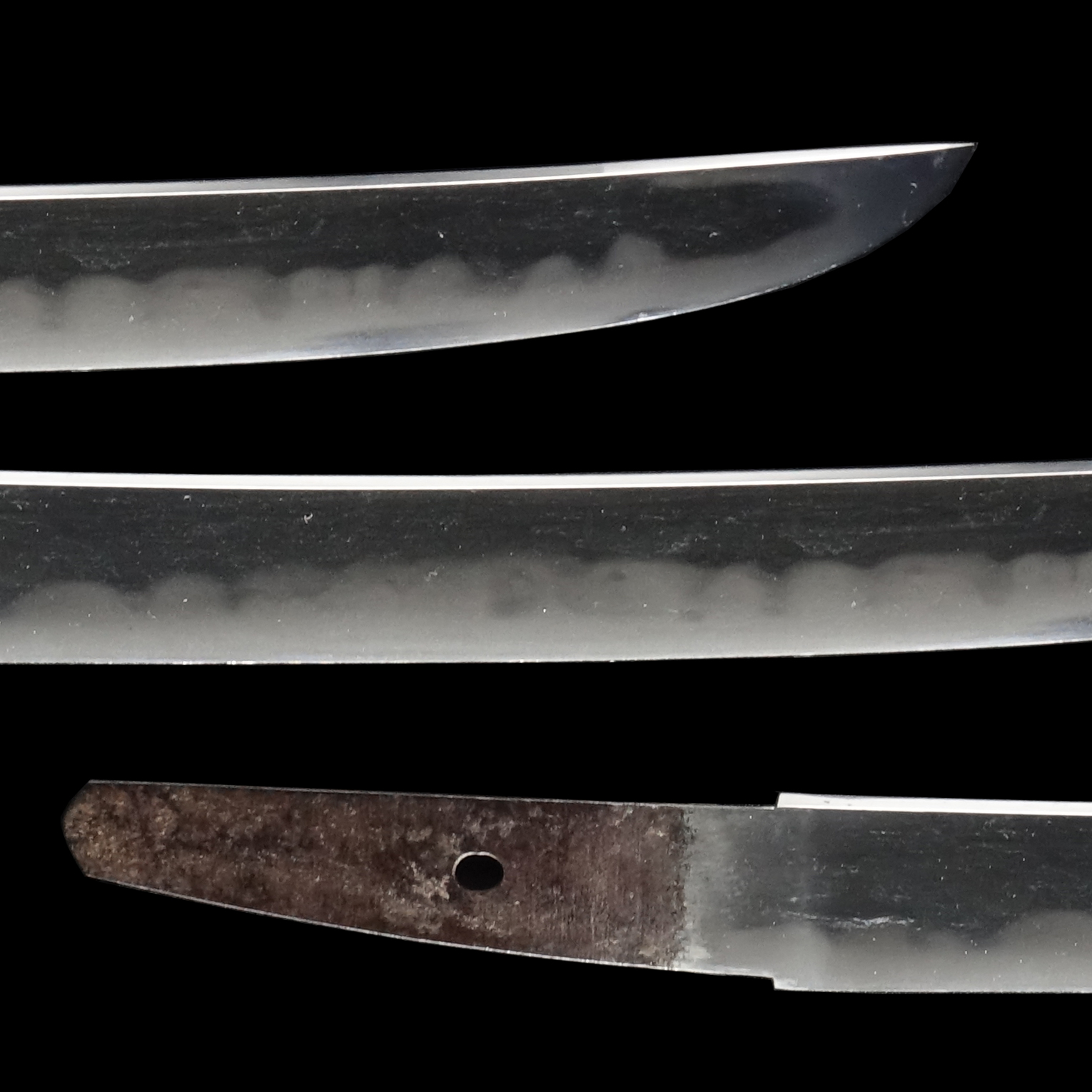


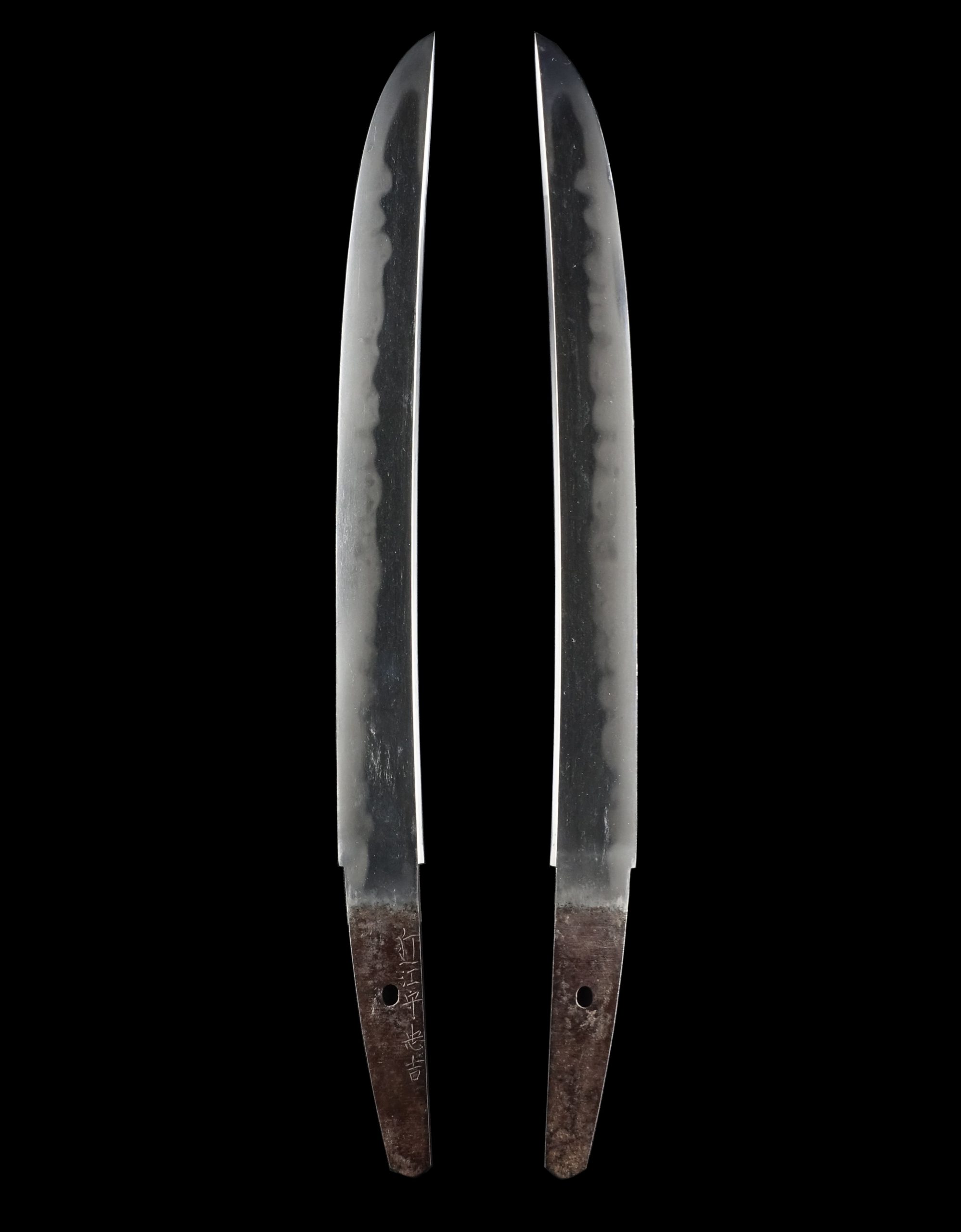
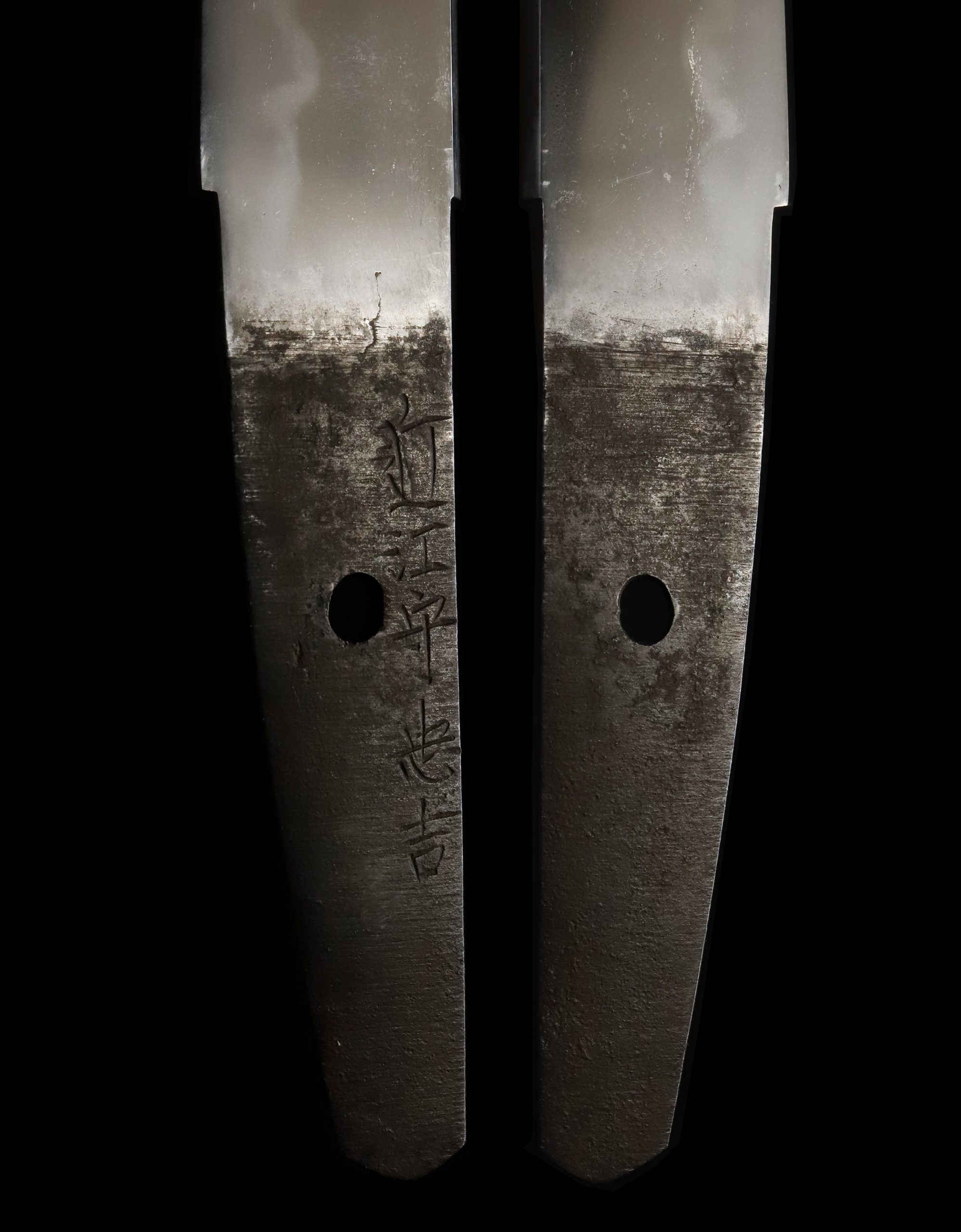
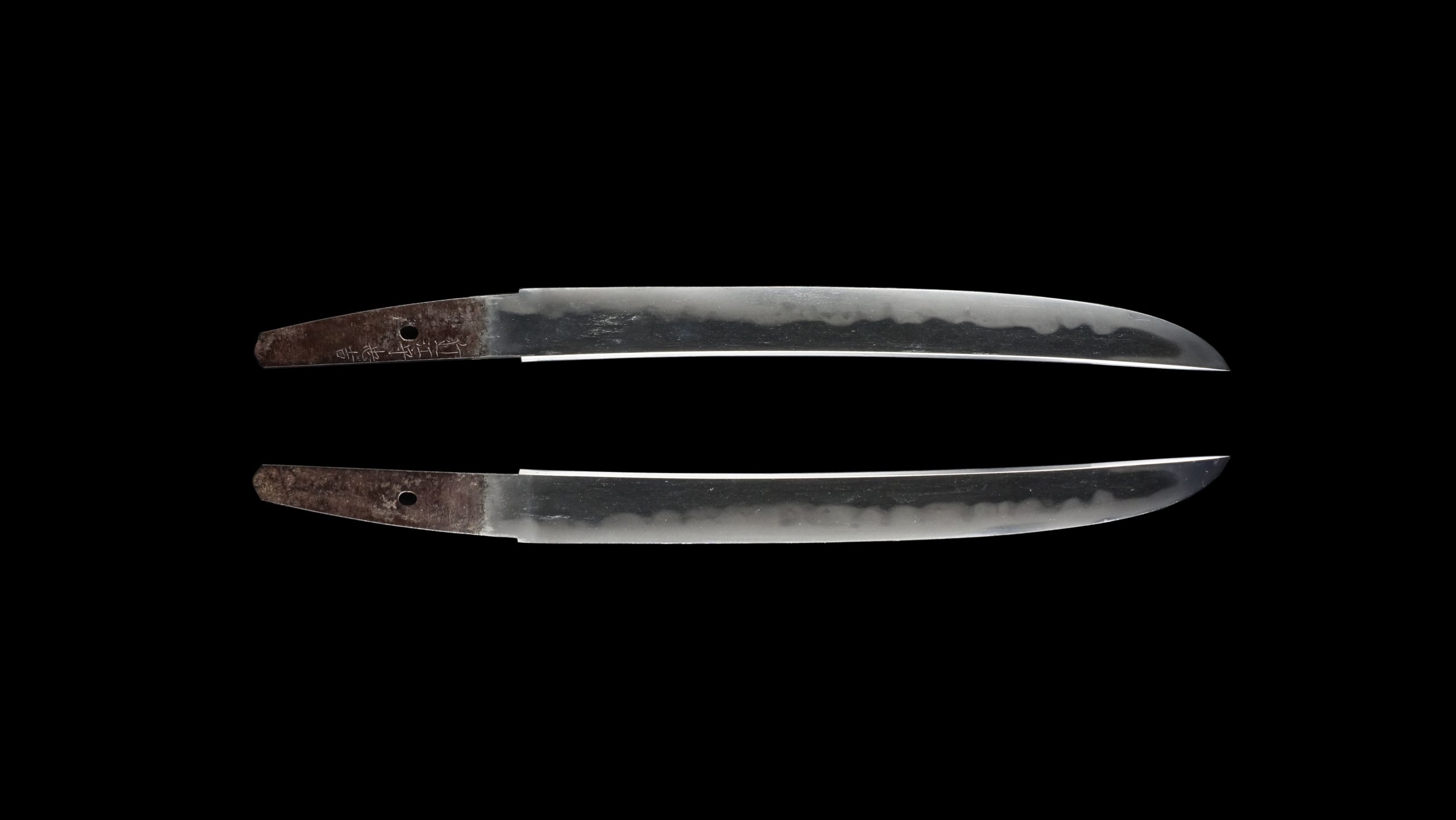
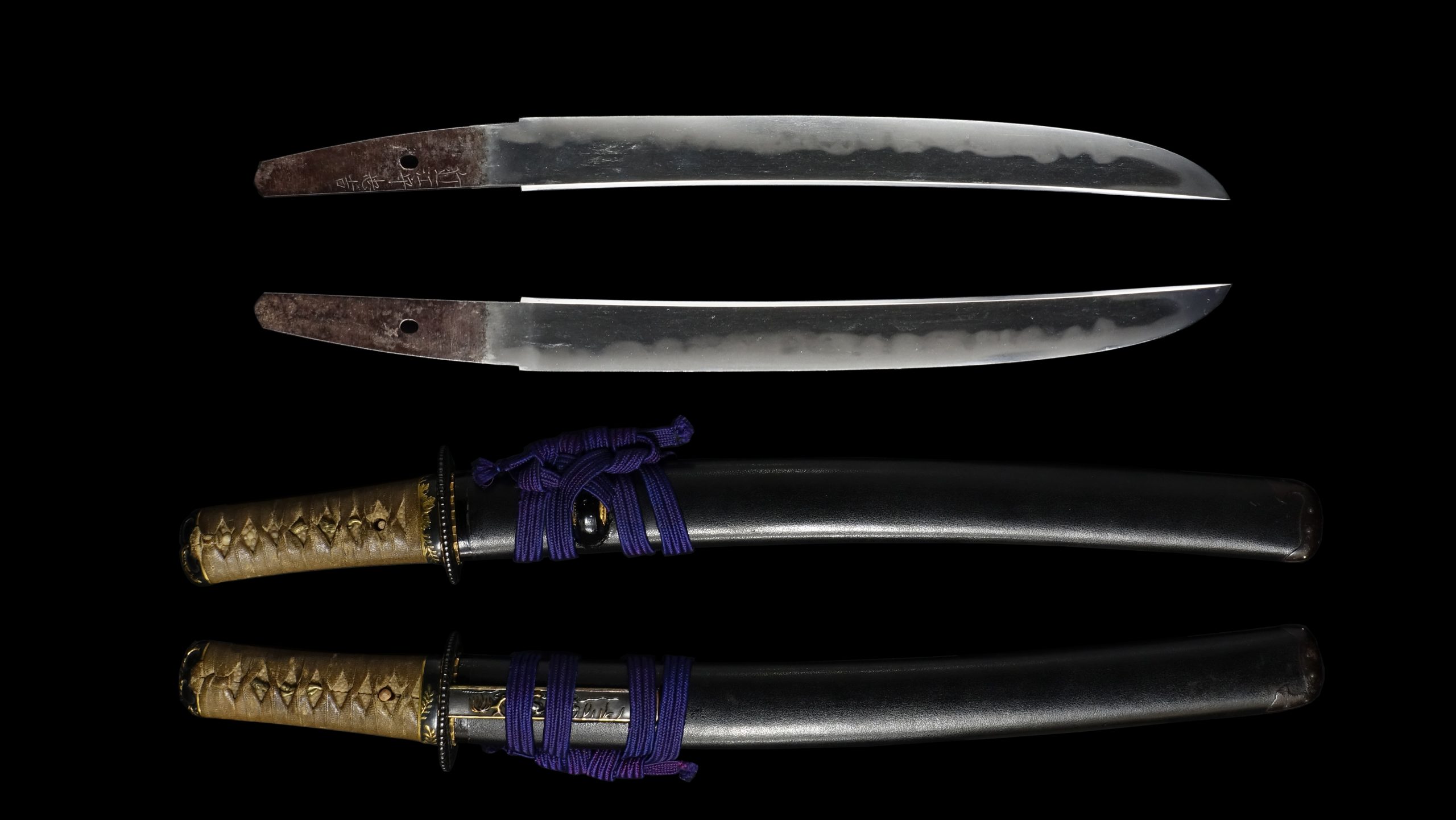
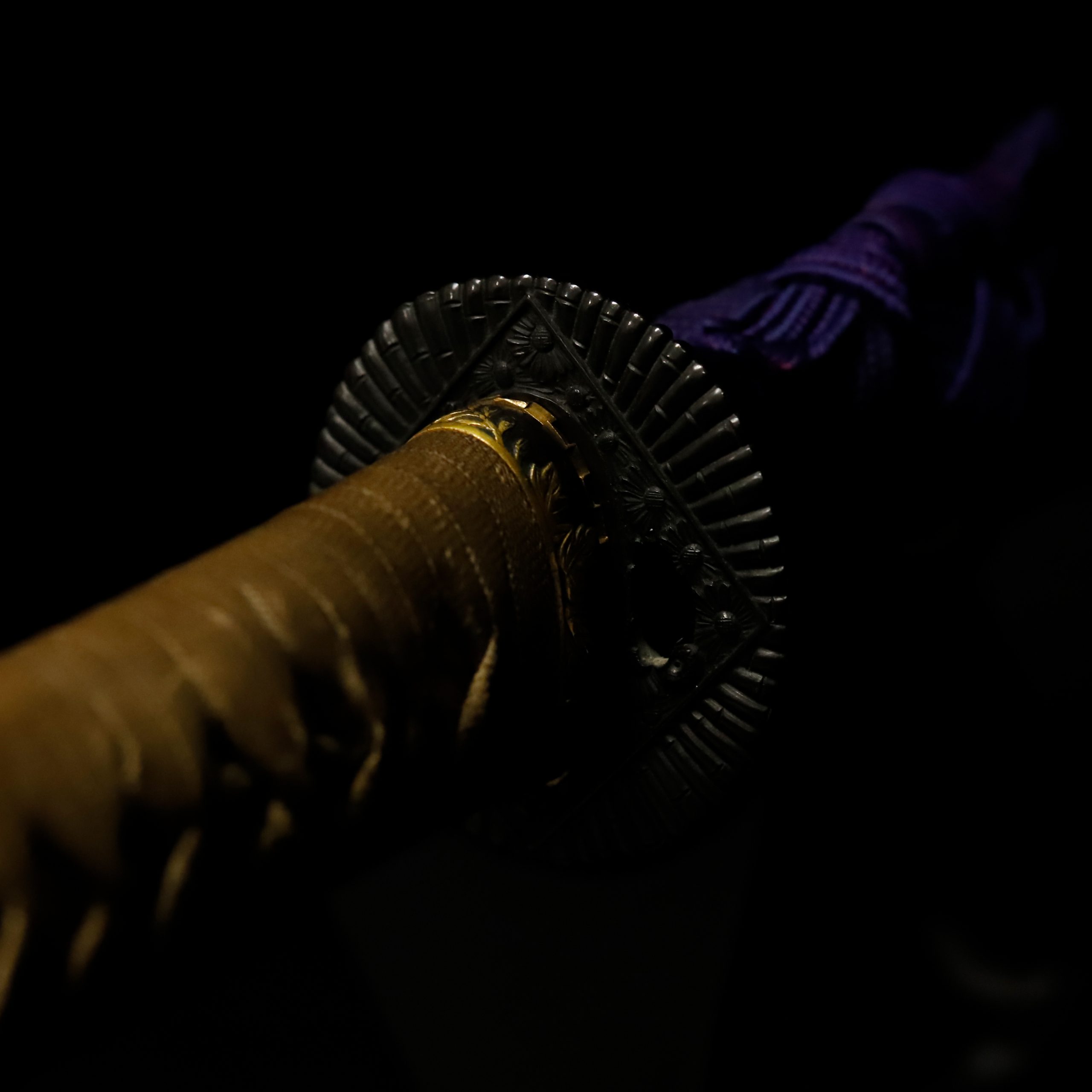
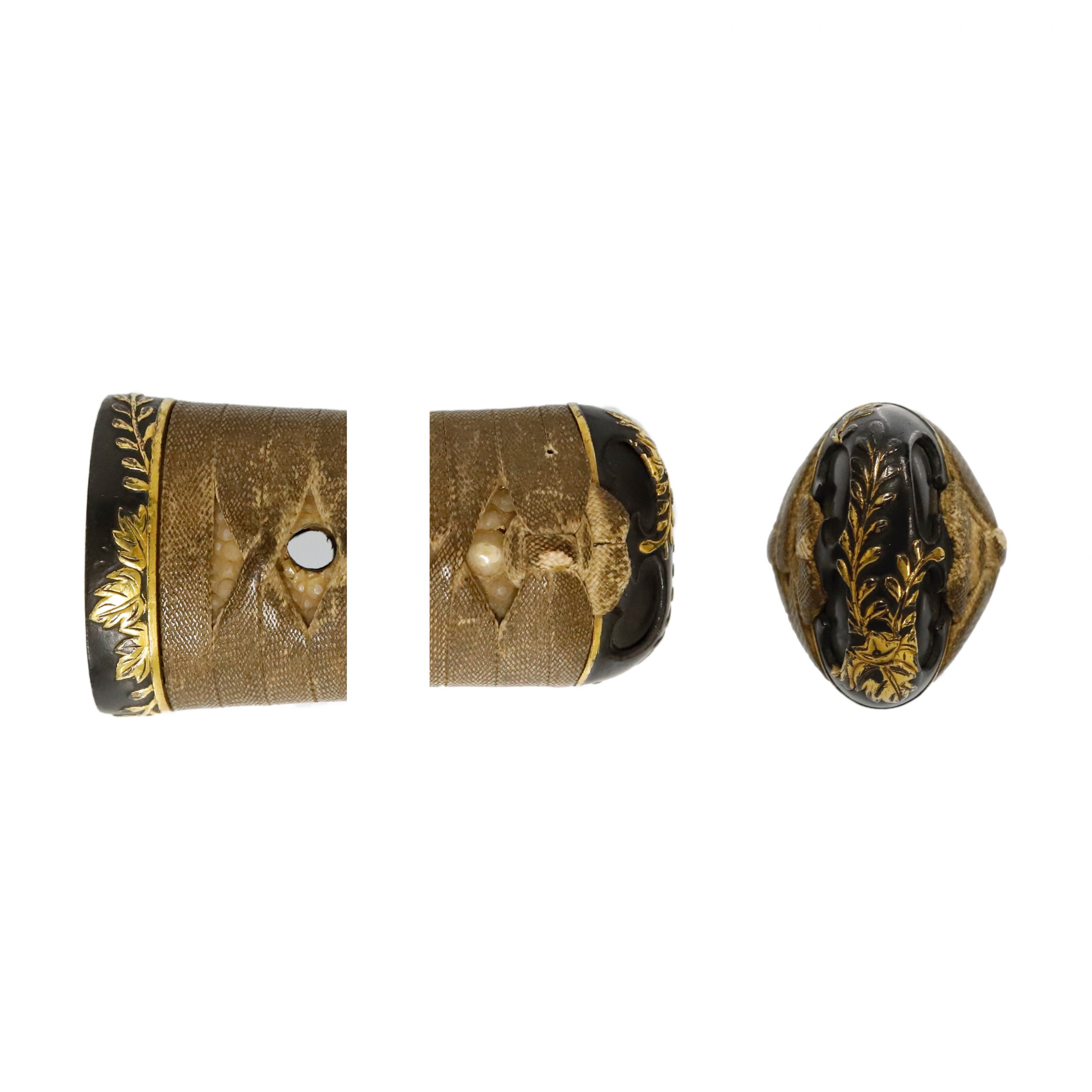
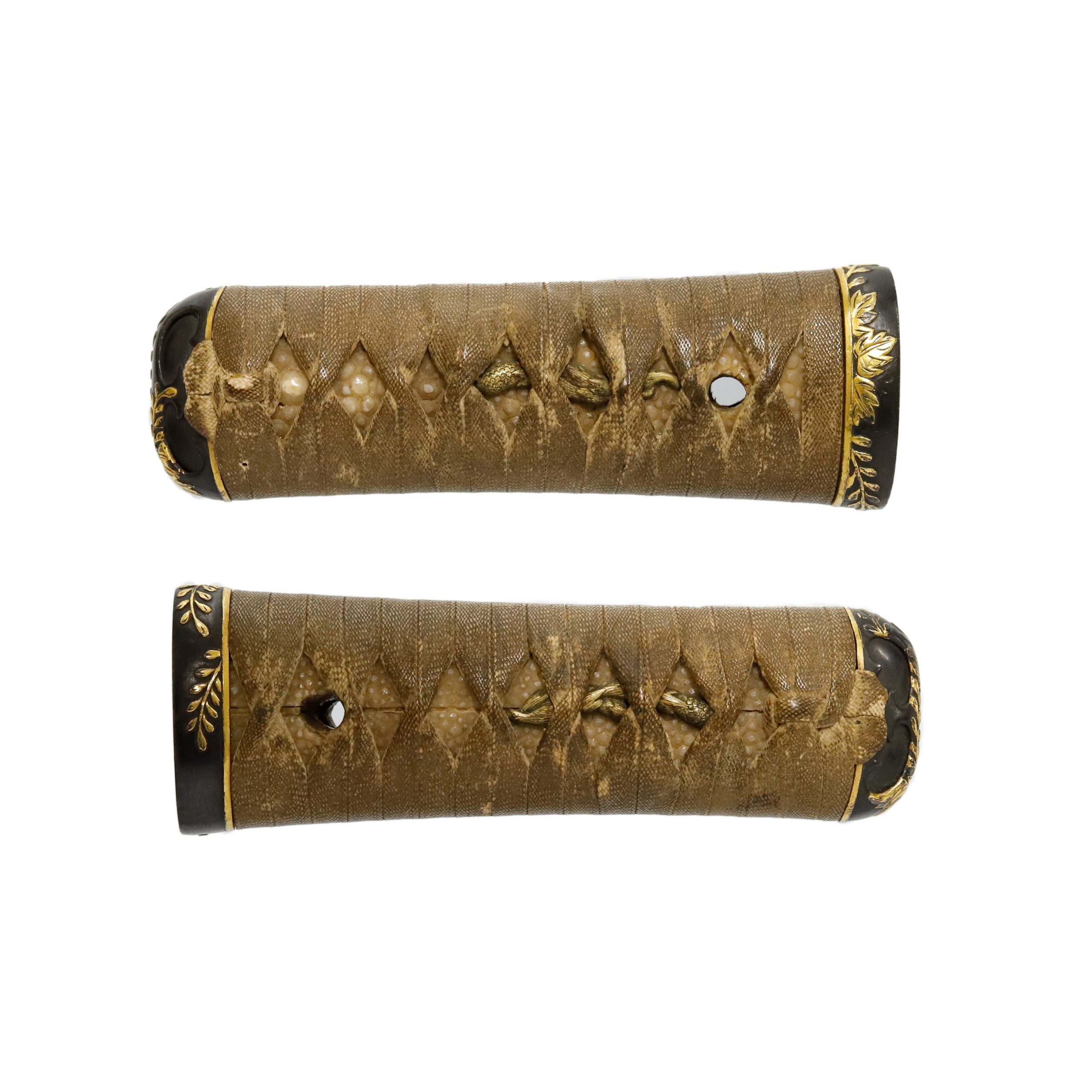
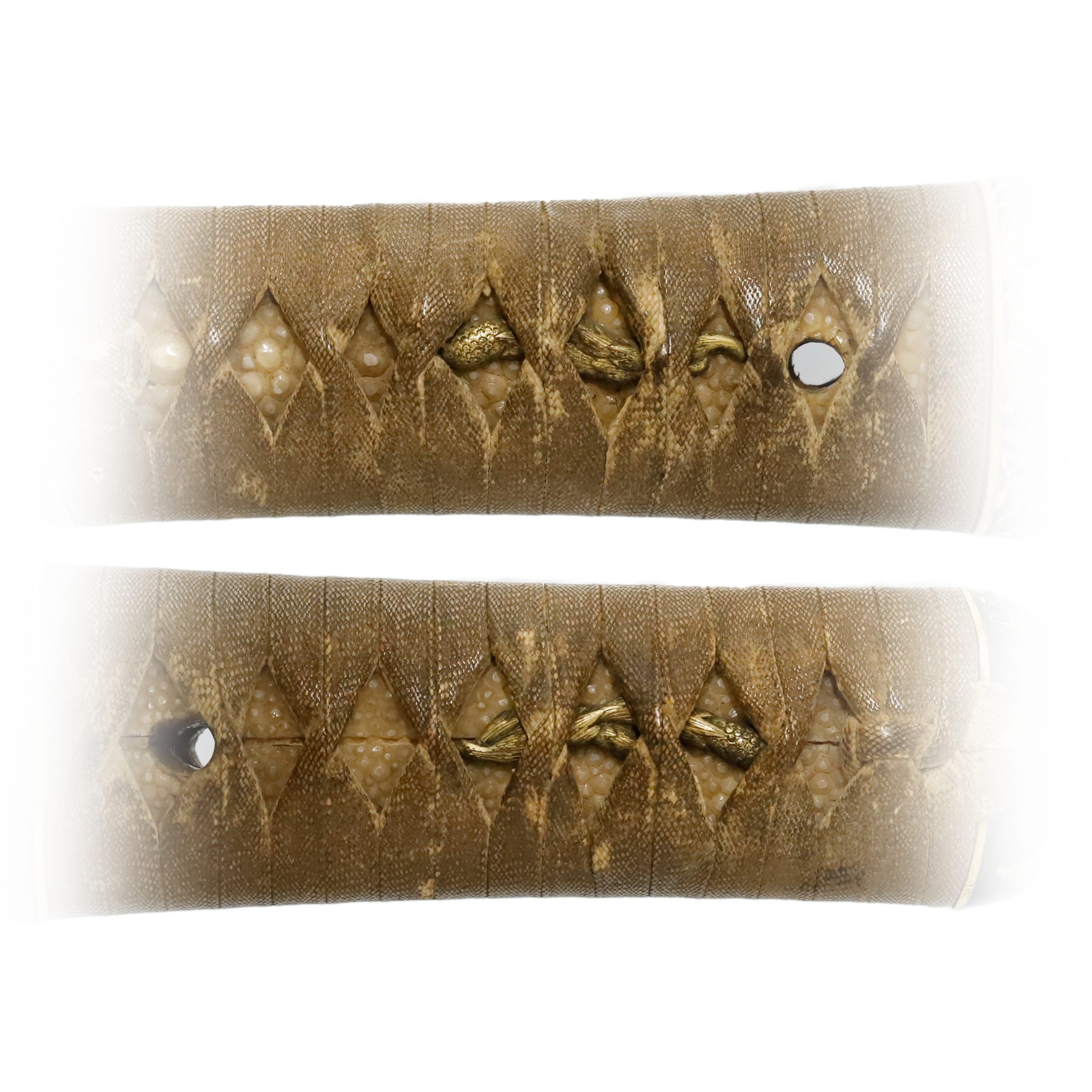
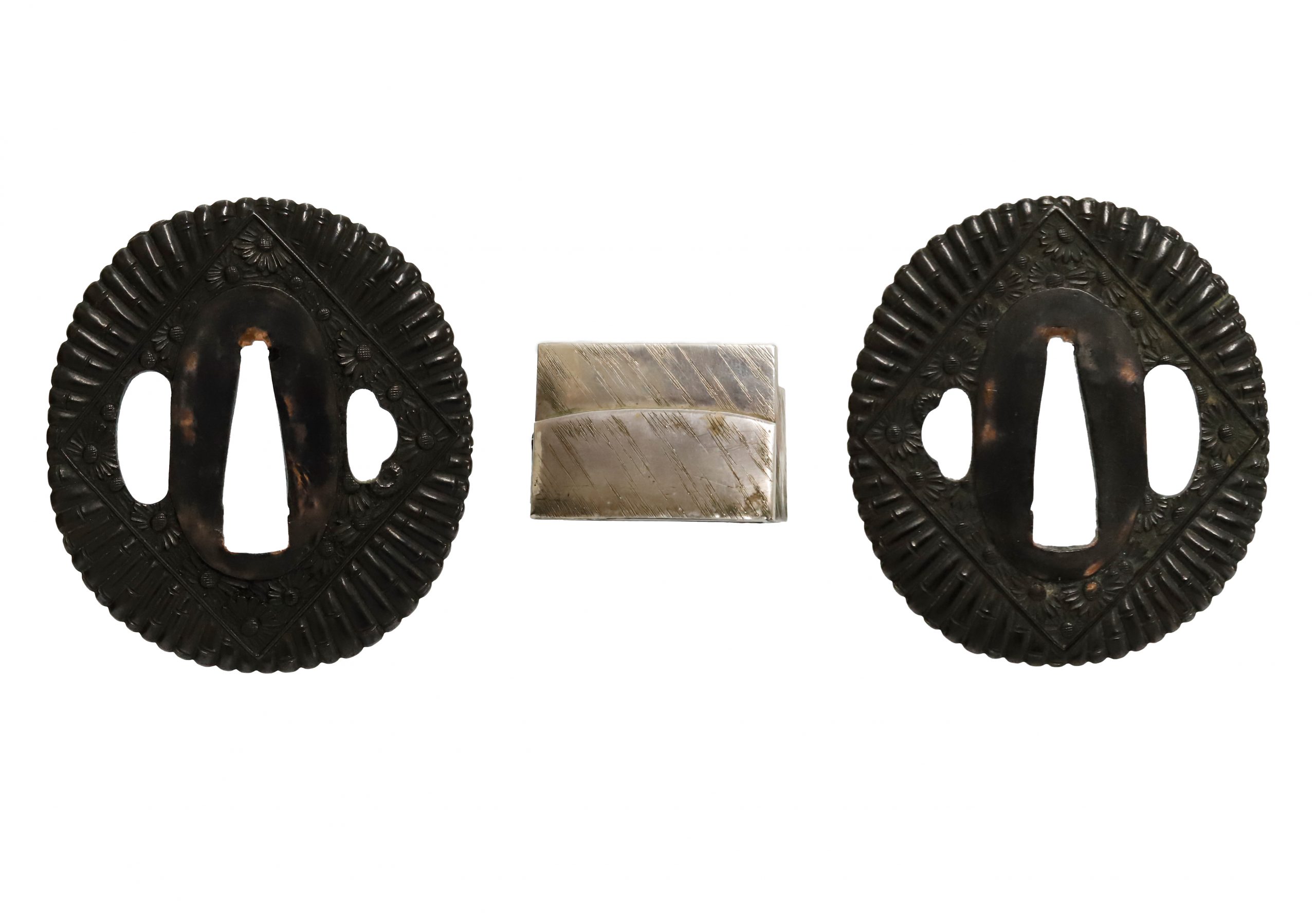
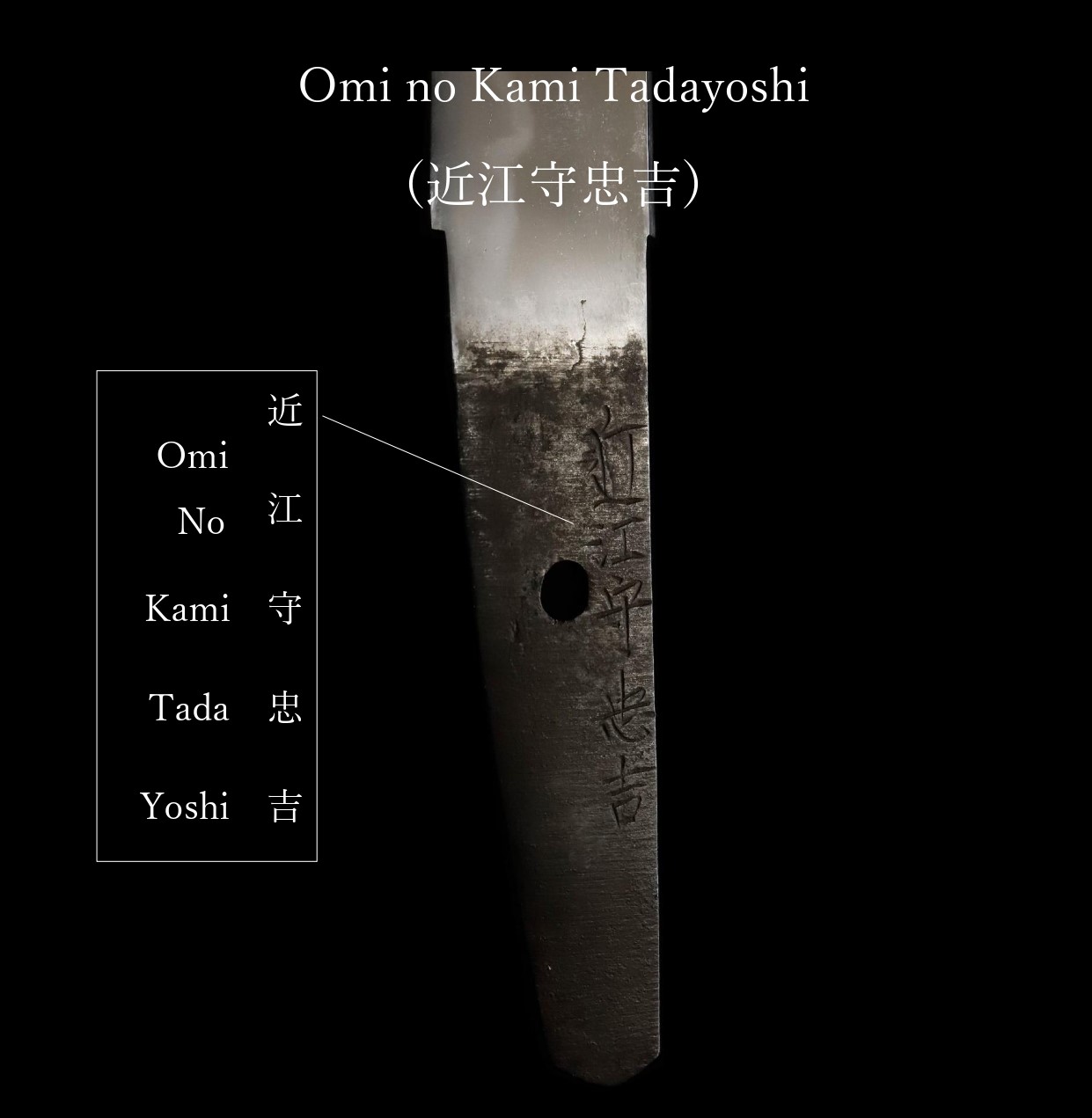
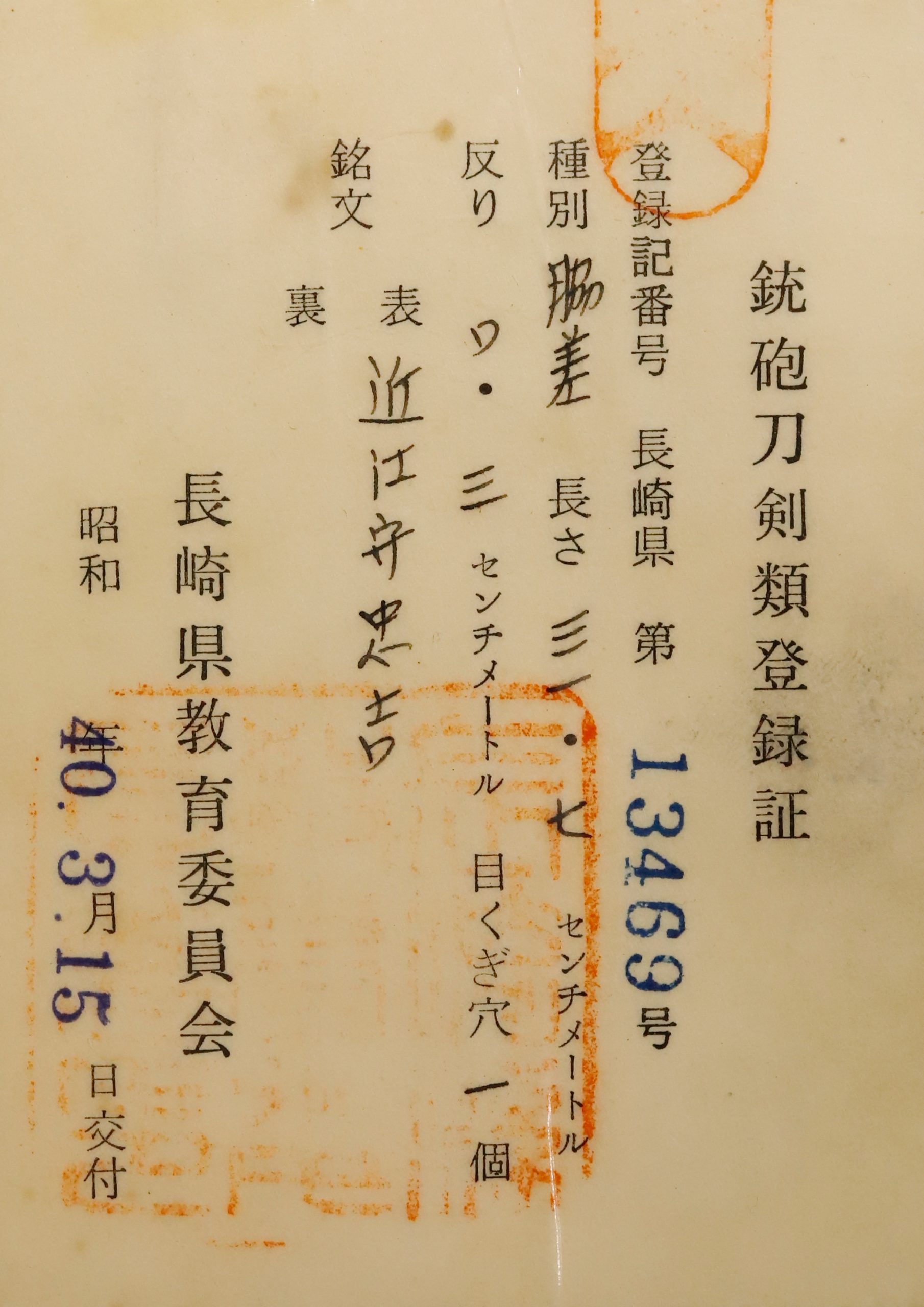
販売店の記載のまま
(翻訳なし) 店主の原文のまま表示しています。正確さの確認を通った翻訳のみを表示します。
新刀 · 肥前 · 1748-1751頃
藤代 上作 · 刀剣大鑑 上位49%
新刀 · 肥前
現在111点販売中
肥前派は、肥前佐賀の城下を中心に興った新刀期の一流であり、その祖は橋本新左衛門と称した初代忠吉である。資料によれば、初代は鍋島家の抱え工として、慶長元年に藩命により彫工宗長とともに上洛して京の埋忠明寿の門に入り、忠吉は鍛刀を、宗長は彫技を学んだという。同三年に帰国して佐賀城下に住し、鍋島藩の庇護のもとに一門は大いに栄えた。年紀は慶長五年に始まり、元和十年には再び上洛して武蔵大掾を受領し、名を忠吉から忠広に、氏を源から藤原に改めている。この改名は同一の手の変遷であって別人ではない。初代の嫡子たる二代近江大掾忠広は六十有余年に及ぶ作刀生活を送って肥前最多作の工となり、本家の忠吉銘は土佐守家を経て三代陸奥守忠吉へと返上襲名されて、上三代の本流を成した。これと並んで、初代の門人や身内から、播磨大掾忠国の系、河内大掾正広に発する正広の系、出羽守行広の系といった分家、すなわち傍肥前と汎称される諸工が興り、代を重ねて佐賀の工房は確立された。 一門の共通する作風は、まずその地鉄に表れる。よく約んだ小板目を緻密に鍛え、地沸が微塵に厚く均しくつき、地景が細かに頻りに入って、かね明るく冴える。資料はこれを肥前特有の米糠肌と名指し、他派の出さない細かく明るい肌であるとする。この精良な地の上に、本家の本領たる中直刃を焼く。浅くのたれごころを帯び、処々に小互の目を交え、小足・葉が入り、匂深く小沸が細かについて締まり明るく、帽子は直ぐに小丸へ静かに返る。本来狙った来一門の直刃に対しては、匂口がより締まって明るく、鍛えに覇気がある点で分かれると説く。一方、初代の初期作には直江志津・古作大和物・来一門・鎌倉名工を狙った多様な写し物があり、掃きかけの帽子など本家の通則の例外も見える。代や系統による差異も資料の支持する範囲で明らかである。二代忠広と三代忠吉は本家本領の静かな直刃を継ぎ、なかでも三代は祖父初代を想わせる強く精美な鍛えを身上とする。これに対し傍肥前の諸工は華やかな乱れ刃を好み、正広は丁子を主調とした乱れに互の目を交え、行広は竪長の足長丁子乱れを焼き、忠国は一門の中で最も砂流しが目立つ足長丁子をあらわした。本家が直刃で読まれるのに対し、傍系はその精良な地を覇気ある乱刃へ運んだのである。 肥前刀の鑑定の勘所は、何よりこの米糠肌にある。明るく冴えた小糠肌の上に締まった直刃を焼くという組合せこそ、収集家が肥前刀を求める核心であり、地鉄と刃文が相俟って同派同定の眼目を成す。さらに銘振りもまた鑑定の一部をなし、本家は刀に指裏すなわち太刀銘に切るのを常とし、五字銘・住人銘・受領銘の別が時期を語る。主要刀工の格は資料の伝える通りで、初代忠吉は藤代の極めで最上作、二代忠広・三代忠吉や正広・行広は上々作ないし上作に位置づけられる。代表作には鍋島家伝来の作が多く、来歴には尾張徳川家・佐竹家・皇室などの名が録され、初代の一口には師明寿の添銘が遺り、忠国・正広の作には山野加右衛門ら截断銘を金象嵌に帯びるものがあって、手のみならず刃味の証となる。指定を受けた作の多くは旧蔵家や公の収蔵に永く蔵されて市に現れることは少なく、傍系の作も折にふれて世に出るにとどまる。されば在銘の肥前忠吉は手の届かぬものではないが、祖その人の作や、最も精美な米糠肌に直刃を焼いた一口が現れることは時折のことであり、現れれば肥前刀の一里塚というべきものである。 詳しく見る →
肥前 藩営の刀
肥前刀は藩営の産業である。鍋島家は1596年頃、忠吉を京の埋忠明寿のもとに学ばせ、帰国したその工を核に公認の一門を築いた。小糠肌で名高いその作は、九代にわたり明治まで続いている。
本作は日刀保の旧鑑定書(貴重・特別貴重)を有しますが、これらは現在発行されておらず、現在の日刀保ではほとんど認められていません。極めを確認するには、公的な鑑定機関(日刀保・日本刀剣保存会など)に再提出し、現行の鑑定を受けることもご検討ください。
Returns/exchanges limited to defects caused by shipping (except willful misconduct or gross negligence by the company); customers must contact within 72 hours of receiving the product.