室町は刀剣業を産業に変えた。徒歩の集団戦とともに打刀が興り、長船と関は数打ち物と注文打ちを並行して産し、勘合貿易は日本刀を数万振の単位で海外へ運んだ。
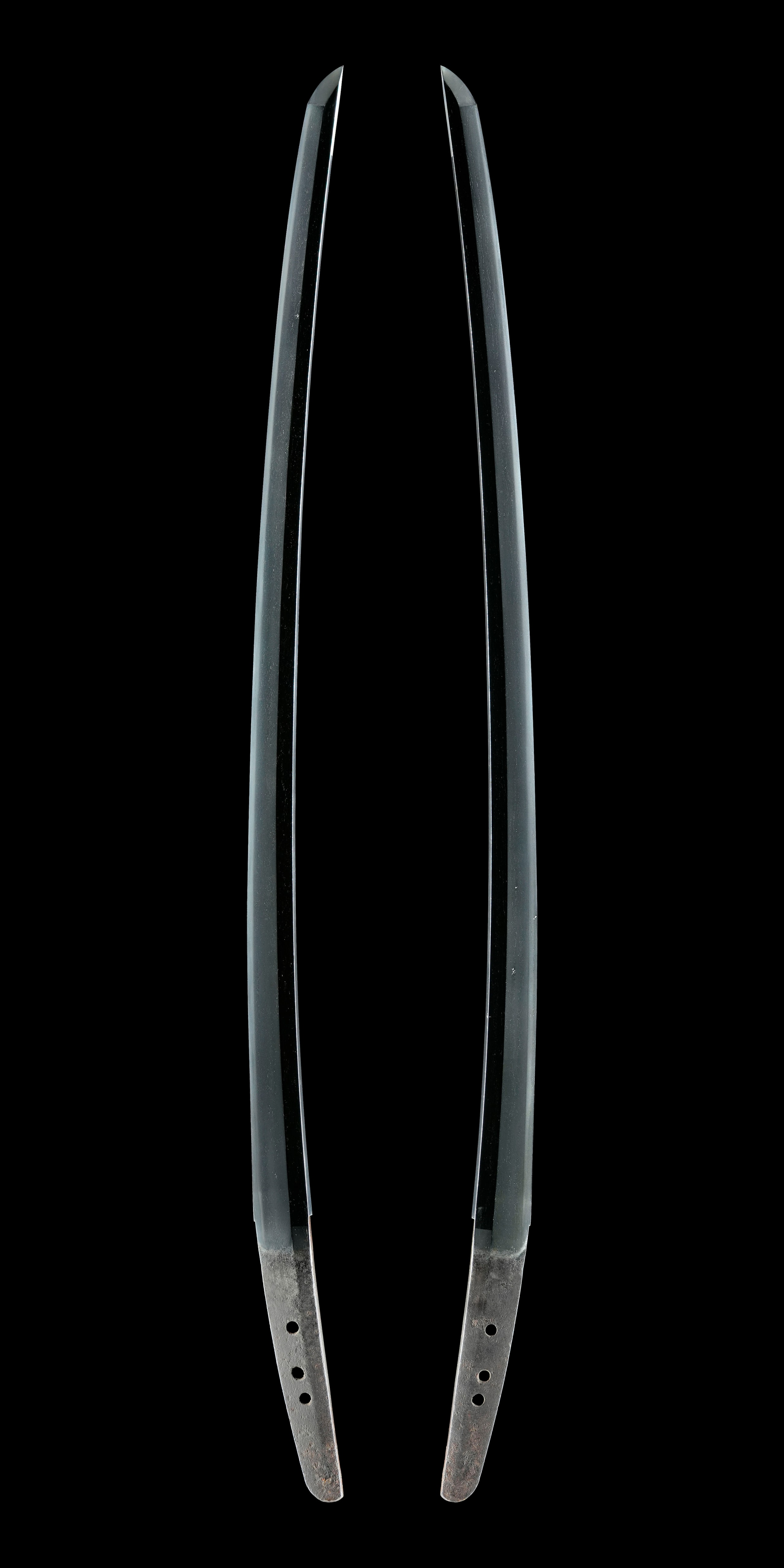
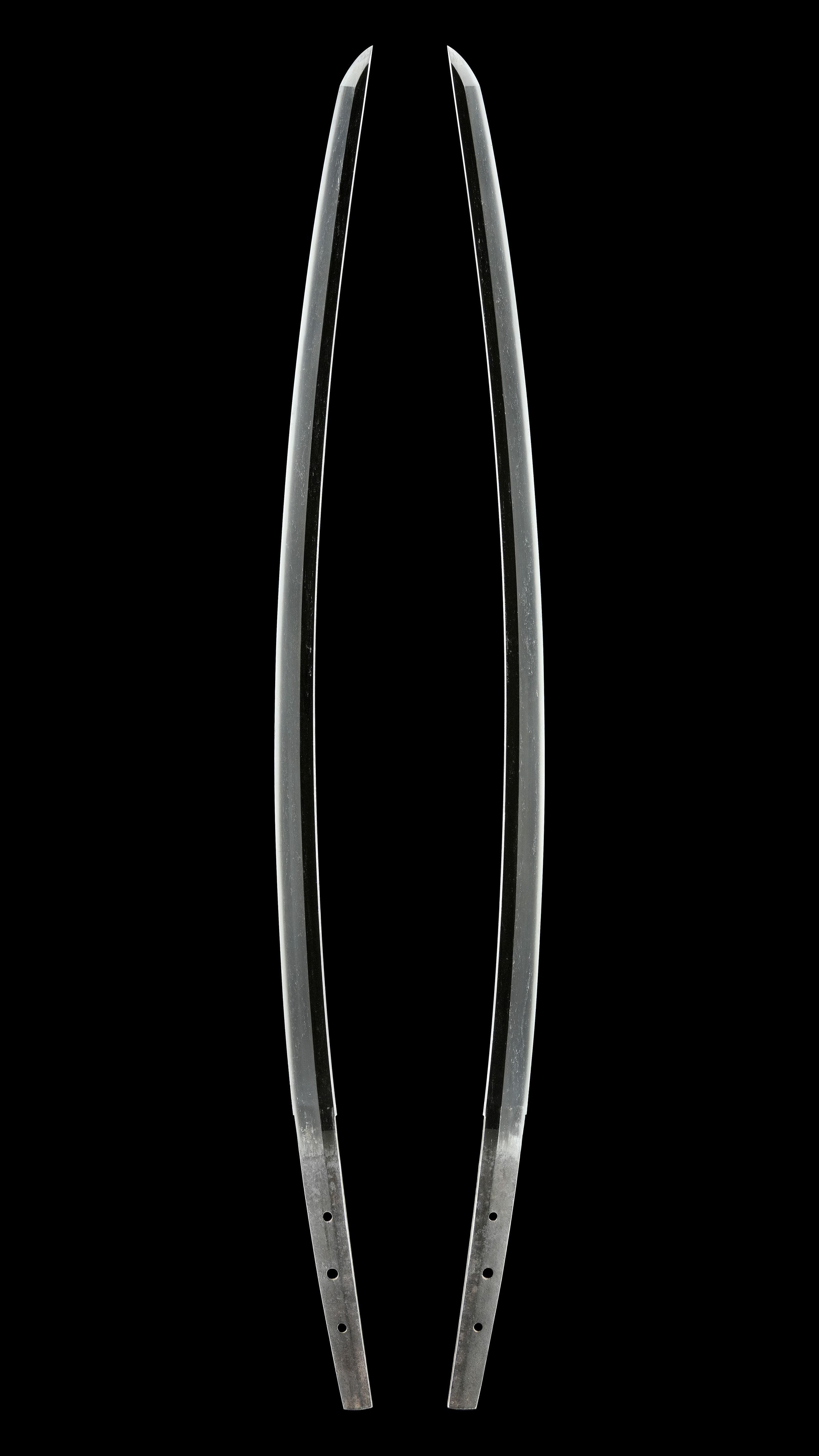
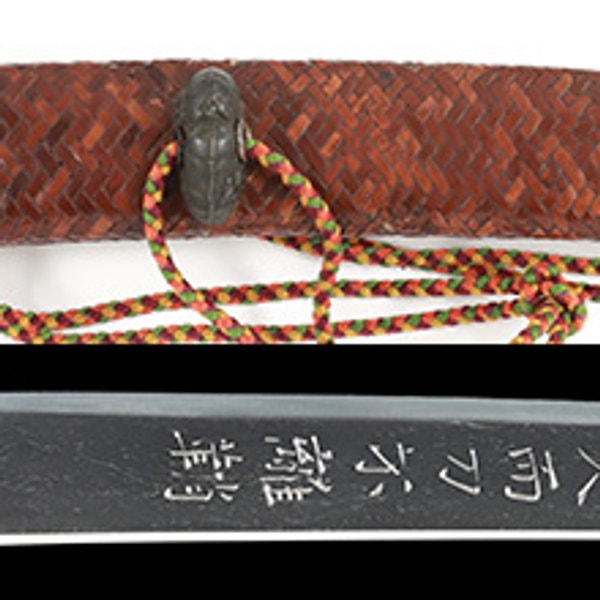
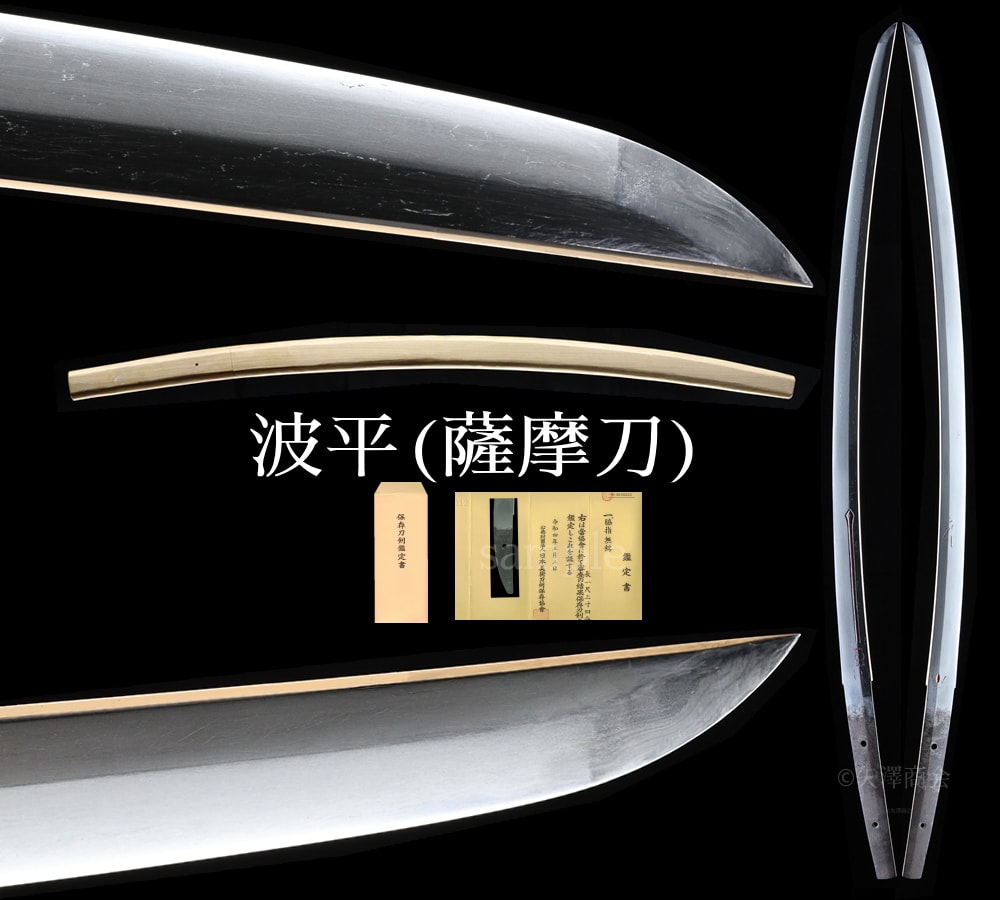
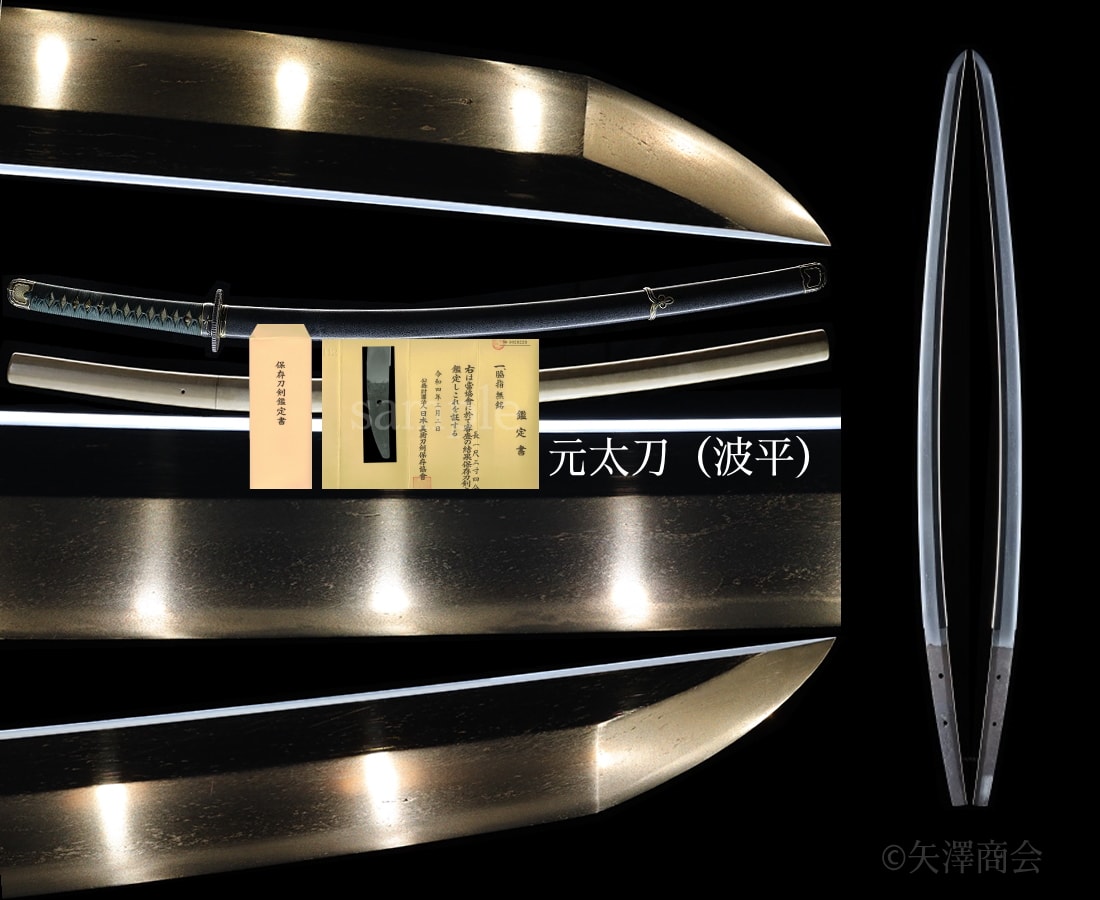
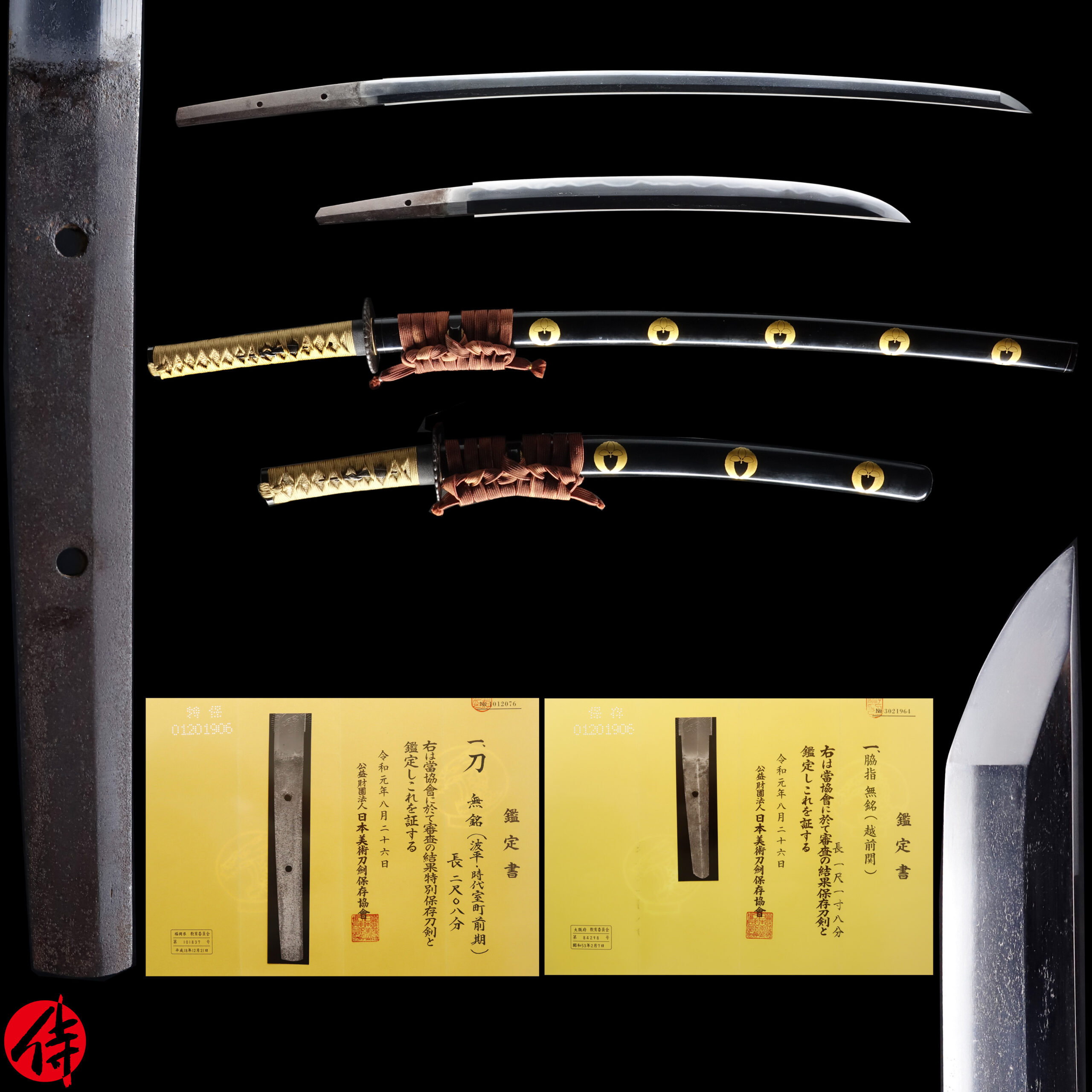
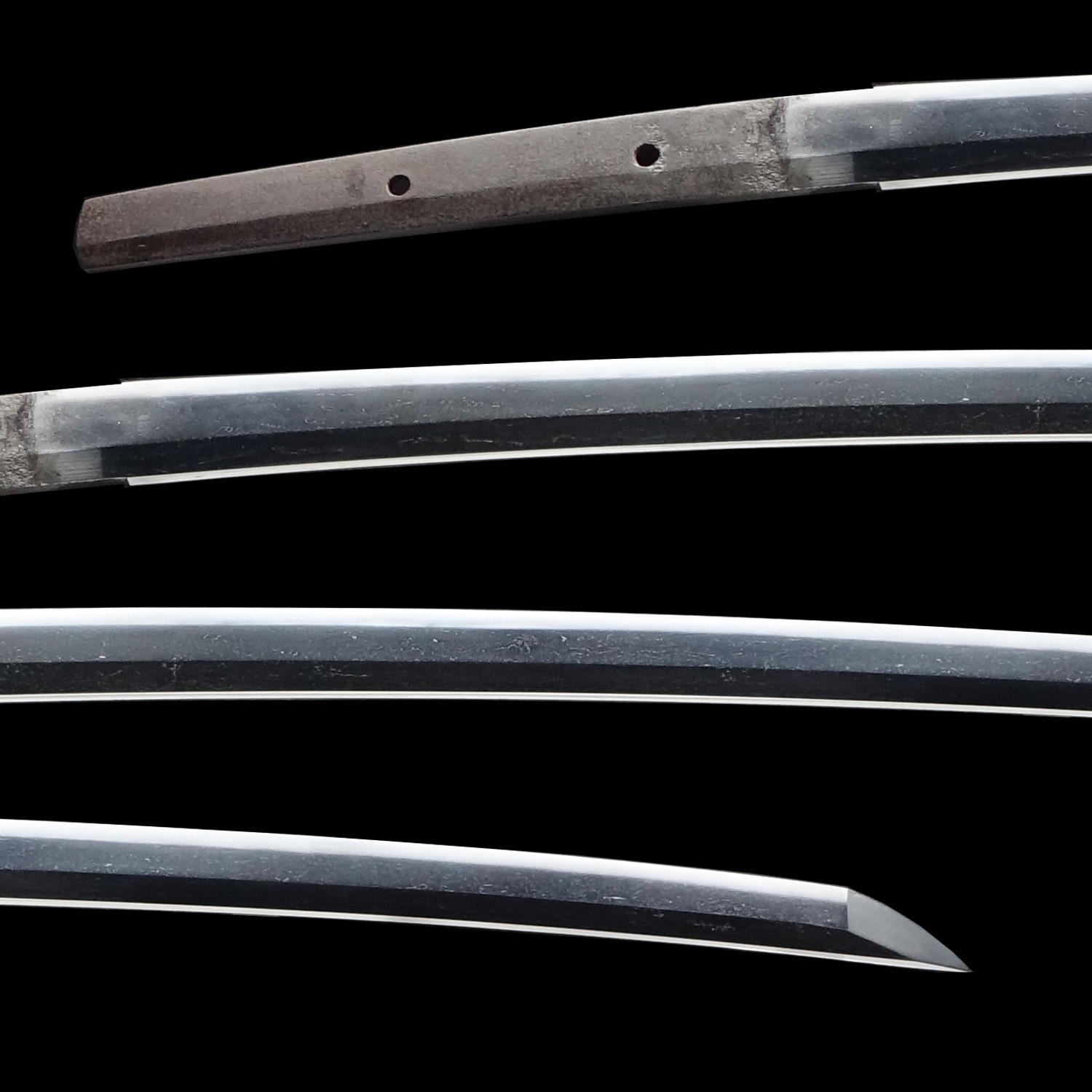
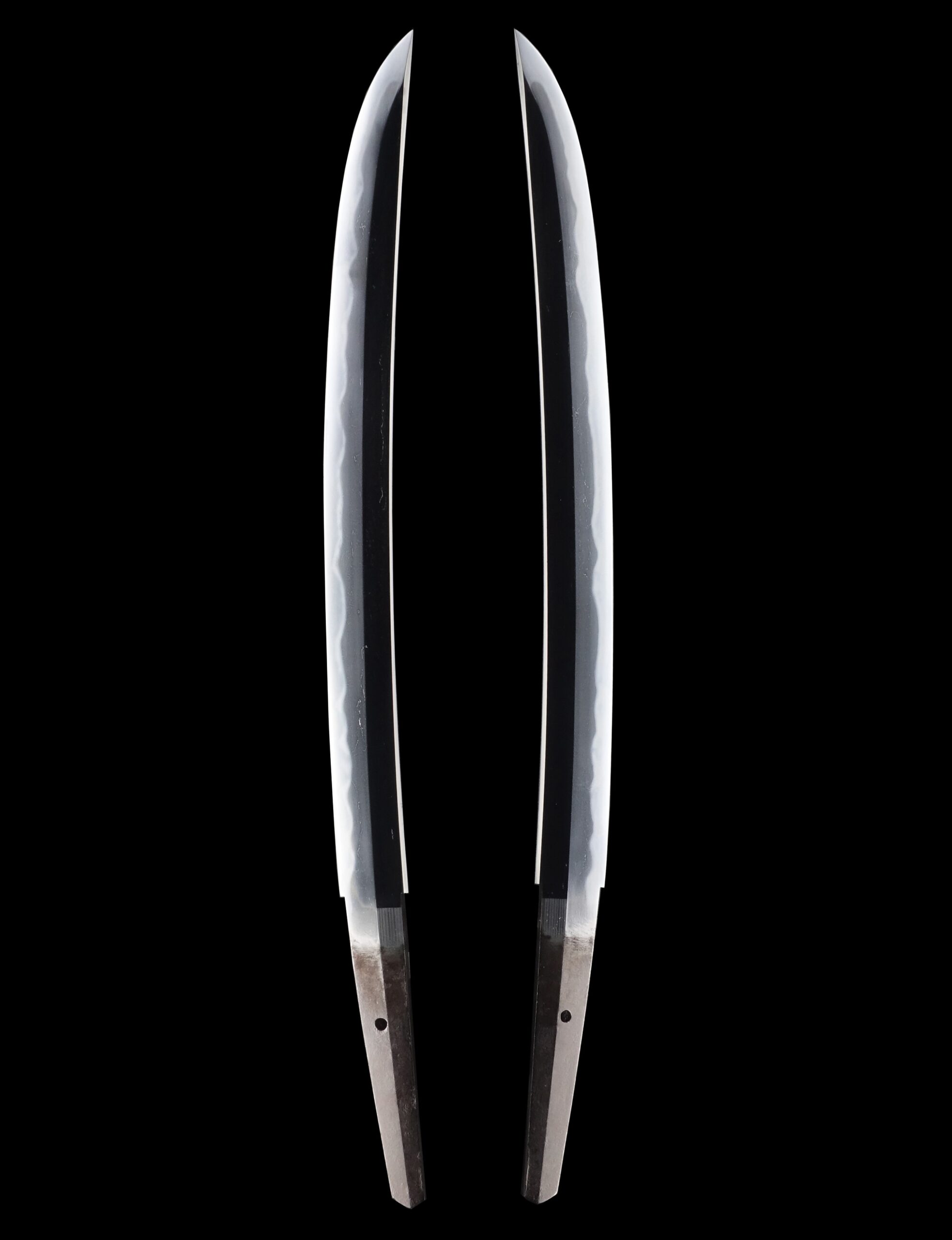
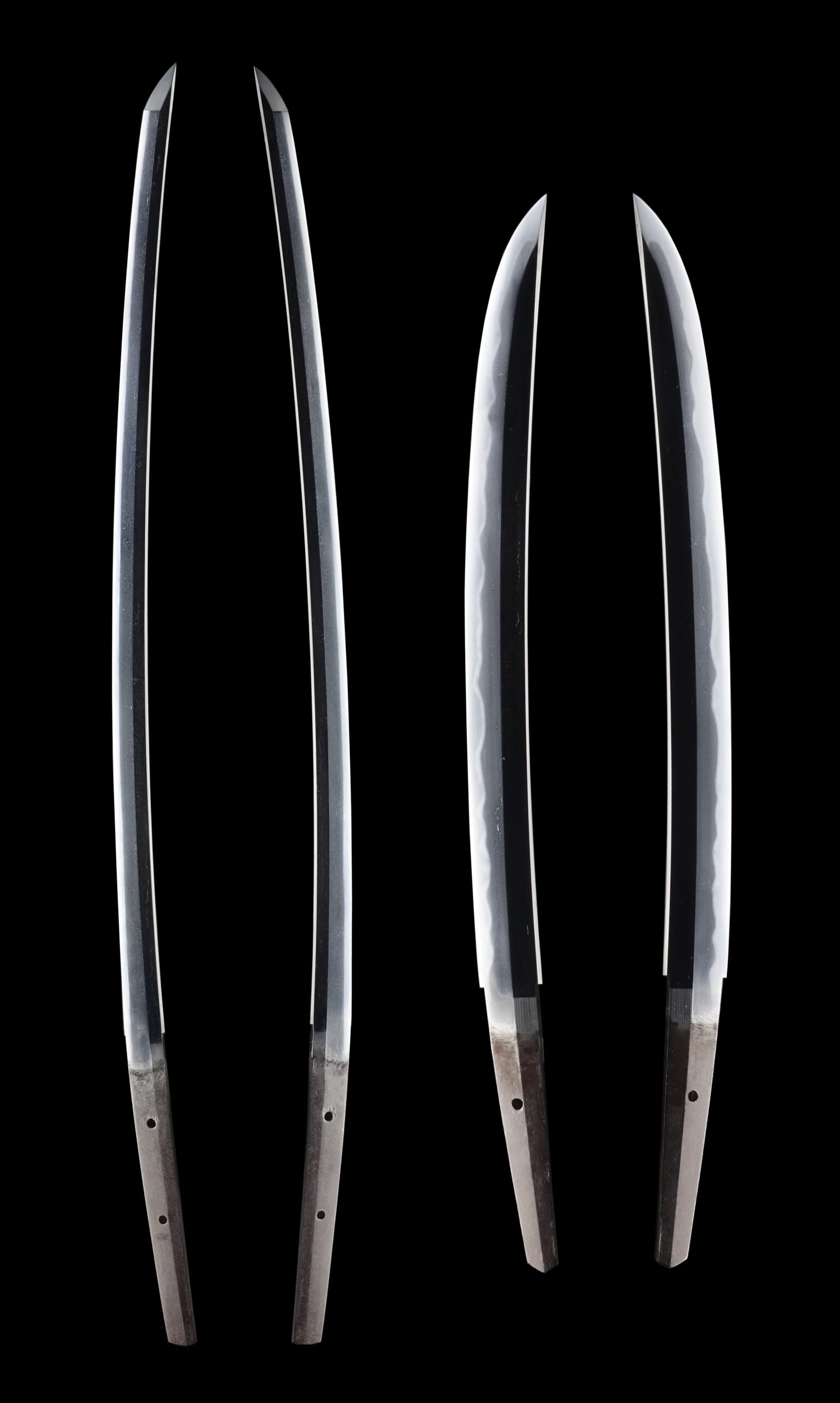
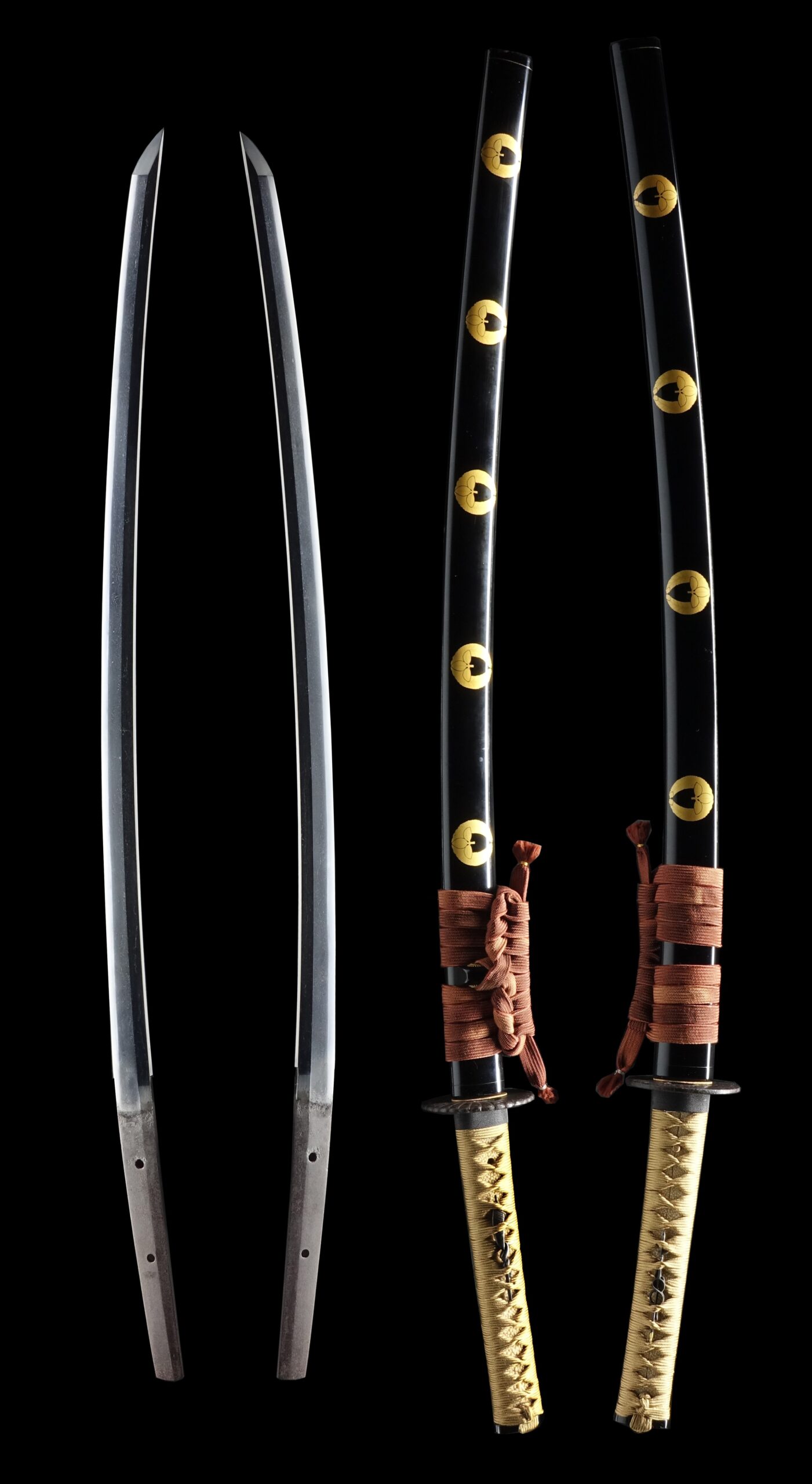
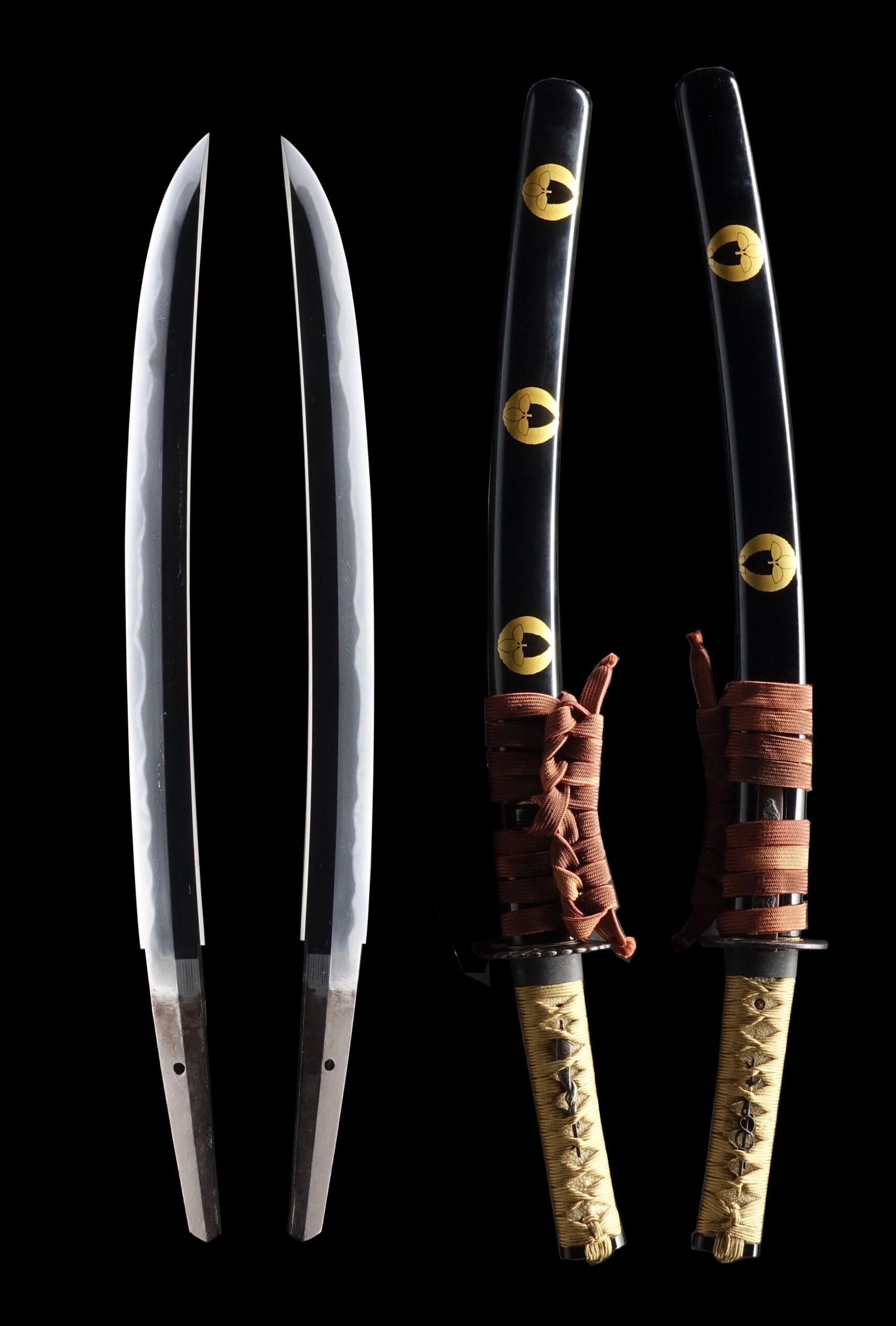
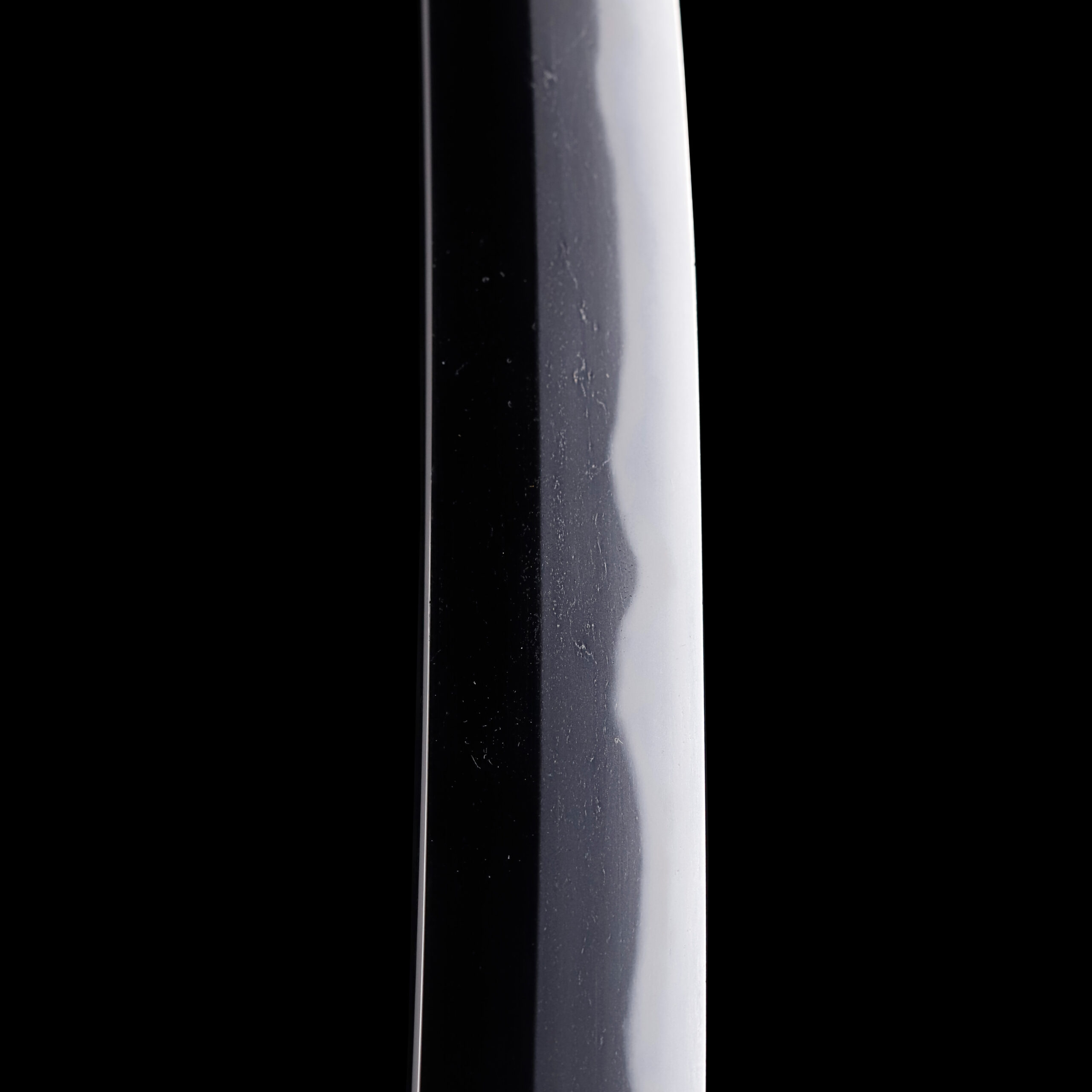
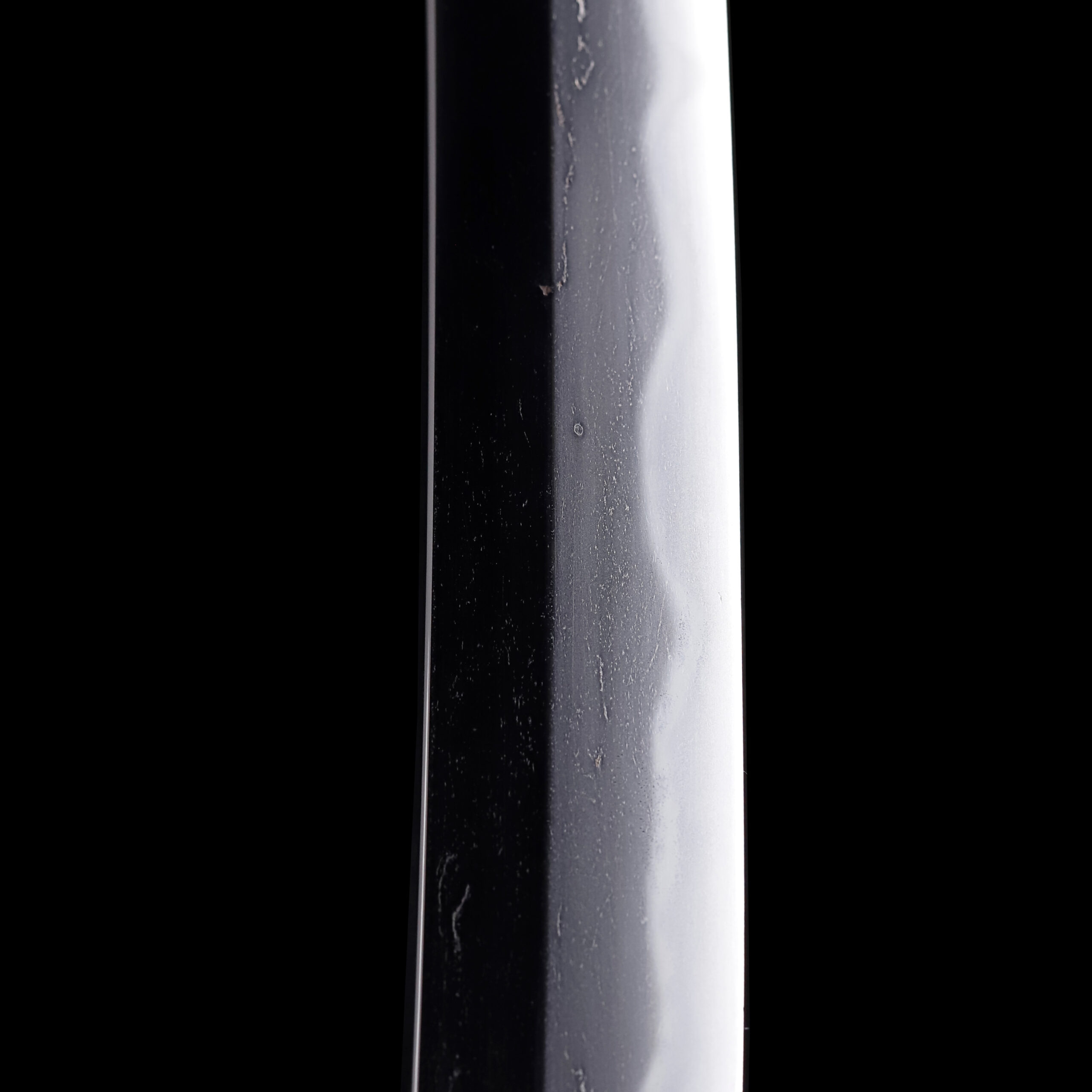
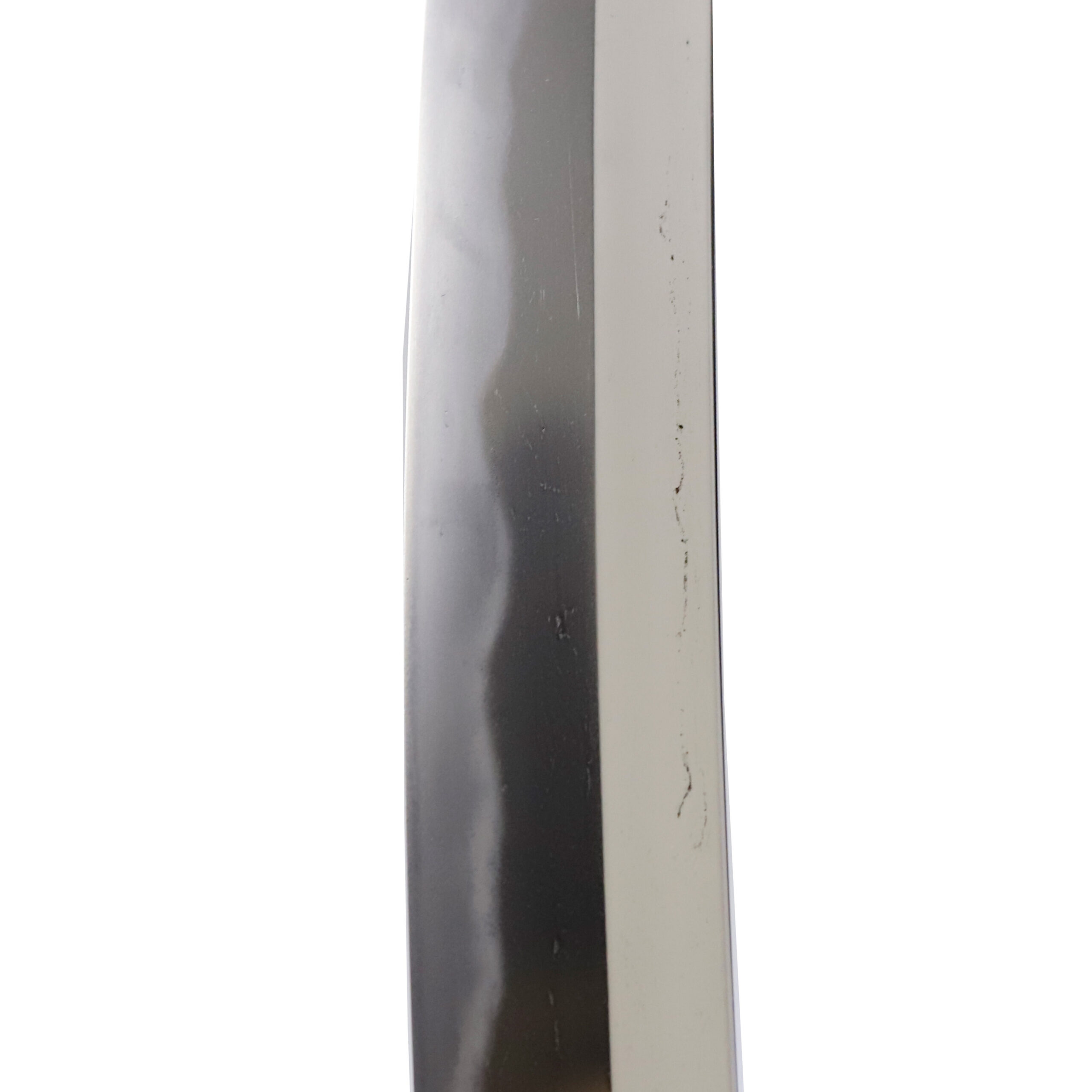
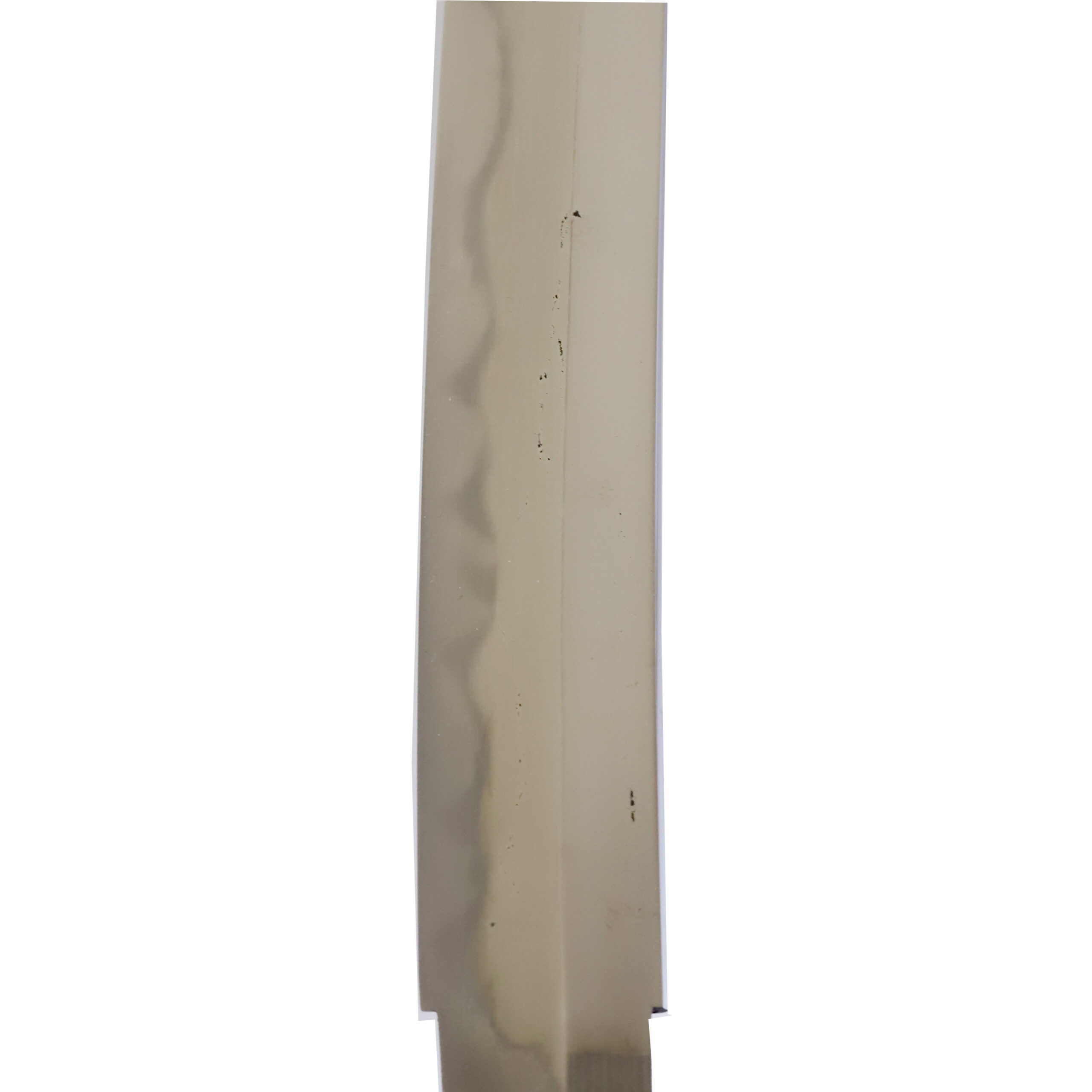
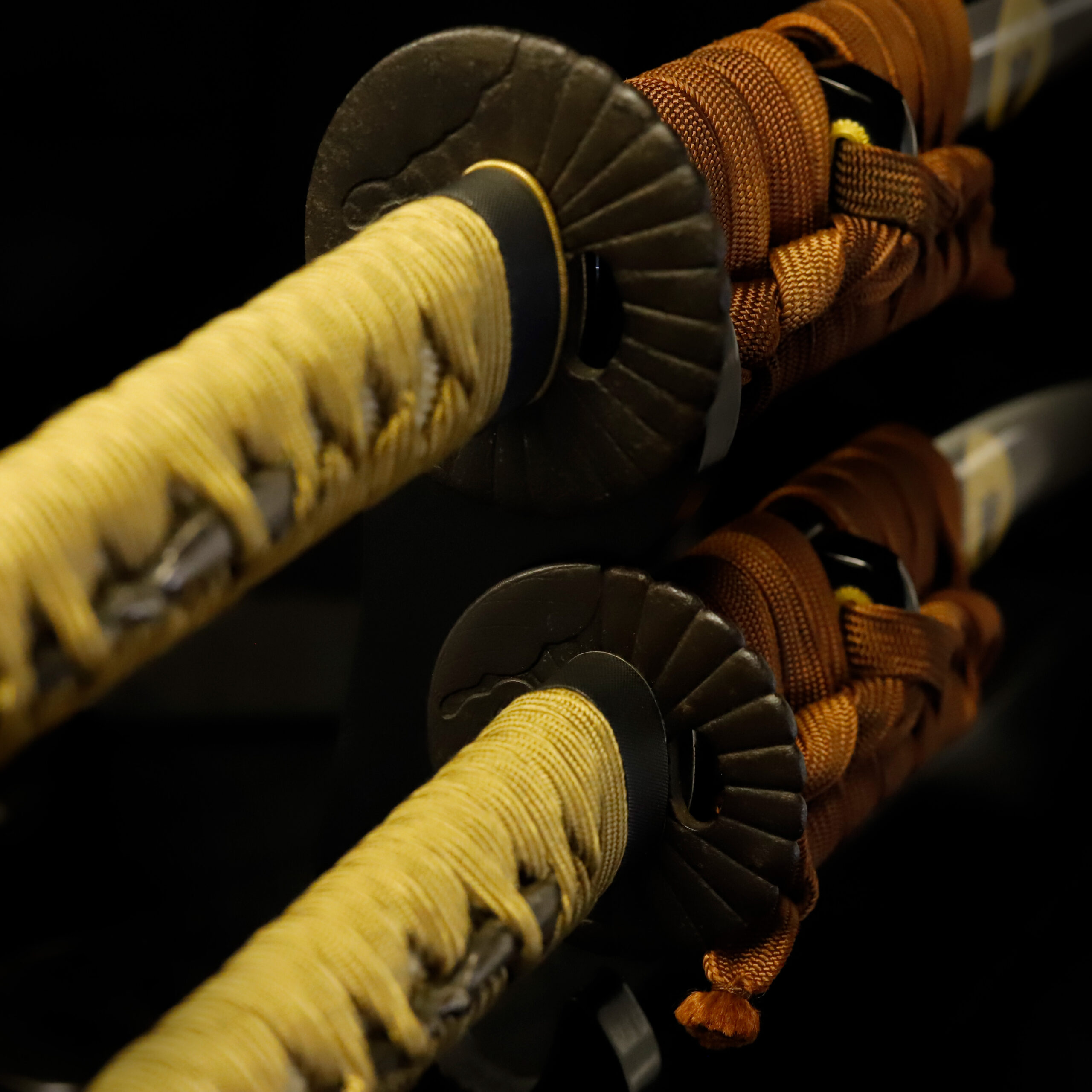
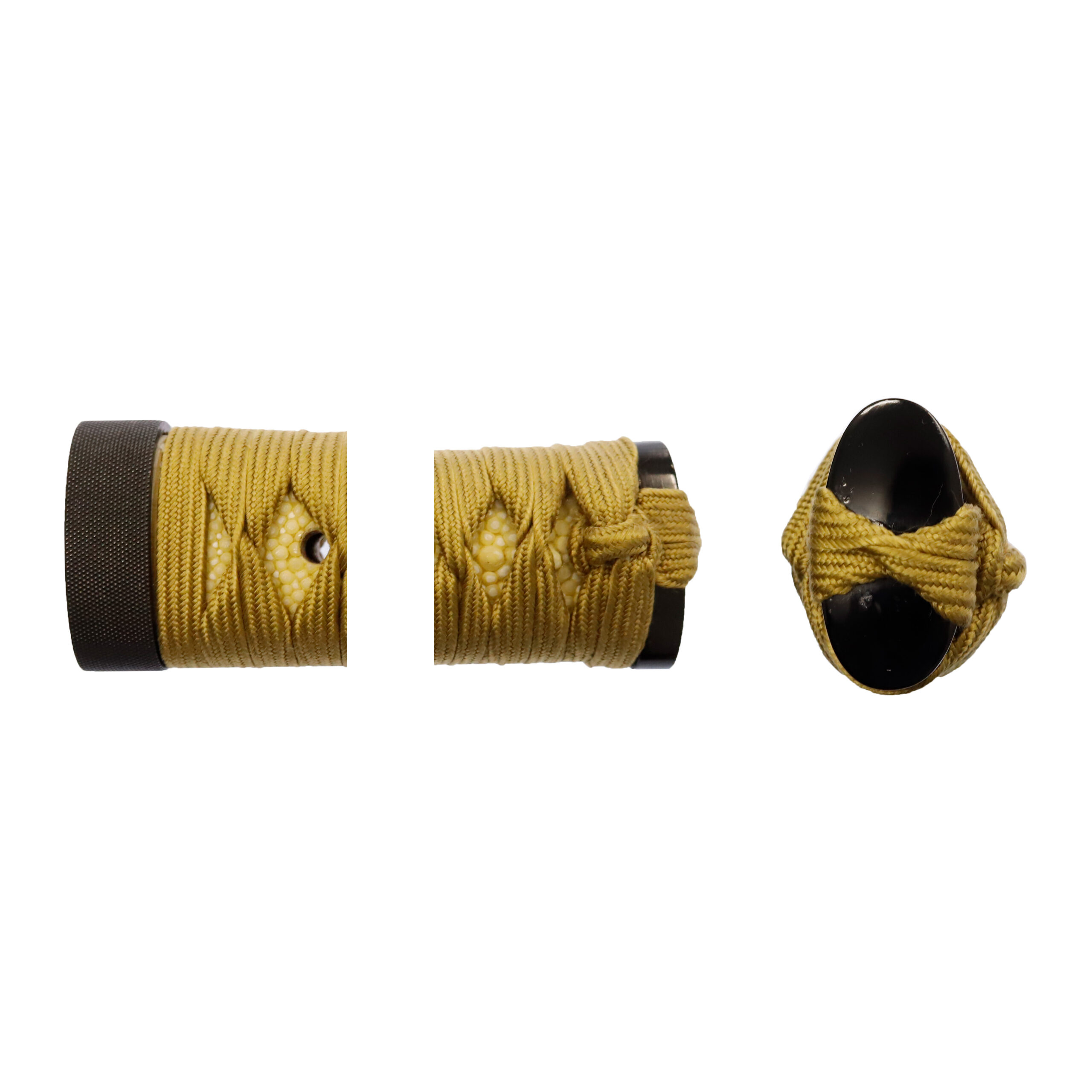
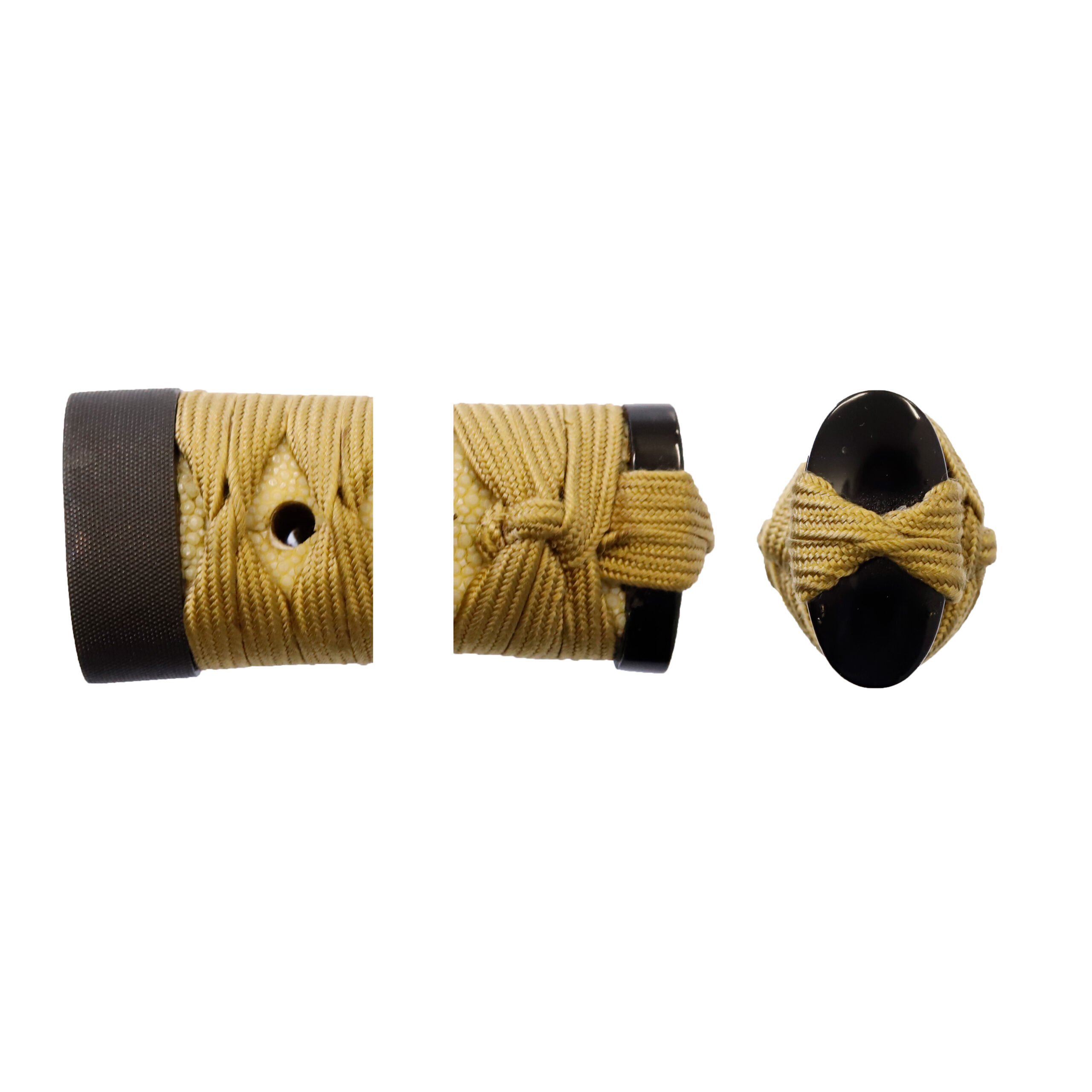
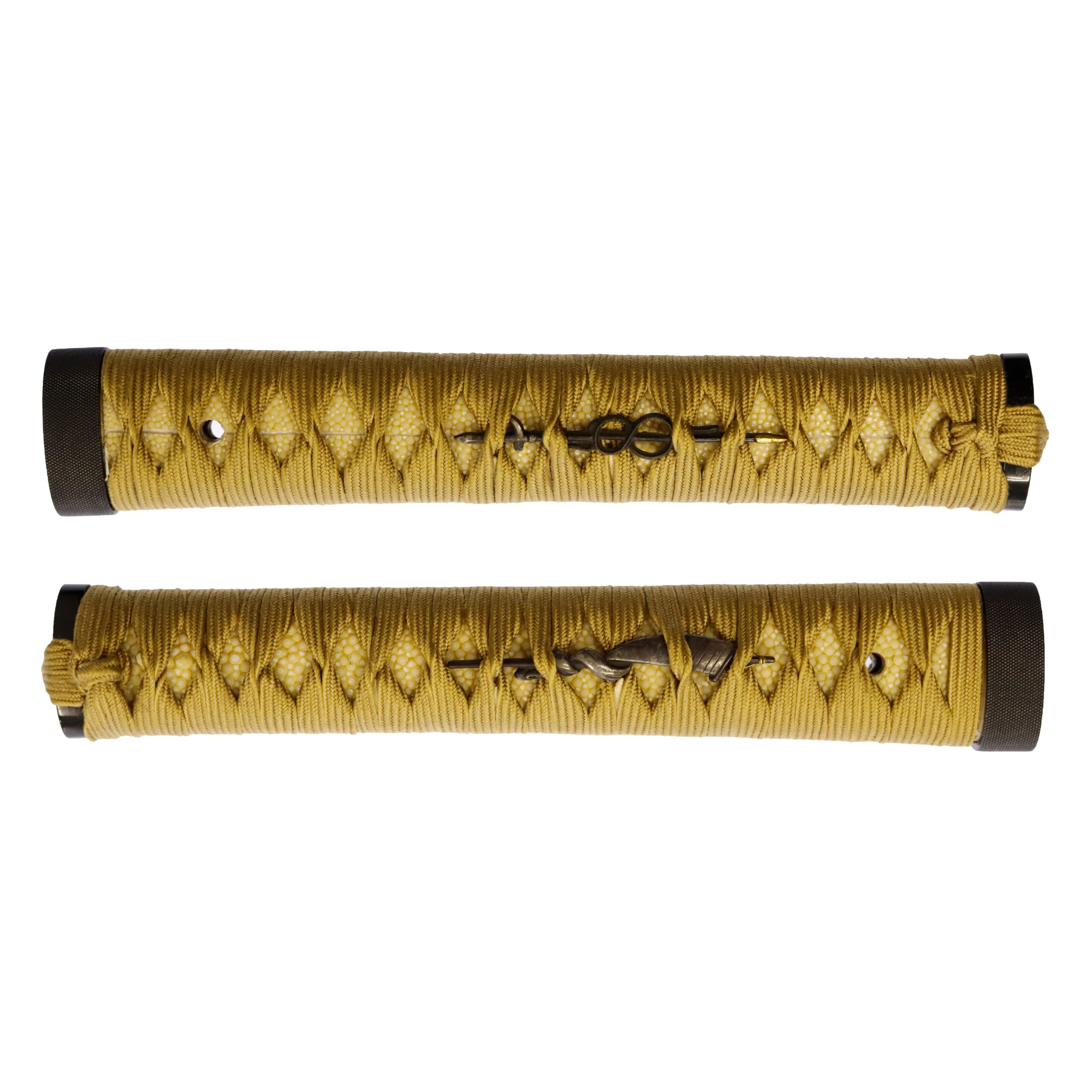
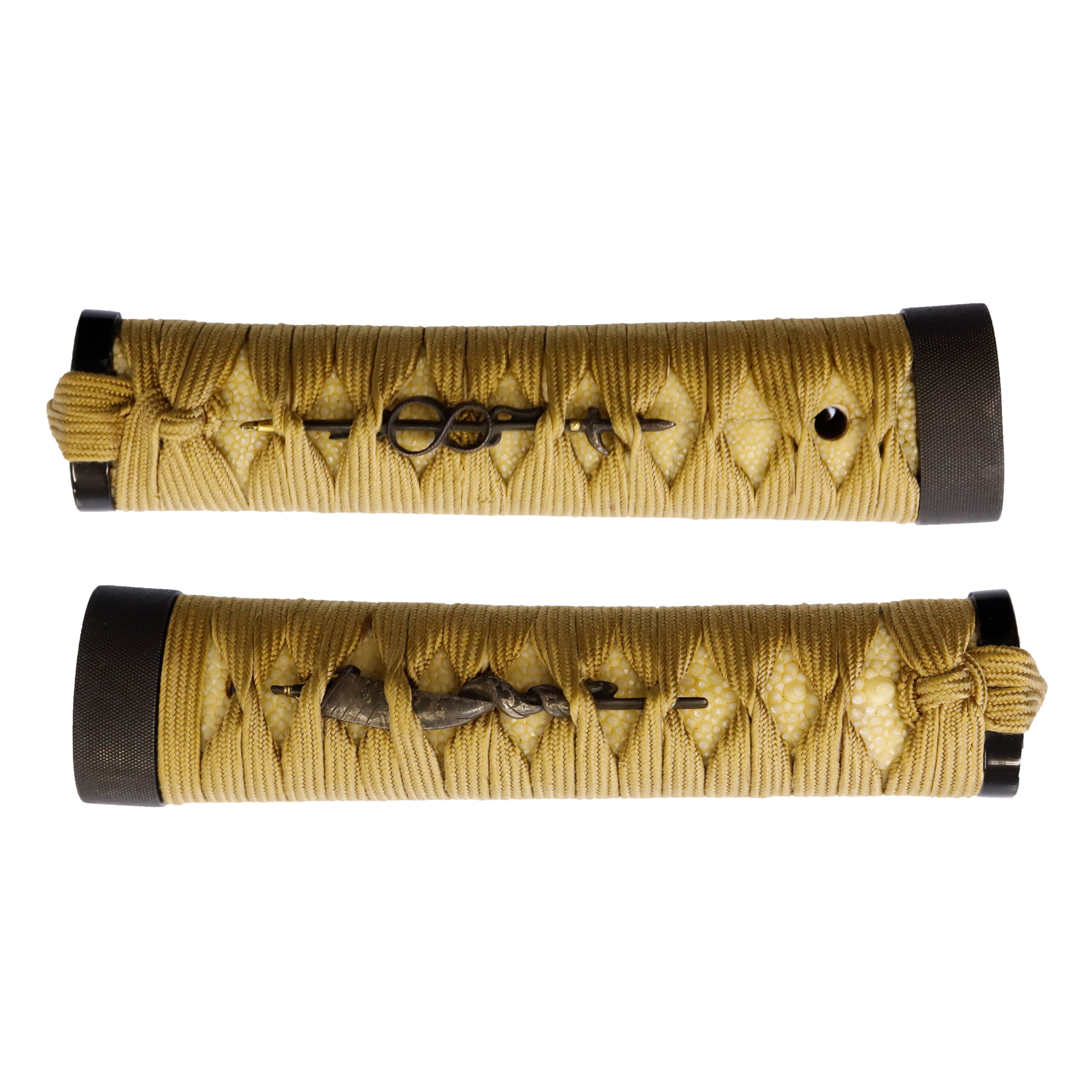
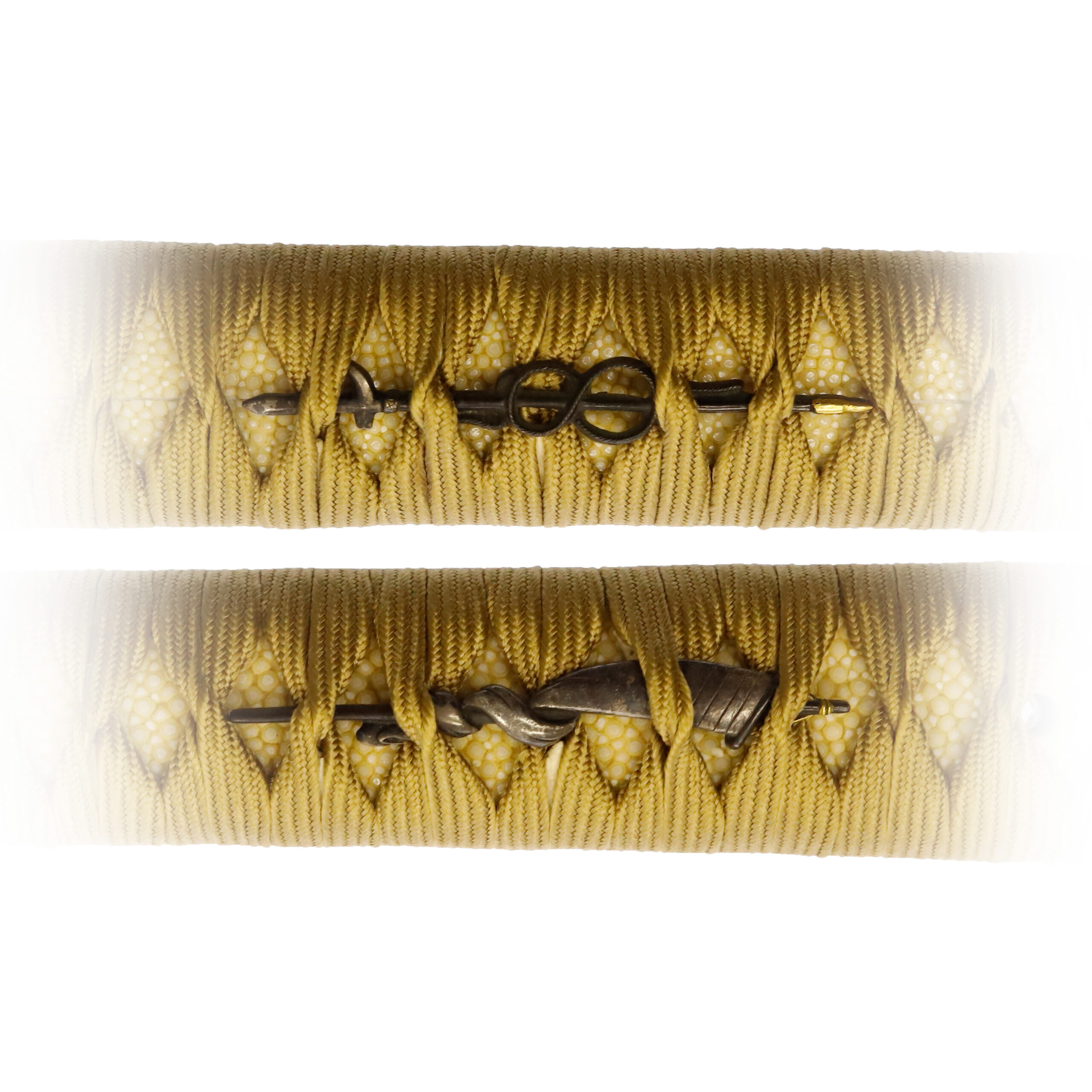
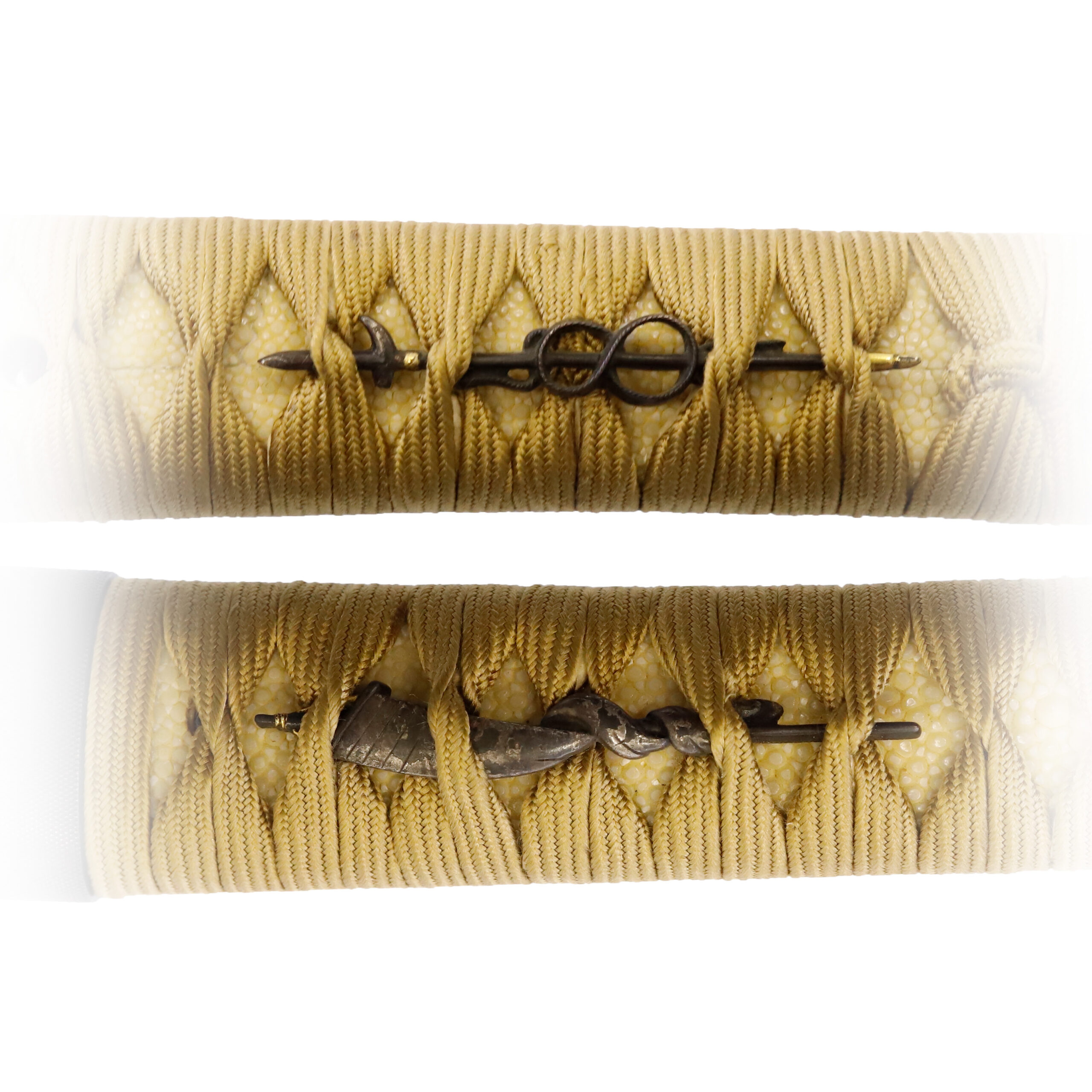
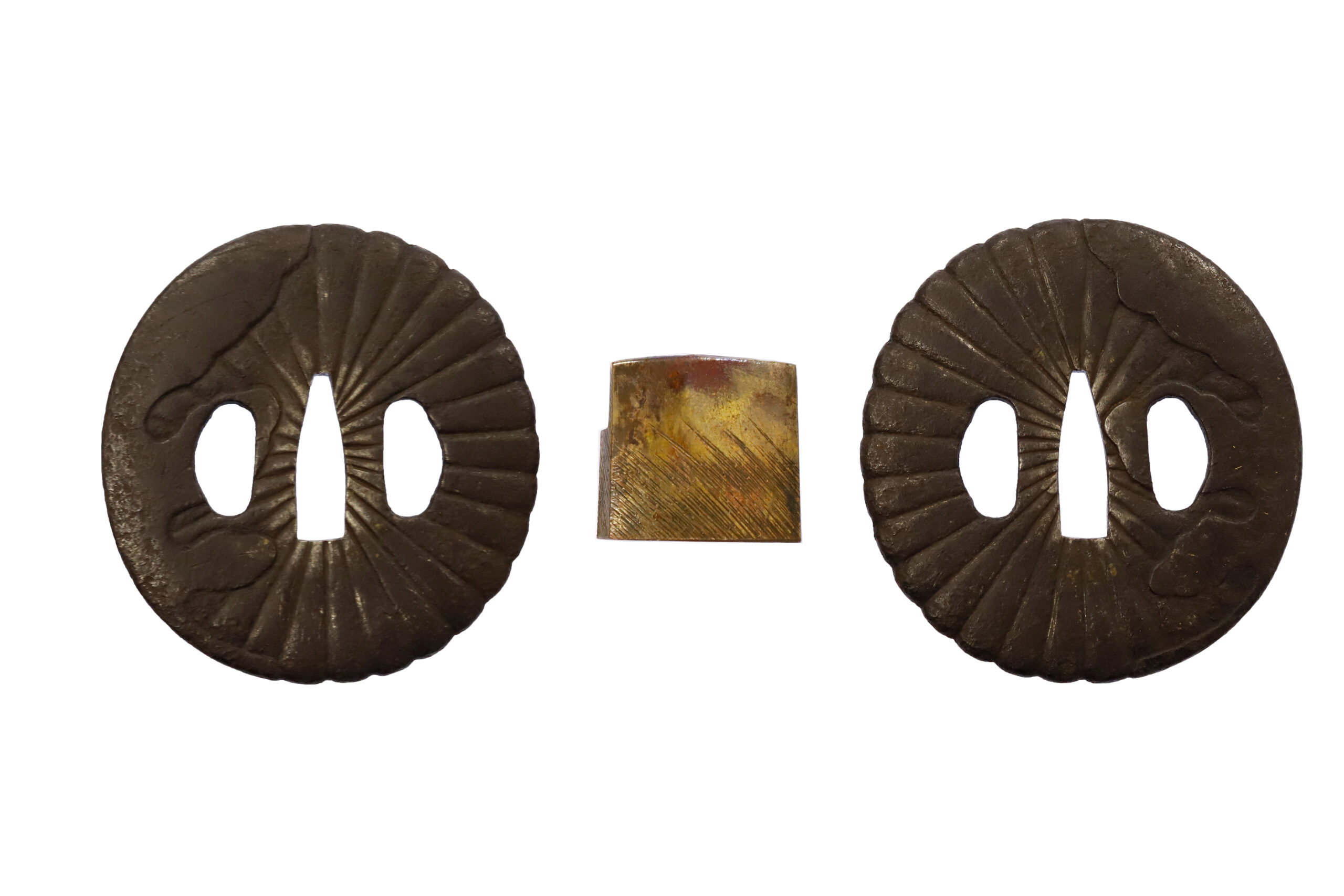
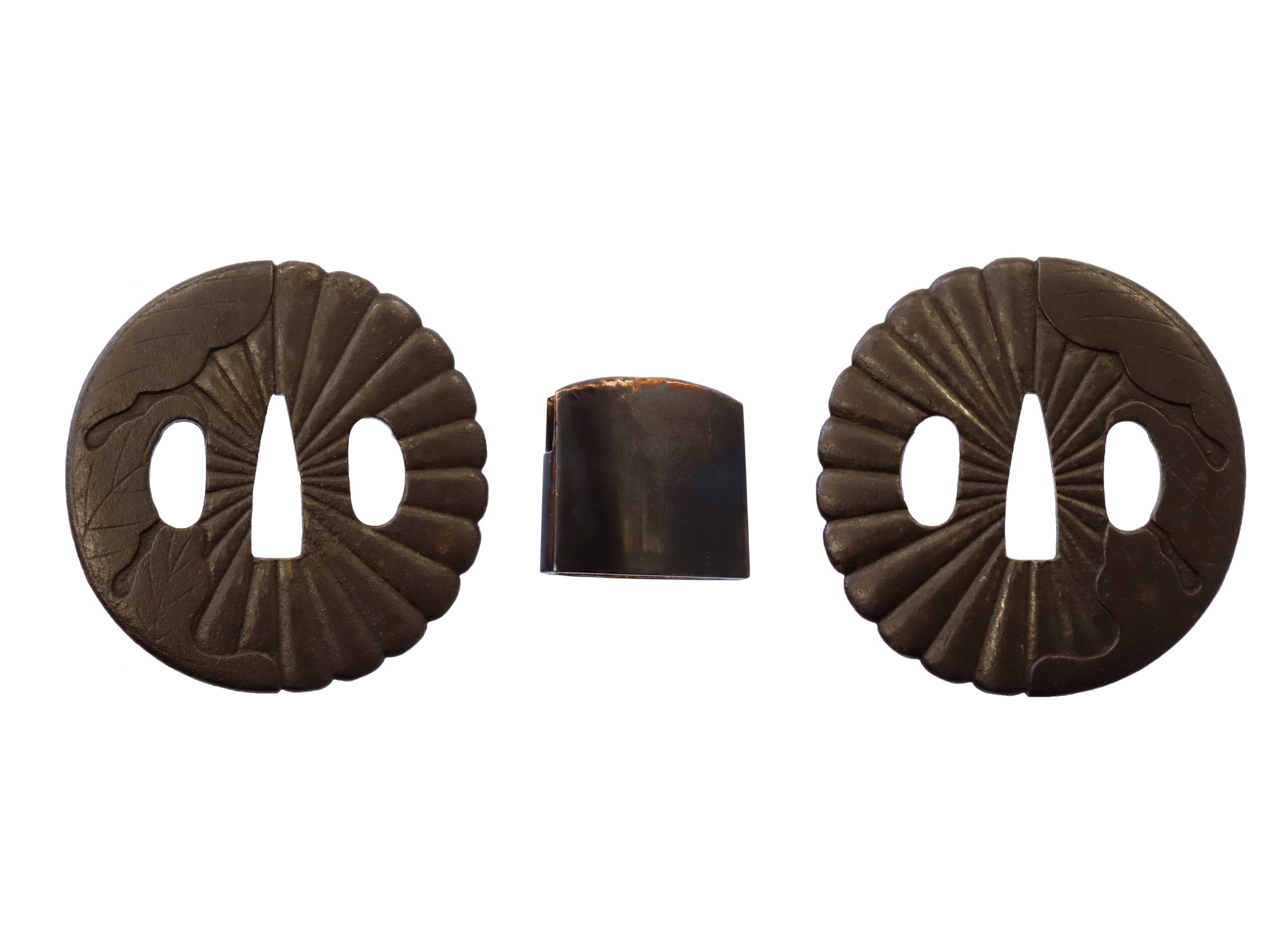
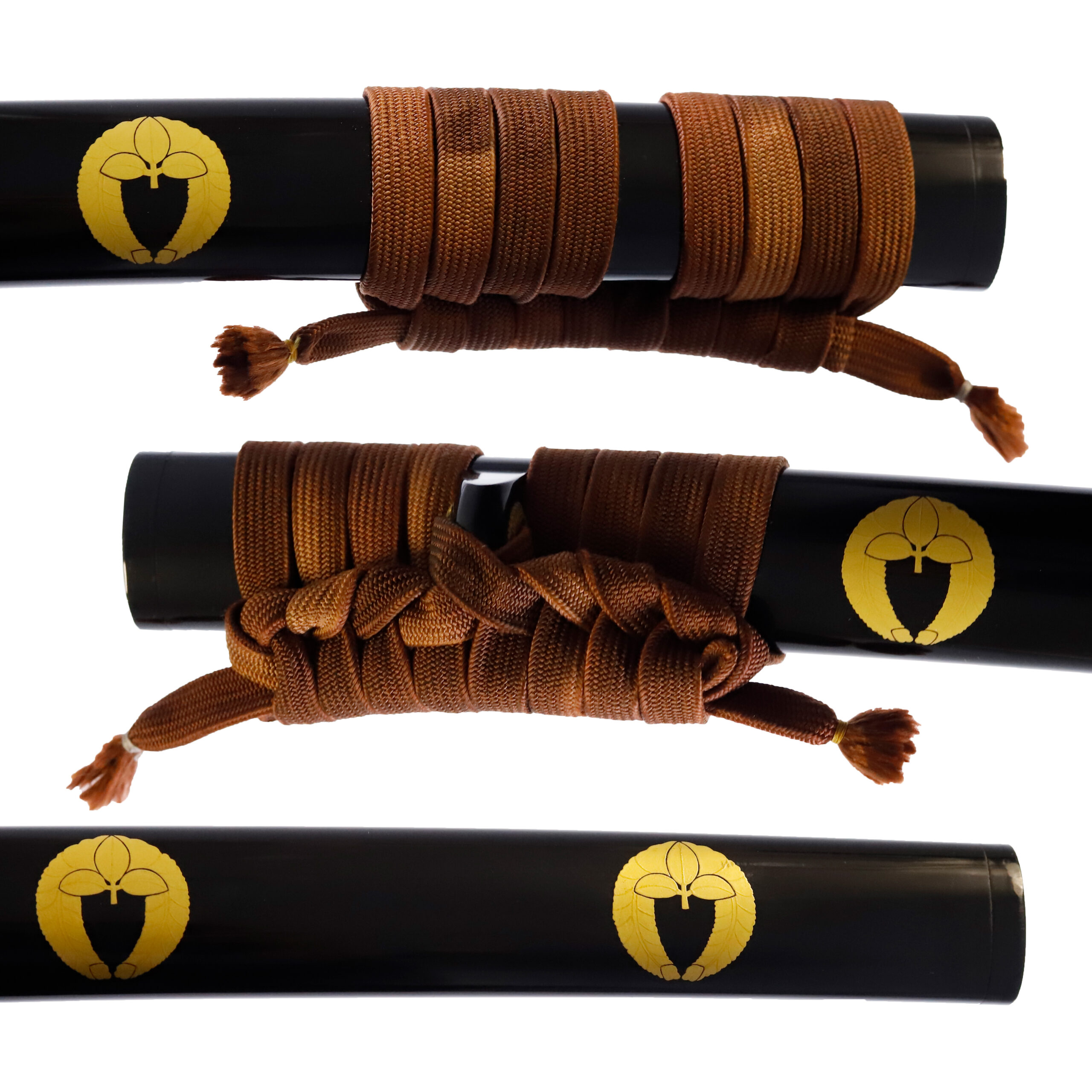
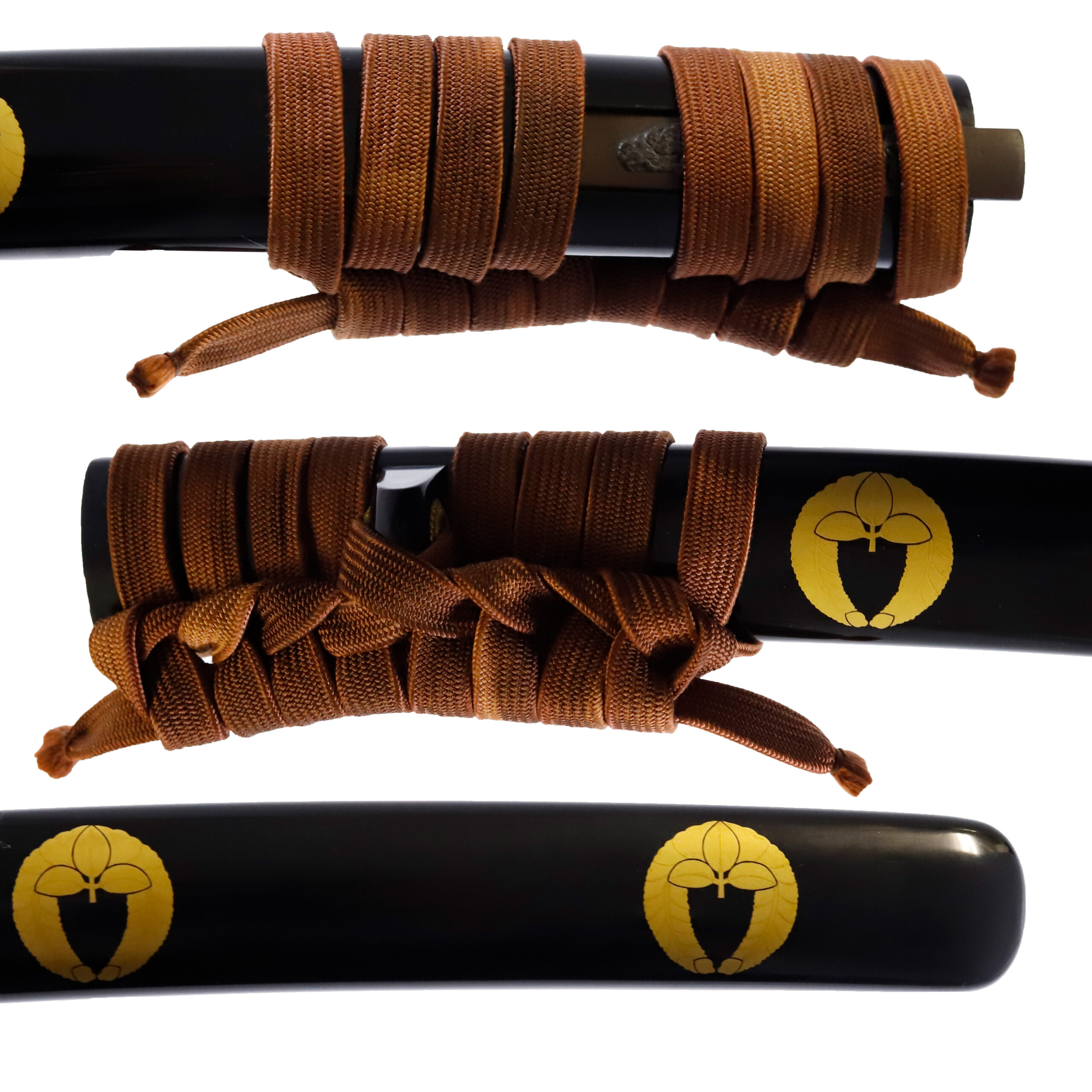
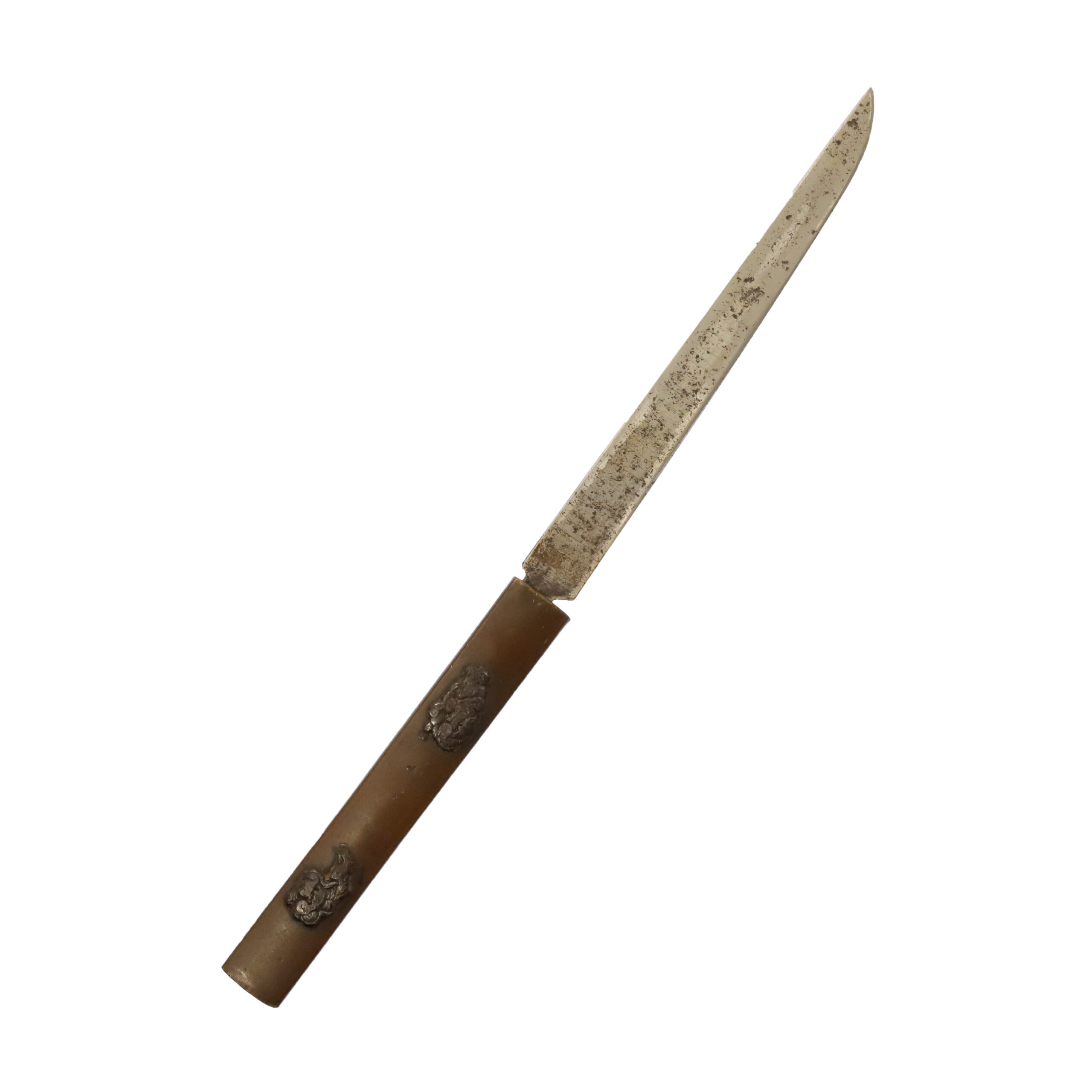
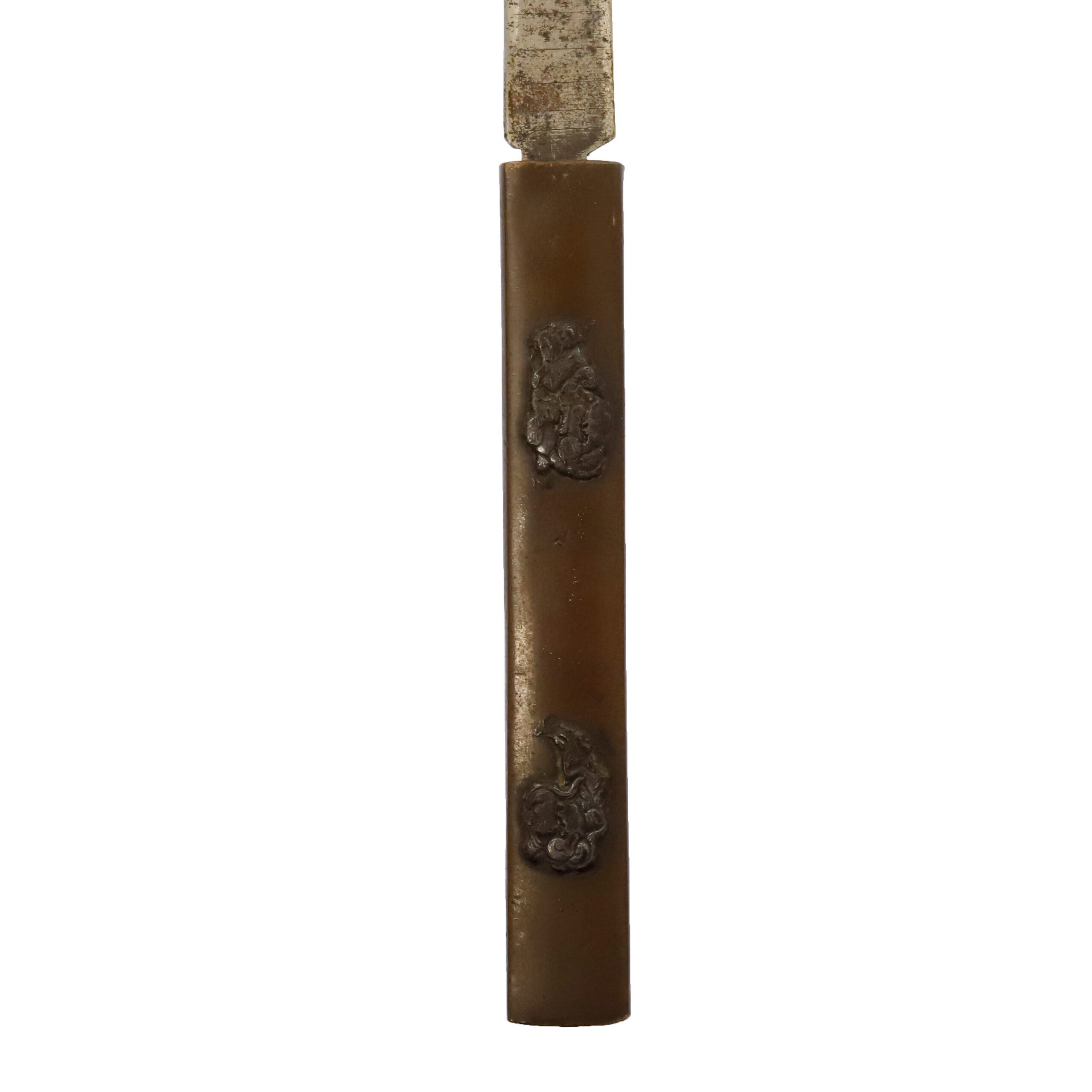
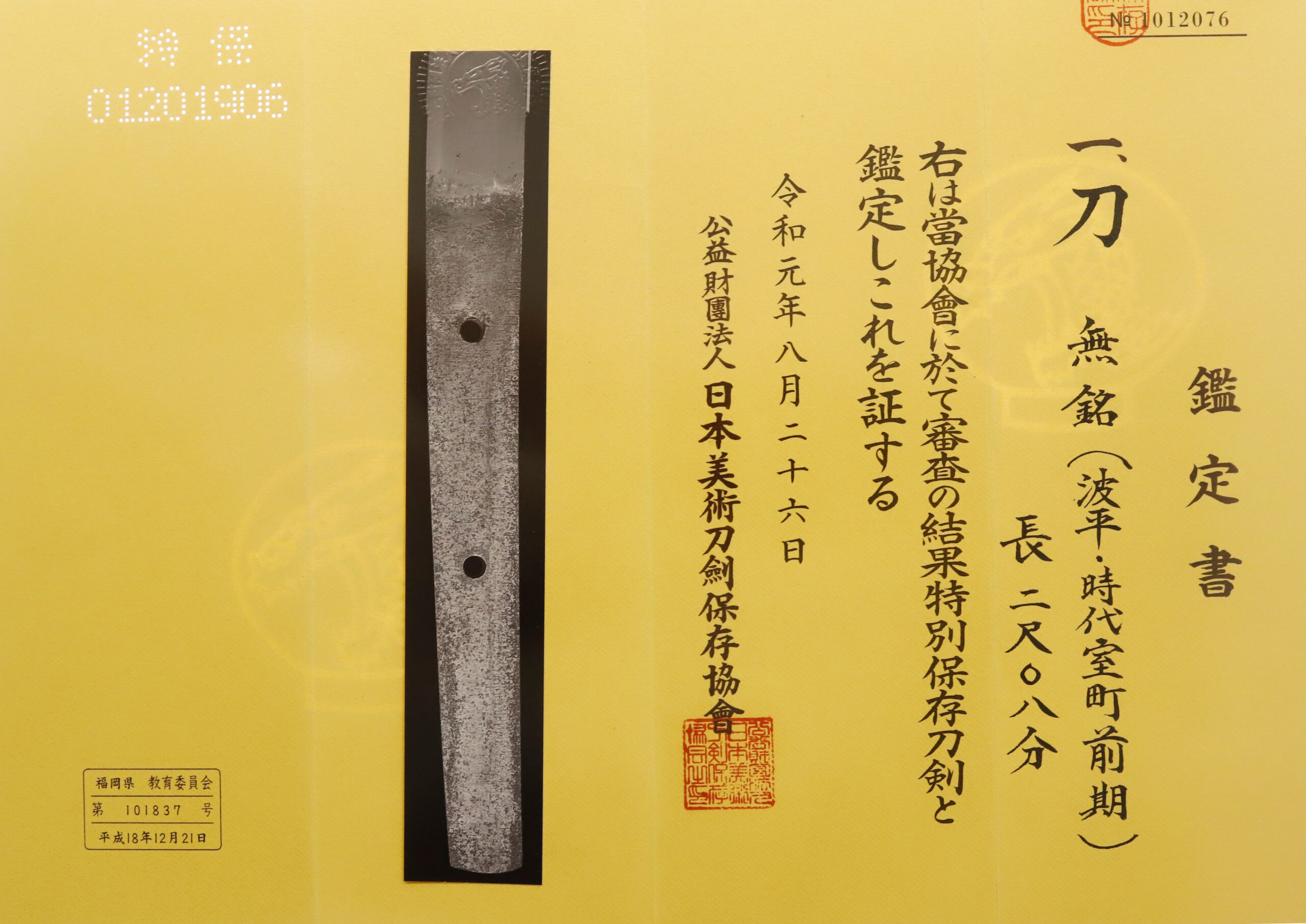
Antique Japanese Sword Daisho attributed to Naminohira/Echizen Seki with NBTHK Tokubetsu Hozon Certificate & Hozon Certificate 【Description】 Katana This Katana is attributed to Naminohira (波平) during the early Muromachi period (Approx. 600-650 years ago), according to its NBTHK’s appraisal. Naminohira(波平) was one of the most influential schools in Satsuma domain (Today’s Kagoshima prefecture), founded by a swordsmith named Masakuni (正國) during the late-Heian period(Late 12th century). The swordsmiths in this school were known for having their name with one of these letters, 行(Yuki) or 安(Yasu). From the late-Heian period until the end of Samurai times(Late 19th century), the Naminohira family had kept the mastership for a thousand years. The Naminohira swords were cherished among Samurais in the marine army, mainly because the name Naminohira(波平) means “Tides are quiet.” in Japanese. The origin of the name Naminohira dates back to the school’s foundation. It is said that the founder Masakuni was originally from Yamato domain (Today’s Nara prefecture). The legend says he was able to calm the waves by dedicating his sword to the sea when his school in Yamato sailed to settle in Satsuma domain. Since then, he began to use the title “Naminohira Yukiyasu (波平行安)” – “Tides are quiet, easy to go.” Wakizashi This Wakizashi was attributed to Echizen Seki (越前関), who was a group of swordsmiths who moved from Mino province (Today’s Gifu prefecture) to Echizen province (Today’s Fukui prefecture) during the Keicho era (1596-1615: Late Azuchi Momoyama-Early Edo period).Echizen Province was prosperous during the Edo period, being ruled by the Echizen Matsudaira clan, a direct retainer of Tokugawa clan who ruled the Edo government. Many skilled swordsmiths moved to Echizen from different regions because of high demand among Samurai who lived there. The MINO swordsmiths style, also known as MINO-DEN, basically has the TOGARI(Pointed shapes protruding from the Hamon )in a classic straight line and random temper line with some white Utsuri. MINO-DEN had its origin from YAMATO-DEN in the late KAMAKURA period(1280-1330). It flourished in the MUROMACHI period(1333-1573) and continued until the EDO period(1603-1868). MINO-DEN especially prospered during Sengoku Jidai(Warring State period) due to the high demand for weapons. And the location of Mino province beat others. Akechi Mitsuhide controlled Mino province, and Nobunaga Oda ruled Owari province, and Tokugawa Ieyasu was the lord of Suruga (Neighboring areas). There was high demand from those powerful feudal lords and their retainers. Furthermore, so many wars occurred between the Kanto region and the Kyoto area, and Mino is located in the middle, making feudal lords feel convenient to order swords from MINO-DEN. The blades forged in MINO provinces also had the reputation of their practical design and sharpness. Many feudal lords demanded swords forged in the Mino province. Also, many swordsmiths in Mino province moved to other areas of Japan like Echizen Seki swordsmiths by being hired by feudal lords. *Please keep in mind that there are a couple of visible Kitae Kizu on the Wakizashi. What is Daisho? Daisho is a pair of two Japanese swords Samurai carried. During the Edo period, having Daisho in public places was considered social status for Samurai. Furthermore, Samurai were required to wear them under the law back then. Daisho is written as 大=Big and 小=Small. Dai part means Katana, and Sho part means Wakizashi. They have such a fancy appearance that we believe a high-ranked Samurai owned them. We are confident you would like this pair of Daisho Koshirae. And based on the style of the sword mounting, they are categorized as DENCHU KOSHIRAE(Sword mountings for entering a castle), which is very formal style of the mountings. Appraisal This Katana blade is appraised as a Tokubetsu Hozon Token(特別保存刀剣) and this Wakizashi is appraised as a Hozon Token (保存刀剣). They were issued by NBTHK(Nihon Bijutsu Tou
 NihontoWatch
無銘 · Naminohira / Seki · 室町〜新刀 · 長さ 62.9cm · 反り 1.6cm
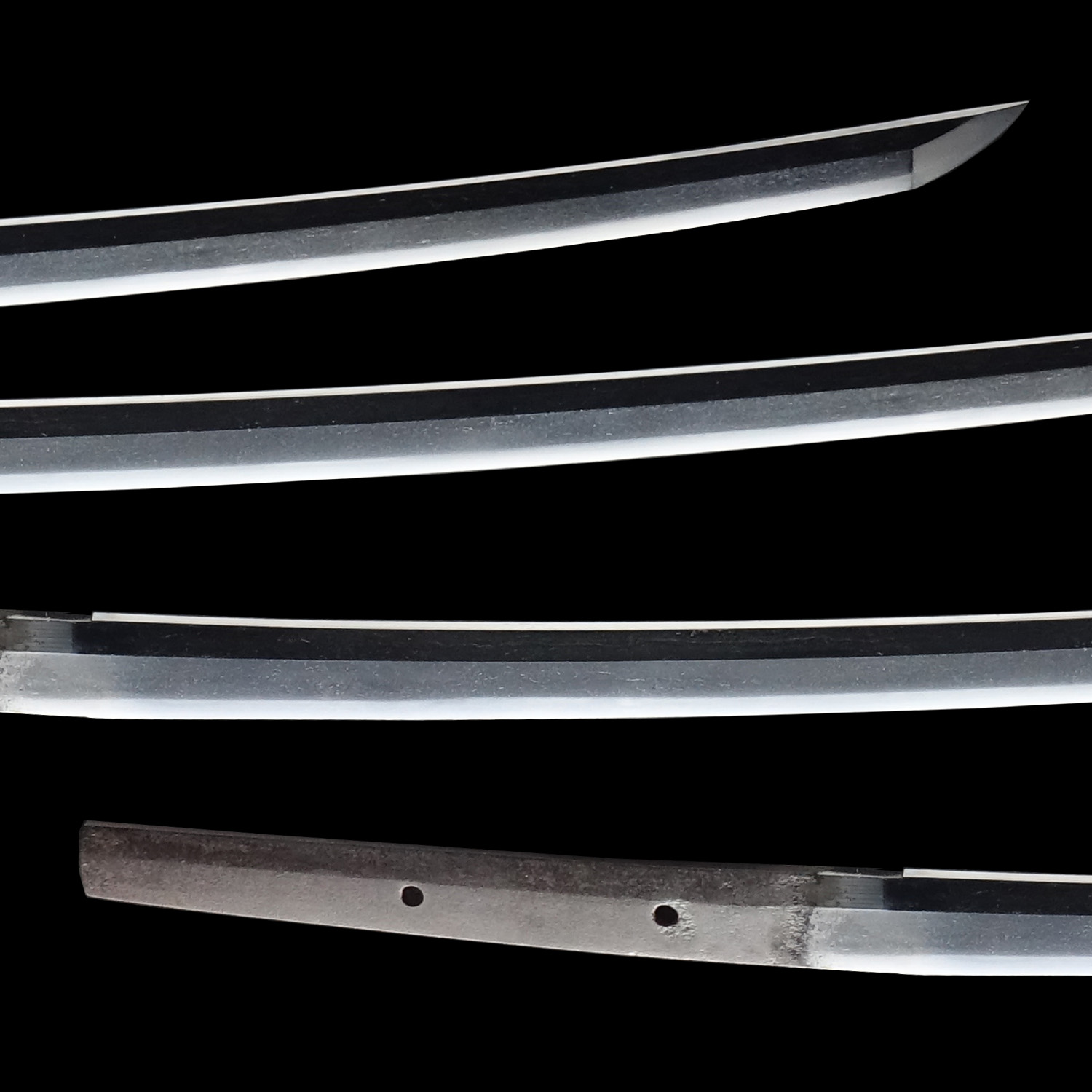
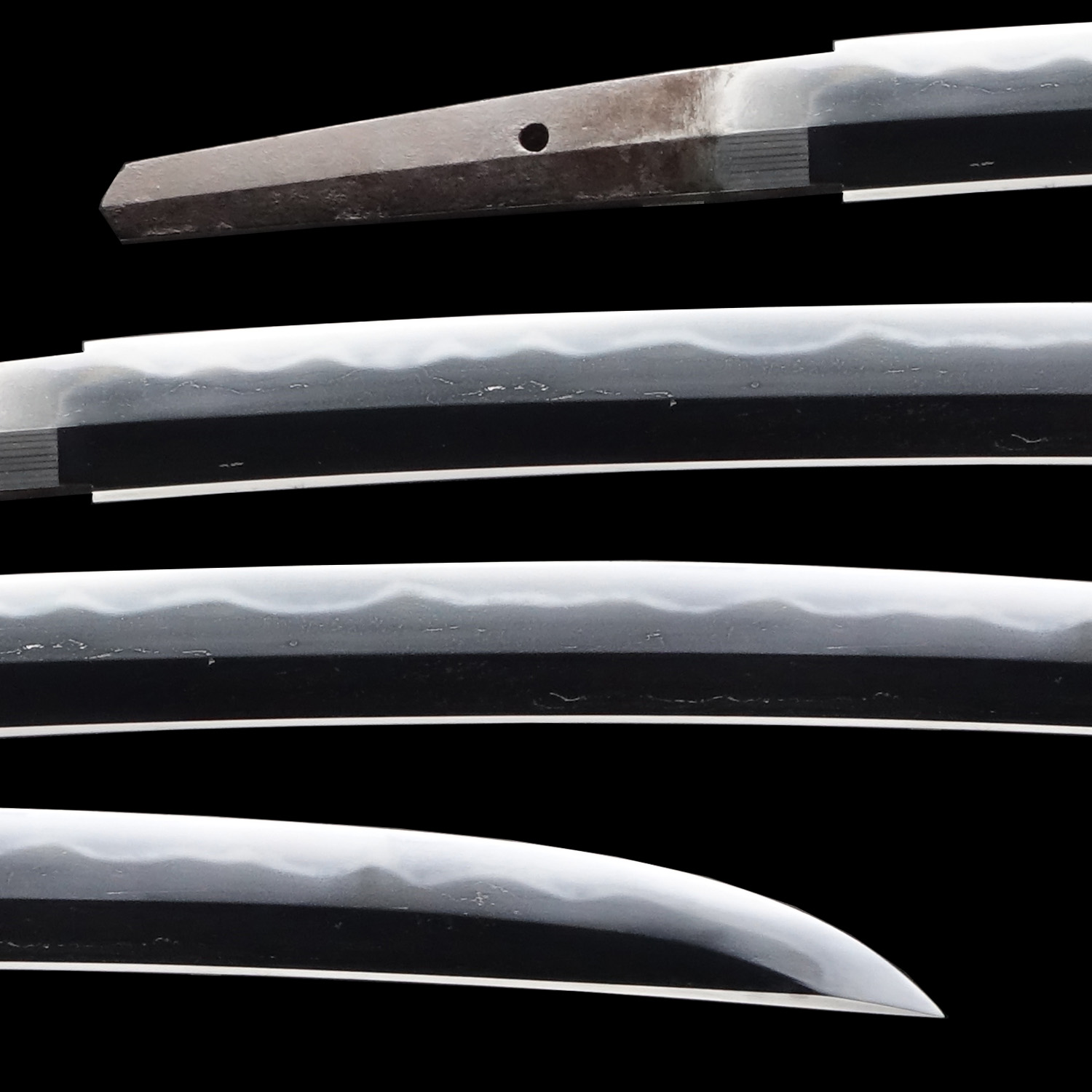
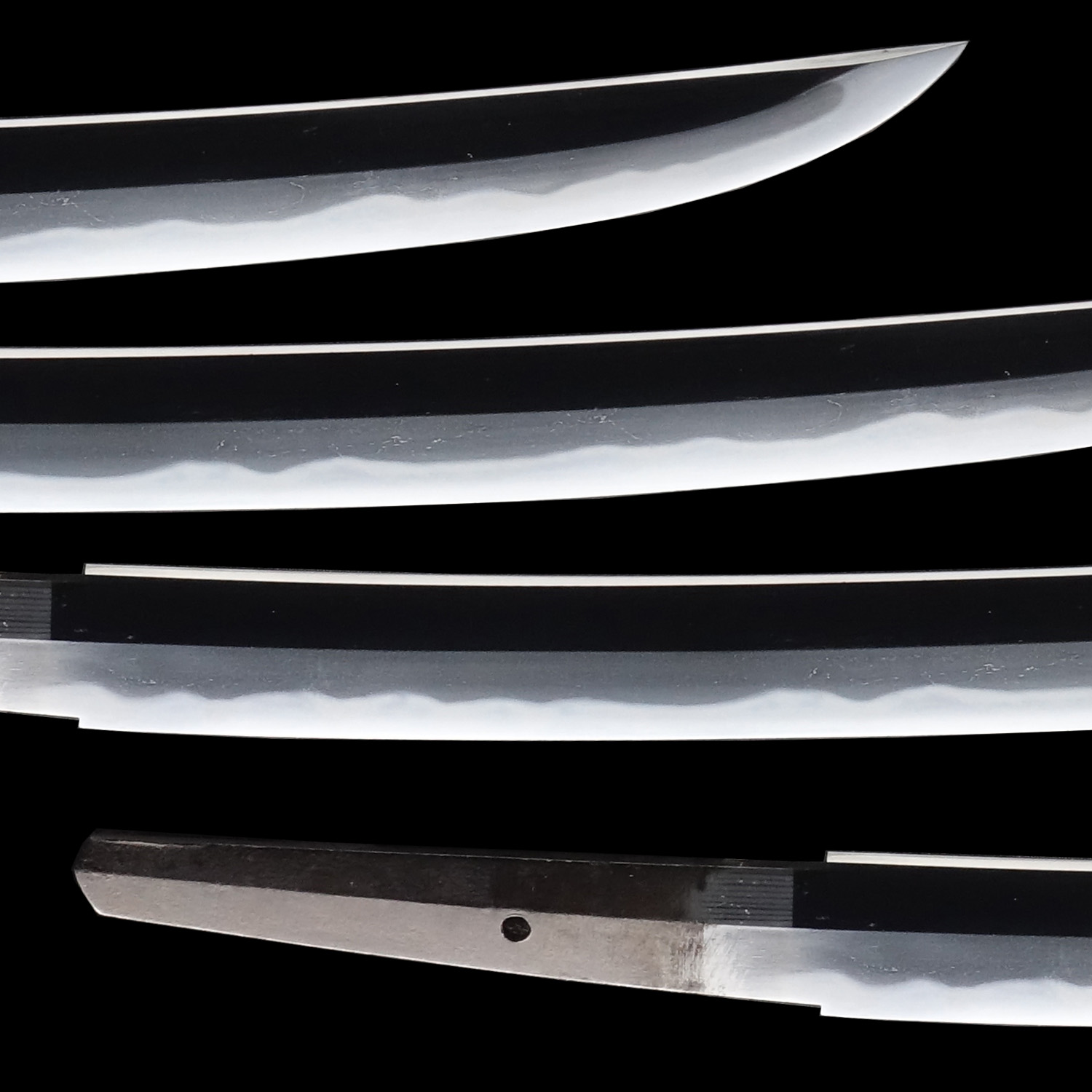
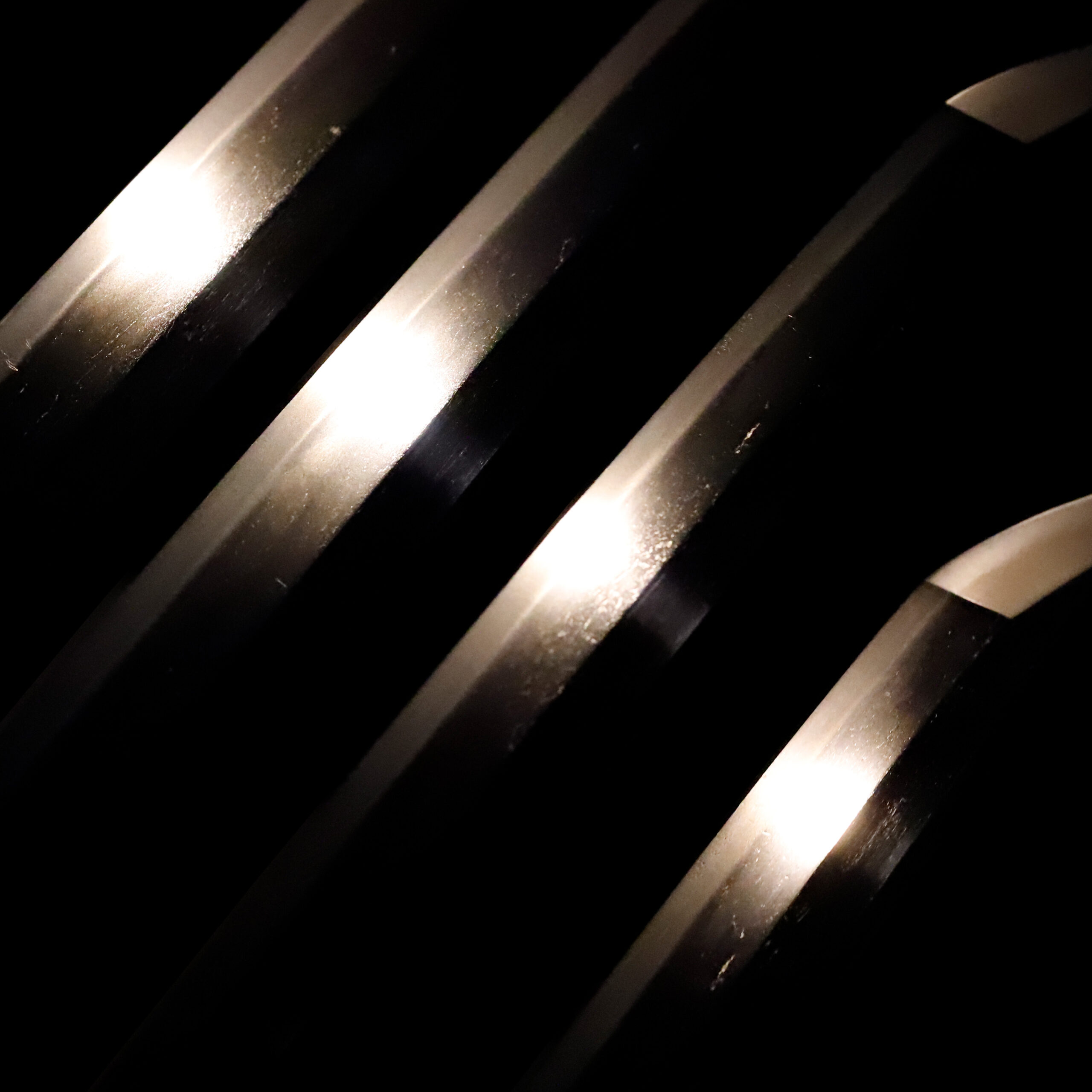
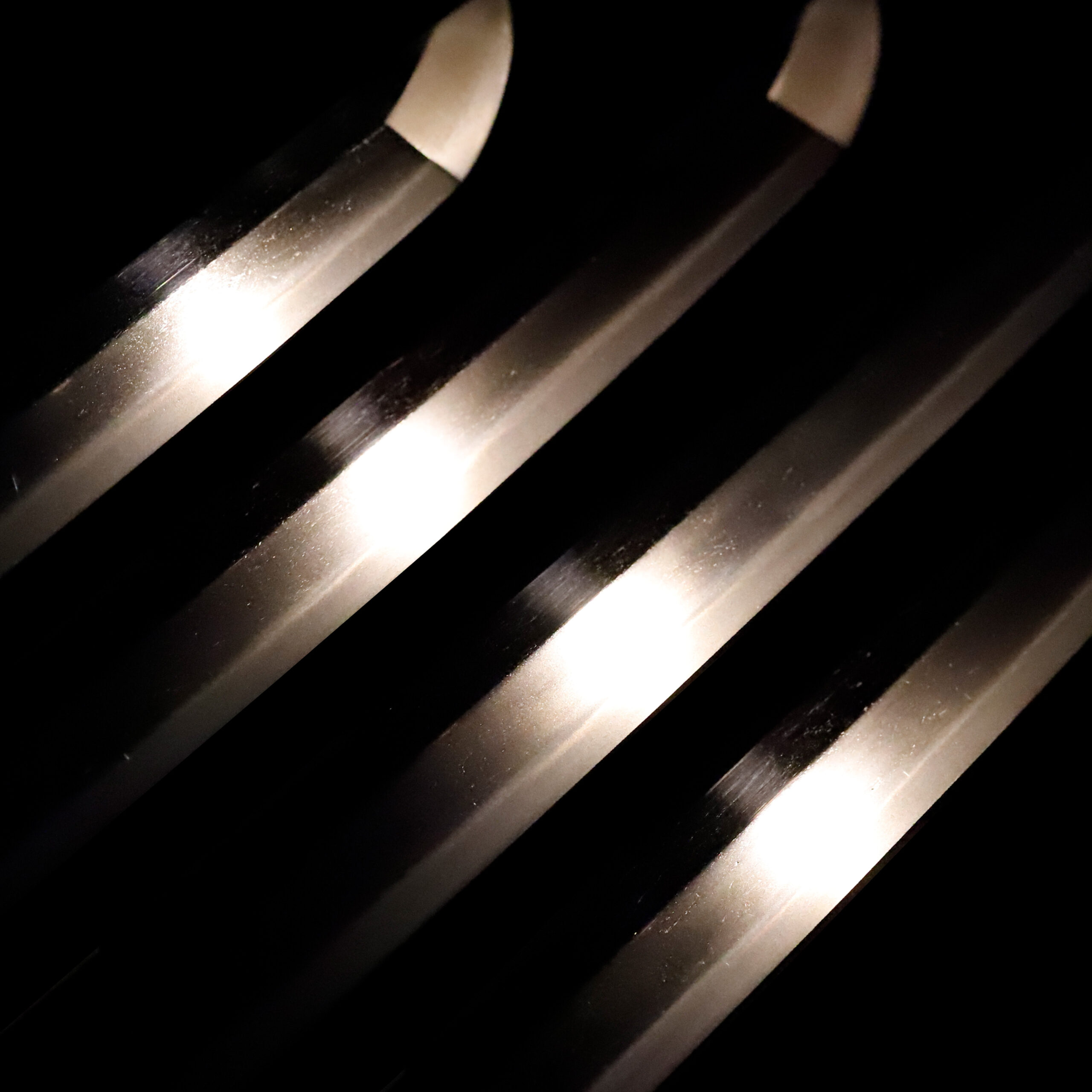
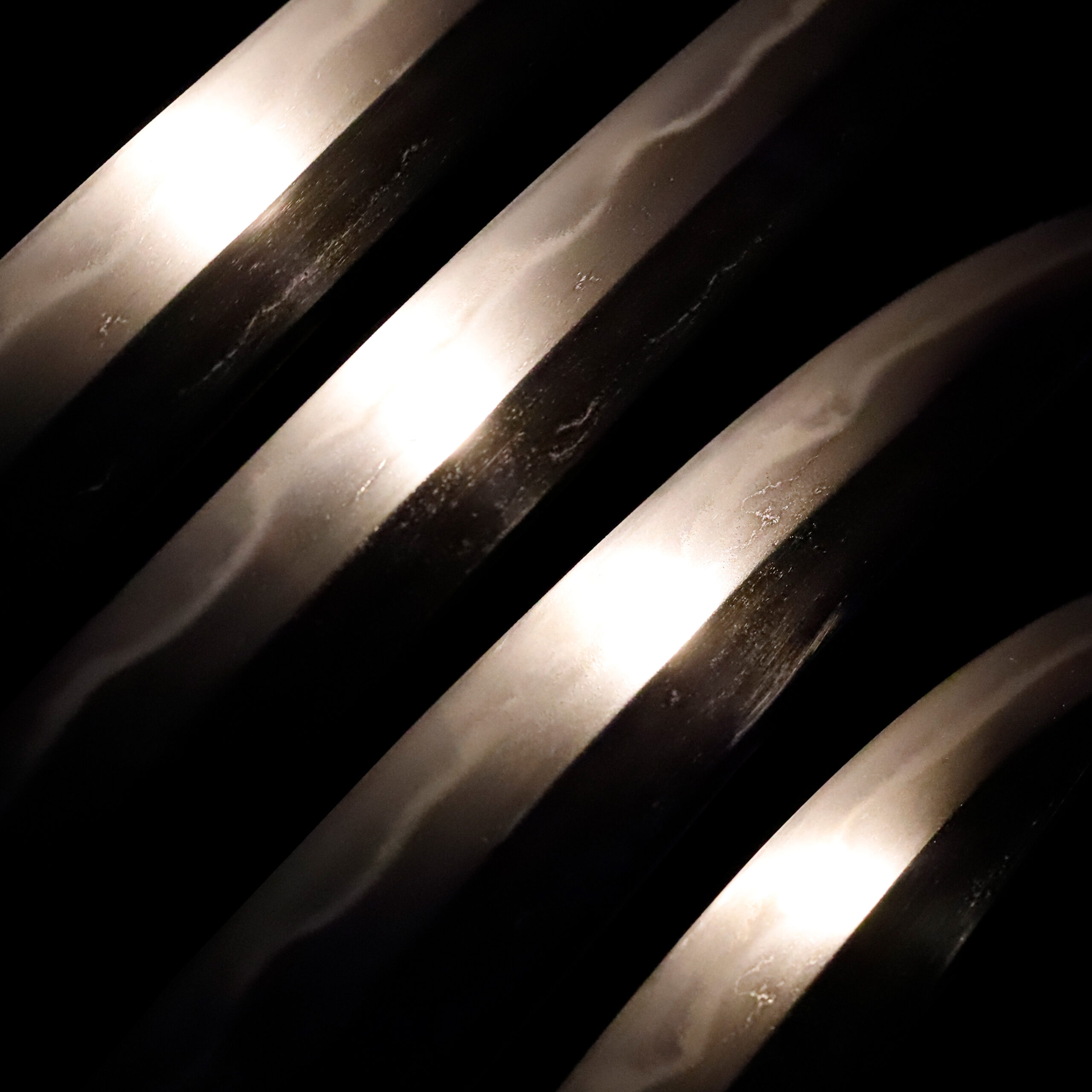
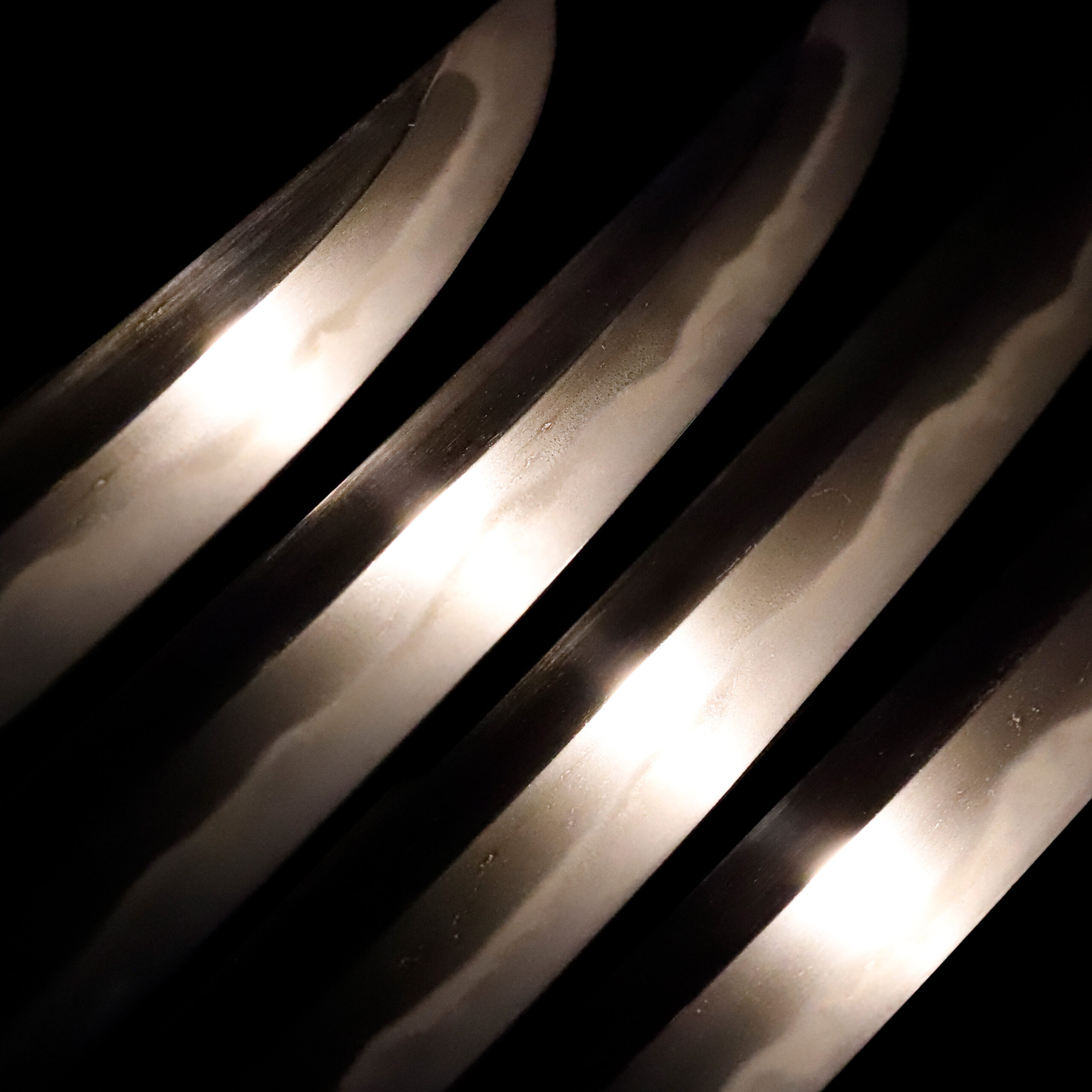
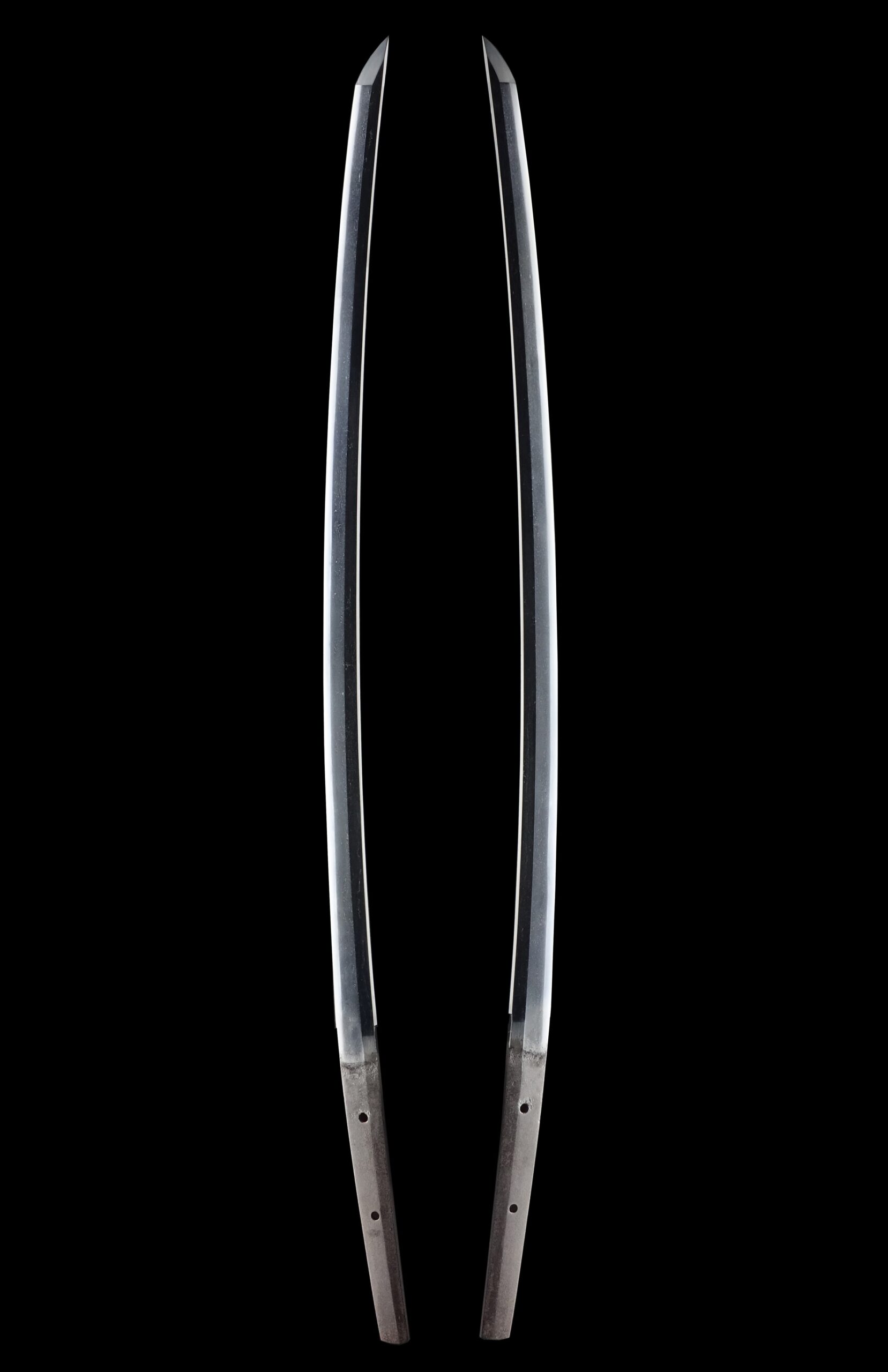
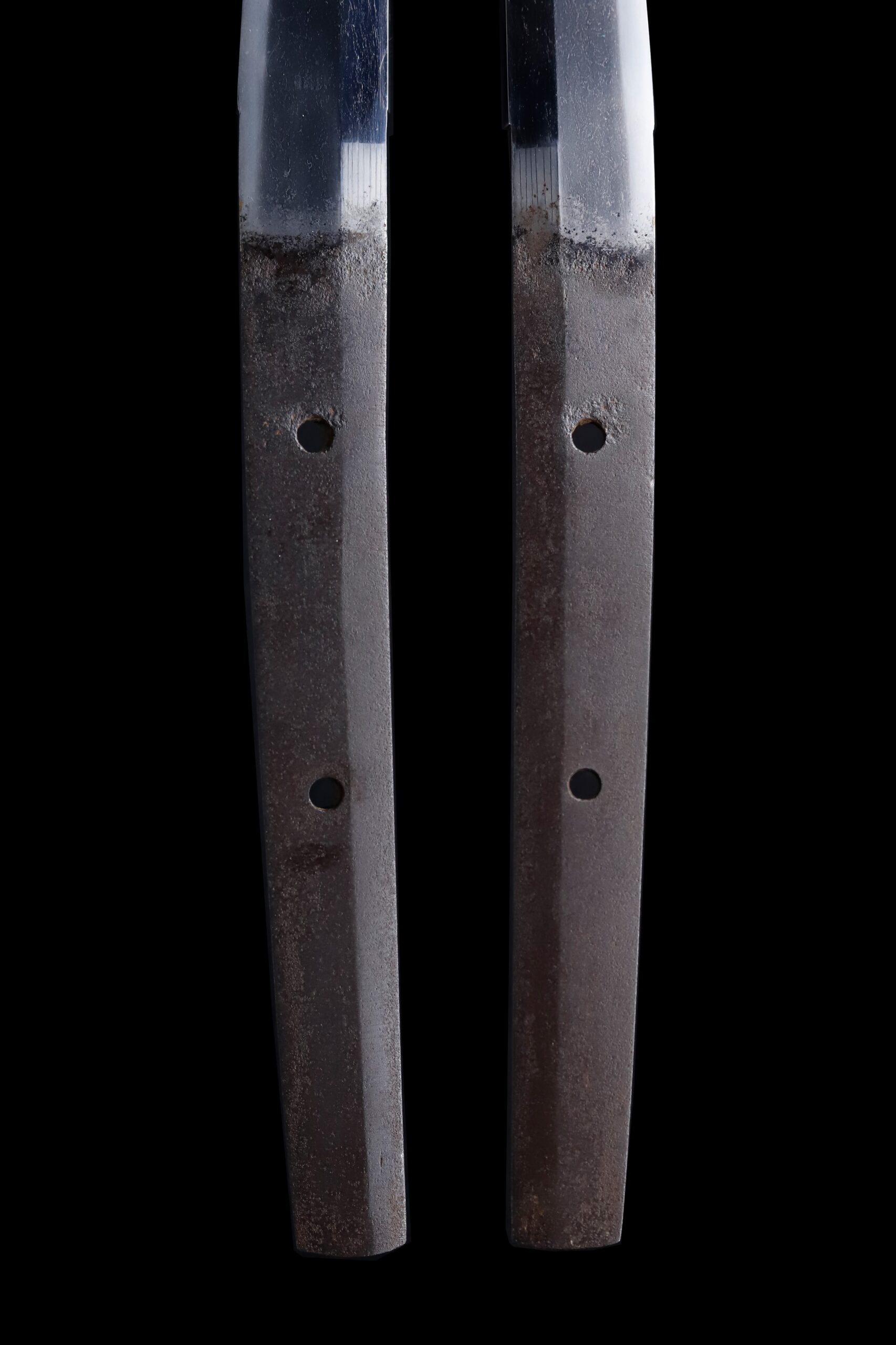
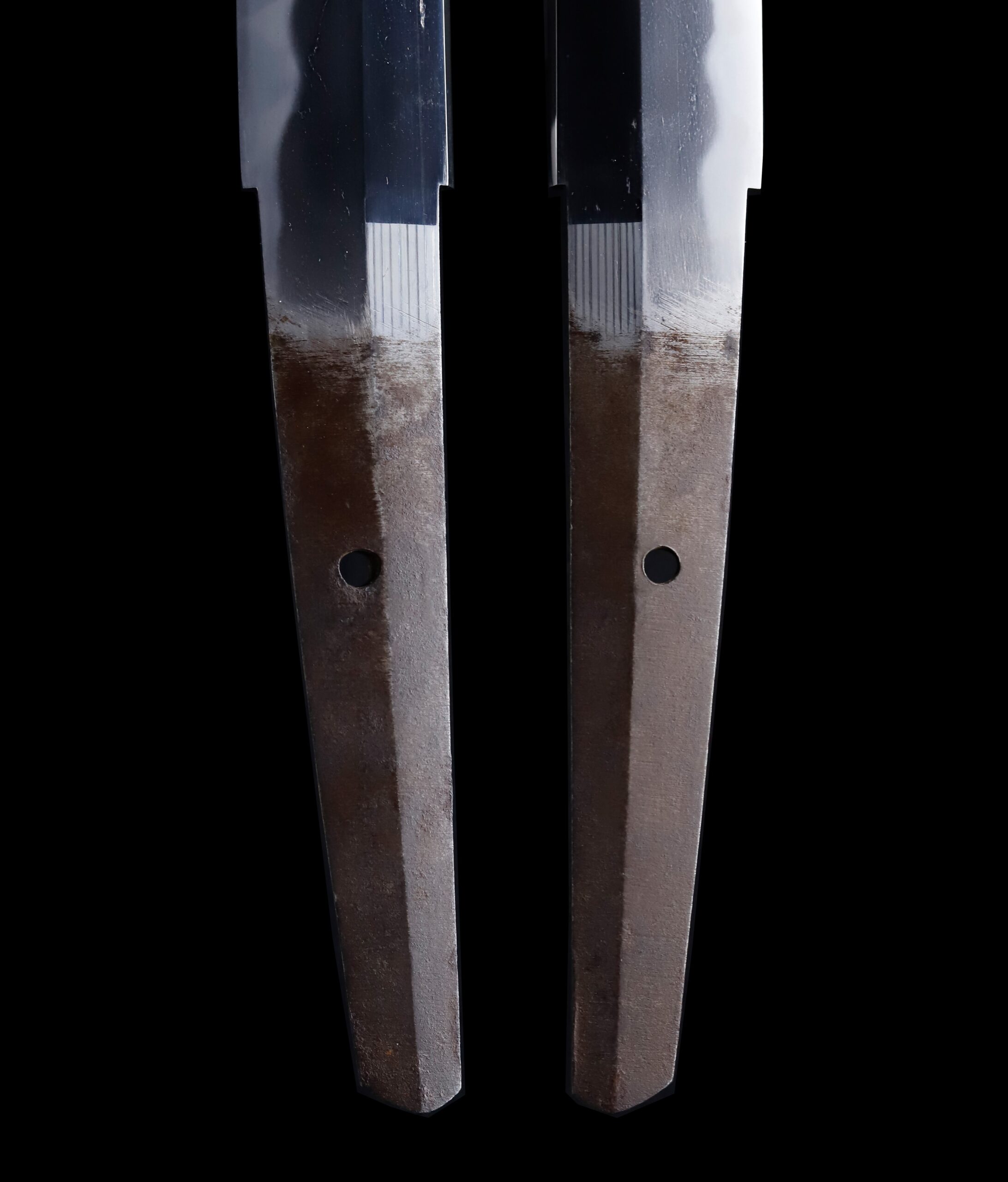
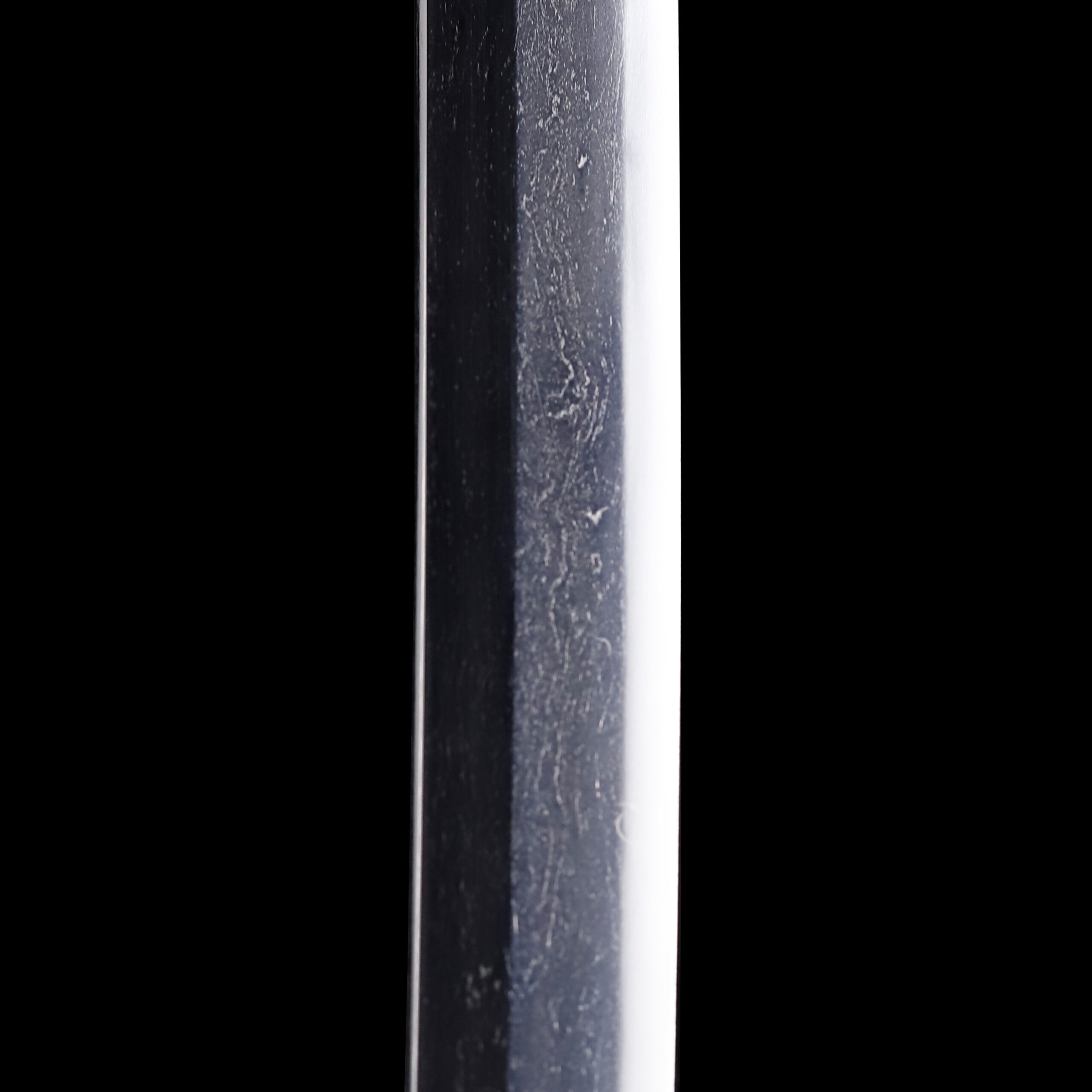
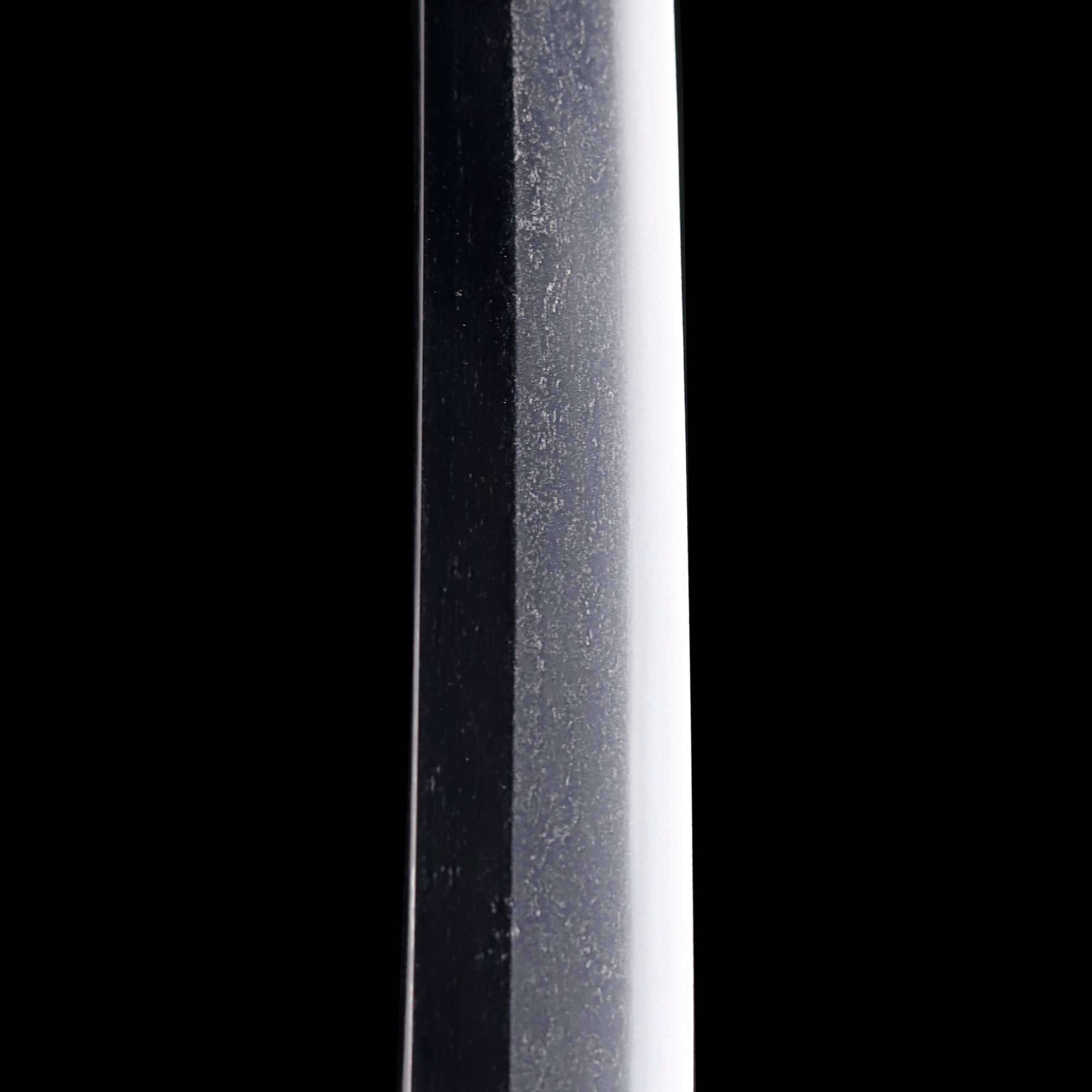
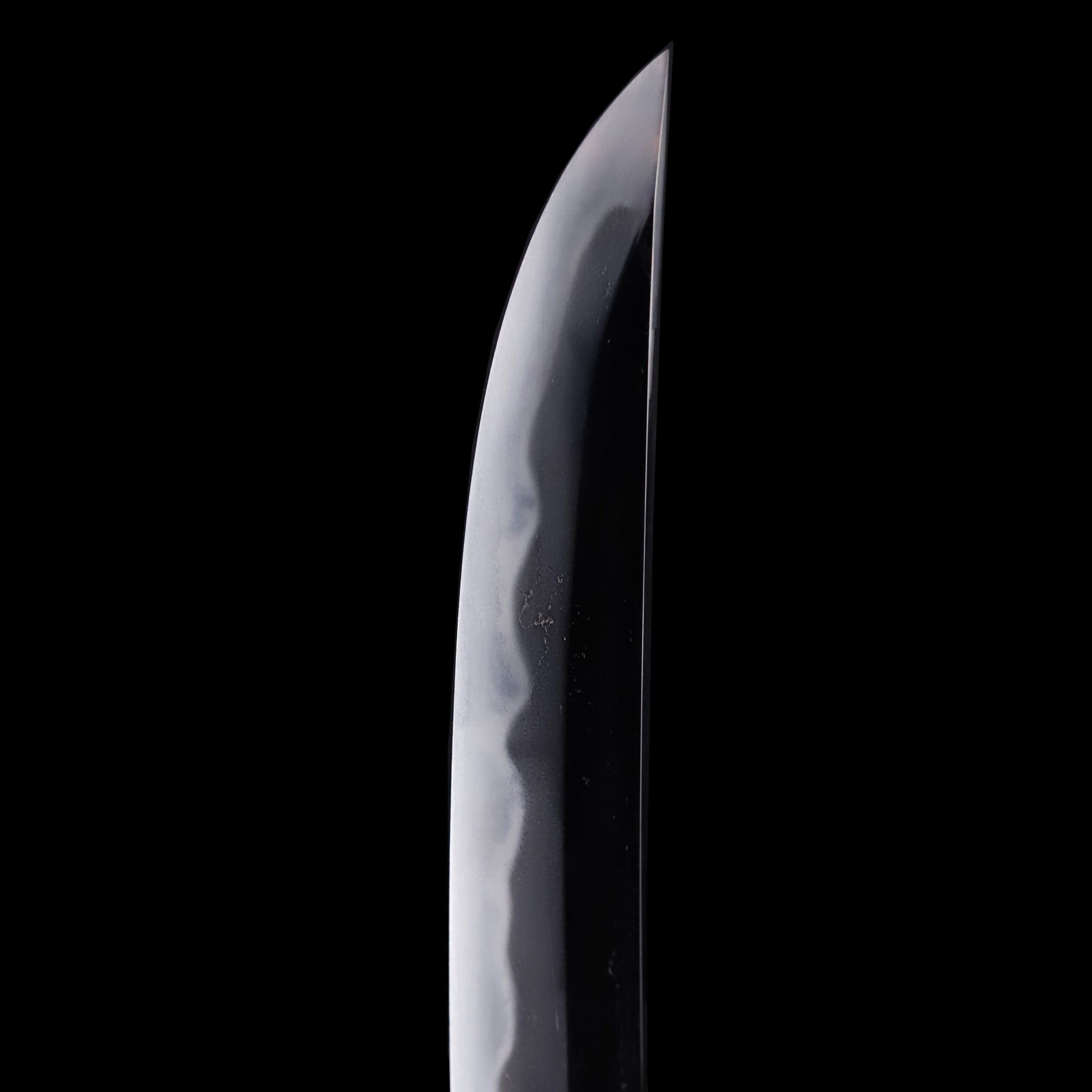
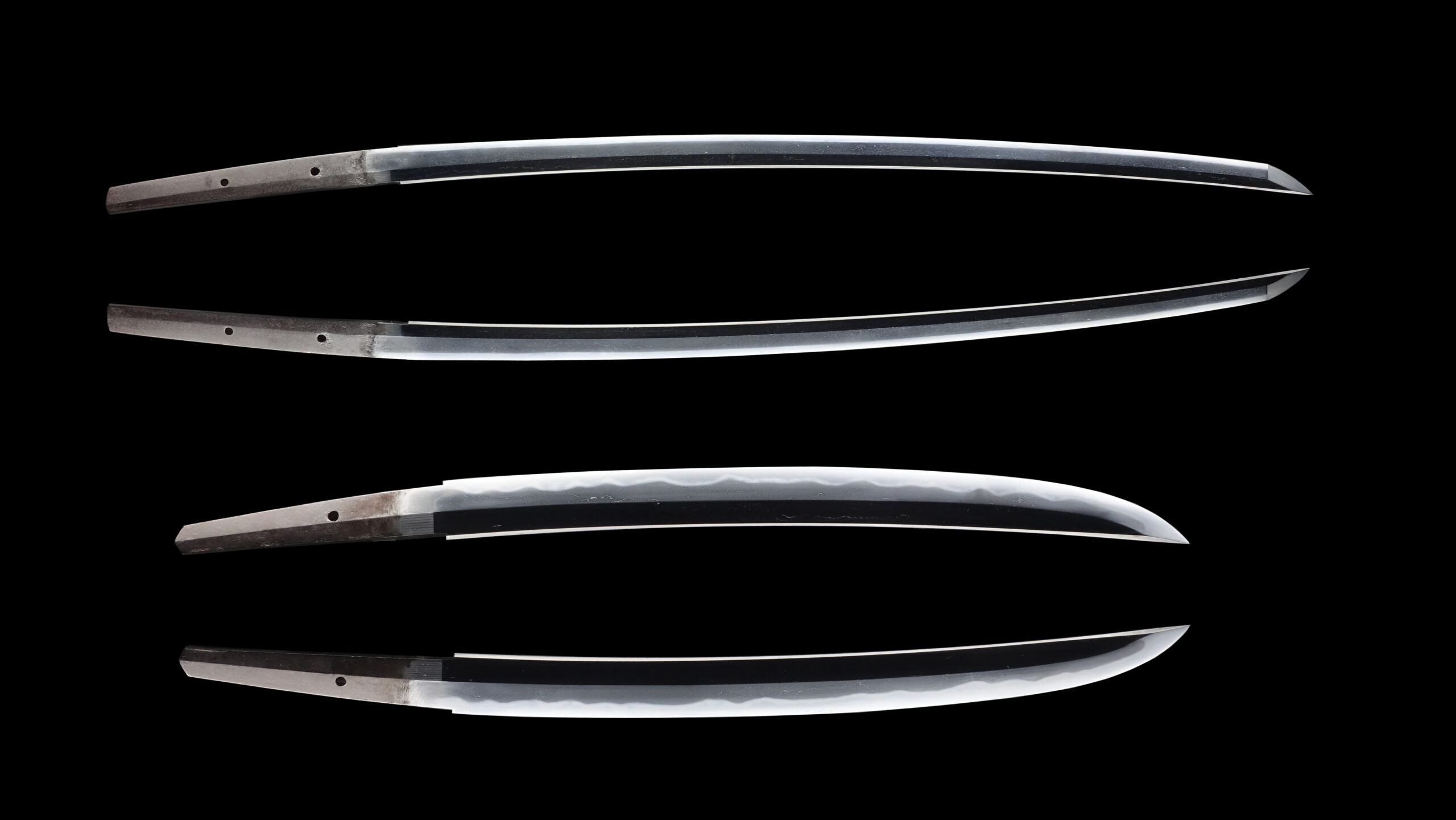
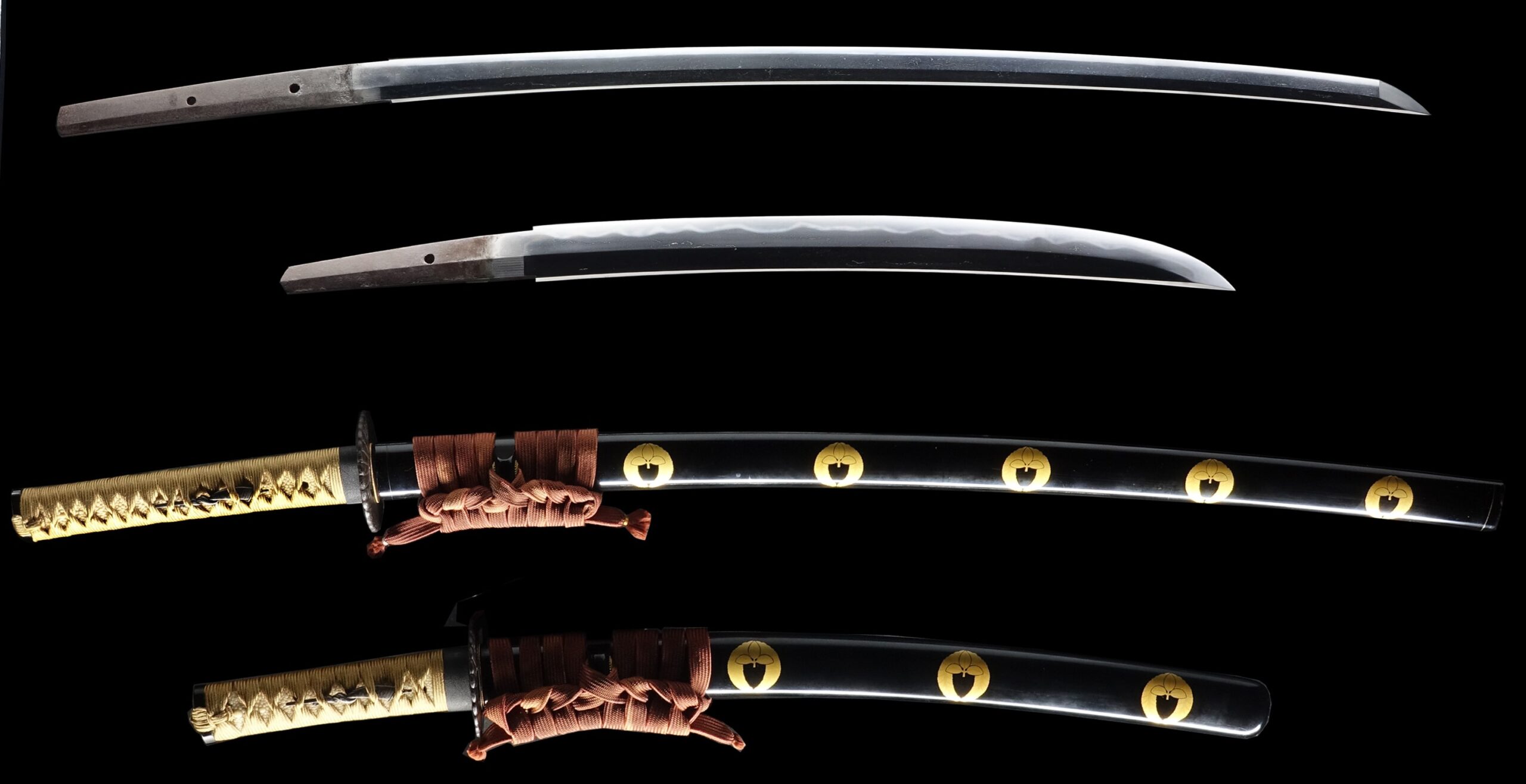
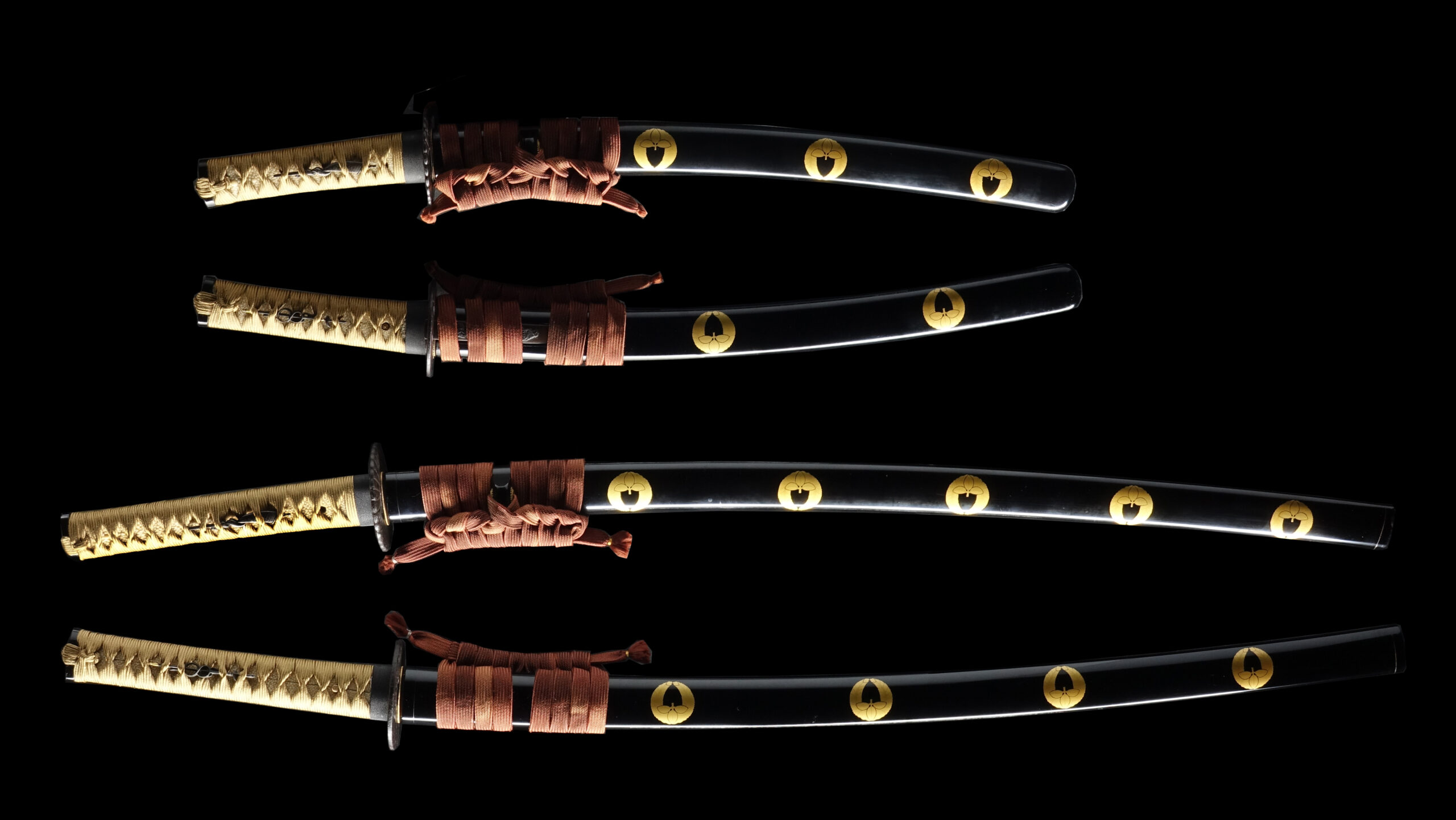
脇物 · 薩摩 · 1206-1207頃
現在3点販売中
脇物 · 薩摩
時期区分: 古波平· 987–1393
現在13点販売中
薩摩国谷山郡波平の地に拠った波平派のうち、南北朝期を降らぬ刀工とその作刀を総称して古波平という。説示によれば、平安時代後期に正国なる刀工が大和より同地に来住してその祖となったと伝え、その子を行安と称し、以後門流は幕末新々刀期にまで連綿と及んでいる。嫡流は代々行安の名跡を襲い、「行」あるいは「安」の字を用いる工が多く、安次・安行・安光・友安・近安らもこの系に連なる。九州における最も古い鍛冶の一として平安末以降の作刀を残し、後代に量産化して作風の崩れた末波平に対し、この区分はなお大和伝の古調を色濃く伝える初期層をなす。 作風は総じて大和気質の強く窺えるもので、地鉄は板目に流れ肌の交じる鍛えを基調とし、地沸がつき、太めの地景が随処に入り、刃寄りに柾がかって白け映りの立つものが見られる。説示が繰り返し説くとおり、鍛えにはねっとりとした軟らか味があり、これが波平を大和物本流から分かつ要となっている。刃文は精美な細直刃を主調とし、下半に小乱れや小のたれを交え、匂勝ちに小沸がつき、刃中には二重刃風の筋状の働き、金筋・砂流しが断続的にかかる。匂口はうるみごころを帯び、元あるいは腰元を焼き落とす点が顕著で、帽子は直ぐに焼詰めとなることが多い。姿は腰反り高く踏張りのついた古様を呈し、時代が降って南北朝に至れば身幅広く元先の幅差の目立たぬ雄渾な体配へと移る。後代の末波平が古風を墨守しつつ地刃の冴えを減じてゆくのに対し、この初期層は微細な地刃の働きと鍛えの締まりにおいて勝る。 鑑定にあたっては、ねっとりとした地鉄の軟らか味、うるみごころの匂口、元を焼き落とす刃取りの三点が古波平を見極める要諦となる。作風が年代によって大きく変化せず古典を長く守るため時代の判別は難しいが、姿恰好と銘振りを手がかりに鎌倉から南北朝に位置づけられる。主要工としては嫡流の行安を筆頭に、その門と伝える安次らが挙げられ、説示はこの作風が豊後行平や三池光世ら九州古典派の作にも相通じることを指摘する。行安の遺品では猿投神社に伝わる太刀、島津家一門の樺山家に伝来した号「笹貫」の太刀が古例として知られ、在銘の遺例が乏しいことから現存する各作はいずれも資料的価値が高い。 詳しく見る →
室町時代
室町は刀剣業を産業に変えた。徒歩の集団戦とともに打刀が興り、長船と関は数打ち物と注文打ちを並行して産し、勘合貿易は日本刀を数万振の単位で海外へ運んだ。
保存刀剣のうち、出来が一層優れ、保存状態も良好と認められたものです。再刃や、室町・江戸期の多くの無銘作は対象外となり、保存刀剣より高い基準が課されます。
日本美術刀剣保存協会(NBTHK)は、1948年に設立され、文化庁の監督を受ける公益財団法人で、東京・刀剣博物館に本部を置きます。専門の審査員が出品作を直接審査し、美術的・歴史的価値に応じた鑑定書を発行します。NBTHKの鑑定書は、日本刀および刀装具の真正性を示す最も広く認知された基準です。
NBTHK公式サイトReturns/exchanges limited to defects caused by shipping (except willful misconduct or gross negligence by the company); customers must contact within 72 hours of receiving the product.