NihontoWatch MonNihontoWatch
マーケット
事典
鑑定
NihontoWatch MonNihontoWatch
マーケット
事典
鑑定

説明

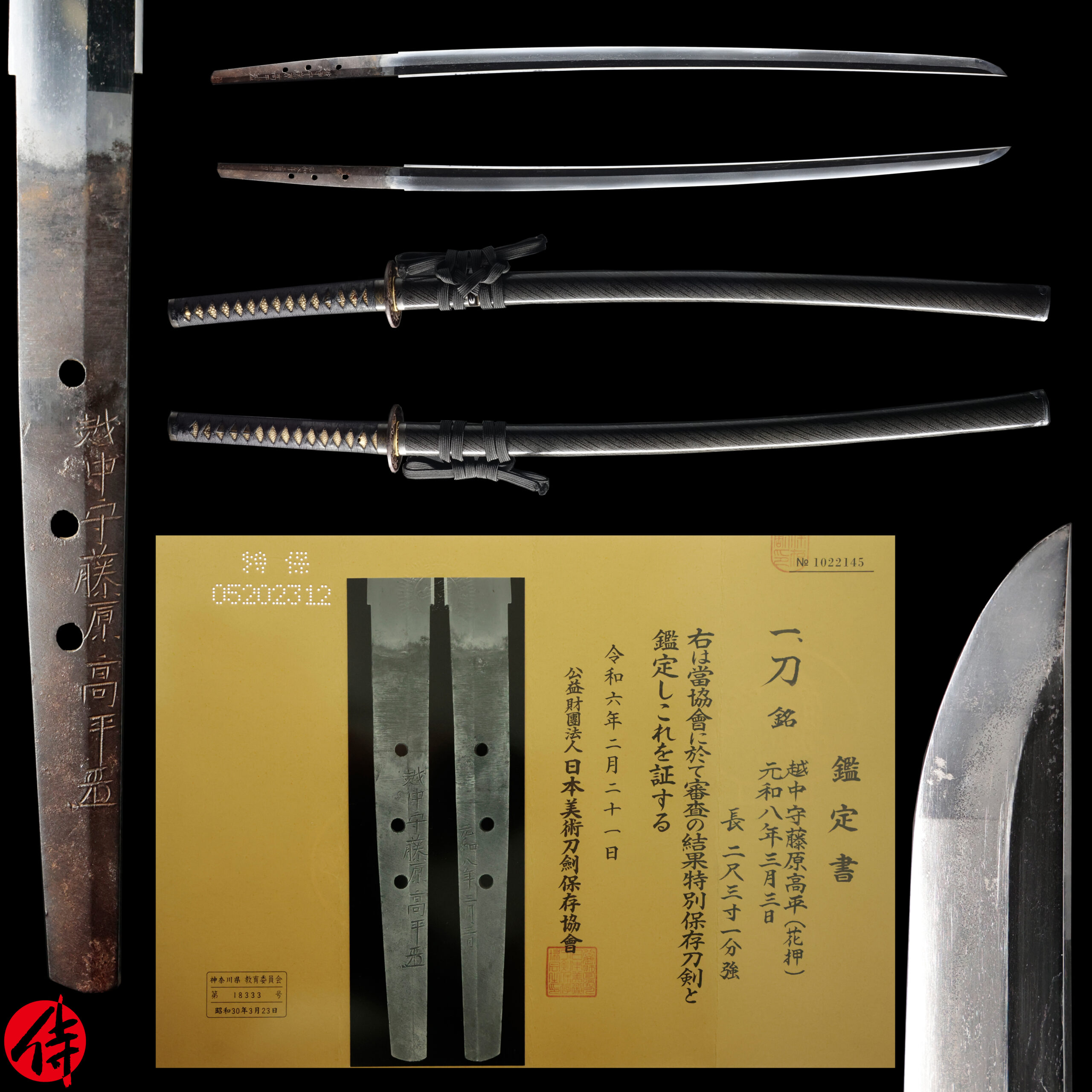
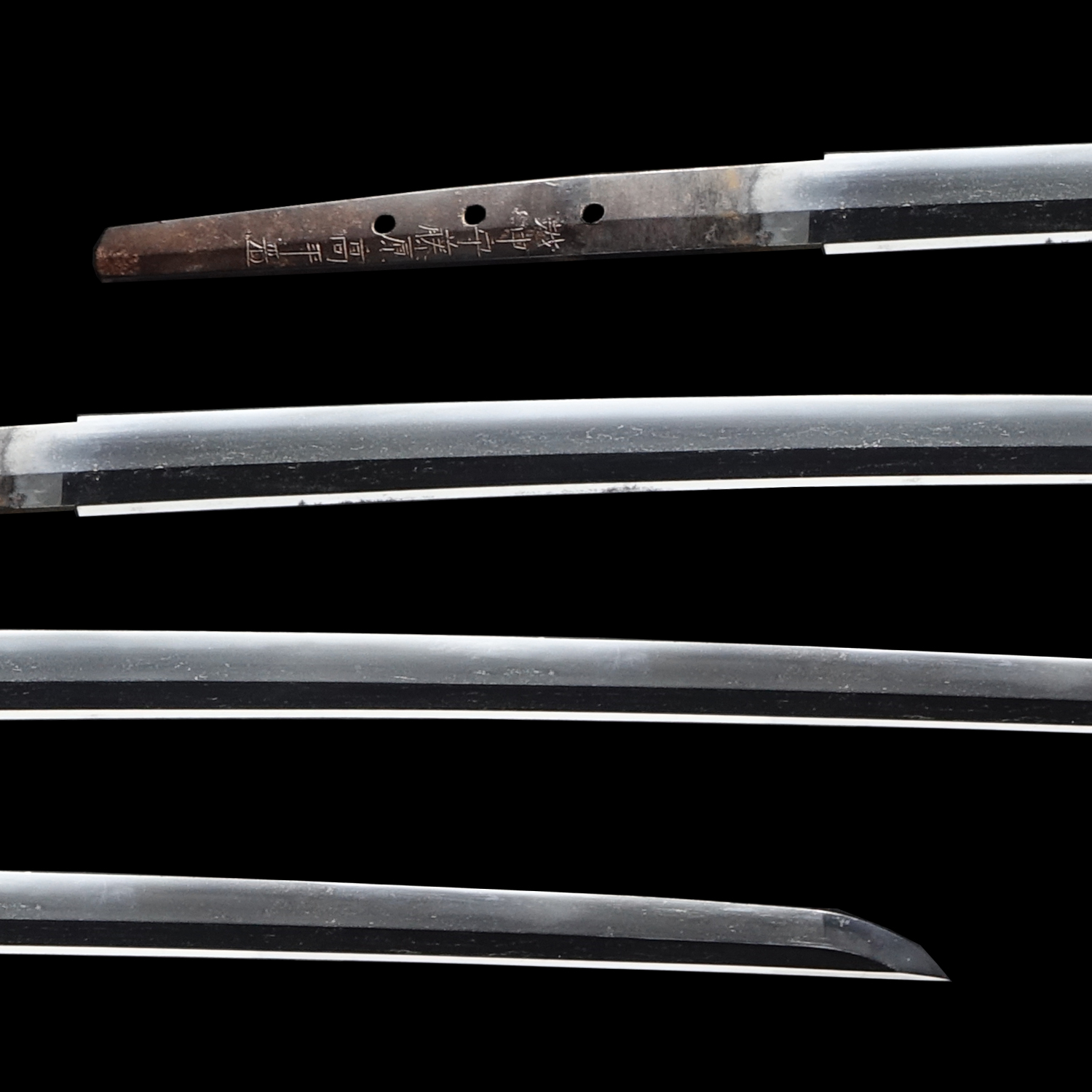
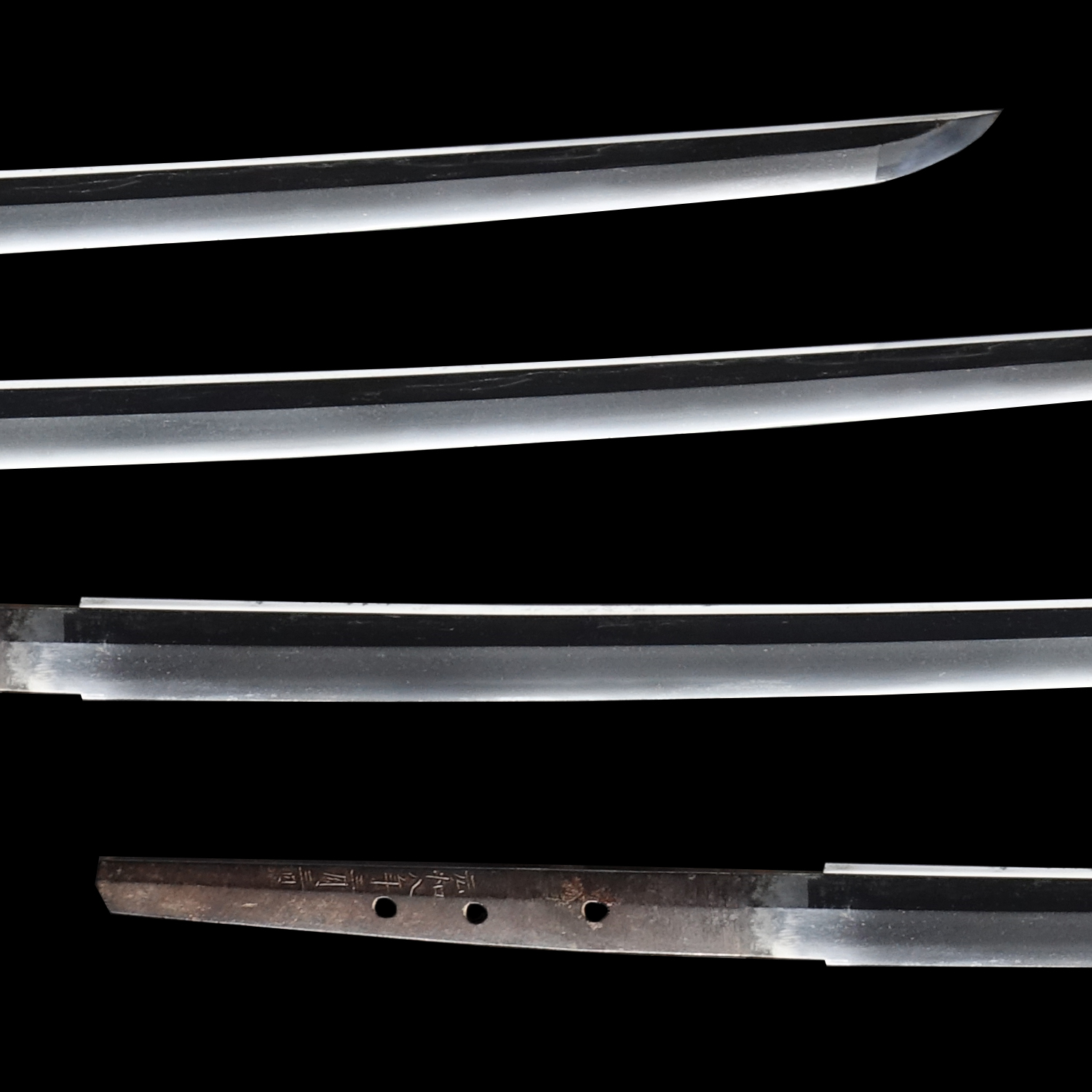
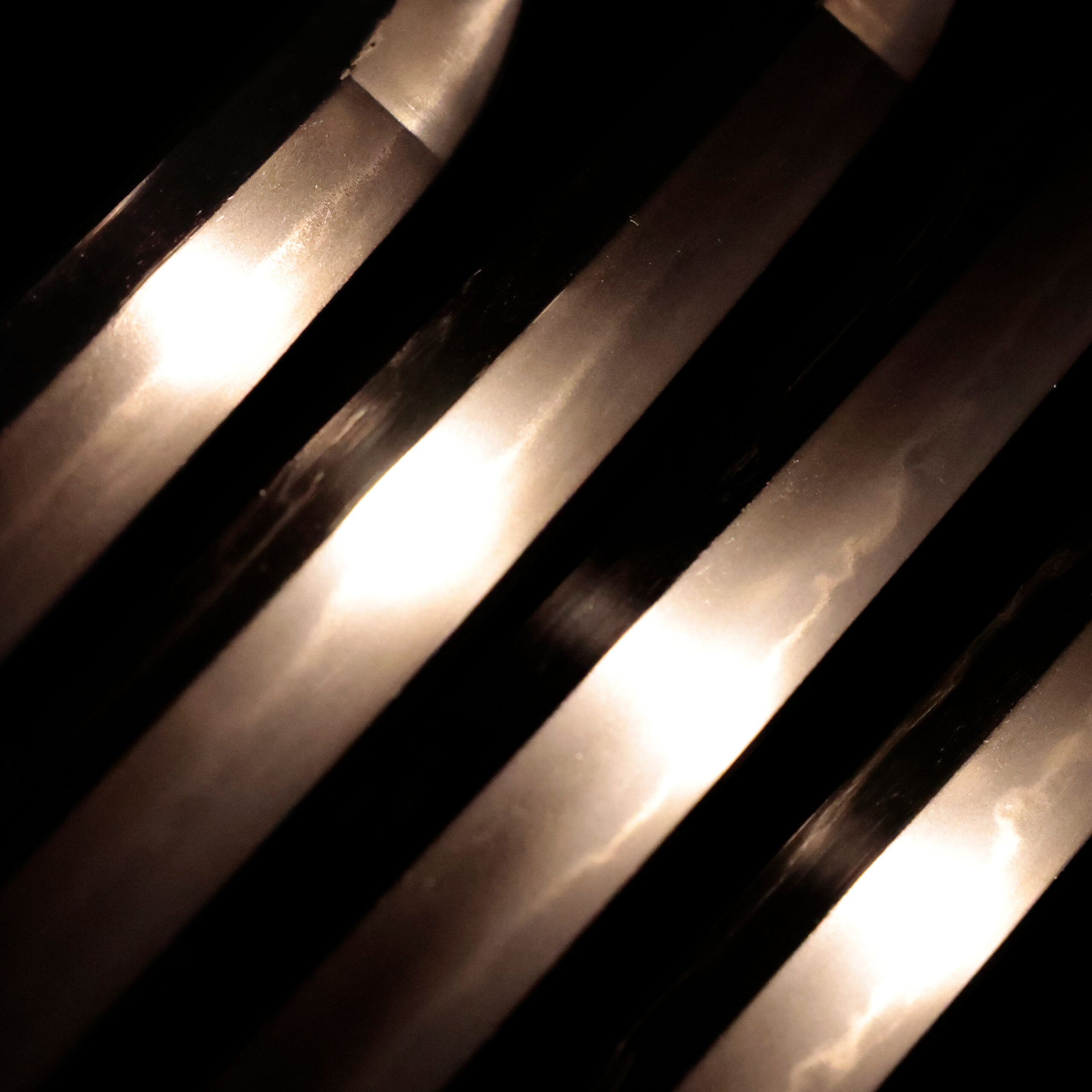
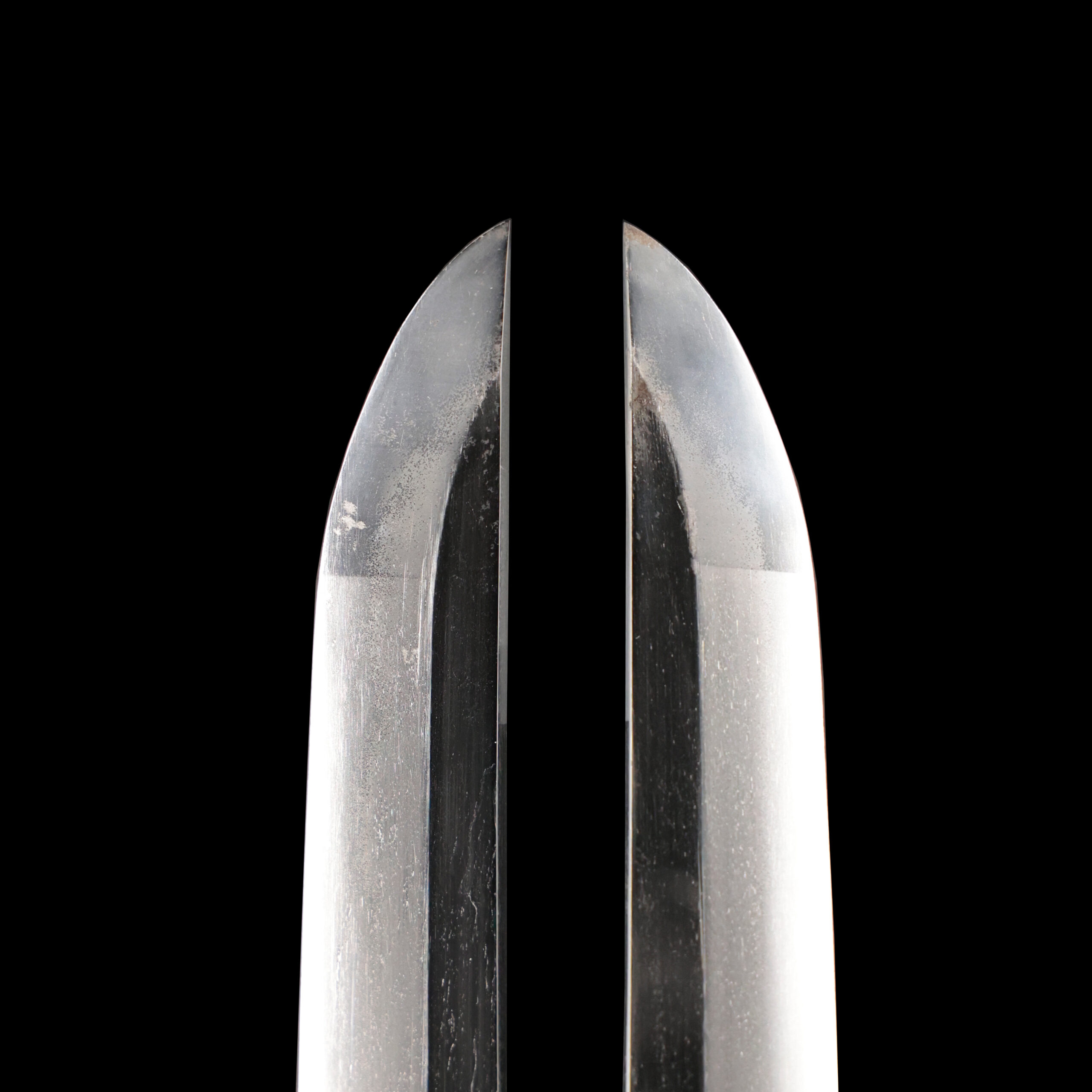
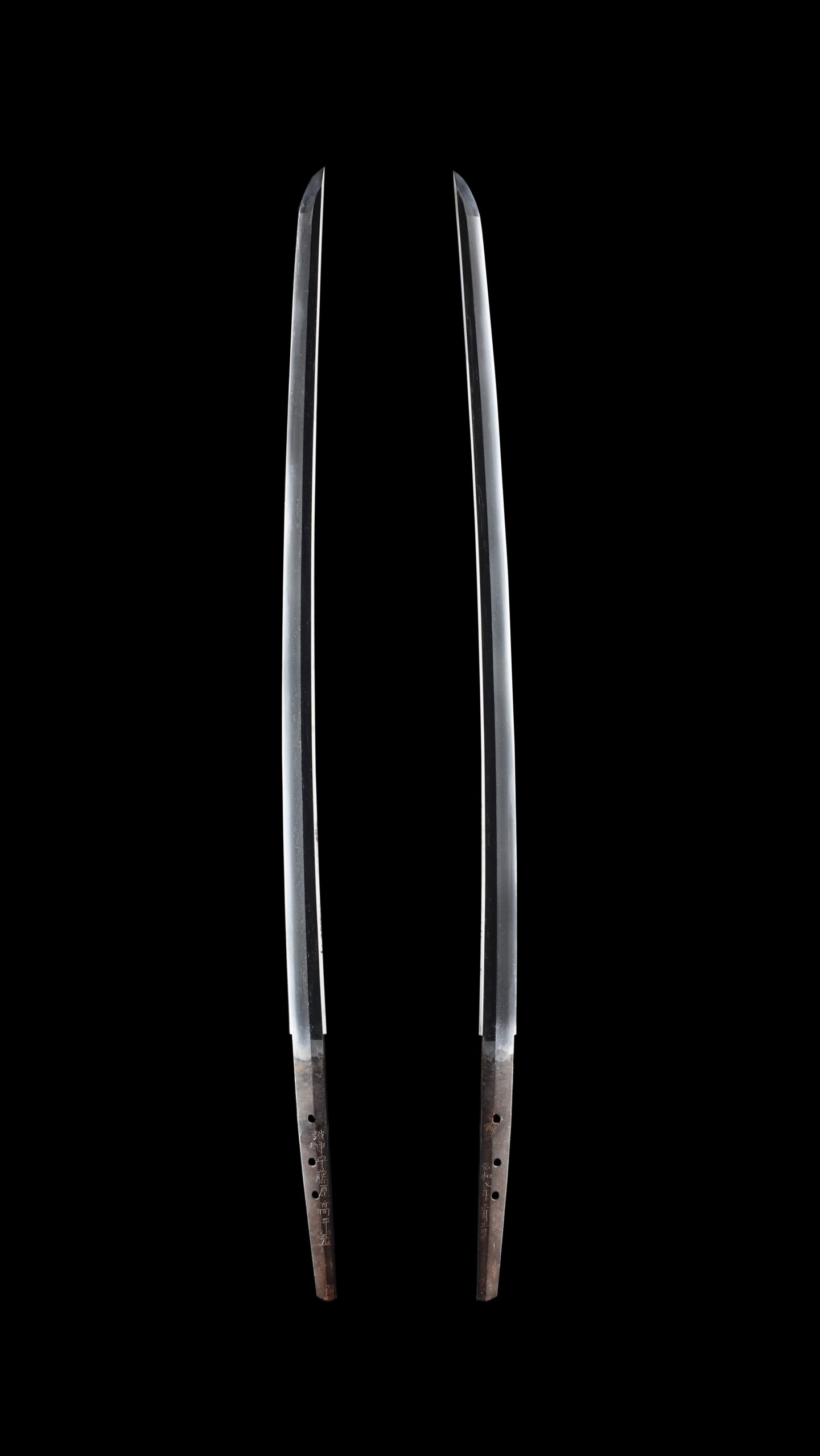
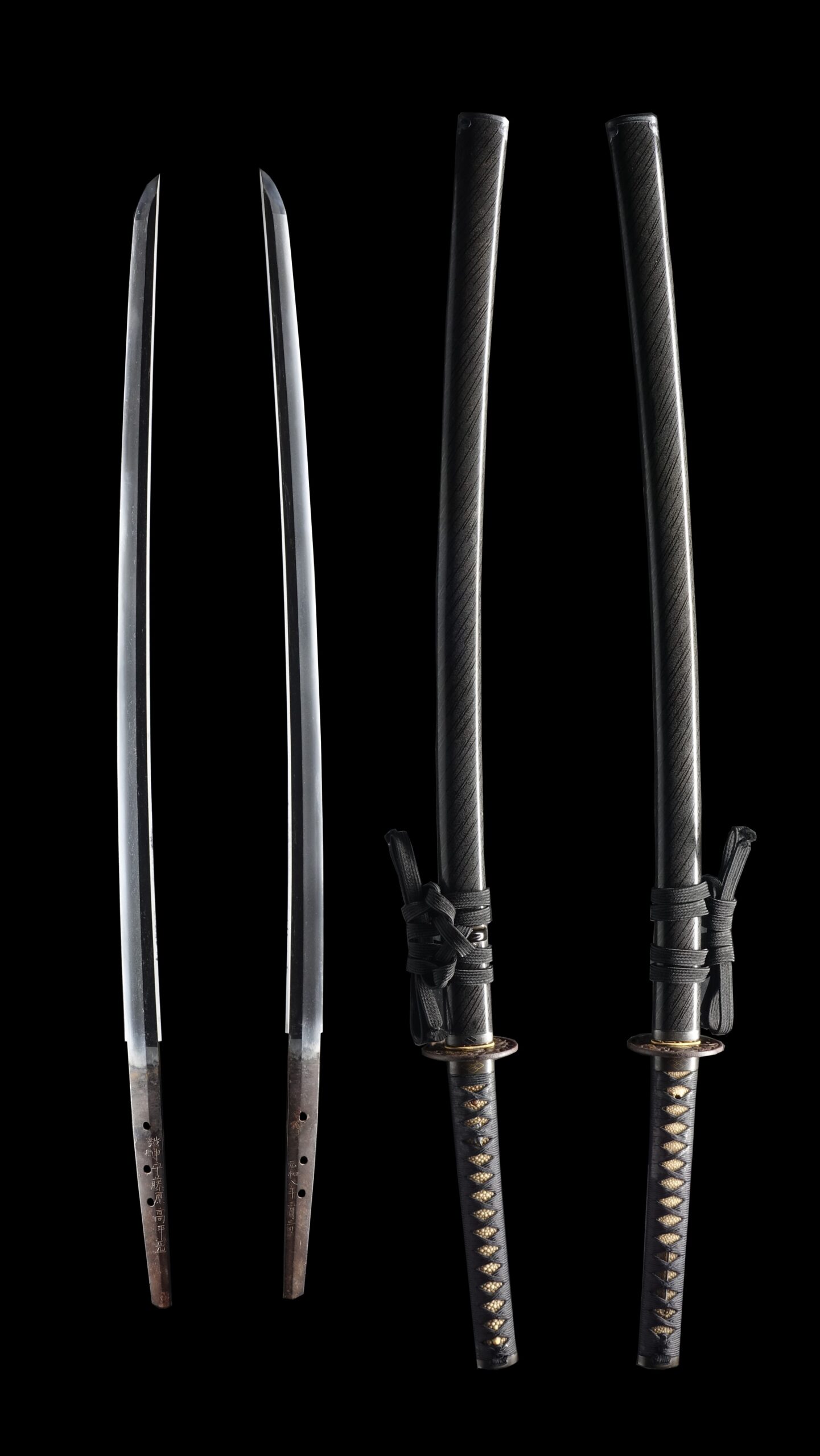
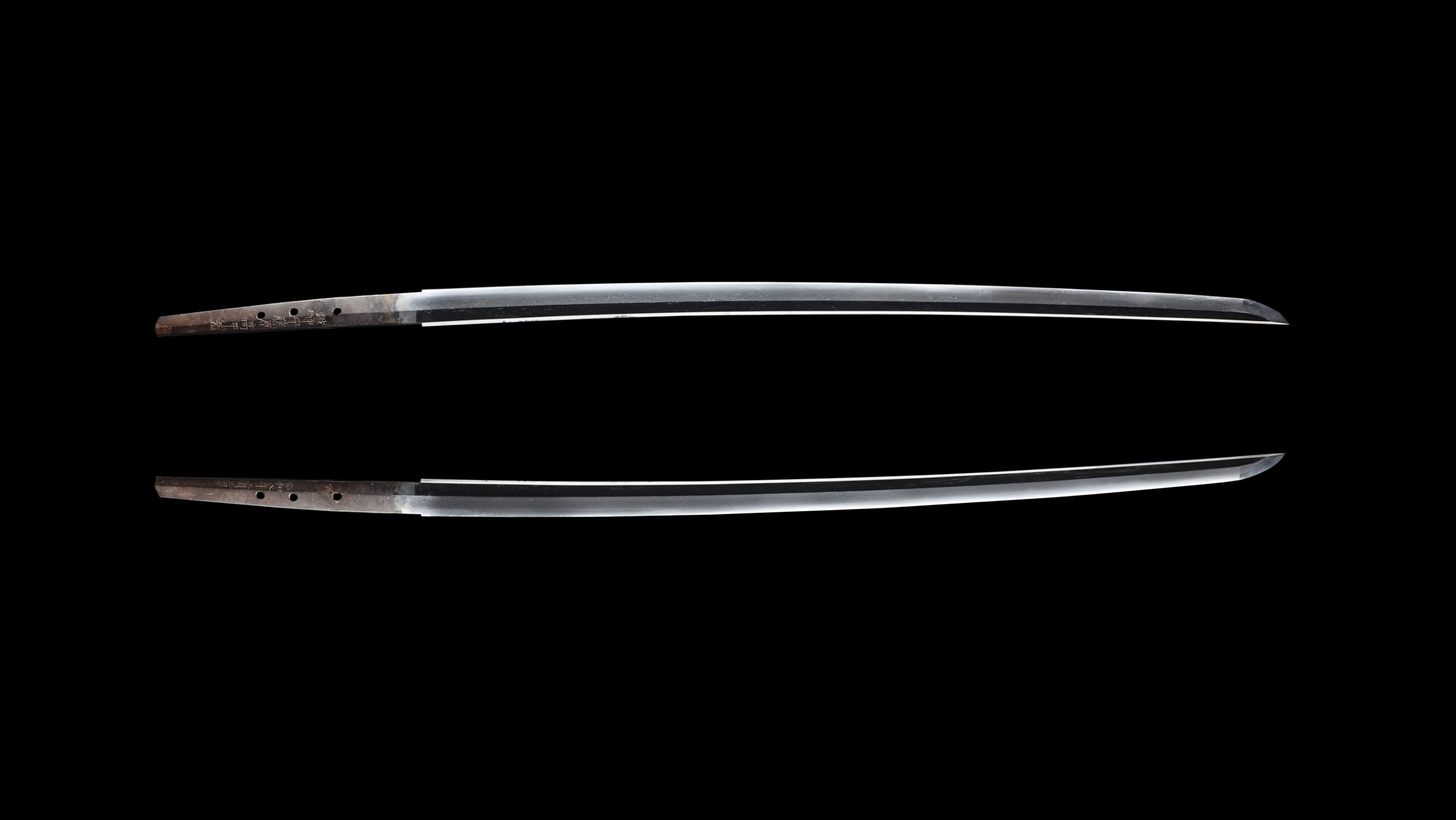
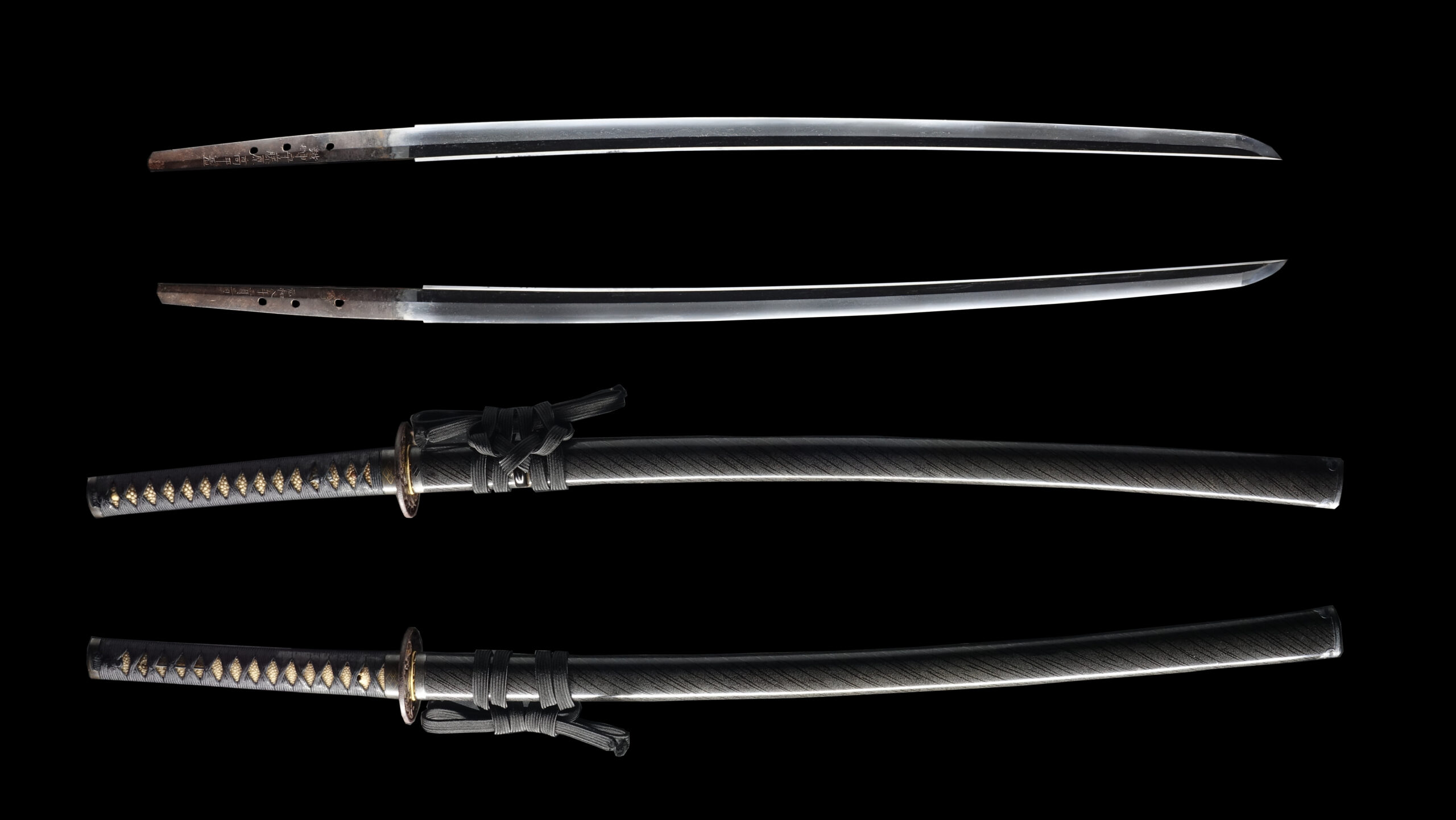
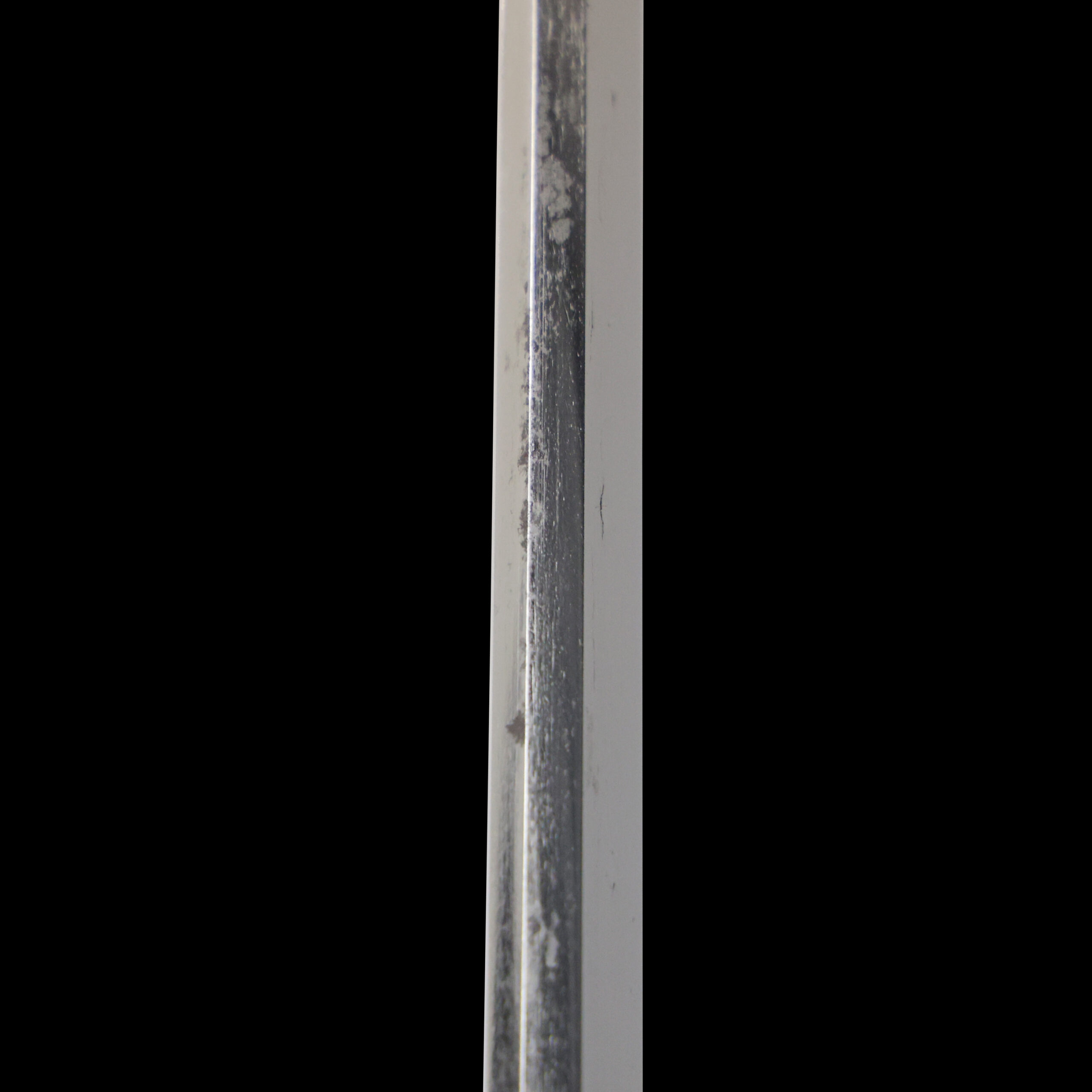
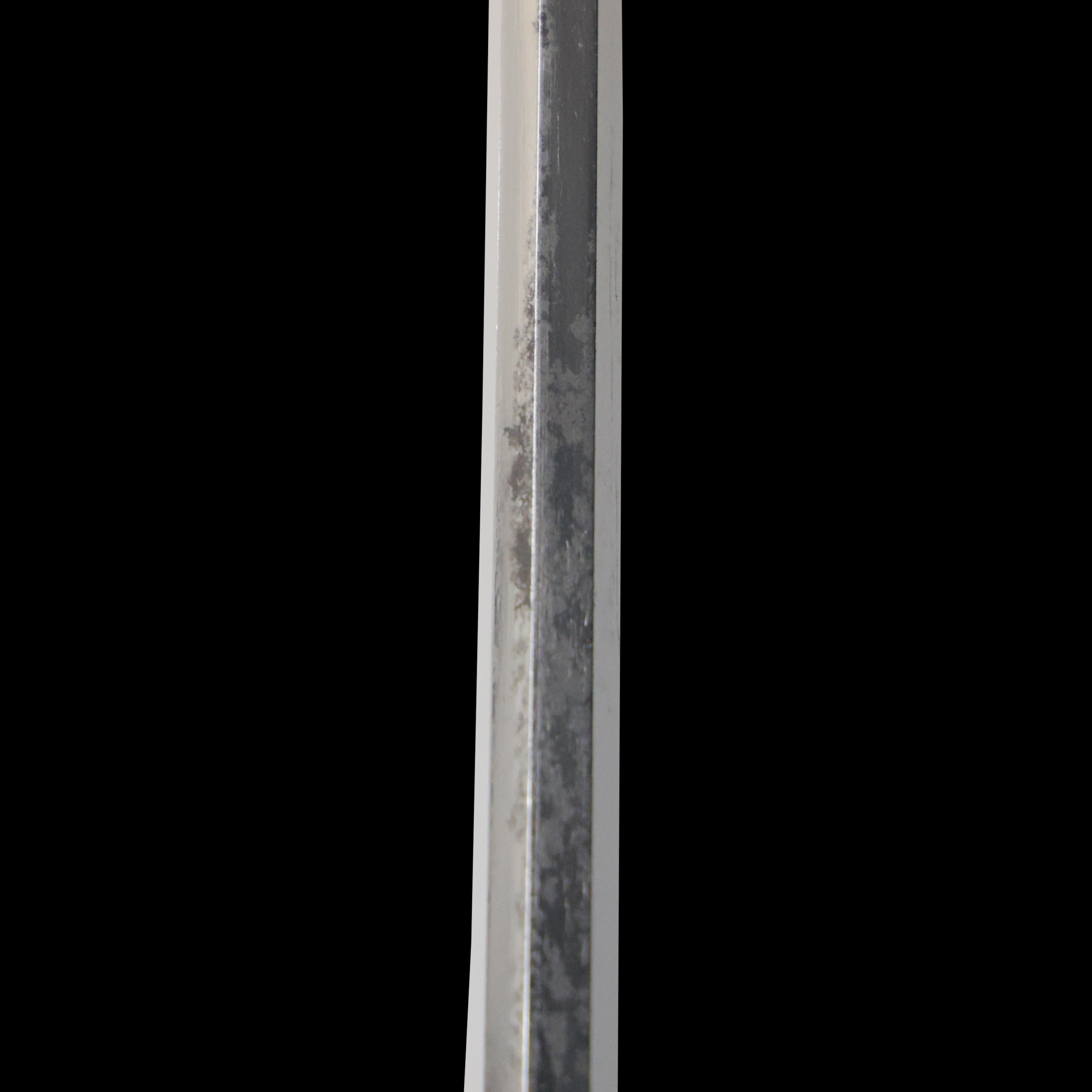
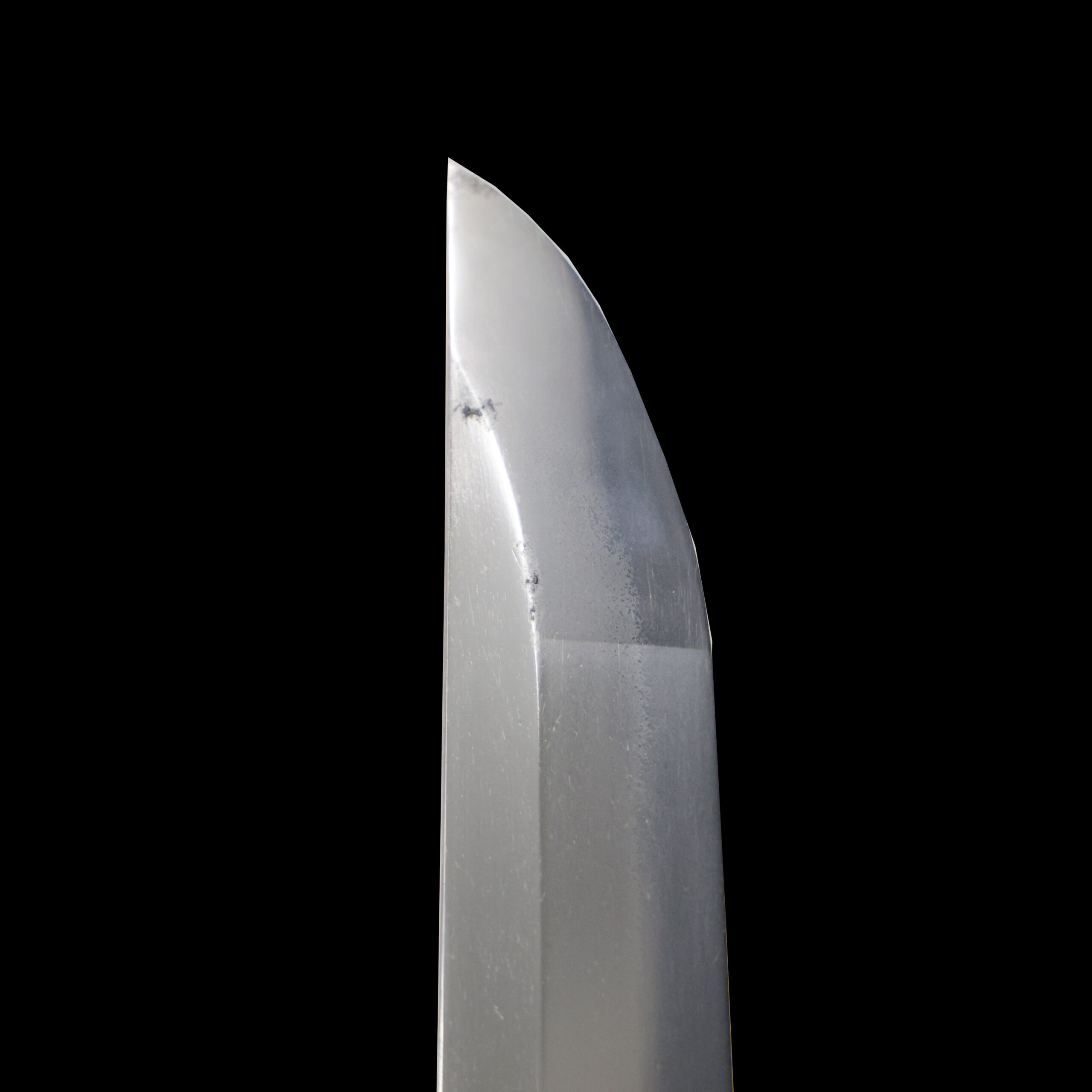
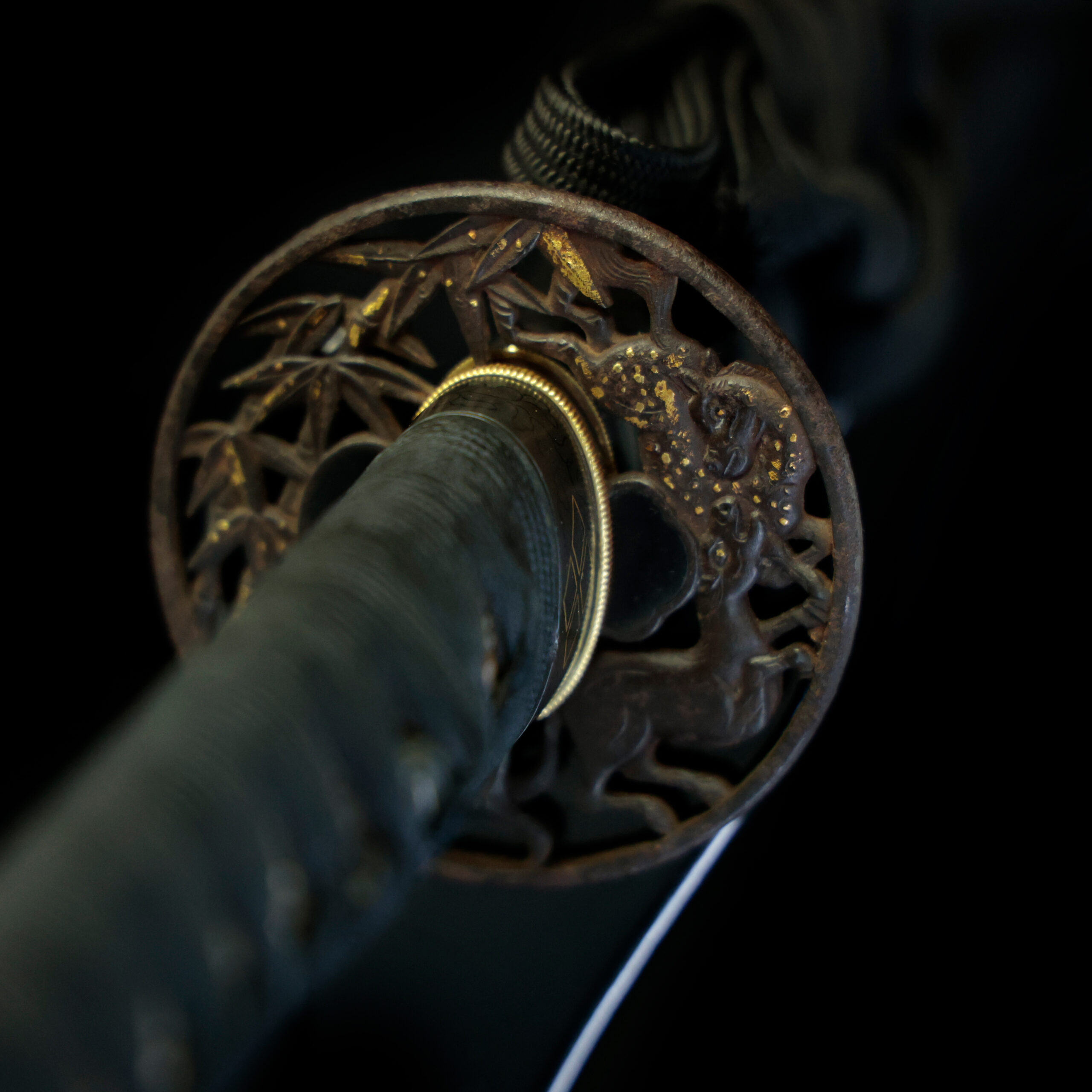
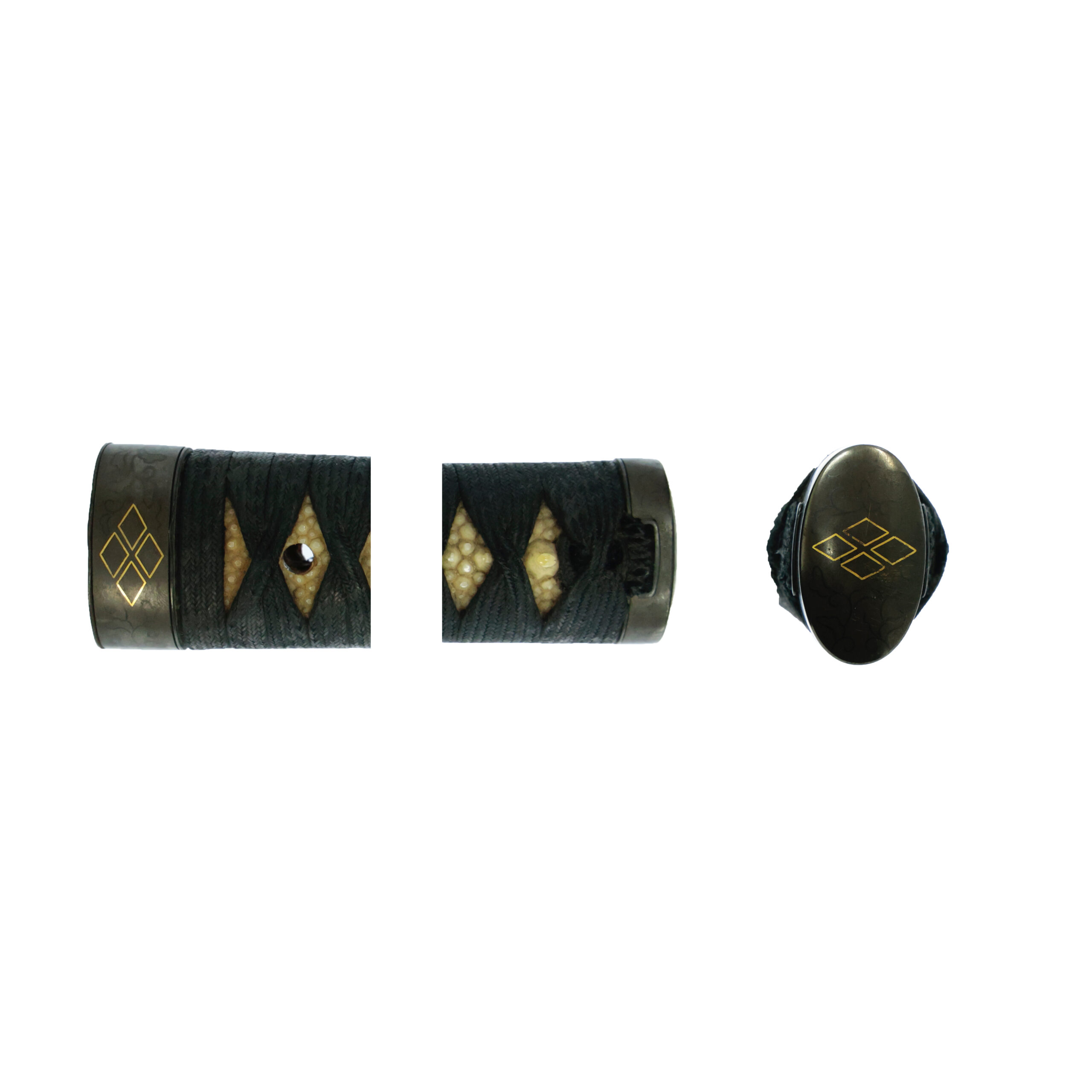
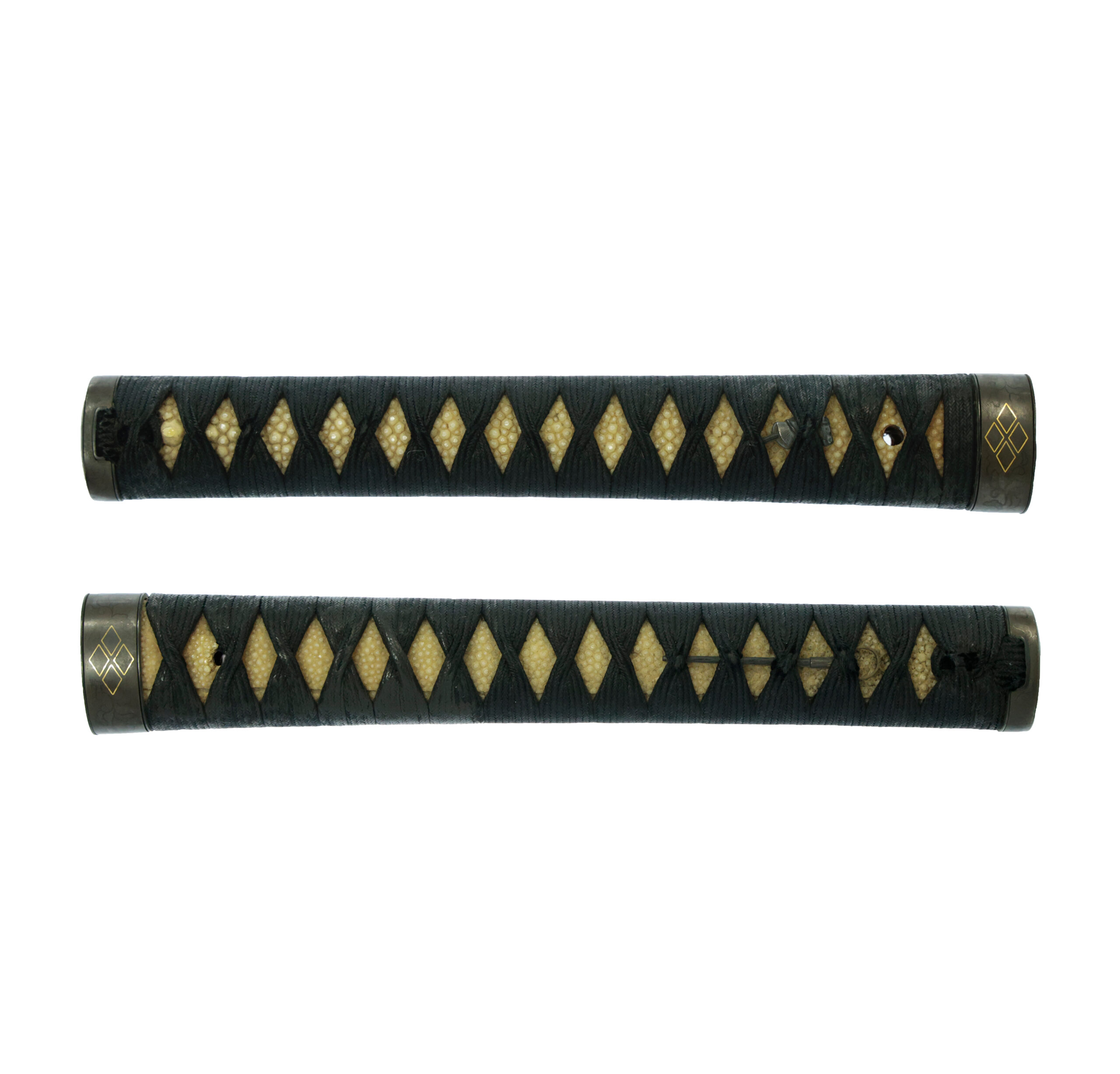
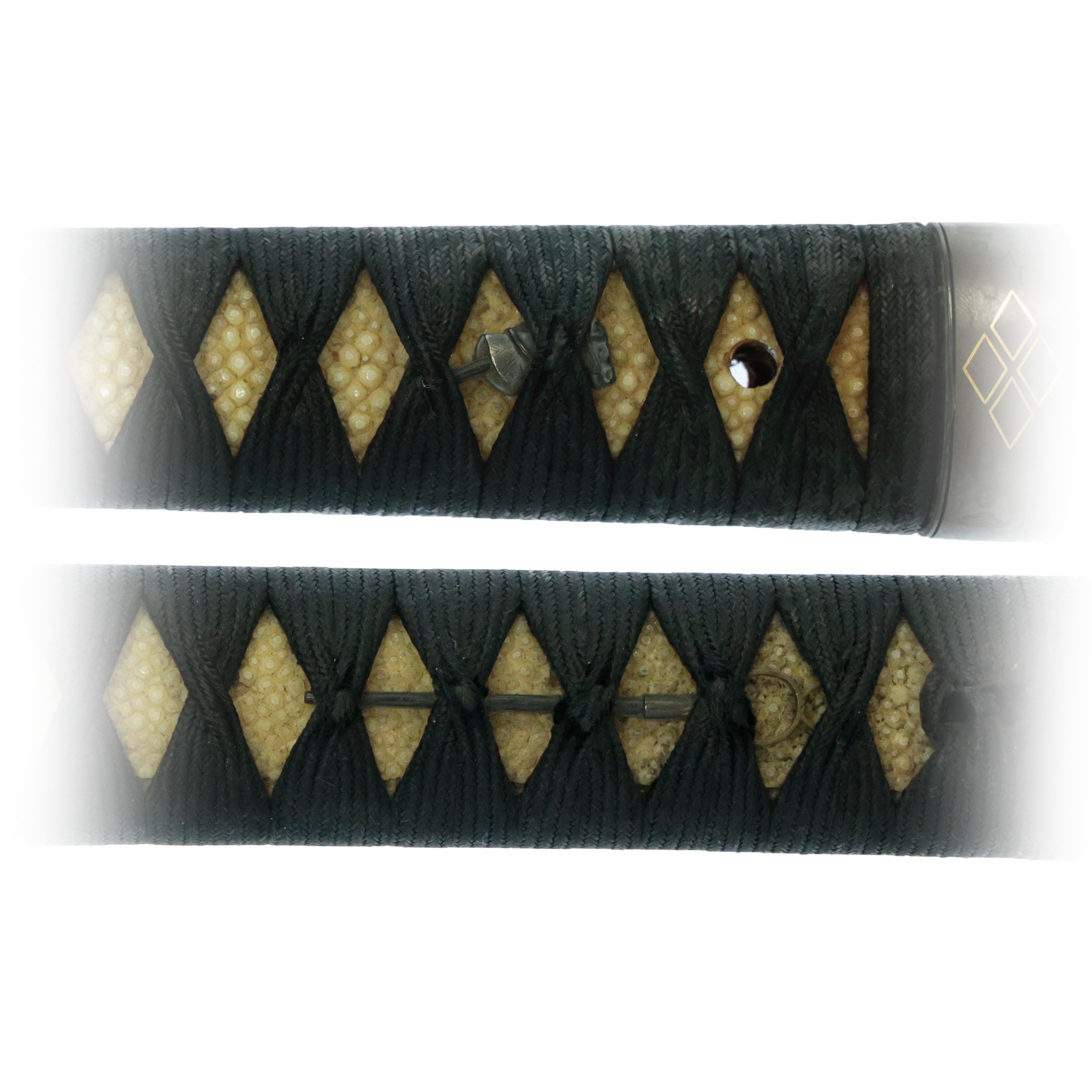
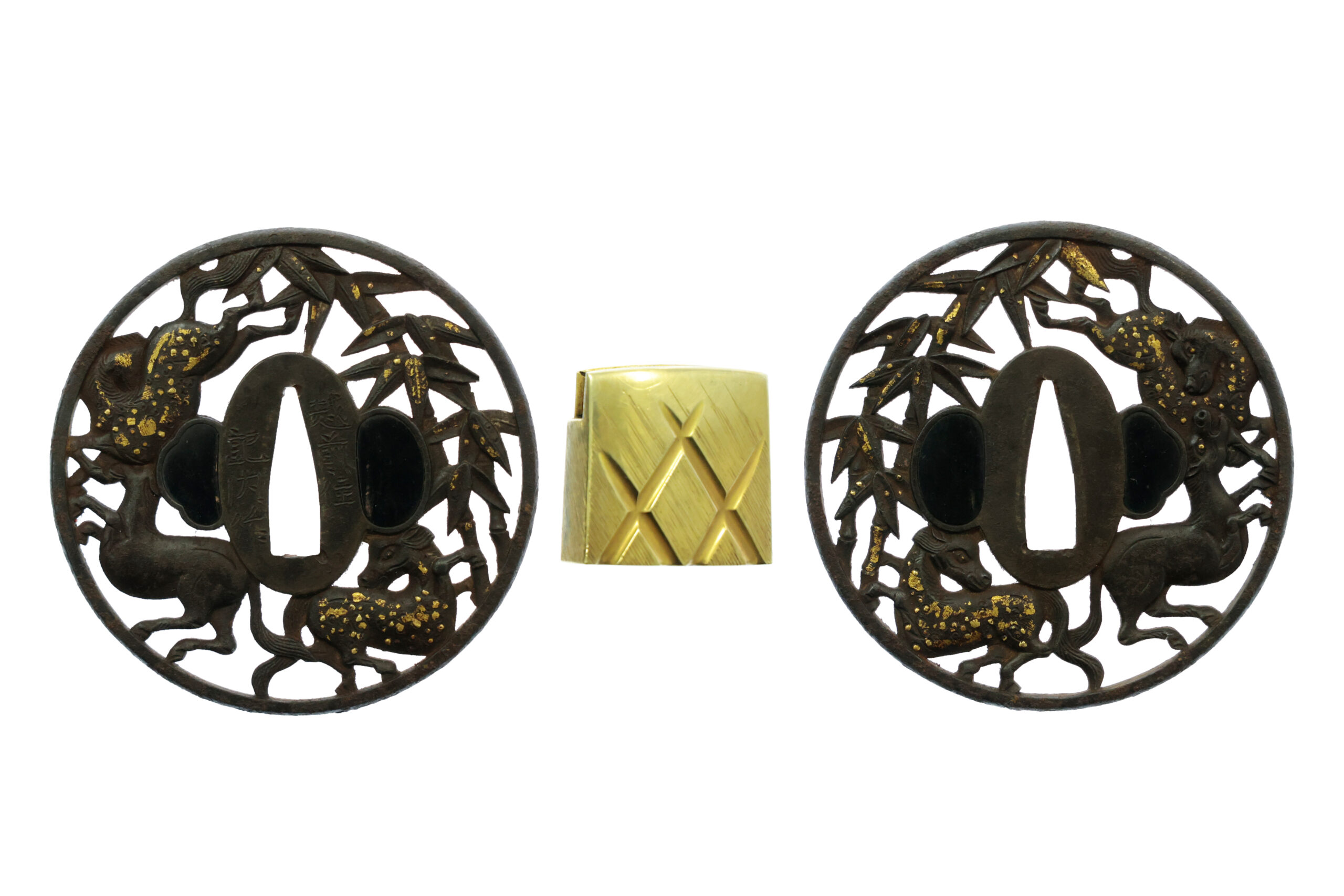
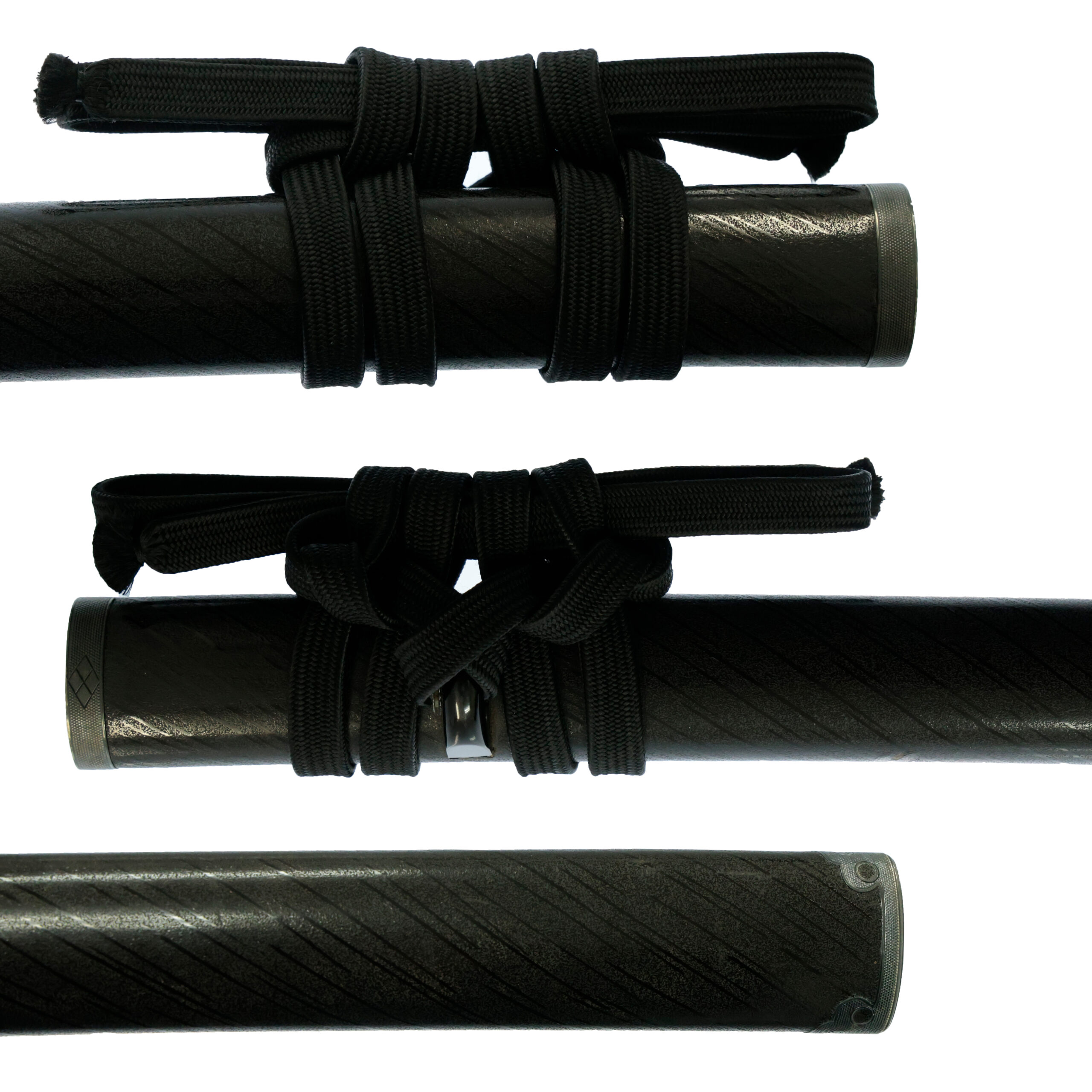
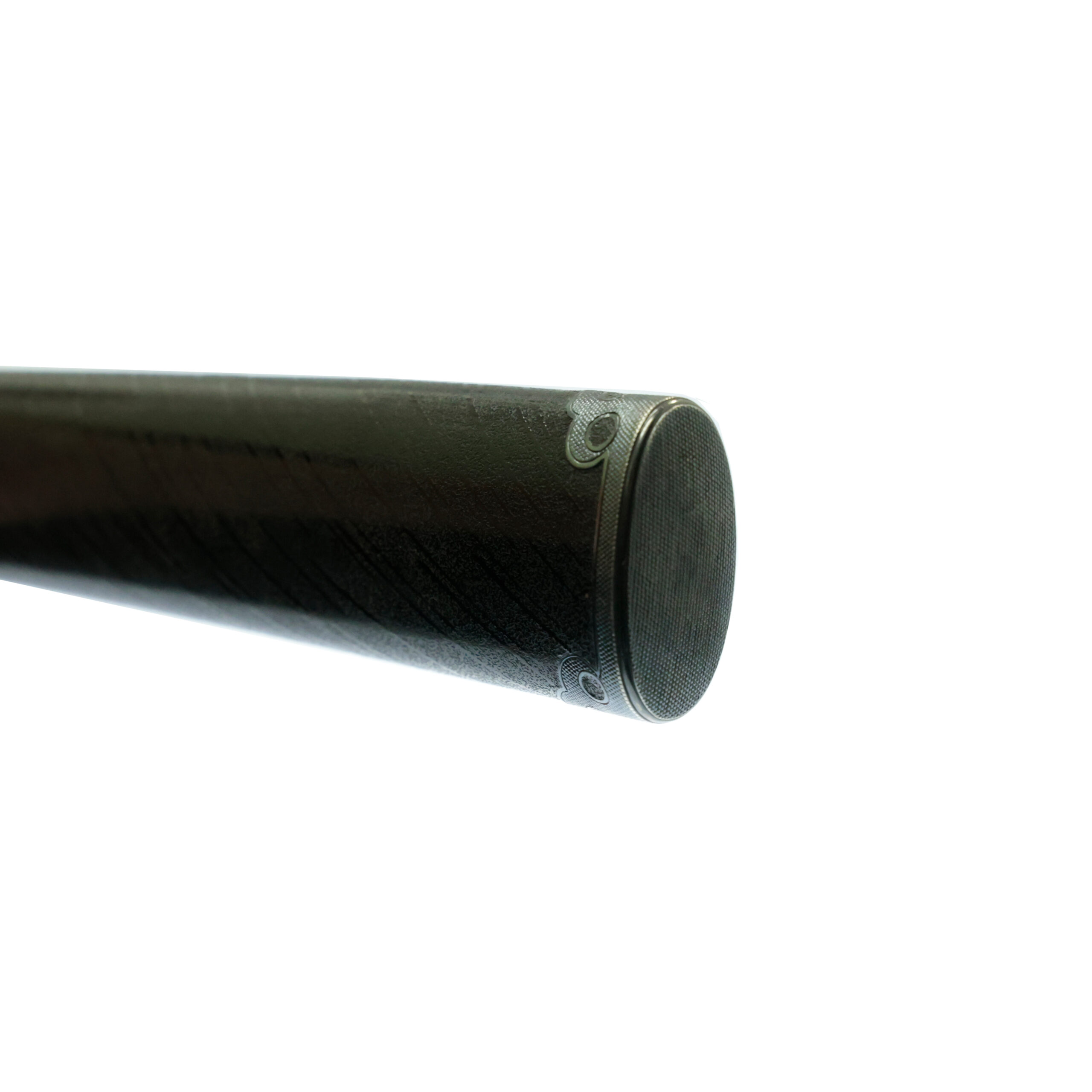
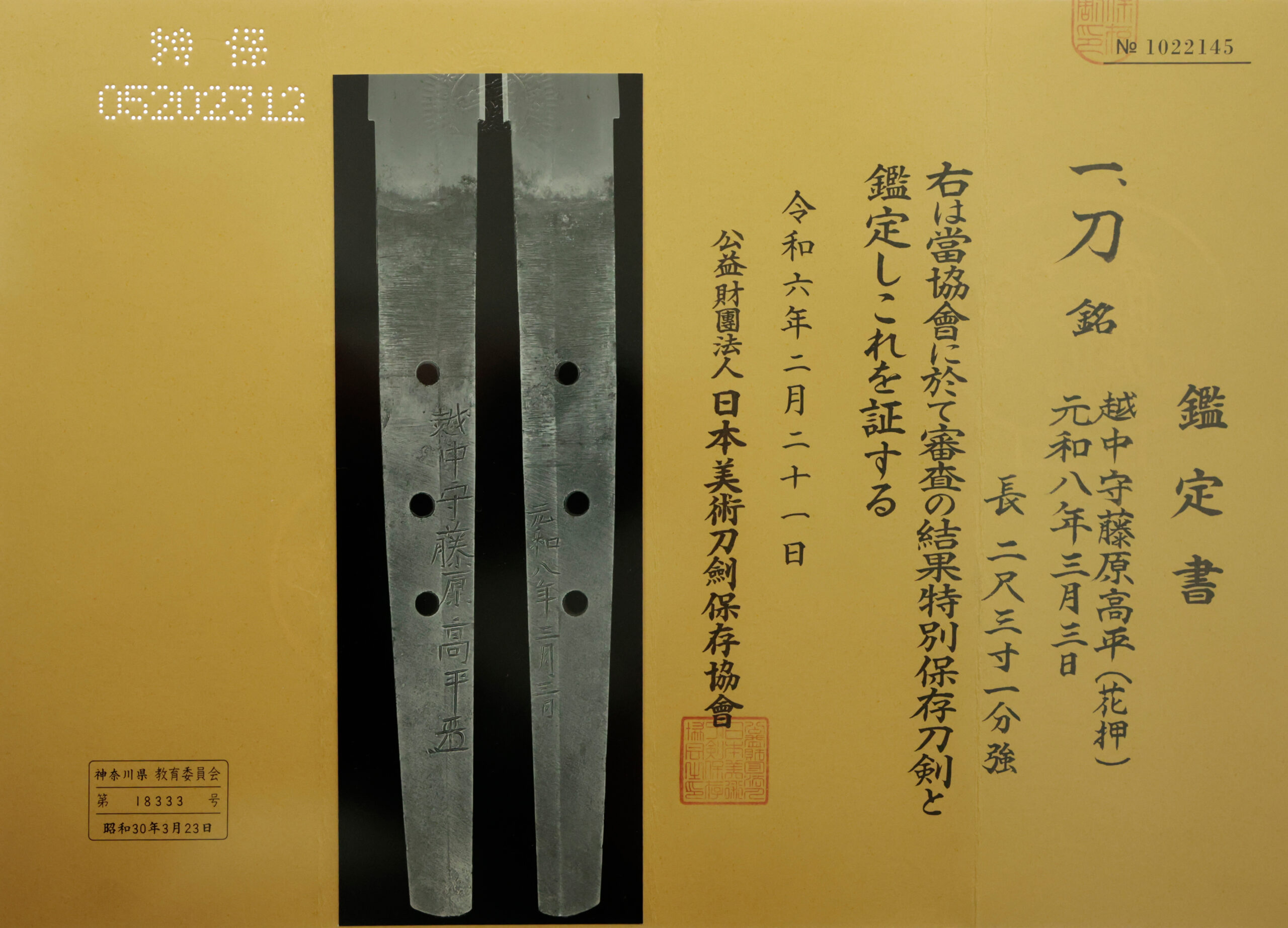
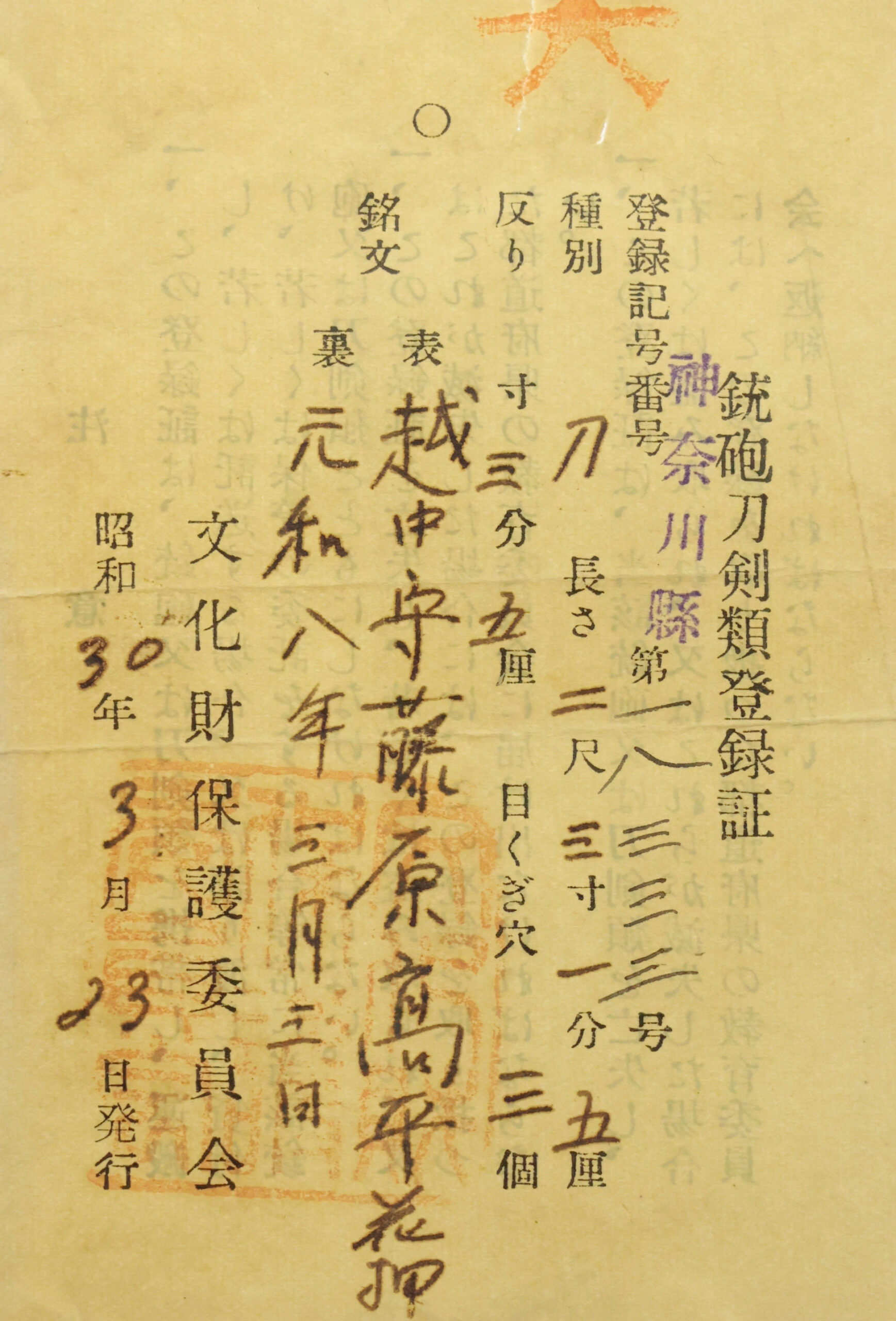
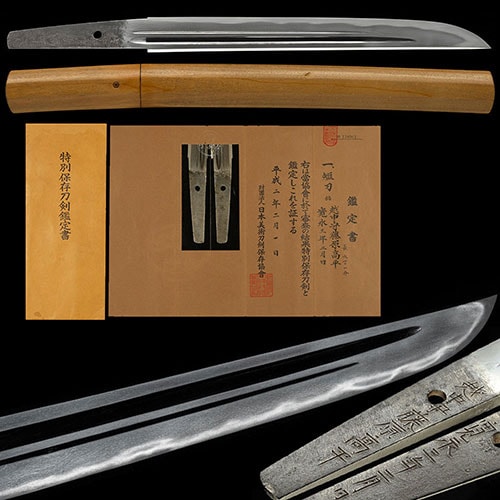
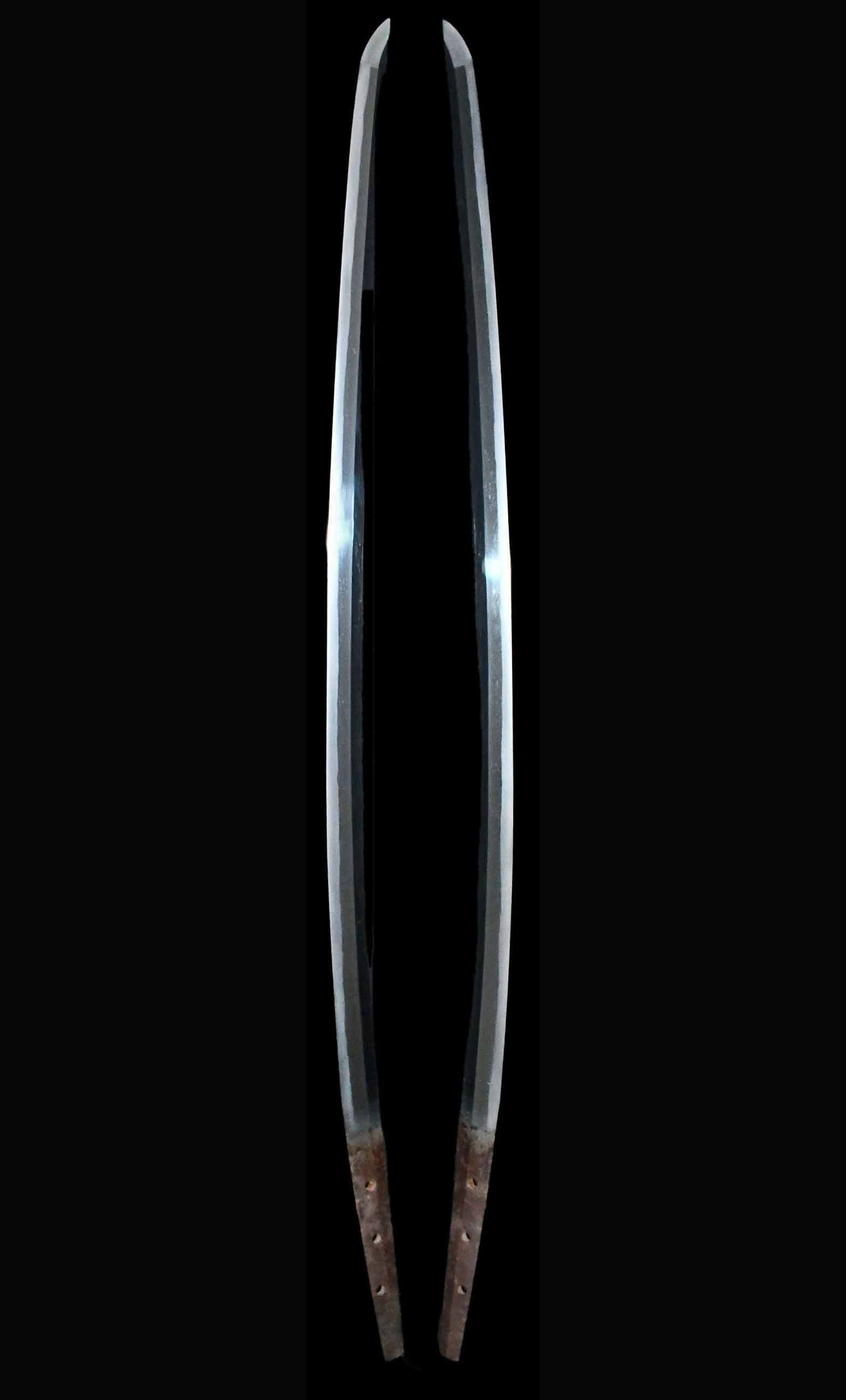
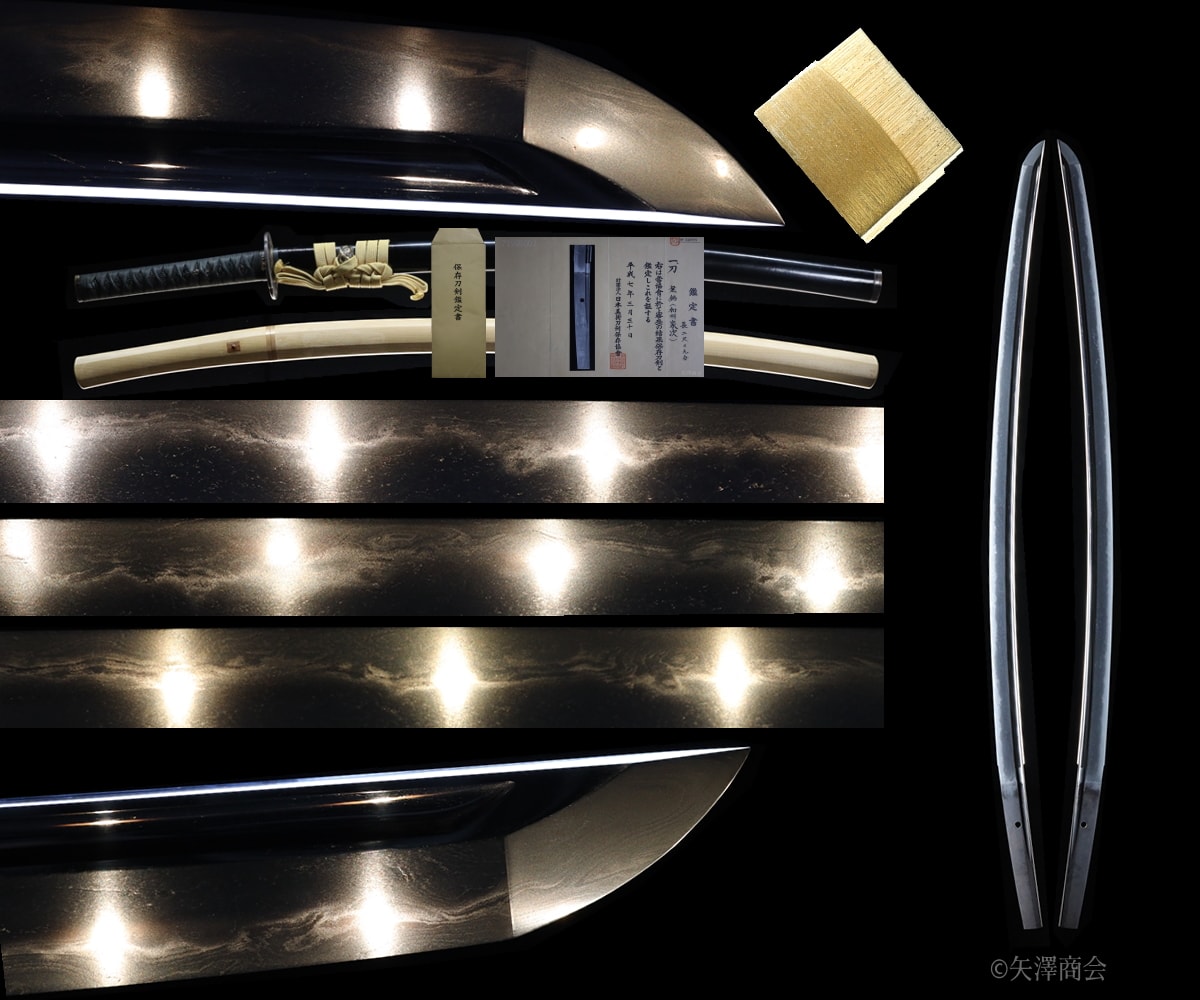
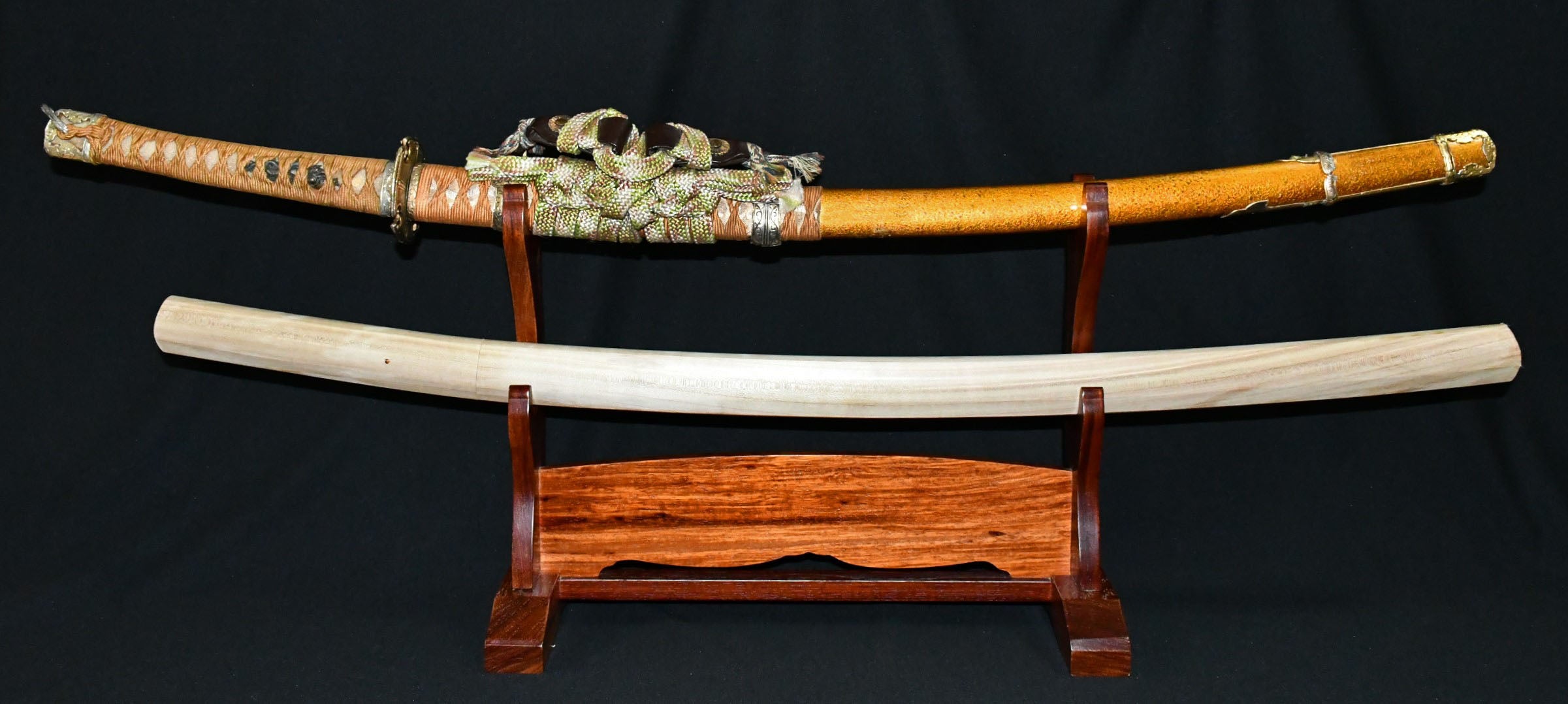
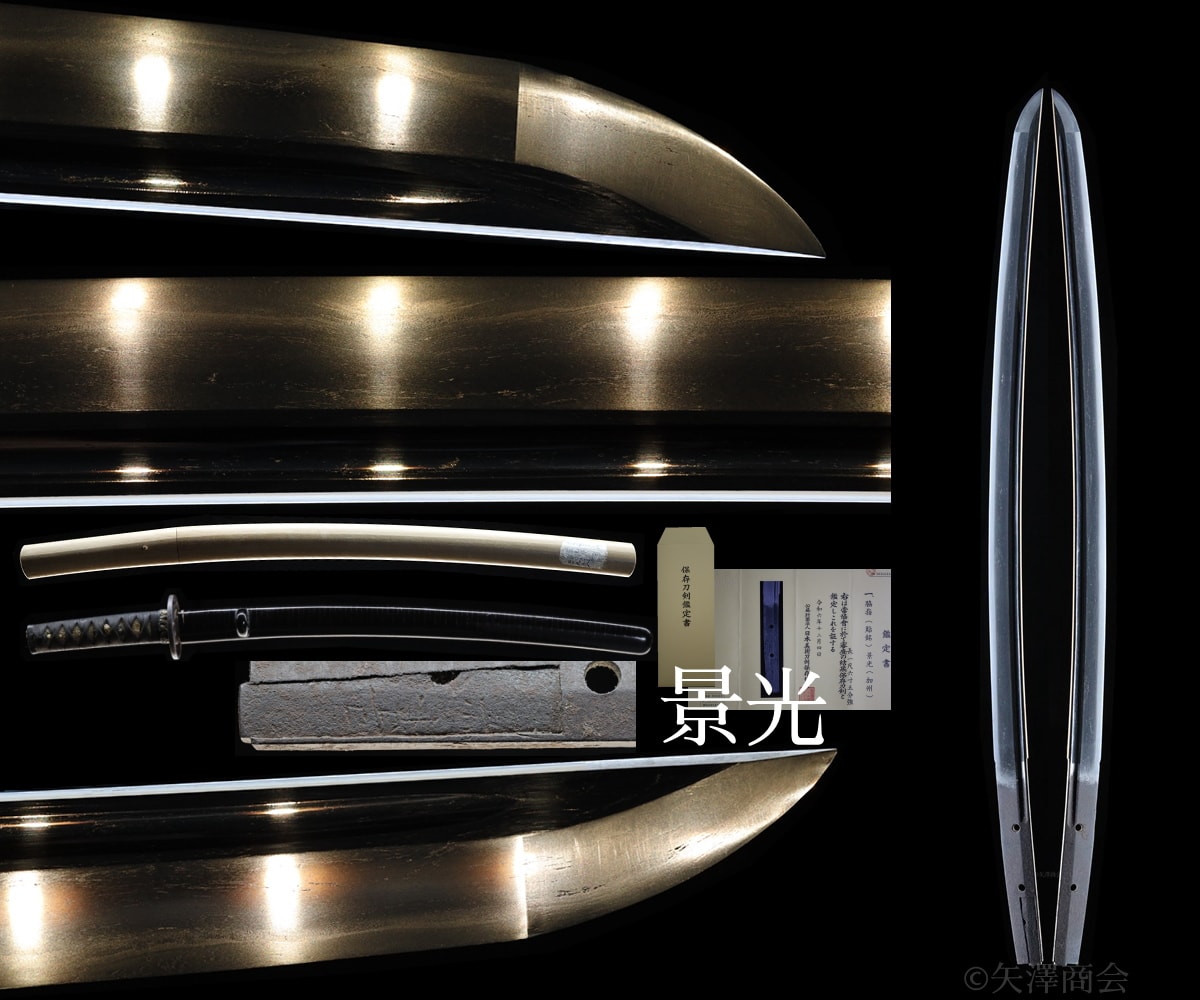
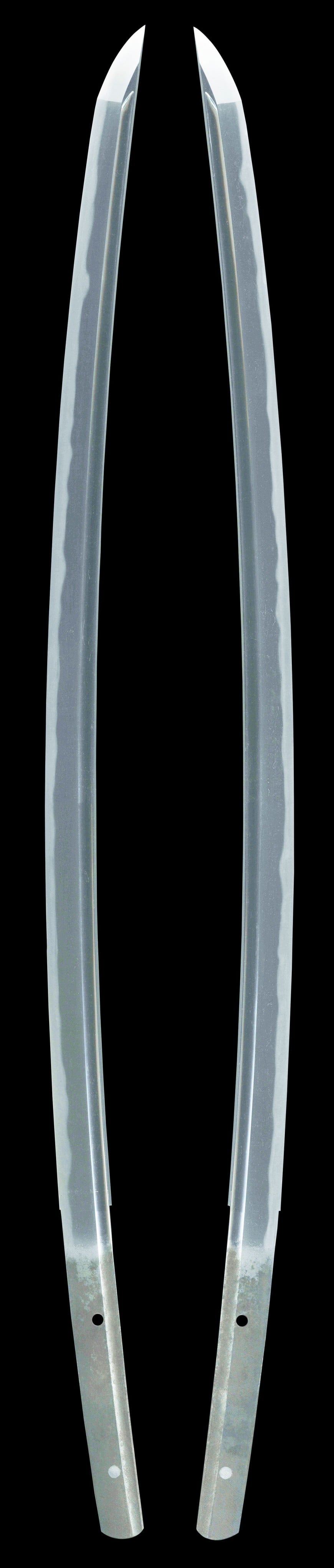
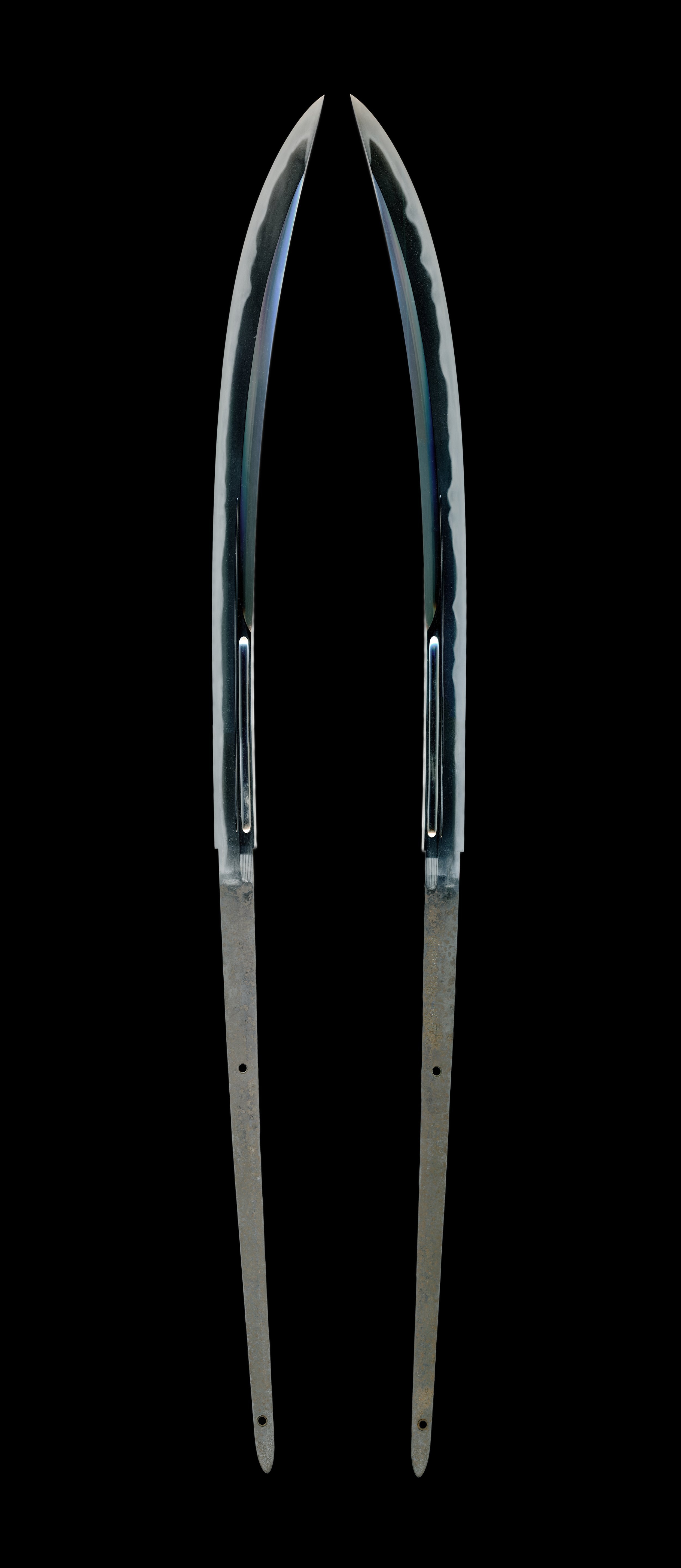
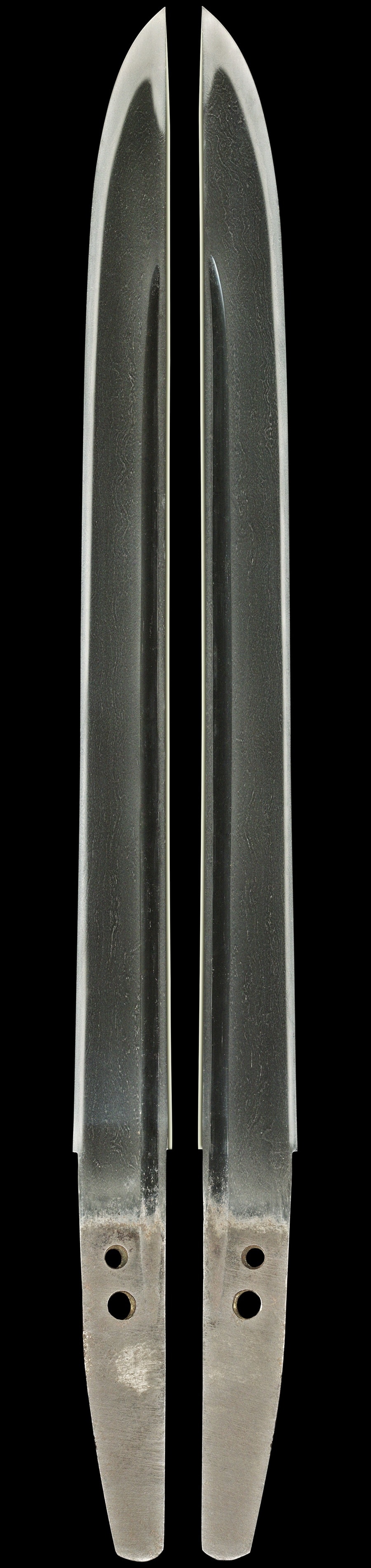
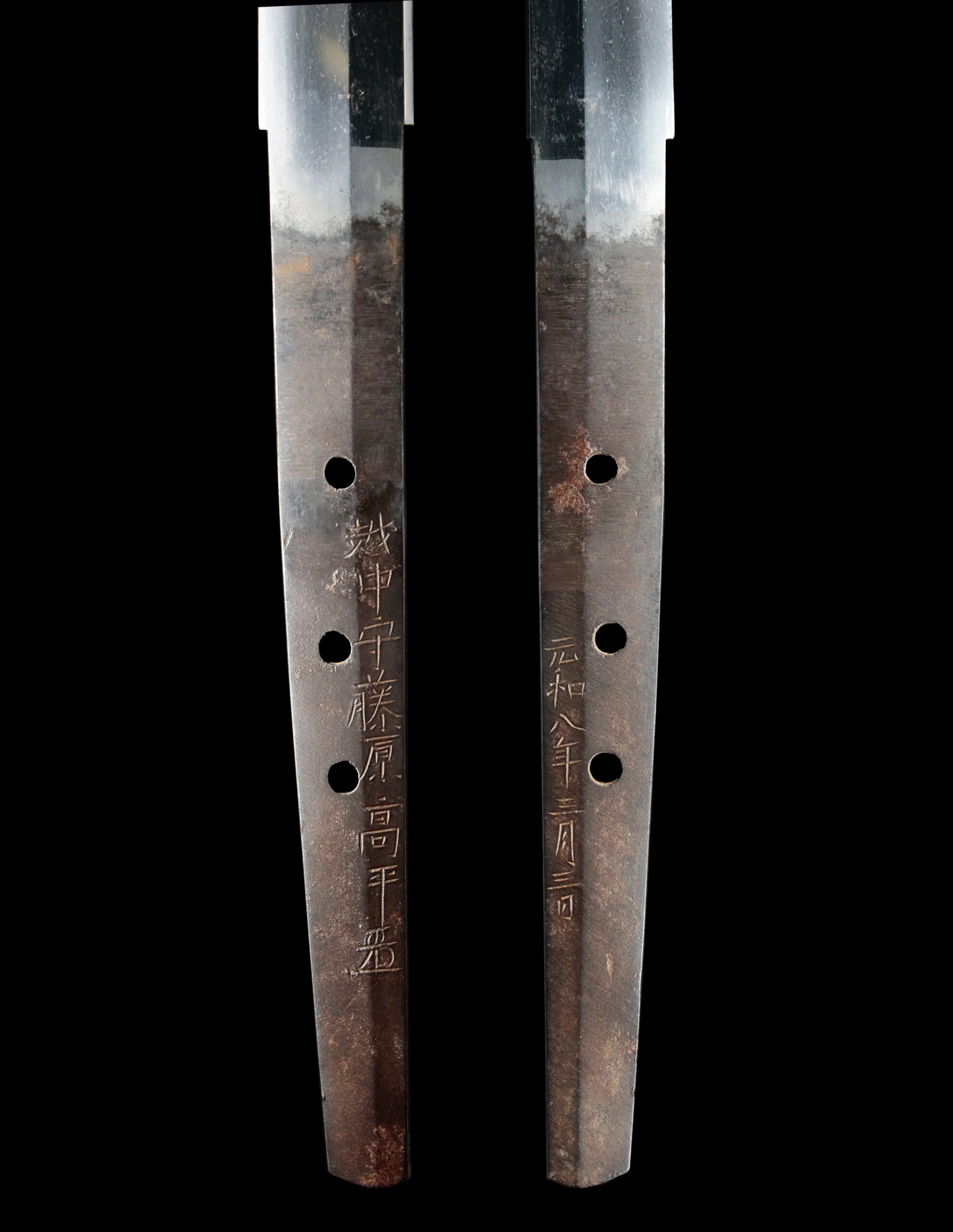
Antique Japanese Sword Katana Signed by Etchu no Kami Fujiwara Takahira with Tokubetsu Hozon Certificate 【Description】 Summary This blade was signed by Etchu no Kami Fujiwara Takahira (越中守藤原高平) in the 8th year of the Genna era (1622: the early Edo period). After the signature, there is a Kao (花押: stylized signature). His original name is Kanewaka (兼若), and signed Kashu Jyu Kanewaka (賀州住兼若) or another on his blades at first. The maker’s name, Kanewaka, is one of the most prestigious swordsmiths in this province and lasted several generations during the early-late Edo period (approx. 280-400 years ago). Judging from the year inscribed on the tang, we believed it was made by the first-gen Kanawaka. The first-gen Kanewaka was originally from Mino province (today’s Gifu prefecture). Later on, he moved to the Kaga domain (today’s Ishikawa prefecture) at the beginning of the Edo period after being summoned by Maeda Toshitsune, the third-gen head of the Kaga domain. Then, he changed his name to Takahira (高平) and he received an honorable official title, Etchu no Kami for his excellent sword-forging techniques from the imperial court around the 5th year of the Genna era (1619). That means this blade was created three years after he received the title. Kanewaka was known as one of the most famous swordsmiths in the Kaga domain in the early-mid Edo period. It is said that Kanewaka forged swords for those who belonged to the Kaga domain under Maeda clan’s control. All the swordsmiths who signed Kanewaka in the Kaga domain were under the auspice of Maeda clan from generation to generation because of their highly skilled craftsmanship. Maeda Clan Maeda clan was originally a retainer of Oda family, who ruled Owari province. (today’s Nagoya area in Aichi prefecture) The first head of the Maeda clan was Toshie Maeda. He climbed the social ladder of Samurai society, and he became the feudal lord of Kaga Province(today’s Ishikawa prefecture). It is said that he had a vast rice fief that fed 100 million grown-up adults, which is called Hyakuman Goku. The Maeda clan was one of the most powerful lines in Samurai history. Toshie Maeda had a close tie with Oda Nobunaga and Hideyoshi Toyotomi. It is said that the first-gen Kanewaka forged blades for Maeda Toshiie when Kanewaka was still in Mino province (Today’s Gifu prefecture). It is appraised as a Tokubetsu Hozon Token (特別保存刀剣) issued by NBTHK (Nihon Bijutsu Touken Hozon Kyokai:日本美術刀剣保存協会). This authentication paper was only given to authentic Japanese swords, especially well preserved and high quality with artistic value. *Please keep in mind that there are a few black rust spots on the blade. We will be happy to have these parts polished without additional shipping cost. We would like you to keep in mind that there will be trace of black rust even after it is polished. It will also take additional time to ship the sword. If you like to know the detailed condition, please feel free to contact us. 【 Blade】 Cutting Edge Length(Nagasa) : 70.1 cm (27.5 inches) Curvature(Sori) : 1.05 cm (0.41 inches) Hamon : The crystalline structure which forms along the cutting edge of a blade as a result of the hardening process Jimon(Jihada) : visible steel surface pattern created by folding and hammering during forging process Kissaki : Kissaki is the tip of the Japanese sword. Nakago : Nakago is the tang of the Japanese sword. Japanese swordsmiths left the black rust on the tang because it prevents red rust while the tang is in its handle. And the discoloration of the tang was created over time, and it is a great indicator for a Japanese sword specialist to estimate when the sword was forged. Koshirae : Koshirae is the mounting of the Japanese sword. There are several parts that consist of Koshirae such as Saya (Scabbard), Tsuka (Handle), Tsuba (Handguard). Fuchi-Kashira : A pair of matching sword fittings that cover the upper and bottom parts of its sword hilt. A family crest called the Takeda-Bishi (武田菱) is dep

NihontoWatch MonNihontoWatch
MarketEncyclopediaKantei
刀剣›美濃伝›加賀›高平›Antique Japanese Sword Katana Signed by Etchu no Kami Fujiwara TakahiraNBTHKTokubetsu HozonCertificate
刀特別保存
高平

Antique Japanese Sword Katana Signed by Etchu no Kami Fujiwara TakahiraNBTHKTokubetsu HozonCertificate

在銘 · 寛永 · 長さ 70.1cm · 反り 1.05cm
売却済
高平 · 寛永販売中 1点 →
刀
刀身だけで刀工を見抜けますか? 本日の鑑定 →
高平 — 1 of 25
高平 — 2 of 25
高平 — 3 of 25
高平 — 4 of 25
高平 — 5 of 25
高平 — 6 of 25
高平 — 7 of 25
高平 — 8 of 25
高平 — 9 of 25
高平 — 10 of 25
高平 — 11 of 25
高平 — 12 of 25
高平 — 13 of 25
高平 — 14 of 25
高平 — 15 of 25
高平 — 16 of 25
高平 — 17 of 25
高平 — 18 of 25
高平 — 19 of 25
高平 — 20 of 25
高平 — 21 of 25
高平 — 22 of 25
高平 — 23 of 25
高平 — 24 of 25
高平 — 25 of 25
1 / 25
1 / 25
高平 — 1 of 25高平 — 2 of 25高平 — 3 of 25高平 — 4 of 25高平 — 5 of 25高平 — 6 of 25高平 — 7 of 25高平 — 8 of 25高平 — 9 of 25高平 — 10 of 25高平 — 11 of 25高平 — 12 of 25高平 — 13 of 25高平 — 14 of 25高平 — 15 of 25高平 — 16 of 25高平 — 17 of 25高平 — 18 of 25高平 — 19 of 25高平 — 20 of 25高平 — 21 of 25高平 — 22 of 25高平 — 23 of 25高平 — 24 of 25高平 — 25 of 25
高平 · 寛永販売中 1点 →
刀
刀身だけで刀工を見抜けますか? 本日の鑑定 →
法量・詳細
刀工
高平
種別
刀
流派
加賀
活動期
1621–1644年頃(寛永)
国
加賀
銘
在銘(在銘率 100%)
法量
長さ 70.1cm反り 1.05cm
説明

Antique Japanese Sword Katana Signed by Etchu no Kami Fujiwara Takahira with Tokubetsu Hozon Certificate 【Description】 Summary This blade was signed by Etchu no Kami Fujiwara Takahira (越中守藤原高平) in the 8th year of the Genna era (1622: the early Edo period). After the signature, there is a Kao (花押: stylized signature). His original name is Kanewaka (兼若), and signed Kashu Jyu Kanewaka (賀州住兼若) or another on his blades at first. The maker’s name, Kanewaka, is one of the most prestigious swordsmiths in this province and lasted several generations during the early-late Edo period (approx. 280-400 years ago). Judging from the year inscribed on the tang, we believed it was made by the first-gen Kanawaka. The first-gen Kanewaka was originally from Mino province (today’s Gifu prefecture). Later on, he moved to the Kaga domain (today’s Ishikawa prefecture) at the beginning of the Edo period after being summoned by Maeda Toshitsune, the third-gen head of the Kaga domain. Then, he changed his name to Takahira (高平) and he received an honorable official title, Etchu no Kami for his excellent sword-forging techniques from the imperial court around the 5th year of the Genna era (1619). That means this blade was created three years after he received the title. Kanewaka was known as one of the most famous swordsmiths in the Kaga domain in the early-mid Edo period. It is said that Kanewaka forged swords for those who belonged to the Kaga domain under Maeda clan’s control. All the swordsmiths who signed Kanewaka in the Kaga domain were under the auspice of Maeda clan from generation to generation because of their highly skilled craftsmanship. Maeda Clan Maeda clan was originally a retainer of Oda family, who ruled Owari province. (today’s Nagoya area in Aichi prefecture) The first head of the Maeda clan was Toshie Maeda. He climbed the social ladder of Samurai society, and he became the feudal lord of Kaga Province(today’s Ishikawa prefecture). It is said that he had a vast rice fief that fed 100 million grown-up adults, which is called Hyakuman Goku. The Maeda clan was one of the most powerful lines in Samurai history. Toshie Maeda had a close tie with Oda Nobunaga and Hideyoshi Toyotomi. It is said that the first-gen Kanewaka forged blades for Maeda Toshiie when Kanewaka was still in Mino province (Today’s Gifu prefecture). It is appraised as a Tokubetsu Hozon Token (特別保存刀剣) issued by NBTHK (Nihon Bijutsu Touken Hozon Kyokai:日本美術刀剣保存協会). This authentication paper was only given to authentic Japanese swords, especially well preserved and high quality with artistic value. *Please keep in mind that there are a few black rust spots on the blade. We will be happy to have these parts polished without additional shipping cost. We would like you to keep in mind that there will be trace of black rust even after it is polished. It will also take additional time to ship the sword. If you like to know the detailed condition, please feel free to contact us. 【 Blade】 Cutting Edge Length(Nagasa) : 70.1 cm (27.5 inches) Curvature(Sori) : 1.05 cm (0.41 inches) Hamon : The crystalline structure which forms along the cutting edge of a blade as a result of the hardening process Jimon(Jihada) : visible steel surface pattern created by folding and hammering during forging process Kissaki : Kissaki is the tip of the Japanese sword. Nakago : Nakago is the tang of the Japanese sword. Japanese swordsmiths left the black rust on the tang because it prevents red rust while the tang is in its handle. And the discoloration of the tang was created over time, and it is a great indicator for a Japanese sword specialist to estimate when the sword was forged. Koshirae : Koshirae is the mounting of the Japanese sword. There are several parts that consist of Koshirae such as Saya (Scabbard), Tsuka (Handle), Tsuba (Handguard). Fuchi-Kashira : A pair of matching sword fittings that cover the upper and bottom parts of its sword hilt. A family crest called the Takeda-Bishi (武田菱) is dep

作者について

高平

Kaga (Kanewaka / Tsujimura line, Mino-den) · 加賀 · 1621-1644頃

刀剣大鑑 上位14%

現在1点販売中

›

越中守藤原高平は加州兼若の改名であり、辻村系加賀鍛冶の中心工である。元和七年紀の刀一口を、説明書は単に優れた一刀としてではなく、越中守受領をめぐる古来の問題を解明する「貴重な資料」として扱う。一派は美濃を出自とし、その祖は関の鍛冶で、のちに加賀へ移住して兼若を名乗り、初代は辻村四郎右衛門尉と称した。元和五年頃に越中守を受領して以後高平と銘し、通説では兼若と同人とするが、初代・二代いずれの兼若か、また受領の経緯については、説明書がなお今後の研究に俟つべきものとする。疑いのないのはその手であり、加賀に移された美濃鍛えが、関の祖よりも覇気にとみ、説明書が本工特色とする箱乱れにおいて紛れもなく彼自身のものとなっている。

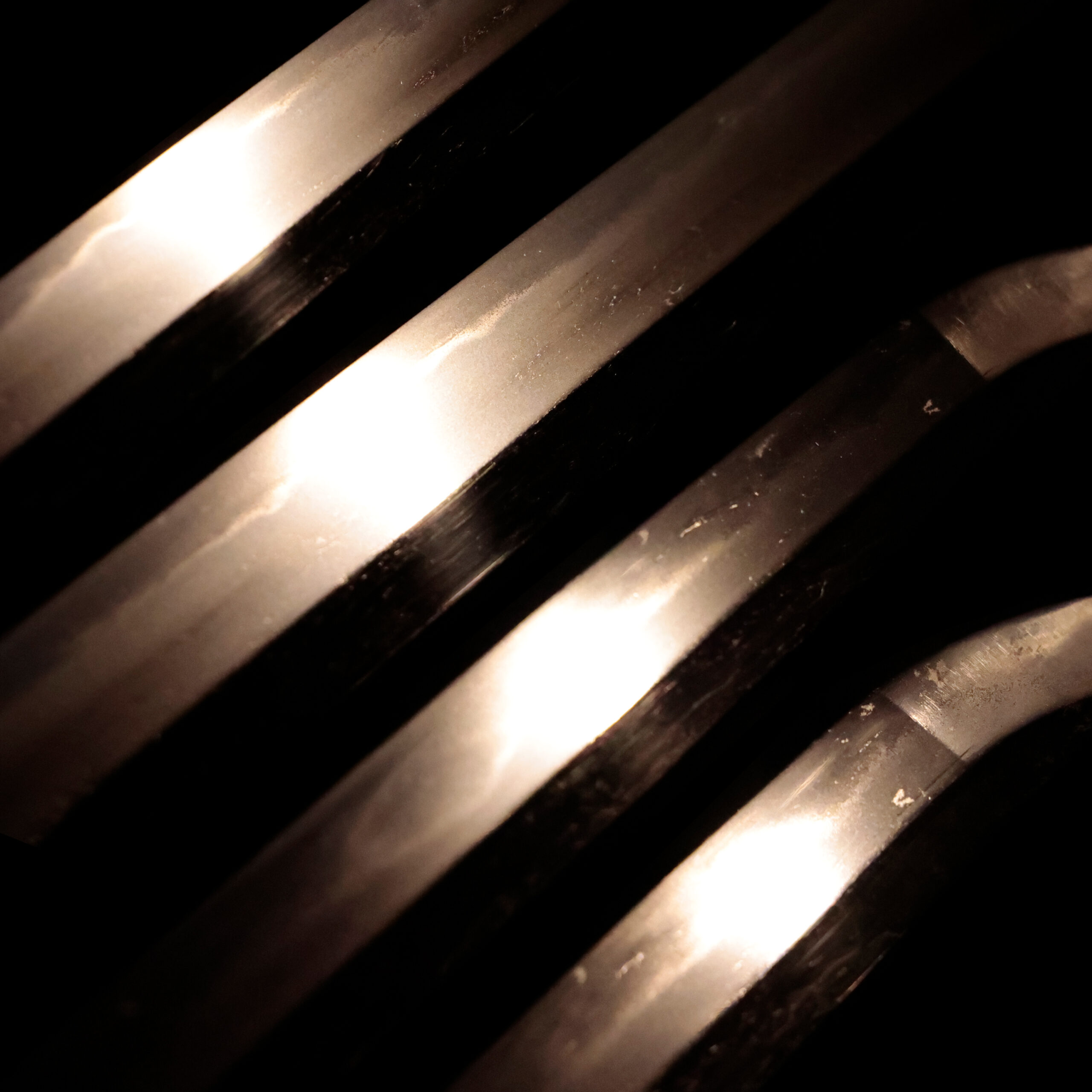
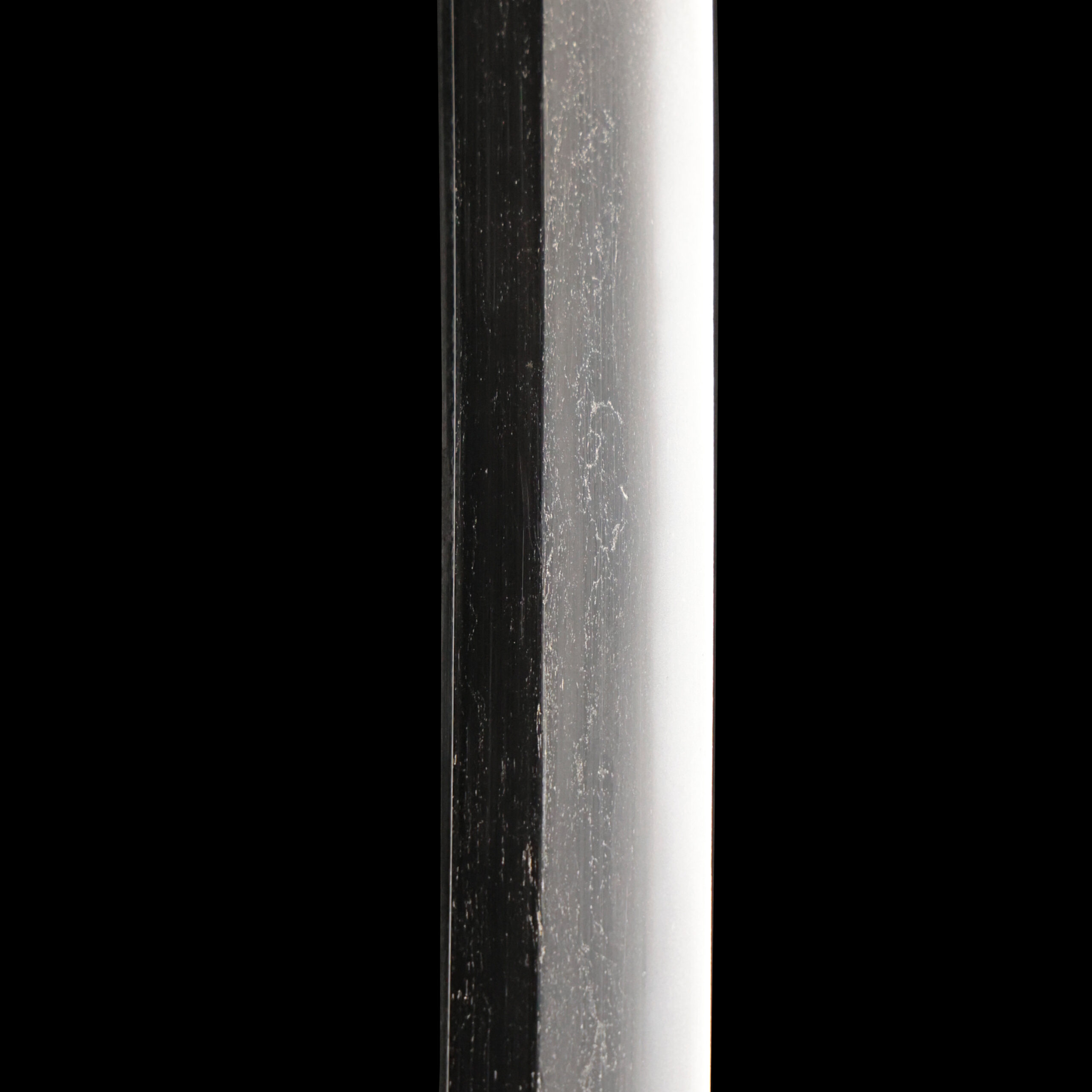
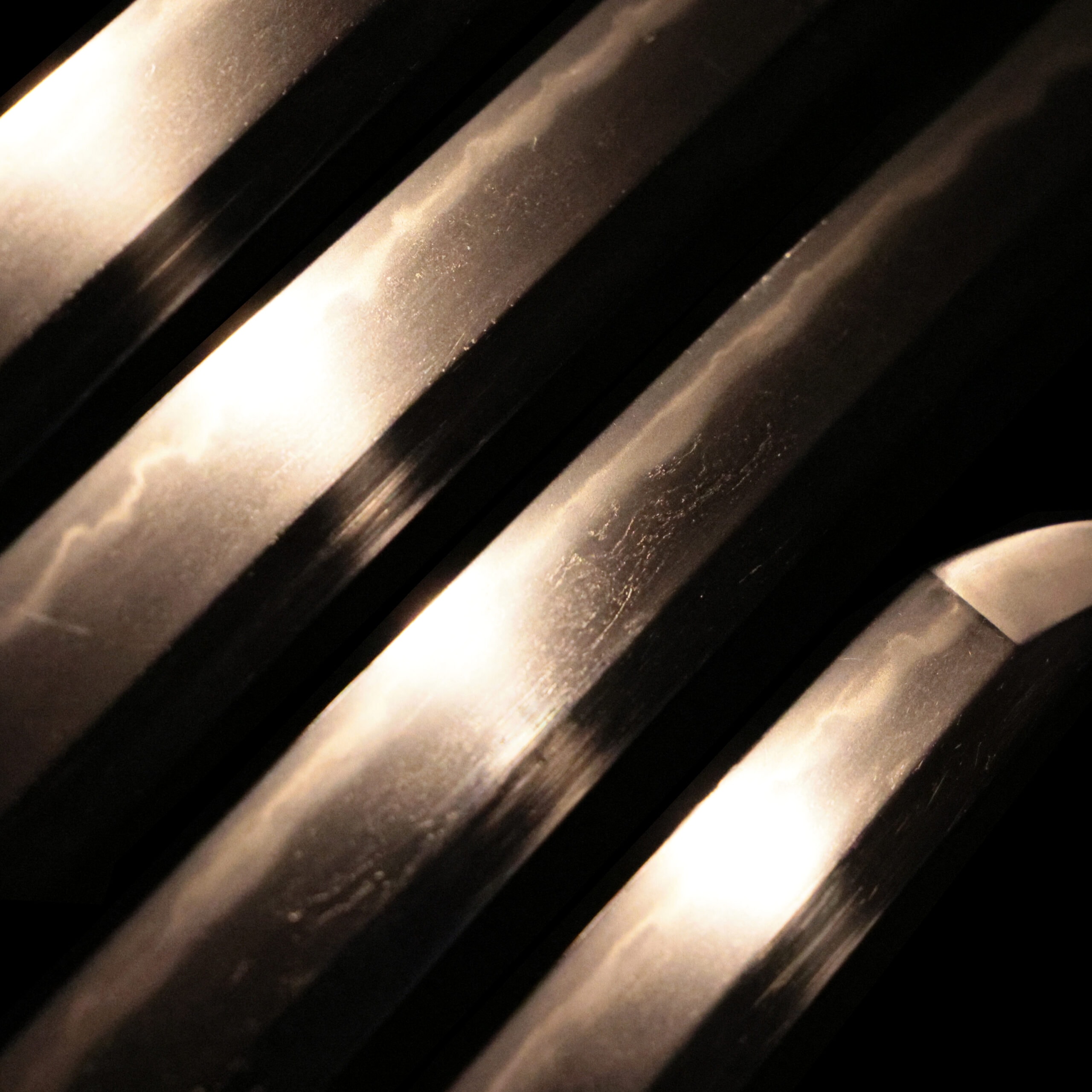
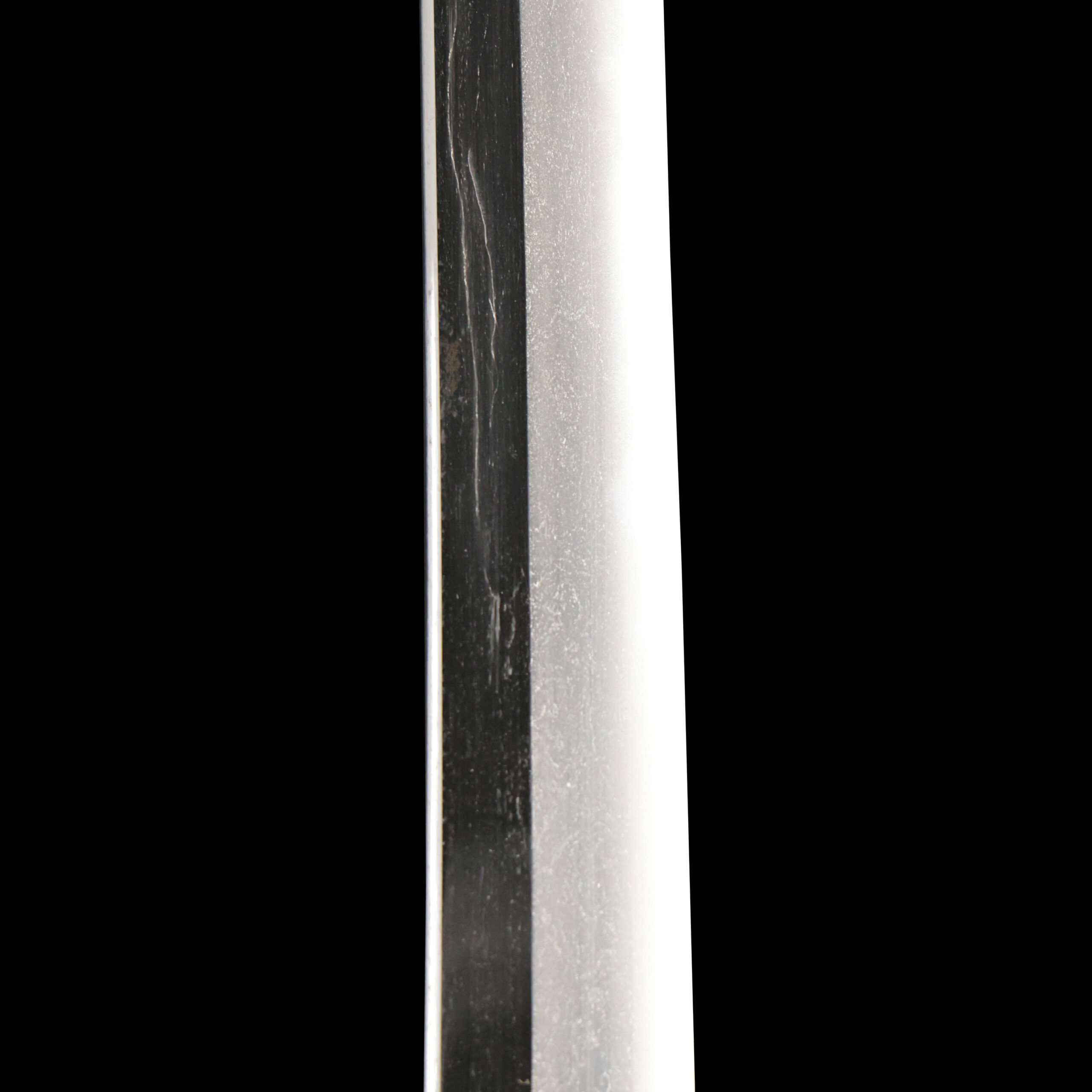
本工を最もよく分かつのは、刃に交わる箱がかった乱れの一要素で、説明書はこれを「箱がかった濡れ刃」[[c:1]]と評し、まさに彼の真骨頂を示すものとして挙げる。それは単独で立つものではない。刃文はのたれを基調に互の目・尖り刃を交え、のたれの頭が広く平らになるところに箱がかった刃が現れ、匂口深く小沸つき処々荒めの沸を交え、砂流し頻りに刃中を走り金筋が入る。足・葉が刃に入り、身幅広い作では上半にわずかにほつれを交える。総体に美濃の刃に加賀の重みを与えたもので、関の尖った刃が円みのある箱へと和らぎ、いかなる見どころよりも先に高平と読ませる。

その下の地鉄は、板目が流れ肌に流れ、やや肌立ちごころに地沸つき地景入り、鎬地はしばしば柾となる。この流れは美濃出自が地に透けて見えるもので、その作にほぼ一貫し、前期作ではより開いて立ち、つんだ晩年作では小板目に向かって締まり地沸が微塵につく。帽子は一様でなく本系らしく乱れ、表は小丸に返り裏は掃きかけて尖り、作によっては乱れ込みに突き上げごころを見せて返る。彫物は地方新刀工としては多彩で、二筋樋・棒樋から倶利迦羅の透彫・八幡神号にまで及び、ある脇指には説明書が読みに苦慮する深い陽刻の文字が二行に施される。

説明書は本工の生涯に二つの時代を画する。慶長頃の前期作は兼若と銘し、身幅広く寸延びて鋒の延びた慶長新刀姿を呈し、板目に流れを交えてやや立ち、刃文は浅いのたれに互の目・尖り刃を交えて、さながら「古作の志津を彷彿とさせる」[[c:2]]とする。元和から寛永へと年代が降り高平銘に移行するに従い、姿は身幅が尋常に近づき元先の幅差がやや開いて中鋒となり、板目はつみ、匂口が深まって、この後期の作風においてこそ箱乱れが目立つようになる。刀・寸延びの平造脇指、また間々見るという小脇指を打ち、説明書は本工が「身幅の広い寸延びの作を得意として」[[c:3]]いたと記す。辻村越中守と藤原を二行に切り、下に高平と花押を据えて棟寄りに切る長銘そのものが説明書の記す癖であり、故あってか「三月三日」と切った作が数本あることもまた記される。

刀工の大きな世界のなかで本工は、著名な師ではなく系譜によって位置づけられる一派の手であり、加賀の地鉄で打たれた美濃伝、関の伝統が北国に根を下ろした橋渡しである。説明書が引く志津との類似は真正のもので、彼自身の前期作に属し、身幅広い寸延びの姿とのたれに尖りを交えた刃が古作の美濃の名工を確かに想わせる。それは作風の類似であって極めの問題ではなく、彼自身の箱乱れに取って代わるのではなく、その傍らに並ぶ。明るく匂深いのたれに箱がかった頭と流れ肌の地鉄は、周囲の尋常な加賀作から本工を分かち、在銘在紀の作の多いことが、この世代の加賀鍛冶のなかでも比較的その人をよく知り得る工としている。兼若の名の継承は、まさにNBTHKが指定する作を通じて部分的に辿ることができる。

本工の作は重要刀剣に七口を数え、いずれも在銘で、刀と最も多く見られる寸延びの脇指に及び、さらに辻村越中守藤原高平と完銘した短刀二口が御物として皇室に伝わる。これは本工の格の工が帯び得る最も誉れある伝来の一つである。この記録上、国宝・重要文化財はなく、刀剣美術における刀工大鑑の位置づけは新刀の堅実な中位にあって頂点にはなく、それが本工の正直な尺度である。優れた個性ある地方の名工であり、大名跡ではない。個人の収集家にとってはこのことが、第一級が及ばぬところにあって現実に望み得る工としている。重要刀剣の作は指定刀の常として所蔵され、市場には折にふれ、辛抱をもってのみ現れる。ひとたび現れれば、箱がかった濡れ刃と流れる美濃の地鉄が一見してその人を告げ、所在の知られる在銘在紀の作に出会うことは満ち足りた経験であり、その作をNBTHKが兼若継承の鍵と読む、まさにその工による確かな一口である。

歴史的重要度

高平の位置づけを、日本刀全体および伝統・時代・時期ごとに示します。各位(随一・屈指・有数・著名)は、NBTHK および文化庁による指定に加え、三作や名物帳などの歴史的栄誉を加味したものです。

随一
随一
屈指
屈指
有数
有数
著名
著名

各項目を選ぶと評価方法が表示されます。

指定の実績
指定9口
御物
2
重要刀剣
7
高平の作 1点が現在販売中→
高平 — 詳細Kaga (Kanewaka / Tsujimura line, Mino-den)派

年紀作

在銘年紀作が示す、確実に活動していた年代

活動期間
1621–1626推定期間:1621–1644
指定品7点のうち5点に年紀あり
1610
1620
1630

この作者について学ぶ →

流派について

加賀

美濃伝 · 加賀

現在27点販売中

›

加賀象嵌は、江戸時代初期から享保期にかけて金沢を中心とする加賀国で発達した独特の平象嵌技法である。その起源は、加賀地方の鐙工が行っていた平象嵌を、鐔や刀装具に応用したことに始まるとされる。加賀藩の庇護のもと、献上品として制作された作例も多く、金沢の工芸文化の高い水準を示す技術として栄えた。室町期には鏡師と呼ばれる工人による山金地の鋳出鐔が見られ、これらが後の加賀象嵌の源流の一つとなったと考えられる。 加賀象嵌の技術的特徴は、赤銅、四分一、素銅などの磨地に、金・銀・銅など多種の色金を駆使した精緻な平象嵌にある。漆黒の赤銅磨地に色金を緻密に嵌め込む手法が主流だが、素銅地に明るい色調で景物を表した古調な作例も存在する。構図は絢爛にして巧みであり、秋草蝶図や鴛鴦図など、画面一杯に展開された図案文様化した表現が特徴的である。毛彫を併用し、内覆輪や埋金など細部にまで丁寧な仕上げが施され、未使用のまま伝世した保存状態の良い献上品級の作も少なくない。 鏡師系の作品は、真鍮地や山金地に鋤出高彫で大胆な文様を配し、格子形花文や菊花文など古雅な意匠を持つ。室町末期から桃山初期にかけての作風を示し、土手耳の構造や鋳出による立体的な表現が見られる。加賀象嵌と総称される一群には、こうした鏡師の流れを汲む古式な様相を呈するものから、江戸中期以降の洗練された平象嵌作品まで幅広い作域が含まれ、加賀国における刀装具制作の伝統の深さを物語っている。 詳しく見る →

5名の刀工指定61口
主要刀工
刀工時代指定
真景1362-136847
高平1621-16449
景光1362-13683
家次1528-15581
景平1661-16731
加賀流派を見る →

歴史的背景

江戸時代

›

江戸は刀の目利きの時代である。本阿弥の鑑定、1719年の享保名物帳、盛んな刀剣書が、戦で抜かれることのなくなった刀を学問の対象へと変えていった。

江戸時代 →

NBTHK鑑定書
特別保存刀剣Tokubetsu Hozon Tōken
›

保存刀剣のうち、出来が一層優れ、保存状態も良好と認められたものです。再刃や、室町・江戸期の多くの無銘作は対象外となり、保存刀剣より高い基準が課されます。

NBTHKについて›

日本美術刀剣保存協会(NBTHK)は、1948年に設立され、文化庁の監督を受ける公益財団法人で、東京・刀剣博物館に本部を置きます。専門の審査員が出品作を直接審査し、美術的・歴史的価値に応じた鑑定書を発行します。NBTHKの鑑定書は、日本刀および刀装具の真正性を示す最も広く認知された基準です。

NBTHK公式サイト→
販売店
サ
サムライミュージアム
🇯🇵日本から発送
›
✓認証販売店samuraimuseum.jp
✓海外発送可✓英語対応PayPalクレジットカード
返品ポリシー

Returns/exchanges limited to defects caused by shipping (except willful misconduct or gross negligence by the company); customers must contact within 72 hours of receiving the product.

サムライミュージアムの出品一覧を見る→販売店サイトでこの商品を見る→

高平の他の作

すべて見る →
山大屋
特別保存
Wakizashi - Tokuho - 作 高平 - 特別保存刀剣 賀州出羽守藤原高平Wakizashi - Tokuho - 作 高平 - 特別保存刀剣 賀州出羽守藤原高平

脇差

作高平
45.7cm·江戸
お問い合わせ

高平の売約済み

すべて見る →
Tokyo Sword
Wakizashi - 作 高平 - 脇差 銘 高平 (広身) 腰樋 二筋樋 江戸時代Wakizashi - 作 高平 - 脇差 銘 高平 (広身) 腰樋 二筋樋 江戸時代
売切れ

脇差

作高平
48cm·江戸
売却済
永楽堂
特別保存
Tanto - Tokuho - 作 高平 - 高平 短刀 特別保存刀剣Tanto - Tokuho - 作 高平 - 高平 短刀 特別保存刀剣
売切れ

短刀

作高平
27.5cm·新刀
売却済
銀座刀剣柴田
特別保存
脇差
Wakizashi - Tokuho - 作 高平 - 脇差 賀州出羽守藤原高平
売切れ

脇差

作高平
45.45cm·新刀
売却済

加賀派の作

すべて見る →
サムライミュージアム
保存
Katana - Hozon - 作 家次 - 日本刀 加州家次 銘 刀 (特別保存刀剣・特別保存刀装具鑑定書付)Katana - Hozon - 作 家次 - 日本刀 加州家次 銘 刀 (特別保存刀剣・特別保存刀装具鑑定書付)

刀

作家次
74.7cm·室町
¥950,000
Nihonto Australia
重要
Katana - Jūyō - 作 真景 - 刀 銘 真景Katana - Jūyō - 作 真景 - 刀 銘 真景

刀

作真景
お問い合わせ
刀友会
保存
Katana - Hozon - 作 加賀派 - 刀 無銘(加州景光) 保存刀剣鑑定書付Katana - Hozon - 作 加賀派 - 刀 無銘(加州景光) 保存刀剣鑑定書付

刀

作加賀派
70.4cm·室町
¥500,000
矢澤商会
保存
Katana - Hozon - 作 家次 - これぞ名刀 美刀 加州家次 刃渡り63.4cm 反り1.9cmKatana - Hozon - 作 家次 - これぞ名刀 美刀 加州家次 刃渡り63.4cm 反り1.9cm

刀

作家次
63.4cm·室町
¥800,000
Nihonto Australia
Katana - 作 真景 - 古刀 南北朝 真景 刀 NTHK鑑定書付Katana - 作 真景 - 古刀 南北朝 真景 刀 NTHK鑑定書付

刀

作真景
62.7cm·南北朝
¥8,500
サムライミュージアム
保存
Katana - Hozon - 作 加賀派 - 日本刀 刀 無銘 加州景光(加州住景光) 日本美術刀剣保存協会 報告書(保存刀剣)鑑定書付Katana - Hozon - 作 加賀派 - 日本刀 刀 無銘 加州景光(加州住景光) 日本美術刀剣保存協会 報告書(保存刀剣)鑑定書付

刀

作加賀派
69.9cm·室町
¥5,182
刀友会
保存
Katana - Hozon - 作 加賀派 - 刀 無銘(加州家次 時代室町前期)日本美術刀剣保存協会 保存刀剣鑑定書付Katana - Hozon - 作 加賀派 - 刀 無銘(加州家次 時代室町前期)日本美術刀剣保存協会 保存刀剣鑑定書付

刀

作加賀派
67.5cm·室町
¥800,000
矢澤商会
保存
Kodachi - Hozon - 作 加賀派 - 下取品 小太刀 保存(景光) 拵付 つなぎはおまけ 刃渡り50.3cm 反り0.9cmKodachi - Hozon - 作 加賀派 - 下取品 小太刀 保存(景光) 拵付 つなぎはおまけ 刃渡り50.3cm 反り0.9cm

小太刀

作加賀派
50.3cm·室町
¥500,000

美濃の伝統

すべて見る →
和敬堂
特別保存
Katana - Tokuho - 作 直江志津派 - 刀 無銘 直江志津Katana - Tokuho - 作 直江志津派 - 刀 無銘 直江志津

刀

作直江志津派
63.4cm·南北朝
¥1,500,000
刀剣杉田
特別保存
Wakizashi - Tokuho - 作 兼元 - 兼元(美濃)(東山道) (二代孫六)Wakizashi - Tokuho - 作 兼元 - 兼元(美濃)(東山道) (二代孫六)

脇差

作兼元
38cm·室町
¥3,200,000
銀座長州屋
特別保存
Katana - Tokuho - 作 氏房 - 刀:銘 飛騨守藤原氏房(割物)Katana - Tokuho - 作 氏房 - 刀:銘 飛騨守藤原氏房(割物)

刀

作氏房
71.66cm·新刀
お問い合わせ
銀座長州屋
特別保存
Katana - Tokuho - 作 直江志津派 - 大磨上無銘 伝直江志津Katana - Tokuho - 作 直江志津派 - 大磨上無銘 伝直江志津

刀

作直江志津派
69.39cm·南北朝
お問い合わせ
宝刀堂
特別保存
Naginata - Tokuho - 作 安芸輝広派 - 播磨守藤原輝広 薙刀Naginata - Tokuho - 作 安芸輝広派 - 播磨守藤原輝広 薙刀

薙刀

作安芸輝広派
50cm·1596-1644
¥850,000
美術刀剣松本
保存
Tanto - Hozon - 作 兼道 - 商品番号 TAN-0385Tanto - Hozon - 作 兼道 - 商品番号 TAN-0385

短刀

作兼道
28.5cm·室町
¥800,000
刀剣徳川
特別保存
Katana - Tokuho - 作 直江志津派 - 刀 無銘 直江志津伝Katana - Tokuho - 作 直江志津派 - 刀 無銘 直江志津伝

刀

作直江志津派
63.7cm·南北朝
¥1,350,000
銀座誠友堂
保存
Tanto - Hozon - 作 関派 - 短刀[氏房][日本美術刀剣保存協会]保存刀剣Tanto - Hozon - 作 関派 - 短刀[氏房][日本美術刀剣保存協会]保存刀剣

短刀

作関派
27.4cm·桃山
¥1,300,000

刀剣

  • 刀
  • 脇差
  • 短刀
  • 太刀
  • 薙刀
  • 槍
  • 日本刀の販売
  • サムライソード

刀装具

  • 鍔
  • 縁頭
  • 小柄
  • 目貫
  • 鍔(ソードガード)

甲冑武具

  • 兜
  • 甲冑
  • 甲冑・武具一覧

鑑定別

  • 特重
  • 重要
  • 特別保存
  • 保存

リソース

  • 刀剣商一覧
  • 刀工一覧
  • 誌上鑑定
  • すべて見る
Nihontowatch© 2026
利用規約プライバシーCookie運営者情報
売切れ

説明

Antique Japanese Sword Katana Signed by Etchu no Kami Fujiwara Takahira with Tokubetsu Hozon Certificate 【Description】 Summary This blade was signed by Etchu no Kami Fujiwara Takahira (越中守藤原高平) in the 8th year of the Genna era (1622: the early Edo period). After the signature, there is a Kao (花押: stylized signature). His original name is Kanewaka (兼若), and signed Kashu Jyu Kanewaka (賀州住兼若) or another on his blades at first. The maker’s name, Kanewaka, is one of the most prestigious swordsmiths in this province and lasted several generations during the early-late Edo period (approx. 280-400 years ago). Judging from the year inscribed on the tang, we believed it was made by the first-gen Kanawaka. The first-gen Kanewaka was originally from Mino province (today’s Gifu prefecture). Later on, he moved to the Kaga domain (today’s Ishikawa prefecture) at the beginning of the Edo period after being summoned by Maeda Toshitsune, the third-gen head of the Kaga domain. Then, he changed his name to Takahira (高平) and he received an honorable official title, Etchu no Kami for his excellent sword-forging techniques from the imperial court around the 5th year of the Genna era (1619). That means this blade was created three years after he received the title. Kanewaka was known as one of the most famous swordsmiths in the Kaga domain in the early-mid Edo period. It is said that Kanewaka forged swords for those who belonged to the Kaga domain under Maeda clan’s control. All the swordsmiths who signed Kanewaka in the Kaga domain were under the auspice of Maeda clan from generation to generation because of their highly skilled craftsmanship. Maeda Clan Maeda clan was originally a retainer of Oda family, who ruled Owari province. (today’s Nagoya area in Aichi prefecture) The first head of the Maeda clan was Toshie Maeda. He climbed the social ladder of Samurai society, and he became the feudal lord of Kaga Province(today’s Ishikawa prefecture). It is said that he had a vast rice fief that fed 100 million grown-up adults, which is called Hyakuman Goku. The Maeda clan was one of the most powerful lines in Samurai history. Toshie Maeda had a close tie with Oda Nobunaga and Hideyoshi Toyotomi. It is said that the first-gen Kanewaka forged blades for Maeda Toshiie when Kanewaka was still in Mino province (Today’s Gifu prefecture). It is appraised as a Tokubetsu Hozon Token (特別保存刀剣) issued by NBTHK (Nihon Bijutsu Touken Hozon Kyokai:日本美術刀剣保存協会). This authentication paper was only given to authentic Japanese swords, especially well preserved and high quality with artistic value. *Please keep in mind that there are a few black rust spots on the blade. We will be happy to have these parts polished without additional shipping cost. We would like you to keep in mind that there will be trace of black rust even after it is polished. It will also take additional time to ship the sword. If you like to know the detailed condition, please feel free to contact us. 【 Blade】 Cutting Edge Length(Nagasa) : 70.1 cm (27.5 inches) Curvature(Sori) : 1.05 cm (0.41 inches) Hamon : The crystalline structure which forms along the cutting edge of a blade as a result of the hardening process Jimon(Jihada) : visible steel surface pattern created by folding and hammering during forging process Kissaki : Kissaki is the tip of the Japanese sword. Nakago : Nakago is the tang of the Japanese sword. Japanese swordsmiths left the black rust on the tang because it prevents red rust while the tang is in its handle. And the discoloration of the tang was created over time, and it is a great indicator for a Japanese sword specialist to estimate when the sword was forged. Koshirae : Koshirae is the mounting of the Japanese sword. There are several parts that consist of Koshirae such as Saya (Scabbard), Tsuka (Handle), Tsuba (Handguard). Fuchi-Kashira : A pair of matching sword fittings that cover the upper and bottom parts of its sword hilt. A family crest called the Takeda-Bishi (武田菱) is dep

NihontoWatch MonNihontoWatch
MarketEncyclopediaKantei
刀剣›美濃伝›加賀›高平›Antique Japanese Sword Katana Signed by Etchu no Kami Fujiwara TakahiraNBTHKTokubetsu HozonCertificate
刀特別保存
高平

Antique Japanese Sword Katana Signed by Etchu no Kami Fujiwara TakahiraNBTHKTokubetsu HozonCertificate

在銘 · 寛永 · 長さ 70.1cm · 反り 1.05cm
売却済
高平 · 寛永販売中 1点 →
刀
刀身だけで刀工を見抜けますか? 本日の鑑定 →
高平 — 1 of 25
高平 — 2 of 25
高平 — 3 of 25
高平 — 4 of 25
高平 — 5 of 25
高平 — 6 of 25
高平 — 7 of 25
高平 — 8 of 25
高平 — 9 of 25
高平 — 10 of 25
高平 — 11 of 25
高平 — 12 of 25
高平 — 13 of 25
高平 — 14 of 25
高平 — 15 of 25
高平 — 16 of 25
高平 — 17 of 25
高平 — 18 of 25
高平 — 19 of 25
高平 — 20 of 25
高平 — 21 of 25
高平 — 22 of 25
高平 — 23 of 25
高平 — 24 of 25
高平 — 25 of 25
1 / 25
1 / 25
高平 — 1 of 25高平 — 2 of 25高平 — 3 of 25高平 — 4 of 25高平 — 5 of 25高平 — 6 of 25高平 — 7 of 25高平 — 8 of 25高平 — 9 of 25高平 — 10 of 25高平 — 11 of 25高平 — 12 of 25高平 — 13 of 25高平 — 14 of 25高平 — 15 of 25高平 — 16 of 25高平 — 17 of 25高平 — 18 of 25高平 — 19 of 25高平 — 20 of 25高平 — 21 of 25高平 — 22 of 25高平 — 23 of 25高平 — 24 of 25高平 — 25 of 25
高平 · 寛永販売中 1点 →
刀
刀身だけで刀工を見抜けますか? 本日の鑑定 →
法量・詳細
刀工
高平
種別
刀
流派
加賀
活動期
1621–1644年頃(寛永)
国
加賀
銘
在銘(在銘率 100%)
法量
長さ 70.1cm反り 1.05cm
説明

Antique Japanese Sword Katana Signed by Etchu no Kami Fujiwara Takahira with Tokubetsu Hozon Certificate 【Description】 Summary This blade was signed by Etchu no Kami Fujiwara Takahira (越中守藤原高平) in the 8th year of the Genna era (1622: the early Edo period). After the signature, there is a Kao (花押: stylized signature). His original name is Kanewaka (兼若), and signed Kashu Jyu Kanewaka (賀州住兼若) or another on his blades at first. The maker’s name, Kanewaka, is one of the most prestigious swordsmiths in this province and lasted several generations during the early-late Edo period (approx. 280-400 years ago). Judging from the year inscribed on the tang, we believed it was made by the first-gen Kanawaka. The first-gen Kanewaka was originally from Mino province (today’s Gifu prefecture). Later on, he moved to the Kaga domain (today’s Ishikawa prefecture) at the beginning of the Edo period after being summoned by Maeda Toshitsune, the third-gen head of the Kaga domain. Then, he changed his name to Takahira (高平) and he received an honorable official title, Etchu no Kami for his excellent sword-forging techniques from the imperial court around the 5th year of the Genna era (1619). That means this blade was created three years after he received the title. Kanewaka was known as one of the most famous swordsmiths in the Kaga domain in the early-mid Edo period. It is said that Kanewaka forged swords for those who belonged to the Kaga domain under Maeda clan’s control. All the swordsmiths who signed Kanewaka in the Kaga domain were under the auspice of Maeda clan from generation to generation because of their highly skilled craftsmanship. Maeda Clan Maeda clan was originally a retainer of Oda family, who ruled Owari province. (today’s Nagoya area in Aichi prefecture) The first head of the Maeda clan was Toshie Maeda. He climbed the social ladder of Samurai society, and he became the feudal lord of Kaga Province(today’s Ishikawa prefecture). It is said that he had a vast rice fief that fed 100 million grown-up adults, which is called Hyakuman Goku. The Maeda clan was one of the most powerful lines in Samurai history. Toshie Maeda had a close tie with Oda Nobunaga and Hideyoshi Toyotomi. It is said that the first-gen Kanewaka forged blades for Maeda Toshiie when Kanewaka was still in Mino province (Today’s Gifu prefecture). It is appraised as a Tokubetsu Hozon Token (特別保存刀剣) issued by NBTHK (Nihon Bijutsu Touken Hozon Kyokai:日本美術刀剣保存協会). This authentication paper was only given to authentic Japanese swords, especially well preserved and high quality with artistic value. *Please keep in mind that there are a few black rust spots on the blade. We will be happy to have these parts polished without additional shipping cost. We would like you to keep in mind that there will be trace of black rust even after it is polished. It will also take additional time to ship the sword. If you like to know the detailed condition, please feel free to contact us. 【 Blade】 Cutting Edge Length(Nagasa) : 70.1 cm (27.5 inches) Curvature(Sori) : 1.05 cm (0.41 inches) Hamon : The crystalline structure which forms along the cutting edge of a blade as a result of the hardening process Jimon(Jihada) : visible steel surface pattern created by folding and hammering during forging process Kissaki : Kissaki is the tip of the Japanese sword. Nakago : Nakago is the tang of the Japanese sword. Japanese swordsmiths left the black rust on the tang because it prevents red rust while the tang is in its handle. And the discoloration of the tang was created over time, and it is a great indicator for a Japanese sword specialist to estimate when the sword was forged. Koshirae : Koshirae is the mounting of the Japanese sword. There are several parts that consist of Koshirae such as Saya (Scabbard), Tsuka (Handle), Tsuba (Handguard). Fuchi-Kashira : A pair of matching sword fittings that cover the upper and bottom parts of its sword hilt. A family crest called the Takeda-Bishi (武田菱) is dep

作者について

高平

Kaga (Kanewaka / Tsujimura line, Mino-den) · 加賀 · 1621-1644頃

刀剣大鑑 上位14%

現在1点販売中

›

越中守藤原高平は加州兼若の改名であり、辻村系加賀鍛冶の中心工である。元和七年紀の刀一口を、説明書は単に優れた一刀としてではなく、越中守受領をめぐる古来の問題を解明する「貴重な資料」として扱う。一派は美濃を出自とし、その祖は関の鍛冶で、のちに加賀へ移住して兼若を名乗り、初代は辻村四郎右衛門尉と称した。元和五年頃に越中守を受領して以後高平と銘し、通説では兼若と同人とするが、初代・二代いずれの兼若か、また受領の経緯については、説明書がなお今後の研究に俟つべきものとする。疑いのないのはその手であり、加賀に移された美濃鍛えが、関の祖よりも覇気にとみ、説明書が本工特色とする箱乱れにおいて紛れもなく彼自身のものとなっている。

本工を最もよく分かつのは、刃に交わる箱がかった乱れの一要素で、説明書はこれを「箱がかった濡れ刃」[[c:1]]と評し、まさに彼の真骨頂を示すものとして挙げる。それは単独で立つものではない。刃文はのたれを基調に互の目・尖り刃を交え、のたれの頭が広く平らになるところに箱がかった刃が現れ、匂口深く小沸つき処々荒めの沸を交え、砂流し頻りに刃中を走り金筋が入る。足・葉が刃に入り、身幅広い作では上半にわずかにほつれを交える。総体に美濃の刃に加賀の重みを与えたもので、関の尖った刃が円みのある箱へと和らぎ、いかなる見どころよりも先に高平と読ませる。

その下の地鉄は、板目が流れ肌に流れ、やや肌立ちごころに地沸つき地景入り、鎬地はしばしば柾となる。この流れは美濃出自が地に透けて見えるもので、その作にほぼ一貫し、前期作ではより開いて立ち、つんだ晩年作では小板目に向かって締まり地沸が微塵につく。帽子は一様でなく本系らしく乱れ、表は小丸に返り裏は掃きかけて尖り、作によっては乱れ込みに突き上げごころを見せて返る。彫物は地方新刀工としては多彩で、二筋樋・棒樋から倶利迦羅の透彫・八幡神号にまで及び、ある脇指には説明書が読みに苦慮する深い陽刻の文字が二行に施される。

説明書は本工の生涯に二つの時代を画する。慶長頃の前期作は兼若と銘し、身幅広く寸延びて鋒の延びた慶長新刀姿を呈し、板目に流れを交えてやや立ち、刃文は浅いのたれに互の目・尖り刃を交えて、さながら「古作の志津を彷彿とさせる」[[c:2]]とする。元和から寛永へと年代が降り高平銘に移行するに従い、姿は身幅が尋常に近づき元先の幅差がやや開いて中鋒となり、板目はつみ、匂口が深まって、この後期の作風においてこそ箱乱れが目立つようになる。刀・寸延びの平造脇指、また間々見るという小脇指を打ち、説明書は本工が「身幅の広い寸延びの作を得意として」[[c:3]]いたと記す。辻村越中守と藤原を二行に切り、下に高平と花押を据えて棟寄りに切る長銘そのものが説明書の記す癖であり、故あってか「三月三日」と切った作が数本あることもまた記される。

刀工の大きな世界のなかで本工は、著名な師ではなく系譜によって位置づけられる一派の手であり、加賀の地鉄で打たれた美濃伝、関の伝統が北国に根を下ろした橋渡しである。説明書が引く志津との類似は真正のもので、彼自身の前期作に属し、身幅広い寸延びの姿とのたれに尖りを交えた刃が古作の美濃の名工を確かに想わせる。それは作風の類似であって極めの問題ではなく、彼自身の箱乱れに取って代わるのではなく、その傍らに並ぶ。明るく匂深いのたれに箱がかった頭と流れ肌の地鉄は、周囲の尋常な加賀作から本工を分かち、在銘在紀の作の多いことが、この世代の加賀鍛冶のなかでも比較的その人をよく知り得る工としている。兼若の名の継承は、まさにNBTHKが指定する作を通じて部分的に辿ることができる。

本工の作は重要刀剣に七口を数え、いずれも在銘で、刀と最も多く見られる寸延びの脇指に及び、さらに辻村越中守藤原高平と完銘した短刀二口が御物として皇室に伝わる。これは本工の格の工が帯び得る最も誉れある伝来の一つである。この記録上、国宝・重要文化財はなく、刀剣美術における刀工大鑑の位置づけは新刀の堅実な中位にあって頂点にはなく、それが本工の正直な尺度である。優れた個性ある地方の名工であり、大名跡ではない。個人の収集家にとってはこのことが、第一級が及ばぬところにあって現実に望み得る工としている。重要刀剣の作は指定刀の常として所蔵され、市場には折にふれ、辛抱をもってのみ現れる。ひとたび現れれば、箱がかった濡れ刃と流れる美濃の地鉄が一見してその人を告げ、所在の知られる在銘在紀の作に出会うことは満ち足りた経験であり、その作をNBTHKが兼若継承の鍵と読む、まさにその工による確かな一口である。

歴史的重要度

高平の位置づけを、日本刀全体および伝統・時代・時期ごとに示します。各位(随一・屈指・有数・著名)は、NBTHK および文化庁による指定に加え、三作や名物帳などの歴史的栄誉を加味したものです。

随一
随一
屈指
屈指
有数
有数
著名
著名

各項目を選ぶと評価方法が表示されます。

指定の実績
指定9口
御物
2
重要刀剣
7
高平の作 1点が現在販売中→
高平 — 詳細Kaga (Kanewaka / Tsujimura line, Mino-den)派

年紀作

在銘年紀作が示す、確実に活動していた年代

活動期間
1621–1626推定期間:1621–1644
指定品7点のうち5点に年紀あり
1610
1620
1630

この作者について学ぶ →

流派について

加賀

美濃伝 · 加賀

現在27点販売中

›

加賀象嵌は、江戸時代初期から享保期にかけて金沢を中心とする加賀国で発達した独特の平象嵌技法である。その起源は、加賀地方の鐙工が行っていた平象嵌を、鐔や刀装具に応用したことに始まるとされる。加賀藩の庇護のもと、献上品として制作された作例も多く、金沢の工芸文化の高い水準を示す技術として栄えた。室町期には鏡師と呼ばれる工人による山金地の鋳出鐔が見られ、これらが後の加賀象嵌の源流の一つとなったと考えられる。 加賀象嵌の技術的特徴は、赤銅、四分一、素銅などの磨地に、金・銀・銅など多種の色金を駆使した精緻な平象嵌にある。漆黒の赤銅磨地に色金を緻密に嵌め込む手法が主流だが、素銅地に明るい色調で景物を表した古調な作例も存在する。構図は絢爛にして巧みであり、秋草蝶図や鴛鴦図など、画面一杯に展開された図案文様化した表現が特徴的である。毛彫を併用し、内覆輪や埋金など細部にまで丁寧な仕上げが施され、未使用のまま伝世した保存状態の良い献上品級の作も少なくない。 鏡師系の作品は、真鍮地や山金地に鋤出高彫で大胆な文様を配し、格子形花文や菊花文など古雅な意匠を持つ。室町末期から桃山初期にかけての作風を示し、土手耳の構造や鋳出による立体的な表現が見られる。加賀象嵌と総称される一群には、こうした鏡師の流れを汲む古式な様相を呈するものから、江戸中期以降の洗練された平象嵌作品まで幅広い作域が含まれ、加賀国における刀装具制作の伝統の深さを物語っている。 詳しく見る →

5名の刀工指定61口
主要刀工
刀工時代指定
真景1362-136847
高平1621-16449
景光1362-13683
家次1528-15581
景平1661-16731
加賀流派を見る →

歴史的背景

江戸時代

›

江戸は刀の目利きの時代である。本阿弥の鑑定、1719年の享保名物帳、盛んな刀剣書が、戦で抜かれることのなくなった刀を学問の対象へと変えていった。

江戸時代 →

NBTHK鑑定書
特別保存刀剣Tokubetsu Hozon Tōken
›

保存刀剣のうち、出来が一層優れ、保存状態も良好と認められたものです。再刃や、室町・江戸期の多くの無銘作は対象外となり、保存刀剣より高い基準が課されます。

NBTHKについて›

日本美術刀剣保存協会(NBTHK)は、1948年に設立され、文化庁の監督を受ける公益財団法人で、東京・刀剣博物館に本部を置きます。専門の審査員が出品作を直接審査し、美術的・歴史的価値に応じた鑑定書を発行します。NBTHKの鑑定書は、日本刀および刀装具の真正性を示す最も広く認知された基準です。

NBTHK公式サイト→
販売店
サ
サムライミュージアム
🇯🇵日本から発送
›
✓認証販売店samuraimuseum.jp
✓海外発送可✓英語対応PayPalクレジットカード
返品ポリシー

Returns/exchanges limited to defects caused by shipping (except willful misconduct or gross negligence by the company); customers must contact within 72 hours of receiving the product.

サムライミュージアムの出品一覧を見る→販売店サイトでこの商品を見る→

高平の他の作

すべて見る →
山大屋
特別保存
Wakizashi - Tokuho - 作 高平 - 特別保存刀剣 賀州出羽守藤原高平Wakizashi - Tokuho - 作 高平 - 特別保存刀剣 賀州出羽守藤原高平

脇差

作高平
45.7cm·江戸
お問い合わせ

高平の売約済み

すべて見る →
Tokyo Sword
Wakizashi - 作 高平 - 脇差 銘 高平 (広身) 腰樋 二筋樋 江戸時代Wakizashi - 作 高平 - 脇差 銘 高平 (広身) 腰樋 二筋樋 江戸時代
売切れ

脇差

作高平
48cm·江戸
売却済
永楽堂
特別保存
Tanto - Tokuho - 作 高平 - 高平 短刀 特別保存刀剣Tanto - Tokuho - 作 高平 - 高平 短刀 特別保存刀剣
売切れ

短刀

作高平
27.5cm·新刀
売却済
銀座刀剣柴田
特別保存
脇差
Wakizashi - Tokuho - 作 高平 - 脇差 賀州出羽守藤原高平
売切れ

脇差

作高平
45.45cm·新刀
売却済

加賀派の作

すべて見る →
サムライミュージアム
保存
Katana - Hozon - 作 家次 - 日本刀 加州家次 銘 刀 (特別保存刀剣・特別保存刀装具鑑定書付)Katana - Hozon - 作 家次 - 日本刀 加州家次 銘 刀 (特別保存刀剣・特別保存刀装具鑑定書付)

刀

作家次
74.7cm·室町
¥950,000
Nihonto Australia
重要
Katana - Jūyō - 作 真景 - 刀 銘 真景Katana - Jūyō - 作 真景 - 刀 銘 真景

刀

作真景
お問い合わせ
刀友会
保存
Katana - Hozon - 作 加賀派 - 刀 無銘(加州景光) 保存刀剣鑑定書付Katana - Hozon - 作 加賀派 - 刀 無銘(加州景光) 保存刀剣鑑定書付

刀

作加賀派
70.4cm·室町
¥500,000
矢澤商会
保存
Katana - Hozon - 作 家次 - これぞ名刀 美刀 加州家次 刃渡り63.4cm 反り1.9cmKatana - Hozon - 作 家次 - これぞ名刀 美刀 加州家次 刃渡り63.4cm 反り1.9cm

刀

作家次
63.4cm·室町
¥800,000
Nihonto Australia
Katana - 作 真景 - 古刀 南北朝 真景 刀 NTHK鑑定書付Katana - 作 真景 - 古刀 南北朝 真景 刀 NTHK鑑定書付

刀

作真景
62.7cm·南北朝
¥8,500
サムライミュージアム
保存
Katana - Hozon - 作 加賀派 - 日本刀 刀 無銘 加州景光(加州住景光) 日本美術刀剣保存協会 報告書(保存刀剣)鑑定書付Katana - Hozon - 作 加賀派 - 日本刀 刀 無銘 加州景光(加州住景光) 日本美術刀剣保存協会 報告書(保存刀剣)鑑定書付

刀

作加賀派
69.9cm·室町
¥5,182
刀友会
保存
Katana - Hozon - 作 加賀派 - 刀 無銘(加州家次 時代室町前期)日本美術刀剣保存協会 保存刀剣鑑定書付Katana - Hozon - 作 加賀派 - 刀 無銘(加州家次 時代室町前期)日本美術刀剣保存協会 保存刀剣鑑定書付

刀

作加賀派
67.5cm·室町
¥800,000
矢澤商会
保存
Kodachi - Hozon - 作 加賀派 - 下取品 小太刀 保存(景光) 拵付 つなぎはおまけ 刃渡り50.3cm 反り0.9cmKodachi - Hozon - 作 加賀派 - 下取品 小太刀 保存(景光) 拵付 つなぎはおまけ 刃渡り50.3cm 反り0.9cm

小太刀

作加賀派
50.3cm·室町
¥500,000

美濃の伝統

すべて見る →
和敬堂
特別保存
Katana - Tokuho - 作 直江志津派 - 刀 無銘 直江志津Katana - Tokuho - 作 直江志津派 - 刀 無銘 直江志津

刀

作直江志津派
63.4cm·南北朝
¥1,500,000
刀剣杉田
特別保存
Wakizashi - Tokuho - 作 兼元 - 兼元(美濃)(東山道) (二代孫六)Wakizashi - Tokuho - 作 兼元 - 兼元(美濃)(東山道) (二代孫六)

脇差

作兼元
38cm·室町
¥3,200,000
銀座長州屋
特別保存
Katana - Tokuho - 作 氏房 - 刀:銘 飛騨守藤原氏房(割物)Katana - Tokuho - 作 氏房 - 刀:銘 飛騨守藤原氏房(割物)

刀

作氏房
71.66cm·新刀
お問い合わせ
銀座長州屋
特別保存
Katana - Tokuho - 作 直江志津派 - 大磨上無銘 伝直江志津Katana - Tokuho - 作 直江志津派 - 大磨上無銘 伝直江志津

刀

作直江志津派
69.39cm·南北朝
お問い合わせ
宝刀堂
特別保存
Naginata - Tokuho - 作 安芸輝広派 - 播磨守藤原輝広 薙刀Naginata - Tokuho - 作 安芸輝広派 - 播磨守藤原輝広 薙刀

薙刀

作安芸輝広派
50cm·1596-1644
¥850,000
美術刀剣松本
保存
Tanto - Hozon - 作 兼道 - 商品番号 TAN-0385Tanto - Hozon - 作 兼道 - 商品番号 TAN-0385

短刀

作兼道
28.5cm·室町
¥800,000
刀剣徳川
特別保存
Katana - Tokuho - 作 直江志津派 - 刀 無銘 直江志津伝Katana - Tokuho - 作 直江志津派 - 刀 無銘 直江志津伝

刀

作直江志津派
63.7cm·南北朝
¥1,350,000
銀座誠友堂
保存
Tanto - Hozon - 作 関派 - 短刀[氏房][日本美術刀剣保存協会]保存刀剣Tanto - Hozon - 作 関派 - 短刀[氏房][日本美術刀剣保存協会]保存刀剣

短刀

作関派
27.4cm·桃山
¥1,300,000

刀剣

  • 刀
  • 脇差
  • 短刀
  • 太刀
  • 薙刀
  • 槍
  • 日本刀の販売
  • サムライソード

刀装具

  • 鍔
  • 縁頭
  • 小柄
  • 目貫
  • 鍔(ソードガード)

甲冑武具

  • 兜
  • 甲冑
  • 甲冑・武具一覧

鑑定別

  • 特重
  • 重要
  • 特別保存
  • 保存

リソース

  • 刀剣商一覧
  • 刀工一覧
  • 誌上鑑定
  • すべて見る
Nihontowatch© 2026
利用規約プライバシーCookie運営者情報
売切れ
NihontoWatch MonNihontoWatch
マーケット
事典
鑑定
NihontoWatch MonNihontoWatch
マーケット
事典
鑑定