南朝が大和国吉野に都を置いたとき、大和の諸派は最盛期にあった。包永以後の手掻、尻懸則長、そして保昌の純然たる柾目である。その技はすでに諸国へ広がりつつあった。
 NihontoWatchNihontoWatch
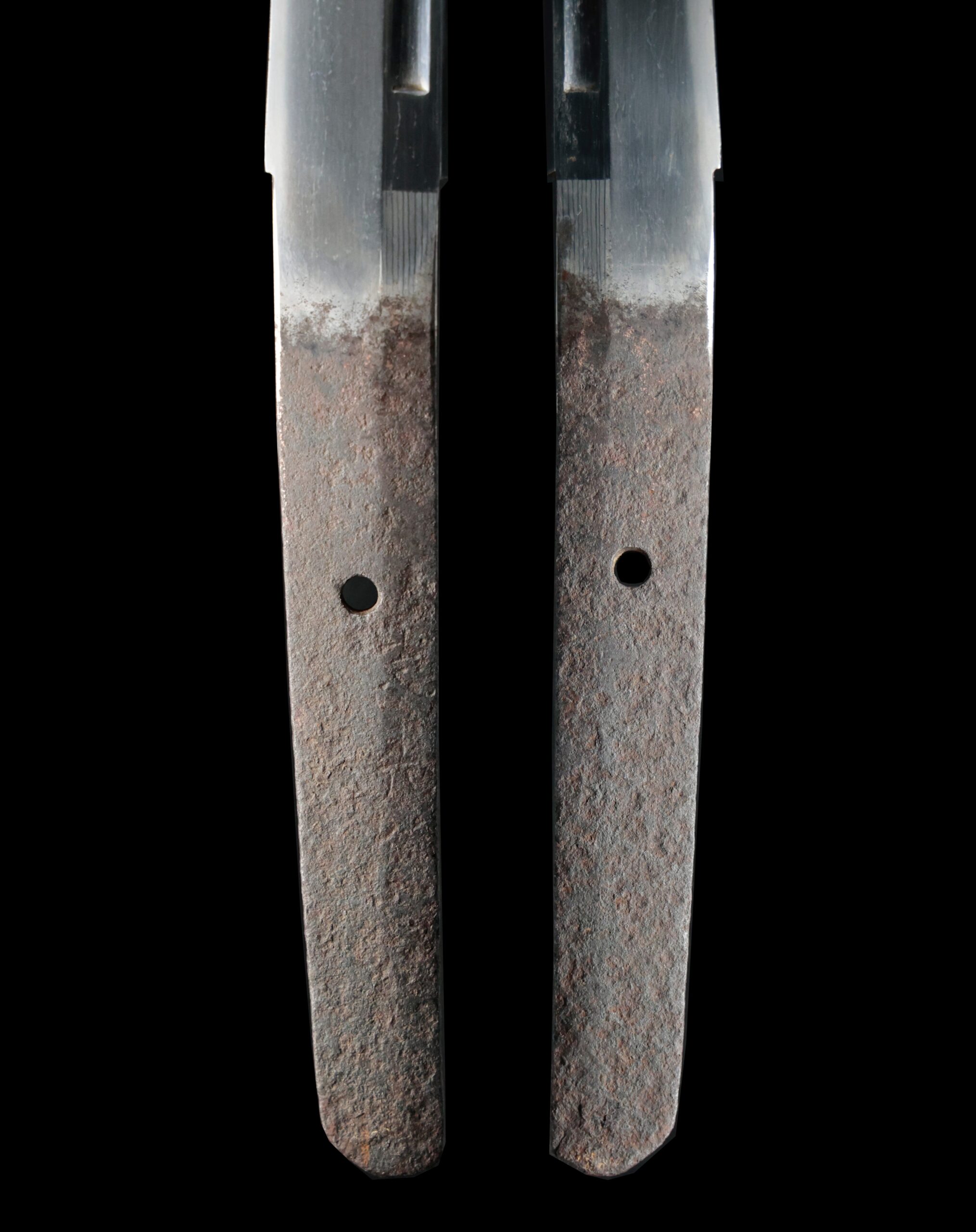
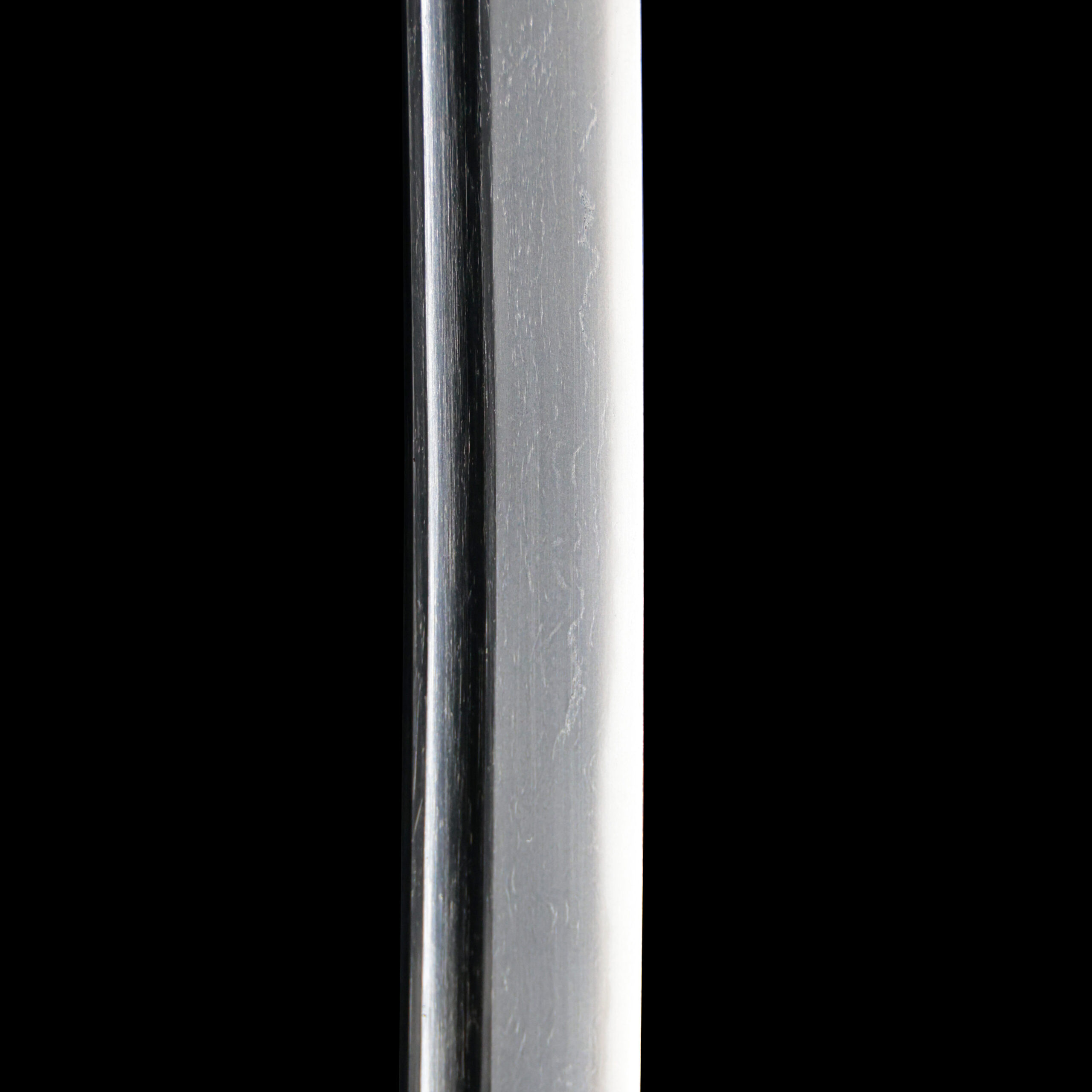
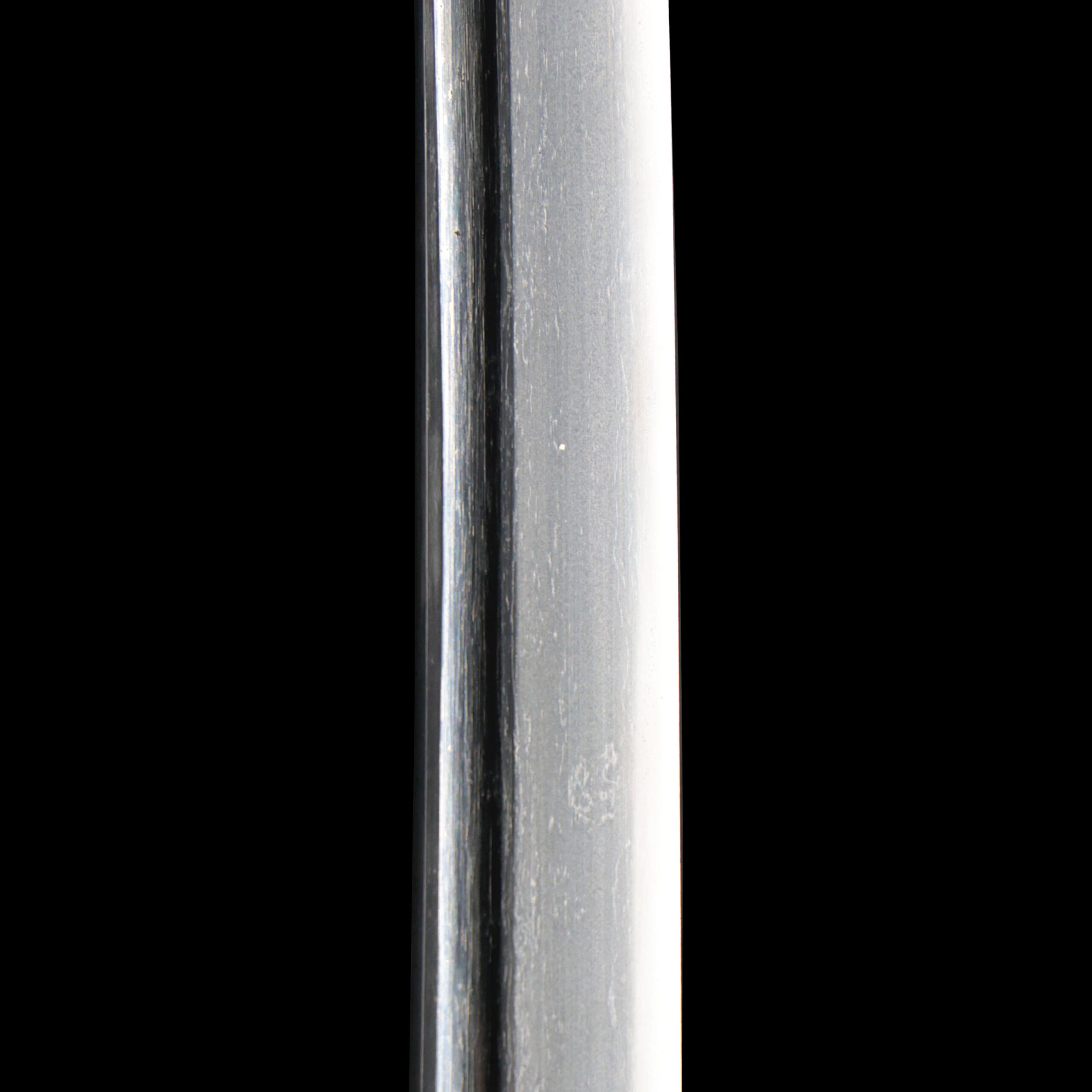
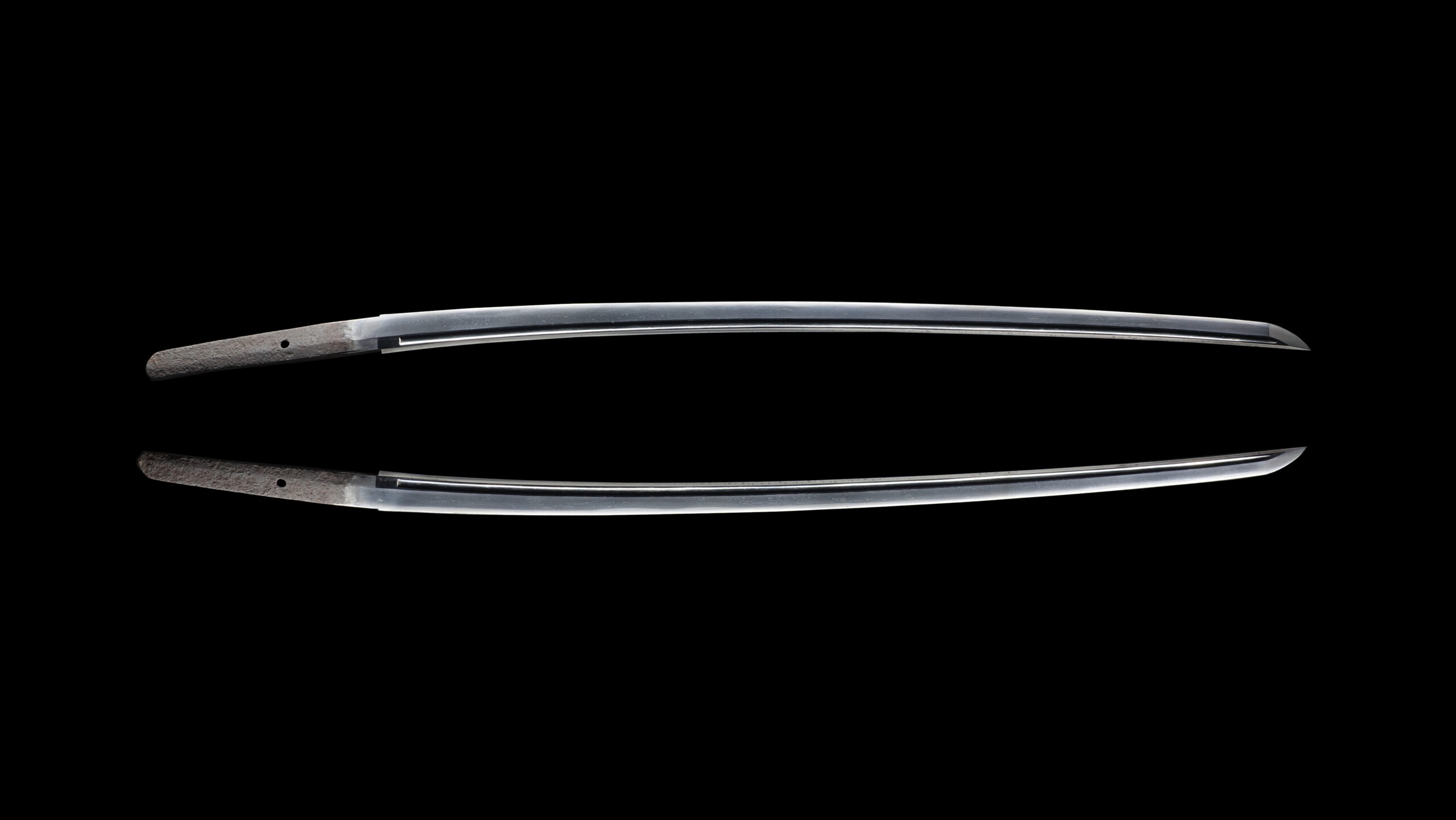
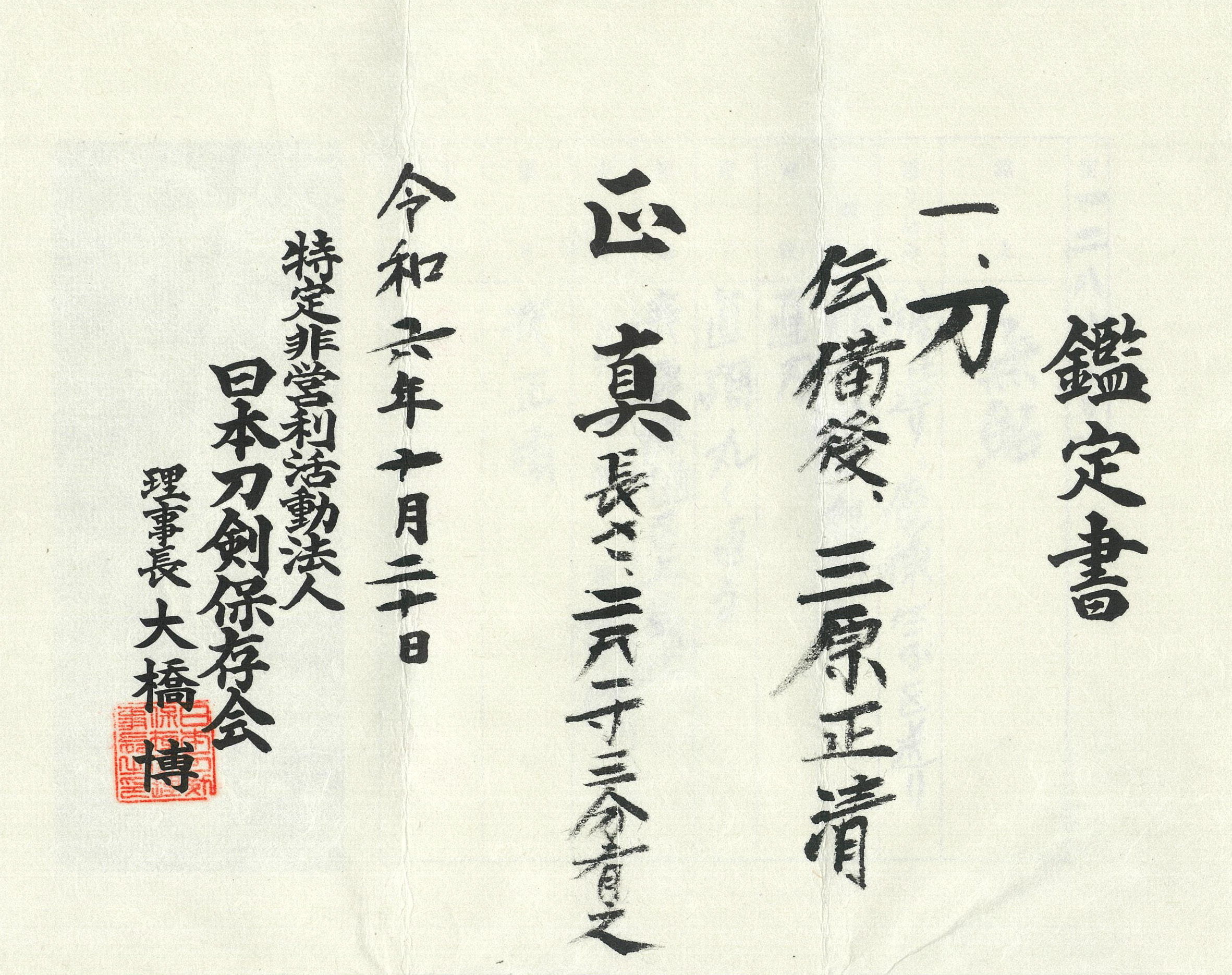
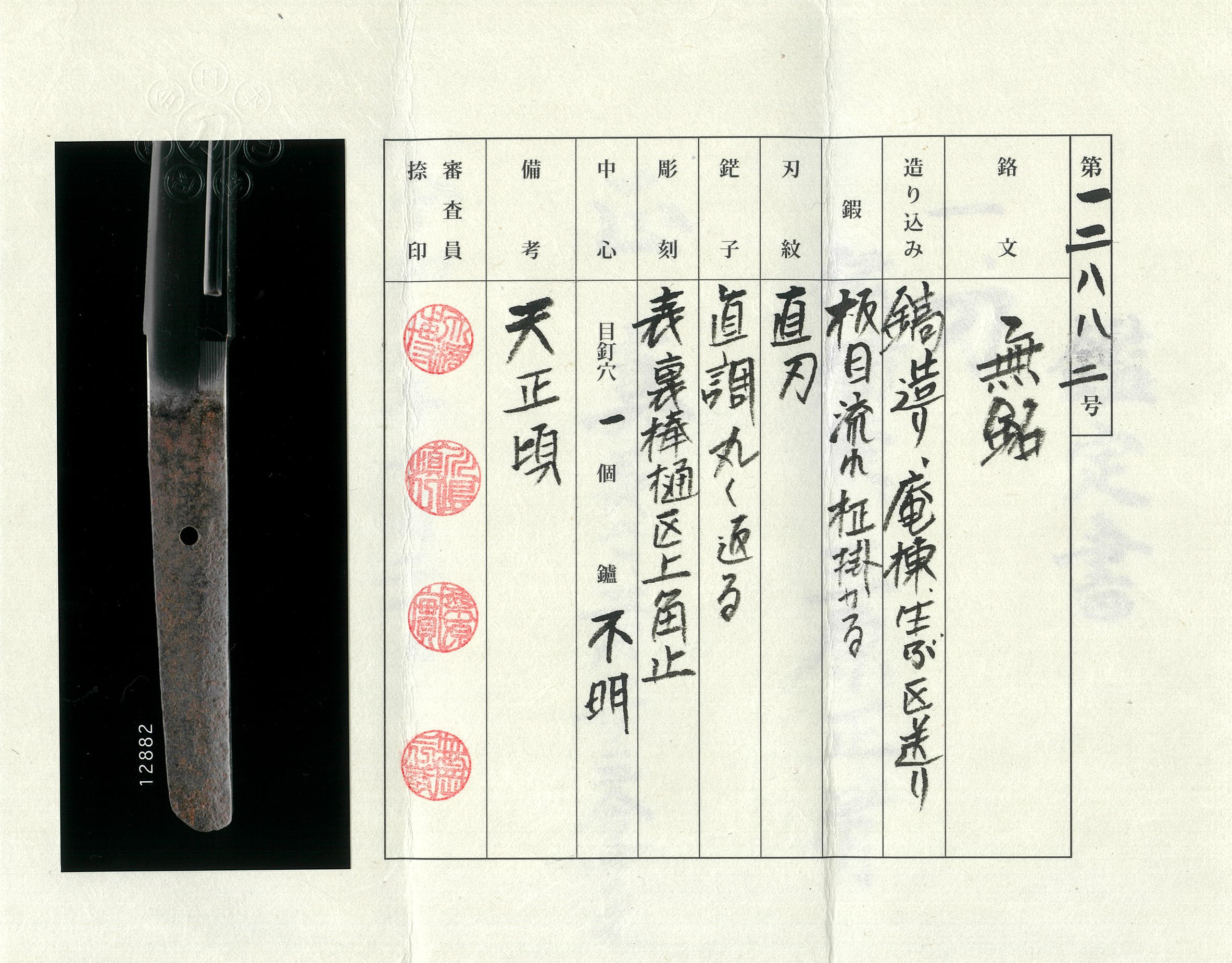
This blade is attributed to Mihara Masakiyo (三原正清) during the Tensho era (1573-1592: the early Azuchi Momoyama period) in Bingo province (Today’s Hiroshima prefecture), according to NTHK appraisal. The maker’s name Masakiyo lasted several generations in this region, and we believe this work is attributed to the late-gen Masakiyo. He belonged to Kai Mihara school, one of the most prestigious schools during the late Muromachi period. Bishu (備州) is a larger area in today’s Okayama & Hiroshima prefecture. Bishu consists of Bizen (備前), Bitchu (備中) and Bingo (備後). Kai Mihara school was located in Bingo province. This school’s headquarter is called Mihara school (三原). According to one theory, Mihara school was founded by Kokubunji Sukekuni in the late Kamakura period. Mihara school is divided into three categories depending on the period. When the blade is older than the Nanbokucho period (the 1300s), it is called Ko-Mihara (Old Mihara). And it is called Mihara for those forged in the early-Mid Muromachi period. Finally, Sue-Mihara (Late Mihara) is used for the late Muromachi period. Masanori is categorized as Sue-Mihara. Kai-Mihara swordsmiths in the late Muromachi period sometimes signed Kai (貝: Shellfish) in their signature because they resided in a village called Kaigahara (貝々原). That is why they are called Kai-Mihara school. In Bingo province, many lands were owned by politically powerful temples of the Yamato region (today’s Nara prefecture) from ancient times. And it is said that the swordsmiths in the Yamato region strongly influenced how swords were forged in the Bingo province. The blades forged by the Kai-Mihara school had distinctive characteristics of Yamato DEN, one of the five Japanese sword traditions (Gokaden). The swordsmiths in the Bishu area, including Kai-Mihara school, produced many swords during the Muromachi period as it was in the middle of the Sengoku period (Warring States period). The demand for weapons increased among strong feudal lords. *Please keep in mind that there are several Kitae Kizu on the blade. Authentication Paper NTHK, also known as NPO Nihon Touken Hozon Kai, is the oldest organization for sword authentication of Japanese swords in modern times. It was established in 1889 during the post-Samurai era. They authenticated the blade on October 2oth in the 6th year of Reiwa (2024). Registration Number It is called Jyu Hou Touken Rui Torokusho (銃砲刀剣類登録証).

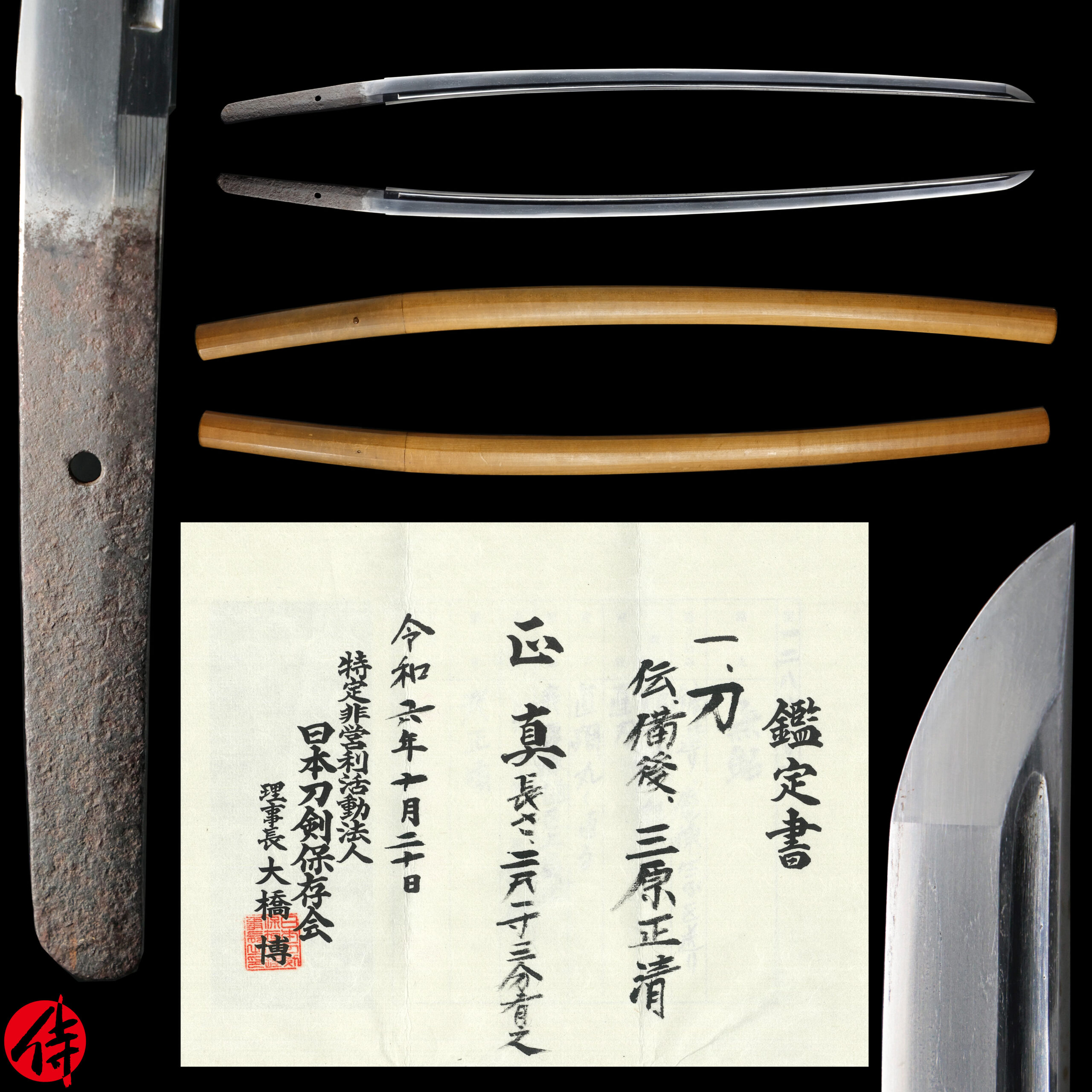
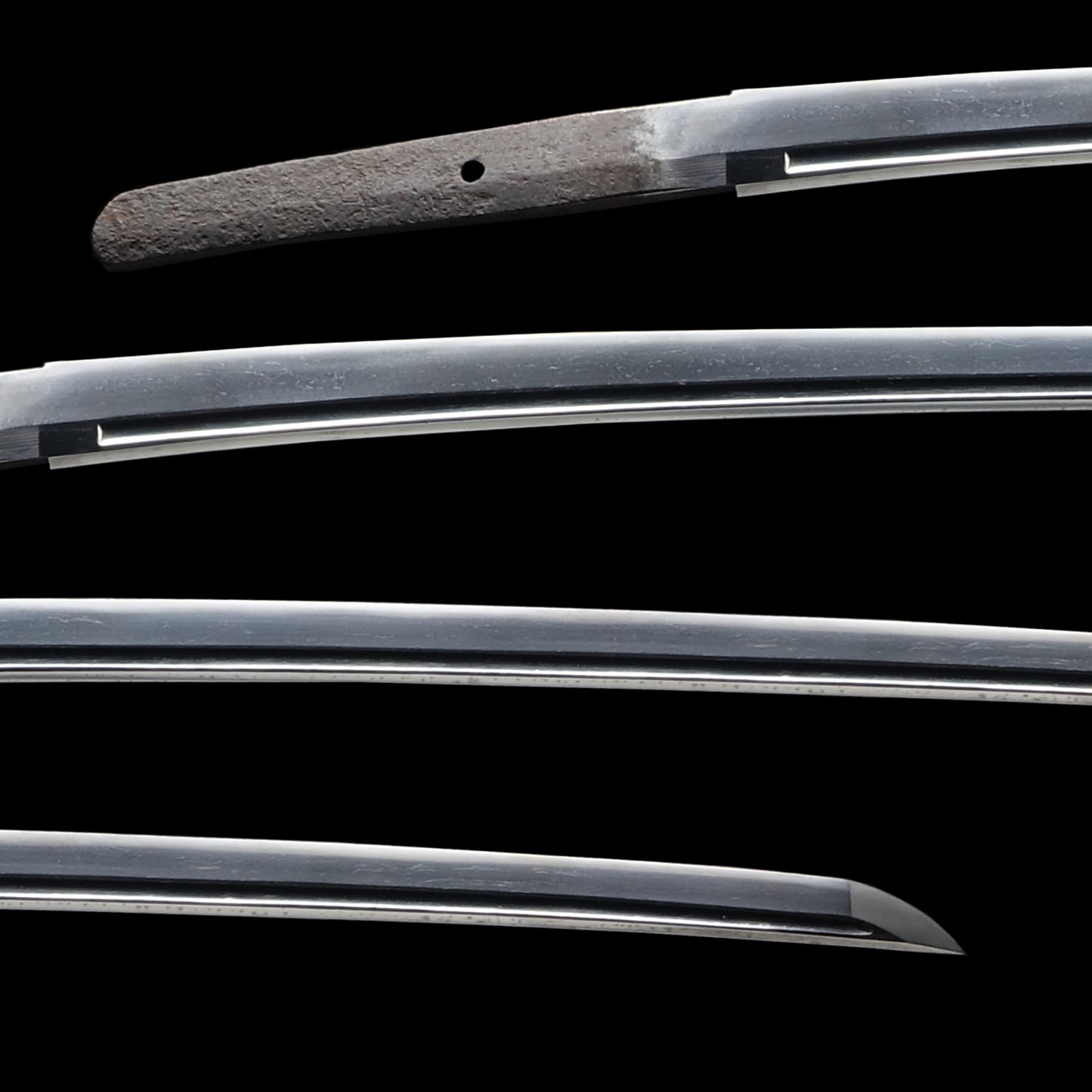
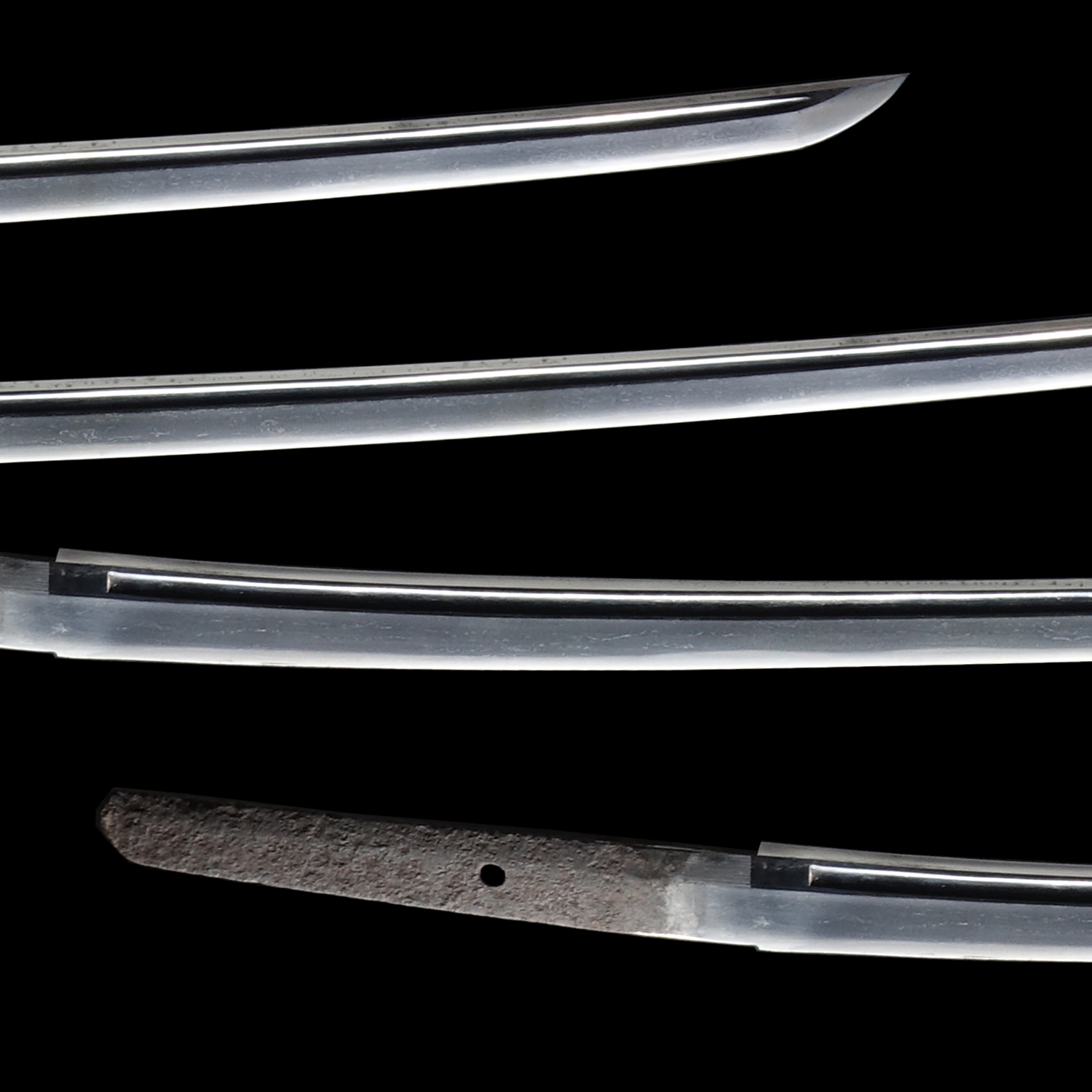
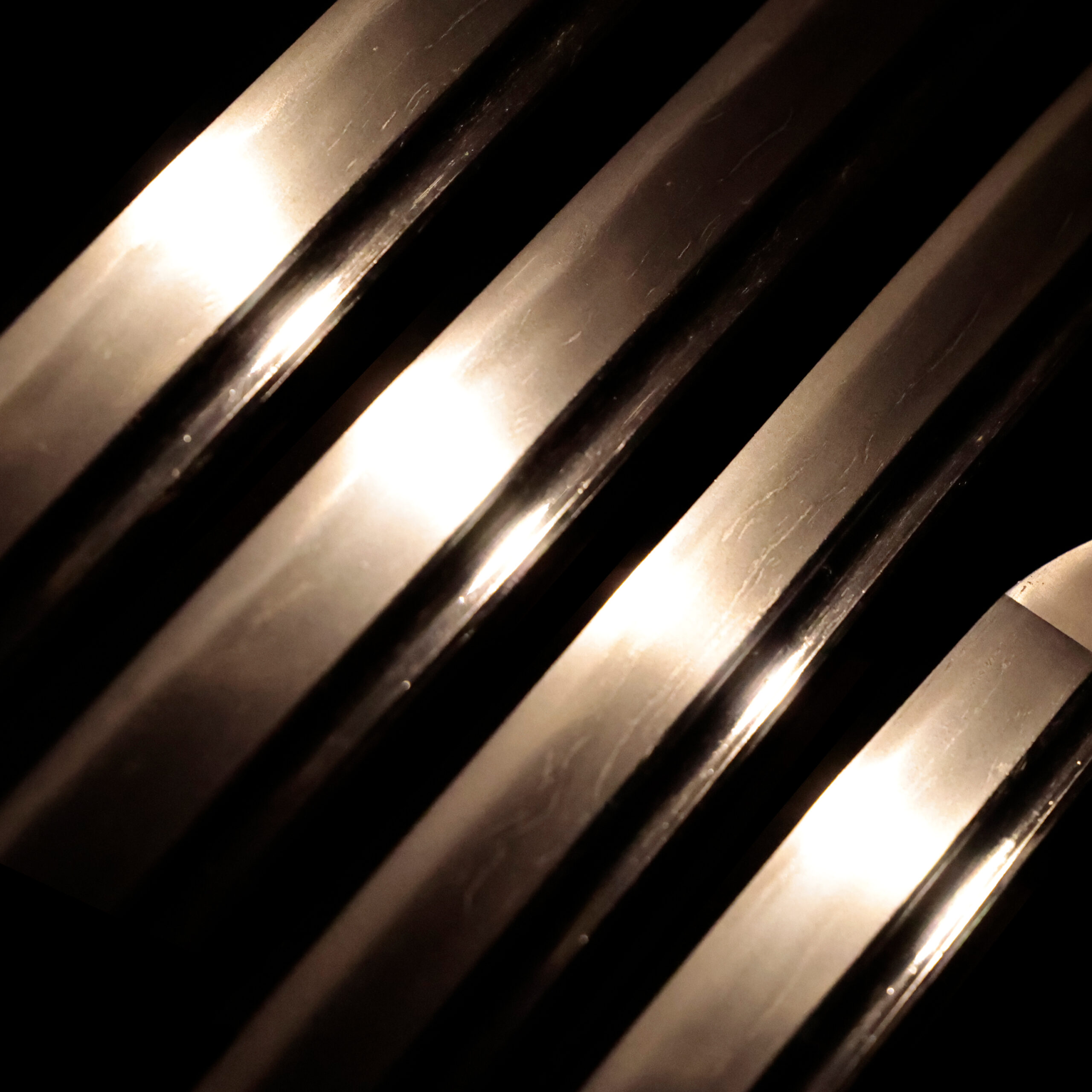
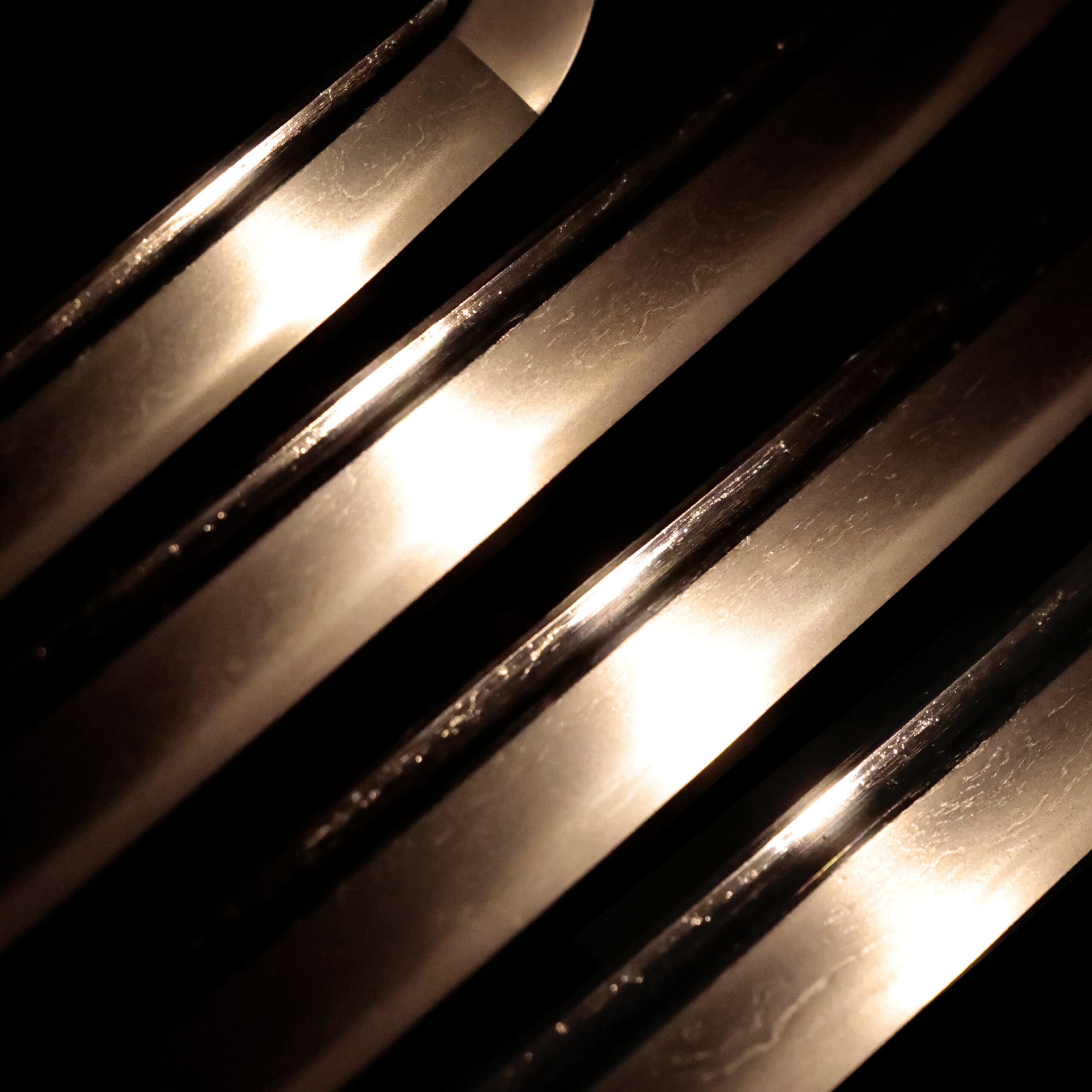
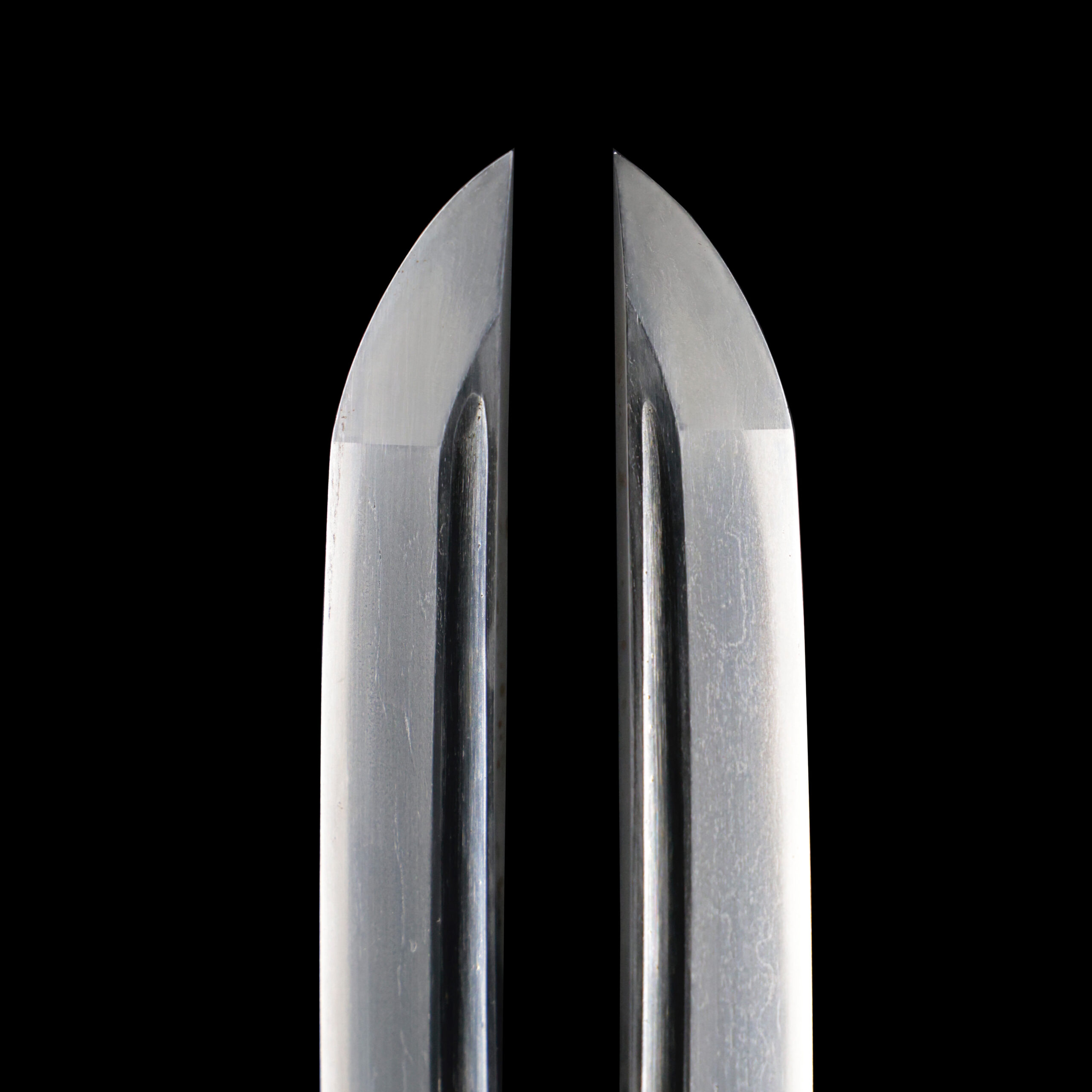
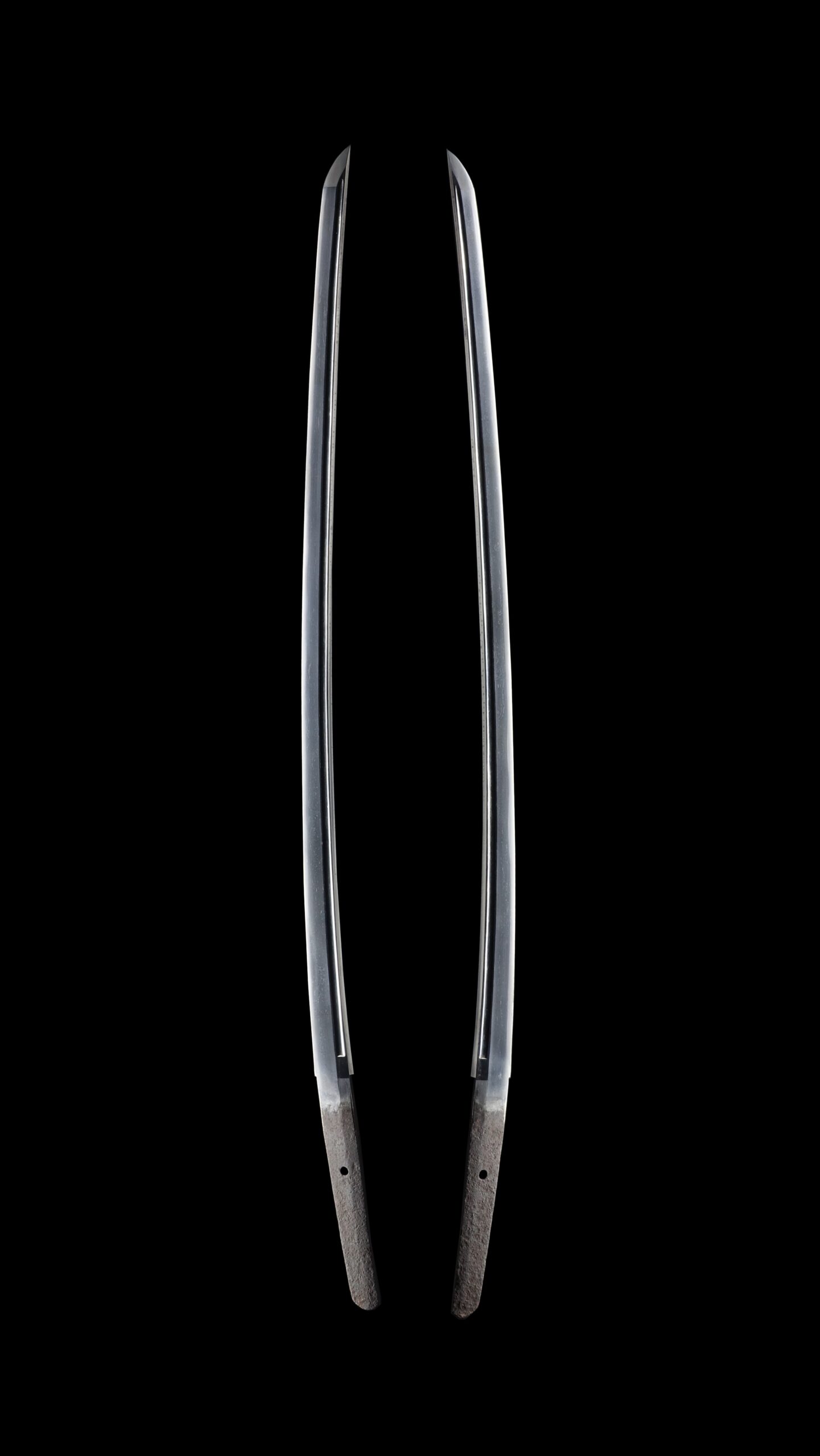
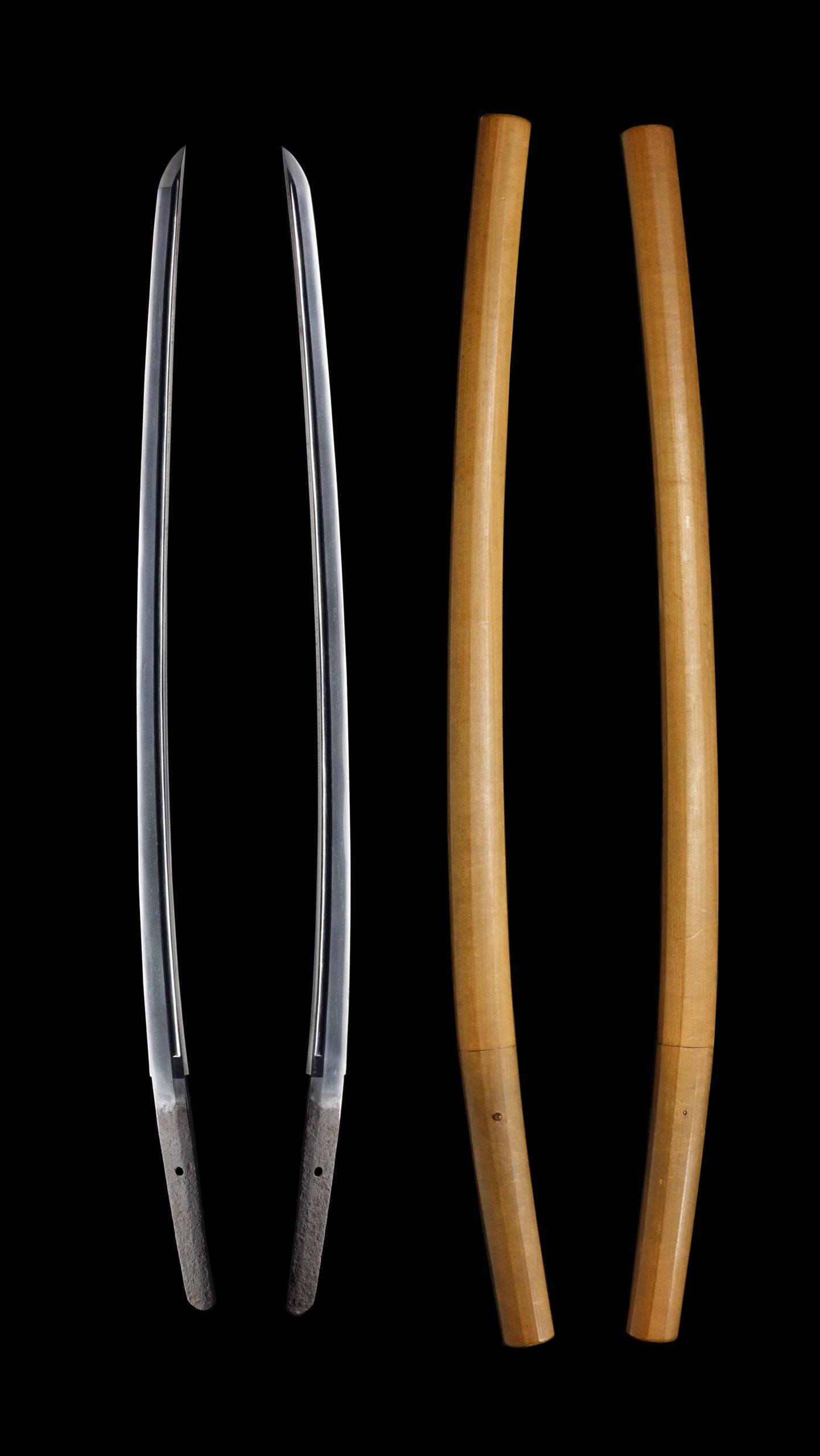
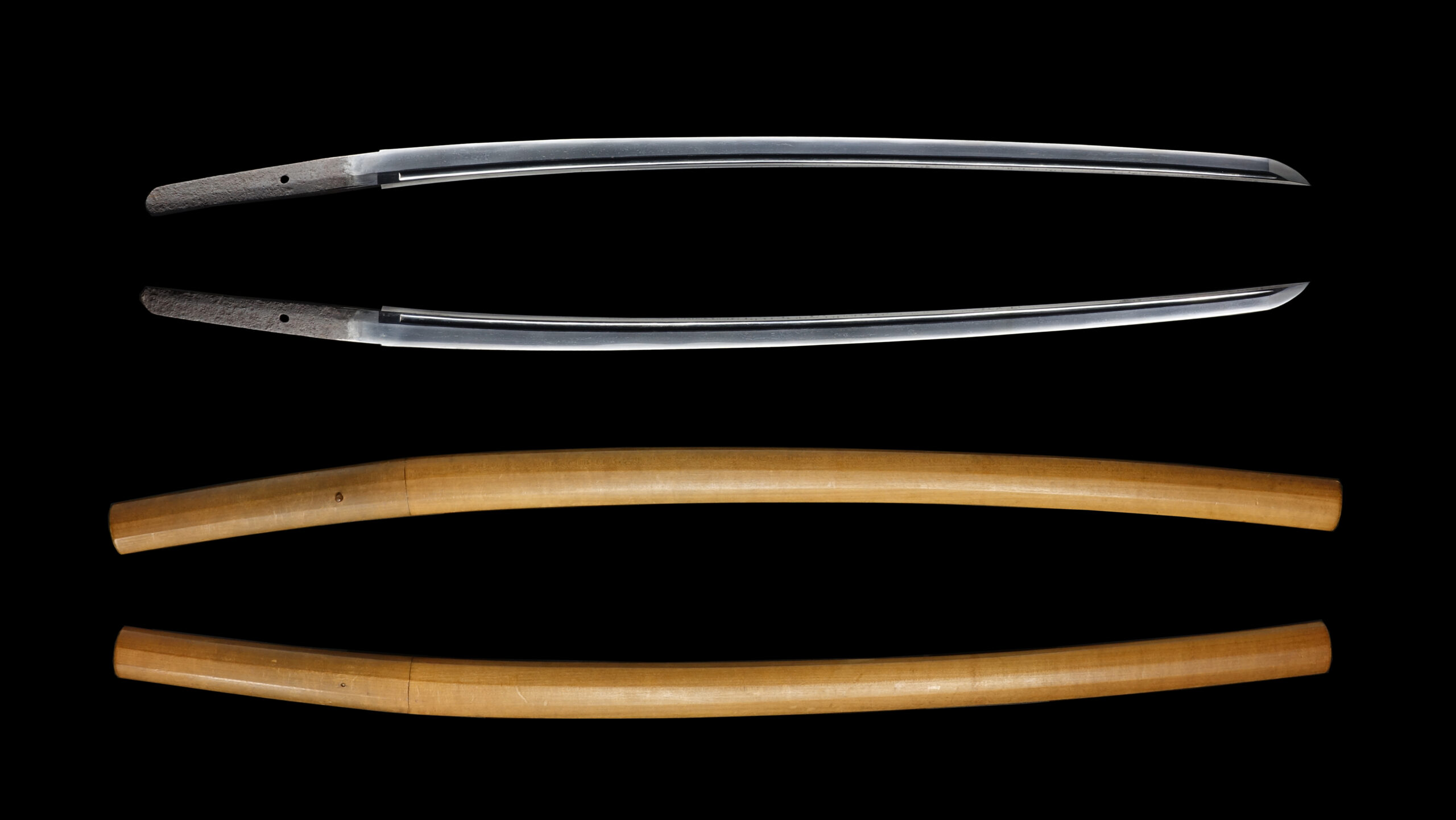
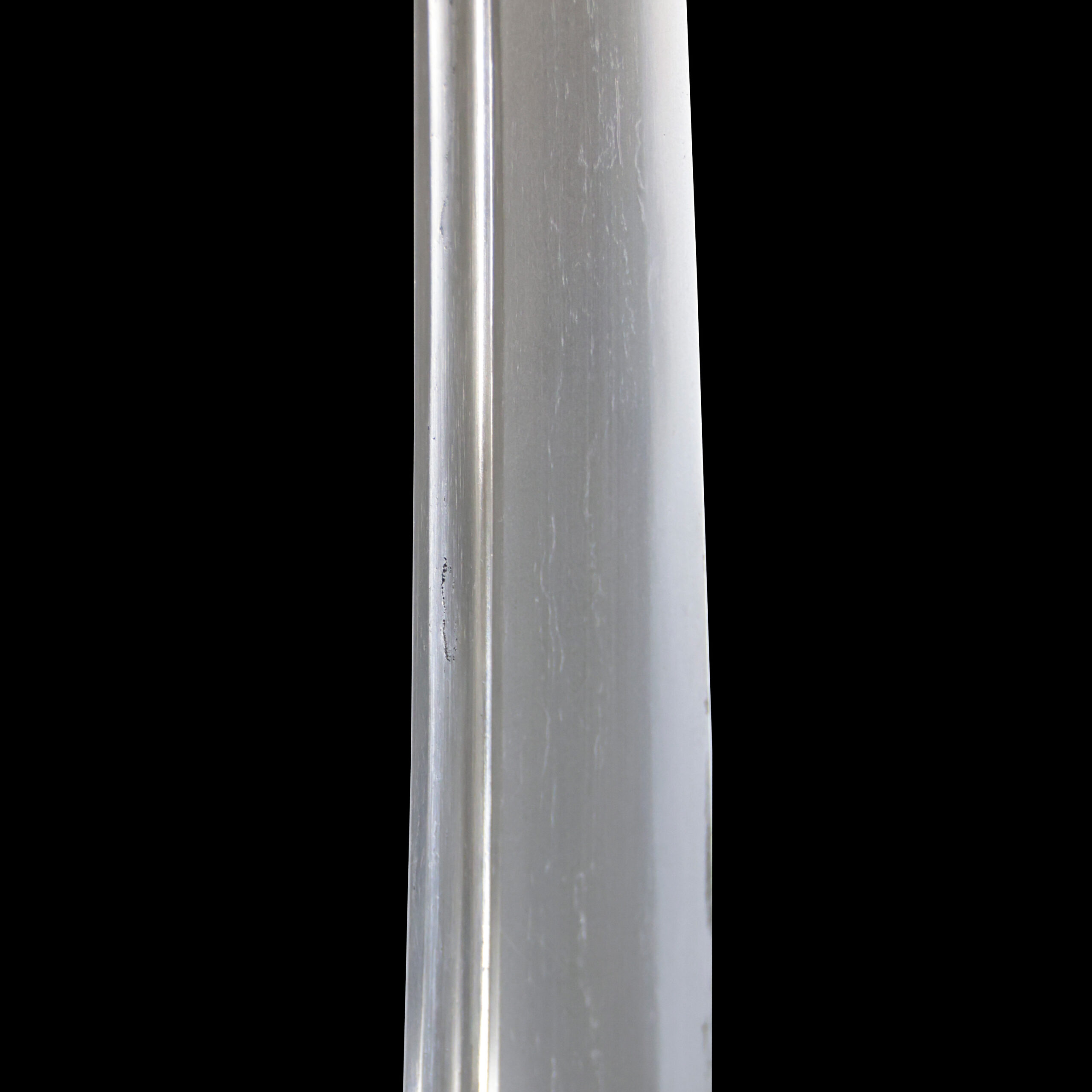
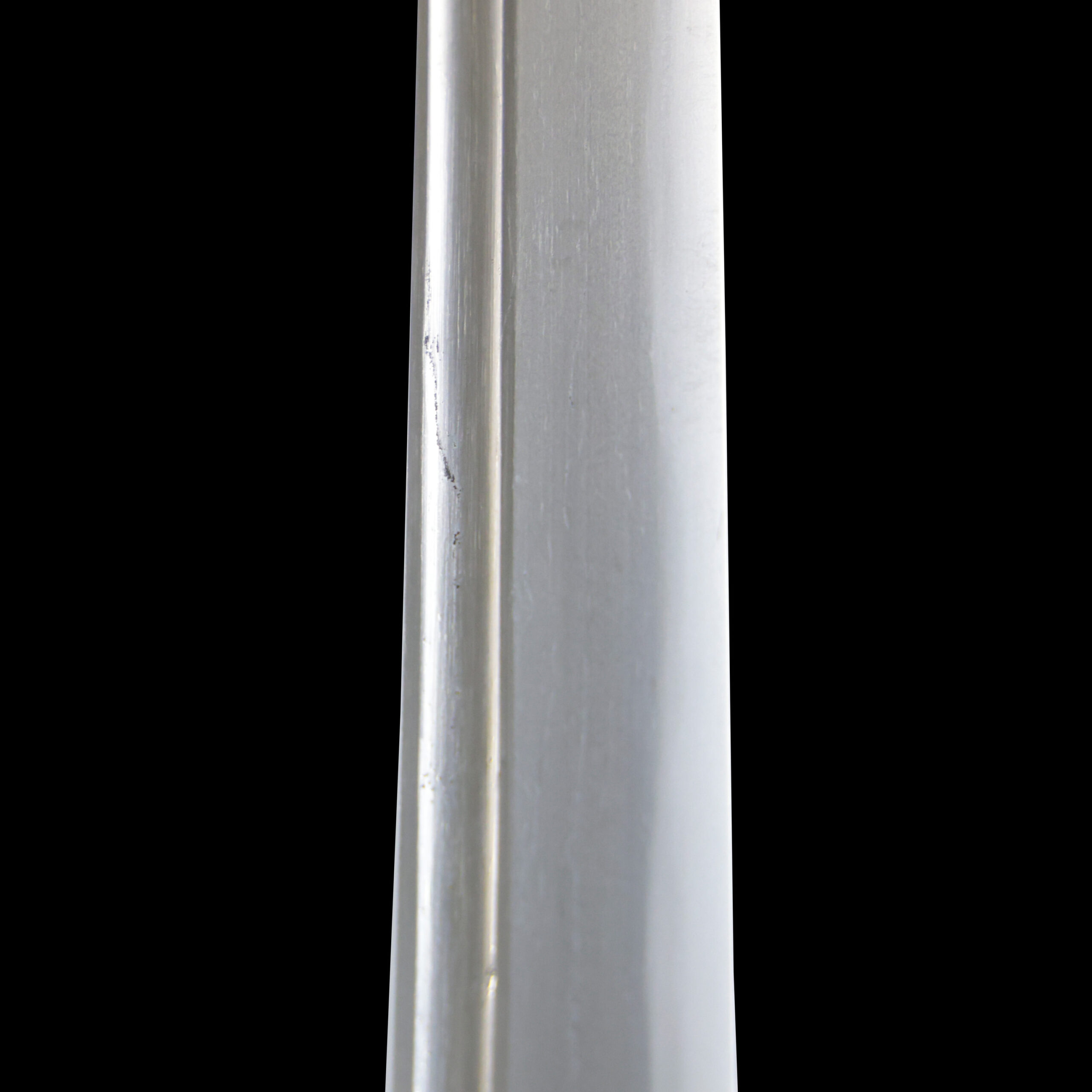
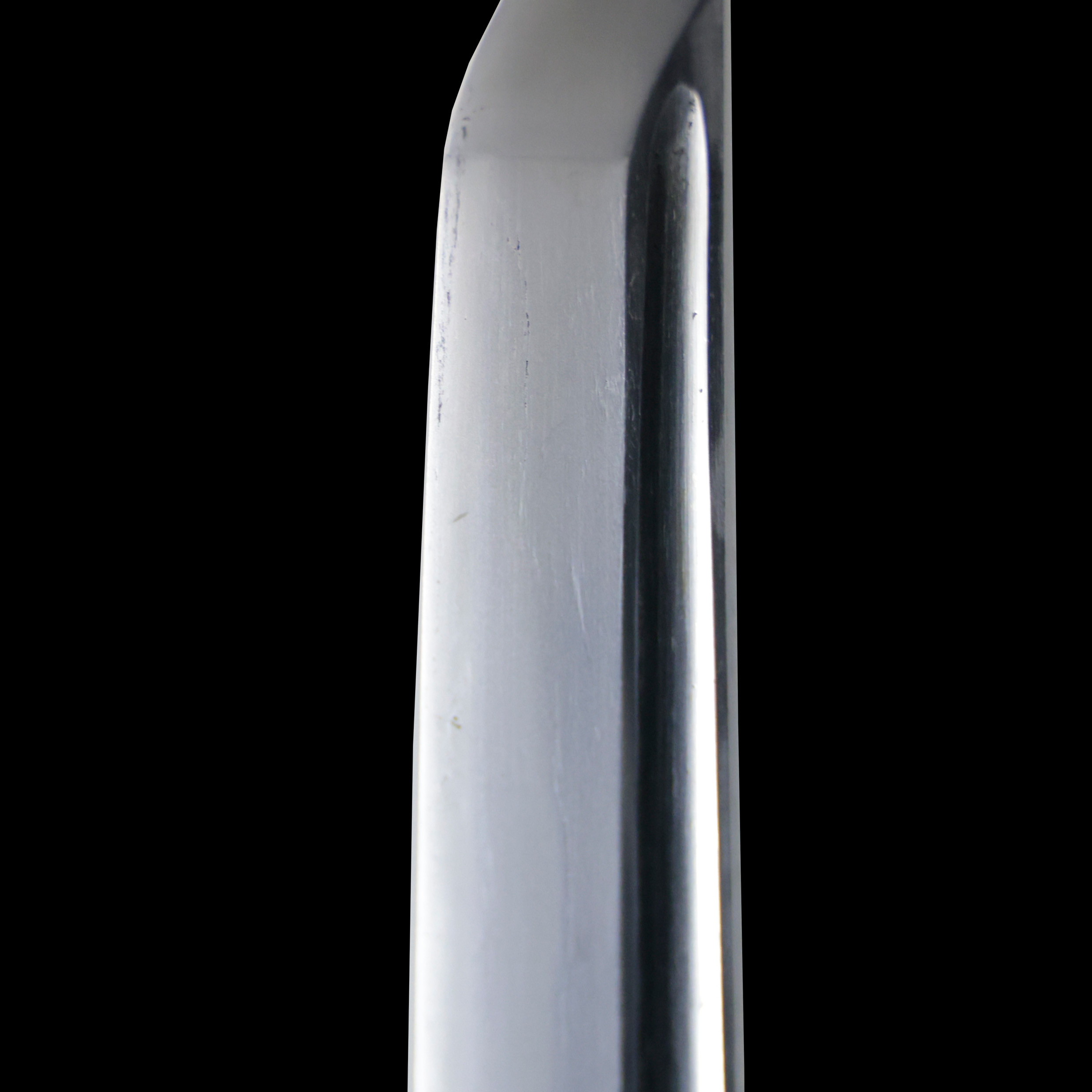
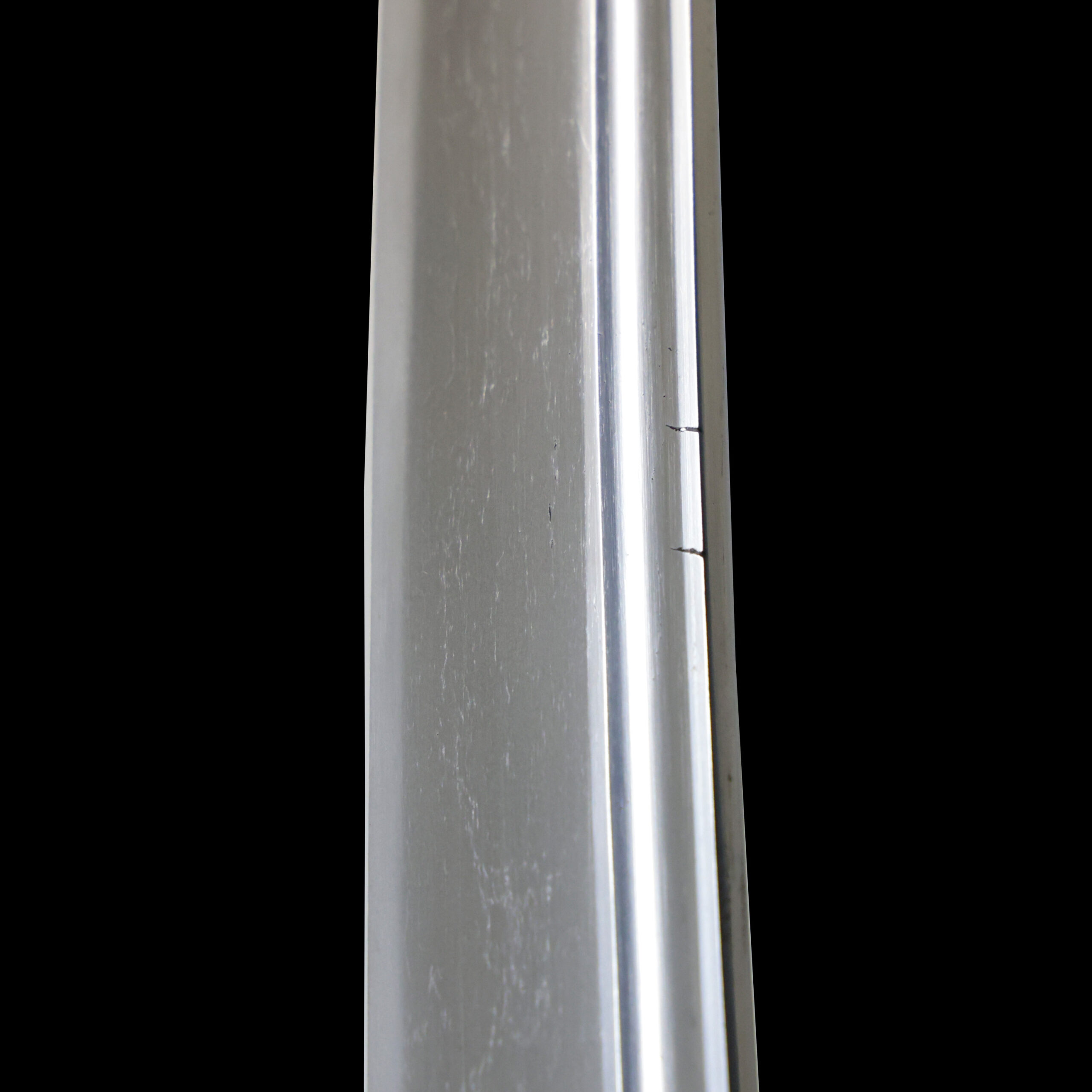
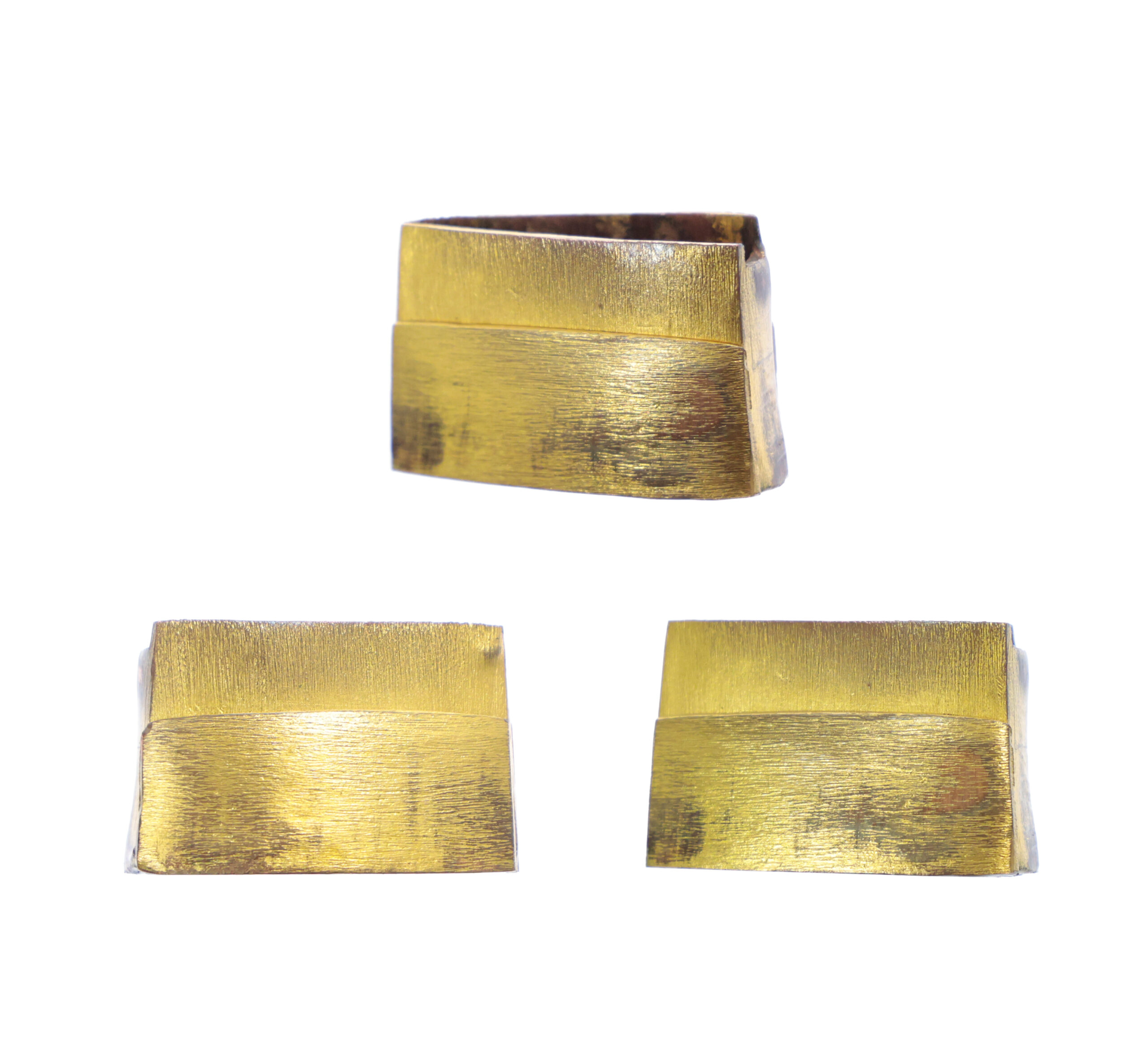
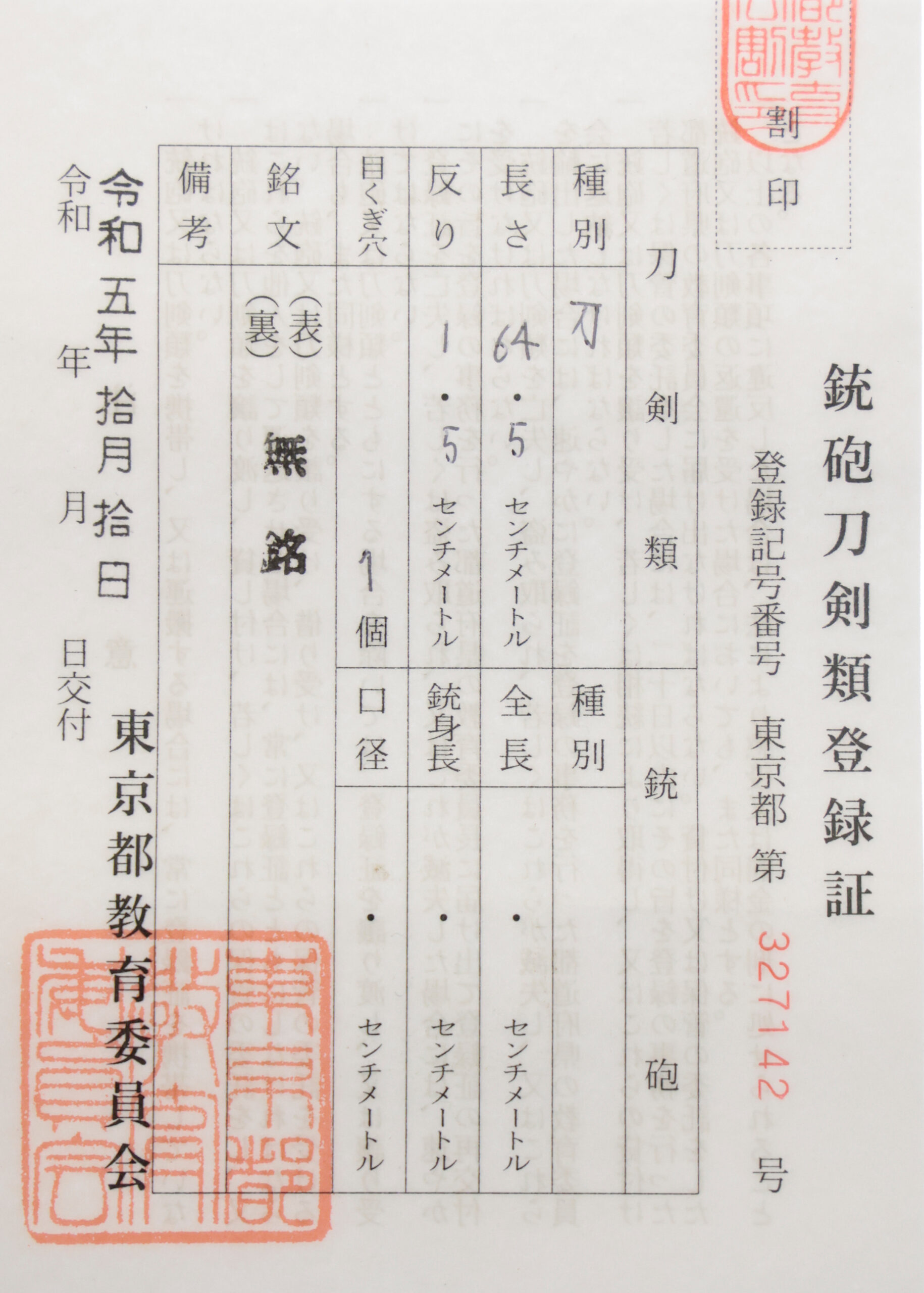
販売店の記載のまま
大和伝 · 備後
現在4点販売中
南北朝時代の大和
南朝が大和国吉野に都を置いたとき、大和の諸派は最盛期にあった。包永以後の手掻、尻懸則長、そして保昌の純然たる柾目である。その技はすでに諸国へ広がりつつあった。
NTHKの中心的な鑑定書で、相応の出来を備えた作に発行されます。在銘作は銘の正真を、無銘作は審査員による刀工・流派の極めを示します。点数を記す詳細な審査表が付されます。
NTHK(日本刀剣保存会)は、NBTHK(1948年設立)に先立つ1910年に創立された、日本で最も古い刀剣鑑定団体です。長く会を率いた会長の没後、NTHKとNTHK-NPOの二つに分かれ、いずれも審査を続けています。NTHKの鑑定書は、点数と審査員の所見を併記する詳細な審査表が特徴で、特に無銘作の極めに定評があります。
Returns/exchanges limited to defects caused by shipping (except willful misconduct or gross negligence by the company); customers must contact within 72 hours of receiving the product.