応仁の乱が足利の体制を砕いた後、戦国の一世紀はほとんどすべての国を武装させた。この時代は選ぶ目に報いる。並の作は多いが、その傍らには第一級の注文打ちが立っている。
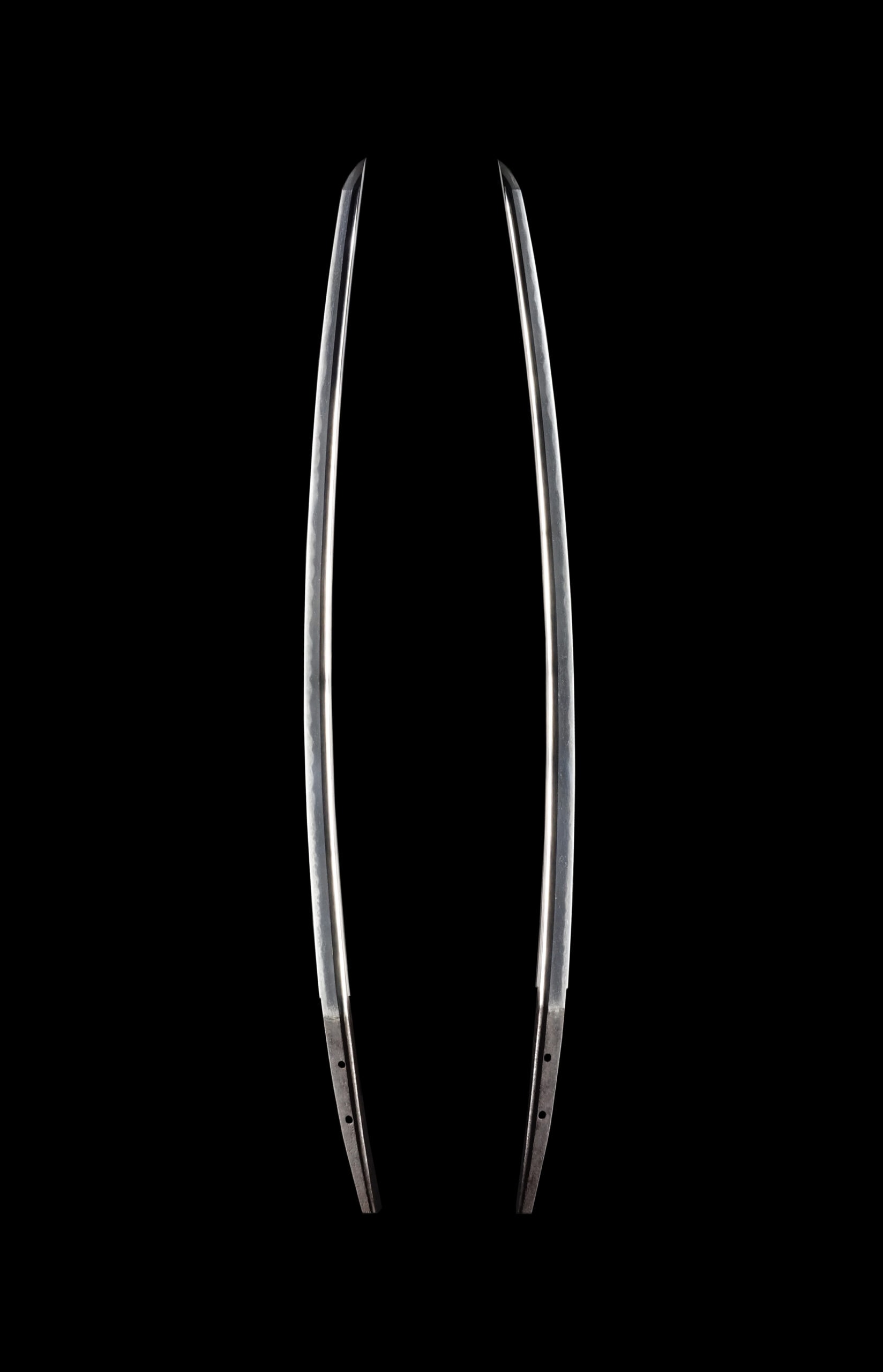
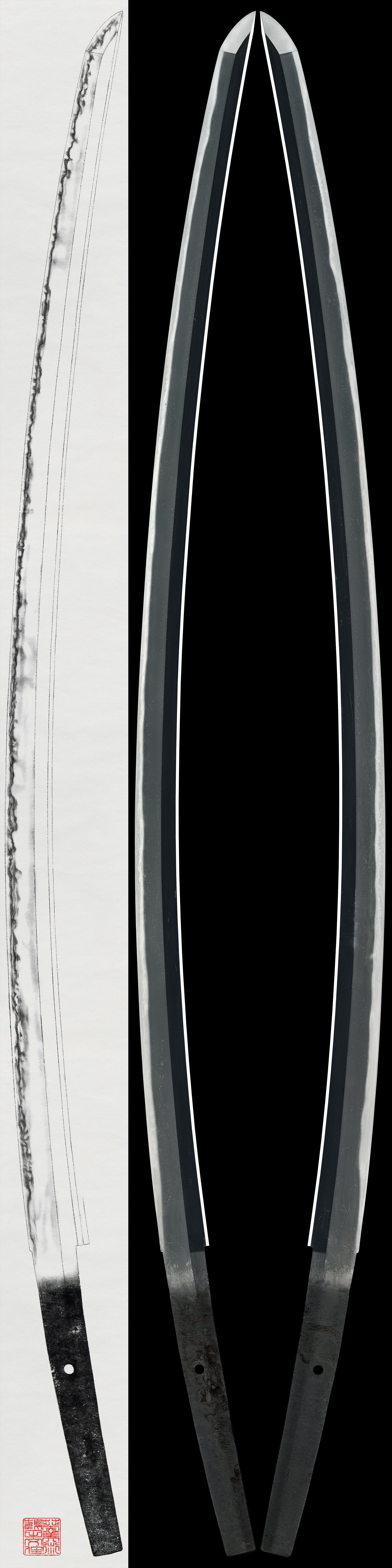
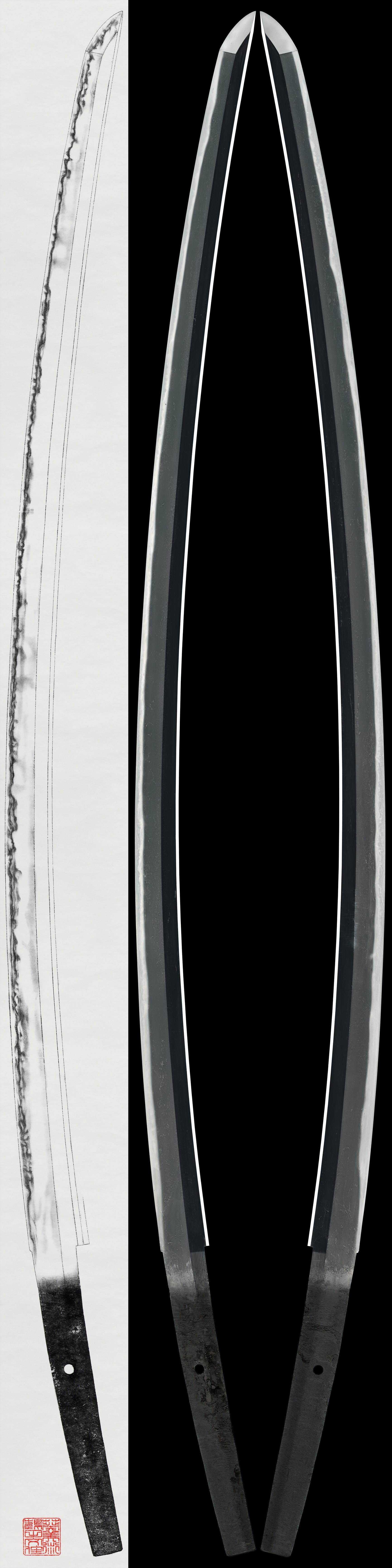
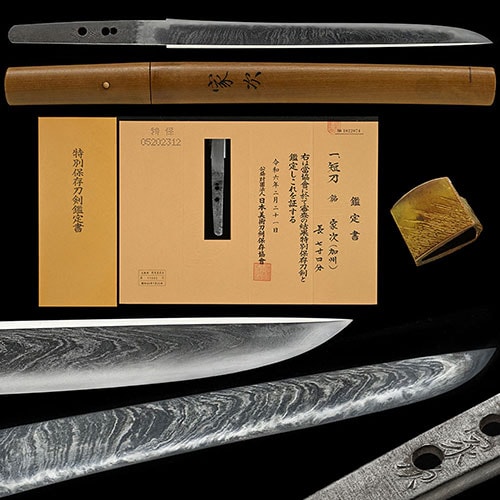
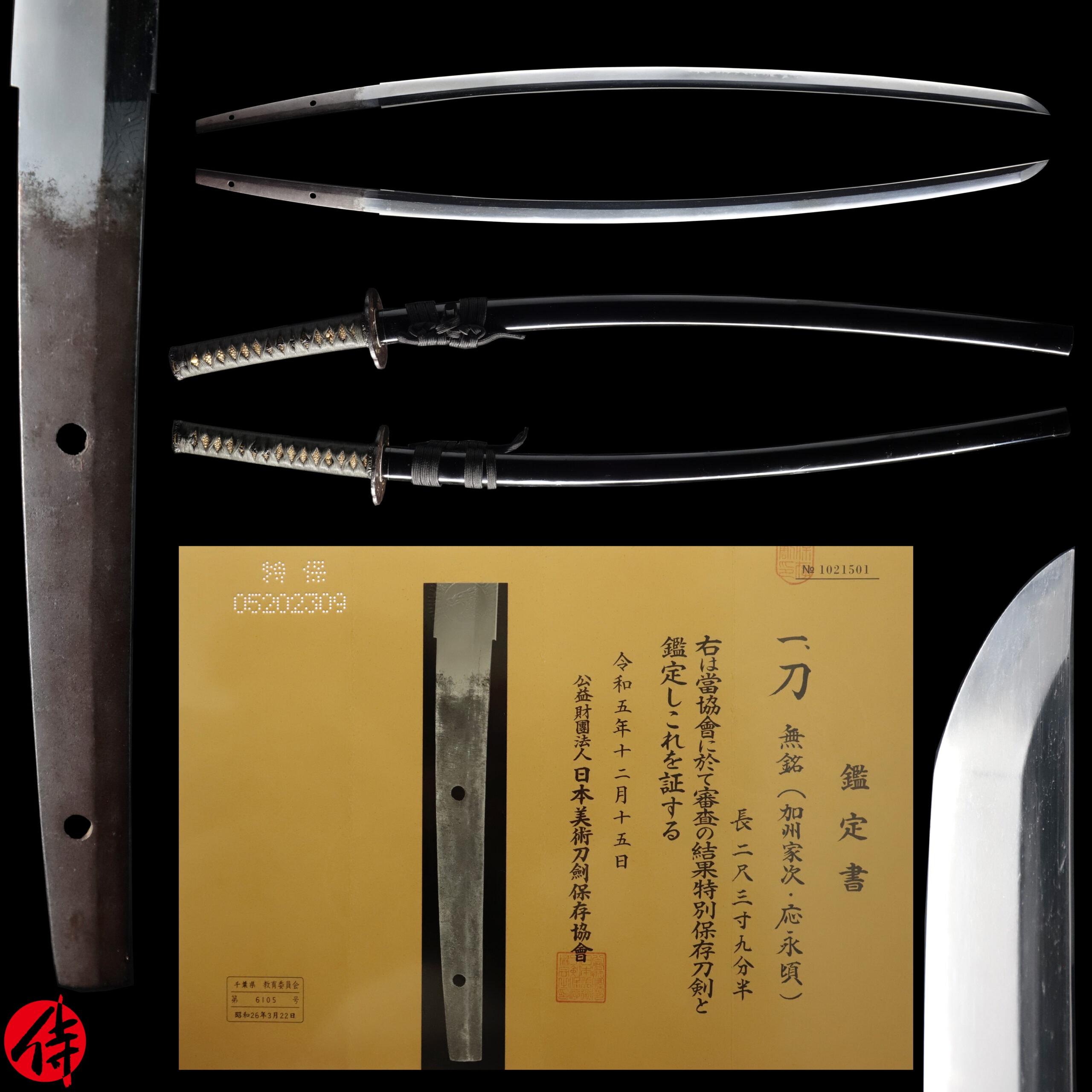
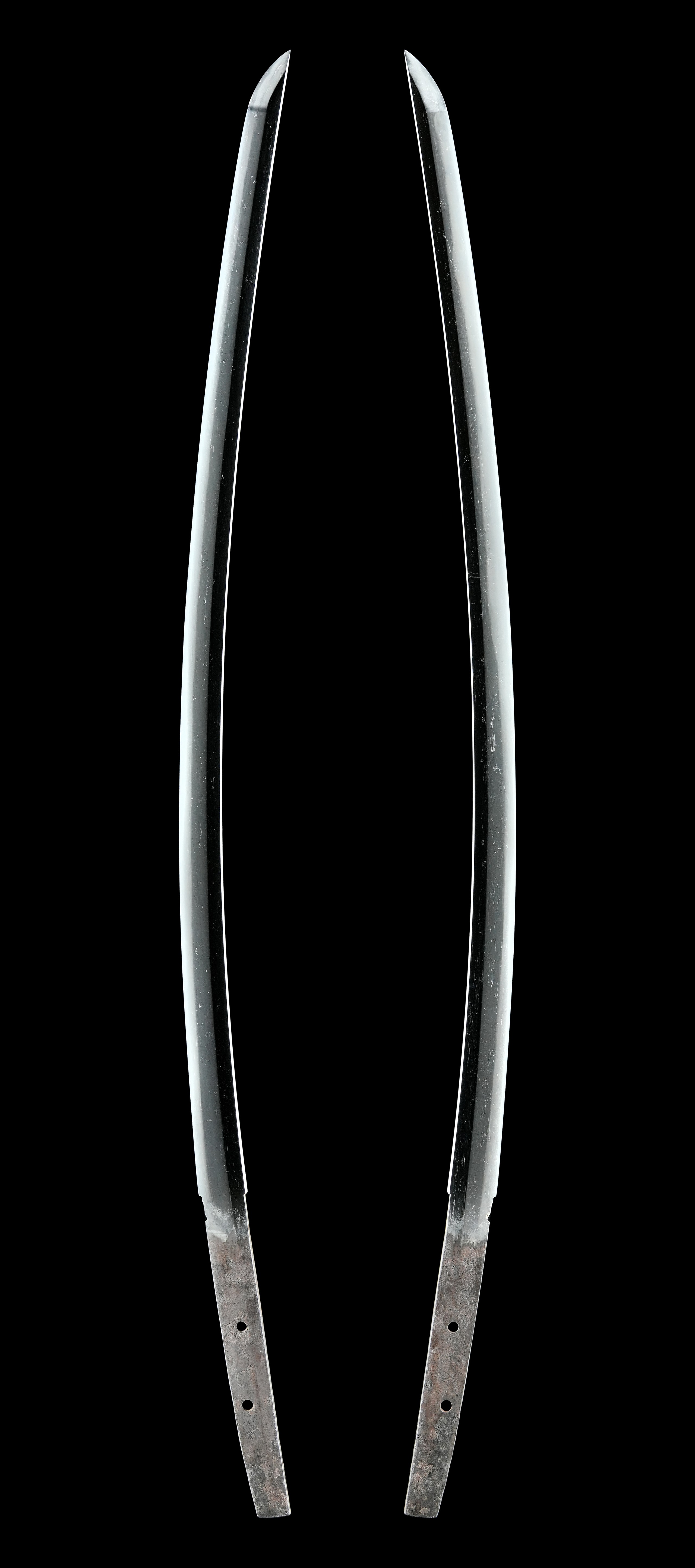
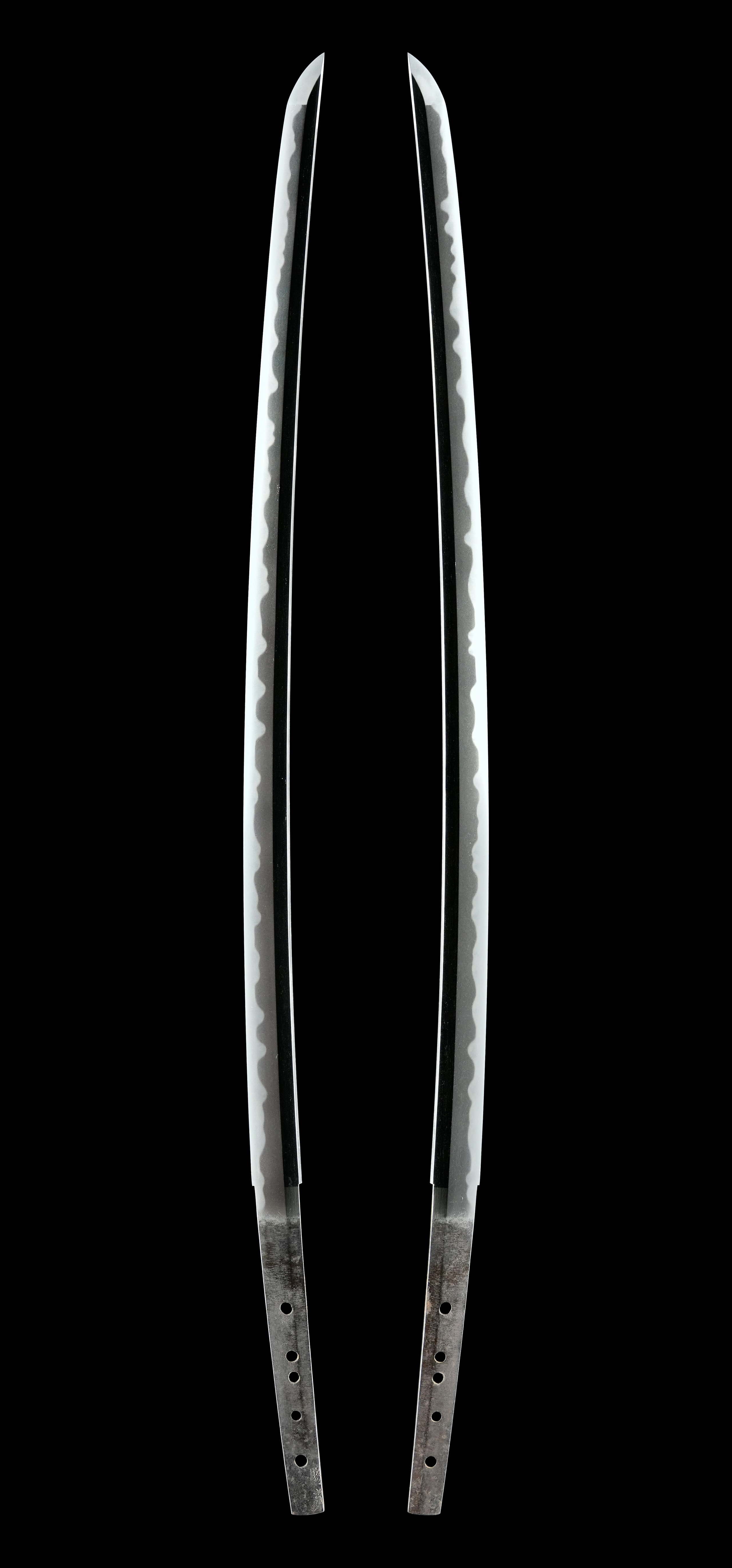
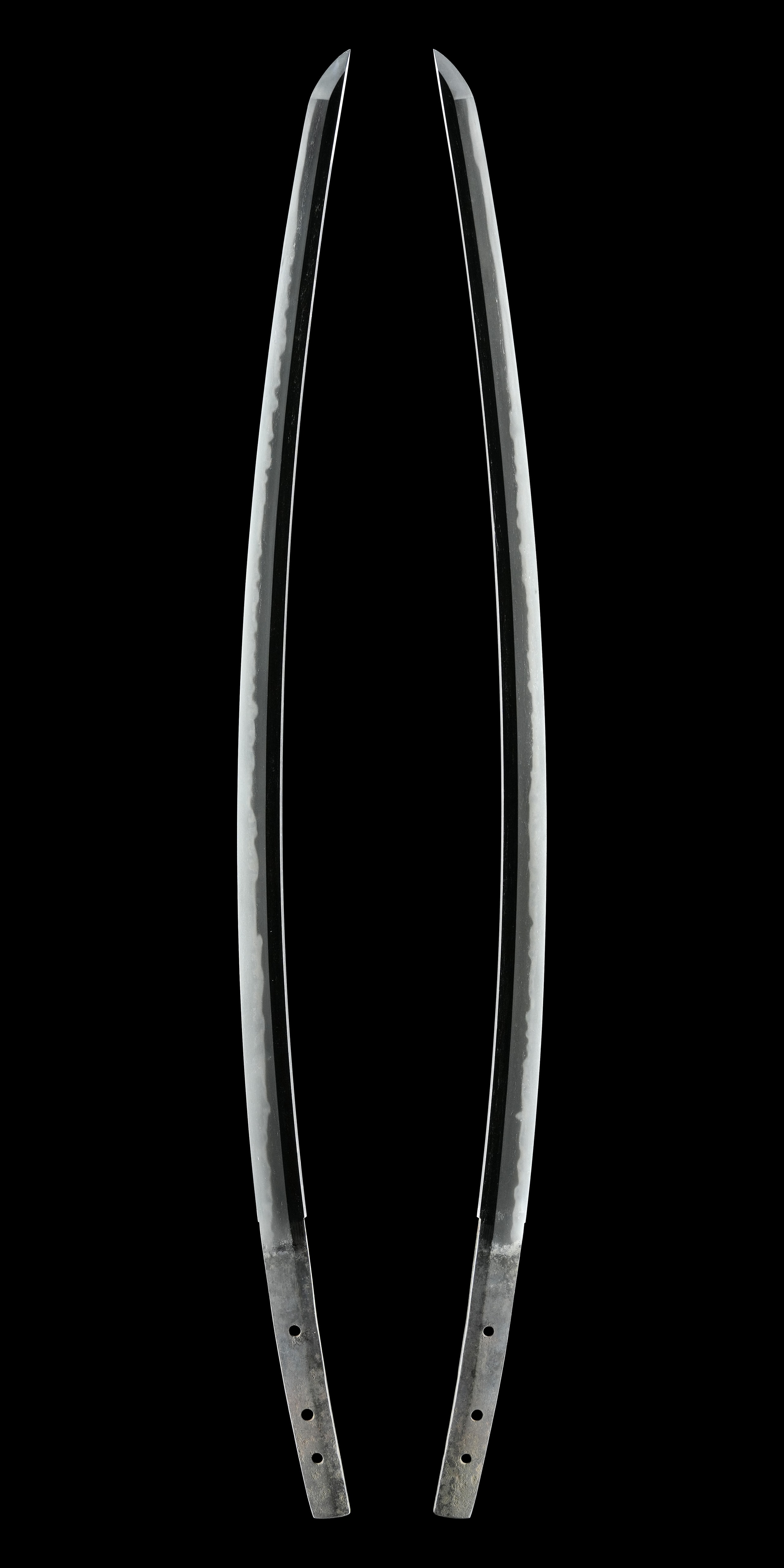
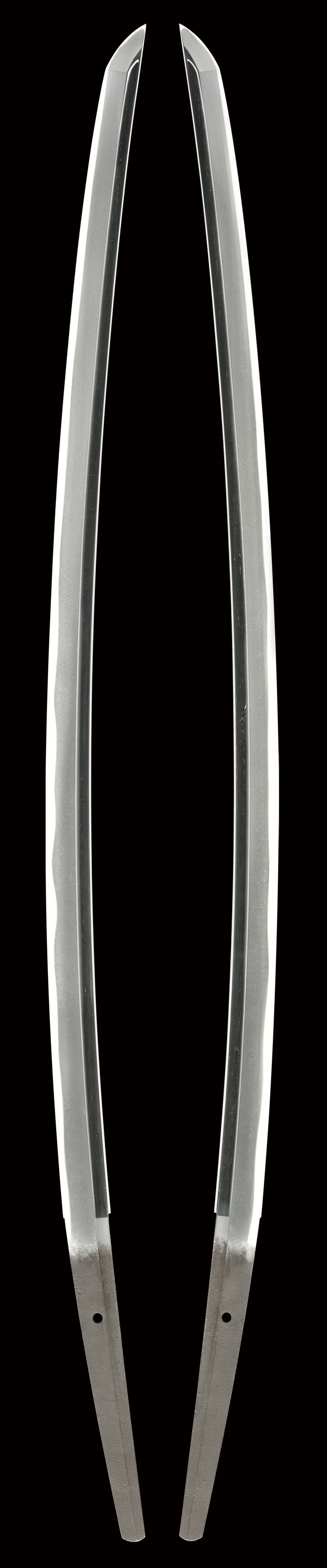
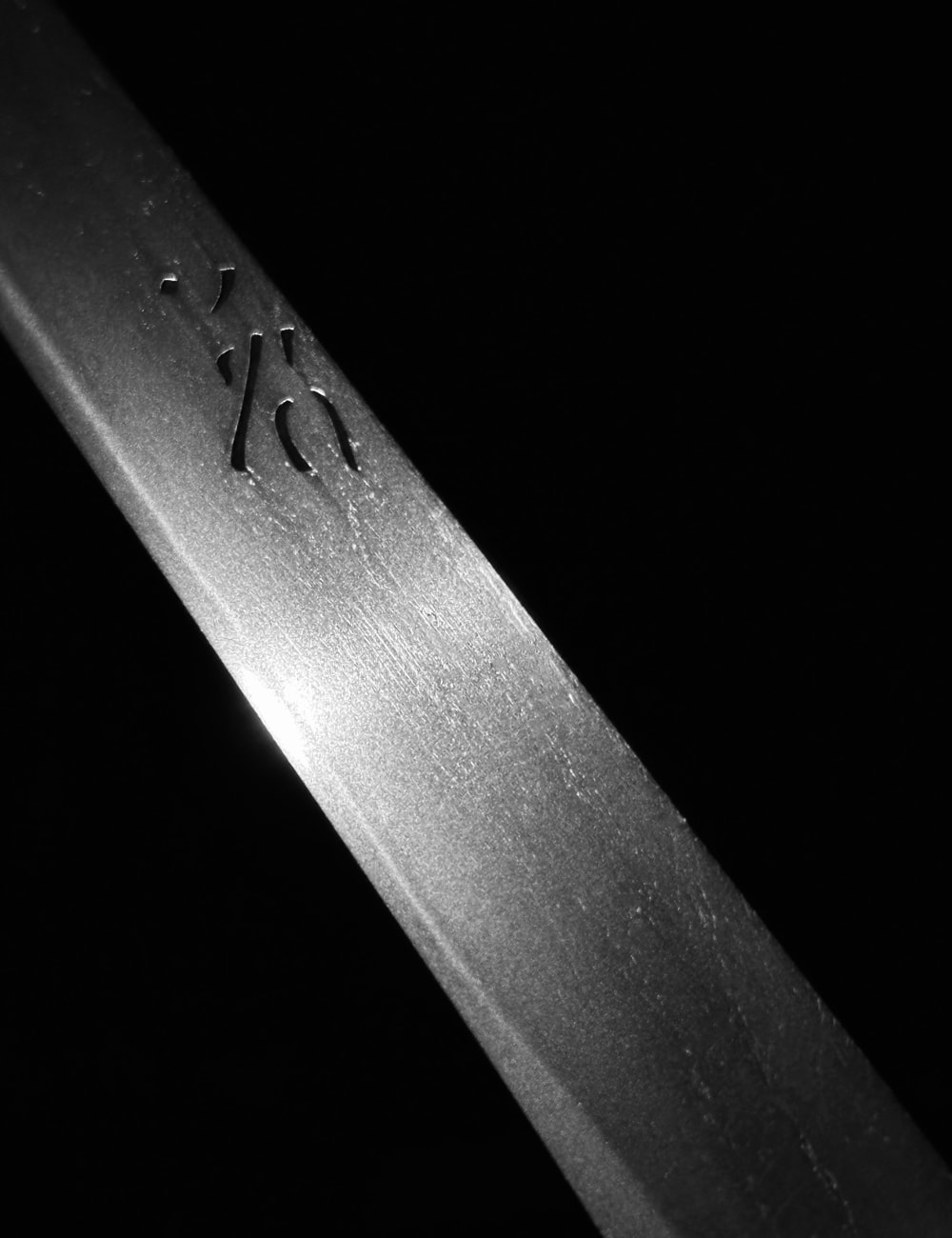
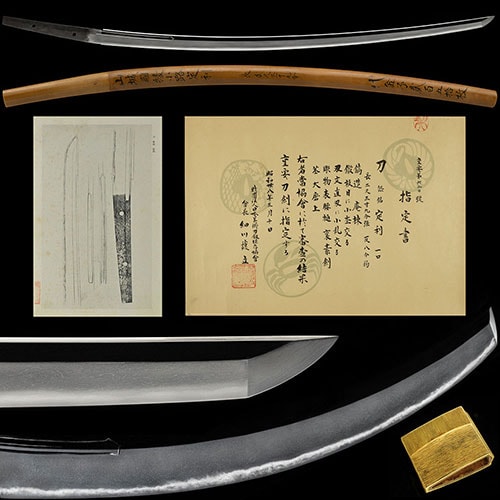
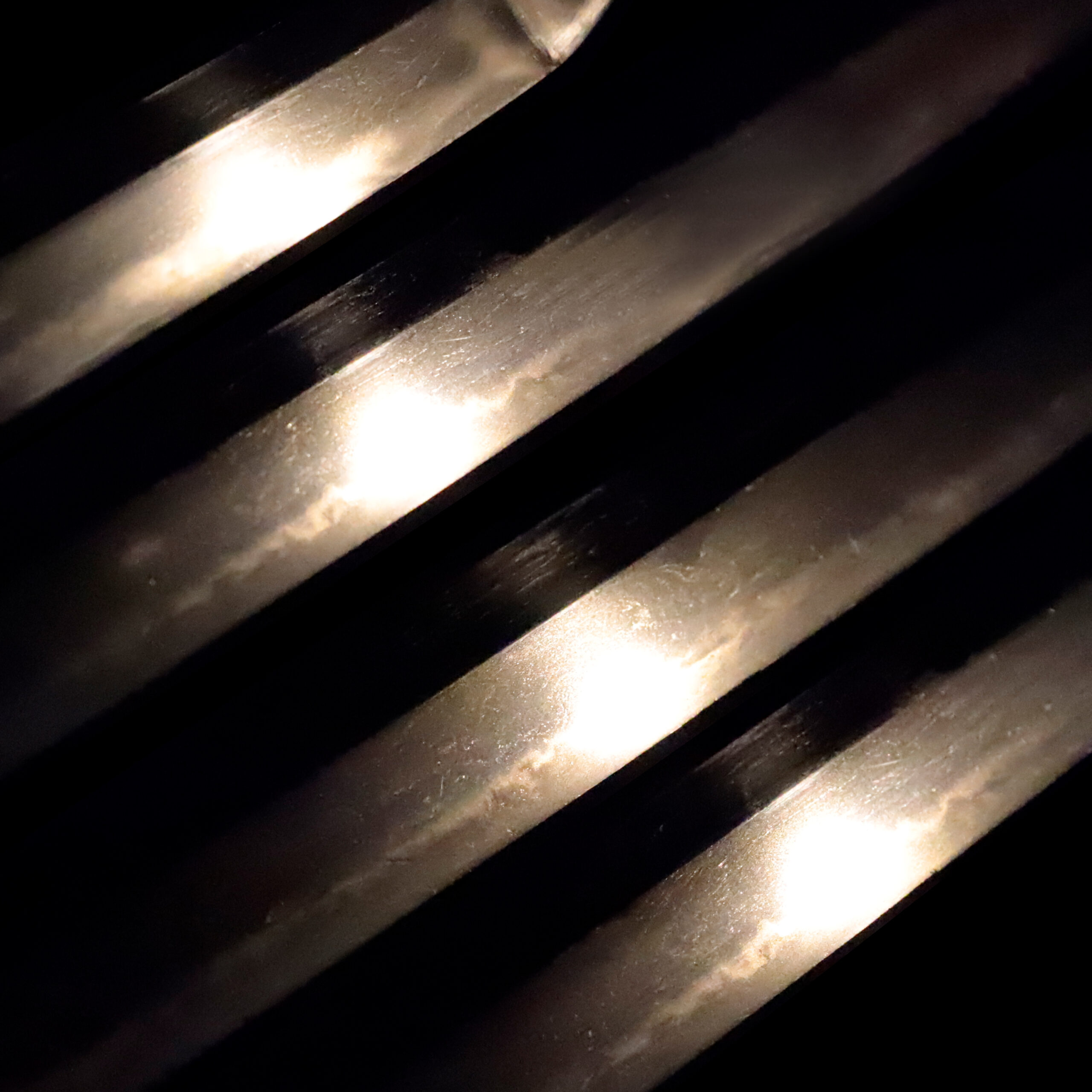
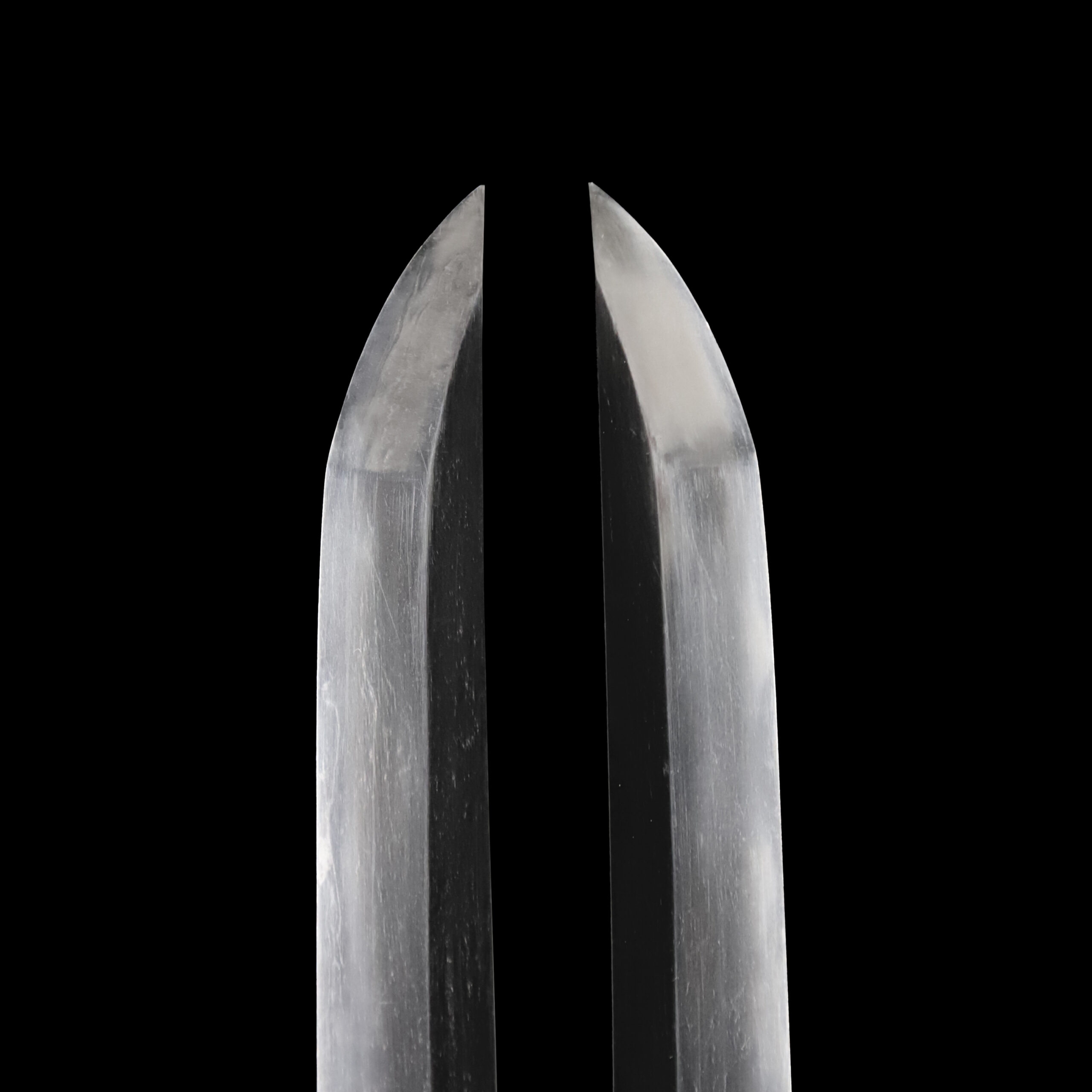
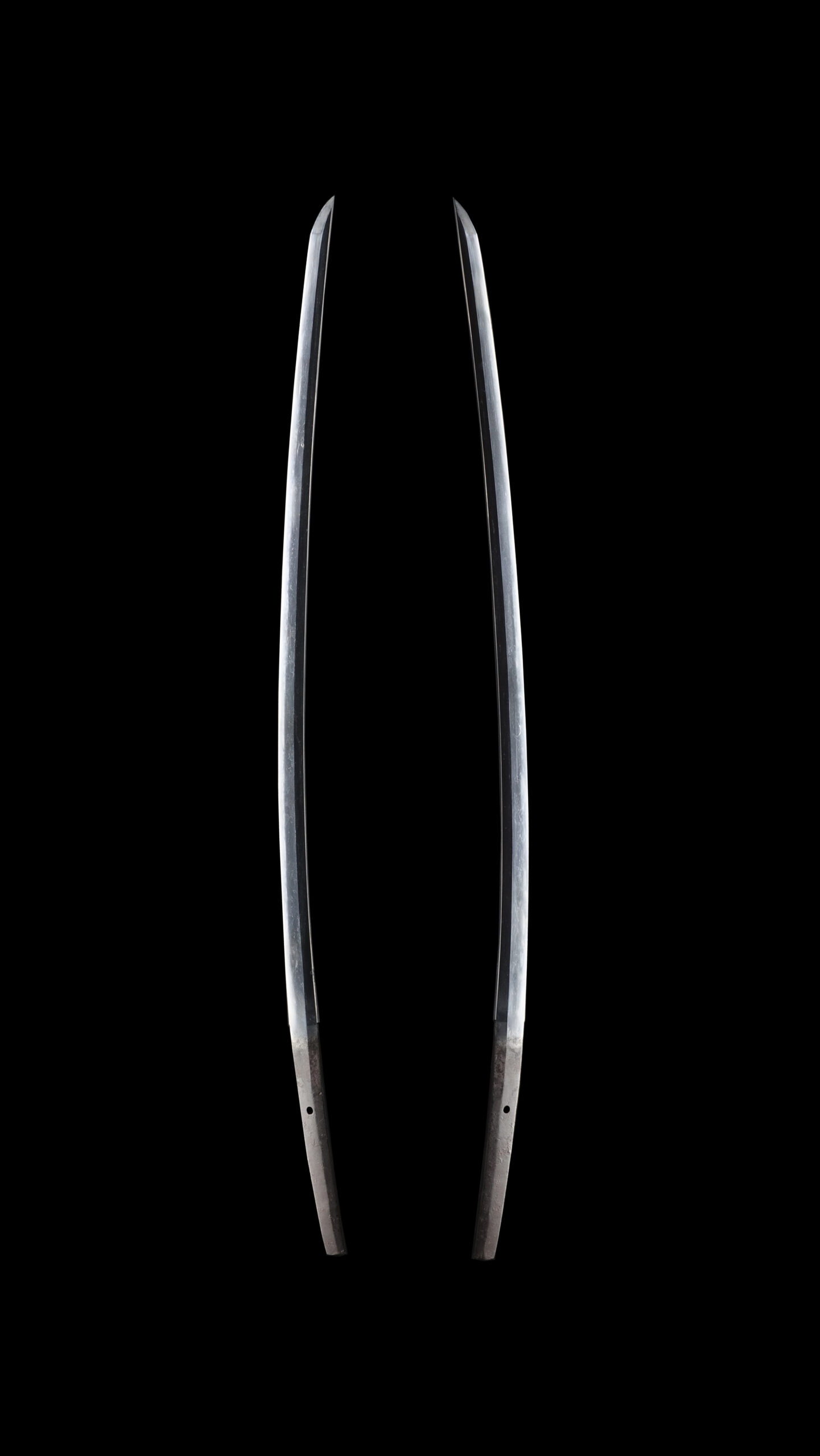
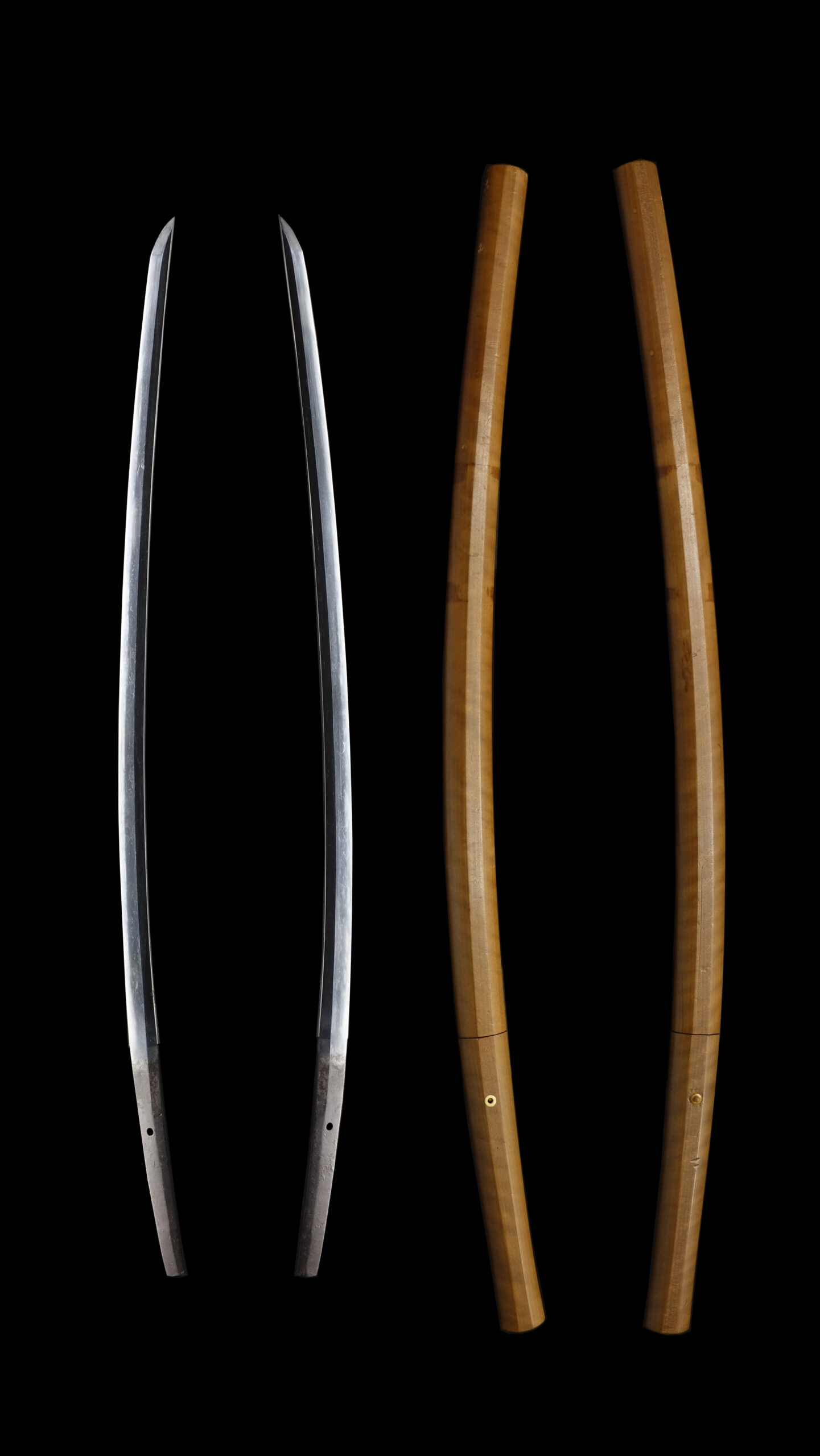
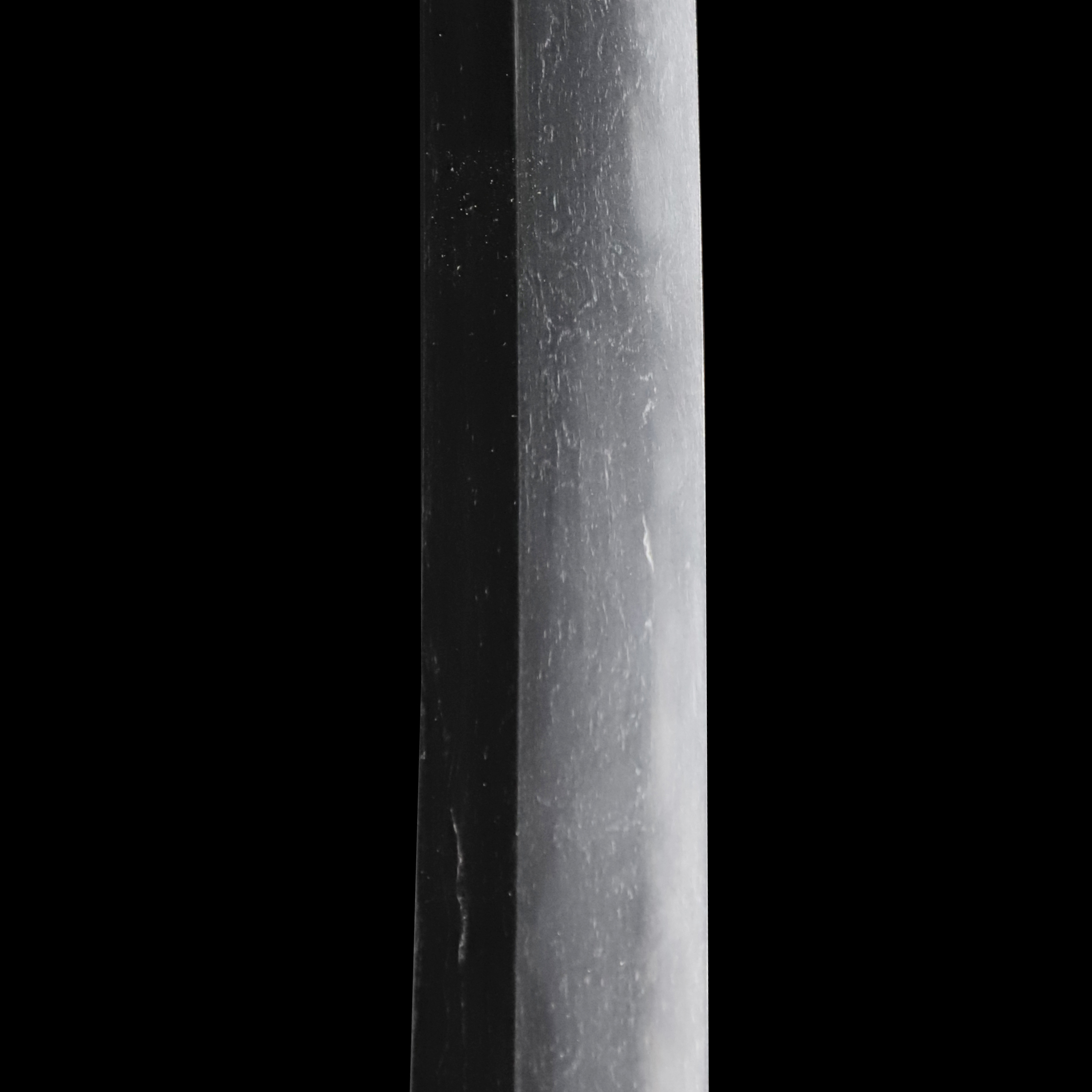
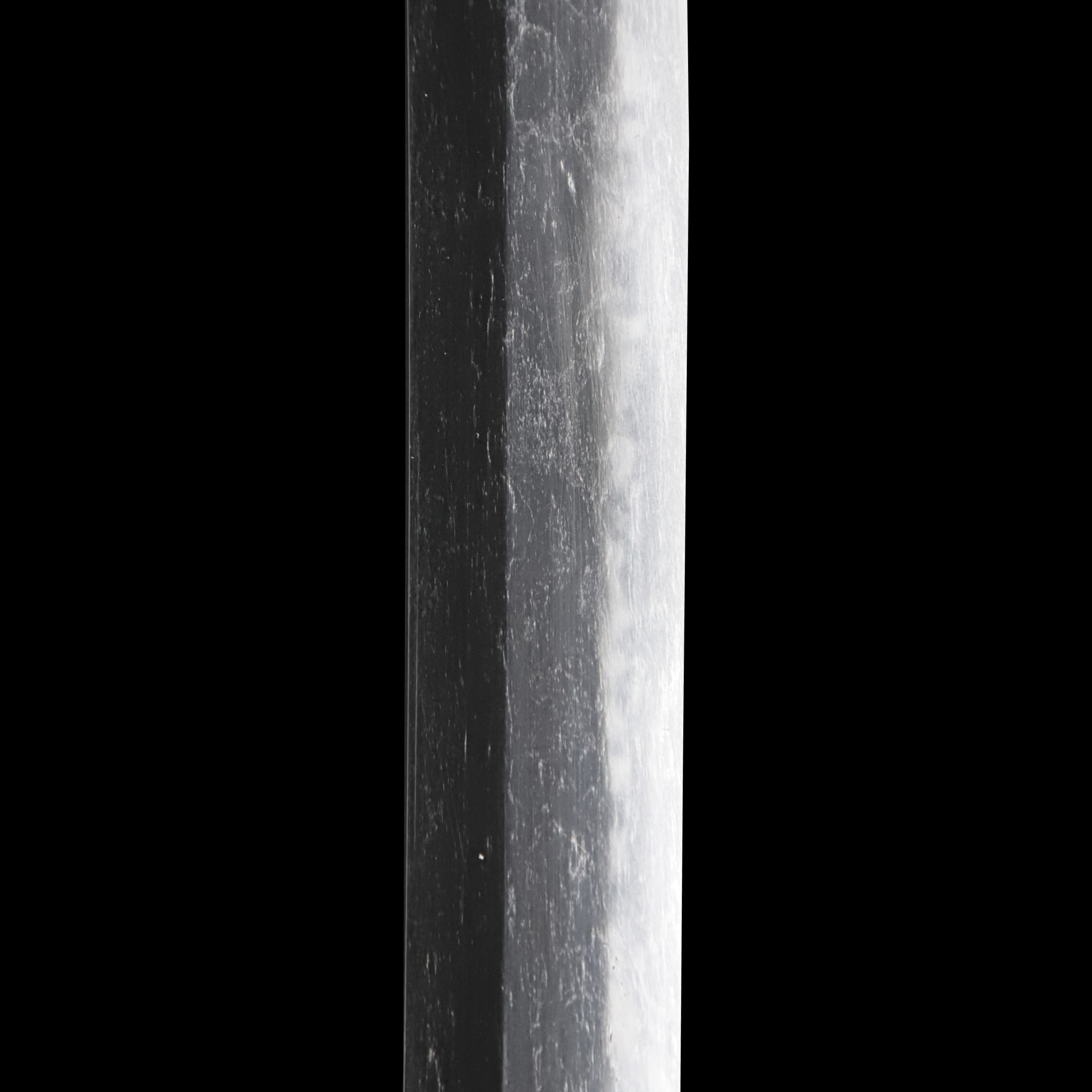
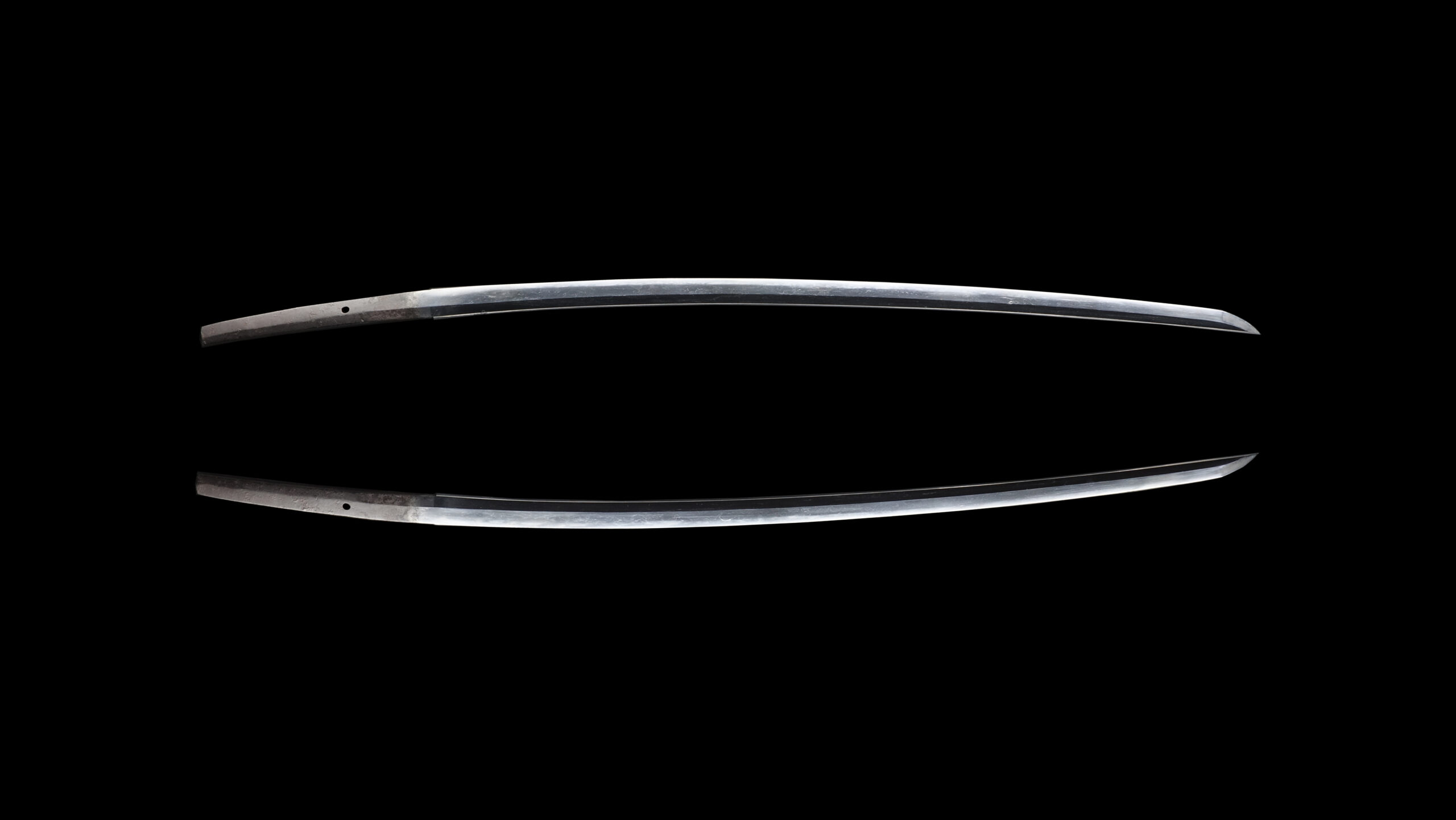
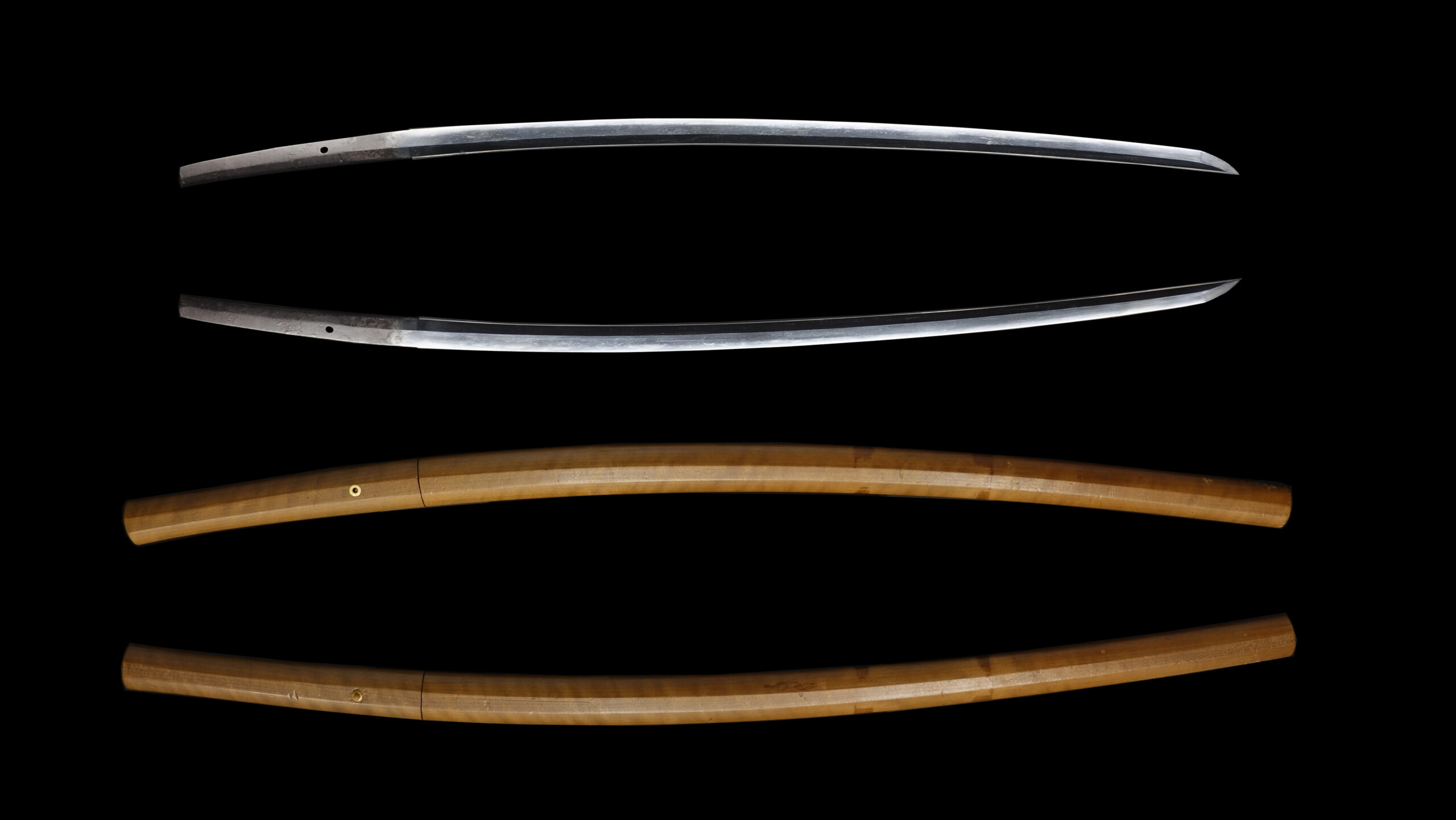
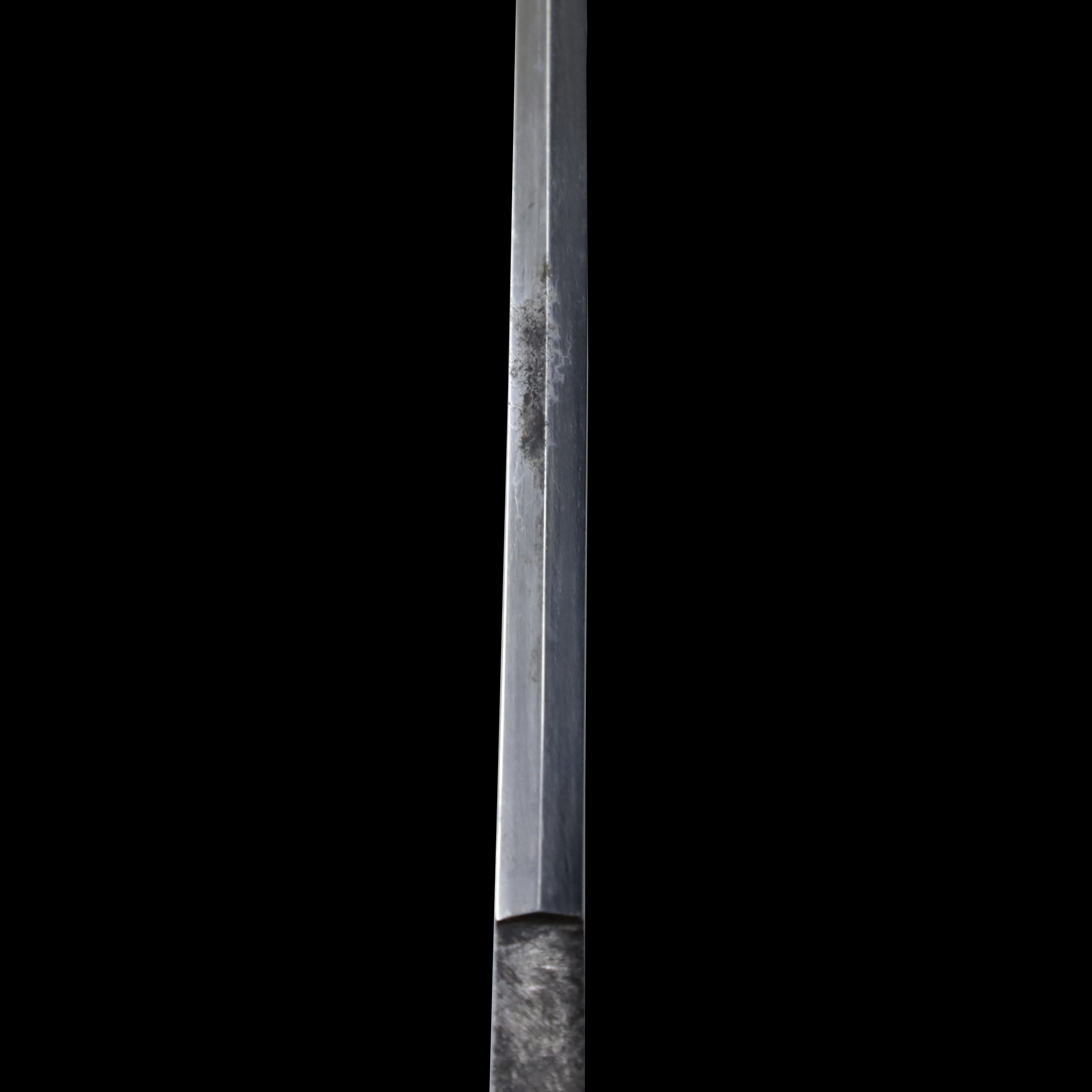
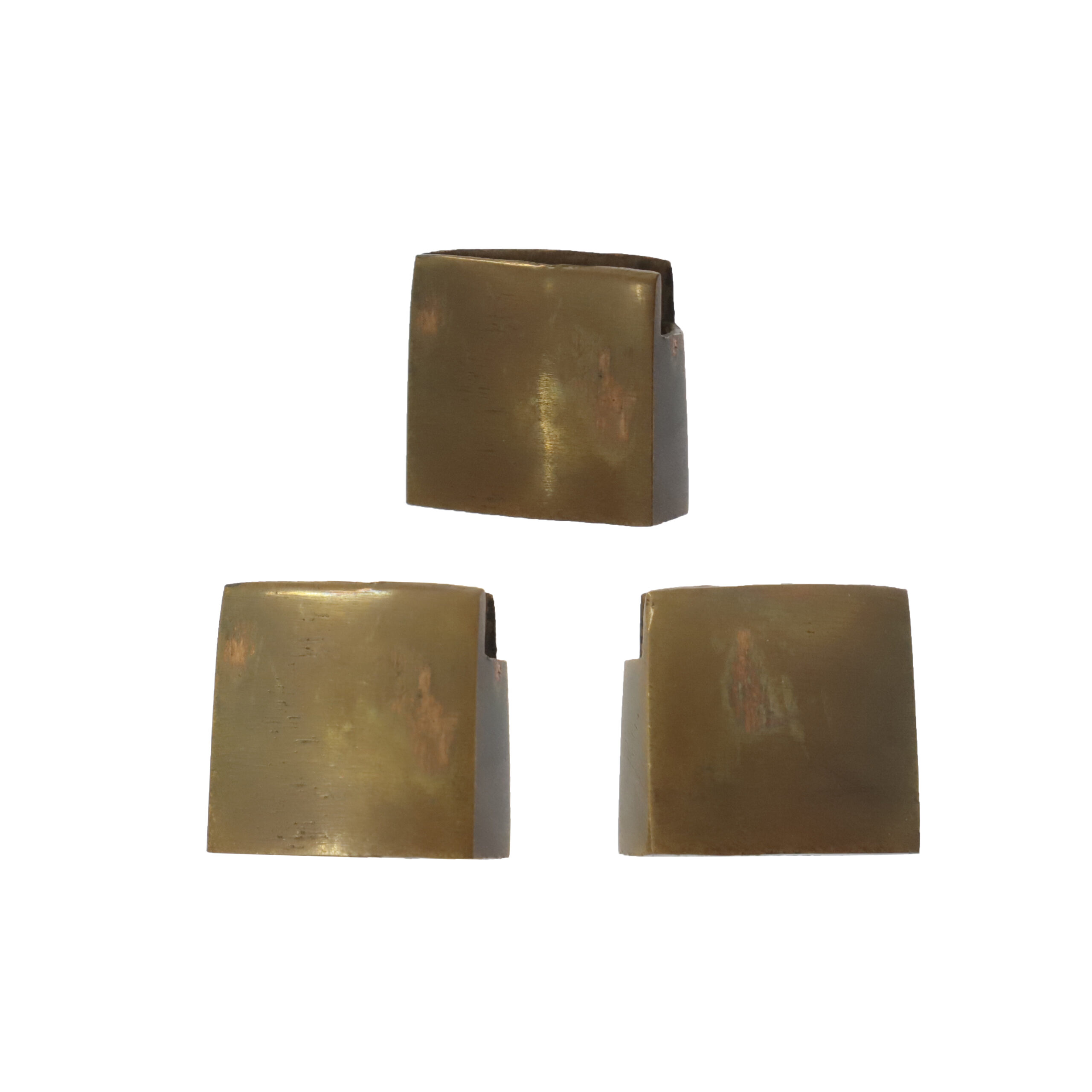
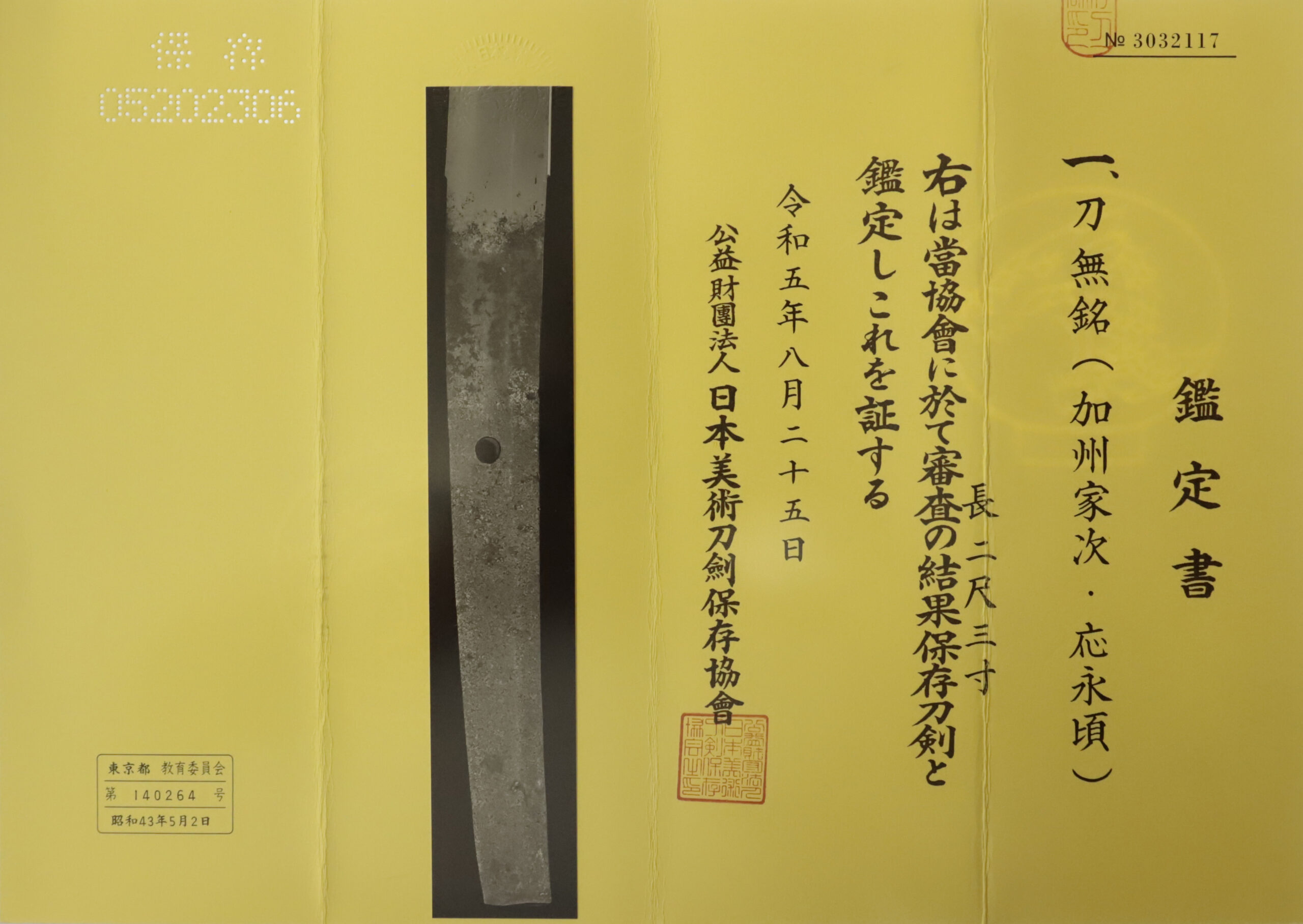
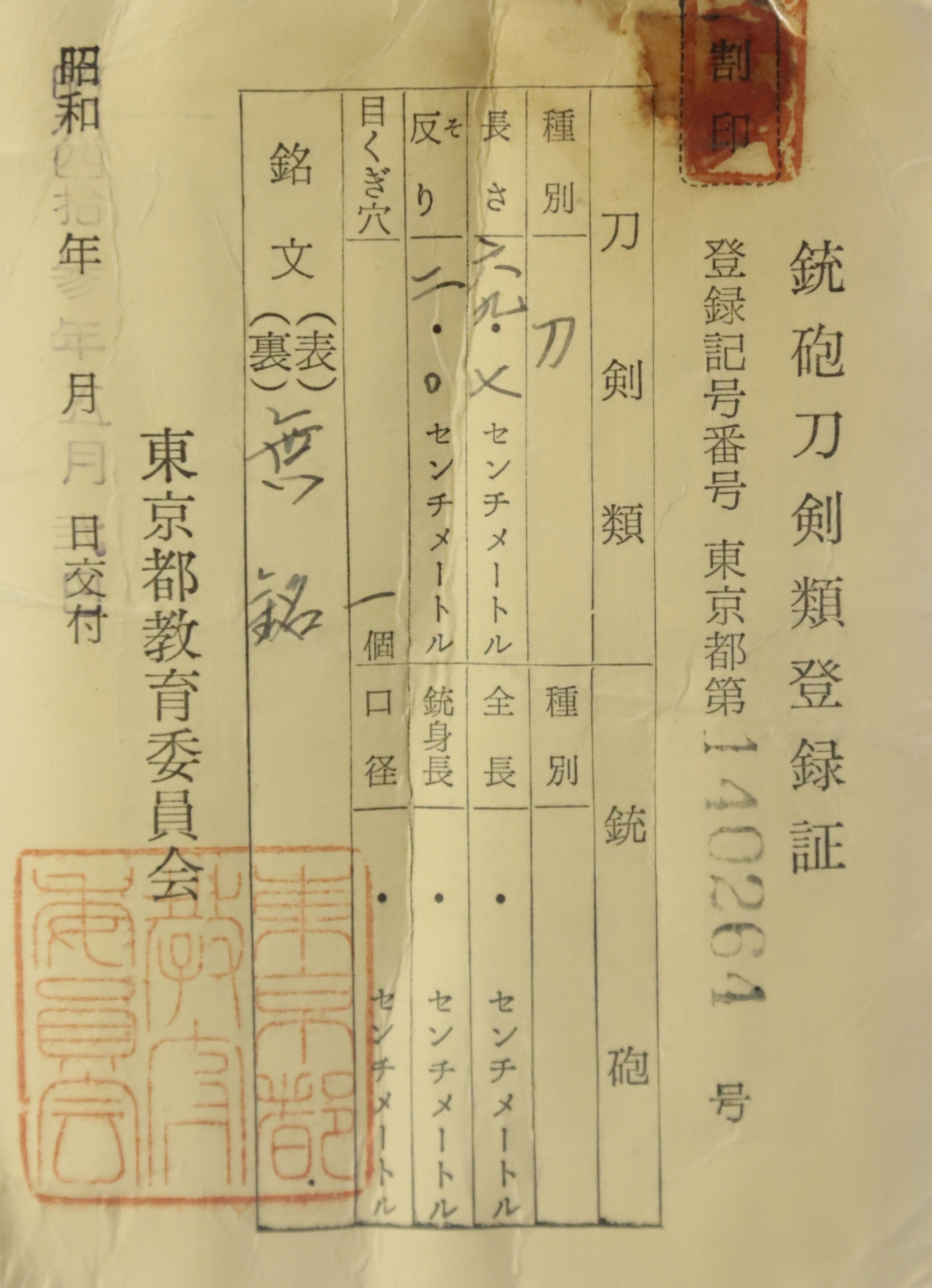
Antique Japanese Sword Katana attributed to Kashu Ietsugu with NBTHK Hozon Certificate 【Description】 This blade is attributed to Kashu Ietsugu (加州家次), who belonged to Fujishima (藤島), which is a prestigious school, especially flourishing during the Muromachi period (late 14th- late 16th century) in Kaga province (Today’s Ishikawa prefecture). Ietsugu was especially active during the O-Ei era (1394-1428: Early Muromachi period). The school was founded by the first-gen Fujishima Tomoshige during the early Nanbokucho period. This maker’s name lasted several generations, from the early Nanboku period to the end of the Edo period (Early 14th-Late 19th century). It is said that the first-gen Tomoshige was an apprentice of Rai Kunitoshi, one of the most famous swordsmiths in Yamashiro province (Today’s Kyoto) during the late Kamakura-early Nanbokucho period. The first-gen Tomoshige originally lived in Fushima village in Echizen province (today’s Fukui prefecture). And later on, he moved to Kaga domain and founded the school. This blade is appraised as a Hozon Touken (保存刀剣) issued by NBTHK (Nihon Bijutsu Touken Hozon Kyokai: 日本美術刀剣保存協会). This authentication paper was only given to authentic Japanese swords, well preserved and high quality with artistic value. *Please keep in mind that there are a few Kitae Kizu (forging lines) and some rust spots on this blade. If you would like to see the detailed condition, please feel free to contact us. 【Blade】 Cutting Edge Length(Nagasa) : 69.7 cm (27.4 inches) Curvature(Sori) : 2.0 cm (0.78 inches) Hamon : The crystalline structure which forms along the cutting edge of a blade as a result of the hardening process Jimon(Jihada) : visible steel surface pattern created by folding and hammering during forging process Kissaki : Kissaki is the tip of the Japanese sword. Nakago : Nakago is the tang of the Japanese sword. Japanese swordsmiths left the black rust on the tang because it prevents red rust while the tang is in its handle. And the discoloration of the tang was created over time, and it is a great indicator for a Japanese sword specialist to estimate when the sword was forged. Habaki : Habaki is the equipment to make the blade not touch its scabbard inside. It prevents the blade from getting rusty and chipped. Authentication Paper : NBTHK Hozon Certificate for the blade (No.3032117) NBTHK , also known as Nihon Bijutsu Touken Hozon Kyokai (the Society for the Preservation of the Japan Art Sword), is one of the oldest Japanese sword appraising organizations in modern-day Japan. They authenticated the blade on August 25th in the 5th year of Reiwa (2023). They appraised it as Hozon Touken, the blade worth preserving for Japanese society. The purchaser will receive this original certificate as well. We can also translate what is written into English and make a PDF file for your record if you request. Registration Number : Tokyo 140264 The Board of Education in Tokyo issued a registration paper for this sword. It is called Jyu Hou Token Rui Torokusho (銃砲刀剣類登録証). Bunkacho (The Agency for Cultural Affairs) acknowledges a Japanese sword with this paper as a work of art. The sword needs to be traditionally hand-forged and made of Tamahagane carbon steel to be registered in the system. With this paper, its owner in Japan can legally own an authentic Japanese sword. Based on this registration number, we will apply for its export permit. This paper will need to be returned to the board of education when the sword is being shipped abroad, but you can receive a copy of it. An English translation of this registration paper is available on request. —————————————————————– 【About us】 Samurai Museum is located in Tokyo, Japan, exhibiting antique artifacts related to the Samurai history. Samurai Museum Shop is the place for those who are interested in Japanese culture and craftsmanship. We deal with antique Samurai swords/armor, traditional crafts made in Japan and so on. 【 Japanese Sword& Export Process 】 The J
 NihontoWatch
無銘 · Fujishima · 室町 · 長さ 69.7cm · 反り 2cm
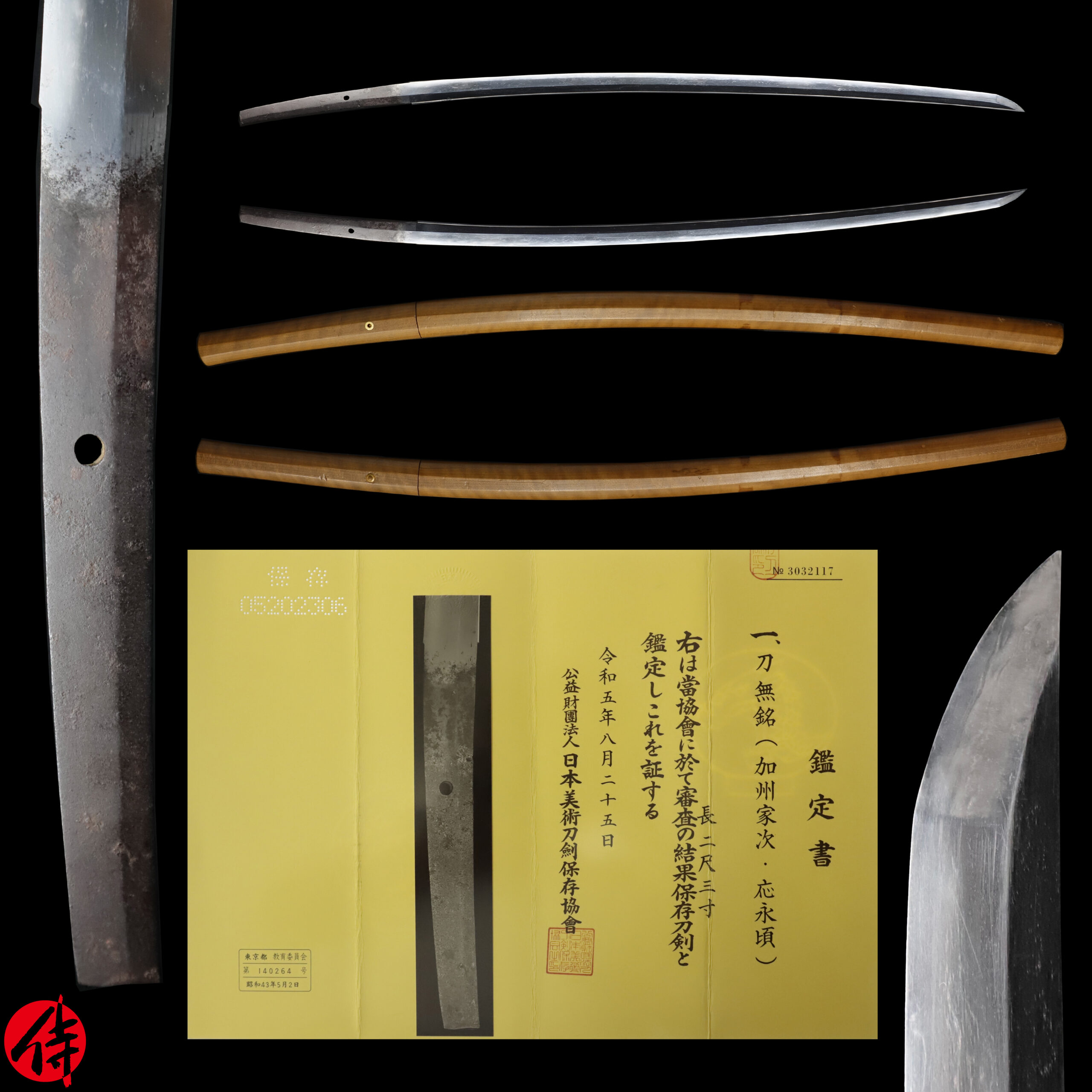
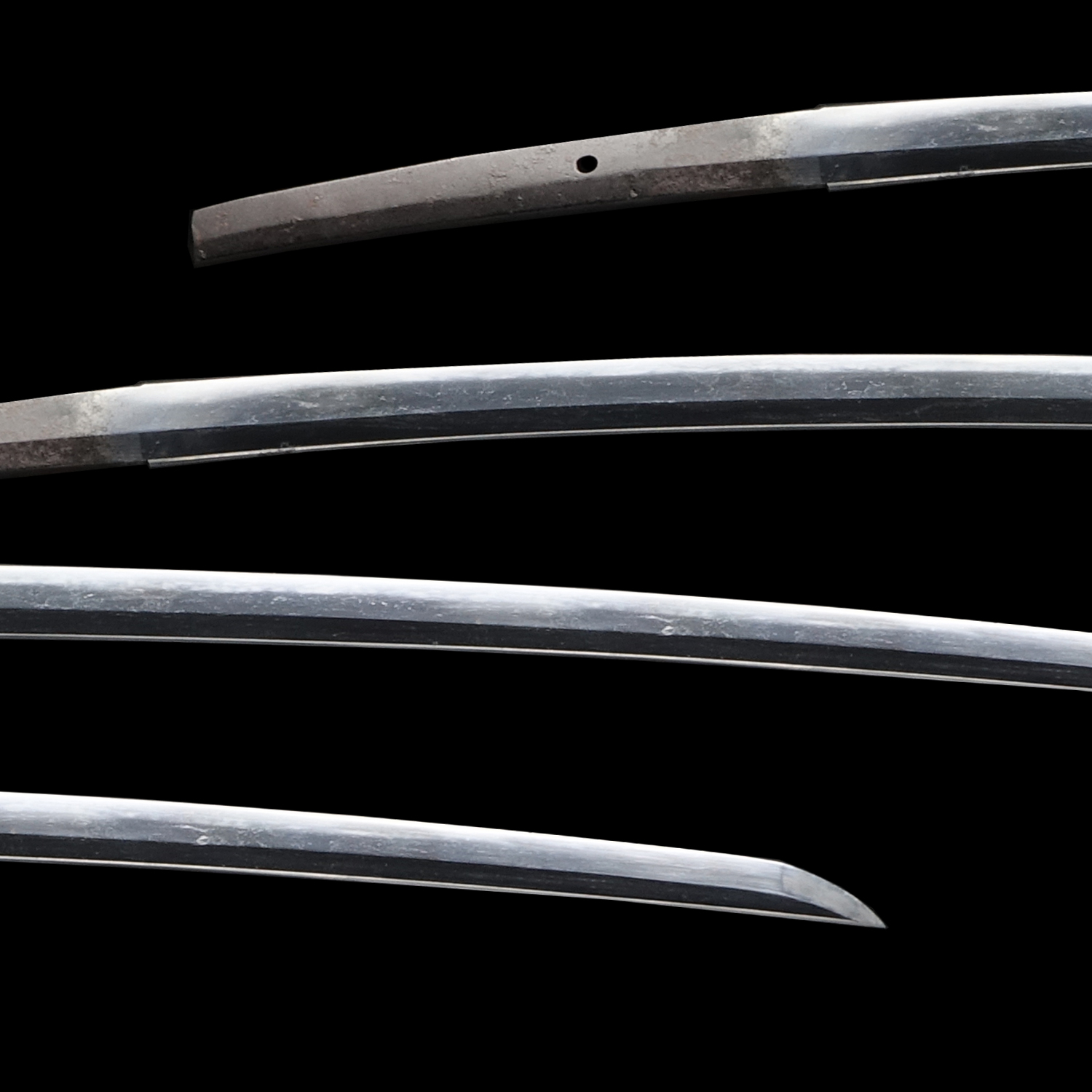
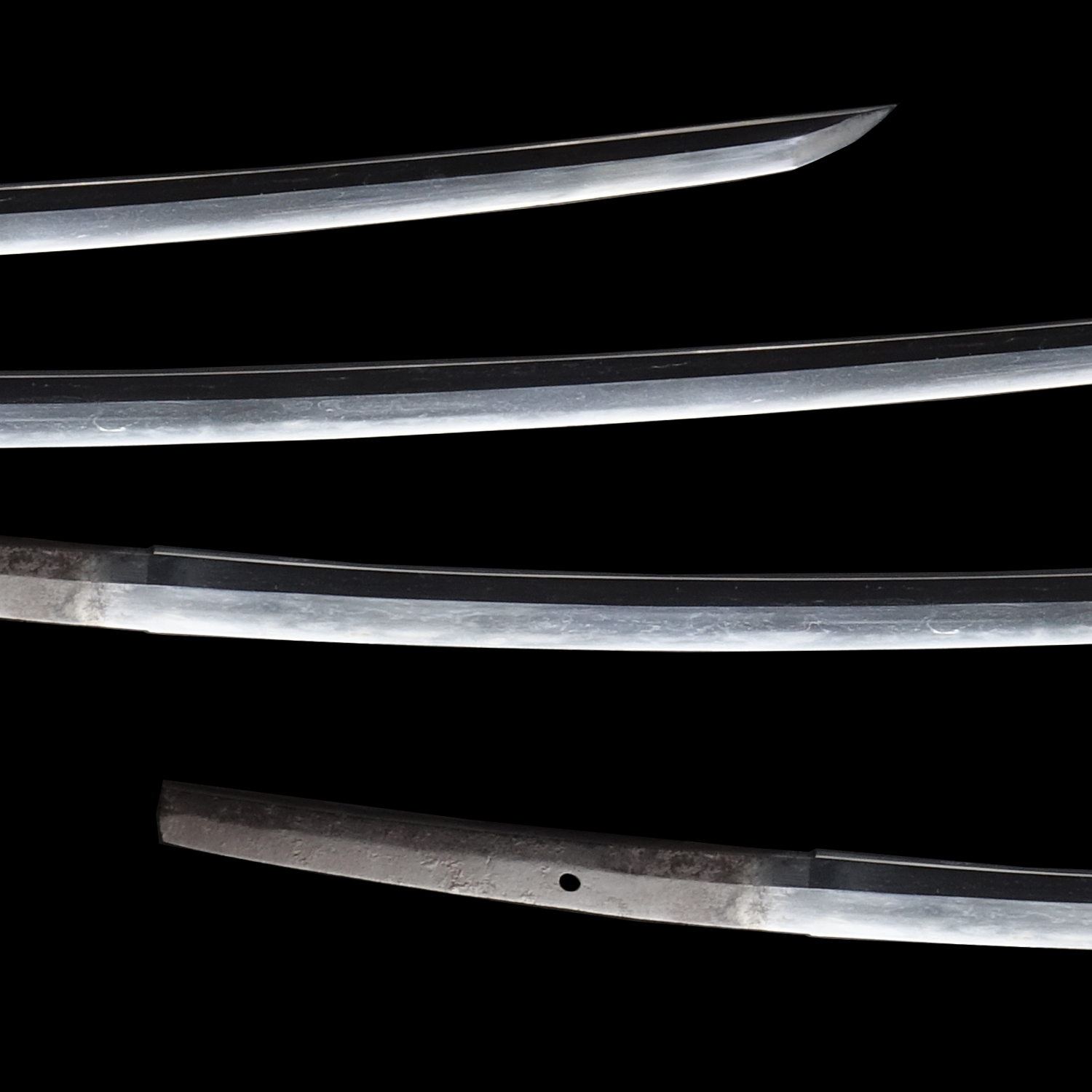
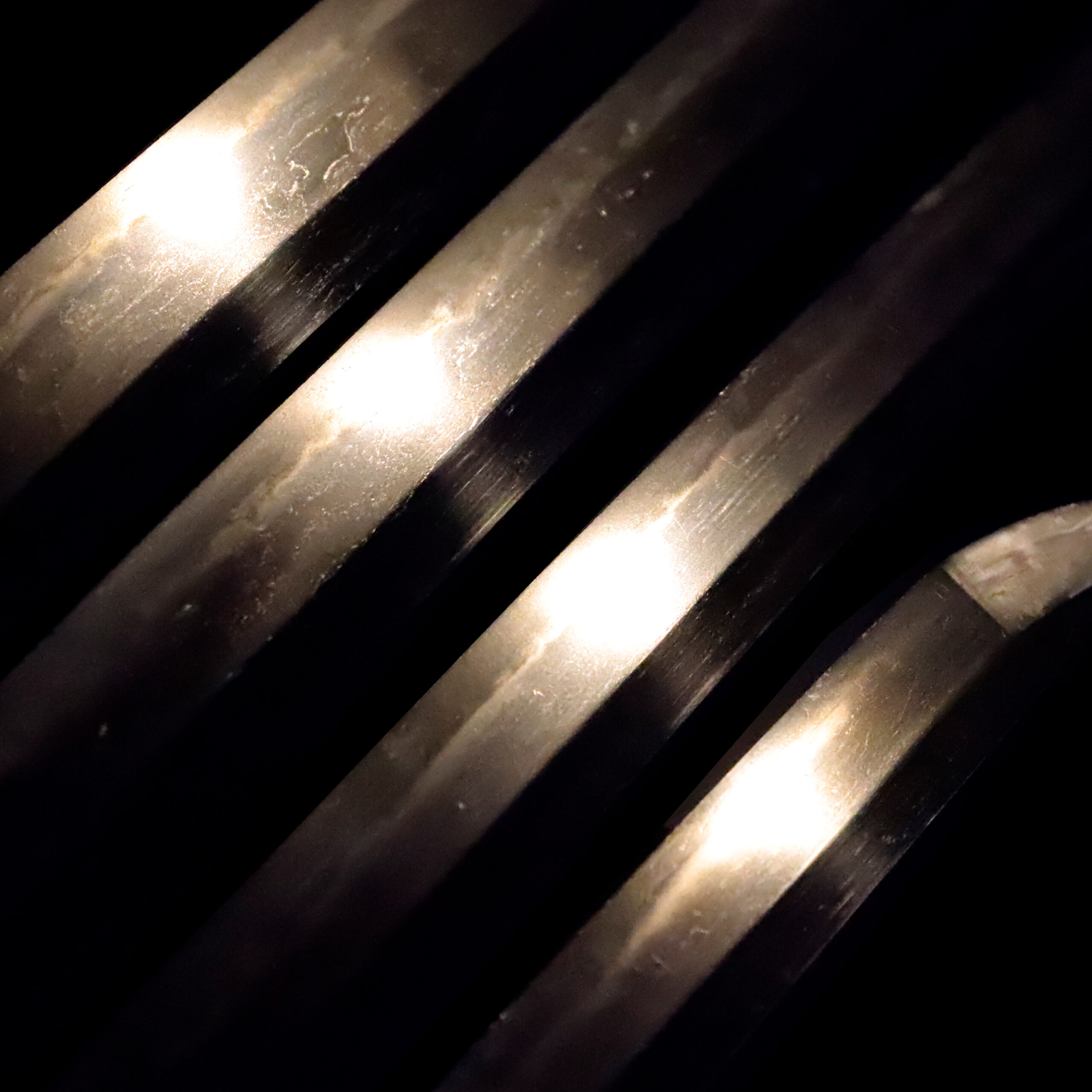
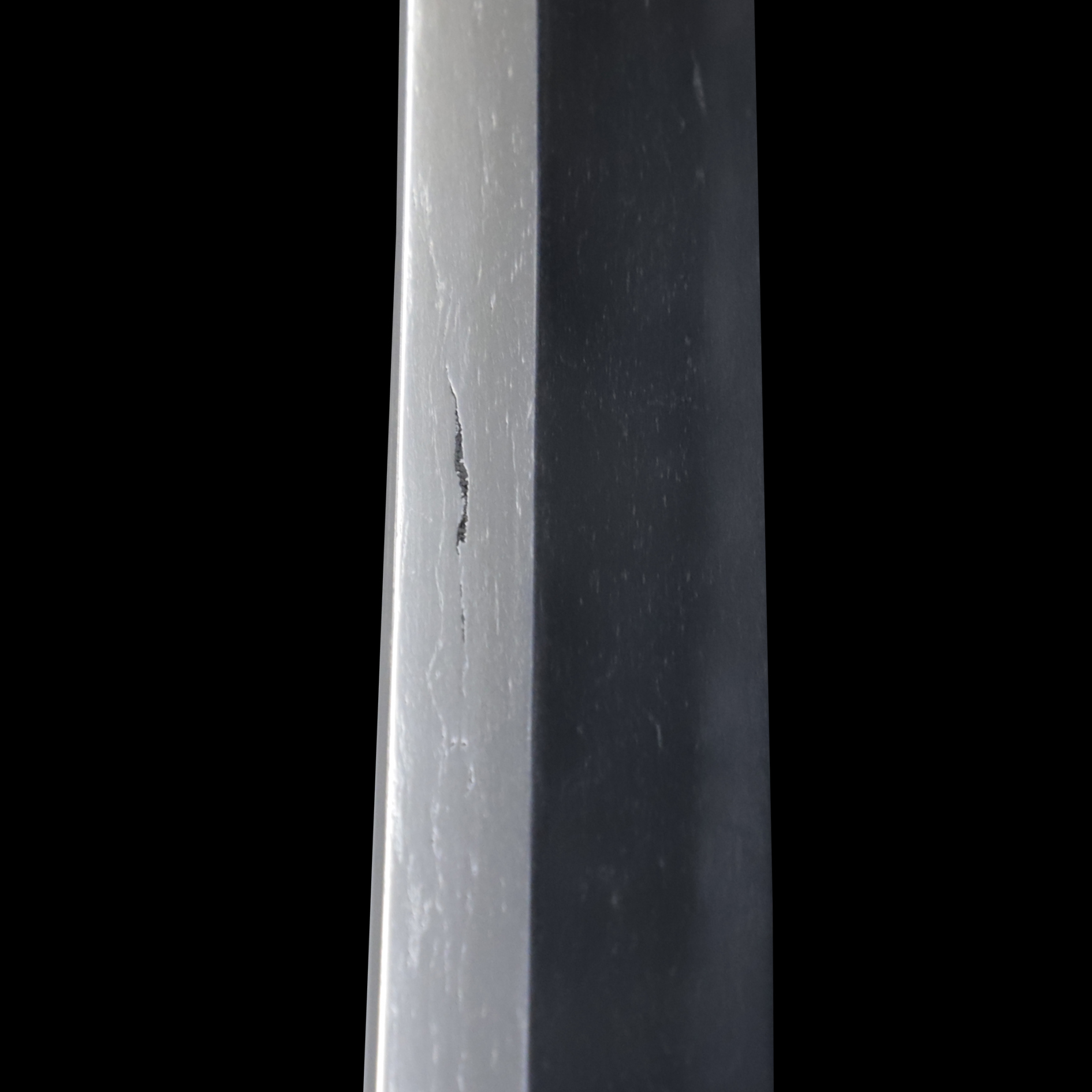
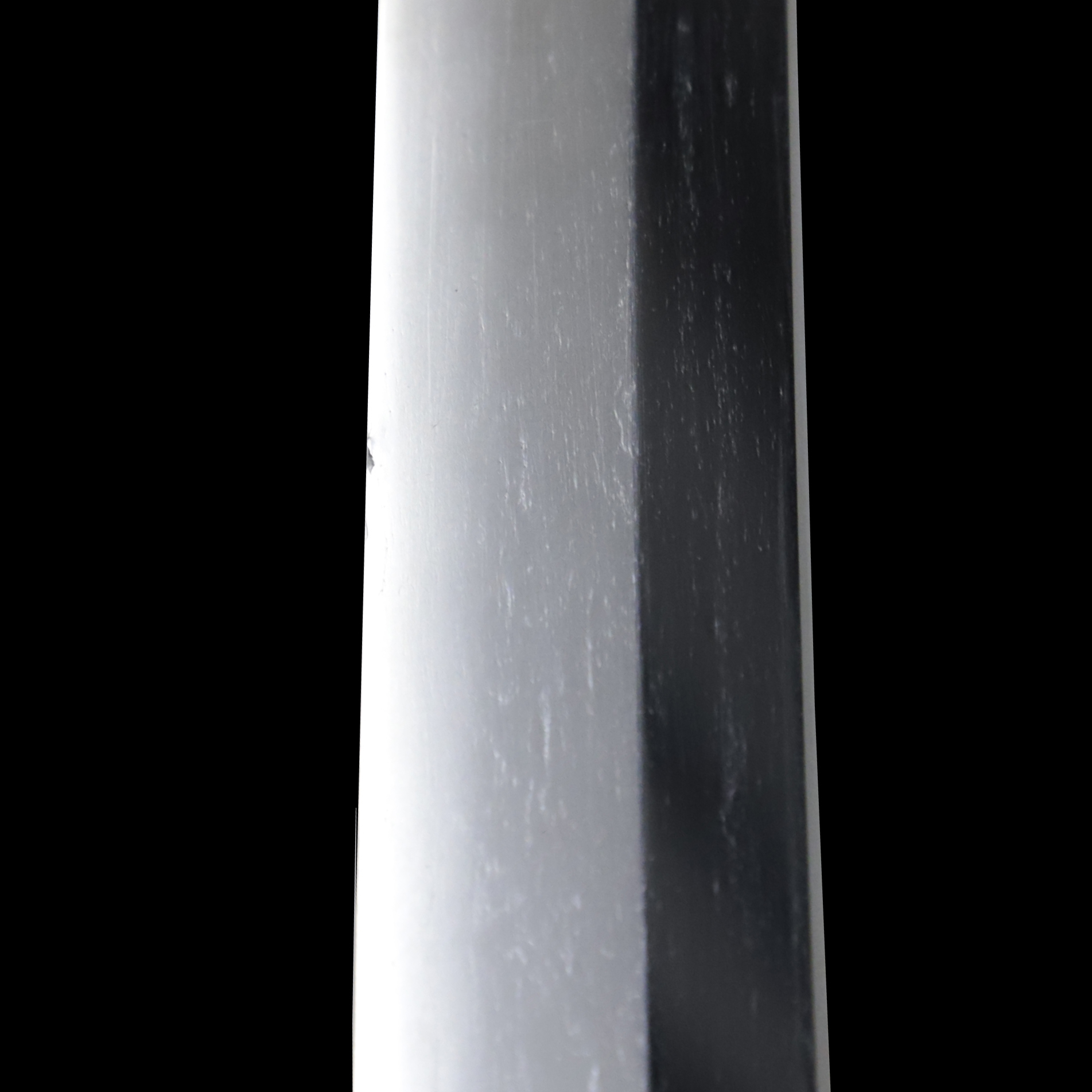
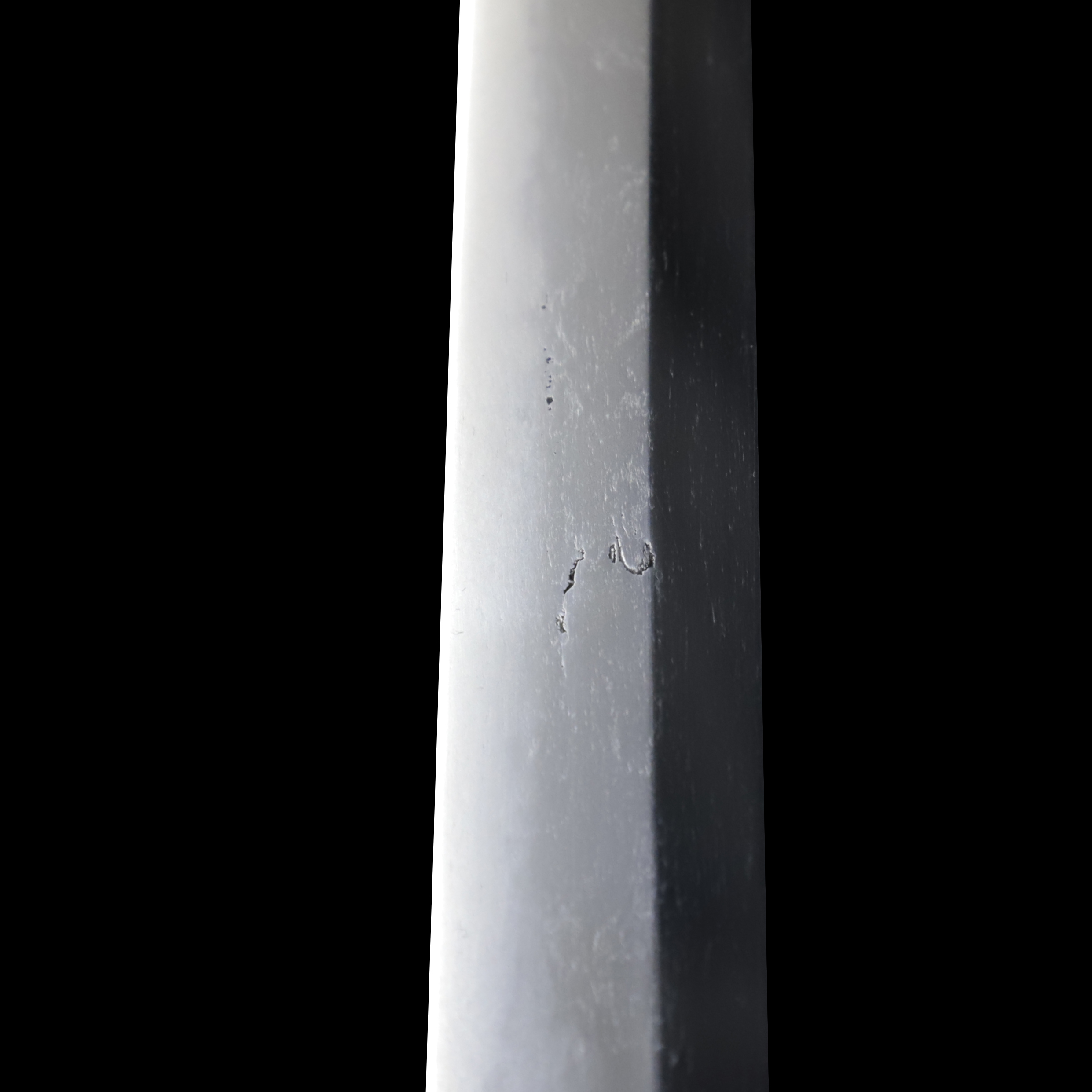
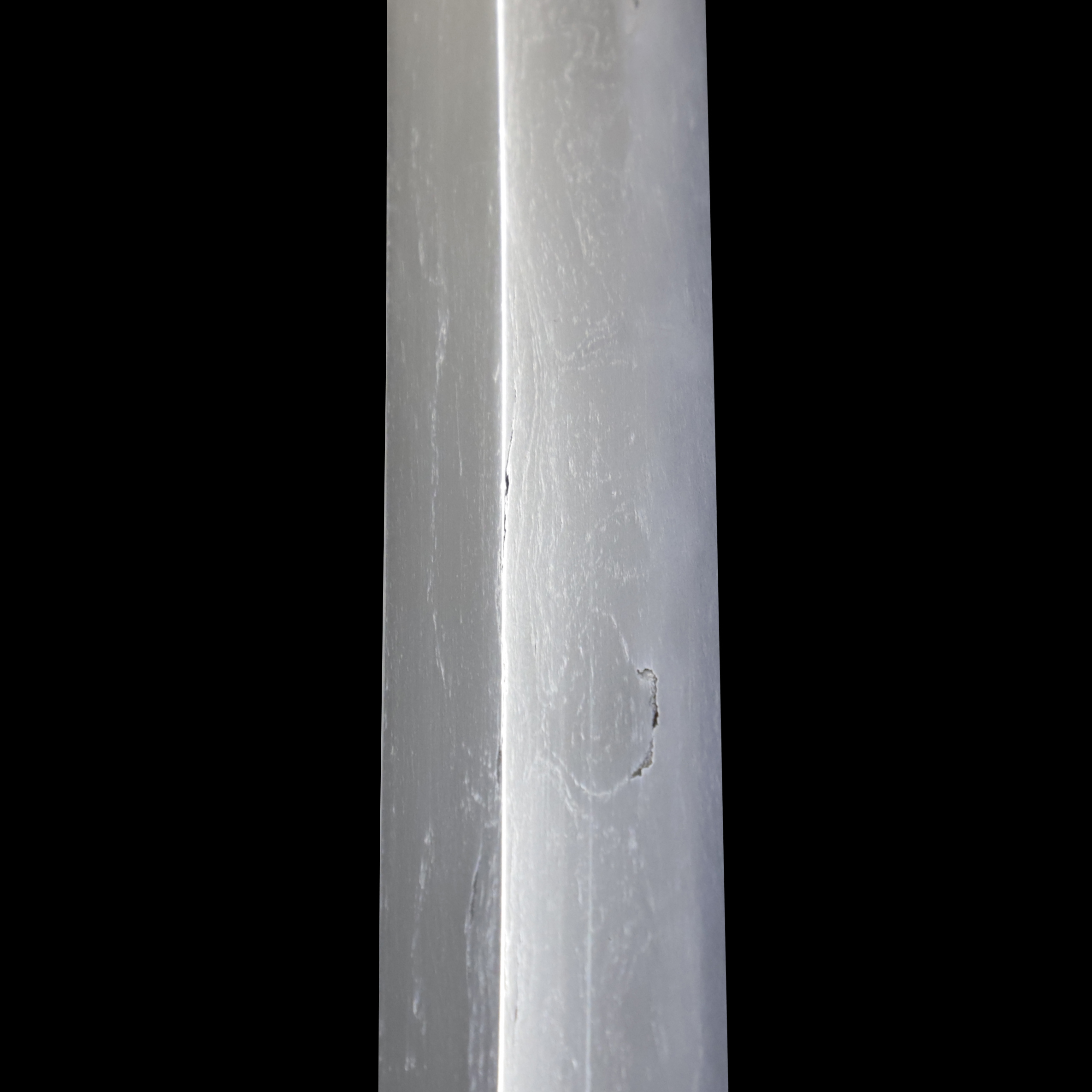
山城伝 · 加賀 · 1394-1428頃
刀剣大鑑 上位37%
現在1点販売中
山城伝 · 加賀
現在19点販売中
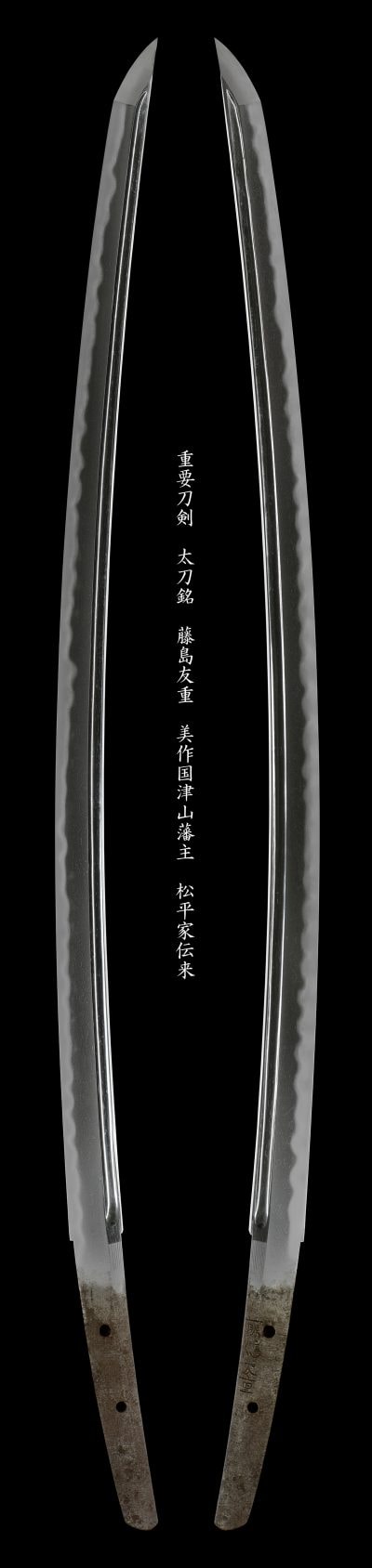
藤島派は加賀国藤島の地に興り、北陸道にあって数代を重ねた一門である。その祖にして代表工が友重で、名跡は南北朝末から室町を経て近世にまで及び、現存する年紀作のうち最も古いものは応永二年の短刀である。構成員の解説はいずれも、初代を山城の来国俊の門人、あるいは同国真景の門とする古伝を載せながらこれを疑い、作風の上で来国俊に結ばれず、年代の上で真景にも肯定し難いとして、茎仕立と地刃よりすればむしろ大和物の系統、大和尻懸の手に近いものと判ずる。南北朝期を遡る作はみないとされ、初代は建武の頃、二代は貞治、三代は応永と伝える説もあるが、構成員はおおむね各作を一個人の経歴にではなく、固定した同派の特質に照らして鑑する。北陸の地にあって、同派は越中・越前の工と気脈を通じ、美濃と大和の風を受けた古刀の一門として立つ。 作風の眼目はその地鉄にある。板目に杢を交え、流れごころに肌立って、地沸つき地景入り、かねは際立って黒みをおびる。構成員はこれを同派一番の見どころとして、地鉄が肌立ちごころで黒みを帯びることを北国物の徴とし、ある作には白気映りが淡く立つと記す。山城のようなつんだ小板目には締まらず、槍・薙刀や磨上の太刀では柾目に寄った肌となって、その地に大和を素直に示す。刃文はこの地に応えて自らの混在を示し、互の目乱れを基調に、箱がかった刃・尖り刃・角ばる刃をのたれ・小のたれとともに交える。これを構成員は備前気質と美濃風が混在した感のある乱れ刃と呼び、足やや長く入り、総体に沸づいて砂流しかかり金筋入り、処々に飛焼や二重刃を交え、帽子は直ぐまたは乱れ込んで小丸となり、しばしば掃きかける。短刀ではこの手が穏やかになり、鍛えは小板目につみ、焼刃は細直刃あるいは低い小のたれ・小互の目に小沸を交え、匂口はうるんでほつれ・湯走りを交えて、同派の大和の素地が最も素直に現れる。 鑑定の勘所は、大和を素地とする黒く肌立つかねの上に、備前・美濃を想わせる躁ぎ立つ焼刃を置くという取り合わせにある。互の目と長い足は備前の作に似るが、箱がかった刃と尖り刃、肌立つ黒い地、絶えずかかる砂流しが素直な備前丁子からこれを引き離し、柾に寄る地と黒いかねが真の山城・純然たる大和の作からもこれを隔てる。同派は売立や商家に時に現れる重要刀剣を遺し、銘はほぼ在銘で、藤嶋友重の四字銘が最も多く、友重の二字銘がこれに次ぎ、生ぶ茎の作が大半を占める。藤代は同工を中上作、あるいは古刀の中位に位置づける。中心となるのは応永頃の友重で、室町から後代にかけての作が最も多く現存する。白眉として、三鈷剣と妙見大菩薩の神号を彫った大身槍を同時代を代表する名槍とする評があり、太刀の遺例は数少なく取り立てられる。伝来は稲葉家に伝わった刀や皇室の御物に列する短刀があり、市場の品ではなく長く家に伝えられた重宝を含む。一口の黒いかねの作が北国一派の総体をその地に湛えるところに、同派の値はある。 詳しく見る →
応仁の乱が足利の体制を砕いた後、戦国の一世紀はほとんどすべての国を武装させた。この時代は選ぶ目に報いる。並の作は多いが、その傍らには第一級の注文打ちが立っている。
銘が正しい、または無銘でも年代・国・系統を確実に指摘できる、保存に値する真正の作と鑑定されたものです。
日本美術刀剣保存協会(NBTHK)は、1948年に設立され、文化庁の監督を受ける公益財団法人で、東京・刀剣博物館に本部を置きます。専門の審査員が出品作を直接審査し、美術的・歴史的価値に応じた鑑定書を発行します。NBTHKの鑑定書は、日本刀および刀装具の真正性を示す最も広く認知された基準です。
NBTHK公式サイトReturns/exchanges limited to defects caused by shipping (except willful misconduct or gross negligence by the company); customers must contact within 72 hours of receiving the product.
Antique Japanese Sword Katana attributed to Kashu Ietsugu with NBTHK Hozon Certificate 【Description】 This blade is attributed to Kashu Ietsugu (加州家次), who belonged to Fujishima (藤島), which is a prestigious school, especially flourishing during the Muromachi period (late 14th- late 16th century) in Kaga province (Today’s Ishikawa prefecture). Ietsugu was especially active during the O-Ei era (1394-1428: Early Muromachi period). The school was founded by the first-gen Fujishima Tomoshige during the early Nanbokucho period. This maker’s name lasted several generations, from the early Nanboku period to the end of the Edo period (Early 14th-Late 19th century). It is said that the first-gen Tomoshige was an apprentice of Rai Kunitoshi, one of the most famous swordsmiths in Yamashiro province (Today’s Kyoto) during the late Kamakura-early Nanbokucho period. The first-gen Tomoshige originally lived in Fushima village in Echizen province (today’s Fukui prefecture). And later on, he moved to Kaga domain and founded the school. This blade is appraised as a Hozon Touken (保存刀剣) issued by NBTHK (Nihon Bijutsu Touken Hozon Kyokai: 日本美術刀剣保存協会). This authentication paper was only given to authentic Japanese swords, well preserved and high quality with artistic value. *Please keep in mind that there are a few Kitae Kizu (forging lines) and some rust spots on this blade. If you would like to see the detailed condition, please feel free to contact us. 【Blade】 Cutting Edge Length(Nagasa) : 69.7 cm (27.4 inches) Curvature(Sori) : 2.0 cm (0.78 inches) Hamon : The crystalline structure which forms along the cutting edge of a blade as a result of the hardening process Jimon(Jihada) : visible steel surface pattern created by folding and hammering during forging process Kissaki : Kissaki is the tip of the Japanese sword. Nakago : Nakago is the tang of the Japanese sword. Japanese swordsmiths left the black rust on the tang because it prevents red rust while the tang is in its handle. And the discoloration of the tang was created over time, and it is a great indicator for a Japanese sword specialist to estimate when the sword was forged. Habaki : Habaki is the equipment to make the blade not touch its scabbard inside. It prevents the blade from getting rusty and chipped. Authentication Paper : NBTHK Hozon Certificate for the blade (No.3032117) NBTHK , also known as Nihon Bijutsu Touken Hozon Kyokai (the Society for the Preservation of the Japan Art Sword), is one of the oldest Japanese sword appraising organizations in modern-day Japan. They authenticated the blade on August 25th in the 5th year of Reiwa (2023). They appraised it as Hozon Touken, the blade worth preserving for Japanese society. The purchaser will receive this original certificate as well. We can also translate what is written into English and make a PDF file for your record if you request. Registration Number : Tokyo 140264 The Board of Education in Tokyo issued a registration paper for this sword. It is called Jyu Hou Token Rui Torokusho (銃砲刀剣類登録証). Bunkacho (The Agency for Cultural Affairs) acknowledges a Japanese sword with this paper as a work of art. The sword needs to be traditionally hand-forged and made of Tamahagane carbon steel to be registered in the system. With this paper, its owner in Japan can legally own an authentic Japanese sword. Based on this registration number, we will apply for its export permit. This paper will need to be returned to the board of education when the sword is being shipped abroad, but you can receive a copy of it. An English translation of this registration paper is available on request. —————————————————————– 【About us】 Samurai Museum is located in Tokyo, Japan, exhibiting antique artifacts related to the Samurai history. Samurai Museum Shop is the place for those who are interested in Japanese culture and craftsmanship. We deal with antique Samurai swords/armor, traditional crafts made in Japan and so on. 【 Japanese Sword& Export Process 】 The J
NihontoWatch無銘 · Fujishima · 室町 · 長さ 69.7cm · 反り 2cm
山城伝 · 加賀 · 1394-1428頃
刀剣大鑑 上位37%
現在1点販売中
山城伝 · 加賀
現在19点販売中
藤島派は加賀国藤島の地に興り、北陸道にあって数代を重ねた一門である。その祖にして代表工が友重で、名跡は南北朝末から室町を経て近世にまで及び、現存する年紀作のうち最も古いものは応永二年の短刀である。構成員の解説はいずれも、初代を山城の来国俊の門人、あるいは同国真景の門とする古伝を載せながらこれを疑い、作風の上で来国俊に結ばれず、年代の上で真景にも肯定し難いとして、茎仕立と地刃よりすればむしろ大和物の系統、大和尻懸の手に近いものと判ずる。南北朝期を遡る作はみないとされ、初代は建武の頃、二代は貞治、三代は応永と伝える説もあるが、構成員はおおむね各作を一個人の経歴にではなく、固定した同派の特質に照らして鑑する。北陸の地にあって、同派は越中・越前の工と気脈を通じ、美濃と大和の風を受けた古刀の一門として立つ。 作風の眼目はその地鉄にある。板目に杢を交え、流れごころに肌立って、地沸つき地景入り、かねは際立って黒みをおびる。構成員はこれを同派一番の見どころとして、地鉄が肌立ちごころで黒みを帯びることを北国物の徴とし、ある作には白気映りが淡く立つと記す。山城のようなつんだ小板目には締まらず、槍・薙刀や磨上の太刀では柾目に寄った肌となって、その地に大和を素直に示す。刃文はこの地に応えて自らの混在を示し、互の目乱れを基調に、箱がかった刃・尖り刃・角ばる刃をのたれ・小のたれとともに交える。これを構成員は備前気質と美濃風が混在した感のある乱れ刃と呼び、足やや長く入り、総体に沸づいて砂流しかかり金筋入り、処々に飛焼や二重刃を交え、帽子は直ぐまたは乱れ込んで小丸となり、しばしば掃きかける。短刀ではこの手が穏やかになり、鍛えは小板目につみ、焼刃は細直刃あるいは低い小のたれ・小互の目に小沸を交え、匂口はうるんでほつれ・湯走りを交えて、同派の大和の素地が最も素直に現れる。 鑑定の勘所は、大和を素地とする黒く肌立つかねの上に、備前・美濃を想わせる躁ぎ立つ焼刃を置くという取り合わせにある。互の目と長い足は備前の作に似るが、箱がかった刃と尖り刃、肌立つ黒い地、絶えずかかる砂流しが素直な備前丁子からこれを引き離し、柾に寄る地と黒いかねが真の山城・純然たる大和の作からもこれを隔てる。同派は売立や商家に時に現れる重要刀剣を遺し、銘はほぼ在銘で、藤嶋友重の四字銘が最も多く、友重の二字銘がこれに次ぎ、生ぶ茎の作が大半を占める。藤代は同工を中上作、あるいは古刀の中位に位置づける。中心となるのは応永頃の友重で、室町から後代にかけての作が最も多く現存する。白眉として、三鈷剣と妙見大菩薩の神号を彫った大身槍を同時代を代表する名槍とする評があり、太刀の遺例は数少なく取り立てられる。伝来は稲葉家に伝わった刀や皇室の御物に列する短刀があり、市場の品ではなく長く家に伝えられた重宝を含む。一口の黒いかねの作が北国一派の総体をその地に湛えるところに、同派の値はある。 詳しく見る →
応仁の乱が足利の体制を砕いた後、戦国の一世紀はほとんどすべての国を武装させた。この時代は選ぶ目に報いる。並の作は多いが、その傍らには第一級の注文打ちが立っている。
銘が正しい、または無銘でも年代・国・系統を確実に指摘できる、保存に値する真正の作と鑑定されたものです。
日本美術刀剣保存協会(NBTHK)は、1948年に設立され、文化庁の監督を受ける公益財団法人で、東京・刀剣博物館に本部を置きます。専門の審査員が出品作を直接審査し、美術的・歴史的価値に応じた鑑定書を発行します。NBTHKの鑑定書は、日本刀および刀装具の真正性を示す最も広く認知された基準です。
NBTHK公式サイトReturns/exchanges limited to defects caused by shipping (except willful misconduct or gross negligence by the company); customers must contact within 72 hours of receiving the product.