1853年のペリー来航は徳川の泰平をほどき、二世紀ぶりに実用刀の大量需要を生んだ。四谷正宗と呼ばれた清麿はその前夜に世を去り、宗次や行秀が最後の好況を担った。
 NihontoWatchNihontoWatch
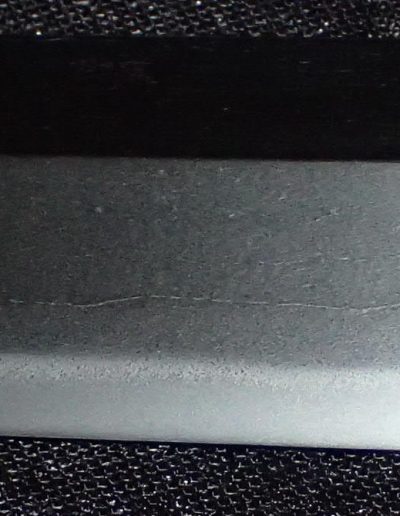
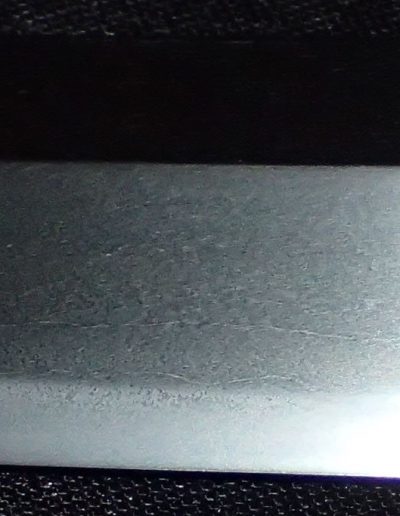
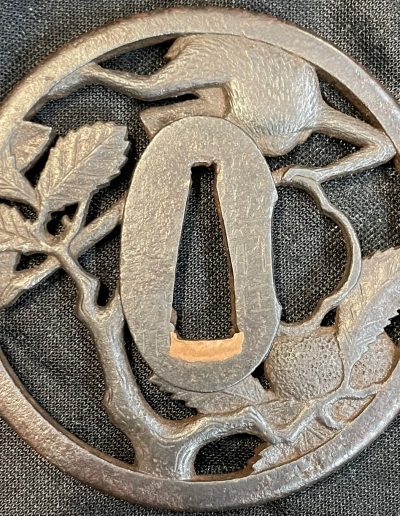
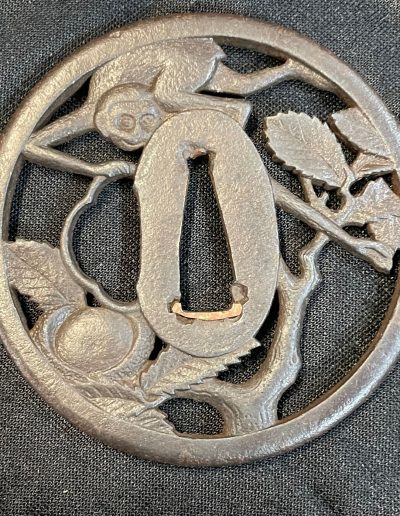
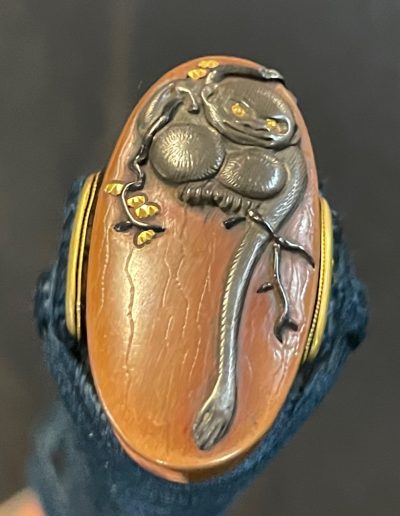
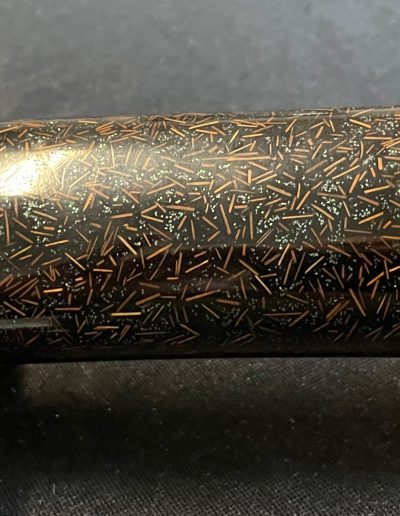
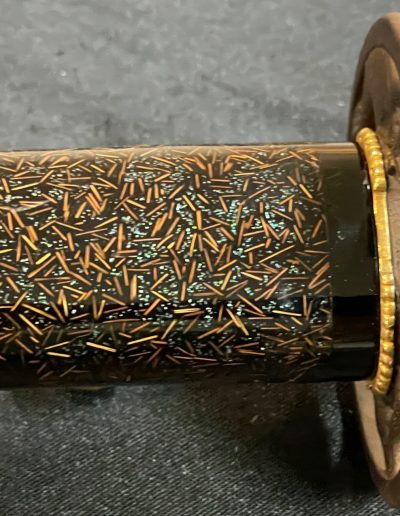
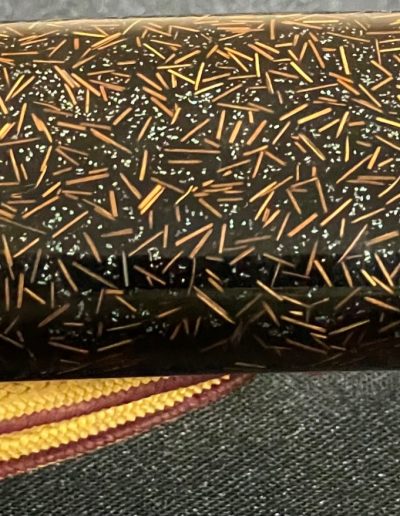
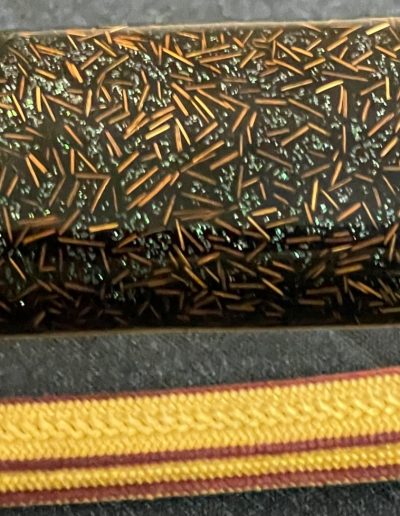
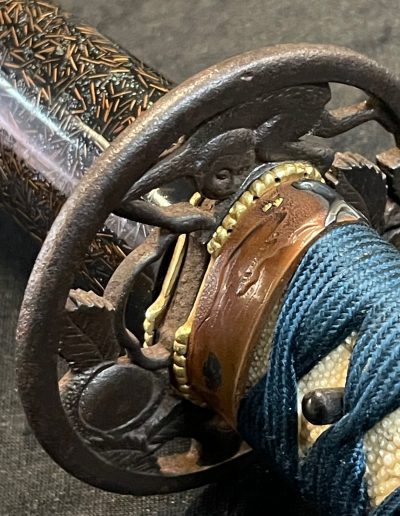
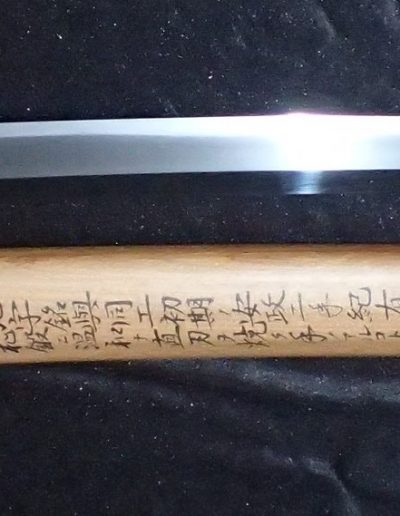
Kiyondo Katana Published in the Shinshinto Taikan with Tokubetsu Hozon Certificate An extremely well forged blade with excellent Masame Hada. Mounted in Shirasaya with Sayagaki by Tanobe Sensei and has a beautiful Koshirae with long arm Monkey motif excellent pine needle and pearl shell lacquered Scabbard Fitted with Tsunagi. Tokubetsu Hozon Certicate Translation KANTEI-SHO (鑑定書) ‒ APPRAISAL No 153925 Katana, signed: Ushū Shōnai-jū Fujiwara Kiyondo ‒ Ansei ninen kinoto-u aki Kōto ni oite kore o tsukuru (羽州庄内住藤原清人・安政二年乙卯秋於江都造之) ‒ “Made by Fujiwara Kiyondo, resident of Shōnai in Dewa province, in fall of Ansei two (1855), year of the hare, in Edo” nagasa ~ 70.9 cm According to the result of the shinsa committee of our society, we judge this work as authentic and rank it as Tokubetsu-Hozon Tōken. May 28, 2009 [Foundation] Nihon Bijutsu Tōken Hozon Kyōkai, NBTHK (日本美術刀劍保存協會 Sayagaki by Tanobe Sensei 羽刕荘内住藤原清人 九字銘與同工初期ノ安政二年紀有之彼ノ作域ハ師清麿風ヲ受ケタ乱刃ノ他ニ師風ヲ離レテ柾鍛 ニ温和ナ直刃ヲ焼ク手ノアルコトガ注目サル本刀ハ其ノ代表的優品而出来宜矣 ⻑弐尺参寸四分 惟時癸⺒林鐘 探山邉道識「花押」 Ushū Shōnai-jū Fujiwara Kiyondo Kuji-mei yo dōkō shoki no Ansei ninen-ki kore ari. Kare no saku’iki wa shi Kiyomaro-fū wo uketa midareba no hoka ni shi-fū o hanarete masame kitae ni onwa na suguha o yaku-te no arukoto ga chūmoku-saru hontō wa sono daiyhōteki yūhin shikamo deki yoroshii. Nagasa ni-shaku san-sun yon-bu Koretoki mizunoto-mi rinshō Tanzan Hendō shirusu + kaō Fujiwara Kiyondo, resident of Shōnai in Dewa Province [This blade] bears a nine-character signature and is dated with the second year of Ansei (1855), which corresponds to the early phase of Kiyondo’s active period. On the one hand Kiyondo continued to work in the style of his master Kiyomaro, which is a midareba, but he also worked in a different style, that is, in a kitae in masame and a calm hardening in suguha. This blade is a representative masterwork of the latter category and is apart from that of an excellent deki. Blade length ~ 70.9 cm Written by Tanzan Hendō [Tanobe Michihiro] in June of the year of the snake of this era (2013) + monogram Kiyondo’s (清人) family name was Saitô (斎藤)and he was the adopted son of yakaji Saitô Koichirô and was first called Kojûrô. Through the introduction of Saitô Masamoro, in 1852 he entered the mon of Kiyomaro (清麿). His apprenticeship with Kiyomaro (清麿) ended in 1854 when Kiyomaro (清麿) committed suicide. Even though his apprenticeship was very short, he mastered his teacher’s techniques and style. In 1854, he established a forge in the Kanda section of Edo. In Keiô sannen (1867) he went up to Rakuyô in Kyôto and received the title of Buzen no Kami. He returned to Dewa Shônai and worked as a swordsmith for the Han. He passed away on October 3rd in the thirty-fourth year of Meiji (1901) at the age of seventy-five. To give the reader a little background of this smith, it might be a good idea to first give some background on his very famous and tragic teacher, Kiyomaro (清麿). Kiyomaro (清麿) was born in the tenth year of Bunka (1813) in Akaiwa village, part of Komoro in Shinano Province. He was the second son of a county Samurai named Yamaura Nobukaze. His given name was Yamaura Tamaki in his childhood and later it became Yamaura Kuranosuke. After studying with his older brother, Saneo (真雄) (also called Masao), they both were apprenticed to Kawamura Toshitake (河村寿隆), a sword smith of Ueda near Komoro, and at this time, he called himself Masayuki (正行). In 1834, at the age of twenty-two, he decided to forsake sword making and go to Edo to take advantage of the current interest in military philosophy and improve his understanding of bushidô. He studied under the famous and talented hatamoto and military theorist, Kubota Sugane. Sugane recognized Kiyomaro’s (清麿) talents and convinced him to return to sword making. In an effort to help Kiyomaro (清麿), in 1839 he organized a bukikô for Kiyomaro’s benefit. This was a kind of lottery the purpose of which was to secure orders for swords for Kiyomaro (清麿). This venture failed but Kubota was able to secure Kiyomaro (清麿) a position making swords in the bakufu’s armory. Kiyomaro (清麿) is said to have repaid his benefactor by embezzling funds from the armory in order to flee to Nagato (Choshu) which, at that time, was a political hotbed for the movement to end the Shogunate and restore the Emperor to his throne. Later, however, he returned to Edo and with the help of Sugane he established a smithy in Igachô, Yotsuya in Edo. In 1846 he changed his name to Kiyomaro (清麿) and made a blade for his patron, Sugane. This sword turned out to be what is today considered to be his supreme masterpiece work. On the strength of the qualities of this sword and the other swords he produced around this time, he came to be called the “Masamune of Yotsuya”. Throughout his life he had an addiction to drink and was often drunk. He ended his curious and brief yet spectacular career in 1854 when he committed suicide at the age of forty-two. When his teacher, Kiyomaro(清麿), committed suicide, he left debts and an unfulfilled outstanding order for thirty swords for which he had accepted partial payments. Kiyondo (清人) made it his responsibility to complete these swords to preserve his master’s honor. He did so and inscribed these swords, SHI NI KAWATTE TSUKURU TÔ (師に代わって造刀). This means, “MADE THIS SWORD IN PLACE OF THE TEACHER”. He used the proceeds from the sale of these thirty swords to clear the debts of his master, Kiyomaro (清麿). SUGATA: Kiyondo’s blades are long with a shallow sori, relatively wide mihaba, and a stretched kissaki. Like his teacher, Kiyomaro, his blades have an overall feeling of sharpness. His tanto also lack a full fukura and are forged in a variety of shapes. Kanmuri-otoshi tantô can be seen at times. JITETSU: His jigane tends to be a very dense and tight ko-itame that is ji-nie lined. Occasionally an example with masame or ko-mokume can be found mixed in with the ko-itame. The jihada will contain chikei-gokoro and ko-nie. The jigane is weaker than that of Kiyomaro. Masame-hada of the Yamato tradition can be found in his later works, especially in the shinogi-ji. HAMON: His gunome-midare will have round heads and contain ashi and yô as well as ara-nie here and there. His ashi will not have uniform lengths like his master’s, and, in some instances, can extend sideways. There will be many long sunagashi and kinsuji in addition to the yubashiri looking like tobiyaki in places. He also made splendid medium-wide suguha showing some natural notare-gokoro. It is mostly sprinkled with ko-nie and will contain a great many feint ko-ashi. BÔSHI: Generally, his bôshi will be extended. He will have a ko-maru bôshi with a deep kaeri. It will exhibit hakikake and kinsuji. Look for the hakikake to resemble the traces of comb swept sand as this is one of his kantei points. NAKAGO: The nakago will be big and wide on katana. It will be most often carefully finished with sujikai yasuri and end in a ha-agari-kurijiri shape with slightly rounded sides on both the mune and ha sides. The mei will be chiseled thickly, powerfully, and skillfully. MEI: He had a great variety of signatures. Many swords will have dates. Here are some of the most common examples: KIYONDO 清人 USHÛ SHÔNAI JU KIYONDO 羽州庄内住清人 FUJIWARA KIYONDO 藤原清人 BUZEN NO KAMI KIYONDO 豊前守清人 SAITÔ ICHIRÔ FUJIWARA KIYONDO SAKU 斎藤一郎藤原清人作 USHÛ SHÔNAI JÛ FUJIWARA KIYONDO OITE EDO SAKU 羽州庄内住藤原清人於江戸作
NihontoWatch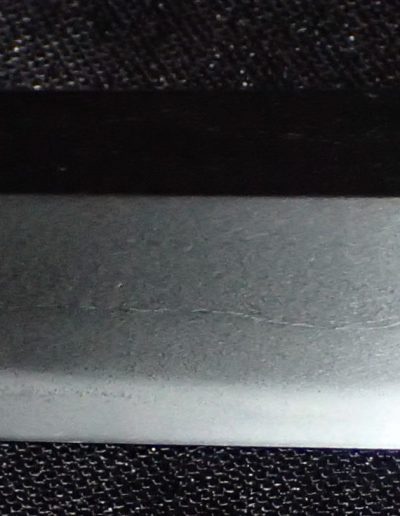
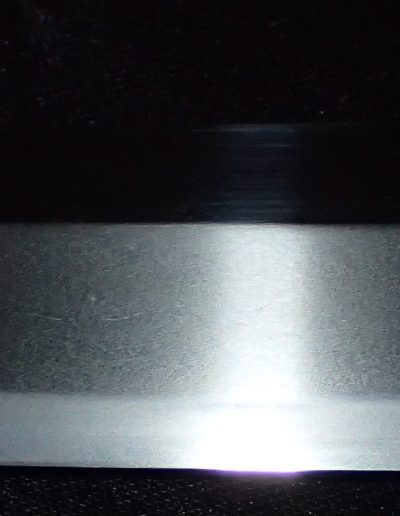
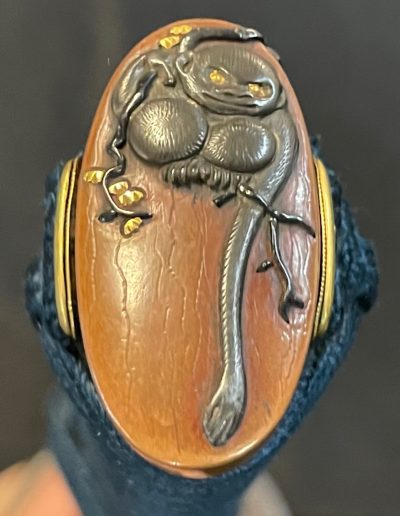
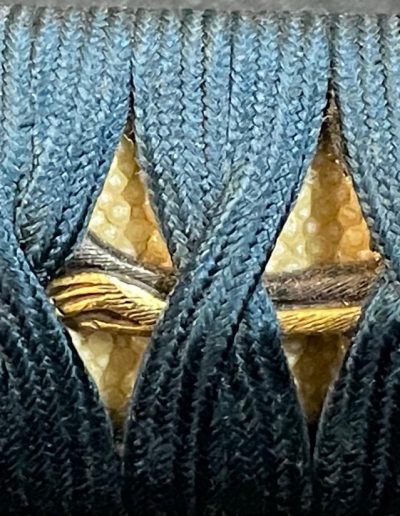
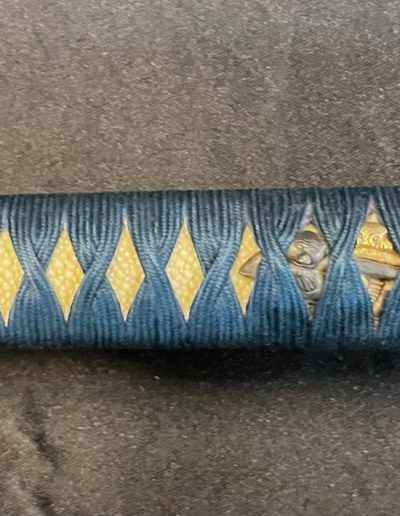
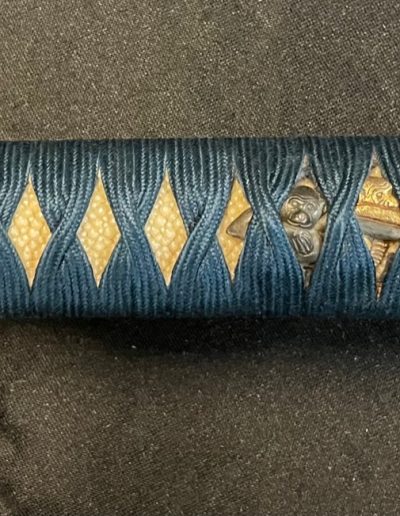
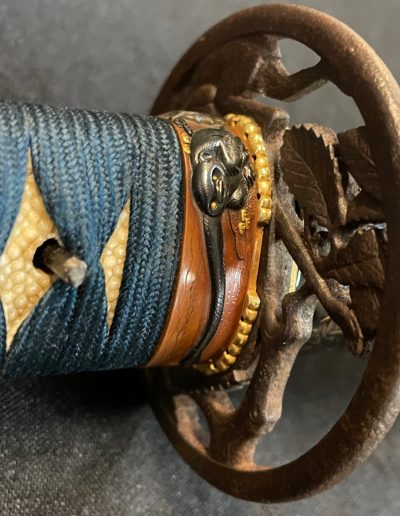
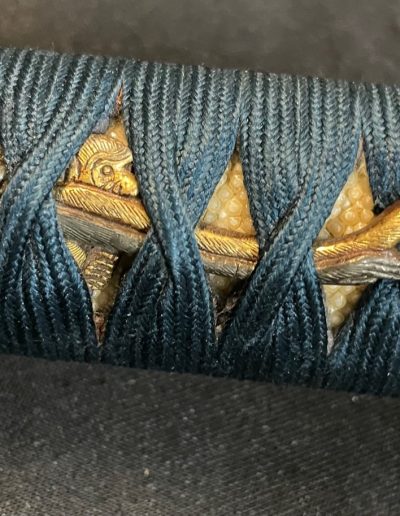
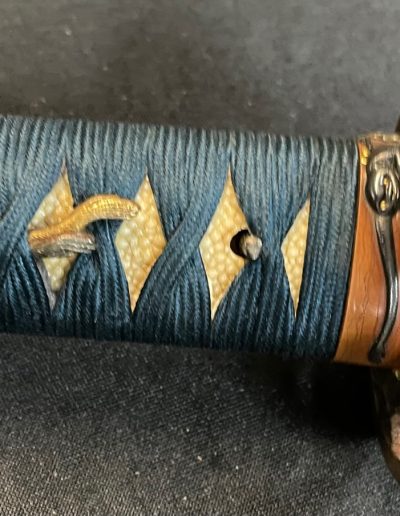


(翻訳なし)
清麿派 · 武蔵 · 1848-1868頃
藤代 上作 · 刀剣大鑑 上位37%
現在5点販売中
斎藤一郎清人は、文政十年、羽州庄内大泉荘(今日の温海温泉)に生まれた。生家はこの地に温泉旅館を業としていたという。嘉永五年四月、志を立てて出府し、庄内出身の金工船田一琴の世話により源清麿の門に入った。修業は嘉永七年十一月の師清麿自刃まで僅か二年余りに過ぎなかったが、説明書はその短い間によく学び、師風を忠実に受け継いだと強調する。彼の名を工房の外へと高からしめたのは鍛冶場の外の一事であった。すなわち師清麿の残した刀債を後に完済したことであり、この逸話こそ最もよく語り継がれている。神田小川町で独立し、慶応三年七月に豊前守を受領し、明治三年に政府が帯刀を禁ずると鍛冶の道を廃して郷里に帰り旅館の主人となり、明治三十四年、七十五歳で歿した。彼は清麿門中最も優れた工であり、その作風を新々刀末期へと伝えた中心の存在である。
彼を識る手は、師から受け継いだもの、すなわち相州伝を全き強さで保った覇気ある互の目乱れである。姿がそれを支える。身幅広く元先の幅差少なく、身幅の割に鎬幅狭く、平肉つかず、大鋒が一際延びてふくらの枯れた、豪壮で力強い体配で、説明書はこれを清麿一門独特の姿態とする。その上に、頭の丸い互の目を主調として、互の目・小互の目・角ばる刃・尖りごころの刃・互の目丁子風の刃を交え、足長くさかんに入る刃を焼く。沸厚くついて処々荒めにむらとなり、総体に金筋・沸筋・砂流しが長くさかんにかかり、鎬地に湯走り風の飛焼を交える。帽子は乱れ込んで先尖り、強く掃きかけ、時に地蔵風に返る。覇気のある作風であり、説明書は同じ語を繰り返し、ある一口を師伝を継いだ互の目乱れの力作と評する。
その刃を支える地鉄は、板目に杢・流れ肌を交えて処々肌立ち、やや肌物風をみせる地に、地沸が厚く、時に荒めにむらづいてつき、地景が頻りに入るものである。匂口は深く、総じて明るいが、放胆な作では下半の焼刃が荒ぶり、匂口が沈みごころに転ずることもある。焼刃は総体にやや高く、頭の丸い刃に大互の目・互の目丁子を交え、長い足は処々葉に破られ、刃中に焼がぬけたような丸い玉(島刃)を見せ、ほつれ・湯走り風の二重刃を交える。全体として、抑制よりも華やかさへと推し進められた沸づく相州伝として読まれ、説明書は放胆な作ほどその働きが一際目立つとする。
この受け継いだ作風に対し、説明書は第二の、全く趣を異にする作風を据える。清人独自のものとし清麿には見られないとする、「清人独特の大和伝の直刃」[[c:1]]である。ここでは鍛えがよくつんだ小板目に締まり、時に刃寄り柾がかり、地沸は微塵に細かく地鉄冴え、地景を交える。刃文は直刃、あるいは直刃調に僅かに互の目を交えて丁子の小足よく入り、小沸つき、匂口締りごころに明るく、帽子は直ぐに小丸、先掃きかける。その最初期の重要刀剣について説明書は、「この作は清磨の作風とは別に直刃を焼いて地刃の出来が殊に優れている」[[c:2]]と記す。任官のため上洛した際に京で鍛えた慶応三年の刀は、説明書が「豊前守を冠した第一作と思われる」[[c:3]]とするもので、同じ大和伝の直刃であり、その銘文は作域と同じく資料的に貴重である。この二様こそ本工を読む基準であり、華やかな乱れと静かな直刃が、清麿一門の姿態を共に帯びて並ぶ。
本工を分かつものは、師との対比によってよりも、その自身の作によってよく読まれる。両者の関係は離反ではなく忠実だからである。乱れ刃は頭の丸い互の目、長い足、豊かな沸、長くかかる金筋・砂流しという清麿のものを保ち、説明書はその達成をいかに師の水準に迫るかで測る。ある整った一口について説明書は、刃取りが常より整い、沸にむらなく、刃中の働きも一段と豊富で、「師清麿に迫る出来映えで、清人会心の一口」[[c:4]]と記す。直刃はこれに対し本工が独り保つ地で、師の手がけなかった大和伝であり、説明書はそこに地刃の最も冴えた様を見出す。すなわち彼の見どころは、一方に金筋・砂流しのさかんな頭の丸い互の目乱れ、他方に明るい大和伝の直刃であり、いずれも身幅広く大鋒の延びた清麿一門の体配の内にある。
これら一切が拠って立つ記録は、その地位の工としては狭く一様である。記録に十口、いずれも重要刀剣に指定され、いずれも在銘で生ぶ茎の原姿を留め、数口は年紀を備えるが、国宝・重要文化財はなく、茎に古い来歴も付されない。藤代は本工を上作とする。説明書がその最上の語を惜しまぬのは、豊前守受領直後に年紀された慶応三年の刀で、これを「師清麿に比肩する出来映えを示した清人の相州伝の最高傑作」[[c:5]]とする。さらに趣の深いのは、茎に古事記の「天之尾羽張」たる神号「稜威尾羽張」を刻み、亡師清麿が友人斎藤友麿に神剣を贈らんと志しながら果たせず世を去るに際し、清人がその遺志を託されて師の集めた材料を用いて鍛え上げた由来を長文に記した一口である。記録される清人がいずれも在銘・指定の作であって博物館の遺産ではなく私蔵であるため、その作は鎌倉の名工のものより市場に現れやすいが、数少なく深く秘される。年紀ある在銘作が収集家の前に現れるのは時折のことであり、尾羽張の刀のような銘文を帯びた一口が現れれば、それはいつであれ一つの画期となろう。
清人の位置づけを、日本刀全体および伝法・時代・時期ごとに示します。各区分(随一・屈指・有数・著名)は、NBTHK および文化庁による指定に加え、三作や名物帳などの歴史的栄誉を加味したものです。
各項目を選ぶと評価方法が表示されます。
在銘年紀作が示す、確実に活動していた年代
新々刀 · 武蔵
現在14点販売中
清麿一門は、十九世紀中頃の江戸に興った新々刀の一派で、相州伝の豪壮な復興をその核に据える。中心に立つのは山浦清麿で、文化十年信濃小諸赤岩村に郷士信風の次男として生まれ、はじめ内蔵助環と称した。上田藩工河村寿隆に鍛刀を学び、初銘を正行とし、一時師より贈られた秀寿と銘したのち同年のうちに正行へ復している。天保六年、兵法家として名高い幕臣窪田清音の後援を得て江戸に出で、天保十三年から一年を長州萩で送り、弘化二年に再び江戸へ戻って、翌三年秋に四谷伊賀町に住して銘を清麿と改めた。相州伝を得意とすること甚だしく、世に四谷正宗と称せられた。その糾合した門には、信濃以来の同じ道を歩んだ兄真雄、越後三条より鏡師を廃して入門した栗原信秀、羽州庄内より出府して師の刀債を後に完済した斎藤清人らが連なり、嘉永七年の清麿自刃の後も、その相州復古の手は幕末から明治初年へと伝えられた。 一門を貫く語法は、五百年を遡って相州に通う沸本位の作風にある。やや肌立つ流れごころの板目をよくつめ、地沸を微塵に厚く敷き、地景頻りに入って鉄が冴え、映りはない。その上に互の目乱れに小のたれを交え、沸厚く処々荒めに叢立ち、長い金筋と盛んな砂流しが頻りにかかる覇気ある刃を焼く。帽子は乱れ込み、尖りごころに掃きかけて返る。この共通の地刃の内に、各工の手が分かれる。清麿は志津三郎兼氏を仰いだ志津伝を得意中の得意とし、その地沸・地景の厚さと荒沸の富みにおいて一門を圧して、菖蒲造・冠落造の脇指や短刀に華やかな乱れを見せる。信秀はその志津の調子に最もよく迫った手で、説明書はその技を一門中最も師に迫るものとし、互の目に尖り刃・角互の目を交えて砂流し・金筋を頻りにかけるが、覇気と迫力は師に遠く及ばないとも率直に記す。彼ひとりの見どころは鏡師の修業に発する彫物で、草の倶利迦羅・珠追竜・竜乗り観音など多彩な図柄を刻み、一派中で彫物を伴うのは彼の刀のみである。真雄は寿隆風の丁子に始まって相州伝に転じた弟と同じ展開を辿るが、説明書は地景・砂流し・金筋がやや少なく出来が清麿に及ばないとし、なお優作では地沸厚く強い鍛えを称える。清人は頭の丸い互の目を主調に長い足と豊かな沸を保って師風を忠実に継ぐ一方、清麿には見られぬ大和伝の直刃を独り保ち、よくつんだ小板目に微塵の地沸を敷いて地刃の冴えた直刃を焼く。 鑑定の勘所は、まずこの相州への遡りにある。同時代の新々刀工が備前の丁子や虎徹の詰んだ地鉄を写したのに対し、本一門は地沸・地景厚く荒沸に富み金筋・砂流し頻りなる地刃を、借りものの模様によらずその力強さと明るさによって示す。姿もまた手がかりで、身幅広く元先の幅差少なく、鎬幅狭く平肉つかず、大鋒の延びてふくらの枯れた豪壮な体配が一門独特のものとされる。位列にあって清麿は晩年のあらゆる刀工の中でも最も人気の高い一人で、藤代はこれを最上作とし、真雄を上作、信秀・清人をこれに次ぐ手とする。国宝・重要文化財はなく、その地位は今日の指定の級と僅かな来歴に拠る。来歴は広汎というより確かで歴史に響くもので、清麿の作は岩崎家と静嘉堂文庫、後援者窪田清音、大小を註文した松代藩士、剣客中条金之助の手を経、信秀の片切刃の脇指は将軍慶喜への献上と伝え越後三条の八幡社にも伝わり、清人の一口は亡師の遺志を託されて稜威尾羽張の神号を刻む。多くは伝えられて市場には出ず、在銘の作が世に現れるのは時折に限られるが、年紀を備えたその一口は、相州が江戸に甦った瞬間を語る証として、新々刀を集める者の前に立つ最も報いある手の一つである。 詳しく見る →
幕末 最後の需要
1853年のペリー来航は徳川の泰平をほどき、二世紀ぶりに実用刀の大量需要を生んだ。四谷正宗と呼ばれた清麿はその前夜に世を去り、宗次や行秀が最後の好況を担った。
保存刀剣のうち、出来が一層優れ、保存状態も良好と認められたものです。再刃や、室町・江戸期の多くの無銘作は対象外となり、保存刀剣より高い基準が課されます。
日本美術刀剣保存協会(NBTHK)は、1948年に設立され、文化庁の監督を受ける公益財団法人で、東京・刀剣博物館に本部を置きます。専門の審査員が出品作を直接審査し、美術的・歴史的価値に応じた鑑定書を発行します。NBTHKの鑑定書は、日本刀および刀装具の真正性を示す最も広く認知された基準です。
NBTHK公式サイト価格はお問い合わせ