二十世紀は二度この工芸を殺しかけた。戦時の歪みと、占領下の禁令である。1948年の日刀保設立と1953年の作刀再開が刀を美術として再建し、人間国宝と無鑑査がその頂に立つ。
 NihontoWatchNihontoWatch
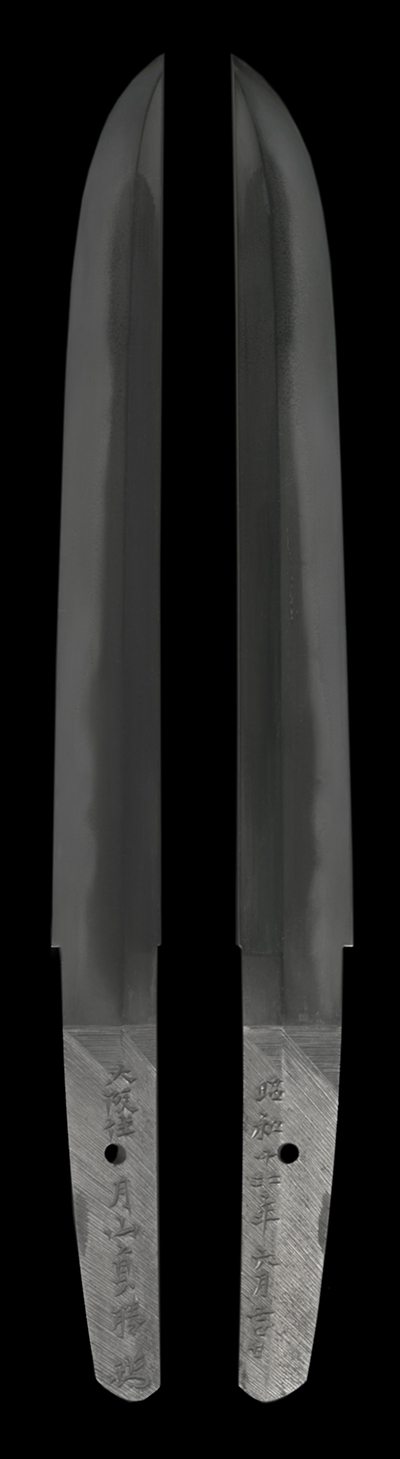
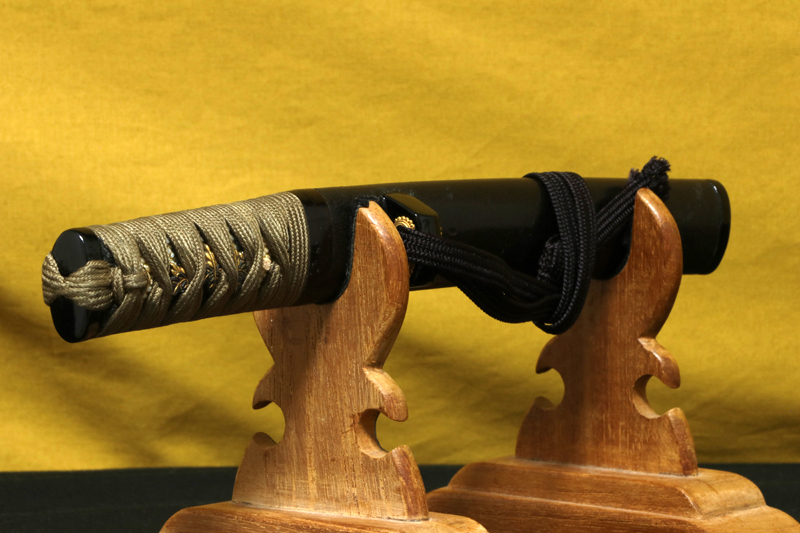
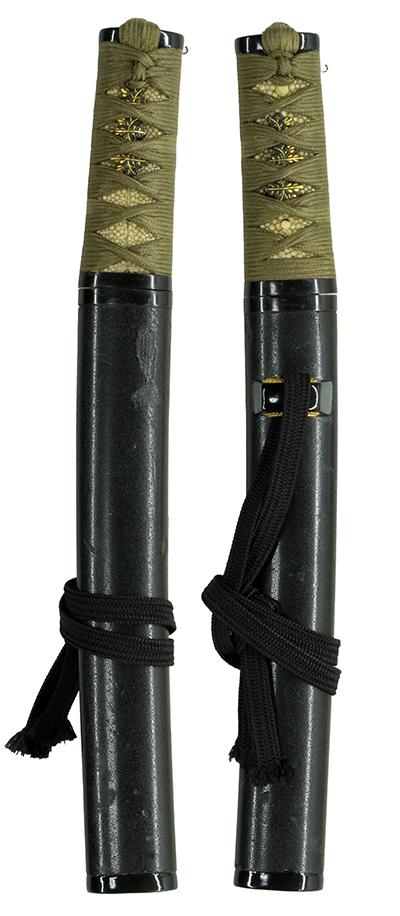
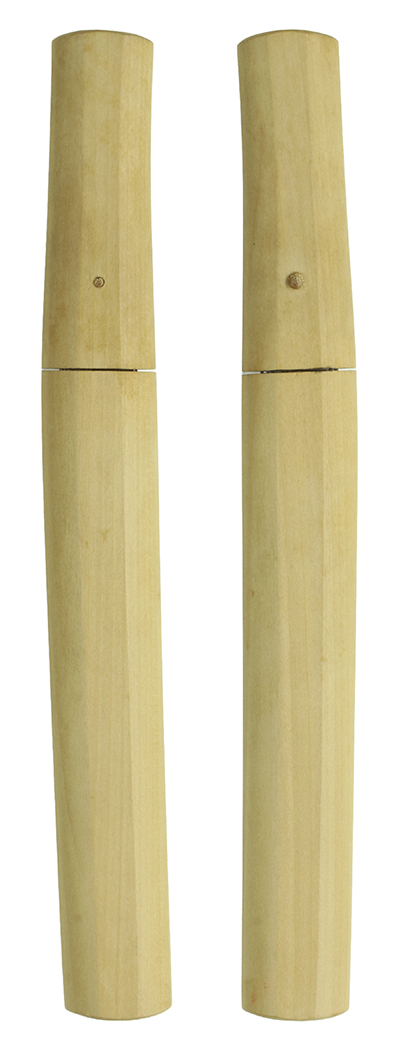
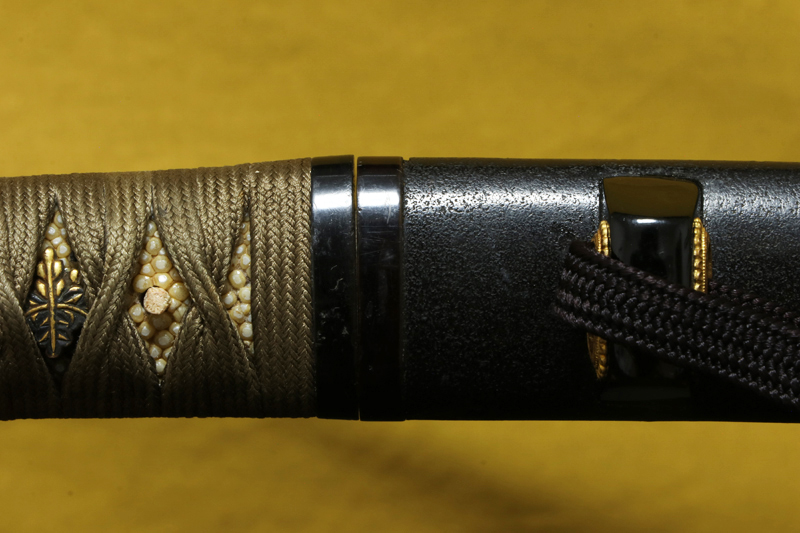
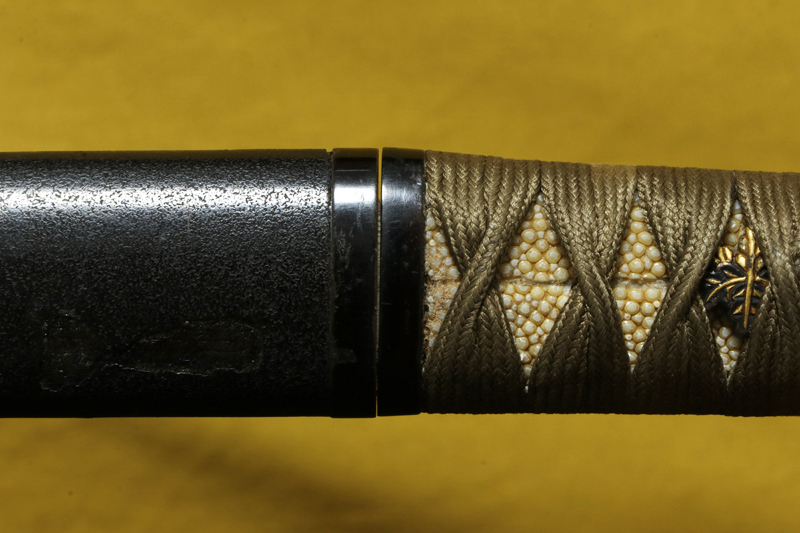
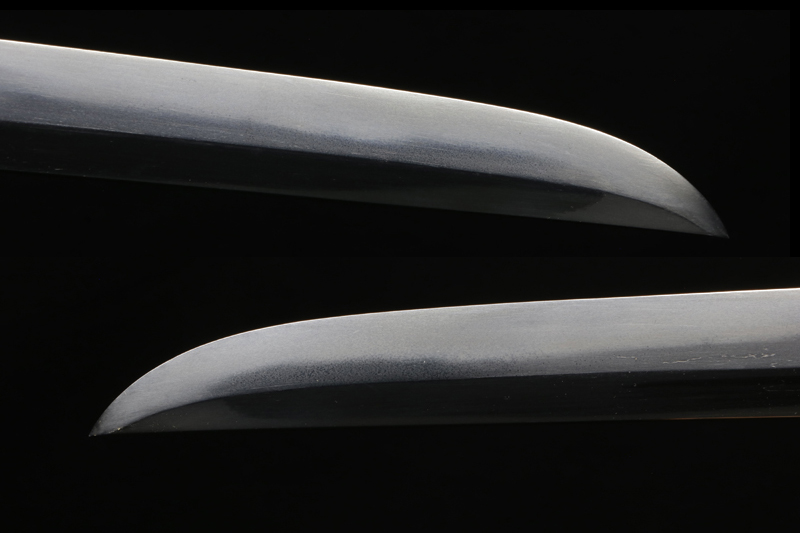
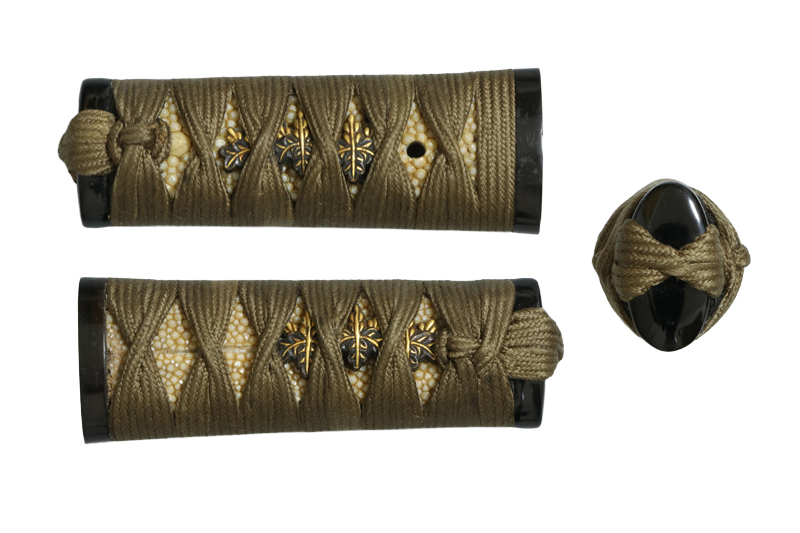
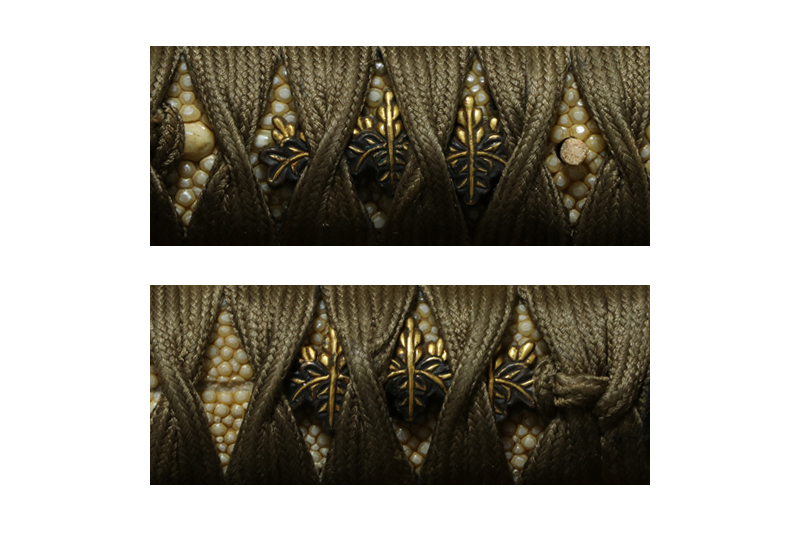
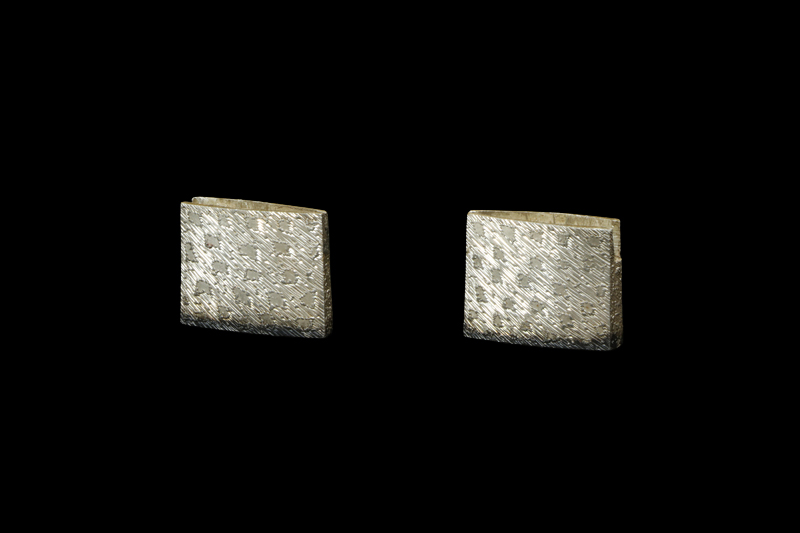
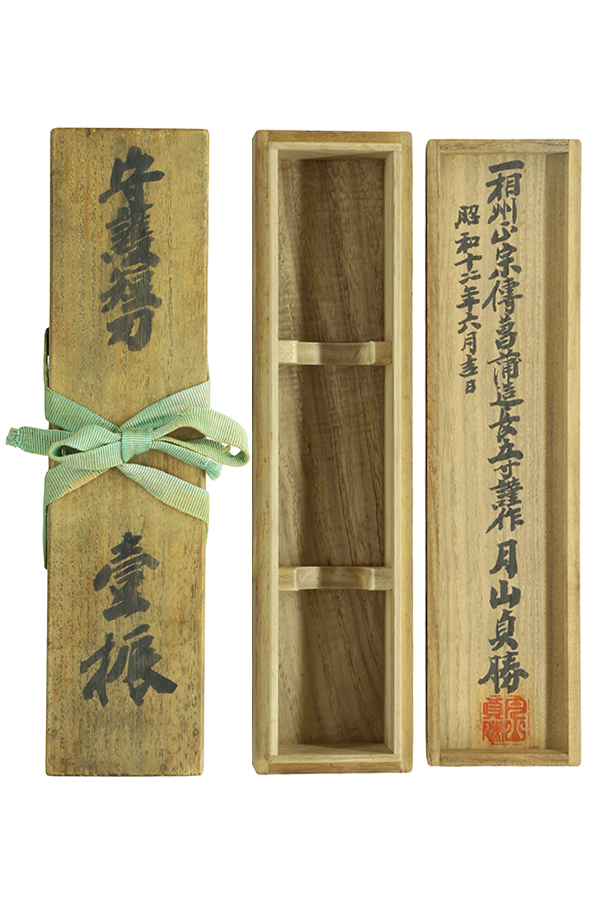
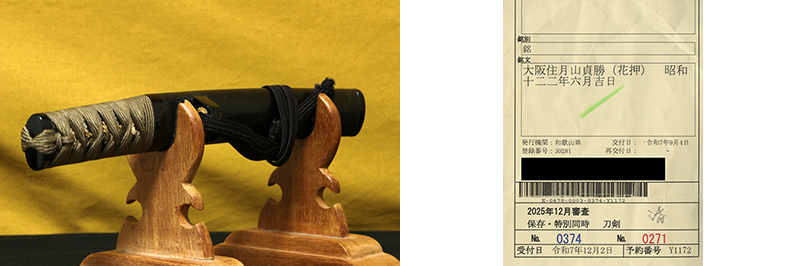
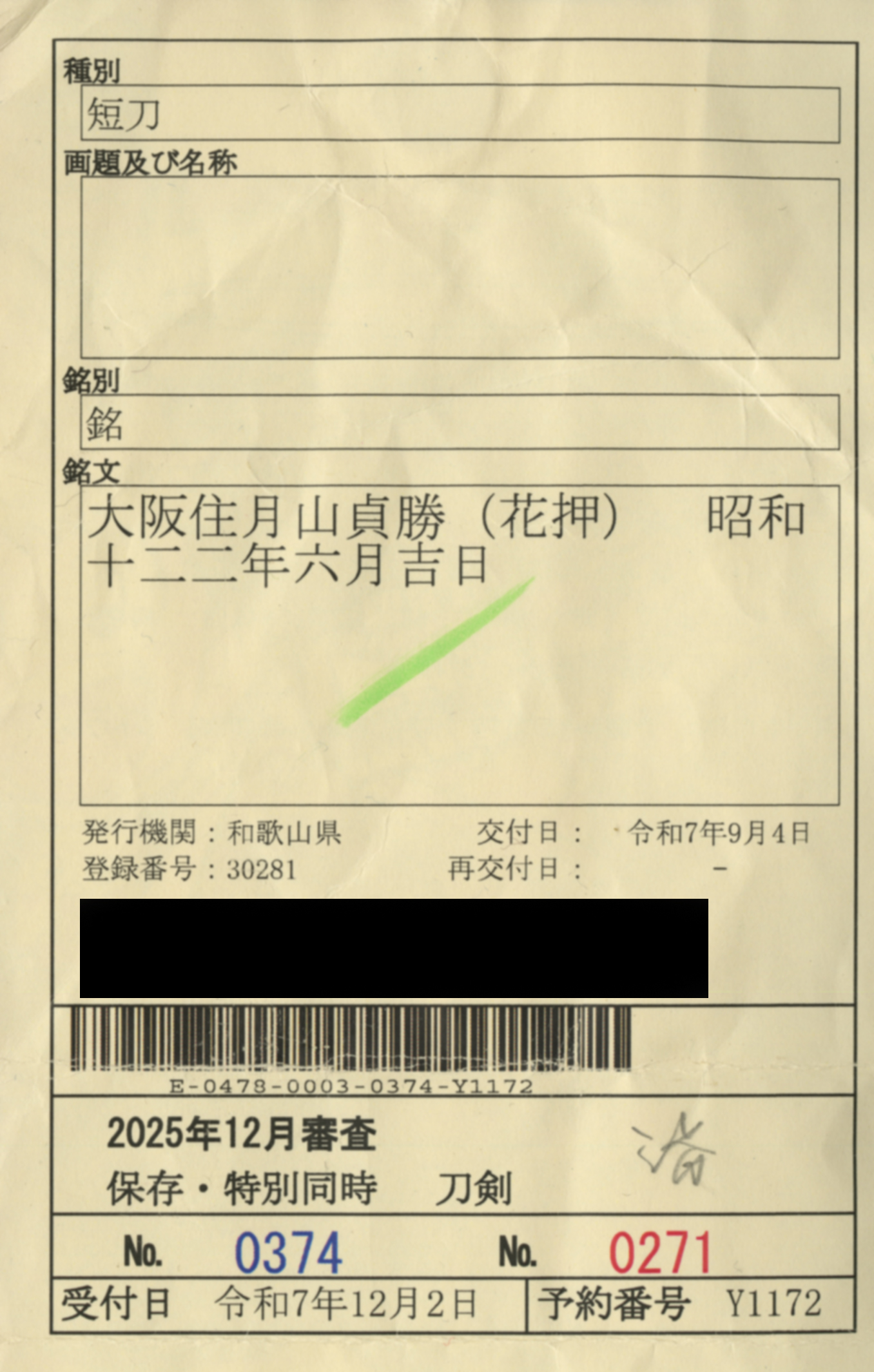
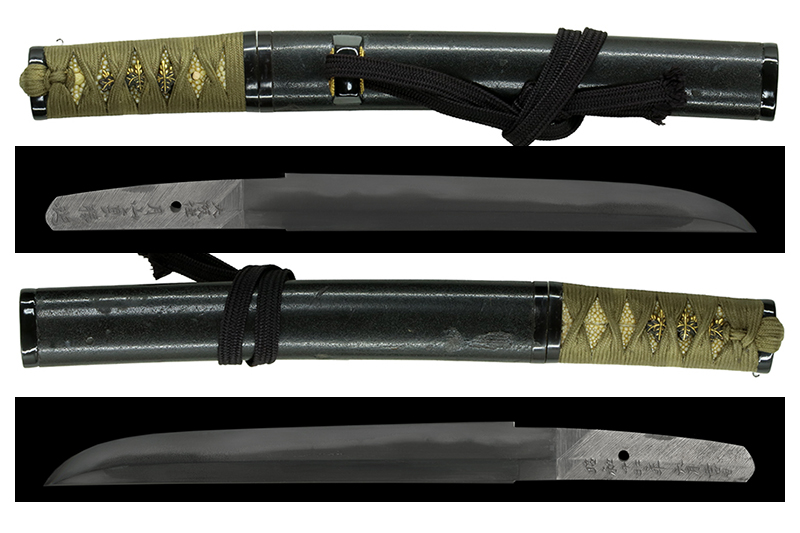
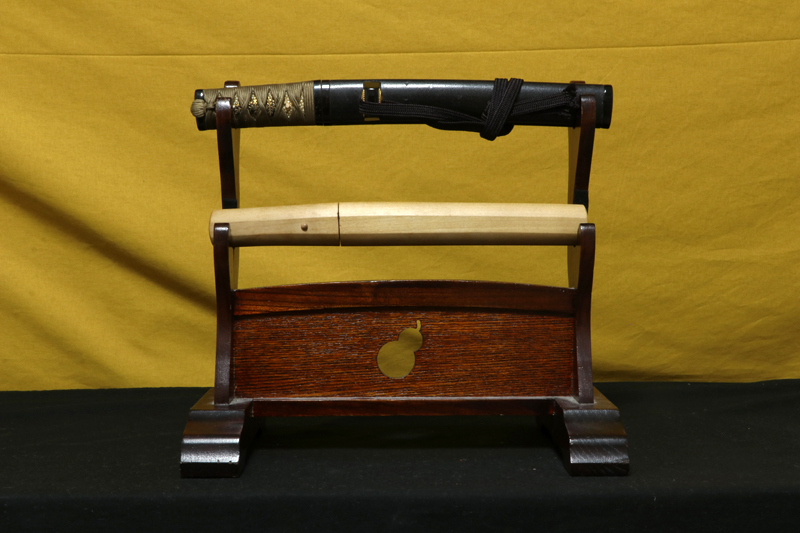
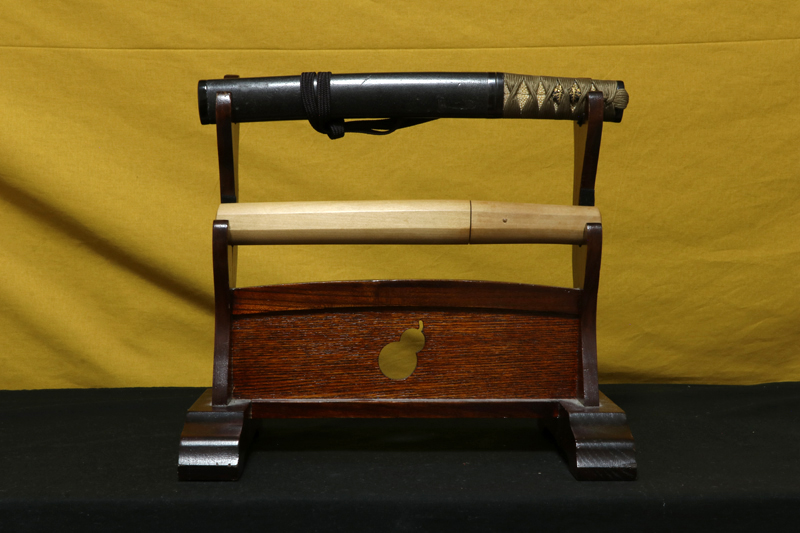
Hozon Token Osaka Gassan Sadakatsu with Koshirae,Shirosaya and paulownia wood box. 大正・昭和期を代表する名工、月山貞勝による一作です。 本作は小振りながら、相州伝を焼いた見応えある御守短刀です。 刀身は研ぎ上がったばかりで、白鞘および拵の状態も概ね良好です。 さらに、本作にはオリジナルの桐箱が付属し、その蓋裏には貞勝刀匠直筆の裏書が認められます。 This is a work by Gassan Sadakatsu, one of the foremost master swordsmiths of the Taisho and Showa periods. Though modest in size, this mamori-tantō is an impressive example, distinguished by its Soshu-style tempering. The blade has been freshly polished, and both the shirasaya and koshirae are in generally good condition. It is further accompanied by its original paulownia wood box, on the underside of whose lid appears an inscription written in Sadakatsu’s own hand. 「刀姿 sword figure」 菖蒲造り庵棟、身幅重尋常、無反り中鋒。茎は生で化粧鑢がかかり、茎尻は栗尻。 Shobu-zukuri with an iori-mune, the blade is of standard width and thickness, without curvature, and has a medium kissaki. The tang is ubu, finished with kesho yasurime, and the nakago-jiri is kurijiri. 「地鉄 jigane」 地鉄は、板目肌が流れ柾かかり地沸がつき地景が働き精良な地金となる。 The jigane is of flowing itame mixed with masame, covered with ji-nie and worked with chikei, producing a refined and excellent jigane. 「刃紋 hamon」 刃紋は互の目乱れ、刃縁沸付き砂流しかかり、刃中は金筋が働く。釯子は乱れ込み棟焼風に深く返る。 The hamon is in gunome-midare, with nie along the habuchi and accompanied by sunagashi, while kinsuji are active within the tempered edge. The boshi continues in midare and turns back deeply in a manner resembling mune-yaki. 「特徴 detailed」 月山貞勝は、帝室技芸員・月山貞一(初代)の長男として明治2年(1869)、大阪・槍屋町に生まれ、名を英太郎と称しました。幼少より父・貞一に師事して鍛刀技術を修め、その技量は父に迫るものがあったと伝えられます。貞一没後は大阪月山家を継承し、門下からは三男の月山貞一、高橋貞次の二人の人間国宝をはじめ、多くの優工を輩出しました。昭和18年(1943)12月24日、74歳で没しています。 大正7年(1918)頃までは父の相槌を務めていたため、自身銘の作はきわめて少なく、この時期の作としては昭和天皇立太子礼御佩刀の直刀が知られるのみです。出羽三山神社蔵の大正10年(1921)紀の脇指は綾杉伝を示し、現存する貞勝の年紀作としては最古のものと考えられます。 大正10年頃より一木喜徳郎宮内大臣の知遇を得て、天皇陛下の大元帥刀をはじめ、各宮家や宮内省の御下命を賜り、陸海軍将官への御下賜刀の製作に従事しました。作風は綾杉伝のほか備前伝を得意とし、相州伝にも見るべきものがあります。刀姿は細身で小切先の優美なものが多く、これは宮内省関係の刀を数多く製作していたこととも深く関わるものと思われます。 本作は貞勝刀匠による御守短刀で、直刃の作例が多い中、珍しい相州伝を焼いた見どころある一振りです。鎺には銀無垢の月山鎺が添えられています。刀身は研ぎ上がったばかりで状態きわめて良好、白鞘および拵には経年の趣が見られるものの、概ね良好な保存状態を保っています。付属の桐箱の蓋裏には、貞勝刀匠直筆の裏書が認められます。 Gassan Sadakatsu was born in Meiji 2 (1869) in Yariya-cho, Osaka, as the eldest son of Gassan Sadakazu I, who held the title of Imperial Household Artist (Teishitsu Gigei-in). His given name was Eitarō. From an early age, he studied sword forging under his father, Sadakazu, and is said to have attained a level of skill that closely approached that of his father. After Sadakazu’s death, he succeeded to the Osaka branch of the Gassan school, and from among his students emerged many fine swordsmiths, including two Living National Treasures: his third son, Gassan Sadakazu, and Takahashi Sadatsugu. He passed away on December 24, 1943, at the age of 74. Until around Taishō 7 (1918), Sadakatsu served primarily as his father’s assistant at the forge, and for that reason works bearing his own signature are extremely scarce from this early period. Among the very few known examples from this time is the straight sword made for the Investiture Ceremony of Crown Prince Hirohito. A wakizashi dated Taishō 10 (1921), preserved at Dewa Sanzan Shrine, displays the ayasugi tradition, and is thought to be the earliest dated work by Sadakatsu known today. From around Taisho 10, Sadakatsu came into the favor of Ichiki Kitokuro, then Minister of the Imperial Household. Thereafter, he received commissions from the Imperial Household, various branches of the Imperial family, and the Ministry of the Imperial Household, including the making of the Emperor’s Gensuito and presentation swords bestowed upon senior officers of the Army and Navy. In terms of style, he excelled not only in the ayasugi tradition, but also in the Bizen tradition, and he produced noteworthy works in the Sōshū tradition as well. Many of his swords are elegant in shape, being relatively slender with small kissaki, a characteristic likely related to his many commissions connected with the Imperial Household. This work is a mamori-tantō by Sadakatsu. While many of his tantō are tempered in suguha, this example is particularly unusual in being forged in the Sōshū tradition, making it a piece of special interest. It is further fitted with a solid silver Gassan habaki. The blade has just been newly polished and is in extremely fine condition. The shirasaya and koshirae show some age, but both remain in generally good preserved condition. On the underside of the lid of the accompanying paulownia wood box is an inscription personally written by Sadakatsu himself. 保存刀剣の鑑定書は、5月下旬の到着予定です、到着次第に後送します。 The Hozon Token certificate is scheduled to arrive in late May and will be forwarded to you as soon as it is received. 「拵 koshirae」 合口拵、白鞘、つなぎ。 鎺(habaki) :銀無垢一重の月山鎺 縁頭(futikasira):水牛の角。 目貫(menuki) :三連桐紋。 柄(tsuka) :鮫は親粒が付き巻鮫、柄巻は正絹金茶色の諸撮み巻。 鞘(saya) :黒石目。 「刀身の状態 condition of blade」 研:研ぎ上げたばかりです。。 傷: 欠点になるような傷はありません。

新々刀 · 大阪 · 1926-1989頃
藤代 上作 · 刀剣大鑑 上位60%
現在6点販売中
貞勝の位置づけを、日本刀全体および伝法・時代・時期ごとに示します。各区分(随一・屈指・有数・著名)は、日刀保および文化庁による指定に加え、三作や名物帳などの歴史的栄誉を加味したものです。
各項目を選ぶと評価方法が表示されます。
新々刀 · 摂津
現在26点販売中
昭和から現代へ 断絶と再生
二十世紀は二度この工芸を殺しかけた。戦時の歪みと、占領下の禁令である。1948年の日刀保設立と1953年の作刀再開が刀を美術として再建し、人間国宝と無鑑査がその頂に立つ。
銘が正しい、または無銘でも年代・国・系統を確実に指摘できる、保存に値する真正の作と鑑定されたものです。
日本美術刀剣保存協会(日刀保)は、1948年に設立され、文化庁の監督を受ける公益財団法人で、東京・刀剣博物館に本部を置きます。専門の審査員が出品作を直接審査し、美術的・歴史的価値に応じた鑑定書を発行します。日刀保の鑑定書は、日本刀および刀装具の真正性を示す最も広く認知された基準です。
日刀保公式サイトご購入頂いた商品の到着してから3日以内であれば返金もしくは交換対応をいたします。返品時の送料と返金する際の振込手数料はお客様のご負担とさせていただきます。
¥900,000