 NihontoWatchNihontoWatch
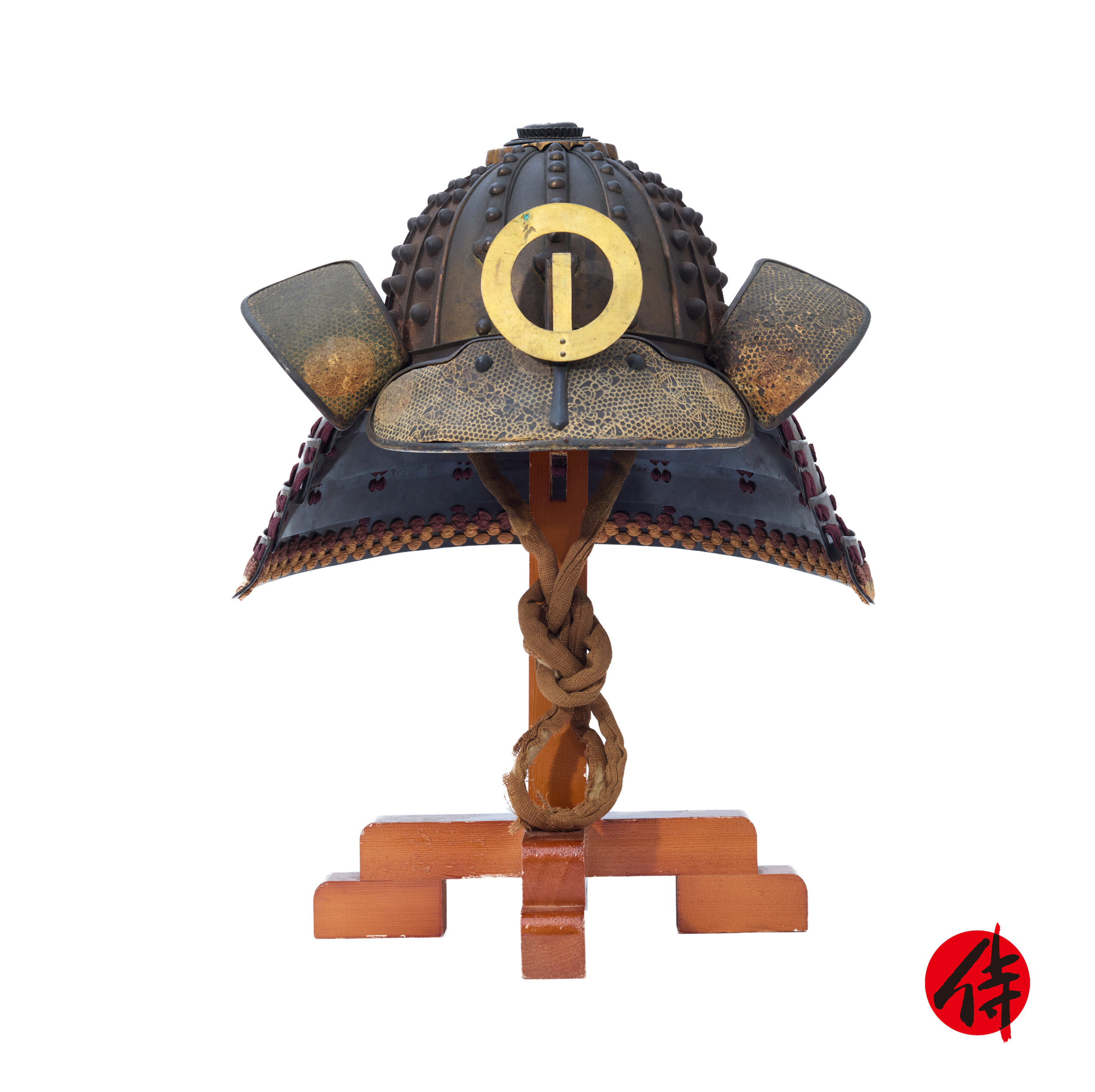
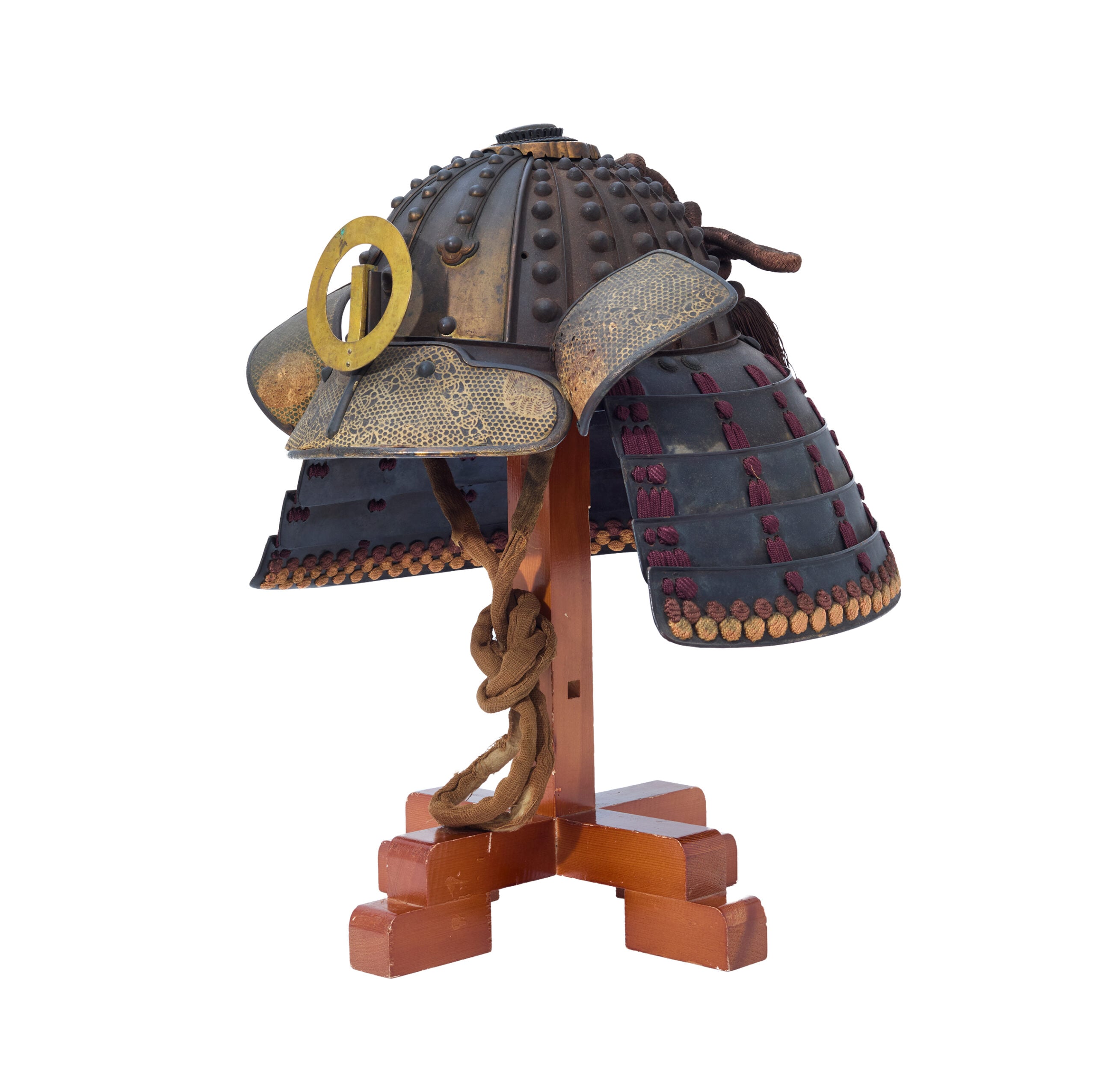
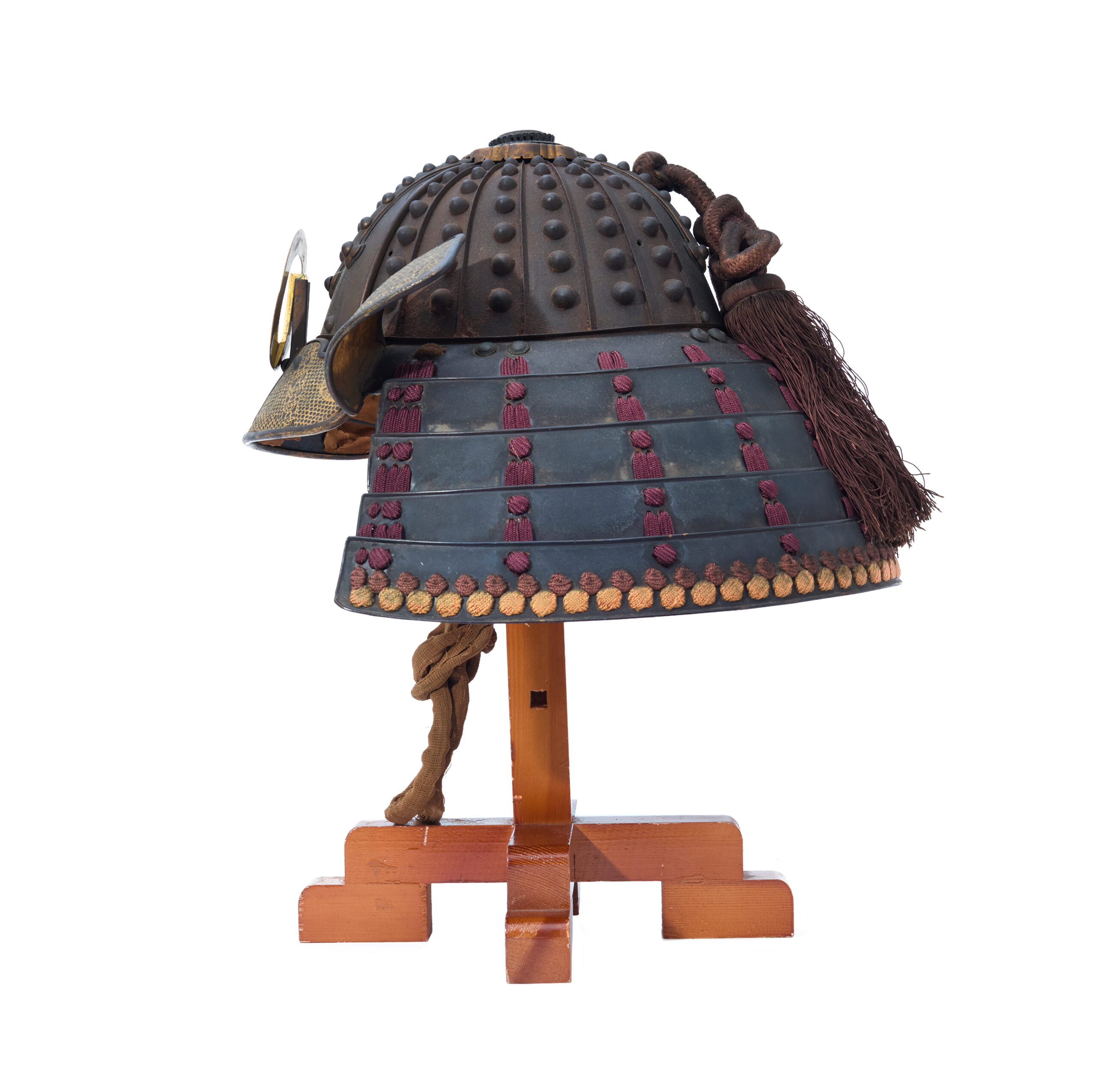
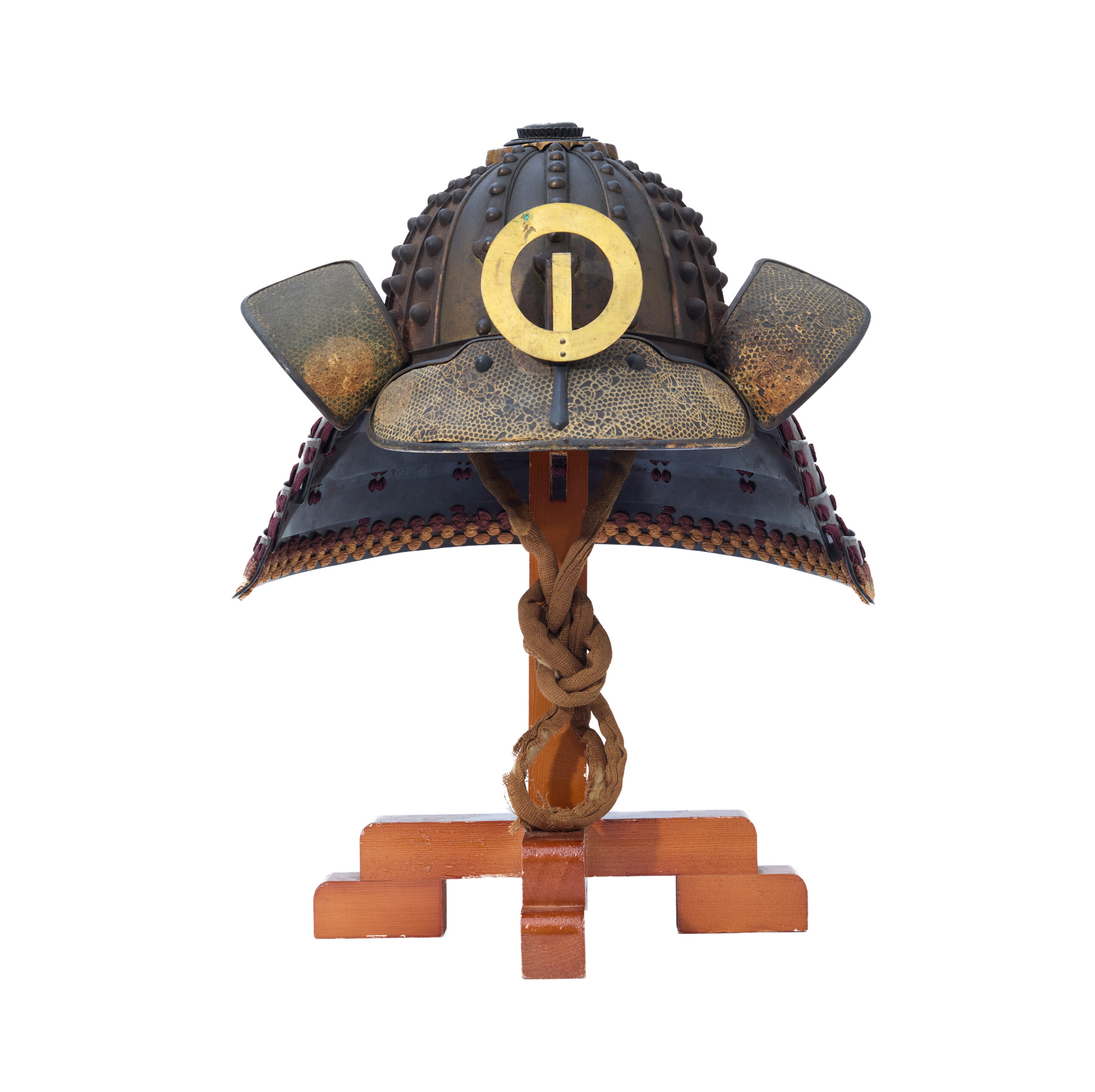
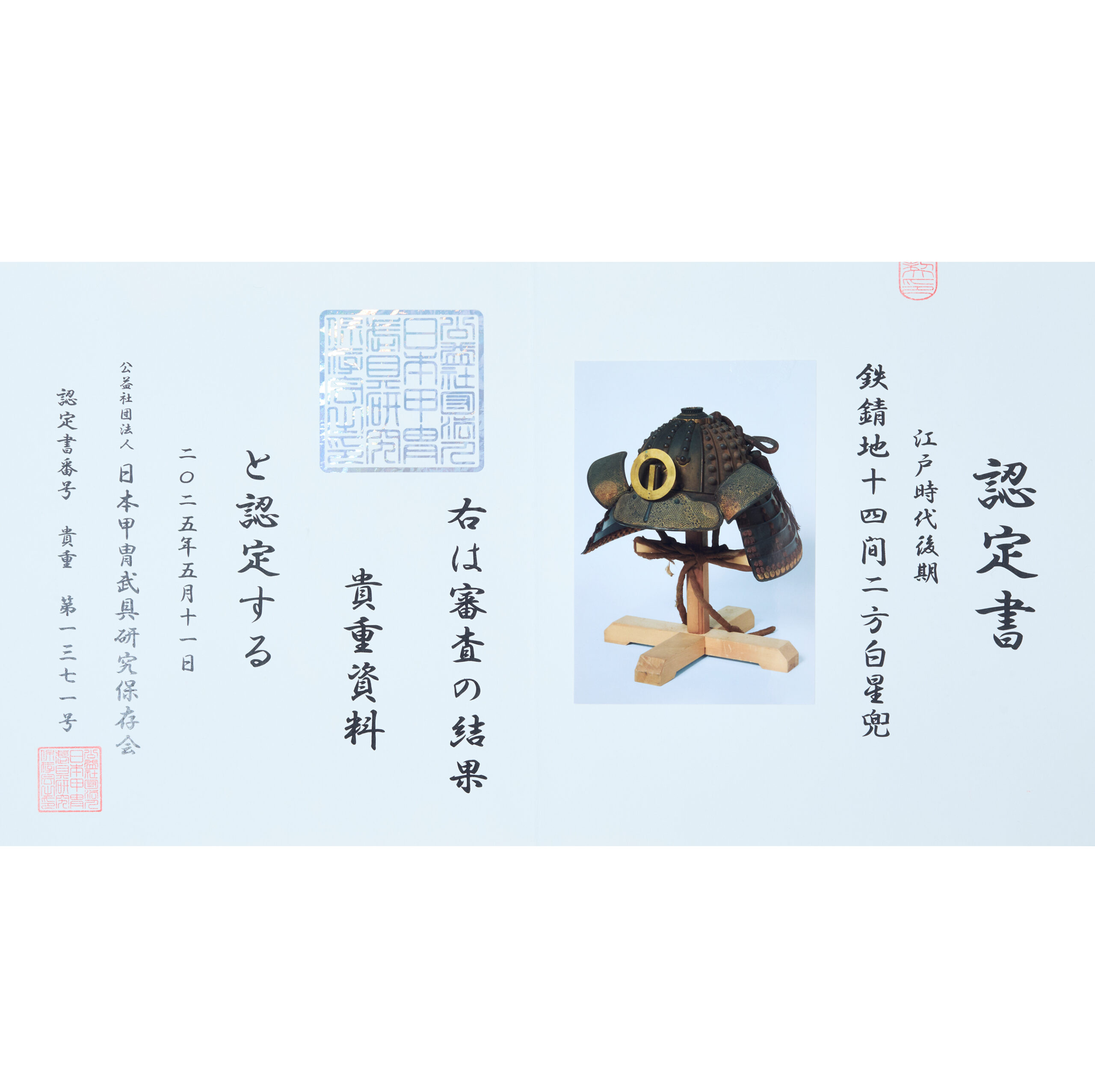
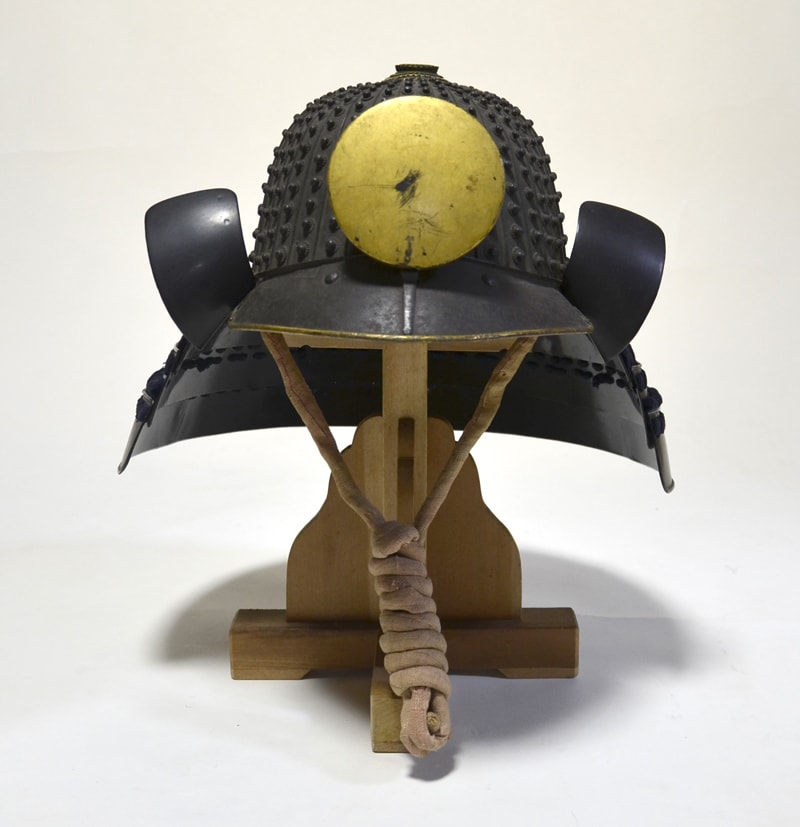
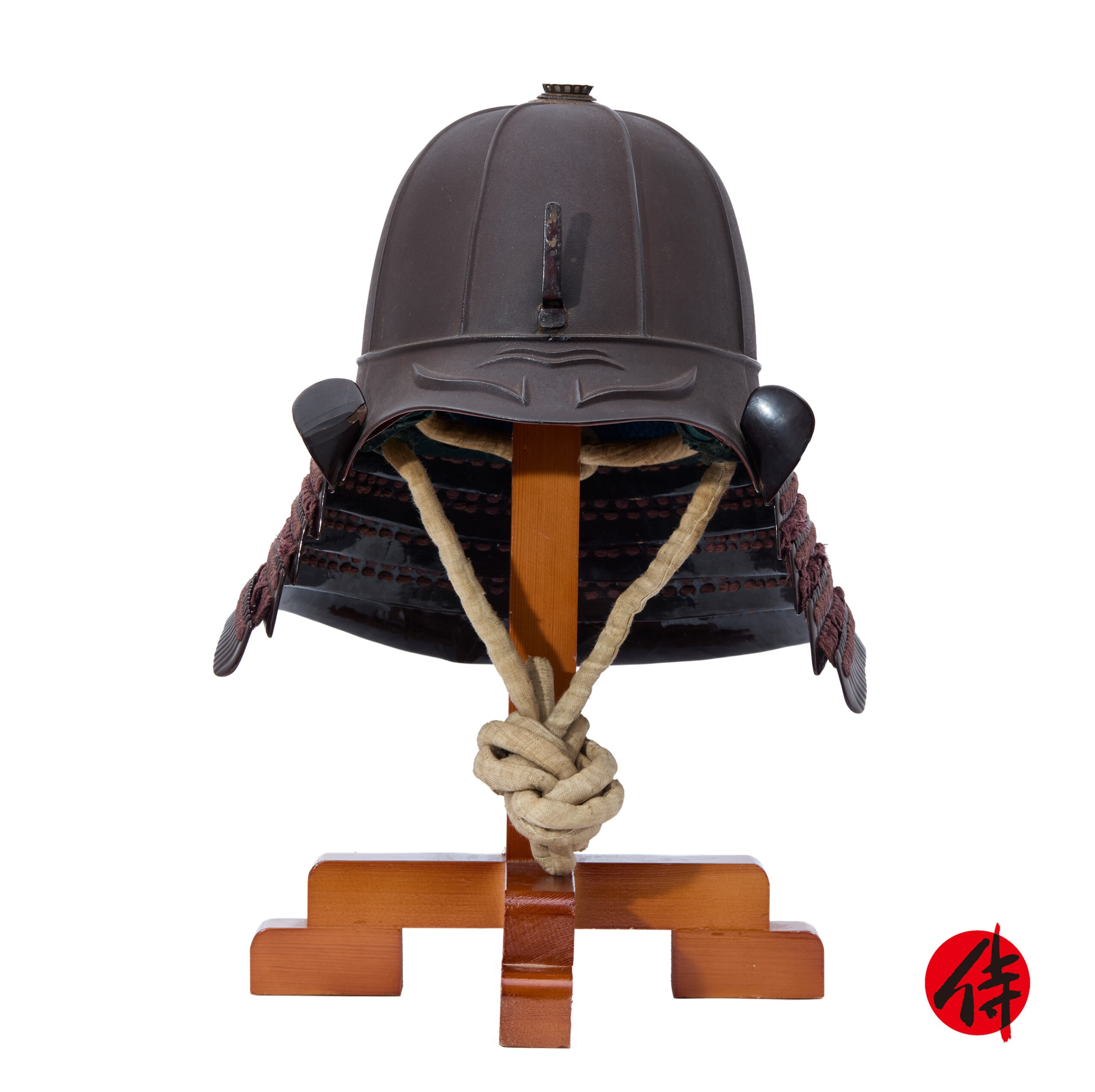
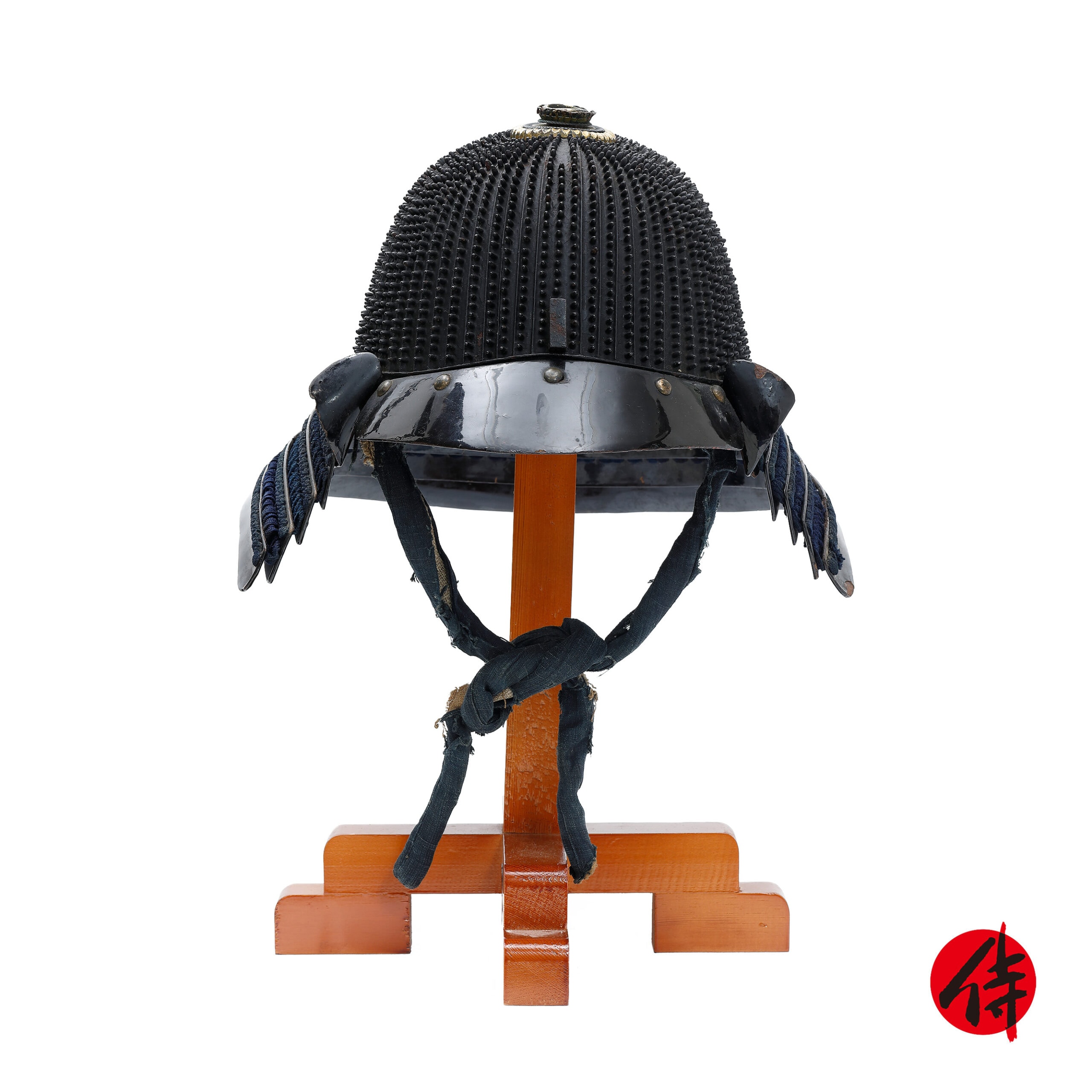
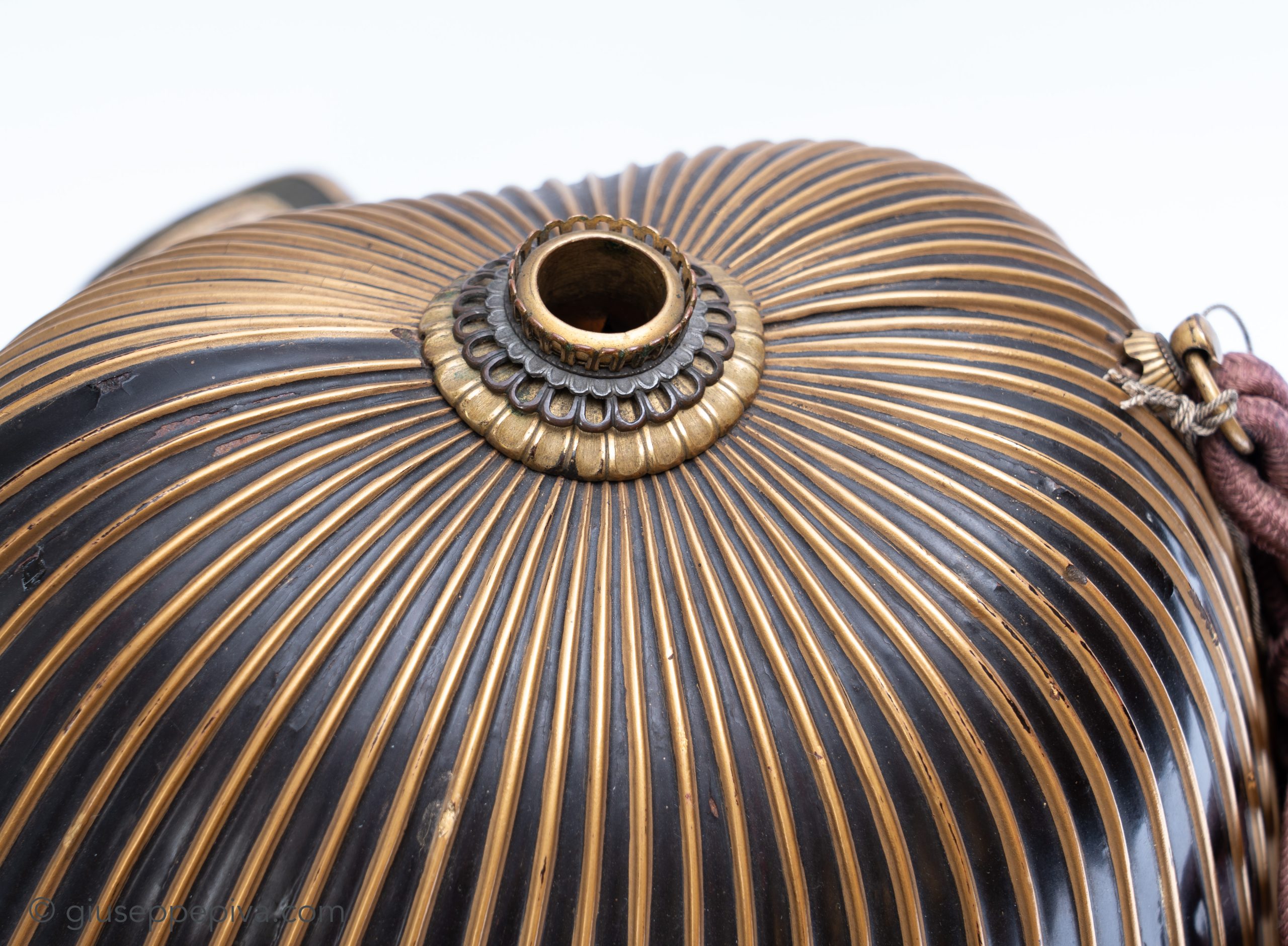
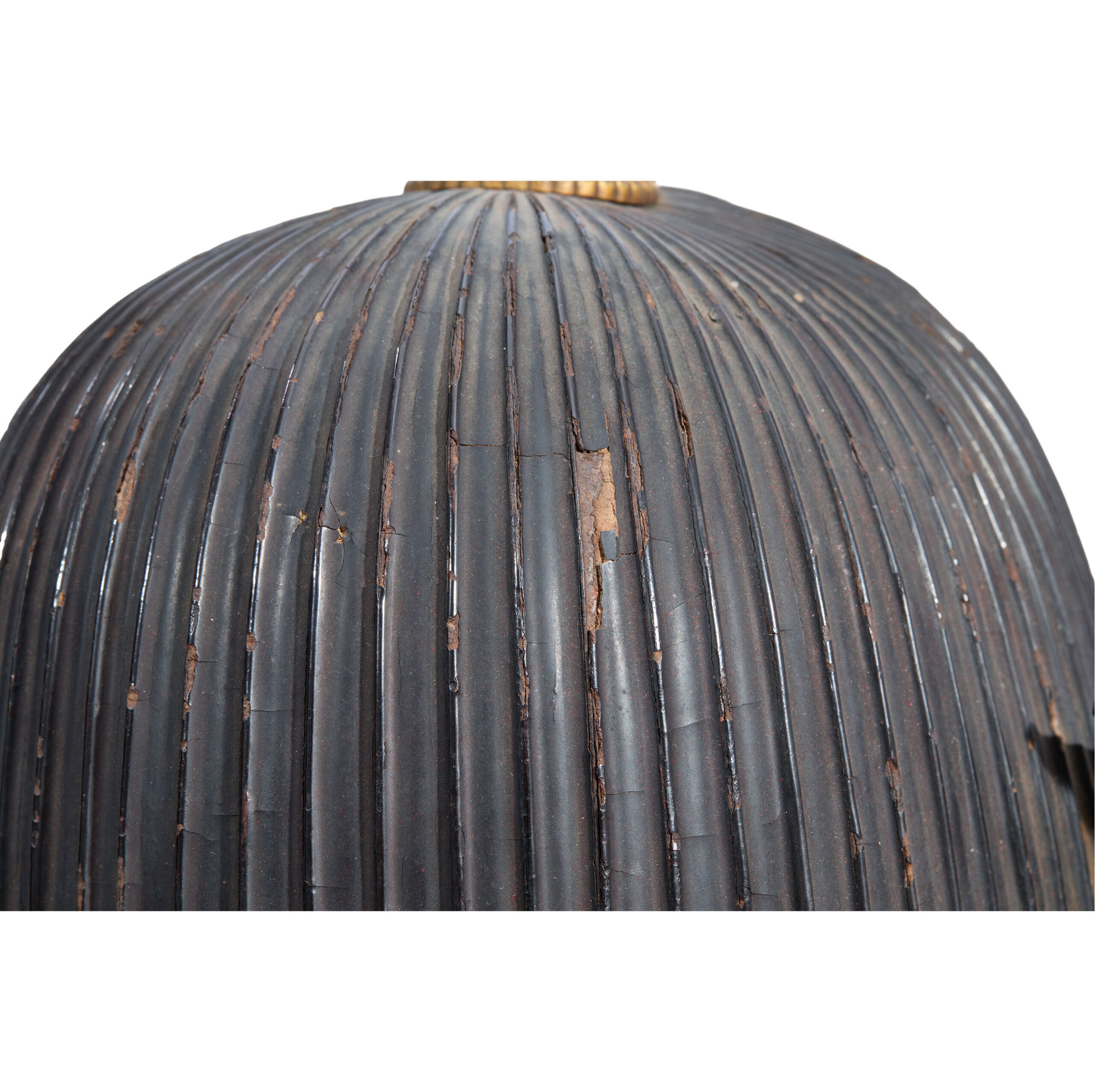
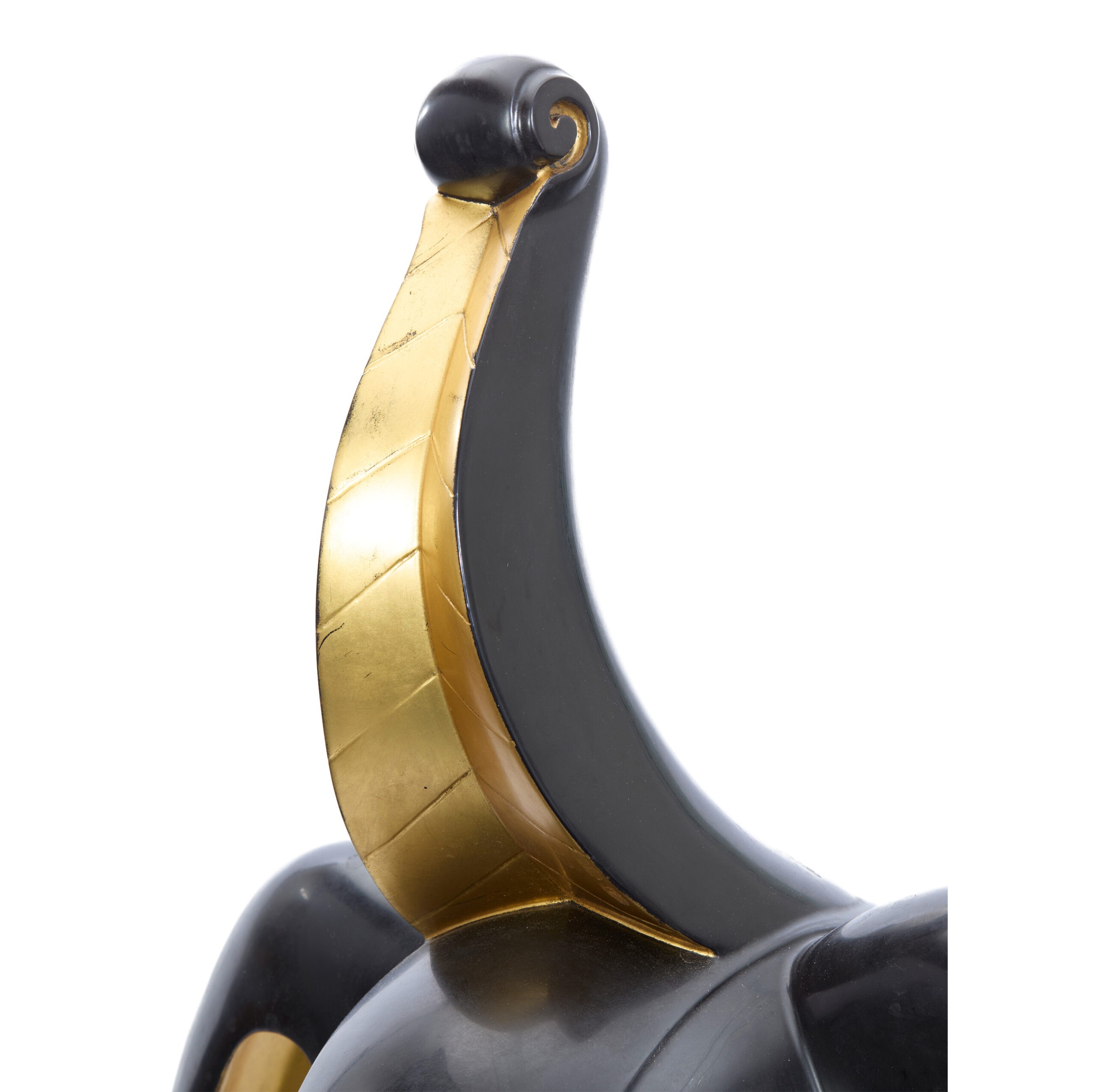
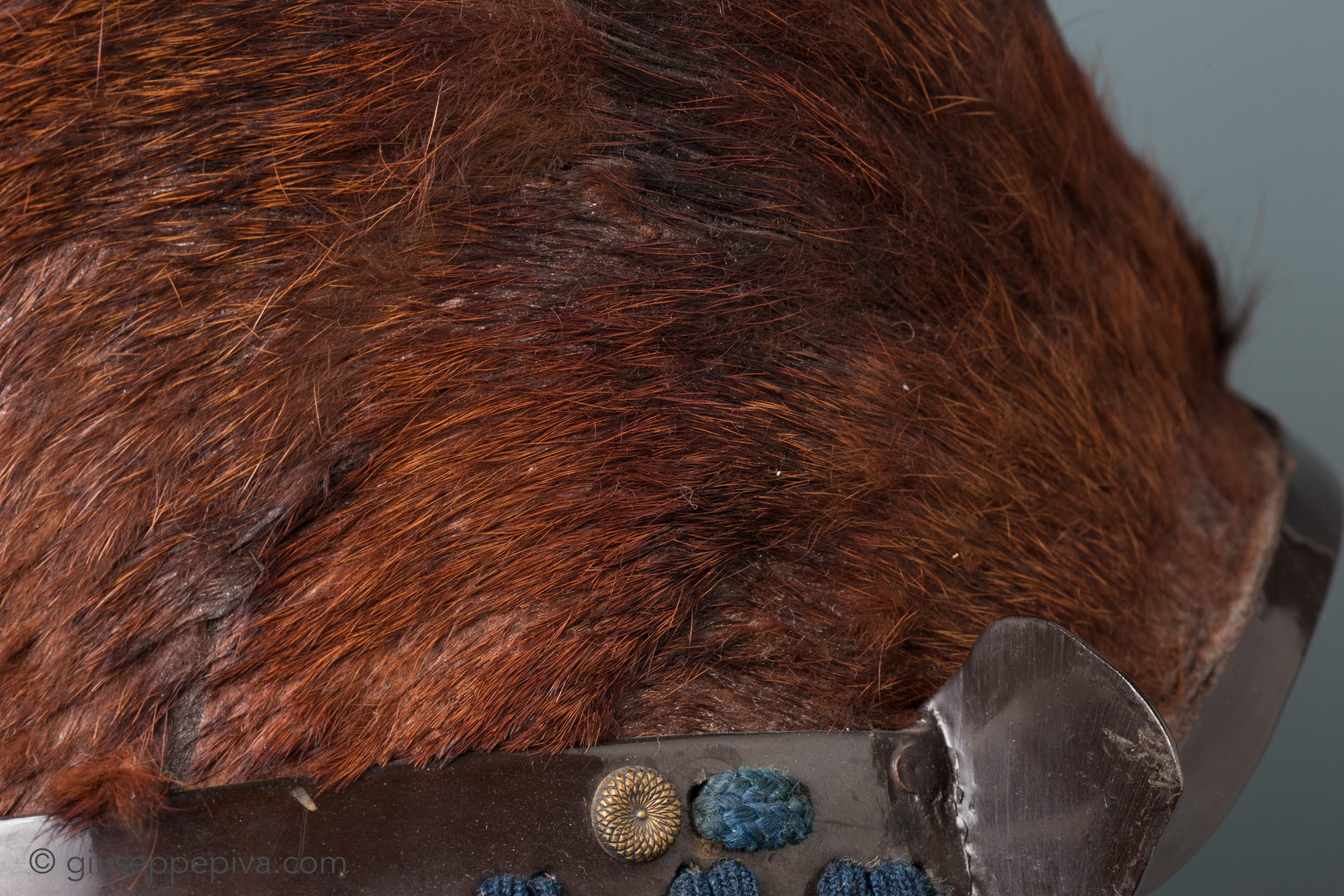
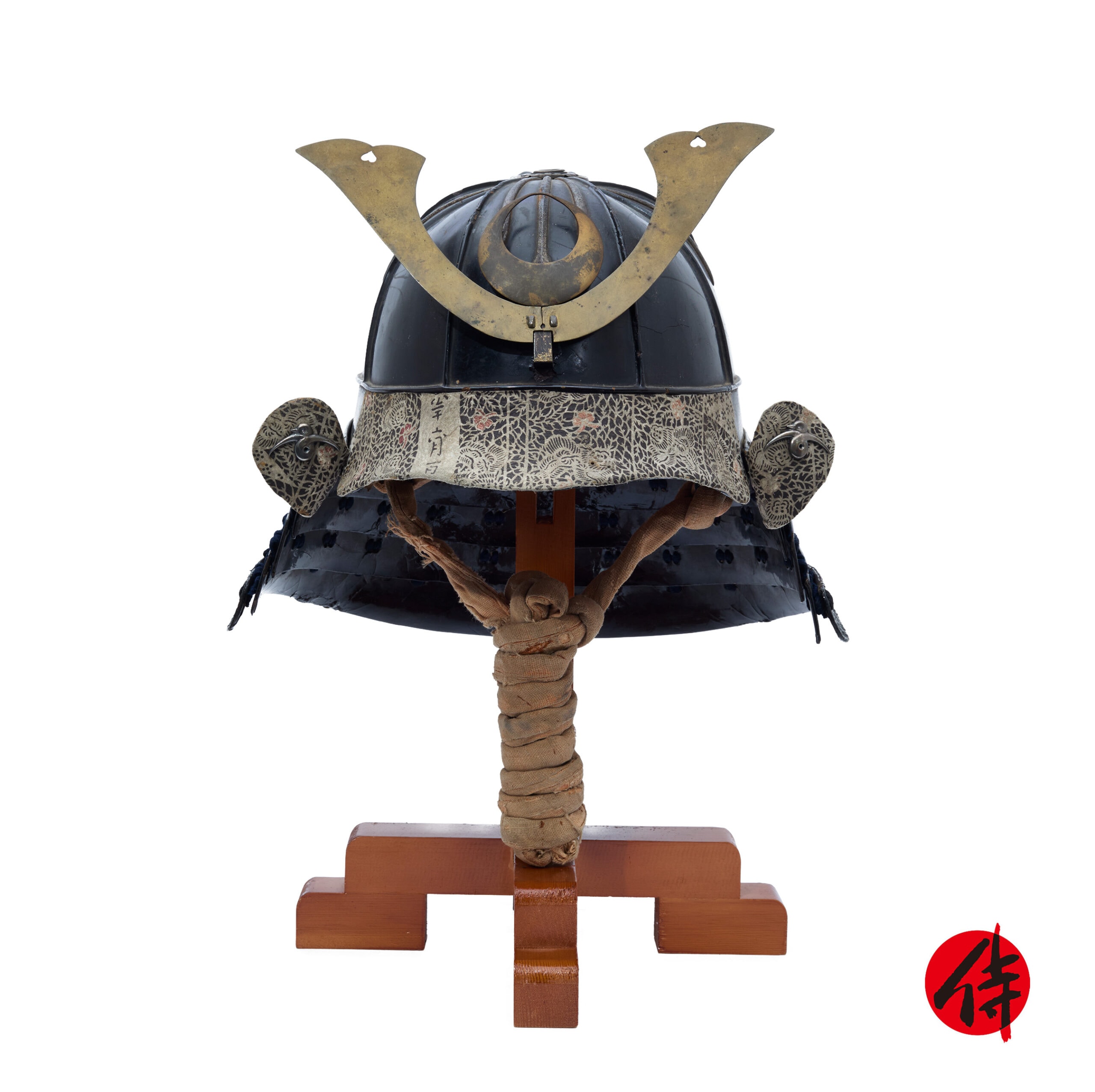
appraised by The Association for the Research and Preservation of Japanese Helmets and Armor This Kabuto (兜, helmet)’s style is the Hoshi Kabuto (星兜), and it has Jyūyon (fourteen in Japanese) iron plates. The Hoshi Kabuto is a type of Samurai helmet that was born in the middle of the Heian period (around 888-1068). Small rivets that hold iron plates together. These rivets are called the Hoshi (星, star). In the Edo period, artisans made Kabutos not only Kawari Kabutos (please check the paragraph below) but also ancient-style Kabutos. For example, in the case of the Hoshi Kabuto, the Hoshis become smaller toward the top of the head; this form is called the Rinotori (厘劣り). It differs from the old-fashioned Hoshi Kabuto, in which all the Hoshis were the same size. The Kabuto (兜, helmet) is a protector for the head. When people started using the Kabuto, it was initially designed for practical use. However, the principal purpose of its design has changed with time; Samurais tried to express their dignity, personality, or religion by wearing the characteristic design Kabutos. According to a theory, these unique designed Kabutos were made from the late Muromachi period to the Edo period. This type of Kabuto is categorized as the Kawari Kabuto (変わり兜), and a variety of materials were used to create them. For example, animal fur, seashells, plants, and papers were used as materials for decoration. Before the Kawari Kabuto’s production, the Suji Kabuto (筋兜) has appeared during the Nanbokuchou (南北朝, 1337-1392) period. At that time, the tactic was gradually changed from the piggyback fight style to battle with the Tachi (太刀) sword and the Naginata (薙刀, Japanese halberd) on the ground. Therefore, there was a rise in demand for the weight saving of the Kabuto. Also, in order to turn the attack by swords, a new type of structure was invented; it is the Suji Kabuto (筋兜). Its form slides swords’ attacks when weapons hit the Kabuto. It is said that the production of the Suji Kabuto prospered in the Muromachi (室町, 1336-1573) period. The Suji Kabuto production continued in the Edo period also; however, iron plates that Kabuto makers used at that time were thicker than the Muromachi period’s Suji Kabuto. Therefore, it was heavier, and we understand that then people cherished the Suji Kabuto to enjoy the old-style Kabuto, not to wear it on the battlefields. This particular helmet features a tetsusabiji (鉄錆地) finish—a surface left intentionally uncoated, allowing the natural rusted texture of the iron to emerge. Rather than concealing the material, this aesthetic highlights the aged character of the iron itself. The subdued, weathered appearance reflects the wabi-sabi philosophy of beauty in imperfection and transience, and it lends the helmet a sense of authenticity, history, and quiet dignity. This helmet features a Maedate (前立て, front crest) in the form of a gold-colored ring, which may represent the Nichirin (日輪), or sun. Its open circular shape stands out against the dark helmet bowl, creating a bold and distinctive appearance. A narrow vertical element rises within the ring, adding to the design’s simple geometric form. Although its precise symbolism is uncertain, the crest gives the helmet a striking focal point. The Fukikaeshi (吹返し, turned-back side flaps) of this helmet feature a fine repeating geometric pattern in dark tones against a yellowish-brown ground. Faint decorative motifs remain visible across the surface, while the dark metal edging is embellished with delicate scrolling designs. Similar patterned decoration appears on the helmet’s visor, creating a coordinated appearance. Certification The certificate was issued by The Association for the Research and Preservation of Japanese Helmets and Armor, which is the most trusted Japanese armor appraiser in Japan. Kicho Shiryo means special rare article. It is ranked as the third highest of five rankings. This helmet was authenticated on May 11th 2025 as a Kicho Shiryo and the paper mentions the helmet was made in the Late Edo period. The purchaser will receive the original certificate as well.
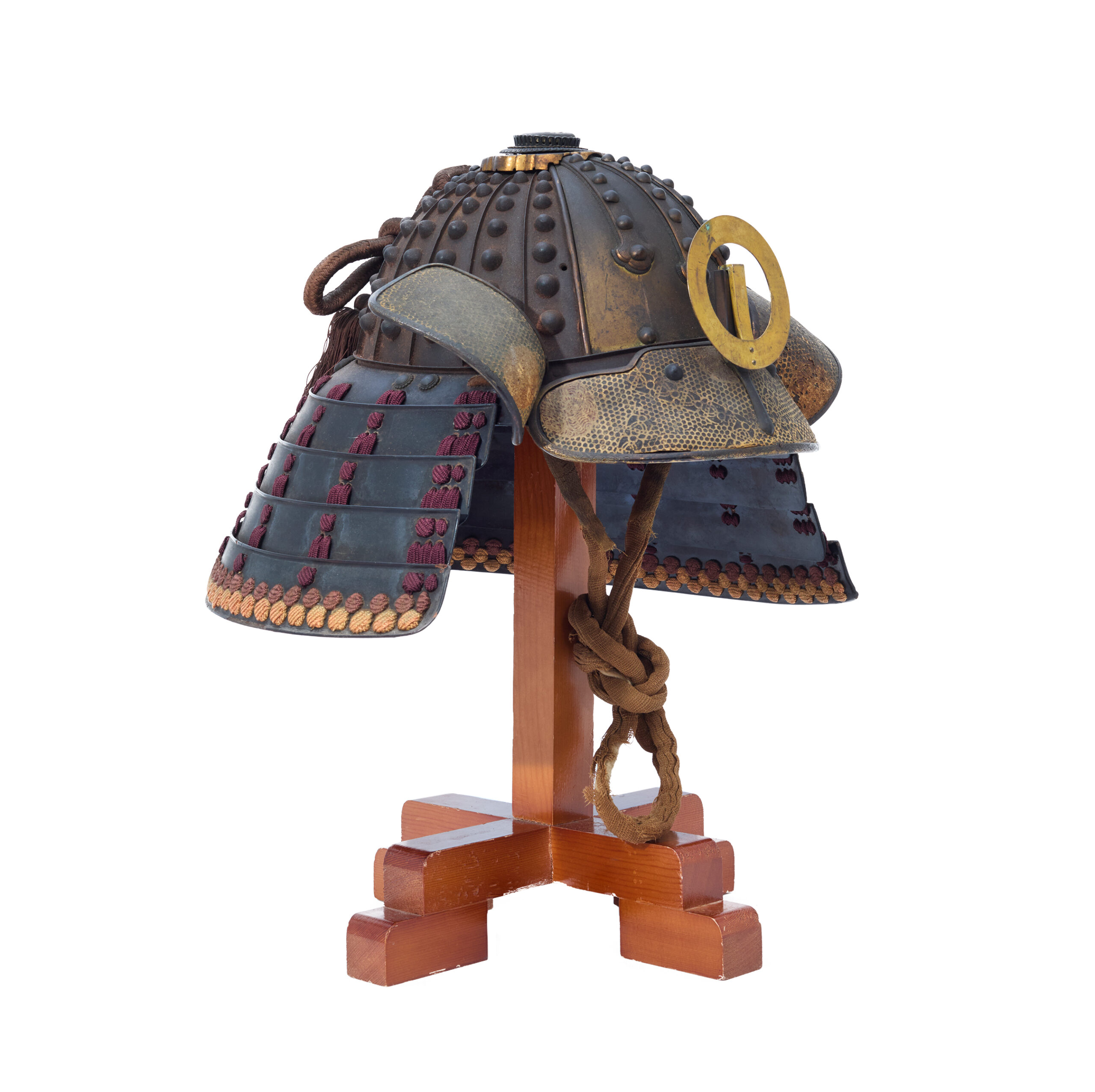
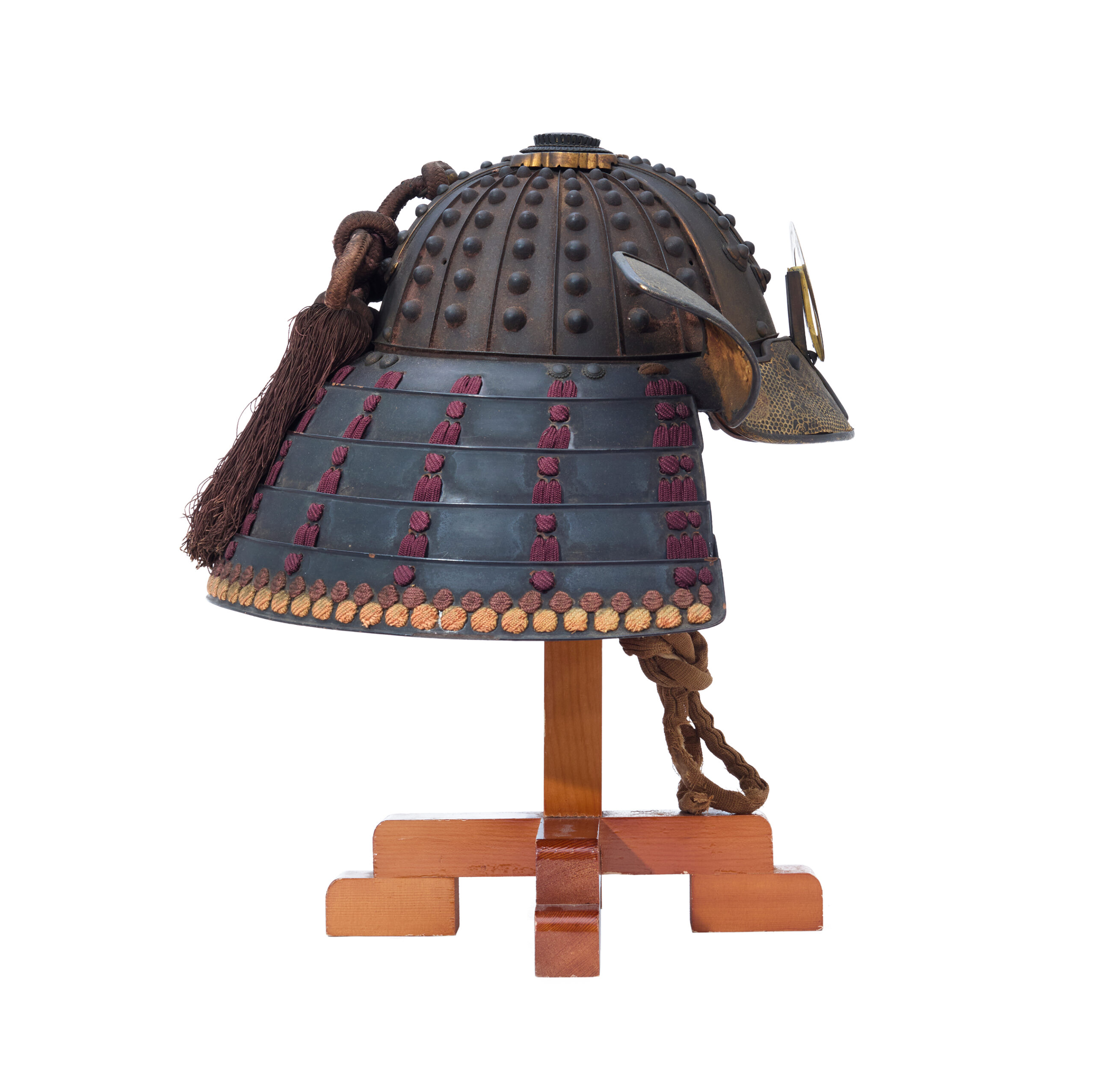
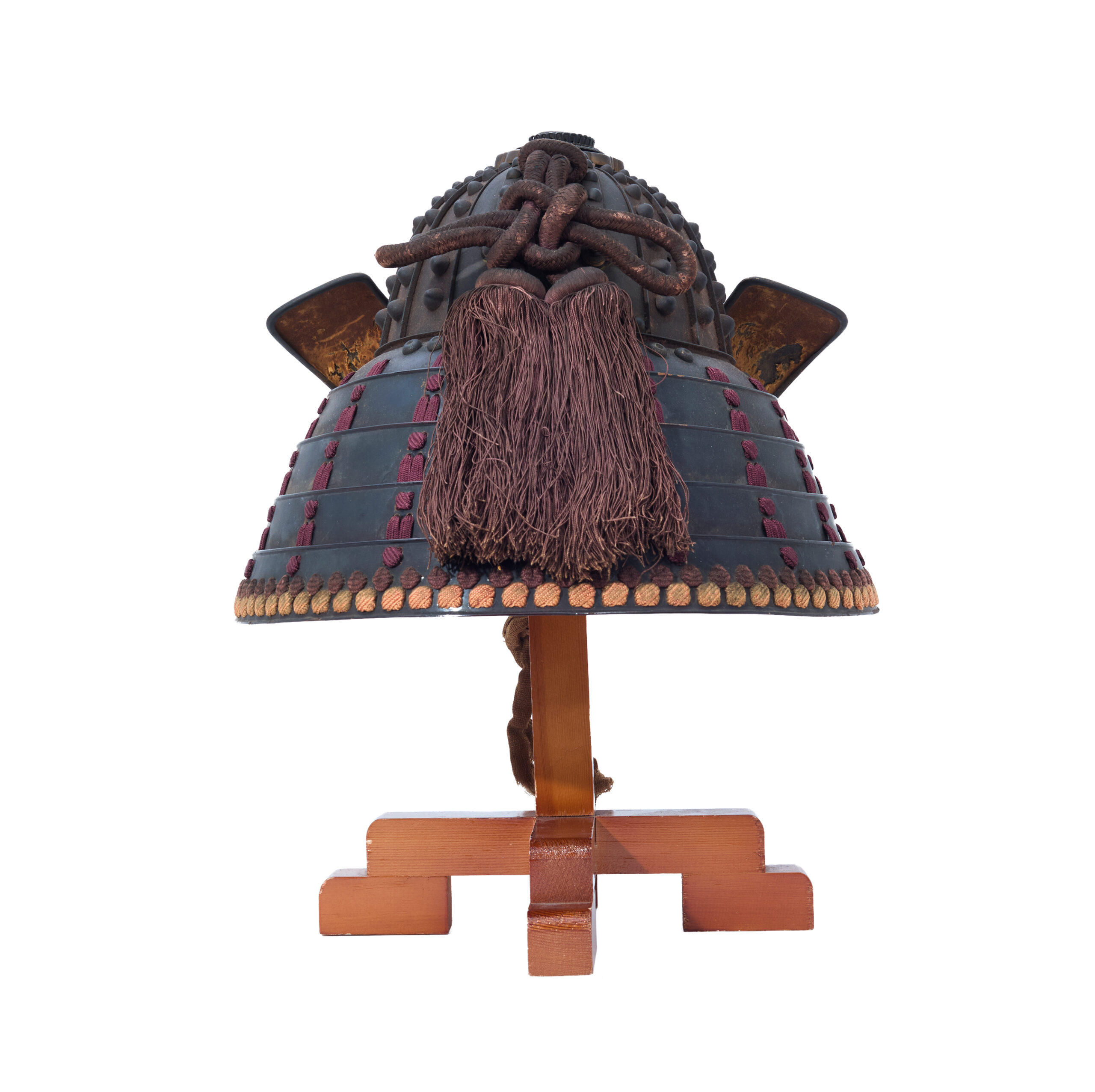
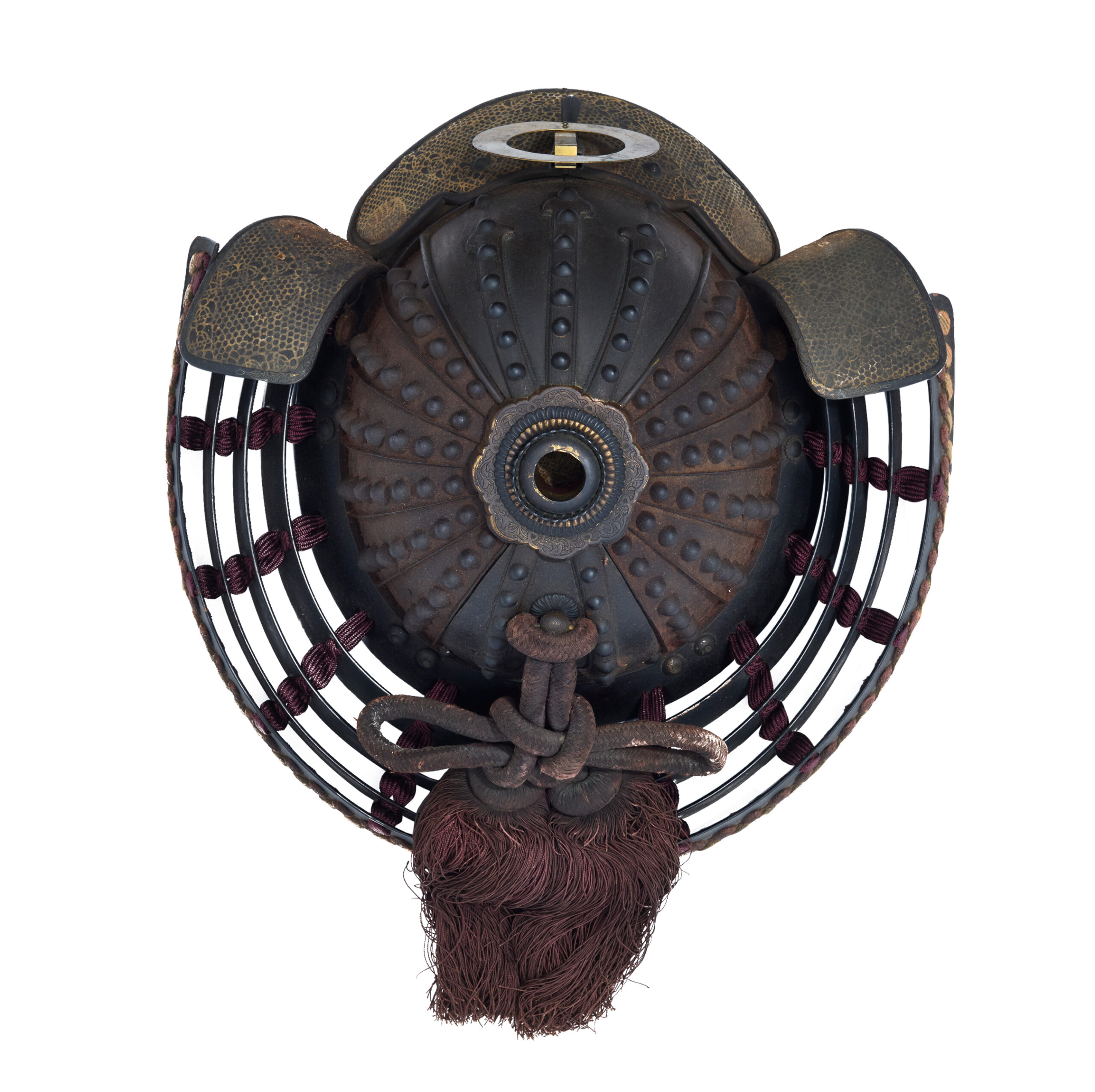
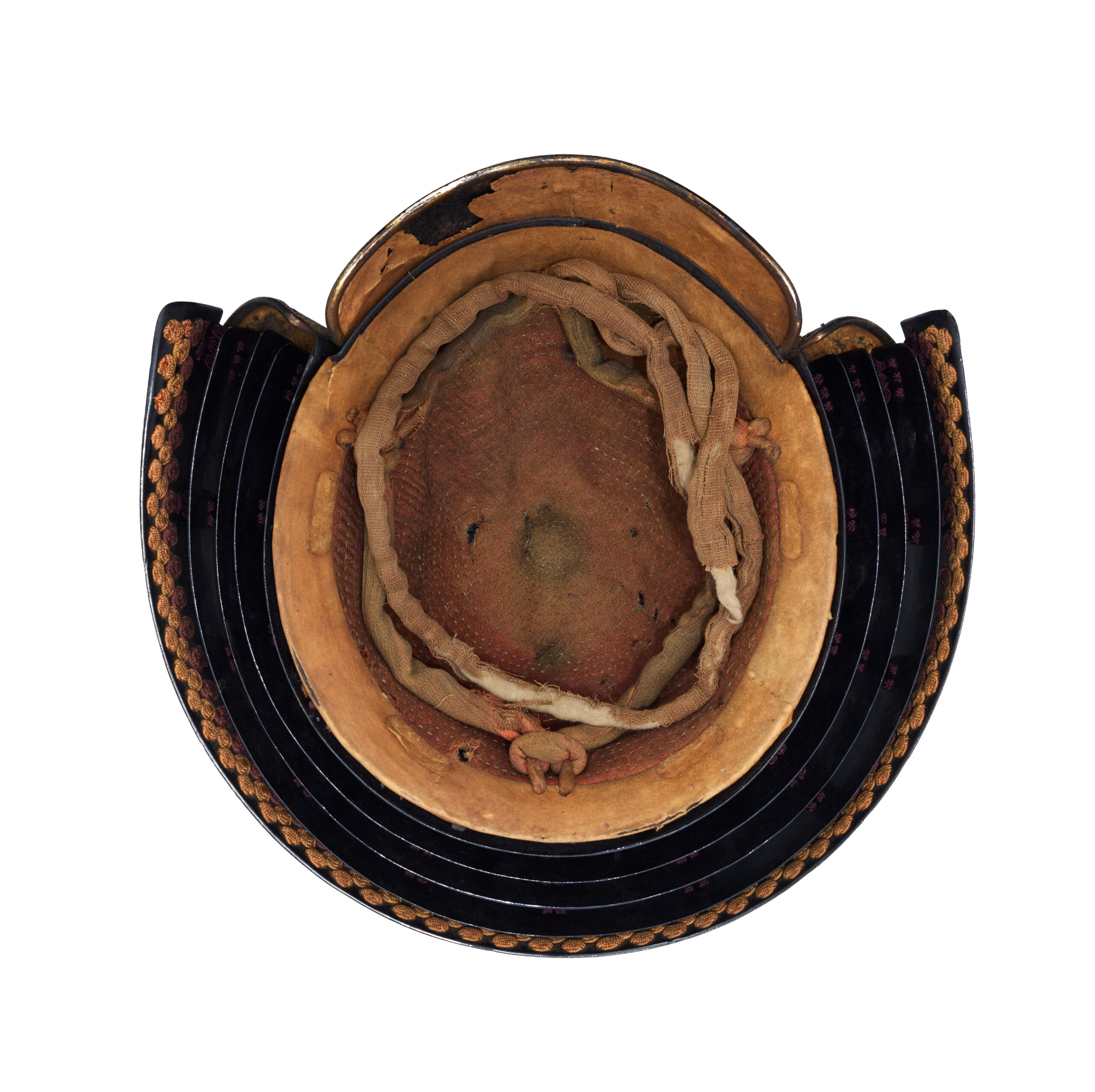
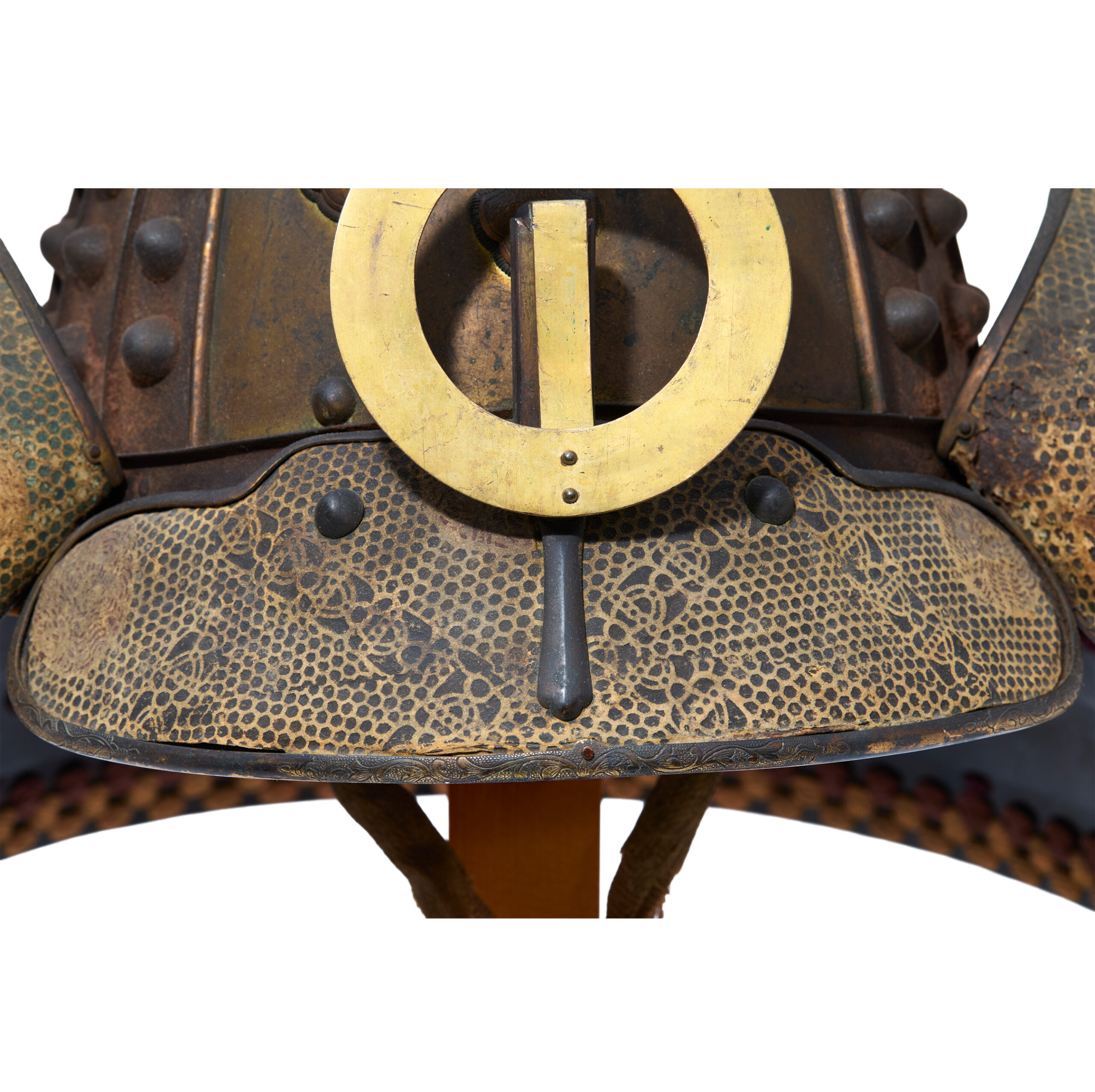
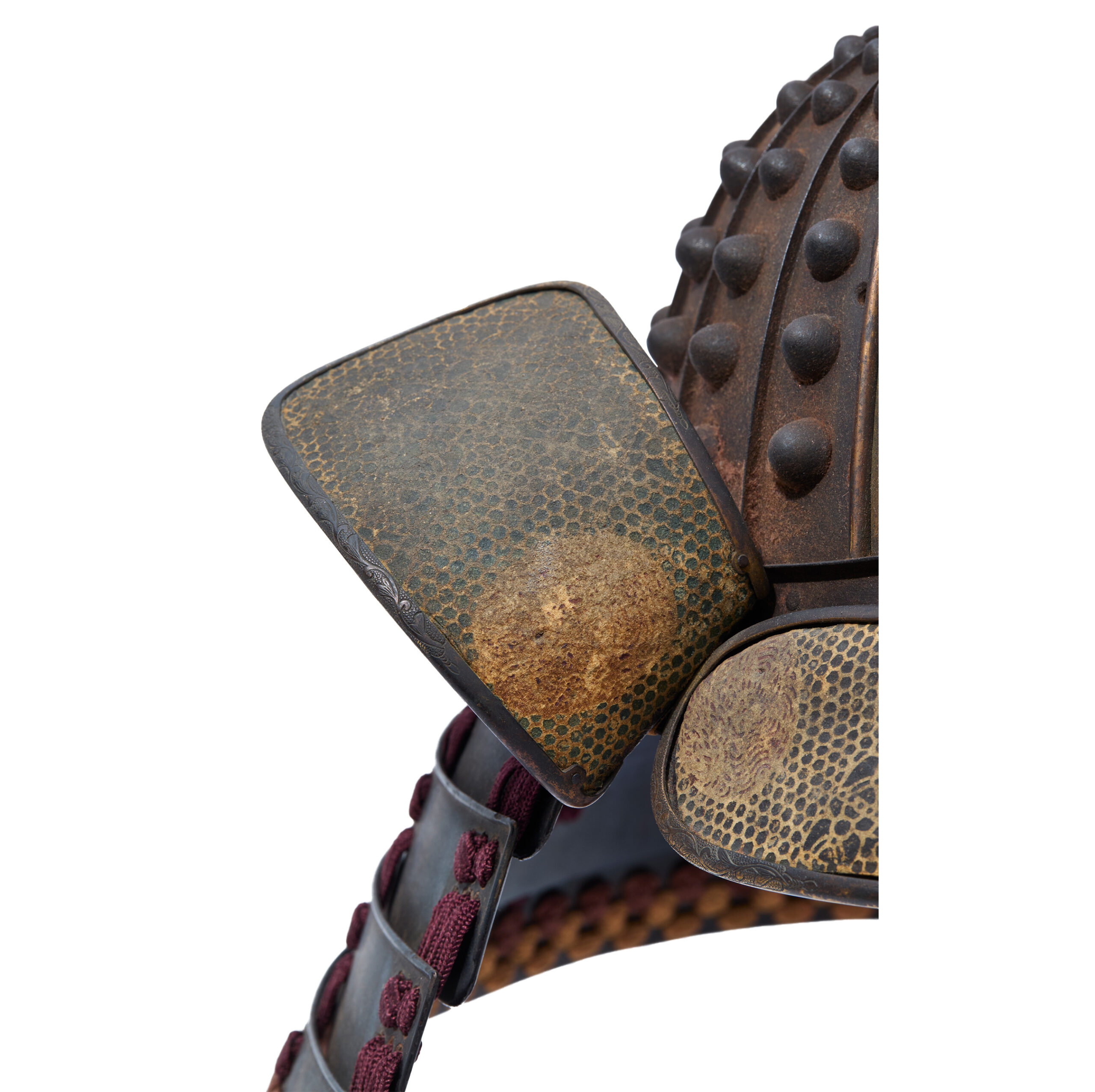
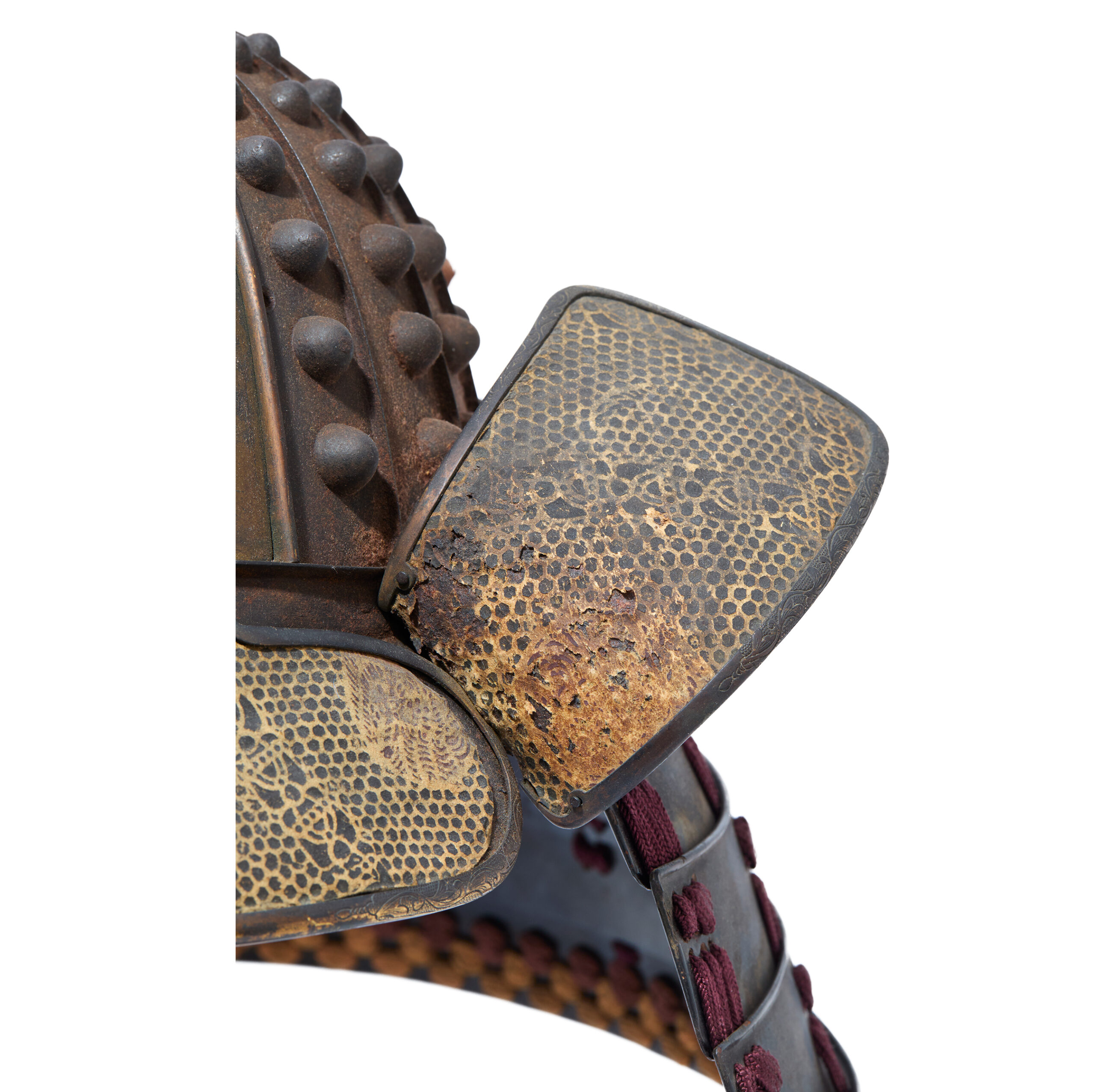
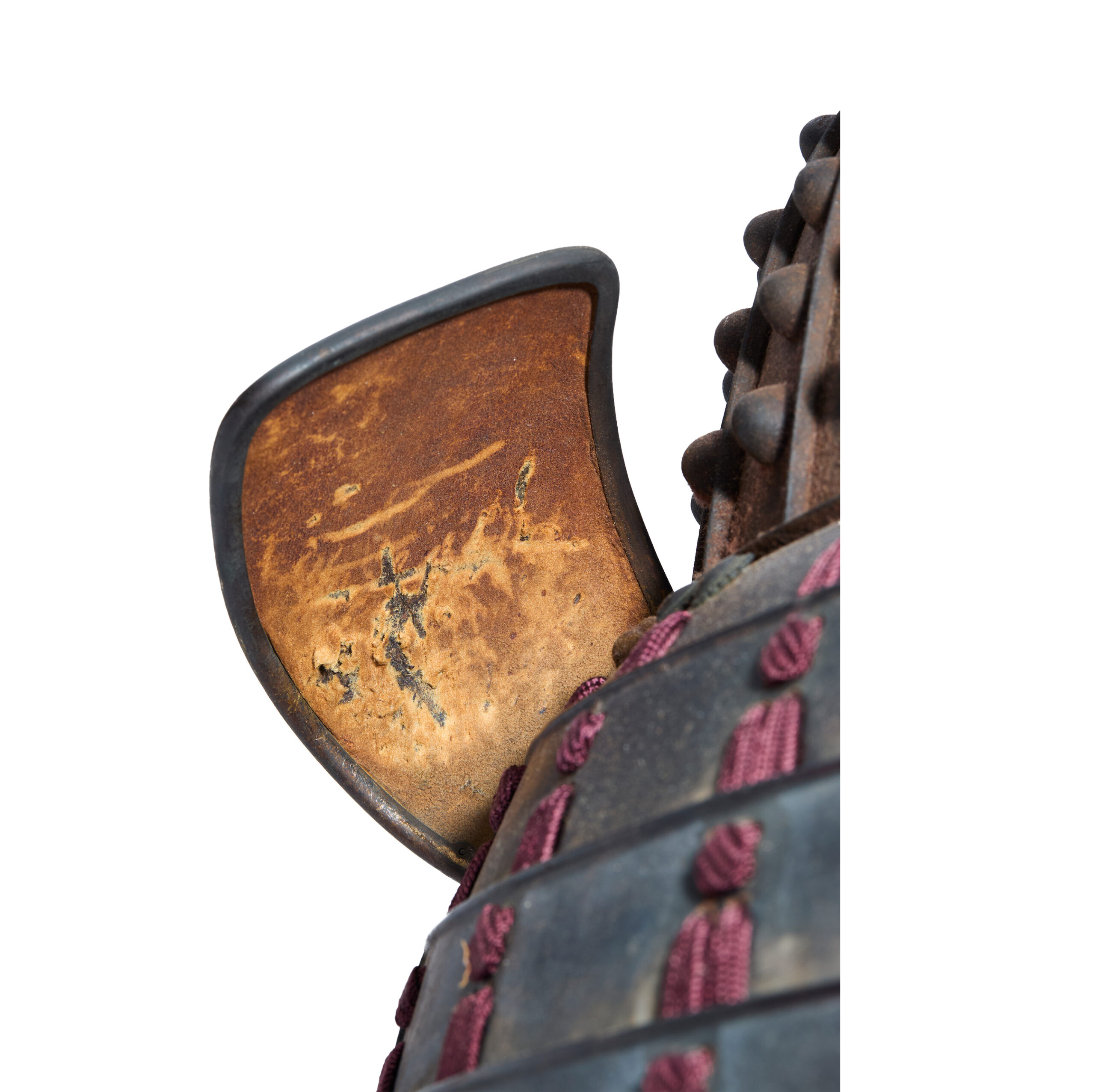
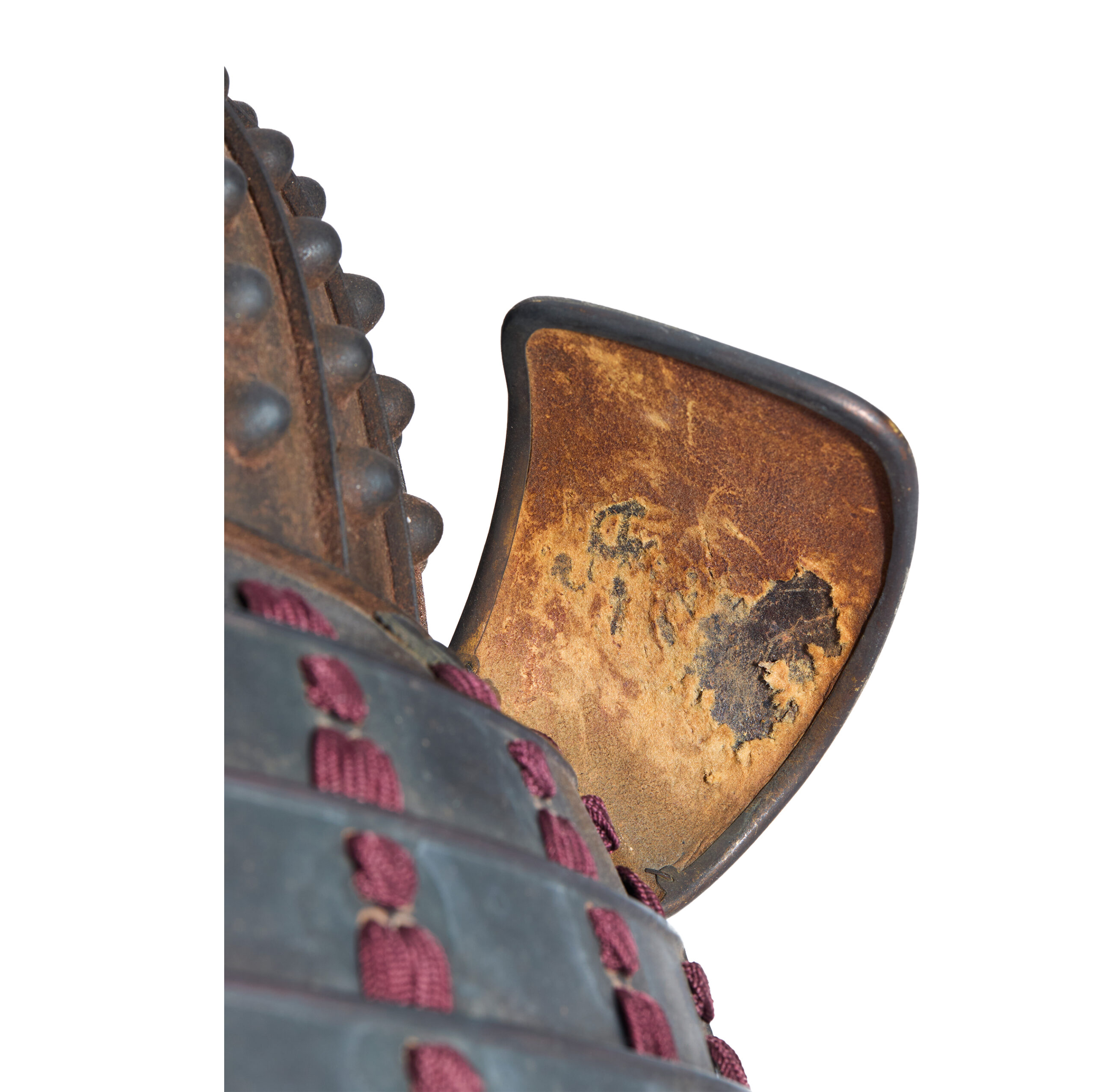
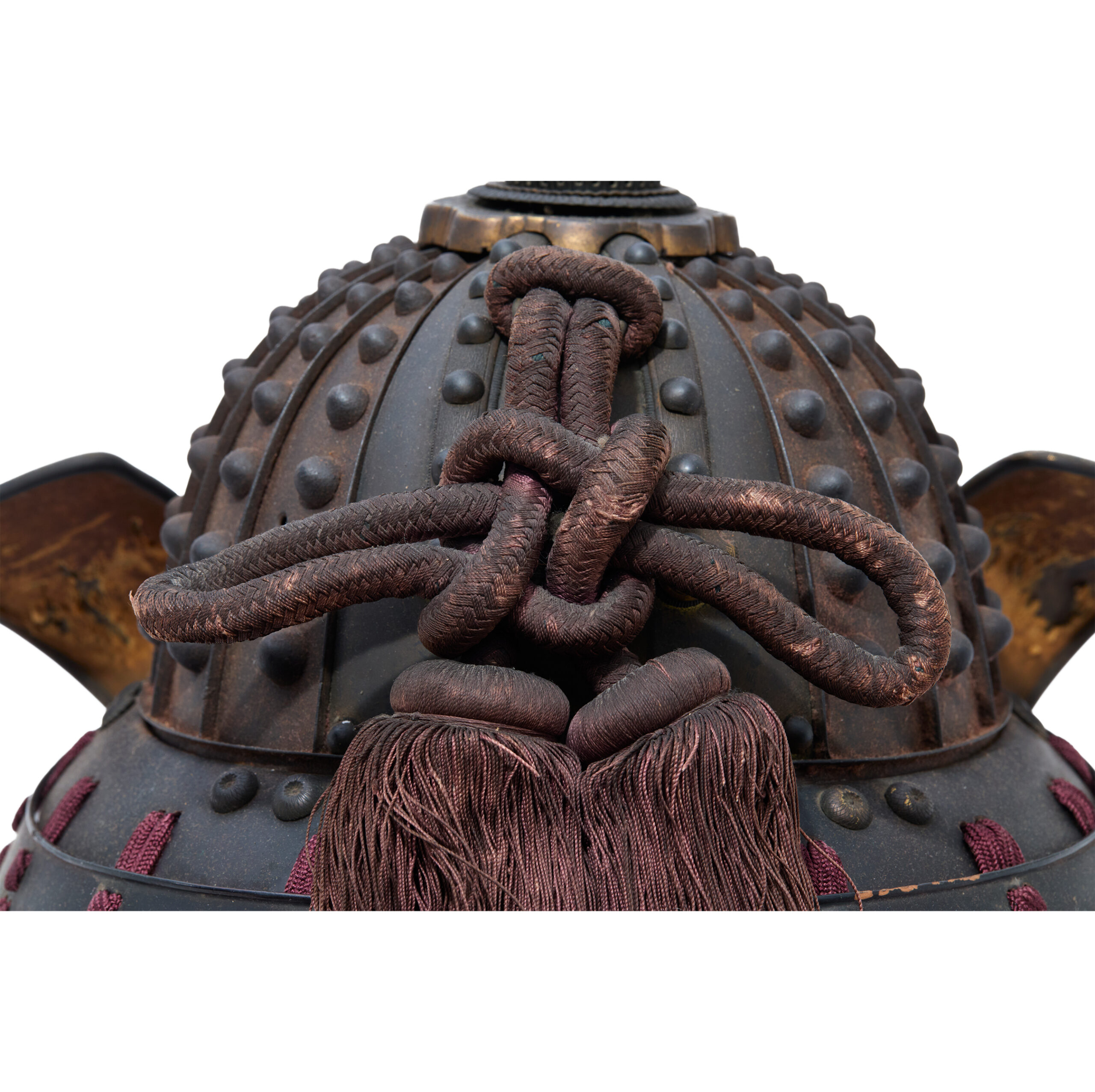
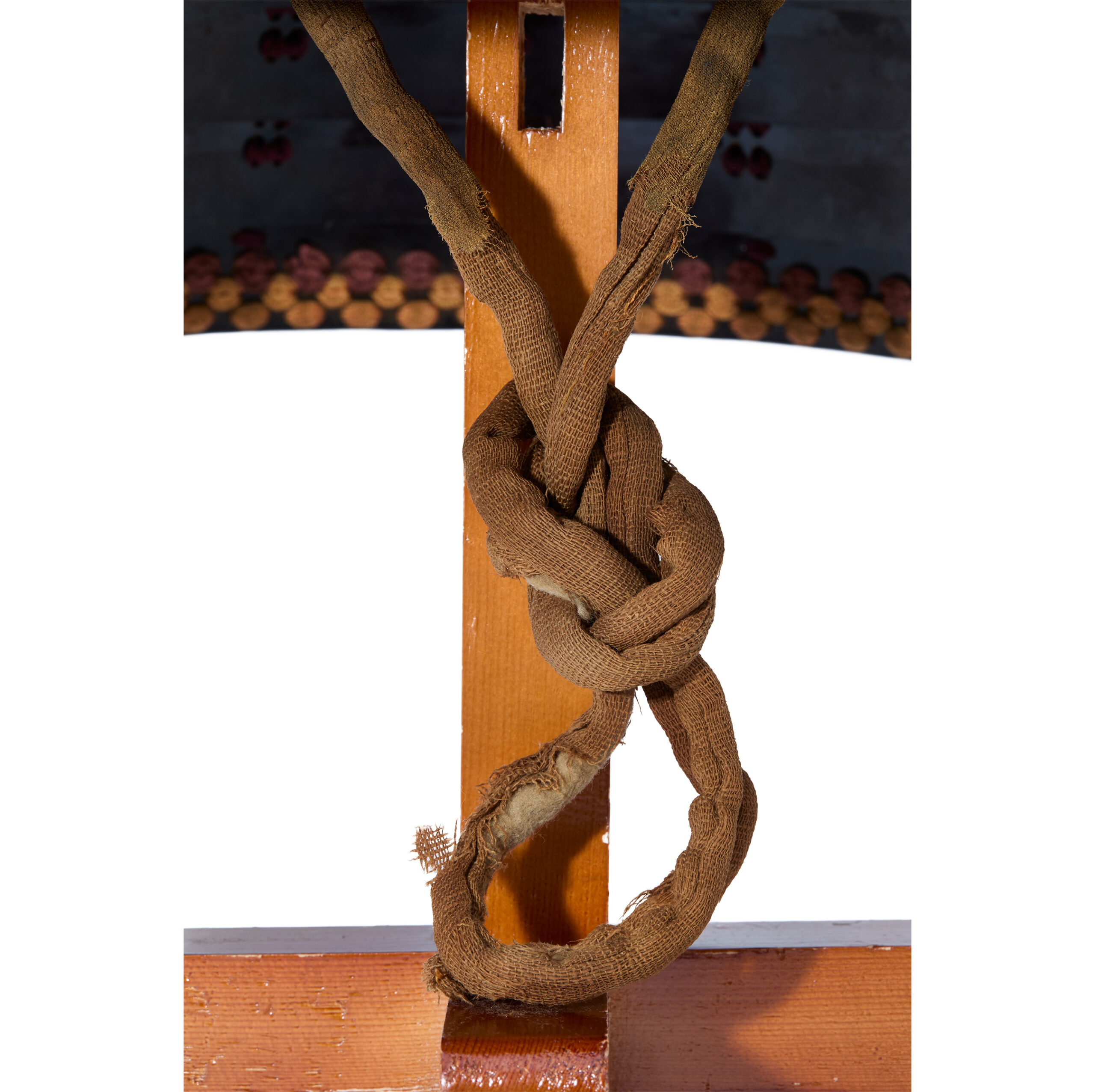
兜のみ
14間 · 星鉢
無銘
gold-colored ring (Nichirin)
江戸
販売店の記載のまま
(翻訳なし) 店主の原文のまま表示しています。正確さの確認を通った翻訳のみを表示します。
保存資料より上位で、貴重な出来・資料的価値が認められた甲冑武具です。
甲冑は日刀保の鑑定対象ではありません。日本甲冑武具研究保存会(1961年設立)が甲冑武具の研究・保存を担う中心的団体で、その審査は作品を「資料」として、保存資料・貴重資料・特別貴重資料・甲種特別貴重資料・最高位の重要文化資料という五段階で格付けします。「資料」という呼称は、刀剣の鑑定とは別に、甲冑を文化的・歴史的な資料として保存するという会の趣旨を表しています。
Returns/exchanges limited to defects caused by shipping (except willful misconduct or gross negligence by the company); customers must contact within 72 hours of receiving the product.
¥1,150,000