二世紀半の泰平のあいだ、刀は武器である以上に武士の身分の標章であった。江戸の実証と大坂の華やぎのように都市ごとの作風が育ち、時代の末には需要も細っていく。
 NihontoWatchNihontoWatch
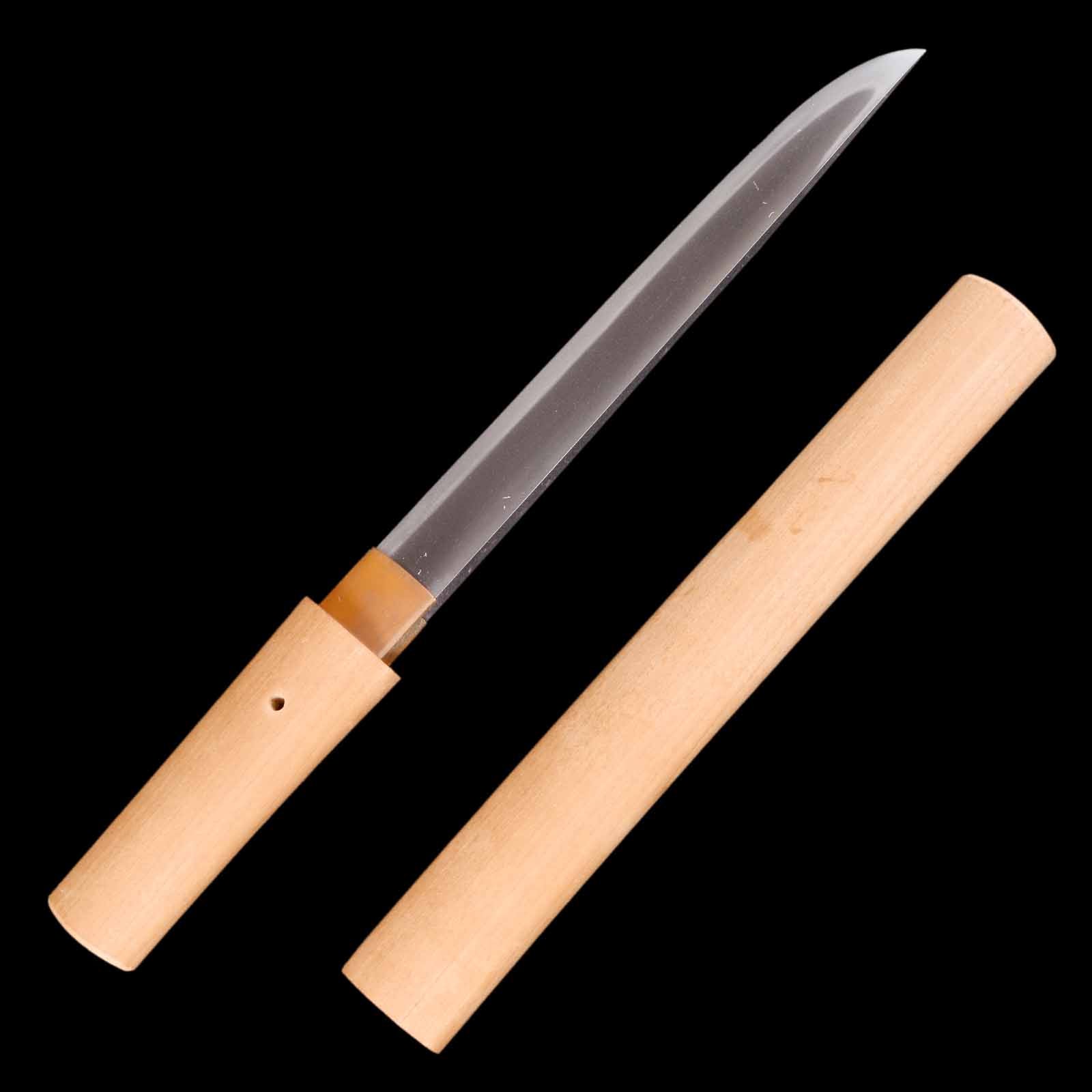
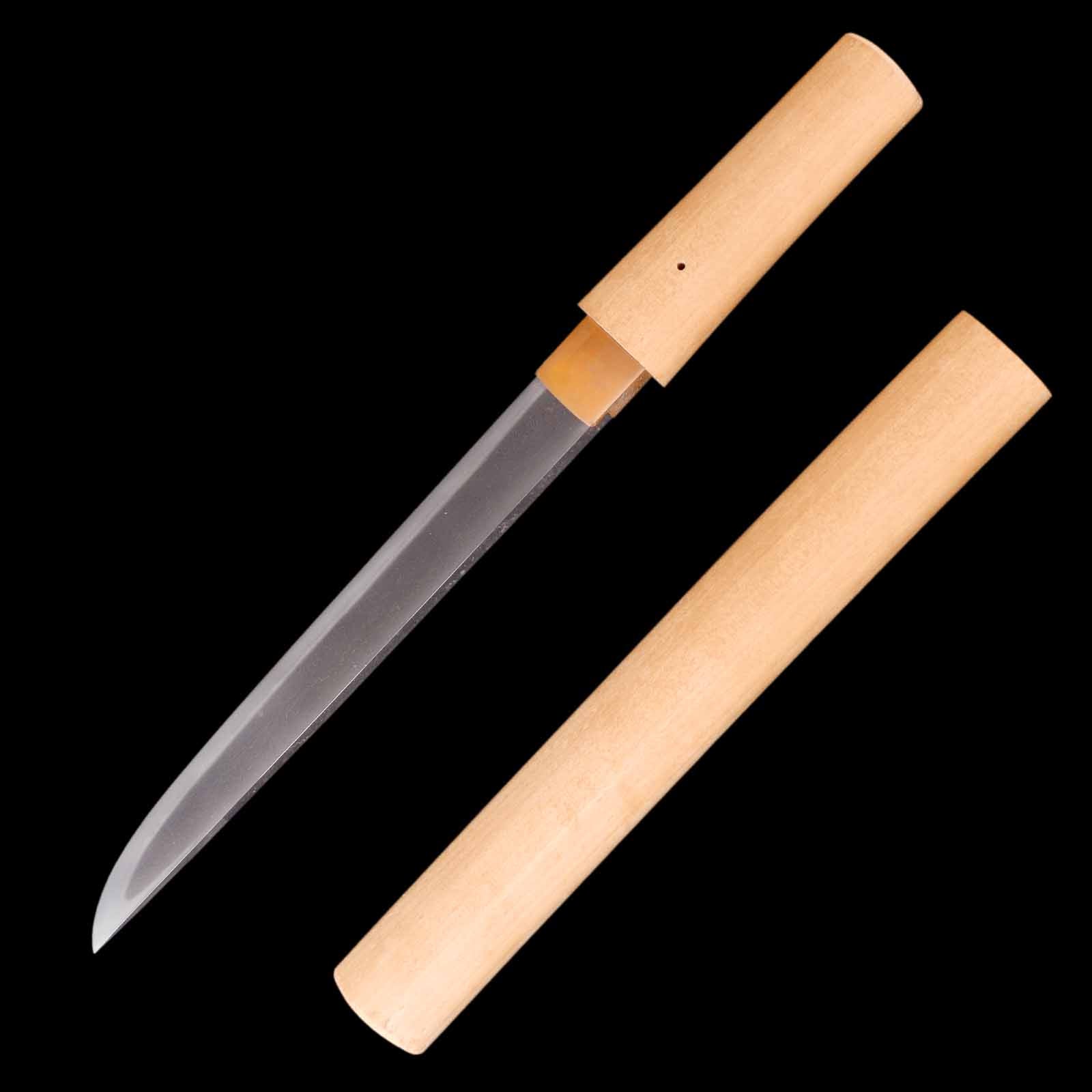
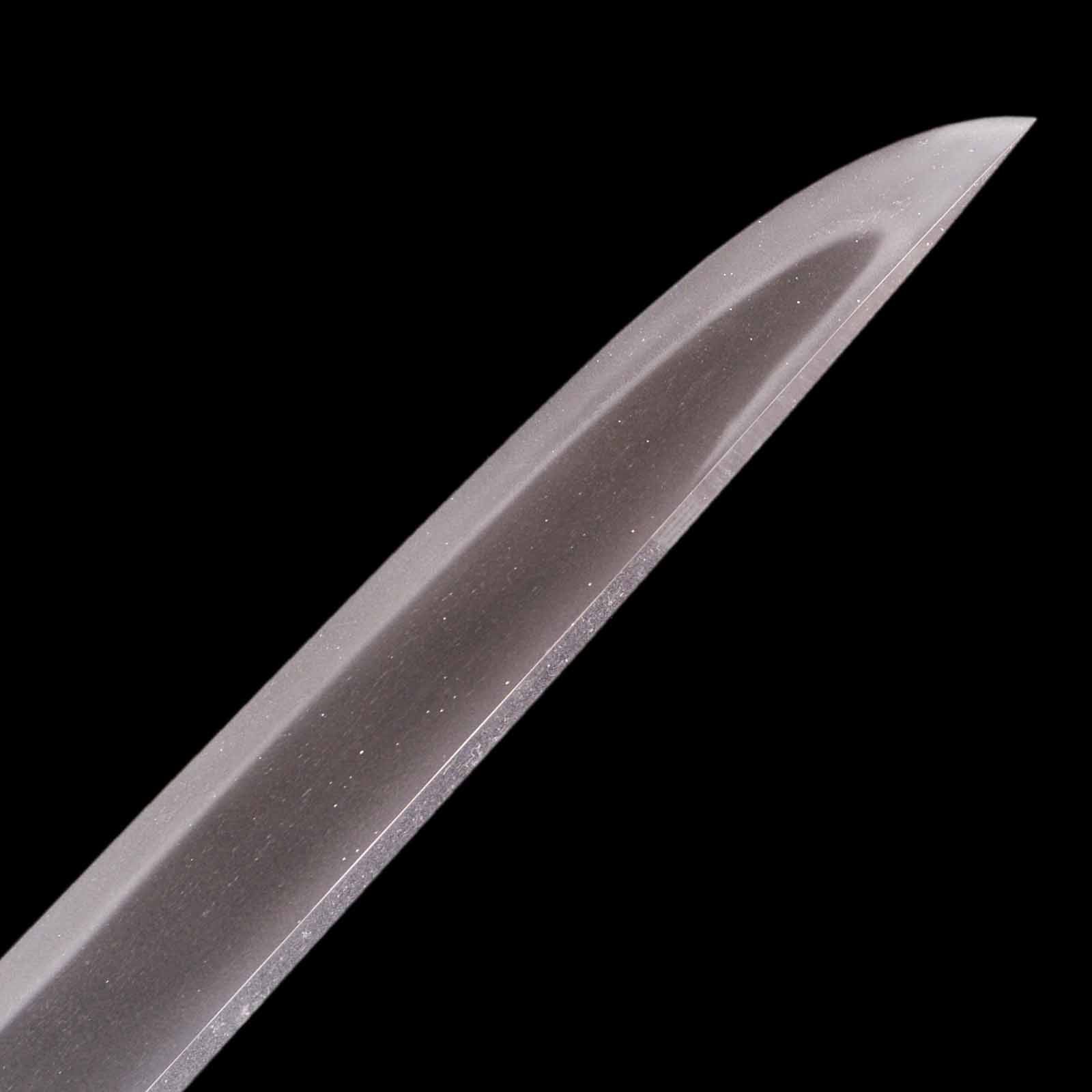
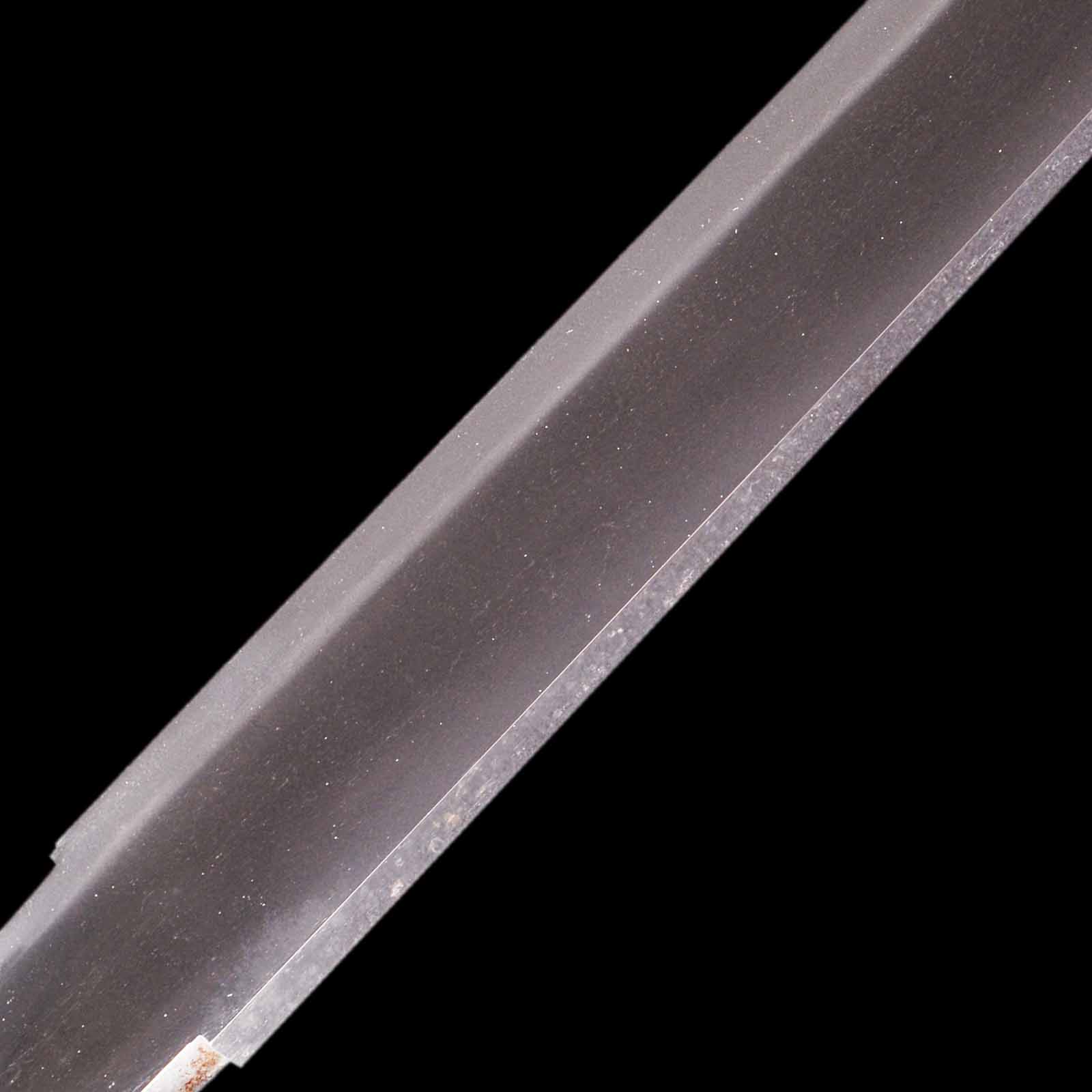
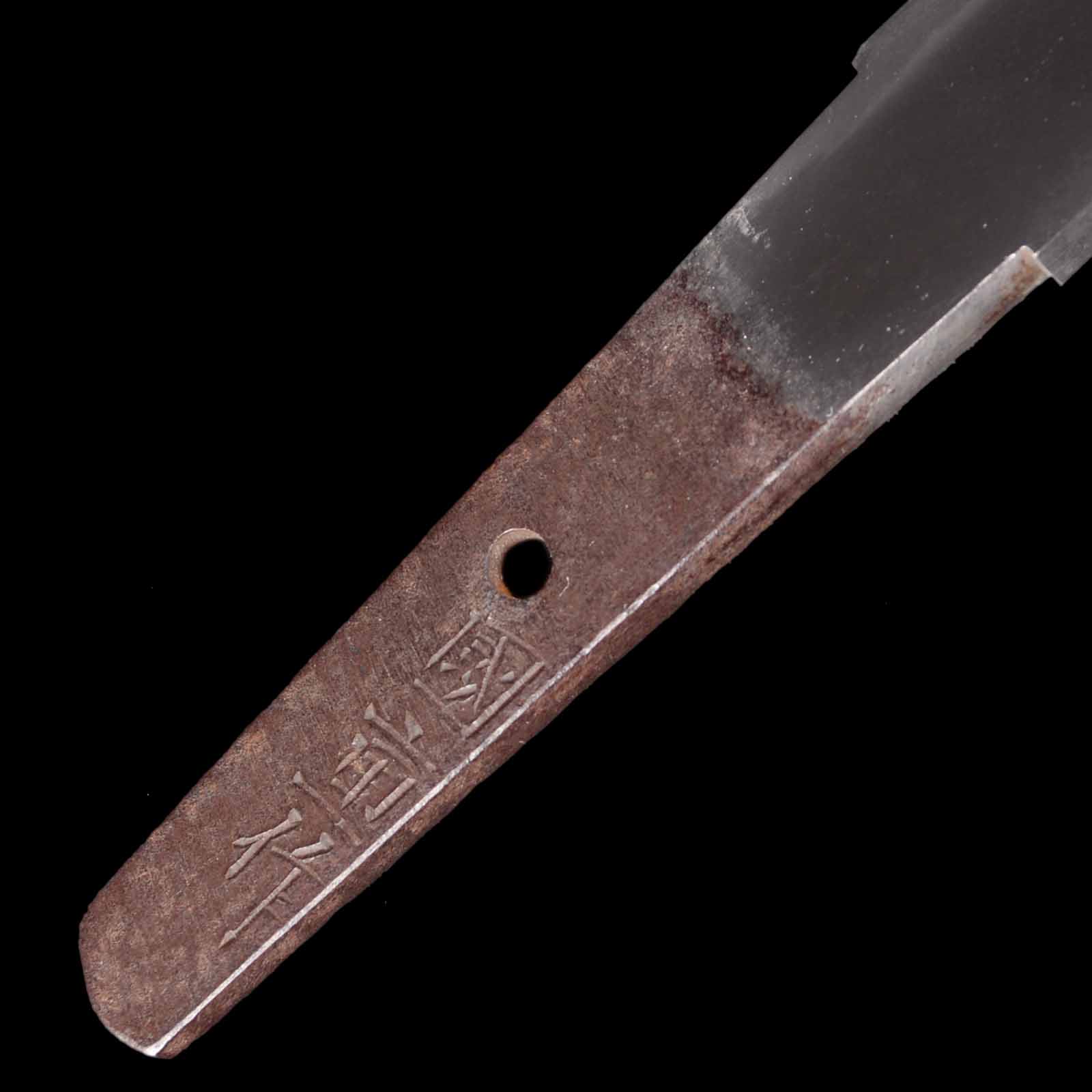
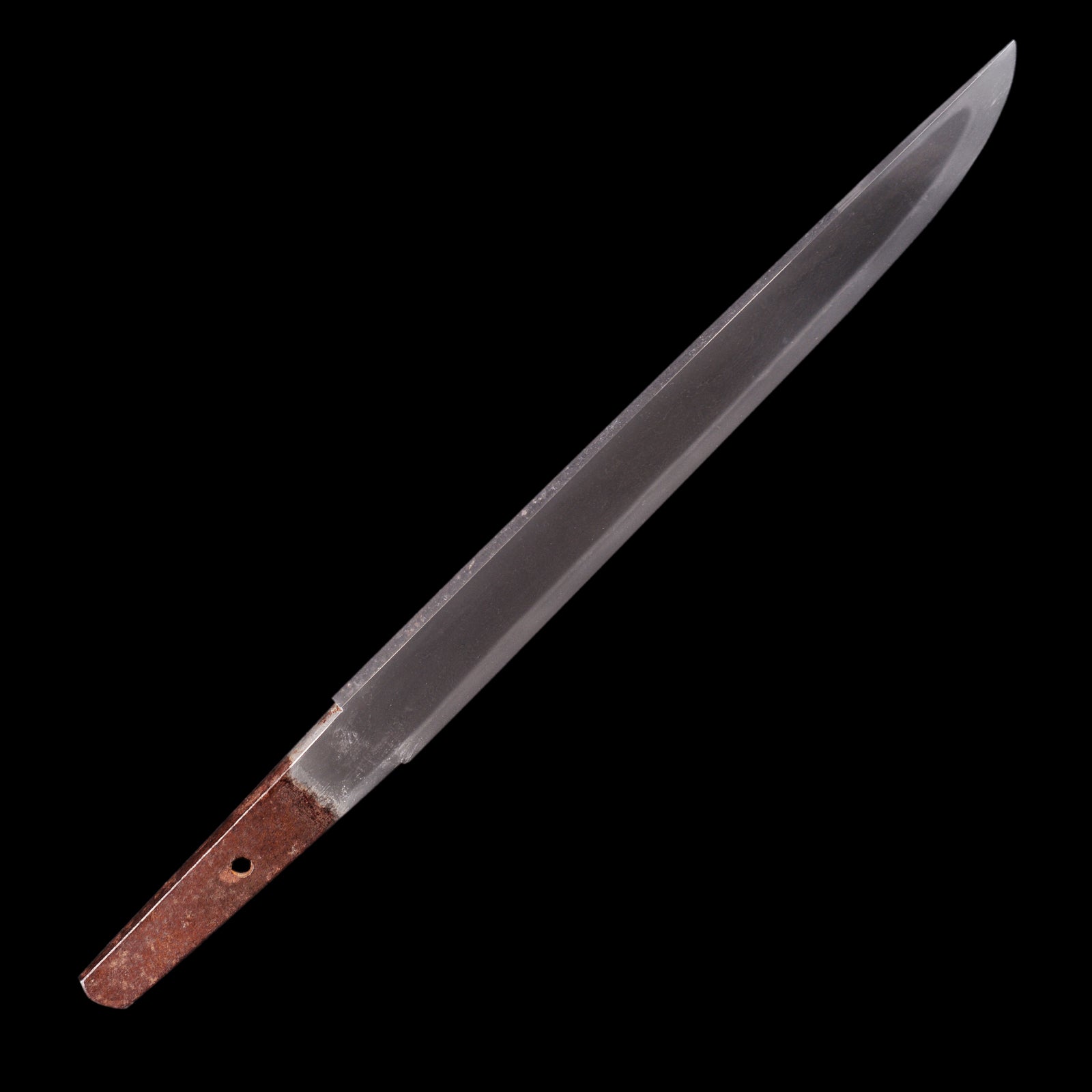
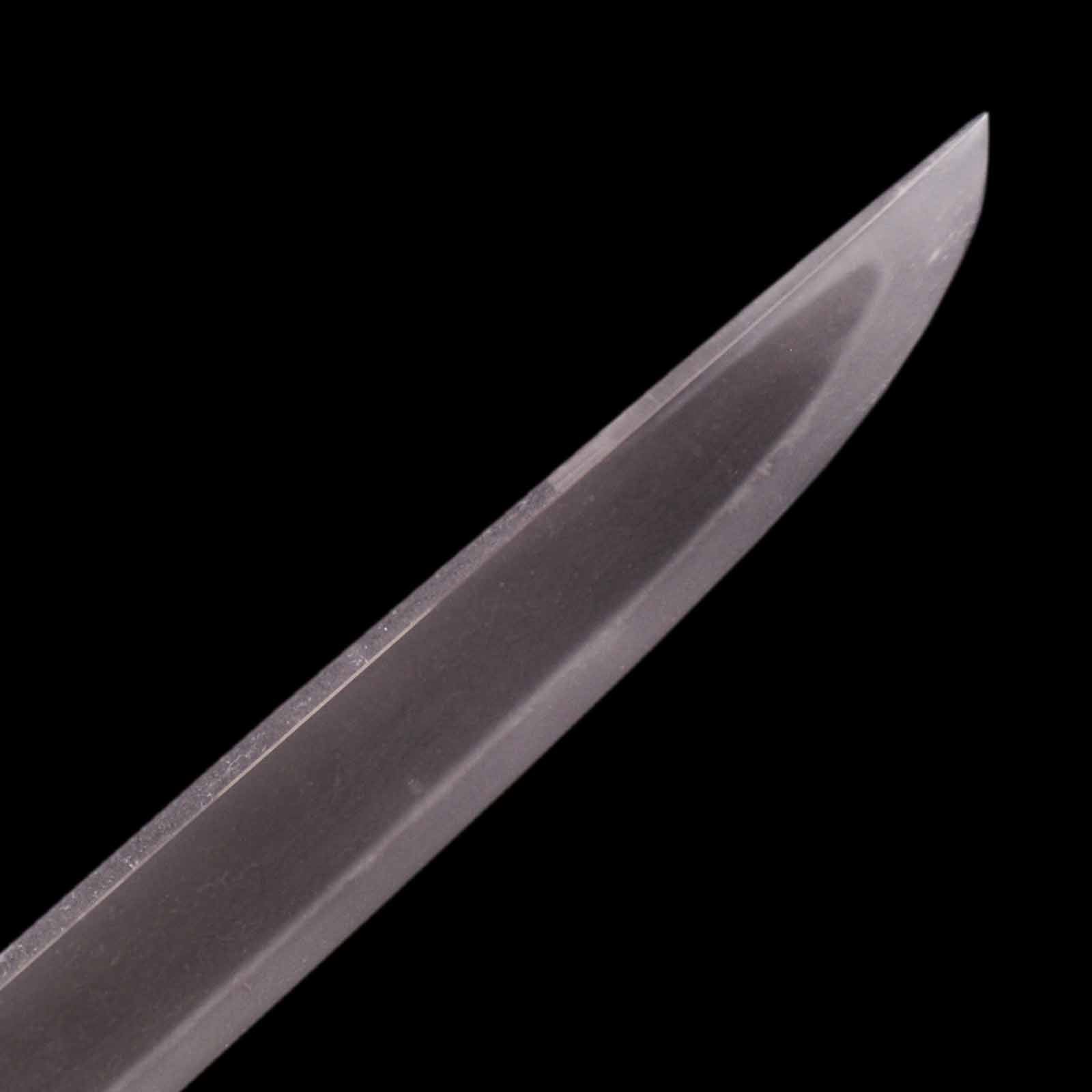
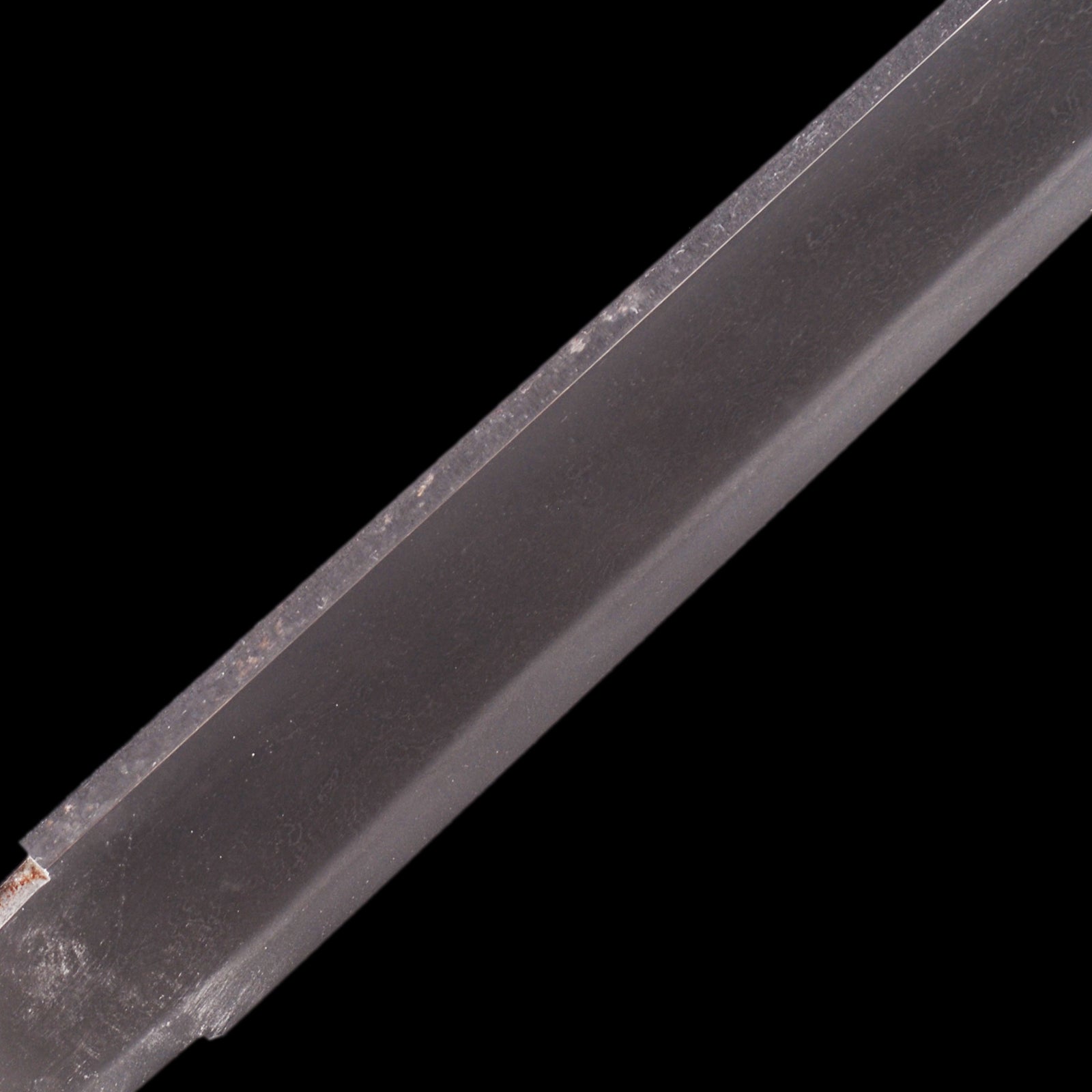
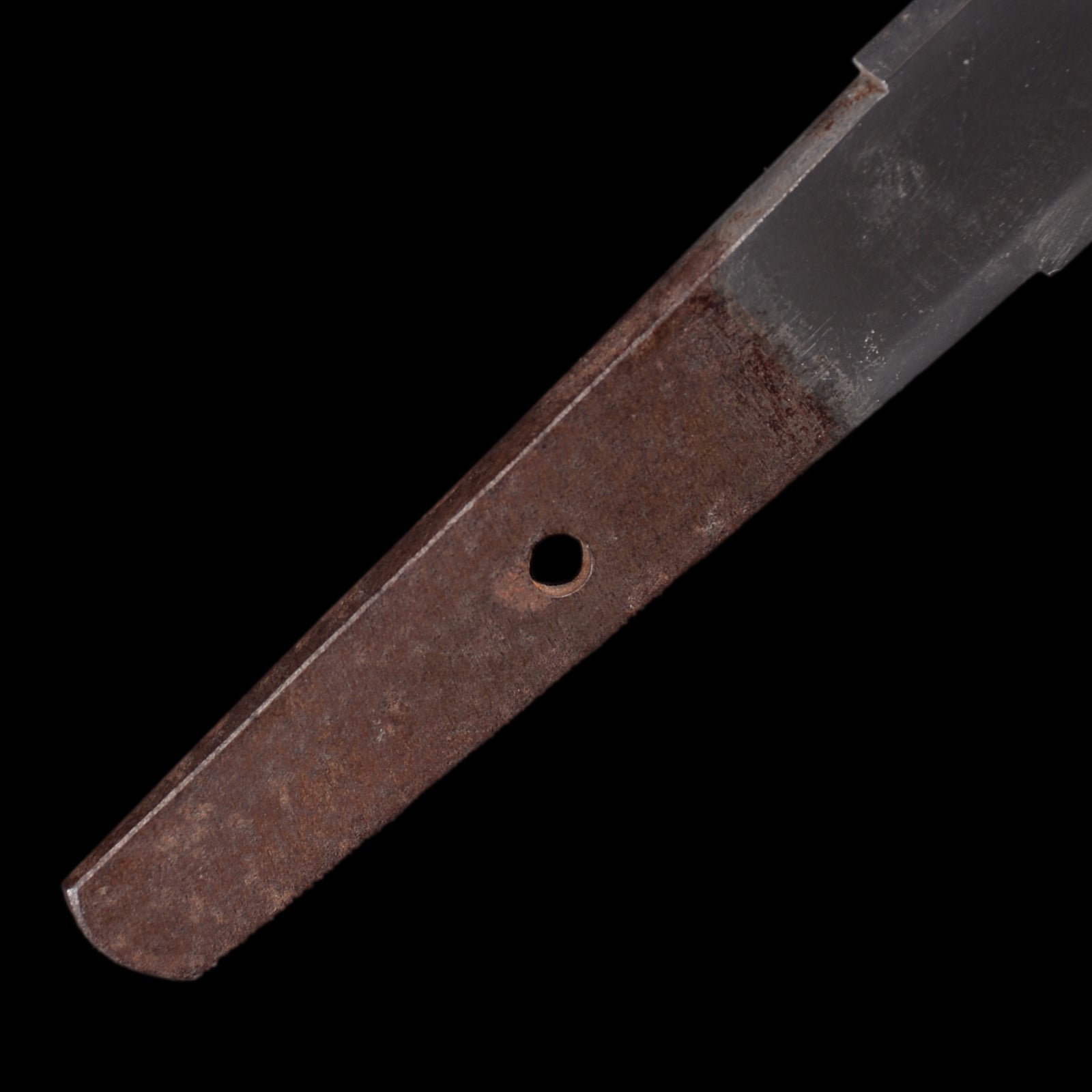
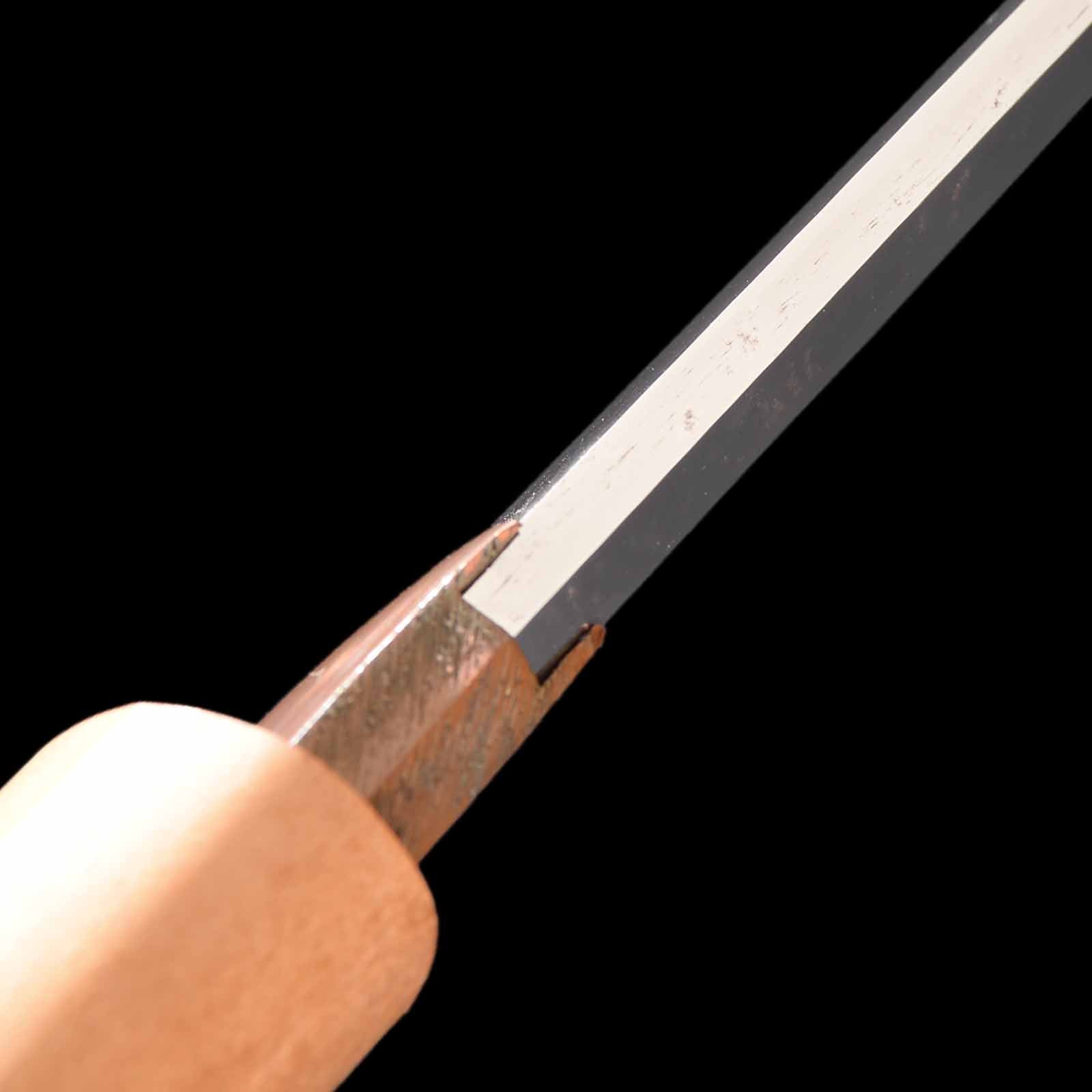
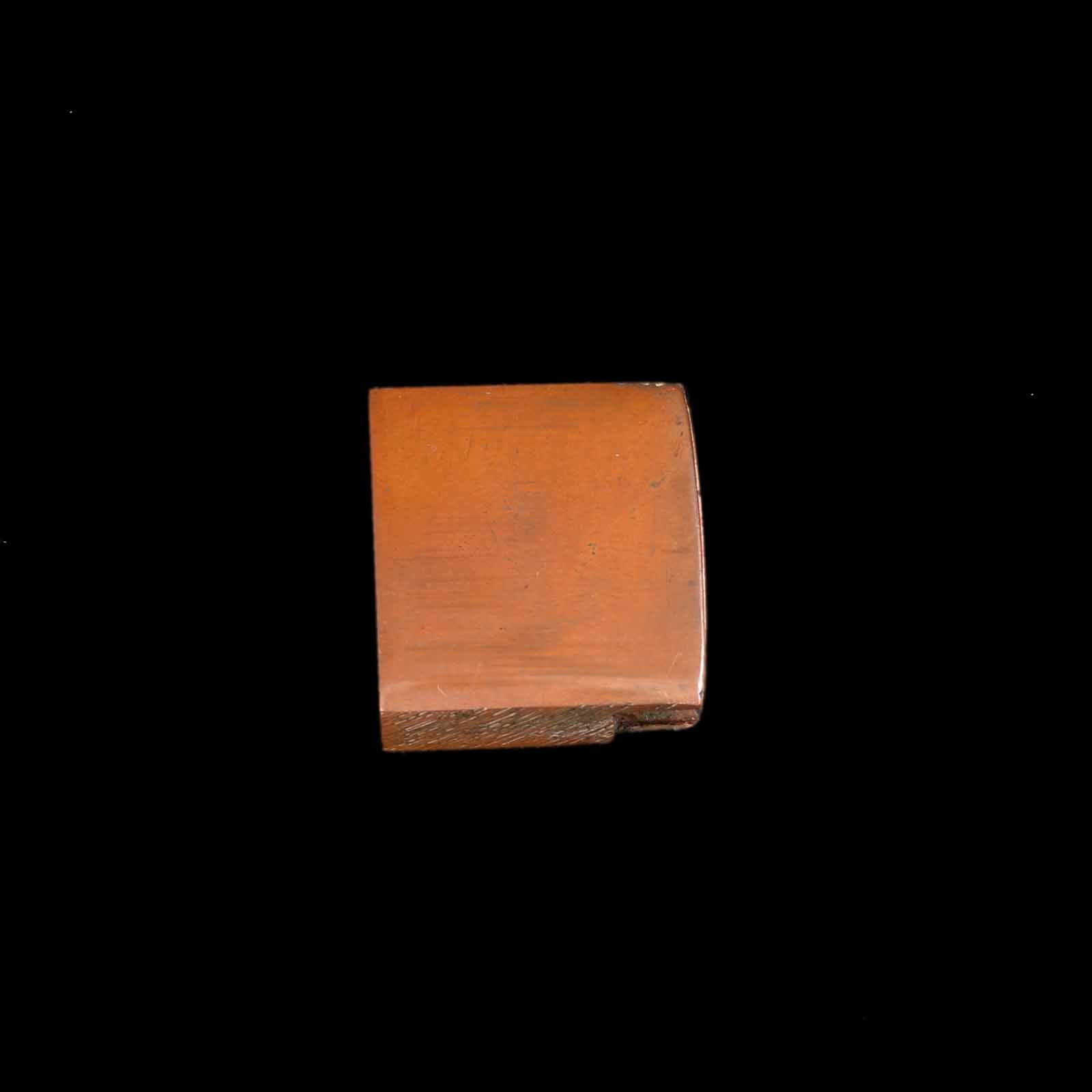
This dagger is a boldly crafted piece resembling a Yoroi-doshi, measuring approximately 30mm in width and 9mm in thickness. It is in excellent condition, with the entire blade sharpened and virtually free of flaws such as nicks or rust. The jigane presents a beautiful, orderly itame grain on the sashi-omote side, while the sashi-ura side features itame mixed with mokume. Yubari is also visible, offering a true delight for the connoisseur. The hamon is a graceful, flowing nioideki that feels both elegant and powerful. The nakago is inscribed with “Kunishige Saku.” Kunishige is a name of swordsmiths that existed nationwide from the Kamakura period to the end of the Edo period, most famously including Hasebe Kunishige of the Koto period (Heshikiri Hasebe) and Kijinmaru Kunishige of the Shinshin period. This piece is presumed to have been made during the Shinshin period. It is a highly recommended piece for those who wish to enjoy Japanese swords in an accessible way or for those seeking a powerful tanto. Blade length: 25.5 cm Curvature: 0.0 cm Number of Mekugi hole: 1 Motohaba: 29.7 mm Motokasane: 9.0 mm Signature: Kunishige Saku(front) Era: Shinshinto Structure: Hira-zukuri, Iori-mune Jigane: Itame/Mokume Hamon: Notare Boshi: Massugu Haitte Togatte Kaeru Weight: 310 g(blade only) Nakago: Ubu Koshirae: Shirasaya Original Registration No.: Nagano 23769 Please contact us if the katana you are looking for is not listed here.
NihontoWatch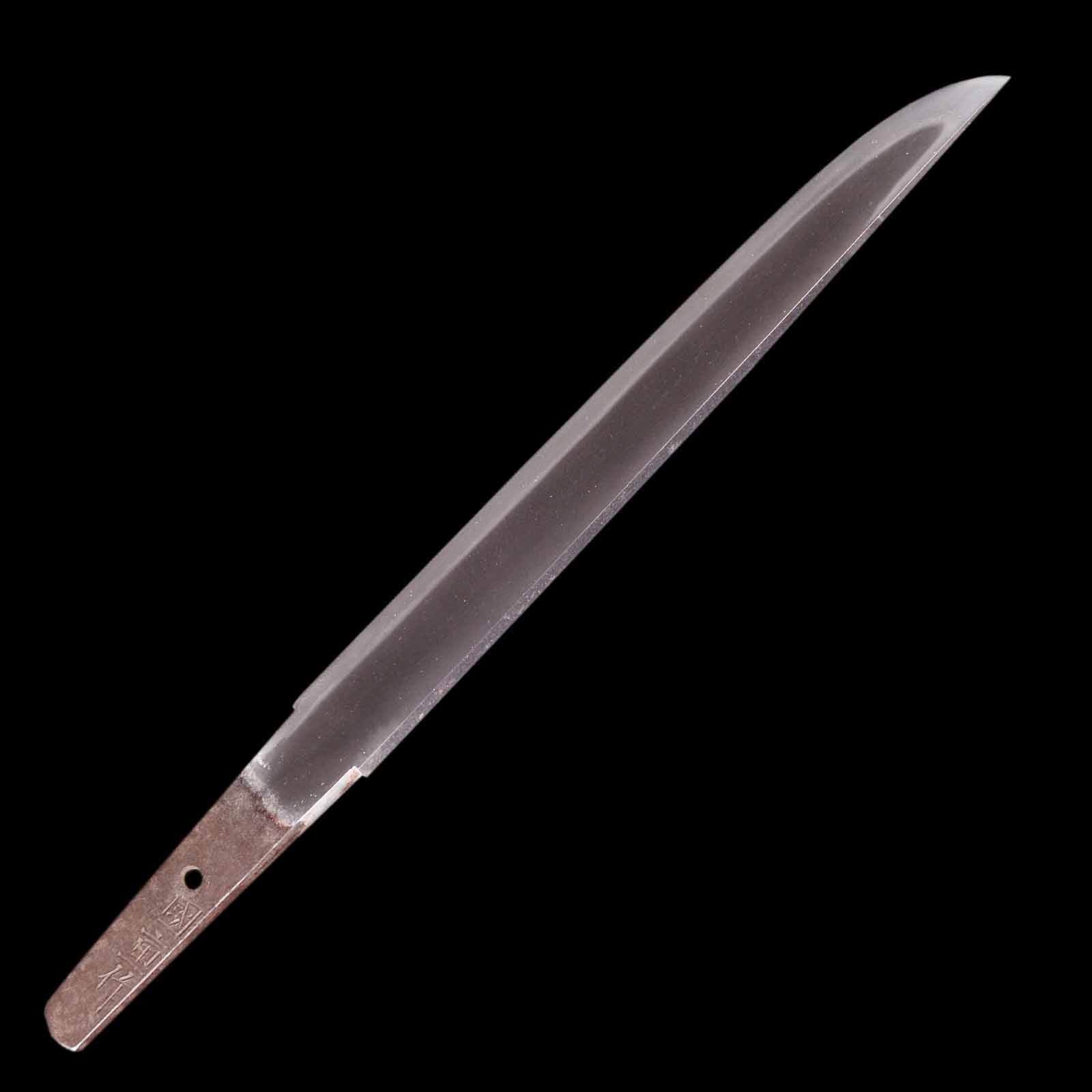
新刀 · 備中 · 1673-1681頃
藤代 中上作
現在1点販売中
國重の位置づけを、日本刀全体および伝法・時代・時期ごとに示します。各区分(随一・屈指・有数・著名)は、日刀保および文化庁による指定に加え、三作や名物帳などの歴史的栄誉を加味したものです。
各項目を選ぶと評価方法が表示されます。
在銘年紀作が示す、確実に活動していた年代
新刀 · 備中
現在15点販売中
水田派は、室町時代末期の備中国に現れ、国重の名を代々受け継いだ一派である。松山、呰部、井原、荏原、新見など備中各地に拠を構えて作刀し、その勢いは古刀期から新刀期にまで及んだ。説示によれば、新見の国重は銘鑑により備後から備中新見荘に入り、後に松山城主三村家の刀工となったとされ、ほかに備後福山や河波でも作刀した工が知られる。新見住三郎左衛門尉国重、井原住の国重、英賀郡呰部住の大月左兵衛尉国重、水田住の大月与五右衛門国重など、地名と俗名を冠して長銘を切る工が代を重ねて連なり、国重と名乗る刀工が一門に圧倒的に多いことが、この派の大きな特徴をなしている。 作風は古刀期と新刀期とで趣を異にする。古水田と称される作には、腰の開いた互の目乱れを主調として小丁子や小乱れを交え、匂口が締まって小沸がつく、ややこせこせとした趣のものが見られ、茎先が大きく刃上りとなる点が見どころとされる。地鉄は小板目肌つみ、地沸がついて映りが立つ。新刀期の作になると、板目が流れて柾を交じえる鍛えに、小のたれや互の目を焼き、沸が深く、殊に荒沸が激しくつき、相州伝を強く意識した出来となる。地沸厚く地景太く入って湯走りがかかり、砂流し・金筋を頻りに見せ、棟焼がしきりにかかって皆焼風を呈する一群があり、帽子は掃き掛けて火焰風となり、あるいは焼深く一枚風となって長く返る。物打辺に矢筈風の刃を交えること、また小板目に小杢目を交え地沸微塵に厚くついて淡く映り立つ地鉄も、この派を見分ける拠りどころとなる。彫物を巧みにこなす工もあり、棒樋に倶利迦羅や梵字を施した大小の作が残る。 鑑定にあたっては、互の目や角ばる刃を交えた焼高い刃取り、矢筈風の刃、一枚風あるいは火焰風の帽子、棟焼の頻発といった水田特有の見どころが、相州・美濃に寄った実用本位の造込みと相俟って手掛かりとなる。沸の崩れや荒沸の激しさは、よく斬れる実戦の刀としての性格を物語る。在銘の確かな作は数が限られ、なかでも大月与五右衛門国重のごとく一門の他工にも稀なほど出来の優れたものが存する。新見の国重の一作は『光山押形』に所載し、附帯する古鞘に六代将軍徳川家宣すなわち文昭院の御陣刀であった旨が記される伝来の確かなものであって、備中の地に長く栄えた水田派の位置づけを今に伝えている。 詳しく見る →
江戸時代
二世紀半の泰平のあいだ、刀は武器である以上に武士の身分の標章であった。江戸の実証と大坂の華やぎのように都市ごとの作風が育ち、時代の末には需要も細っていく。
As a general rule, returns/exchanges are not accepted on Japanese sword orders unless damaged upon delivery. Other items: returns/exchanges accepted within 7 days of delivery. Cancellation for personal reasons incurs a 30% restocking fee (70% refunded). Return shipping must be prepaid and insured by the buyer; shipping/handling fees are non-refundable. Contact katana@tozando.co.jp to initiate a return.