二世紀半の泰平のあいだ、刀は武器である以上に武士の身分の標章であった。江戸の実証と大坂の華やぎのように都市ごとの作風が育ち、時代の末には需要も細っていく。
 NihontoWatchNihontoWatch
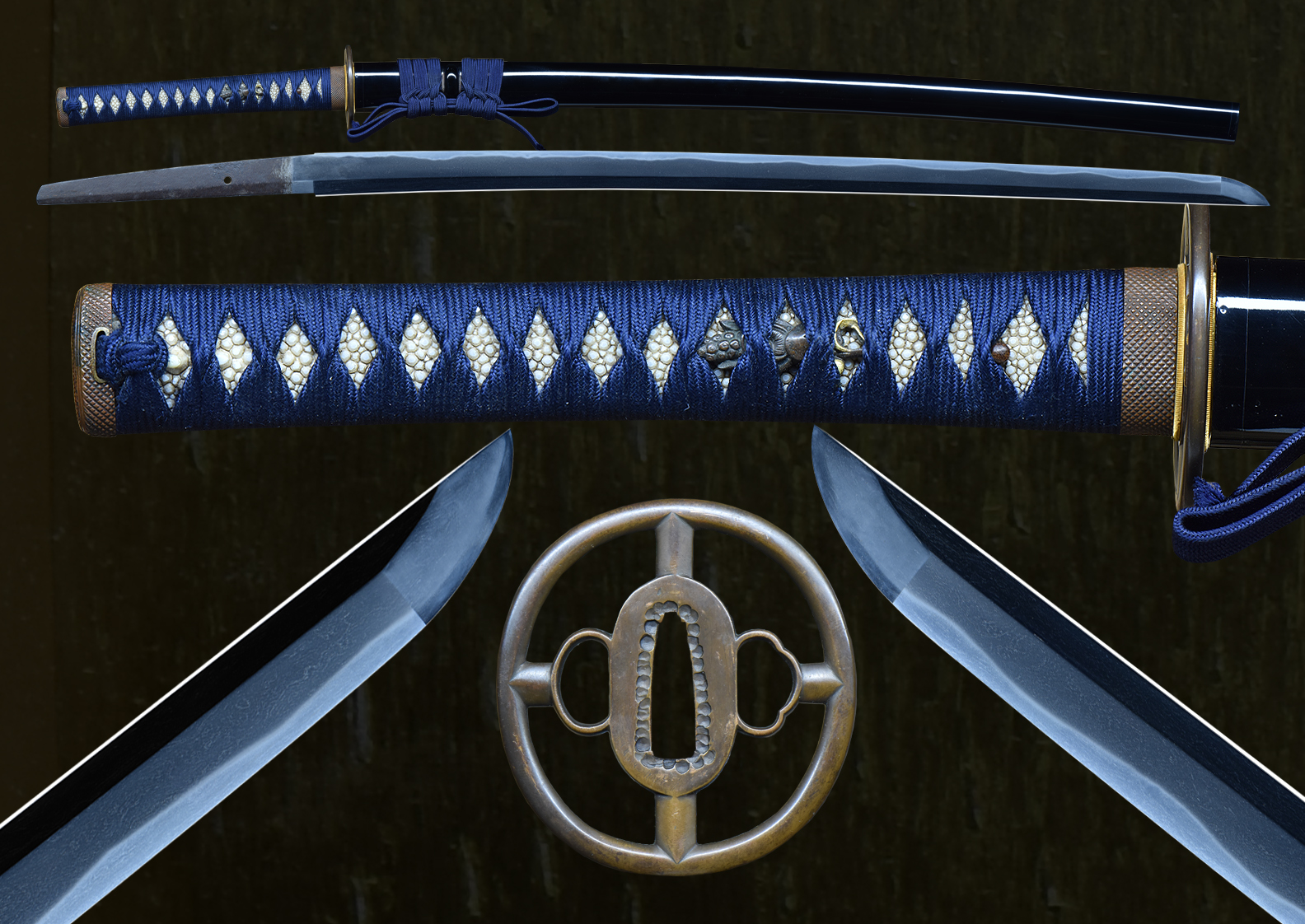
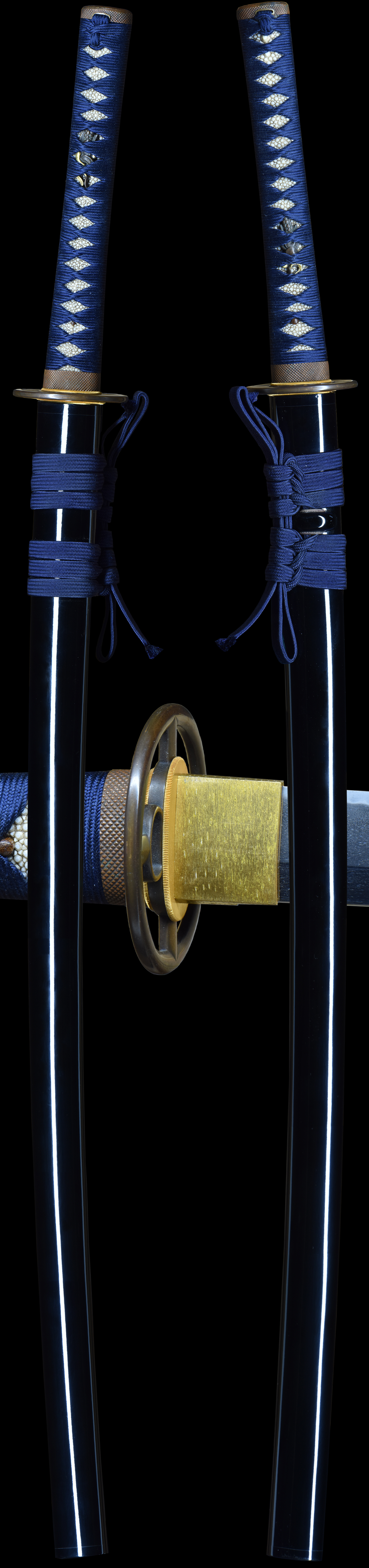
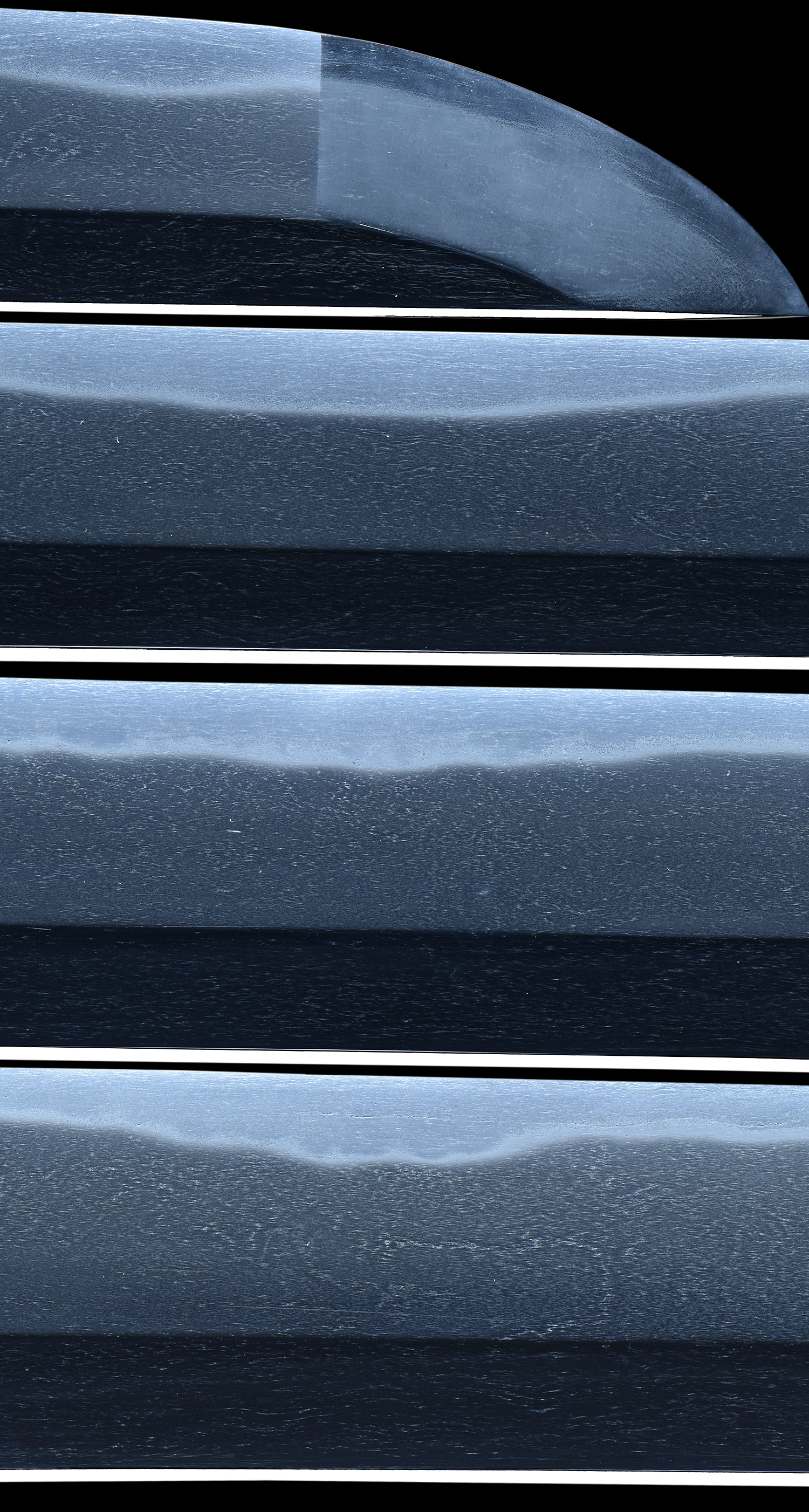
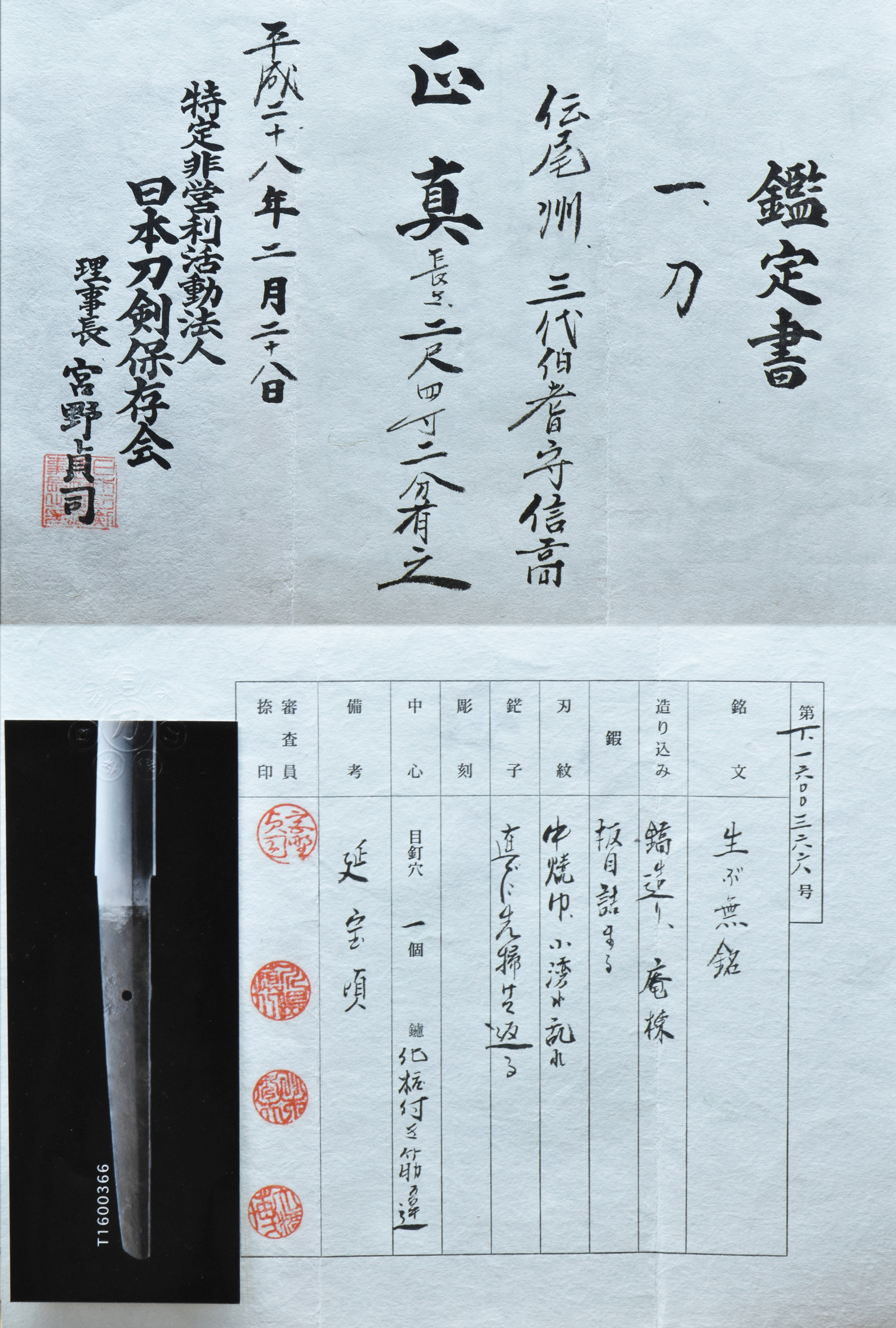
The Original Nobutaka line of smiths starts with the 1stor Shodai who received the title of Hoki no Kami around 1581. A title which was carried by a total of five generations of smiths with this same name. The Shodai Nobutaka worked during the dawn of the Shinto period from warring states period through the Keicho era and into the the early 16th century under the Tokugawa Shogunate. He resided in Owari in 1610. He was the approx.50 years of age at this time. He was originally in Mino provence. Tokugawa Yoshinao was placed as the ruler of Owari, and head of the Owari Tokugawa branch at this time so Nobutaka knew that this area would be in need of a smith base. The demand for Nobutaka smiths swords arose as the Owari Tokugawa placed them under direct employment, and they made swords for the Tokugawa Kenjutsu instructor, Yagyu Renyasai Shigekane. For this reason, most Nobutaka works are gassaku (jointly made work) between the generations as they came of age and then passed the school on to the next.The style of the Nobutaka smiths are referred to as “Owari Seki” due to their Mino origins and characteristics. Swords by the second and third generation have a distinct shape and are referred to as “Kanbun Shinto”. The Kanbun era was relatively short lived and the shape of the swords were with a shallow sori and a prevalent taper their entire length. This was an effort to capitulate on the style of swordsmanship of the times as well as the bokken they carried which were used in training in this period which were a straight, wooden replica sword called “bokuto or Bokken” and sometimes very large heavy “suburito”. This was a time of competition between rival schools of swordsmanship rather than battle field combat. The rationalization was to fight with a weapon that replicated the expendable substitutes used in training. Given the reputation of the Yagyu school and its training regimens, in conjunction with the fact that Nobutaka smiths were one of the exclusive suppliers of swords to them, the reasons for their shape and features are clear. Nobutaka swords also were regarded as excellent cutting weapons and rated wazamono , undoubtedly to the delight of Yagyu members and the Tokugawa alike.The Shodai Nobutaka died in 1636 at 76 years of age after retiring at 73 years old. He was ranked Wazamono for the great deal of sharpness of his blades.There were many lines of smiths carrying this name for many generations to come.NOBUTAKA(信高),3rdgen., Kanbun (寛文, 1661-1673), Owari– “Hōki no Kami Fujiwara Nobutaka”(伯耆守藤原信高),“San ́ami-raiha Hōki no Kami Nobutaka saku”(三阿弥来派伯耆守信高作,“made by Hōki noKami Nobutaka from the San ́ami school”), real name Kawamura Sannojō (河村三之丞), he signed in early years with Nobuteru (信照), he received the honorary title Hōki no Kami in the fifth year of Kanbun (1665) and died in the eighth month of Hōei four (宝永, 1707) at the age of 76,chūjō-sakuThis sword is a prime example of an Owari Nobutaka blade. Though mumei it was attributed to the 3rdgeneration. At almost 29” this blade has tremendous balance with its Kanbun Shinto shape. The blade is ubu at 28.86 inches. This smith was rated as Chujo Saku.The hada is a beautiful mix of mokume and itame tightly woven with the differing hardnesses of steel showing to produce and swirling chikei that can be viewed for hours on end. Jio-nie is visible throughout creating a glistening sparkle.The hamon is a very attractive ko-notare dotted with gunome mounds. It easily reminds one of hills and mountaainbs against a backdrop of a starry night which is the hada. The boshi is a shallow ko-maru. A real pleasure to study and view.The koshirae is an understatement of samurai values. The saya is in [pristine black lacquer. The tsuka is wrapped in blue ito with matching blue sageo. The fuchi kashira are a yamagane in a pindot design. The menuki are of. The habaki is beautifully finished gilded in glod with a gilded set of seppa. There is an iron owari style Sukashi tsuba of iron. Mei:MumeiDate:Edo (1600’s-1700’s)Nagasa:28-7/8 inchesSori:6.5 mmWidth at the ha-machi:33.5 mmWidth at the yokote:22.8 mmThickness at the mune-machi:8.4 mmConstruction:Shinogi zukuriMune:IoriNakago:UbuKitae:ItameHamon:MidareBoshi:sugu with hakikake at the tipCondition:Good polish Kantei-sho (鑑定書) ‒ AppraisalKatana (刀)Den Bishū Sandai Hōki no Kami Nobutaka (伝尾州 三代伯耆守信高)‒ Attributed to the third generation Hōki no Kami Nobutaka from Owari provinceShōshin (正真) ‒ Authenticnagasa 2 shaku 4 sun 2 bu kore ari (⻑さ二尺四寸二分有之) ‒ Blade length ~ 73.3 cmHeisei 28 nen 2 gatsu 28 nichi (平成二十八年二月二十八日) ‒ February 28, 2016Non-Profit Organization (特定非営利活動法人)Nihon Tōken Hozon Kai (日本刀剣保存会) ‒ NTHKBoard Chairman (理事⻑): Miyano Teiji (宮野貞司No T1600366meibun (銘文) ‒ Signature: ubu mumeitsukurikomi (造り込み) ‒ Shape: shinogi-zukuri, iori-munekitae (鍛) ‒ Forging: dense itamehamon (刃紋) ‒ Hardening: medium wide ko-notare with midarebōshi (鋩子) ‒ Hardening in tip: sugu with hakikake at the tipchōkoku (彫刻) ‒ Engravings:nakago (中心)
NihontoWatch

美濃伝 · 尾張 · 1673-1681頃
藤代 上作 · 刀剣大鑑 上位49%
現在3点販売中
美濃伝 · 美濃
現在8点販売中
三阿弥は美濃国に興った刀工の一派で、説示に拠れば関七流の一つに数えられ、その頭領が兼則であったと伝える。兼則は古伝書や銘鑑に南北朝末期から室町初期の応永にかけて存在したことが記され、現存する作例の最古とみられる太刀は作風と銘字の書風から応永を降らぬものと鑑せられている。同派の兼国は、その遠祖を南北朝時代の直江兼友門とも、大和兼国あるいは兼則の子ともいうが、そこまで時代の溯る作は未だ見られず、室町期に入って同銘数工におよび、末関に至るまで栄えた。兼則は兼元・兼定らと共に末関を代表する刀工に位置づけられる。下って桃山から江戸初期には、三阿弥兼国の子孫と伝える伯耆守藤原信高が出る。初代信高は永禄六年に美濃国上有知(現美濃町)に生まれ、河村左衛門と称し、天正九年十九歳で伯耆守を受領し、のち尾州清洲を経て徳川義直に従い慶長十五・六年頃に名古屋へ移った。寛永十年に隠居して入道銘を慶遊といい、同十三年に七十六歳で歿している。鍛えや帽子に美濃伝の見どころを残しつつ、活動の地は美濃から尾張へと移っている。 作風は時代と工により振幅が大きい。兼則・兼国ら室町期の作は、小板目あるいは板目がよくつみ、処々流れごころとなって地沸が細かにつき、白けごころをまじえる鍛えに、匂口の締まった直刃を基調とし、小互の目や角ばる刃、尖り刃を交え、足が入り、処々ほつれて飛焼がかかり、帽子は直ぐに小丸、あるいは尖りごころに返って掃きかけるものがある。兼国の優作は地鉄ともども冴えて明るく、一見善定兼吉の出来を思わせると評される。信高に至ると姿は一変し、室町最末期から桃山期にかけての幅広・大鋒の堂々たる豪壮な体配を示し、広直刃を基調に浅くのたれ、裏は小のたれに互の目ごころの刃を交え、匂深く沸がよくつき、部分的に荒めの沸をまじえて焼頭が沸崩れ、処々ほつれて喰違刃風となり、砂流し・金筋・湯走り・飛焼が鎬地にまたがって頻りにかかり、上半は皆焼風となる。帽子を焼き深く大胆に一枚風として長く返らせ、板目に流れ肌をまじえる鍛えや帽子の地蔵風に出身たる美濃伝の名残を窺わせる。見分けには、室町期の締まった直刃と冴えた地鉄、信高の沸づき変化に富む放胆な刃取りと豪壮な姿という時代差が手がかりとなる。 鑑定の要点は、兼則の「兼」の字の第四画目の鏨がしゃくれるところで、これは康応や応永年紀の兼吉にも見られ、南北朝末から応永にかけての銘の特徴とされる。信高には初代と二代があり、二代は初代の子で寛永十年に伯耆守を受領、寛文二年六十歳で入道し、元禄二年八十七歳で歿した。その技倆は父に劣らず、現存作中の優秀作は多くがこの二代の手になるという。伝来の明らかな作も多く、兼則には山之内家伝来の太刀、兼国には相模国小田原藩主大久保家の旧蔵で大久保忠成が九十三歳で指料とした旨を金象嵌に刻む一口があり、いずれも資料性が高い。信高には天正九年伯耆守受領直後の作で稲葉江写しとして名高い一口や、尾張刀工に多い槍のうちでも稀な長大作があって、その技を伝える。美濃に発し関七流の一角を占めた一派が、末関を経て尾張へ伝統を運んだ流れを、これらの作は示している。 詳しく見る →
江戸時代
二世紀半の泰平のあいだ、刀は武器である以上に武士の身分の標章であった。江戸の実証と大坂の華やぎのように都市ごとの作風が育ち、時代の末には需要も細っていく。
NTHKの中心的な鑑定書で、相応の出来を備えた作に発行されます。在銘作は銘の正真を、無銘作は審査員による刀工・流派の極めを示します。点数を記す詳細な審査表が付されます。
NTHK(日本刀剣保存会)は、NBTHK(1948年設立)に先立つ1910年に創立された、日本で最も古い刀剣鑑定団体です。長く会を率いた会長の没後、NTHKとNTHK-NPOの二つに分かれ、いずれも審査を続けています。NTHKの鑑定書は、点数と審査員の所見を併記する詳細な審査表が特徴で、特に無銘作の極めに定評があります。
We offer a 48 hour inspection period for all Antique items shipped within the United States only. If the item is not to your satisfaction, we will gladly refund your money less any shipping and handling fees. All sales are final after the 48 hour inspection period. Please note that all discounted items are a final sale and not returnable.