NihontoWatch Mon

NihontoWatchBETA

マーケットオークション
事典
NihontoWatch Mon

NihontoWatchBETA

マーケットオークション
事典

説明

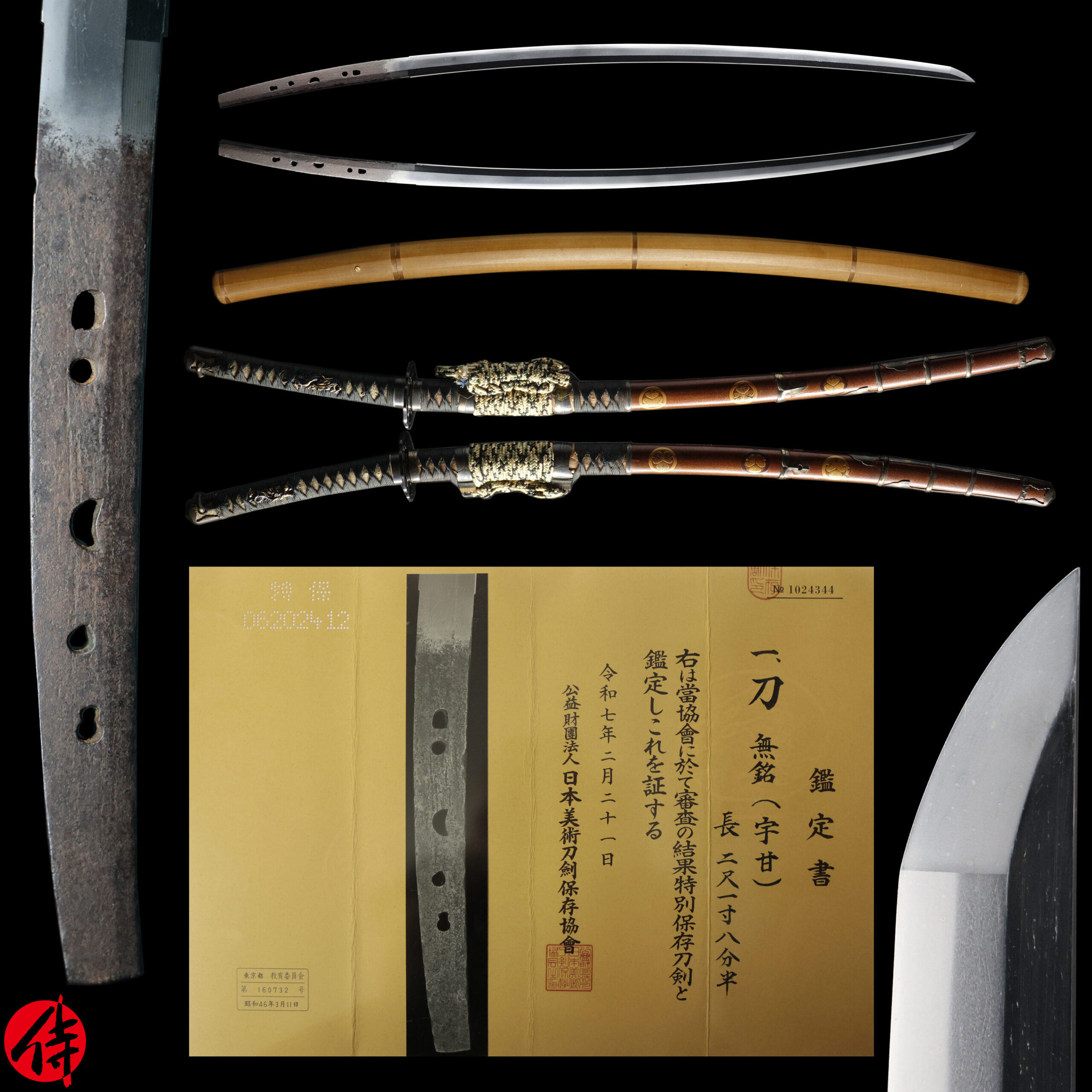
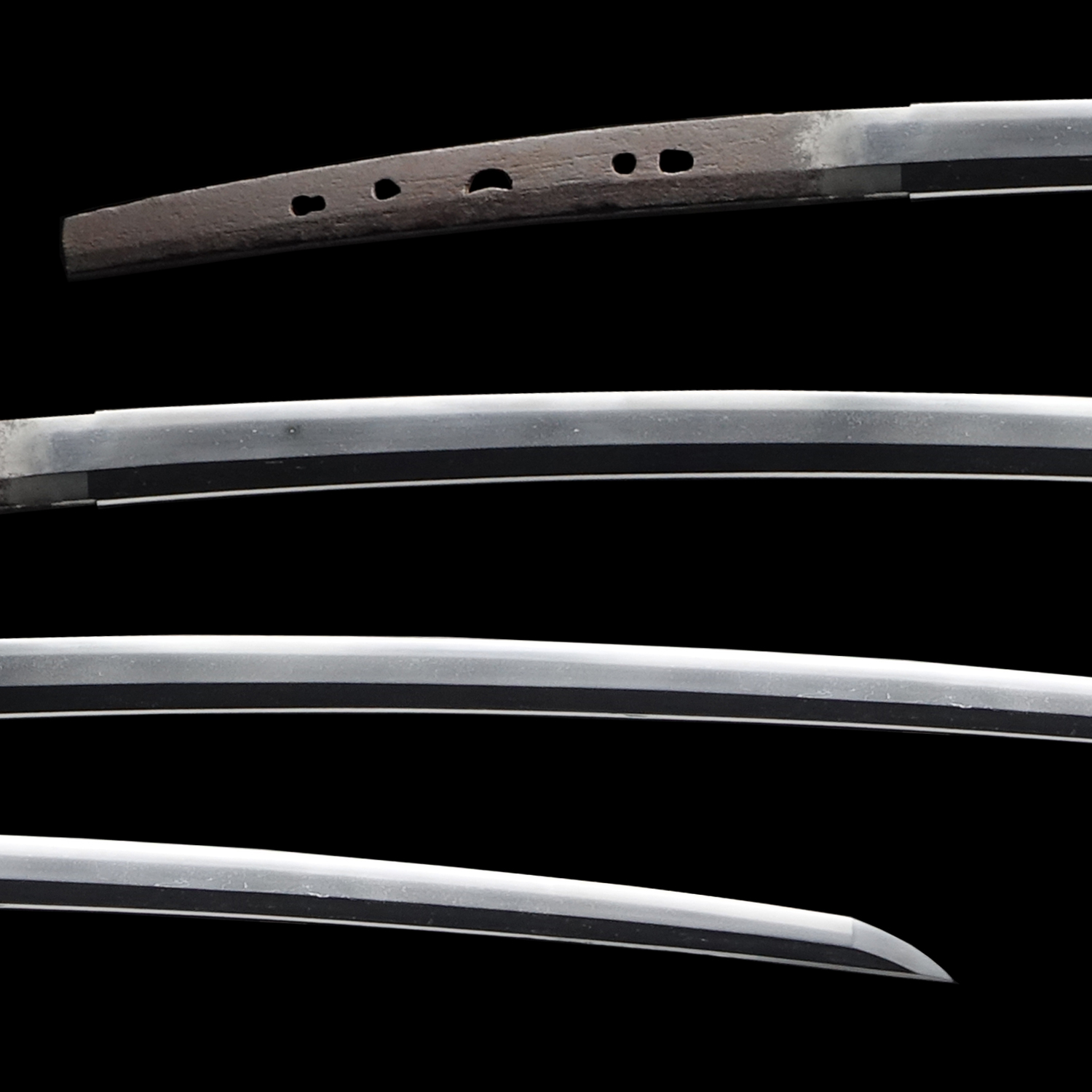
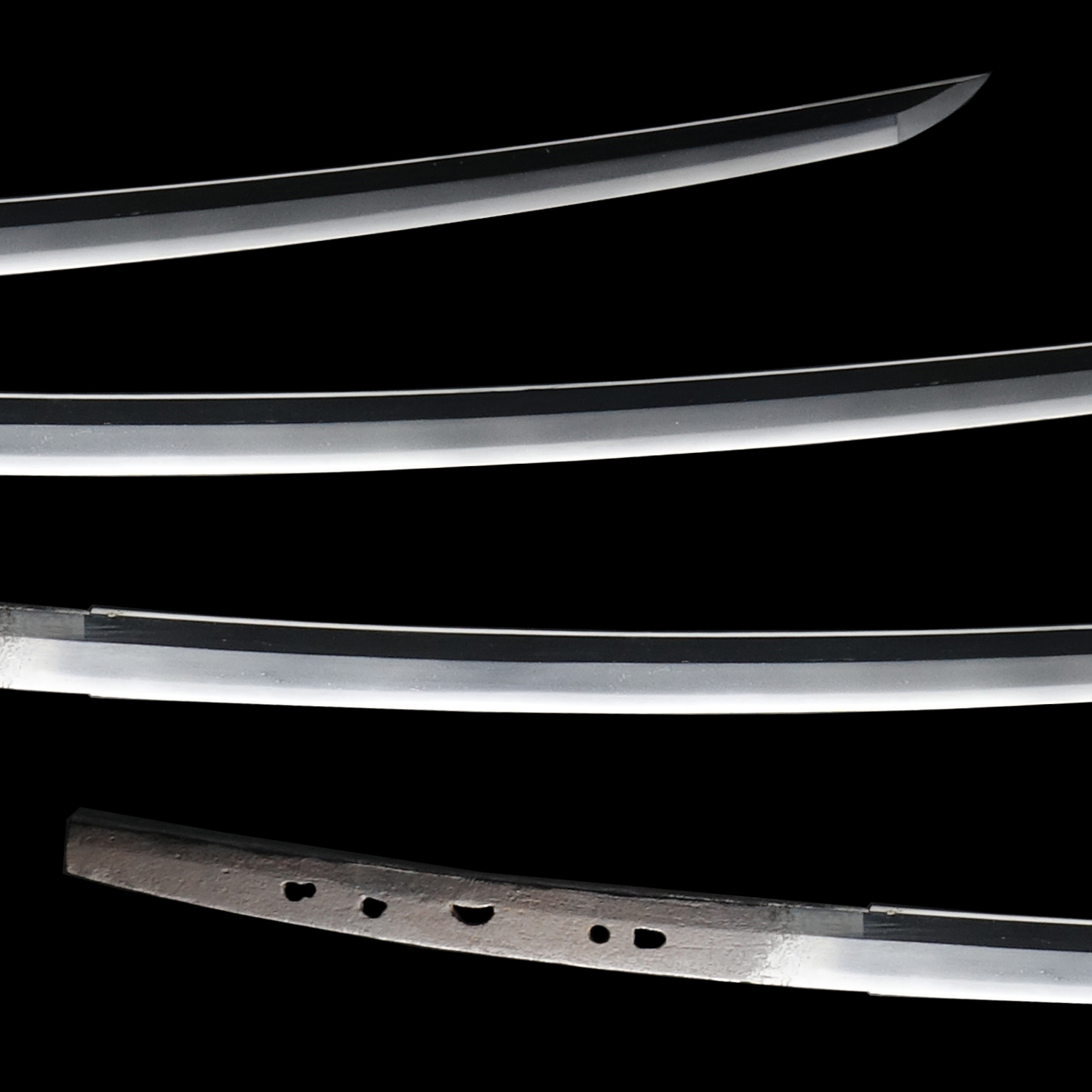
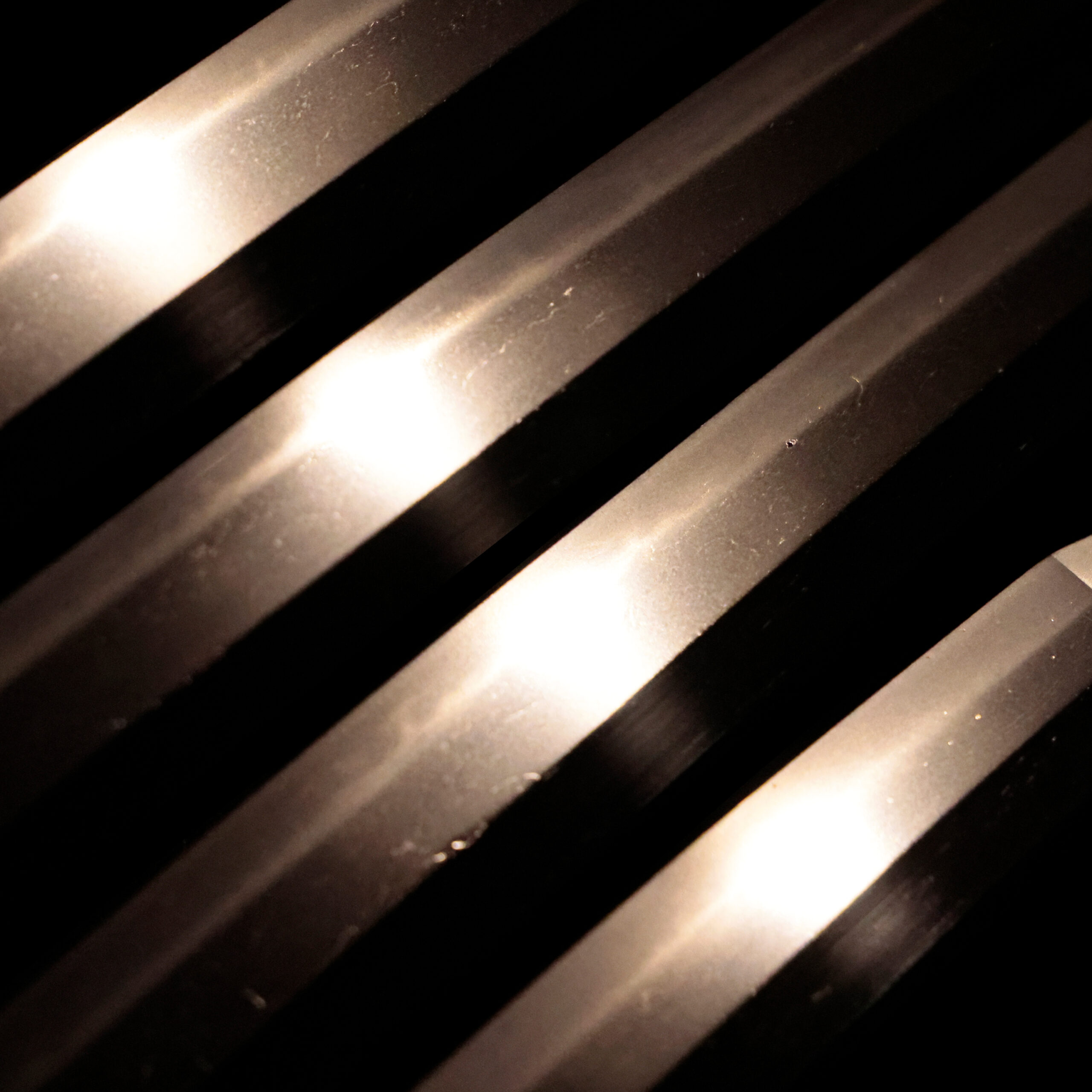
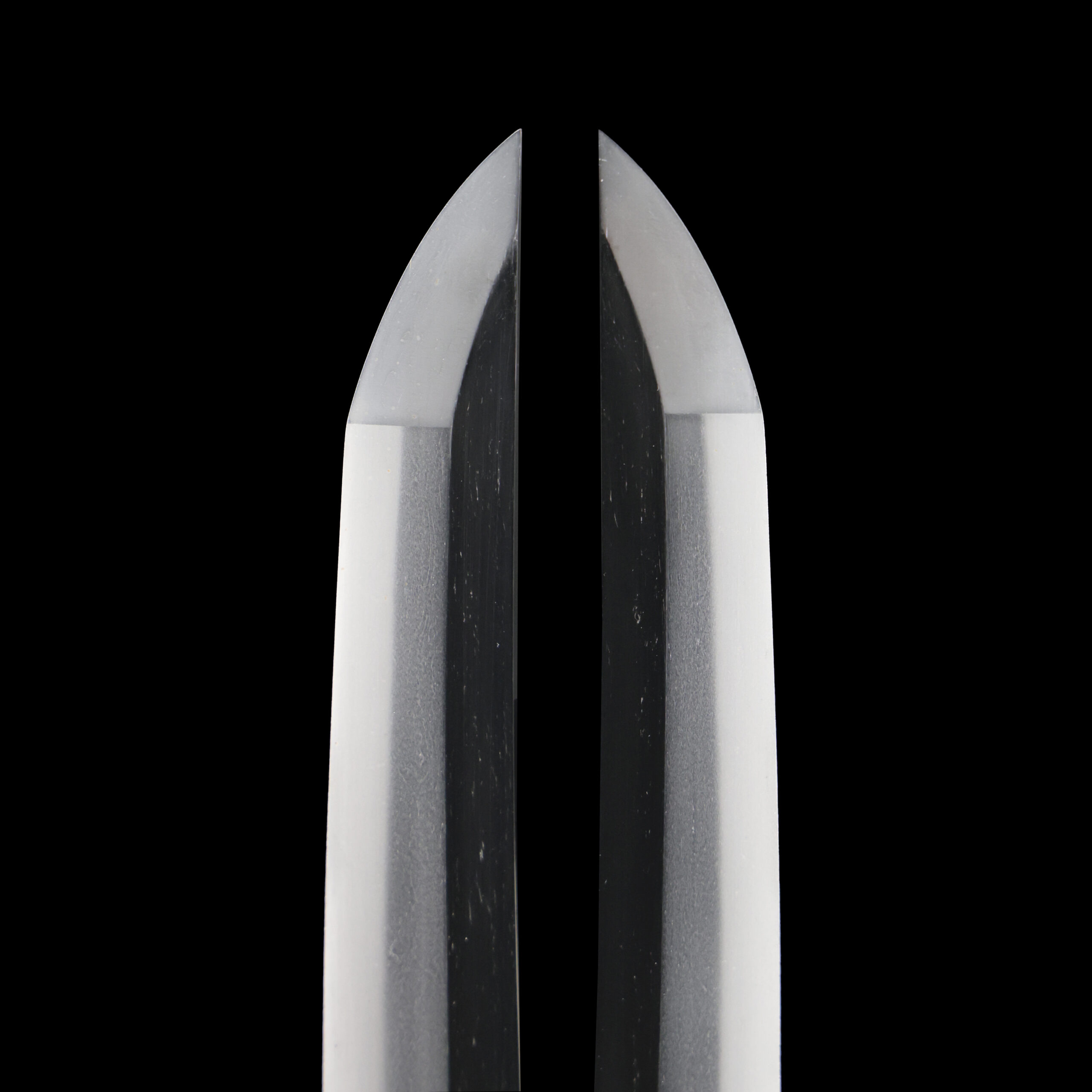
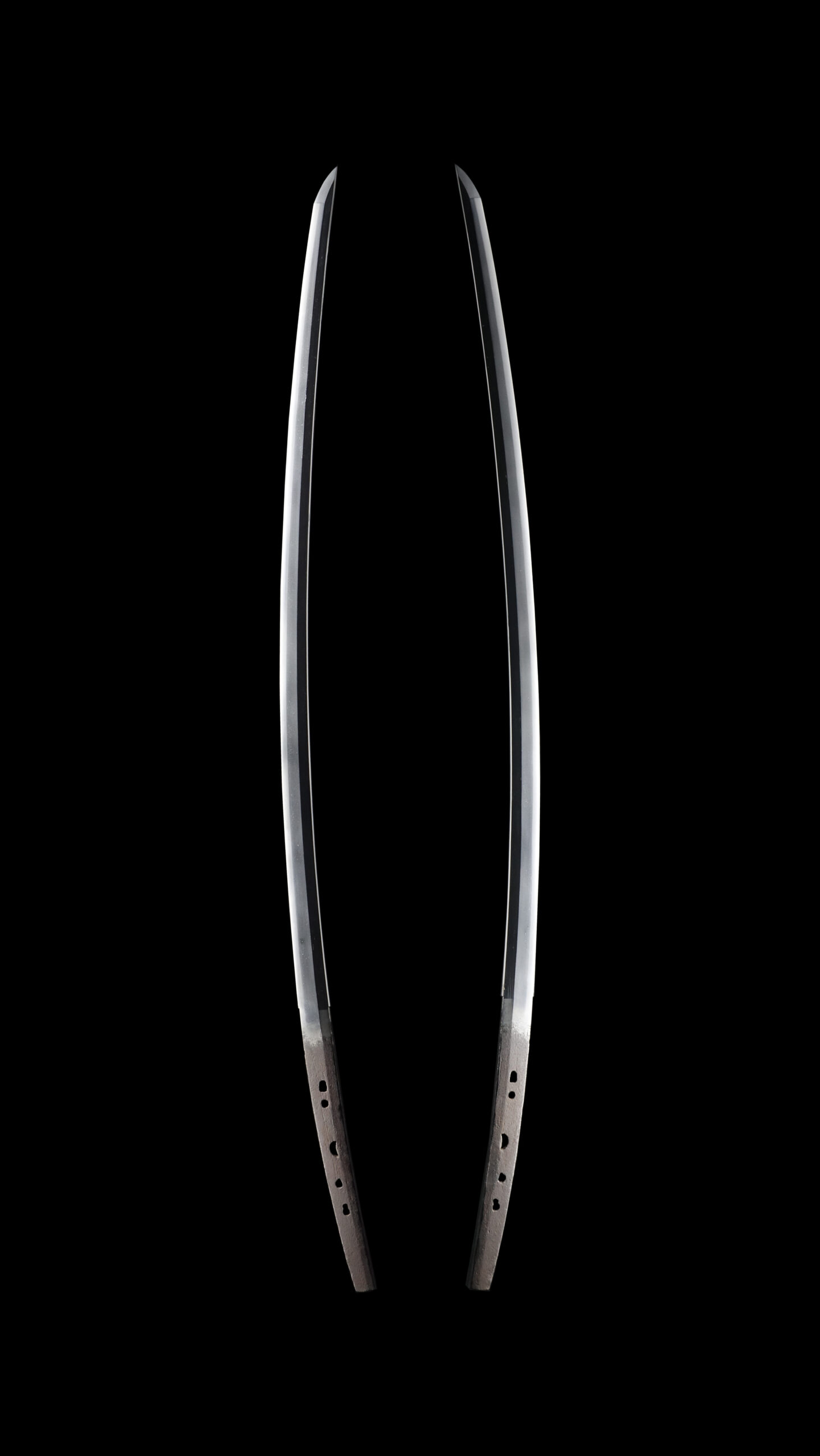
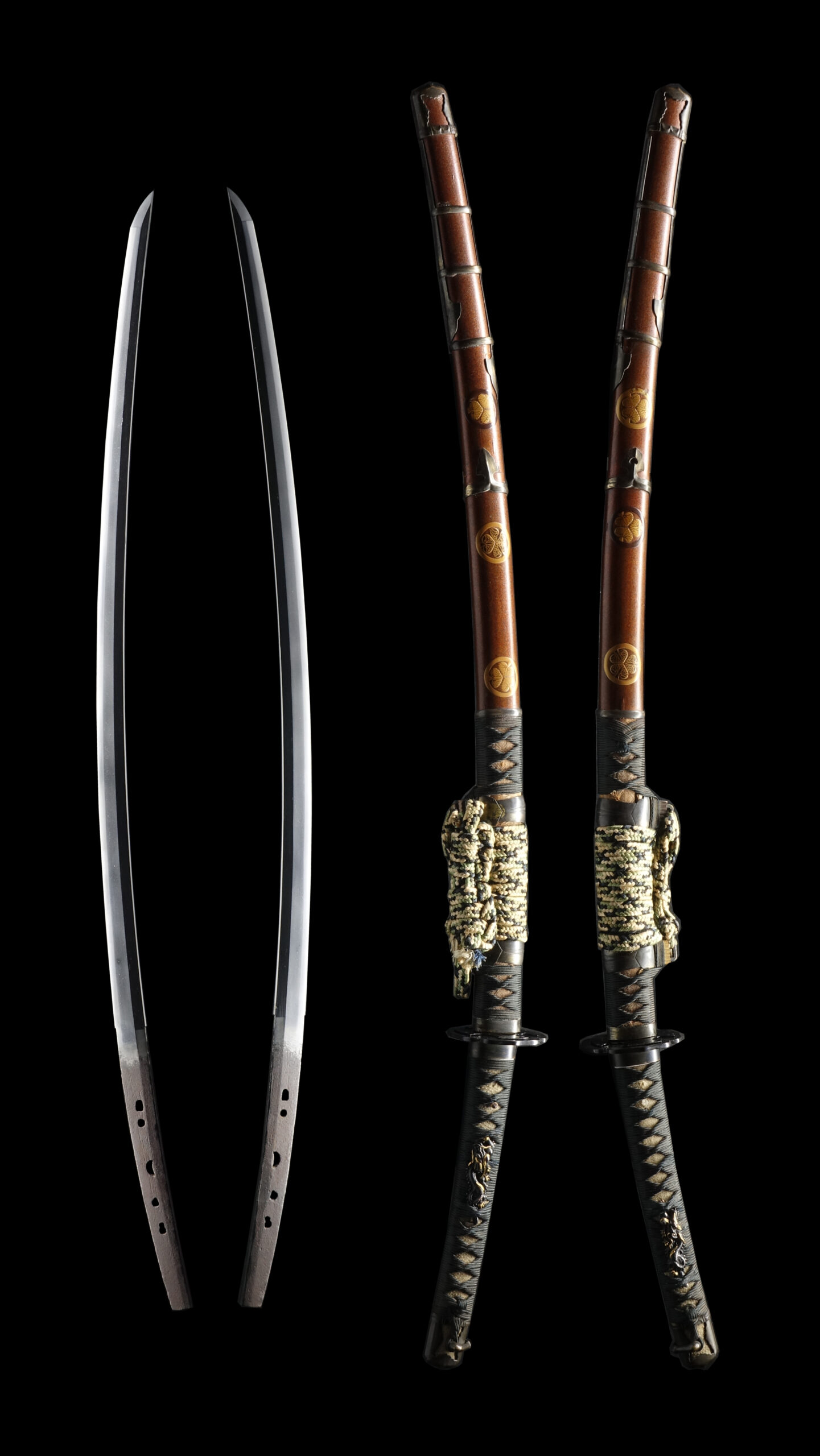
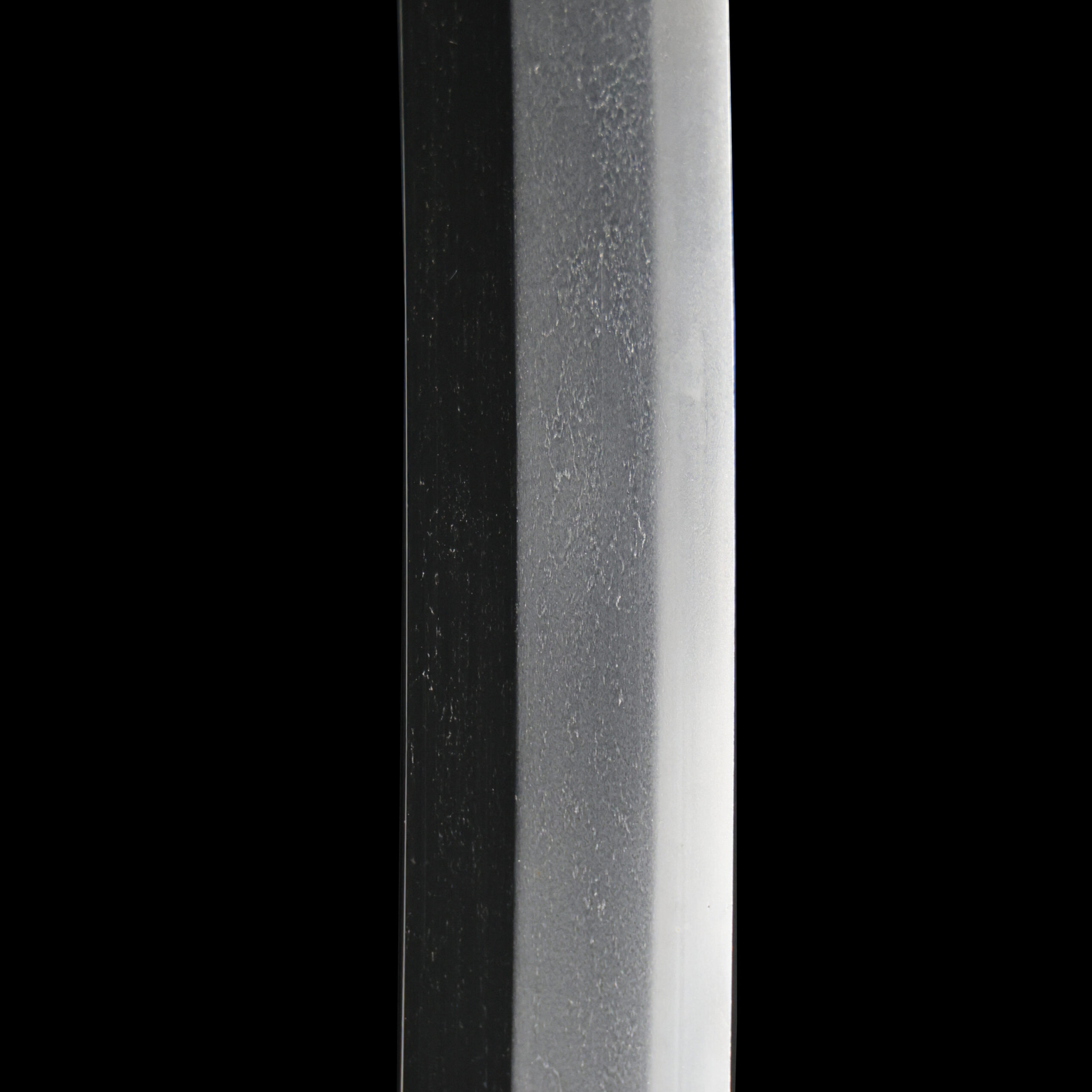
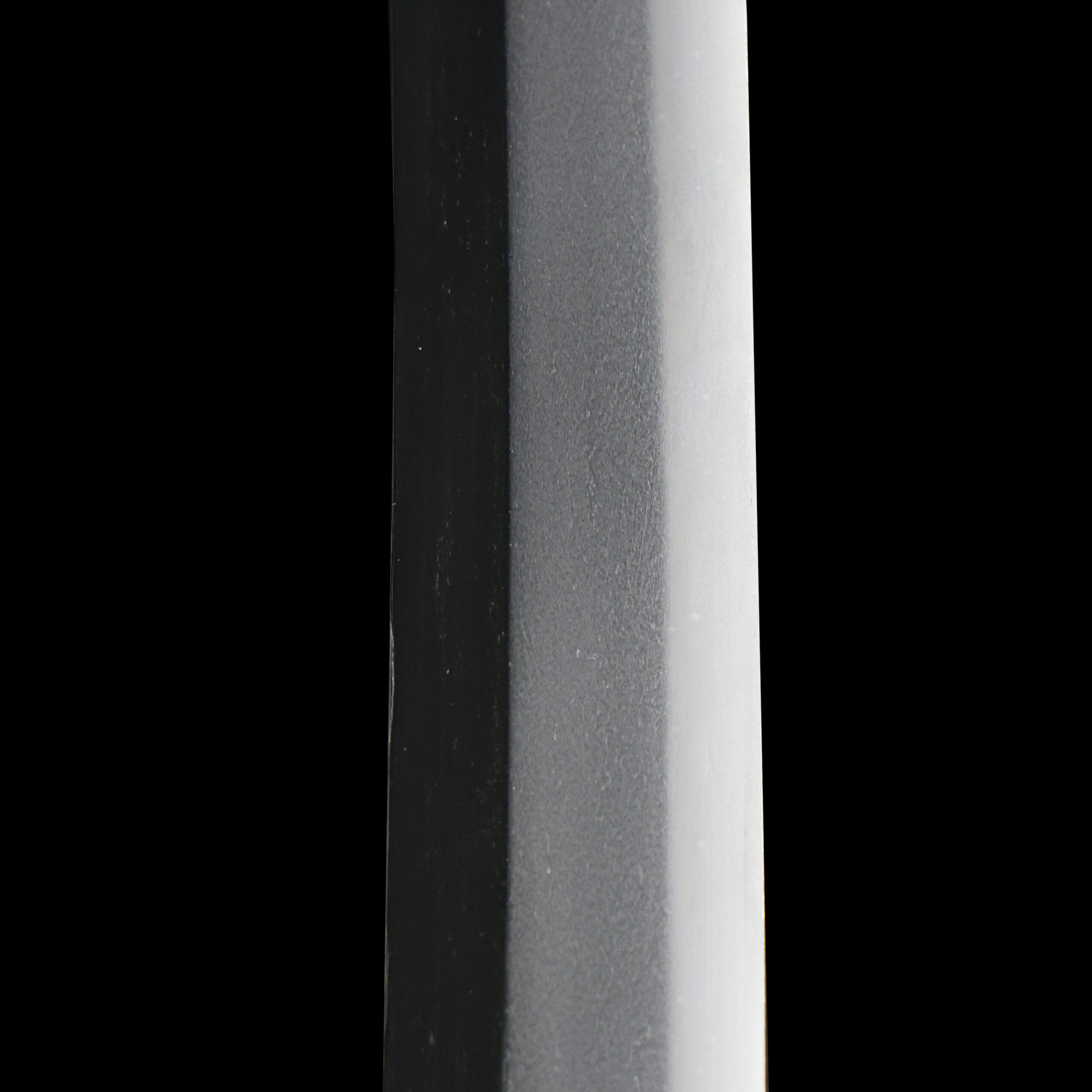
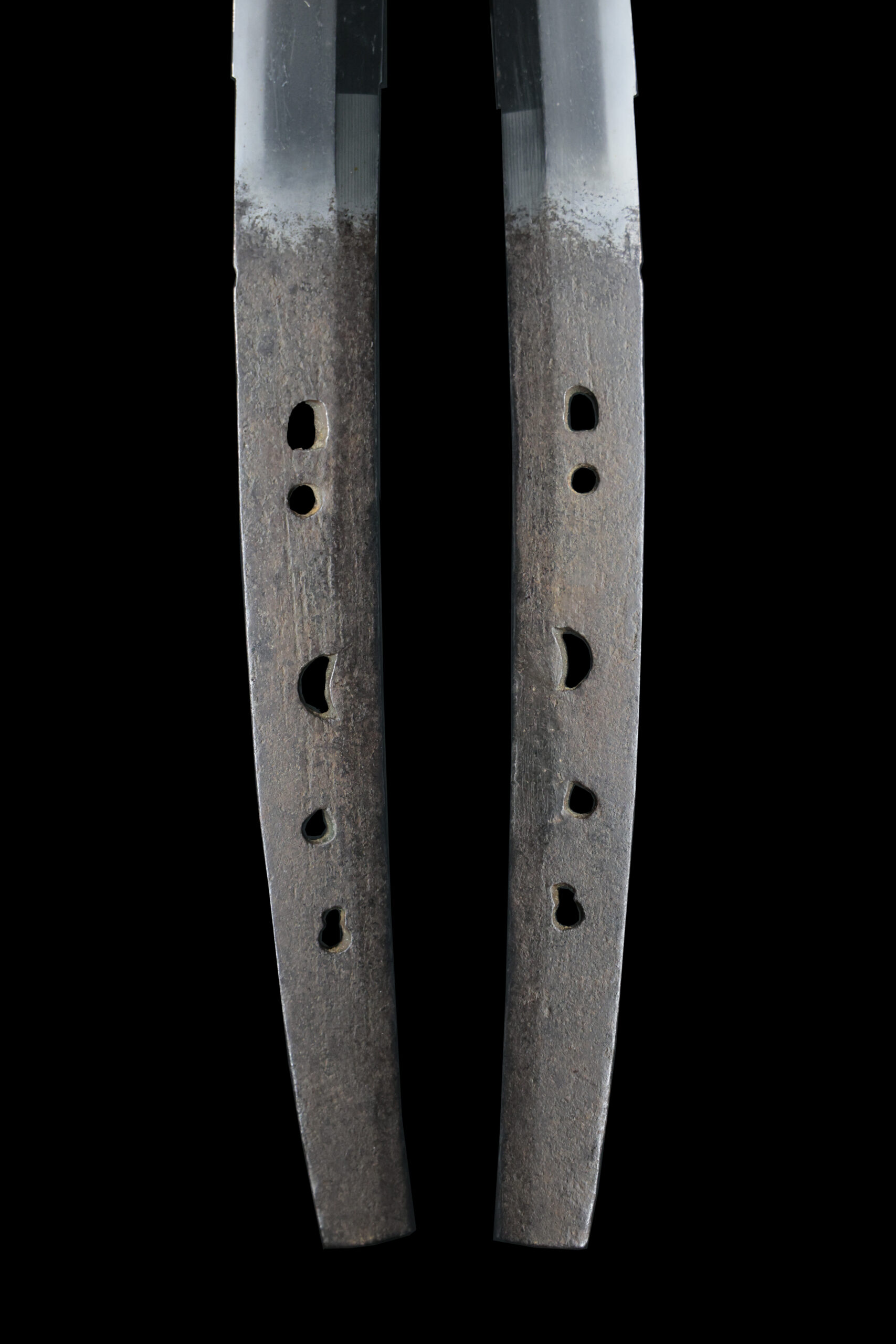
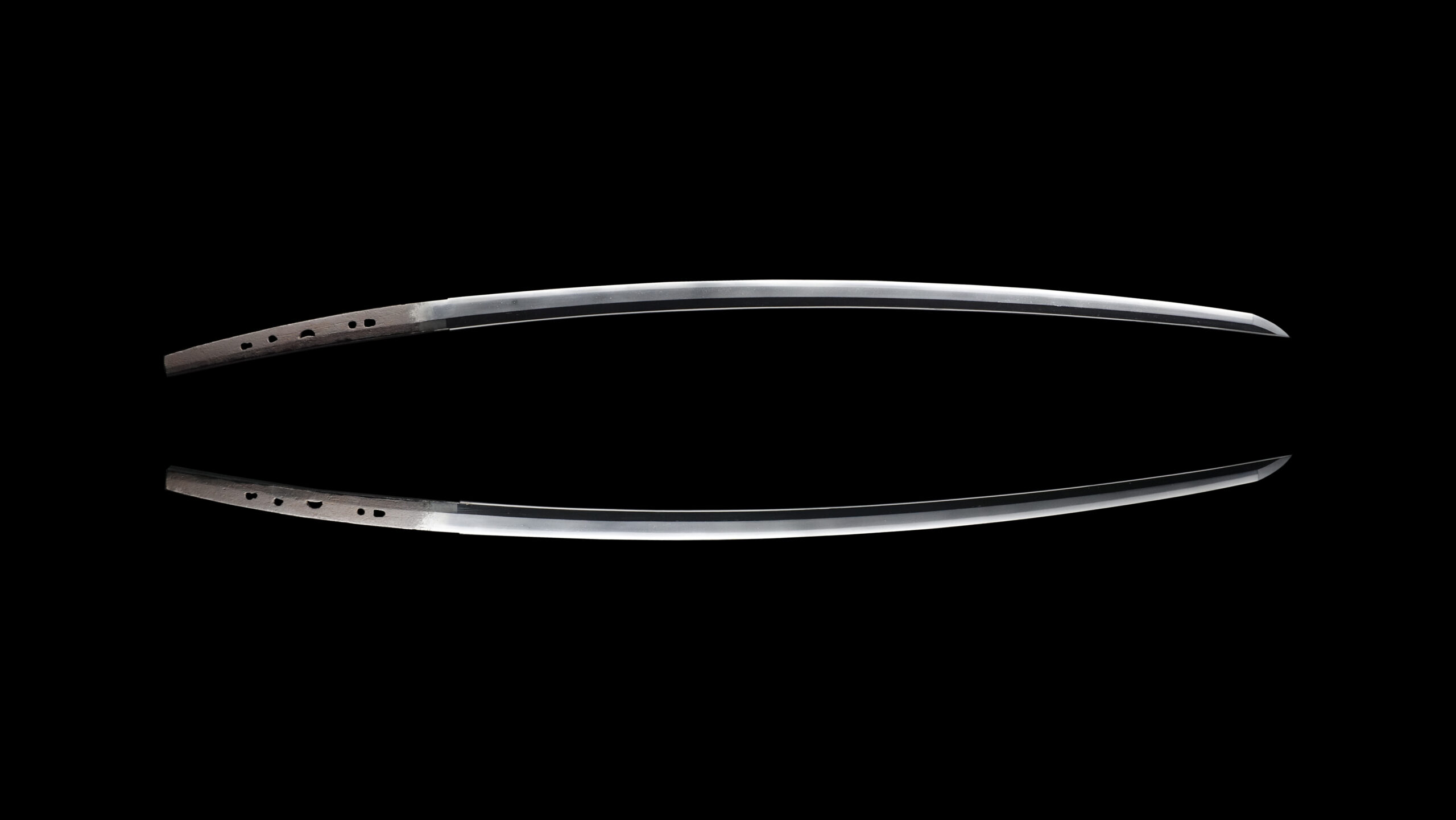
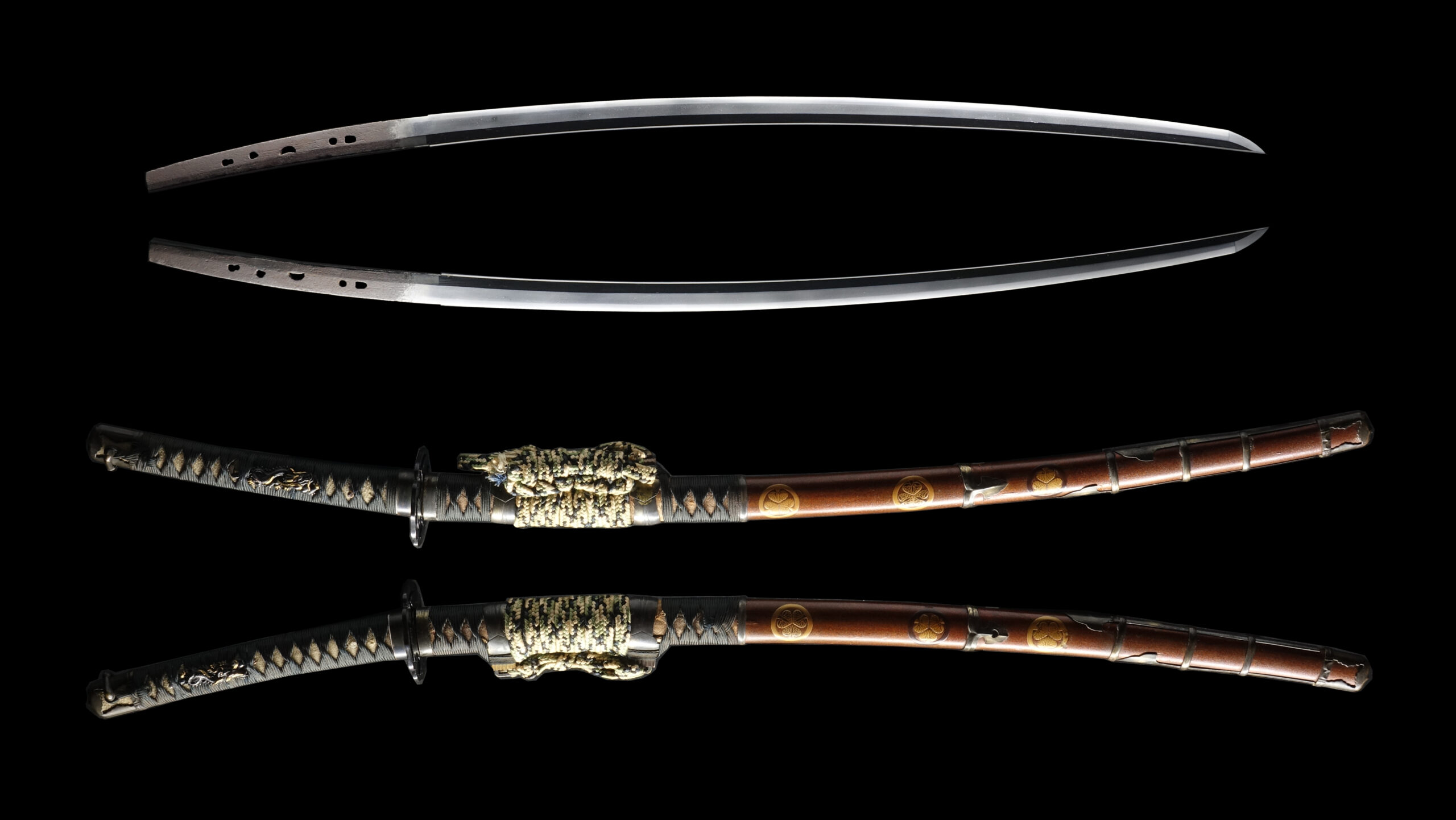
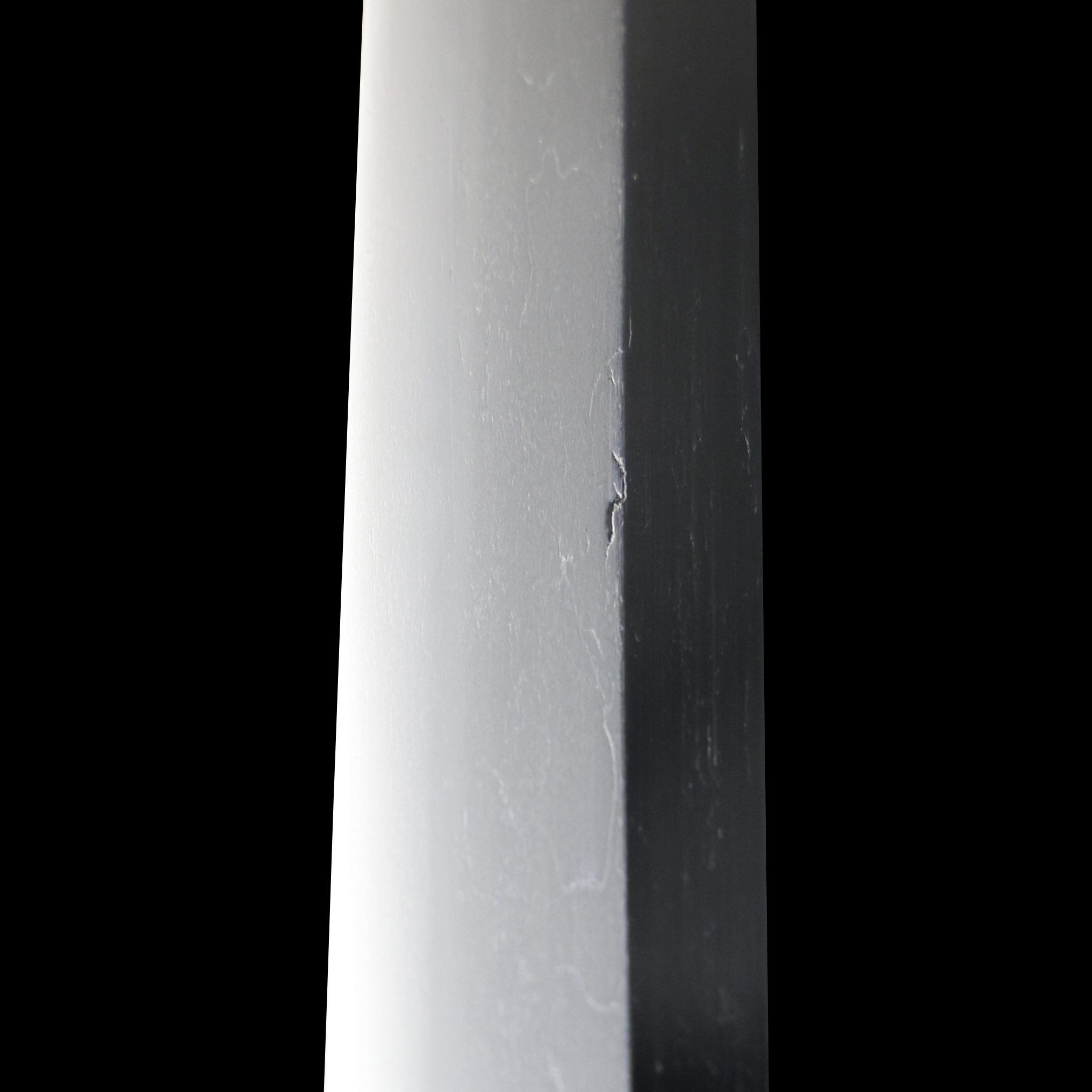
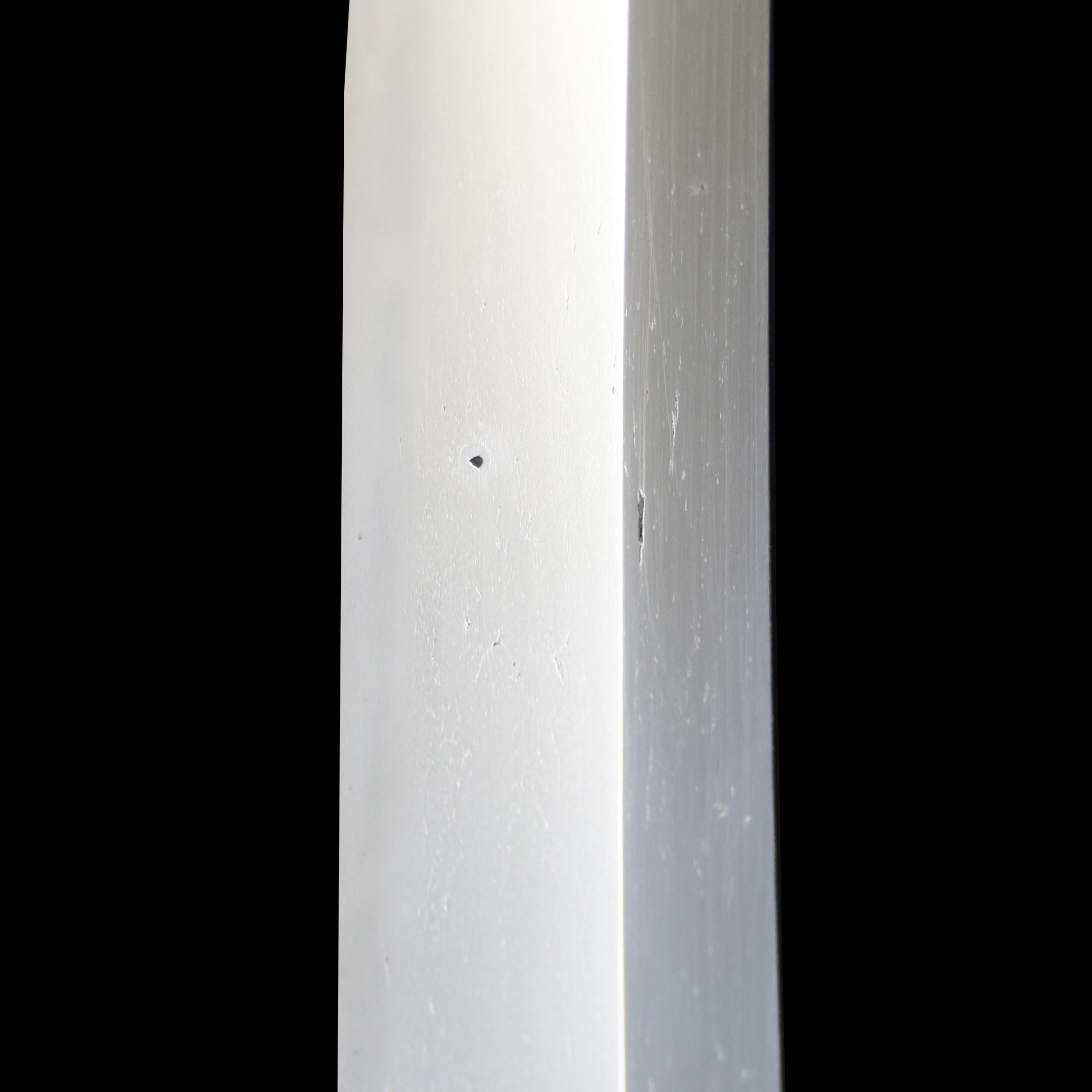
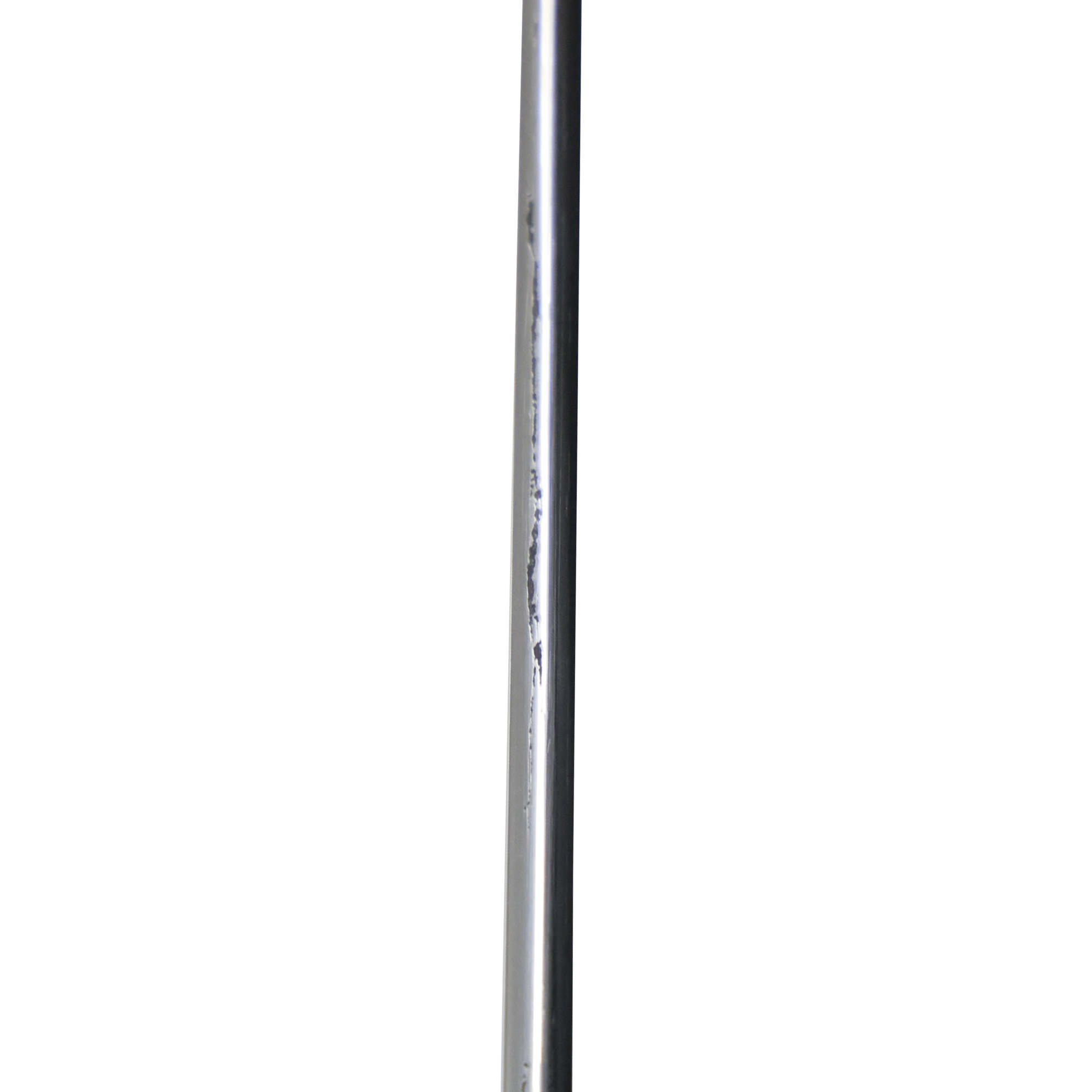
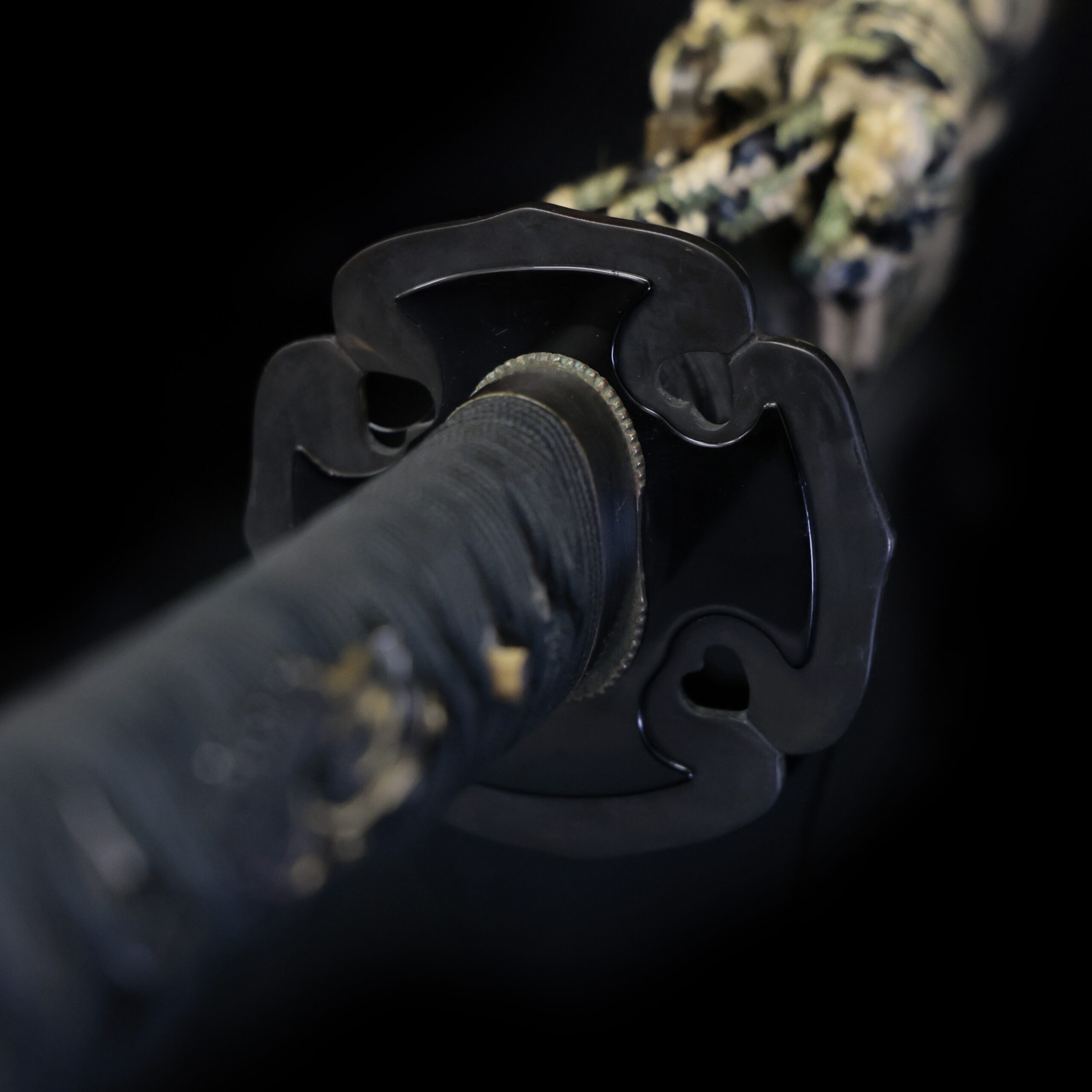
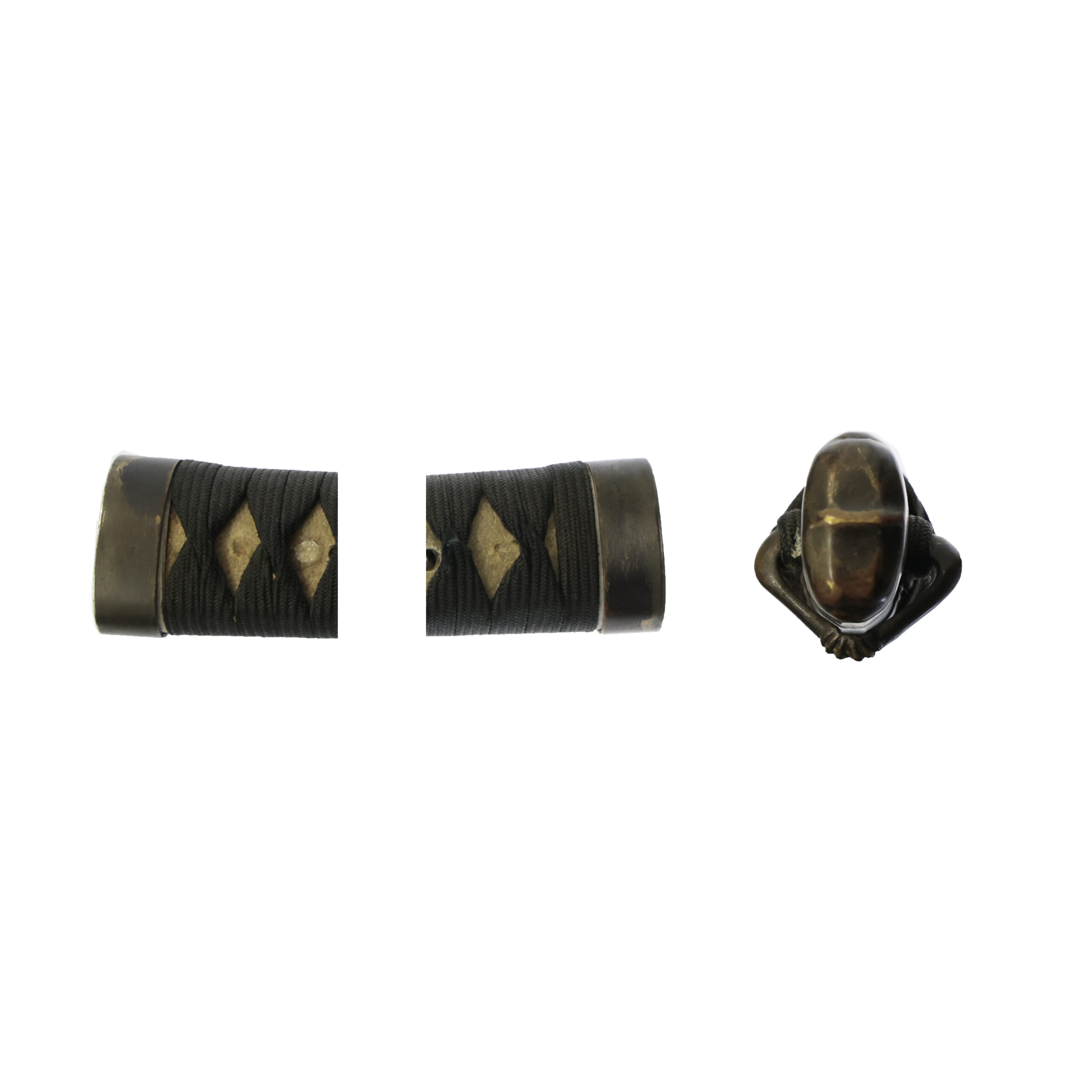
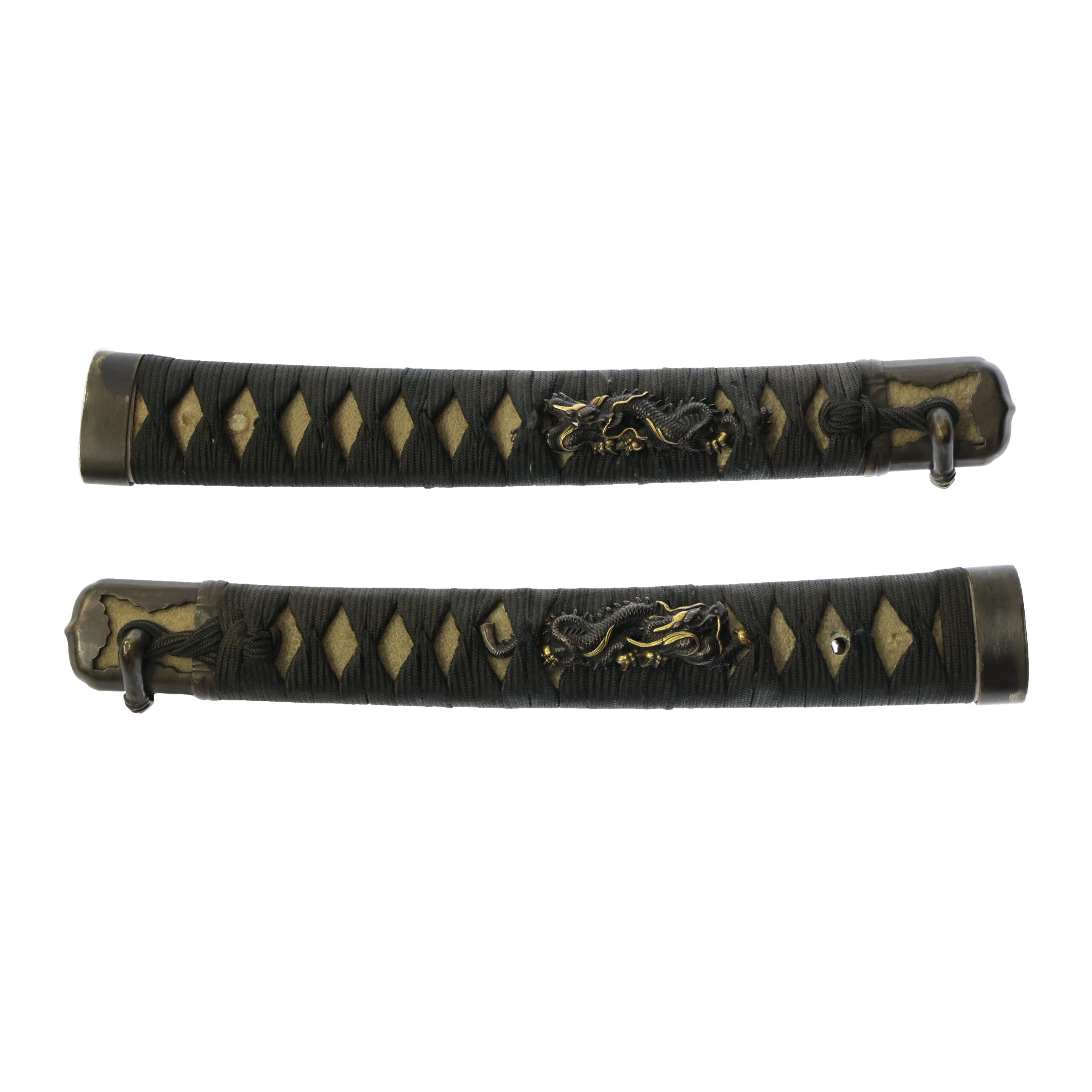
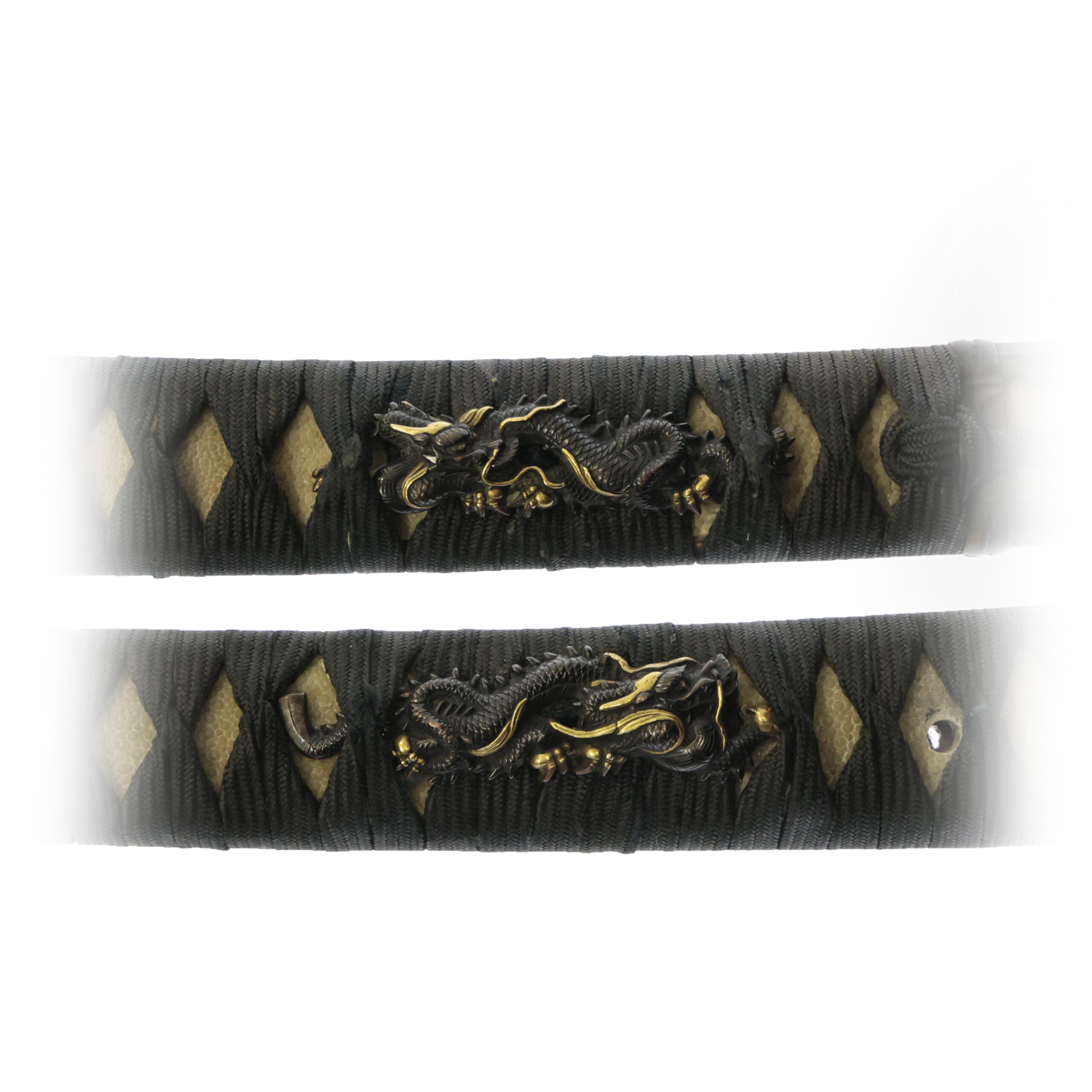
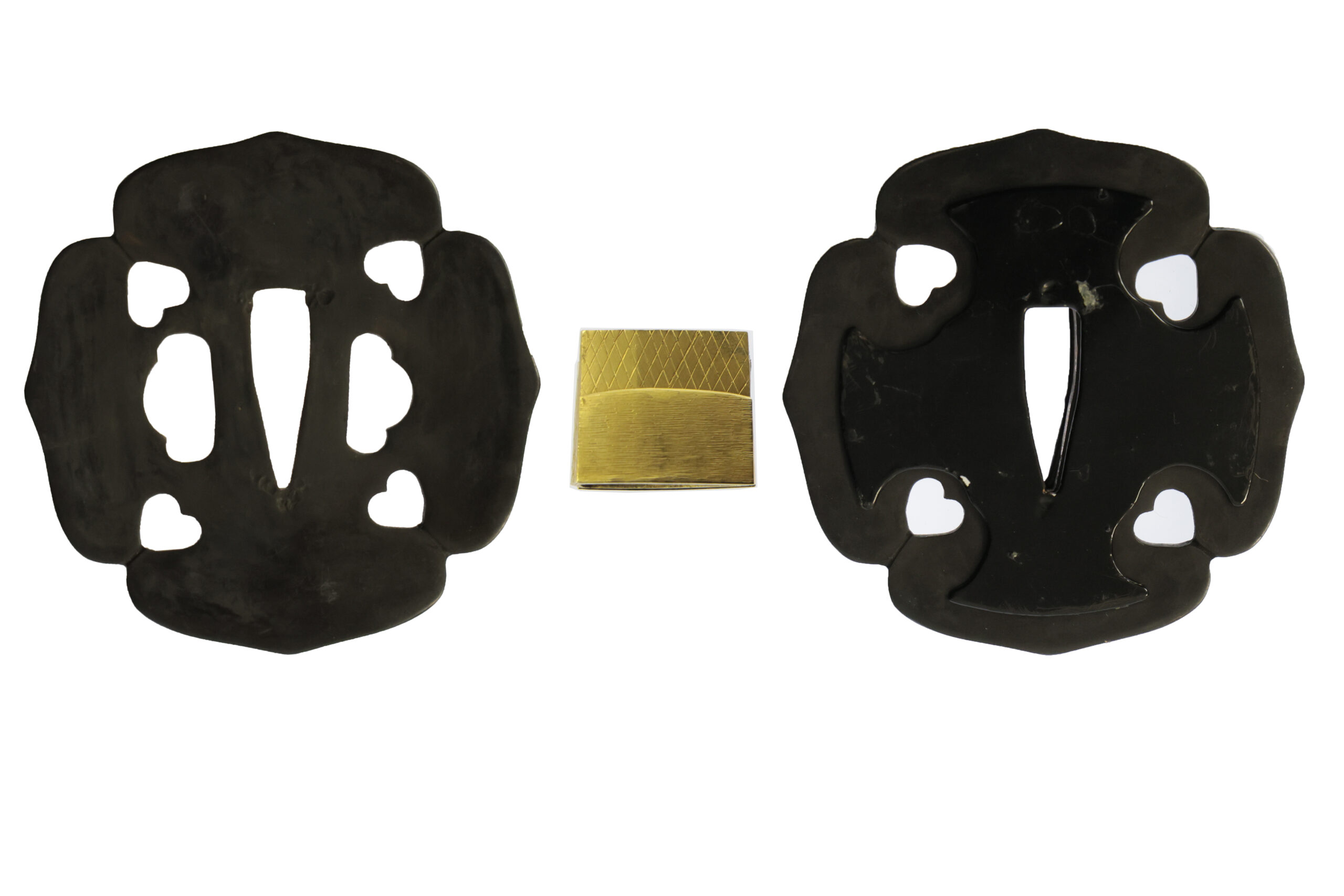
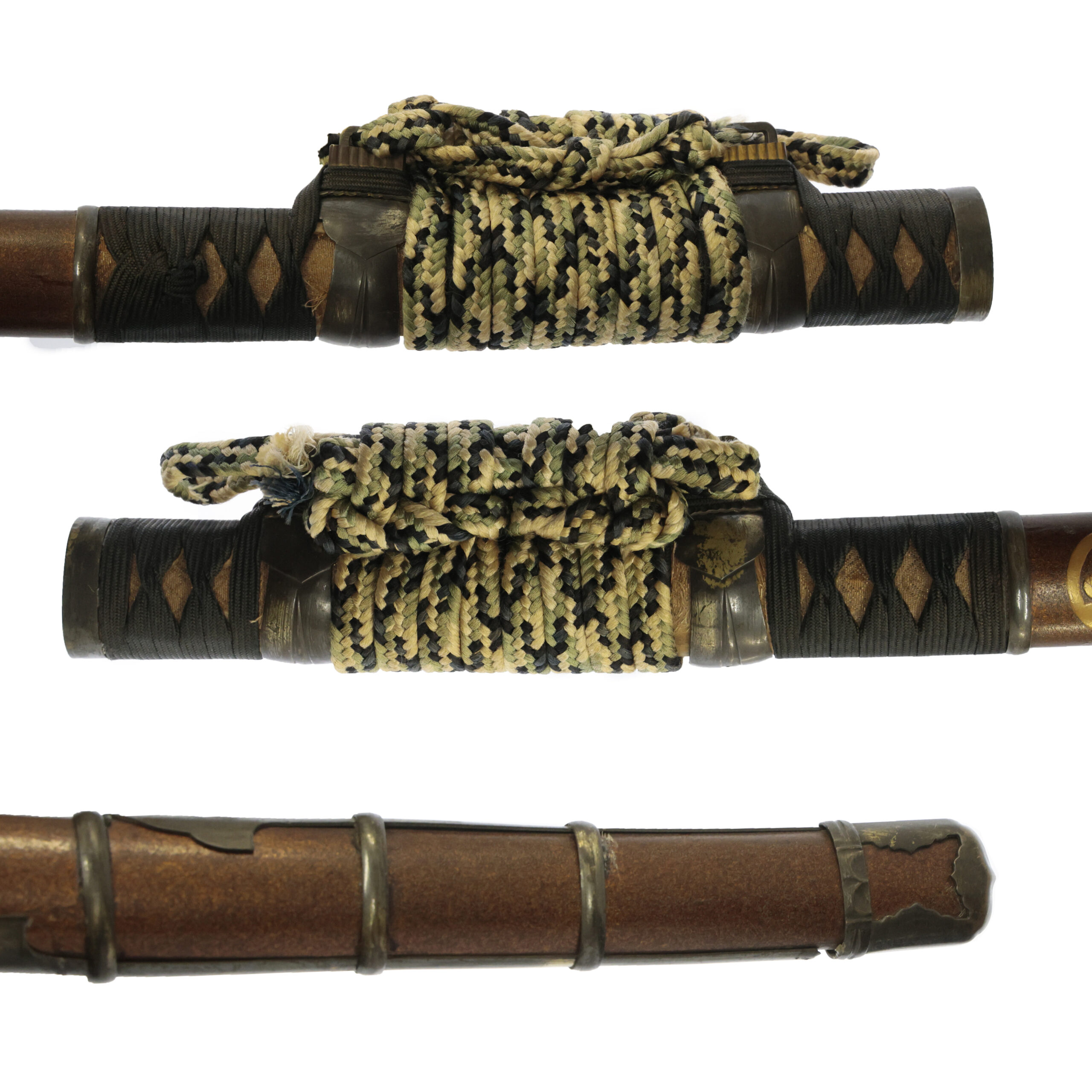
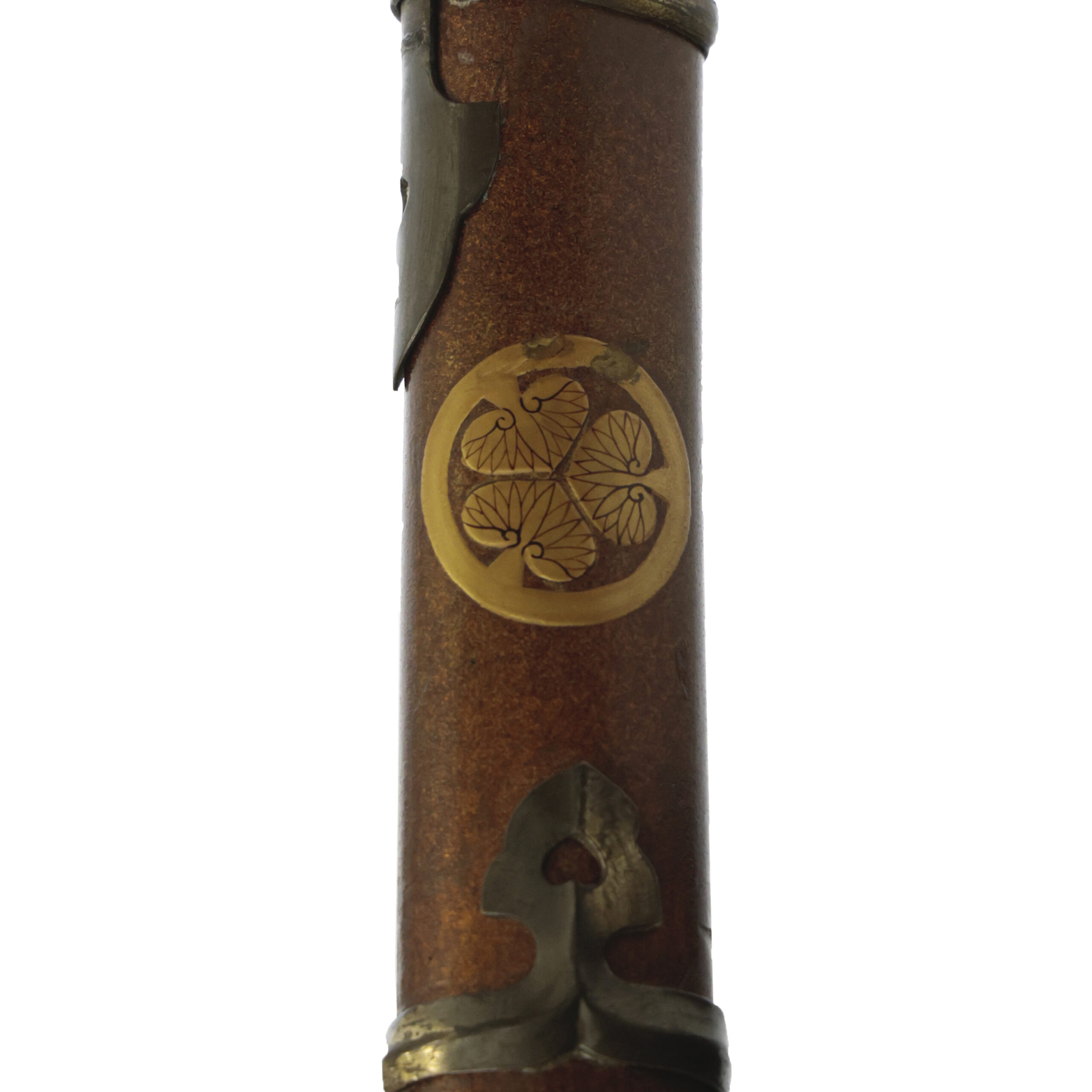
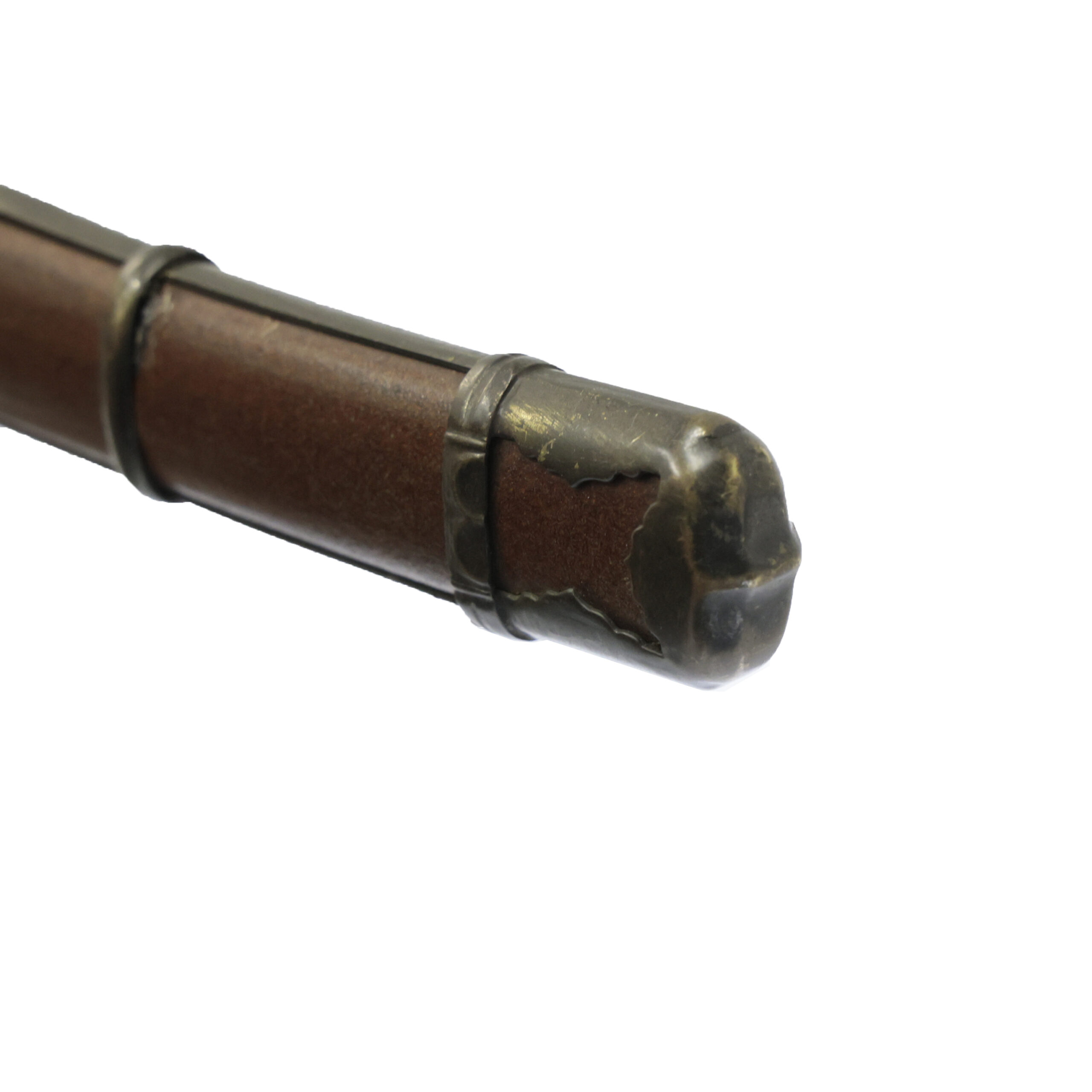
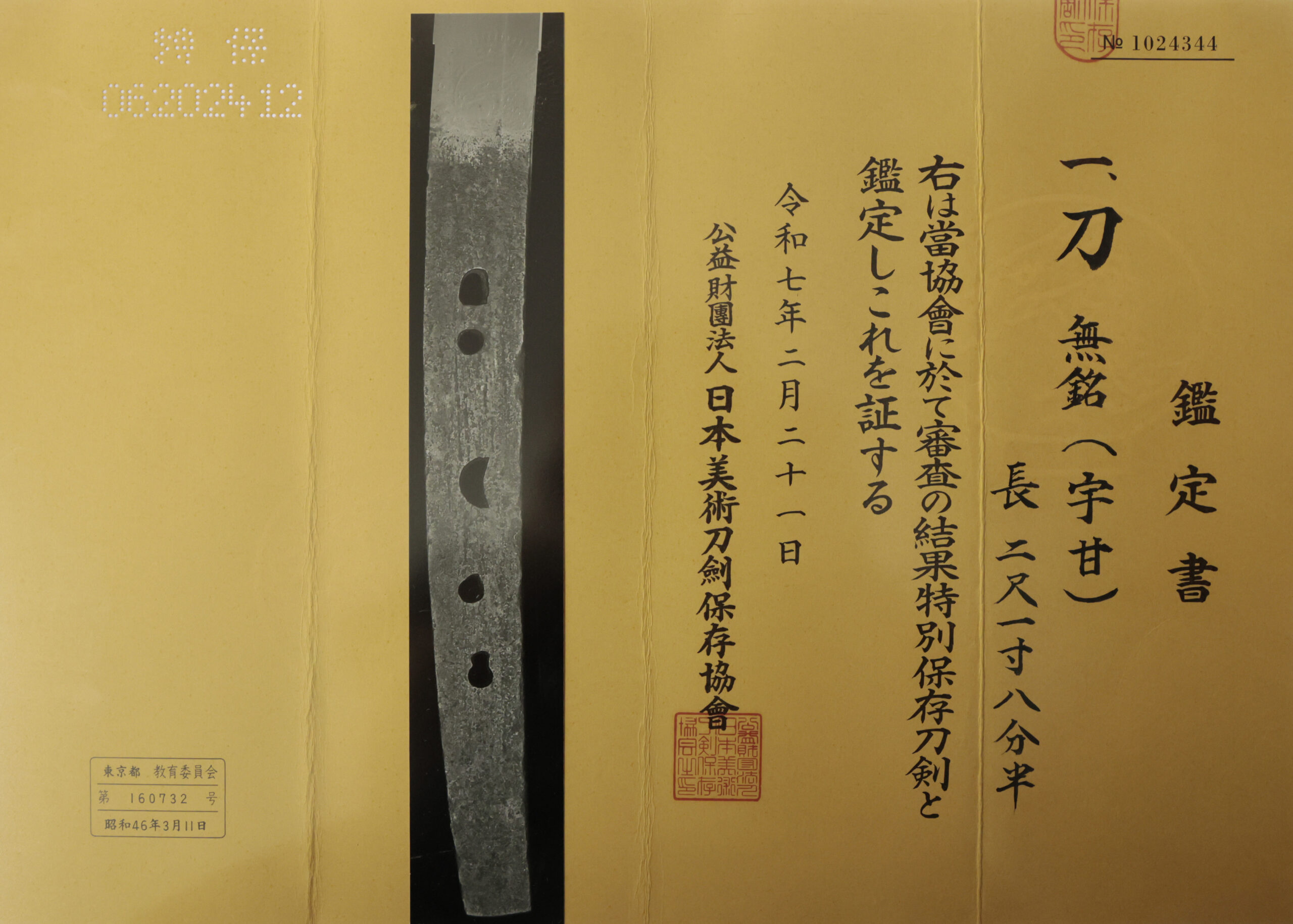
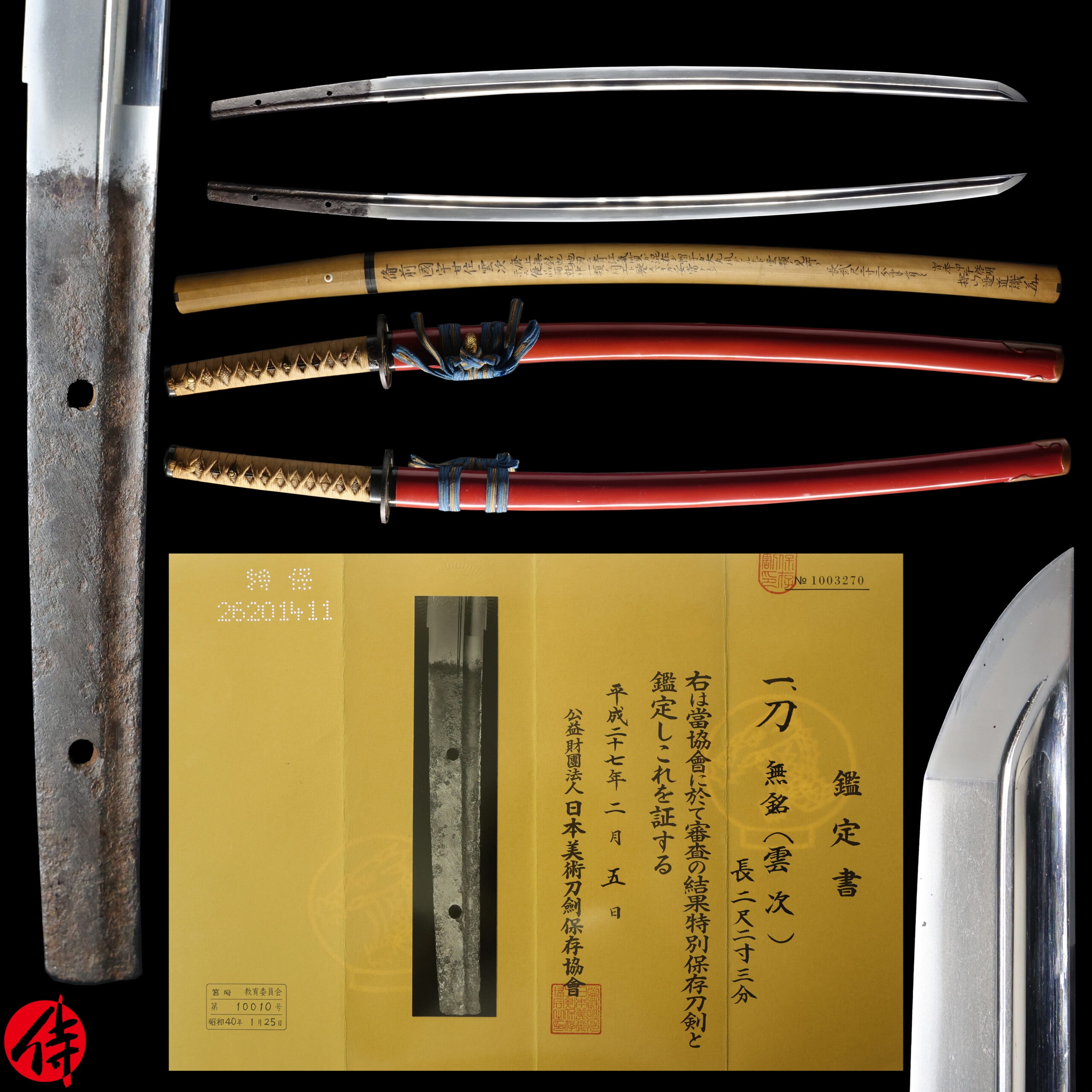
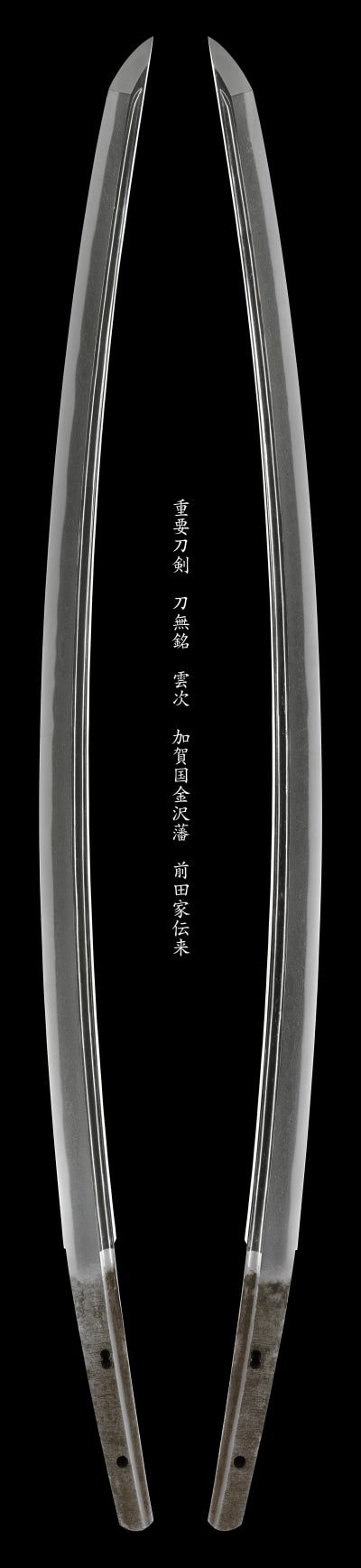
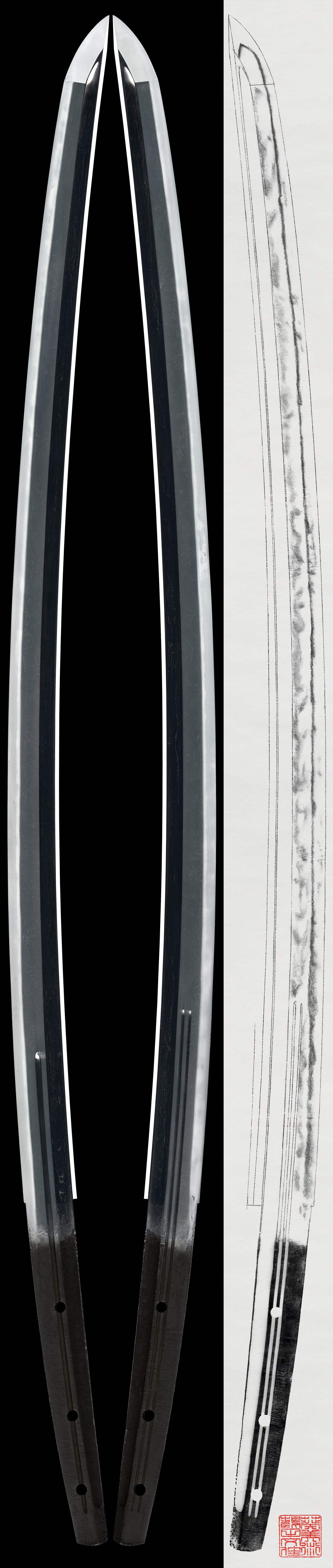
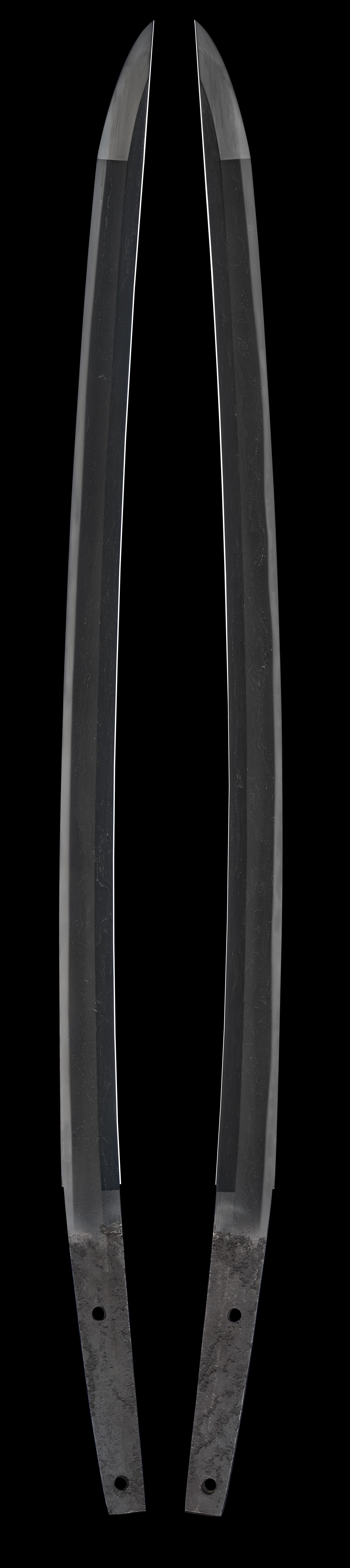
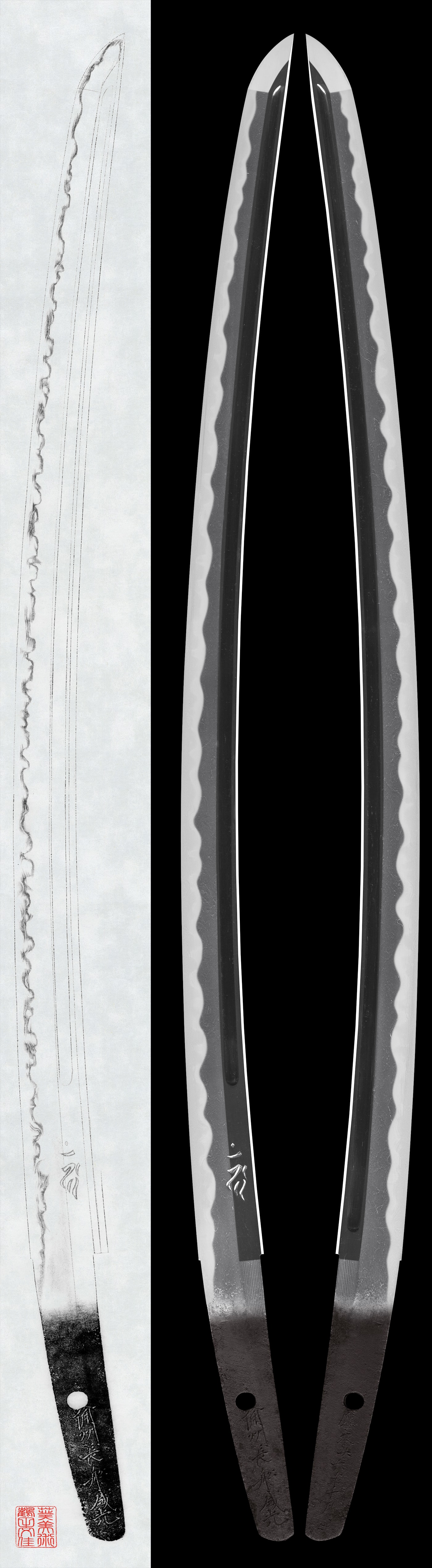
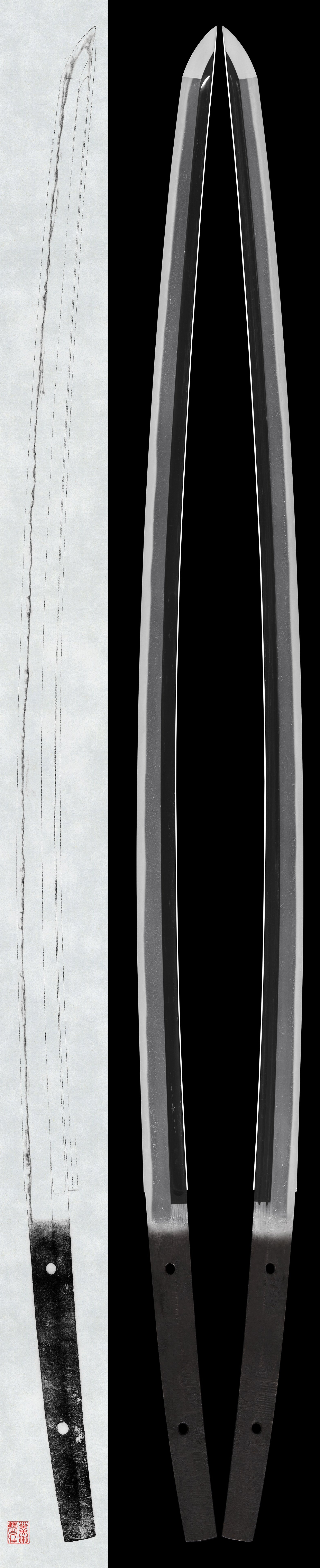
Antique Japanese Sword Katana Attributed to Ukai with Tokubetsu Hozon Certificate 【Description】 This blade is attributed to the Ukai school (宇甘派). The Ukai school was a group of swordsmiths active in Bizen province (today’s Okayama Prefecture) from the late Kamakura to the Nanbokuchō period. The school is also known as Unrui (雲類). The name Ukai comes from Ukai village in Bizen province, where the smiths lived. Among the most notable swordsmiths of this school were Unji (雲次) and his son Unju (雲重). It was a relatively small school that was active for just over one hundred years, from the late Kamakura to the Nanbokuchō period. However, more than ten of its blades have been designated as Important Cultural Properties in Japan. The origin of Unrui school The founder of Unrui school was Unsho (雲生). According to a legendary story, Unsho was ordered to forge a Tachi blade for the emperor Godaigo (後醍醐天皇), one of the most famous emperors in Japanese history. And, Unsho was having difficulty forging a blade that satisfied him. However, one night he dreamed about floating clouds. And he got an idea from these clouds in his dream to make Hamon, and he successfully created the blade for the emperor. He devoted this Tachi blade to the emperor Godaigo, and the emperor was impressed by the level of Unsho’s craftsmanship, saying, “The activity of Hamon looks like real clouds.” And the emperor Godaigo ordered Unsho to use the letter 雲(Un or Kumo: Clouds in Japanese). Since then, the school was named Unrui (雲類). All the members of the Unrui school used Un(雲) in their maker’s names. Unsho was active during Kengen era (1302-: Late Kamakura period). And the father of Unjyu, Unji, was the son of Unsho. Unrui school is also known as Ukai (宇甘) because they lived in the village in Bizen province. It is said that the works of Unrui school resemble that of Rai school in Yamashiro province, Aoe school in Bitchu province, or Yamato Den, depending on the blades. One theory says that the members of Unrui school moved from Yamashiro (Today’s Kyoto) to Bizen province during the late Kamakura period. Compared to other swordsmiths living in Bizen province, Unrui school was influenced by Yamashiro DEN (One of the five traditions of the Japanese sword-forging). Tachi Koshirae This blade is stored in Tachi(太刀) Koshirae. Tachi was mainly used by an armored Samurai with one hand on horseback from the Heian period (794-1185 A.D.) until the early Muromachi period. TACHI was suspended loosely on the left waist with its edge facing the ground so that you could draw it faster to cut down soldiers on the ground. Because of its gorgeous looking, having a Tachi-style sword mounting became a social status among Samurai. It is appraised as a Tokubetsu Hozon Token (特別保存刀剣) issued by NBTHK (Nihon Bijutsu Touken Hozon Kyokai:日本美術刀剣保存協会). This authentication paper was only given to authentic Japanese swords, especially well preserved and high quality with artistic value. *Please keep in mind that there are a couple of Kitae Kizu on the blade. If you like to know the detailed condition, please feel free to contact us. 【Blade】 Cutting Edge Length(Nagasa) : 66.3 cm (26.1 inches) Curvature(Sori) : 2.3 cm (0.90 inches) Hamon : The crystalline structure which forms along the cutting edge of a blade as a result of the hardening process Jimon(Jihada) : visible steel surface pattern created by folding and hammering during forging process Kissaki : Kissaki is the tip of the Japanese sword. Nakago : Nakago is the tang of the Japanese sword. Japanese swordsmiths left the black rust on the tang because it prevents red rust while the tang is in its handle. And the discoloration of the tang was created over time, and it is a great indicator for a Japanese sword specialist to estimate when the sword was forged. Koshirae :Koshirae is the mounting of the Japanese sword. There are several parts that consist of Koshirae such as Saya (Scabbard), Tsuka (Handle), Tsuba (Handguard). Fuchi-Kashira : A pai

NihontoWatch MonNihontoWatchBETA
MarketAuctionsEncyclopedia
刀剣›備前伝›鵜飼›Antique Japanese Sword Katana attributed to Ukai NBTHK Tokubetsu Hozon Certificate
刀特別保存
鵜飼派

Antique Japanese Sword Katana attributed to Ukai NBTHK Tokubetsu Hozon Certificate

無銘 · Ukai · 鎌倉 · 長さ 66.3cm · 反り 2.3cm

売却済
鵜飼派 — 1 of 26
鵜飼派 — 2 of 26
鵜飼派 — 3 of 26
鵜飼派 — 4 of 26
鵜飼派 — 5 of 26
鵜飼派 — 6 of 26
鵜飼派 — 7 of 26
鵜飼派 — 8 of 26
鵜飼派 — 9 of 26
鵜飼派 — 10 of 26
鵜飼派 — 11 of 26
鵜飼派 — 12 of 26
鵜飼派 — 13 of 26
鵜飼派 — 14 of 26
鵜飼派 — 15 of 26
鵜飼派 — 16 of 26
鵜飼派 — 17 of 26
鵜飼派 — 18 of 26
鵜飼派 — 19 of 26
鵜飼派 — 20 of 26
鵜飼派 — 21 of 26
鵜飼派 — 22 of 26
鵜飼派 — 23 of 26
鵜飼派 — 24 of 26
鵜飼派 — 25 of 26
鵜飼派 — 26 of 26
1 / 26
1 / 26
鵜飼派 — 1 of 26鵜飼派 — 2 of 26鵜飼派 — 3 of 26鵜飼派 — 4 of 26鵜飼派 — 5 of 26鵜飼派 — 6 of 26鵜飼派 — 7 of 26鵜飼派 — 8 of 26鵜飼派 — 9 of 26鵜飼派 — 10 of 26鵜飼派 — 11 of 26鵜飼派 — 12 of 26鵜飼派 — 13 of 26鵜飼派 — 14 of 26鵜飼派 — 15 of 26鵜飼派 — 16 of 26鵜飼派 — 17 of 26鵜飼派 — 18 of 26鵜飼派 — 19 of 26鵜飼派 — 20 of 26鵜飼派 — 21 of 26鵜飼派 — 22 of 26鵜飼派 — 23 of 26鵜飼派 — 24 of 26鵜飼派 — 25 of 26鵜飼派 — 26 of 26
法量・詳細
刀工
鵜飼派
種別
刀
流派
Ukai
活動期
鎌倉
国
備前
銘
無銘(在銘率 0%)
法量
長さ 66.3cm反り 2.3cm
説明

Antique Japanese Sword Katana Attributed to Ukai with Tokubetsu Hozon Certificate 【Description】 This blade is attributed to the Ukai school (宇甘派). The Ukai school was a group of swordsmiths active in Bizen province (today’s Okayama Prefecture) from the late Kamakura to the Nanbokuchō period. The school is also known as Unrui (雲類). The name Ukai comes from Ukai village in Bizen province, where the smiths lived. Among the most notable swordsmiths of this school were Unji (雲次) and his son Unju (雲重). It was a relatively small school that was active for just over one hundred years, from the late Kamakura to the Nanbokuchō period. However, more than ten of its blades have been designated as Important Cultural Properties in Japan. The origin of Unrui school The founder of Unrui school was Unsho (雲生). According to a legendary story, Unsho was ordered to forge a Tachi blade for the emperor Godaigo (後醍醐天皇), one of the most famous emperors in Japanese history. And, Unsho was having difficulty forging a blade that satisfied him. However, one night he dreamed about floating clouds. And he got an idea from these clouds in his dream to make Hamon, and he successfully created the blade for the emperor. He devoted this Tachi blade to the emperor Godaigo, and the emperor was impressed by the level of Unsho’s craftsmanship, saying, “The activity of Hamon looks like real clouds.” And the emperor Godaigo ordered Unsho to use the letter 雲(Un or Kumo: Clouds in Japanese). Since then, the school was named Unrui (雲類). All the members of the Unrui school used Un(雲) in their maker’s names. Unsho was active during Kengen era (1302-: Late Kamakura period). And the father of Unjyu, Unji, was the son of Unsho. Unrui school is also known as Ukai (宇甘) because they lived in the village in Bizen province. It is said that the works of Unrui school resemble that of Rai school in Yamashiro province, Aoe school in Bitchu province, or Yamato Den, depending on the blades. One theory says that the members of Unrui school moved from Yamashiro (Today’s Kyoto) to Bizen province during the late Kamakura period. Compared to other swordsmiths living in Bizen province, Unrui school was influenced by Yamashiro DEN (One of the five traditions of the Japanese sword-forging). Tachi Koshirae This blade is stored in Tachi(太刀) Koshirae. Tachi was mainly used by an armored Samurai with one hand on horseback from the Heian period (794-1185 A.D.) until the early Muromachi period. TACHI was suspended loosely on the left waist with its edge facing the ground so that you could draw it faster to cut down soldiers on the ground. Because of its gorgeous looking, having a Tachi-style sword mounting became a social status among Samurai. It is appraised as a Tokubetsu Hozon Token (特別保存刀剣) issued by NBTHK (Nihon Bijutsu Touken Hozon Kyokai:日本美術刀剣保存協会). This authentication paper was only given to authentic Japanese swords, especially well preserved and high quality with artistic value. *Please keep in mind that there are a couple of Kitae Kizu on the blade. If you like to know the detailed condition, please feel free to contact us. 【Blade】 Cutting Edge Length(Nagasa) : 66.3 cm (26.1 inches) Curvature(Sori) : 2.3 cm (0.90 inches) Hamon : The crystalline structure which forms along the cutting edge of a blade as a result of the hardening process Jimon(Jihada) : visible steel surface pattern created by folding and hammering during forging process Kissaki : Kissaki is the tip of the Japanese sword. Nakago : Nakago is the tang of the Japanese sword. Japanese swordsmiths left the black rust on the tang because it prevents red rust while the tang is in its handle. And the discoloration of the tang was created over time, and it is a great indicator for a Japanese sword specialist to estimate when the sword was forged. Koshirae :Koshirae is the mounting of the Japanese sword. There are several parts that consist of Koshirae such as Saya (Scabbard), Tsuka (Handle), Tsuba (Handguard). Fuchi-Kashira : A pai

流派について

鵜飼

備前伝 · 備前

現在9点販売中

›

備前国宇甘庄、後に鵜飼とも書かれた地に、鎌倉時代末期から南北朝時代にかけて、名に皆「雲」の字を冠する刀工の一群が住した。その居住地から宇甘派あるいは鵜飼派と呼ばれ、銘字の特徴から雲類とも称される。一派の事実上の祖は雲生で、これに雲次、雲重が続く。銘鑑は雲次を雲生の子あるいは弟と伝え、雲重を二代雲生の子とする。雲生には年紀作が現存せず、一派の年代の拠り所はもっぱら雲次の正和・文保・建武の年紀作にあり、雲重に至って文和・貞治・応安の年紀が加わる。雲生・雲次の代に京に上って山城鍛冶に学び、後醍醐天皇の御番鍛冶を勤めたと伝え、雲次には茎に十六葉の菊花紋を刻した太刀があって、宮中との関係を考えさせる稀有な作とされる。その作風は同時代の長船本流と趣を異にし、備前伝の中に山城風が混在し、隣国備中青江派の影響も少なからず受けて、備前物中異色の存在と評される。 作風はいずれも直刃を基調とする点で一致し、これが丁子を焼く長船本流との分かれ目となる。太刀姿は身幅尋常で反りが輪反りごころとなり、同時代の長船物が腰反りを呈するのに対し均整のとれた反り格好を示して京風を帯び、生ぶのものには踏張りが残る。刃文は細直刃ないし中直刃に小互の目・小丁子・小乱れを交え、足・葉がよく入って青江風に逆がかり、処々に角張る刃や陰の尖り刃を見せる。匂口は締まりごころに小沸つき、時に沈みごころとなって金筋・砂流し・ほつれがかかる。帽子は丸く返って尖らず、これを雲類の見どころとする。鍛えは板目に杢を交えてやや肌立ち、約んだものは小板目となり、地沸つき地景細かに入って鉄色はやや黒みがかる。地には指の腹で押したような黒い地斑の映りが立ち、これを同派独特の見どころとする。銘は棟寄りに切り、「生」「次」等の銘字に逆鏨を用いるのが一派共通の手癖である。もっとも三工の間には差異もあり、雲生は焼きが低く働きがやや寂しく、雲次は焼幅広く沸強く足・葉が目立ち、雲重は大和の風情を加味してほつれ・喰違刃・打のけを交え、最も傾いた作では鍛えが殆ど柾となって帽子が焼詰めとなる。 鑑定の勘所は、まず一派が備前物の中で最も京物に近いという座標にある。直刃は来物の格に達して紛れることがあり、足は青江風に逆がかり、年紀のある静かな直刃の作はしばしば一見青江に紛れる。しかも地には鮮明な乱れ映りが立って生国備前の趣が濃く、青江気質を帯びた作でも帽子は丸く返るところに同派の証が残る。派内の見分けは焼きをもって分かたれ、雲生の力強い作は雲次に近づき、雲重は相伝の影響を受けてこれを南北朝へと押し進めた。一派は薙刀の製作にも巧みで、雲次・雲重と極められた無銘の薙刀直しが少なからず存し、直しに際して鋒の棟を削いだため帽子が自然焼詰めとなり、薙刀樋に添樋の彫が残ることが多い。主要工としては、一派の祖にして焼き低く京物に近い作風を示す雲生、正和以下の年紀作を遺して一派の年代を支え沸の働きに長じた雲次、年紀作をもって南北朝中期に確と据わり大和を加味した雲重の三工が柱をなし、ほかに雲重らに連なる工が一派を支える。在銘作は雲類の中では比較的多いものの、その大半は秘蔵されて市に現れることは稀であり、無銘の磨上や薙刀直しに対して生ぶ茎在銘の太刀は一段と稀有である。伝来の録された作は旧家や機関に伝わり、上杉景勝御手選びに数えられた菊紋の太刀、武田信虎の所持銘を切付けた雲次の太刀など、銘文の資料性において貴ばれるものが含まれる。

6名の刀工指定268口
主要刀工
刀工時代指定
雲生1303-130672
雲次1315-1335131
雲重1352-137560
雲生1317-13190
守景1352-13560
鵜飼流派を見る →
NBTHK鑑定書
Tokubetsu Hozon Tōken特別保存刀剣
Sword Especially Worthy of Preservation
›

保存刀剣のうち、出来が一層優れ、保存状態も良好と認められたものです。再刃や、室町・江戸期の多くの無銘作は対象外となり、保存刀剣より高い基準が課されます。

NBTHKについて›

日本美術刀剣保存協会(NBTHK)は、1948年に設立され、文化庁の監督を受ける公益財団法人で、東京・刀剣博物館に本部を置きます。専門の審査員が出品作を直接審査し、美術的・歴史的価値に応じた鑑定書を発行します。NBTHKの鑑定書は、日本刀および刀装具の真正性を示す最も広く認知された基準です。

NBTHK公式サイト→
販売店
サ
サムライミュージアム
🇯🇵日本から発送
›
✓認証販売店samuraimuseum.jp
✓海外発送可✓英語対応PayPalクレジットカード
返品ポリシー

Returns/exchanges limited to defects caused by shipping (except willful misconduct or gross negligence by the company); customers must contact within 72 hours of receiving the product.
サムライミュージアムの出品一覧を見る→販売店サイトでこの商品を見る→

鵜飼派の売約済み

銀座長州屋
Katana - by Ukai School - 大磨上無銘 雲重Katana - by Ukai School - 大磨上無銘 雲重
売切れ

刀

作鵜飼派
南北朝
売却済
明倫産業
特別保存
Katana - Tokuho - by Ukai School - 無銘雲重(うんじゅう)(雲類宇甘派雲生の孫) UnjuKatana - Tokuho - by Ukai School - 無銘雲重(うんじゅう)(雲類宇甘派雲生の孫) Unju
売切れ

刀

作鵜飼派
61.4cm·Bunna (1352-1356) ND
売却済
サムライミュージアム
特別保存
Katana - Tokuho - by Ukai School - Nanbokucho Katana Attributed to Unji for sale | Samurai Museum Shop E-mail FB Messenger Skip to content Menu Close Samurai Museum Shop Products Antique Japanese Sword Katana attributed to Unji NBTHK Tokubetsu Hozon Certificate Updated: 12 Jun 2026 SOLD Antique Japanese Sword Katana attributed to Unji NBTHK Tokubetsu Hozon CertificateKatana - Tokuho - by Ukai School - Nanbokucho Katana Attributed to Unji for sale | Samurai Museum Shop E-mail FB Messenger Skip to content Menu Close Samurai Museum Shop Products Antique Japanese Sword Katana attributed to Unji NBTHK Tokubetsu Hozon Certificate Updated: 12 Jun 2026 SOLD Antique Japanese Sword Katana attributed to Unji NBTHK Tokubetsu Hozon Certificate
売切れ

刀

作鵜飼派
67.5cm·南北朝
売却済
池田美術
Tachi - by Ukai School - 【太刀拵付】「雲次」 67.5cm 、鑑賞に!!!Tachi - by Ukai School - 【太刀拵付】「雲次」 67.5cm 、鑑賞に!!!
売切れ

太刀

作鵜飼派
67.5cm·Bunpo (1317-1319)
売却済

鵜飼派の作

すべて見る →
江州屋刀剣店
重要美術品
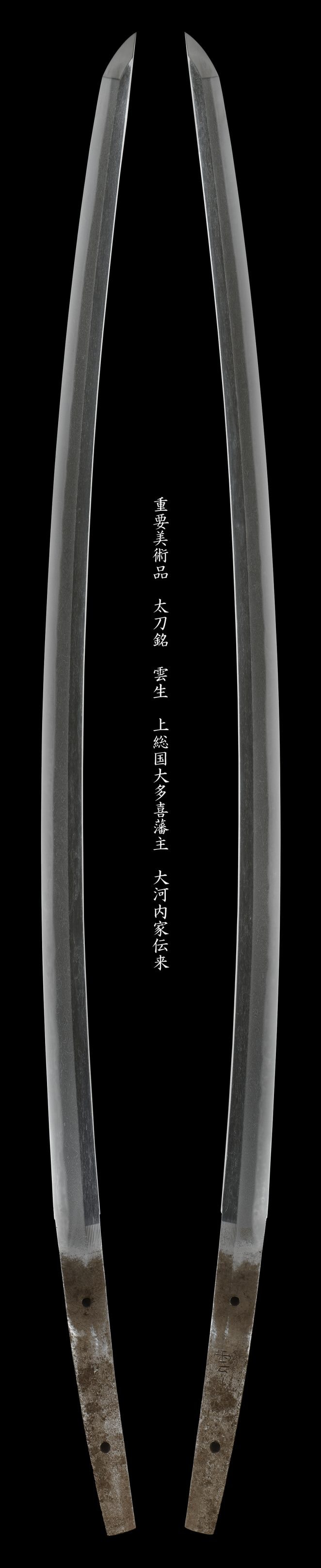
Tachi - Jubi - by Ukai Unsho - 重要美術品 太刀銘 雲生 上総国大多喜藩主 大河内家伝来Tachi - Jubi - by Ukai Unsho - 重要美術品 太刀銘 雲生 上総国大多喜藩主 大河内家伝来

太刀

作雲生
73.63cm·鎌倉
お問い合わせ
刀剣杉田
重要
Wakizashi - Jūyō - by Ukai Unji - 無銘(雲次)(備前) (山陽道)Wakizashi - Jūyō - by Ukai Unji - 無銘(雲次)(備前) (山陽道)

脇差

作雲次
46.4cm·鎌倉
¥2,500,000
江州屋刀剣店
重要
Katana - Jūyō - by Ukai Unji - 重要刀剣 無銘 雲次Katana - Jūyō - by Ukai Unji - 重要刀剣 無銘 雲次

刀

作雲次
66.5cm·Bunpo (1317-1319)
お問い合わせ
Nihon Art
重要美術品
Tachi - Jubi - by Ukai Unsho - 備前宇甘派雲生太刀Tachi - Jubi - by Ukai Unsho - 備前宇甘派雲生太刀

太刀

作雲生
鎌倉
お問い合わせ
葵美術
特別保存
Katana - Tokuho - by Ukai School - 刀:無銘(雲重)(日本美術刀剣保存協会 特別保存刀剣)(特別貴重刀剣認定書写し付)(折紙付)Katana - Tokuho - by Ukai School - 刀:無銘(雲重)(日本美術刀剣保存協会 特別保存刀剣)(特別貴重刀剣認定書写し付)(折紙付)

刀

作鵜飼派
67.1cm·南北朝
¥1,750,000
丸英刀剣
特別保存
Katana - Tokuho - by Ukai School - 刀 無銘 雲重Katana - Tokuho - by Ukai School - 刀 無銘 雲重

刀

作鵜飼派
65cm·南北朝
¥1,350,000
刀剣杉田
重要
Wakizashi - Jūyō - by Ukai Unji - 無銘(雲次)(備前)(山陽道)(第31回重要刀剣)Wakizashi - Jūyō - by Ukai Unji - 無銘(雲次)(備前)(山陽道)(第31回重要刀剣)

脇差

作雲次
46.4cm·鎌倉
¥2,500,000
葵美術
特別保存
Katana - Tokuho - by Ukai School - 刀:無銘(雲重)(日本美術刀剣保存協会 特別保存刀剣)(委託品)Katana - Tokuho - by Ukai School - 刀:無銘(雲重)(日本美術刀剣保存協会 特別保存刀剣)(委託品)

刀

作鵜飼派
70.8cm·南北朝
¥980,000

備前の伝統

すべて見る →
葵美術
重要美術品
Daisho - Jubi - by Osafune Nagamitsu - 大小:刀(重要美術品)無銘(伝長光)/脇差:無銘(伝長光)/無銘(石州直綱)(日本美術刀剣保存協会 特別保存刀剣)Daisho - Jubi - by Osafune Nagamitsu - 大小:刀(重要美術品)無銘(伝長光)/脇差:無銘(伝長光)/無銘(石州直綱)(日本美術刀剣保存協会 特別保存刀剣)

大小

作長光
Kencho (1249-1256)
お問い合わせ
永楽堂
重要
Tachi - Jūyō - by Fukuoka Ichimonji School - 福岡一文字 太刀 重要刀剣Tachi - Jūyō - by Fukuoka Ichimonji School - 福岡一文字 太刀 重要刀剣

太刀

作福岡一文字派
74.8cm·鎌倉
お問い合わせ
永楽堂
特別保存
Tachi - Tokuho - by Osafune Sanenaga - 真長 太刀 特別保存刀剣Tachi - Tokuho - by Osafune Sanenaga - 真長 太刀 特別保存刀剣

太刀

作眞長
71.2cm·Shoan (1299-1302)
¥7,500,000
つるぎの屋
重要
Katana - Jūyō - by Fukuoka Ichimonji School - 刀 無銘 福岡一文字Katana - Jūyō - by Fukuoka Ichimonji School - 刀 無銘 福岡一文字

刀

作福岡一文字派
70cm·鎌倉
¥10,000,000
飯田高遠堂
重要
Tachi - Jūyō - by Osafune Shigezane - 備州長船住重真 延文三年一二月日Tachi - Jūyō - by Osafune Shigezane - 備州長船住重真 延文三年一二月日

太刀

作重眞
81cm·南北朝
¥33,000,000
葵美術
特別保存
Katana - Tokuho - by Osafune Motomitsu - 刀:無銘(伝長船元光)(日本美術刀剣保存協会 特別保存刀剣)Katana - Tokuho - by Osafune Motomitsu - 刀:無銘(伝長船元光)(日本美術刀剣保存協会 特別保存刀剣)

刀

作基光
71.51cm·Koei (1342-1345) ND
開始価格¥1,200,000
Nihonto.com
重要
Tanto - Jūyō - by Osafune Kagemitsu - 重要刀剣 備前景光 短刀 #110112Tanto - Jūyō - by Osafune Kagemitsu - 重要刀剣 備前景光 短刀 #110112

短刀

作景光
25.3cm·Geno (1319-1321)
¥89,500
飯田高遠堂
重要
Tachi - Jūyō - by Osafune Nagamitsu - 備前国長船住左近将監長光造 永仁元年十二月日Tachi - Jūyō - by Osafune Nagamitsu - 備前国長船住左近将監長光造 永仁元年十二月日

太刀

作長光
63.4cm·Kencho (1249-1256)
¥55,000,000

刀剣

  • 刀
  • 脇差
  • 短刀
  • 太刀
  • 薙刀
  • 槍

刀装具

  • 鍔
  • 縁頭
  • 小柄
  • 目貫

鑑定別

  • 特重
  • 重要
  • 特別保存
  • 保存

リソース

  • 刀剣商一覧
  • 刀工一覧
  • すべて見る
Nihontowatch© 2026
利用規約プライバシーCookie運営者情報

説明

Antique Japanese Sword Katana Attributed to Ukai with Tokubetsu Hozon Certificate 【Description】 This blade is attributed to the Ukai school (宇甘派). The Ukai school was a group of swordsmiths active in Bizen province (today’s Okayama Prefecture) from the late Kamakura to the Nanbokuchō period. The school is also known as Unrui (雲類). The name Ukai comes from Ukai village in Bizen province, where the smiths lived. Among the most notable swordsmiths of this school were Unji (雲次) and his son Unju (雲重). It was a relatively small school that was active for just over one hundred years, from the late Kamakura to the Nanbokuchō period. However, more than ten of its blades have been designated as Important Cultural Properties in Japan. The origin of Unrui school The founder of Unrui school was Unsho (雲生). According to a legendary story, Unsho was ordered to forge a Tachi blade for the emperor Godaigo (後醍醐天皇), one of the most famous emperors in Japanese history. And, Unsho was having difficulty forging a blade that satisfied him. However, one night he dreamed about floating clouds. And he got an idea from these clouds in his dream to make Hamon, and he successfully created the blade for the emperor. He devoted this Tachi blade to the emperor Godaigo, and the emperor was impressed by the level of Unsho’s craftsmanship, saying, “The activity of Hamon looks like real clouds.” And the emperor Godaigo ordered Unsho to use the letter 雲(Un or Kumo: Clouds in Japanese). Since then, the school was named Unrui (雲類). All the members of the Unrui school used Un(雲) in their maker’s names. Unsho was active during Kengen era (1302-: Late Kamakura period). And the father of Unjyu, Unji, was the son of Unsho. Unrui school is also known as Ukai (宇甘) because they lived in the village in Bizen province. It is said that the works of Unrui school resemble that of Rai school in Yamashiro province, Aoe school in Bitchu province, or Yamato Den, depending on the blades. One theory says that the members of Unrui school moved from Yamashiro (Today’s Kyoto) to Bizen province during the late Kamakura period. Compared to other swordsmiths living in Bizen province, Unrui school was influenced by Yamashiro DEN (One of the five traditions of the Japanese sword-forging). Tachi Koshirae This blade is stored in Tachi(太刀) Koshirae. Tachi was mainly used by an armored Samurai with one hand on horseback from the Heian period (794-1185 A.D.) until the early Muromachi period. TACHI was suspended loosely on the left waist with its edge facing the ground so that you could draw it faster to cut down soldiers on the ground. Because of its gorgeous looking, having a Tachi-style sword mounting became a social status among Samurai. It is appraised as a Tokubetsu Hozon Token (特別保存刀剣) issued by NBTHK (Nihon Bijutsu Touken Hozon Kyokai:日本美術刀剣保存協会). This authentication paper was only given to authentic Japanese swords, especially well preserved and high quality with artistic value. *Please keep in mind that there are a couple of Kitae Kizu on the blade. If you like to know the detailed condition, please feel free to contact us. 【Blade】 Cutting Edge Length(Nagasa) : 66.3 cm (26.1 inches) Curvature(Sori) : 2.3 cm (0.90 inches) Hamon : The crystalline structure which forms along the cutting edge of a blade as a result of the hardening process Jimon(Jihada) : visible steel surface pattern created by folding and hammering during forging process Kissaki : Kissaki is the tip of the Japanese sword. Nakago : Nakago is the tang of the Japanese sword. Japanese swordsmiths left the black rust on the tang because it prevents red rust while the tang is in its handle. And the discoloration of the tang was created over time, and it is a great indicator for a Japanese sword specialist to estimate when the sword was forged. Koshirae :Koshirae is the mounting of the Japanese sword. There are several parts that consist of Koshirae such as Saya (Scabbard), Tsuka (Handle), Tsuba (Handguard). Fuchi-Kashira : A pai

NihontoWatch MonNihontoWatchBETA
MarketAuctionsEncyclopedia
刀剣›備前伝›鵜飼›Antique Japanese Sword Katana attributed to Ukai NBTHK Tokubetsu Hozon Certificate
刀特別保存
鵜飼派

Antique Japanese Sword Katana attributed to Ukai NBTHK Tokubetsu Hozon Certificate

無銘 · Ukai · 鎌倉 · 長さ 66.3cm · 反り 2.3cm

売却済
鵜飼派 — 1 of 26
鵜飼派 — 2 of 26
鵜飼派 — 3 of 26
鵜飼派 — 4 of 26
鵜飼派 — 5 of 26
鵜飼派 — 6 of 26
鵜飼派 — 7 of 26
鵜飼派 — 8 of 26
鵜飼派 — 9 of 26
鵜飼派 — 10 of 26
鵜飼派 — 11 of 26
鵜飼派 — 12 of 26
鵜飼派 — 13 of 26
鵜飼派 — 14 of 26
鵜飼派 — 15 of 26
鵜飼派 — 16 of 26
鵜飼派 — 17 of 26
鵜飼派 — 18 of 26
鵜飼派 — 19 of 26
鵜飼派 — 20 of 26
鵜飼派 — 21 of 26
鵜飼派 — 22 of 26
鵜飼派 — 23 of 26
鵜飼派 — 24 of 26
鵜飼派 — 25 of 26
鵜飼派 — 26 of 26
1 / 26
1 / 26
鵜飼派 — 1 of 26鵜飼派 — 2 of 26鵜飼派 — 3 of 26鵜飼派 — 4 of 26鵜飼派 — 5 of 26鵜飼派 — 6 of 26鵜飼派 — 7 of 26鵜飼派 — 8 of 26鵜飼派 — 9 of 26鵜飼派 — 10 of 26鵜飼派 — 11 of 26鵜飼派 — 12 of 26鵜飼派 — 13 of 26鵜飼派 — 14 of 26鵜飼派 — 15 of 26鵜飼派 — 16 of 26鵜飼派 — 17 of 26鵜飼派 — 18 of 26鵜飼派 — 19 of 26鵜飼派 — 20 of 26鵜飼派 — 21 of 26鵜飼派 — 22 of 26鵜飼派 — 23 of 26鵜飼派 — 24 of 26鵜飼派 — 25 of 26鵜飼派 — 26 of 26
法量・詳細
刀工
鵜飼派
種別
刀
流派
Ukai
活動期
鎌倉
国
備前
銘
無銘(在銘率 0%)
法量
長さ 66.3cm反り 2.3cm
説明

Antique Japanese Sword Katana Attributed to Ukai with Tokubetsu Hozon Certificate 【Description】 This blade is attributed to the Ukai school (宇甘派). The Ukai school was a group of swordsmiths active in Bizen province (today’s Okayama Prefecture) from the late Kamakura to the Nanbokuchō period. The school is also known as Unrui (雲類). The name Ukai comes from Ukai village in Bizen province, where the smiths lived. Among the most notable swordsmiths of this school were Unji (雲次) and his son Unju (雲重). It was a relatively small school that was active for just over one hundred years, from the late Kamakura to the Nanbokuchō period. However, more than ten of its blades have been designated as Important Cultural Properties in Japan. The origin of Unrui school The founder of Unrui school was Unsho (雲生). According to a legendary story, Unsho was ordered to forge a Tachi blade for the emperor Godaigo (後醍醐天皇), one of the most famous emperors in Japanese history. And, Unsho was having difficulty forging a blade that satisfied him. However, one night he dreamed about floating clouds. And he got an idea from these clouds in his dream to make Hamon, and he successfully created the blade for the emperor. He devoted this Tachi blade to the emperor Godaigo, and the emperor was impressed by the level of Unsho’s craftsmanship, saying, “The activity of Hamon looks like real clouds.” And the emperor Godaigo ordered Unsho to use the letter 雲(Un or Kumo: Clouds in Japanese). Since then, the school was named Unrui (雲類). All the members of the Unrui school used Un(雲) in their maker’s names. Unsho was active during Kengen era (1302-: Late Kamakura period). And the father of Unjyu, Unji, was the son of Unsho. Unrui school is also known as Ukai (宇甘) because they lived in the village in Bizen province. It is said that the works of Unrui school resemble that of Rai school in Yamashiro province, Aoe school in Bitchu province, or Yamato Den, depending on the blades. One theory says that the members of Unrui school moved from Yamashiro (Today’s Kyoto) to Bizen province during the late Kamakura period. Compared to other swordsmiths living in Bizen province, Unrui school was influenced by Yamashiro DEN (One of the five traditions of the Japanese sword-forging). Tachi Koshirae This blade is stored in Tachi(太刀) Koshirae. Tachi was mainly used by an armored Samurai with one hand on horseback from the Heian period (794-1185 A.D.) until the early Muromachi period. TACHI was suspended loosely on the left waist with its edge facing the ground so that you could draw it faster to cut down soldiers on the ground. Because of its gorgeous looking, having a Tachi-style sword mounting became a social status among Samurai. It is appraised as a Tokubetsu Hozon Token (特別保存刀剣) issued by NBTHK (Nihon Bijutsu Touken Hozon Kyokai:日本美術刀剣保存協会). This authentication paper was only given to authentic Japanese swords, especially well preserved and high quality with artistic value. *Please keep in mind that there are a couple of Kitae Kizu on the blade. If you like to know the detailed condition, please feel free to contact us. 【Blade】 Cutting Edge Length(Nagasa) : 66.3 cm (26.1 inches) Curvature(Sori) : 2.3 cm (0.90 inches) Hamon : The crystalline structure which forms along the cutting edge of a blade as a result of the hardening process Jimon(Jihada) : visible steel surface pattern created by folding and hammering during forging process Kissaki : Kissaki is the tip of the Japanese sword. Nakago : Nakago is the tang of the Japanese sword. Japanese swordsmiths left the black rust on the tang because it prevents red rust while the tang is in its handle. And the discoloration of the tang was created over time, and it is a great indicator for a Japanese sword specialist to estimate when the sword was forged. Koshirae :Koshirae is the mounting of the Japanese sword. There are several parts that consist of Koshirae such as Saya (Scabbard), Tsuka (Handle), Tsuba (Handguard). Fuchi-Kashira : A pai

流派について

鵜飼

備前伝 · 備前

現在9点販売中

›

備前国宇甘庄、後に鵜飼とも書かれた地に、鎌倉時代末期から南北朝時代にかけて、名に皆「雲」の字を冠する刀工の一群が住した。その居住地から宇甘派あるいは鵜飼派と呼ばれ、銘字の特徴から雲類とも称される。一派の事実上の祖は雲生で、これに雲次、雲重が続く。銘鑑は雲次を雲生の子あるいは弟と伝え、雲重を二代雲生の子とする。雲生には年紀作が現存せず、一派の年代の拠り所はもっぱら雲次の正和・文保・建武の年紀作にあり、雲重に至って文和・貞治・応安の年紀が加わる。雲生・雲次の代に京に上って山城鍛冶に学び、後醍醐天皇の御番鍛冶を勤めたと伝え、雲次には茎に十六葉の菊花紋を刻した太刀があって、宮中との関係を考えさせる稀有な作とされる。その作風は同時代の長船本流と趣を異にし、備前伝の中に山城風が混在し、隣国備中青江派の影響も少なからず受けて、備前物中異色の存在と評される。 作風はいずれも直刃を基調とする点で一致し、これが丁子を焼く長船本流との分かれ目となる。太刀姿は身幅尋常で反りが輪反りごころとなり、同時代の長船物が腰反りを呈するのに対し均整のとれた反り格好を示して京風を帯び、生ぶのものには踏張りが残る。刃文は細直刃ないし中直刃に小互の目・小丁子・小乱れを交え、足・葉がよく入って青江風に逆がかり、処々に角張る刃や陰の尖り刃を見せる。匂口は締まりごころに小沸つき、時に沈みごころとなって金筋・砂流し・ほつれがかかる。帽子は丸く返って尖らず、これを雲類の見どころとする。鍛えは板目に杢を交えてやや肌立ち、約んだものは小板目となり、地沸つき地景細かに入って鉄色はやや黒みがかる。地には指の腹で押したような黒い地斑の映りが立ち、これを同派独特の見どころとする。銘は棟寄りに切り、「生」「次」等の銘字に逆鏨を用いるのが一派共通の手癖である。もっとも三工の間には差異もあり、雲生は焼きが低く働きがやや寂しく、雲次は焼幅広く沸強く足・葉が目立ち、雲重は大和の風情を加味してほつれ・喰違刃・打のけを交え、最も傾いた作では鍛えが殆ど柾となって帽子が焼詰めとなる。 鑑定の勘所は、まず一派が備前物の中で最も京物に近いという座標にある。直刃は来物の格に達して紛れることがあり、足は青江風に逆がかり、年紀のある静かな直刃の作はしばしば一見青江に紛れる。しかも地には鮮明な乱れ映りが立って生国備前の趣が濃く、青江気質を帯びた作でも帽子は丸く返るところに同派の証が残る。派内の見分けは焼きをもって分かたれ、雲生の力強い作は雲次に近づき、雲重は相伝の影響を受けてこれを南北朝へと押し進めた。一派は薙刀の製作にも巧みで、雲次・雲重と極められた無銘の薙刀直しが少なからず存し、直しに際して鋒の棟を削いだため帽子が自然焼詰めとなり、薙刀樋に添樋の彫が残ることが多い。主要工としては、一派の祖にして焼き低く京物に近い作風を示す雲生、正和以下の年紀作を遺して一派の年代を支え沸の働きに長じた雲次、年紀作をもって南北朝中期に確と据わり大和を加味した雲重の三工が柱をなし、ほかに雲重らに連なる工が一派を支える。在銘作は雲類の中では比較的多いものの、その大半は秘蔵されて市に現れることは稀であり、無銘の磨上や薙刀直しに対して生ぶ茎在銘の太刀は一段と稀有である。伝来の録された作は旧家や機関に伝わり、上杉景勝御手選びに数えられた菊紋の太刀、武田信虎の所持銘を切付けた雲次の太刀など、銘文の資料性において貴ばれるものが含まれる。

6名の刀工指定268口
主要刀工
刀工時代指定
雲生1303-130672
雲次1315-1335131
雲重1352-137560
雲生1317-13190
守景1352-13560
鵜飼流派を見る →
NBTHK鑑定書
Tokubetsu Hozon Tōken特別保存刀剣
Sword Especially Worthy of Preservation
›

保存刀剣のうち、出来が一層優れ、保存状態も良好と認められたものです。再刃や、室町・江戸期の多くの無銘作は対象外となり、保存刀剣より高い基準が課されます。

NBTHKについて›

日本美術刀剣保存協会(NBTHK)は、1948年に設立され、文化庁の監督を受ける公益財団法人で、東京・刀剣博物館に本部を置きます。専門の審査員が出品作を直接審査し、美術的・歴史的価値に応じた鑑定書を発行します。NBTHKの鑑定書は、日本刀および刀装具の真正性を示す最も広く認知された基準です。

NBTHK公式サイト→
販売店
サ
サムライミュージアム
🇯🇵日本から発送
›
✓認証販売店samuraimuseum.jp
✓海外発送可✓英語対応PayPalクレジットカード
返品ポリシー

Returns/exchanges limited to defects caused by shipping (except willful misconduct or gross negligence by the company); customers must contact within 72 hours of receiving the product.

サムライミュージアムの出品一覧を見る→販売店サイトでこの商品を見る→

鵜飼派の売約済み

銀座長州屋
Katana - by Ukai School - 大磨上無銘 雲重Katana - by Ukai School - 大磨上無銘 雲重
売切れ

刀

作鵜飼派
南北朝
売却済
明倫産業
特別保存
Katana - Tokuho - by Ukai School - 無銘雲重(うんじゅう)(雲類宇甘派雲生の孫) UnjuKatana - Tokuho - by Ukai School - 無銘雲重(うんじゅう)(雲類宇甘派雲生の孫) Unju
売切れ

刀

作鵜飼派
61.4cm·Bunna (1352-1356) ND
売却済
サムライミュージアム
特別保存
Katana - Tokuho - by Ukai School - Nanbokucho Katana Attributed to Unji for sale | Samurai Museum Shop E-mail FB Messenger Skip to content Menu Close Samurai Museum Shop Products Antique Japanese Sword Katana attributed to Unji NBTHK Tokubetsu Hozon Certificate Updated: 12 Jun 2026 SOLD Antique Japanese Sword Katana attributed to Unji NBTHK Tokubetsu Hozon CertificateKatana - Tokuho - by Ukai School - Nanbokucho Katana Attributed to Unji for sale | Samurai Museum Shop E-mail FB Messenger Skip to content Menu Close Samurai Museum Shop Products Antique Japanese Sword Katana attributed to Unji NBTHK Tokubetsu Hozon Certificate Updated: 12 Jun 2026 SOLD Antique Japanese Sword Katana attributed to Unji NBTHK Tokubetsu Hozon Certificate
売切れ

刀

作鵜飼派
67.5cm·南北朝
売却済
池田美術
Tachi - by Ukai School - 【太刀拵付】「雲次」 67.5cm 、鑑賞に!!!Tachi - by Ukai School - 【太刀拵付】「雲次」 67.5cm 、鑑賞に!!!
売切れ

太刀

作鵜飼派
67.5cm·Bunpo (1317-1319)
売却済

鵜飼派の作

すべて見る →
江州屋刀剣店
重要美術品
Tachi - Jubi - by Ukai Unsho - 重要美術品 太刀銘 雲生 上総国大多喜藩主 大河内家伝来Tachi - Jubi - by Ukai Unsho - 重要美術品 太刀銘 雲生 上総国大多喜藩主 大河内家伝来

太刀

作雲生
73.63cm·鎌倉
お問い合わせ
刀剣杉田
重要
Wakizashi - Jūyō - by Ukai Unji - 無銘(雲次)(備前) (山陽道)Wakizashi - Jūyō - by Ukai Unji - 無銘(雲次)(備前) (山陽道)

脇差

作雲次
46.4cm·鎌倉
¥2,500,000
江州屋刀剣店
重要
Katana - Jūyō - by Ukai Unji - 重要刀剣 無銘 雲次Katana - Jūyō - by Ukai Unji - 重要刀剣 無銘 雲次

刀

作雲次
66.5cm·Bunpo (1317-1319)
お問い合わせ
Nihon Art
重要美術品
Tachi - Jubi - by Ukai Unsho - 備前宇甘派雲生太刀Tachi - Jubi - by Ukai Unsho - 備前宇甘派雲生太刀

太刀

作雲生
鎌倉
お問い合わせ
葵美術
特別保存
Katana - Tokuho - by Ukai School - 刀:無銘(雲重)(日本美術刀剣保存協会 特別保存刀剣)(特別貴重刀剣認定書写し付)(折紙付)Katana - Tokuho - by Ukai School - 刀:無銘(雲重)(日本美術刀剣保存協会 特別保存刀剣)(特別貴重刀剣認定書写し付)(折紙付)

刀

作鵜飼派
67.1cm·南北朝
¥1,750,000
丸英刀剣
特別保存
Katana - Tokuho - by Ukai School - 刀 無銘 雲重Katana - Tokuho - by Ukai School - 刀 無銘 雲重

刀

作鵜飼派
65cm·南北朝
¥1,350,000
刀剣杉田
重要
Wakizashi - Jūyō - by Ukai Unji - 無銘(雲次)(備前)(山陽道)(第31回重要刀剣)Wakizashi - Jūyō - by Ukai Unji - 無銘(雲次)(備前)(山陽道)(第31回重要刀剣)

脇差

作雲次
46.4cm·鎌倉
¥2,500,000
葵美術
特別保存
Katana - Tokuho - by Ukai School - 刀:無銘(雲重)(日本美術刀剣保存協会 特別保存刀剣)(委託品)Katana - Tokuho - by Ukai School - 刀:無銘(雲重)(日本美術刀剣保存協会 特別保存刀剣)(委託品)

刀

作鵜飼派
70.8cm·南北朝
¥980,000

備前の伝統

すべて見る →
葵美術
重要美術品
Daisho - Jubi - by Osafune Nagamitsu - 大小:刀(重要美術品)無銘(伝長光)/脇差:無銘(伝長光)/無銘(石州直綱)(日本美術刀剣保存協会 特別保存刀剣)Daisho - Jubi - by Osafune Nagamitsu - 大小:刀(重要美術品)無銘(伝長光)/脇差:無銘(伝長光)/無銘(石州直綱)(日本美術刀剣保存協会 特別保存刀剣)

大小

作長光
Kencho (1249-1256)
お問い合わせ
永楽堂
重要
Tachi - Jūyō - by Fukuoka Ichimonji School - 福岡一文字 太刀 重要刀剣Tachi - Jūyō - by Fukuoka Ichimonji School - 福岡一文字 太刀 重要刀剣

太刀

作福岡一文字派
74.8cm·鎌倉
お問い合わせ
永楽堂
特別保存
Tachi - Tokuho - by Osafune Sanenaga - 真長 太刀 特別保存刀剣Tachi - Tokuho - by Osafune Sanenaga - 真長 太刀 特別保存刀剣

太刀

作眞長
71.2cm·Shoan (1299-1302)
¥7,500,000
つるぎの屋
重要
Katana - Jūyō - by Fukuoka Ichimonji School - 刀 無銘 福岡一文字Katana - Jūyō - by Fukuoka Ichimonji School - 刀 無銘 福岡一文字

刀

作福岡一文字派
70cm·鎌倉
¥10,000,000
飯田高遠堂
重要
Tachi - Jūyō - by Osafune Shigezane - 備州長船住重真 延文三年一二月日Tachi - Jūyō - by Osafune Shigezane - 備州長船住重真 延文三年一二月日

太刀

作重眞
81cm·南北朝
¥33,000,000
葵美術
特別保存
Katana - Tokuho - by Osafune Motomitsu - 刀:無銘(伝長船元光)(日本美術刀剣保存協会 特別保存刀剣)Katana - Tokuho - by Osafune Motomitsu - 刀:無銘(伝長船元光)(日本美術刀剣保存協会 特別保存刀剣)

刀

作基光
71.51cm·Koei (1342-1345) ND
開始価格¥1,200,000
Nihonto.com
重要
Tanto - Jūyō - by Osafune Kagemitsu - 重要刀剣 備前景光 短刀 #110112Tanto - Jūyō - by Osafune Kagemitsu - 重要刀剣 備前景光 短刀 #110112

短刀

作景光
25.3cm·Geno (1319-1321)
¥89,500
飯田高遠堂
重要
Tachi - Jūyō - by Osafune Nagamitsu - 備前国長船住左近将監長光造 永仁元年十二月日Tachi - Jūyō - by Osafune Nagamitsu - 備前国長船住左近将監長光造 永仁元年十二月日

太刀

作長光
63.4cm·Kencho (1249-1256)
¥55,000,000

刀剣

  • 刀
  • 脇差
  • 短刀
  • 太刀
  • 薙刀
  • 槍

刀装具

  • 鍔
  • 縁頭
  • 小柄
  • 目貫

鑑定別

  • 特重
  • 重要
  • 特別保存
  • 保存

リソース

  • 刀剣商一覧
  • 刀工一覧
  • すべて見る
Nihontowatch© 2026
利用規約プライバシーCookie運営者情報
NihontoWatch Mon

NihontoWatchBETA

マーケットオークション
事典
NihontoWatch Mon

NihontoWatchBETA

マーケットオークション
事典