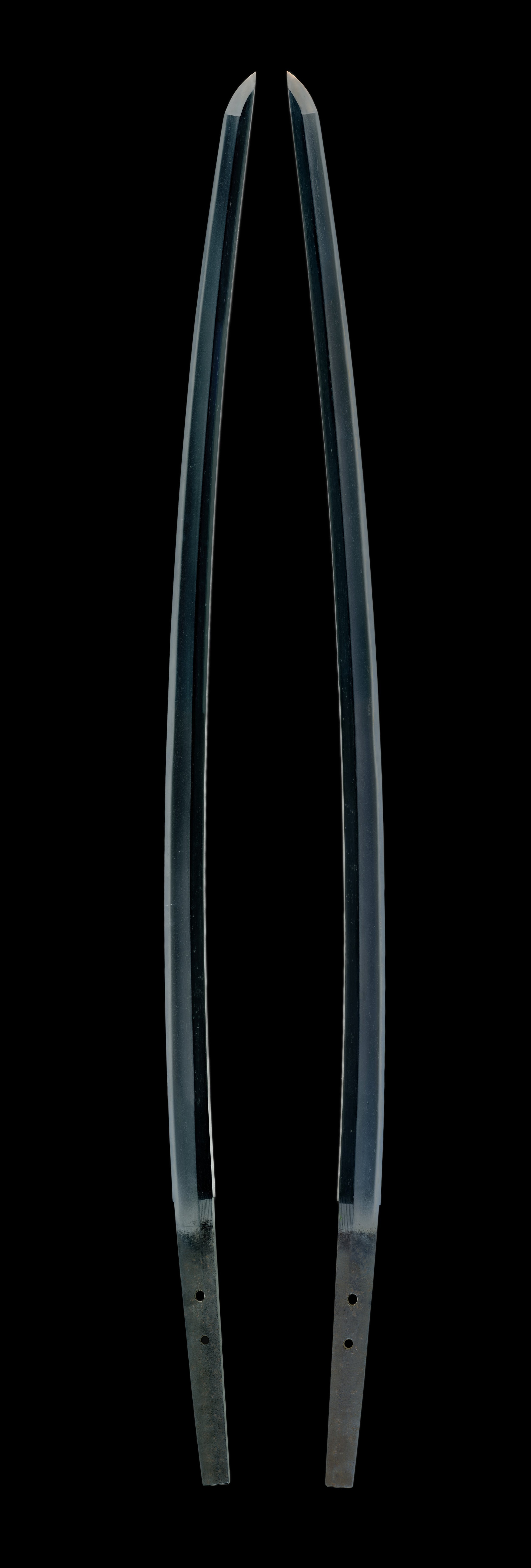
NihontoWatch MonNihontoWatch
マーケット
事典
鑑定
NihontoWatch MonNihontoWatch
マーケット
事典
鑑定

説明

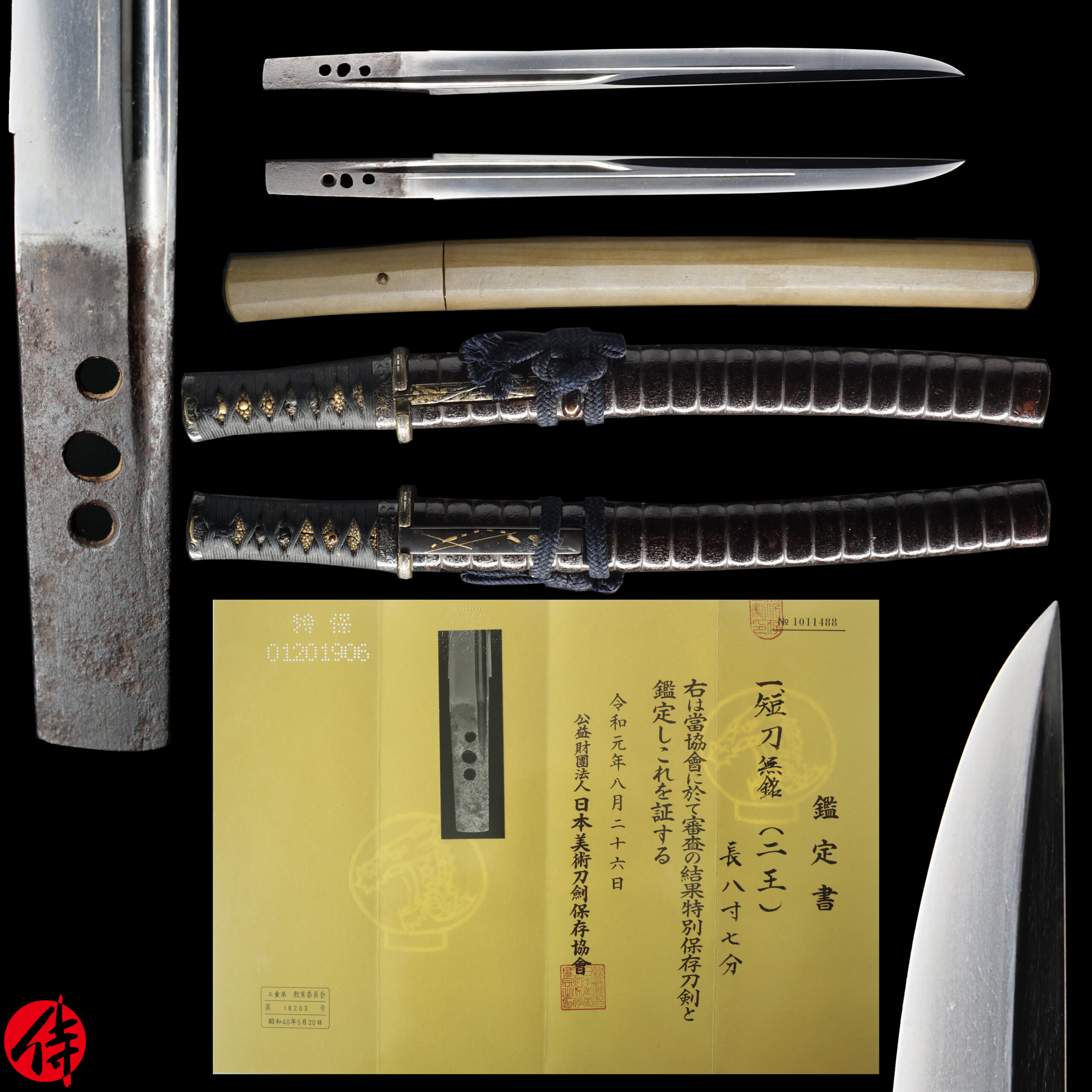
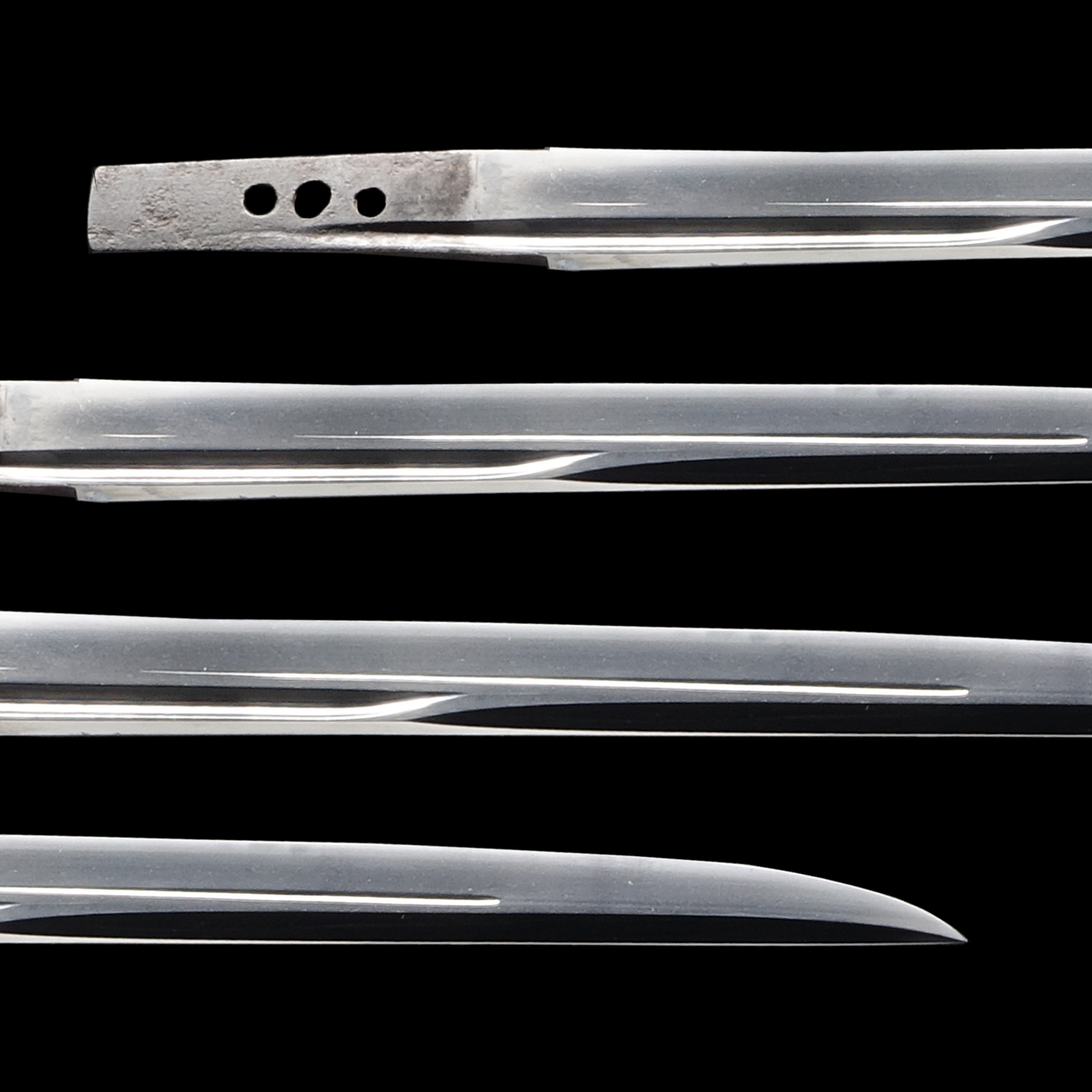
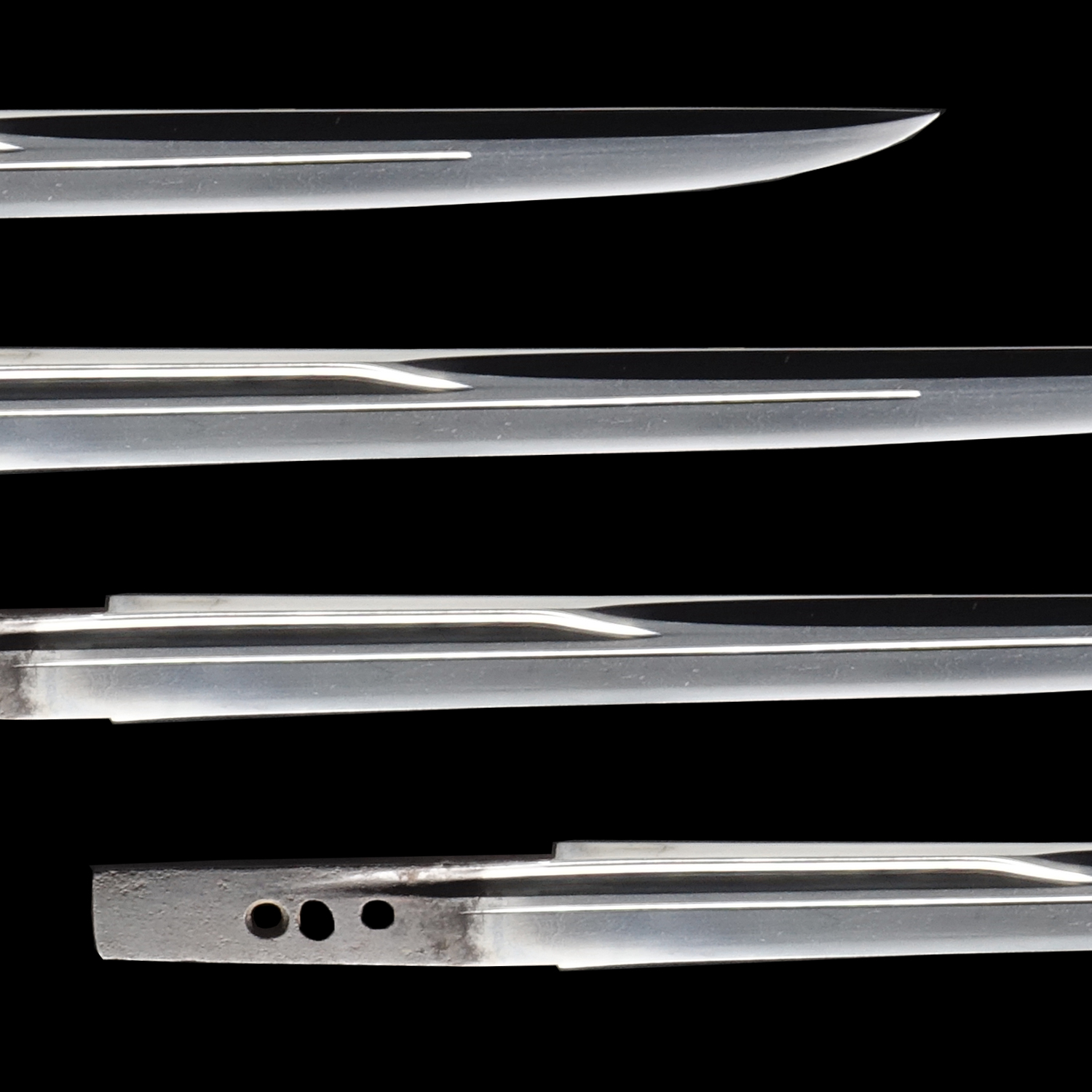
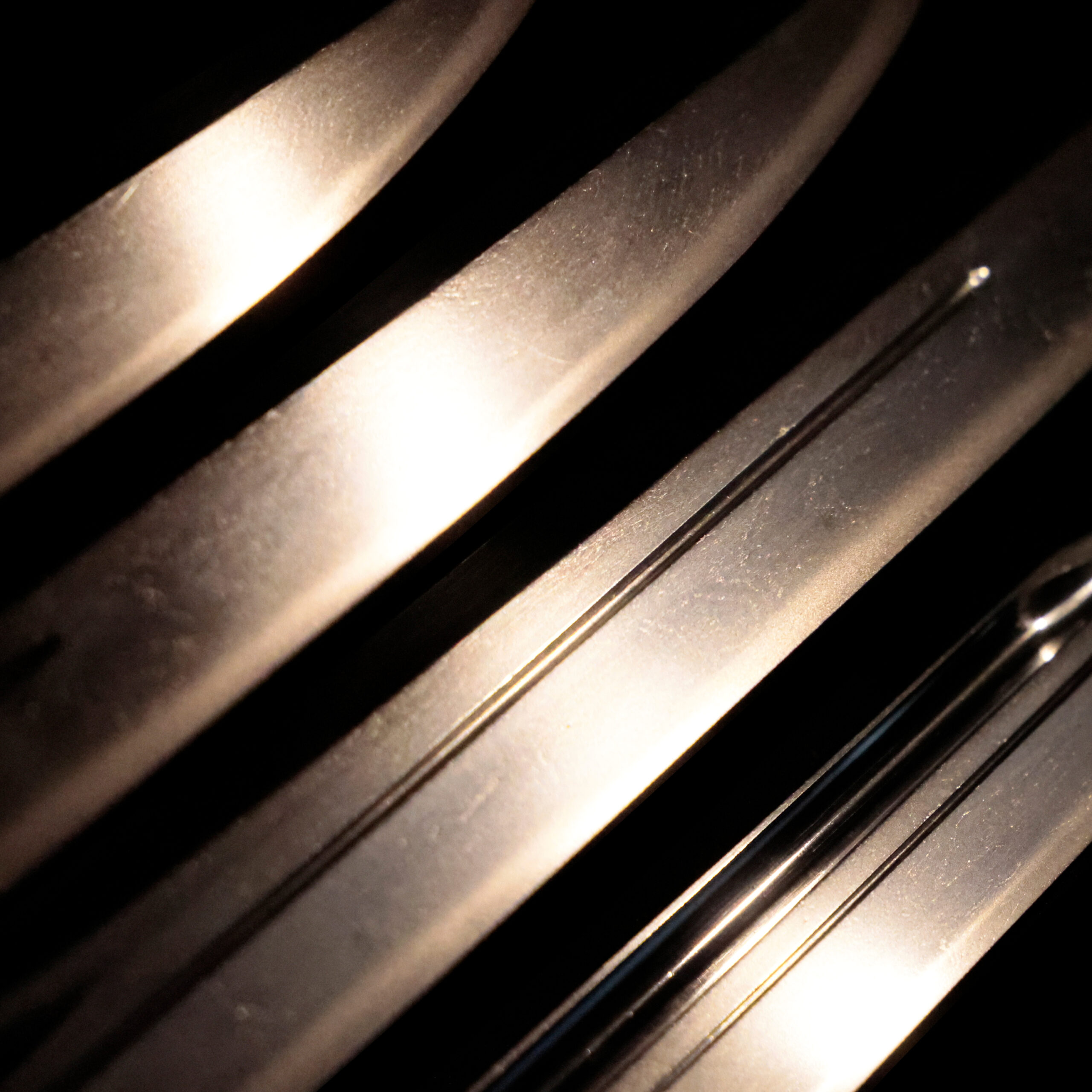
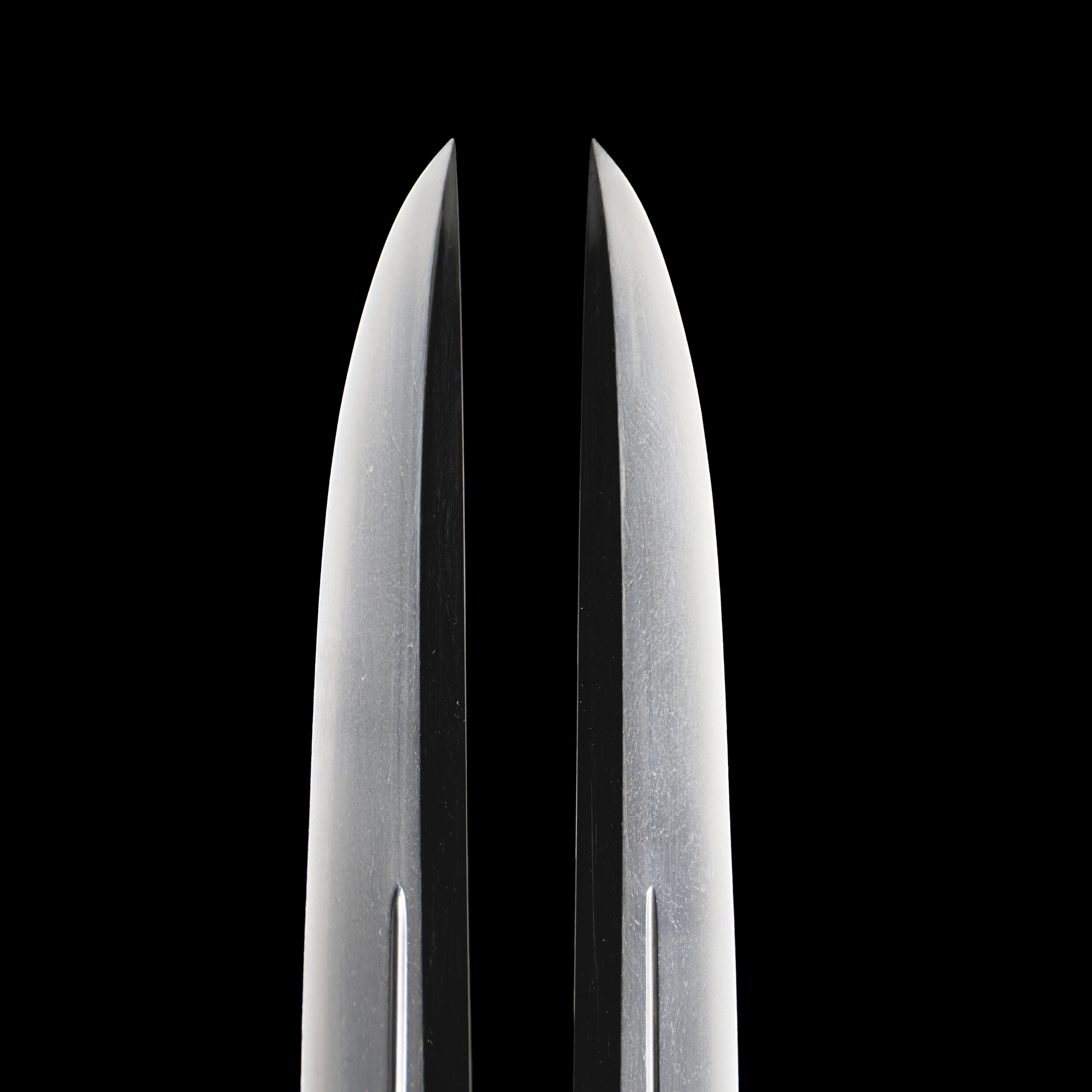
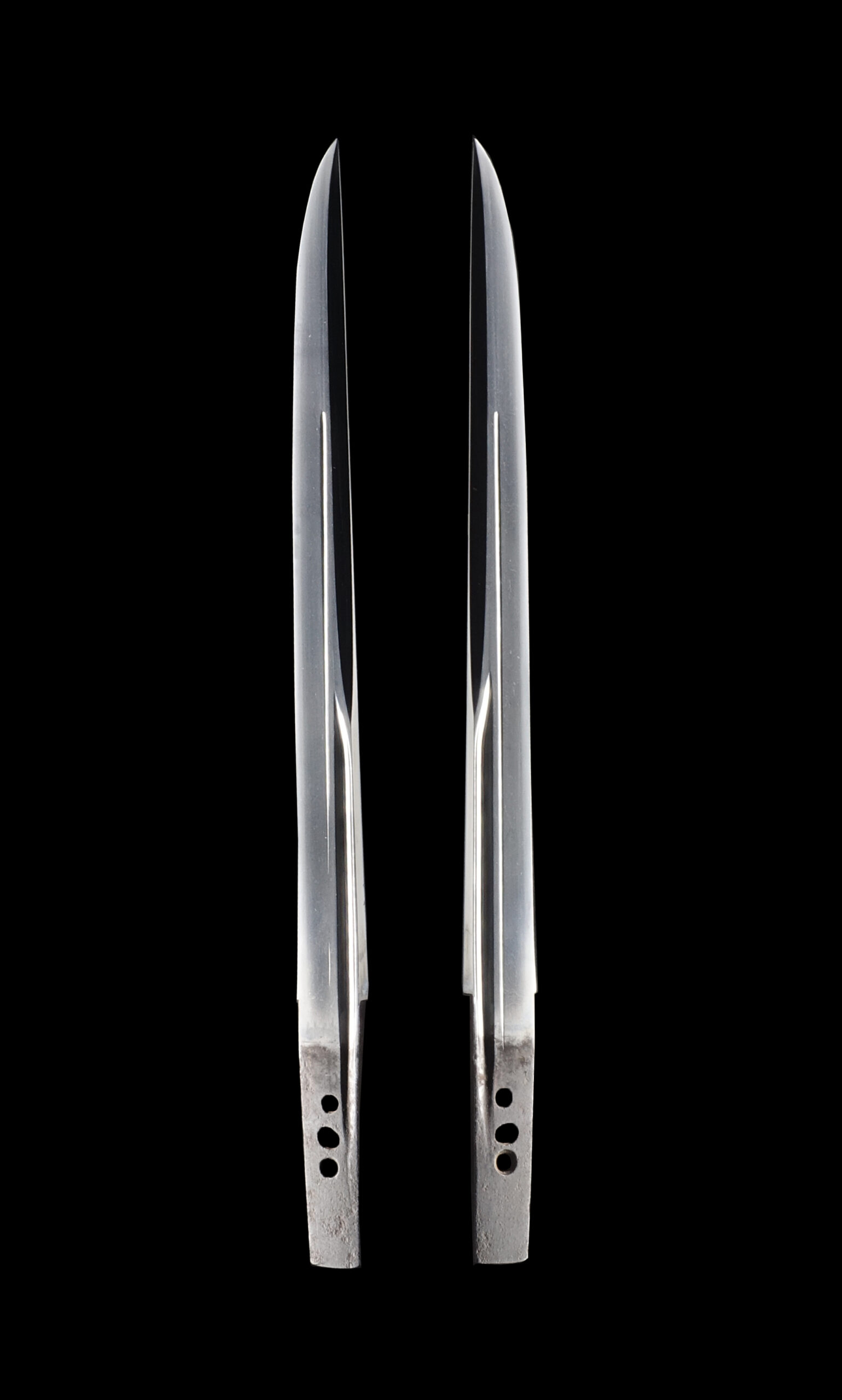
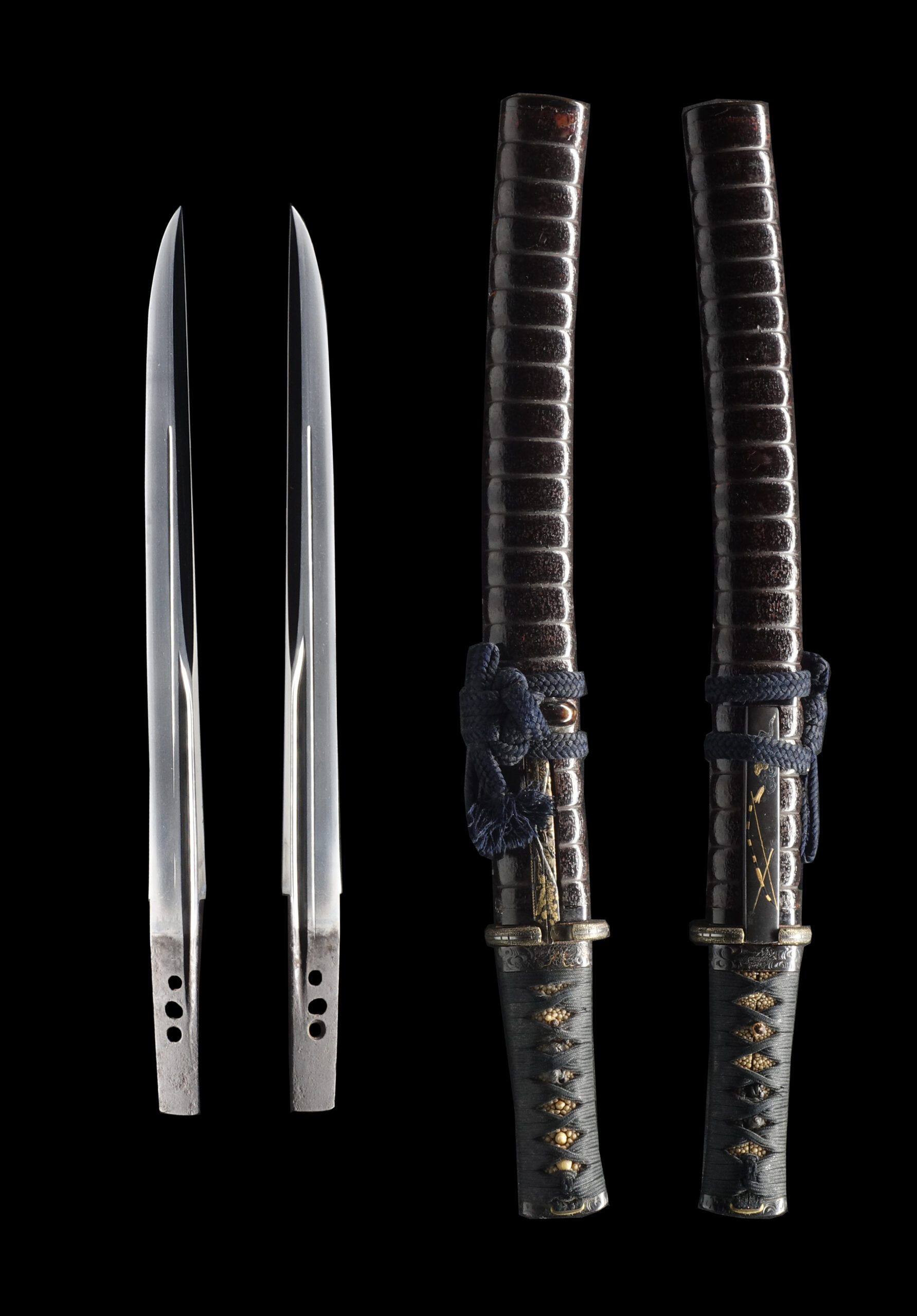
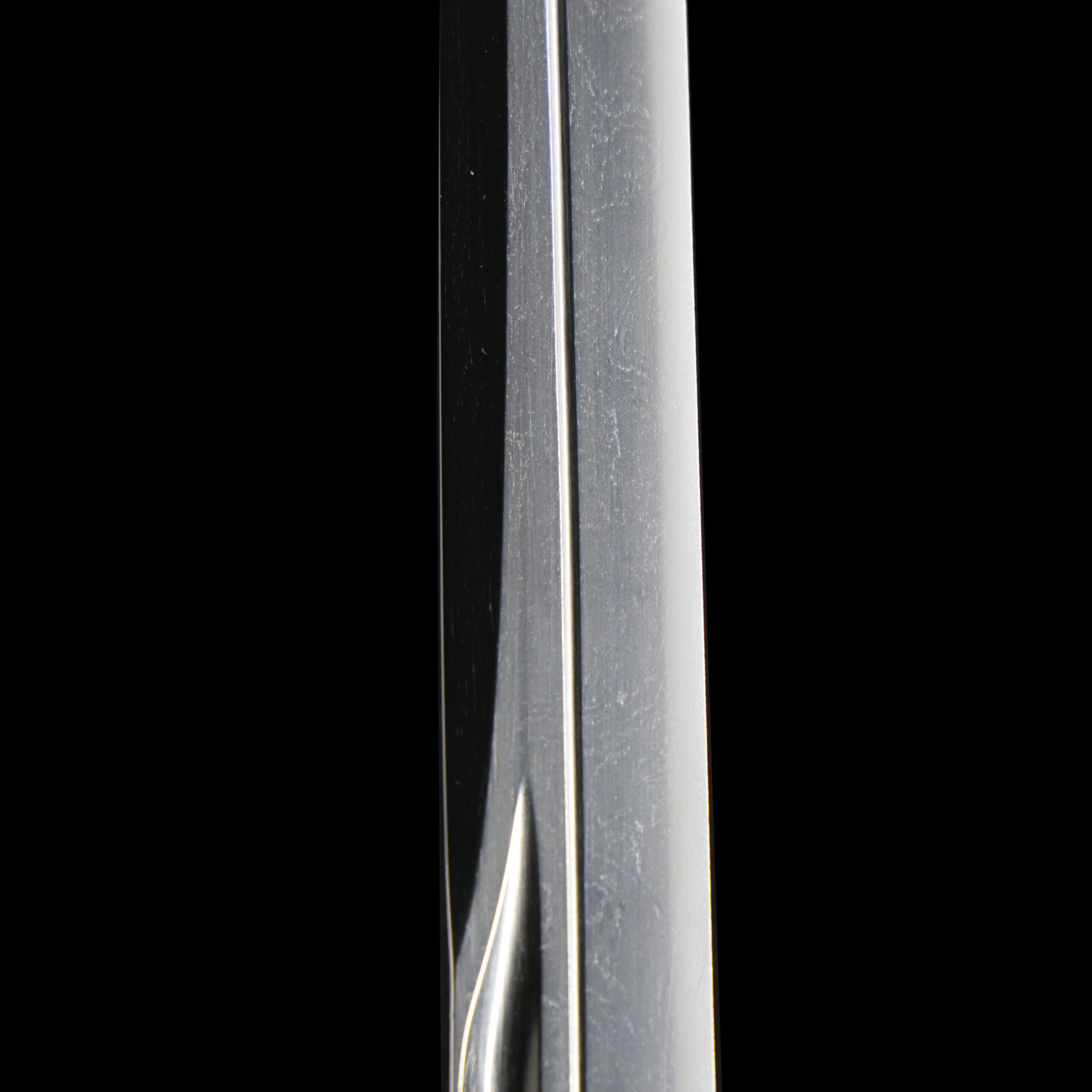
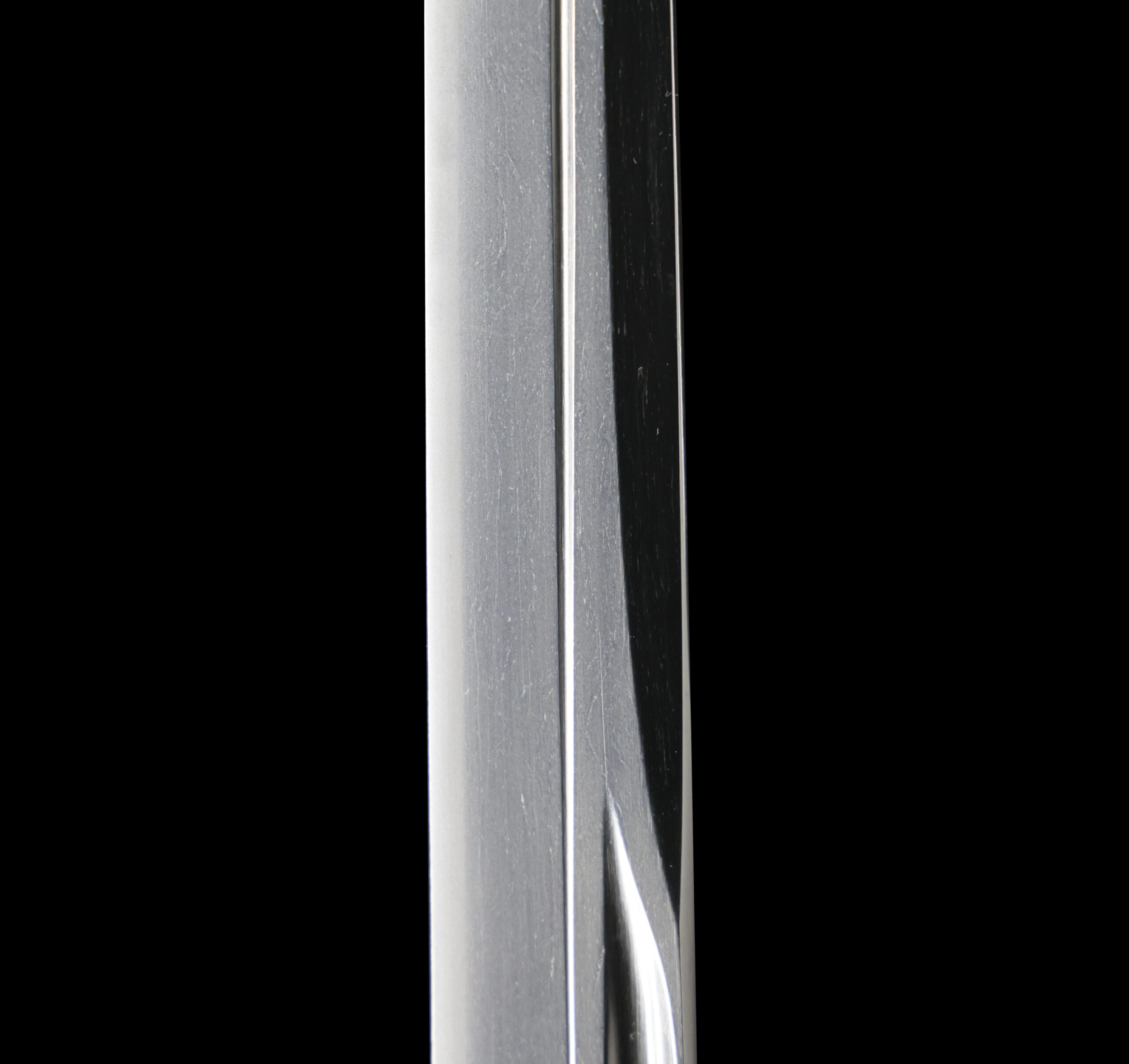
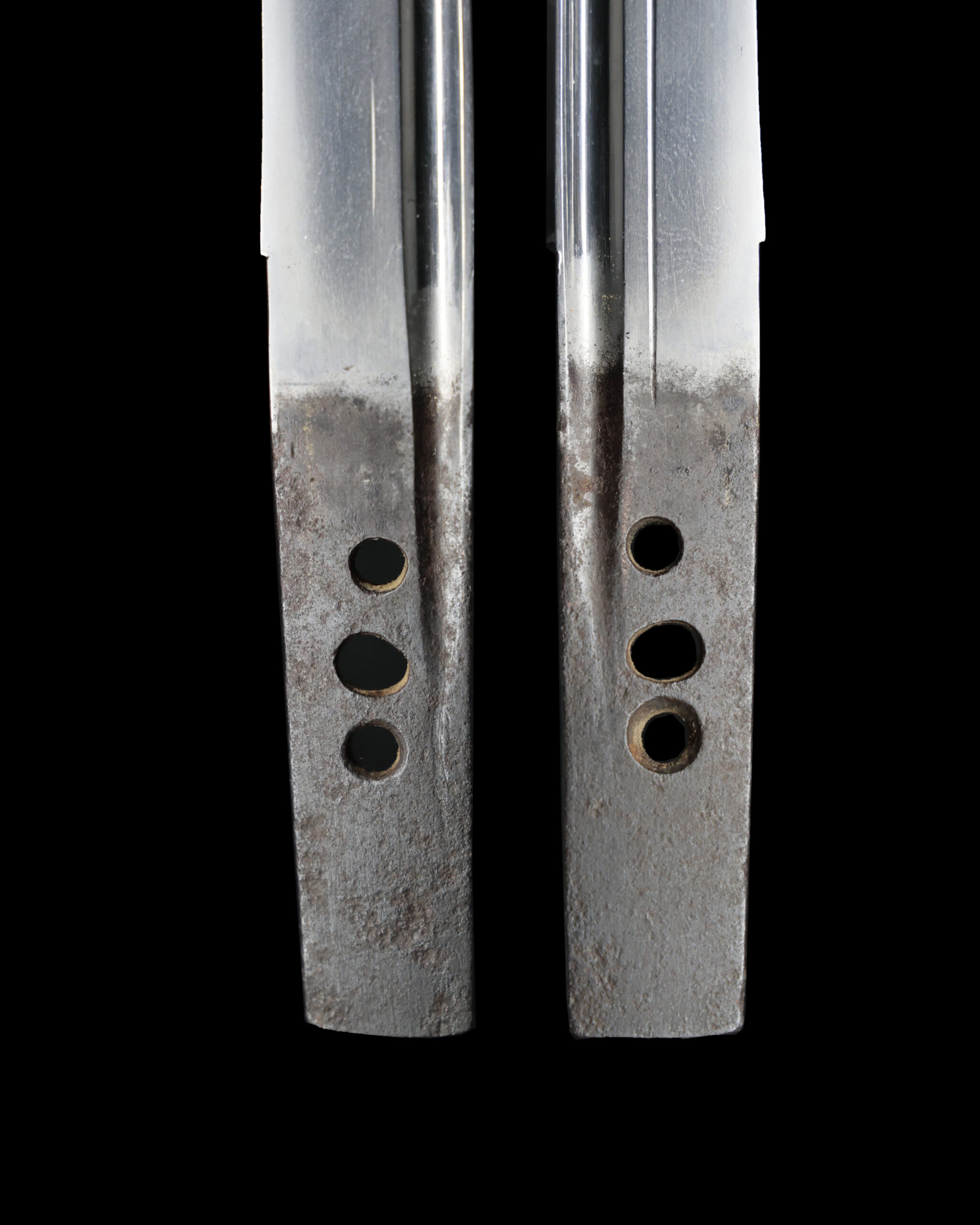
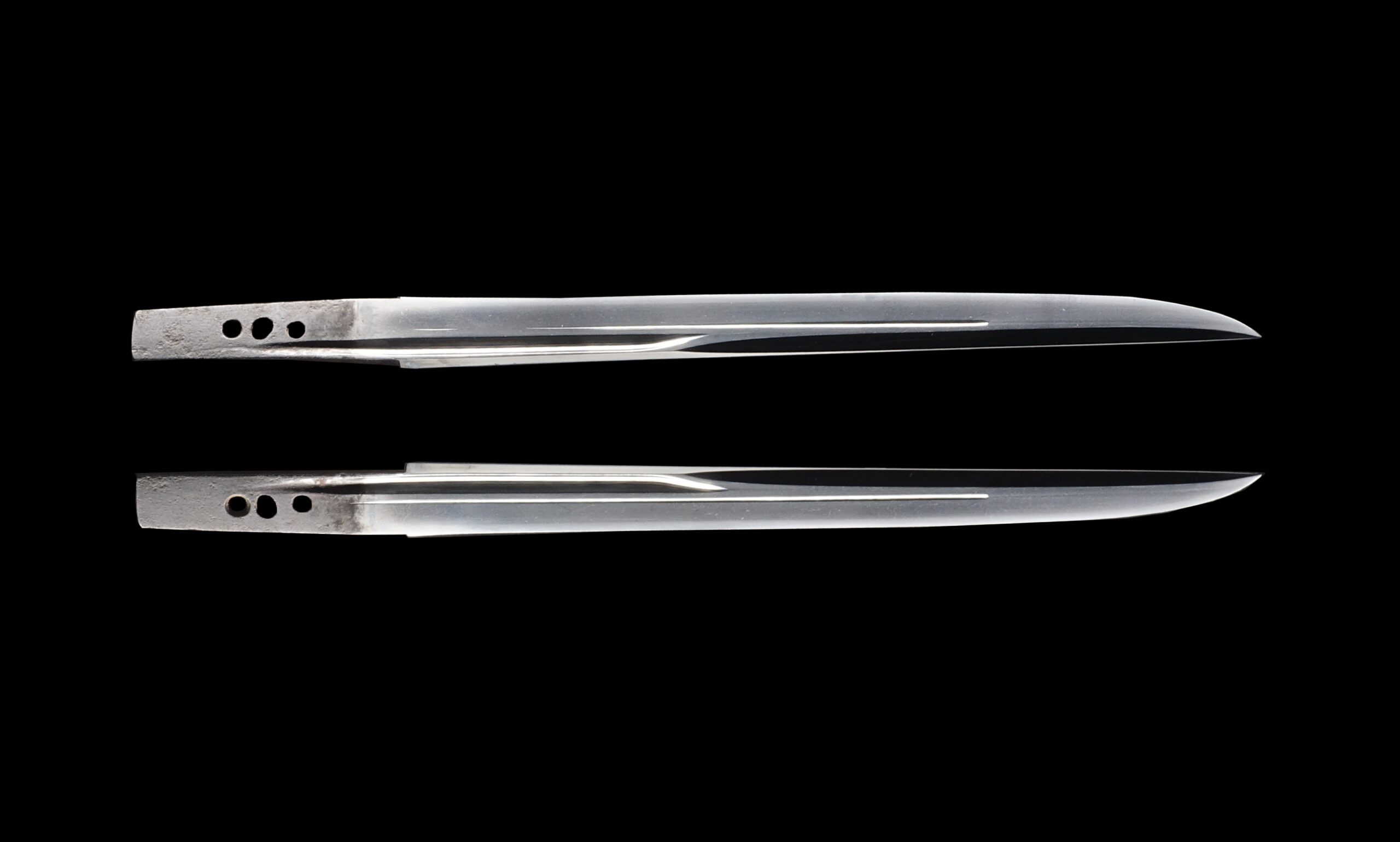
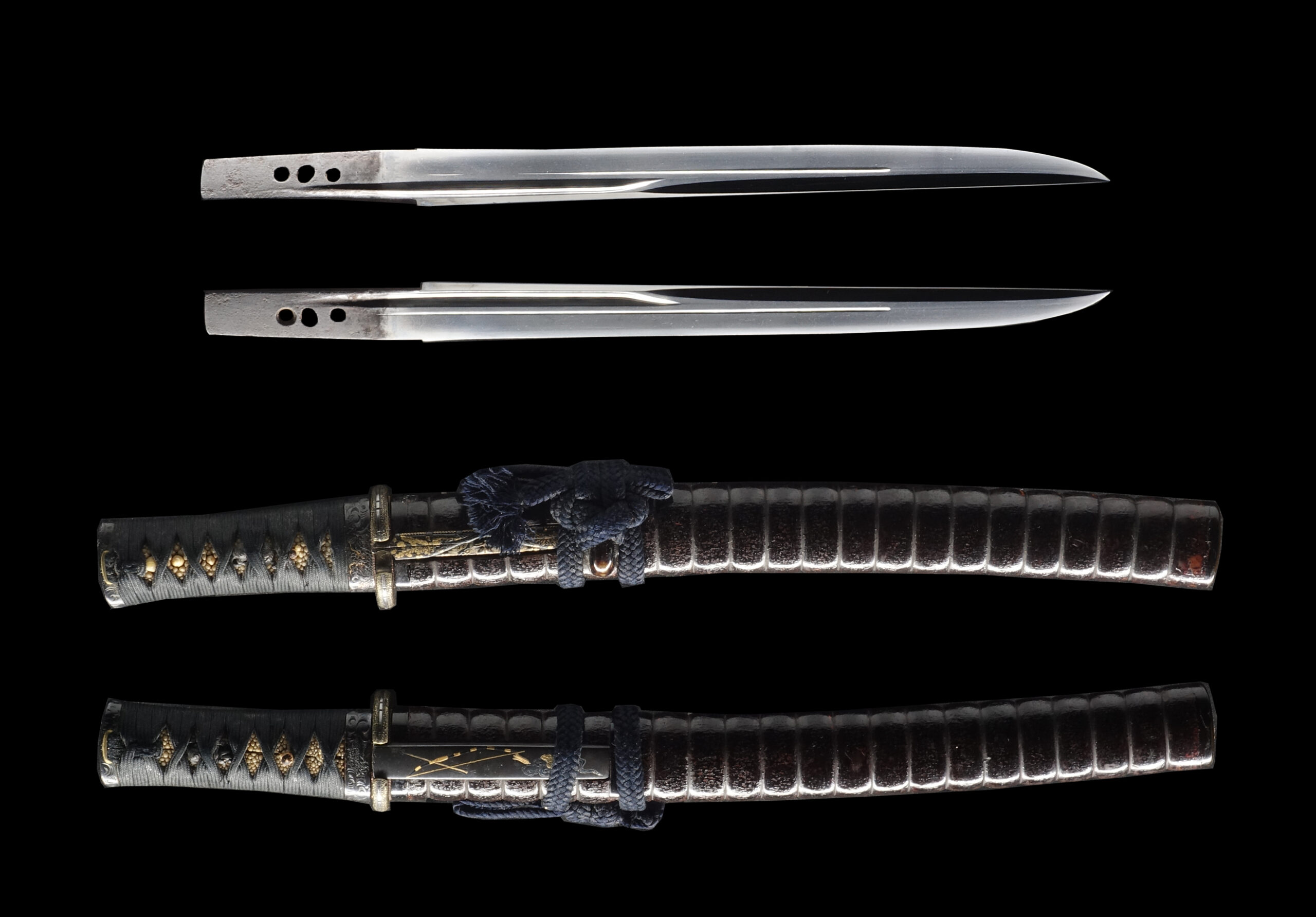
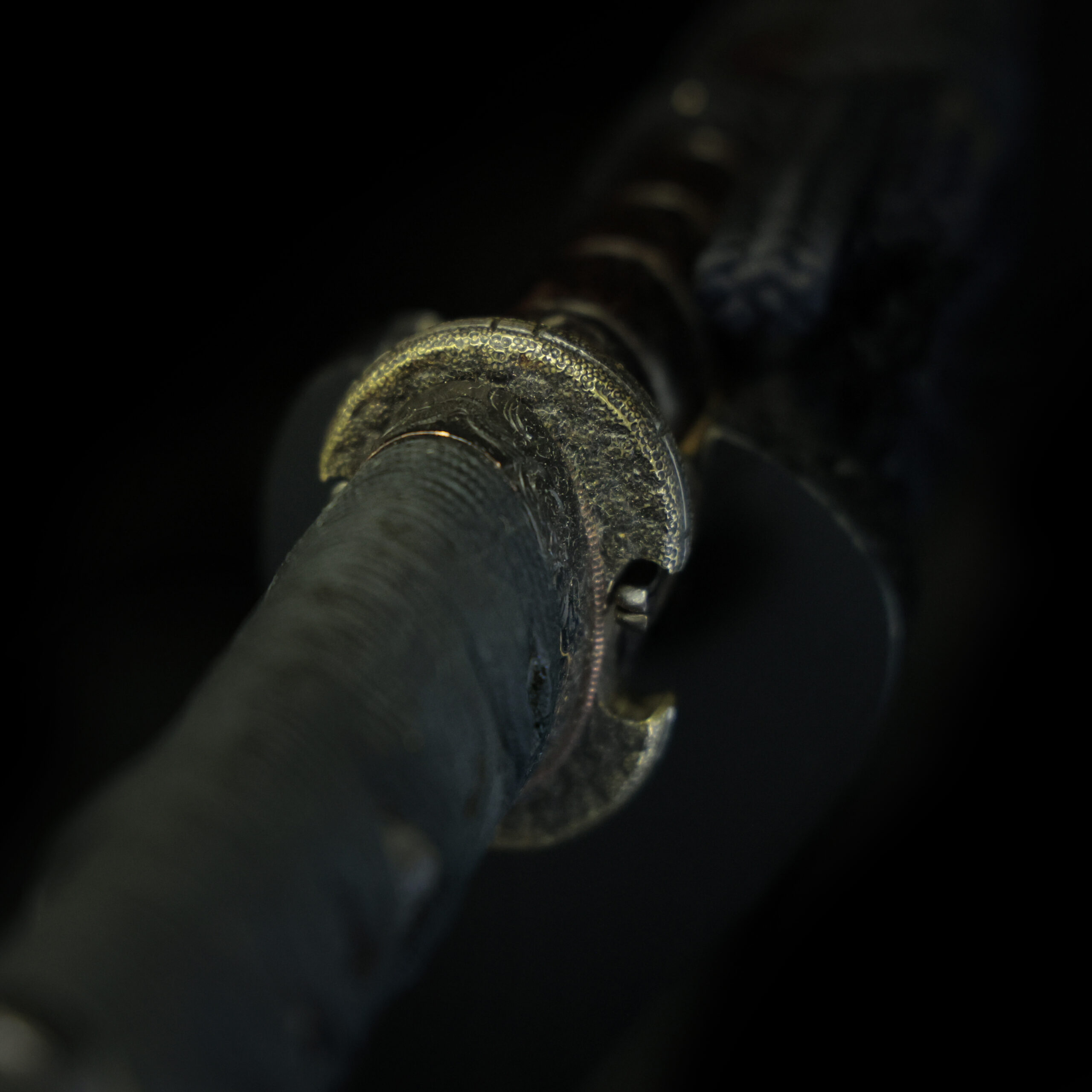
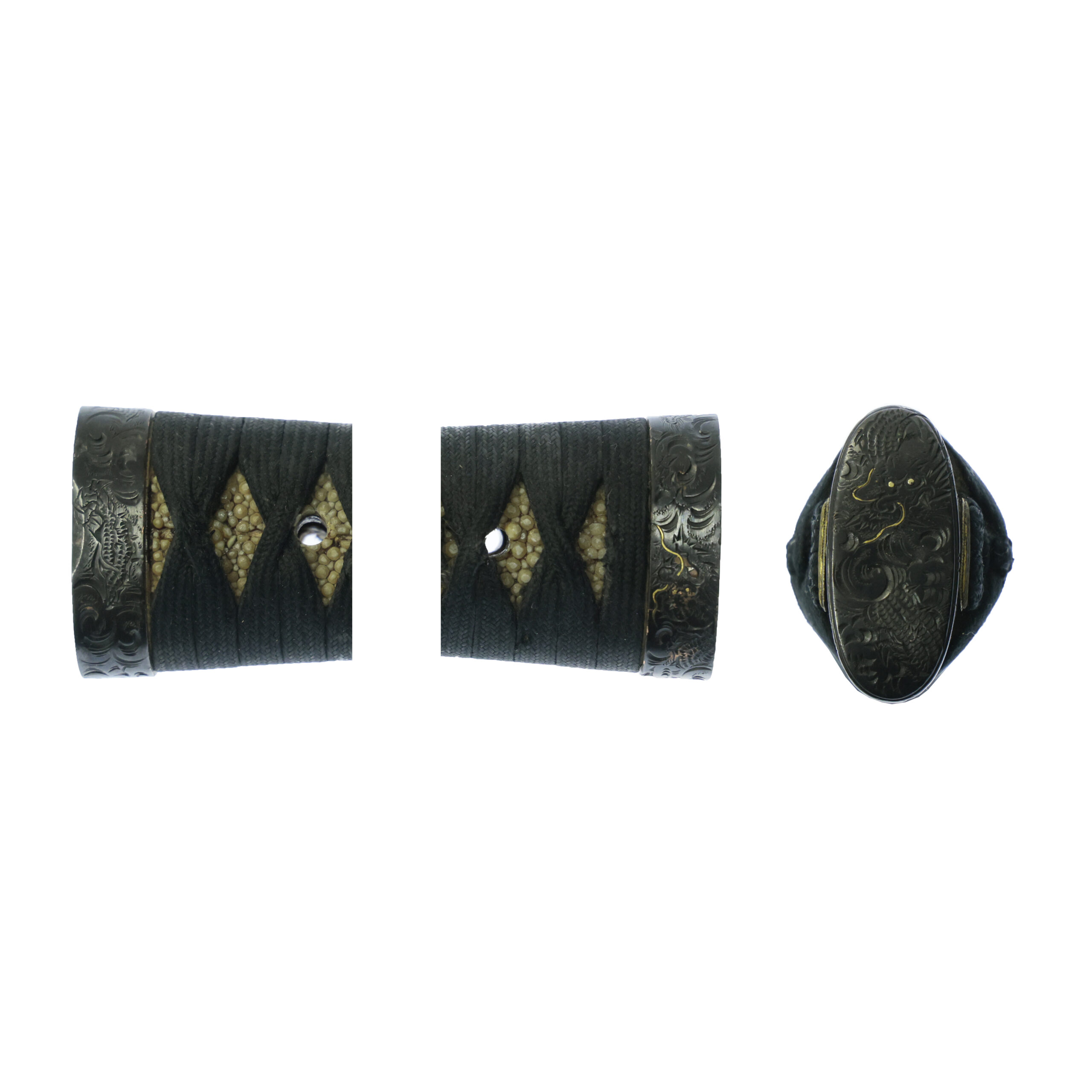
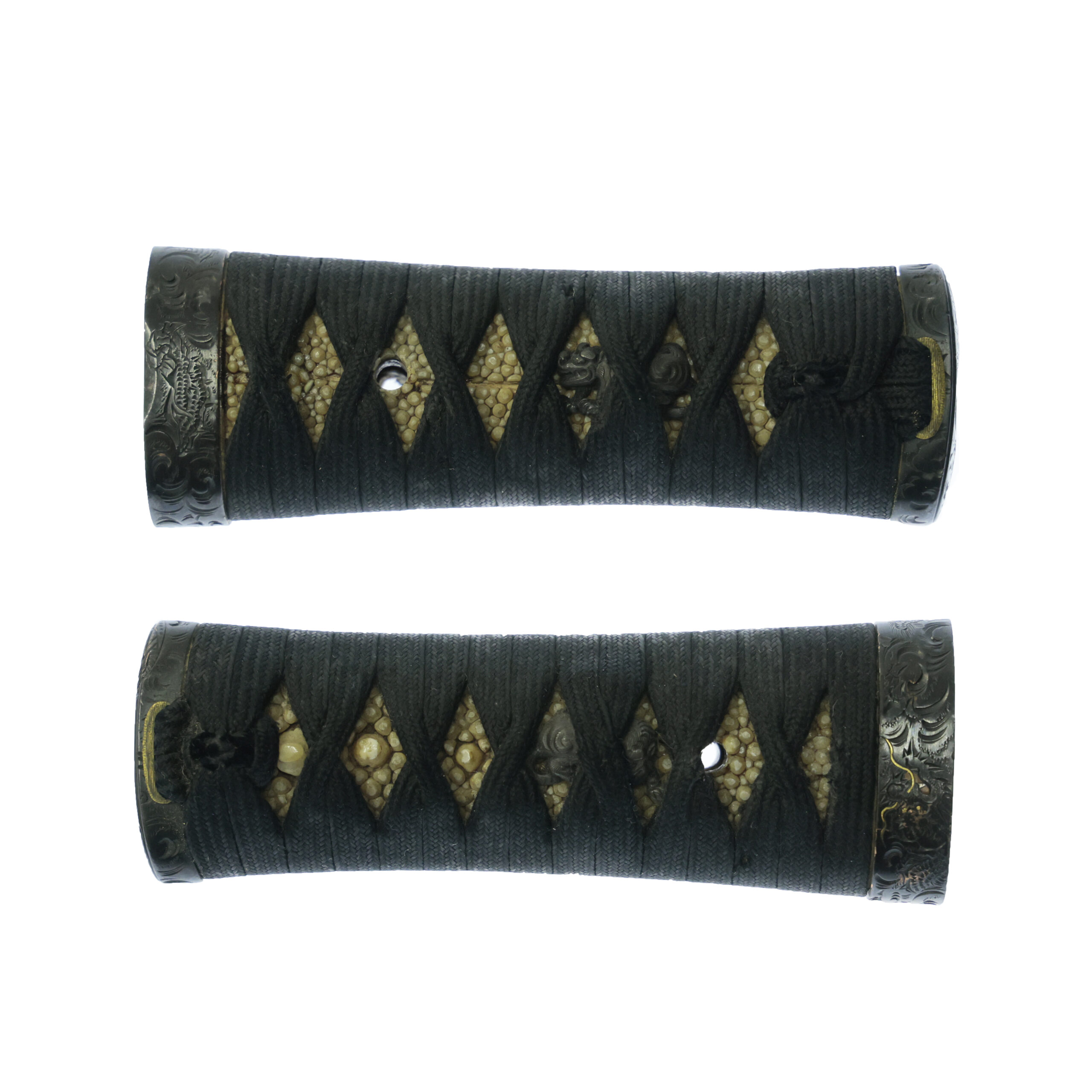
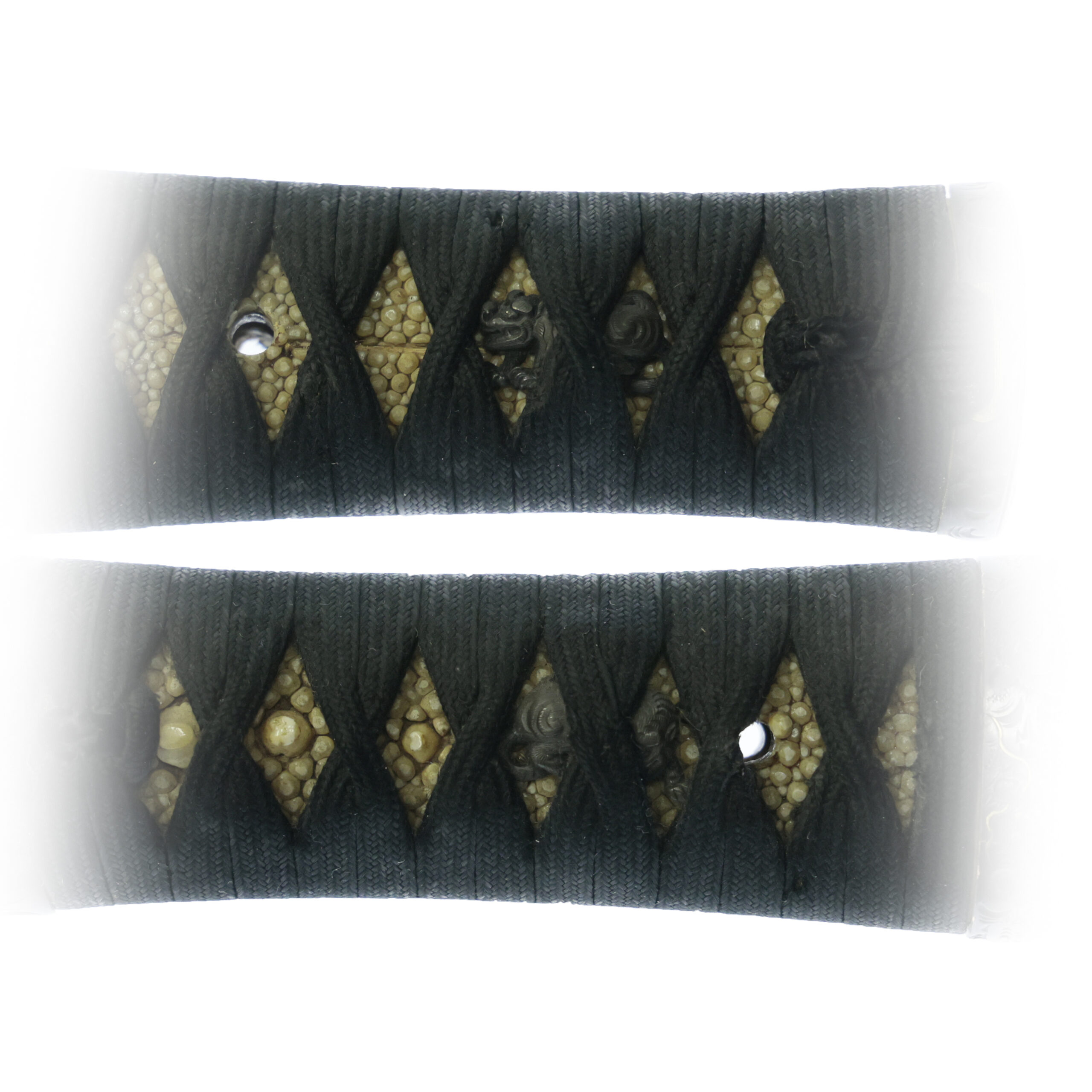
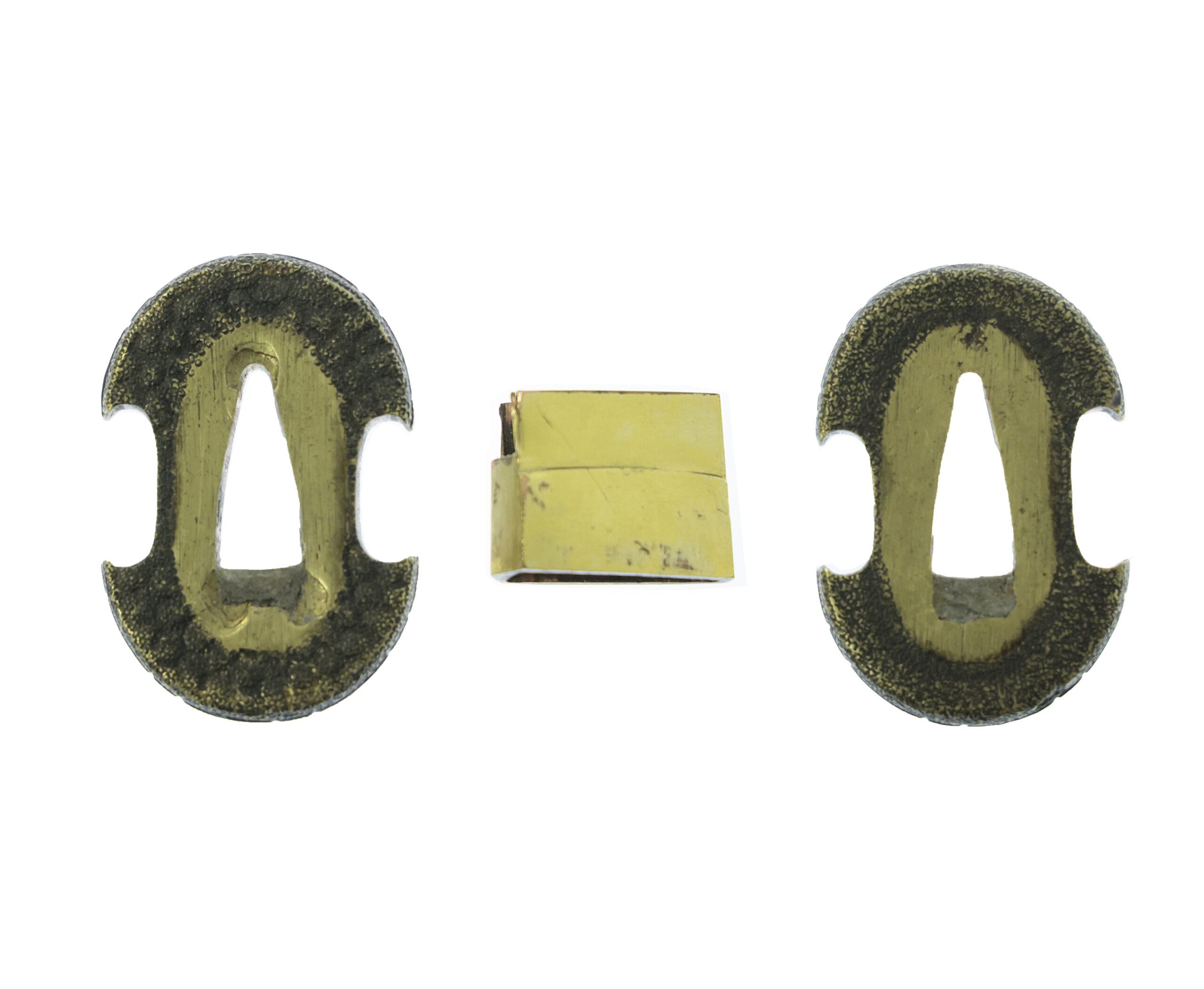
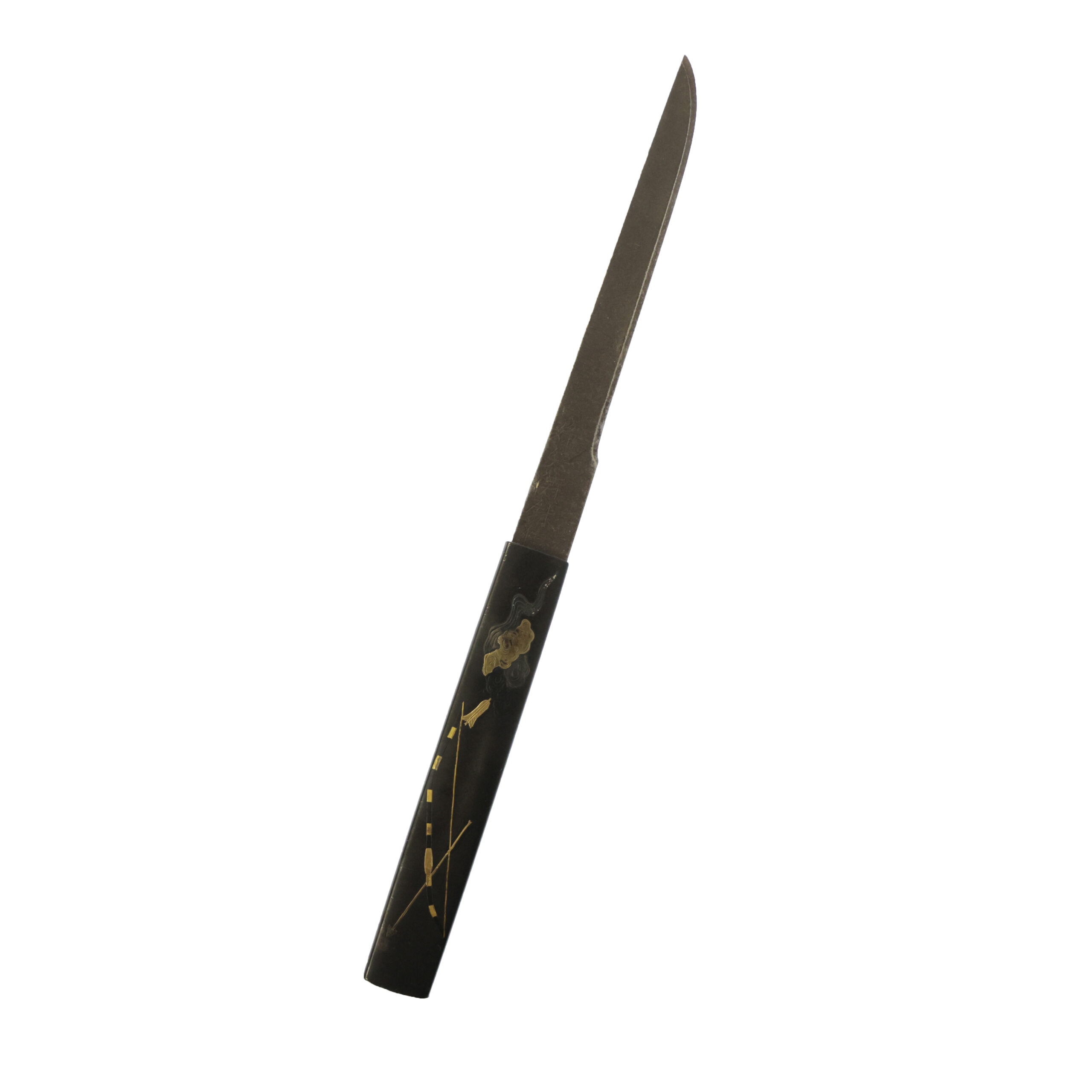
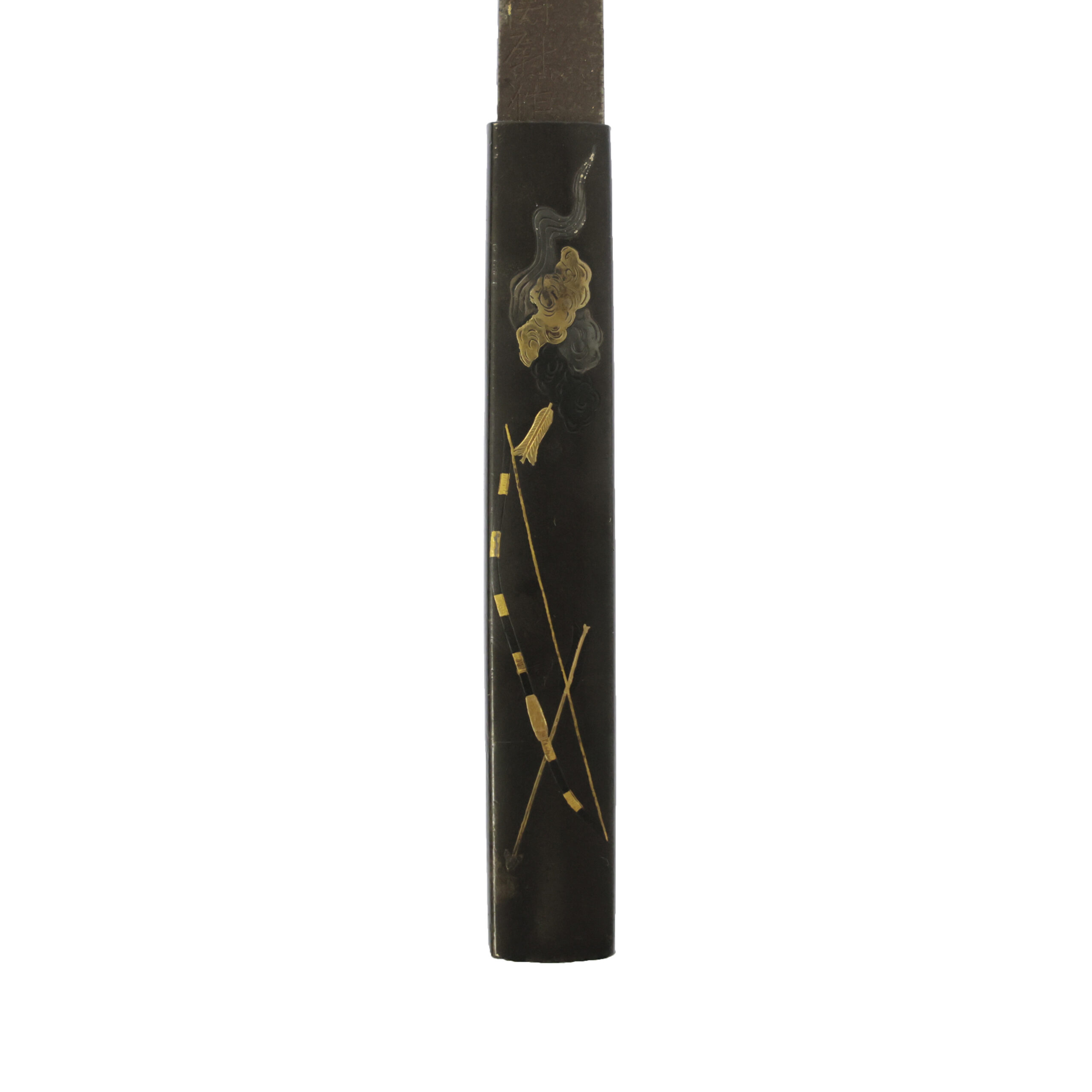
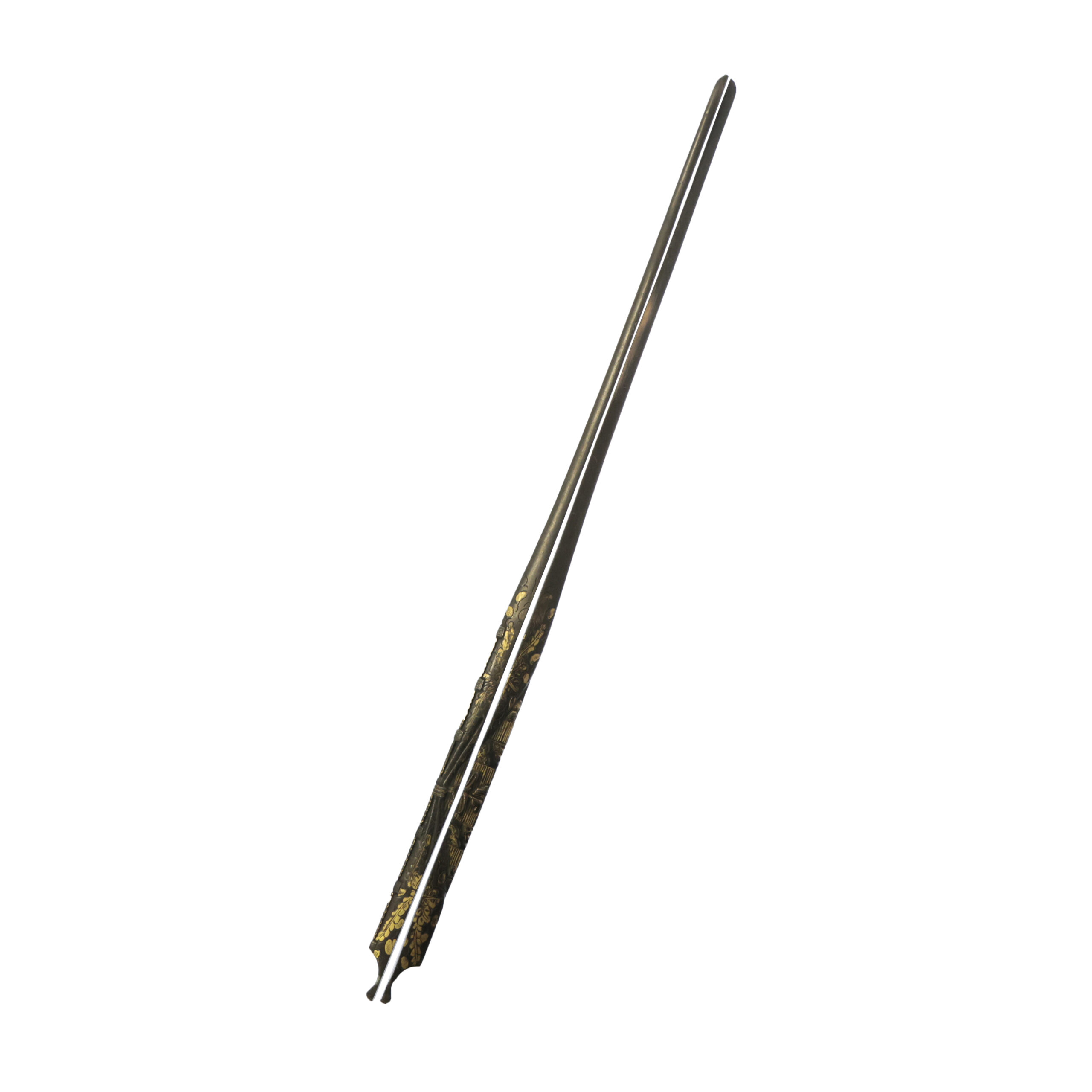
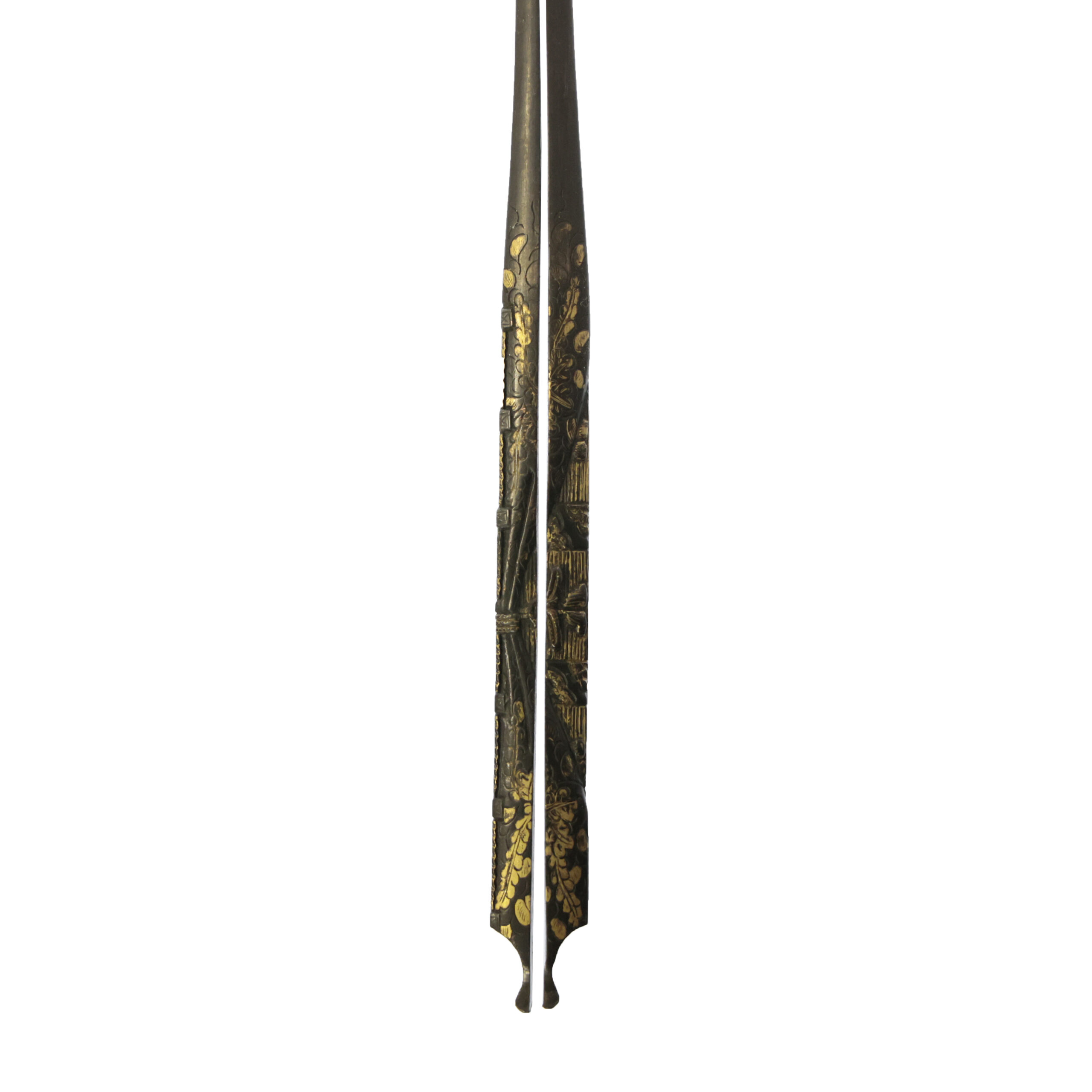
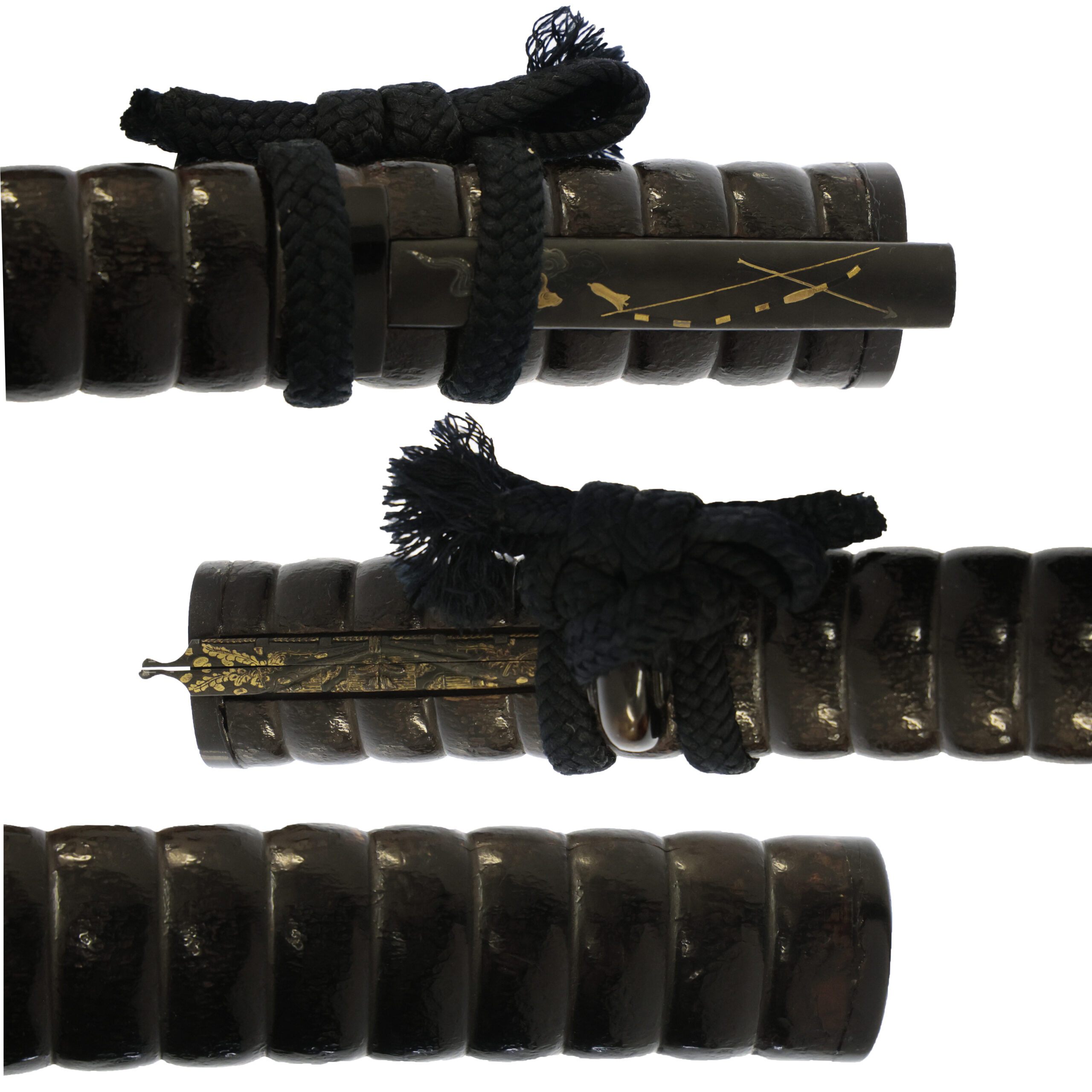
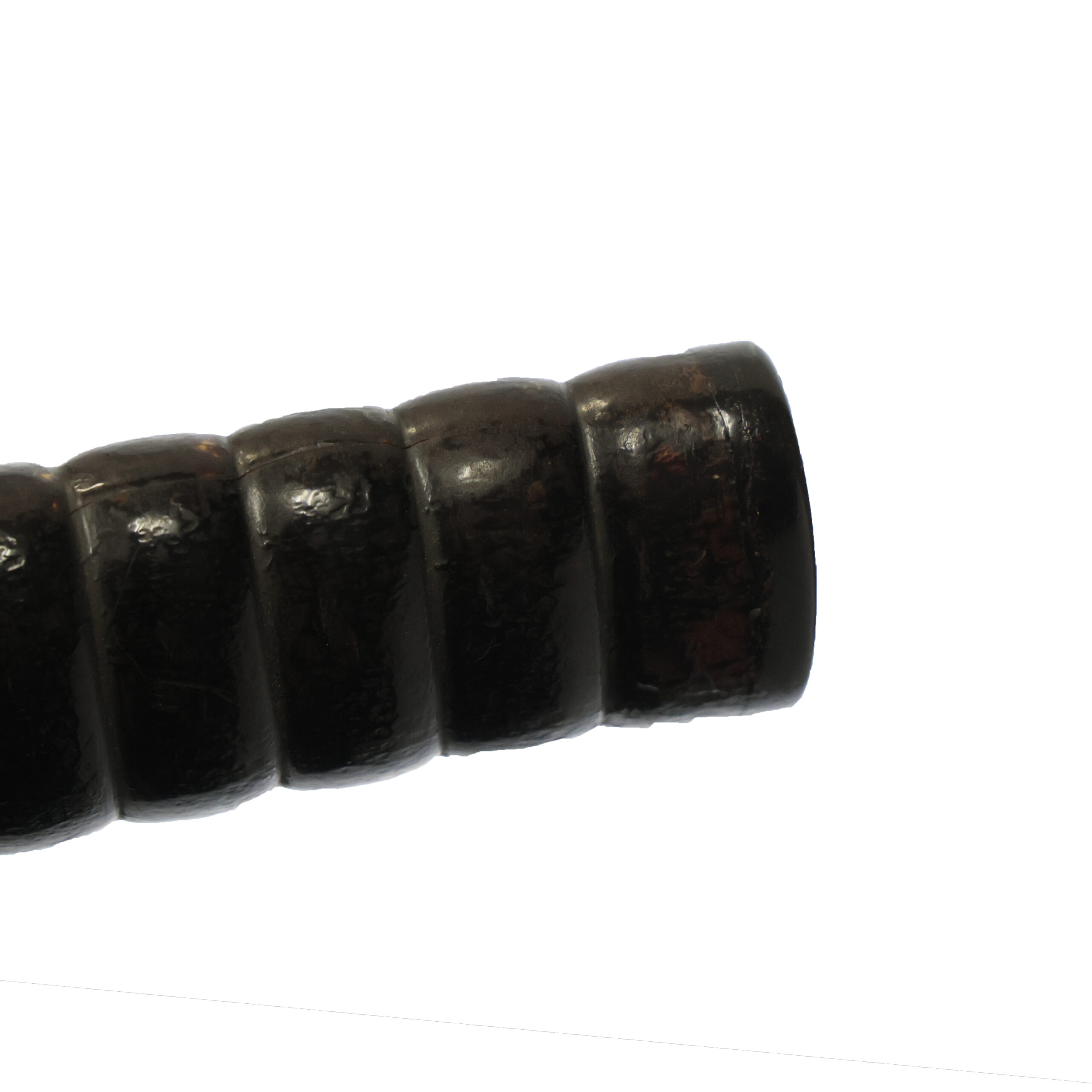
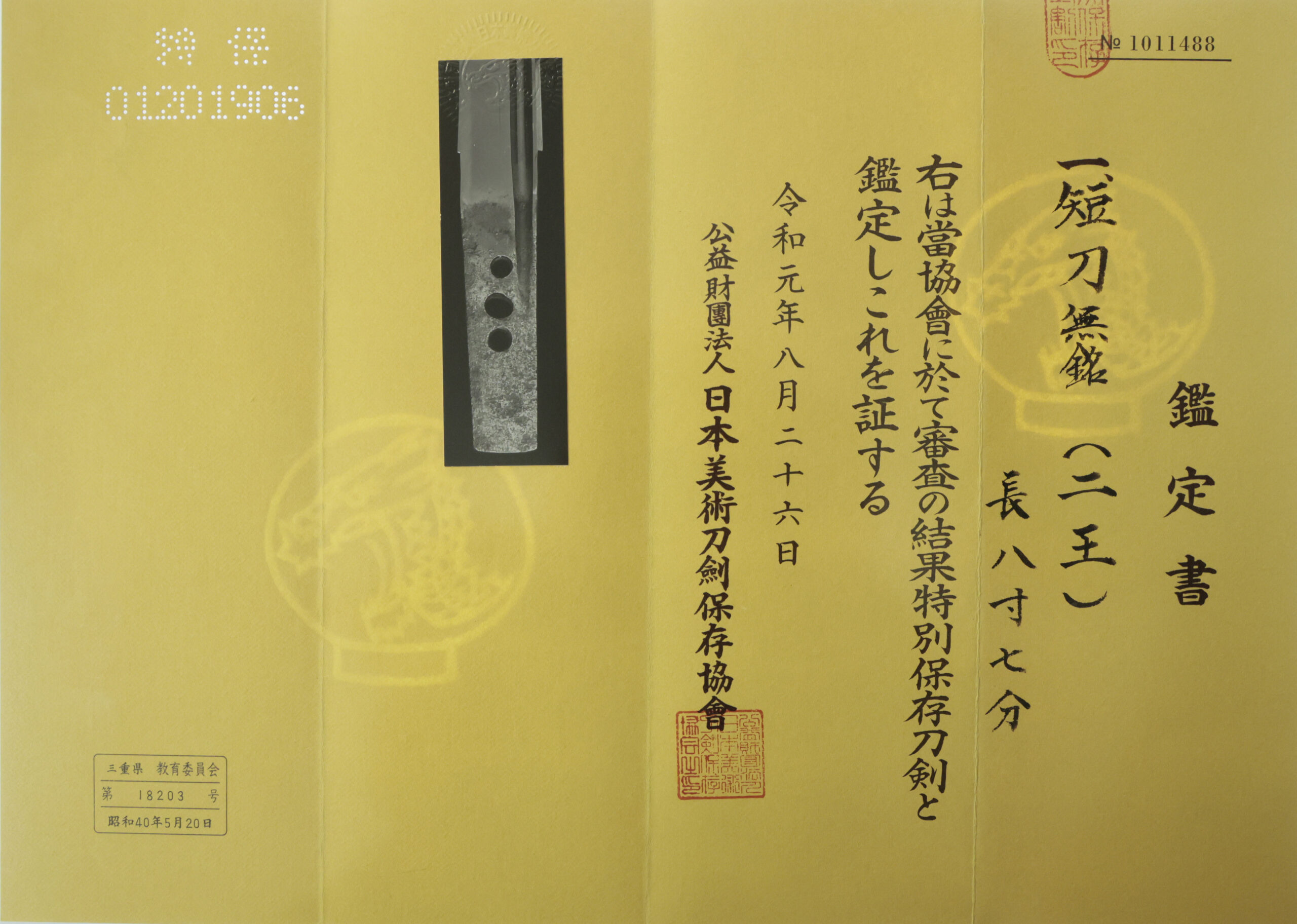
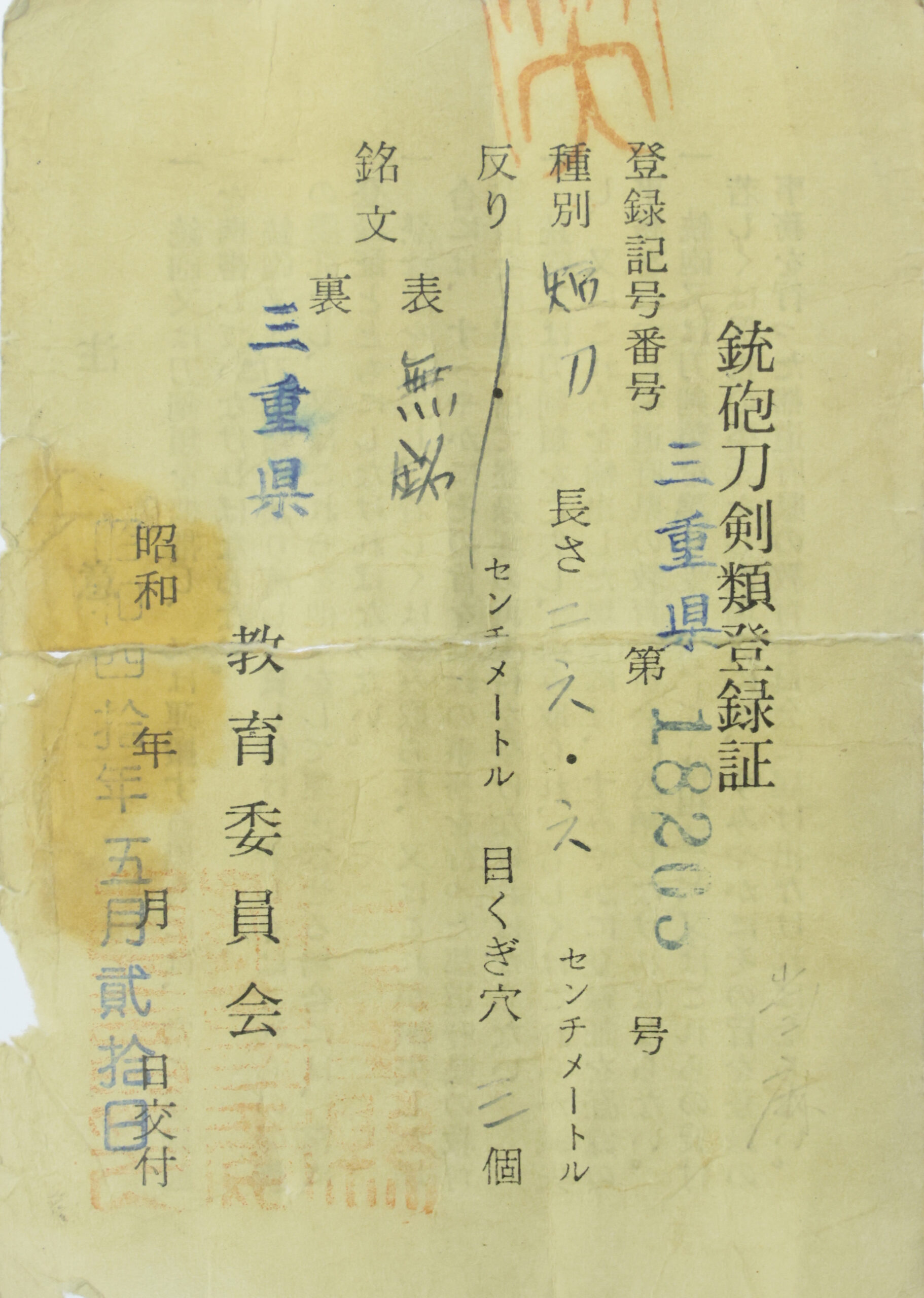
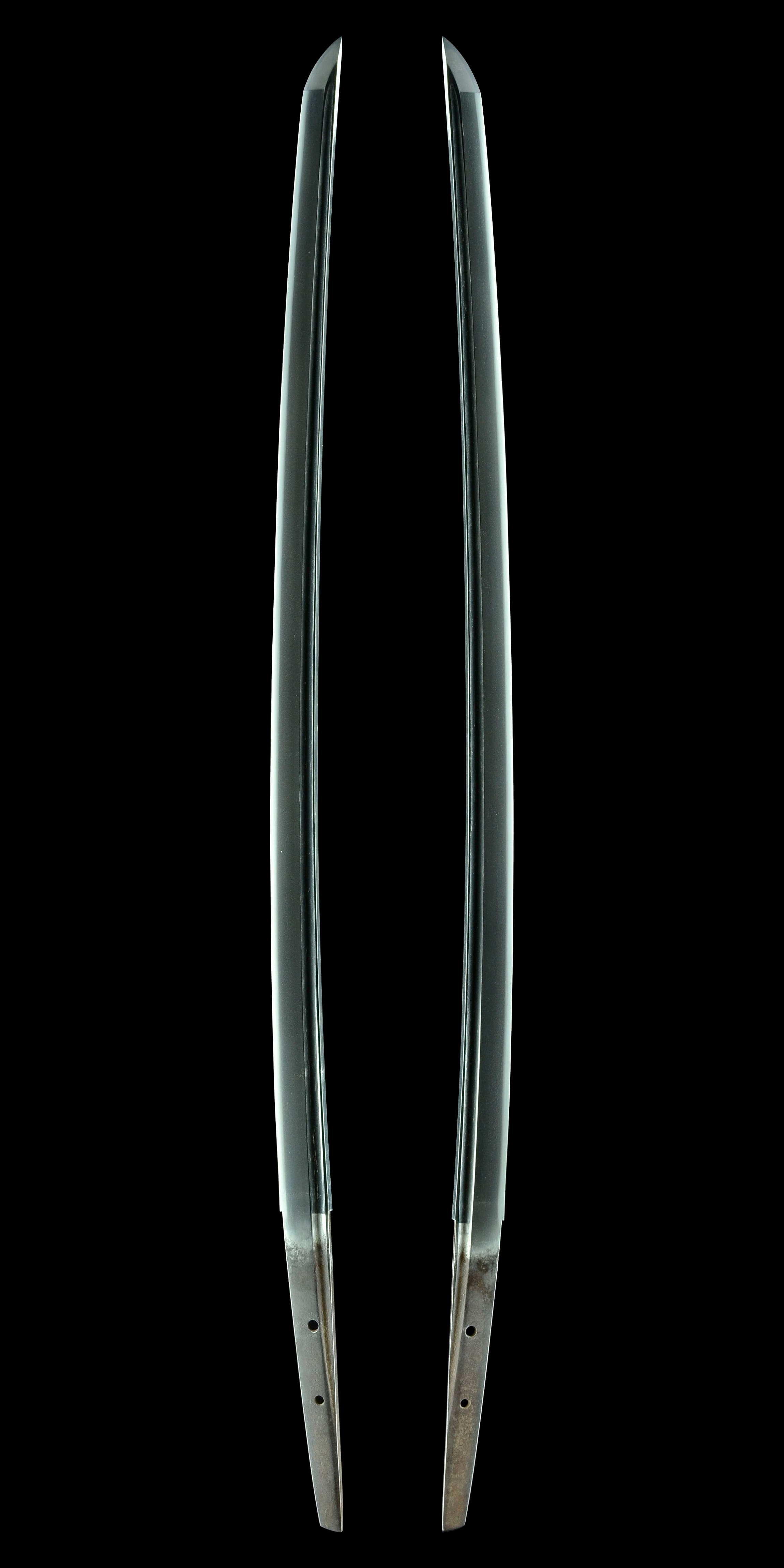
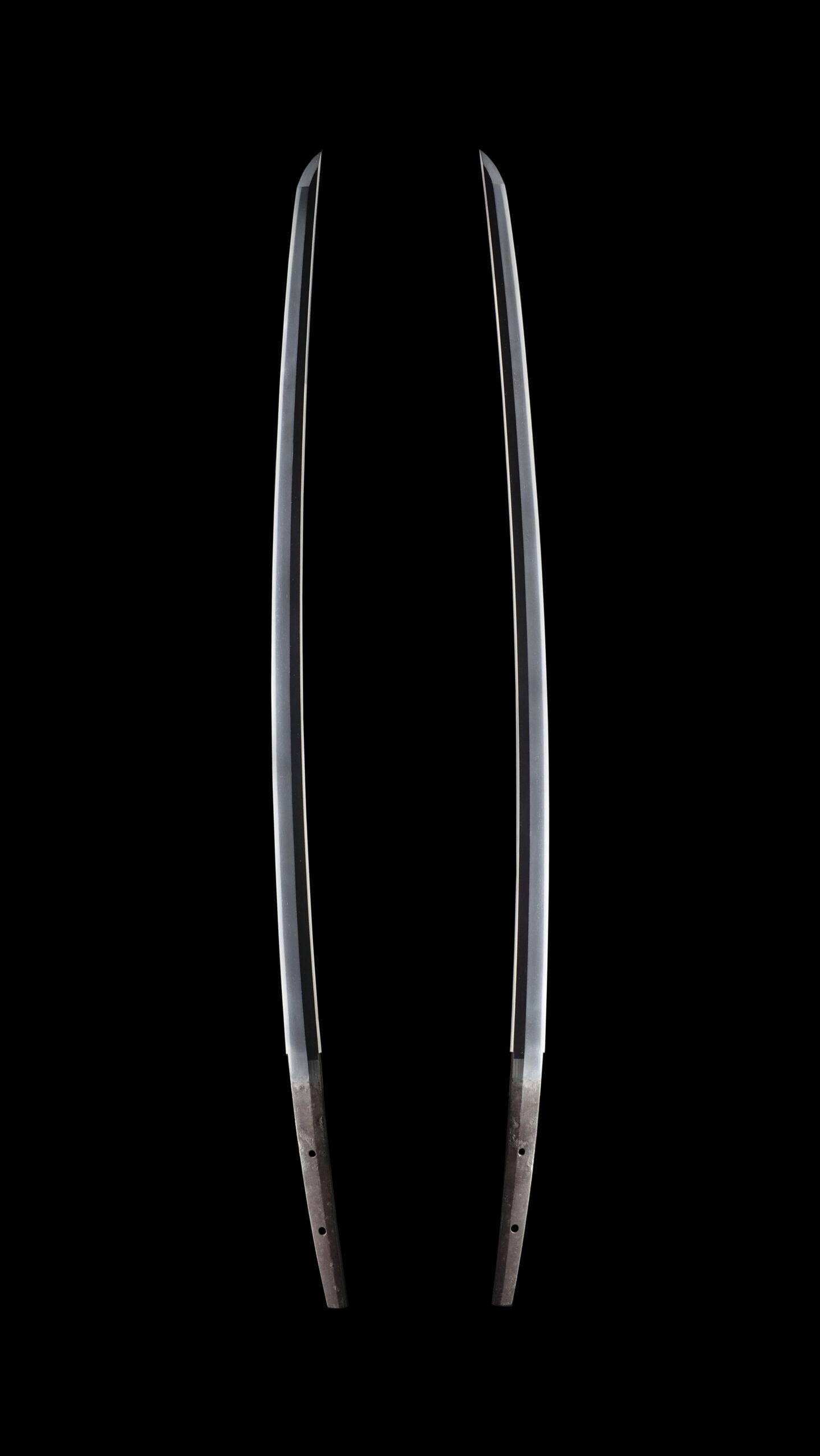
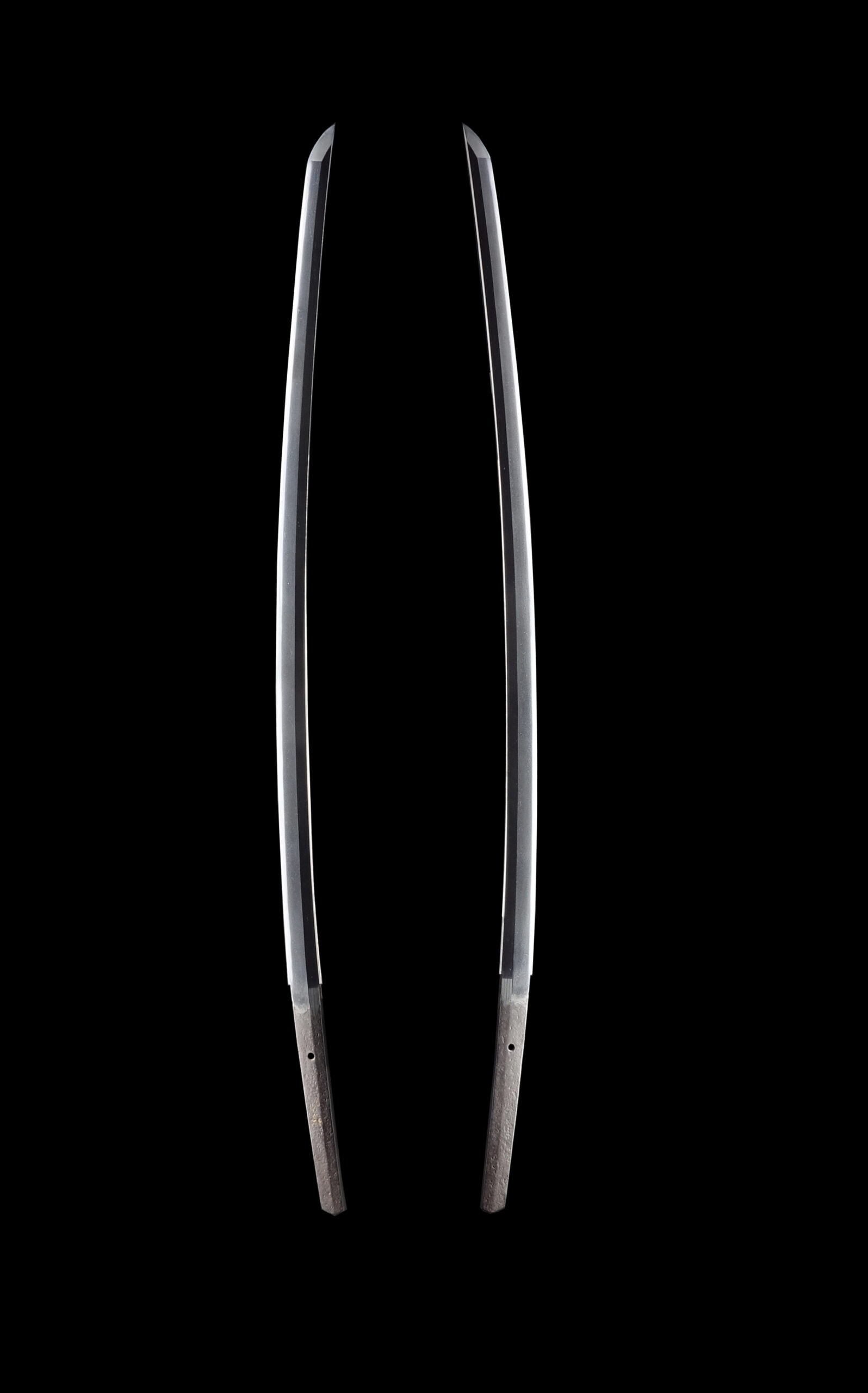
Antique Japanese Sword Tanto Attributed to Nioh with Tokubetsu Hozon Certificate 【Description】 Summary This blade is attributed to Nioh (二王). Although the authentication paper doesn’t mention when it was approximately made, we contacted NBTHK to confirm the detail of the attribution. They believe it was created during the late Kamakura period (about 700 years old) based on the blade’s characteristics. Nioh is the group of swordsmiths (school) that flourished from the mid-Kamakura period to the late Muromachi period (500-750 years ago) and lasted until the Edo period(150—400 years ago). The school was founded by Nioh Taro Kiyotsuna (二王太郎清綱) in Suo Province(today’s Yamaguchi prefecture). According to his remaining work, the oldest blade was forged in 1265. It is currently enshrined in Itsukushima Shrine in Hiroshima. It is said that he started to forge swords in around 1205(early Kamakura period). The Nioh swordsmiths inherited the part of its founder’s name 清(Kiyo) such as 清房(Kiyofusa), 清長(Kiyonaga). There were a lot of lands in Suo Province controlled by the Todaiji temple in the Kamakura-Muromachi period. It is said that Nioh school and Yamato swordsmiths from Nara prefecture had a strong relationship and technological exchange. That is why the blades forged by Nioh swordsmiths had a strong influence from YAMATO-DEN. *Todaiji temple is located in Nara prefecture. Before the Edo period, temples and shrines gained strong political influence. The name Nioh came from the legend that the Tachi blade forged by Kiyotsuna(the founder of Nioh school) was able to save the Nioh statue by cutting the chain connected to it when Nioh temple was on fire. Another theory was that Nioh swordsmiths lived in a village called Nioh no Sho(二保庄) and started to call themselves Nioh swordsmiths. What is Tanto? Japanese swords under the blade length of 30cm (11.6 inches) are generally called TANTO, and sometimes TSUBA(鍔; Hand-Guard) is not attached to the TANTO. It was easy to carry and convenient for close combats. It was initially used as a supplemental weapon for Samurai on horseback, who used a pole weapon or long sword in the Kamaura-Muromachi period. Samurai aimed at an unprotected area of his enemy’s armor with Tanto while having to fight with close distance. TANTO was named accordingly, depending on how you carry it, such as HUTOKORO-GATANA (懐刀; Stomach-Sword) or KOSHI-GATANA(腰刀; Waist-Sword) or elsewise. TANTO was also a gift for a bride from her family in a traditional Japanese wedding, as it is believed that TANTO would be divine protection from evil power. It is appraised as a Tokubetsu Hozon Token (特別保存刀剣) issued by NBTHK (Nihon Bijutsu Touken Hozon Kyokai:日本美術刀剣保存協会). This authentication paper was only given to authentic Japanese swords, especially well preserved and high quality with artistic value. *Please note that there are a couple of Kitae Kizu on the blade. If you like to see the detailed condition, please feel free to contact us. 【Blade】 Cutting Edge Length (Nagasa) : 26.6 cm (10.47 inches) Curvature (Sori) : 0.0 cm (0.0 inches) Hamon : The crystalline structure which forms along the cutting edge of a blade as a result of the hardening process. Jimon (Jihada) : Visible steel surface pattern created by folding and hammering during forging process. Kissaki : Kissaki is the tip of the Japanese sword. The shape of this tip is called Shobu Zukuri (菖蒲造り). Nakago : Nakago is the tang of the Japanese sword. Koshirae : Koshirae is the mounting of the Japanese sword. There are several parts that consist of Koshirae such as Saya (Scabbard), Tsuka (Handle), Tsuba (Handguard). Fuchi-Kashira : A pair of matching sword fittings that cover the upper and bottom parts of its sword hilt. The theme of this Fuchi-Kashira is a dragon (龍, Ryu). Initially, the dragon is an imaginary creature found in ancient Chinese traditions or myths. Furthermore, it is regarded as a symbolic beast of auspicious signs. Its body is likened to nine animals: antlers are

NihontoWatch MonNihontoWatch
MarketEncyclopediaKantei
刀剣›二王›Antique Japanese Sword Tanto Attributed to Nioh NBTHK Tokubetsu Hozon Certificate
短刀特別保存
二王

Antique Japanese Sword Tanto Attributed to Nioh NBTHK Tokubetsu Hozon Certificate

無銘 · Nioh · 永正 · 長さ 26.6cm
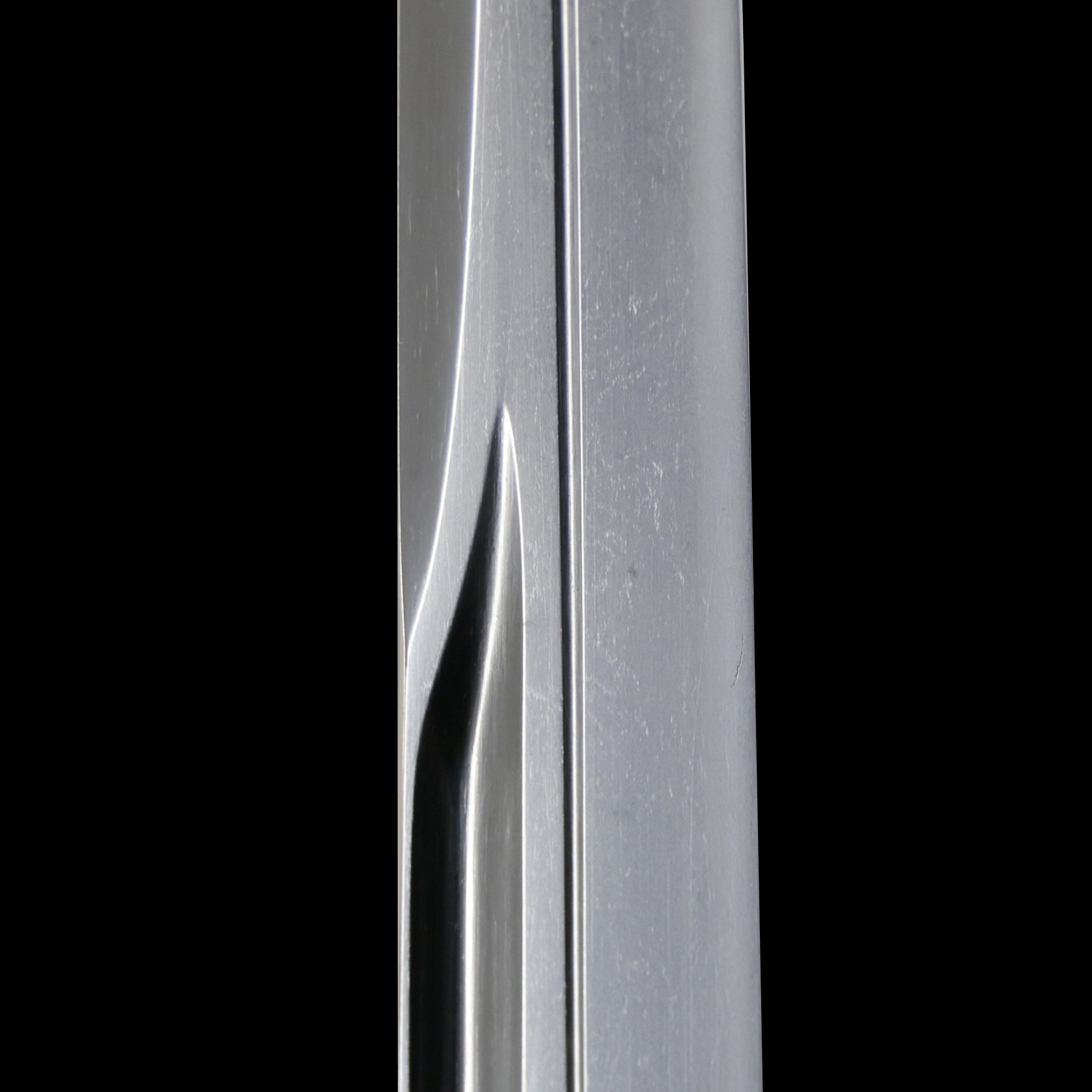
売却済
二王 · Nioh · 永正販売中 3点 · 中央値 ¥1,500,000 →
短刀
刀身だけで刀工を見抜けますか? 本日の鑑定 →
二王 — 1 of 28
二王 — 2 of 28
二王 — 3 of 28
二王 — 4 of 28
二王 — 5 of 28
二王 — 6 of 28
二王 — 7 of 28
二王 — 8 of 28
二王 — 9 of 28
二王 — 10 of 28
二王 — 11 of 28
二王 — 12 of 28
二王 — 13 of 28
二王 — 14 of 28
二王 — 15 of 28
二王 — 16 of 28
二王 — 17 of 28
二王 — 18 of 28
二王 — 19 of 28
二王 — 20 of 28
二王 — 21 of 28
二王 — 22 of 28
二王 — 23 of 28
二王 — 24 of 28
二王 — 25 of 28
二王 — 26 of 28
二王 — 27 of 28
二王 — 28 of 28
1 / 28
1 / 28
二王 — 1 of 28二王 — 2 of 28二王 — 3 of 28二王 — 4 of 28二王 — 5 of 28二王 — 6 of 28二王 — 7 of 28二王 — 8 of 28二王 — 9 of 28二王 — 10 of 28二王 — 11 of 28二王 — 12 of 28二王 — 13 of 28二王 — 14 of 28二王 — 15 of 28二王 — 16 of 28二王 — 17 of 28二王 — 18 of 28二王 — 19 of 28二王 — 20 of 28二王 — 21 of 28二王 — 22 of 28二王 — 23 of 28二王 — 24 of 28二王 — 25 of 28二王 — 26 of 28二王 — 27 of 28二王 — 28 of 28
二王 · Nioh · 永正販売中 3点 · 中央値 ¥1,500,000 →
短刀
刀身だけで刀工を見抜けますか? 本日の鑑定 →
法量・詳細
刀工
二王
種別
短刀
流派
二王
活動期
1504–1521年頃(永正)
国
長門
銘
無銘(在銘率 100%)
法量
長さ 26.6cm
説明

Antique Japanese Sword Tanto Attributed to Nioh with Tokubetsu Hozon Certificate 【Description】 Summary This blade is attributed to Nioh (二王). Although the authentication paper doesn’t mention when it was approximately made, we contacted NBTHK to confirm the detail of the attribution. They believe it was created during the late Kamakura period (about 700 years old) based on the blade’s characteristics. Nioh is the group of swordsmiths (school) that flourished from the mid-Kamakura period to the late Muromachi period (500-750 years ago) and lasted until the Edo period(150—400 years ago). The school was founded by Nioh Taro Kiyotsuna (二王太郎清綱) in Suo Province(today’s Yamaguchi prefecture). According to his remaining work, the oldest blade was forged in 1265. It is currently enshrined in Itsukushima Shrine in Hiroshima. It is said that he started to forge swords in around 1205(early Kamakura period). The Nioh swordsmiths inherited the part of its founder’s name 清(Kiyo) such as 清房(Kiyofusa), 清長(Kiyonaga). There were a lot of lands in Suo Province controlled by the Todaiji temple in the Kamakura-Muromachi period. It is said that Nioh school and Yamato swordsmiths from Nara prefecture had a strong relationship and technological exchange. That is why the blades forged by Nioh swordsmiths had a strong influence from YAMATO-DEN. *Todaiji temple is located in Nara prefecture. Before the Edo period, temples and shrines gained strong political influence. The name Nioh came from the legend that the Tachi blade forged by Kiyotsuna(the founder of Nioh school) was able to save the Nioh statue by cutting the chain connected to it when Nioh temple was on fire. Another theory was that Nioh swordsmiths lived in a village called Nioh no Sho(二保庄) and started to call themselves Nioh swordsmiths. What is Tanto? Japanese swords under the blade length of 30cm (11.6 inches) are generally called TANTO, and sometimes TSUBA(鍔; Hand-Guard) is not attached to the TANTO. It was easy to carry and convenient for close combats. It was initially used as a supplemental weapon for Samurai on horseback, who used a pole weapon or long sword in the Kamaura-Muromachi period. Samurai aimed at an unprotected area of his enemy’s armor with Tanto while having to fight with close distance. TANTO was named accordingly, depending on how you carry it, such as HUTOKORO-GATANA (懐刀; Stomach-Sword) or KOSHI-GATANA(腰刀; Waist-Sword) or elsewise. TANTO was also a gift for a bride from her family in a traditional Japanese wedding, as it is believed that TANTO would be divine protection from evil power. It is appraised as a Tokubetsu Hozon Token (特別保存刀剣) issued by NBTHK (Nihon Bijutsu Touken Hozon Kyokai:日本美術刀剣保存協会). This authentication paper was only given to authentic Japanese swords, especially well preserved and high quality with artistic value. *Please note that there are a couple of Kitae Kizu on the blade. If you like to see the detailed condition, please feel free to contact us. 【Blade】 Cutting Edge Length (Nagasa) : 26.6 cm (10.47 inches) Curvature (Sori) : 0.0 cm (0.0 inches) Hamon : The crystalline structure which forms along the cutting edge of a blade as a result of the hardening process. Jimon (Jihada) : Visible steel surface pattern created by folding and hammering during forging process. Kissaki : Kissaki is the tip of the Japanese sword. The shape of this tip is called Shobu Zukuri (菖蒲造り). Nakago : Nakago is the tang of the Japanese sword. Koshirae : Koshirae is the mounting of the Japanese sword. There are several parts that consist of Koshirae such as Saya (Scabbard), Tsuka (Handle), Tsuba (Handguard). Fuchi-Kashira : A pair of matching sword fittings that cover the upper and bottom parts of its sword hilt. The theme of this Fuchi-Kashira is a dragon (龍, Ryu). Initially, the dragon is an imaginary creature found in ancient Chinese traditions or myths. Furthermore, it is regarded as a symbolic beast of auspicious signs. Its body is likened to nine animals: antlers are

作者について

二王

脇物 · 周防 · 1504-1521頃

現在3点販売中

›

歴史的重要度

二王の位置づけを、日本刀全体および伝統・時代・時期ごとに示します。各位(随一・屈指・有数・著名)は、NBTHK および文化庁による指定に加え、三作や名物帳などの歴史的栄誉を加味したものです。

随一
随一
屈指
屈指
有数
有数
著名
著名

各項目を選ぶと評価方法が表示されます。

指定の実績
指定1口
重要刀剣
1
二王の作 3点が現在販売中→
二王 — 詳細脇物派

この作者について学ぶ →

流派について

二王

脇物 · 周防

現在13点販売中

›

周防国二王派は、山陽道の西端、大和より海路と陸路で結ばれたこの国に興った古刀の一派である。保延頃の清真または清平を祖と伝えるが、いずれにも確かな遺作を見ず、今日では鎌倉時代の清綱を事実上の祖と仰ぐ。同派の在銘作として最も古いのは「文永二年三月 清綱」[[c:1]]と書き下しの銘をもつ太刀で、厳島神社に伝わり、初代を鑑する基準作とされる。次いで建武二年紀の「防州玖珂庄清綱」銘の短刀が知られ、清綱の名が鎌倉末より南北朝、室町を経て新刀期に至るまで代を重ねて続いたことを示す。二王の呼称は同国仁保庄に居住したことに由来するとの説が有力である。周防には東大寺をはじめとする寺領が多く存し、二王派の作風に大和色が濃いのは、この大和本国との交流に負うものと考えられている。 構成員がそろって記すのは、柾がかって肌立つ地と、湿りをふくんだ直刃調の刃である。鍛えは板目に杢や流れ肌を交え、処々強く流れて柾がかり、細かに肌立ち、地沸がつき、地景の入るものもある。刃文は細直刃を基調とし、小互の目、小乱れ、小のたれを交え、小足・葉が入り、刃縁にほつれ・打のけ・喰違刃を見せ、小沸つき、金筋・砂流しがかかる。そして地鉄には冴えた映りではなく白け映りが立ち、これと対をなして匂口がうるむ。この白け映りとうるみの取り合わせこそ、構成員が立ち返って同派の個性と名指すところである。帽子は直ぐに小丸へ返るものが多い。鎌倉末期の古二王、すなわち清綱の手は、太刀が細身で鎬高く腰反り高い姿を示し、短刀は平造でわずかに内反りつく。これに対し応永頃の清永ら後代の末二王は、小板目のよく約んだ地に流れ柾を交え、身幅広く反りの浅い平造短刀を多く遺し、櫃内に鶴亀や二王の彫を施す作も見せて、古二王の静けさからやや作域を広げる。 鑑定の勘所は、拠り所を同じくする大和や青江、山城来の直刃とどう分かつかにある。流れて柾がかる鍛えは大和の血脈を望ませ、細直刃の素地は来を望ませるが、来や手掻に見る冴えた匂口は、ここではより湿った沈みごころの態に替わる。白け映りとうるみの一方ではなく、その二つが地と刃に並び立つことが、同派を他と分かつ見どころである。在銘の太刀・短刀は棟寄りに細鏨の二字銘を切り、原鑢の鷹の羽を残すものがあり、これを古い手の清綱の典型として初代に充てる。無銘大磨上の刀は、流れて柾がかり肌立った鍛え、白け映り、うるみ刃文という同じ拠り所を裏から読んで極められる。主要工としては事実上の祖たる清綱が同派を測る代であり、末二王の清永がこれに次いで一派の継続を支える。遺例は確実なものこそ多くないが、最古手の在銘太刀をはじめ在銘・無銘の数口が基準作に列なり、地刃に緩みなく同派の特色をよくあらわす。来歴の遺るところには格があり、ある太刀は徳川宗家の手を経て後に美術館へ納まり、在銘の一口は大阪の旧蔵を経て伝来し、年紀の基準作は厳島神社に伝存する。鷹の羽の鑢目と古い二字銘を残した在銘の清綱は、西国の鎌倉作を集める者が出会い得る最も稀なもののひとつで、現れたときには一里塚となる。 詳しく見る →

14名の刀工指定73口
主要刀工
刀工時代指定
清綱1293-129910
清永1394-14281
清長1352-13562
清貞1441-14443
傅三郎1681-16841
二王流派を見る →

歴史的背景

室町時代

›

応仁の乱が足利の体制を砕いた後、戦国の一世紀はほとんどすべての国を武装させた。この時代は選ぶ目に報いる。並の作は多いが、その傍らには第一級の注文打ちが立っている。

室町時代 →

NBTHK鑑定書
特別保存刀剣Tokubetsu Hozon Tōken
›

保存刀剣のうち、出来が一層優れ、保存状態も良好と認められたものです。再刃や、室町・江戸期の多くの無銘作は対象外となり、保存刀剣より高い基準が課されます。

NBTHKについて›

日本美術刀剣保存協会(NBTHK)は、1948年に設立され、文化庁の監督を受ける公益財団法人で、東京・刀剣博物館に本部を置きます。専門の審査員が出品作を直接審査し、美術的・歴史的価値に応じた鑑定書を発行します。NBTHKの鑑定書は、日本刀および刀装具の真正性を示す最も広く認知された基準です。

NBTHK公式サイト→
販売店
サ
サムライミュージアム
🇯🇵日本から発送
›
✓認証販売店samuraimuseum.jp
✓海外発送可✓英語対応PayPalクレジットカード
返品ポリシー

Returns/exchanges limited to defects caused by shipping (except willful misconduct or gross negligence by the company); customers must contact within 72 hours of receiving the product.

サムライミュージアムの出品一覧を見る→販売店サイトでこの商品を見る→

二王の他の作

すべて見る →
刀心
保存
Katana - Hozon - 作 二王 - 無銘(新刀二王)- 2-1739Katana - Hozon - 作 二王 - 無銘(新刀二王)- 2-1739

刀

作二王
69.5cm·新刀
¥495,000
サムライミュージアム
特別貴重
Katana - Tokubetsu Kichō - 作 二王 - 日本刀 刀 無銘(二王)特別貴重刀剣認定書附Katana - Tokubetsu Kichō - 作 二王 - 日本刀 刀 無銘(二王)特別貴重刀剣認定書附

刀

作二王
74.8cm·永正
¥1,500,000
刀心
特別保存
Katana - Tokuho - 作 二王 - 無銘(二王/小笠原長旨) 2-553Katana - Tokuho - 作 二王 - 無銘(二王/小笠原長旨) 2-553

刀

作二王
63cm·江戸
¥1,760,000

二王の売約済み

すべて見る →
サムライミュージアム
保存
Katana - Hozon - 作 二王 - 日本刀 刀 無銘(二王)日本美術刀剣保存協会 保存刀剣鑑定書付Katana - Hozon - 作 二王 - 日本刀 刀 無銘(二王)日本美術刀剣保存協会 保存刀剣鑑定書付
売切れ

刀

作二王
68.6cm·永正
売却済
Bushido Antique Japanese Swords
特別保存
Katana - Tokuho - 作 二王 - 二王 刀Katana - Tokuho - 作 二王 - 二王 刀
売切れ

刀

作二王
62.2cm·鎌倉
売却済

Nioh派の作

すべて見る →
宝刀堂
特別保存
Katana - Tokuho - 作 二王派 - 無銘 伝二王 刀Katana - Tokuho - 作 二王派 - 無銘 伝二王 刀

刀

作二王派
70.5cm·鎌倉
¥1,300,000

刀剣

  • 刀
  • 脇差
  • 短刀
  • 太刀
  • 薙刀
  • 槍
  • 日本刀の販売
  • サムライソード

刀装具

  • 鍔
  • 縁頭
  • 小柄
  • 目貫
  • 鍔(ソードガード)

甲冑武具

  • 兜
  • 甲冑
  • 甲冑・武具一覧

鑑定別

  • 特重
  • 重要
  • 特別保存
  • 保存

リソース

  • 刀剣商一覧
  • 刀工一覧
  • 誌上鑑定
  • すべて見る
Nihontowatch© 2026
利用規約プライバシーCookie運営者情報
売切れ

説明

Antique Japanese Sword Tanto Attributed to Nioh with Tokubetsu Hozon Certificate 【Description】 Summary This blade is attributed to Nioh (二王). Although the authentication paper doesn’t mention when it was approximately made, we contacted NBTHK to confirm the detail of the attribution. They believe it was created during the late Kamakura period (about 700 years old) based on the blade’s characteristics. Nioh is the group of swordsmiths (school) that flourished from the mid-Kamakura period to the late Muromachi period (500-750 years ago) and lasted until the Edo period(150—400 years ago). The school was founded by Nioh Taro Kiyotsuna (二王太郎清綱) in Suo Province(today’s Yamaguchi prefecture). According to his remaining work, the oldest blade was forged in 1265. It is currently enshrined in Itsukushima Shrine in Hiroshima. It is said that he started to forge swords in around 1205(early Kamakura period). The Nioh swordsmiths inherited the part of its founder’s name 清(Kiyo) such as 清房(Kiyofusa), 清長(Kiyonaga). There were a lot of lands in Suo Province controlled by the Todaiji temple in the Kamakura-Muromachi period. It is said that Nioh school and Yamato swordsmiths from Nara prefecture had a strong relationship and technological exchange. That is why the blades forged by Nioh swordsmiths had a strong influence from YAMATO-DEN. *Todaiji temple is located in Nara prefecture. Before the Edo period, temples and shrines gained strong political influence. The name Nioh came from the legend that the Tachi blade forged by Kiyotsuna(the founder of Nioh school) was able to save the Nioh statue by cutting the chain connected to it when Nioh temple was on fire. Another theory was that Nioh swordsmiths lived in a village called Nioh no Sho(二保庄) and started to call themselves Nioh swordsmiths. What is Tanto? Japanese swords under the blade length of 30cm (11.6 inches) are generally called TANTO, and sometimes TSUBA(鍔; Hand-Guard) is not attached to the TANTO. It was easy to carry and convenient for close combats. It was initially used as a supplemental weapon for Samurai on horseback, who used a pole weapon or long sword in the Kamaura-Muromachi period. Samurai aimed at an unprotected area of his enemy’s armor with Tanto while having to fight with close distance. TANTO was named accordingly, depending on how you carry it, such as HUTOKORO-GATANA (懐刀; Stomach-Sword) or KOSHI-GATANA(腰刀; Waist-Sword) or elsewise. TANTO was also a gift for a bride from her family in a traditional Japanese wedding, as it is believed that TANTO would be divine protection from evil power. It is appraised as a Tokubetsu Hozon Token (特別保存刀剣) issued by NBTHK (Nihon Bijutsu Touken Hozon Kyokai:日本美術刀剣保存協会). This authentication paper was only given to authentic Japanese swords, especially well preserved and high quality with artistic value. *Please note that there are a couple of Kitae Kizu on the blade. If you like to see the detailed condition, please feel free to contact us. 【Blade】 Cutting Edge Length (Nagasa) : 26.6 cm (10.47 inches) Curvature (Sori) : 0.0 cm (0.0 inches) Hamon : The crystalline structure which forms along the cutting edge of a blade as a result of the hardening process. Jimon (Jihada) : Visible steel surface pattern created by folding and hammering during forging process. Kissaki : Kissaki is the tip of the Japanese sword. The shape of this tip is called Shobu Zukuri (菖蒲造り). Nakago : Nakago is the tang of the Japanese sword. Koshirae : Koshirae is the mounting of the Japanese sword. There are several parts that consist of Koshirae such as Saya (Scabbard), Tsuka (Handle), Tsuba (Handguard). Fuchi-Kashira : A pair of matching sword fittings that cover the upper and bottom parts of its sword hilt. The theme of this Fuchi-Kashira is a dragon (龍, Ryu). Initially, the dragon is an imaginary creature found in ancient Chinese traditions or myths. Furthermore, it is regarded as a symbolic beast of auspicious signs. Its body is likened to nine animals: antlers are

NihontoWatch MonNihontoWatch
MarketEncyclopediaKantei
刀剣›二王›Antique Japanese Sword Tanto Attributed to Nioh NBTHK Tokubetsu Hozon Certificate
短刀特別保存
二王

Antique Japanese Sword Tanto Attributed to Nioh NBTHK Tokubetsu Hozon Certificate

無銘 · Nioh · 永正 · 長さ 26.6cm
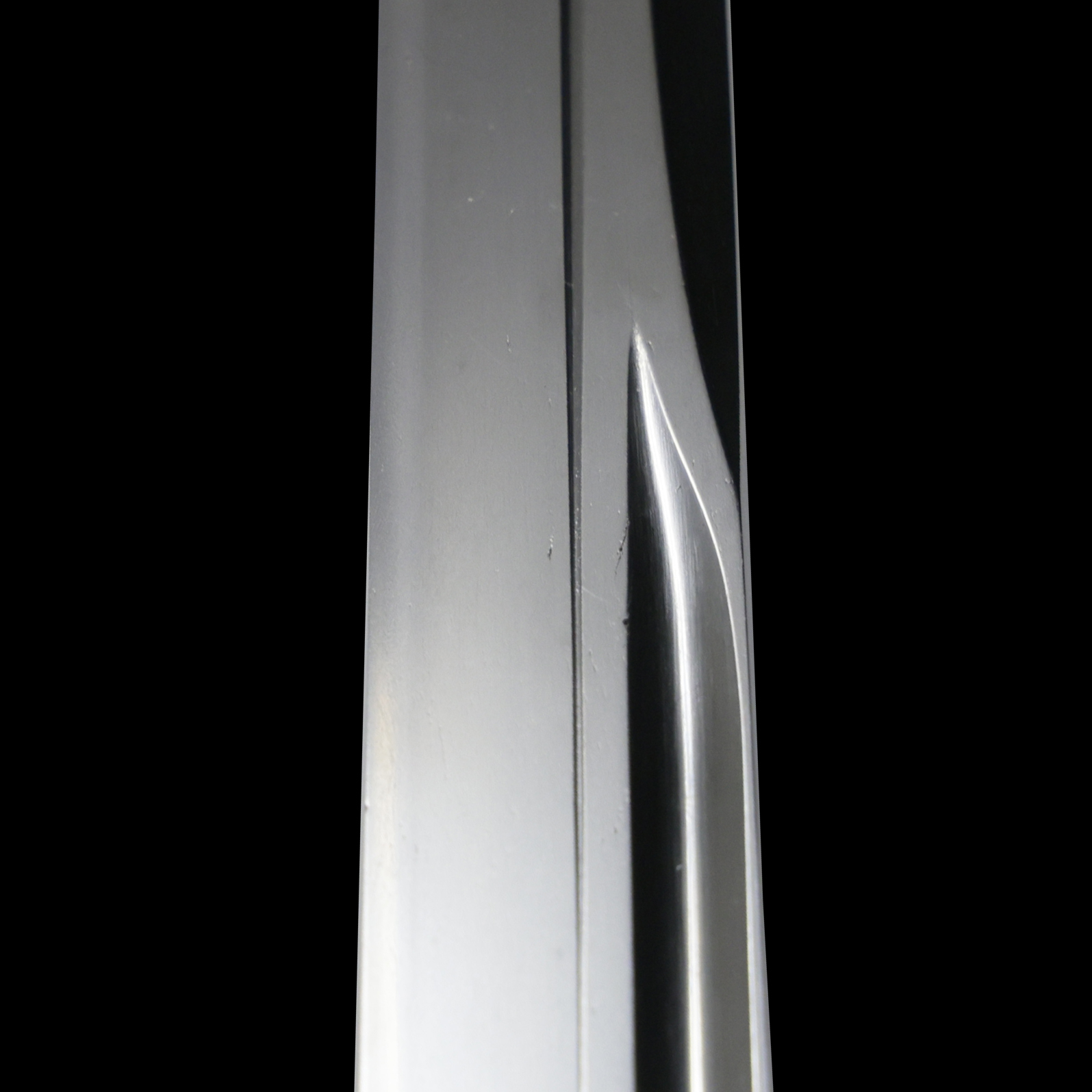
売却済
二王 · Nioh · 永正販売中 3点 · 中央値 ¥1,500,000 →
短刀
刀身だけで刀工を見抜けますか? 本日の鑑定 →
二王 — 1 of 28
二王 — 2 of 28
二王 — 3 of 28
二王 — 4 of 28
二王 — 5 of 28
二王 — 6 of 28
二王 — 7 of 28
二王 — 8 of 28
二王 — 9 of 28
二王 — 10 of 28
二王 — 11 of 28
二王 — 12 of 28
二王 — 13 of 28
二王 — 14 of 28
二王 — 15 of 28
二王 — 16 of 28
二王 — 17 of 28
二王 — 18 of 28
二王 — 19 of 28
二王 — 20 of 28
二王 — 21 of 28
二王 — 22 of 28
二王 — 23 of 28
二王 — 24 of 28
二王 — 25 of 28
二王 — 26 of 28
二王 — 27 of 28
二王 — 28 of 28
1 / 28
1 / 28
二王 — 1 of 28二王 — 2 of 28二王 — 3 of 28二王 — 4 of 28二王 — 5 of 28二王 — 6 of 28二王 — 7 of 28二王 — 8 of 28二王 — 9 of 28二王 — 10 of 28二王 — 11 of 28二王 — 12 of 28二王 — 13 of 28二王 — 14 of 28二王 — 15 of 28二王 — 16 of 28二王 — 17 of 28二王 — 18 of 28二王 — 19 of 28二王 — 20 of 28二王 — 21 of 28二王 — 22 of 28二王 — 23 of 28二王 — 24 of 28二王 — 25 of 28二王 — 26 of 28二王 — 27 of 28二王 — 28 of 28
二王 · Nioh · 永正販売中 3点 · 中央値 ¥1,500,000 →
短刀
刀身だけで刀工を見抜けますか? 本日の鑑定 →
法量・詳細
刀工
二王
種別
短刀
流派
二王
活動期
1504–1521年頃(永正)
国
長門
銘
無銘(在銘率 100%)
法量
長さ 26.6cm
説明

Antique Japanese Sword Tanto Attributed to Nioh with Tokubetsu Hozon Certificate 【Description】 Summary This blade is attributed to Nioh (二王). Although the authentication paper doesn’t mention when it was approximately made, we contacted NBTHK to confirm the detail of the attribution. They believe it was created during the late Kamakura period (about 700 years old) based on the blade’s characteristics. Nioh is the group of swordsmiths (school) that flourished from the mid-Kamakura period to the late Muromachi period (500-750 years ago) and lasted until the Edo period(150—400 years ago). The school was founded by Nioh Taro Kiyotsuna (二王太郎清綱) in Suo Province(today’s Yamaguchi prefecture). According to his remaining work, the oldest blade was forged in 1265. It is currently enshrined in Itsukushima Shrine in Hiroshima. It is said that he started to forge swords in around 1205(early Kamakura period). The Nioh swordsmiths inherited the part of its founder’s name 清(Kiyo) such as 清房(Kiyofusa), 清長(Kiyonaga). There were a lot of lands in Suo Province controlled by the Todaiji temple in the Kamakura-Muromachi period. It is said that Nioh school and Yamato swordsmiths from Nara prefecture had a strong relationship and technological exchange. That is why the blades forged by Nioh swordsmiths had a strong influence from YAMATO-DEN. *Todaiji temple is located in Nara prefecture. Before the Edo period, temples and shrines gained strong political influence. The name Nioh came from the legend that the Tachi blade forged by Kiyotsuna(the founder of Nioh school) was able to save the Nioh statue by cutting the chain connected to it when Nioh temple was on fire. Another theory was that Nioh swordsmiths lived in a village called Nioh no Sho(二保庄) and started to call themselves Nioh swordsmiths. What is Tanto? Japanese swords under the blade length of 30cm (11.6 inches) are generally called TANTO, and sometimes TSUBA(鍔; Hand-Guard) is not attached to the TANTO. It was easy to carry and convenient for close combats. It was initially used as a supplemental weapon for Samurai on horseback, who used a pole weapon or long sword in the Kamaura-Muromachi period. Samurai aimed at an unprotected area of his enemy’s armor with Tanto while having to fight with close distance. TANTO was named accordingly, depending on how you carry it, such as HUTOKORO-GATANA (懐刀; Stomach-Sword) or KOSHI-GATANA(腰刀; Waist-Sword) or elsewise. TANTO was also a gift for a bride from her family in a traditional Japanese wedding, as it is believed that TANTO would be divine protection from evil power. It is appraised as a Tokubetsu Hozon Token (特別保存刀剣) issued by NBTHK (Nihon Bijutsu Touken Hozon Kyokai:日本美術刀剣保存協会). This authentication paper was only given to authentic Japanese swords, especially well preserved and high quality with artistic value. *Please note that there are a couple of Kitae Kizu on the blade. If you like to see the detailed condition, please feel free to contact us. 【Blade】 Cutting Edge Length (Nagasa) : 26.6 cm (10.47 inches) Curvature (Sori) : 0.0 cm (0.0 inches) Hamon : The crystalline structure which forms along the cutting edge of a blade as a result of the hardening process. Jimon (Jihada) : Visible steel surface pattern created by folding and hammering during forging process. Kissaki : Kissaki is the tip of the Japanese sword. The shape of this tip is called Shobu Zukuri (菖蒲造り). Nakago : Nakago is the tang of the Japanese sword. Koshirae : Koshirae is the mounting of the Japanese sword. There are several parts that consist of Koshirae such as Saya (Scabbard), Tsuka (Handle), Tsuba (Handguard). Fuchi-Kashira : A pair of matching sword fittings that cover the upper and bottom parts of its sword hilt. The theme of this Fuchi-Kashira is a dragon (龍, Ryu). Initially, the dragon is an imaginary creature found in ancient Chinese traditions or myths. Furthermore, it is regarded as a symbolic beast of auspicious signs. Its body is likened to nine animals: antlers are

作者について

二王

脇物 · 周防 · 1504-1521頃

現在3点販売中

›

歴史的重要度

二王の位置づけを、日本刀全体および伝統・時代・時期ごとに示します。各位(随一・屈指・有数・著名)は、NBTHK および文化庁による指定に加え、三作や名物帳などの歴史的栄誉を加味したものです。

随一
随一
屈指
屈指
有数
有数
著名
著名

各項目を選ぶと評価方法が表示されます。

指定の実績
指定1口
重要刀剣
1
二王の作 3点が現在販売中→
二王 — 詳細脇物派

この作者について学ぶ →

流派について

二王

脇物 · 周防

現在13点販売中

›

周防国二王派は、山陽道の西端、大和より海路と陸路で結ばれたこの国に興った古刀の一派である。保延頃の清真または清平を祖と伝えるが、いずれにも確かな遺作を見ず、今日では鎌倉時代の清綱を事実上の祖と仰ぐ。同派の在銘作として最も古いのは「文永二年三月 清綱」[[c:1]]と書き下しの銘をもつ太刀で、厳島神社に伝わり、初代を鑑する基準作とされる。次いで建武二年紀の「防州玖珂庄清綱」銘の短刀が知られ、清綱の名が鎌倉末より南北朝、室町を経て新刀期に至るまで代を重ねて続いたことを示す。二王の呼称は同国仁保庄に居住したことに由来するとの説が有力である。周防には東大寺をはじめとする寺領が多く存し、二王派の作風に大和色が濃いのは、この大和本国との交流に負うものと考えられている。 構成員がそろって記すのは、柾がかって肌立つ地と、湿りをふくんだ直刃調の刃である。鍛えは板目に杢や流れ肌を交え、処々強く流れて柾がかり、細かに肌立ち、地沸がつき、地景の入るものもある。刃文は細直刃を基調とし、小互の目、小乱れ、小のたれを交え、小足・葉が入り、刃縁にほつれ・打のけ・喰違刃を見せ、小沸つき、金筋・砂流しがかかる。そして地鉄には冴えた映りではなく白け映りが立ち、これと対をなして匂口がうるむ。この白け映りとうるみの取り合わせこそ、構成員が立ち返って同派の個性と名指すところである。帽子は直ぐに小丸へ返るものが多い。鎌倉末期の古二王、すなわち清綱の手は、太刀が細身で鎬高く腰反り高い姿を示し、短刀は平造でわずかに内反りつく。これに対し応永頃の清永ら後代の末二王は、小板目のよく約んだ地に流れ柾を交え、身幅広く反りの浅い平造短刀を多く遺し、櫃内に鶴亀や二王の彫を施す作も見せて、古二王の静けさからやや作域を広げる。 鑑定の勘所は、拠り所を同じくする大和や青江、山城来の直刃とどう分かつかにある。流れて柾がかる鍛えは大和の血脈を望ませ、細直刃の素地は来を望ませるが、来や手掻に見る冴えた匂口は、ここではより湿った沈みごころの態に替わる。白け映りとうるみの一方ではなく、その二つが地と刃に並び立つことが、同派を他と分かつ見どころである。在銘の太刀・短刀は棟寄りに細鏨の二字銘を切り、原鑢の鷹の羽を残すものがあり、これを古い手の清綱の典型として初代に充てる。無銘大磨上の刀は、流れて柾がかり肌立った鍛え、白け映り、うるみ刃文という同じ拠り所を裏から読んで極められる。主要工としては事実上の祖たる清綱が同派を測る代であり、末二王の清永がこれに次いで一派の継続を支える。遺例は確実なものこそ多くないが、最古手の在銘太刀をはじめ在銘・無銘の数口が基準作に列なり、地刃に緩みなく同派の特色をよくあらわす。来歴の遺るところには格があり、ある太刀は徳川宗家の手を経て後に美術館へ納まり、在銘の一口は大阪の旧蔵を経て伝来し、年紀の基準作は厳島神社に伝存する。鷹の羽の鑢目と古い二字銘を残した在銘の清綱は、西国の鎌倉作を集める者が出会い得る最も稀なもののひとつで、現れたときには一里塚となる。 詳しく見る →

14名の刀工指定73口
主要刀工
刀工時代指定
清綱1293-129910
清永1394-14281
清長1352-13562
清貞1441-14443
傅三郎1681-16841
二王流派を見る →

歴史的背景

室町時代

›

応仁の乱が足利の体制を砕いた後、戦国の一世紀はほとんどすべての国を武装させた。この時代は選ぶ目に報いる。並の作は多いが、その傍らには第一級の注文打ちが立っている。

室町時代 →

NBTHK鑑定書
特別保存刀剣Tokubetsu Hozon Tōken
›

保存刀剣のうち、出来が一層優れ、保存状態も良好と認められたものです。再刃や、室町・江戸期の多くの無銘作は対象外となり、保存刀剣より高い基準が課されます。

NBTHKについて›

日本美術刀剣保存協会(NBTHK)は、1948年に設立され、文化庁の監督を受ける公益財団法人で、東京・刀剣博物館に本部を置きます。専門の審査員が出品作を直接審査し、美術的・歴史的価値に応じた鑑定書を発行します。NBTHKの鑑定書は、日本刀および刀装具の真正性を示す最も広く認知された基準です。

NBTHK公式サイト→
販売店
サ
サムライミュージアム
🇯🇵日本から発送
›
✓認証販売店samuraimuseum.jp
✓海外発送可✓英語対応PayPalクレジットカード
返品ポリシー

Returns/exchanges limited to defects caused by shipping (except willful misconduct or gross negligence by the company); customers must contact within 72 hours of receiving the product.
サムライミュージアムの出品一覧を見る→販売店サイトでこの商品を見る→

二王の他の作

すべて見る →
刀心
保存
Katana - Hozon - 作 二王 - 無銘(新刀二王)- 2-1739Katana - Hozon - 作 二王 - 無銘(新刀二王)- 2-1739

刀

作二王
69.5cm·新刀
¥495,000
サムライミュージアム
特別貴重
Katana - Tokubetsu Kichō - 作 二王 - 日本刀 刀 無銘(二王)特別貴重刀剣認定書附Katana - Tokubetsu Kichō - 作 二王 - 日本刀 刀 無銘(二王)特別貴重刀剣認定書附

刀

作二王
74.8cm·永正
¥1,500,000
刀心
特別保存
Katana - Tokuho - 作 二王 - 無銘(二王/小笠原長旨) 2-553Katana - Tokuho - 作 二王 - 無銘(二王/小笠原長旨) 2-553

刀

作二王
63cm·江戸
¥1,760,000

二王の売約済み

すべて見る →
サムライミュージアム
保存
Katana - Hozon - 作 二王 - 日本刀 刀 無銘(二王)日本美術刀剣保存協会 保存刀剣鑑定書付Katana - Hozon - 作 二王 - 日本刀 刀 無銘(二王)日本美術刀剣保存協会 保存刀剣鑑定書付
売切れ

刀

作二王
68.6cm·永正
売却済
Bushido Antique Japanese Swords
特別保存
Katana - Tokuho - 作 二王 - 二王 刀Katana - Tokuho - 作 二王 - 二王 刀
売切れ

刀

作二王
62.2cm·鎌倉
売却済

Nioh派の作

すべて見る →
宝刀堂
特別保存
Katana - Tokuho - 作 二王派 - 無銘 伝二王 刀Katana - Tokuho - 作 二王派 - 無銘 伝二王 刀

刀

作二王派
70.5cm·鎌倉
¥1,300,000

刀剣

  • 刀
  • 脇差
  • 短刀
  • 太刀
  • 薙刀
  • 槍
  • 日本刀の販売
  • サムライソード

刀装具

  • 鍔
  • 縁頭
  • 小柄
  • 目貫
  • 鍔(ソードガード)

甲冑武具

  • 兜
  • 甲冑
  • 甲冑・武具一覧

鑑定別

  • 特重
  • 重要
  • 特別保存
  • 保存

リソース

  • 刀剣商一覧
  • 刀工一覧
  • 誌上鑑定
  • すべて見る
Nihontowatch© 2026
利用規約プライバシーCookie運営者情報
売切れ
NihontoWatch MonNihontoWatch
マーケット
事典
鑑定
NihontoWatch MonNihontoWatch
マーケット
事典
鑑定