NihontoWatch Mon

NihontoWatchBETA

マーケットオークション
事典
NihontoWatch Mon

NihontoWatchBETA

マーケットオークション
事典

説明

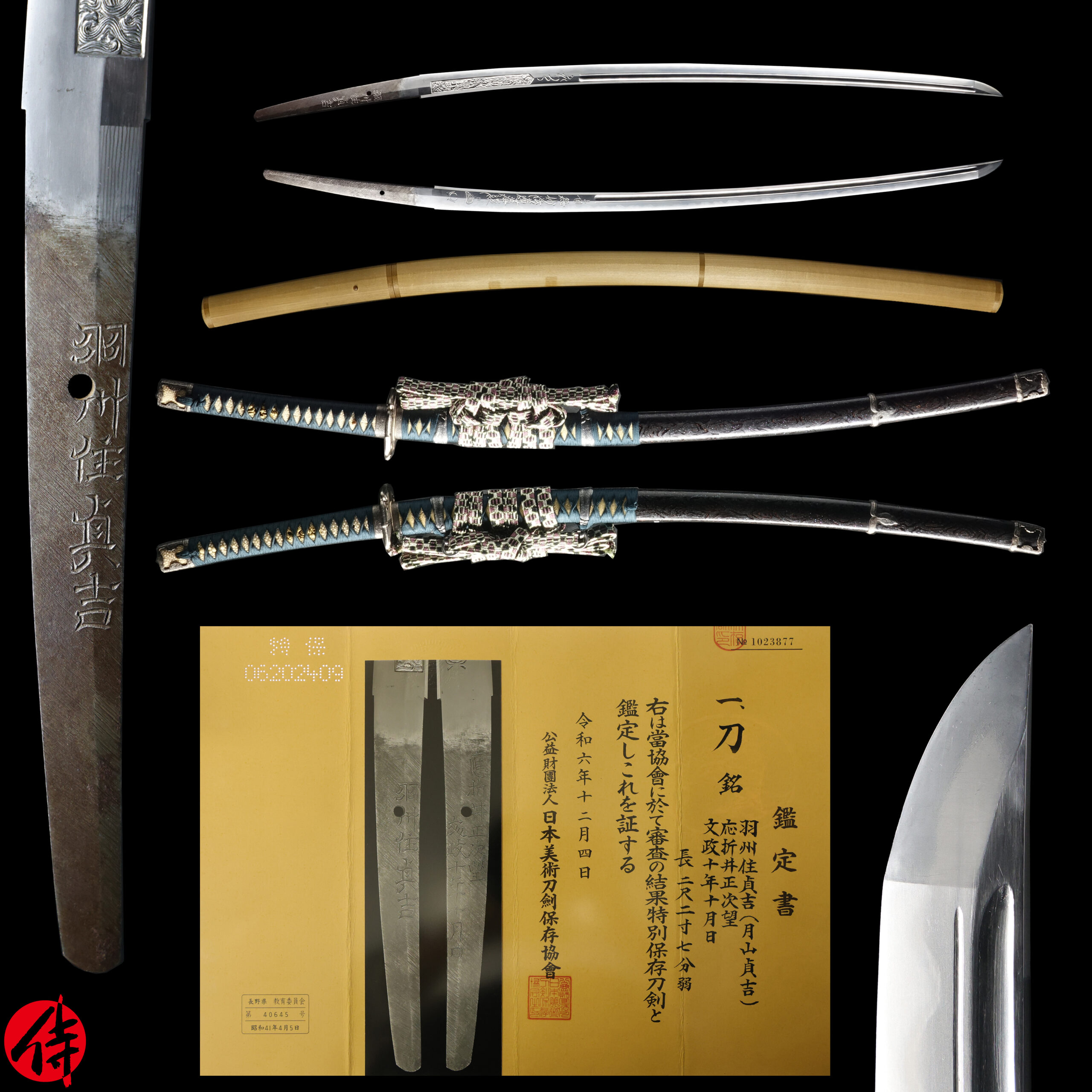
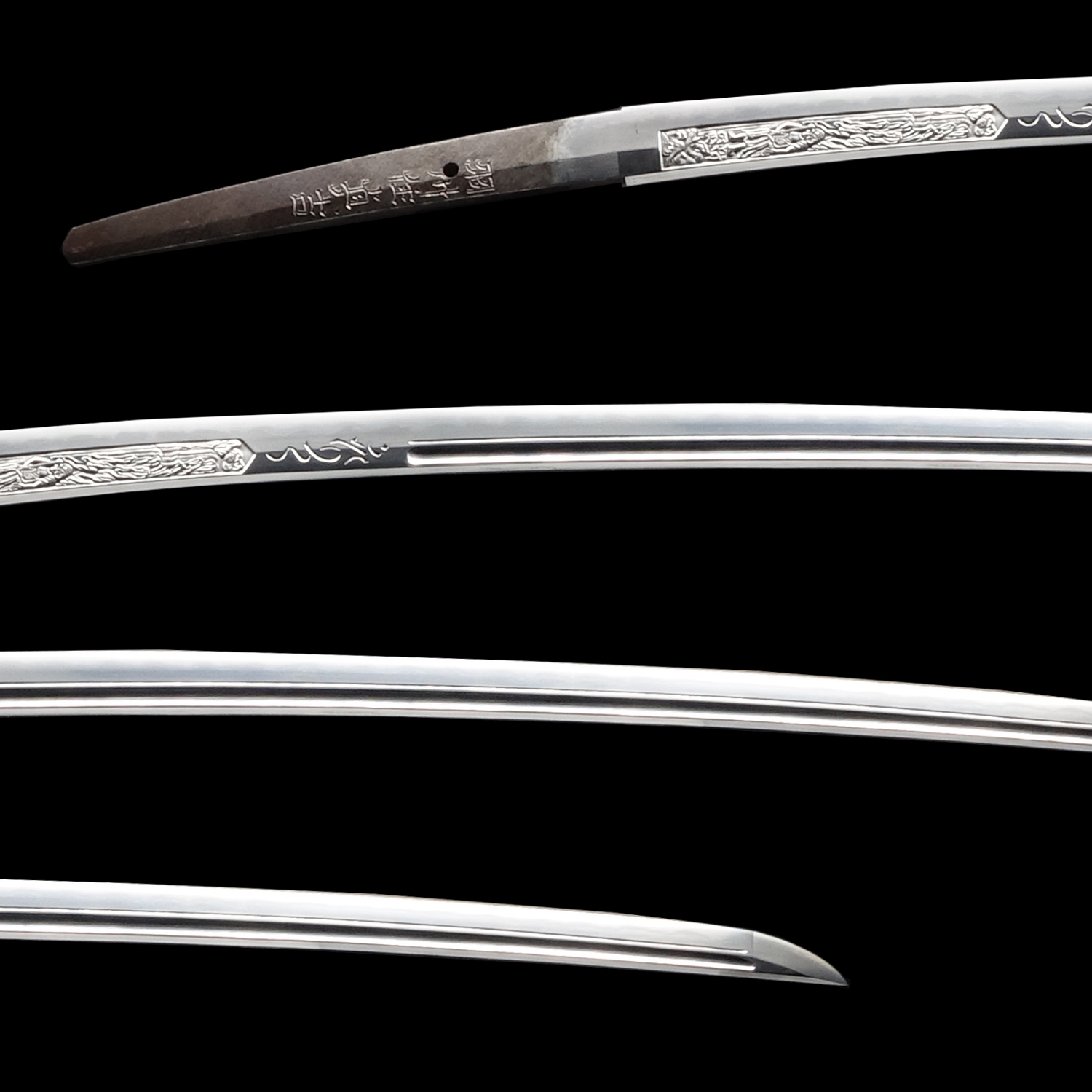
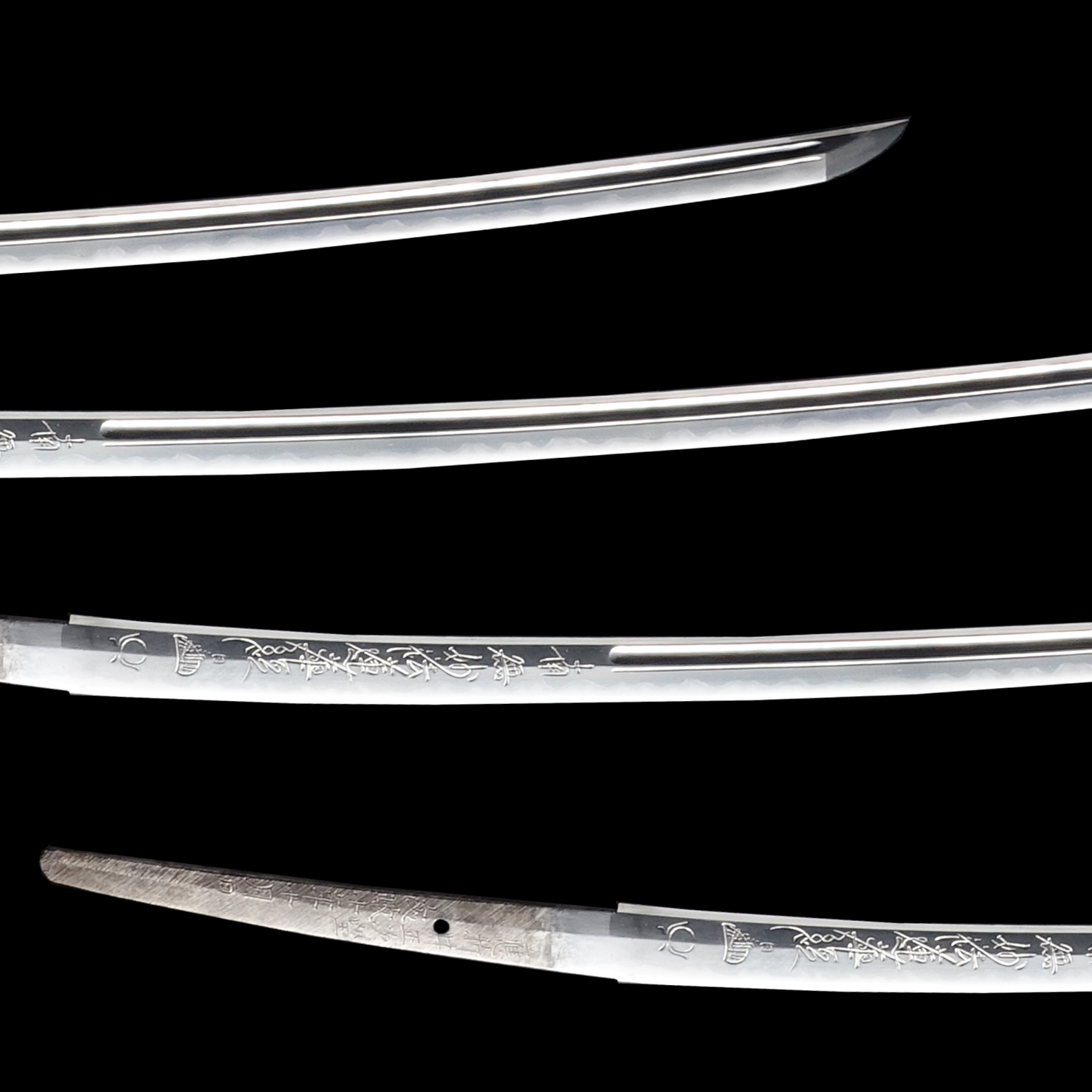
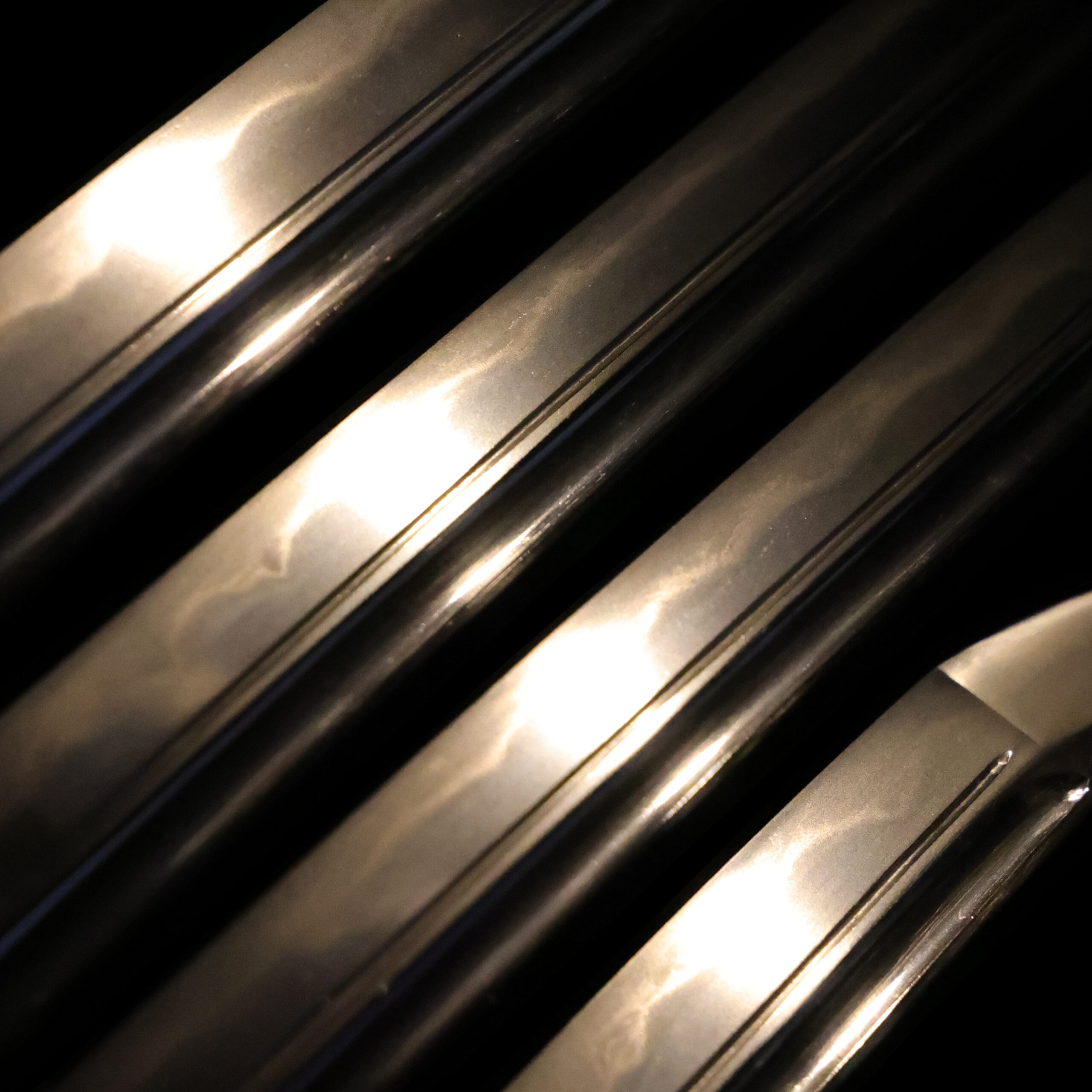
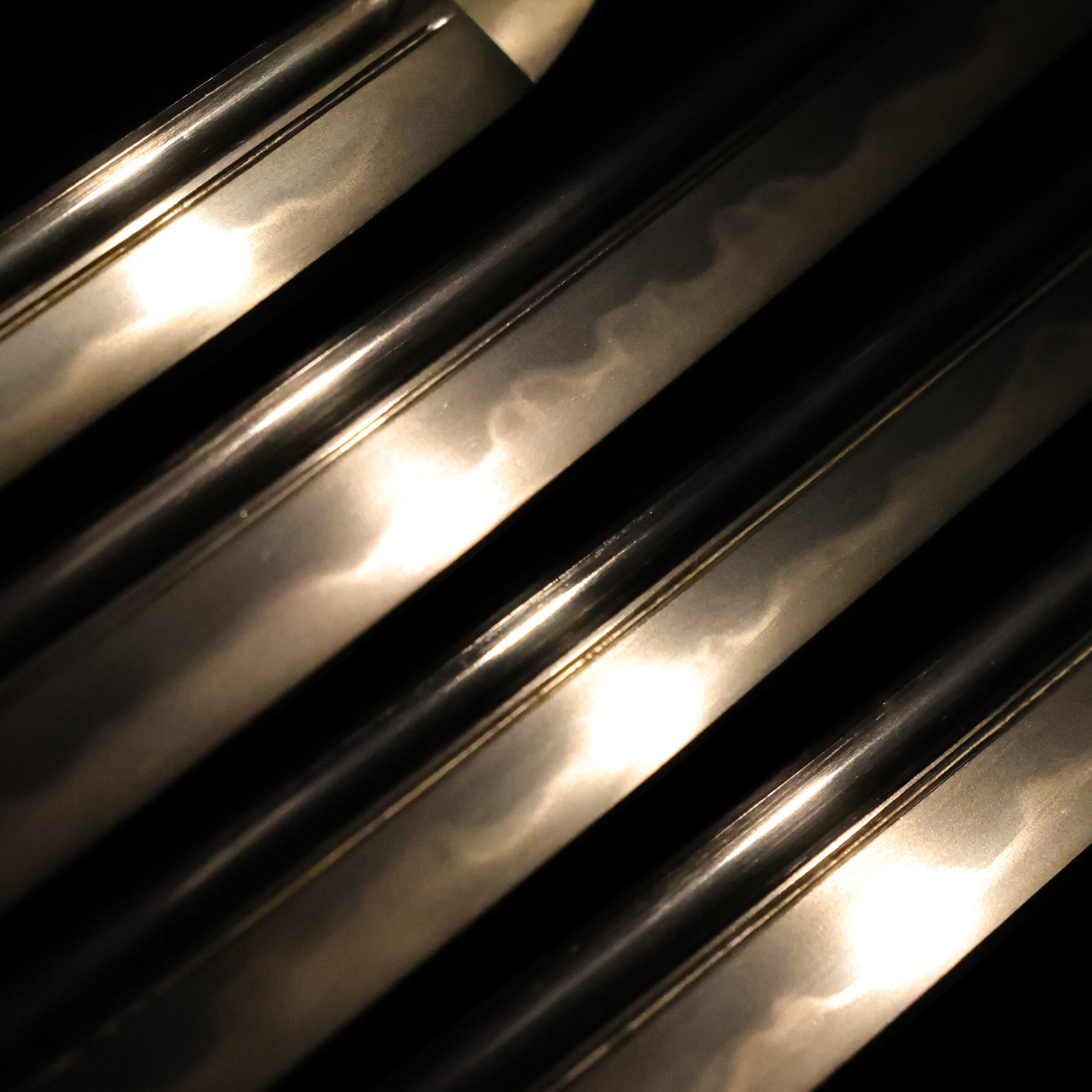
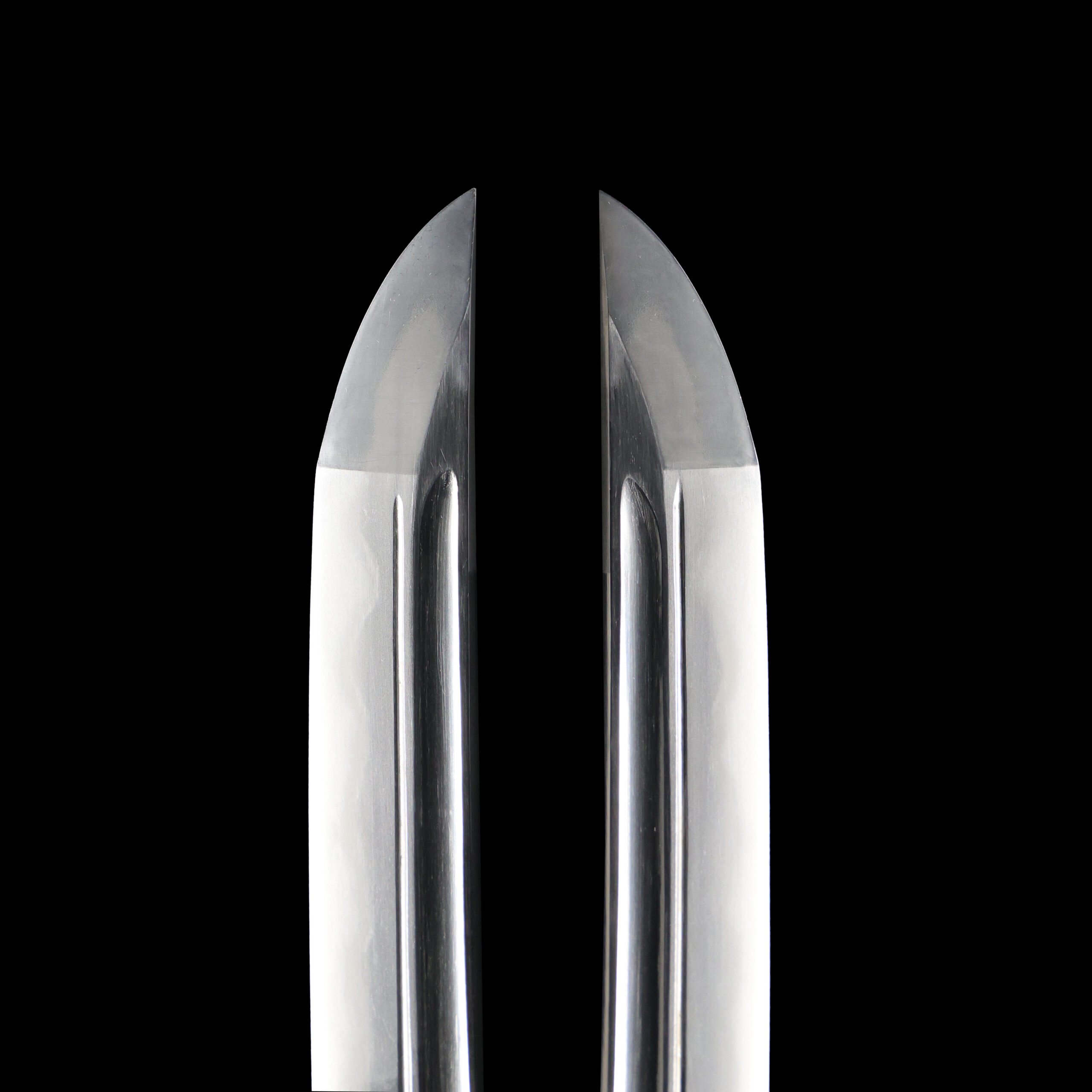
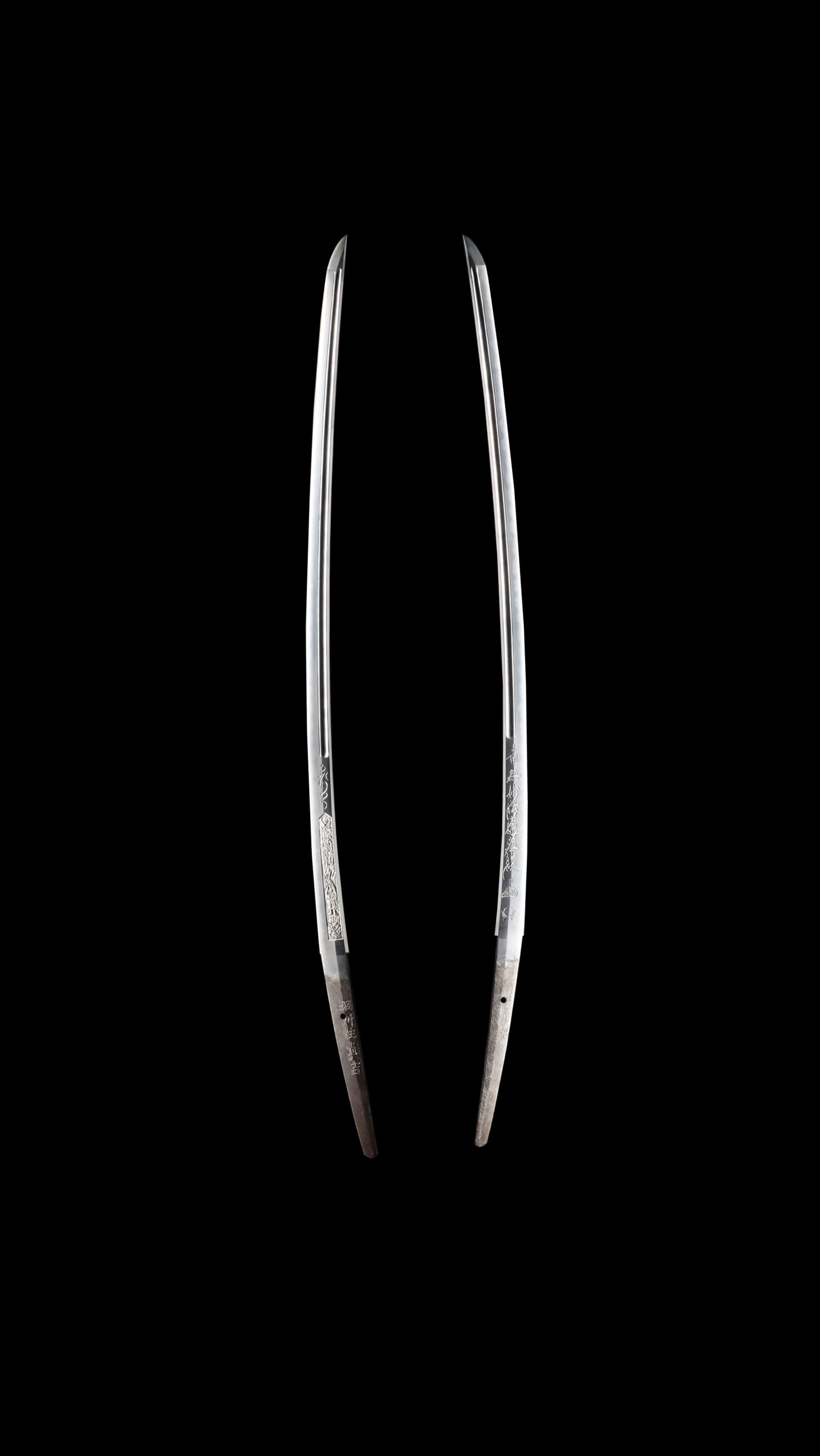
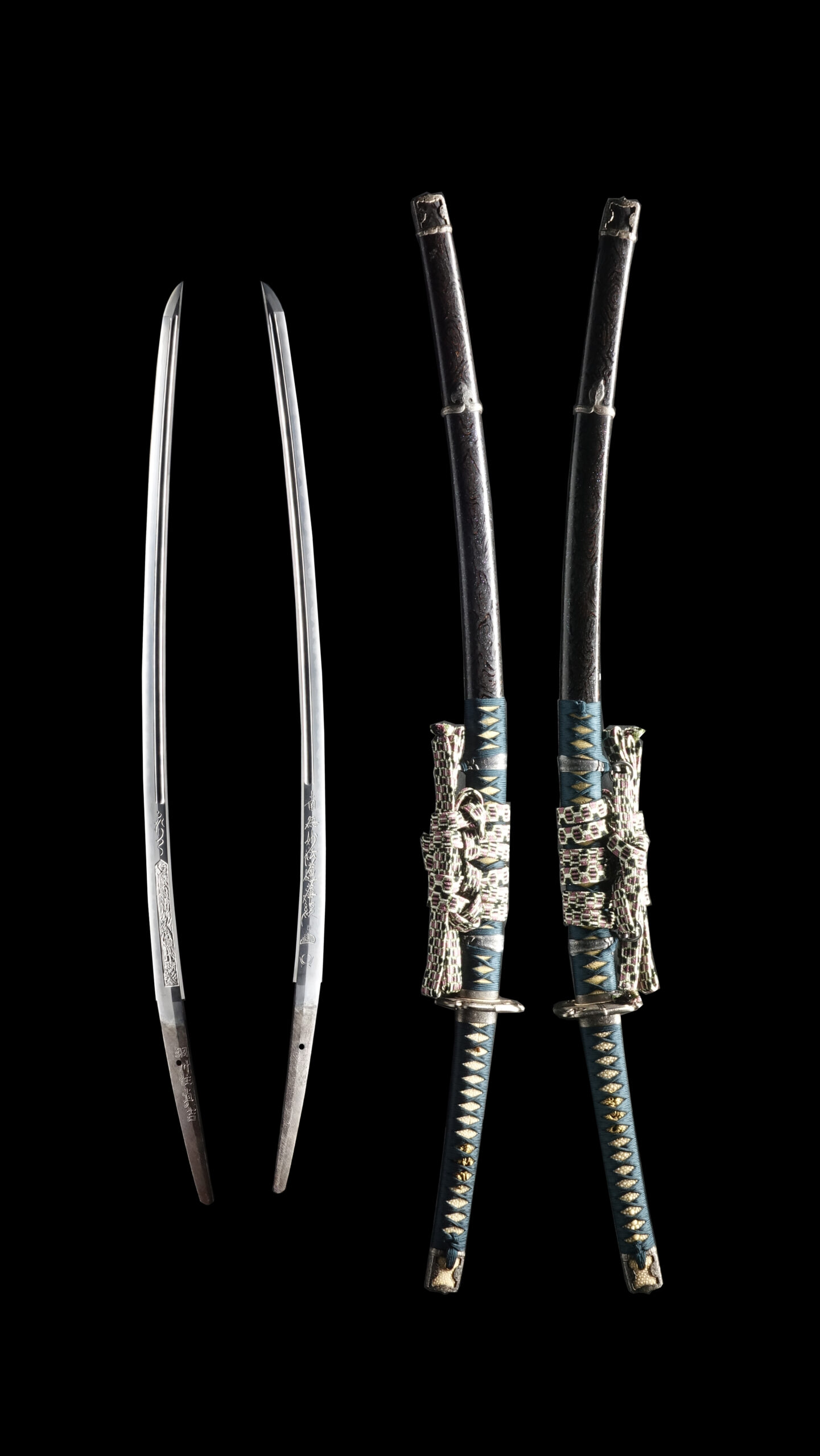
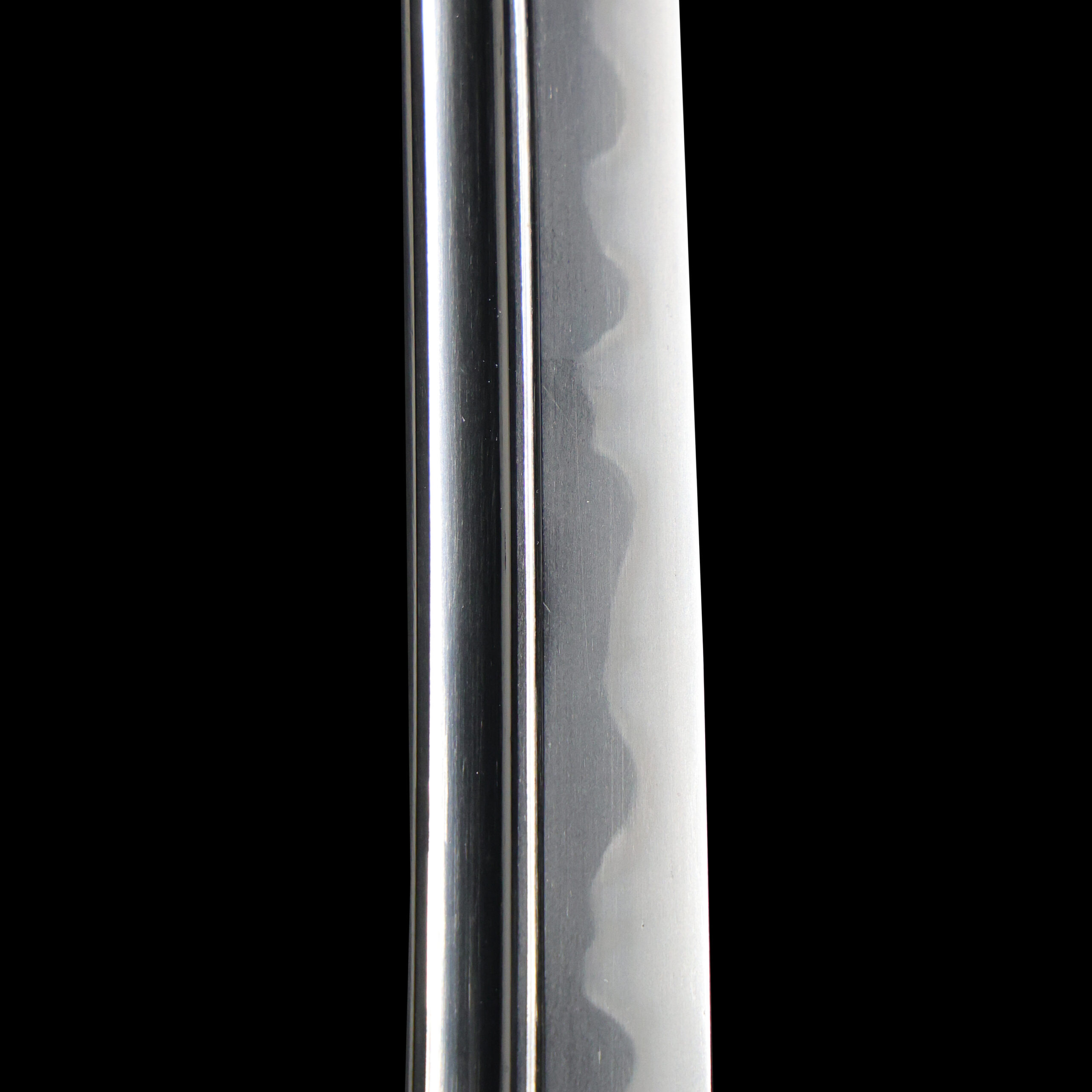
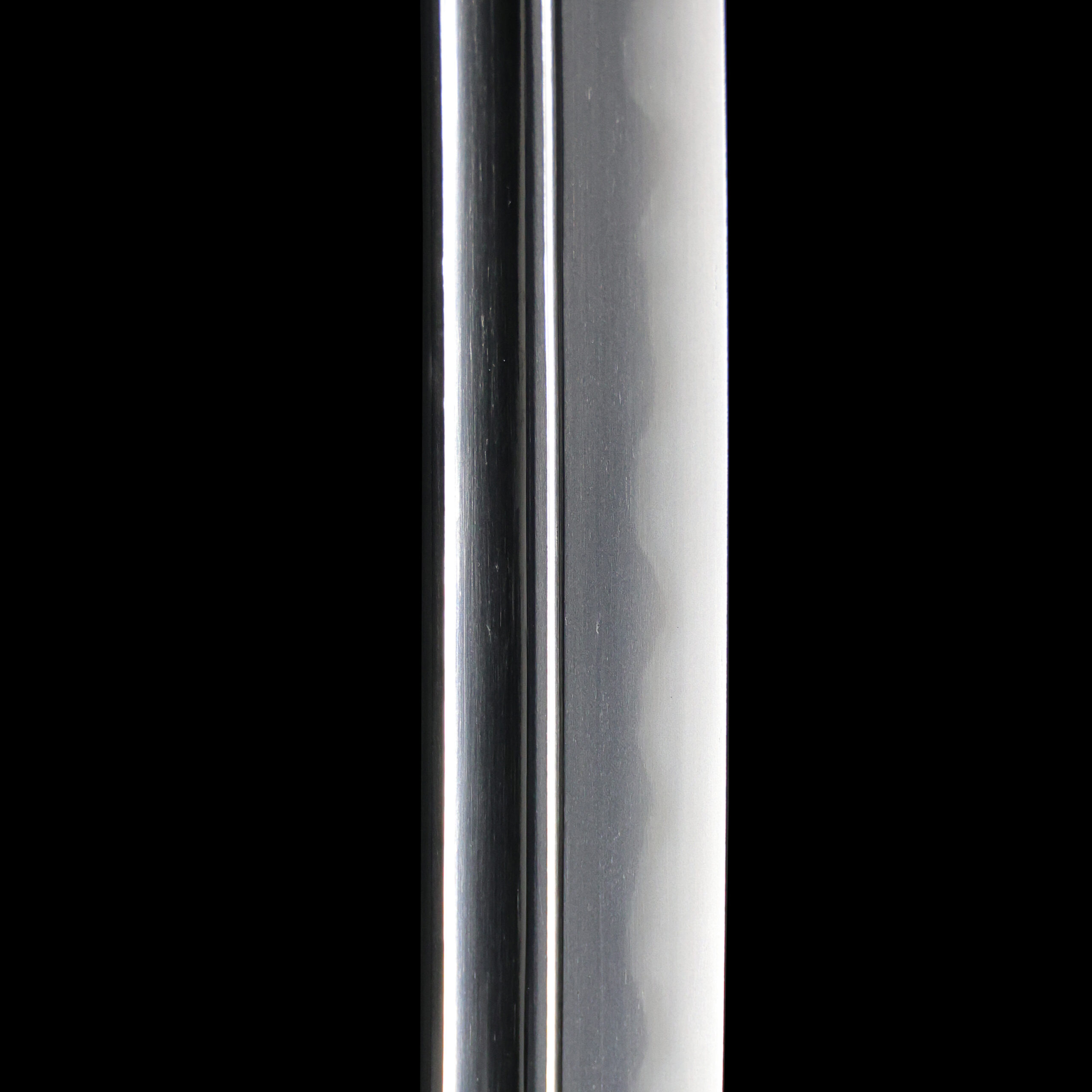
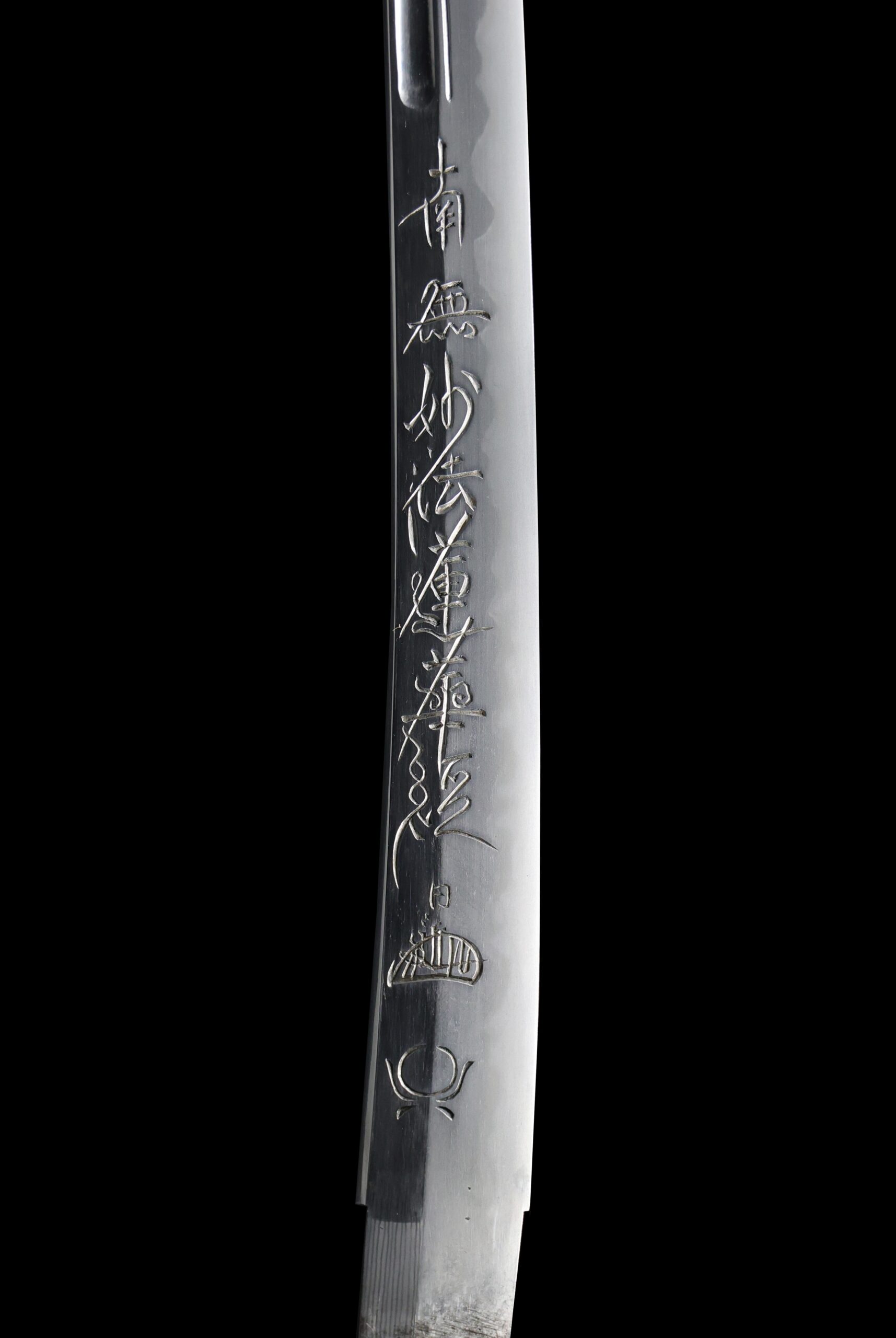
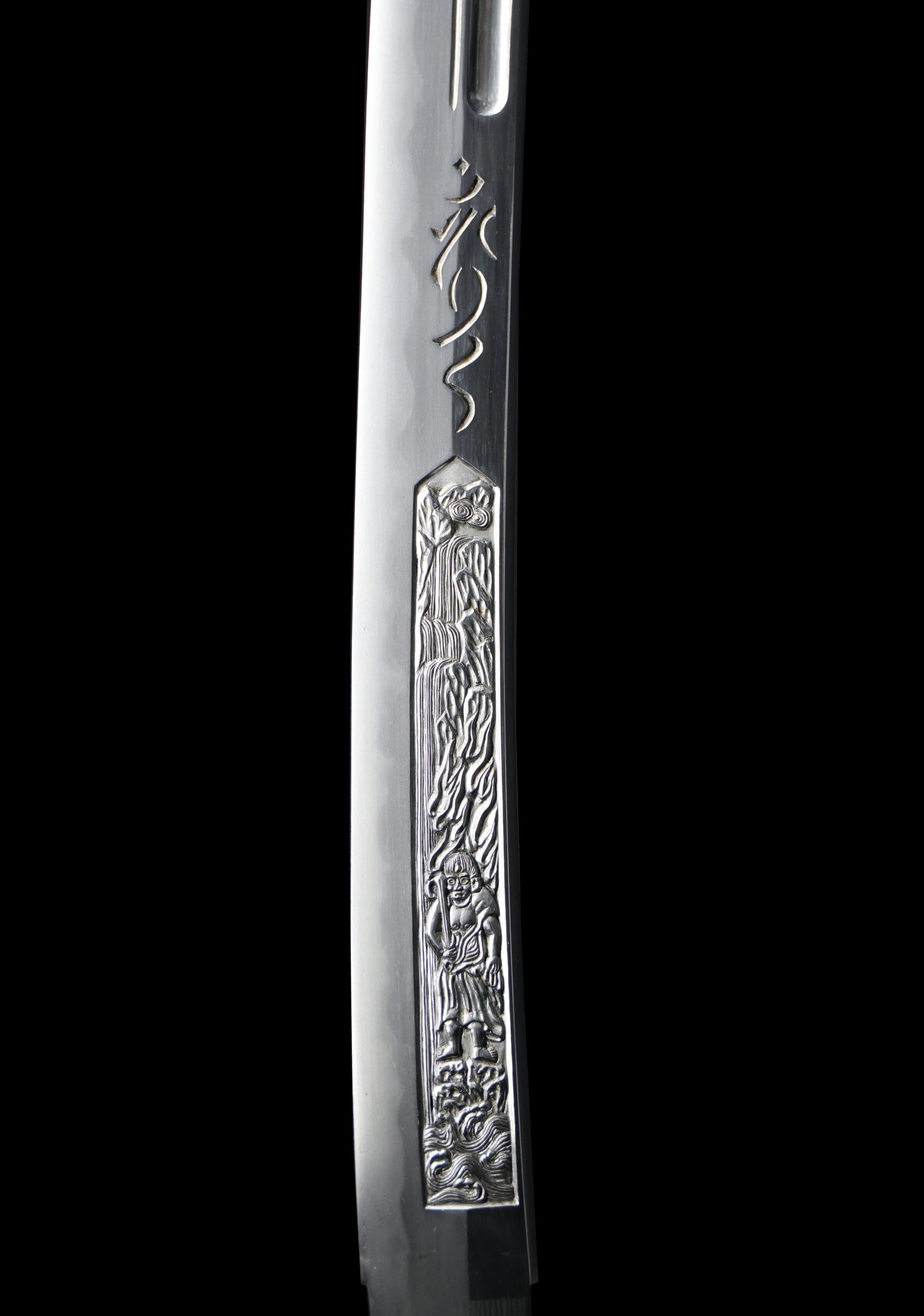
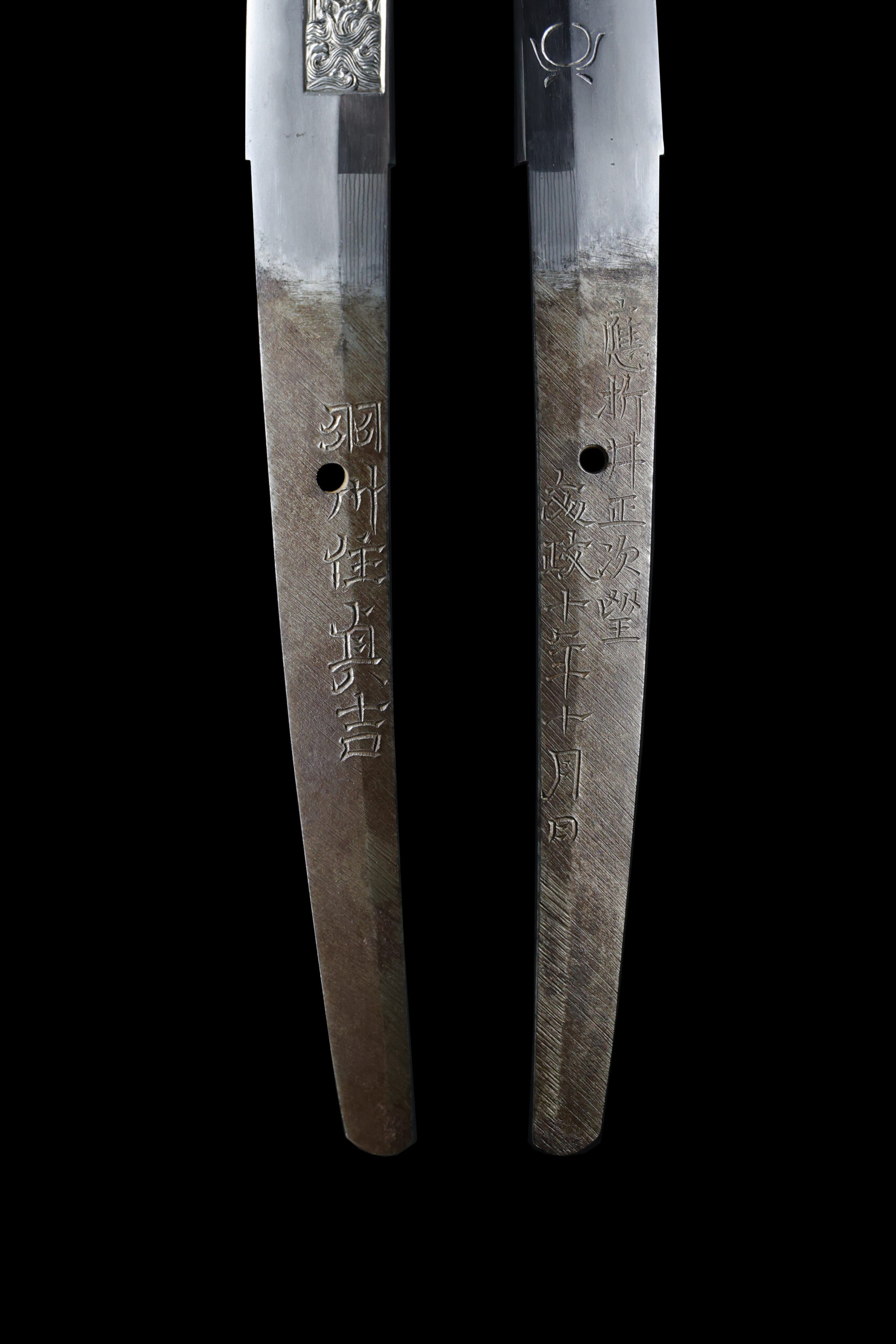
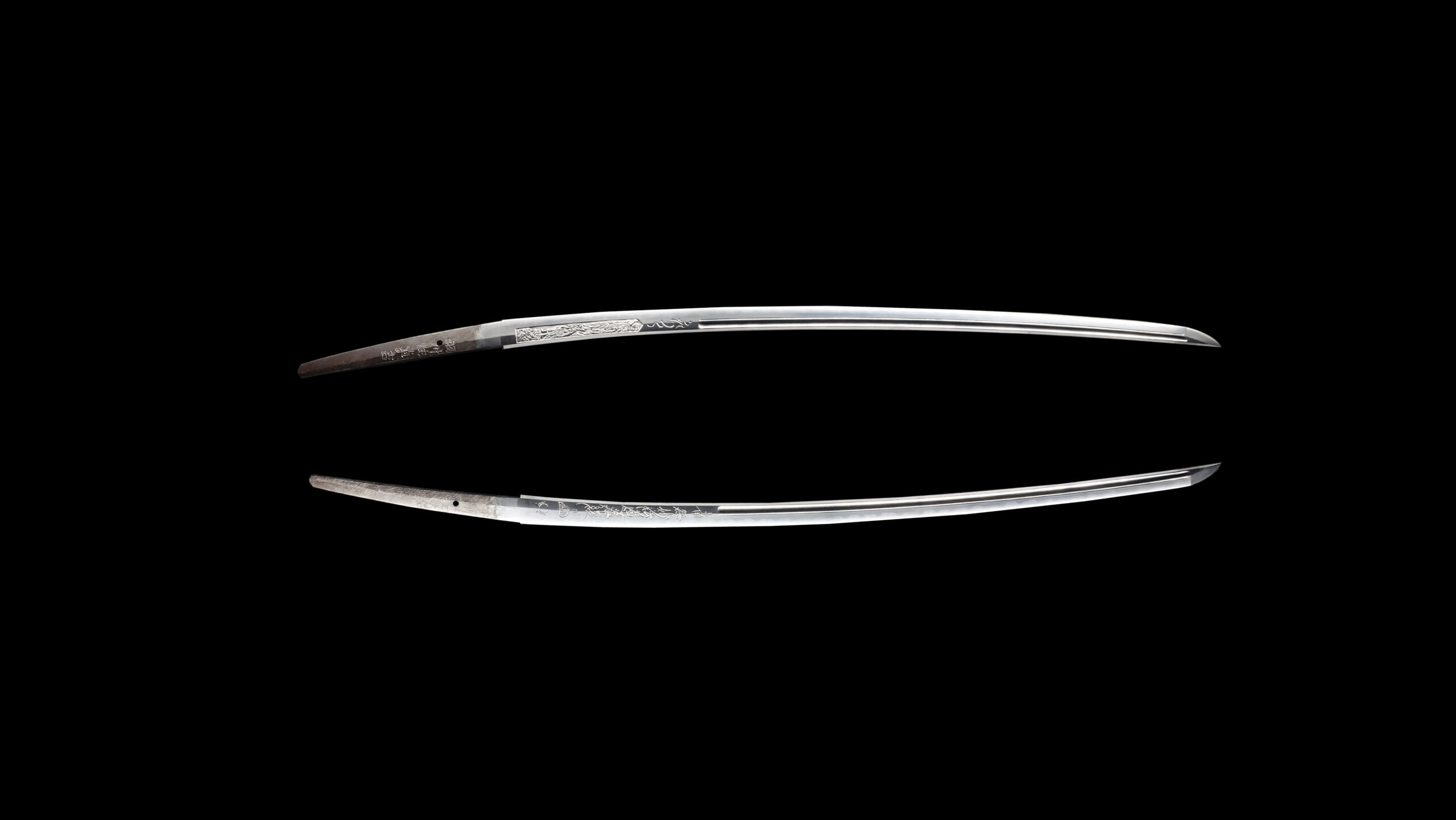
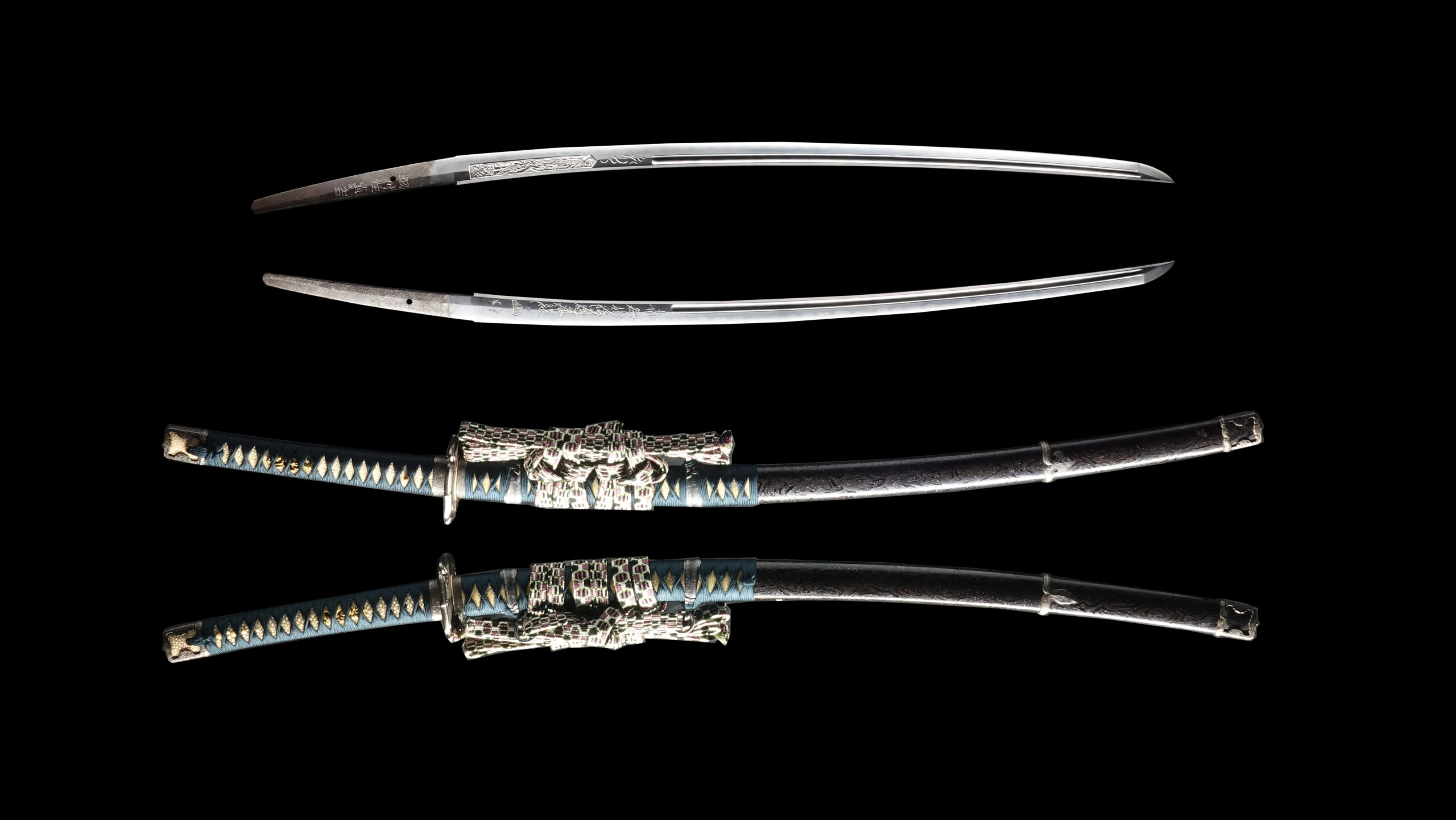
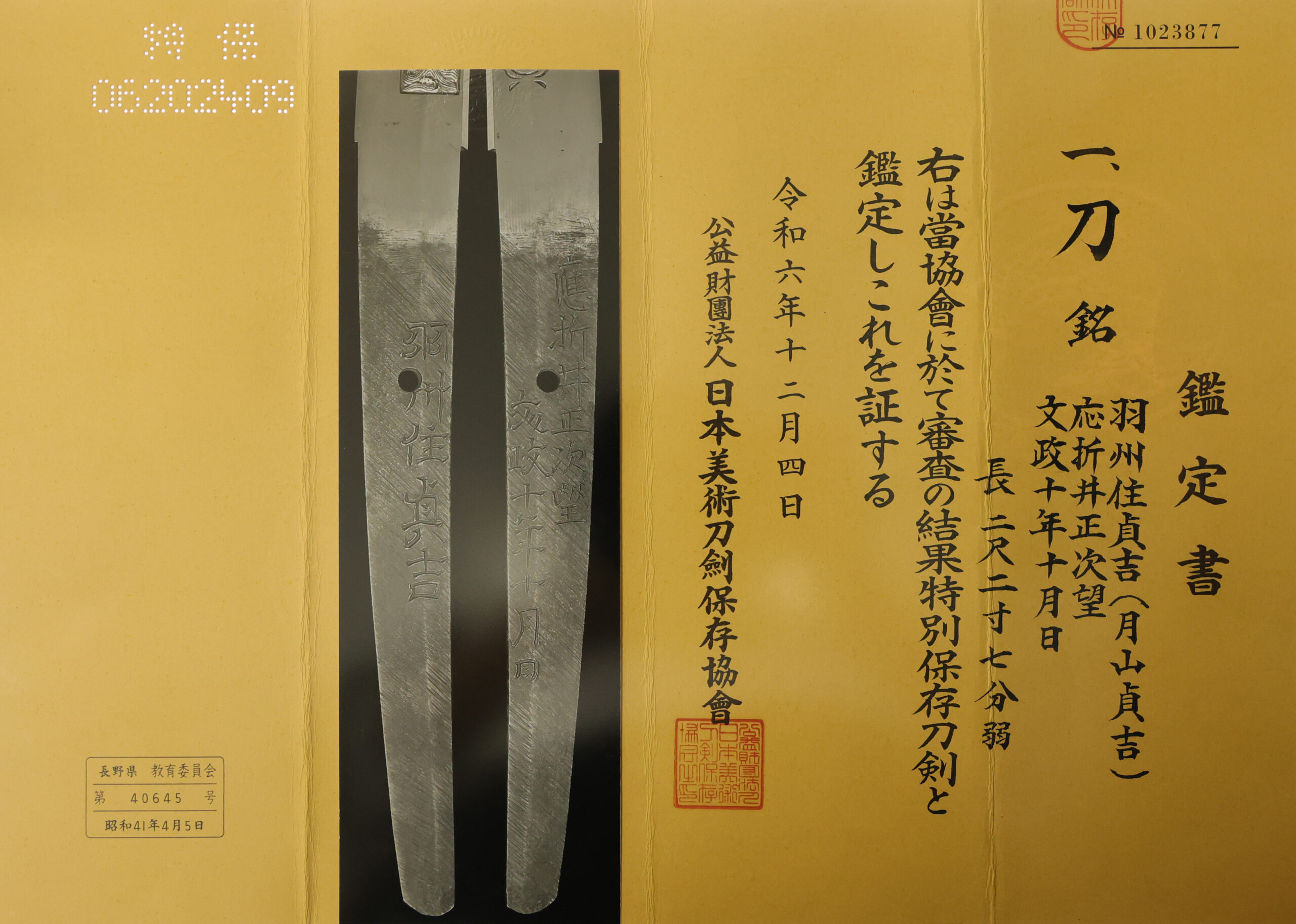
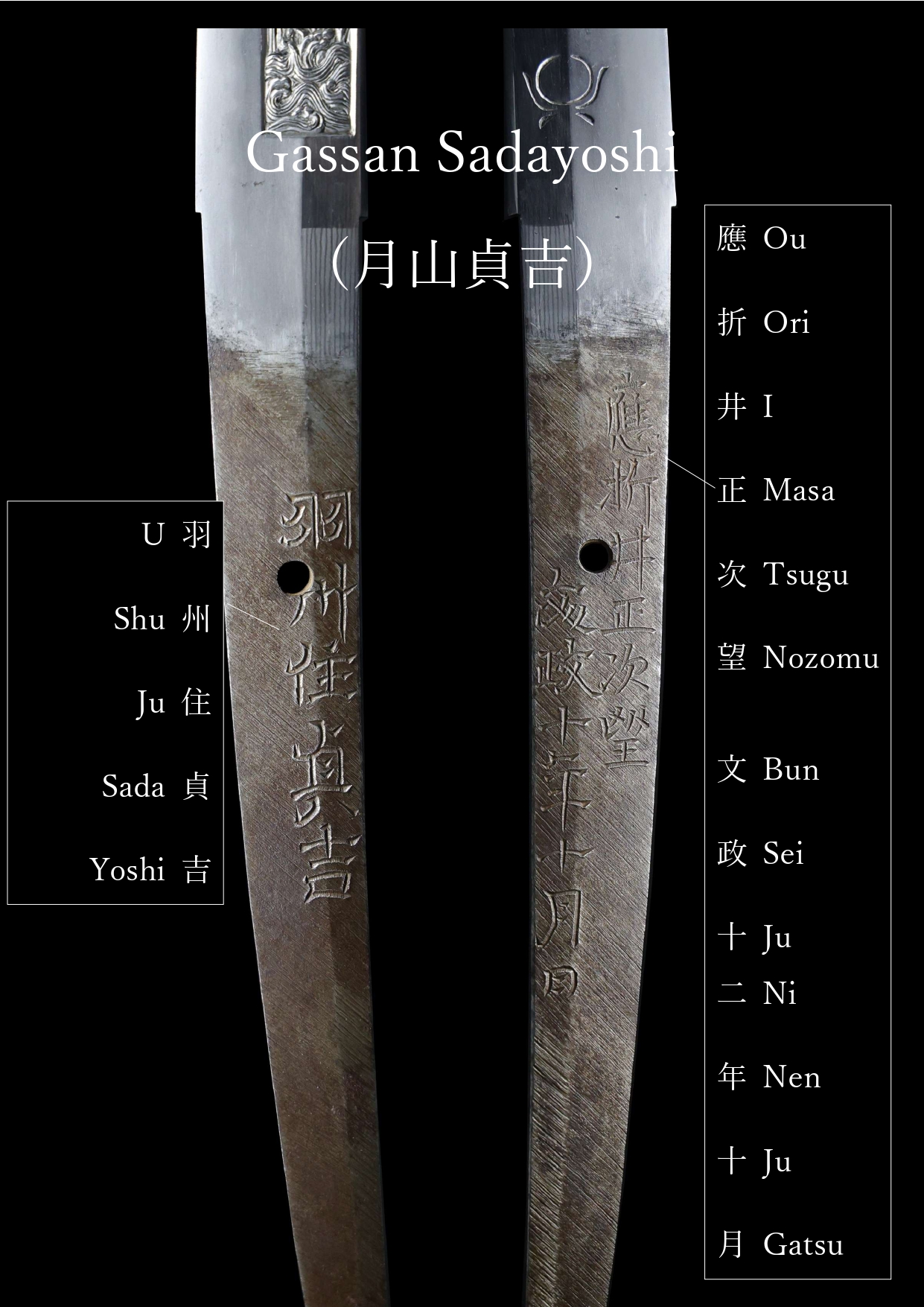
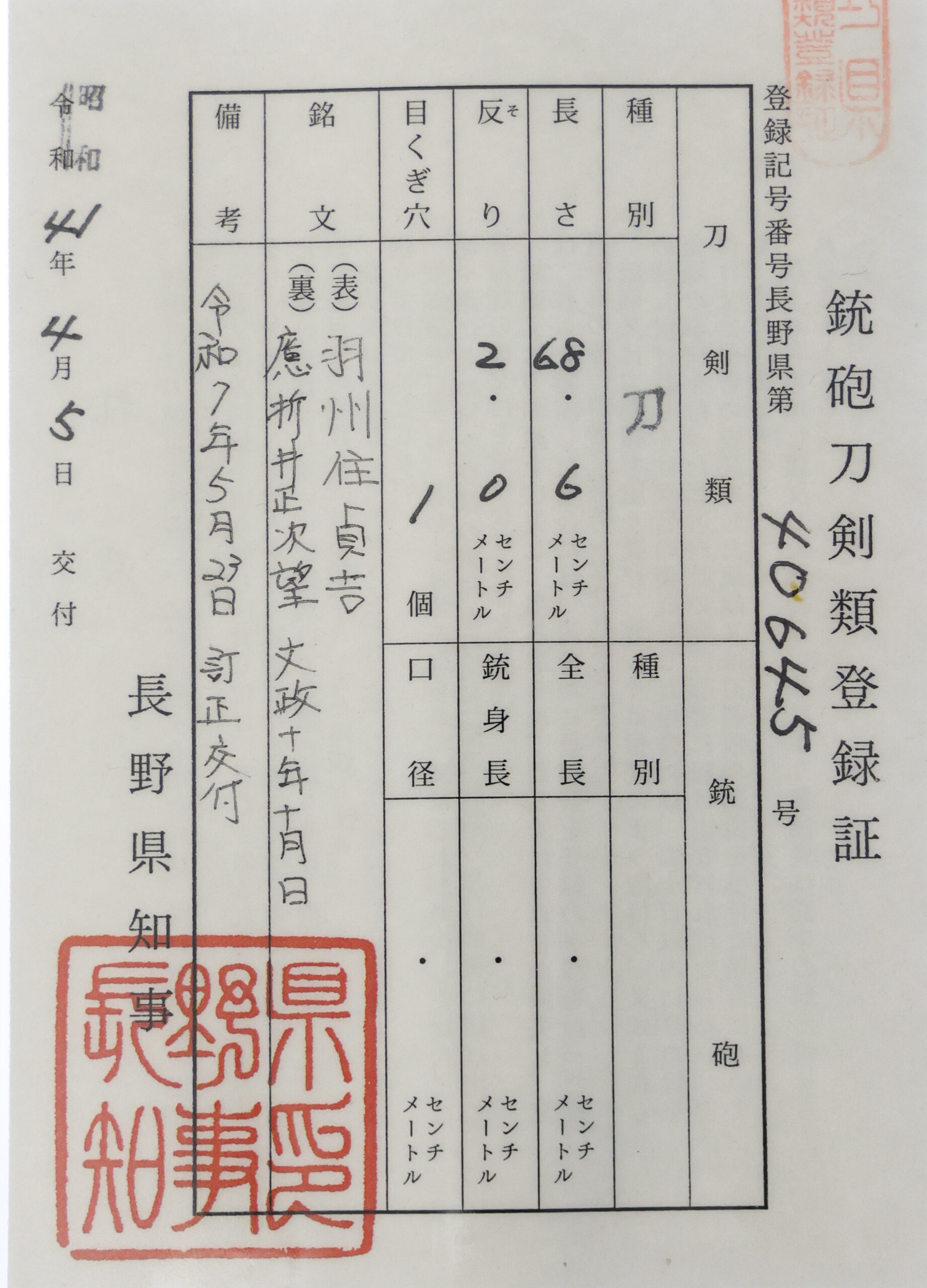
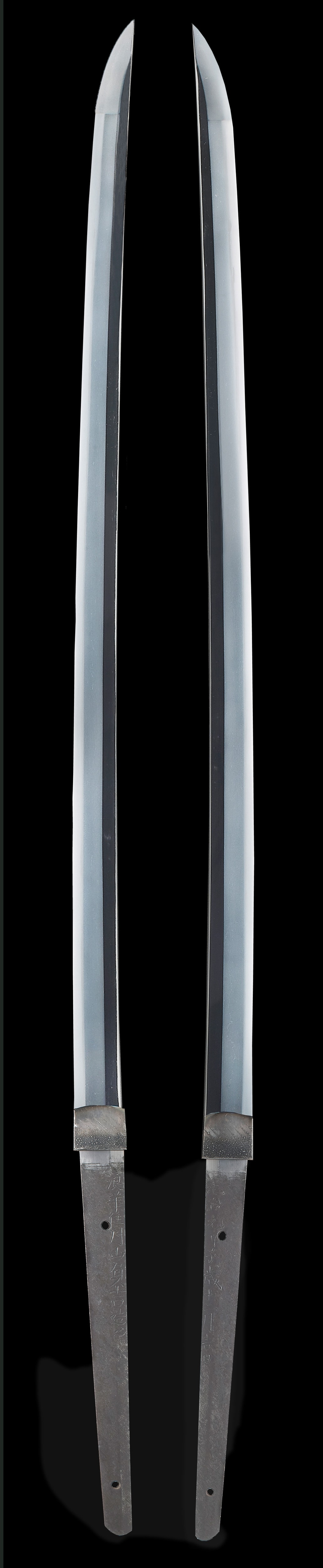
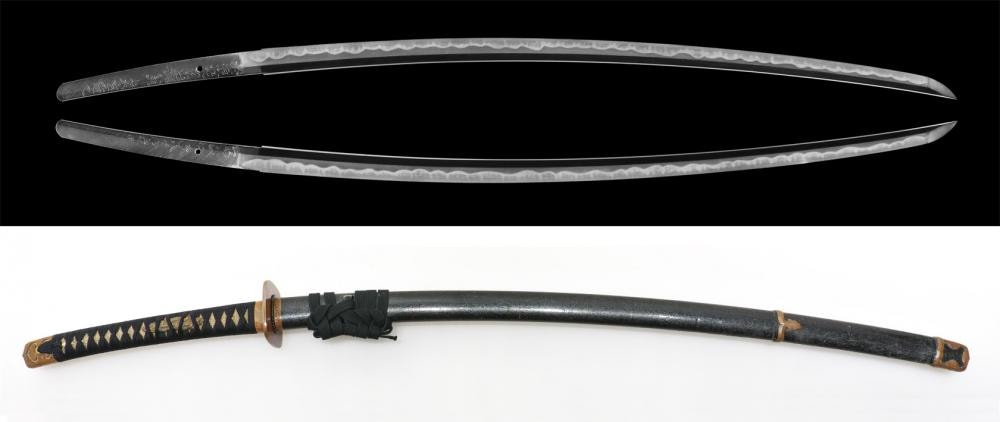
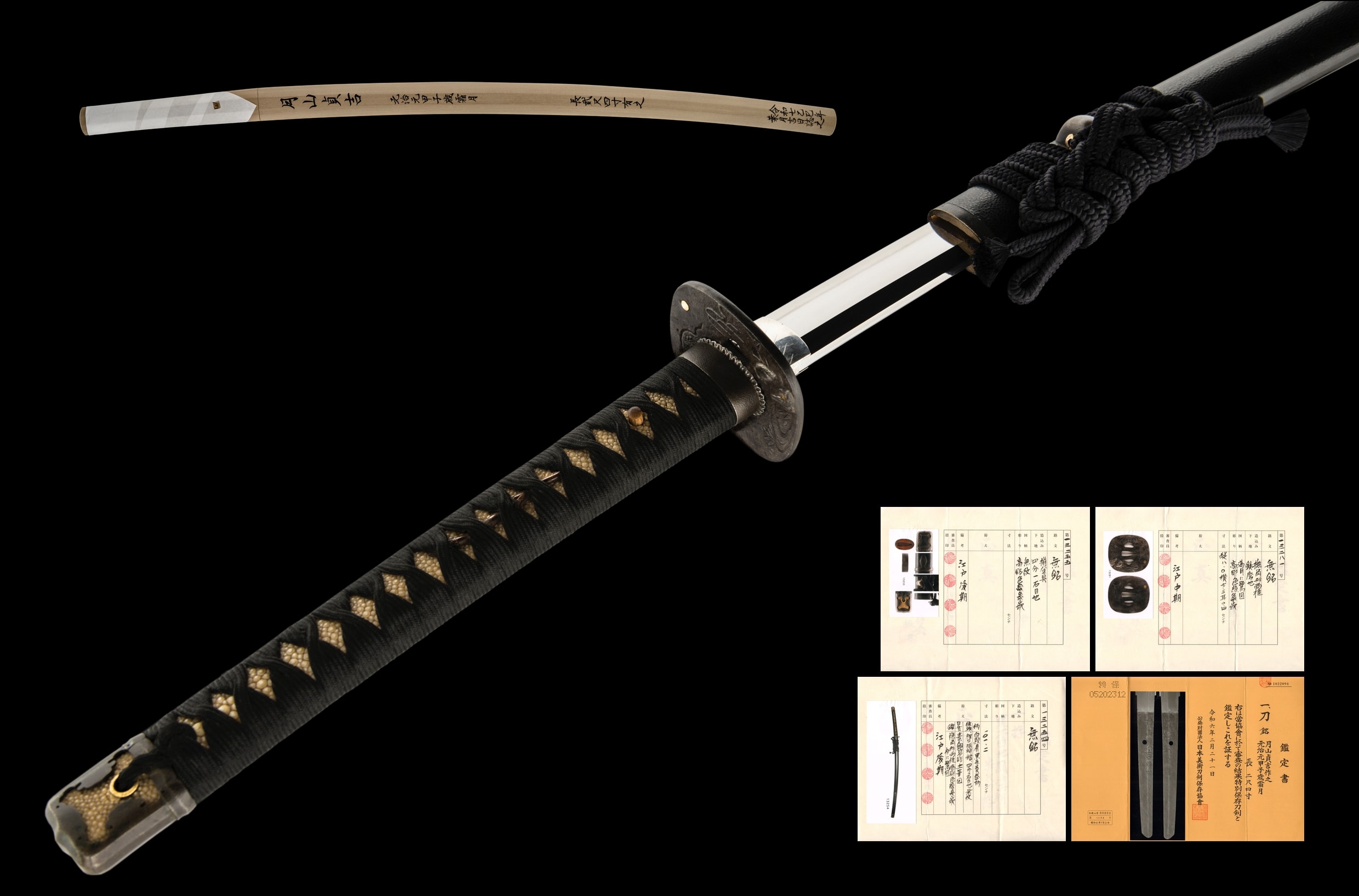
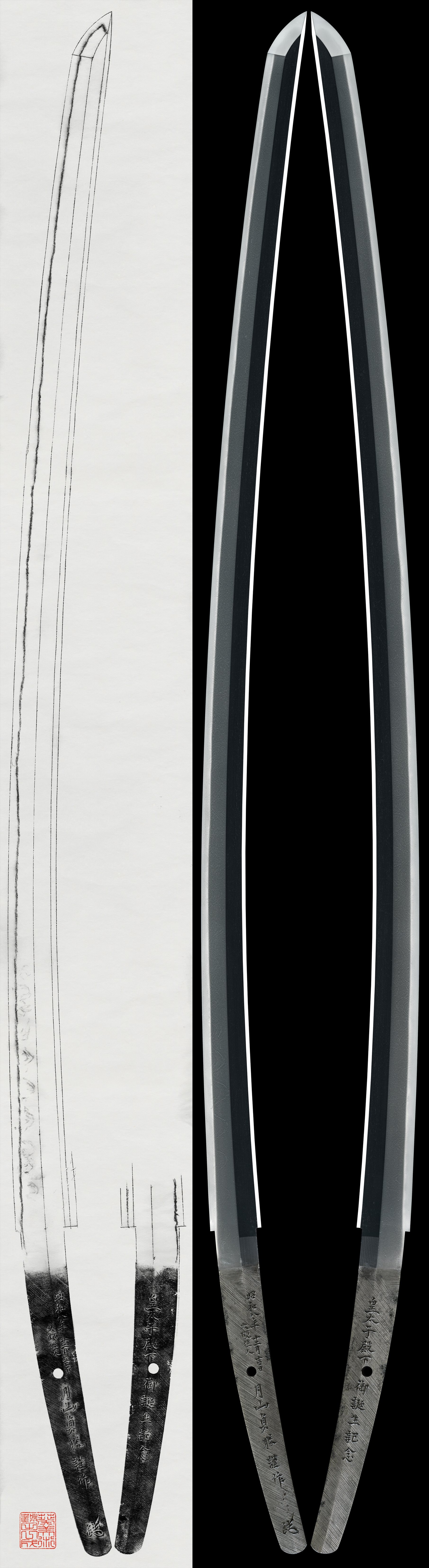
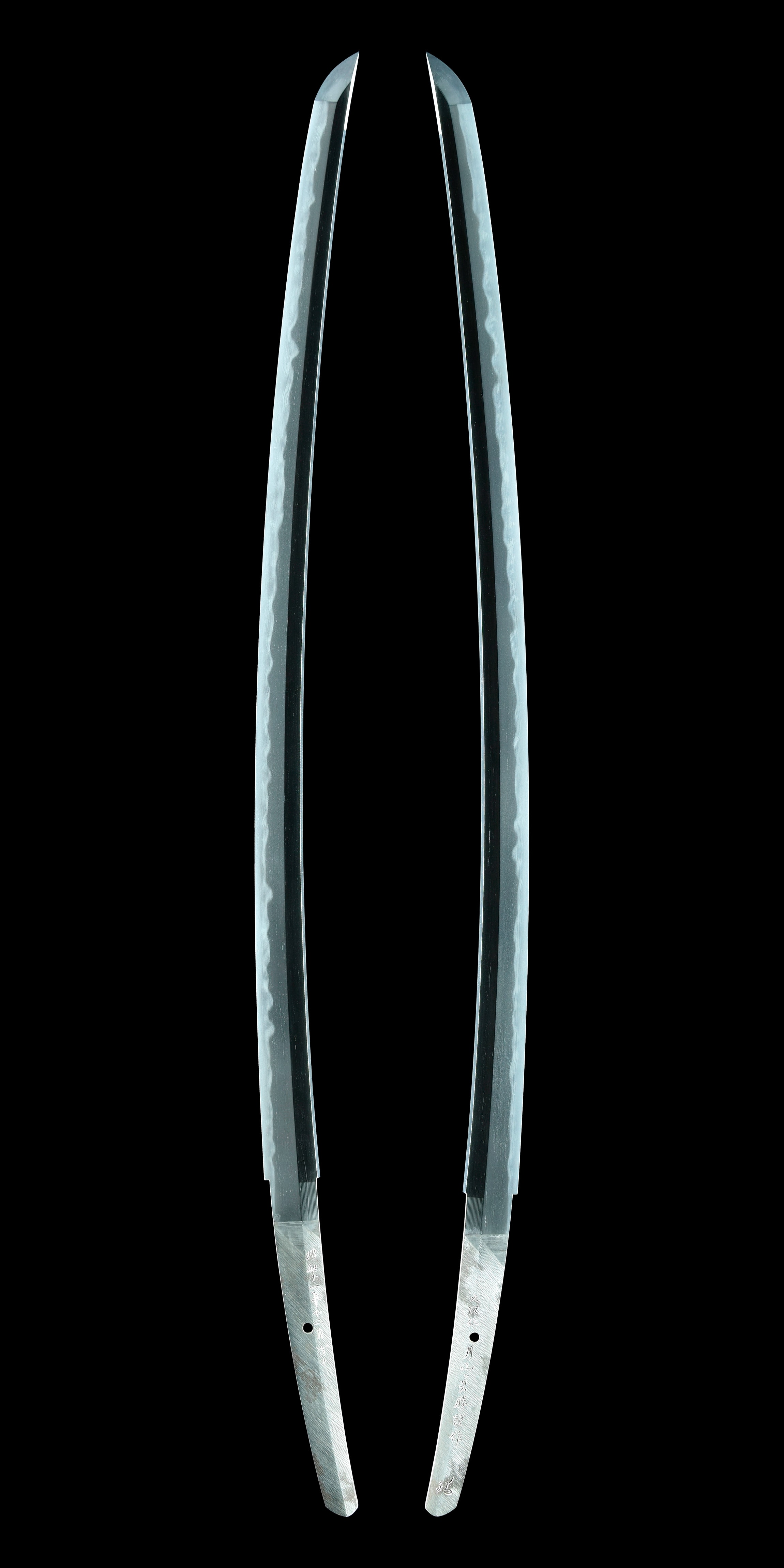
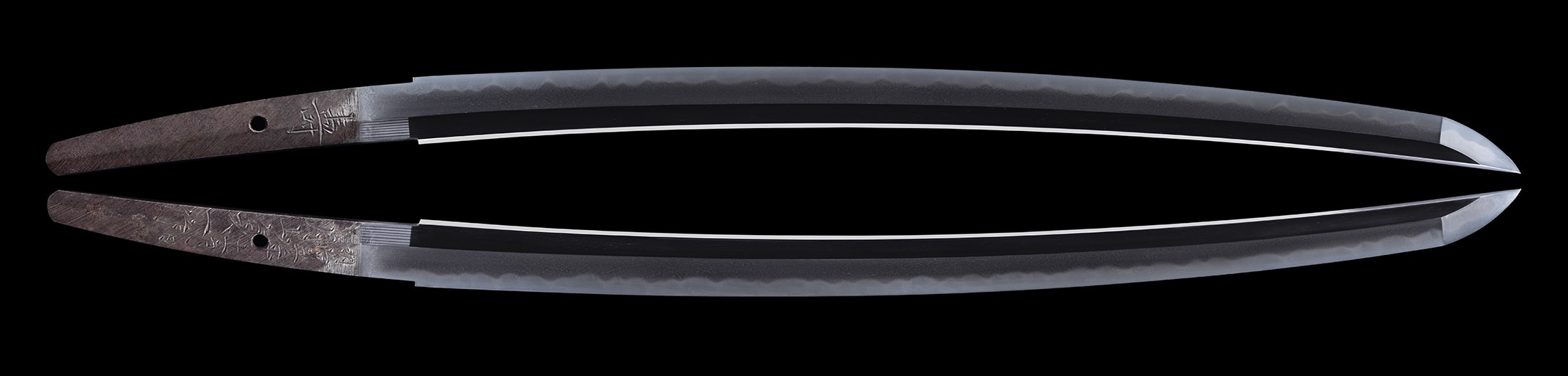
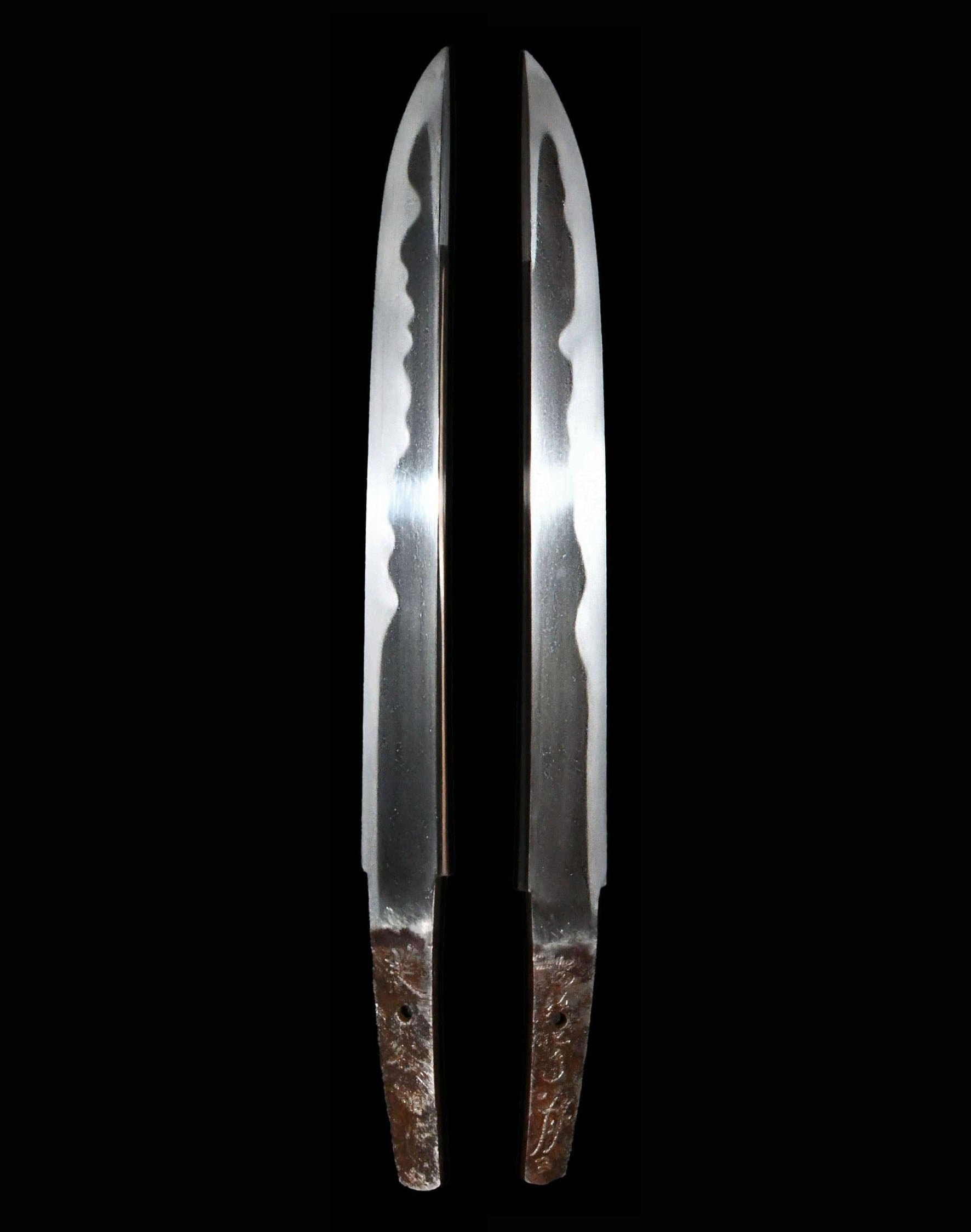
Antique Japanese Sword Katana Signed by Gassan Sadayoshi with Tokubetsu Hozon Certificate 【Description】 This blade was signed by Gassan Sadayoshi (月山貞吉) in October of 1827 (the 10th year of the Bunsei era). His real name was Gassan Yahachirō (月山弥八郎), and he was born in Dewa Province (today’s Yamagata Prefecture) in 1781. According to the NBTHK (Society for the Preservation of Japanese Art Swords), the inscription indicates that this blade was made upon request from Orii Masatsugu while Sadayoshi was still living in his birthplace of Dewa. The name “Gassan” refers to the swordsmith school to which he belonged. The Gassan school originated in the late Heian period (12th century), and its name is said to have come from Mt. Gassan, a sacred mountain in Dewa Province, where the school’s early smiths forged their swords. In his youth, Sadayoshi learned the art of sword-forging from his father, Okuyama Yasaburō Sadachika (奥山弥三郎貞近), who was believed to be a descendant of the Ōshū Gassan school, one of the oldest Gassan lineages. Around the age of twenty, Sadayoshi moved to Edo (present-day Tokyo) and became an apprentice to the renowned master Suishinshi Masahide (水心子正秀), one of the most celebrated swordsmiths of the late Edo period and the key figure in the Shinshintō (“New New Sword”) revival movement. After about ten years of training, Sadayoshi mastered advanced techniques and, in 1833 (Tenpō 4), relocated to Osaka. There he founded the Osaka Gassan school, further refining his craft and training many talented apprentices, several of whom went on to become leading swordsmiths of the Bakumatsu era (the end of the Edo period). Although the Gassan school had been one of Japan’s most prestigious traditions since the Kamakura period, its influence had declined by the mid-Edo period. Through Sadayoshi’s tireless efforts and accomplishments, however, the school was revived and regained its former prominence toward the end of the Edo period. Sadayoshi adopted a son from the Tsukamoto family and named him Sadamitsu (Gassan Sadakazu, 月山貞一), who later became one of Japan’s most famous swordsmiths of the Meiji era. Father and son devoted many years to researching the traditional Gassan forging techniques and eventually succeeded in recreating the Ayasugihada pattern—an undulating grain on the steel surface resembling the grain of Japanese cedar, which became the signature texture of the Gassan school. In addition to Ayasugihada, Sadayoshi also forged blades in various other traditional styles. Gassan Sadayoshi passed away in 1870 (the 3rd year of the Meiji era) at the age of 71. His adopted son Gassan Sadakazu inherited the tradition, which was then passed down to Gassan Sadakatsu, and the lineage continues to this day. The current head of the family, Gassan Kazutoshi, and his son Gassan Sadanobu, still carry on the centuries-old Gassan tradition, forging authentic Japanese swords in Nara Prefecture today. Horimono (Engraving) This blade features beautiful carvings (Horimono) on both sides. O n one side, the inscription “Namu Myōhō Renge Kyō” (“Devotion to the Lotus Sutra”) is accompanied by a Rendai (蓮台) design—a lotus pedestal motif often seen as the base of Buddhist statues. The lotus flower symbolizes purity emerging from the mud, a key concept in Buddhist teachings. In sword ornamentation, the upper carving represents the lotus blossom, while the lower portion is the pedestal (Rendai). These motifs are frequently combined with esoteric Buddhist symbols such as Bonji (Sanskrit characters) or Suken (ritual swords), expressing both faith and protection. On the other side, a Bonji character and an image of Fudō Myō-ō (不動明王, Acala) holding a Kurikara-ken (倶利伽羅剣, Kurikara sword) are carved into the blade. Bonji are Sanskrit seed syllables that represent Buddhist deities and serve as sacred symbols for invoking divine protection. Among them, the character “Kān” (カーン) symbolizes Fudō Myō-ō, one of the most revered guardian deities among samurai

NihontoWatch MonNihontoWatchBETA
MarketAuctionsEncyclopedia
刀剣›月山›大阪月山›貞吉›Antique Japanese Sword Katana Signed by Gassan Sadayoshi NBTHK Tokubetsu Hozon Certificate
刀特別保存
貞吉

Antique Japanese Sword Katana Signed by Gassan Sadayoshi NBTHK Tokubetsu Hozon Certificate

在銘 · Gassan · 天保 · 長さ 68.6cm · 反り 2cm

売却済
貞吉 — 1 of 25
貞吉 — 2 of 25
貞吉 — 3 of 25
貞吉 — 4 of 25
貞吉 — 5 of 25
貞吉 — 6 of 25
貞吉 — 7 of 25
貞吉 — 8 of 25
貞吉 — 9 of 25
貞吉 — 10 of 25
貞吉 — 11 of 25
貞吉 — 12 of 25
貞吉 — 13 of 25
貞吉 — 14 of 25
貞吉 — 15 of 25
貞吉 — 16 of 25
貞吉 — 17 of 25
貞吉 — 18 of 25
貞吉 — 19 of 25
貞吉 — 20 of 25
貞吉 — 21 of 25
貞吉 — 22 of 25
貞吉 — 23 of 25
貞吉 — 24 of 25
貞吉 — 25 of 25
1 / 25
1 / 25
貞吉 — 1 of 25貞吉 — 2 of 25貞吉 — 3 of 25貞吉 — 4 of 25貞吉 — 5 of 25貞吉 — 6 of 25貞吉 — 7 of 25貞吉 — 8 of 25貞吉 — 9 of 25貞吉 — 10 of 25貞吉 — 11 of 25貞吉 — 12 of 25貞吉 — 13 of 25貞吉 — 14 of 25貞吉 — 15 of 25貞吉 — 16 of 25貞吉 — 17 of 25貞吉 — 18 of 25貞吉 — 19 of 25貞吉 — 20 of 25貞吉 — 21 of 25貞吉 — 22 of 25貞吉 — 23 of 25貞吉 — 24 of 25貞吉 — 25 of 25
法量・詳細
刀工
貞吉
種別
刀
流派
Osaka Gassan
活動期
1830–1863年頃(Tenpo-Bunkyu)
国
出羽
銘
在銘
法量
長さ 68.6cm反り 2cm
説明

Antique Japanese Sword Katana Signed by Gassan Sadayoshi with Tokubetsu Hozon Certificate 【Description】 This blade was signed by Gassan Sadayoshi (月山貞吉) in October of 1827 (the 10th year of the Bunsei era). His real name was Gassan Yahachirō (月山弥八郎), and he was born in Dewa Province (today’s Yamagata Prefecture) in 1781. According to the NBTHK (Society for the Preservation of Japanese Art Swords), the inscription indicates that this blade was made upon request from Orii Masatsugu while Sadayoshi was still living in his birthplace of Dewa. The name “Gassan” refers to the swordsmith school to which he belonged. The Gassan school originated in the late Heian period (12th century), and its name is said to have come from Mt. Gassan, a sacred mountain in Dewa Province, where the school’s early smiths forged their swords. In his youth, Sadayoshi learned the art of sword-forging from his father, Okuyama Yasaburō Sadachika (奥山弥三郎貞近), who was believed to be a descendant of the Ōshū Gassan school, one of the oldest Gassan lineages. Around the age of twenty, Sadayoshi moved to Edo (present-day Tokyo) and became an apprentice to the renowned master Suishinshi Masahide (水心子正秀), one of the most celebrated swordsmiths of the late Edo period and the key figure in the Shinshintō (“New New Sword”) revival movement. After about ten years of training, Sadayoshi mastered advanced techniques and, in 1833 (Tenpō 4), relocated to Osaka. There he founded the Osaka Gassan school, further refining his craft and training many talented apprentices, several of whom went on to become leading swordsmiths of the Bakumatsu era (the end of the Edo period). Although the Gassan school had been one of Japan’s most prestigious traditions since the Kamakura period, its influence had declined by the mid-Edo period. Through Sadayoshi’s tireless efforts and accomplishments, however, the school was revived and regained its former prominence toward the end of the Edo period. Sadayoshi adopted a son from the Tsukamoto family and named him Sadamitsu (Gassan Sadakazu, 月山貞一), who later became one of Japan’s most famous swordsmiths of the Meiji era. Father and son devoted many years to researching the traditional Gassan forging techniques and eventually succeeded in recreating the Ayasugihada pattern—an undulating grain on the steel surface resembling the grain of Japanese cedar, which became the signature texture of the Gassan school. In addition to Ayasugihada, Sadayoshi also forged blades in various other traditional styles. Gassan Sadayoshi passed away in 1870 (the 3rd year of the Meiji era) at the age of 71. His adopted son Gassan Sadakazu inherited the tradition, which was then passed down to Gassan Sadakatsu, and the lineage continues to this day. The current head of the family, Gassan Kazutoshi, and his son Gassan Sadanobu, still carry on the centuries-old Gassan tradition, forging authentic Japanese swords in Nara Prefecture today. Horimono (Engraving) This blade features beautiful carvings (Horimono) on both sides. O n one side, the inscription “Namu Myōhō Renge Kyō” (“Devotion to the Lotus Sutra”) is accompanied by a Rendai (蓮台) design—a lotus pedestal motif often seen as the base of Buddhist statues. The lotus flower symbolizes purity emerging from the mud, a key concept in Buddhist teachings. In sword ornamentation, the upper carving represents the lotus blossom, while the lower portion is the pedestal (Rendai). These motifs are frequently combined with esoteric Buddhist symbols such as Bonji (Sanskrit characters) or Suken (ritual swords), expressing both faith and protection. On the other side, a Bonji character and an image of Fudō Myō-ō (不動明王, Acala) holding a Kurikara-ken (倶利伽羅剣, Kurikara sword) are carved into the blade. Bonji are Sanskrit seed syllables that represent Buddhist deities and serve as sacred symbols for invoking divine protection. Among them, the character “Kān” (カーン) symbolizes Fudō Myō-ō, one of the most revered guardian deities among samurai

作者について

貞吉

新々刀 · 摂津 · 1830-1863頃

藤代 Jo saku · 刀剣大鑑 上位49%

現在1点販売中

›
貞吉の作 1点が現在販売中→
貞吉 — 詳細新々刀派
流派について

大阪月山

新々刀 · 摂津

現在40点販売中

›
1名の刀工指定2口
主要刀工
刀工時代指定
貞晴1865-18680
貞吉1926-19890
吉明1844-18480
直信1854-18600
貞吉1830-18630
大阪月山流派を見る →
NBTHK鑑定書
Tokubetsu Hozon Tōken特別保存刀剣
Sword Especially Worthy of Preservation
›

保存刀剣のうち、出来が一層優れ、保存状態も良好と認められたものです。再刃や、室町・江戸期の多くの無銘作は対象外となり、保存刀剣より高い基準が課されます。

NBTHKについて›

日本美術刀剣保存協会(NBTHK)は、1948年に設立され、文化庁の監督を受ける公益財団法人で、東京・刀剣博物館に本部を置きます。専門の審査員が出品作を直接審査し、美術的・歴史的価値に応じた鑑定書を発行します。NBTHKの鑑定書は、日本刀および刀装具の真正性を示す最も広く認知された基準です。

NBTHK公式サイト→
販売店
サ
サムライミュージアム
🇯🇵日本から発送
›
✓認証販売店samuraimuseum.jp
✓海外発送可✓英語対応PayPalクレジットカード
返品ポリシー

Returns/exchanges limited to defects caused by shipping (except willful misconduct or gross negligence by the company); customers must contact within 72 hours of receiving the product.

サムライミュージアムの出品一覧を見る→販売店サイトでこの商品を見る→

貞吉の他の作

すべて見る →
Toyuukai
保存
Tanto - Hozon - by Gassan Sadayoshi - 短刀 芙蓉旭 安政巳年八月日(伝月山貞吉)日本刀保存会鑑定書付Tanto - Hozon - by Gassan Sadayoshi - 短刀 芙蓉旭 安政巳年八月日(伝月山貞吉)日本刀保存会鑑定書付

短刀

作貞吉
27.4cm·Tenpo (1830-1844)
¥400,000

貞吉の売約済み

葵美術
Katana - by Gassan Sadayoshi - 刀:月山貞吉造之 文久三年二月日(NBTHK特別保存刀剣)(委託販売品)Katana - by Gassan Sadayoshi - 刀:月山貞吉造之 文久三年二月日(NBTHK特別保存刀剣)(委託販売品)
売切れ

刀

作貞吉
70.3cm·新々刀
売却済
Japanese Sword Books and Tsuba
Tanto - by Gassan Sadayoshi - K80. 月山貞吉 拵付短刀Tanto - by Gassan Sadayoshi - K80. 月山貞吉 拵付短刀
売切れ

短刀

作貞吉
31cm·Tenpo (1830-1844)
売却済
サムライミュージアム
保存
Katana - Hozon - by Gassan Sadayoshi - 日本刀 刀 伝月山貞吉 日本美術刀剣保存協会 保持審査 保存刀剣鑑定書付Katana - Hozon - by Gassan Sadayoshi - 日本刀 刀 伝月山貞吉 日本美術刀剣保存協会 保持審査 保存刀剣鑑定書付
売切れ

刀

作貞吉
76cm·新々刀
売却済
勝武堂
保存
Katana - Hozon - by Gassan Sadayoshi - 刀 於浪花月山弥八郎貞吉造之 安政二年八月吉日 / Katana Oite Naniwa Gasan Yahachiro Sadayoshi korewo tsukuru A.D.1855Katana - Hozon - by Gassan Sadayoshi - 刀 於浪花月山弥八郎貞吉造之 安政二年八月吉日 / Katana Oite Naniwa Gasan Yahachiro Sadayoshi korewo tsukuru A.D.1855
売切れ

刀

作貞吉
81.8cm·Tenpo (1830-1844)
売却済
Katana Hattori
保存
Katana - Hozon - by Gassan Sadayoshi - 刀 浪華住Katana - Hozon - by Gassan Sadayoshi - 刀 浪華住
売切れ

刀

作貞吉
77cm·Tenpo (1830-1844)
売却済
サムライミュージアム
保存
Wakizashi - Hozon - by Gassan Sadayoshi - Antique Japanese Sword Wakizashi Signed by Gassan Sadayoshi NBTHK Hozon CertificateWakizashi - Hozon - by Gassan Sadayoshi - Antique Japanese Sword Wakizashi Signed by Gassan Sadayoshi NBTHK Hozon Certificate
売切れ

脇差

作貞吉
52.7cm·新々刀
売却済
Unique Japan
特別保存
Katana - Tokuho - by Gassan Sadayoshi - 刀 銘 月山貞吉Katana - Tokuho - by Gassan Sadayoshi - 刀 銘 月山貞吉
売切れ

刀

作貞吉
72.8cm·Tenpo (1830-1844)
売却済
Unique Japan
特別保存
Tanto - Tokuho - by Gassan Sadayoshi - 短刀 月山貞吉作Tanto - Tokuho - by Gassan Sadayoshi - 短刀 月山貞吉作
売切れ

短刀

作貞吉
28.2cm·Tenpo (1830-1844)
売却済

大阪月山派の作

すべて見る →
刀剣杉田
特別保存
Katana - Tokuho - by Gassan Sadakatsu - 昭和十年十一月吉野山日本刀月山精錬作(大阪) 親王殿下御生誕記念Katana - Tokuho - by Gassan Sadakatsu - 昭和十年十一月吉野山日本刀月山精錬作(大阪) 親王殿下御生誕記念

刀

作貞勝
68.2cm·昭和
¥2,150,000
葵美術
特別保存
Tanto - Tokuho - by Gassan Sadakatsu - 短刀:大阪住月山貞勝謹作(花押) 昭和九年五月吉日Tanto - Tokuho - by Gassan Sadakatsu - 短刀:大阪住月山貞勝謹作(花押) 昭和九年五月吉日

短刀

作貞勝
22.73cm·昭和
¥2,000,000
美術刀剣松本
特別保存
Katana - Tokuho - by Gassan Sadaharu - 銘 表: 於浪花永口剣龍子藤原貞晴鍛之(刻印) 裏: 慶応元乙丑歳十二月吉日Katana - Tokuho - by Gassan Sadaharu - 銘 表: 於浪花永口剣龍子藤原貞晴鍛之(刻印) 裏: 慶応元乙丑歳十二月吉日

刀

作貞晴
74.5cm·Keio (1865-1868)
¥1,000,000
つるぎの屋
Katana - by Gassan Sadayoshi - 刀 榎本貞吉 昭和53年紀Katana - by Gassan Sadayoshi - 刀 榎本貞吉 昭和53年紀

刀

作貞吉
80.8cm·現代刀
¥850,000
美術刀剣松本
特別保存
Katana - Tokuho - by Gassan Naonobu - 商品番号 KA-0767Katana - Tokuho - by Gassan Naonobu - 商品番号 KA-0767

刀

作直信
70cm·Ansei (1854-1860)
¥550,000
Tozando
Tanto - by Gassan Sadakazu - 現代短刀(懐剣)販売 - 月山|東山堂Tanto - by Gassan Sadakazu - 現代短刀(懐剣)販売 - 月山|東山堂

短刀

作貞一
16.2cm·明治
¥190,000
刀心
特別保存
Tachi - Tokuho - by Gassan Sadakatsu - 大阪住月山貞勝謹作 昭和十一年十二月吉日- Osaka ju Gassan Sadakatsu - 1-070Tachi - Tokuho - by Gassan Sadakatsu - 大阪住月山貞勝謹作 昭和十一年十二月吉日- Osaka ju Gassan Sadakatsu - 1-070

太刀

作貞勝
68.2cm·Showa (1926-1989)
¥2,420,000
銀座長州屋
特別保存
Katana - Tokuho - by Gassan Sadaharu - 刀 銘 於浪華永口貞晴造之〔刻印〕應松本藩増田氏好 慶應元乙丑歳菊月Katana - Tokuho - by Gassan Sadaharu - 刀 銘 於浪華永口貞晴造之〔刻印〕應松本藩増田氏好 慶應元乙丑歳菊月

刀

作貞晴
68.5cm·新々刀
お問い合わせ

月山派の作

すべて見る →
Toyuukai
特別保存
Tanto - Tokuho - by Gassan School - 短刀 月山 特別貴重刀剣Tanto - Tokuho - by Gassan School - 短刀 月山 特別貴重刀剣

短刀

作月山派
22.7cm·室町
¥500,000
兵左衛門百観音堂
保存
Tanto - Hozon - by Gassan School - 出羽国月山真則 永正五年八月日Tanto - Hozon - by Gassan School - 出羽国月山真則 永正五年八月日

短刀

作月山派
19.3cm·室町
¥880,000
Samurai Store
保存
Katana - Hozon - by Gassan Yoshiaki - 小烏丸造 刀 拵付 日本美術刀剣保存協会 保存刀剣鑑定書附Katana - Hozon - by Gassan Yoshiaki - 小烏丸造 刀 拵付 日本美術刀剣保存協会 保存刀剣鑑定書附

刀

作吉明
68cm·Koka (1844-1848)
¥2,120,000
サムライ商会
保存
Katana - Hozon - by Gassan - 刀 (金粉銘)月山Katana - Hozon - by Gassan - 刀 (金粉銘)月山

刀

作月山
64.4cm·Oei (1394-1428)
¥980,000
刀剣小町
特別保存
Katana - Tokuho - by Gassan Sadakazu - 雛刀 白鞘入り 拵付きKatana - Tokuho - by Gassan Sadakazu - 雛刀 白鞘入り 拵付き

刀

作貞一
29.4cm·Genji (1864-1865)
¥1,200,000
儀平屋
保存
Tanto - Hozon - by Gassan Sadakatsu - 保存刀剣 大阪住月山貞勝 五寸一分 打刀拵入、白鞘付Tanto - Hozon - by Gassan Sadakatsu - 保存刀剣 大阪住月山貞勝 五寸一分 打刀拵入、白鞘付

短刀

作貞勝
15.4cm·昭和
¥900,000
刀剣杉田
特別保存
Katana - Tokuho - by Gassan Sadakazu - 浪華月山雲龍子貞一造 慶應二年八月日 (大阪)Katana - Tokuho - by Gassan Sadakazu - 浪華月山雲龍子貞一造 慶應二年八月日 (大阪)

刀

作貞一
72.8cm·Genji (1864-1865)
¥2,350,000
Mandarin Mansion
特別保存
Tachi - Tokuho - by Gassan Sadakatsu - 月山貞勝作 紀元二千六百年奉祝記念太刀Tachi - Tokuho - by Gassan Sadakatsu - 月山貞勝作 紀元二千六百年奉祝記念太刀

太刀

作貞勝
68.4cm·現代刀
¥16,500

刀剣

  • 刀
  • 脇差
  • 短刀
  • 太刀
  • 薙刀
  • 槍

刀装具

  • 鍔
  • 縁頭
  • 小柄
  • 目貫

鑑定別

  • 特重
  • 重要
  • 特別保存
  • 保存

リソース

  • 刀剣商一覧
  • 刀工一覧
  • すべて見る
Nihontowatch© 2026
利用規約プライバシーCookie運営者情報

説明

Antique Japanese Sword Katana Signed by Gassan Sadayoshi with Tokubetsu Hozon Certificate 【Description】 This blade was signed by Gassan Sadayoshi (月山貞吉) in October of 1827 (the 10th year of the Bunsei era). His real name was Gassan Yahachirō (月山弥八郎), and he was born in Dewa Province (today’s Yamagata Prefecture) in 1781. According to the NBTHK (Society for the Preservation of Japanese Art Swords), the inscription indicates that this blade was made upon request from Orii Masatsugu while Sadayoshi was still living in his birthplace of Dewa. The name “Gassan” refers to the swordsmith school to which he belonged. The Gassan school originated in the late Heian period (12th century), and its name is said to have come from Mt. Gassan, a sacred mountain in Dewa Province, where the school’s early smiths forged their swords. In his youth, Sadayoshi learned the art of sword-forging from his father, Okuyama Yasaburō Sadachika (奥山弥三郎貞近), who was believed to be a descendant of the Ōshū Gassan school, one of the oldest Gassan lineages. Around the age of twenty, Sadayoshi moved to Edo (present-day Tokyo) and became an apprentice to the renowned master Suishinshi Masahide (水心子正秀), one of the most celebrated swordsmiths of the late Edo period and the key figure in the Shinshintō (“New New Sword”) revival movement. After about ten years of training, Sadayoshi mastered advanced techniques and, in 1833 (Tenpō 4), relocated to Osaka. There he founded the Osaka Gassan school, further refining his craft and training many talented apprentices, several of whom went on to become leading swordsmiths of the Bakumatsu era (the end of the Edo period). Although the Gassan school had been one of Japan’s most prestigious traditions since the Kamakura period, its influence had declined by the mid-Edo period. Through Sadayoshi’s tireless efforts and accomplishments, however, the school was revived and regained its former prominence toward the end of the Edo period. Sadayoshi adopted a son from the Tsukamoto family and named him Sadamitsu (Gassan Sadakazu, 月山貞一), who later became one of Japan’s most famous swordsmiths of the Meiji era. Father and son devoted many years to researching the traditional Gassan forging techniques and eventually succeeded in recreating the Ayasugihada pattern—an undulating grain on the steel surface resembling the grain of Japanese cedar, which became the signature texture of the Gassan school. In addition to Ayasugihada, Sadayoshi also forged blades in various other traditional styles. Gassan Sadayoshi passed away in 1870 (the 3rd year of the Meiji era) at the age of 71. His adopted son Gassan Sadakazu inherited the tradition, which was then passed down to Gassan Sadakatsu, and the lineage continues to this day. The current head of the family, Gassan Kazutoshi, and his son Gassan Sadanobu, still carry on the centuries-old Gassan tradition, forging authentic Japanese swords in Nara Prefecture today. Horimono (Engraving) This blade features beautiful carvings (Horimono) on both sides. O n one side, the inscription “Namu Myōhō Renge Kyō” (“Devotion to the Lotus Sutra”) is accompanied by a Rendai (蓮台) design—a lotus pedestal motif often seen as the base of Buddhist statues. The lotus flower symbolizes purity emerging from the mud, a key concept in Buddhist teachings. In sword ornamentation, the upper carving represents the lotus blossom, while the lower portion is the pedestal (Rendai). These motifs are frequently combined with esoteric Buddhist symbols such as Bonji (Sanskrit characters) or Suken (ritual swords), expressing both faith and protection. On the other side, a Bonji character and an image of Fudō Myō-ō (不動明王, Acala) holding a Kurikara-ken (倶利伽羅剣, Kurikara sword) are carved into the blade. Bonji are Sanskrit seed syllables that represent Buddhist deities and serve as sacred symbols for invoking divine protection. Among them, the character “Kān” (カーン) symbolizes Fudō Myō-ō, one of the most revered guardian deities among samurai

NihontoWatch MonNihontoWatchBETA
MarketAuctionsEncyclopedia
刀剣›月山›大阪月山›貞吉›Antique Japanese Sword Katana Signed by Gassan Sadayoshi NBTHK Tokubetsu Hozon Certificate
刀特別保存
貞吉

Antique Japanese Sword Katana Signed by Gassan Sadayoshi NBTHK Tokubetsu Hozon Certificate

在銘 · Gassan · 天保 · 長さ 68.6cm · 反り 2cm

売却済
貞吉 — 1 of 25
貞吉 — 2 of 25
貞吉 — 3 of 25
貞吉 — 4 of 25
貞吉 — 5 of 25
貞吉 — 6 of 25
貞吉 — 7 of 25
貞吉 — 8 of 25
貞吉 — 9 of 25
貞吉 — 10 of 25
貞吉 — 11 of 25
貞吉 — 12 of 25
貞吉 — 13 of 25
貞吉 — 14 of 25
貞吉 — 15 of 25
貞吉 — 16 of 25
貞吉 — 17 of 25
貞吉 — 18 of 25
貞吉 — 19 of 25
貞吉 — 20 of 25
貞吉 — 21 of 25
貞吉 — 22 of 25
貞吉 — 23 of 25
貞吉 — 24 of 25
貞吉 — 25 of 25
1 / 25
1 / 25
貞吉 — 1 of 25貞吉 — 2 of 25貞吉 — 3 of 25貞吉 — 4 of 25貞吉 — 5 of 25貞吉 — 6 of 25貞吉 — 7 of 25貞吉 — 8 of 25貞吉 — 9 of 25貞吉 — 10 of 25貞吉 — 11 of 25貞吉 — 12 of 25貞吉 — 13 of 25貞吉 — 14 of 25貞吉 — 15 of 25貞吉 — 16 of 25貞吉 — 17 of 25貞吉 — 18 of 25貞吉 — 19 of 25貞吉 — 20 of 25貞吉 — 21 of 25貞吉 — 22 of 25貞吉 — 23 of 25貞吉 — 24 of 25貞吉 — 25 of 25
法量・詳細
刀工
貞吉
種別
刀
流派
Osaka Gassan
活動期
1830–1863年頃(Tenpo-Bunkyu)
国
出羽
銘
在銘
法量
長さ 68.6cm反り 2cm
説明

Antique Japanese Sword Katana Signed by Gassan Sadayoshi with Tokubetsu Hozon Certificate 【Description】 This blade was signed by Gassan Sadayoshi (月山貞吉) in October of 1827 (the 10th year of the Bunsei era). His real name was Gassan Yahachirō (月山弥八郎), and he was born in Dewa Province (today’s Yamagata Prefecture) in 1781. According to the NBTHK (Society for the Preservation of Japanese Art Swords), the inscription indicates that this blade was made upon request from Orii Masatsugu while Sadayoshi was still living in his birthplace of Dewa. The name “Gassan” refers to the swordsmith school to which he belonged. The Gassan school originated in the late Heian period (12th century), and its name is said to have come from Mt. Gassan, a sacred mountain in Dewa Province, where the school’s early smiths forged their swords. In his youth, Sadayoshi learned the art of sword-forging from his father, Okuyama Yasaburō Sadachika (奥山弥三郎貞近), who was believed to be a descendant of the Ōshū Gassan school, one of the oldest Gassan lineages. Around the age of twenty, Sadayoshi moved to Edo (present-day Tokyo) and became an apprentice to the renowned master Suishinshi Masahide (水心子正秀), one of the most celebrated swordsmiths of the late Edo period and the key figure in the Shinshintō (“New New Sword”) revival movement. After about ten years of training, Sadayoshi mastered advanced techniques and, in 1833 (Tenpō 4), relocated to Osaka. There he founded the Osaka Gassan school, further refining his craft and training many talented apprentices, several of whom went on to become leading swordsmiths of the Bakumatsu era (the end of the Edo period). Although the Gassan school had been one of Japan’s most prestigious traditions since the Kamakura period, its influence had declined by the mid-Edo period. Through Sadayoshi’s tireless efforts and accomplishments, however, the school was revived and regained its former prominence toward the end of the Edo period. Sadayoshi adopted a son from the Tsukamoto family and named him Sadamitsu (Gassan Sadakazu, 月山貞一), who later became one of Japan’s most famous swordsmiths of the Meiji era. Father and son devoted many years to researching the traditional Gassan forging techniques and eventually succeeded in recreating the Ayasugihada pattern—an undulating grain on the steel surface resembling the grain of Japanese cedar, which became the signature texture of the Gassan school. In addition to Ayasugihada, Sadayoshi also forged blades in various other traditional styles. Gassan Sadayoshi passed away in 1870 (the 3rd year of the Meiji era) at the age of 71. His adopted son Gassan Sadakazu inherited the tradition, which was then passed down to Gassan Sadakatsu, and the lineage continues to this day. The current head of the family, Gassan Kazutoshi, and his son Gassan Sadanobu, still carry on the centuries-old Gassan tradition, forging authentic Japanese swords in Nara Prefecture today. Horimono (Engraving) This blade features beautiful carvings (Horimono) on both sides. O n one side, the inscription “Namu Myōhō Renge Kyō” (“Devotion to the Lotus Sutra”) is accompanied by a Rendai (蓮台) design—a lotus pedestal motif often seen as the base of Buddhist statues. The lotus flower symbolizes purity emerging from the mud, a key concept in Buddhist teachings. In sword ornamentation, the upper carving represents the lotus blossom, while the lower portion is the pedestal (Rendai). These motifs are frequently combined with esoteric Buddhist symbols such as Bonji (Sanskrit characters) or Suken (ritual swords), expressing both faith and protection. On the other side, a Bonji character and an image of Fudō Myō-ō (不動明王, Acala) holding a Kurikara-ken (倶利伽羅剣, Kurikara sword) are carved into the blade. Bonji are Sanskrit seed syllables that represent Buddhist deities and serve as sacred symbols for invoking divine protection. Among them, the character “Kān” (カーン) symbolizes Fudō Myō-ō, one of the most revered guardian deities among samurai

作者について

貞吉

新々刀 · 摂津 · 1830-1863頃

藤代 Jo saku · 刀剣大鑑 上位49%

現在1点販売中

›
貞吉の作 1点が現在販売中→
貞吉 — 詳細新々刀派
流派について

大阪月山

新々刀 · 摂津

現在40点販売中

›
1名の刀工指定2口
主要刀工
刀工時代指定
貞晴1865-18680
貞吉1926-19890
吉明1844-18480
直信1854-18600
貞吉1830-18630
大阪月山流派を見る →
NBTHK鑑定書
Tokubetsu Hozon Tōken特別保存刀剣
Sword Especially Worthy of Preservation
›

保存刀剣のうち、出来が一層優れ、保存状態も良好と認められたものです。再刃や、室町・江戸期の多くの無銘作は対象外となり、保存刀剣より高い基準が課されます。

NBTHKについて›

日本美術刀剣保存協会(NBTHK)は、1948年に設立され、文化庁の監督を受ける公益財団法人で、東京・刀剣博物館に本部を置きます。専門の審査員が出品作を直接審査し、美術的・歴史的価値に応じた鑑定書を発行します。NBTHKの鑑定書は、日本刀および刀装具の真正性を示す最も広く認知された基準です。

NBTHK公式サイト→
販売店
サ
サムライミュージアム
🇯🇵日本から発送
›
✓認証販売店samuraimuseum.jp
✓海外発送可✓英語対応PayPalクレジットカード
返品ポリシー

Returns/exchanges limited to defects caused by shipping (except willful misconduct or gross negligence by the company); customers must contact within 72 hours of receiving the product.

サムライミュージアムの出品一覧を見る→販売店サイトでこの商品を見る→

貞吉の他の作

すべて見る →
Toyuukai
保存
Tanto - Hozon - by Gassan Sadayoshi - 短刀 芙蓉旭 安政巳年八月日(伝月山貞吉)日本刀保存会鑑定書付Tanto - Hozon - by Gassan Sadayoshi - 短刀 芙蓉旭 安政巳年八月日(伝月山貞吉)日本刀保存会鑑定書付

短刀

作貞吉
27.4cm·Tenpo (1830-1844)
¥400,000

貞吉の売約済み

葵美術
Katana - by Gassan Sadayoshi - 刀:月山貞吉造之 文久三年二月日(NBTHK特別保存刀剣)(委託販売品)Katana - by Gassan Sadayoshi - 刀:月山貞吉造之 文久三年二月日(NBTHK特別保存刀剣)(委託販売品)
売切れ

刀

作貞吉
70.3cm·新々刀
売却済
Japanese Sword Books and Tsuba
Tanto - by Gassan Sadayoshi - K80. 月山貞吉 拵付短刀Tanto - by Gassan Sadayoshi - K80. 月山貞吉 拵付短刀
売切れ

短刀

作貞吉
31cm·Tenpo (1830-1844)
売却済
サムライミュージアム
保存
Katana - Hozon - by Gassan Sadayoshi - 日本刀 刀 伝月山貞吉 日本美術刀剣保存協会 保持審査 保存刀剣鑑定書付Katana - Hozon - by Gassan Sadayoshi - 日本刀 刀 伝月山貞吉 日本美術刀剣保存協会 保持審査 保存刀剣鑑定書付
売切れ

刀

作貞吉
76cm·新々刀
売却済
勝武堂
保存
Katana - Hozon - by Gassan Sadayoshi - 刀 於浪花月山弥八郎貞吉造之 安政二年八月吉日 / Katana Oite Naniwa Gasan Yahachiro Sadayoshi korewo tsukuru A.D.1855Katana - Hozon - by Gassan Sadayoshi - 刀 於浪花月山弥八郎貞吉造之 安政二年八月吉日 / Katana Oite Naniwa Gasan Yahachiro Sadayoshi korewo tsukuru A.D.1855
売切れ

刀

作貞吉
81.8cm·Tenpo (1830-1844)
売却済
Katana Hattori
保存
Katana - Hozon - by Gassan Sadayoshi - 刀 浪華住Katana - Hozon - by Gassan Sadayoshi - 刀 浪華住
売切れ

刀

作貞吉
77cm·Tenpo (1830-1844)
売却済
サムライミュージアム
保存
Wakizashi - Hozon - by Gassan Sadayoshi - Antique Japanese Sword Wakizashi Signed by Gassan Sadayoshi NBTHK Hozon CertificateWakizashi - Hozon - by Gassan Sadayoshi - Antique Japanese Sword Wakizashi Signed by Gassan Sadayoshi NBTHK Hozon Certificate
売切れ

脇差

作貞吉
52.7cm·新々刀
売却済
Unique Japan
特別保存
Katana - Tokuho - by Gassan Sadayoshi - 刀 銘 月山貞吉Katana - Tokuho - by Gassan Sadayoshi - 刀 銘 月山貞吉
売切れ

刀

作貞吉
72.8cm·Tenpo (1830-1844)
売却済
Unique Japan
特別保存
Tanto - Tokuho - by Gassan Sadayoshi - 短刀 月山貞吉作Tanto - Tokuho - by Gassan Sadayoshi - 短刀 月山貞吉作
売切れ

短刀

作貞吉
28.2cm·Tenpo (1830-1844)
売却済

大阪月山派の作

すべて見る →
刀剣杉田
特別保存
Katana - Tokuho - by Gassan Sadakatsu - 昭和十年十一月吉野山日本刀月山精錬作(大阪) 親王殿下御生誕記念Katana - Tokuho - by Gassan Sadakatsu - 昭和十年十一月吉野山日本刀月山精錬作(大阪) 親王殿下御生誕記念

刀

作貞勝
68.2cm·昭和
¥2,150,000
葵美術
特別保存
Tanto - Tokuho - by Gassan Sadakatsu - 短刀:大阪住月山貞勝謹作(花押) 昭和九年五月吉日Tanto - Tokuho - by Gassan Sadakatsu - 短刀:大阪住月山貞勝謹作(花押) 昭和九年五月吉日

短刀

作貞勝
22.73cm·昭和
¥2,000,000
美術刀剣松本
特別保存
Katana - Tokuho - by Gassan Sadaharu - 銘 表: 於浪花永口剣龍子藤原貞晴鍛之(刻印) 裏: 慶応元乙丑歳十二月吉日Katana - Tokuho - by Gassan Sadaharu - 銘 表: 於浪花永口剣龍子藤原貞晴鍛之(刻印) 裏: 慶応元乙丑歳十二月吉日

刀

作貞晴
74.5cm·Keio (1865-1868)
¥1,000,000
つるぎの屋
Katana - by Gassan Sadayoshi - 刀 榎本貞吉 昭和53年紀Katana - by Gassan Sadayoshi - 刀 榎本貞吉 昭和53年紀

刀

作貞吉
80.8cm·現代刀
¥850,000
美術刀剣松本
特別保存
Katana - Tokuho - by Gassan Naonobu - 商品番号 KA-0767Katana - Tokuho - by Gassan Naonobu - 商品番号 KA-0767

刀

作直信
70cm·Ansei (1854-1860)
¥550,000
Tozando
Tanto - by Gassan Sadakazu - 現代短刀(懐剣)販売 - 月山|東山堂Tanto - by Gassan Sadakazu - 現代短刀(懐剣)販売 - 月山|東山堂

短刀

作貞一
16.2cm·明治
¥190,000
刀心
特別保存
Tachi - Tokuho - by Gassan Sadakatsu - 大阪住月山貞勝謹作 昭和十一年十二月吉日- Osaka ju Gassan Sadakatsu - 1-070Tachi - Tokuho - by Gassan Sadakatsu - 大阪住月山貞勝謹作 昭和十一年十二月吉日- Osaka ju Gassan Sadakatsu - 1-070

太刀

作貞勝
68.2cm·Showa (1926-1989)
¥2,420,000
銀座長州屋
特別保存
Katana - Tokuho - by Gassan Sadaharu - 刀 銘 於浪華永口貞晴造之〔刻印〕應松本藩増田氏好 慶應元乙丑歳菊月Katana - Tokuho - by Gassan Sadaharu - 刀 銘 於浪華永口貞晴造之〔刻印〕應松本藩増田氏好 慶應元乙丑歳菊月

刀

作貞晴
68.5cm·新々刀
お問い合わせ

月山派の作

すべて見る →
Toyuukai
特別保存
Tanto - Tokuho - by Gassan School - 短刀 月山 特別貴重刀剣Tanto - Tokuho - by Gassan School - 短刀 月山 特別貴重刀剣

短刀

作月山派
22.7cm·室町
¥500,000
兵左衛門百観音堂
保存
Tanto - Hozon - by Gassan School - 出羽国月山真則 永正五年八月日Tanto - Hozon - by Gassan School - 出羽国月山真則 永正五年八月日

短刀

作月山派
19.3cm·室町
¥880,000
Samurai Store
保存
Katana - Hozon - by Gassan Yoshiaki - 小烏丸造 刀 拵付 日本美術刀剣保存協会 保存刀剣鑑定書附Katana - Hozon - by Gassan Yoshiaki - 小烏丸造 刀 拵付 日本美術刀剣保存協会 保存刀剣鑑定書附

刀

作吉明
68cm·Koka (1844-1848)
¥2,120,000
サムライ商会
保存
Katana - Hozon - by Gassan - 刀 (金粉銘)月山Katana - Hozon - by Gassan - 刀 (金粉銘)月山

刀

作月山
64.4cm·Oei (1394-1428)
¥980,000
刀剣小町
特別保存
Katana - Tokuho - by Gassan Sadakazu - 雛刀 白鞘入り 拵付きKatana - Tokuho - by Gassan Sadakazu - 雛刀 白鞘入り 拵付き

刀

作貞一
29.4cm·Genji (1864-1865)
¥1,200,000
儀平屋
保存
Tanto - Hozon - by Gassan Sadakatsu - 保存刀剣 大阪住月山貞勝 五寸一分 打刀拵入、白鞘付Tanto - Hozon - by Gassan Sadakatsu - 保存刀剣 大阪住月山貞勝 五寸一分 打刀拵入、白鞘付

短刀

作貞勝
15.4cm·昭和
¥900,000
刀剣杉田
特別保存
Katana - Tokuho - by Gassan Sadakazu - 浪華月山雲龍子貞一造 慶應二年八月日 (大阪)Katana - Tokuho - by Gassan Sadakazu - 浪華月山雲龍子貞一造 慶應二年八月日 (大阪)

刀

作貞一
72.8cm·Genji (1864-1865)
¥2,350,000
Mandarin Mansion
特別保存
Tachi - Tokuho - by Gassan Sadakatsu - 月山貞勝作 紀元二千六百年奉祝記念太刀Tachi - Tokuho - by Gassan Sadakatsu - 月山貞勝作 紀元二千六百年奉祝記念太刀

太刀

作貞勝
68.4cm·現代刀
¥16,500

刀剣

  • 刀
  • 脇差
  • 短刀
  • 太刀
  • 薙刀
  • 槍

刀装具

  • 鍔
  • 縁頭
  • 小柄
  • 目貫

鑑定別

  • 特重
  • 重要
  • 特別保存
  • 保存

リソース

  • 刀剣商一覧
  • 刀工一覧
  • すべて見る
Nihontowatch© 2026
利用規約プライバシーCookie運営者情報
NihontoWatch Mon

NihontoWatchBETA

マーケットオークション
事典
NihontoWatch Mon

NihontoWatchBETA

マーケットオークション
事典