1853年のペリー来航は徳川の泰平をほどき、二世紀ぶりに実用刀の大量需要を生んだ。四谷正宗と呼ばれた清麿はその前夜に世を去り、宗次や行秀が最後の好況を担った。
 NihontoWatchNihontoWatch
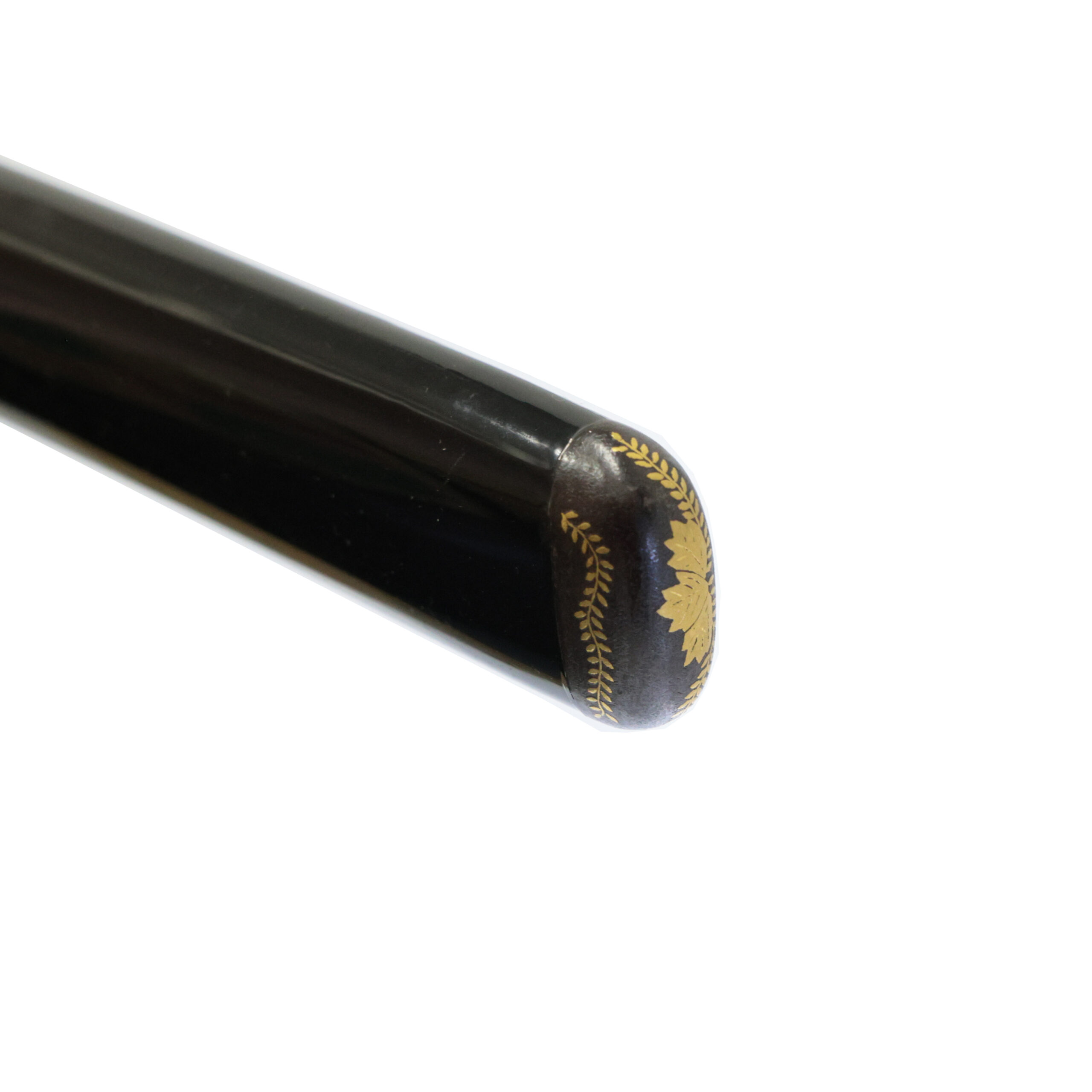
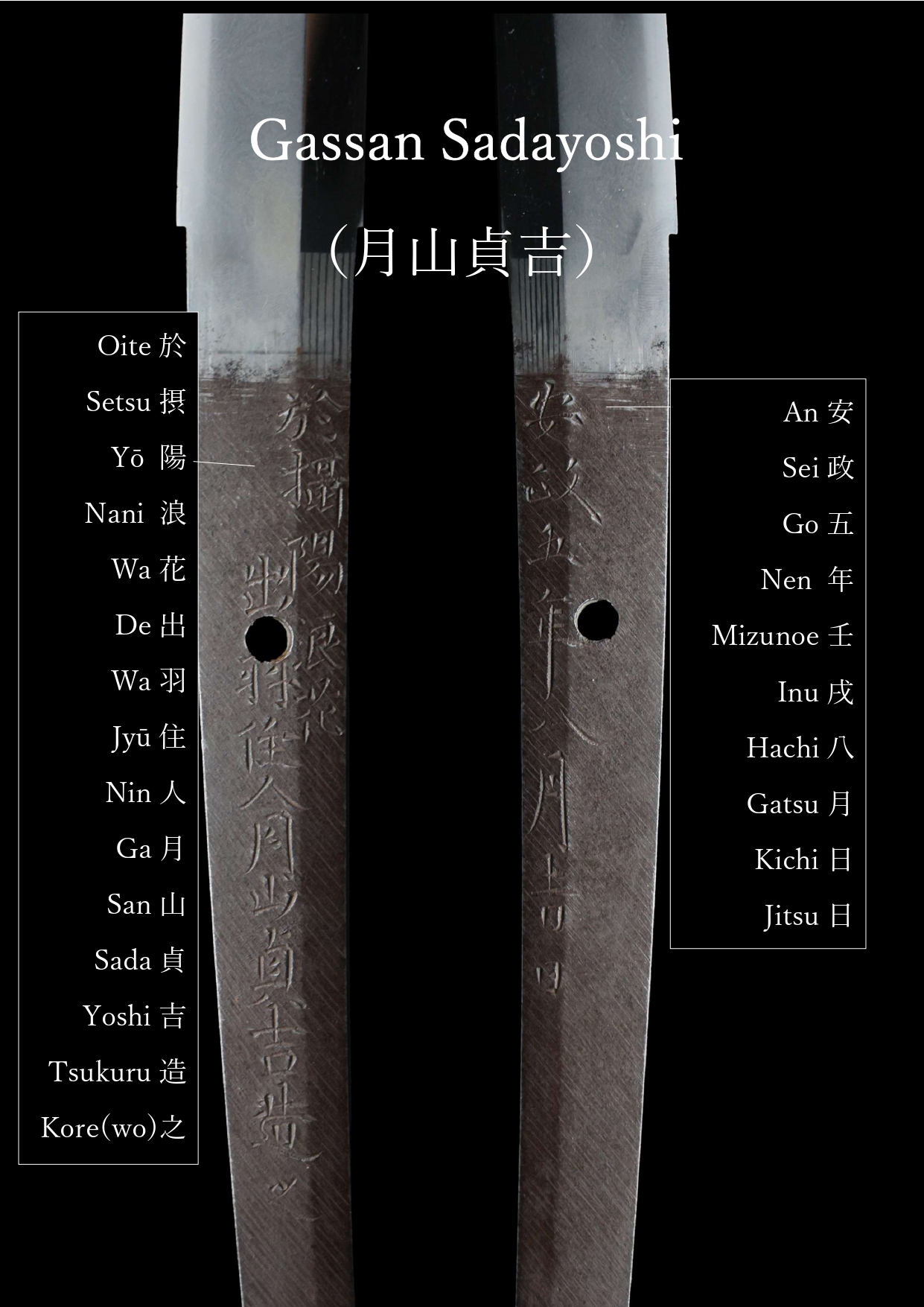
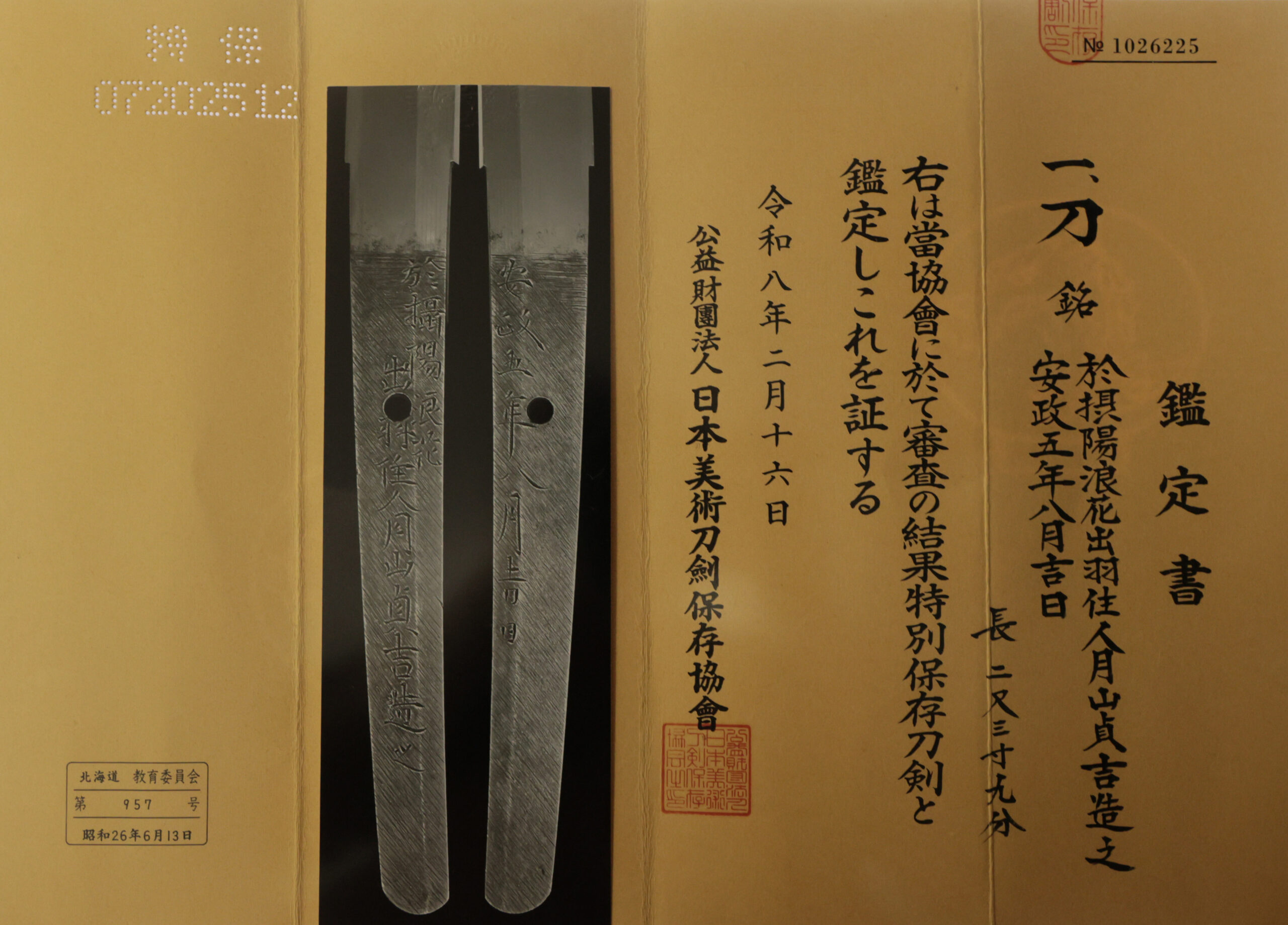
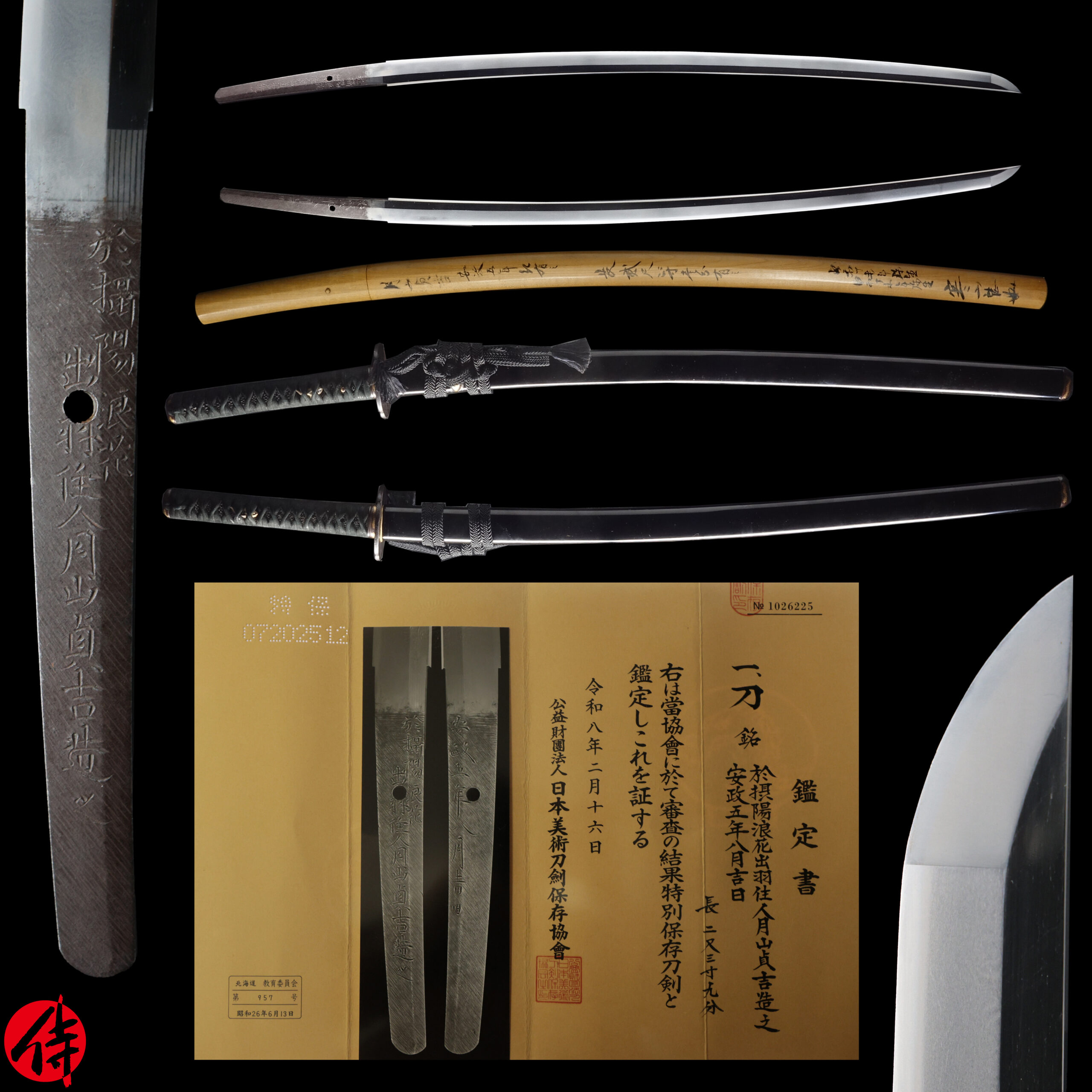
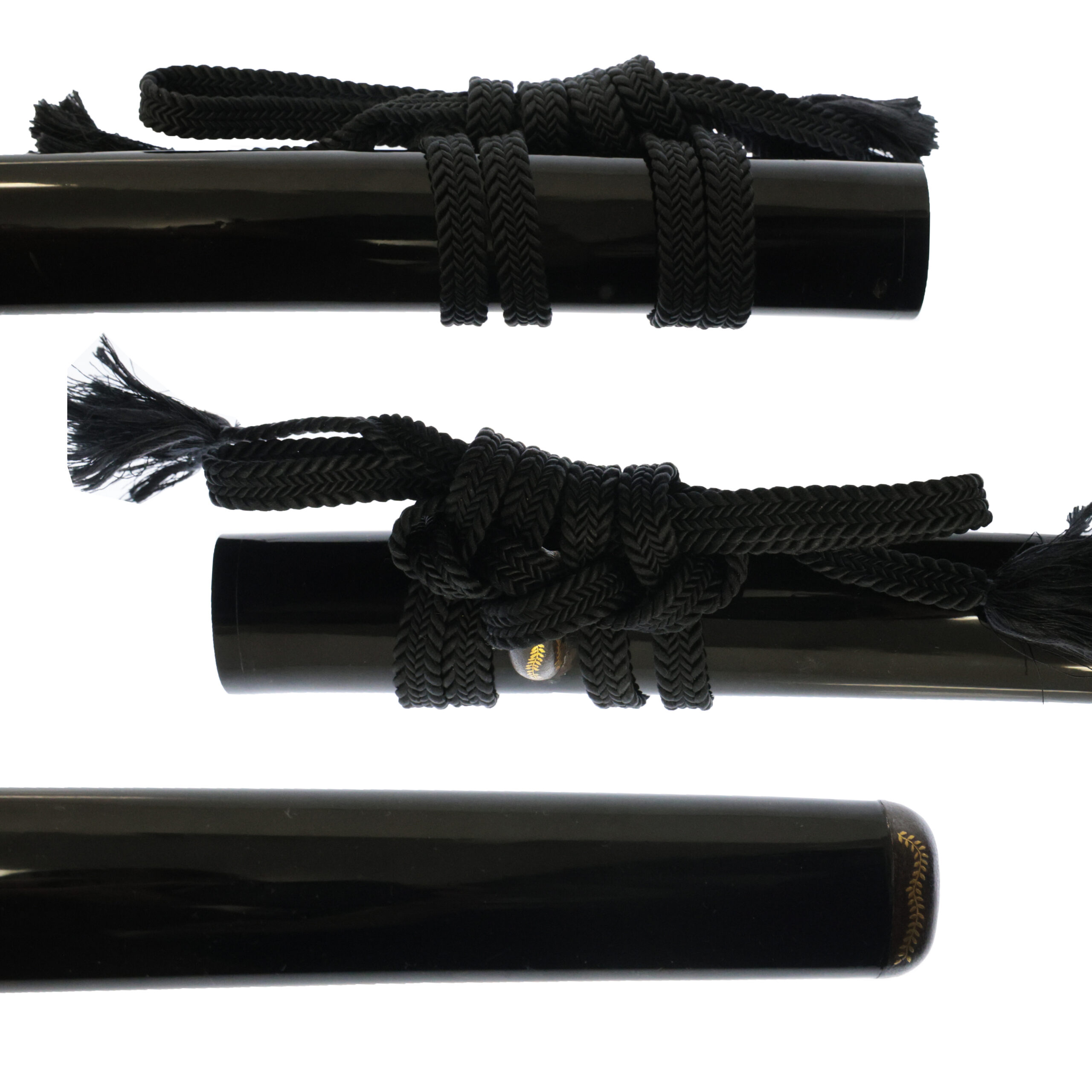
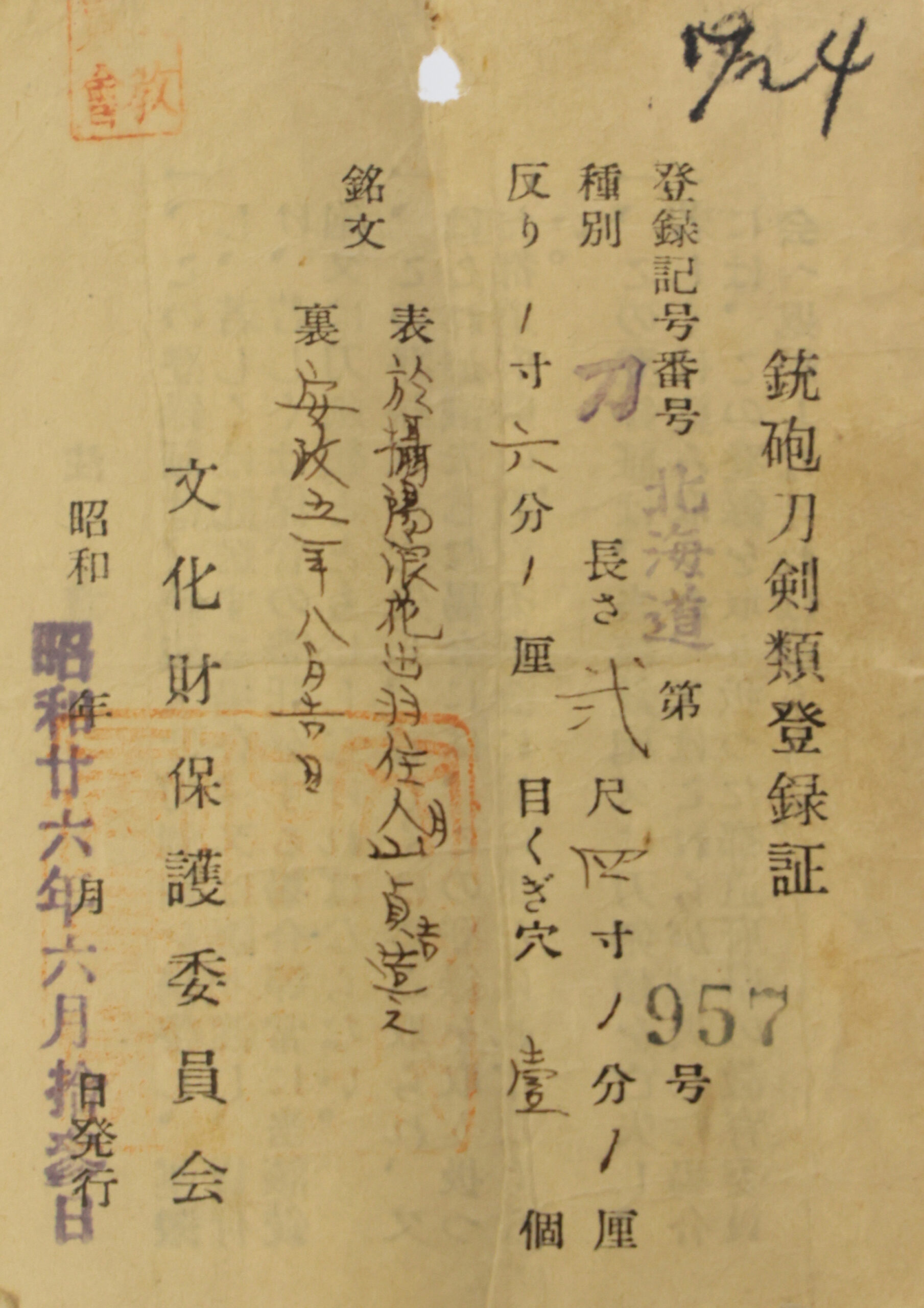
Antique Japanese Sword Katana Signed by Gassan Sadayoshi with NBTHK Tokubetsu Hozon Certificate 【Description】 This blade was signed by Gassan Sadayoshi (月山貞吉) in the fifth year of the Ansei era (1858), near the end of the Edo period. His birth name was Gassan Yahachirō (月山弥八郎), and he was born in Dewa Province (present-day Yamagata Prefecture) in 1781. According to the NBTHK (Society for the Preservation of Japanese Swords), the inscription indicates that this blade was forged in his native province of Dewa. The name “Gassan” refers to the swordsmith school to which he belonged. The Gassan school traces its origins back to the late Heian period (12th century) and is traditionally associated with Mt. Gassan, a sacred mountain in Dewa Province where the school’s earliest smiths are believed to have worked. In his youth, Sadayoshi studied sword forging under his father, Okuyama Yasaburō Sadachika (奥山弥三郎貞近), who is believed to have descended from the ancient Ōshū Gassan lineage. Around the age of twenty, Sadayoshi moved to Edo (present-day Tokyo) to study under the renowned Suishinshi Masahide (水心子正秀), one of the most influential swordsmiths of the late Edo period and the leading figure of the Shinshintō (“New New Sword”) revival. After approximately ten years of training, Sadayoshi mastered the techniques of the Shinshintō tradition. In 1833 (Tenpō 4), he relocated to Osaka, where he established the Osaka Gassan School. There he further refined his distinctive style and trained numerous talented disciples, many of whom later became prominent swordsmiths during the Bakumatsu period. Although the Gassan school had been one of Japan’s most prestigious traditions since the Kamakura period, its influence had declined by the mid-Edo period. Through Sadayoshi’s tireless efforts and accomplishments, however, the school was revived and regained its former prominence toward the end of the Edo period. Sadayoshi adopted a son from the Tsukamoto family and named him Sadamitsu (Gassan Sadakazu, 月山貞一), who later became one of Japan’s most famous swordsmiths of the Meiji era. Father and son devoted many years to researching the traditional Gassan forging techniques and eventually succeeded in recreating the “Ayasugi-hada” (綾杉肌)—an undulating grain on the steel surface resembling the grain of Japanese cedar, which became the signature texture of the Gassan school. In addition to Ayasugihada, Sadayoshi also forged blades in various other traditional styles. Gassan Sadayoshi passed away in 1870 (the 3rd year of the Meiji era) at the age of 71. His adopted son Gassan Sadakazu inherited the tradition, which was then passed down to Gassan Sadakatsu, and the lineage continues to this day. The current head of the family, Gassan Kazutoshi, and his son Gassan Sadanobu, still carry on the centuries-old Gassan tradition, forging authentic Japanese swords in Nara Prefecture today. Osaka Shintō Zufu (大阪新刀図譜) Also, this blade is recorded and illustrated in Osaka Shintō Zufu (大阪新刀図譜), an important large-format reference work on swords made in Osaka during the Edo period. Published by Yūzankaku in 1967, the book documents major Osaka swordsmiths through extensive illustrations, genealogies, and chronological records of their works. This very blade appears in the book as a documented work by Gassan Sadayoshi (月山貞吉), a prominent Osaka swordsmith of the late Edo and Bakumatsu periods. Its inclusion provides valuable published documentation and further enhances the historical significance of this sword. It is appraised as a Tokubetsu Hozon Token (特別保存刀剣) issued by NBTHK (Nihon Bijutsu Touken Hozon Kyokai: 日本美術刀剣保存協会). This authentication paper was only given to authentic Japanese swords, especially well preserved and high quality with artistic value. *Please keep in mind that there are a couple of small Kitae Kizu on the blade. If you like to know the detailed condition, please feel free to contact us. 【Blade】 Cutting Edge Length (Nagasa) : 72.7 cm (28.6 inches) Cu
NihontoWatch
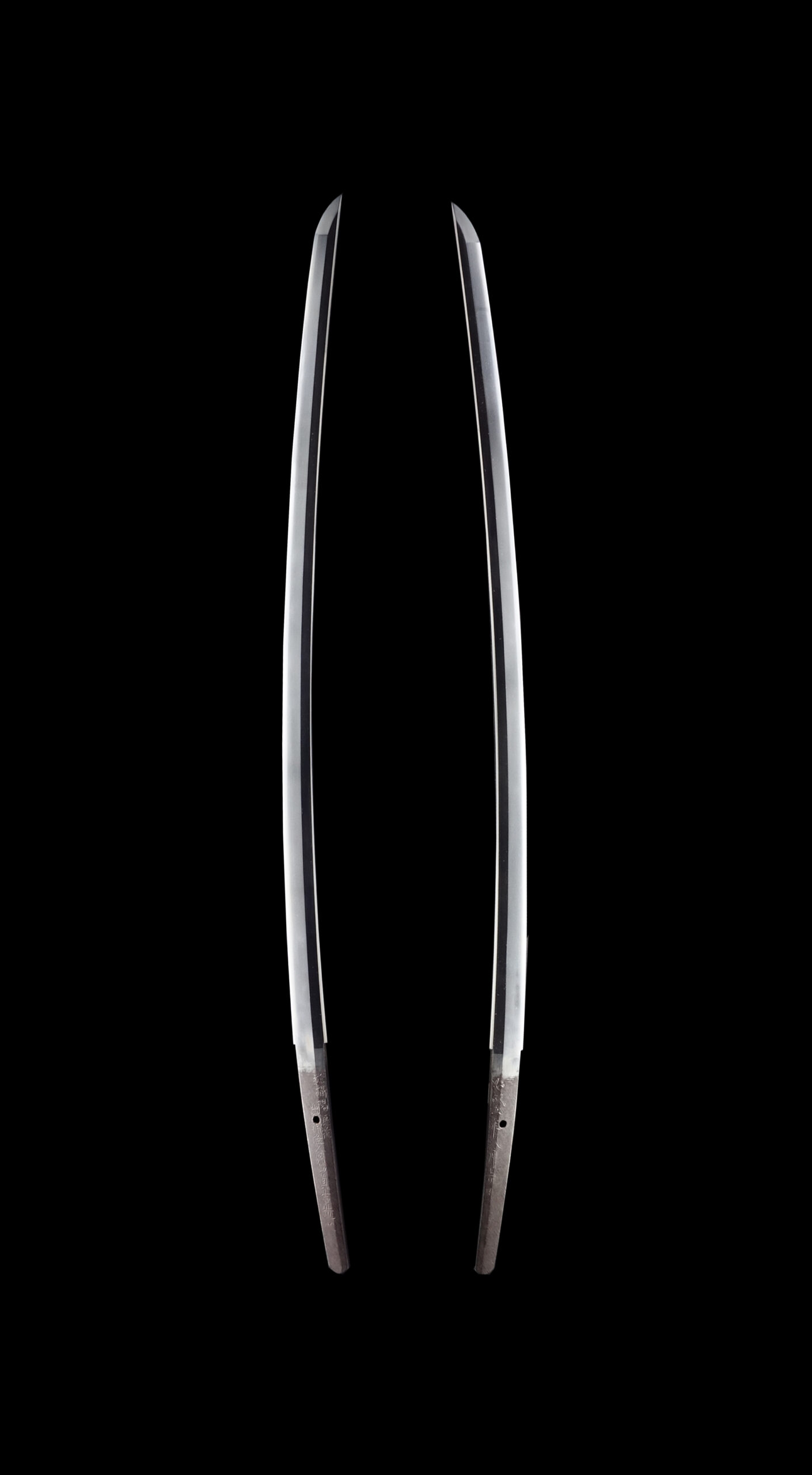
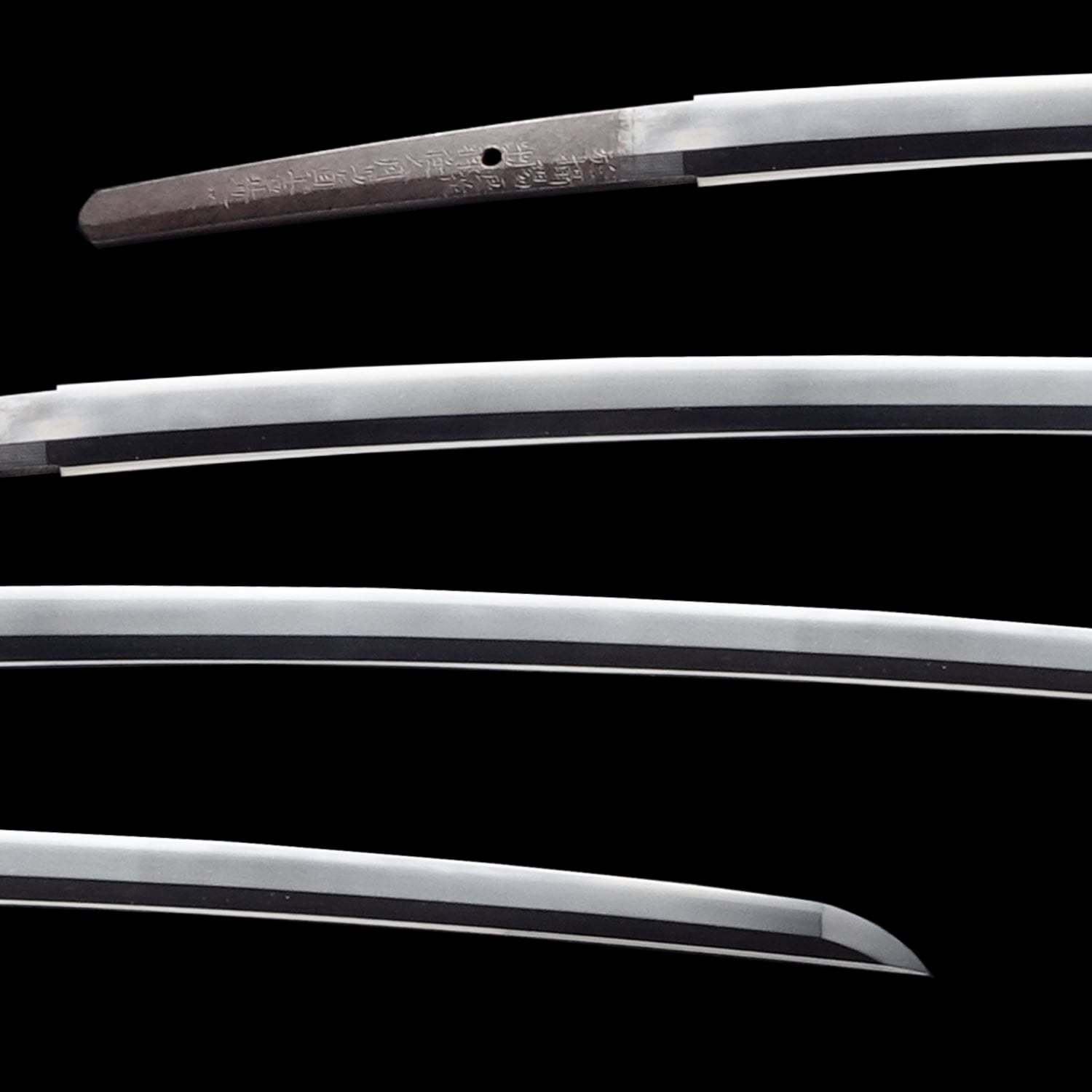
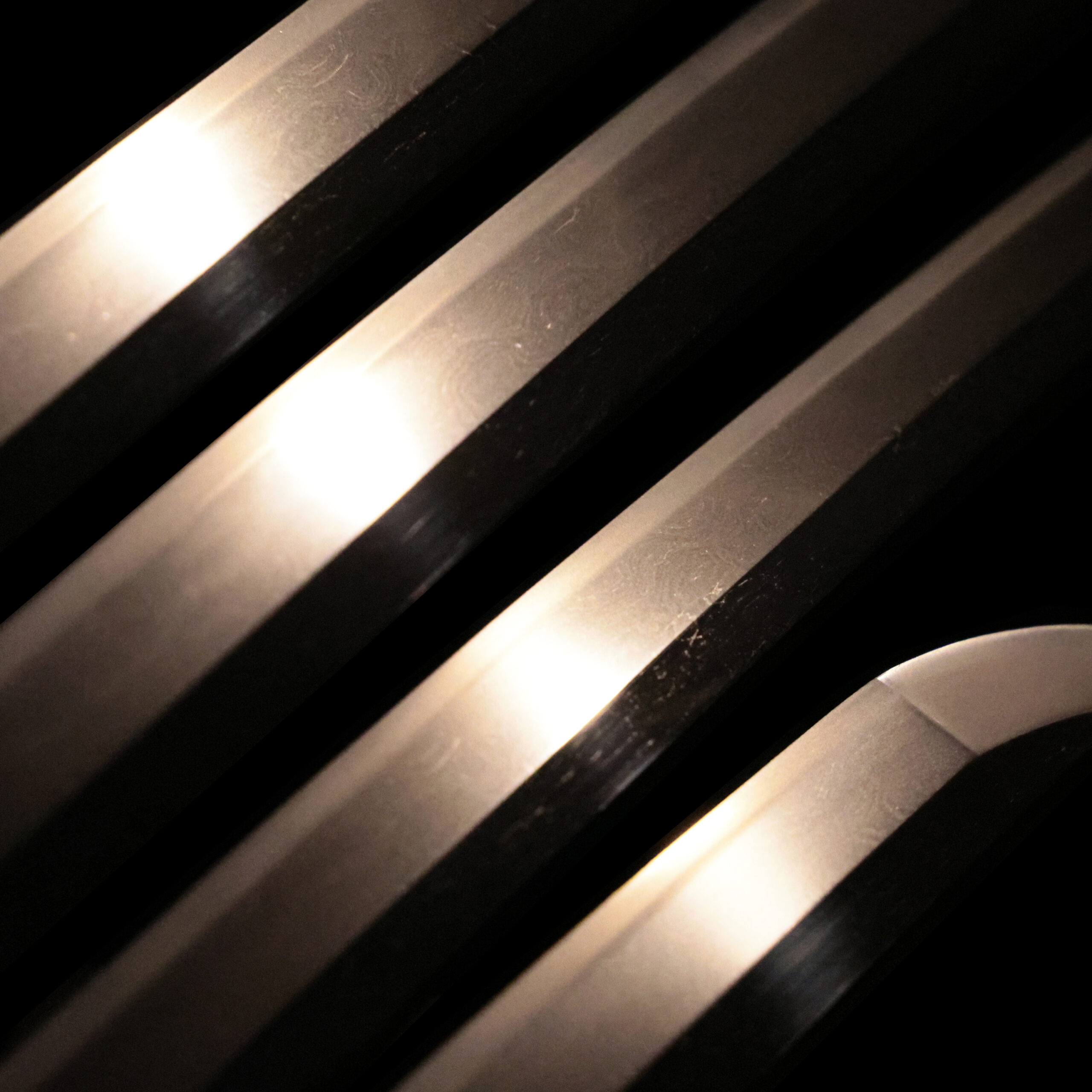
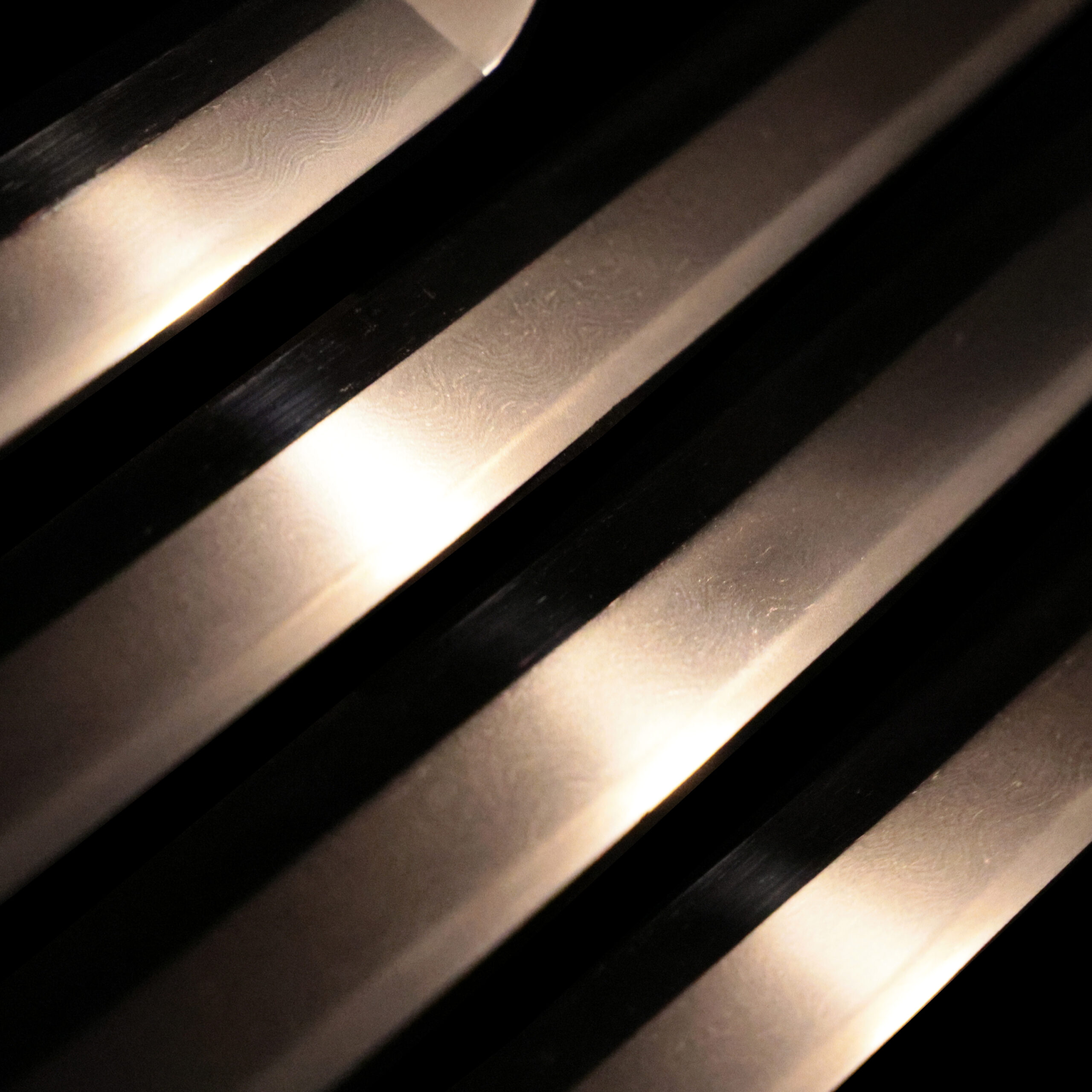
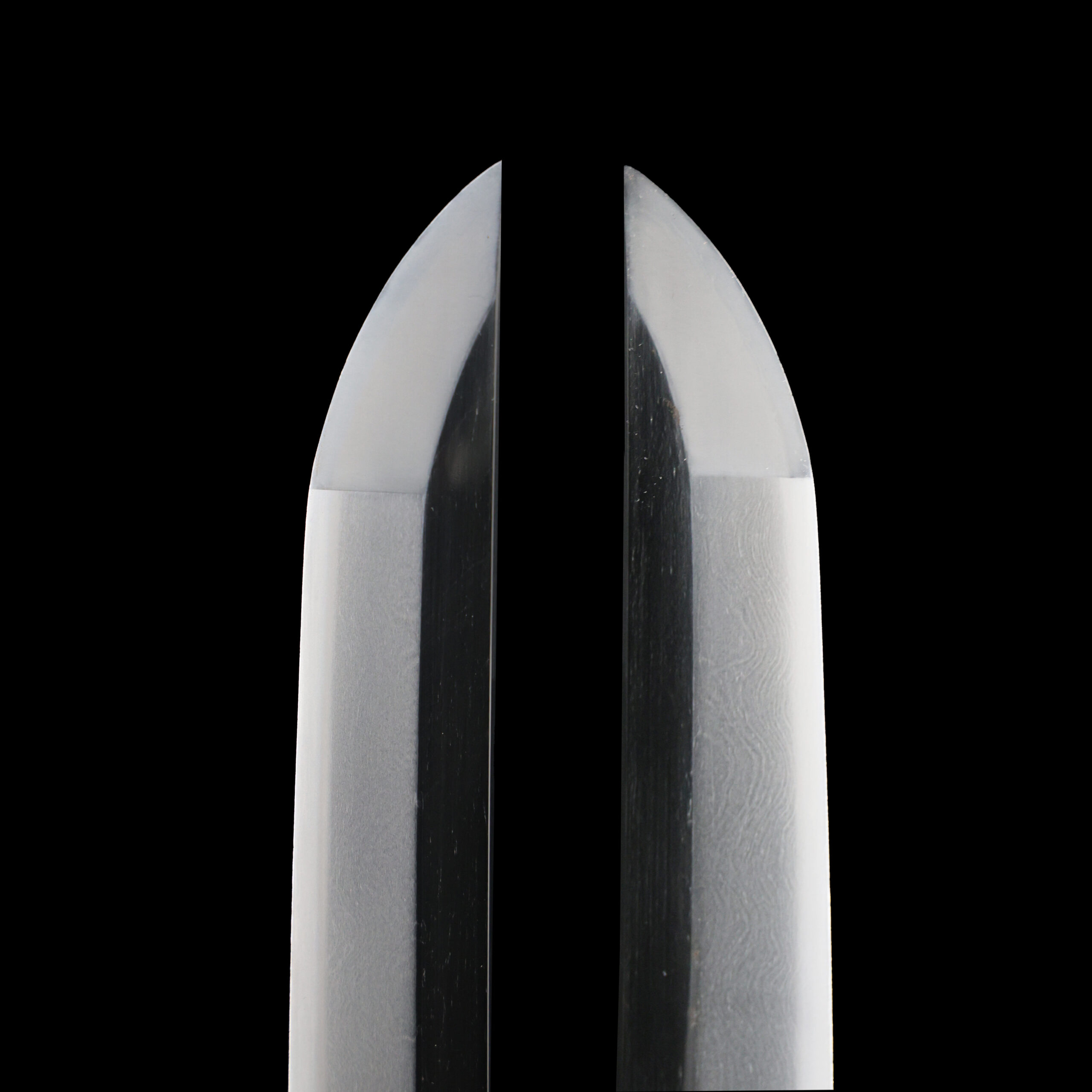
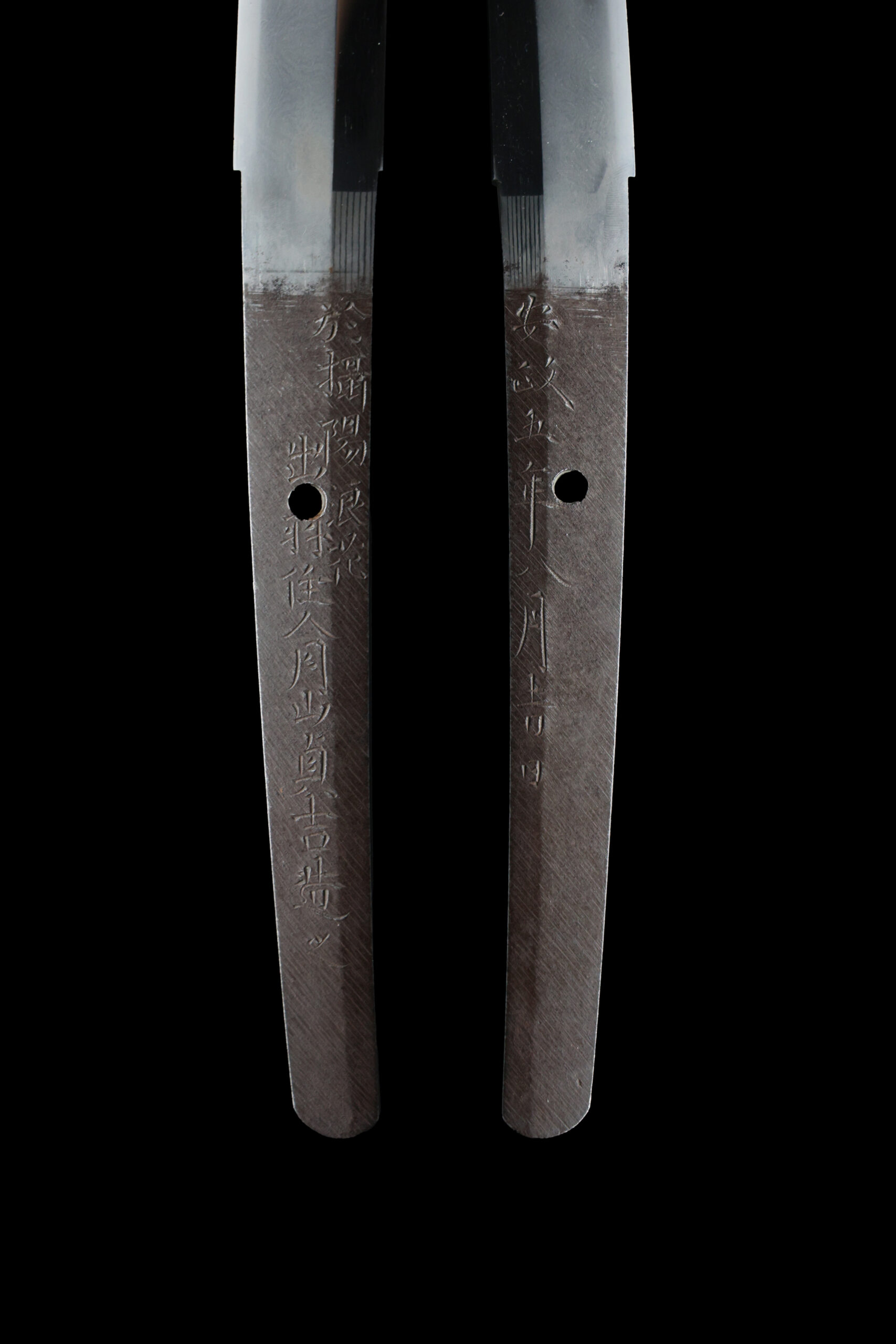
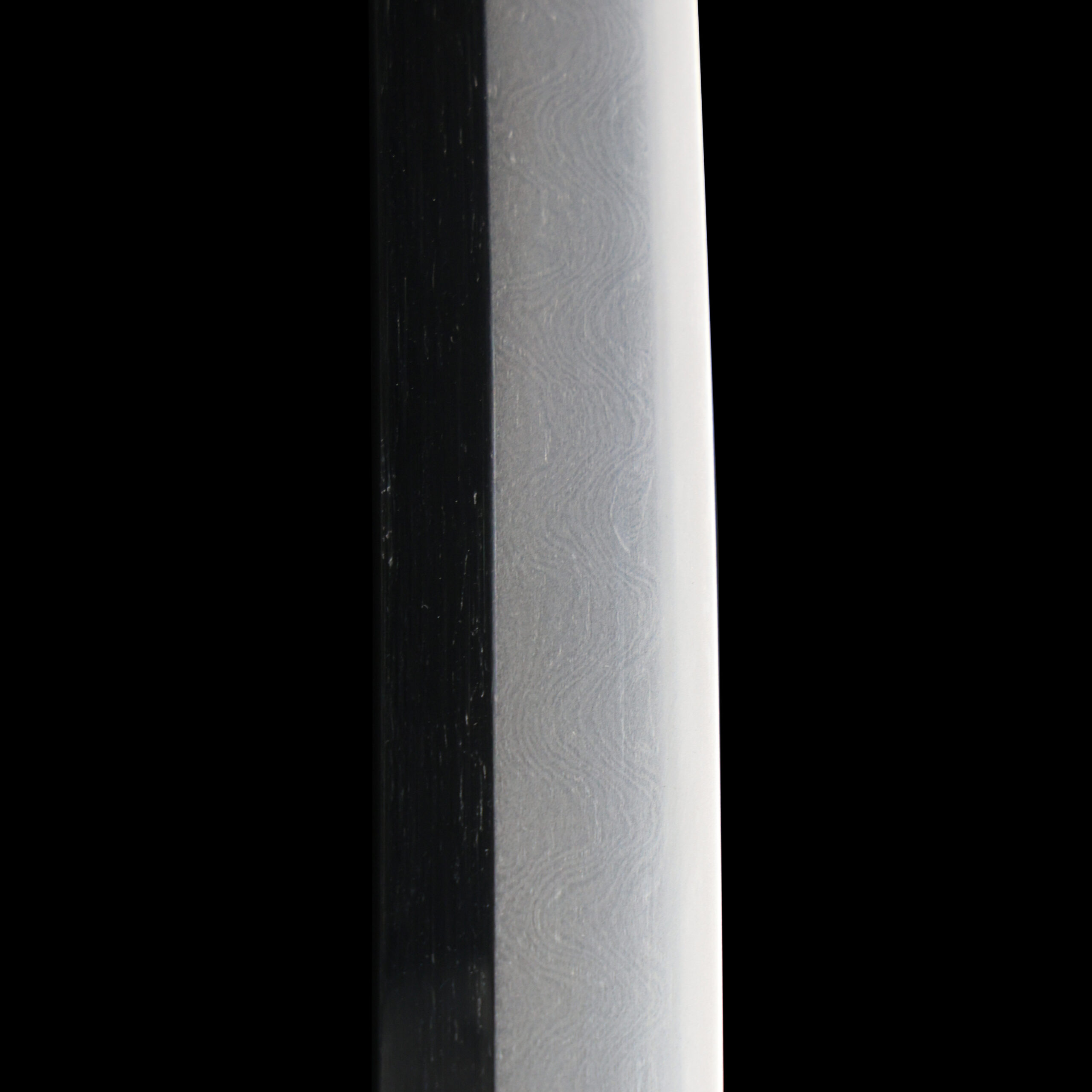
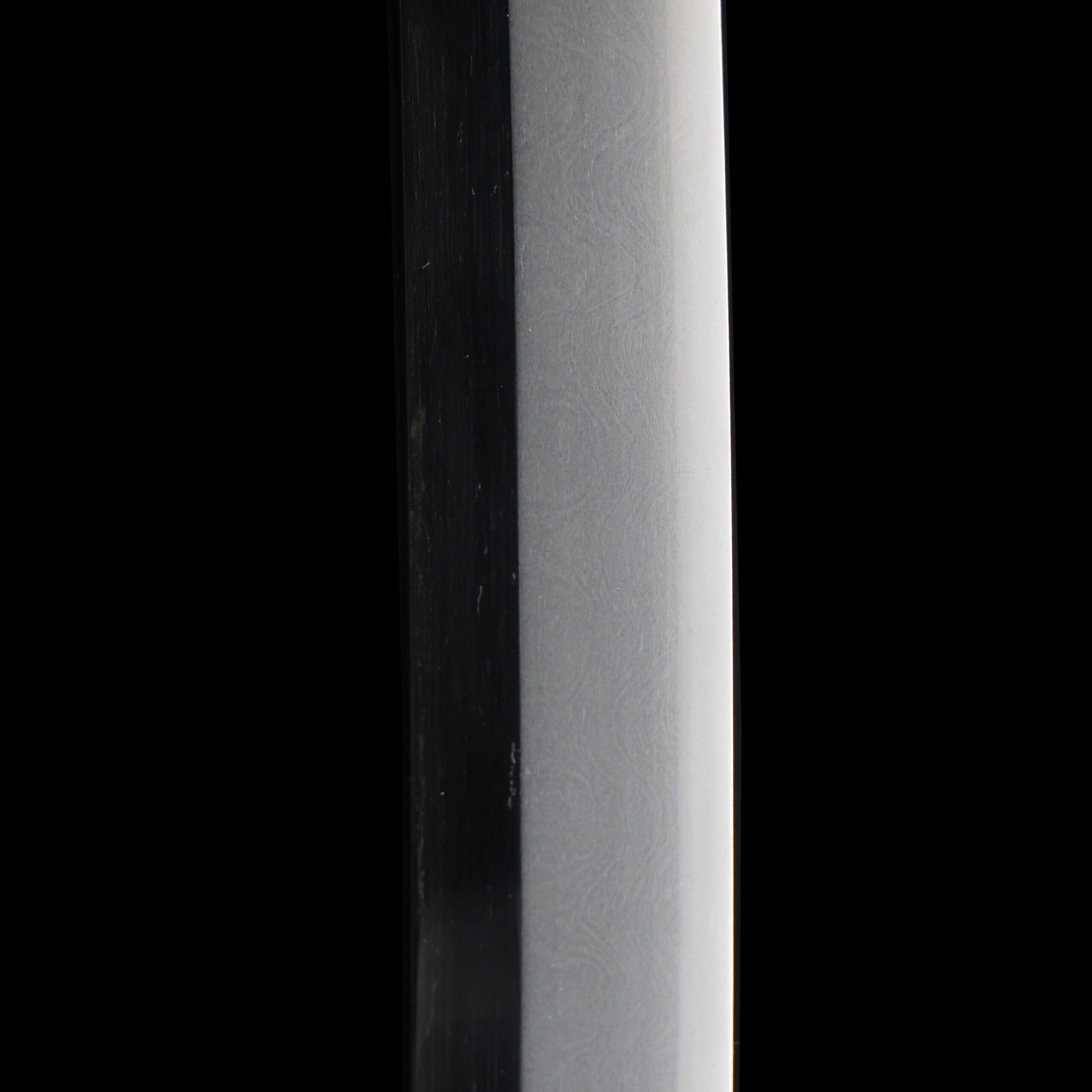
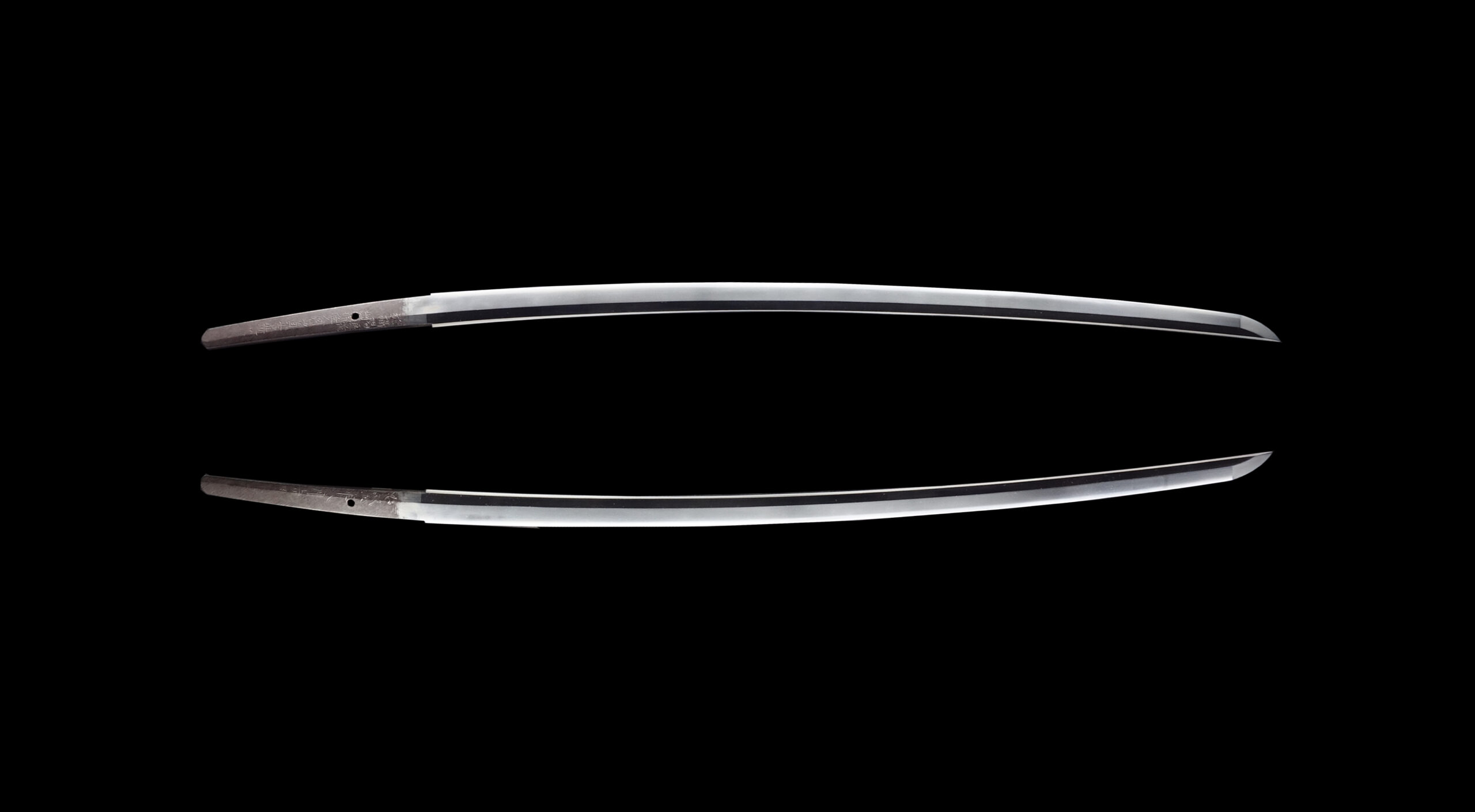
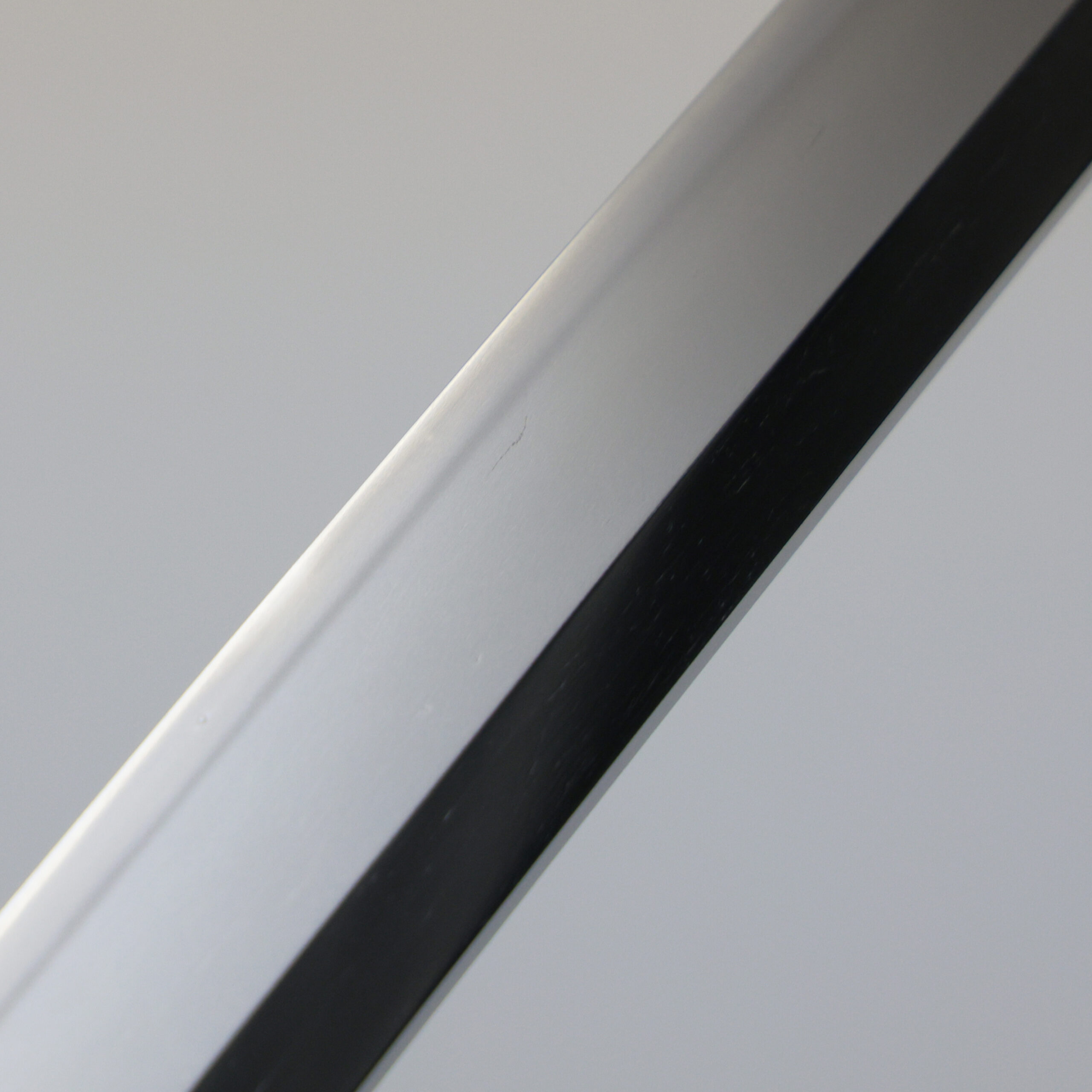
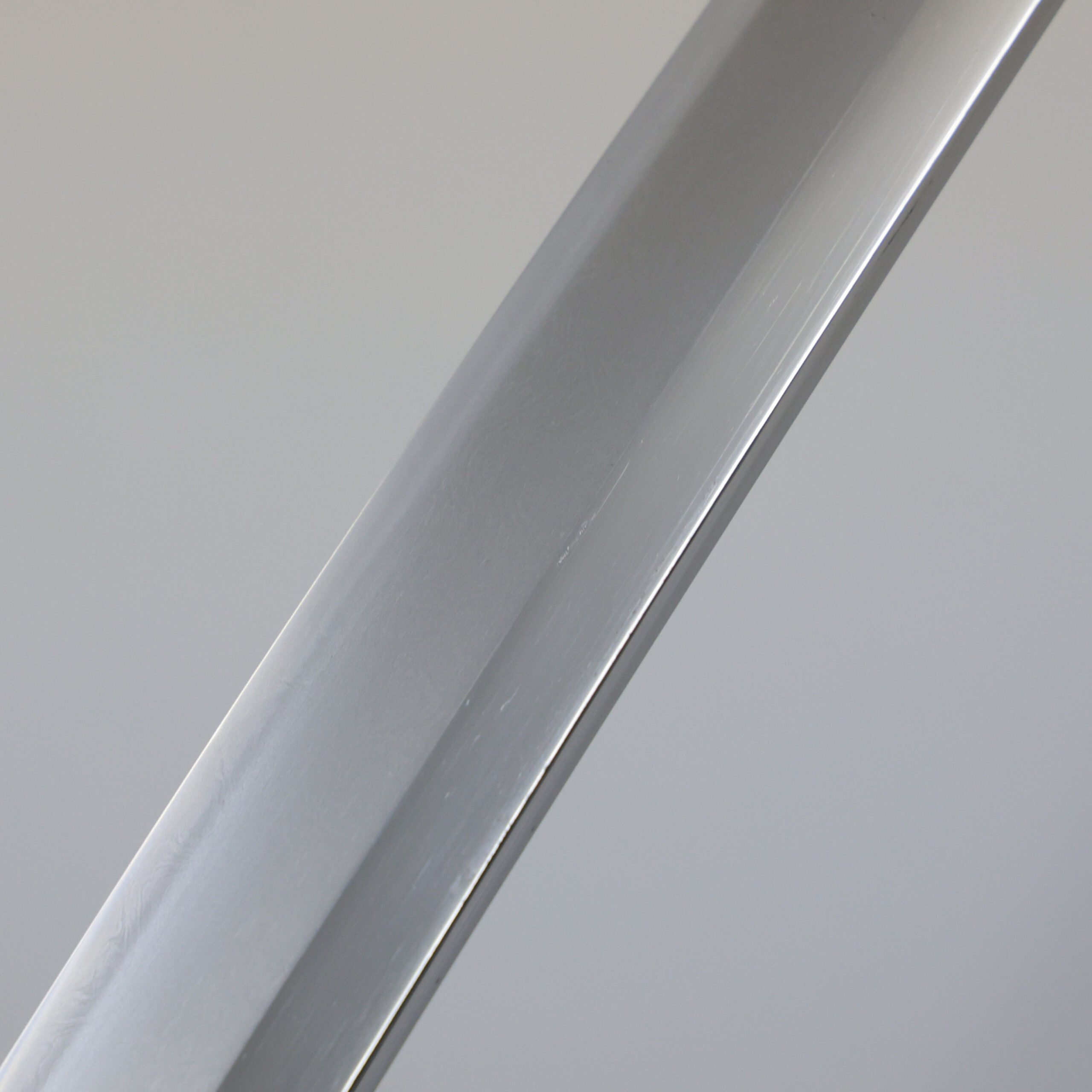
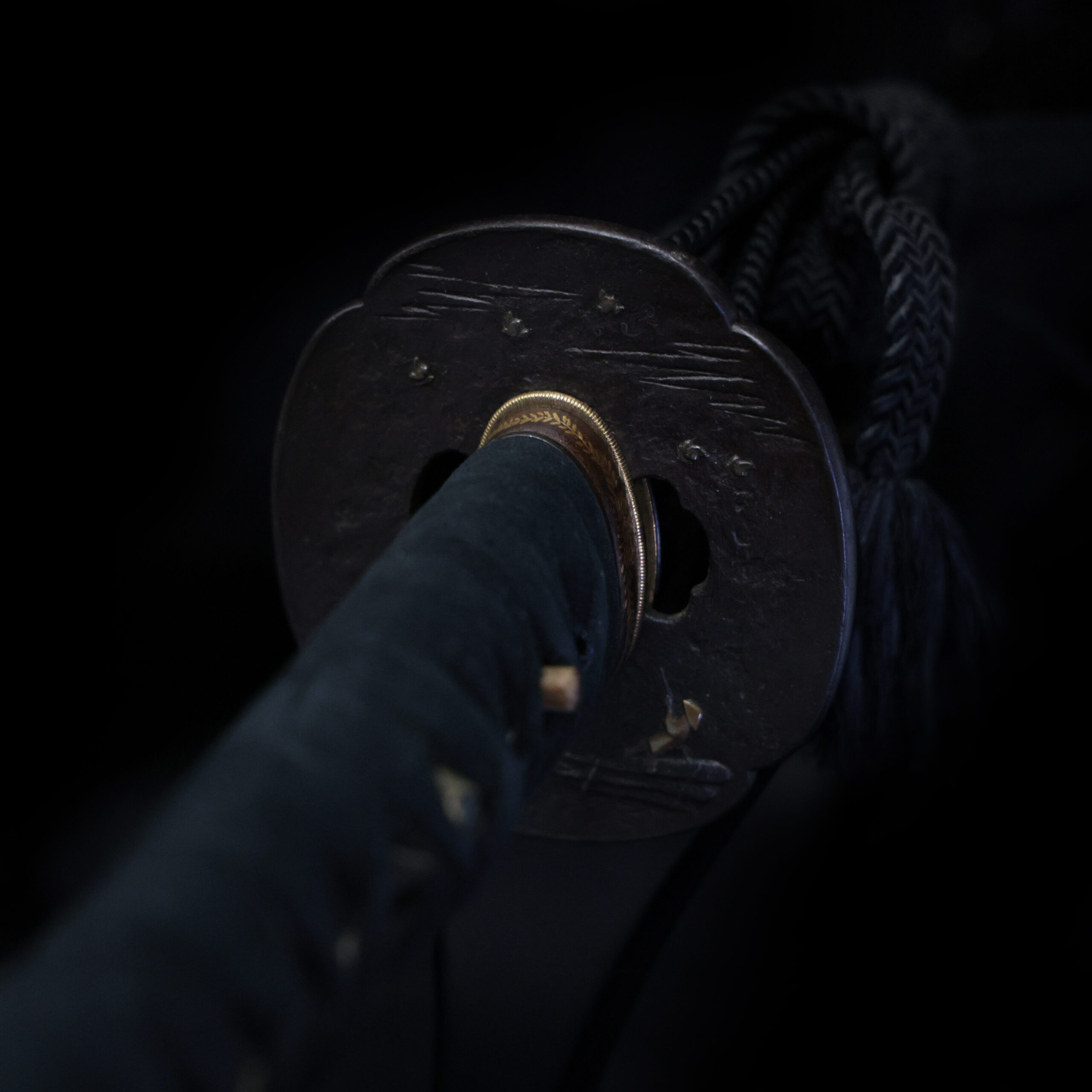
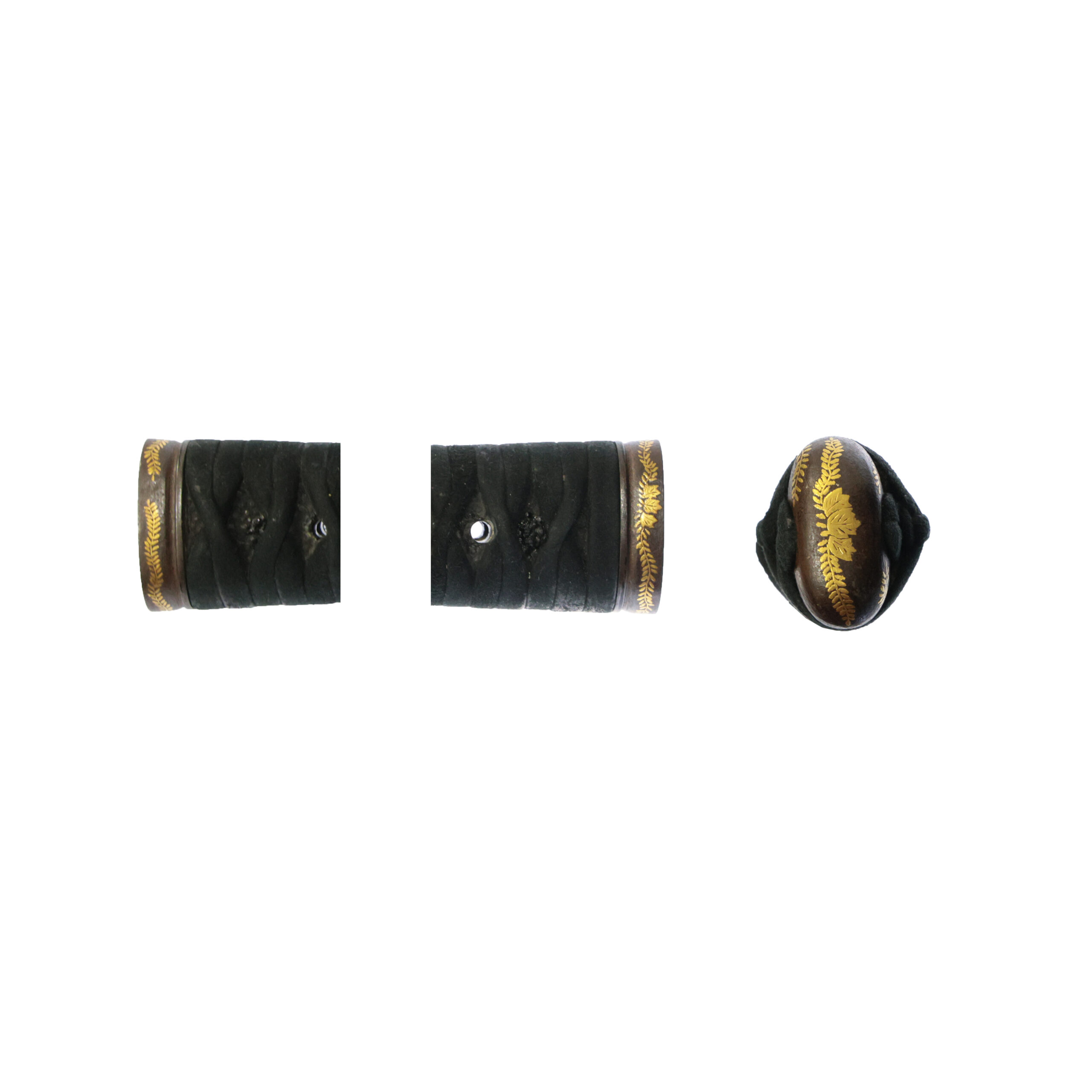
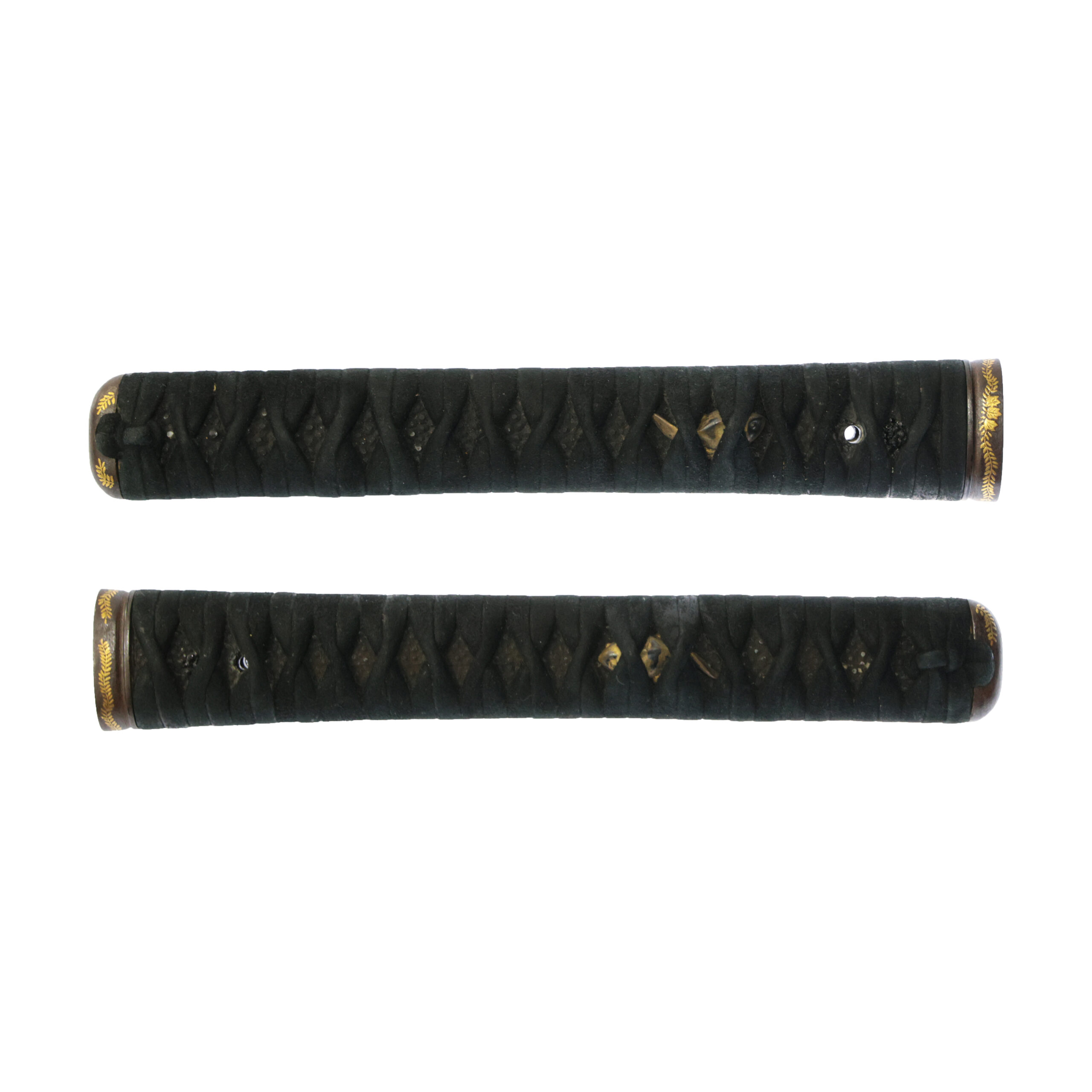
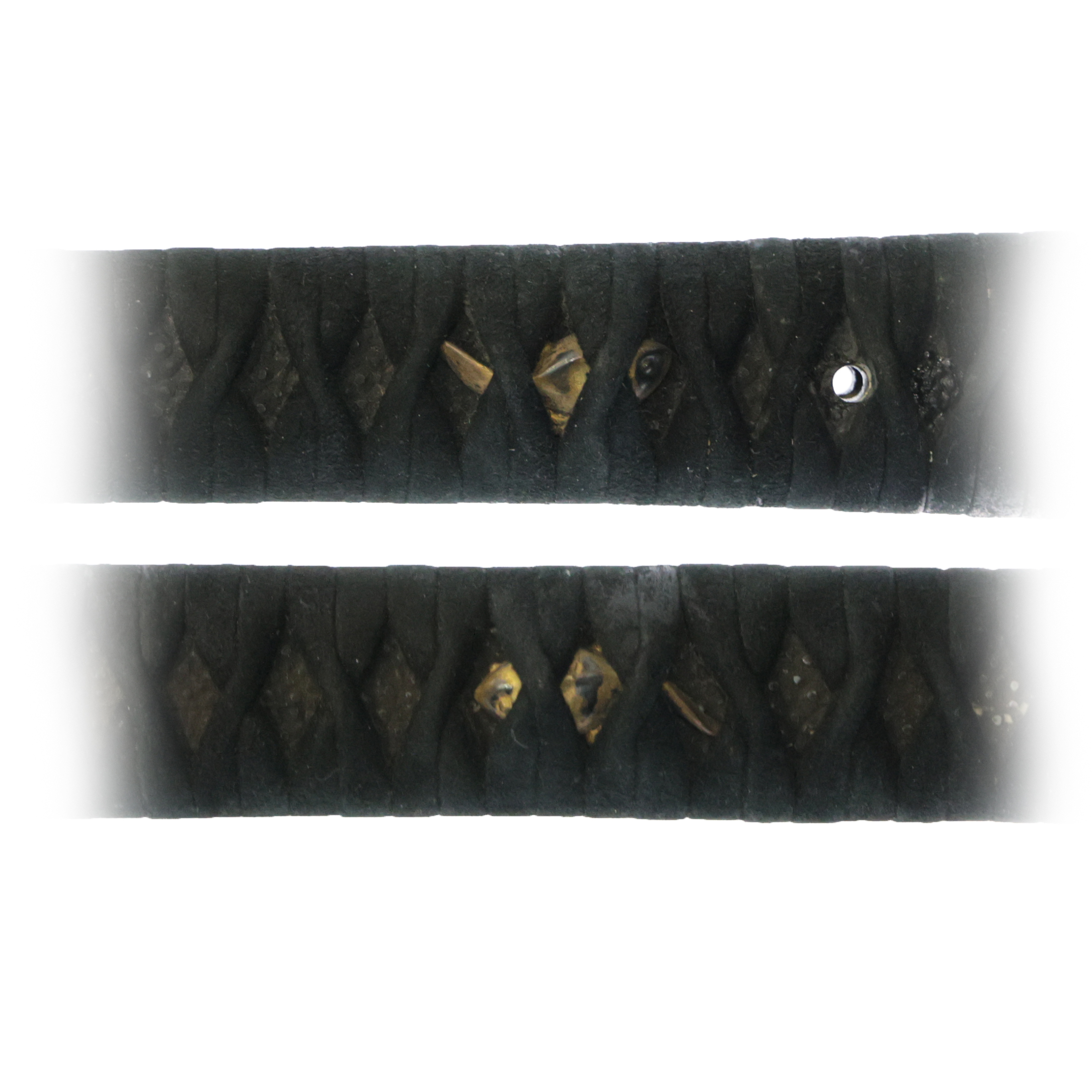
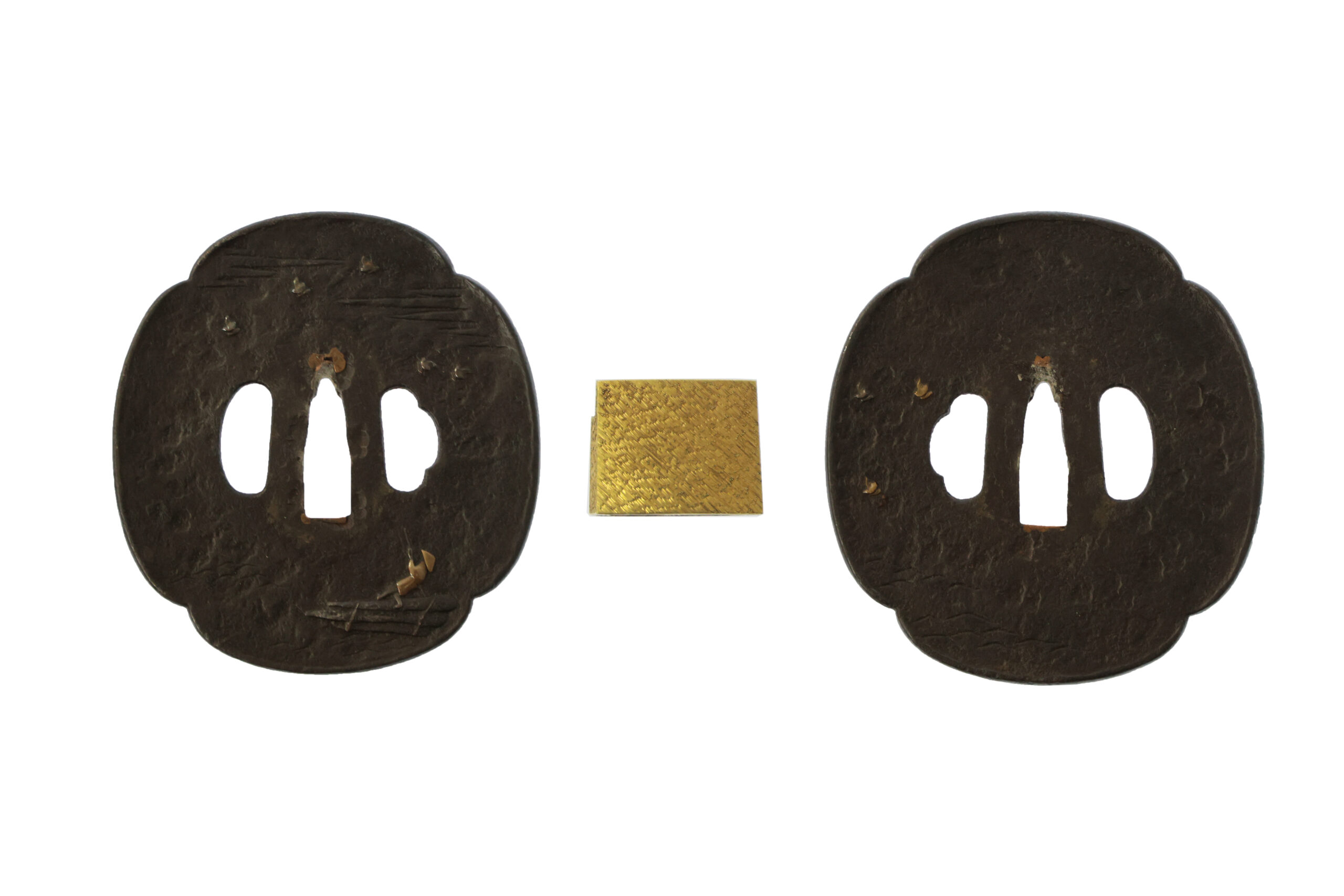
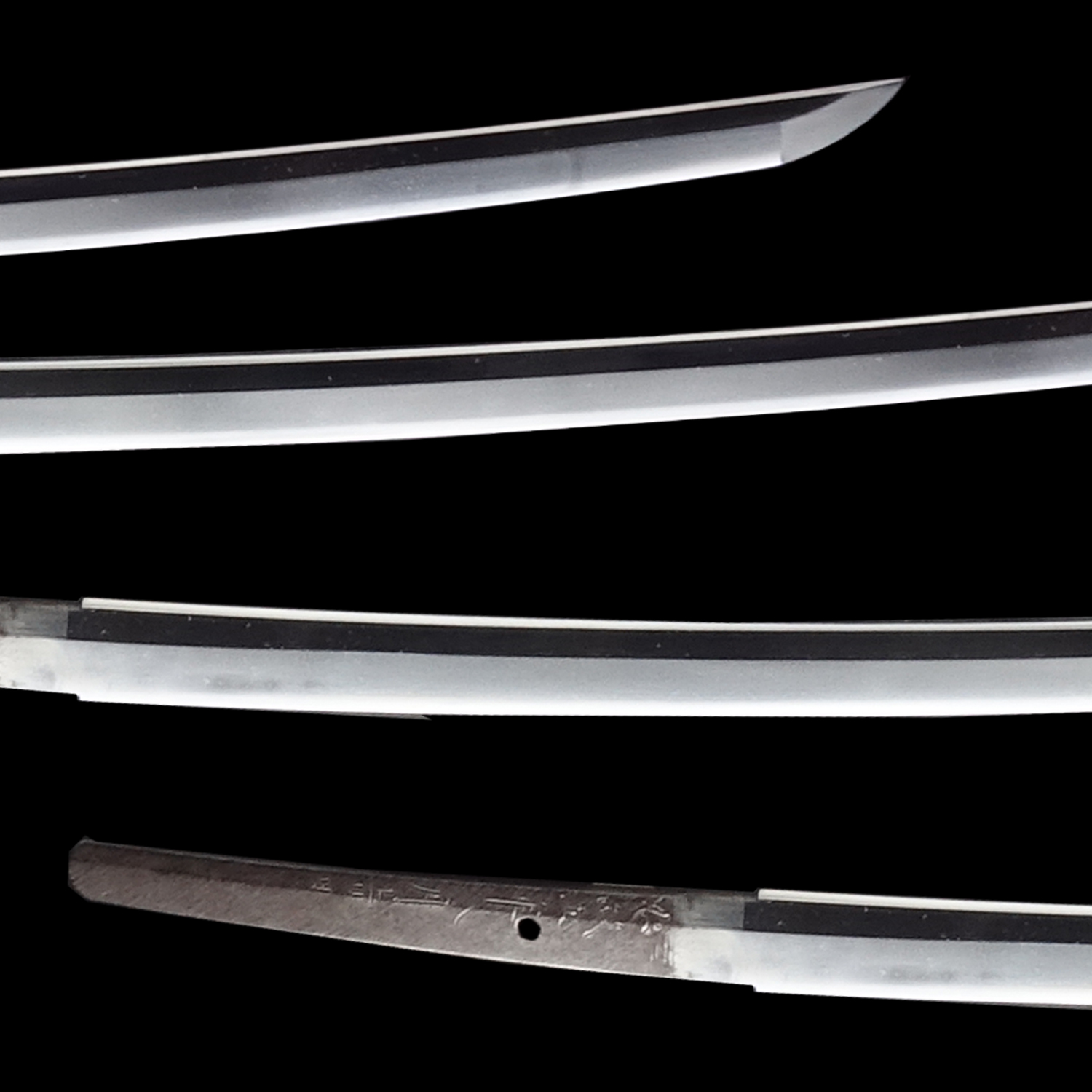
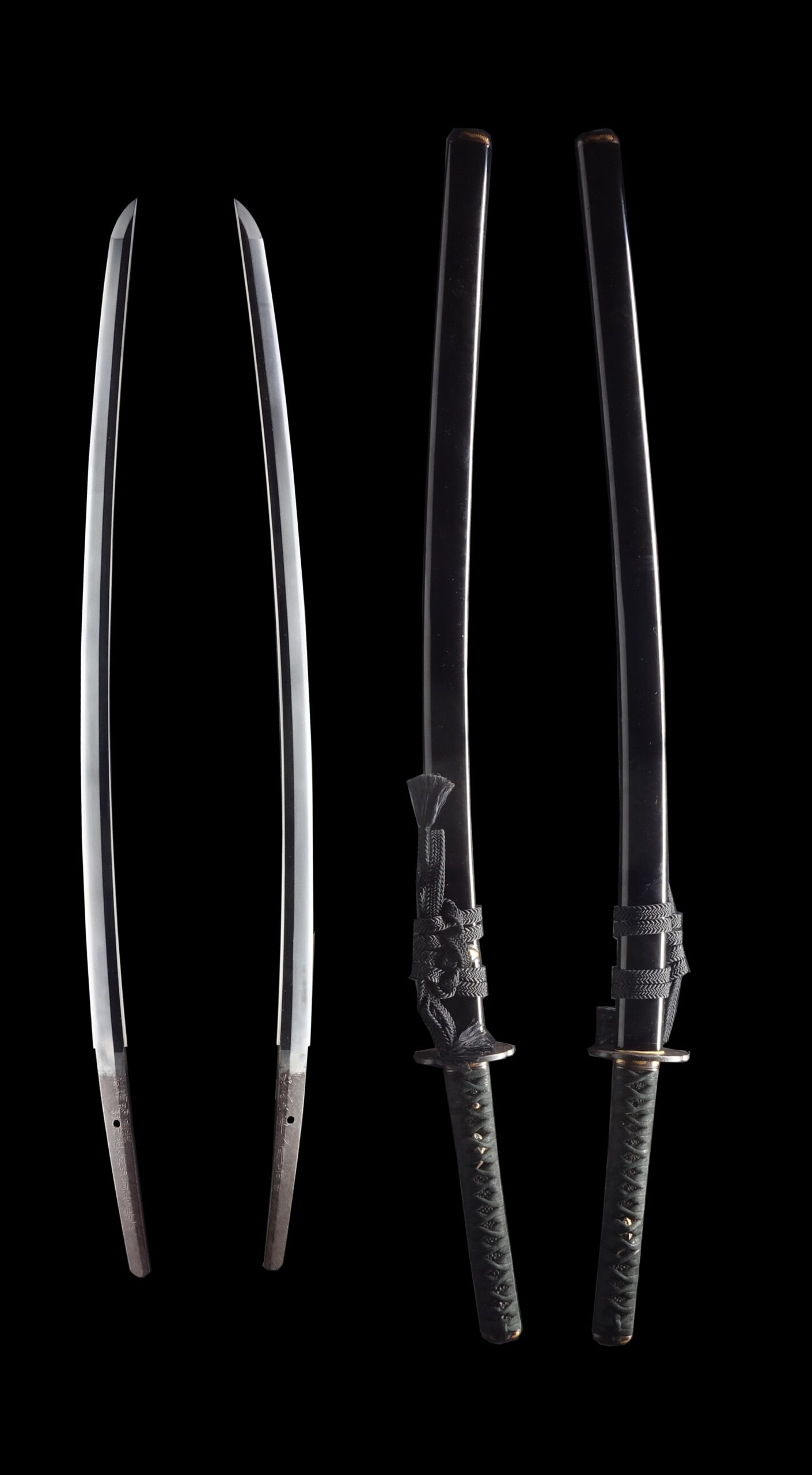
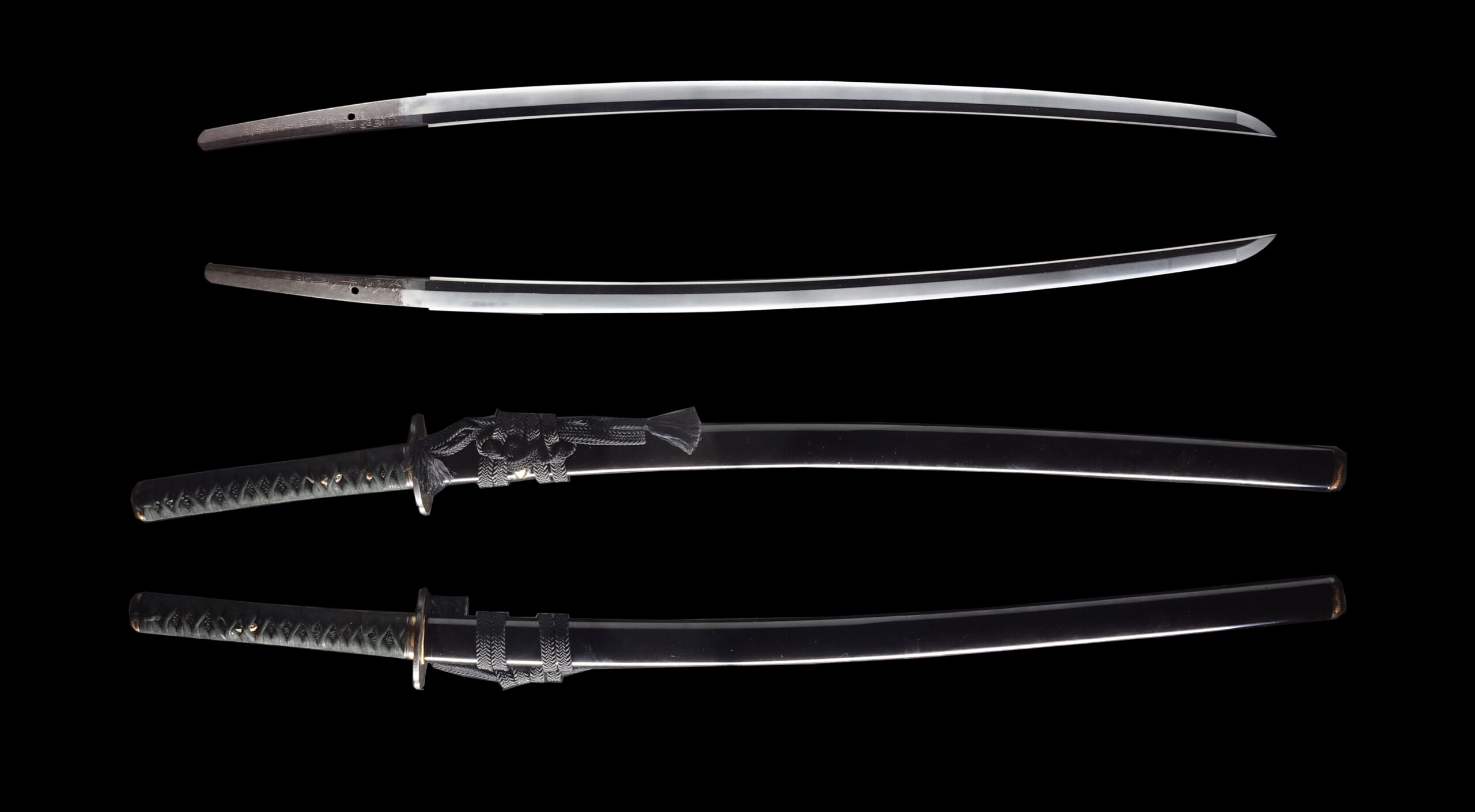
新々刀 · 摂津 · 1830-1863頃
藤代 上作 · 刀剣大鑑 上位49%
現在1点販売中
新々刀 · 摂津
現在28点販売中
幕末 最後の需要
1853年のペリー来航は徳川の泰平をほどき、二世紀ぶりに実用刀の大量需要を生んだ。四谷正宗と呼ばれた清麿はその前夜に世を去り、宗次や行秀が最後の好況を担った。
保存刀剣のうち、出来が一層優れ、保存状態も良好と認められたものです。再刃や、室町・江戸期の多くの無銘作は対象外となり、保存刀剣より高い基準が課されます。
日本美術刀剣保存協会(NBTHK)は、1948年に設立され、文化庁の監督を受ける公益財団法人で、東京・刀剣博物館に本部を置きます。専門の審査員が出品作を直接審査し、美術的・歴史的価値に応じた鑑定書を発行します。NBTHKの鑑定書は、日本刀および刀装具の真正性を示す最も広く認知された基準です。
NBTHK公式サイトReturns/exchanges limited to defects caused by shipping (except willful misconduct or gross negligence by the company); customers must contact within 72 hours of receiving the product.