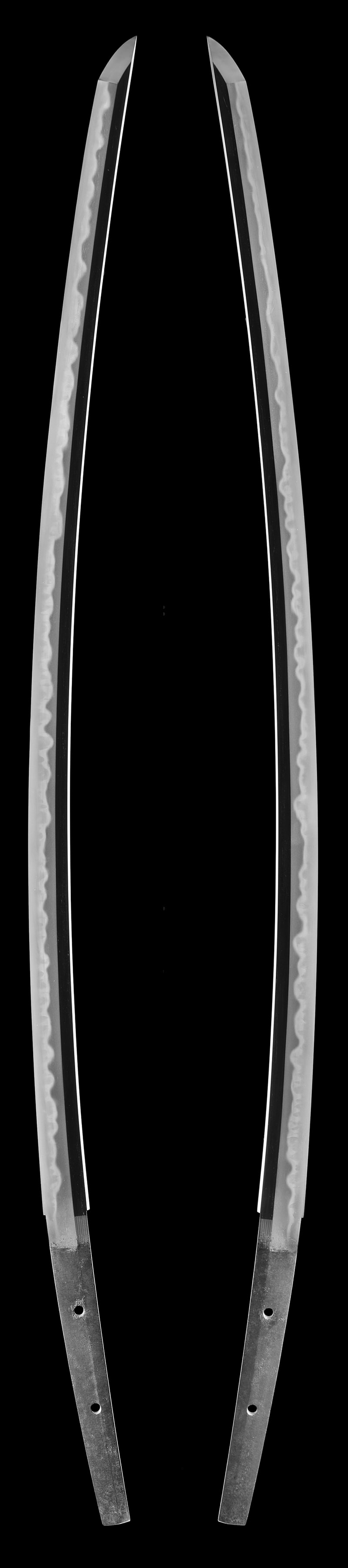
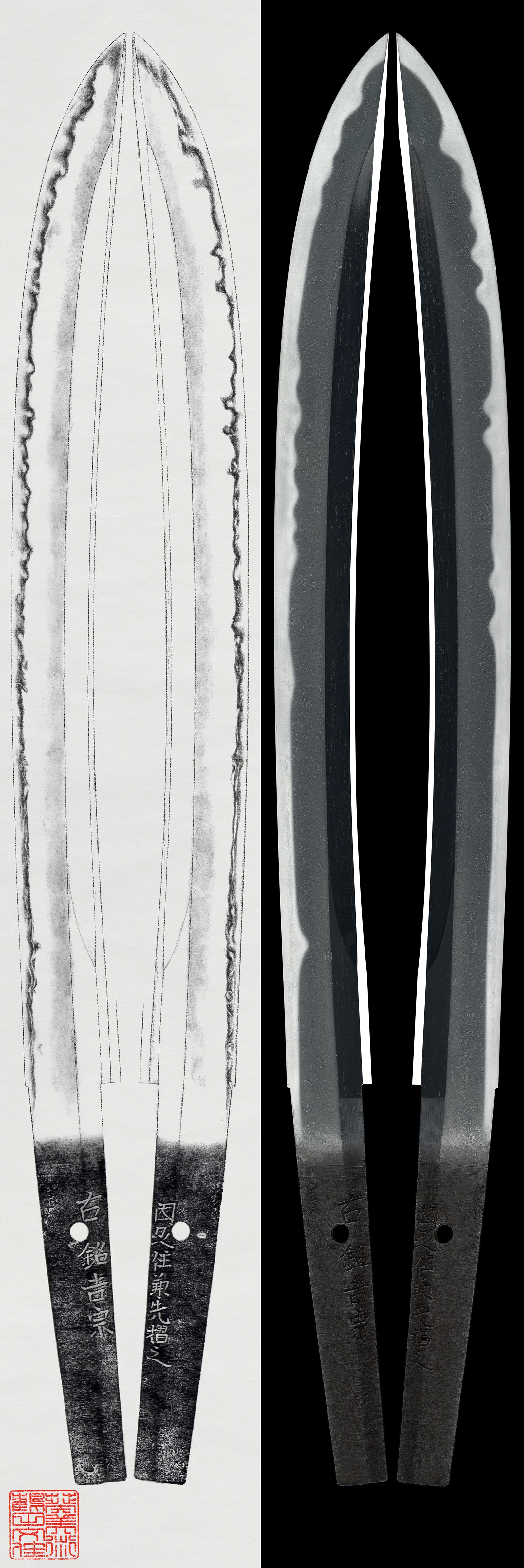
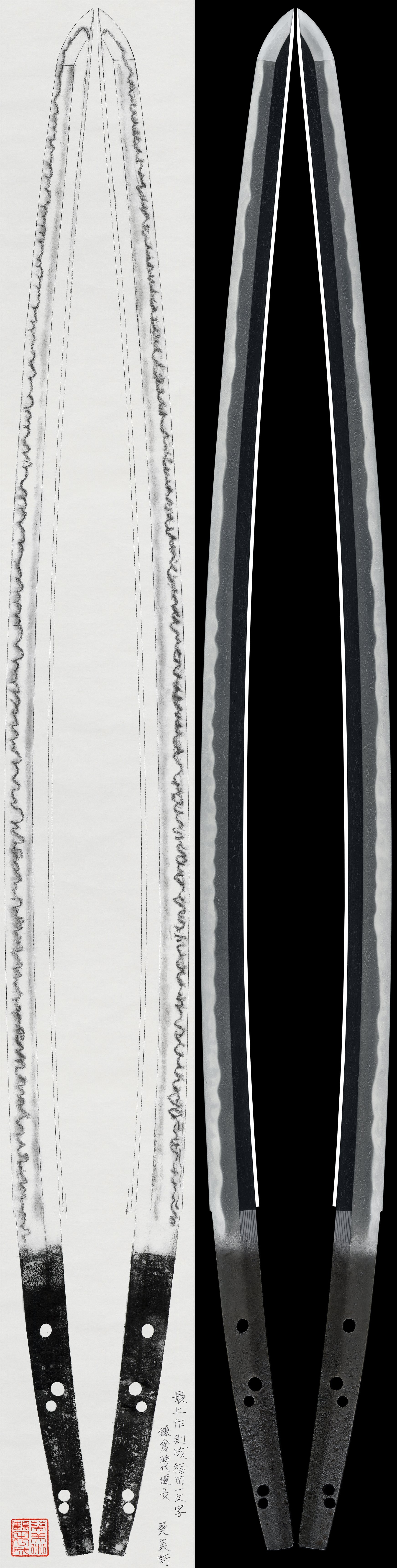
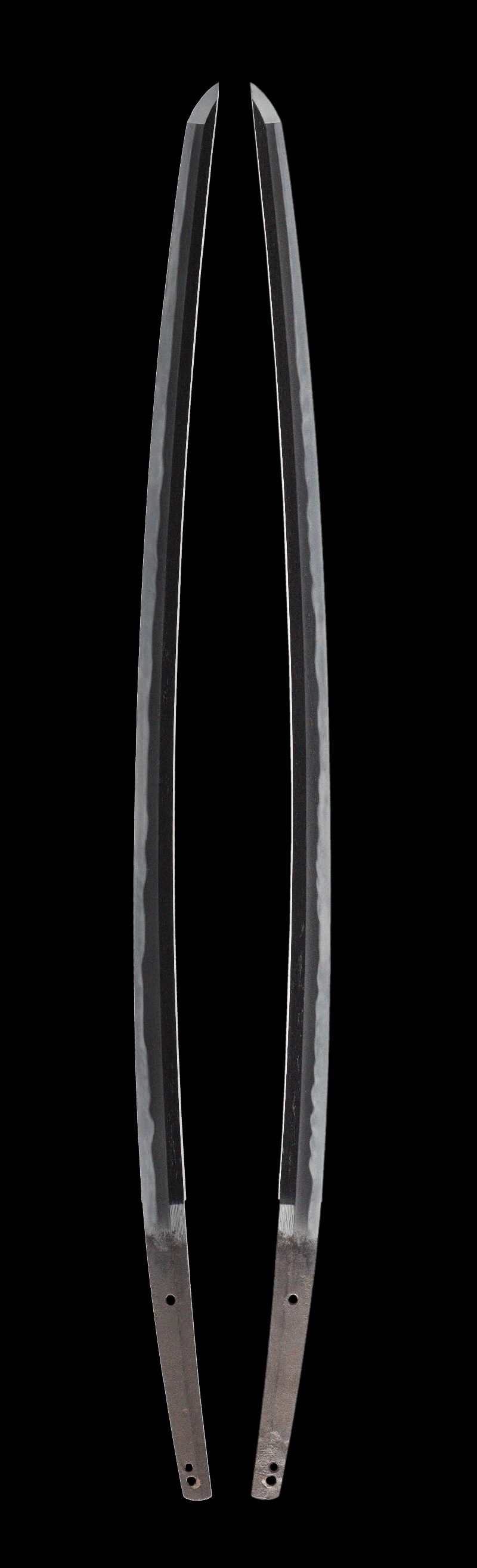
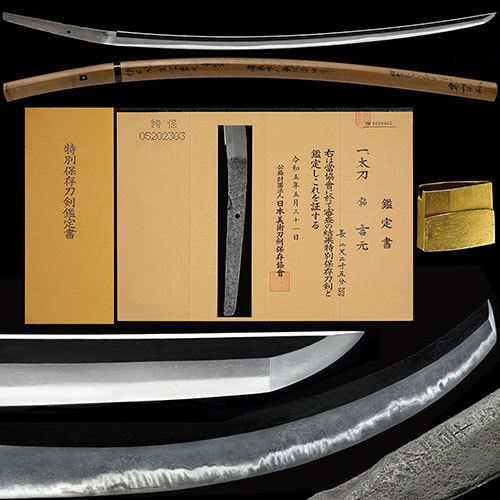
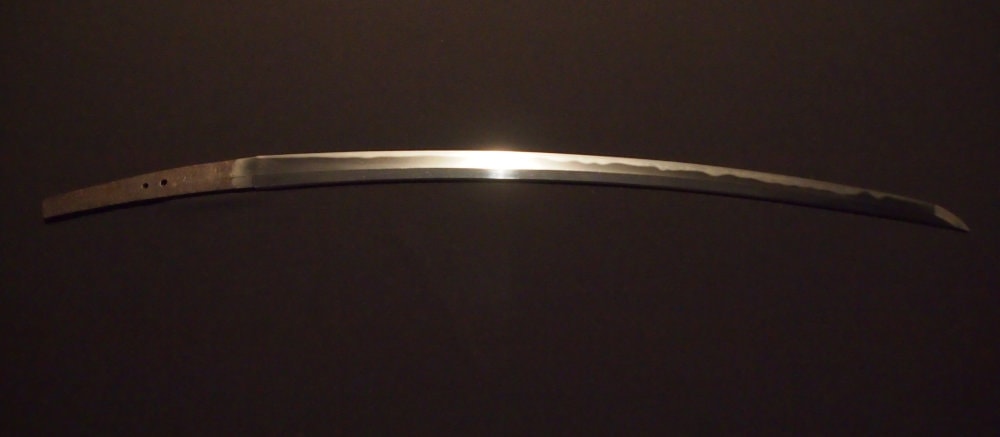
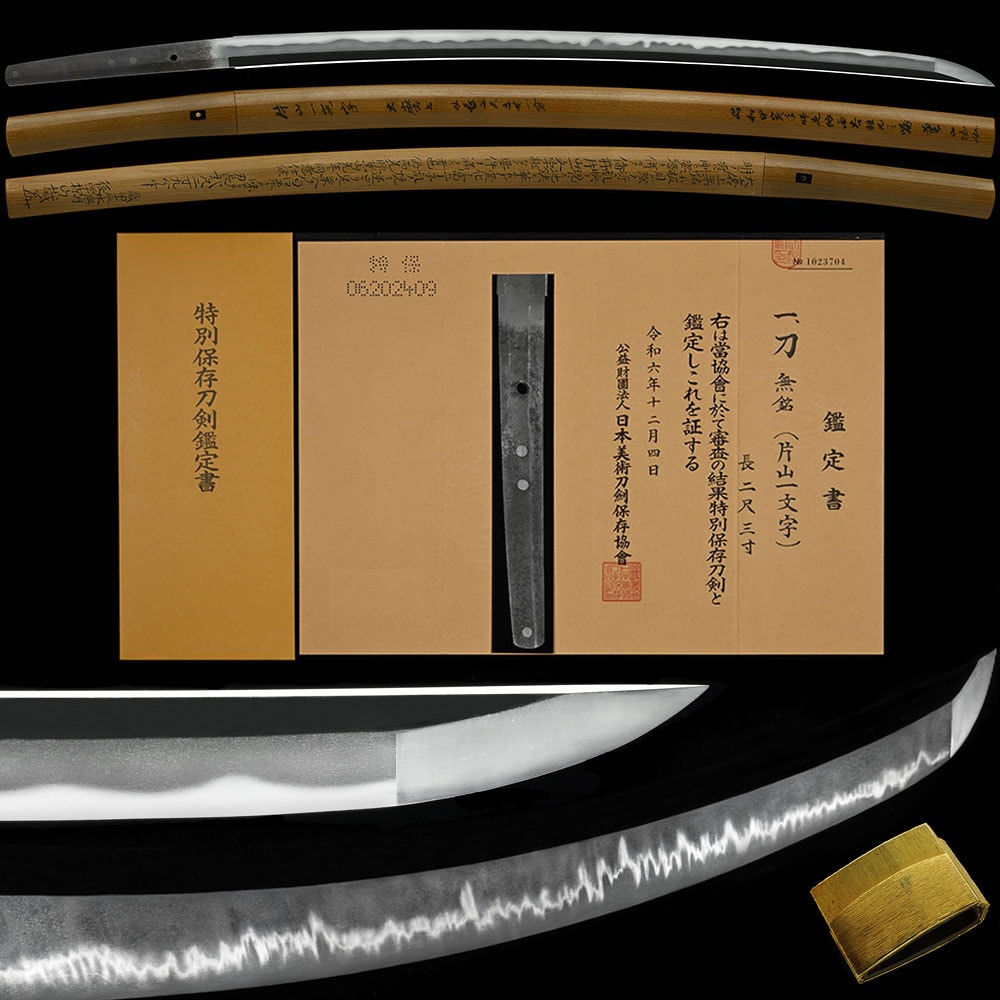
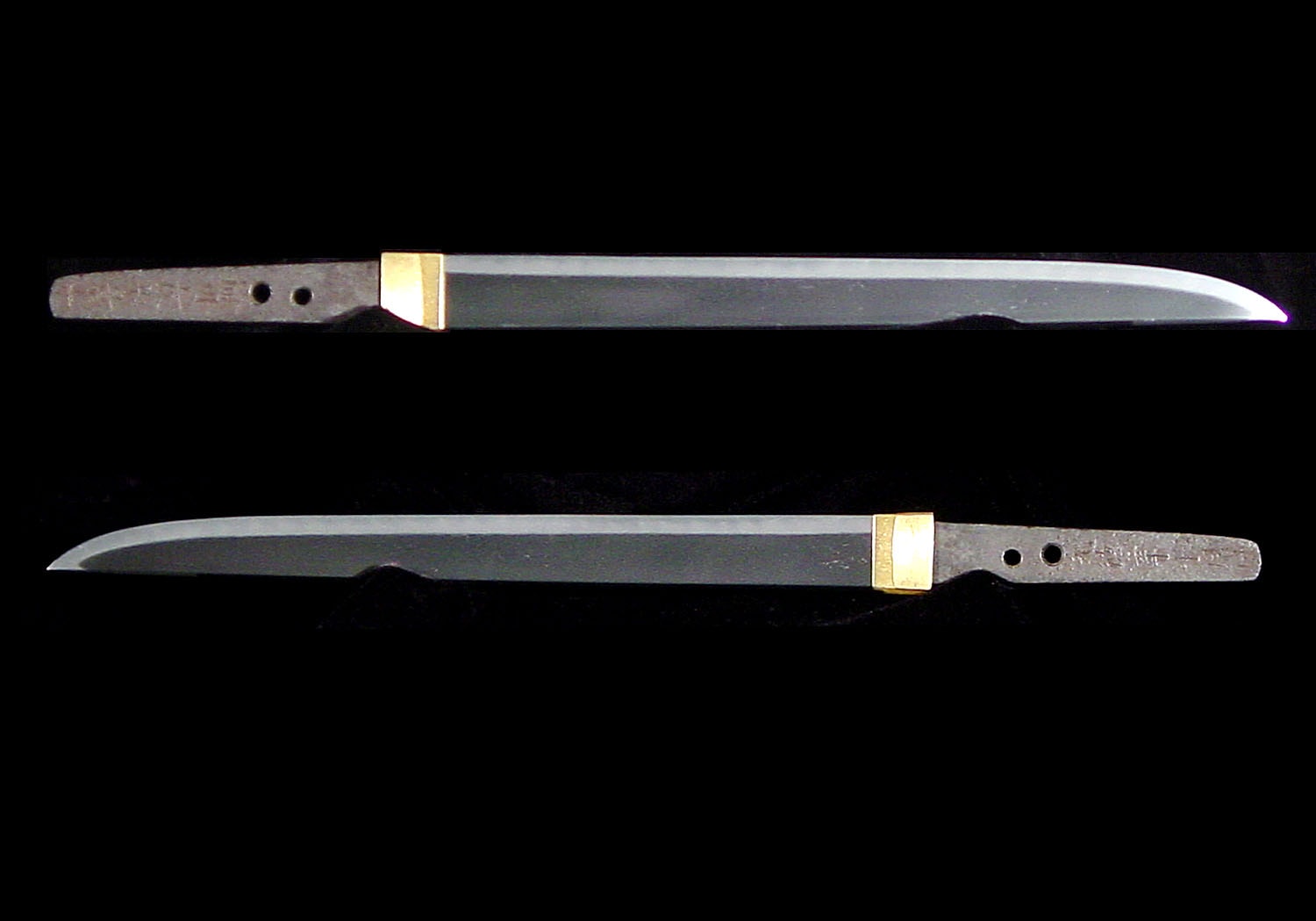
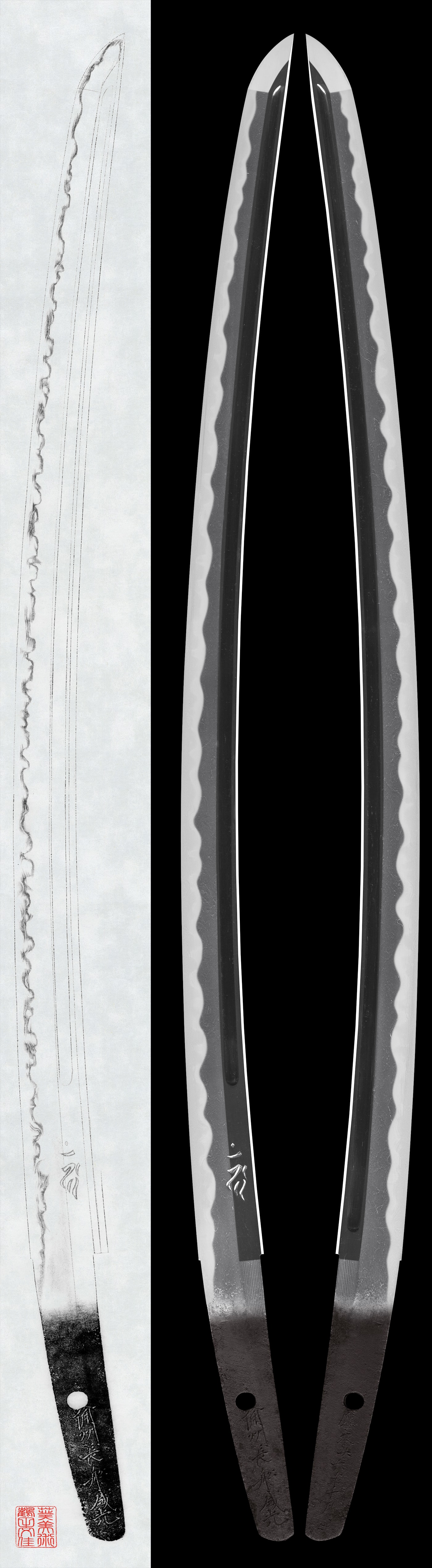
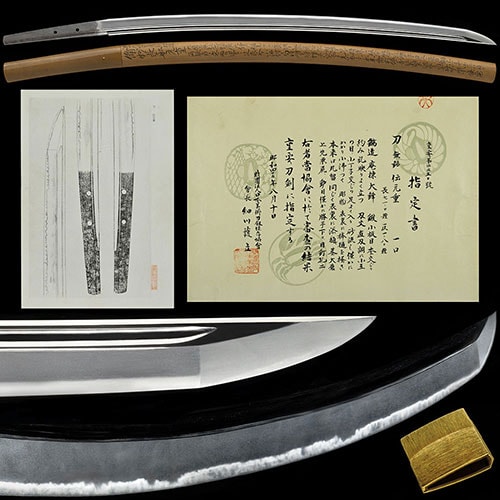
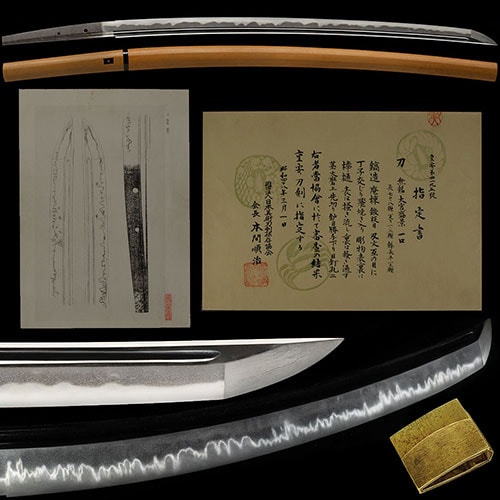
These are the blades signed with nothing but the single character (一), the mark from which the whole group takes its name. The published sources state the matter plainly: in there are blades with the one character cut on the tang, and "such works have broadly been termed the group". Within that lineage the Fukuoka flourished from the early through the late period, before the later Yoshioka, Katayama and Iwato branches; a surviving blade that carries only the bare 一 and reads as mid- work is placed in that Fukuoka mainstream, the school of Norimune, Sukezane and Yoshifusa. The signature itself is the school's first identifier, and the published commentary notes that an comes in three forms, the bare 一, the 一 set above a personal name, and a personal name alone. The blades treated here carry the bare character, so the individual hand cannot be fixed and the attribution rests on era, school and the manner of the inscription.
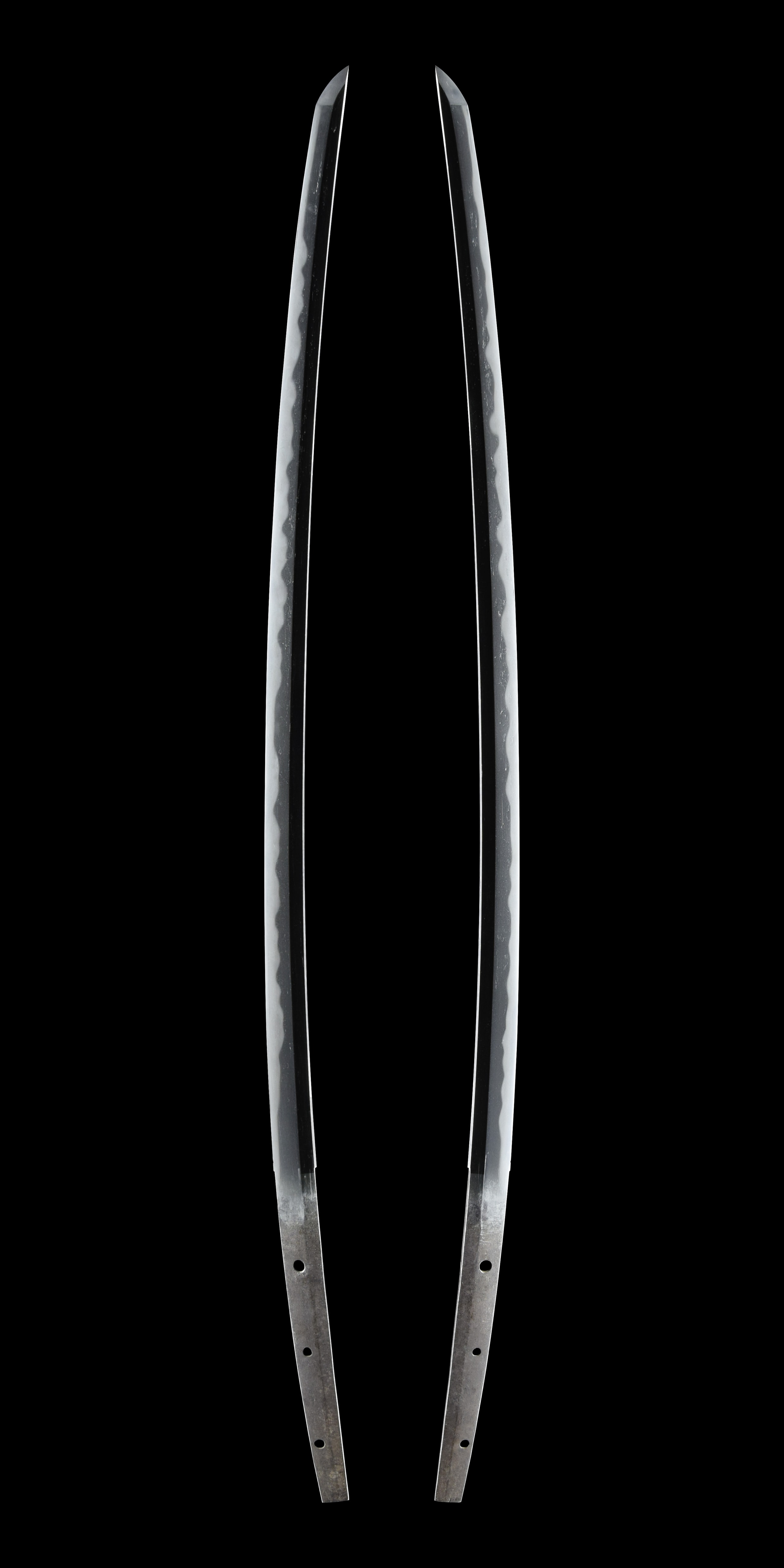
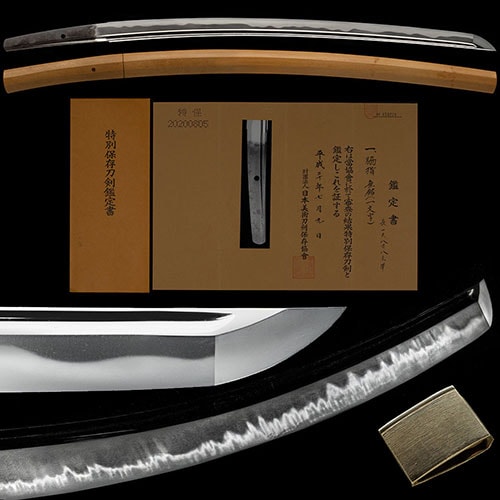
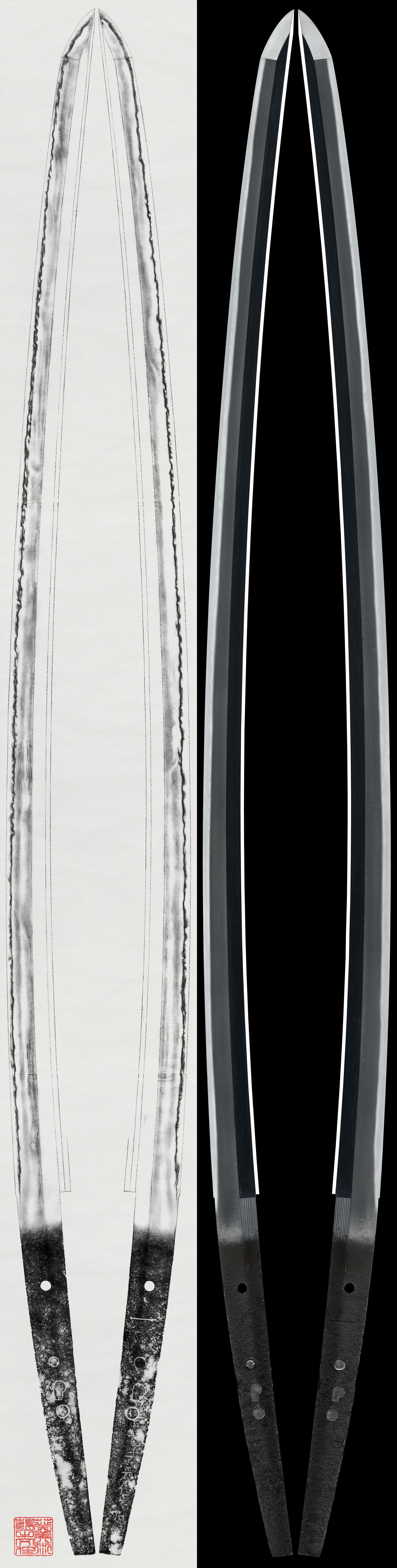
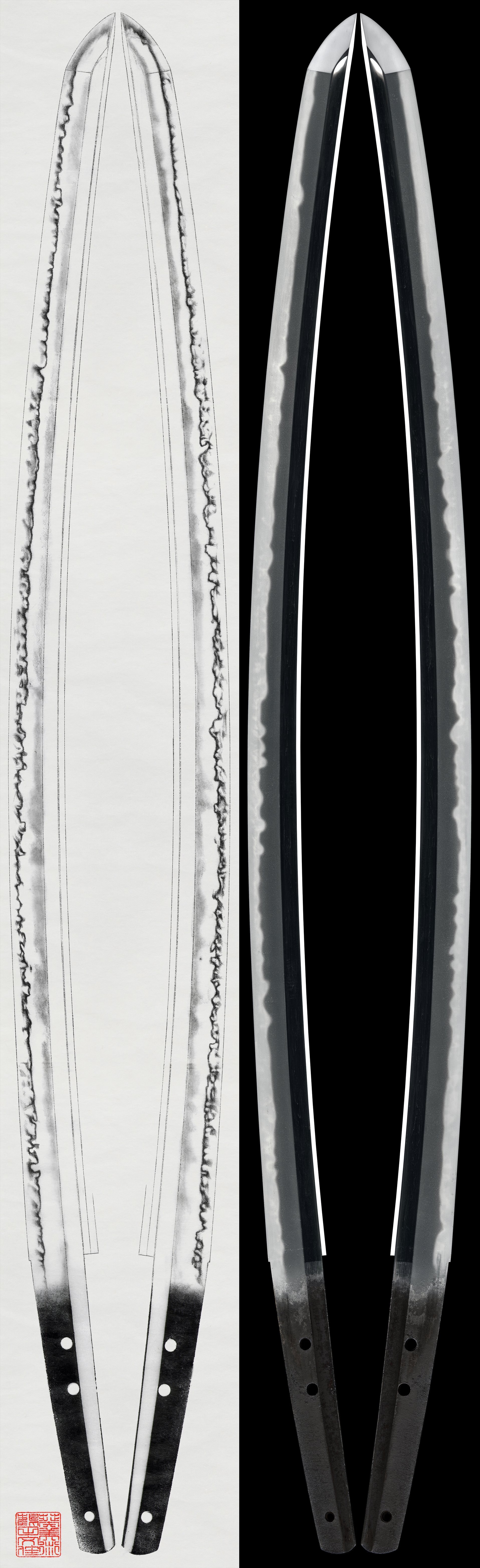
The characteristic temper is a flamboyant . Over the hardened edge the published sources find , small and somewhat pointed elements worked in, with abundant and , the deep and gathering, and on the finest they describe "a brilliant, highly changeful " that brings out the reflection in the . One signed adds a faint tendency to the clove pattern. The is consistent across the group, running straight to a small round (), once drooping slightly before its turn. This is the showy Fukuoka manner, the clove-flower temper that carried the school to its mid- prime.
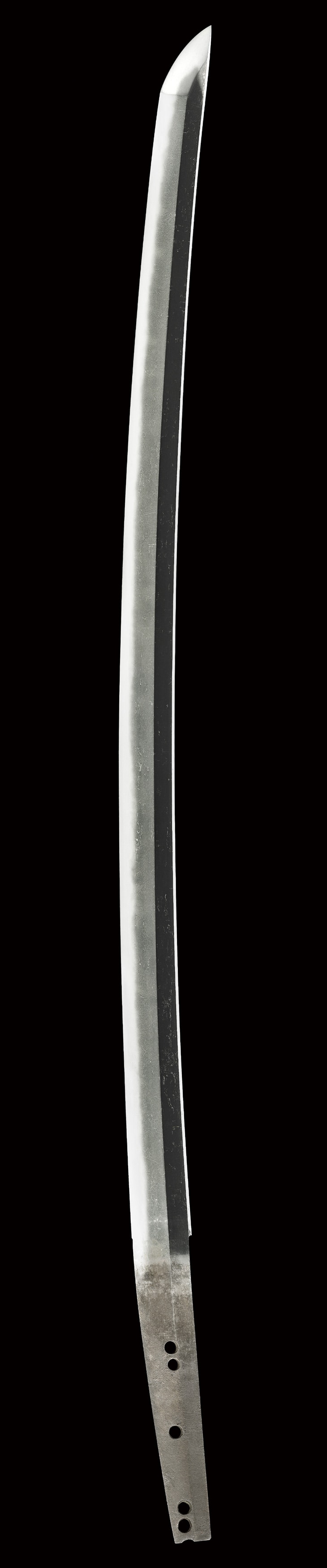
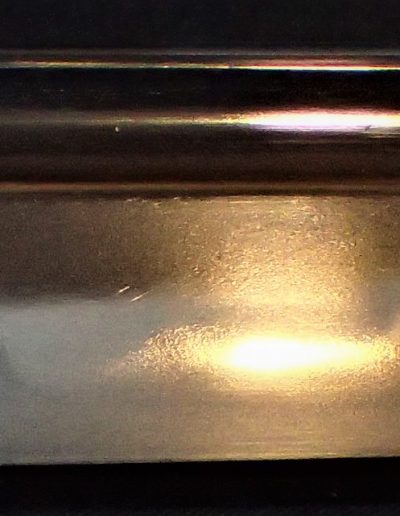
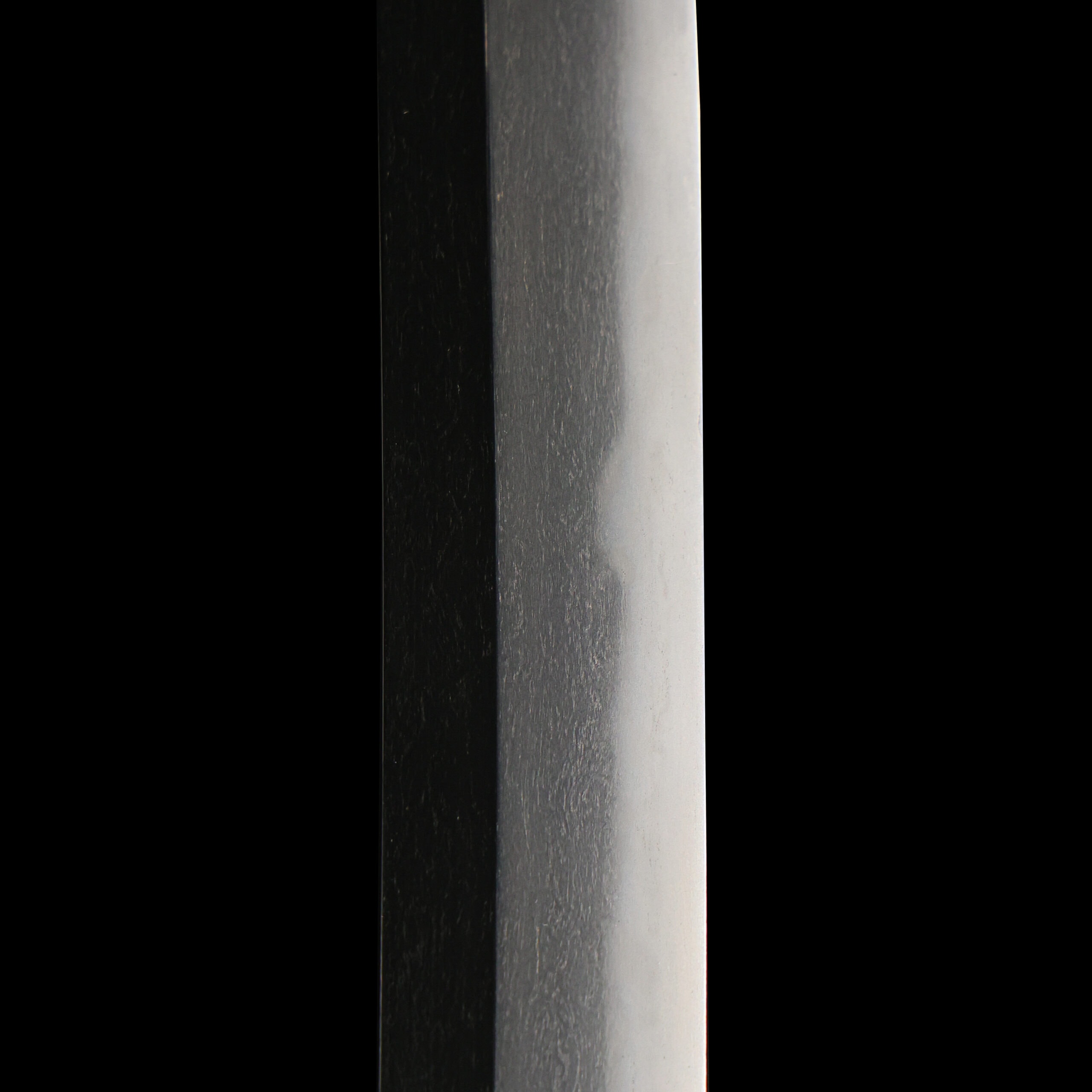
The beneath it is the constant that ties the blades together. The forging is an that overall runs to and stands a little, with , and across every example a rises clearly in the , on one against a faintly fatigued surface, on a only faintly but unmistakably. It is this vivid irregular reflection, set under the deep- clove temper, that the judges name as the school's tell; on one shortened they read a deep- with a tendency to , abundant and in the edge, and a clearly appearing , the features by which they call it mid- Fukuoka .
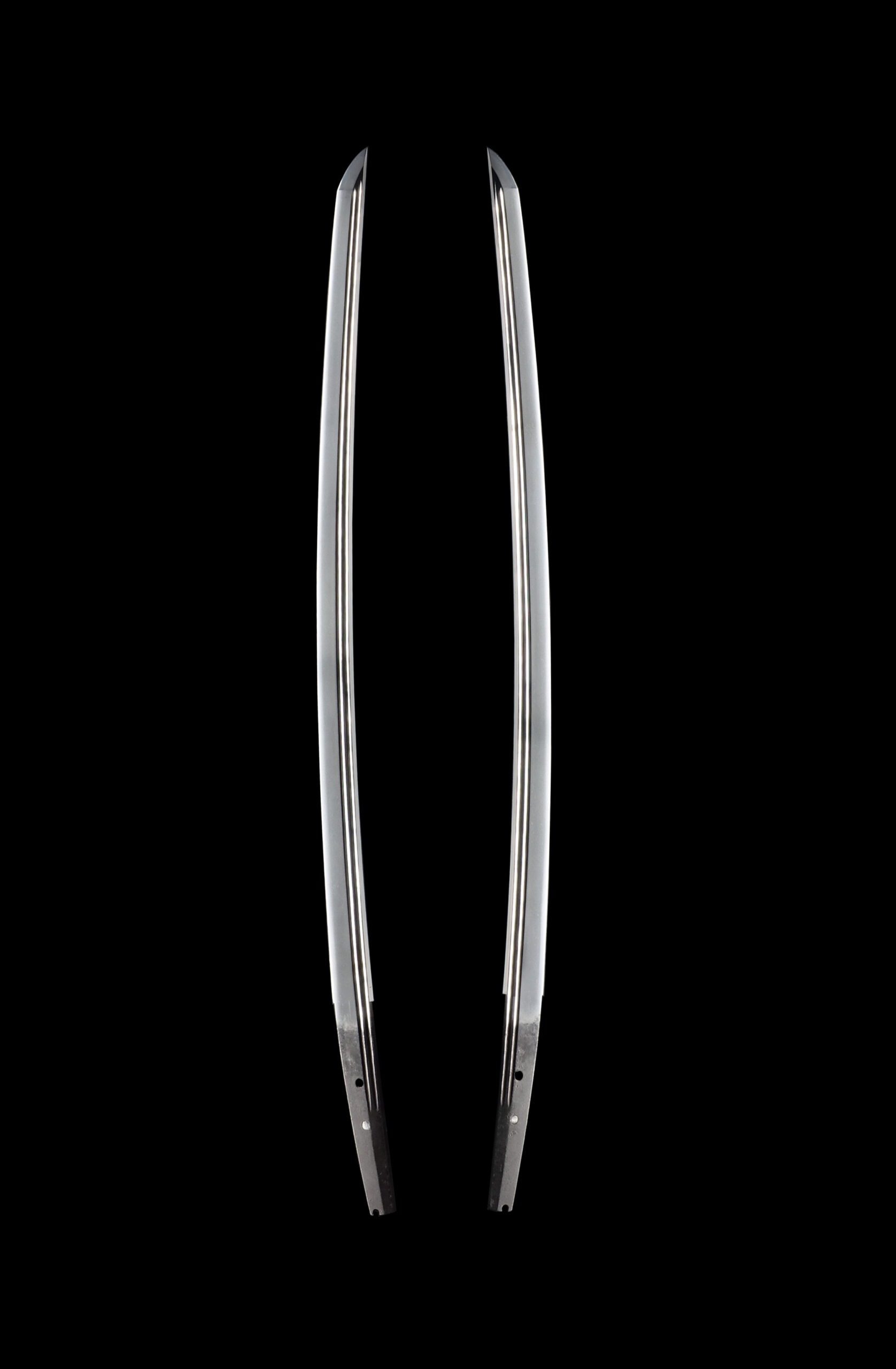
The surviving 一-signed blades fall into two registers of one hand. The pieces, made and kept in original form, show the fuller flamboyance and retain a high with marked and a ; of the brightest the published sources conclude that it "fully demonstrates the distinctive features of the school, and the workmanship is good". The shortened blades, but still bearing the character, read quieter and deeper, the subdued in places yet the and edge intact enough that the judges affirm them from the style of the inscription as well. Among the group are two , and on these the published sources pause over an unresolved question: are numerous in the period and seen above all in and Yamashiro, but "by what kinds of people, and for what purposes, they were worn" is a matter they expressly leave to further study.
What sets this work apart from its neighbours is exactly the pairing the judges return to: the bright and the deep- flamboyant , read together against the slender, high-waisted early . It is held apart from the calmer hands by the gathering of on the edge and the brilliance of the reflection, and from the later, plainer of the by its mid- bearing, one judged a work that "does not descend later than the mid- period". The single character on the tang places it at the head of the most brilliant of the traditions, where the school's identity and its anonymity are the fact.
For the collector the 一-signed is patrimony before it is anything else. Three of these blades are Important Cultural Property, kept as heritage in shrines, a at Itsukushima Shrine in Hiroshima, a at Takeda Shrine in Yamanashi, and a at Tanzan Shrine in Nara, and they do not come to market. Beyond them the record runs through four blades in the and tiers, of which the recorded whereabouts include one in private hands. There are no National Treasures among the works gathered under this signature. A bare 一-signed Fukuoka of mid- date appears only seldom, and a privately held example is among the rarer things a collector of early could hope to encounter, a blade that carries the school's whole name in one stroke and withholds the maker's.