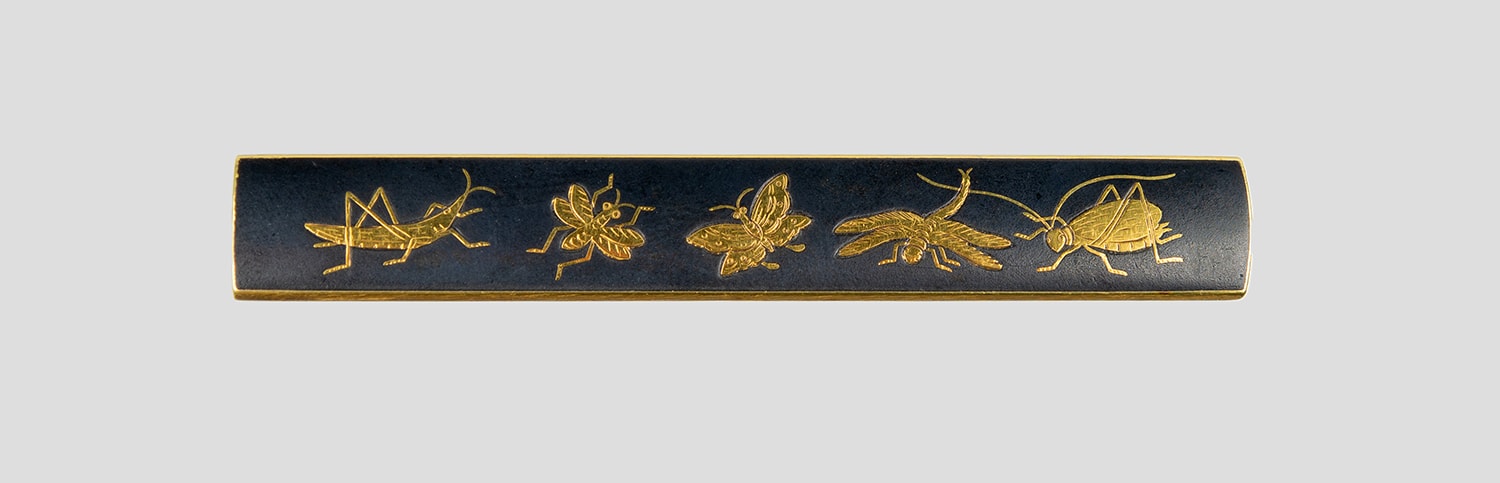
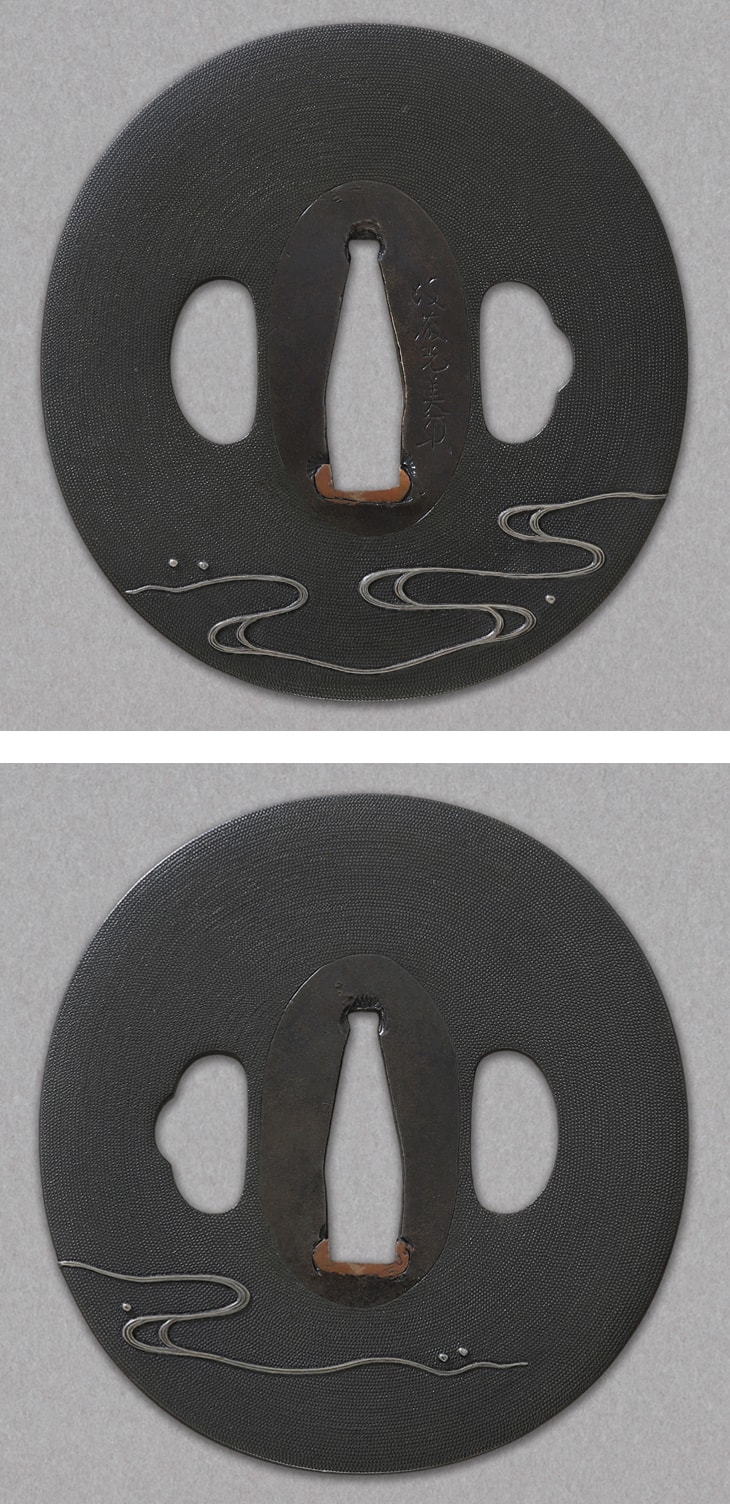
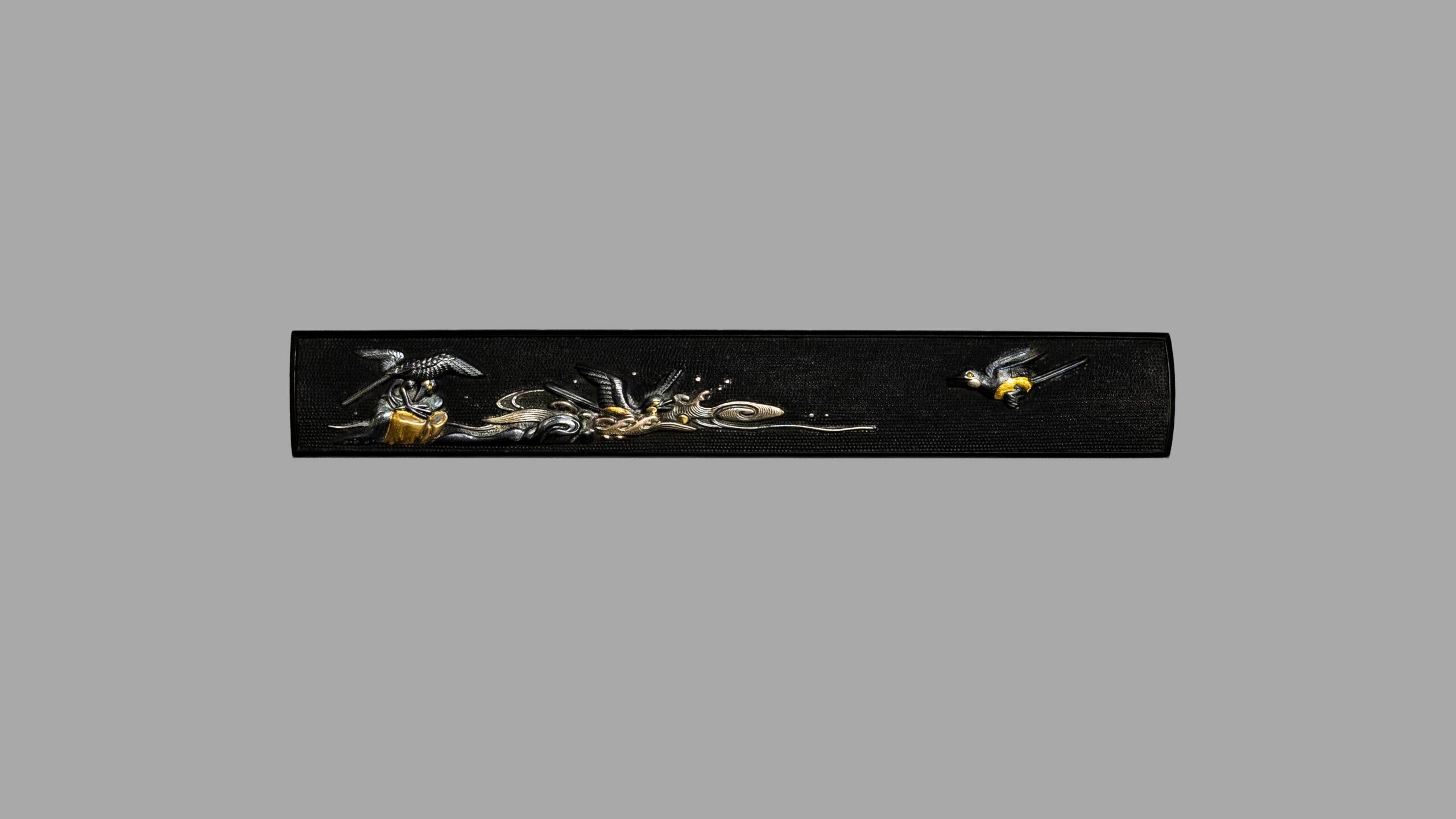
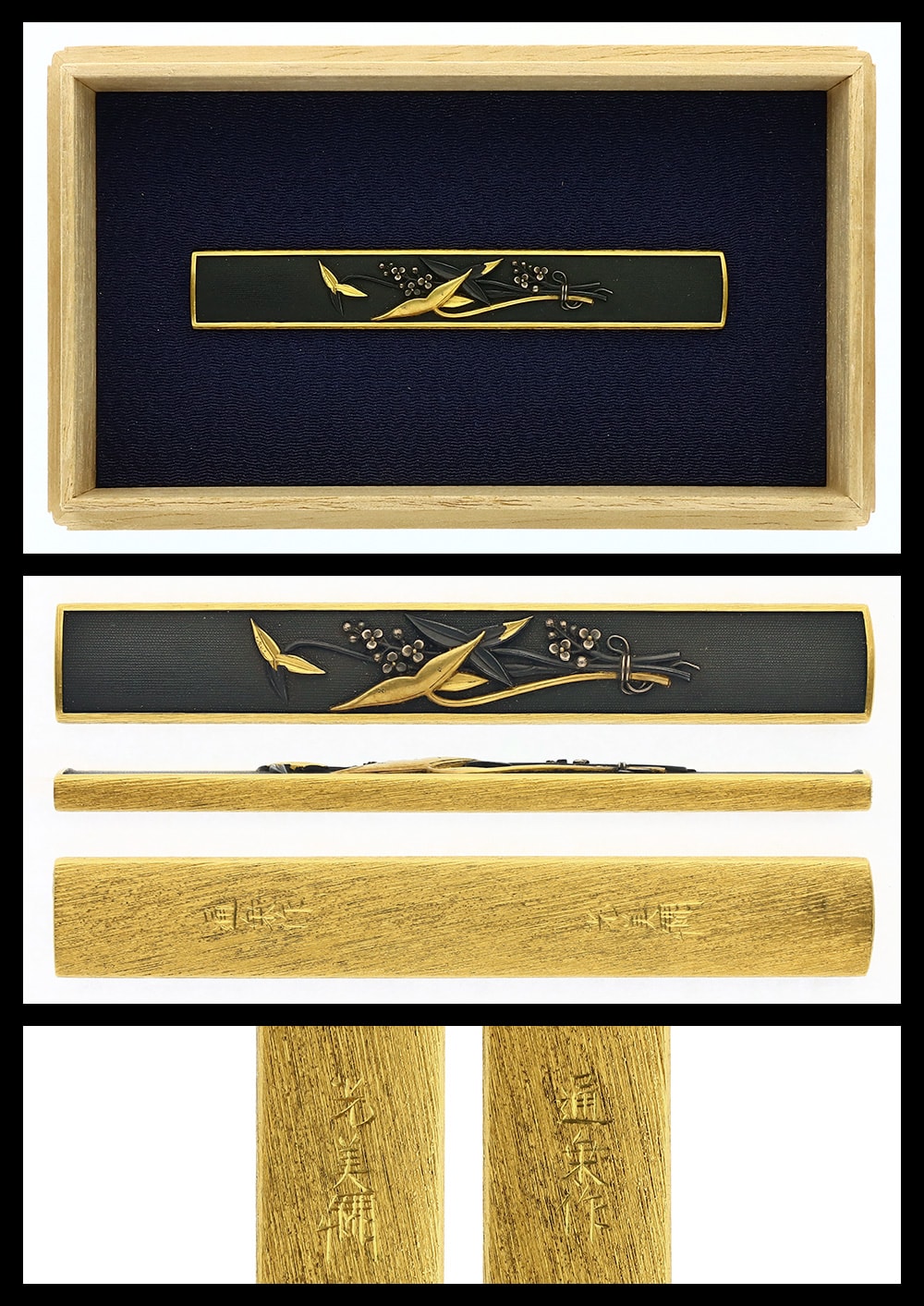
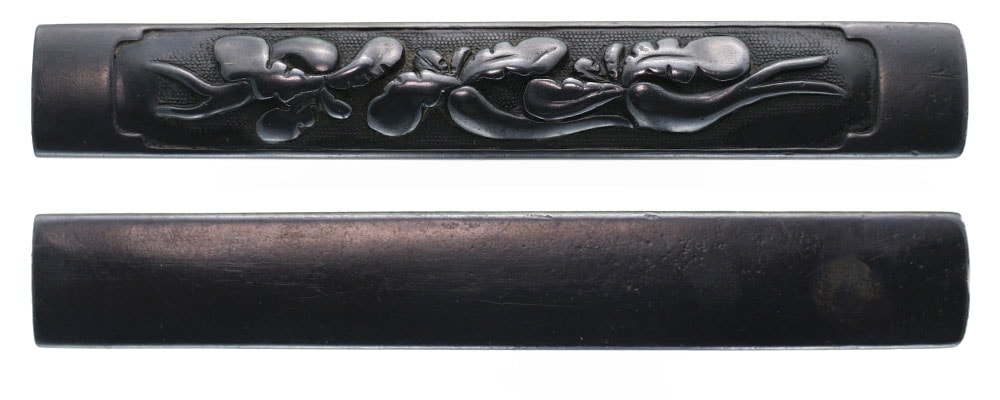
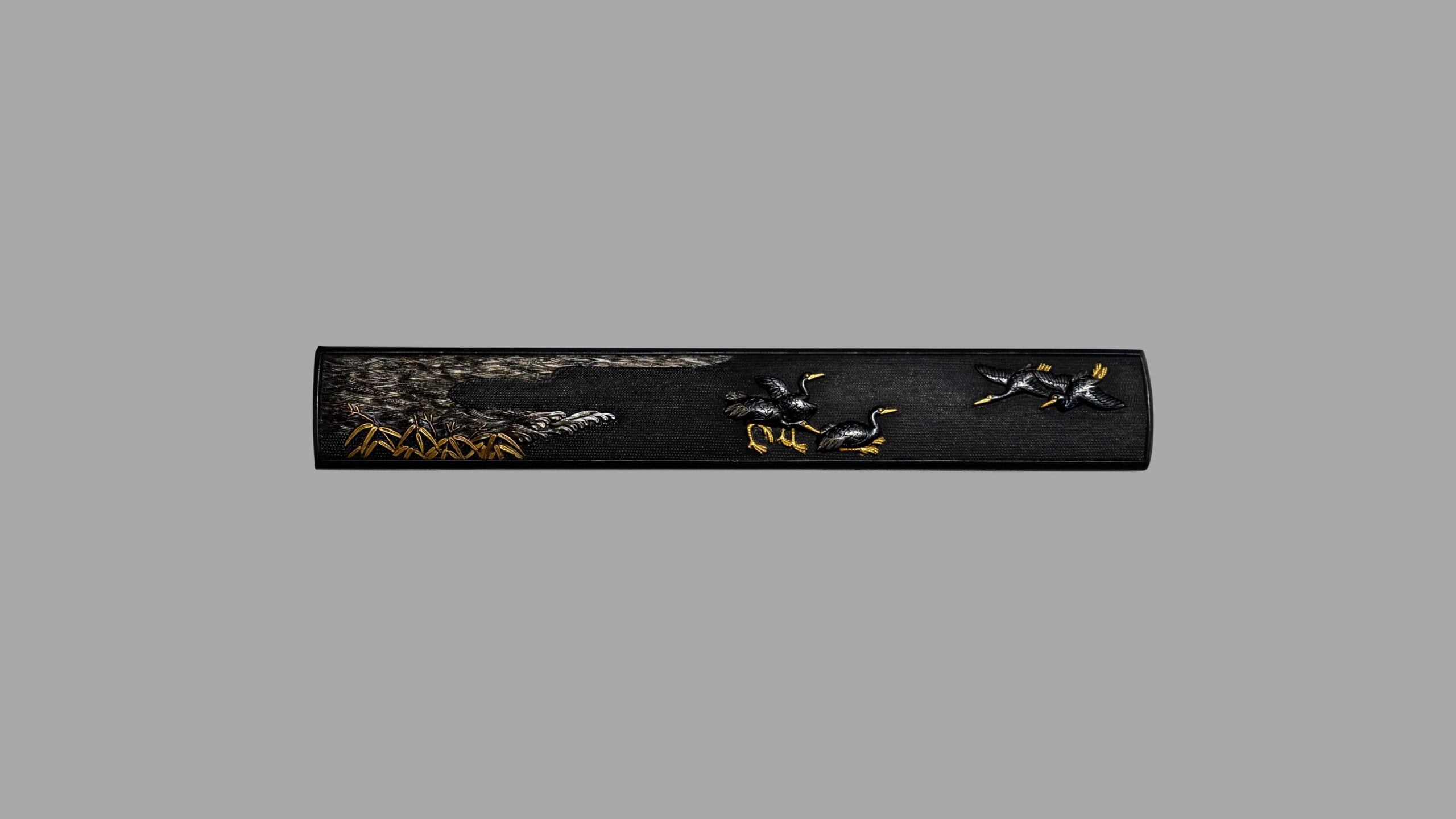
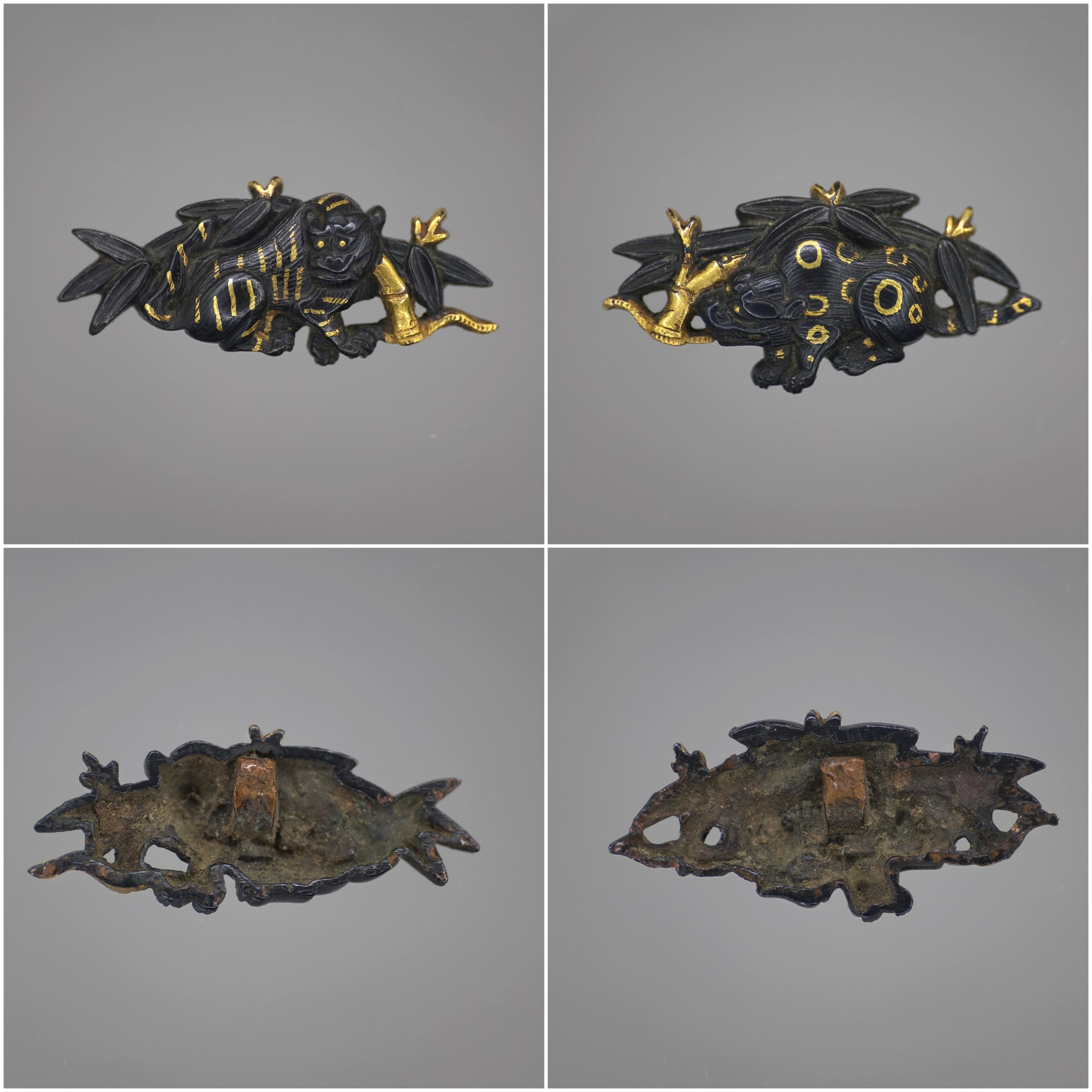
Goto Mitsutaka (後藤光孝), bearing the art name Enjo (延乗), was the thirteenth-generation head of the mainline Goto house, the preeminent dynasty of sword-fitting makers who had served successive rulers since the period. He was the eldest son and heir of the twelfth master, Goto Mitsusato, known as Jujo (寿乗). Born in Kyoho 7 (1722) with the childhood name Kameichi, he later used the name Mitsunari and the common name Gennojo. In Kanpo 2 (1742), upon the death of Mitsusato, he changed his name to Shirobei Mitsutaka and succeeded as the thirteenth head of the main line. His tenure proved to be the second-longest in the family's history, surpassed only by the tenth master Renjo (廉乗), and throughout this exceptionally extended period he remained highly active. Beyond his own creative output, Mitsutaka served as an authoritative appraiser, authenticating works by earlier masters including Sojo, Eijo, Kenju, and Sokujo, affixing and issuing valuations that remain important records of Goto connoisseurship.
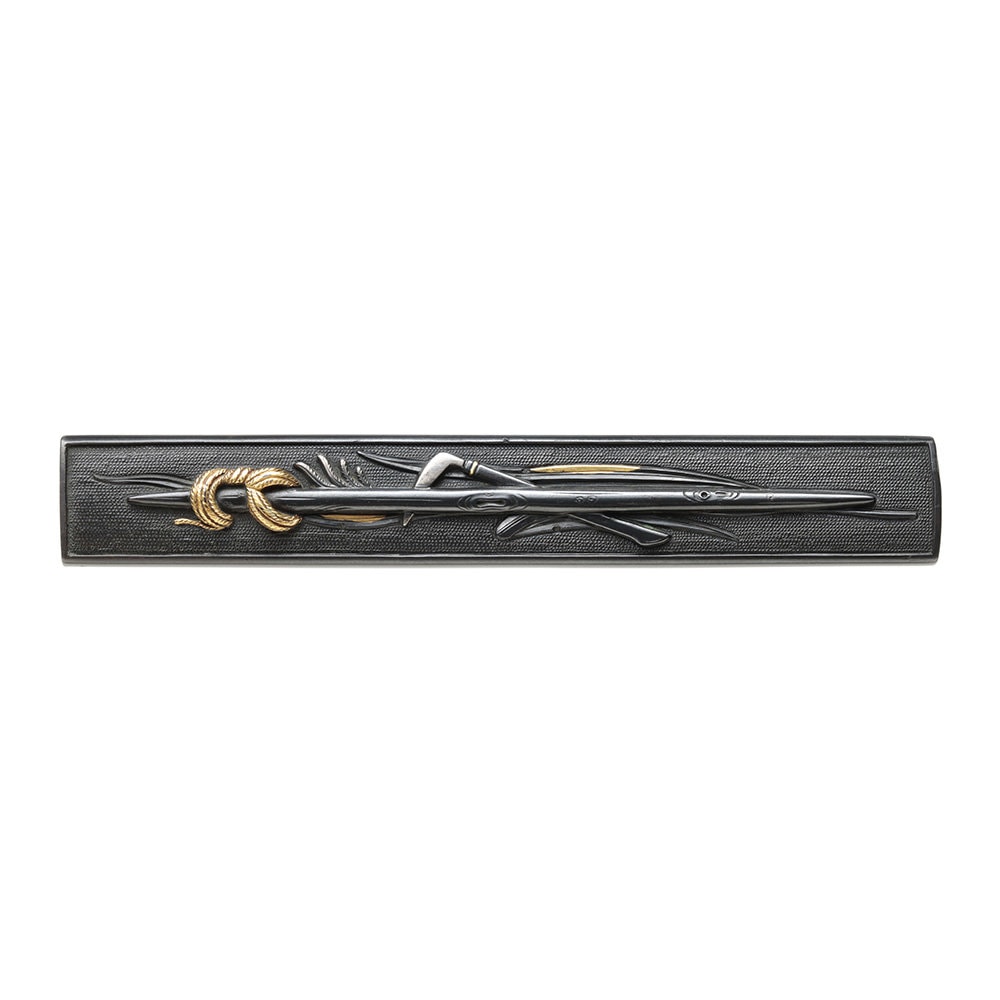
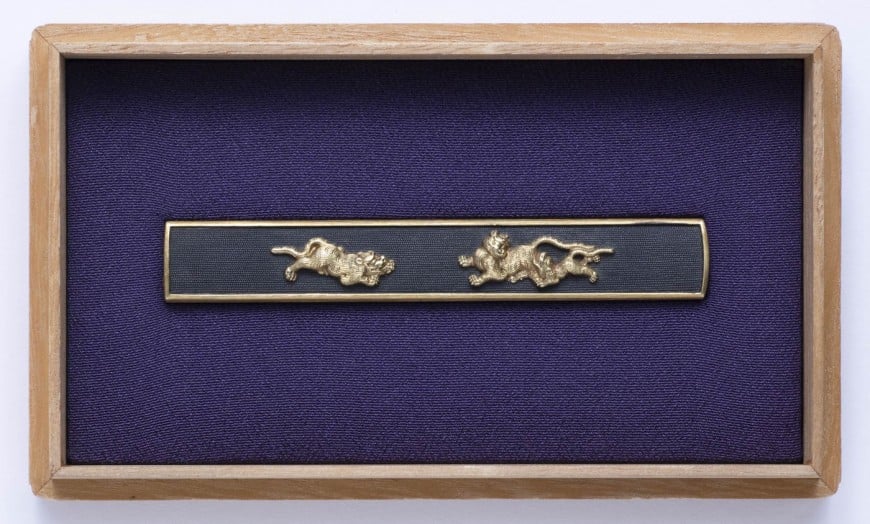
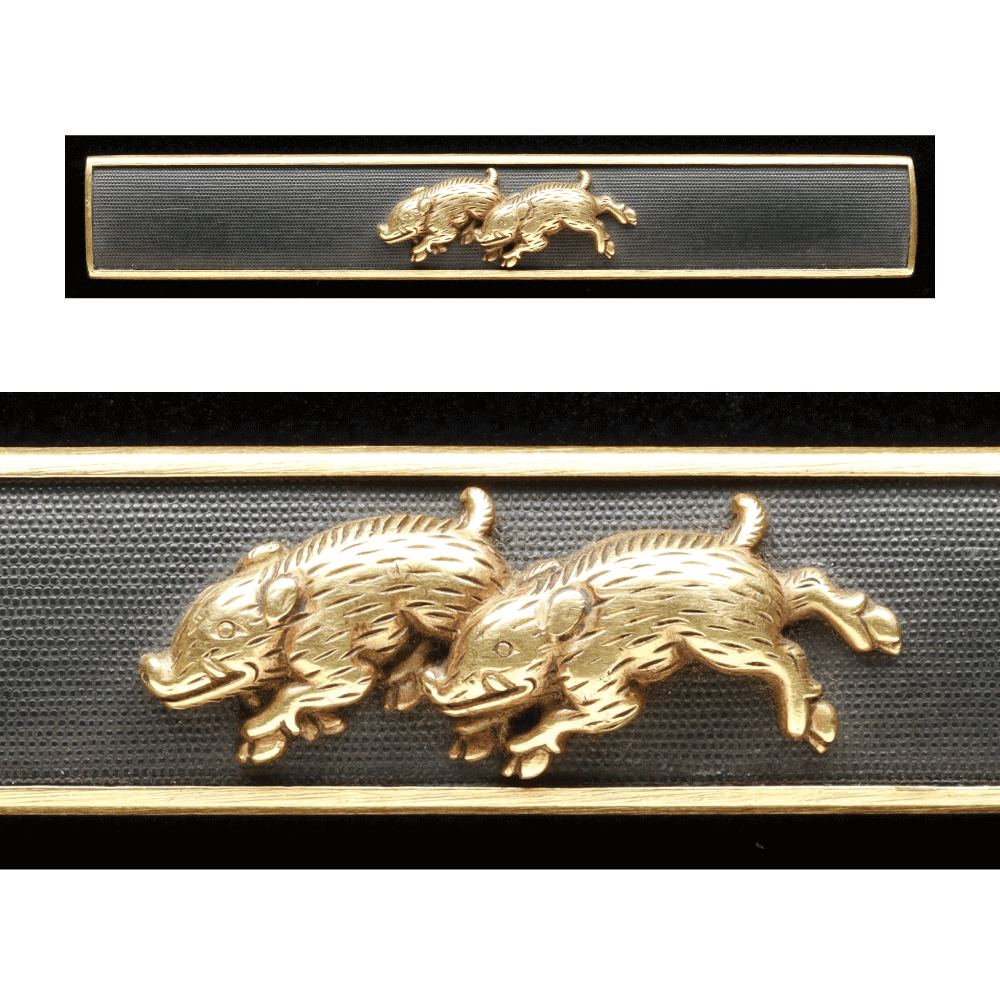
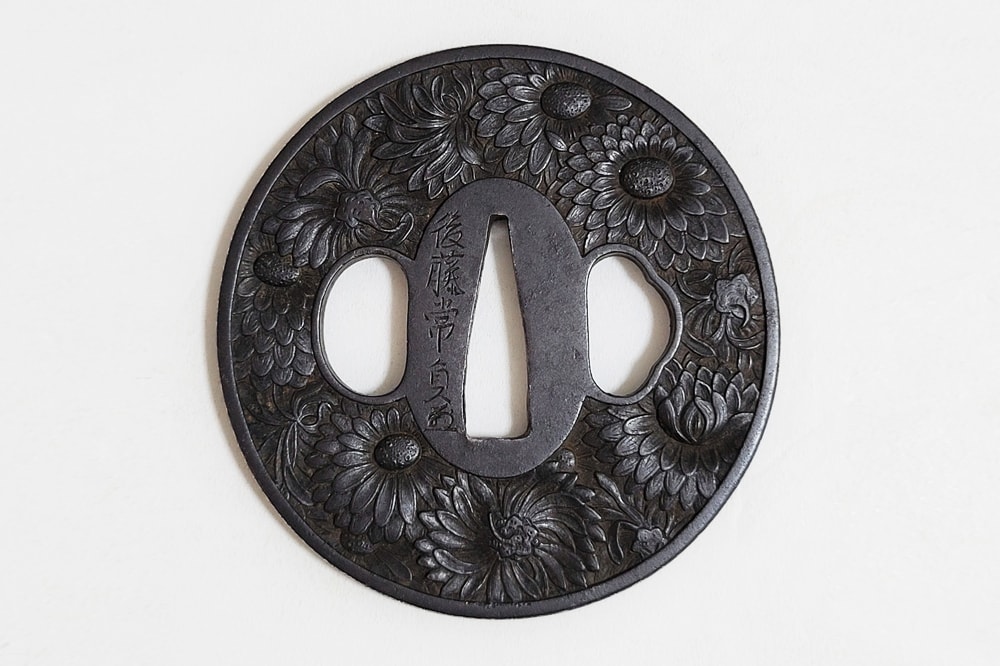
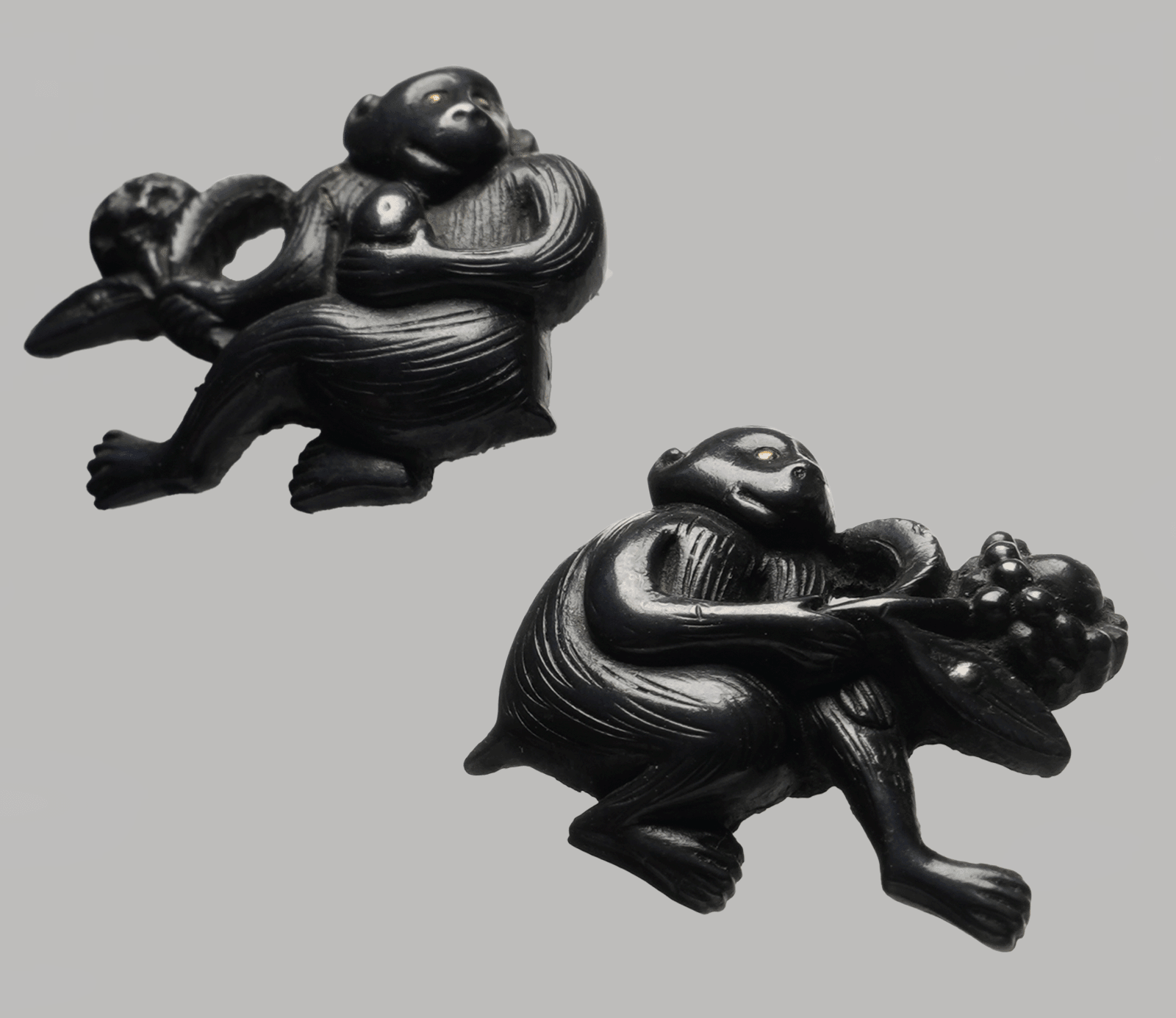
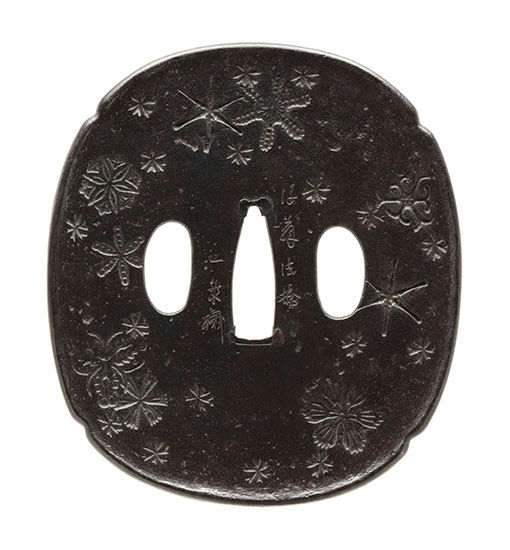
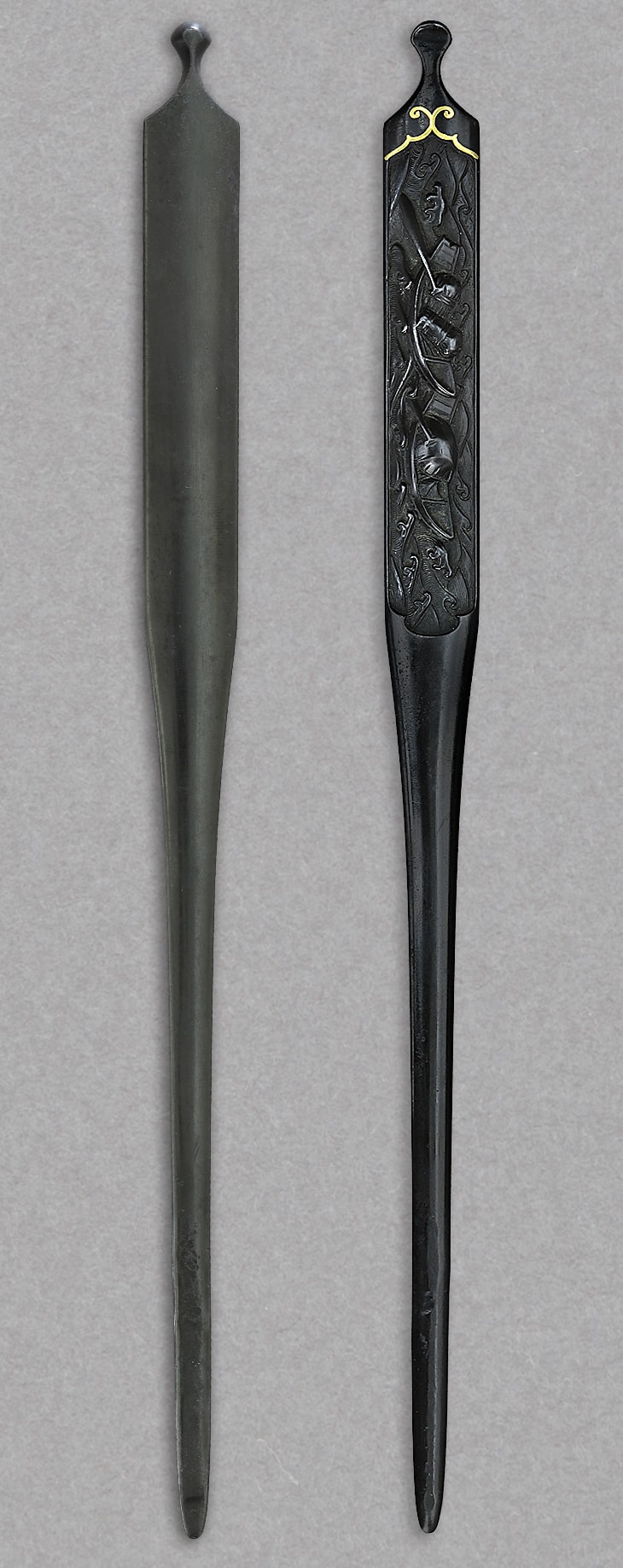
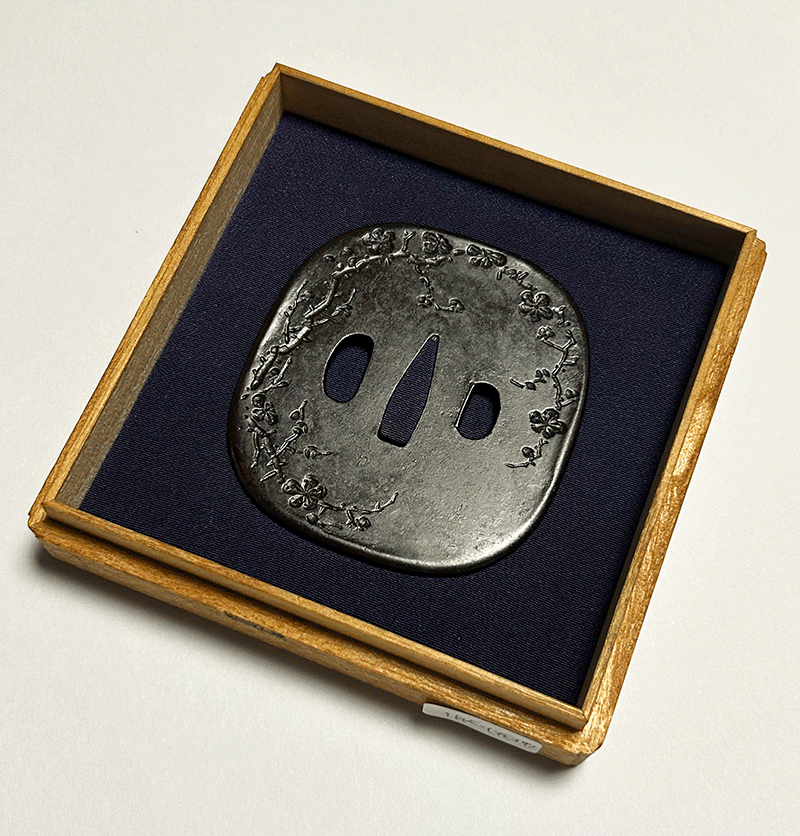
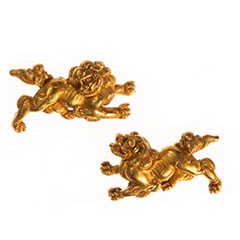
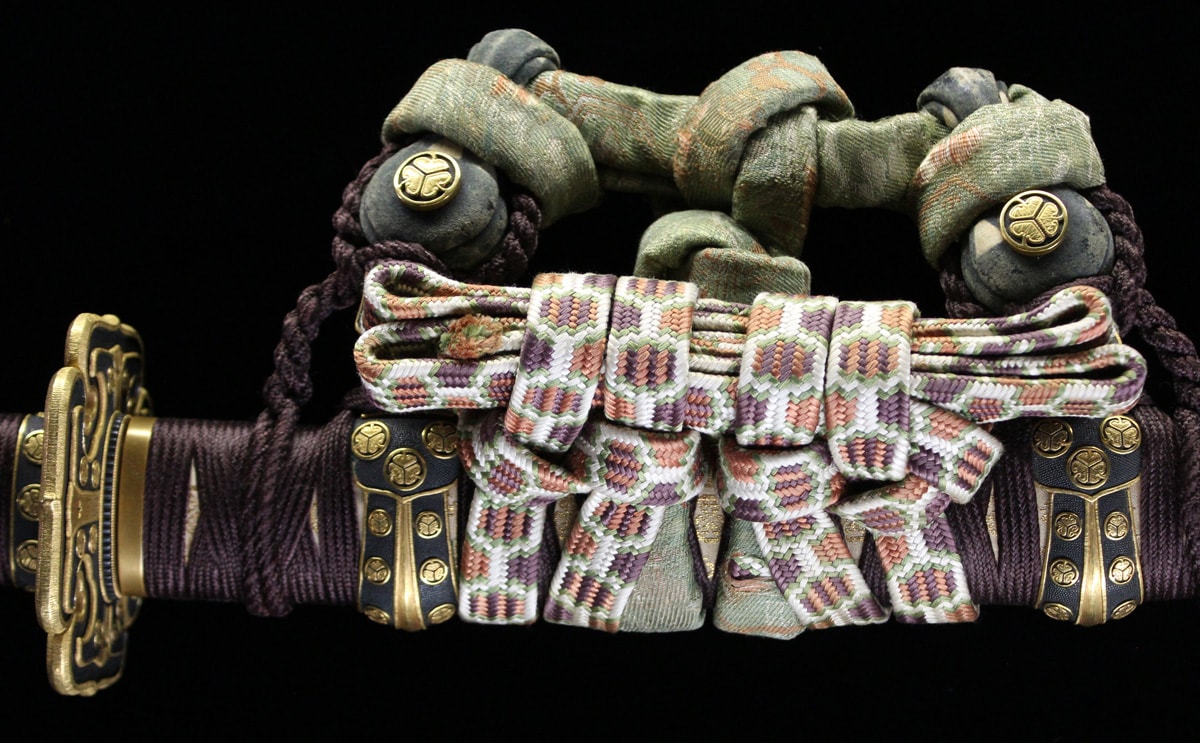
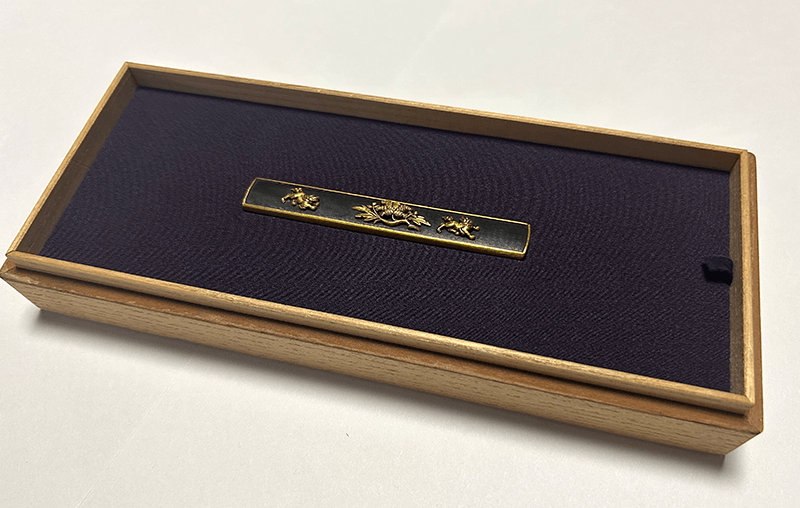
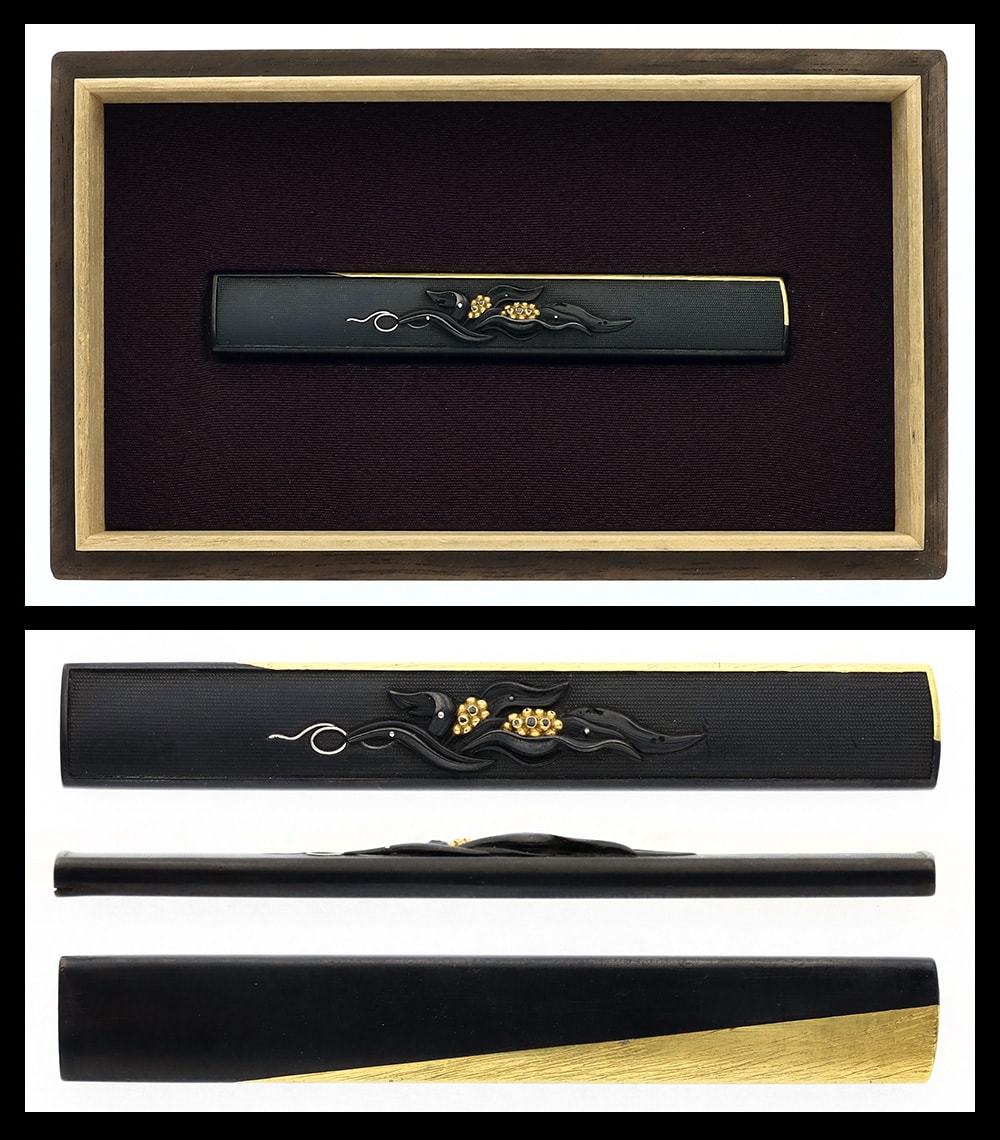
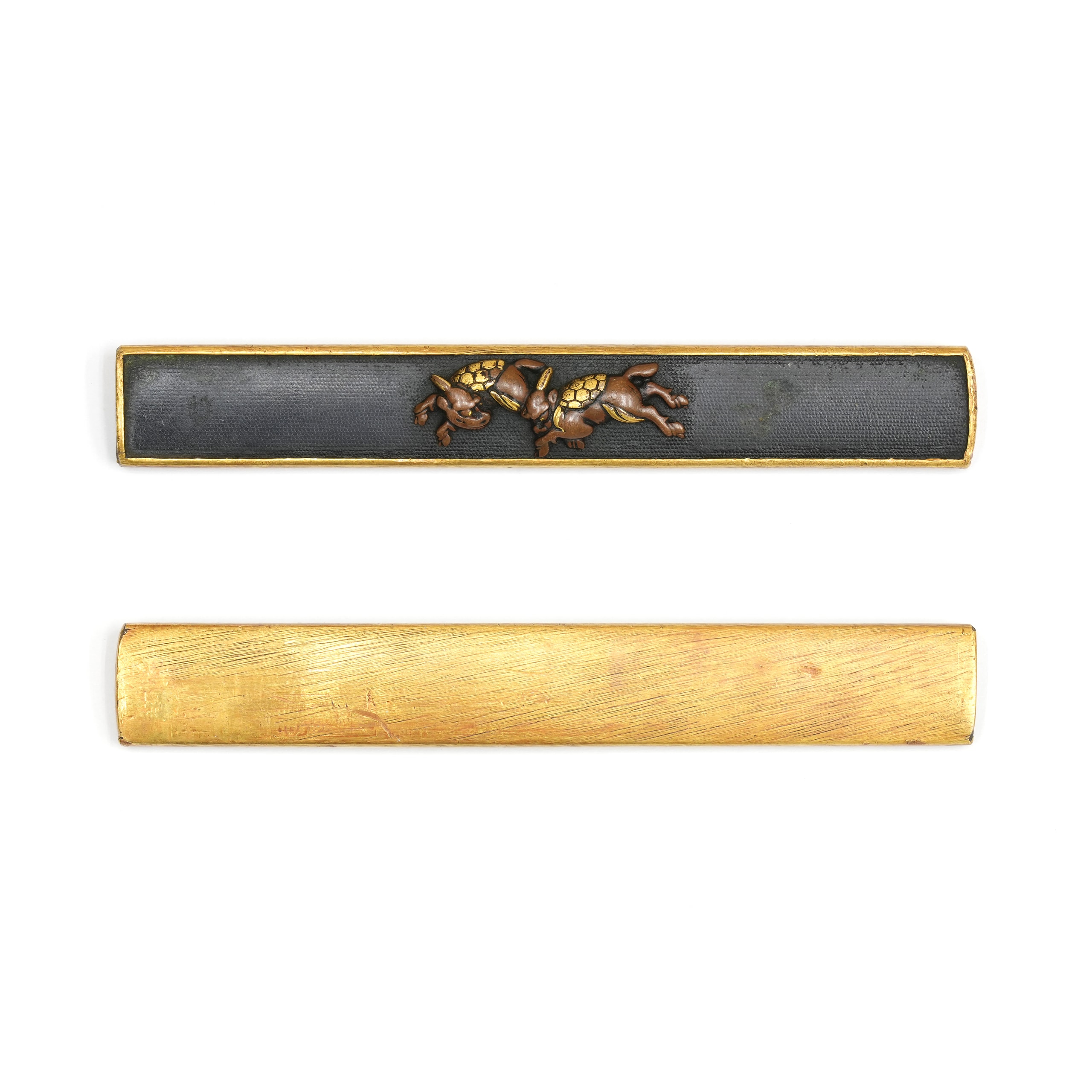
Mitsutaka's manner of work largely adheres to the established traditions of the Goto house, faithfully inheriting and transmitting its iebori techniques. His oeuvre is dominated by sets combining , , and , whereas his production of is comparatively scarce. The standard format employs with finely ordered as a ground, upon which motifs are rendered in with gold and silver ; the are typically executed in nikubori or yobori on solid gold. His reverse plates are consistently finished with gilt backing. The range of subjects drawn from the Goto canonical repertory is broad: lions, tigers, dragons, dancing cranes, roosters, paired oxen, the Twelve Zodiac Animals, rhinoceroses, sheep, the mythical baku, armored warriors of the Kumagai-Atsumori narrative, and literary scenes from the Tale of Genji. Whether rendering the full, ample modeling of the lion figure or the minute precision demanded by armored-warrior temamono, the carving is imbued with strength throughout, regulated with care down to the finest details of fur, feather, and ornamental metalwork. The jet-black tonality of the ground consistently supports the courtly elegance of his chosen themes, and his compositions maintain coherence and restraint even when distributing large numbers of figures across multiple components.
Mitsutaka's significance resides in his role as a conservator of the Goto mainline's authority during the mid-to-late period. His works combine a calm dignity with martial boldness, manifesting the solemn formality that defined the house's official style. The and workmanship is consistently sound and firm in execution, and pieces from his early period in particular display a spirited vigor and notably meticulous carving skill. Among the successive heads of the Goto house, Mitsutaka stands as one whose patient, conscientious craftsmanship and prolonged stewardship ensured the unbroken transmission of the family's techniques, yielding works that fully convey the prestige and dignity of the mainline tradition.