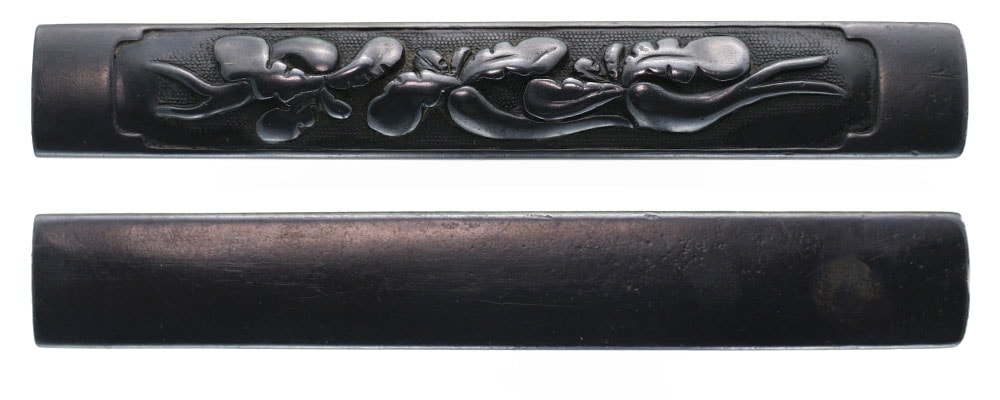
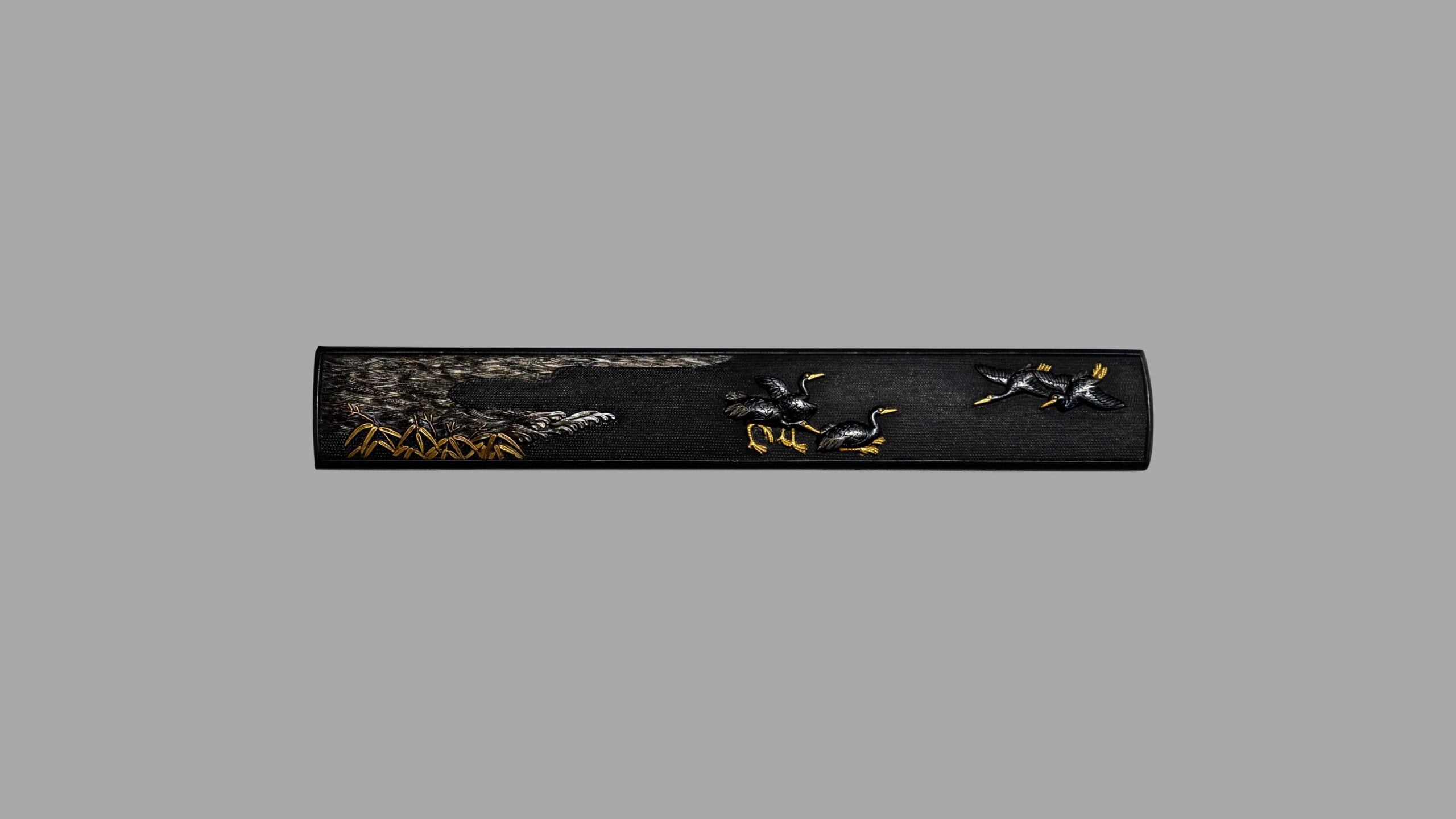
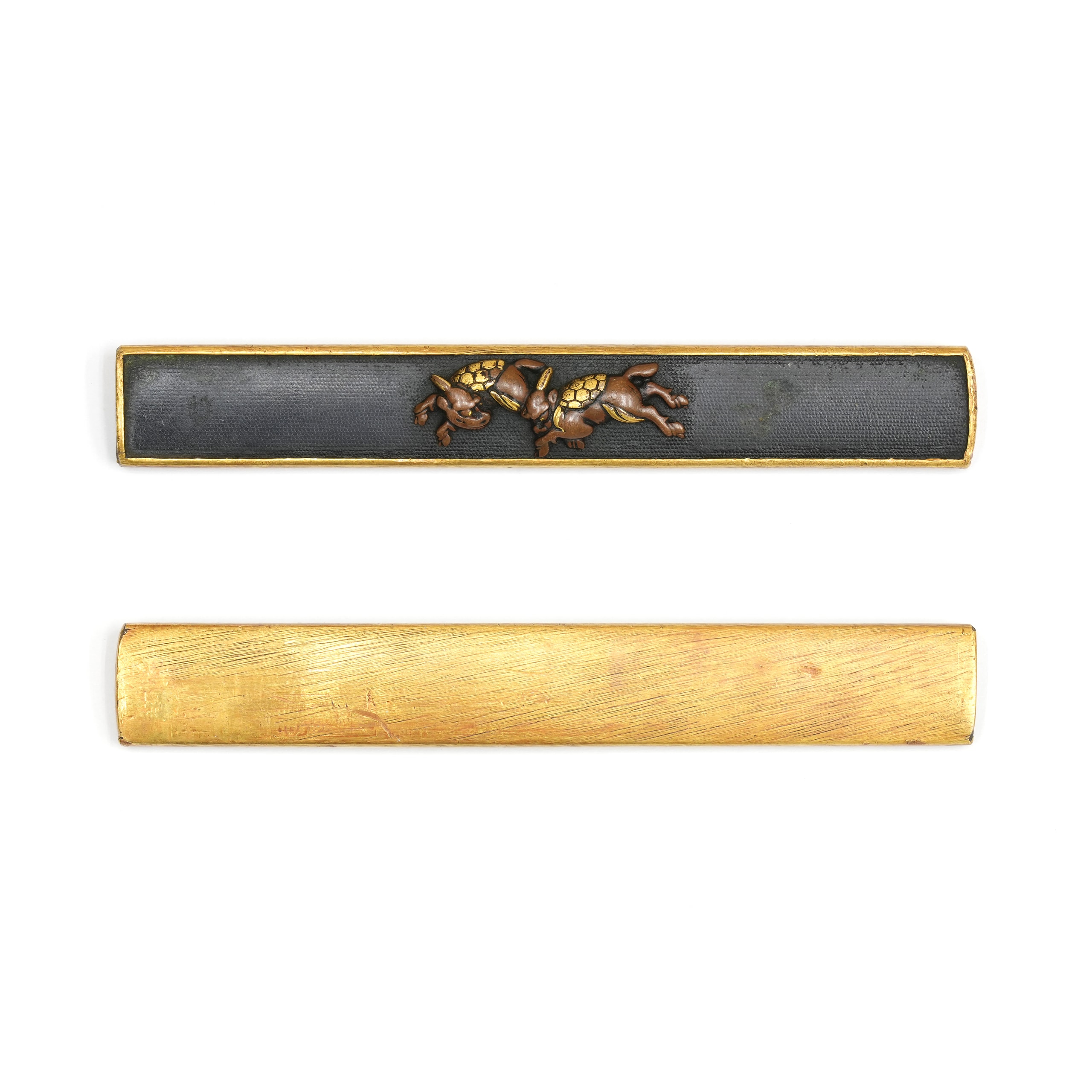
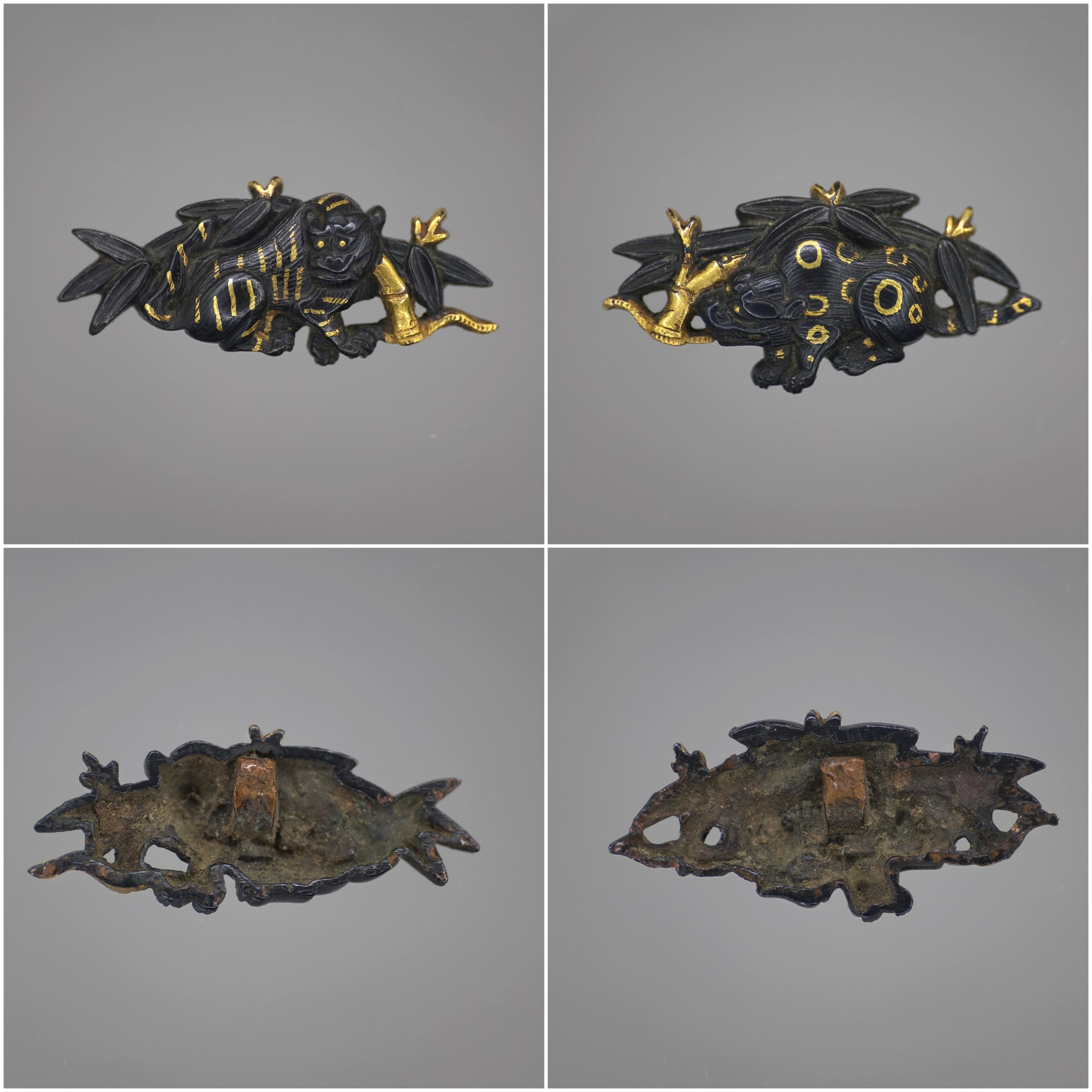
Gotō Renjō, the tenth master of the Gotō mainline (sōke), was born in Kyoto in 'ei 5 (1628) as the fourth son of the eighth master, Sokujō. His childhood name was Kameichi and his common name Genshirō. In Shōhō 2 (1645), at eighteen, he succeeded to the hereditary appellation Shirōbei and took the art name Mitsutomo; in Jōō 1 (1652), at twenty-five, he inherited leadership as tenth head of the mainline house. Because his father died while he was still young, he received guidance from his uncle Michinori. The Gotō mainline had for generations resided in Kyoto; however, by shogunal order Renjō moved to for the first time in 2 (1662), and thereafter the mainline remained in through the seventeenth master, Tenjō Mitsunori. In Tenna 3 (1683), at fifty-six, he took the tonsure and adopted the name Renjō. In Genroku 10 (1697) he transferred the headship to his adopted heir Mitsuhisa, the eleventh master also known as Tsūjō, and retired to Kyoto, where he died at the age of eighty-two in Hōei 5 (1708). His signed works span roughly forty-five years, an astonishingly long period among the successive Gotō masters; many pieces bear the name Kōryo, while works signed "Renjō" are comparatively few.
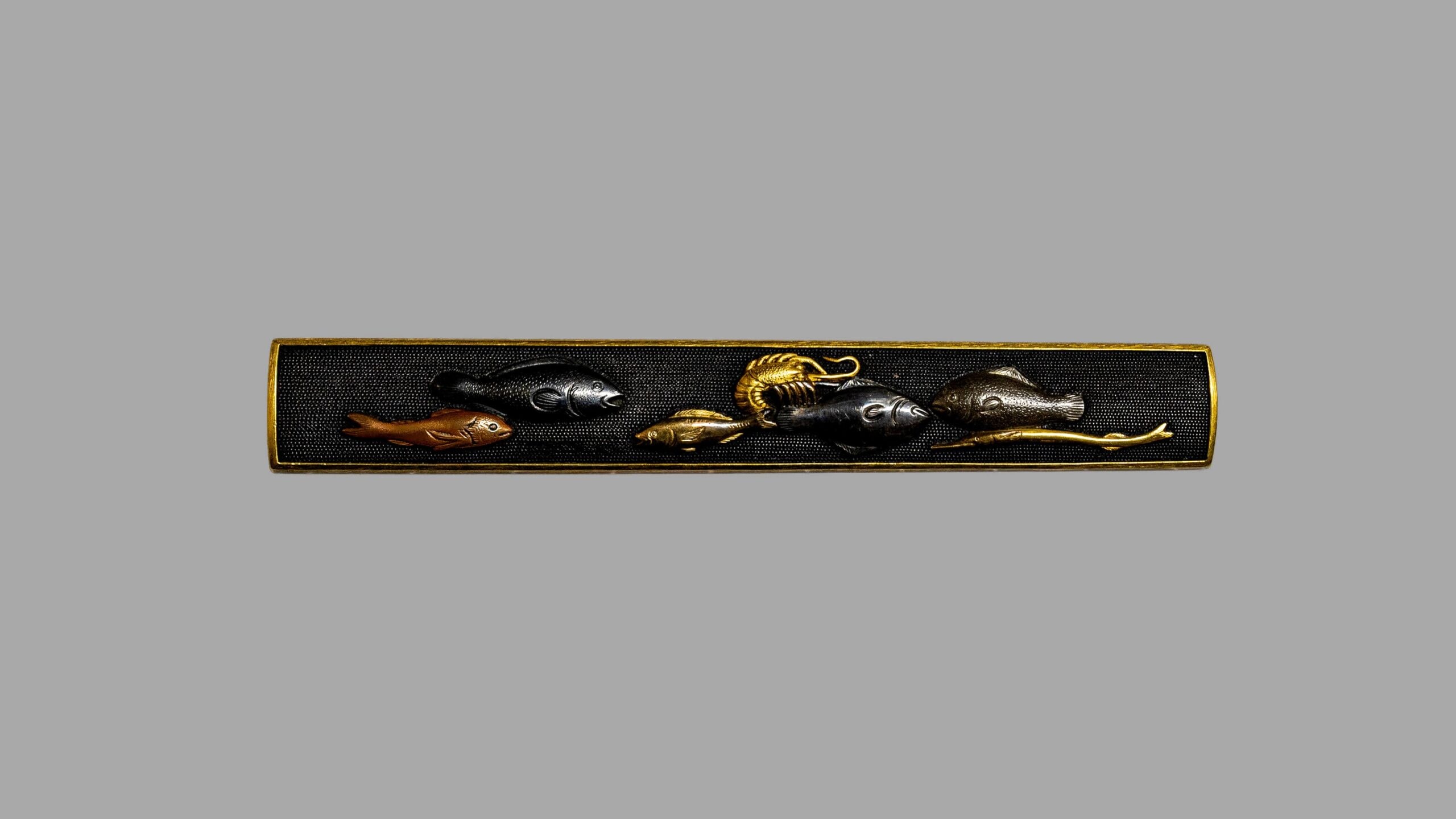
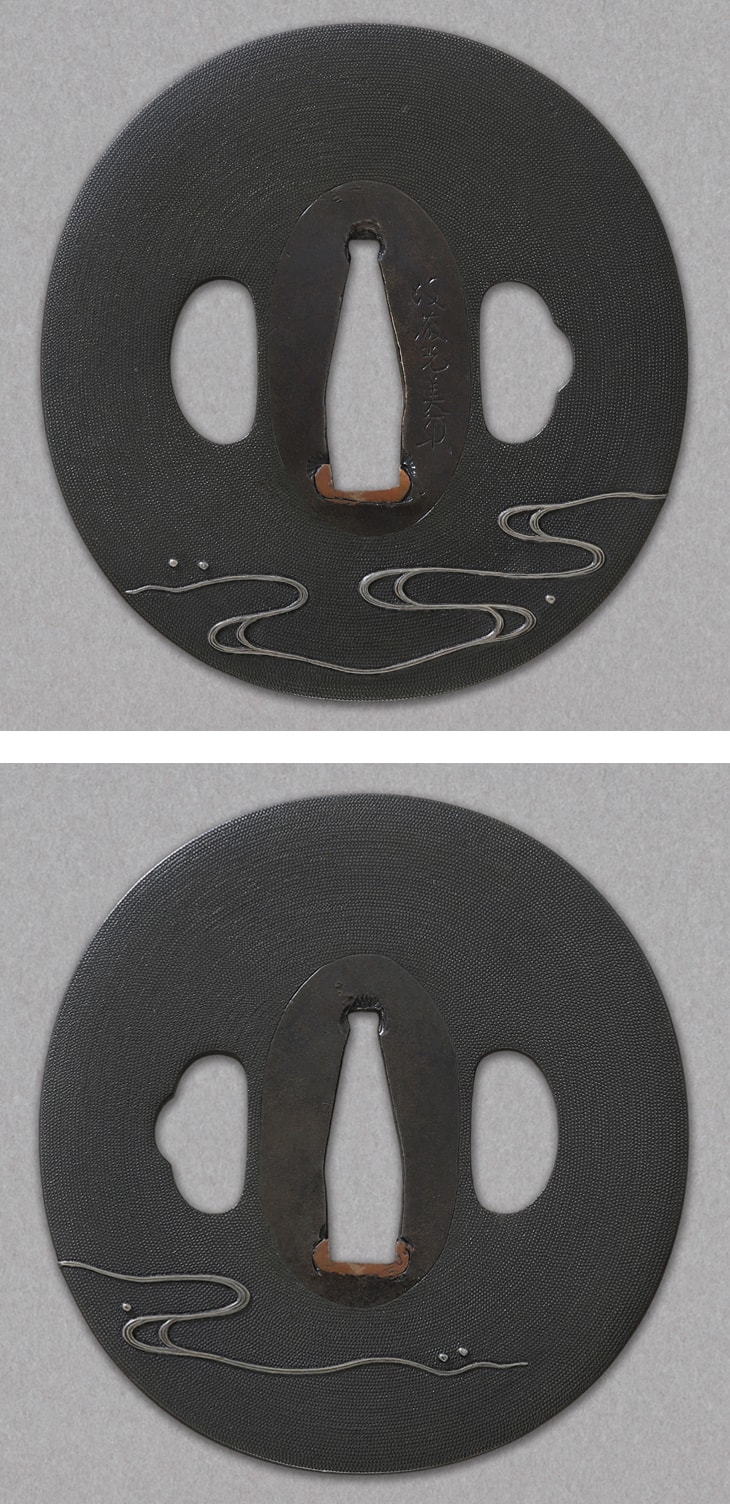
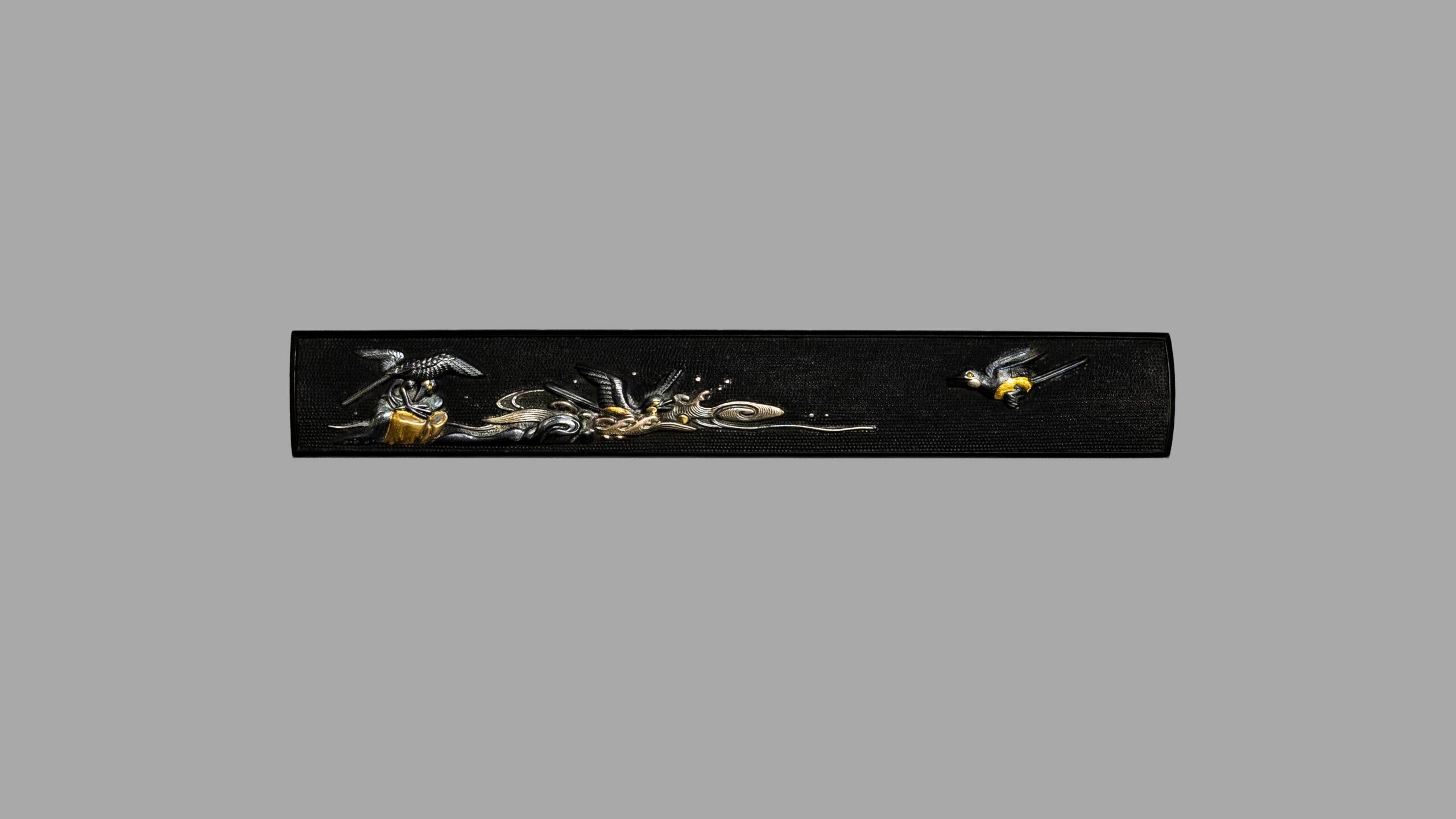
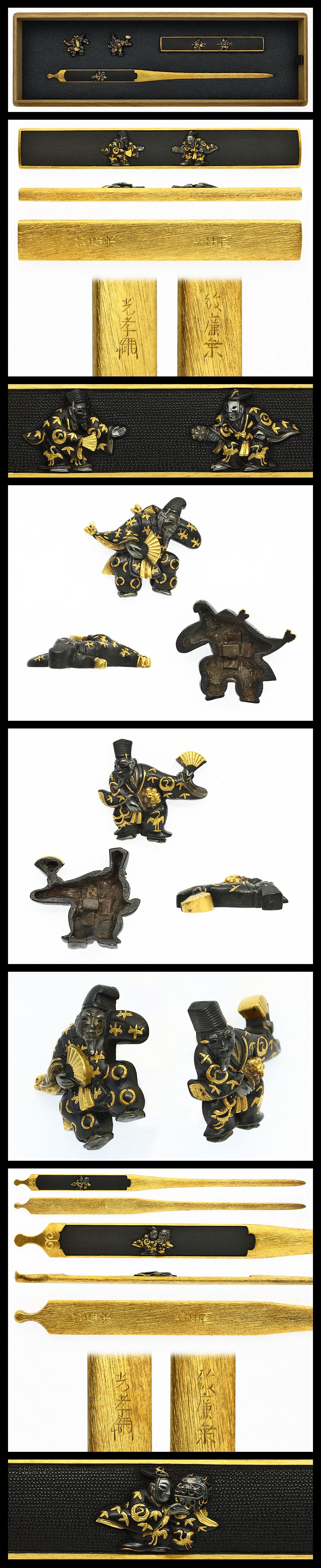
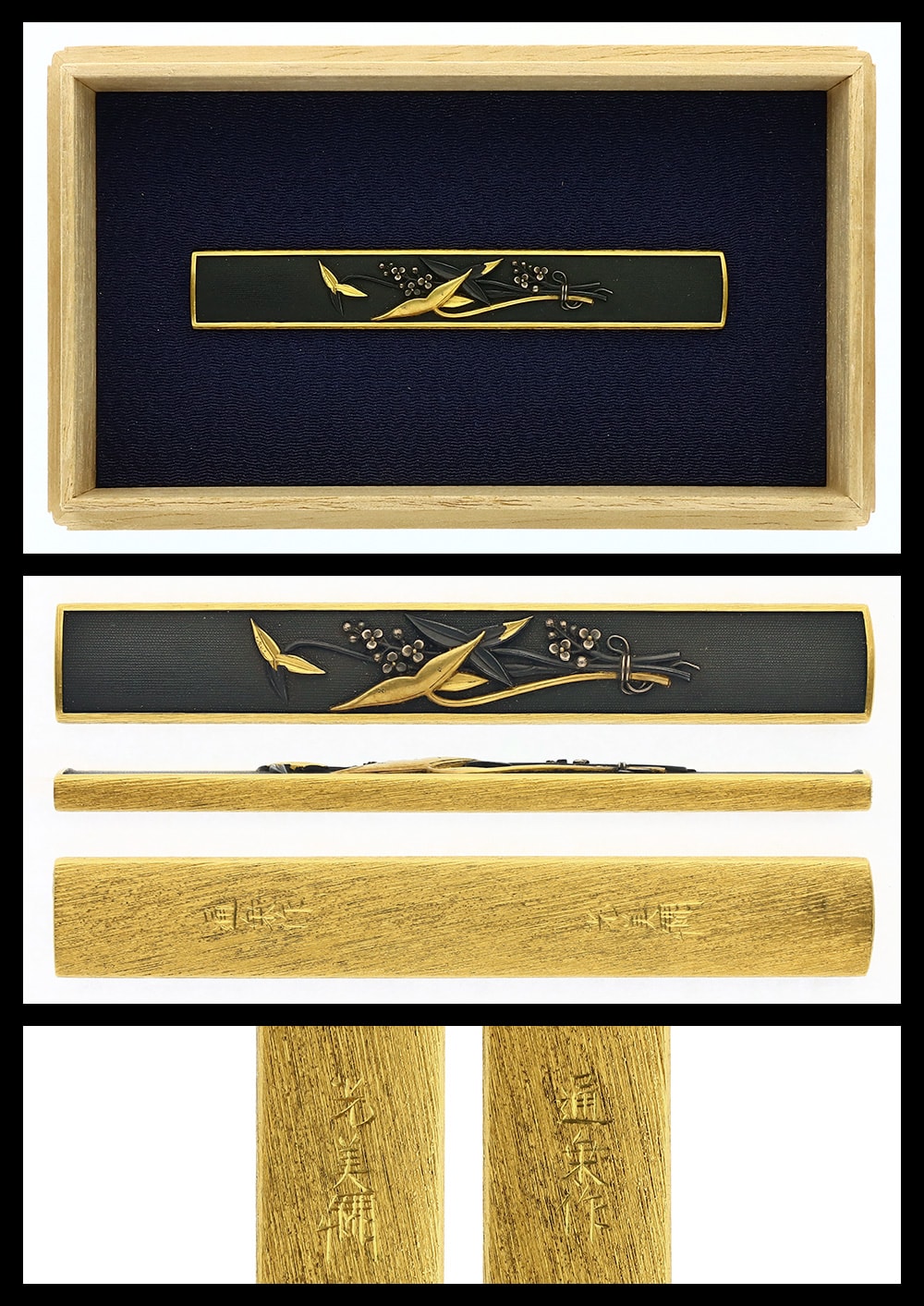
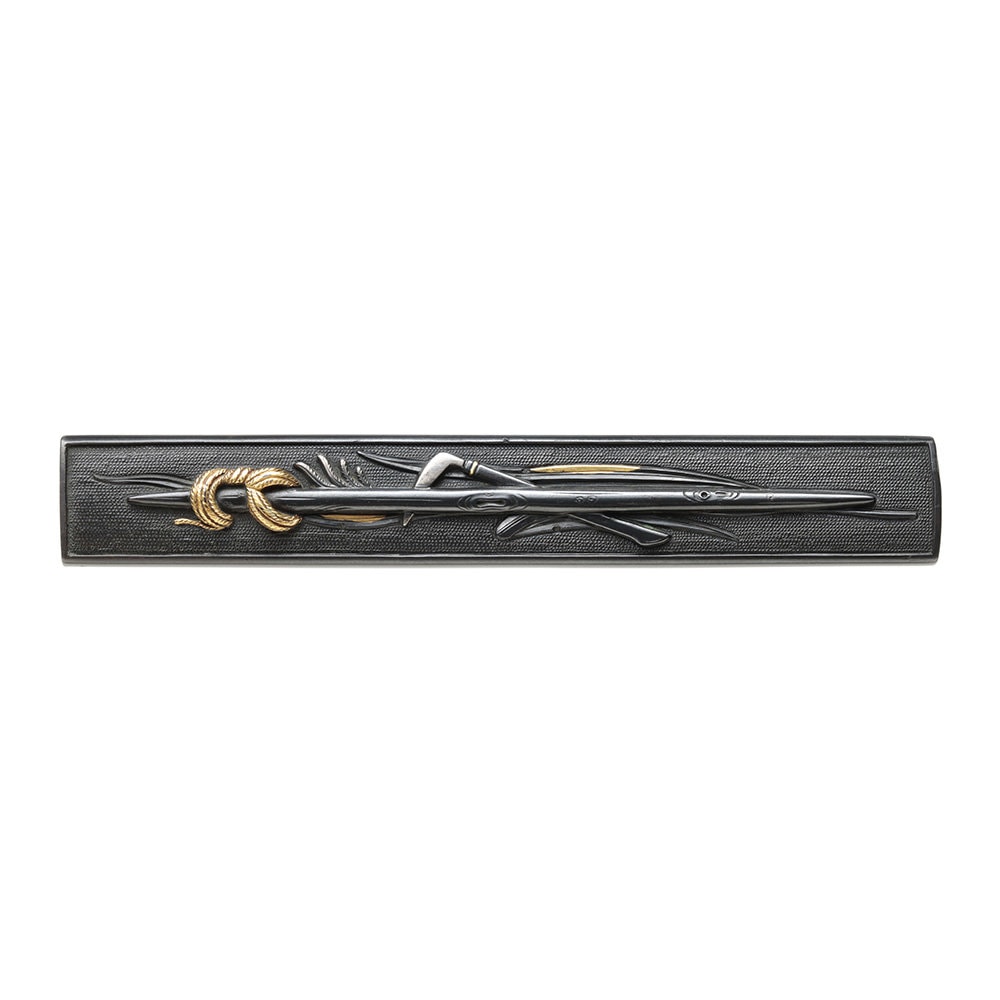
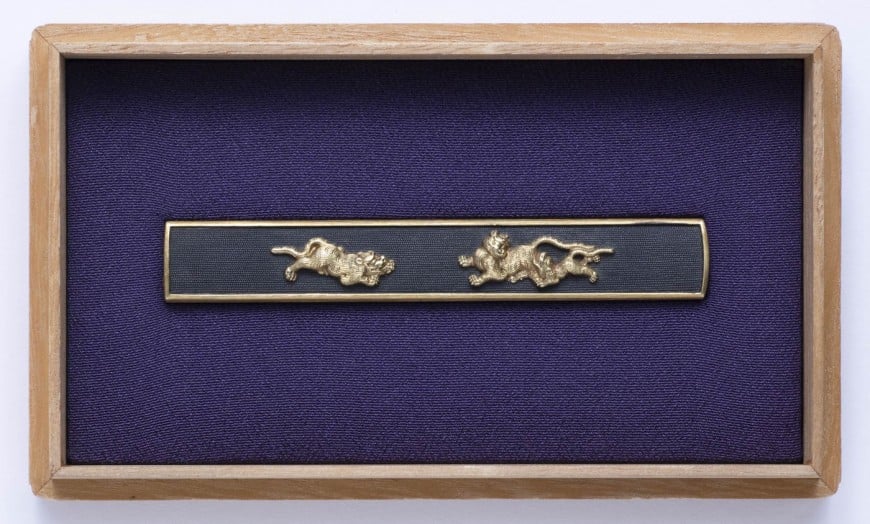
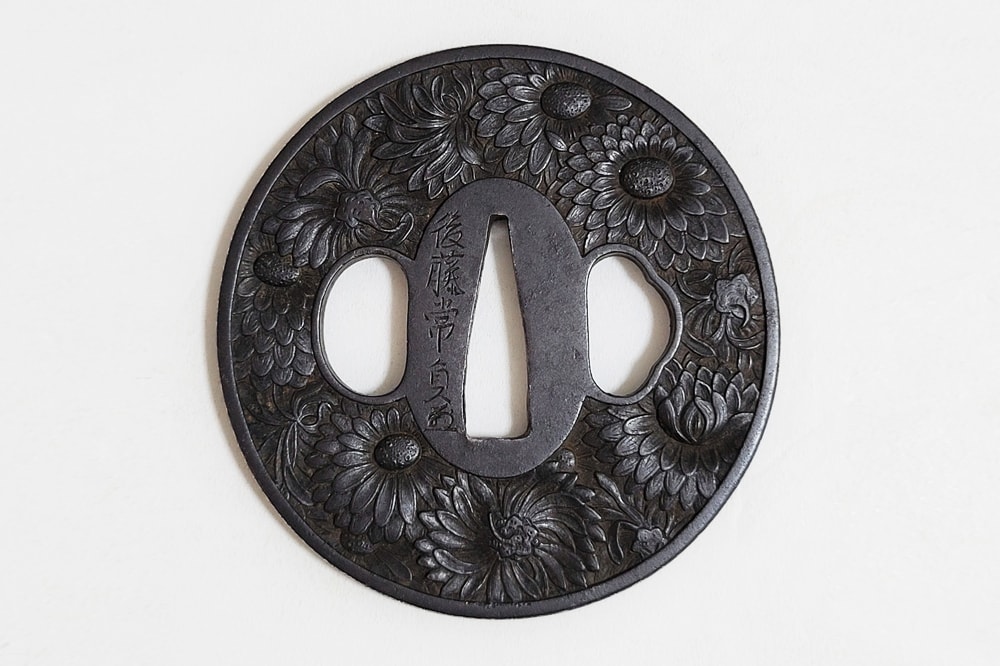
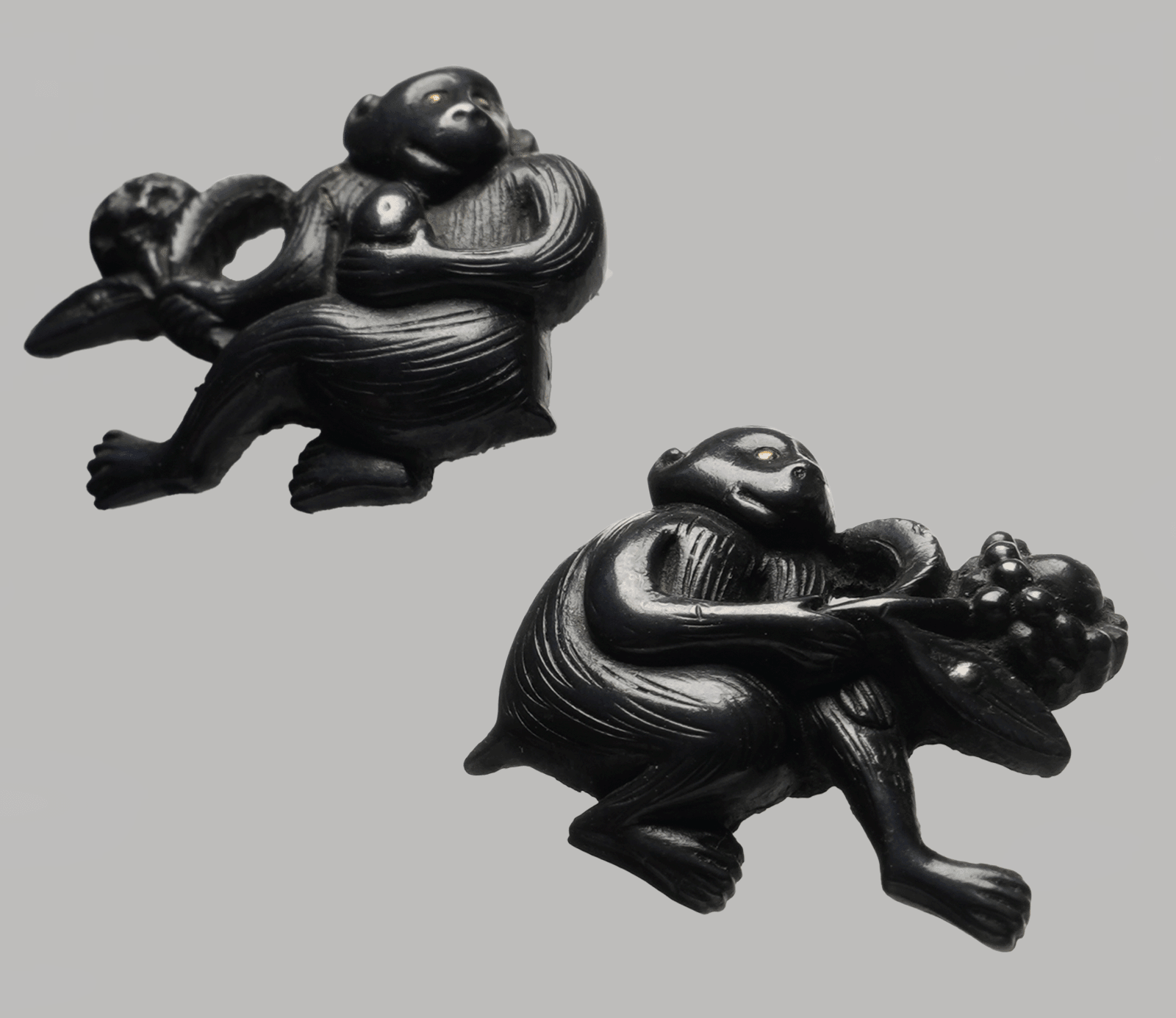
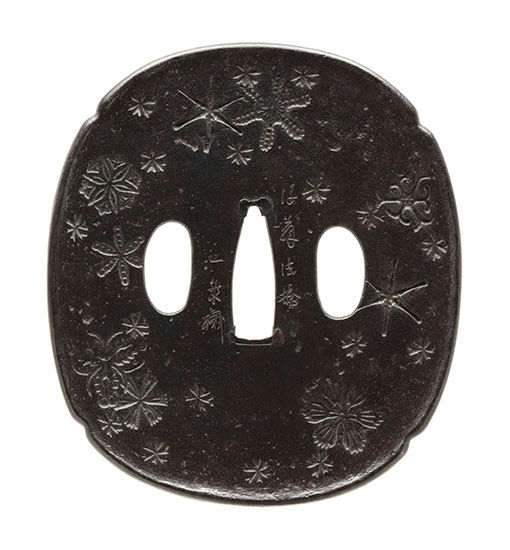
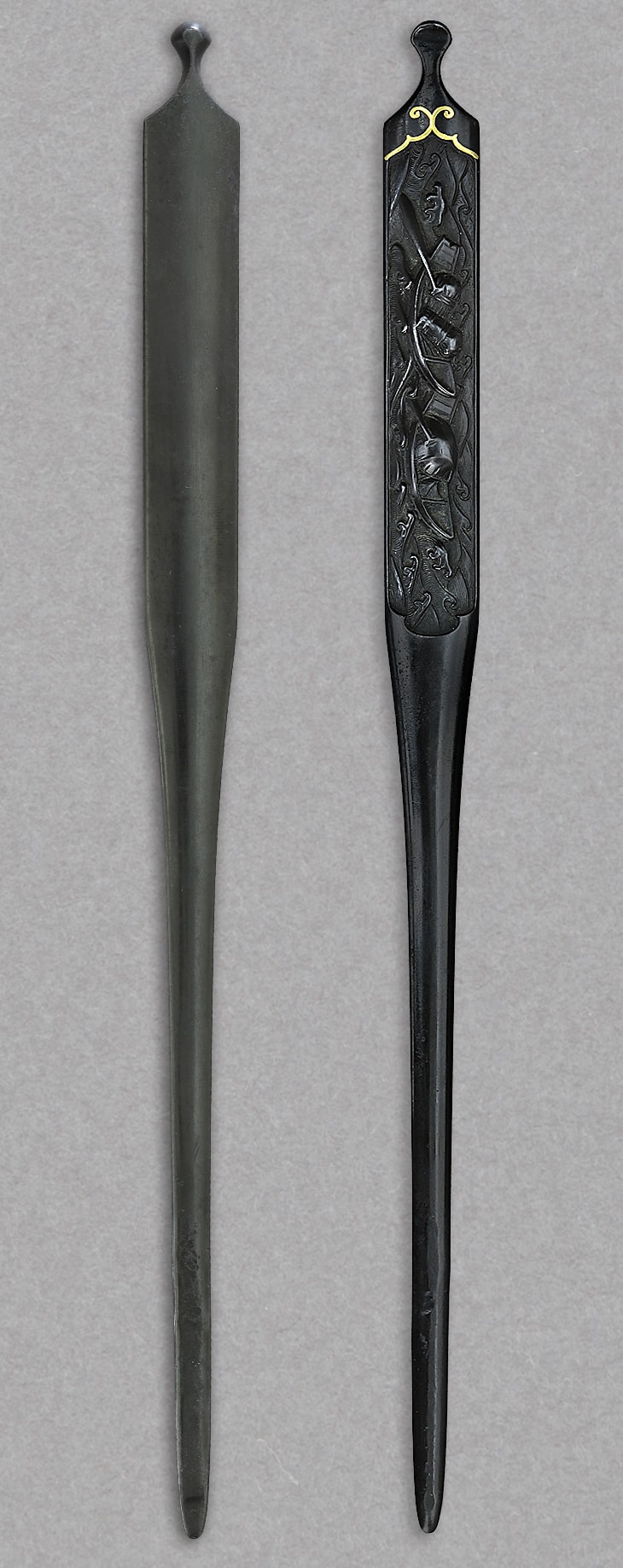
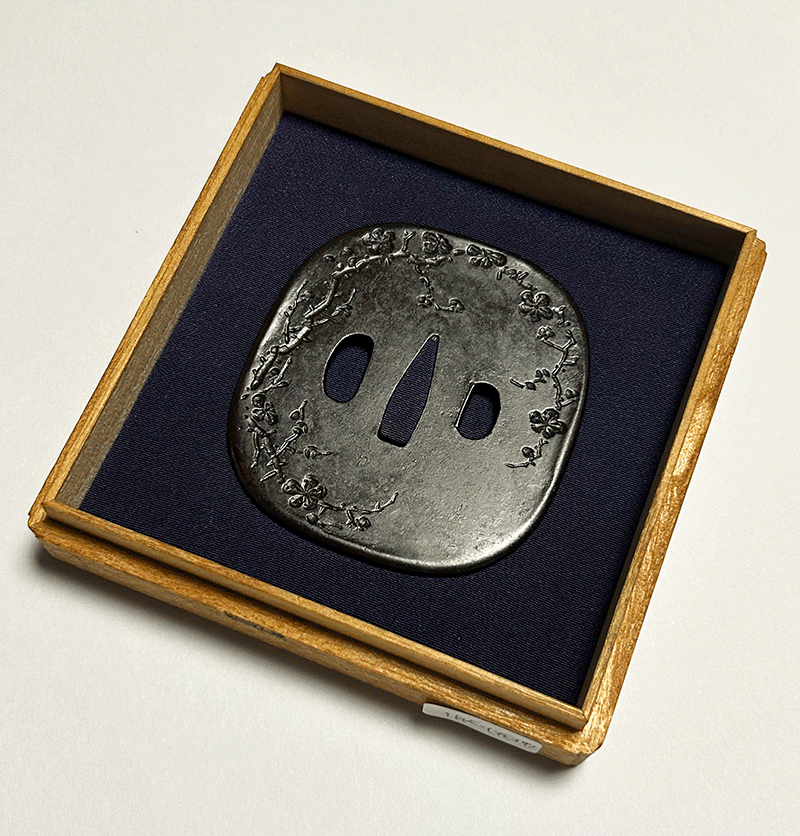
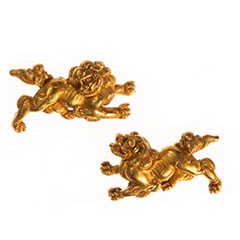
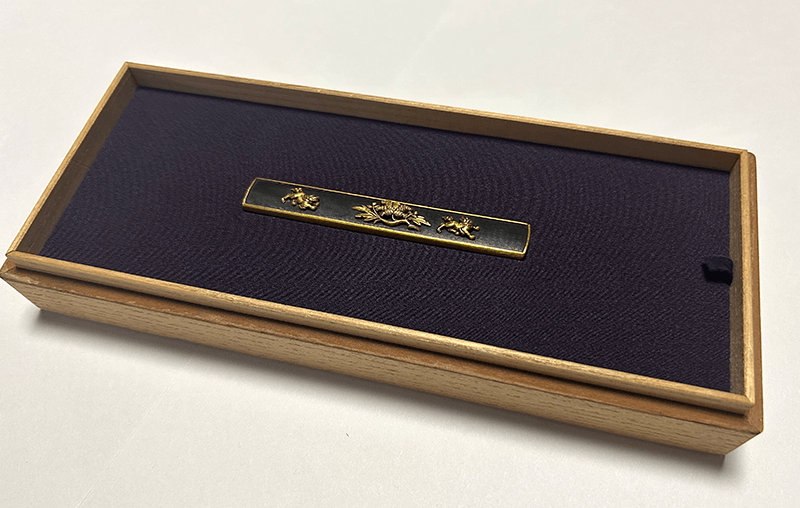
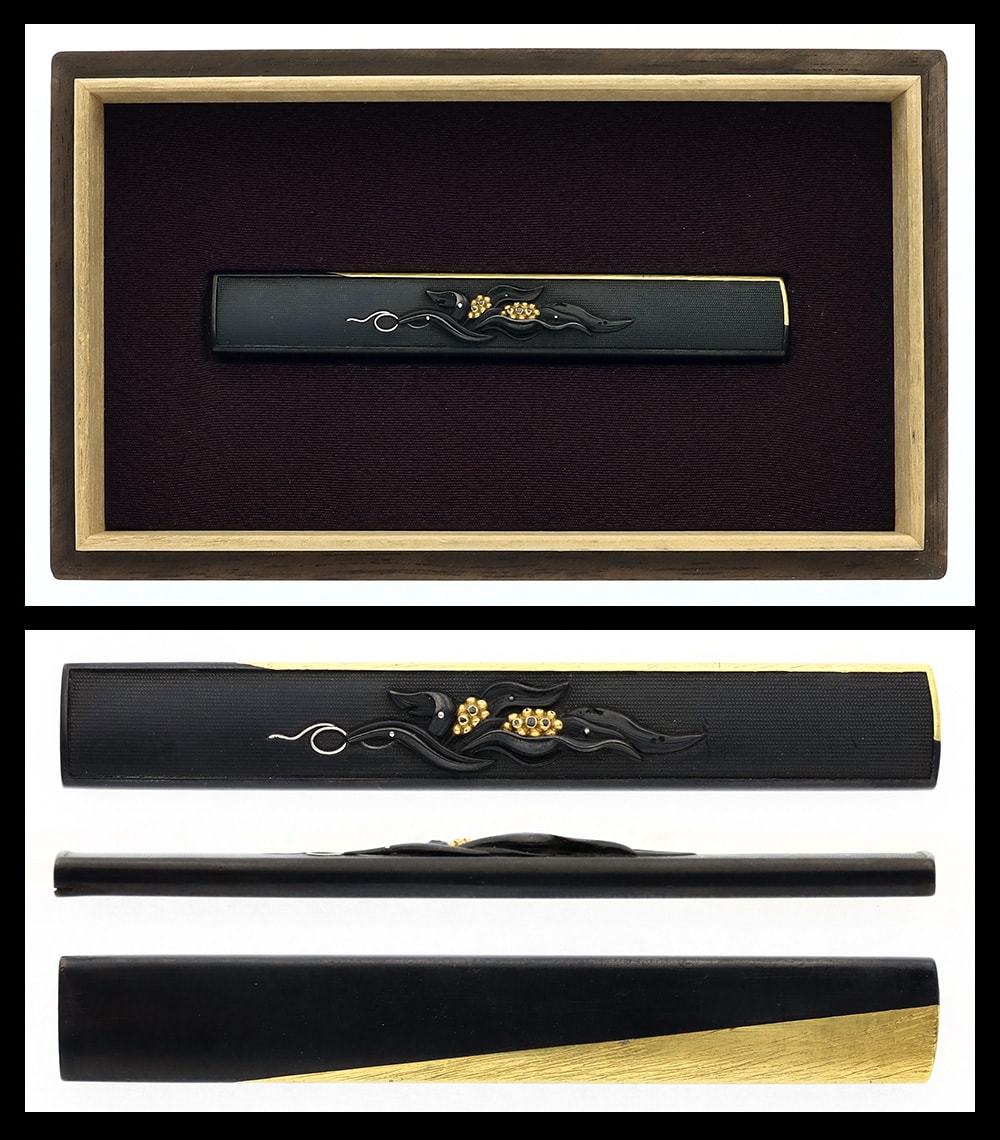
Renjō's manner of work skillfully carries forward the carving methods of his predecessor Teijō, and works by his hand can be so close in feeling that they could be mistaken for Teijō's own production. Yet he also introduced fresh effects, employing as a new ground metal and producing works featuring (fine-line engraving). In addition to the hereditary Gotō subjects of lions and dragons, he excelled in figure composition and was particularly renowned for warrior subjects, capturing with precision the instantaneous movements of combatants. The Gotō house was especially known for a boldly conceived, painterly realism (sha'i) that conveys immediacy within a weighty overall presence, and Renjō's works fully capture that intent. His deeply worked is full and richly modeled, the chisel-work delicate even in the smallest passages, and the color scheme of the inlaid and details is strikingly clear. Across and sets, the figures vary in pose while maintaining the elevated dignity characteristic of Gotō work. In accordance with the house-carving regulations (iebori), his and are executed in with gold crests and gold-backed reverses, while are rendered in solid gold with modeled carving, always brought to completion in a manner that conveys the formality and prestige of the Gotō house.
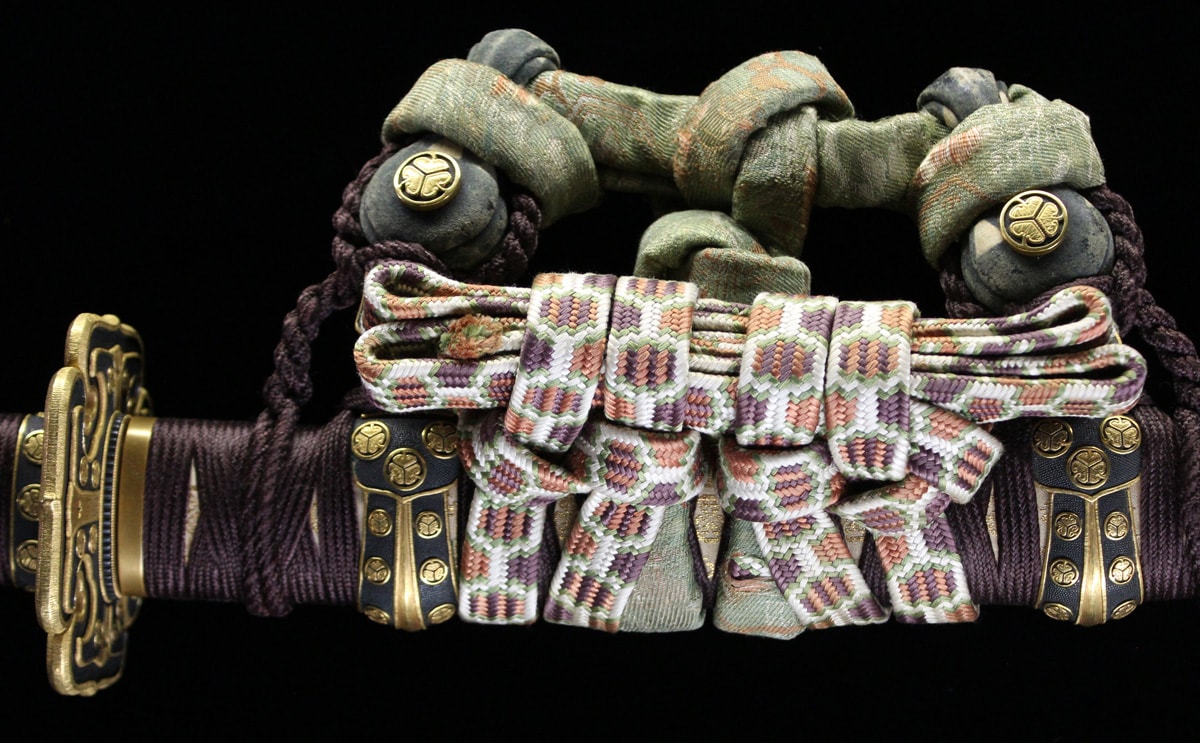
The has consistently recognized Renjō's output as work of the highest caliber within the mainline tradition. His pieces are described as possessing "lively movement and high dignity," with the "superior technique of Renjō fully displayed without reserve." Whether depicting celebrated Genpei battle scenes, the ceremonial figures of Okina and Sanbasō, or the paired tiger-and-leopard motif rendered with affectionate naturalism, his compositions are "executed in accordance with the Gotō house's established conventions, and the workmanship is outstanding." The surety of the carving and the scrupulous application of are qualities seen in the better works of the Gotō, and Renjō's hand is further confirmed by authentication inscriptions and from successive later masters. His production also extends to matched -- works by the Gotō in this format being few, and matched pairs rarer still -- and to heraldic fittings of grade bearing the -ni-mitsu- crest, demonstrating both versatility and the institutional authority of his position. Renjō stands as a pivotal figure in the mainline succession: the master who carried the house from Kyoto to and, across nearly half a century of signed production, sustained the forceful yet refined spirit of Gotō metalwork at its most accomplished.