Perry’s arrival in 1853 unraveled the Tokugawa peace and created the first mass demand for working swords in two centuries. Kiyomaro, called the Masamune of Yotsuya, died on its eve; Munetsugu and Yukihide carried the boom to the end.
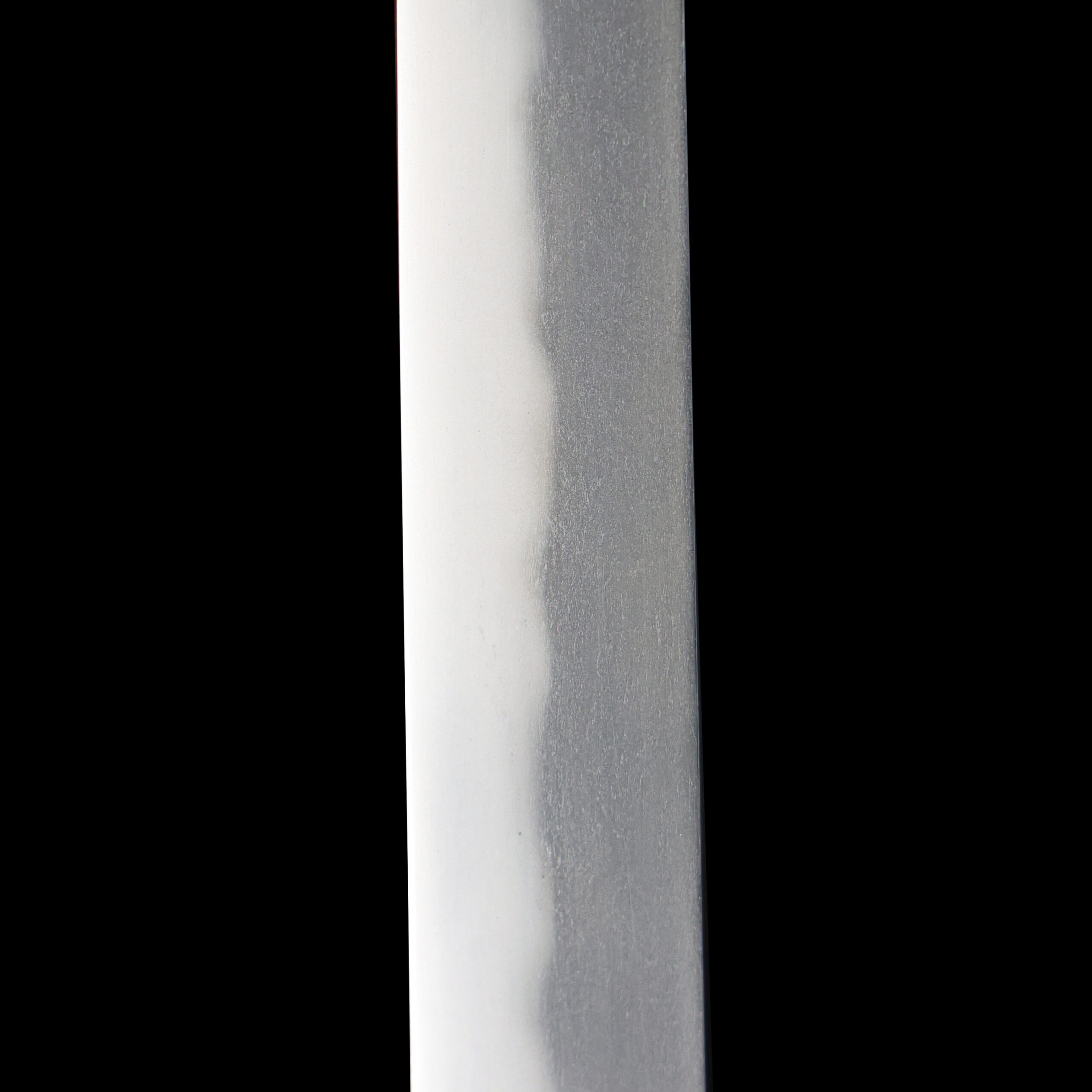
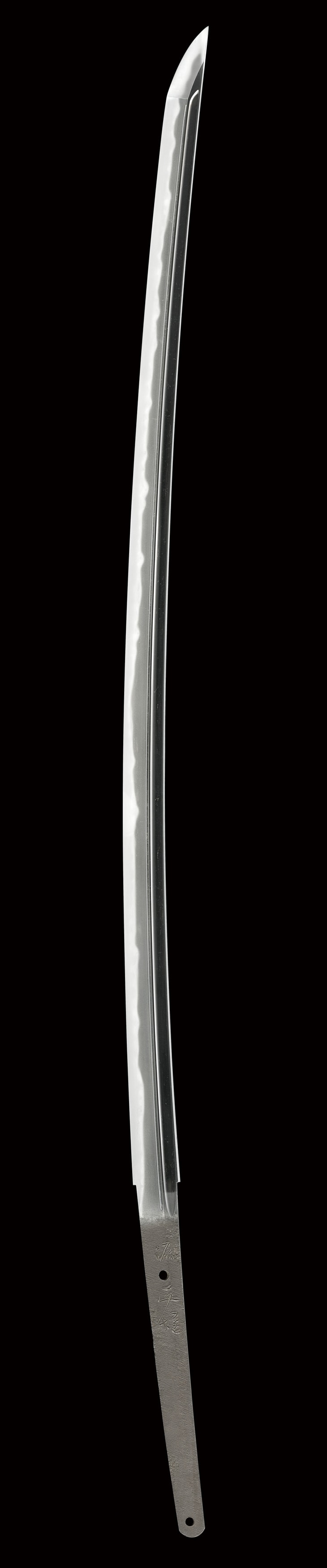
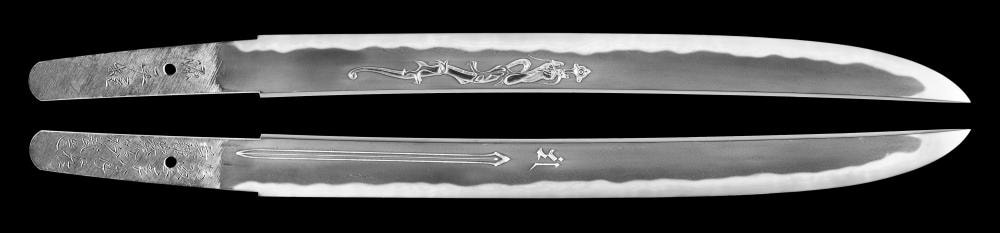
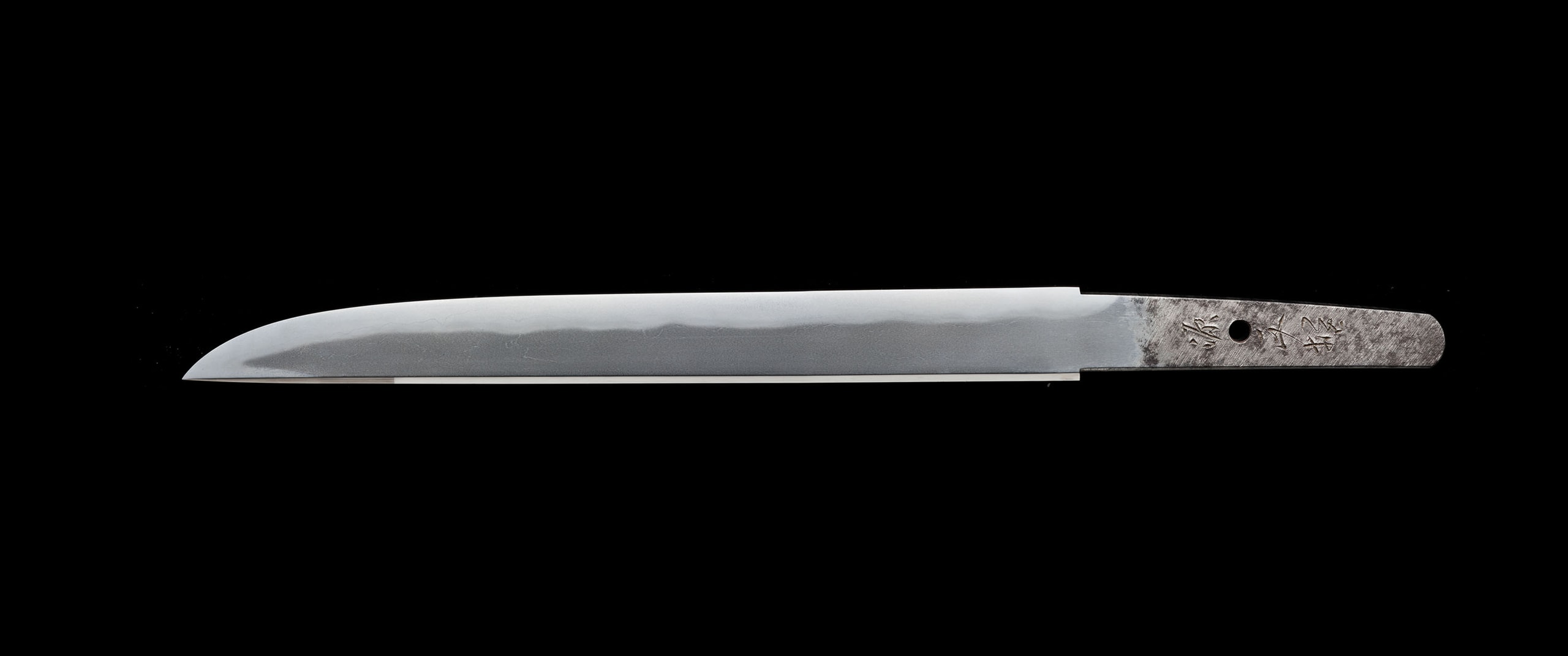
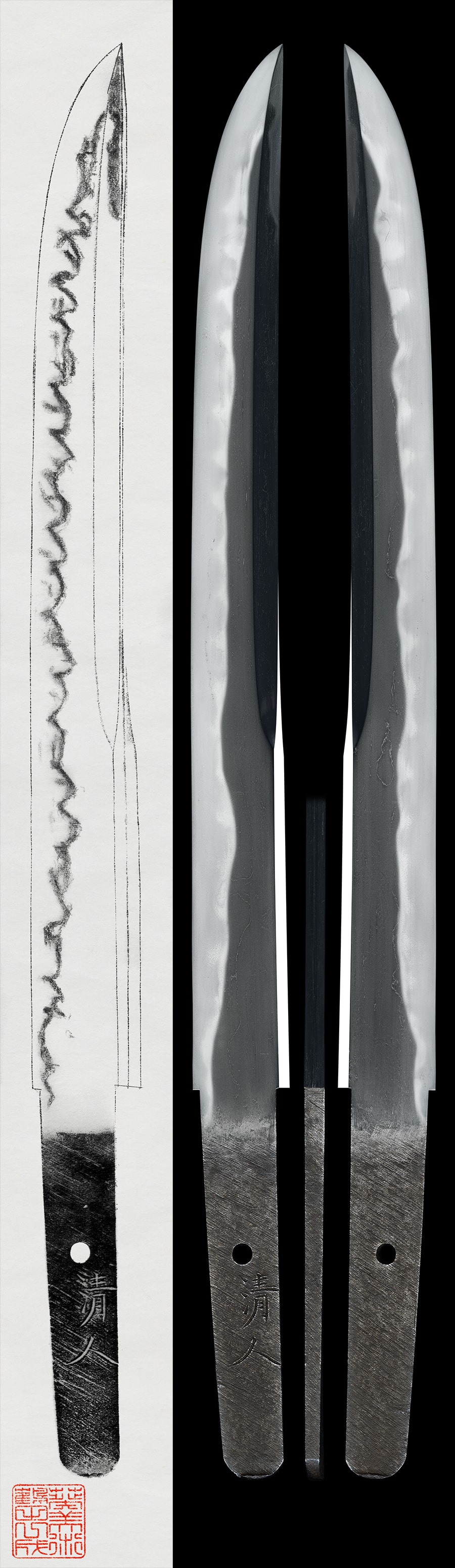
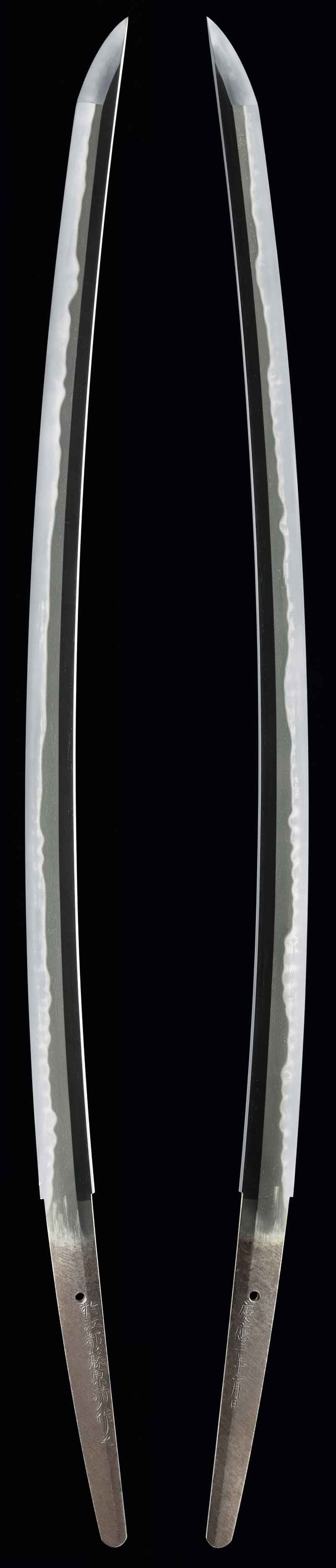
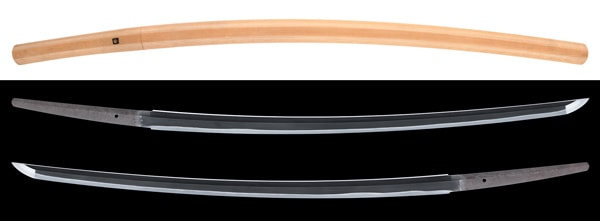
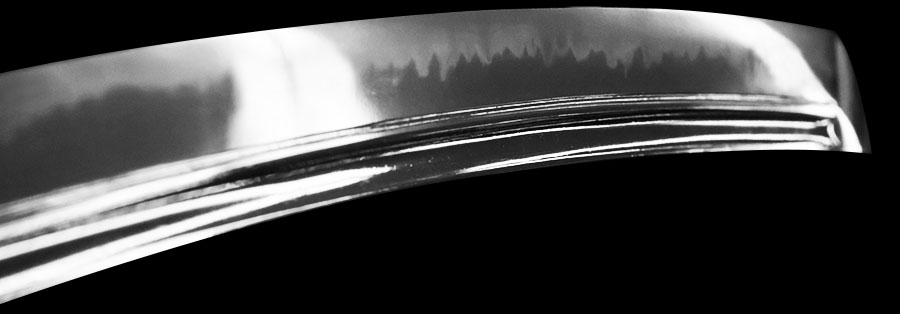
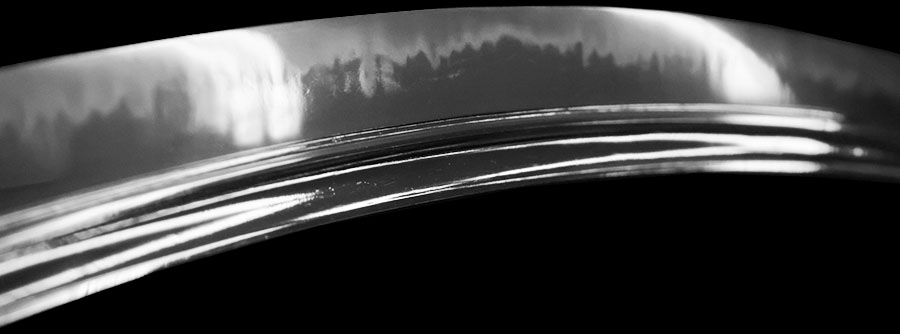
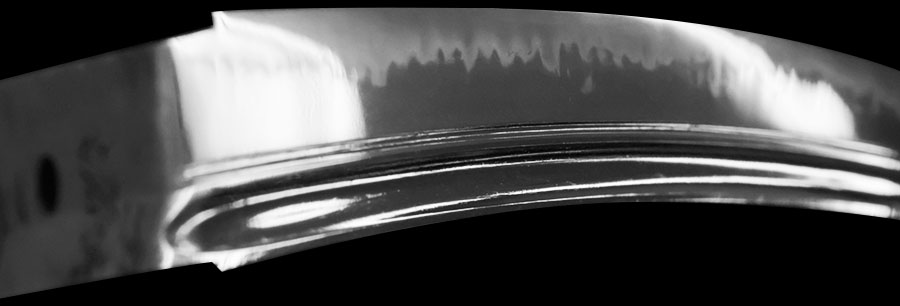
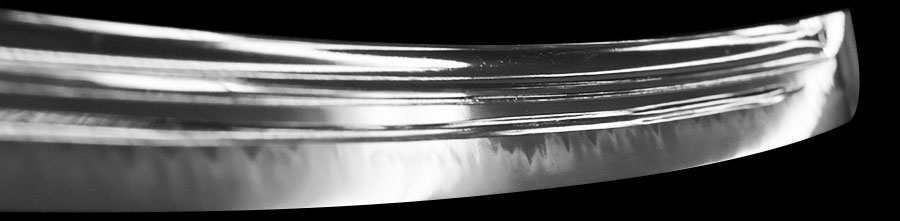
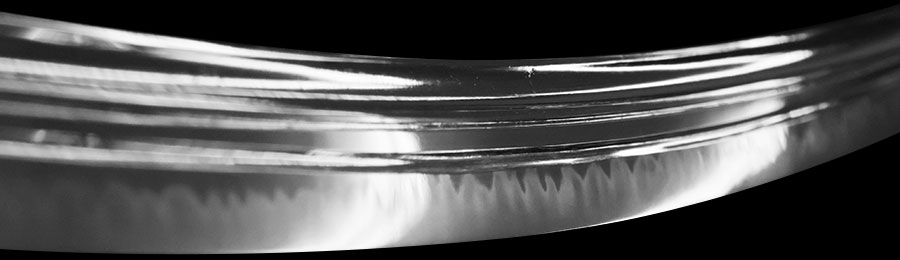
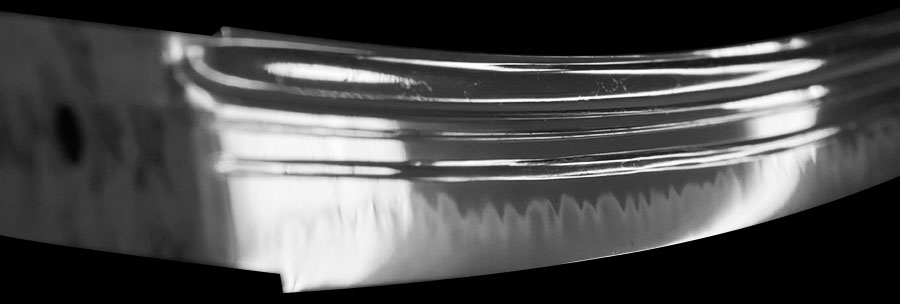
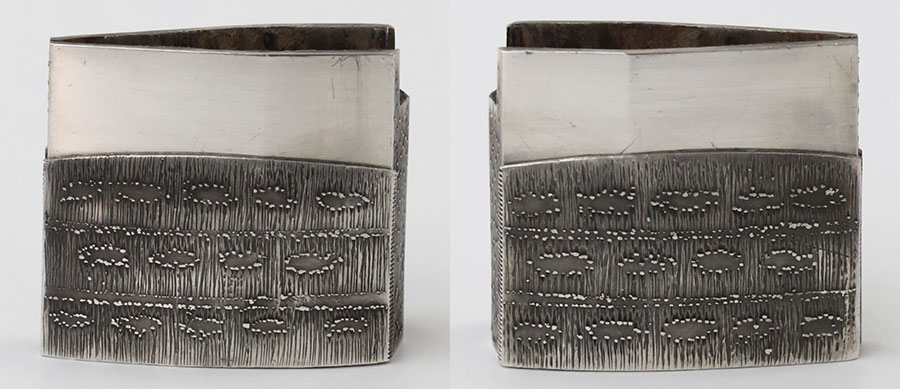
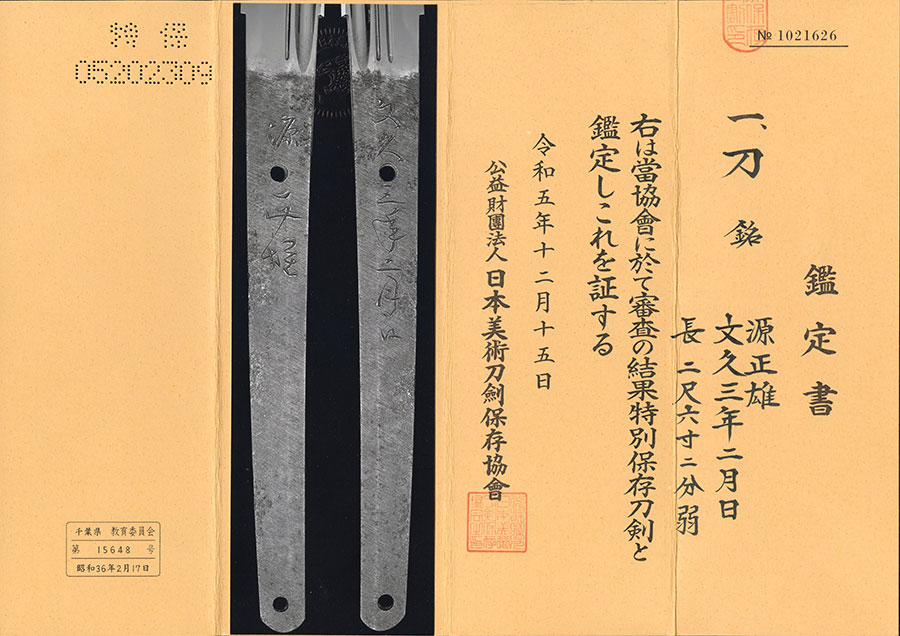
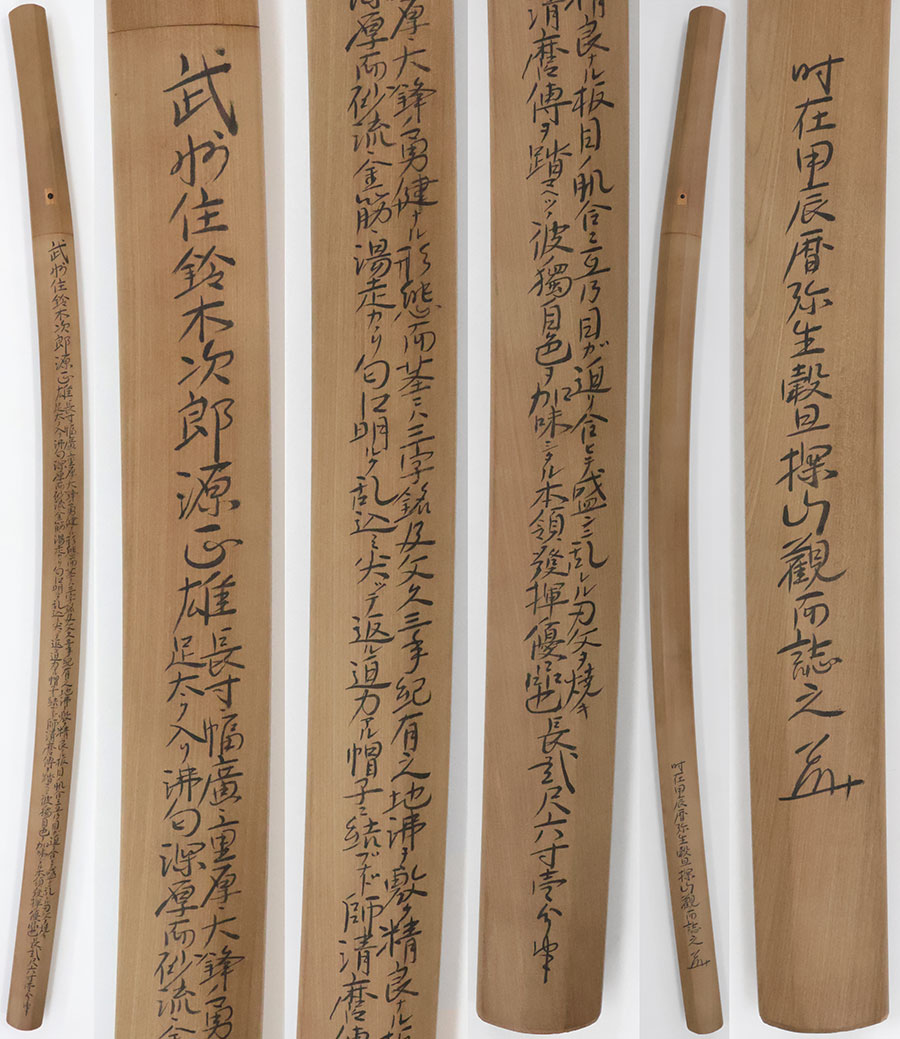
Weight: 980g (toshin only) It has appeared, it has appeared! Minamoto Kiyomaro is currently ultra-popular, and should one happen to appear in the token world, it becomes an ultra-high-priced sword. Minamoto Kiyomaro's works were forged with his life on the line during a time when Japan faced the threat of invasion from America, Britain, and Russia; because he stood with a sense of urgency regarding the pressing state of affairs, Kiyomaro is now the most popular swordsmith in the token world. His few disciples also stood with that same sense of urgency as their master, forging works with their lives on the line, and thus their popularity is skyrocketing alongside that of Kiyomaro. This katana is a work from Bunkyu 3 (1863) (163 years ago). It is a work from the 9th year after the death of his master, Minamoto Kiyomaro. Minamoto Masao was the senior to Fujiwara Kiyondo (the disciple who cared for Kiyomaro until the end), and because he only produced swords for a brief 12-year period from Kaei 6 to Keio 2, this is a wonderfully precious and limited hitokuchi even among the popular Kiyomaro school. As the state of affairs became urgent, in Ansei 6 (1859), Minamoto Masao traveled to Hakodate, Hokkaido at the request of the Matsumae Clan to forge swords. This katana is a work from four years after his return to Edo. According to the sayagaki commentary by Tanobe Michihiro Sensei, former Vice-Director of the Nihon Bijutsu Token Hozon Kyokai (NBTHK) Token Museum: This sword has a nagasa that is long, wide, and heavy with a yuken (brave/robust) sugata featuring an o-kissaki. The nakago bears a sanjimai of "Minamoto Masao" and a nenki of Bunkyu 3. The jigane is a seiryo (refined) itame-hada with jinie. The hamon is a vigorously midare pattern where gunome press against each other, with thick ashi, deep and thick nie-nioi, sunagashi, kinsuji, and yubashiri. The nioiguchi is bright, and the boshi is midare-komi, sharp, and kaeri with overwhelming power. It is a masterpiece praised as a yuhin that demonstrates Minamoto Masao's true capability, following the den of his master Minamoto Kiyomaro while adding his own unique characteristics. All members of the Minamoto Kiyomaro school forged magnificent swords, but like their master Kiyomaro, their extant works are few. This sword is a wonderfully precious and rare masterpiece by the swordsmith Suzuki Masao. On the omote, a bo-hi and soe-hi are carved; on the ura, a bo-hi, a soe-hi, and one additional soe-hi are carved. These hi represent the resolve of a bushi of that era when facing a shinken shobu (duel to the death) with his life on the line. There is a sense of tension inherent in facing a shinken shobu; please truly enjoy it.
 NihontoWatch
signed · Shin-Shinto · nagasa 79cm · sori 2cm














Shinshinto · Musashi · around 1844-1857
Fujishiro Jo-jo saku · Tōken Taikan top 31%
3 pieces on the market now
Yamaura Masao was born in Bunka 1 (1804) in Akaiwa village, Komoro, Shinano Province, the eldest son of the rural samurai Yamaura Nobukaze and elder brother of the celebrated Kiyomaro. Together with Kiyomaro, he studied under the Ueda domain smith Kawamura Toshitaka, signing early works as Kanri and Toshimasa before adopting the name Masao, then Shin'o, and finally Toshinaga in his later years. He used art names including "Tennenshi," "Yushaken," and "Yuunsai," and died in Meiji 7 (1874) at seventy-one.
His stylistic trajectory followed that of his brother: beginning with choji in the manner of Toshitaka, then shifting decisively toward Soshu-den. The setsumei consistently note a forging of itame-hada with thick ji-nie and conspicuous chikei, and a tempering of gunome mixed with ko-notare, richly laden with nie, kinsuji, and sunagashi. His finest katana (Juyo, 58th Session) is described as possessing "a powerful forging -- thick with ji-nie and heavily interwoven with chikei" in which "kinsuji and sunagashi activities are richer than usual even for this maker's work." Yet the NBTHK observes that "in comparison with Kiyomaro, his work tends to show fewer chikei in the ji and fewer sunagashi and kinsuji within the hardened area, and the overall quality does not reach Kiyomaro's level."
Despite this candid assessment, Masao's designated works demonstrate a smith of real accomplishment, particularly in the Soshu-den mode where nie is vigorously expressed and his shobuzukuri wakizashi display the sharp fukura-kare profile he favored. His output spans both katana of bold construction and wakizashi of refined character, and his commissions from named patrons attest to the regard in which he was held during the shinshinto era.
Where Masao stands among comparable artisans: across all of nihontō, and within tradition, era, and period. The tiers (Foremost · Leading · Major · Notable) weigh official designations from the NBTHK and Japan's Agency for Cultural Affairs, together with historical honors of lasting repute such as the Sansaku and Meibutsu-chō.
Select a lens to see how it's measured.
Years he was demonstrably active, proven by signed-and-dated blades
Shinshinto · Musashi
14 pieces on the market now
The Kiyomaro school gathered in the workshops of Yotsuya in Edo around the middle of the nineteenth century, its founder Yamaura Kiyomaro (清麿) born in Bunka 10 (1813) at Akaiwa village in the Komoro district of Shinano, the second son of the country gentry-warrior Yamaura Nobukaze. He learned forging first under the Ueda-domain smith Kawamura Toshitaka, signing his early blades Masayuki, went up to Edo in Tenpo 6 (1835) under the patronage of the military scholar Kubota Kiyone, and in the autumn of Koka 3 (1846) settled at Iga-cho in Yotsuya and changed his signature to Kiyomaro; he died by his own hand at forty-two in Kaei 7 (1854). Around him moved his elder brother Yamaura Masao (真雄/正雄), who took the same instruction from Toshitaka and walked the same course from choji into Soshu-den, and the pupils who entered the Yotsuya forge in its final years: Kurihara Nobuhide (信秀), a mirror-maker from Sanjo in Echigo whom the published sources place nearest the master's hand; Saito Kiyondo (清人) of Dewa, who afterward settled his teacher's sword debts and carried the manner into early Meiji; and the wider circle of associates and patrons through which the line passed. The shared vocabulary of the school is a powerful Soshu-revival manner. Over an itame that flows and stands a little, well packed and at times opening into mokume and o-itame, the smiths lay thick ji-nie with frequent chikei, the steel clear and without utsuri, for this is a late hand reaching back five centuries to Sagami rather than a Bizen revival. The temper is an o-midare or gunome-midare mixed with ko-notare, the ashi and yo entering, the nie thick and gathering coarse in clusters of ara-nie, with long kinsuji and streaming sunagashi running through nearly every blade; the boshi answers in a midare-komi turning pointed with hakikake. A Bizen-leaning side survives from the early years in the residual choji that shades into the mature work. Within this common ground the hands diverge. Kiyomaro's is read as the overwhelming one, his Soshu-den reaching the upper transmission with the Shizu vein as his forte of fortes, the NBTHK calling his work 「覇気に満ちている」, filled with commanding spirit.
Masao's grounded forging is candidly weighed against his brother's, the texts noting that his chikei, sunagashi, and kinsuji run fewer and the quality does not reach Kiyomaro's level. Nobuhide is named the closest approach to the master and is alone in the school for his carving, a mirror-maker's hand that set kurikara, dragons, and bonji into blades the others left plain. Kiyondo holds the round-headed gunome-midare at full strength and adds a manner of his own, a bright suguha aligned with the Yamato tradition that Kiyomaro never worked. To kantei the school, read first the imposing shape particular to the Yamaura line: a wide body with little taper, the sori toward the point, a chu-kissaki extended or run to an o-kissaki whose fukura is allowed to wither for a sharp impression, often a shobu-zukuri or kanmuri-otoshi wakizashi. Read then the nie, thick in ji and ha, the chikei and the conspicuous kinsuji and sunagashi that mark the force of the steel rather than any borrowed pattern. Carving narrows the field to Nobuhide; a Yamato suguha narrows it to Kiyondo. Kiyomaro stands at the head of the line, ranked by the published sources as high as Kotetsu and named without question the leading master among the shinshinto, the smith called the Yotsuya Masamune (四谷正宗). His extant work is scarce and closely held, passing through documented hands such as the Iwasaki family and the Seikado Bunko, and reaches the market only from time to time and at the very top of it. The pupils and the elder brother offer the more attainable face of the circle, signed and dated blades that come to a collector with patience; a signed example of any of these hands is a document of the moment when Soshu was reborn in Edo. Learn more →
| Smith | Era | Designated |
|---|---|---|
| Kiyomaro清麿 | 1839-1854 | 52 |
| Nobuhide信秀 | 1857-1867 | 34 |
| Kiyondo清人 | 1848-1868 | 8 |
| Masao真雄 | 1844-1866 | 6 |
| Masanao正直 | 1865-1868 | 3 |
Bakumatsu: the last war market
Perry’s arrival in 1853 unraveled the Tokugawa peace and created the first mass demand for working swords in two centuries. Kiyomaro, called the Masamune of Yotsuya, died on its eve; Munetsugu and Yukihide carried the boom to the end.
A Hozon-certified blade judged to show notably superior workmanship and a better state of preservation. The bar is higher: re-tempered blades and most unsigned Muromachi/Edo works are excluded.
The NBTHK (Nihon Bijutsu Tōken Hozon Kyōkai, the Society for the Preservation of Japanese Art Swords) is a public-interest incorporated foundation founded in 1948 and supervised by Japan’s Agency for Cultural Affairs (Bunkachō); it is based at the Japanese Sword Museum in Tokyo. Its expert panels physically examine each submitted work (shinsa) and issue a certificate (kanteishō) ranking it by artistic and historical merit. NBTHK papers are the most widely recognized standard of authentication for Japanese swords and fittings.
NBTHK official siteFor returns due to customer circumstances, the cost is the customer's responsibility. For returns due to our mis-shipment or a defective item, we bear the cost.
Price on request
Weight: 980g (toshin only) It has appeared, it has appeared! Minamoto Kiyomaro is currently ultra-popular, and should one happen to appear in the token world, it becomes an ultra-high-priced sword. Minamoto Kiyomaro's works were forged with his life on the line during a time when Japan faced the threat of invasion from America, Britain, and Russia; because he stood with a sense of urgency regarding the pressing state of affairs, Kiyomaro is now the most popular swordsmith in the token world. His few disciples also stood with that same sense of urgency as their master, forging works with their lives on the line, and thus their popularity is skyrocketing alongside that of Kiyomaro. This katana is a work from Bunkyu 3 (1863) (163 years ago). It is a work from the 9th year after the death of his master, Minamoto Kiyomaro. Minamoto Masao was the senior to Fujiwara Kiyondo (the disciple who cared for Kiyomaro until the end), and because he only produced swords for a brief 12-year period from Kaei 6 to Keio 2, this is a wonderfully precious and limited hitokuchi even among the popular Kiyomaro school. As the state of affairs became urgent, in Ansei 6 (1859), Minamoto Masao traveled to Hakodate, Hokkaido at the request of the Matsumae Clan to forge swords. This katana is a work from four years after his return to Edo. According to the sayagaki commentary by Tanobe Michihiro Sensei, former Vice-Director of the Nihon Bijutsu Token Hozon Kyokai (NBTHK) Token Museum: This sword has a nagasa that is long, wide, and heavy with a yuken (brave/robust) sugata featuring an o-kissaki. The nakago bears a sanjimai of "Minamoto Masao" and a nenki of Bunkyu 3. The jigane is a seiryo (refined) itame-hada with jinie. The hamon is a vigorously midare pattern where gunome press against each other, with thick ashi, deep and thick nie-nioi, sunagashi, kinsuji, and yubashiri. The nioiguchi is bright, and the boshi is midare-komi, sharp, and kaeri with overwhelming power. It is a masterpiece praised as a yuhin that demonstrates Minamoto Masao's true capability, following the den of his master Minamoto Kiyomaro while adding his own unique characteristics. All members of the Minamoto Kiyomaro school forged magnificent swords, but like their master Kiyomaro, their extant works are few. This sword is a wonderfully precious and rare masterpiece by the swordsmith Suzuki Masao. On the omote, a bo-hi and soe-hi are carved; on the ura, a bo-hi, a soe-hi, and one additional soe-hi are carved. These hi represent the resolve of a bushi of that era when facing a shinken shobu (duel to the death) with his life on the line. There is a sense of tension inherent in facing a shinken shobu; please truly enjoy it.
NihontoWatchsigned · Shin-Shinto · nagasa 79cm · sori 2cm
Shinshinto · Musashi · around 1844-1857
Fujishiro Jo-jo saku · Tōken Taikan top 31%
3 pieces on the market now
Yamaura Masao was born in Bunka 1 (1804) in Akaiwa village, Komoro, Shinano Province, the eldest son of the rural samurai Yamaura Nobukaze and elder brother of the celebrated Kiyomaro. Together with Kiyomaro, he studied under the Ueda domain smith Kawamura Toshitaka, signing early works as Kanri and Toshimasa before adopting the name Masao, then Shin'o, and finally Toshinaga in his later years. He used art names including "Tennenshi," "Yushaken," and "Yuunsai," and died in Meiji 7 (1874) at seventy-one.
His stylistic trajectory followed that of his brother: beginning with choji in the manner of Toshitaka, then shifting decisively toward Soshu-den. The setsumei consistently note a forging of itame-hada with thick ji-nie and conspicuous chikei, and a tempering of gunome mixed with ko-notare, richly laden with nie, kinsuji, and sunagashi. His finest katana (Juyo, 58th Session) is described as possessing "a powerful forging -- thick with ji-nie and heavily interwoven with chikei" in which "kinsuji and sunagashi activities are richer than usual even for this maker's work." Yet the NBTHK observes that "in comparison with Kiyomaro, his work tends to show fewer chikei in the ji and fewer sunagashi and kinsuji within the hardened area, and the overall quality does not reach Kiyomaro's level."
Despite this candid assessment, Masao's designated works demonstrate a smith of real accomplishment, particularly in the Soshu-den mode where nie is vigorously expressed and his shobuzukuri wakizashi display the sharp fukura-kare profile he favored. His output spans both katana of bold construction and wakizashi of refined character, and his commissions from named patrons attest to the regard in which he was held during the shinshinto era.
Where Masao stands among comparable artisans: across all of nihontō, and within tradition, era, and period. The tiers (Foremost · Leading · Major · Notable) weigh official designations from the NBTHK and Japan's Agency for Cultural Affairs, together with historical honors of lasting repute such as the Sansaku and Meibutsu-chō.
Select a lens to see how it's measured.
Years he was demonstrably active, proven by signed-and-dated blades
Shinshinto · Musashi
14 pieces on the market now
The Kiyomaro school gathered in the workshops of Yotsuya in Edo around the middle of the nineteenth century, its founder Yamaura Kiyomaro (清麿) born in Bunka 10 (1813) at Akaiwa village in the Komoro district of Shinano, the second son of the country gentry-warrior Yamaura Nobukaze. He learned forging first under the Ueda-domain smith Kawamura Toshitaka, signing his early blades Masayuki, went up to Edo in Tenpo 6 (1835) under the patronage of the military scholar Kubota Kiyone, and in the autumn of Koka 3 (1846) settled at Iga-cho in Yotsuya and changed his signature to Kiyomaro; he died by his own hand at forty-two in Kaei 7 (1854). Around him moved his elder brother Yamaura Masao (真雄/正雄), who took the same instruction from Toshitaka and walked the same course from choji into Soshu-den, and the pupils who entered the Yotsuya forge in its final years: Kurihara Nobuhide (信秀), a mirror-maker from Sanjo in Echigo whom the published sources place nearest the master's hand; Saito Kiyondo (清人) of Dewa, who afterward settled his teacher's sword debts and carried the manner into early Meiji; and the wider circle of associates and patrons through which the line passed. The shared vocabulary of the school is a powerful Soshu-revival manner. Over an itame that flows and stands a little, well packed and at times opening into mokume and o-itame, the smiths lay thick ji-nie with frequent chikei, the steel clear and without utsuri, for this is a late hand reaching back five centuries to Sagami rather than a Bizen revival. The temper is an o-midare or gunome-midare mixed with ko-notare, the ashi and yo entering, the nie thick and gathering coarse in clusters of ara-nie, with long kinsuji and streaming sunagashi running through nearly every blade; the boshi answers in a midare-komi turning pointed with hakikake. A Bizen-leaning side survives from the early years in the residual choji that shades into the mature work. Within this common ground the hands diverge. Kiyomaro's is read as the overwhelming one, his Soshu-den reaching the upper transmission with the Shizu vein as his forte of fortes, the NBTHK calling his work 「覇気に満ちている」, filled with commanding spirit.
Masao's grounded forging is candidly weighed against his brother's, the texts noting that his chikei, sunagashi, and kinsuji run fewer and the quality does not reach Kiyomaro's level. Nobuhide is named the closest approach to the master and is alone in the school for his carving, a mirror-maker's hand that set kurikara, dragons, and bonji into blades the others left plain. Kiyondo holds the round-headed gunome-midare at full strength and adds a manner of his own, a bright suguha aligned with the Yamato tradition that Kiyomaro never worked. To kantei the school, read first the imposing shape particular to the Yamaura line: a wide body with little taper, the sori toward the point, a chu-kissaki extended or run to an o-kissaki whose fukura is allowed to wither for a sharp impression, often a shobu-zukuri or kanmuri-otoshi wakizashi. Read then the nie, thick in ji and ha, the chikei and the conspicuous kinsuji and sunagashi that mark the force of the steel rather than any borrowed pattern. Carving narrows the field to Nobuhide; a Yamato suguha narrows it to Kiyondo. Kiyomaro stands at the head of the line, ranked by the published sources as high as Kotetsu and named without question the leading master among the shinshinto, the smith called the Yotsuya Masamune (四谷正宗). His extant work is scarce and closely held, passing through documented hands such as the Iwasaki family and the Seikado Bunko, and reaches the market only from time to time and at the very top of it. The pupils and the elder brother offer the more attainable face of the circle, signed and dated blades that come to a collector with patience; a signed example of any of these hands is a document of the moment when Soshu was reborn in Edo. Learn more →
| Smith | Era | Designated |
|---|---|---|
| Kiyomaro清麿 | 1839-1854 | 52 |
| Nobuhide信秀 | 1857-1867 | 34 |
| Kiyondo清人 | 1848-1868 | 8 |
| Masao真雄 | 1844-1866 | 6 |
| Masanao正直 | 1865-1868 | 3 |
Bakumatsu: the last war market
Perry’s arrival in 1853 unraveled the Tokugawa peace and created the first mass demand for working swords in two centuries. Kiyomaro, called the Masamune of Yotsuya, died on its eve; Munetsugu and Yukihide carried the boom to the end.
A Hozon-certified blade judged to show notably superior workmanship and a better state of preservation. The bar is higher: re-tempered blades and most unsigned Muromachi/Edo works are excluded.
The NBTHK (Nihon Bijutsu Tōken Hozon Kyōkai, the Society for the Preservation of Japanese Art Swords) is a public-interest incorporated foundation founded in 1948 and supervised by Japan’s Agency for Cultural Affairs (Bunkachō); it is based at the Japanese Sword Museum in Tokyo. Its expert panels physically examine each submitted work (shinsa) and issue a certificate (kanteishō) ranking it by artistic and historical merit. NBTHK papers are the most widely recognized standard of authentication for Japanese swords and fittings.
NBTHK official siteFor returns due to customer circumstances, the cost is the customer's responsibility. For returns due to our mis-shipment or a defective item, we bear the cost.
Price on request