Perry’s arrival in 1853 unraveled the Tokugawa peace and created the first mass demand for working swords in two centuries. Kiyomaro, called the Masamune of Yotsuya, died on its eve; Munetsugu and Yukihide carried the boom to the end.
 NihontoWatchNihontoWatch
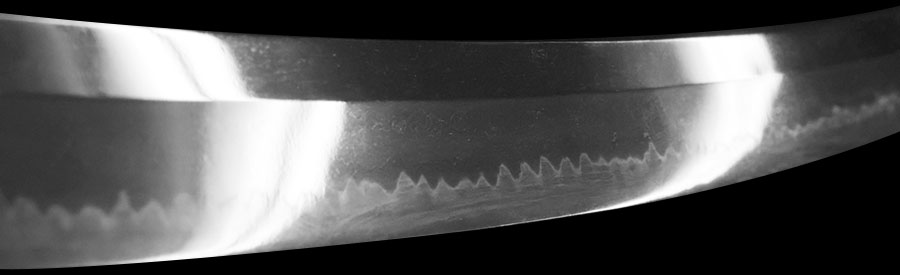
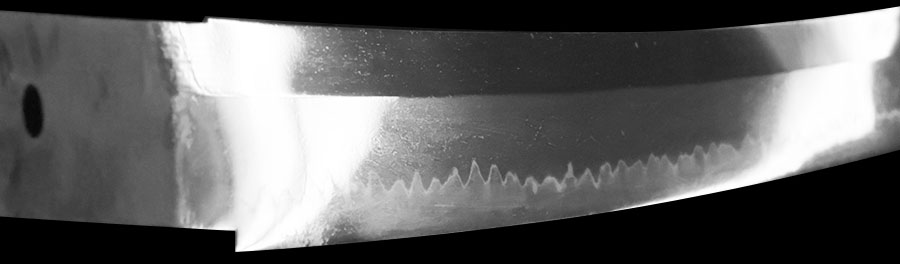
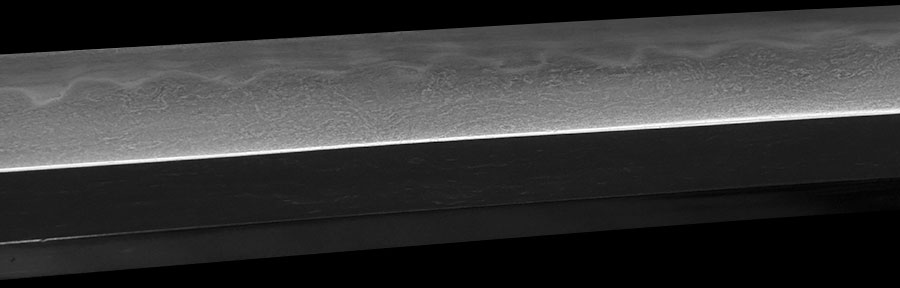
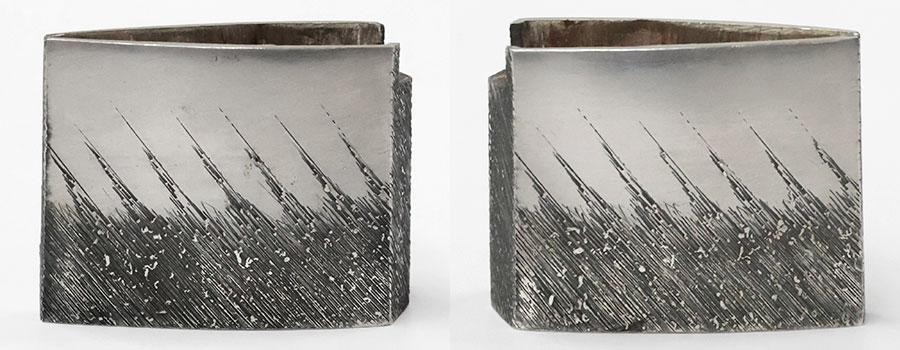
元治元年十二月日(1864年)(162年前) 出ました出ました源清磨の兄源真雄の門の山浦兵左衛門藤原義信の名刀が出ました。源清磨一門展では必ず必要な本刀ですが真雄の代作者の為に残念ながら作品無く本刀は非常に貴重な名刀です。山浦清磨、山浦真雄と同じ山浦姓の為に清磨や真雄とは親戚の関係です、源真雄の松代藩の荒試しは事に有名で一躍真雄の名声を高めました。試した刀は山浦真雄の二尺一寸五分荒沸出来の刀で、荒沸出来は真雄が得意ではないと断りましたが真田藩抱工の採用試験の為に敢て沸出来で鍛えた刀で試験に臨みます。試しはこもを二枚束ねた干藁から始り、三十四回も刀で切りつけ試しを終えた後、以後は完全な打折り試しを行い、最後の試しの模様は、試し手はほとん必死になって息を切らせ殴り続け、それでも頑固に折れてくれない真雄の見事な刀でした。その時の模様は誠に峻烈を極め見物の武士達も真剣そのもので、手に汗を握るが如く、肌に鳥肌を生ぜしが如しこれが刀剣史上に後々まで語り継がれた[松代藩荒試し]の模様です。(荒試しの詳細は下に記述します)真雄は試刀会の翌日、家老真田志摩から長巻百振りの注文の申し渡しを受け、しかも真雄が上田に帰る時には、真田藩の武具奉行高野車之助と小野喜平太の二人が同道し、真雄が再び松代に戻らぬことを恐れた真田志摩の処置だと言われています。これ以後現在に至るまで清麿系の刀剣は非常に高価です。清磨系の鍛法は本三枚鍛えと言われ柔らかい心鉄に硬い皮鉄を付けそれに刃鉄を着けた強靭な鍛え方です。本刀は正しく真雄の刀を見る様な長寸で元重ね厚く元身幅と先身幅のやや差の有る反の浅い豪壮な刀姿を現し、地金は板目肌に鍛え杢目肌も現し地には多くの地景を現し、刃紋は匂い出来の互の目刃を焼き刃中清磨派の細かな金筋を現し如何にも良く斬れる刀を鍛え上げています。この度古いお数寄者様から大切にしてきた源清磨に縁ある刀を自分も年を取りましたので大切にして頂ける方にお安くお譲り下いとお預かりした為に特別に格安にて源清磨一門展には必ず必要な山浦兵左衛門藤原義信の名刀をご提供いたします是非お楽しみ下さいませ。 源真雄の松代藩の荒試しは事に有名で一躍真雄の名声を高めました。試した刀は山浦真雄の二尺一寸五分荒沸出来の刀で、荒沸出来は真雄が得意ではないと断りましたが真田藩抱工の採用試験の為に敢て沸出来で鍛えた刀で試験に臨みます。試しはこもを二枚束ねた干藁から始り、干藁1回切り、但九分切「切味宜」と記帳されました。次に同じく干藁を10回切り 何れも八・九分切れ、干わらを10回切っても切れ味は変らず。次は竹の入ったわらを6回切り、但七・八分切れてさらに17回切って、僅かに切れ味が鈍っただけでした。ここで研師が刃を付け直し次は古鉄の厚さ一分(3弌防七分(2.1僉1回切って鉄は両断され左右へ切れて飛び、刃切が1か所出来ました。鉄は古いほど鉄性が精良で新鉄にまさりそれを完全に両断したのでさすがに刃切れが入りましたが驚くべき切れ味と強靭さです。次は固い鹿の角を六回切り、その次は竹の入ったわらをまた2回切り。刃こぼれの儘にて六分位切れ、次は鉄砂入張笠を2回切り、その次は古鉄で出来た胴を2回切り次は四分一の地金の鍔を1回切り、ここからは既に切れ味試しではなく、折る試しへの限界への挑戦に入っています。次に再び四分一の鍔を1回切り次に鍛た鉄を1回切り次に鉄の兜を1回切った後に鍛えた鉄に切りつけでようやく曲りを生じたのを鉄鎚で打ち直して使用しましたが、それでもまだ折れない程驚くべき粘着性であり以上の三十四回も刀で切りつけ試しを終えた後、これ以後は完全な打折り試しを行い、長さ五尺五寸(180僉暴鼎吉百三十匁(3、2kgr)の鉄の杖で、刀の弱点とされる棟や平面(鎬部)を強打して鉄の杖を棟より7回きつく棟打を行い、次に平地に6回力一杯に打ち次に鉄敷で棟を6回打ちさらに棟を7回打って、ここで刃切れが大きくなったといいます。次に平打3回、裏返して打つ事2回にしてついに折れました。最後の試しの模様は、試し手はほとん必死になって息を切らせ殴り続け、それでも頑固に折れてくれない真雄の見事な刀でした。その時の模様は誠に峻烈を極め見物の武士達も真剣そのもので、手に汗を握るが如く、肌に鳥肌を生ぜしが如しこれが刀剣史上に後々まで語り継がれた[松代藩荒試し]の模様です。尚、真雄の鍛えたもう一振りの匂出来の刀については、試すに及ばず、ということになったと言います。不得意だという沸出来の刀でさえこの結果を生み、真田藩士の心胆を寒からしめました。得意の匂出来については試す必要を認めなかったのです。真雄は試刀会の翌日、家老真田志摩から長巻百振りの注文の申し渡しを受けています。しかも真雄が上田に帰る時には、真田藩の武具奉行高野車之助と小野喜平太の二人が同道し、真雄が再び松代に戻らぬことを恐れた真田志摩の処置だと言われています。
NihontoWatchOffered by Nipponto















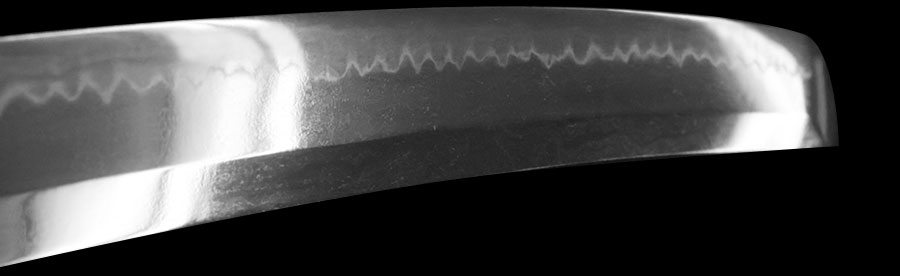
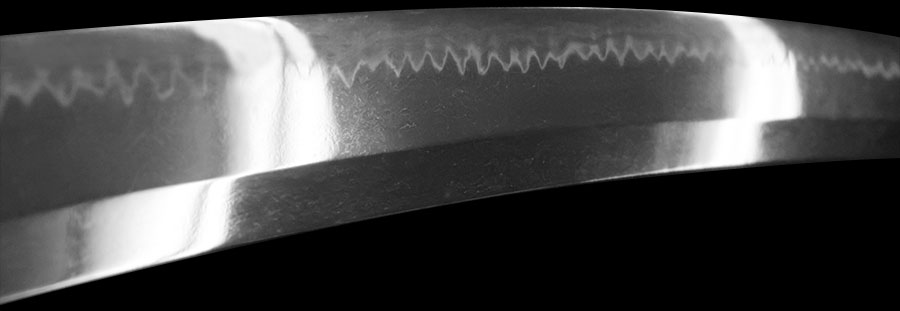
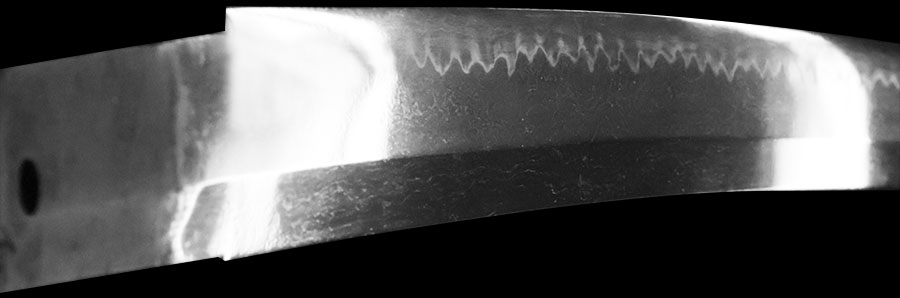
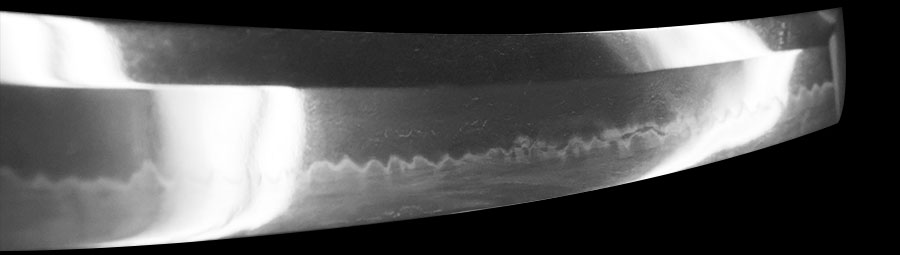
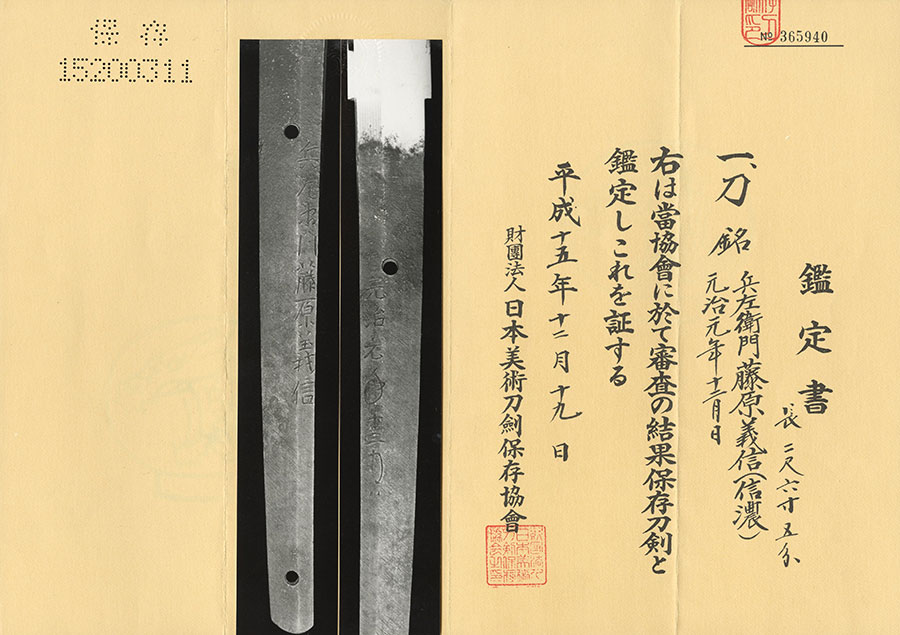
As written by the shop
(Translation unavailable)
Shinshinto · Shinano · around 1864-1865
1 piece on the market now
Shinshinto · Musashi
14 pieces on the market now
The Kiyomaro school gathered in the workshops of Yotsuya in Edo around the middle of the nineteenth century, its founder Yamaura Kiyomaro (清麿) born in Bunka 10 (1813) at Akaiwa village in the Komoro district of Shinano, the second son of the country gentry-warrior Yamaura Nobukaze. He learned forging first under the Ueda-domain smith Kawamura Toshitaka, signing his early blades Masayuki, went up to Edo in Tenpo 6 (1835) under the patronage of the military scholar Kubota Kiyone, and in the autumn of Koka 3 (1846) settled at Iga-cho in Yotsuya and changed his signature to Kiyomaro; he died by his own hand at forty-two in Kaei 7 (1854). Around him moved his elder brother Yamaura Masao (真雄/正雄), who took the same instruction from Toshitaka and walked the same course from choji into Soshu-den, and the pupils who entered the Yotsuya forge in its final years: Kurihara Nobuhide (信秀), a mirror-maker from Sanjo in Echigo whom the published sources place nearest the master's hand; Saito Kiyondo (清人) of Dewa, who afterward settled his teacher's sword debts and carried the manner into early Meiji; and the wider circle of associates and patrons through which the line passed. The shared vocabulary of the school is a powerful Soshu-revival manner. Over an itame that flows and stands a little, well packed and at times opening into mokume and o-itame, the smiths lay thick ji-nie with frequent chikei, the steel clear and without utsuri, for this is a late hand reaching back five centuries to Sagami rather than a Bizen revival. The temper is an o-midare or gunome-midare mixed with ko-notare, the ashi and yo entering, the nie thick and gathering coarse in clusters of ara-nie, with long kinsuji and streaming sunagashi running through nearly every blade; the boshi answers in a midare-komi turning pointed with hakikake. A Bizen-leaning side survives from the early years in the residual choji that shades into the mature work. Within this common ground the hands diverge. Kiyomaro's is read as the overwhelming one, his Soshu-den reaching the upper transmission with the Shizu vein as his forte of fortes, the NBTHK calling his work 「覇気に満ちている」, filled with commanding spirit.
Masao's grounded forging is candidly weighed against his brother's, the texts noting that his chikei, sunagashi, and kinsuji run fewer and the quality does not reach Kiyomaro's level. Nobuhide is named the closest approach to the master and is alone in the school for his carving, a mirror-maker's hand that set kurikara, dragons, and bonji into blades the others left plain. Kiyondo holds the round-headed gunome-midare at full strength and adds a manner of his own, a bright suguha aligned with the Yamato tradition that Kiyomaro never worked. To kantei the school, read first the imposing shape particular to the Yamaura line: a wide body with little taper, the sori toward the point, a chu-kissaki extended or run to an o-kissaki whose fukura is allowed to wither for a sharp impression, often a shobu-zukuri or kanmuri-otoshi wakizashi. Read then the nie, thick in ji and ha, the chikei and the conspicuous kinsuji and sunagashi that mark the force of the steel rather than any borrowed pattern. Carving narrows the field to Nobuhide; a Yamato suguha narrows it to Kiyondo. Kiyomaro stands at the head of the line, ranked by the published sources as high as Kotetsu and named without question the leading master among the shinshinto, the smith called the Yotsuya Masamune (四谷正宗). His extant work is scarce and closely held, passing through documented hands such as the Iwasaki family and the Seikado Bunko, and reaches the market only from time to time and at the very top of it. The pupils and the elder brother offer the more attainable face of the circle, signed and dated blades that come to a collector with patience; a signed example of any of these hands is a document of the moment when Soshu was reborn in Edo. Learn more →
| Smith | Era | Designated |
|---|---|---|
| Kiyomaro清麿 | 1839-1854 | 73 |
| Nobuhide信秀 | 1857-1867 | 34 |
| Kiyondo清人 | 1848-1868 | 10 |
| Masao真雄 | 1844-1866 | 7 |
| Masanao正直 | 1865-1868 | 3 |
Bakumatsu: the last war market
Perry’s arrival in 1853 unraveled the Tokugawa peace and created the first mass demand for working swords in two centuries. Kiyomaro, called the Masamune of Yotsuya, died on its eve; Munetsugu and Yukihide carried the boom to the end.
Certifies a genuine blade worth preserving: a signature confirmed correct, or, if unsigned, an era, province, and school that the NBTHK can reliably identify.
The NBTHK (Nihon Bijutsu Tōken Hozon Kyōkai, the Society for the Preservation of Japanese Art Swords) is a public-interest incorporated foundation founded in 1948 and supervised by Japan’s Agency for Cultural Affairs (Bunkachō); it is based at the Japanese Sword Museum in Tokyo. Its expert panels physically examine each submitted work (shinsa) and issue a certificate (kanteishō) ranking it by artistic and historical merit. NBTHK papers are the most widely recognized standard of authentication for Japanese swords and fittings.
NBTHK official siteFor returns due to customer circumstances, the cost is the customer's responsibility. For returns due to our mis-shipment or a defective item, we bear the cost.
¥1,200,000