Perry’s arrival in 1853 unraveled the Tokugawa peace and created the first mass demand for working swords in two centuries. Kiyomaro, called the Masamune of Yotsuya, died on its eve; Munetsugu and Yukihide carried the boom to the end.
 NihontoWatchNihontoWatch
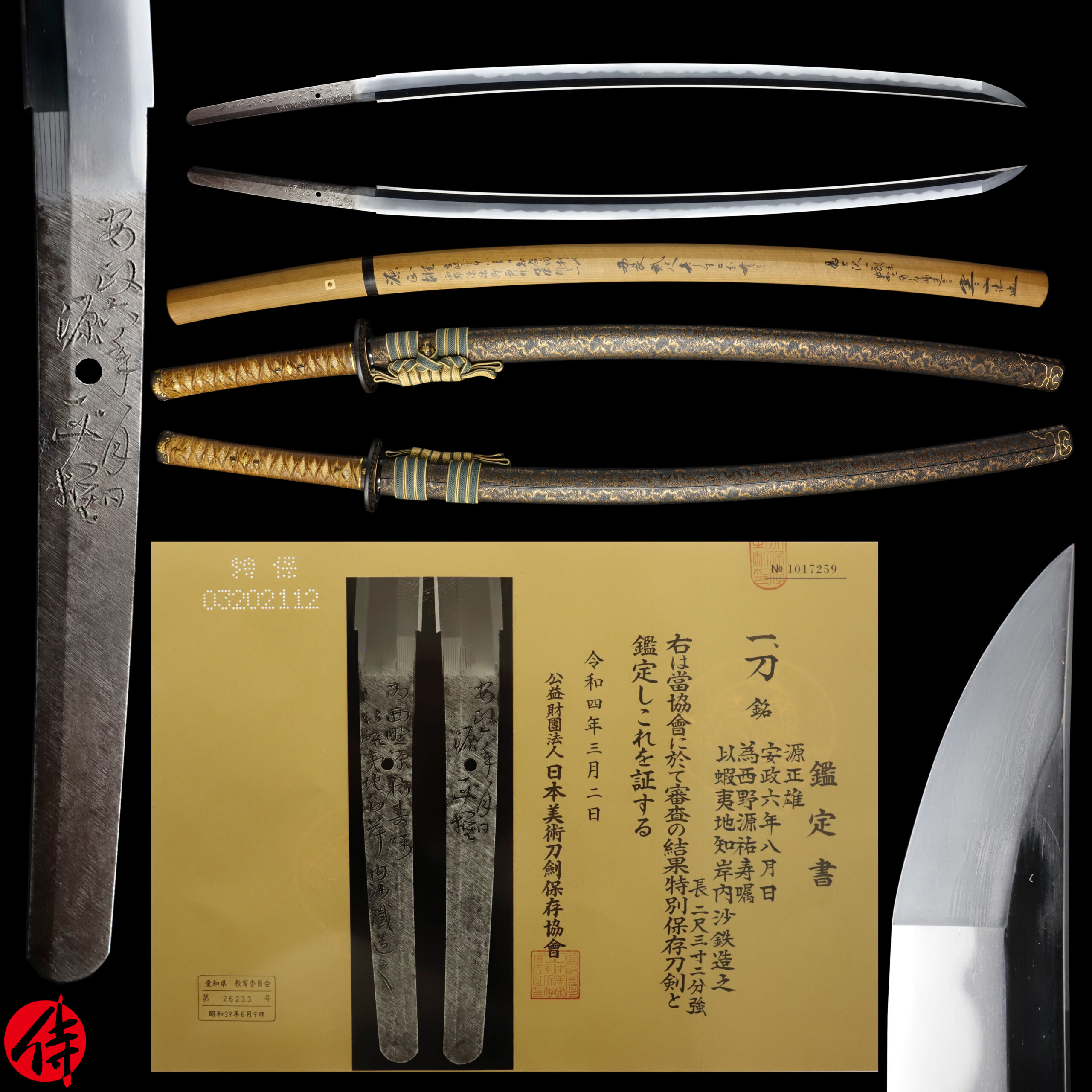
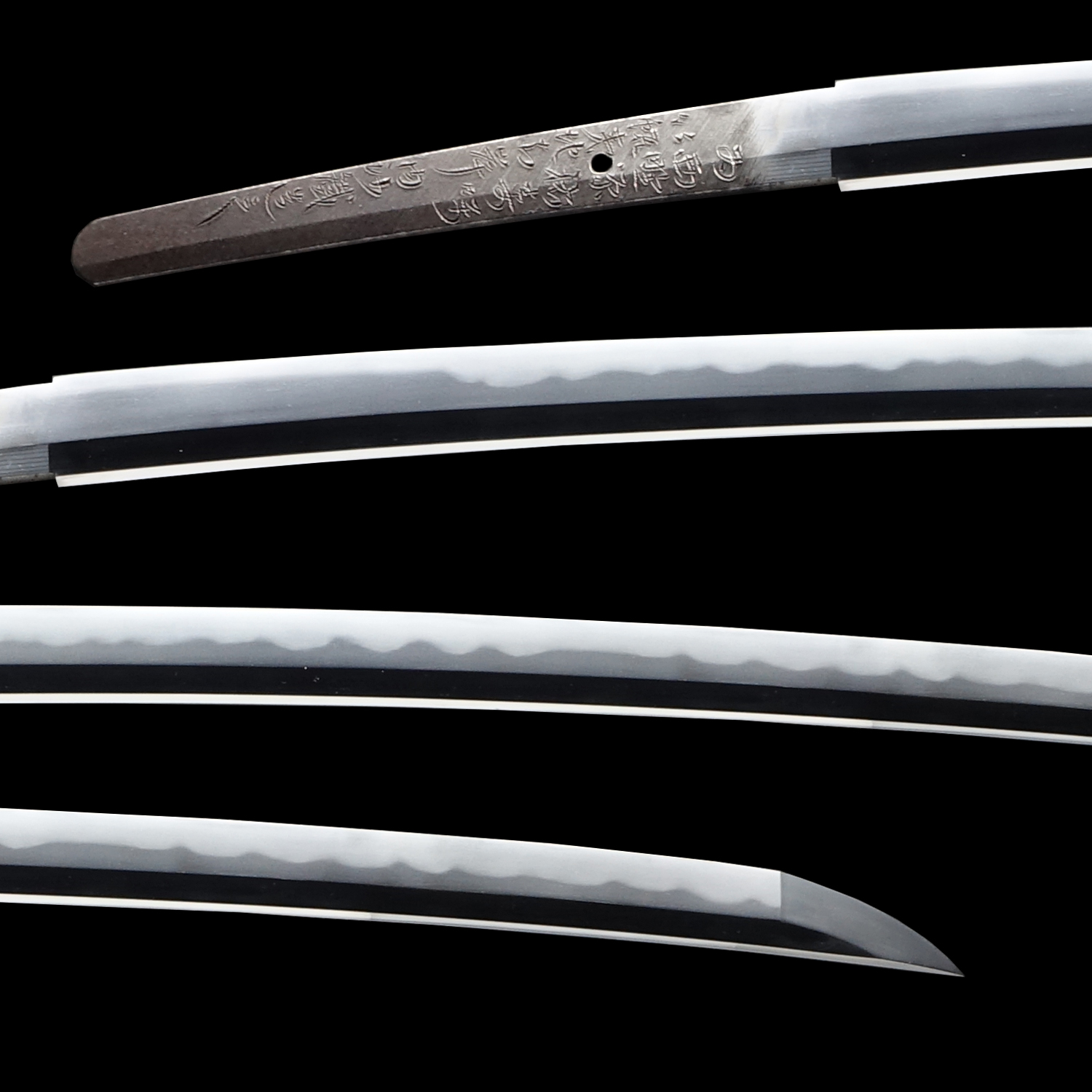
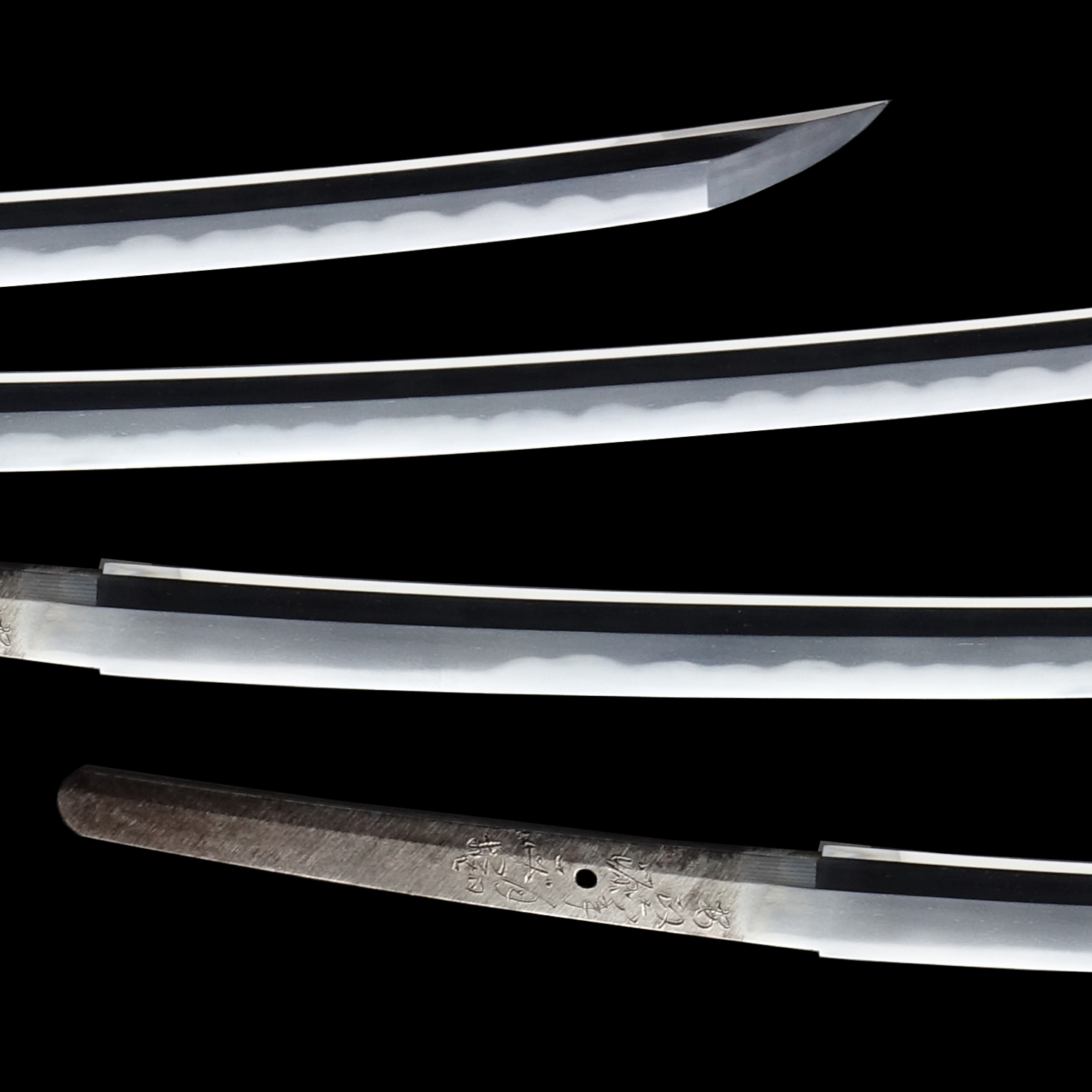
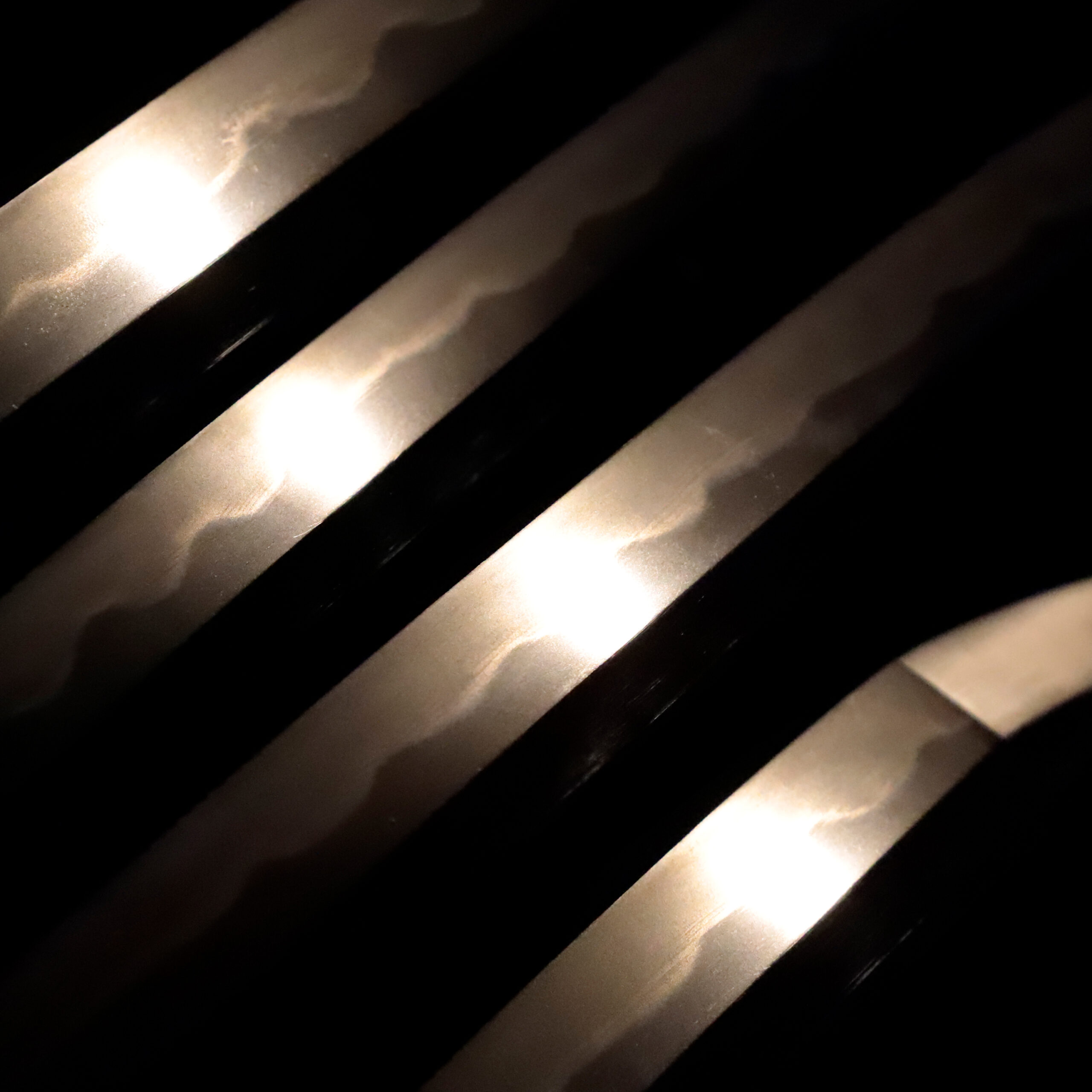
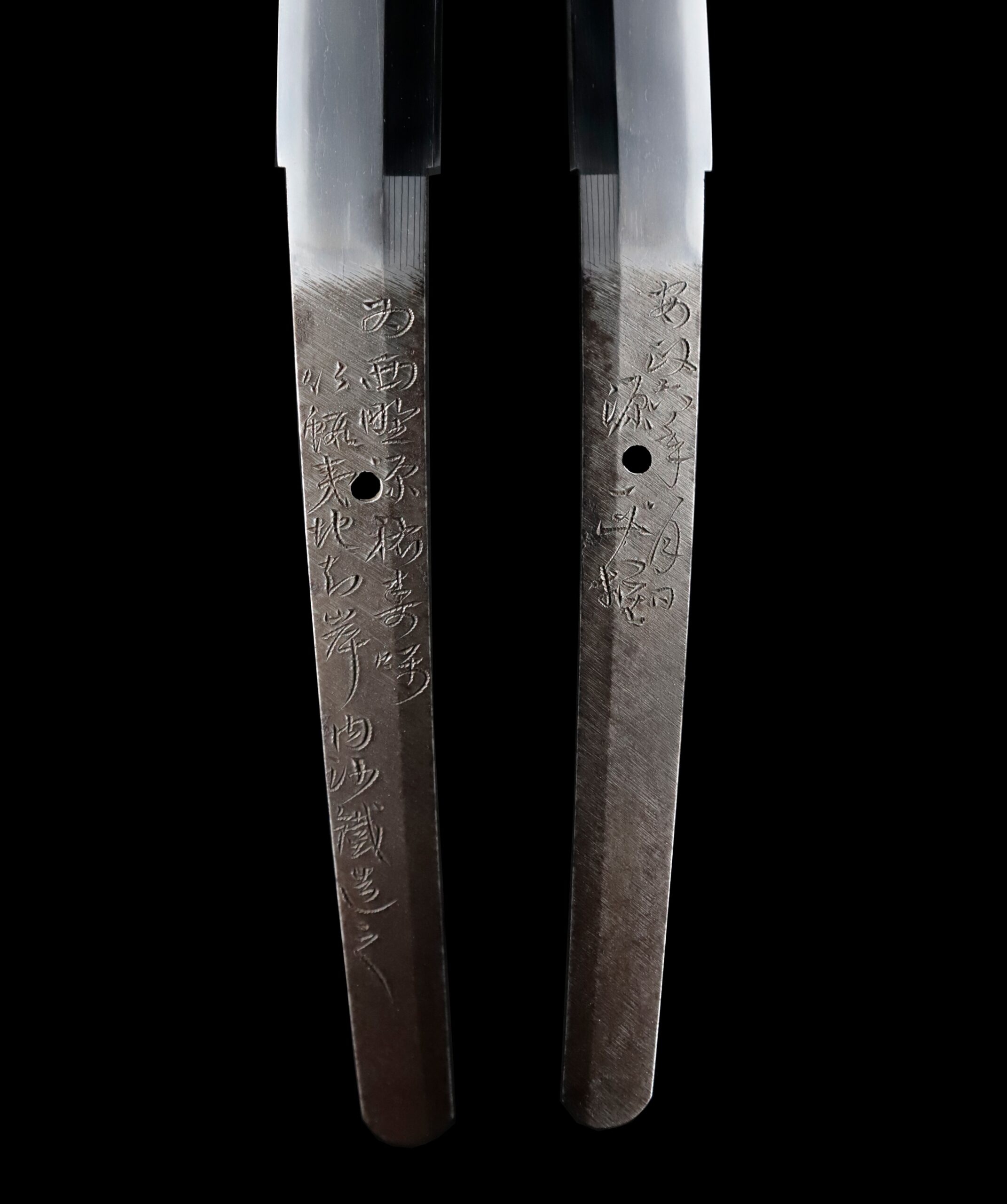
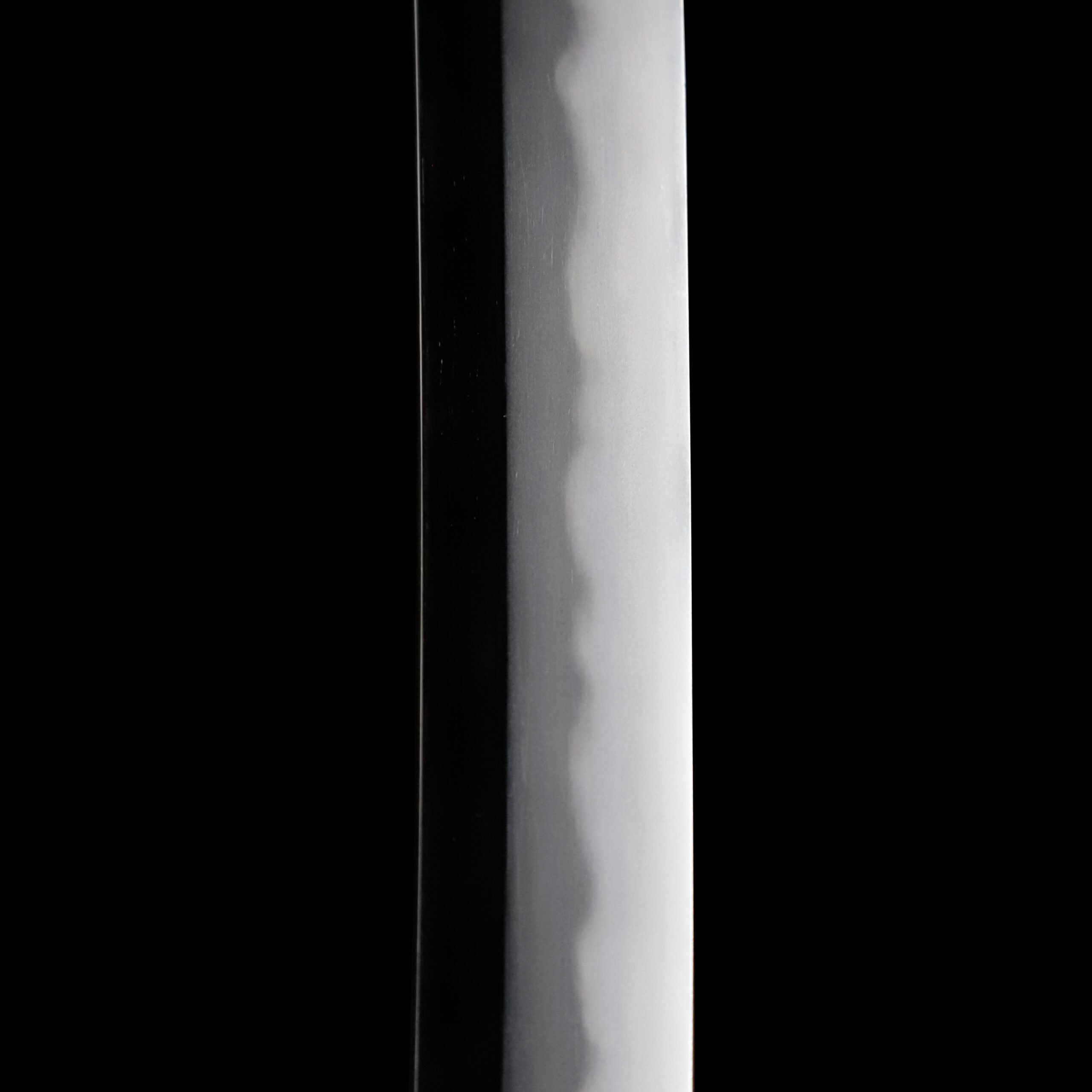
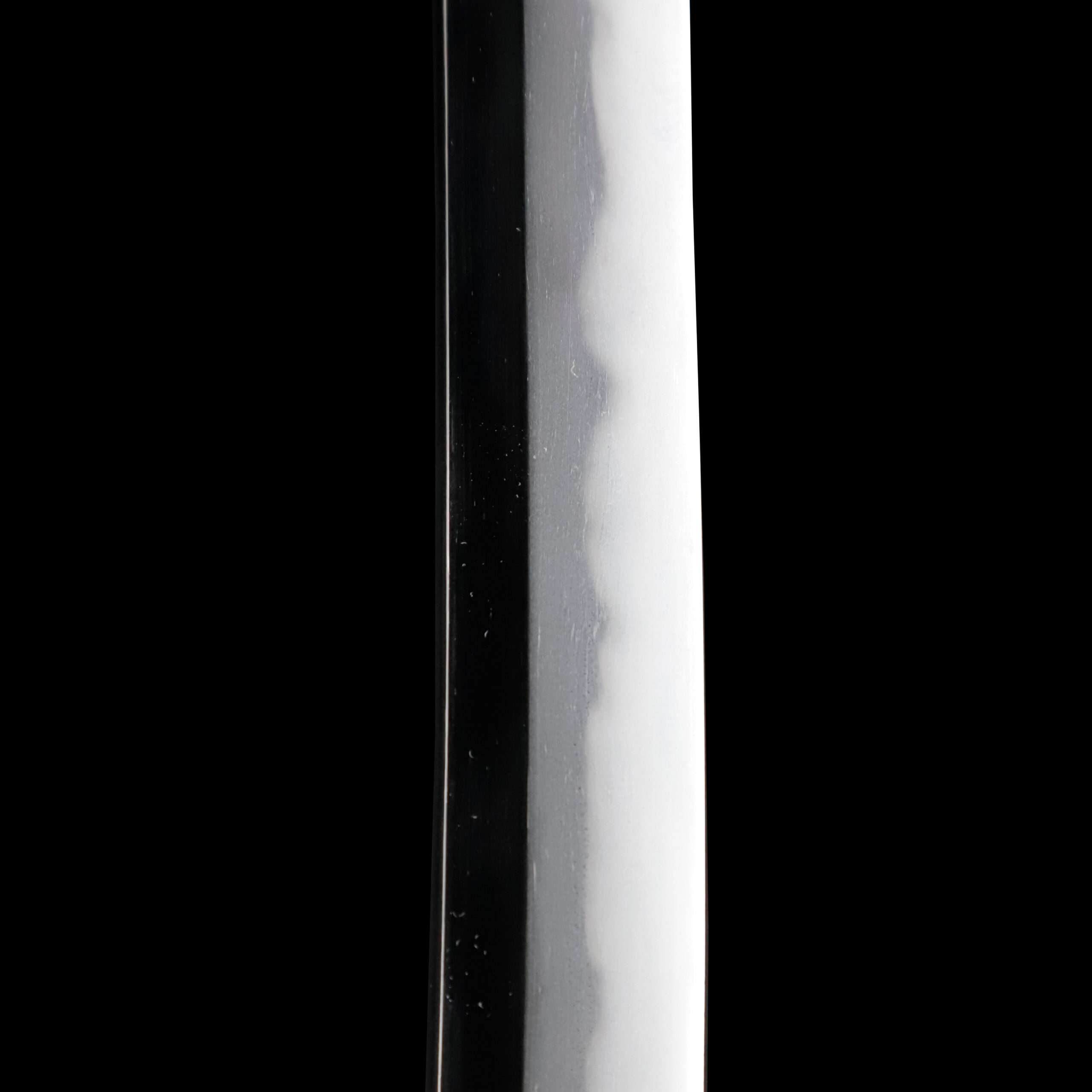
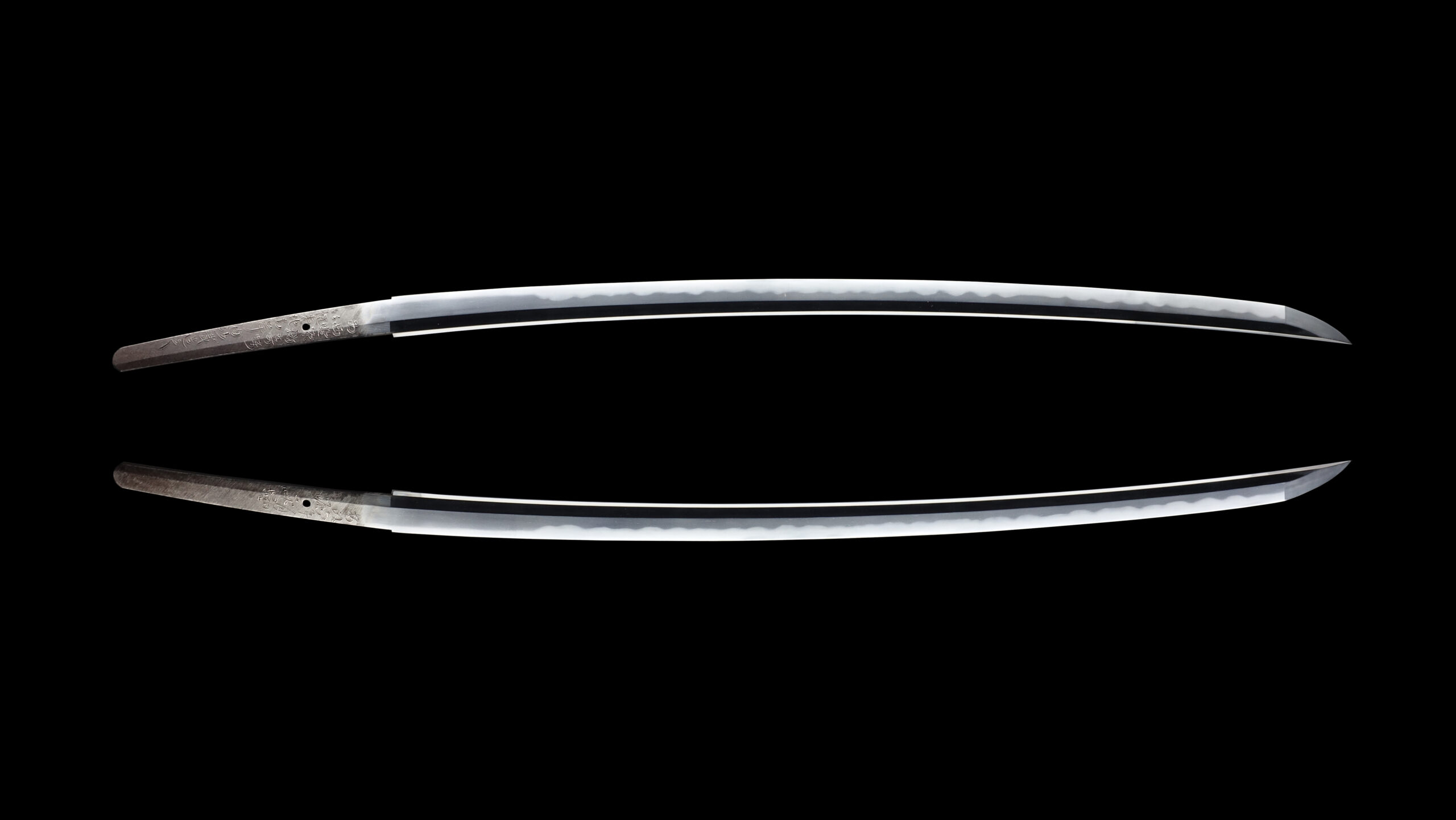
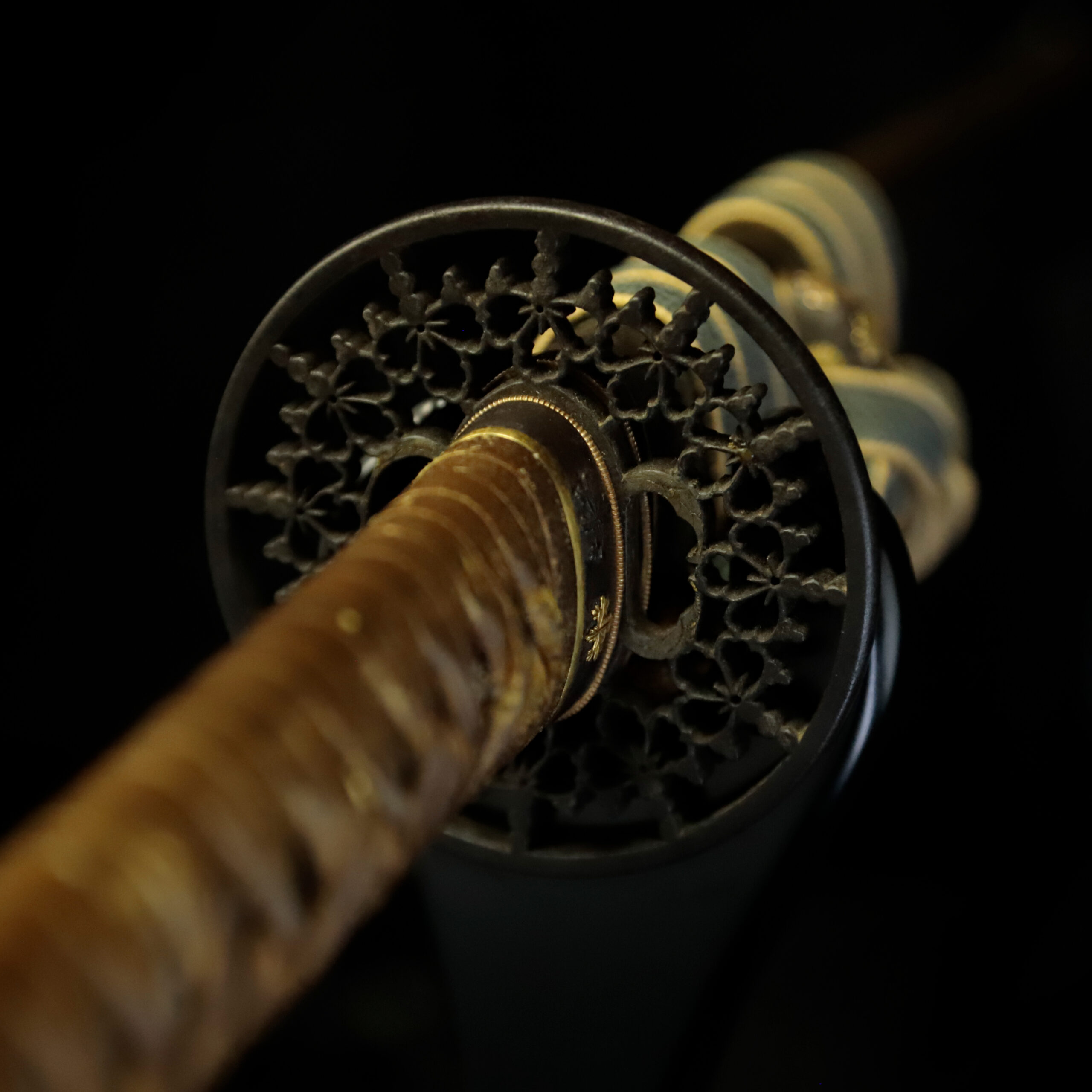
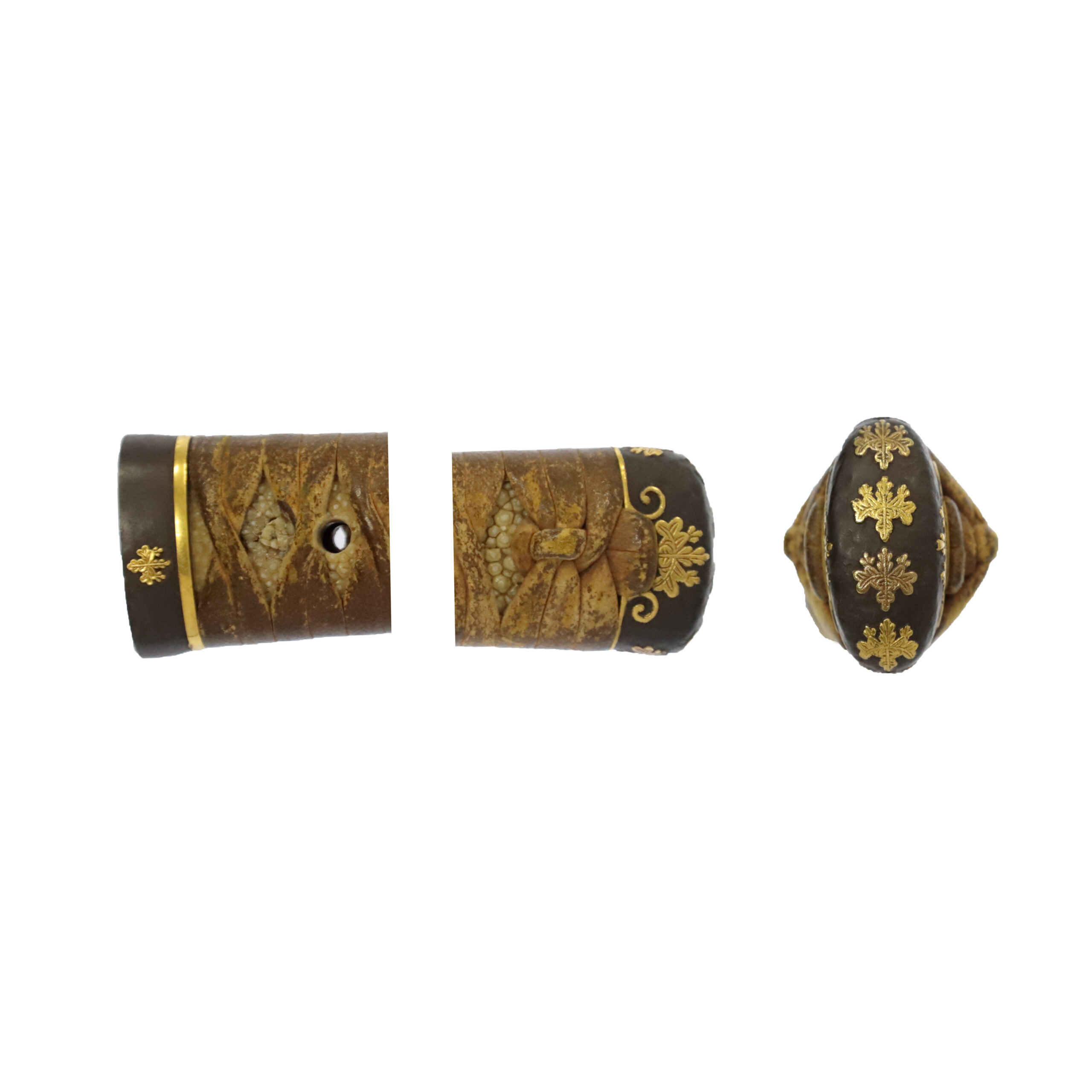
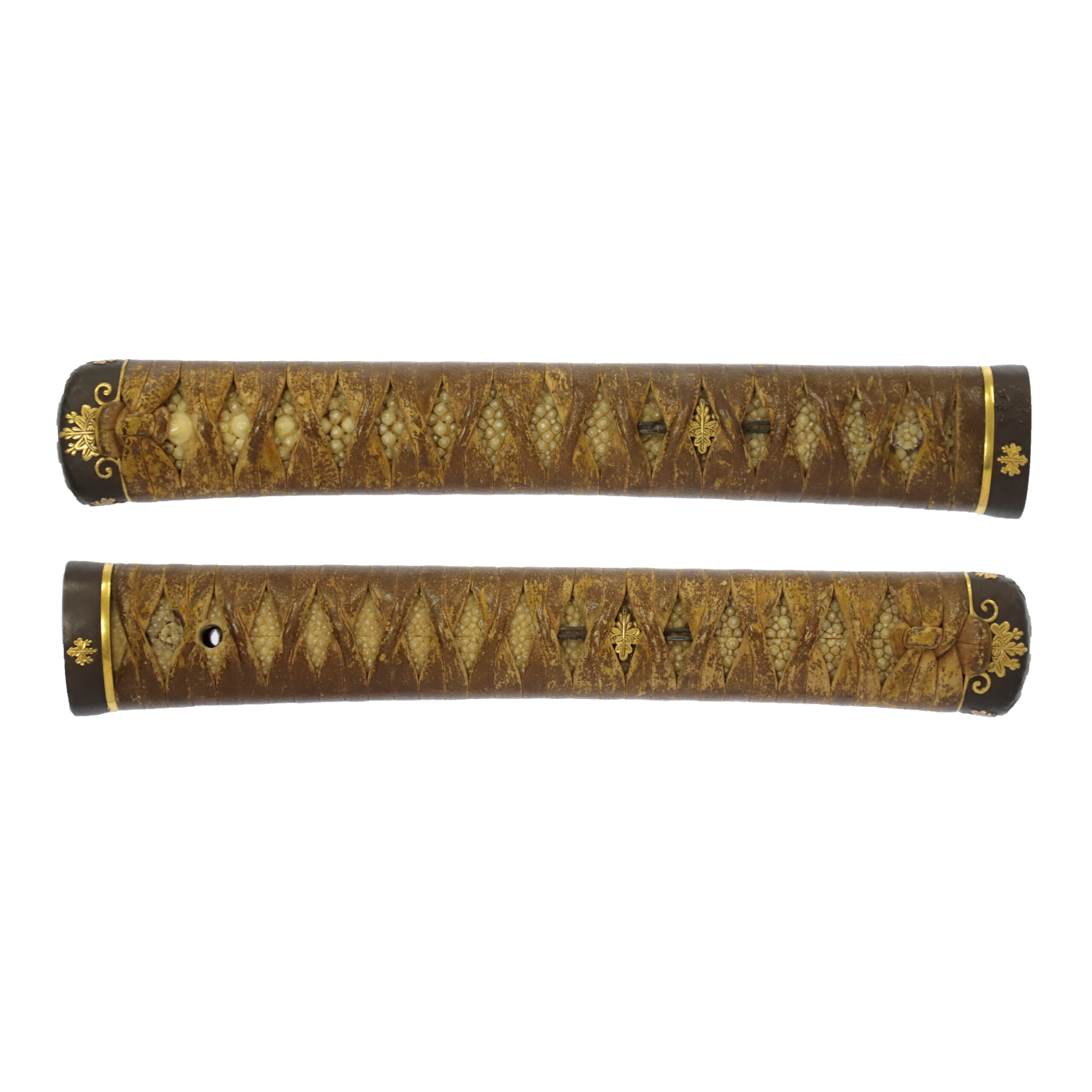
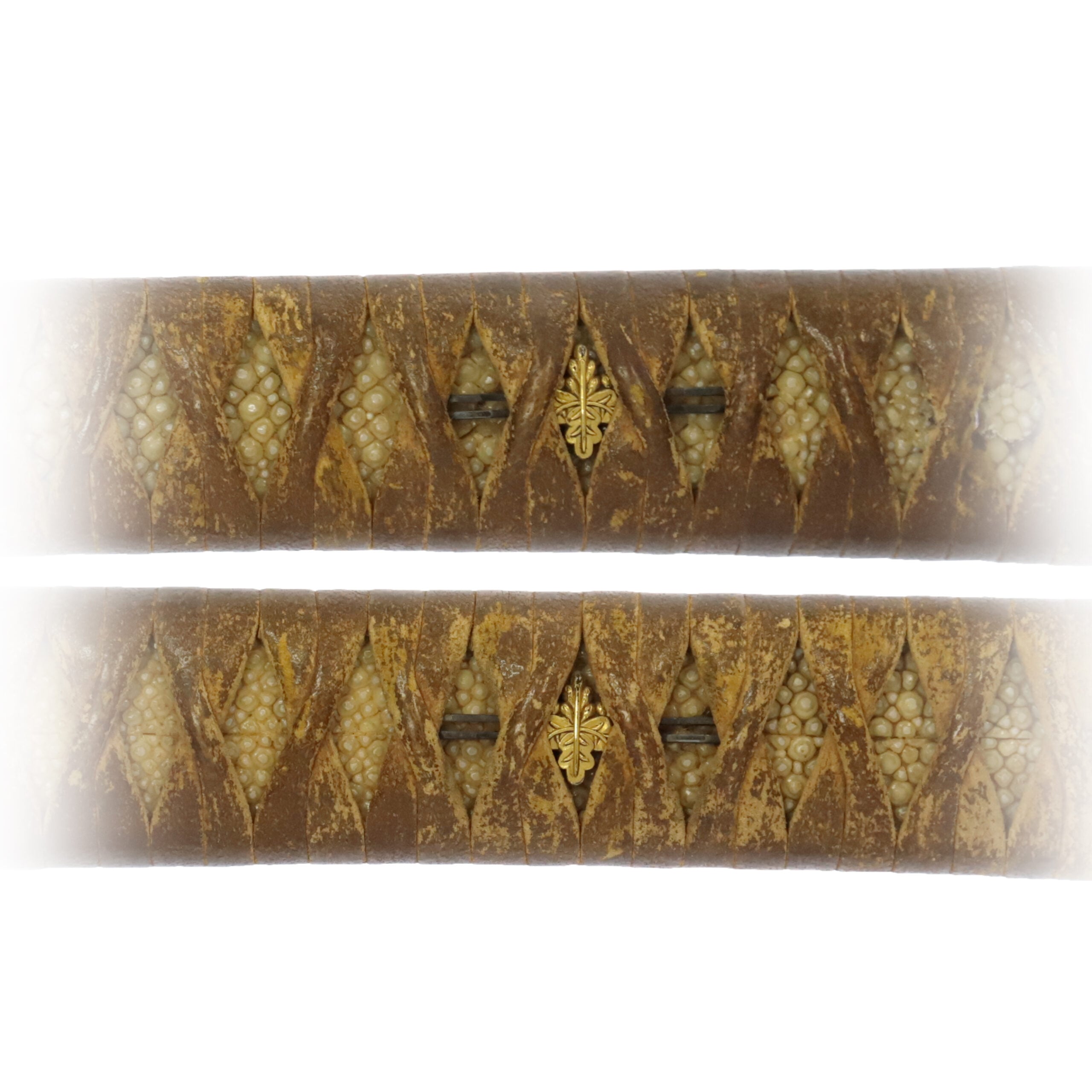
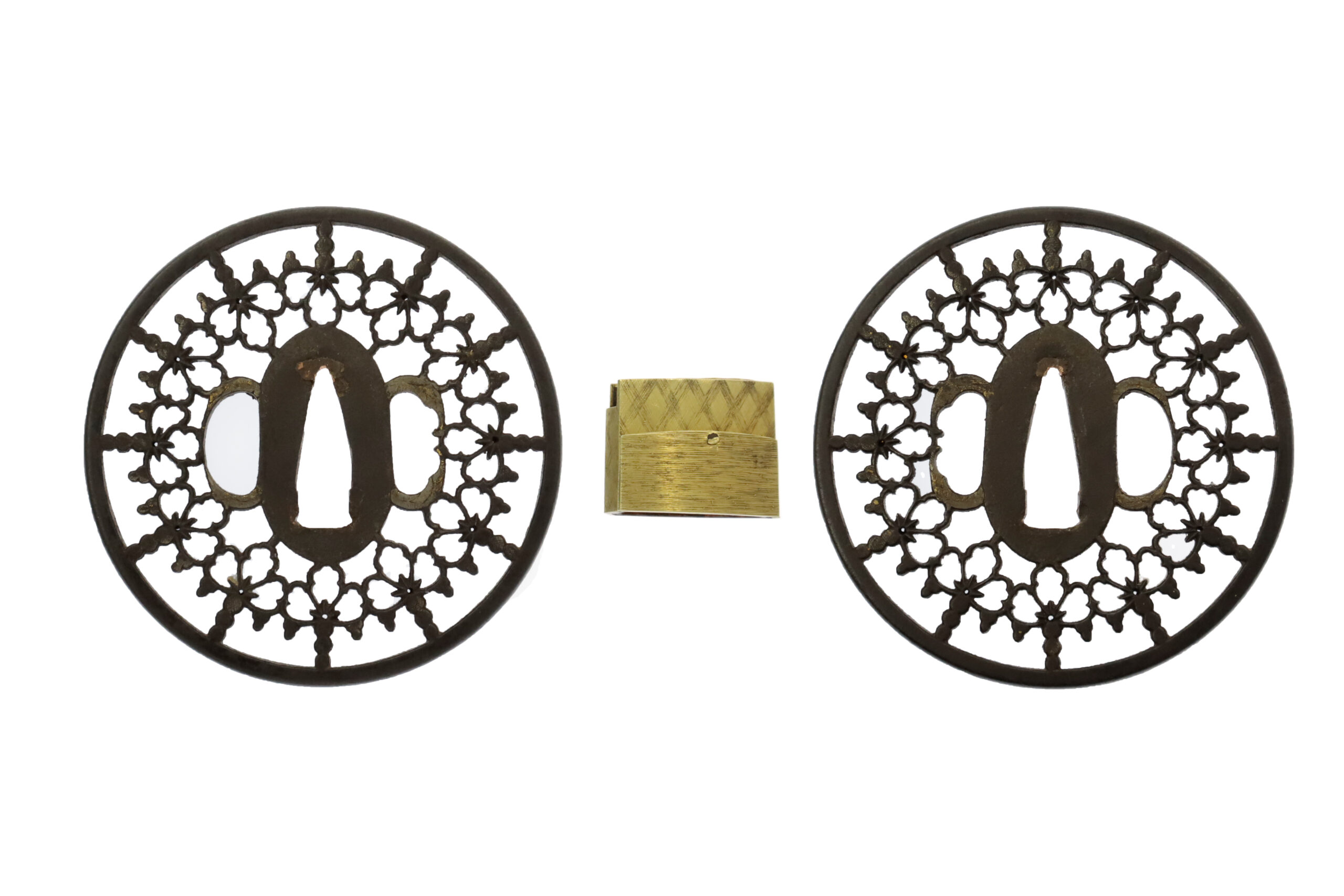
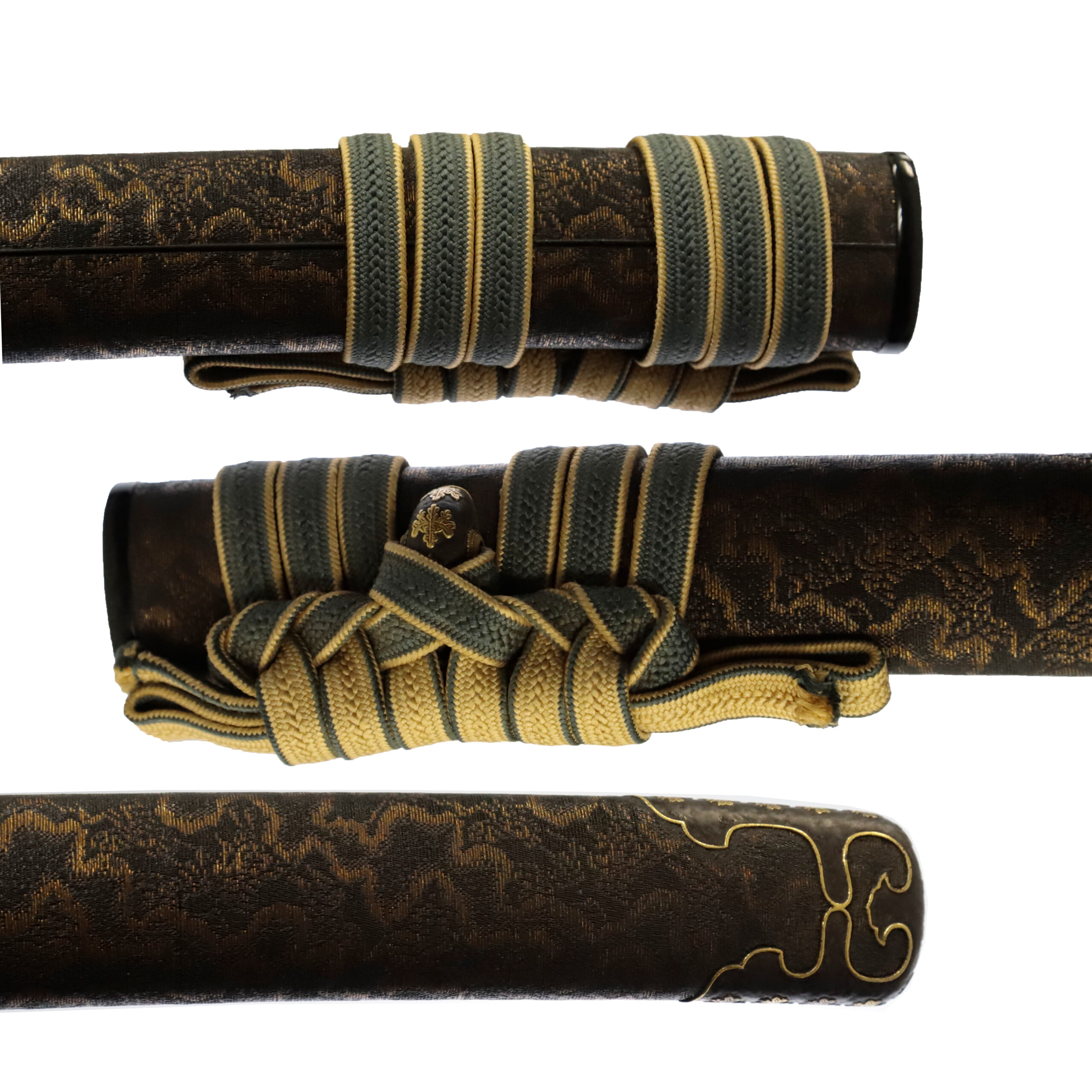
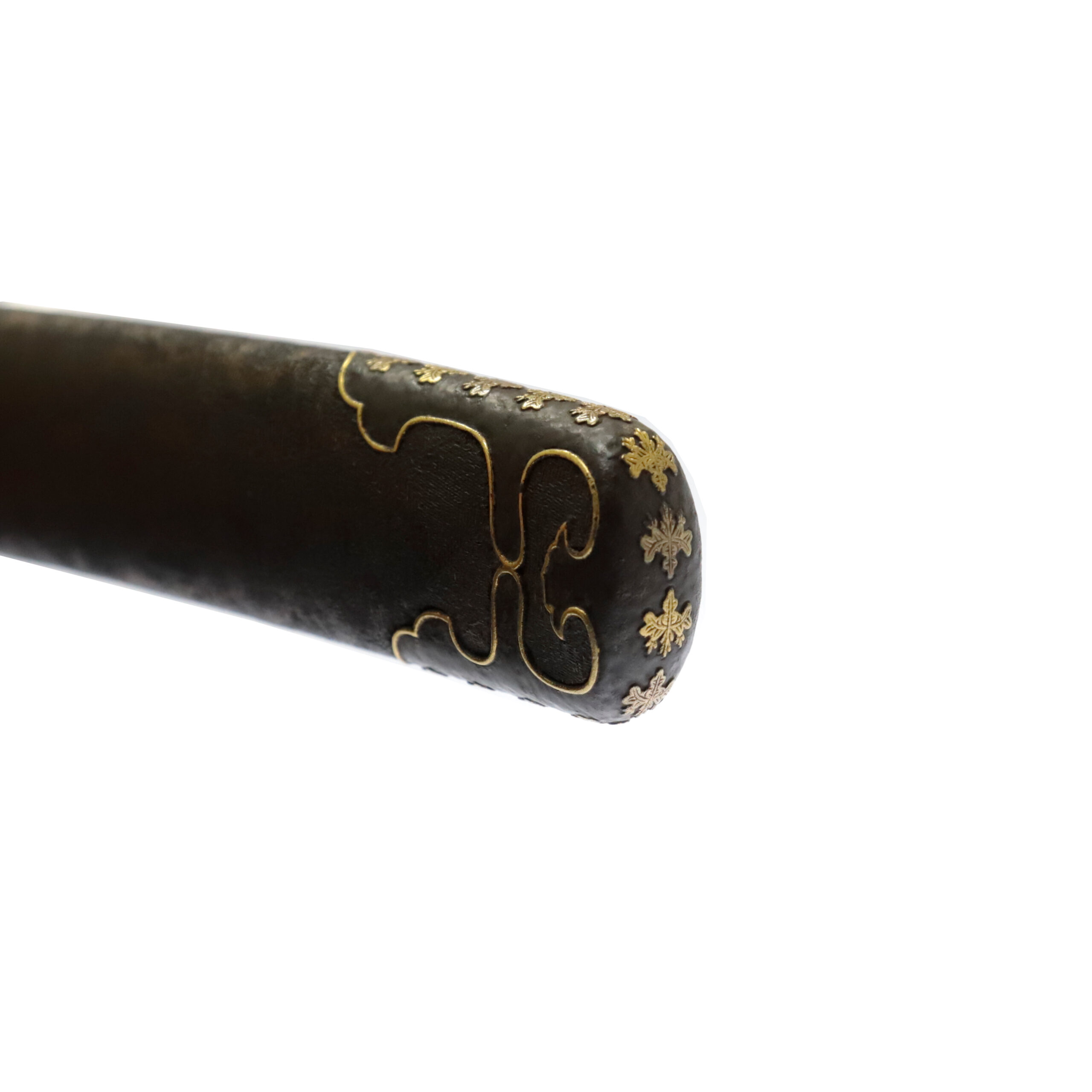
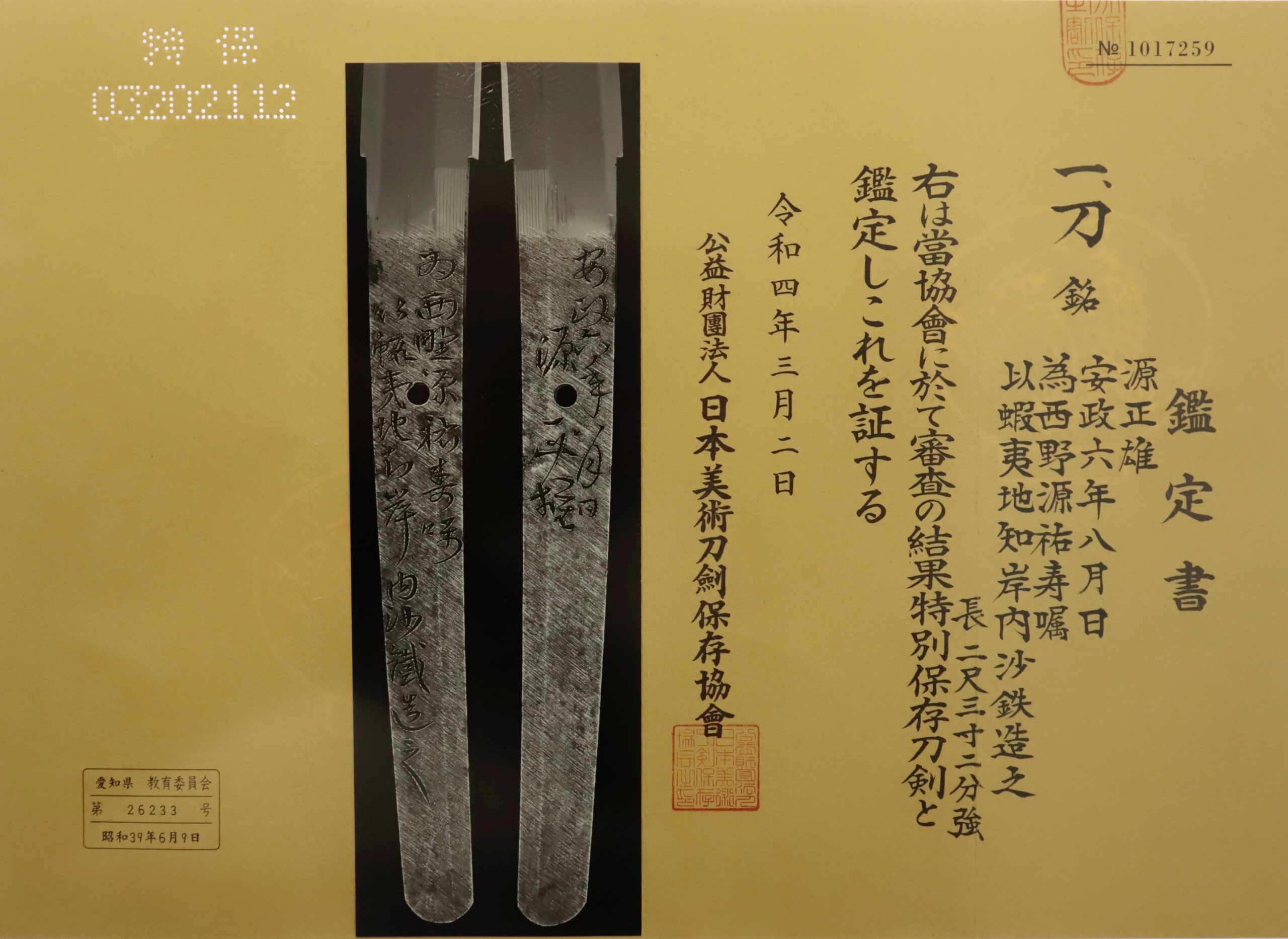
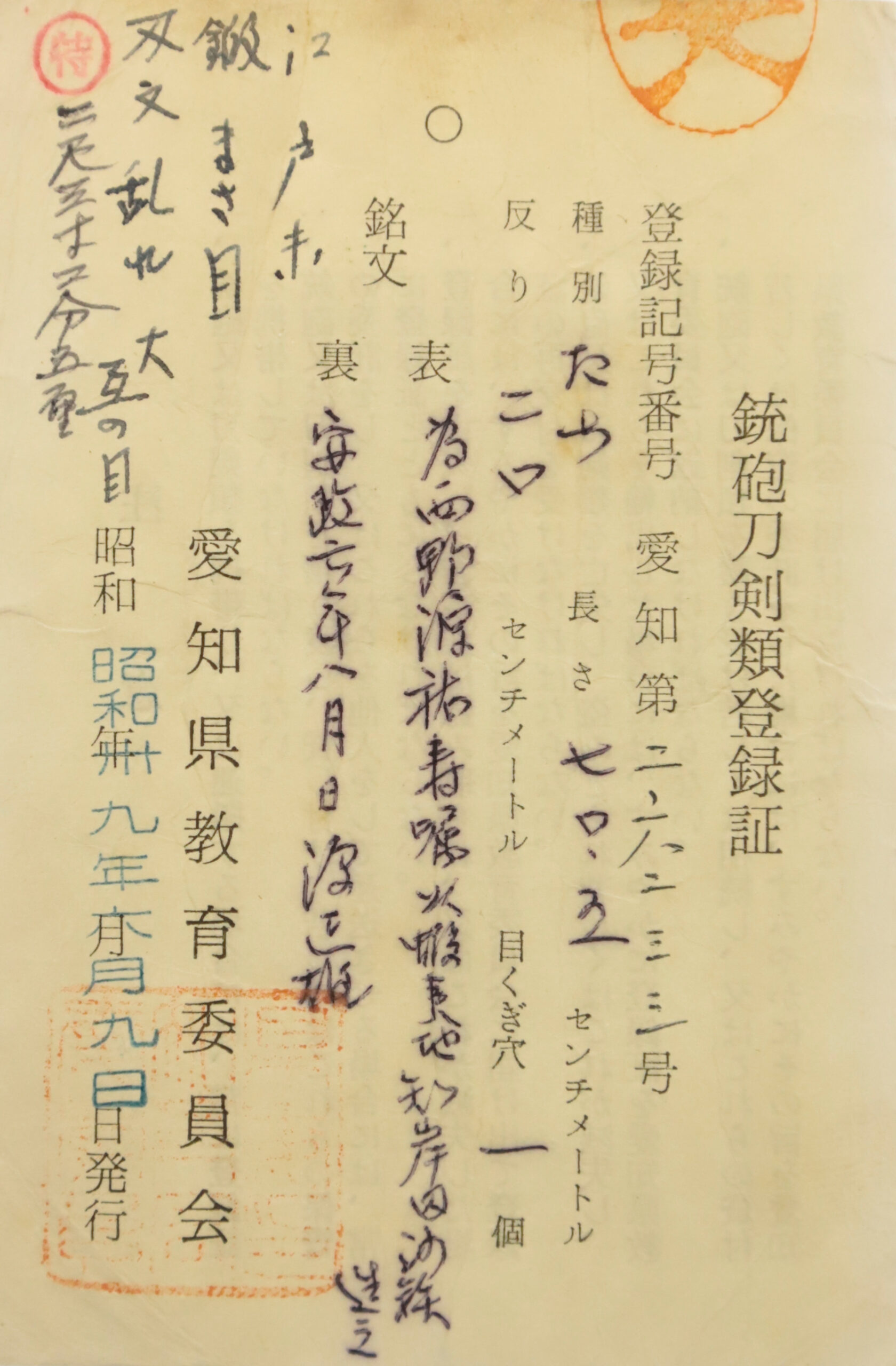
Summary This blade was signed by Minamoto Masao (源正雄) in the 6th year of the Ansei era (1859: the end of the Edo period). The signature also says that this blade was made for Nishino Minamoto Suketoshi (西野源祐寿). He forged this blade in Ezochi, which is the old name of today’s Hokkaido. He used iron sand produced in the area. Masao is ranked as a top-tier swordsmith at the end of the Edo period. Masao’s birth name was Suzuki Jiro (鈴木次郎). He was born in Mino province (Today’s Gifu prefecture). He was famous for being the best apprentice of Minamoto Kiyomaro (源清麿), one of the most renowned swordsmiths at the end of the Edo period. Masao was trusted by Kiyomaro so much that he sometimes did a Daisaku for Kiyomaro. Daisaku is a regular act where an apprentice or a child of the swordsmith signs his master’s name with his master’s permission or forges a blade on behalf of the master. That means that his master highly acknowledged Masao’s craftsmanship. That is also why there aren’t many remaining blades signed by Masao, who dedicated his career to helping his master. It is said that Masao became an independent swordsmith in the 6th year of the Ka-Ei era (1853). He first resided in Okachimachi, Edo (today’s Tokyo). It is worth noting the rarity of Masao’s work in Hokkaido, given his short stay there. In the 5th year of the Ansei era (1857), Masao was invited by Matsumae domain, a direct retainer of Tokugawa Shogunate located on today’s Hokkaido island. During that time, the Edo government was building Goryokaku (五稜郭), the star-shaped fortress in Hakodate city, and opening an iron factory that used iron sand from Hakodate. We assume the government needed Masao’s skills to ensure the quality of the steel Hakodate produced. He served Matsumae domain exclusively, dedicating his skills to the domain. His stay in Hokkaido was just about three years. His return to Edo after finishing his task in Hokkaido marked the end of a unique chapter in his career. Overall, his active period was only 12 years (1853-1866). The Background History Japan enjoyed a relatively peaceful time from the early Edo period to the mid-Edo period(the 1600s-1760s) because of the stable economy and the powerful government run by Tokugawa Shogun. Samurai didn’t have many opportunities to utilize his Katana sword in public or on battlefields during this time. Thus, they carried their swords more as a symbol of their social status. The demand for weapons decreased accordingly compared to the previous Warring state period called Sengoku Jidai (1467-1600). As the end of the Edo period(1764-1876) approached, the Japanese sword’s role underwent a dramatic transformation. With the spread of poverty in Japan and the ensuing civil unrest, the sword became a crucial tool in maintaining public safety, a stark contrast to its symbolic role in the earlier, more peaceful periods. The mounting pressure from foreign countries to open Japanese borders, coupled with internal strife, forced the Samurai to order swords that not only served as symbols of their status but also as practical tools for survival. Many swordsmiths, including Masao, dedicated their efforts to forging high-quality, practical blades for their masters, preparing for the battles that seemed inevitable in those tumultuous times. There was a civil war between Tokugawa’s military government and the new Meiji government at the end of the Edo period. That means the original owner of this Katana might have seen the moment when Samurai’s life changed forever. This blade has a strong looking and must have been practical to use in that demanding time. It is appraised as a Tokubetsu Hozon Token(特別保存刀剣) issued by NBTHK(Nihon Bijutsu Touken Hozon Kyokai:日本美術刀剣保存協会). Kissaki This blade has a distinctive Hada on the Kissaki. It is called Masame Hada. Masame (柾目) means straight grain in Japanese, which is often seen in the work of Hosho school. Masame Hada is the Japanese sword terminology for the Hada (steel surface pattern of the Japanese sword) that looks like straight grain when one cuts a tree in half.And it usually is combined with Itame Hada, another grain pattern that looks like wood-grain seen in the Japanese sword. Koshirae The theme of the Tsuba, Fuchi Kashira, Menuki and Kojiri is Gosan-no-Kiri (五三の桐) . The Kiri pattern generally comprises three standing straight inflorescences and three leaves. The number of blooming flowers at each inflorescence means the ranks of this design. The Gosan-no-Kiri (五三の桐) pattern is a popular design that the paulownia motif is used. According to tradition, the Houou (鳳凰, Fenghuang) rests its wings at the paulownia tree; therefore, it has come to be regarded as a holy plant. Cherry blossom is one of the seasonal things of spring, and Japanese people have appreciated this plant for a long time. A theory says that the god of grain exists in cherry blossoms. Therefore, this flower pattern has been treated as the symbol of a plentiful harvest. The Karakusa pattern is a design in which vine stems and leaves are twined and make curves. Since ivy has a strong vitality and grows without interruption, people regarded this design as a symbol of prosperity and longevity. Authentication Paper They authenticated the blade on March 2nd in the 4th year of Reiwa (2022). They appraised it as Tokubetsu Hozon Touken, the blade especially worth preserving for Japanese society.
Offered by Samurai Museum
This piece has sold
Get an email when a new Kiyomaro Masao piece hits the market.

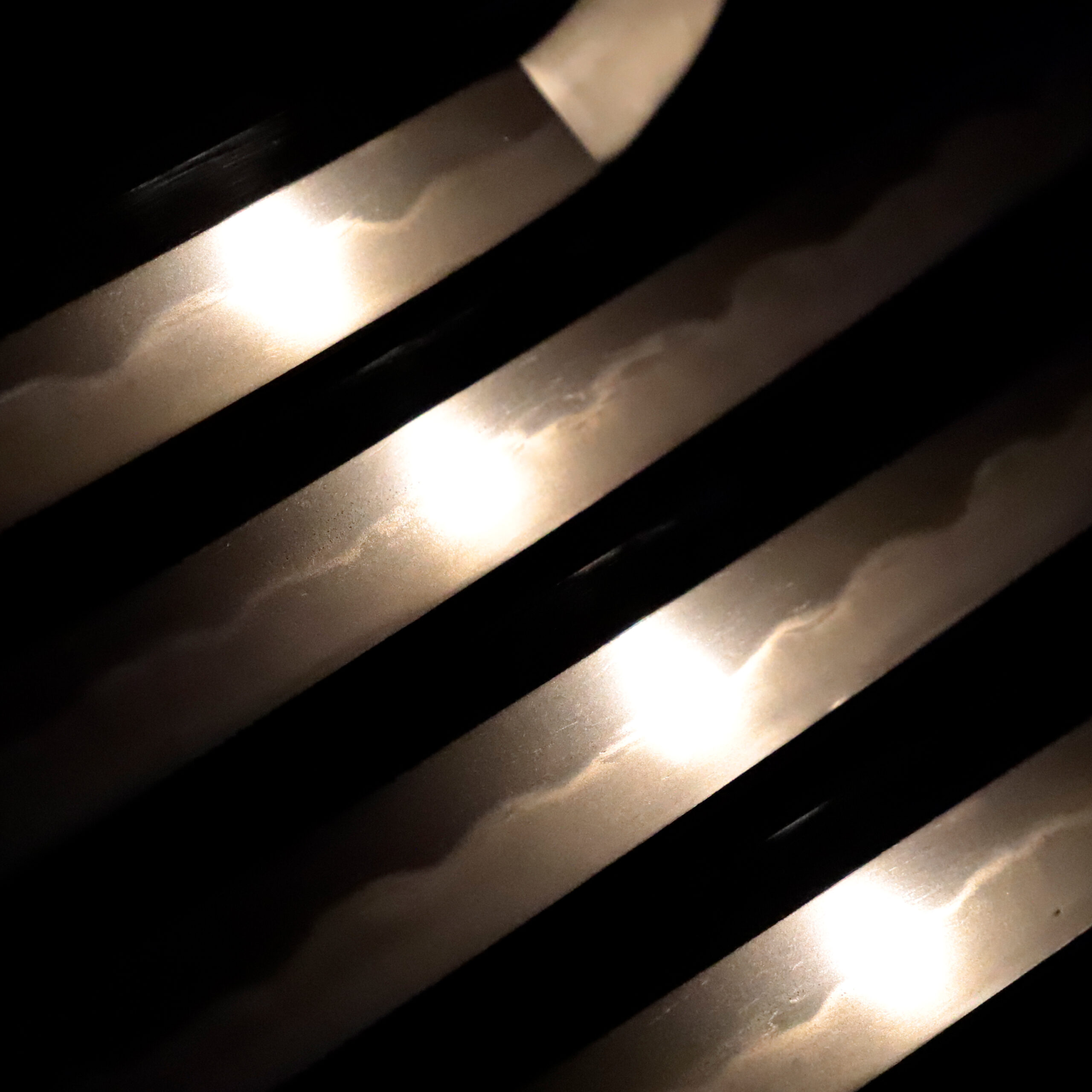
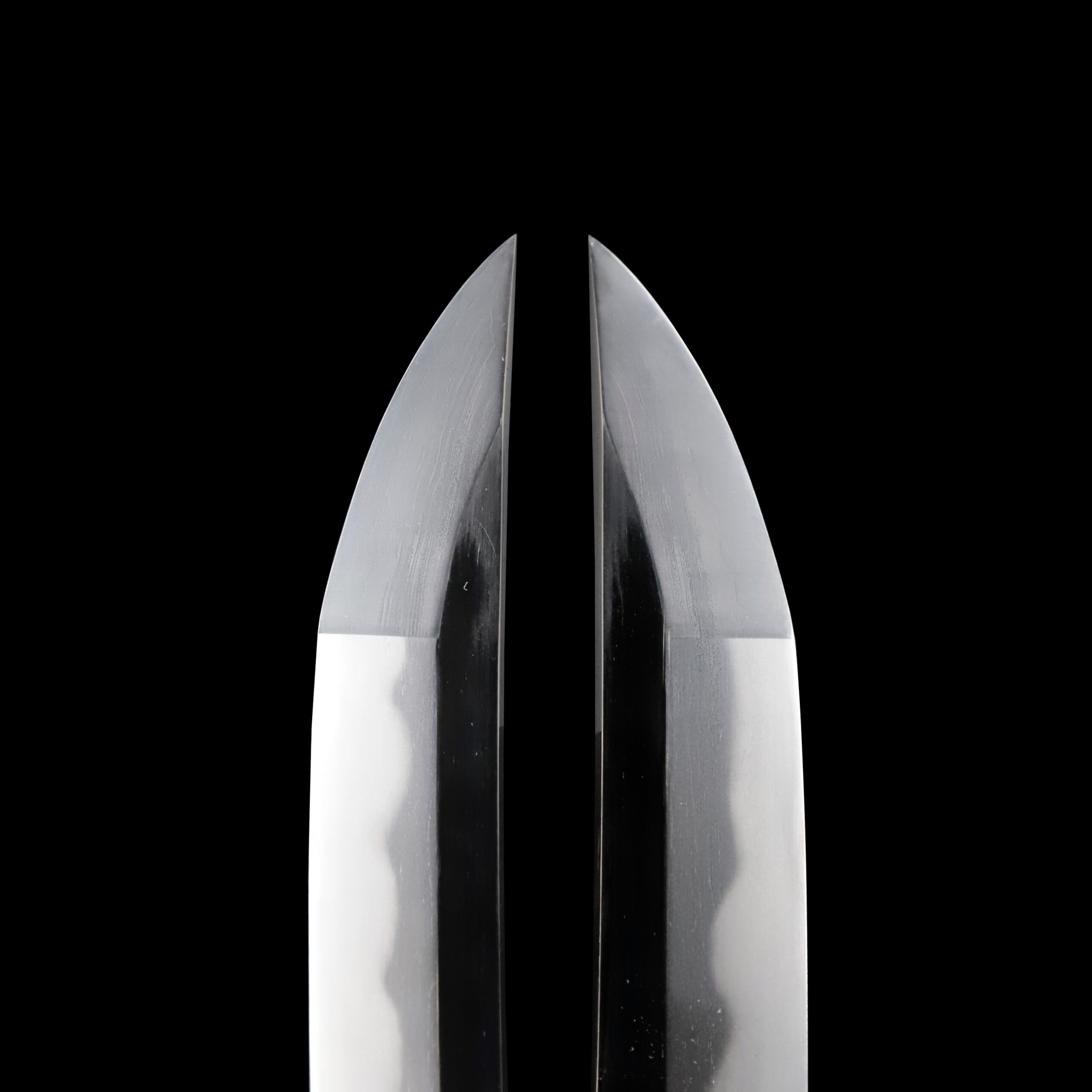
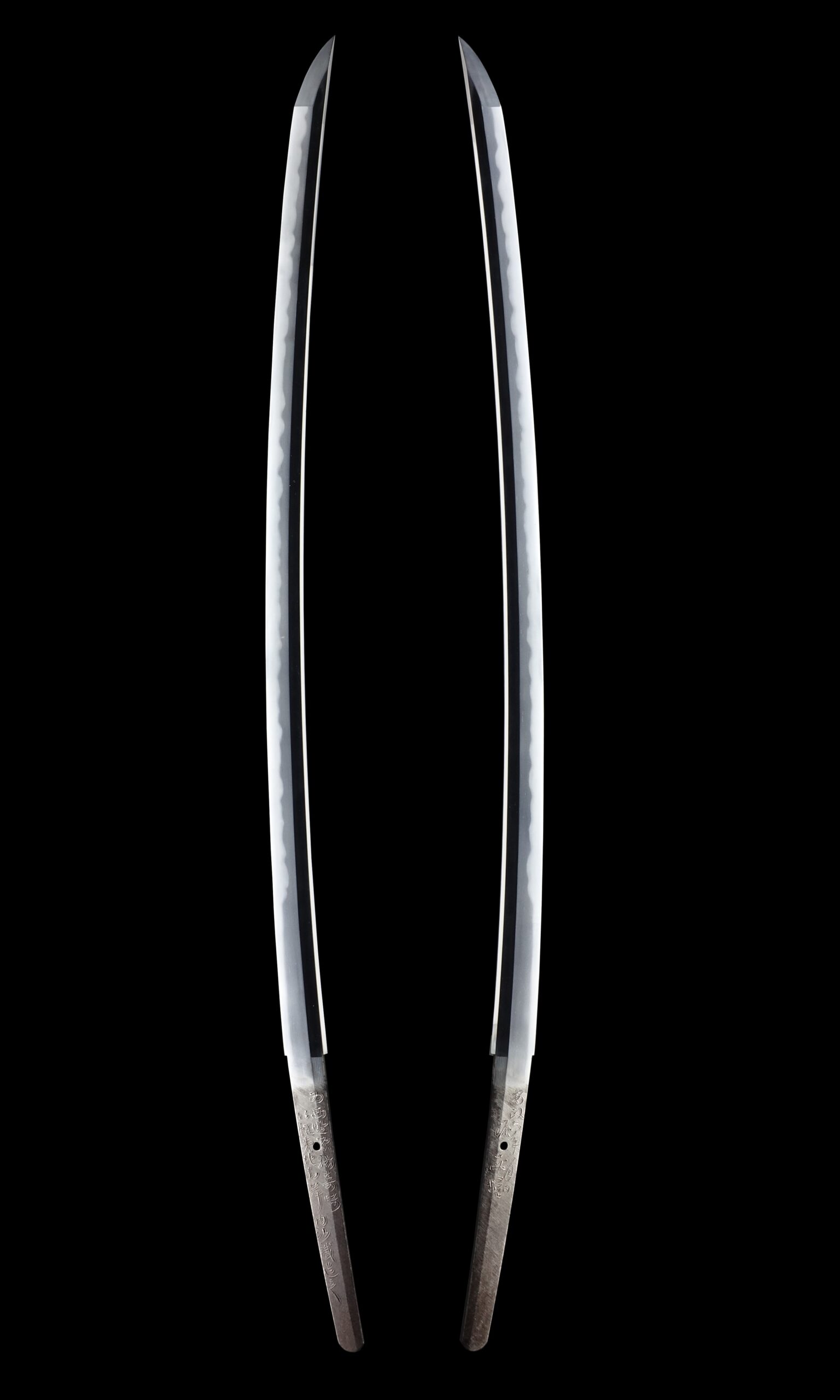
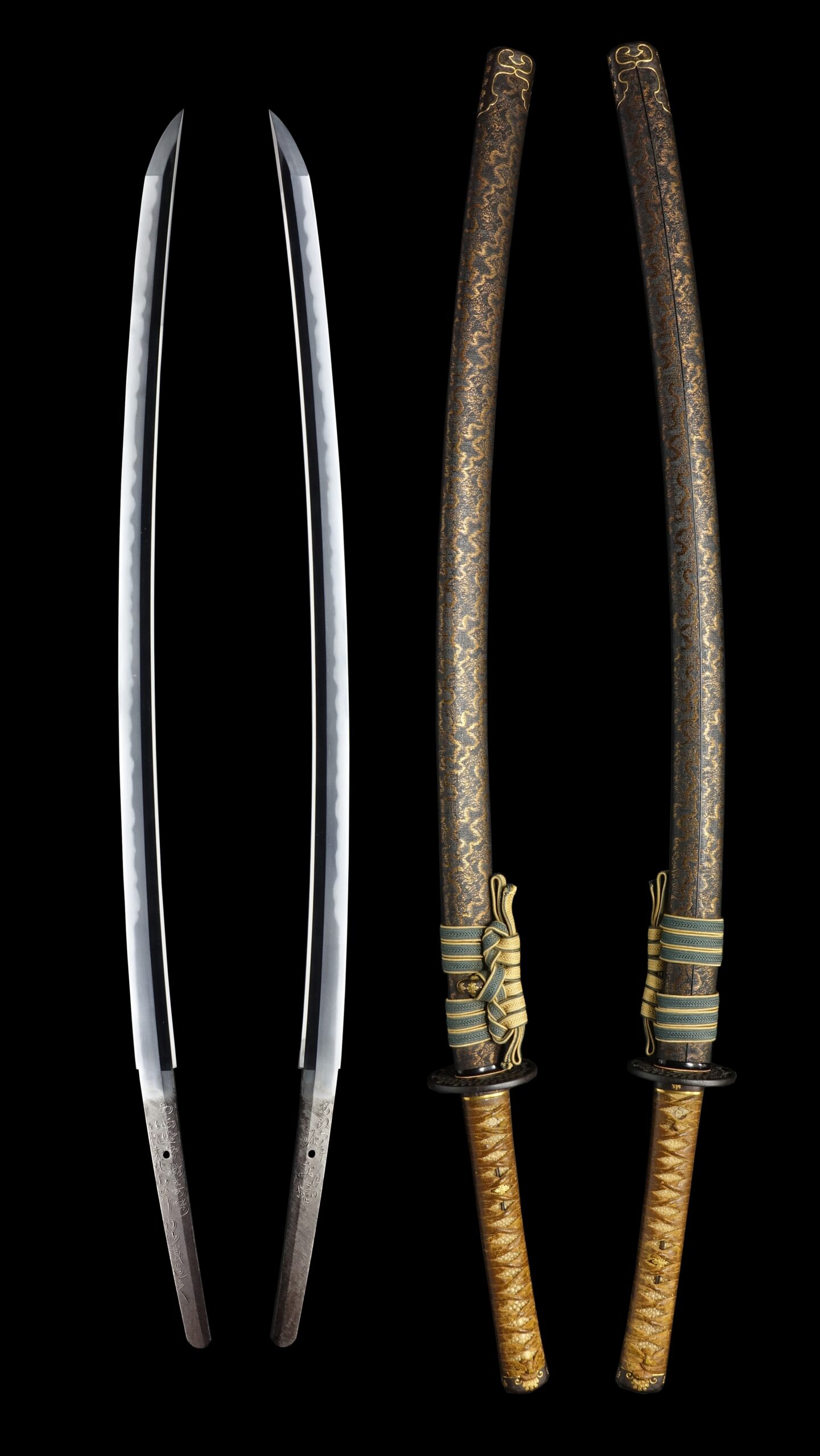
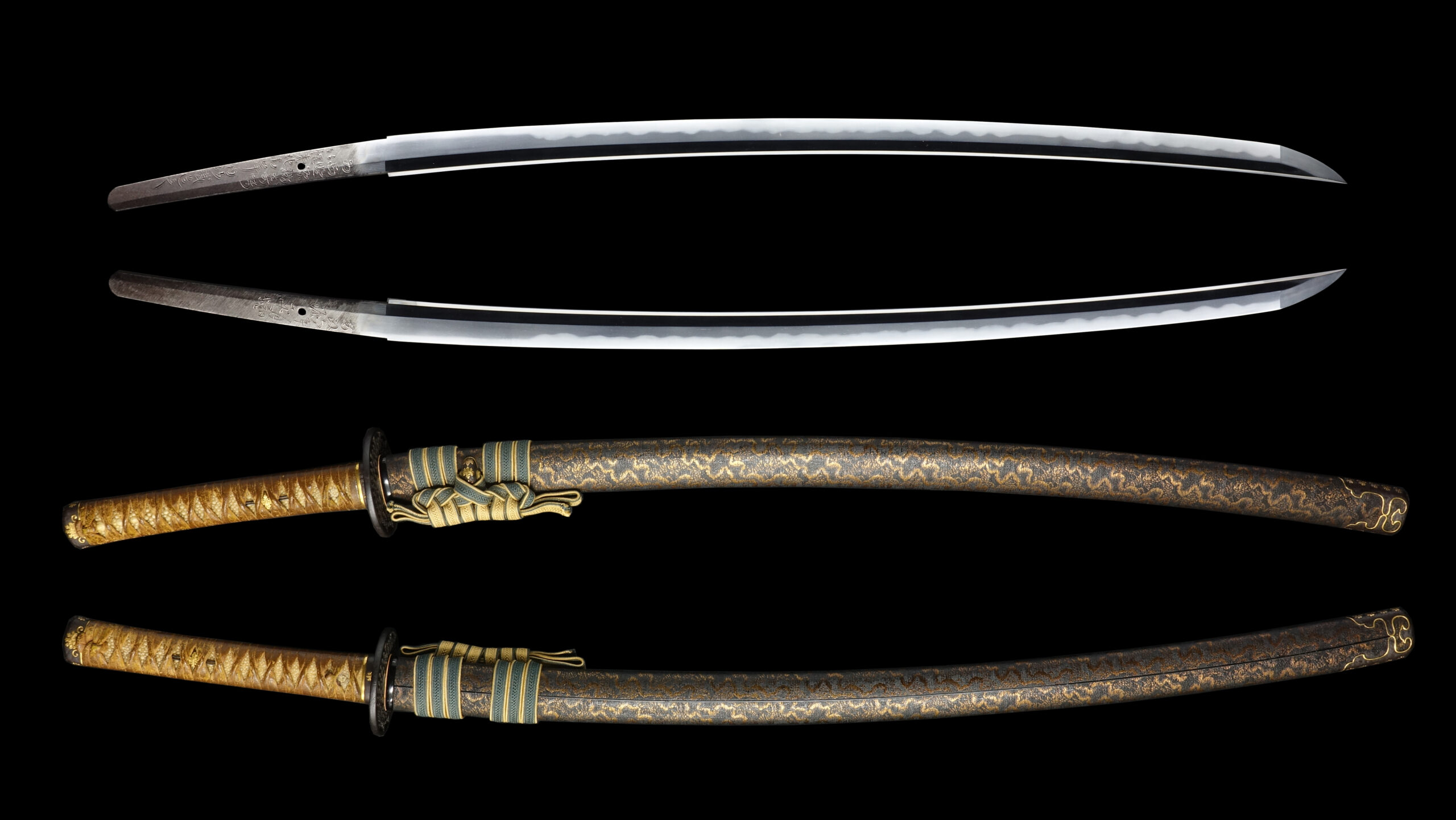
Shinshinto · Musashi · around 1844-1857
Fujishiro Jo-jo saku · Tōken Taikan top 31%
3 pieces on the market now
Yamaura Masao was born in Bunka 1 (1804) in Akaiwa village, Komoro, Shinano Province, the eldest son of the rural samurai Yamaura Nobukaze and elder brother of the celebrated Kiyomaro. Together with Kiyomaro, he studied under the Ueda domain smith Kawamura Toshitaka, signing early works as Kanri and Toshimasa before adopting the name Masao, then Shin'o, and finally Toshinaga in his later years. He used art names including "Tennenshi," "Yushaken," and "Yuunsai," and died in Meiji 7 (1874) at seventy-one.
His stylistic trajectory followed that of his brother: beginning with choji in the manner of Toshitaka, then shifting decisively toward Soshu-den. The setsumei consistently note a forging of itame-hada with thick ji-nie and conspicuous chikei, and a tempering of gunome mixed with ko-notare, richly laden with nie, kinsuji, and sunagashi. His finest katana (Juyo, 58th Session) is described as possessing "a powerful forging -- thick with ji-nie and heavily interwoven with chikei" in which "kinsuji and sunagashi activities are richer than usual even for this maker's work." Yet the NBTHK observes that "in comparison with Kiyomaro, his work tends to show fewer chikei in the ji and fewer sunagashi and kinsuji within the hardened area, and the overall quality does not reach Kiyomaro's level."
Despite this candid assessment, Masao's designated works demonstrate a smith of real accomplishment, particularly in the Soshu-den mode where nie is vigorously expressed and his shobuzukuri wakizashi display the sharp fukura-kare profile he favored. His output spans both katana of bold construction and wakizashi of refined character, and his commissions from named patrons attest to the regard in which he was held during the shinshinto era.
Where Masao stands among comparable artisans: across all of nihontō, and within tradition, era, and period. The tiers (Foremost · Leading · Major · Notable) weigh official designations from the NBTHK and Japan's Agency for Cultural Affairs, together with historical honors of lasting repute such as the Sansaku and Meibutsu-chō.
Select a lens to see how it's measured.
Years he was demonstrably active, proven by signed-and-dated blades
Shinshinto · Musashi
16 pieces on the market now
The Kiyomaro school gathered in the workshops of Yotsuya in Edo around the middle of the nineteenth century, its founder Yamaura Kiyomaro (清麿) born in Bunka 10 (1813) at Akaiwa village in the Komoro district of Shinano, the second son of the country gentry-warrior Yamaura Nobukaze. He learned forging first under the Ueda-domain smith Kawamura Toshitaka, signing his early blades Masayuki, went up to Edo in Tenpo 6 (1835) under the patronage of the military scholar Kubota Kiyone, and in the autumn of Koka 3 (1846) settled at Iga-cho in Yotsuya and changed his signature to Kiyomaro; he died by his own hand at forty-two in Kaei 7 (1854). Around him moved his elder brother Yamaura Masao (真雄/正雄), who took the same instruction from Toshitaka and walked the same course from choji into Soshu-den, and the pupils who entered the Yotsuya forge in its final years: Kurihara Nobuhide (信秀), a mirror-maker from Sanjo in Echigo whom the published sources place nearest the master's hand; Saito Kiyondo (清人) of Dewa, who afterward settled his teacher's sword debts and carried the manner into early Meiji; and the wider circle of associates and patrons through which the line passed. The shared vocabulary of the school is a powerful Soshu-revival manner. Over an itame that flows and stands a little, well packed and at times opening into mokume and o-itame, the smiths lay thick ji-nie with frequent chikei, the steel clear and without utsuri, for this is a late hand reaching back five centuries to Sagami rather than a Bizen revival. The temper is an o-midare or gunome-midare mixed with ko-notare, the ashi and yo entering, the nie thick and gathering coarse in clusters of ara-nie, with long kinsuji and streaming sunagashi running through nearly every blade; the boshi answers in a midare-komi turning pointed with hakikake. A Bizen-leaning side survives from the early years in the residual choji that shades into the mature work. Within this common ground the hands diverge. Kiyomaro's is read as the overwhelming one, his Soshu-den reaching the upper transmission with the Shizu vein as his forte of fortes, the NBTHK calling his work 「覇気に満ちている」, filled with commanding spirit.
Masao's grounded forging is candidly weighed against his brother's, the texts noting that his chikei, sunagashi, and kinsuji run fewer and the quality does not reach Kiyomaro's level. Nobuhide is named the closest approach to the master and is alone in the school for his carving, a mirror-maker's hand that set kurikara, dragons, and bonji into blades the others left plain. Kiyondo holds the round-headed gunome-midare at full strength and adds a manner of his own, a bright suguha aligned with the Yamato tradition that Kiyomaro never worked. To kantei the school, read first the imposing shape particular to the Yamaura line: a wide body with little taper, the sori toward the point, a chu-kissaki extended or run to an o-kissaki whose fukura is allowed to wither for a sharp impression, often a shobu-zukuri or kanmuri-otoshi wakizashi. Read then the nie, thick in ji and ha, the chikei and the conspicuous kinsuji and sunagashi that mark the force of the steel rather than any borrowed pattern. Carving narrows the field to Nobuhide; a Yamato suguha narrows it to Kiyondo. Kiyomaro stands at the head of the line, ranked by the published sources as high as Kotetsu and named without question the leading master among the shinshinto, the smith called the Yotsuya Masamune (四谷正宗). His extant work is scarce and closely held, passing through documented hands such as the Iwasaki family and the Seikado Bunko, and reaches the market only from time to time and at the very top of it. The pupils and the elder brother offer the more attainable face of the circle, signed and dated blades that come to a collector with patience; a signed example of any of these hands is a document of the moment when Soshu was reborn in Edo. Learn more →
| Smith | Era | Designated |
|---|---|---|
| Kiyomaro清麿 | 1839-1854 | 73 |
| Nobuhide信秀 | 1857-1867 | 34 |
| Kiyondo清人 | 1848-1868 | 10 |
| Masao真雄 | 1844-1866 | 7 |
| Masanao正直 | 1865-1868 | 3 |
Bakumatsu: the last war market
Perry’s arrival in 1853 unraveled the Tokugawa peace and created the first mass demand for working swords in two centuries. Kiyomaro, called the Masamune of Yotsuya, died on its eve; Munetsugu and Yukihide carried the boom to the end.
A Hozon-certified blade judged to show notably superior workmanship and a better state of preservation. The bar is higher: re-tempered blades and most unsigned Muromachi/Edo works are excluded.
The NBTHK (Nihon Bijutsu Tōken Hozon Kyōkai, the Society for the Preservation of Japanese Art Swords) is a public-interest incorporated foundation founded in 1948 and supervised by Japan’s Agency for Cultural Affairs (Bunkachō); it is based at the Japanese Sword Museum in Tokyo. Its expert panels physically examine each submitted work (shinsa) and issue a certificate (kanteishō) ranking it by artistic and historical merit. NBTHK papers are the most widely recognized standard of authentication for Japanese swords and fittings.
NBTHK official siteReturns/exchanges limited to defects caused by shipping (except willful misconduct or gross negligence by the company); customers must contact within 72 hours of receiving the product.