 NihontoWatchNihontoWatch
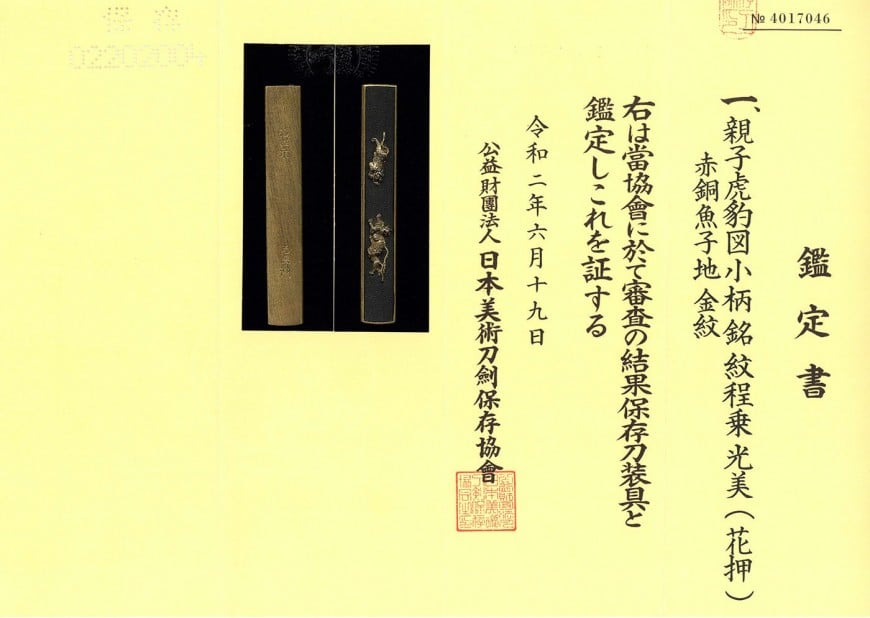
This kozuka features a design of a parent and child tiger and leopard, signed by Mon Teijyo Mitsuyoshi with a kao. Mitsuyoshi was the 9th generation head of the Goto school, active in the early Edo period. The piece is accompanied by an NBTHK Hozon Tosogu certificate.
NihontoWatchGoto Shinjo後藤真乗
Offered by Wakeidou
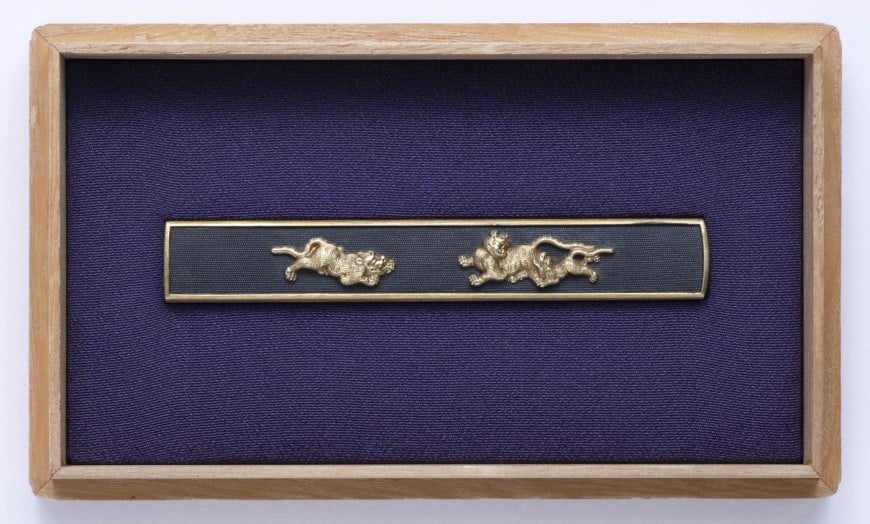
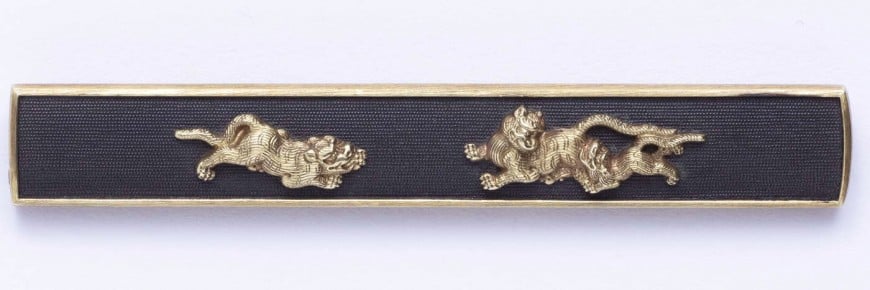
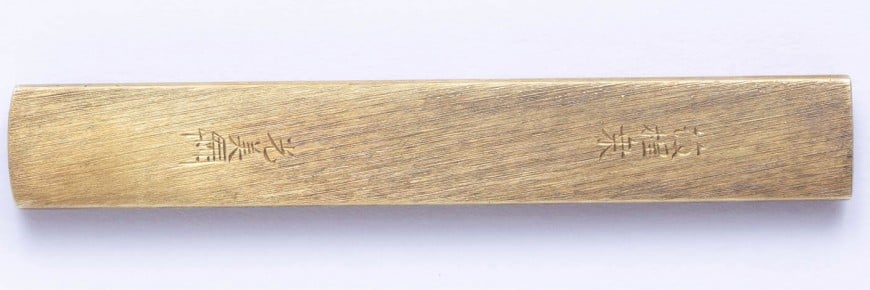
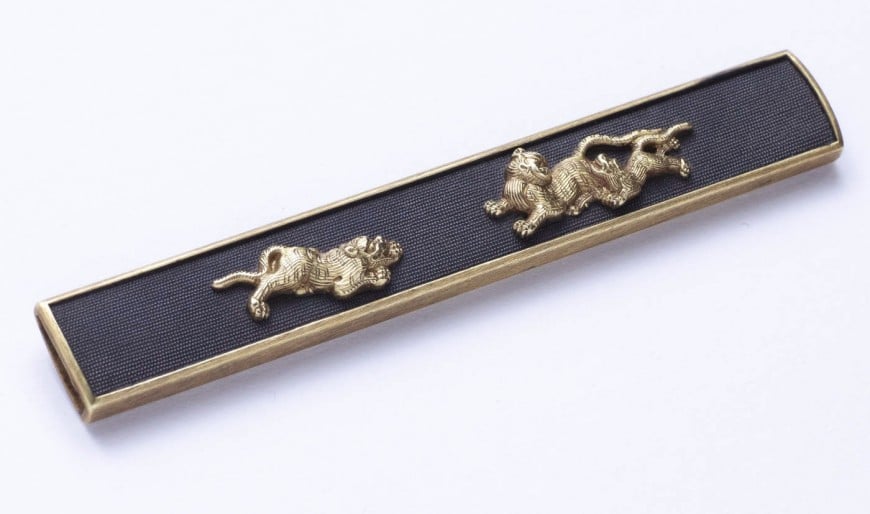
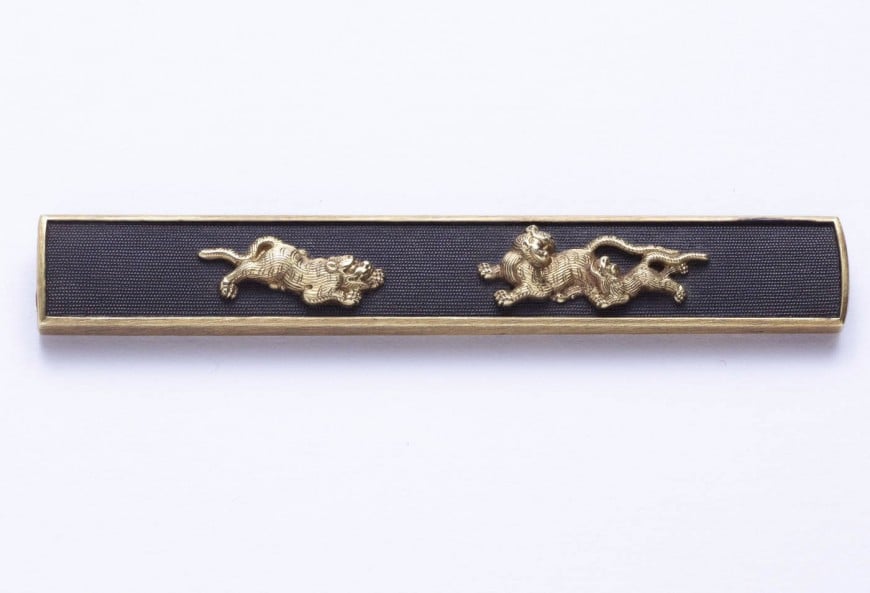
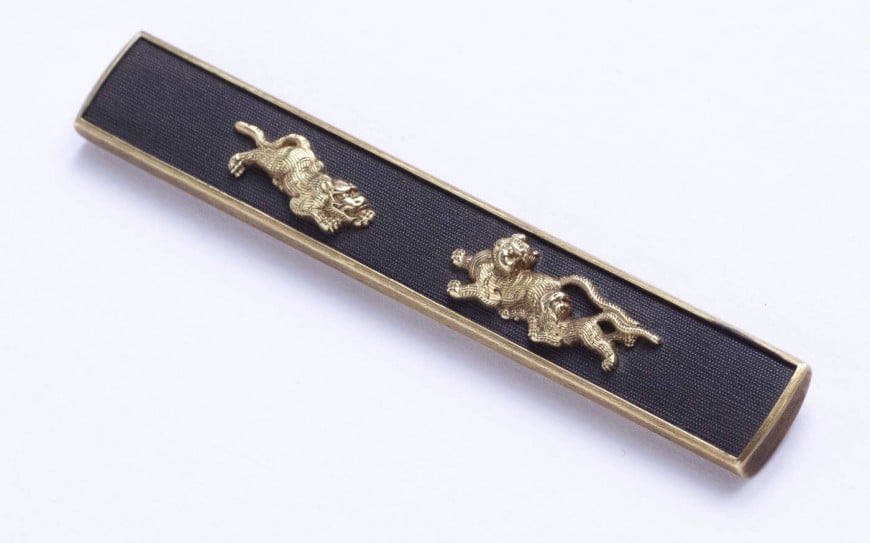
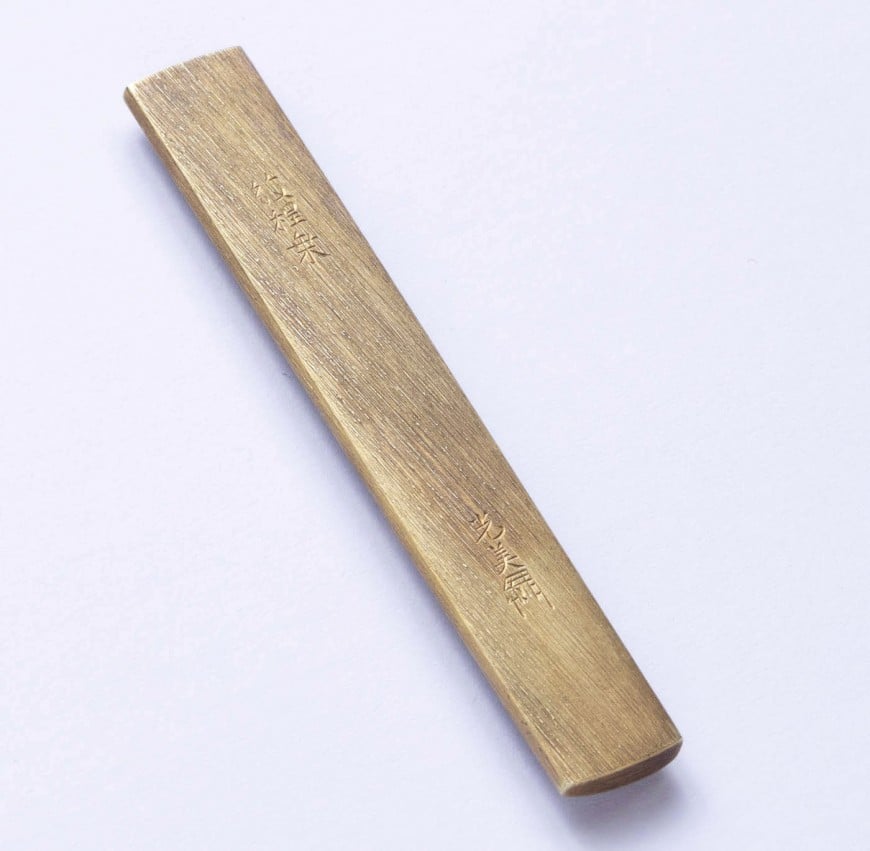
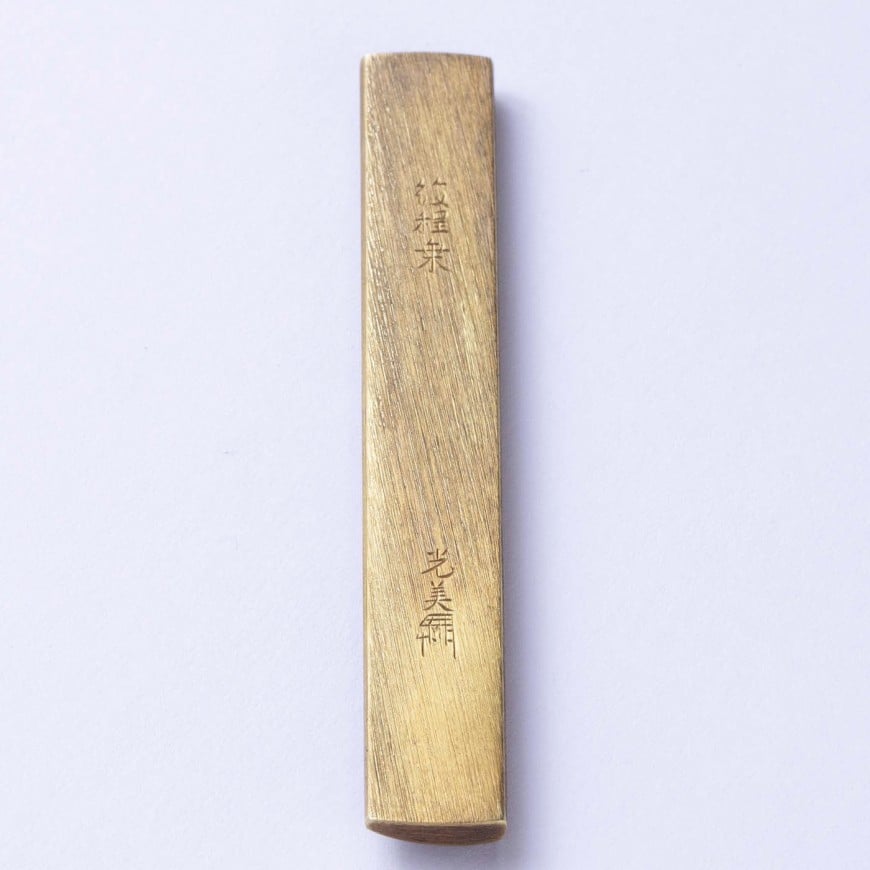
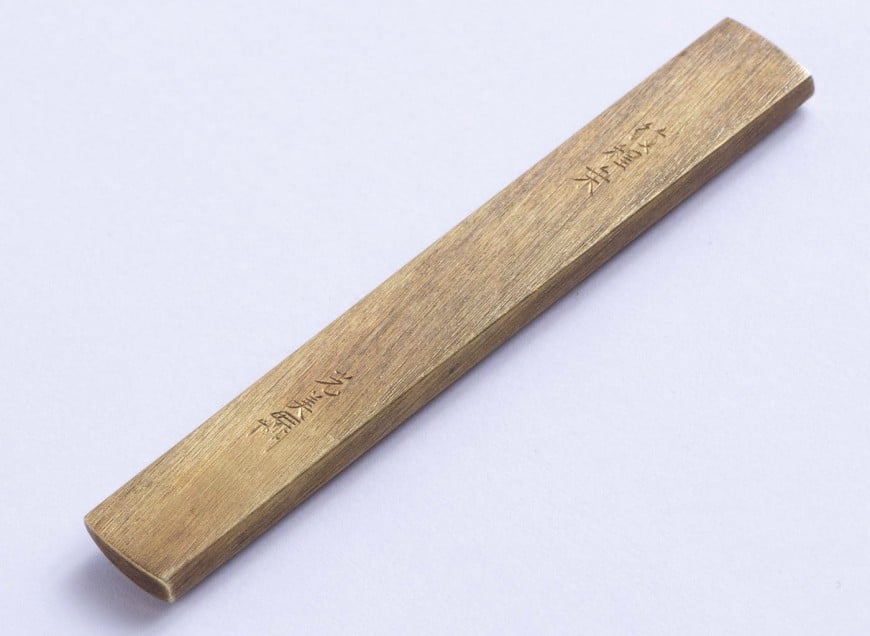
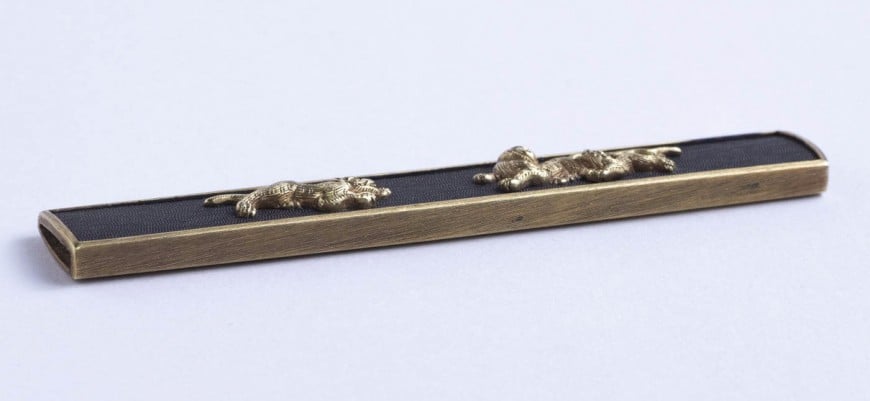
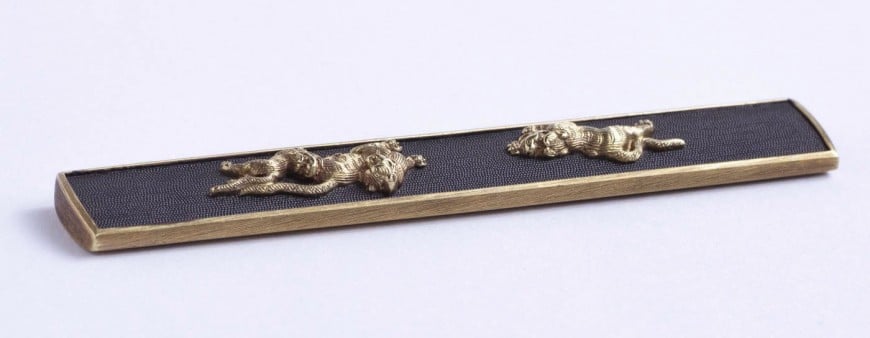
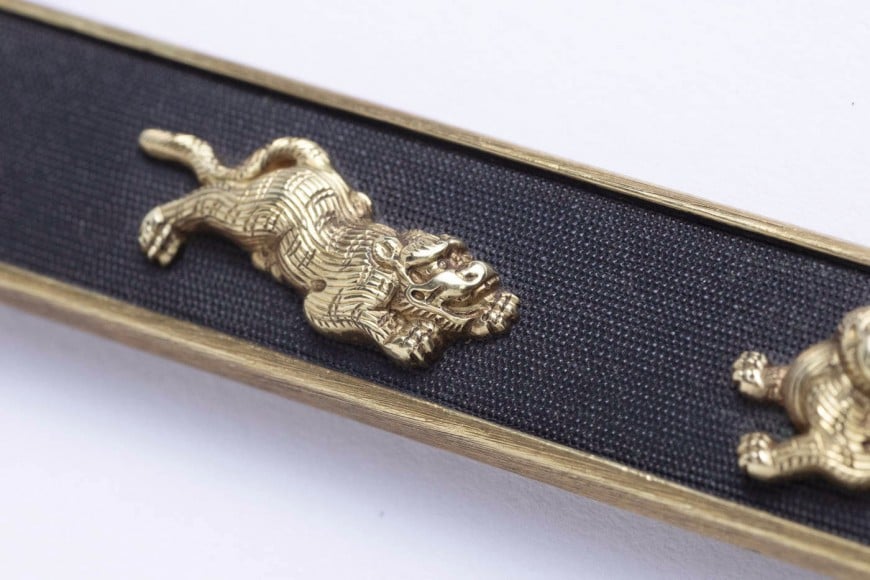
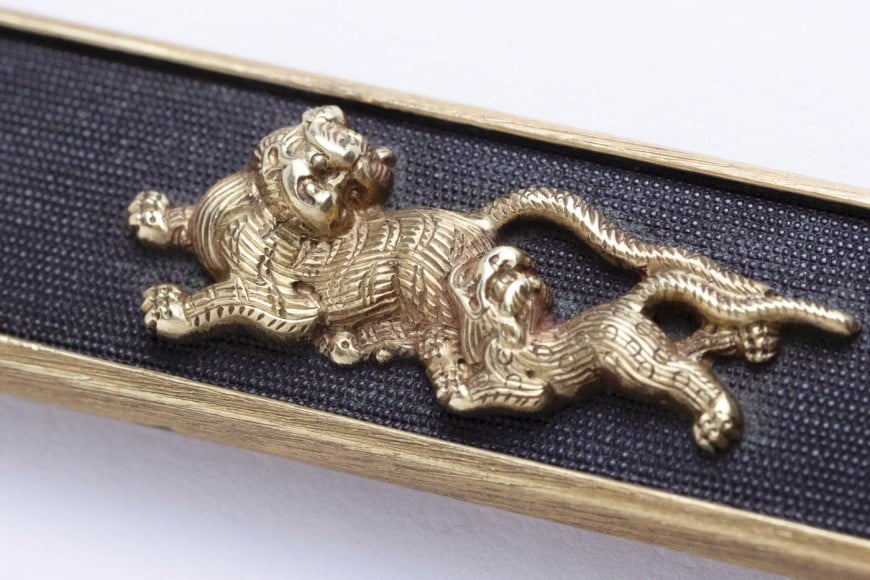
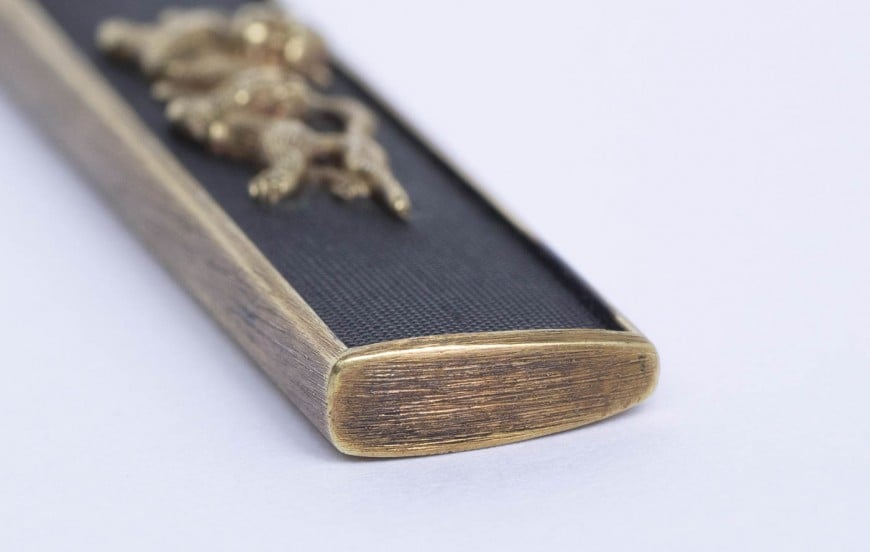
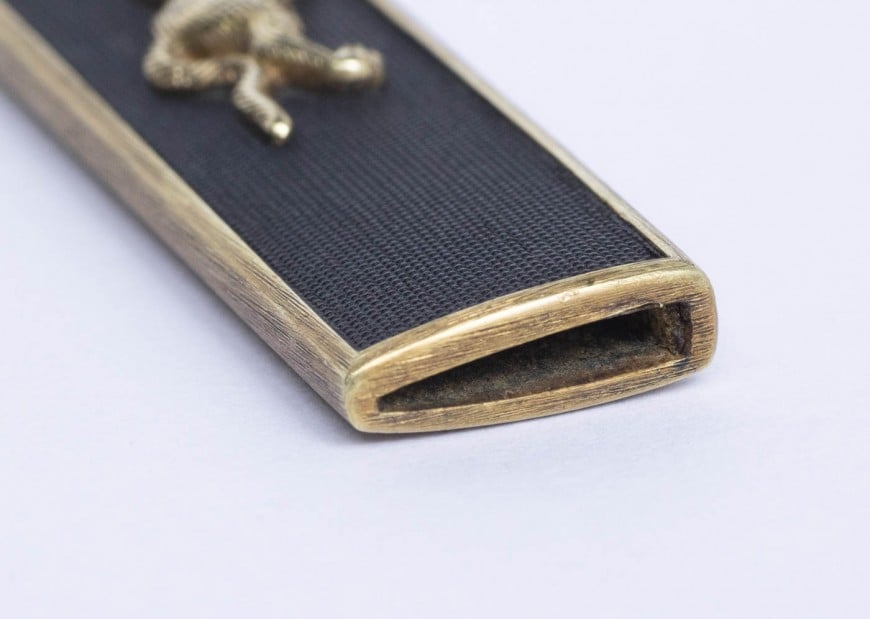
Goto Shinjo
Late Edo
Signed
Hozon (NBTHK)
Iebori · Yamashiro · around 1780-1843
5 pieces on the market now
A kozuka of the fishing shore, worked entirely in gold over gold nanako, carries the signature Gotō Mitsuyoshi with his kaō, and the published sources call it a masterpiece of Mitsuyoshi in which a freshness overflows within the sumptuousness and stillness is set against movement[[c:1]]. Mitsuyoshi, known by his art name Shinjō, was the fifteenth head of the main Gotō house. He was born in An'ei 9 (1780) as the eldest son of the fourteenth head Keijō Mitsumori; his childhood name was Kameichi and his common name Gennojō. In Kyōwa 4 (Bunka 1, 1804) Mitsumori died at sixty-four, and on the third day of the sixth month Gennojō took the name Shirobei Mitsuyoshi and succeeded as the fifteenth head. He held the headship for thirty-one years, until his death in Tenpō 14 (1843). The house continued after him through his son, the sixteenth head Hōjō Mitsuaki, to the seventeenth.
His work keeps to the orthodox manner of the house: a shakudō nanako-ji worked in takabori with gold and silver iroe. The published sources record the construction particular to his kozuka and kōgai. The jiita plate is set in as an inlay, the feet of the warabite are long, and besides shakudō and gold he uses shibuichi and suaka. Some pieces carry flat inlay or fine kebori. The gold lining the backs of his kozuka and kōgai is heavier than that of any other generation[[c:2]], the reverse of his menuki is backed in thick gold, and the struck chiselling around a dragon's mouth, on the backs of the limbs and on the horns is done with a round chisel.
His subjects lean to the landscapes and the courtly and auspicious themes of the late Edo taste. A pair of guards on the Noh dance of Okina, the auspicious dance that prays for peace in the land and abundant harvests, sets the ceremonial hat, flute and drums on the large guard and the mask box, fan and Okina mask on the small, and is called a weighty work showing the high dignity of the house carving[[c:3]]. Another pair renders flowing water and descending geese in takabori with gold and silver iroe on a fine nanako, the swelling modelling of the plate giving a quiet autumn scene. A set of fittings shows Mount Fuji with the pine shore of Miho and the salt huts below, and the waves and plovers of the Tōkai coast.
That Fuji set reaches beyond the sword. It is accompanied by an inrō and a mirror-lid netsuke that also bear his name, worked in shibuichi, which the sources note is rare in the house[[c:4]]. They read the whole as made to a single order, a set recalling the formal dress of a samurai[[c:5]]. A second set, of autumn grasses and the moon rabbit, was made to match a guard by Mitsutoshi on the mounting of a Nagamitsu blade handed down in the Tayasu Tokugawa house.
The published sources are candid about his standing. Of the autumn-grasses set they write that Mitsuyoshi is held to be somewhat below the other generations of the house in skill, yet that this set is excellent[[c:6]], with its original gold patina preserved. As head of the house he also appraised the work of earlier generations, and his light-name stands on pieces he attributed. A twelve-zodiac kozuka carries his attribution of its gold crest to the fifth head Tokujō, its body probably his own work. A rare set of sand-diving dragons is attributed by him to the ninth head Teijō, and the sources call it a fully satisfactory example of his appraisals[[c:7]]. These attributions must be read apart from his own signed work.
Eight works associated with him are designated at the Jūyō level, none higher: his own signed guards, kozuka and fitting sets, the zodiac kozuka and the dragon set that he attributed, and a formal daishō koshirae that includes a kozuka of his. The Okina guards are recorded as handed down in the Tosa Yamauchi house. Signed pieces by a Gotō head come to market only from time to time, and a full matched set by Mitsuyoshi, such as the Fuji fittings with their inrō, is rarer still.
Where Goto Shinjo stands among comparable artisans: across all of nihontō, and within tradition, era, and period. The tiers (Foremost · Leading · Major · Notable) weigh official designations from the NBTHK and Japan's Agency for Cultural Affairs, together with historical honors of lasting repute such as the Sansaku and Meibutsu-chō.
Select a lens to see how it's measured.
Iebori · Yamashiro
Phase: Goto Main Line後藤宗家· 1573–1900
306 pieces on the market now
| Smith | Era | Designated |
|---|---|---|
| Goto Joshin後藤乗真 | 1512-1562 | 68 |
| Goto Yujo後藤祐乗 | 1440-1512 | 41 |
| Goto Sojo後藤宗乗 | 1461-1538 | 56 |
| Goto Kenjo後藤顕乗 | 1586-1663 | 46 |
| Goto Teijo後藤程乗 | 1603-1673 | 42 |
Certifies a genuine fitting worth preserving: a correct signature, or, if unsigned, an identifiable era and school, with recognized artistic and craft value.
The NBTHK (Nihon Bijutsu Tōken Hozon Kyōkai, the Society for the Preservation of Japanese Art Swords) is a public-interest incorporated foundation founded in 1948 and supervised by Japan’s Agency for Cultural Affairs (Bunkachō); it is based at the Japanese Sword Museum in Tokyo. Its expert panels physically examine each submitted work (shinsa) and issue a certificate (kanteishō) ranking it by artistic and historical merit. NBTHK papers are the most widely recognized standard of authentication for Japanese swords and fittings.
NBTHK official siteReturns accepted within 7 days for internet purchases.
¥580,000