Business Name: Meirin Sangyo Co., Ltd. Operations Manager: Takashi Tomano Location: 1-32 Rokumantai-cho, Tennoji-ku, Osaka-shi, Osaka 543-0074 Phone Number: TEL 06-6772-3026 FAX 06-6772-3028 Business License: Art Dealer / Antique Dealer, Osaka Prefectural Public Safety Commission License No. 621102002025 Required Charges Other Than Product Price: Shipping fees, bank transfer fees (when paying by methods other than postal transfer). Cash on delivery (COD) fees apply when purchasing items other than token. Consumption tax is included in the product price. Payment Methods: Postal transfer, advance payment via bank transfer, various credit cards, loan financing, cash on delivery (COD), etc. For postal transfer customers, we will send a postal transfer form after the order is placed (fees covered by our company). Please note that it takes approximately 5 days to confirm payment. Shipping will occur once confirmed. For bank transfers, please transfer to the following account (fees to be paid by the customer): Mitsubishi UFJ Bank, Uehonmachi Branch (Ordinary Account 0000531) Loan Examples (Effective interest rate 8.96% for 350,000 yen): 36 installments | 36 installments | 24 installments 1st payment: 11,900 yen | 6,900 yen | 17,900 yen 2nd payment onwards: 11,100 yen | 6,100 yen | 15,900 yen Bonus payments: None | 30,000 yen x 6 times | None Please note that a cancellation fee of 10% of the loan amount will be charged for cancellations after the loan contract is finalized. Shipping Fees, etc.: 【Token, Yoroi, Ju, etc.】 Flat rate of 1,800 yen nationwide per order; COD fees are free. For orders exceeding 100,000 yen, shipping is complimentary. 【Items other than Token】 Standard shipping: 880 yen Hokkaido, Okinawa (including some remote islands): 2,200 yen *Separate quotes will be provided if purchased together with token or if multiple packages are required. If the payment method is COD, the following COD fees are required (when purchasing items other than token): Purchase amount up to 10,000 yen: 330 yen Purchase amount up to 30,000 yen: 440 yen Purchase amount up to 100,000 yen: 660 yen Purchase amount up to 300,000 yen: 1,100 yen Purchase amount up to 500,000 yen: 2,200 yen Return Deadline: Within 1 week after product arrival. Return Shipping Costs: For returns due to customer convenience, the customer is responsible for shipping costs. In cases of incorrect shipment by our company or product defects, our company will cover the costs. Ordering Method: Please inquire via the form on this page, or by phone/FAX. Accepted Credit Cards: VISA / JCB / American Express (AMEX) / China UnionPay Accepted Loans: Orient Corporation
 NihontoWatch
Edo


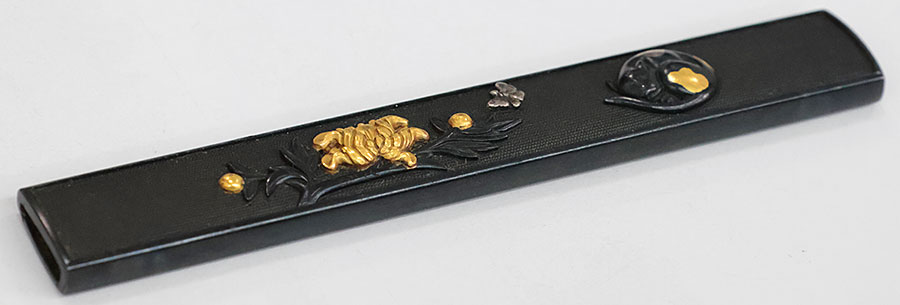
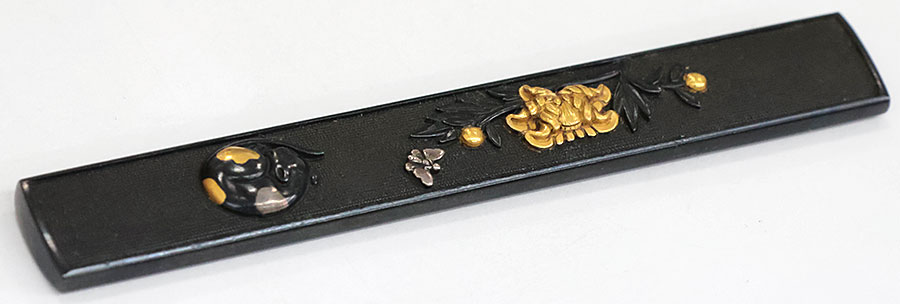
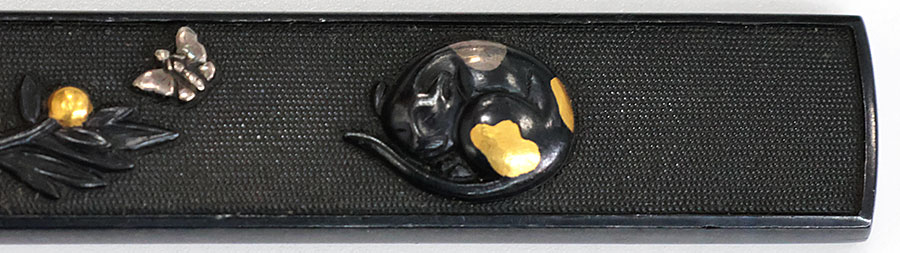
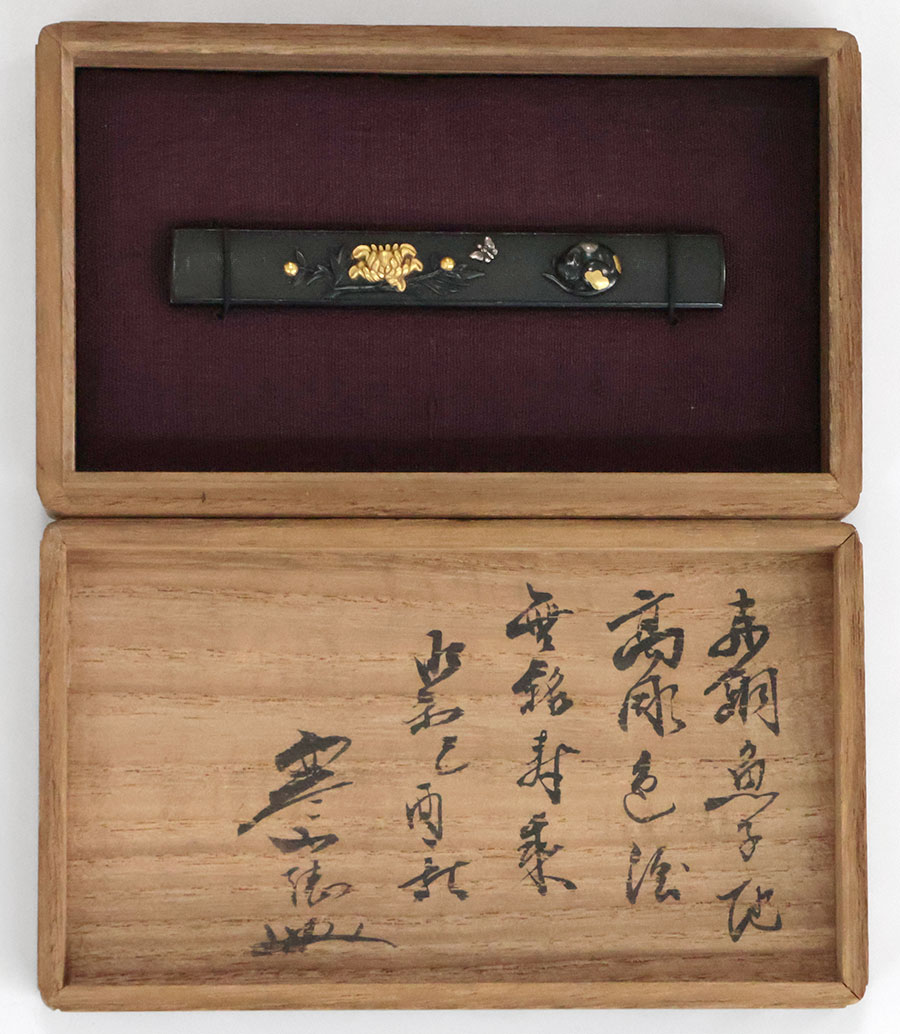
Goto Jujo
Edo
Iebori · Yamashiro · around 1700-1762
3 pieces on the market now
Goto Jujo Mitsumasa, also recorded as Kojo Mitsusato, was born in Genroku 2 (1689) as the legitimate son of the eleventh main-line master, Tsujo Mitsuhisa. His childhood name was Kameichi, and he later used the name Mitsuyuki. In the eleventh month of Kyoho 5 (1720), upon his father's retirement under the name Tsujo, Mitsumasa succeeded to the house, assumed the style Shirobei Mitsumasa, and became the twelfth head of the Goto main line. In this capacity he served not only as a master metalworker but as the principal appraiser and certifier of works by earlier Goto generations, issuing origami of considerable authority.
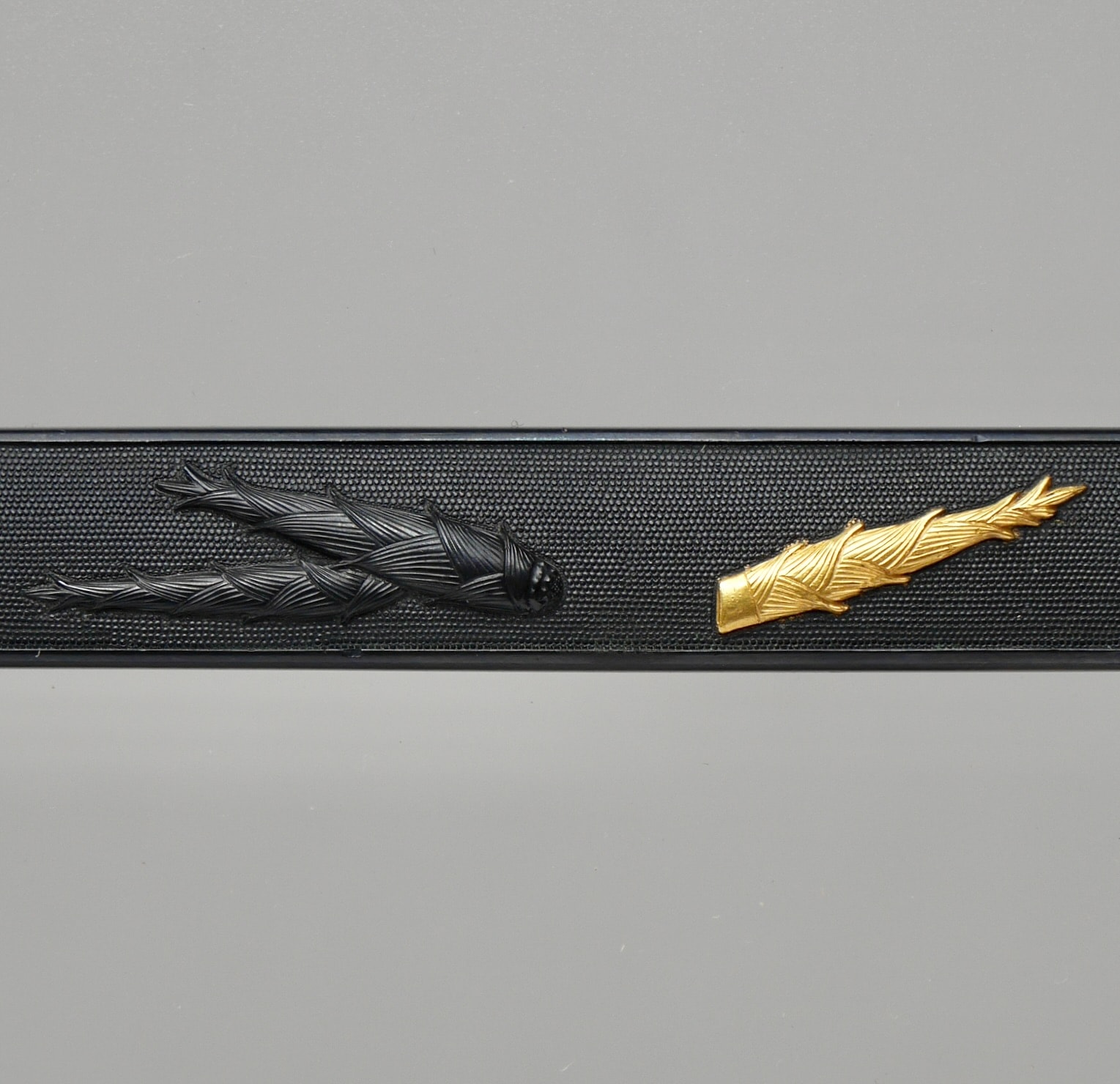
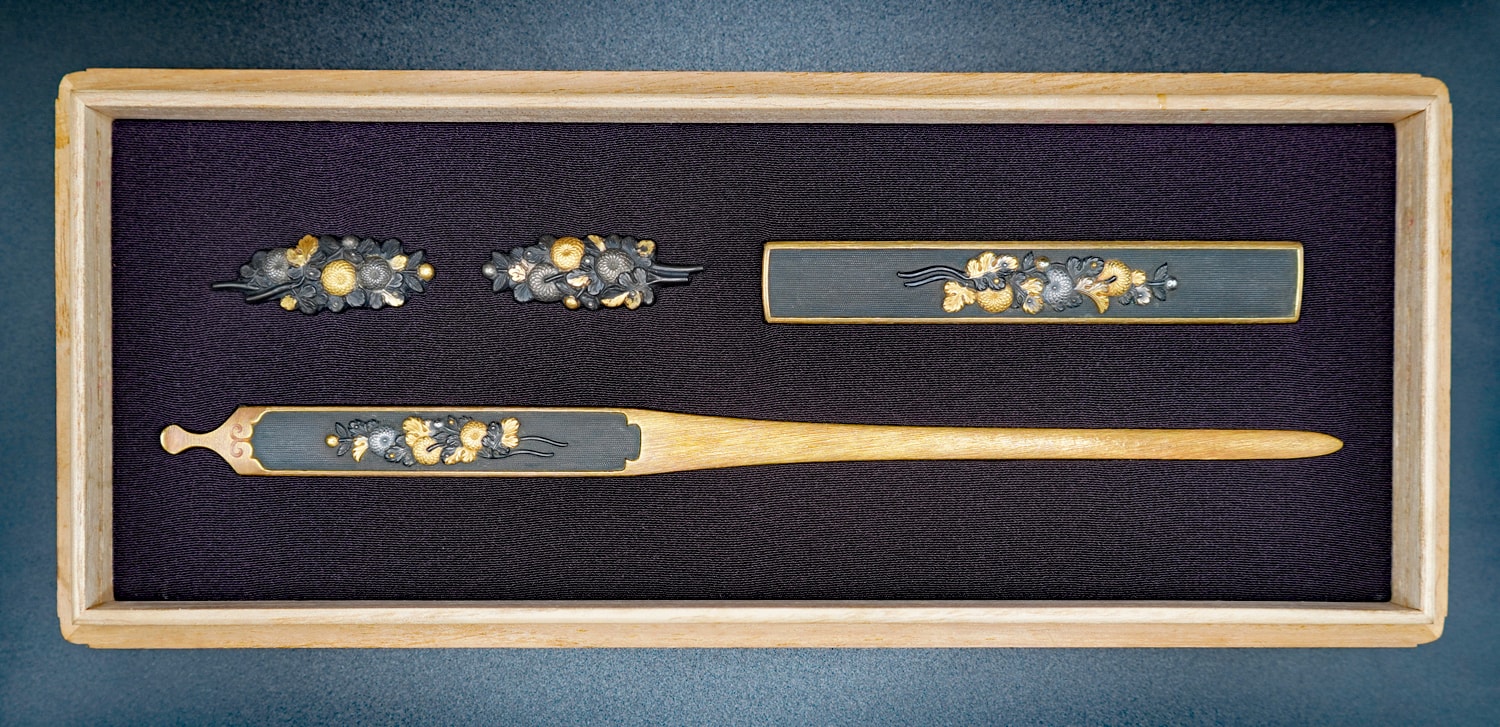
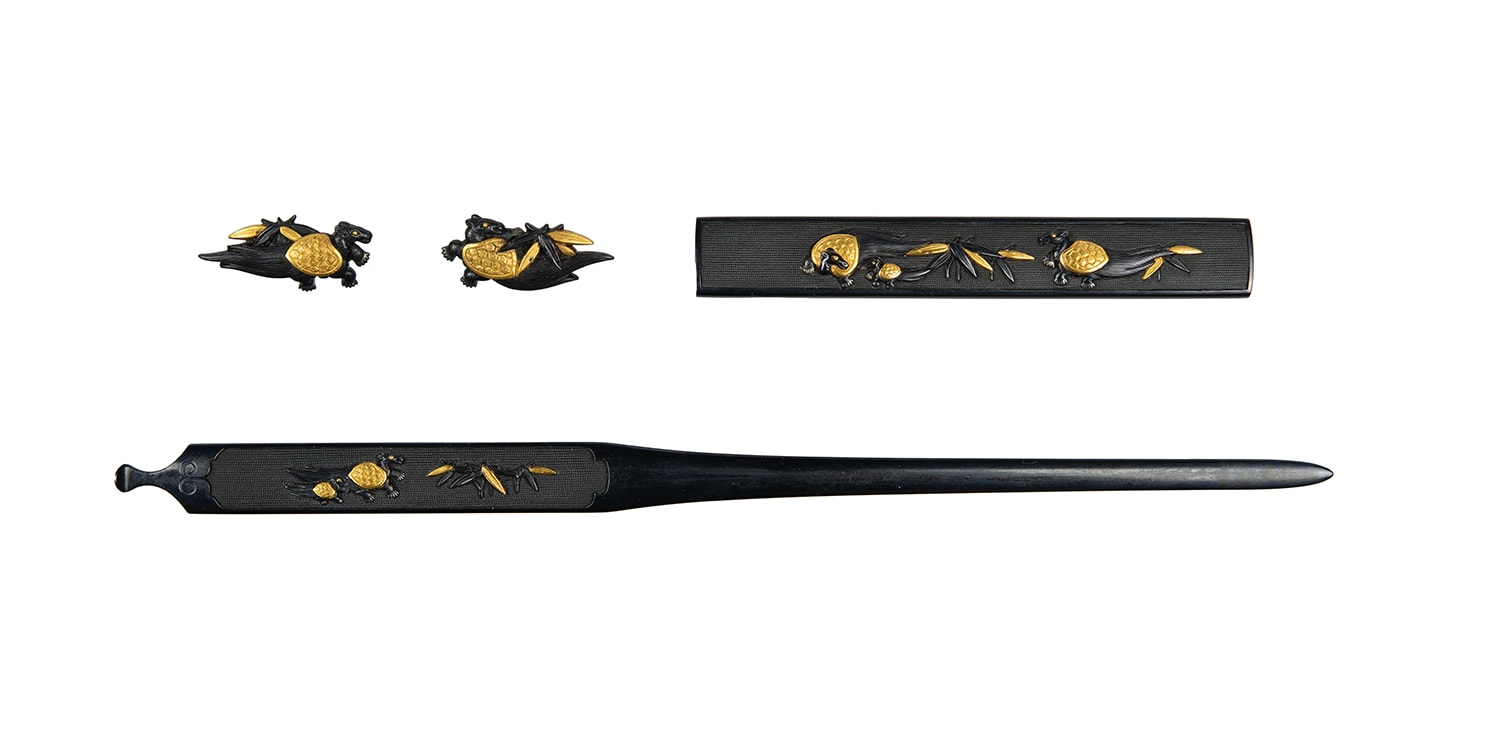
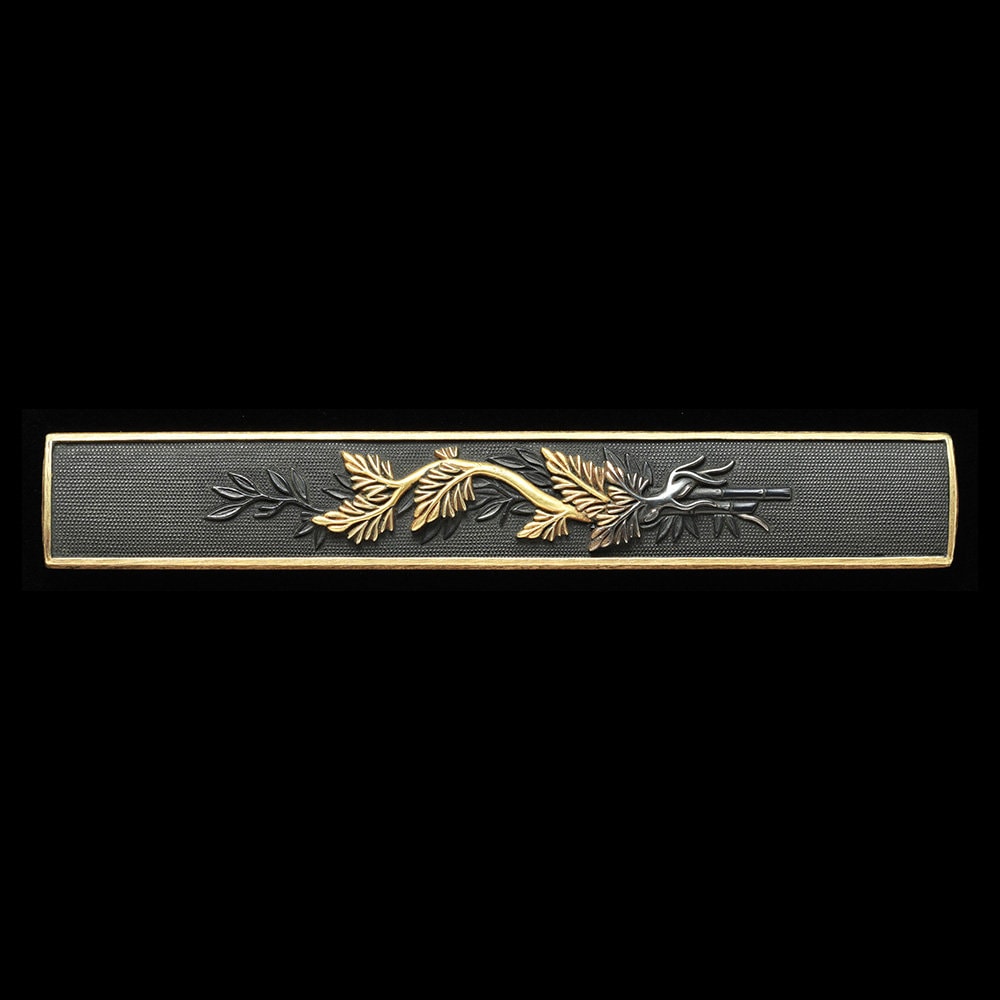
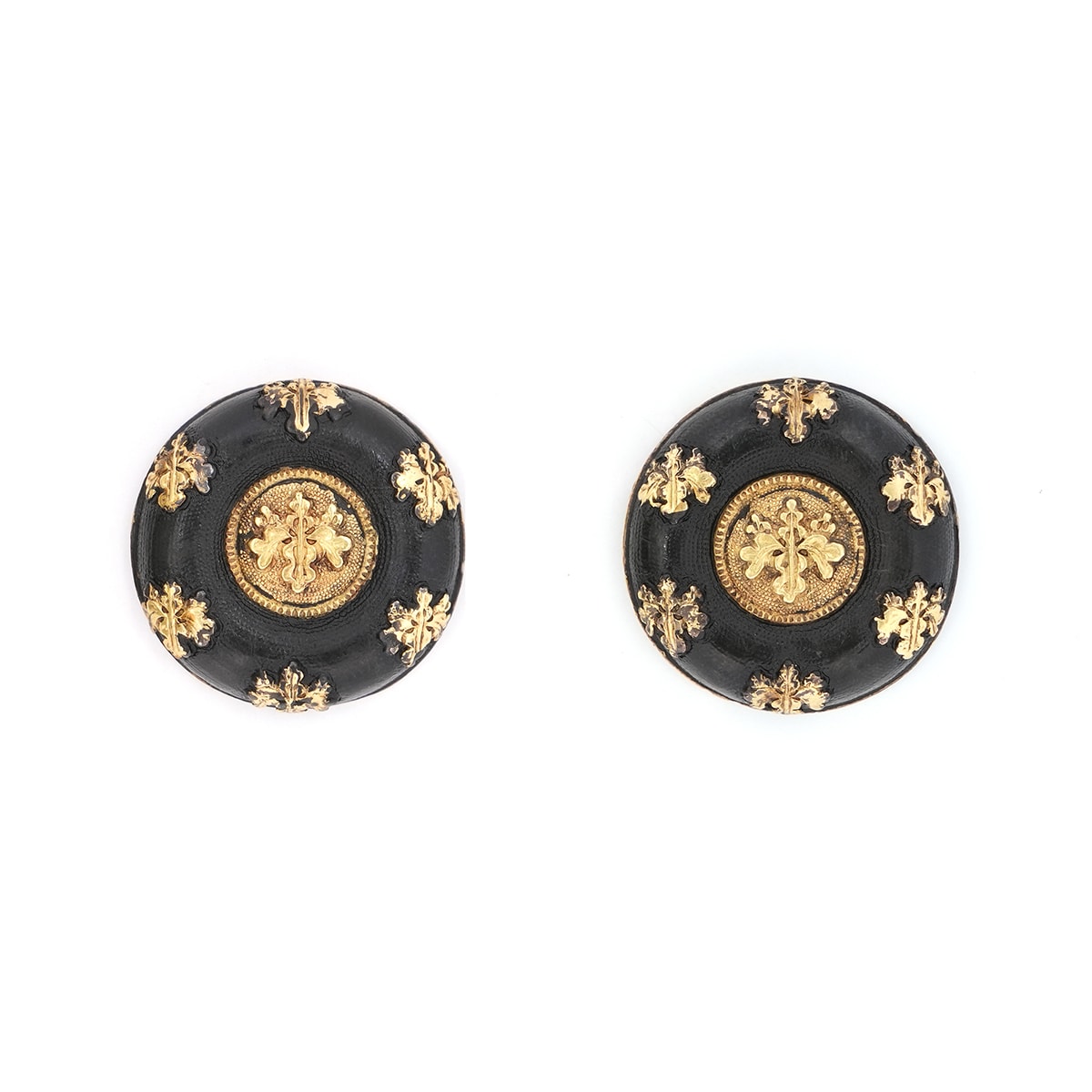
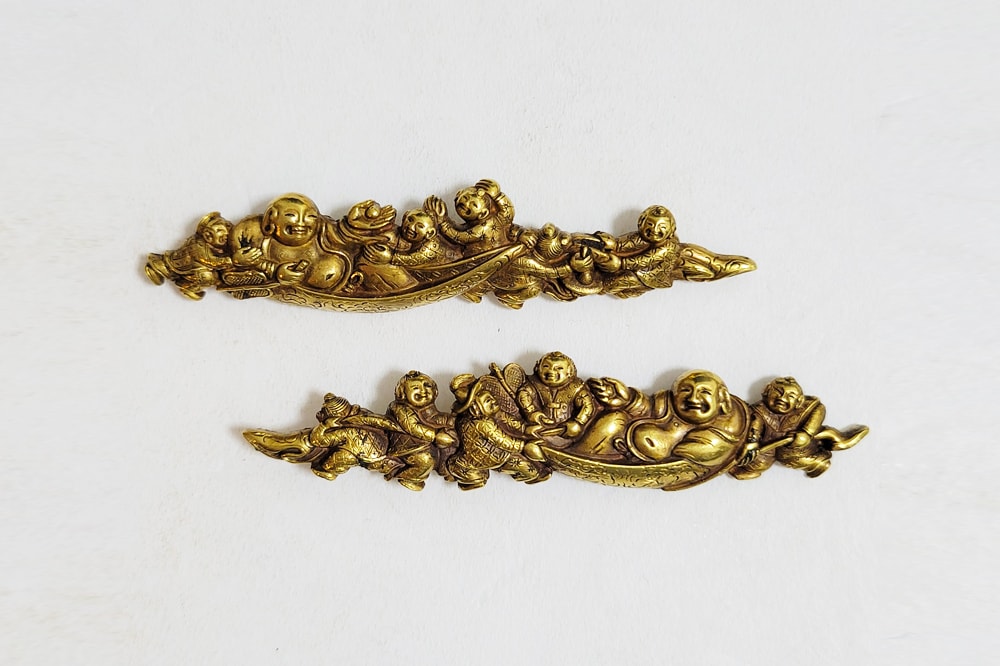
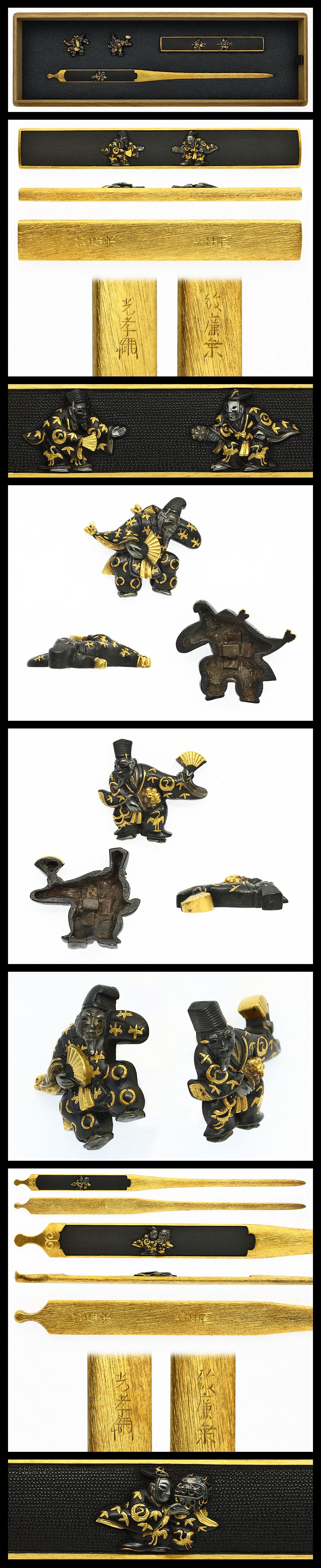
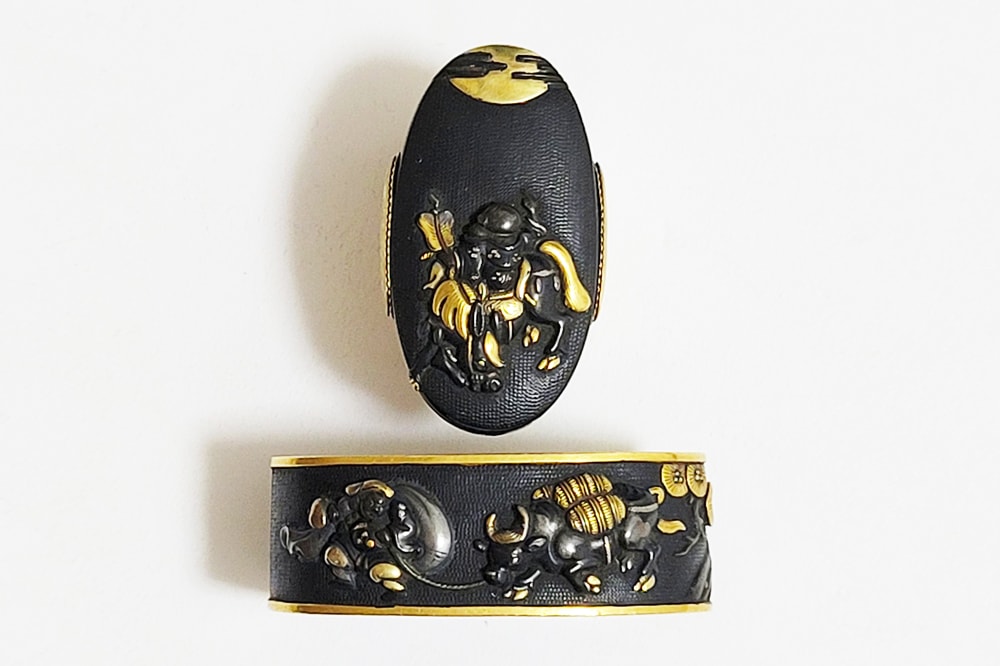
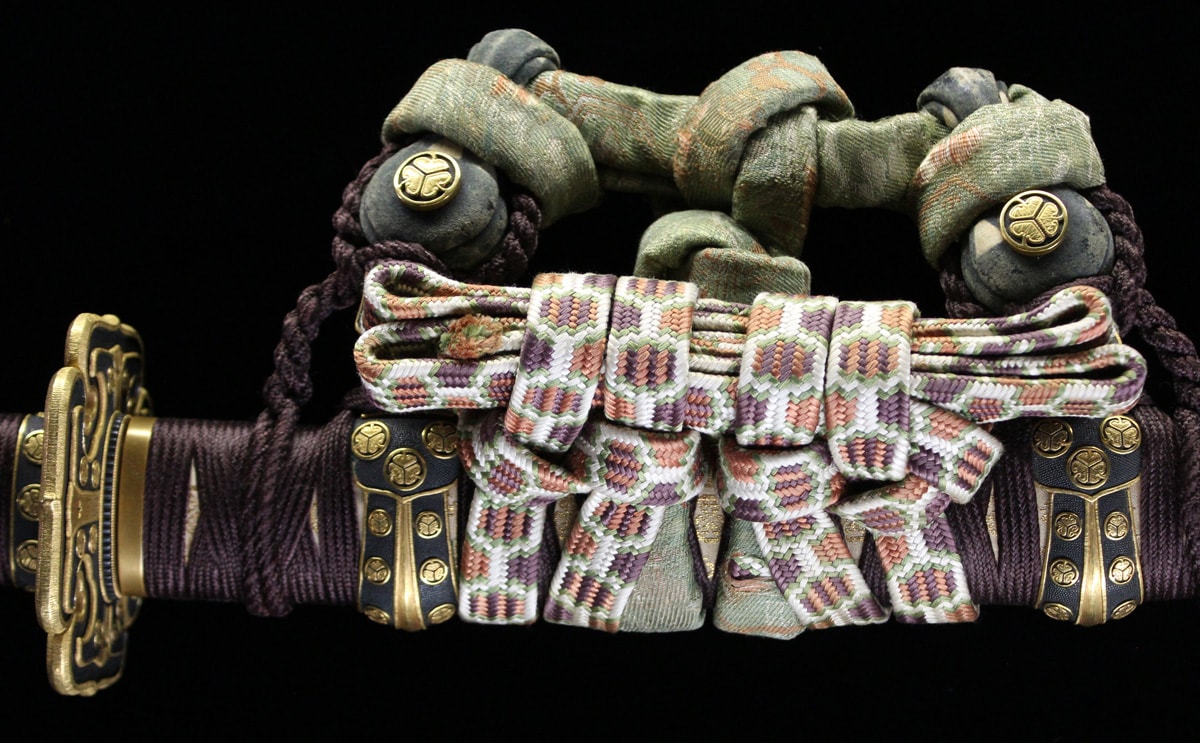
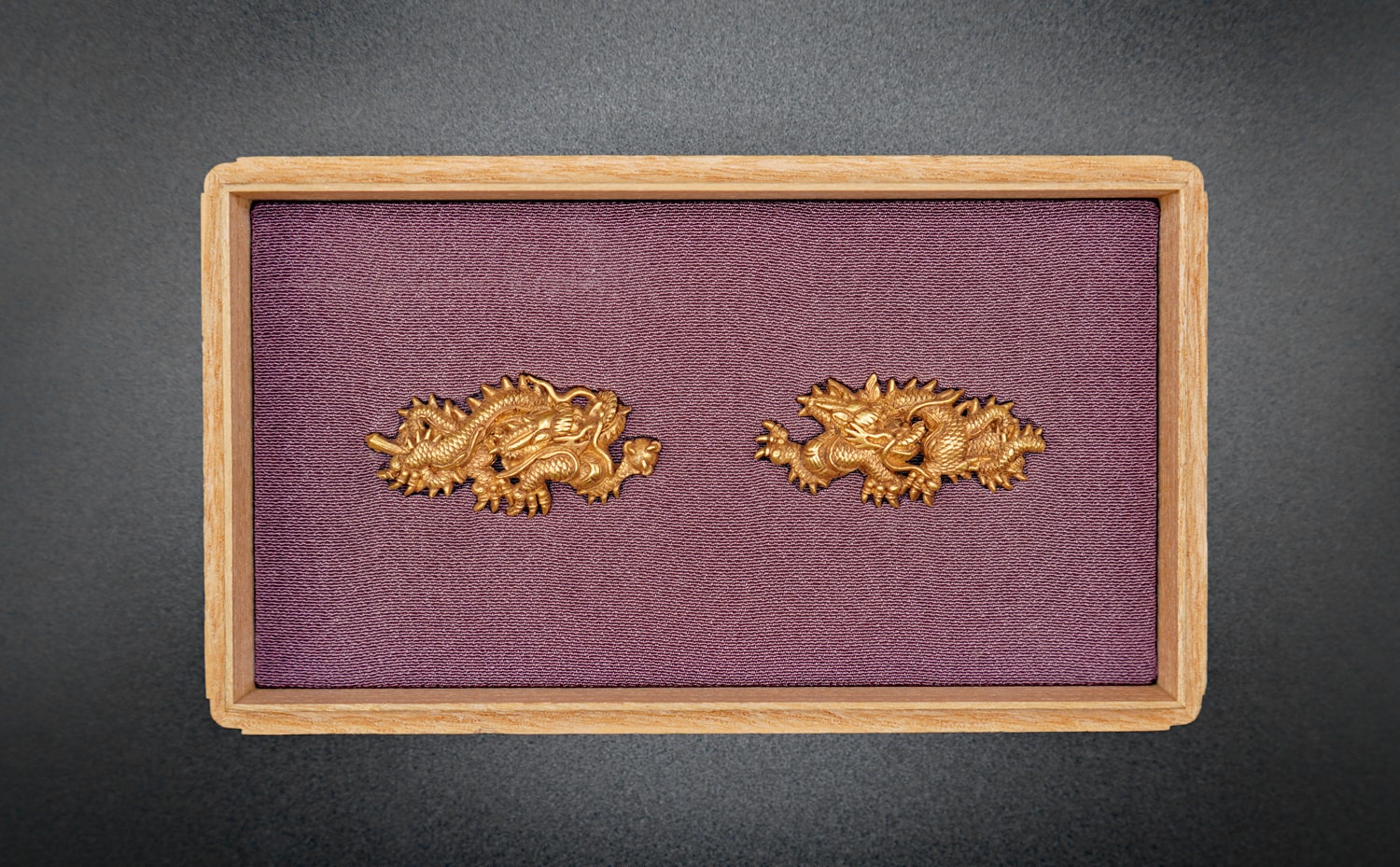
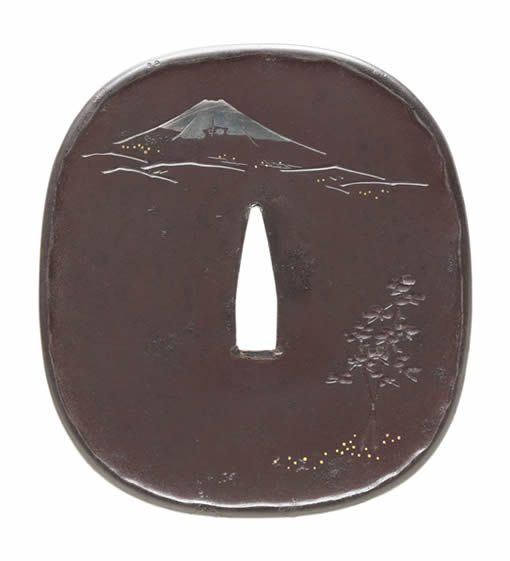
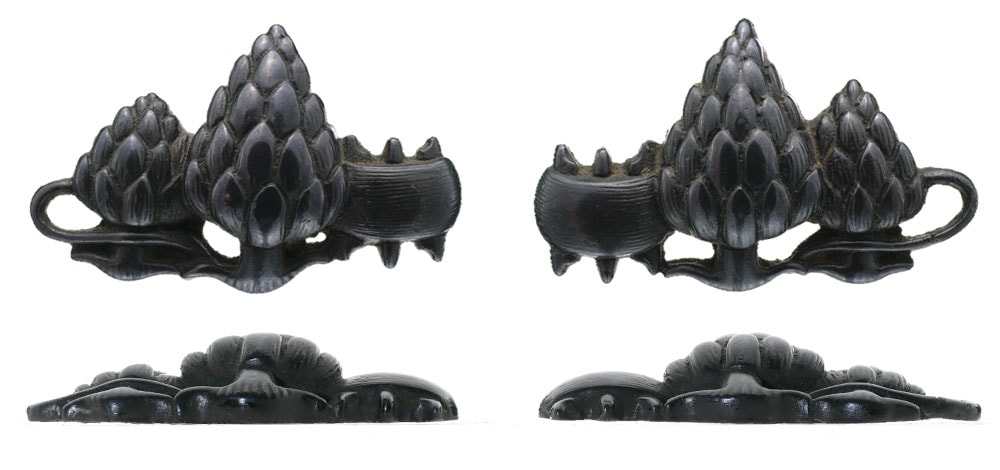
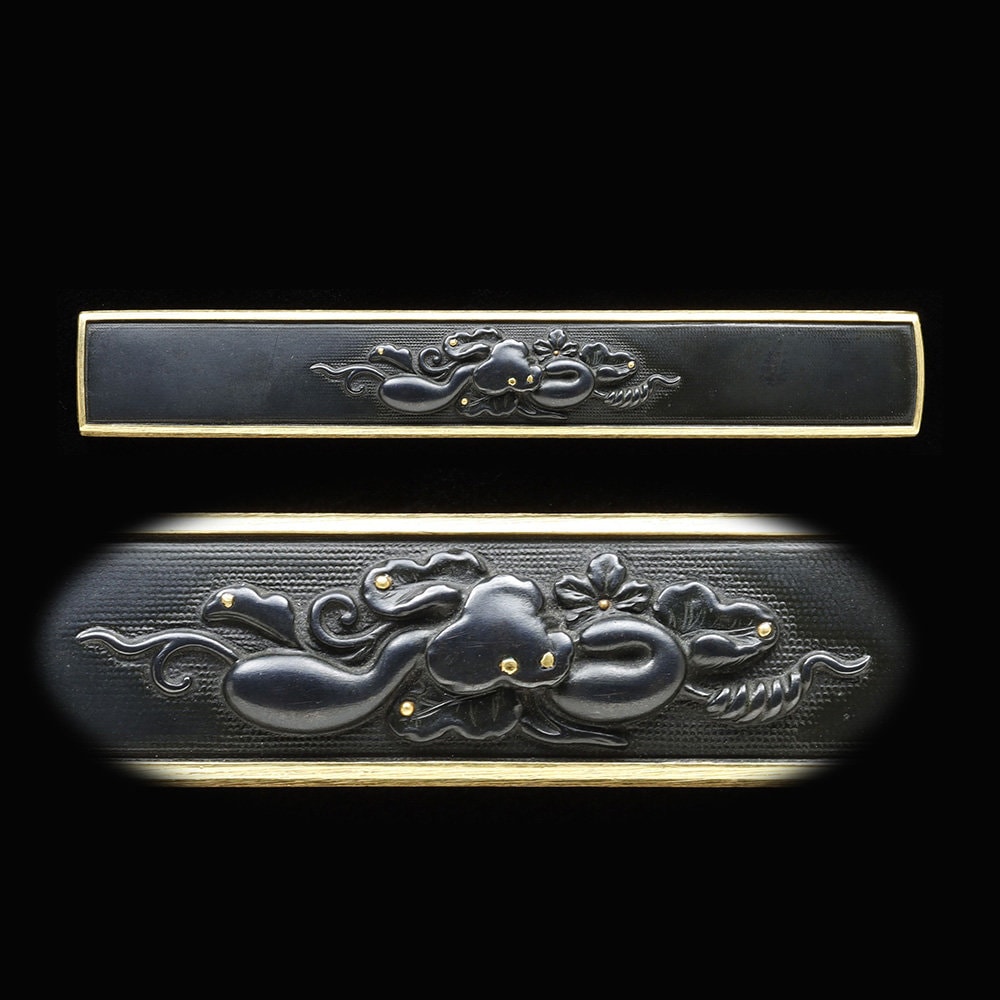
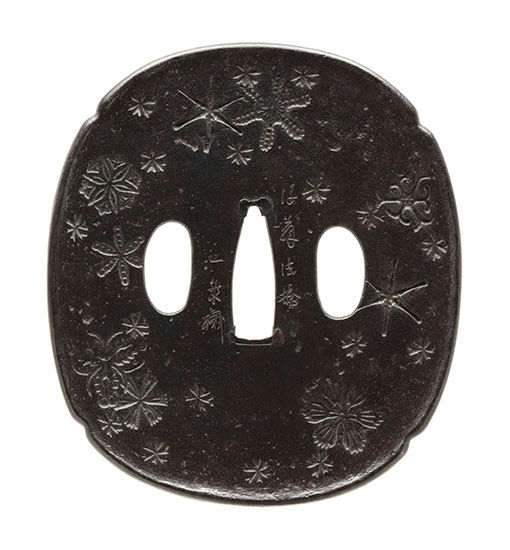
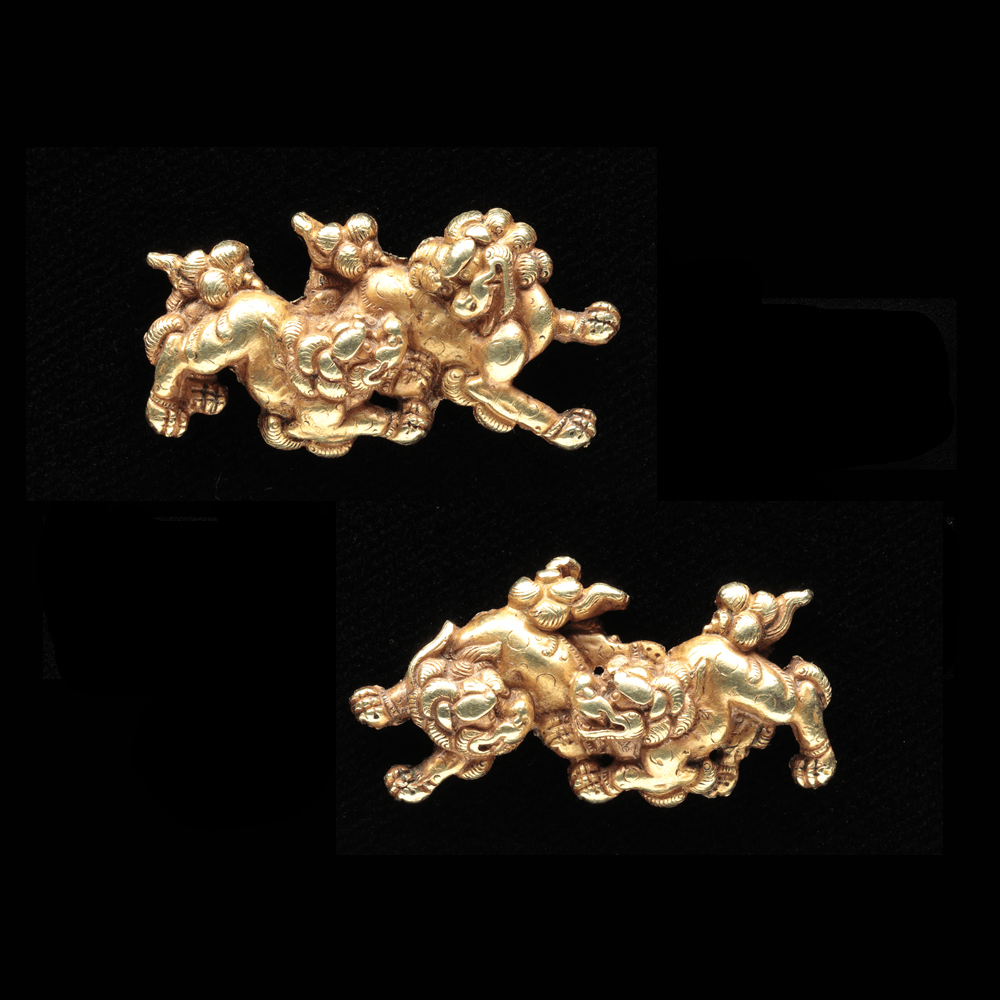
His own production is characterized by the consummate expression of the Goto house style. In works such as the coiling dragon mitokoromono, gold crests are arranged on shakudo nanako-ji grounds of the finest order, while menuki executed in solid gold yobori display a convincingly animated bearing with great skill. The uchi-dashi is comparatively thick, and because a substantial quantity of gold is employed, the work possesses a palpable sense of weight and presence. Careful attention is given to auxiliary elements including the ne and reinforcing fittings. Throughout, the characteristic house style of the Goto is fully expressed, resulting in works of dignity and elevated tone[[c:1]]. His appraisals of earlier masters — including certifications of third-generation Joshin's pieces — are equally discerning, attesting to deep connoisseurship of the lineage's historical methods.
As the twelfth head, Mitsumasa occupied a pivotal position bridging the classical and later Goto tradition. His origami carry authority comparable to an autograph signature, since they represent definitive judgments rendered with intimate knowledge of the house manner. Works bearing his authentication constitute important documentary material for the study of earlier Goto masters, while his own production stands as a model of formality and completeness. The NBTHK recognizes his pieces as possessing a formality that may be taken as exemplary of the Goto house[[c:2]], affirming his role as both guardian and embodiment of the mainline tradition through the mid-Edo period.
Where Goto Jujo stands among comparable artisans: across all of nihontō, and within tradition, era, and period. The tiers (Foremost · Leading · Major · Notable) weigh official designations from the NBTHK and Japan's Agency for Cultural Affairs, together with historical honors of lasting repute such as the Sansaku and Meibutsu-chō.
Select a lens to see how it's measured.
Iebori · Yamashiro
Phase: Goto Main Line後藤宗家· 1573–1900
321 pieces on the market now
| Smith | Era | Designated |
|---|---|---|
| Goto Joshin後藤乗真 | 1512-1562 | 68 |
| Goto Yujo後藤祐乗 | 1440-1512 | 41 |
| Goto Kenjo後藤顕乗 | 1586-1663 | 46 |
| Goto Sojo後藤宗乗 | 1461-1538 | 55 |
| Goto Eijo後藤栄乗 | 1577-1617 | 35 |
We could not find an authenticity certificate on the seller’s listing. Japanese swords and fittings are normally papered by the NBTHK (or the NTHK). Without one, the attribution is the seller’s own assessment and has not been independently verified — treat it with caution and ask the dealer about certification before buying.
For returns due to customer circumstances, the cost is the customer's responsibility. For returns due to our mis-shipment or a defective item, we bear the cost.