The Shintō era was largely invented in Kyōto: Umetada Myōju’s workshop trained the movement, Horikawa Kunihiro raised a generation, and the Hon’ami appraisers, who held no forge, governed the meaning of famous blades.
 NihontoWatchNihontoWatch
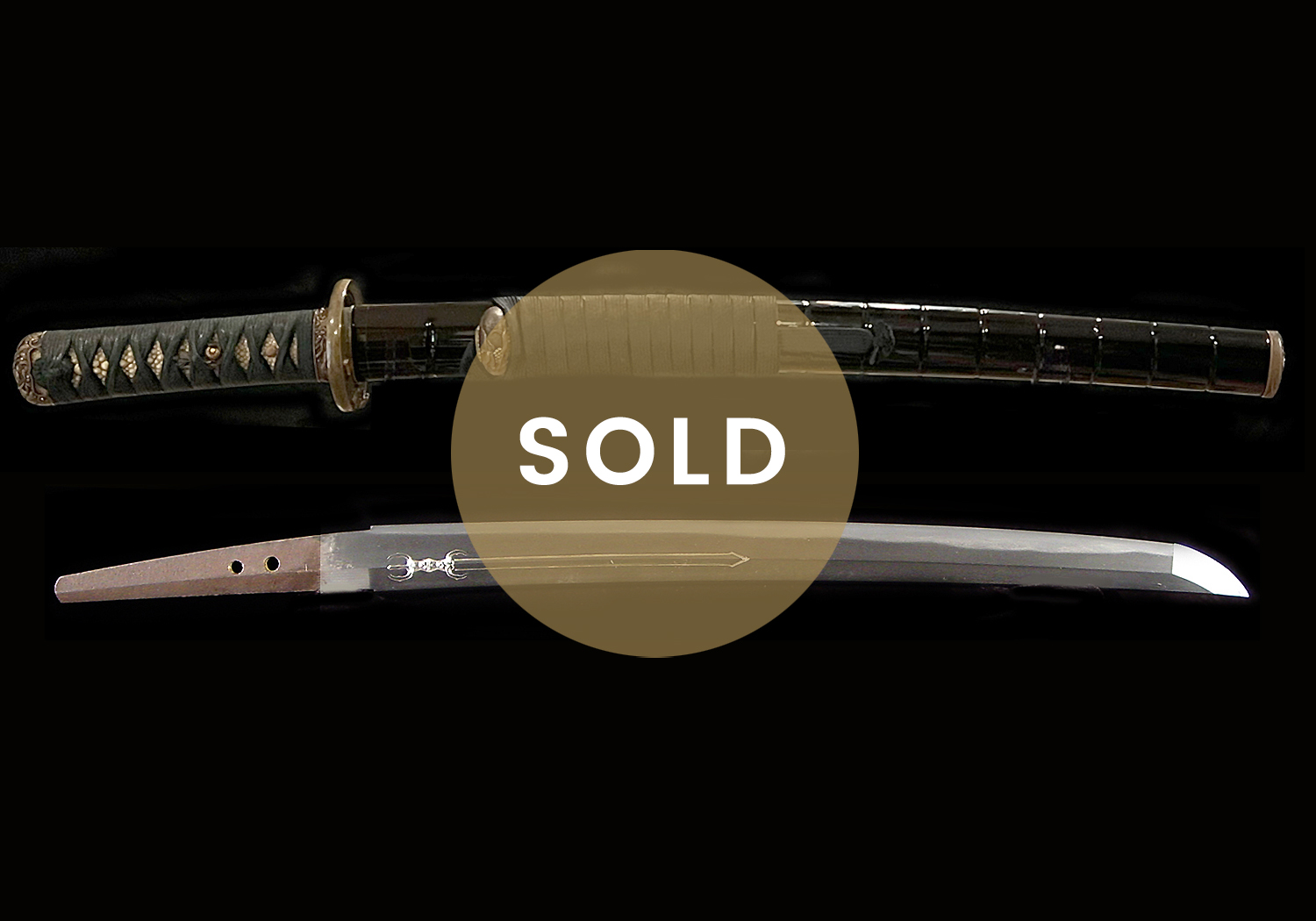
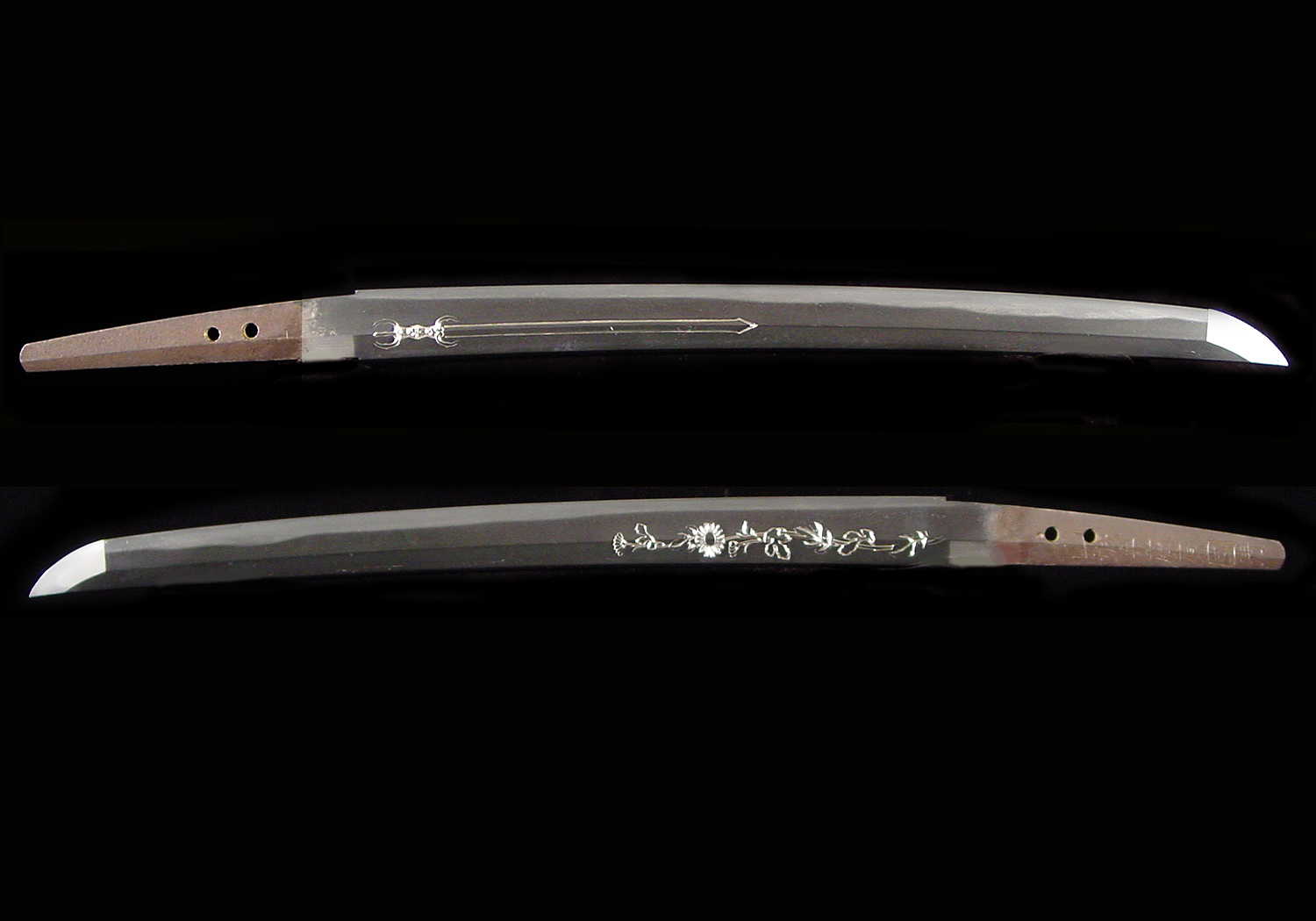
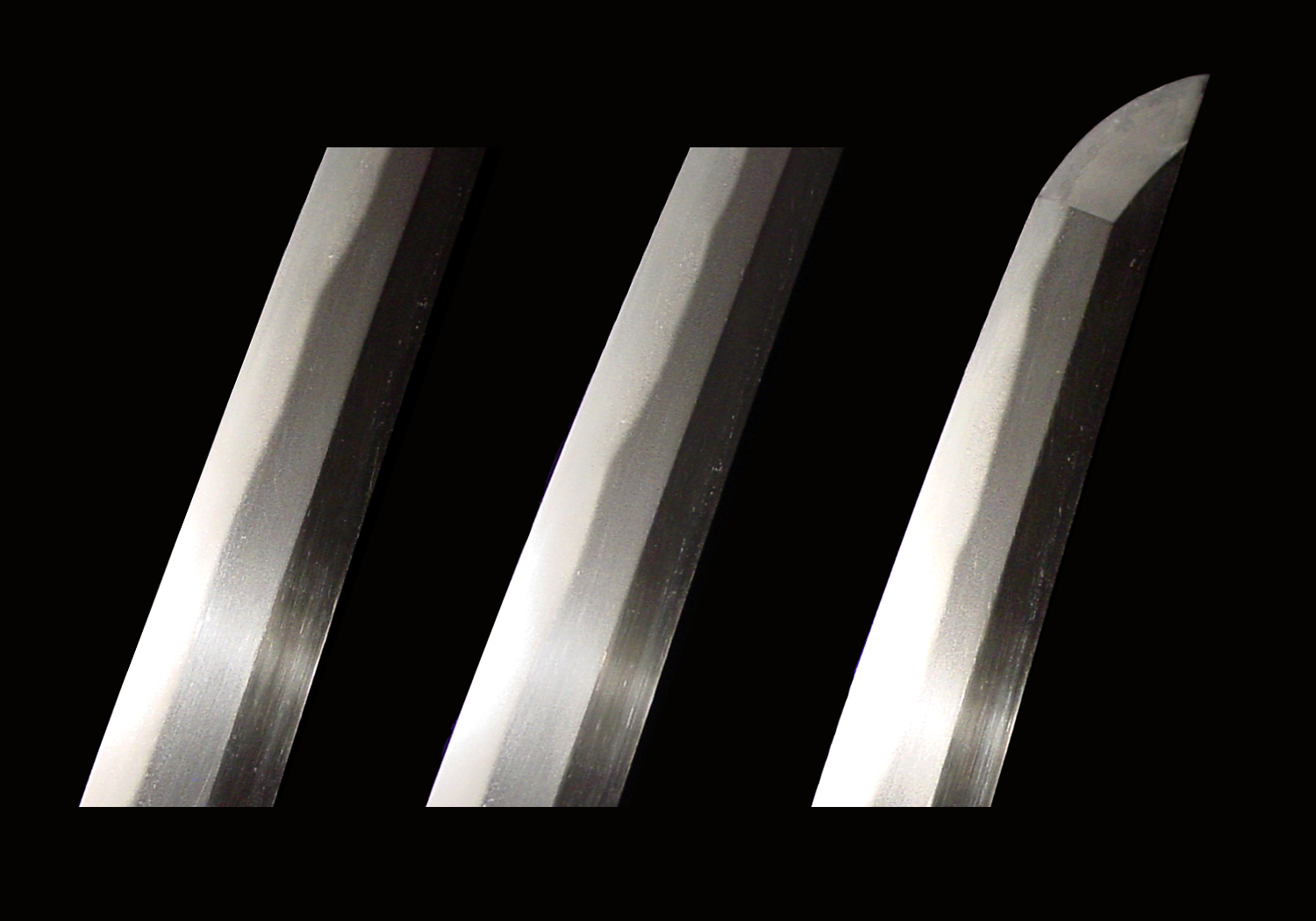
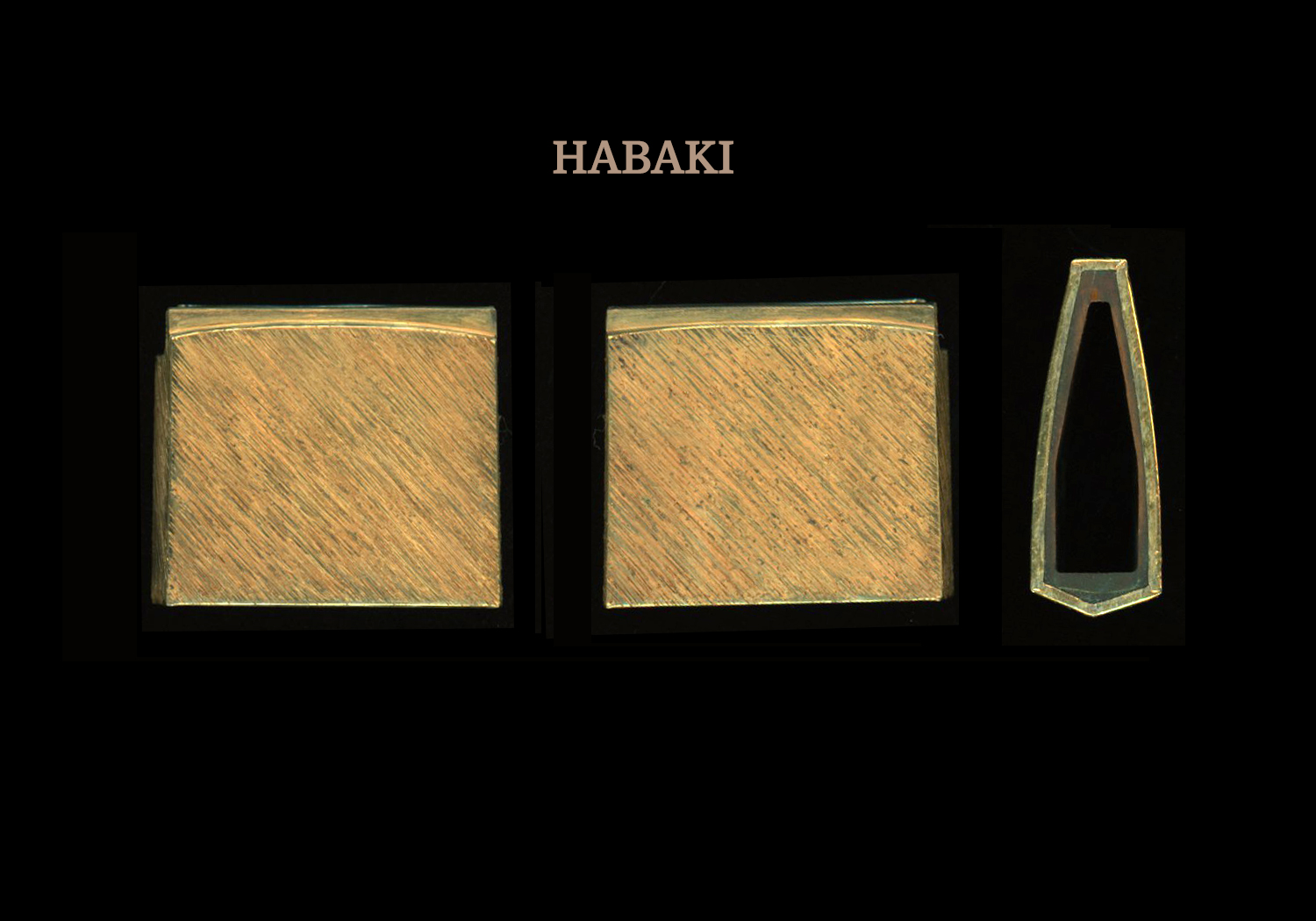
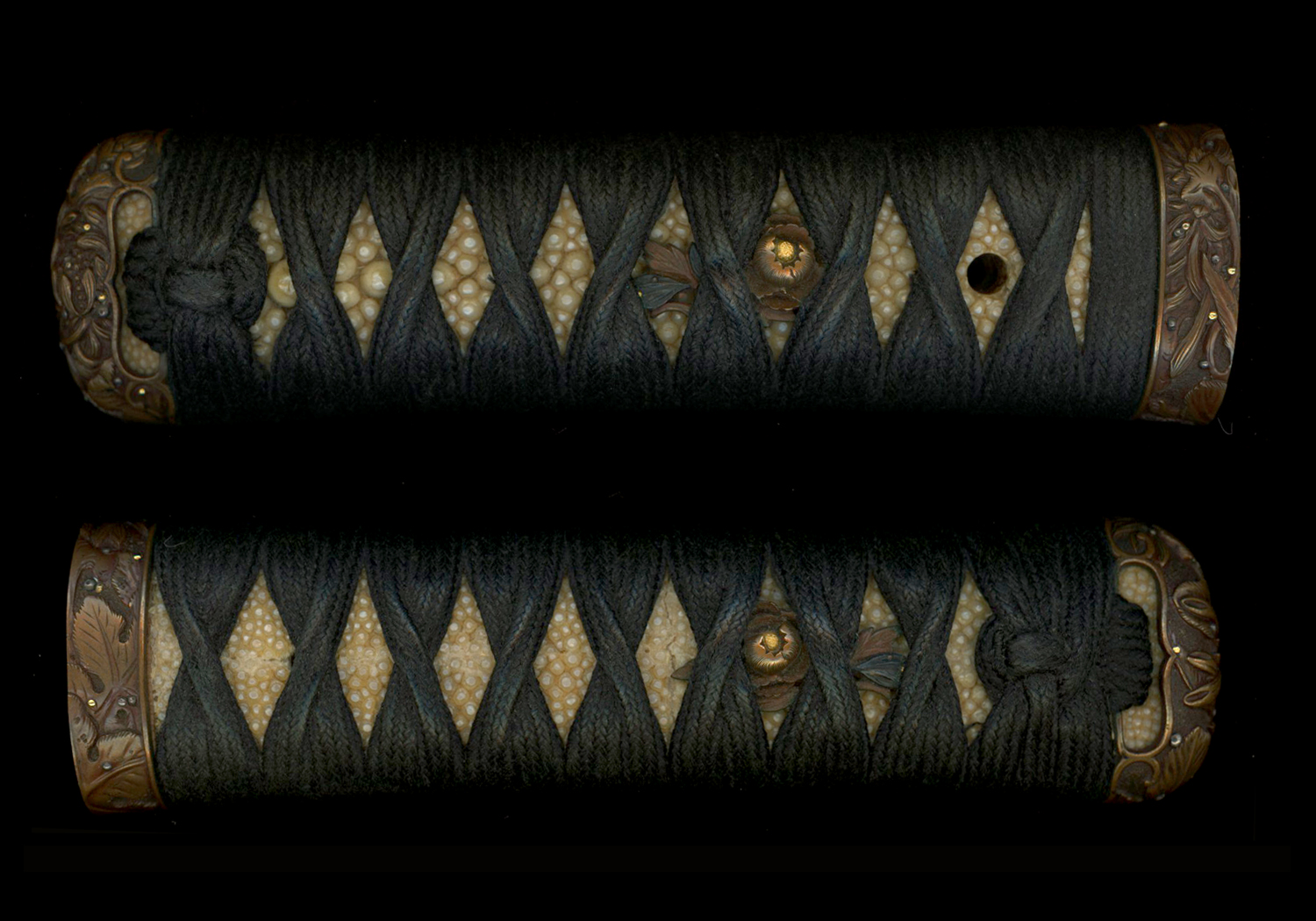
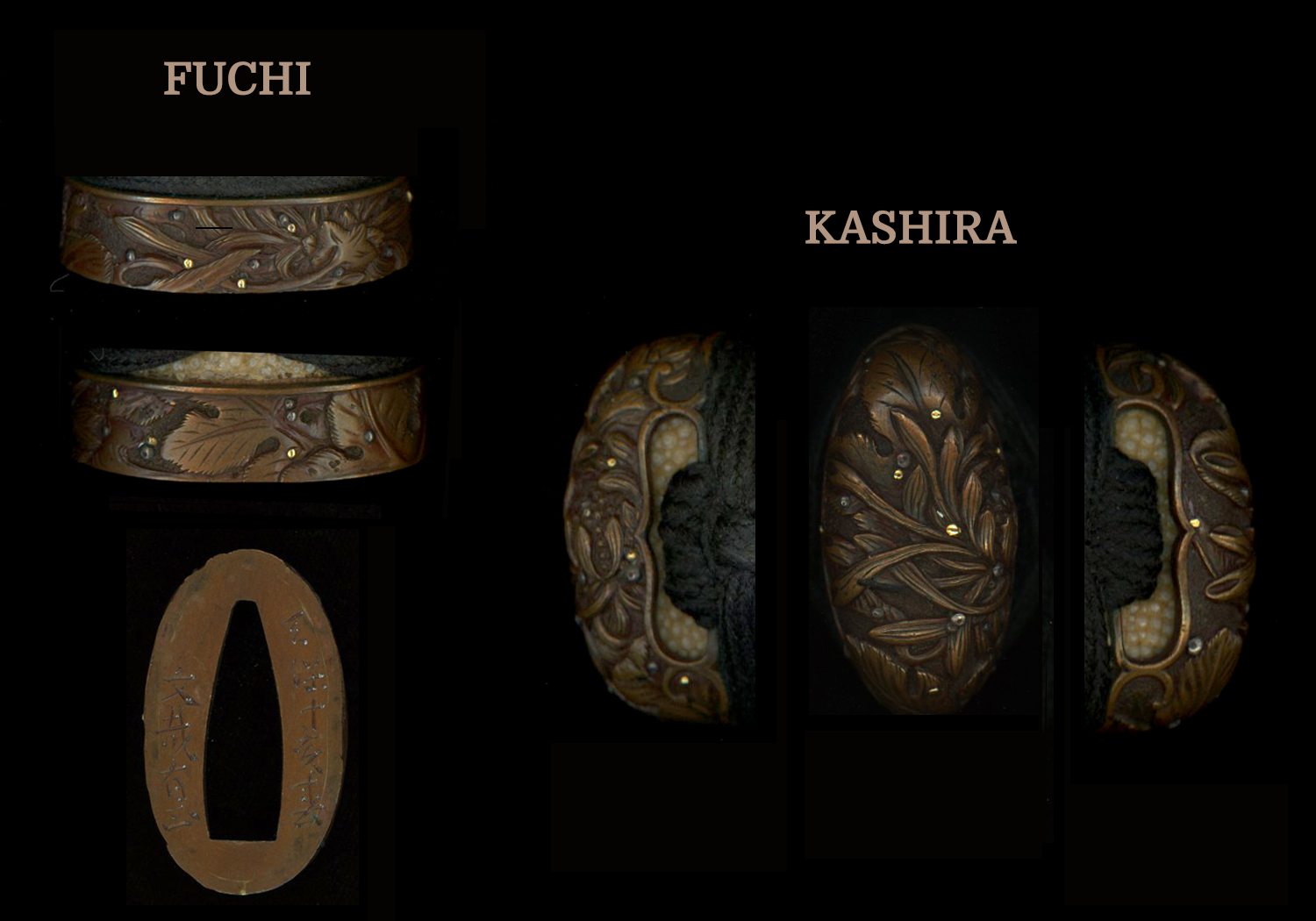
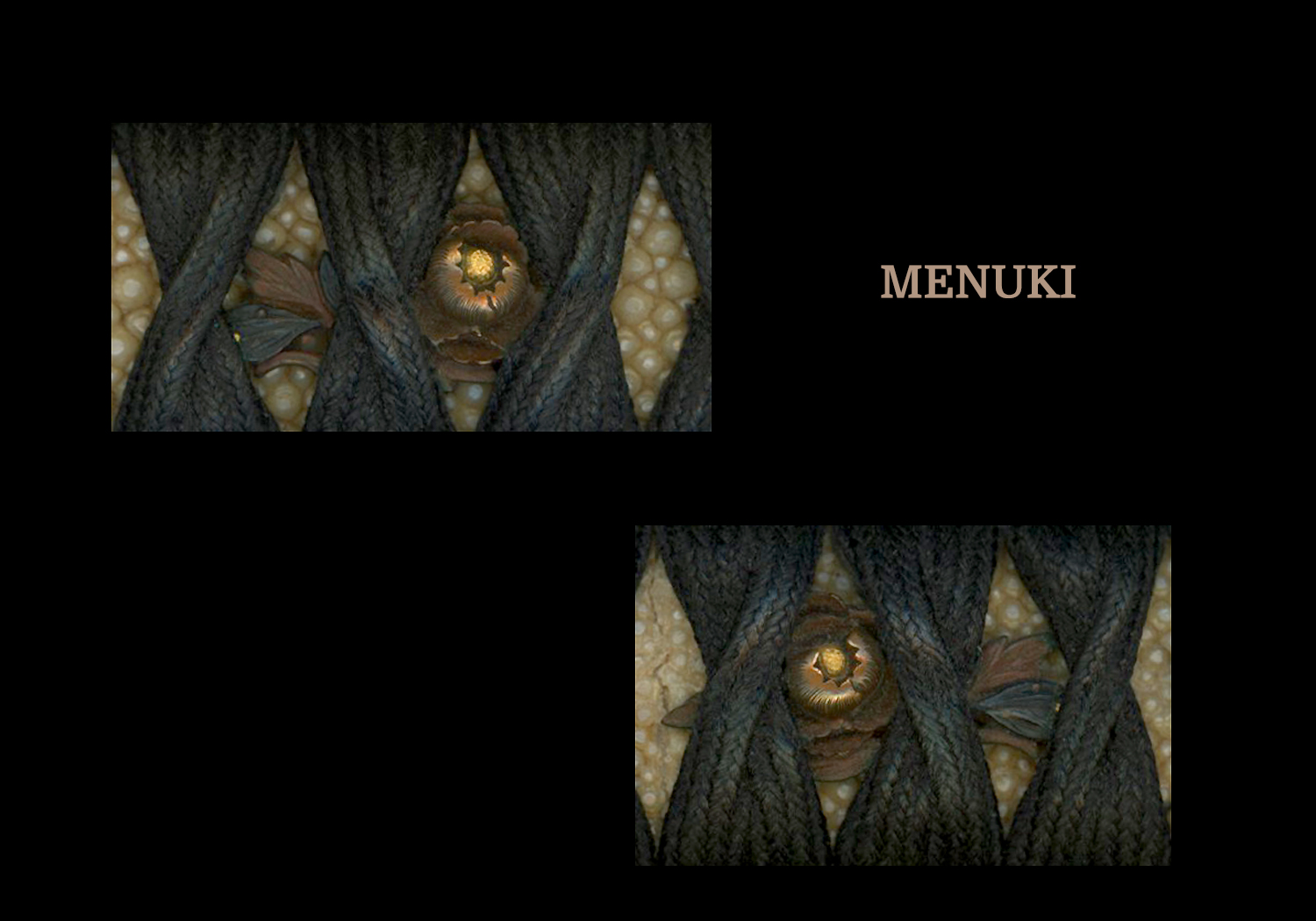
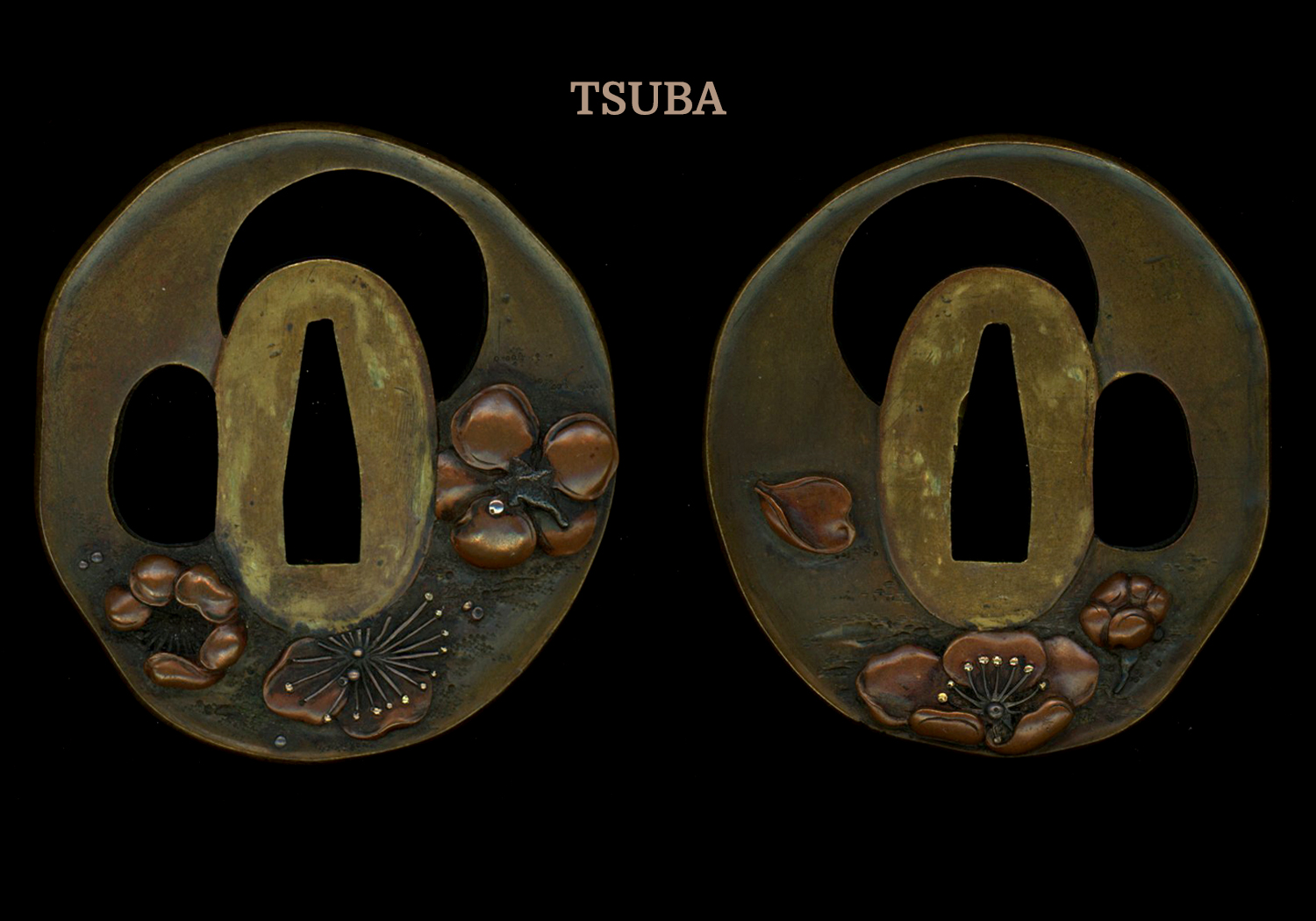
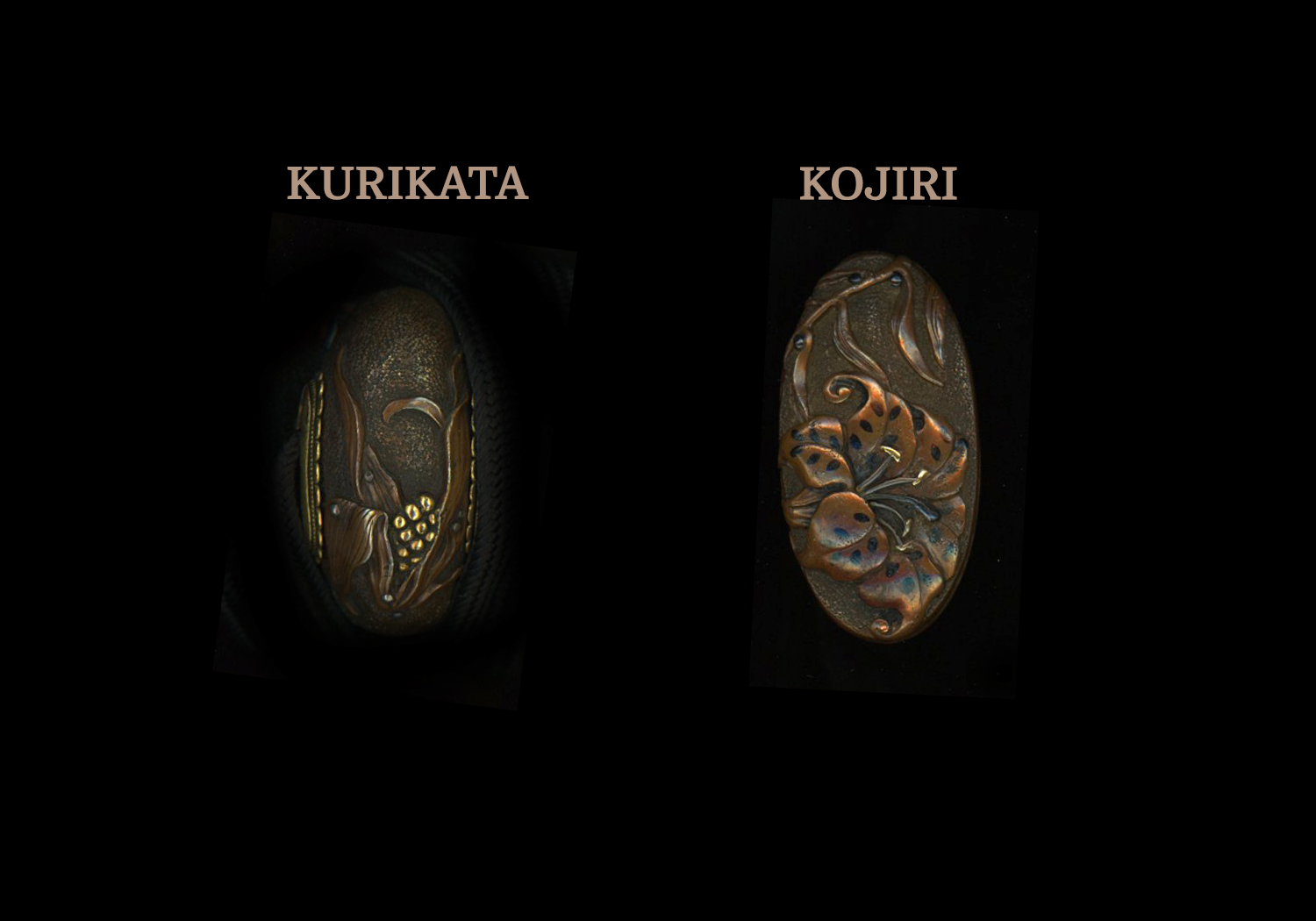
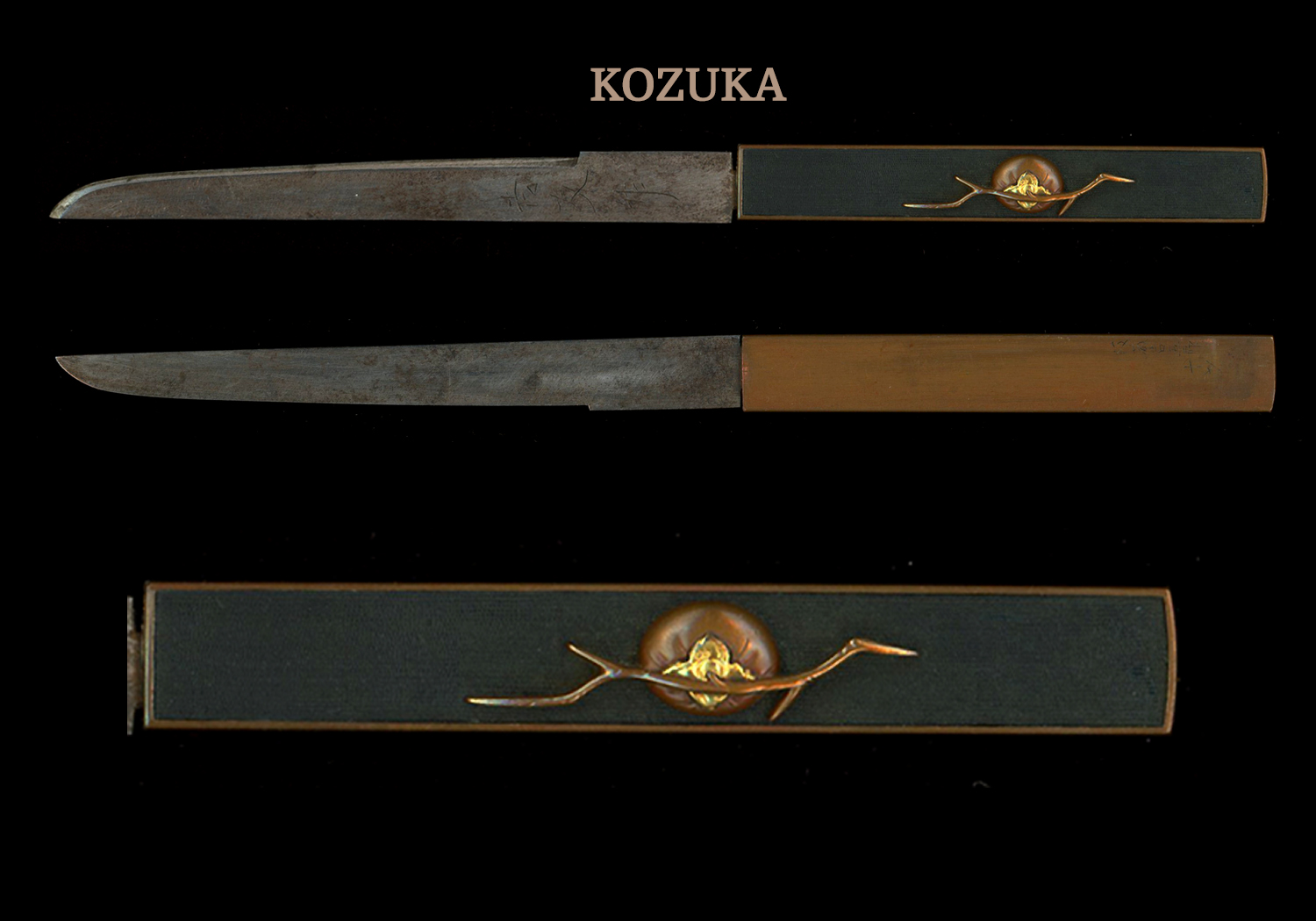
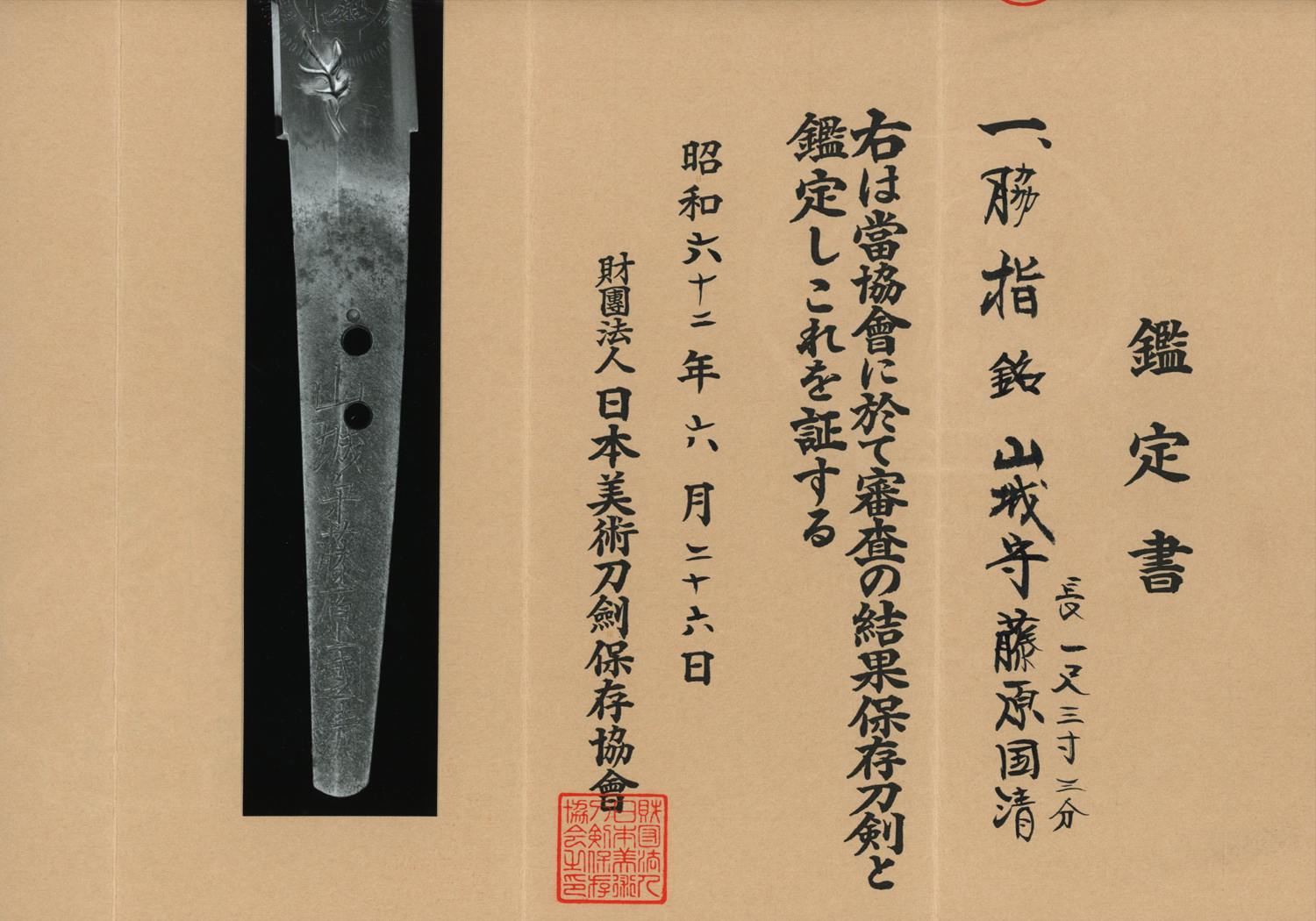
Kunikiyo was born in 1589 in Matsuhiro city in Shinshu. His given name was Shimada Kichiemon and he was a student of his father, the third generation Shimana Sukemune. Later he is said to left his hometown and became a student of the famous swordsmith and samurai, Horikawa Kunihiro. He might also have been a student of Horikawa Kunitomo because Horikawa Kunihiro was quite old that the time of Kunihiro’s move to Kyôto. Around 1613 after Kunihiro’s death, Kunikiyo moved to Fukui in Echizen to work for the Daimyô Matsudaira Tademasa. In 1628 he changed his name to Kunikiyo, using the kanji character for Kuni (國) in his new name to honor former Kyôto teacher at the time he was granted the Yamashiro-daijo. He was awarded the Yamashiro-no-kami title in the following year, 1628. At this same time, he also allowed to carve the 16-petal imperial family chrysanthemum mon into his swords, a very high honor. After he was given this honor, he consistently carved the chrysanthemum just below the habaki on his swords. There are conflicting stories about his date and age of death. Some sources say he died in either in 1649 at age 60 or 1665 at age 76. The title and smith’s name were then continued by his son. The work of the first and second-generation Kunikiyo is nearly indistinguishable, both consistently produced high-quality blades. Both are rated as Jô-saku (superior) quality smiths and additionally the Shodai is rated as a wazamono smith (extremely sharpness). They worked mostly in suguha hamon which they mastered like few others. Occasionally there will be a slight bit of midareba. The second generation achieves slightly tighter forging than the first, while the first generation produced brighter crystals in the hamon. Also, the style of signatures between the two generations is nearly indistinguishable with the exception of a few key strokes that differ on a consistent basis. The second generation eventually started to write ichi (一) under the chrysanthemum mon but not on his early works. The major characteristics of Kunikiyo and his school are as follows: SUGATA: His early blades will show definite influences of the Horikawa school of Kunihiro. Blades will show the typical characteristics of the Keicho Shintô school with a wide mihaba, shallow sori and relatively large kissaki. While early blades of Kunikiyo will not be as robust as many of Kunihiro’s students, definite Horikawa traits will be obvious. His later blades will be show more of the traditional, more graceful Yamashiro tradition. The kissakiwill be smaller and the mihaba (width) of the blade will decrease a bit. More along the lines of the Echizen Yasutsugu school. HAMON: Generally, nioi with abundant ko-nie. Chu-suguha is the most prevalent for both of the first two generations. There will be some slight midareba on occasion. On the Shodai’s early works a basic pattern of o-notare mixed with ko-notare and o-gunome as in the Horikawa tradition can be found. His later works will tend to be more along the lines of the quieter and more graceful Yamashiro tradition, as is the case with his sugata. JIHADA: Generally, ko-mokume mixed with masame and masame hada in the shinogi-ji. Sometimes itame mixed with masame will be found. In either case, there will be ji-nie and a great many chikei covering the surface. On many works both sides may be loose grained, more so on the first generation than the second. BÔSHI: Generally, the bôshi is rounded in a ko-maru shape with a fairly long kaeri. Nie-kuzuri and hakikake styles will be often found. NAKAGO/MEI: Kurjiri, and ha-agari kurijiri can be found. The yarisume is sujikai. The mune of the nakago will be square and the ha side will also be square or almost square. The sixteen-petal chrysanthemum will be carved just below the habaki. The nagamei (long signature) will be chiseled neatly almost in printed style in the middle of the nakago just a bit closed to the mune side. The sword presented here is a wakizashi signed Yamashiro no Kami Fujiwara Kunikiyo (山城守藤原国清). It is in the style of swords created in the Kanbun period (1661). It is wide and thick blade with a longer style kissaki. This leads me to believe that it is a blade made by the second generation (Nidai) Kunikiyo. The blade nagasa is 15 13/16 inches or 40.2.0 cm. The sori is shallow measuring 0.20 inches or 0.51 cm. The width at the hamachi is 1.24 inches or 3.16 cm and the width at the kissaki is 0.87 inches of 2.22 cm. The blade is ubu (unshortened) with two mekugi-ana (holes) in the nakago. The jigane is ko-itame mixed with masame and masame above the shinogi in the shinogi-ji. There is abundant chikeithroughout the jigane. The hamon is nie deki done in a shallow notare midare. The nioiguchi is thick with nie and there is sunagashi, and kinsuji here and there along the length of the hamon. The bôshi is pointed and hakikake on the omoteand o-maru on the ura. Neither side has a kaeri. The nakago is ubu with two mekugi-ana and a the long signature carved with a thin chisel reading, Yamashiro no Kami Fujiwara Kunikiyo (山城守藤原国清). This blade comes with a fine set of Edo period koshirae with a black lacquered, ribbed saya. All of the metal fittings including the tsuba, menuki, fuchi and kashira, kozuka, kurikata and kojiri are made of solid copper or in the case of the tsuba, brass with heavy copper decorations. All of the fittings are carved in the form of flowers such as chrysanthemums, iris, kaki (persimmon), lily blossoms, etc. All of the carving has been done in a luscious and highly detailed manner. The fuchi and kashira are signed by Fumichika Arimasa and it is dated the tenth year of Tenpô (1839). I have no reason to doubt that most or all of the other pieces were done by the same craftsman as they are of equal quality. It is in excellent polish and totally without problems or flaws. It comes with a gold wrapped single habaki. It was awarded NBTHK Hozon papers attesting to the quality, condition of the blade, and authenticity of the signature.
NihontoWatchOffered by Nihonto.com
This piece has sold
Get an email when a new Horikawa Kunikiyo piece hits the market.

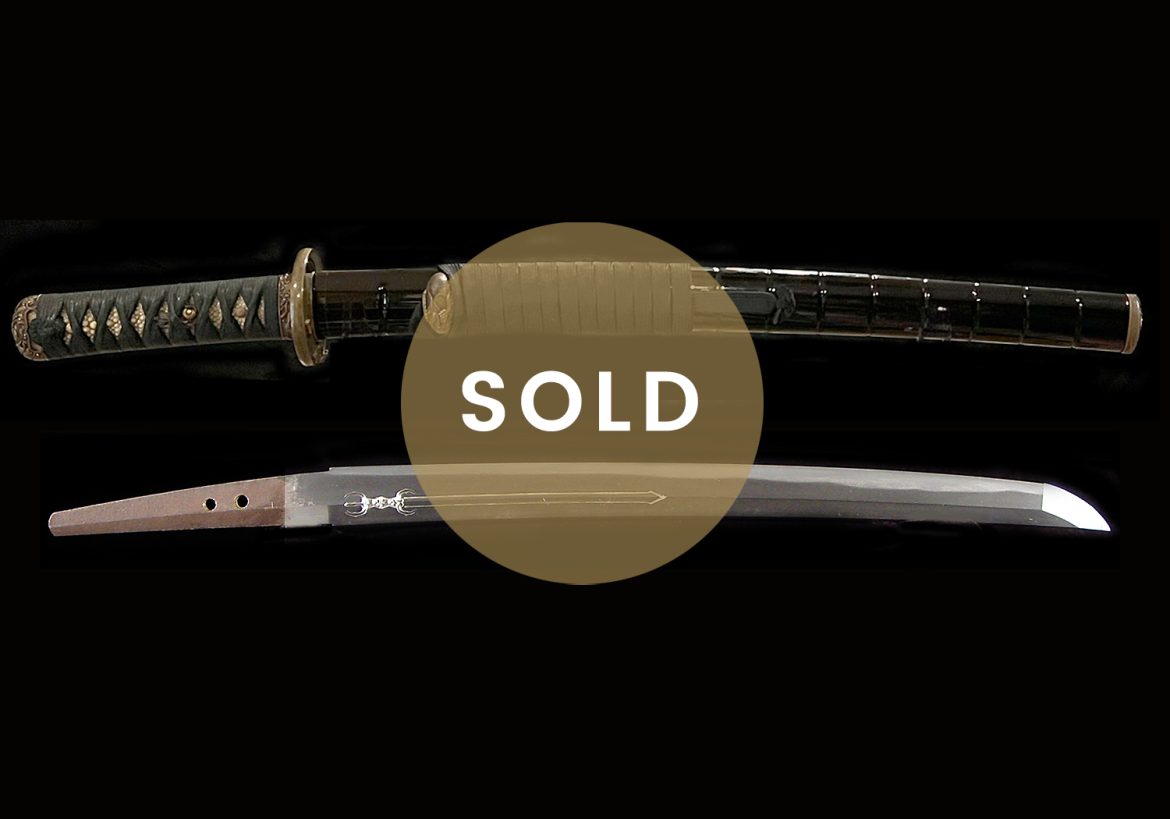
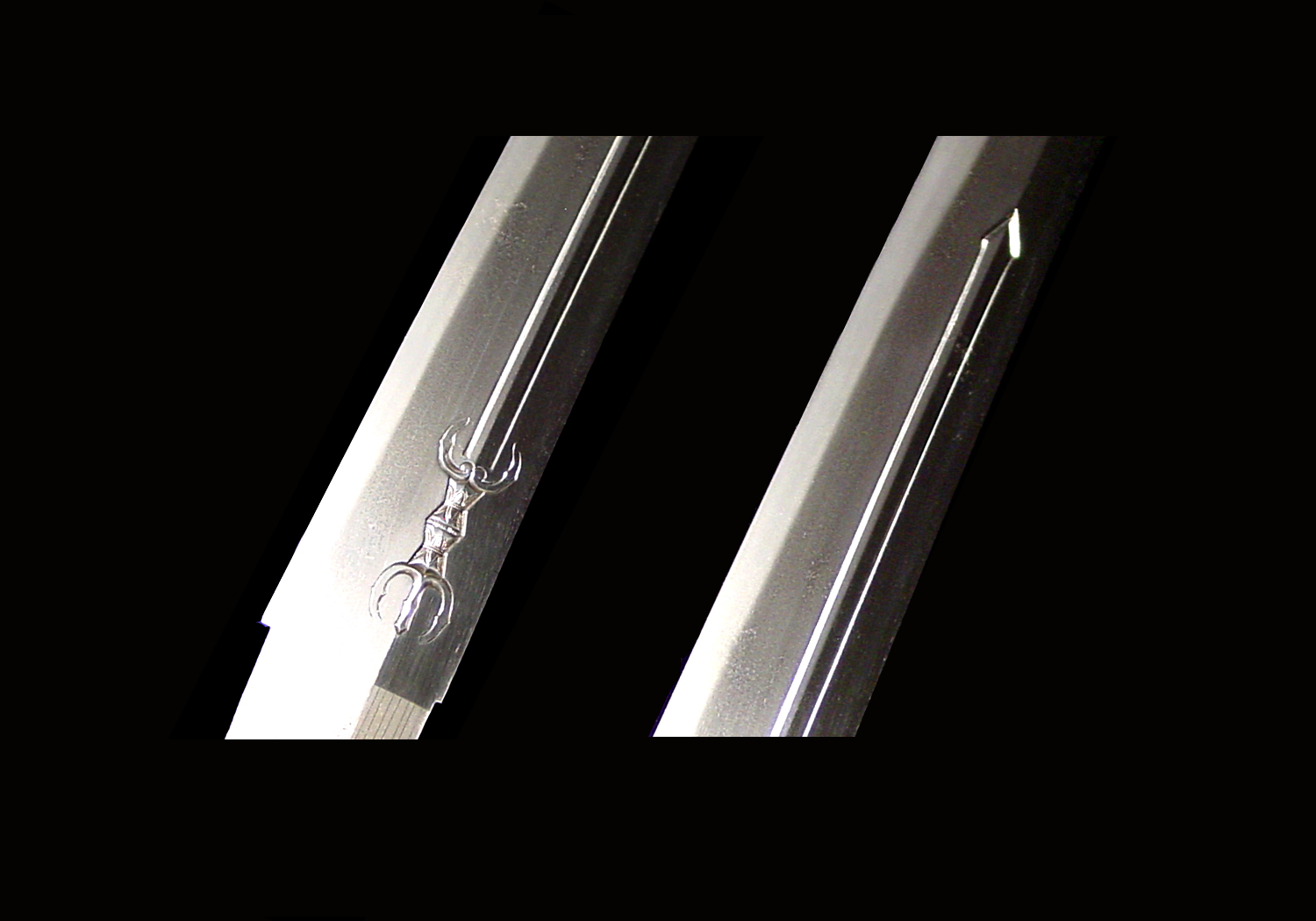
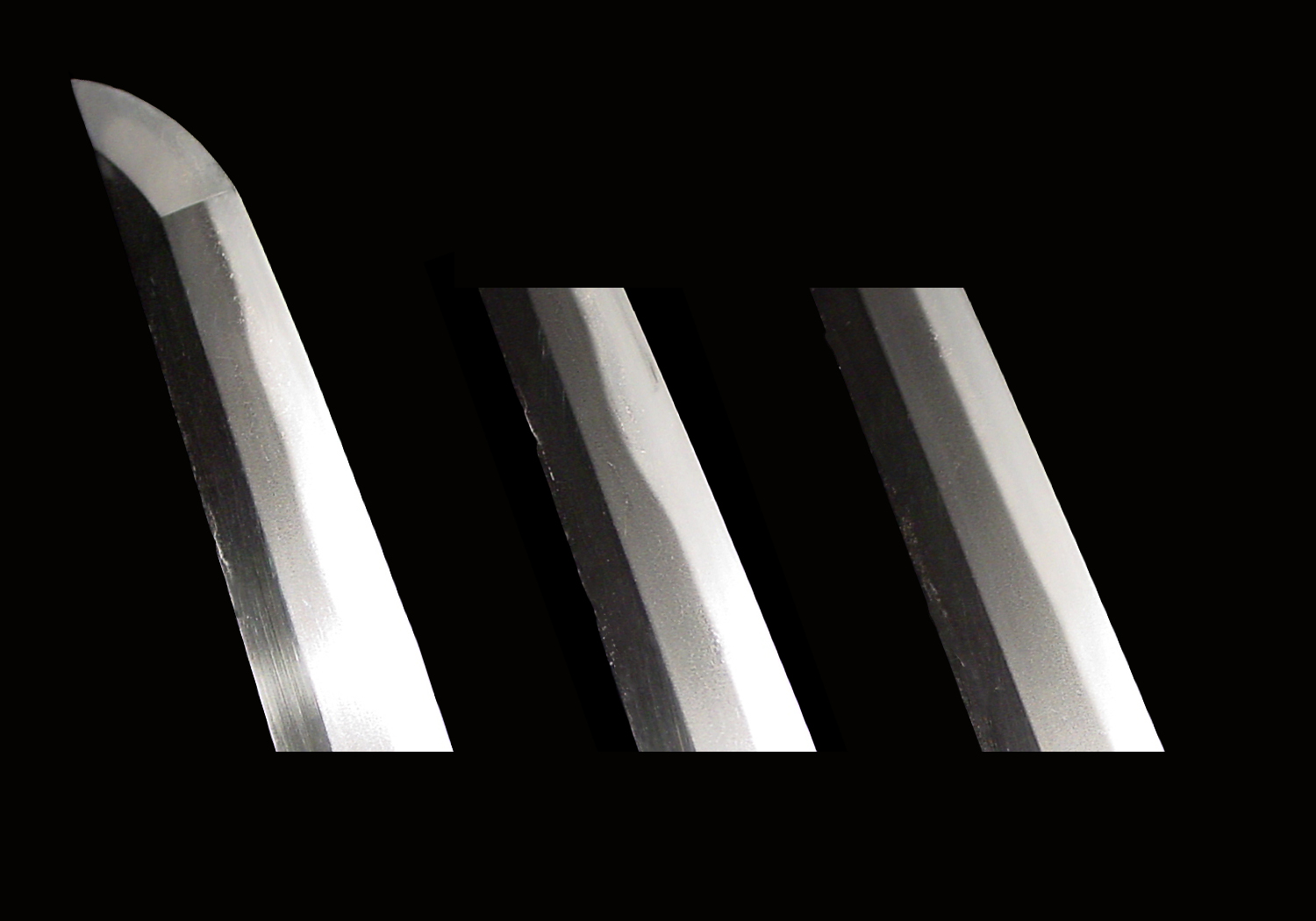
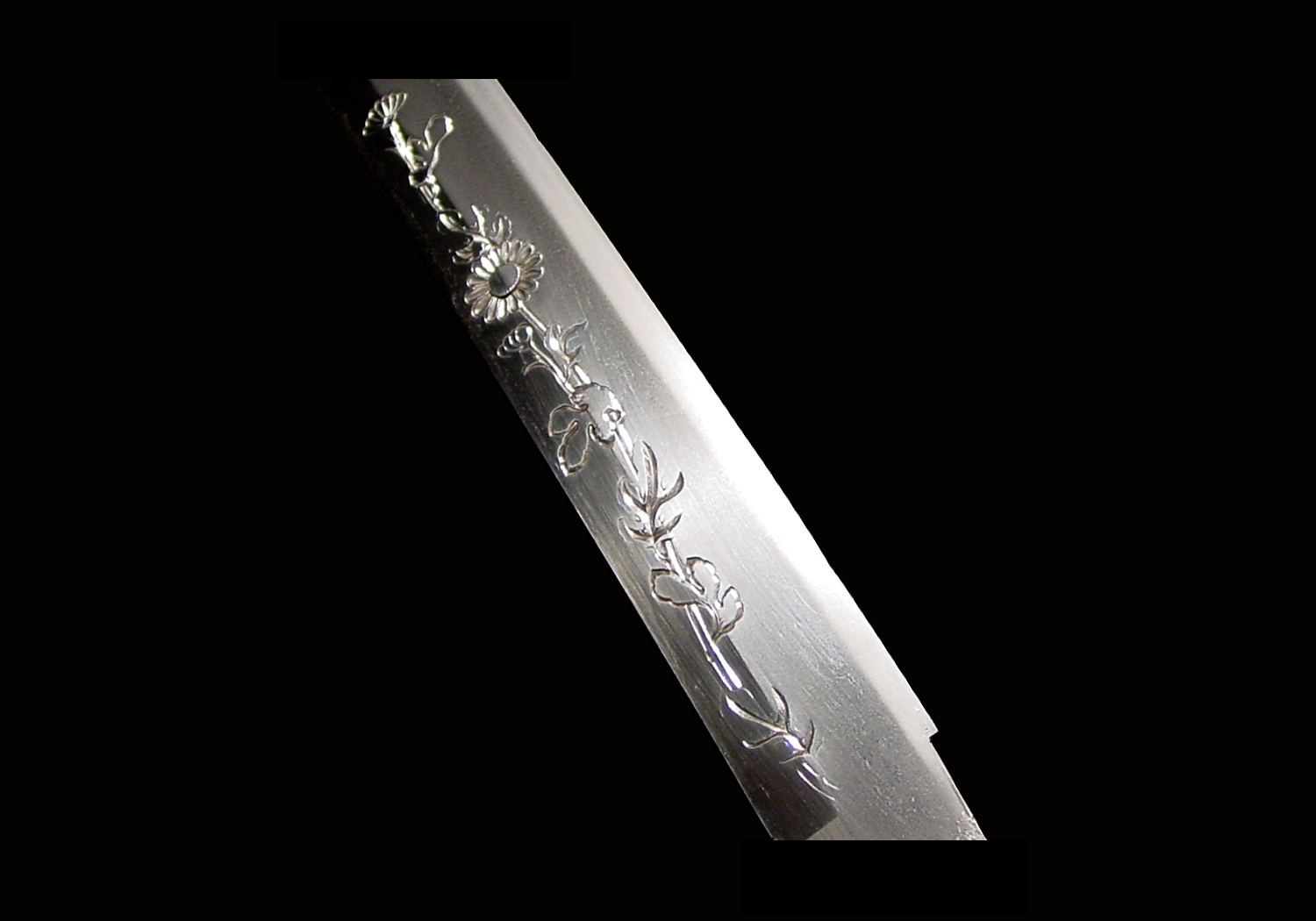
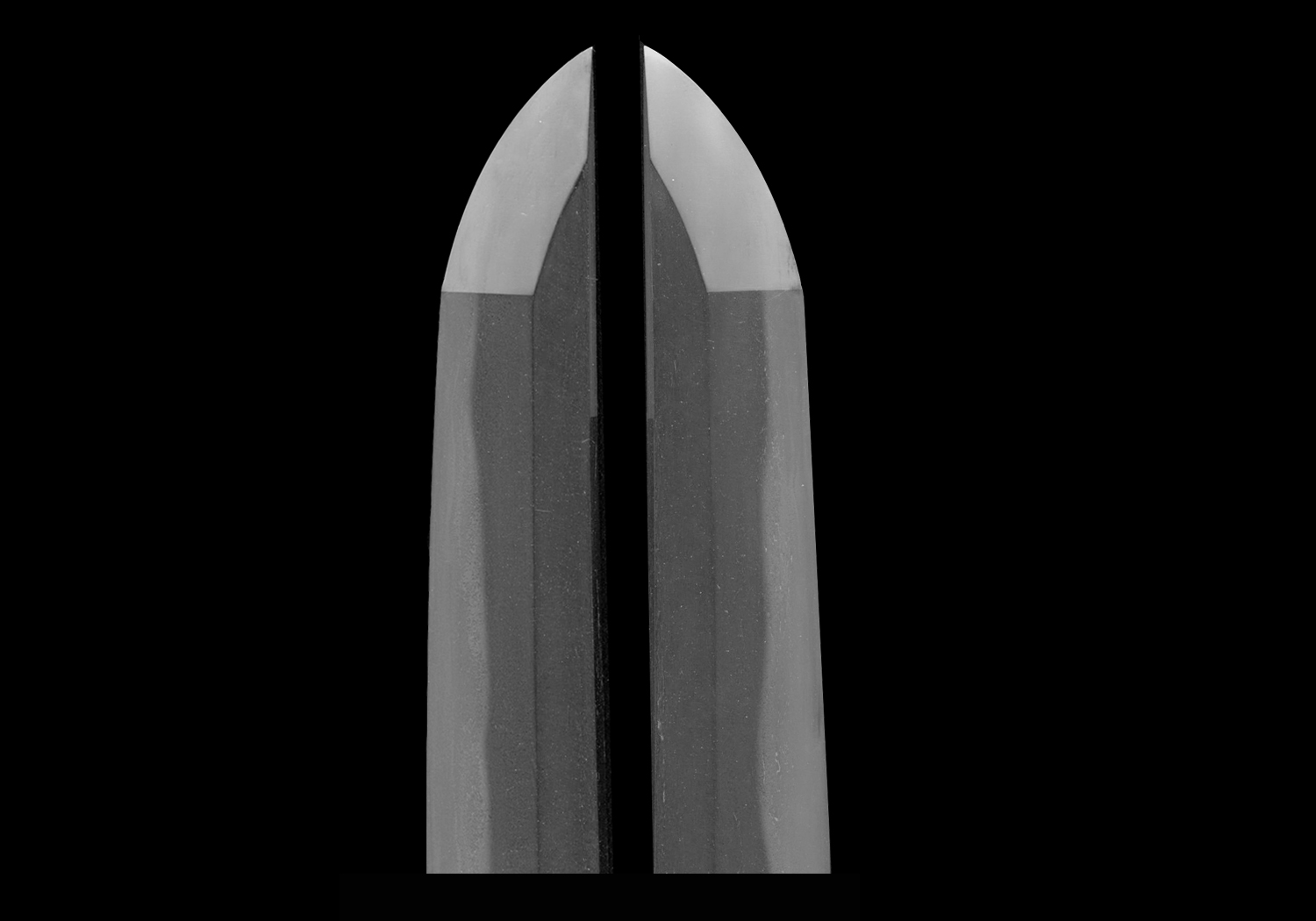
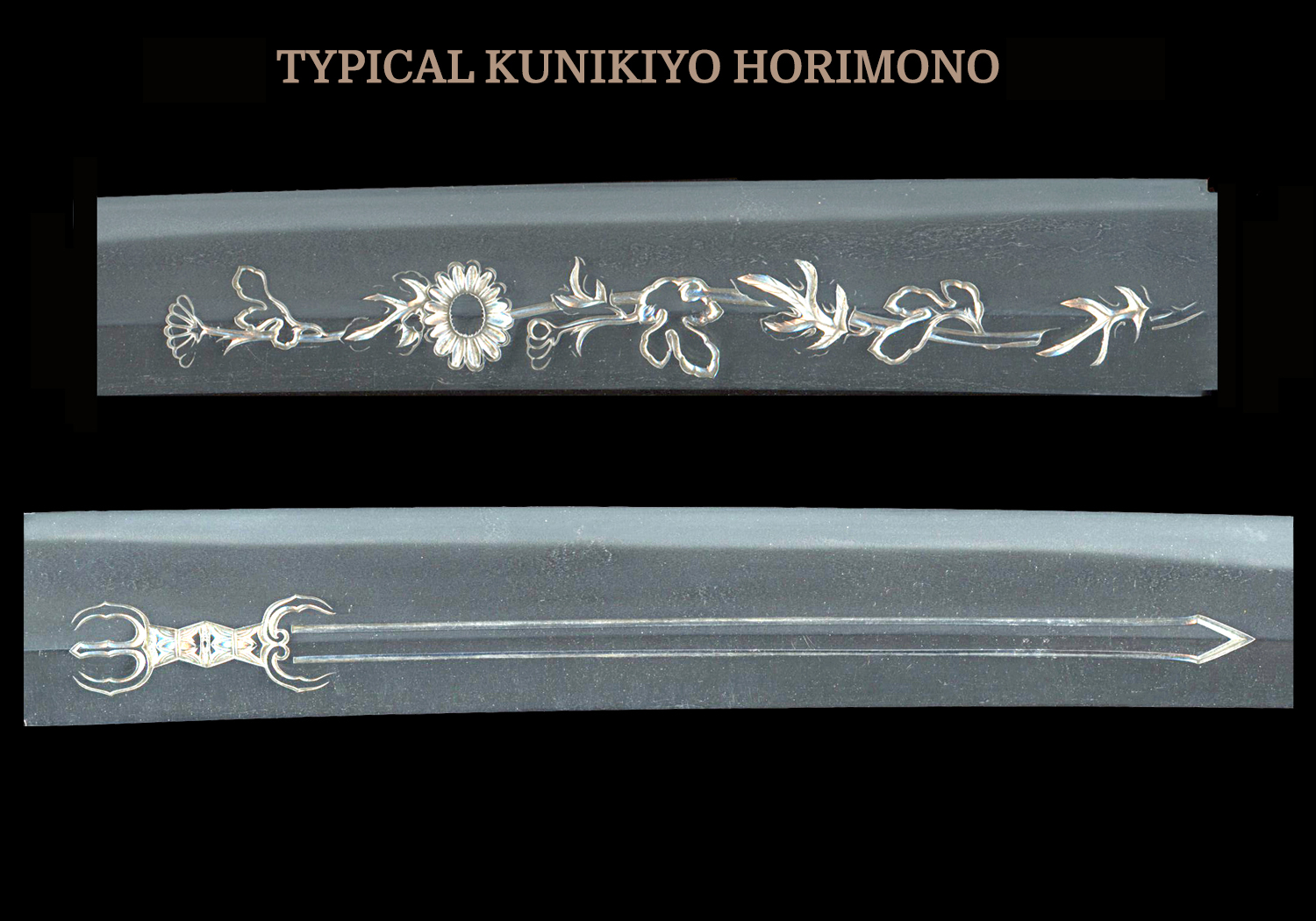
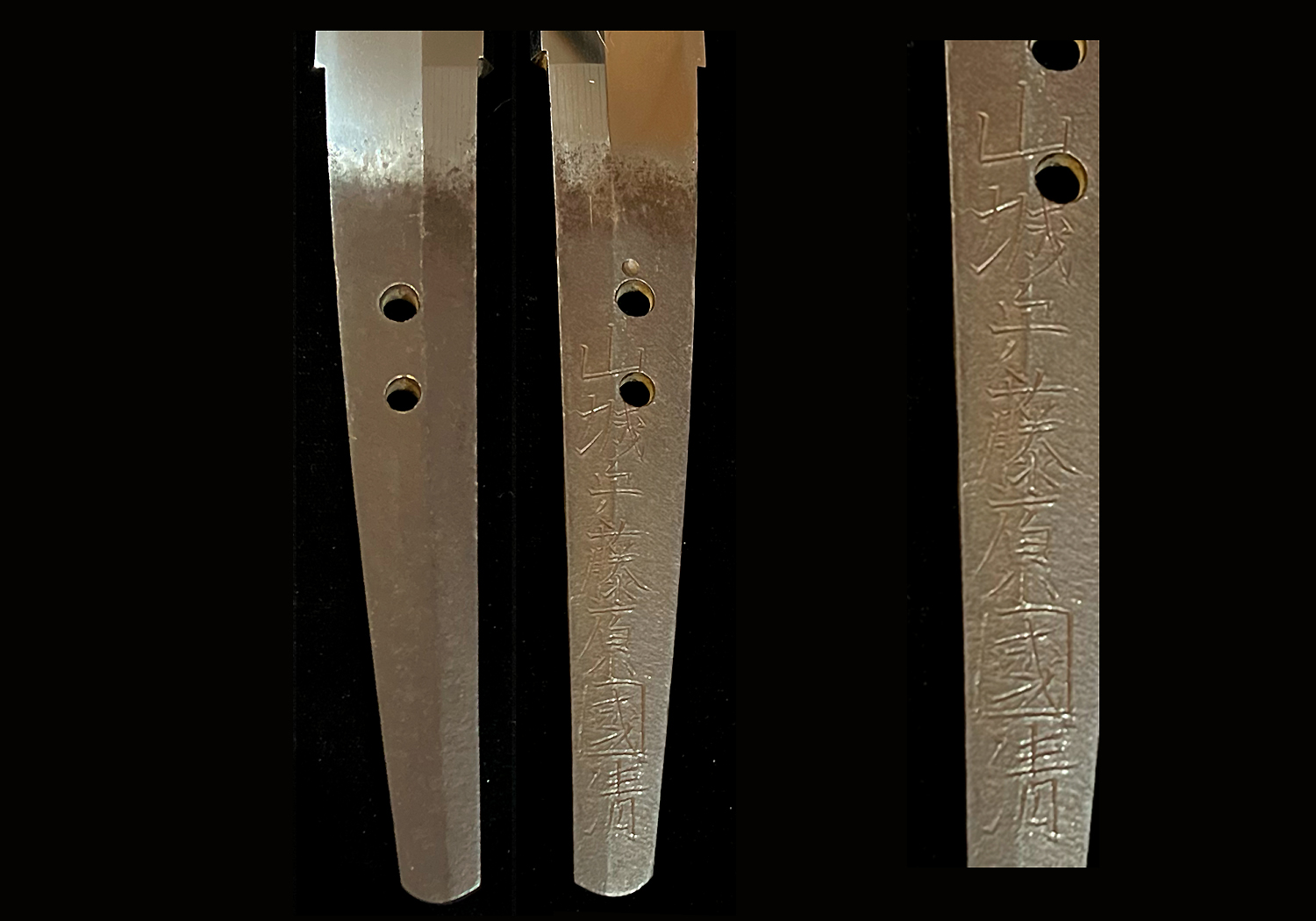
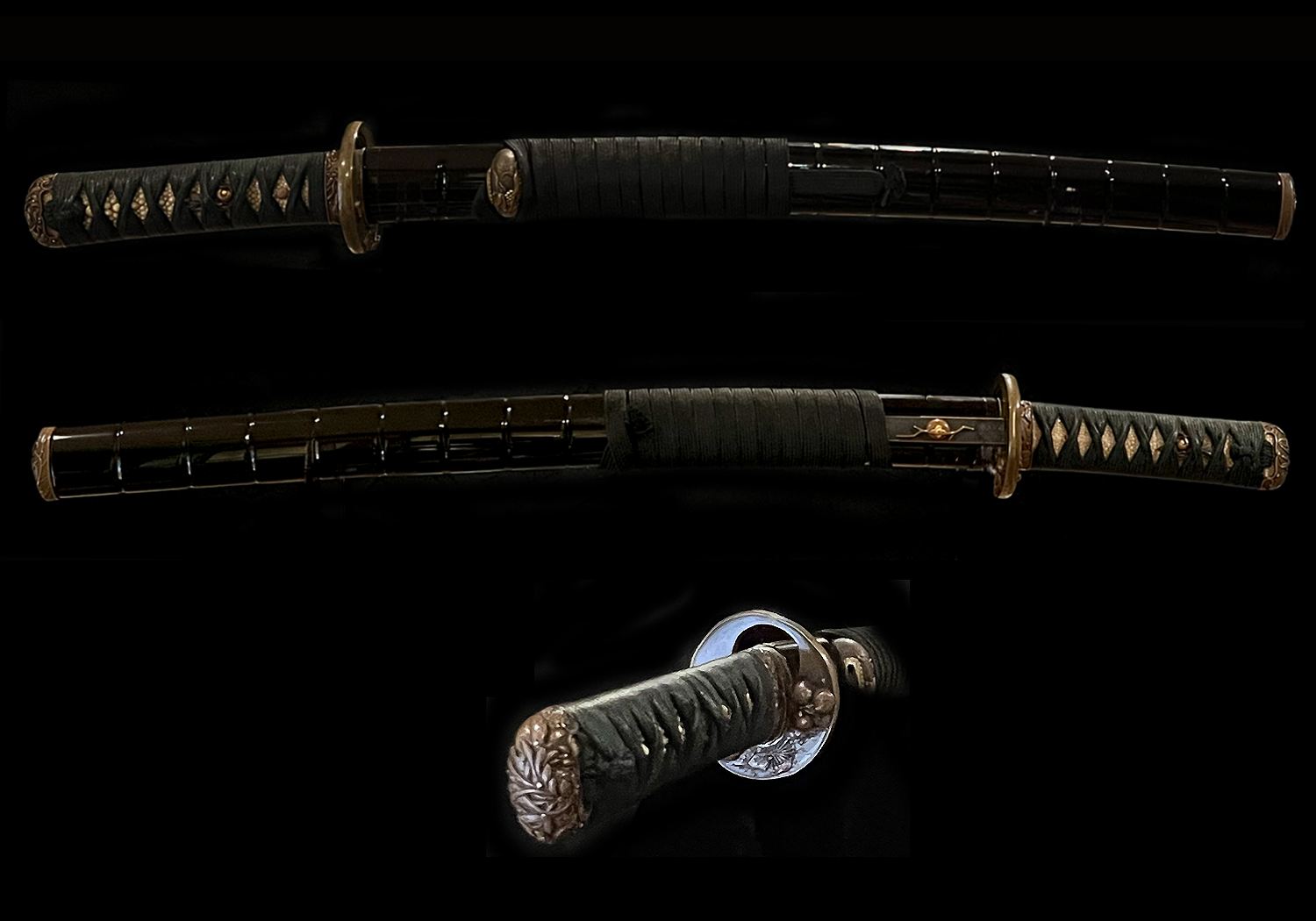
Echizen (Fukui), the Horikawa-derived line: the second-generation Yamashiro-no-kami Kunikiyo (Shinbei) and the successors of the name · Echizen · around 1624-1682
Fujishiro Jo saku · Tōken Taikan top 49%
3 pieces on the market now
A tanto signed beneath the chrysanthemum crest with the character 一 and dated the eighth month of Tenna 2 (1682) is the fixed point of the second-generation Yamashiro no Kami Kunikiyo. The published sources call it the work of the second generation, its jigane and hamon clear and bright and the workmanship good, and they value its date as documentary evidence. He was Shinbei, the second son of the founder, the Shinshu-born pupil of Horikawa Kunihiro who served the Matsudaira house, followed his lord to Fukui in Echizen, and took the title Yamashiro Daijo in Kan'ei 4 and Yamashiro no Kami in the following year with leave to cut the chrysanthemum crest. Of the smiths who carried that title through several generations, the published sources rank the founder as the most skilled and the second generation as the next most accomplished.
A second work is given to him outright: a wide hira-zukuri wakizashi, a shape the published sources call uncommon both for this smith and for his line. Over a ko-itame with ji-nie it carries large gunome that break boldly in and out, a little tobiyaki mixed in, ashi entering well, sunagashi running, the nioi deep and the nie abundant. The texts call its jigane and hamon exceptionally splendid. Its carvings are rare as well as accomplished, and although the hand that cut them is unknown, the blade is held to be a representative example of the Echizen-bori of the day. A gold-inlaid kesa-otoshi cutting test is recorded on it.
Three katana are read toward him through the signature. Each adds the character 一 beneath the chrysanthemum crest, and the published sources state the rule they work from: no first-generation work is known with the 一, which appears from the second generation onward. Of two of them they add that the inscription closely resembles that of the Tenna 2 tanto, so that each may be the second generation's work. They are equally careful to say that the generations of Kunikiyo, above all the first and the second, cannot at present be clearly divided, and that the question awaits further research.
On these katana he tempers the suguha the published sources call the manner Kunikiyo was best at. A chu-suguha leans faintly toward notare in places, with small ashi, deep nioi and thick ko-nie. The habuchi frays here and there in hotsure with a small yubashiri, fine kinsuji and sunagashi run through it, and the nioiguchi is subdued. The boshi runs straight into a ko-maru with hakikake. On one blade the texts find the nioi deeper and the ko-nie thicker than in his usual work of this kind, the activity of ji and ha easy to see. The jigane is an itame with mokume or ko-itame, the hada standing finely, the ji-nie dust-fine and thick, fine chikei entering, and the steel takes a blackish cast. The published sources read this as the characteristic quality of hokkoku-gane, the steel of the northern provinces, shown clearly and yet refined. The shinogi is somewhat wide for the mihaba, the body full in hiraniku with funbari at the base, and the texts find the sturdy shape imposing and pleasing.
He also tempers a midare. One katana with the 一 carries small gunome, gunome and pointed gunome with a vigorous rise and fall of the hardened edge, deep in nioi and thick in ko-nie, gathering in places into muranie, with kinsuji and sunagashi and a subdued nioiguchi. The published sources set out the balance plainly: Kunikiyo's favoured manner was suguha, yet this kind of midare is also part of the work, and on this blade they see the maker's ability in a jigane that stays refined although the hada stands.
His designated record is a handful of signed, ubu Juyo blades, and the published sources place him through two kinds of evidence: the two pieces they name his outright, and the 一 beneath the crest, read against the dated Tenna 2 tanto. Because the founder and his successors kept one style and one manner of signing, the boundary between father and son remains open in the texts themselves, and a collector who meets a Kunikiyo with the 一 meets a blade the published sources lean toward the second generation without claiming certainty. Such blades come to light from time to time; the dated tanto and the carved wakizashi remain the pieces by which the second generation is known.
Where Kunikiyo stands among comparable artisans: across all of nihontō, and within tradition, era, and period. The tiers (Foremost · Leading · Major · Notable) weigh official designations from the NBTHK and Japan's Agency for Cultural Affairs, together with historical honors of lasting repute such as the Sansaku and Meibutsu-chō.
Select a lens to see how it's measured.
Years he was demonstrably active, proven by signed-and-dated blades
Shinto · Yamashiro
64 pieces on the market now
At Ichijo Horikawa in Kyoto, from Keicho 4 (1599), Horikawa Kunihiro gathered the pupils whose work the published sources name with his own as the opening of the shinto age. Kunihiro himself reached forging late and by a roundabout road. Born Tanaka and serving as a warrior under the Ito of Obi castle in Hyuga, he wandered the provinces after that house fell, forging where he stopped, his earliest dated blade cut in Hyuga in Tensho 4 (1576); his itinerant Tensho-uchi looked to late Soshu and late Seki, often run toward a hitatsura-like effect over devotional carving. The settlement in Kyoto changed that. There his stated aim, the sources write, lay in the revival of the Soshu-den tradition, the leaning strongest toward Shizu, and around that ideal he trained the men who carried his manner forward: Dewa no Kami Kunimichi, Kuniyasu, Osumi no Jo Masahiro, Echigo no Kami Kunitomo, the elder Kunisada and Kunisuke, with later and minor hands reaching Settsu, Echizen and Edo. Many of them, born like the master at Obi, followed him from Hyuga to the capital. The shared vocabulary is read first in the steel. The school forges an itame mixed with mokume that stands up, the grain raised into the loose, granular surface the commentaries name outright, the zanguri hada particular to Horikawa work, with ji-nie lying thick and chikei entering; on many blades a mizukage rises obliquely from the machi. Over that ground the prime manner is the Keicho-shinto sugata, wide with little taper and an extended chu-kissaki or o-kissaki, the build likened to a Nanbokucho odachi cut down, tempered in a notare and gunome with thick nie, sunagashi and long kinsuji, the nioiguchi often sinking into shizumi. Within that frame the pupils diverge sharply.
Kunimichi runs the flamboyant Shizu copy fully out and turns his boshi pointed in the Mishina manner, the Sanpin boshi the school otherwise does not show. Masahiro keeps the same Soshu-den worked at lower temperature, his temper calm and his mokume conspicuous; Kuniyasu and Kunitsugu stand closest of all to the master and signed for him. Kunitomo turns alone toward late Seki, his gunome round-headed and his chisel the finest in the group, and the elder Kunisada and Kunisuke carry the zanguri steel south into Osaka, the latter keeping the Ishido clove he was born to. Hiroyuki holds suguha over a blackish steel that recalls old Yamato, and the two Echizen Kunikiyo forge a dark, dense hokkoku-gane under a calm chu-suguha. A collector seeks Horikawa because the school stands at a hinge: Kunihiro is read as the first hand of the new-sword age, and the line he taught runs forward into the Osaka tradition through Kunisada and Kunisuke and into Echizen through Kunikiyo. To kantei the work, read the steel first, the standing zanguri surface and the oblique mizukage, then the sinking nioiguchi and the Soshu-revival notare with its sunagashi and kinsuji; the individual hand declares itself in the departures, Kunimichi's pointed boshi, Kunitomo's Seki gunome and compact tang, Kuniyasu's reversed file marks and two-character mei, Hiroyuki's kiri-yasuri. The founder and his closest pupils sit at the top of the line, Kunihiro signing almost everything he made, the large kata-ochi two-character mei beside his long residence signatures; because Kuniyasu, Masahiro, Kunitsugu and Hiromi worked as his daisaku, a share of the blades signed Kunihiro are in fact theirs. Provenance runs through the houses of the founder's own story and of the country, the Hyuga Ito he had served, the Shimazu of Kagoshima, the Imperial Family and Toyotomi Hideyori, with the tachi Kunihiro dedicated to the Hataeda Hachimangu still in the shrine's keeping. A signed Horikawa blade reaches a private collection only from time to time, carrying on its nakago the hand with which the new sword begins. Learn more →
| Smith | Era | Designated |
|---|---|---|
| Kunihiro國廣 | 1573-1613 | 147 |
| Kunimichi國路 | 1615-1624 | 75 |
| Kunisada國貞 | 1624-1646 | 87 |
| Kunitomo國儔 | 1596-1615 | 27 |
| Masahiro正弘 | 1596-1615 | 16 |
Kyōto: the revival workshop
The Shintō era was largely invented in Kyōto: Umetada Myōju’s workshop trained the movement, Horikawa Kunihiro raised a generation, and the Hon’ami appraisers, who held no forge, governed the meaning of famous blades.
Certifies a genuine blade worth preserving: a signature confirmed correct, or, if unsigned, an era, province, and school that the NBTHK can reliably identify.
The NBTHK (Nihon Bijutsu Tōken Hozon Kyōkai, the Society for the Preservation of Japanese Art Swords) is a public-interest incorporated foundation founded in 1948 and supervised by Japan’s Agency for Cultural Affairs (Bunkachō); it is based at the Japanese Sword Museum in Tokyo. Its expert panels physically examine each submitted work (shinsa) and issue a certificate (kanteishō) ranking it by artistic and historical merit. NBTHK papers are the most widely recognized standard of authentication for Japanese swords and fittings.
NBTHK official siteThree-day inspection period and seven-day return period; buyer notifies by email within three days of receipt, no reason needed; full refund once item returned undamaged and unaltered.