The Shintō era was largely invented in Kyōto: Umetada Myōju’s workshop trained the movement, Horikawa Kunihiro raised a generation, and the Hon’ami appraisers, who held no forge, governed the meaning of famous blades.
 NihontoWatchNihontoWatch
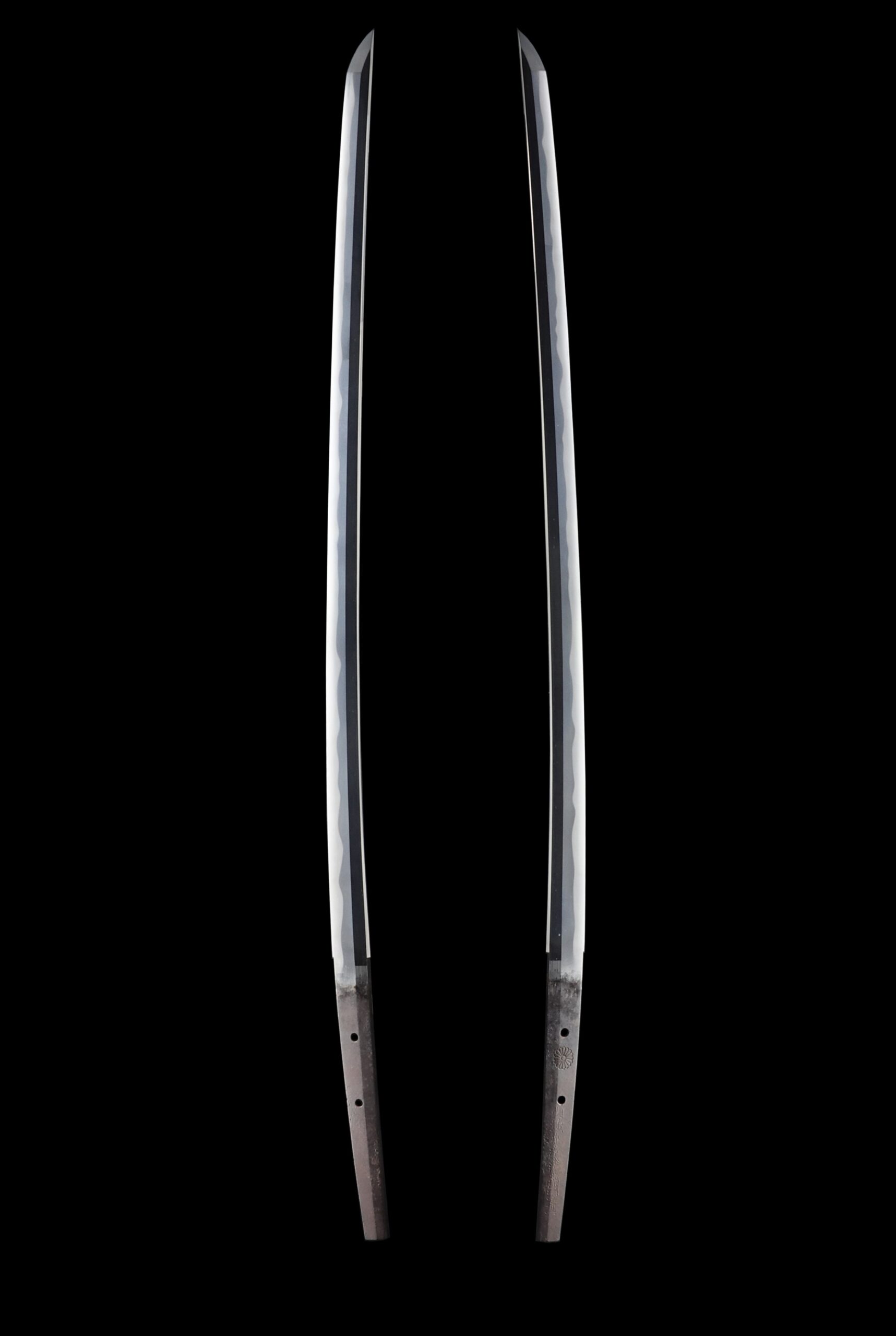
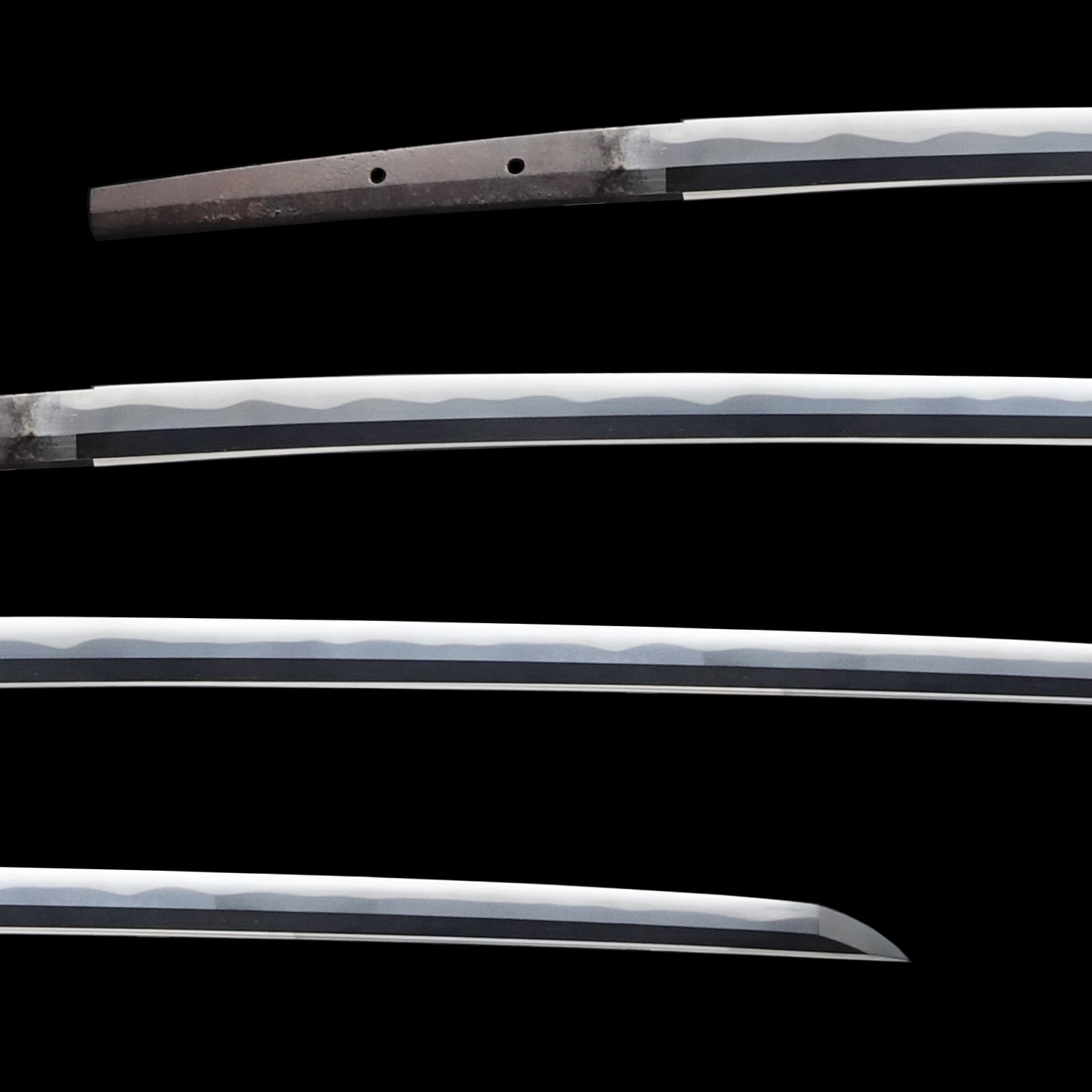
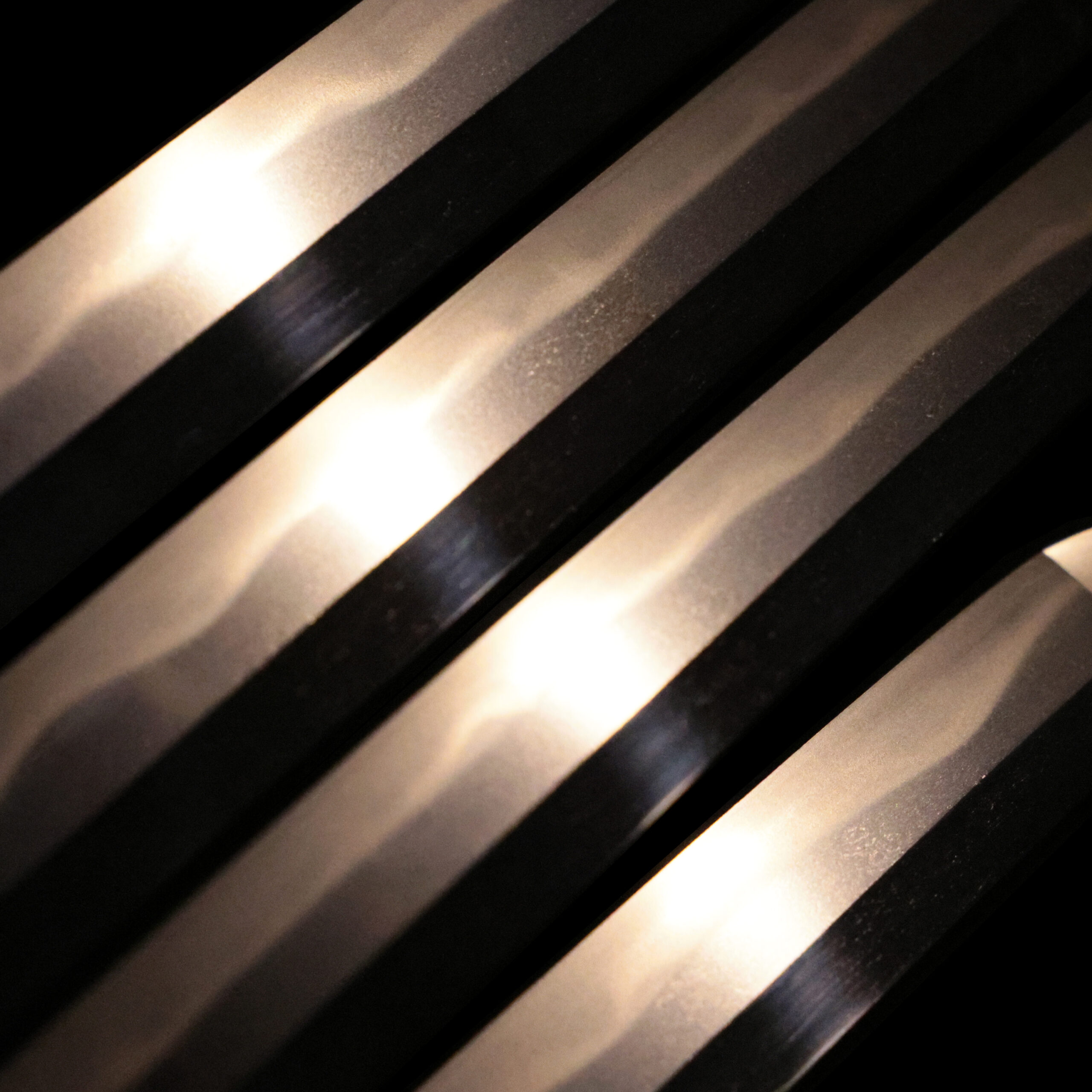
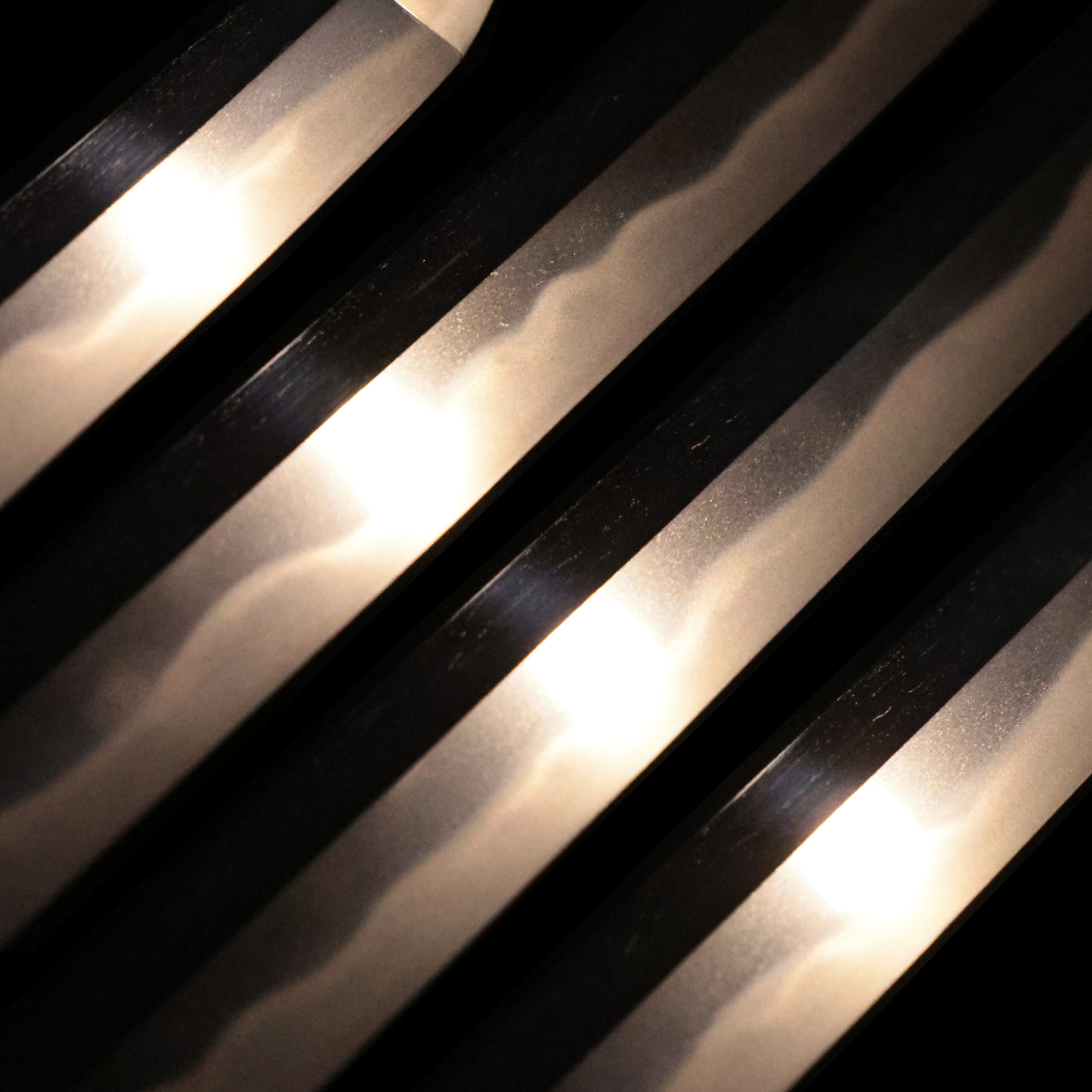
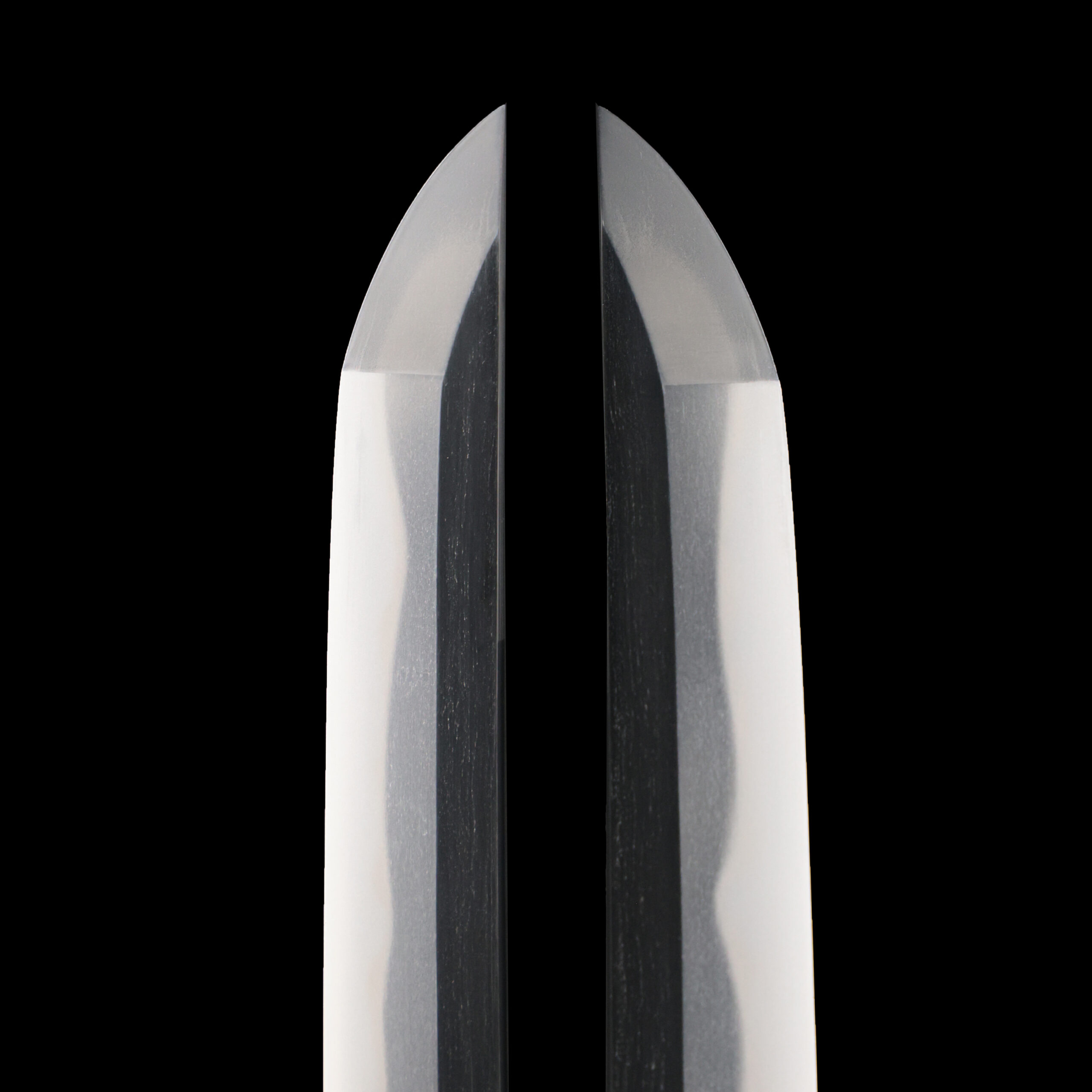
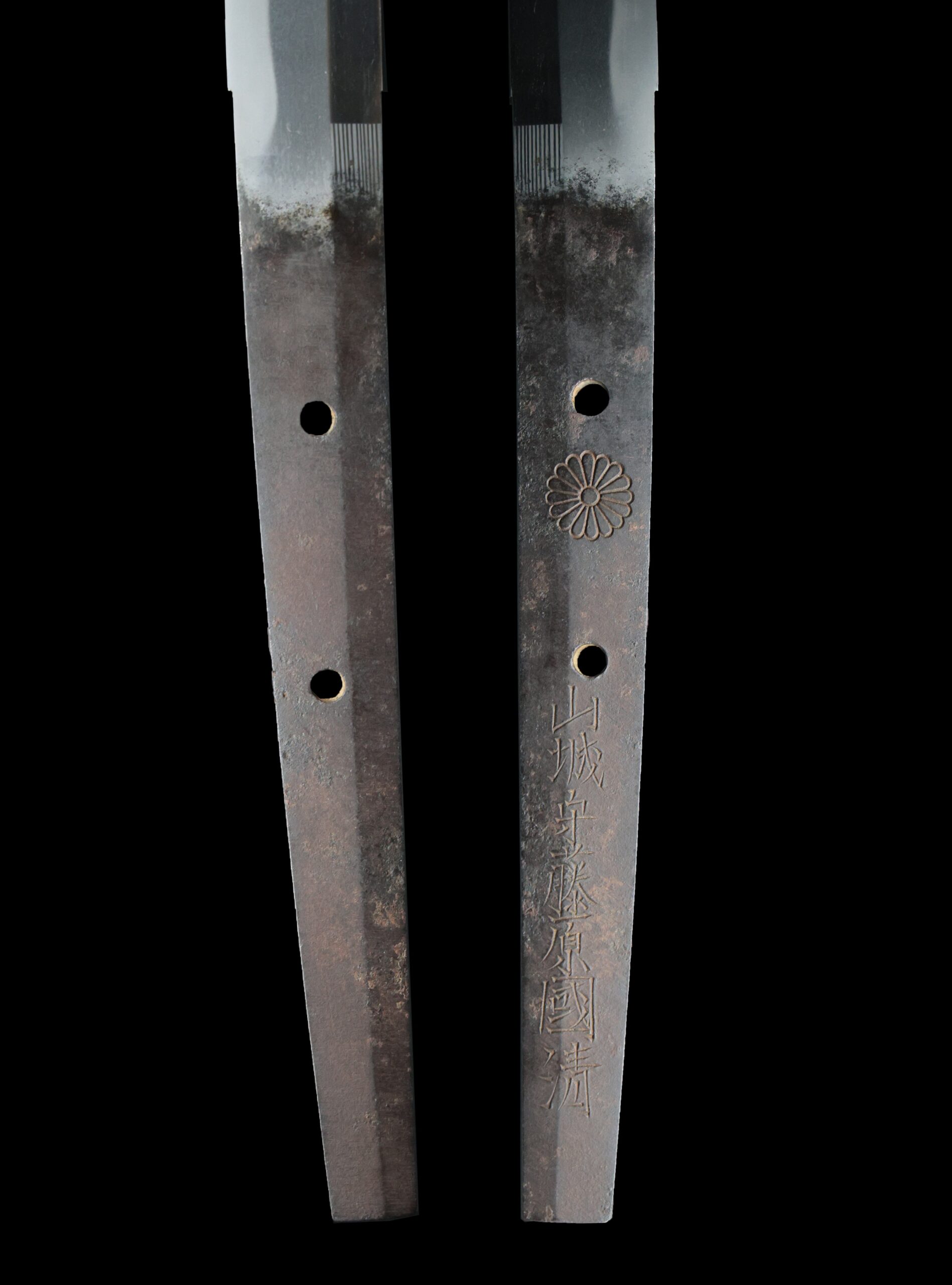
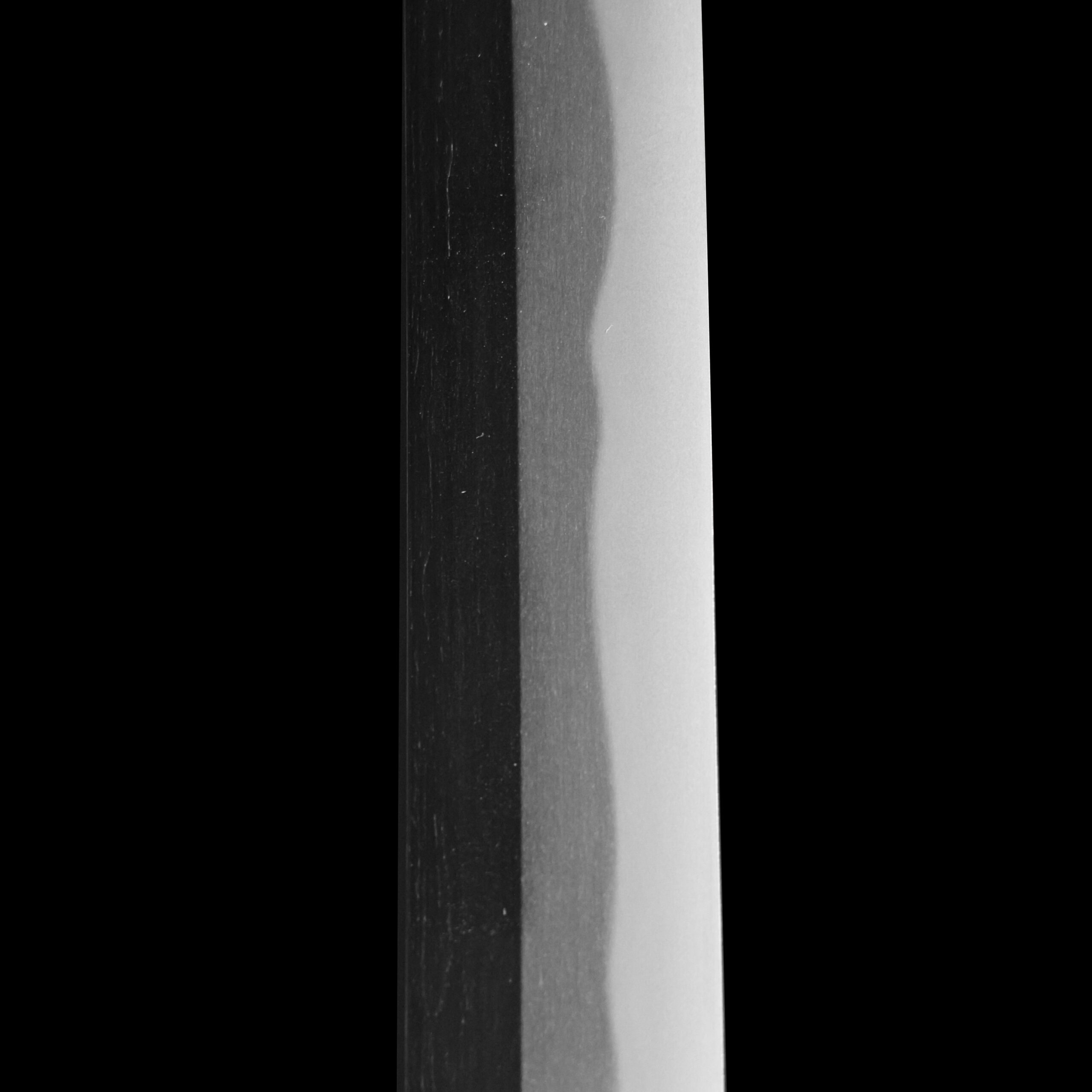
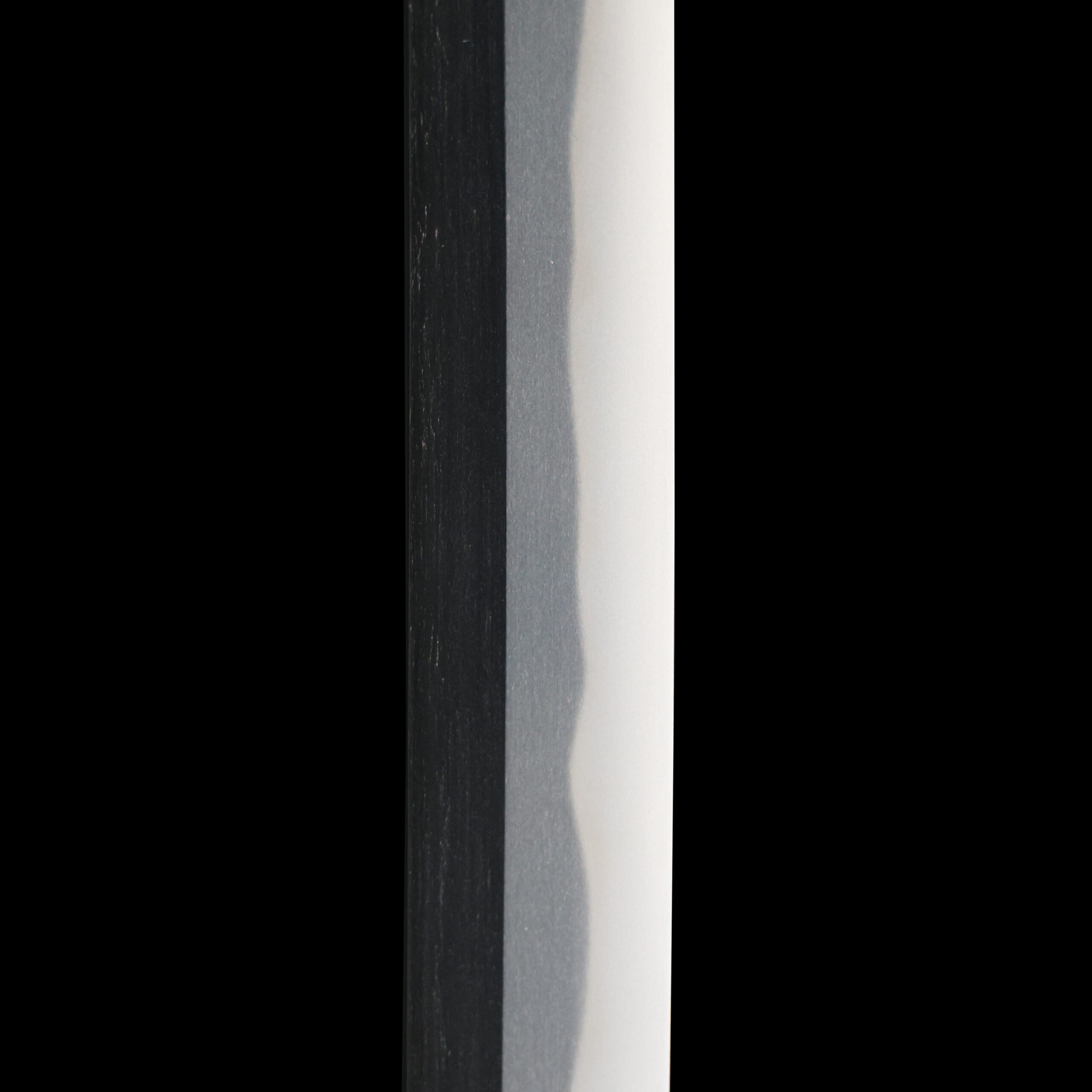
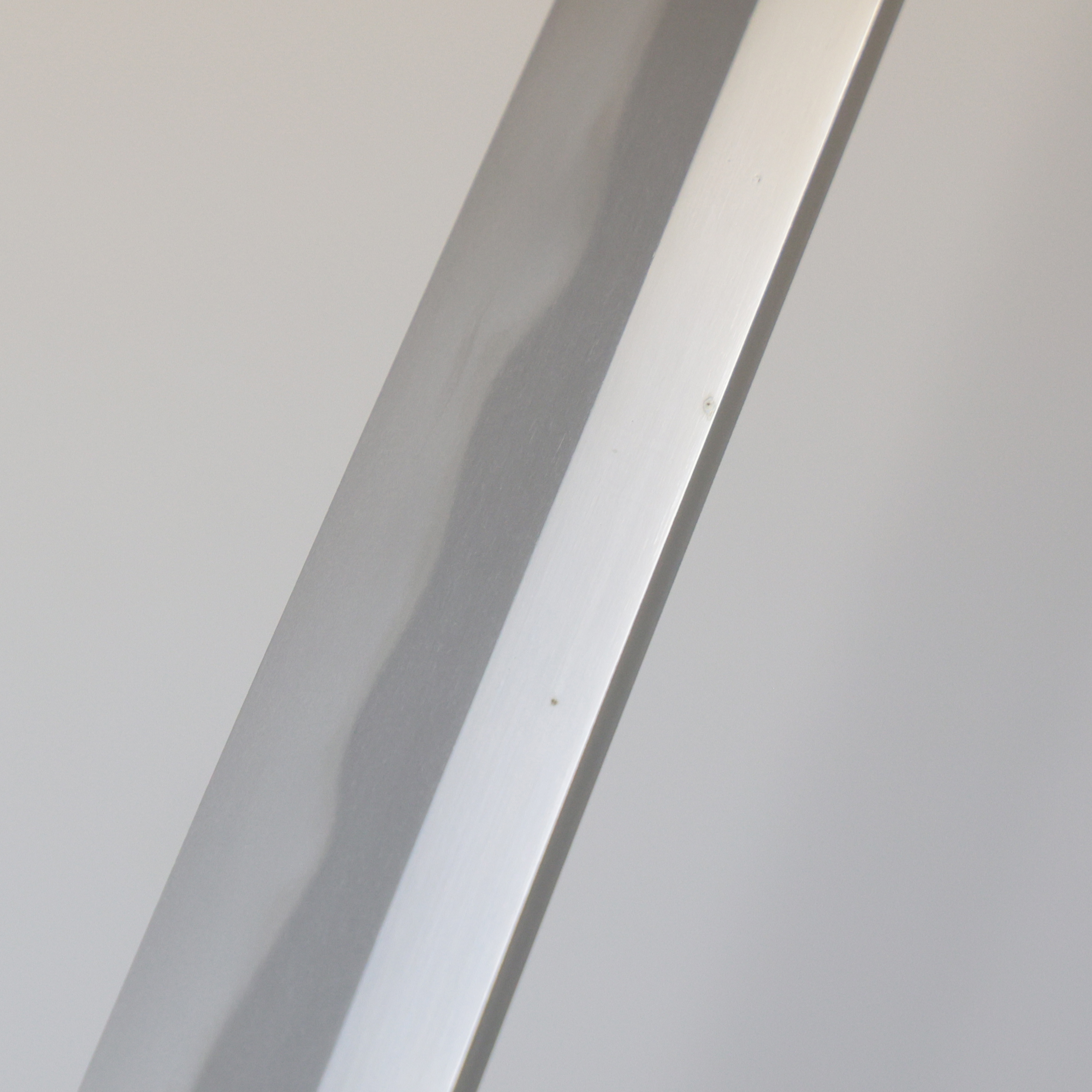
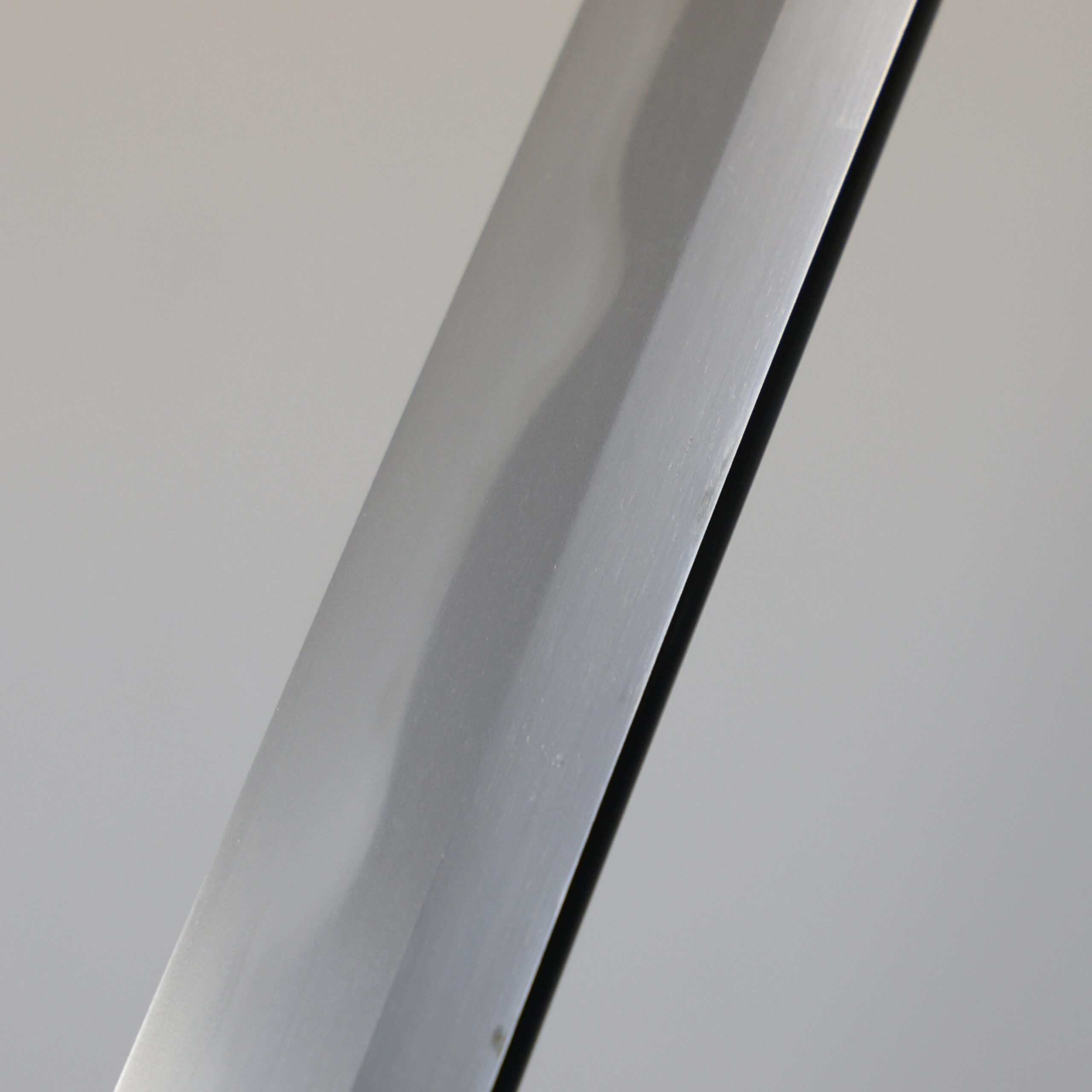
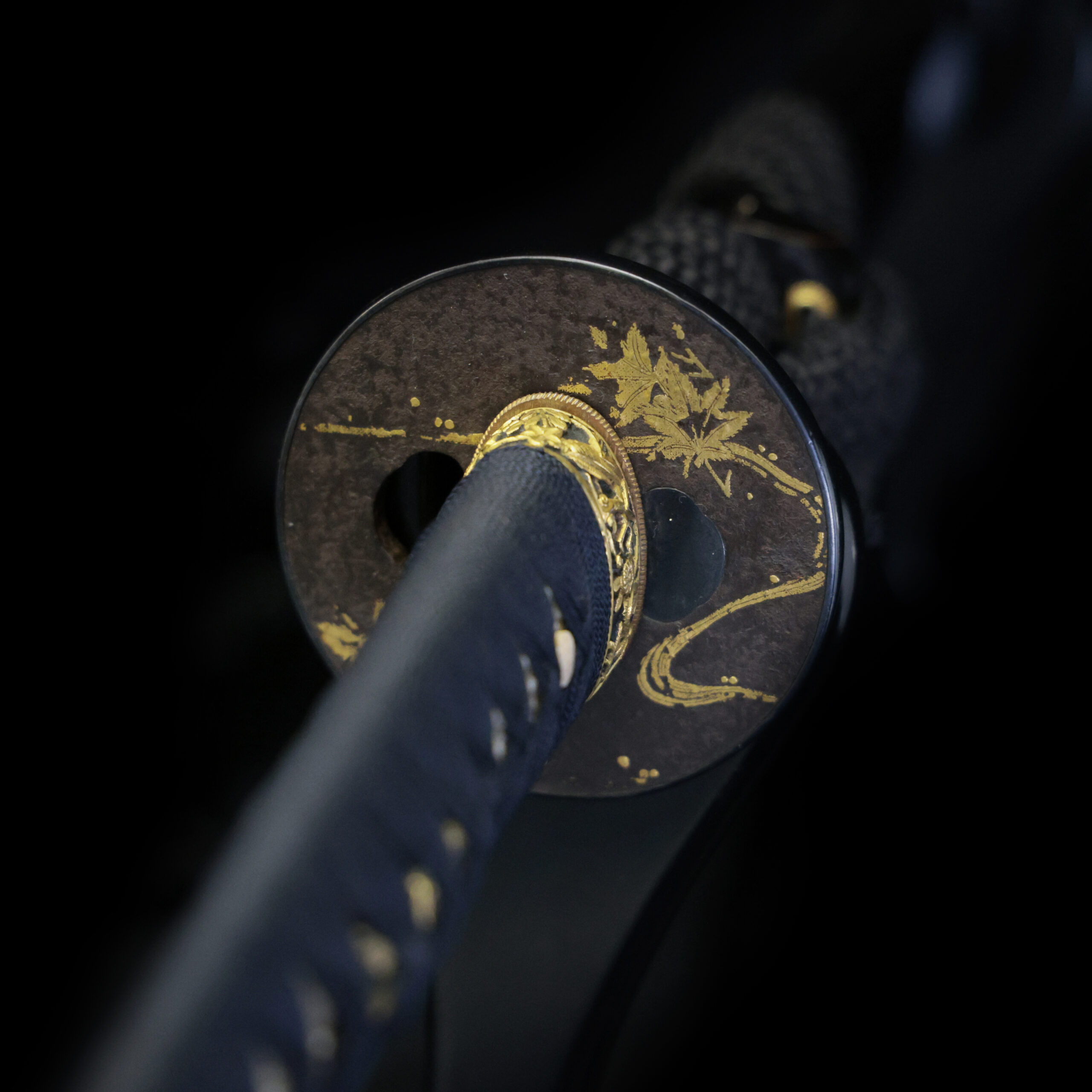
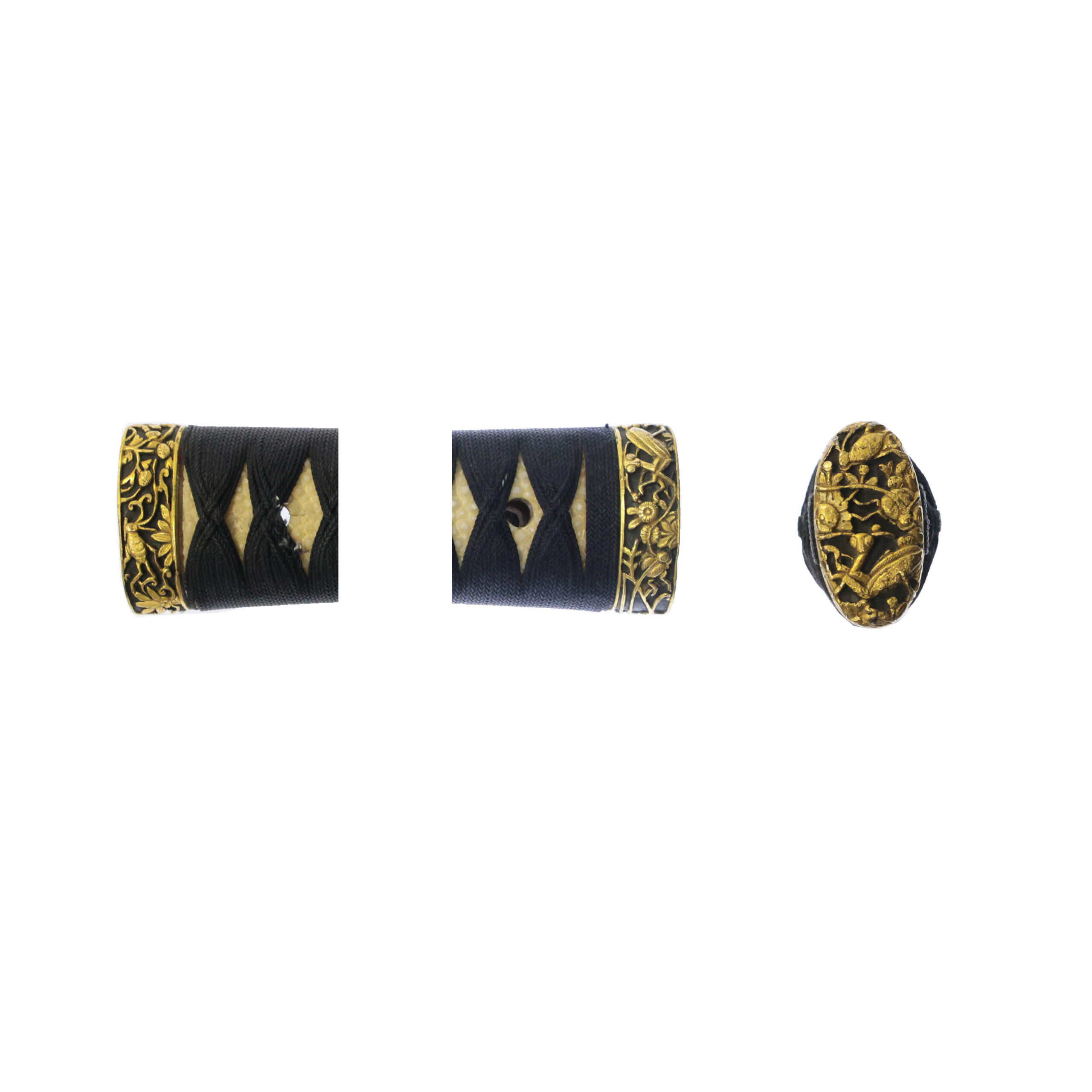
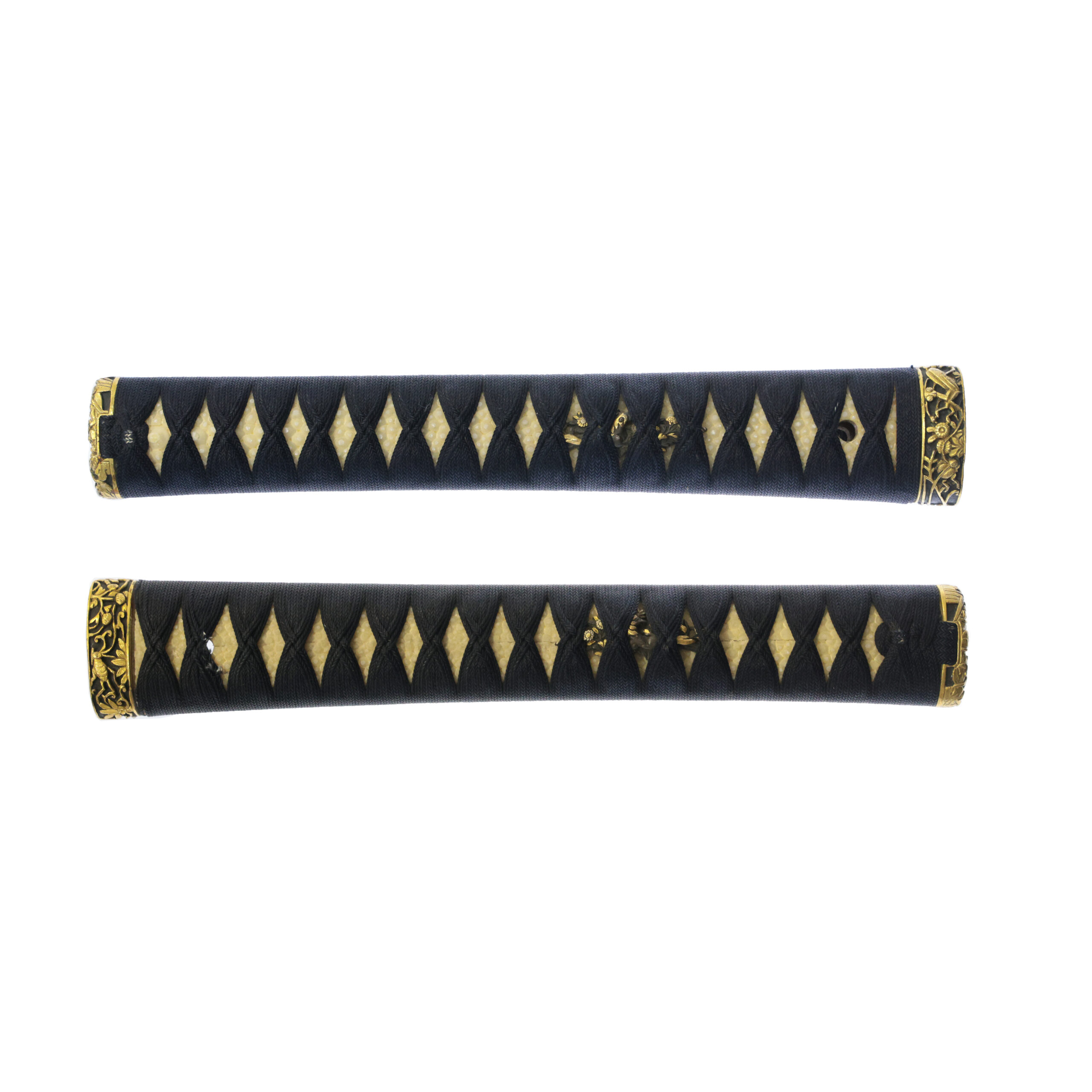
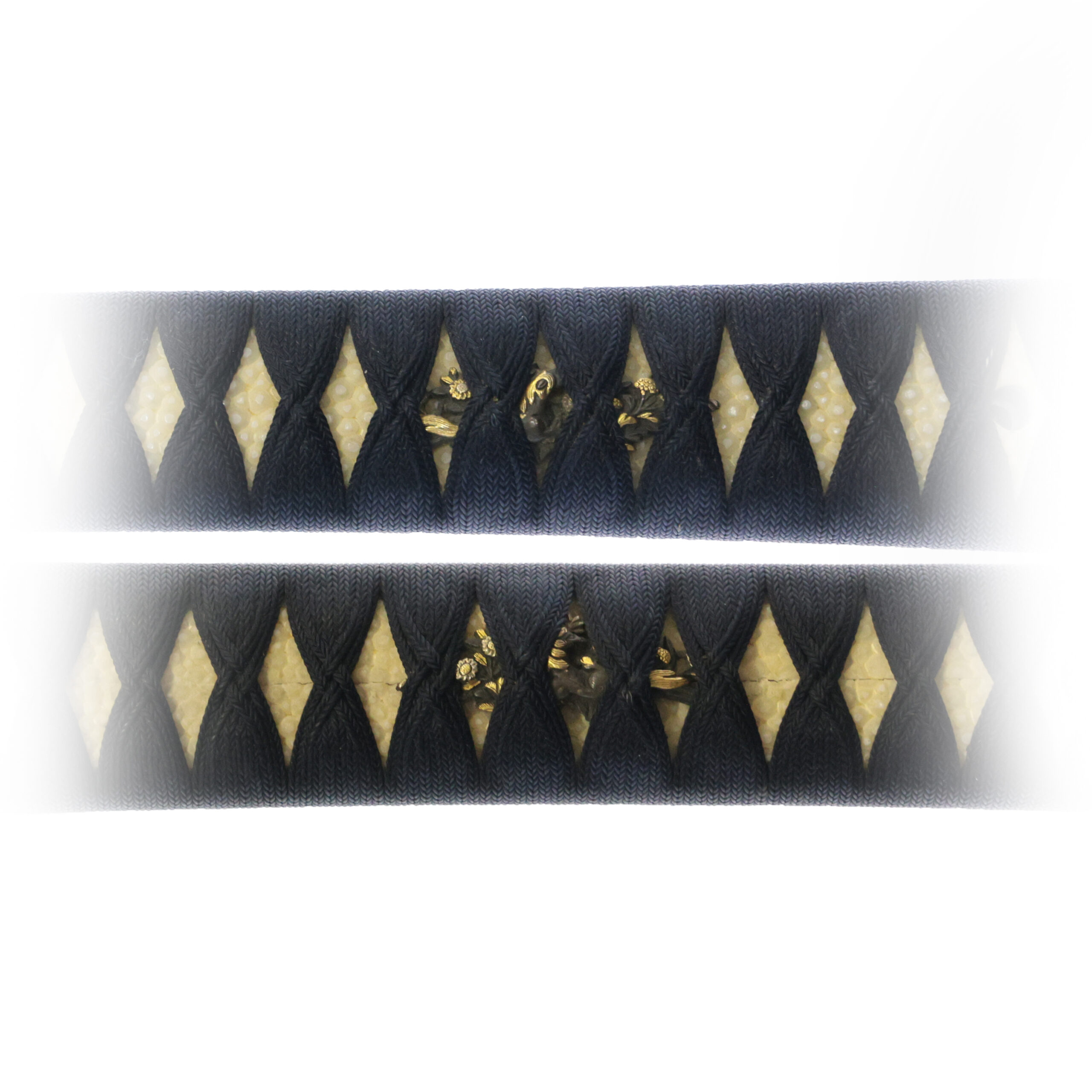
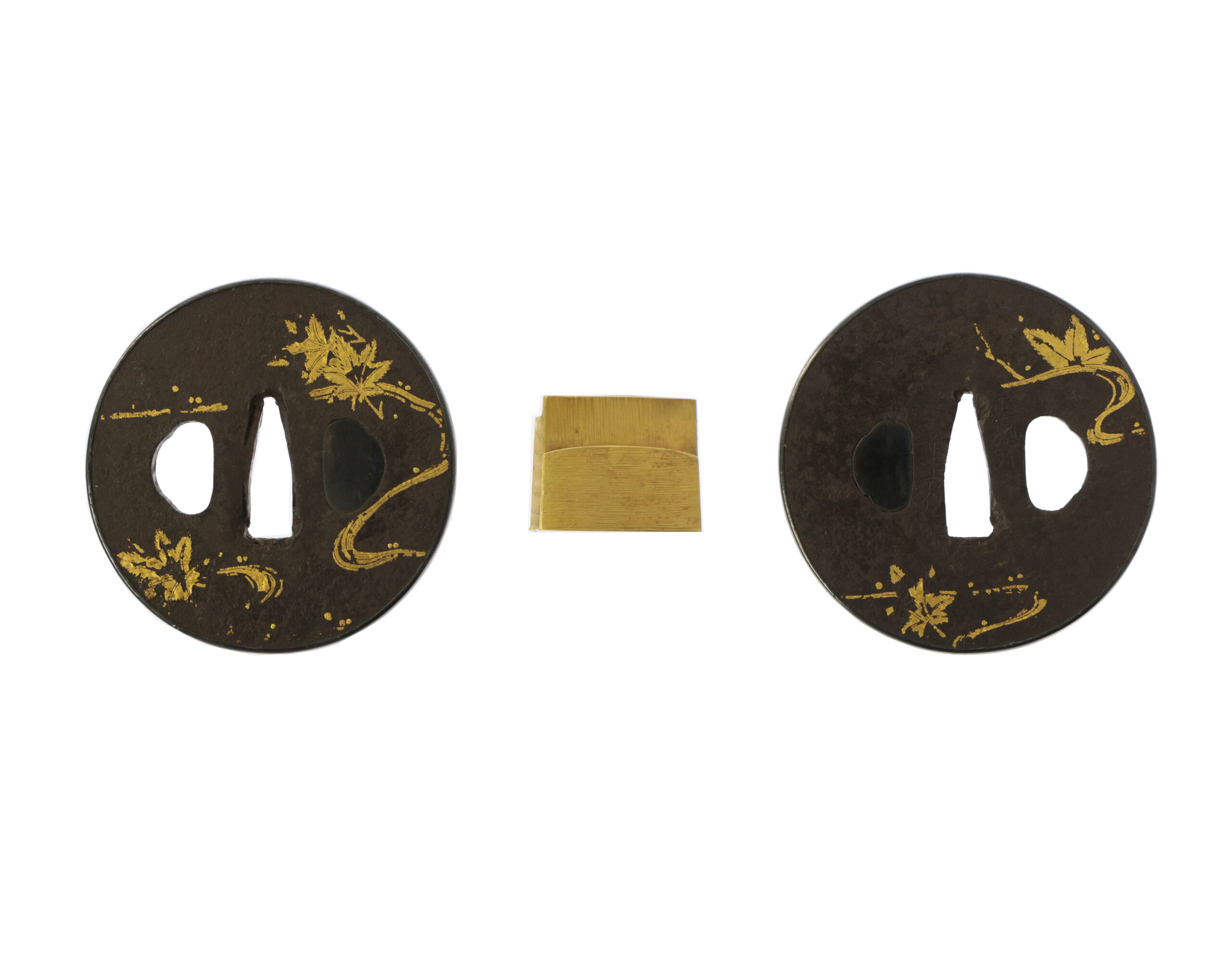
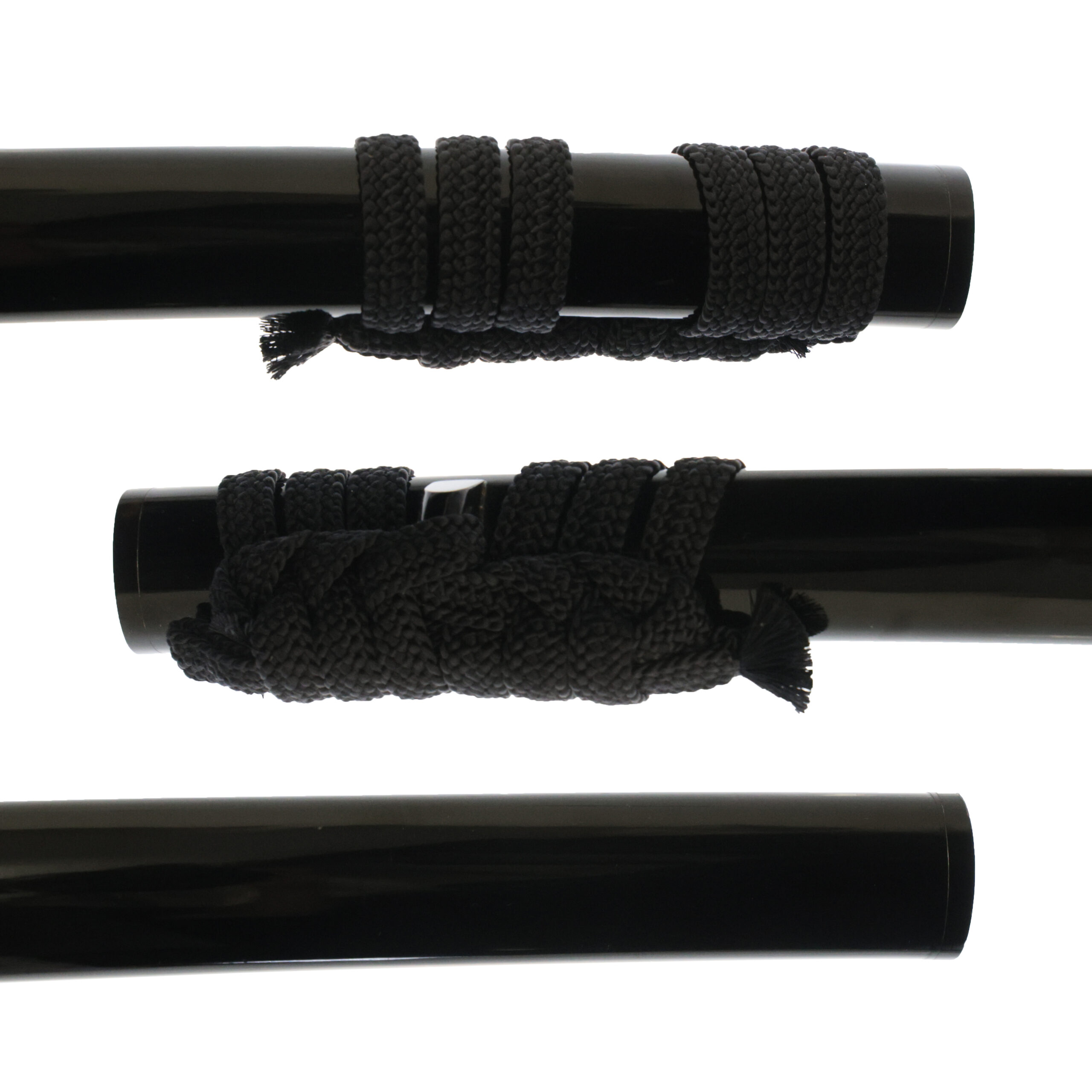
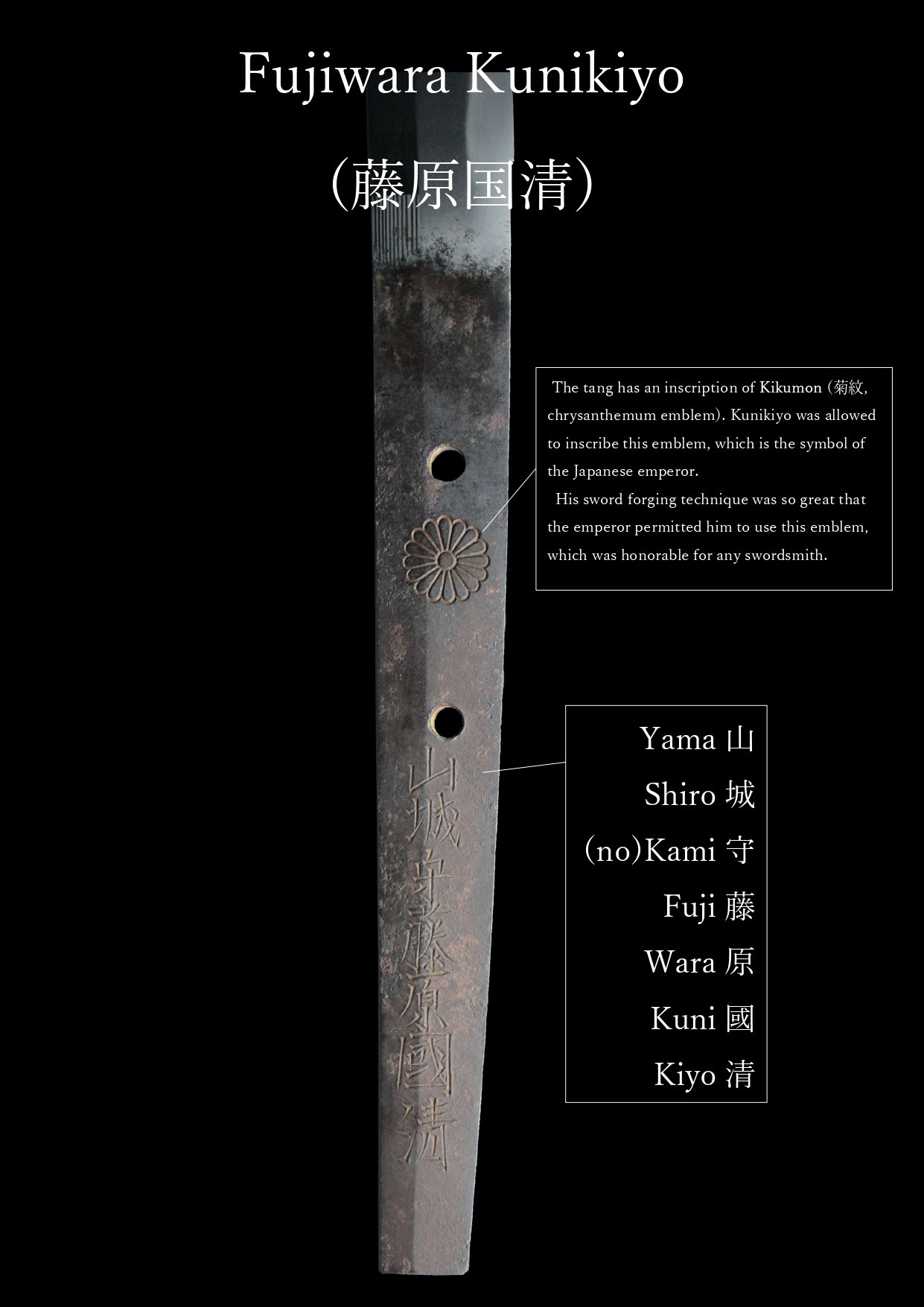
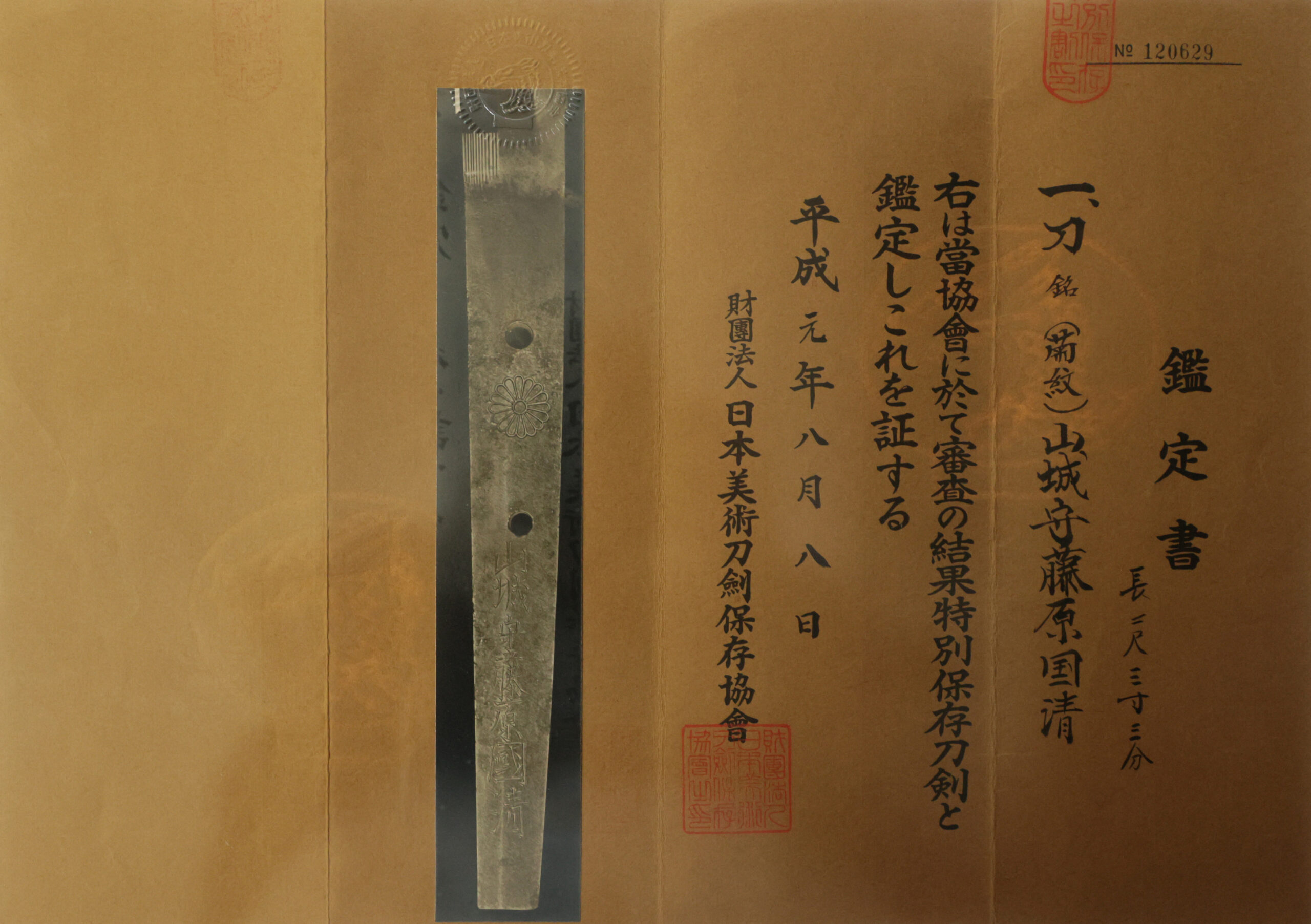
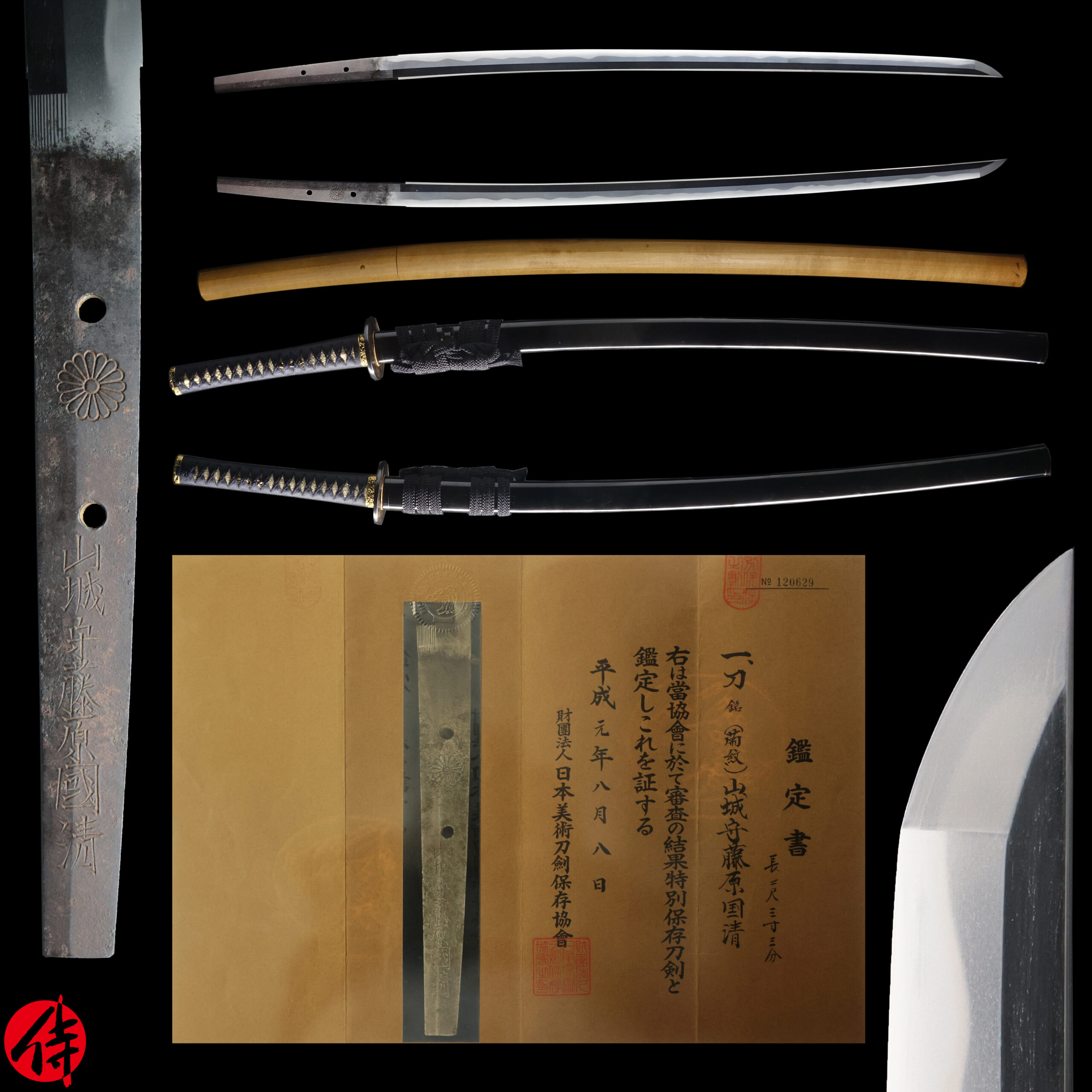
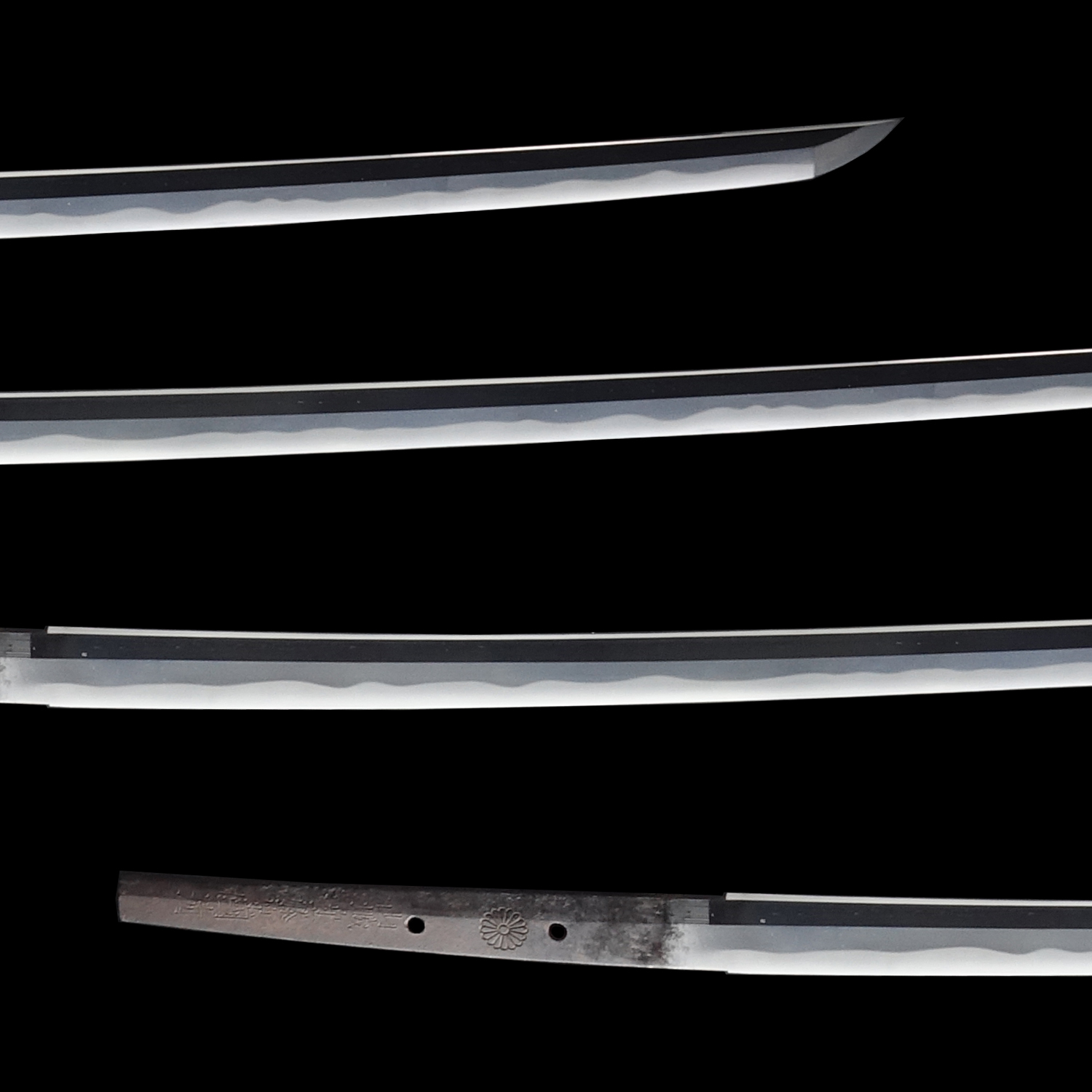
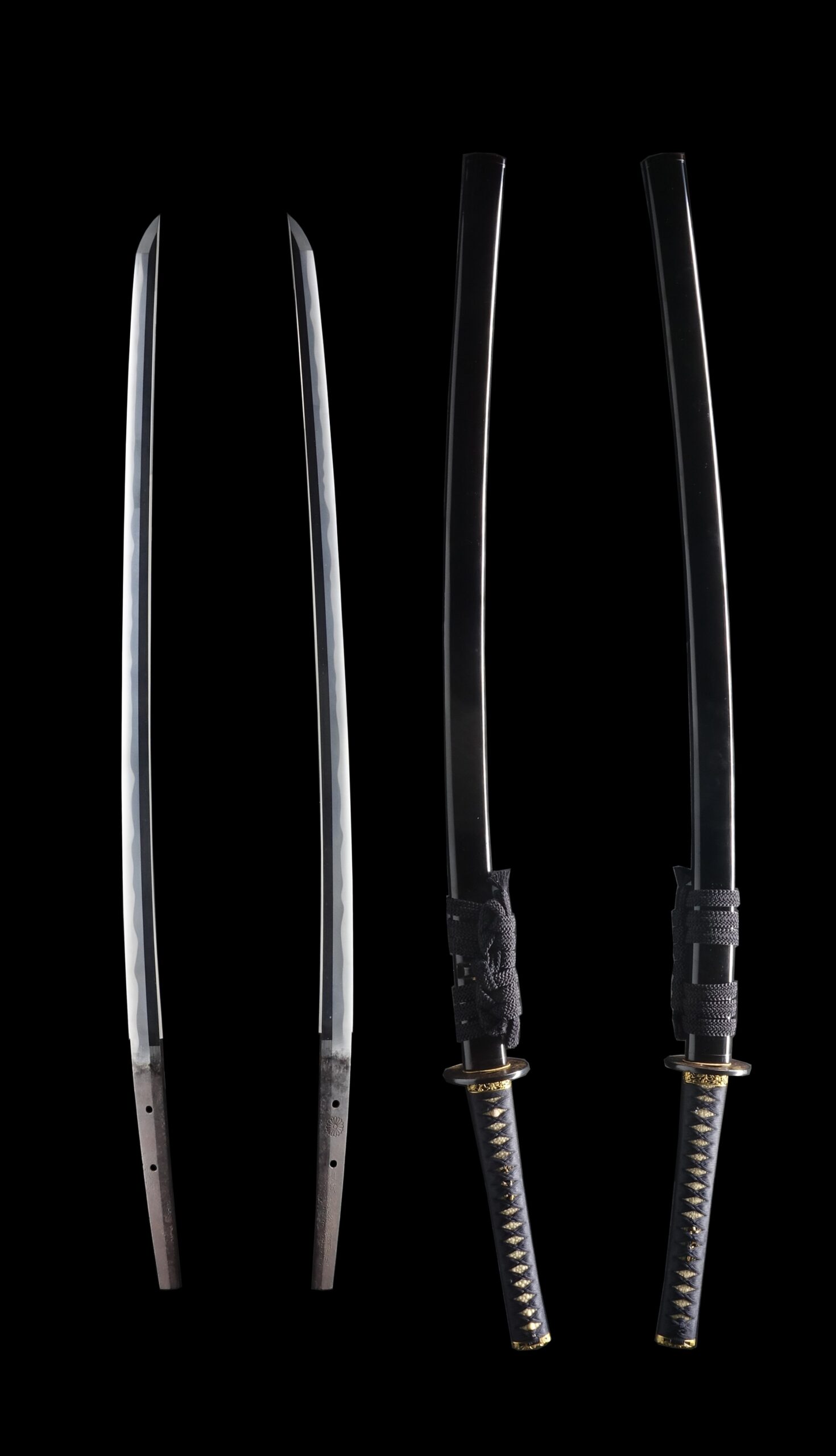
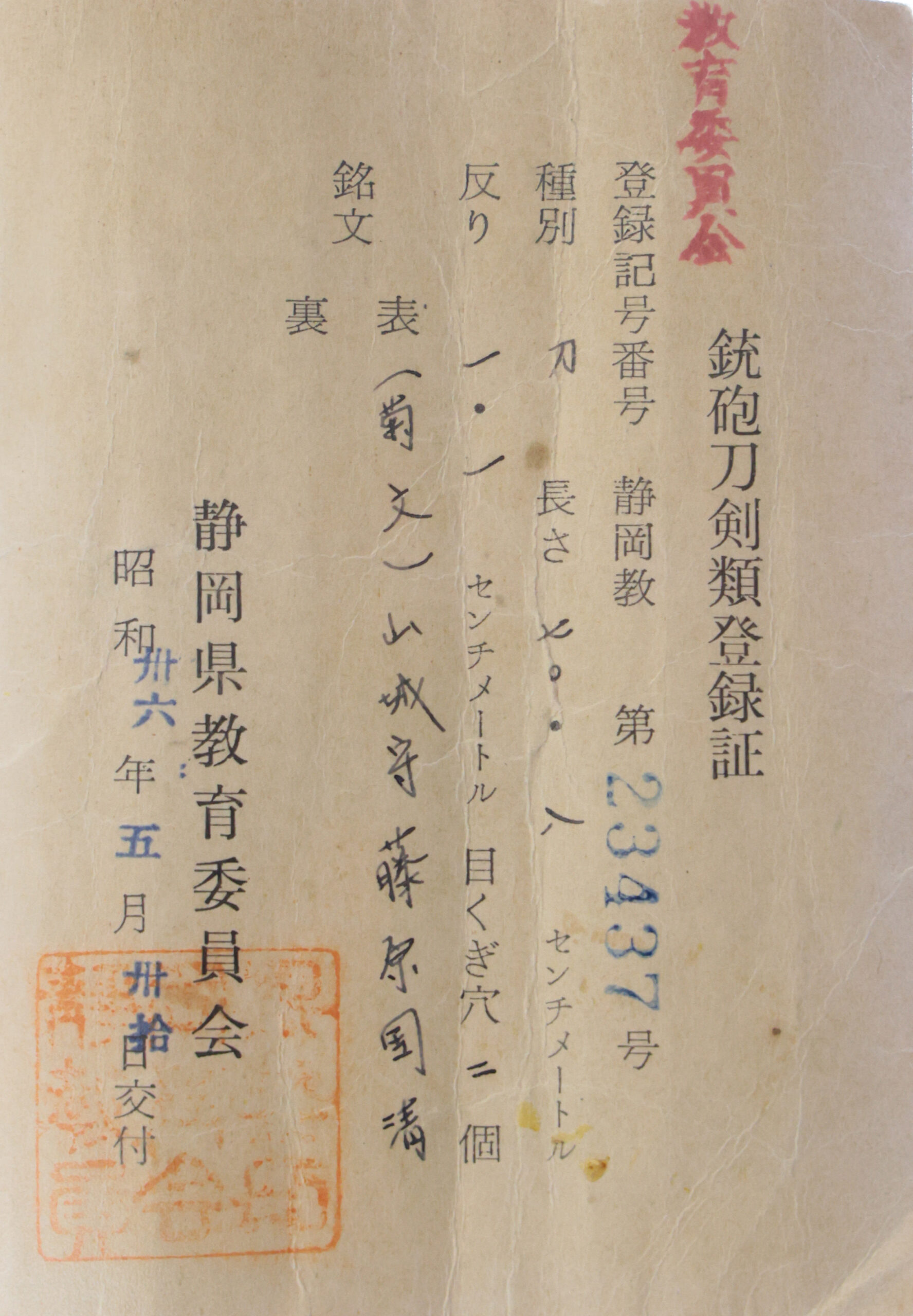
This blade was signed by Yamashiro no Kami Fujiwara Kunikiyo (山城守藤原国清) during early Edo period (1624-1644). The name Kunikiyo was carried by four generations of swordsmiths in Echizen Province. Based on the workmanship and signature, this blade is believed to be the work of the first-generation Kunikiyo, who is widely regarded as the most skilled smith of the lineage. The first-generation Kunikiyo was originally from Matsushiro in Shinano Province (today’s Nagano Prefecture). He was the son of Sukemune, the third-generation master of the Shimada School in Suruga Province. Later, he traveled to Kyoto and studied under the famous swordsmith Horikawa Kunihiro, one of the most influential masters of the early Edo period. After completing his training, he adopted the name Kunikiyo. Following Kunihiro’s death, Kunikiyo entered the service of Matsudaira Tadamasa, lord of Takada Domain in Echigo Province. When his lord was transferred to Fukui Domain in Echizen Province, Kunikiyo accompanied him and continued his work there. In 1627 (Kan’ei 4), he was granted the honorary court title Yamashiro Daijō, and in the following year, 1628 (Kan’ei 5), he was promoted to Yamashiro no Kami. Thereafter, he signed his works as “Yamashiro no Kami Fujiwara Kunikiyo.” One of the distinguishing features of the first-generation Kunikiyo’s signature is the presence of a chrysanthemum crest (Kikumon) engraved beneath the habaki. This crest is believed to have been granted by the Imperial Court upon his appointment to the title of Yamashiro Daijō. Later generations of Kunikiyo also used the chrysanthemum crest but typically added the character “Ichi” (一) alongside it. About his master, Horikawa Kunihiro Horikawa Kunihiro is one of the most celebrated swordsmiths in Japanese history. Born in Hyūga province, he later relocated to Kyoto, establishing his workshop in the Horikawa district, which gave the school its name. Kunihiro trained many talented disciples and is revered as the pioneer of the Shintō era (late 16th – early 17th century), a period marked by new styles and techniques that distinguished swords from the earlier Koto (old sword) period. His blades are highly prized for their beautiful jigane (steel surface), refined hamon (tempering line), and innovative workmanship that influenced countless smiths of later generations. It is appraised as a Tokubetsu Hozon Token (特別保存刀剣) issued by NBTHK (Nihon Bijutsu Touken Hozon Kyokai:日本美術刀剣保存協会). *Please keep in mind that there are a couple of black rust spot on the blade. Fuchi-Kashira This menuki features a motif of autumn insects. “Akimushi” (秋虫) refers to insects associated with autumn, such as bell crickets (suzumushi), field crickets, and katydids. These insects have long been appreciated in Japanese culture and literature, particularly through the refined practice of mushikiki (虫聞き), or listening to insect songs. Among them, the bell cricket is especially well known and also appears in decorative metalwork. Its name comes from “suzu,” meaning “bell,” in reference to its clear, bell-like chirping. In Japan, these sounds have long evoked seasonal change and stirred people’s emotions. The design also includes a praying mantis (蟷螂, kamakiri), another insect associated with autumn. In Japanese, it is sometimes called “ogami-mushi” (拝み虫) or “inori-mushi” (祈り虫), both meaning “praying insect.” These names refer to the way it holds its folded forelegs in front of its body, resembling hands joined in prayer. Its production of numerous eggs can also evoke fertility and an abundance of offspring. Tsuka and Menuki This menuki appears to feature a motif of autumn grasses and flowers, known as akikusa (秋草) in Japanese. Delicate botanical details peek through the handle wrapping, with gold-colored accents adding an elegant touch to the design. The motif evokes the quiet beauty of autumn and the gentle transition of the seasons. Tsuba and Habaki This tsuba features what appears to be a design of maple leaves floating on flowing water, known as Ryūsui Momiji Mon (流水紅葉文). The leaves and gently curving lines are rendered in gold-colored decoration, creating a striking contrast with the dark surface. Maple leaves are among the most beloved symbols of autumn in Japan. Their transformation from green to brilliant shades of yellow, orange, and red evokes the beauty of seasonal change. Here, the combination of drifting leaves and flowing water creates a tranquil autumn scene. Saya This scabbard is covered with black lacquer. Due to its high waterproof effect, lacquer has been used since ancient times in Asia. The blade of a Japanese sword is made of iron, and moisture is the greatest enemy of iron. For the purpose of carrying the blade without degrading it, people devised a method of coating the scabbard with lacquer. To prevent not only moisture but also rain and snow from penetrating the inside of the scabbard, it was necessary to apply multiple layers of lacquer. The Nushi (塗師, lacquerers) was born precisely because advanced techniques were required to handle the complicated processes. Authentication Paper They authenticated the blade on August 8th in the first year of Heisei (1989). They appraised it as Tokubetsu Hozon Touken, the blade especially worth preserving for Japanese society.
Offered by Samurai Museum

Shinto · Yamashiro
65 pieces on the market now
At Ichijo Horikawa in Kyoto, from Keicho 4 (1599), Horikawa Kunihiro gathered the pupils whose work the published sources name with his own as the opening of the shinto age. Kunihiro himself reached forging late and by a roundabout road. Born Tanaka and serving as a warrior under the Ito of Obi castle in Hyuga, he wandered the provinces after that house fell, forging where he stopped, his earliest dated blade cut in Hyuga in Tensho 4 (1576); his itinerant Tensho-uchi looked to late Soshu and late Seki, often run toward a hitatsura-like effect over devotional carving. The settlement in Kyoto changed that. There his stated aim, the sources write, lay in the revival of the Soshu-den tradition, the leaning strongest toward Shizu, and around that ideal he trained the men who carried his manner forward: Dewa no Kami Kunimichi, Kuniyasu, Osumi no Jo Masahiro, Echigo no Kami Kunitomo, the elder Kunisada and Kunisuke, with later and minor hands reaching Settsu, Echizen and Edo. Many of them, born like the master at Obi, followed him from Hyuga to the capital. The shared vocabulary is read first in the steel. The school forges an itame mixed with mokume that stands up, the grain raised into the loose, granular surface the commentaries name outright, the zanguri hada particular to Horikawa work, with ji-nie lying thick and chikei entering; on many blades a mizukage rises obliquely from the machi. Over that ground the prime manner is the Keicho-shinto sugata, wide with little taper and an extended chu-kissaki or o-kissaki, the build likened to a Nanbokucho odachi cut down, tempered in a notare and gunome with thick nie, sunagashi and long kinsuji, the nioiguchi often sinking into shizumi. Within that frame the pupils diverge sharply.
Kunimichi runs the flamboyant Shizu copy fully out and turns his boshi pointed in the Mishina manner, the Sanpin boshi the school otherwise does not show. Masahiro keeps the same Soshu-den worked at lower temperature, his temper calm and his mokume conspicuous; Kuniyasu and Kunitsugu stand closest of all to the master and signed for him. Kunitomo turns alone toward late Seki, his gunome round-headed and his chisel the finest in the group, and the elder Kunisada and Kunisuke carry the zanguri steel south into Osaka, the latter keeping the Ishido clove he was born to. Hiroyuki holds suguha over a blackish steel that recalls old Yamato, and the two Echizen Kunikiyo forge a dark, dense hokkoku-gane under a calm chu-suguha. A collector seeks Horikawa because the school stands at a hinge: Kunihiro is read as the first hand of the new-sword age, and the line he taught runs forward into the Osaka tradition through Kunisada and Kunisuke and into Echizen through Kunikiyo. To kantei the work, read the steel first, the standing zanguri surface and the oblique mizukage, then the sinking nioiguchi and the Soshu-revival notare with its sunagashi and kinsuji; the individual hand declares itself in the departures, Kunimichi's pointed boshi, Kunitomo's Seki gunome and compact tang, Kuniyasu's reversed file marks and two-character mei, Hiroyuki's kiri-yasuri. The founder and his closest pupils sit at the top of the line, Kunihiro signing almost everything he made, the large kata-ochi two-character mei beside his long residence signatures; because Kuniyasu, Masahiro, Kunitsugu and Hiromi worked as his daisaku, a share of the blades signed Kunihiro are in fact theirs. Provenance runs through the houses of the founder's own story and of the country, the Hyuga Ito he had served, the Shimazu of Kagoshima, the Imperial Family and Toyotomi Hideyori, with the tachi Kunihiro dedicated to the Hataeda Hachimangu still in the shrine's keeping. A signed Horikawa blade reaches a private collection only from time to time, carrying on its nakago the hand with which the new sword begins. Learn more →
| Smith | Era | Designated |
|---|---|---|
| Kunihiro國廣 | 1573-1613 | 147 |
| Kunimichi國路 | 1615-1624 | 75 |
| Kunisada國貞 | 1624-1646 | 87 |
| Kunitomo國儔 | 1596-1615 | 27 |
| Masahiro正弘 | 1596-1615 | 16 |
Kyōto: the revival workshop
The Shintō era was largely invented in Kyōto: Umetada Myōju’s workshop trained the movement, Horikawa Kunihiro raised a generation, and the Hon’ami appraisers, who held no forge, governed the meaning of famous blades.
A Hozon-certified blade judged to show notably superior workmanship and a better state of preservation. The bar is higher: re-tempered blades and most unsigned Muromachi/Edo works are excluded.
The NBTHK (Nihon Bijutsu Tōken Hozon Kyōkai, the Society for the Preservation of Japanese Art Swords) is a public-interest incorporated foundation founded in 1948 and supervised by Japan’s Agency for Cultural Affairs (Bunkachō); it is based at the Japanese Sword Museum in Tokyo. Its expert panels physically examine each submitted work (shinsa) and issue a certificate (kanteishō) ranking it by artistic and historical merit. NBTHK papers are the most widely recognized standard of authentication for Japanese swords and fittings.
NBTHK official siteReturns/exchanges limited to defects caused by shipping (except willful misconduct or gross negligence by the company); customers must contact within 72 hours of receiving the product.
¥1,850,000