 NihontoWatchNihontoWatch
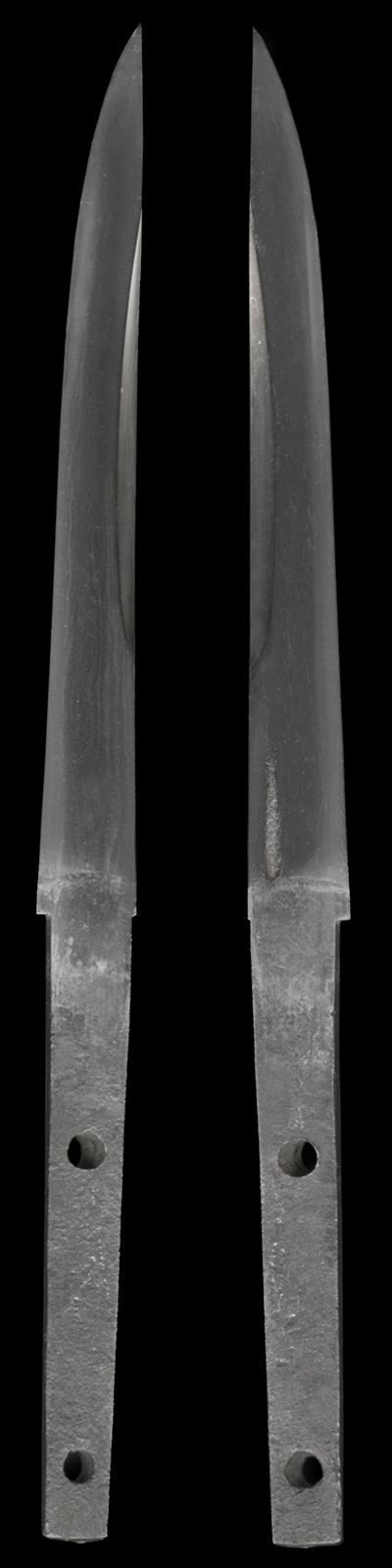
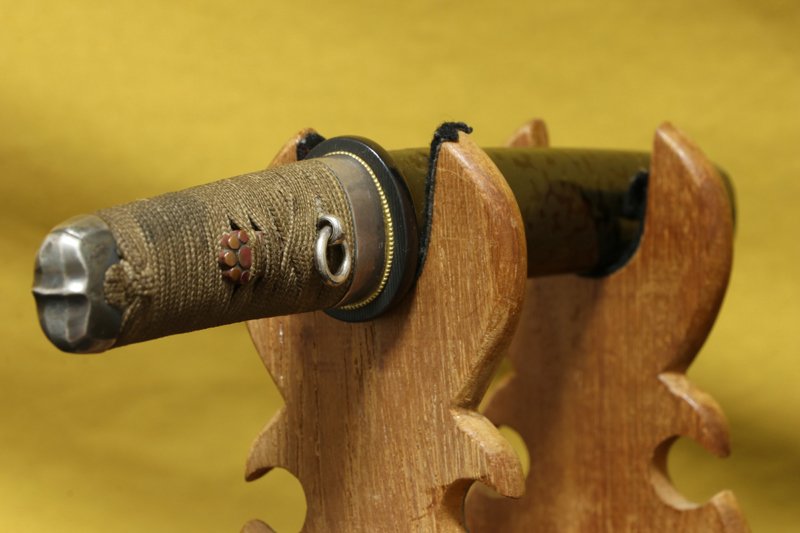
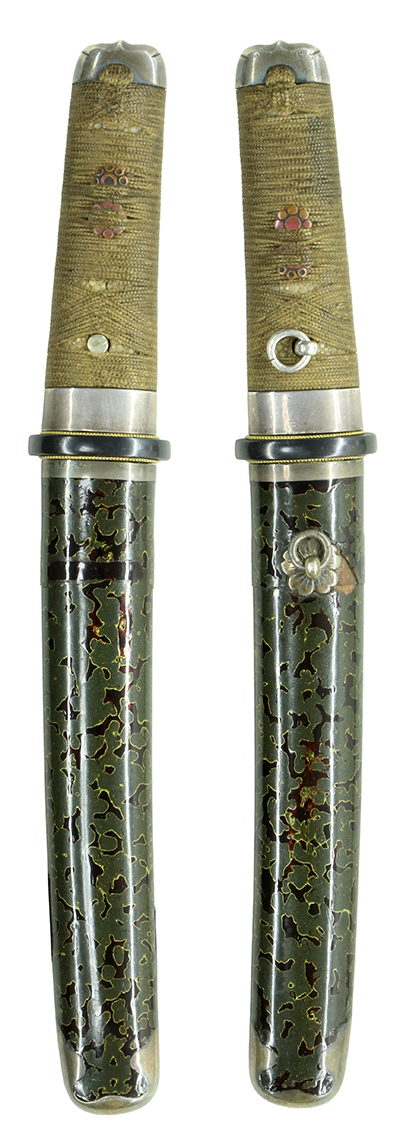
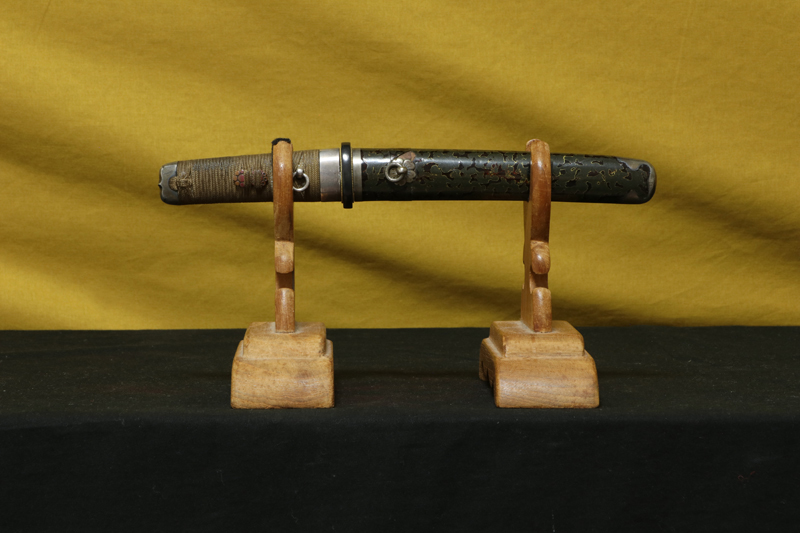
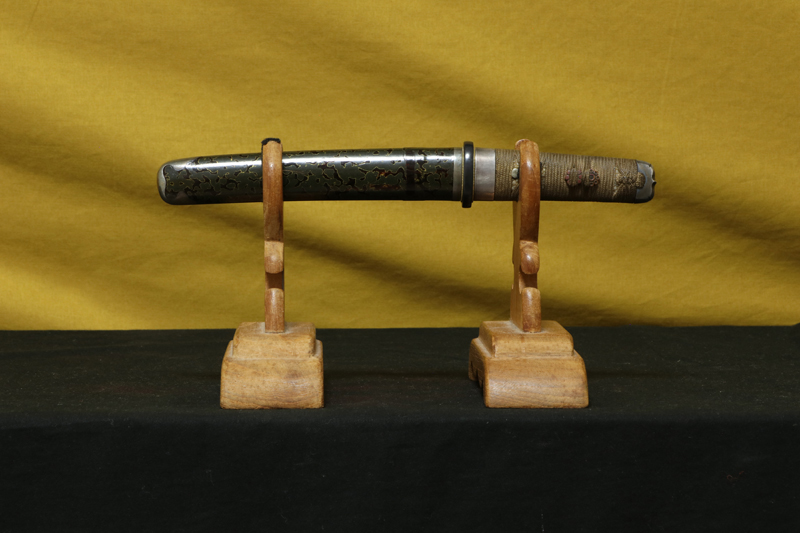
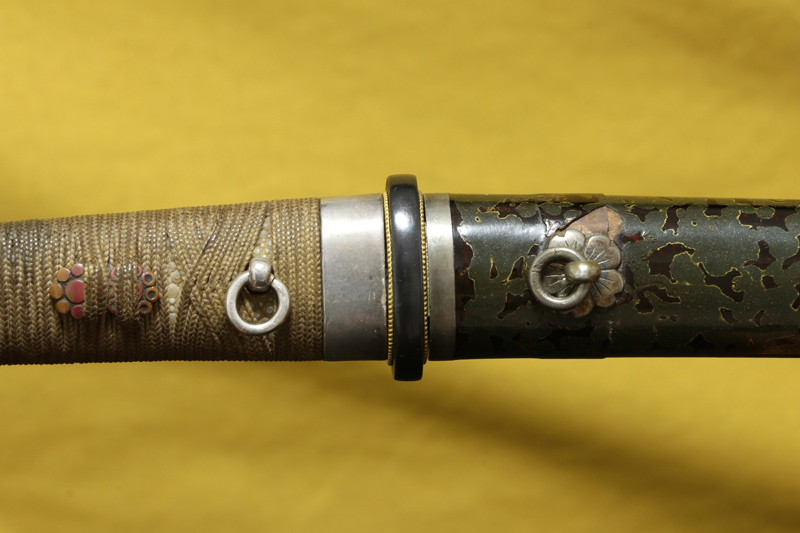
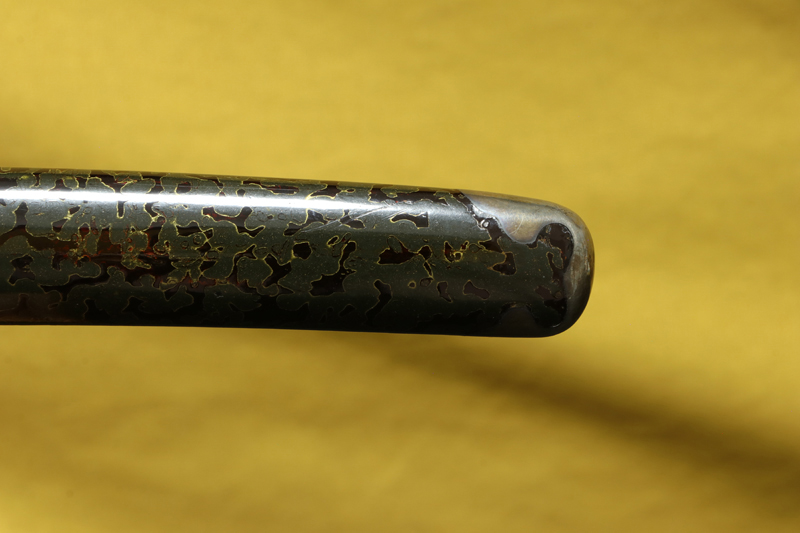
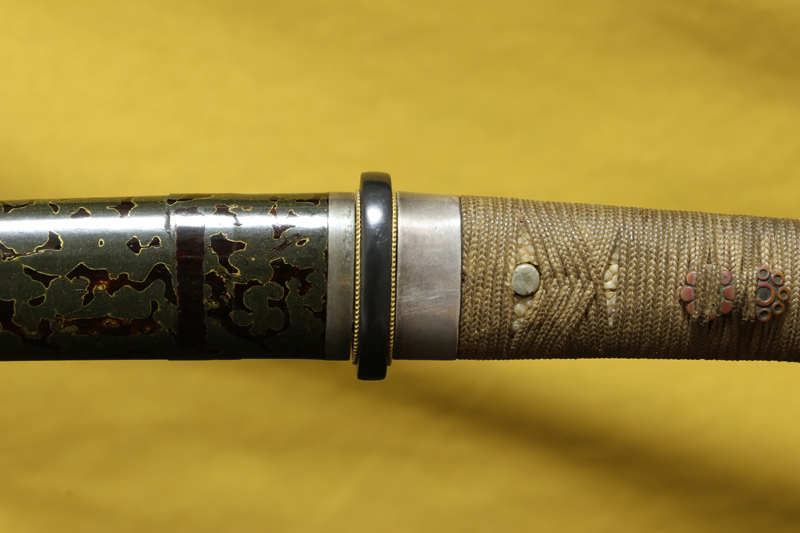
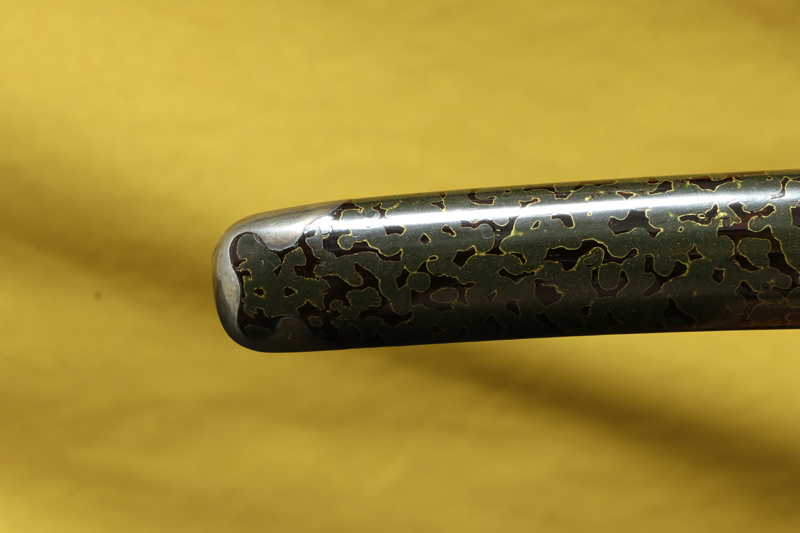
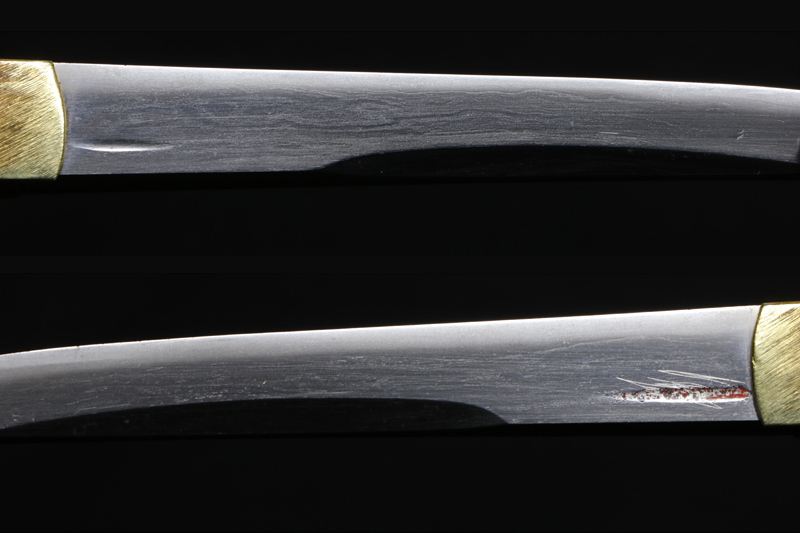
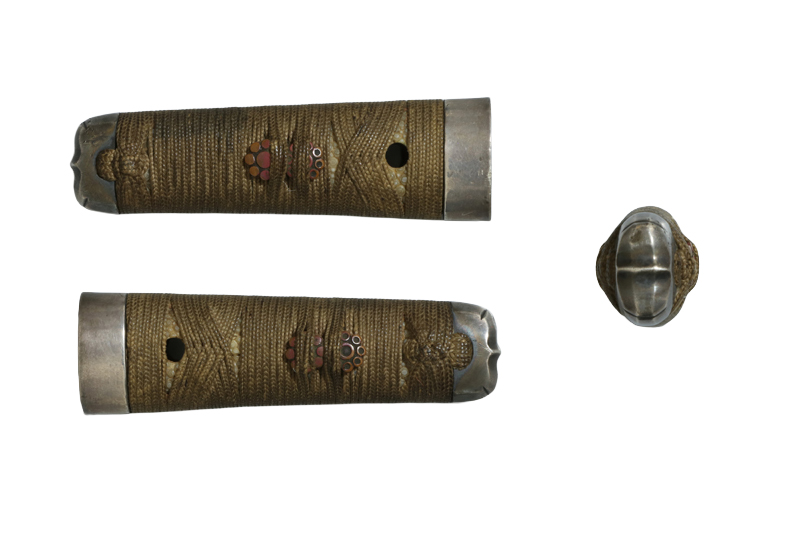
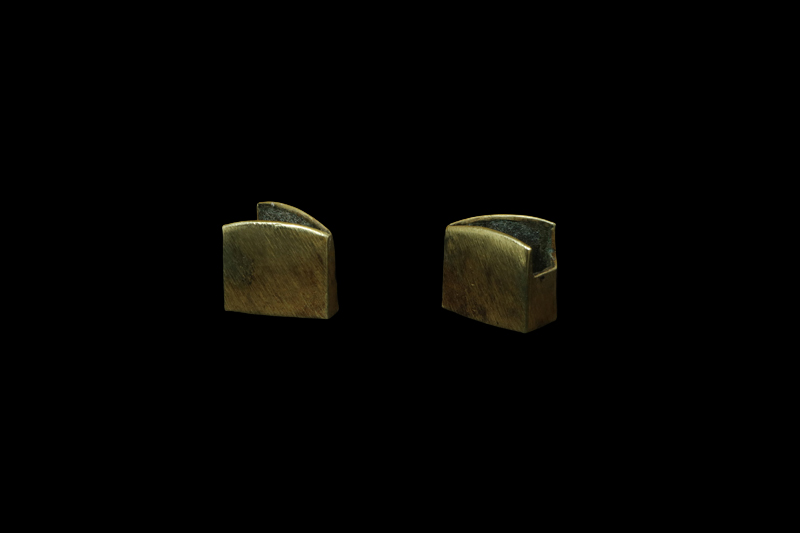
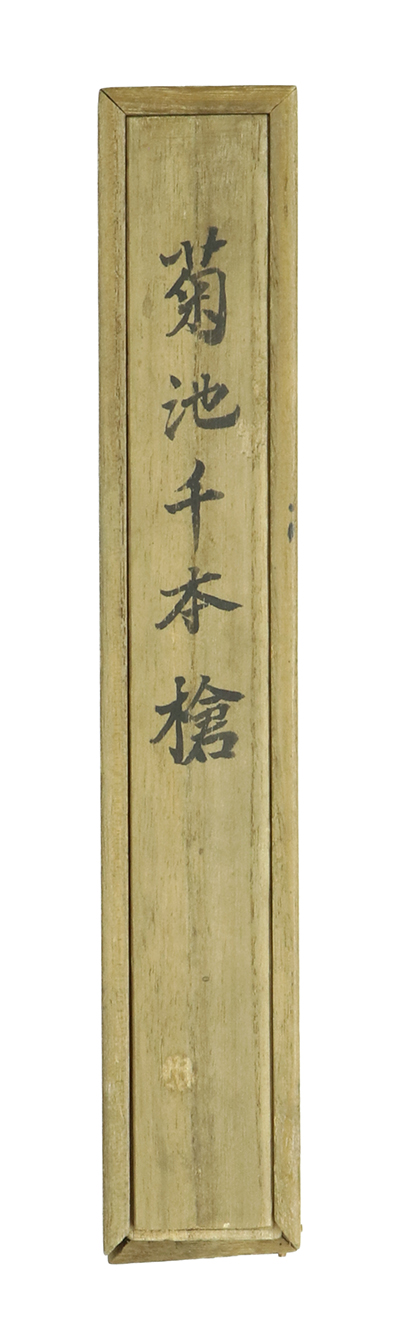
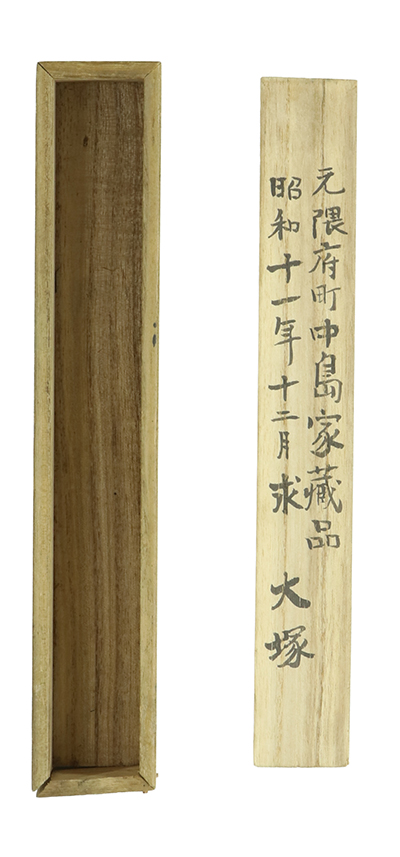
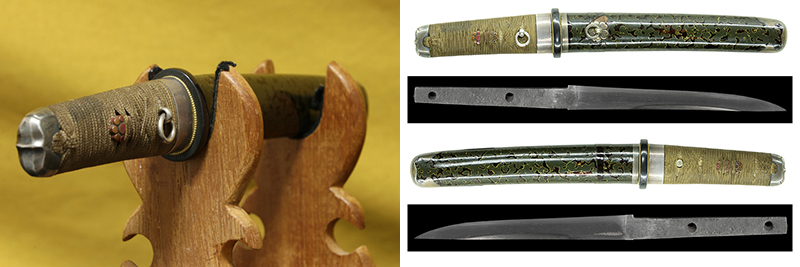
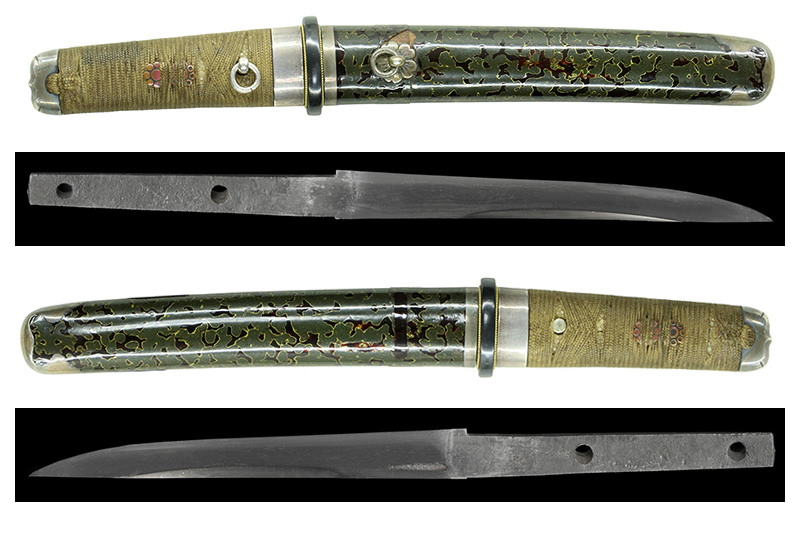
Koto Mumei Kikuchi-yari naosi tanto with Kosirae and Shirosaya. 本作は、菊池槍を短刀へ仕立て直した貴重な一振りで、作風から肥後延寿派の作品と思われます。刀身は古研ぎながら地刃の出来は十分に鑑賞でき、拵には銀無垢一作の金具や上質な金着金具を備えた豪華な仕様となっています。 菊池槍直しの短刀は現存数が少なく、このような上質な拵入りの作例は大変希少です。ぜひこの機会にご検討ください。 This is a rare tantō converted from a Kikuchi Yari, and, judging from its workmanship, it is believed to be a product of the Higo Enju School. Although the blade is in an old polish, the quality of the jihada and hamon can still be fully appreciated. The sword is mounted in an elegant tantō koshirae fitted with solid silver mountings and other high-quality fittings. Converted Kikuchi Yari tantō are seldom encountered, and examples preserved in such fine koshirae are exceptionally rare. Don’t miss this opportunity to acquire a truly outstanding collector’s piece. 「刀姿 sword figure」 鵜の首造り庵棟、身幅細く重厚く、反り無し中鋒ふくら枯れる。茎は生で筋違い鑢がかかり、茎尻は栗尻。 Unokubi-zukuri with an iori-mune. The blade has a slender mihaba and a thick kasane, with no sori and a chū-kissaki showing a slightly diminished fukura. The nakago is ubu with sujikai yasurime, terminating in a kurijiri. 「地鉄 jigane」 地鉄は柾目肌が流れ、地沸付き地景入る。 The jigane consists of flowing masame-hada, richly covered with ji-nie and enlivened by prominent chikei. 「刃紋 hamon」 刃紋は小沸出来の中直刃がやや湾れる、刃中は金筋が流れる。釯子は直ぐに入り小丸に返る。 The hamon is a slightly undulating chū-suguha in ko-nie-deki. Kinsuji run through the temper line. The bōshi enters in sugu and turns back in a komaru. 「特徴 detailed」 菊池槍は、1336年の箱根・竹ノ下の戦いにおいて、菊池武重が竹竿の先に短刀を括り付けて戦ったことが起源と伝えられています。その後、南北朝時代から室町時代末期にかけて、菊池一族によって盛んに用いられました。 本作は、菊池槍の茎を切り詰めて短刀に仕立て直したものです。刀身は、柾目肌に匂口の締まった直刃を焼いており、その作風から肥後延寿派の作品と思われます。 刀身は古研ぎのため全体に曇りがありますが、地刃の出来は十分に鑑賞できます。 短刀拵は、縁頭・鯉口金具・吊金具・鐺を銀無垢一作で揃えた豪華な仕様です。鍔は赤銅地縦鑢の喰出鐔、切羽は素銅地金着、鎺は素銅地金着一重の腰祐乗と、細部まで上質な金具が用いられています。 拵は、鞘の吊金具付近にわずかな剥がれが見られるものの、それ以外の保存状態は良好です。 菊池槍直しの短刀はもともと数が少なく、さらにこのような上質な拵を備えた作例は大変希少です。ぜひこの機会をお見逃しなくご検討ください。 The Kikuchi Yari is said to have originated during the Battle of Hakone–Takenoshita in 1336, when Kikuchi Takeshige tied a tantō to the end of a bamboo pole and fought with it. Thereafter, this distinctive weapon was widely used by the Kikuchi clan from the Nanbokuchō period through the end of the Muromachi period. This piece is a tantō converted from a Kikuchi Yari, with the original tang shortened and remounted. The blade features a masame-hada and a refined suguha with a tight nioiguchi, and its workmanship suggests that it is a product of the Higo Enju School. Although the blade is in an old polish and has an overall hazy appearance, the quality of the jihada and hamon can still be clearly appreciated. The tantō koshirae is of exceptionally high quality. The fuchi-kashira, koiguchi fitting, hanging fitting, and kojiri are all matching solid silver pieces. The tsuba is a shakudō plate with a vertical file-pattern finish in the kuidashi style. The seppa are copper with gold foil covering, and the habaki is a single-piece copper Yūjō-style habaki with gold foil, demonstrating the use of premium-quality fittings throughout. The koshirae remains in excellent condition, with only slight lacquer loss around the hanging fitting of the saya. Converted Kikuchi Yari tantō are uncommon, and examples preserved in such fine koshirae are exceptionally rare. Don’t miss this opportunity to acquire a truly distinctive and highly collectible piece. 「拵 koshirae」 鍔(tsuba) : 赤銅地縦鑢の喰見出し鍔 鎺(habaki) :素銅地金着一重の腰祐乗。 目貫(menuki) :素銅地九曜紋の図。 柄(tsuka) :柄巻は正絹薄茶色の片手巻。 鞘(saya) :黒呂に灰緑・金色・朱色の変わり塗り。 その他:古い桐箱が付きます。 「刀身の状態 condition of blade」 研:古研のため曇っていますが、地刃は良く見えます。 傷: 欠点に成るような傷は有りません。
Offered by Giheiya
This piece has sold
15 on the market
Get an email when new Enju School work hits the market.

As written by the shop
Yamashiro-den · Higo
15 pieces on the market now
Among the provincial lines that carried the Kyoto manner beyond Yamashiro, the Enju (延寿) school of Higo province grew up at Kumafu in the Kikuchi District, working from the close of the Kamakura period through the Nanbokuchō era. Its founder, Tarō Kunimura, is transmitted in the prevailing account as the son of Hiromura of the Yamato Senjuin line, who married a daughter of Rai Kuniyuki of Yamashiro; by that marriage Kunimura is held to be Kuniyuki's grandson in the female line and a pupil of the Rai workshop (one early text instead places him in the gate of Rai Kunitoshi). The school name reads on the same characters as the Rai line itself, and from that double descent, Yamashiro through the Rai marriage and Yamato through the Senjuin side, the family took its character. Around the founder a cluster of named smiths arose almost at once, Kuniyoshi, Kunitoki, Kuniyasu, Kunitomo, Kunisuke, Kuninobu and Kunitsuna among them, the Enju line attached to the Kikuchi clan and loyal to the Southern Court, so that the dated blades carry that history in their Southern-Court eras. The published sources describe Enju work as one that broadly resembles the Rai school[[c:1]], refined in suguha yet cooler and whiter than its Kyoto parent, and they name the provincial accents by which the two are separated. The forging is an itame or closely packed ko-itame that flows toward the edge into masame, the grain standing a little, with fine ji-nie laid on and delicate chikei entering; over it rises a whitish shirake-utsuri, the surest single Enju tell, the cool reflection of a Kyushu steel that is not quite the bright Rai jigane. The temper is a chū-suguha or narrower hoso-suguha, the nioiguchi carried somewhat shizumi (sunken and quiet), often breaking into nijūba, the doubled line that recurs across the line; ko-ashi, yō, ko-nie, fine sunagashi and kinsuji play within it, the activity gentler than the brighter Rai suguha. The bōshi turns back on a larger radius than Rai's tight ko-maru, a shallow ō-maru with a short kaeri.
The signature is a tool of attribution: across the line the right half within the kuni (国) enclosure is cut in an ear-shaped form, a calligraphic habit the sources say cannot be confused with another school. Against true Rai, the school is read by its masame-lean, its whitish utsuri, its sinking nioiguchi and its quieter internal work, the ji and ha running a degree softer than the Yamashiro line. To kantei an Enju blade is to weigh those provincial accents against the Rai air it carries: a wheel-like wa-zori and Kyoto refinement may recall the parent at a glance, but the nagare in the ji, the shirake-utsuri, the subdued nioiguchi and the ear-shaped kuni settle the attribution, and the level of the work then narrows it to a hand. The founder Kunimura sets the quiet register and signs the slender, sharply tapering tachi the sources call distinctive even within the school; among the later smiths, Kunitoki survives in relative number and runs his suguha the busiest with ko-gunome and kinsuji, Kuniyasu is the most nie-laden and brightest, Kunisuke cuts the boldest chisel and hardens a unique flaming bōshi on his wide pieces, while Kuniyoshi, Kuninobu and the various other Kuni- smiths work the same vocabulary, the best of them refining the steel to a clarity that escapes the school's whitish thinness. The corpus runs mostly to slender signed tachi and to ō-suriage mumei katana attributed on appraisal, with broad sunobi tantō in the Nanbokuchō phase, the work confined to long blades in the founder's case. Provenance is unusually grand for a provincial line: blades pass through Toyotomi Hideyoshi and Tokugawa Ieyasu and rest in the Hosokawa, Date, Uesugi, Owari and Mito Tokugawa houses, with examples held today by the Sano, Tokugawa, Seikadō and other institutions. A signed ubu Enju tachi is among the rarer encounters in Higo work; most survive as the mumei attribution, held as heritage rather than offered. Learn more →
| Smith | Era | Designated |
|---|---|---|
| Kunimura國村 | 1275-1278 | 15 |
| Kunitoki國時 | 1317-1353 | 32 |
| Kunisuke國資 | 1346-1370 | 22 |
| Kuniyasu國泰 | 1329-1331 | 16 |
| Kunitoki國時 | 1275-1278 | 7 |
Within 3 days of the item's arrival, we offer a refund or an exchange. Return shipping and the bank transfer fee for the refund are at the customer's expense.