NihontoWatch Mon

NihontoWatchBETA

MarketAuctions
Encyclopedia
NihontoWatch Mon

NihontoWatchBETA

MarketAuctions
Encyclopedia

Description

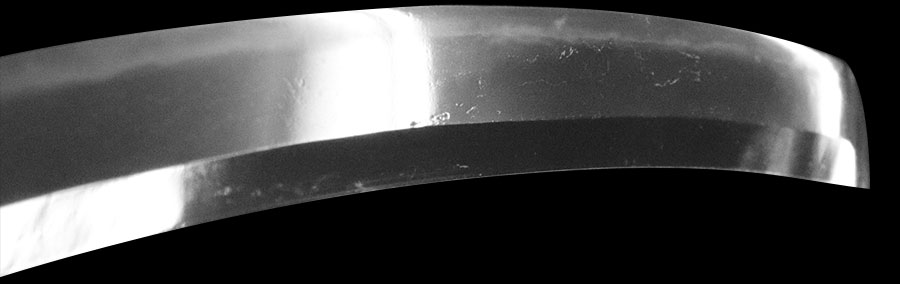
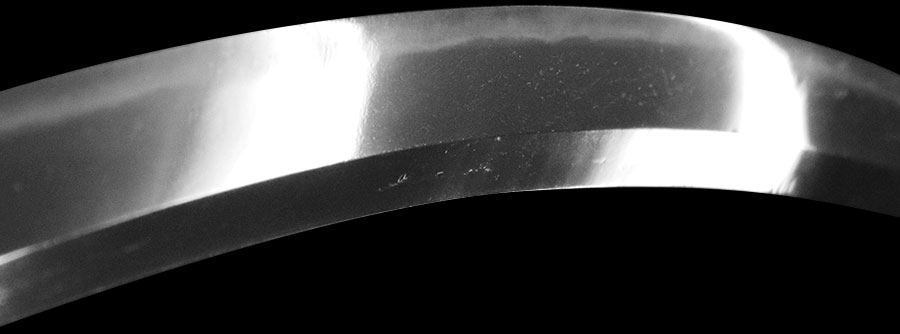
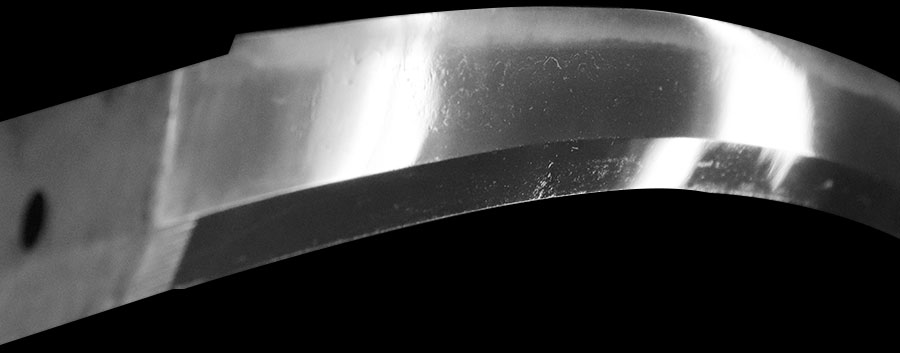
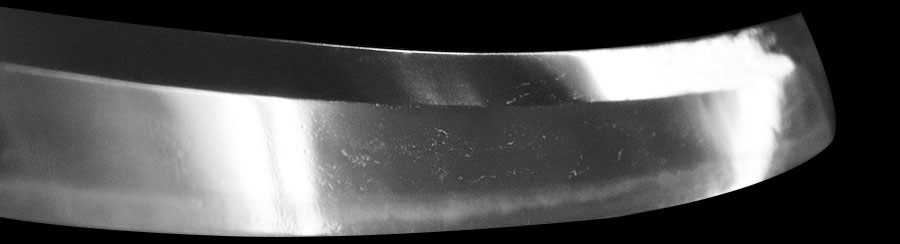
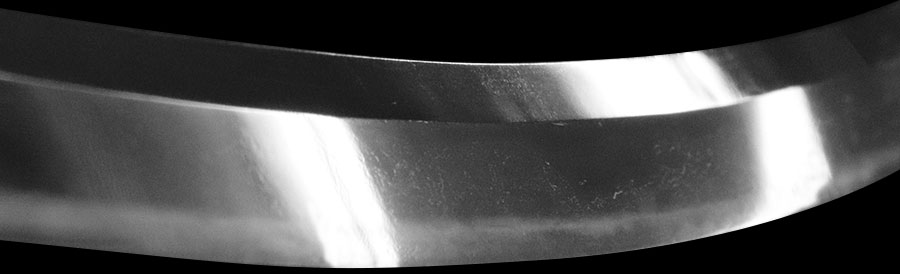
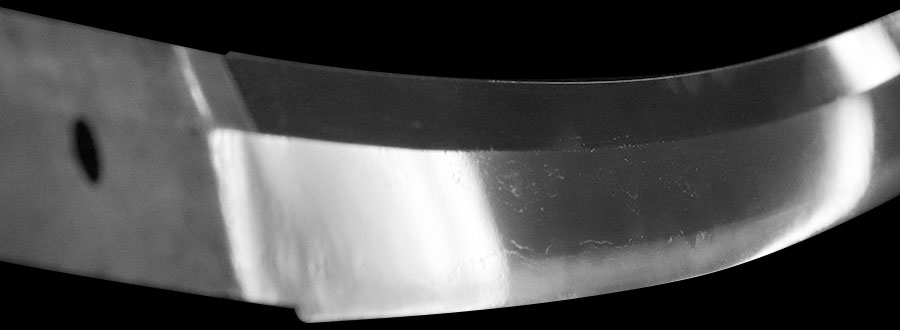
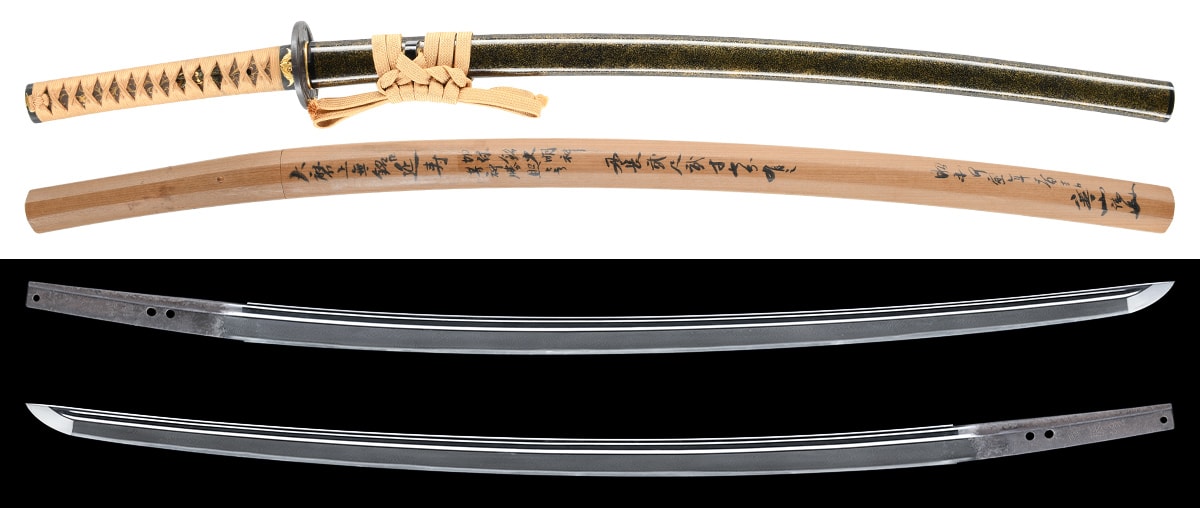
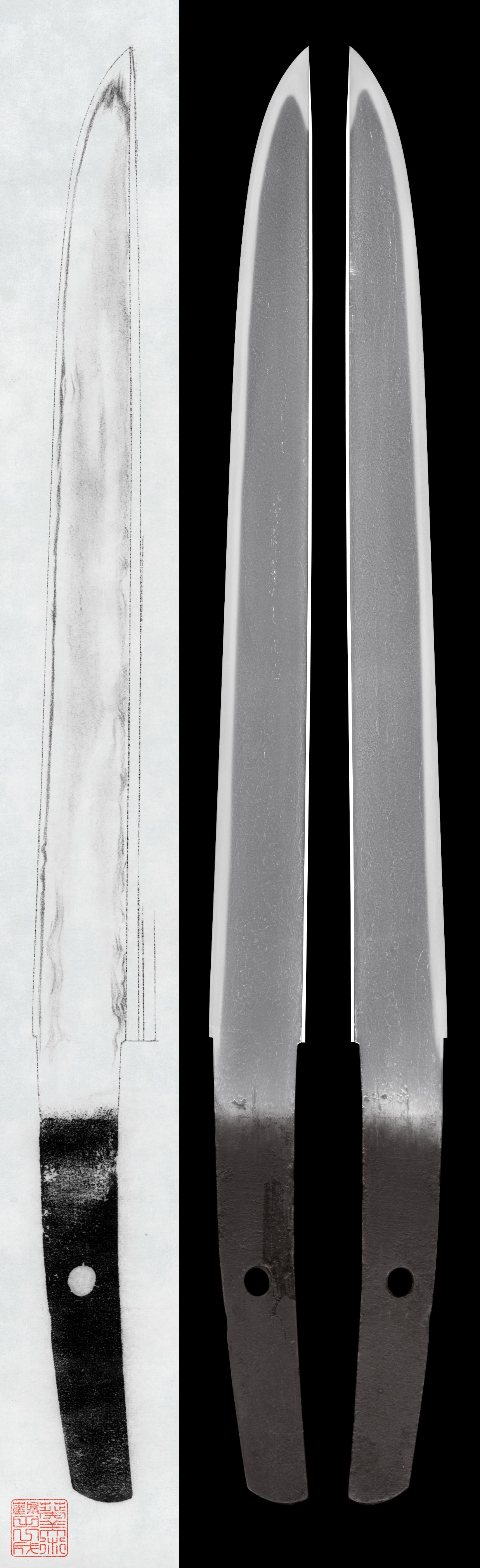
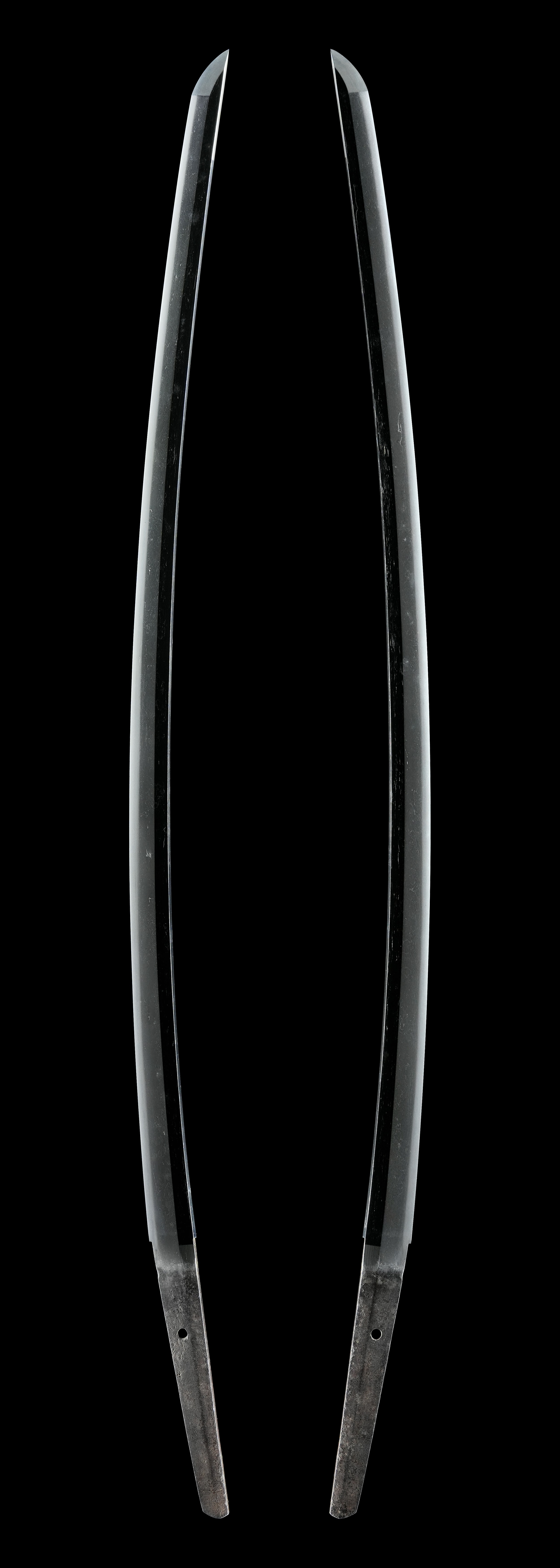
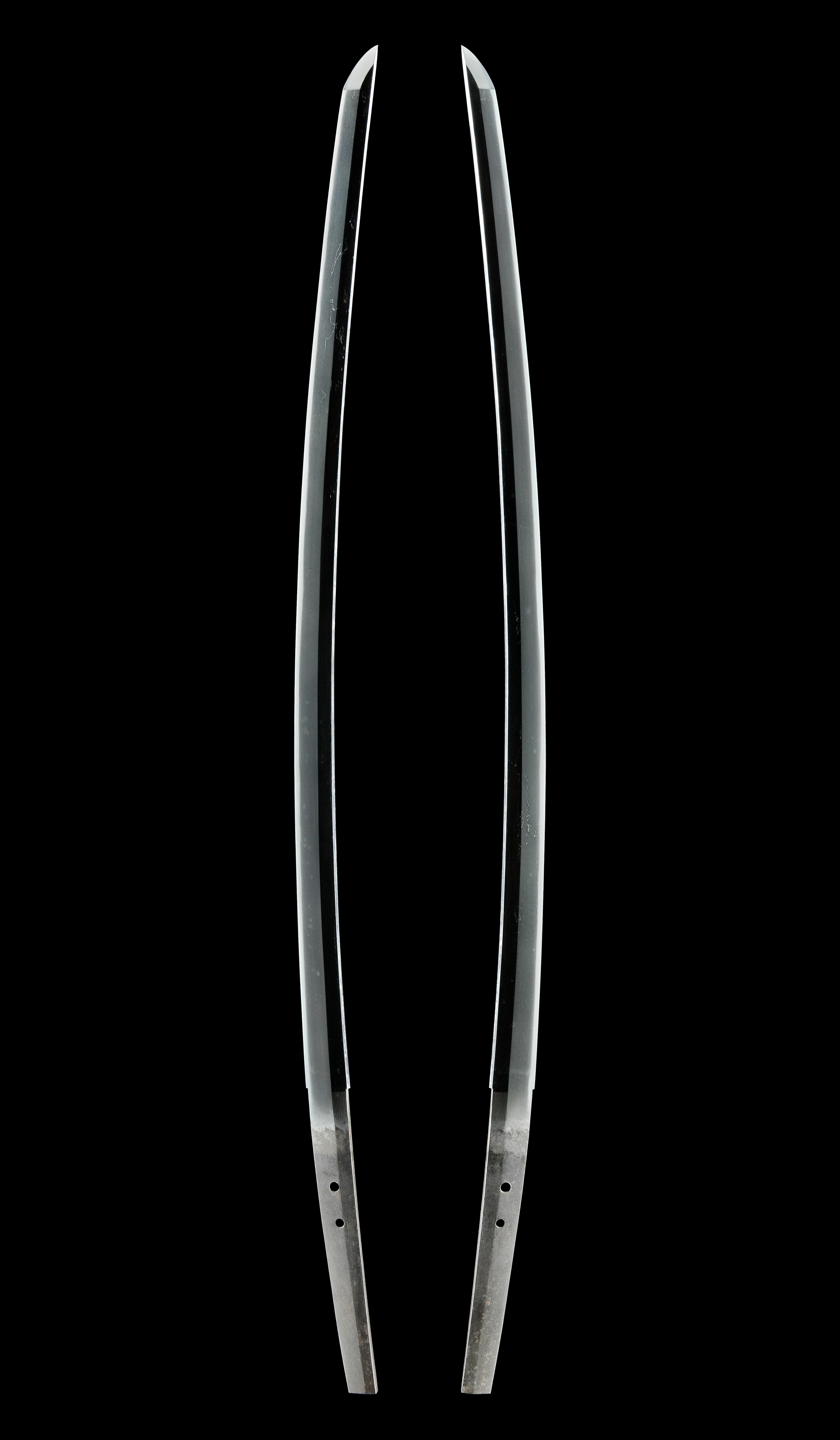
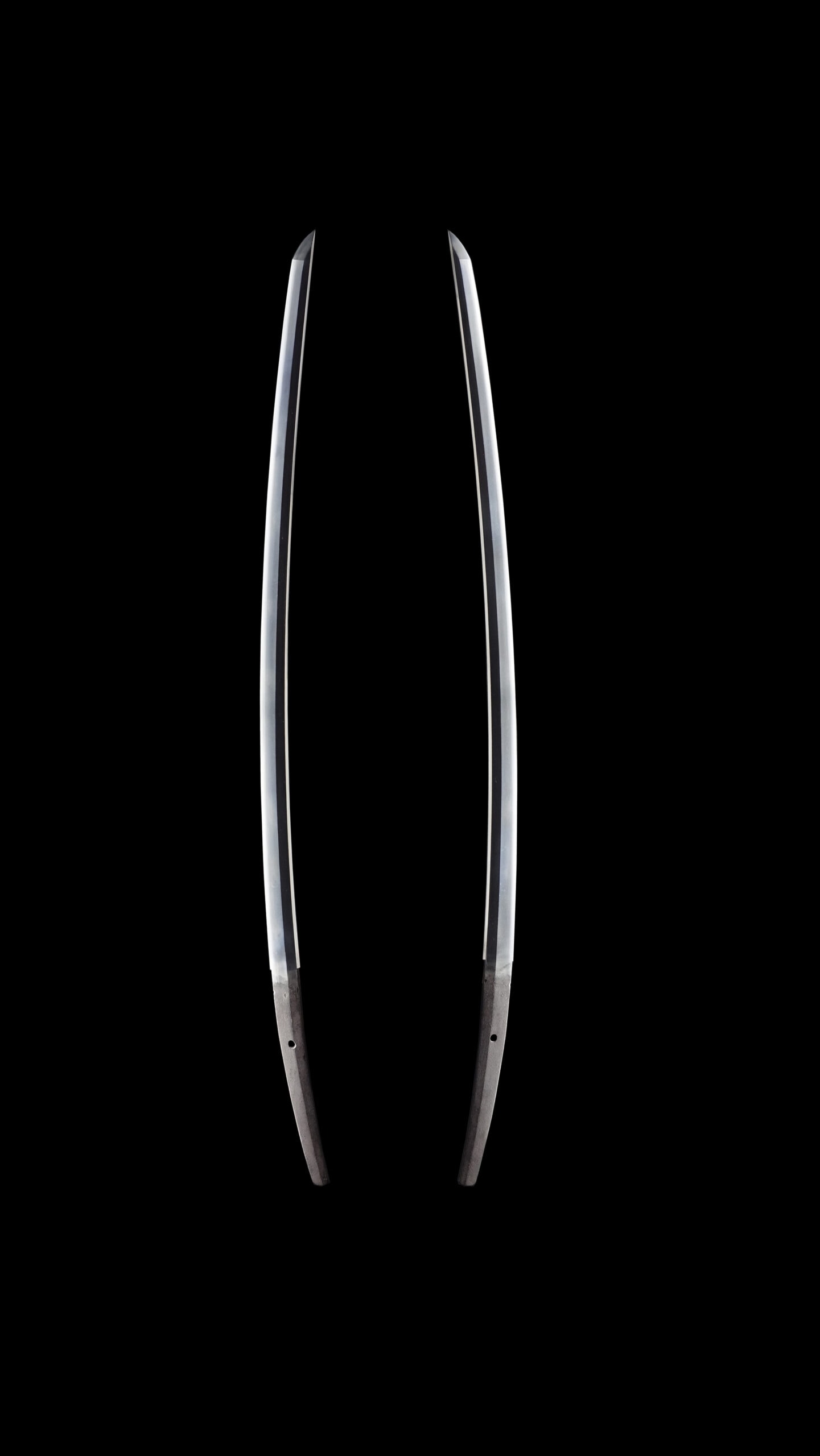
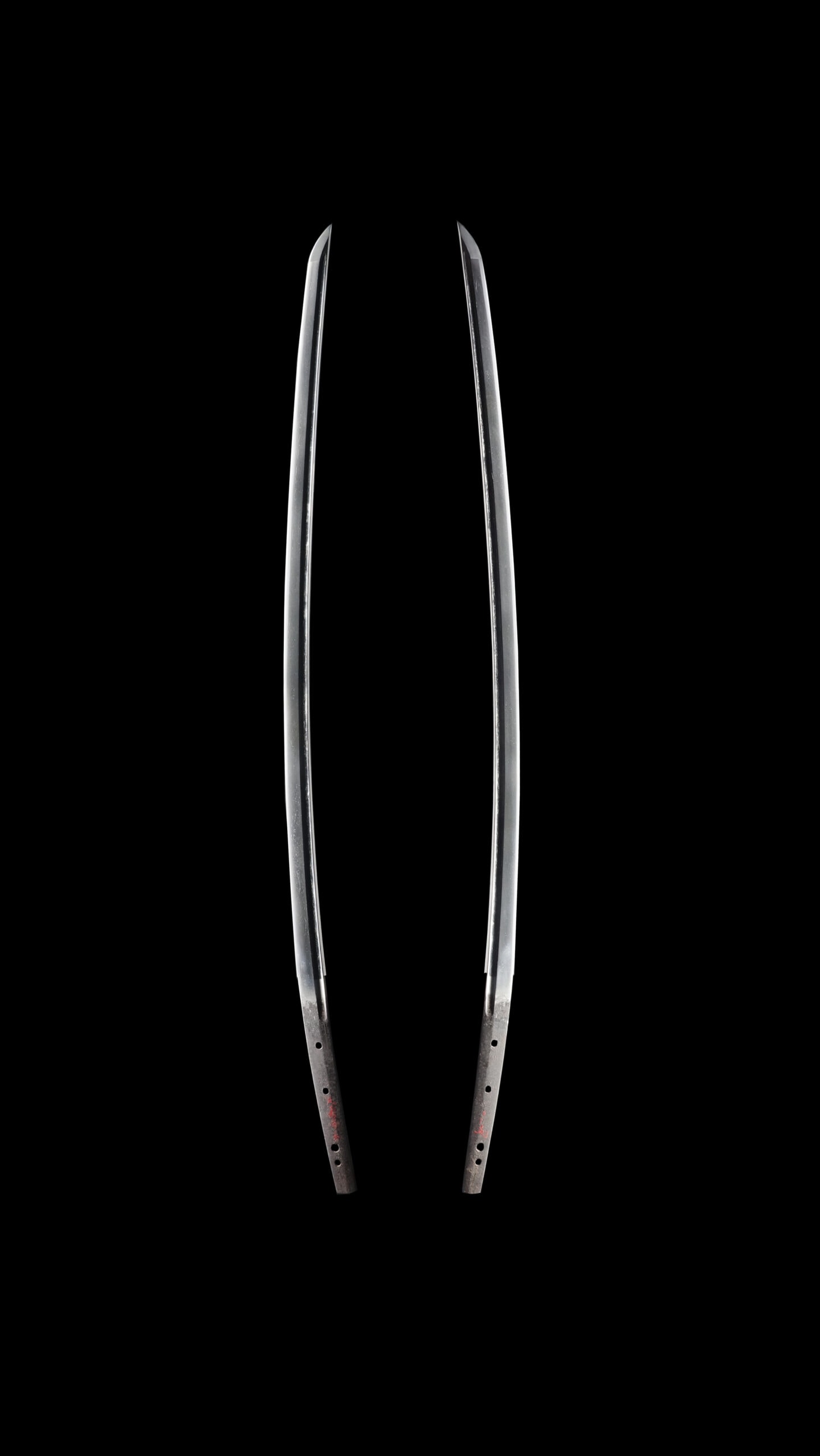
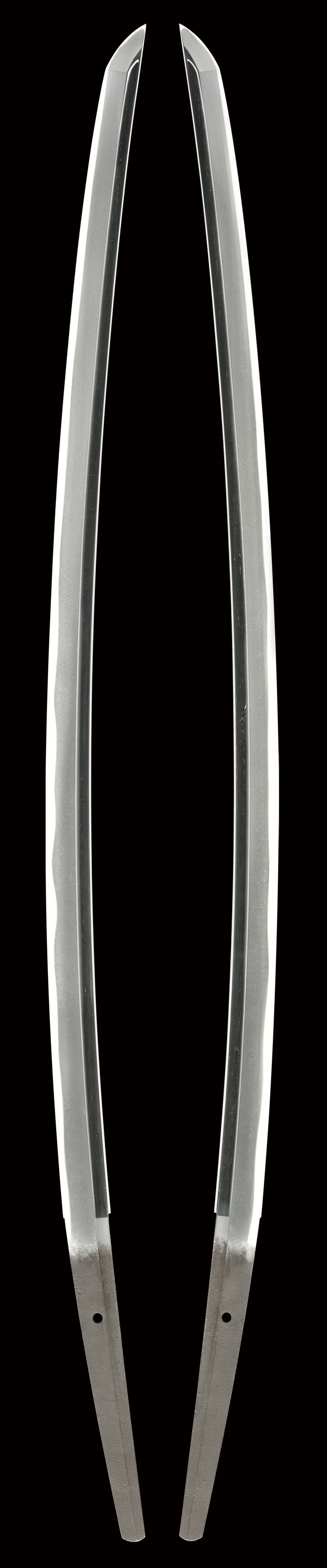
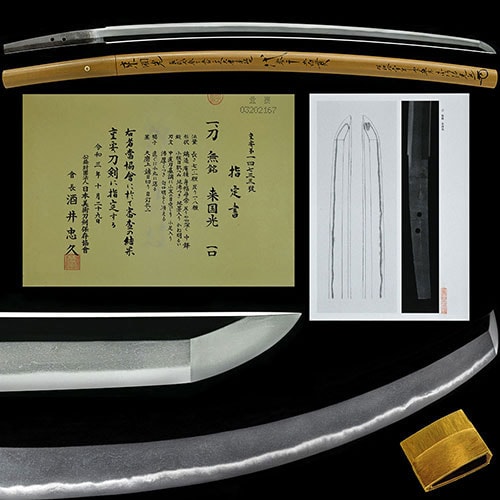
It has appeared, it has appeared—a *tachi* from the Kamakura period has appeared. It is said among those with deep knowledge of swords at *kantei-kai* (sword appraisal meetings) that if one places a bid for a masterpiece of the Yamashiro Rai school and receives a "no" (incorrect) answer, the second bid should be placed for a masterpiece of the Higo Enju school. To that extent, the Enju school is almost identical to, and has a strong relationship with, the likes of Rai Kunitoshi and Rai Kunimitsu of Yamashiro. This is because the ancestor of Higo Enju was Kunimura, who is considered the grandson of Yamashiro Rai Kuniyuki during the Kamakura period; the Rai school swordsmiths moved from Kyoto to the land of Higo around the Gen'o era (1318) (706 years ago) at the invitation of the Higo Kikuchi clan, who were highly devoted to the Emperor. This *tachi* was originally a long sword of 2 *shaku* 7 *sun*, but due to being *suriage*, it is now *mumei*. It displays a magnificent Kamakura period *tachi-sugata* with a high *sori* in the *wa-zori* style, exactly according to the *okite* (conventions) of the Rai school. On the *mune*, there are *homare-kizu* (scars of honor) from parrying an opponent's blade, which further increases the value of this *tachi*. The *jigane* is a finely packed *ko-itame hada* with *ji-nie*, and *nie-utsuri* appears in the *ji*. The *hamon* is a *hiro-suguha* in *ko-nie deki* with shallow *notare*, *ko-choji*, and *ashi*, firing a refined and splendid blade that looks remarkably like the Rai school. This *tachi* is a grand masterpiece that truly looks like the work of Rai Kunimitsu. Since ancient times, the name "Enju" has signified "long life," and it was used by various daimyo families as a gift for celebrations. On this occasion, an elderly connoisseur has entrusted this to us, saying they have grown old and wish to pass it on to a successor at a low price. Therefore, we are offering this grand Enju *tachi* from 700 years ago in the Kamakura period at a special bargain price. This is an Enju *tachi* with a promising future for great advancement; please enjoy it.

NihontoWatch MonNihontoWatchBETA
MarketAuctionsEncyclopedia
Swords›Enju›Katana attributed to Enju
katanaTokubetsu Hozon
Enju

Katana attributed to Enju

mumei · Kamakura · nagasa 76.6cm · sori 3.2cm

SOLD
Enju — 1 of 20
Enju — 2 of 20
Enju — 3 of 20
Enju — 4 of 20
Enju — 5 of 20
Enju — 6 of 20
Enju — 7 of 20
Enju — 8 of 20
Enju — 9 of 20
Enju — 10 of 20
Enju — 11 of 20
Enju — 12 of 20
Enju — 13 of 20
Enju — 14 of 20
Enju — 15 of 20
Enju — 16 of 20
Enju — 17 of 20
Enju — 18 of 20
Enju — 19 of 20
Enju — 20 of 20
1 / 20
1 / 20
Enju — 1 of 20Enju — 2 of 20Enju — 3 of 20Enju — 4 of 20Enju — 5 of 20Enju — 6 of 20Enju — 7 of 20Enju — 8 of 20Enju — 9 of 20Enju — 10 of 20Enju — 11 of 20Enju — 12 of 20Enju — 13 of 20Enju — 14 of 20Enju — 15 of 20Enju — 16 of 20Enju — 17 of 20Enju — 18 of 20Enju — 19 of 20Enju — 20 of 20
Measurements & details
Smith
Enju
Type
Katana
Period
Around 987–1596(Koto)
Province
山城
Signature
Unsigned
Measurements
Nagasa 76.6cmSori 3.2cmMotohaba 3.06cmSakihaba 2cmKasane 0.78cm
Description

It has appeared, it has appeared—a tachi from the Kamakura period has appeared. It is said among those with deep knowledge of swords at kantei-kai (sword appraisal meetings) that if one places a bid for a masterpiece of the Yamashiro Rai school and receives a "no" (incorrect) answer, the second bid should be placed for a masterpiece of the Higo Enju school. To that extent, the Enju school is almost identical to, and has a strong relationship with, the likes of Rai Kunitoshi and Rai Kunimitsu of Yamashiro. This is because the ancestor of Higo Enju was Kunimura, who is considered the grandson of Yamashiro Rai Kuniyuki during the Kamakura period; the Rai school swordsmiths moved from Kyoto to the land of Higo around the Gen'o era (1318) (706 years ago) at the invitation of the Higo Kikuchi clan, who were highly devoted to the Emperor.

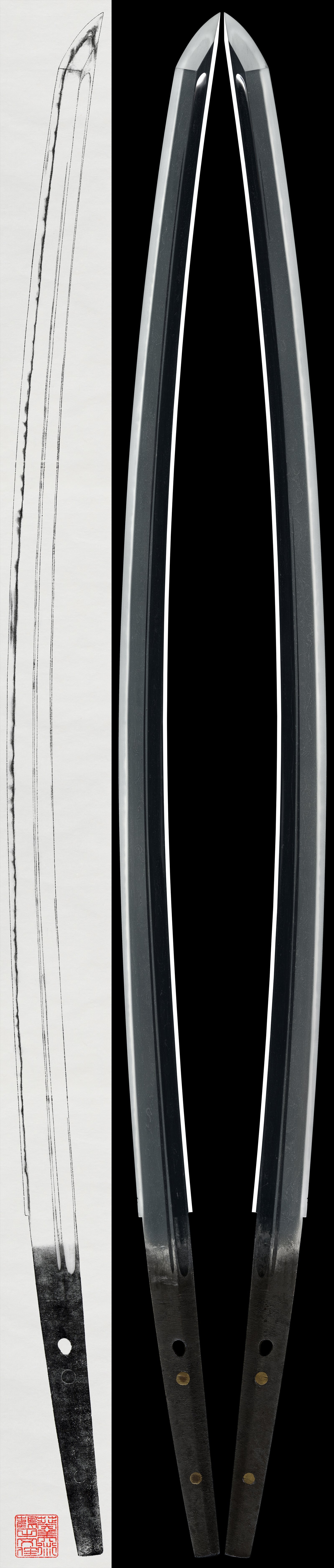
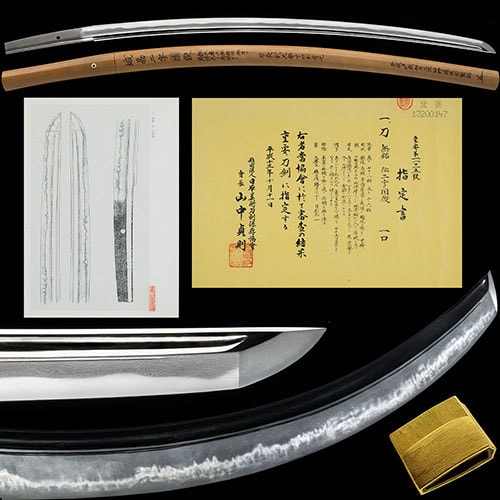
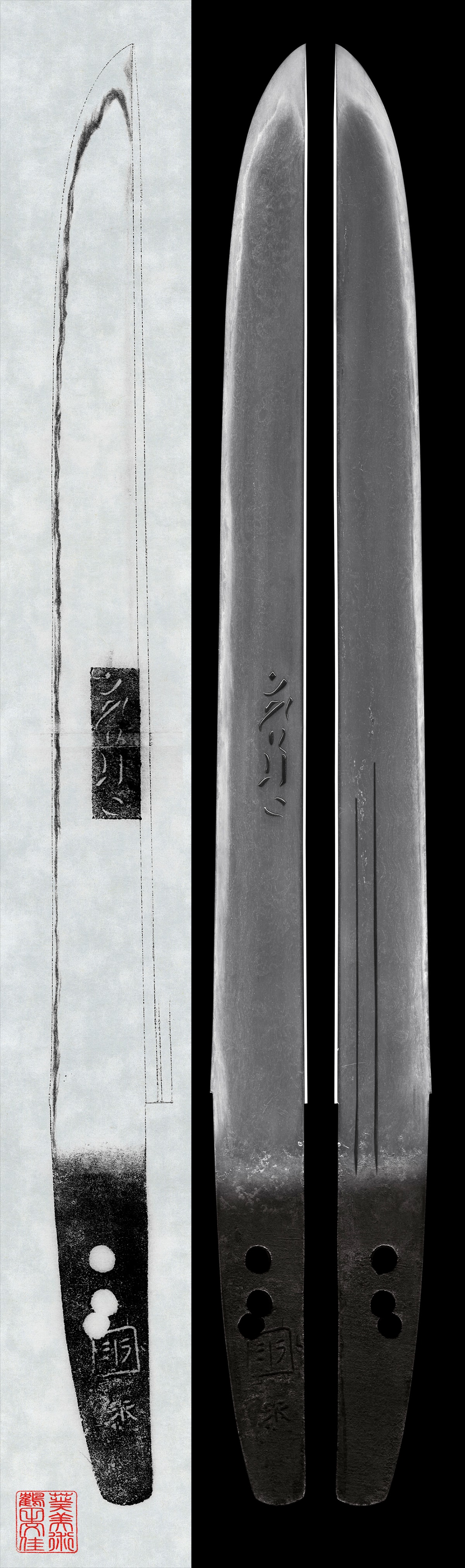
This tachi was originally a long sword of 2 shaku 7 sun, but due to being suriage, it is now mumei. It displays a magnificent Kamakura period tachi-sugata with a high sori in the wa-zori style, exactly according to the okite (conventions) of the Rai school. On the mune, there are homare-kizu (scars of honor) from parrying an opponent's blade, which further increases the value of this tachi. The jigane is a finely packed ko-itame hada with ji-nie, and nie-utsuri appears in the ji. The hamon is a hiro-suguha in ko-nie deki with shallow notare, ko-choji, and ashi, firing a refined and splendid blade that looks remarkably like the Rai school.

This tachi is a grand masterpiece that truly looks like the work of Rai Kunimitsu. Since ancient times, the name "Enju" has signified "long life," and it was used by various daimyo families as a gift for celebrations. On this occasion, an elderly connoisseur has entrusted this to us, saying they have grown old and wish to pass it on to a successor at a low price. Therefore, we are offering this grand Enju tachi from 700 years ago in the Kamakura period at a special bargain price. This is an Enju tachi with a promising future for great advancement; please enjoy it.

About the maker

Enju

延壽

Bungo · around 987-1596

2 pieces on the market now

›

The Enju school of Higo Province is said to have been founded by Taro Kunimura, traditionally regarded as the maternal grandson of Rai Kuniyuki of Yamashiro. From the late Kamakura period through the Nanbokucho period the school flourished greatly at Kumafu in Kikuchi District. Among its lineage were many highly skilled smiths, including Kuniyoshi, Kunitoki, Kunitai, Kunitomo, Kunisuke, Kuninobu, and Kunitsuna. As a school rooted in the Yamashiro Rai tradition yet active in the remote province of Higo, Enju represents one of the most important regional transmissions of the classical Yamashiro manner.

In general, the school's works "do not markedly differentiate into strongly individualized styles" and broadly resemble the Rai tradition. The forging frequently shows a conspicuous tendency toward masame, with areas of flowing itame-hada and nagare-hada; the steel characteristically takes on a somewhat whitish cast, and shirake-utsuri or nie-utsuri often appears. The hamon is typically a calm chu-suguha in ko-nie-deki, with ko-ashi entering; the nioiguchi shows a somewhat shizumi (subdued) tendency, and the activities within the tempered area are gentle and restrained. Along the habuchi, effects such as hotsure, uchi-noke, kuichigai-ba, and nijuba appear with quiet frequency. The boshi is a principal diagnostic feature: it runs straight before the roundness at the point becomes slightly larger -- tending toward o-maru -- while the kaeri is tempered comparatively shallow and short, sometimes ending in yakizume. Blades often retain a somewhat high shinogi and well-developed hiraniku, conveying a martial robustness beneath the serene surface.

The NBTHK consistently characterizes Enju work as possessing "a gentle, restrained charm" and "a serene calm" that distinguishes it from mainstream Rai production. The school's steel is praised for its "refined and polished" quality, and pieces displaying a bright nioiguchi are singled out as "especially fine" examples, precisely because brightness is not the school's default register. Works retaining deep wazori, thick kasane, and abundant nikuoki (blade flesh) are commended as "sturdily constructed so as to be thoroughly suited for martial use." The Enju manner occupies a distinctive position within the broader Yamashiro lineage -- quieter and more introspective than Rai, yet carrying a robust physicality that reflects its provincial, warrior-class patronage in Higo.

2 works by Enju on the market→
Enju — full profile
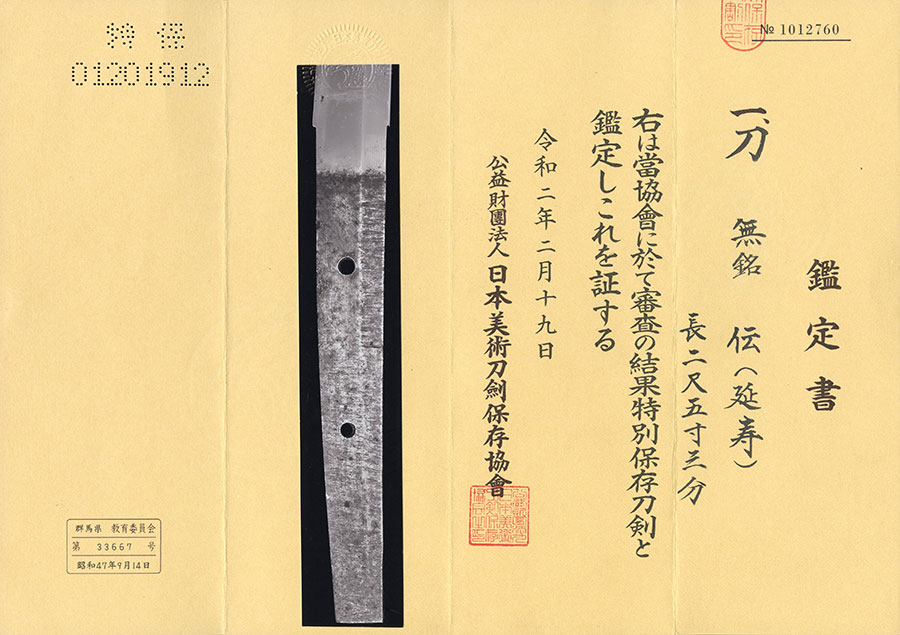
NBTHK Certificate
Tokubetsu Hozon Tōken特別保存刀剣
Sword Especially Worthy of Preservation
›

A Hozon-certified blade judged to show notably superior workmanship and a better state of preservation. The bar is higher: re-tempered blades and most unsigned Muromachi/Edo works are excluded.

About the NBTHK›

The NBTHK (Nihon Bijutsu Tōken Hozon Kyōkai, the Society for the Preservation of Japanese Art Swords) is a public-interest incorporated foundation founded in 1948 and supervised by Japan’s Agency for Cultural Affairs (Bunkachō); it is based at the Japanese Sword Museum in Tokyo. Its expert panels physically examine each submitted work (shinsa) and issue a certificate (kanteishō) ranking it by artistic and historical merit. NBTHK papers are the most widely recognized standard of authentication for Japanese swords and fittings.

NBTHK official site→
Seller
N
Nipponto
Established 1953 · 73 yrs on the market
🇯🇵Ships from Japan
›
✓Verified dealernipponto.co.jp
✓Ships worldwide✓English supportPayPalCredit card
Return policy

For returns due to customer circumstances, the cost is the customer's responsibility. For returns due to our mis-shipment or a defective item, we bear the cost.

View all of Nipponto’s listings→View this item on the dealer’s site→

More works by Enju

View all →
Aoi Art
Tokuho
Tanto - Tokuho - by Enju - Mumei (Unsigned) (Enju) NBTHK Tokubetsu Hozon TokenTanto - Tokuho - by Enju - Mumei (Unsigned) (Enju) NBTHK Tokubetsu Hozon Token

Tantō

ByEnju
Starting Bid¥850,000
Aoi Art
Tokuho
Katana - Tokuho - by Enju - Mumei (Enju)Katana - Tokuho - by Enju - Mumei (Enju)

Katana

ByEnju
¥1,200,000

Previously sold by Enju

World Seiyudo
Tokuho
Katana - Tokuho - by Enju - Mumei (Attributed to Enju) - NBTHK Tokubetsu Hozon TokenKatana - Tokuho - by Enju - Mumei (Attributed to Enju) - NBTHK Tokubetsu Hozon Token
Sold

Katana

ByEnju
SOLD
Choshuya
Katana - by Enju - Katana with Chaki-hada-mon Nuri Saya Uchigatana Koshirae, O-suriage Mumei Sue EnjuKatana - by Enju - Katana with Chaki-hada-mon Nuri Saya Uchigatana Koshirae, O-suriage Mumei Sue Enju
Sold

Katana

ByEnju
SOLD

Swords

  • Katana
  • Wakizashi
  • Tantō
  • Tachi
  • Naginata
  • Yari

Fittings

  • Tsuba
  • Fuchi-Kashira
  • Kozuka
  • Menuki

By Certification

  • Tokujū
  • Jūyō
  • Tokuho
  • Hozon

Resources

  • Dealer Directory
  • Artist Directory
  • Glossary
  • Browse All
Nihontowatch© 2026
TermsPrivacyCookies

Description

It has appeared, it has appeared—a *tachi* from the Kamakura period has appeared. It is said among those with deep knowledge of swords at *kantei-kai* (sword appraisal meetings) that if one places a bid for a masterpiece of the Yamashiro Rai school and receives a "no" (incorrect) answer, the second bid should be placed for a masterpiece of the Higo Enju school. To that extent, the Enju school is almost identical to, and has a strong relationship with, the likes of Rai Kunitoshi and Rai Kunimitsu of Yamashiro. This is because the ancestor of Higo Enju was Kunimura, who is considered the grandson of Yamashiro Rai Kuniyuki during the Kamakura period; the Rai school swordsmiths moved from Kyoto to the land of Higo around the Gen'o era (1318) (706 years ago) at the invitation of the Higo Kikuchi clan, who were highly devoted to the Emperor. This *tachi* was originally a long sword of 2 *shaku* 7 *sun*, but due to being *suriage*, it is now *mumei*. It displays a magnificent Kamakura period *tachi-sugata* with a high *sori* in the *wa-zori* style, exactly according to the *okite* (conventions) of the Rai school. On the *mune*, there are *homare-kizu* (scars of honor) from parrying an opponent's blade, which further increases the value of this *tachi*. The *jigane* is a finely packed *ko-itame hada* with *ji-nie*, and *nie-utsuri* appears in the *ji*. The *hamon* is a *hiro-suguha* in *ko-nie deki* with shallow *notare*, *ko-choji*, and *ashi*, firing a refined and splendid blade that looks remarkably like the Rai school. This *tachi* is a grand masterpiece that truly looks like the work of Rai Kunimitsu. Since ancient times, the name "Enju" has signified "long life," and it was used by various daimyo families as a gift for celebrations. On this occasion, an elderly connoisseur has entrusted this to us, saying they have grown old and wish to pass it on to a successor at a low price. Therefore, we are offering this grand Enju *tachi* from 700 years ago in the Kamakura period at a special bargain price. This is an Enju *tachi* with a promising future for great advancement; please enjoy it.

NihontoWatch MonNihontoWatchBETA
MarketAuctionsEncyclopedia
Swords›Enju›Katana attributed to Enju
katanaTokubetsu Hozon
Enju

Katana attributed to Enju

mumei · Kamakura · nagasa 76.6cm · sori 3.2cm

SOLD
Enju — 1 of 20
Enju — 2 of 20
Enju — 3 of 20
Enju — 4 of 20
Enju — 5 of 20
Enju — 6 of 20
Enju — 7 of 20
Enju — 8 of 20
Enju — 9 of 20
Enju — 10 of 20
Enju — 11 of 20
Enju — 12 of 20
Enju — 13 of 20
Enju — 14 of 20
Enju — 15 of 20
Enju — 16 of 20
Enju — 17 of 20
Enju — 18 of 20
Enju — 19 of 20
Enju — 20 of 20
1 / 20
1 / 20
Enju — 1 of 20Enju — 2 of 20Enju — 3 of 20Enju — 4 of 20Enju — 5 of 20Enju — 6 of 20Enju — 7 of 20Enju — 8 of 20Enju — 9 of 20Enju — 10 of 20Enju — 11 of 20Enju — 12 of 20Enju — 13 of 20Enju — 14 of 20Enju — 15 of 20Enju — 16 of 20Enju — 17 of 20Enju — 18 of 20Enju — 19 of 20Enju — 20 of 20
Measurements & details
Smith
Enju
Type
Katana
Period
Around 987–1596(Koto)
Province
山城
Signature
Unsigned
Measurements
Nagasa 76.6cmSori 3.2cmMotohaba 3.06cmSakihaba 2cmKasane 0.78cm
Description

It has appeared, it has appeared—a tachi from the Kamakura period has appeared. It is said among those with deep knowledge of swords at kantei-kai (sword appraisal meetings) that if one places a bid for a masterpiece of the Yamashiro Rai school and receives a "no" (incorrect) answer, the second bid should be placed for a masterpiece of the Higo Enju school. To that extent, the Enju school is almost identical to, and has a strong relationship with, the likes of Rai Kunitoshi and Rai Kunimitsu of Yamashiro. This is because the ancestor of Higo Enju was Kunimura, who is considered the grandson of Yamashiro Rai Kuniyuki during the Kamakura period; the Rai school swordsmiths moved from Kyoto to the land of Higo around the Gen'o era (1318) (706 years ago) at the invitation of the Higo Kikuchi clan, who were highly devoted to the Emperor.

This tachi was originally a long sword of 2 shaku 7 sun, but due to being suriage, it is now mumei. It displays a magnificent Kamakura period tachi-sugata with a high sori in the wa-zori style, exactly according to the okite (conventions) of the Rai school. On the mune, there are homare-kizu (scars of honor) from parrying an opponent's blade, which further increases the value of this tachi. The jigane is a finely packed ko-itame hada with ji-nie, and nie-utsuri appears in the ji. The hamon is a hiro-suguha in ko-nie deki with shallow notare, ko-choji, and ashi, firing a refined and splendid blade that looks remarkably like the Rai school.

This tachi is a grand masterpiece that truly looks like the work of Rai Kunimitsu. Since ancient times, the name "Enju" has signified "long life," and it was used by various daimyo families as a gift for celebrations. On this occasion, an elderly connoisseur has entrusted this to us, saying they have grown old and wish to pass it on to a successor at a low price. Therefore, we are offering this grand Enju tachi from 700 years ago in the Kamakura period at a special bargain price. This is an Enju tachi with a promising future for great advancement; please enjoy it.

About the maker

Enju

延壽

Bungo · around 987-1596

2 pieces on the market now

›

The Enju school of Higo Province is said to have been founded by Taro Kunimura, traditionally regarded as the maternal grandson of Rai Kuniyuki of Yamashiro. From the late Kamakura period through the Nanbokucho period the school flourished greatly at Kumafu in Kikuchi District. Among its lineage were many highly skilled smiths, including Kuniyoshi, Kunitoki, Kunitai, Kunitomo, Kunisuke, Kuninobu, and Kunitsuna. As a school rooted in the Yamashiro Rai tradition yet active in the remote province of Higo, Enju represents one of the most important regional transmissions of the classical Yamashiro manner.

In general, the school's works "do not markedly differentiate into strongly individualized styles" and broadly resemble the Rai tradition. The forging frequently shows a conspicuous tendency toward masame, with areas of flowing itame-hada and nagare-hada; the steel characteristically takes on a somewhat whitish cast, and shirake-utsuri or nie-utsuri often appears. The hamon is typically a calm chu-suguha in ko-nie-deki, with ko-ashi entering; the nioiguchi shows a somewhat shizumi (subdued) tendency, and the activities within the tempered area are gentle and restrained. Along the habuchi, effects such as hotsure, uchi-noke, kuichigai-ba, and nijuba appear with quiet frequency. The boshi is a principal diagnostic feature: it runs straight before the roundness at the point becomes slightly larger -- tending toward o-maru -- while the kaeri is tempered comparatively shallow and short, sometimes ending in yakizume. Blades often retain a somewhat high shinogi and well-developed hiraniku, conveying a martial robustness beneath the serene surface.

The NBTHK consistently characterizes Enju work as possessing "a gentle, restrained charm" and "a serene calm" that distinguishes it from mainstream Rai production. The school's steel is praised for its "refined and polished" quality, and pieces displaying a bright nioiguchi are singled out as "especially fine" examples, precisely because brightness is not the school's default register. Works retaining deep wazori, thick kasane, and abundant nikuoki (blade flesh) are commended as "sturdily constructed so as to be thoroughly suited for martial use." The Enju manner occupies a distinctive position within the broader Yamashiro lineage -- quieter and more introspective than Rai, yet carrying a robust physicality that reflects its provincial, warrior-class patronage in Higo.

2 works by Enju on the market→
Enju — full profile
NBTHK Certificate
Tokubetsu Hozon Tōken特別保存刀剣
Sword Especially Worthy of Preservation
›

A Hozon-certified blade judged to show notably superior workmanship and a better state of preservation. The bar is higher: re-tempered blades and most unsigned Muromachi/Edo works are excluded.

About the NBTHK›

The NBTHK (Nihon Bijutsu Tōken Hozon Kyōkai, the Society for the Preservation of Japanese Art Swords) is a public-interest incorporated foundation founded in 1948 and supervised by Japan’s Agency for Cultural Affairs (Bunkachō); it is based at the Japanese Sword Museum in Tokyo. Its expert panels physically examine each submitted work (shinsa) and issue a certificate (kanteishō) ranking it by artistic and historical merit. NBTHK papers are the most widely recognized standard of authentication for Japanese swords and fittings.

NBTHK official site→
Seller
N
Nipponto
Established 1953 · 73 yrs on the market
🇯🇵Ships from Japan
›
✓Verified dealernipponto.co.jp
✓Ships worldwide✓English supportPayPalCredit card
Return policy

For returns due to customer circumstances, the cost is the customer's responsibility. For returns due to our mis-shipment or a defective item, we bear the cost.
View all of Nipponto’s listings→View this item on the dealer’s site→

More works by Enju

View all →
Aoi Art
Tokuho
Tanto - Tokuho - by Enju - Mumei (Unsigned) (Enju) NBTHK Tokubetsu Hozon TokenTanto - Tokuho - by Enju - Mumei (Unsigned) (Enju) NBTHK Tokubetsu Hozon Token

Tantō

ByEnju
Starting Bid¥850,000
Aoi Art
Tokuho
Katana - Tokuho - by Enju - Mumei (Enju)Katana - Tokuho - by Enju - Mumei (Enju)

Katana

ByEnju
¥1,200,000

Previously sold by Enju

World Seiyudo
Tokuho
Katana - Tokuho - by Enju - Mumei (Attributed to Enju) - NBTHK Tokubetsu Hozon TokenKatana - Tokuho - by Enju - Mumei (Attributed to Enju) - NBTHK Tokubetsu Hozon Token
Sold

Katana

ByEnju
SOLD
Choshuya
Katana - by Enju - Katana with Chaki-hada-mon Nuri Saya Uchigatana Koshirae, O-suriage Mumei Sue EnjuKatana - by Enju - Katana with Chaki-hada-mon Nuri Saya Uchigatana Koshirae, O-suriage Mumei Sue Enju
Sold

Katana

ByEnju
SOLD

Swords

  • Katana
  • Wakizashi
  • Tantō
  • Tachi
  • Naginata
  • Yari

Fittings

  • Tsuba
  • Fuchi-Kashira
  • Kozuka
  • Menuki

By Certification

  • Tokujū
  • Jūyō
  • Tokuho
  • Hozon

Resources

  • Dealer Directory
  • Artist Directory
  • Glossary
  • Browse All
Nihontowatch© 2026
TermsPrivacyCookies
NihontoWatch Mon

NihontoWatchBETA

MarketAuctions
Encyclopedia
NihontoWatch Mon

NihontoWatchBETA

MarketAuctions
Encyclopedia