The Yamato schools grew up in the shadow of Nara’s great monasteries: Tegai took its name from a gate of Tōdaiji. Their austere masame and quiet suguha are a temple aesthetic, prized ever since for exactly that restraint.
 NihontoWatchNihontoWatch
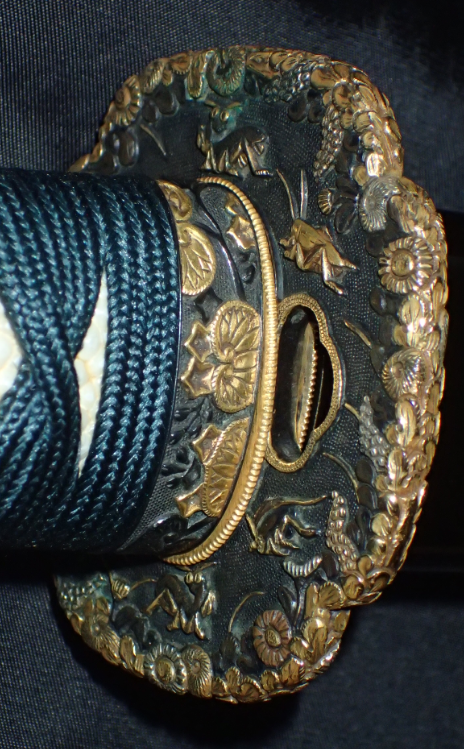
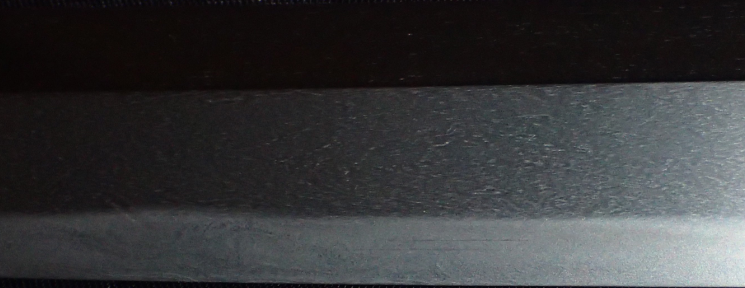
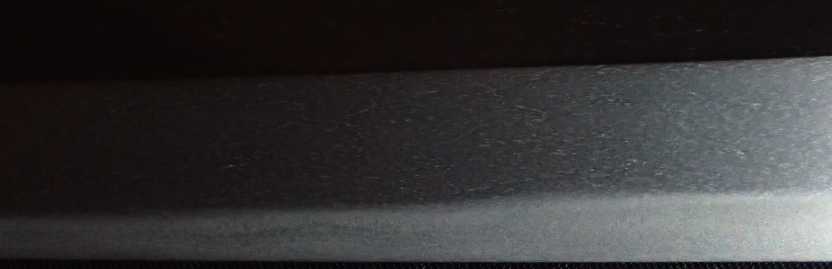
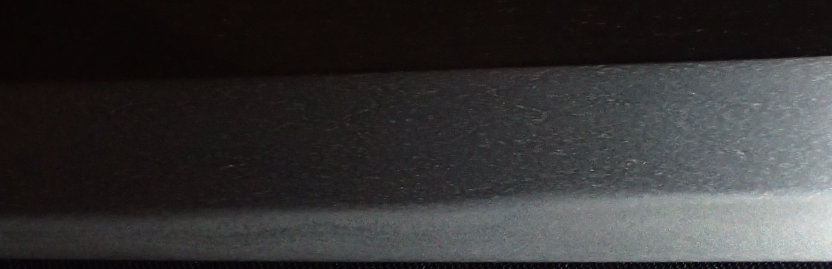
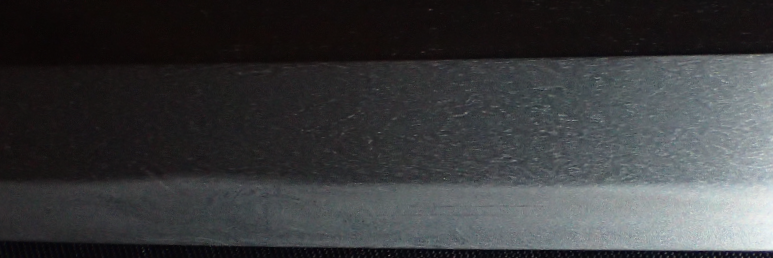
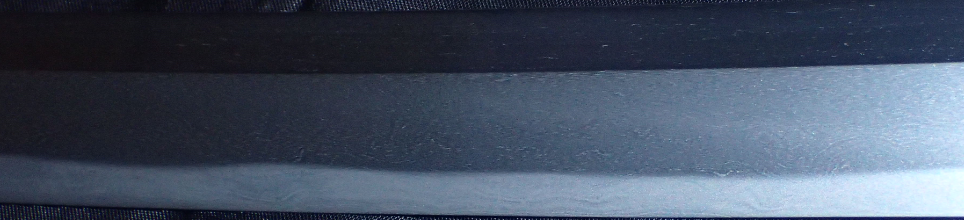
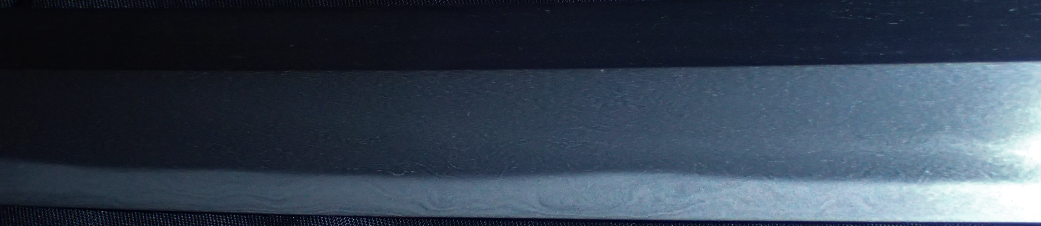
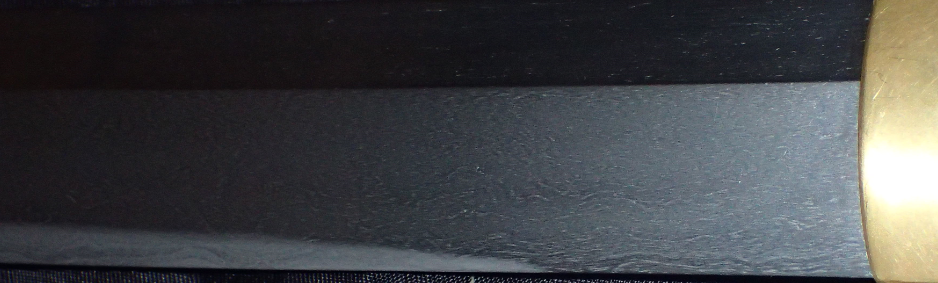
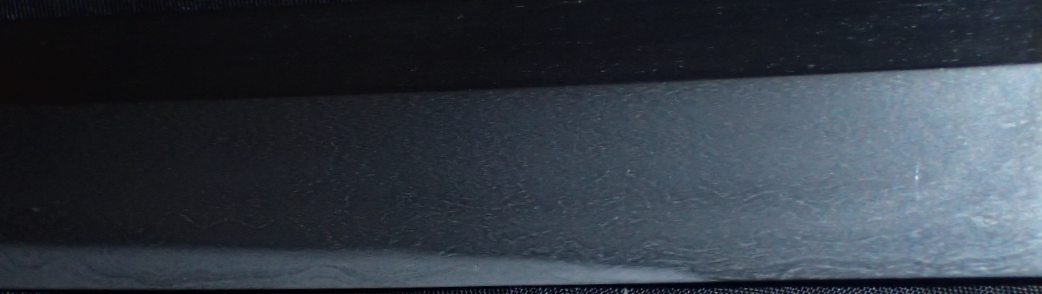
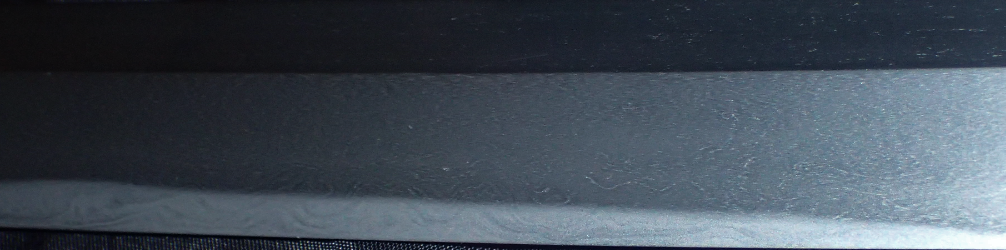
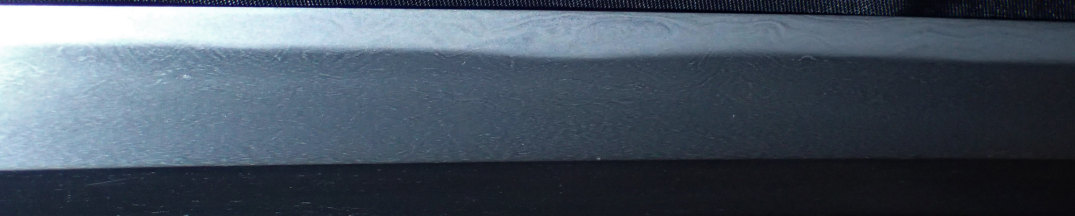
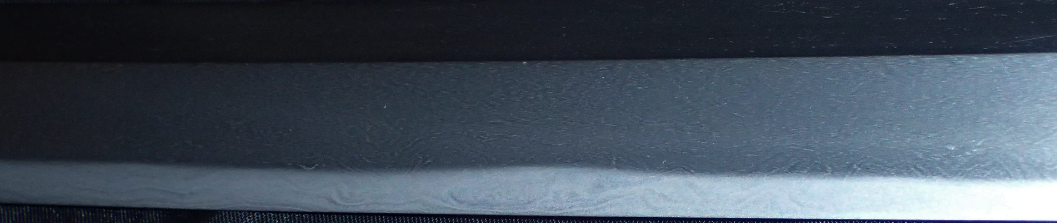
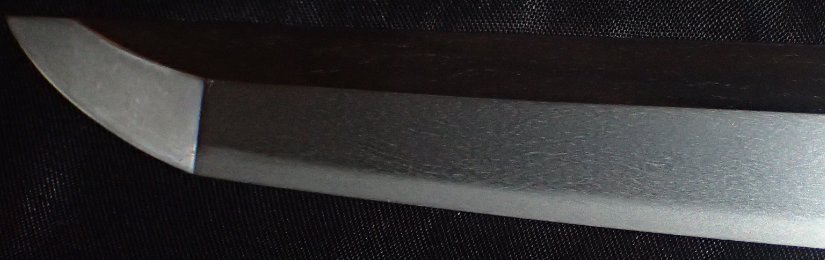
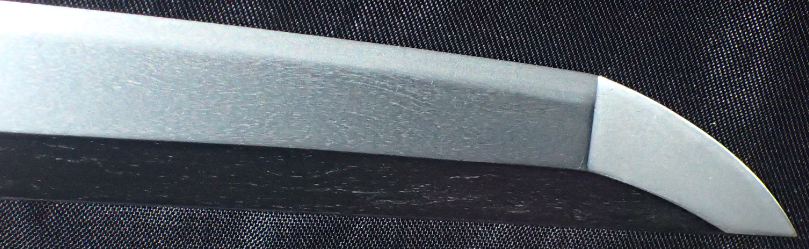
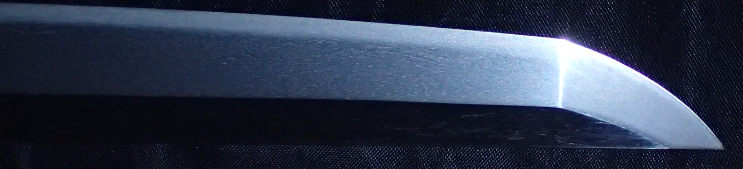
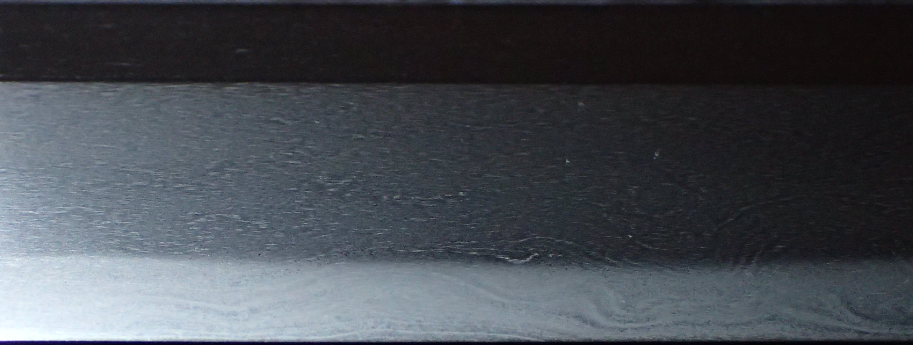
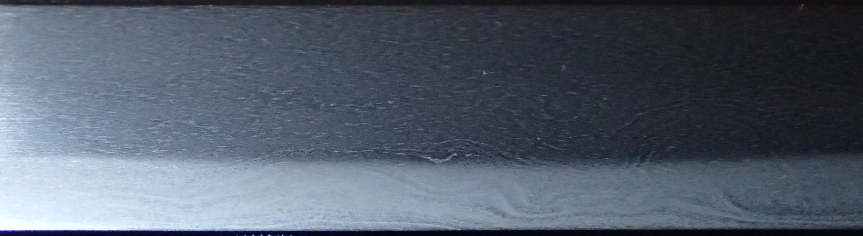
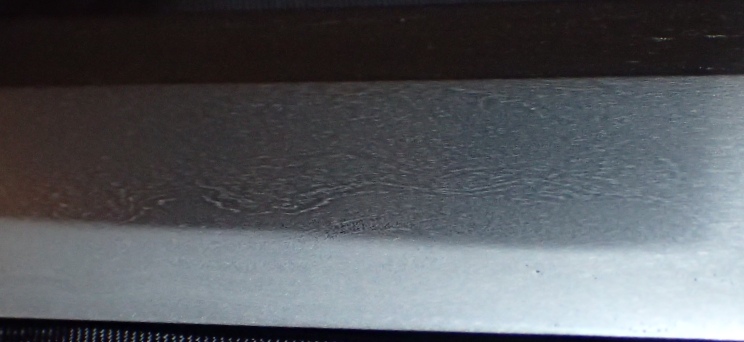
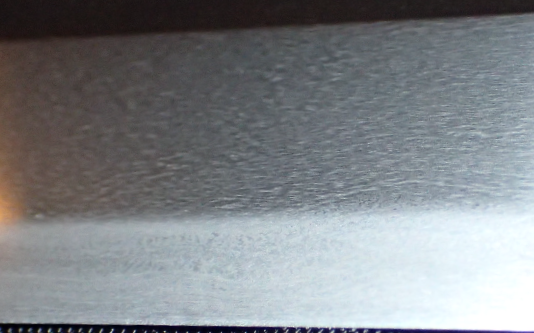
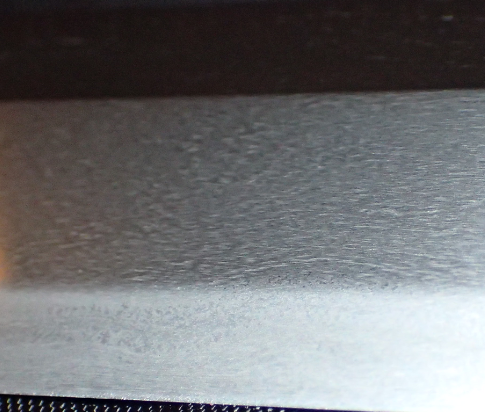
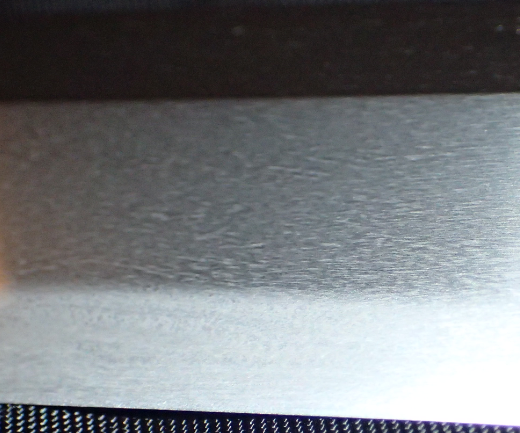
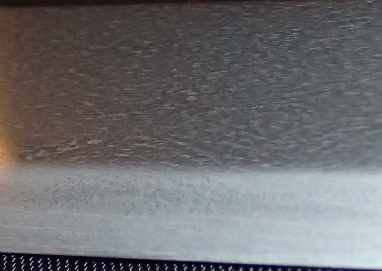
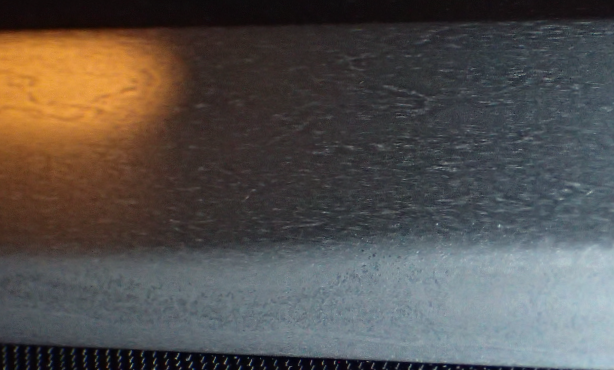
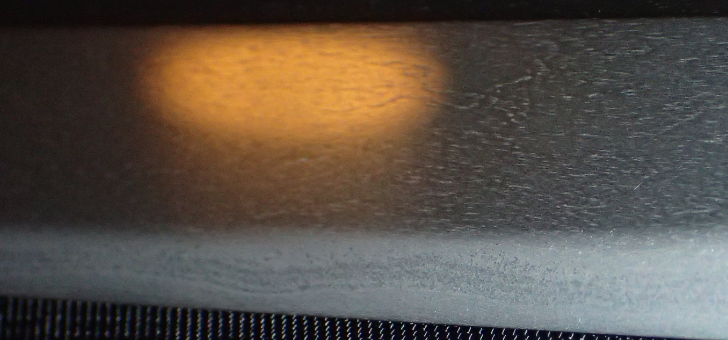
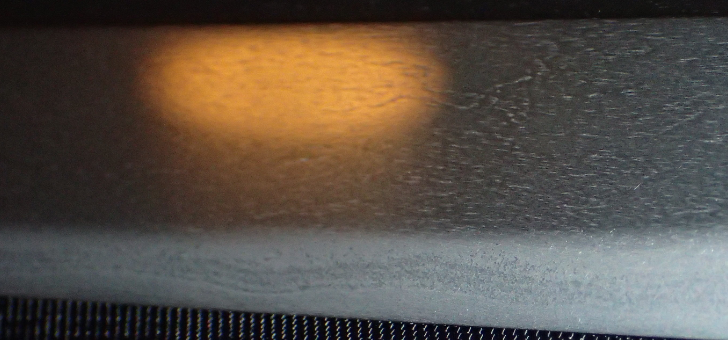
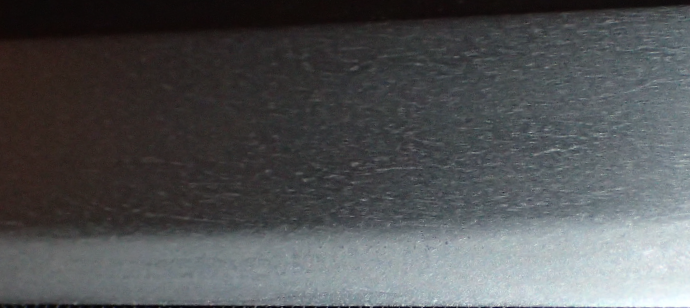
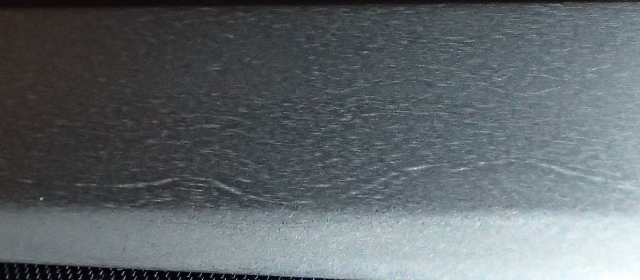
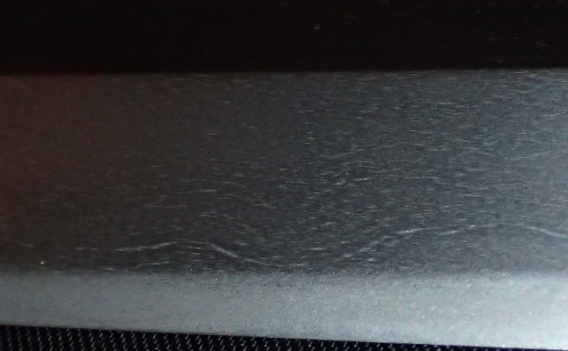
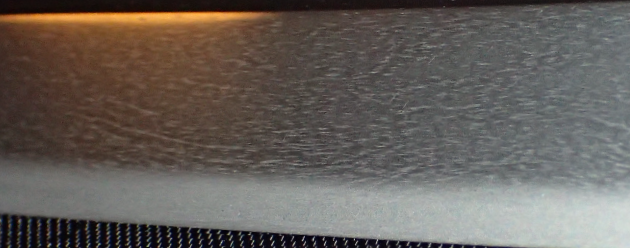
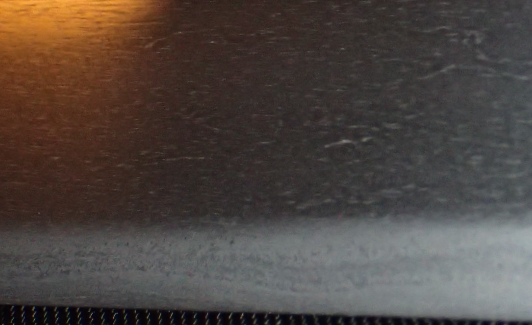
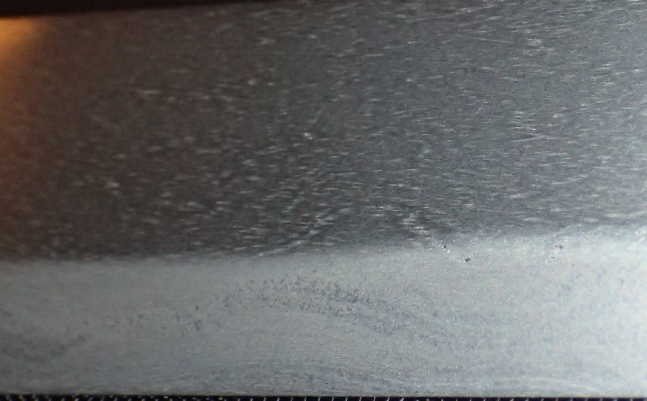
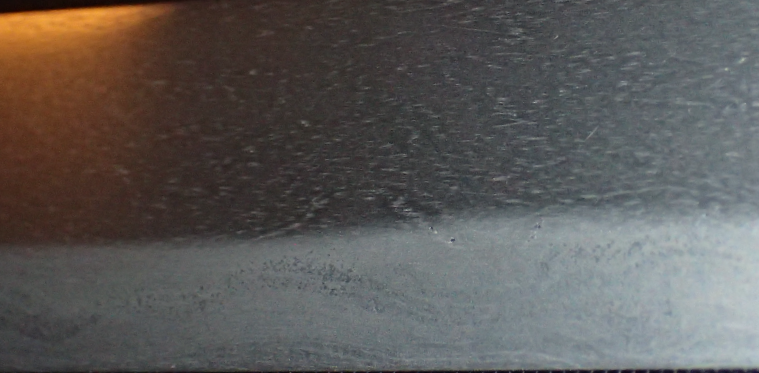
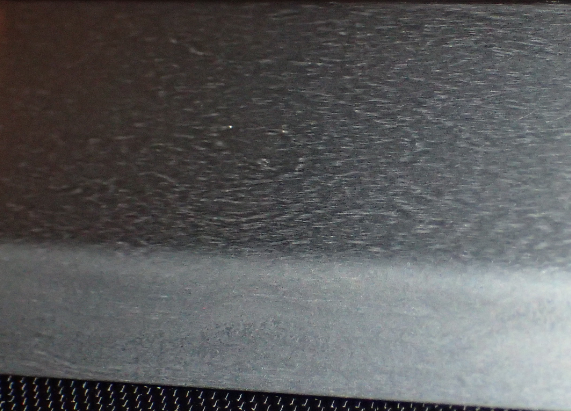
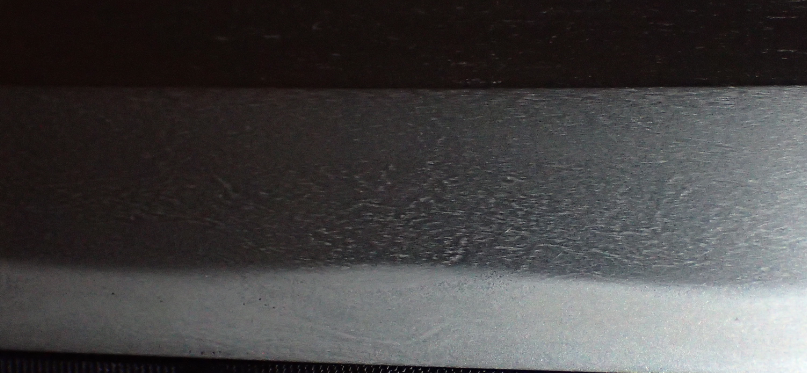
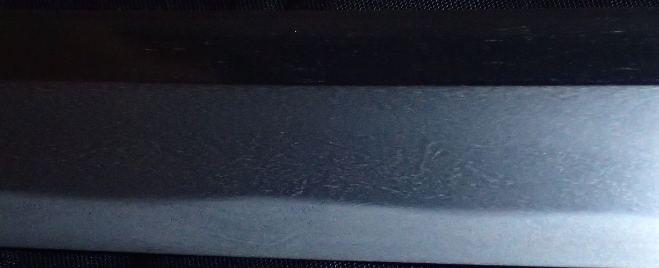
This katana is on display at this time. An excellent early Koto katana attributed to the Senjuin school a very elegant Slender blade tapering to the Kissaki (Funbari), with a ko-kissaki . showing the elements of a classic Tachi-Sugata.The flawless hada is beautifully forged in an itame mixed with mokume with nagare masame in the ha, a clear strong Utsuri is visible , The Hamon is nie-laden based on Suguha with a clear nioiguchi that is mixed with Ko-Midare, nijūba, kuichigai-ba, hotsure, ashi, yō, kinsuji, and sunagashi and starts with Yakiotoshi which is often seen in Heian and Kamakura Blades. The Blade has Tokubetsu Hozon Certificate from the NBTHK and also from a private Museum called The Sword Fittings Museum (Nihon Tōsōgu Bijutsukan) which has now closed. The Koshirae is a Tenshō-style Uchigatana Koshirae featuring a glossy black-laquer saya. Fuchi Kashira: Aoi motif, shakudō, nanako ground, takabori relief, iroe accents, Menuki: carp motif, shakudō, katachibori, iroe accents Tsuba: is an Excellent Mino school with inscect motif , Tsuka: covered with white same and wrapped in tsumami-hishimaki style with navy blue Tsukaito, Koshirae is fitted with a tsunagi. NBTHK KANTEI – SHO (鑑定書) – APPRAISAL No 1003508 Katana , unsigned: Senjuʼin (千手院) nagasa ~ 69.4 cm According to the result of the shinsa committee of our society, we judge this work as authentic and rank it as Tokubetsu – Hozon Token . [Foundation] Nihon Bijutsu Tōken Hozon Kyōkai, NBTHK (日本美術刀劍保存協會) Yūshū-Bunkazai-Tōken at the 4th Shinsa from October 1, 2000 Sword Fittings Museum (Nihon Tōsōgu Bijutsukan, 日本刀装具美術館) Katana, unsigned: Senju’in (千手院) Measurements: nagasa 69.3 cm, sori 2.2 cm, motohaba 2.85 cm, sakihaba 1.6 cm, kissaki-nagasa 2.3 cm Shape: shinogi-zukuri, iori-mune, normal mihaba, noticeable taper, sori that bends down towards the tip, high shinogi, ko-kissaki Kitae: itame that is mixed with mokume and towards the ha with nagare-masame, that features jinie, and that shows a sugu-utsuri along the lower half. Hamon: nie-laden suguha with a clear nioiguchi that is mixed with ko-midare, nijūba, kuichigai-ba, hotsure, ashi, yō, kinsuji, and sunagashi Bōshi: yakitsume with nijūba and sanjūba Nakago: ō-suriage, kirijiri, kiri-yasurime, one mekugi-ana, mumei . Artisan: Senju’in School from Yamato province Era: Kamakura period (13th century) Explanation: This blade has a sugata with a high shinogi, a ko-kissaki, and a sori that bends down towards the tip. Its jigane features masame towards the ha and plenty of ji-nie and it is hardened in a nie laden suguha that is rich in variety and that is mixed, i.a., with ko-midare, ko-gunome, kuichigai-ba, and uchinoke. The jiba is bright and clear, and the yakitsume-bōshi clearly reflects Yamato characteristics as well where upon this blade can be attributed to the early Kamakura period Senju’in School. Designated as a Yūshū-Bunkazai No. 108 Nagasa 69.3 cm, sori 2.2 cm Shinogi-zukuri, iori-mune, ko-kissaki; Kitae: itame with nagare; Hamon: suguha mixed with ko-midare and nijūba; Nakago: ō-suriage, kiri-yasurime, one mekugi-ana We designate the above described object as a Yūshū-Bunkazai-Tōken (優秀文化財刀剣, lit. “Excellent Cultural Asset Sword”). November 1, 2000 [President] Hiroi Yūichi (廣井雄一)
NihontoWatchSenjuin School千手院派
Offered by Nihonto Australia
14 on the market





Yamato-den · Yamato
14 pieces on the market now
Among the five schools of the Yamato-den, Senjuin (千手院) is held to be the earliest in origin, its name drawn from the Senjudo, a hall enshrining Senju Kannon (the Thousand-Armed Avalokitesvara) said to have stood at the western foothills of Mt. Wakakusa in Nara. The smiths who gathered in that quarter, working under the patronage and within the orbit of the great temples, formed the group, and their close association with the warrior-monks of the monastic establishments is thought to account for the scarcity of signed work that marks the school across its whole span. Old transmitted writings name two masters of the late Heian period, Yukinobu and Shigehiro, though no secure example by either has been confirmed; the oldest surviving signed piece is a tachi cut with the three-character inscription "Senjuin," placed in the early Kamakura period. Blades prefixed Ko-Senjuin are assigned to the earliest phase and retain the lingering presence of the straight-sword (chokuto) tradition, material indispensable to the study of how the curved shinogi-zukuri blade took form. Production runs from the late Heian period through the Nanbokucho era. The school's vocabulary is rooted firmly in Yamato practice. The jigane is an itame mixed with mokume and passages of nagare-masame, often tending toward hada-dachi, with thick ji-nie adhering well, abundant chikei, and in finer examples a faint nie-utsuri that leaves the steel bright and clear; the masame gathers and strengthens toward the edge on the most Yamato of the blades. The hamon is fundamentally a suguha with a shallow notare tendency, mixing ko-choji, ko-gunome, and ko-midare, the habuchi fraying into hotsure with uchi-noke, nijuba, kuichigai-ba, and yubashiri worked in profusion; thick ko-nie lies along a clear nioiguchi, while kinsuji and sunagashi run vigorously through the ji and ha. The boshi enters straight and forms a ko-maru with vigorous hakikake, or finishes in yakizume.
Within this shared foundation the hands diverge. Yoshihiro is singled out as the smith whose ji and ha vary most, his nie especially strong, swelling from the school's quiet suguha into a flamboyant large midare with kinsuji and sunagashi that reads toward Soshu. Sukemitsu gathers ko-choji, ko-gunome, and small midare on a bright suguha-cho, a Bizen-leaning admixture set against the school's plainer temper, his bold two-character mei itself a mark of the hand. Nobuyoshi of the Ryumon group, a Yamato branch, divides between a lively midare carrying utsuri and a Bizen character and a subdued suguha fraying into hotsure in which the Yamato color stands strongest. To kantei a Senjuin blade is to read its position among its neighbours, and the long-standing rule holds that within the Yamato Five Schools a hamon of unusually vigorous and changeable character should be appraised as Senjuin, against the more restrained tempers of Tegai, Shikkake, Taima, and Hosho. The masame in the ha, the hotsure, kuichigai-ba, and nijuba, and the yakizume or hakikake boshi keep the work within Yamato, while the brightness of the nioiguchi and the ko-midare on the edge set it apart from the plainer suguha of its sister schools. Surviving forms span tachi, katana, kodachi, ken, and yari, the ken notably numerous because they served as goshintai and ritual implements rather than weapons of the warrior class; many blades keep their ubu nakago, with pronounced koshizori and funbari of archaic bearing. Yoshihiro's dated signatures give him a face among many anonymous hands, his manner the touchstone for Soshu-tinged mumei attributions; Nobuyoshi is carried to high standing by a single great signed tachi recorded in Honma's inventory of the Imperial collection; Sukemitsu is anchored by a dated reference tachi in the Tokyo National Museum. The bulk of the school's record is mumei, the attributions resting on construction, the flowing masame-inclined forging, and the bright suguha alone, and provenance runs through religious institutions such as Tanzan Shrine and Kyoo Gokoku-ji (To-ji), attesting to the school's monastic roots. Learn more →
| Smith | Era | Designated |
|---|---|---|
| Nobuyoshi延吉 | 1288-1293 | 29 |
| Yoshihiro吉弘 | 1352-1356 | 5 |
| Yoshihiro義弘 | 1312-1317 | 3 |
| Yukimitsu行光 | 999-1004 | 0 |
| Akimitsu日光 | 1303-1306 | 0 |
Yamato in the Kamakura period
The Yamato schools grew up in the shadow of Nara’s great monasteries: Tegai took its name from a gate of Tōdaiji. Their austere masame and quiet suguha are a temple aesthetic, prized ever since for exactly that restraint.
A Hozon-certified blade judged to show notably superior workmanship and a better state of preservation. The bar is higher: re-tempered blades and most unsigned Muromachi/Edo works are excluded.
The NBTHK (Nihon Bijutsu Tōken Hozon Kyōkai, the Society for the Preservation of Japanese Art Swords) is a public-interest incorporated foundation founded in 1948 and supervised by Japan’s Agency for Cultural Affairs (Bunkachō); it is based at the Japanese Sword Museum in Tokyo. Its expert panels physically examine each submitted work (shinsa) and issue a certificate (kanteishō) ranking it by artistic and historical merit. NBTHK papers are the most widely recognized standard of authentication for Japanese swords and fittings.
NBTHK official sitePrice on request