NihontoWatch MonNihontoWatch
Market
Encyclopedia
Kantei
NihontoWatch MonNihontoWatch
Market
Encyclopedia
Kantei

Description

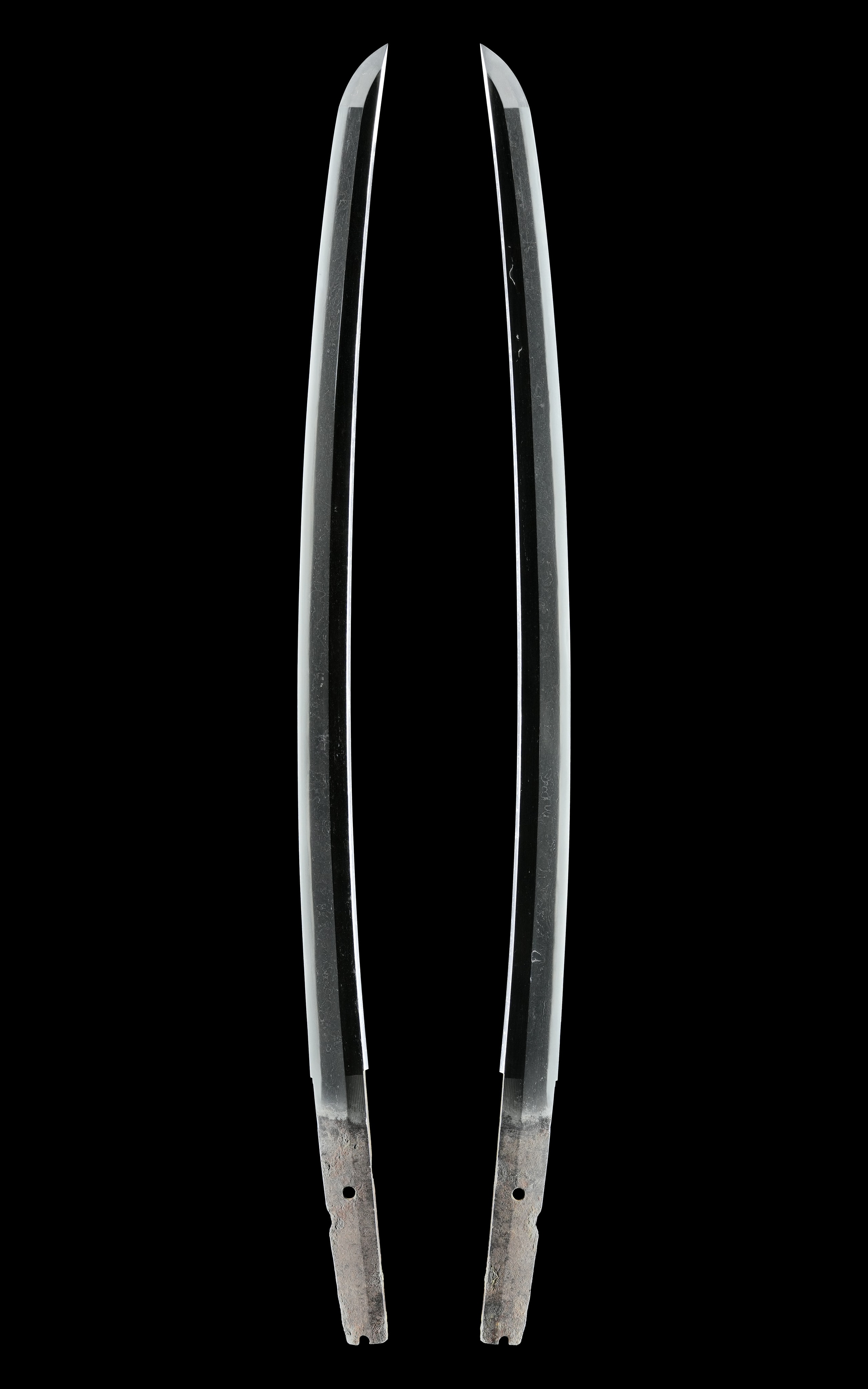
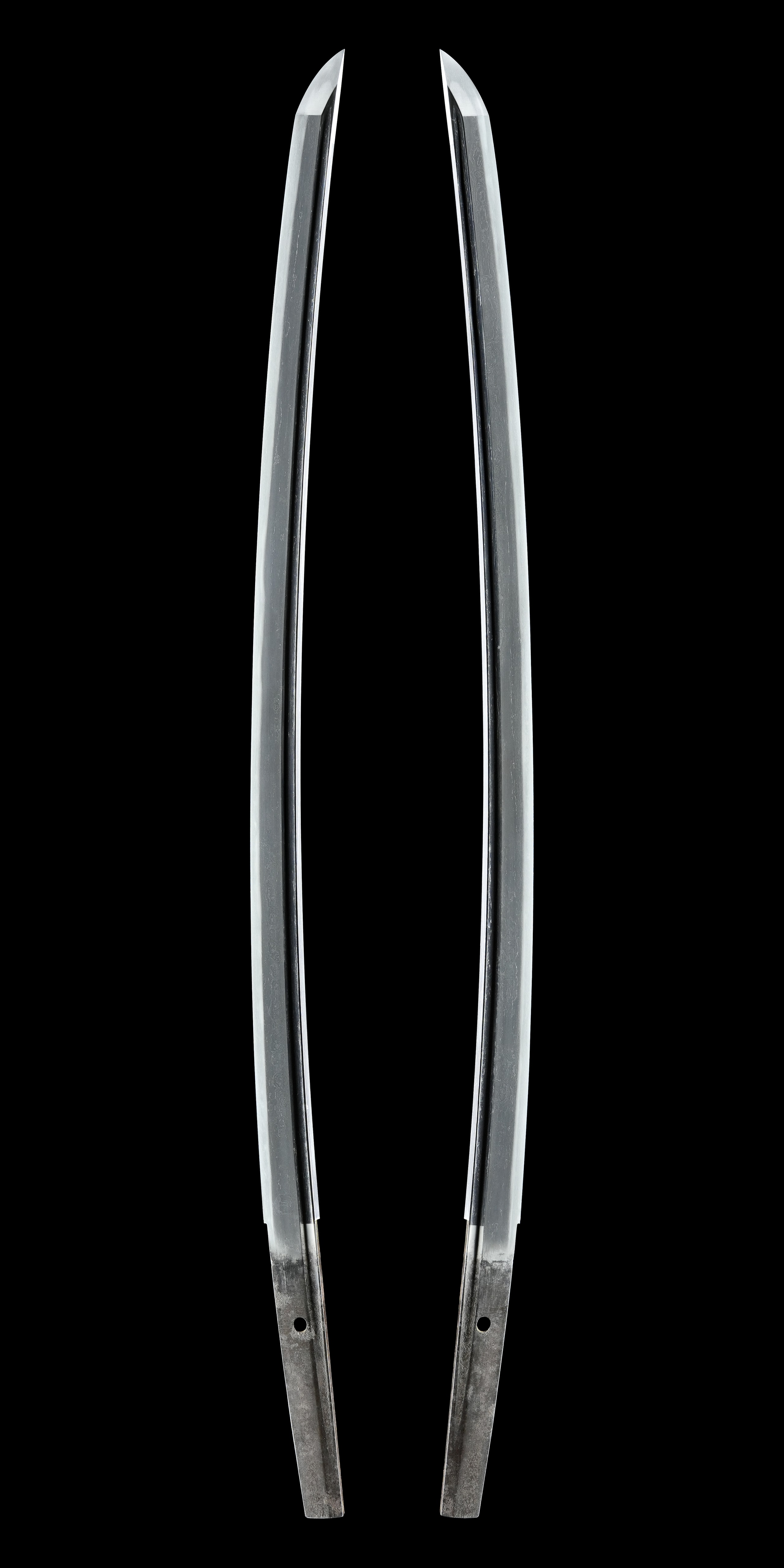
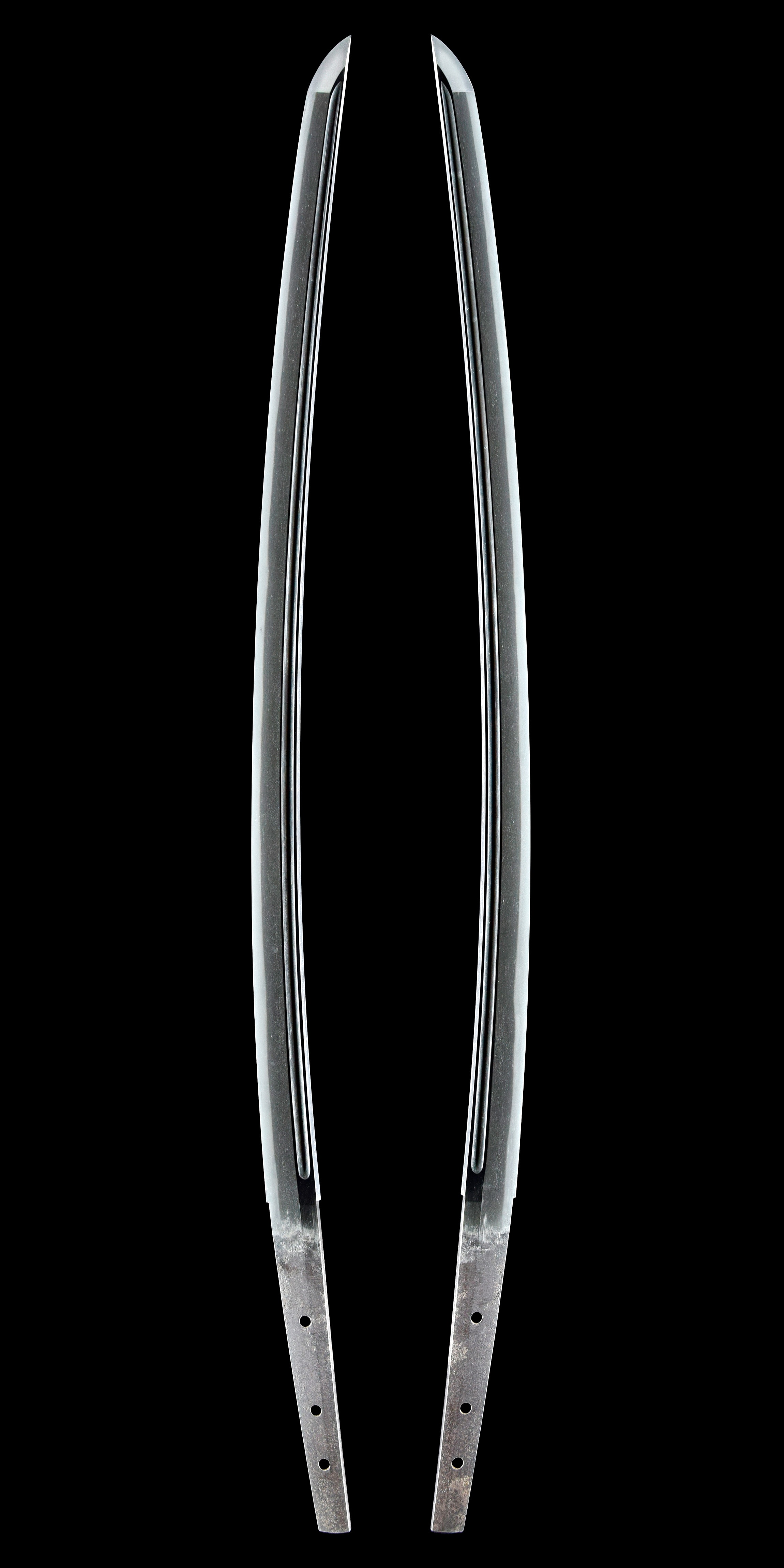
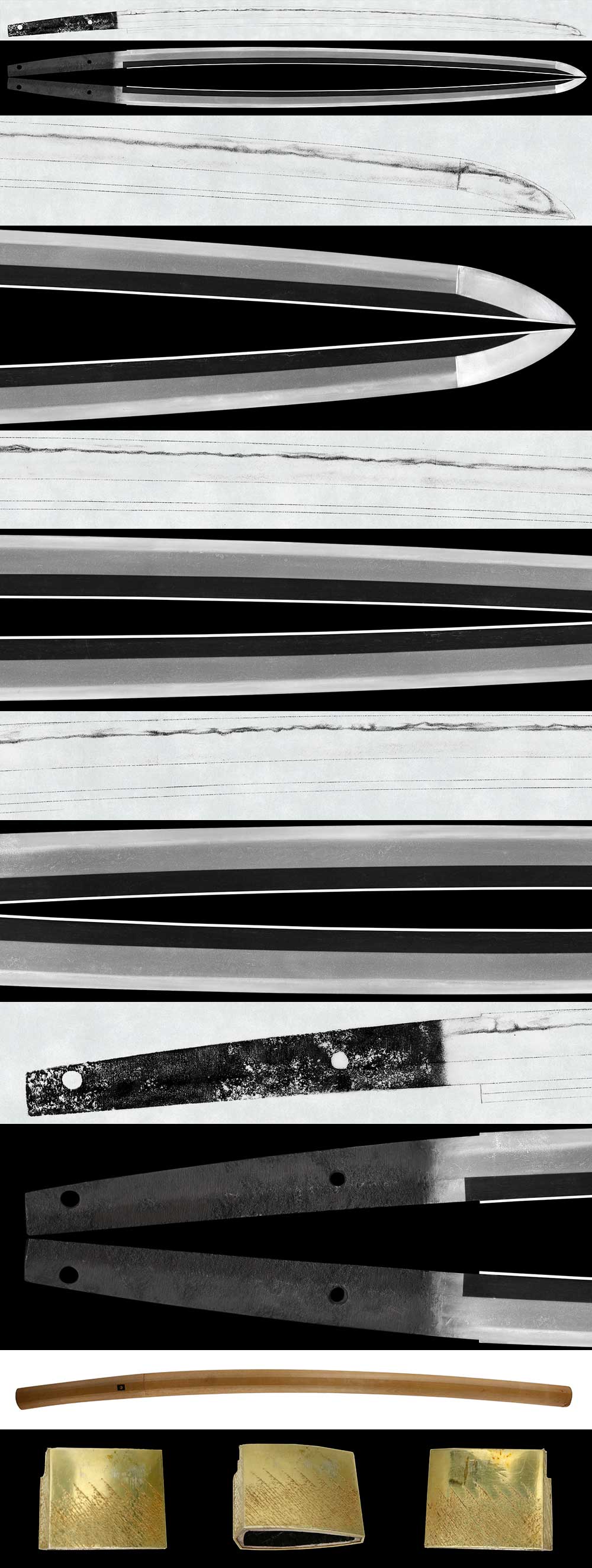
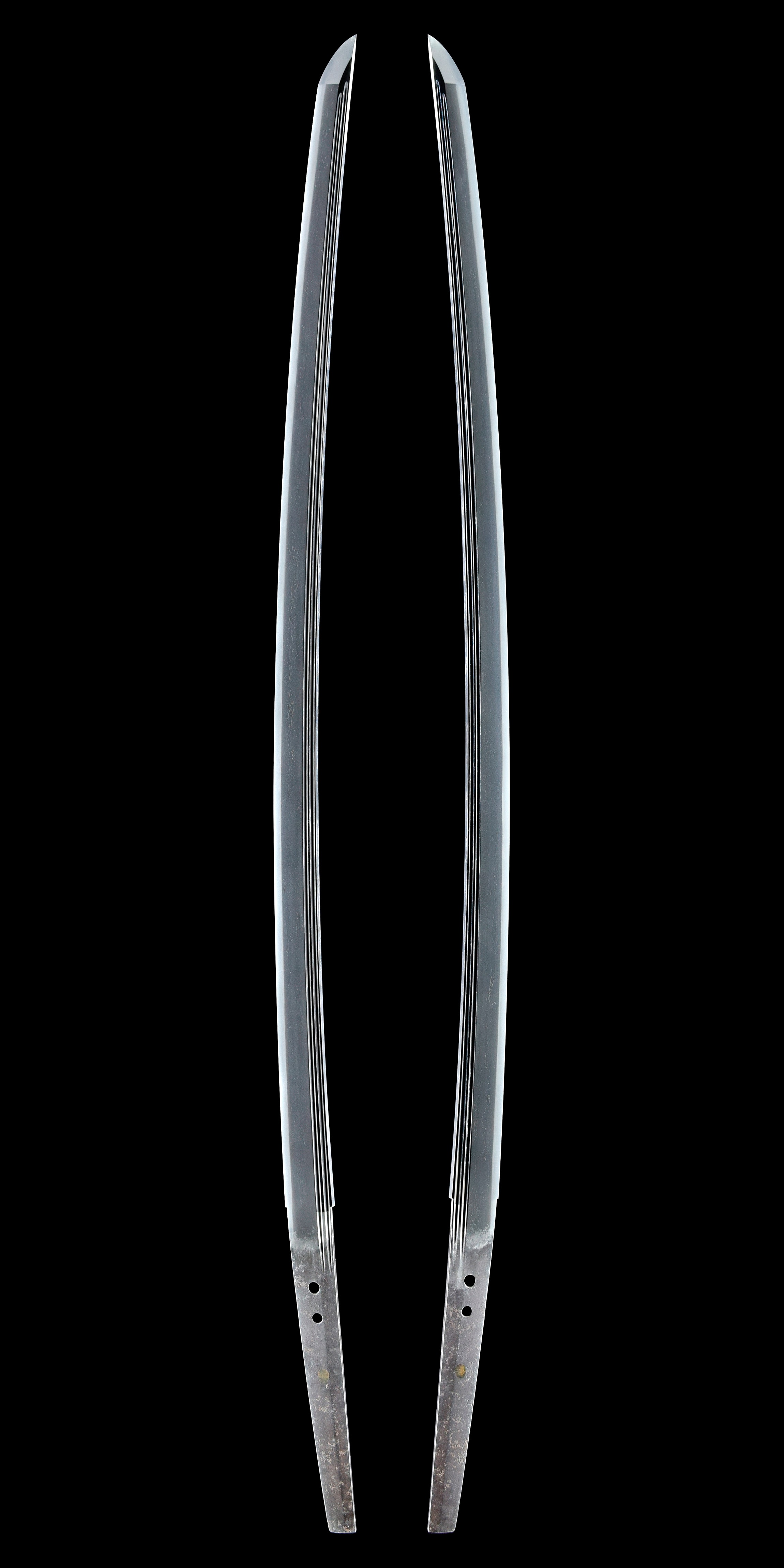
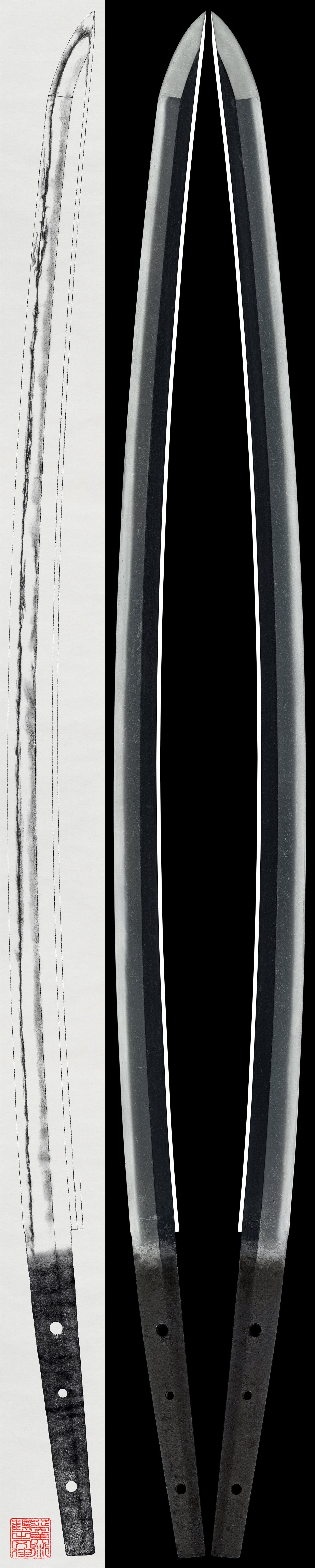
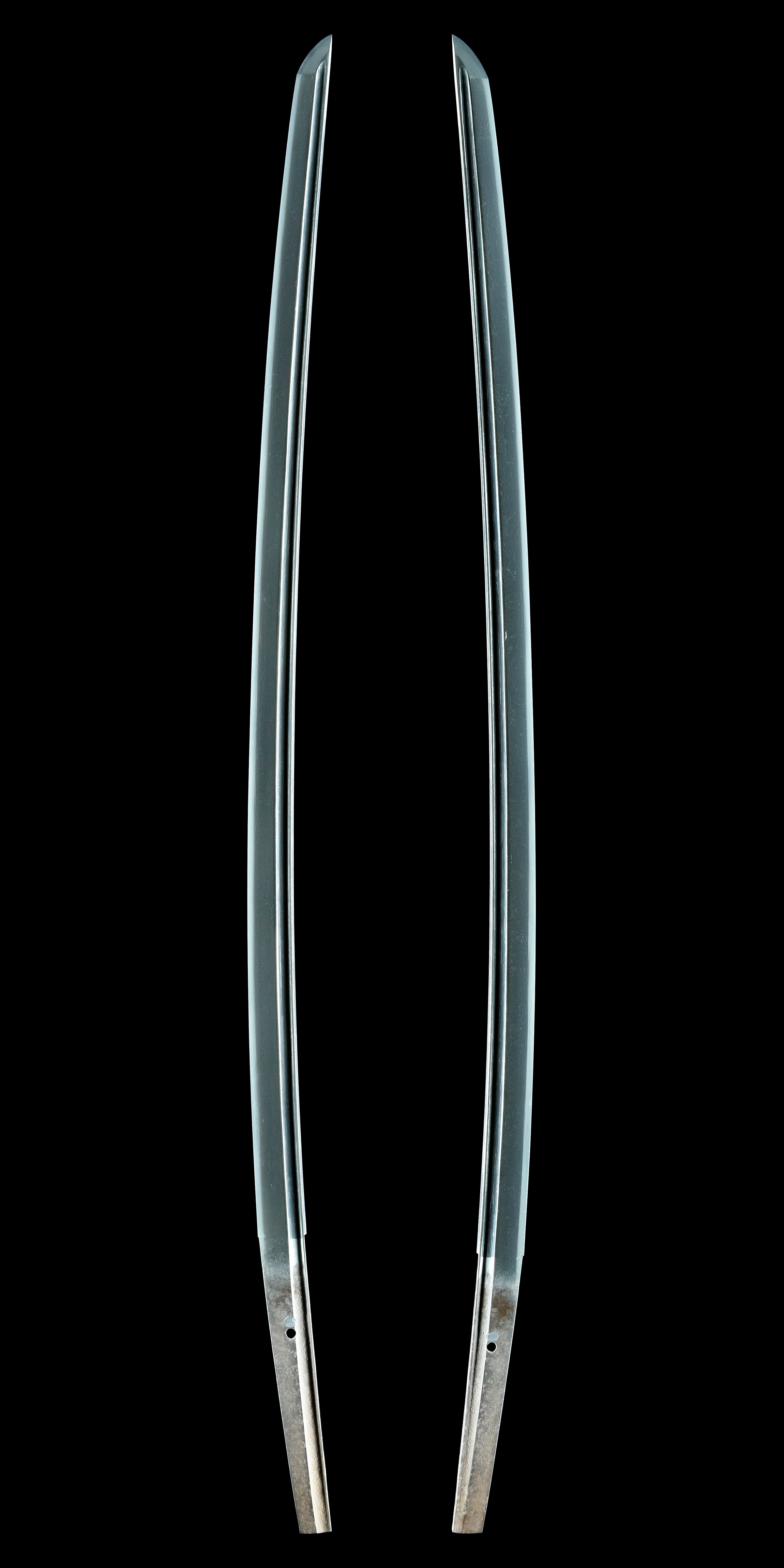
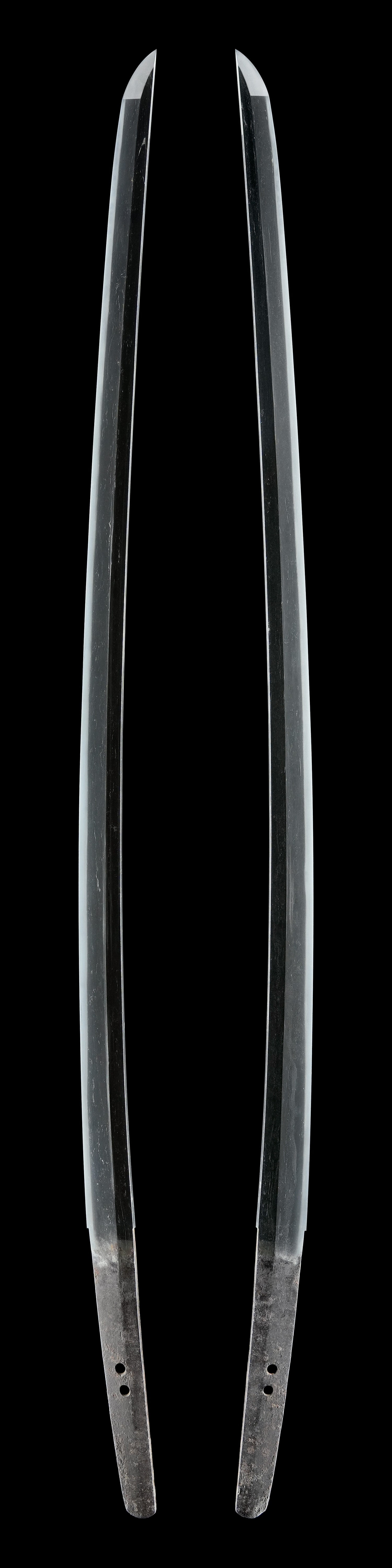
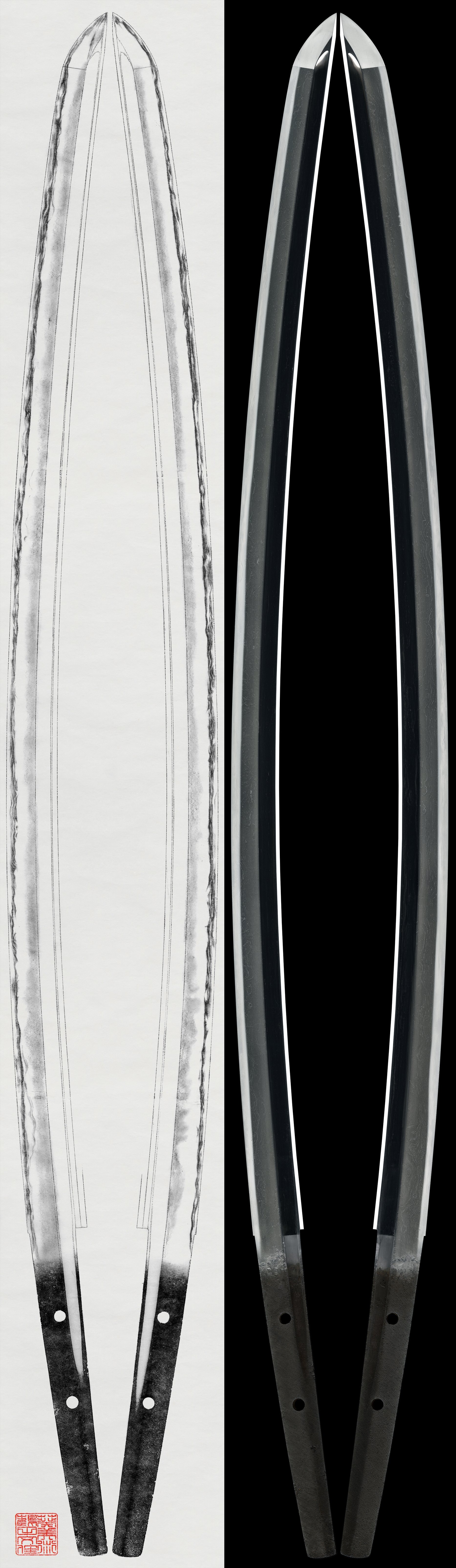
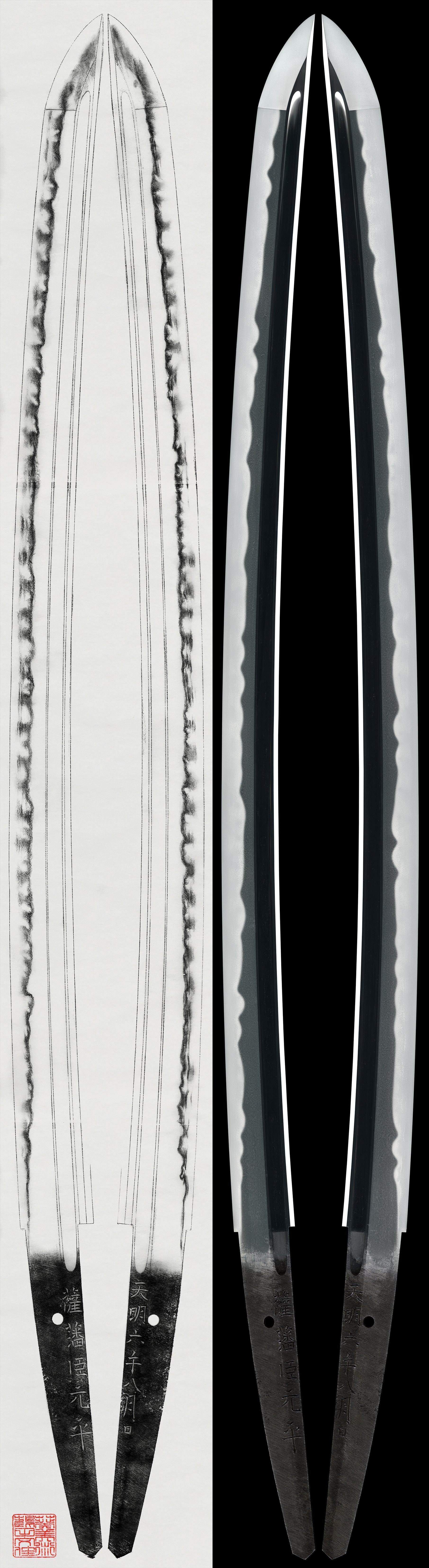
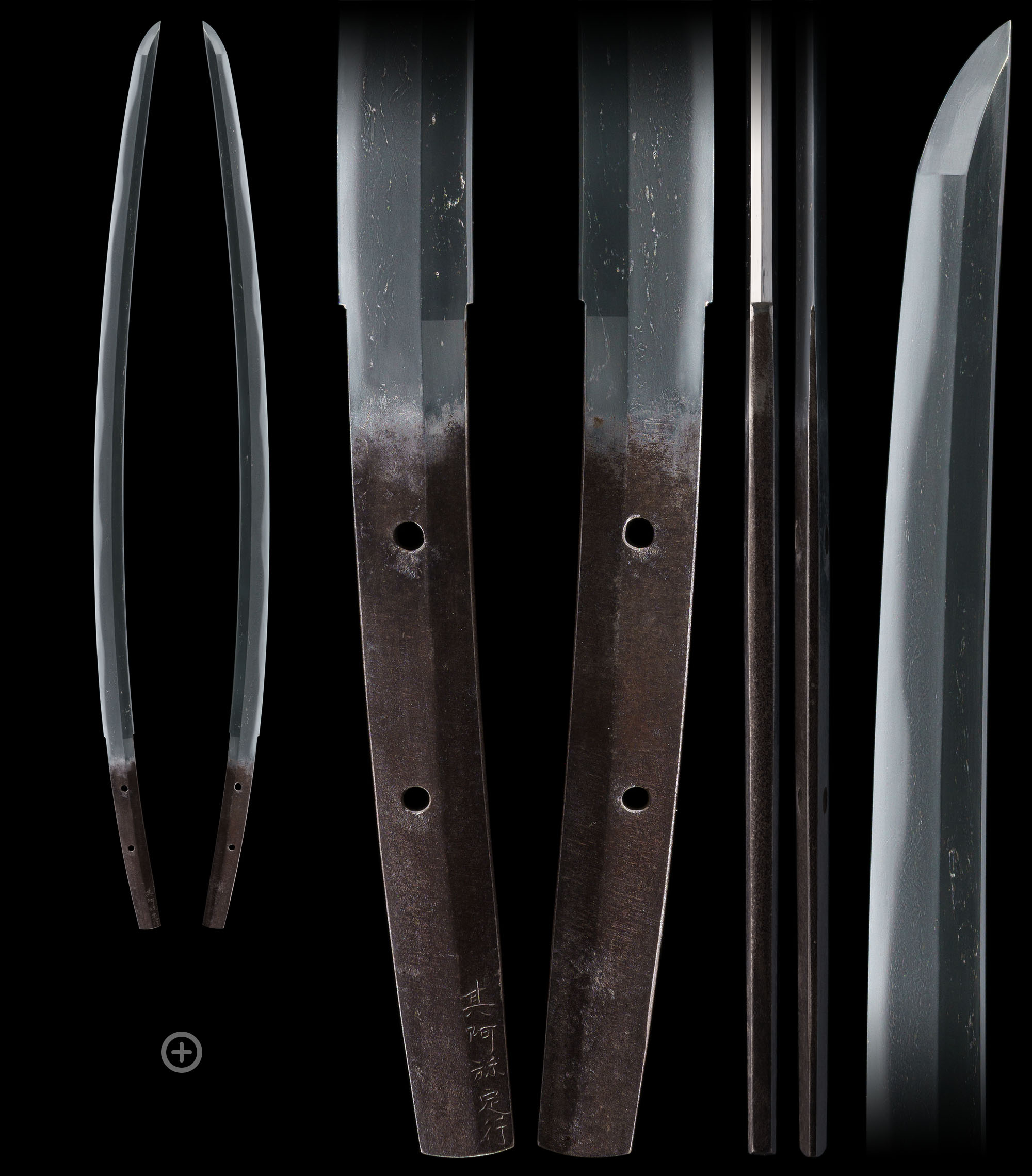
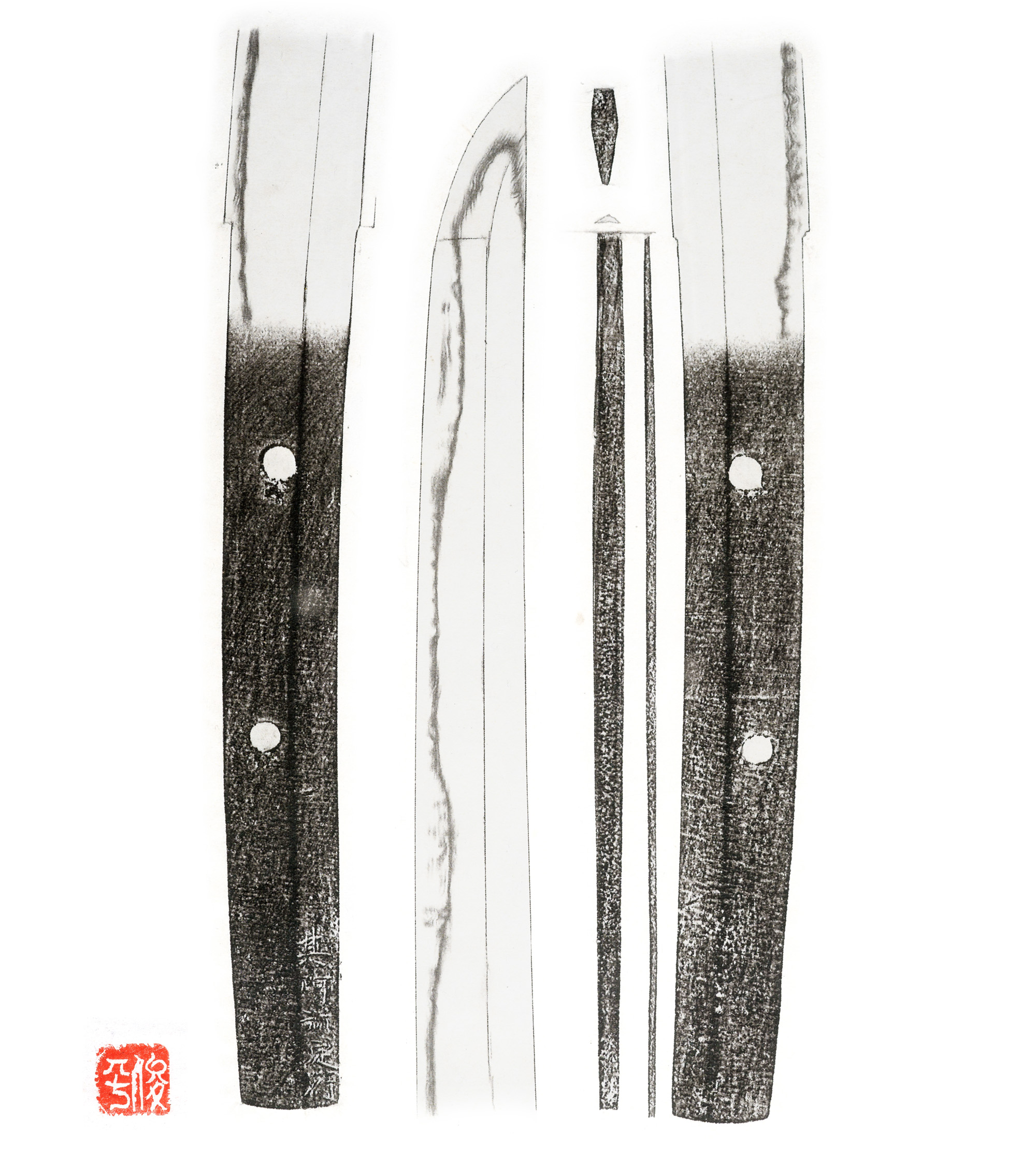
This is a katana by Goami Sadayuki, believed to have been made from the late Sengoku period to the early Edo period. It features a deep sori and a slender tip, characteristic of a sharp sword. The blade comes with an NBTHK Hozon Token certificate and is housed in a shirasaya.

NihontoWatch MonNihontoWatch
MarketEncyclopediaKantei
Swords›Yamato-den›Mihara›Goami›Sue-Mihara›Sadayuki›Katana: Goami Sadayuki
katanaHozon
Goami Sadayuki

Katana: Goami Sadayuki

mei · Shinto · nagasa 66cm · sori 2.1cm
¥546,700
Visit seller website →
Goami Sadayuki (定行) · Shinto1 work for sale →
KatanaHozon
Could you name the smith from the blade alone? Today’s kantei →
Goami Sadayuki — 1 of 2
Goami Sadayuki — 2 of 2
1 / 2
1 / 2
Goami Sadayuki — 1 of 2Goami Sadayuki — 2 of 2
Goami Sadayuki (定行) · Shinto1 work for sale →
KatanaHozon
Could you name the smith from the blade alone? Today’s kantei →
Measurements & details
Smith
Goami Sadayuki
Type
Katana
School
Goami
Period
Around 1532–1555(Tenmon)
Province
Bingo
Signature
Signed
Measurements
Nagasa 66cmSori 2.1cmMotohaba 2.8cmSakihaba 1.85cmKasane 0.65cm
Description

This is a katana by Goami Sadayuki, believed to have been made from the late Sengoku period to the early Edo period. It features a deep sori and a slender tip, characteristic of a sharp sword. The blade comes with an NBTHK Hozon Token certificate and is housed in a shirasaya.

About the maker

Sadayuki

定行

Yamato-den · Bingo · around 1532-1555

Tōken Taikan top 49%

1 piece on the market now

›
1 work by Sadayuki on the market→
Sadayuki — full profileYamato-den school

Study this maker →

About the school

Goami

五阿弥

Yamato-den · Bingo

Phase: Sue-Mihara末三原· 1394–1596

1 piece on the market now

›

Where Ko-Mihara closes at the end of the Nanbokuchō period, Sue-Mihara takes up the Bingo tradition through the Muromachi era. The setsumei place the later production in the same Mihara orbit but spread across several named hands and affiliated branches: Kai Mihara Masamori, whose Muromachi katana often carry the long "Mihara-jū Kai _" signature; and the closely tied Hokke Ichijō line, whose founder Ichijō is traditionally called a son of Mihara Masaie and whose generations continued from the Ōei era into the late Muromachi. Within that affiliated group the corpus names Nobukane, Yoshitsugu, and the joint-signing Ichijō Morie and Ichijō Moriyuki, working at Kusado (Kusado Sengen) in Bingo. Several setsumei stress that the Hokke Ichijō reckoning is genealogically uncertain, said variously to branch from Mihara or from Kokubunji, which marks the looser, more diffuse character of the school in its later chapter. The later workmanship the setsumei describe keeps the Yamato base of the early school but states it in a coarser, more standing-grain register. The forging remains itame mixed with mokume and flowing grain (nagare), now repeatedly noted as hada-dachi (standing grain) and, in one tantō, "somewhat coarse" with the steel turning masame toward the mune. A whitish cast persists: shirake-utsuri is singled out in the Ōei Nobukane tantō, while other blades show only a faint or shadowy utsuri-like effect and a darkish, "metallic" steel color.

The tempering moves from the school's quiet suguha toward more open midare: a chū-suguha varied with small gunome, ko-gunome run together into continuous midare, gunome mixed with pointed (togari) elements, and edges showing hotsure, sunagashi, and a subdued (shizumi) nioiguchi. The sugata follows Muromachi form, with sakizori added to the curve and a chū-kissaki. Against the refined early Ko-Mihara, with its tighter nioiguchi and restrained finish, these later blades read as looser and plainer, the Yamato-den footing now worn shallower; the corpus is thin, so this contrast rests on the handful of traits the setsumei actually record rather than on a full stylistic survey. For kantei, the setsumei separate Sue-Mihara from Ko-Mihara chiefly by the loosening of the ground and the opening of the temper: standing, occasionally coarse itame; faint or merely shadowy utsuri rather than a clear cast; and gunome-laced midare in place of quiet suguha. Where the Hokke Ichijō hand is present, the setsumei note one consistent point of difference, that its nie in both ji and ha runs a step stronger than ordinary Mihara, with the bōshi becoming pointed and turning back deeply. Named smiths supply the anchors: Masamori for the two-character Kai Mihara rarity against his usual long signatures, and the Ichijō hands, including a mumei katana appraised den Ichijō under a Hon'ami Kōchū origami. The dated works, in the Ōei and Chōroku eras, carry the documentary weight here, fixing the later phase to Muromachi Bingo and to the Kusado smiths of Kusado Sengen. Learn more →

1 recorded smiths1 designated works
Leading smiths
SmithEraDesignated
Moriyuki盛行1532-15550
Tamenori爲範1504-15210
Tsugusada次貞1334-13380
Moriyuki宴行1492-15010
Sadayuki定行1532-15550
Explore the Goami school →

Historical context

Yamato in the Muromachi period

›

The monasteries that had sustained Yamato lost ground through the Muromachi period, and the schools thinned with them; Sue-Tegai kept the old masame manner alive in quantity. The burning of Tōdaiji’s Great Buddha hall in 1567 closed the temple age.

Yamato in the Muromachi period →

NBTHK Certificate
Hozon Tōken保存刀剣
Sword Worthy of Preservation
›

Certifies a genuine blade worth preserving: a signature confirmed correct, or, if unsigned, an era, province, and school that the NBTHK can reliably identify.

About the NBTHK›

The NBTHK (Nihon Bijutsu Tōken Hozon Kyōkai, the Society for the Preservation of Japanese Art Swords) is a public-interest incorporated foundation founded in 1948 and supervised by Japan’s Agency for Cultural Affairs (Bunkachō); it is based at the Japanese Sword Museum in Tokyo. Its expert panels physically examine each submitted work (shinsa) and issue a certificate (kanteishō) ranking it by artistic and historical merit. NBTHK papers are the most widely recognized standard of authentication for Japanese swords and fittings.

NBTHK official site→
Seller
A
Asahi Token
🇯🇵Ships from Japan
›
✓Verified dealerasahitoken.jp
Settles in JPY
·Domestic shipping onlyWire transfer
Return policy

Returns accepted within 7 days of arrival if item is unchanged from condition at time of sale; customer bears return shipping for personal-reason returns, company covers errors/shipping damage.

View all of Asahi Token’s listings→View this item on the dealer’s site→

More Sue-Mihara works

View all →
Toushin
Hozon
Wakizashi - Hozon - by Sue-Mihara School - Mumei (Sue Mihara)Wakizashi - Hozon - by Sue-Mihara School - Mumei (Sue Mihara)

Wakizashi

BySue-Mihara School
¥176,000
Toushin
Hozon
Wakizashi - Hozon - by Sue-Mihara School - Mumei (Sue Mihara / Den Tadamitsu) - Tosa Yamauchi Family LineageWakizashi - Hozon - by Sue-Mihara School - Mumei (Sue Mihara / Den Tadamitsu) - Tosa Yamauchi Family Lineage

Wakizashi

BySue-Mihara School
¥990,000
Nakano Kosen
Hozon
Katana - Hozon - by Sue-Mihara Masachika - MasachikaKatana - Hozon - by Sue-Mihara Masachika - Masachika

Katana

BySue-Mihara Masachika
¥1,020,000
Touken Komachi
Katana - by Sue-Mihara Masachika - Masachika (Mihara)Katana - by Sue-Mihara Masachika - Masachika (Mihara)

Katana

BySue-Mihara Masachika
¥550,000

More from the Mihara school

View all →
Tokka Biz
Hozon
Katana - Hozon - by Mihara School - Mumei MiharaKatana - Hozon - by Mihara School - Mumei Mihara

Katana

ByMihara School
¥650,000
Samurai Museum
Jūyō
Tanto - Jūyō - by Ko-Mihara Masahiro - Antique Japanese Sword Tanto Signed by Masahiro NBTHK JUYO TOKEN CertificateTanto - Jūyō - by Ko-Mihara Masahiro - Antique Japanese Sword Tanto Signed by Masahiro NBTHK JUYO TOKEN Certificate

Tantō

ByKo-Mihara Masahiro
¥22,673
Toushin
Jūyō
Katana - Jūyō - by Ko-Mihara School - Mumei (Komihara)Katana - Jūyō - by Ko-Mihara School - Mumei (Komihara)

Katana

ByKo-Mihara School
Ask
Aoi Art
Hozon
Katana - Hozon - by Hokke School - Mumei attributed as Hokke school.Katana - Hozon - by Hokke School - Mumei attributed as Hokke school.

Katana

ByHokke School
Starting Bid¥750,000
Toushin
Tokuho
Katana - Tokuho - by Kokubunji Sukekuni - Kokubunji Sukekuni - Mumei (Attributed)Katana - Tokuho - by Kokubunji Sukekuni - Kokubunji Sukekuni - Mumei (Attributed)

Katana

ByKokubunji Sukekuni
¥2,970,000
Aoi Art
Tokuho
Katana - Tokuho - by Hokke School - Mumei (Unsigned) (Hokke School, Nanbokucho Period)Katana - Tokuho - by Hokke School - Mumei (Unsigned) (Hokke School, Nanbokucho Period)

Katana

ByHokke School
¥750,000
Toushin
Tokuho
Katana - Tokuho - by Ko-Mihara Masanobu - Mihara Masanobu - MumeiKatana - Tokuho - by Ko-Mihara Masanobu - Mihara Masanobu - Mumei

Katana

ByKo-Mihara Masanobu
¥698,500
Toushin
Hozon
Katana - Hozon - by Hokke School - Mumei (Hokke)Katana - Hozon - by Hokke School - Mumei (Hokke)

Katana

ByHokke School
¥396,000

More from the Yamato tradition

View all →
Aoi Art
Jūyō
Katana - Jūyō - by Taima School - Mumei (Taima)Katana - Jūyō - by Taima School - Mumei (Taima)

Katana

ByTaima School
¥4,500,000
Goushuya
Tokujū
Katana - Tokuju - by Satsuma Yasuyo - Tokubetsu Juyo Token (One-Leaf Aoi Mon) Shume no Kami Ichihei Fujiwara Ason Yasuyo, Made in Satsushu Kirei-gun on an Auspicious Day in March, Kyoho 12Katana - Tokuju - by Satsuma Yasuyo - Tokubetsu Juyo Token (One-Leaf Aoi Mon) Shume no Kami Ichihei Fujiwara Ason Yasuyo, Made in Satsushu Kirei-gun on an Auspicious Day in March, Kyoho 12

Katana

BySatsuma Yasuyo
Ask
Sanmei
Tokuho
Tachi - Tokuho - by Senjuin School - Unsigned SenjuinTachi - Tokuho - by Senjuin School - Unsigned Senjuin

Tachi

BySenjuin School
¥1,250,000
Aoi Art
Jūyō
Katana - Jūyō - by Satsuma Motohira - Sappan Shin MotohiraKatana - Jūyō - by Satsuma Motohira - Sappan Shin Motohira

Katana

BySatsuma Motohira
Starting Bid¥5,000,000
Choshuya
Tokuho
Katana - Tokuho - by Tegai School - Unsigned (O-suriage) TegaiKatana - Tokuho - by Tegai School - Unsigned (O-suriage) Tegai

Katana

ByTegai School
¥1,250,000
Touken Matsumoto
Hozon
Katana - Hozon - by Tegai Kanenori - Yamato Daijo Fujiwara KanenoriKatana - Hozon - by Tegai Kanenori - Yamato Daijo Fujiwara Kanenori

Katana

ByTegai Kanenori
¥400,000
Choshuya
Jūyō
Katana - Jūyō - by Shikkake School - O-suriage Mumei, Attributed to ShikkakeKatana - Jūyō - by Shikkake School - O-suriage Mumei, Attributed to Shikkake

Katana

ByShikkake School
¥3,600,000
Touken Komachi
Tokuho
Katana - Tokuho - by Senjuin School - Mumei (attributed to Senju-in) with Shirasaya and KoshiraeKatana - Tokuho - by Senjuin School - Mumei (attributed to Senju-in) with Shirasaya and Koshirae

Katana

BySenjuin School
¥1,250,000

Swords

  • Katana
  • Wakizashi
  • Tantō
  • Tachi
  • Naginata
  • Yari
  • Japanese Swords
  • Samurai Swords

Fittings

  • Tsuba
  • Fuchi-Kashira
  • Kozuka
  • Menuki
  • Sword Guards (Tsuba)

Armor

  • Kabuto
  • Samurai Armor
  • All Samurai Armor

By Certification

  • Tokujū
  • Jūyō
  • Tokuho
  • Hozon

Resources

  • Dealer Directory
  • Artist Directory
  • The Daily Kantei
  • Glossary
  • Browse All
Nihontowatch© 2026
TermsPrivacyCookiesAbout

¥546,700

View on Asahi Token

Description

This is a katana by Goami Sadayuki, believed to have been made from the late Sengoku period to the early Edo period. It features a deep sori and a slender tip, characteristic of a sharp sword. The blade comes with an NBTHK Hozon Token certificate and is housed in a shirasaya.

NihontoWatch MonNihontoWatch
MarketEncyclopediaKantei
Swords›Yamato-den›Mihara›Goami›Sue-Mihara›Sadayuki›Katana: Goami Sadayuki
katanaHozon
Goami Sadayuki

Katana: Goami Sadayuki

mei · Shinto · nagasa 66cm · sori 2.1cm
¥546,700
Visit seller website →
Goami Sadayuki (定行) · Shinto1 work for sale →
KatanaHozon
Could you name the smith from the blade alone? Today’s kantei →
Goami Sadayuki — 1 of 2
Goami Sadayuki — 2 of 2
1 / 2
1 / 2
Goami Sadayuki — 1 of 2Goami Sadayuki — 2 of 2
Goami Sadayuki (定行) · Shinto1 work for sale →
KatanaHozon
Could you name the smith from the blade alone? Today’s kantei →
Measurements & details
Smith
Goami Sadayuki
Type
Katana
School
Goami
Period
Around 1532–1555(Tenmon)
Province
Bingo
Signature
Signed
Measurements
Nagasa 66cmSori 2.1cmMotohaba 2.8cmSakihaba 1.85cmKasane 0.65cm
Description

This is a katana by Goami Sadayuki, believed to have been made from the late Sengoku period to the early Edo period. It features a deep sori and a slender tip, characteristic of a sharp sword. The blade comes with an NBTHK Hozon Token certificate and is housed in a shirasaya.

About the maker

Sadayuki

定行

Yamato-den · Bingo · around 1532-1555

Tōken Taikan top 49%

1 piece on the market now

›
1 work by Sadayuki on the market→
Sadayuki — full profileYamato-den school

Study this maker →

About the school

Goami

五阿弥

Yamato-den · Bingo

Phase: Sue-Mihara末三原· 1394–1596

1 piece on the market now

›

Where Ko-Mihara closes at the end of the Nanbokuchō period, Sue-Mihara takes up the Bingo tradition through the Muromachi era. The setsumei place the later production in the same Mihara orbit but spread across several named hands and affiliated branches: Kai Mihara Masamori, whose Muromachi katana often carry the long "Mihara-jū Kai _" signature; and the closely tied Hokke Ichijō line, whose founder Ichijō is traditionally called a son of Mihara Masaie and whose generations continued from the Ōei era into the late Muromachi. Within that affiliated group the corpus names Nobukane, Yoshitsugu, and the joint-signing Ichijō Morie and Ichijō Moriyuki, working at Kusado (Kusado Sengen) in Bingo. Several setsumei stress that the Hokke Ichijō reckoning is genealogically uncertain, said variously to branch from Mihara or from Kokubunji, which marks the looser, more diffuse character of the school in its later chapter. The later workmanship the setsumei describe keeps the Yamato base of the early school but states it in a coarser, more standing-grain register. The forging remains itame mixed with mokume and flowing grain (nagare), now repeatedly noted as hada-dachi (standing grain) and, in one tantō, "somewhat coarse" with the steel turning masame toward the mune. A whitish cast persists: shirake-utsuri is singled out in the Ōei Nobukane tantō, while other blades show only a faint or shadowy utsuri-like effect and a darkish, "metallic" steel color.

The tempering moves from the school's quiet suguha toward more open midare: a chū-suguha varied with small gunome, ko-gunome run together into continuous midare, gunome mixed with pointed (togari) elements, and edges showing hotsure, sunagashi, and a subdued (shizumi) nioiguchi. The sugata follows Muromachi form, with sakizori added to the curve and a chū-kissaki. Against the refined early Ko-Mihara, with its tighter nioiguchi and restrained finish, these later blades read as looser and plainer, the Yamato-den footing now worn shallower; the corpus is thin, so this contrast rests on the handful of traits the setsumei actually record rather than on a full stylistic survey. For kantei, the setsumei separate Sue-Mihara from Ko-Mihara chiefly by the loosening of the ground and the opening of the temper: standing, occasionally coarse itame; faint or merely shadowy utsuri rather than a clear cast; and gunome-laced midare in place of quiet suguha. Where the Hokke Ichijō hand is present, the setsumei note one consistent point of difference, that its nie in both ji and ha runs a step stronger than ordinary Mihara, with the bōshi becoming pointed and turning back deeply. Named smiths supply the anchors: Masamori for the two-character Kai Mihara rarity against his usual long signatures, and the Ichijō hands, including a mumei katana appraised den Ichijō under a Hon'ami Kōchū origami. The dated works, in the Ōei and Chōroku eras, carry the documentary weight here, fixing the later phase to Muromachi Bingo and to the Kusado smiths of Kusado Sengen. Learn more →

1 recorded smiths1 designated works
Leading smiths
SmithEraDesignated
Moriyuki盛行1532-15550
Tamenori爲範1504-15210
Tsugusada次貞1334-13380
Moriyuki宴行1492-15010
Sadayuki定行1532-15550
Explore the Goami school →

Historical context

Yamato in the Muromachi period

›

The monasteries that had sustained Yamato lost ground through the Muromachi period, and the schools thinned with them; Sue-Tegai kept the old masame manner alive in quantity. The burning of Tōdaiji’s Great Buddha hall in 1567 closed the temple age.

Yamato in the Muromachi period →

NBTHK Certificate
Hozon Tōken保存刀剣
Sword Worthy of Preservation
›

Certifies a genuine blade worth preserving: a signature confirmed correct, or, if unsigned, an era, province, and school that the NBTHK can reliably identify.

About the NBTHK›

The NBTHK (Nihon Bijutsu Tōken Hozon Kyōkai, the Society for the Preservation of Japanese Art Swords) is a public-interest incorporated foundation founded in 1948 and supervised by Japan’s Agency for Cultural Affairs (Bunkachō); it is based at the Japanese Sword Museum in Tokyo. Its expert panels physically examine each submitted work (shinsa) and issue a certificate (kanteishō) ranking it by artistic and historical merit. NBTHK papers are the most widely recognized standard of authentication for Japanese swords and fittings.

NBTHK official site→
Seller
A
Asahi Token
🇯🇵Ships from Japan
›
✓Verified dealerasahitoken.jp
Settles in JPY
·Domestic shipping onlyWire transfer
Return policy

Returns accepted within 7 days of arrival if item is unchanged from condition at time of sale; customer bears return shipping for personal-reason returns, company covers errors/shipping damage.

View all of Asahi Token’s listings→View this item on the dealer’s site→

More Sue-Mihara works

View all →
Toushin
Hozon
Wakizashi - Hozon - by Sue-Mihara School - Mumei (Sue Mihara)Wakizashi - Hozon - by Sue-Mihara School - Mumei (Sue Mihara)

Wakizashi

BySue-Mihara School
¥176,000
Toushin
Hozon
Wakizashi - Hozon - by Sue-Mihara School - Mumei (Sue Mihara / Den Tadamitsu) - Tosa Yamauchi Family LineageWakizashi - Hozon - by Sue-Mihara School - Mumei (Sue Mihara / Den Tadamitsu) - Tosa Yamauchi Family Lineage

Wakizashi

BySue-Mihara School
¥990,000
Nakano Kosen
Hozon
Katana - Hozon - by Sue-Mihara Masachika - MasachikaKatana - Hozon - by Sue-Mihara Masachika - Masachika

Katana

BySue-Mihara Masachika
¥1,020,000
Touken Komachi
Katana - by Sue-Mihara Masachika - Masachika (Mihara)Katana - by Sue-Mihara Masachika - Masachika (Mihara)

Katana

BySue-Mihara Masachika
¥550,000

More from the Mihara school

View all →
Tokka Biz
Hozon
Katana - Hozon - by Mihara School - Mumei MiharaKatana - Hozon - by Mihara School - Mumei Mihara

Katana

ByMihara School
¥650,000
Samurai Museum
Jūyō
Tanto - Jūyō - by Ko-Mihara Masahiro - Antique Japanese Sword Tanto Signed by Masahiro NBTHK JUYO TOKEN CertificateTanto - Jūyō - by Ko-Mihara Masahiro - Antique Japanese Sword Tanto Signed by Masahiro NBTHK JUYO TOKEN Certificate

Tantō

ByKo-Mihara Masahiro
¥22,673
Toushin
Jūyō
Katana - Jūyō - by Ko-Mihara School - Mumei (Komihara)Katana - Jūyō - by Ko-Mihara School - Mumei (Komihara)

Katana

ByKo-Mihara School
Ask
Aoi Art
Hozon
Katana - Hozon - by Hokke School - Mumei attributed as Hokke school.Katana - Hozon - by Hokke School - Mumei attributed as Hokke school.

Katana

ByHokke School
Starting Bid¥750,000
Toushin
Tokuho
Katana - Tokuho - by Kokubunji Sukekuni - Kokubunji Sukekuni - Mumei (Attributed)Katana - Tokuho - by Kokubunji Sukekuni - Kokubunji Sukekuni - Mumei (Attributed)

Katana

ByKokubunji Sukekuni
¥2,970,000
Aoi Art
Tokuho
Katana - Tokuho - by Hokke School - Mumei (Unsigned) (Hokke School, Nanbokucho Period)Katana - Tokuho - by Hokke School - Mumei (Unsigned) (Hokke School, Nanbokucho Period)

Katana

ByHokke School
¥750,000
Toushin
Tokuho
Katana - Tokuho - by Ko-Mihara Masanobu - Mihara Masanobu - MumeiKatana - Tokuho - by Ko-Mihara Masanobu - Mihara Masanobu - Mumei

Katana

ByKo-Mihara Masanobu
¥698,500
Toushin
Hozon
Katana - Hozon - by Hokke School - Mumei (Hokke)Katana - Hozon - by Hokke School - Mumei (Hokke)

Katana

ByHokke School
¥396,000

More from the Yamato tradition

View all →
Aoi Art
Jūyō
Katana - Jūyō - by Taima School - Mumei (Taima)Katana - Jūyō - by Taima School - Mumei (Taima)

Katana

ByTaima School
¥4,500,000
Goushuya
Tokujū
Katana - Tokuju - by Satsuma Yasuyo - Tokubetsu Juyo Token (One-Leaf Aoi Mon) Shume no Kami Ichihei Fujiwara Ason Yasuyo, Made in Satsushu Kirei-gun on an Auspicious Day in March, Kyoho 12Katana - Tokuju - by Satsuma Yasuyo - Tokubetsu Juyo Token (One-Leaf Aoi Mon) Shume no Kami Ichihei Fujiwara Ason Yasuyo, Made in Satsushu Kirei-gun on an Auspicious Day in March, Kyoho 12

Katana

BySatsuma Yasuyo
Ask
Sanmei
Tokuho
Tachi - Tokuho - by Senjuin School - Unsigned SenjuinTachi - Tokuho - by Senjuin School - Unsigned Senjuin

Tachi

BySenjuin School
¥1,250,000
Aoi Art
Jūyō
Katana - Jūyō - by Satsuma Motohira - Sappan Shin MotohiraKatana - Jūyō - by Satsuma Motohira - Sappan Shin Motohira

Katana

BySatsuma Motohira
Starting Bid¥5,000,000
Choshuya
Tokuho
Katana - Tokuho - by Tegai School - Unsigned (O-suriage) TegaiKatana - Tokuho - by Tegai School - Unsigned (O-suriage) Tegai

Katana

ByTegai School
¥1,250,000
Touken Matsumoto
Hozon
Katana - Hozon - by Tegai Kanenori - Yamato Daijo Fujiwara KanenoriKatana - Hozon - by Tegai Kanenori - Yamato Daijo Fujiwara Kanenori

Katana

ByTegai Kanenori
¥400,000
Choshuya
Jūyō
Katana - Jūyō - by Shikkake School - O-suriage Mumei, Attributed to ShikkakeKatana - Jūyō - by Shikkake School - O-suriage Mumei, Attributed to Shikkake

Katana

ByShikkake School
¥3,600,000
Touken Komachi
Tokuho
Katana - Tokuho - by Senjuin School - Mumei (attributed to Senju-in) with Shirasaya and KoshiraeKatana - Tokuho - by Senjuin School - Mumei (attributed to Senju-in) with Shirasaya and Koshirae

Katana

BySenjuin School
¥1,250,000

Swords

  • Katana
  • Wakizashi
  • Tantō
  • Tachi
  • Naginata
  • Yari
  • Japanese Swords
  • Samurai Swords

Fittings

  • Tsuba
  • Fuchi-Kashira
  • Kozuka
  • Menuki
  • Sword Guards (Tsuba)

Armor

  • Kabuto
  • Samurai Armor
  • All Samurai Armor

By Certification

  • Tokujū
  • Jūyō
  • Tokuho
  • Hozon

Resources

  • Dealer Directory
  • Artist Directory
  • The Daily Kantei
  • Glossary
  • Browse All
Nihontowatch© 2026
TermsPrivacyCookiesAbout

¥546,700

View on Asahi Token
NihontoWatch MonNihontoWatch
Market
Encyclopedia
Kantei
NihontoWatch MonNihontoWatch
Market
Encyclopedia
Kantei