Sengoku Seki was an industry: smiths organized under their tutelary Kasuga shrine, arming the war bands of central Japan. Magoroku Kanemoto’s sanbonsugi and the finest Kanesada work prove quality survived inside mass production.
 NihontoWatchNihontoWatch
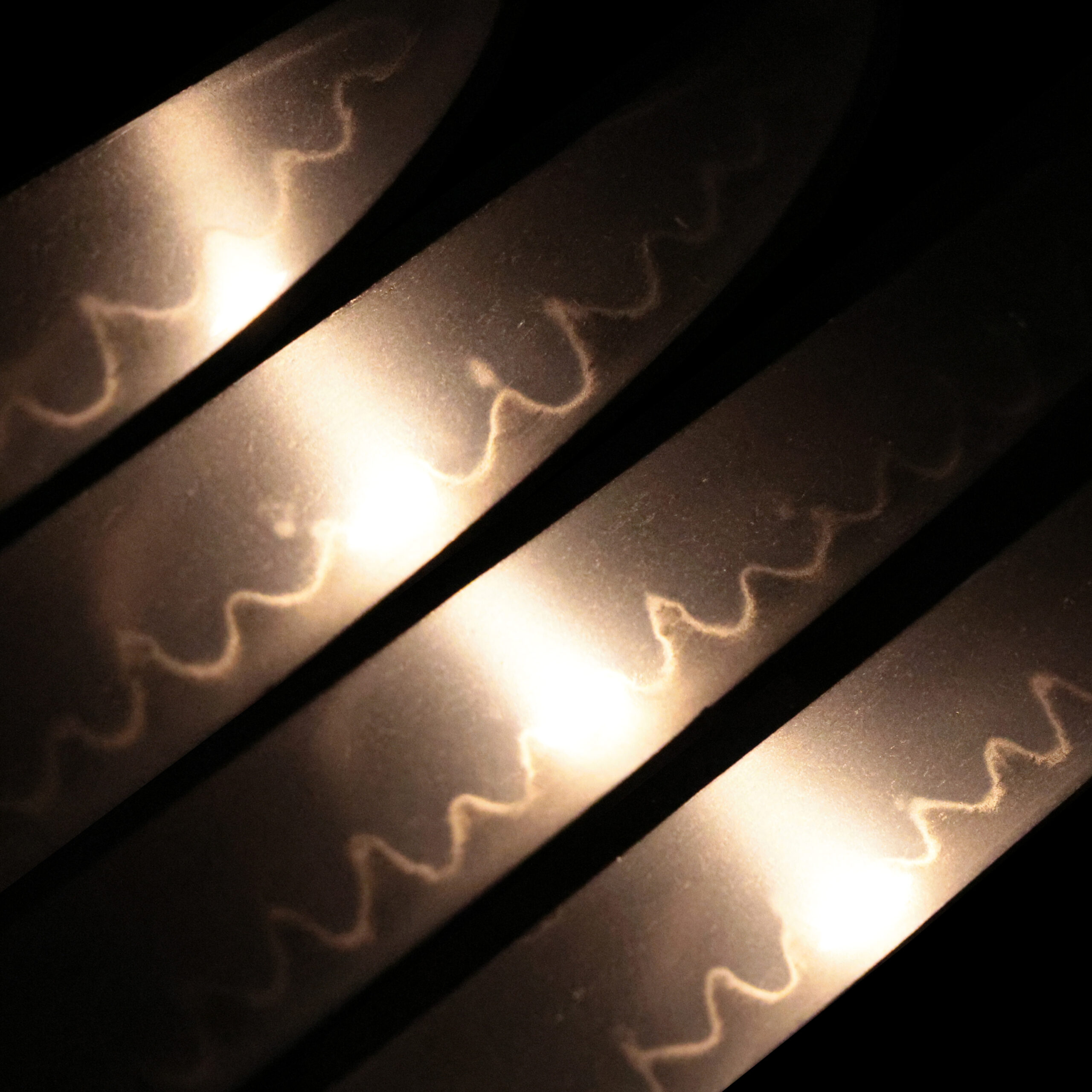
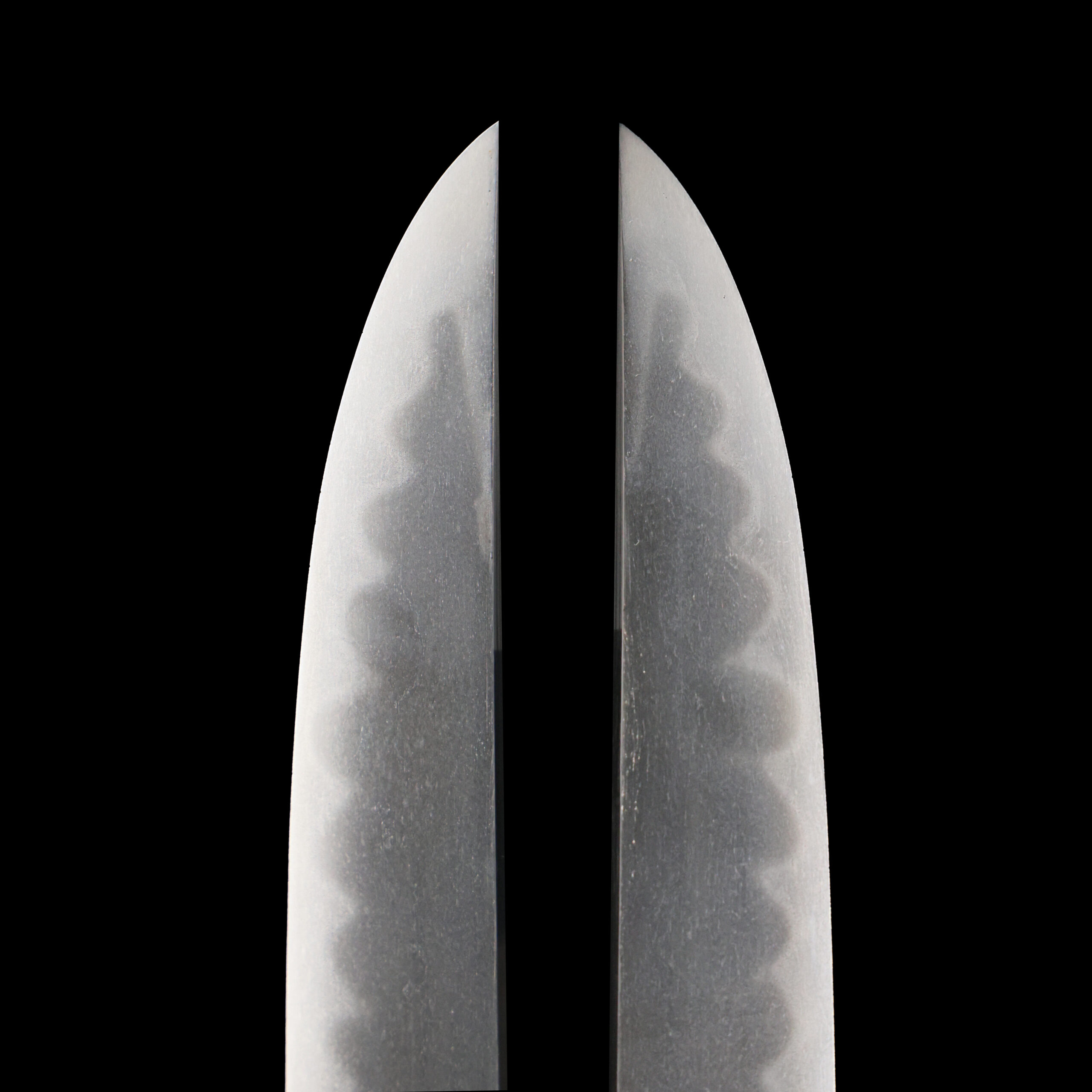
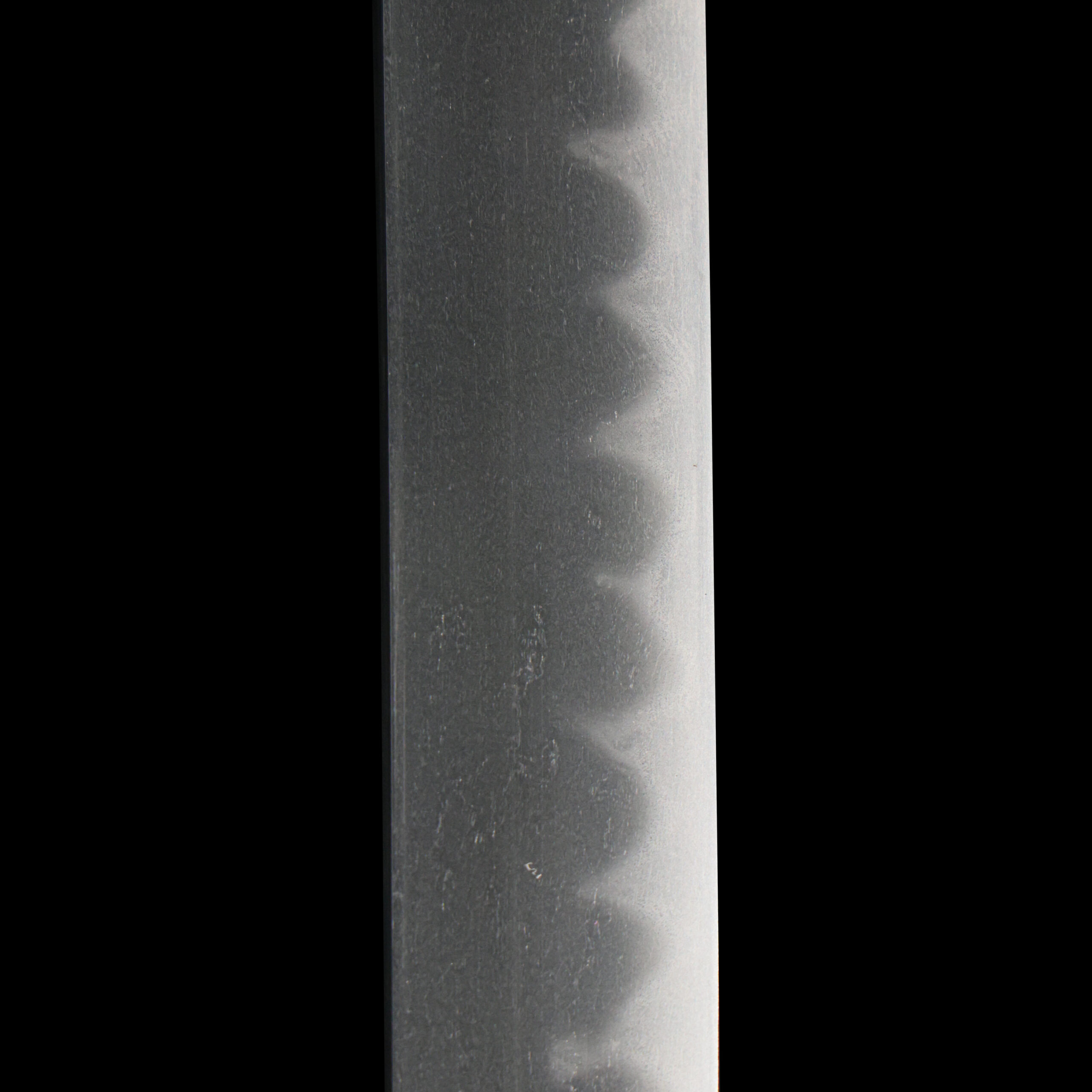
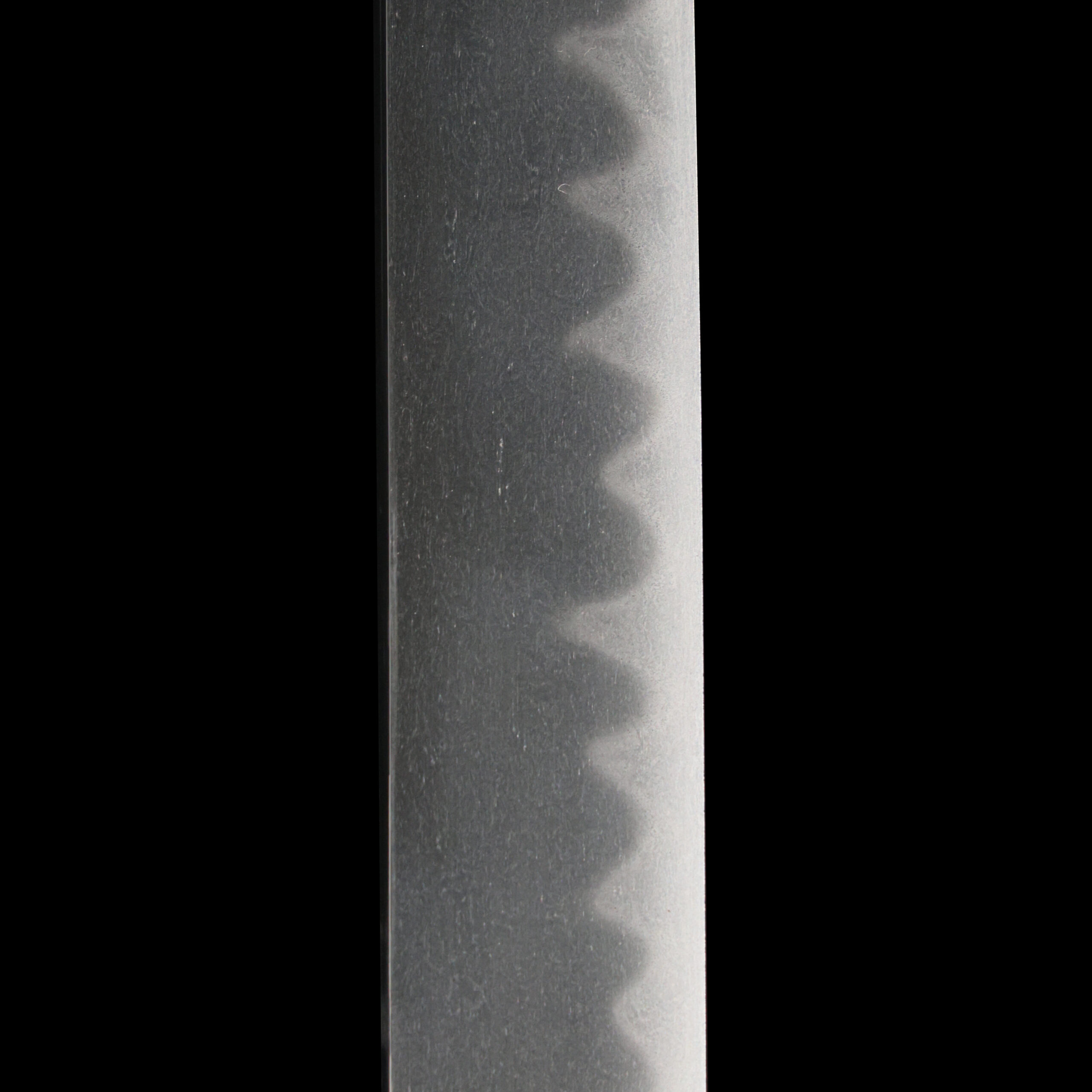
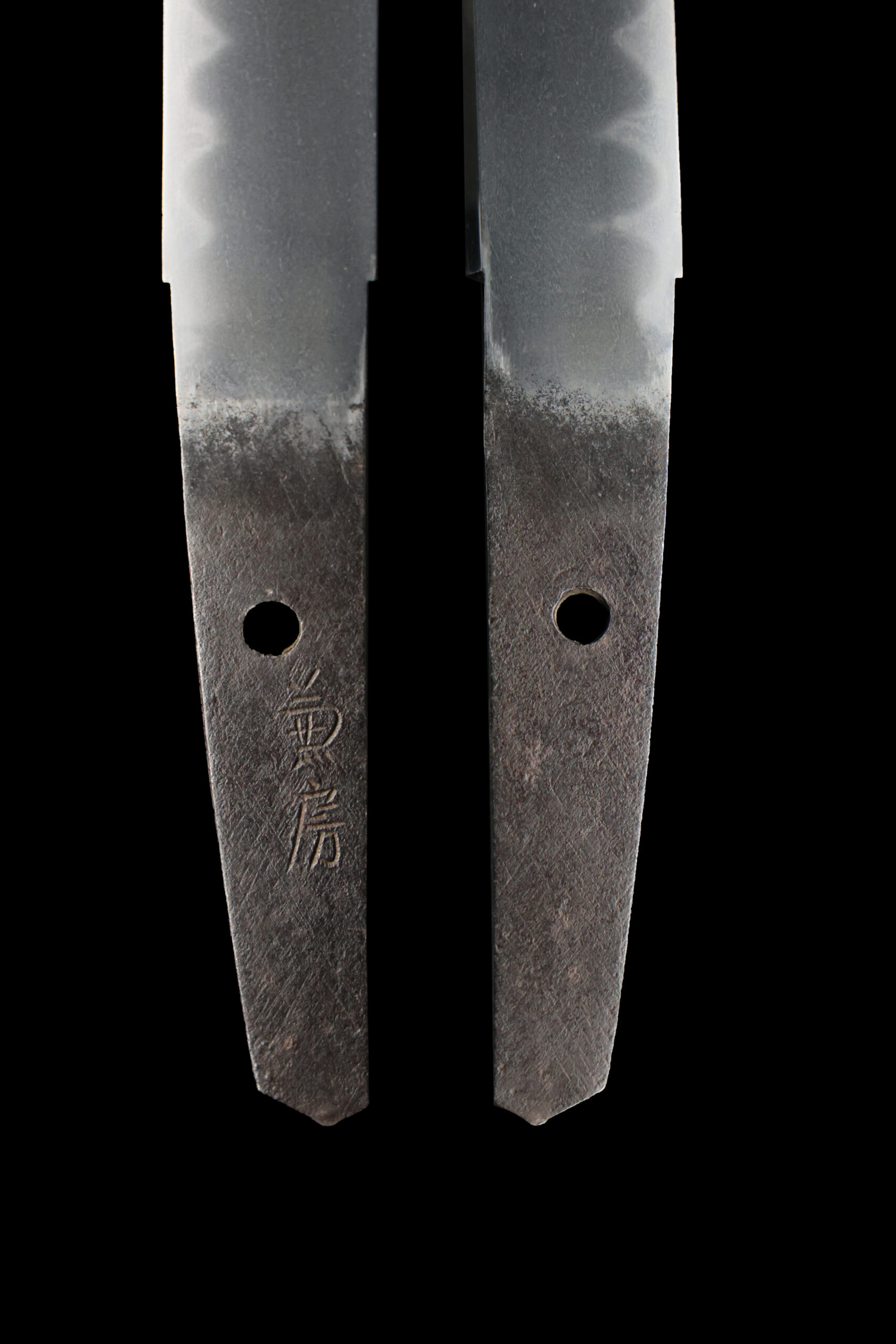
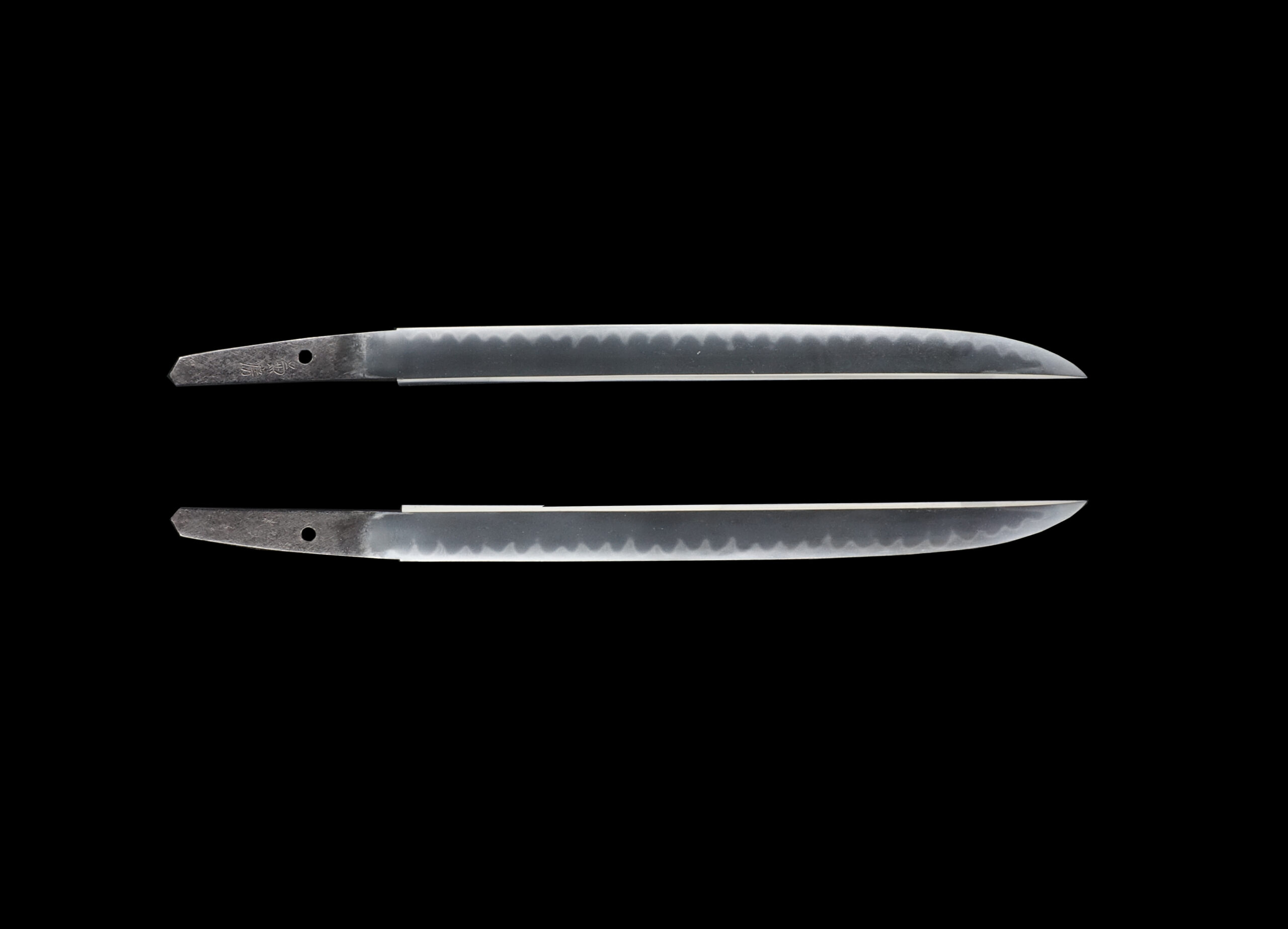
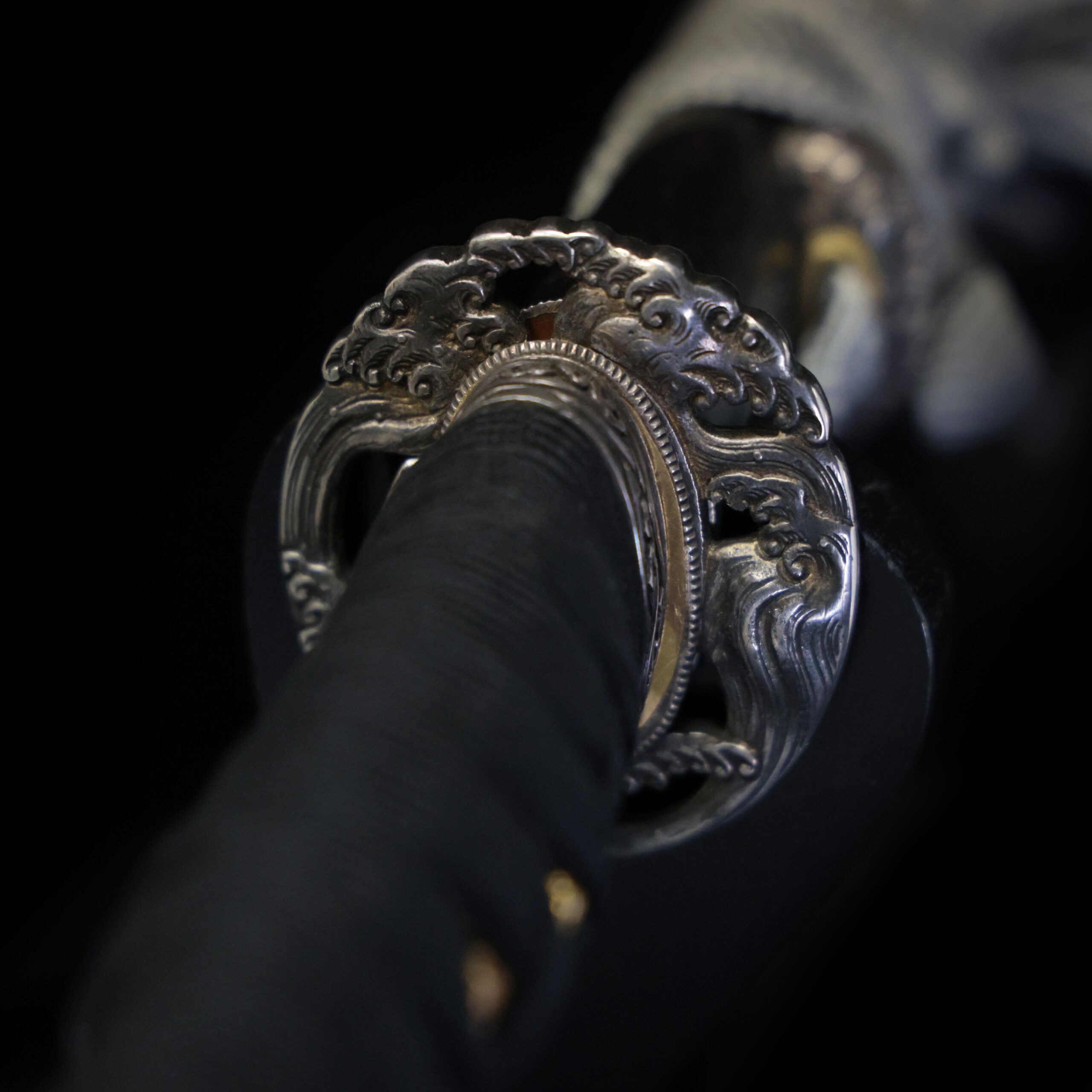
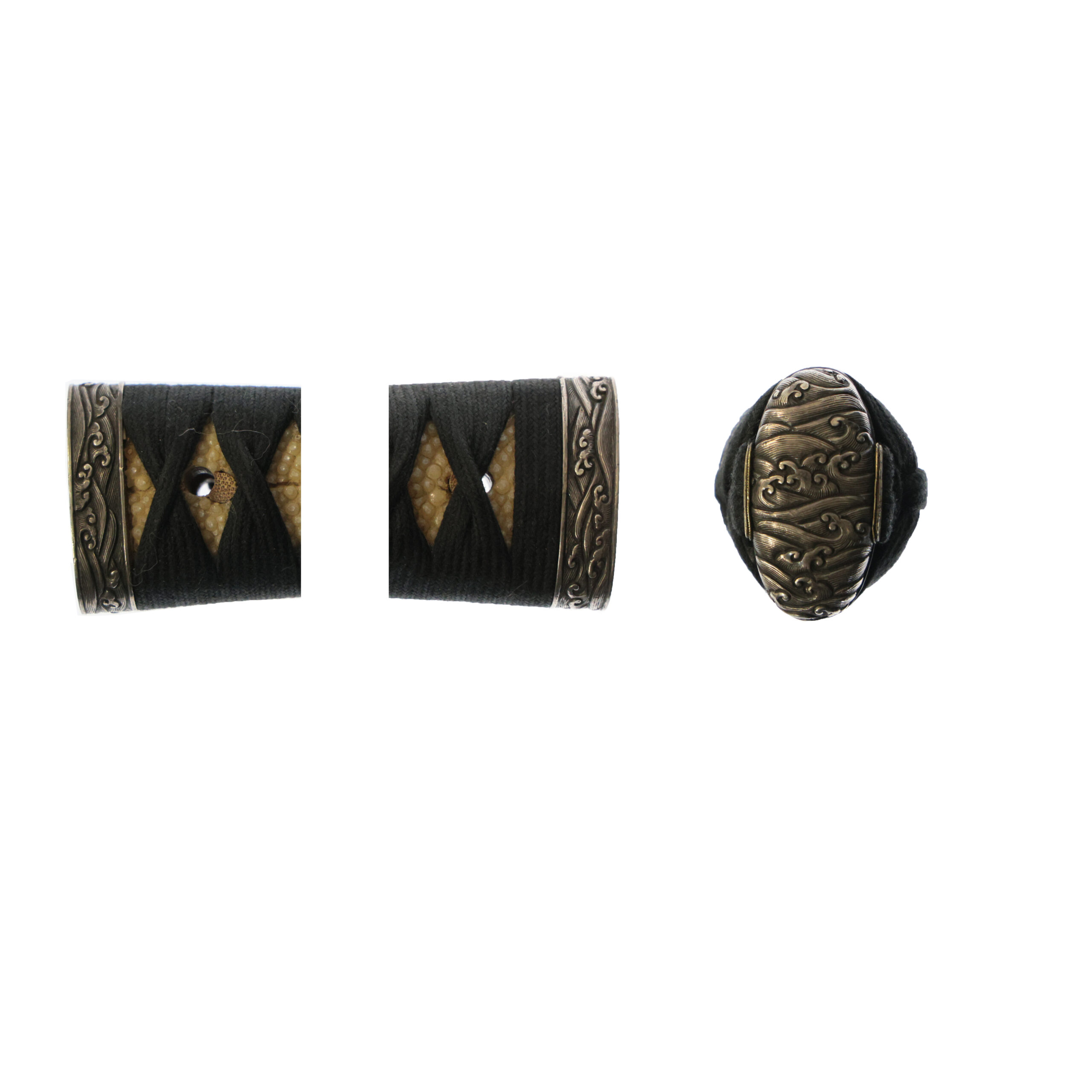
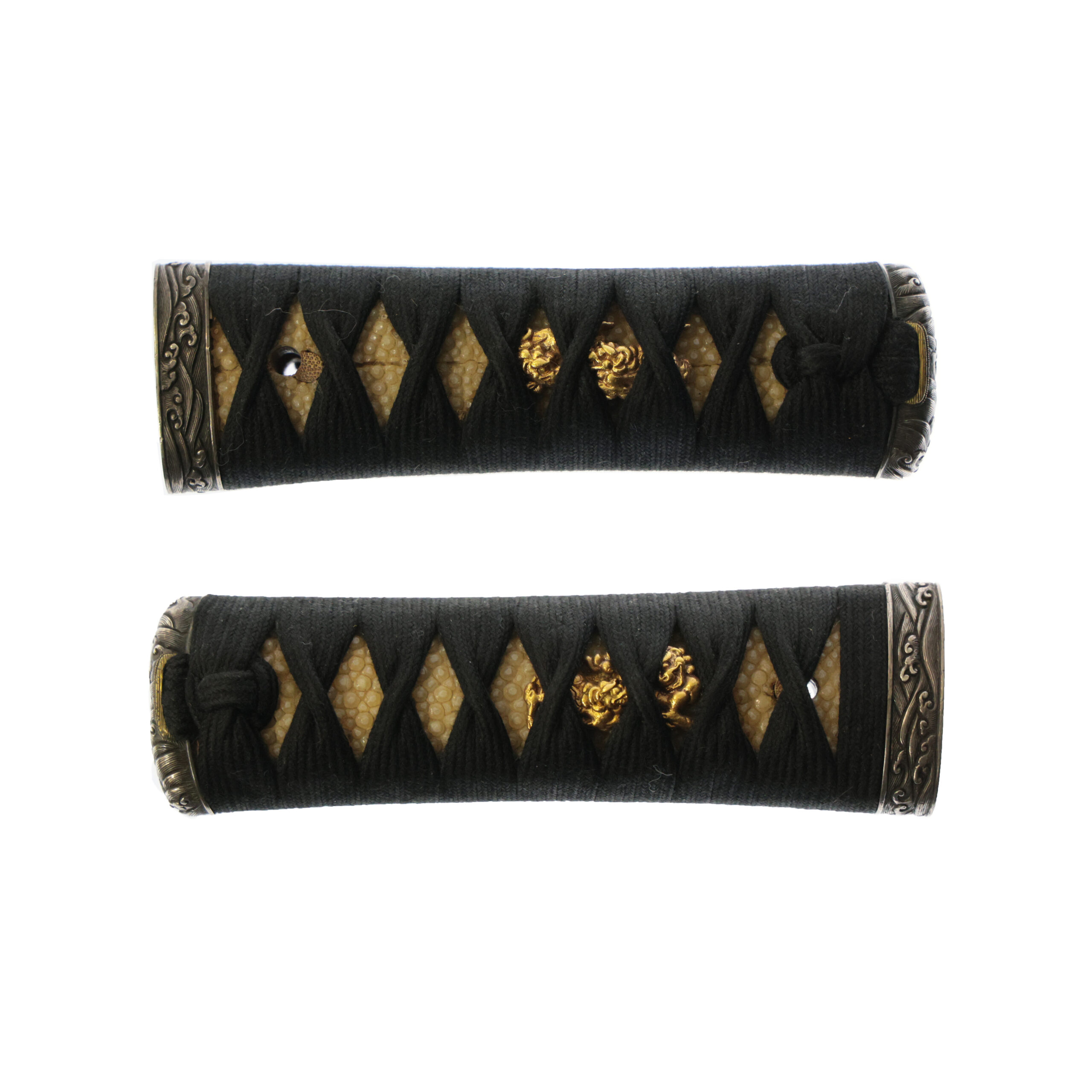
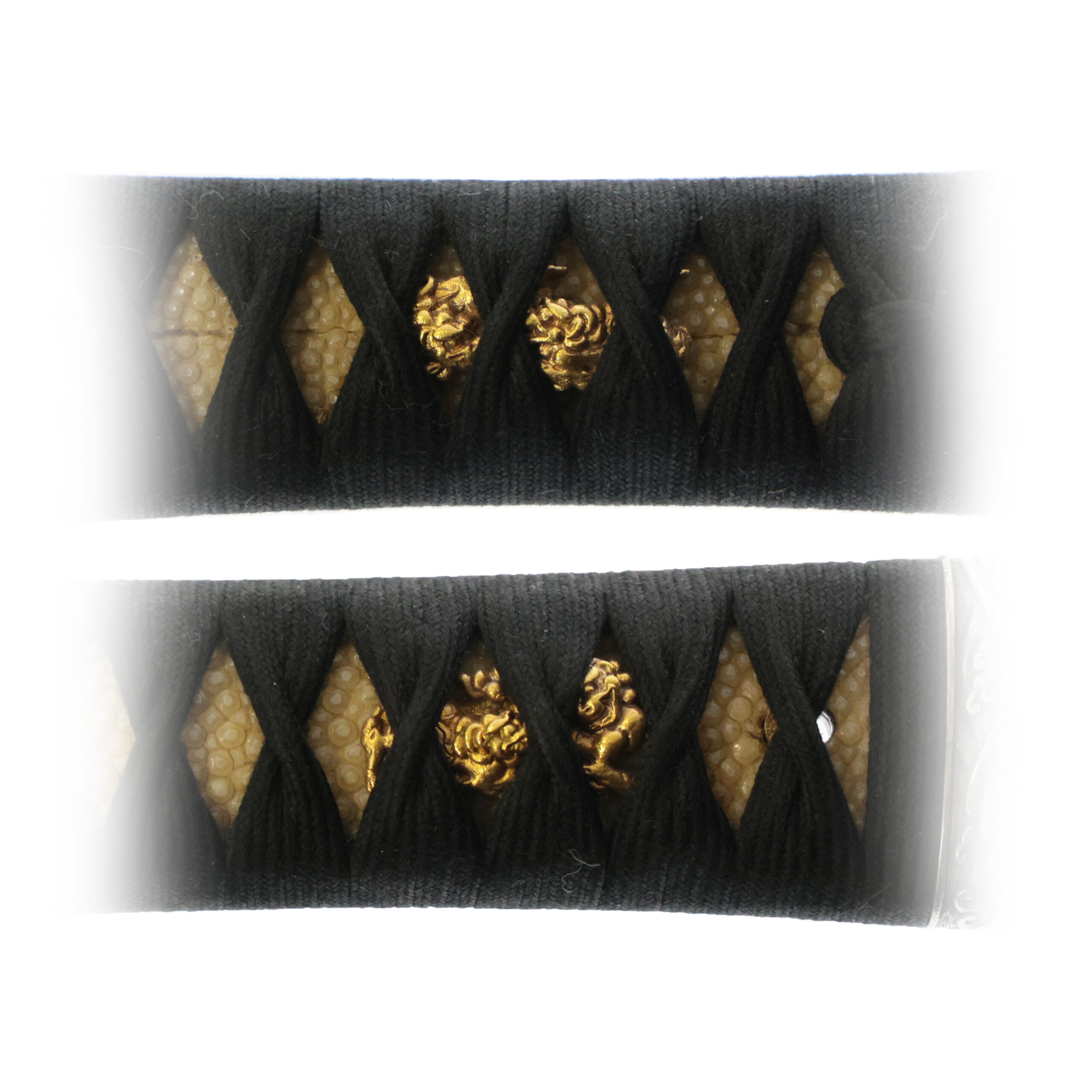
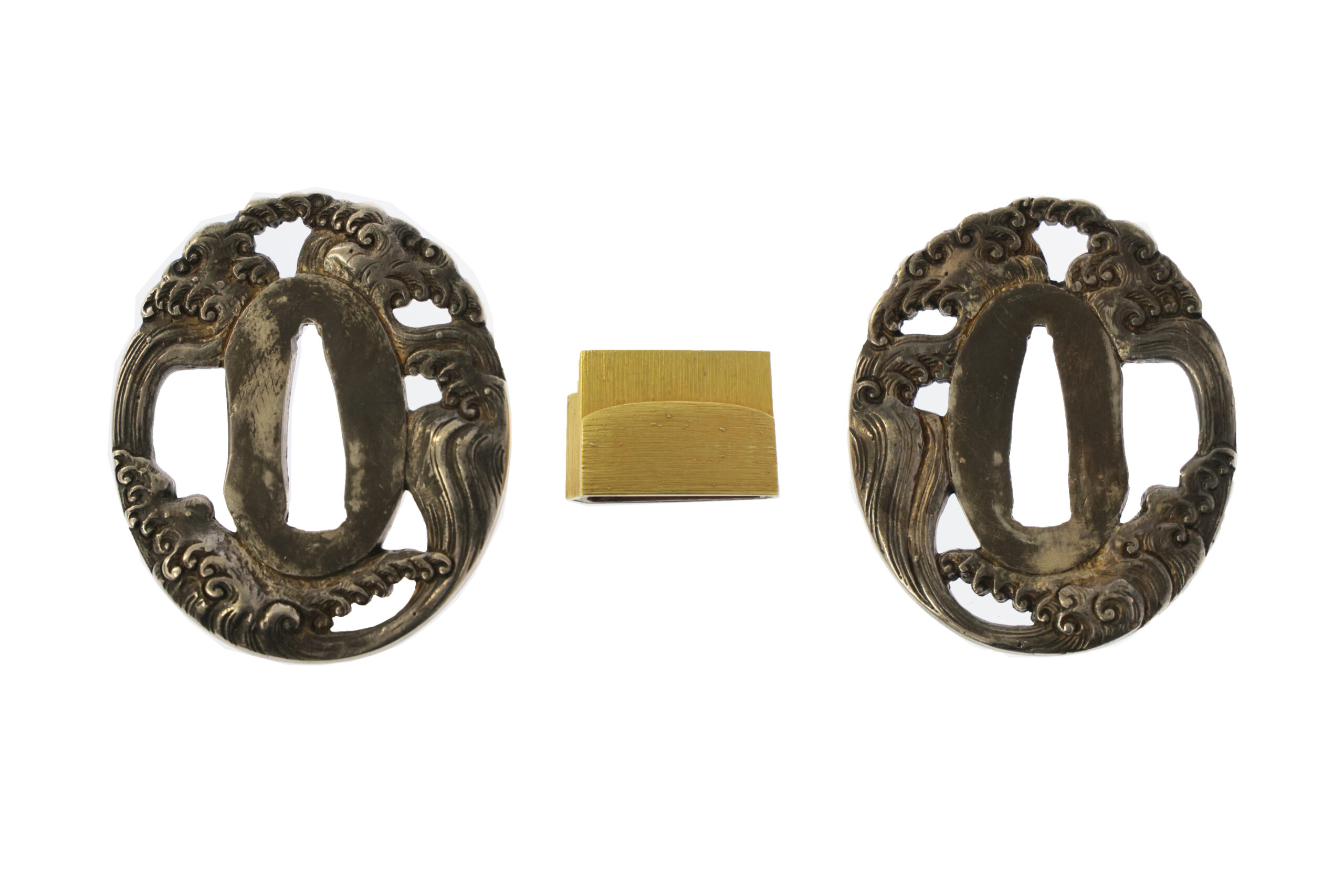
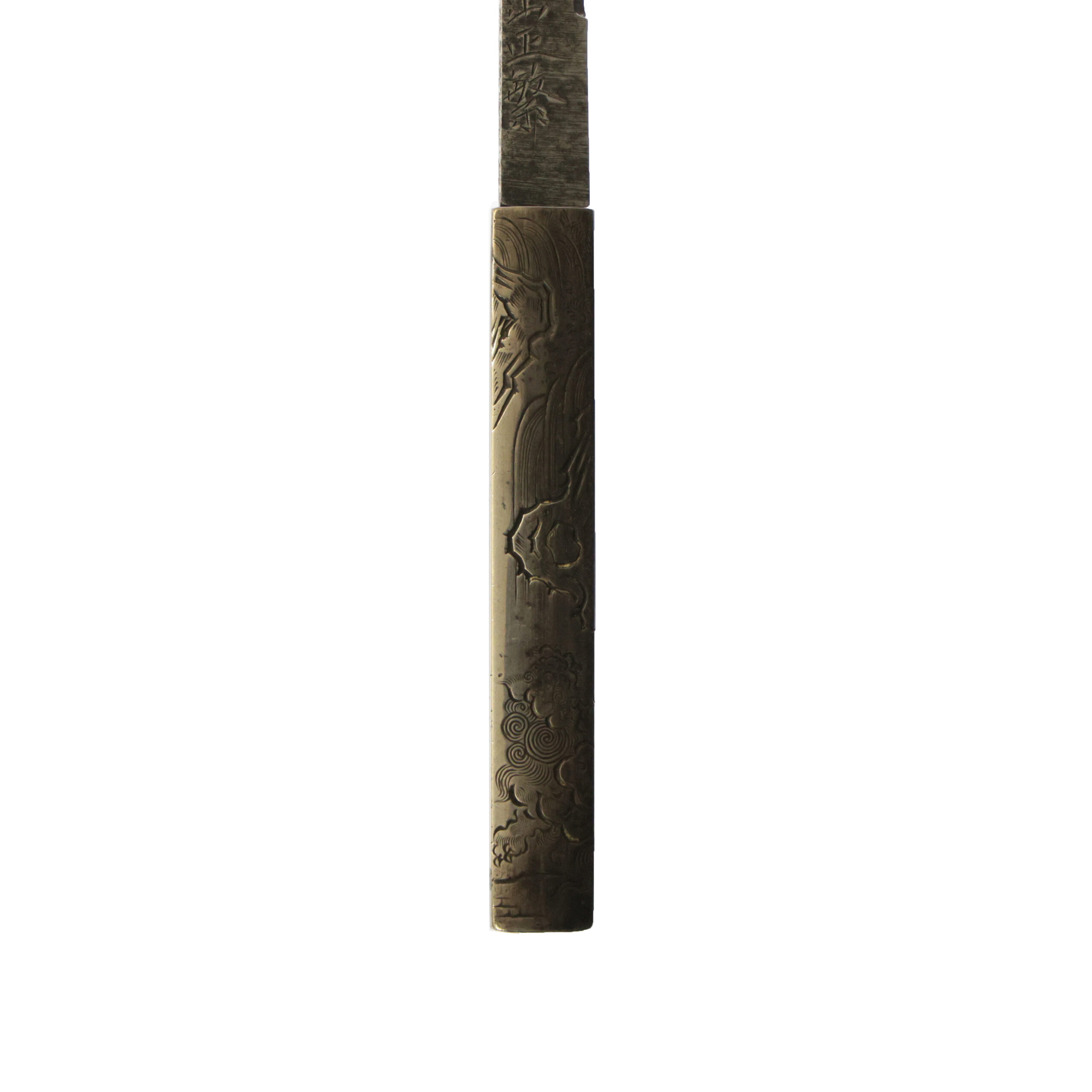
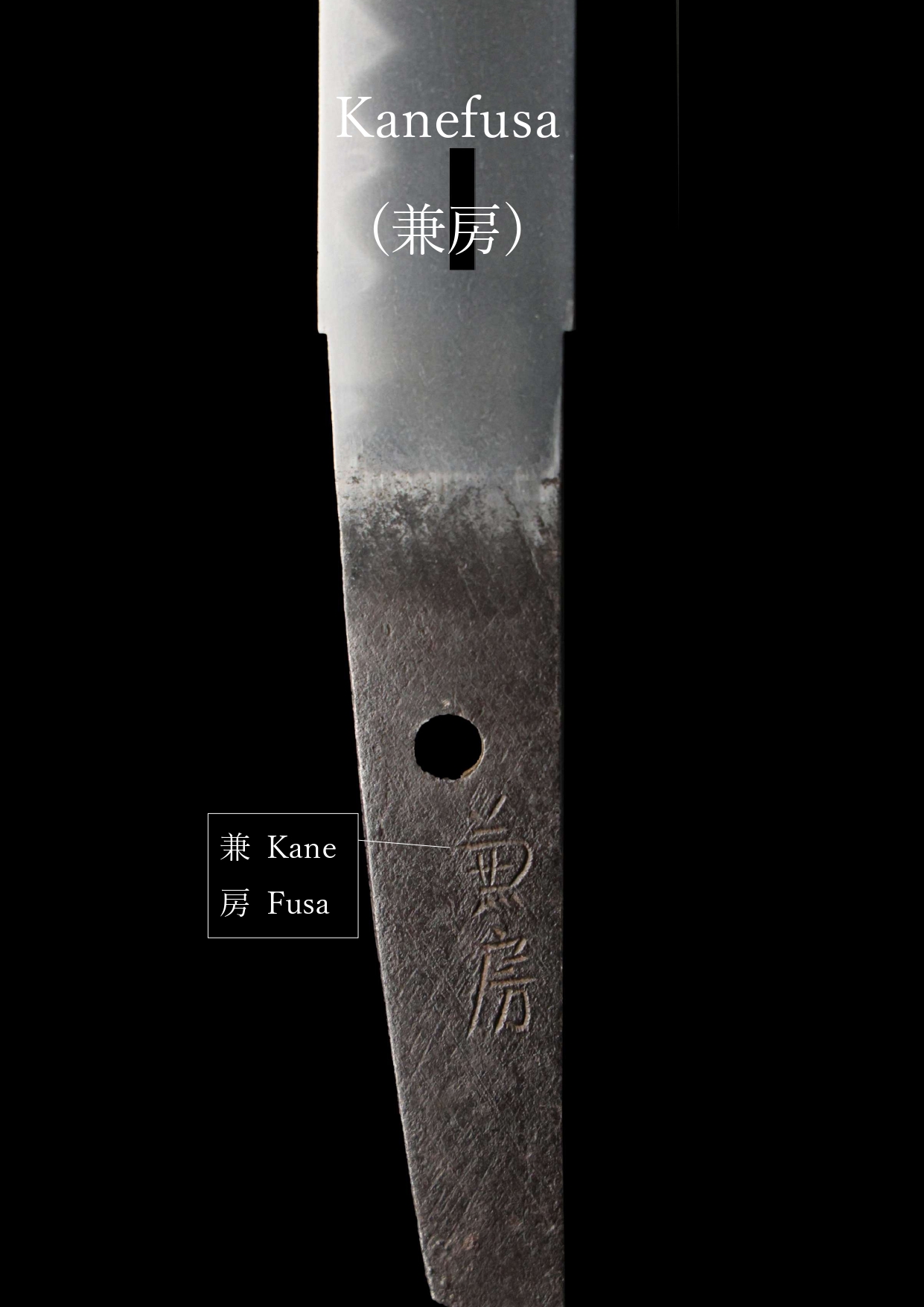
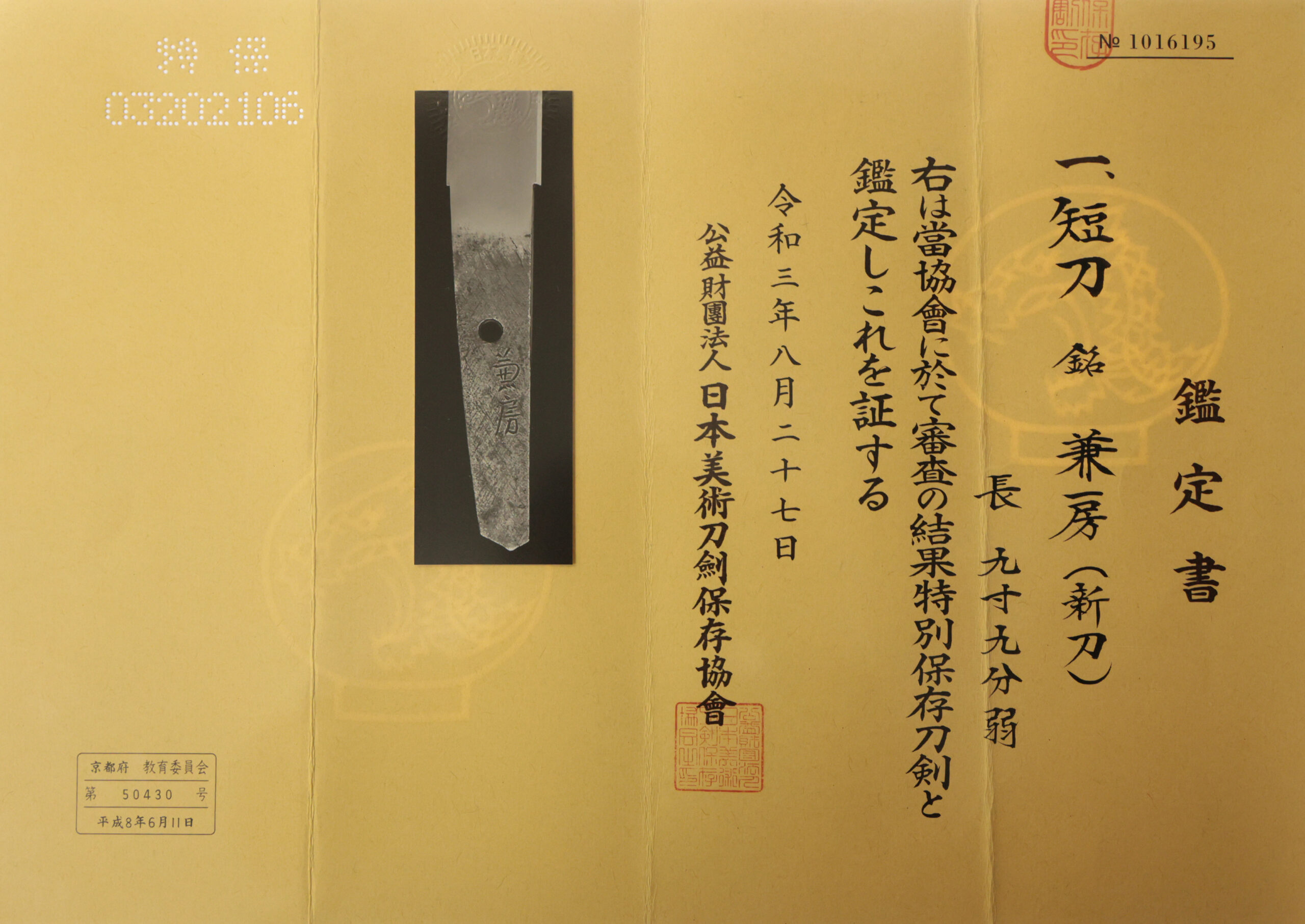
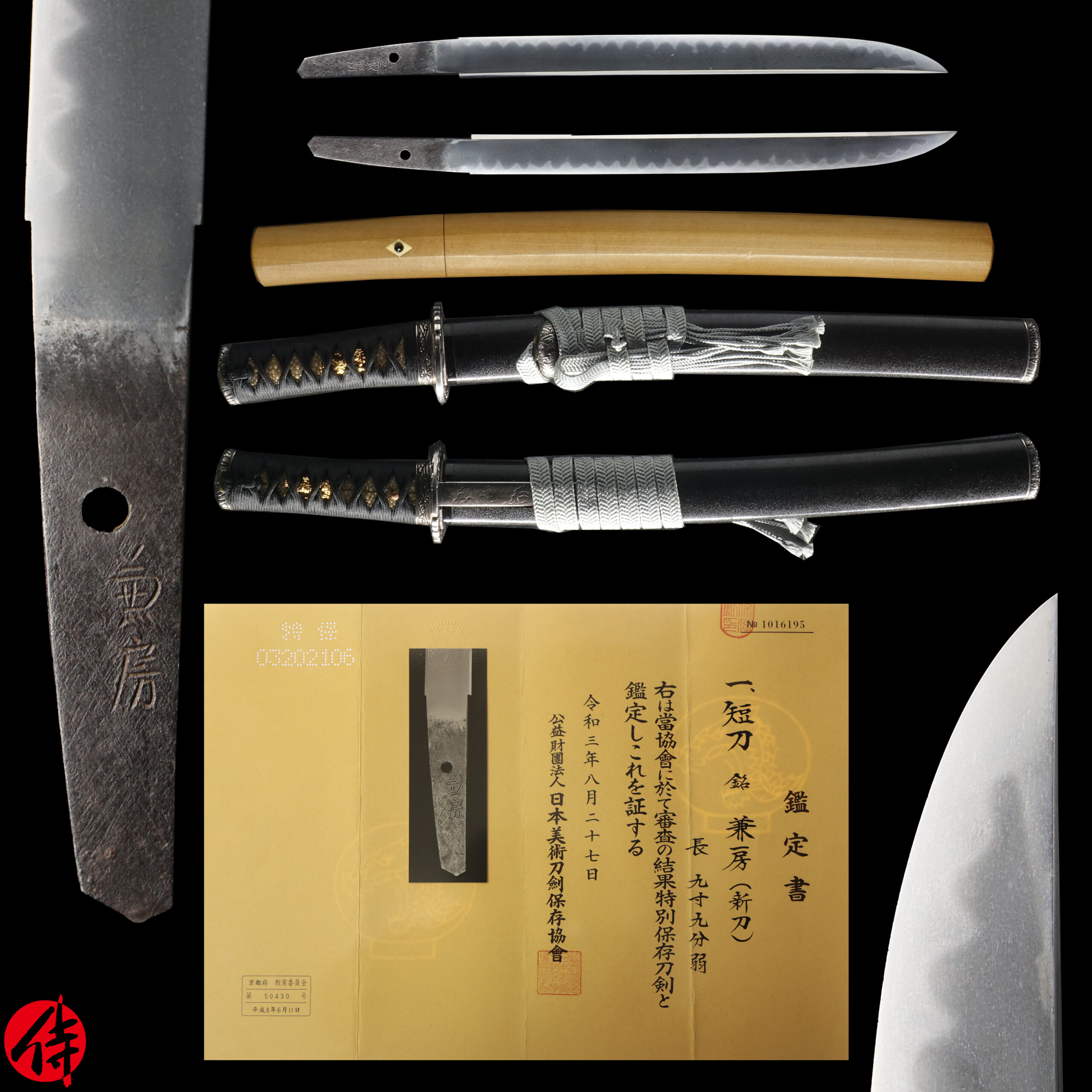
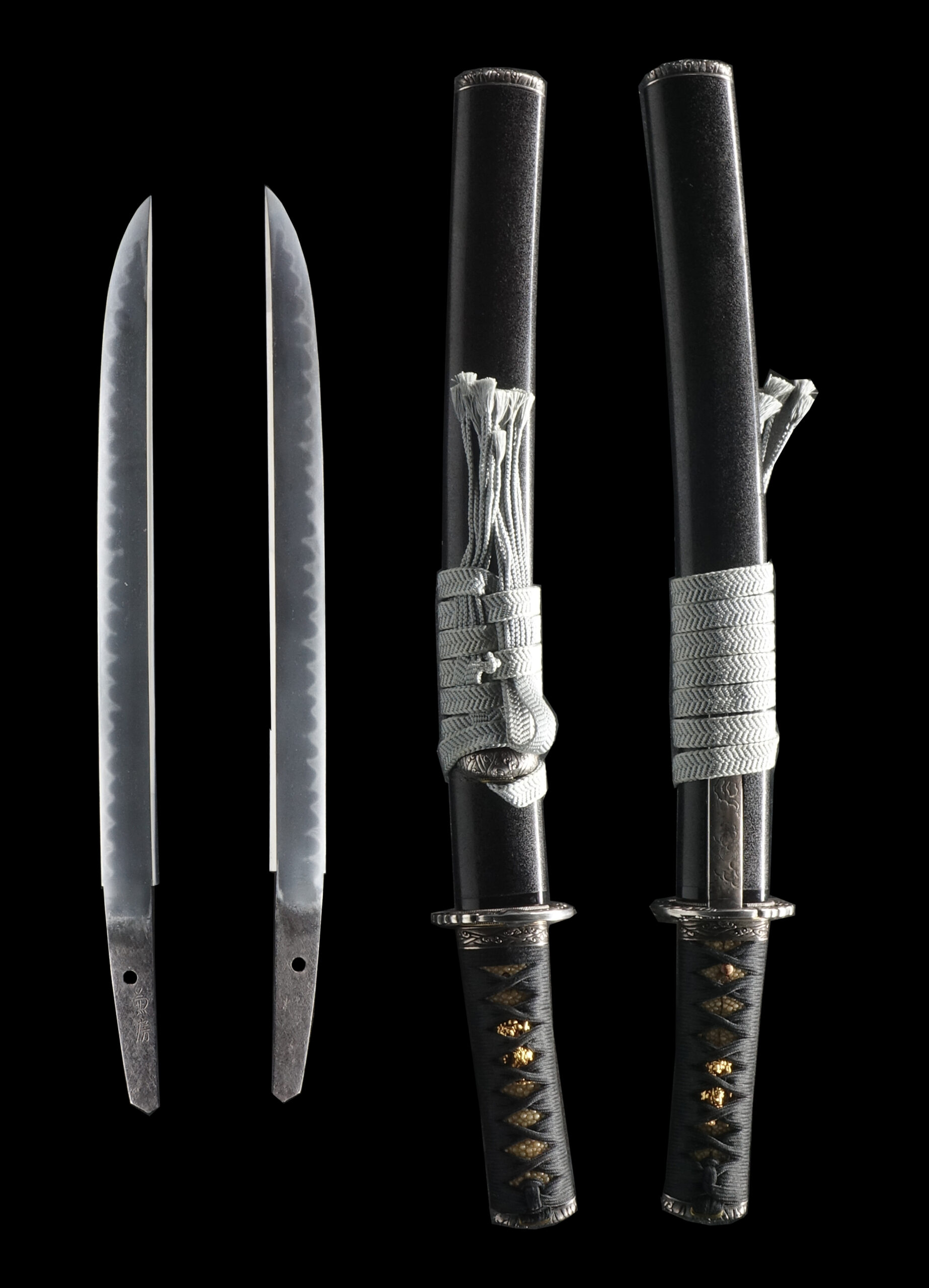
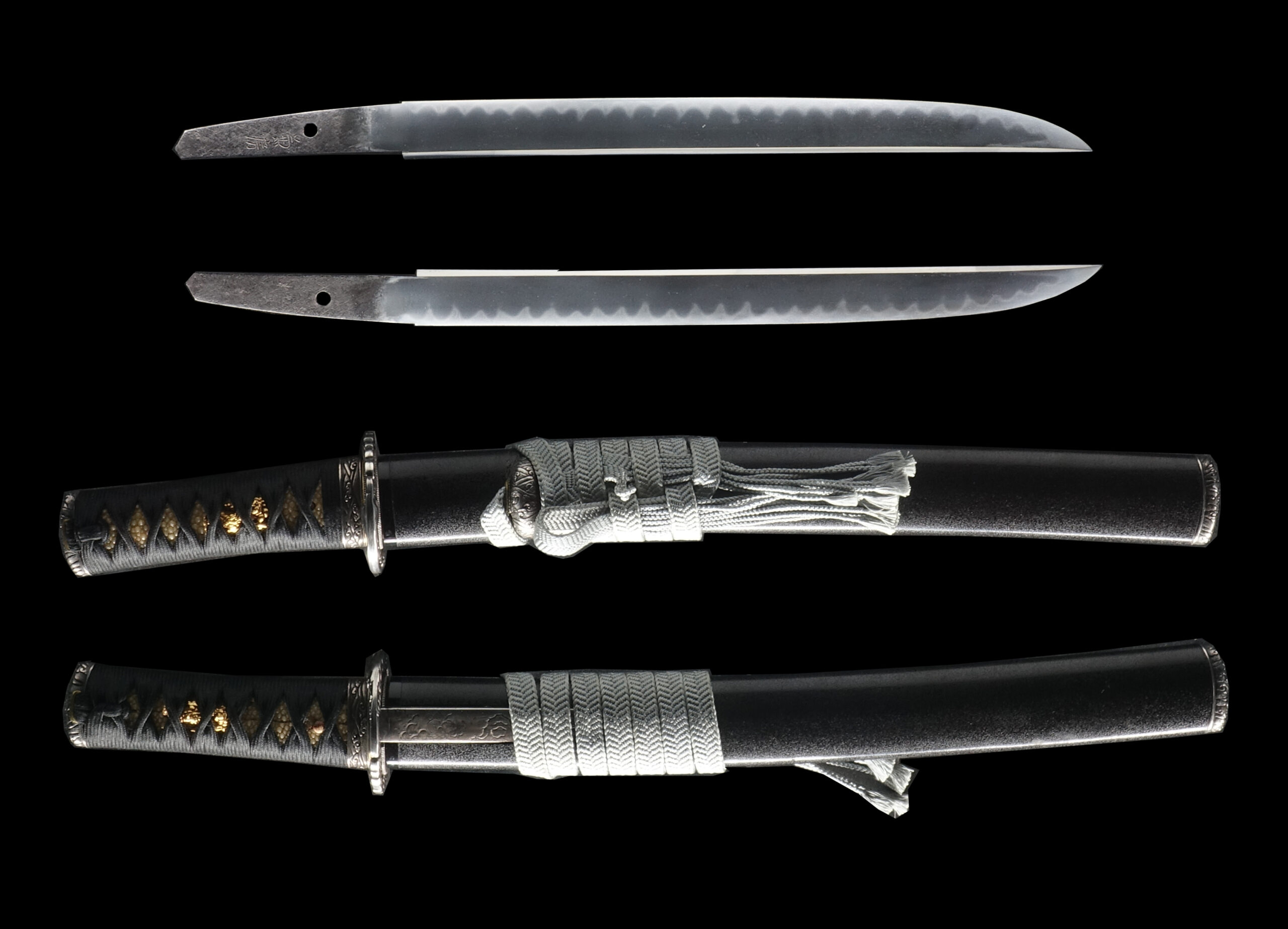
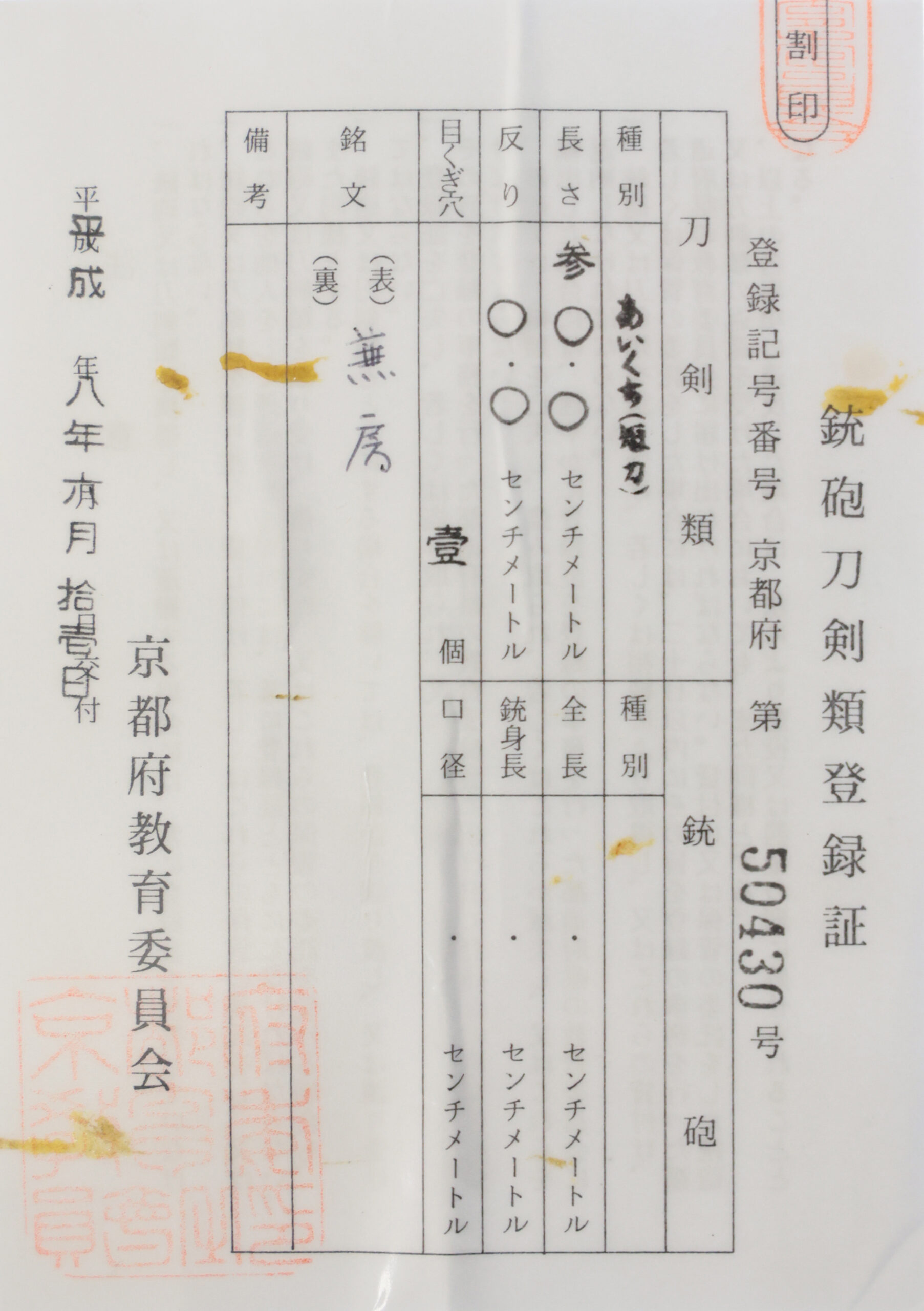
This blade was signed Kanefusa (兼房). According to the NBTHK certificate, it was forged during the Shintō period (1596–1780). The Kanefusa lineage dates back to the mid-Muromachi period, traditionally said to have begun around the Kōshō era (1455). The first-generation Kanefusa is believed to have been the son of Kaneshige, a prominent swordsmith of the Seki region in Mino Province. He inherited the prestigious position of sōryō-shoku (head of the Seki swordsmiths), and the Kanefusa family came to be regarded as the leading lineage (sōryō-ke) among the Seki craftsmen. The first-generation Kanefusa, active during the Eikyō era (1429–1441), is particularly known for creating a distinctive tempering pattern called Kenbo-midare (兼房乱れ). Mino Province, especially Seki City, was one of the most important centers of sword production in Japan. Swordsmiths of this region developed the Mino-den tradition, characterized by togari-ba—sharp, pointed elements along the temper line—and a mix of straight and irregular hamon patterns, often accompanied by faint utsuri (shadow-like patterns in the steel). This tradition originated from the Yamato-den style in the late Kamakura period (ca. 1280–1330), flourished during the Muromachi period (1333–1573), and continued into the Edo period (1603–1868). During the Sengoku period (Warring States period), Mino-den prospered greatly due to the high demand for weapons. Mino Province occupied a strategically central location between eastern Japan and Kyoto, making it highly convenient for warlords to commission swords. Powerful figures such as Oda Nobunaga, Tokugawa Ieyasu, and Akechi Mitsuhide were active in or around neighboring regions, further increasing demand. Blades forged in Mino were especially valued for their practicality and sharpness, earning a strong reputation among samurai. During the Shintō period, the Kanefusa signature was carried on by several lineages. These include a Kanefusa who was a disciple of Wakasa no Kami Ujifusa (the eldest son), a swordsmith known as Seijūrō Kanefusa—whose name was granted by Iwami no Kami Kunifusa (the second generation) to Kaneyoshi—and another Kanefusa from the lineage of Sukefusa (the fourth son). Through these multiple branches, the Kanefusa name was continuously preserved and has been handed down to the present day. What is Tanto? Japanese swords under the blade length of 30cm (11.6 inches) are generally called TANTO, and sometimes TSUBA(鍔; Hand-Guard) is not attached to the TANTO. It was easy to carry and convenient for close combats. It was initially used as a supplemental weapon for Samurai on horseback, who used a pole weapon or long sword in the Kamaura-Muromachi period. Samurai aimed at an unprotected area of his enemy’s armor with Tanto while having to fight with close distance. TANTO was named accordingly, depending on how you carry it, such as HUTOKORO-GATANA (懐刀; Stomach-Sword) or KOSHI-GATANA(腰刀; Waist-Sword) or elsewise. TANTO was also a gift for a bride from her family in a traditional Japanese wedding, as it is believed that TANTO would be divine protection from evil power. This blade is appraised as a Tokubetsu Hozon Token (特別保存刀剣) issued by NBTHK (Nihon Bijutsu Touken Hozon Kyokai:日本美術刀剣保存協会). Fuchi-Kashira The theme of this silver fuchi-kashira is the hatō-zu motif (波濤図), a traditional Japanese design depicting powerful, surging ocean waves. This wave motif symbolizes the dynamic and ever-changing forces of nature, as well as resilience, strength, and the ability to overcome adversity. Such designs were highly favored in sword fittings, as the movement of water was often seen as a metaphor for the samurai’s unwavering spirit and determination. Tsuka and Menuki The theme of the Menuki is Karajishi (唐獅子, lion). The Shishi (獅子) means a lion in Japanese, and the Karajishi is a lion brought from the continent to Japan in the Toh period (唐, Tang dynasty, 618-907). The Karajishi typically has curly hair for its head, neck, body, and tail, as seen on this work. In Buddhism, the Karajishi is regarded as a symbol of wisdom, and Monju Bosatu (文殊菩薩, Manjushri Bodhisattva) rides lions. According to a theory, the Karajishi is the origin of Komainu (狛犬, stone guardian dogs that exorcize evil spirits). It shows this animal motif has been familiar to Japanese people since ancient times. Tsuba and Habaki This silver circular tsuba shares the same hatō-zu (波濤図, wave) motif as the fuchi-kashira, creating a cohesive and harmonious overall design. Kozuka The theme of this kozuka is a waterfall (滝, taki) motif. The waterfall motif is often associated with the legend of the Dragon Gate (登竜門, Tōryūmon), in which a carp that successfully swims upstream and climbs a great waterfall transforms into a dragon. Because of this, the design symbolizes success, advancement, and the achievement of great ambition. Saya The kurikata (栗型) on the saya is also decorated with the hatō-zu (波濤図, wave) motif. Authentication Paper They authenticated the blade on August 27th in the 3rd year of Reiwa (2021). They appraised it as Tokubetsu Hozon Touken, the blade especially worth preserving for Japanese society.
Offered by Samurai Museum

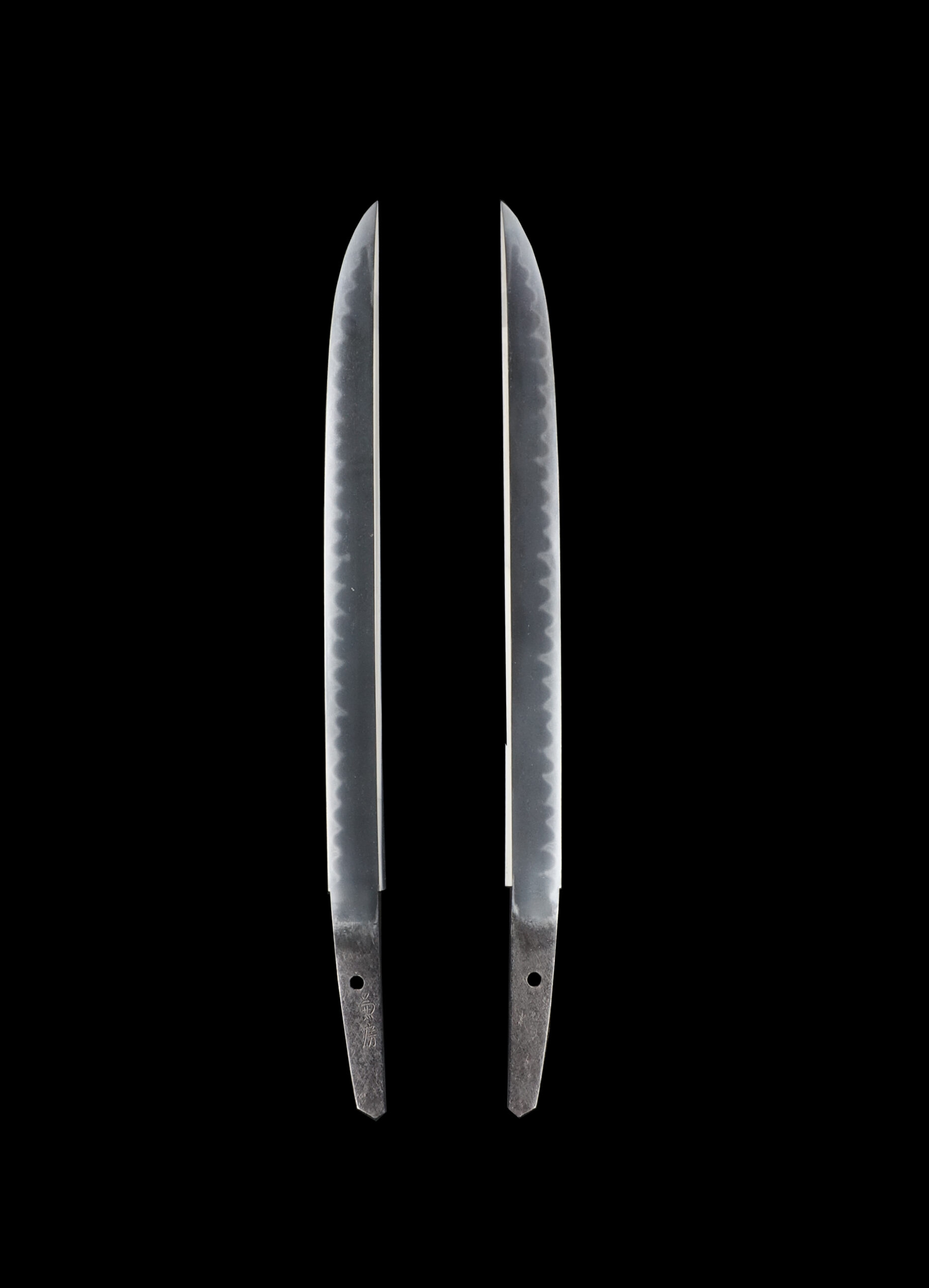
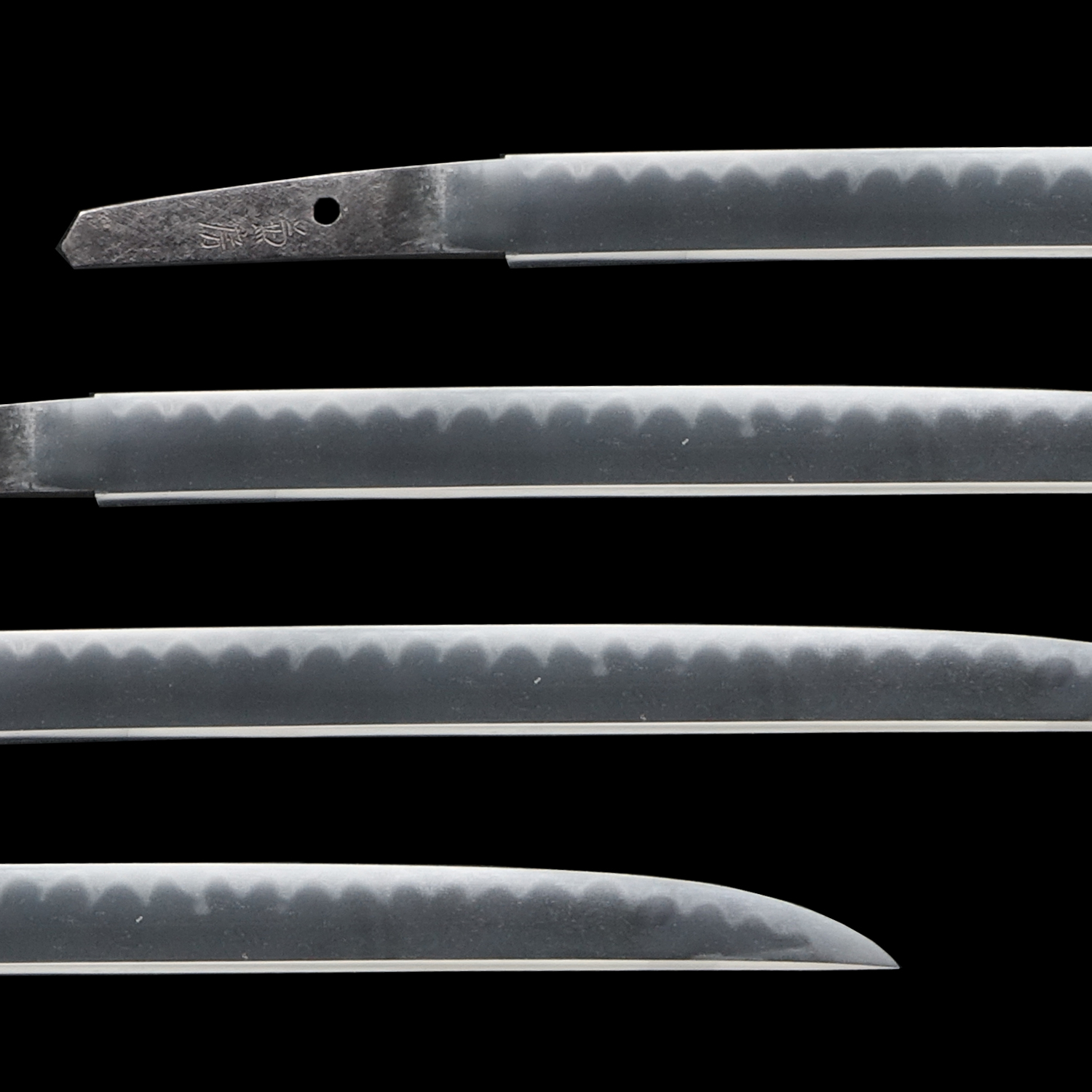
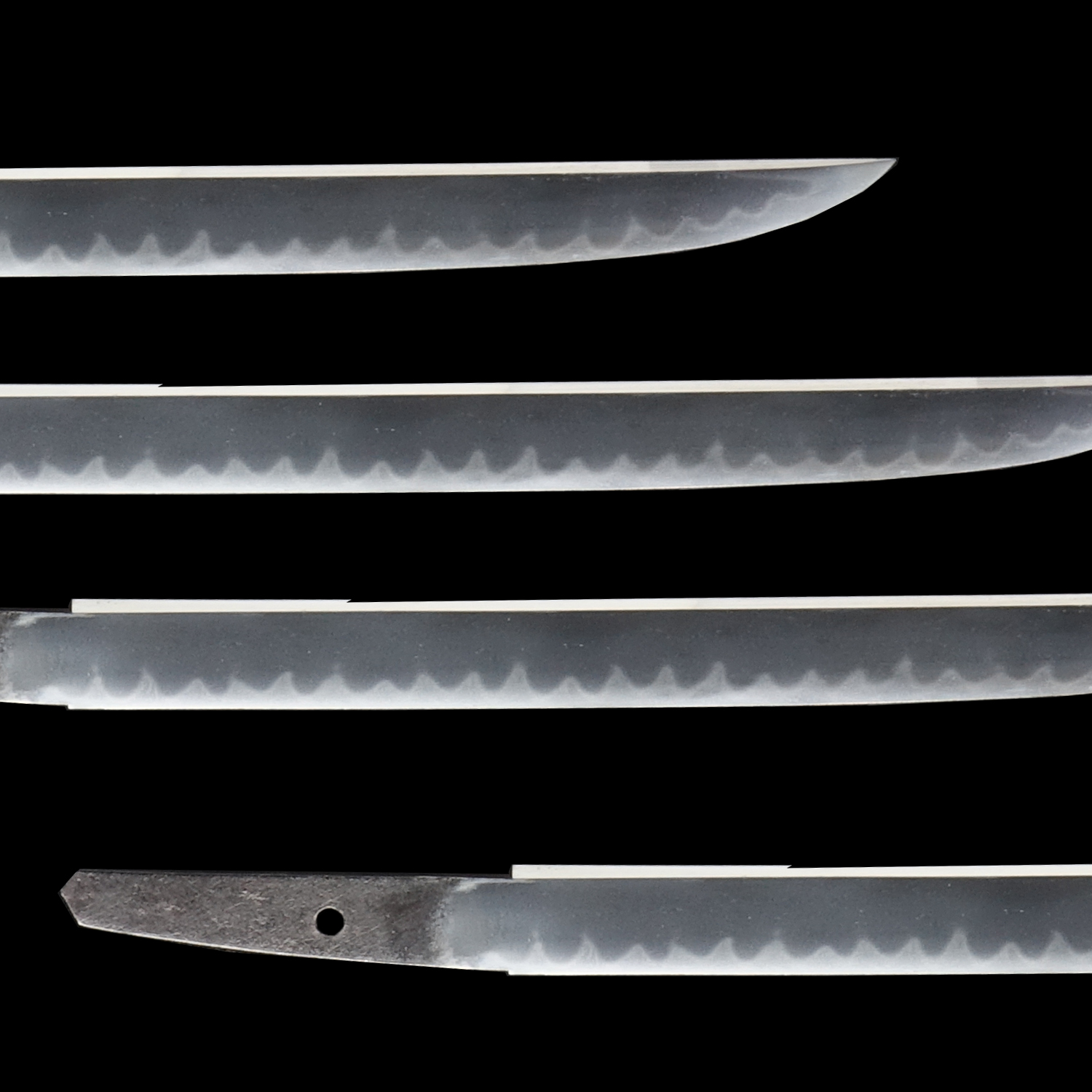
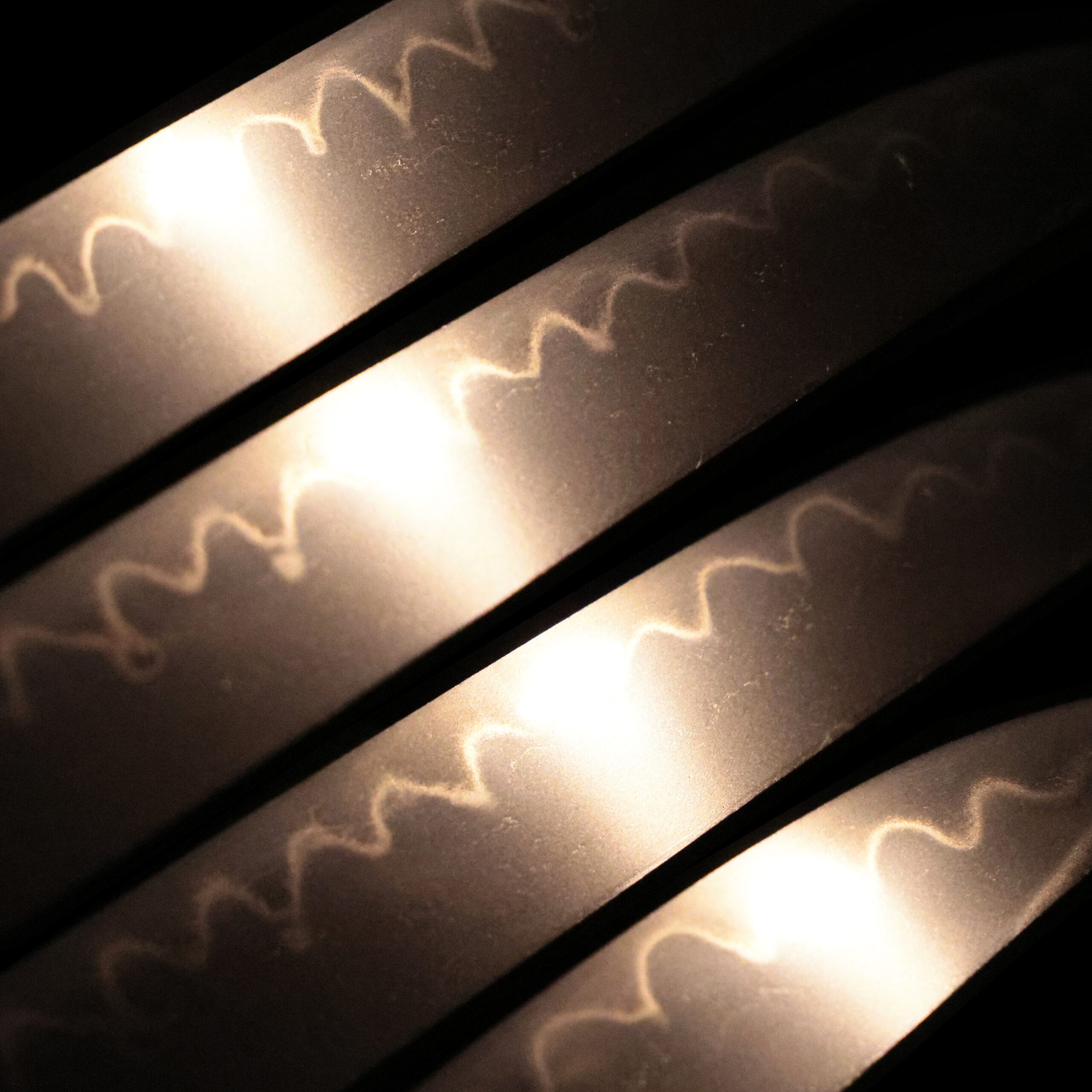
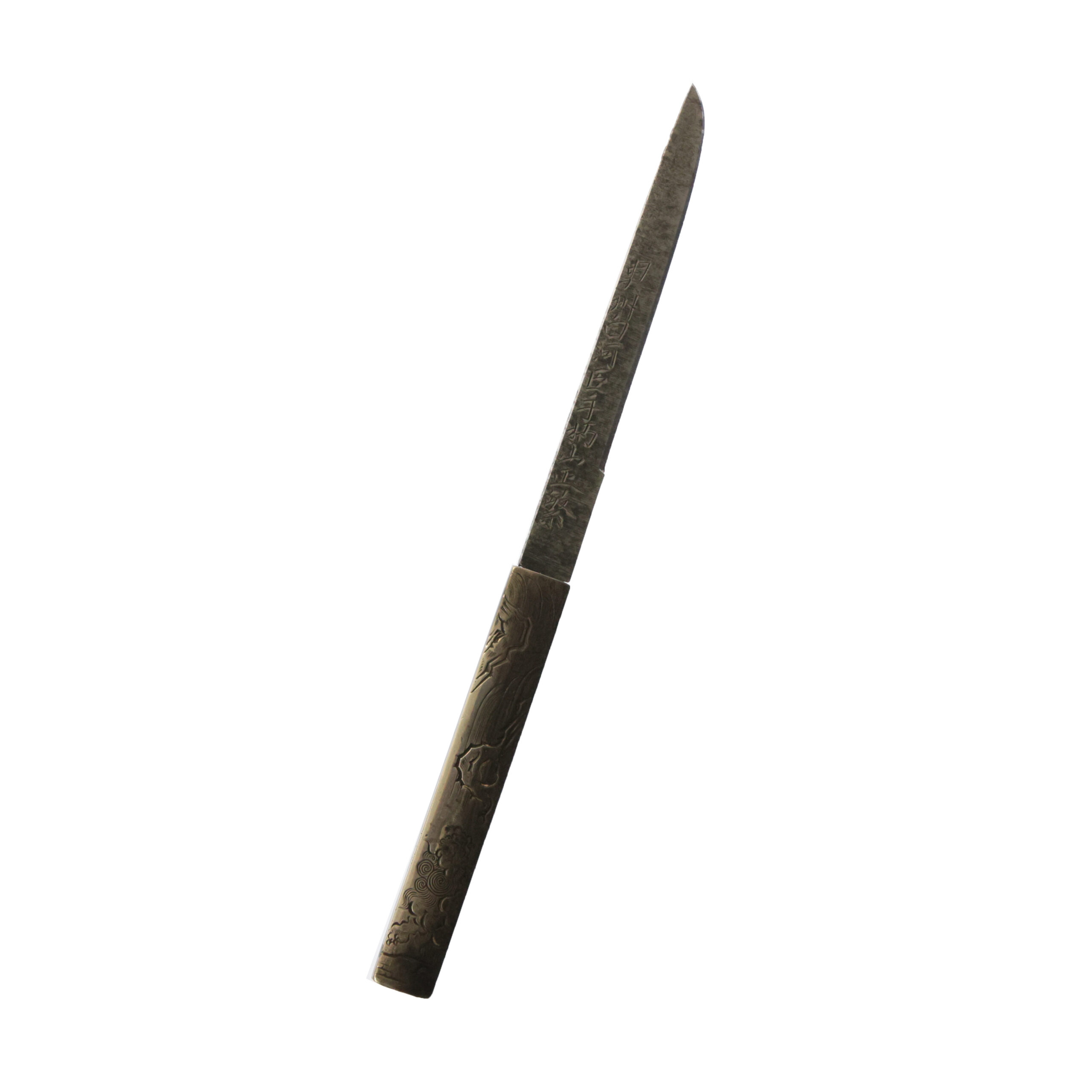
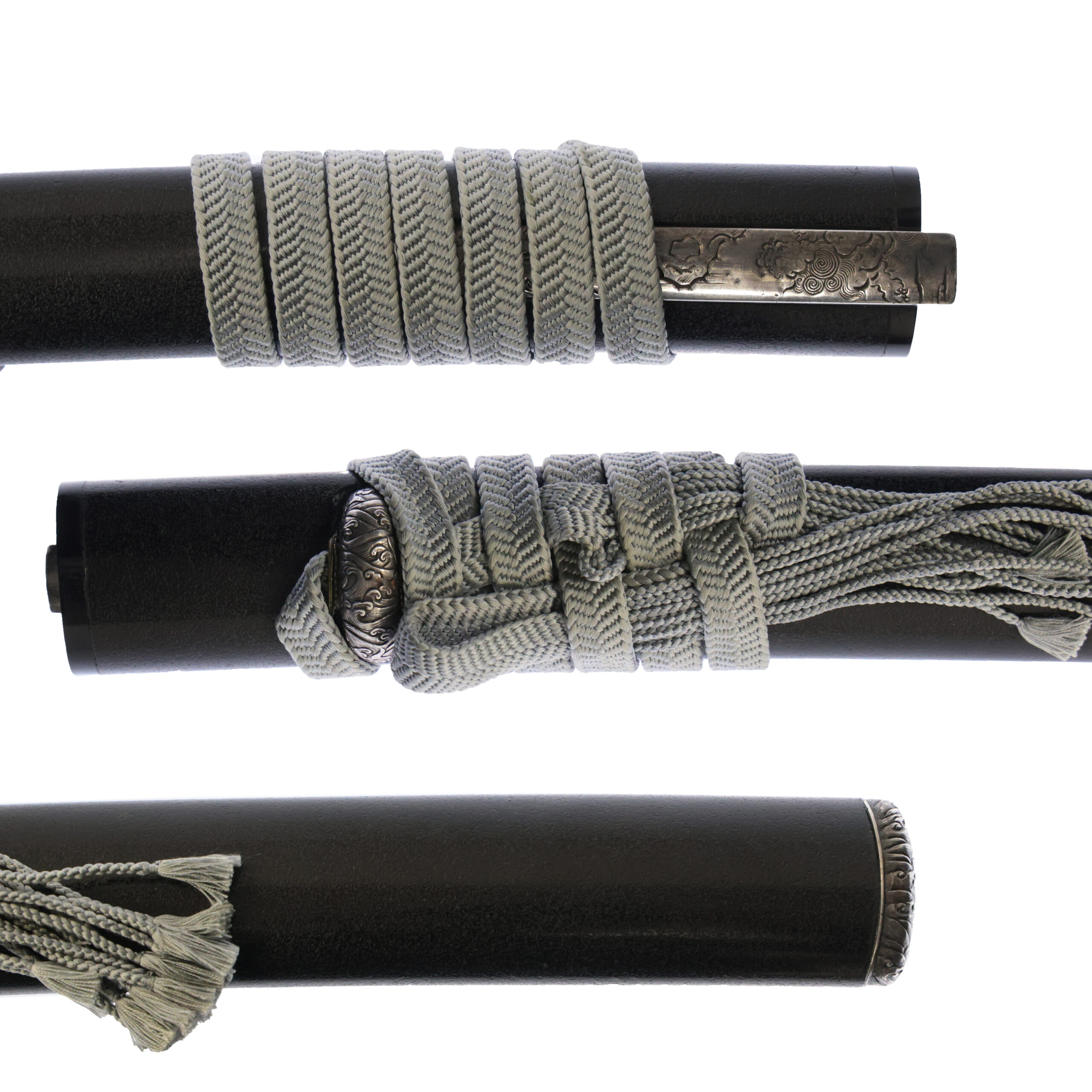
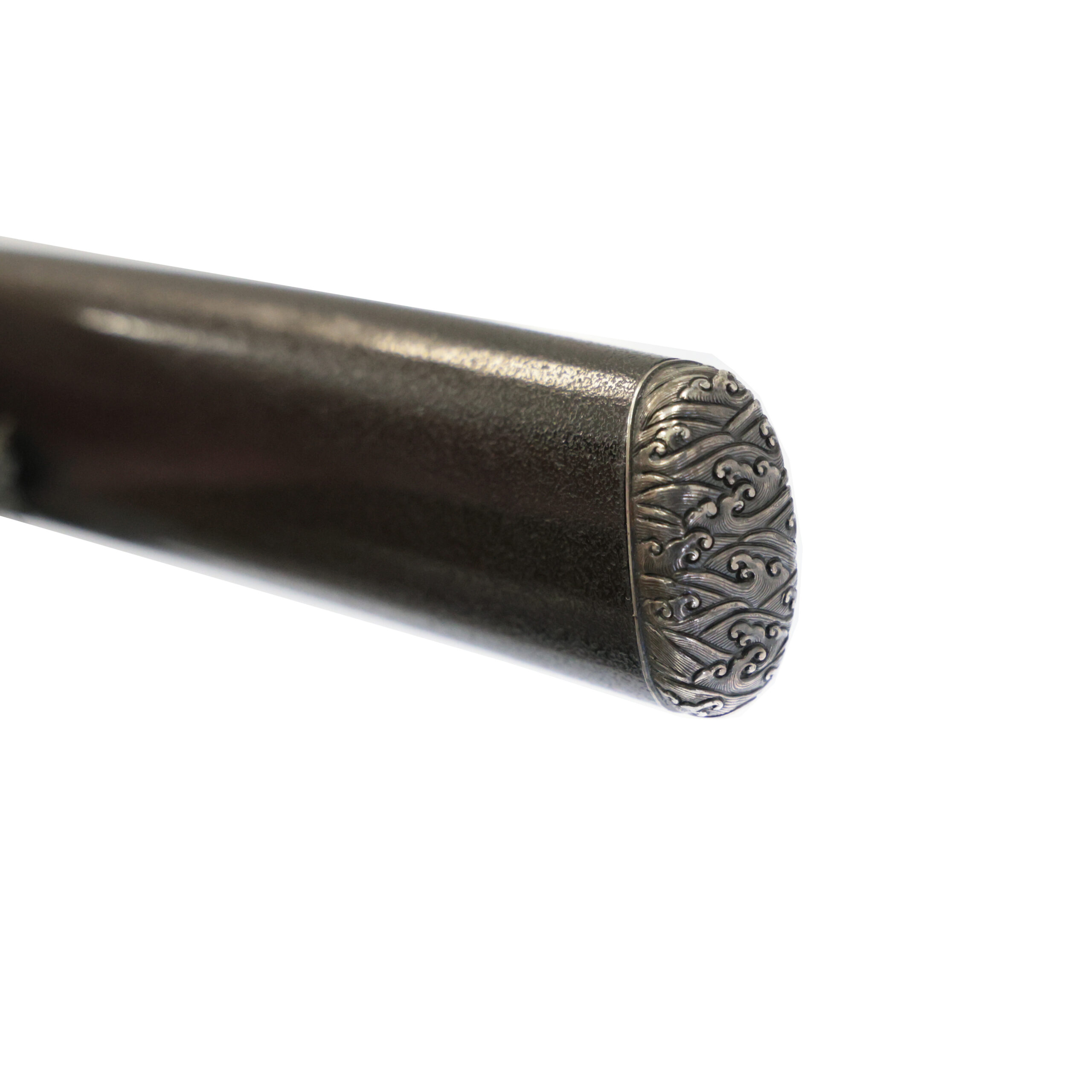
Mino-den · Mino
129 pieces on the market now
Seki (関), in Mino Province, grew from two roots set down in the Nanbokuchō period and rose to become the great center of mass sword production in the late medieval age. The published sources trace the wellspring of Mino swordmaking to Kinju (whose name the commentary also reads Kaneshige), counted since antiquity among the Masamune Jittetsu, the ten disciples of Sōshū Masamune, and to Kaneuji of the Shizu line; the Kokon Meizukushi records Kinju as a native of Tsuruga in Echizen who "crossed over to Seki and resided there," carrying the Sōshū-den manner east. Beneath that Sagami inheritance lay a Yamato foundation, legible in the Tegai descent of the Seki Zensada line through Kaneyoshi, so that the Mino-den the Seki workshops forged stands as a fusion of Yamato grain and Sōshū activity in nie. From this Nanbokuchō founding the name multiplied across the Muromachi period into Sue-Seki, the last and largest body of the tradition; its representative masters at the close of the old-sword age were Magoroku Kanemoto, famed for the sanbonsugi, and Izumi no Kami Kanesada, the smith called Nosada, while the Kanefusa, Ujifusa and Daidō hands worked beside them and the move of Wakasa no Kami Ujifusa to Kiyosu carried the Mino body to the threshold of Owari shintō. A common Mino vocabulary binds the Seki body, however widely its members range. The forging is an itame that stands and runs to masame, often mixed with mokume and nagare, over which rises the cool whitish shirake-utsuri of Mino steel rather than the bright midare-utsuri of Bizen; this pale, standing jigane is the constant tell the judges read first, present alike on Kinju's Nanbokuchō katana, Kaneyoshi's Ōei tachi and Nosada's late-Muromachi blades. Over it the smiths temper gunome into which the pointed togariba of Mino enters, with ko-nie clinging to a tight nioiguchi, ashi and yō, and sunagashi streaming through; the bōshi answers in midare-komi turning to a pointed or jizō-cast ko-maru swept with hakikake. From this shared grammar the individual hands diverge.
Kanemoto fixed the regular three-cedar sanbonsugi of pointed teeth; Kanefusa devised the rounded-head, constricted-waist "Kanefusa midare"; Kinju and the early founders held a calmer, rounder gunome away from the restless Shizu line, their work laid with thicker ji-nie and dry, standing grain. The late masters carried the manner to a higher finish: Nosada wove togariba among rounder forms for a broader temper than Kanemoto's one-sided file, and turned at times to a slender Rai-styled suguha with a hidden gunome; Kaneyoshi held instead to a cool ito-suguha, the disciplined Yamato face of late Seki, lightly broken with ko-gunome. A collector seeks Seki because it is the connoisseur's ground for reading Mino-den across a vast body of signed and attributed work. The kantei runs through the jigane first: the standing, masame-leaning itame and the whitish shirake separate a Seki blade from Bizen and Yamashiro, after which the pointed togariba, the dry nie, and the pointed or jizō bōshi confirm the province; the discriminations the judges draw, Kinju held apart from Shizu by his rounder gunome, Nosada parted from Kanemoto by his breadth, give the eye its anchors. Within the school the standing of the best members is settled: Magoroku Kanemoto for the sanbonsugi, Nosada whom the swordbooks call simply "an excellent master" and the most accomplished of the several Kanesada hands, and the early Kinju as a rare and precious founding name, his record running through the Jūyō tier with the signed pieces few and the long blades attributed den. Signature works carry real provenance: a Kinju tantō presented to the Tokugawa shogunal house in 1679, a Nosada katana borne by a chief retainer of the Kii Tokugawa and a tachi forged for the father of Takeda Shingen, a Kaneyoshi tachi transmitted in the Chikuzen Kuroda family. Beyond connoisseurship, Seki's blades earned a battlefield reputation for cutting; the full hiraniku and stout build of the Sue-Seki katana, made to sever, set the wazamono standing that made Mino the working sword of its age. Learn more →
| Smith | Era | Designated |
|---|---|---|
| Kinju金重 | 1340-1346 | 42 |
| Kaneyuki金行 | 1350-1352 | 10 |
| Kanekore兼之 | 1504-1555 | 7 |
| Kanenori兼法 | 1579-1615 | 5 |
| Nagasada永貞 | 1862-1866 | 5 |
Mino in the Muromachi period
Sengoku Seki was an industry: smiths organized under their tutelary Kasuga shrine, arming the war bands of central Japan. Magoroku Kanemoto’s sanbonsugi and the finest Kanesada work prove quality survived inside mass production.
A Hozon-certified blade judged to show notably superior workmanship and a better state of preservation. The bar is higher: re-tempered blades and most unsigned Muromachi/Edo works are excluded.
The NBTHK (Nihon Bijutsu Tōken Hozon Kyōkai, the Society for the Preservation of Japanese Art Swords) is a public-interest incorporated foundation founded in 1948 and supervised by Japan’s Agency for Cultural Affairs (Bunkachō); it is based at the Japanese Sword Museum in Tokyo. Its expert panels physically examine each submitted work (shinsa) and issue a certificate (kanteishō) ranking it by artistic and historical merit. NBTHK papers are the most widely recognized standard of authentication for Japanese swords and fittings.
NBTHK official siteReturns/exchanges limited to defects caused by shipping (except willful misconduct or gross negligence by the company); customers must contact within 72 hours of receiving the product.
Certificate reading — 銘 兼房